Oura buys gesture-navigation startup DoublePoint

Smart ring maker Oura has acquired Doublepoint, a company that specializes in gesture recognition for wearables. The Finnish startup uses smartwatches and wristbands as examples of products that benefit from its technology, but Oura will clearly be looking to incorporate it into its rings, in theory allowing you to control your connected devices with hand movements.

Oura said in a press release that the deal sees it inherit an "exceptional team of AI architects and builders from Doublepoint," including Doublepoint's four founders. The newly-acquired company will remain in its native Helsinki, where it will work with Oura’s international teams.

It added that Doublepoint’s expertise in helping devices register subtle hand movements will be key, as nobody wearing a smart ring is going to engage with gesture control if they have to thrash their hand around like a conductor.

Oura says it believes that the next generation of wearable AI-powered tech will use a combination of gesture and voice control, and Doublepoint’s background in biometric integration with devices will give it an edge in a competitive market.

Oura’s most recent release is the Oura Ring 4, which Engadget’s Daniel Cooper called "the smart ring to beat" in his long-term review last year. He praised the design, improved data collection and app interface, but was disappointed that even using basic hardware features requires a paid subscription.

This article originally appeared on Engadget at https://www.engadget.com/wearables/oura-buys-gesture-navigation-startup-doublepoint-163758659.html?src=rss

This Rugged Phone Ships With 2 Batteries You Can Hot-Swap

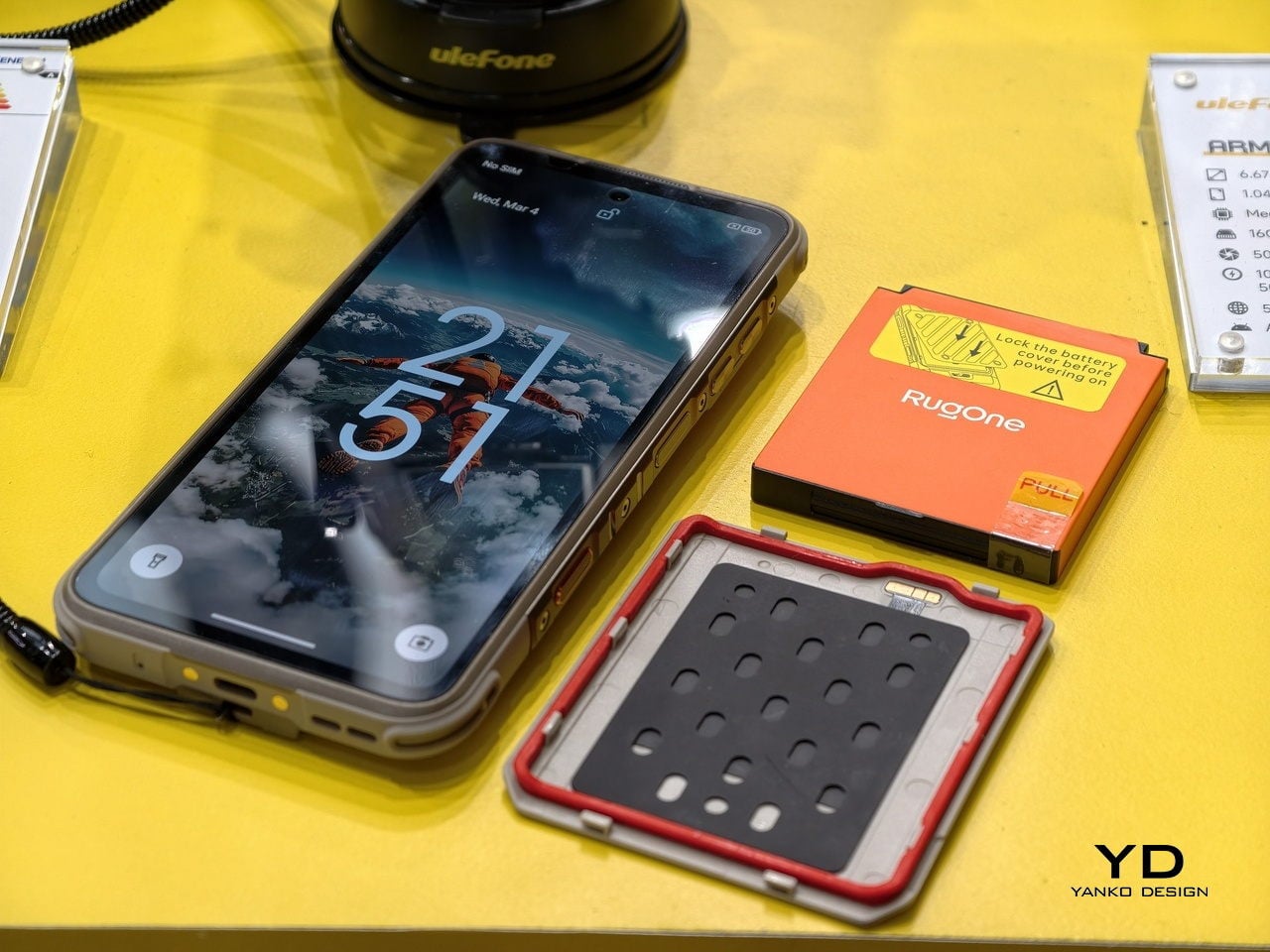
Dead battery anxiety is real, and for most people, the solution is either a power bank they forgot to charge or a desperate search for an outlet. Flagship phones have been getting faster at charging for years, but none of them have gone back to the one fix that actually solves the problem: a battery you can take out and replace with a fresh one, right there on the trail.

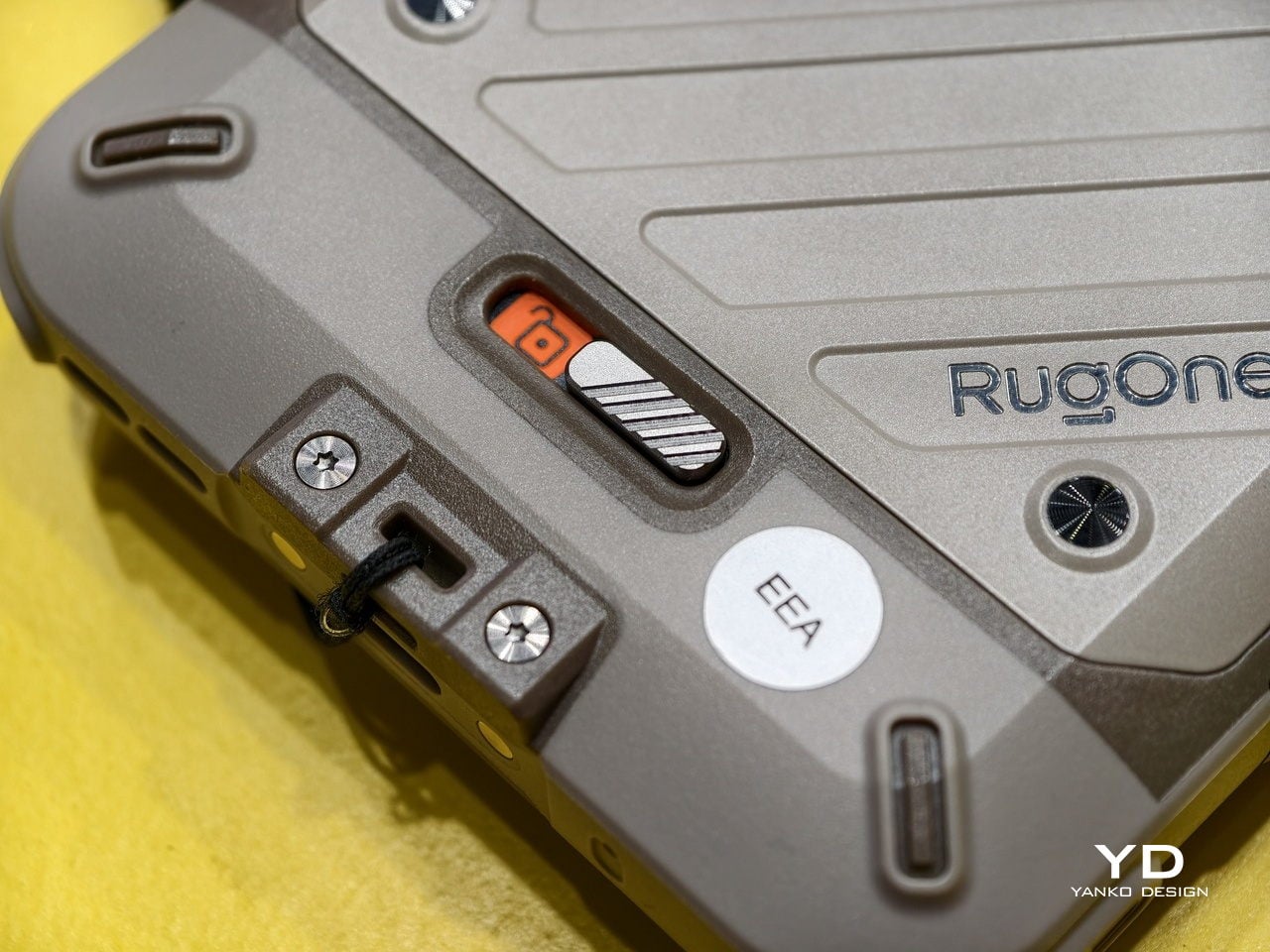
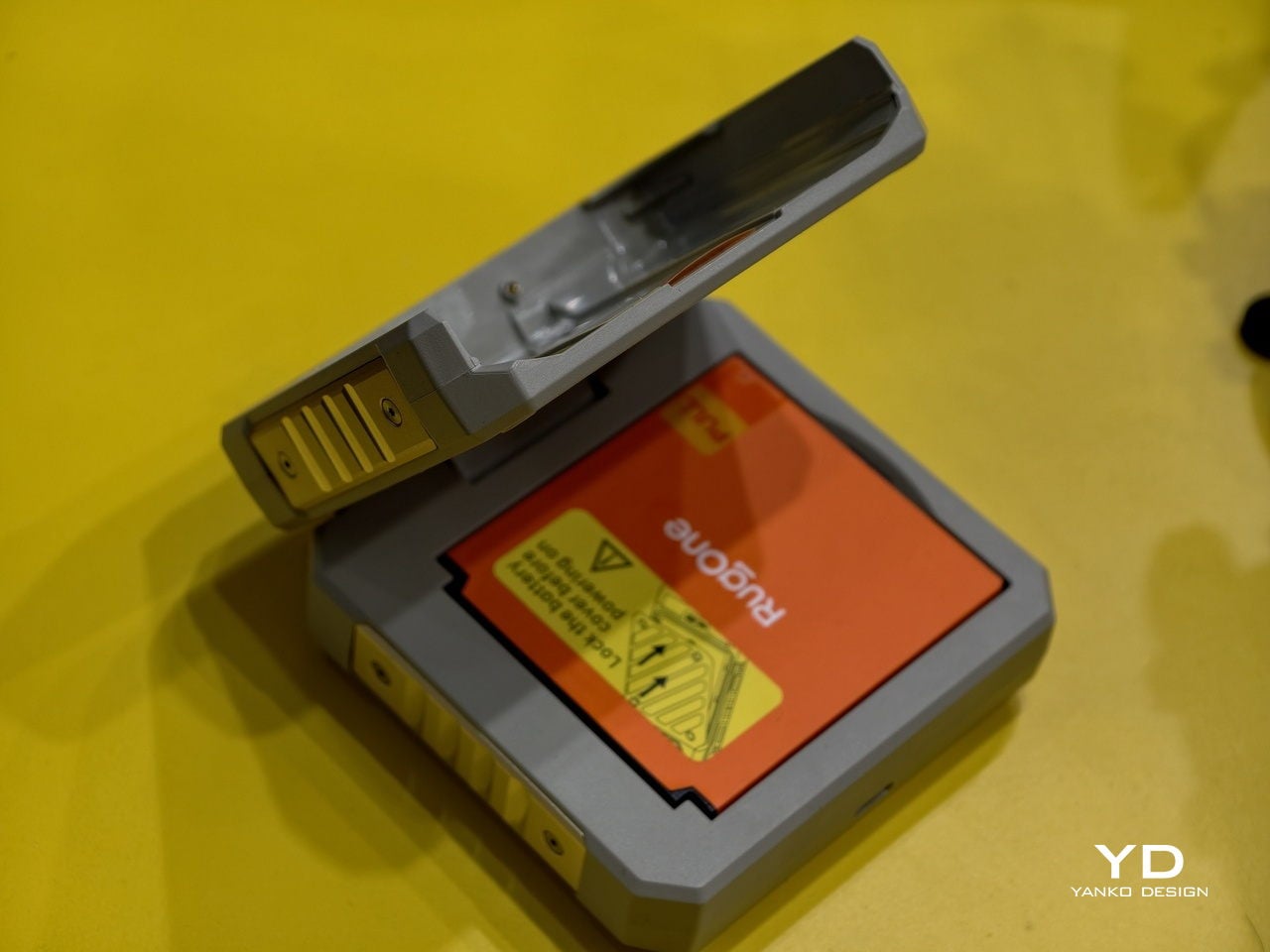
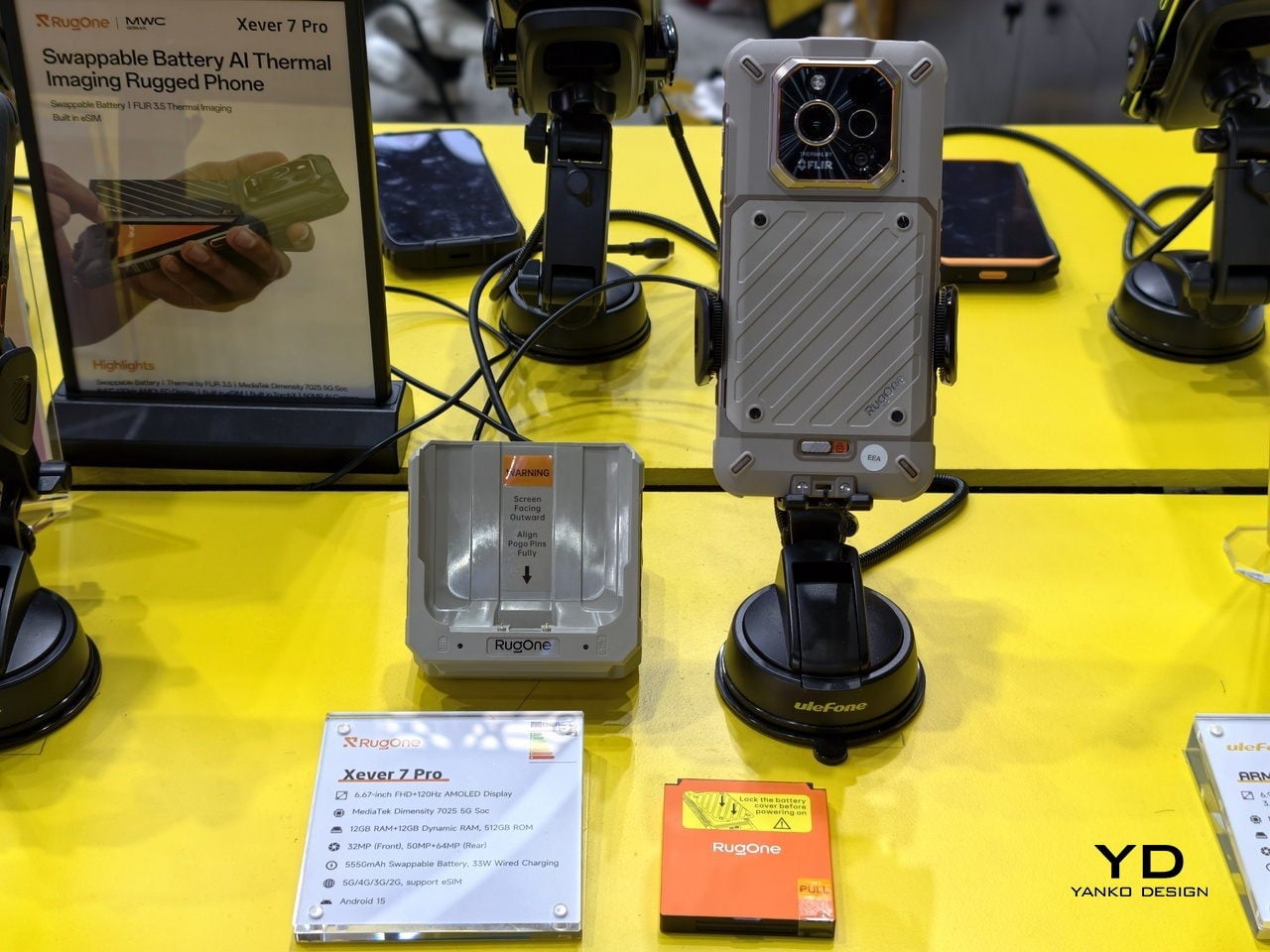
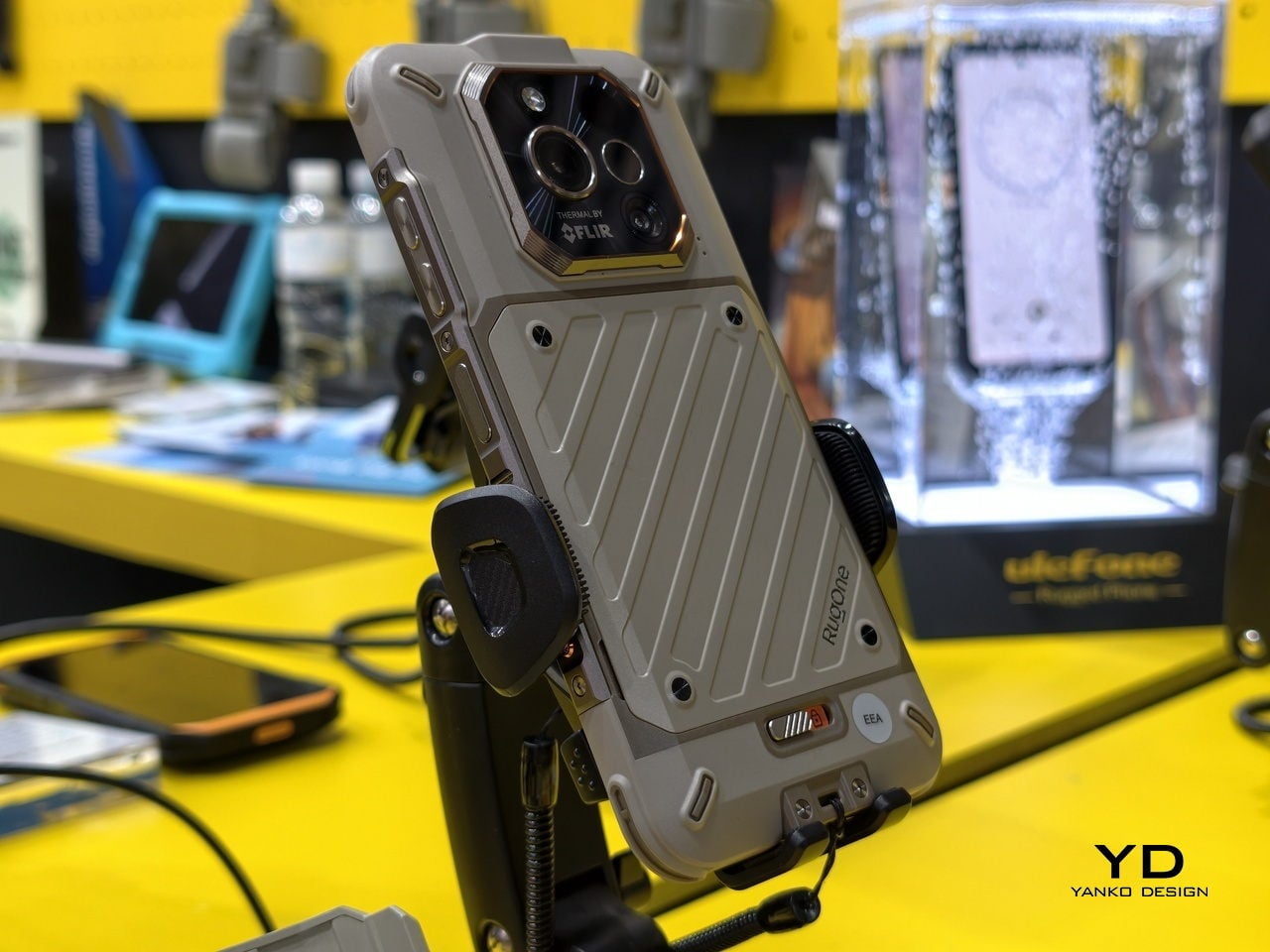
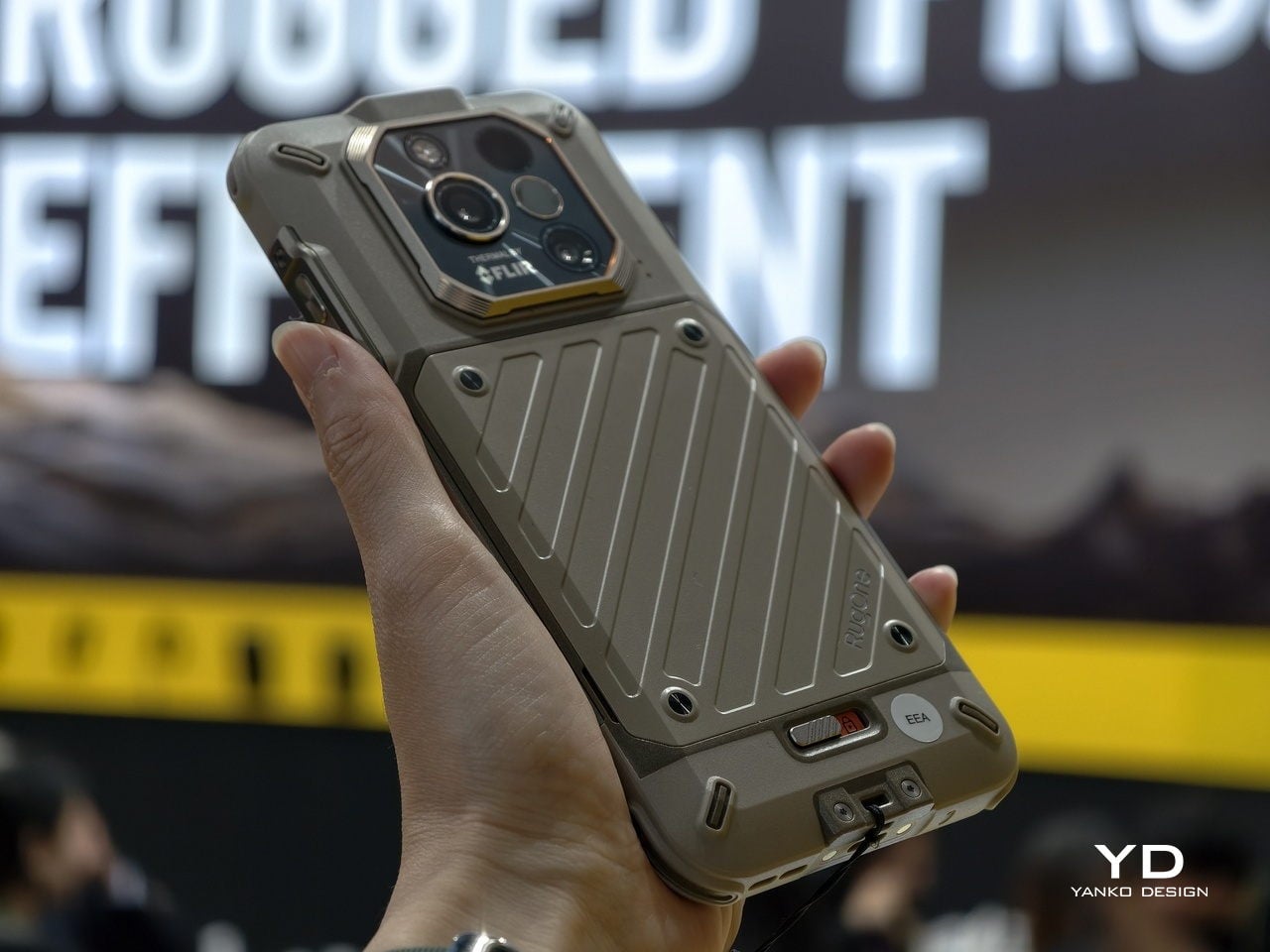
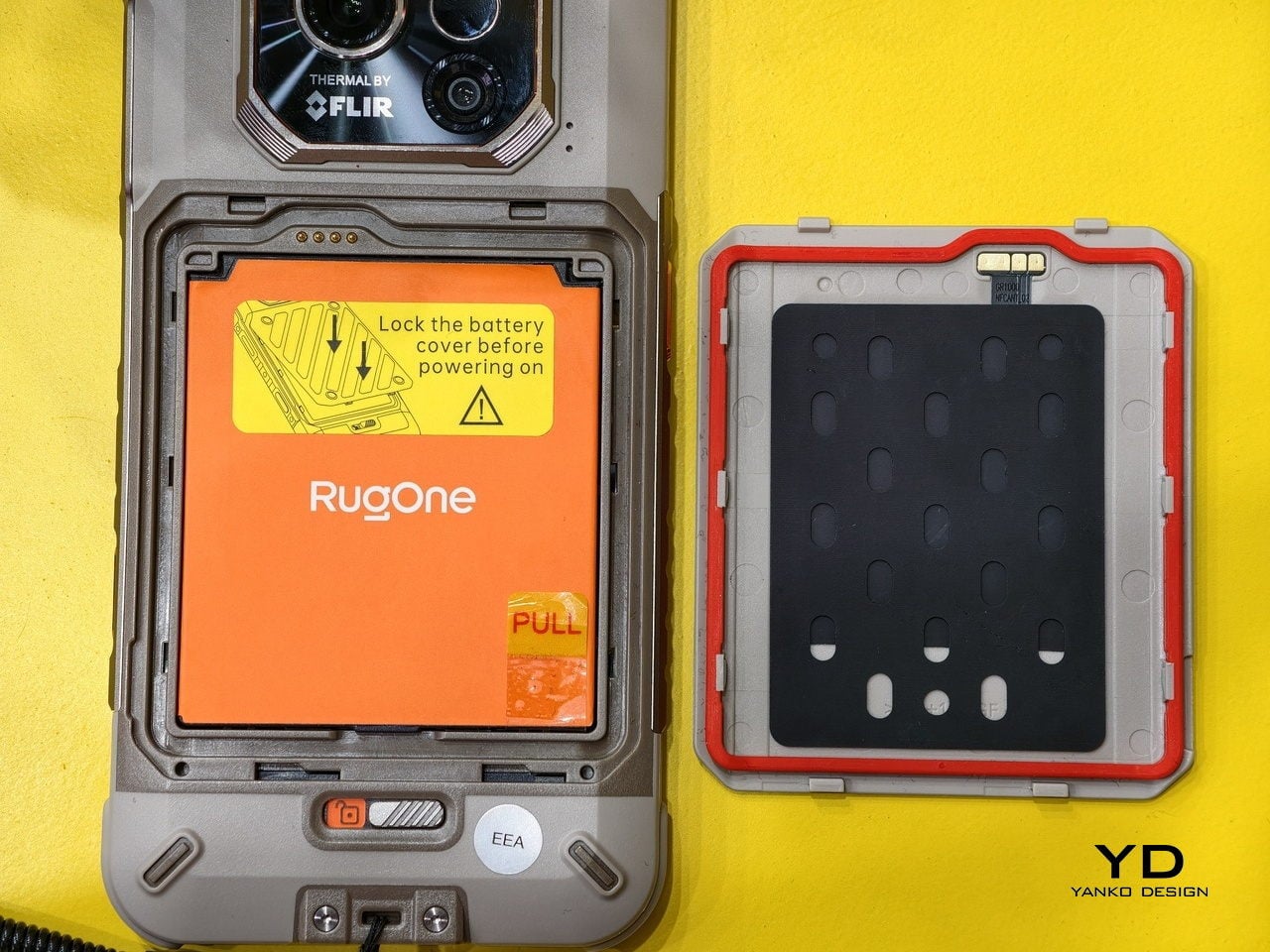
That is exactly what the RugOne Xever 7 does. It ships with two 5,550 mAh batteries and a built-in buffer cell that keeps the phone alive during the swap, so you never have to restart. The whole process takes under 180 seconds. There is no hunting for a socket, no waiting out a charging cycle, and no watching the percentage tick up while your plans sit on hold.

Designer: Ulefone

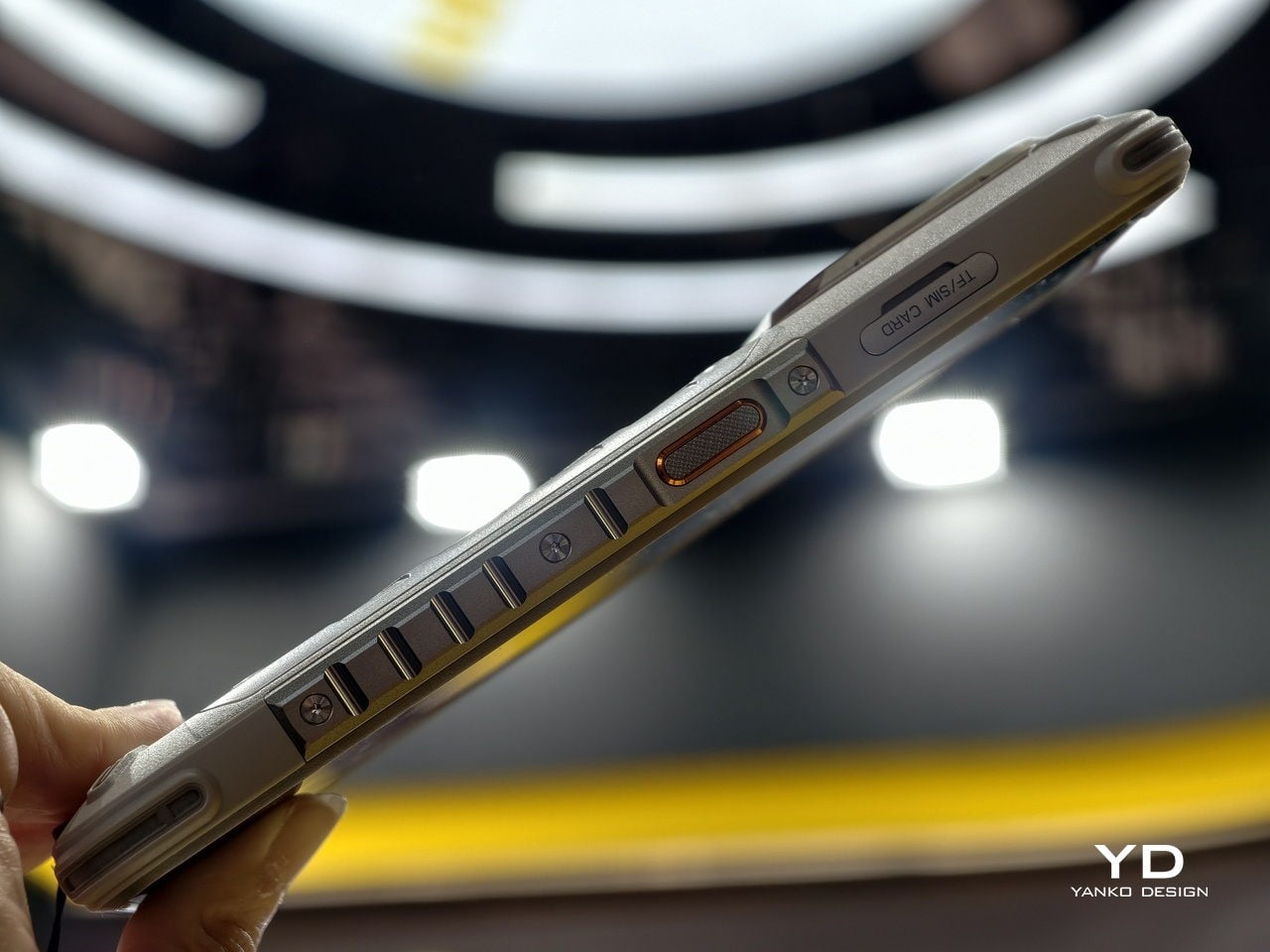
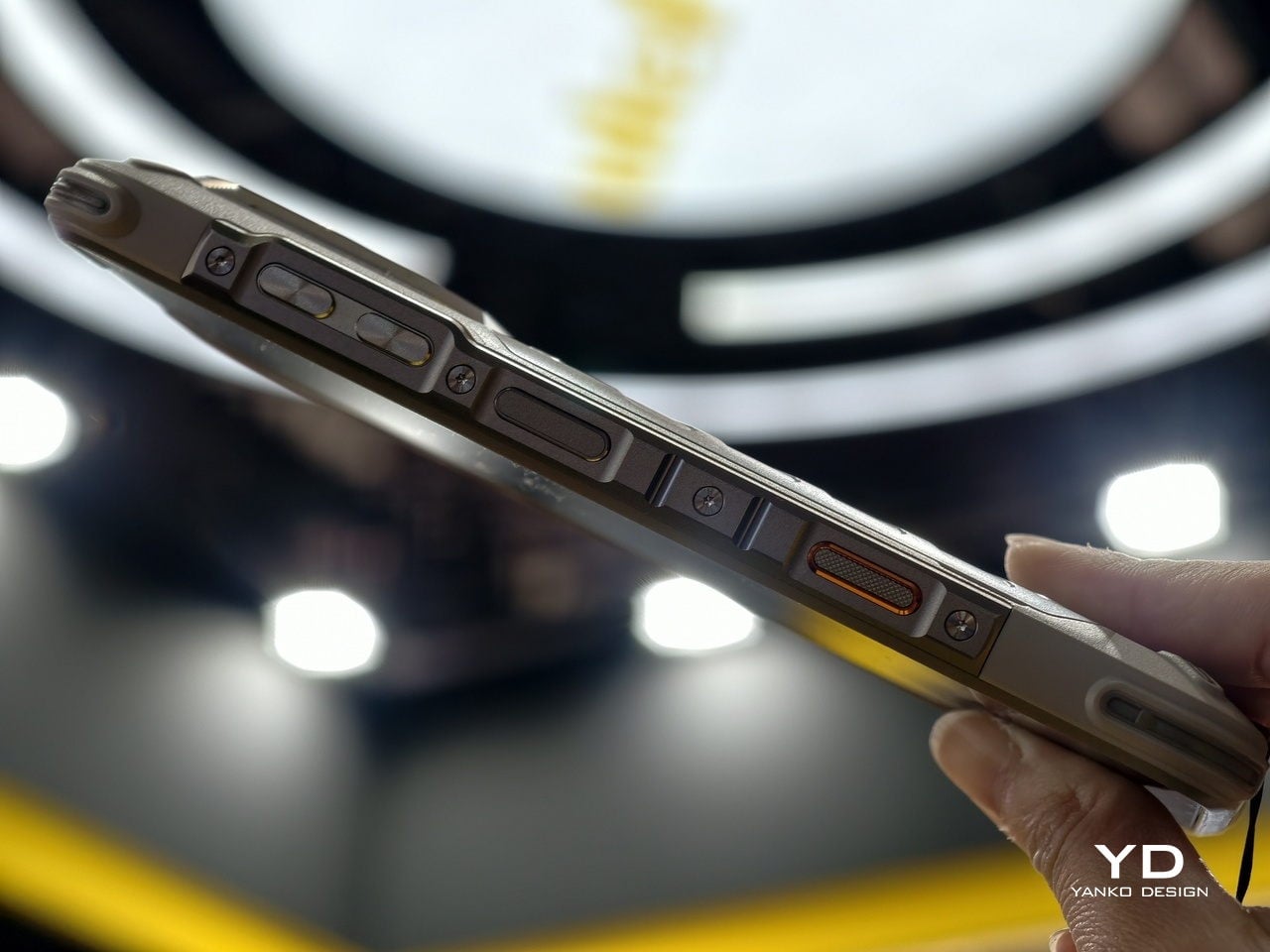
The phone is IP69K and IP68 rated, survives drops per MIL-STD-810H certification, and weighs 325 g, which is heavy but not unusual for a rugged device with this much packed inside. The 64 MP night vision camera uses four built-in infrared lights to shoot in complete darkness, which is genuinely useful if you have ever tried to photograph a campsite at 2 a.m. with a regular phone and gotten nothing.

There is also a 50 MP main camera with optical image stabilization, a 50 MP ultra-wide with a 117.3-degree field of view, and a 32 MP front camera. The phone supports underwater photography as well, with controls you can operate while submerged. Video tops out at 2K at 30 fps, which is fine for most outdoor documentation but a step behind phones at similar price points that record at 4K.

The display is a 6.67-inch AMOLED panel running at 120 Hz with a 2,200-nit peak brightness, which holds up well in direct sunlight. Inside is a MediaTek Dimensity 7025 chipset paired with 12 GB of RAM and 512 GB of storage, expandable to 2 TB via microSD. That chipset is mid-range by current standards, so this is not a performance-first phone, but it handles everyday tasks without friction.

Charging runs at 33W over USB-C or 18W through the Pogo Pin dock that comes in the box. The dock charges the spare battery simultaneously, so by the time your current battery runs low, the backup is already full and ready. That closed loop is the smartest part of the whole system, and the detail that makes the swappable battery feel like a considered design decision rather than a novelty.

Android 15 runs clean here, with Google Gemini built in, a 230-lumen flashlight, an X-axis linear vibration motor, and a 3.5 mm headphone jack that has no business still being this satisfying to find on a phone. The Xever 7 does not try to reinvent what a rugged phone is. It just fixes the one thing that frustrates people most, and lets everything else do its job quietly.

The post This Rugged Phone Ships With 2 Batteries You Can Hot-Swap first appeared on Yanko Design.

This Self-Balancing Electric Bike Rolls on a Single Giant Ball and Moves in Any Direction

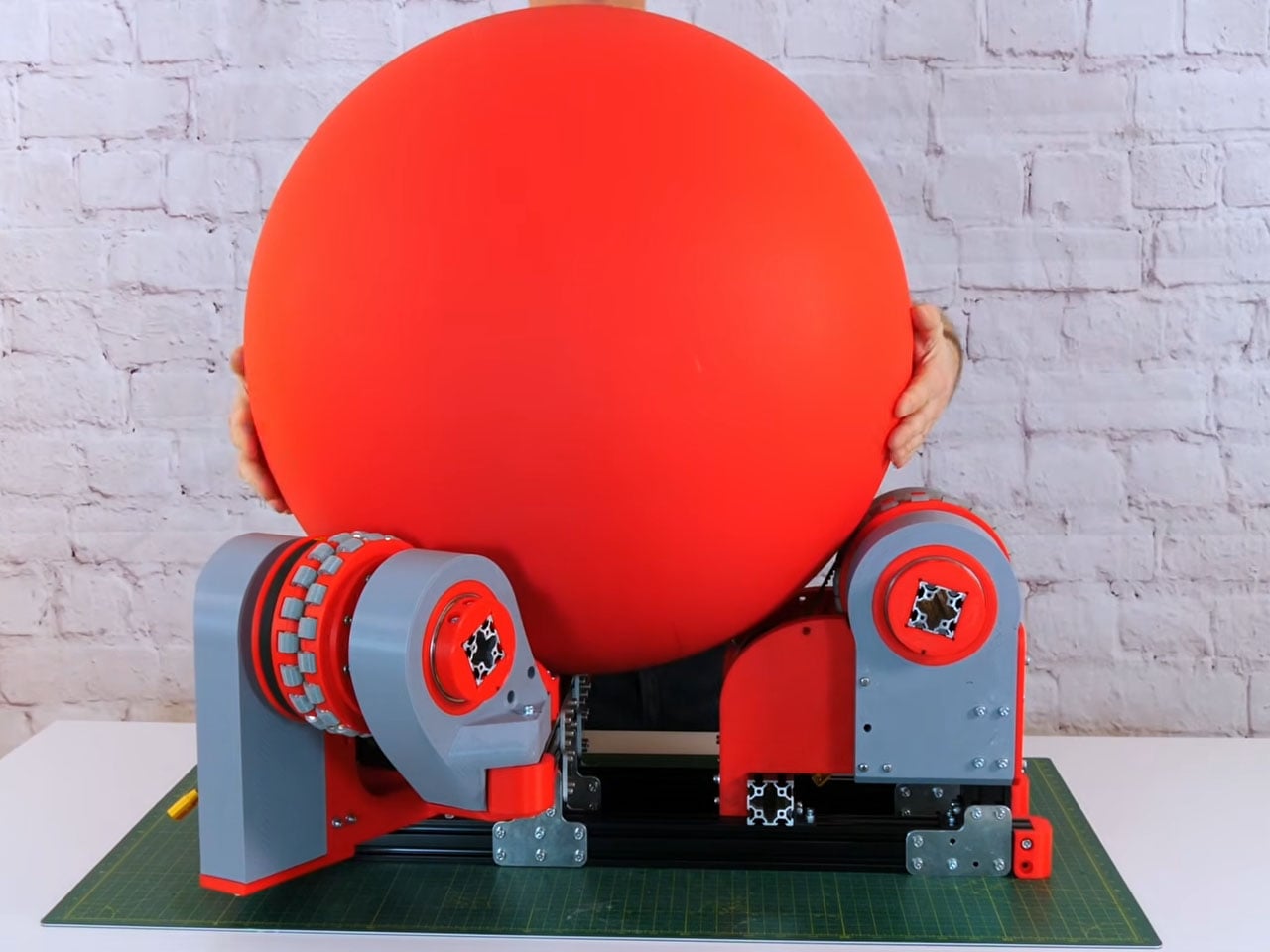
James Bruton’s latest creation stands out even among his many engineering oddities and builds on the kind of inventive spirit that we saw in his earlier two-ball omnidirectional bike. The British engineer turned full-time YouTuber has now built an electric bike that balances on a single giant ball and can move in any direction based on how the rider leans and how its control systems respond.

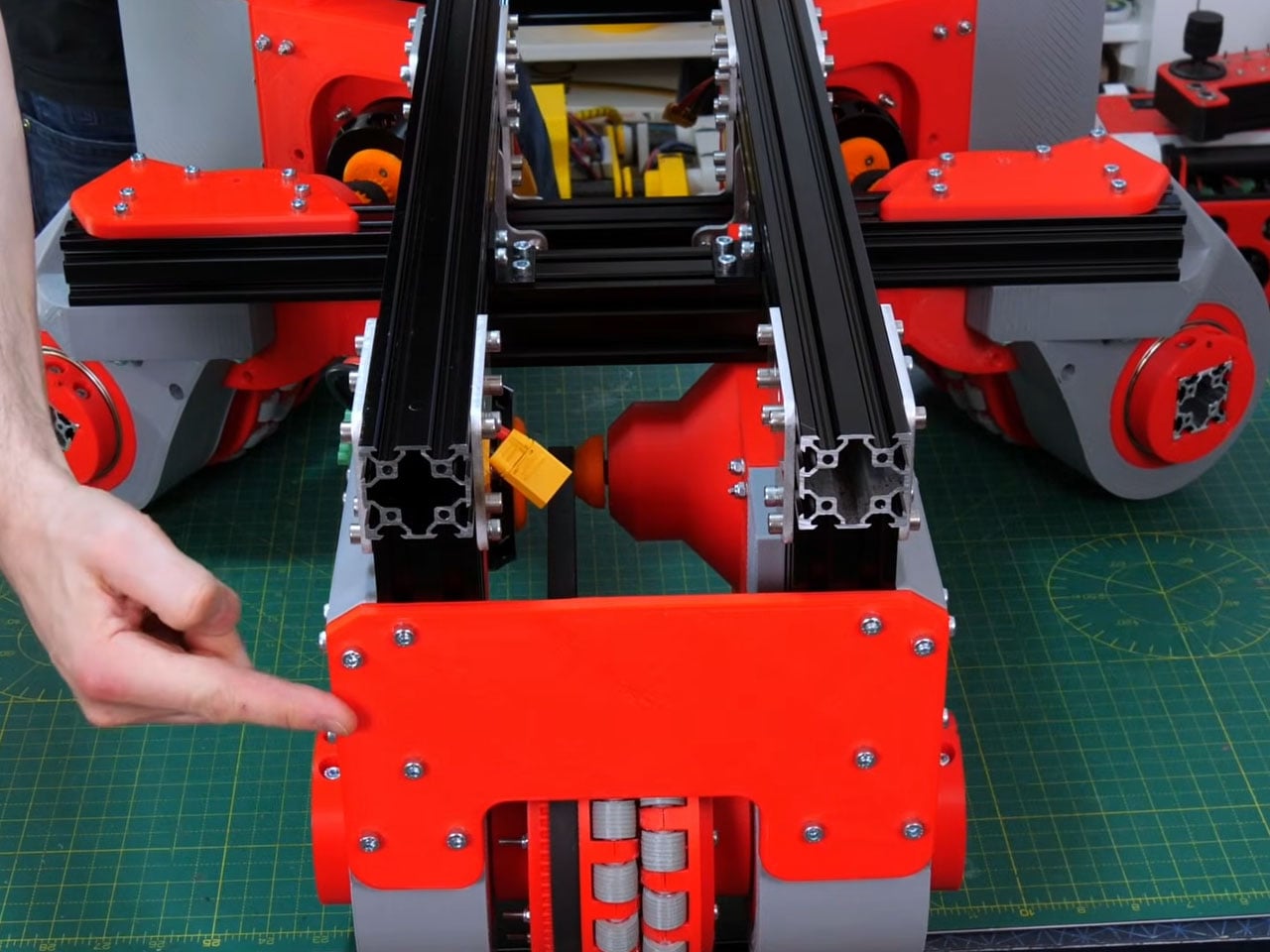
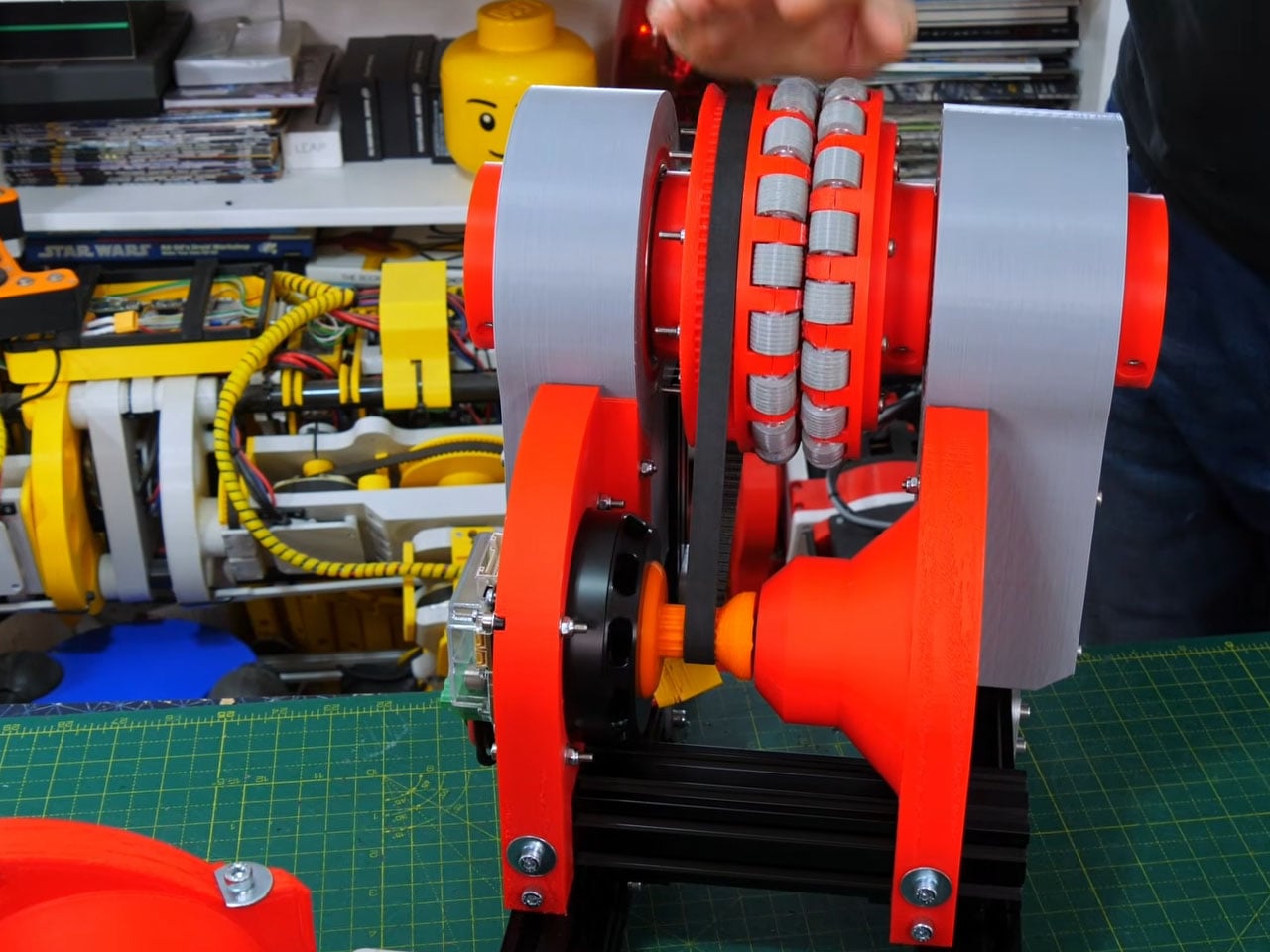
The One-Ball Bike has a roughly 2-foot red spherical ball that supports the entire machine and the rider above it. Around this sphere sit three omnidirectional wheels, arranged in an equilateral triangle under the bike’s frame, each driven by a motor capable of pushing the ball forward, backward, or sideways. These omni-wheels have two rows of smaller passive rollers mounted around their circumference, giving the ball smooth omnidirectional movement while distributing the load across many contact points.

Designer: James Burton

Balancing on a single contact point with the ground is a technical challenge that goes far beyond traditional bicycles or even Segway-style scooters, which correct in one axis. The One-Ball Bike must remain stable front-to-back and side-to-side simultaneously, and this is managed by a central control system built around a microcontroller like the Teensy 4.1 and an inertial measurement unit (IMU). The IMU tracks the bike’s orientation in real time, while a PID (proportional-integral-derivative) controller constantly adjusts the speed and direction of the motors to keep the frame upright.

Power comes from multiple lithium polymer battery packs configured to supply around 50 volts to the drive motors. The bike’s structure combines aluminum extrusion for strength with a range of custom-fabricated parts, many of which Bruton 3D-printed himself. This hybrid approach keeps the overall weight manageable while allowing rapid iteration during the build process.

Ride control looks very different from conventional bikes. There are twist grips mounted where handlebars would normally be, letting the rider influence forward and lateral motion by adjusting how they lean and where they apply torque. Steering, in particular, remains a work in progress because the single ball doesn’t behave like a wheel that naturally points in one direction. Bruton has experimented with air-resistance control surfaces and even a makeshift foam wing to bias the bike’s direction when simple wheel control isn’t enough.

Another quirky challenge has been static electricity. The friction between the plastic ball and the surface generates a charge that can disrupt electronics, occasionally causing unexpected shutdowns during testing. Bruton has been investigating shielding and grounding solutions to address this. Bruton’s open-source ethos means all code, CAD designs, and build documentation have been published online, giving other makers a foundation to experiment with and improve upon his design.


The post This Self-Balancing Electric Bike Rolls on a Single Giant Ball and Moves in Any Direction first appeared on Yanko Design.

Samsung Galaxy S27 Ultra: Everything We Know About the 2027 Flagship

Samsung Galaxy S27 Ultra: Everything We Know About the 2027 Flagship Diagram showing a phone connecting to low Earth orbit satellites for calls and basic data outside cell range.

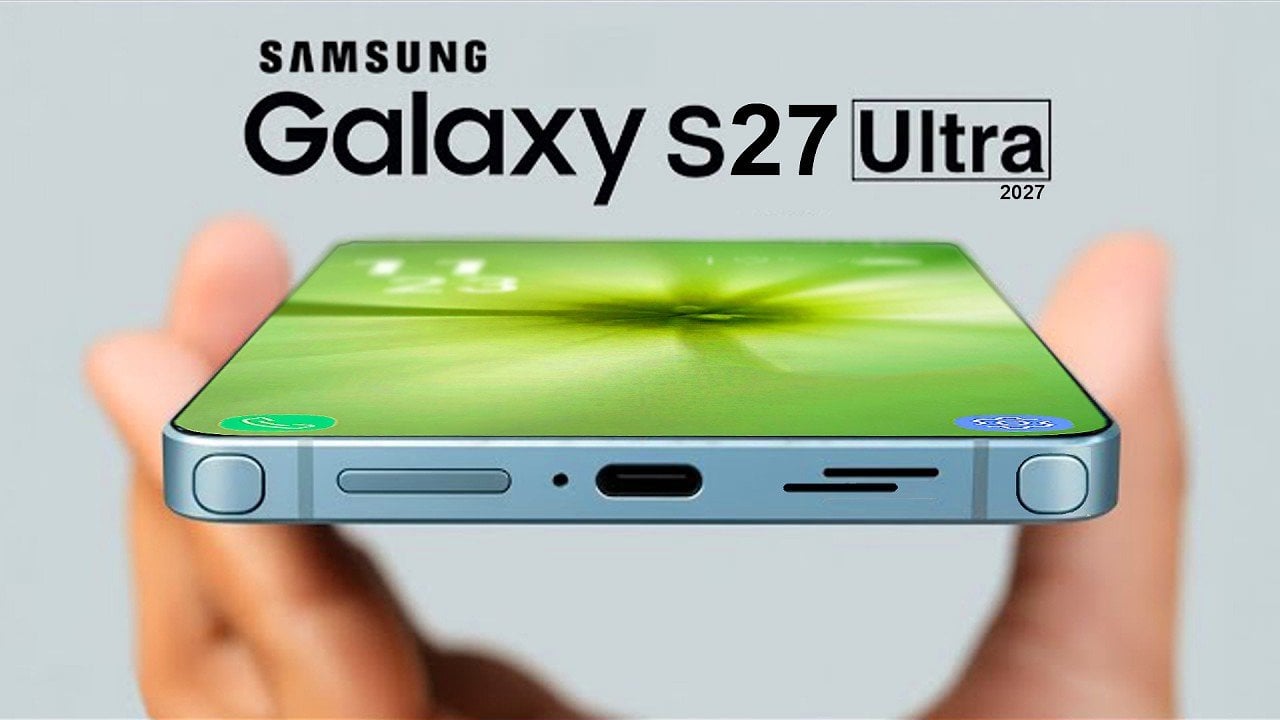
The Samsung Galaxy S27 Ultra, set to debut in early 2027, is generating buzz for its advanced connectivity features, but it’s important to clarify its position in the 6G landscape. According to Miror Pro, the device is not a true 6G phone but rather a high-performance 5G device built with future networks in mind. At […]

The post Samsung Galaxy S27 Ultra: Everything We Know About the 2027 Flagship appeared first on Geeky Gadgets.

Posted in Uncategorized

Claude Code Skills: 20–30 Curated Folders Beat Large Libraries

Claude Code Skills: 20–30 Curated Folders Beat Large Libraries Diagram showing a Claude Code skill folder with skill.md, scripts, reference files, and assets arranged clearly.

Claude Code skills offer a structured way to enhance AI-driven workflows by combining precision, scalability and adaptability. As Simon Scrapes explains, these skills function like digital standard operating procedures (SOPs), allowing AI agents to execute tasks consistently and efficiently. A defining feature is their use of “progressive disclosure,” where only essential information is initially loaded […]

The post Claude Code Skills: 20–30 Curated Folders Beat Large Libraries appeared first on Geeky Gadgets.

Posted in Uncategorized

Samsung Galaxy Watch 9: Why the ‘Snapdragon Wear Elite’ is a Game Changer for Wear OS

Samsung Galaxy Watch 9: Why the ‘Snapdragon Wear Elite’ is a Game Changer for Wear OS Samsung Galaxy Watch 9

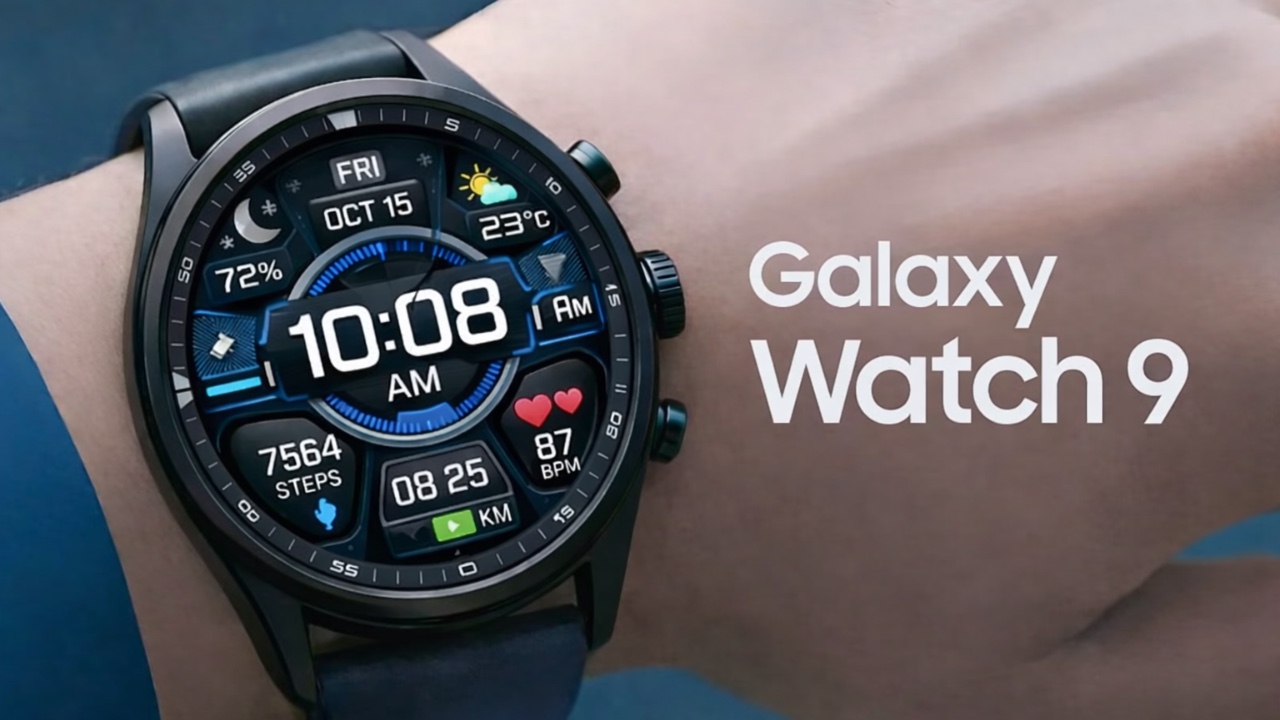
Samsung is poised to elevate the smartwatch landscape with the Galaxy Watch 9, a device that signifies a pivotal shift in its technological approach. Moving away from its traditional Exynos chips, Samsung has embraced Qualcomm’s Snapdragon Wear Elite processor. This transition introduces a new era of performance, efficiency, and AI integration, setting a higher standard […]

The post Samsung Galaxy Watch 9: Why the ‘Snapdragon Wear Elite’ is a Game Changer for Wear OS appeared first on Geeky Gadgets.

Posted in Uncategorized

This $300 Lamp Looks Like Melted Metal and Runs for 10 Hours

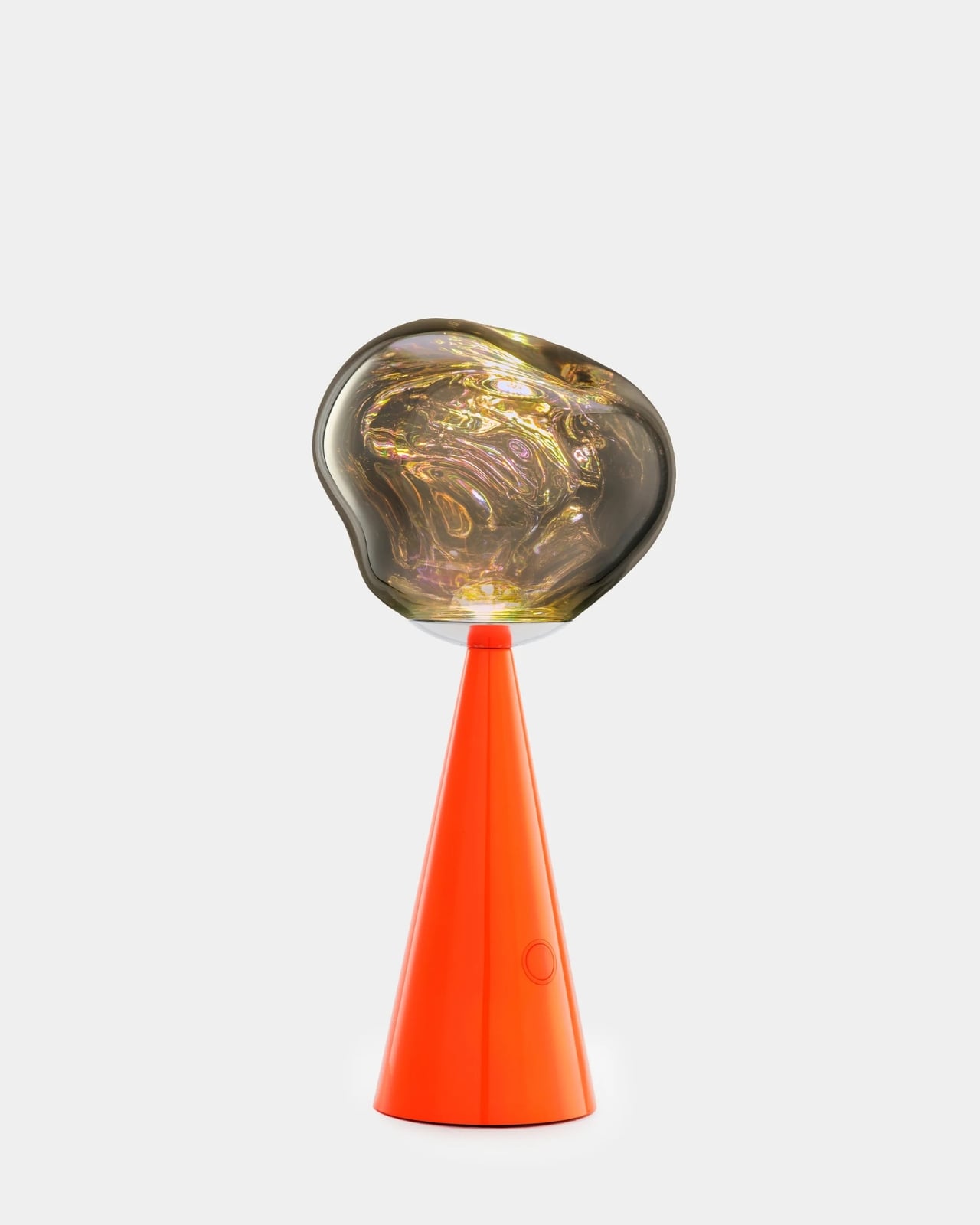
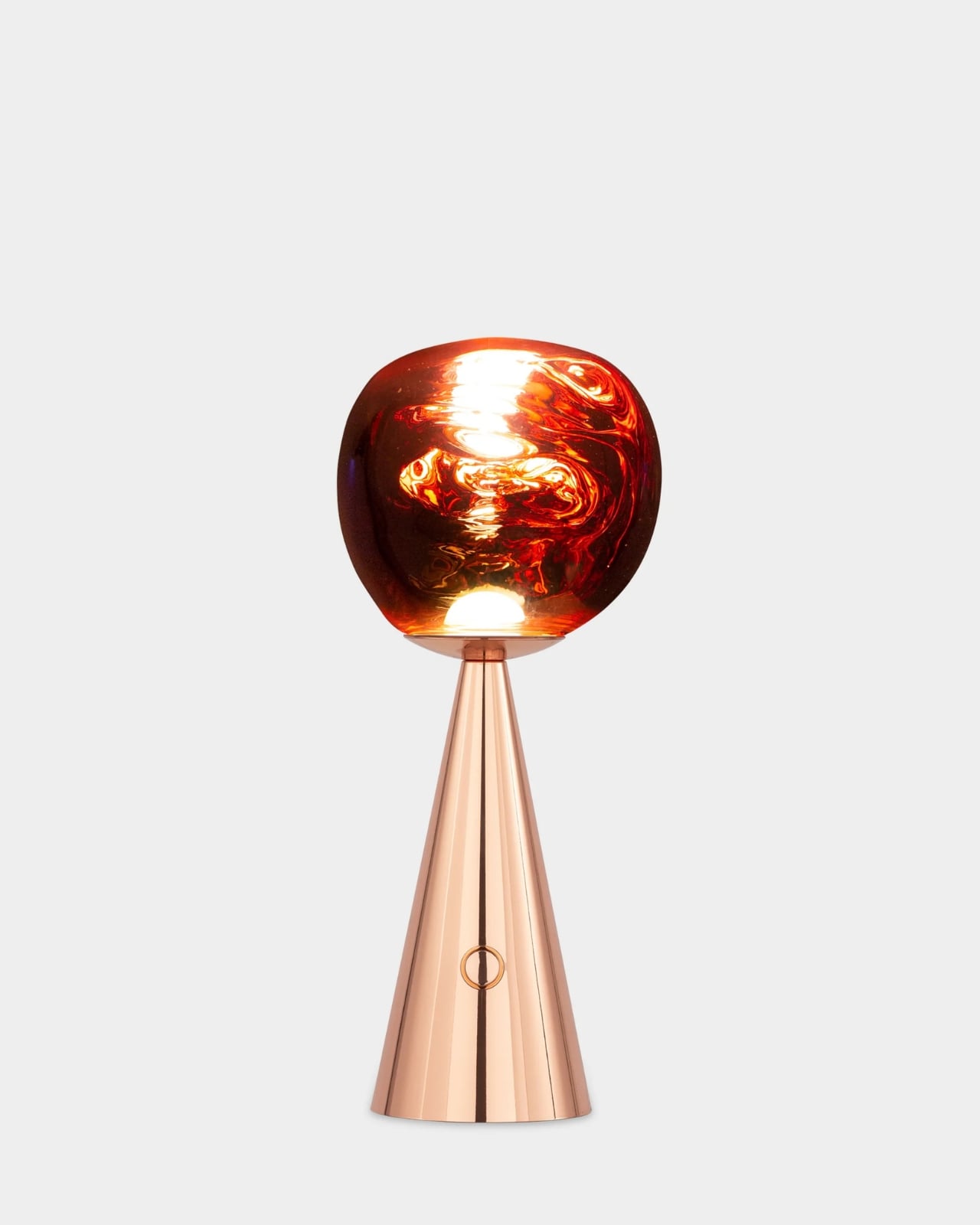
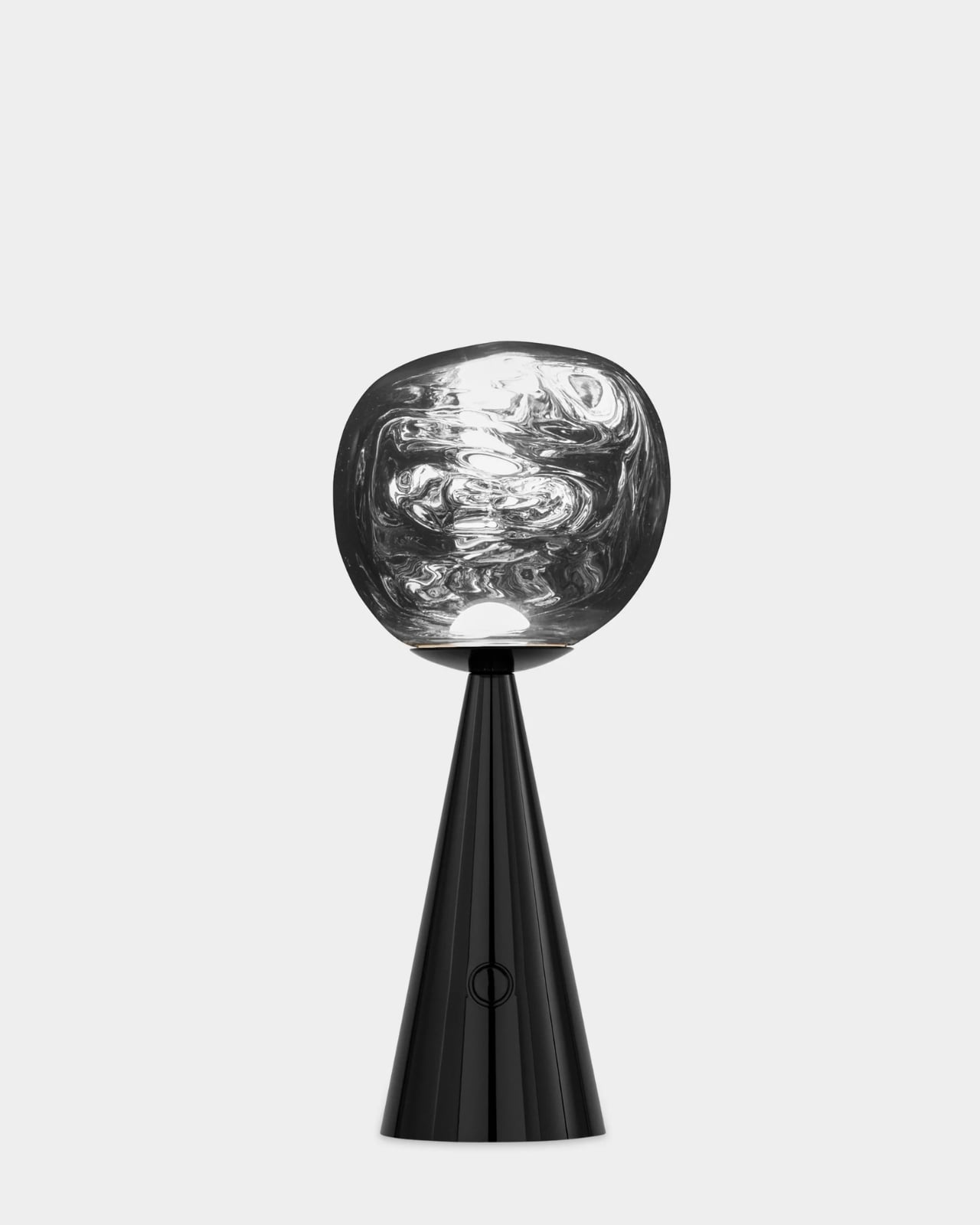
I’ve always believed that the best lighting doesn’t just illuminate a room. It changes the entire mood of a space, the way a good film score changes a scene. And for years, the Melt collection from Tom Dixon has been one of the strongest arguments for that idea. Now, with the Melt Small Portable Light, that same strange, beautiful glow can follow you just about anywhere, and I think that’s a bigger deal than it sounds.

Let me back up a little. The original Melt debuted around 2014, born from a collaboration between Dixon and FRONT, the Swedish design collective known for pushing conceptual boundaries. The inspiration behind it was wonderfully odd: melting glaciers and deep space. Not exactly the kind of mood board you’d expect for a home lighting fixture, but that’s precisely what made the result so arresting.

Designer: Tom Dixon

Through blow molding and vacuum metallization of polycarbonate, the team created these distorted, half-mirrored orbs that look like they were pulled from the surface of another planet. When switched off, the Melt is a sleek, reflective object. When turned on, it becomes translucent, casting a warm, almost liquid glow that feels alive. It’s a genuinely rare trick: a light that is two completely different objects depending on whether it’s working. The Melt went on to become one of Dixon’s signature pieces, taking shape as pendants, chandeliers, floor lamps, and surface lights. You’ve probably seen it in upscale restaurants or on the pages of interior design magazines without even knowing its name. It has that kind of quiet ubiquity among design-literate circles.
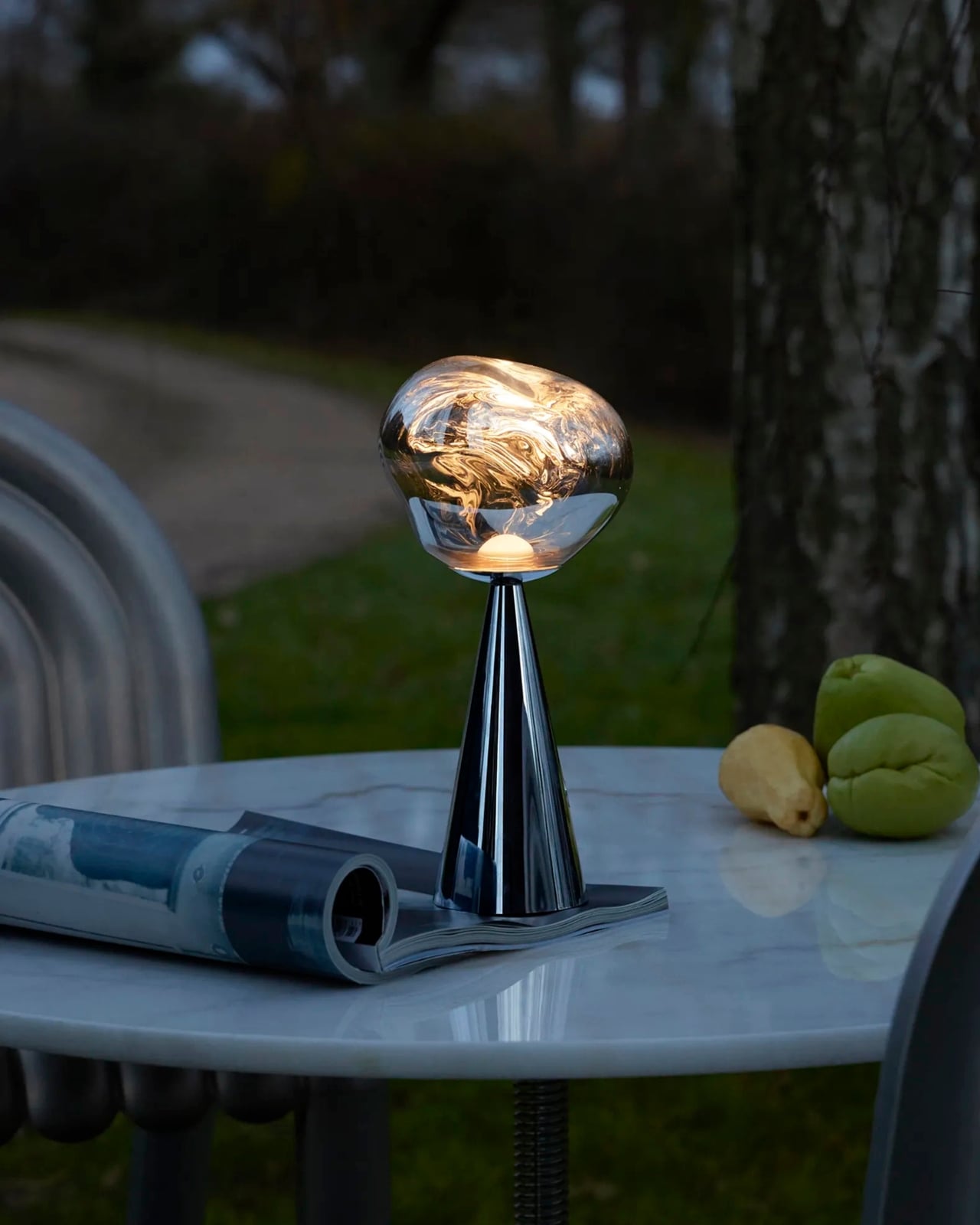

So what happens when you take all of that visual drama and shrink it down into a cordless, rechargeable form? You get the Melt Portable, and I think it represents something worth paying attention to beyond just its looks. Portable designer lighting has been having a moment. As rechargeable batteries and LEDs have gotten better and cheaper, brands from Umbra to Hay have released their own cordless lamps aimed at people who want flexibility without sacrificing aesthetics. It’s no longer just about a candle on the dinner table. But most of these portable options, as nice as they are, tend to play it safe with clean geometric shapes and neutral tones. The Melt Portable doesn’t do safe. It carries all the organic, almost alien character of its larger siblings into a palm-sized object, and that commitment to personality is refreshing.

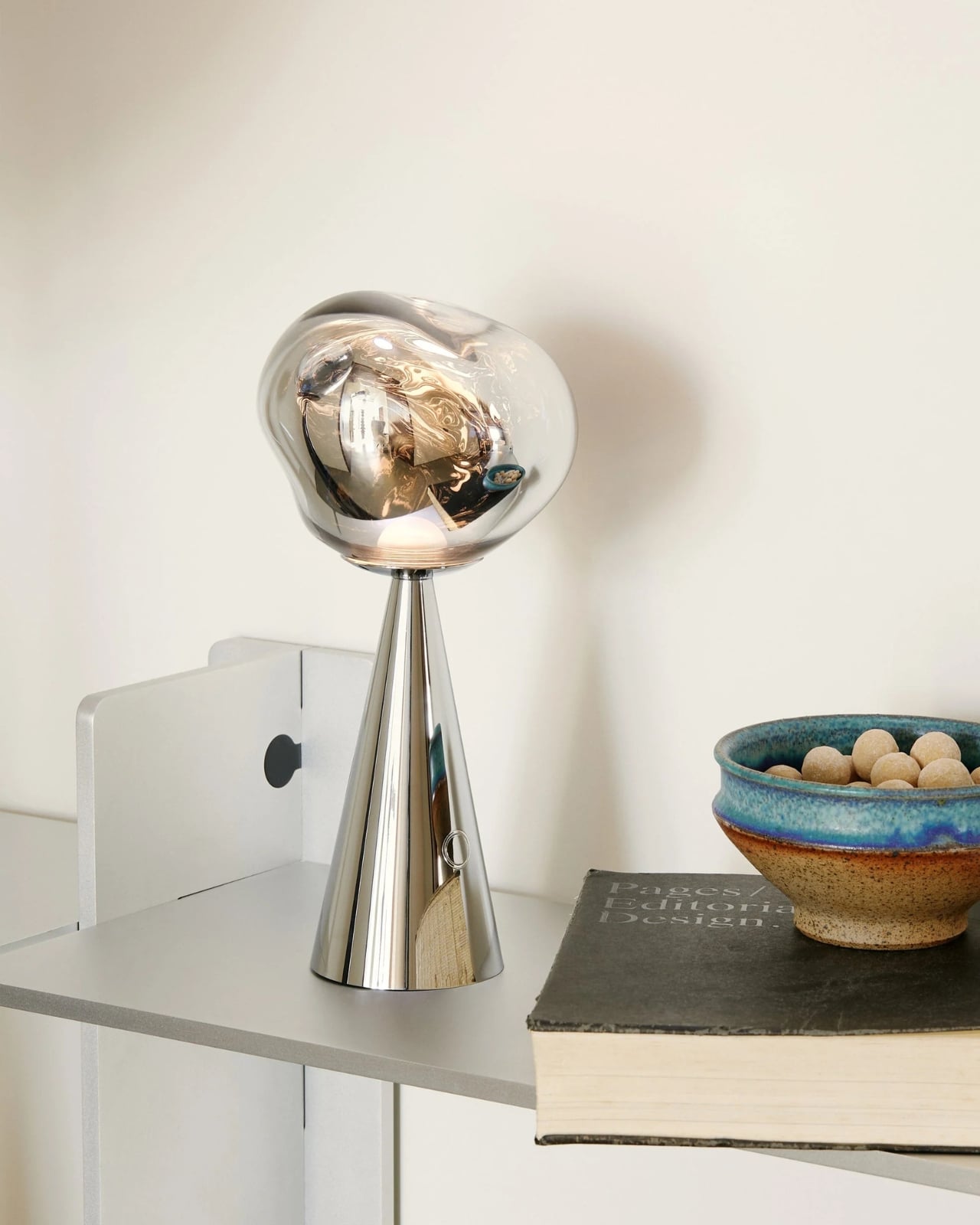
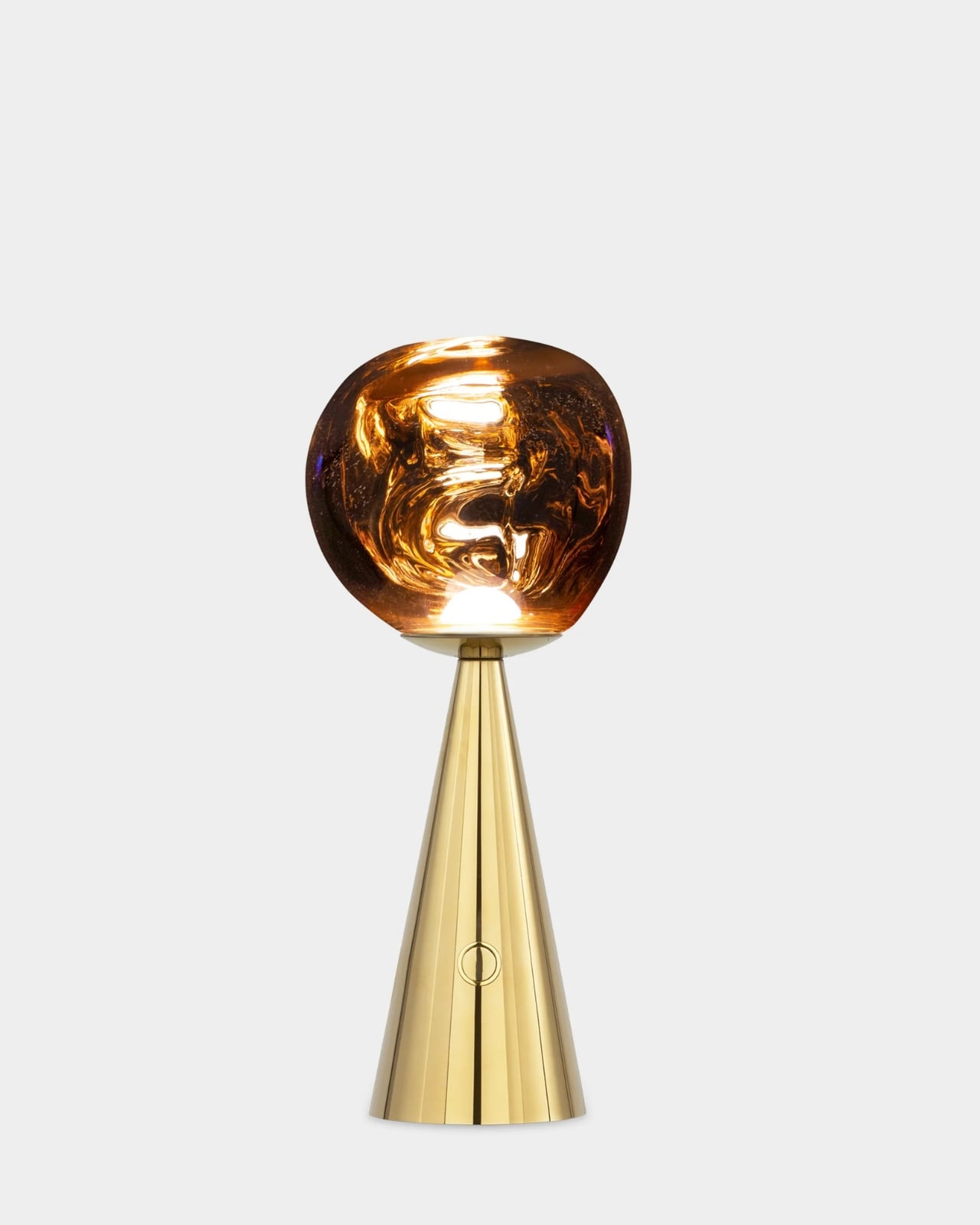
On the practical side, the specs are solid for what it is. The 2.5W LED puts out 100 lumens at a warm 3000K color temperature, which is right in that sweet spot for ambient, relaxing light. It’s touch-dimmable, runs for up to 10 hours on a single charge, and recharges via a magnetic USB-A connection in about five hours. It also carries an IP44 rating, meaning it can handle a splash of water, so taking it out to the patio or poolside isn’t going to end in tears. It comes in black, silver, gold, copper, and even a newer fluoro finish for those who want to go bolder.


At around $275 to $330 depending on where you buy it, the Melt Portable is not an impulse purchase. That’s real money for a small rechargeable light. But I’d argue you’re not really paying for lumens here. You’re paying for a decade-old design legacy that’s been miniaturized without losing its soul. Most portable lamps disappear into a room. The Melt Portable is the kind of object that starts conversations, that makes a nightstand or a garden table feel considered and intentional.

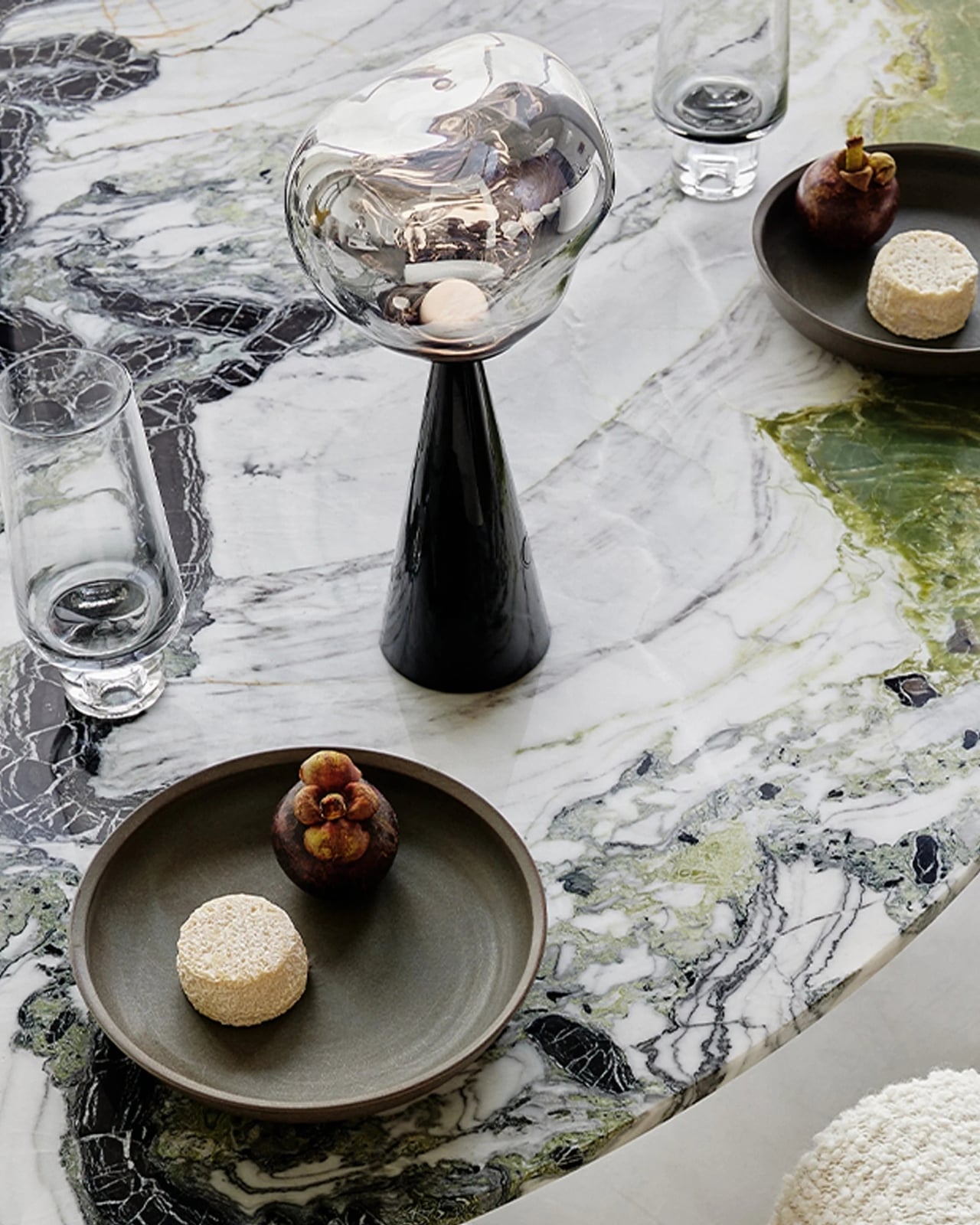
What I appreciate most is the underlying philosophy. Tom Dixon has always operated at the intersection of industrial process and visual drama, finding beauty in manufacturing techniques that most designers would treat as purely functional. The vacuum metallization that gives the Melt its signature look is borrowed from the way sunglasses are coated. That kind of cross-pollination between industries, repurposing a process from one field to create something unexpected in another, is what keeps design interesting.

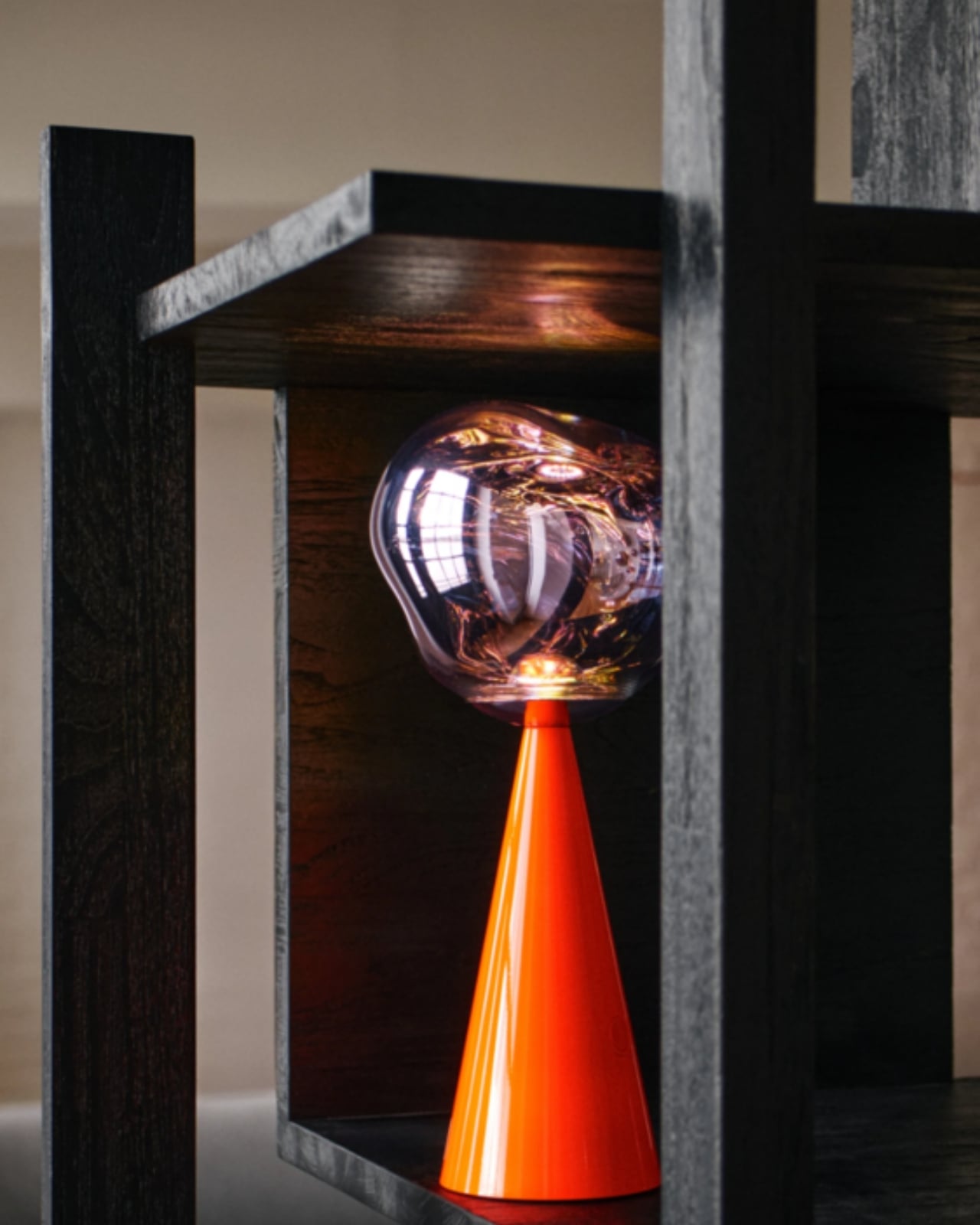
The Melt Portable won’t be for everyone. If you want maximum brightness or the most efficient cost-per-lumen ratio, look elsewhere. But if you believe that light is as much about feeling as it is about function, and that good design deserves to be untethered, this little glowing orb makes a compelling case for itself.

The post This $300 Lamp Looks Like Melted Metal and Runs for 10 Hours first appeared on Yanko Design.
OpenAI Leak Highlights "Extreme Reasoning Mode” for GPT-5.4

OpenAI Leak Highlights Graphic showing a leaked OpenAI GPT-5.4 feature list, including context, reasoning mode, and memory changes.

The recent leak of GPT-5.4 has sparked significant interest, offering a detailed glimpse into the model’s upgraded capabilities. Universe of AI highlights one of the standout features: an expanded context window capable of processing up to 1 million tokens in a single session. This improvement allows users to handle large-scale data more efficiently, whether analyzing […]

The post OpenAI Leak Highlights “Extreme Reasoning Mode” for GPT-5.4 appeared first on Geeky Gadgets.

Posted in Uncategorized

The Pro Killer? M4 iPad Air (2026) Full Breakdown

The Pro Killer? M4 iPad Air (2026) Full Breakdown iPad Air

Apple has officially launched the M4 iPad Air, the latest iteration in its widely acclaimed tablet lineup. This new model brings a blend of performance enhancements and connectivity upgrades while maintaining the familiar design and price point that users have come to expect. It is particularly targeted at individuals with older iPads, offering a significant […]

The post The Pro Killer? M4 iPad Air (2026) Full Breakdown appeared first on Geeky Gadgets.

Posted in Uncategorized