Nintendo has scheduled an Indie World Showcase livestream for tomorrow, March 3, at 9AM ET. The company says this event will include "roughly 15 minutes of news and updates on indie games coming to Nintendo Switch 2 and Nintendo Switch." That's not a whole lot of time, but indie trailers tend to be on the shorter side.
We really don't know anything about what Nintendo and its partners could reveal tomorrow. It's entirely possible we'll see something big, like the previously announced Sea of Sorrow DLC for Silksong. More than likely, however, we'll get trailers and updates regarding a spate of unexpected indie games.
The previous Indie World Showcase took place in August and it gave us trailers and announcements for stuff like the excellent Ball x Pit and the upcoming Mina the Hollower. To that last one, Yacht Club Games said it would be launching the title for consoles this spring so we could get a release date announcement tomorrow.
Scott Pilgrim EXwill be available for download tomorrow, so a launch trailer is almost certain. This is a new side-scrolling fighter with four-player co-op and music by Anamanaguchi. My personal white whale is Witchbrook, the long-gestating life-sim set in a magical school. It's being published by Chucklefish, the company that originally published Stardew Valley.
There's some stuff we absolutely shouldn't expect. This is an Indie World Showcase, and not a Nintendo Direct. There will likely be no appearances by Mario or Zelda, unless a character pops up in an indie game as DLC or something. The stream is also unlikely to spotlight Pokémon Pokopia, despite the life-sim launching on March 5.
This article originally appeared on Engadget at https://www.engadget.com/gaming/nintendo/nintendo-just-announced-an-indie-world-showcase-for-tomorrow-at-9am-et-164706666.html?src=rss
Paramount Skydance plans to combine Paramount+ and HBO Max into a single streaming service following the completion of its merger with Warner Bros. Discovery. CEO David Ellison confirmed the plan on an investor call Monday, saying the combined platform would serve over 200 million subscribers and position the company to compete with the biggest players in the streaming space.
“We think the combined offering, and given the amount of content and what we can do from the tech side, really will put us in a position to be able to compete with the most scaled players in DTC,” Ellison said. It’s not yet clear whether the app’s two libraries will be fully integrated, or whether one will exist as a standalone service within the other. Ellison signaled that the HBO brand will “operate with independence” during the call.
Also unclear is what the newly combined app would cost subscribers. The last year has seen nearly across-the-board increases in the cost of streaming services, including HBO Max.
The planned merger would unite Paramount’s CBS, MTV, Comedy Central and BET with Warner’s CNN, HBO, TNT and Food Network, along with franchises including Game of Thrones, Mission: Impossible, the DC Universe and SpongeBob SquarePants under one roof. The combined entity is expected to carry roughly $79 billion in net debt, according to Reuters, and could be considered the largest leveraged buyout in history. The deal is expected to close in the back half of 2026, pending regulatory approval.
This article originally appeared on Engadget at https://www.engadget.com/entertainment/streaming/paramount-and-hbo-max-could-be-merging-into-a-single-streaming-service-163439653.html?src=rss
Most portable speakers end up on a shelf somewhere, playing lo-fi beats while someone makes coffee. There is nothing wrong with that, but it is not what these five were made for. We picked speakers that actually want to leave the house, products built around weather resistance, battery stamina, and the kind of design thinking that considers mud, rain, and a campfire playlist as standard operating conditions. Spring 2026 has delivered some interesting options, from retro survival radios to subwoofer-equipped tanks that laugh at puddles.
What makes this list different from the usual roundup is the lens we are looking through. These are not ranked by loudness or spec-sheet one-upmanship. We looked at form factor, material durability, portability logic, and whether each speaker solves a real outdoor problem or just pretends to with an IP rating sticker. Some are brand new releases, others are designs that aged into relevance this season. All five belong outside.
1. RetroWave 7-in-1 Radio
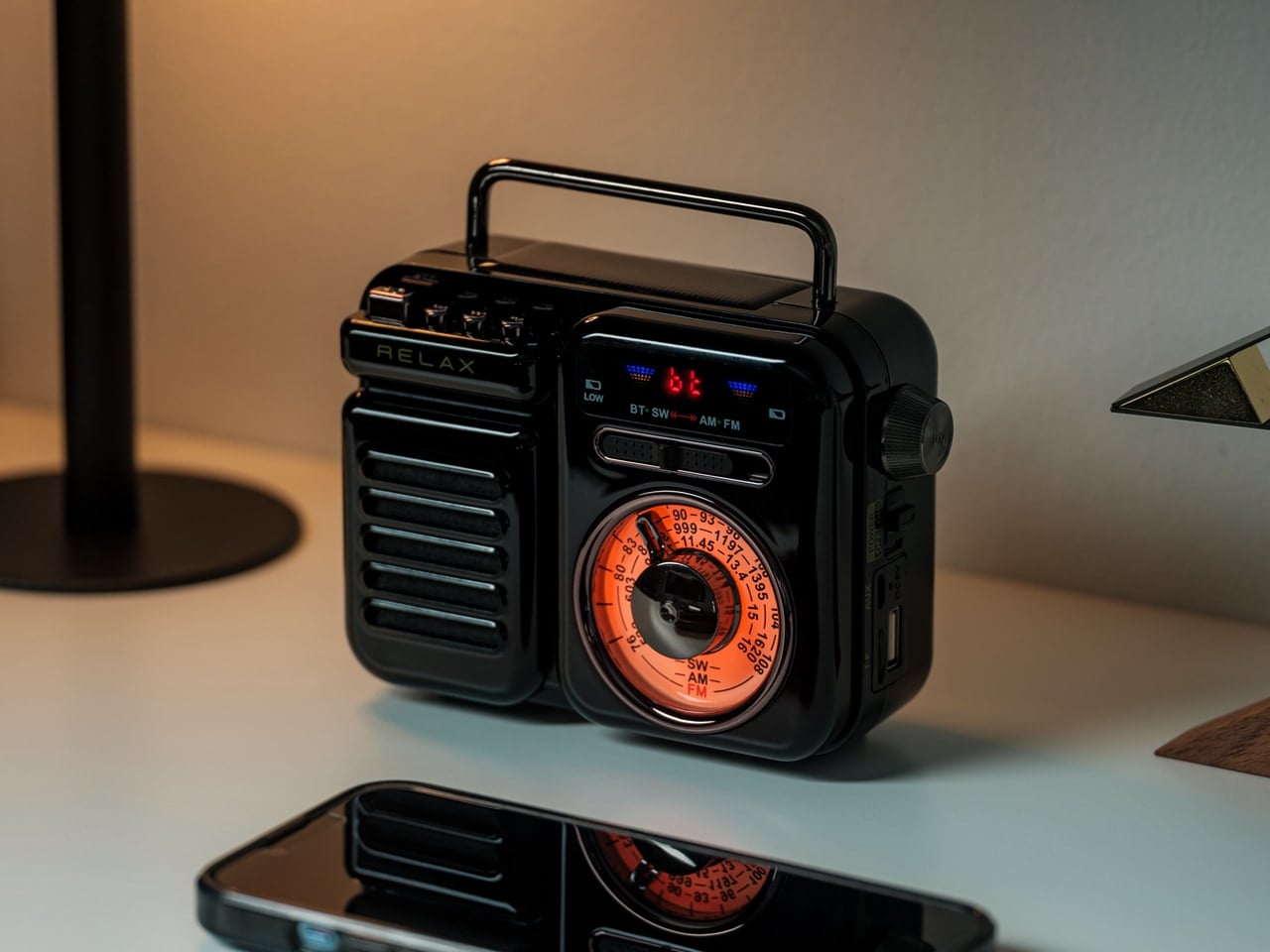
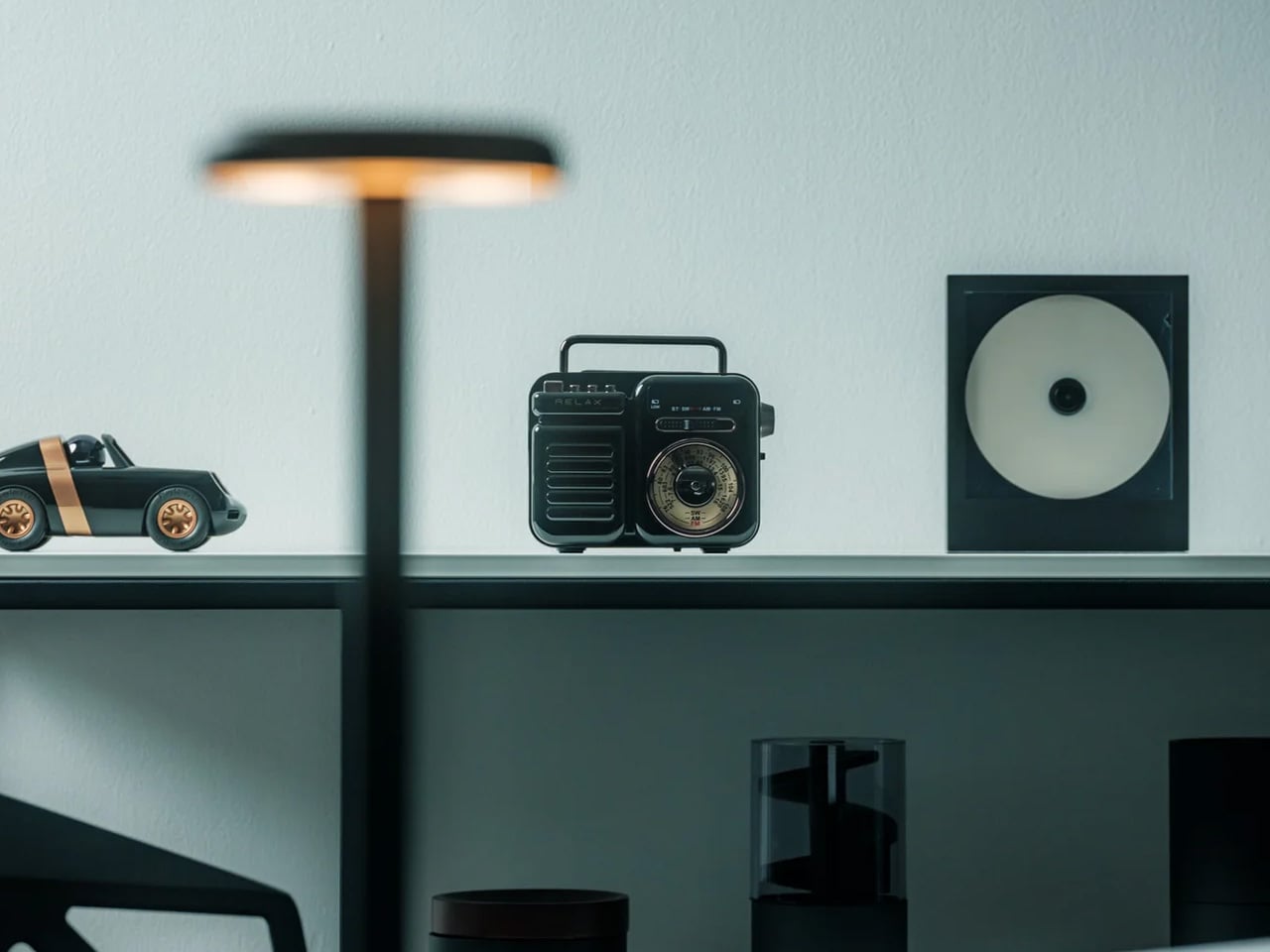
Emergency radios tend to look like emergency radios: bulky, utilitarian, designed to sit in a basement kit next to expired granola bars. The RetroWave wraps seven functions inside a form factor borrowed from mid-century Japanese transistor radios, with a tactile tuning dial and a design warm enough to earn kitchen counter space. Those seven functions: Bluetooth speaker, MP3 player (USB and microSD), AM/FM/shortwave radio, flashlight, clock, SOS alarm, and power bank. Hand-crank charging and a solar panel provide off-grid power when outlets vanish, a capability no Bluetooth-only speaker on this list can match.
The outdoor logic differs from the rest of this roundup. The RetroWave competes on self-sufficiency, not audio fidelity. A hand crank and solar panel mean it never truly dies. The flashlight and SOS siren add safety utility for trail emergencies. Bluetooth and MP3 playback handle entertainment with respectable sound for a multi-function device, though the tuning-dial analog radio experience is where the personality lives. Shortwave reception opens up international broadcasts and emergency channels that streaming apps cannot access. As an everyday speaker, it has charm. As an emergency tool that also plays music, it is hard to argue against keeping one in a daypack. It belongs on this list not because it sounds the best, but because it is the only speaker here that could keep working days after every other device has gone dark.
Hand-crank and solar charging make it the only speaker here that generates its own power, a genuine survival feature for off-grid situations.
Seven functions (speaker, radio, flashlight, clock, SOS alarm, MP3 player, power bank) consolidate multiple pieces of outdoor gear into one device.
What we dislike
Audio quality does not match dedicated Bluetooth speakers on this list, as the multi-function design compromises driver space and tuning.
The retro aesthetic, while appealing, may feel out of place for users who prefer minimal, modern gear in their outdoor kits.
2. Marshall Emberton III
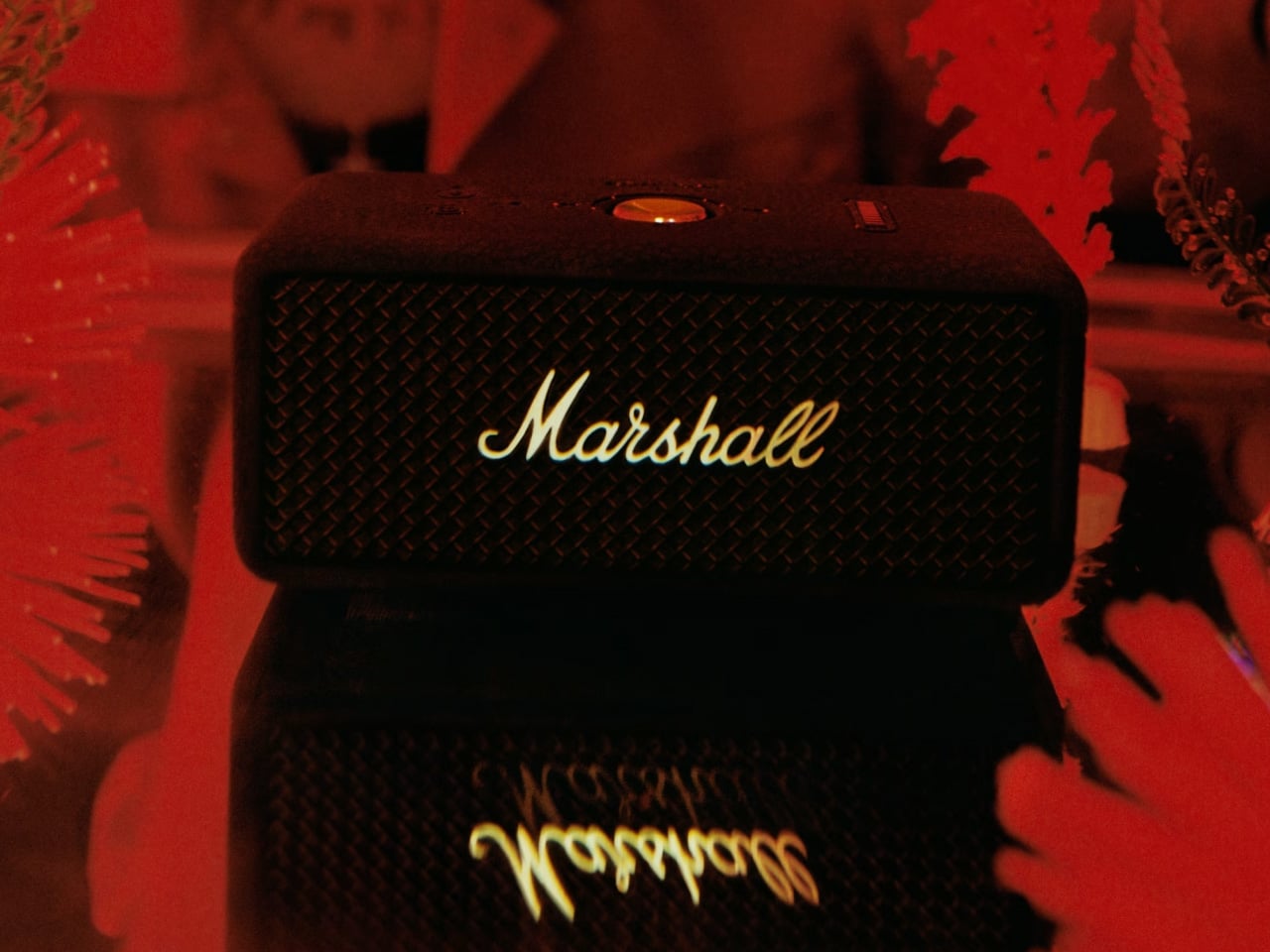
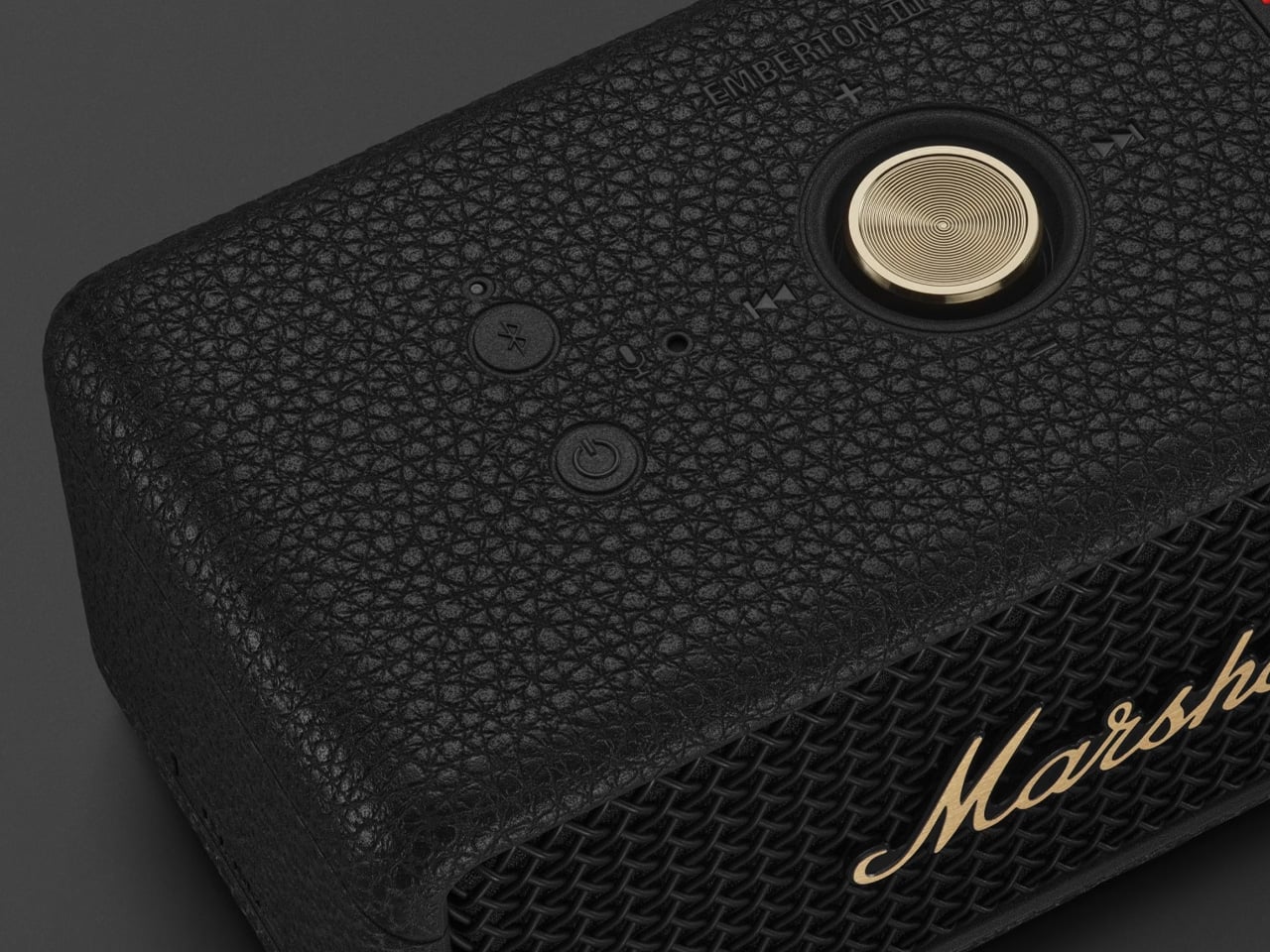
The Emberton III wraps textured silicone and metal grille construction around meaningful upgrades over its predecessors. Two 2-inch full-range drivers and two passive radiators push 360-degree sound through Marshall’s True Stereophonic system, so placement on a picnic blanket or backpack strap matters less than it would with front-firing alternatives. An IP67 rating allows submersion in one meter of water for 30 minutes, and the 32+ hours of battery life cover an entire weekend trip without an outlet. A 20-minute quick charge returns six hours of playback, the kind of math that matters when departure is in half an hour, and the speaker is dead.
Bluetooth 5.3 with LE Audio readiness and upcoming Auracast support means multi-speaker setups are on the horizon. A built-in microphone, absent from earlier Embertons, handles hands-free calls. The signature brass control knob manages volume, track skipping, and play/pause with tactile precision that wet or gloved hands appreciate far more than a touchscreen. At $159, it sits in a competitive zone against the Sonos Roam 2 and JBL Flip 6, but neither offers this battery endurance. Marshall’s sound leans warm and full at moderate volumes, though pushing past 85% introduces harshness common to speakers this size.
What we like
32+ hours of battery life covers multi-day trips, and the 20-minute quick charge for six hours of playback is a practical safety net.
IP67 rating handles submersion, dust, and sand, making it one of the most weather-resistant speakers at this price.
What we dislike
Sound gets harsh at very high volumes, a physical limitation of the small driver size that DSP tuning cannot fully solve.
No 3.5mm auxiliary input means Bluetooth is the only connection option, eliminating wired backup for devices with dead wireless.
3. Brane X
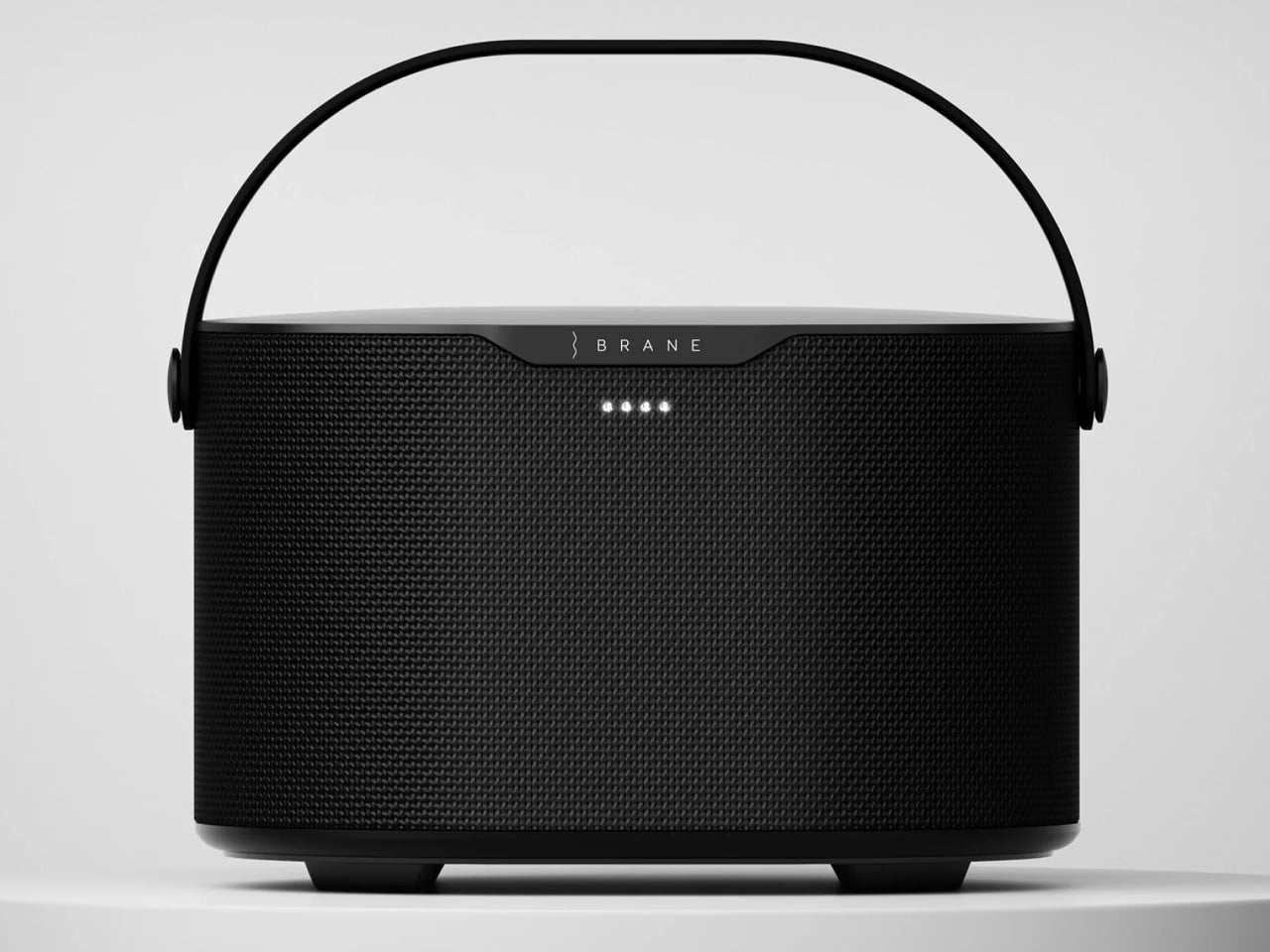
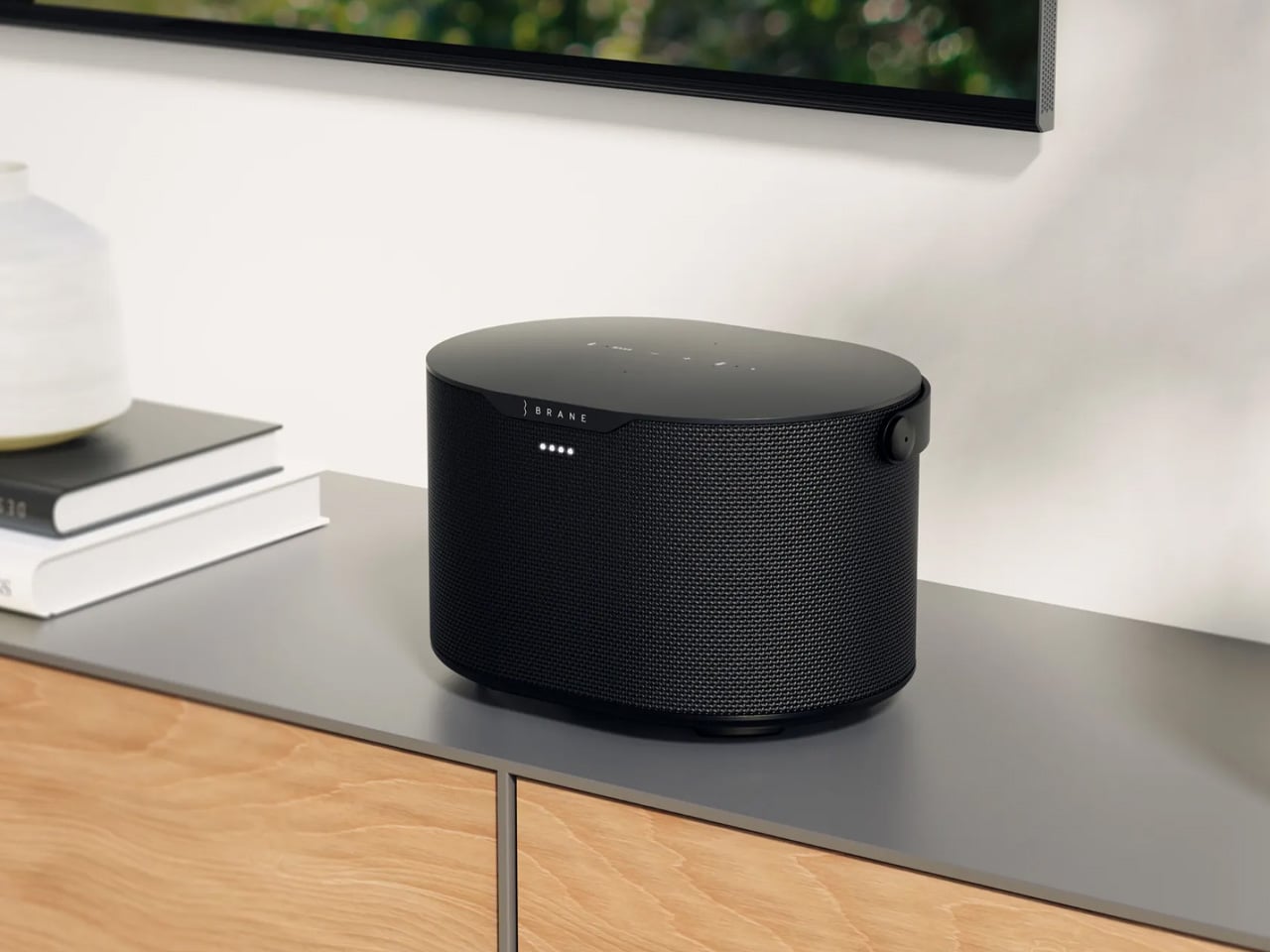
Most portable speakers fake bass by boosting mid-bass frequencies and letting psychoacoustics fill the gaps. Brane X uses a proprietary Repel-Attract Driver (RAD) that cancels internal air pressure forces, producing real sub-bass down to 27.1 Hz from a speaker just 9.3 inches wide. Five drivers total, including a 6.5 x 9-inch RAD subwoofer, two midrange drivers, and two dome tweeters, are powered by four class-D amplifiers exceeding 200 watts combined. A 72 watt-hour battery provides up to 12 hours of runtime, and full IP57 waterproofing means rain and poolside splashes are non-issues.
Outdoors, the five-driver array creates a soundstage that holds up when listeners spread across a campsite or patio. A custom DSP engine runs 500 million EQ calculations per second, maintaining clarity at volumes where competitors distort. Wi-Fi adds Spotify Connect and SiriusXM streaming, Alexa handles voice control, and the Brane app offers custom EQ and grouping for up to eight speakers. At 7.7 pounds, it is heavier than pocket alternatives, but the acoustic payoff justifies the weight for anyone tired of thin, tinny campsite sound. A 3.5mm auxiliary port also accommodates turntables, a rare inclusion in the wireless-first portable category.
What we like
Bass response down to 27.1 Hz from a portable form factor is a genuine engineering achievement unmatched in this size class.
IP57 waterproofing combined with 200+ watts of amplification delivers serious sound in weather that would sideline most premium speakers.
What we dislike
7.7 pounds limits grab-and-go spontaneity for hiking or cycling trips compared to sub-2-pound alternatives.
Battery tops out at 12 hours at moderate volume, less than half of what the Emberton III offers on a single charge.
4. The Harman Kardon Traveller Concept
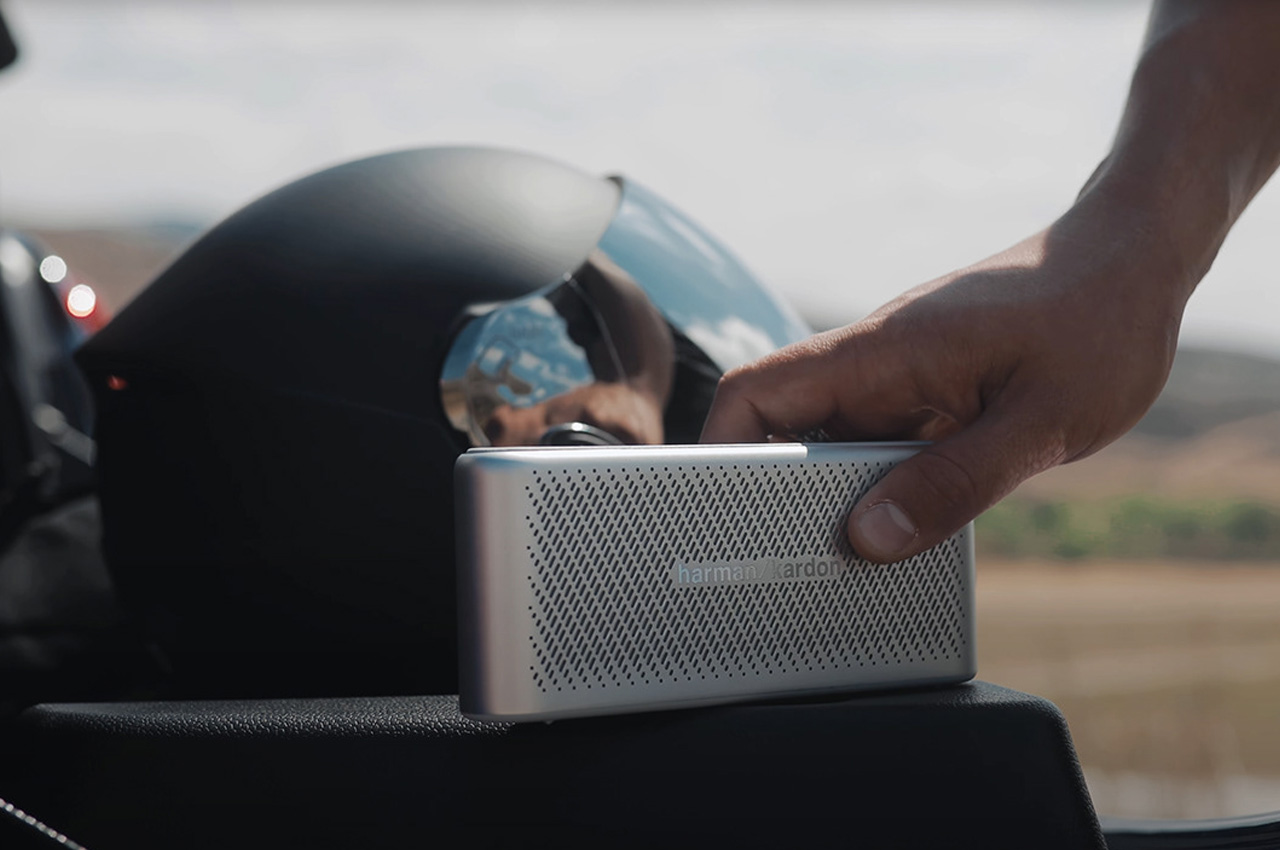
The Traveller rethinks what a portable speaker should look like for people who actually travel with one. The form factor draws from Sony point-and-shoot cameras, producing a slab so slim it fits alongside a passport wallet. Touch controls and LED indicators sit on top, maintaining the clean design language of the Harman Kardon Esquire Mini 2. A high-density battery delivers up to 10 hours of playback, and reverse charge functionality turns the speaker into an emergency power bank when a connected phone dies mid-hike. Dual microphones with echo and noise cancellation handle calls in windy outdoor conditions.
The outdoor advantage here is not ruggedness but presence. The slimmest speaker is useless if it stays home because packing it is inconvenient. The Traveller solves that by occupying almost no space, fitting into a carry pouch alongside chargers and cables. Three planned colorways (black, silver, electric blue) suggest a product designed to be seen, not hidden. Sound quality carries the Harman Kardon name, though the slim profile necessarily limits low-end output compared to thicker options on this list. For backpackers and frequent flyers who treat portability as the primary feature, this concept points toward a smarter kind of outdoor speaker: one designed to be forgotten in the bag until needed.
What we like
Reverse charge functionality doubles the speaker as an emergency power bank, solving two travel problems with one device.
Ultra-slim form factor fits in jacket pockets and travel pouches, the most packable option on this list by a wide margin.
What we dislike
This is a concept design, not a production product, so availability and final specs remain unconfirmed.
Slim profile inherently limits bass depth and volume ceiling compared to thicker, driver-stacked competitors.
5. Side A Cassette Speaker
Somewhere between a novelty gift and a legitimate audio device, the Side A leans closer to legitimate than the shape suggests. Styled after a real mixtape with a transparent shell and a Side A label, it hides a Bluetooth 5.3 speaker inside a back-pocket form factor. The cassette shape forced designers to tune for warm, analog-flavored sound within the tightest enclosure possible, and the result has a cozy quality that bigger, flatter-response speakers do not replicate. MicroSD support adds offline MP3 playback, useful on trails where phone battery conservation matters more than streaming. A clear case doubles as a display stand for desk use indoors.
Outdoors, the Side A works best as a personal-zone speaker. It will not fill a campsite, but clipped to a bag or perched on a rock beside a hammock, it handles solo listening and small-circle hangouts without the bulk of a larger unit. Bluetooth 5.3 delivers stable pairing, and range holds reliably when a phone is in a tent and the speaker is by the fire. At sub-$50, it is a low-risk purchase and an easy gift for anyone nostalgic about cassette culture. The trade-off is clear: do not expect room-filling volume or chest-thumping bass. This is a speaker for people who value character and portability over raw performance, and within that lane, it delivers more than the price suggests.
Bluetooth 5.3 and microSD playback cover both streaming and offline listening, handling connectivity gaps common on outdoor trips.
Pocket-sized cassette form factor weighs almost nothing, lowering the barrier to actually bringing a speaker on every outing.
What we dislike
Volume and bass are physically limited by the tiny enclosure, making it unsuitable for group listening in open spaces.
MicroSD support handles MP3 files only, excluding FLAC, WAV, and other formats that audio-conscious users may prefer.
Where spring leaves us
These five speakers share one trait that separates them from the hundreds of Bluetooth speakers released every quarter: they were designed with an awareness that speakers leave houses. That sounds obvious, but most portable speaker design still optimizes for countertops and nightstands, treating water resistance and battery life as checkbox features rather than core design drivers.
The Emberton III and Brane X represent two ends of the outdoor audio spectrum, one betting on endurance, the other on acoustic performance that refuses to compromise because the ceiling is sky instead of drywall. The Traveller and Side A cassette challenge the assumption that outdoor speakers need to be chunky, proving slimness and personality coexist with genuine trail usefulness. And the RetroWave reminds us that the most capable outdoor device might be the one that never needs charging at all. Spring is for getting outside. These are the speakers who want to come along.
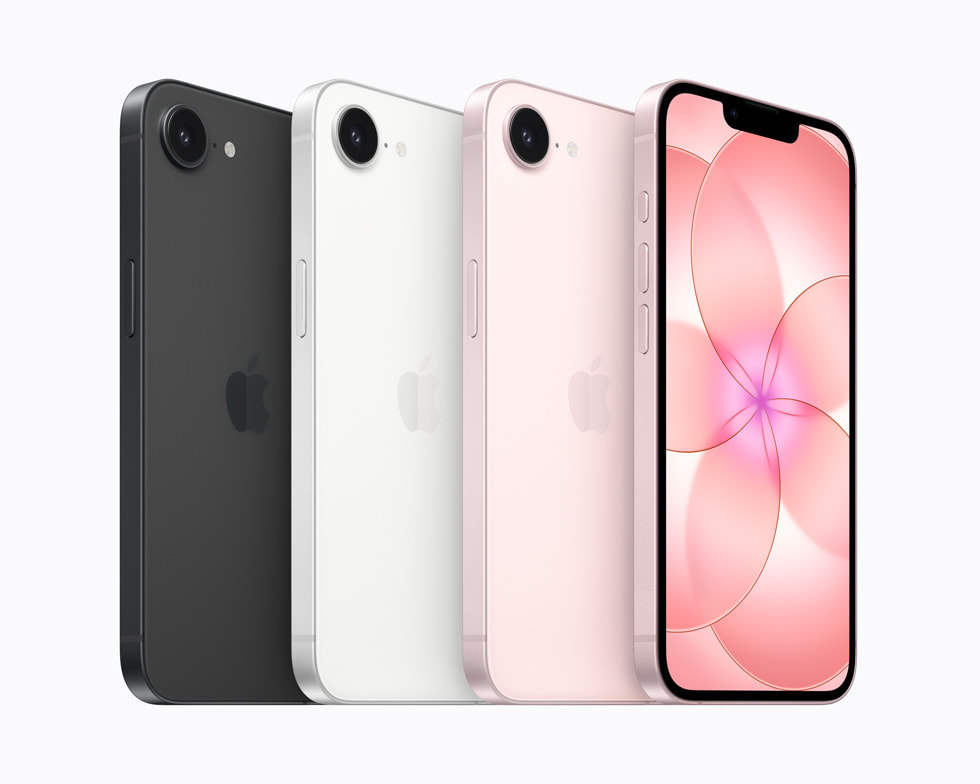
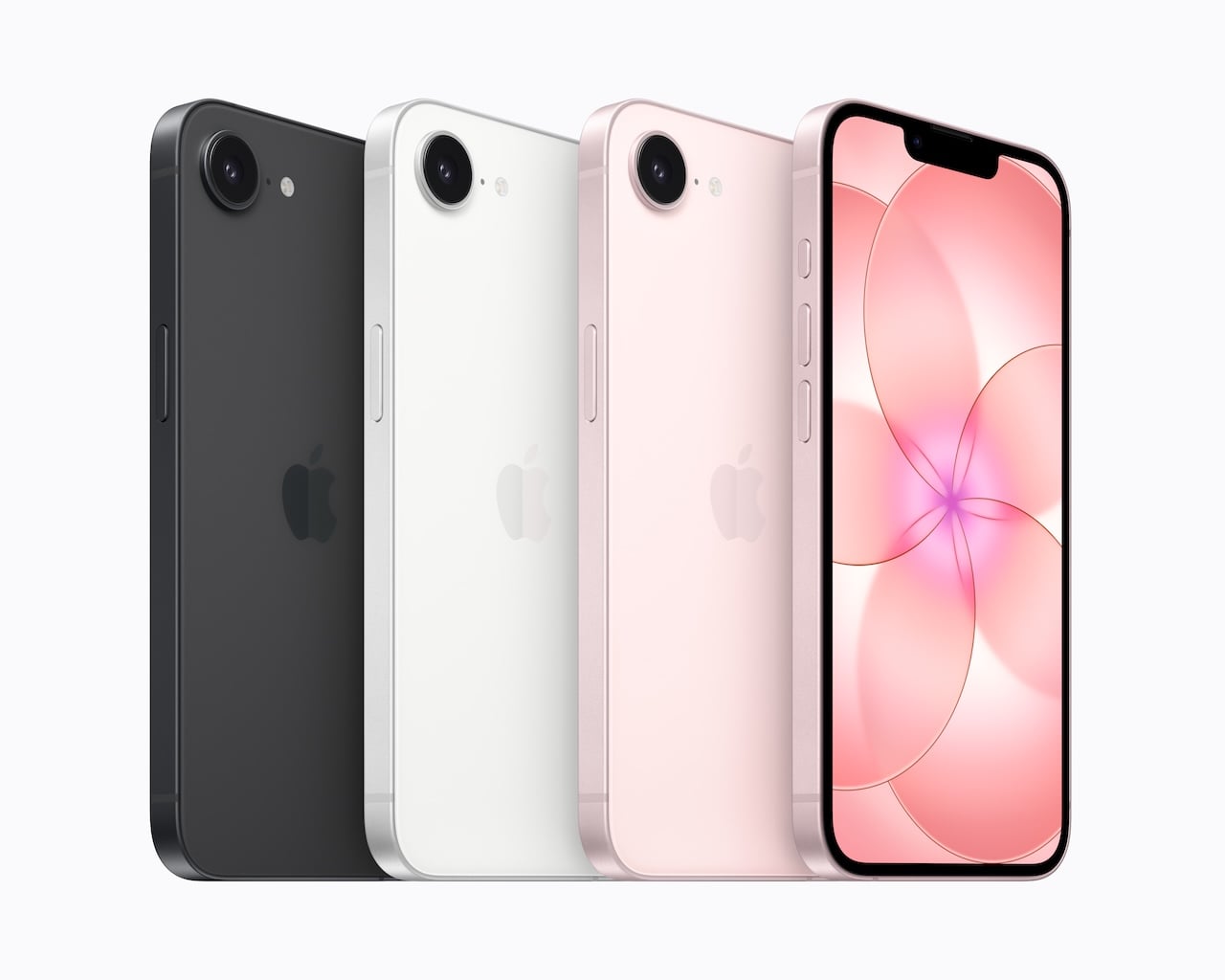
Apple’s most affordable iPhone just got an upgrade, but how does the new iPhone 17e compare to the iPhone 16e? Well, thankfully the price remains the same at $599, which is good news in our current economic climate. An immediate difference you might notice is that one of them now comes in a third color: pink. That’s at least one win for me because I am all for putting more color into tech.
There are a few differences under the hood as well, namely that the iPhone 17e is arriving with the A19 chip and double the storage. We’ve already seen what’s possible with an A19 chip in the standard iPhone 17 — it’s not a super exciting upgrade, but it is a boost nonetheless.
Pre-orders start at 9:15AM ET on March 4, and while we work on a full review, let’s take a deeper dive into what has changed on this year’s model and what that might mean in the real world.
iPhone 17e vs. iPhone 16e: Design and display
Of course, the biggest difference in the design for the iPhone 17e is the shiny new pink color. I’ve long complained about how many major tech companies stick to the safety of black, white or gray colorways. Thankfully, the iPhone 17e’s pink hue is a departure from that approach. It’s also an understated shade that’s elegant, compared to the typically brighter and louder tones reserved for cheap(er) phones.
Both the iPhone 17e and iPhone 16e measure 5.78 x 2.82 x 0.31 inches. However, the iPhone 17e did get a bit heavier at 5.96 ounces compared to the iPhone 16e’s 5.88 ounces. It’s very unlikely you’ll notice the 0.08 ounce difference, though. (And if you do, you have a gift.)
In terms of durability, the iPhone 17e is outfitted with Ceramic Shield 2, which is a glass face that Apple said is three times more scratch-resistant than the iPhone 16e’s original Ceramic Shield. Ideally, it’ll survive falls to the ground (within reason) and spare you a scratched up display from casual wear and tear.
There doesn’t seem to be any change in the display — whether that be in its brightness or color rendering capability — but that isn’t too shocking. Both the iPhone 17e and iPhone 16e feature a 6.1-inch Super Retina XDR OLED panel with a 1,200-nit peak brightness. That’s bright enough to combat the ambient glare from the sun, so you should be able to read it outside relatively easily. They’re also specced out with a 2,532 x 1,170 resolution at 460 ppi — meaning text and lines will be clean and sharp.
iPhone 17e vs. iPhone 16e: Cameras
I didn’t expect a huge bump in camera technology, especially if Apple intended to keep the price the same. We’ve got upgrades in other categories for sure, but it would’ve been nice to see an extra camera on the back. Like the iPhone 16e, the iPhone 17e is kitted out with Apple’s 48-megapixel Fusion 2-in-1 camera with a 12MP 2x Telephoto setting. You also get digital zoom up to 10x. Take a look at our iPhone 16e review to see exactly what that looks like in practice, but to sum up our experience: it’s solid.
There’s a great level of detail and vibrancy, but like I said, it’s limited. Without a potential ultrawide camera, you cannot capture as much of your surroundings because you’re not getting that 0.5x zoom option.
One major upgrade, however, is that the iPhone 17e is now capable of recognizing dogs and cats in Portrait mode. It also saves depth information so you can turn regularly captured photos into portraits after the fact. This might be a noteworthy upgrade, considering the iPhone 16e struggled in Portrait mode, incapable of capturing non-human faces and objects.
There’s also the 12MP TrueDepth camera on the front, which we didn’t have many complaints about, and don’t expect to disappoint on the iPhone 17e.
iPhone 17e vs. iPhone 16e: Processor, battery life and charging
Apart from the color, the biggest differences between the iPhone 17e and iPhone 16e is their starting storage and overall performance. The new iPhone is packed with an A19 chip, while the latter comes with an A18 chip.
Yes, you’re getting a performance bump with the A19 chip, but casual users are unlikely to feel the difference. If you’re a power user trying to get the most out of an affordable iPhone and want to get crunchy about it, there’s roughly a 5 percent difference in CPU speed and over 10 percent in GPU performance (according to CPU Monkey).
Despite that bump, the battery life hasn’t changed. With both devices, Apple says you’re getting up to 26 hours of video playback and up to 21 hours streamed. The company doesn’t typically share specifics on battery sizes, but GSMArena is reporting that both models come with a 4,005mAh battery. What has changed, however, is being able to receive double the wattage from wireless charging. The iPhone 17e can now take up to 15W for Qi2 fast wireless charging — compared to 7.5W from the Qi support on the iPhone 16e.
iOS 26 and Apple Intelligence
At a glance, there does not seem to be any difference in what the iPhone 16e and iPhone 17e offer in terms of iOS and Apple Intelligence capability. However, it’s relevant to note that you will likely get better performance out of the iPhone 17e with regards to AI features because of its superior A19 chip.
In case you wanted to do the numbers comparison yourself, we’ve compiled a nifty table here so you can eyeball them with ease. But for a sense of how the iPhone 17e holds up in the real world and whether it’s worth the money, stay tuned for our full review.
iPhone 17e vs. iPhone 16e: Specs at a glance
Spec
iPhone 17e
iPhone 16e
Price
$599
$599
Processor
A19 chip
A18 chip
Display
Super Retina XDR, 6.1‑inch, 2,532 x 1,170, OLED display at 460 ppi
Super Retina XDR, 6.1‑inch, 2,532 x 1,170, OLED display at 460 ppi
RAM
8GB
8GB
Storage
256GB, 512GB
128GB, 256GB, 512GB
Wireless charging
Up to 15W
Up to 7.5W
Rear camera
2-in-1 camera — 48MP Fusion main, 12MP 2x Telephoto, digital zoom up to 10x
2-in-1 camera — 48MP Fusion main, 12MP 2x Telephoto, digital zoom up to 10x
Front camera
12MP selfie cam
12MP selfie cam
SIM
Dual SIM (two active eSIMs)
Dual SIM (two active eSIMs)
Connectivity
Wi-Fi 6E, Bluetooth v5.3, NFC
Wi-Fi 6E, Bluetooth v5.3, NFC
OS
Launched with iOS 26
Launched with iOS 18
This article originally appeared on Engadget at https://www.engadget.com/mobile/iphone-17e-vs-iphone-16e-whats-new-on-apples-latest-599-handset-162009364.html?src=rss
At Mobile World Congress (MWC) 2026, Samsung unveiled a range of advancements in artificial intelligence (AI) and connectivity, further cementing its position as a global leader in technological innovation. The company emphasized its commitment to creating a seamlessly connected and intelligent ecosystem, showcasing the Galaxy S26 series, wearables, tablets, laptops, and intelligent infrastructure. These innovations […]
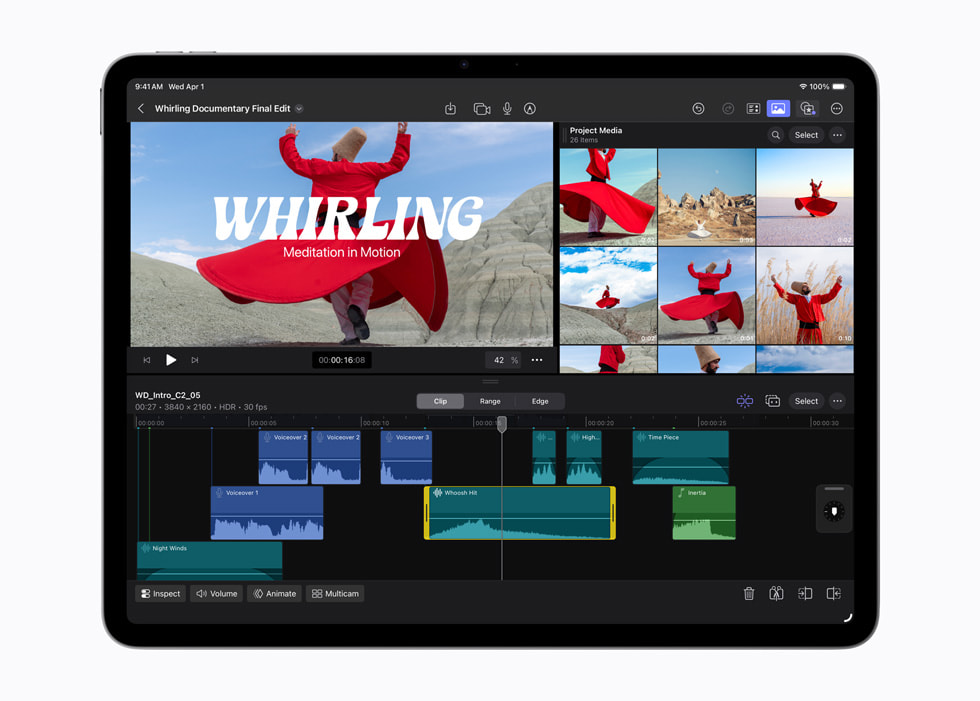
Apple had promised a “big week” for the company as rumors swirled that it had a number of product announcements lined up. True enough, it unveiled a half-dozen new and refreshed devices over the last few days, along with more powerful chips for MacBook Pros.
In addition, ahead of the official announcement, Apple leaked news of a cheaper MacBook called the MacBook Neo. Whoops! The company confirmed the existence of that system on Wednesday. It starts at $599, making it Apple’s most affordable laptop to date.
Here’s our recap of everything Apple announced this week:
iPhone 17e
Apple
Apple has spruced up this year’s entry-level iPhone with some pretty solid upgrades, though it's keeping the starting price at $599. The iPhone 17e has double the base storage of the iPhone 16e at 256GB. It also has MagSafe support with Qi2 wireless charging speeds of up to 15W, double that of the iPhone 16e.
Design-wise, Apple hasn't exactly rocked the boat. The iPhone 17e looks pretty much identical to its predecessor. It appears that Apple is sticking with the same 48MP Fusion camera system as it used in the iPhone 16e too.
That said, the 6.1-inch Super Retina display has Ceramic Shield 2. According to Apple, this provides “3x better scratch resistance than the previous generation and reduced glare.” The company slotted its C1X cellular modem into the iPhone 17e as well. It says this is up to two times faster than the C1 that was in the iPhone 16e. The device has the same A19 chip as the iPhone 17, so it supports Apple Intelligence AI tools, and it runs iOS 26.
In addition, the iPhone 17e has an IP68 rating for water and dust resistance, as well as the promise of "all-day battery life." It also supports satellite-powered features including Emergency SOS, Roadside Assistance, Messages and Find My.
Pre-orders for the iPhone 17e are now open. It’s available in black, white and soft pink. The device will hit shelves in more than 70 countries and regions on March 11.
iPad Air M4
Apple
The latest iPad Air boasts Apple’s M4 chip. That means the mid-range iPad is effectively remaining a year behind the iPad Pro. The M4 is almost two years old at this point, while the top-end model has the newer M5 chip. Still, if you only use an iPad for casual tasks like watching shows, web browsing, email and so on, the M4 will be more than powerful enough. It will be more adept at handling resource-intensive tasks like video editing than previous iPad Air models too.
Apple has also bumped up the RAM from 8GB from the last-gen model to 12GB. Given the sharp increase in RAM prices in recent months, it’s slightly surprising that Apple is sticking to the same prices for the iPad Air. The 11-inch M4 iPad Air starts at $599 while the 13-inch version starts at $799, each with 128GB of storage. There's a $50 discount for those buying it for educational use.
Apple claims the M4 delivers up to 2.3 times faster performance compared with the M1 iPad Air and "over 4x faster 3D pro rendering with ray tracing performance." Of course, the new iPad Air runs iPadOS 26.
Apple gave the iPad Air other internal upgrades by including its N1 and C1X connectivity chips. As such, this is the first iPad Air with Wi-Fi 7 support. As you might expect, 5G cellular connectivity is available as well.
The design of the M4 iPad Air doesn't seem to have changed, as it appears to have the same LCD display Apple used in the last two iterations of the tablet. The company has stuck with the same rear-facing camera and dual-speaker setup as well.
Pre-orders for the M4 iPad Air are now open. The tablet will hit retailers in 35 countries and regions on March 11. It will be available in blue, purple, starlight and space gray.
Apple MacBook Pro with M5 Pro and Max
Apple
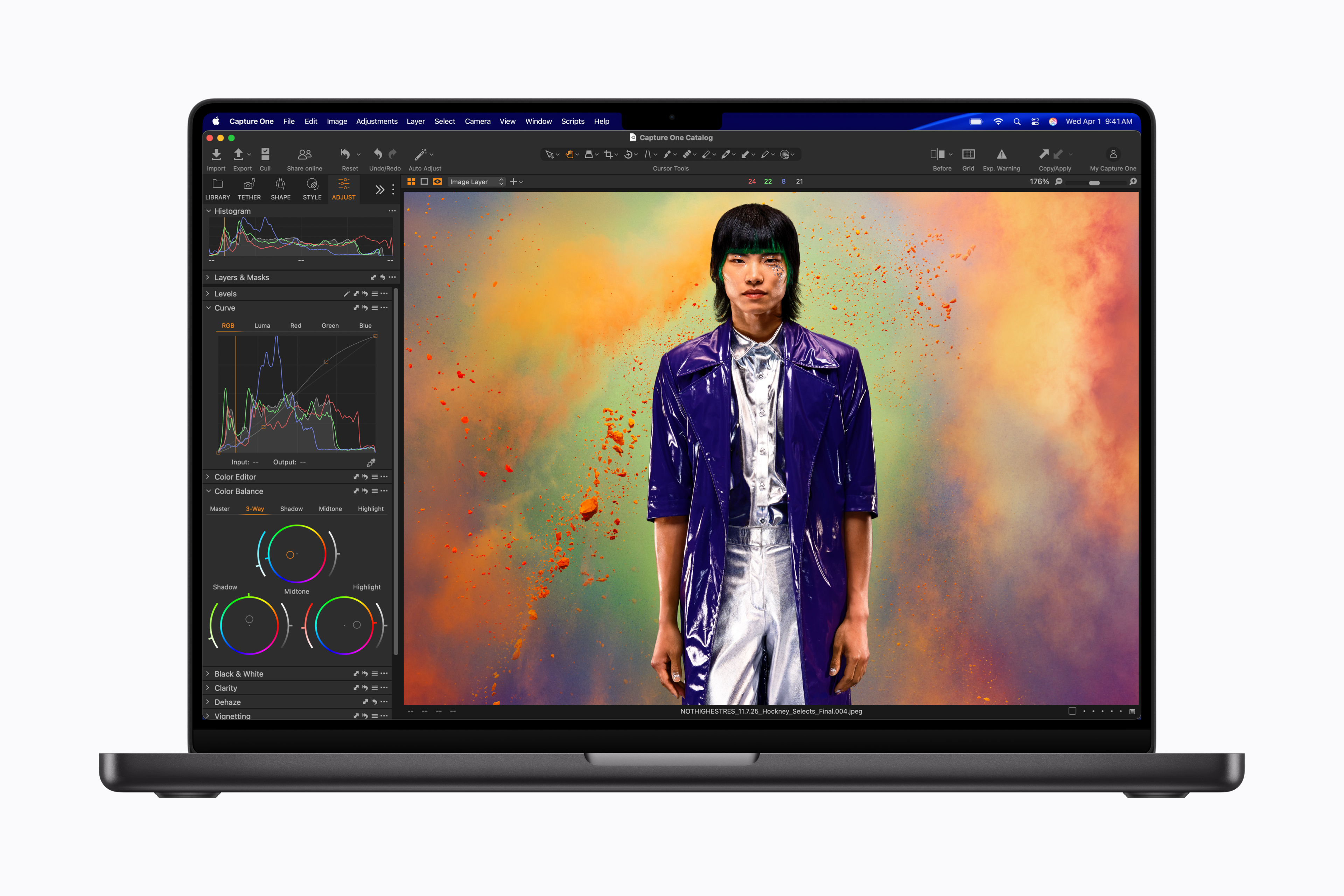
Apple’s most powerful laptop line finally got the chip upgrades that we’d long been expecting. Along with announcing the M5 Pro and M5 Max, the company is offering versions of the MacBook Pro with those chipsets. However, there are price increases to go along with the upgrades.
The new 14-inch MacBook Pro with an M5 Pro chipset (with 15 CPU cores and 16 GPU cores), 24GB of RAM and 1TB of storage starts at $2,199. That's a $200 increase compared with the base M4 Pro-powered system from late 2024, though Apple has doubled the base storage, which is a welcome touch. If you prefer, you can have a 14-inch MBP with a more powerful M5 Pro (with up to 18 CPU cores and 20 GPU cores) or M5 Max (with 18 CPU cores and 32 or 40 GPU cores). You can double the RAM to 48GB as well.
The 16-inch MacBook Pro has an M5 Pro chipset with 18 CPU cores and 20 GPU cores as standard. Of course, you can swap that out for an M5 Max if you'd rather. The 16-inch model starts at $2,699, a $200 increase from the base M4-powered system. It also starts with 24GB of RAM and 1TB of storage. For what it’s worth, Apple says both the memory and SSD are faster than in previous models.
Apple hasn’t changed the Liquid Retina XDR display and 12MP Center Stage front-facing camera for these models. However, the company has installed its N1 chip to power Wi-Fi 7 and Bluetooth 6 connectivity.
Pre-orders are now open, with general availability to follow on March 11.
Apple said the M5 Pro and M5 Max are built using new “Fusion Architecture” that “combines two dies into a single system on a chip (SoC).” As ever, the goal is to deliver more power and efficiency. We’ll find out for ourselves whether Apple’s performance claims hold up when we’re able to test the chips.
Meanwhile, the base 14-inch MacBook Pro with an M5 chipset also got a $100 price increase to $1,699. To take the sting out of that a bit, Apple doubled the base storage of that model to 1TB as well. Given that Apple usually charges a premium for storage increases, that’s not a terrible tradeoff.
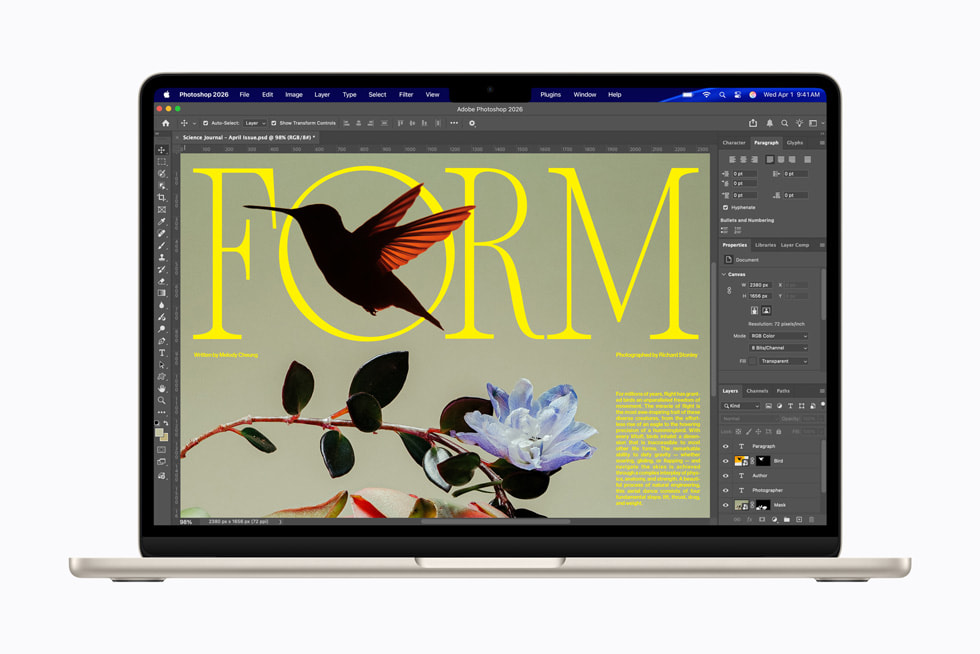
M5 MacBook Air
Apple
A year after Apple upgraded the MacBook Air with an M4 chipset, the company pulled the same trick by swapping in an M5 chip. The company also boosted the base storage from 256GB to 512GB, with an SSD that it claimed can provide “2x faster read/write performance compared to the previous generation.”
While the MBA still has 16GB or RAM as standard, Apple also upgraded the memory to have 153GB/s of bandwidth — the company said that’s a 28 percent improvement over what the M4 MBA offered. Meanwhile, Apple has slapped in the N1 chip to deliver Wi-Fi 7 and Bluetooth 6 connectivity.
Alas, with those upgrades comes a tradeoff. Apple has bumped the starting price of the latest MacBook Air back up to $1,099 after cutting it to $999 for the M4 model. That’s for the 13-inch variant. The 15-inch M5 MacBook Air starts at $1,299.
The latest MacBook Air is available in sky blue, midnight, starlight and silver. You can pre-order one now. It will hit stores in 33 countries and regions on March 11.
MacBook Neo
Apple expanded its laptop lineup even further on Wednesday with the announcement of the MacBook Neo. This is a new entry-level model that starts well below the latest $1,099 MacBook Air at a very reasonable $599 ($499 for educational use). It’s Apple’s least expensive laptop to date, and a clear attempt by the company to wade into a market that’s saturated with cheap Windows laptops and Chromebooks.
As expected, the laptop runs on an A18 Pro chip, which first appeared in the iPhone 16 Pro and iPhone 16 Pro Max. The chipset has a 6-core CPU, 5-core GPU and 16-core Neural Engine, along with 8GB of unified memory. That’s enough for the MacBook Neo to power Apple Intelligence features (of course, it’s a macOS Tahoe machine). Apple also said that the MacBook Neo will run for up to 16 hours on a single charge.
The MacBook Neo has a 13-inch Liquid Retina Display (with 500 nits of brightness and support for 1 billion colors), one USB-C 3 port, a USB-C 2 port and a headphone jack, but no MagSafe connector. There’s a 1080p front-facing FaceTime HD camera, dual mics and side-firing speakers that support Spatial Audio and Dolby Atmos.
The system has a Magic Keyboard with a multi-touch trackpad. However, if you want a TouchID sensor, you’ll need to pay $100 more for it. Ponying up the extra cash will also double the storage from 256GB to 512GB.
Apple claimed that the MacBook Neo is up to 50 percent faster at everyday tasks than “the bestselling PC with the latest shipping Intel Core Ultra 5” with 8GB or RAM and a 256GB SSD. The company also contended that its new laptop is up to three times faster than that Windows system “when running on-device AI workloads like applying advanced effects to photos.”
The MacBook Neo is available in four colors: silver, blush (a light pink), citrus (light yellow) and indigo. It was previously reported that Apple would offer the budget-friendly laptop in some lively iMac-esque colorways. Moreover, Apple says the laptop is “made with a durable recycled aluminum enclosure that helps it reach 60 percent recycled content by weight,” which is said to be the most of any Apple device.
As with the rest of the new devices, pre-orders are open now and the MacBook Neo will be available in stores in 30 countries and regions on March 11.
We’ve already had a chance to go hands-on with the MacBook Neo. Engadget senior editor Devindra Hardawar had generally positive first impressions of the laptop, but felt that the keyboard and touchpad didn’t feel quite as sturdy as those on Apple’s higher-end systems.
Studio Display and Studio Display XDR
I don’t think many people had Studio Displays on their Apple announcements bingo card for this week, but here they are. The Studio Display XDR is completely new.
This is a 27-inch monitor with a 5K Retina XDR screen. It has a mini-LED display with more than 2,000 dimming zones and peak HDR brightness of 2,000 nuts, along with a wider color gamut. The Studio Display XDR boasts a 120Hz refresh rate (an improvement over the 60Hz that previous models were limited to) and a tilt- and height-adjustable stand as standard.
The monitor also has a 12MP Center Stage camera with support for Desk View, a feature that — weirdly enough — lets you show both your face and what's on your desk. Thunderbolt 5 connectivity allows you to hook up more displays by daisy chaining them. The Studio Display XDR is also a Thunderbolt hub with support for up to 140W of charging power. As such, you'll be able to fast charge a 16-inch MacBook Pro using the included Thunderbolt 5 Pro cable.
The Studio Display XDR starts at $3,299. A version with nano-texture glass, which is said to further reduce reflectivity, costs $3,599.
Meanwhile, the refreshed Studio Display has an upgraded 12MP Center Stage camera with Desk View. There's also a "studio-quality" three-microphone array and six-speaker sound system with Spatial Audio. The latest model has Thunderbolt 5 support with the option to daisy-chain displays. The Studio Display can deliver 96W charging as well.
The base monitor is $1,599. It still has a 27-inch 5K Retina display with up to 600 nits of brightness and P3 wide color. It comes with standard glass or, for an extra $300, nano-texture glass. The Studio Display has a tilt-adjustable stand as standard. If you'd prefer to have one that's height adjustable as well, you'll need to shell out another $400.
Again, pre-orders for the displays are now open ahead of broader availability on March 11.
This article originally appeared on Engadget at https://www.engadget.com/computing/laptops/everything-apple-announced-this-week-macbook-neo-iphone-17e-and-more-155617129.html?src=rss
Anthropic has made switching to its Claude AI chatbot easier than ever. The company announced a new memory import tool that can extract all of a competing AI chatbot's memories and context of you into a text prompt that can be fed into Claude.
With Anthropic's prompt, you can then copy and paste the output into Claude's memories, and the AI chatbot will pick up where you left off with another AI chatbot, whether it's ChatGPT, Gemini or Copilot. Anthropic said it'll take about 24 hours for Claude to assimilate the new context, but you'll be able to see the change by clicking on the "See what Claude learned about you" button. Claude users can even tweak what the AI chatbot remembers in the "Manage memory" section in the app's settings. Anthropic pointed out that Claude is meant to focus on "work-related topics to enhance its effectiveness as a collaborator," adding that it might not remember personal details that are unrelated to work.
Anthropic's timing doesn't seem to be just a coincidence. Claude recently jumped to the number one spot in the App Store's free apps charts, dethroning ChatGPT in the process. The rise in popularity likely stems from its recent dispute with the Department of Defense, where Anthropic refused to budge on AI guardrails related to mass domestic surveillance and fully autonomous weapons. On the other hand, OpenAI will be taking Anthropic's vacated role with the Department of Defense, leading to a trend of users boycotting ChatGPT and canceling their subscriptions.
This article originally appeared on Engadget at https://www.engadget.com/ai/anthropics-claude-can-now-absorb-your-past-conversations-with-other-ai-chatbots-153201656.html?src=rss
Snap’s latest AR glasses, available as the Spectacles developer kit, mark a notable advancement in wearable augmented reality. Unlike systems that depend on external devices, these glasses project holograms directly into the user’s surroundings. According to Cas and Chary XR, the hardware still has significant constraints, such as a 46° diagonal field of view and […]
Samsung continues to lead the foldable smartphone market with the Galaxy Z Fold 8 Wide, a device that combines innovative technology with practical design. By focusing on durability, display innovation, camera enhancements, and battery performance, the Galaxy Z Fold 8 Wide aims to set a new standard in the industry. This device is not just […]
Apple has officially launched the iPhone 17e, a new addition to its iPhone 17 series, designed to combine advanced technology with a more accessible price point. Starting at $599 for the 256GB model, the iPhone 17e offers a compelling mix of performance, durability, and sustainability. Available in black, white, and soft pink, this device aims […]