Leica and Xiaomi Built a Phone With a Rotatable Camera Ring

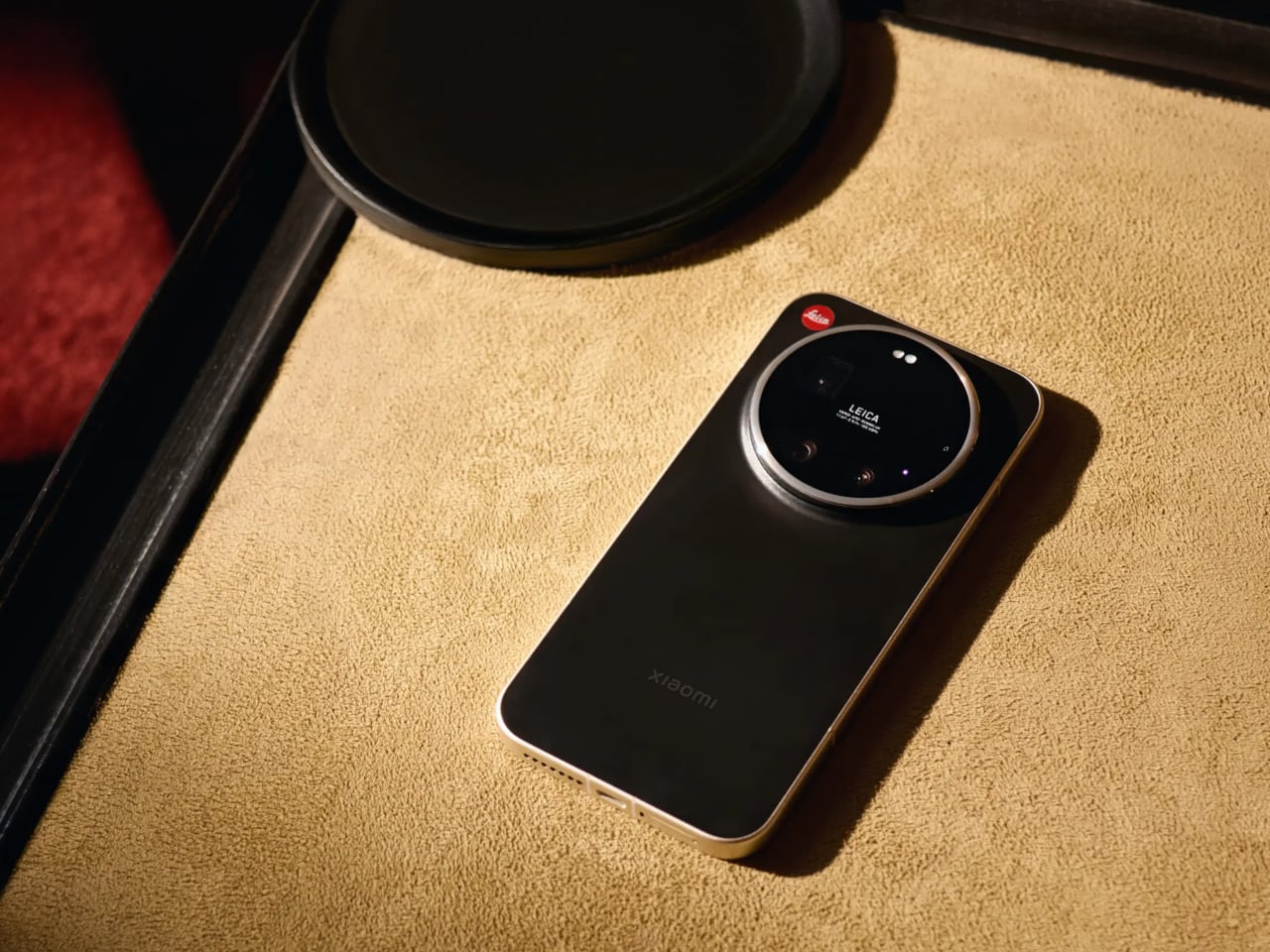
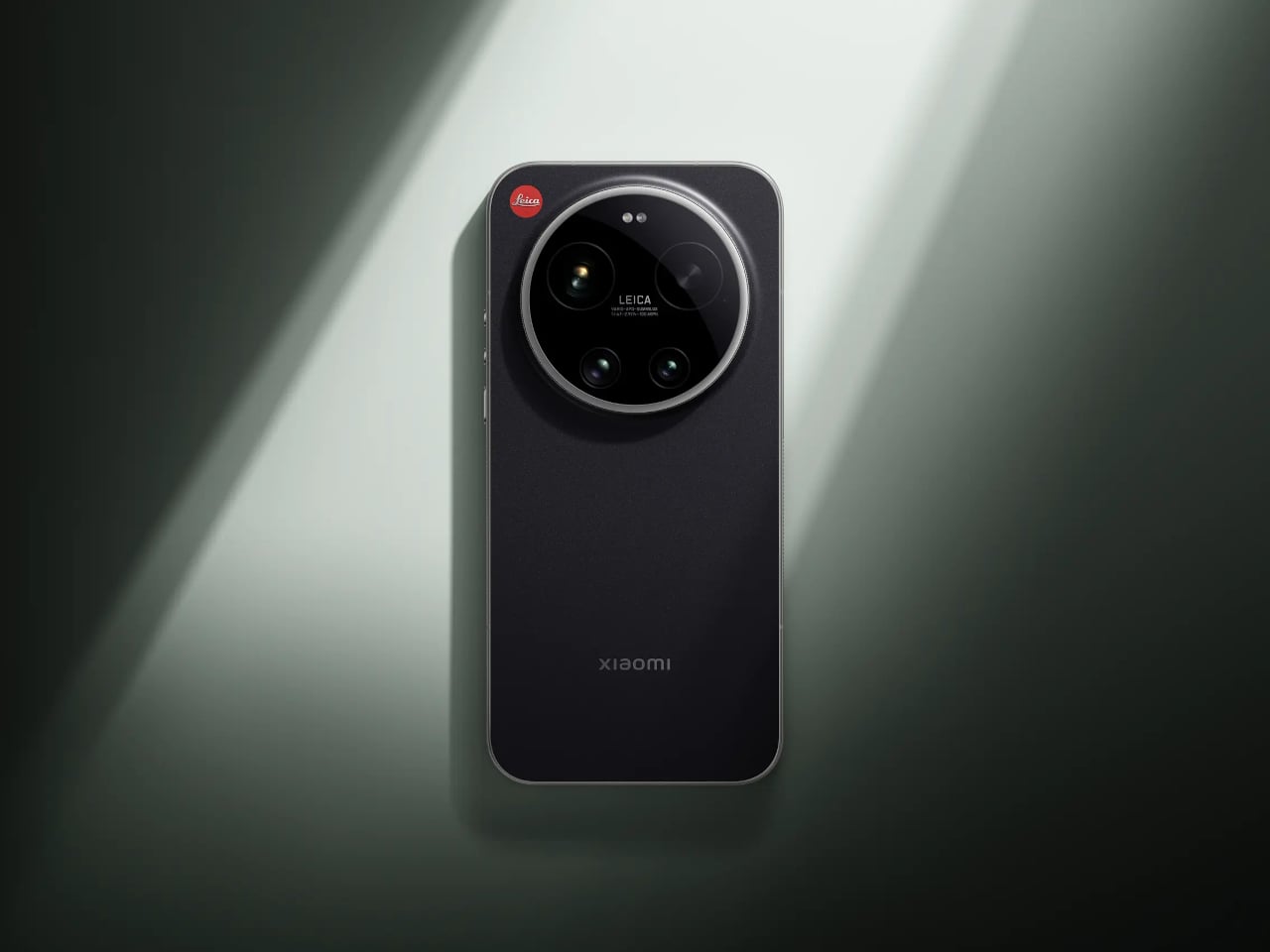
Most of us carry a capable camera in our pockets every day, yet somehow the act of taking a photo still feels like wrestling with a piece of software rather than making an actual picture. You tap, swipe, wait for the AI to decide what the scene should look like, and end up with something technically perfect and faintly anonymous. That’s the frustration the Leica Leitzphone powered by Xiaomi is trying to address, arriving at MWC 2026 as a phone designed around the idea that shooting should feel deliberate.

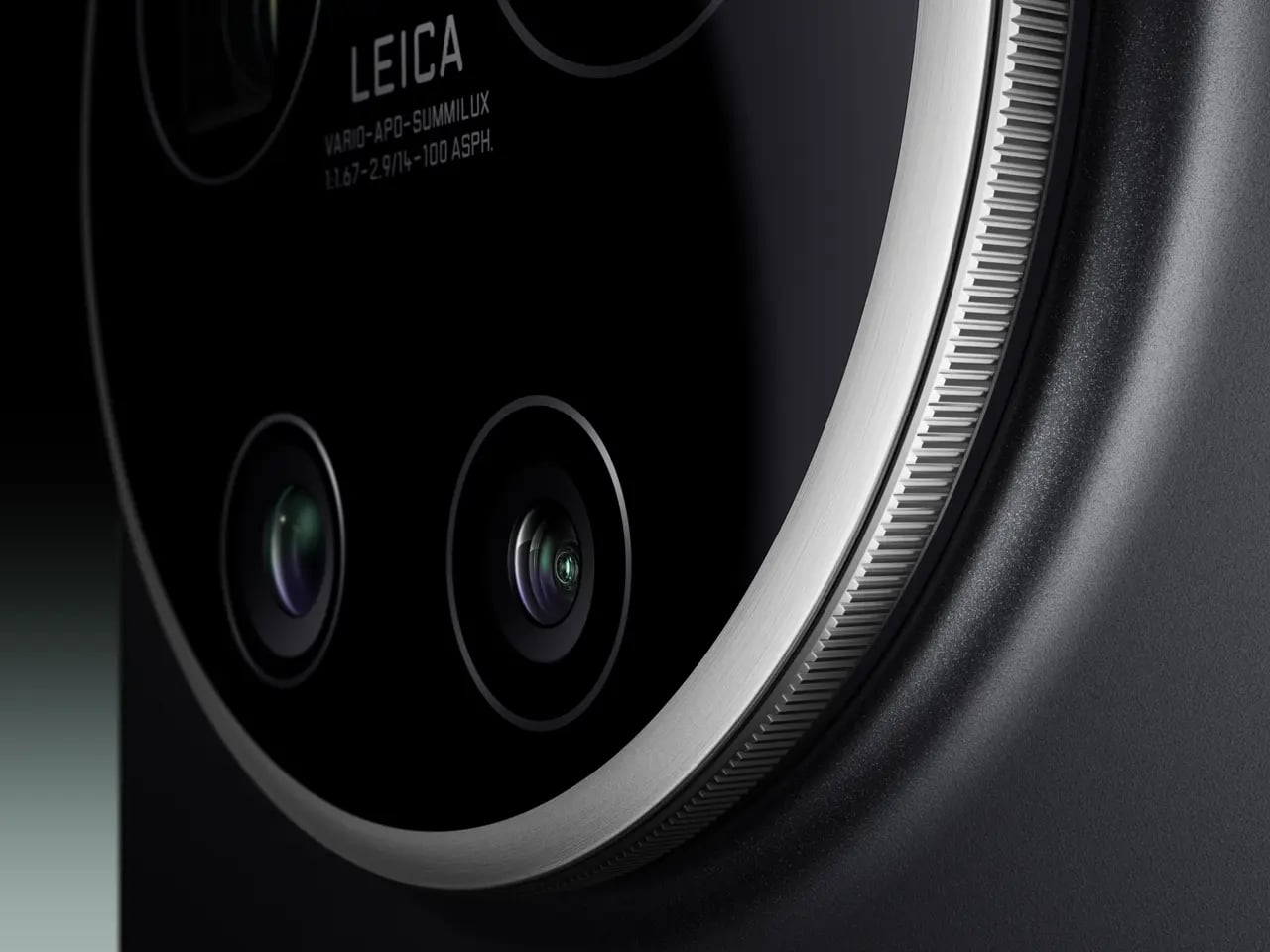
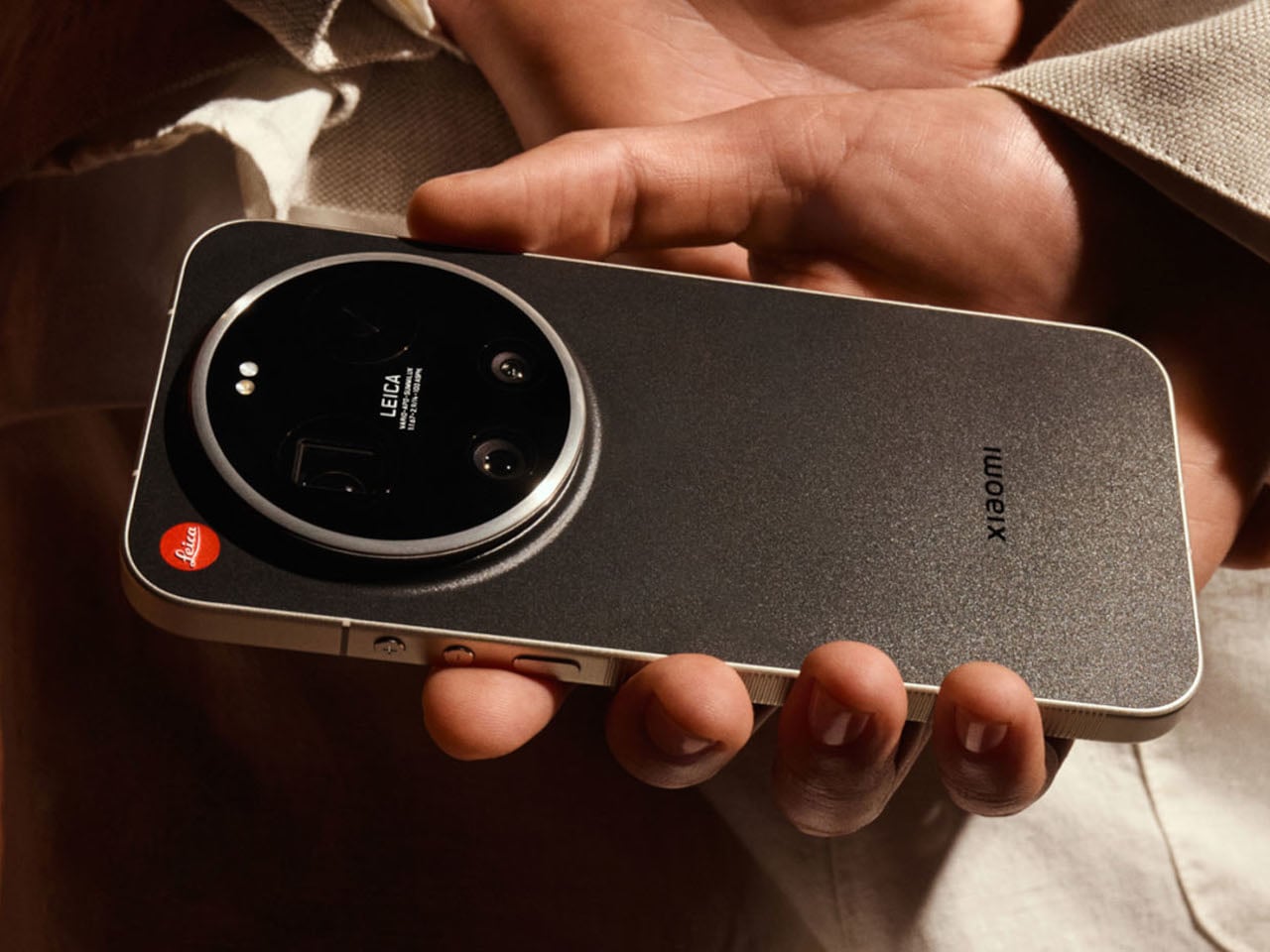
The most telling detail is the rotatable camera ring around the lens module. It’s a physical control you can assign to focal length, focus, or bokeh depth, borrowing directly from the tactile language of Leica’s rangefinder cameras. There’s something telling about that choice: at a time when every interaction is a touch gesture, adding a ring you can actually turn is a quiet argument that the best interface for a camera might not be a flat sheet of glass.

Designer: Leica x Xiaomi
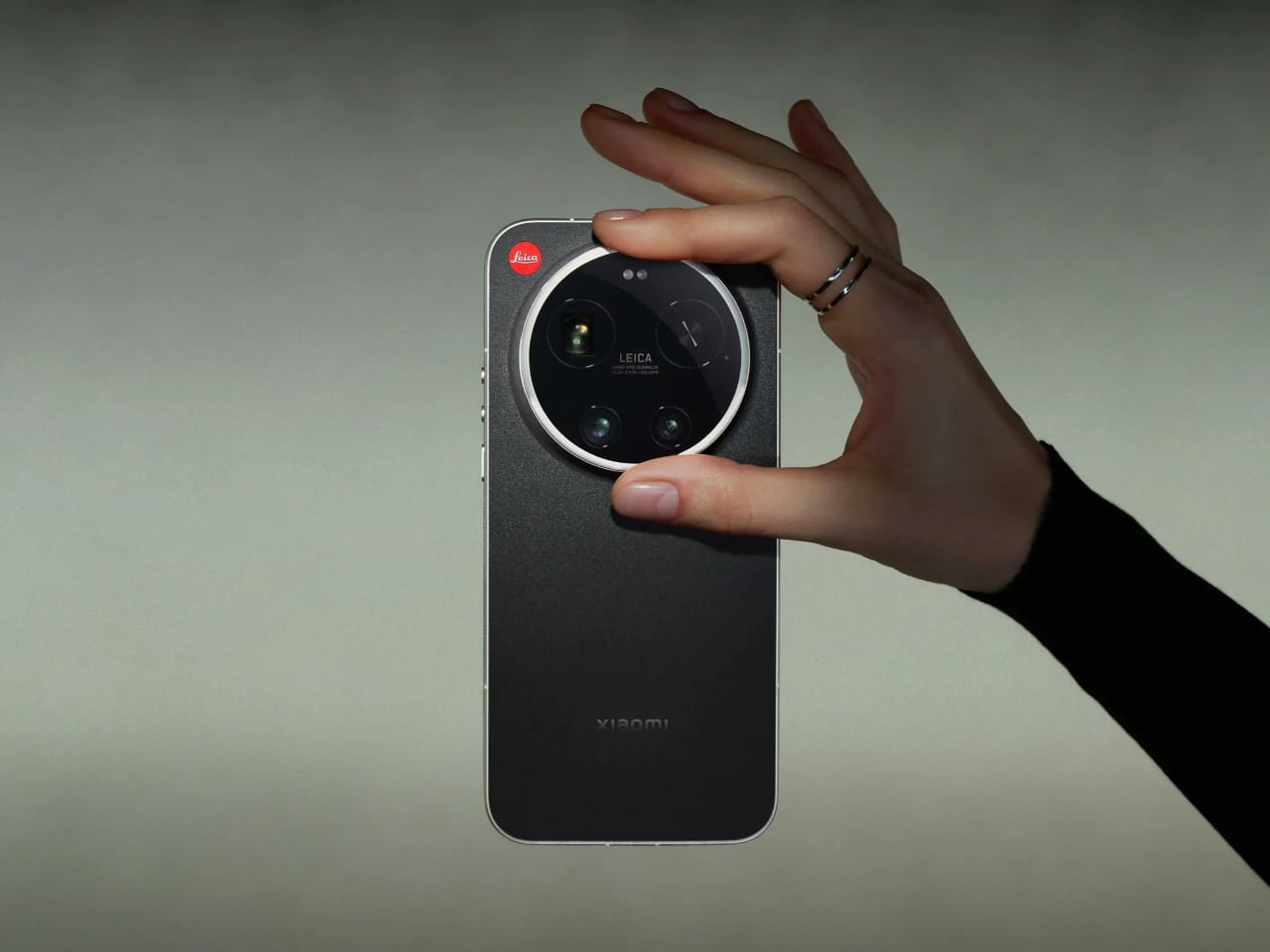
The hardware behind that ring is genuinely serious. The primary sensor is a 1-inch format with LOFIC HDR technology, which gives it a real optical size advantage over the smaller sensors in most flagship phones, particularly in high-contrast or low-light situations. A 200 MP telephoto covering 75–100 mm and a 14 mm ultra-wide complete the system, so the focal length range maps fairly naturally onto how photographers tend to think rather than how smartphone specs sheets tend to read.
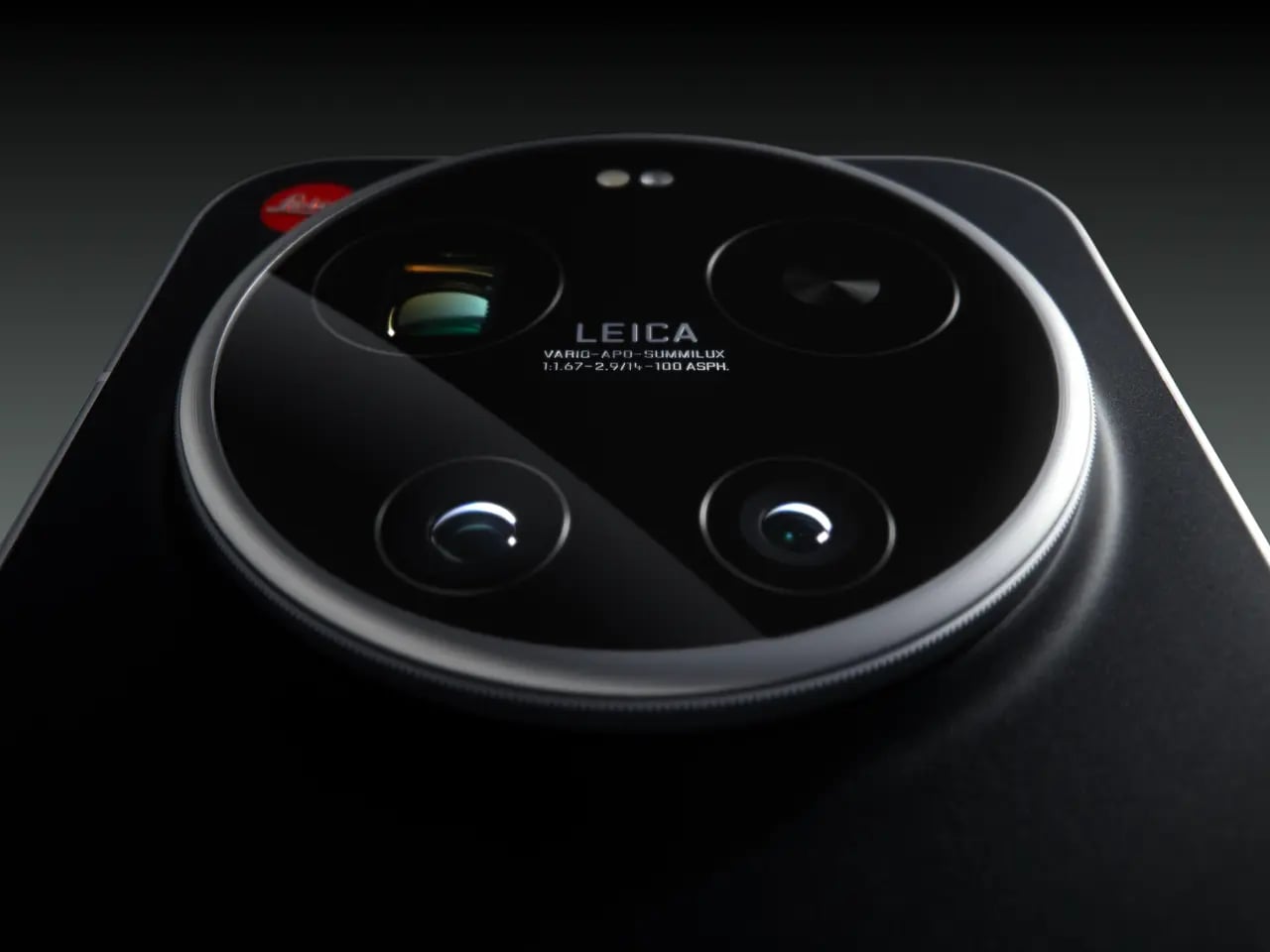
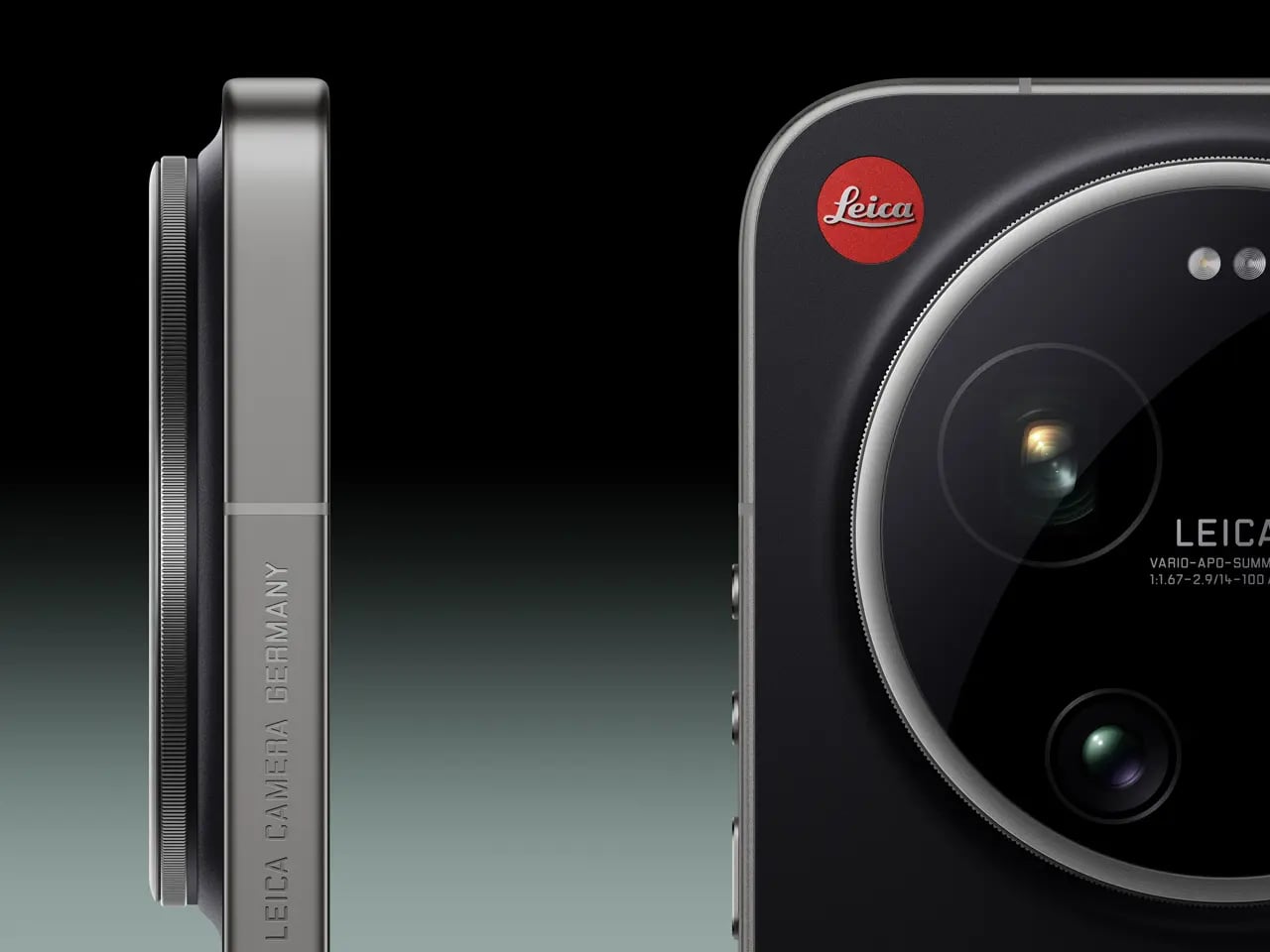
Software is where it gets more interesting, and where you’re asked to trust the collaboration a little more. Leica Essential Mode simulates the output of two specific cameras: the Leica M9 and the M3 with MONOPAN 50 film. For people who know those cameras, that’s a specific and meaningful promise. For everyone else, it’s an aesthetic reference that requires some faith, and there’s a gap between “inspired by classic Leica lenses” and actually using one that the marketing doesn’t quite close.
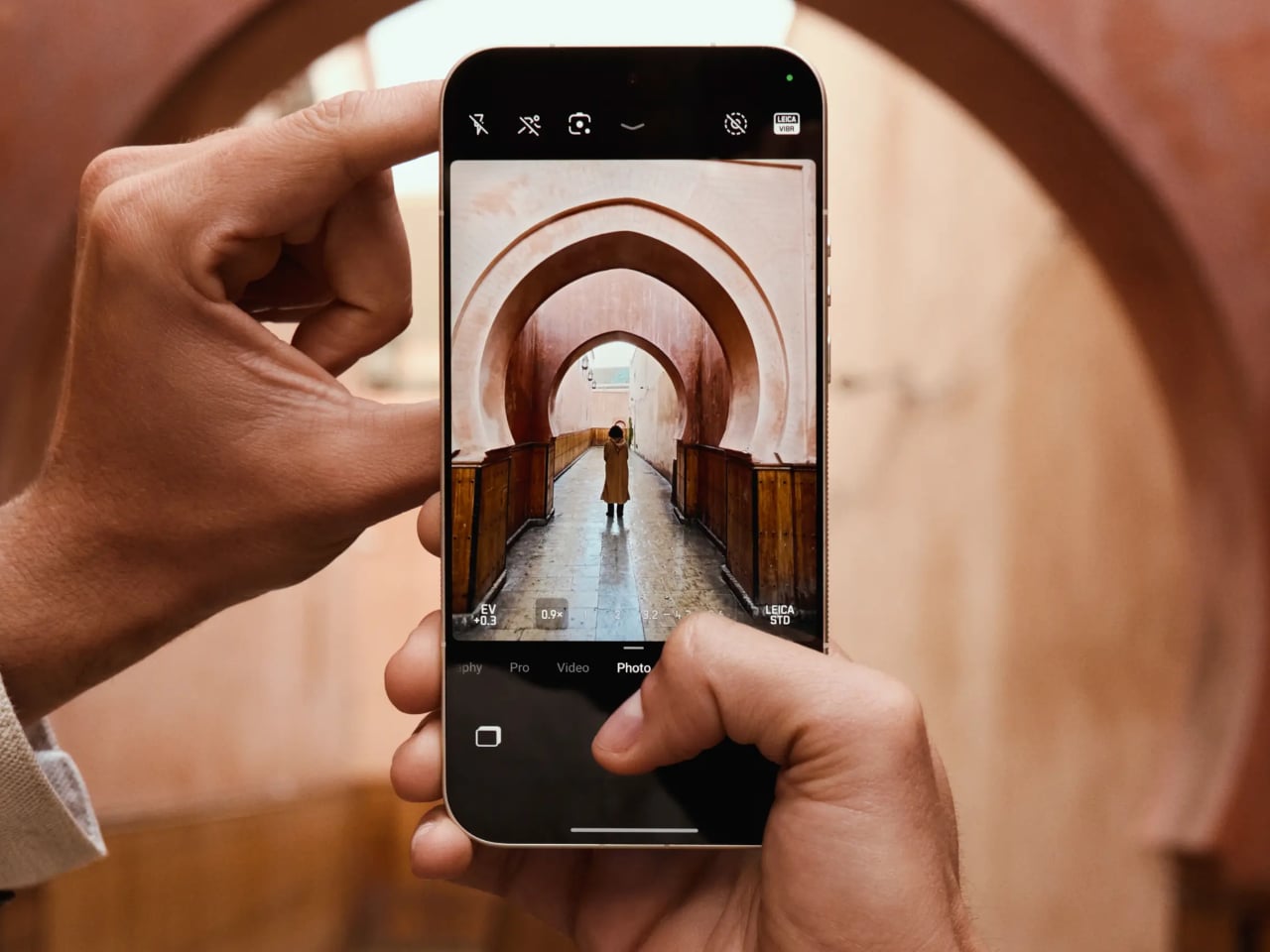

The rest of the phone is exactly what a 2026 flagship should be. Qualcomm’s Snapdragon 8 Elite Gen 5 handles the processing, a 6,000 mAh battery supports 90W wired and 50W wireless charging, and the 6.9-inch 120 Hz OLED display hits 3,500 nits peak brightness. Leica also redesigned the entire UI, with custom fonts, icons, and two interface themes running across every system element, which is more thoroughgoing than a co-branded phone usually gets.
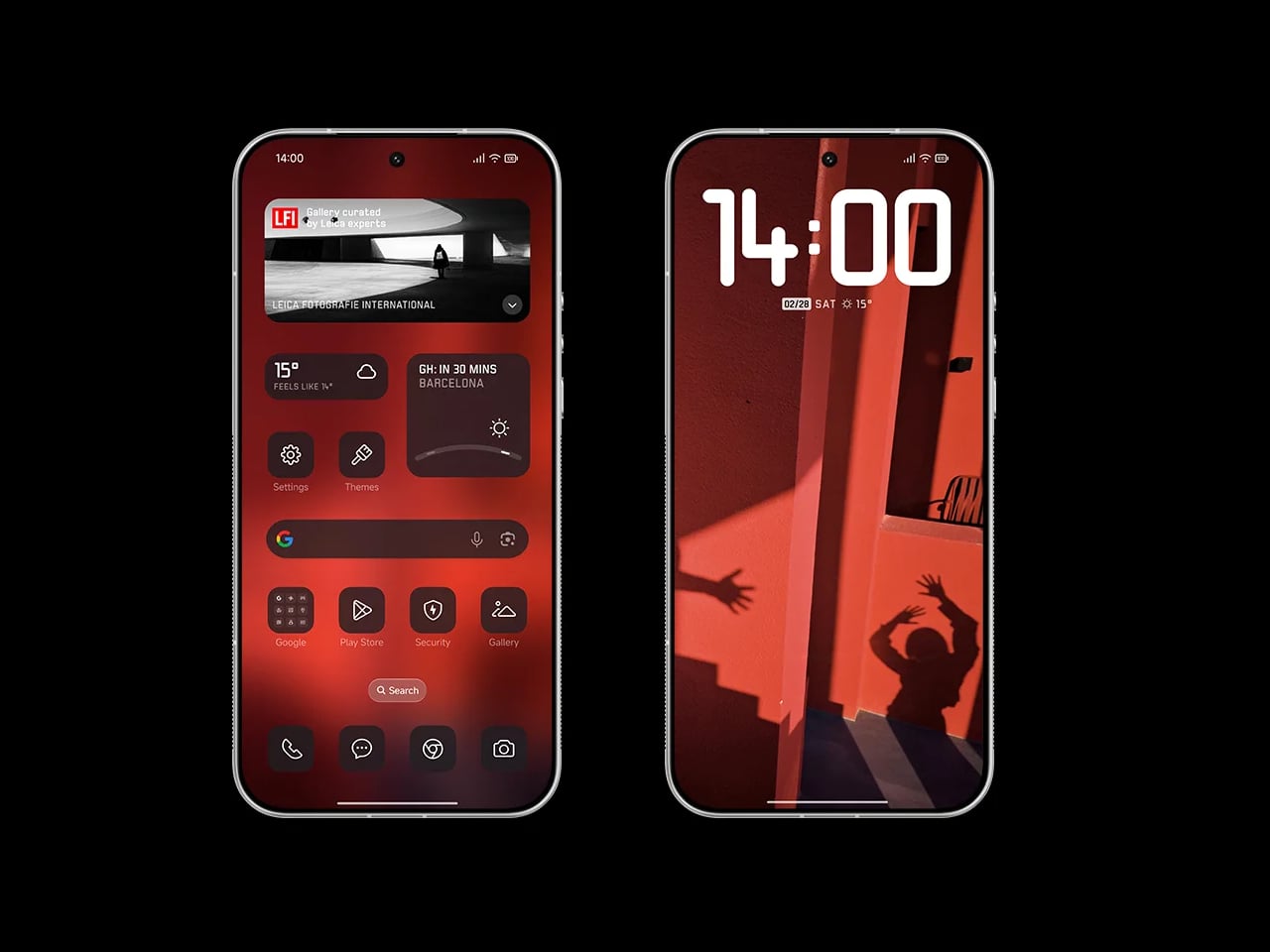
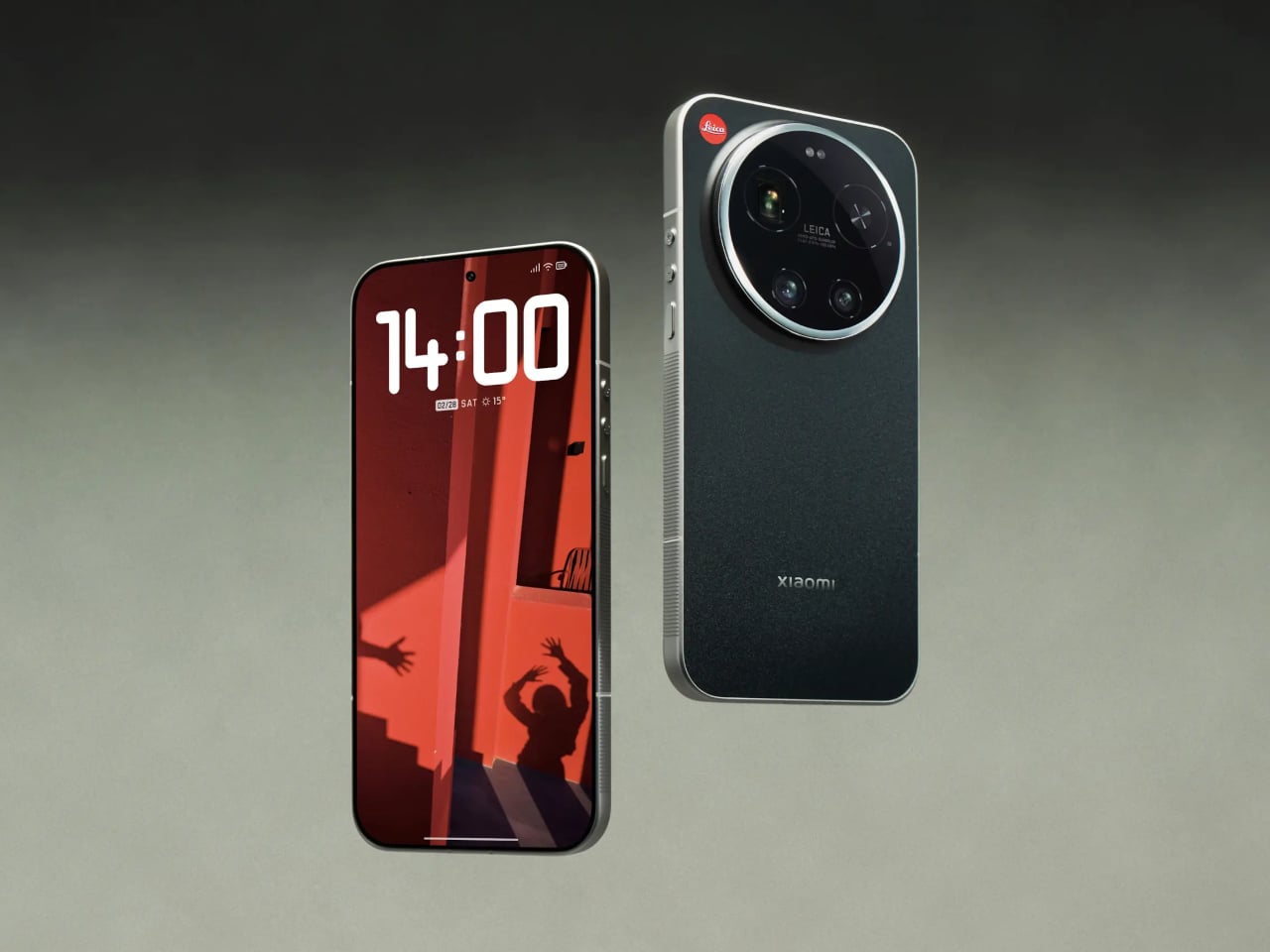
One feature that doesn’t make the headline but probably should is the built-in Content Authenticity Initiative metadata support, which embeds provenance data in every image to confirm its origin and integrity. As AI-generated imagery gets harder to distinguish from photographs, having a phone that can prove a picture is real starts to feel less like a niche feature and more like an actual need.


The post Leica and Xiaomi Built a Phone With a Rotatable Camera Ring first appeared on Yanko Design.
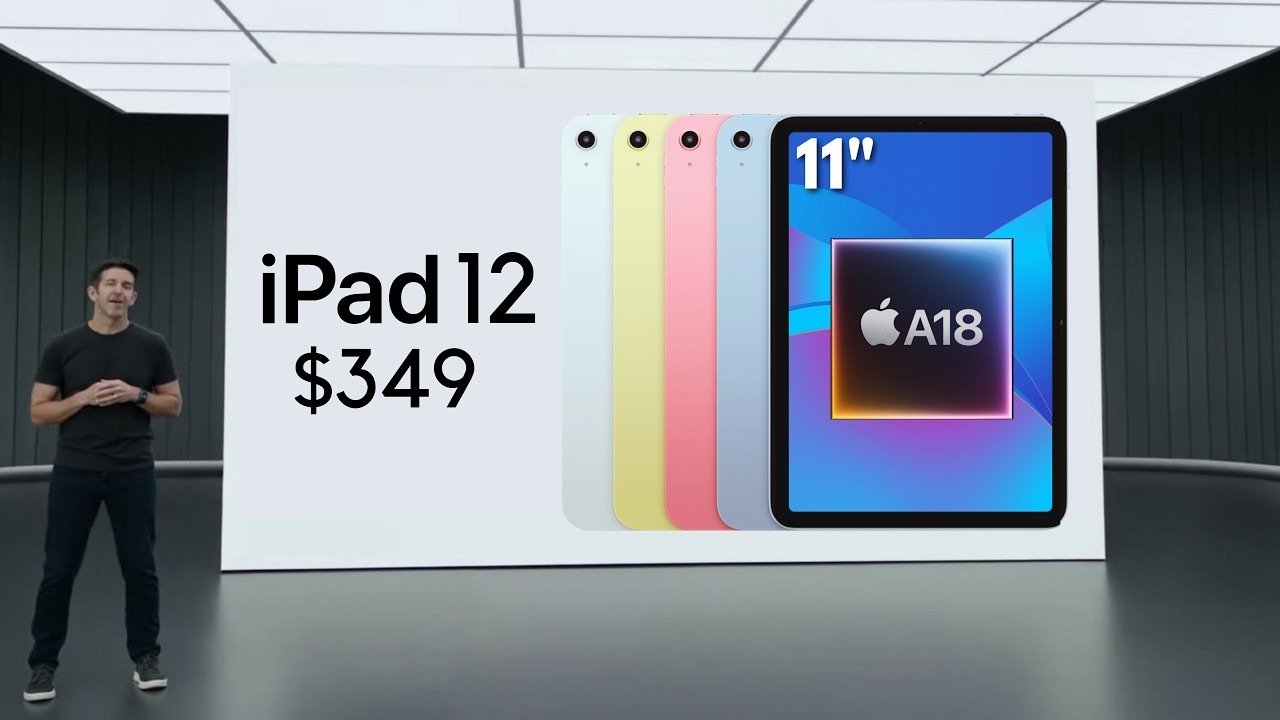
Apple’s $349 iPad 12 Refresh Lands This Week

Apple’s $349 iPad 12 Refresh Lands This Week 2026 iPad 12th Gen featuring A18 chipset and 8GB RAM for enhanced performance

Apple is preparing to unveil the 12th-generation iPad, a device that continues the company’s tradition of offering accessible, entry-level tablets. Unlike flagship products that debut at high-profile events, this model is expected to be announced through a press release. Designed with practicality in mind, the iPad 12th Gen aims to deliver meaningful upgrades while maintaining […]

The post Apple’s $349 iPad 12 Refresh Lands This Week appeared first on Geeky Gadgets.

Posted in Uncategorized

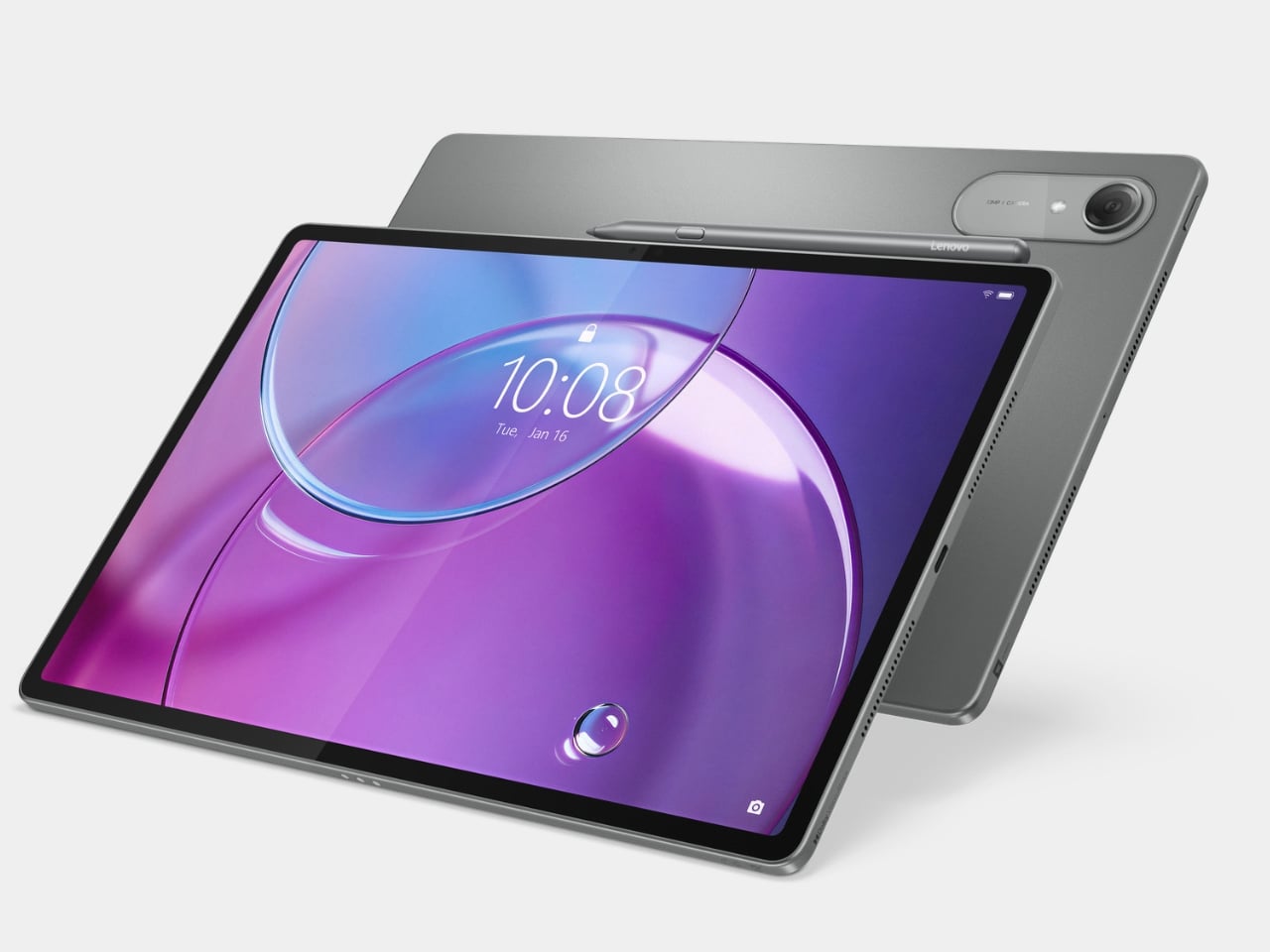
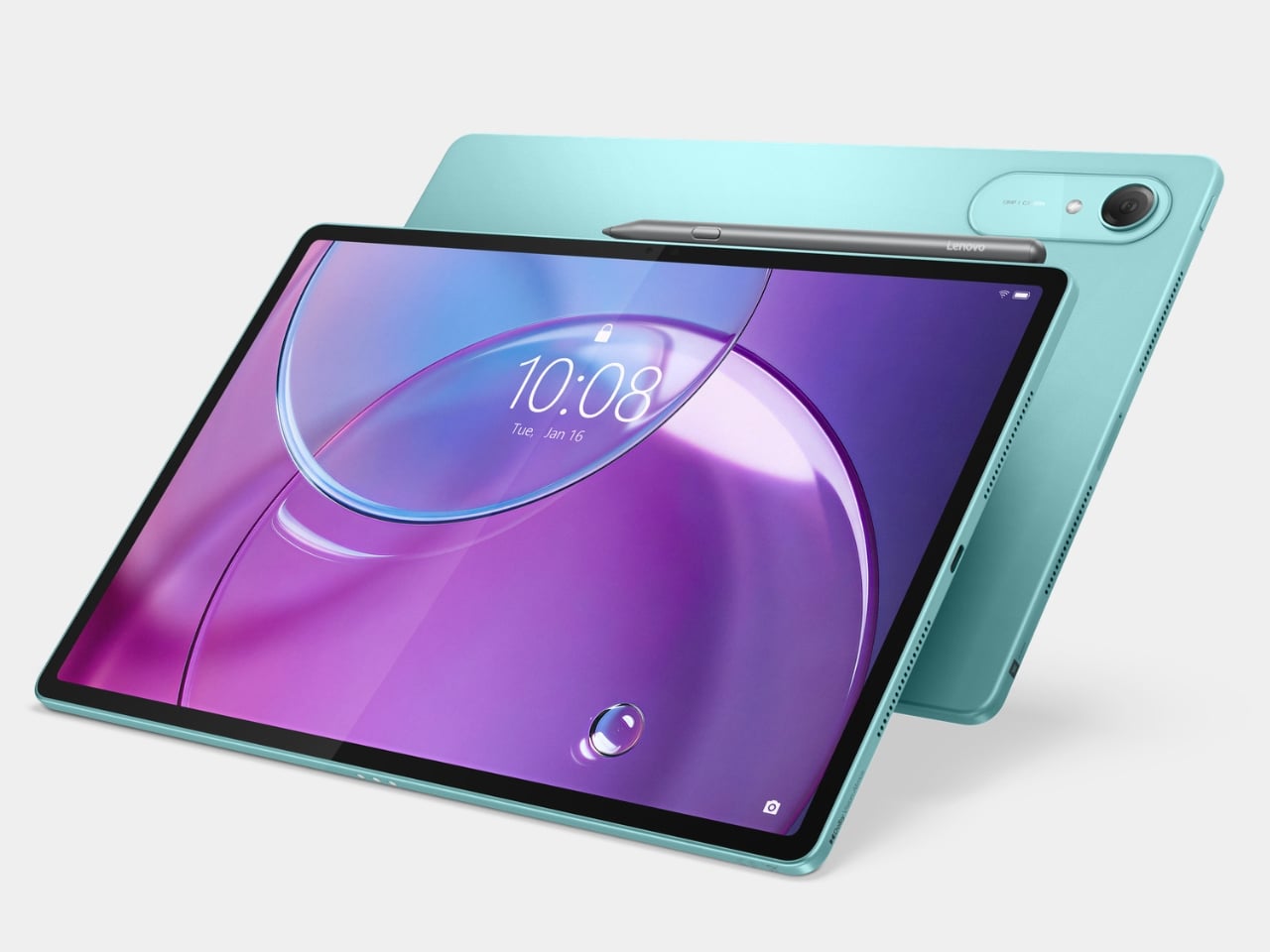
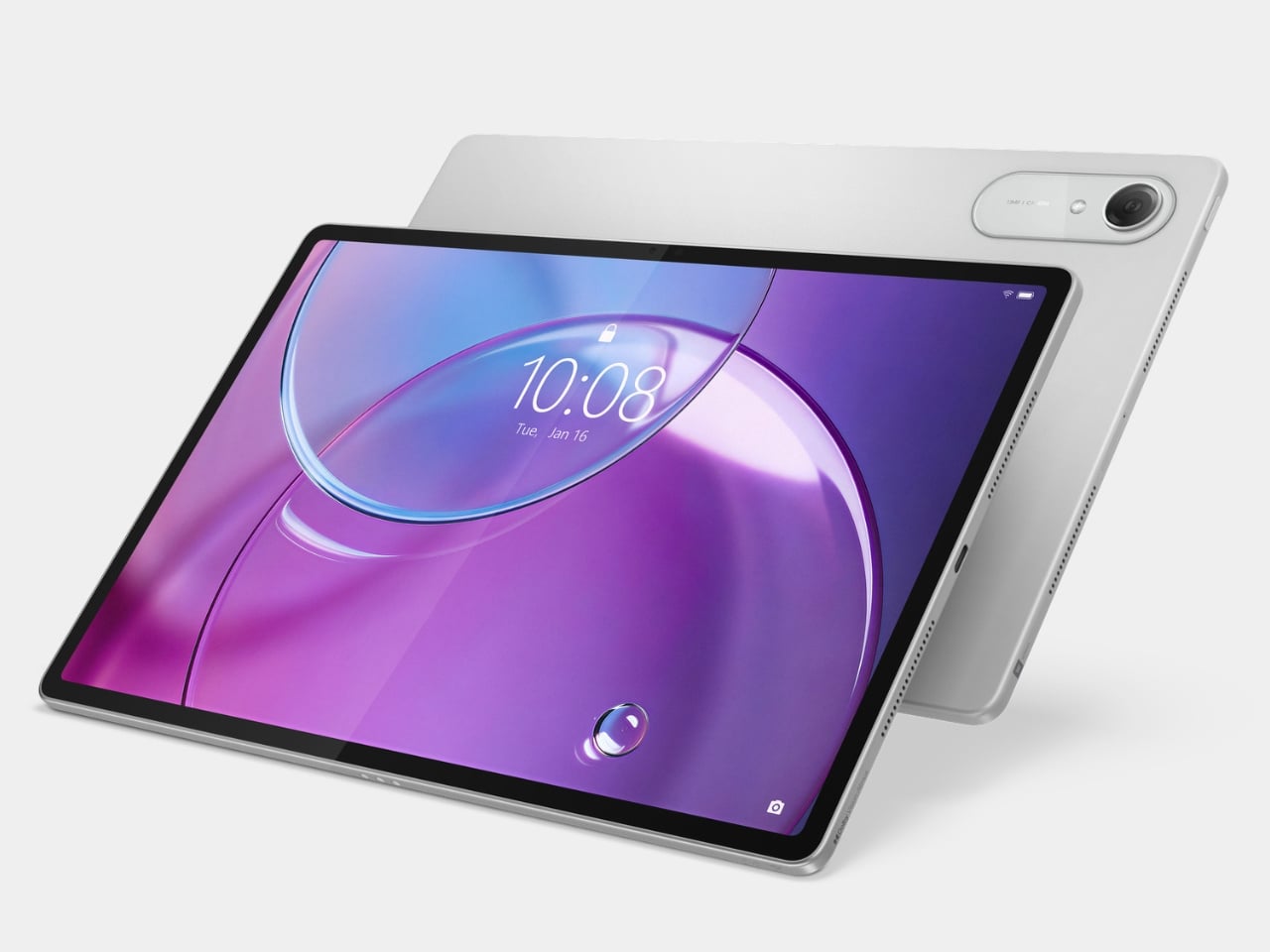
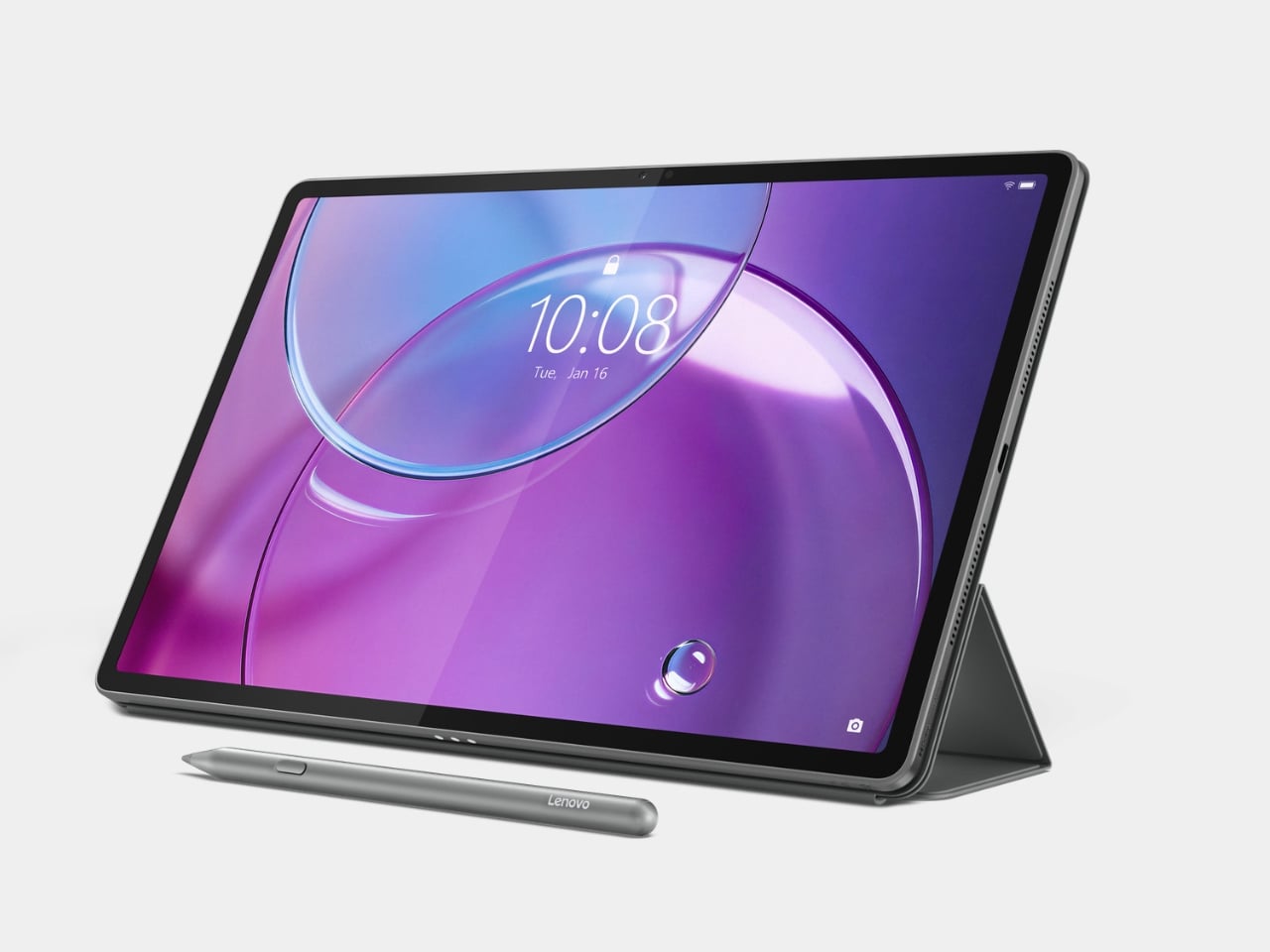
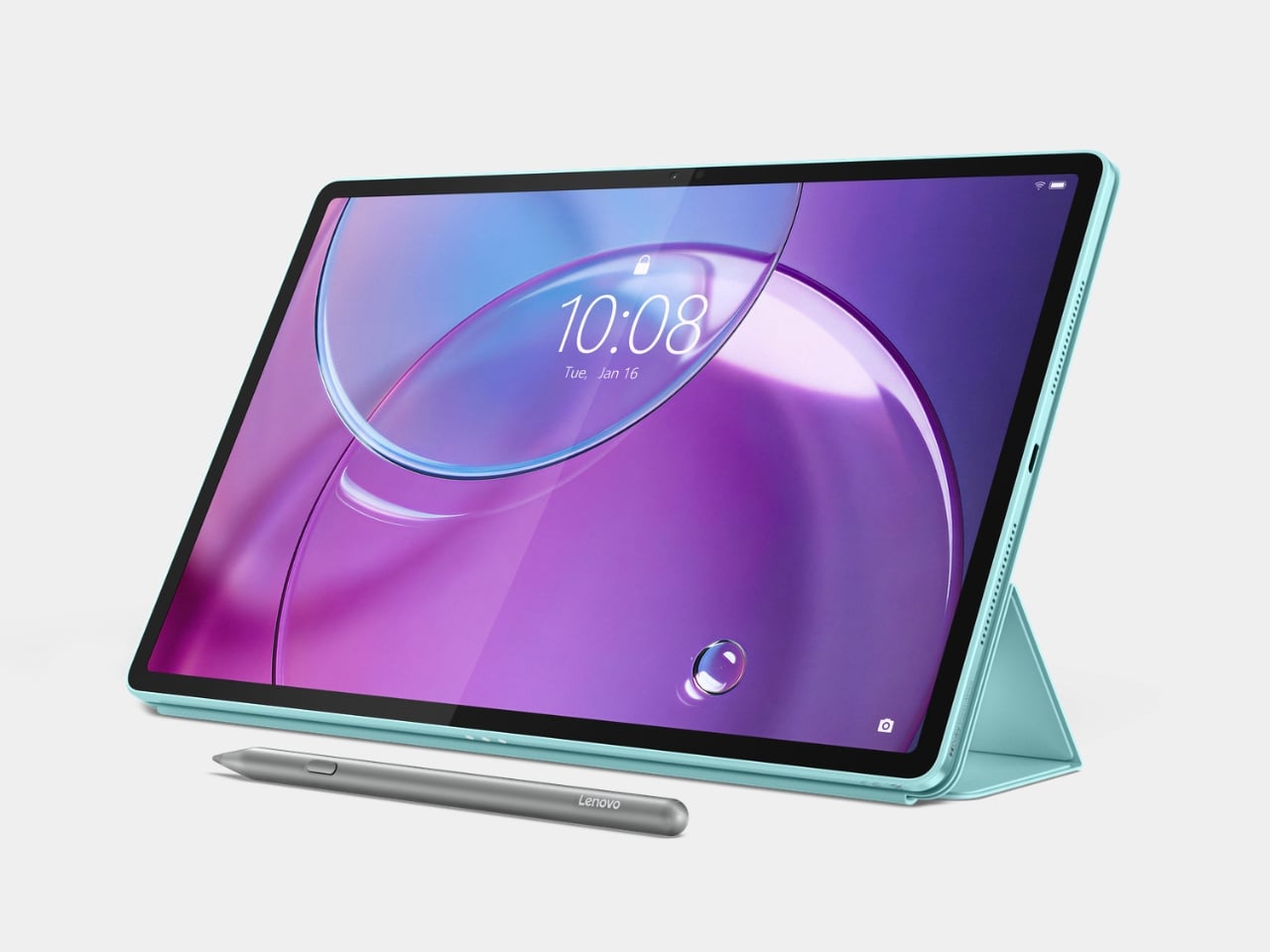
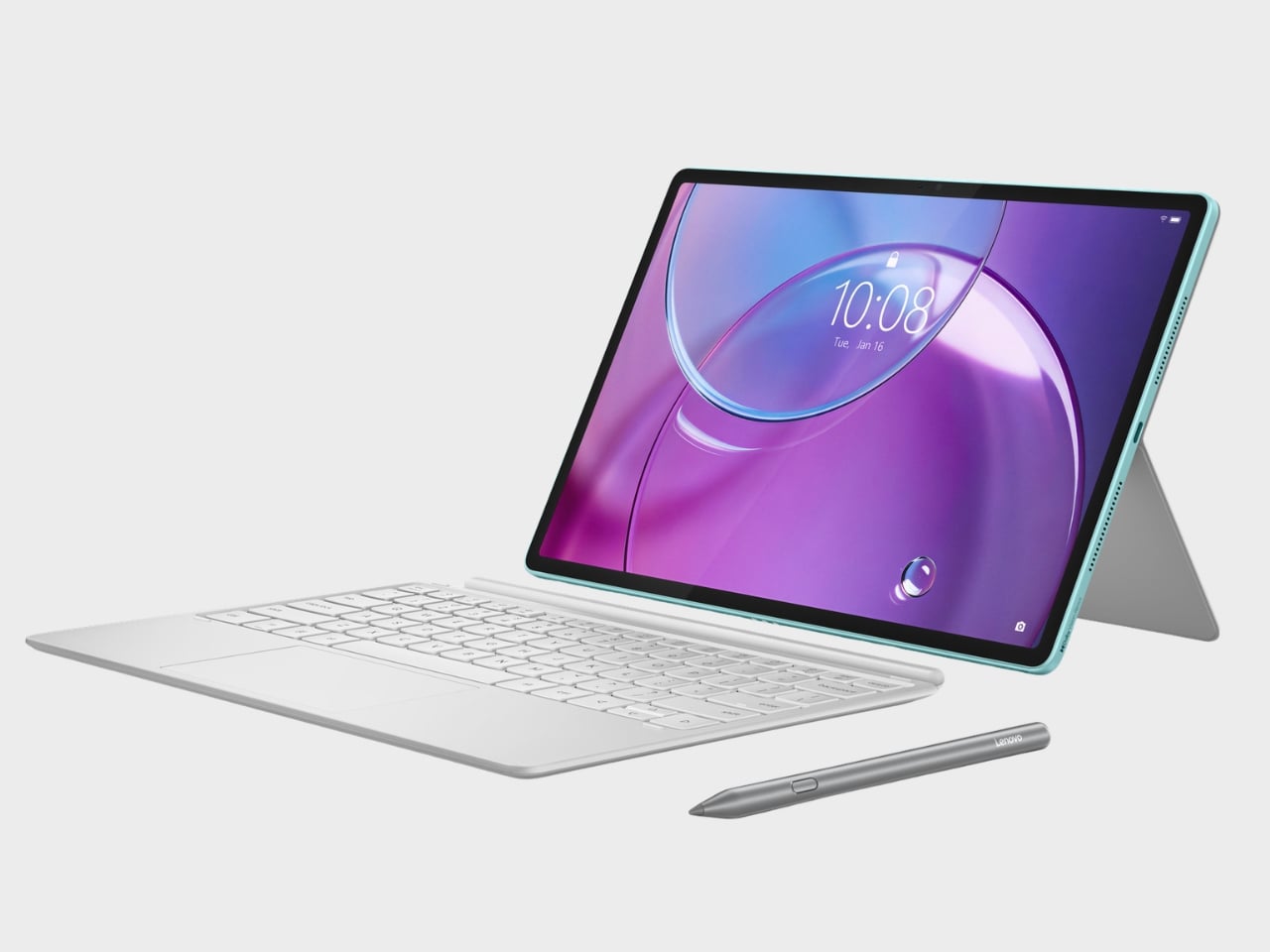
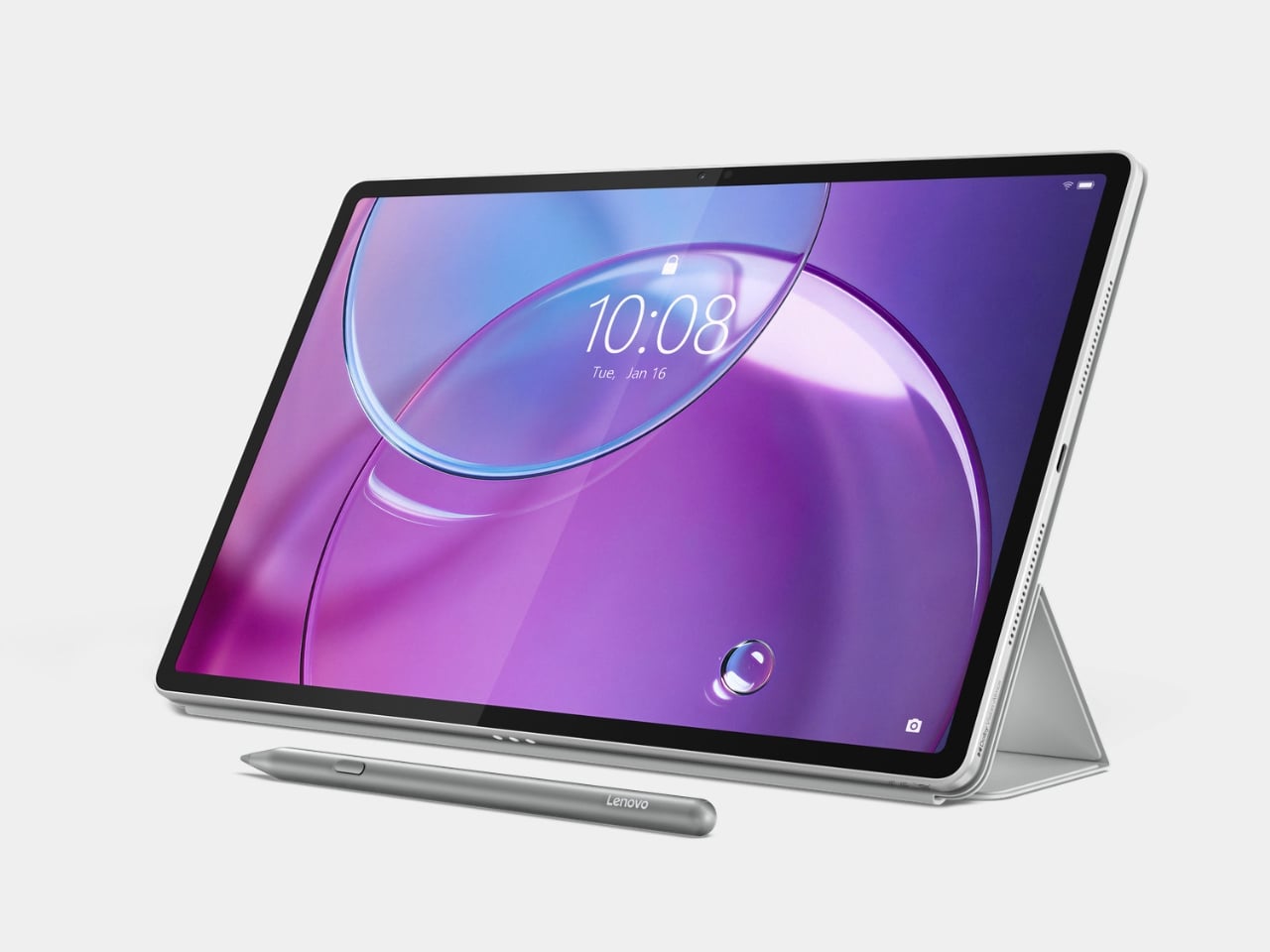
A 13-Inch Tablet at 6.2mm Thin: Lenovo Built It for $419

Lenovo has a habit of announcing everything at once. At MWC 2026 in Barcelona, the company rolled out foldable gaming handhelds, glasses-free 3D laptops, and enough concept devices to fill a small museum. It’s a lot. But buried in that avalanche of announcements is the Idea Tab Pro Gen 2, a product that caught my eye precisely because it isn’t trying to be the loudest thing in the room.

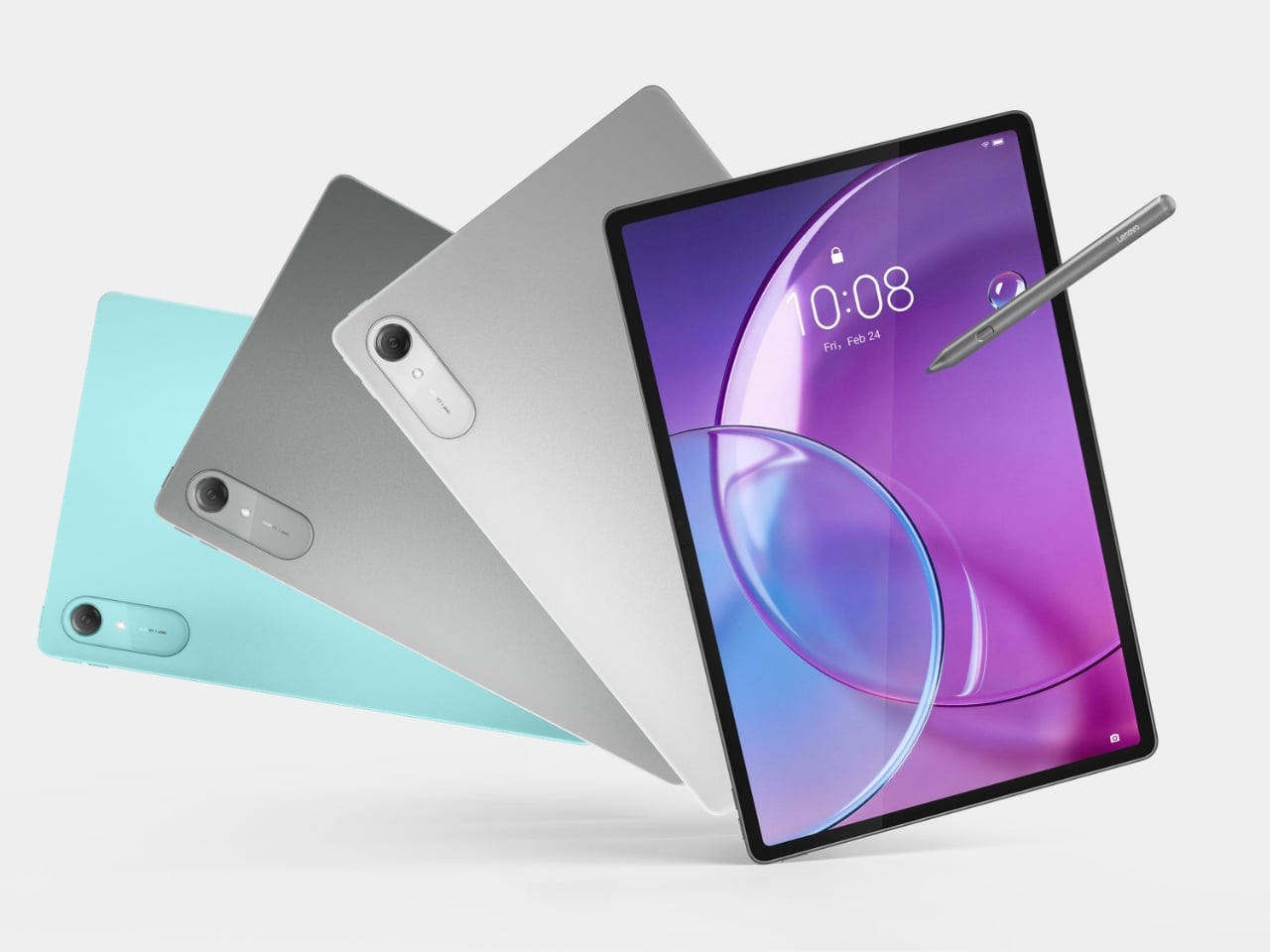
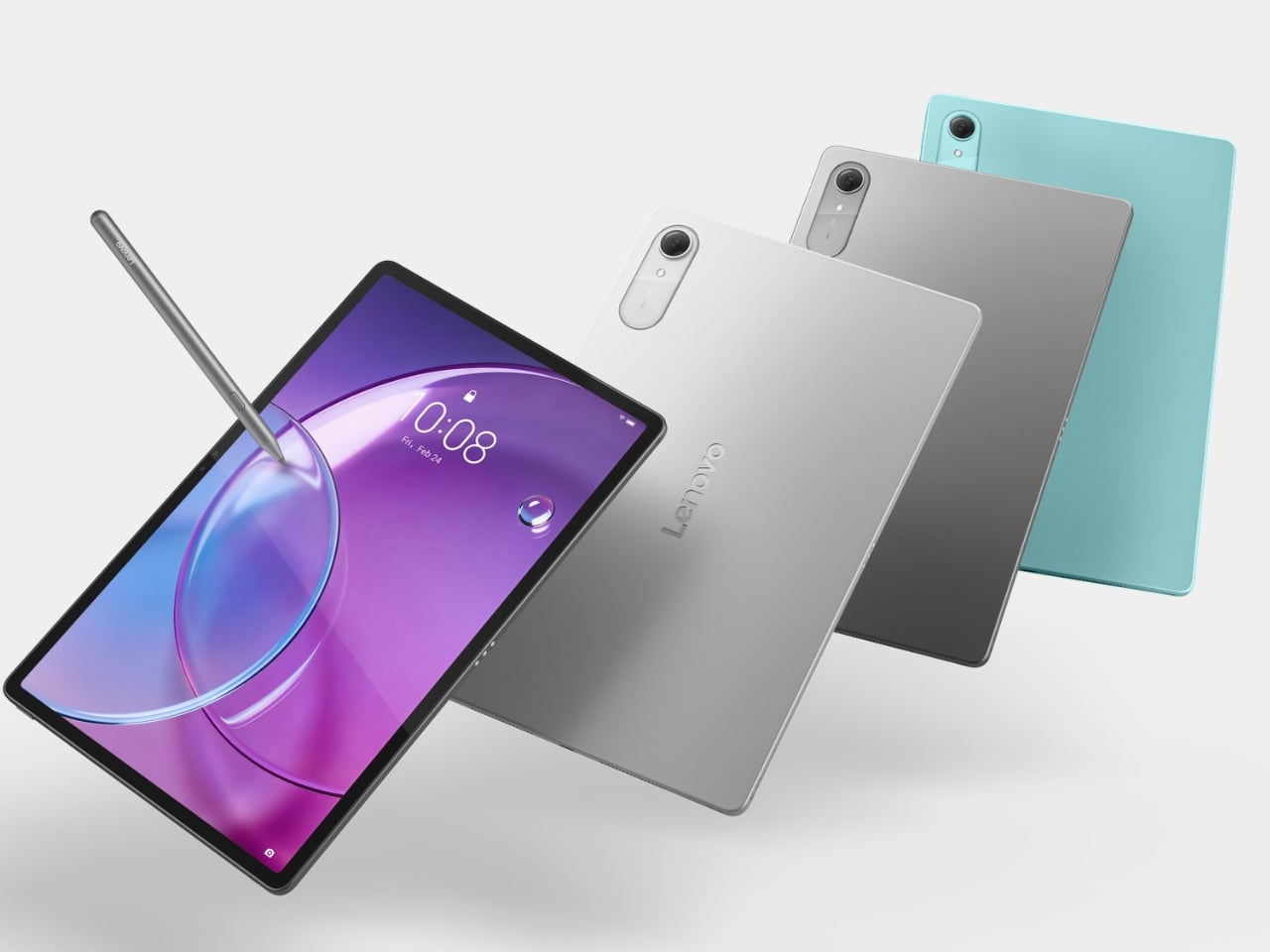
At 6.2mm thin and under 600 grams, the Idea Tab Pro Gen 2 is almost absurdly svelte. To put that in perspective, a standard pencil is about 7mm in diameter. Lenovo has managed to pack a 13-inch 3.5K PureSight Pro display with Dolby Vision, a Snapdragon 8s Gen 4 processor, a quad JBL speaker system tuned with Dolby Atmos, and a 10,200mAh battery with 45W rapid charging into something thinner than that. All for $419.

Designer: Lenovo

The physical design work here is genuinely impressive, and it signals that Lenovo’s industrial design team is thinking carefully about what a tablet should feel like in your hands across hours of use, not just what it looks like in a press photo. The display deserves a closer look. At 3,520 x 2,190 resolution with Dolby Vision support, it’s sharper and more color-rich than what you’d expect at the $419 price point. Lenovo also offers a matte display variant with anti-glare technology and constant contrast, which is the kind of thoughtful option that suggests the designers actually observed how students and professionals use tablets for extended reading. Glossy screens look gorgeous in showrooms but become mirrors under fluorescent library lighting. Having the matte option signals an awareness of real-world conditions that I appreciate.

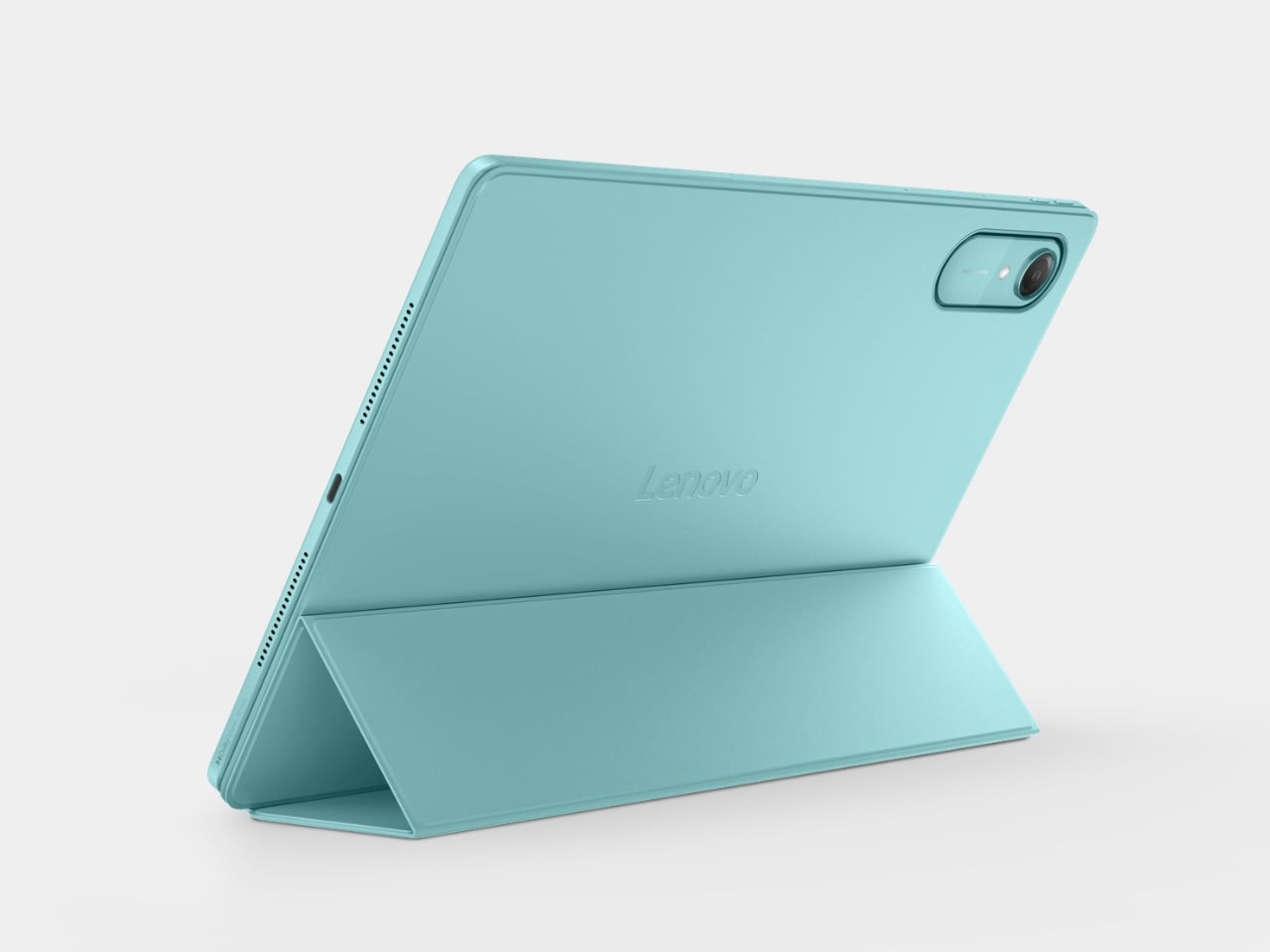
The three color options are worth noting too. Luna Grey and Cloud Grey are safe, predictable choices, but Jelly Mint is a welcome departure. It’s playful without being juvenile, and it gives the tablet a bit of personality in a category that tends to default to grayscale everything. More tech companies should take these kinds of small aesthetic risks. They cost almost nothing in terms of engineering effort but do a lot for making a product feel considered rather than assembled by committee.

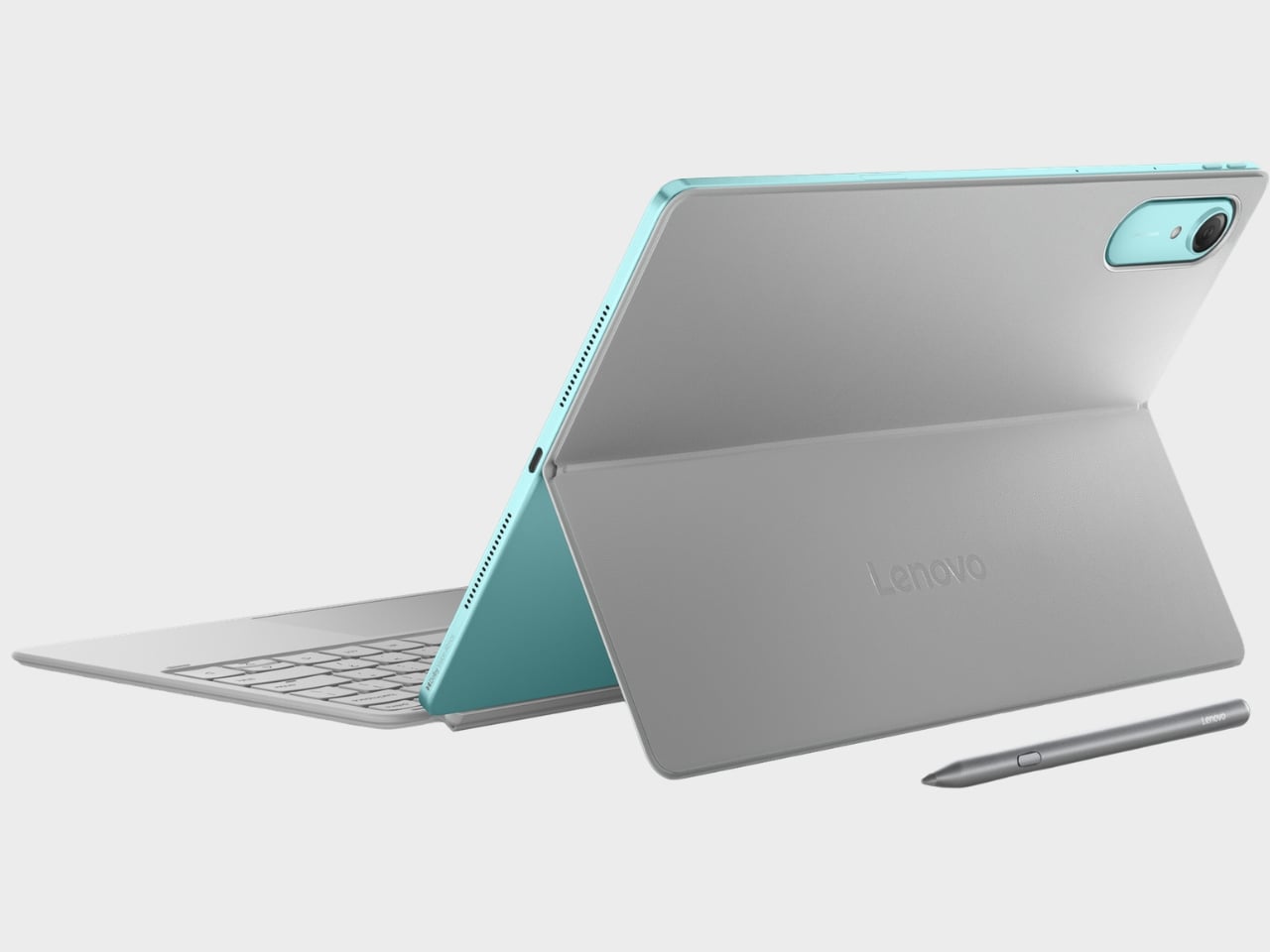
Where the Idea Tab Pro Gen 2 gets more ambitious is in its AI integration. It will be the first Lenovo tablet to feature Qira, the company’s ambient intelligence platform that operates at the system level rather than as a standalone app. But beyond that headline feature, what’s more interesting is the integrated learning workflow Lenovo has built around it. Smarter Reader lets students highlight content and generate summaries and explanations on the fly using the Lenovo Tab Pen Plus, with marked sections automatically flowing into Lenovo Notepad where AI Notes further organize key points. Live transcription captures lectures and conversations so nothing gets lost between the classroom and the study session. And a dedicated Smart Key on the optional 2-in-1 keyboard pack triggers Lenovo Smart AI Input for quick text generation and translation through natural language prompts. The whole chain is designed to keep students moving fluidly between reading, capturing, and writing rather than treating those as separate activities.

Whether all of these features prove genuinely useful or become the kind of thing you forget exists after the first week remains to be seen. The tablet industry is currently drowning in AI feature announcements that range from transformative to decorative, and only real-world usage will sort one from the other. But the intent is right. Lenovo is positioning this as a purpose-built study companion, and the workflow feels considered rather than bolted on.

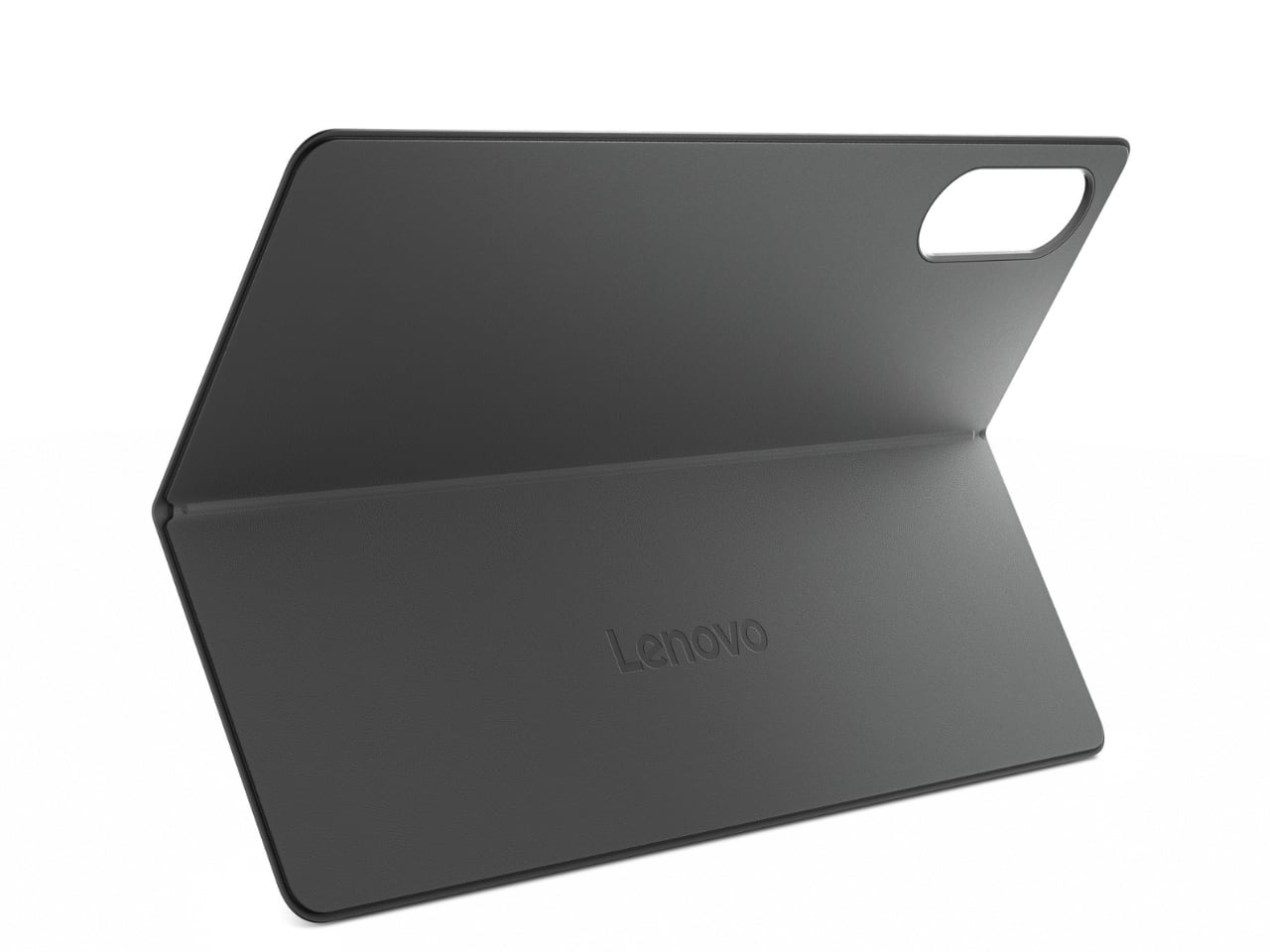
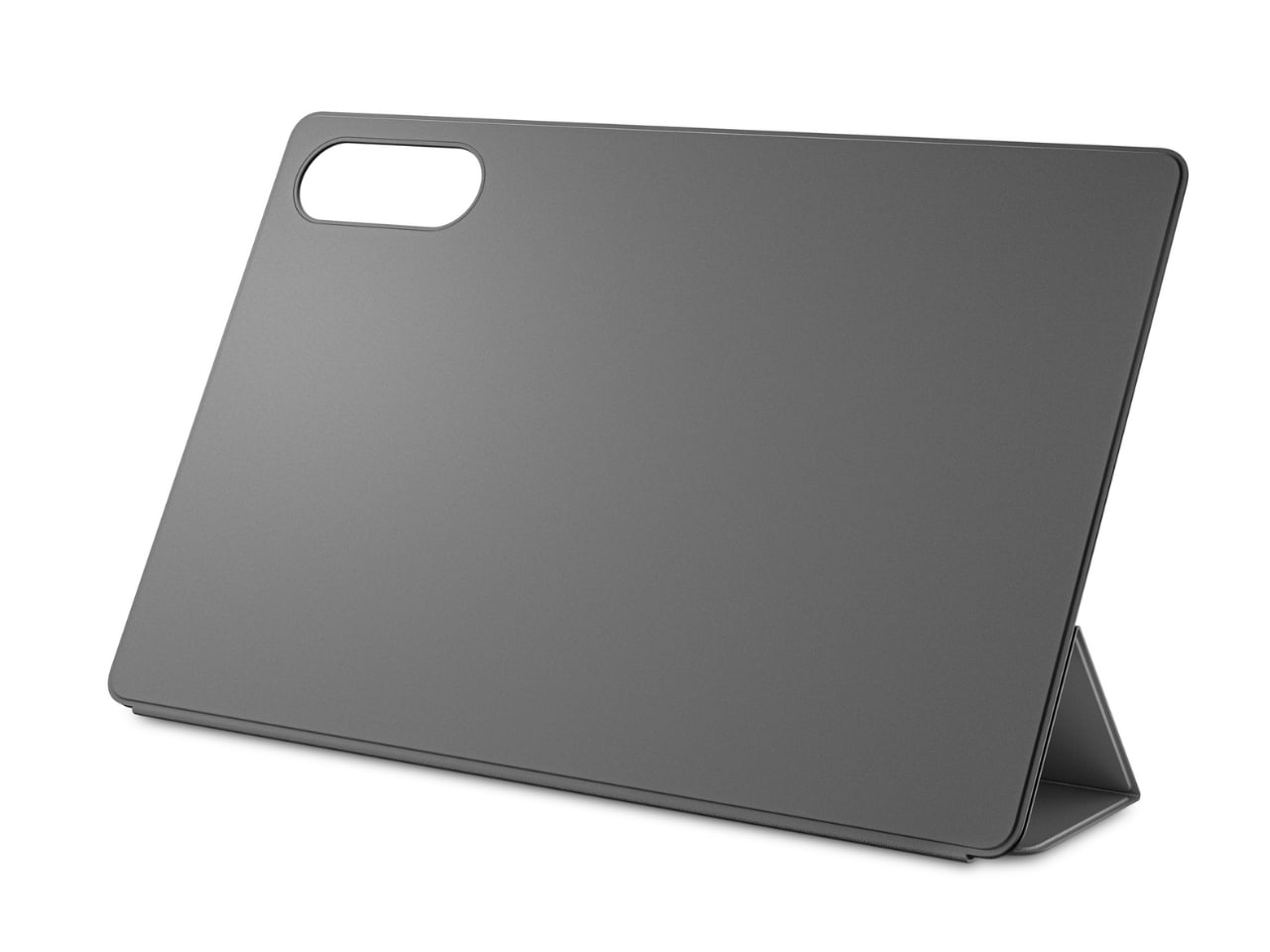
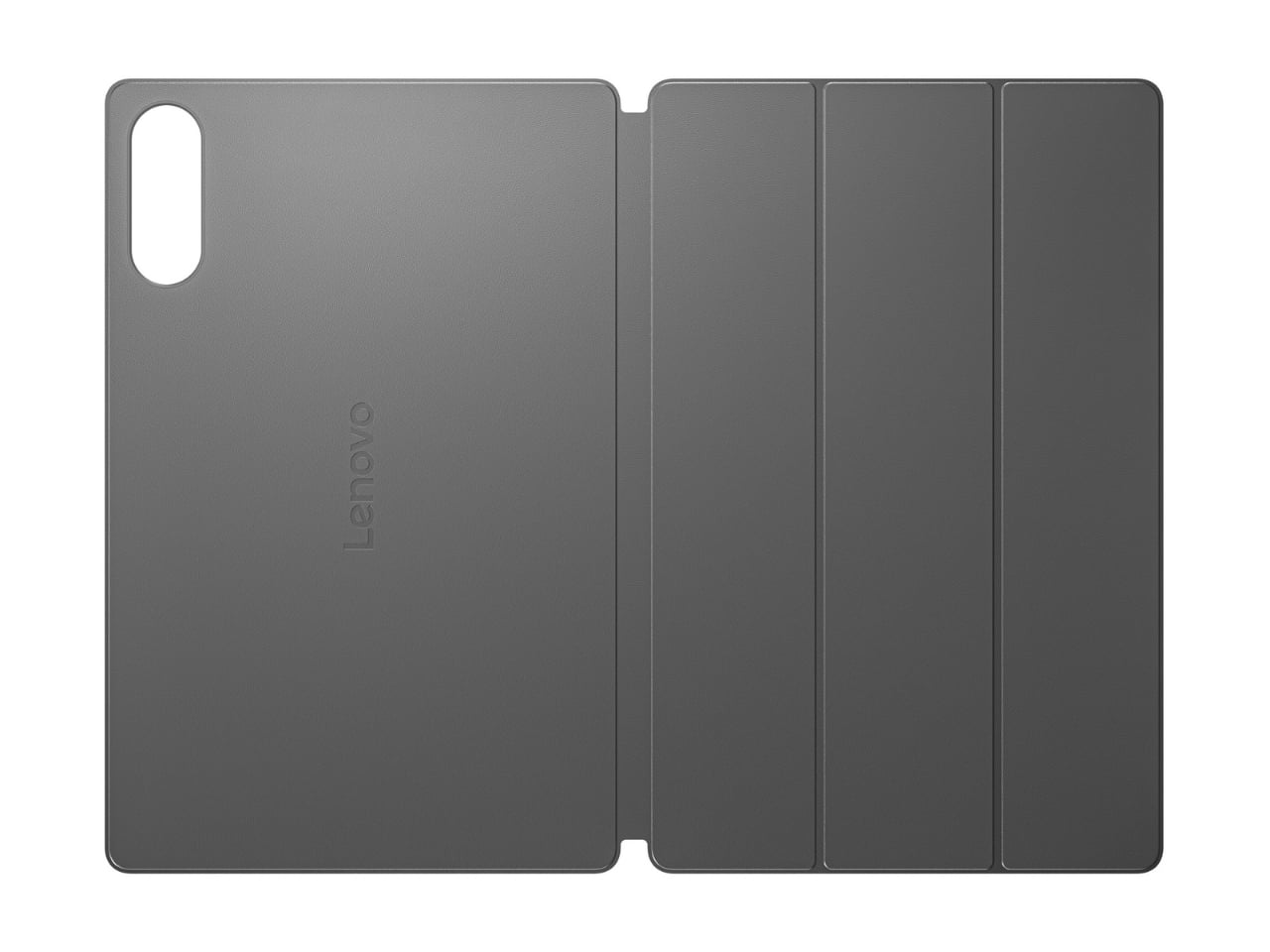
The accessory ecosystem rounds out the picture. The Tab Pen Plus, folio case, and detachable keyboard pack turn the tablet into something closer to a lightweight laptop when you need it to be, and let it slim back down to a pure reading and media device when you don’t, with that quad speaker system making the latter experience particularly enjoyable. That versatility matters for the student audience Lenovo is targeting, and at $419 with the pen included, it’s a compelling package.

What strikes me most about this tablet is the restraint. In a product lineup full of devices screaming for attention with foldable screens and holographic displays, the Idea Tab Pro Gen 2 just quietly gets the fundamentals right: thin, light, beautiful screen, long battery life, solid audio, and a price that doesn’t require a payment plan. Sometimes the most interesting design choice is knowing when not to overreach.

The post A 13-Inch Tablet at 6.2mm Thin: Lenovo Built It for $419 first appeared on Yanko Design.
At MWC, Tecno’s super-thin modular concept phone doesn’t even have a wired charging port

On its own, at 4.9mm thin, Tecno's modular phone concept barely feels like a smartphone. It has a screen, a basic camera module, four low-profile pogo-pin connectors and that's about it. From there, you can seemingly build your conceptual phone however you want.

At its booth at MWC 2026, Tecno had two families of modular components in two different colorways, which is surprising at this concept stage. The chunky telephoto lens and housing must weigh over three times as much as the base phone, adding up to 20x zoom capabilities, even if it was a little glitchy during my hands-on. The barrel also offers manual focus, which is always a nice touch. The lens itself is huge, though, making even Vivo's latest 400mm telephoto lens peripheral look reasonable by comparison.

Tecno's modular concept phone at MWC 2026
Image by Mat Smith for Engadget

There are more subtle camera modules, including ultrawide options and a more streamlined periscope telephoto. There's even an action cam that can attach through Wi-Fi and be used on its own. Depending on the module, transmission is also done through Bluetooth and even mmWave. One module has an antenna that folds out, turning the phone into a walkie-talkie messenger… thing that can communicate without cell service or Wi-Fi. There were also lanyard connectors, grip clips, and several that I may have forgotten. Sadly, the game controller mod wasn't on the stand, though I'm not sure how you'd use it blindly on the back. 

It's a lot of fun to swap out and even stack the modules, most of which were functionally working. There are plenty of questions left to answer, and I'm concerned about how rigid the magnetic connection would be when pulling this kind of phone out of your pocket repeatedly. Also, who's going to carry around an attaché case filled with all these things? 

Tecno's modular concept phone at MWC 2026
Who doesn't love an aerial?
Image by Mat Smith for Engadget

Naturally, due to its thickness, the phone has a tiny battery cell (I don't know the capacity), but you can add 3,000mAh battery packs to the back. And another. And even another, topping out at around 10,000mAh, beating the capacity of most mainstream smartphones. It was only then that I realized it lacked any traditional USB-C charging port. Instead, a charging module can be attached to either of the two pairs of connectors. (And you can add further modules on top of that.)

Tecno often has thrilling concepts and one-off devices at trade shows, so we can't vouch that this will eventually make its way to consumers. Modular phones are a tricky sell, as they can often lose the efficiencies that come from unified components. Google ended its Project Ara modular concept over 10 years ago, while Motorola's Moto Mods just weren't very good and even I struggle to remember LG's G5 modules.

Adding to that, the company also rarely sells its phones in Western Europe and the US. Judging by the moves being made by other Chinese phone manufacturers in the last year, that could change.

This article originally appeared on Engadget at https://www.engadget.com/mobile/smartphones/at-mwc-tecnos-super-thin-modular-concept-phone-doesnt-even-have-a-wired-charging-port-123129135.html?src=rss

Finally: The iPhone 17e is Rumored to Ditch the Notch for a Dynamic Island

Finally: The iPhone 17e is Rumored to Ditch the Notch for a Dynamic Island iPhone 17e

The iPhone 17e marks a pivotal moment in Apple’s strategy for budget-friendly smartphones. Priced at $599, it bridges the gap between affordability and premium features, offering a compelling alternative for users who want flagship-like functionality without the flagship price. While it introduces several noteworthy upgrades, certain compromises, such as a 60 Hz display and a […]

The post Finally: The iPhone 17e is Rumored to Ditch the Notch for a Dynamic Island appeared first on Geeky Gadgets.

Posted in Uncategorized

Spec-Driven Development Guide : Set Rules Before AI Coding

Spec-Driven Development Guide : Set Rules Before AI Coding Close-up of a written software specification listing behaviors, constraints, and acceptance checks for an AI coding task.

Spec-driven development (SDD) offers a structured approach to AI-assisted coding by prioritizing detailed specifications before any code is written. Unlike “vibe coding,” which relies on iterative prompts and trial-and-error, SDD ensures that AI-generated code adheres to predefined requirements and expected behaviors. IBM Technology highlights how this method integrates seamlessly with the Software Development Life Cycle […]

The post Spec-Driven Development Guide : Set Rules Before AI Coding appeared first on Geeky Gadgets.

Posted in Uncategorized

Sony faces a $2.7 billion antitrust lawsuit in the UK

Another major antitrust lawsuit has launched in the UK. This time its against Sony, which could be on the hook for almost £2 billion ($2.7 billion) for overcharging PlayStation users. 

A class action case for about 12.2 million users argues that Sony "occupies a dominant position in relation to the digital distribution of PlayStation games and in-game content and that it has been unfairly charging its UK customers too much for digital games and in-game content purchased through the PlayStation Store."

It argues that Sony "has a near monopoly" on add-on content and digital games through the PlayStation store, allowing it to set the prices and take a 30 percent commission.

The class action encompasses anyone in the UK who owned a PlayStation console and purchased digital games or made in-game purchases through the PlayStation store between August 19, 2016 and February 12, 2026. It's being run as an opt-out lawsuit, so anyone meeting the criteria can qualify without taking any action. If the lawsuit is successful then each person could receive about £162 ($217). 

Sony has argued that allowing downloads from third-party stores could bring security and privacy risks, according to the Financial Times. It further states that the digital sales commission makes up profits lost for selling their consoles with minimal profit. 

This lawsuit follows the success of a similar class action decided in October. The UK's Competition Appeal Tribunal found that Apple had been abusing its dominant market position and overcharging App Store users. In December, Apple filed an appeal against the £1.5 billion ($2 billion) fine. 

This article originally appeared on Engadget at https://www.engadget.com/big-tech/sony-faces-a-27-billion-antitrust-lawsuit-in-the-uk-114113889.html?src=rss

Make it Impossible For You to Procrastination : Eisenhower Matrix

Make it Impossible For You to Procrastination : Eisenhower Matrix A simple Eisenhower Matrix diagram showing four boxes for urgent and important task sorting.

Procrastination can feel like an inevitable hurdle, but janapasabi has developed a structured approach to address it. At the core of this system is the Zeigarnik Effect, a psychological concept that explains how unfinished tasks create mental tension. By starting with a “brain dump”—writing down every task or idea occupying your mind, you can reduce […]

The post Make it Impossible For You to Procrastination : Eisenhower Matrix appeared first on Geeky Gadgets.

Posted in Uncategorized

The Full Samsung Galaxy Buds 4 Pro Verdict: Great Sound, New Look, Same Price

The Full Samsung Galaxy Buds 4 Pro Verdict: Great Sound, New Look, Same Price Close-up of Samsung Galaxy Buds 4 Pro design and charging case

The Samsung Galaxy Buds 4 Pro represent a notable step forward in the competitive wireless earbuds market. Combining premium sound quality, advanced features, and seamless integration with Android devices, these earbuds are designed to cater to the needs of modern, tech-savvy users. Positioned as a direct competitor to high-end options like the AirPods Pro, the […]

The post The Full Samsung Galaxy Buds 4 Pro Verdict: Great Sound, New Look, Same Price appeared first on Geeky Gadgets.

Posted in Uncategorized

Vivo’s X300 Ultra goes global and gets a huge 400mm Zeiss telephoto lens

Vivo barely has a presence outside of China but that seems to be changing with the company's next flagship phone. At Mobile World Conference 2026, the company unveiled the X300 Ultra smartphone that comes with a 200MP telephoto sensor, along with multiple accessories designed for pro photographers and content creators, including a SmallRig video cage and 400mm Zeiss telephoto extender lens.

Vivo didn't go into detail about the phone's specs, but you can likely expect a high-end processor, screen, battery and other internal components when it's fully unveiled later on. Vivo did say that like the X300 Pro, the X300 Ultra will have an impressive 200MP telephoto sensor, and is likely to offer features like 4K 120fps Dolby Vision HDR recording. Vivo's Daniel Goetz said it couldn't yet reveal the specs for its primary camera sensor — which will likely be deeply involved with the new device's push into video.

Vivo's X300 Ultra will launch globally with pro camera accessories
Mat Smith for Engadget

Another thing Vivo revealed is that you'll be able to get the Vivo X300 Ultra with a 400mm equivalent lens accessory called the Vivo Zeiss Telephoto Extender Gen 2 Ultra. That will allow about an 8x zoom compared to the native field-of-view, plus much more when combined with the high-quality digital zoom. It will also offer "gimbal-grade" optical image stabilization and motion-tracking focus technology, Vivo says. 

The device's camera mount is part of an ecosystem that remains consistent with the X200 Pro, so the camera automatically reads the connected lens. This means the first-gen telephoto extender will also work with Vivo's newest flagship. The large 1/1.4-inch telephoto sensor and high megapixel count allow shooting up to 30x zoom (roughly 800mm) while retaining high levels of detail, according to Vivo.

Along with the lens, Vivo is introducing a "pro-grade camera cage" designed by the well-known accessory company SmallRig. It's expandable and offers multiple cold shoe mounts and quick-release ports so you can easily add things like handles, lights and microphones. It also comes with dedicated physical buttons for tactile shutter and zoom adjustment, plus a multi-level piezo cooling fan to keep the phone running cool. You also get an "External Lens Expansion Frame" to accommodate the X300 Ultra Telephoto Extender. Other SmallRig collaborations include Bluetooth connected gri controllers, which you can see above, mounted on the X300 Pro. 

During a brief teaser presentation, we learned a few more details. The telephoto camera will include three degrees of optical image stabilization, and you'll be able to shoot video in Log with your favorite LUT active in the X300 Ultra's preview view. The video you record, however, will still be an unedited Log file. Color grading will also be available inside the device. 

For videographers, it will also natively support ACES (Academy Color Science), making it easier to fit into professional workflows in DaVinci Resolve or Final Cut Pro without requiring specific color conversion. 

Vivo's X300 Ultra will launch globally with pro camera accessories
Mat Smith for Engadget

Vivo showed off the phone at MWC 2026 in Barcelona to a fair amount of enthusiasm. The company emphasized that the X300 Ultra will be the first device in the series to reach international markets, including all European regions in which it already does business. It didn't specify the price. The X300 Pro costs about €1,400 in Europe. Availability in the US is still TBC.

The move, Vivo said, "signals Vivo's more proactive and confident approach to expanding its presence in the global premium smartphone segment." Given the likely price, though, it's debatable if pro creators will want to buy this instead of, say, a pretty nice mirrorless camera and lens

This article originally appeared on Engadget at https://www.engadget.com/mobile/smartphones/vivos-x300-ultra-goes-global-and-gets-a-huge-400mm-zeiss-telephoto-lens-105058478.html?src=rss