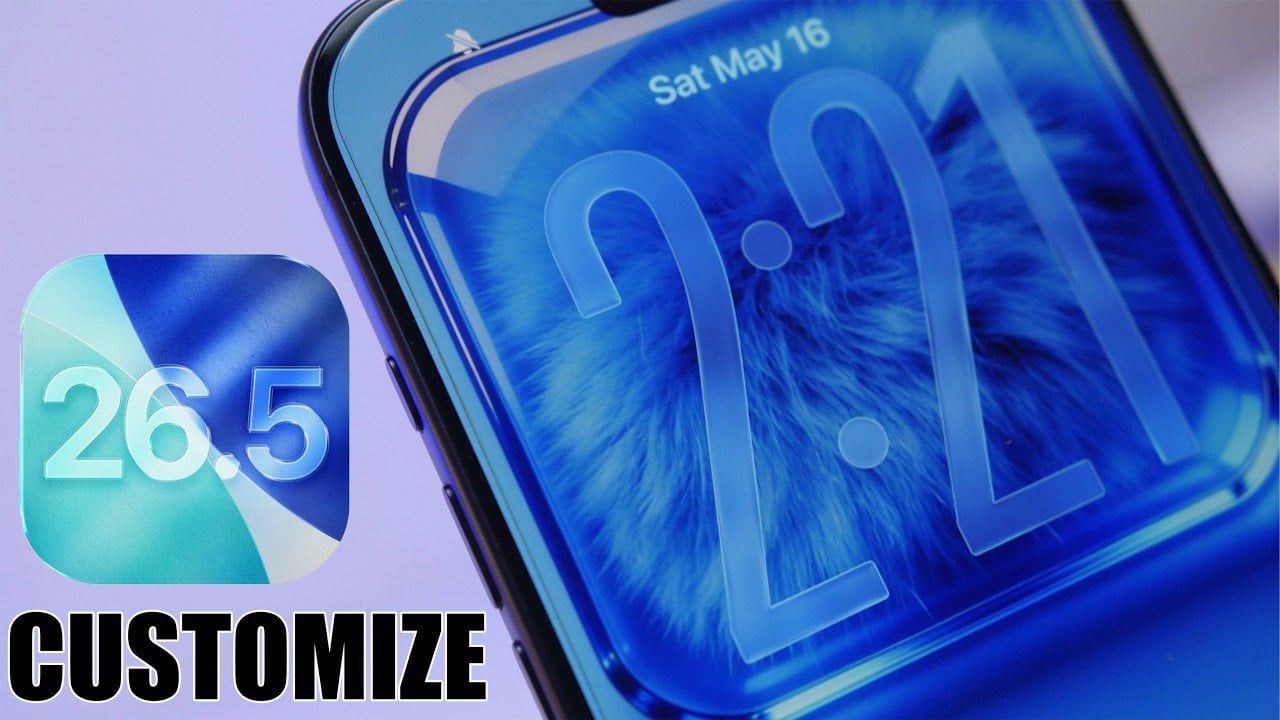
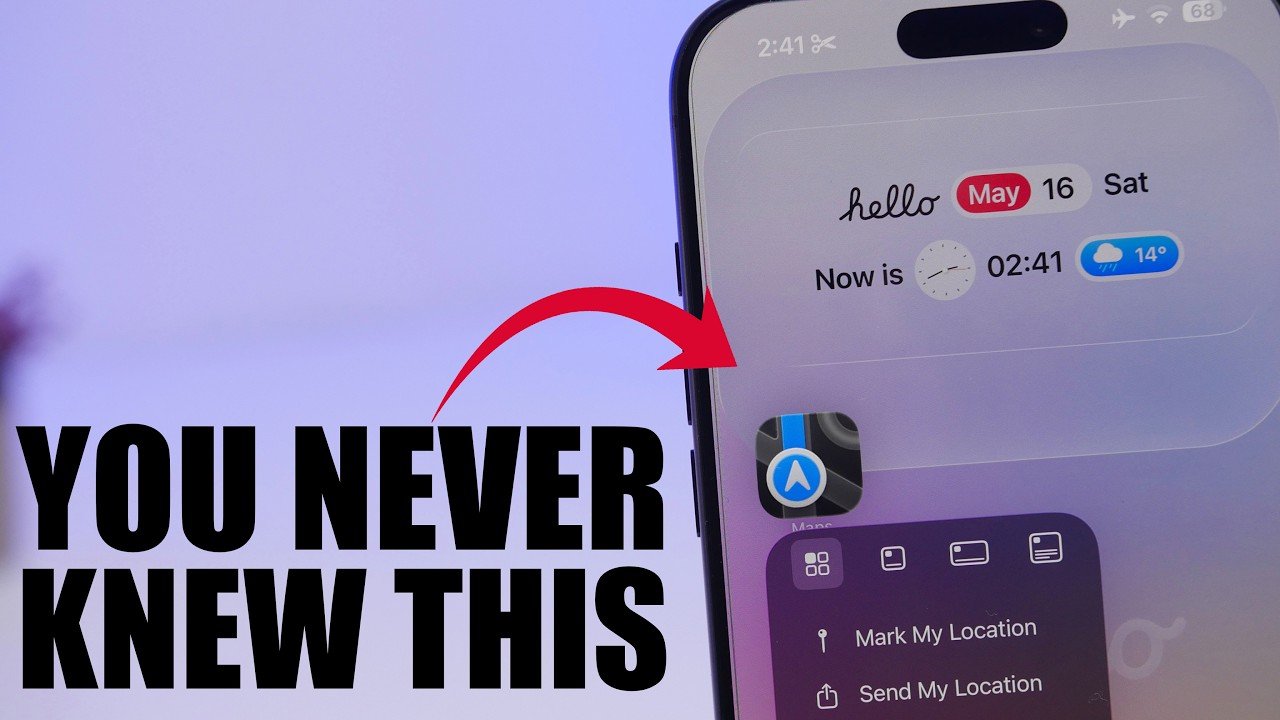
Apple’s iOS 26.5 introduces a robust suite of features aimed at redefining how users personalize their devices. With a focus on enhancing both functionality and aesthetics, this update enables you to craft an interface that reflects your style and meets your practical needs. Whether you’re optimizing for efficiency or adding a personal flair, iOS 26.5 […]
Claude Code, developed by Anthropic, offers a suite of features designed to streamline and enhance software development workflows. Among these, the Claude MD File stands out for its ability to preserve critical project context through markdown-based configurations. By defining coding standards, directory structures, or naming conventions, developers can ensure consistency across projects without repetitive setup. […]
Apple has officially announced that its Worldwide Developers Conference (WWDC) 2026 will take place on June 8 at Apple Park in Cupertino, California. This year’s event promises to be a milestone in the company’s history, with artificial intelligence (AI) taking the spotlight. Among the most anticipated announcements is the complete transformation of Siri into a […]
Think you know everything about your iPhone? Think again. Apple has integrated a wealth of features into its devices, many of which remain underutilized. These tools are designed to enhance your productivity, simplify tasks and improve your overall experience. From intuitive shortcuts to powerful utilities, these hidden gems can transform how you interact with your […]
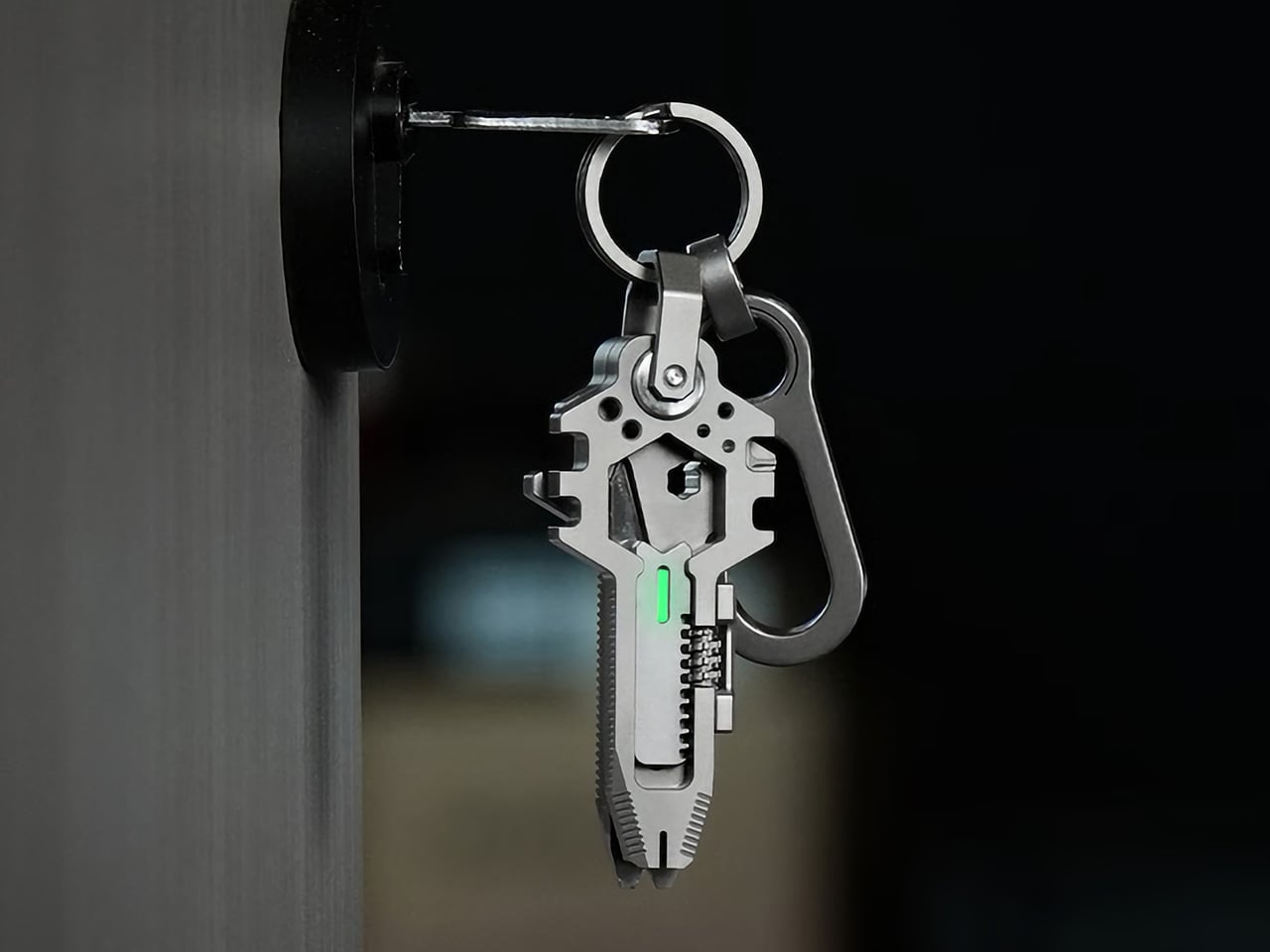
Keys are the only objects humans carry with religious consistency. Wallet habits change, phone pockets shift, watches come and go, but keys stay anchored to the same loop every single day. That makes the key form factor the most reliable real estate in EDC. A tool that mimics a key doesn’t just blend into your carry, it hijacks the one item you’ll never leave behind. EDC Monster understood this from the start when they launched the original KeyMaster in 2023, a 14-in-1 titanium multitool that slipped onto keyrings and disappeared. Version 2.0 expanded to 18 functions, refining the tool selection and ergonomics. Now, three generations and three years later, they’ve perfected the shape that hides in plain sight. KeyMaster 3.0 proves that sticking with a form factor long enough to truly master it beats chasing novelty every product cycle.
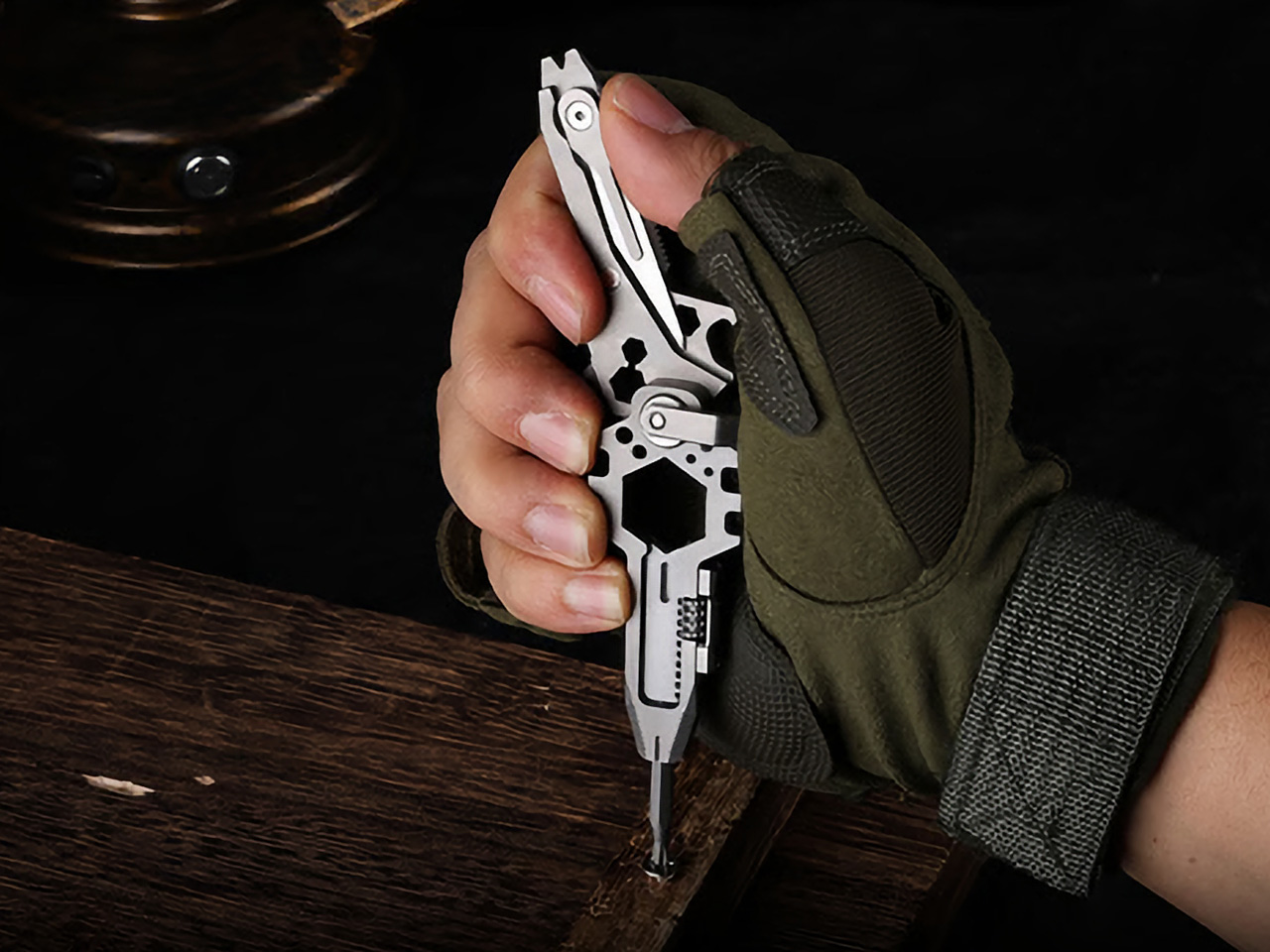
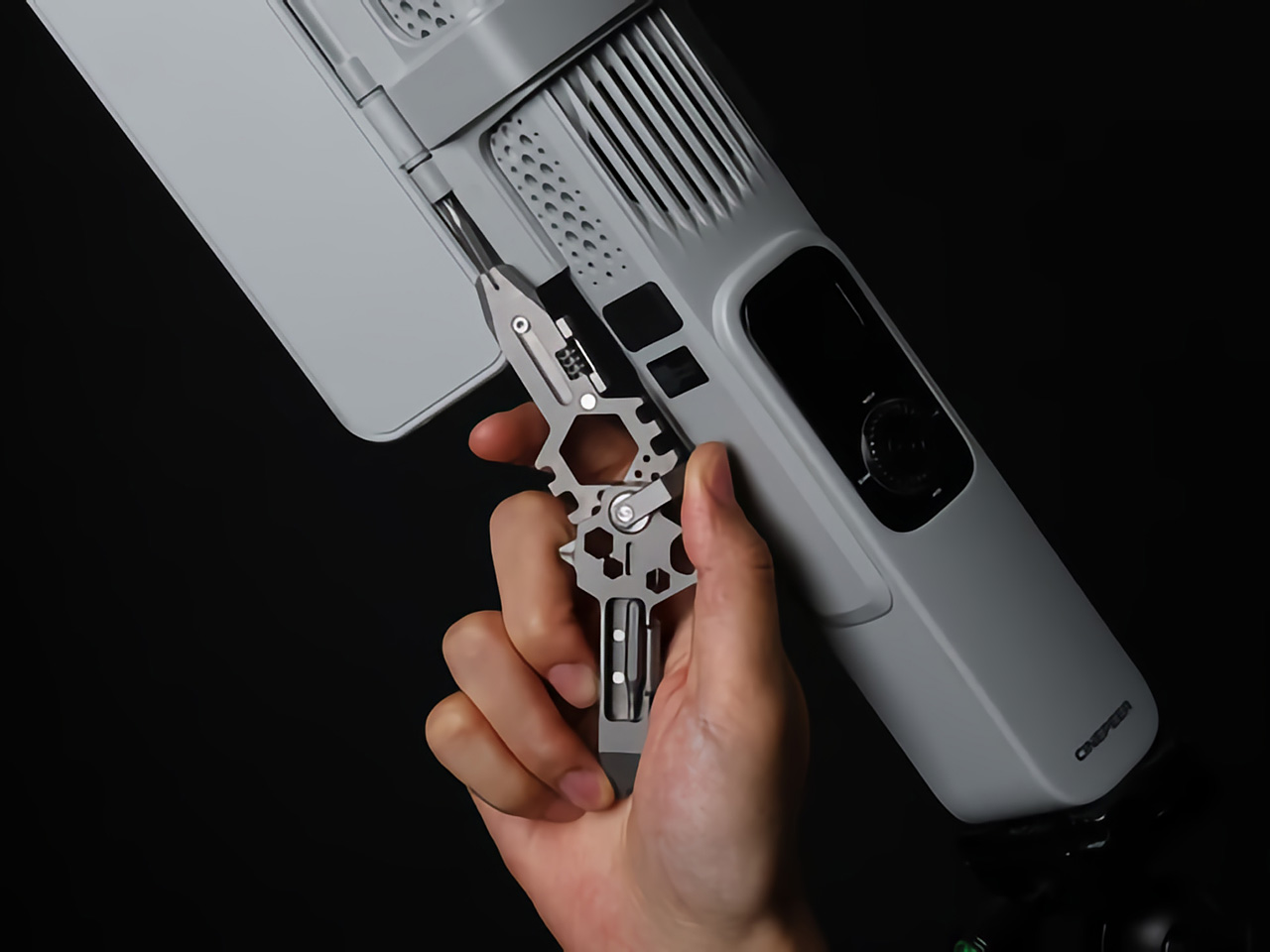
KeyMaster 3.0 takes the key-shaped multi-tool concept and rebuilds it around adaptability. The body is Grade 5 titanium, precision-machined and sandblasted to a matte finish that feels refined in hand. At 74.5mm long and 53.7 grams, it sits flat on a keychain next to your car fob and house key. The tool count hits 20-plus, but the real upgrade lives in three systems: an adjustable spanner with a 0-16mm range that replaces six fixed wrenches, a magnetic bit driver that locks bits in place without slippage, and a blade holder that accepts standard #11 replaceable blades. EDC Monster designed it to solve the problems the first two generations couldn’t.
Every multi-tool with a fixed wrench eventually meets the bolt it can’t turn. Previous KeyMaster generations shipped with fixed hex wrenches sized for common fasteners, which worked cleanly in controlled situations and failed quietly in the field. The 3.0’s adjustable spanner covers 0 to 16mm, handling everything from M5 bolts to M12 hardware without swapping tools or approximating the fit. EDC Monster also designed the second plate of the tool’s two-body construction to double as a grip handle when the spanner is deployed, adding real purchase for tighter fasteners. That range maps directly to the kind of real-world repairs where keychain tools actually get deployed: furniture assembly, bike adjustments, appliance tinkering, and the inevitable IKEA emergency at a friend’s new apartment.
The same logic applies to the screwdriver system, where friction-fit bits have plagued compact tools for years. Under even moderate torque, a bit that isn’t mechanically retained will wobble, slip, and strip the fastener before the job is done. EDC Monster’s magnetic retention snaps bits into the driver head with zero play, and the redesigned top-mounted driver position delivers a more natural wrist angle and better torque transfer than the side-mounted configurations common in smaller tools. Two bits live in onboard magnetic storage slots inside the body, and the 4mm standard keeps the system open to any aftermarket supplier rather than tying you to EDC Monster’s own replacements.
The everyday toolkit built into the body covers the situations that repeat. The pry bar handles box seams, stubborn lids, and light leverage without needing a dedicated tool for each variation. The Phillips and flathead drivers handle cabinet hardware, furniture bolts, and the loose screws that accumulate in any lived-in space. The bottle opener is self-explanatory. The nail file, nail puller, and mini ruler sound mundane until the moment they’re useful, which is the entire argument for carrying a tool this small. You don’t pack a ruler because you expect to need one. You pack it because when you do need one and don’t have it, you feel the absence more sharply than the weight would have ever justified.
Where KeyMaster 3.0 separates itself from the category is in its willingness to go further. The mini saw handles cuts on wood, plastic, and cord in situations where a blade would bind or skip. The wire bender manipulates cable for improvised fixes that tape simply won’t hold. The spoke wrench addresses bicycle wheel truing with a specificity that no Swiss Army knife has ever bothered with, and the firestarter edge covers the gap between urban carry and trail use without requiring a second tool on the keychain. These aren’t tools for every day. They’re tools for the day when something goes wrong and the nearest hardware store is twenty minutes away, or the nearest anything is considerably further.
The Grade 5 titanium construction keeps the weight at 53.7 grams while delivering the strength to handle real torque loads without flexing or failing. EDC Monster chose a matte sandblasted finish that hides scratches and wear far better than polished titanium, so the tool maintains its aesthetic even after months on a keyring alongside jangling metal keys and carabiners. The 74.5mm length matches the profile of a standard house key, which means KeyMaster 3.0 doesn’t create an awkward bulge or unbalanced weight distribution in your pocket. The 35mm width keeps it slim enough to layer flat with other keys, and the 4mm thickness at its thickest point tapers down to 2mm at the edges. EDC Monster drilled a 6mm keyring hole at the base, large enough to accommodate split rings, carabiners, or paracord lanyards. The entire tool feels substantial without feeling heavy, a balance that titanium achieves better than steel or aluminum in this weight class.
The person KeyMaster 3.0 is built for tends to sit between two extremes. They’re not the enthusiast who carries a full Leatherman and considers it light. They’re also not the person who treats their keychain as a keychain and nothing more. They’re the cyclist who needs spoke access and hex drivers on the road and won’t check a bag for a wrench. They’re the urban renter who tackles household repairs without owning a proper toolkit and has resorted to using a shoe as a hammer more than once. They’re the frequent traveler who wants something genuinely capable that clears security without a second glance. What EDC Monster grasped three generations ago, and has refined ever since, is that this person doesn’t want to think about their tools. They want to reach into their pocket, find what they need, and get on with things.
KeyMaster 3.0 is currently available for pre-order at $69 for early backers, a 30% discount off the planned retail price of $99. EDC Monster estimates shipping in August 2026 for Kickstarter backers, with general retail availability following later in the fall. The campaign includes free worldwide shipping, and backers can add extra #11 blade packs (10 blades for $5) and additional bit sets (6 bits for $12) during checkout.
Humans have been mapping the sky in circular form for thousands of years. From the Antikythera mechanism to medieval astrolabes to the ornate astronomical clocks of Prague and Strasbourg, the wheel has always been our preferred metaphor for cosmic time. Something about the cyclical nature of celestial motion just demands a round form, a dial, a face that turns and returns. It’s a design language so old it feels almost genetic.
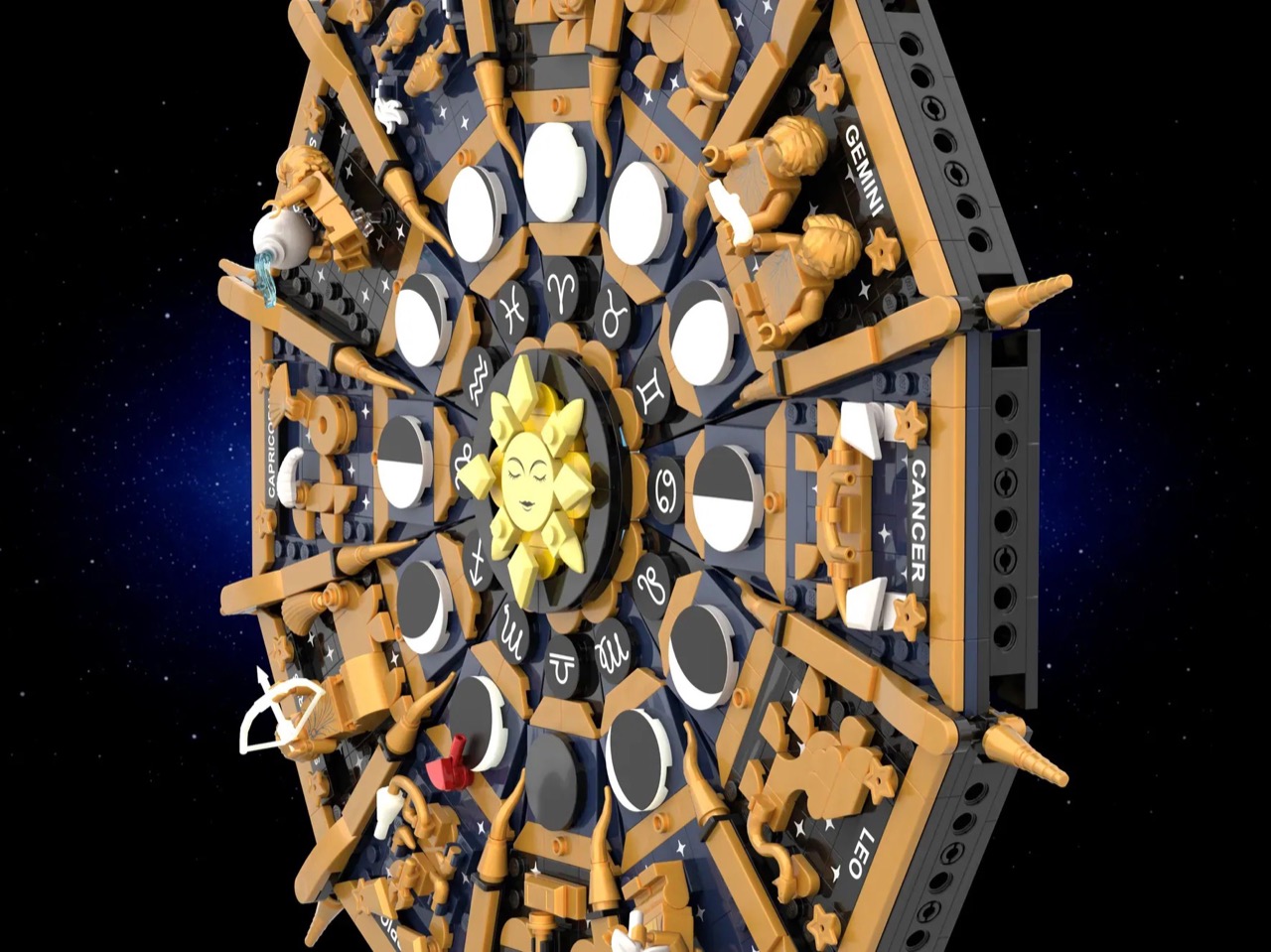
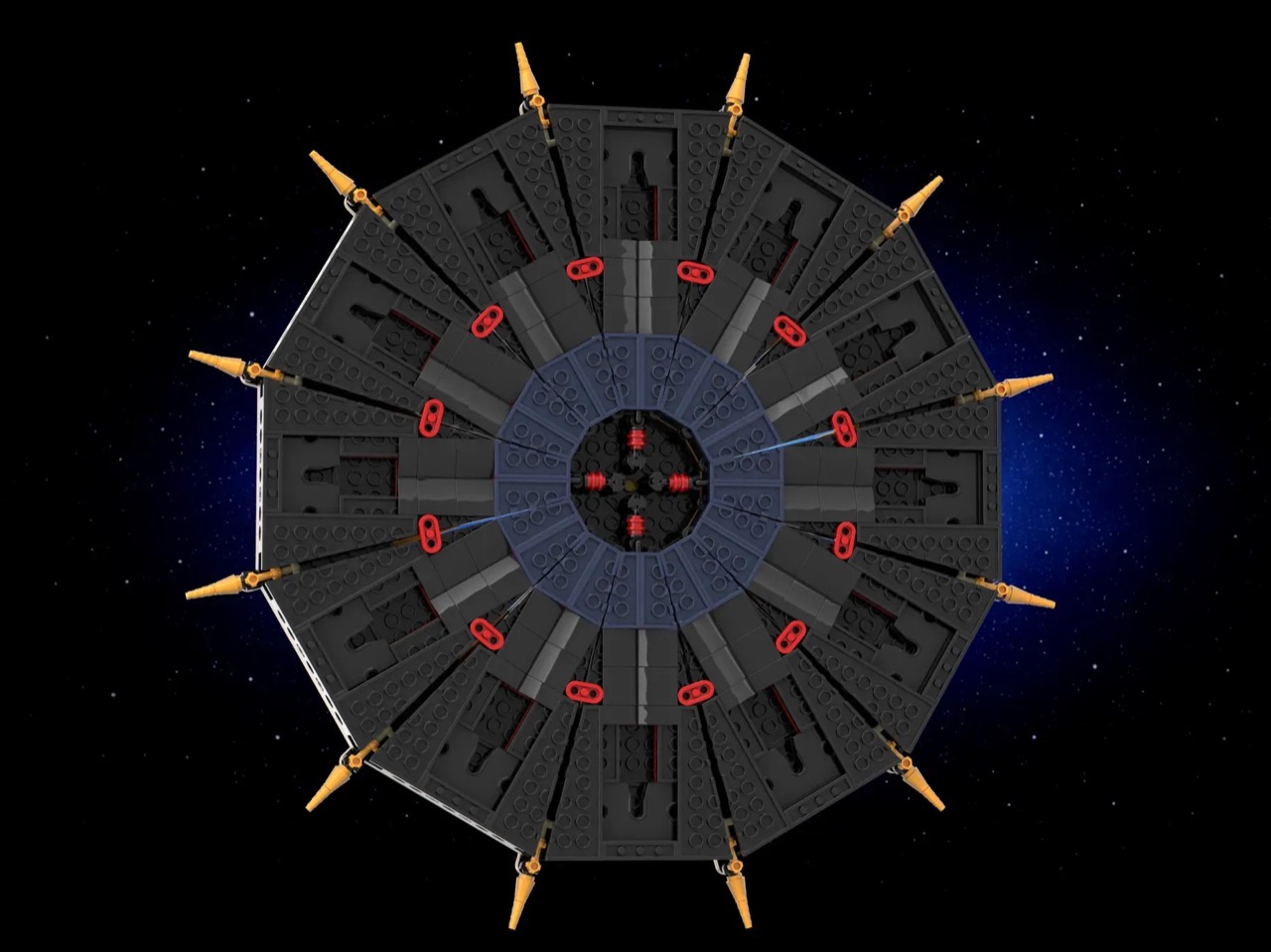
Martin_Studio has tapped into exactly that instinct with this LEGO Ideas Zodiac and Lunar Phases Dial, a circular display piece that arranges all twelve zodiac signs around an outer ring while threading the complete lunar cycle through the interior. The golden sun centerpiece, the navy blue field scattered with stars, the spoked frame radiating outward like an astrolabe, it all adds up to something that looks less like a LEGO build and more like an artifact pulled from a Renaissance cabinet of curiosities.
Designer: Martin_Studio
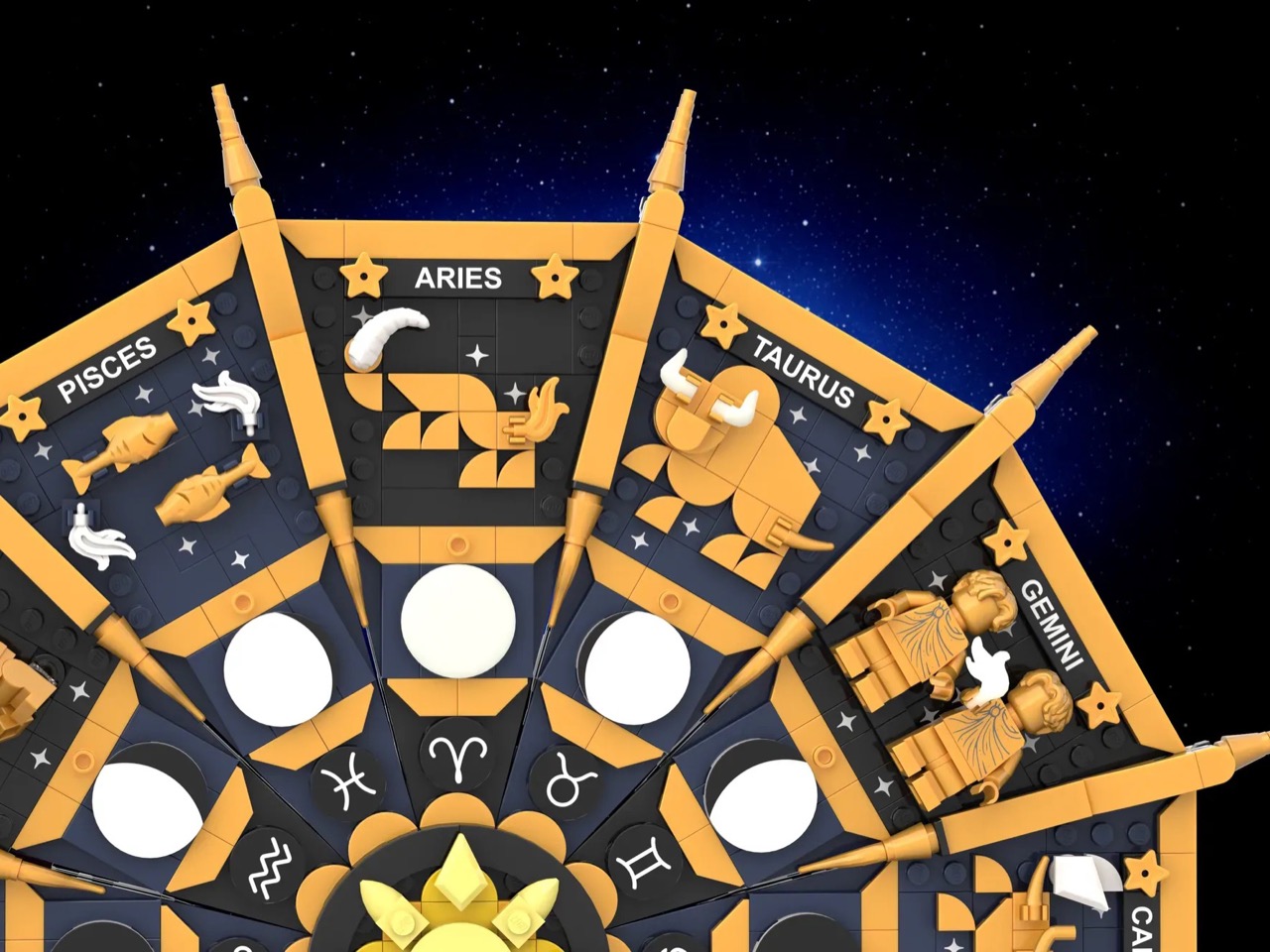
The overall composition is a dodecagon, twelve outer segments divided by golden spoke elements that radiate from the center like the frame of a wagon wheel. Each segment belongs to a single zodiac sign, labeled clearly in white lettering and anchored by its own brick-built figure. The approach varies intelligently by sign. Taurus gets a sculpted bull’s head with white horns. Pisces has two fish rendered in golden brick, flanked by small white wave elements. Sagittarius, one of my personal favorites in the lineup, gets a full minifigure in classical dress, white bow in hand, mid-draw. Gemini goes two minifigures deep, the twins posed together in their segment with the natural charm that only LEGO’s minifigure scale can pull off. Twelve signs, twelve distinct design problems, and Martin_Studio solves each one with a different vocabulary of parts. That kind of creative range across a single build is genuinely hard to pull off.
The overall composition is a dodecagon, twelve outer segments divided by golden spoke elements that radiate from the center like the frame of a wagon wheel. Each segment belongs to a single zodiac sign, labeled clearly in white lettering and anchored by its own brick-built figure. The approach varies intelligently by sign. Taurus gets a sculpted bull’s head with white horns. Pisces has two fish rendered in golden brick, flanked by small white wave elements. Sagittarius, one of my personal favorites in the lineup, gets a full minifigure in classical dress, white bow in hand, mid-draw. Gemini goes two minifigures deep, the twins posed together in their segment with the natural charm that only LEGO’s minifigure scale can pull off. Twelve signs, twelve distinct design problems, and Martin_Studio solves each one with a different vocabulary of parts. That kind of creative range across a single build is genuinely hard to pull off.
The detail that actually makes this thing live and breathe as an object rather than just a static display is the small red arrow. It clips onto the lunar ring and marks the current moon phase. You move it as the month progresses. It is such a simple functional addition, almost offensively simple given the complexity surrounding it, but it transforms the dial from a decorative piece into something you actually interact with on a monthly basis. That is the difference between an object you admire and an object you use.
The entire build holds to a deep navy and warm gold palette, with white reserved almost exclusively for the moon phase elements and the occasional animal accent (those Taurus horns, the Pisces waves). The restraint is what makes it work. A lesser build would have introduced reds or purples for visual variety and muddied the whole thing. Here, the two-color backbone keeps the complexity legible no matter how densely the details accumulate.
The Zodiac and Lunar Phases Dial is currently gathering votes on the LEGO Ideas platform, where fan submissions need to cross the 10,000 supporter threshold before LEGO’s internal team will consider them for retail production. It’s sitting in early days with around 90 supporters, so if this is the kind of object you’d want on your wall, head over to the LEGO Ideas page and cast your vote.
Some tiny homes ask you to settle. Cramped kitchens, awkward layouts, a bathroom you have to apologize for. The Black Butte by Spindrift Homes is not that version. Originally built as a fully custom commission, the design earned enough attention that Oregon-based Spindrift added it to its permanent catalog. The community responded, and it’s easy to see why.
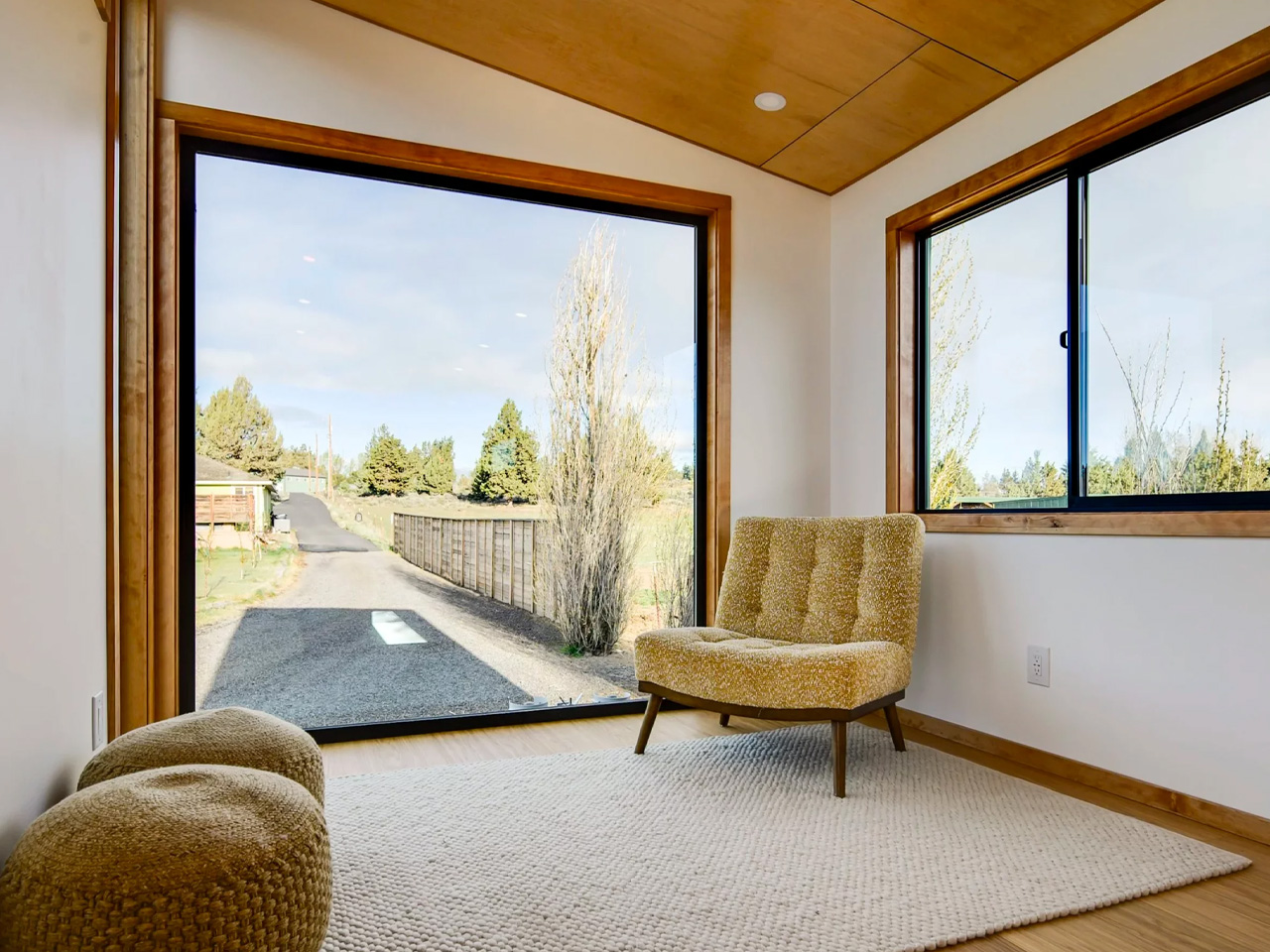
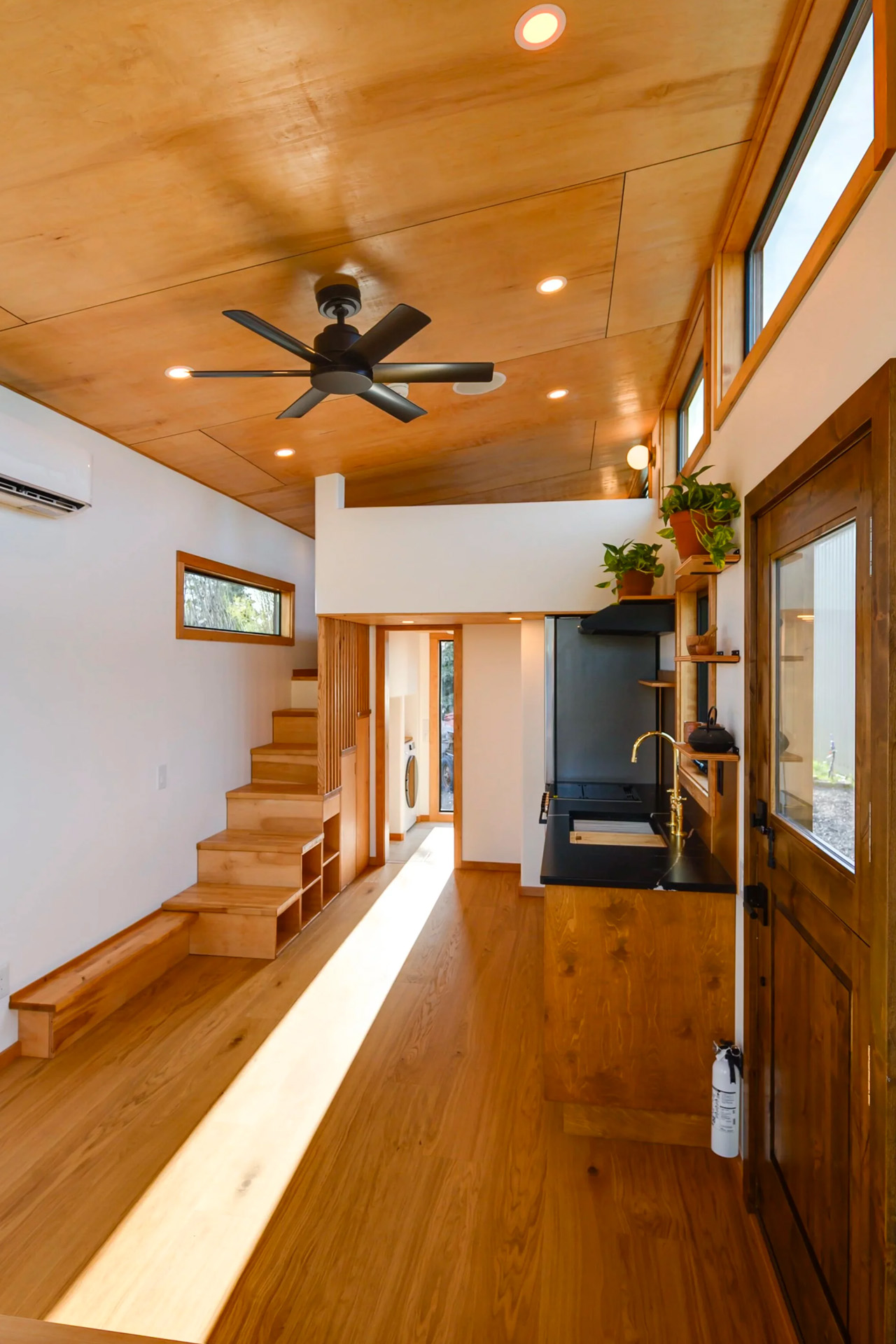
At 30 feet long and 10 feet wide, the Black Butte sits on the broader end of the towable tiny home spectrum. That extra width changes everything. It’s the difference between a space that feels edited and one that actually breathes. Spindrift describes it as “bold, design-forward” and a home that “feels both expansive and grounded,” and for once, the marketing language holds up. The proportions are generous, the light moves well through the interior, and the layout doesn’t fight itself.
The living room sits on a slightly raised platform, a quiet design move that unlocks a serious amount of hidden storage underneath. It’s the kind of detail you miss on first glance but appreciate every single day. The kitchen holds its own, too, designed for people who actually cook rather than people who just need somewhere to store a microwave. Every inch is considered without feeling precious about it.
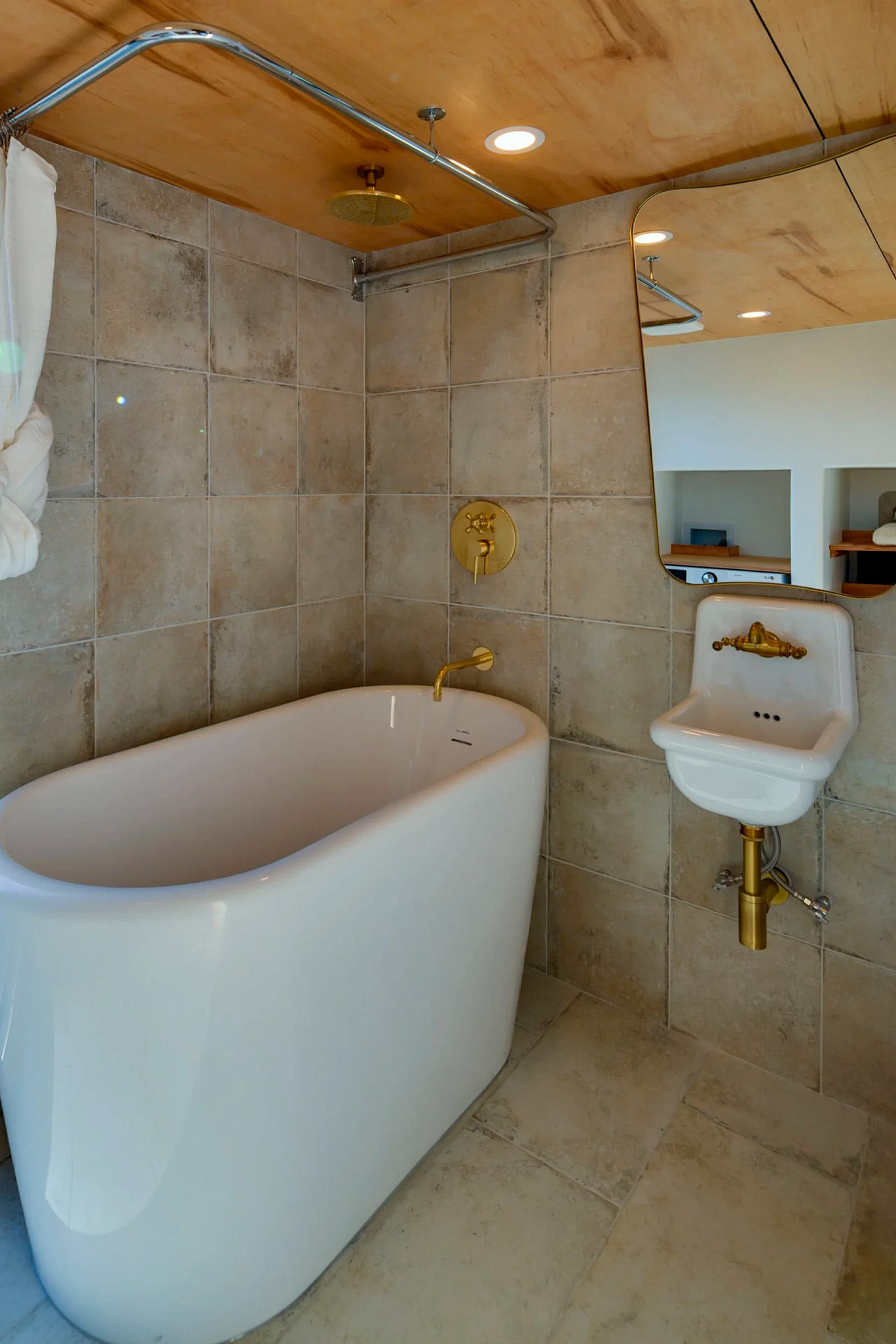
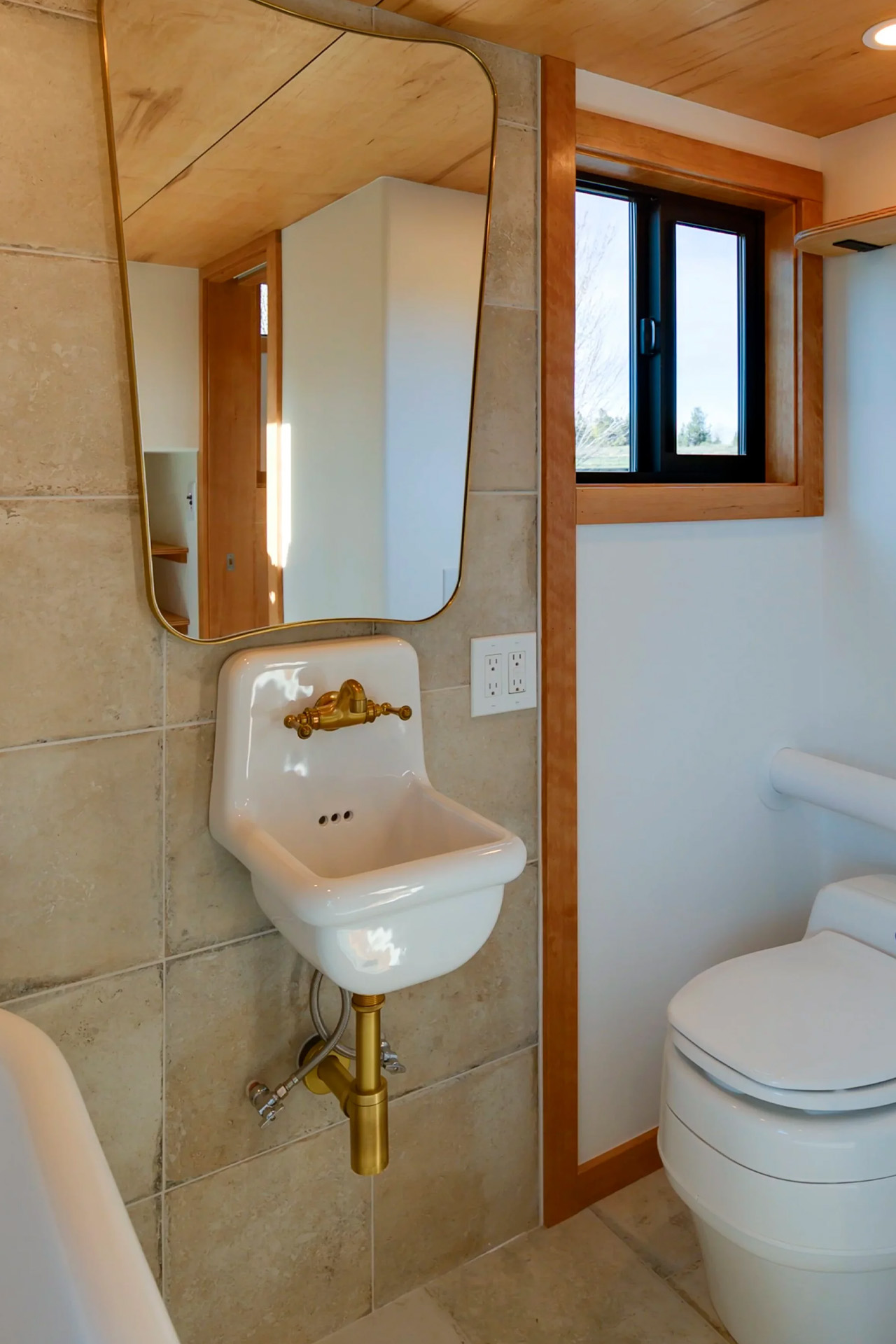
The bathroom is where the Black Butte makes its strongest statement. A freestanding bathtub in a tiny home is not a small decision, and Spindrift leaned into it completely. It reads less like a compact washroom and more like a spa you happen to sleep near. The on-demand water heater and mini-split with heating and cooling round out a home that operates as comfortably as it looks.
Built on a triple-axle custom trailer, the Black Butte is technically mobile, though it’s designed to thrive parked in one place. Think of a permanent base camp rather than a vehicle. Pricing starts at $160,000 before customization, with deliveries scheduled for fall 2026. Buyers can adjust finishes and details while keeping the layout intact, which is exactly how a design this considered should be handled. Tiny living has spent years trying to prove itself. The Black Butte doesn’t try. It just shows up.