
Terraria developer confirms cross-play is coming and teases 15th anniversary collector’s items
The game has sold 70 million copies over its 15-year run, Re-Logic said.

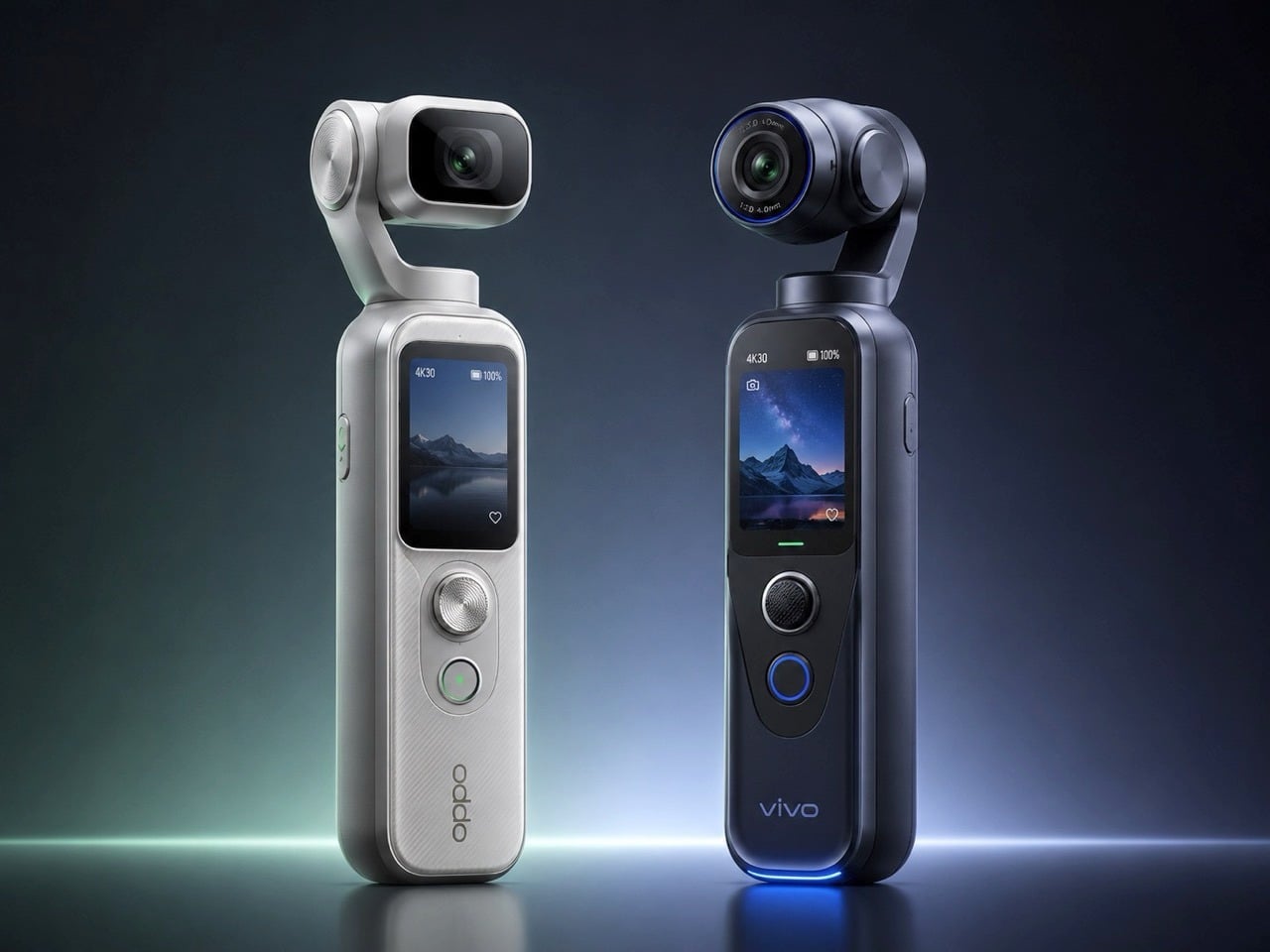
Somewhere inside BBK Electronics, two product teams are independently building the same camera. Oppo has a pocket gimbal codenamed “Fuyao” in development. Vivo has the “Vivo Pocket,” reportedly fitted with a 200MP Sony sensor, headed for a late 2026 launch. Whether BBK’s leadership views this as healthy internal competition or an organizational blind spot depends entirely on your read of how the conglomerate actually operates. What’s undeniable is that both devices are aimed squarely at the same target: DJI’s Osmo Pocket series, the device that has owned the pocket gimbal category for years.
The timing, whether coordinated or coincidental, lands at a genuinely vulnerable moment for DJI. Regulatory pressure in the US has made retailers and creators skittish about long-term investment in the DJI ecosystem, and Insta360, the most credible challenger until now, is going aggressively upmarket with its Leica-partnered Luna Ultra. That leaves a real gap in the premium-but-accessible bracket, and BBK, intentionally or otherwise, has two horses racing toward exactly that gap simultaneously.
Designers: Oppo & Vivo
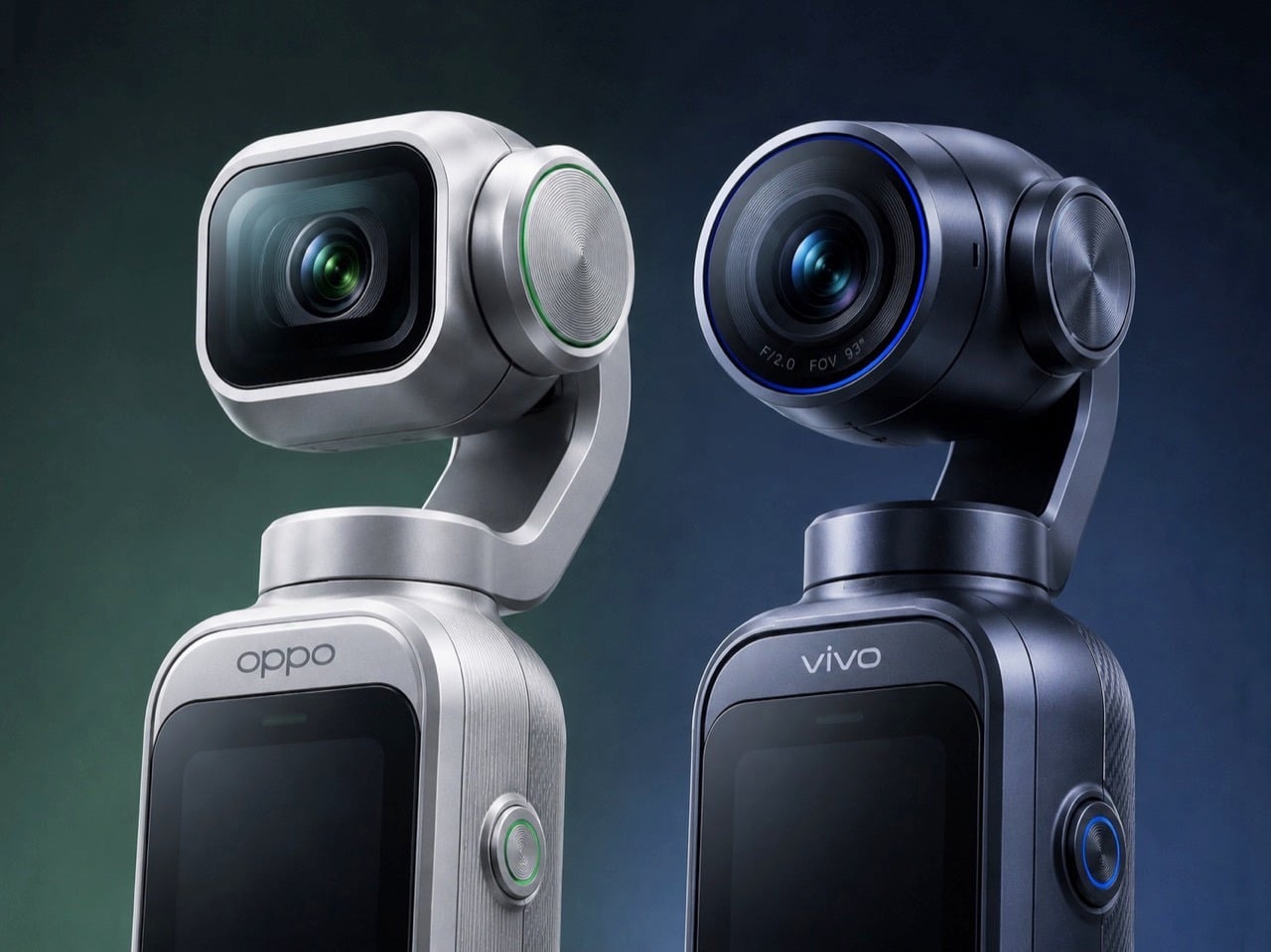
AI Representational Concept
Oppo’s Fuyao centers on a 3-axis stabilized gimbal in a compact form factor, with the brand leaning heavily on its AI-driven video computational technology to bridge the gap between high-end smartphone imaging and dedicated vlogging hardware. That’s a credible pitch. Oppo’s Find X9 Ultra stuffed two 200MP cameras and a sophisticated computational pipeline into a phone chassis, so the engineering muscle is demonstrably there. The question is whether that expertise translates cleanly when the form factor constraints change and the buyer’s expectations are shaped by years of DJI’s famously polished shooting experience.
Vivo is taking a more overtly spec-aggressive approach, with its prototype packing a 1/1.1-inch Sony LYT-901 sensor capable of 200MP stills, a significant departure from the current gimbal camera standard of 1-inch sensors with lower megapixel counts. That sensor is the same one powering Vivo’s current flagship phones, which means the lossless zoom headroom and low-light performance should be genuinely competitive. Vivo is targeting DJI-level hardware quality, suggesting a premium build rather than a budget-friendly entry point, and content creators are reportedly already getting early units for testing.
The deeper strategic story here is what BBK is actually betting on. DJI’s regulatory headaches in the US aren’t going away quietly, and Insta360’s Luna Ultra, co-developed with Leica and priced accordingly, is drifting toward a buyer profile that everyday creators can’t comfortably afford. That middle ground, premium imaging credentials at a price that doesn’t require a business justification, is exactly where Oppo and Vivo are parking. Whether BBK planned this pincer movement or stumbled into it, the instinct is sound. The execution is all that’s left to prove.
The post Oppo and Vivo Are Both Building Gimbal Cameras To Take On DJI’s Osmo Pocket Series first appeared on Yanko Design.
Somewhere inside BBK Electronics, two product teams are independently building the same camera. Oppo has a pocket gimbal codenamed “Fuyao” in development. Vivo has the “Vivo Pocket,” reportedly fitted with a 200MP Sony sensor, headed for a late 2026 launch. Whether BBK’s leadership views this as healthy internal competition or an organizational blind spot depends entirely on your read of how the conglomerate actually operates. What’s undeniable is that both devices are aimed squarely at the same target: DJI’s Osmo Pocket series, the device that has owned the pocket gimbal category for years.
The timing, whether coordinated or coincidental, lands at a genuinely vulnerable moment for DJI. Regulatory pressure in the US has made retailers and creators skittish about long-term investment in the DJI ecosystem, and Insta360, the most credible challenger until now, is going aggressively upmarket with its Leica-partnered Luna Ultra. That leaves a real gap in the premium-but-accessible bracket, and BBK, intentionally or otherwise, has two horses racing toward exactly that gap simultaneously.
Designers: Oppo & Vivo
AI Representational Concept
Oppo’s Fuyao centers on a 3-axis stabilized gimbal in a compact form factor, with the brand leaning heavily on its AI-driven video computational technology to bridge the gap between high-end smartphone imaging and dedicated vlogging hardware. That’s a credible pitch. Oppo’s Find X9 Ultra stuffed two 200MP cameras and a sophisticated computational pipeline into a phone chassis, so the engineering muscle is demonstrably there. The question is whether that expertise translates cleanly when the form factor constraints change and the buyer’s expectations are shaped by years of DJI’s famously polished shooting experience.
Vivo is taking a more overtly spec-aggressive approach, with its prototype packing a 1/1.1-inch Sony LYT-901 sensor capable of 200MP stills, a significant departure from the current gimbal camera standard of 1-inch sensors with lower megapixel counts. That sensor is the same one powering Vivo’s current flagship phones, which means the lossless zoom headroom and low-light performance should be genuinely competitive. Vivo is targeting DJI-level hardware quality, suggesting a premium build rather than a budget-friendly entry point, and content creators are reportedly already getting early units for testing.
The deeper strategic story here is what BBK is actually betting on. DJI’s regulatory headaches in the US aren’t going away quietly, and Insta360’s Luna Ultra, co-developed with Leica and priced accordingly, is drifting toward a buyer profile that everyday creators can’t comfortably afford. That middle ground, premium imaging credentials at a price that doesn’t require a business justification, is exactly where Oppo and Vivo are parking. Whether BBK planned this pincer movement or stumbled into it, the instinct is sound. The execution is all that’s left to prove.
The post Oppo and Vivo Are Both Building Gimbal Cameras To Take On DJI’s Osmo Pocket Series first appeared on Yanko Design.



The TYPE-O CAP by A-POC ABLE ISSEY MIYAKE is not just a cap; it is a small, wearable study in transformation. At first, it begins as something surprisingly simple: a flat woven textile. But through the application of heat and steam, the fabric contracts, expands, and reshapes itself into a sculptural three-dimensional form. What was once flat becomes structured. What looked quiet becomes expressive. The result is a cap that feels both technical and poetic, sitting somewhere between fashion, material research, and soft architecture.
At the center of the cap is Steam Stretch, an innovative textile technique developed by A-POC ABLE ISSEY MIYAKE. The fabric is woven using heat-reactive yarns that respond to steam by shrinking in specific areas. This contraction is not random. It is carefully planned through data-driven jacquard weaving, where thousands of threads are arranged to create a structure before the object even visibly takes shape. Once steam is applied, the hidden logic of the weave is activated, allowing the cap to rise from a flat surface into a dimensional form.
Designer: Yoshiyuki Miyamae

This is what makes the TYPE-O CAP so compelling. Its shape is not created by cutting multiple panels and stitching them together in a conventional way. Instead, the structure is embedded into the textile itself. The pleats, curves, and volume emerge from the behavior of the material. The fabric almost seems to remember what it is supposed to become.
Created in collaboration with Nature Architects, the cap is part of a larger exploration into how textiles can transform through programmed material behavior. Nature Architects studied the contraction properties of the Steam Stretch yarn and developed algorithmic methods to generate weave patterns that control how the fabric changes shape. In the case of the cap, this results in a geometric pleated structure that expands around the head, adapting to the wearer while maintaining its sculptural character.


Despite its experimental process, the cap remains thoughtfully functional. It is unisex, washable, adjustable, and flat-packable, making it as practical as it is innovative. A drawcord at the back allows the wearer to fine-tune the fit, while the pleated structure gives the cap a flexible, adaptive quality. It can also be dyed in various colors, giving the same material system different expressions depending on finish, tone, and styling.
What is especially interesting about the TYPE-O CAP is how it makes advanced material technology feel approachable. It is not a dramatic runway object that only exists as a concept. It is an everyday accessory, but one that quietly challenges how we think about clothing construction. The cap suggests a future where garments may not need to be assembled from many separate cut pieces. Instead, they could be woven flat, transported efficiently, and transformed into complex forms through heat, steam, or other triggers.

While the cap is the focus here, the possibilities of this material system extend far beyond headwear. The same Steam Stretch and data-driven weaving approach can be used to create other garments with complex pleats, adaptive silhouettes, and reduced sewing requirements. It also opens up possibilities beyond fashion, including furniture, lighting, interiors, and even architectural applications. A textile that can shift from flat to dimensional has enormous potential in a world increasingly interested in compact production, responsive materials, and more efficient design systems.
The TYPE-O CAP captures that potential in a beautifully contained form. It is small enough to be worn casually, but conceptually large enough to suggest a different way of making. It turns fabric into structure, steam into a design tool, and a cap into an object that feels almost alive.

The post This Flat Textile Transforms Into a Sculptural Cap With Steam first appeared on Yanko Design.

Apple is preparing to introduce fantastic updates to Siri and iOS 27, aiming to redefine how you interact with your devices. These enhancements focus on modernizing Siri, addressing long-standing user concerns, and positioning Apple as a leader in the competitive AI-driven digital assistant market. Key updates include a redesigned Siri interface, a dedicated Siri app, […]
The post Why the Leaked iOS 27 Siri is Apple’s Biggest AI Move Yet appeared first on Geeky Gadgets.

Hermes `/goal` is an advanced AI-driven feature designed to simplify complex workflows by automating tasks with minimal manual input. Highlighted by David Ondrej, this system operates through clearly defined objectives, allowing it to autonomously break down and execute intricate processes. For example, its sub-goal assignment capability allows the AI to dynamically adjust its approach, making […]
The post How to Use the Hermes /Goal Command to Streamline Your Projects appeared first on Geeky Gadgets.
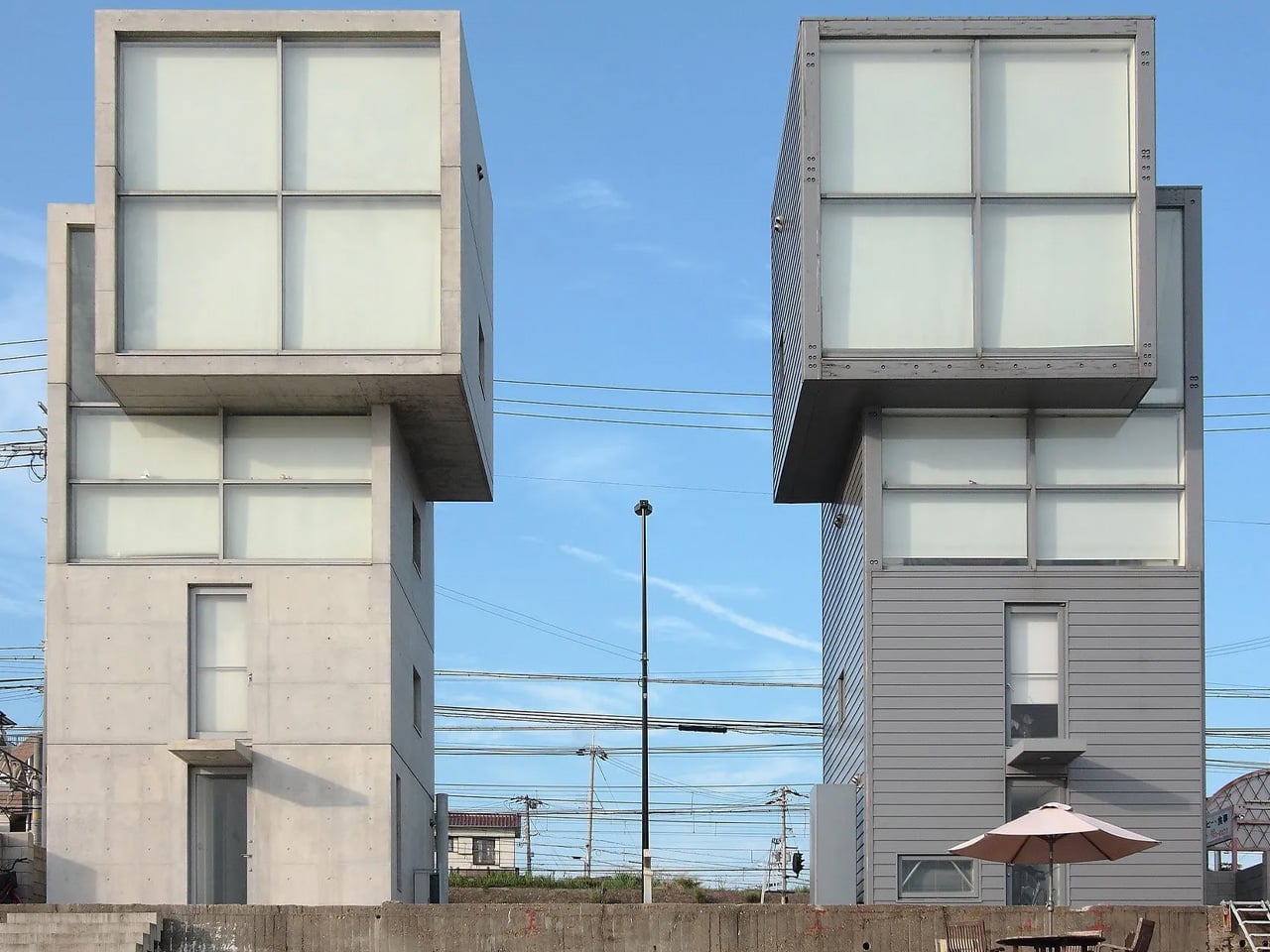
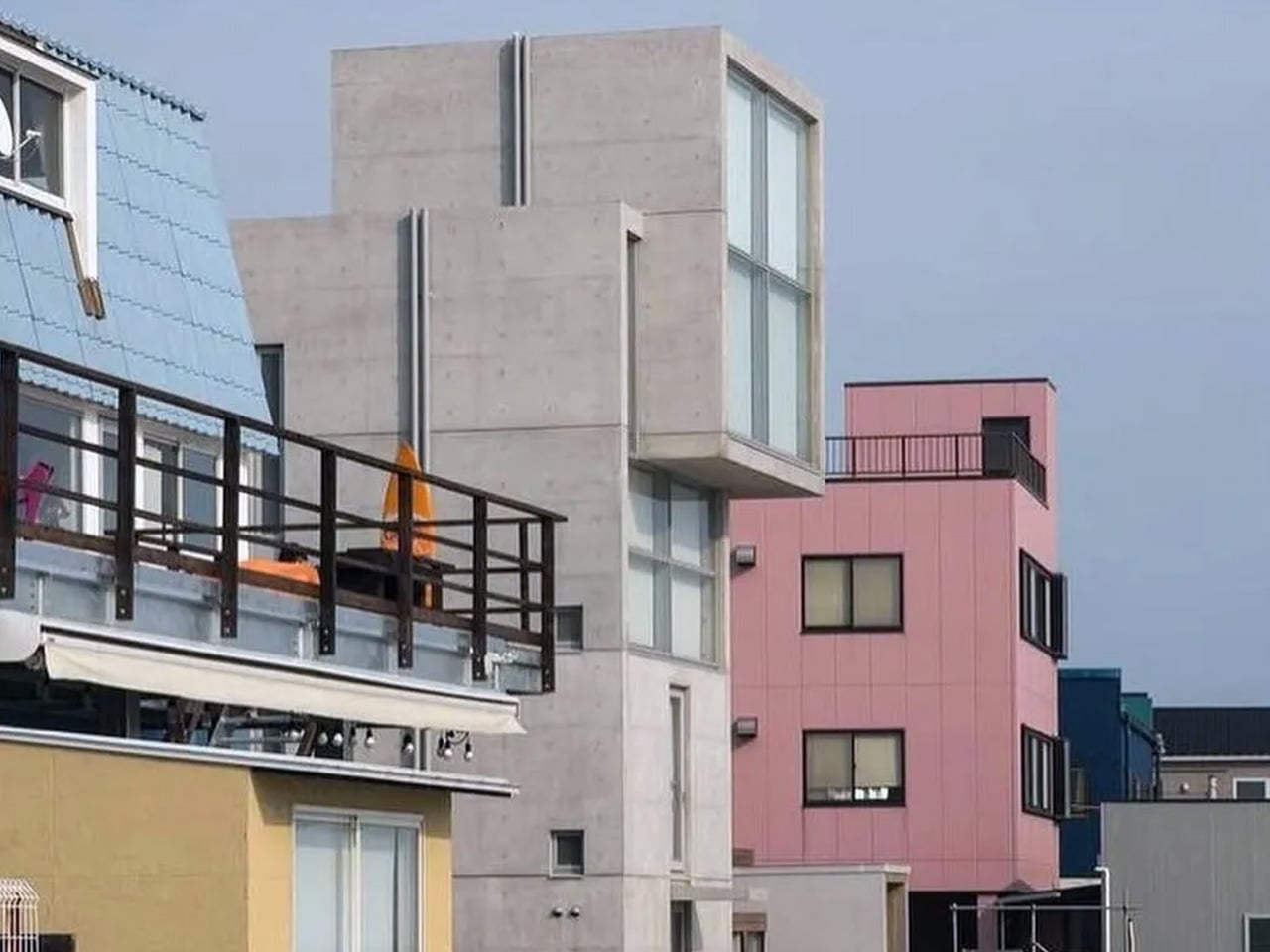
Perched on the coast of the Seto Inland Sea in Tarumi-ku, Kobe, the 4×4 House by Tadao Ando occupies a narrow coastal strip that Japanese authorities had not even considered constructible. That is exactly why Ando built there. Completed in 2003, the house rose in the shadow of the Great Hanshin earthquake, a catastrophe that reshaped the region and the consciousness of everyone who lived through it. Ando’s response was not to build bigger or safer in the conventional sense.
It was to build with precision — a four-story reinforced concrete tower with a footprint of just four meters by four meters. Sixteen square meters of floor area, multiplied upward toward the sky. The name is the blueprint.
Designer: Tadao Ando
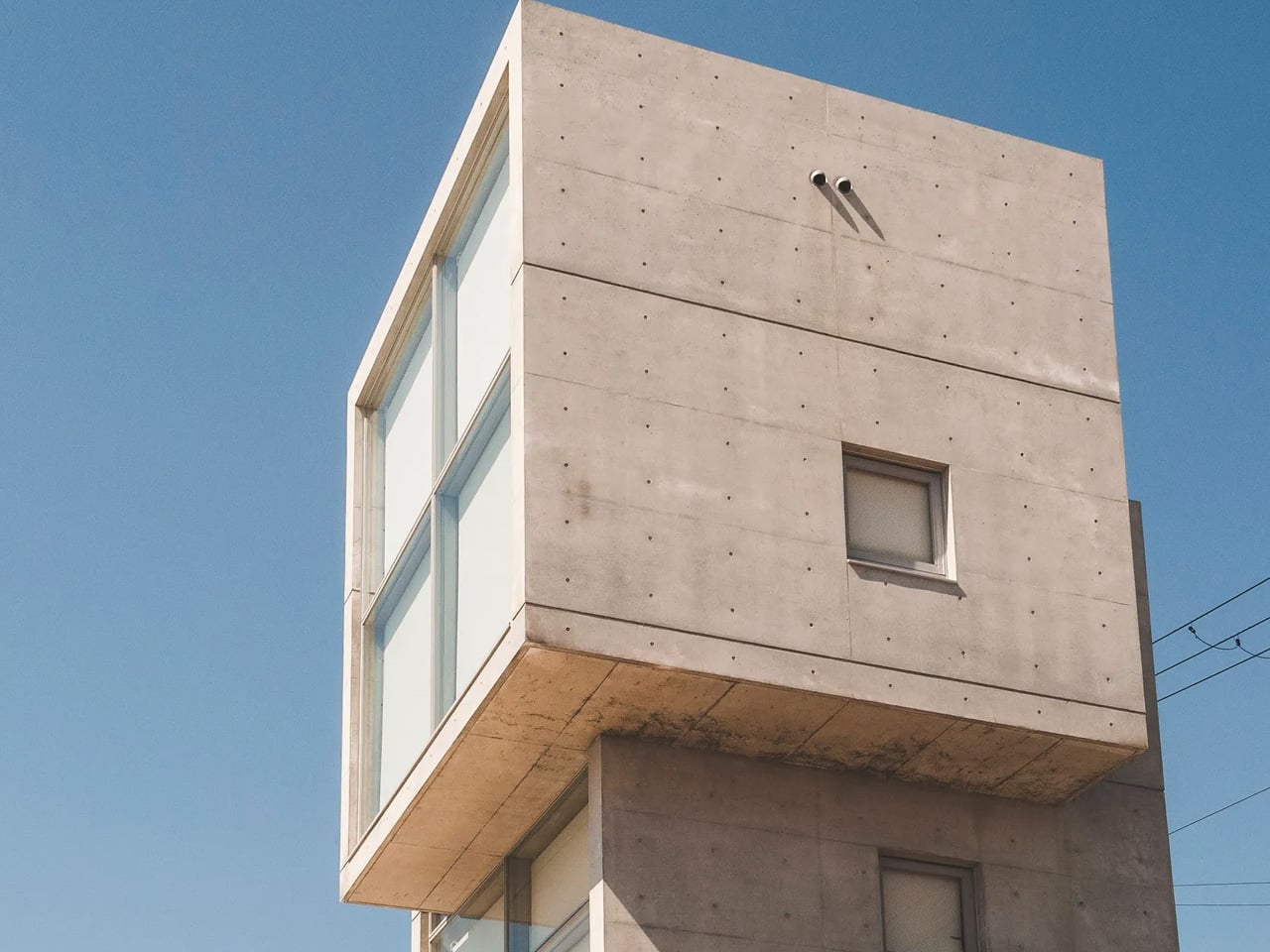
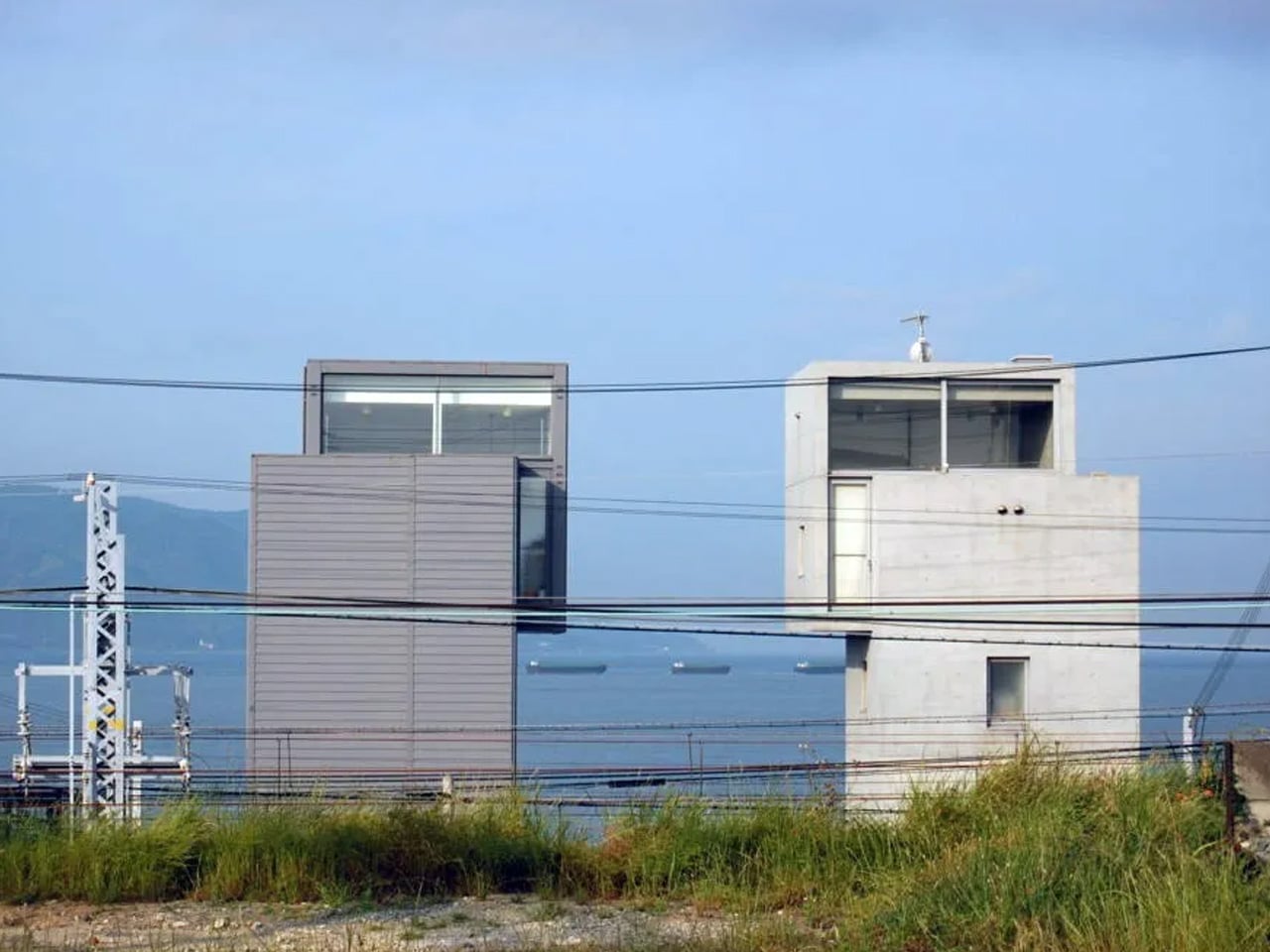
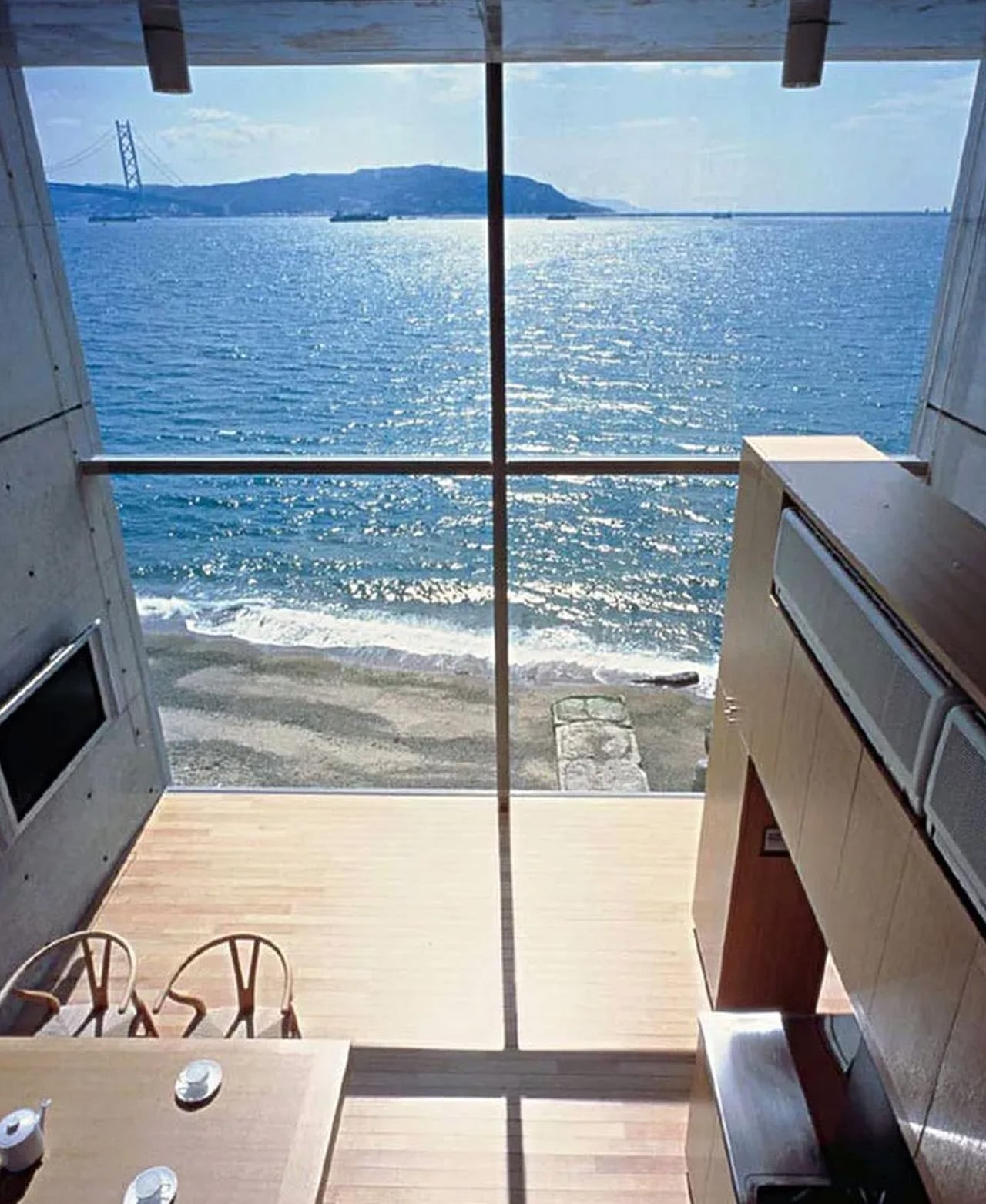
At 13.4 meters tall, the structure reads less like a residence and more like a sentinel. Its silhouette evokes a watchtower — upright, deliberate, scanning the horizon. Ando sank the foundations deep into the ground to resist lateral forces, and at the base, a square concrete patio disappears beneath the waterline when the tide comes in. The boundary between architecture and ocean is intentionally blurred. Living here means accepting the sea as a roommate.
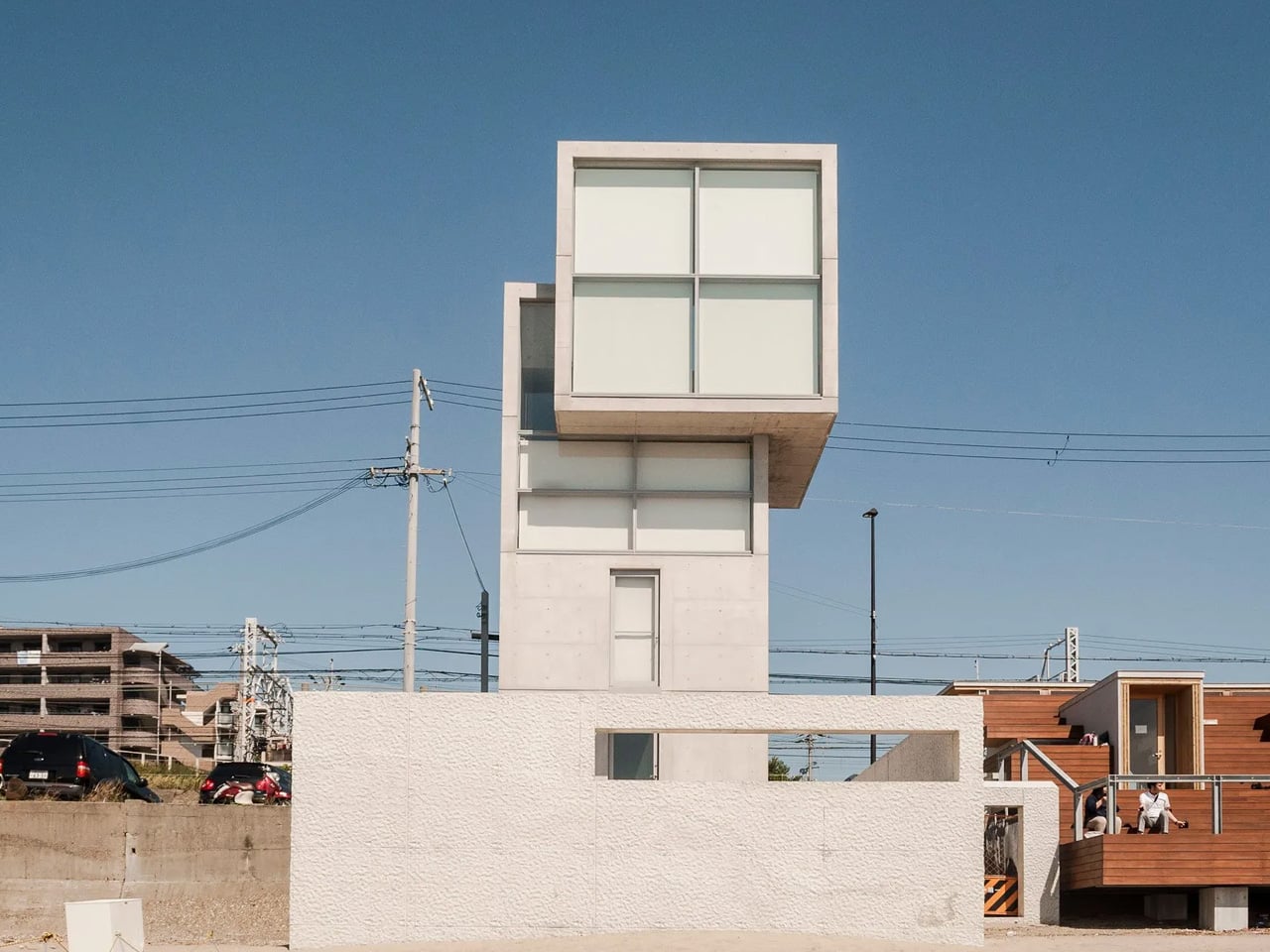
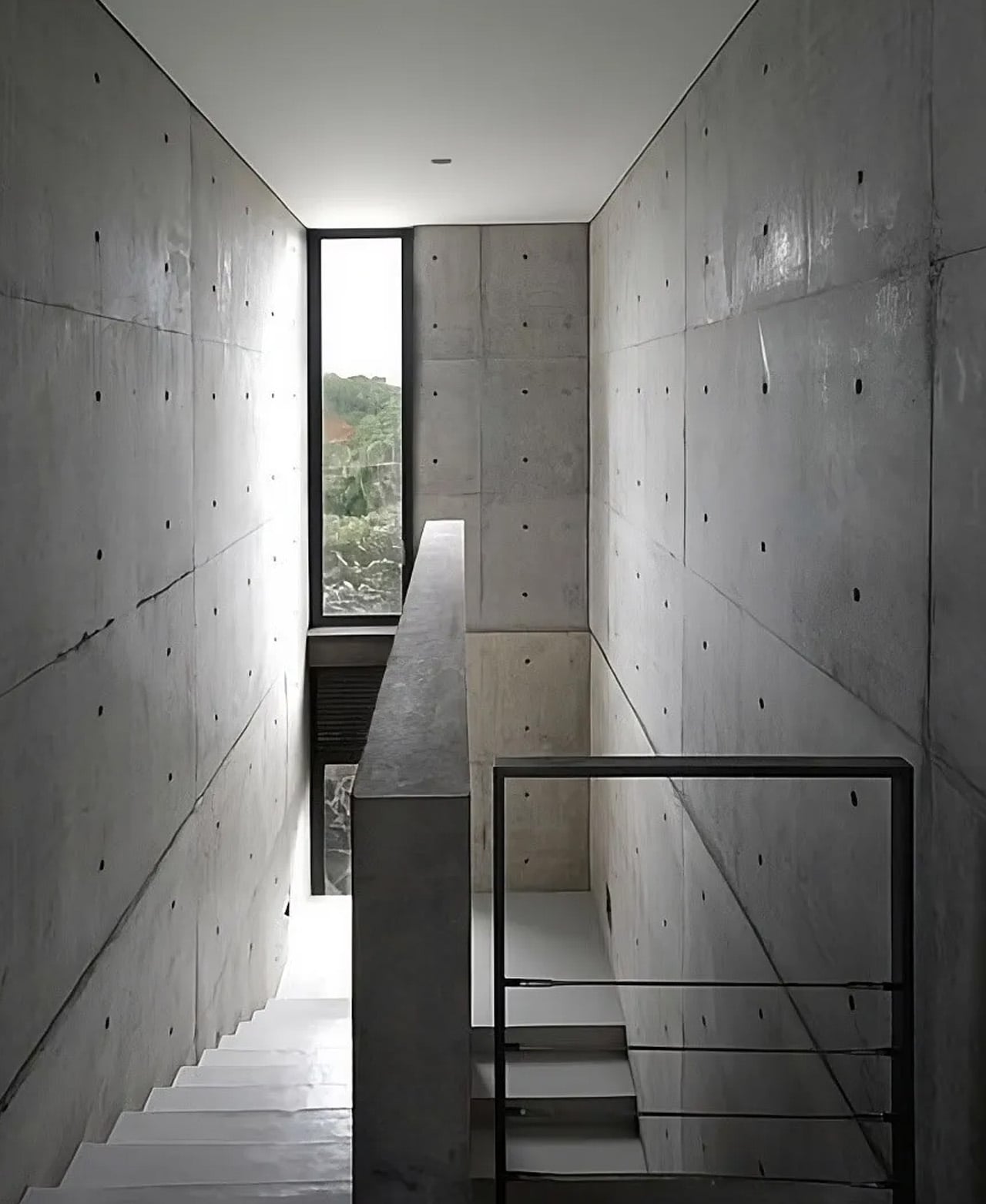
The interior climbs through a vertical sequence of rooms, each floor stacked with the discipline of a column. What makes the composition unusual is the top floor — a cube shifted slightly off-axis from the floors below, a geometric move that feels almost offhand but transforms the entire silhouette. Light enters in controlled bursts. Views are framed like paintings. Nothing is accidental.
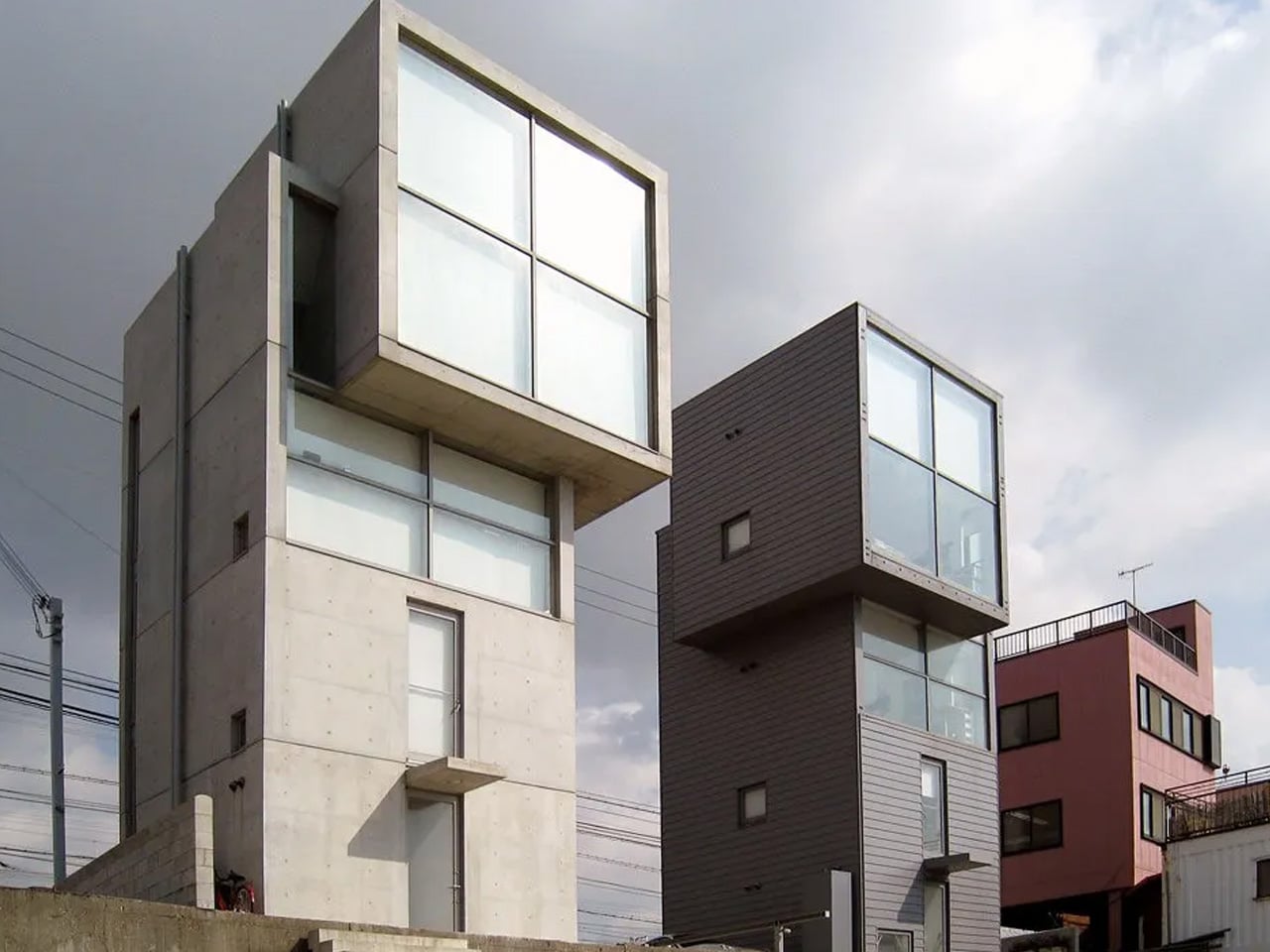
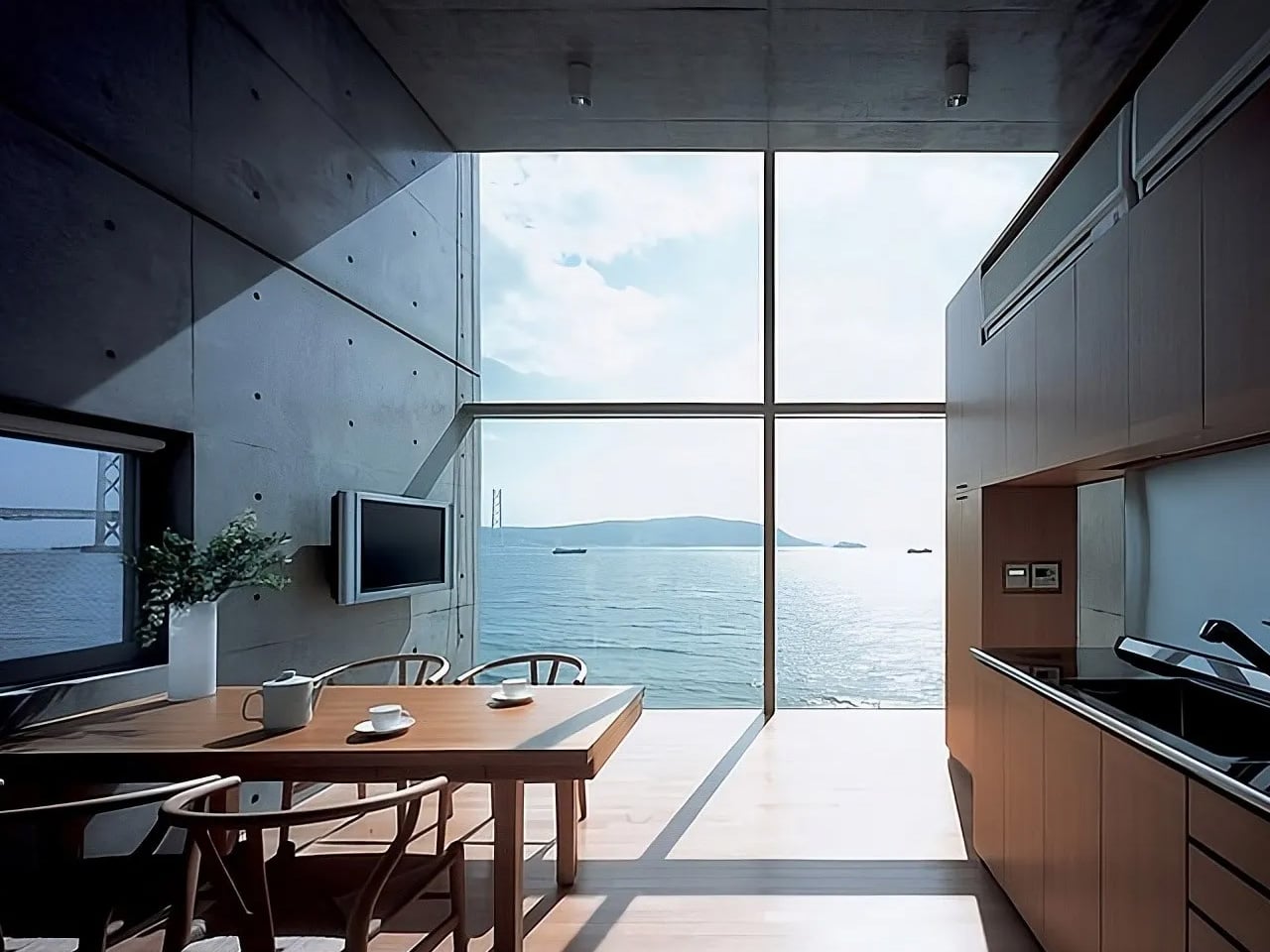
Not long after the first house was finished, a second client commissioned Ando to build an identical tower on the neighboring plot. The result is a pair of concrete twins standing side by side on the coastline, same in form but different in material — a duality Ando had quietly envisioned from the beginning. The two buildings share no physical connection. They stand together, facing the sea, as if in silent conversation.
The 4×4 House is not a comfortable building in the traditional sense. It is a provocation — a proof that constraint, when embraced fully, becomes its own kind of freedom. Ando took a strip of coastline that the city had written off and turned it into one of the most discussed residential structures of the 21st century. Sixteen square meters at a time.
The post Four Meters by Four Meters: How Tadao Ando Made Constraint Beautiful first appeared on Yanko Design.