This Architect Built a 20m² Red Cabin on Her Family’s Greek Vineyard — and It’s the Antidote to Every Concrete Villa on the Island

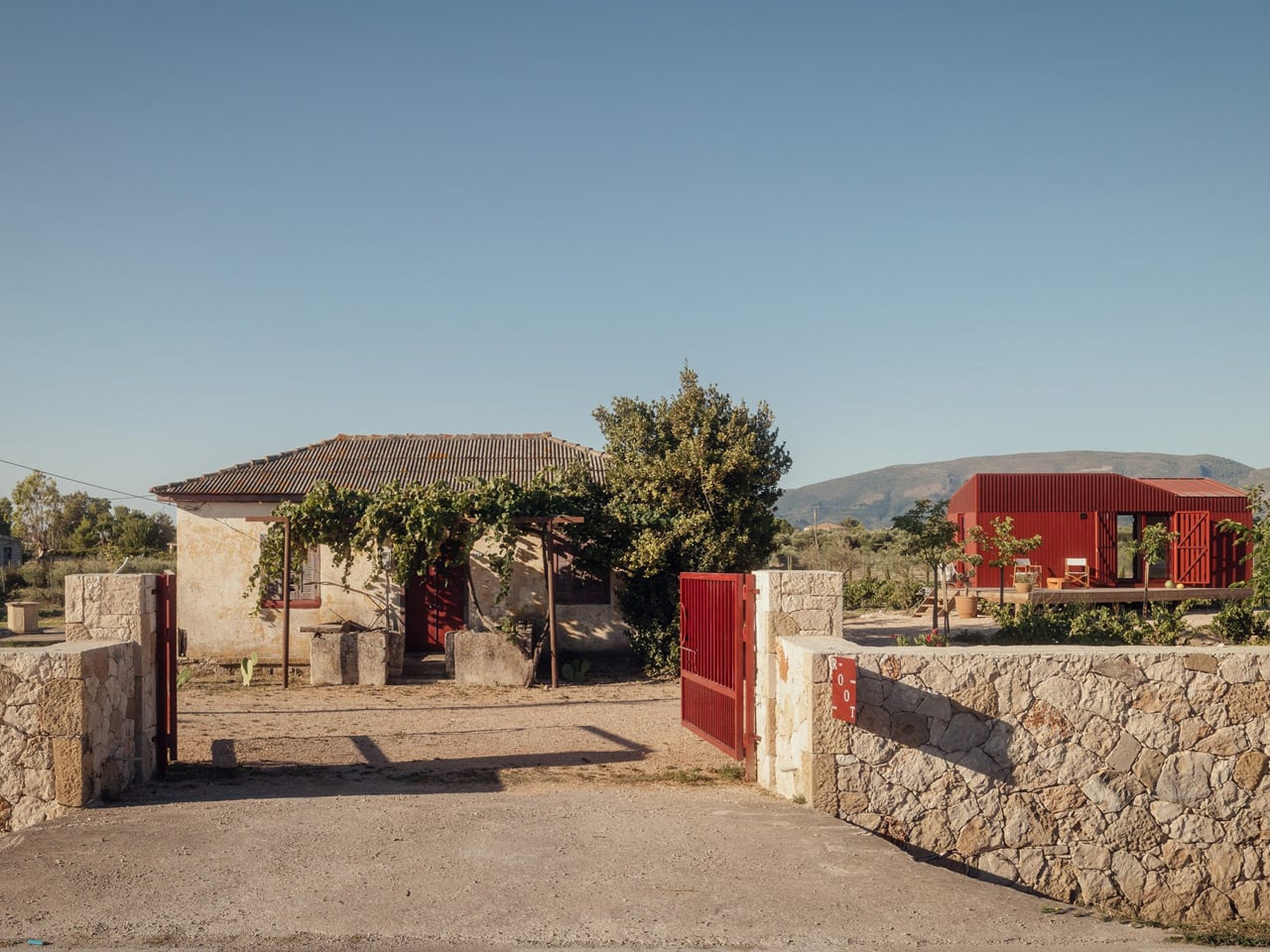
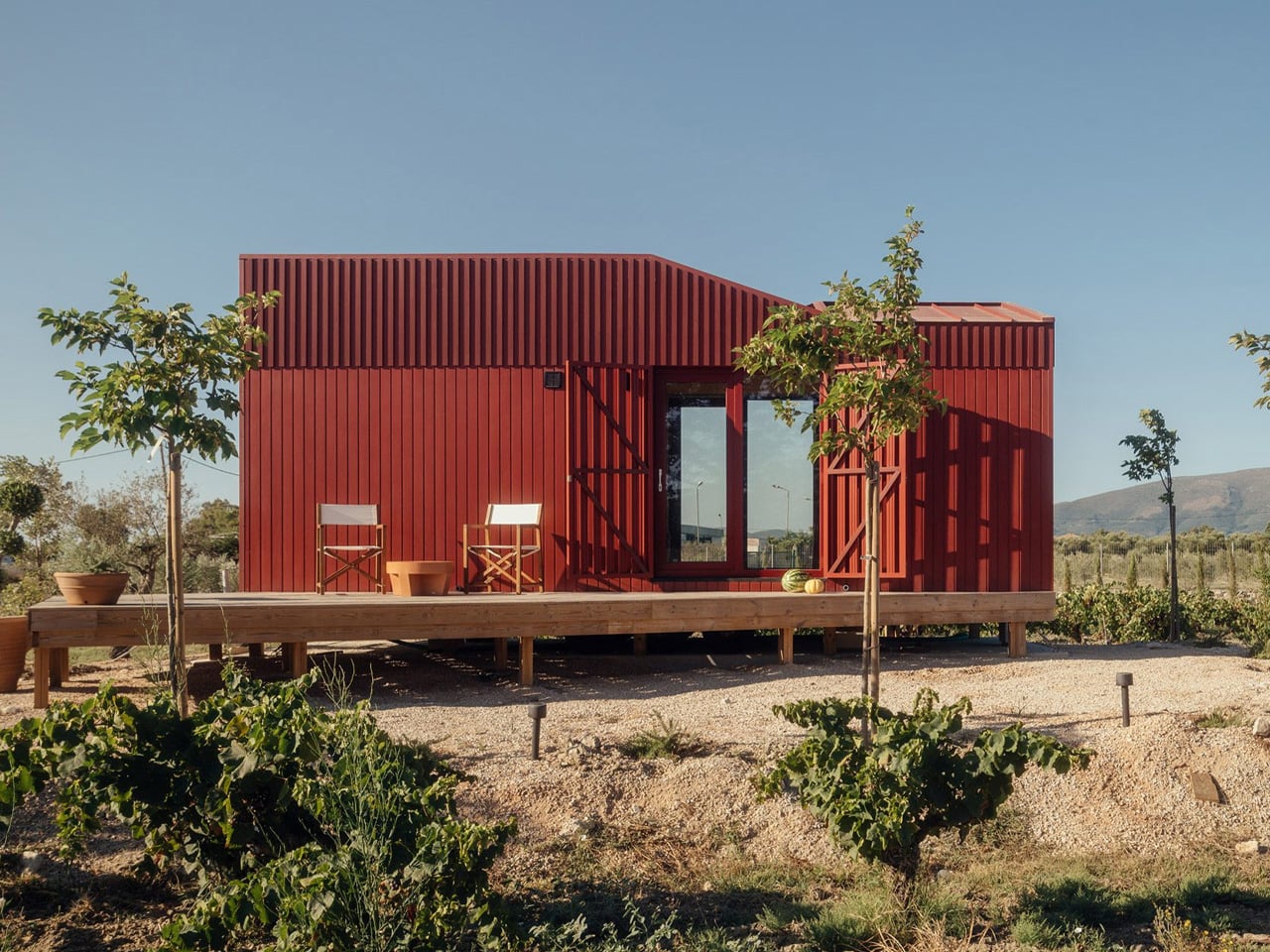
Somewhere between the olive groves and vine rows of Zakynthos, a deep-red timber cabin sits quietly in the Greek countryside, and it’s one of the most considered small structures to come out of Europe this year. The Root Cabin, designed by London-based studio Kasawoo, is a 20-square-metre prefabricated retreat that challenges the very idea of what a holiday home in Greece should look like.

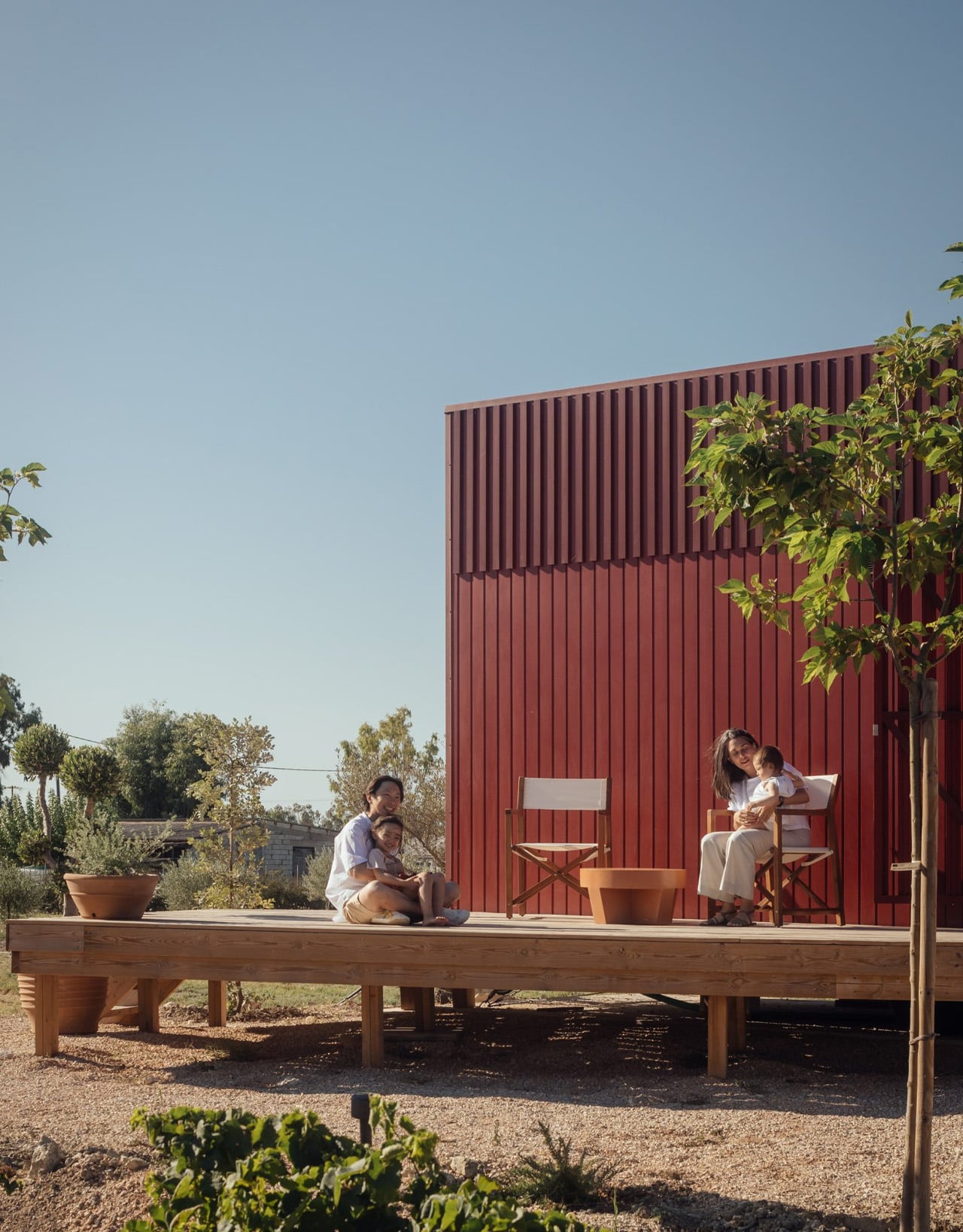
The project is personal. Co-founder Katie Kasabalis owns the land in the village of Vanato, a site that has been in her family for decades and still holds the ruins of her grandmother’s old stone house. Together with co-founder Darius Woo, she set out to build something that felt of the place rather than imposed on it. The result sits at just 2.5 by 8 metres, slipping gently between rows of vines without disrupting the agricultural and historical fabric of the land.

Designer: Kasawoo
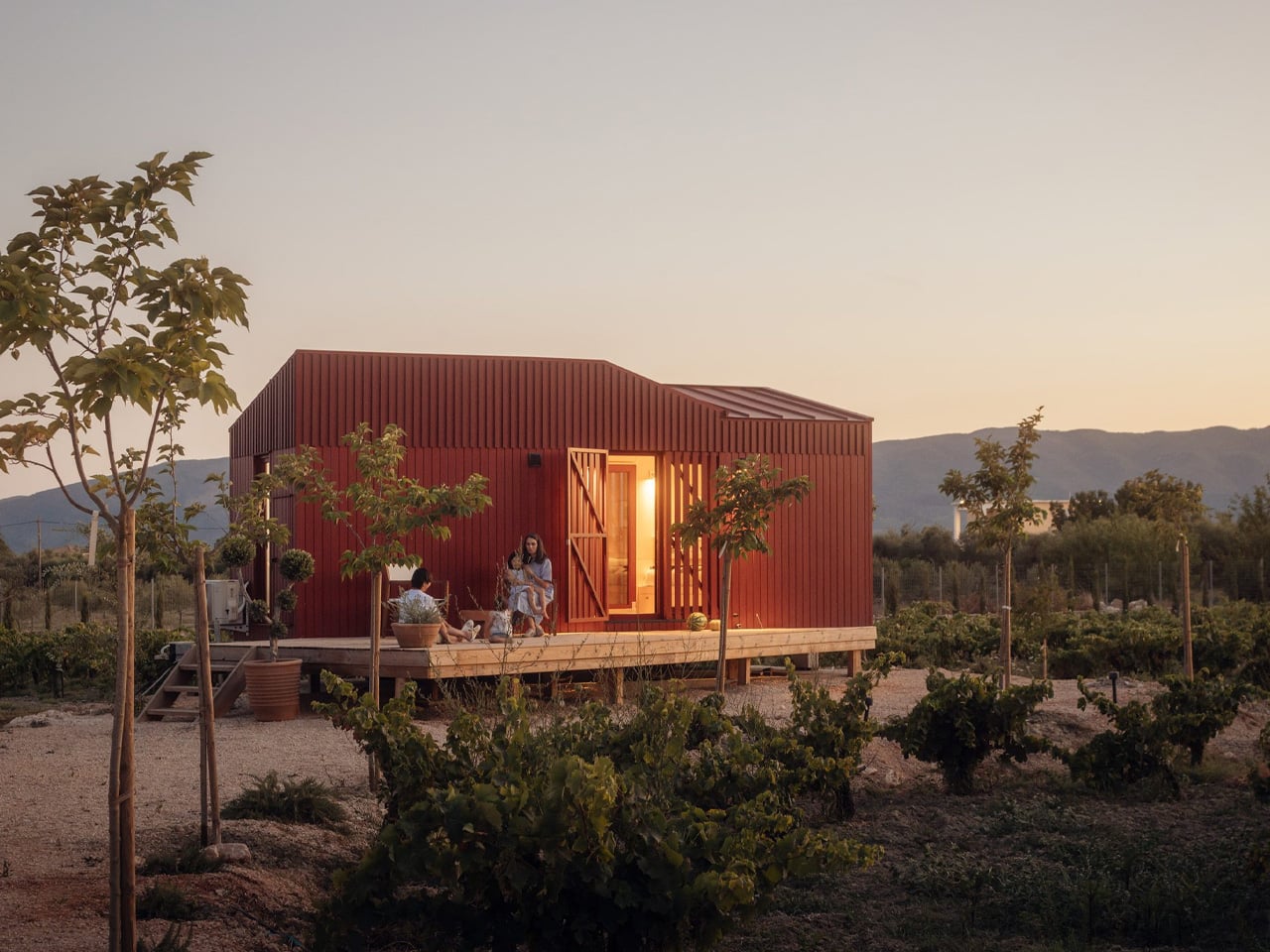
Built off-site in Romania and transported to Zakynthos fully prefabricated, the cabin is road-legal and designed to be relocatable, a detail that speaks directly to its low-intervention philosophy. “Nothing is superfluous,” the architects told Dezeen. “The project’s generosity lies in what it refuses to add.” In a part of Greece where sprawling concrete villas are accelerating across the countryside, that kind of restraint is quietly radical.

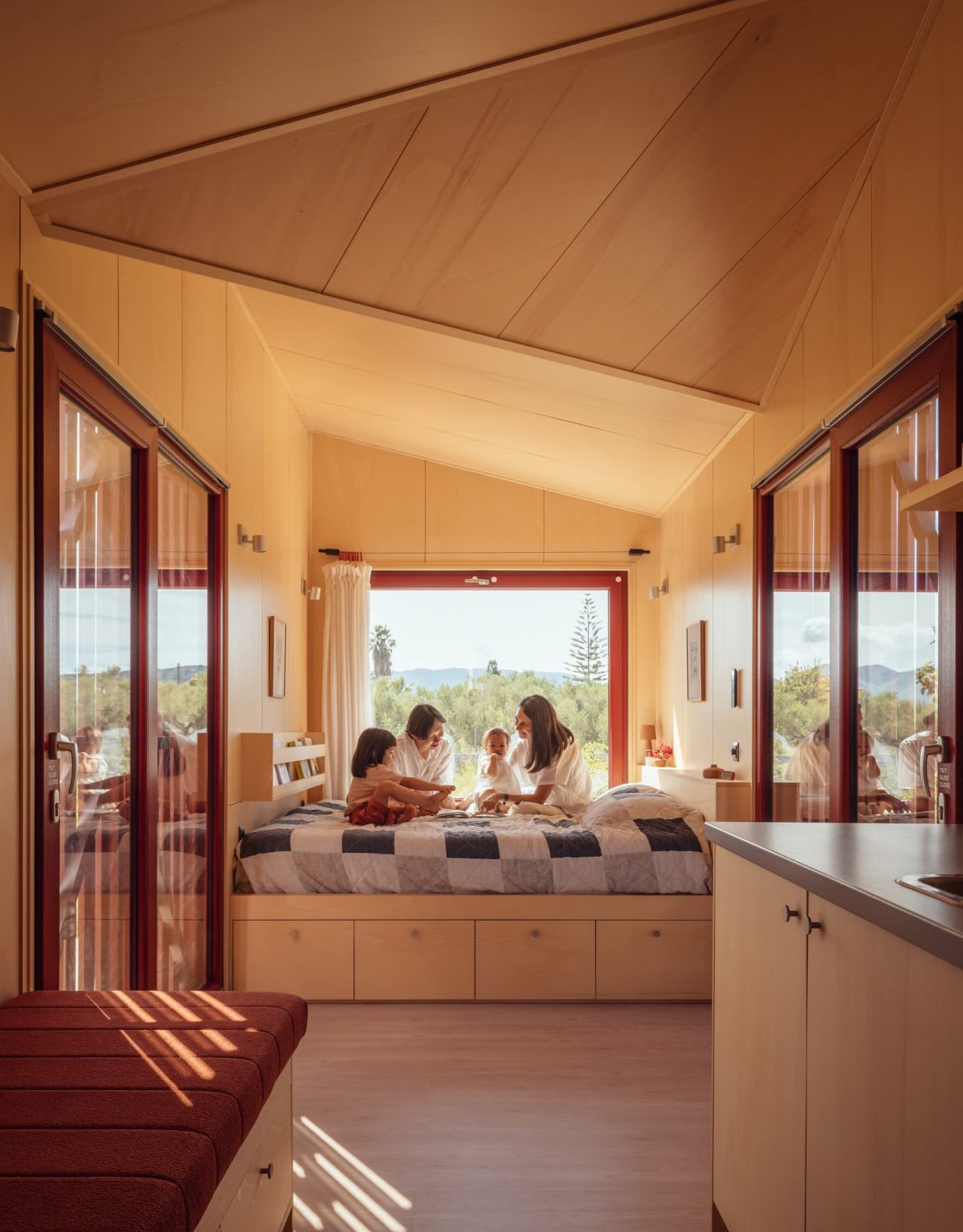
The exterior is wrapped in deep-red timber planks, a shade drawn from the historic villas of Zakynthos, and topped with a gently angled roofline that echoes the island’s mountainous horizon. It’s a structure that has absorbed its context rather than competed with it. Inside, the atmosphere shifts to something warmer and more immediate. Plywood lines the walls, ceilings, and all built-in furniture, creating a near-seamless, cocoon-like interior in which a bed, compact kitchen, sofa, and bookshelves are integrated into the structure.
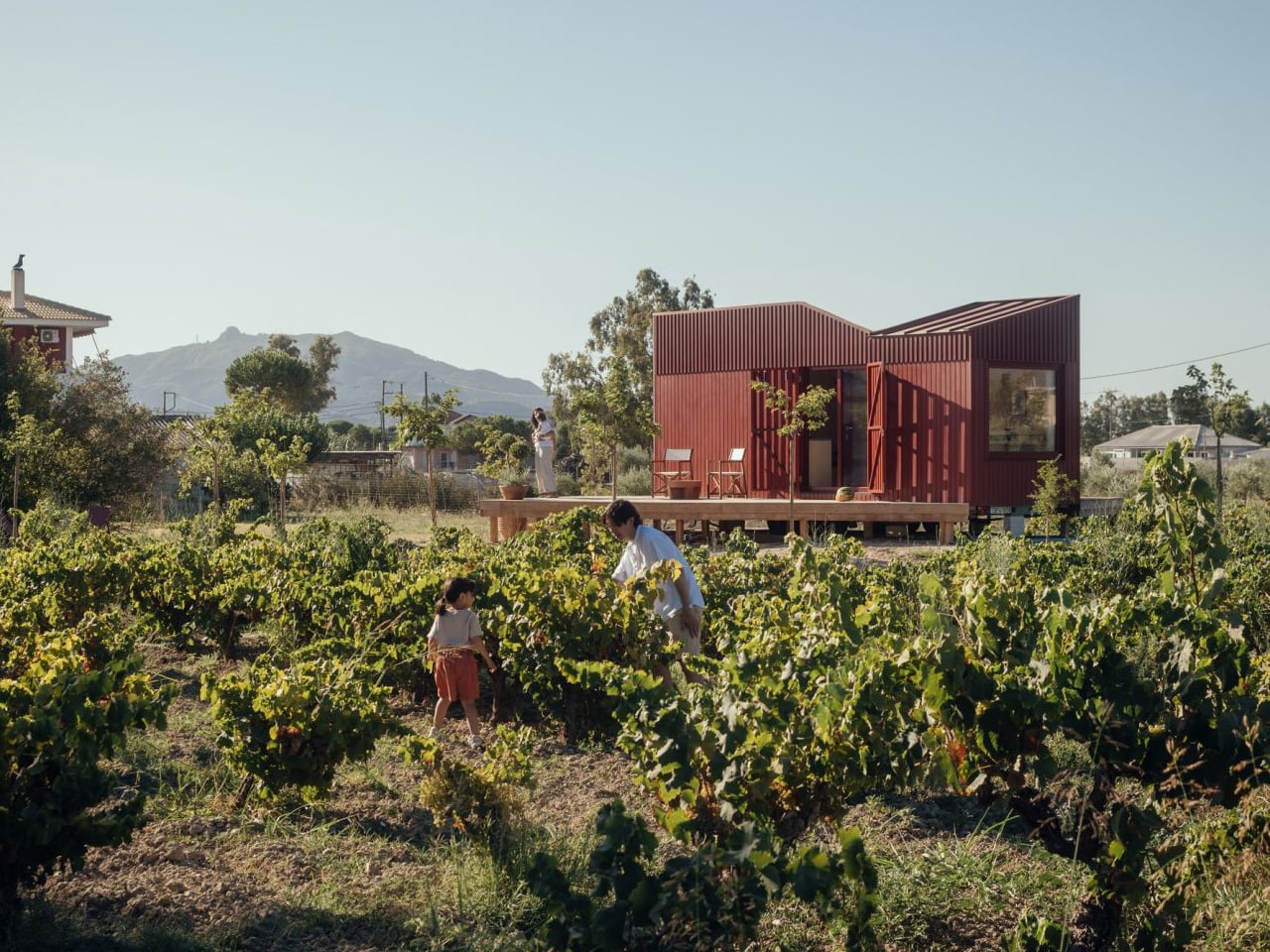
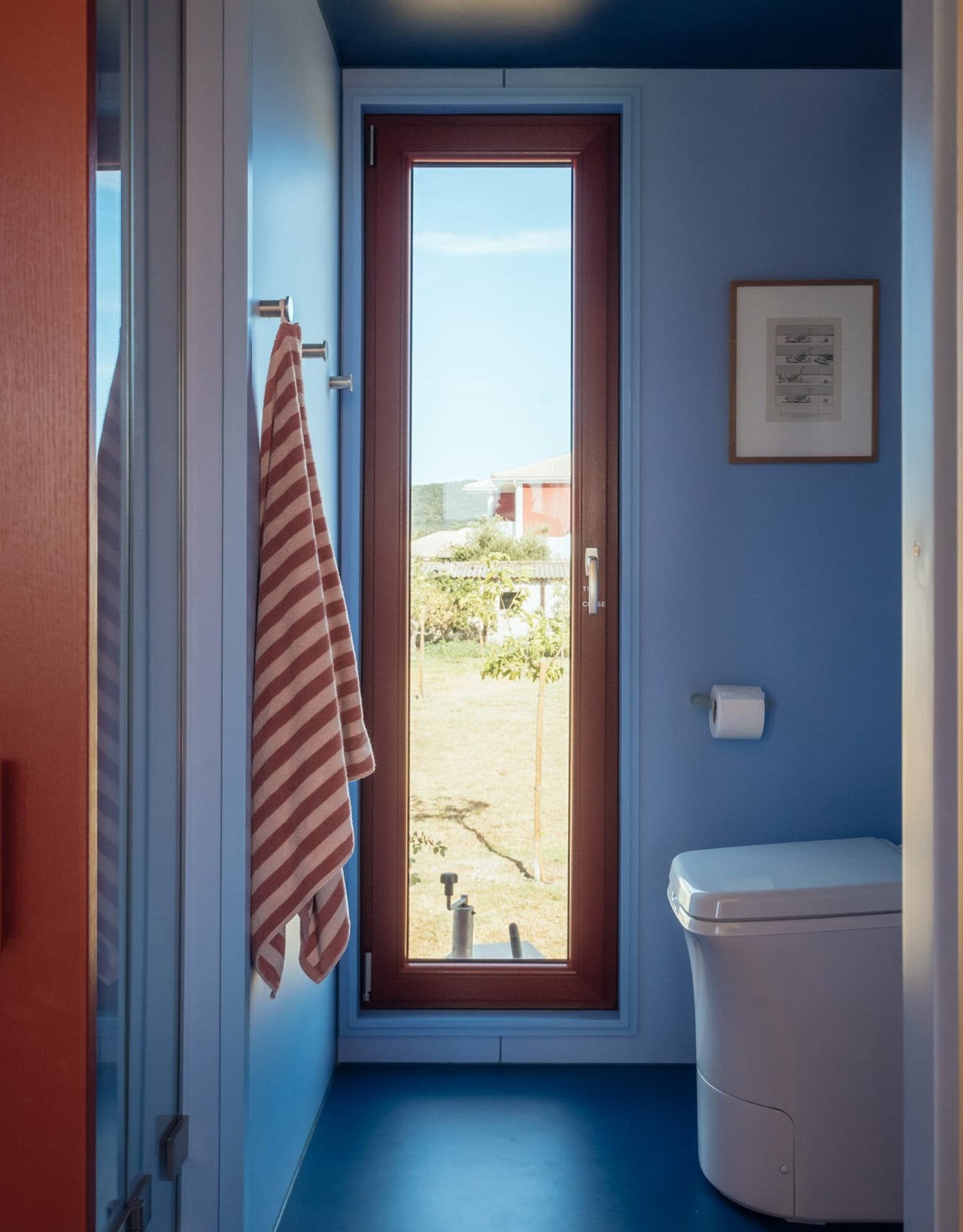
The layout places the bedroom and bathroom at opposite ends, with a central living space defined by large sliding glass doors that open directly onto the landscape. Red details carry through from the exterior, while the bathroom shifts to soft blue tones, a quiet nod to the Ionian Sea nearby. Objects sourced from Greek makers, including ceramics and textiles, add another layer of local grounding to a space that already feels deeply rooted.

Passive ventilation and operable openings allow the cabin to function off-grid, reinforcing what Kasawoo describes as a “different kind of luxury,” one that measures itself not by square footage or spectacle, but by the quality of what’s been left out.
The post This Architect Built a 20m² Red Cabin on Her Family’s Greek Vineyard — and It’s the Antidote to Every Concrete Villa on the Island first appeared on Yanko Design.


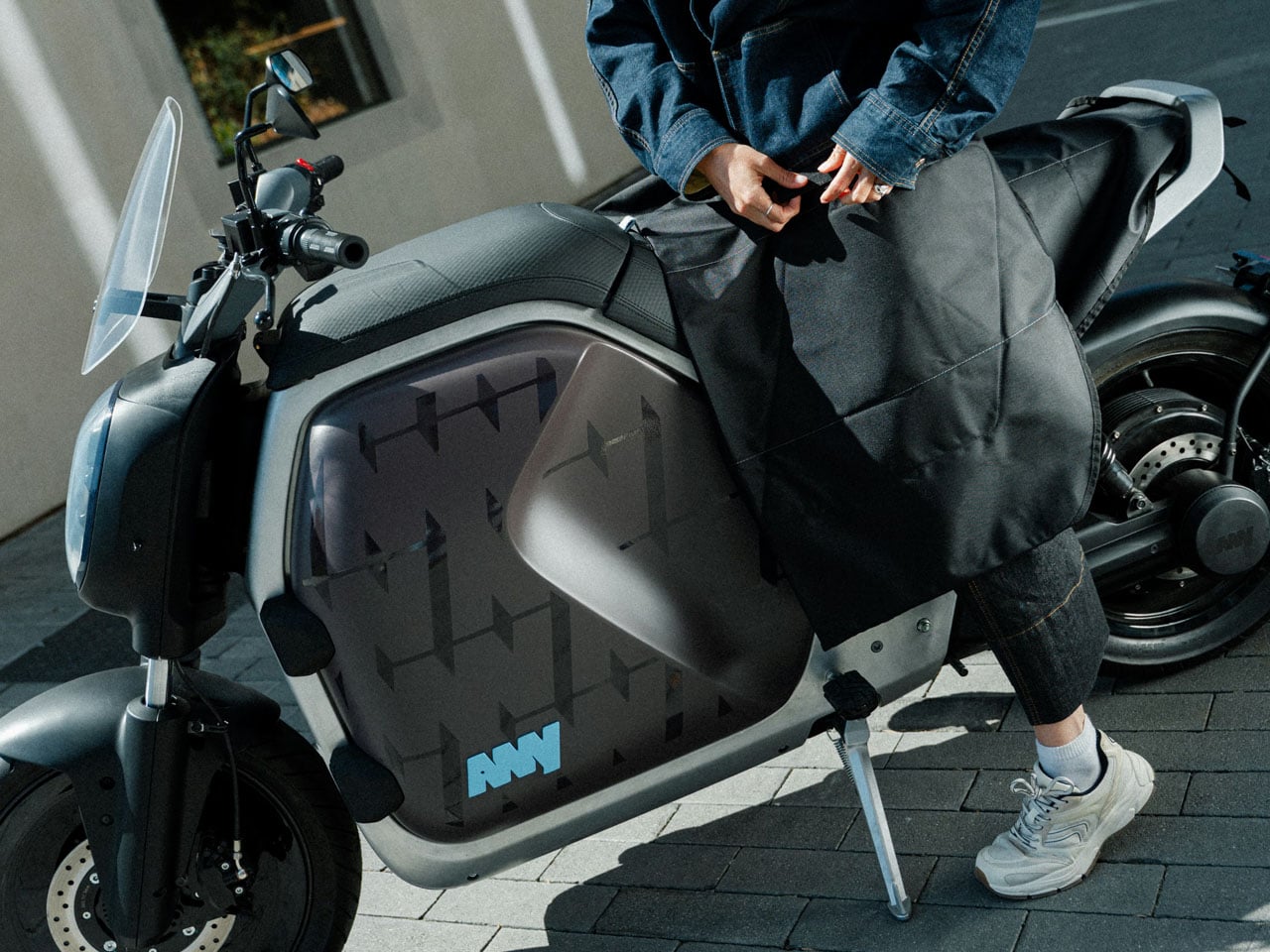
LUV1 modular bike replaces your car for daily errands with 120L storage and swappable batteries

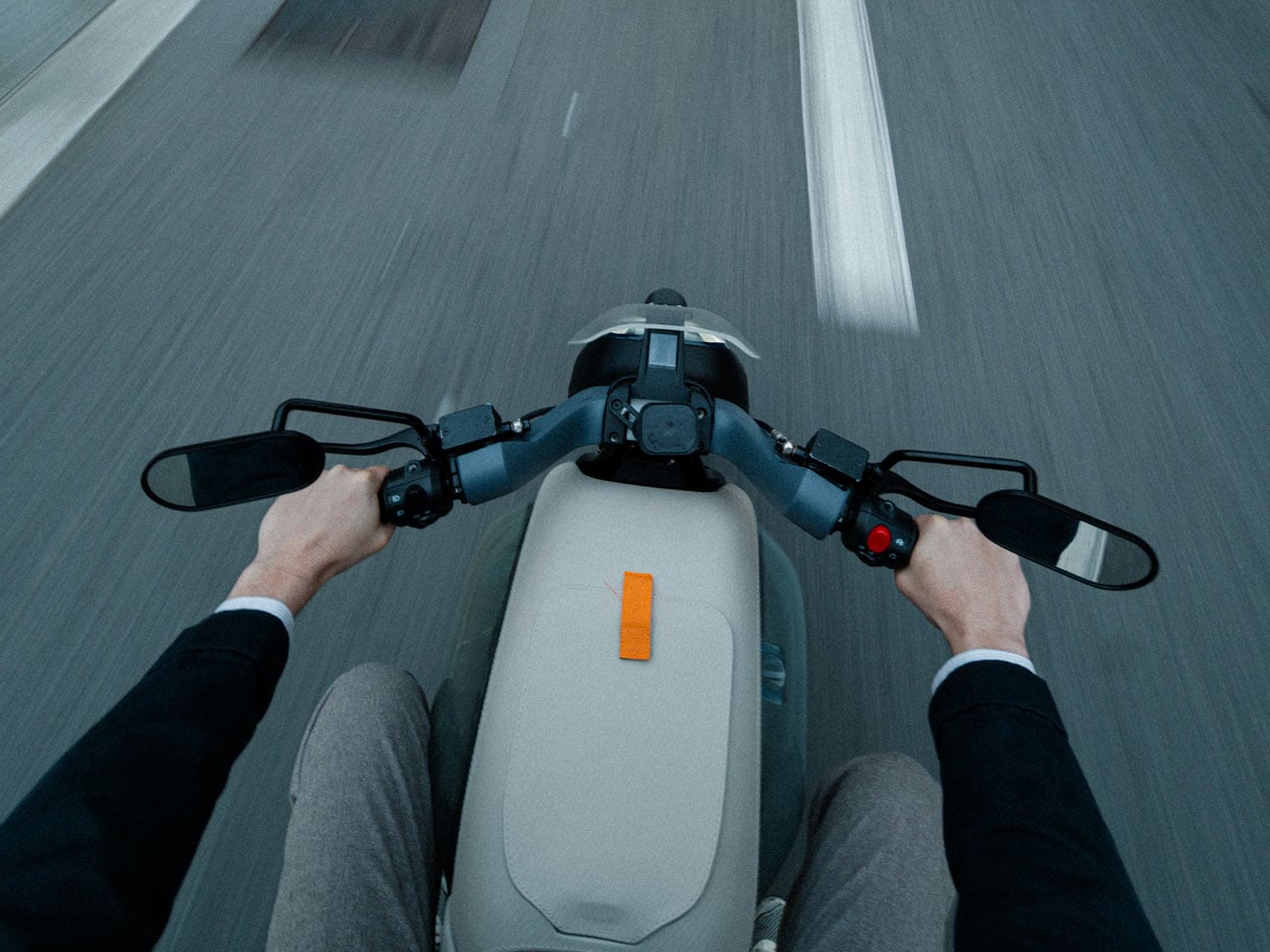
Most electric motorcycles still behave like motorcycles first and utility machines second. They chase performance numbers, oversized displays, or aggressive styling while ignoring a simple reality: most urban riders just want something practical enough to replace short car trips. The ANY LUV1 approaches the problem differently. Instead of behaving like a sportbike with batteries attached, it feels more like a compact urban tool designed around everyday life.

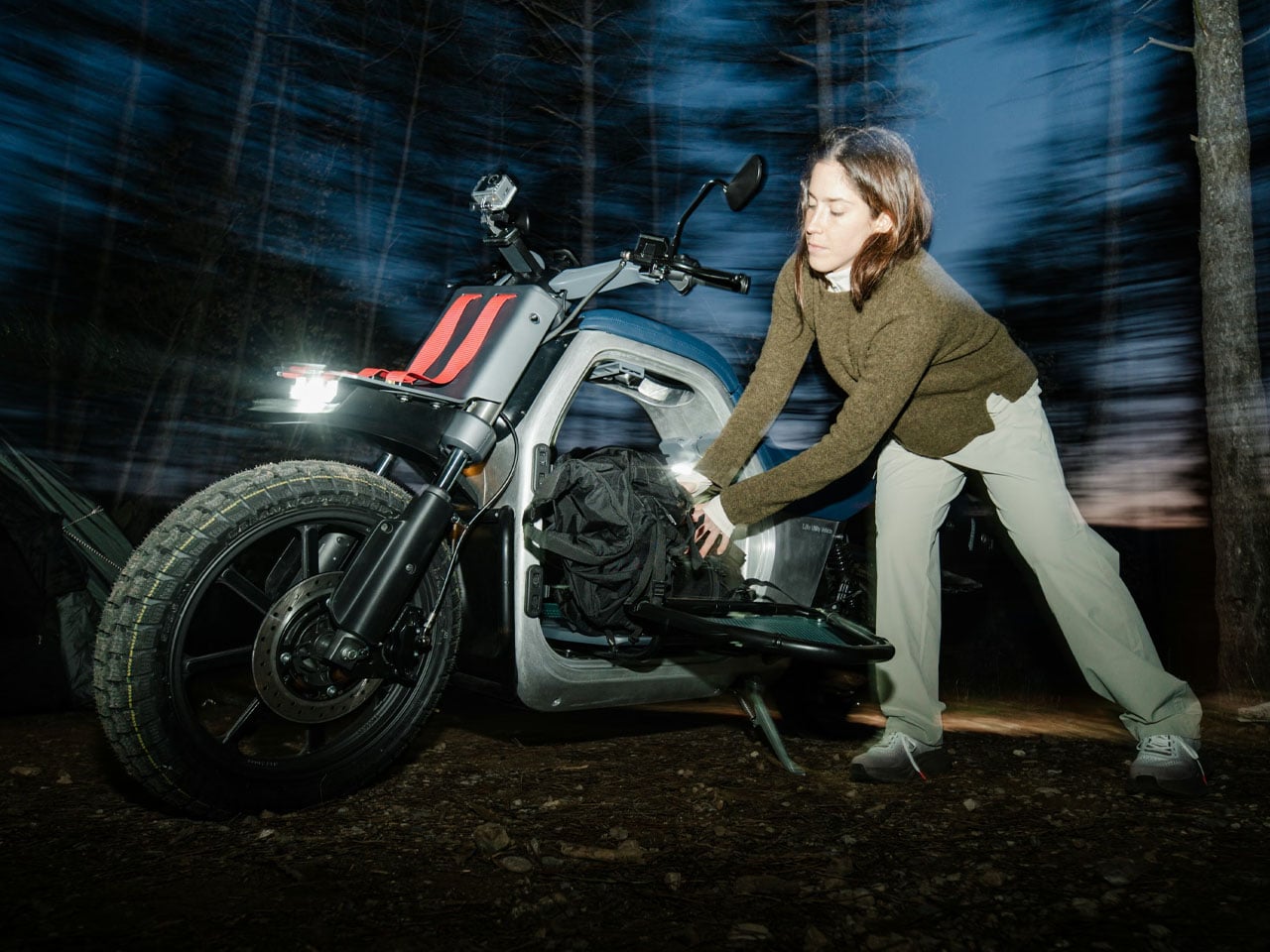
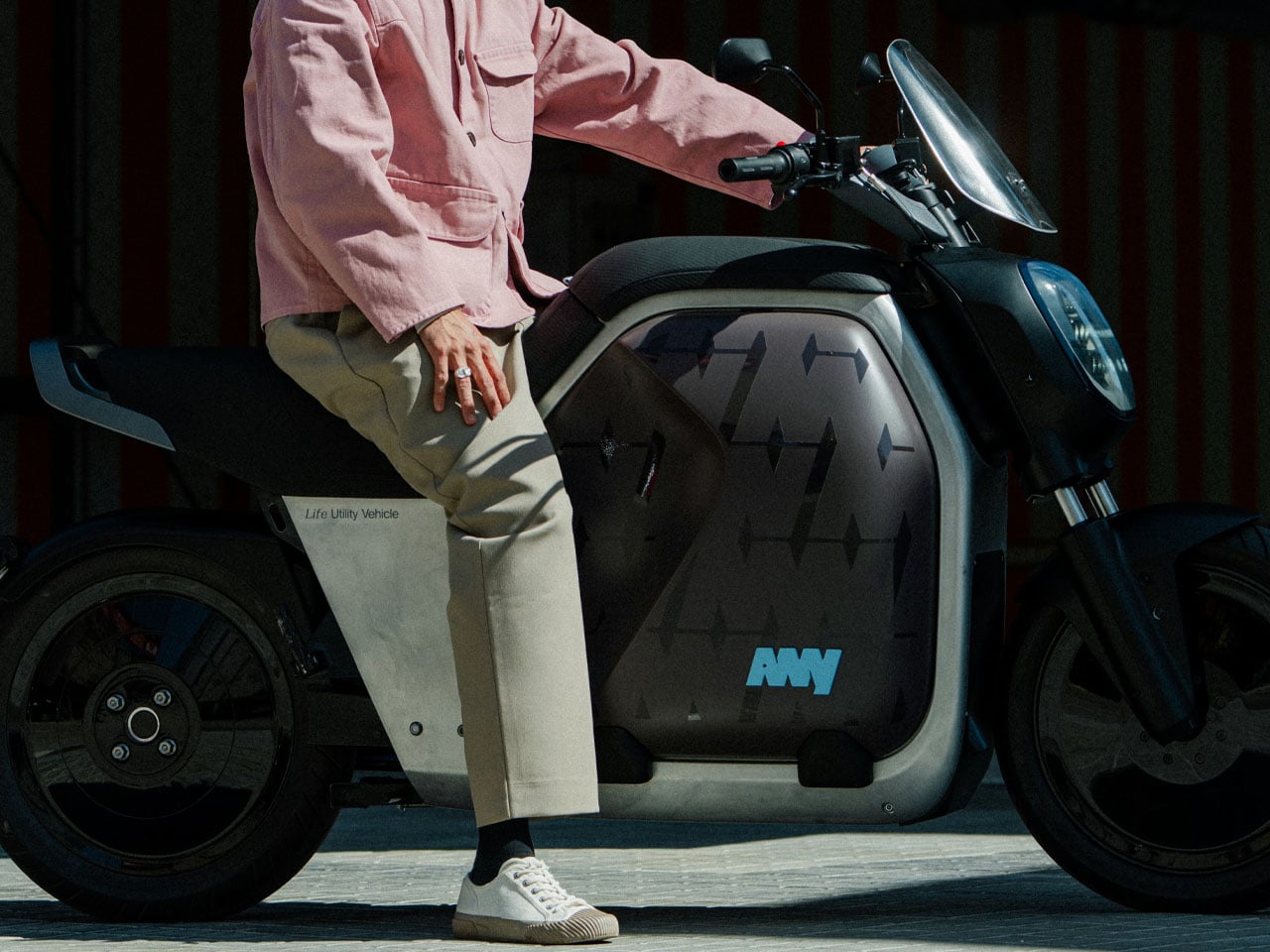
Created by Belgian startup ANY Mobility, LUV1 is sandwiched somewhere between an electric scooter, cargo bike, and lightweight motorcycle. The company calls it a “Life Utility Vehicle,” and the name makes sense once you look beyond the styling. Nearly every part of the vehicle revolves around usability, whether that means carrying groceries, office gear, camera equipment, or handling the kind of short-distance errands people usually default to using a car for.

Designer: ANY Mobility

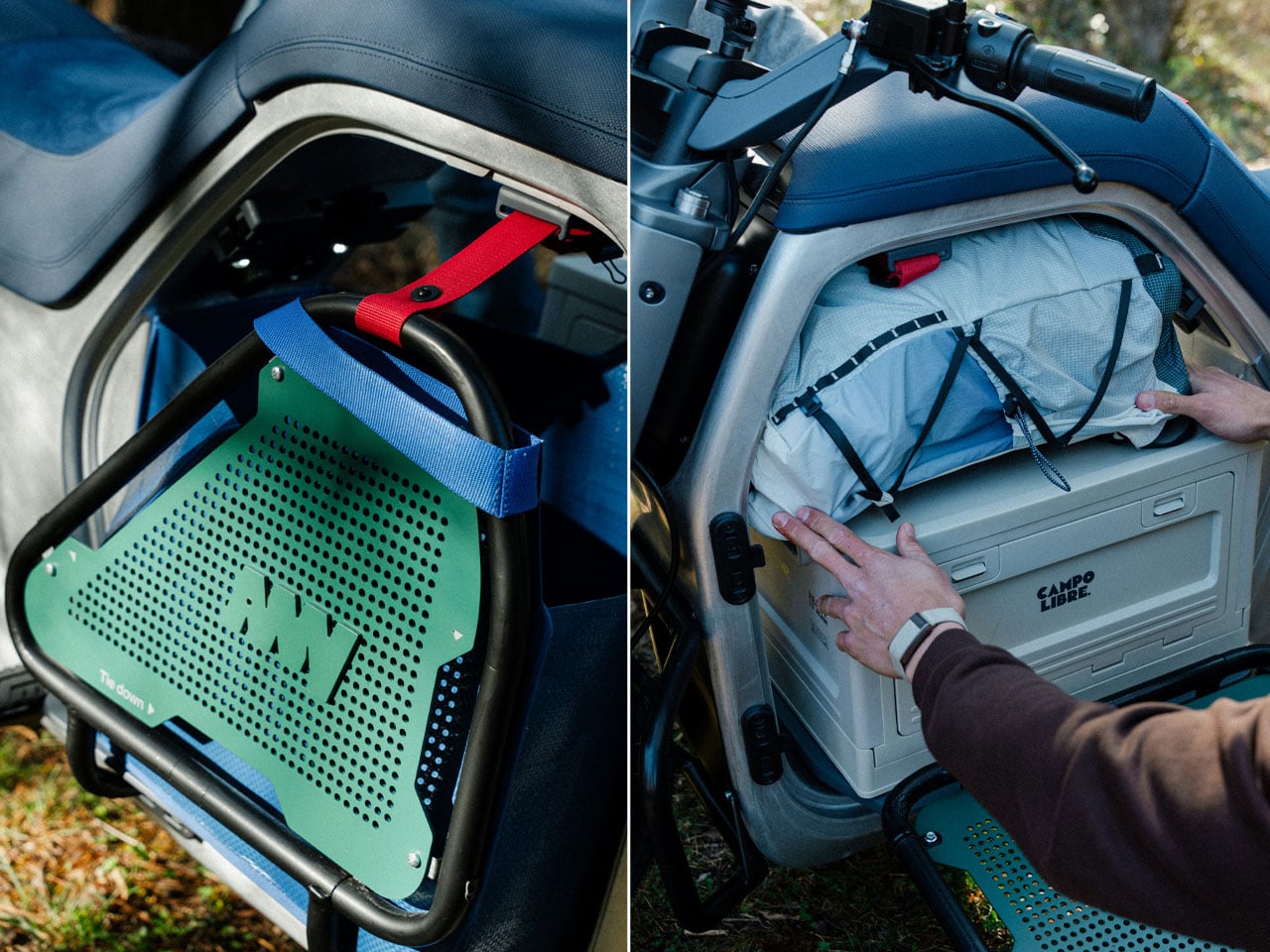
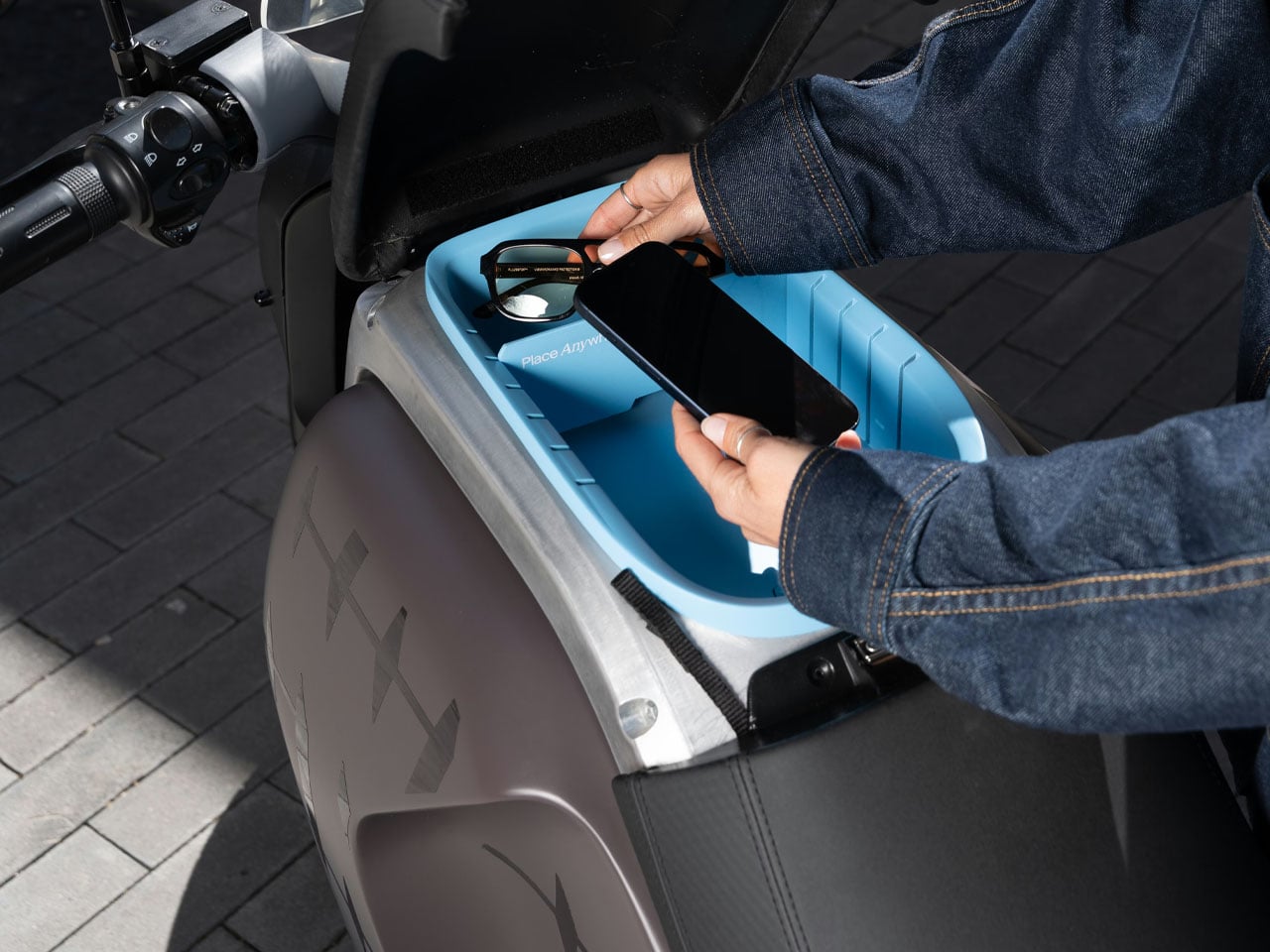
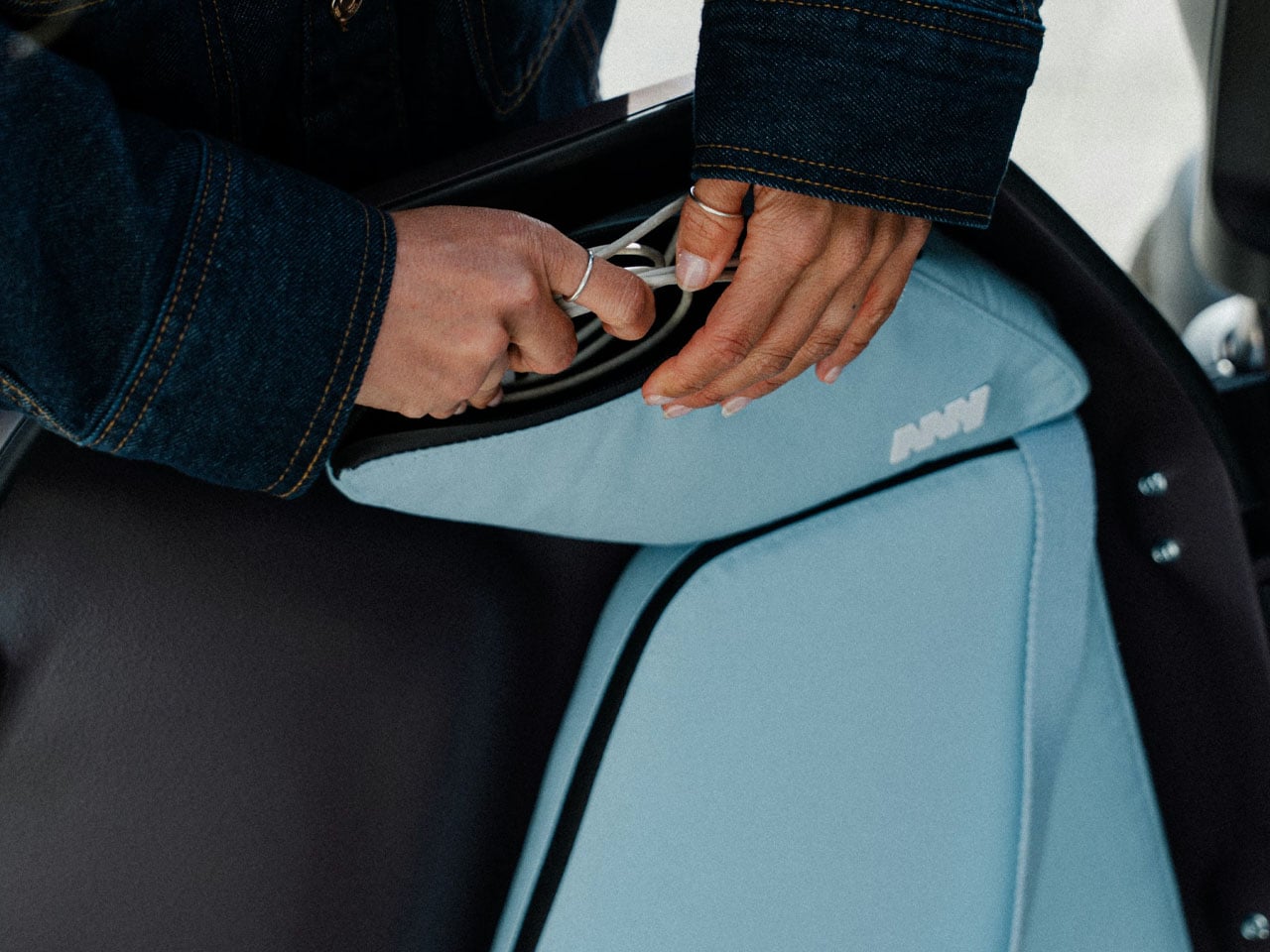
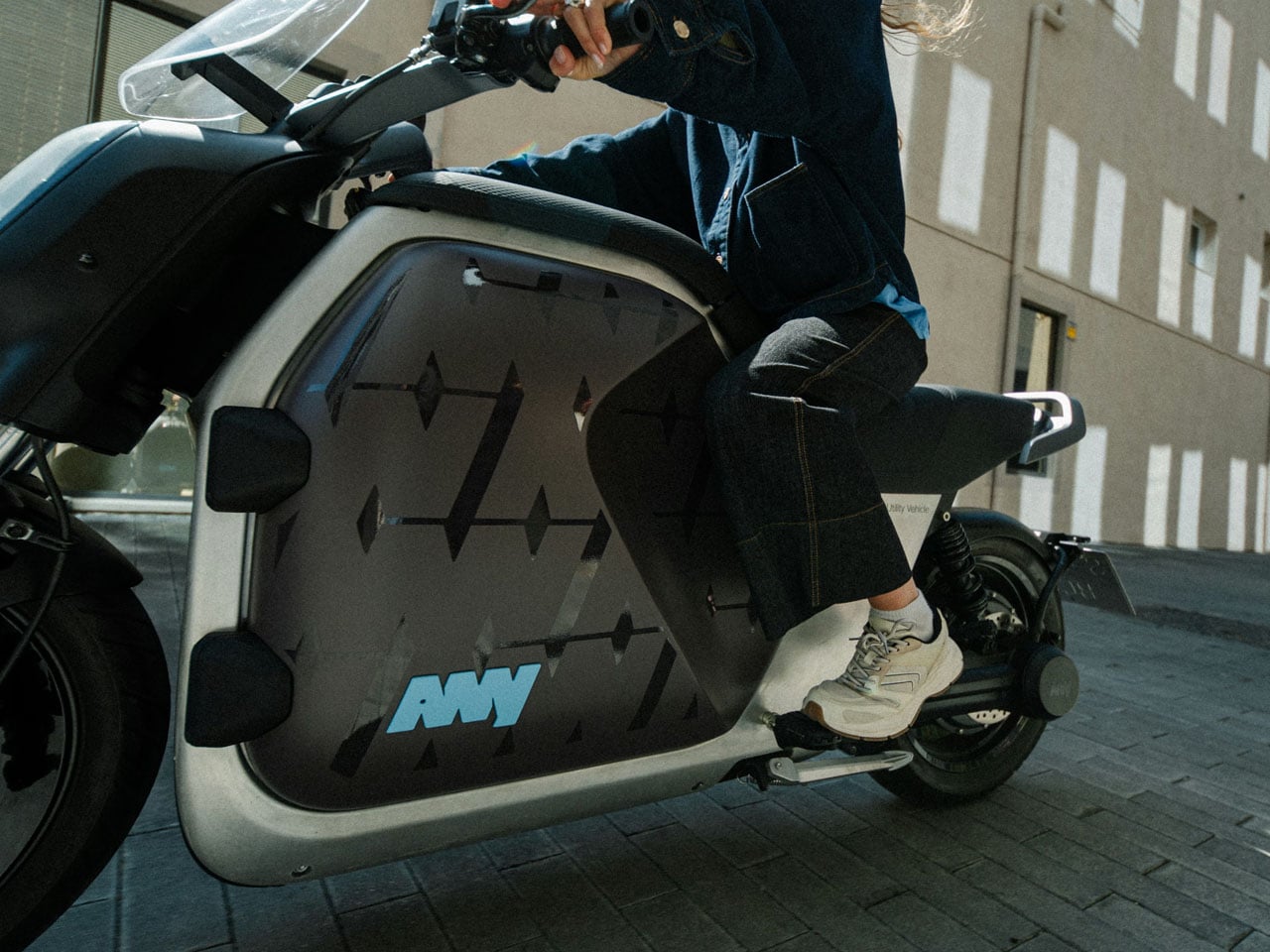
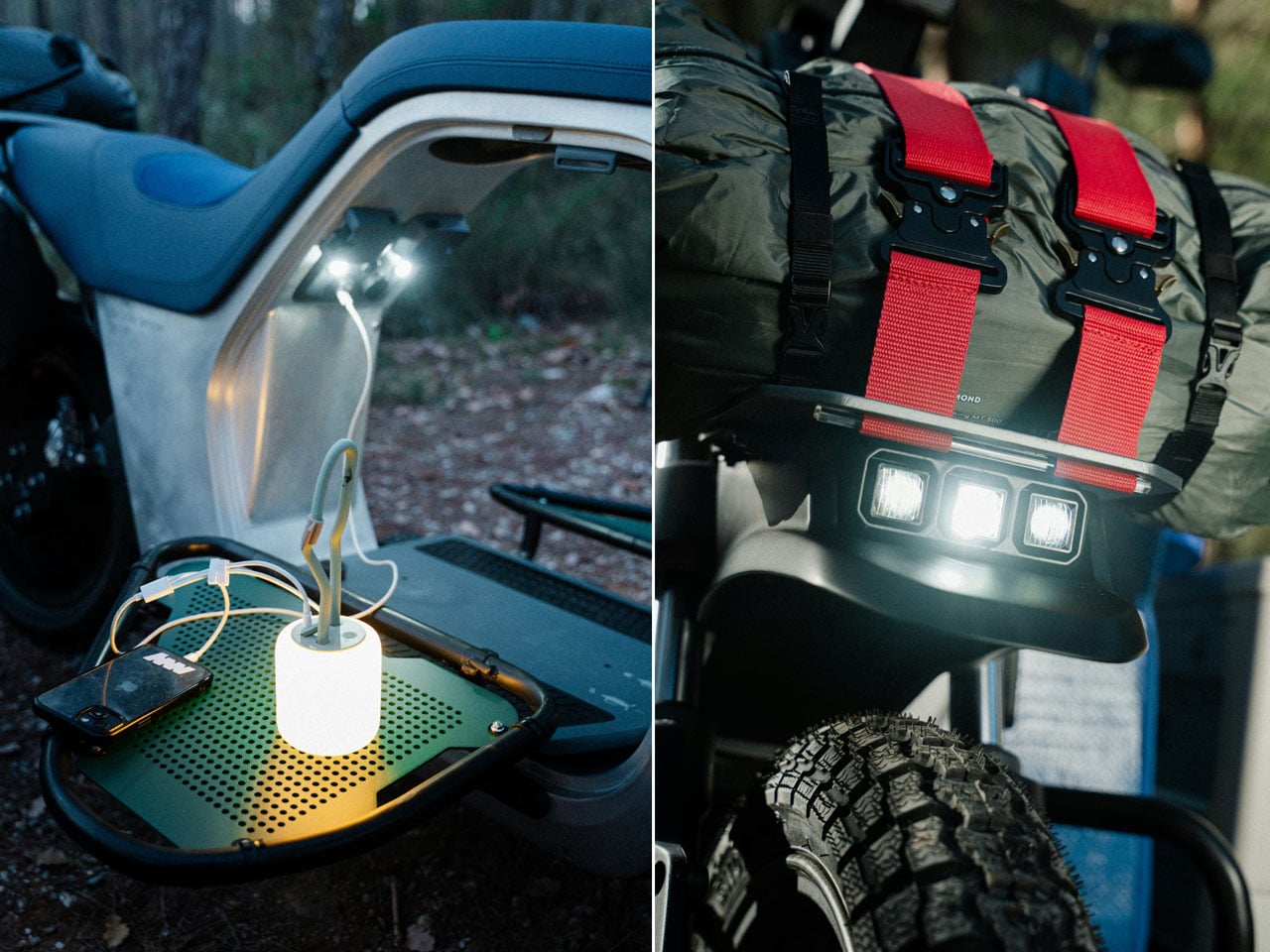
That practicality starts with its packaging. The integrated cargo compartment offers 120 liters of storage, which is significantly more useful than the tiny under-seat compartments found on most scooters. It is large enough to carry shopping bags, delivery equipment, or a backpack and helmet without forcing riders to strap everything externally. Front and rear cargo racks expand that flexibility further, while configurable dividers allow owners to organize storage depending on the task at hand.

The modular approach is where the concept becomes genuinely interesting. Instead of locking owners into one fixed setup, the LUV1 can be customized with interchangeable body panels, seating layouts, storage accessories, and optional weather protection. One configuration can prioritize cargo hauling during the week while another leans toward casual commuting on weekends. It follows the same logic that made modular furniture and adaptable workspaces appealing: people increasingly want products that evolve with their routines rather than forcing routines around the product.

Visually, the bike avoids the exaggerated “future mobility” look many startups lean on. The clean bodywork and restrained surfacing come from Granstudio, the Italian design firm led by former Pininfarina design director Lowie Vermeersch. That design pedigree shows in the proportions and detailing. Even functional components like the storage compartments and structural frame feel integrated into the design rather than added as an afterthought.

Underneath the bodywork sits a modular aluminum chassis produced using high-pressure die-casting, a manufacturing method more commonly associated with larger automotive companies. The setup helps reduce complexity while providing the platform with enough flexibility to support various accessories and future configurations. Power comes from an 11 kW rear hub motor paired with dual swappable lithium-ion battery packs totaling 6.5 kWh. ANY Mobility claims a range of 68 to 87 miles, depending on use, while the top speed is rated at 62 mph, making the bike suitable for both dense city streets and suburban commuting. Charging the batteries through a standard 220V outlet reportedly takes under four hours.

The LUV1 also keeps accessibility in mind. It weighs around 352 pounds and features a relatively approachable 30.9-inch seat height, making low-speed maneuvering less intimidating for newer riders and shorter commuters alike. According to reports, the company expects pricing to fall between €7,000 and €10,000 (approximately $8,150 – $11,600) depending on configuration, and reservations have already opened ahead of production plans.

What makes the ANY LUV1 stand out is not raw performance or futuristic gimmicks, but how realistically it understands modern urban mobility. Most people are not looking for an electric motorcycle to replace weekend entertainment. They are looking for something convenient enough to replace unnecessary car usage, and the LUV1 feels designed precisely around that idea.

The post LUV1 modular bike replaces your car for daily errands with 120L storage and swappable batteries first appeared on Yanko Design.
Samasung Galaxy Z TriFold 2 Leak: A 10-Inch Beast with a Built-In S Pen?

Samasung Galaxy Z TriFold 2 Leak: A 10-Inch Beast with a Built-In S Pen? Diagram of the S Pen housed within the hinge of the Galaxy Z Tri-Fold 2

The Samsung Galaxy Z Tri-Fold 2 has captured attention as a potential milestone in the evolution of foldable smartphone technology. With rumored features such as S Pen integration, the device aims to address limitations seen in earlier foldable models. However, conflicting leaks and significant design challenges raise questions about the practicality of these innovations. While […]

The post Samasung Galaxy Z TriFold 2 Leak: A 10-Inch Beast with a Built-In S Pen? appeared first on Geeky Gadgets.

Posted in Uncategorized

Claude 4.7 Opus vs ChatGPT 5.5 in 10-Task Head-to-Head

Claude 4.7 Opus vs ChatGPT 5.5 in 10-Task Head-to-Head Chart showing Claude outperforming GPT-5.5 in writing tasks

ChatGPT (GPT-5.5) and Claude (Claude 4.7 Opus) represent two advanced artificial intelligence systems designed to handle diverse tasks. In an analysis by Skill Leap AI, these models were evaluated across 10 practical scenarios, with Google Gemini acting as an independent benchmark. One notable observation revealed ChatGPT’s ability to excel in coding tasks, consistently producing clean, […]

The post Claude 4.7 Opus vs ChatGPT 5.5 in 10-Task Head-to-Head appeared first on Geeky Gadgets.

Posted in Uncategorized

Objects With Opinions: Ronen Kadushin’s Pieces

There are designers who make beautiful things, and then there are designers who make things that make you think. Ronen Kadushin belongs firmly in the second camp, and his latest collection, Pieces, is proof that a home accessory can be both genuinely useful and quietly subversive.

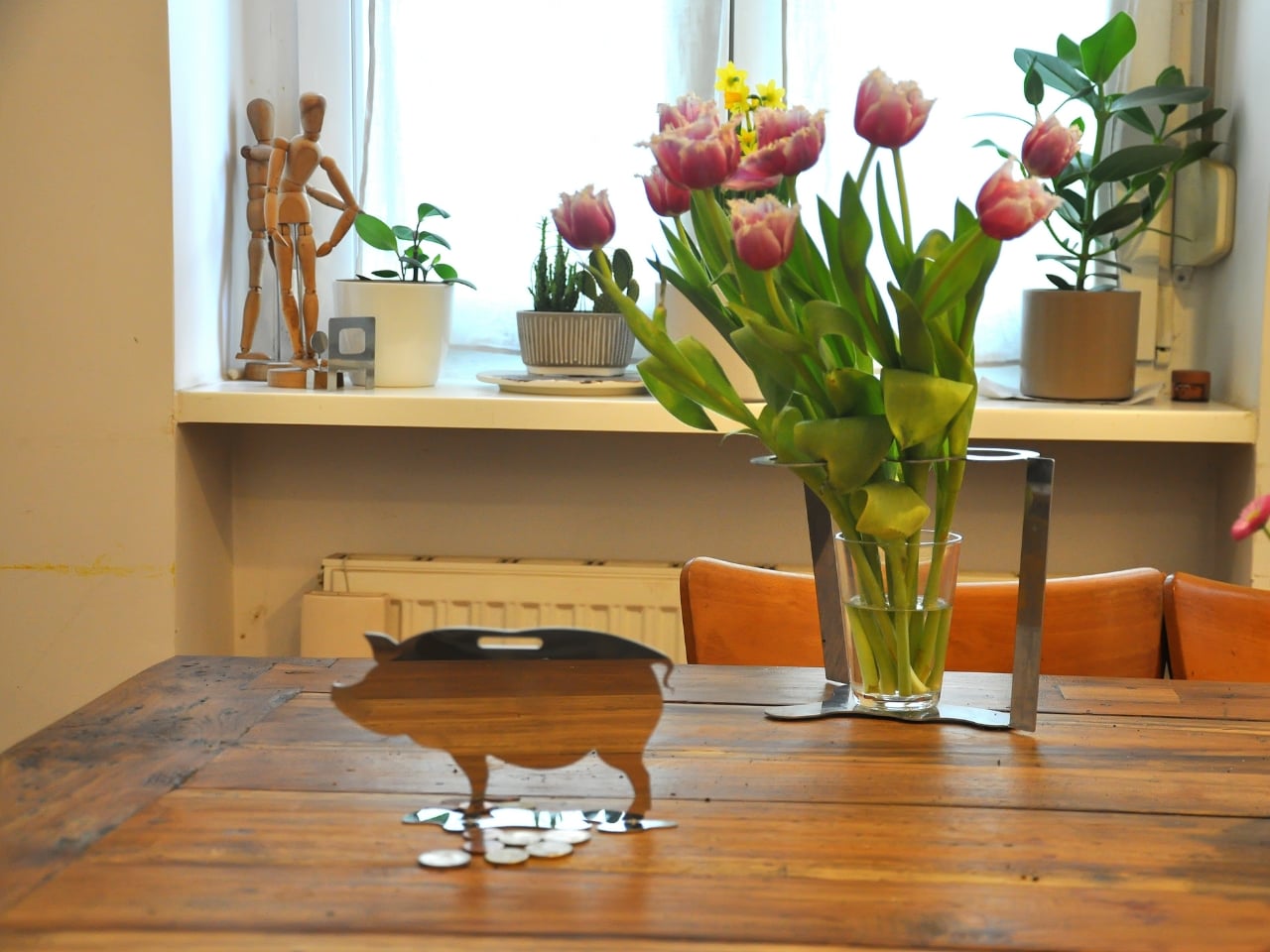
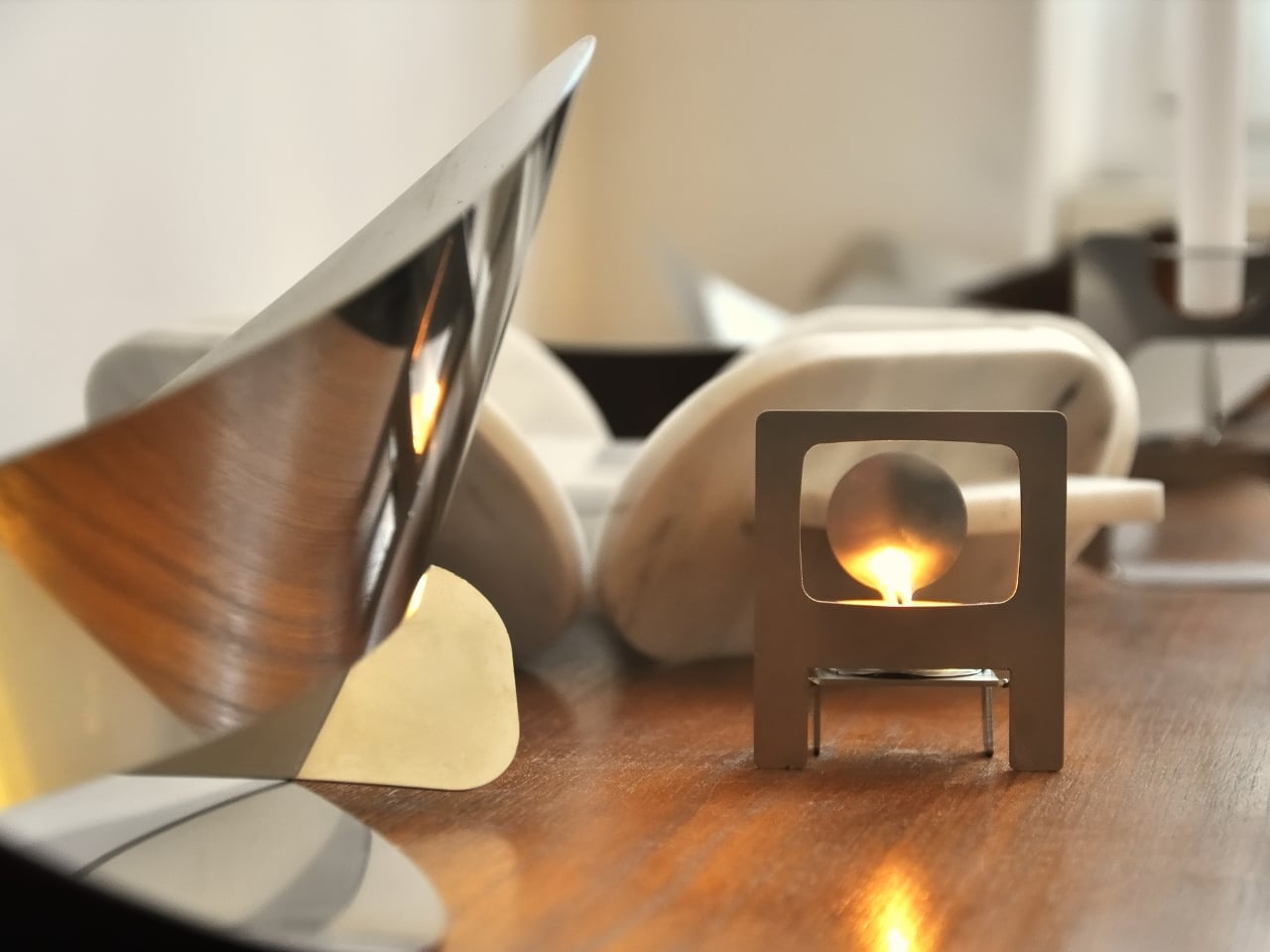
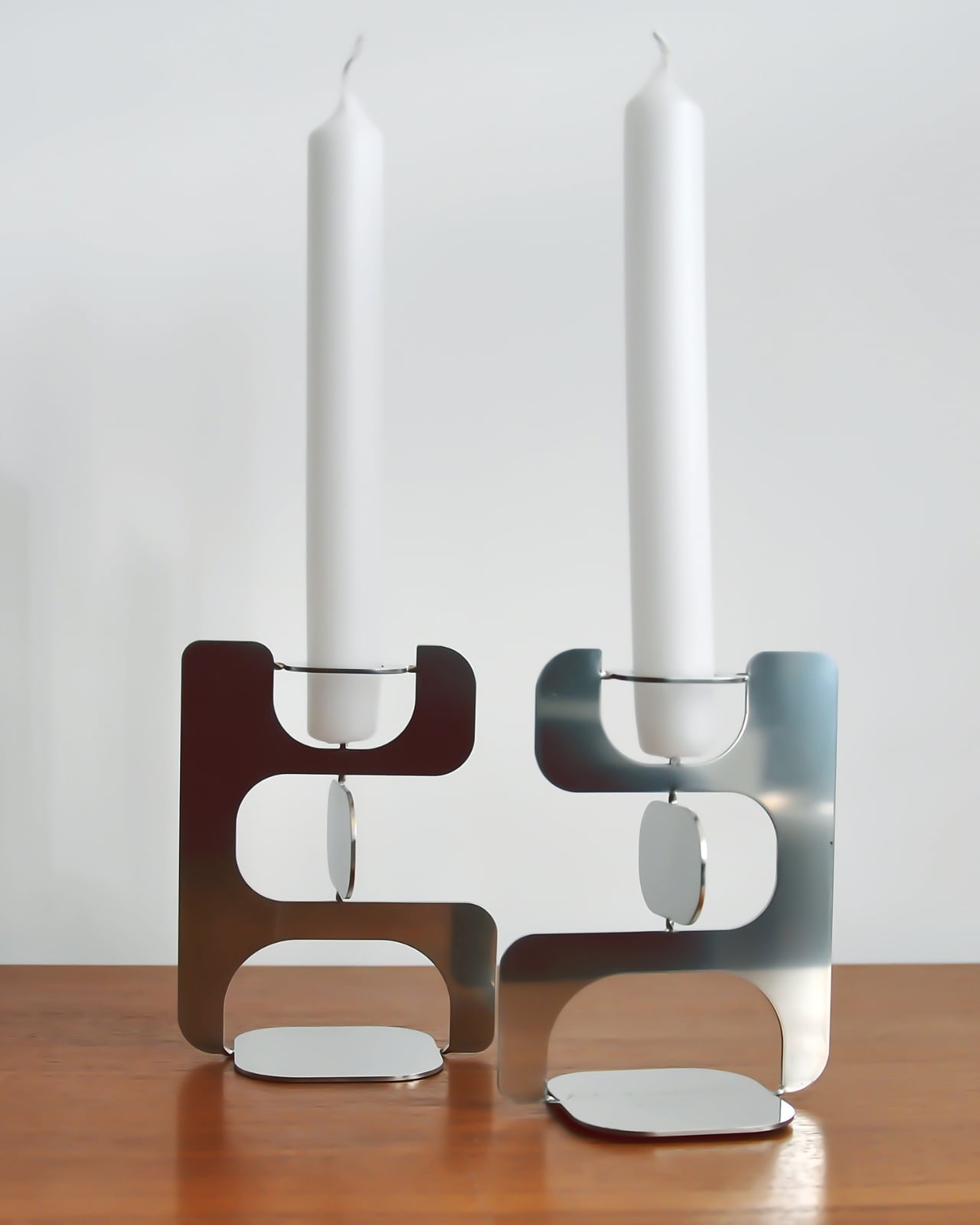
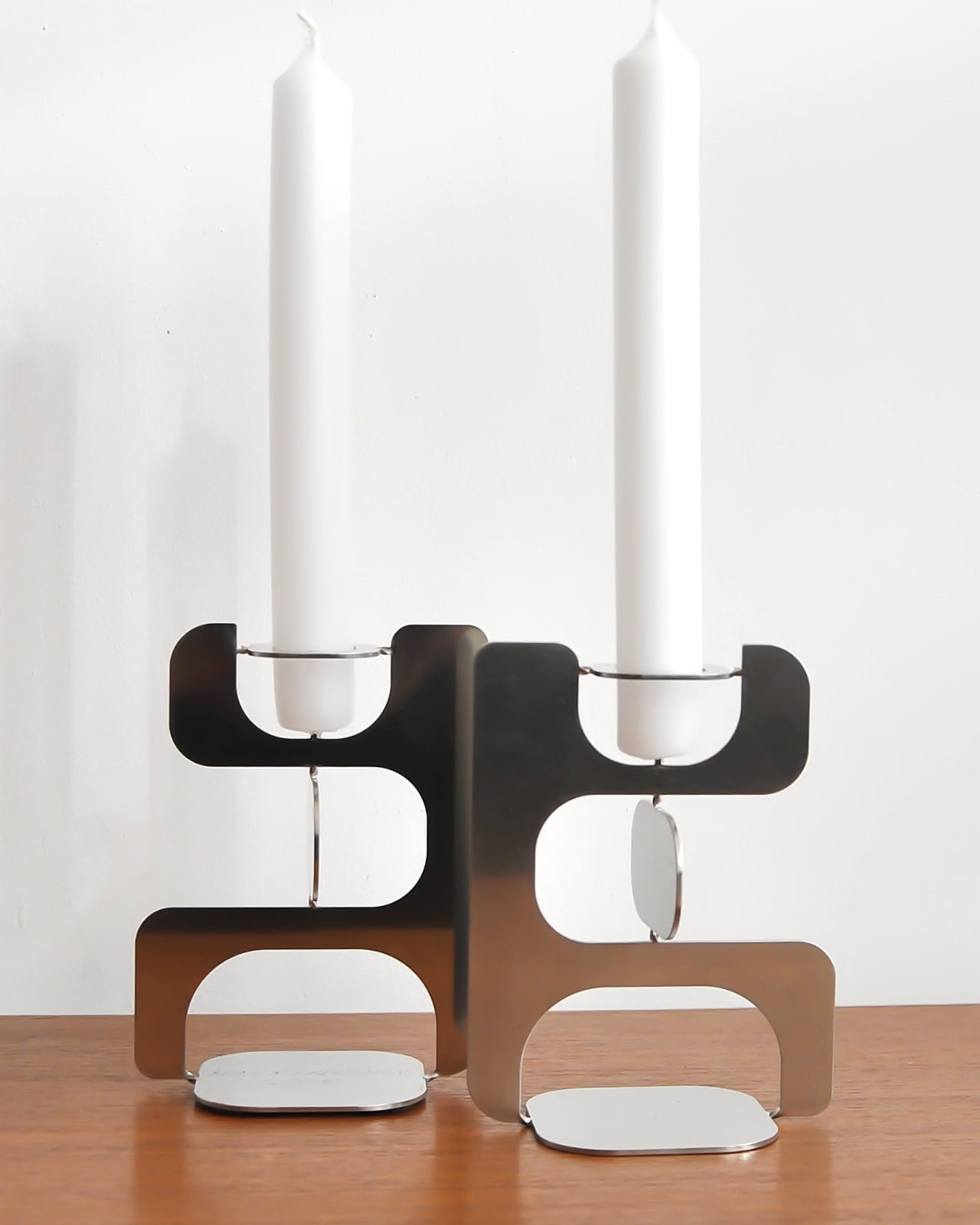
The collection consists of three objects: a candle holder called Echoes, a tealight holder called Reality TV, and a Piggybank. On paper, that sounds like a fairly ordinary lineup for a home accessories range. In practice, it’s anything but. The Pieces collection is an elegantly formed, humorously thought-provoking group of home accessories that highlight the tension between function and cultural narrative.

Designer: Ronen Kadushin

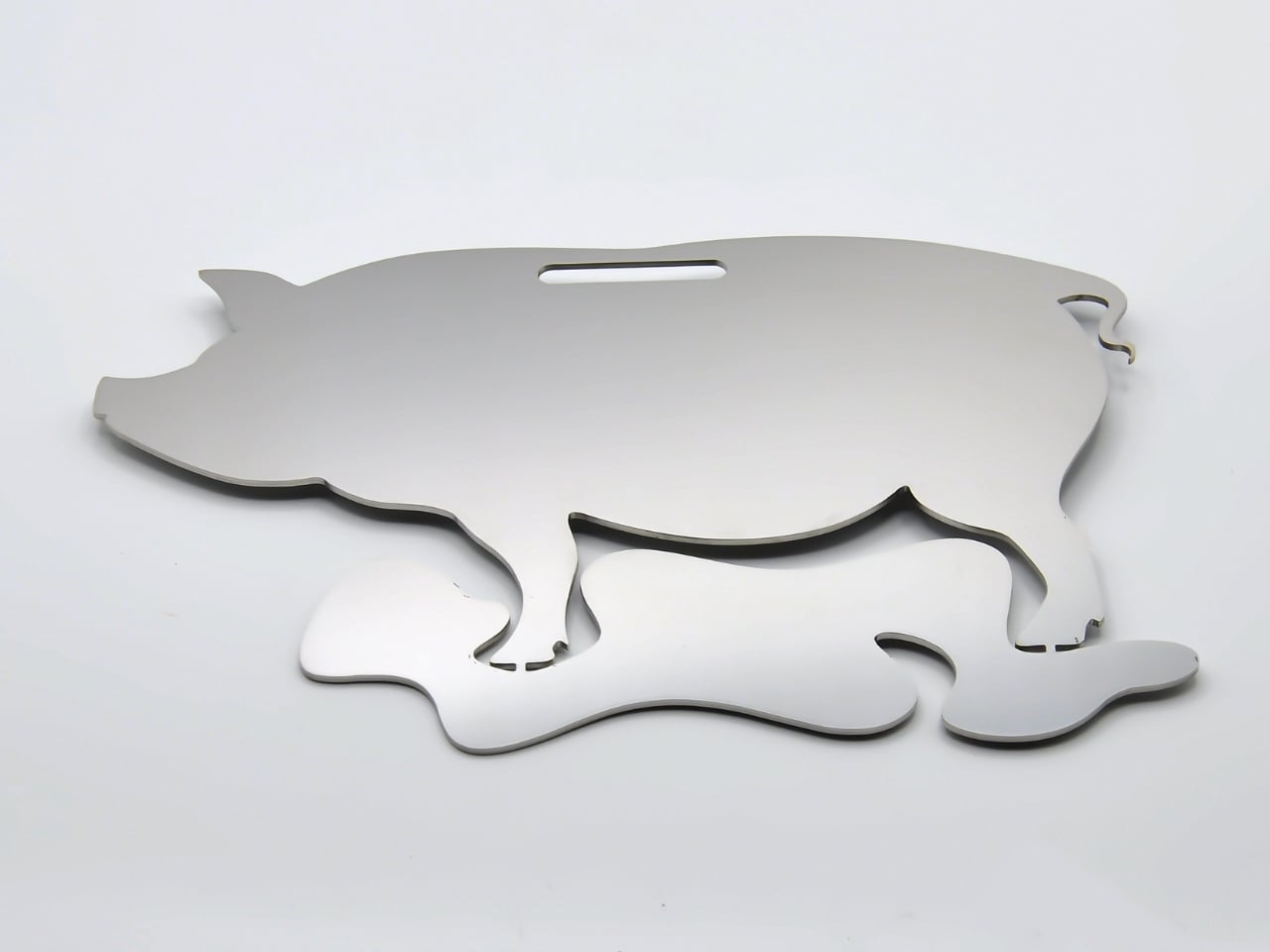
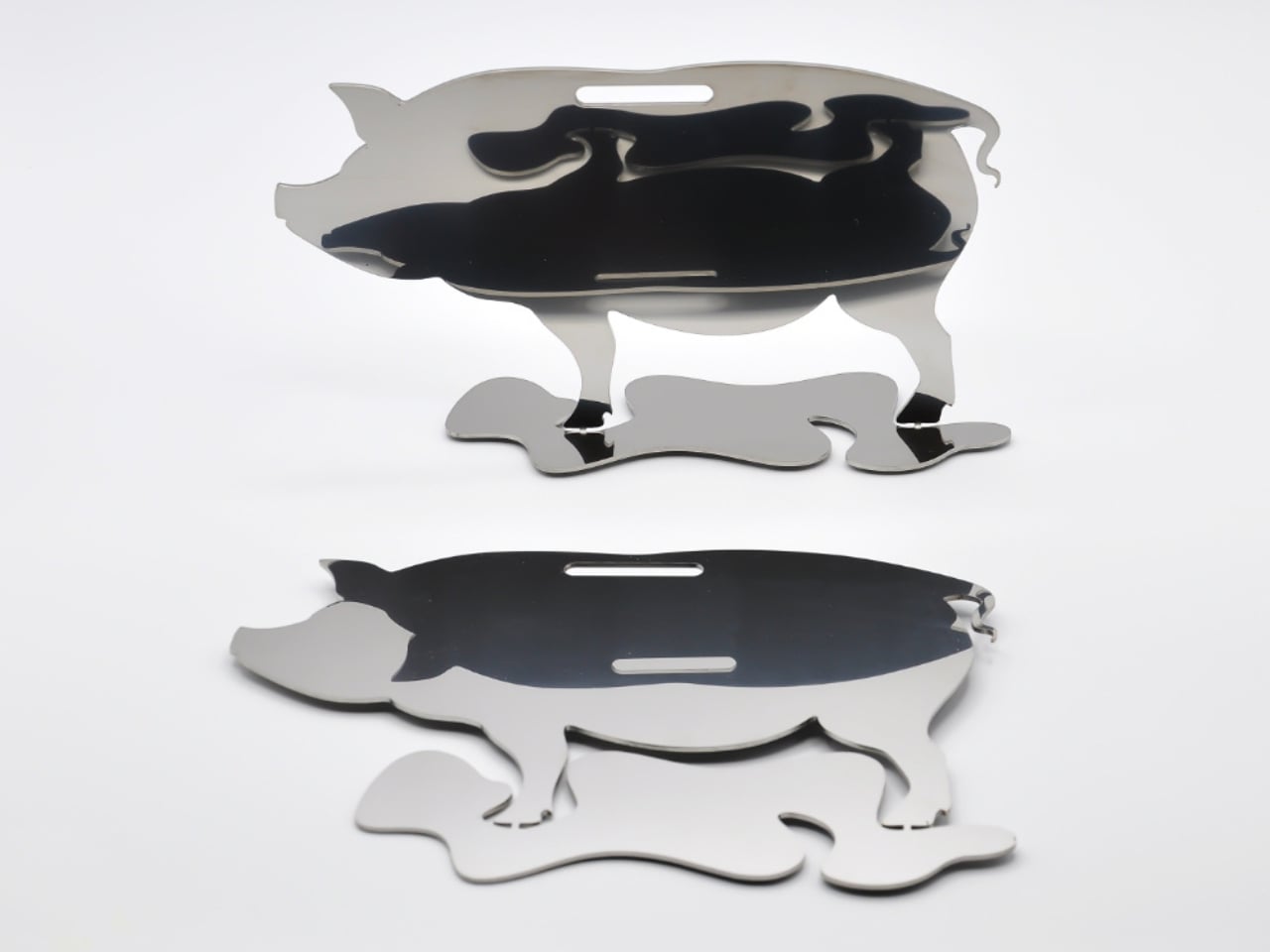
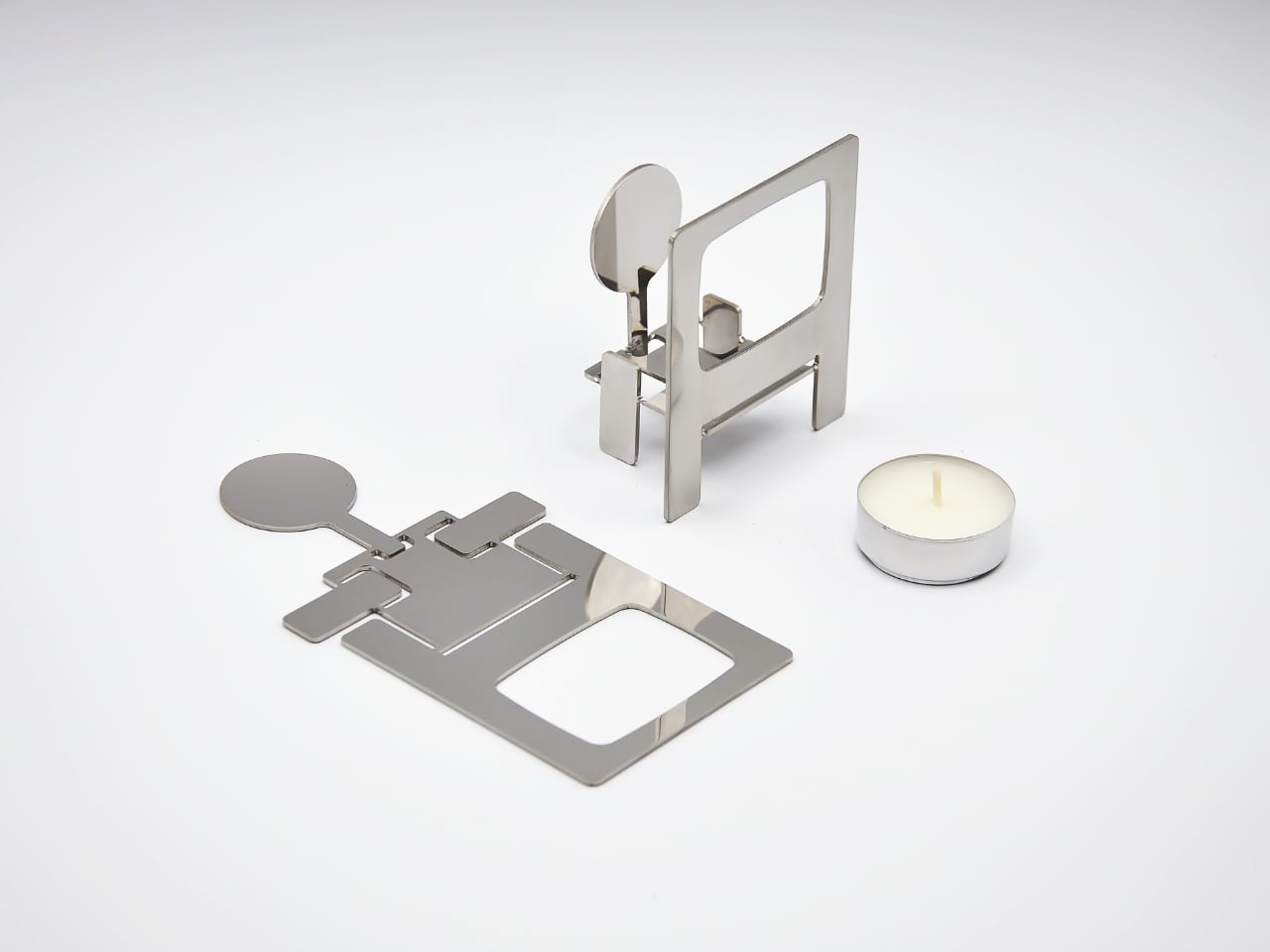
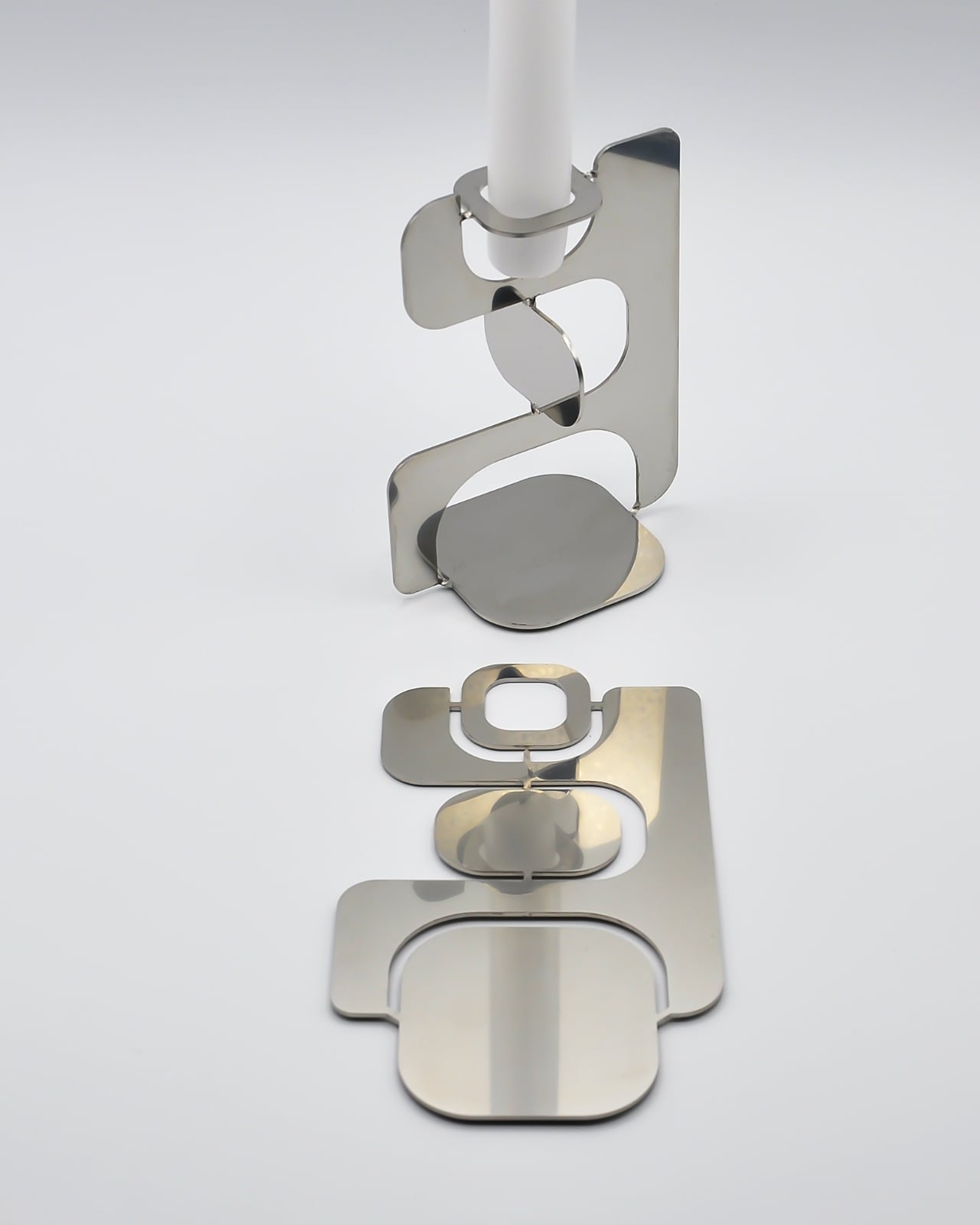
Each piece starts life as a flat sheet of laser-cut stainless steel, executed with Kadushin’s signature Twist-Hinge detail, making them easy and intuitive to bend by hand. They invite you to engage with the designs and co-create pieces that are an aesthetic statement with an edgy commentary. It’s a deliberate choice, not a shortcut. By asking you to participate in the assembly, Kadushin is making a point about who gets to be part of the creative process. You’re not just buying a finished object; you’re completing it.

That philosophy runs through everything he does. Kadushin is a pioneer of Open Design, freely sharing his designs to promote creativity, personal expression, and a positive social and economic impact. He embraces a “from the machine to the customer” approach, where extra manual processes and finishes are minimal, with pieces self-produced in Berlin in small-batch runs from high-grade stainless steel. There’s no bloated supply chain, no mass-market compromise. Just precision fabrication and a designer who has thought very carefully about what he wants his objects to communicate.

And communicate they do. The Piggybank is perhaps the most pointed piece in the collection. A traditional object redesigned to reflect a reality where saving is an illusion, it wears its cynicism openly. The pig is rendered as a flat stainless steel silhouette with a coin slot at the top, but there’s no belly to hold anything. Your coins rest on the surface. It’s funny, and it’s bleak, and it manages to be both of those things at once in the way that only good design pulls off. At a time when most people are watching their savings get swallowed by inflation, putting this on your shelf feels less like irony and more like cathartic honesty.

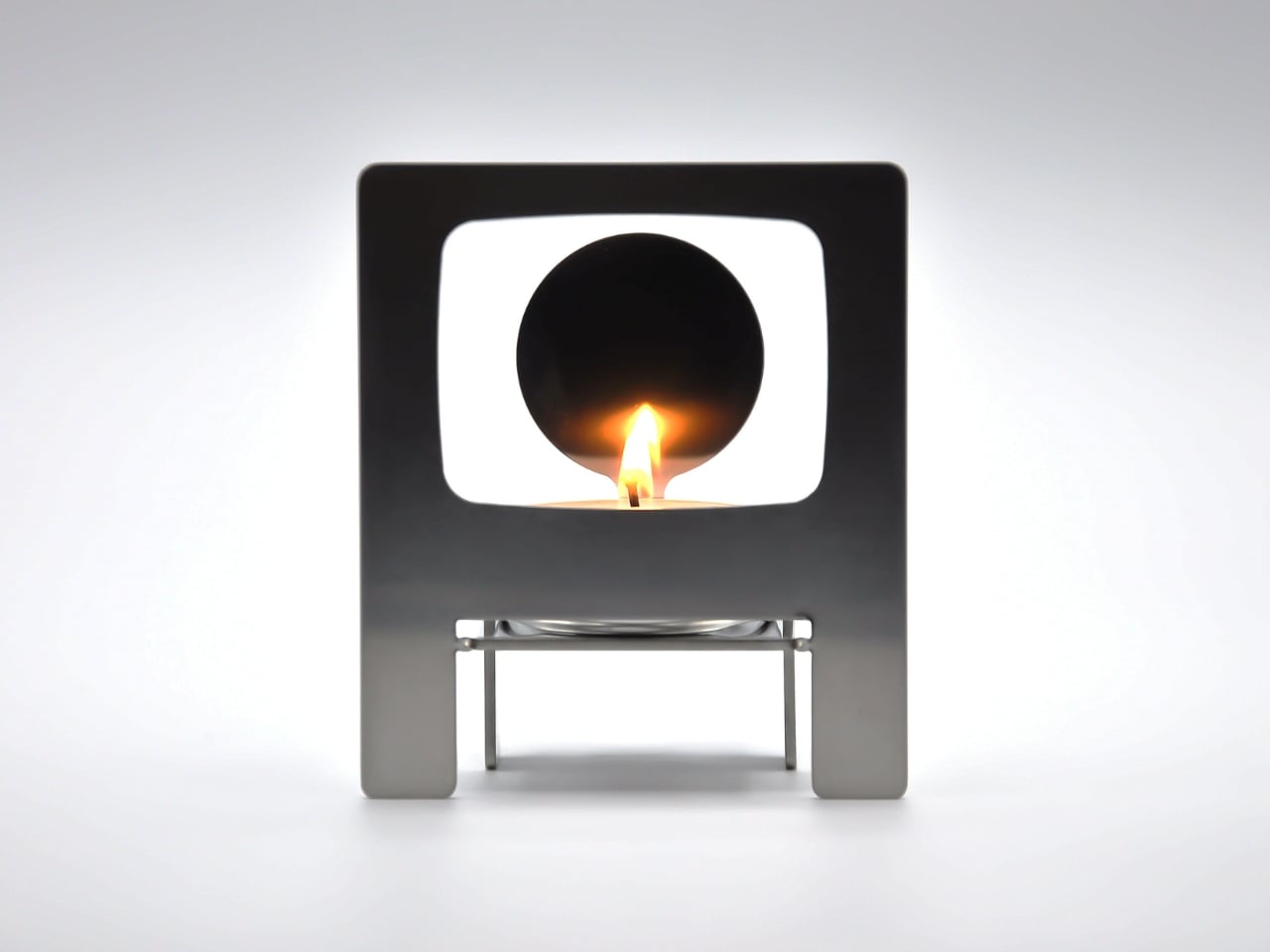
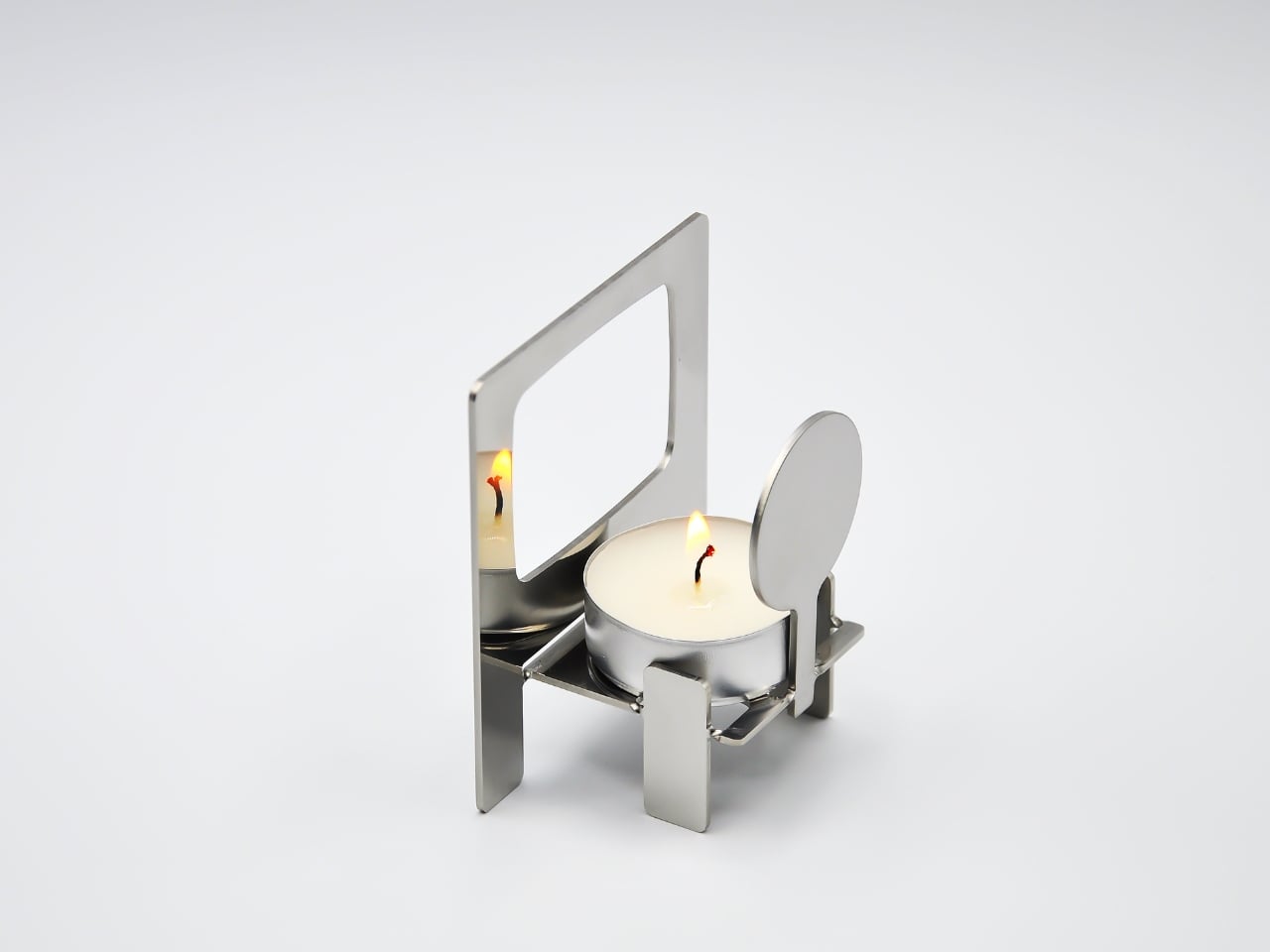
The Reality TV tealight holder takes a different angle. Shaped like a boxy, retro television set, it frames a tealight where the screen should be. When the flame is lit, you’ve got a broadcast. “Reflecting reality live, 24/7.” The concept is sharp without being heavy-handed. It makes you smirk, and then, a moment later, makes you think about the fact that we genuinely do stare at glowing rectangles all day as a form of comfort. Having a warm, flickering version of that sitting on your dinner table feels like Kadushin winking at us all.

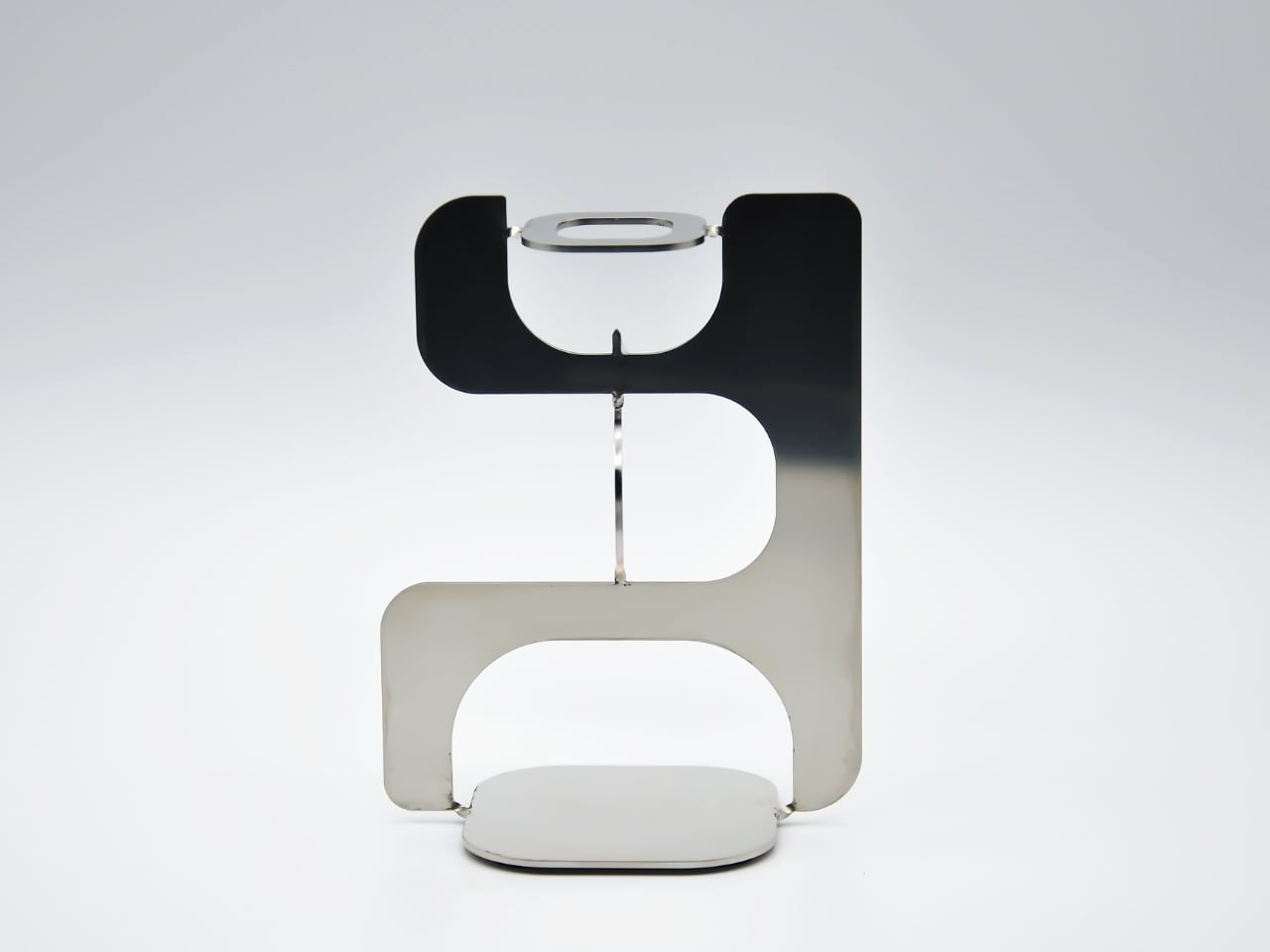
Echoes, the candle holder, is the most sculptural of the three. A nuanced sculptural object echoing iconic 60s and 70s aesthetics with a contemporary edge, it’s the kind of object that earns a second and third look. The stacked, interlocking forms feel almost architectural, like a detail pulled from a midcentury design catalogue and rebuilt in stainless steel. Placed on a shelf without a candle, it still looks like it belongs in a gallery. With one lit, it earns its keep.

What ties Pieces together is the refusal to be decorative for decoration’s sake. Kadushin’s work is sculptural and communicates clever wit and free expression, and he designs user-assembled pieces that are an invitation to enjoy and participate in the creative process. The objects are funny, but they’re not novelty items. They’re precise, considered, and built from high-grade stainless steel that will still look good long after the trend cycle has moved on.

If you’re the kind of person who thinks about what your home objects say about you, and more and more people are, then Pieces is a collection worth paying attention to. Good design doesn’t just fill space. At its best, it holds an opinion. Kadushin’s does both.

The post Objects With Opinions: Ronen Kadushin’s Pieces first appeared on Yanko Design.
Leaked iOS 27 Features Reveal a Major Customization Upgrade

Leaked iOS 27 Features Reveal a Major Customization Upgrade Illustration of whether you related to the article topic.

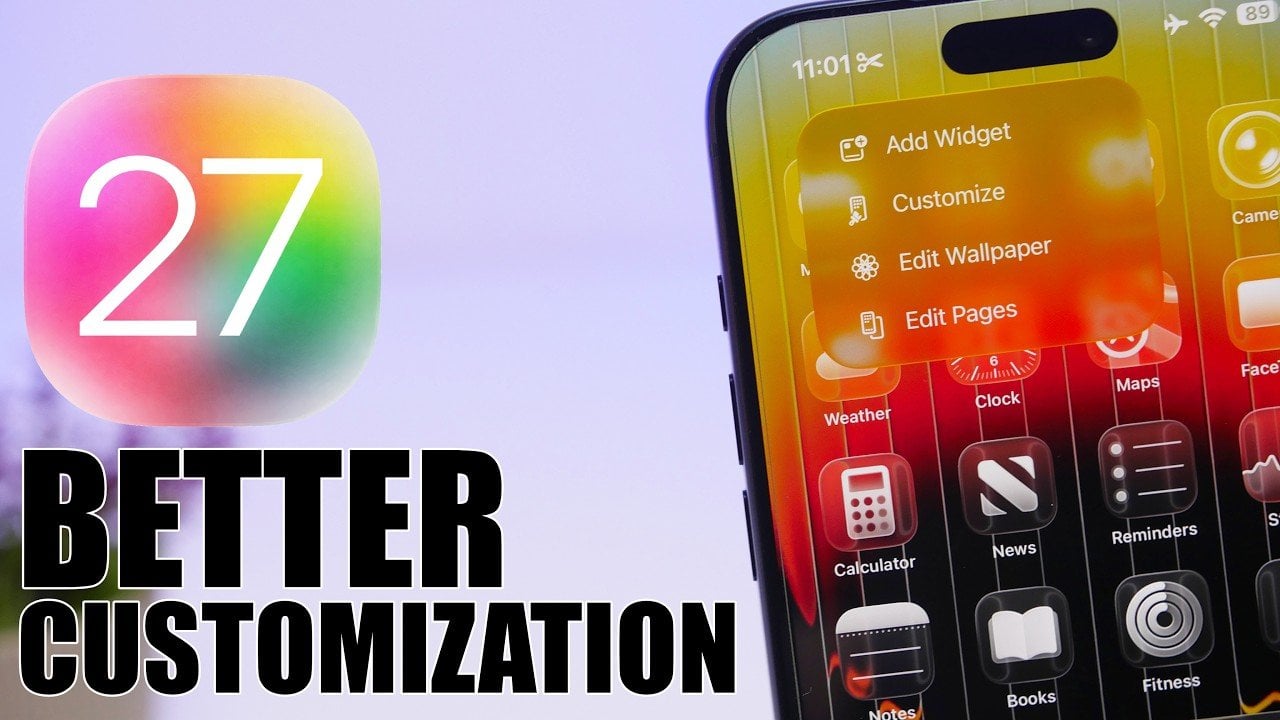
Apple’s iOS 27 introduces a fantastic update designed to enhance how you interact with your devices. By focusing on customization, artificial intelligence (AI), and streamlined usability, this release ensures your device adapts seamlessly to your needs. From a redesigned camera app to smarter AI tools, iOS 27 delivers a personalized and efficient experience that caters […]

The post Leaked iOS 27 Features Reveal a Major Customization Upgrade appeared first on Geeky Gadgets.

Posted in Uncategorized

Why DJI Kept the Osmo Pocket 4P Specs a Secret at Cannes

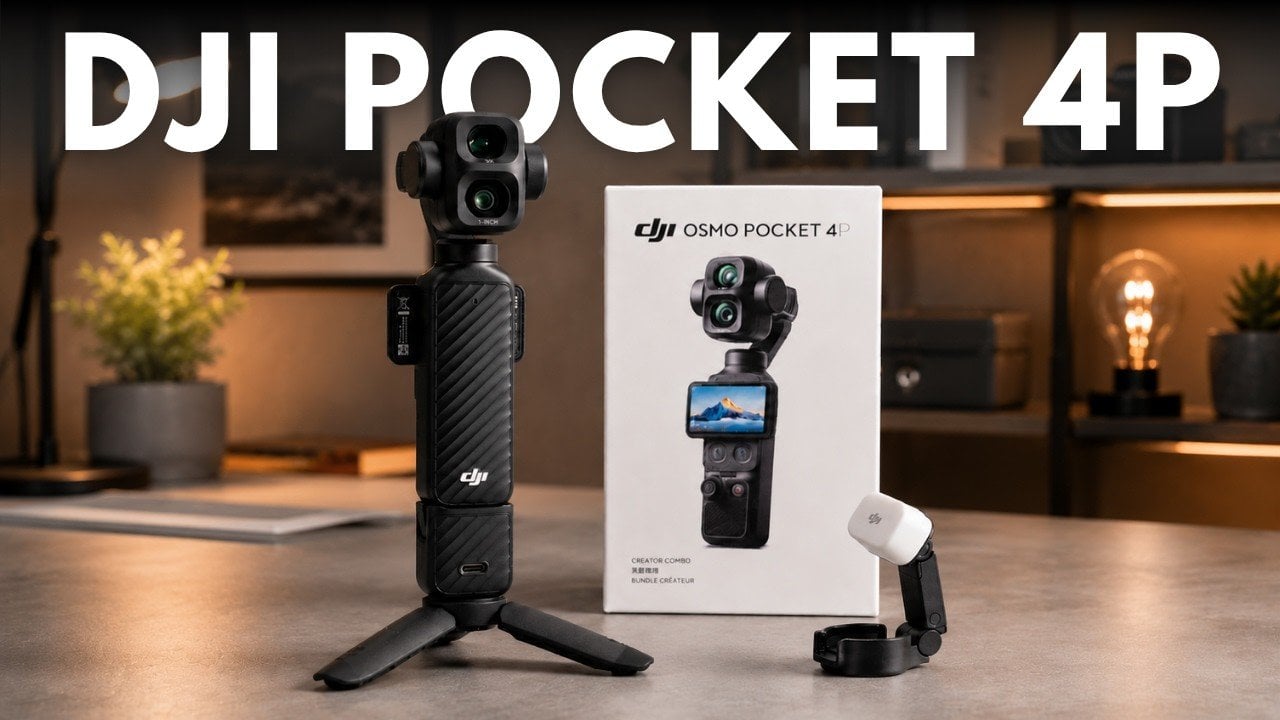
Why DJI Kept the Osmo Pocket 4P Specs a Secret at Cannes DJI Osmo Pocket 4P camera displaying its dual-lens system

DJI’s recent unveiling of the Osmo Pocket 4P at the Cannes Film Festival marked a significant shift in the company’s approach to compact cameras. By emphasizing “cinematic storytelling” and professional-grade workflows, DJI is clearly targeting filmmakers who demand more than just portability. Tech Court explores how features like the Pocket 4P’s D-Log 2 color grading […]

The post Why DJI Kept the Osmo Pocket 4P Specs a Secret at Cannes appeared first on Geeky Gadgets.

Posted in Uncategorized