The Google Fitbit Air is not just a fitness tracker; it is a versatile tool designed to enhance your health and wellness journey. While its primary functions, such as step counting and sleep monitoring, are well-known, the device also offers a range of lesser-known features that can elevate your experience. By delving into these hidden […]
The MiniMax M3 is making waves in the AI community as an open source model that combines advanced capabilities with affordability. Highlighted by World of AI, this model stands out for its ability to handle both text and visual data through multimodal reasoning, allowing applications like image captioning and multimedia generation. Its support for a […]
The laptop has always been a machine of compromises. Workstation-class performance typically arrived in thick chassis with short battery life and fan noise audible from across a room. Getting genuine power in a form factor thin and light enough to carry without a second thought has been largely Apple’s territory, a problem it’s been solving with its own ARM-based chips while Windows machines played catch-up.
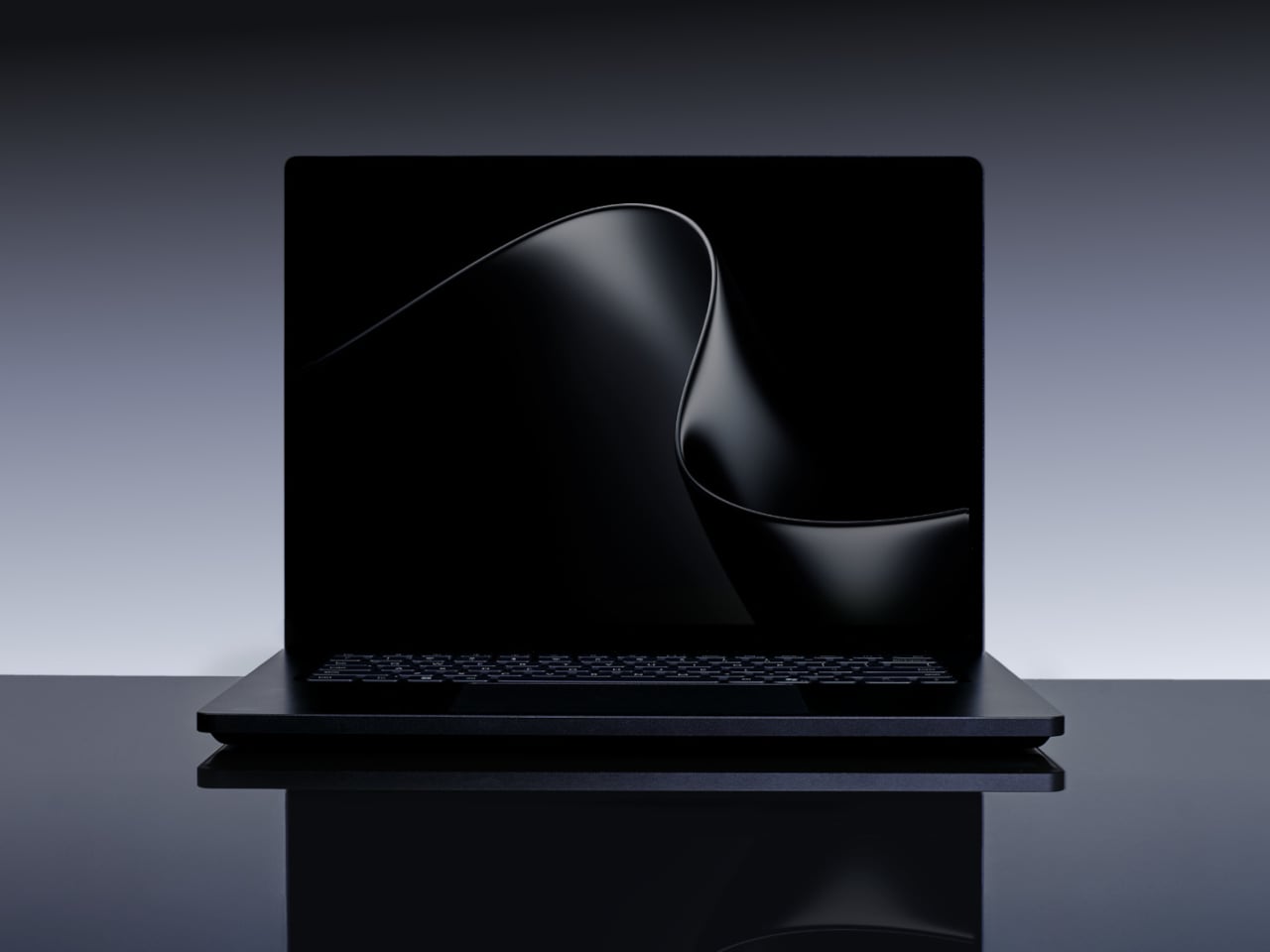
NVIDIA is changing that calculus for Windows with RTX Spark, an ARM-based superchip that fuses a 20-core Grace CPU with a Blackwell RTX GPU carrying 6,144 CUDA cores, connected by NVIDIA’s NVLink-C2C chip-to-chip interconnect. Microsoft built the Surface Laptop Ultra around it from the silicon up, designing the machine and the chip in concert, producing what it describes as the most powerful Surface Laptop ever built.
The reason ARM architecture matters for laptop design is power efficiency. Compared to x86 chips, ARM-based designs deliver significantly more performance per watt, and that ratio determines what’s physically possible in a chassis. RTX Spark laptops are engineered to be as slim as 14mm and as light as 3 pounds, proportions that previously excluded any serious dedicated GPU from the equation entirely.
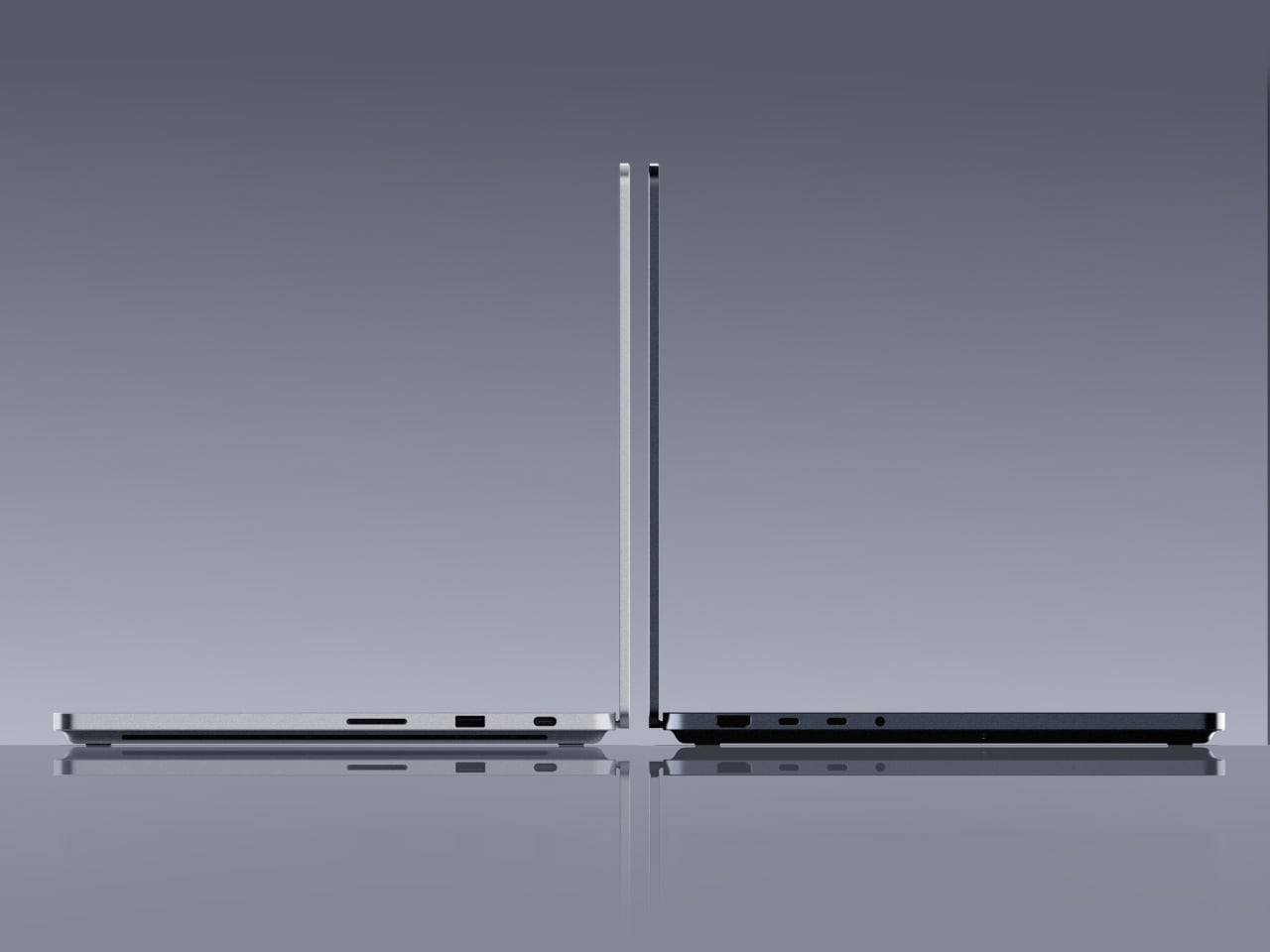
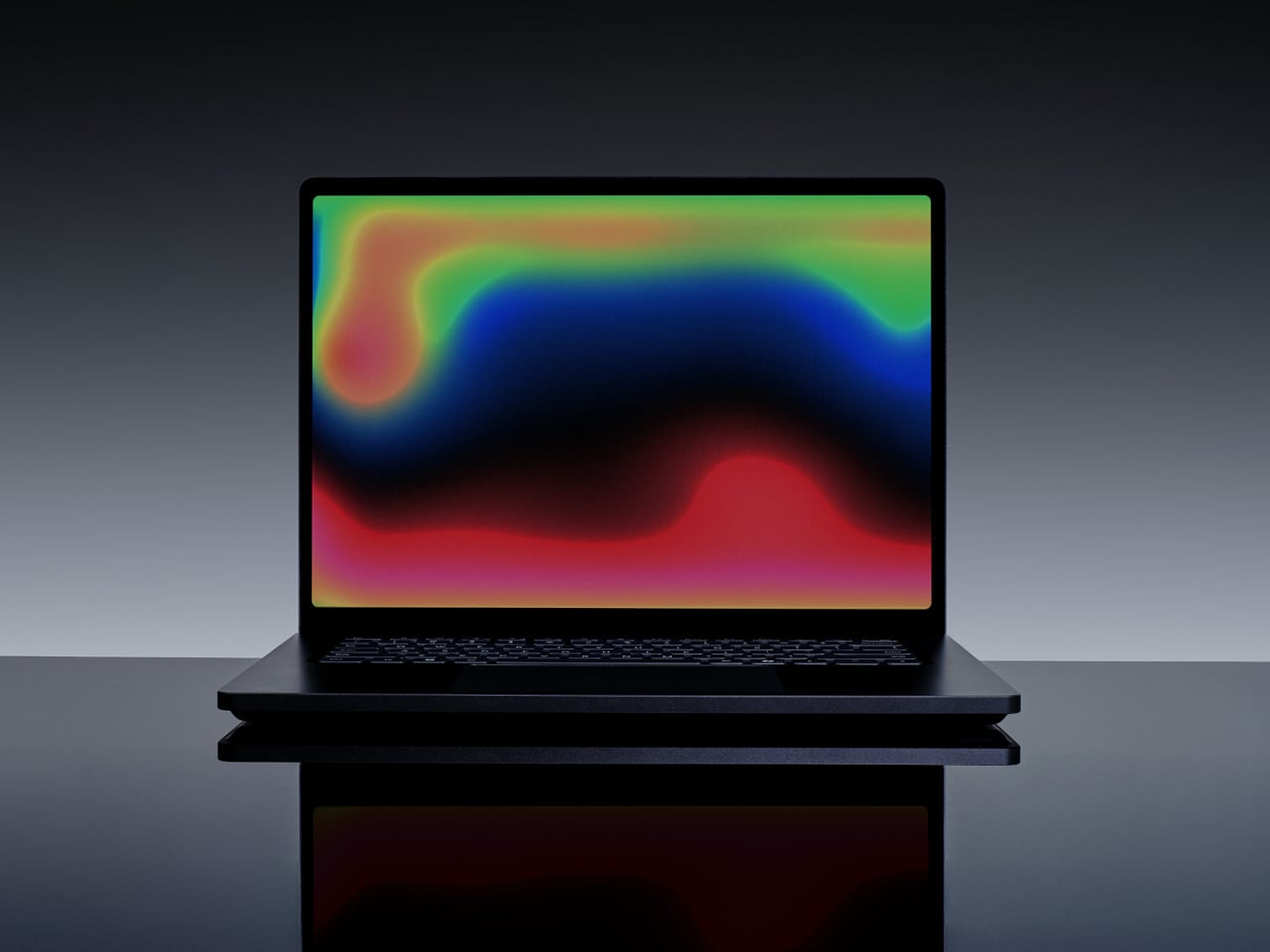
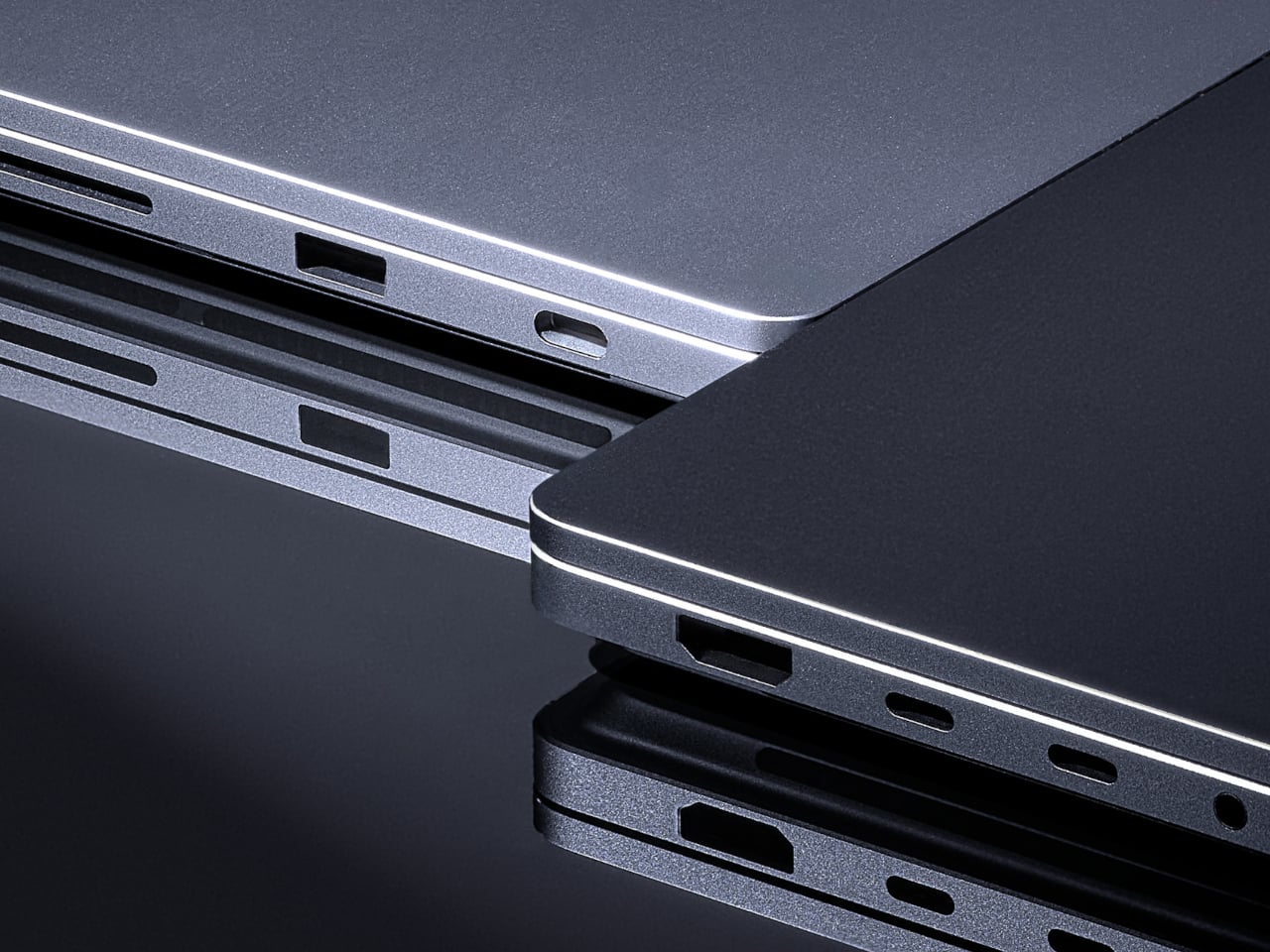
The Surface Laptop Ultra lands at under 18mm thick and under 4.5 pounds, housed in CNC-machined aluminum in Platinum and Nightfall finishes. The 15-inch mini-LED PixelSense Ultra touchscreen reaches up to 2,000 nits of peak HDR brightness with a 3:2 aspect ratio and 262 pixels per inch, making it the brightest display Microsoft has ever shipped on a Surface. A full port set, including HDMI, USB-C, USB-A, SD card, and headphone jack, rounds out a machine designed for professional use.
RTX Spark’s most defining architectural choice is unified memory, where up to 128GB of RAM is shared dynamically between the CPU and GPU. A 3D rendering job, a video edit, and a locally running AI model can all draw from that same pool simultaneously, without the bottlenecks discrete memory architectures create. That arrangement enables 1 petaflop of AI compute, enough to run 120-billion-parameter models entirely on the device.
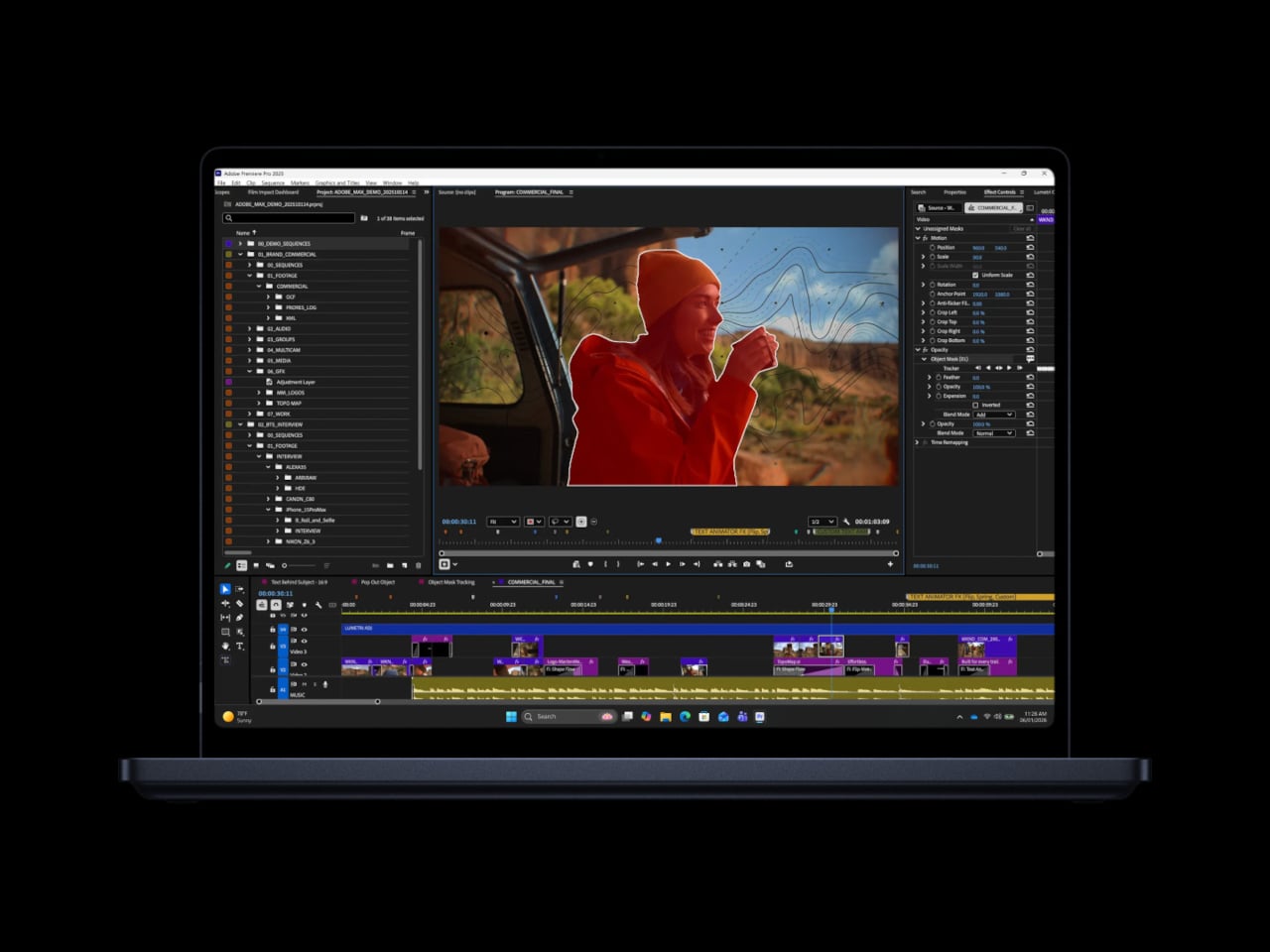
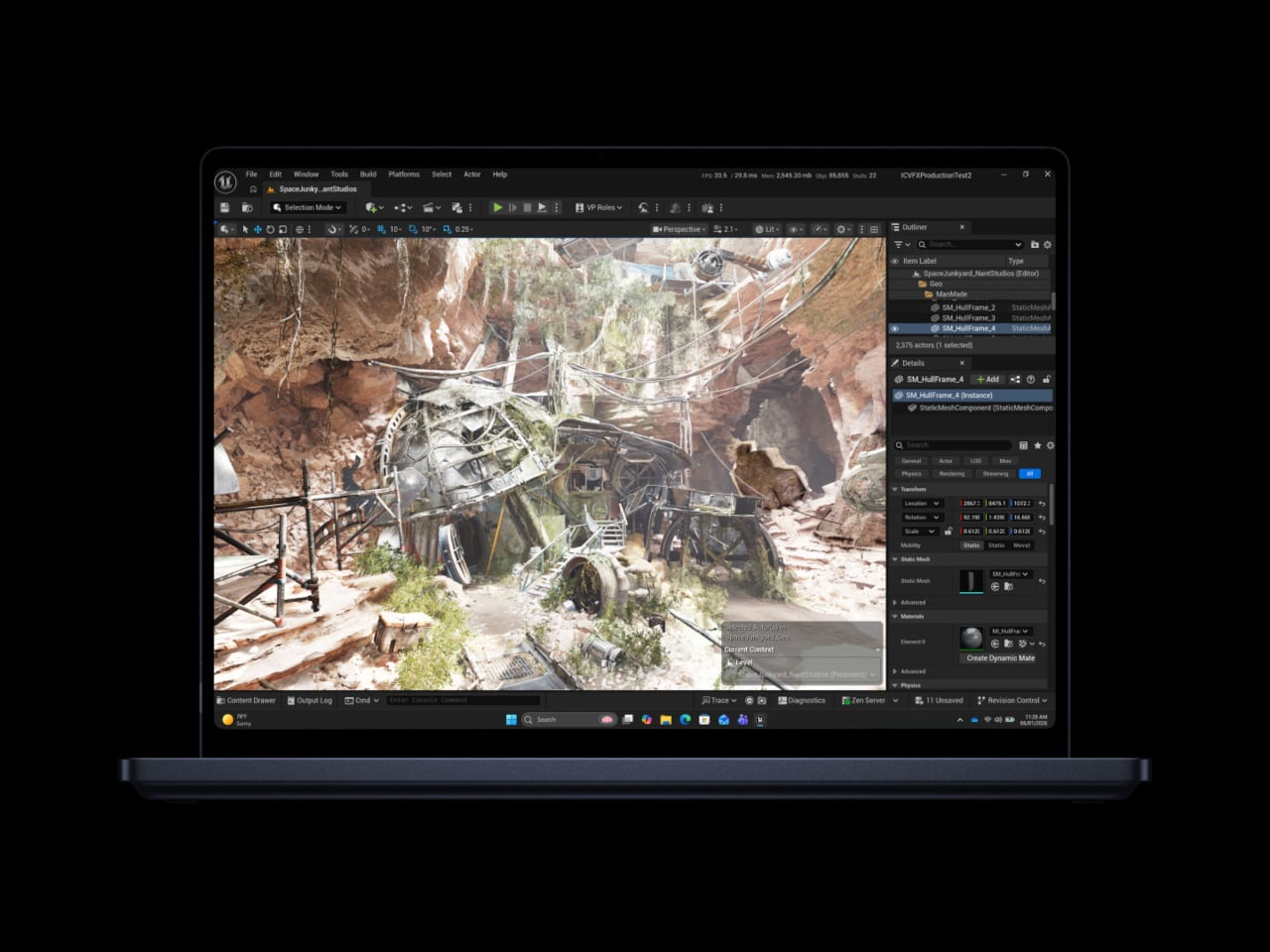
The full CUDA software stack runs natively on RTX Spark, which matters directly for creative professionals. Adobe is rebuilding Photoshop and Premiere from the ground up for the chip, targeting 2x faster AI and graphics performance. On the creative side, RTX Spark handles 12K video editing, renders 90GB-plus 3D scenes using NVIDIA OptiX, and generates 4K AI video, tasks that previously required a dedicated workstation to complete without serious compromise.
NVIDIA describes RTX Spark as the most efficient PC chip ever built, a statement aimed squarely at Apple Silicon’s grip on the high-end creative laptop market. That efficiency is also what allows the Surface Laptop Ultra’s all-new thermal system to sustain heavy workloads without the throttling and fan noise that defined previous Windows machines in this tier. Microsoft’s own engineers worked across mechanical, thermal, materials, and industrial design disciplines simultaneously, treating the chassis and the chip as a single system.
All-day battery life holds even while running on battery power, and the compact charger is small enough to fit in a jacket pocket. The Surface Laptop Ultra and additional RTX Spark-powered devices from ASUS, Dell, HP, Lenovo, and MSI are expected in fall 2026. For a platform that has long asked users to choose between portability and capability, the arrival of an ARM PC chip in NVIDIA’s hands changes the terms of that conversation considerably.
Anthropic has released Opus 4.8, introducing updates designed to enhance its AI’s performance in areas like coding accuracy, reasoning and task management. A notable feature is the addition of dynamic workflows, which break down complex operations into smaller, verifiable subtasks to streamline automation. According to Universe of AI, these updates reflect Anthropic’s attempt to meet […]
Apple has officially released iOS 26.5.1, a focused update aimed at resolving a critical wired charging issue that has been affecting specific devices. If you own an iPhone Air or a model from the iPhone 17 series, this update is particularly important to ensure your device operates as expected. Alongside this update, Apple has also […]
Handheld gaming PCs have become serious pieces of hardware over the past few years, and the display has quietly become the most contested spec on the spec sheet. Early handhelds shipped with IPS panels as a matter of course, but expectations have shifted. Owners of these devices spend long hours staring at a relatively small screen, and the quality of that screen now shapes how the whole experience is judged.
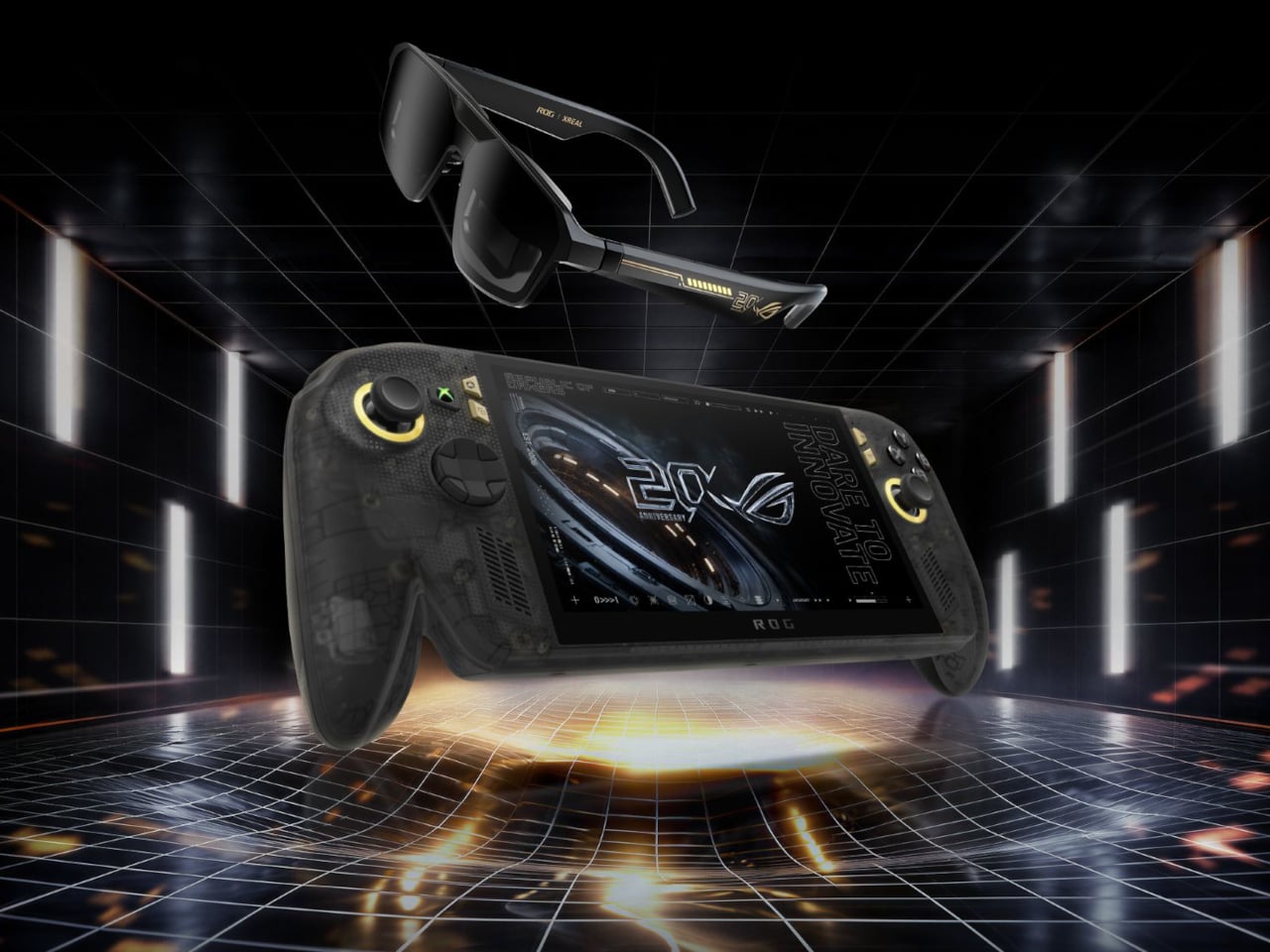
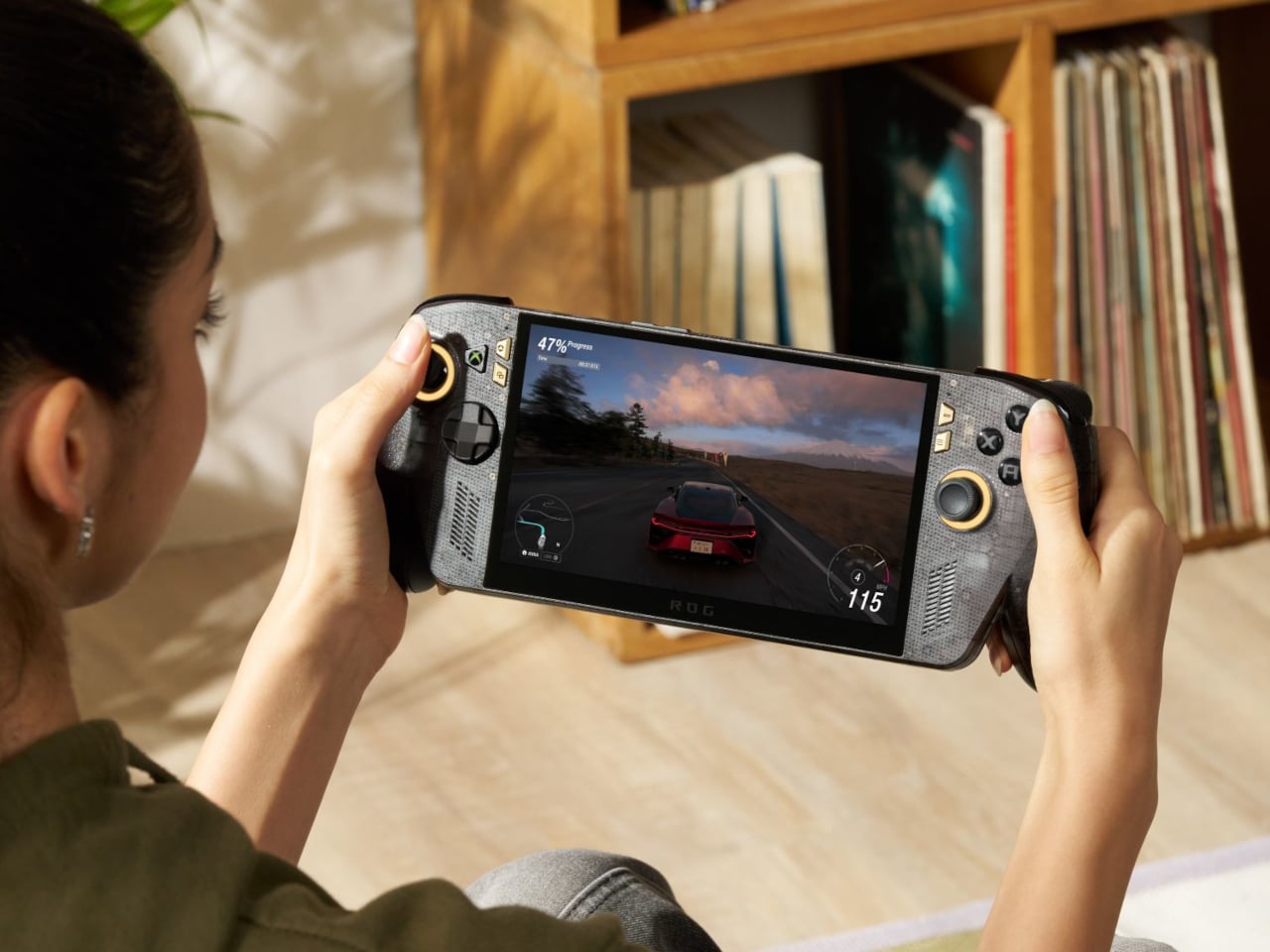
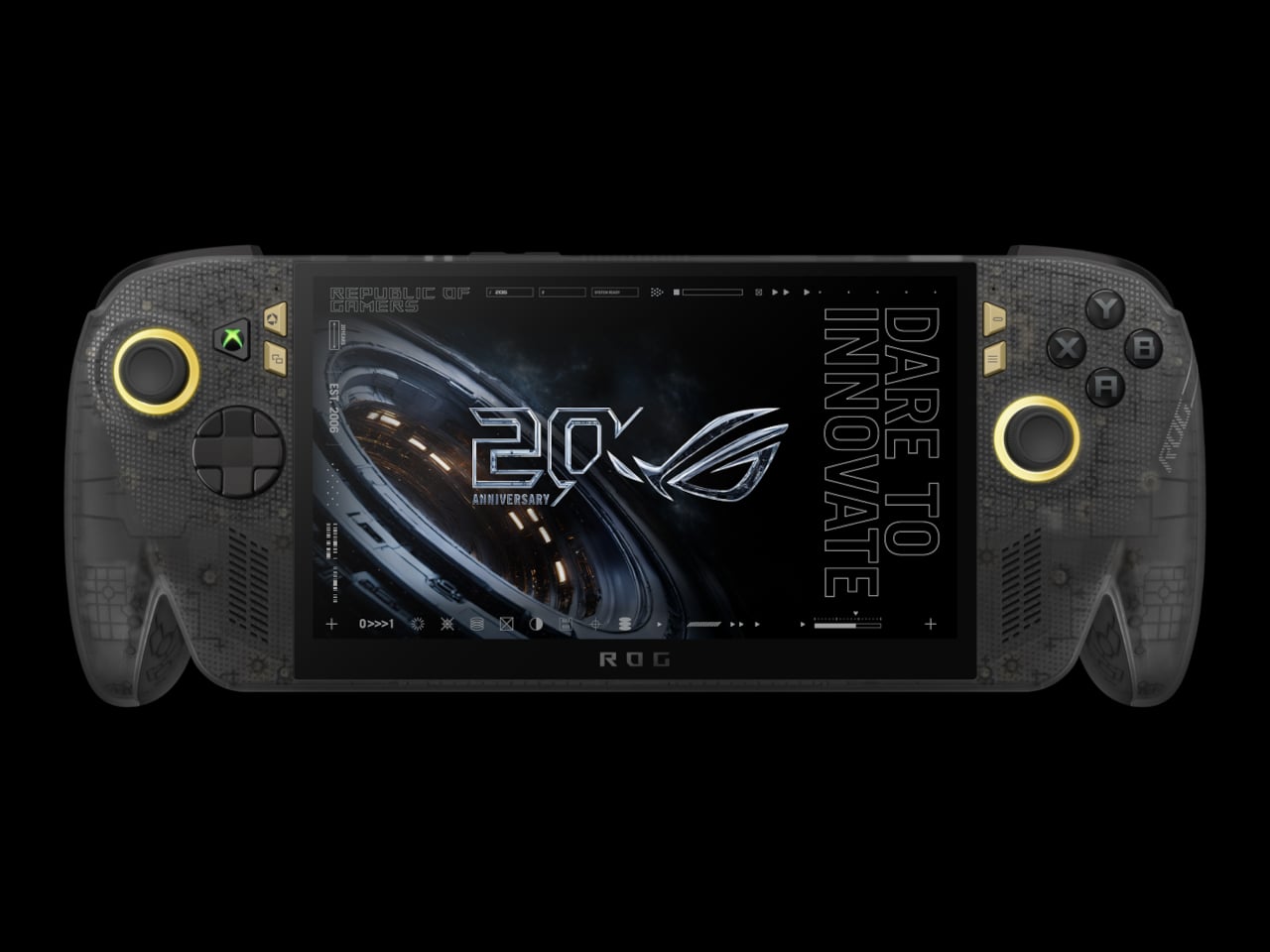
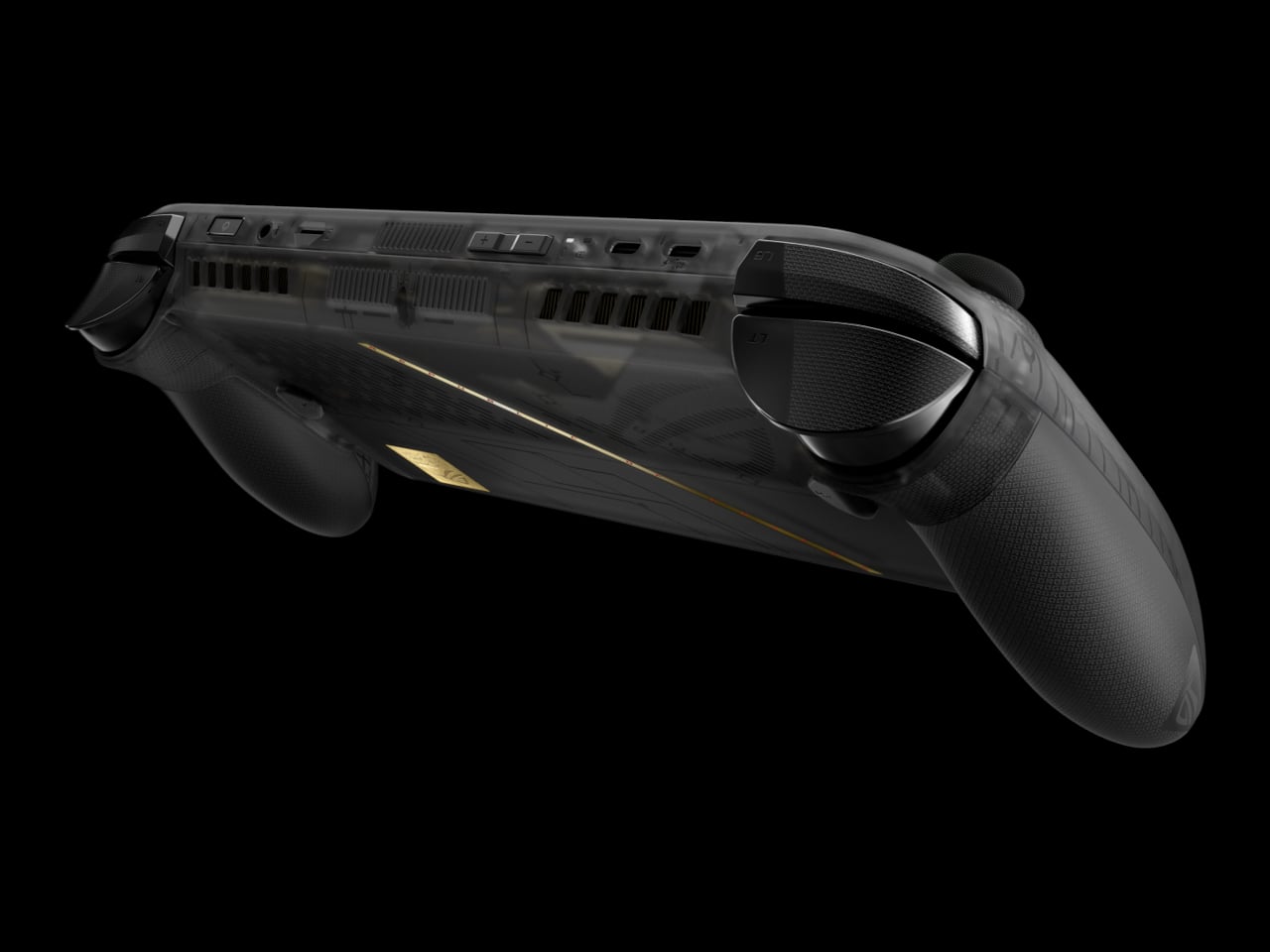
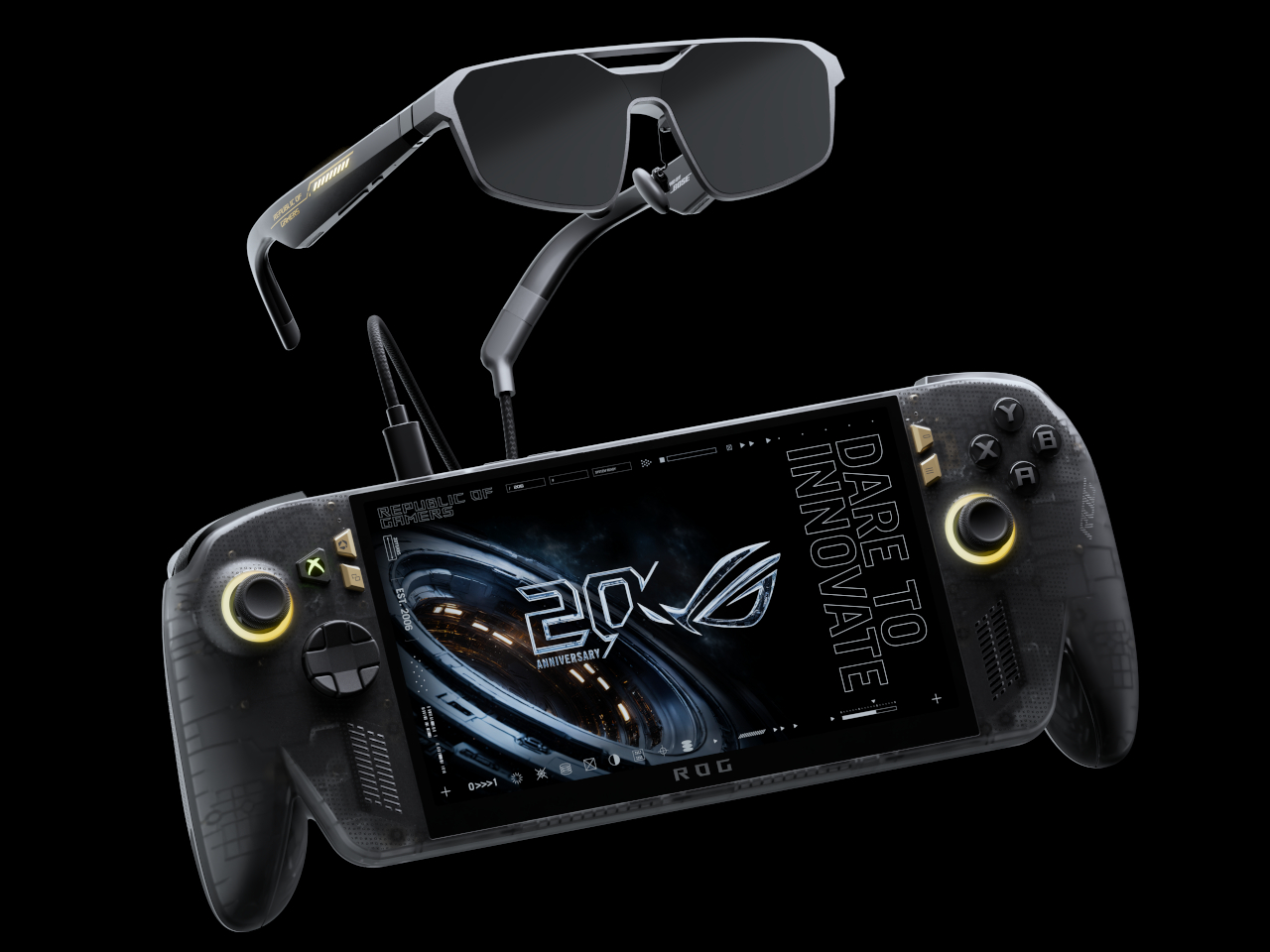
ROG is marking 20 years as a brand with an anniversary bundle that puts its most significant Ally upgrade to date front and center. The ROG XBOX Ally X20 is a special-edition take on the Ally X, built around a translucent black chassis with a gold internal structure and a 7.4-inch OLED display, the first of its kind on an Ally, paired in the box with a set of AR gaming glasses.
The jump from IPS to OLED on the Ally is hard to overstate for anyone who’s spent time with both panel types. The Nebula HDR Display delivers 1,400 nits of peak brightness, a 0.2ms response time, a 120Hz refresh rate with FreeSync Premium Pro, and support for Dolby Vision. VESA DisplayHDR 1000 certification rounds it out, and Corning DXC glass with an anti-reflective coating cuts glare by 65%.
Under the hood, the AMD Ryzen AI Z2 Extreme processor carries the same horsepower as the Ally X, backed by 24GB of RAM and an 80Wh battery. New TMR joysticks deliver better precision and tracking. Auto SR upscaling handles frame-quality boosts at lower power costs, and Xbox Mode offers a clean, console-like interface for navigating a library that spans Xbox, PC Game Pass, and Steam.
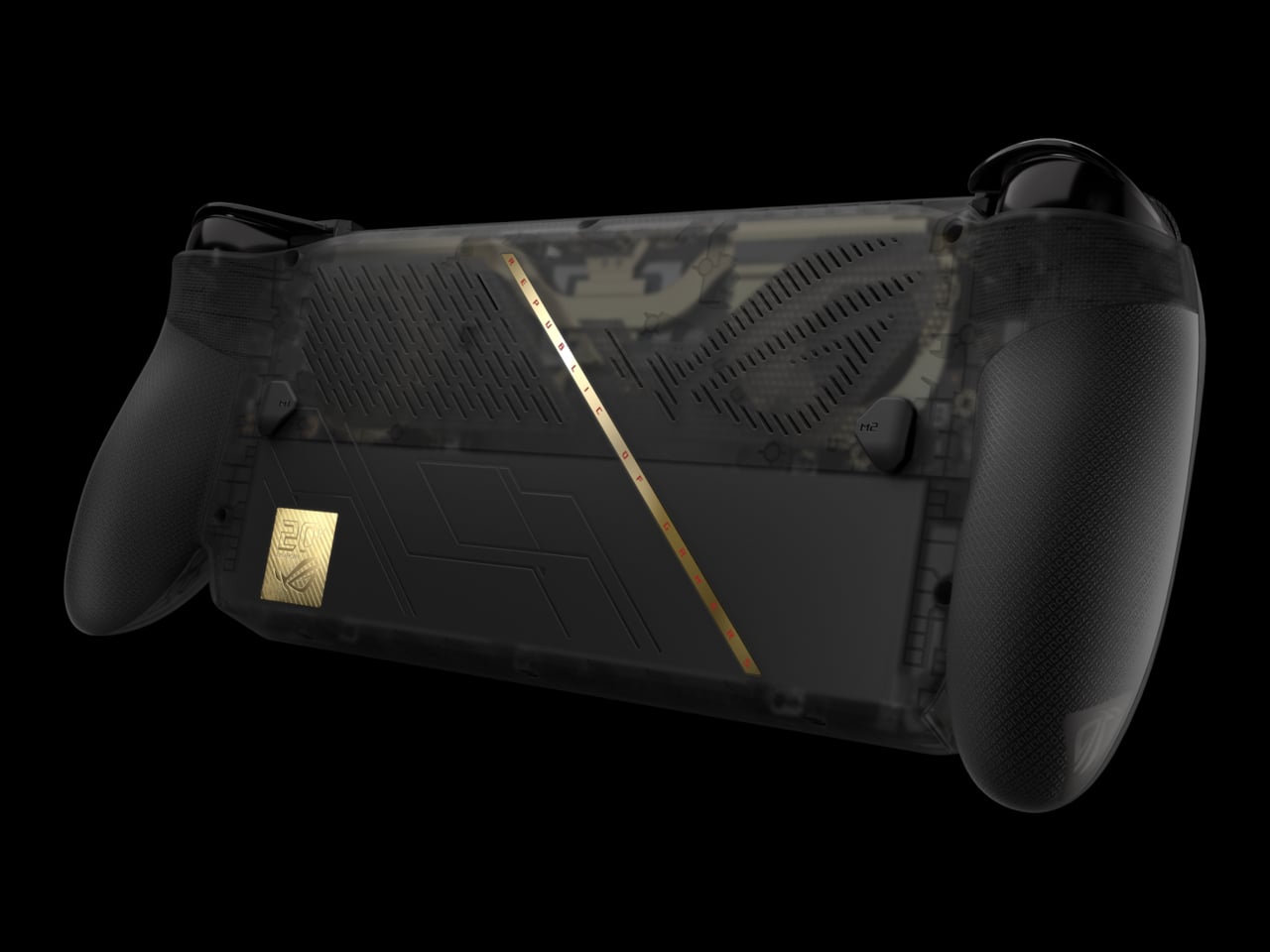
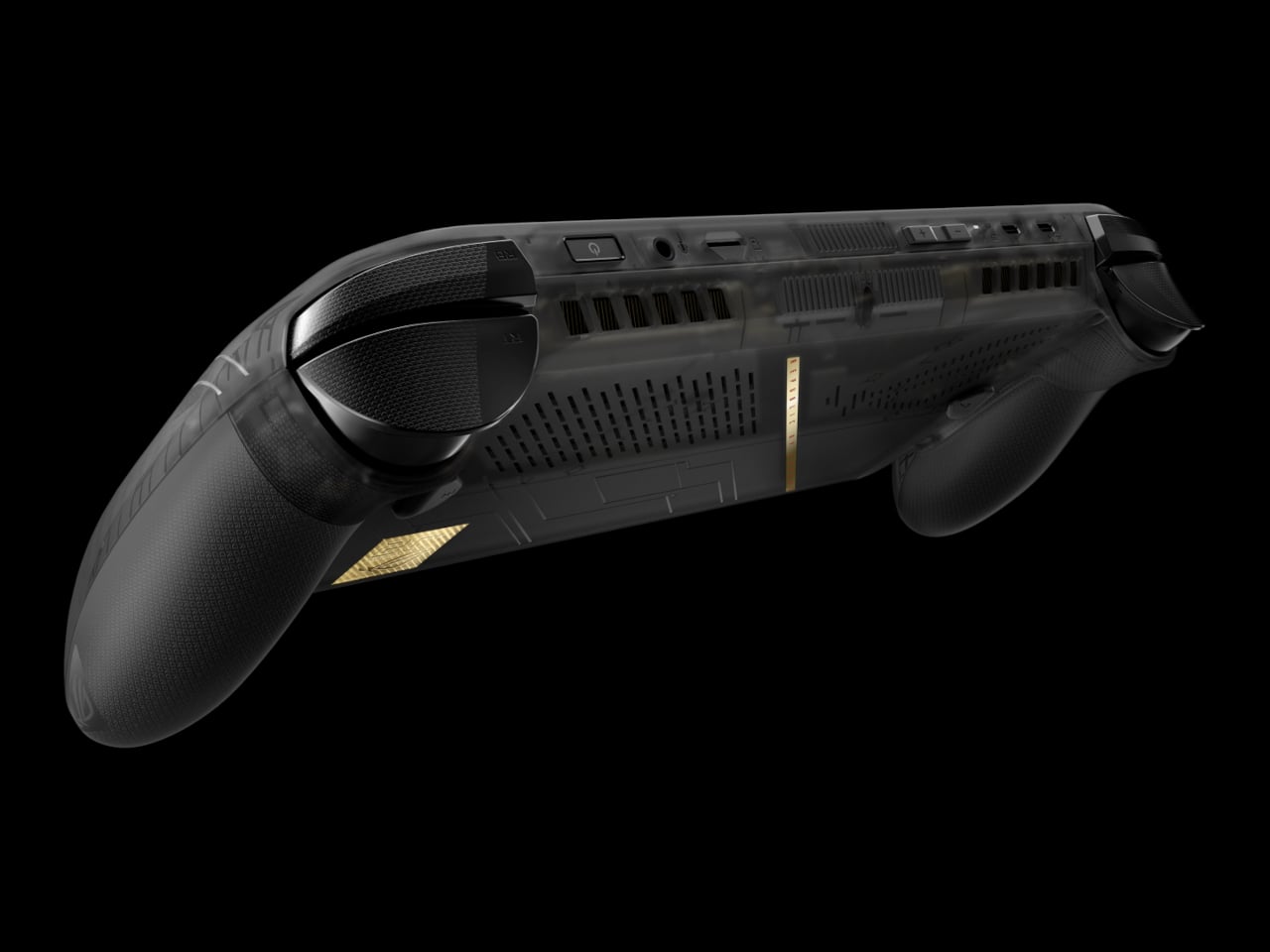
The design is the most conspicuous part of the X20’s identity. The translucent black body lets the gold-accented internal frame show through, making the engineering itself part of the aesthetic. It’s a specific kind of flex that ROG’s anniversary context earns credibility for. Rubberized coating on the rear handgrips keeps the feel practical rather than purely decorative, which matters for a device meant to hold through long gaming sessions.
The bundle’s second piece is the ROG XREAL R1 Edition 20 Gaming AR Glasses, and they’re the part that makes this package genuinely different from simply selling a revised Ally X. These aren’t the kind of smart glasses that surface notifications or track fitness. They’re designed specifically for gaming, using dual Sony Micro-OLED displays to generate a virtual screen sized for long sessions away from a TV or monitor.
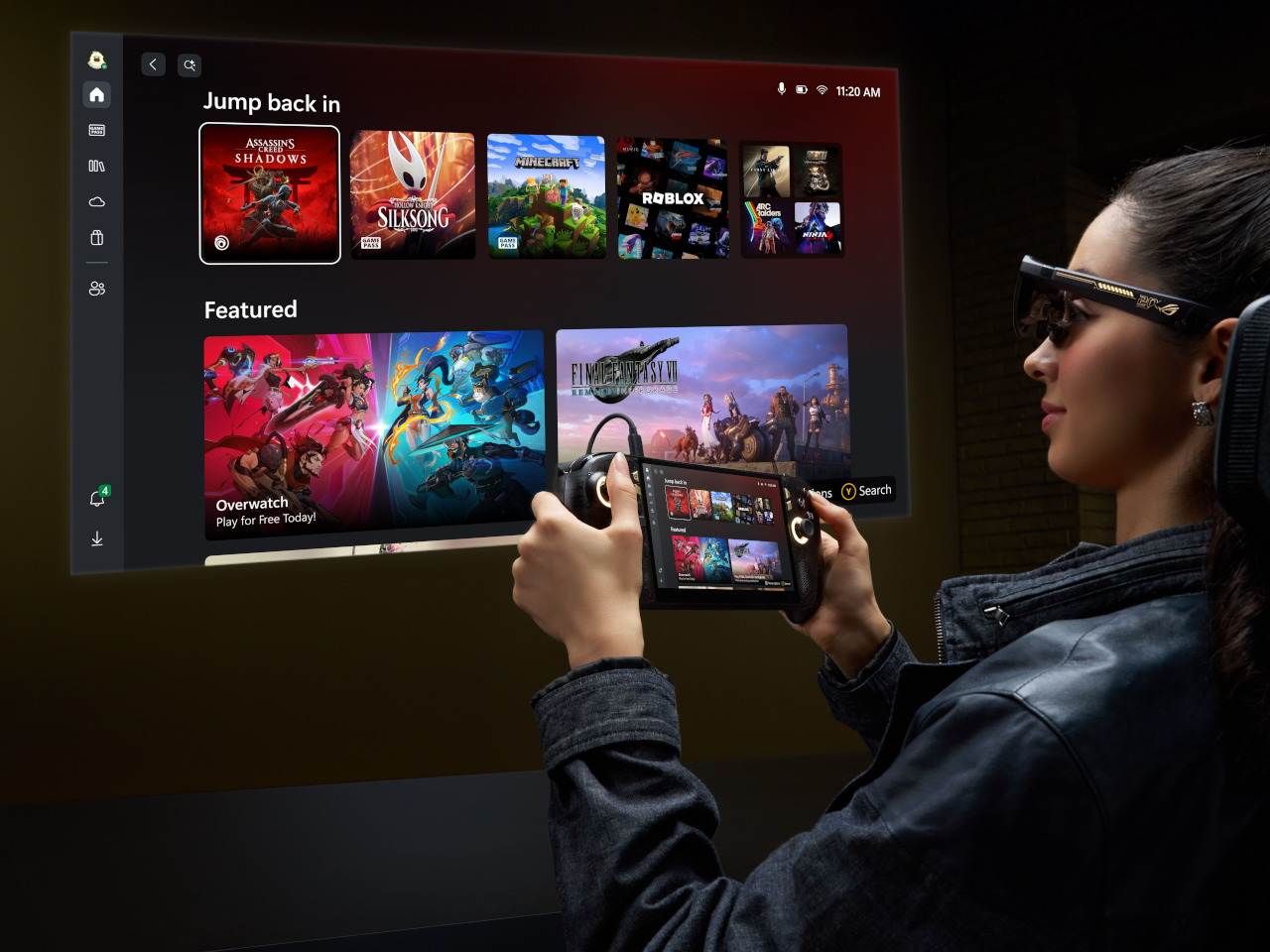
That virtual screen projects to 171 inches when viewed from 4 meters, covering 95% of the focused field of view. A 240Hz refresh rate and a 0.01ms response time keep fast-paced gameplay clean without smearing or lag. Native 3DoF head tracking anchors the display to your gaze, while Anchor Mode locks it in a fixed position for those who prefer to play without the screen following their movements.
The ROG XBOX Ally X20 isn’t the kind of hardware upgrade that quietly adds a spec or two. OLED on the Ally for the first time, combined with AR glasses that project a room-filling virtual display and wrapped in a translucent anniversary design, makes for a more complete idea than a typical limited-edition product usually delivers. A holiday 2026 release means the wait still has some time left.
Handheld gaming PCs have become serious pieces of hardware over the past few years, and the display has quietly become the most contested spec on the spec sheet. Early handhelds shipped with IPS panels as a matter of course, but expectations have shifted. Owners of these devices spend long hours staring at a relatively small screen, and the quality of that screen now shapes how the whole experience is judged.
ROG is marking 20 years as a brand with an anniversary bundle that puts its most significant Ally upgrade to date front and center. The ROG XBOX Ally X20 is a special-edition take on the Ally X, built around a translucent black chassis with a gold internal structure and a 7.4-inch OLED display, the first of its kind on an Ally, paired in the box with a set of AR gaming glasses.
The jump from IPS to OLED on the Ally is hard to overstate for anyone who’s spent time with both panel types. The Nebula HDR Display delivers 1,400 nits of peak brightness, a 0.2ms response time, a 120Hz refresh rate with FreeSync Premium Pro, and support for Dolby Vision. VESA DisplayHDR 1000 certification rounds it out, and Corning DXC glass with an anti-reflective coating cuts glare by 65%.
Under the hood, the AMD Ryzen AI Z2 Extreme processor carries the same horsepower as the Ally X, backed by 24GB of RAM and an 80Wh battery. New TMR joysticks deliver better precision and tracking. Auto SR upscaling handles frame-quality boosts at lower power costs, and Xbox Mode offers a clean, console-like interface for navigating a library that spans Xbox, PC Game Pass, and Steam.
The design is the most conspicuous part of the X20’s identity. The translucent black body lets the gold-accented internal frame show through, making the engineering itself part of the aesthetic. It’s a specific kind of flex that ROG’s anniversary context earns credibility for. Rubberized coating on the rear handgrips keeps the feel practical rather than purely decorative, which matters for a device meant to hold through long gaming sessions.
The bundle’s second piece is the ROG XREAL R1 Edition 20 Gaming AR Glasses, and they’re the part that makes this package genuinely different from simply selling a revised Ally X. These aren’t the kind of smart glasses that surface notifications or track fitness. They’re designed specifically for gaming, using dual Sony Micro-OLED displays to generate a virtual screen sized for long sessions away from a TV or monitor.
That virtual screen projects to 171 inches when viewed from 4 meters, covering 95% of the focused field of view. A 240Hz refresh rate and a 0.01ms response time keep fast-paced gameplay clean without smearing or lag. Native 3DoF head tracking anchors the display to your gaze, while Anchor Mode locks it in a fixed position for those who prefer to play without the screen following their movements.
The ROG XBOX Ally X20 isn’t the kind of hardware upgrade that quietly adds a spec or two. OLED on the Ally for the first time, combined with AR glasses that project a room-filling virtual display and wrapped in a translucent anniversary design, makes for a more complete idea than a typical limited-edition product usually delivers. A holiday 2026 release means the wait still has some time left.
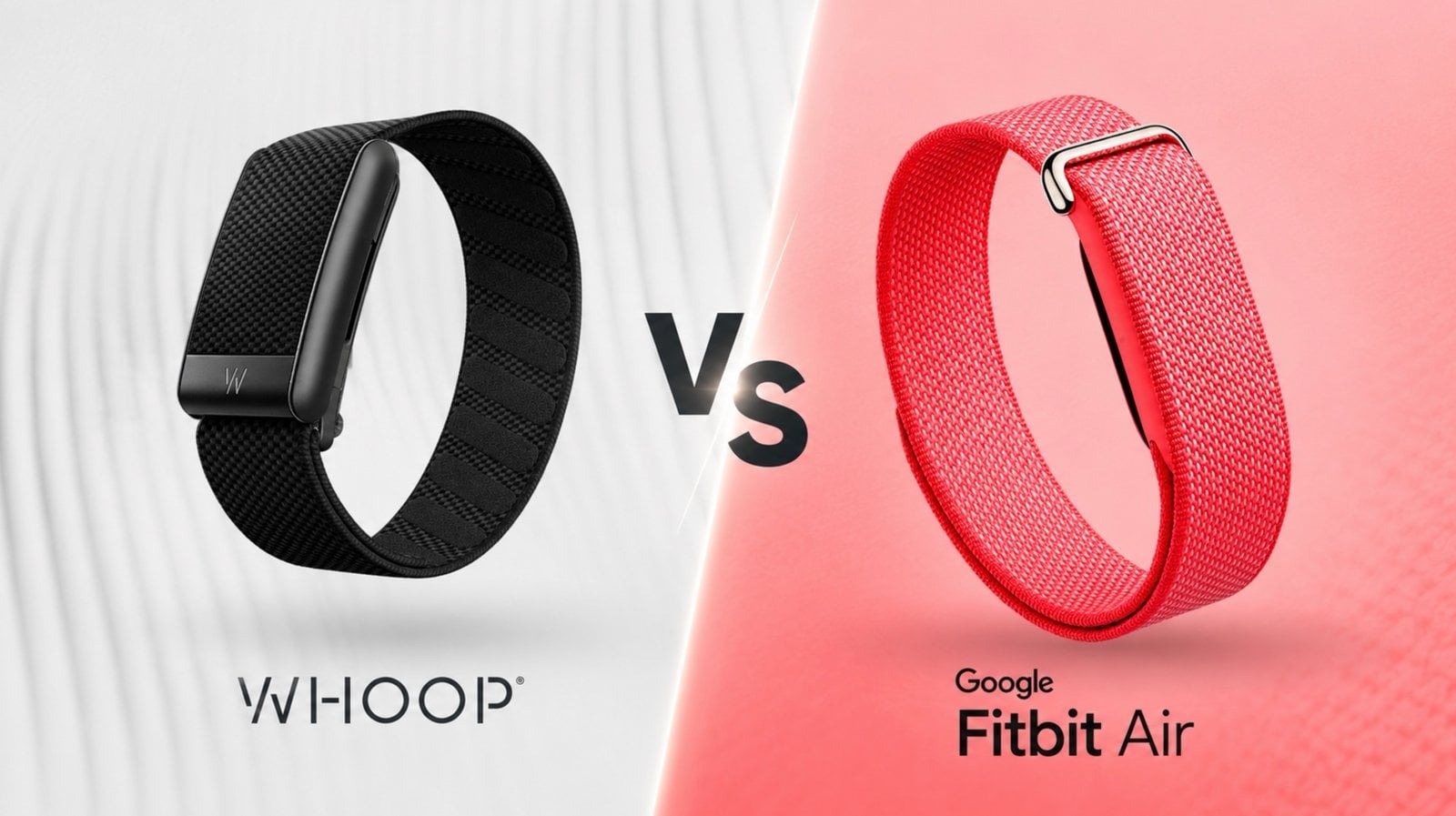
The wearable tech market is witnessing a fascinating showdown between two distinct approaches to health tracking: the subscription-based, performance-focused Whoop and Google’s newly launched Fitbit Air, priced at just $99. Aris examines how the Fitbit Air’s accessible pricing and optional premium upgrades challenge Whoop’s premium model, which includes a $200 annual subscription for advanced AI-driven […]