
Prime Video’s Blade Runner 2099 now has a trailer and release date of November 25
The eight-episode series stars Michelle Yeoh and Hunter Schafer.

The PC industry has spent decades optimizing for a buyer who tolerates ugly hardware. Not a buyer who wants it, necessarily, but one who accepts it as the cost of performance. The tradeoff between raw computing power and the aesthetic quality of the object sitting on a desk has been so consistent for so long that it’s stopped feeling like a compromise. Most high-performance desktop computers look like something between a server rack and a concept car that got stuck in the concept phase, and they live under desks partly because there’s no reason to keep them visible.
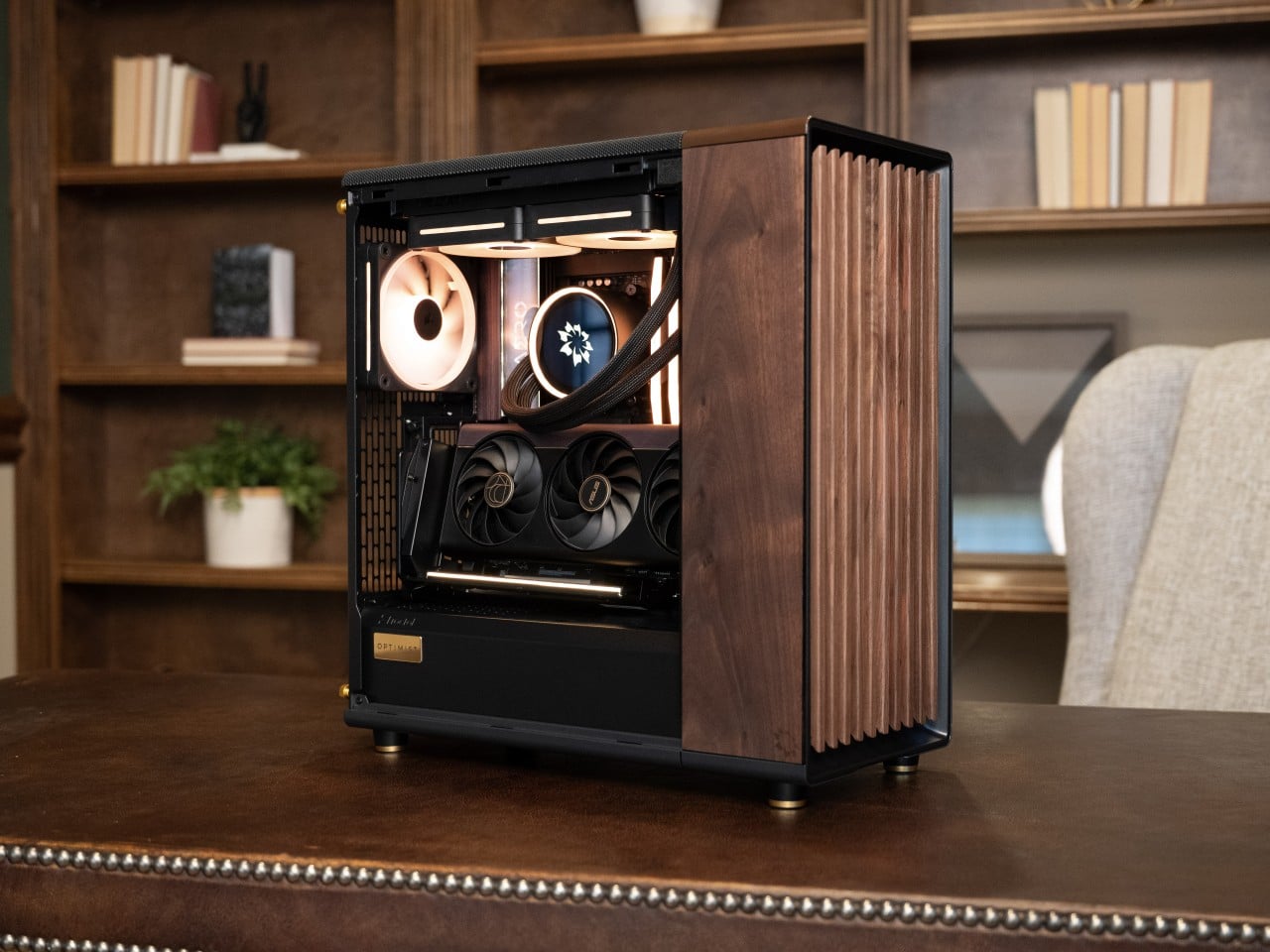
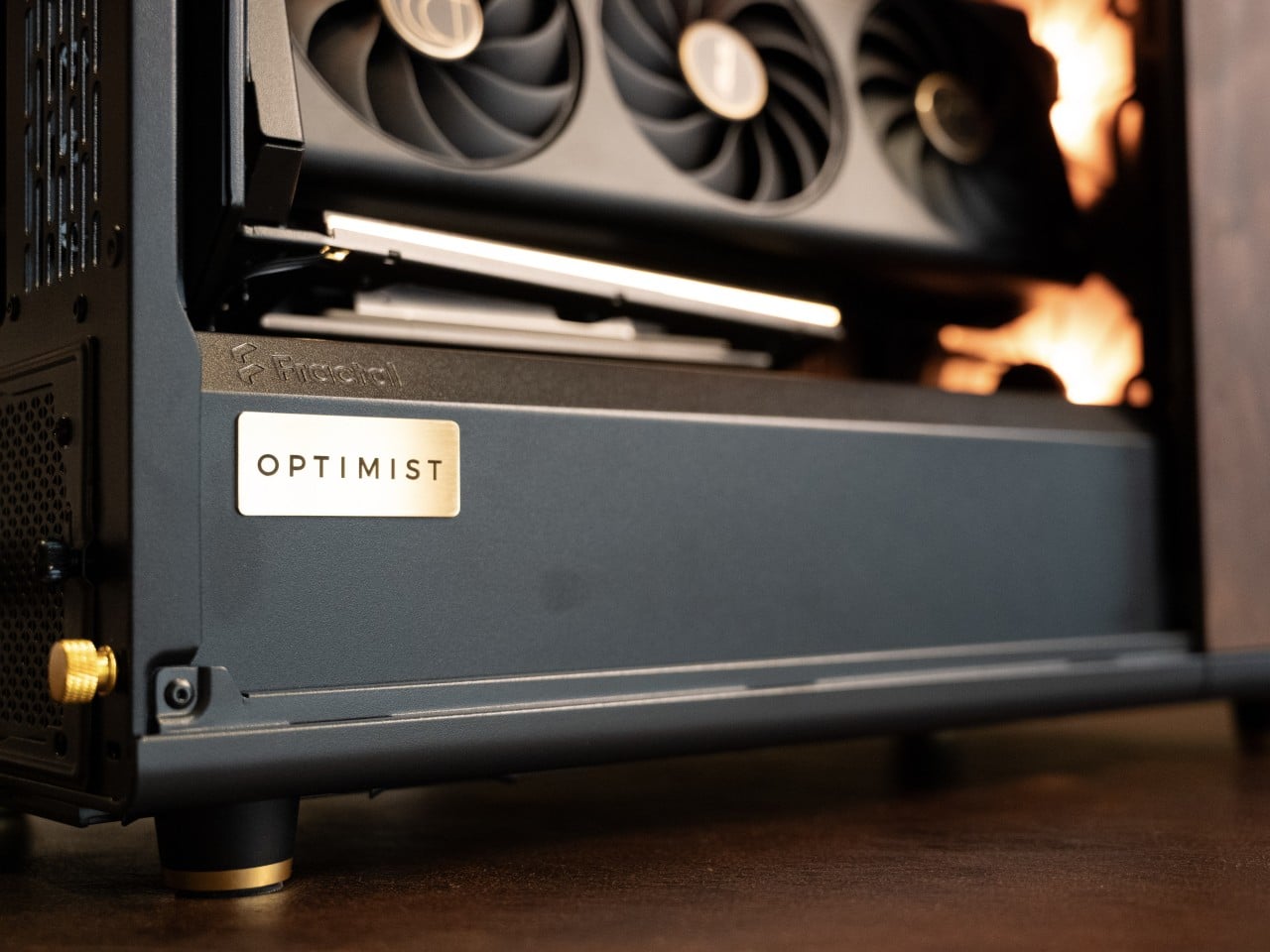
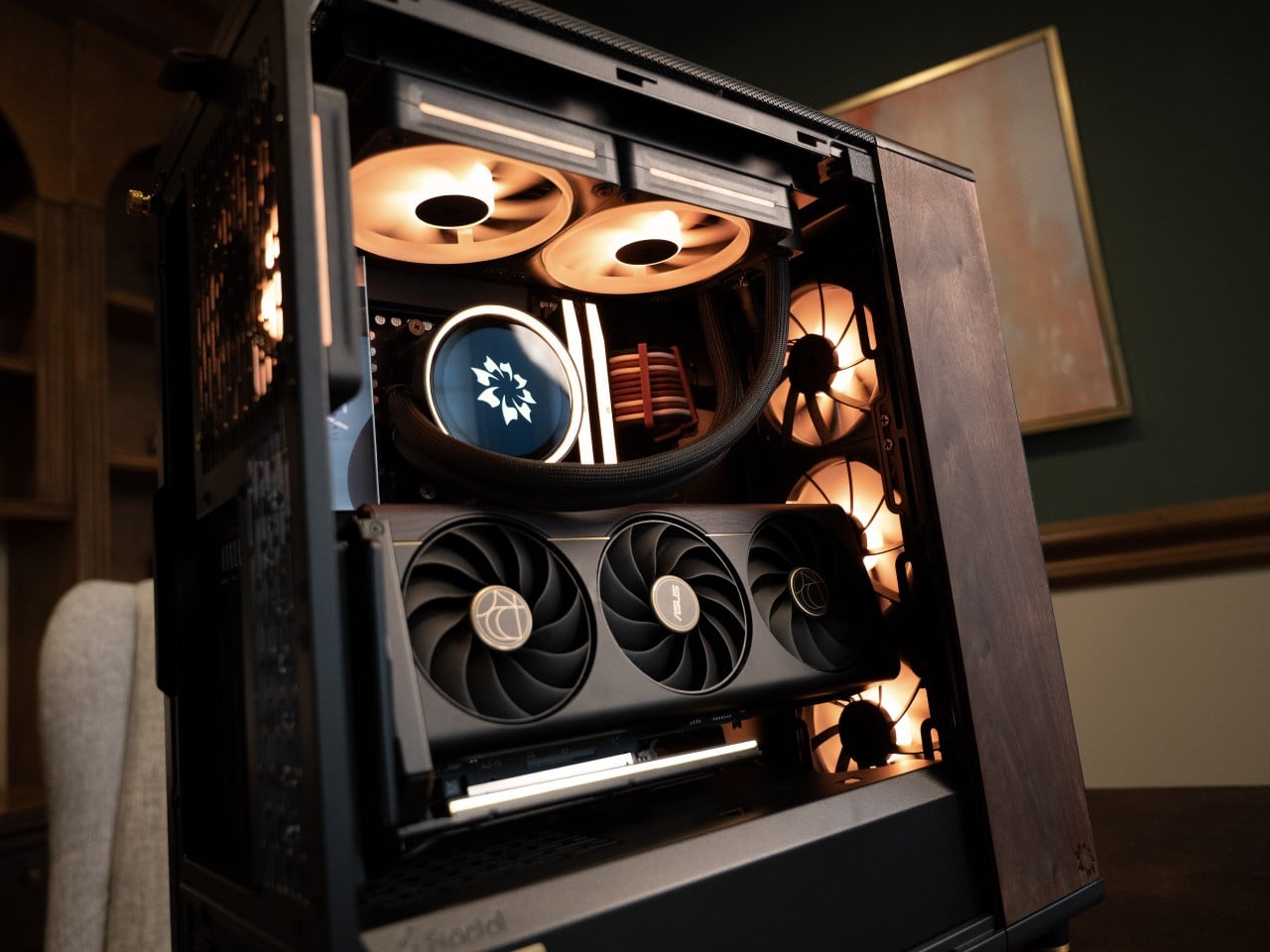
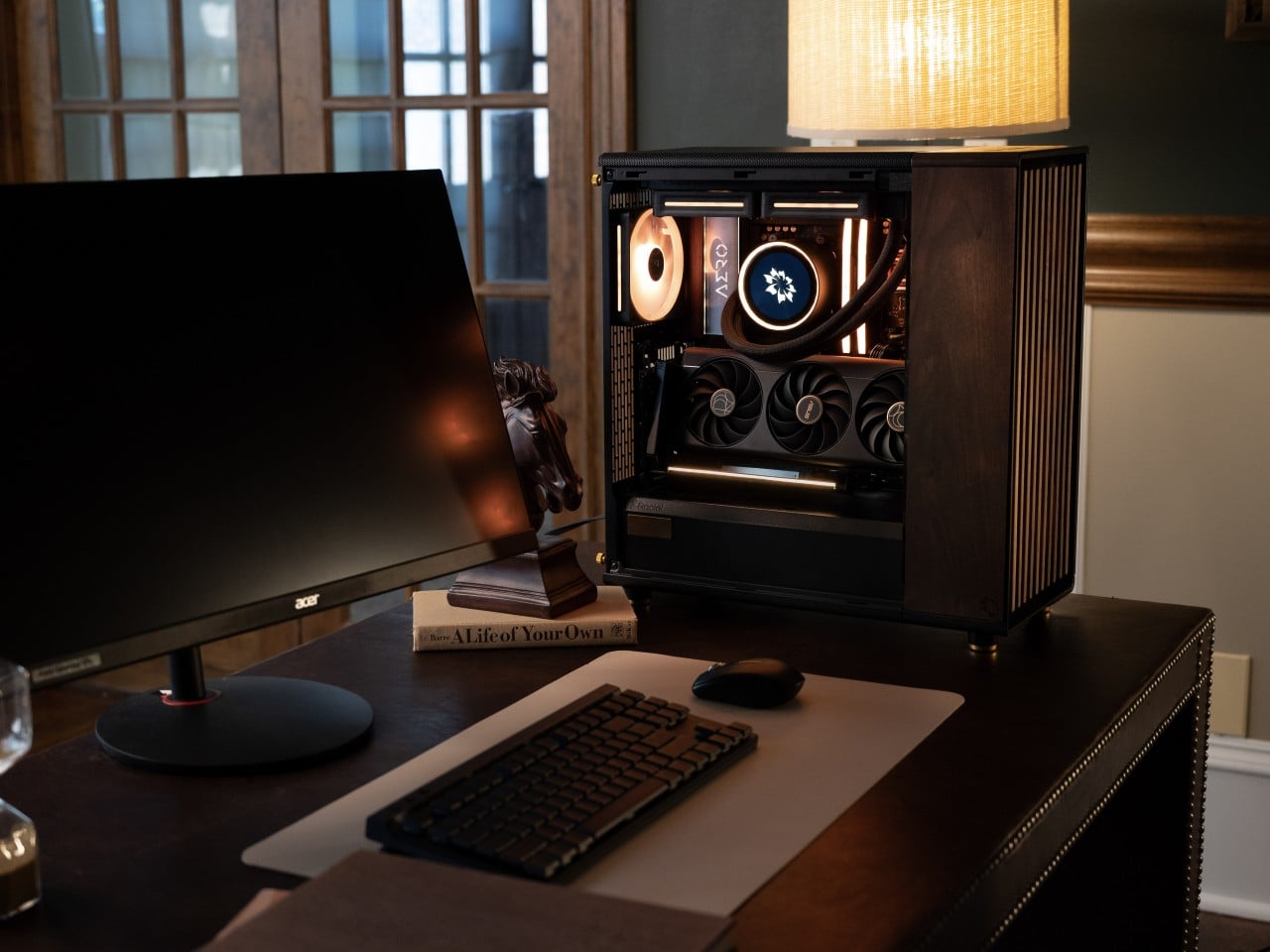
The Nocturne is a desktop PC built in direct opposition to that assumption. Its chassis is sub-11L, which makes it compact enough to actually sit on a desk rather than beneath one, and its materials are a considered departure from the standard palette of tempered glass and injection-molded plastic. The side panel is a single plank of American Black Walnut, laser cut, hand finished, and polished with organic beeswax, a finish that deepens naturally with age rather than fading or yellowing. The front face is walnut as well. The feet, badge, buttons, and screws are turned from solid brass. The top panel is individually airbrushed per unit.
Designer: Ren Zhen (Optimist)
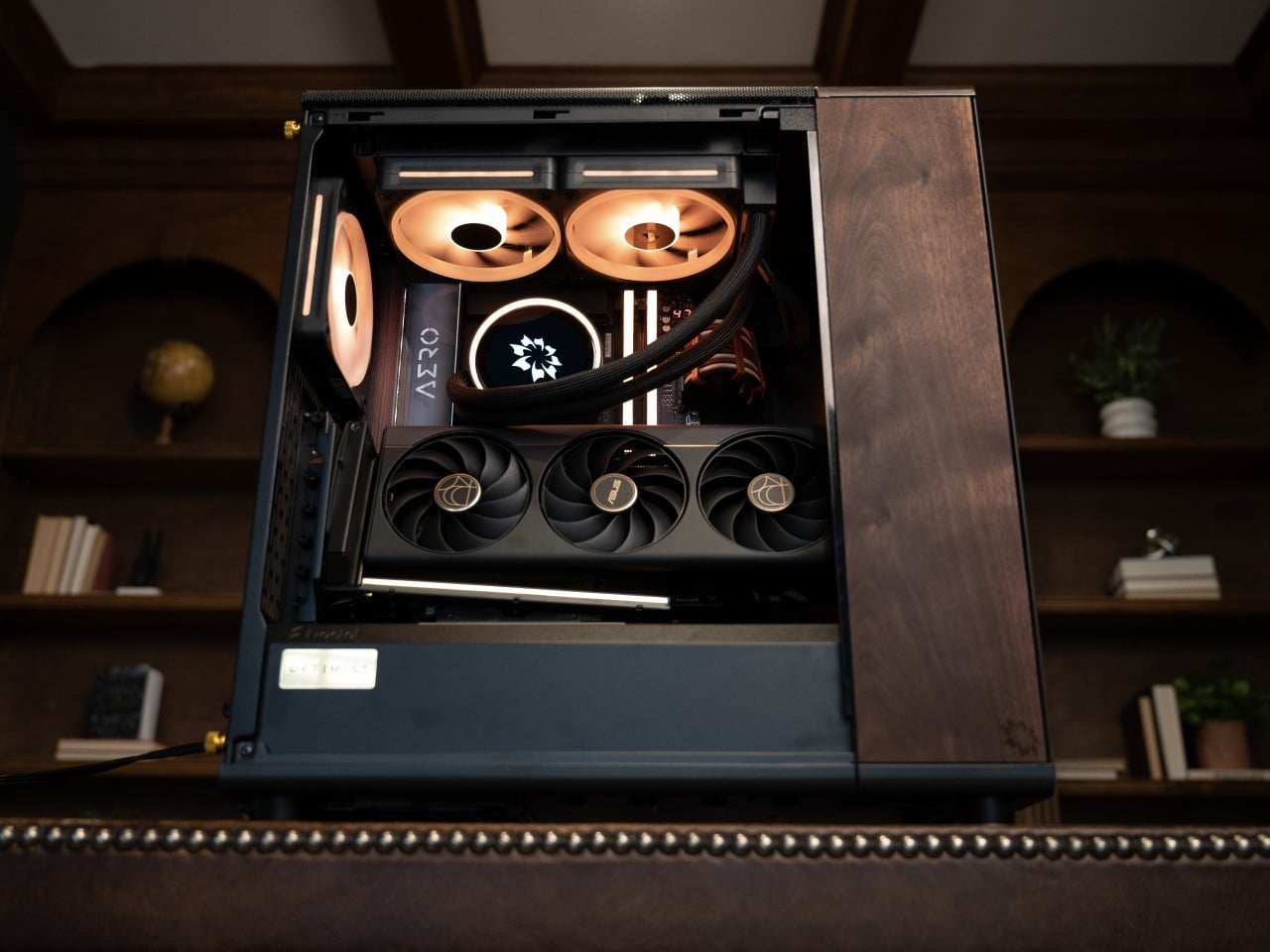
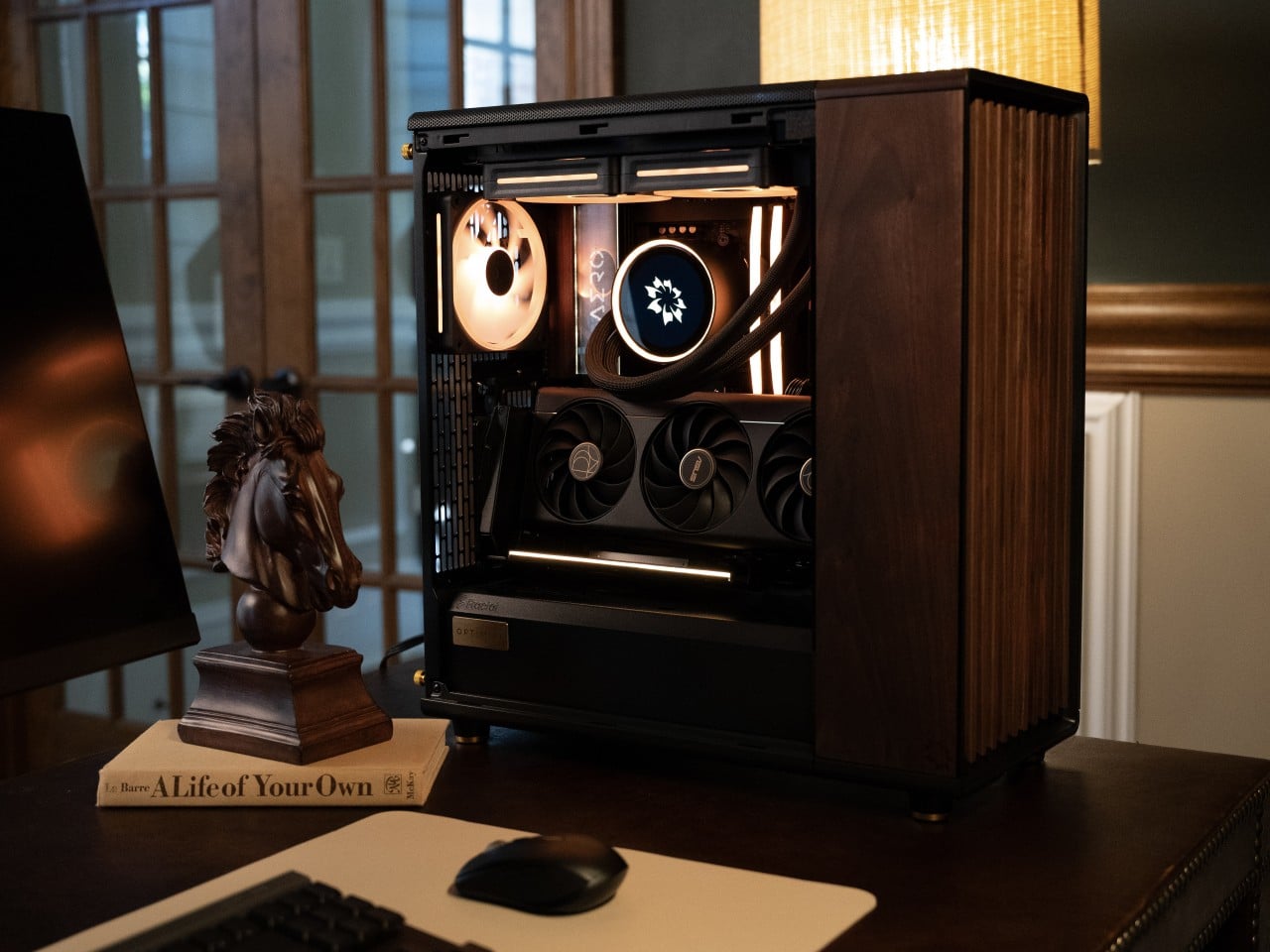
Every Nocturne is assembled and tuned by the same small team at Optimist’s shop in North Carolina before it ships. That includes a photography session for each unit, which is both a quality step and a signal that the people building these take the object seriously as a designed thing rather than a configured product. Nothing in the process is shared with mass production. The Optimist emblem is laser-etched directly into the walnut, not applied as a sticker or decal.
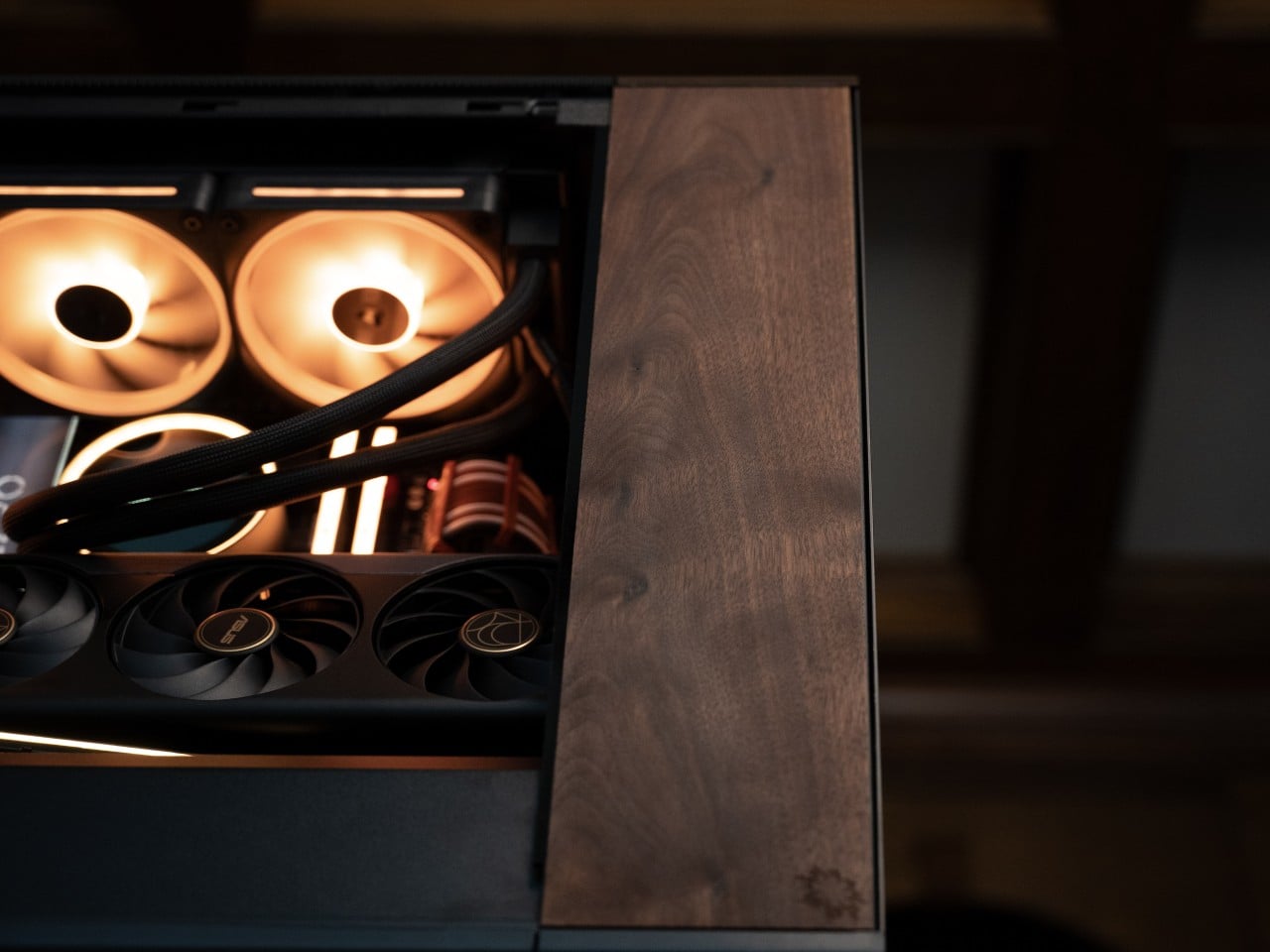
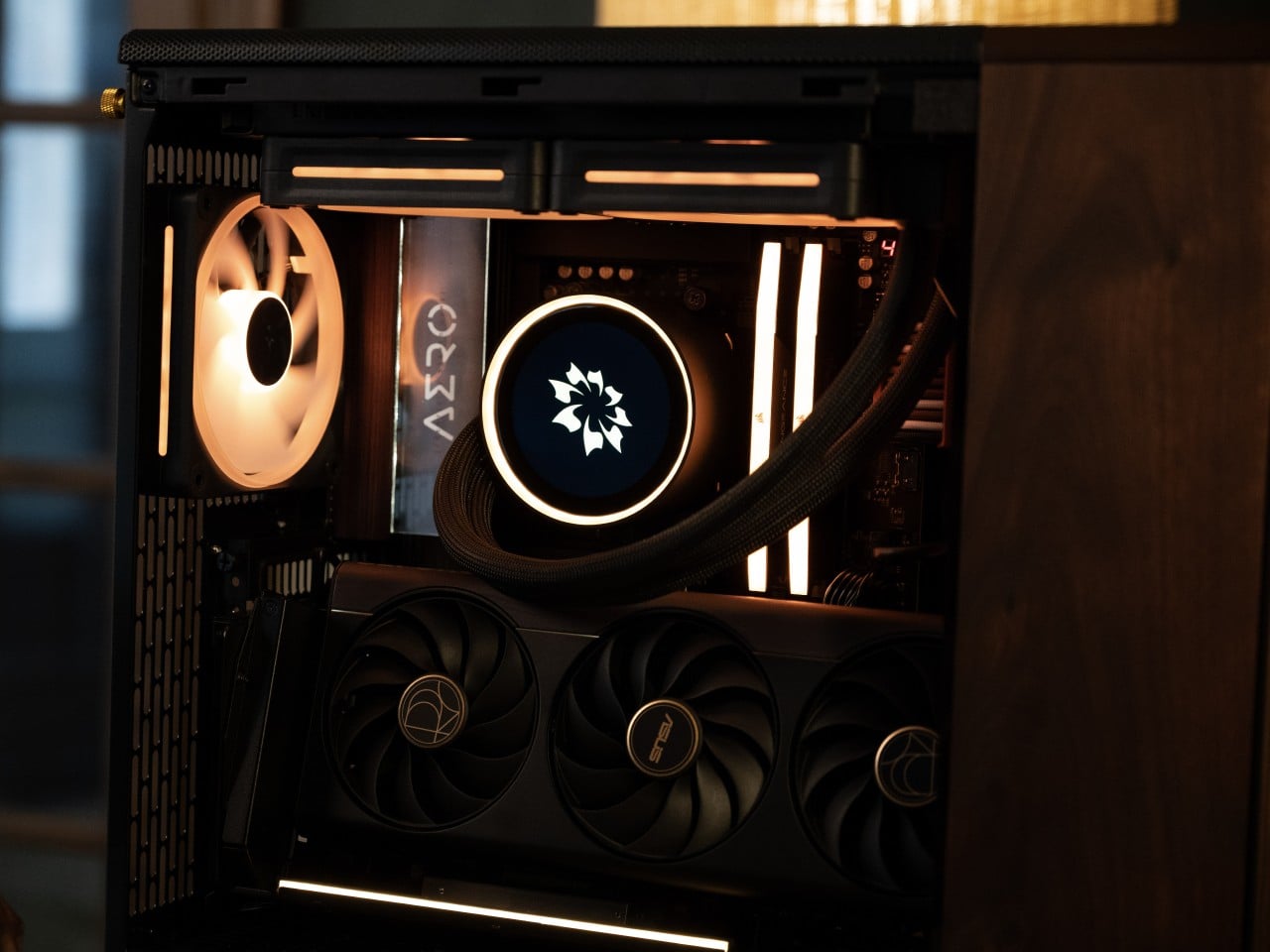
The hardware inside doesn’t make any concessions to the visual restraint outside. The Nocturne supports configurations up to an AMD Ryzen 9 9950X3D2 processor and an NVIDIA GeForce RTX 5090 GPU with 128GB of DDR5 memory available at the top end. The acoustic performance matches: the system runs at sub-decibel levels, which matters as much for the room it sits in as for the person sitting in front of it. A machine that sounds like an appliance disappears into a space in a way that a machine with a fan you can hear from across the room never does.
The warranty structure reflects the relationship the company expects to have with buyers after the sale. Parts are covered for two years and labor for six, and if a repair is needed, the unit can be shipped back for in-house service without conditions. That’s a longer commitment than most pre-built PC companies offer, and it makes more sense when the object in question is hand-finished wood and brass rather than standard black plastic.
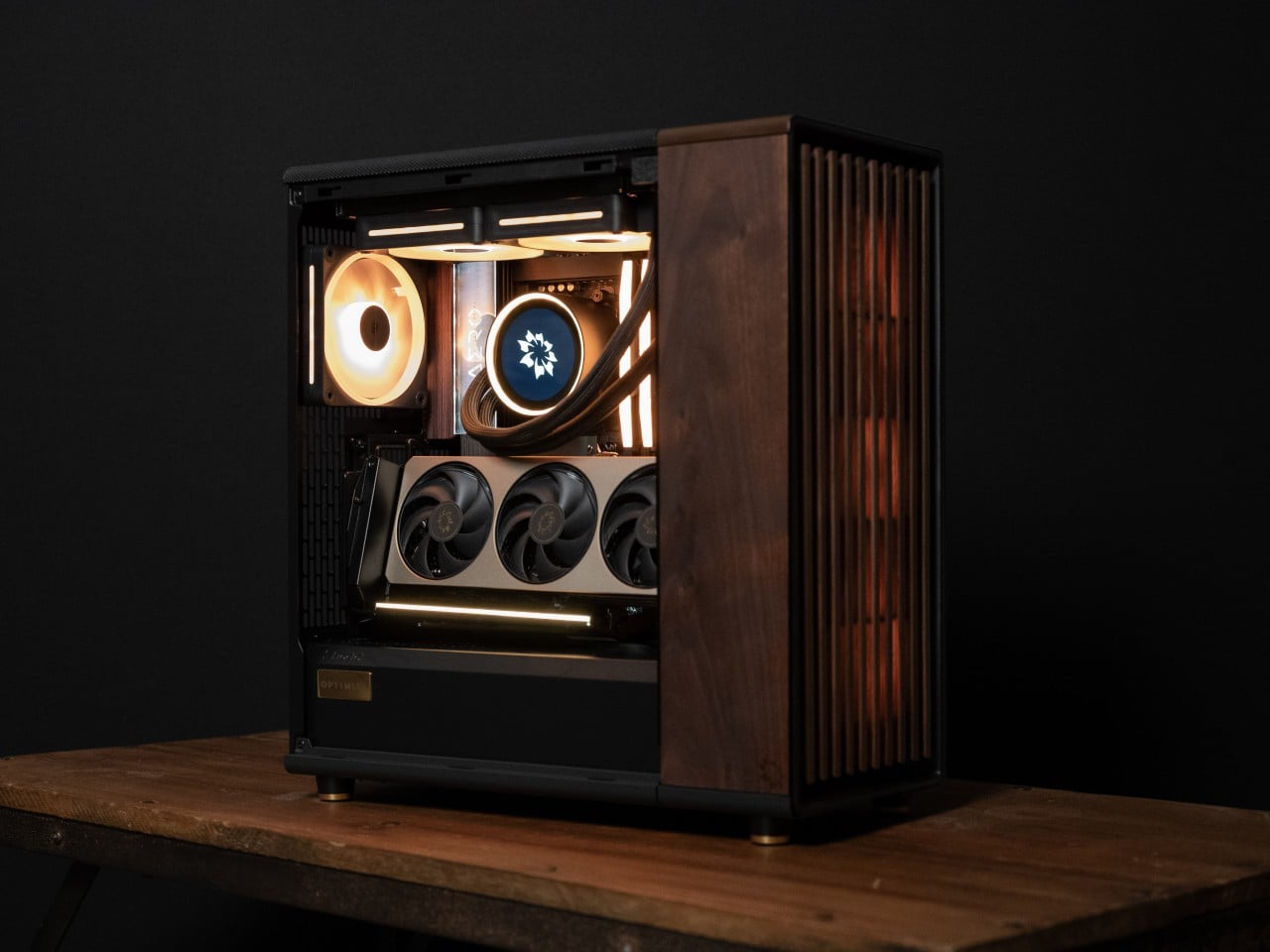
The Nocturne first appeared in 2024 and garnered quite the attention. Optimist keeps no more than five designs available at any time, retiring past builds as new hardware and new aesthetics arrive. The Nocturne has persisted through multiple cycles. That’s a harder thing to maintain in a market that typically treats last year’s chassis as obsolete the moment a new one appears.
The post A Walnut and Brass Desktop PC That Still Runs an RTX 5090 first appeared on Yanko Design.


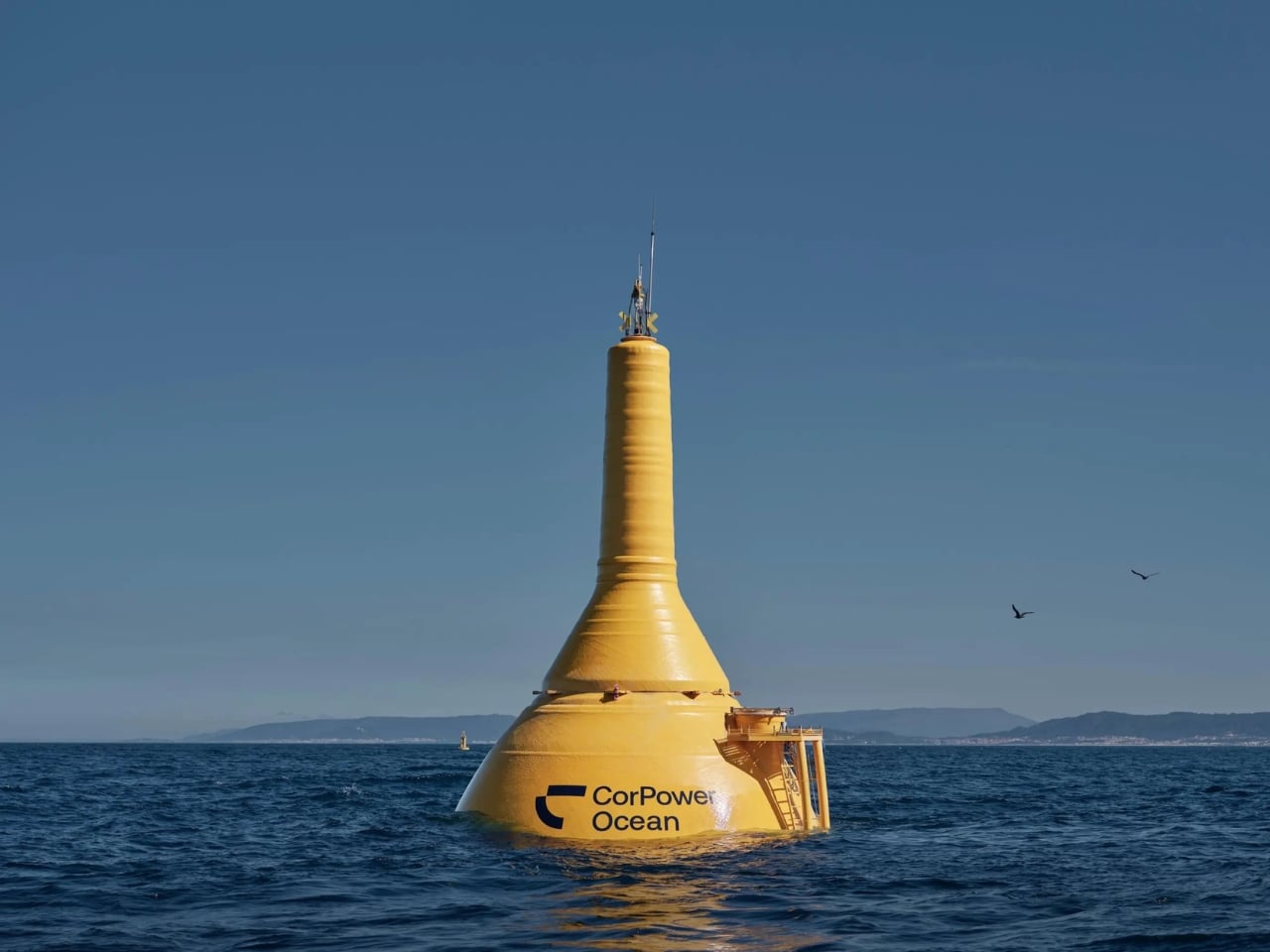
We have been talking about wave energy for decades. It shows up in climate briefings, TED talks, and renewable energy roadmaps with the same promising but perpetually tentative language: potential, emerging, coming soon. So when a company actually delivers a milestone that moves it out of the “maybe someday” category, it deserves more than a passing mention in a news ticker.
CorPower Ocean, a Swedish cleantech company, just did exactly that. Their C4 wave energy converter became the first of its kind to earn a full DNV Prototype Certificate, the most rigorous safety certification in offshore energy. DNV, for those unfamiliar, is the Norwegian firm whose standards essentially underpin the modern offshore wind industry. Getting their stamp of approval is not a ribbon-cutting ceremony. It’s proof of work.
Designer: CorPower Ocean
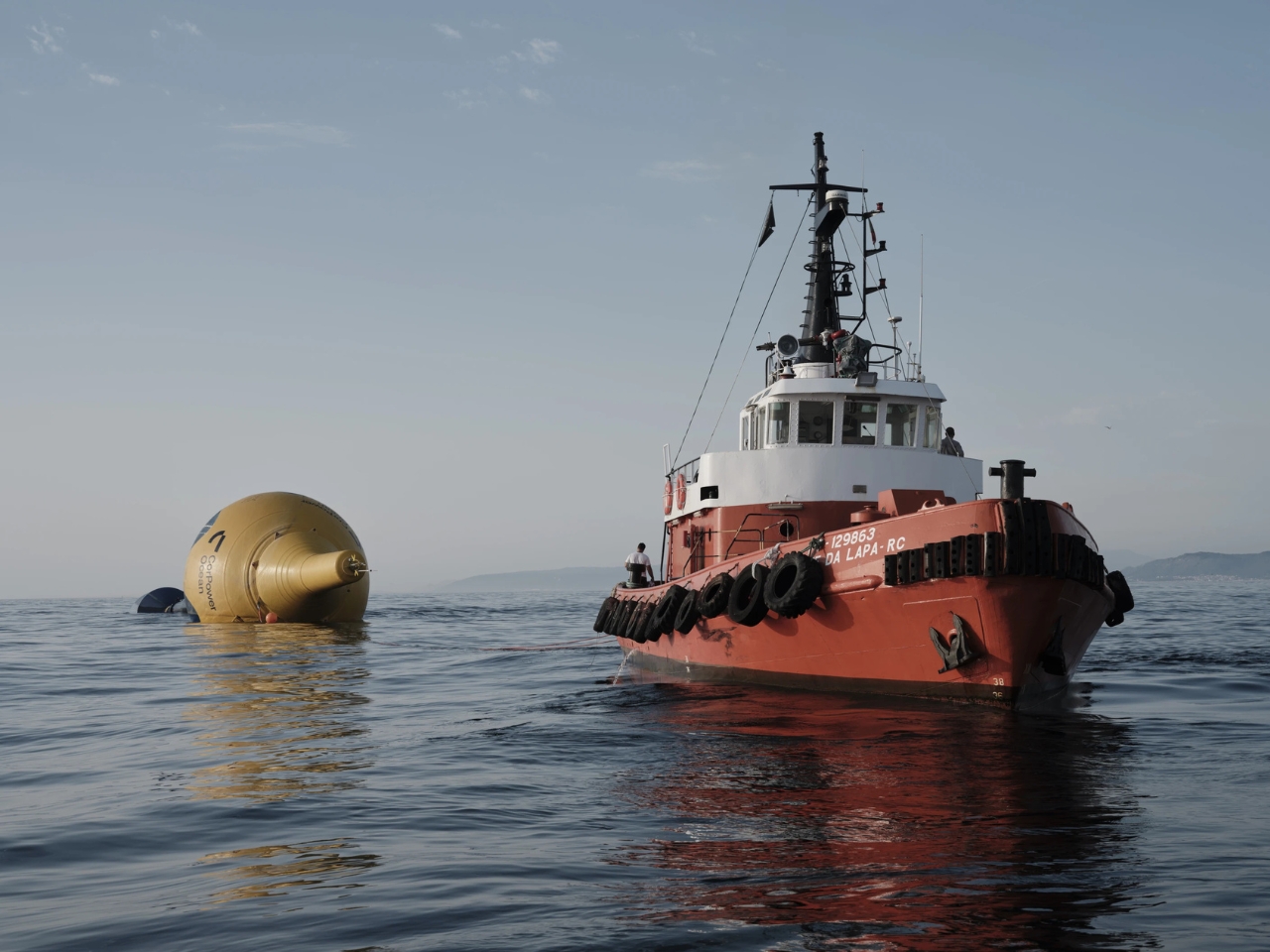
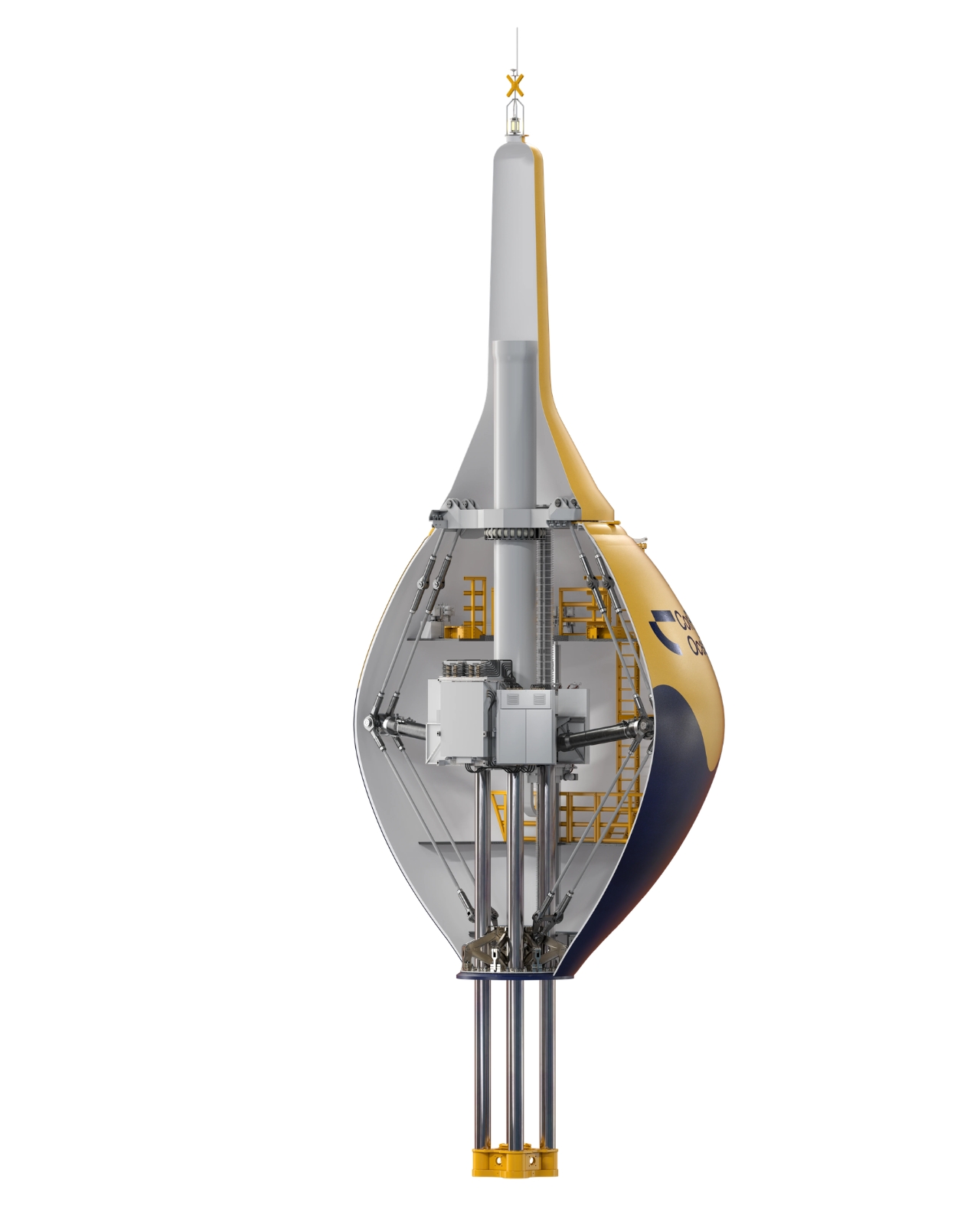
The C4 itself is a striking piece of engineering. It’s a 100-ton buoy, roughly the height of a four-storey building, and it converts ocean swells into electricity using a mechanism inspired by the pumping principle of the human heart. The company calls it WaveSpring technology, and the idea is that the device resonates with the natural rhythm of incoming waves rather than fighting against them. That design philosophy results in a device that can generate five times more electricity per tonne than any other known wave technology, more than 10 megawatt-hours per tonne. For a sector that has always struggled with the cost-versus-output equation, that number is significant.
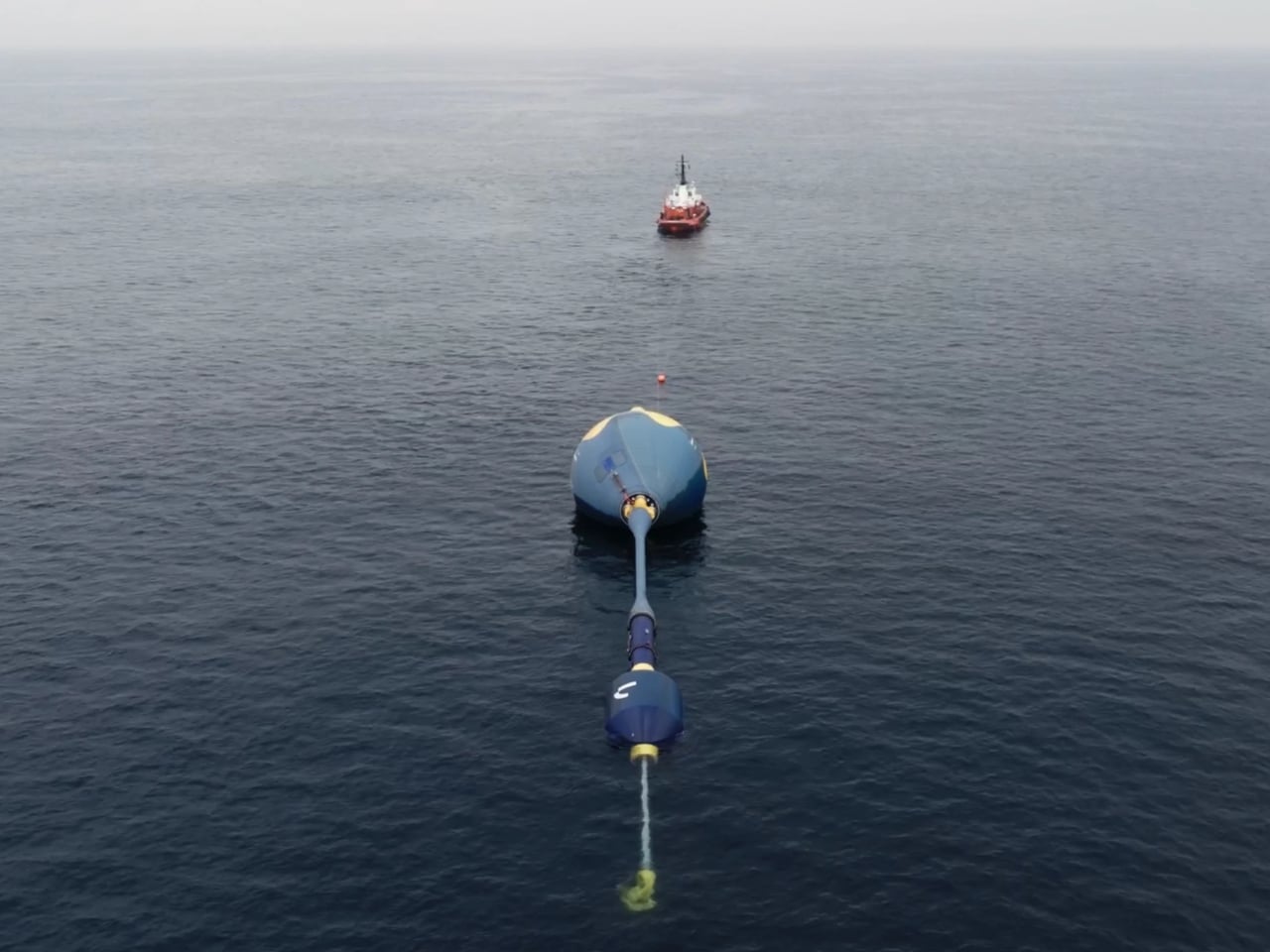
What makes the DNV certification particularly meaningful is how difficult it was to earn. The process took seven years and covered everything from concept development and structural analysis to manufacturing, storm survivability, and real ocean performance. The C4 was deployed off the coast of Aguçadoura in northern Portugal in late 2023, and it weathered four major storms during that period, including waves reaching 18.5 metres in height. It didn’t just survive. It resumed exporting power to the grid after each one.
I think about that a lot because it’s the part of wave energy that rarely gets enough credit. The ocean is brutal. Most renewable energy infrastructure, whether solar panels or wind turbines, operates in relatively predictable conditions. Wave energy converters have to function in one of the most hostile environments on the planet, and the failure rate in this space historically has been high. The fact that the C4 emerged from the Atlantic with its certification intact says a great deal about the maturity of the technology.
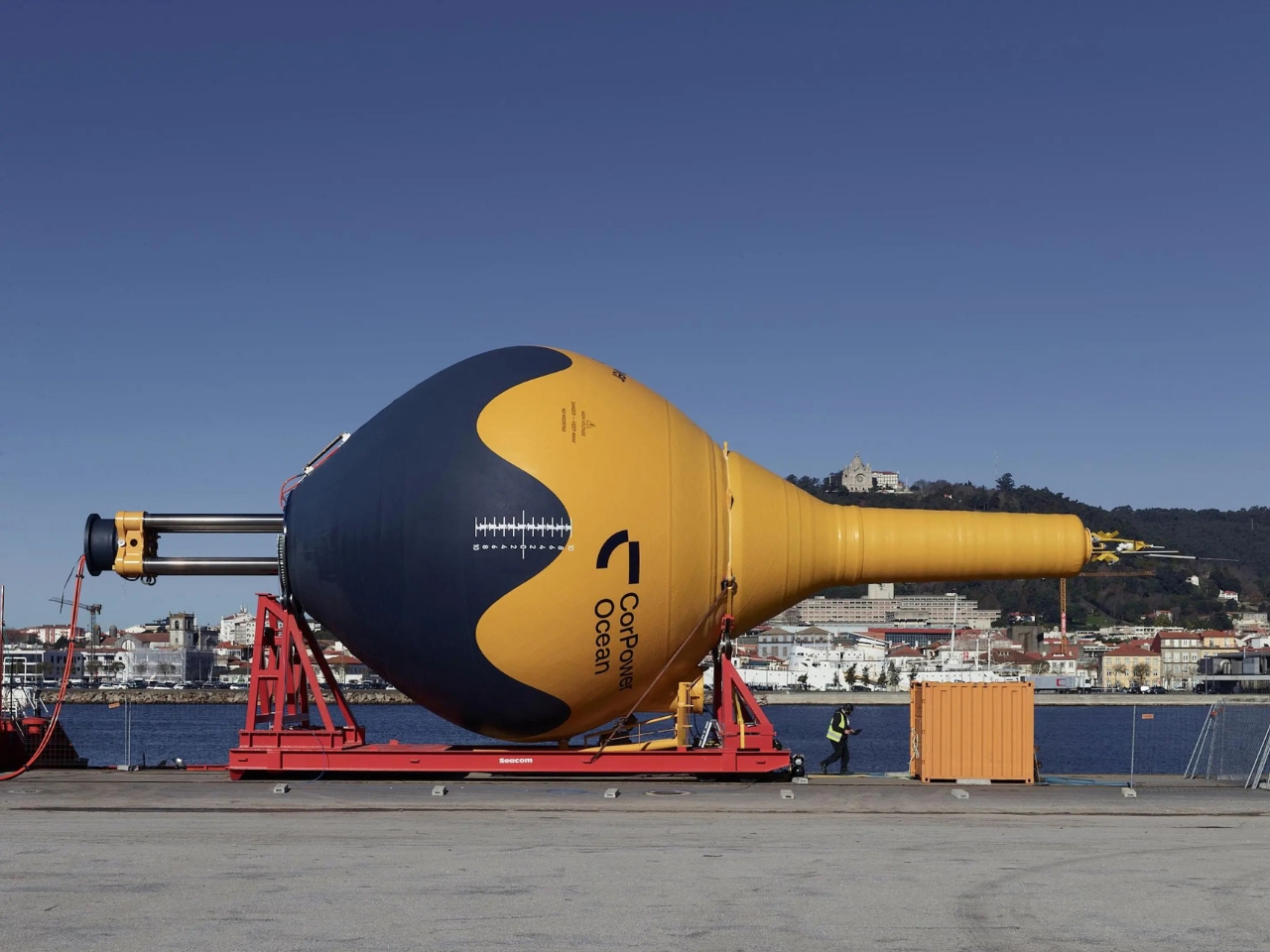
Now, CorPower is looking at the next phase: the VianaWave project, which would become the world’s first 10-megawatt commercial wave farm, also off the coast of Portugal, targeted for around 2029 to 2030. A project in Scotland is also in the works. The DNV certification is crucial here not just for optics but for practical reasons. It reduces technology risk in the eyes of investors, insurers, and project financiers who have historically been reluctant to back wave energy ventures. Bankability has always been the bottleneck, and this certification directly addresses that.
Wave energy won’t replace solar or wind. Nobody is suggesting that. But it has something those two sources don’t: it’s consistent. Waves roll in day and night, regardless of cloud cover or calm weather. As a complement to variable renewables, that kind of reliability carries real weight. The ocean covers 71 percent of the planet’s surface, and the commercially available wave energy potential sits at around 500 gigawatts, roughly 10 percent of global electricity consumption. That’s not a footnote resource.
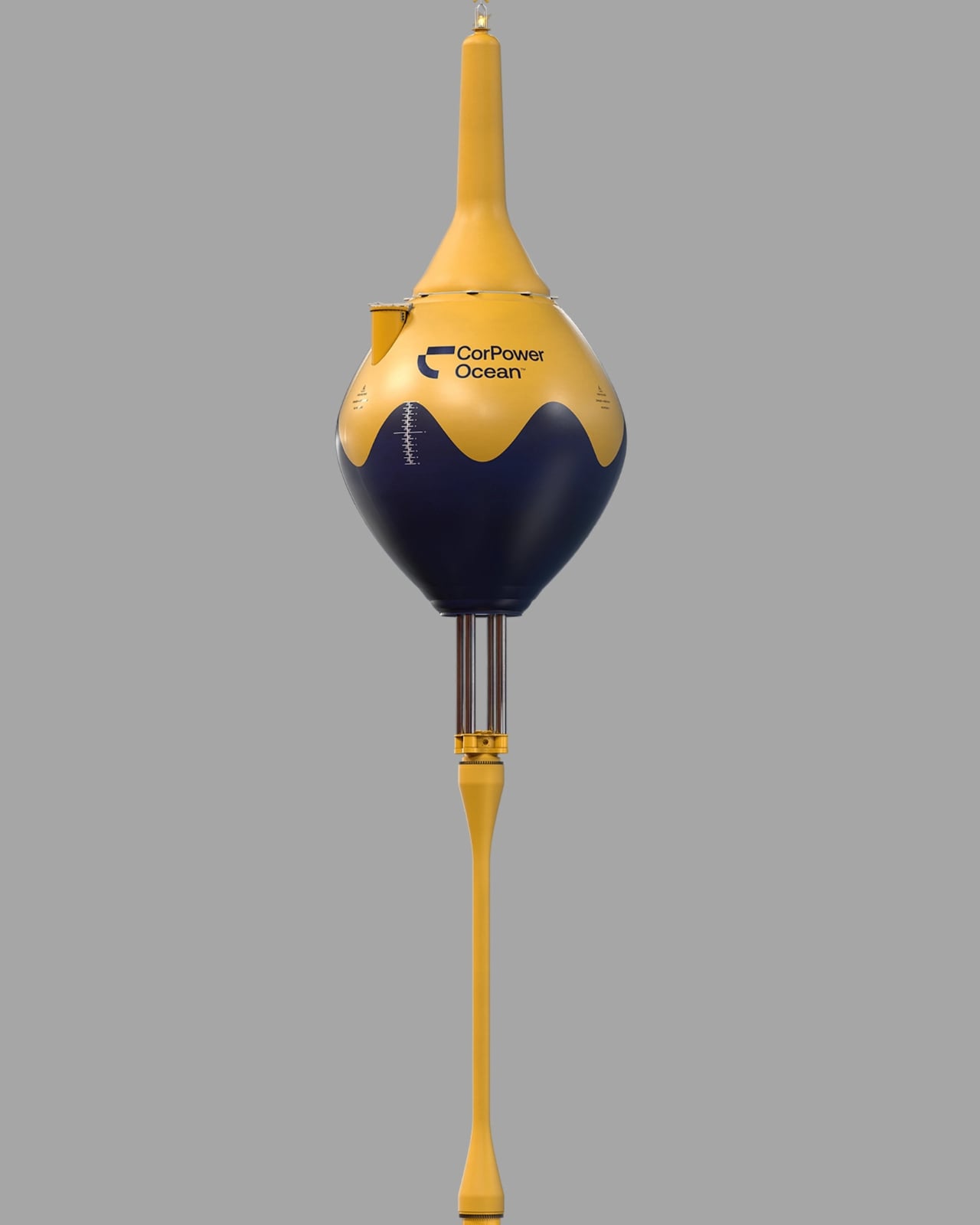
The C4 is not a finished product. CorPower is already developing its next iteration, the C5, alongside the rollout of the current technology. But as a proof of concept that has cleared the toughest bar the industry has, it marks something real: wave energy is no longer hypothetical. The certification doesn’t just validate a buoy. It validates years of work spent turning an elegant idea into something the ocean itself has agreed to cooperate with.
The post Wave Energy Just Cleared Its Biggest Hurdle in 7 Years first appeared on Yanko Design.