
What makes digital wallets safer than physical ones?
Digital wallets are convenient, but they also bring a ton of security features that help keep your cards protected.

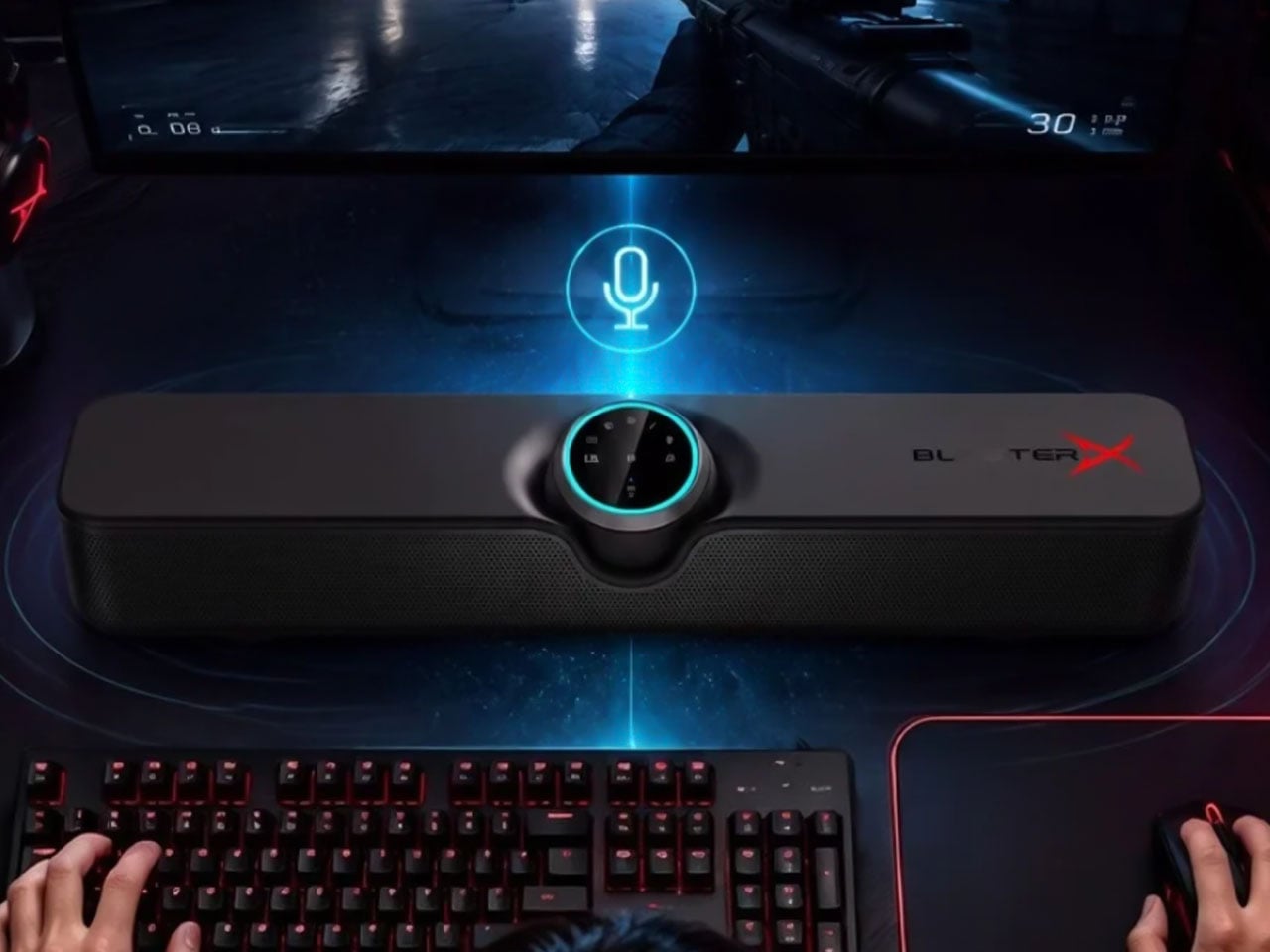
Gaming soundbars are the new hot trend that promises to elevate the overall experience during high-octane action without breaking the bank. You don’t have to go for extensive surround sound setups if desk space is a premium, nor do you need to worry about the positioning of the speaker system relative to your sitting angle.
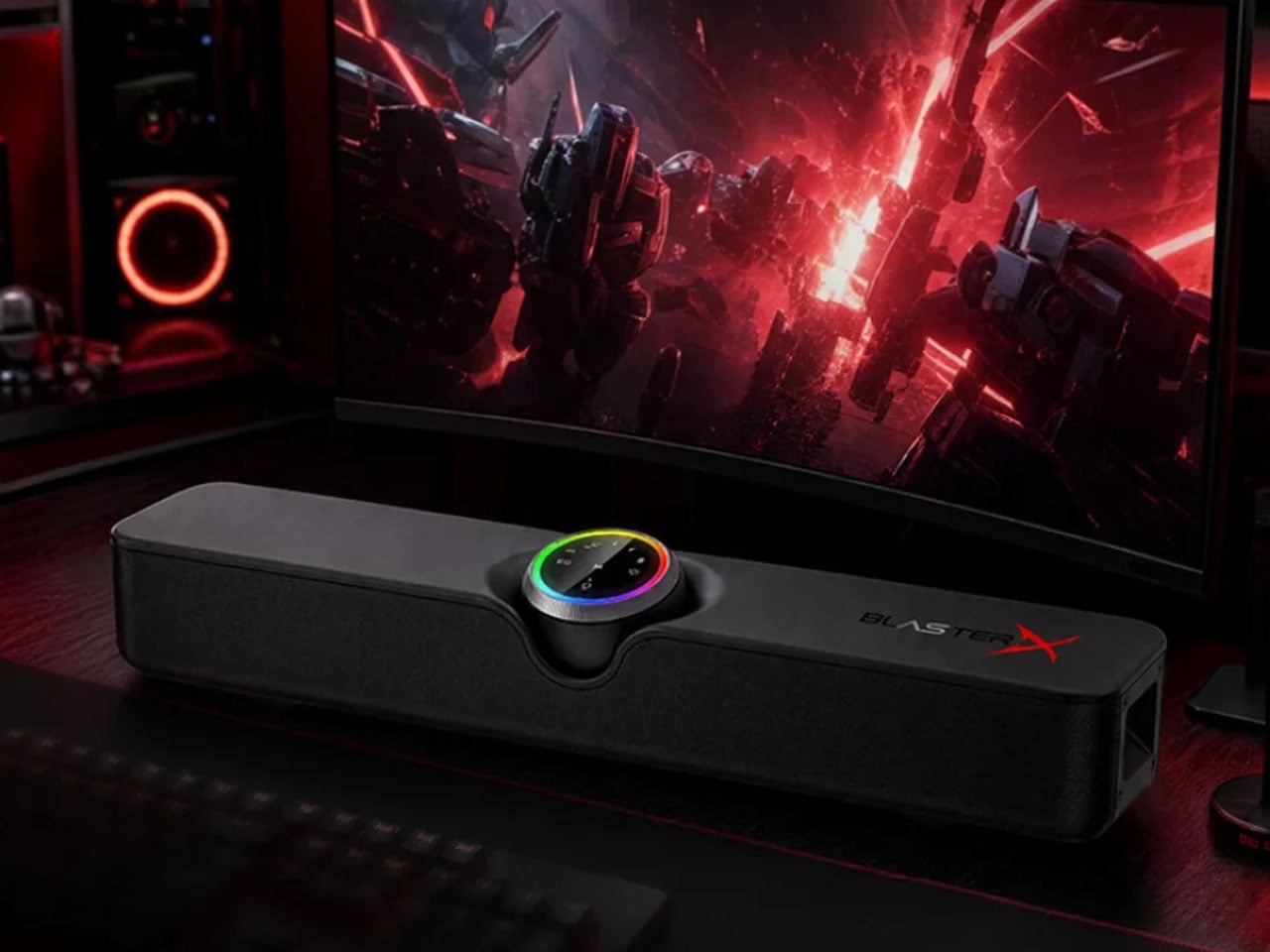
We’ve earlier seen Razer and, recently, ASUS has come up with a soundbar designed to sync with the RGB setup of the compatible lineup of accessories. Creative has jumped on the bandwagon with their gaming soundbar, and it looks equally good for gamers who demand quality in-game output and love to match it up with the right lighting ambiance.
Designer: Creative

Launched in China for now, the desktop gaming soundbar dubbed Creative B3 is listed on JD.com, and there is no word on its availability in other parts of the world. Carrying a retail price of 429 yuan ($64), the accessory undercuts the Razer Leviathan V2 and ROG Gjallar Soundbar by a long margin. According to trusted Chinese blogs, the soundbar will carry an even lower price of around 339 yuan (approximately $50) during the initial launch phase. Even if the soundbar can come close to what these two brands are already offering, it is a deal maker for gamers on a budget.
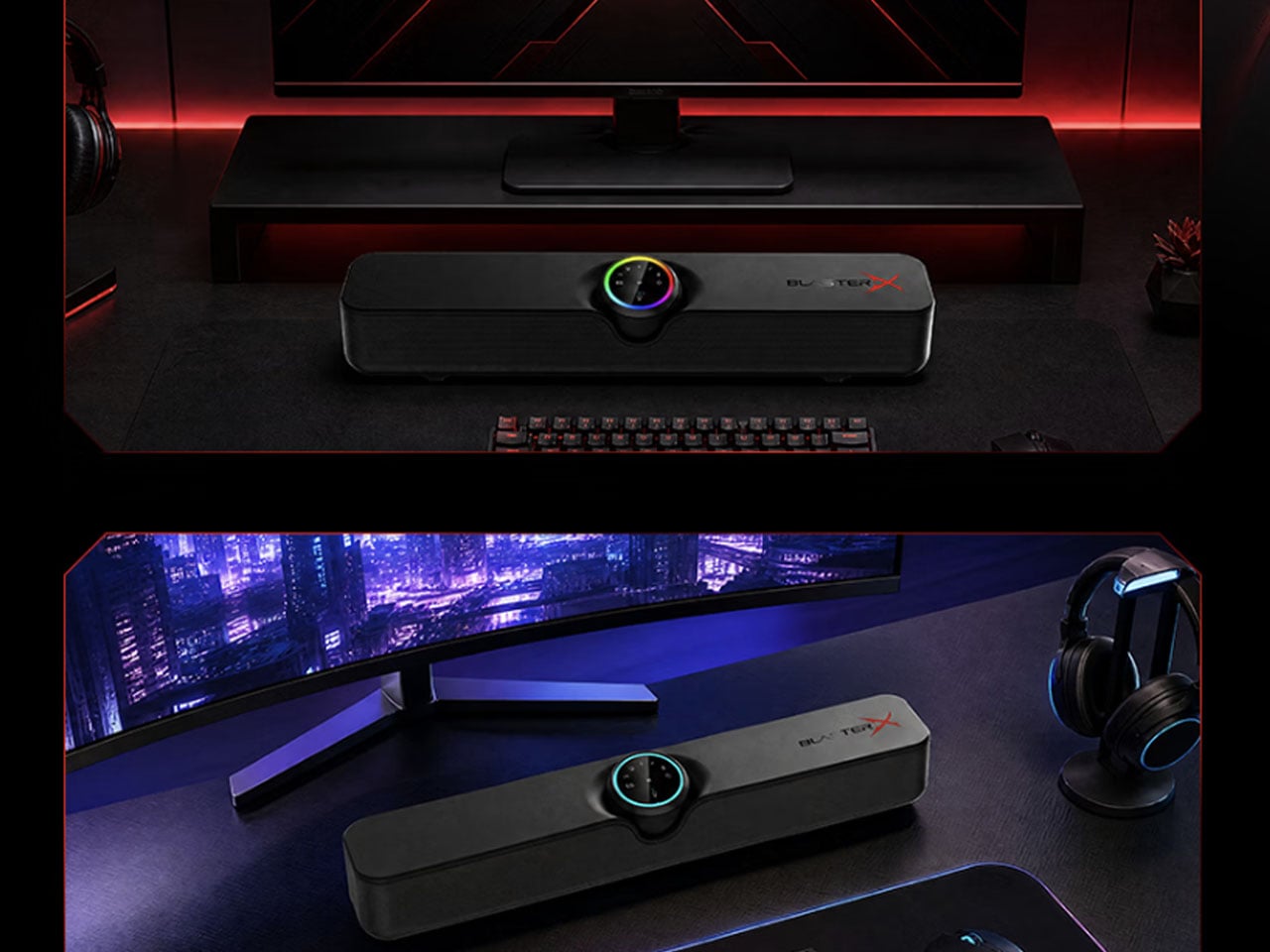
The 420mm-long gaming soundbar weighing 1.28 kg is designed to be placed under the desktop monitor to utilize space and keep the controls well within reach. This makes the accessory well suited for users who have an already constricted desk space. Just like Creative’s other audio accessories, this one makes use of modern connectivity options like Bluetooth 6.0 and audio performance we’re familiar with from their earlier products. The soundbar comes with four asymmetrical drivers that reproduce audio across the 20Hz to 20kHz frequency range for better audible separation. These include a 58mm low-end and mid-range driver, and two 40mm high-frequency and upper mid-range drivers.
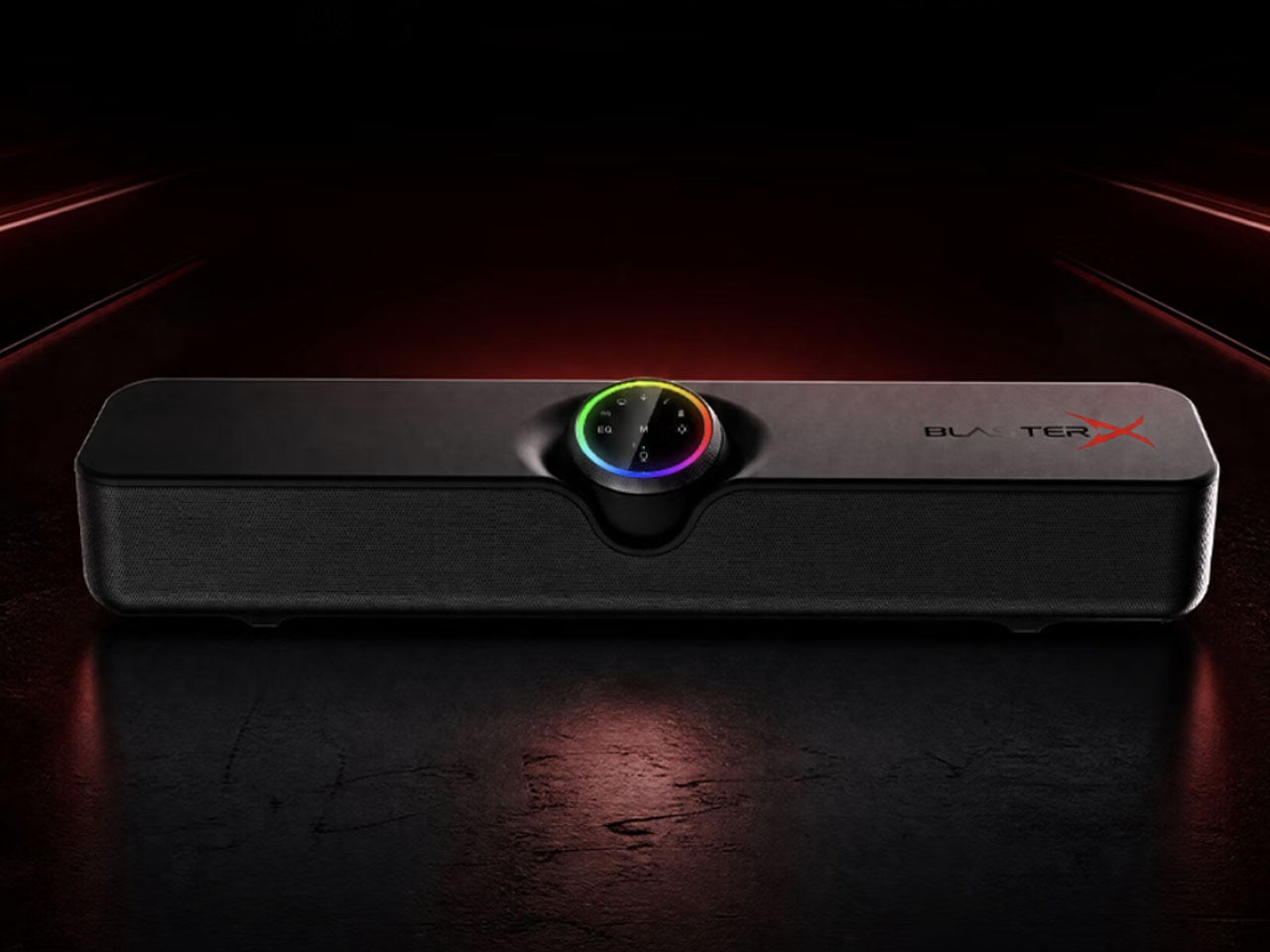
The Creative B3 soundbar can deliver a thumping 20W output through the 4W left and right channels. 6W each is output via the dual subwoofer channels. Since wireless is going to be the go-to mode for desktop users and gamers with this soundbar, the built-in 32-bit transmission chip helps keep the latency down to he minimum. For the more audiophile users, there is the wired connectivity option with the included USB-C port, 3.5mm AUX jack, and optical port. The soundbar comes with native support for PlayStation 5 and Nintendo Switch. Gamers can activate the respective console to optimize the audio output for maximum enjoyment.
The gaming soundbar also includes an omnidirectional microphone with active noise cancellation. This comes in handy for communicating with other players in multiplayer titles, especially when you don’t want to wear headphones for long hours. The B3 soundbar has the RGB control bar in the center to tweak all the settings for lighting or the equalization controls.
The post Creative B3 gaming soundbar undercuts Razer and Asus with an ultra-affordable $50 price tag first appeared on Yanko Design.

Statement lighting has a dirty secret. The taller and more sculptural a floor lamp gets, the heavier it usually becomes, and the harder it is to actually live with. Solid wood bases, cast metal armatures, thick glass shades: they look incredible in a showroom and then turn into a two-person moving job the second you decide the piece looks better by the window instead of next to the couch. For anyone who rents, moves apartments every couple of years, or just wants to rearrange a room without pulling a muscle, that’s the real cost of a lot of “sculptural” design.
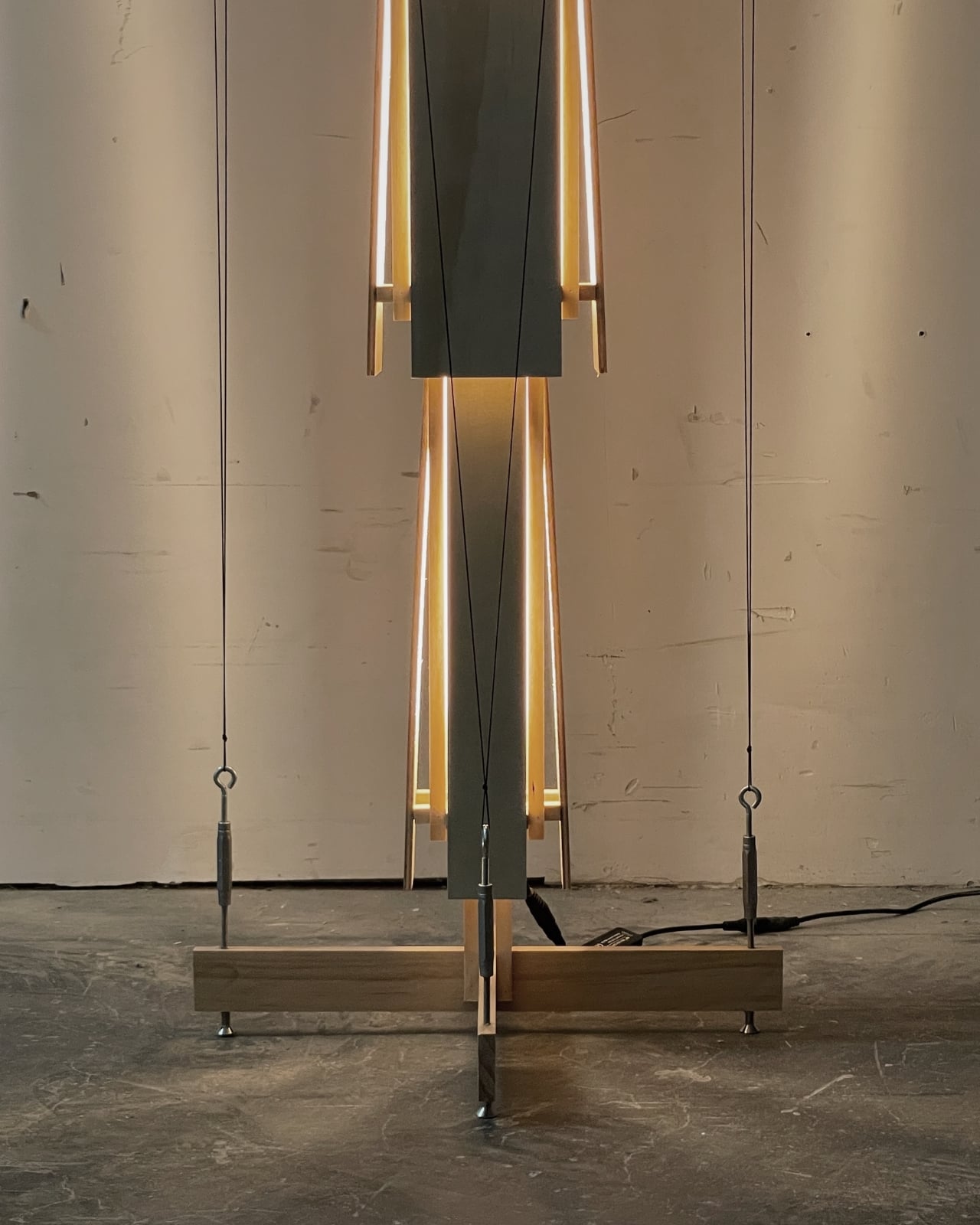
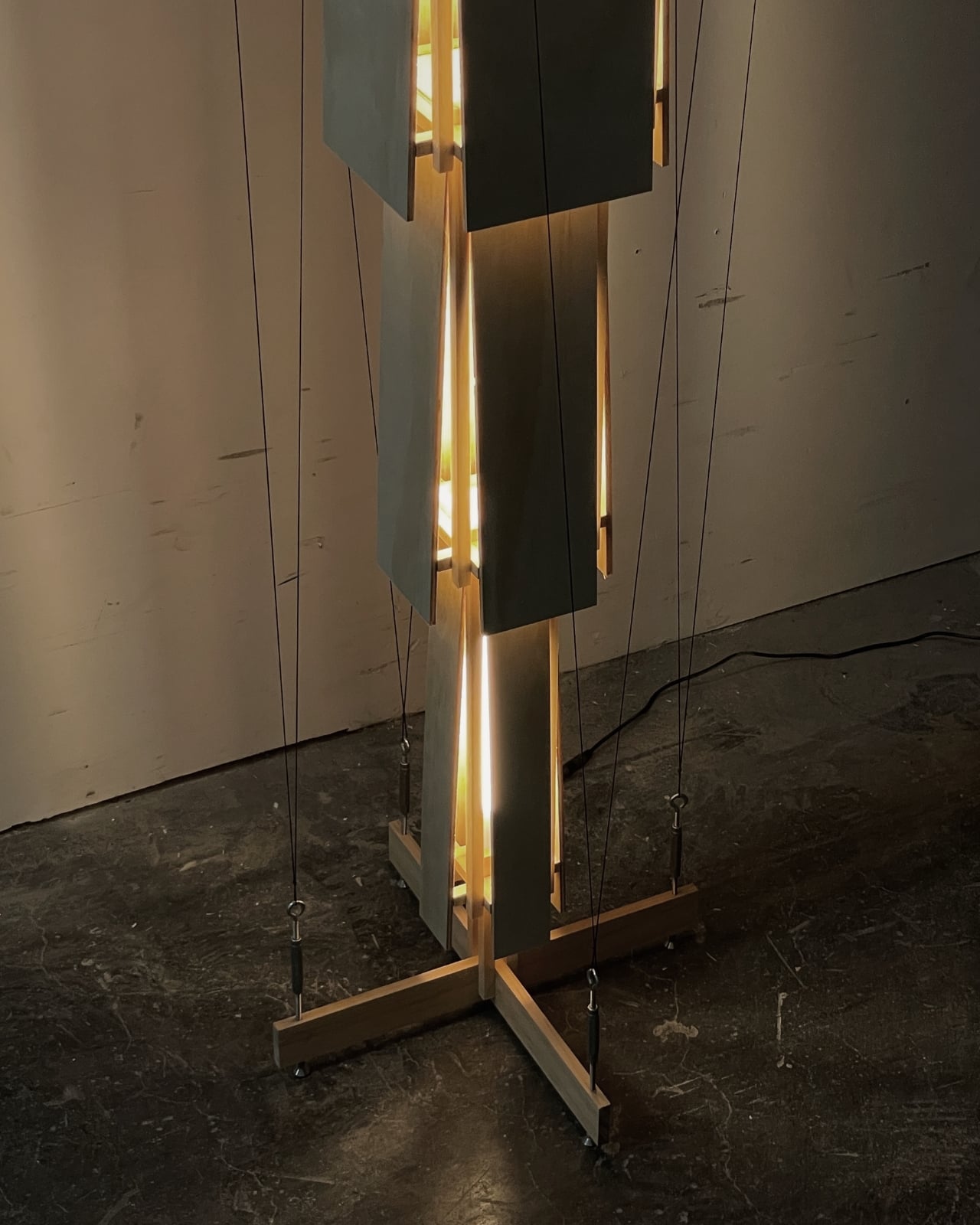
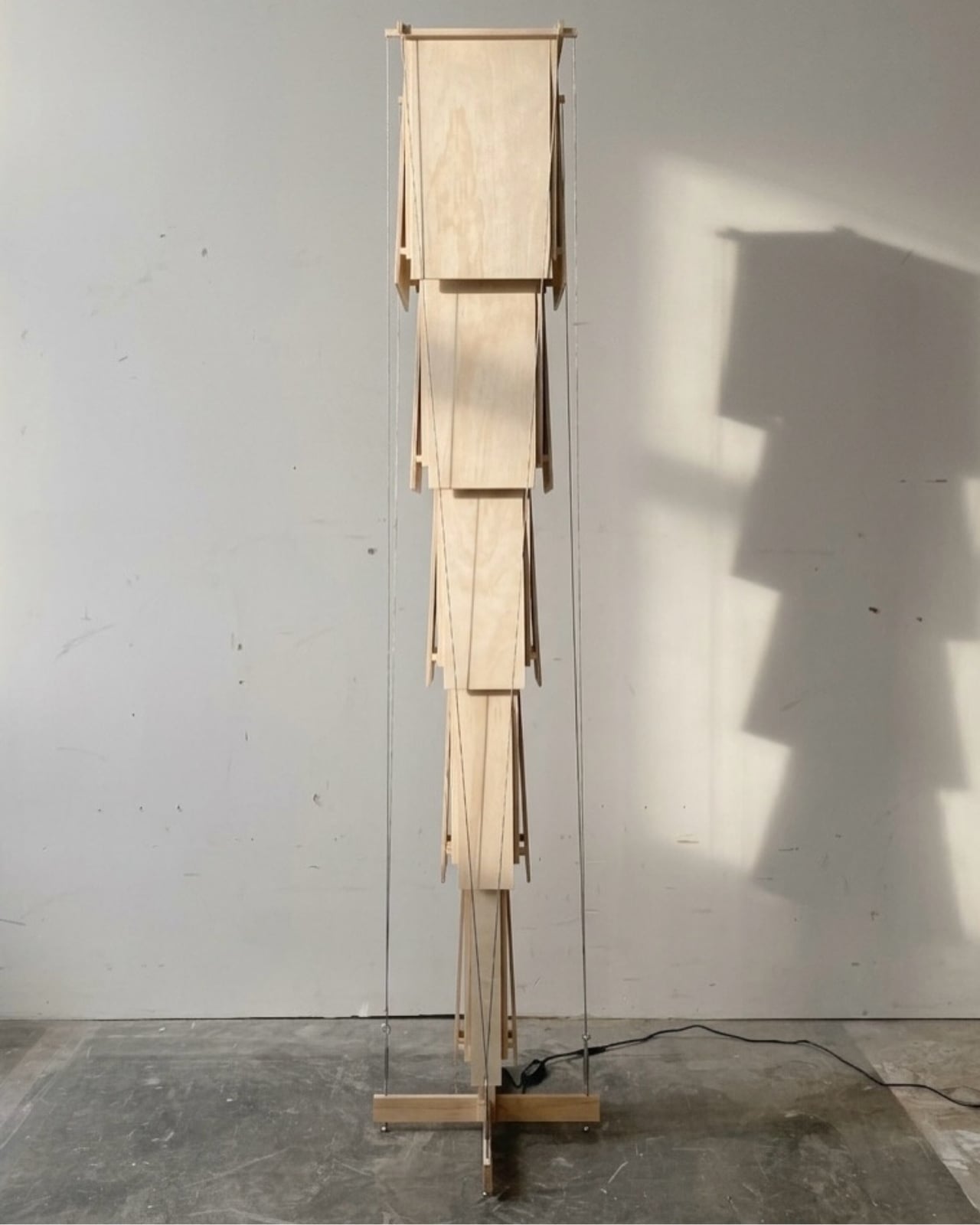
Christian Borger’s LP-11, the latest piece from his ongoing “Ultra-Light” series, is built around solving exactly that problem. It’s a floor lamp that stands well over five feet tall, stacked like a totem of tapering wooden shades, and it does all of that without the mass you’d expect from something that size. The whole structure is suspended on thin steel cables running through a wood base, so instead of stacking solid weight on solid weight, the panels essentially hang in tension. It’s closer to how a swing set holds a seat than how a lamp normally holds a shade.
Designer: Christian Borger
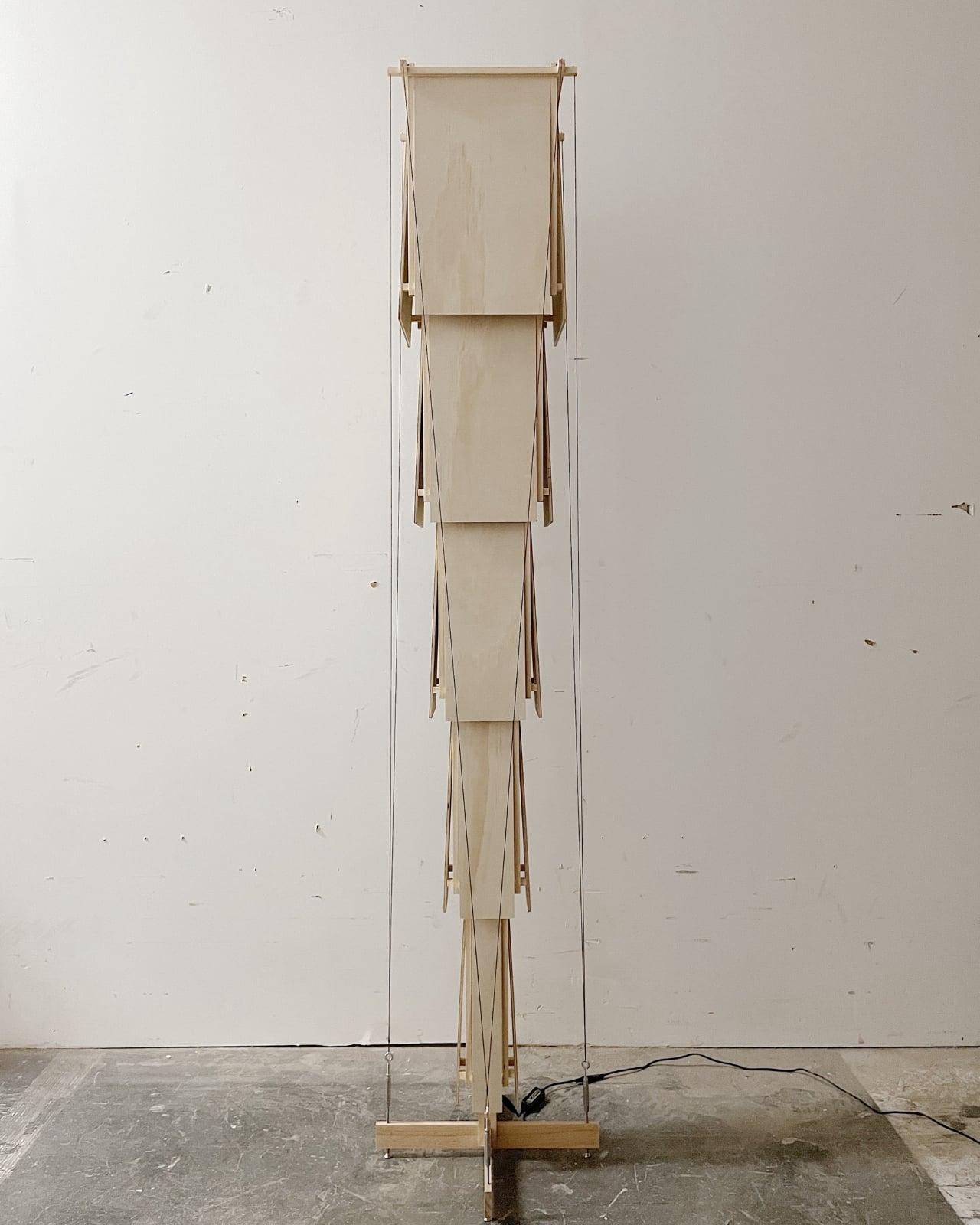
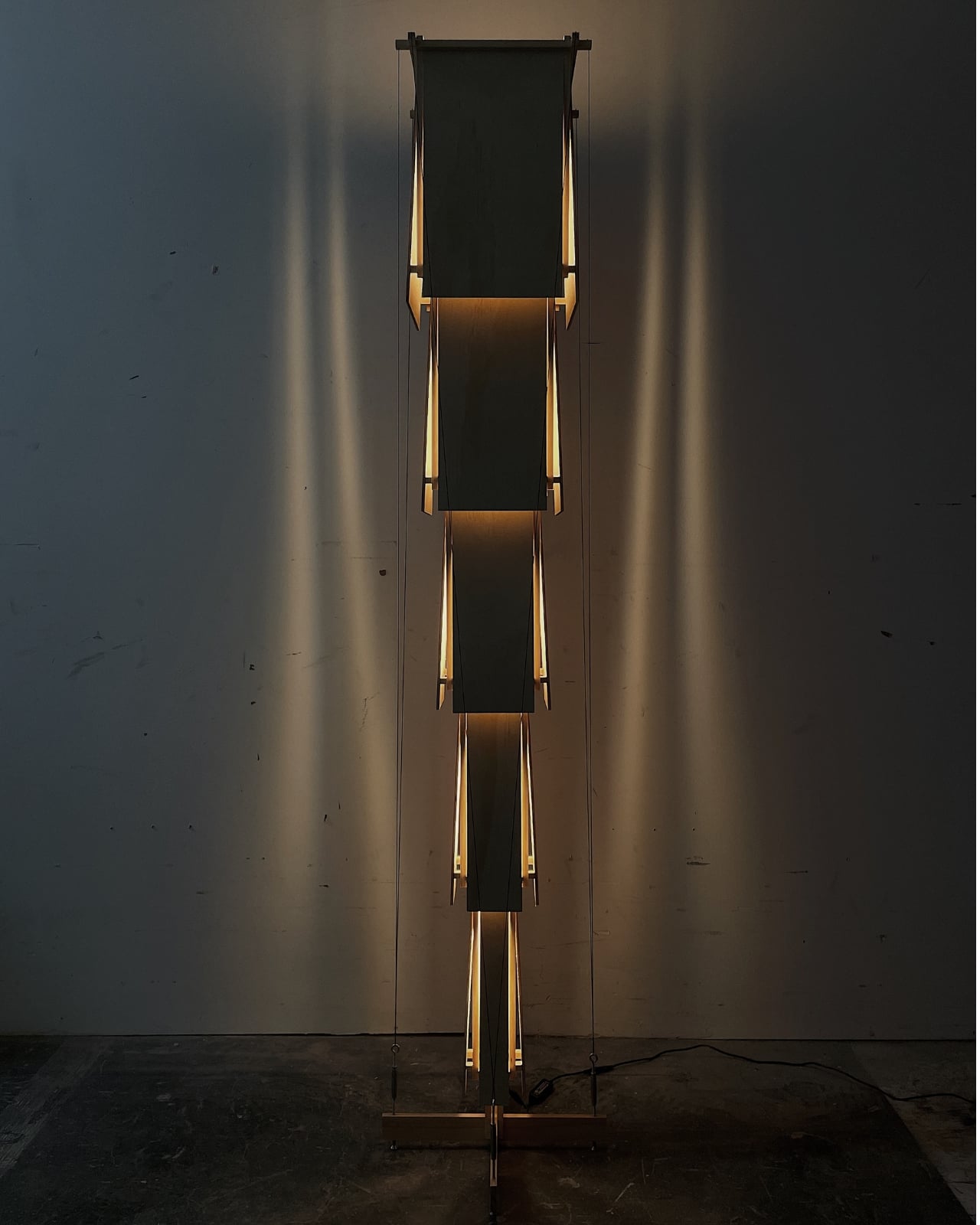
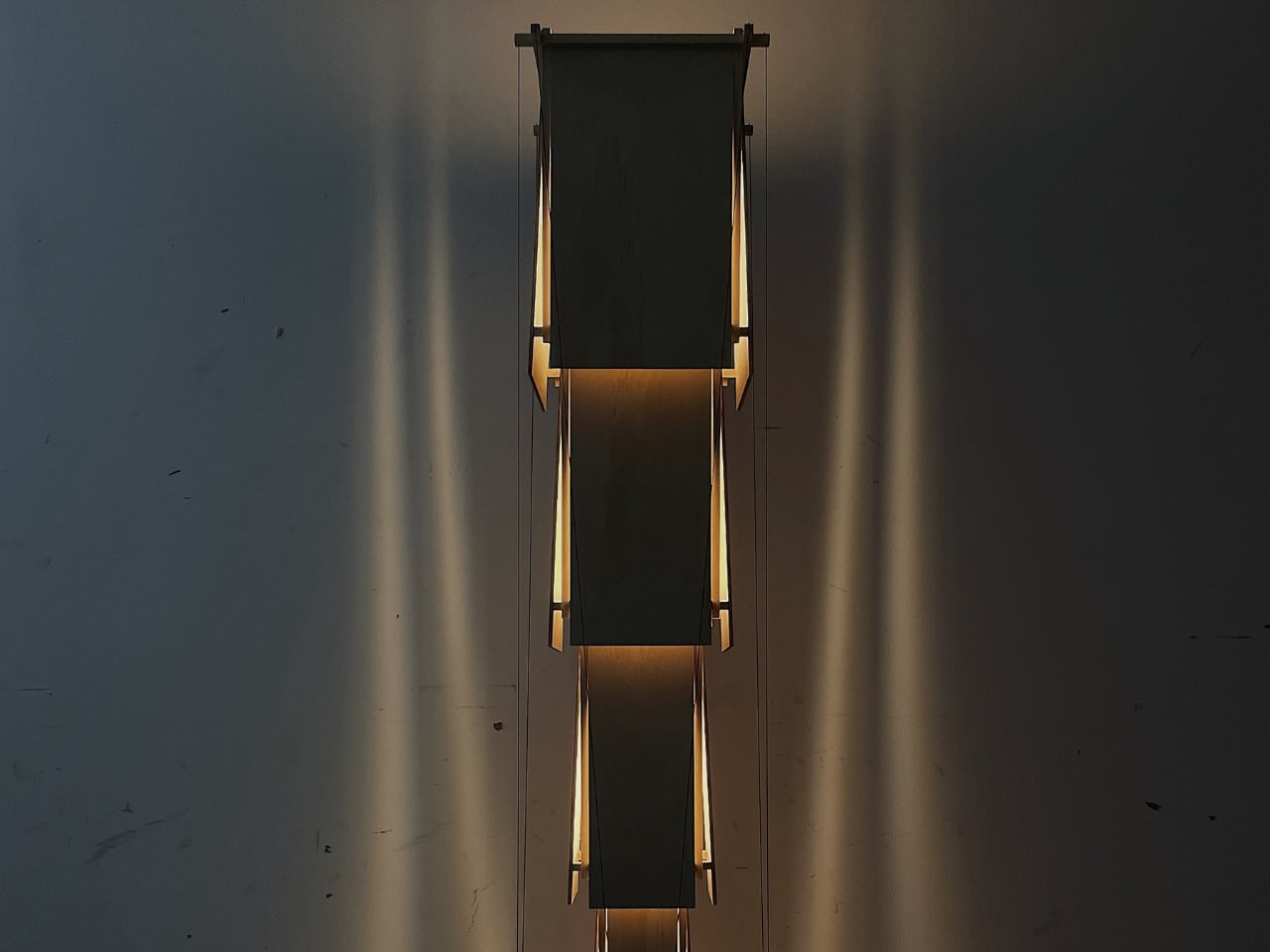
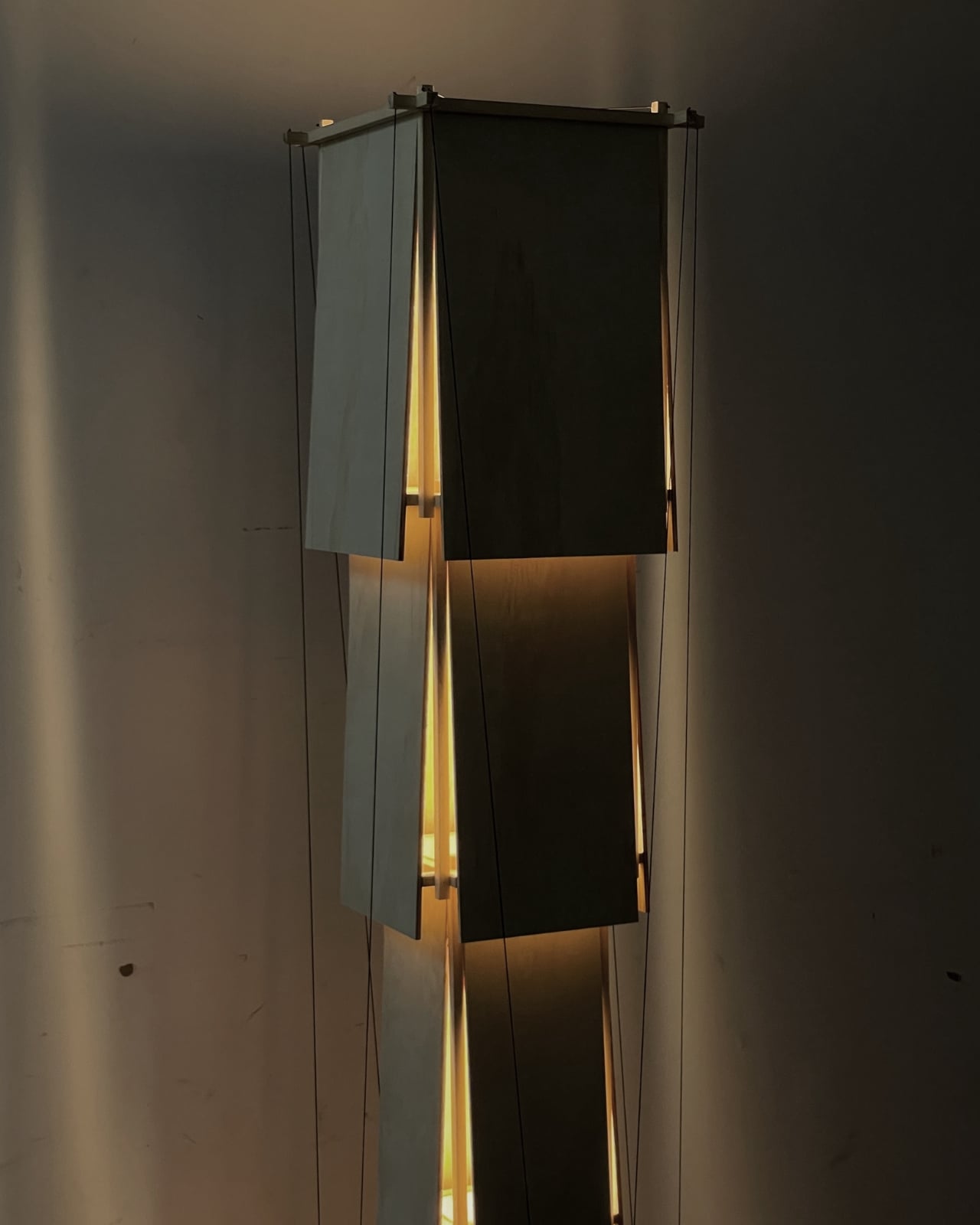
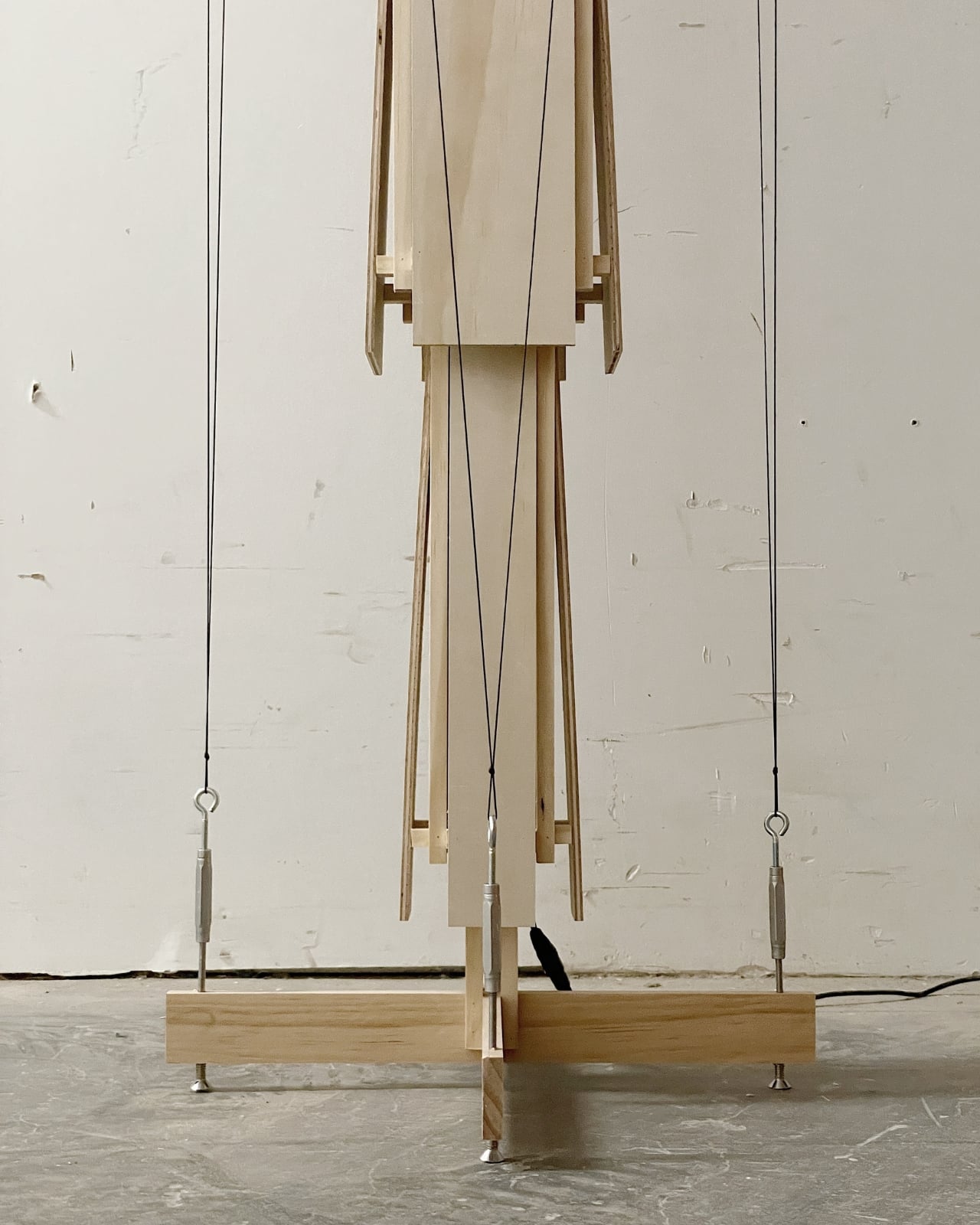
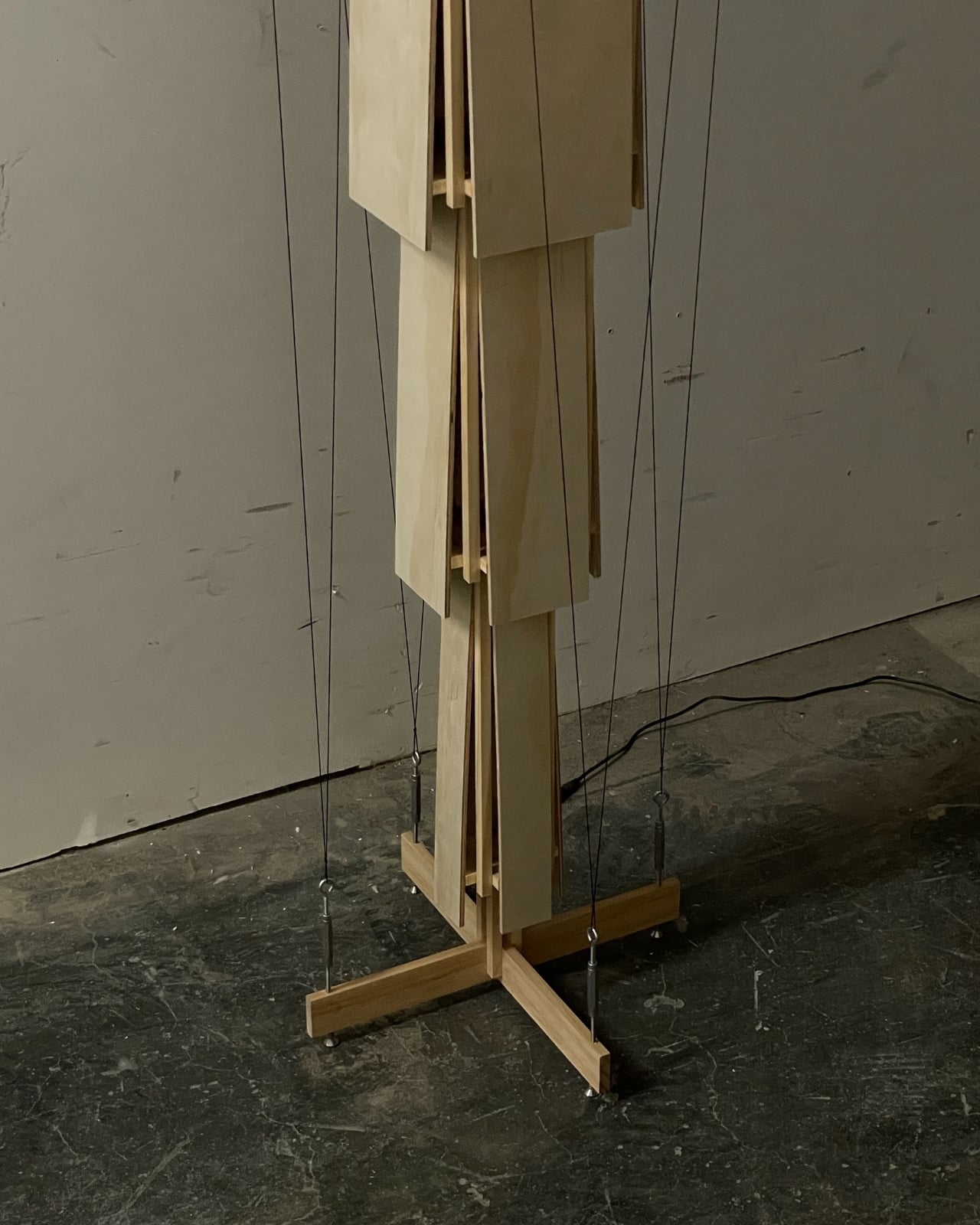
Visually, it reads like four or five lampshades collapsing into each other, each one smaller than the one above it, connected by nothing more than cable and a sliver of daylight between the panels. When the lamp is off, it looks like a piece of quiet, minimalist woodworking, almost architectural in the way it tapers toward the base. Turn it on, and the gaps between the panels become the whole point. Warm light spills out through the narrow slits at each joint, so the fixture doesn’t glow from one source, it glows in bands, stacked all the way up the form like a lighthouse built out of drawer fronts.
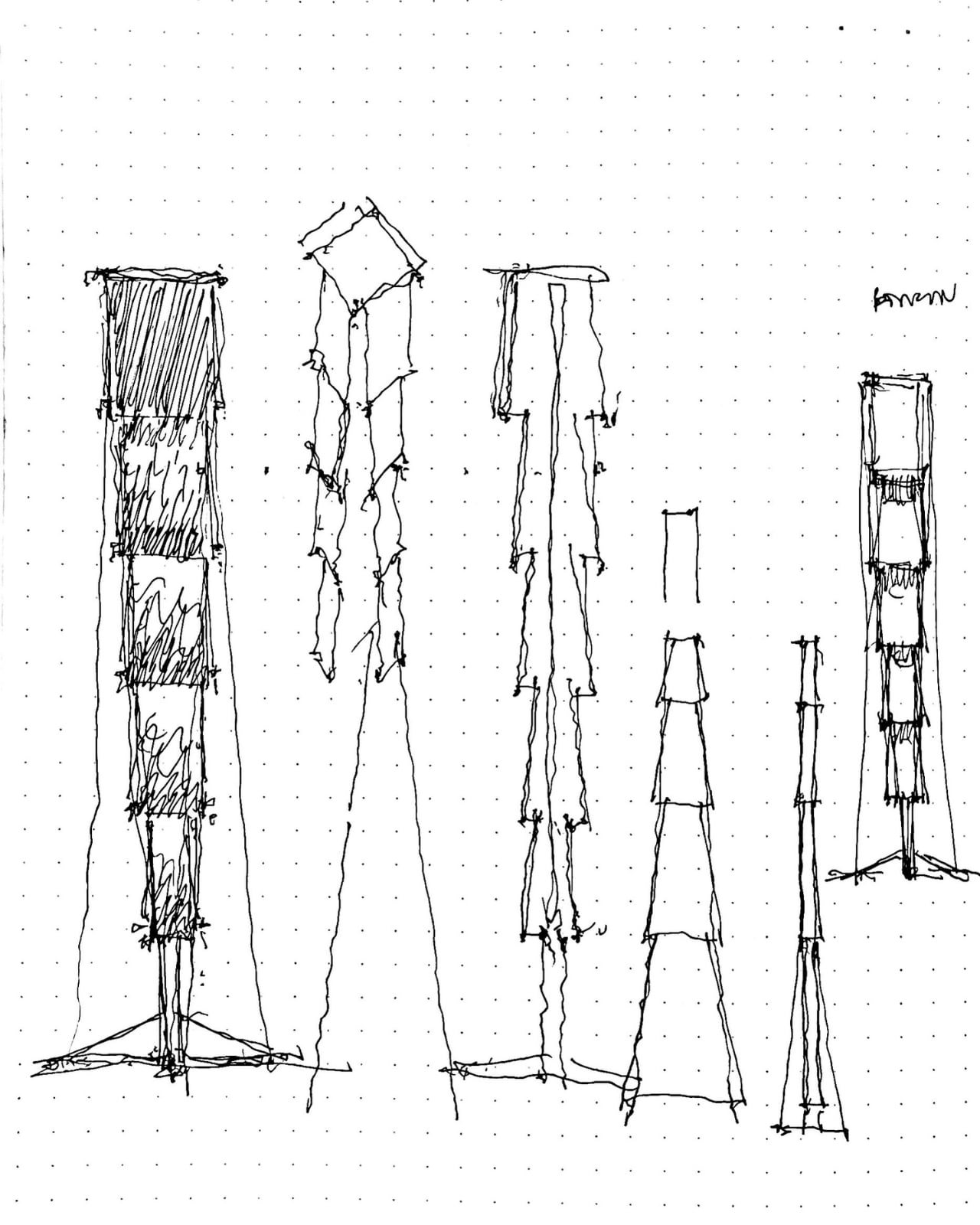
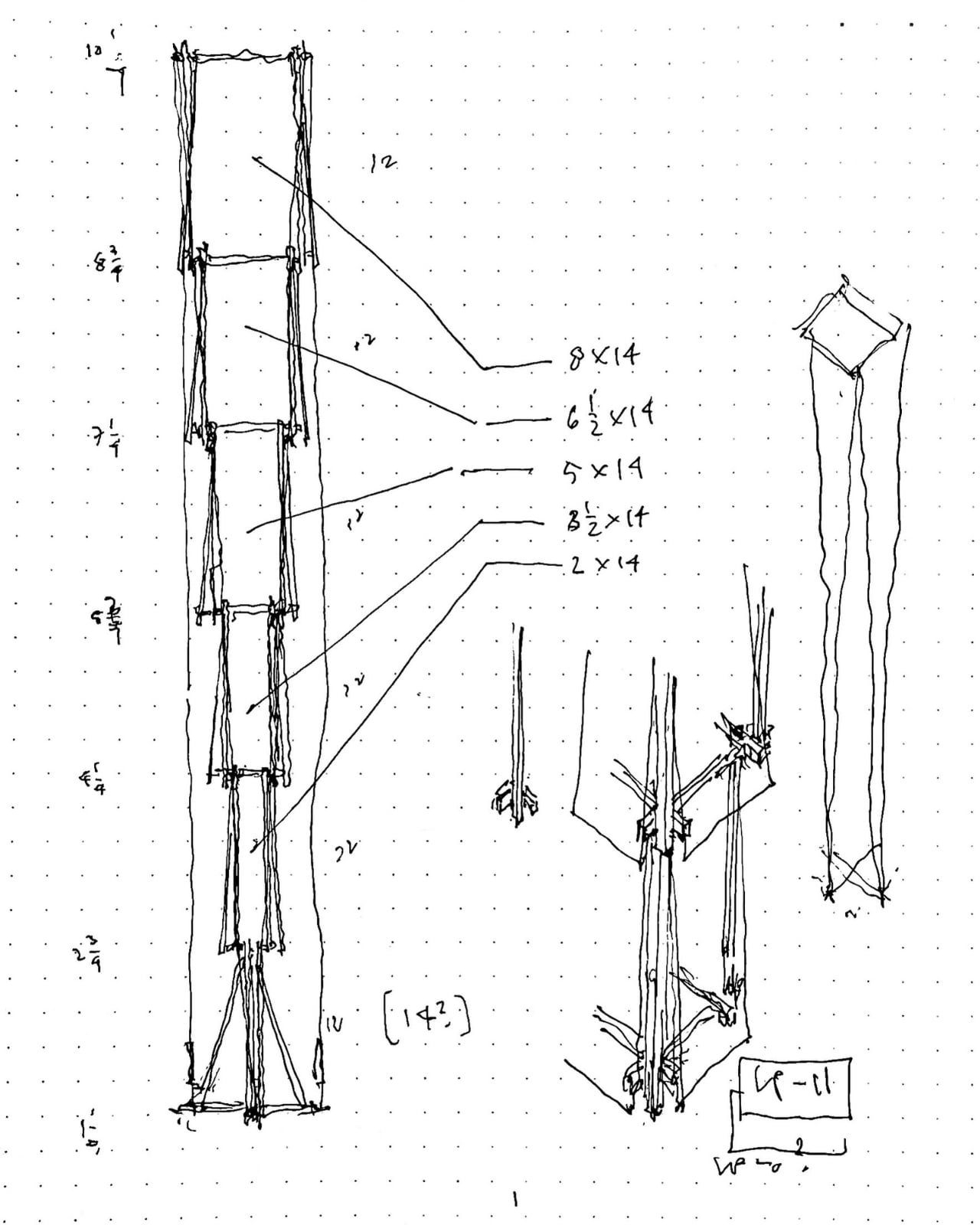
What makes this more than a lighting gimmick is the engineering underneath it. Borger’s sketches, the kind of graph-paper diagrams you’d expect from someone thinking in load paths rather than aesthetics, show measurements for every panel width tapering from bottom to top: 2 inches, then 3.5, then 5, then 6.5, then 8, each one wider than the last as the eye travels upward. That taper isn’t decorative. It’s what lets the cables do the structural work instead of a heavy internal frame, which is exactly how you get a six-foot object that a single person can lift with one hand.
I like that this design doesn’t try to hide its own construction. A lot of lighting design wants to look effortless, like the glow just appears from nowhere. The LP-11 does the opposite. The turnbuckles, the exposed cable, the visible seams between panels: all of it is left in plain sight, almost like the lamp wants you to understand how it’s staying upright. That’s a different kind of confidence than hiding the hardware behind a shade. It treats the mechanism as part of the design language instead of something to apologize for.
There’s also something refreshingly analog about a piece like this showing up now, when so much of home design is chasing smart features and app controls. The LP-11 doesn’t need a companion app or a voice command. Its whole innovation is physical: a smarter way to distribute weight so a large object stops behaving like a large object. That’s a much older kind of design thinking, closer to tensile architecture or ship rigging than anything you’d find in a smart-home catalog, and it’s a welcome reminder that not every improvement in furniture needs a battery.
Borger runs his practice as Ultra-Light Research out of Brooklyn, and the name isn’t just branding. Across the series, from writing desks to chairs to lamps like this one, the throughline is the same question: how much material can you remove before an object stops working. The LP-11 answers that question in a way you can actually feel the moment you pick it up. It looks monumental and lifts like it’s hollow, which is precisely the point.
The post A Wooden Floor Lamp That Refuses to Weigh You Down first appeared on Yanko Design.
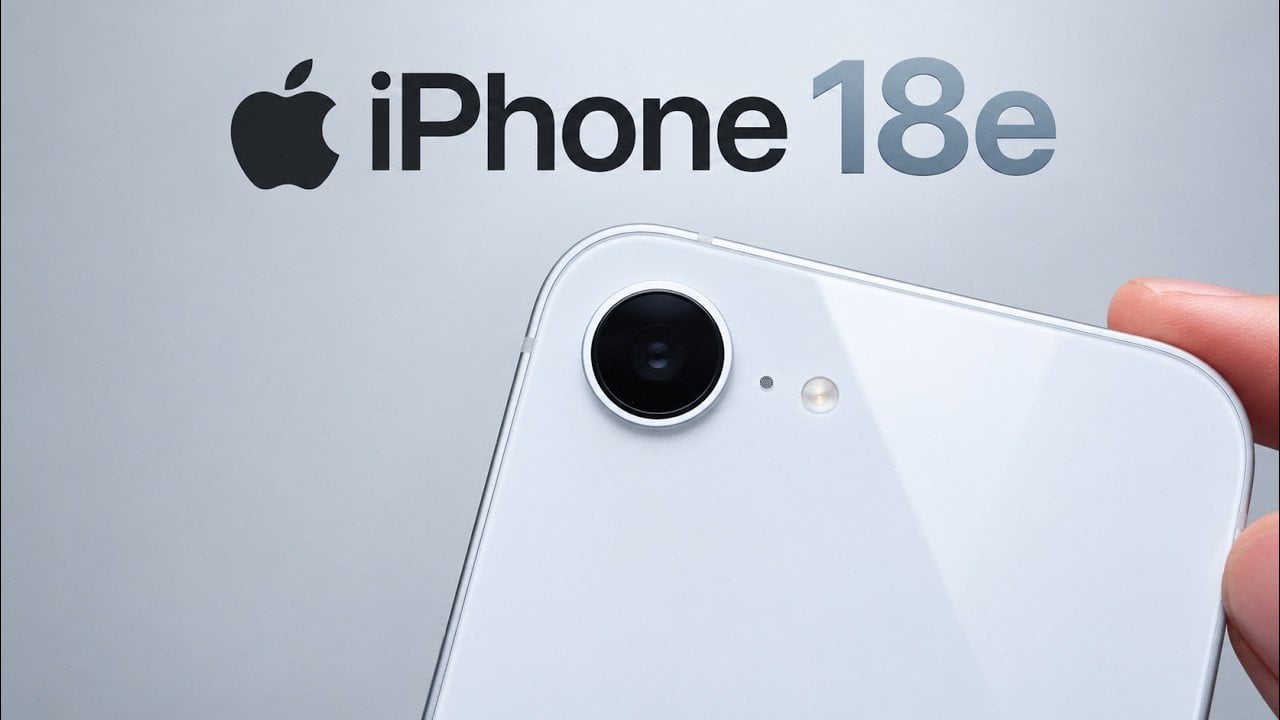
The iPhone 18E, expected to debut in 2027, represents Apple’s continued commitment to delivering advanced technology in an accessible package. As part of the budget-friendly E series, this model focuses on substantial internal improvements while maintaining the familiar design language of its predecessors. By prioritizing performance, connectivity, and efficiency, the iPhone 18E aims to cater […]
The post iPhone 18e Rumors: Why Apple’s Budget Model Might Outperform Expectations appeared first on Geeky Gadgets.
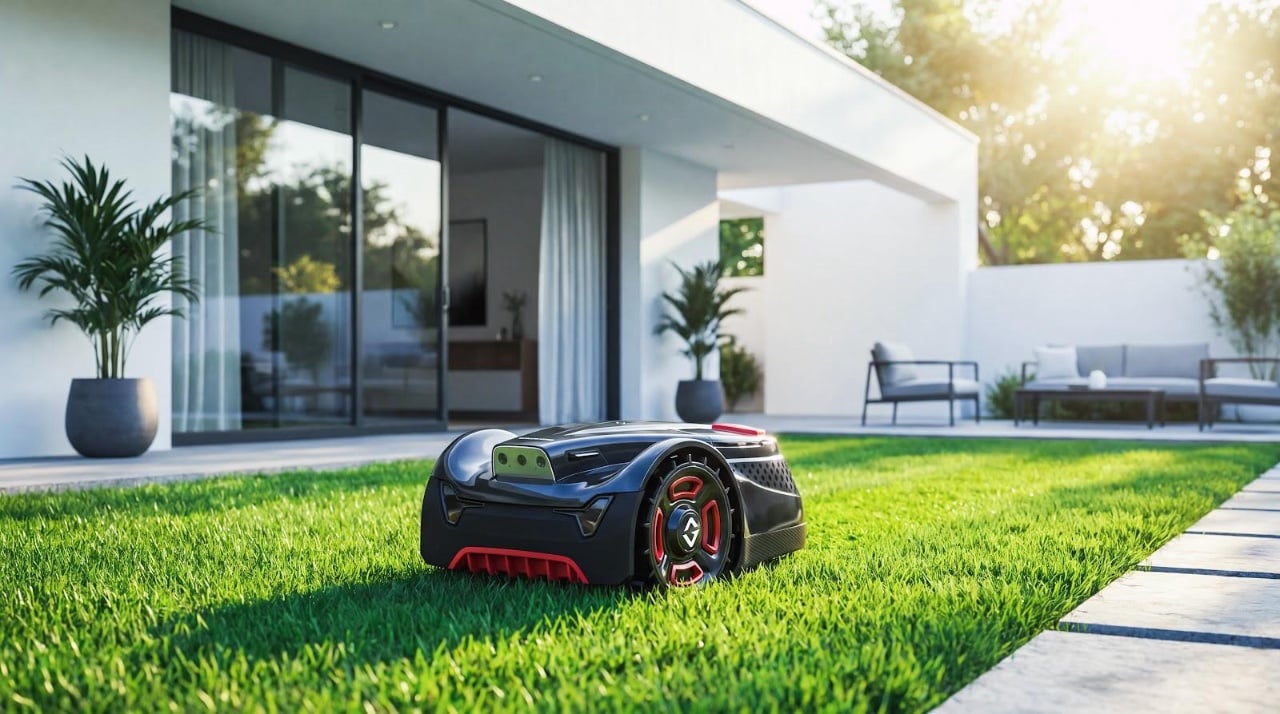
Robotic lawn mowers are becoming increasingly capable of dealing with gardens that are more complicated than a simple rectangle of grass. Instead of relying solely on fixed boundaries and basic navigation, newer machines are combining satellite positioning, computer vision, and digital mapping to work more independently. That shift is reflected in Goalker‘s H3 Pro, a […]
The post Goalker H3 Pro Brings Smarter Navigation and Closer Edges to Robotic Mowing appeared first on Geeky Gadgets.