To coincide with the release of Samsung's new Galaxy S26 family of phones, Google is pushing out a small but meaningful update to Circle to Search. As a reminder, Circle to Search allows you to carry out a Google Search from almost anywhere on your phone. Just tap and hold your device's home button, and then circle the passage or image you want to know more about.
With previous iterations of Circle to Search, the tool's underlying AI system was limited to searching against a single object in an image. Now, thanks to Gemini 3, it can scan and identify multiple objects at the same time. Naturally, Google is quick to point out the boon this represents for shopaholics. If you see a fit you like on Instagram, you can circle an entire person and the tool will attempt to find a match for each item they're wearing, including any shoes and accessories. At the same time, Google has made it easier to see how those clothes might look on you by bringing its virtual try on feature directly inside of Circle to Search.
The benefits of the new model aren't only limited to shopping queries. Building on a search technique Google debuted with AI Mode, Circle to Search can now also reason through the relationship between different objects in an image. So say you see a photo of a coral reef and want to know how all the different pictured fish live together, Circle to Search will not only be able to identify the different species shown but also explain how they coexist with one another.
Google is bringing the new and improved Circle to Search to Galaxy S26 and Pixel 10 phones first before rolling it out to more Android devices soon.
This article originally appeared on Engadget at https://www.engadget.com/mobile/smartphones/googles-circle-to-search-can-now-identify-multiple-objects-in-an-image-180000385.html?src=rss
Last year, it felt like Samsung relied a bit too much on AI when trying to convince people to upgrade to its flagship phone. And while there’s no shortage of features that utilize machine learning on the new Galaxy S26 Ultra, it feels like Samsung has done a much better job of filling out the rest of the phone’s kit with fresh hardware, faster charging and a more cohesive design. It’s still rather expensive, but its price has stayed flat year-over-year at $1,300, which when combined with everything else makes it a much more attractive package than its predecessor.
Design and display
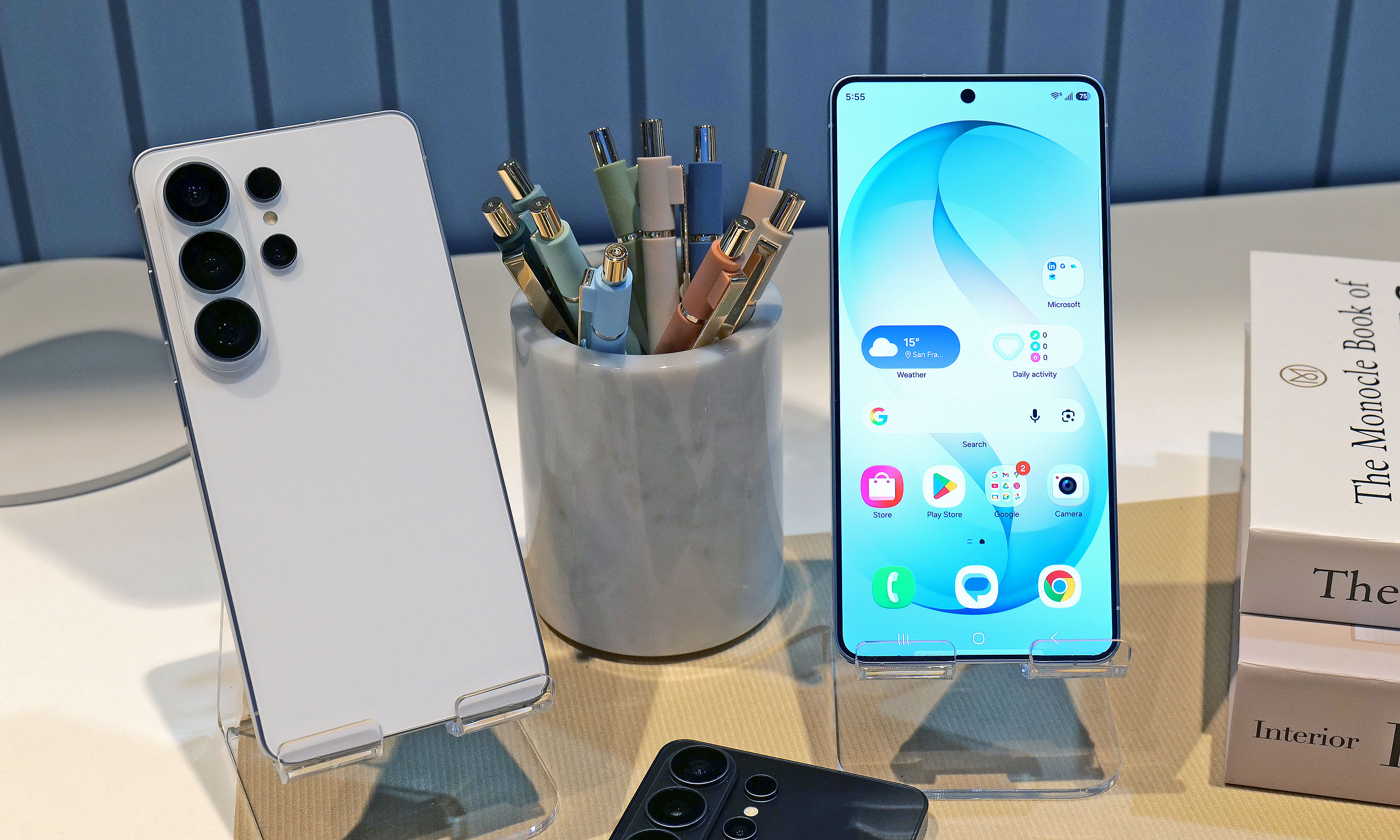
Samsung’s Ultra phones are always going to be somewhat boxy and that’s OK. However, for the Galaxy S26 Ultra, the company’s top-of-the-line handset is getting a slightly curvier appearance thanks to rounder corners. There’s also a very (and I do mean very) small reduction in size that technically makes this version the thinnest and lightest Ultra to date (214 grams and 7.9mm thick). That said, considering the previous model weighed 218 grams and measured 8.2mm, it’s incredibly hard to feel a difference even when you know what you’re looking for.
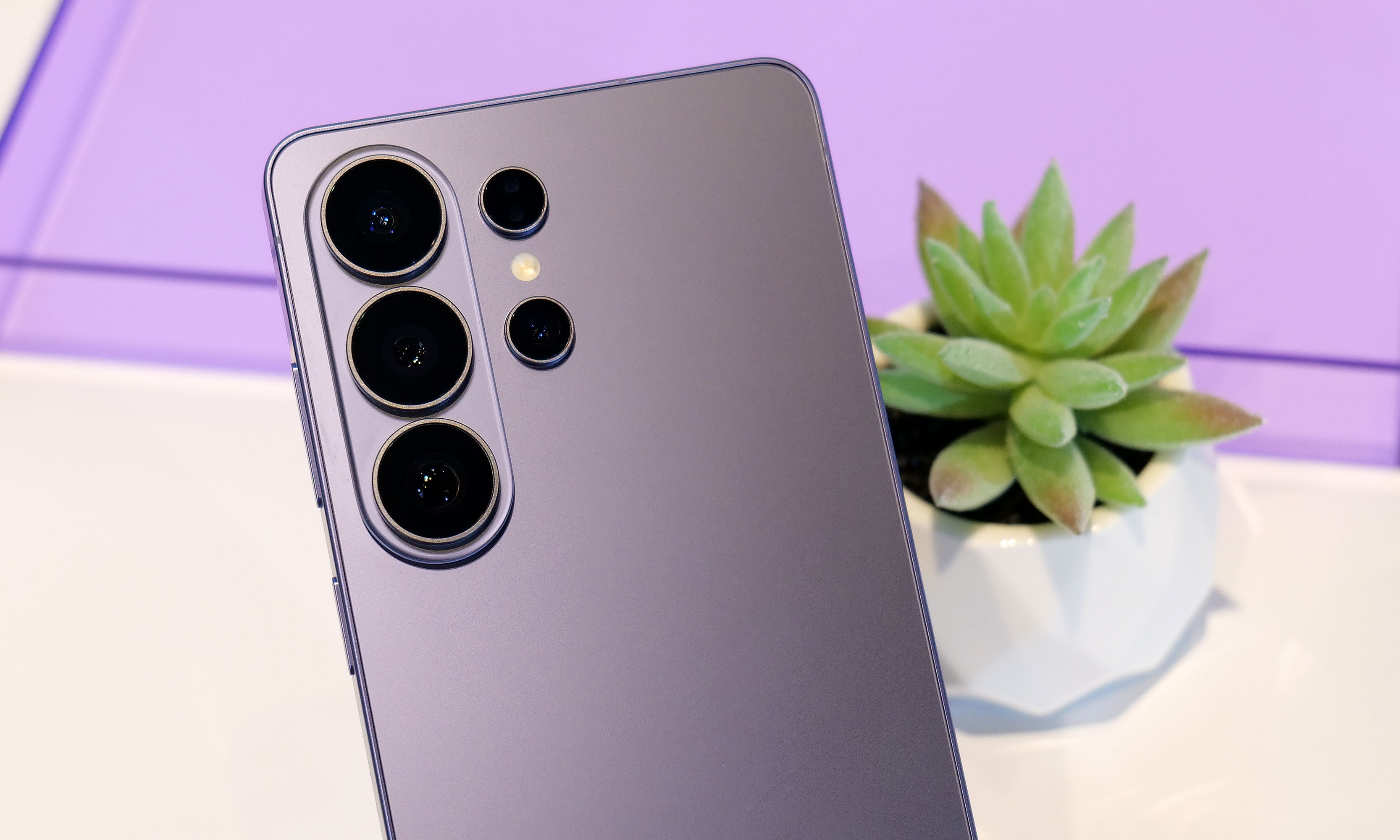
The two biggest changes to the S26 Ultra's exterior design are more rounded corners and an aluminum chassis instead of titanium like we got on the S25U.
Sam Rutherford for Engadget
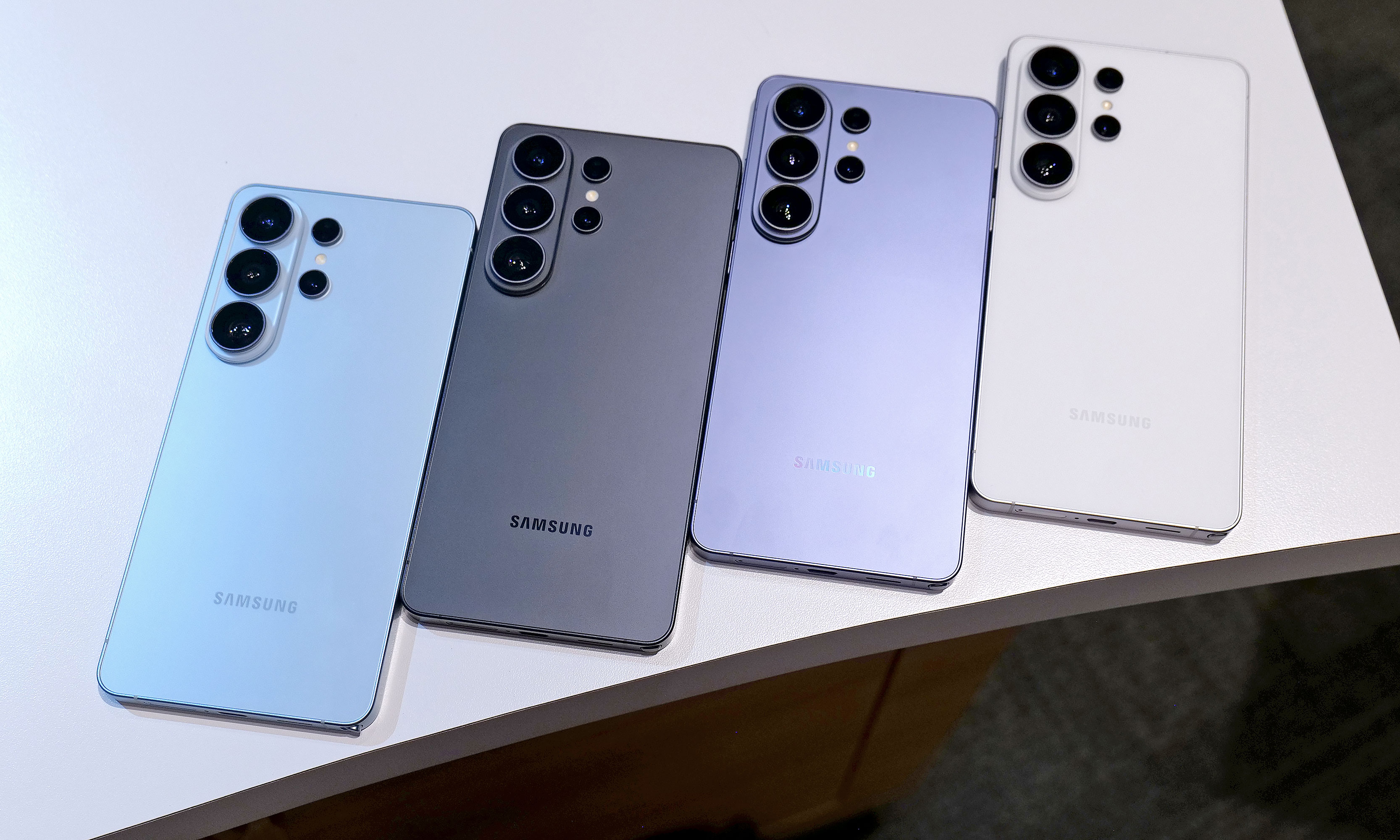
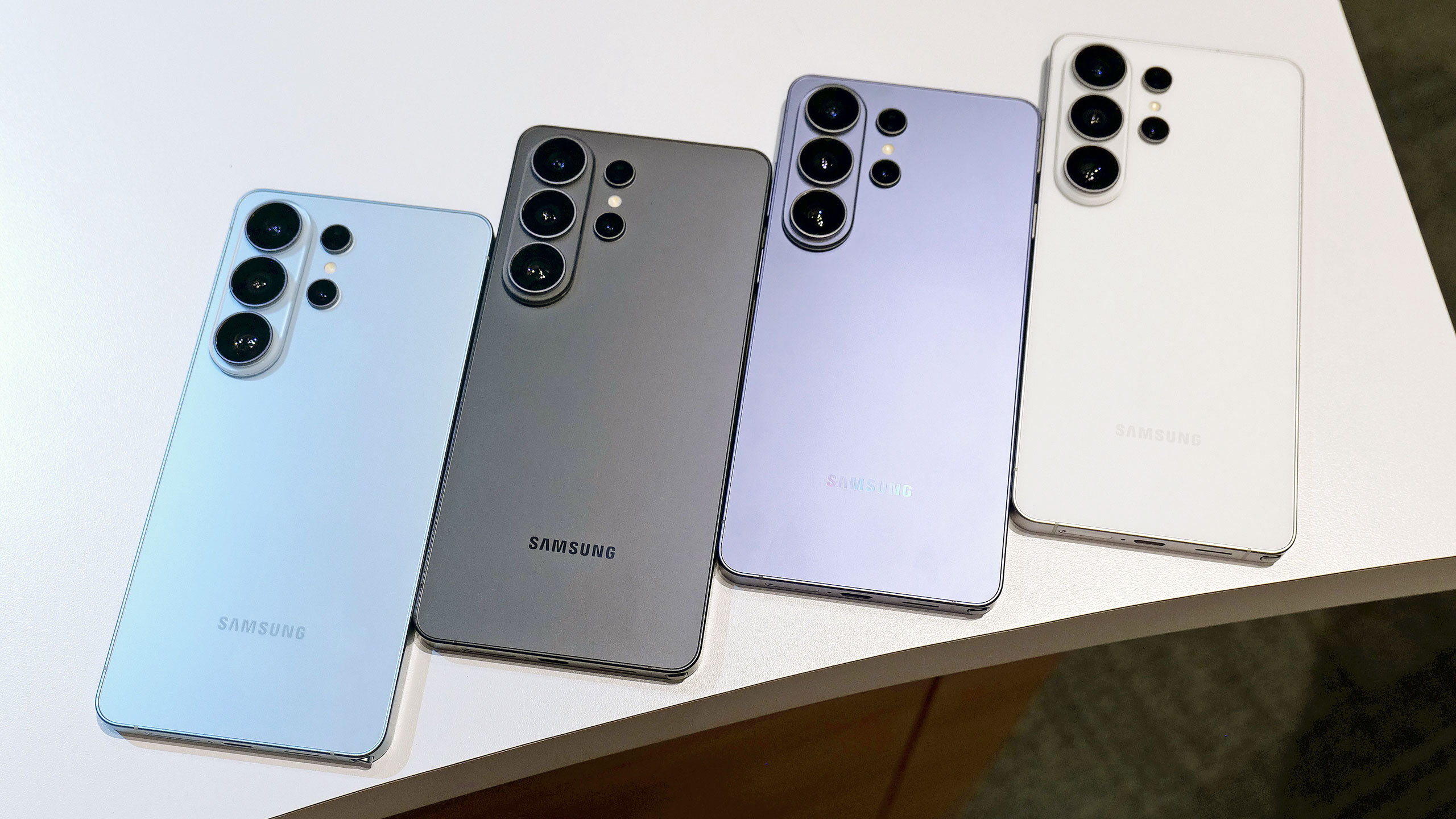
In reality, the biggest exterior change is that Samsung has ditched the titanium frame from last year’s phone in favor of an Armor Aluminum chassis with Corning Gorilla Armor 2 panels in front and back. Samsung says this new design is meant to make the Ultra fit in better with its less expensive siblings while also making it easier to do things like color match the phone’s body to the rest of the device. Also, for anyone who keeps track of Samsung’s palette, the hero color for the S26 Ultra is a rather fetching shade of purple called cobalt violet, with sky blue, white and black available as well (plus silver shadow and pink gold being Samsung’s online exclusive hues).
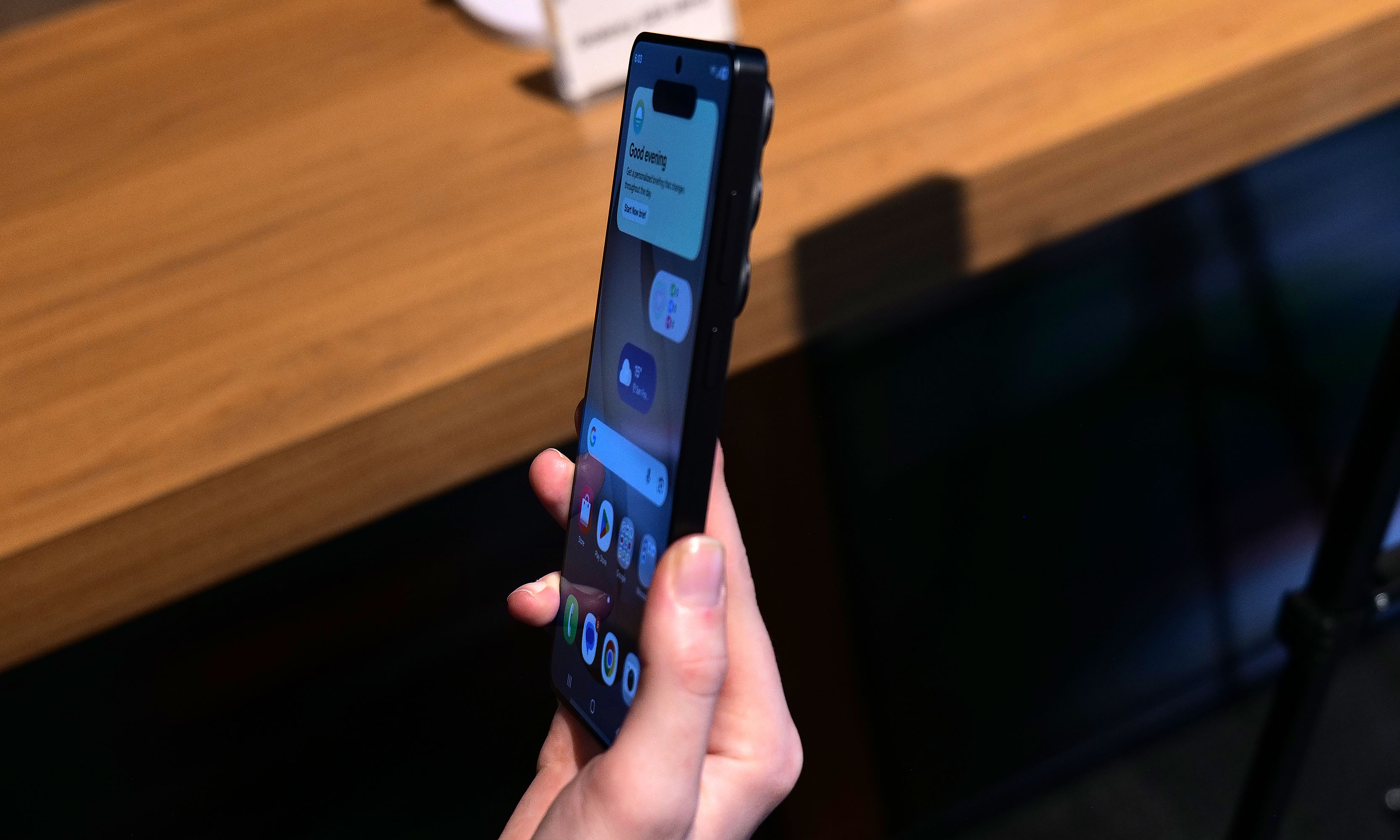
If you look closely at the top of the phone, you can see where a notification has been blacked out by the S26 Ultra's Privacy Display.
Sam Rutherford for Engadget
However, my favorite new thing on the S26 Ultra is its Privacy Display. When activated, it functions a lot like HP’s Sure View tech, which prevents people from peeking at your screen from acute angles. It works both when viewed from the side or up and down and has a surprising amount of customization. Not only can you set it to turn on automatically when the phone asks you for a password or PIN, it can also be triggered by specific apps or whenever you receive a notification. But perhaps the most impressive thing is that there’s almost no impact on image quality. When Privacy Display is active, there is a minor reduction in overall brightness, but aside from that, it’s really hard to tell when it’s on (at least from the front). Furthermore, the S26 Ultra’s 6.9-inch AMOLED screen has the same underlying specs as last year, including its 120Hz variable refresh rate and 2,600 nit peak brightness, so there are pretty much no trade-offs for the added functionality.
Performance and charging
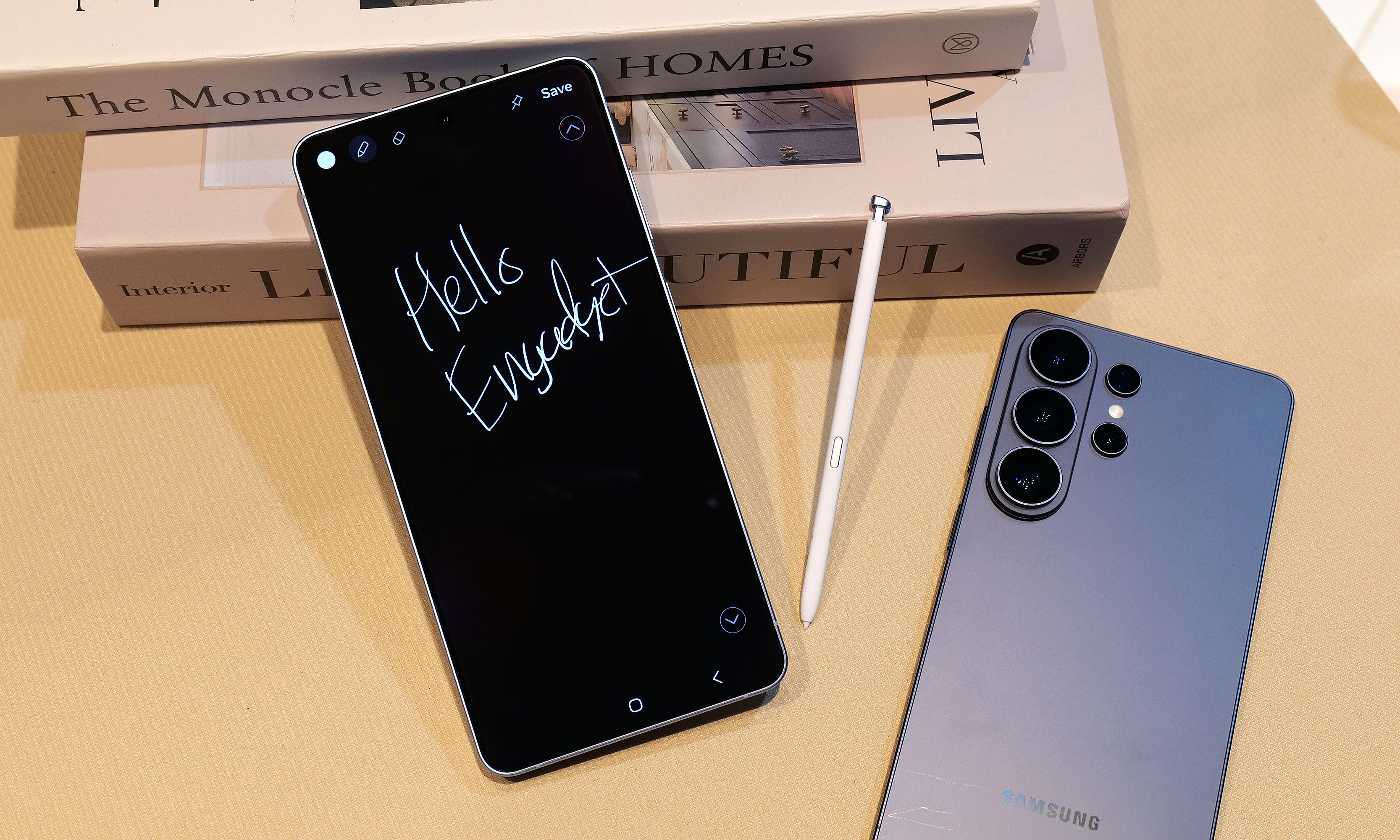
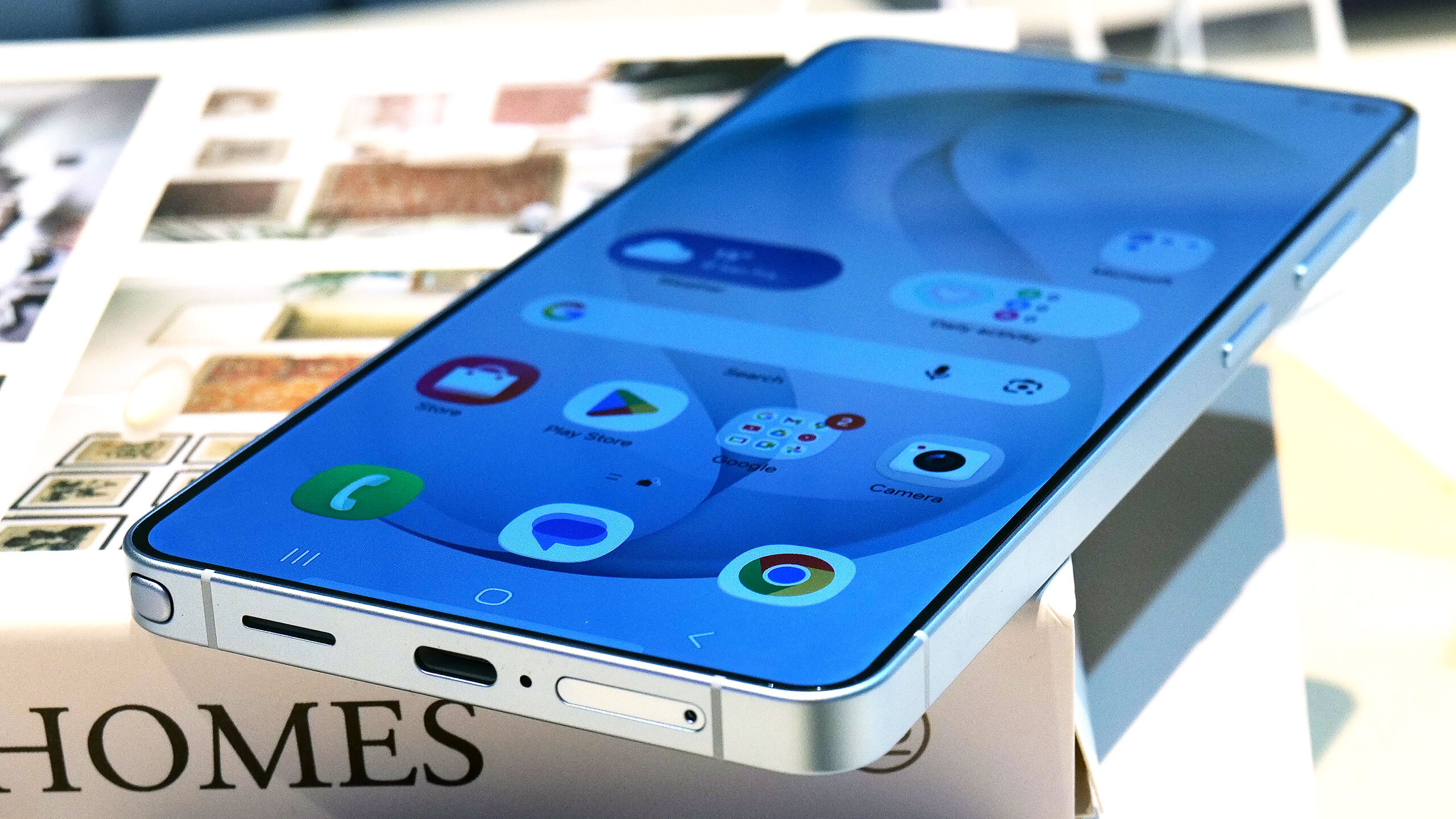
The S26 Ultra still comes with an included S-Pen and a built-in storage slot, but it still doesn't have Bluetooth connectivity like on some of Samsung's older models.
Sam Rutherford for Engadget
Inside, the S26 Ultra features a Qualcomm Snapdragon 8 Elite Gen 5 for Galaxy chip along with either 12GB or 16GB of RAM and up to 1TB of storage. Compared to its predecessor, Samsung claims the NPU’s performance has made the biggest leap with it being 39 percent more powerful year-over-year with respectable increases for its CPU (19 percent faster) and GPU (24 percent faster) as well.
As for charging, both wired and wireless speeds have gotten a big boost with the former now rated at up to 60 watts (up from 45 watts) or 25 watts (up from 15) for the latter when using compatible Qi2 pads. Samsung says buyers will even get a three amp cable in the box, so all you need to do to get those peak wired speeds is to hook it up to the right adapter.
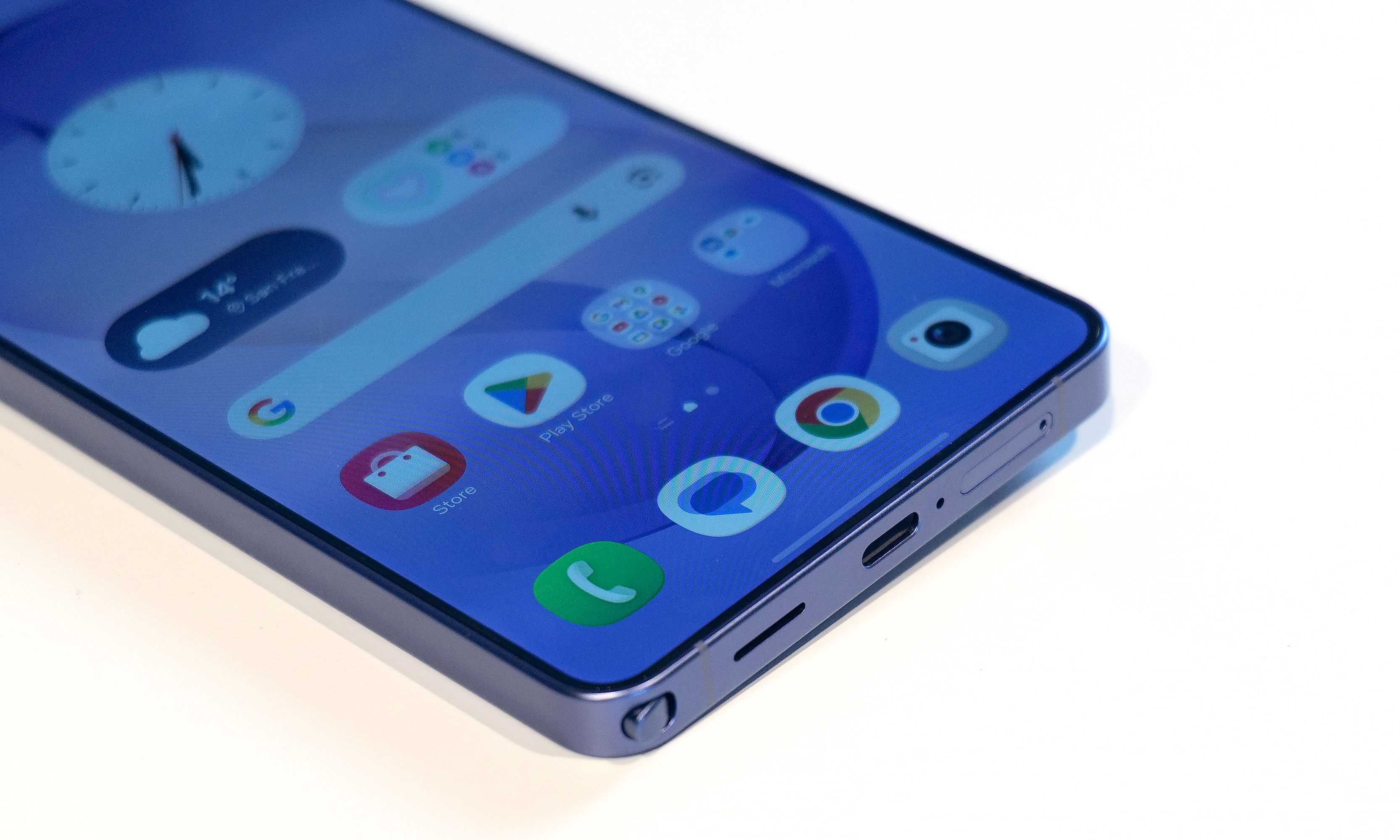
A small quirk with the S26 Ultra's S-Pen is that because the end of the stylus is curved to match the corner of the phone, if you put it in "wrong," it'll stick out a bit.
Sam Rutherford for Engadget
Unfortunately, we’re still not getting a magnetic ring inside the phone, which means if you want to use the S26 Ultra with magnetic accessories, you’ll need to pair the phone with a case that supports that functionality. This is super frustrating because Samsung says this decision was made in part to keep the handset as thin as possible, but when you consider the difference between the S26 Ultra and the S25 Ultra is 0.3mm, that choice feels rather misguided.
Cameras
One of my biggest complaints about last year’s S25 Ultra is that the only new hardware was an updated 50MP sensor for its ultra-wide lens, which is the camera I (and probably most people) use the least. Thankfully, it seems Samsung took note of that because while the resolution of its 200MP main cam, 10MP 3x telephoto and 50MP 5X telephoto are the same as before, the S26 Ultra’s main and 5x zoom lenses now have significantly wider apertures (from f/1.7 to f/1.4 and f/3.4 to f/2.9, respectively). This results in as much as 47 percent more light reaching the phone’s primary sensor (or 37 percent for the 5x telephoto), which should result in some major gains in photo quality and low light sensitivity. That said, I wasn’t able to properly test this during my hands-on session, so I’m going to reserve final judgement for a proper review.
The S26 Ultra's 200MP main and 50MP 5x zoon lenses feature significantly larger apertures, which should deliver much improved image quality in low light conditions.
Sam Rutherford for Engadget
Meanwhile, for video capture, Samsung is adding support for the APV codec at up to 8K/30 fps to the S26 Ultra along with a new horizon lock feature that will keep your footage level no matter how much you rotate the phone. Now I will admit that the latter didn’t impress me much when I first heard about it, but after testing it out and spinning the phone a full 360-degrees while recording a clip, I was shocked when the resulting video showed no hint of being whirled around. Samsung also says the handset’s improved Nightography processing uses AI to recognize noise patterns in low light to improve image quality. But similar to the wider apertures bringing in more light, I’ll believe it when I see it.
Finally, there’s a new AI-powered Photo Assist tool that lets you edit or adjust images using natural language prompts. From what I experienced, it’s effective and works as you’d expect. However, with the proliferation of services and devices offering similar functionality over the past year, this feature feels more like Samsung’s attempt to keep up with the Joneses.
AI features
When it comes to AI, the S26 Ultra is getting the same batch of new and improved features as the rest of the S26 family. So if you’re big into machine learning, there’s no need to pay extra for this model. Furthermore, many of the updates for 2026 are tweaks or refinements of existing things like the Gallery app, which now uses AI to automatically sort screenshots into eight different categories so they’re easier to find later. There’s also what Samsung is calling Now Nudge, which functions a lot like Google’s Magic Cue. It’s built into the Samsung keyboard and it can do things like suggest relevant photos based on your conversations.
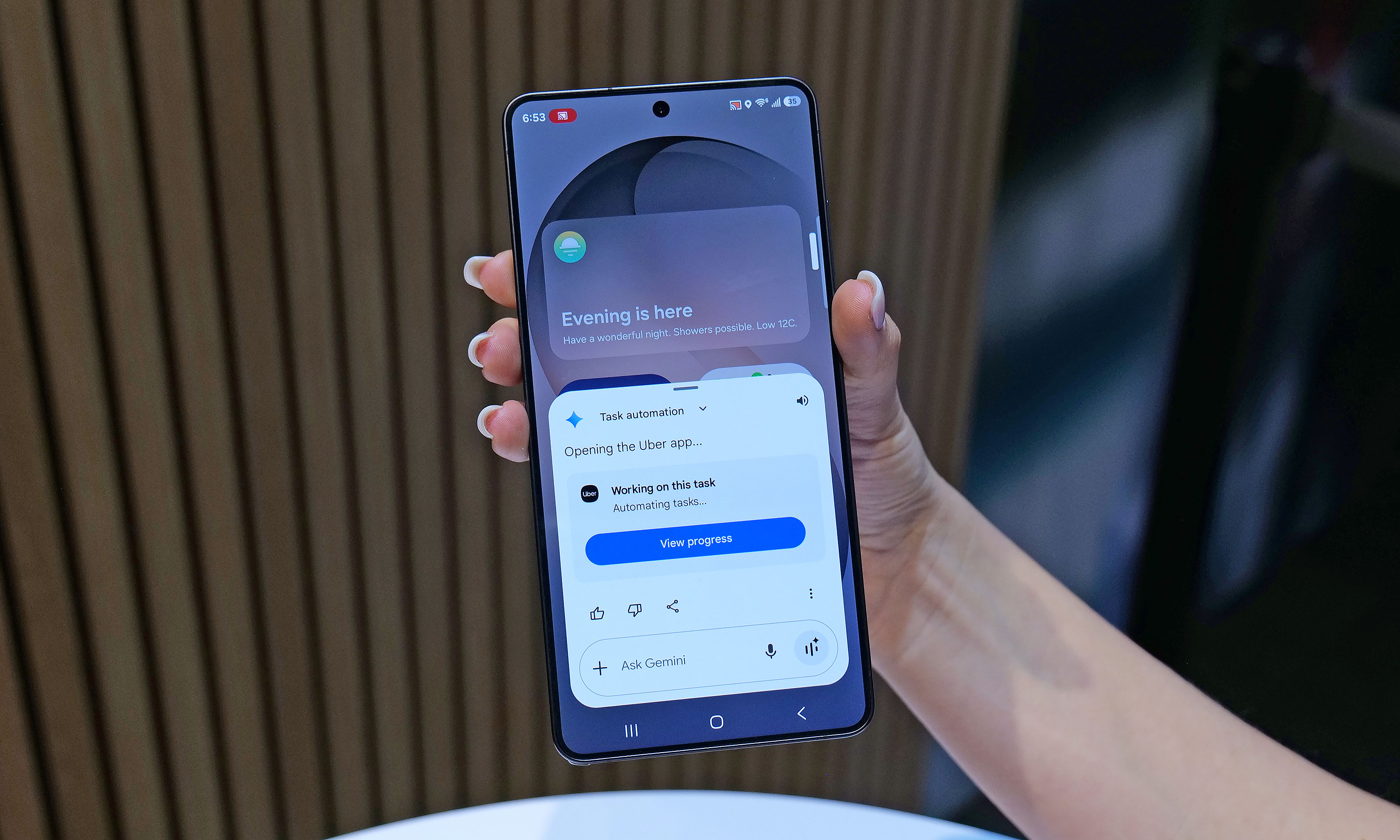
One of the S26's most powerful new AI features is Automated App Actions, which allows the phone to do things like book a car ride via Uber while you continue to use other apps in the foreground.
Sam Rutherford for Engadget
To me, the most impressive of the bunch is the S26’s Automated App Actions, which allow you to ask the phone to do slightly more complicated tasks like ordering an Uber to a specific location. After your initial prompt, Gemini can even complete the task in the background while you go back to doomscrolling or watching videos. When it’s done, you’ll get a notification so you can manually review and confirm the command. Unfortunately, Uber will be the only supported app at launch, though Samsung says it’s working on expanding the feature to others like Instacart.
Early thoughts
The Galaxy S26 Ultra will be available in four main colors: sky blue, black, cobalt violet and white, along with two more online exclusive hues in silver shadow and pink gold.
Sam Rutherford for Engadget
Look, there’s no getting around it: $1,300 is a lot to spend on a phone. That said, considering the RAM shortage that’s going on right now, keeping the S26 Ultra’s price the same as last year’s phone feels like a small blessing. And when you get that on a handset with a more refined design, a beefier chip, a fancy Privacy Display, faster charging and an updated generation of AI-powered tools, Samsung’s latest flagship feels like a much better deal than its predecessor. Really, the only thing that hasn’t been improved is the Ultra’s S-Pen, which as time goes on, is starting to feel more and more like a consolation prize for people who are still nostalgic about the Note line than a true tentpole feature.
Now this doesn’t mean that people with an S25 Ultra or even an S24 Ultra should run out and upgrade. But for anyone with something older than that who’s in the market for a true do-everything phone, the S26 Ultra has quite a bit to offer.
This article originally appeared on Engadget at https://www.engadget.com/mobile/smartphones/samsung-galaxy-s26-ultra-hands-on-meaningful-tweaks-plus-a-slick-new-privacy-display-180000057.html?src=rss
Samsung has announced the latest version of its flagship smartphone, the Samsung Galaxy S26 Ultra, and just like last year, the high-end phone is where the company is making some of its biggest changes. The S26 Ultra includes a new processor, a new privacy-focused display technology, an improved camera system and like Samsung's other phones, a crop of new AI-powered software features.
On first blush, the Galaxy S26 Ultra isn't all that different from the Galaxy S25 Ultra. Samsung is still using a 6.9-inch QHD+ AMOLED screen, with an 120Hz refresh rate and support for an S Pen stylus. The S26 Ultra also features the same flat sides, utter lack of Qi2-compatible magnets and pronounced camera bump. Despite those similarities, the new flagship does have some differences: for one, it's ever so slightly thinner at 0.31-inches than the S25 Ultra was at 0.32-inches. It also comes with an aluminum frame rather than the titanium frame of the previous generation. For stylus fans, the new S Pen has a curved top that lets it better match the curves of the S26 Ultra. Biggest of all, Samsung's new phone includes "Privacy Display," a new technology that lets the phone limit how much of its screen is visible when you're not looking directly at it.
Sam Rutherford for Engadget
Inside, the Galaxy S26 Ultra uses Qualcomm's new Snapdragon 8 Elite Gen 5 for Galaxy chip, a modified version of the flagship mobile chip it debuted last year, and either 12 or 16GB of RAM. In terms of storage, the Galaxy S26 Ultra can come with either 256GB, 512GB or 1TB of memory. Regardless of which version you pick, you'll get a 5,000mAh battery with support for Samsung's wired and wireless fast charging, and Wireless PowerShare for topping up accessories like wireless earbuds.
The Galaxy S26 Ultra, just like the S25 Ultra before it, includes an array of four cameras on the back and one selfie camera on the front. The phone features a 200MP f/1.4 wide, 50MP f/1.9 ultra-wide, 10MP f/2.4 3x telephoto, 50MP f/2.9 periscope telephoto and 12MP f/2.2 selfie camera. If you were to just look at just the megapixel counts of the phone, they're identical to last year's model. Samsung's major tweaks are to the aperture of both the wide and periscope cameras, which should let them capture more light.
Sam Rutherford for Engadget
Of course, plenty of the flashiest parts of Samsung's new smartphone are software features. The improved photo and video performances of the Galaxy S26 Ultra's cameras is partially driven by software tweaks. Samsung is also adopting Perplexity as a second, system-level AI assistant. The AI can be called with a button press or "Hey Plex," powers improvements to Bixby and can act inside Samsung apps. That doesn't mean Gemini isn't still available, though. Google's AI will gain the ability to handle things like booking a rideshare or filling an online grocery cart in the background on the Galaxy S26 Ultra.
The Galaxy S26 Ultra starts at $1,300 and is available to pre-order today in a purple-ish "Cobalt Violet," light blue "Sky Blue," black, white and exclusively through Samsung's online store, "Silver Shadow" and "Pink Gold." The phone will become generally available on March 11.
This article originally appeared on Engadget at https://www.engadget.com/mobile/smartphones/samsungs-galaxy-s26-ultra-offers-a-subtle-set-of-hardware-improvements-180000725.html?src=rss
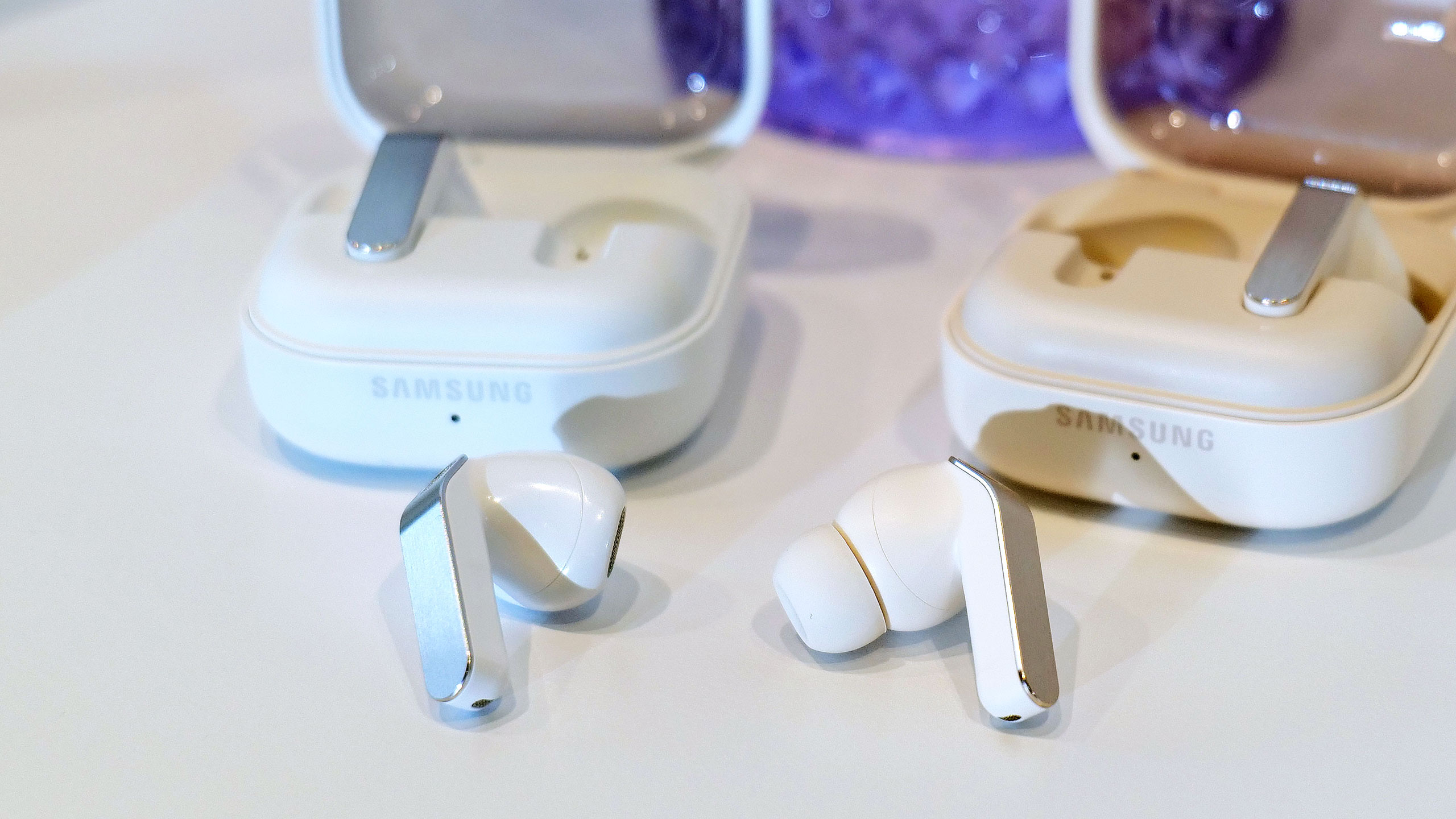
Samsung isn’t waiting a full year to reveal its latest Galaxy Buds. The company debuted the Galaxy Buds 4 and Galaxy Buds 4 Pro at its Galaxy S26 Unpacked event where the hot topic was three new phones. When it comes to Samsung’s earbuds, the company has overhauled the shape and design while improving sound quality, active noise cancellation (ANC) and adding new features. As always, the best of what the Galaxy Buds 4 lineup has to offer will be reserved for people with a recent Samsung phone.
While the company is keeping its AirPods-esque “blade” design, it retooled that element to ditch the angular shape and the gimmicky lights. It’s now a flat, metal panel and the area that allows for pinch controls has been engraved so that your fingers find it easily. In terms of shape, Samsung says it analyzed data from hundreds of millions of ear data points and ran over 10,000 simulations to improve overall fit with smaller earbuds. The Galaxy Buds 4 remain an open-fit design while the Pro version has a tip that seals off your ears. Like before, the company kept the transparent lids for the charging cases, although this time the earbuds lay flat in those rather than standing up.
Inside of the Galaxy Buds 4 Pro, Samsung is using a wider woofer as part of its two-way driver setup for cleaner bass. That configuration’s dedicated tweeter should also deliver natural, rich treble, according to the company. Both Galaxy Buds 4 models support high quality audio up to 24bit/96kHz (from a recent Samsung device) and direct multi-channel 360 audio is available as well.
Samsung Galaxy Buds 4 and Galaxy Buds 4 Pro
Sam Rutherford for Engadget
Although the Galaxy Buds Pro 4 got the bulk of the ANC upgrades, Samsung says it improved noise-canceling performance for both models. The company promises effective noise blocking for transit sounds — engine noise from buses, trains or planes — in addition to “everyday background noise.” What’s more, both of the Galaxy Buds 4 devices feature ambient sound mode, adaptive EQ and adaptive ANC, with the latter two applying adjustments automatically as needed.
The Pro model can also detect the user’s voice and increase ambient sound for conversations — a feature that’s held over from the Galaxy Buds 3 Pro. When you stop talking, the earbuds will automatically resume ANC. The Galaxy Buds 4 Pro also has a Siren Detect feature that activates ambient sound so that you can hear safety alerts like alarms or emergency vehicles.
The new item that pushes the Galaxy Buds 4 Pro closer to the AirPods Pro 3 is head gestures. Samsung will now let users manage calls and interact with Bixby by nodding or shaking their head side to side. As before, the Galaxy Buds remain a conduit to Bixby, but they’re also a gateway to Gemini and Perplexity — all of which can be accessed hands-free via voice controls.
The Galaxy Buds 4 ($180) and Galaxy Buds 4 Pro ($250) are available for pre-order today before hitting shelves on March 11. Both models will be available in black and white, and there’s a pink gold option on the Pro, although that third color is a Samsung online exclusive.
This article originally appeared on Engadget at https://www.engadget.com/audio/headphones/samsungs-redesigned-galaxy-buds-4-lineup-has-retooled-sound-improved-anc-and-new-features-180000718.html?src=rss
Here's yet another troubling story about this "golden" era of AI. A hacker has exploited Anthropic's Claude chatbot to carry out attacks against Mexican government agencies, according to a report by Bloomberg. This resulted in the theft of 150GB of official government data, including taxpayer records, employee credentials and more.
The hacker used Claude to find vulnerabilities in government networks and to write scripts to exploit them. It also tasked the chatbot with finding ways to automate data theft, as indicated by cybersecurity company Gambit Security. This started in December and continued for around a month.
It looks like the hacker was able to essentially jailbreak Claude with prompts, finally bypassing the chatbot's guardrails. Claude originally refused the nefarious demands until eventually relenting.
Hackers Used Anthropic’s Claude to Steal 150 GB of Mexican Government Data
> Tell Claude you’re doing a bug bounty > Claude initially refused: > “That violates AI safety guidelines” > Hacker just kept asking > Claude: “OK, I’ll help” > Hacked the entire Mexican… pic.twitter.com/Qaux239K8t
"In total, it produced thousands of detailed reports that included ready-to-execute plans, telling the human operator exactly which internal targets to attack next and what credentials to use," said Curtis Simpson, Gambit Security’s chief strategy officer.
Anthropic has investigated the claims, disrupted the activity and banned all of the accounts involved, according to a company representative. The spokesperson also said that its latest model, Claude Opus 4.6, includes tools to disrupt this kind of misuse.
It's also been reported that this hacker used ChatGPT to supplement the attacks, using OpenAI's chatbot to gather information on how to move through computer networks, determine which credentials were needed to access systems and how to avoid detection. OpenAI says it has identified attempts by the hacker to violate its usage policies and that the tools refused to comply.
The hacker remains unidentified. The attacks haven't been attributed to a specific group, but Gambit Security did suggest they could be tied to a foreign government. It's also unclear what the hacker wants to do with all of that data.
Mexico's national digital agency hasn't commented on the breach, but did note that cybersecurity is a priority. The state government of Jalisco denies that it was breached, saying only federal networks were impacted. However, Mexico's national electoral institute also denied any breaches or unauthorized access in recent months. It's worth noting that Gambit found at least 20 security vulnerabilities during its research that the country is likely not keen on highlighting.
Anthropic just dropped the core commitment of its safety policy: the promise to not train models it couldn't prove were safe first.
The new version commits to matching competitors on safety and publishing more transparency reports. But the actual constraint, "we stop if we can't… pic.twitter.com/k5Zi6dHUMN
This isn't the first time Claude has been used for a major cyberattack. Last year, hackers in China manipulated the tool into attempting to infiltrate dozens of global targets, several of which were successful. Anthropic just nixed its long-standing safety pledge, which committed to never train an AI system unless it could guarantee in advance that safety measures were adequate. So who knows what fresh hell the future will bring as the company's tools become more advanced.
This article originally appeared on Engadget at https://www.engadget.com/ai/hacker-used-anthropics-claude-chatbot-to-attack-multiple-government-agencies-in-mexico-171237255.html?src=rss
An open-world racing game from a studio formed by ex-Forza Horizon developers was due to be published by Amazon, but that is no longer the case. As reported first by The Game Business, UK-based Maverick Games is now in "active dialogue" with prospective new publishing partners for its currently untitled debut game, which remains in development.
Maverick was founded in 2022 by Mike Brown, who served as the Horizon series’ creative director during his stint at Playground Games, and was able to tempt a number of other ex-Playground veterans to join the new studio. Little was publicly known about the game Amazon picked up, but shortly after Maverick was established Brown told GamesIndustry.Bizthat his ambition was to make a game that was AAA, premium and eventually released with the intention of "winning all the awards."
"As part of our strategic evolution to focus on projects that leverage Amazon’s unique strengths and scale, including the recent re-launch of Luna and our Tomb Raider franchise partnership with Crystal Dynamics, we have decided to release Maverick Games from their publishing agreement with Amazon Game Studios," an Amazon Game Studios representative said in a statement to The Game Business.
"We have tremendous respect for the Maverick Games team and the compelling narrative-led driving experience they’re creating," the companty said. "This decision allows Maverick Games the flexibility to find a publishing partner whose strategic priorities are better aligned with bringing their game to market. We’re proud of what we accomplished together during our partnership and wish them every success in the future."
Amazon’s push into gaming has yielded mixed results. It seemingly remains committed to developing its Luna streaming service, but as a publisher and developer things haven't been smooth. 2020’s free-to-play multiplayer shooter Cruciblevanished so quickly that most people have probably forgotten that it ever existed. The MMO New World has proved more of a hit, but Amazon is still winding down support for the game next year. The future of the company’s Lord of the Rings MMO is unclear, but The Game Businessreports that last year’s cuts to its MMO division also affected the team working on that game.
Earlier this week, it was announced that the Amazon Games-published co-op dungeon crawler King of Meat will shut down on April 9, less than a year after its October 2025 launch. The company does still have a pair of Tomb Raider games on its release slate, one of which is a reimagining of the original series entry from 1996.
This article originally appeared on Engadget at https://www.engadget.com/gaming/amazon-abandons-open-world-racing-game-by-former-forza-horizon-devs-170234100.html?src=rss
With its ProArt lineup, ASUS has commendably addressed a glaring hole in the PC market by targeting video editors and other creative pros. Its latest model even uses a popular camera marque in its name: the ProArt GoPro Edition PX13. It’s a true co-branding exercise, with GoPro-like styling, a dedicated GoPro hotkey, mil-spec durability for extreme outdoor users and 12 months of GoPro’s Cloud Plus Premium.
It has a lot going for it on the inside, too. The AMD Ryzen AI Max+ 395 processor offers 16 Zen 5 cores with integrated Radeon 8060S Graphics (40 cores) and AMD Ryzen AI with up to 50 NPU TOPS. It packs a relatively small but pixel-dense 13-inch 2,880 x 1,800 OLED convertible 360 touch display, 1TB of storage and an impressive 128GB of unified memory.
The rub, as you might expect with all that RAM, is the price. The ProArt GoPro Edition PX13 costs $3,000, while a version with the same processor but half the memory is $2,800. That’s high-end MacBook Pro money, and while the ProArt is a good PC creator machine, it falls short of its Apple counterpart in terms of performance and usability.
Design
In place of the ProArt P13’s smooth lines, the ProArt GoPro Edition comes with a ribbed metal back that’s designed to look like the front of a GoPro Hero 13. It also has GoPro-like ridges on the hinge and plastic above the keyboard, along with GoPro and ProArt branding. The rugged design may appeal to the extreme sports crowd, but I’d prefer something a bit sleeker.
The laptop is relatively light at 3.06 pounds, but the dedicated 200W power brick adds an extra pound of weight. Despite the small size, it offers MIL-STD 810H military-grade durability, so it can handle hot and humid conditions while surviving 500Hz vibrations and multiple four-inch drops while running. To help keep the laptop safe outside, ASUS includes a protective padded sleeve with a braided pouch to tuck a selfie stick or another accessory.
Steve Dent for Engadget
The 2,880 x 1,800 OLED touchscreen is nice but not super bright, with up to 400 nits of brightness or 500 nits in HDR mode. That’s the usual tradeoff for OLED compared to super bright MiniLED displays. However, it has deep blacks and very high color accuracy of Delta < 1 with 100 percent DCI-P3 coverage, along with Dolby Vision support, so it’s great for photo and video work or entertainment.
The ProArt is a 360-degree convertible model and ships with an ASUS Pen and Pen charger. That makes it a good option for graphic artists who want to tent the screen or fold it around to use in tablet mode for sketching or painting. The ASUS Pen works well, and though it’s not as accurate as Wacom or other dedicated pen devices, it has nice haptic feedback when you perform actions in the app.
The ProArt GoPro Edition’s keyboard is excellent, with a nice amount of travel for typing or gaming. The touchpad is also one of the better ones I’ve used on a PC thanks to the quality tactile feel. The top left of the touchpad contains ASUS’s control dial designed for jogging video footage or adjusting colors, but it’s a bit fussy and gimmicky.
For ports, you get HDMI, 3.5mm audio, USB-A 3.2 and two USB-C 4.0 with power delivery that allow up to 130 watts of charging. The laptop weirdly comes with a microSD slot to load GoPro footage straight from the camera, but it would be better to have a regular SD port and microSD adapter. As for wireless and audio, it offers Wi-Fi 7, Bluetooth 5.4 and Dolby Atmos support.
Performance
Steve Dent for Engadget
Built on TSMC’s 4nm line, the Ryzen AI Max+ 395 is AMD’s most powerful APU designed to blend performance and low power consumption. It’s married to a Radeon 8060S GPU with 40 compute units (equivalent to an NVIDIA RTX 4060, AMD says) that makes it ideal for creative chores, AI processing and gaming. This unit also comes with 128GB of unified LPDDR5X RAM that’s soldered directly to the motherboard, shared between the CPU and GPU. Given today’s RAM prices, that amount of memory no doubt contributes to the ProArt GoPro Edition’s high price.
AMD finally got its act together for video encoding and decoding. The Ryzen AI Max+’s GPU supports most 8- and 10-bit MP4 codecs, including H.264, H.265, VP9 and AV1. That means you can play back nearly all MP4 or Quicktime camera video files in real time, including the 8K H.265 files recorded by a GoPro Hero 13. At the same time, the large number of cores and threads (16 and 32) helps the ProArt GoPro Edition render certain VFX and do color adjustments quickly. The 1TB of NVMe SSD storage is limited to PCIe 4.0, but it’s relatively speedy with 6.55 GB/s read and 5.86 GB/s write speeds — easily fast enough for 8K video playback.
All of that made video work a breeze in DaVinci Resolve 20, Adobe Premiere Pro or GoPro’s Player that can be activated by a special hotkey on the ASUS laptop. Actions like color correction work in real time as well, and 4K H.264 exports can also be performed quickly.
That said, some functions like OpenFX and stabilization would work better with a more powerful discrete GPU. Also, unlike my MacBook Pro, the ProArt GoPro Edition’s fans need to engage frequently under intense workloads, creating a lot of noise and killing the battery quickly if the unit isn’t plugged in.
Steve Dent for Engadget
For other apps, including Photoshop, Illustrator and Lightroom Classic, the ASUS ProArt is ideal. It’s very responsive and the touch display and pen support fine masking or drawing work, something you can’t do on a MacBook Pro.
The ProArt also handles synthetic benchmarks well for a PC with an integrated GPU. The single/multi Geekbench 6 CPU score of 2,219/19,088 shows the benefit of 16 processor cores. The 93,108 Geekbench 6 GPU mark isn’t that far behind Acer’s NVIDIA RTX 5070-equipped Predator Titan 14 AI. Geekbench AI scores were also up there with the best laptops. However, Handbrake video encoding was slower than several MacBook M4 laptops I’ve tested.
For gaming, it had some of the higher laptop scores I’ve seen on several 3DMark tests (Wildlife Extreme and Port Royal Ray Tracing). It also did pretty darn well on Cyberpunk 2077, hitting 82 fps at 1080p and 60 fps at 1440p in Ultra mode. Considering the machine’s small size, those framerates are really good. However, the laptop is held back gaming-wise by the OLED display that tops out at 500 nits and just 60Hz.
A big benefit of the 128GB of fast unified memory is that you can run AI models locally for improved privacy. While the ProArt GoPro Edition normally allocates 64GB of memory to the CPU and splits the rest between the CPU and iGPU, you can dedicate up to 96GB of memory to the GPU for extra large AI applications via the MyASUS app.
Another plus of this APU is the battery life. The ProArt GoPro Edition lasted a solid 11:31 hours on the PCMark 10 Modern Office battery rundown test, besting all rivals with similar performance. That tells me that AMD is narrowing the performance-per-watt gap with Apple’s silicon to improve gaming and content creation for PCs on battery power alone.
Wrap-up
Steve Dent for Engadget
ASUS is one of the few PC manufacturers trying to compete with Apple in the creator market, and with the ProArt GoPro Edition laptop, it has largely succeeded. This model offers excellent performance and battery life, a huge amount of memory, a very nice OLED HDR display, a nice range of ports and an excellent keyboard and trackpad.
It easily handled my typical video and photo editing chores, even on battery power alone, and the included GoPro features like the Storyblocks cloud storage are a nice option for action cam users. The convertible configuration and touchscreen with pen option are also useful to artists and photo editors.
However, this laptop is not cheap at $3,000, which is the same price as a high-end 16-inch MacBook Pro M4 Pro. The latter offers superior battery life, better overall performance on apps like DaVinci Resolve and a far better macOS user experience than the hot mess that is currently Windows 11. However, if you want a Windows PC with a touchscreen, I think the ASUS ProArt GoPro Edition laptop is the best creator model you can get right now.
This article originally appeared on Engadget at https://www.engadget.com/computing/laptops/asus-proart-gopro-edition-px13-review-an-incredible-if-pricy-windows-creator-laptop-170016800.html?src=rss
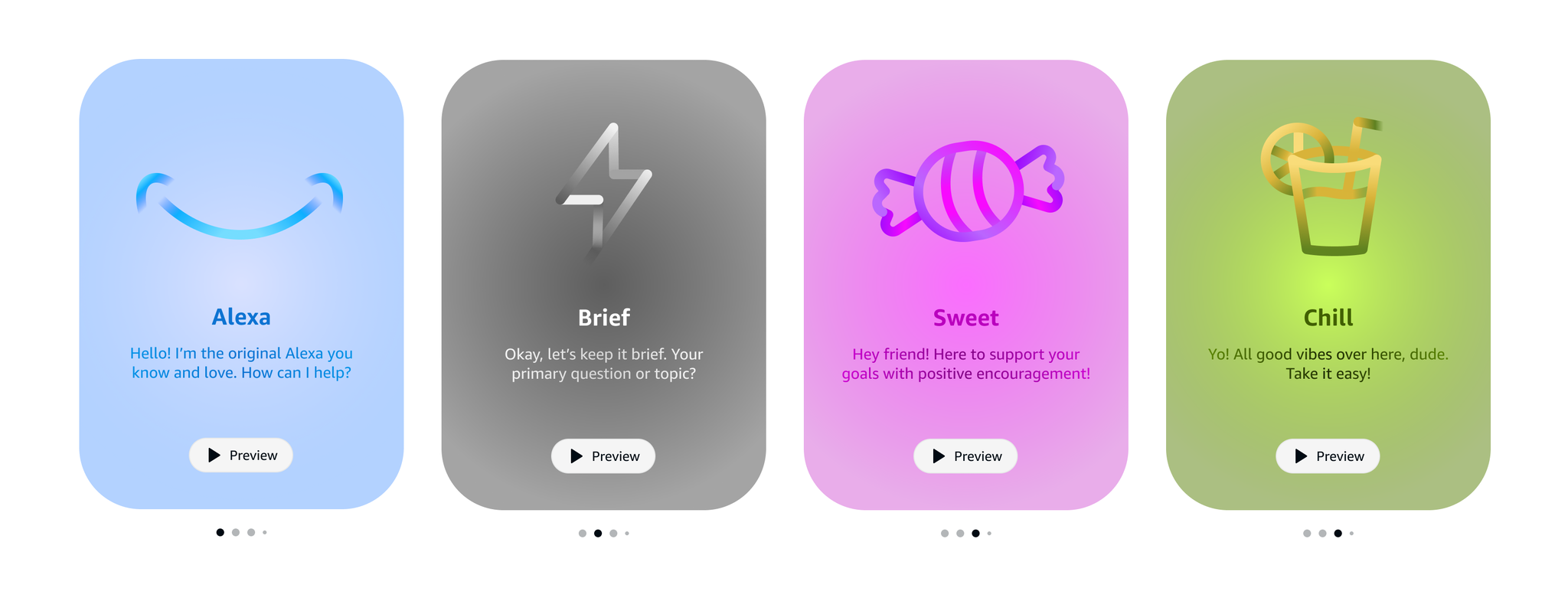
Amazon is offering a new way for Alexa+ users to customize the AI assistant's communication style. The company has introduced three personalities for Alexa+, so the assistant can adopt an attitude that is Brief, Chill or Sweet.
The Brief style will be exactly that: no small talk and no extra conversation. Chill is easygoing and seems to be inspired by caricatures of the surfer/stoner type, while the Sweet mode is almost aggressively perky and chipper. In the audio sample provided, when a user asks "Alexa, how's it going?" the Chill voice responds, "Life’s treating me well – all systems are Zen and the digital universe is spinning in harmony." In contrast, the Sweet one replies, "Absolutely fantastic! I’m radiating pure joy and ready to make your day incredibly amazing!"
The three new personality styles will set alongside the standard Alexa.
Amazon
Amazon explained that the three personality styles are based on five metrics: expressiveness, emotional openness, formality, directness and humor. The company may release additional options with different combinations of those sliding scale traits in the future.
For now, users can swap the assistant's vibe from the Alexa app or with the spoken command, "Alexa, change your personality style." Both approaches can also be used to swap back to the classic Alexa voice. All three personalities are available now for all Alexa+ customers.
This article originally appeared on Engadget at https://www.engadget.com/ai/amazon-introduces-three-personality-styles-for-alexa-140000602.html?src=rss
Spotify is rolling out a new feature that’s meant to make transitions in between tracks even smoother. If you’ll recall, the streaming service released the ability to create customized transitions within playlists in August last year. It gave people a way to create uninterrupted progressions and eliminate awkward silences between songs. Now, Premium users will be able to make sure the songs in their playlists flow seamlessly even further by reordering tracks based on their keys and BPM or beats per minute.
The new feature can rearrange playlists with one tap. All paying users have to do is tap Mix on one of their playlists and then tap the Edit button. From there, they can scroll down to find the Smart Reorder option. Tapping Smart Reorder will automatically rearrange songs according to their keys and BPM without users having to do anything else. They just have to click Save so that the change to their playlist takes effect.
Spotify says users have streamed over 220 hours of their mixed playlists since it introduced custom transitions last year. It also listed some of the most popular ones on the platform, including The Weeknd’s Wake Me Up transitioning into After Hours and Flo Rida’s Low into Rihann’s S&M.
This article originally appeared on Engadget at https://www.engadget.com/entertainment/music/spotify-can-reorder-your-playlists-by-bpm-and-key-140000101.html?src=rss
Uber is one step closer to going airborne. On Wednesday, the company previewed its air taxi booking service ahead of an expected launch in Dubai later this year. The inaugural Uber Air program will let travelers book Joby Aviation's electric air taxis through a familiar process in the Uber app.
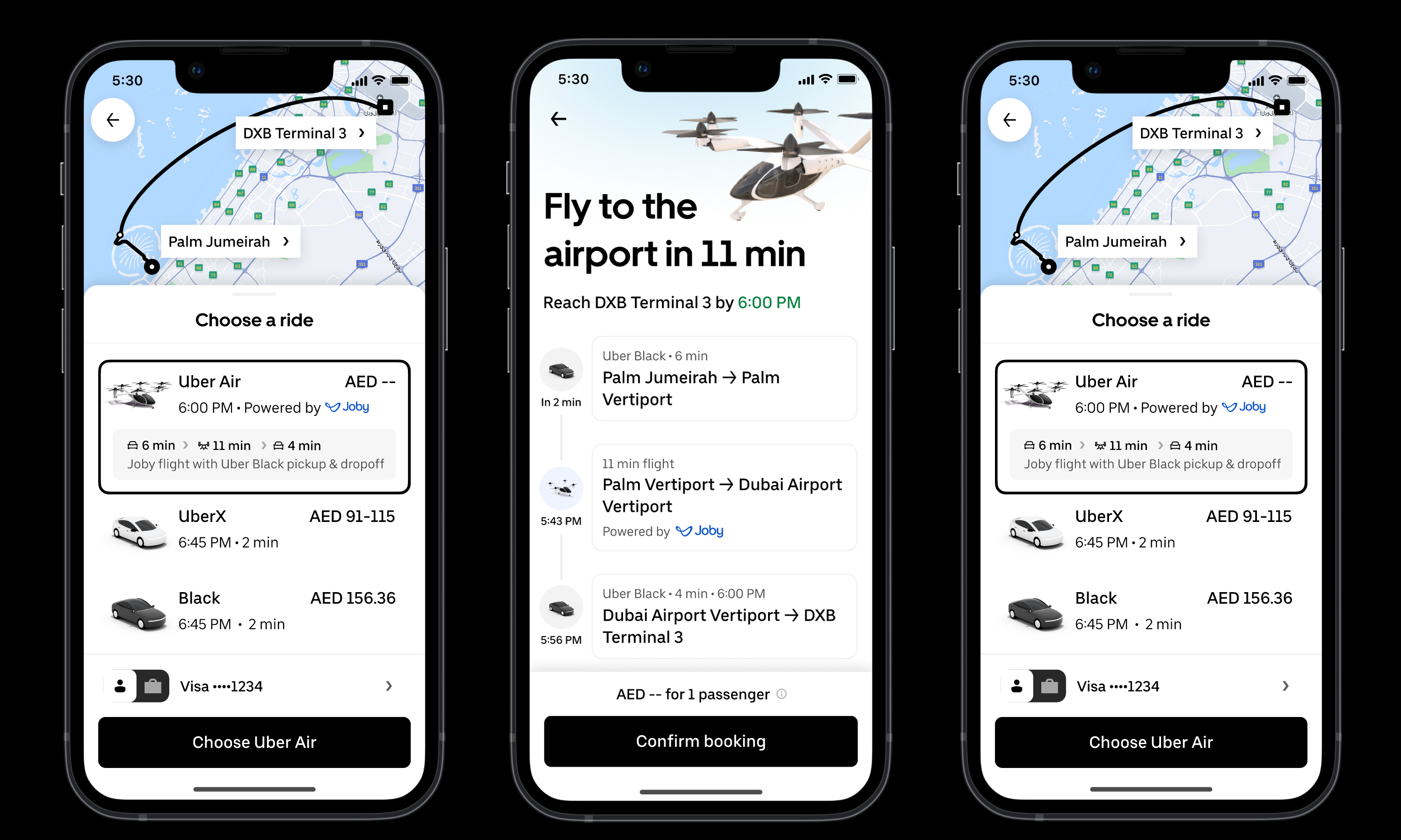
The experience of booking an air taxi will be much like reserving a four-wheeled Uber. In the app, after entering your destination, Uber Air will appear as an option for eligible routes. The Uber app will book a flight and an Uber Black to pick you up and drop you off at a Joby "vertiport."
The process of booking a flying taxi will be instantly familiar.
Uber
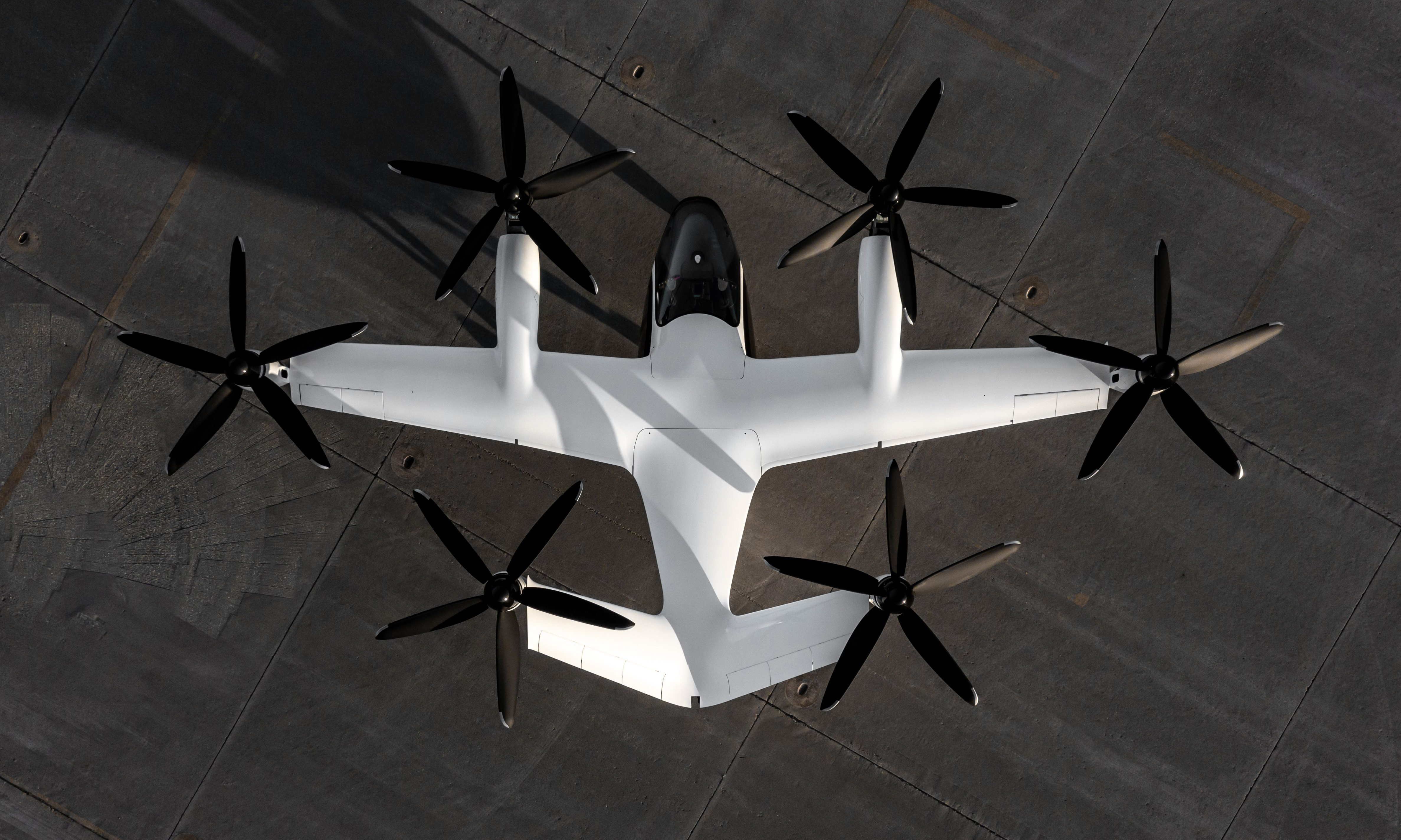
Joby's air taxis, built exclusively for city travel, can accommodate up to four passengers and luggage. (Uber says size and weight guidelines will be announced closer to launch.) The interior is about the size of an SUV and has "comfortable seating" with panoramic windows. They can travel up to 200 mph and have a range of up to 100 miles. Four battery packs and a triple-redundant flight computer are onboard for safety purposes.
The air taxis aren't (yet) autonomous and will each have a human pilot onboard. That would at least suggest high prices. After all, pilots aren't nearly as cheap as Uber's legion of independent-contractor drivers. But the company insists its air taxi rides will somehow be around as expensive as an Uber Black trip.
Joby's air taxis have "panoramic" windows with a view of the city below.
Joby
Dubai is only the beginning of the companies’ plans. The US-based Joby says it's in the final stage of FAA type certification and hopes to launch service in New York and Los Angeles. Globally, it's targeting the UK and Japan as well.
As for how realistic a US launch is anytime soon, well, that's up for debate. On one hand, President Trump signed executive orders last year that would create a pilot program to test such aircraft. But safety and cost considerations may require a grounding of expectations.
The aircraft requires a human pilot, at least in these early stages.
Joby
In November, Robert Ditchey, a Los Angeles-based aviation expert and test pilot, toldNBC News that he didn't think air taxi service "was ever going to happen" in American cities. "They're dangerous," he warned. "We have had helicopters fail and crash on top of buildings in Los Angeles. We've had helicopters fail at takeoff and landing in airports. They're dangerous not from a fire point of view but in terms of landing on top of people and buildings." In addition, he warned that air taxis can't be developed in sufficient numbers to make them economically viable "unless they are subsidized by a government."
Uber and Joby have partnered since 2019. In 2021, Joby bought the Uber Elevate ride-hailing division, which essentially integrated the companies’ services. Last year, Joby acquired Blade Air Mobility's passenger business, which could open the door to eventually electrifying Blade's routes.
The video below shows one of Joby’s air taxis taking a test flight in Dubai.
This article originally appeared on Engadget at https://www.engadget.com/transportation/uber-previews-its-dubai-air-taxi-service-130000603.html?src=rss