Ray-Ban Meta Optics review: A better fit comes with a higher price
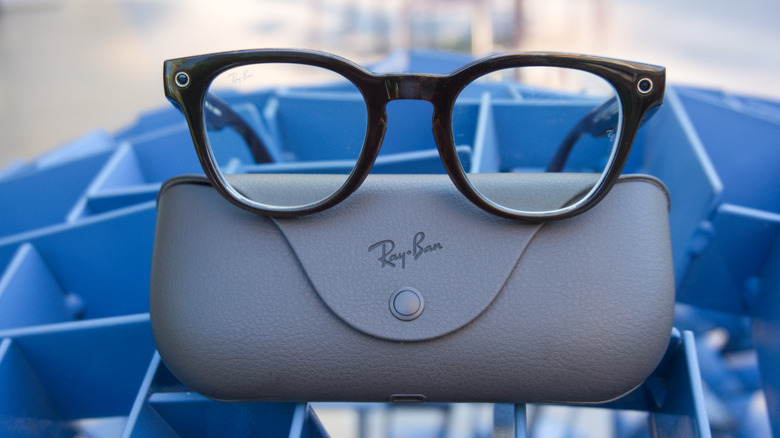
The Ray-Ban Meta Optics lineup adds a premium fit and a few extra features, but comes with a higher price.
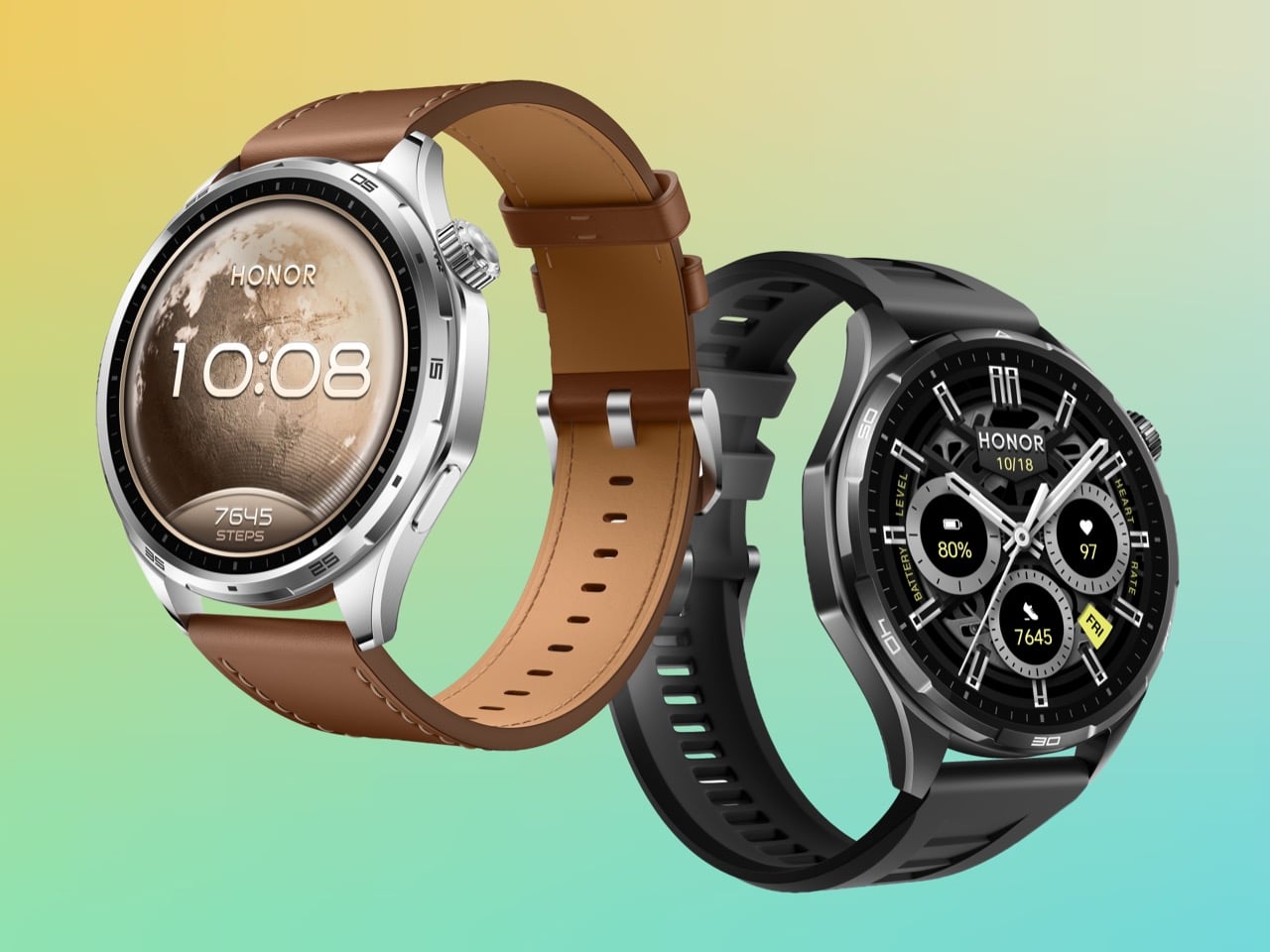
Every smartwatch eventually comes off. The reasons vary: the charge ran out, the case dug in, the weight got old. Battery anxiety and wrist fatigue are the two great enemies of wearable compliance, and the industry has spent years solving one at the expense of the other. HONOR has taken a different approach with the Watch 6.
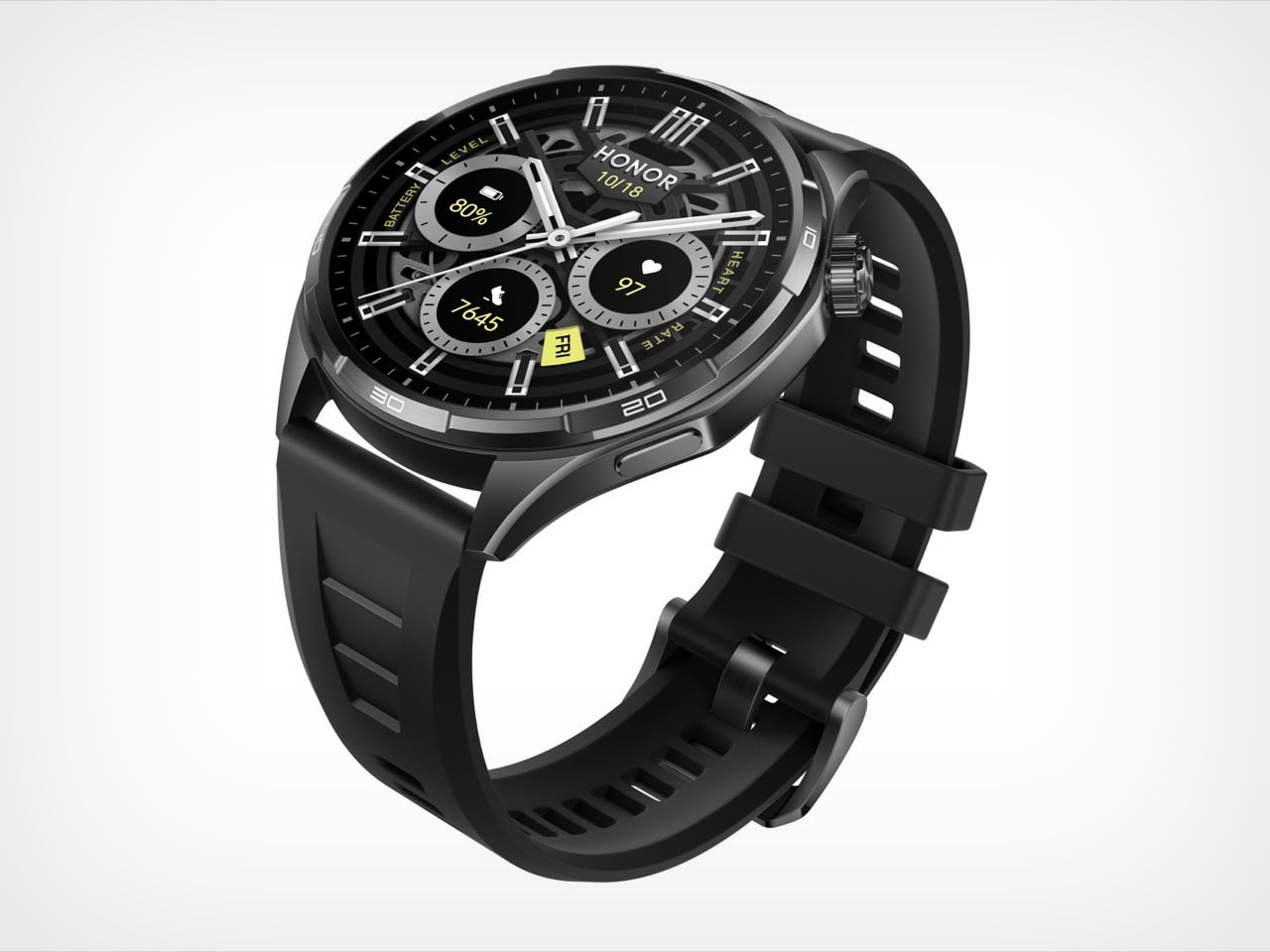
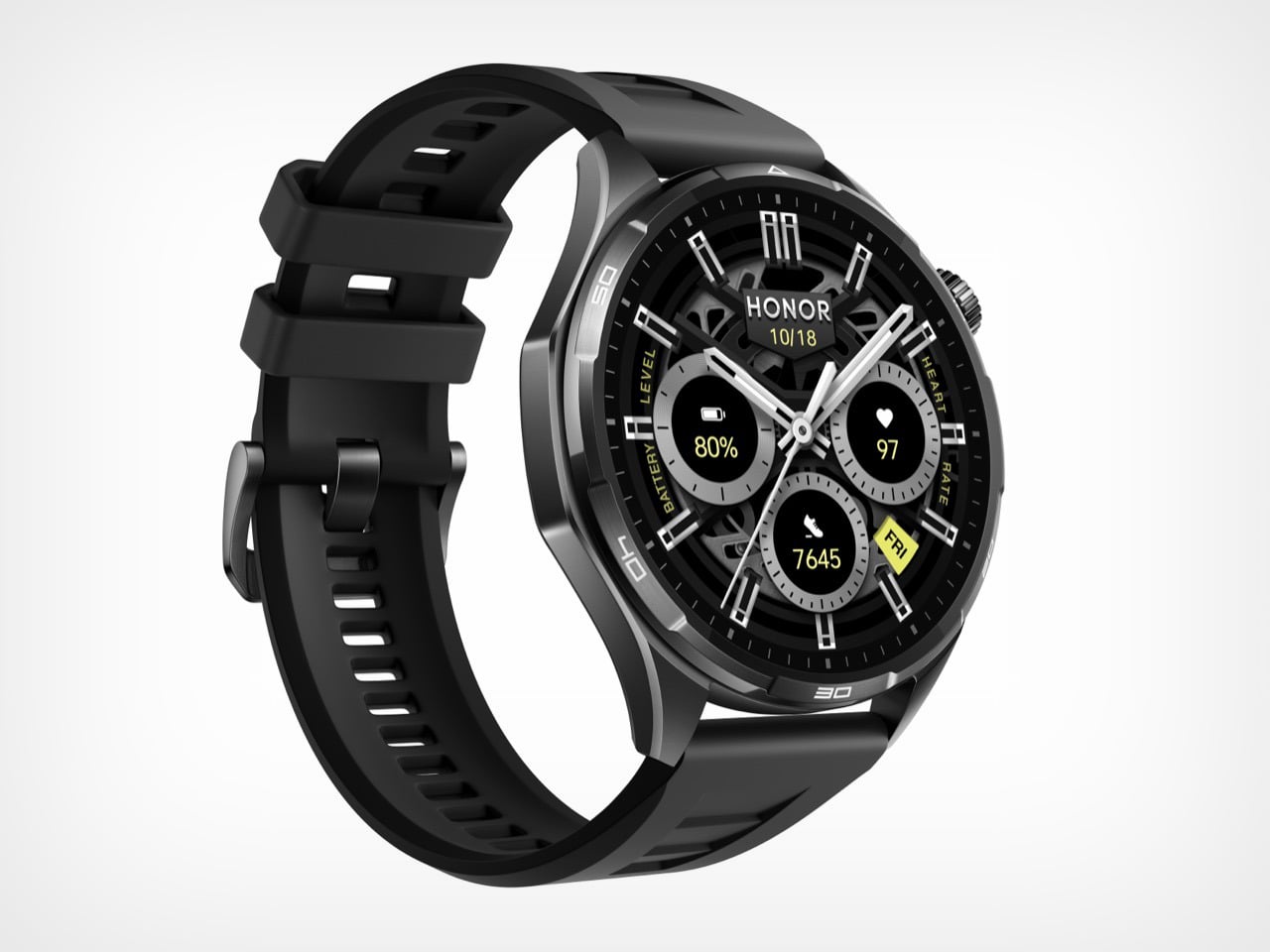
The case weighs 41 grams, which puts it in the same neighborhood as a set of car keys. The battery inside it is 980mAh, a capacity that delivers up to 35 days of use and has no comparable precedent in a smartwatch this light. HONOR achieved it through a sandblasted aluminium alloy construction, designed around a Racing Dashboard aesthetic that borrows visual tension from high-performance automotive design. The Watch 6 is built to stay on. And at 41 grams, there is very little reason to take it off.
Designer: HONOR
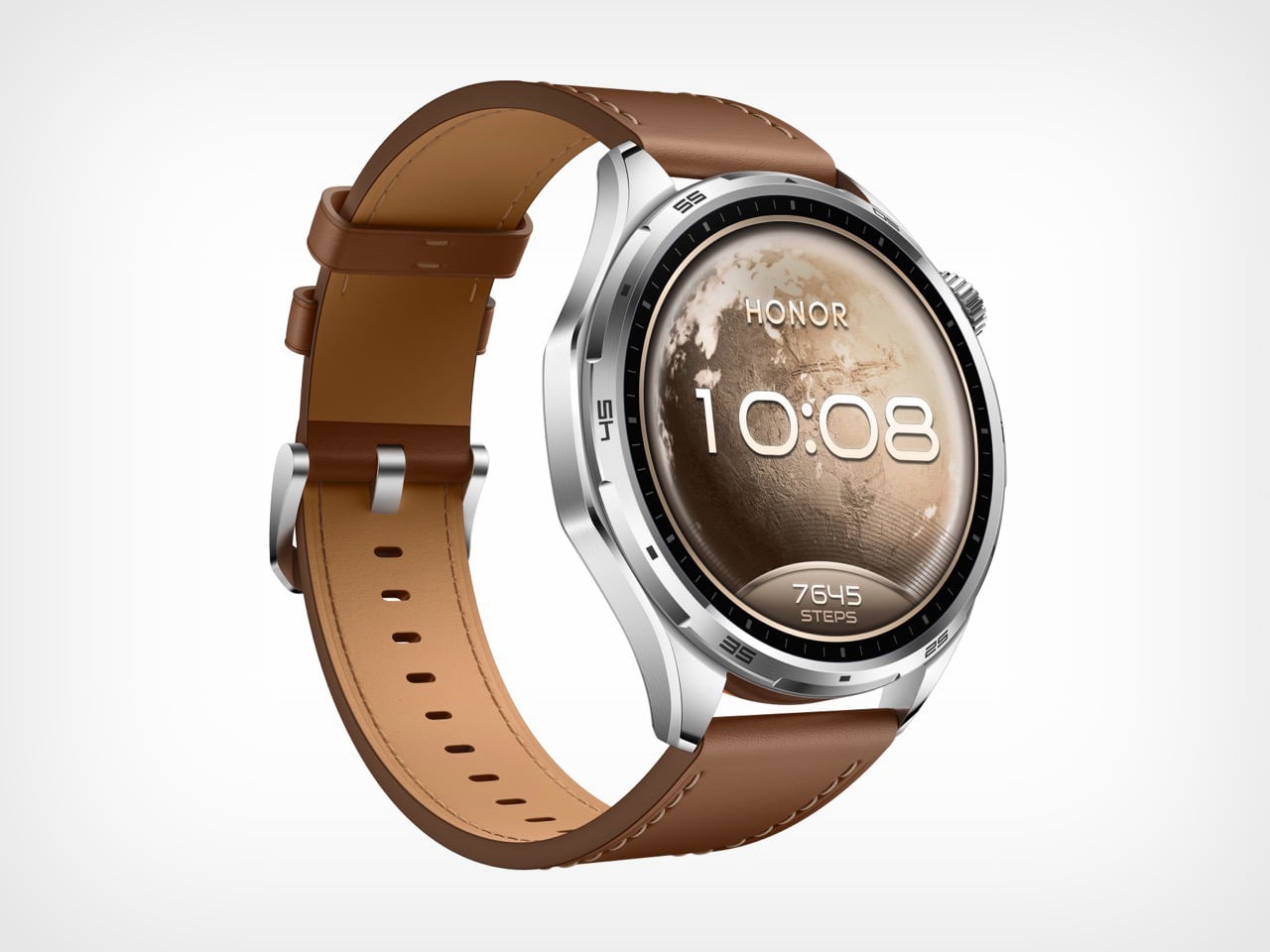
The wearable industry’s battery problem has always been architectural. Garmin solved it by making watches thick enough to house serious cells, producing devices that track ultramarathons flawlessly but look faintly ridiculous at a dinner table. Apple went the opposite direction, keeping the Watch Series ultra-slim and ultra-light while accepting that you will charge it every night like a phone. The Apple Watch Ultra 3 splits the difference with a 599mAh battery in a titanium case, and while that is genuinely impressive engineering, it still asks you to charge weekly and costs north of $700 for the privilege. Samsung’s Galaxy Watch 7 lands closer to HONOR’s price bracket but tops out around 425mAh, delivering maybe three days of real-world use. HONOR’s Watch 6 arrives at 980mAh and 41 grams, and neither of those numbers should coexist in the same sentence.
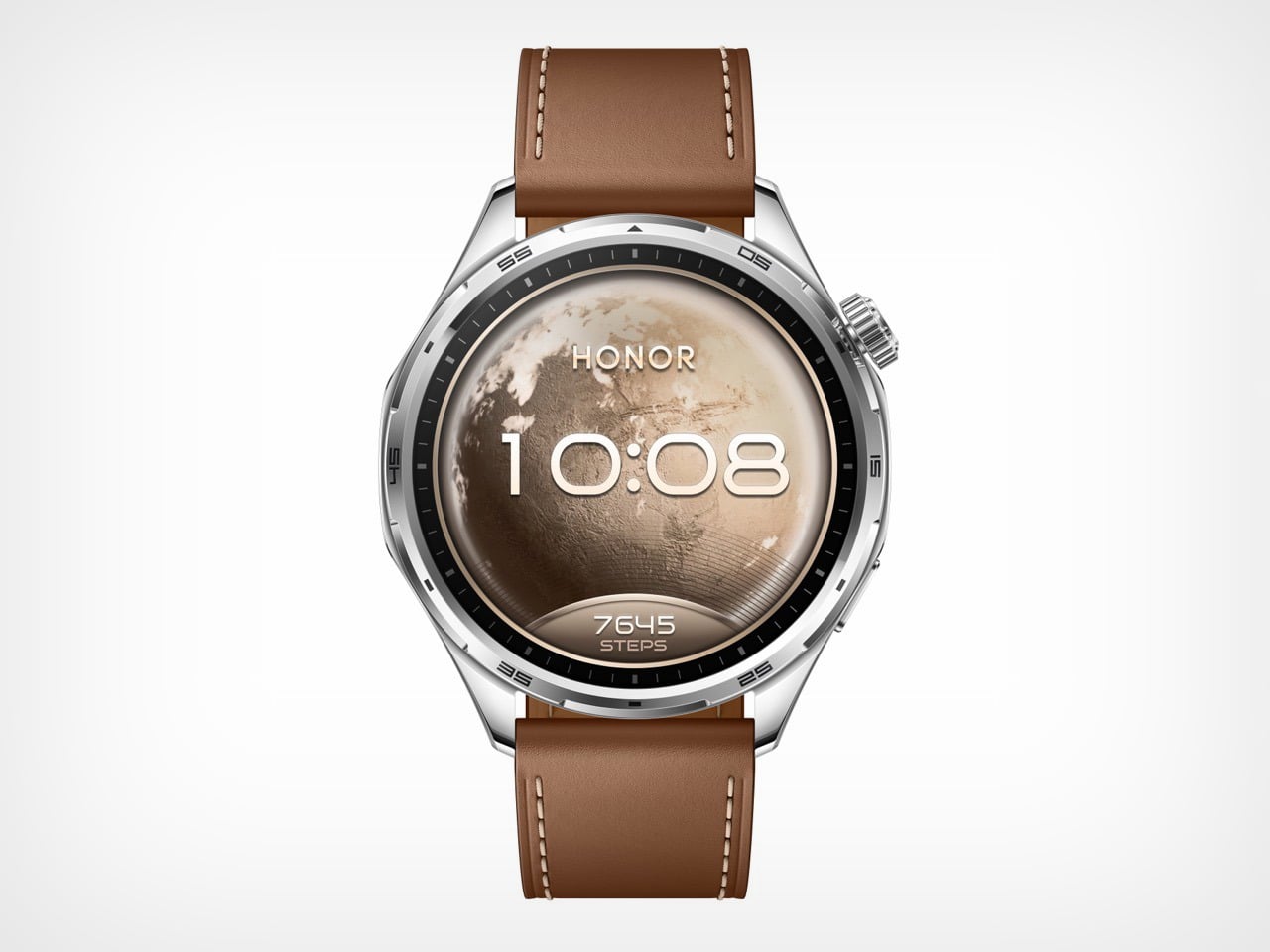
The secret is in the surface. HONOR’s construction process runs the aluminium alloy case through a precision sandblasting treatment that produces a finish comparable to titanium in texture and perceived premium-ness, without titanium’s weight penalty. This is the same category of material intelligence that made the Watch 5 Ultra’s grade 5 titanium case feel like such a statement at MWC 2025, except here HONOR is pulling the trick in reverse, making aluminium feel like it punches upward. The beveled edges add a three-dimensional quality to the 46.5mm round case that photographs well and catches light differently depending on angle, borrowing visual language from automotive air intakes in a way that feels considered rather than decorative. At 317 PPI on a 1.46-inch AMOLED panel hitting 3,000 nits of peak brightness, the display holds up in direct sunlight in a way that cheaper panels simply cannot.
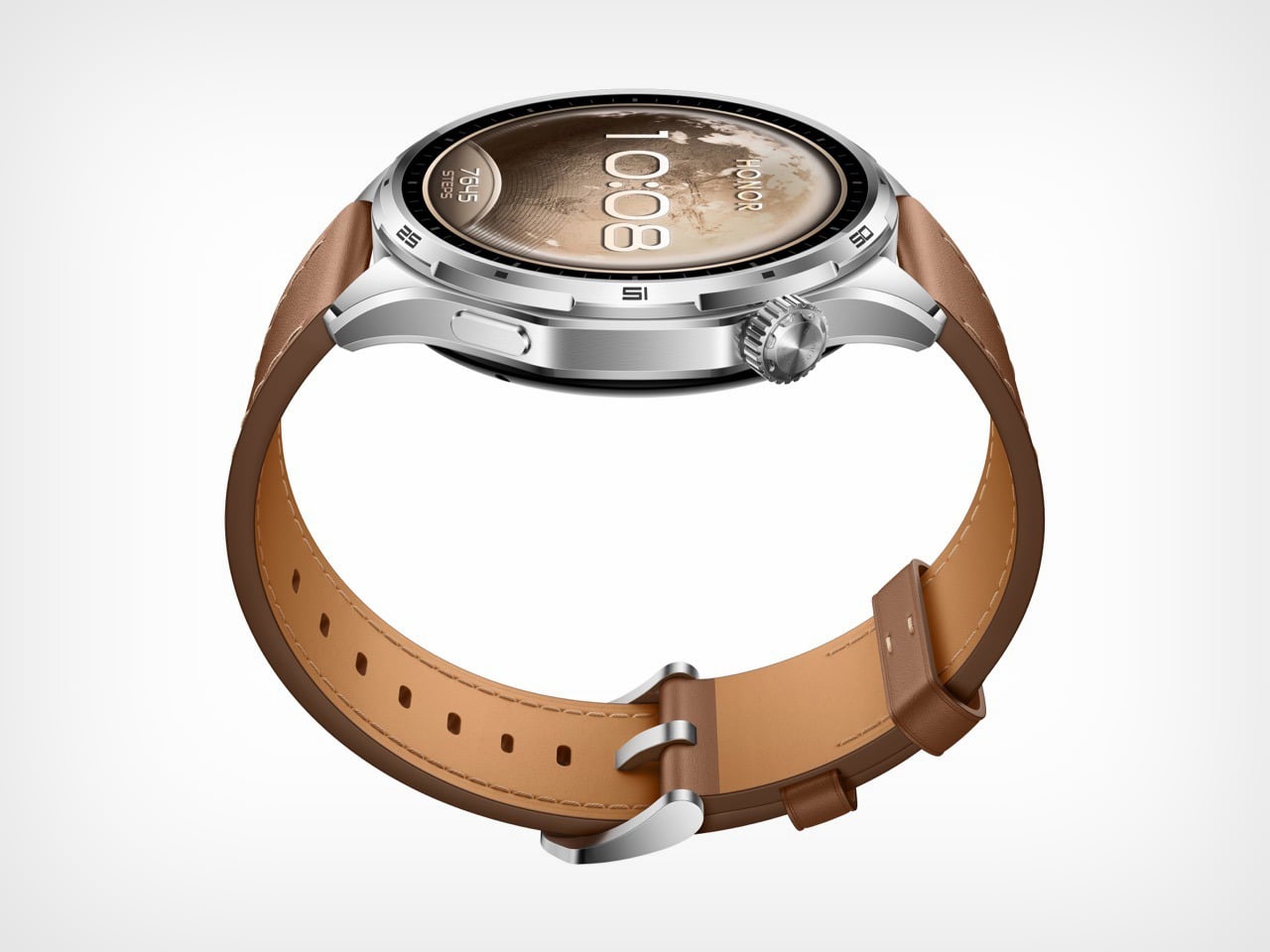
Where the Watch 6 earns its credibility beyond the spec sheet is in the specificity of its sports intelligence. HONOR’s badminton mode tracks smash speeds, rally counts, and shot distribution in a way that goes well beyond the generic “racket sport” detection most smartwatches offer. The football mode generates heat maps and trajectory data that a Sunday league player will find genuinely useful, not just flattering. Trail running gets an AI coaching layer on top of dual-band six-star GPS, with route deviation alerts that matter when you are actually in the hills. These are features borrowed in spirit from Garmin’s sport-specific playbook, delivered at a price point Garmin has never seriously entertained.
The one honest caveat is software. HONOR’s proprietary MagicOS ecosystem has historically been the ceiling on what their hardware could achieve, and the Watch 5 Ultra illustrated that tension clearly when reviewers found the tracking data compelling but the platform limiting. The Watch 6 inherits that same closed loop, meaning your 35 days of biometric data lives inside the Honor Health app and nowhere else. For athletes already inside that ecosystem, that is fine. For anyone hoping to pipe data to Strava, Garmin Connect, or Apple Health with any consistency, it remains a friction point worth knowing about before you buy.
The post HONOR packed a 35-day battery into a 41g smartwatch – and nothing else comes close first appeared on Yanko Design.
The smartwatch category has a battery problem it can’t seem to shake. Despite years of incremental improvements, most wearables still need to be charged every day or two, which is exactly the opposite of what a watch is supposed to be. A watch is supposed to be on your wrist and working, not sitting on a charging pad because you forgot to plug it in before bed.
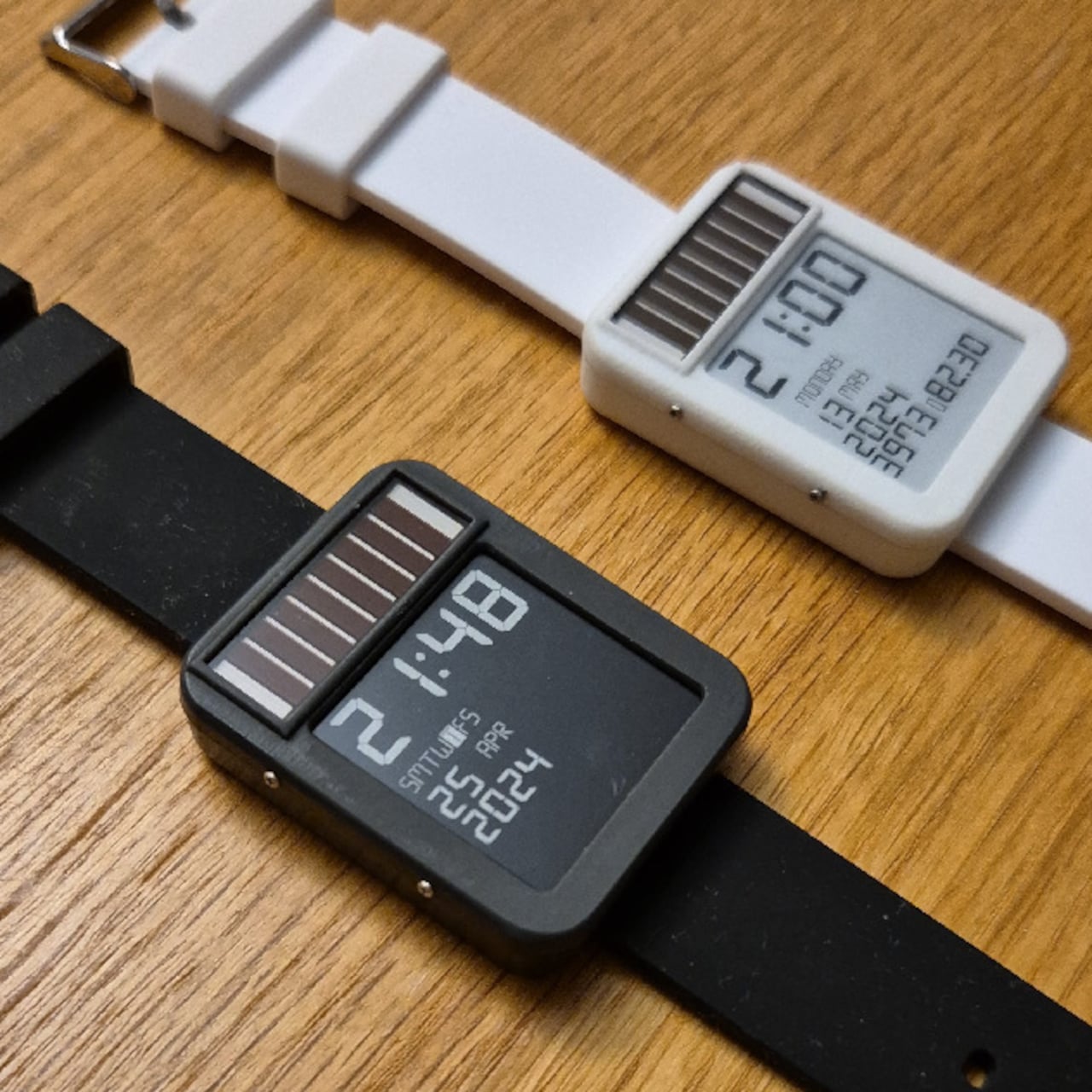
The LightInk is an attempt to solve that problem by going back to a design philosophy that worked decades ago: solar. The concept mimics the 90s solar digital watches that ran more or less indefinitely, but brings it into the present with an E-Ink display, an ESP32 microcontroller, WiFi, Bluetooth, LoRa radio, and a custom power management system built from scratch over several years.
Designer: Daniel Ansorregui
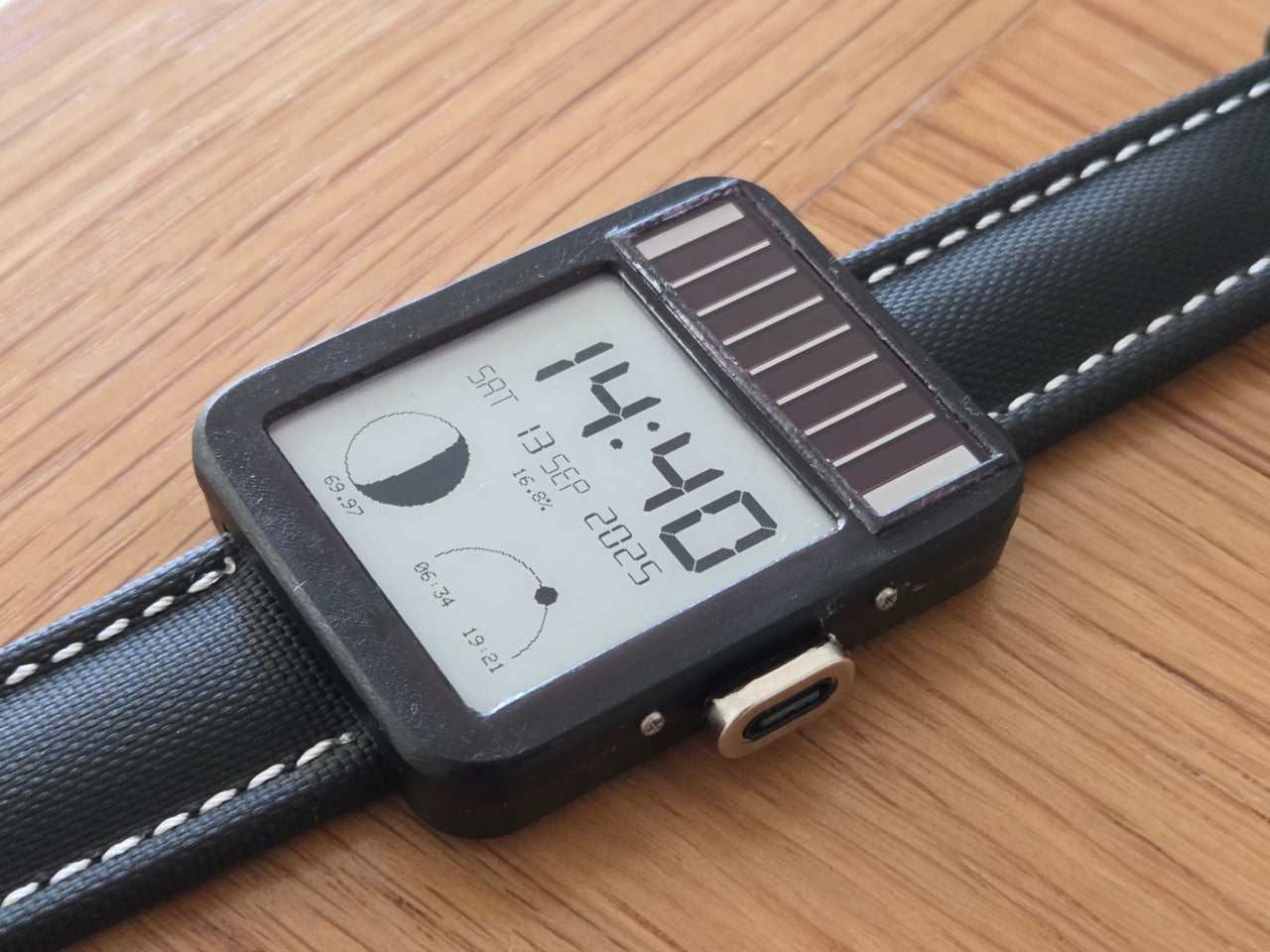
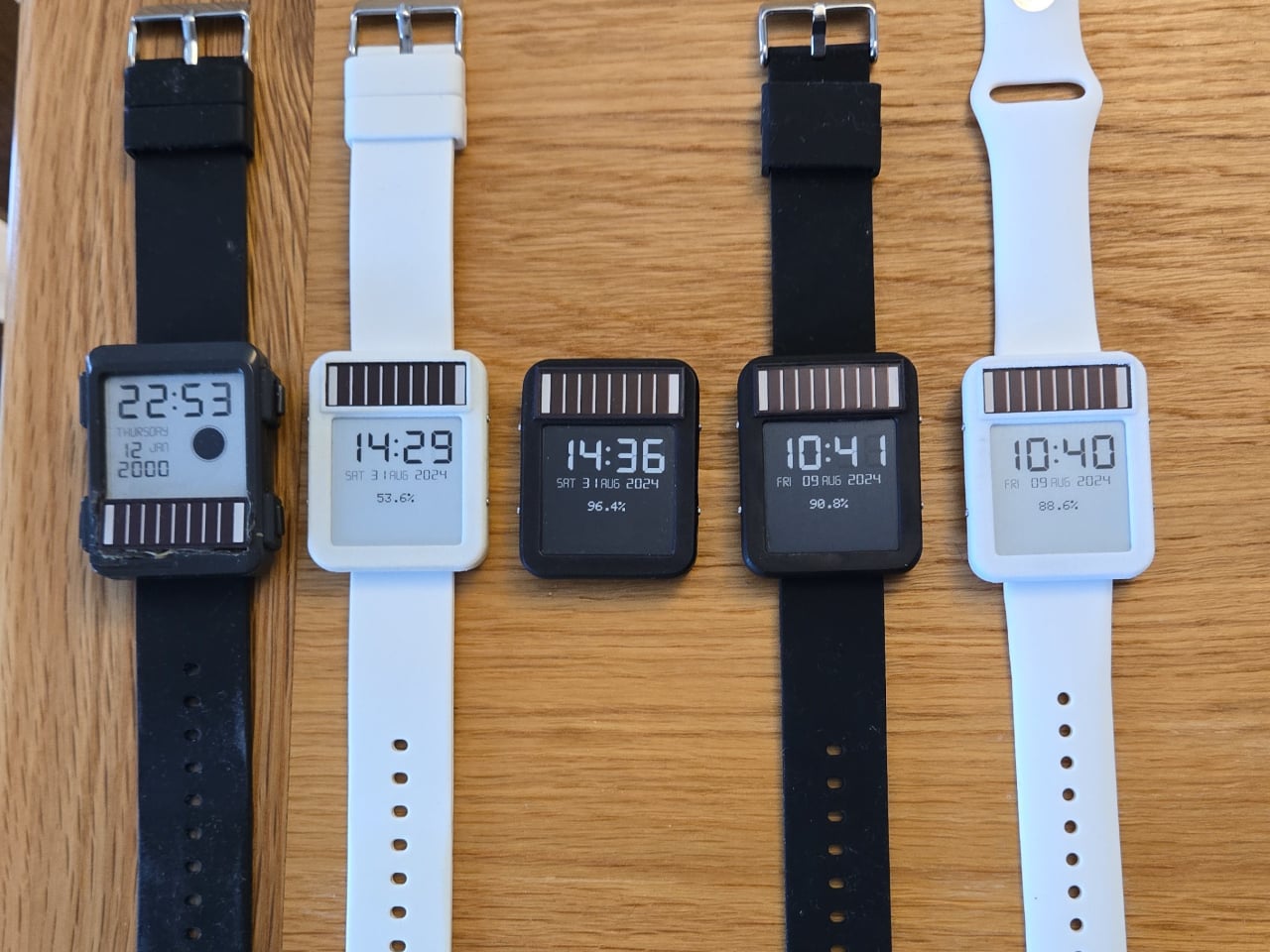
The project started in 2019 with a simple goal: build a solar-powered watch that could send LoRa packets to a receiver at home. After experimenting with early hardware and contributing display optimizations to the open-source Watchy project, the creator hit the limits of what off-the-shelf hardware could manage and built a custom PCB around a TPS63900 buck-boost converter, running the watch at 2.7V.
The biggest technical hurdle turned out to be the microcontroller itself. The ESP32 takes 28ms to boot, consuming around 1mA of current in the process, and that cycle was responsible for about 60% of the watch’s total power draw without contributing anything to the actual display update. The solution was to skip normal boot entirely and run code directly from the ESP32’s RTC memory via a wake stub.
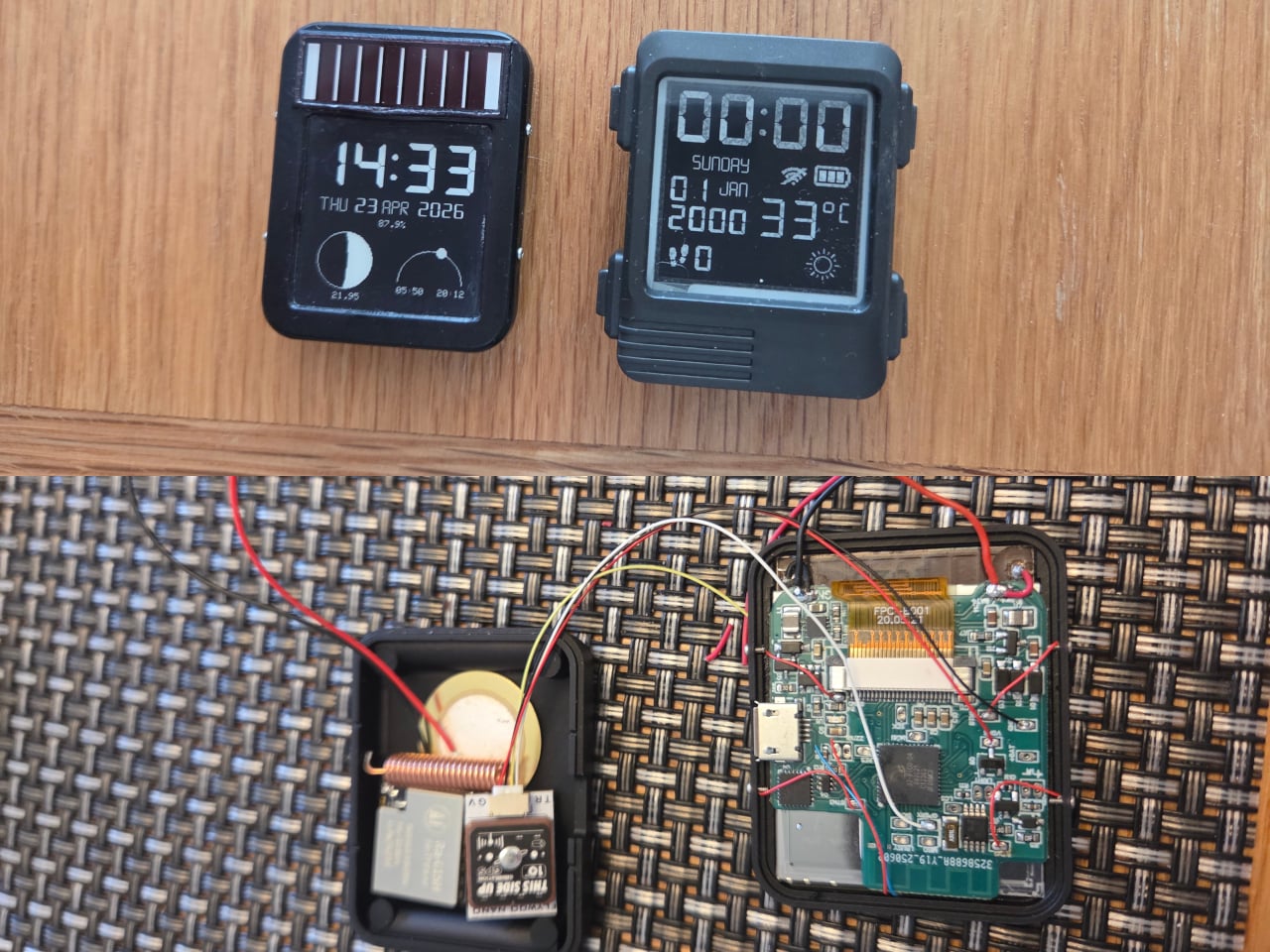
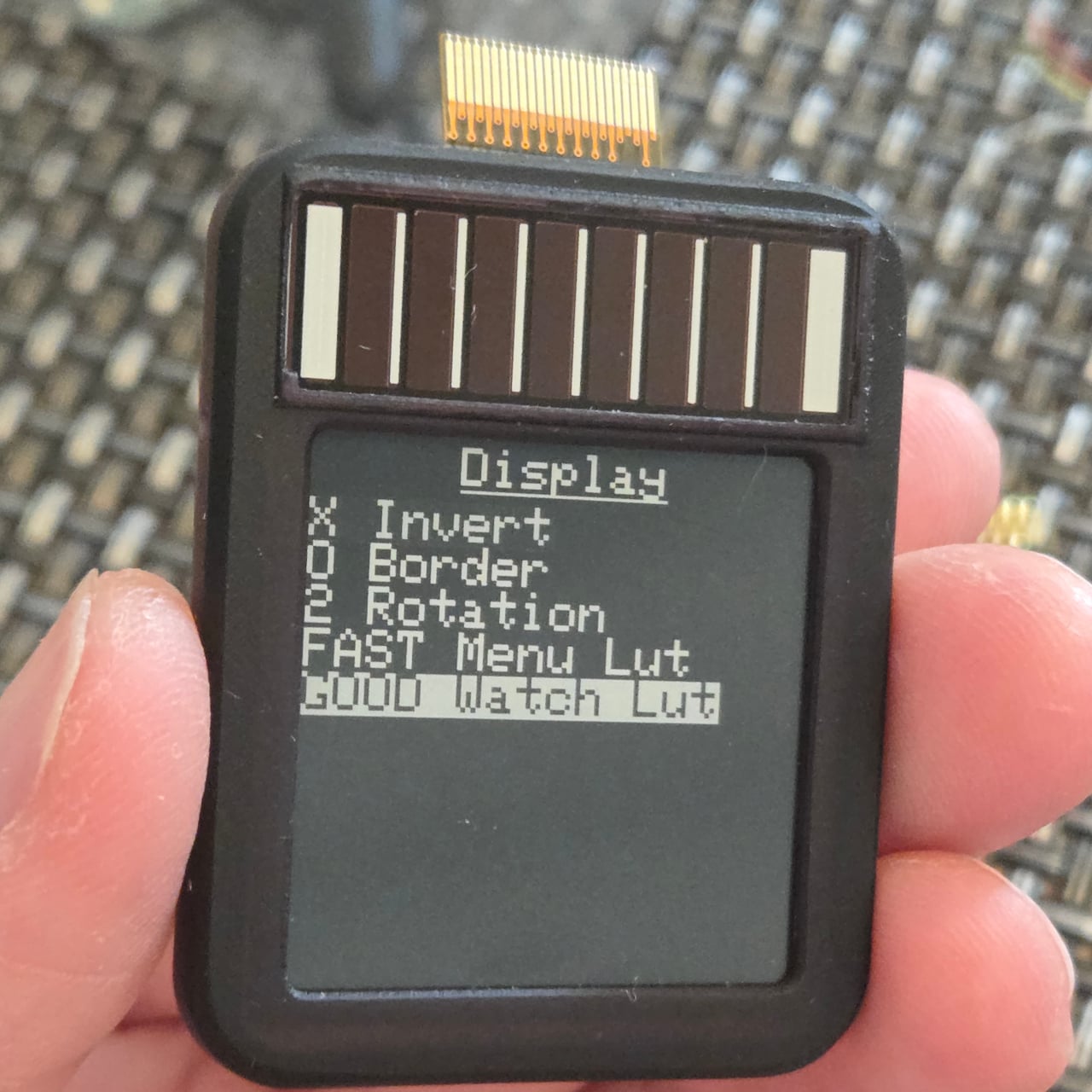
That required reimplementing SPI communication from scratch within the RTC memory constraints, since no code outside that space can run during the stub phase. The payoff was significant: the entire boot, data send, and display update sequence now completes in under 1ms. Once the display is refreshed, the ESP32 immediately returns to deep sleep, saving an additional 1mA that would otherwise be consumed during light sleep.
The result is a watch that runs for six to 10 months on a 100mAh battery, which is already an unusual number for a device this capable. Add the solar panel, similar in type to the kind found on pocket calculators, and the power equation starts to tilt toward indefinite. One hardware revision ran for nine months on battery alone before being retired for a newer build.
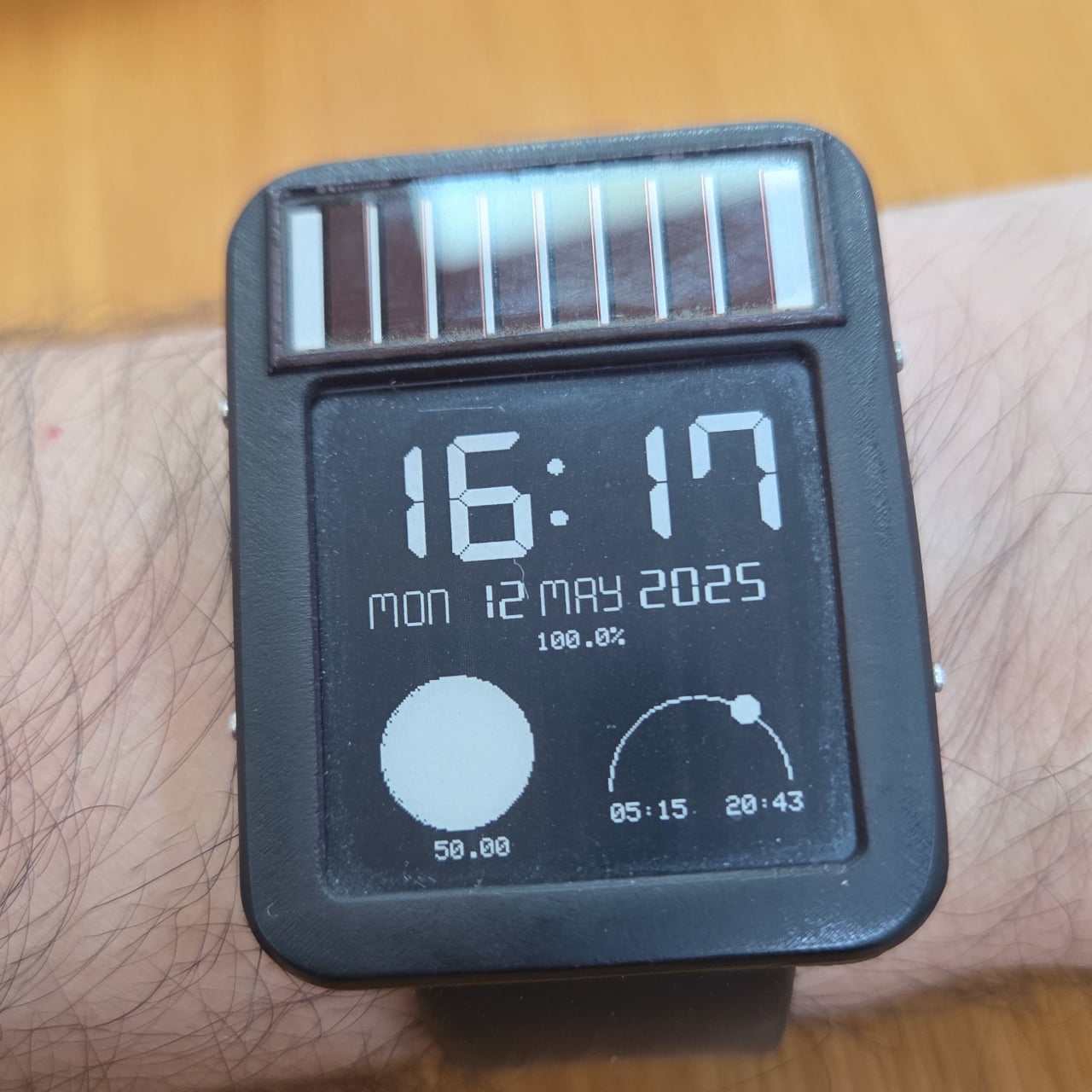
The 1.54-inch E-Ink display helps keep those numbers achievable. Electrophoretic displays only draw power when changing states and hold their image indefinitely without any power at all, which makes them an obvious fit for a watch face that updates once per minute rather than 60 times per second. Touch controls via the ESP32’s built-in capacitive touch capability handle navigation, making physical buttons unnecessary and allowing for a more compact case.
The watch supports WiFi, Bluetooth, and LoRa via a Wio-SX1262 radio module, and GPS can be added as an optional component, though the creator notes it wasn’t a particularly good idea given the space and power it consumes. The case is 3D printed in two pieces and accepts any standard 22mm wristband. Everything, including the firmware, PCB schematics, and case files, is open source and available on GitHub.
The post This Solar Smartwatch Ran 9 Months on Battery, Then the Panel Kicked In first appeared on Yanko Design.
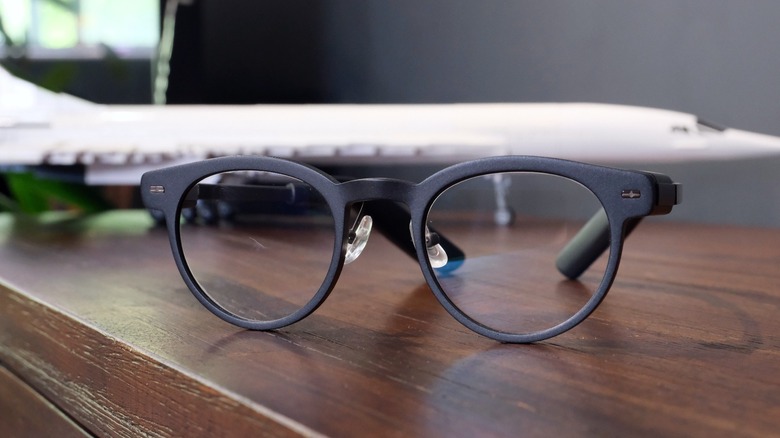
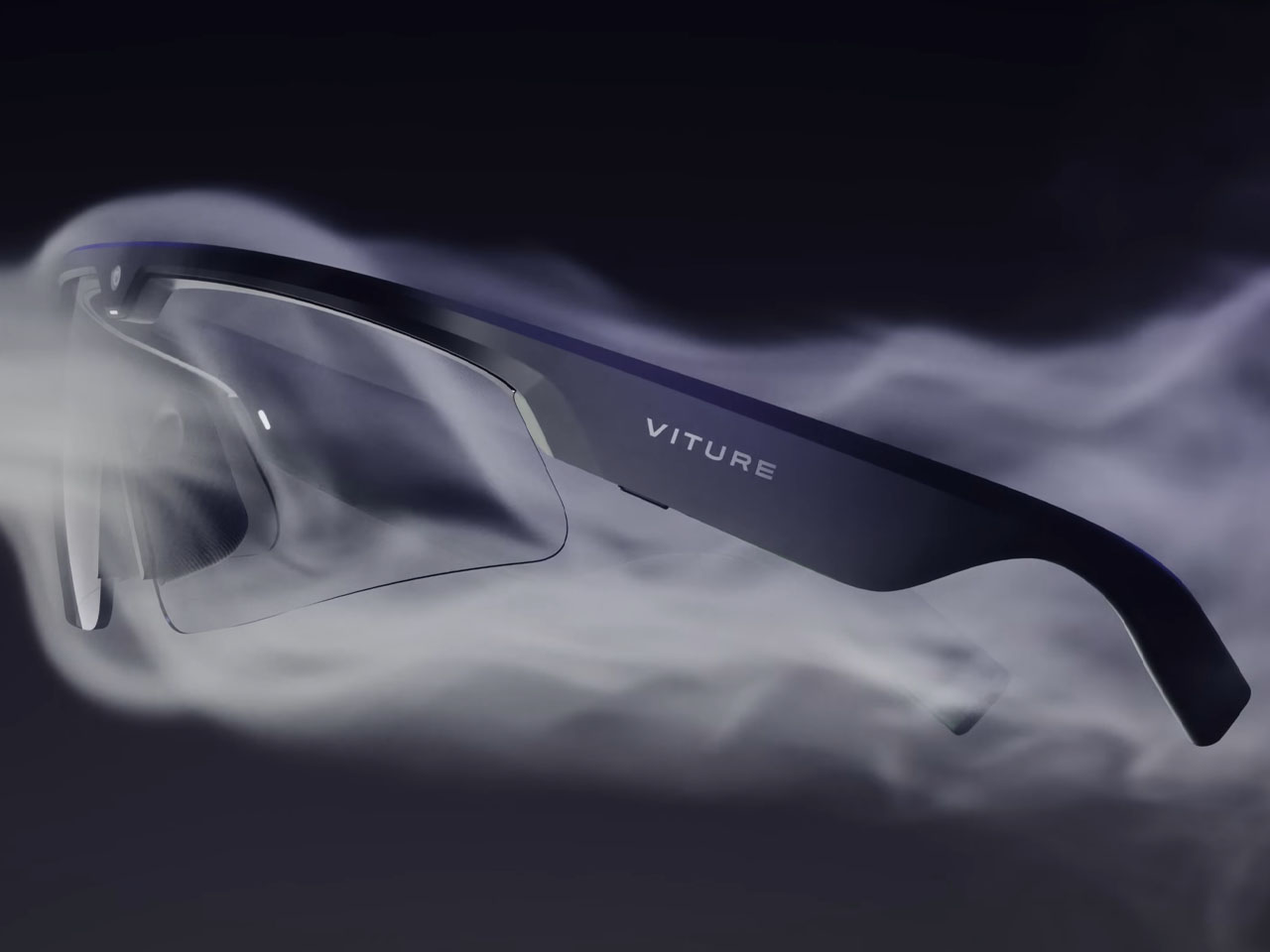
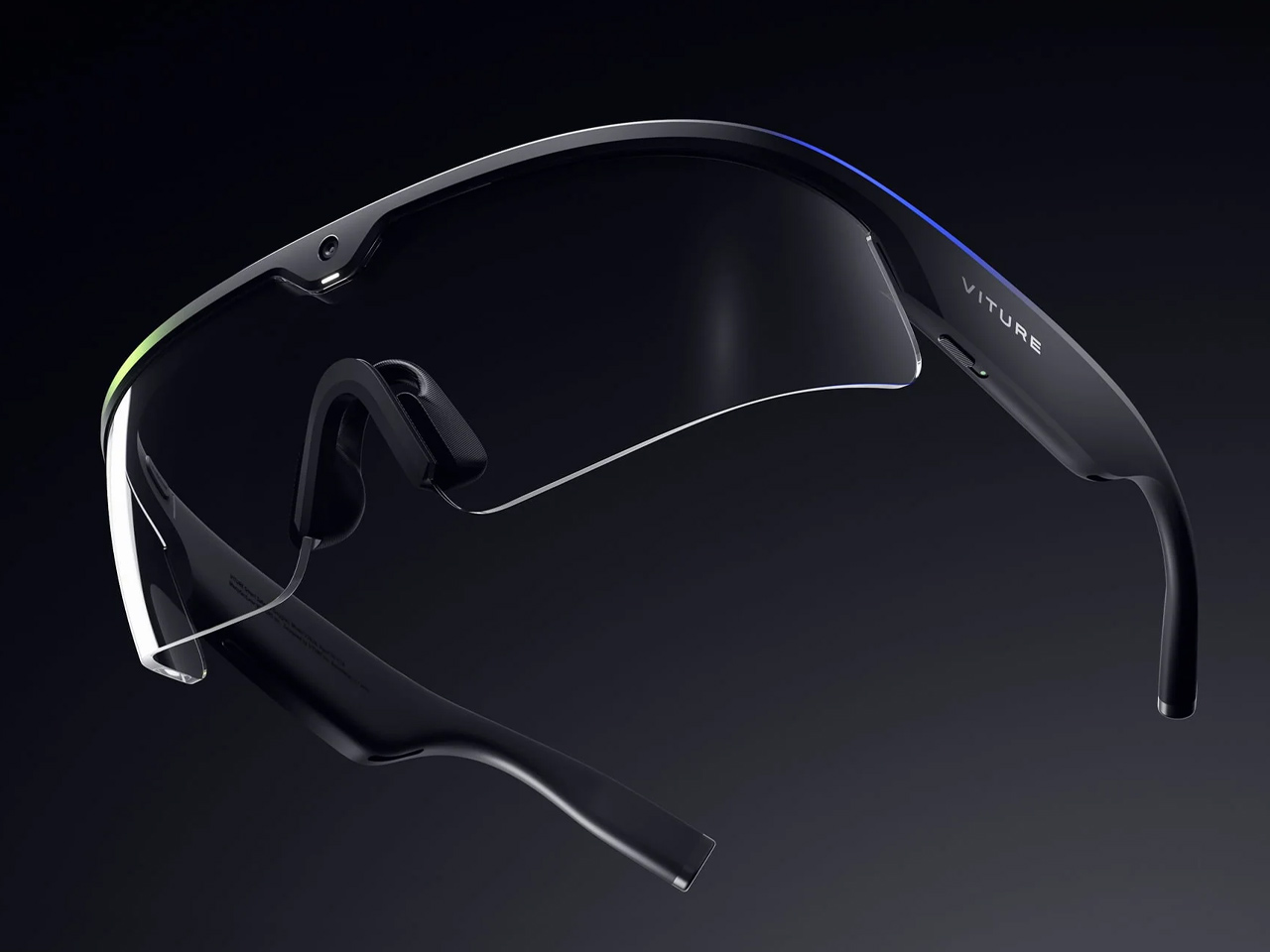
Smart glasses are having their time in the sun. Besides the fashion industry, there is a swing in the air to make things easier and interesting for the workforce with the use of AI. Primary evidence was the Innovative Eyewear’s Lucyd Armor, a smart safety eyewear designed to meet all prerequisite standards for workplace safety. Now, at the ongoing Augmented World Expo (AWE) 2026, Viture has introduced Helix, the first pair of AI safety glasses built on Nvidia’s XR AI solution.
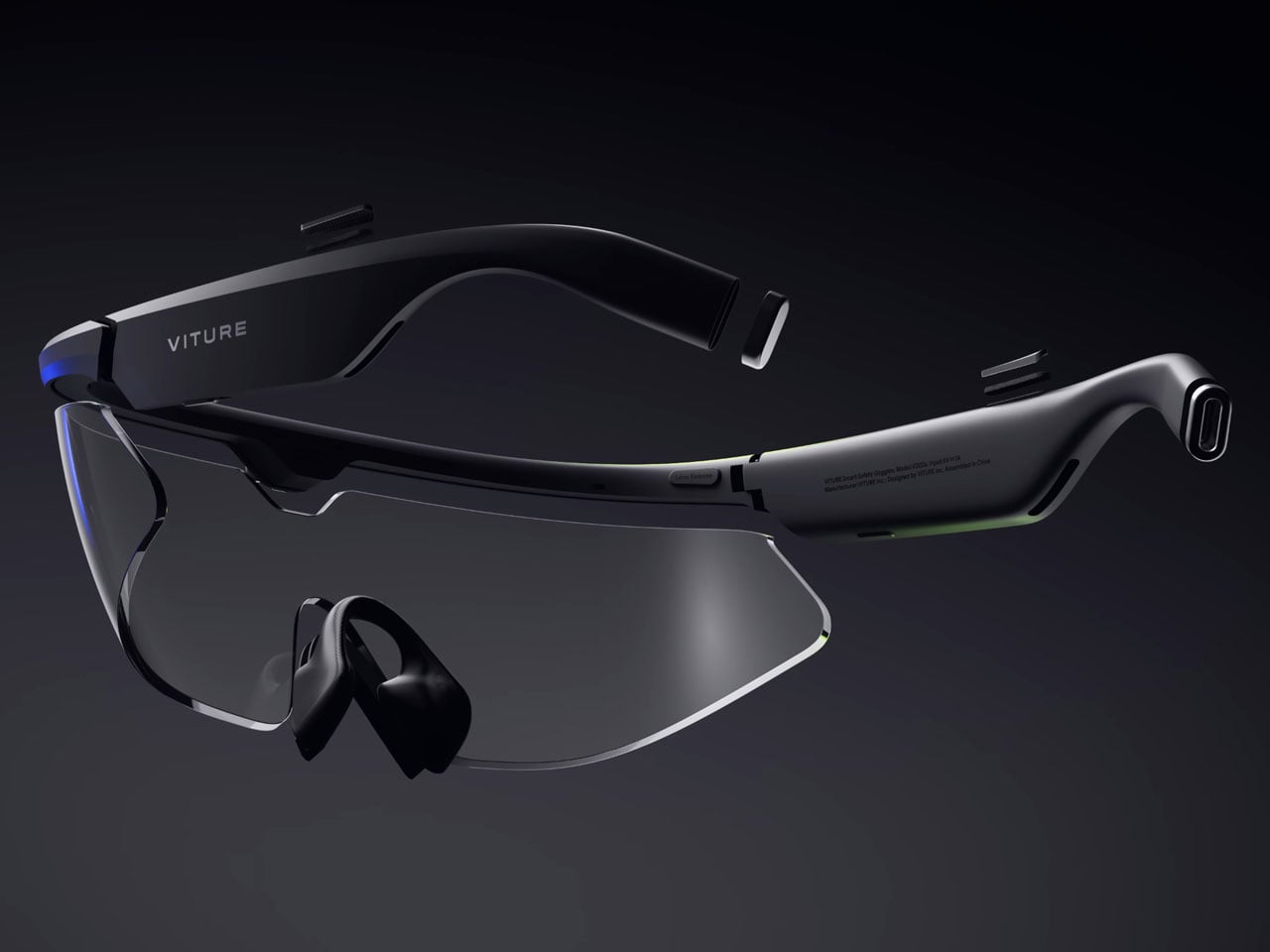
The safety eyewear powered by AI is engineered in accordance with industrial safety standards. After its certification, which is in progress at the time of writing, the eyewear will be safe to use in labs, factories, and other regulated workflows. With the use of Nvidia’s XR AI, Helix will stream a first-person perspective of the wearer – what they see or hear – and feed it to a multimodal AI in real time, enabling “AI-assisted coaching, compliance, and full-provenance capture of every shift worn.”
Designer: Viture
In industrial, scientific, and clinical use cases – that Viture is targeting with its Nvidia collaboration – the workforce has to ensure a lot more than their regular tasks. For instance, it’s imperative to note that the machine is locked before maintenance or the correct setting of the pressure gauge in the oxygen tank. Using the Helix smart glasses, the extras could be taken care of. The AI-powered glasses can watch what a worker sees and, in real time, provide live guidance and safety warnings. It can automatically record everything that happens during the job and provide AI-assisted input to help the wearer manage the workflow better.
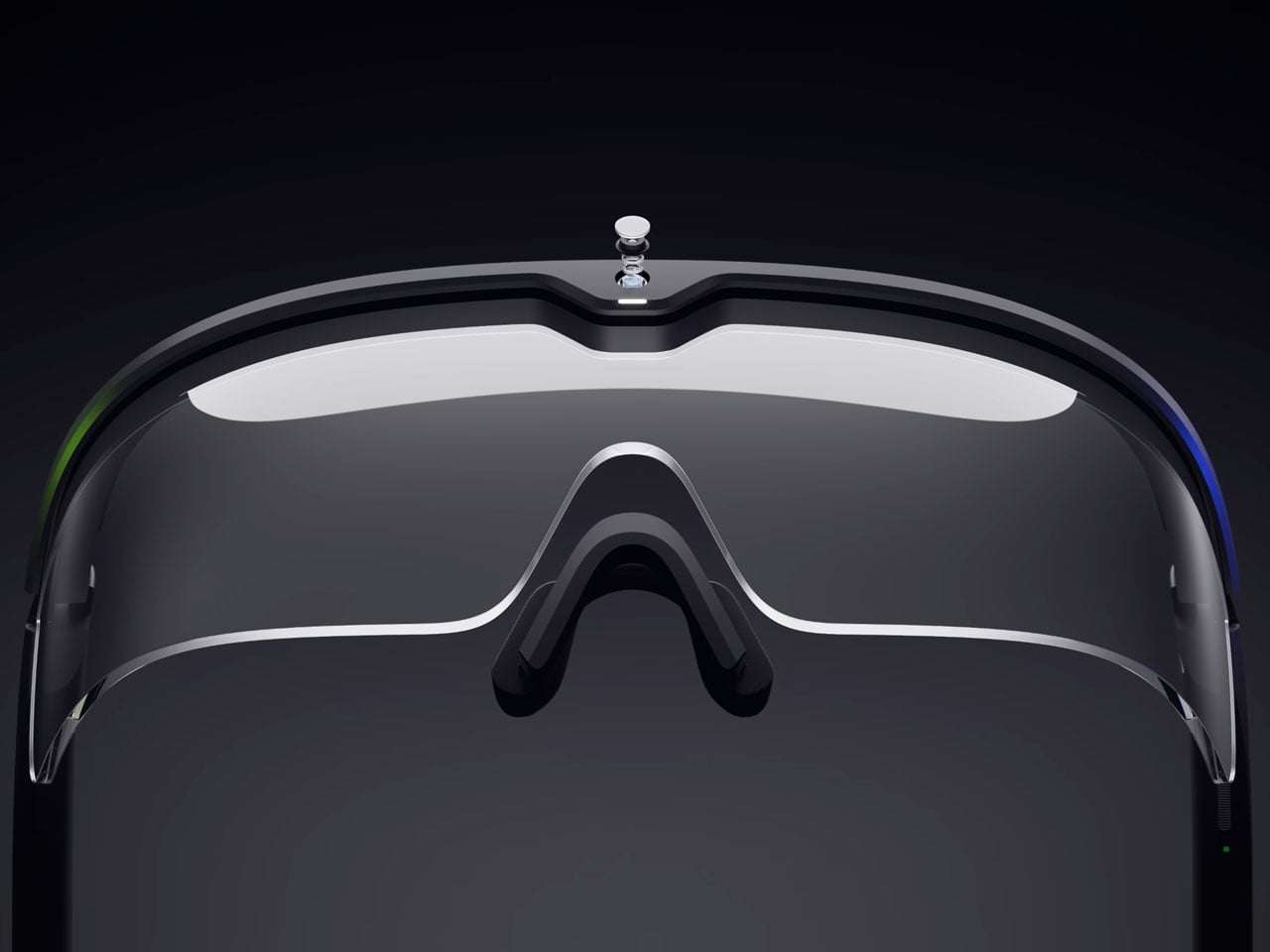
Helix is Viture’s entry into AI. It is a pair of fully transparent industrial-grade glasses without a display. Only input in live recording and voice. The glasses arrive with a 12MP first-person camera and an array of four microphones. Alongside the prerequisites for seeing and listening, the eyewear also features stereo speakers for sound, Wi-Fi, and Bluetooth 5.3 for connectivity. The glasses rely on a small battery that runs for slightly above 60 minutes on a full charge.
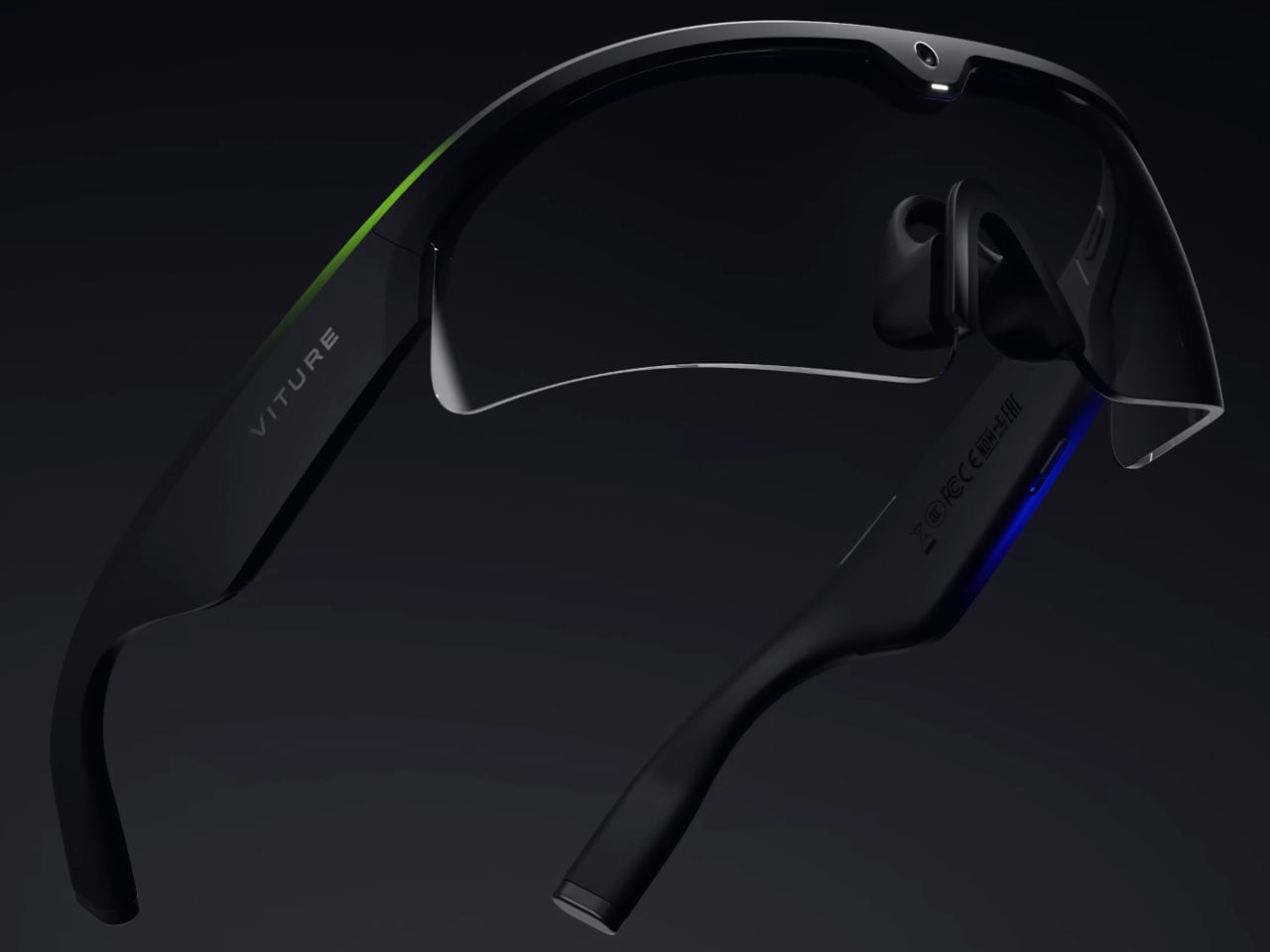
Viture ensures that Helix is completely independent of connectivity points and cables. It runs standalone without pairing to a companion phone to get the job done, furthering its useful capabilities for workers. Its field lenses are swappable without tools. According to press information, Viture and Nvidia worked closely over the past year, improving AI-assisted workflows to offer purposeful assistance in real-life applications.
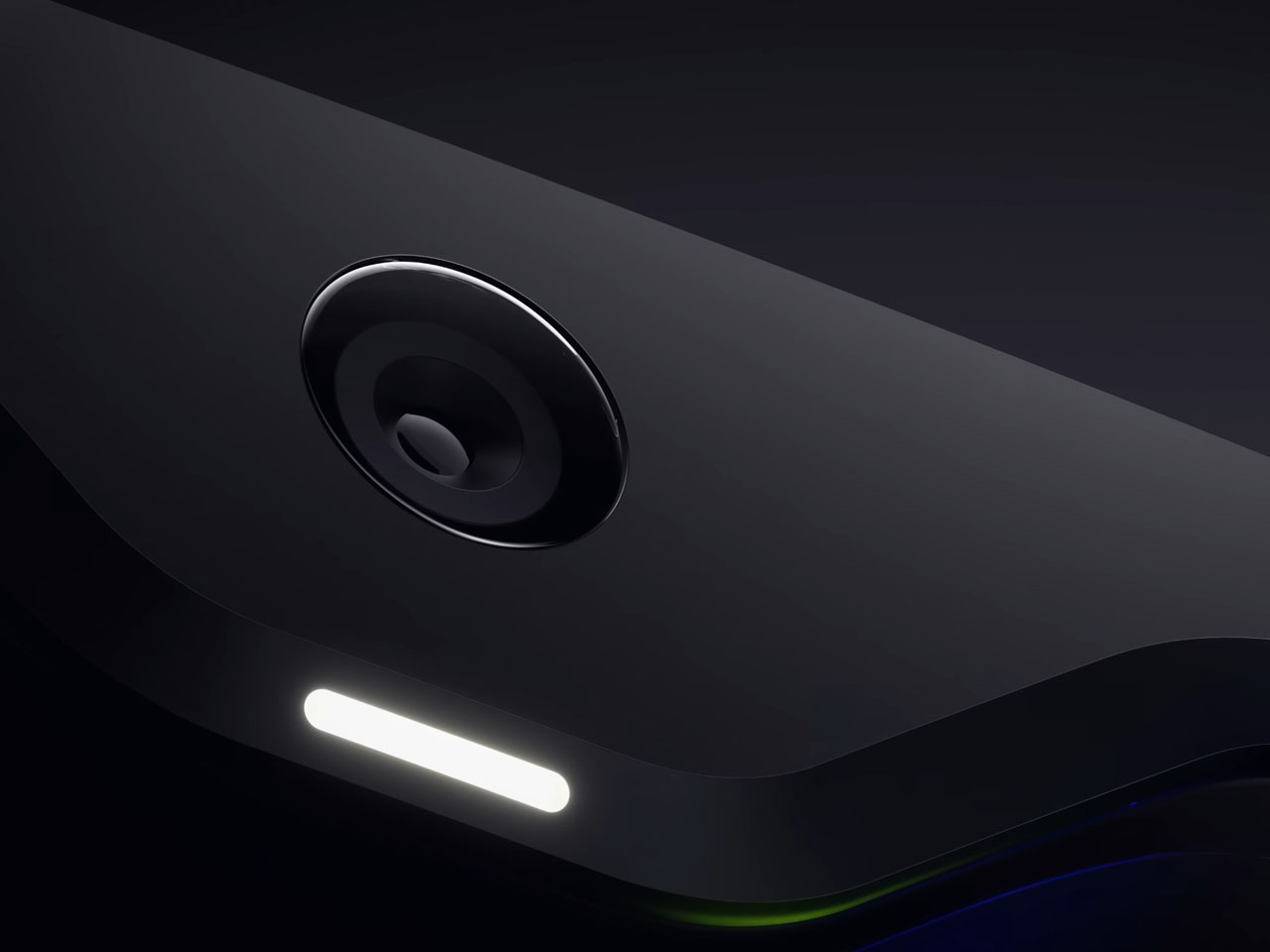
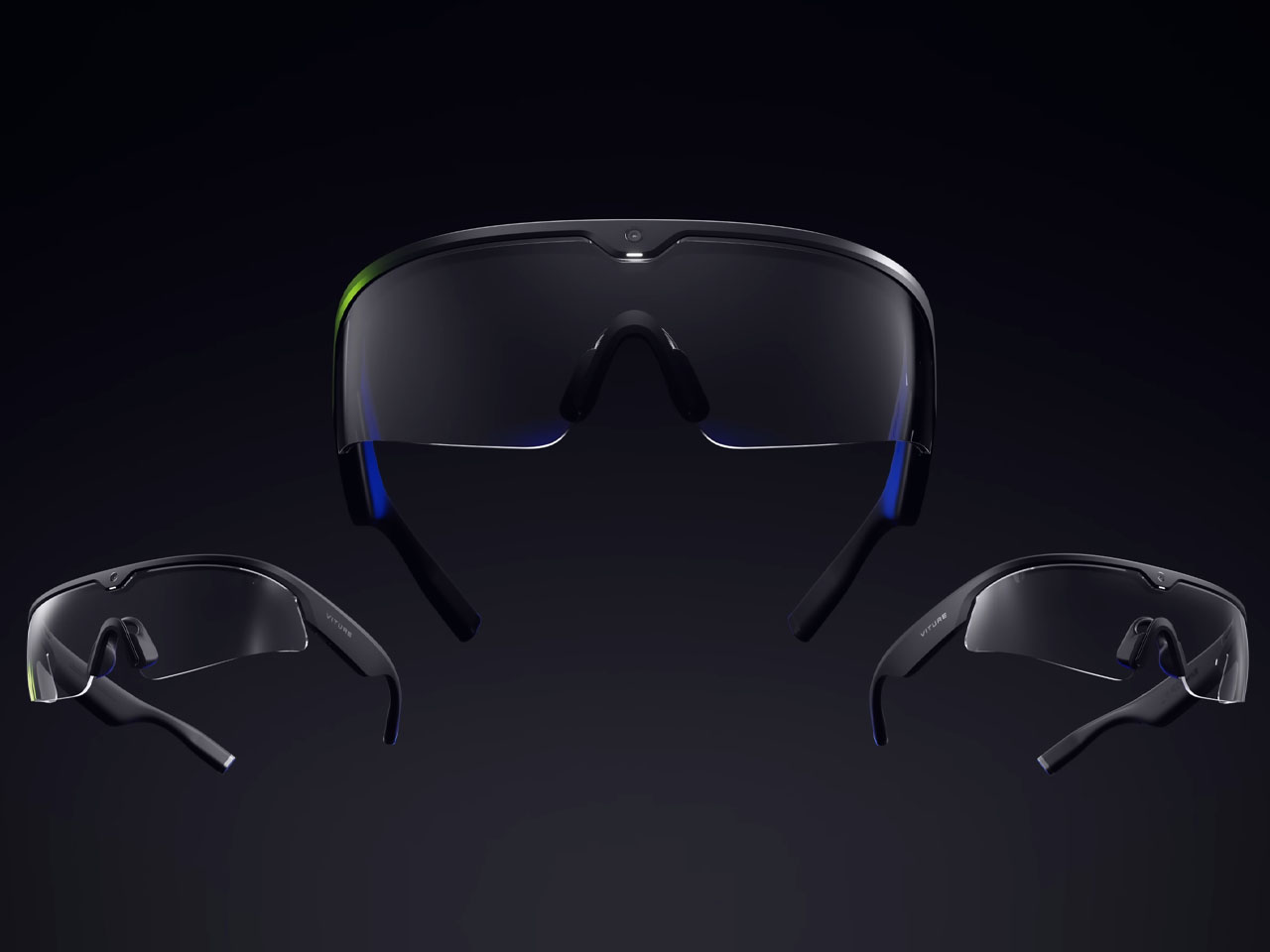
Helix will be unveiled via a live demonstration held at the NVIDIA/Dell meeting room at AWE 2026, but the eyewear is likely to debut earliest at the beginning of next year. Viture is confident of meeting the timeline and is therefore taking early reservations for the device on its website for a $599 reservation price.
The post Nvidia-powered Viture Helix AI safety glasses give workers real-time guidance and security warnings first appeared on Yanko Design.