The MSVCP140.dll missing or not found error is a common issue that can prevent applications and games from running on Windows 10 and 11. This error typically arises when the MSVCP140.dll file, a key component of the Microsoft Visual C++ Redistributable package, is missing or corrupted. In a detailed walkthrough by Sid The Geek, you’ll […]
OpenAI’s upcoming DevDay has sparked intense discussions across the AI community and recent leaks shared by World of AI reveal a range of new developments set to reshape the field. Among the most notable is the rumored “O” AI agent, an always-on assistant designed to autonomously manage long-running, complex tasks such as coordinating workflows or […]
Apple’s latest iPhone lineup presents a pivotal decision for consumers: the traditional iPhone 18 Pro/Pro Max or the innovative foldable iPhone Duo. Each model offers distinct advantages, but your choice will depend on whether the Duo’s innovative design and unique features outweigh its compromises in areas like camera performance, battery life, and cost. As Apple’s […]
Meta’s latest VR glasses introduce a lightweight design paired with an external compute puck, a setup that directly challenges the XREAL Aura in the growing spatial computing market. By separating the processing hardware from the glasses themselves, Meta has created a more balanced and comfortable experience without compromising performance. Tech Court highlights how this approach […]
A parking lot does not care how good your speaker sounded in the store. Too quiet for an open sky, too fragile for a cooler lid, too generic to earn a second look from anyone walking by. These five are built differently. Each earns its place in the setup before you even hit play, and holds it comfortably long after the sun disappears behind the stadium.
The best tailgate speaker is not the loudest one or the most expensive one. It is the one that handles the full arc of a Saturday outdoors without asking you to manage it. Good battery life, real weather resistance, and a design identity strong enough to start a conversation are the only criteria that matter when the truck is parked, and the grill is on. These five clear all three.
1. RetroWave 7-in-1 Radio
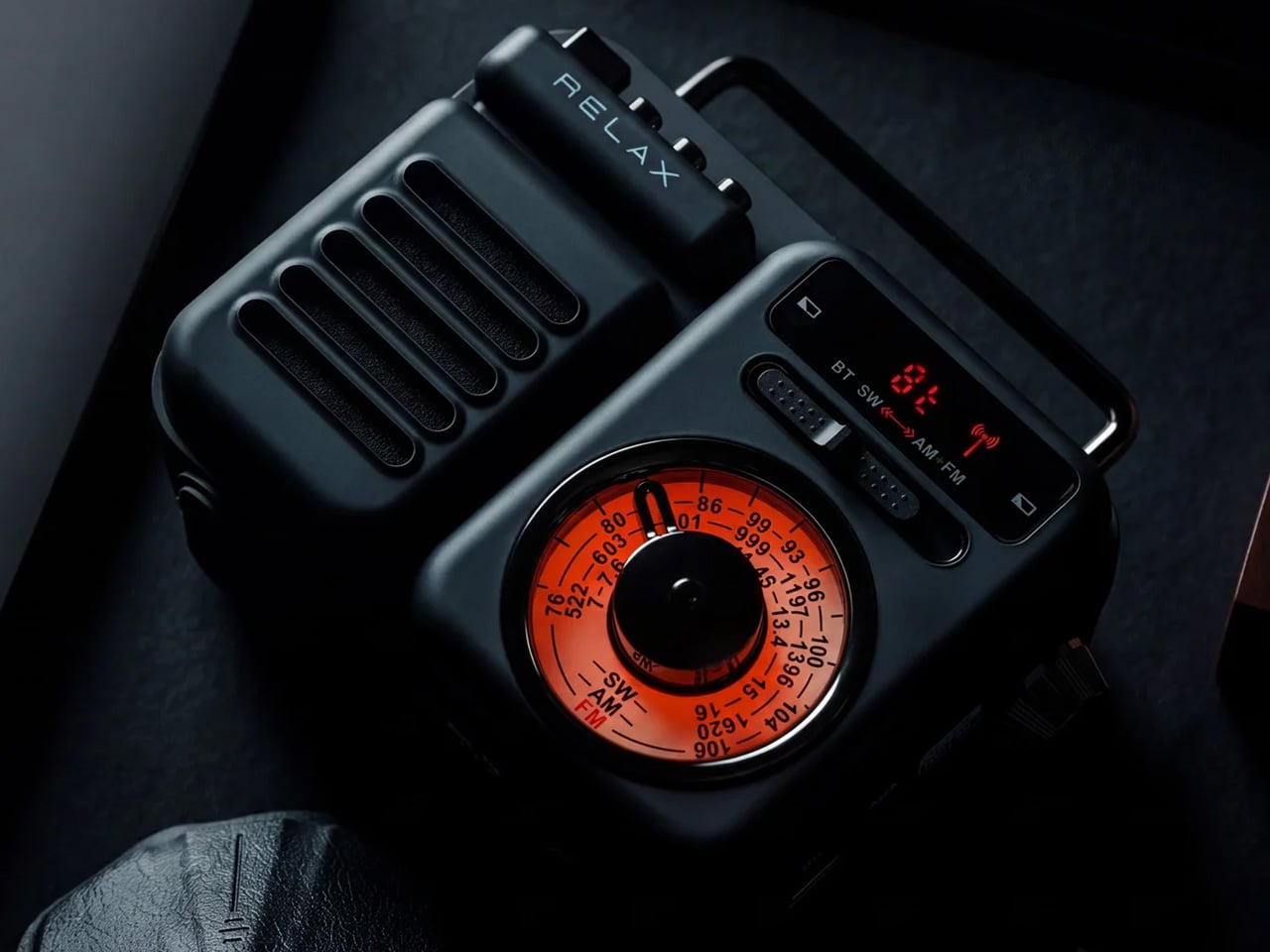
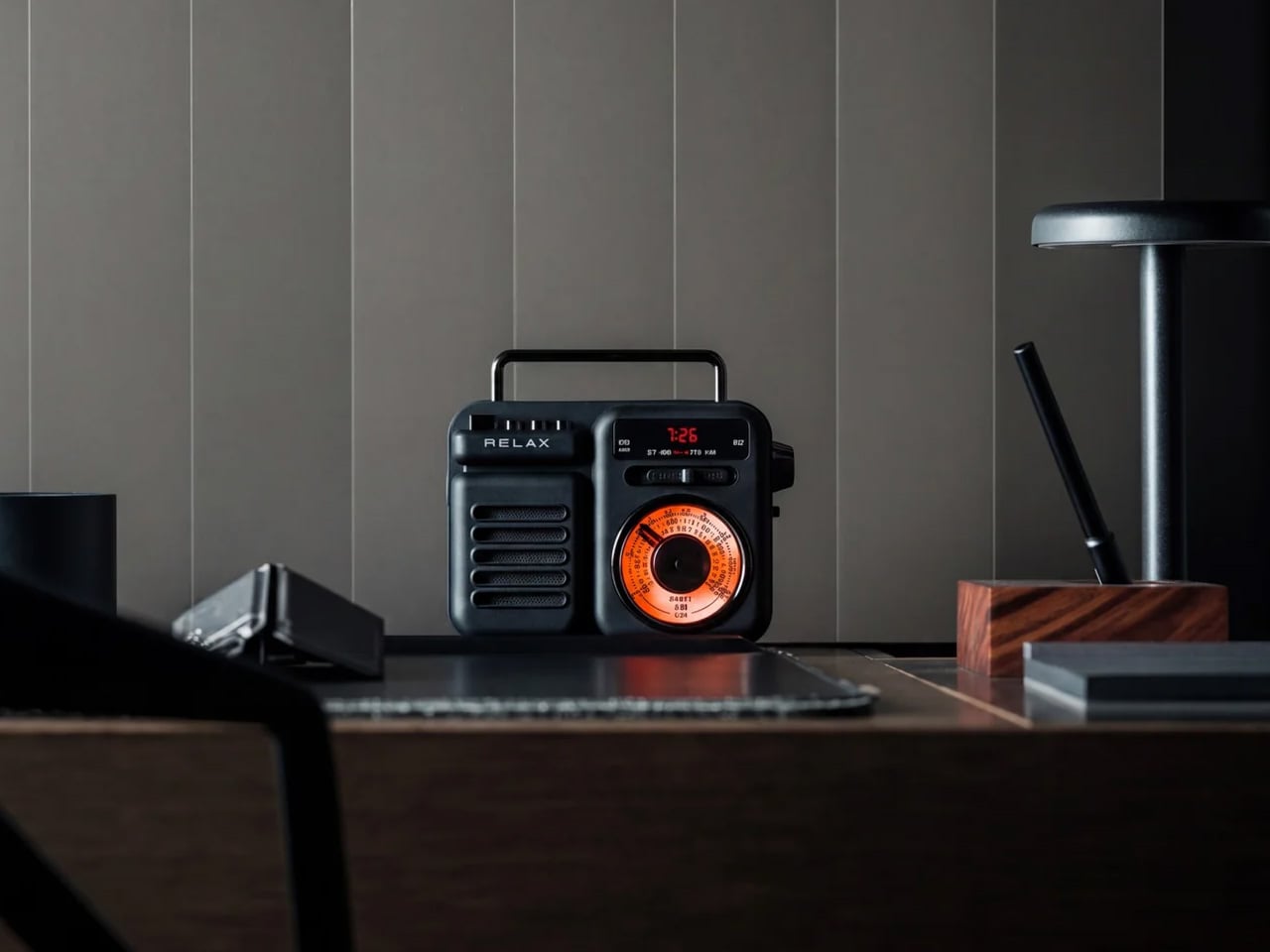
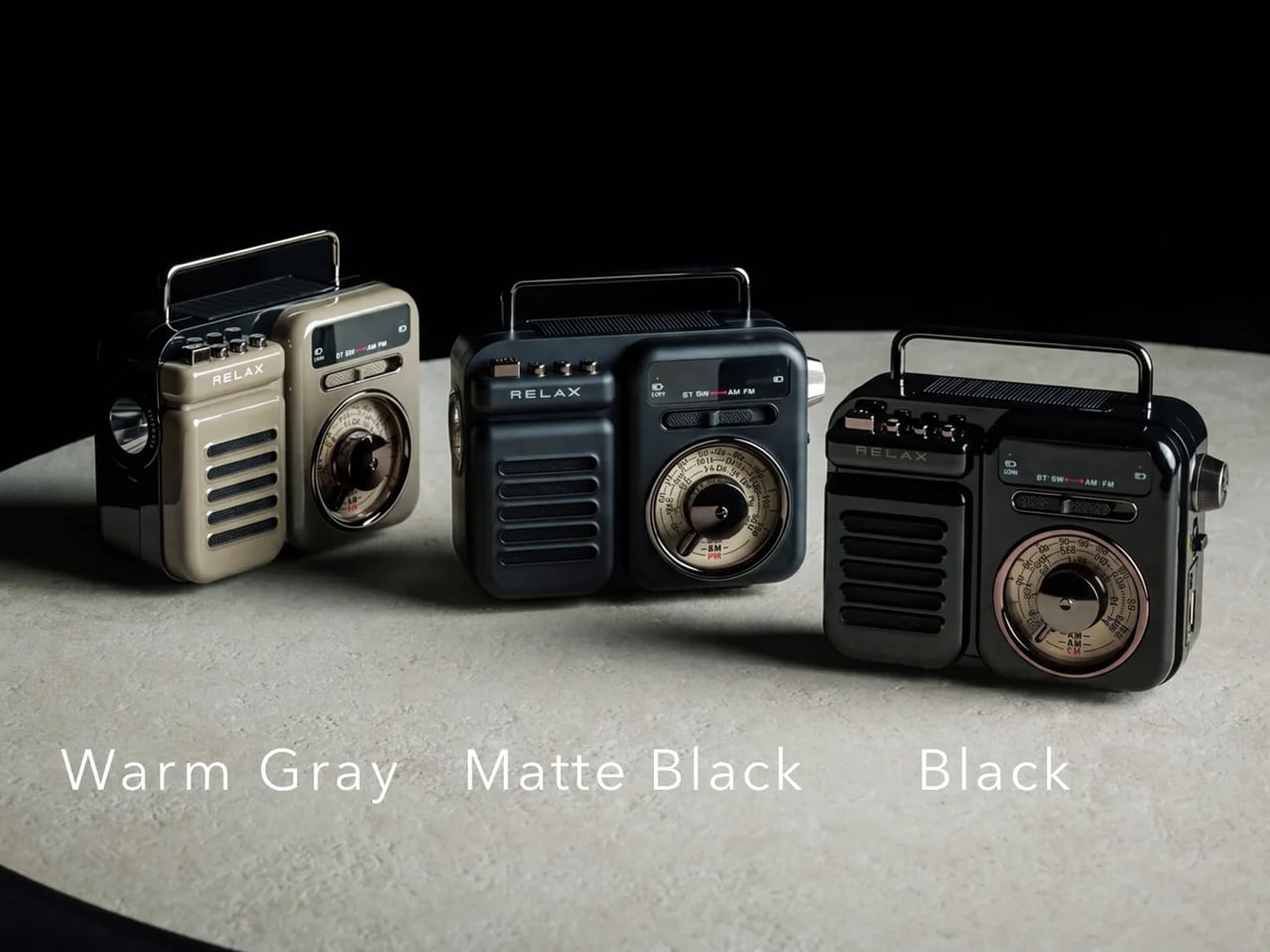
The RetroWave is not trying to look vintage. It simply does, because the people who designed it understood that warm tones and a tactile tuning dial carry a feeling that modern hardware cannot replicate on its own. For you, that distinction matters at a tailgate, where every object on the truck bed shapes the atmosphere of the whole setup whether you intended it to or not. The RetroWave earns its spot before a single note plays.
Seven functions live inside a body that reads as a single cohesive object, not a spec sheet assembled into hardware. AM/FM and shortwave radio, Bluetooth streaming, a USB charging port, and a built-in flashlight all coexist without crowding the design or complicating the interface. For you, that means one piece of gear that moves cleanly from pre-game energy to late-night wind-down without ever needing to swap anything out. It carries the whole day without announcing it.
Analog character translates immediately in outdoor settings
Seven functions in one body removes the need to bring anything else
What we dislike:
The retro aesthetic will not appeal to everyone
Battery life under sustained outdoor use has not been independently verified at publication
2. Brane X
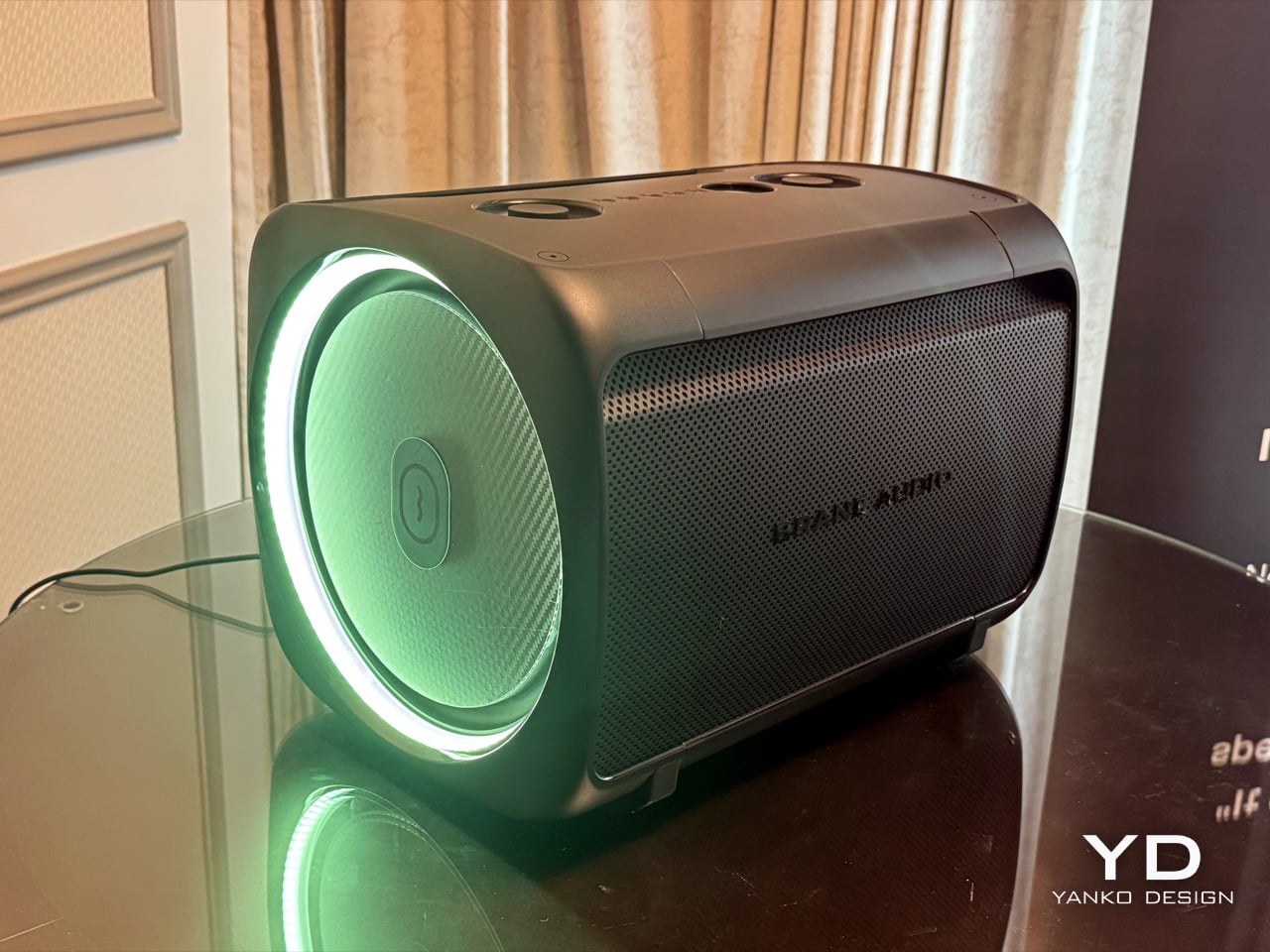
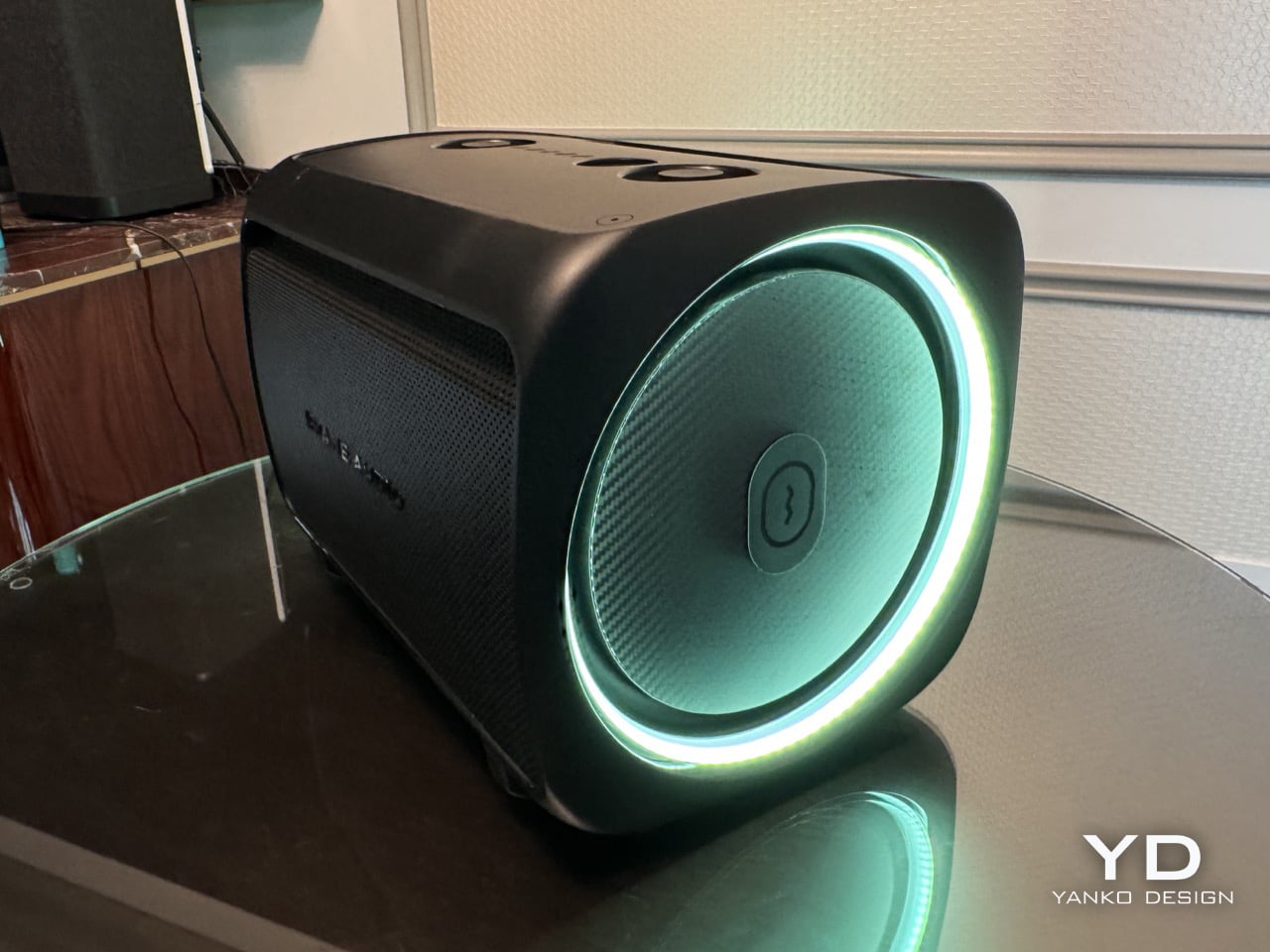
Most portable speakers fake their bass. They boost the low end digitally and call it sub-bass, and it fools you indoors but gets swallowed by open air the moment you step outside. The Brane X does not fake anything. Its proprietary Repel-Attract Driver cancels internal air pressure to deliver genuine sub-bass from a body barely nine inches wide. For you, that means a speaker that actually fills a parking lot instead of politely suggesting it could.
Five drivers and four class-D amplifiers push past 200 watts combined, backed by a 72-watt-hour battery rated for twelve hours of runtime. IP57 waterproofing handles rain and the inevitable cooler spill without breaking stride. Wi-Fi streaming and Bluetooth 5.3 cover both strong and spotty signal scenarios across a large lot. For you, the ability to group up to eight units means the sound scales with the size of your crowd rather than capping out at the wrong moment.
What we like:
Genuine sub-bass output from a compact enclosure
Twelve-hour battery life clears even the longest tailgate
What we dislike:
Two hundred-plus watts at full volume will cut into runtime considerably
Wi-Fi streaming depends on stable network access in the parking lot
3. Beosound Explore
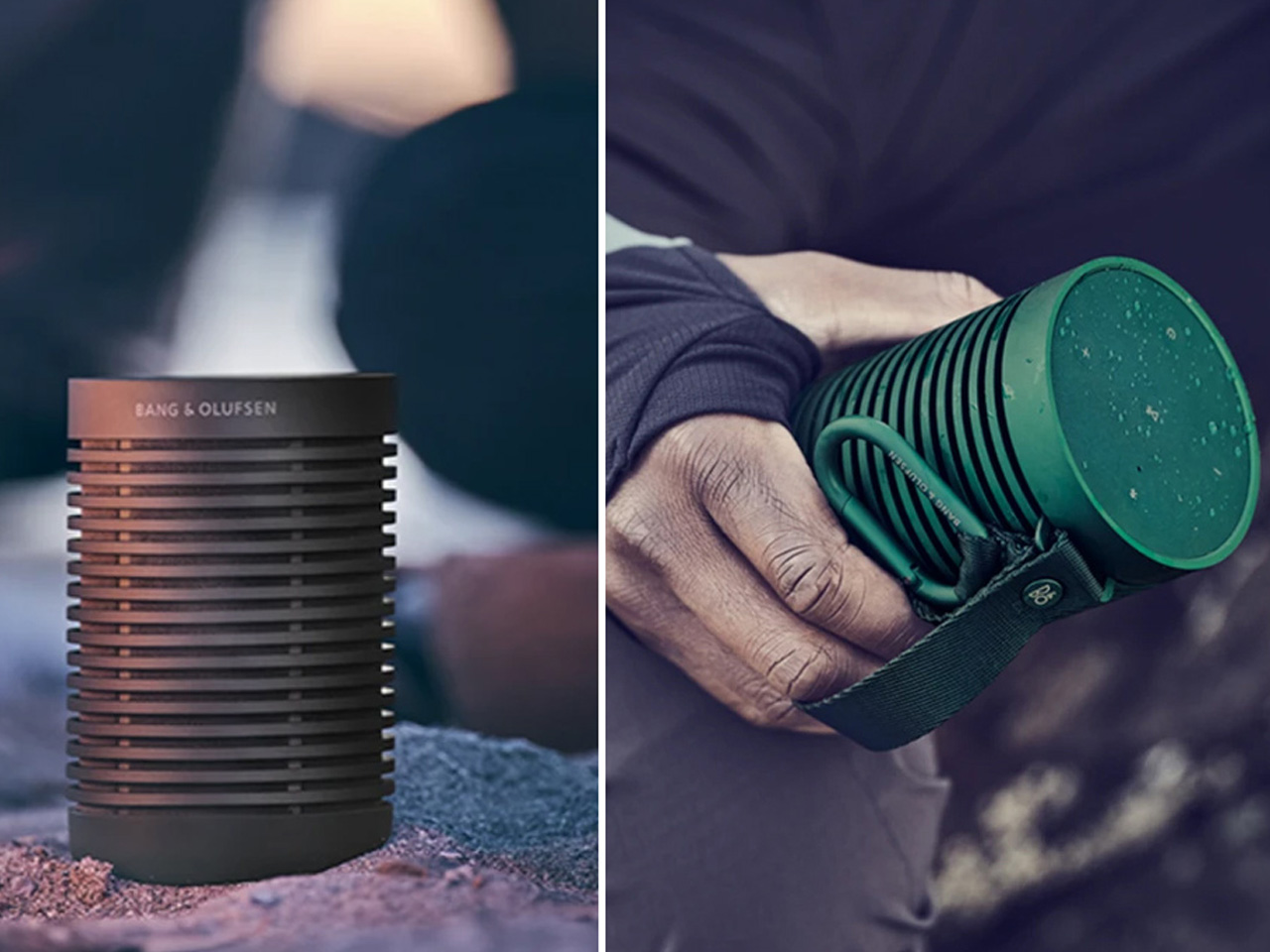
Bang & Olufsen built the Beosound Explore from hard-anodized aluminum instead of the polycarbonate most competitors default to, and that single decision changes how the speaker ages. Polycarbonate scratches and scuffs into a reading of neglect. Aluminum picks up honest wear and keeps looking considered. For you, that means a speaker that still belongs in your setup on its twentieth outing, rather than one that starts looking disposable before the season is halfway through.
Twenty-seven hours of battery life removes the anxiety that follows every other portable speaker through a long weekend outdoors. Dual full-range drivers produce True360 sound with no preferred listening axis, so there is no bad seat at your tailgate. IP67 water resistance covers submersion up to one meter for thirty minutes, handling every realistic outdoor scenario without fuss. For you, the carabiner strap means it travels without ceremony and arrives looking like it belongs wherever you set it down.
What we like:
Twenty-seven hours of runtime covers a full day and night without a second thought
Hard-anodized aluminum ages honestly with outdoor use
What we dislike:
The Bang & Olufsen premium is real and unavoidable
360-degree output reduces directional volume control in loud open environments
4. Battery-Free Amplifying iSpeakers
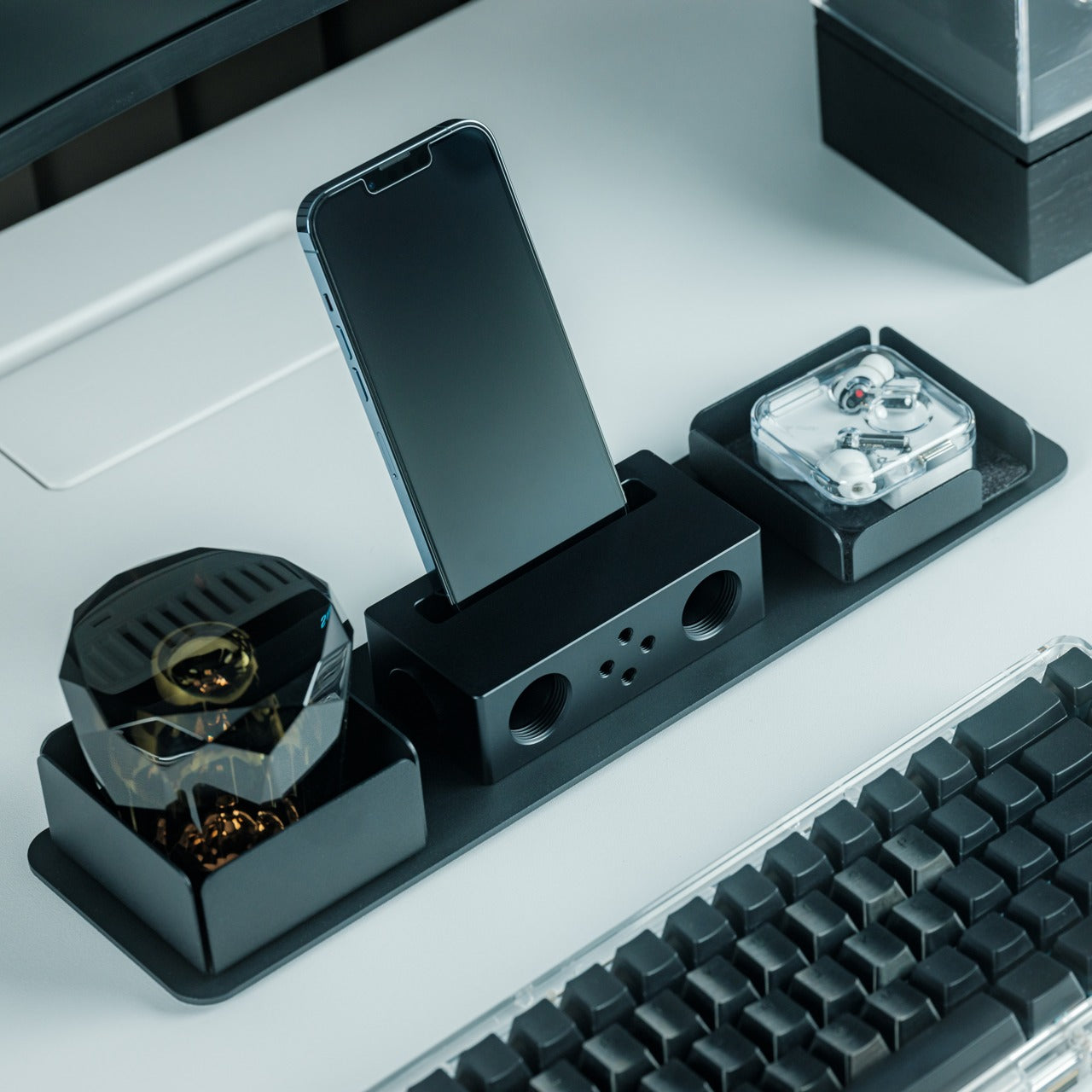
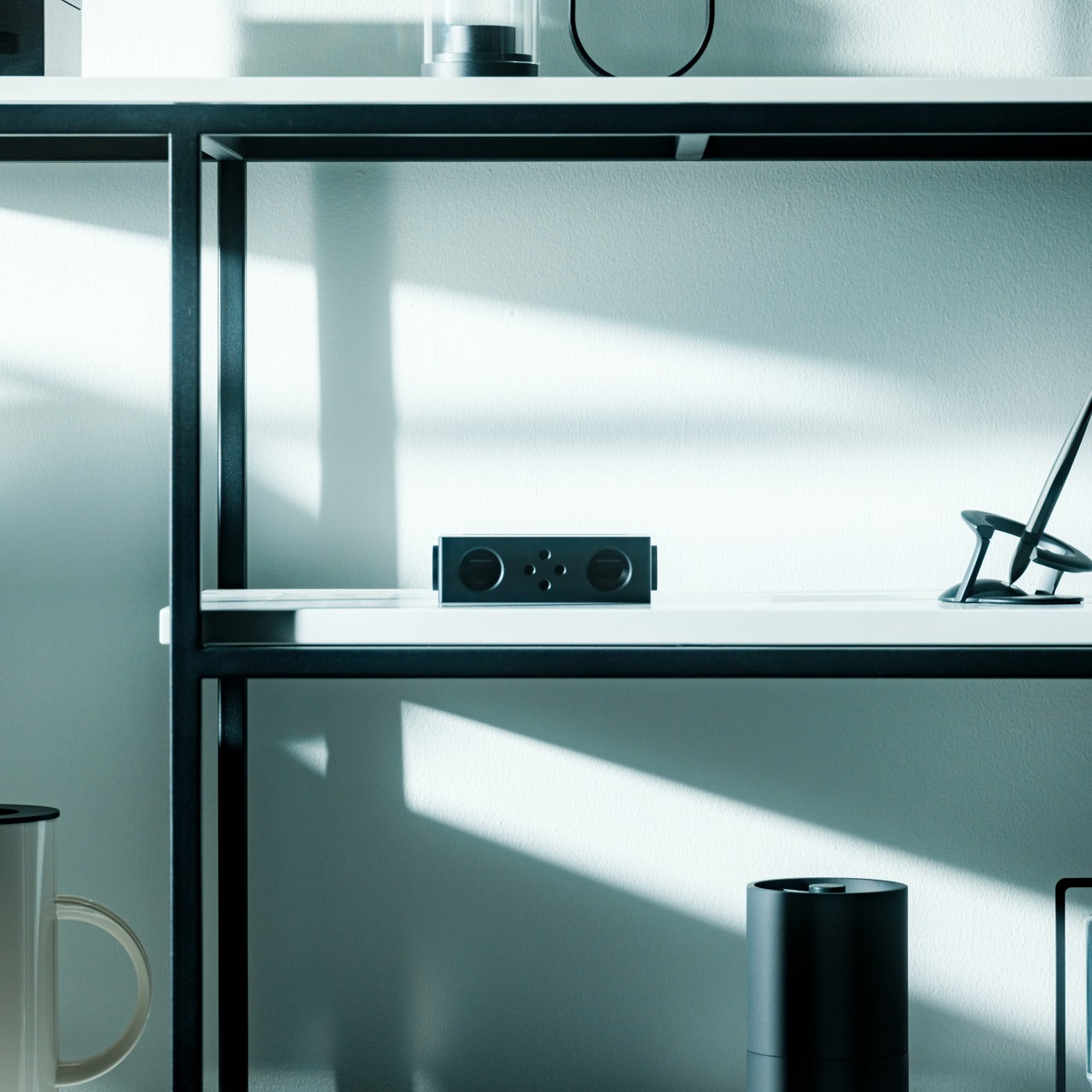
The premise sounds like a trick: a speaker that amplifies sound without drawing a single watt of power. The iSpeaker uses passive acoustic geometry instead of electronics, channeling audio through a precisely shaped horn that physically increases volume without a battery or Bluetooth chipset. For you, that means zero charging anxiety at a tailgate where outlets are not a given. It works the moment you set your phone inside it and keeps working until you leave.
The design reads as furniture as much as audio hardware, which earns it a different kind of presence at a tailgate than a traditional plastic cylinder would. It sits on the table as a deliberate object, not a forgettable gadget. For you, that matters because it communicates something about the setup before a single note plays. No cords, no app, no pairing ritual. You place it, drop your phone in, and the afternoon takes care of itself from there.
Zero battery dependency removes the most common outdoor-speaker anxiety
Passive horn amplification produces real volume with no electronics involved
What we dislike:
Output ceiling is physically limited by the horn geometry
Works only with phones that fit the cradle dimensions
5. Muzen Wild Mini
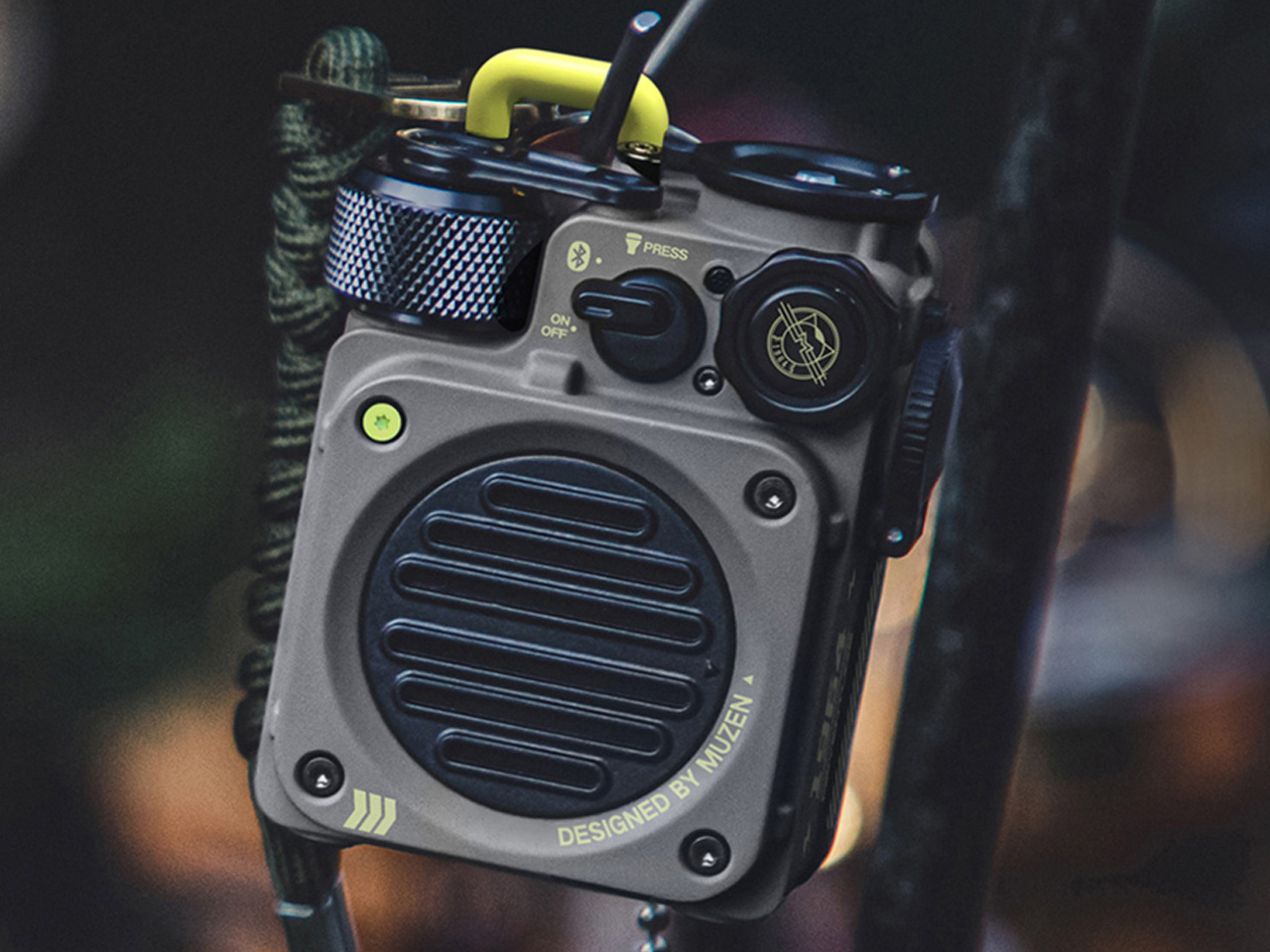
The Muzen Wild Mini looks like it was pulled from a gear locker rather than designed for a product page, and that is exactly the point. The all-metal body carries a military character that communicates durability before you ever pick it up. For you, that matters in a setting where gear gets moved, stacked, and occasionally dropped between the cooler and the truck bed. The Wild Mini does not ask to be handled carefully, which means you never have to think about it.
Bluetooth 5.0 handles the streaming, and a built-in flashlight with three lighting modes earns its place once daylight fades on the lot. A single charge delivers six hours of runtime at full volume, covering the core of a game-day schedule without needing a top-up. For you, the clip system means it attaches to a bag, a belt loop, or a tent frame with equal ease, keeping the speaker accessible without requiring a dedicated surface to set it on.
What we like:
All-metal build shrugs off drops and rough handling
The built-in flashlight adds genuine utility once the sun goes down
What we dislike:
Six hours is the shortest runtime in this group
The compact body limits total output volume compared to the larger enclosures here
The Right Speaker Makes the Saturday
None of these five ask you to compromise. The RetroWave brings analog warmth to a setting that usually defaults to generic plastic. The iSpeaker removes the charging question entirely. The Brane X delivers the bass a parking lot actually requires. The Beosound Explore brings luxury-grade materials to outdoor conditions they were genuinely built for. The Wild Mini goes anywhere without asking permission. Each pulls its weight differently, and that range is exactly the point.
A good tailgate speaker is the one you stop noticing because it never gives you a reason to worry about it. The battery holds, weather is not a factor, the sound fills the space, and the object earns a second look from whoever walks by. All five of these clear that bar. Pick the one that fits how your Saturdays actually run, and it will handle the rest without asking for much in return.