In this fast-paced and speedy era, the kitchen isn’t simply a space for cooking, it is a hub of convenience and innovation combined. Smart kitchen appliances have been on the rise, making our meal prep process more efficient, enjoyable, and perfectly tailored to our modern lifestyles. These unique and cutting-edge gadgets are upgrading our everyday culinary experience. These smart and well-designed devices save time, simplify tasks, and improve our overall cooking experience. They make meal prep fun, simple, and much less chore. Here’s a detailed and immersive look into ten smart kitchen appliances that will elevate your cooking game, while streamlining your process.
1. TOKIT Omni Cook
Named the TOKIT Omni Cook, this all-in-one innovative kitchen appliance is the kitchen assistant you’ve been searching for. The TOKIT Omni Cook makes your meal prep process fast and efficient. It also brings an element of fun and playfulness to your cooking and meal prep experience.
Why is it noteworthy?
It is equipped with innovative technology, an automated cooking process, and step-by-step digital recipes, which makes cooking up delicious dishes super easy and simple. It has 11+ built-in culinary modes and can function as 21 cooking appliances.
What we like
Equipped with an integrated 7-inch touchscreen display, which lets you customize and tweak your preferences
Doesnt occupy much space in your kitchen
What we dislike
It has multiple culinary modes and functionalities, making the appliance tough to use
2. Hoto Kitchen Scale
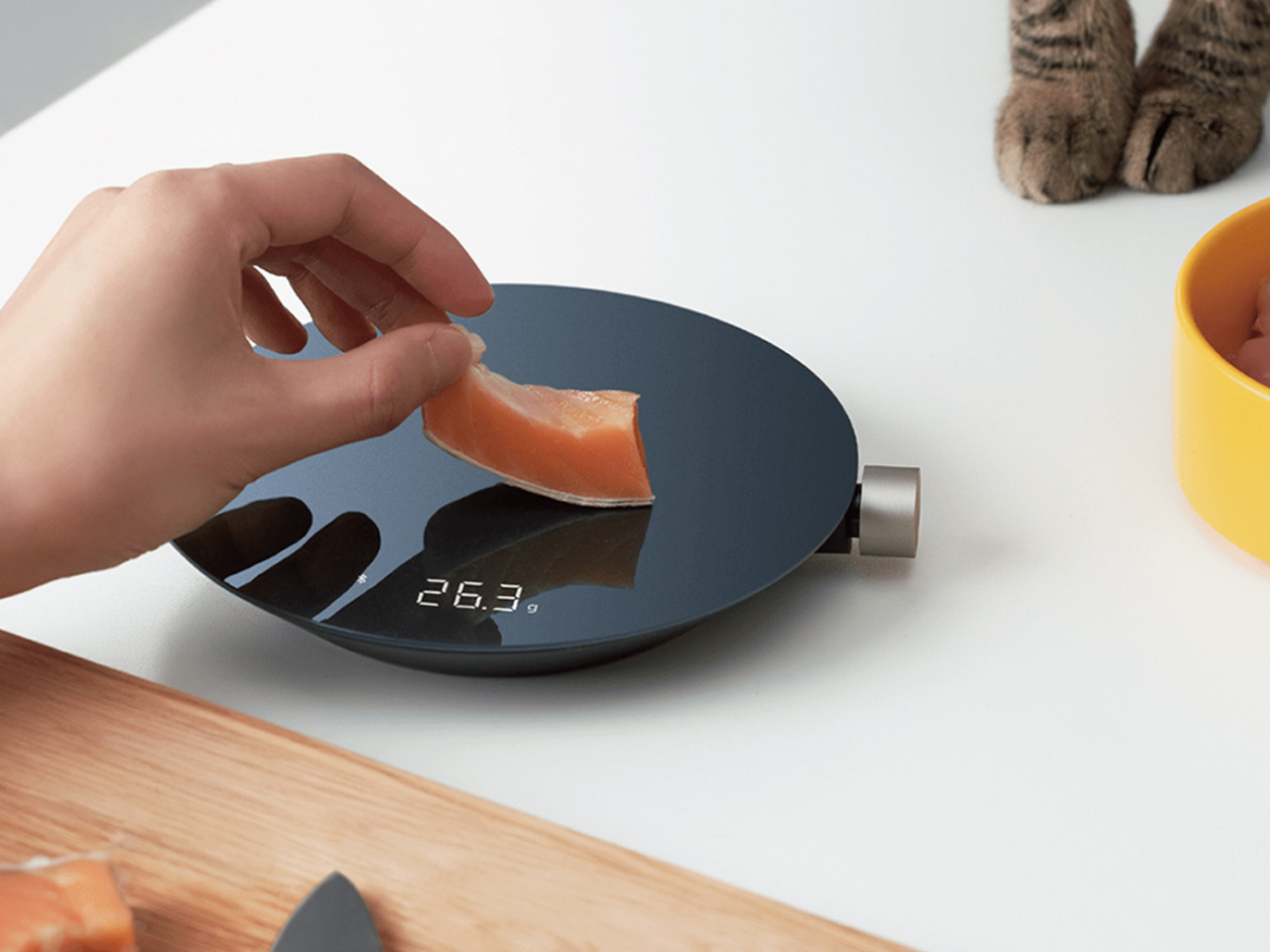
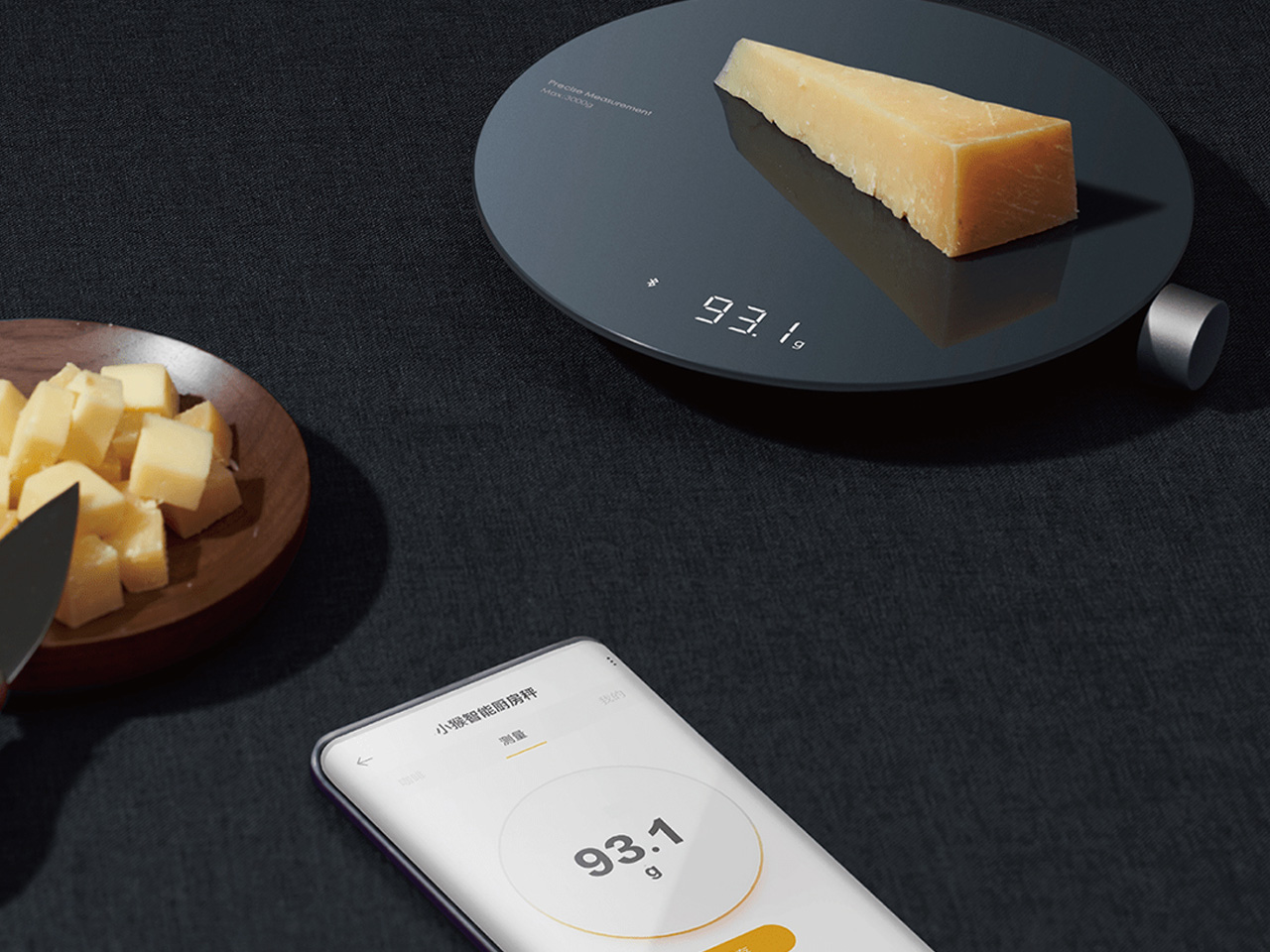
Say hello to Hoto – a smart kitchen scale that merges the pros of smart technology such as accompanied social media channels with interaction control panels. It is designed by Lu Zheng and is quite minimal with stainless steel controls, and a polished reflective sheen. It isn’t amped with a whole bunch of knobs, controls and buttons.
Why is it noteworthy?
The scale features one interactive knob, consolidating all the controls in it. This serves as the scale’s power sensor, weight dial, and net-zero button. This ensures that the scale is minimal and easy to use. You don’t need to spend much time figuring out how to use it.
What we like
Features a sleek, attractive, and smart design with one knob operating it
Hoto users can share recipes via the social media app
What we dislike
With the scale, users can keep track of how much they’re eating, which could support unhealthy eating habits if not used carefully
3. B Point
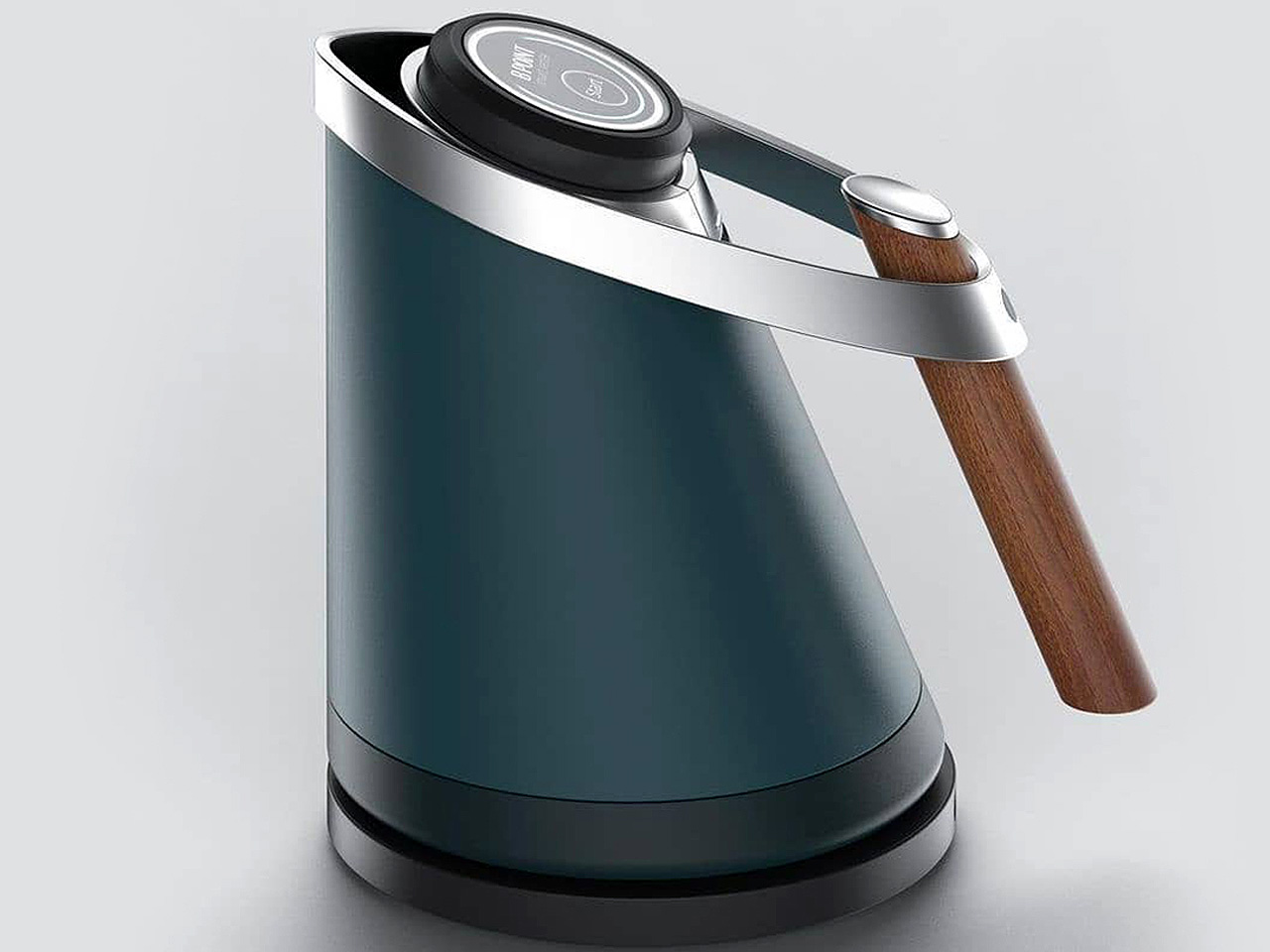
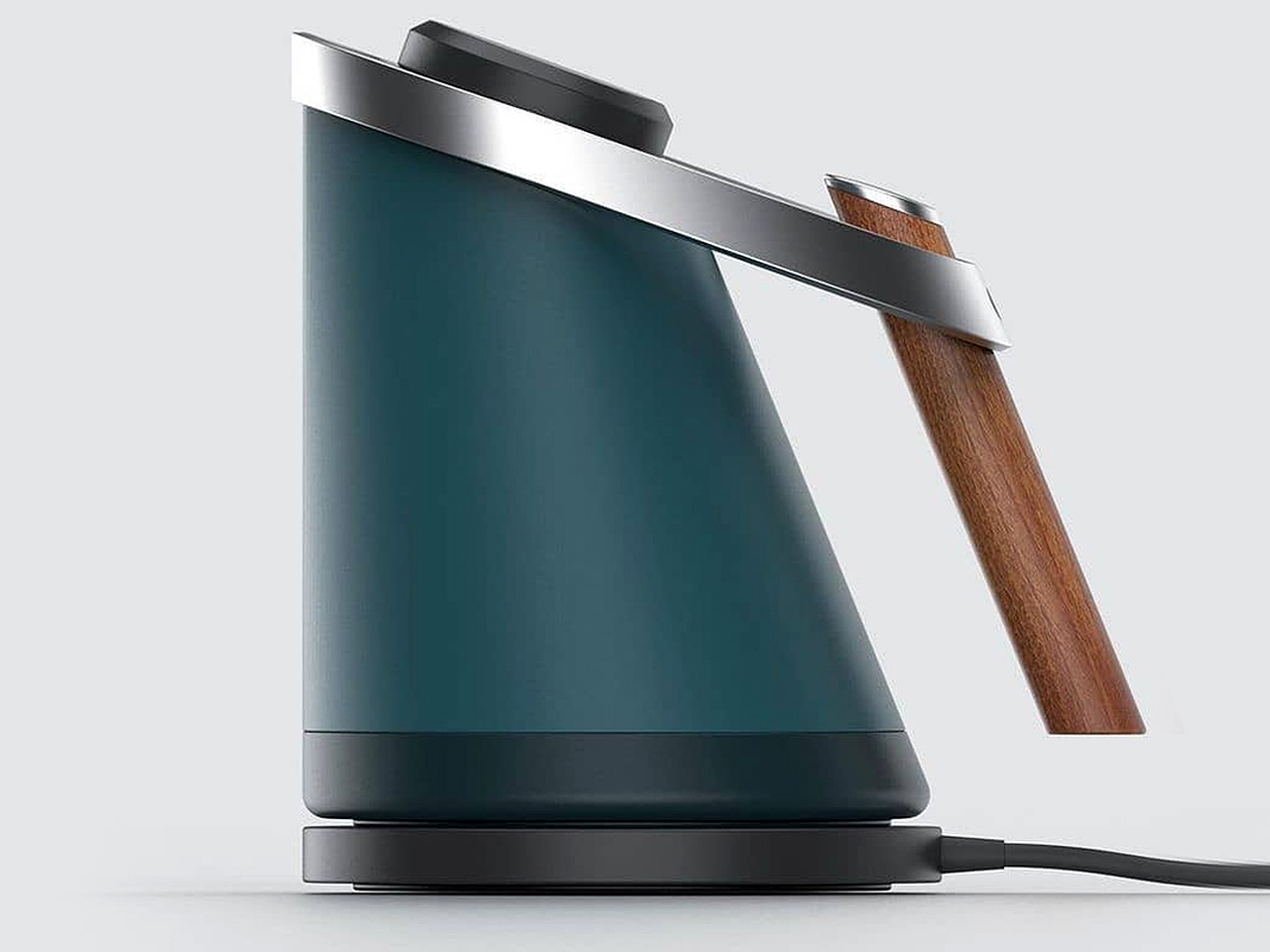
Say hello to B Point – a smart kettle that will give your ordinary kettles a run for their money. It includes a touch interface, which gets the appliance up and working, and allows the users to have an organic connection with it. The circular display features two rings, with the outer ring displaying the temperature, and the inner ring displaying the water level inside.
Why is it noteworthy?
This smart kettle offers the everyday kettle a much-needed upgrade. It has a circular display that allows users to maintain a connection with the kettle and informs them once their warm water is ready. It has a sleek and compact form, making it a lovely addition to your kitchen.
What we like
Gives the boring kettle a sleek and futuristic upgrade
What we dislike
Some users may need time to get used to the digital interface
4. Tineco Toasty One
Named the Tineco Toasty One, this toaster is new, upgraded, and fascinating! This toaster makes your toast consistent and browned to perfection. It features a touchscreen interface, which makes handling the toaster multiple functions a breeze. The screen features a slider that lets you adjust your toaster’s temperature setting, while a small toast icon changes from white to golden to brown as you move your finger along the slider.
Why is it noteworthy?
The smart toaster lets you toast two slices of bread at different temperatures, preparing them both at the same time while ensuring different preferences are catered to. This toaster is a boon for families with different members and diverse tastes.
What we like
It has dual temperature control, which toasts different types of bread in one go
You can adjust the settings to choose your browning preferences
What we dislike
Expensive price tag
Larger than a traditional toaster, will occupy more space
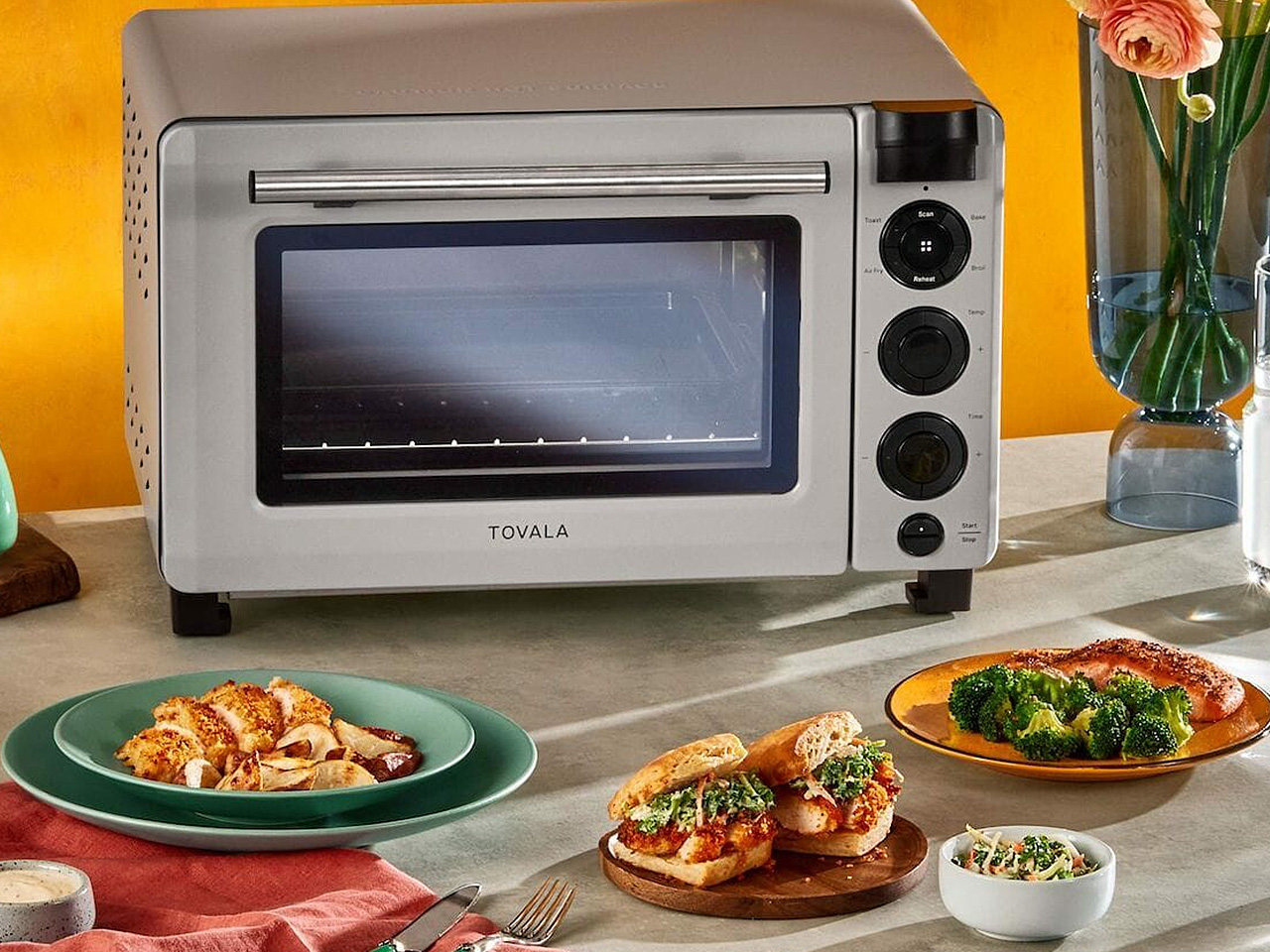
5. Tovala Smart Oven Air Fryer
If you’re looking to purchase an Air Fryer then you may want to consider the Tovala Smart Oven Air Fryer. It is a smart device amped with a sleek, stone-gray finish. It functions as an all-in-one appliance, which ensures you don’t need a variety of different appliances on your kitchen countertop, saving some precious real estate for you.
Why is it noteworthy?
The Tovala Smart Oven Air Fryer merges multiple cooking functionalities with smart technology. It is equipped with a unique scan-to-cook feature which makes meal prep smooth and effortless. It is capable of baking, broiling, and air frying, making it a versatile addition to any kitchen.
What we like
It is equipped with scan-to-cook technology
It serves as an oven, air fryer, and more, it is blessed with multi-functionality
What we dislike
There is limited app control
There is no Alexa or Google Home support
6. Suvie
Say hello to Suvie – a clever kitchen robot with a smart Wi-Fi-enabled countertop multi-zone cooker and refrigerator that transforms the different meal components – raw proteins, veggies, chef-designed sauces, and dry starches into one delicious and high-quality meal.
Why is it noteworthy?
Suvie is an excellent option for those who want to eat healthy and well-balanced meals, but don’t really have the time to prepare them. Suvie is paired up with optional meal kits, which gives users the chance to prepare fresh meals. This is pretty great for those who work.
What we like
Teamed up with a fully customizable Suvie Smart Meals delivery service
Easy to clean and maintain
What we dislike
It can only prepare meals for 2-4 adults, so not a suitable product for bigger families
7. iGulu S1
If you’re someone who loves crafting their own beverages, then you need to incorporate the iGulu S1 into your beer routine. It is an all-in-one appliance that supports fermentation, conditioning and dispensing. It can produce 5L kegs of professional-quality beer for you, helping you brew like a pro.
Why is it noteworthy?
With the iGulu S1, you can customize and create personalized brews with ease. It helps you explore a whole range of global beers, ranging from lagers to ales. It is equipped with detachable beer tubes and a wide-opening fermentation keg which makes cleaning the device quite easy.
What we like
It prepares craft quality beer with 3 simple steps
What we dislike
It will occupy a lot of counter space, not well-suited for smaller kitchens
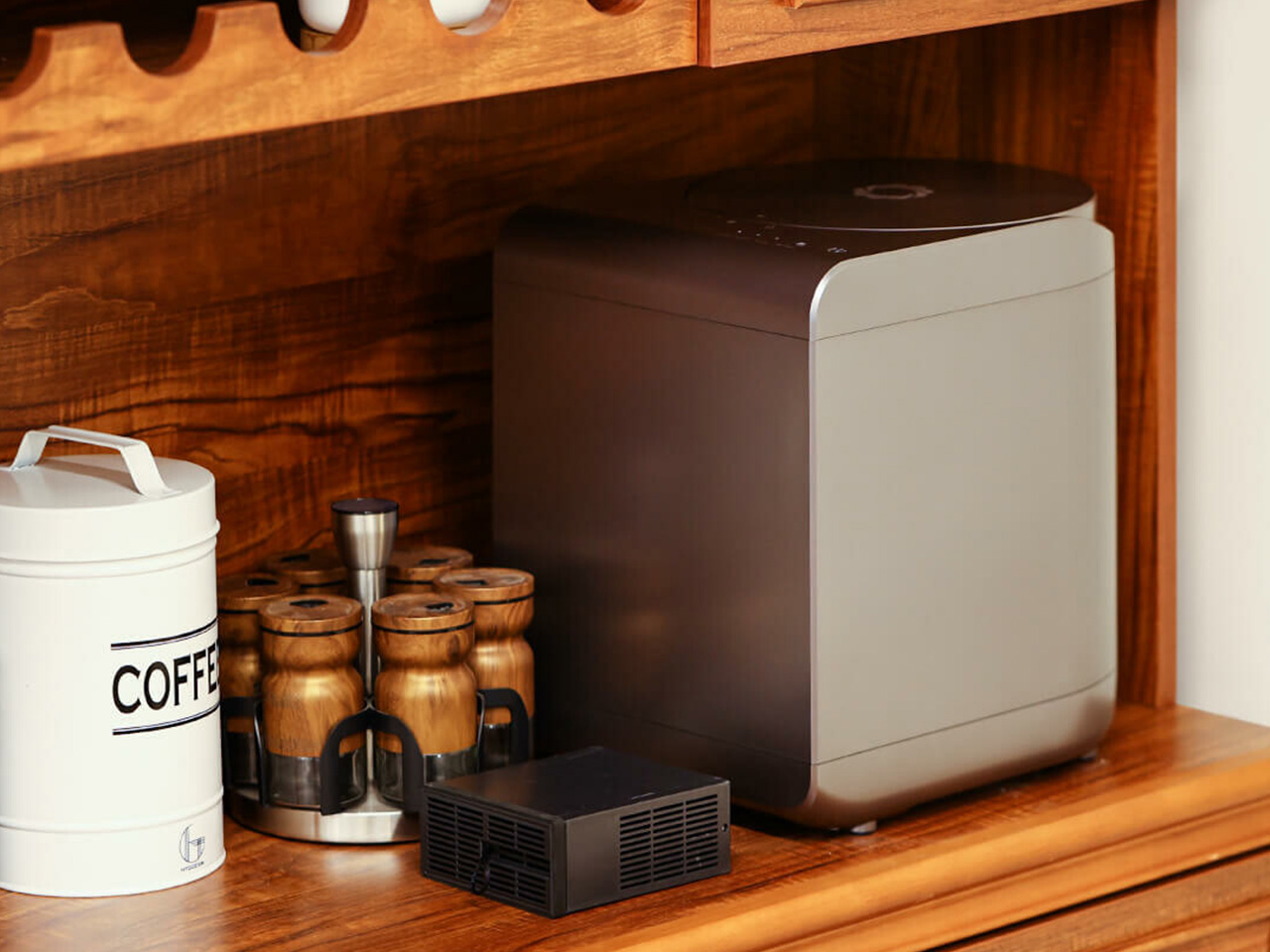
8. Airthereal Revive Electric Kitchen Composter
Say hello to the Airthereal Revive Electric Kitchen Composter – this innovative appliance makes the process of turning food scraps into organic fertilizer an easy peasy process. It is quite easy to use, as you just need to fill the 2.5L stainless container with food scraps and press the Start Button. The SHARKSDEN Tri-Blade then does its job!
Why is it noteworthy?
The Airthereal Revive Electric Kitchen Composter breaks down the waste in multiple directions to provide a uniform finish. The bucket can hold a day’s worth of food waste for a family of four. It is made using nonstick coating and dishwasher-safe materials, making it easy to clean.
What we like
You save money on garbage bags and premade organic fertilizer
What we dislike
It is limited to small batches, and cannot be used for bigger families
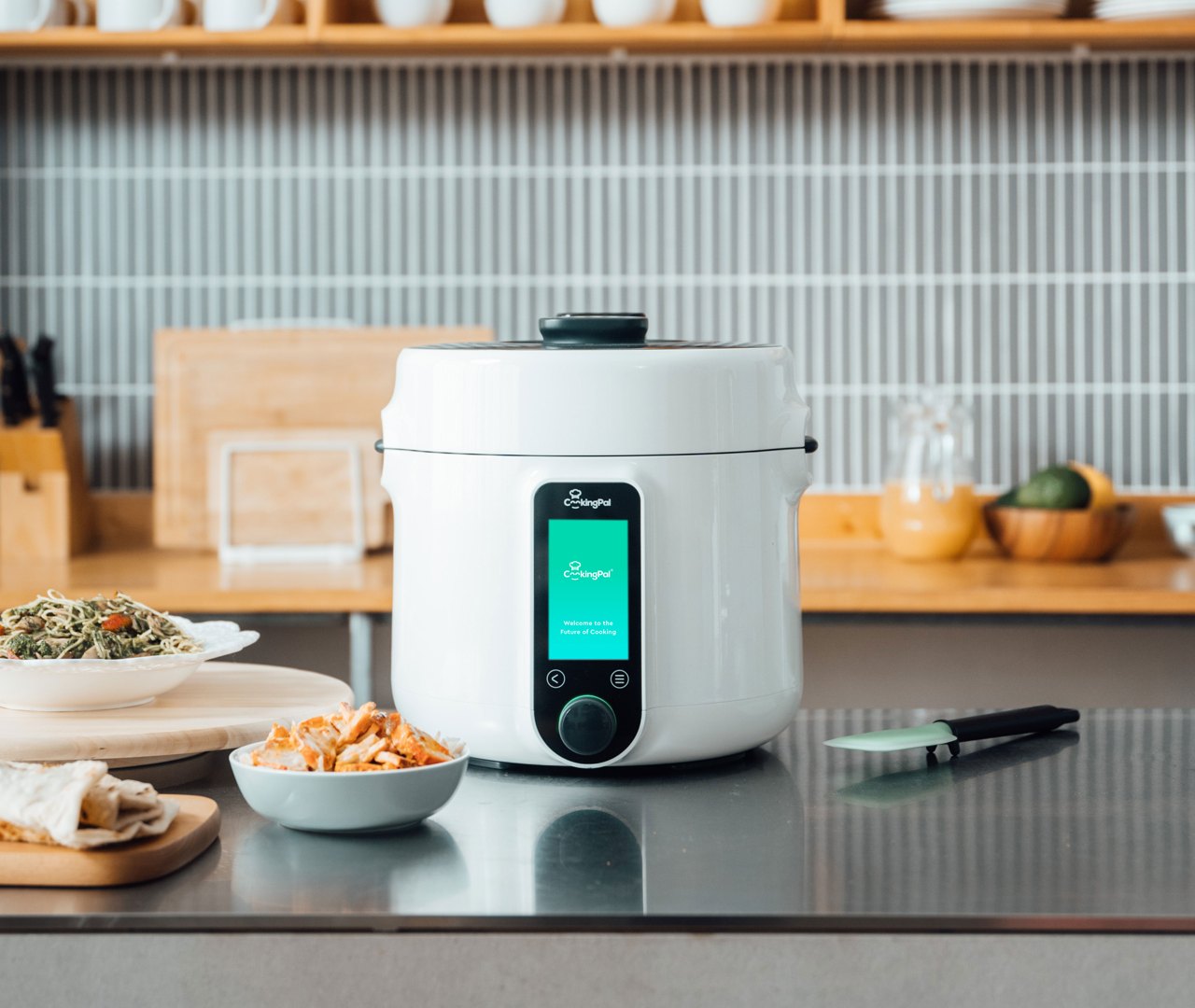
9. Pronto & Alto
Dubbed Pronto, this compact gadget handles your cooking process for you – ranging from weighing to sautéing, slow-cooking, simmering, reheating and even air-frying, which is on account of its modular companion – Alto. Both Pronto and Alto pair up to serve as the ultimate cooking aids for you!
Why is it noteworthy?
The dynamic duo Pronto and Alto feature multipurpose designs and a compact footprint. They occupy only a small portion of your countertop and can help you prepare delicious meals without creating much of a mess. They were designed to make cooking effortless, allowing you to truly focus on eating!
What we like
Multipurpose design, helping you with a whole bunch of cooking processes
The devices make meal prep easier, faster, and smarter
What we dislike
The devices may take a while to get used to, and users will have a learning curve
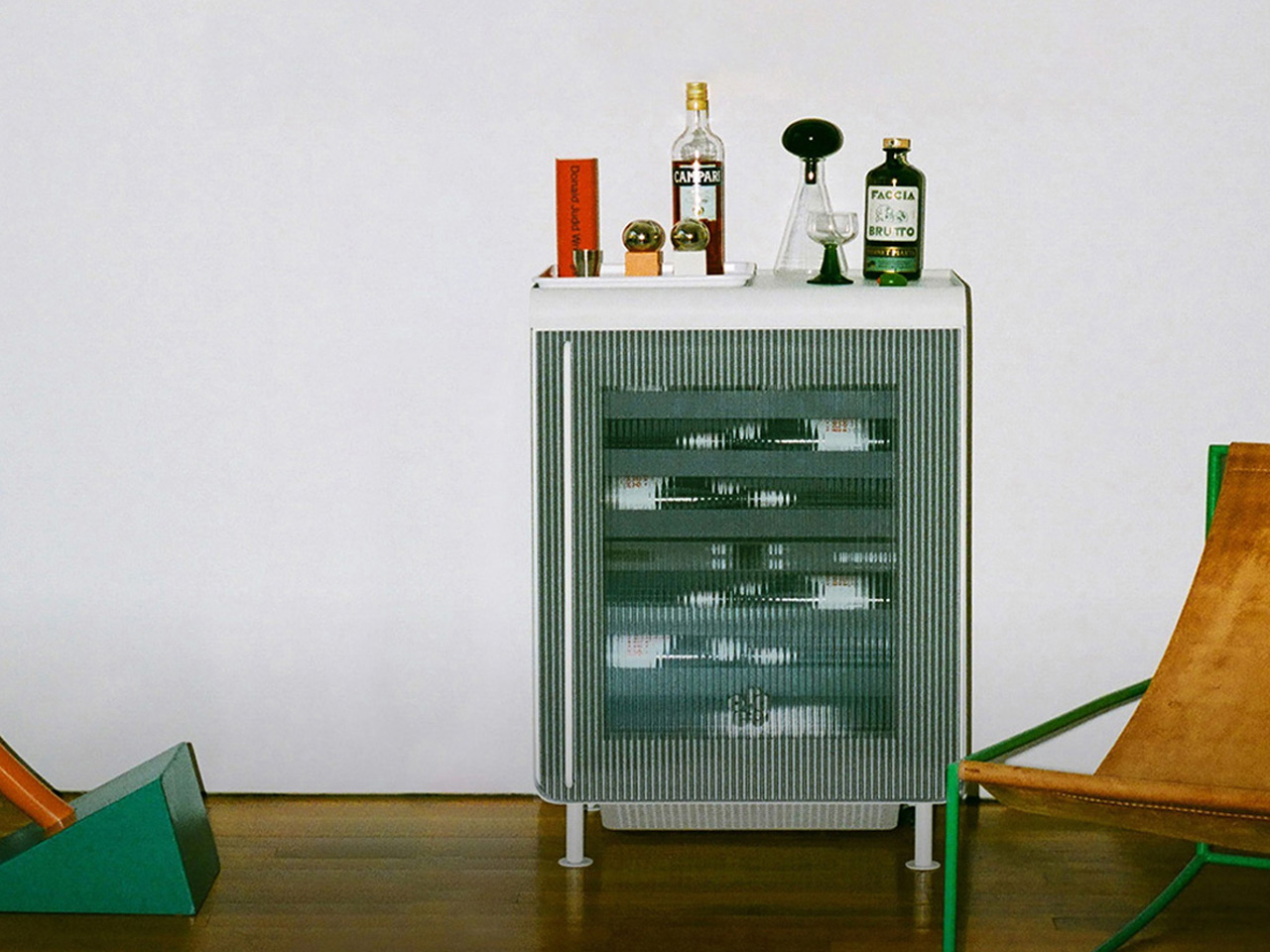
10. Super Smart Fridge
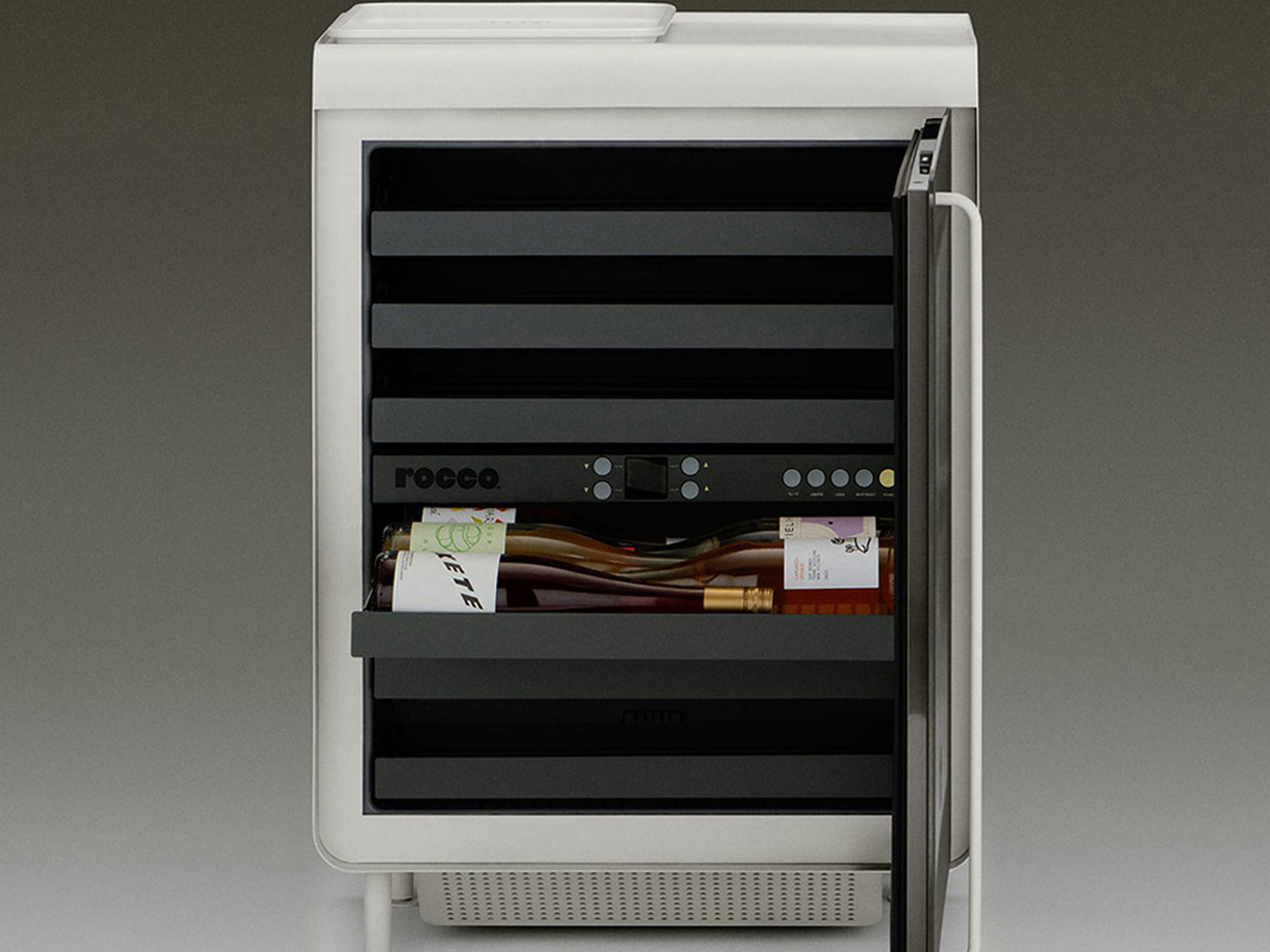
Designed by Rocco co-founders Alyse Borkan and Sam Naparstek – this is the Super Smart Fridge. This compact, stylish, and unique-looking fridge doesn’t simply look like a modern kitchen appliance, it also resembles a furniture piece that could seamlessly merge with your living space.
Why is it noteworthy?
This innovative fridge lies somewhere between a small fridge and a dedicated wine fridge. It is visually pleasing with a modern and stylish design. It is equipped with a smart exterior and a fluted glass door. It also has a compact size, that ensures it occupies minimal space.
What we like
It will merge with the rest of your home, so you can place it in your living room
What we dislike
Seems more suitable to store wine bottles than food items or containers
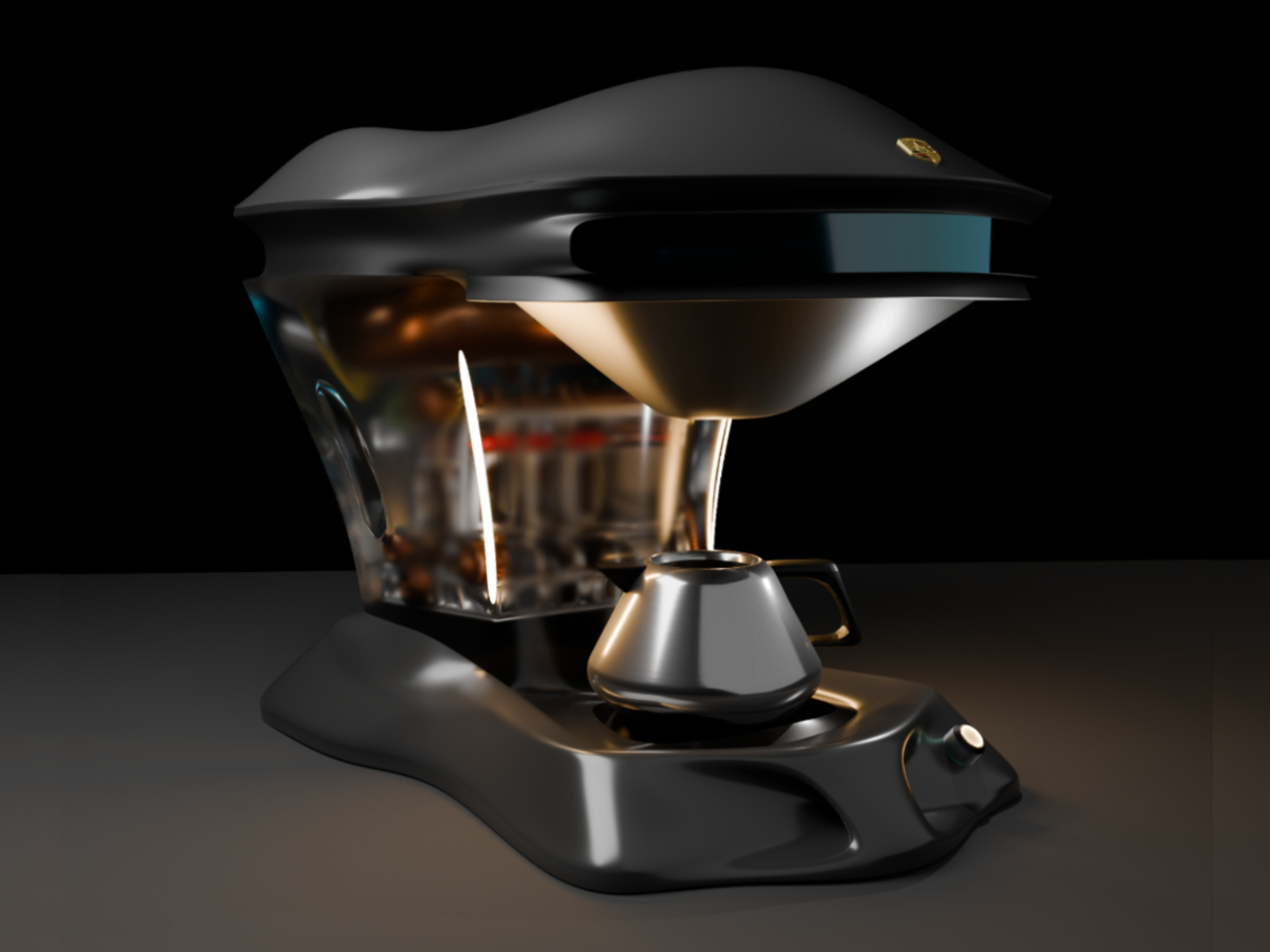
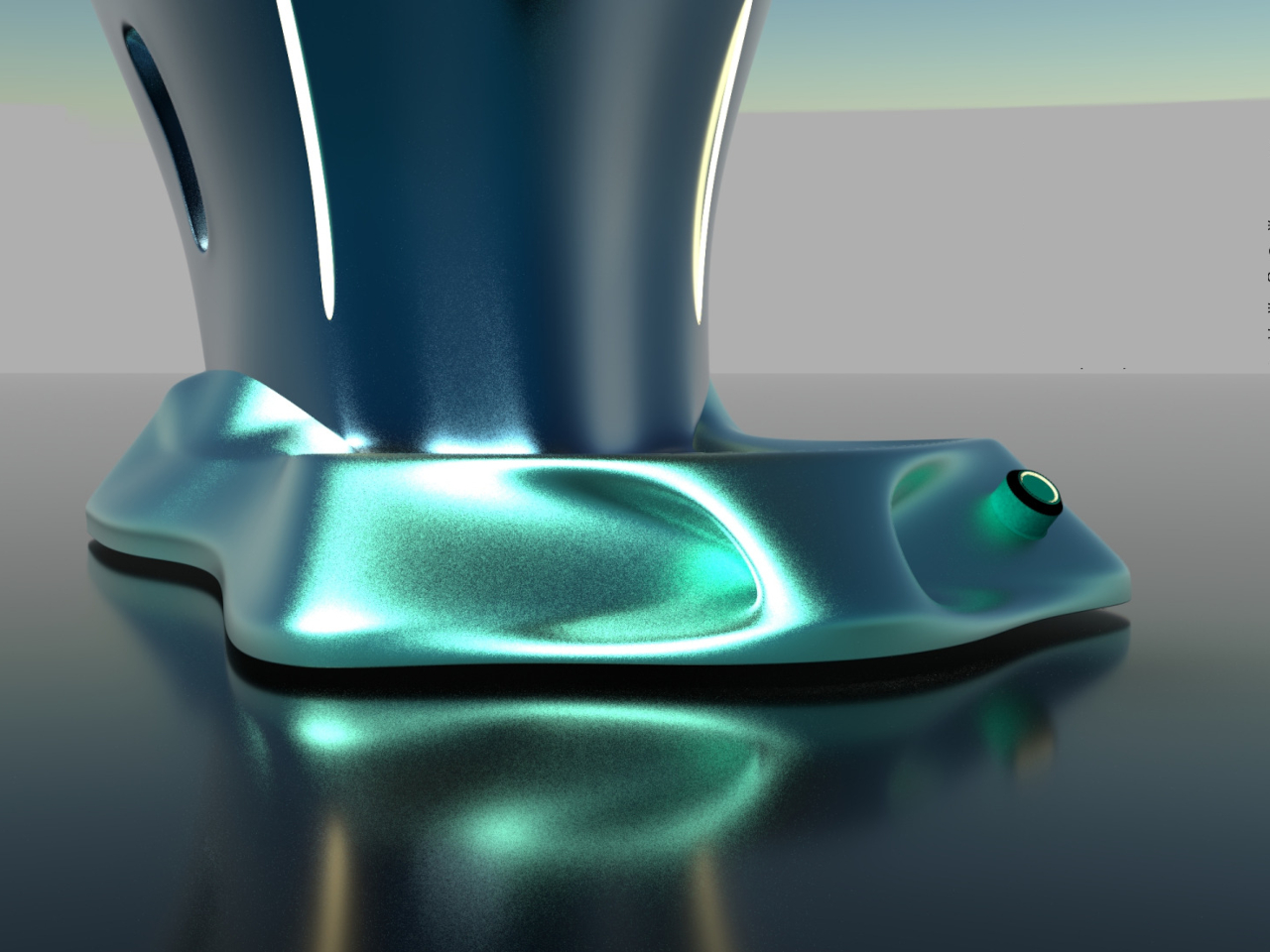
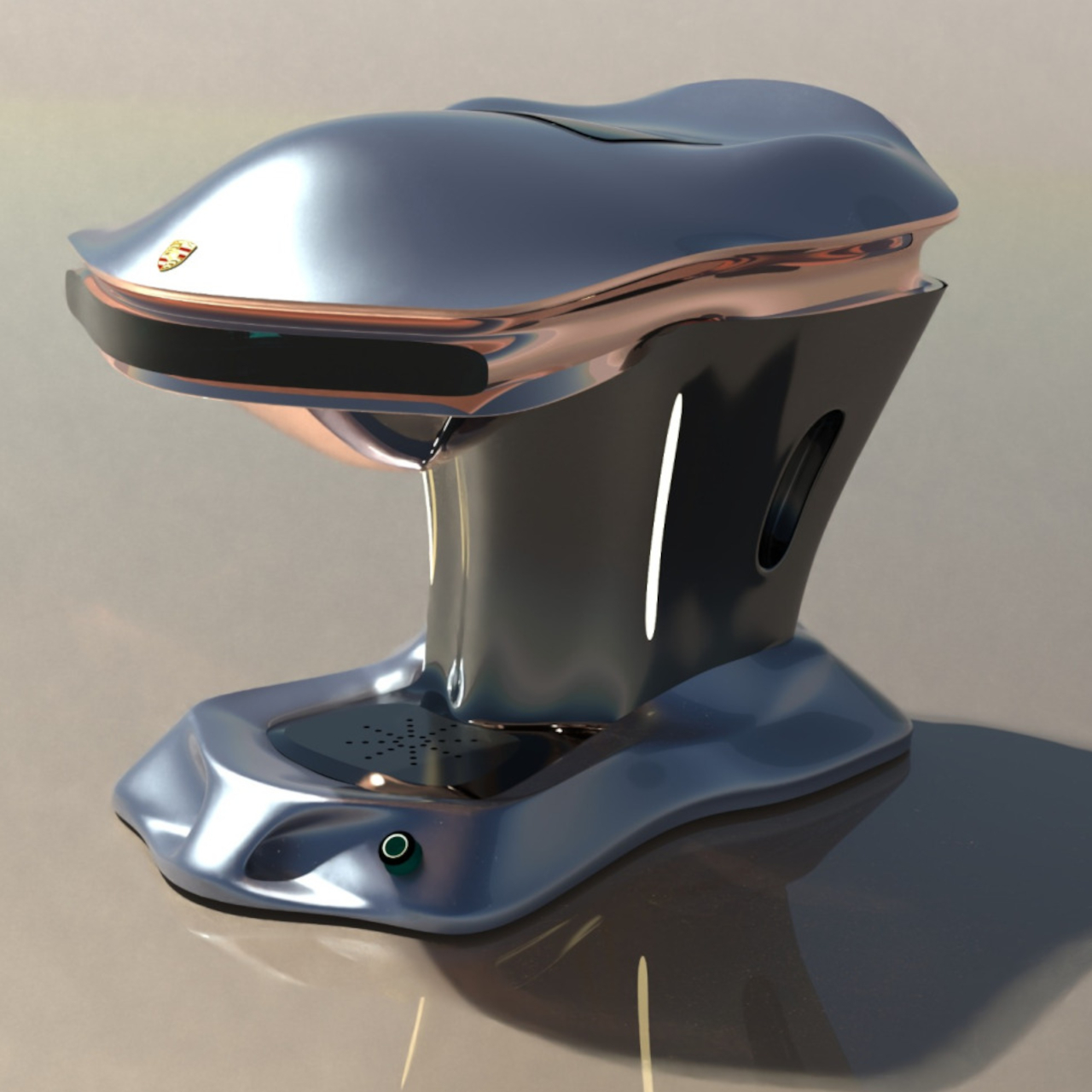
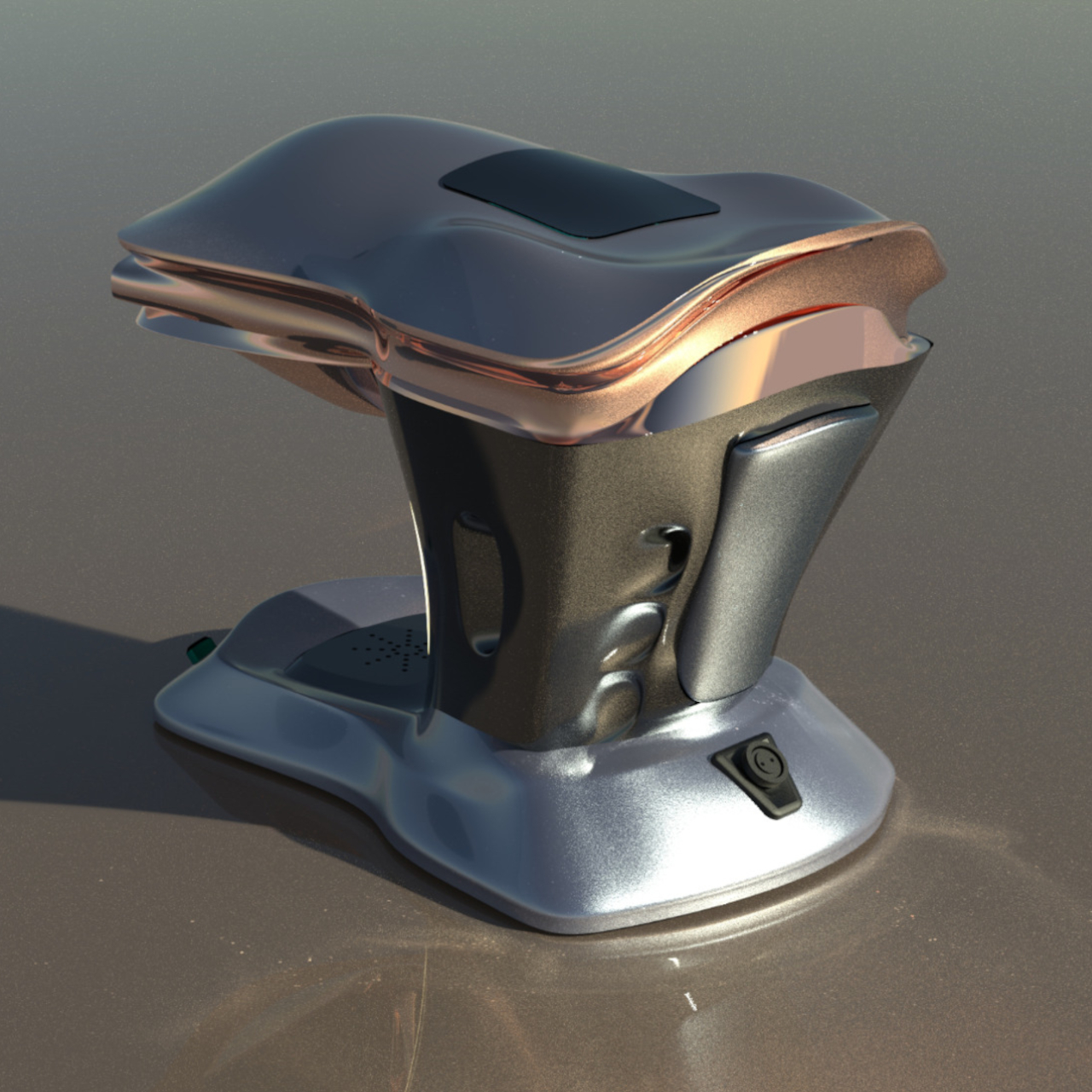
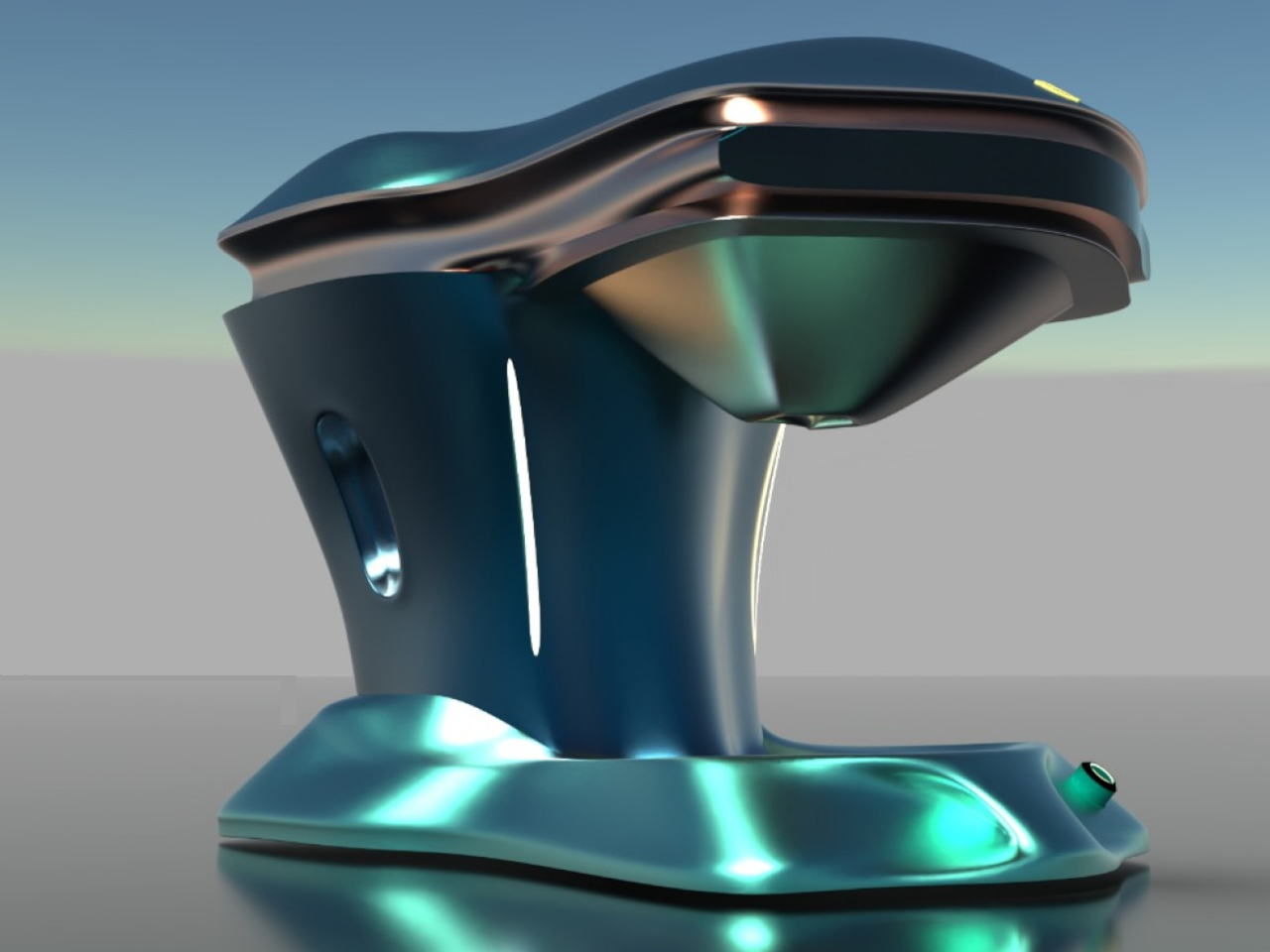
Gone are the days when kitchen tools and appliances were simply seen as utilitarian objects. With a greater awareness of product design, consumers have become more meticulous in picking products that do more than just serve their advertised functions. Aesthetics and tactile experiences have also become important buying considerations, especially for those who consider the kitchen as their little castle. Even something like a coffee maker can have a profound impact on the ambiance of a space, which is why this particular concept design takes inspiration from one of the most impactful brands in the automotive market.
When it comes to cars, Porsche is a name that is immediately associated with elegance, luxury, and performance. Its sports cars are known not just for their speed but for their regal presence on any type of road. Characterized by smooth curves and aerodynamic forms, Porsche’s design language has been the inspiration for designers across various industries outside of vehicles.
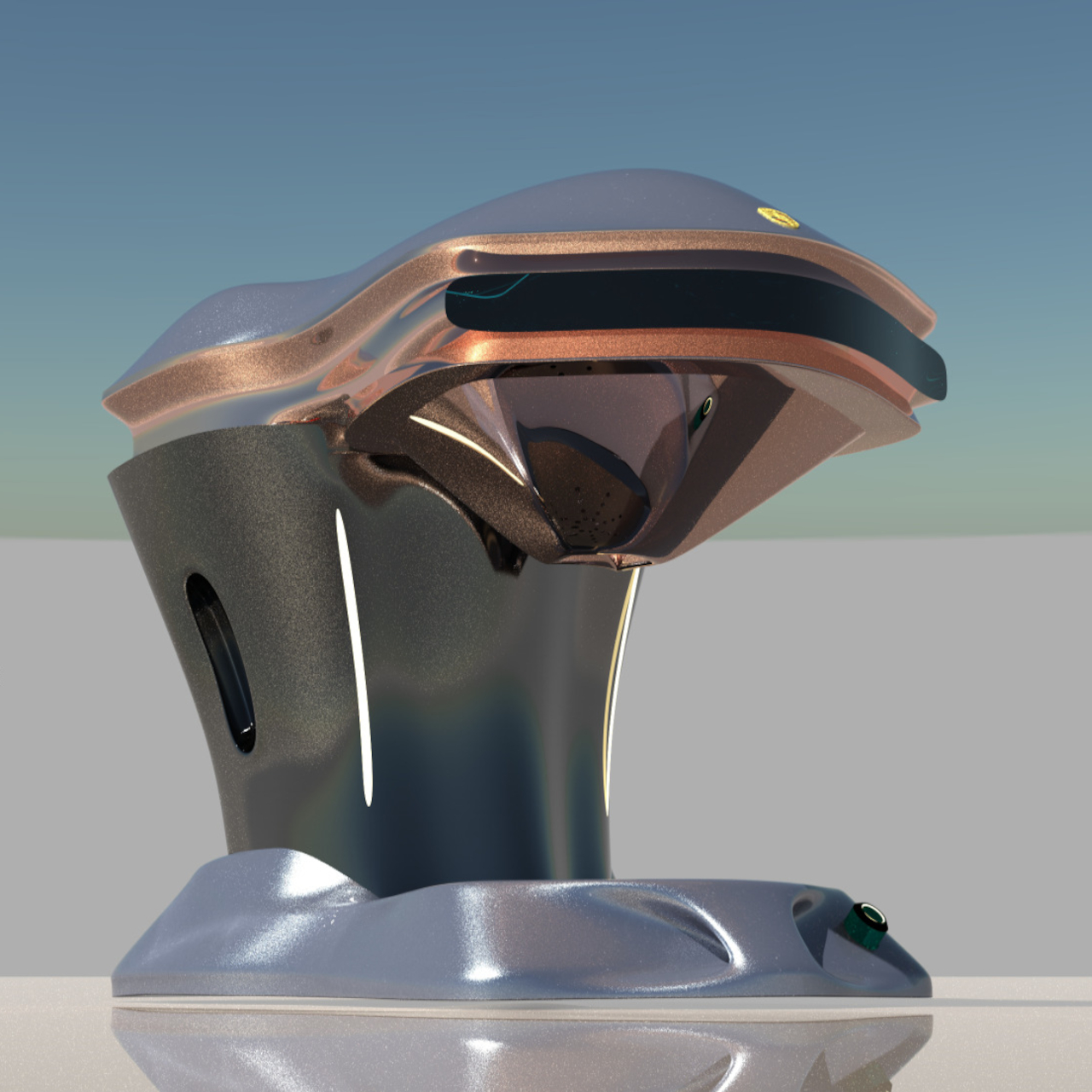
nair is a coffee machine concept that is a result of such inspiration. Most coffee maker designs gravitate toward two extremes. On the one hand, you have the typical black and silver kitchen appliance that dominates even the luxury market. On the other hand, you have vibrant and colorful models that inspire playfulness and curiosity. Somewhere in the middle is nair, embracing a spirit of dynamism and style that is more commonly seen in Porsche cars than kitchen tools.
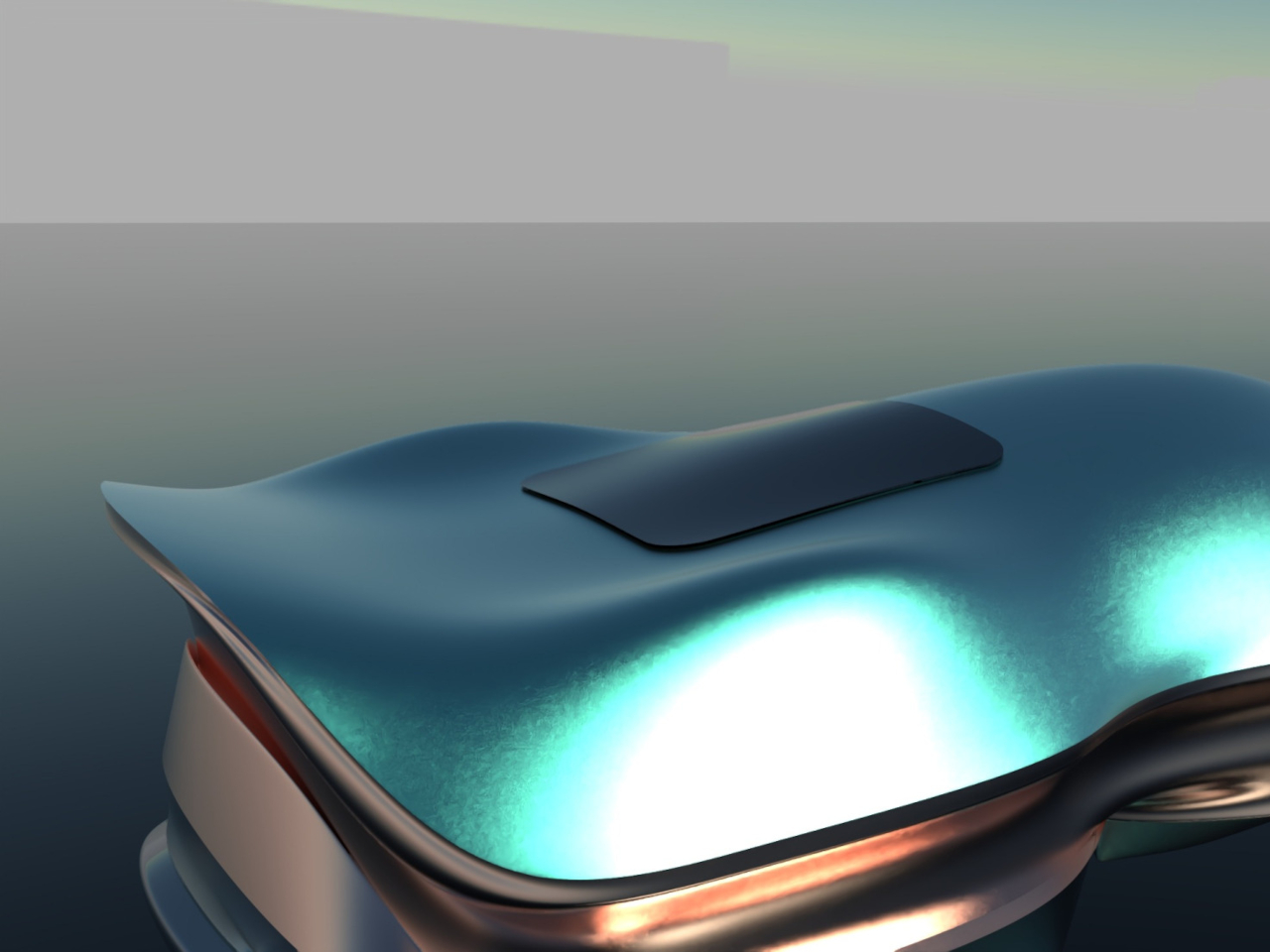
There are very few straight lines in nair’s design, for example, preferring the smooth and gentle curves that give Porsche sports cars their aerodynamic properties. The choice of materials isn’t determined by durability alone but also by the texture and aesthetic that adds to the enjoyment of the product even when not in use. Also adhering to the brand’s minimalist design language, there is no wasted space or extraneous detail. From its handle to its interface, every part is born from meticulous attention to detail that balances functionality and form.
The result is a coffee machine that goes beyond just making coffee. It transforms the experience into something that is both visual and tactile, adding value to the object without burdening it with unnecessary features. The design concept might not make your coffee taste better, but it elevates the whole brewing experience and turns it into something more like an art form.
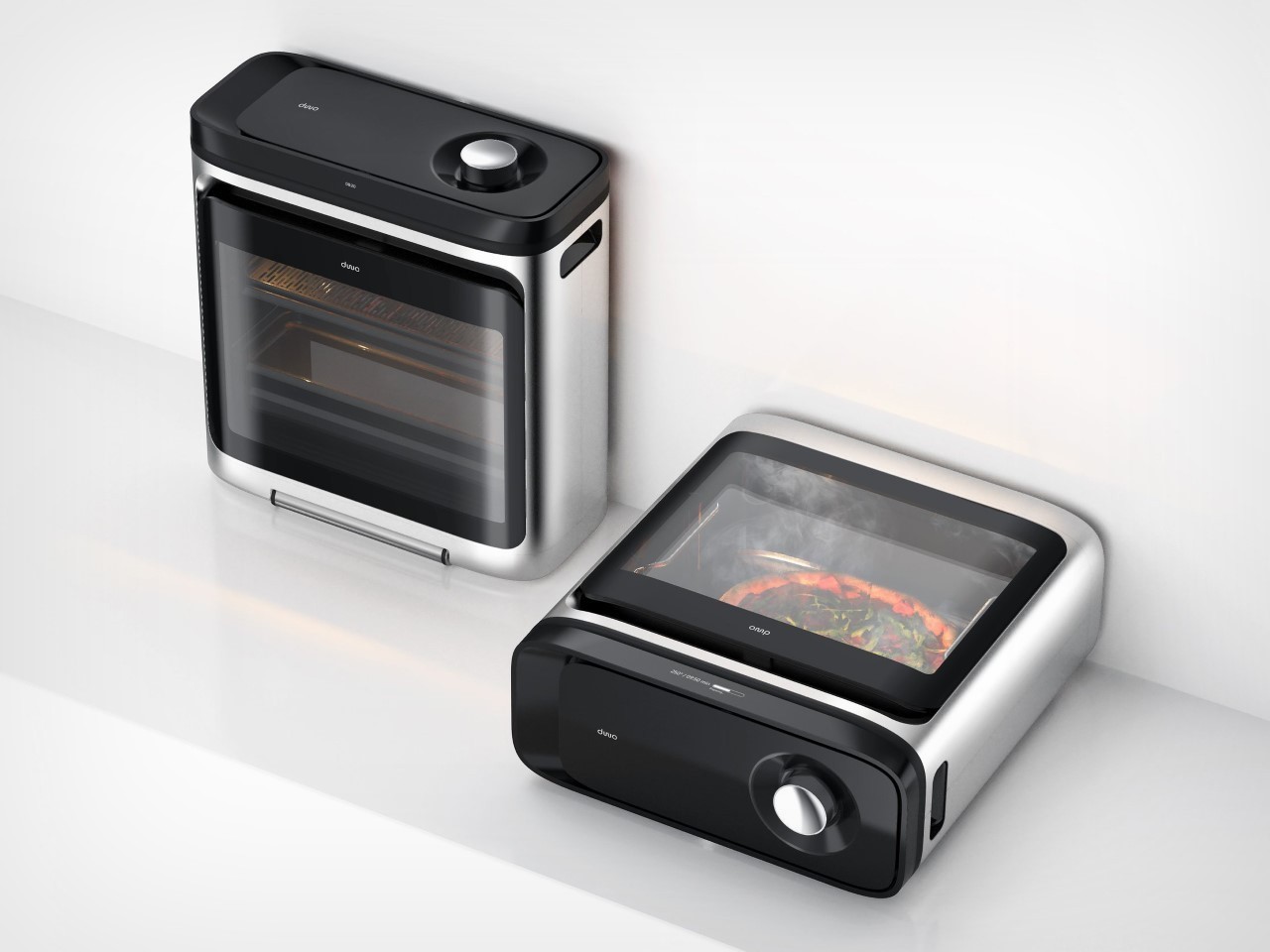
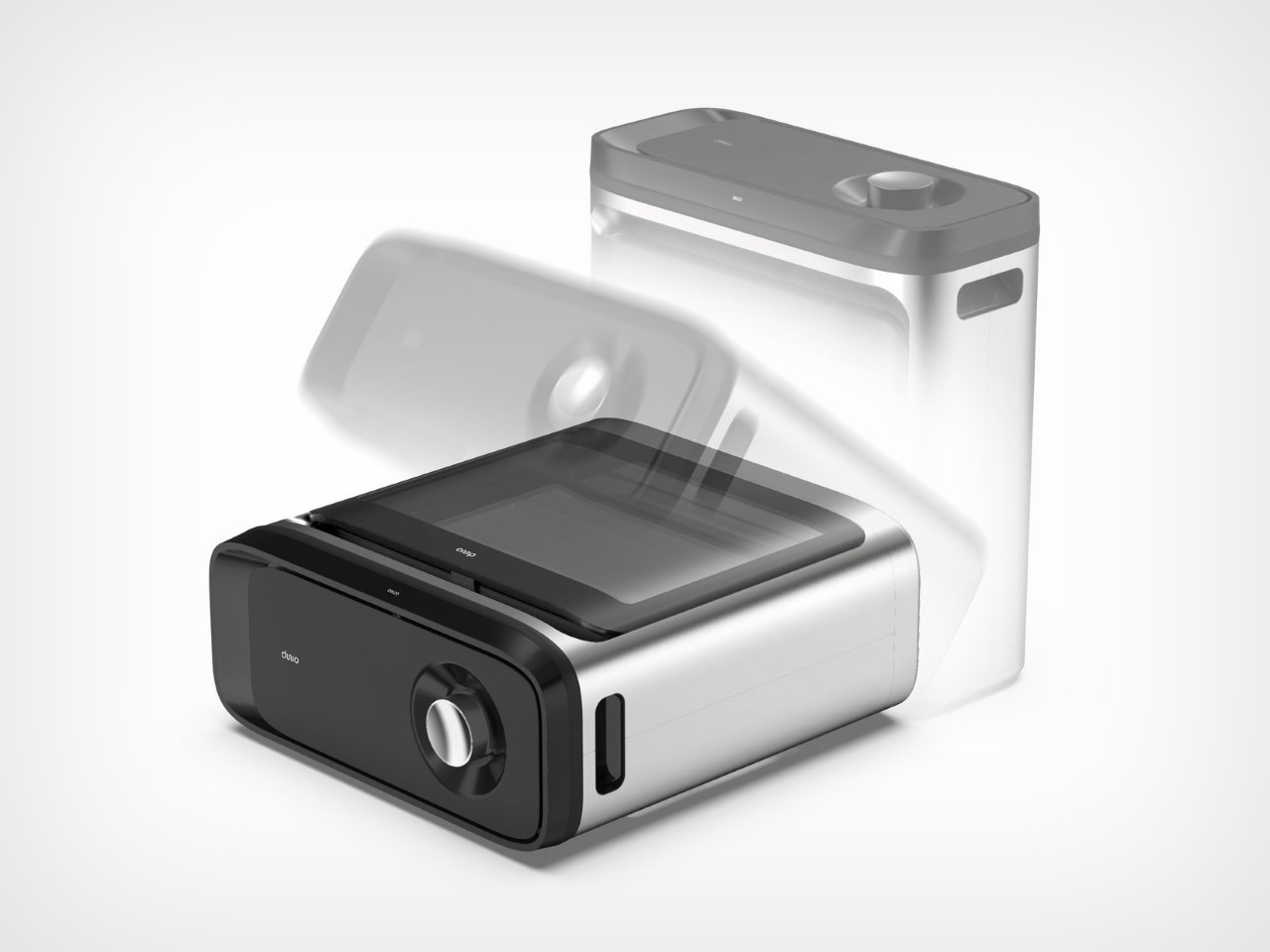
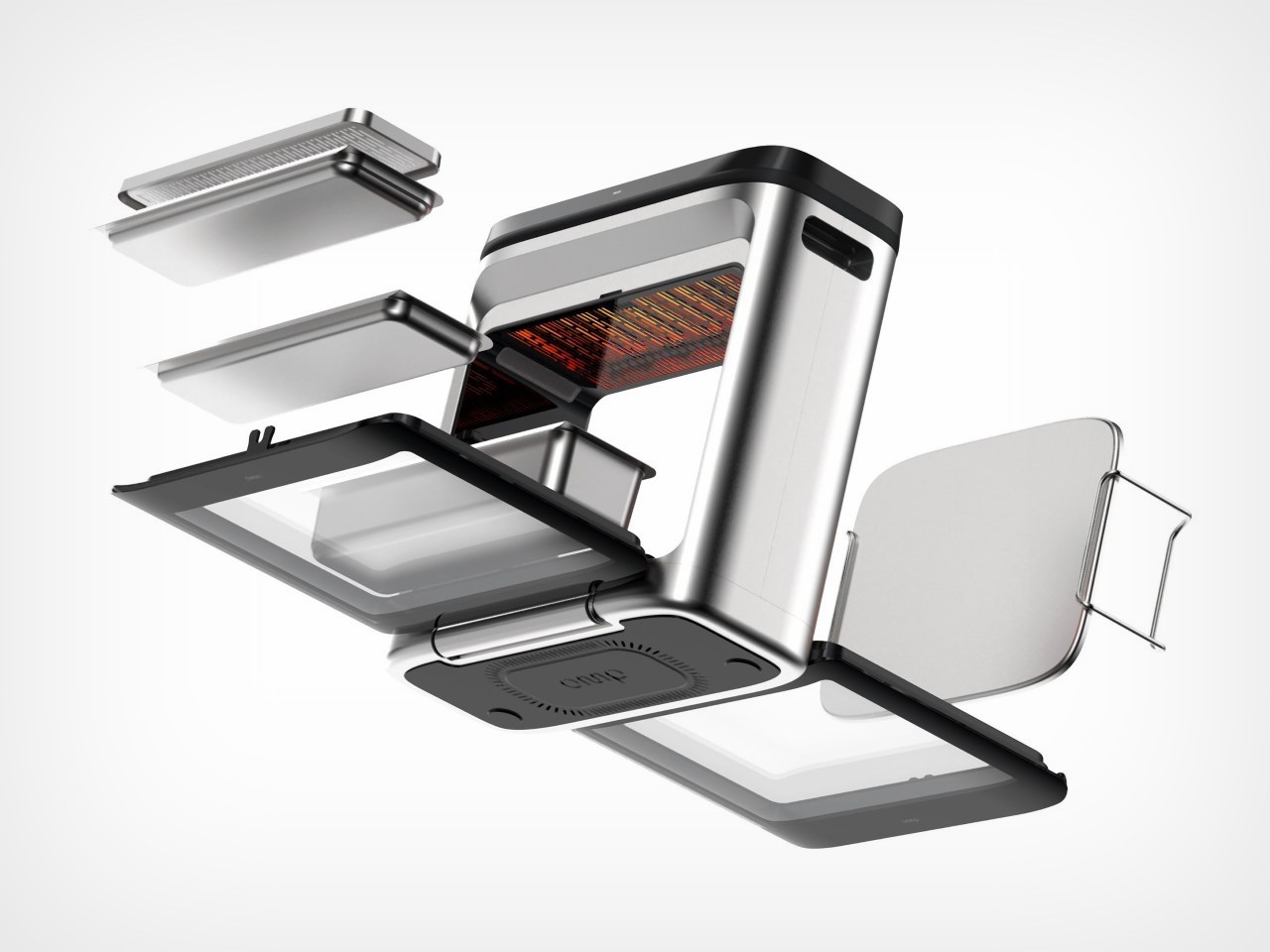
I remember seeing a video where a toaster could be laid on its side and used as a pizza oven instead. Rather than simply toasting bread slices, you could apply a small amount of sauce, pop a pepperoni slice or two, and some cheese and slide it into the horizontally kept toaster. Working essentially as an oven now, this toaster could be used to dish out quick pizza slices, or even toast up garlic bread, bagels, etc. While that sideways toaster use is more of a lifehack, it’s the Dwo Oven and Multicooker’s very USP. Designed to be used vertically as a regular oven, or sideways as a wider pizza oven, the Dwo goes to show that even something as basic as your average kitchen appliance has the potential to be reinvented.
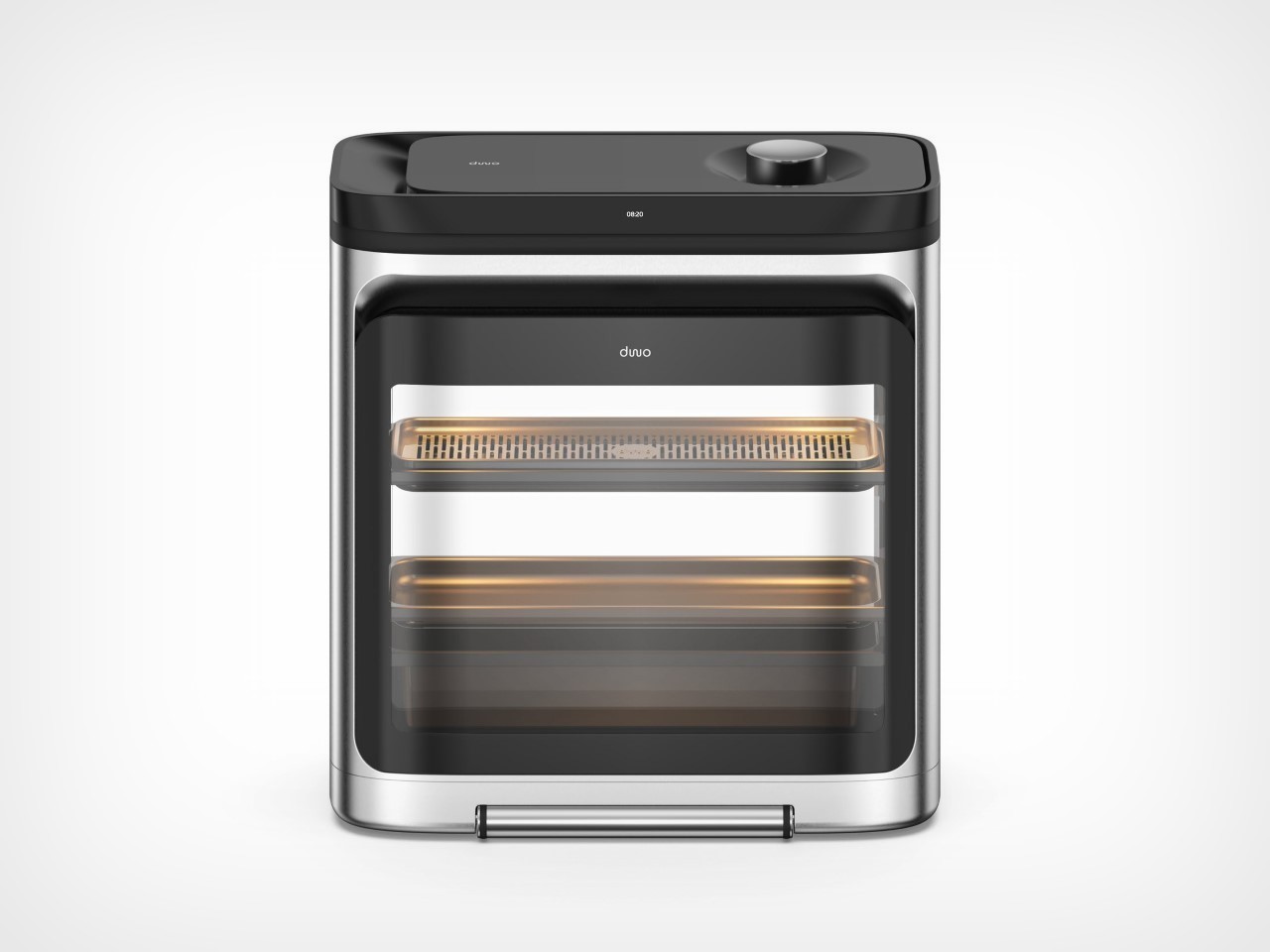
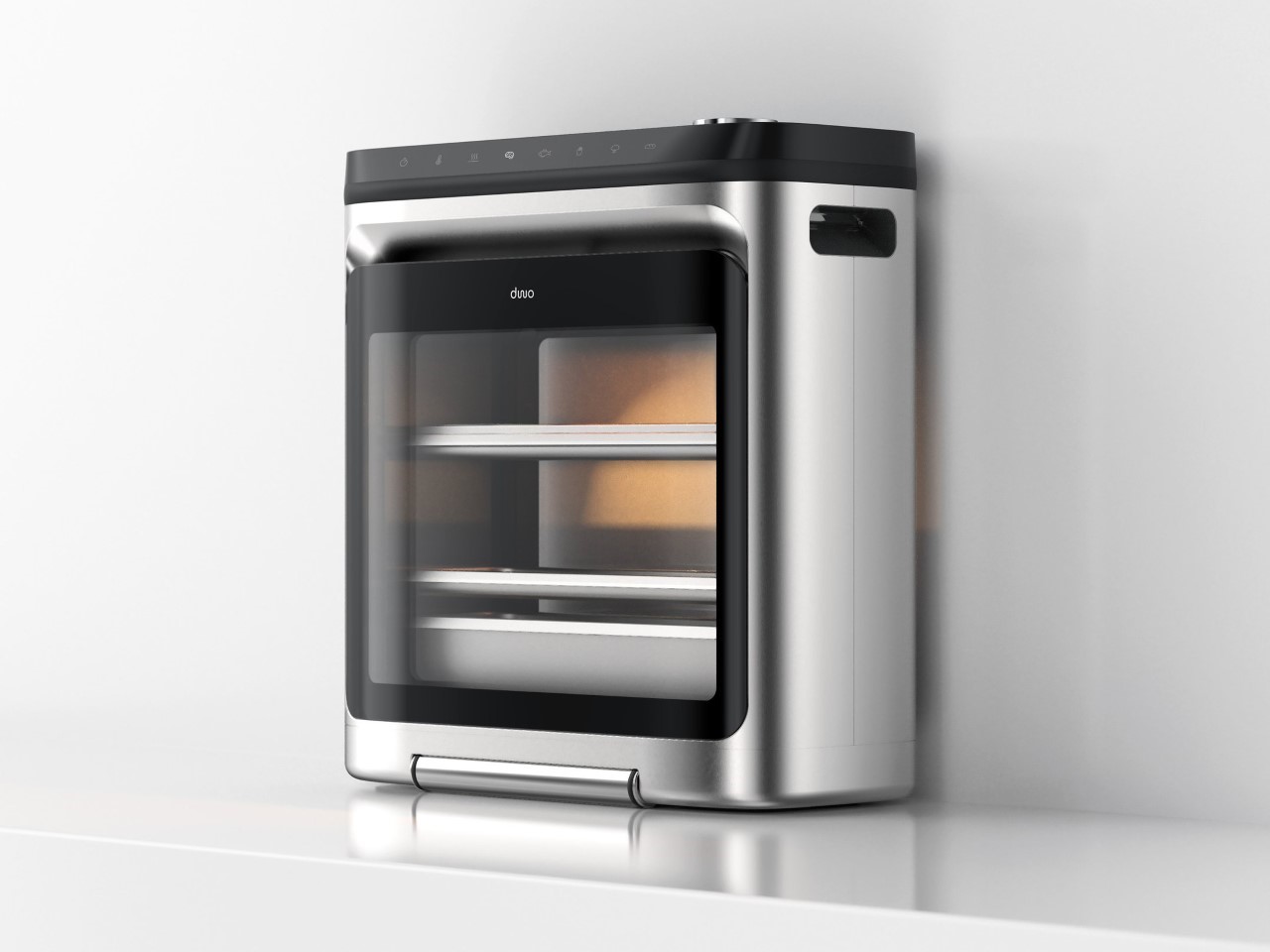
Designed for compact kitchens that can’t accommodate too many appliances, the Dwo lends itself to multiple use cases thanks to an adaptable design that works standing up as well as lying on its belly. The oven comes with a slim profile, sporting clear windows on the front and back, along with a control panel on top that lets you set the temperature and timer. The clear windows also function as doors, with both of them opening depending on how your oven is oriented. When standing up, the front-facing door opens to give you a narrow yet vertically spacious oven, while when sleeping down, the rear door (which is now positioned on top) opens to let you lower wide items into the oven. The concept is sort of like a wood-fired oven versus a tandoor – one has a frontal opening while the other is accessible from the top.
A roller on the bottom of the Dwo helps it easily transition between its two orientations, allowing you to easily and swiftly change between vertical and horizontal use. Vertically, the Dwo is perfect for multi-level cooking, like baking loaves, tea cakes, or a row of cookies. Lay it flat, however, and you can now lower a wider pan into it, making it ideal for pizzas, wider cakes, focaccias, pies, etc. Of course, orienting your oven vertically or horizontally means the heat coils face in different directions based on the orientation. While horizontal, your pizzas don’t necessarily cook fast from the top or the bottom, given that the heat coils are located on the sides. However, with some clever thermodynamic engineering, the Dwo could be turned into a heat-guiding furnace, so your pizza cooks evenly with browning on the bottom and a melted layer of cheese on the top!
Designed by Colombia-based Dogma Design, the Dwo is a Best of the Best winner of the Red Dot Award: Design Concept for the year 2024. It gives you an adaptable oven that doesn’t occupy much space, and can be used for something as basic as reheating an entire pizza to something more complex like making biscuits or cupcakes. The oven’s unique flat-ish internal space might be limiting had it not been for its ability to literally lean over and shift between standing and sleeping formats. No more trying to tilt the toaster on its side to lifehack your way through college!
I remember seeing a video where a toaster could be laid on its side and used as a pizza oven instead. Rather than simply toasting bread slices, you could apply a small amount of sauce, pop a pepperoni slice or two, and some cheese and slide it into the horizontally kept toaster. Working essentially as an oven now, this toaster could be used to dish out quick pizza slices, or even toast up garlic bread, bagels, etc. While that sideways toaster use is more of a lifehack, it’s the Dwo Oven and Multicooker’s very USP. Designed to be used vertically as a regular oven, or sideways as a wider pizza oven, the Dwo goes to show that even something as basic as your average kitchen appliance has the potential to be reinvented.
Designed for compact kitchens that can’t accommodate too many appliances, the Dwo lends itself to multiple use cases thanks to an adaptable design that works standing up as well as lying on its belly. The oven comes with a slim profile, sporting clear windows on the front and back, along with a control panel on top that lets you set the temperature and timer. The clear windows also function as doors, with both of them opening depending on how your oven is oriented. When standing up, the front-facing door opens to give you a narrow yet vertically spacious oven, while when sleeping down, the rear door (which is now positioned on top) opens to let you lower wide items into the oven. The concept is sort of like a wood-fired oven versus a tandoor – one has a frontal opening while the other is accessible from the top.
A roller on the bottom of the Dwo helps it easily transition between its two orientations, allowing you to easily and swiftly change between vertical and horizontal use. Vertically, the Dwo is perfect for multi-level cooking, like baking loaves, tea cakes, or a row of cookies. Lay it flat, however, and you can now lower a wider pan into it, making it ideal for pizzas, wider cakes, focaccias, pies, etc. Of course, orienting your oven vertically or horizontally means the heat coils face in different directions based on the orientation. While horizontal, your pizzas don’t necessarily cook fast from the top or the bottom, given that the heat coils are located on the sides. However, with some clever thermodynamic engineering, the Dwo could be turned into a heat-guiding furnace, so your pizza cooks evenly with browning on the bottom and a melted layer of cheese on the top!
Designed by Colombia-based Dogma Design, the Dwo is a Best of the Best winner of the Red Dot Award: Design Concept for the year 2024. It gives you an adaptable oven that doesn’t occupy much space, and can be used for something as basic as reheating an entire pizza to something more complex like making biscuits or cupcakes. The oven’s unique flat-ish internal space might be limiting had it not been for its ability to literally lean over and shift between standing and sleeping formats. No more trying to tilt the toaster on its side to lifehack your way through college!
Titanium is durable enough to last for centuries, is naturally non-stick, and doesn’t rust or corrode. For decades, it’s been the go-to choice for all sorts of EDC, from knives to multitools to even wallets – but nobody’s really made titanium cookware popular… until now.
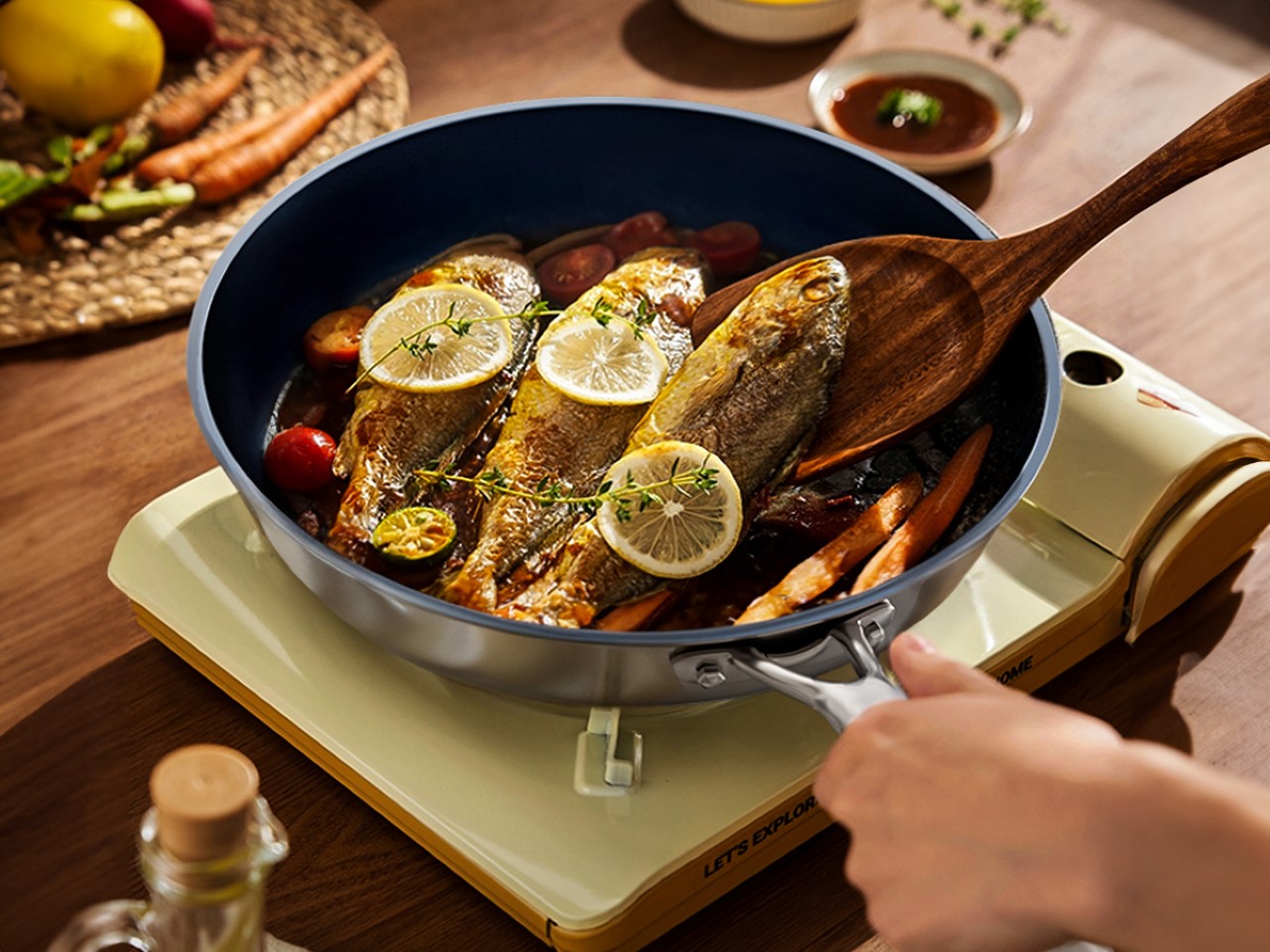
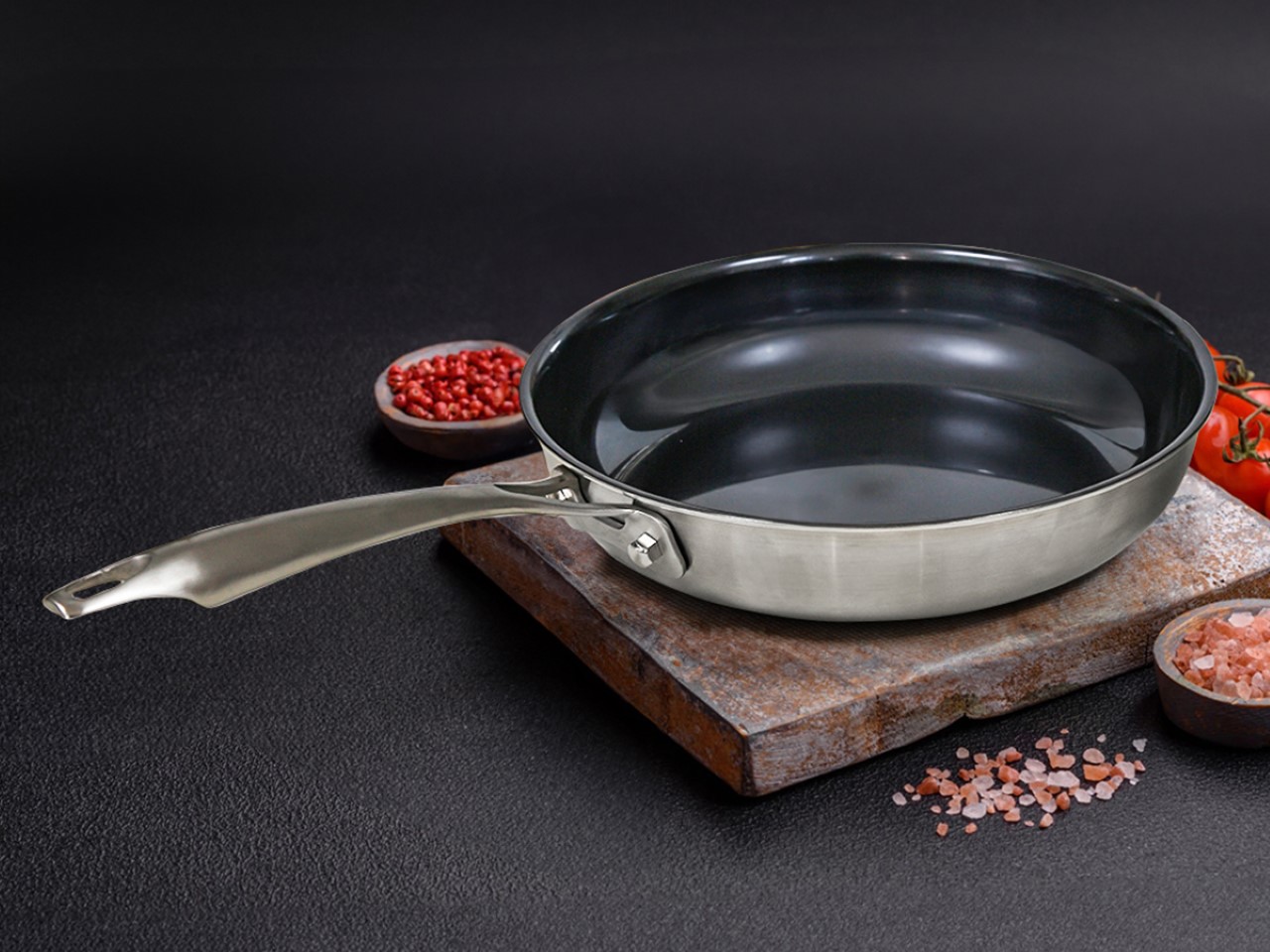
Rather simply called the Titanium Skillet, this unique piece of kitchenware costs about as much as a good cast-iron or carbon steel skillet, without the hassle associated with skillet maintenance. Cast iron requires proper care, and even carbon steel doesn’t do well unless it’s seasoned over time – but the Titanium Skillet scoffs at that pageantry. Designed to be used right out of the box without any of that seasoning nonsense, the skillet lets you easily (and perfectly) cook all your dishes. Scrub it afterward with a metal scouring pad or chuck it in the dishwasher, the skillet’s designed to easily withstand the most demanding conditions without breaking a sweat.
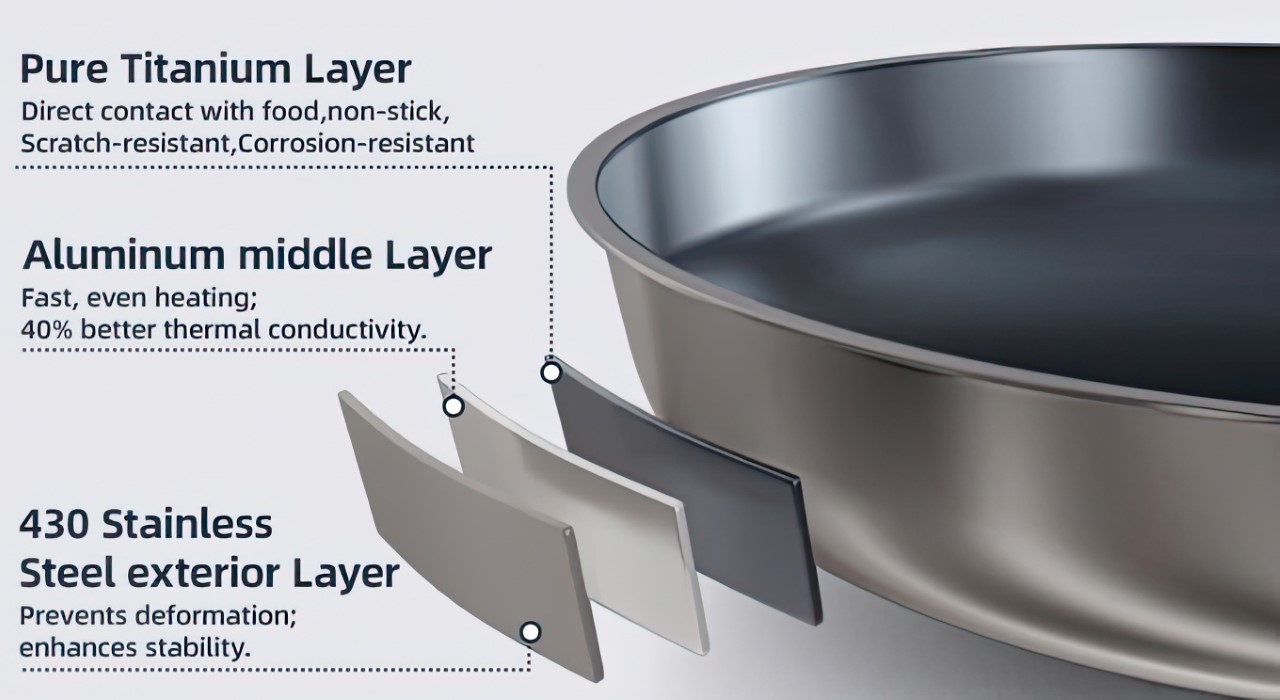
The Titanium Skillet is more than just easy on your ingredients—it’s also remarkably efficient. Sandwiched between layers of GR1 titanium on the inside and steel on the outside is a core of pure aluminum, providing fast and even heat distribution. With 40% better thermal conductivity, it heats up in just 30 seconds, ensuring that your food cooks evenly and thoroughly. No more hotspots, no more burnt edges. Plus, the design is energy-efficient, cutting power consumption by about 30%, which means you can feel good about a more sustainable choice in your kitchen. And all this tech doesn’t come with extra heft—at just 1 kg, it’s far lighter than your traditional cast-iron pan, so your wrist won’t be begging for mercy after a session of flipping pancakes.
The naturally non-stick surface means no synthetic coatings—just a smooth titanium oxide layer that resists food sticking and makes clean-up simpler, and just gets better with time. You won’t find yourself scrubbing off burnt-on residue, but it also means there’s no Teflon to potentially scratch or degrade over time. That’s a win for anyone who’s experienced the frustration of a pan that loses its non-stick magic after a few months.
The wide cooking surface and 2-inch-high sides are perfect for retaining heat while offering plenty of room for searing, simmering, and even deep-frying. This clever design brings versatility to your skillet, allowing it to be your go-to for pretty much any sort of dish, be it on the gas stove, an induction, or even in an oven. Need to finish a steak under the broiler for a good sear? No problem. The skillet can handle up to 500°C (932°F) without breaking a sweat. The outer 430 Stainless Steel layer prevents warping and deformation, so you can chuck the Titanium Skillet in a regular oven, on a grill, or even a wood-fired pizza oven to get your cook on.
The handle comes crafted from stainless steel and is designed to contour nicely to your hand, making the skillet comfortable to maneuver, even when working with heavier dishes. And the use of titanium rivets to secure the handle speaks to the brand’s commitment to durability. Yet, like any product, there’s a balance between innovative features and practicality. It’s great that the skillet can withstand high temperatures, but for most home cooks, that’s overkill. High-heat searing is important, but unless you’re reverse-searing filet mignons on an hourly basis, you’re good.
The use of titanium is fairly novel for cookware. It’s found extensively in EDC for its durability, in prosthetics for its biocompatibility, and in space exploration for how unfazed it is under temperature fluctuations. Titanium in cookware, as far as I’ve ever seen, is fairly new (beyond the occasional titanium spork designed for camping), and that’s pretty exciting if you’re a cooking enthusiast like me, an early adopter, or an EDC collector who preaches the gospel of titanium.
But here’s the thing: titanium doesn’t impart any flavor or minerals into your food, unlike cast iron, which can release a bit of iron into whatever you’re cooking. That can be a small but significant health benefit, especially for those who might need an iron boost in their diet. So while titanium’s non-reactive nature is perfect for cooking acidic ingredients like tomatoes, it lacks that additional nutritional contribution. For some, that might not matter, but it’s a detail that’s worth noting, especially when the comparison comes up between these new-age materials and the old-school favorites. In that vein, the Titanium Skillet’s more apt competitors are stainless steel and carbon steel, which just have a durability advantage over cast iron – an area where titanium passes with absolute flying colors.
For those interested in backing this project, Linco’s offering comes with a few perks on Kickstarter. Early adopters can grab the 10-inch skillet for around $155, while the 11-inch version is about $168. And with global shipping estimated for November 2024, the promise is that you’ll be cooking with this futuristic tool sooner rather than later… and your great-grandchildren will probably cook with the same skillet too!
The deejay console is a thing of marvel – it’s designed to be highly intuitive and accessible at any given moment. Think about it, you’re at the console, you’ve got a crowd of thousands in front of you. One mistake and the entire atmosphere of the room changes. Heavy stakes require heavy design intervention – which is why the deejay console is made the way it is. Controls and knobs are located precisely within grasp based on how important they are or how often you need them. If you’re working with a 4-deck set, the four discs are located in a 2×2 layout, so you don’t have to move around to change songs, load up tracks, or scratch beats. The deejay console encourages creativity and is built for impulsive mixing, scratching, and production where milliseconds matter.
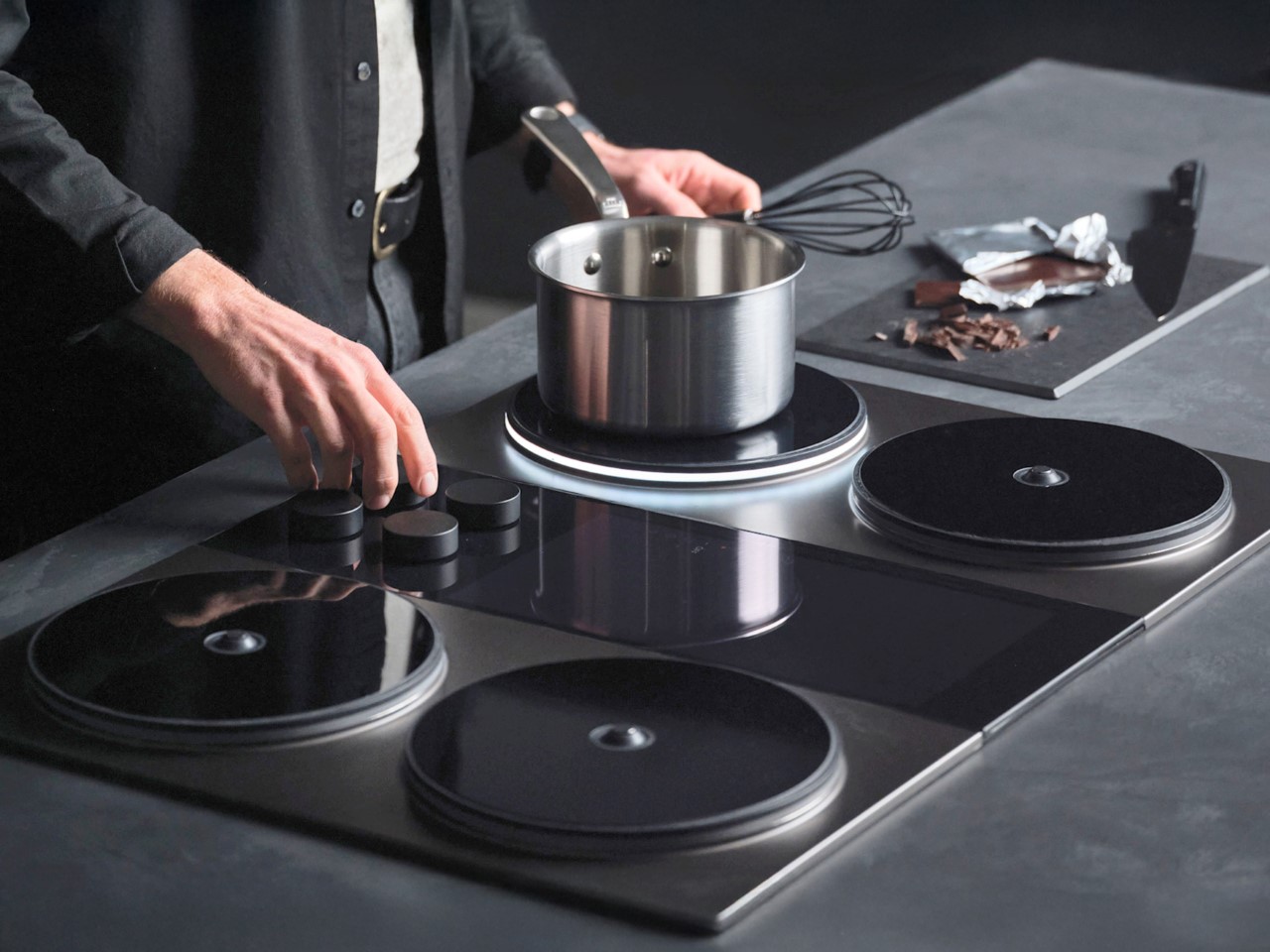
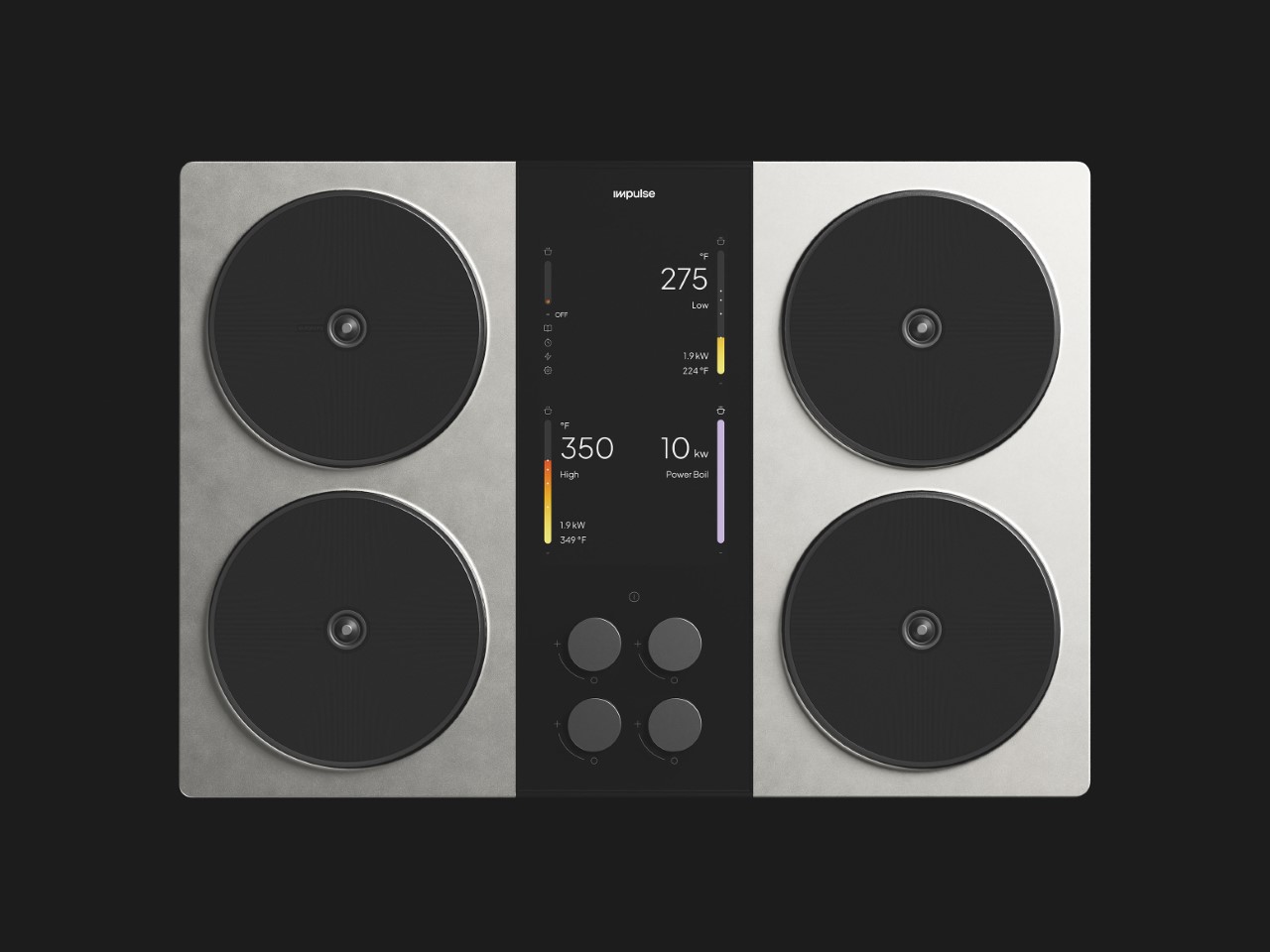
The Impulse Cooktop, as its name suggests, is designed around this very concept too, with a format that emulates the 4-deck console. The four cooktops are laid out like spin discs on a console, with the control panel being right in the center, within reach, and with controls that are both intuitive and easy to operate. Here’s where things get even more interesting – the entire cooktop is designed to be electric, and run on a combination of a power outlet as well as batteries, working even during a power cut. Individual elements are modular and repairable, so cooking meals should be just about as easy and creativity-driven as cooking fire beats.
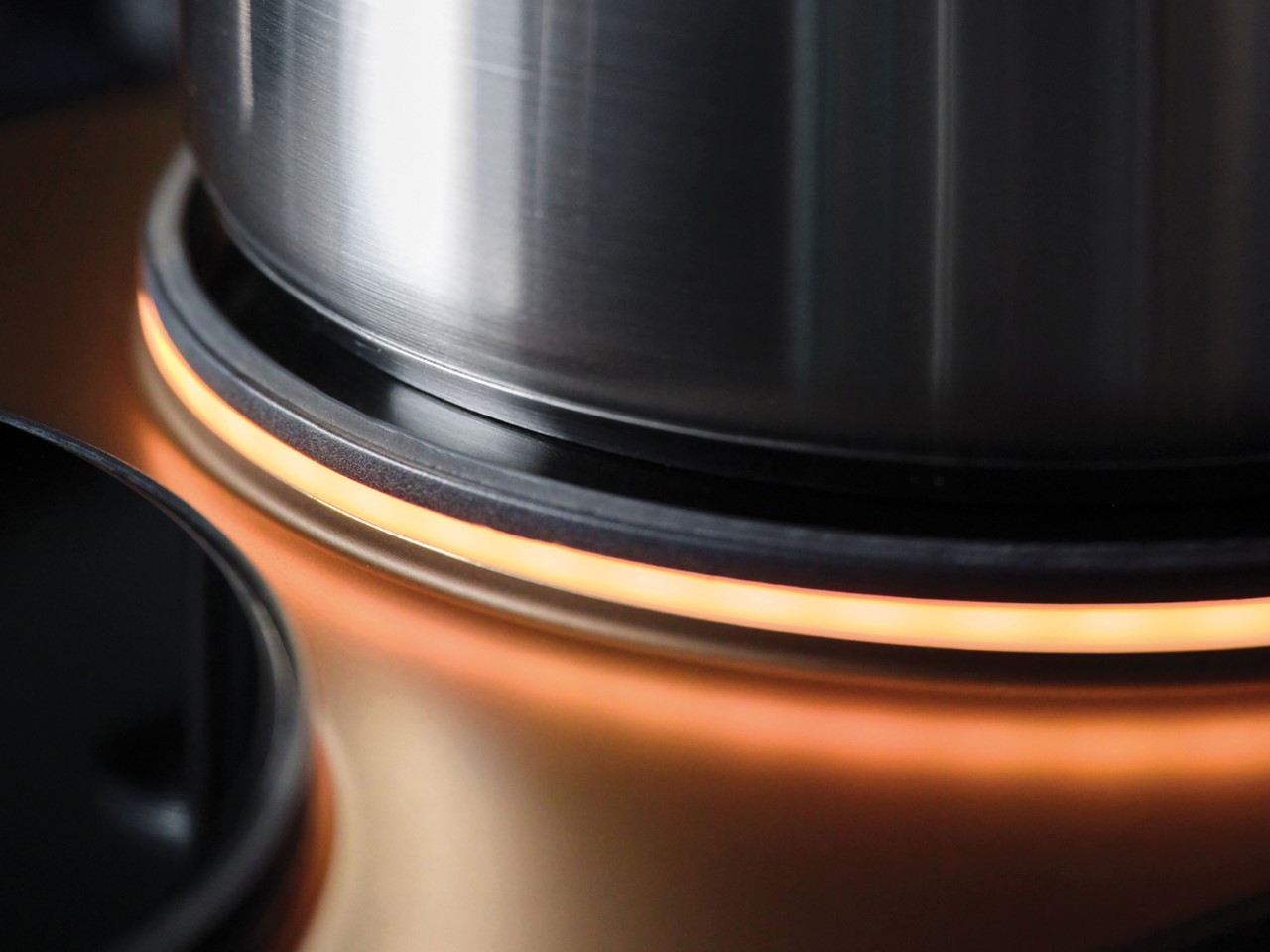
Designed by Studio Blond for Impulse Labs, the cooktop is made to plug and play right out of the box. Drop it into your worktop, plug it into a socket, and you’re ready to cook. Four knobs at the center control the four electric ‘burners’, while a display helps you understand how hot or cold your burner is. The text is big, has a high contrast, and is accompanied by visuals that help anyone grasp the temperature they’re cooking at. Unlike conventional burners or induction stove that just show flames or power levels, this display gives you actual temperature readings so you’re more well-informed while cooking. Meanwhile, an LED strip around each burner glows to let you know which burners are active and how hot they are. A white strip indicates low or sim, while a bright orange or red means your burner is on full power.
Touchscreens are fiddly, and deejay consoles don’t have them for that reason – everything should be so intuitive that you can work it with your eyes closed. Similarly, the Impulse ditches touch-sensitive screens for an all knob-based interface that feels much more grasp-worthy. You don’t need to worry about heat affecting the touch-sensitivity, or water/oil/gravy spilling on the screen and messing up your stove’s settings. The raised cooktop surfaces (which really look like spinning discs) prevent the heat from reaching the screen, and four minimalist knobs let you do all the controlling you need to. The knobs are removable too, leaving you with a flat plate that’s easy to wipe down between uses. The only thing really missing is a child lock and we’re absolutely perfect.
A winner of this year’s Red Dot Award: Design Concept in the Best of the Best category, the Impulse Cooktop combines visual appeal with true user-friendliness. It helps homes transition to 100% electrical energy, without a fuss. A power socket is all you need to run the cooktop, and if you’re in a place with frequent power cuts (like I am), an internal battery allows you to continue cooking even during a blackout – something that induction cooktops struggle to do. The modular design simplifies repair, upgrade, and disassembly, paving the way for future accessories too.
The 2024 Good Design Awards celebrate products that push the boundaries of design, blending innovation, sustainability, and functionality. This year’s winners illustrate a new era of thoughtful creativity, where traditional craftsmanship meets cutting-edge technology. From groundbreaking laptops to kitchen essentials reimagined, each of these products demonstrates a commitment to enhancing everyday experiences through intelligent and beautiful design. The ASUS Zenbook Duo, the KAMADO Rice Pot, the PureAura Air Purifier, the Bricks Coffee Grinder, and the Raptor Mobility Platform all reflect a dedication to practical solutions that address the evolving needs of modern consumers, with an emphasis on sustainability and user-centric innovation.
ASUS Zenbook Duo (2024): A Multi-Tasker’s Dream with Dual-Screen Innovation
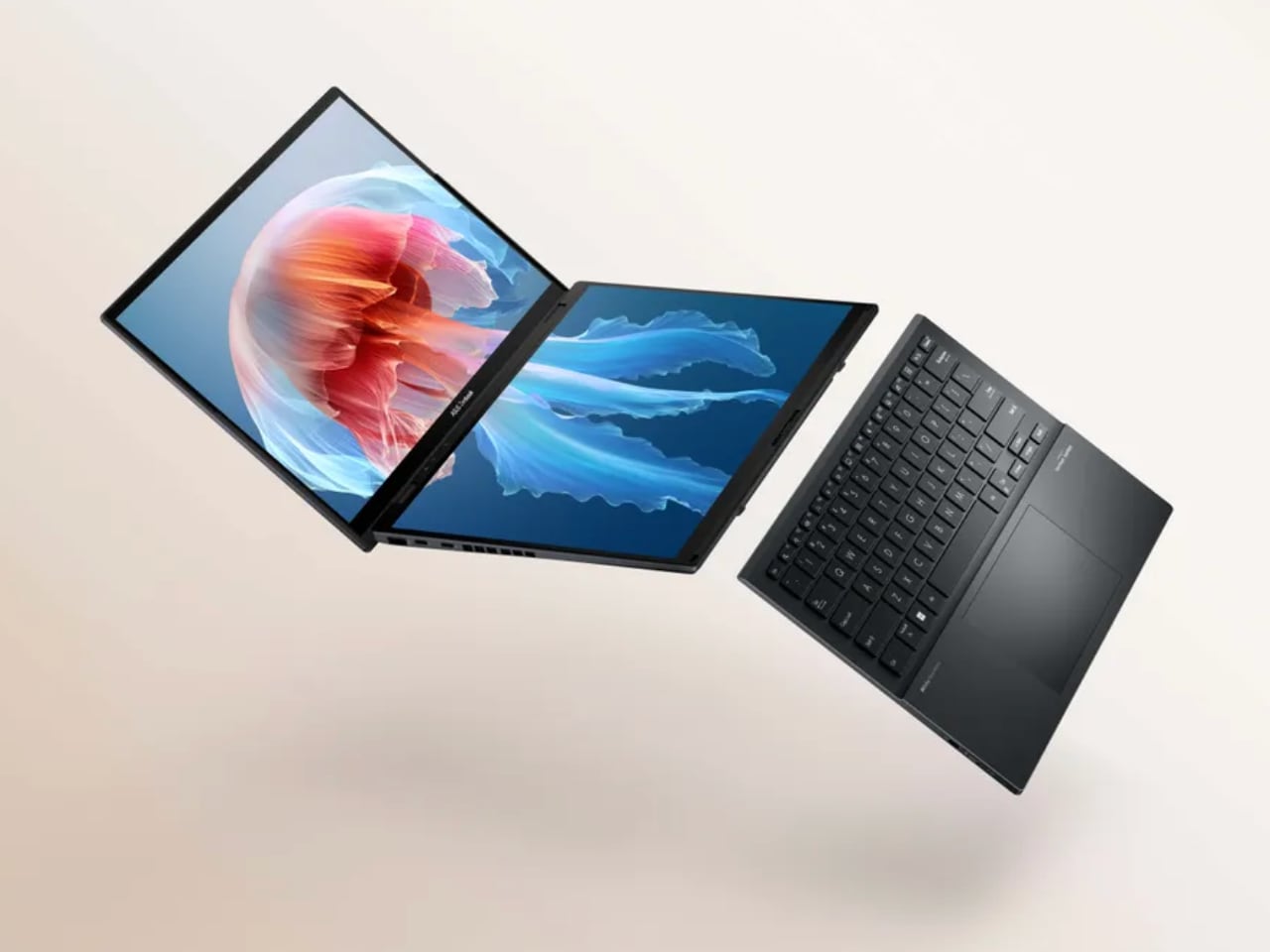
The ASUS Zenbook Duo (2024), a 2024 Good Design Award winner, represents the next generation of laptop innovation, where function meets form. The Zenbook Duo breaks new ground in productivity, creativity, and usability with its distinctive dual-screen setup. Designed for professionals, content creators, and multitaskers, this laptop has features that redefine how users interact with technology. By optimizing screen real estate and incorporating advanced performance components, the Zenbook Duo offers an exceptional computing experience.
Background
ASUS has long been at the forefront of laptop innovation, consistently pushing the boundaries of design and functionality. The Zenbook Duo series has evolved from ASUS’s desire to offer users a beyond-traditional laptop experience. The core idea behind the Zenbook Duo is multitasking, a critical need in today’s fast-paced, work-from-anywhere environment. The dual-screen design, first introduced in earlier models, has been refined for 2024 to deliver better ergonomics, efficiency, and seamless usability.
For creative professionals and digital nomads, the Zenbook Duo is a true productivity tool that enhances productivity. Its second display, known as the ScreenPad Plus, provides extra workspace for applications, toolbars, and shortcuts, making multitasking smoother and more intuitive.
Specifications
Display: Features a 14.5-inch main OLED display with 4K resolution and a secondary 12.7-inch ScreenPad Plus with touchscreen capability.
Processor: Powered by the latest Intel Core i9, offering high-speed performance suitable for demanding applications.
Graphics: Includes NVIDIA GeForce RTX graphics, ideal for content creators working with heavy software like video editors or 3D rendering tools.
Storage: Up to 1TB SSD, ensuring fast data access and ample space for large projects
Battery Life: Long-lasting battery designed to support extended work sessions with dual displays.
Connectivity: Multiple ports, including Thunderbolt 4, HDMI, and USB-C, allow seamless integration with external devices.
Why the Design is Notable
The ASUS Zenbook Duo (2024) is remarkable due to its innovative dual-screen layout. The integration of the ScreenPad Plus creates a distinct advantage for users who need extra screen space without sacrificing portability. This second screen can be used for various tasks, such as displaying tool palettes in creative software, handling messaging apps while working on the main screen, or even acting as a secondary display for multitasking across multiple programs.
The ergonomics of the dual-screen design have also been improved in this 2024 model. The ScreenPad Plus is slightly angled, offering a more comfortable viewing experience than previous models. This makes interacting easier and reduces neck strain for users who spend long hours on their laptops. The laptop’s slim profile and lightweight design are additional features that make it easy to carry, ensuring that users don’t have to compromise on portability.
The OLED main display delivers stunning visuals with rich colors and deep contrast, making it ideal for creative professionals who require accurate color reproduction. Furthermore, the NVIDIA GeForce RTX graphics card ensures that even graphics-heavy tasks like video editing or gaming run smoothly, making the Zenbook Duo as powerful as it is innovative.
Evaluation Comments
The Good Design Award judges were particularly impressed by the seamless integration of dual screens, a feature that elevates the user experience beyond typical laptops. They praised the ScreenPad Plus’s functionality, highlighting how it increases productivity without adding unnecessary bulk to the laptop’s design. The judges also commended the laptop’s sleek and modern aesthetic, combining advanced technology with a stylish form factor.
Another point of appreciation was the Zenbook Duo’s sustainability efforts. ASUS has been incorporating more environmentally friendly practices into its manufacturing process, and the use of recycled materials in this model reflects a commitment to sustainability. The judges also noted how the Zenbook Duo’s long battery life and energy-efficient components contribute to its eco-friendly design.
Yanko Design’s Take
From Yanko Design’s perspective, the ASUS Zenbook Duo (2024) is an innovative solution for professionals needing a traditional laptop. The dual-screen layout is a thoughtfully designed feature that dramatically improves multitasking capabilities. The ScreenPad Plus is particularly useful for content creators who need quick access to toolbars and controls without cluttering the main screen. The laptop’s sleek design and lightweight build make it an excellent choice for users who are always on the go, while the OLED display ensures that visual tasks are performed with the utmost clarity and accuracy.
Including high-performance components such as the Intel Core i9 processor and NVIDIA GeForce RTX graphics card means that the Zenbook Duo can handle even the most demanding applications, from 4K video editing to gaming. ASUS has created a laptop that looks impressive and delivers top-tier performance.
3 Things We Love About the Design
Dual-Screen Productivity with ScreenPad Plus
The ScreenPad Plus is a transformative feature that makes multitasking easier than ever. Whether you’re a content creator managing multiple applications or a professional juggling between emails and documents, the secondary screen adds a new dimension of efficiency. It’s a versatile tool that adapts to various workflows.
OLED Display and Graphics Performance
The OLED main display provides stunning visuals with true-to-life colors and deep contrasts, making it perfect for designers, photographers, and videographers. Coupled with the NVIDIA GeForce RTX graphics, this laptop can handle intensive visual tasks such as 3D rendering, video editing, and gaming, ensuring smooth performance across the board.
Ergonomic and Portable Design
Despite the dual-screen setup, the Zenbook Duo maintains a slim, lightweight profile, making it highly portable. The slight tilt of the ScreenPad Plus enhances ergonomics, making it comfortable to use even during long work sessions. ASUS’s commitment to user comfort is evident in the design, making this a laptop built for productivity without compromising on usability or aesthetics.
The ASUS Zenbook Duo (2024) raises the bar for what laptops can offer, blending innovation with practicality to enhance productivity, creativity, and the overall user experience. It’s easy to see why it was honored with a 2024 Good Design Award, and it will undoubtedly be a go-to device for professionals who need more from their technology.
KAMADO Rice Pot: The 2024 Good Design Award Winner Blends Tradition with Innovation
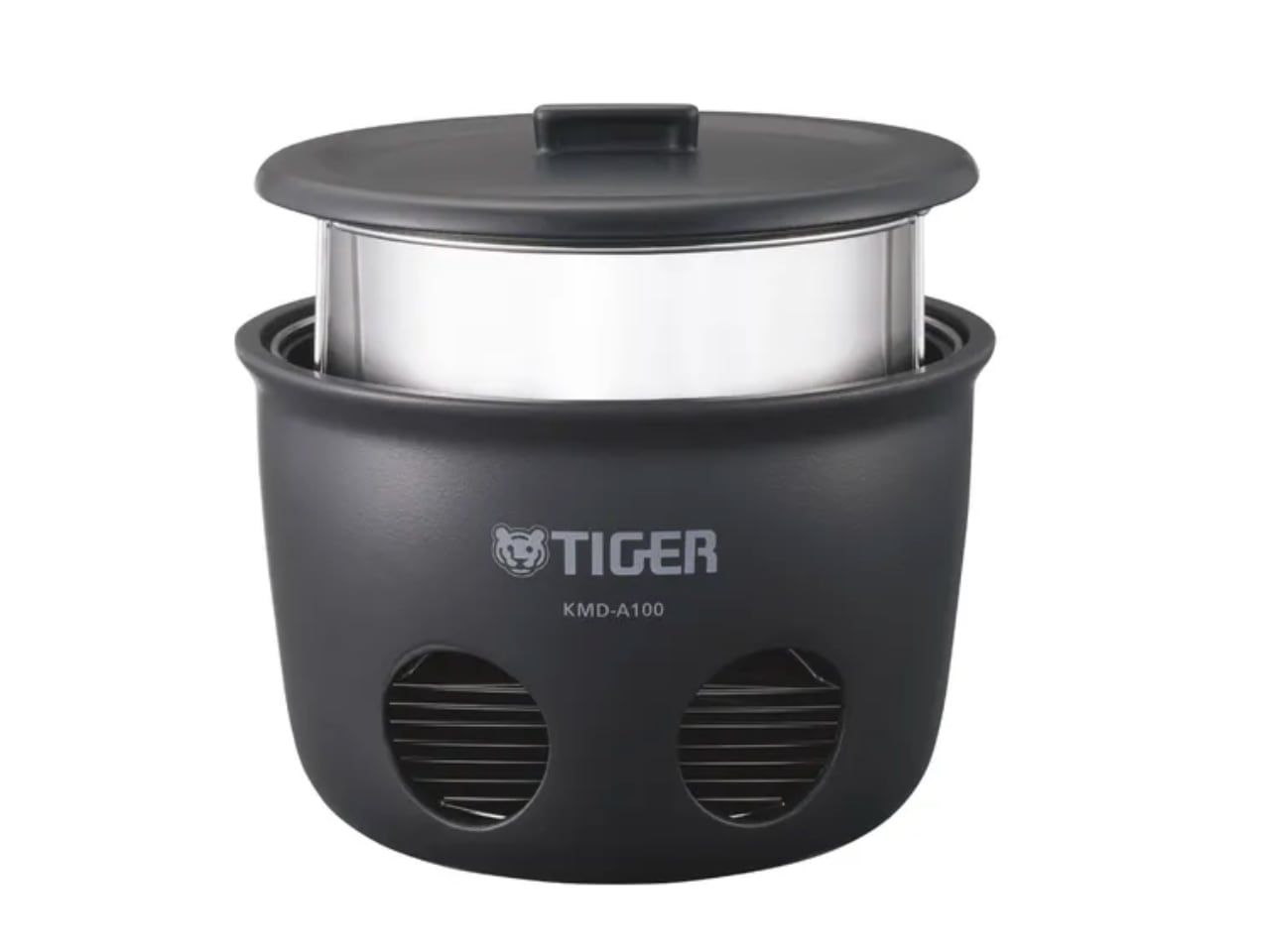
Cooking rice may seem simple, but achieving the perfect texture requires precision. The KAMADO rice pot, a 2024 Good Design Award winner, elevates this process by blending tradition with modern technology. Drawing on ancient Japanese cooking techniques, the KAMADO pot offers both cultural significance and contemporary convenience. This award-winning pot balances functionality and artistic design, making it a must-have for those who value precision in their kitchen.
Background
The KAMADO pot takes inspiration from traditional Japanese earthenware pots, known for their excellent heat retention and distribution. Historically, these pots were placed over open flames, requiring careful temperature control to perfect the rice’s texture. The KAMADO pot honors this heritage while incorporating smart technology to simplify the process.
The 2024 version focused on sustainability and ease of use, making it a modern kitchen essential. The pot ensures perfect rice and connects users to a deep-rooted culinary tradition.
Specifications
Material: High-quality ceramic replicating traditional earthenware for superior heat retention.
Capacity: Suitable for family-sized meals, cooking up to 5 cups of rice.
Technology: Smart temperature regulation ensures consistent cooking results for different types of rice.
Design: Neutral-toned, minimalist design that fits seamlessly into any kitchen aesthetic.
Functionality: A precisely fitting lid ensures optimal moisture retention for perfectly cooked rice.
Why the Design is Notable
The KAMADO rice pot is remarkable for its blend of traditional craftsmanship and modern technology. It reimagines a centuries-old method, fitting perfectly into today’s eco-conscious households. Using a material that mirrors the properties of traditional earthenware, the KAMADO pot enhances the cooking process while maintaining a connection to its cultural origins.
One distinctive feature is its ability to cook rice using only a single sheet of newspaper as fuel. This makes it a practical disaster preparedness solution and a sustainable outdoor cooking option. The pot shows how an ancient practice can adapt to modern conveniences and environmental considerations.
Evaluation Comments
The Good Design Award judges praised the KAMADO pot for its thoughtful combination of tradition and innovation. They highlighted the product’s environmental benefits, noting how it minimizes waste by reusing inner pans. Its ability to function without electricity or gas makes it versatile, especially in disaster situations or for outdoor enthusiasts. The ease of cleaning, requiring only water without detergent, further impressed judges with its eco-friendly design.
Yanko Design’s Take
We see the KAMADO rice pot as a perfect example of thoughtful, sustainable product design. More than a kitchen tool, it offers an experience—deeply rooted in tradition yet forward-thinking in application. Its ability to cook with just a sheet of newspaper makes it revolutionary in both functionality and sustainability.
The KAMADO pot shows how ancient techniques can be adapted for modern needs, reducing environmental impact without sacrificing performance. It proves that practical design can be simple, sustainable, and culturally meaningful.
3 Things We Love About the Design
Outdoor and Disaster Readiness
Cooking five cups of rice using just one newspaper is remarkable. This pot becomes essential in emergencies where electricity or gas might be unavailable. It also appeals to outdoor enthusiasts seeking sustainable cooking methods during their adventures.
Sustainability and Waste Reduction
Reusing inner pans that would otherwise be discarded reduces waste and extends the life of key components. This thoughtful reuse aligns with modern environmental standards, making the KAMADO pot an eco-friendly choice for conscious consumers.
Effortless and Eco-Friendly Cleaning
After cooking, the pot requires no heavy scrubbing or detergents—just a simple wipe with a water-soaked sponge. This approach to cleaning saves time and eliminates the need for harsh chemicals, contributing to a more environmentally friendly kitchen.
The KAMADO rice pot demonstrates the importance of maintaining cultural traditions while advancing technological and environmental standards. Its thoughtful design and practical innovation have earned it well-deserved recognition as a 2024 Good Design Award winner.
PureAura: The Portable Mini Energy-saving Air Purifier Redefining Air Quality Control
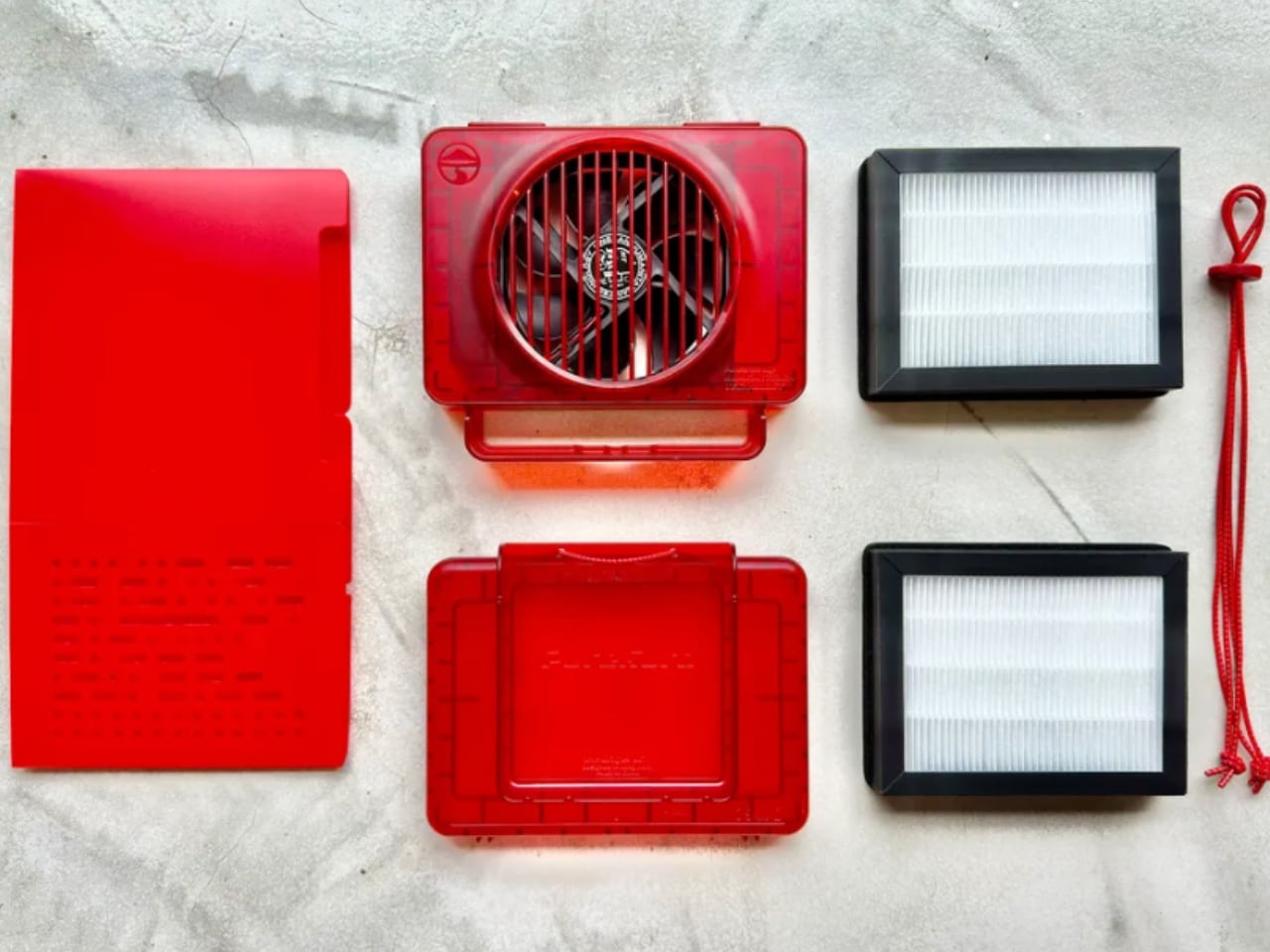
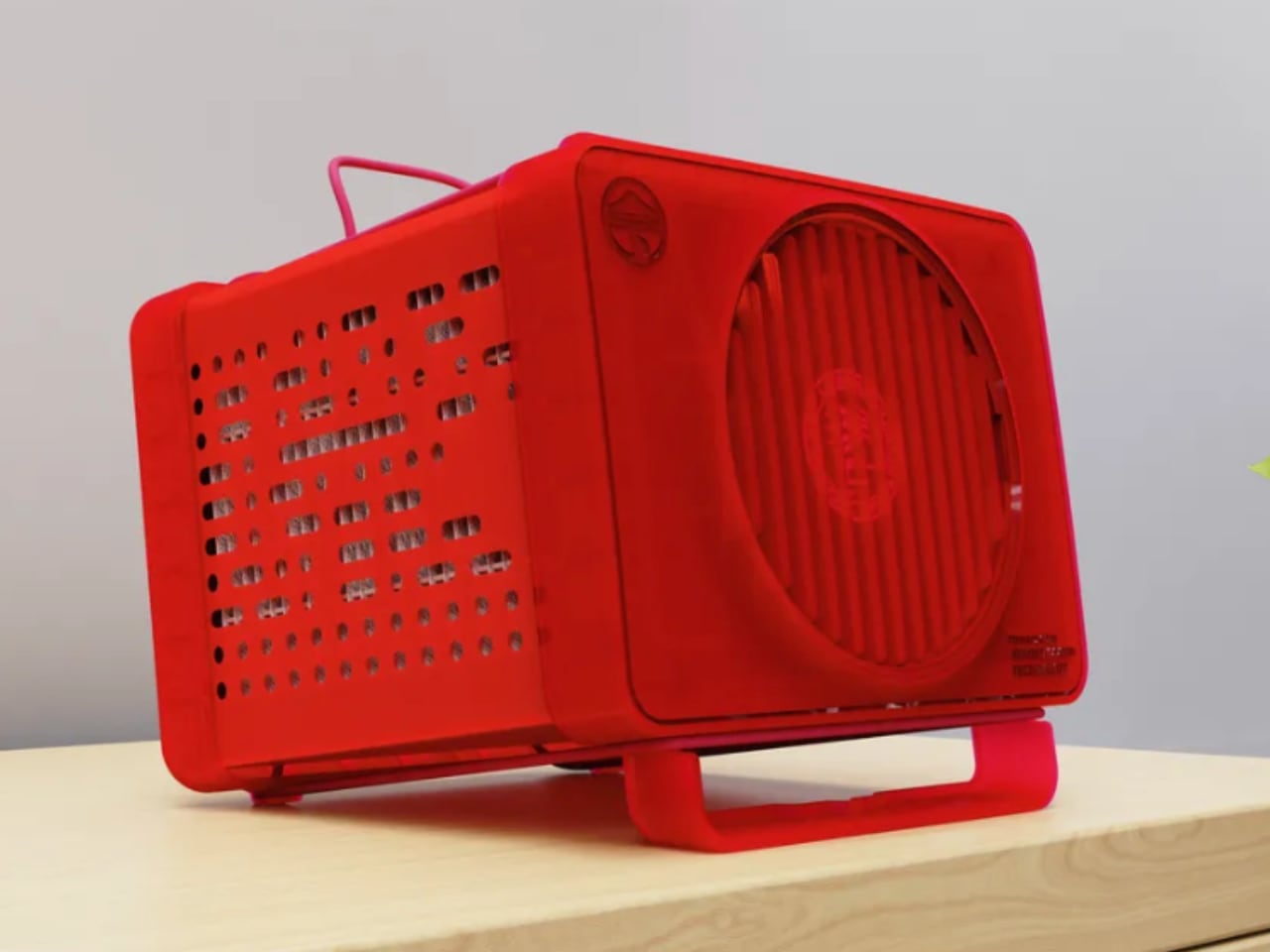
Clean air is a necessity in today’s world. The PureAura Portable Mini Energy-saving Air Purifier, recognized as a 2024 Good Design Award winner, meets the increasing demand for portable air quality solutions. Compact and energy-efficient, this air purifier combines advanced technology with user convenience, offering a reliable solution for those looking to breathe cleaner air wherever they go. With its sleek design and powerful performance, the PureAura air purifier is a significant step forward in personal air purification devices.
Background
Air purifiers have gained popularity, especially in urban areas with rising pollution levels. PureAura was developed to address the need for portable, energy-saving air purifiers for small spaces like offices, cars, and personal living areas. The focus was on creating a device that balances efficiency with portability, allowing users to maintain air quality without large, bulky equipment or high energy consumption.
The design reflects the growing awareness of environmental impact and energy efficiency. By reducing the device’s size and optimizing power usage, the creators ensured it could operate effectively in various spaces while consuming minimal electricity. It offers a solution to indoor and outdoor air quality concerns, ideal for individuals constantly moving or with limited space.
Specifications
Size: Compact and lightweight, designed for easy portability.
Energy Efficiency: Engineered to consume minimal energy while maintaining high purification performance.
Technology: Advanced filtration system that captures dust, pollen, bacteria, and other pollutants.
Noise Level: Operates quietly, ensuring it doesn’t disrupt daily activities.
Design: Minimalist, with a sleek aesthetic that complements modern environments.
Usage: Ideal for small enclosed spaces such as cars, personal workspaces, and bedrooms.
Why the Design is Notable
The PureAura Portable Air Purifier is remarkable for packing high functionality into a small device. Portability is often associated with reduced power, but PureAura delivers high-performance air purification while remaining energy-efficient. Its minimalist design allows it to blend seamlessly into any environment, whether on an office desk, bedside table, or in a car.
Another distinctive feature is its eco-conscious approach. The purifier’s energy-saving technology makes it a sustainable choice for those looking to reduce their carbon footprint. This focus on environmental impact without sacrificing performance sets PureAura apart in the market.
Evaluation Comments
The Good Design Award judges praised PureAura for its balance between form and function. Its ability to deliver powerful air purification in such a compact form was a distinctive feature, particularly given the rising demand for portable air solutions. The judges were also impressed with the energy efficiency, allowing users to maintain air quality without high energy costs or environmental waste.
Another key point was the simplicity of operation. PureAura is designed to be user-friendly, requiring little maintenance while still offering high performance. This focus on ease of use makes it accessible to a wide range of consumers, from office workers to frequent travelers who need a portable air solution.
Yanko Design’s Take
PureAura represents a shift toward user-centric and environmentally conscious design in personal air care products. The device’s ability to function effectively in small spaces and its minimal energy consumption makes it distinctive in its category. It reflects how design and technology can solve everyday problems, particularly in environments where air quality is compromised.
The design team behind PureAura addressed aesthetic and functional concerns, creating an effective yet visually unobtrusive product. Its sleek, minimalist design fits into any space without drawing attention, ideal for consumers who want products that enhance their environment without dominating it.
3 Things We Love About the Design
Portability without Compromising Performance
One of PureAura’s strongest features is its compact size. Despite its small footprint, the device performs efficiently, making it perfect for users who need clean air on the go. Whether in a car or a small room, PureAura delivers effective air purification without the bulk of traditional air purifiers.
Energy Efficiency
The air purifier is remarkable for its minimal energy consumption. It works continuously without significantly impacting electricity usage, making it an excellent choice for environmentally conscious consumers. Its energy-saving performance makes it cost-effective for daily use at home, in the office, or on the move.
Quiet Operation
The low-noise feature is valuable for users who need the air purifier running throughout the night or during work hours. Its quiet operation ensures it doesn’t disrupt sleep or concentration, making it perfect for bedrooms, offices, and nurseries.
The PureAura Portable Mini Energy-saving Air Purifier sets a new benchmark for personal air care devices. With its focus on portability, energy efficiency, and sleek design, it’s clear why it was chosen as a 2024 Good Design Award winner. For those looking to improve their personal air quality without sacrificing style or sustainability, PureAura offers the perfect solution.
Bricks Coffee Grinder: A Design Masterpiece for Coffee Lovers
For coffee enthusiasts, the grind is as crucial as the beans. The Bricks Coffee Grinder, a 2024 Good Design Award winner, perfectly balances functionality and style. This grinder goes beyond being just a kitchen tool—it’s an example of how thoughtful design can enhance the coffee-making experience. Whether you’re a professional barista or a home brewer, the Bricks Coffee Grinder delivers precision, efficiency, and aesthetic appeal in a compact package.
Background
Coffee culture has evolved, with consumers becoming more knowledgeable about making the perfect cup. Central to this process is the grind. Coffee grinders have moved beyond mere functionality, embracing design and craftsmanship. The Bricks Coffee Grinder was created with these evolving needs in mind.
The development of the Bricks grinder focused on making high-quality grinding accessible to everyone without sacrificing aesthetics. The design draws on traditional hand grinders while incorporating modern elements to improve ease of use and grind consistency. This tool was made for those who understand that a great grind is essential for a great cup of coffee.
Specifications
Material: Crafted from durable, high-quality materials with sleek metal and ceramic construction.
Grind Settings: Multiple settings, from coarse to fine, to suit various brewing methods such as espresso, pour-over, or French press.
Manual Operation: Hand-crank design offers a tactile, engaging experience for coffee lovers who appreciate grinding their beans by hand.
Compact and Portable: Designed for easy storage and portability, ideal for home use and travel.
Why the Design is Notable
The Bricks Coffee Grinder is remarkable because it combines functionality with a sleek design. Many grinders focus on function or form, but the Bricks grinder balances both. Its minimalist aesthetic, paired with the tactile pleasure of manual grinding, transforms the task into an enjoyable experience.
Another key feature is the grind precision. With adjustable settings, users can achieve the exact grind consistency needed for their preferred brewing method. This level of precision is often found in high-end, professional grinders, but the Bricks grinder delivers this in a compact, user-friendly package.
Additionally, the Bricks Coffee Grinder emphasizes portability without compromising performance. Its compact design makes it easy to carry for those who want to bring their coffee ritual on the go. The sturdy construction ensures durability for daily use, all while maintaining aesthetic appeal.
Evaluation Comments
The Good Design Award jury praised the Bricks Coffee Grinder for its simplicity and attention to detail. They commended the product for blending traditional manual grinding with modern design principles. The user-friendly operation caters to both novices and experienced coffee enthusiasts.
The judges were also impressed by the Bricks grinder’s focus on sustainability. Its manual operation reduces reliance on electricity, making it an eco-conscious choice compared to electric grinders. The durable materials highlight the product’s commitment to longevity, cutting down on waste by reducing the need for frequent replacements.
Yanko Design’s Take
The Bricks Coffee Grinder represents how form and function can work together. The design reimagines a simple tool, providing both visual and practical value. Its compact size and portability make it perfect for coffee lovers who value quality and convenience in their coffee-making routine.
We appreciate the craftsmanship of the Bricks grinder. Manual operation saves energy and offers a more personal coffee-making experience. The ability to precisely control the grind size adds to its appeal, catering to various brewing preferences, from espresso to pour-over.
The attention to detail—whether in the smooth crank motion, finely tuned grind settings, or premium materials—ensures that this grinder will stand the test of time in terms of durability and design appeal.
3 Things We Love About the Design
Sleek Aesthetic and Durability
The Bricks Coffee Grinder’s minimalist design adds visual appeal to any kitchen. Crafted from high-quality materials, it combines beauty with durability, ensuring it will last through years of daily use. Its sleek finish complements modern kitchen decor, and its compact form ensures it won’t take up much counter space.
Precision Grinding
With multiple grind settings, the Bricks grinder allows users to achieve the perfect grind size for their preferred brewing method. This level of precision is usually reserved for higher-end electric grinders, but the Bricks model offers this in a manual, tactile experience. Whether you prefer a coarse grind for French press or a fine grind for espresso, this grinder delivers.
Portability and Environmental Friendliness
The Bricks Coffee Grinder’s portability is a significant advantage. Its compact size makes it easy to carry, making it perfect for coffee enthusiasts who enjoy freshly ground coffee on the go. Additionally, its manual operation eliminates the need for electricity, reducing energy consumption and making it an eco-friendly choice.
The Bricks Coffee Grinder is beyond a coffee tool—it’s an experience. Its thoughtful design and superior performance make it a must-have for any serious coffee lover. With a focus on sustainability, precision, and user experience, it’s clear why this product earned a 2024 Good Design Award.
Raptor: Next-Gen Mobility Platform – The Future of Sustainable Transportation
Mobility is evolving quickly, with advancements in electric platforms and autonomous driving reshaping the future of transportation. The Raptor: Next-Gen Mobility Platform, a 2024 Good Design Award winner, embodies this transition. Developed as a versatile and energy-efficient platform, Raptor pushes the boundaries of urban and shared mobility solutions. Its design and technological integration position it as a leading innovation in next-generation mobility, balancing performance, sustainability, and accessibility.
Background
The Raptor platform was created to address modern mobility challenges like urban congestion, environmental sustainability, and the demand for flexible, modular transportation solutions. Traditional vehicle designs limit adaptability and scalability, making it hard to keep up with the rapidly changing needs of urban environments. The Raptor platform was designed to serve multiple use cases, from personal transportation to shared mobility services, while maintaining a low carbon footprint.
Urban centers worldwide seek efficient transportation systems that reduce emissions and ease traffic congestion. Raptor’s modular architecture meets these needs, adapting to various types of vehicles, from lightweight personal transporters to shared shuttles. Its development reflects the growing trend toward electric platforms that fit seamlessly into the smart cities of tomorrow.
Specifications
Platform Type: A modular, electric-powered platform designed for multiple vehicle configurations.
Powertrain: Fully electric with energy-efficient propulsion systems aimed at reducing emissions.
Modular Design: Can be adapted for different vehicle formats, from personal mobility devices to larger public transportation vehicles.
Autonomous Capabilities: Equipped with advanced sensors and software, allowing for future autonomous driving applications.
Sustainability: Energy-efficient systems paired with recyclable materials for a reduced environmental impact.
Connectivity: Integrates with smart city infrastructure and other digital ecosystems for seamless operation in urban settings.
Why the Design is Notable
The Raptor platform sets itself apart with its forward-thinking approach to mobility. Unlike traditional platforms designed for a single purpose, the Raptor features a modular design that can be configured for different vehicle types. This provides an ideal solution for various mobility needs, from personal e-scooters to shared shuttles and delivery vehicles.
Another highlight is its environmental focus. The electric powertrain reduces emissions and ensures energy efficiency, aligning with global trends toward sustainable urban living. Using recyclable materials lowers its ecological footprint, making it a responsible choice for future transportation needs.
The Raptor’s integration with smart city systems and potential for autonomous driving ensure that it can evolve with advancing technology. Built to work seamlessly with digital infrastructures, it offers the potential for autonomous fleet management and efficient urban traffic flow.
Evaluation Comments
The Good Design Award judges were impressed by the Raptor platform’s versatility, modularity, and sustainability. They highlighted how the platform adapts to various vehicle types without sacrificing efficiency or performance. The ability to create different vehicle formats from the same structure is a significant innovation that sets the Raptor apart.
The platform’s environmental impact also stood out. Its energy-efficient electric powertrain and use of recyclable materials are crucial steps toward making urban mobility more sustainable. The platform’s readiness for smart city integration and future autonomous driving systems was also a key factor in its recognition, showcasing its long-term potential in urban transportation.
Yanko Design’s Take
We see the Raptor platform as a major advancement in next-generation mobility. Its modular nature provides flexibility in vehicle design and represents a sustainable shift in how we approach transportation in cities. The platform’s adaptability makes it relevant for various uses, from personal mobility devices to shared transport solutions.
What is remarkable to us is how the Raptor is built for the future. With its electric powertrain, it tackles the critical issue of reducing emissions in congested cities, while its potential for autonomous driving aligns it with future technology. Its integration into smart city ecosystems shows a commitment to solving today’s mobility problems and preparing for tomorrow’s challenges.
3 Things We Love About the Design
Modular and Adaptable Design
The Raptor platform’s modular design is a distinctive feature. It allows manufacturers to create multiple vehicle formats from the same platform, making it highly versatile. Whether it’s a compact e-scooter or a larger shared shuttle, the Raptor accommodates various needs, offering flexibility that is rare in the mobility space.
Sustainability at Its Core
We also admire the focus on sustainability. The electric powertrain ensures zero emissions during operation, contributing to cleaner air in urban areas. Additionally, the platform’s use of recyclable materials in its construction means it has a reduced environmental impact, aligning with global goals of reducing waste and promoting green living.
Smart City Integration and Future-readiness
The Raptor platform’s ability to integrate with smart city infrastructure is forward-thinking. Its built-in connectivity and potential for autonomous driving make it a future-proof solution that can evolve with urban transportation systems. As cities become smarter and more reliant on digital infrastructure, the Raptor’s seamless integration offers a clear advantage.
The Raptor: Next-Gen Mobility Platform raises the bar for urban transportation solutions. Its versatility, sustainability, and ability to integrate with advanced digital systems position it as a powerful example of how design and technology can work together to shape the future of mobility.
Governors Point, an exclusive residential enclave, sits on a pristine 125-acre peninsula in Washington’s Salish Sea. Envisioned by acclaimed architect Omer Arbel, this unique community offers an exquisite mix of luxury living and deep respect for the environment. The development features 16 custom waterfront homes that blend seamlessly into the surrounding landscape. Each home is crafted to celebrate the raw beauty of the area, ensuring it complements rather than overpowers the natural setting.
Designer: Omer Arbel
Image credit: Governors Point
Governors Point’s history adds depth to its current form. Originally, the site was slated for over 300 homes and multiple marinas, but a transformative partnership between design entrepreneur Randy Bishop and the Whatcom Land Trust shifted its destiny. Their focus was on conservation, turning Governors Point into a haven for both residents and nature.
Exterior Design: Blending With Nature
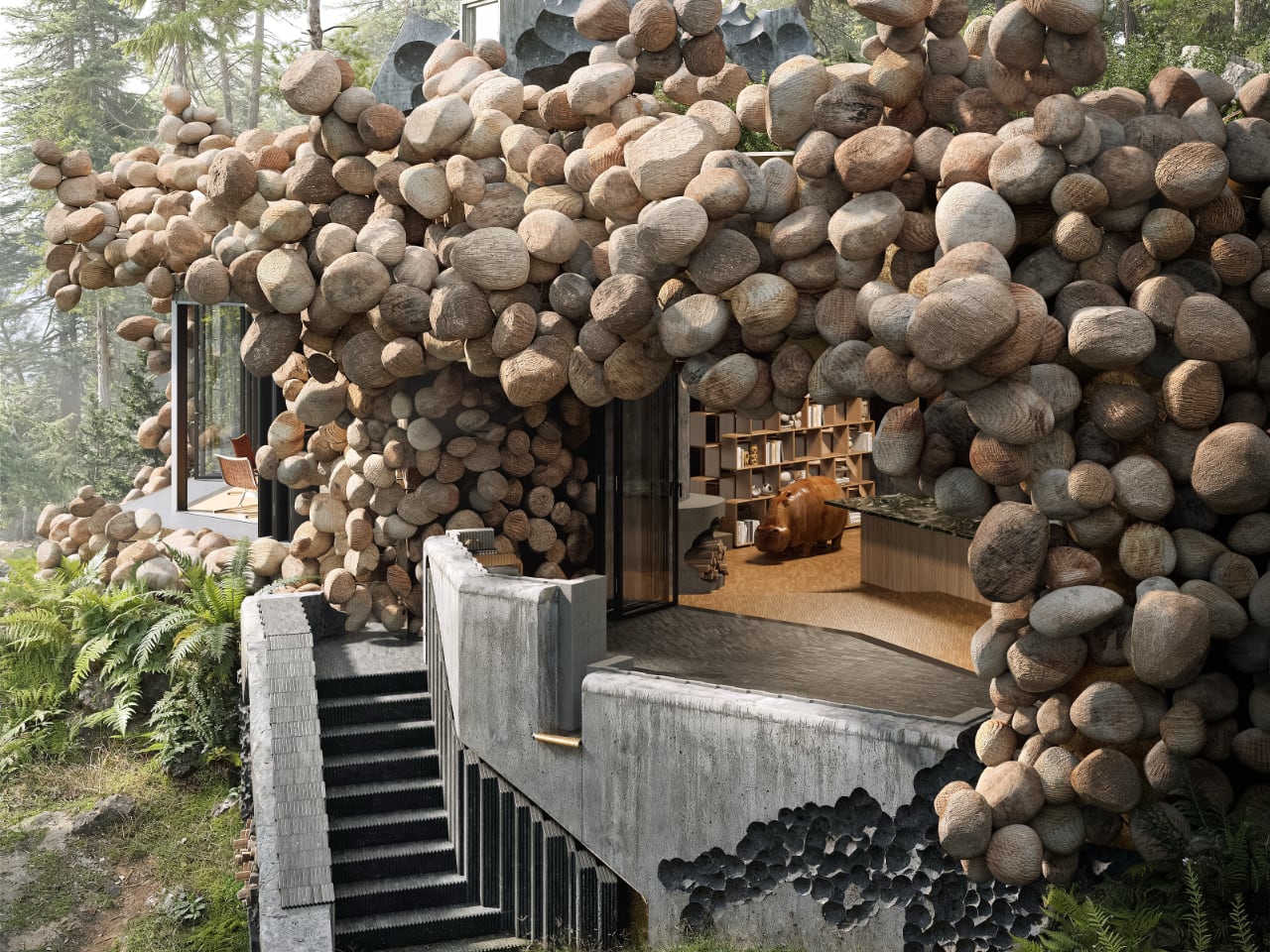
The exterior of each home at Governors Point reflects Omer Arbel’s innovative approach to merging architecture with nature. The homes are placed strategically along the peninsula, with some landward facades partially buried to reduce their visual presence and make them part of the landscape.
Image credit: Governors Point
On the west-facing side, a “cloudlike” exterior skin made from cedar burl offcuts adds a striking visual feature. These cedar pieces, described as “boulder-shaped modules,” are mounted on metal standoffs and gently sway, creating a kinetic effect. Over time, moss and lichens will grow on these surfaces, adding a living, evolving element to the design.
Roofs are designed to allow the forest to grow over them, making the homes seem like natural extensions of the landscape. This design choice also offers energy efficiency, as the forest provides natural insulation.
Paths leading to the homes are discreet, guiding residents through nature in a way that contrasts the enclosed feeling of the homes—often opening up dramatically to views over the cliffs. These paths are set between retaining walls, enhancing the contrast between entering underground spaces and emerging to cliff-edge views. Landscaping is restricted to just 3,000 square feet per 1.5-acre lot, ensuring that most of the natural flora is preserved. This careful planning maintains the native beauty of Governors Point, keeping ecological integrity at the forefront.
Image credit: Governors Point
The design also respects the existing kayak route along the shoreline, ensuring that the natural recreational pathways remain unobstructed and inviting for kayakers.
Interior Design: Seamless Flow Indoors and Out
The interior of each Governors Point home reflects Arbel’s commitment to creating harmony between luxury and nature. The homes are capped at 2,900 square feet, maintaining a modest size that fits within the environment.
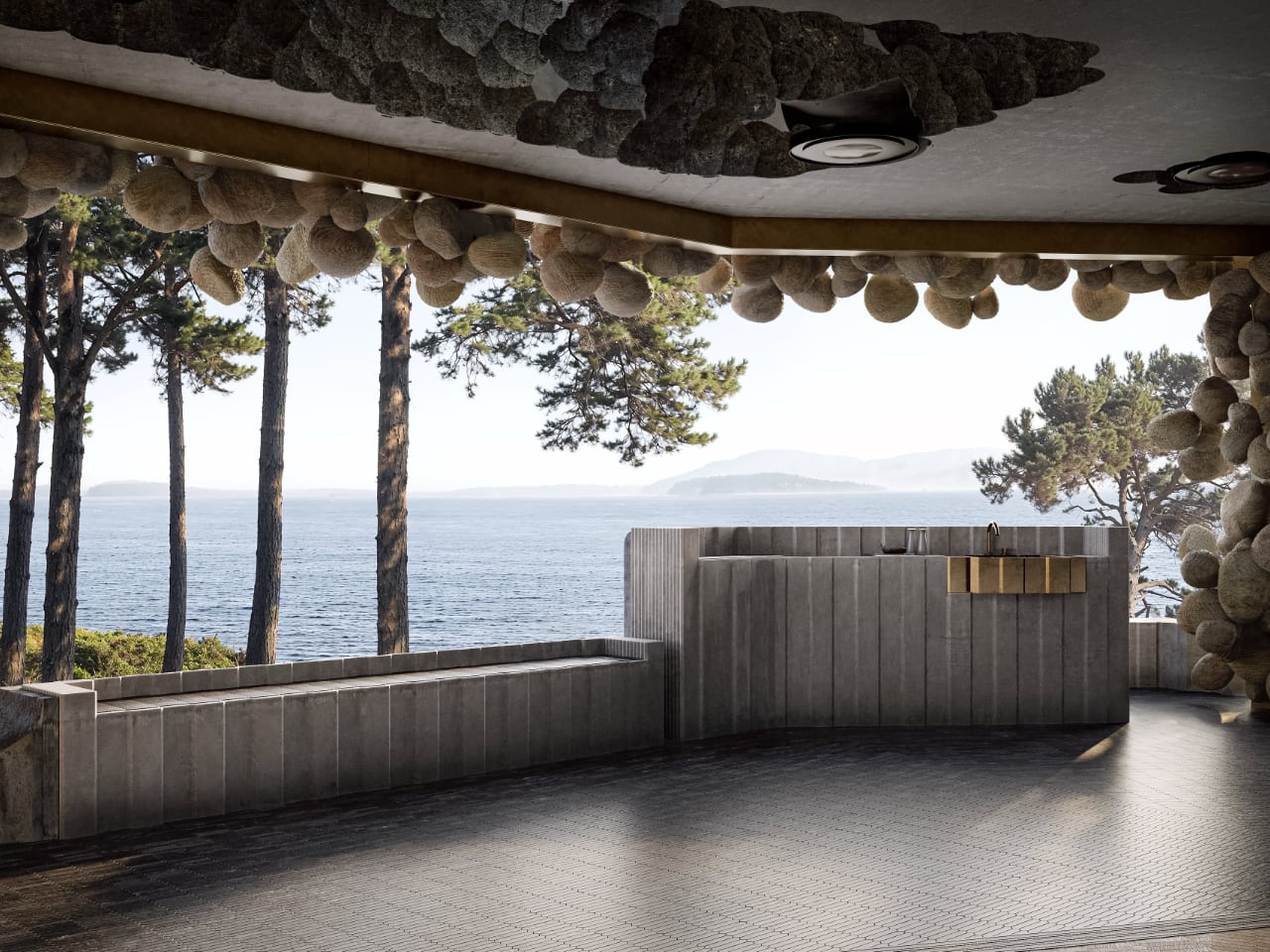
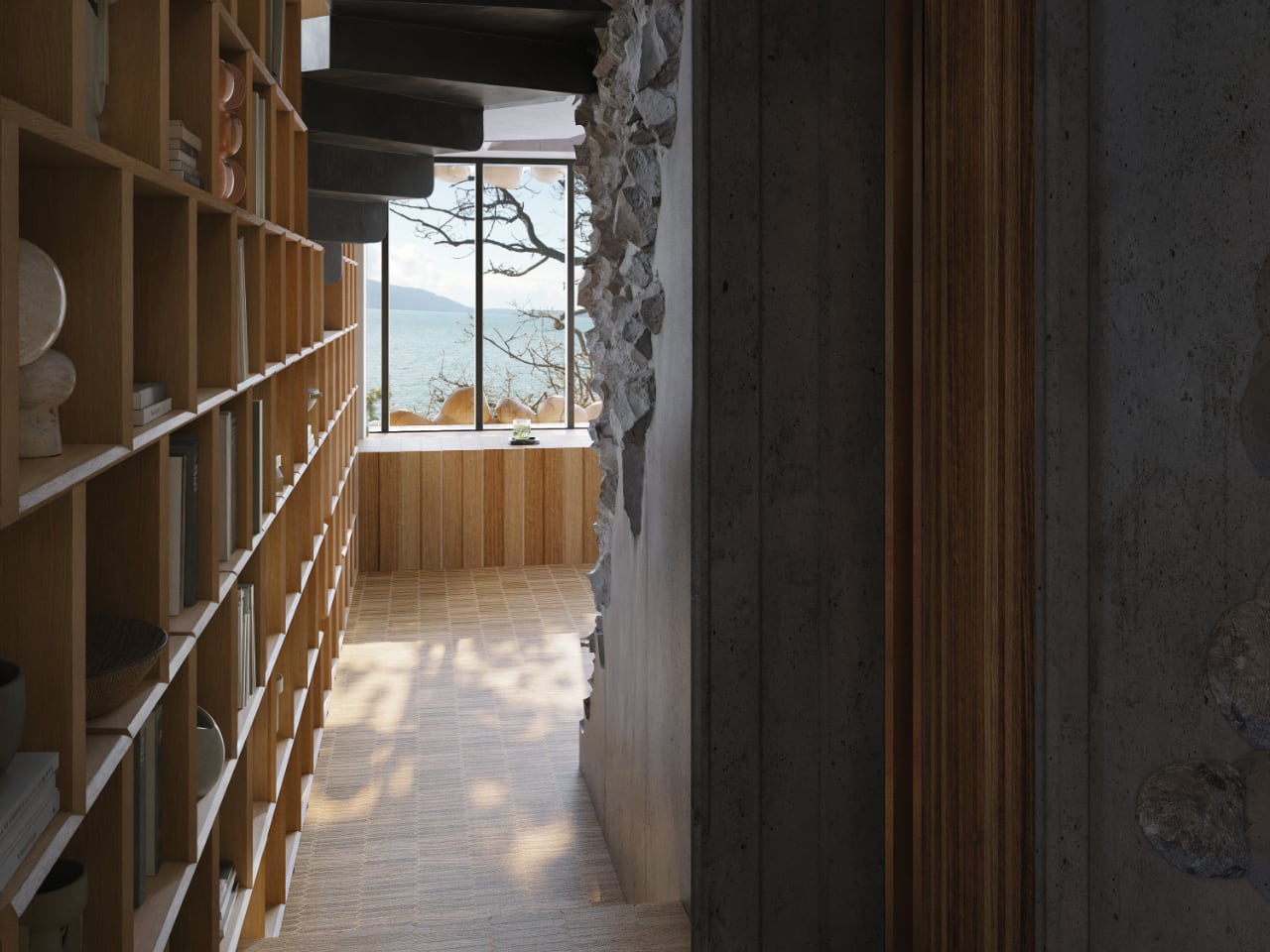
Expansive floor-to-ceiling windows bring in sweeping views of the Salish Sea and San Juan Islands, flooding rooms with natural light. These windows create a seamless connection between the indoor and outdoor spaces, making the landscape a natural part of the home’s interior.
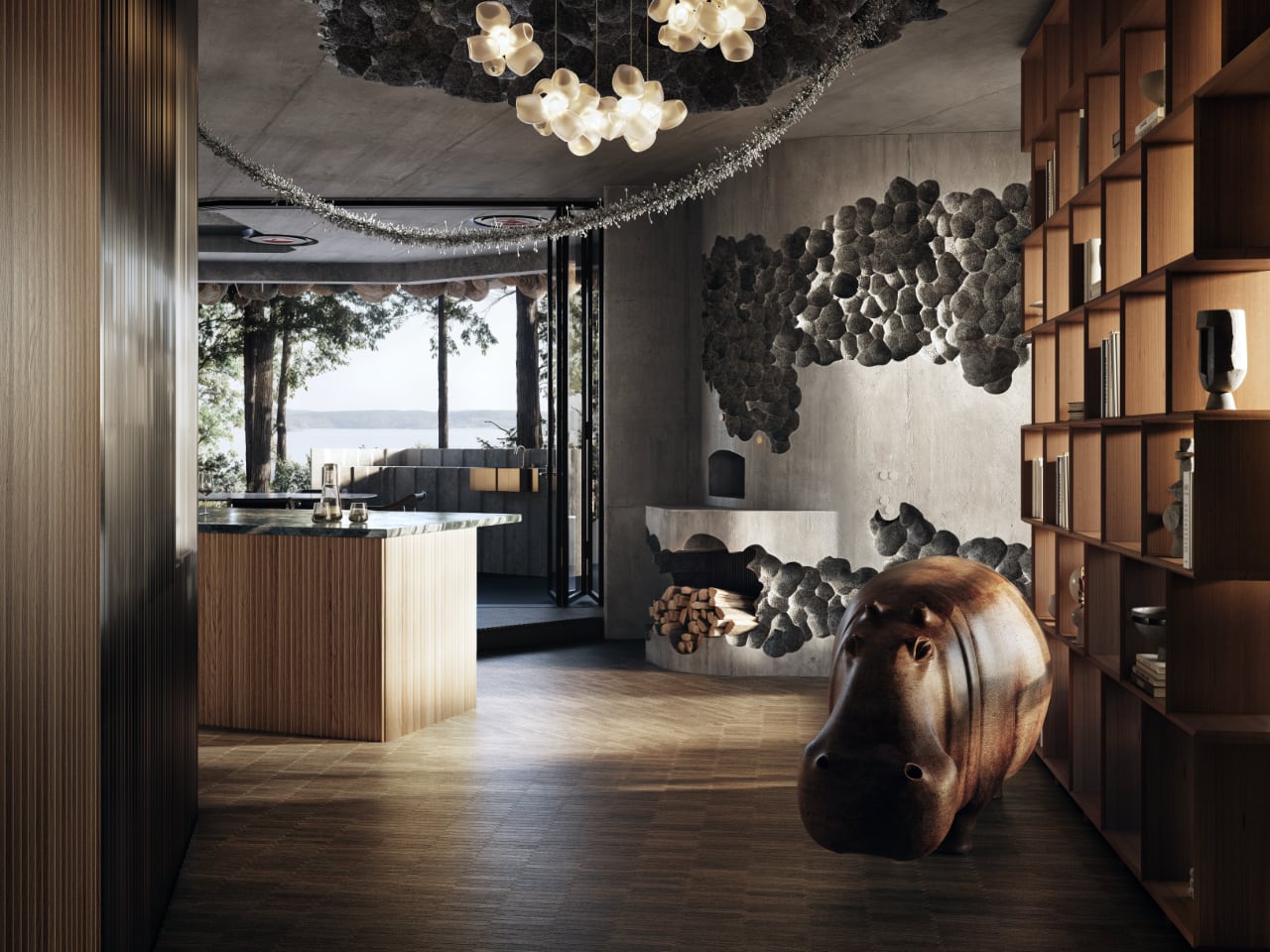
The living room design beautifully showcases this philosophy, featuring woven leather chairs and a low-profile marble coffee table. The living area opens directly to the outdoors, framed by boulder-like modules connecting the home to the natural world. The use of earthy tones and tactile fabrics throughout the living room maintains a sense of warmth and cohesion, while built-in shelves add functionality without overwhelming the space.
The materials used throughout the homes, like locally sourced wood and stone, add warmth and texture, while low-VOC paints and reclaimed wood floors keep the building process eco-friendly.
Fixtures from Arbel’s design firm, Bocci, are featured throughout, including custom glass pendants that bring a unique glow to the rooms. The collaboration between Omer Arbel and Bocci goes back nearly two decades, allowing Bocci’s luxurious finishes to integrate seamlessly into Arbel’s architectural projects. Skylights and open floor plans ensure that natural light fills every corner, enhancing the spaciousness while connecting each room to the outdoors.
Image credit: Governors Point
In the kitchen, an elegant concrete finish defines the space, with natural textures continuing to enhance the connection between indoor and outdoor environments. This description is based on conceptual design elements rather than a confirmed source from the images or documents provided. Large windows frame views of the sea, while the design focuses on subtle built-in features, such as hidden storage and a minimalist aesthetic, ensuring the kitchen is functional and stylish.
The Parametric Approach: Architecture With Variation
Omer Arbel takes a parametric design approach at Governors Point—meaning the homes are crafted within a set of guidelines that allow for natural variations. Each home follows core principles but adapts to the specific conditions of its location.
Image credit: Governors Point
For example, cedar burl offcuts on the west-facing facades are arranged within set parameters but come together in unique compositions. This gives every home its personality while maintaining a consistent architectural language across the community.
Arbel’s process involves setting constraints and letting materials and site-specific factors guide the final design. This approach allows the architecture to adapt to the environment, making each home a reflection of its surroundings.
It turns construction into a creative, evolving process that celebrates unpredictability and uniqueness. Arbel also extends this parametric philosophy to interior fixtures, using materials like copper and glass to adapt to the living spaces’ flow.
Image credit: Governors Point
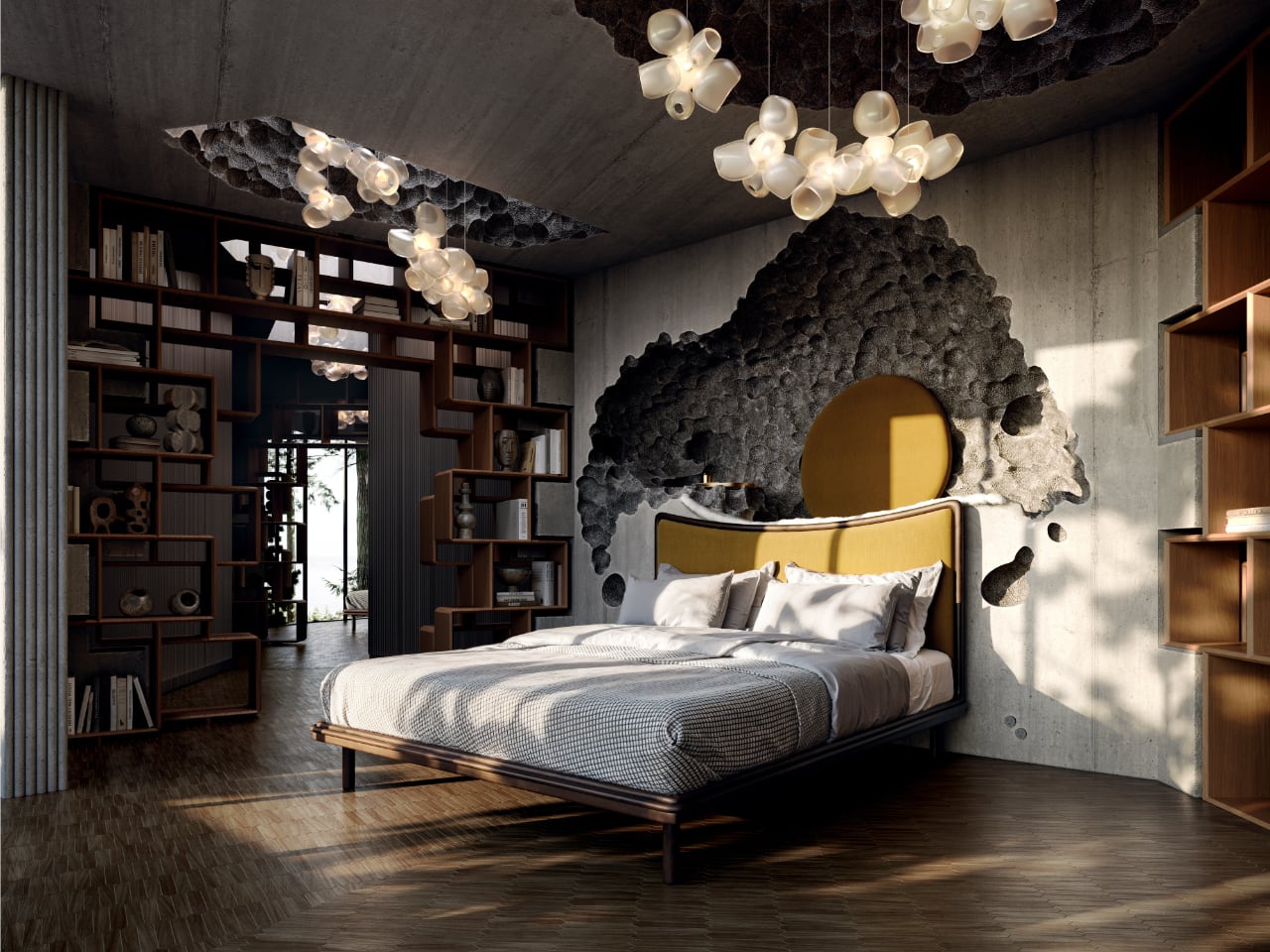
The master bedroom continues the organic design language with a feature wall that mimics the boulder-shaped modules seen outside. The furniture, including the bed and integrated shelving, balances the ruggedness of natural materials and refined craftsmanship. Custom Bocci lighting adds a sculptural quality, casting soft light that enhances the serene atmosphere.
Image credit: Governors Point
A Commitment to Sustainability
Governors Point is a model of sustainable architecture, with 98 of the 125 acres set aside as a nature reserve managed by the Whatcom Land Trust. This area features a 2.5-mile public access loop trail, allowing residents and visitors to explore the peninsula’s stunning natural beauty, including access to beaches and viewpoints on both sides.
Image credit: Governors Point
Keeping most of the land as a nature reserve helps protect local ecosystems, balancing development and conservation.
Each residence is capped at 2,900 square feet, with an additional 1,100 square feet allowed for garages or outbuildings. By limiting the size of the homes and restricting manicured landscaping, the development ensures that the natural surroundings remain untouched as much as possible.
Using sustainable materials, such as repurposed cedar burl offcuts for exterior cladding, reduces waste and promotes regional resource efficiency. Governors Point also bans using pesticides and harmful chemicals, protecting the local flora and fauna.
Image credit: Governors Point
Energy efficiency is key in architectural planning, with large windows designed to optimize passive solar heating while offering stunning views. The project maintains a low-density footprint by limiting the development to only 16 homes on the 27 developed acres, reducing habitat disruption and preserving wildlife corridors.
The design blends the homes into the landscape with natural features like buried facades and forest-covered roofs, setting a new standard for eco-conscious luxury.
You fill a glass from the tap, the water looks clear enough, and you take a sip without thinking twice. But do you really know what’s in that water? Hidden beneath its transparency are impurities you can’t always see—chemicals, metals, microorganisms, etc. We assume the tap is fine because it’s what we’ve always done. But why settle for “good enough” when you could have water that’s visibly, undeniably clean? That’s the idea behind Waterdrop’s ED01 Electric Water Filter Pitcher. It’s not just about filtration; it’s about transparency—literally. The water-purifying pitcher itself is crystal clear, so you see exactly what you’re pouring into your glass. No more guessing, no more second thoughts. And the best part? Being able to carry your ED01 around from room to room instead of having to walk to the kitchen or your wall-mounted purifier every single time you need a glass of water. Whether you’re working at your desk, lounging on the couch, or prepping a meal, this sleek pitcher follows you, offering fresh, purified water wherever you need it. Clean water, on your terms.
Designer: Waterdrop
Click Here to Buy Now: $37.23$57.19 (31% off on Amazon). Get an extra 5% off with coupon code ‘YDreader’. Hurry, deal ends in 24 hours!
The Waterdrop ED01 is a remarkably portable water filter pitcher, designed to give you clear water wherever you go. The pitcher itself holds 3.5 liters (or 15 glasses worth) of water in it at any given point in time, with a one-touch dispenser that automatically filters and dispenses water directly into your bottle or glass. At 10.2 inches in height, it’s compact enough to even slide right into your fridge, giving you the added advantage of crisp, chilled drinking water at the push of a button.
Even though its transparent design is arguably its most eye-catching feature, the real beauty of the Waterdrop ED01 is what you don’t see—the advanced filtration happening behind the scenes. Sure, we all want clean water, but most of us don’t give a second thought to what’s actually in that water. With a single-button dispensing system, this pitcher does the heavy lifting of purifying for you on demand, removing bacteria, heavy metals, chemicals, and other contaminants you don’t want in your body. And it does so instantly, meaning you’re not just getting water that’s filtered—you’re getting water that’s as fresh as it can possibly be. Compare that to traditional gravity-fed systems, where the water can sit around for hours, potentially growing germs or losing its crisp taste.
Waterdrop’s electric filter pitchers provide instant filtration too, at a stunning 0.8 liters a minute compared to gravity water filters that take nearly 4x as long. All you do is hit the water drop icon on top and the ED01 gets to work. Water passes through a 5-micrometer filter that traps and removes over 30 harmful contaminants like chlorine, PFOA/PFOS, lead, benzene, mercury, while even trapping molecules that give some types of water a bad odor or taste. It doesn’t reduce the water’s TDS count, which you may want to take care of if you’ve got high-TDS tap water in your neighborhood – that’s where RO filtration systems are required, although RO systems are traditionally a lot bigger and bulkier than the ED01’s sleek water filter design.
The cartridge-based filters are easy to install and even swap out. Sort of like installing a big battery, the cylindrical filter cartridges slide in and slide out, making replacement a breeze. Each cartridge is good for up to 200 gallons of water or 1600 bottles, lasting anywhere between 4-6 months based on your water consumption. The ED01’s built-in battery has a 30-day life too, so you only ever need to recharge the thing once a month.
The ED01’s portable design and built-in handle mean you can carry your water purifier around with you – reducing your dependency on single-use water bottles. Whether you’re at home, at work, or out in nature, the ED01 has your drinking water needs sorted. Going on a camping trip? No need to haul around a bunch of bottled water when you can just bring the ED01 along and get fresh, filtered water from any available source. Living in a small apartment? The compact size won’t take up much counter space, and the clean, minimalist design ensures it won’t clash with your décor. The minimal, all-clear design adapts to your decor, and the compact form factor to your lifestyle, offering you the flexibility and freedom to get clean water wherever you are. You don’t realize how much you rely on something as simple as good, clean water until you have a product that makes it this easy to access.
Click Here to Buy Now: $37.23$57.19 (31% off on Amazon). Get an extra 5% off with coupon code ‘YDreader’. Hurry, deal ends in 24 hours!
Autumn season is setting in, which means the leaves are starting to change, and its time to whip up some delicious pumpkin spice lattes. Fall doesn’t simply mean sweaters and pumpkin-themed meals, it also welcomes the barbecue season. If you’re in the mood to host a couple of barbecue parties in your backyard this fall, then we’ve curated a collection of top-notch grills to elevate your outdoor grilling game. From an All-in-One-Grill with a whole bunch of different functionalities to a compact grill plate that lets you grill wherever you feel like – these exceptional grill designs perfectly merge style, functionality, and versatility to meet your grilling needs.
1. All-in-One-Grill
Named the All-in-One-Grill, this compact grill is perfect for your barbecue sessions this fall. It is designed to facilitate different kinds of cooking – from frying to smoking, grilling, stewing or even keeping some wine warm for you. Additionally, the griller doesn’t occupy much space either.
The All-in-One-Grill is manufactured by a small family-owned factory, and it is designed to maximize the limited amount of space available. It includes a wooden base, which doesn’t let your table get burnt, while also functioning as a lid for when the grill is kept aside.
What we like
The grill supports seven different kinds of cooking
Makes outdoor cooking a simple, seamless, and efficient task
What we dislike
The grill is quite simple and isn’t preferred by hardcore grillers
2. WARMBOND BondStove Fire Pit
Named the WARMBOND BondStove Fire Pit, this product is easy to assemble and easy to ignite, making it ideal for people new to firepits. It has a compact and portable design with a dual-air system that eliminates smoke. It has its temperature indicator and lets you grill your food, or even simply warm your hands.
Why is it noteworthy?
The Bondstove Fire Pit looks like a Mac Studio of fire pits, featuring a rounded-square body and a metallic design. It has an interior construction that is pretty clever and promotes airflow with efficiency. It provides a bigger fire pit than a typical circular one, and it features a combustion chamber area of 58 liters.
What we like
Dissipates smoke in a way that keeps the fire pit clean
Cuts down on excessive smoke and pollution
What we dislike
Can only be used in well-ventilated areas
Reduces smoke production, but isn’t 100% smoke-free
3. Compact Modular Grill Plate
Named the Compact Modular Grill Plate, this portable kitchen utensil is all you need to prepare a yummy steak for your next outdoor trip. It is amped with heat conduction, heat uniformity, and plate thickness. The utensil may look pretty simple and unassuming, but once you start using it, you’ll realize how functional it truly is.
It features a three-layer architecture with two steel layers covering aluminum. It is made using a lower Stainless Steel SUS439 and an upper Stainless Steel SUS304, so you can use it on an induction stove, and it features impressive corrosion resistance.
What we like
Constructed by experts from Tsubamesanjo in Japan
Lightweight and compact design
What we dislike
Cannot handle larger portions of food
4. Otto’s G32
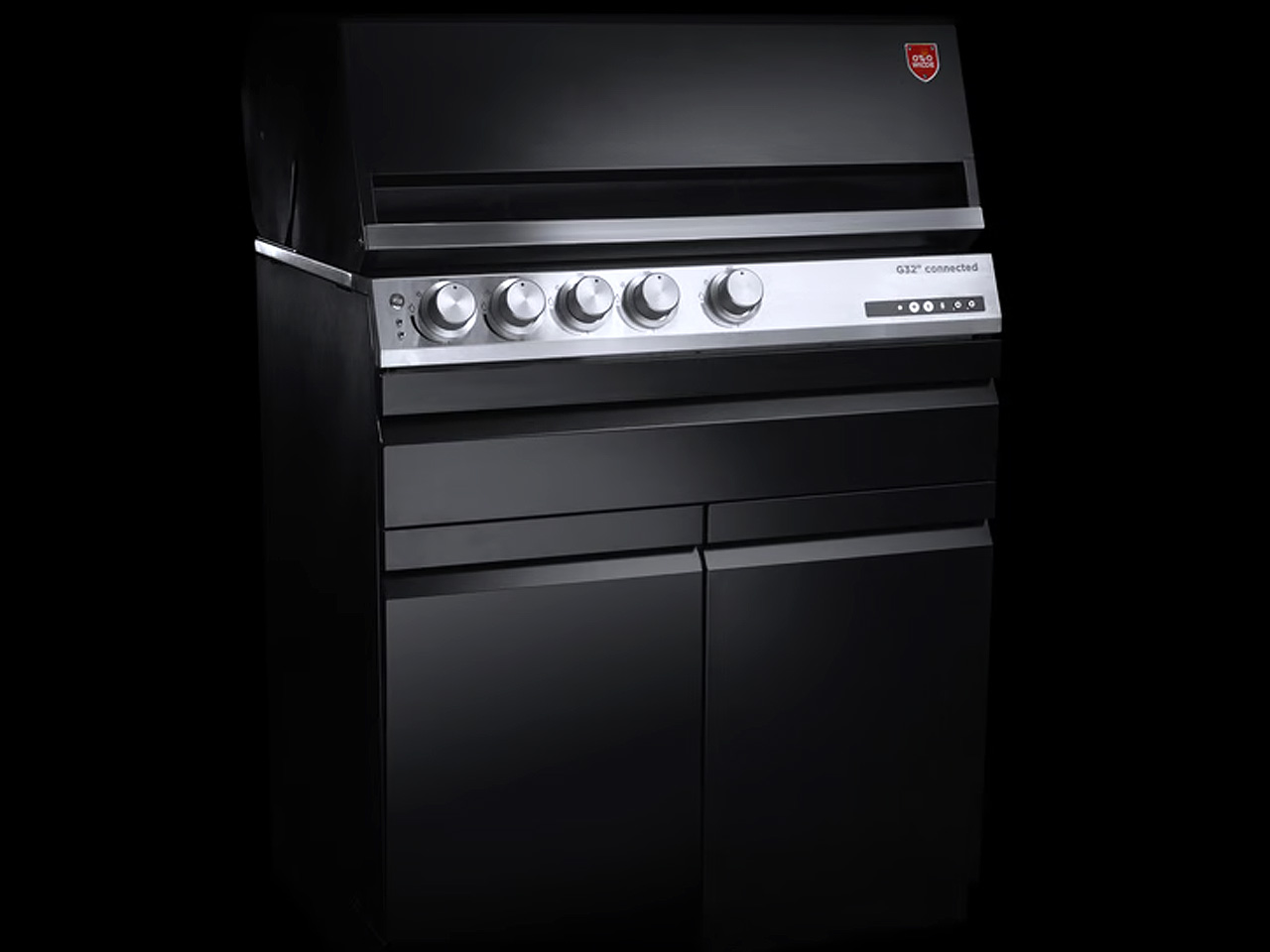
Meet Otto’s G32 – the first smart and modular gas grill. It is designed to revolutionize gas grilling, and it perfectly adjusts to your grilling needs. G32 is an end-of-the-line gas grill, and it is packed with features found in commercial-grade appliances. It is made using premium quality materials with cutting-edge, patent-pending technology.
Why is it noteworthy?
It is amped with connected cooking. You can monitor or control the G32 with your smartphone. You can measure temperatures, check gas levels, and cook recipes using the Otto Wilde app.
What we like
You can add modules like side cookers, cabinets, or built-in appliances to the line-up
What we dislike
Quite pricey
5. FYR Grill
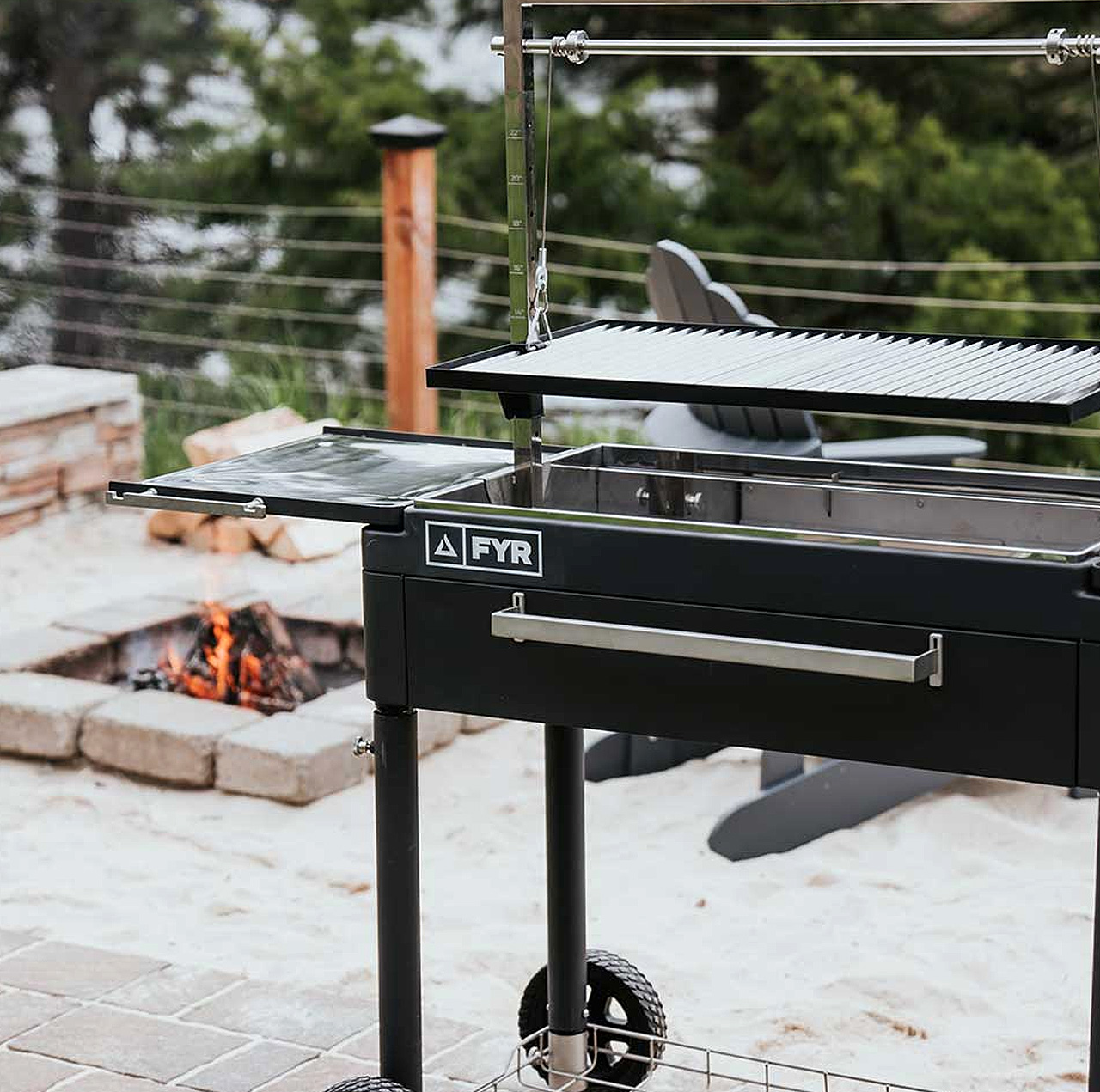
The FYR Grill is versatile, durable, and portable. It lets you live-fire grill almost anywhere you like without any boundaries. You can take it wherever you travel, and cook up a delicious barbecue meal. It lets you cook virtually anything from virtually anywhere!
Why is it noteworthy?
The FYR Grill features a modular design that lets you bolt on different accessories with ease. For example, the Santa Maria attachment lets you raise and lower the grates for ultimate temperature control. While, the battery-powered rotisserie attachment helps you slow-roast whole chickens, legs, loins, and more
What we like
Has multiple attachments to help you grill with ease