This Portable Body Composition Tracker Revolutionizes Fitness and Health Monitoring

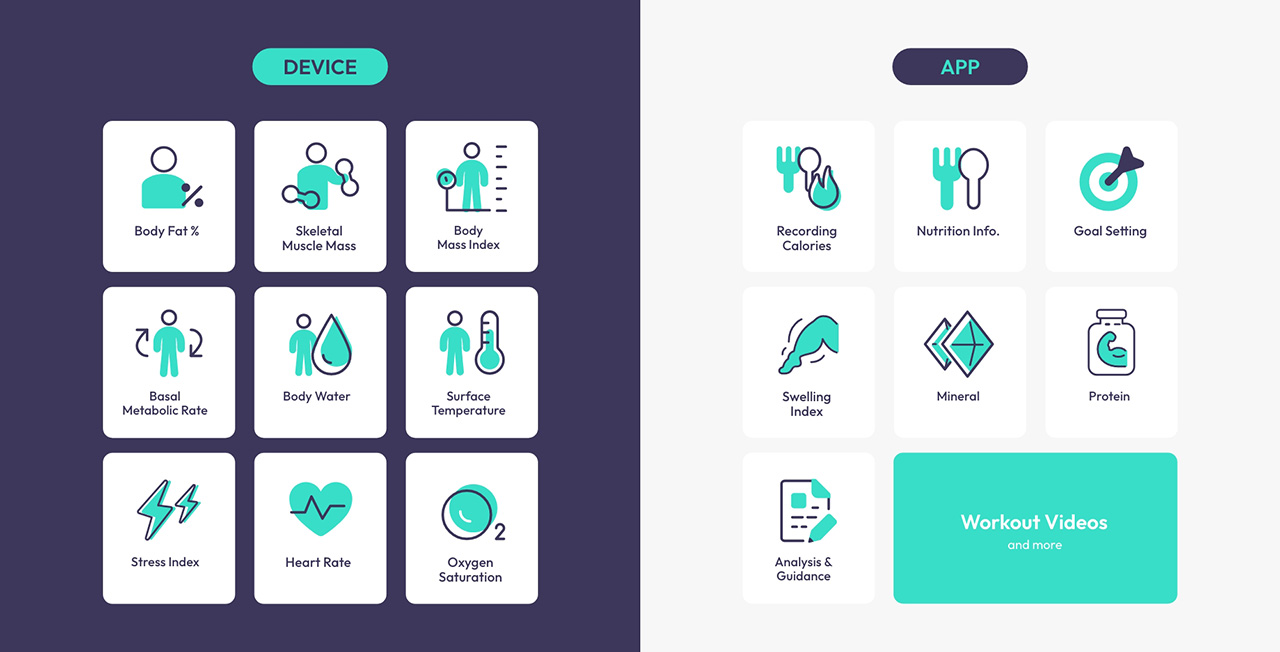
A portable body composition tracker offers detailed health insights anywhere and anytime. The third-generation Fitrus Plus 3.0 retains its portability while introducing numerous upgrades, making it a versatile health companion accessible whenever and wherever needed. It measures body fat, skeletal muscle mass, body mass index (BMI), basal metabolic rate (BMR), heart rate, and body water all at once. This tracker aids in setting attainable fitness goals and tracking progress, which helps maintain motivation and improve health outcomes. Tracking your body’s reactions is crucial for individuals following specific fitness or diet plans. With its portability, the Fitrus Plus 3.0 easily incorporates health monitoring into daily routines, thanks to the additional features of the third generation.

Designer: ONESOFTDIGM CO., LTD.

Click Here to Buy Now: $149 $249 ($100 off). Hurry, only a few left! Raised over $80,000.
Over 15+ Types of Body Data Analysis

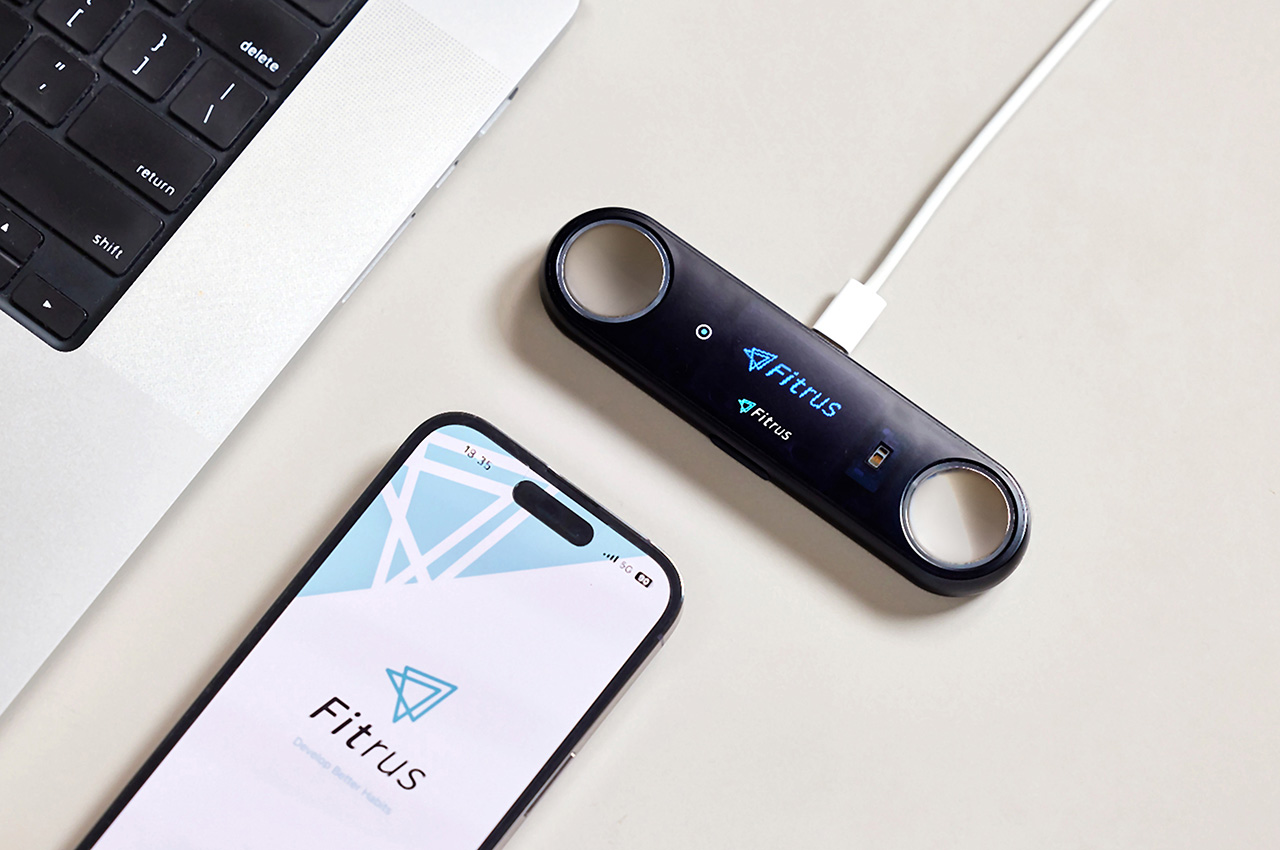
These data are obtained from a physical tracker combined with intelligent software. The new Fitrus Plus 3.0 features a significant improvement in battery life, extending from 4-5 days on the Fitrus Plus 2.0 to 20 days. The charging port has been upgraded from Micro 5-pin to USB Type-C. A full charge takes 3 hours. The device features a 1.3” OLED display with a resolution of 128 x 64 pixels. This makes it easy to read data such as body composition, skin temperature, object temperature, heart rate, stress index, and battery life.

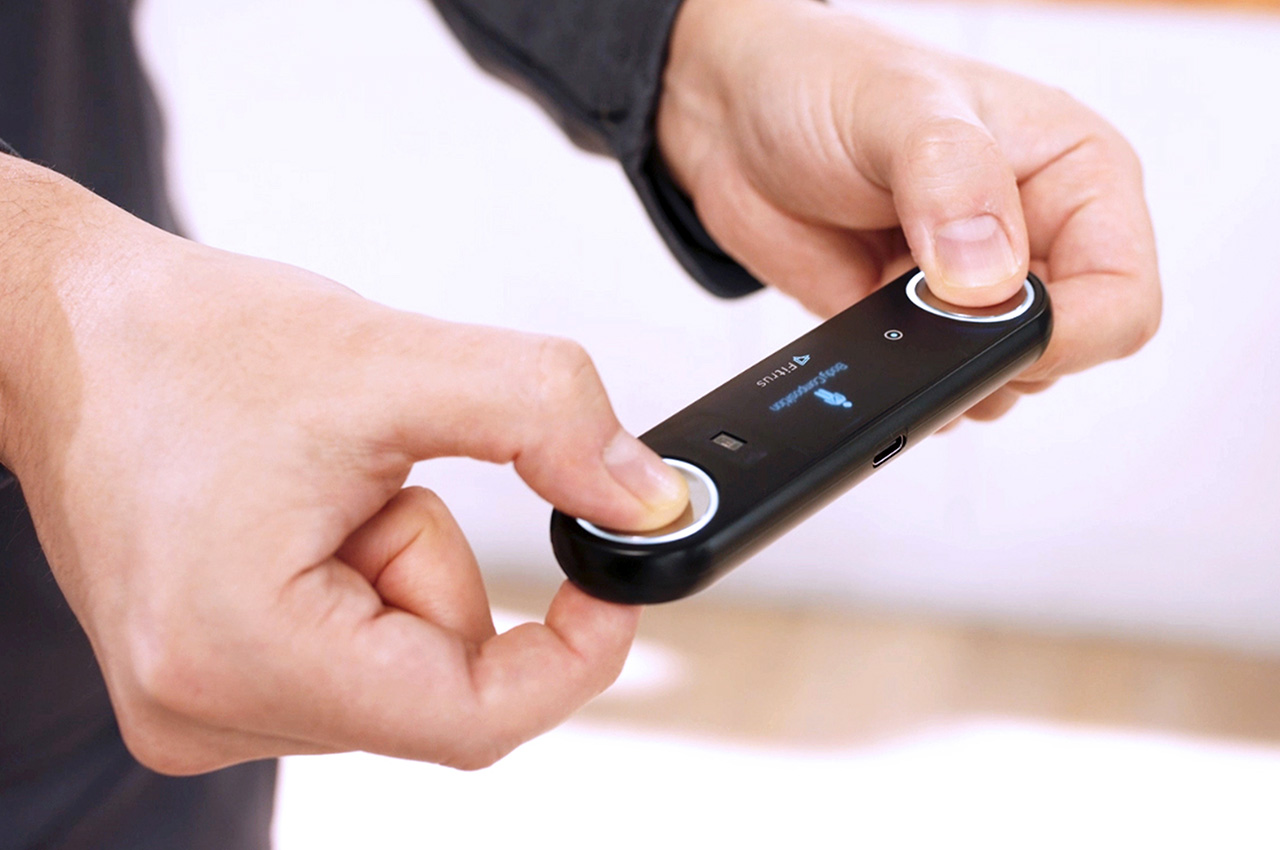
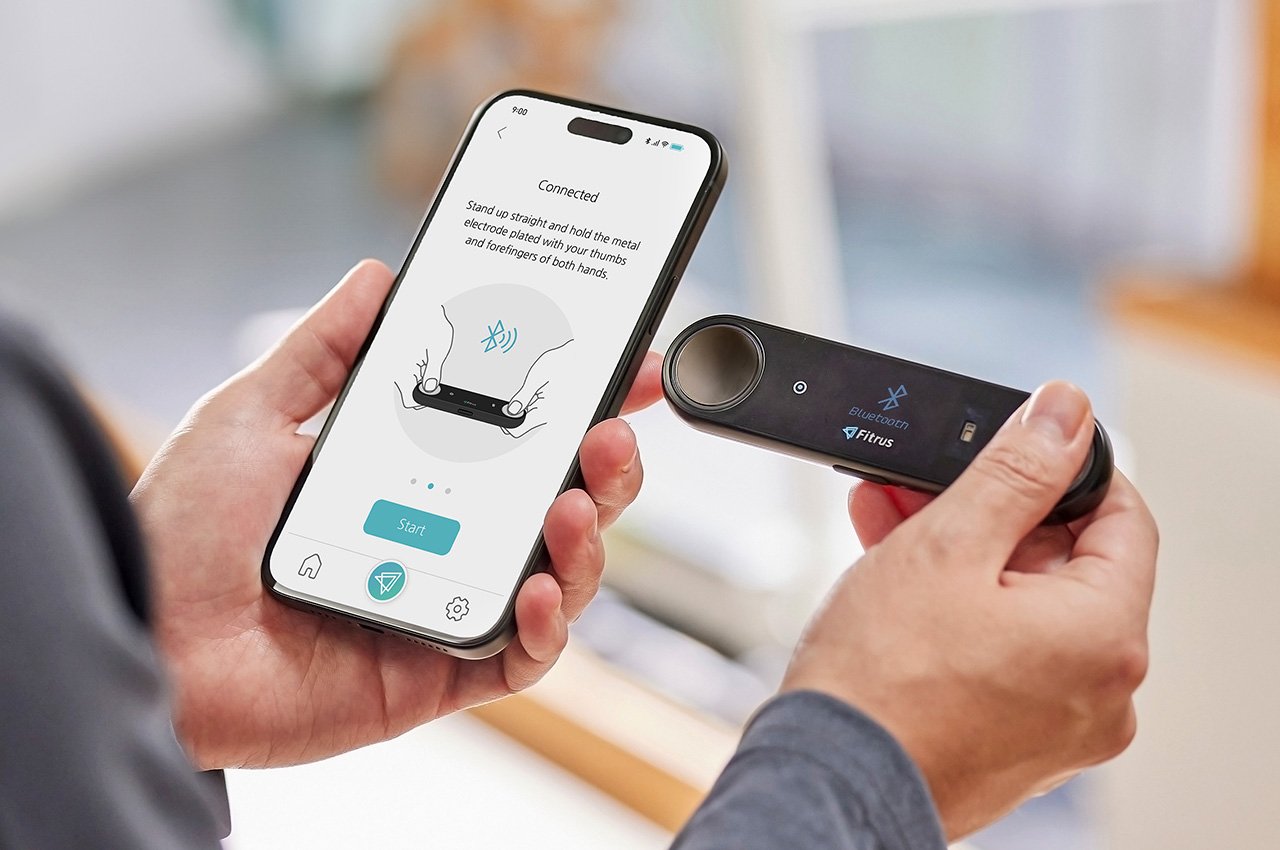
Hold the four electrodes with your thumbs and index fingers, stretch your arms forward. Keeping your elbows straight, and avoid touching your hands together. Wait until the results appears!

The new design is as smooth and user-friendly as the software that powers it. The updated health tracking functions, including protein, mineral, and swelling indexes, make the upgrade from the previous generation worthwhile. These additions allow for a more comprehensive health analysis. Gaining insights into your body’s changes is valuable. However, further benefits can be derived, such as receiving personalized health recommendations for meal plans and workout routines. These are based on the collected and analyzed data. As our bodies change over time, whether we notice it or not, these personalized recommendations continue to adapt, enabling you to achieve your best self.

Like the temperature sensor in the Google Pixel 8, an IR sensor can be used to measure skin temperature without contact. It instantly displays the temperature on the OLED screen, eliminating the need for a smartphone. This device is especially useful for parents with young children, as it can also measure the temperature of soup or milk to prevent burns. Measuring 4.96 inches long, 0.54 inches thick, and 1.34 inches wide, and weighing just 1.41 ounces, the Fitrus Plus 3.0 champions portability. Using the Fitrus is straightforward – hold the four electrodes with your thumbs and index fingers, then extend your arms forward. Ensure your elbows are straight and your hands are not touching. Maintain a straight posture and the results will display. The device automatically turns off after taking the measurement, which adds convenience as you don’t need to turn it off manually.

The Fitrus Plus 3.0 revolutionizes personal health tracking by combining portability with a rich array of health metrics, making it an essential tool for anyone committed to maintaining an active and healthy lifestyle. Its extended 20-day battery life, user-friendly USB Type-C charging, and clear OLED display ensure that users can access detailed insights into their body composition, heart rate, and more anytime and anywhere. With its enhanced features and the ability to provide personalized health recommendations, the Fitrus Plus 3.0 not only tracks health data but also helps users achieve their fitness goals with greater precision and motivation.

The Fitrus Plus 3.0 requires no subscriptions or additional payments. The application for iOS and Android is free, and the company has stated that they have no plans to implement a subscription fee in the future.

Click Here to Buy Now: $149 $249 ($100 off). Hurry, only a few left! Raised over $80,000.
The post This Portable Body Composition Tracker Revolutionizes Fitness and Health Monitoring first appeared on Yanko Design.
Moto Watch 40 design straddles the line between smartwatch and fitness band

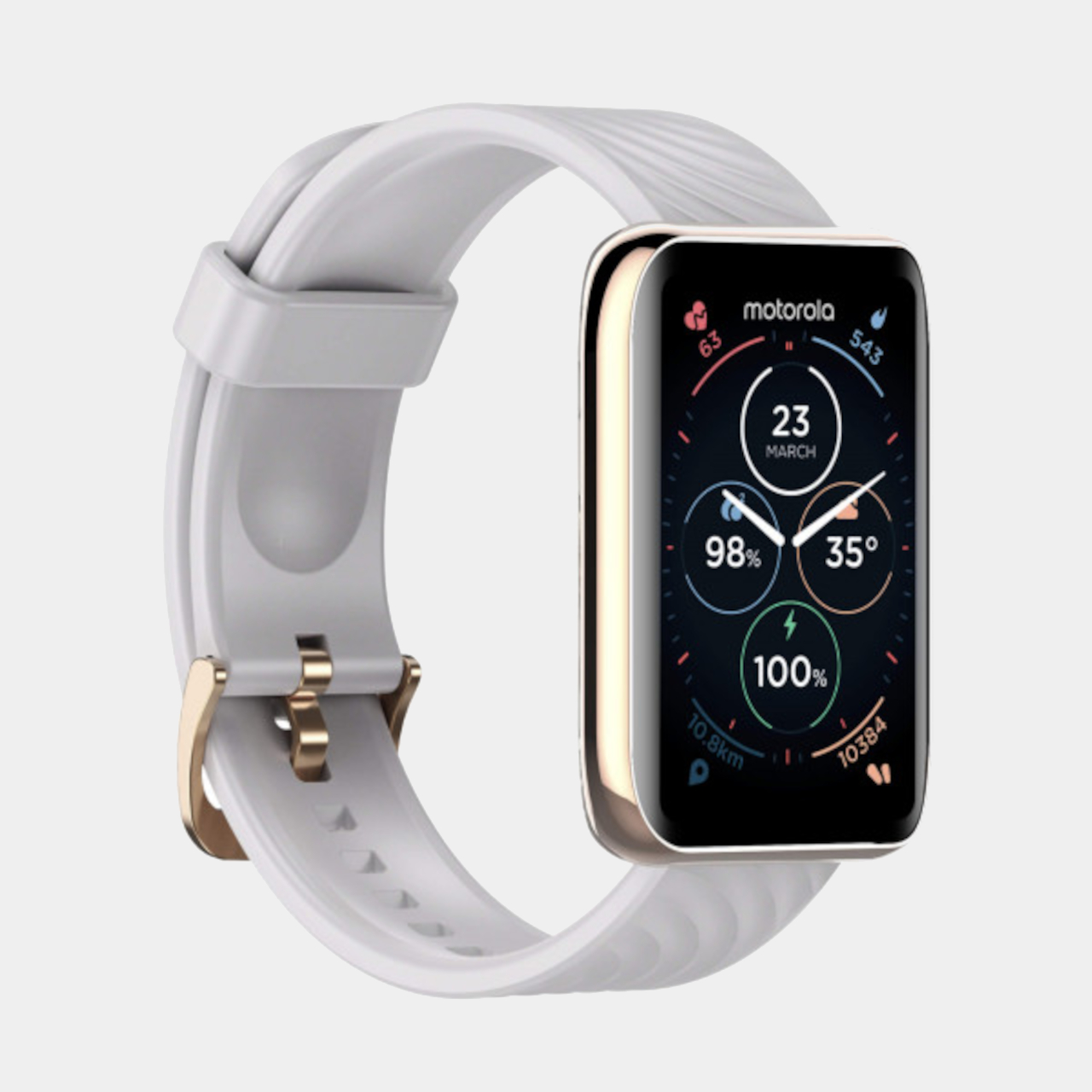
Smartwatches have more or less become a stable presence in today’s modern lifestyle to the point that no one will make fun of you anymore for wearing a screen on your wrist, except those coming lovers of classic mechanical watches. That said, not everyone is a fan of these hi-tech timepieces and would prefer something less distracting and more focused on just the health-tracking aspects. Dedicated fitness bands, however, often come in sporty and rugged designs, as if the only ones that would wear them are athletes or very active people who don’t mind strapping a rubber or silicone band on their wrists, even on formal occasions. That’s where the new Moto Watch 40 comes in, offering a wearable that almost looks like a stylish smartwatch but is a fitness band at heart.

Designer: CE Brands (Motorola licensee)

Although there was a bit of experimentation in the beginning, smartwatches today come in only two shapes: a square or a circle. Although circular smartwatches were touted to be classier or more stylish because of their resemblance to the majority of luxury timepieces, the Apple Watch has constantly made the case for equally elegant designs on square smartwatches. Unsurprisingly, there are some manufacturers that have even opted to walk the same path, producing smartwatches that, for better or worse, look like the Apple Watch.

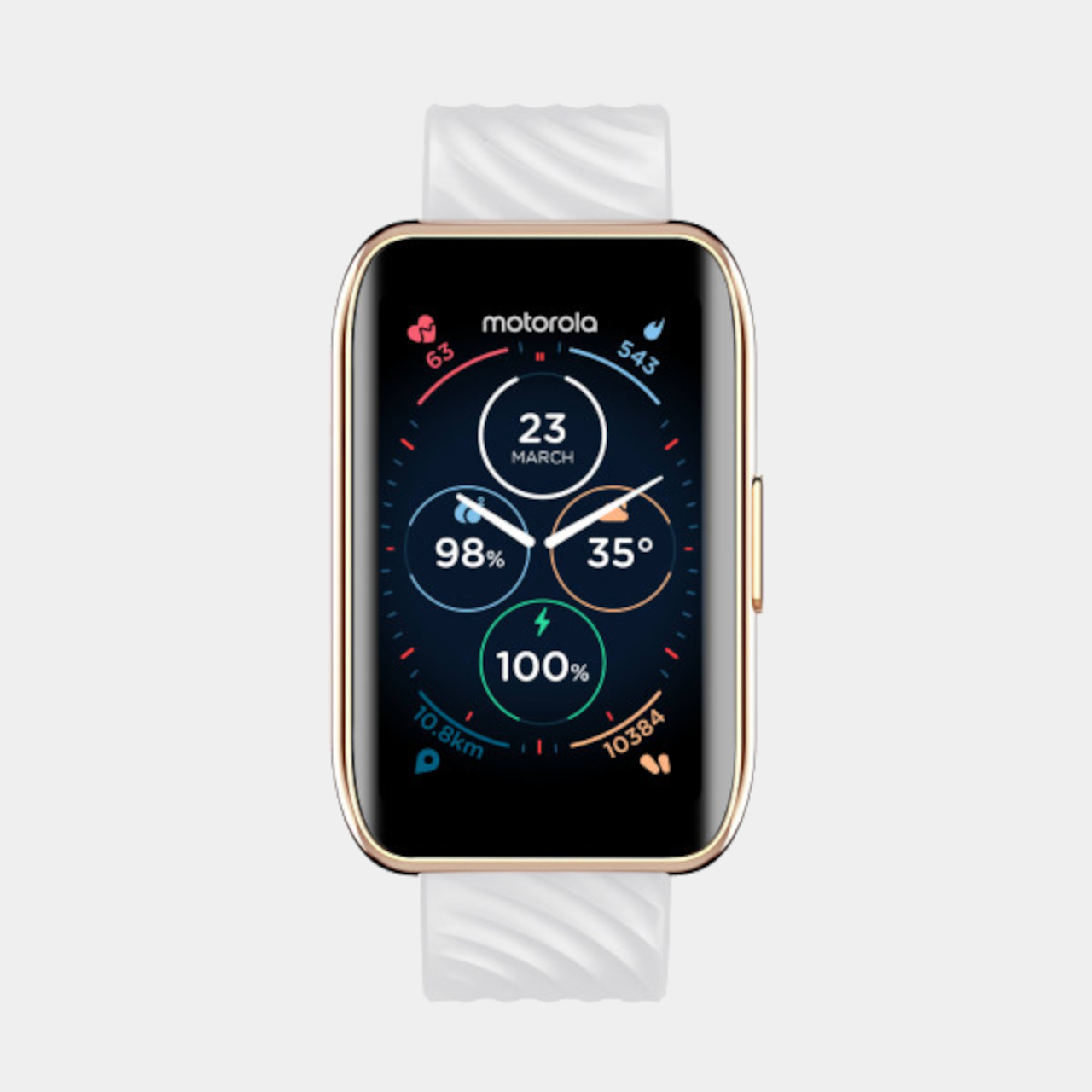
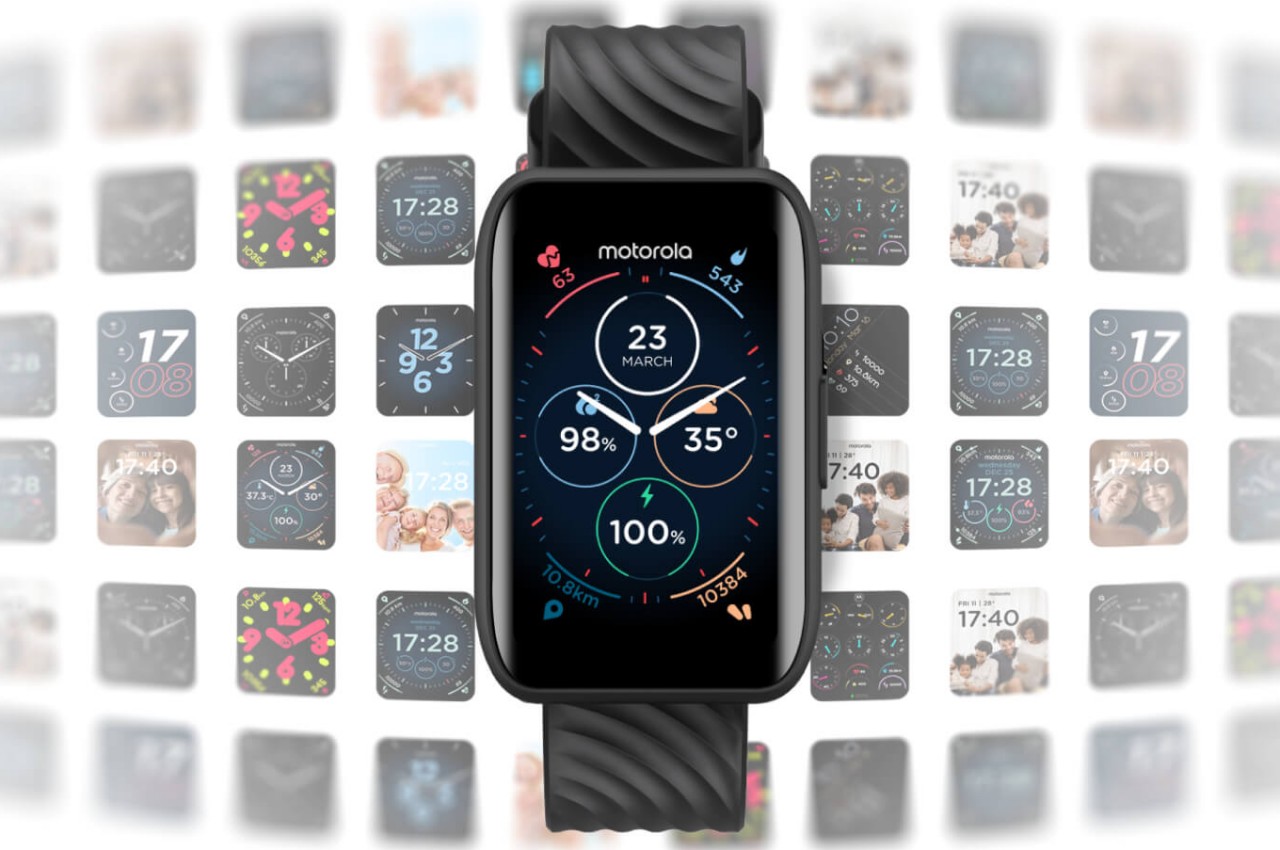
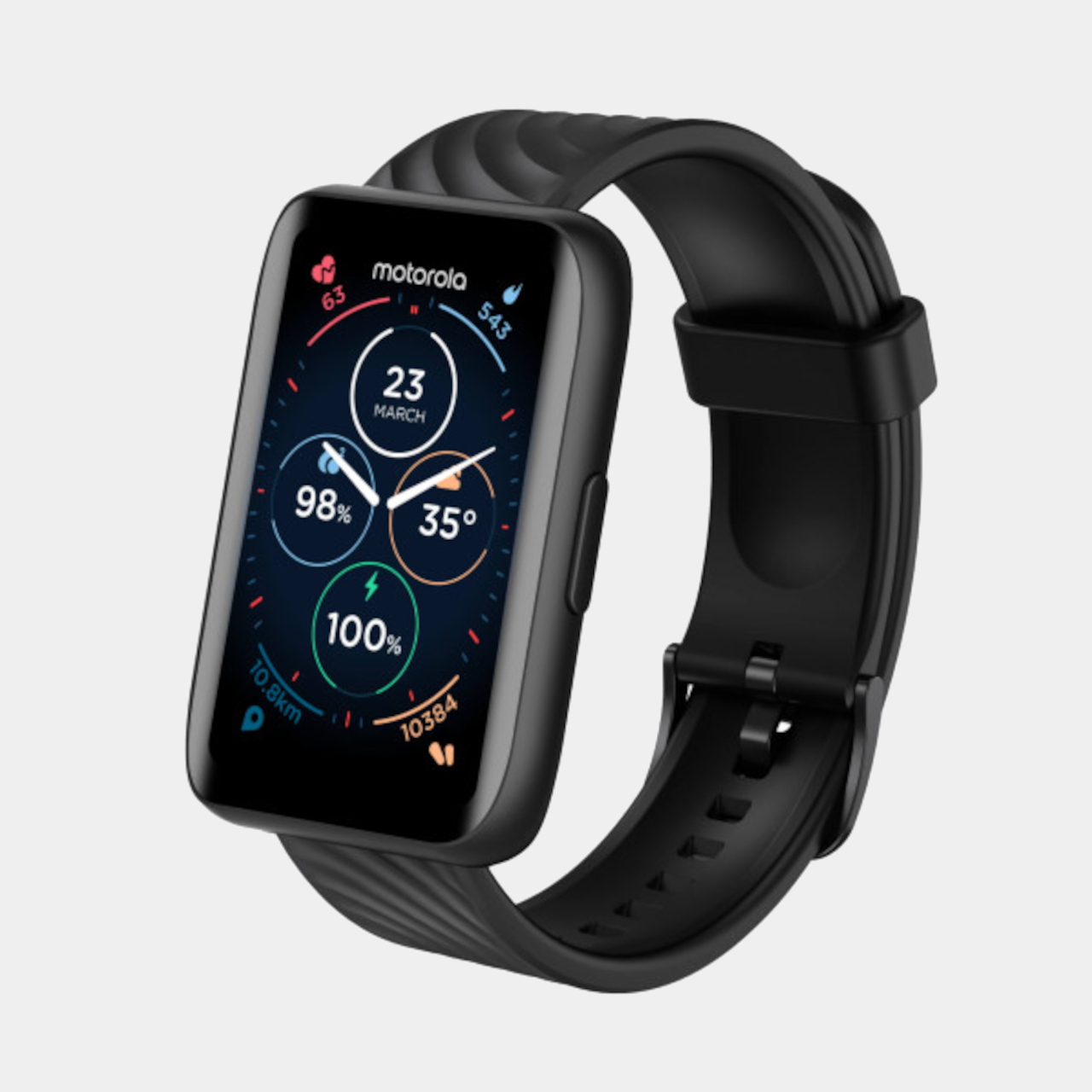
The Moto Watch 40, however, is neither of those and is walking the fine line between smartwatch and smart band instead. It has a rectangular body, more common with fitness trackers, but the size of the device and its general appearance are more in line with smartwatches. It has a screen that curves at the edges, giving it a refined appearance compared to the rugged looks of common fitness trackers.

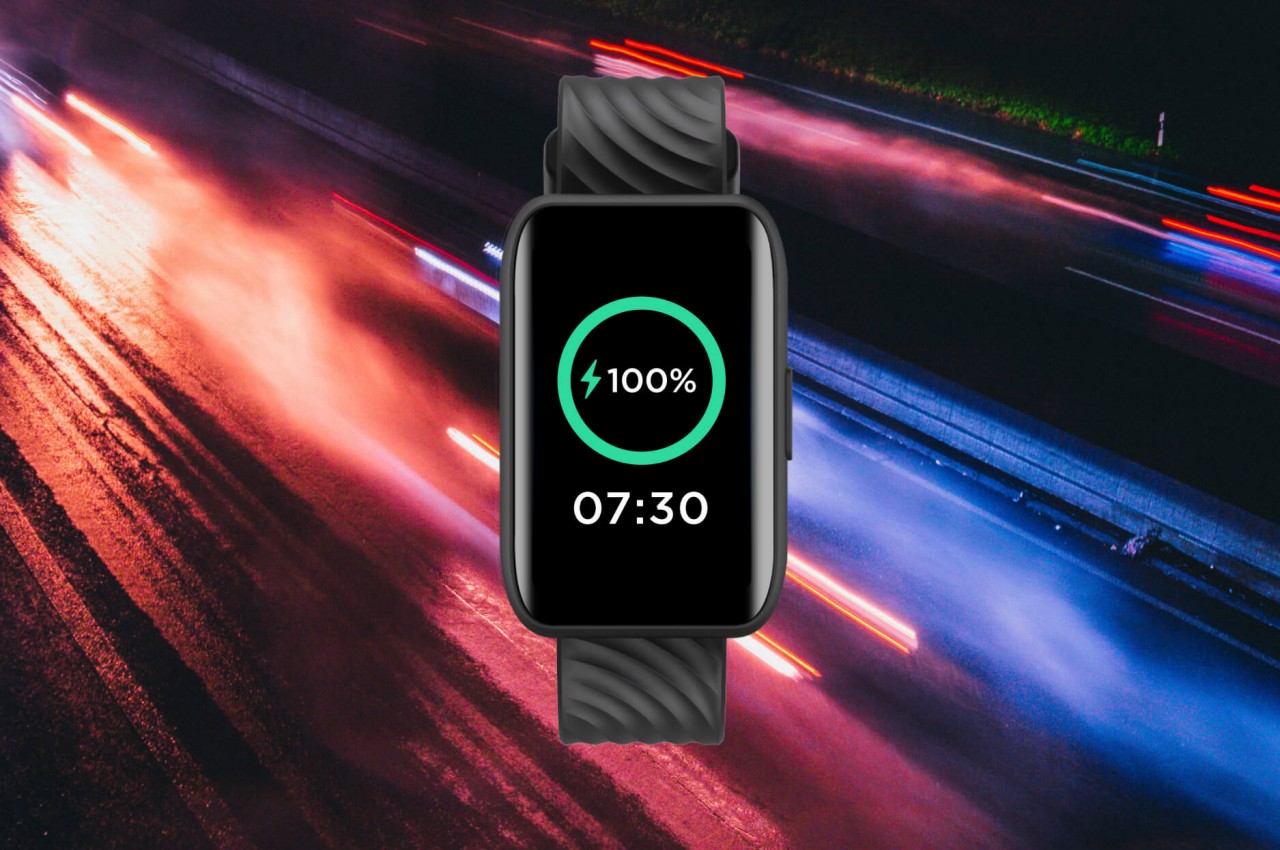
At the same time, however, its limited functionality leaves no doubt that it isn’t a smartwatch either. It has a variety of sensors for tracking activity, including blood oxygen levels and even sleep, but you won’t be seeing a lot of the advanced functions and options you’d find on a smartwatch. It supports only viewing notifications, so you’ll have to pull out your phone if you want to reply to messages or even take calls. Its 10-day battery life may sound a little disappointing, but the Moto Watch 40 compensates with an advertised charging speed of 25 minutes only.

That combination of essential functions and stylish design will set you back for only $64.99. It might sound like a tempting proposition, especially when other fitness bands are either too expensive or too informal. That said, even a wrist-worn device might still be too conspicuous for some people, and a smart ring that would let them wear their favorite mechanical watches could be the perfect compromise instead.

The post Moto Watch 40 design straddles the line between smartwatch and fitness band first appeared on Yanko Design.
This modular bracelet concept lets you choose how smart you want your jewelry to be

The popularity of the Apple Watch has finally given smartwatches their place in the market, making them understandable and even desirable. Of course, that doesn’t mean that everyone now wants a smartwatch, especially those who prefer mechanical watches or have different aesthetic tastes. Unfortunately, the majority of wrist-worn smart trackers seem to be made with sporty and rugged designs in mind. Given hardware requirements, that’s not exactly surprising, but that shouldn’t stop designers from imagining what’s possible. One such dream is reflected in this minimalist yet distinctive bracelet that throws all smart wearable design conventions out the window, offering a modular piece of jewelry that is smart in more ways than one.

Designers: Akasaki Vanhuyse, Astrid Vanhuyse

If you remove the actual time-keeping function of a smartwatch or a fitness tracker, all you’re really left with are the sensors that actually do the work of keeping tabs on different metrics of your health, directly or indirectly. A display isn’t even necessary since you can always check those figures on a smartphone. In fact, a display might even be detrimental because of the distractions it pushes your way or how it clashes with some fashion styles. Smartwatch designs are primarily constricted by hardware such as displays and big batteries, but what if you could be free of those restrictions?

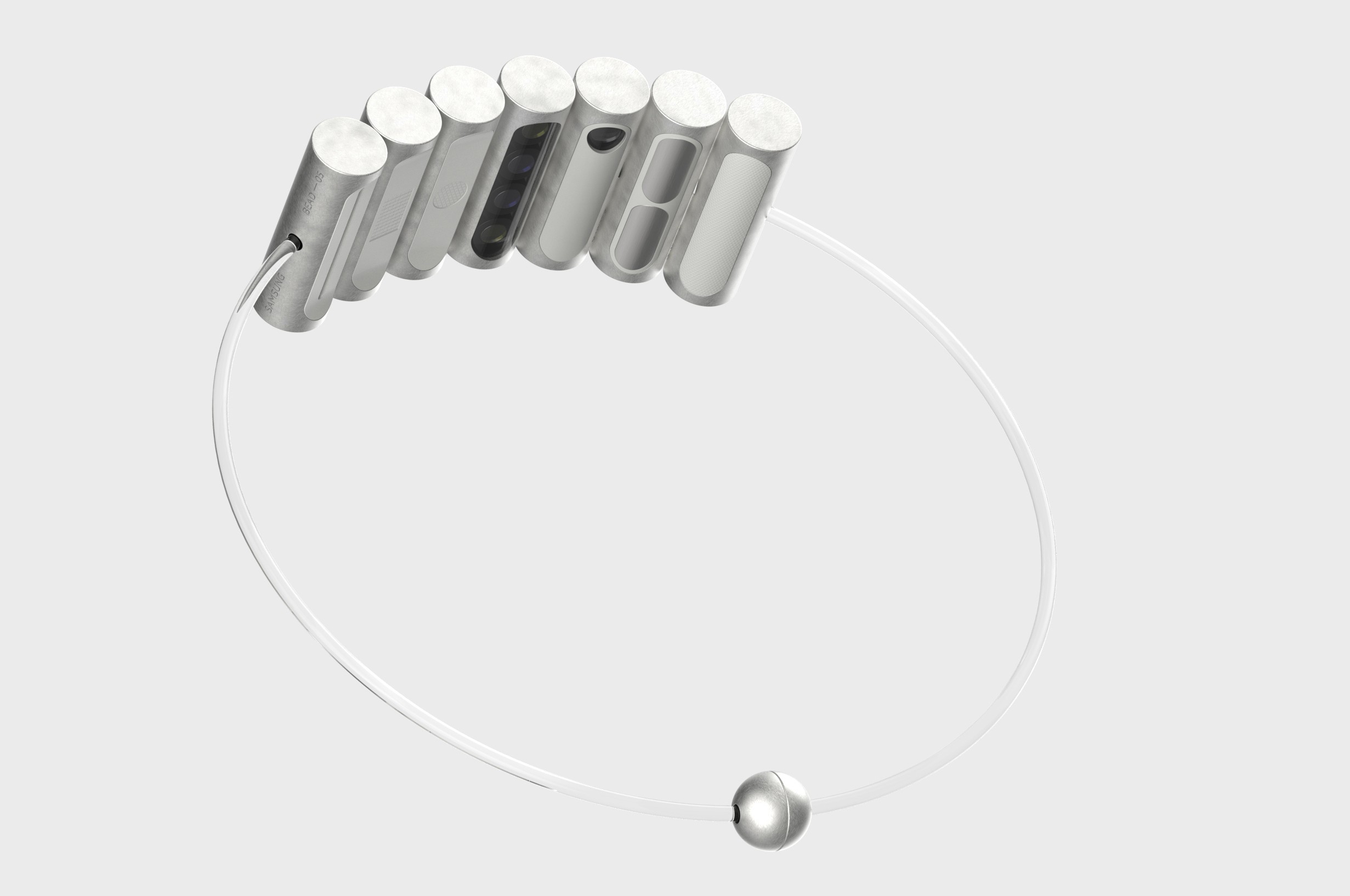
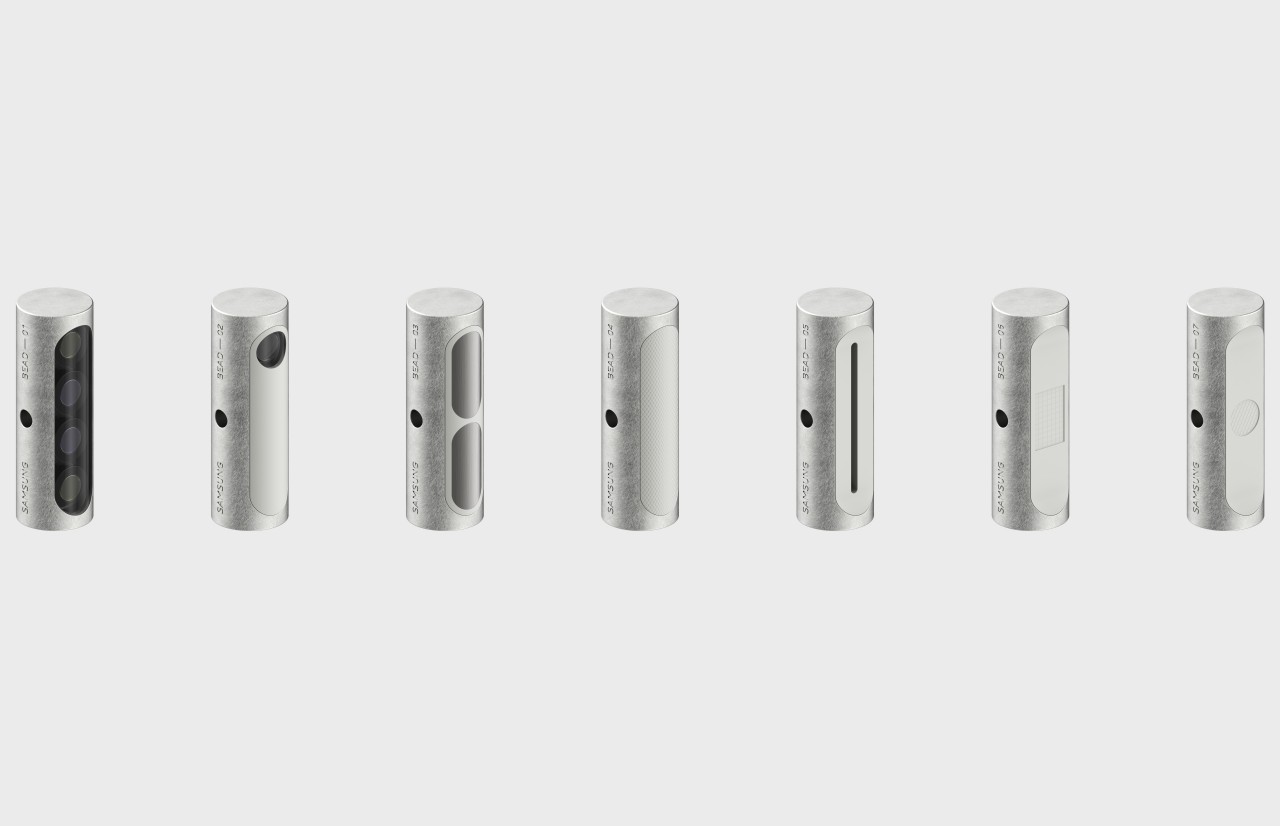
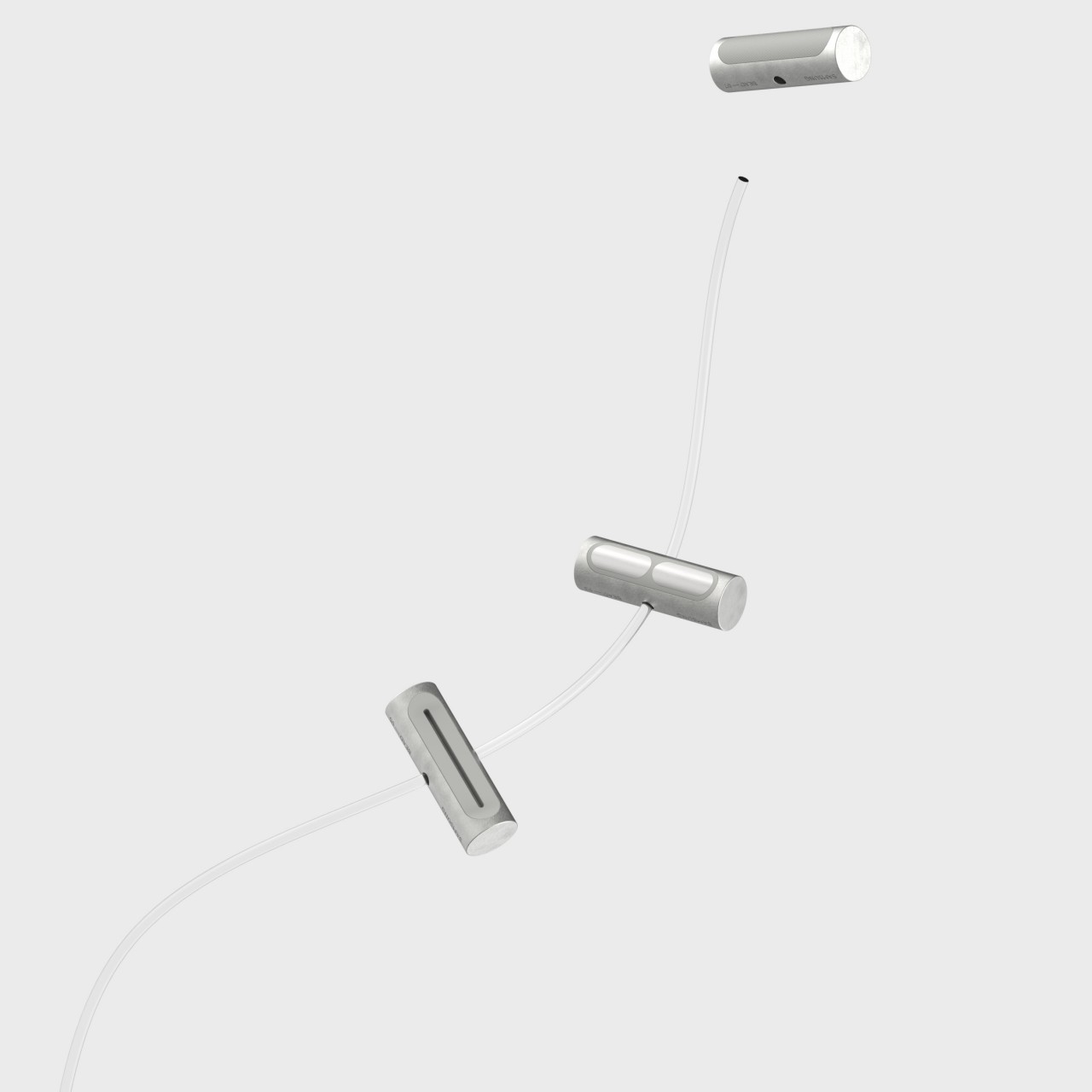
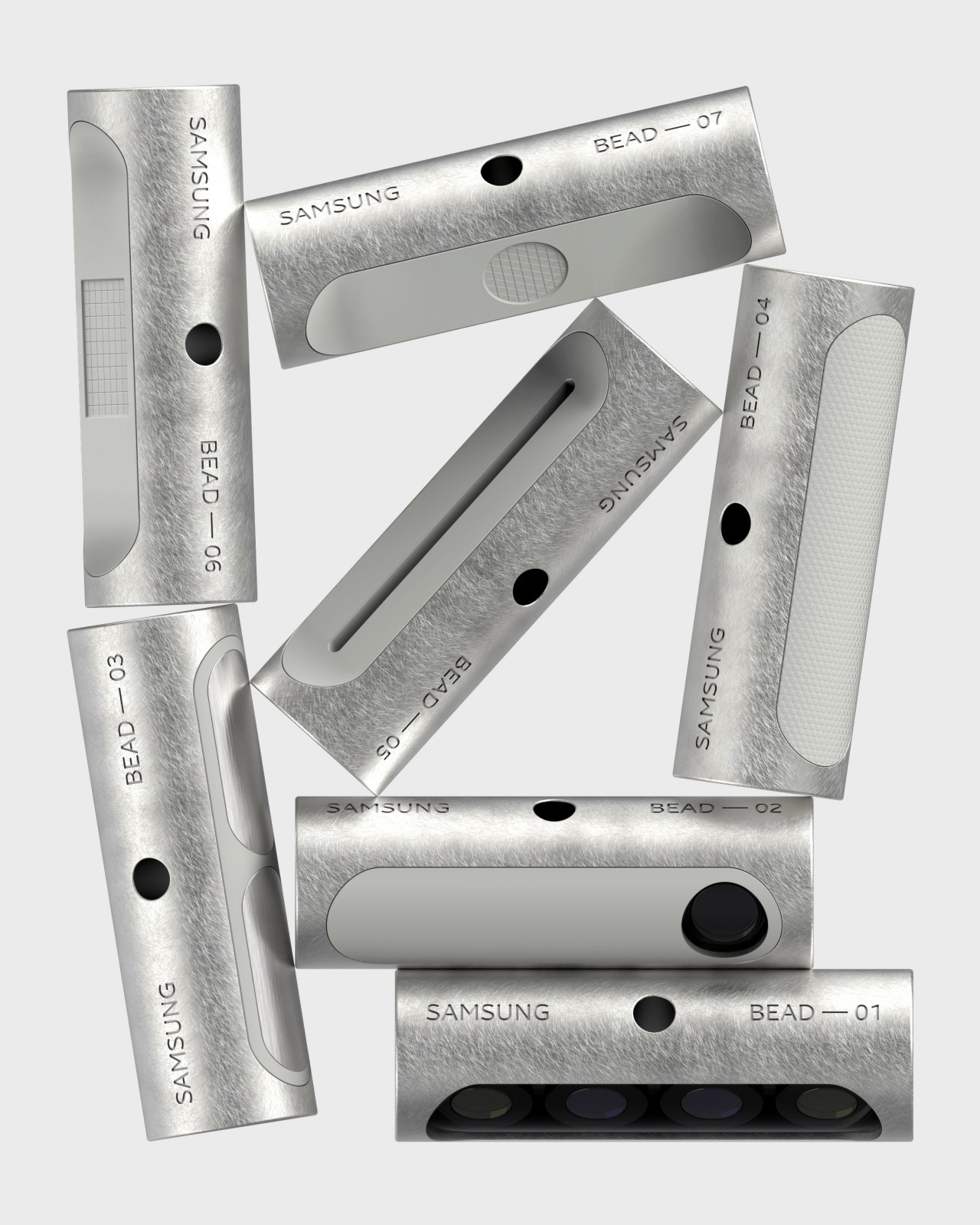
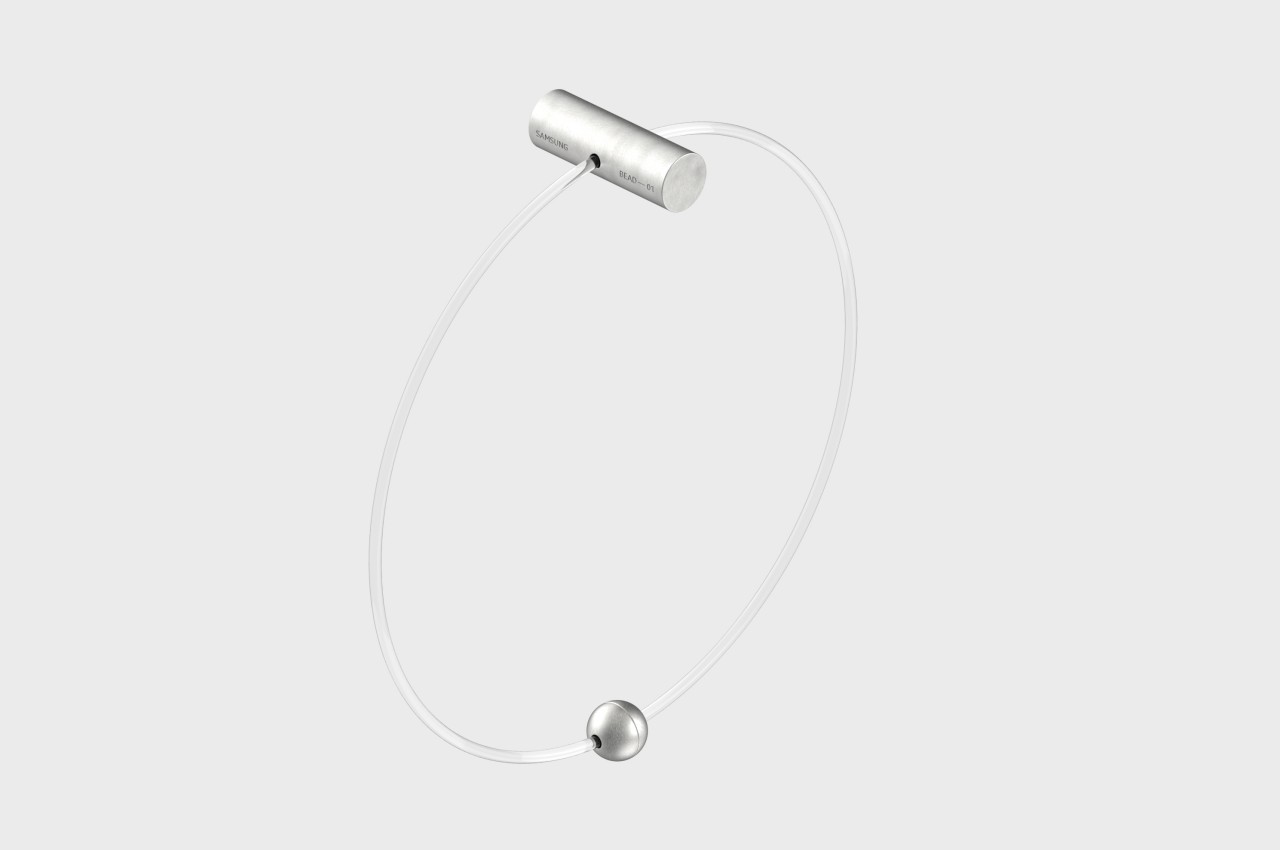
That’s what the BEAD concept seems to be proposing, offering the same health and wellness monitoring functionalities but in a form that is a bit more universal and, at the same time, more personal. At the heart of the design are the beads, actually tiny cylinders that each hide a single sensor used to track a specific biometric like a pulse oximeter or an accelerometer. Each bead is an independent unit, free from displays or large batteries, performing a single task and performing it to perfection.

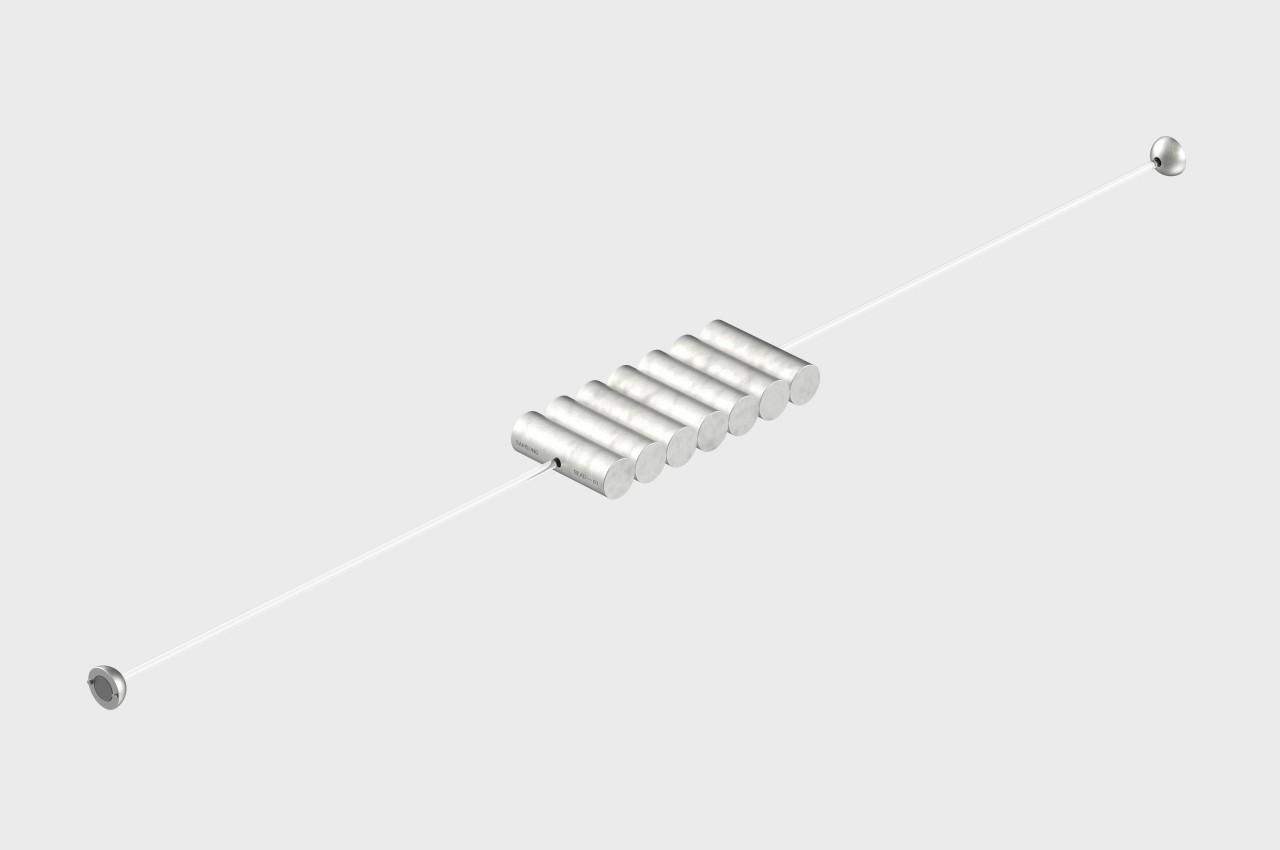
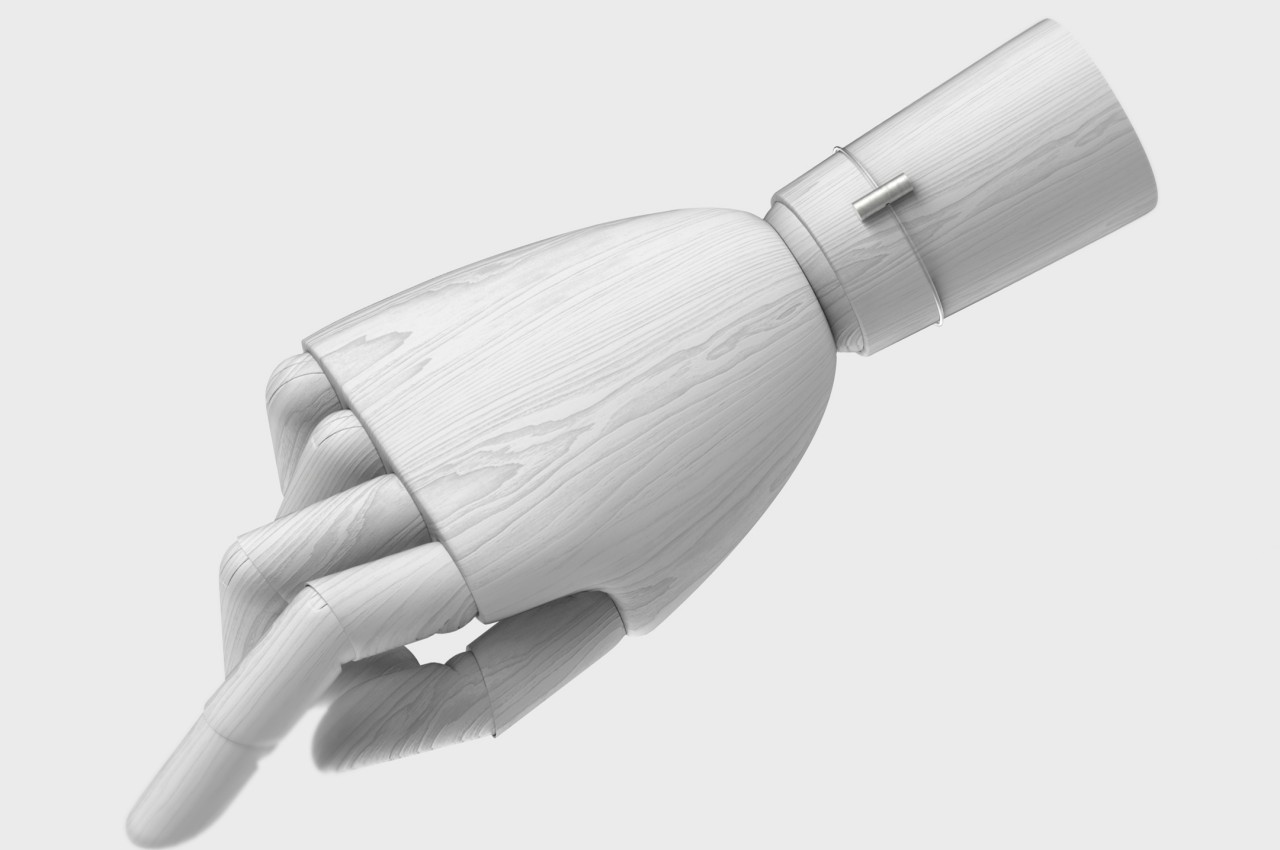
The idea is that you can combine any number of these beads on a string or wire to achieve the same collective effect as a fitness tracker. You wear it around your wrist like a bracelet, held together at the ends by magnets in the shape of half-spheres. The wire is white, plain, and unadorned, which puts a bigger visual focus on the beads. Those beads themselves carry a brushed metal finish that helps hide whatever scratches they may incur over time while also giving them unique characters.

You can add or remove as many of these modular beads as you need, only paying for the functionality you actually use. It also makes repairing broken beads easier, since you only need to replace that single piece. Admittedly, the industrial aesthetic might not appeal to everyone’s tastes, but the concept opens the possibility of using different, perhaps more stylish designs that will truly create a fusion of fashion and technology in a simple smart bracelet.

The post This modular bracelet concept lets you choose how smart you want your jewelry to be first appeared on Yanko Design.