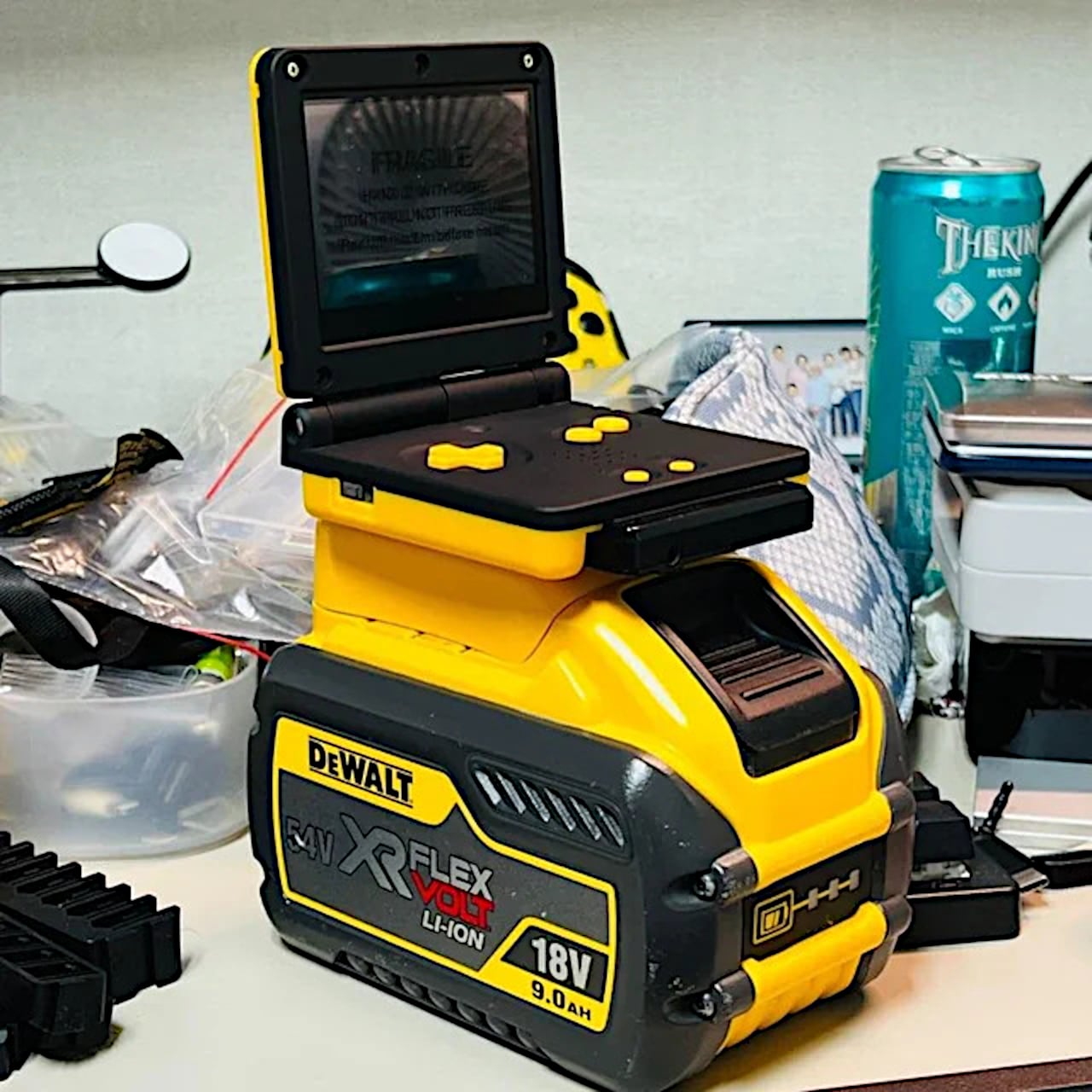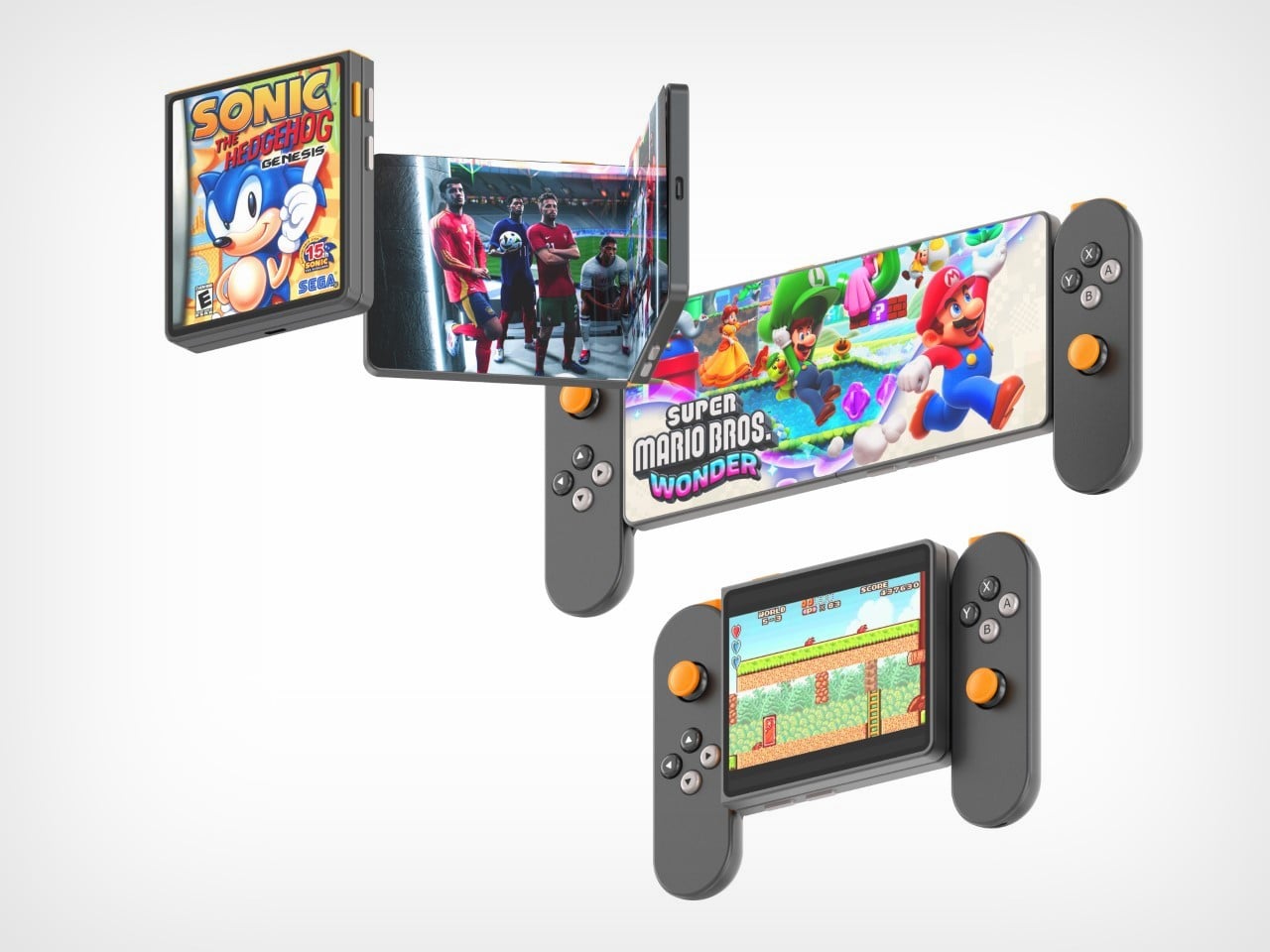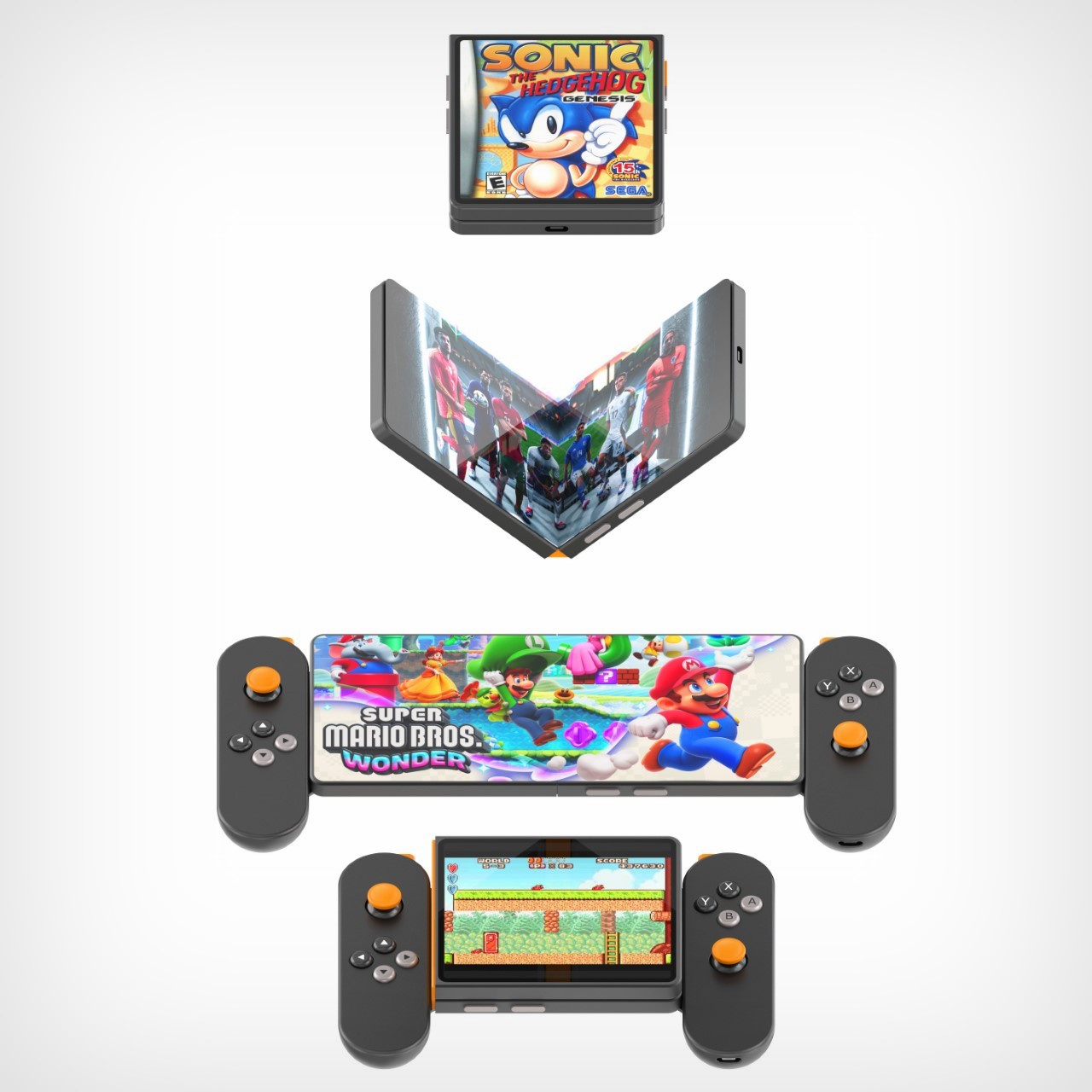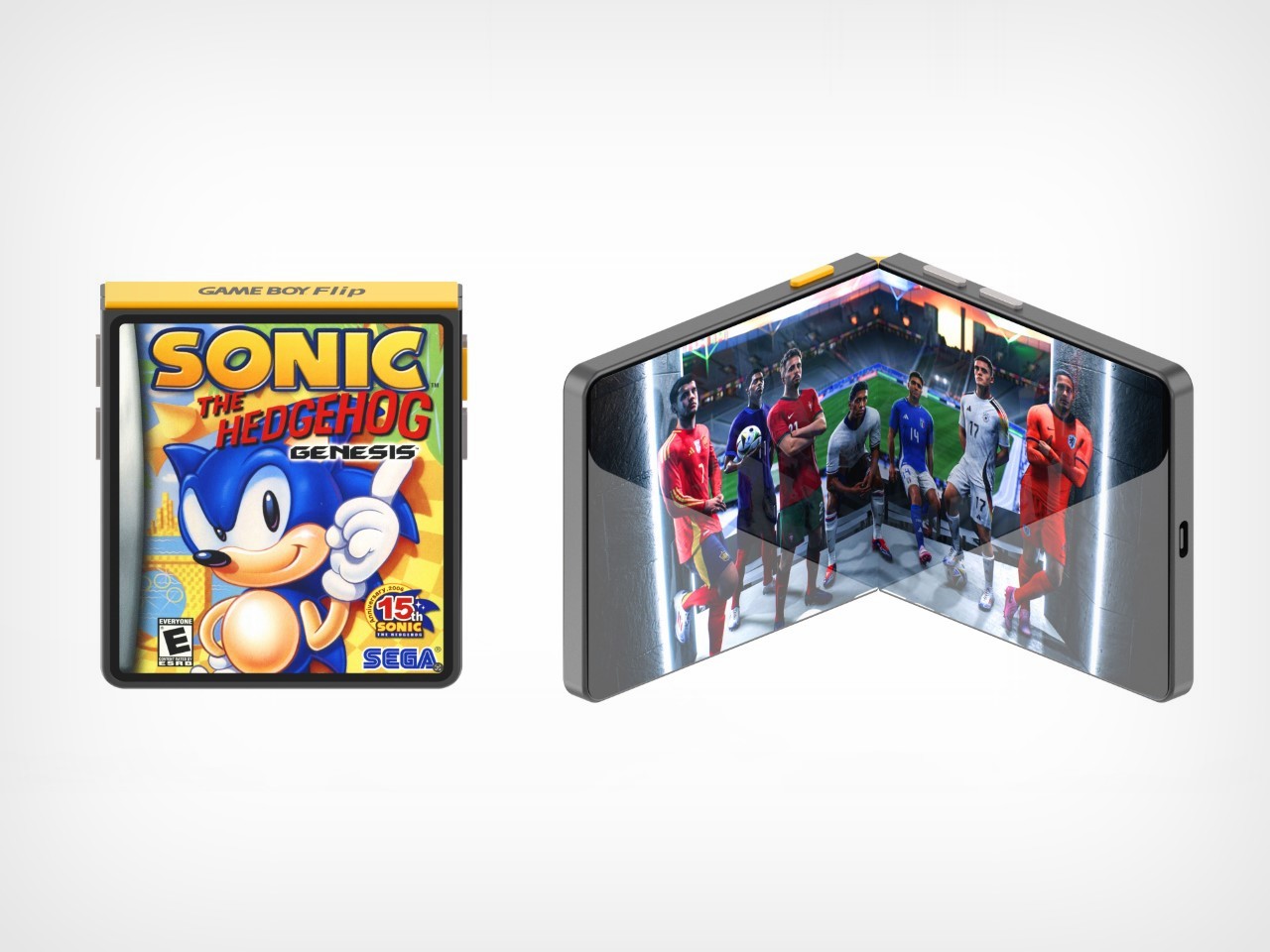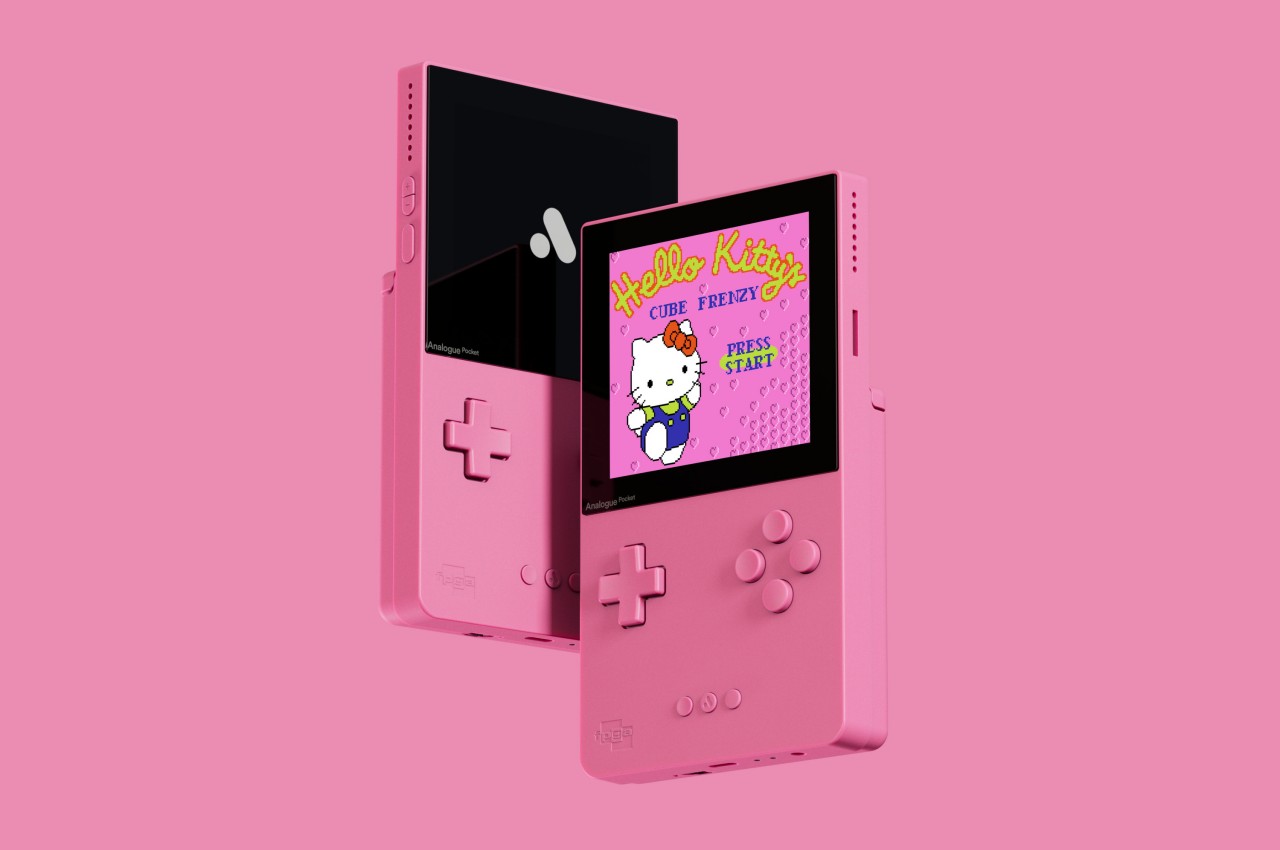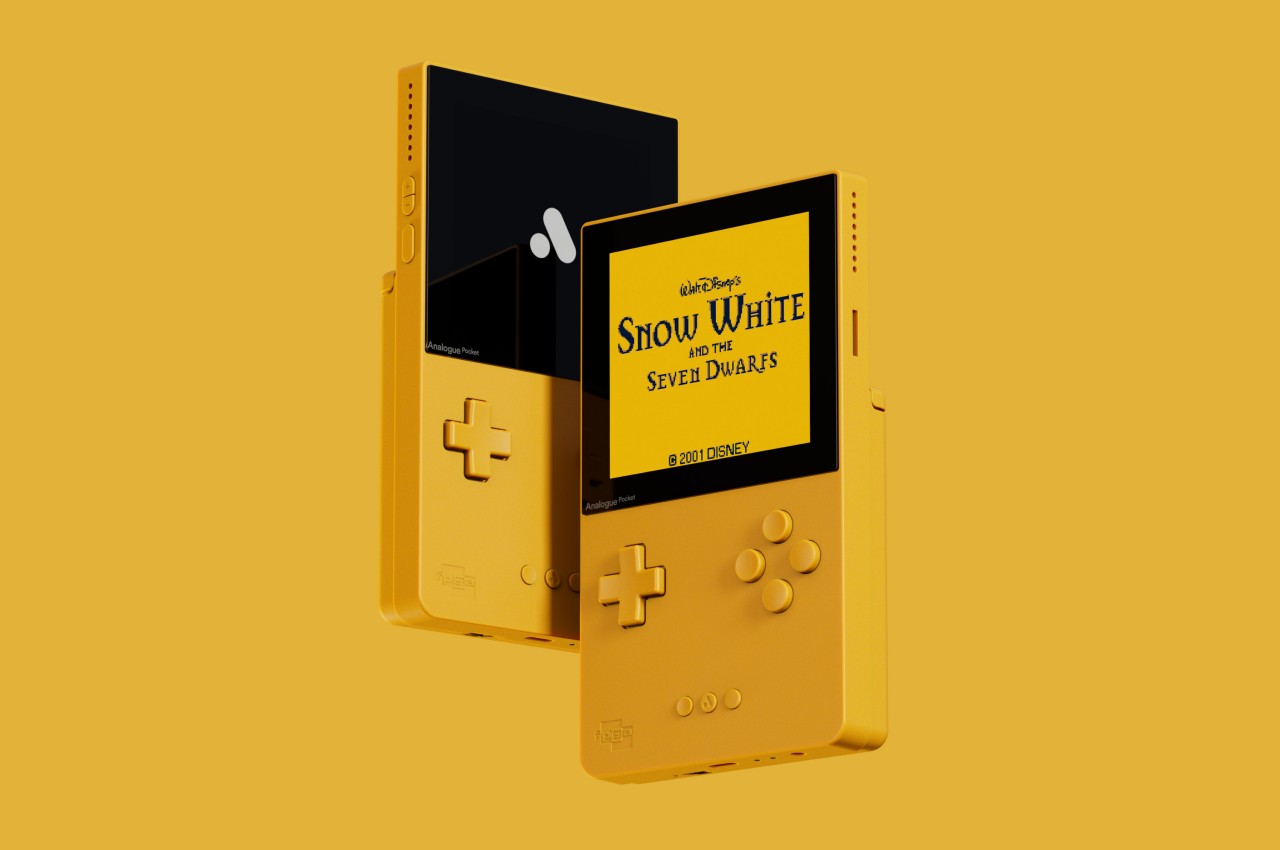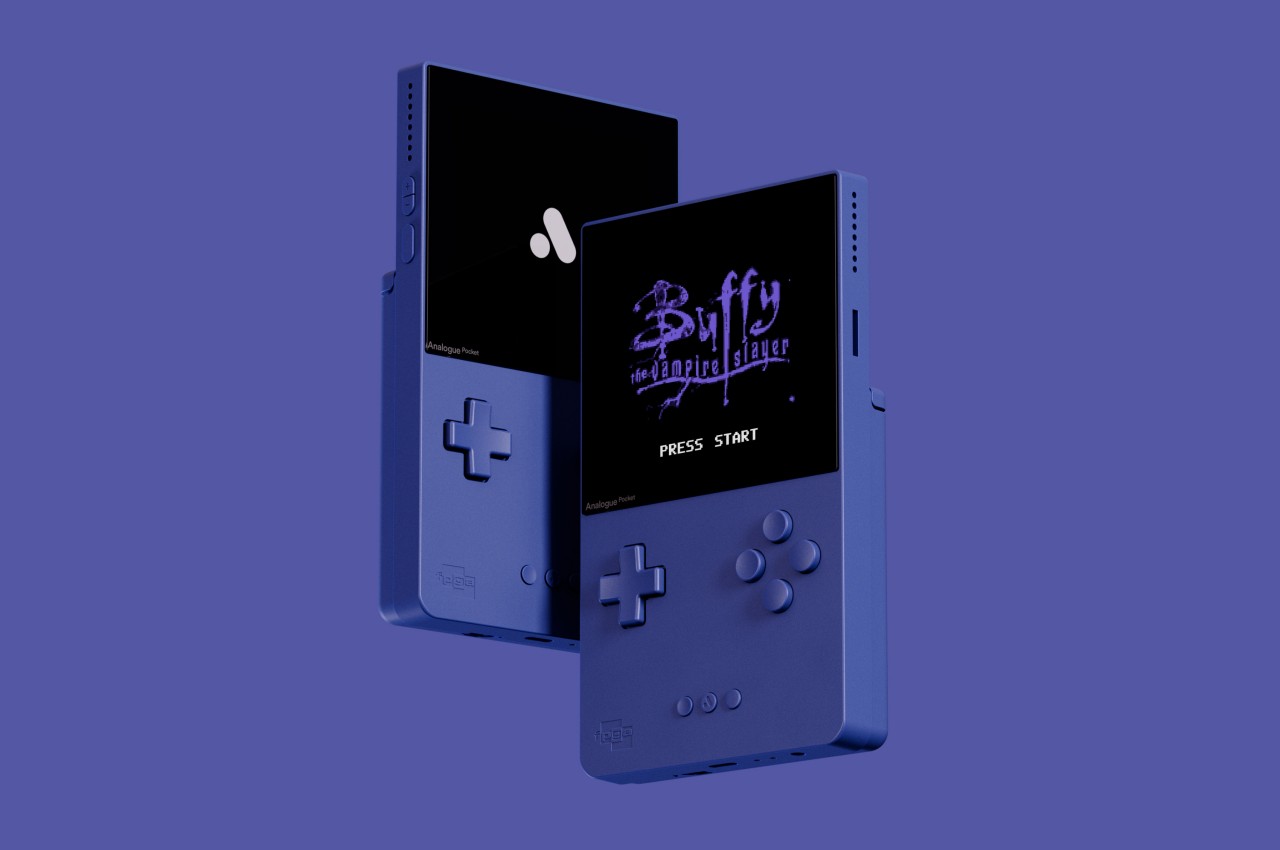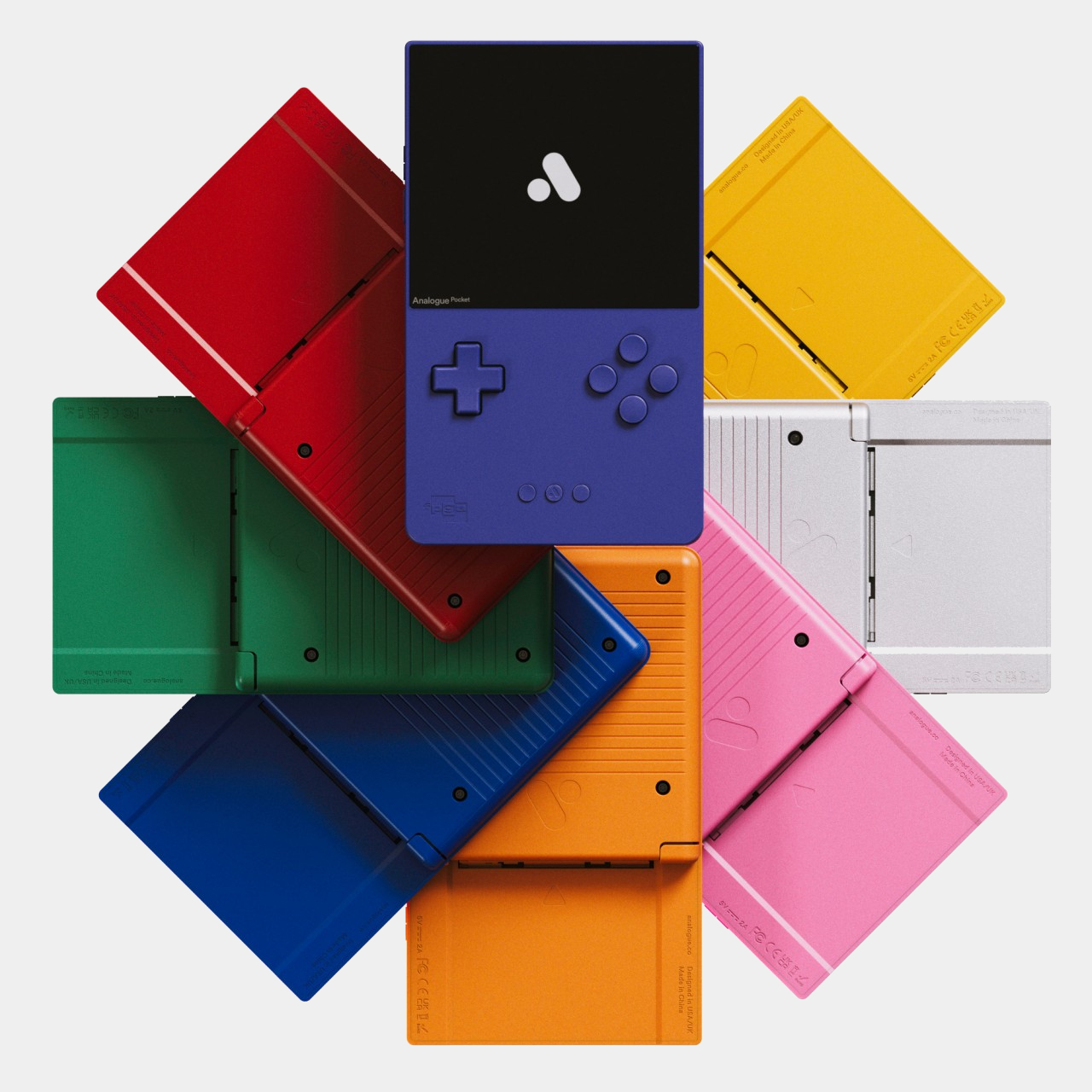
DIY Game Boy arcade blows up classic titles with a giant screen, giant controls

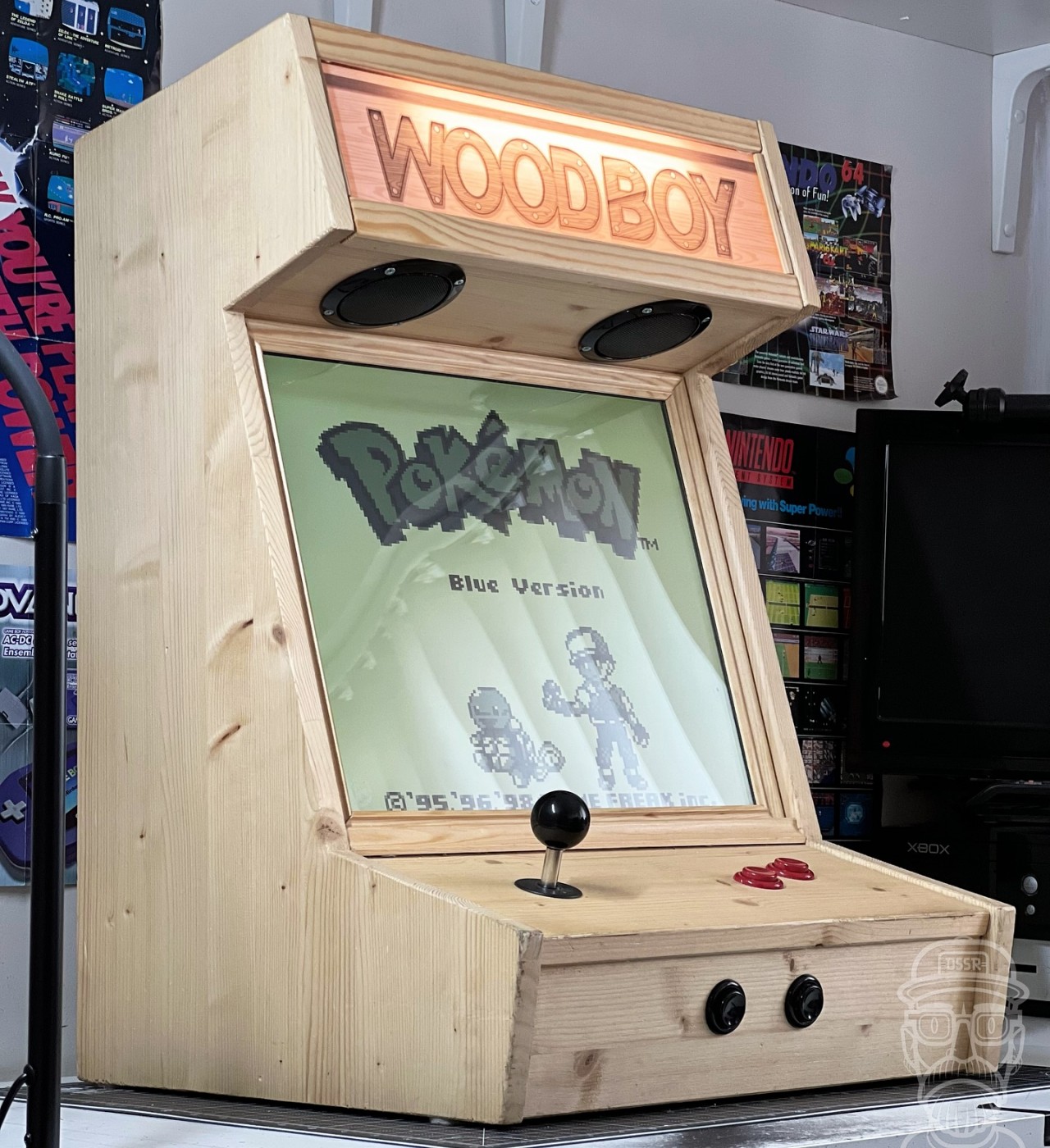
We have seen no shortage of retro designs that try to recreate the glory of old product designs, especially in the gaming world. Many of these try to be as faithful as they can to the original, but some are content to add a few interesting twists like sticking to the spirit of the design and the experience. A Game Boy, for example, was one of the earliest handheld gaming devices to gain international fame, but that doesn’t mean it has to stick to that petite size today. In fact, this DIY retro project goes in the opposite direction and brings the green-tinted monochrome display of the OG Game Boy to an extra large arcade cabinet screen, complete with a joystick and buttons that could feel more satisfying to mash to quickly get through dialogues.

Designer: Shaun Campbell (didsomebodysayretro)

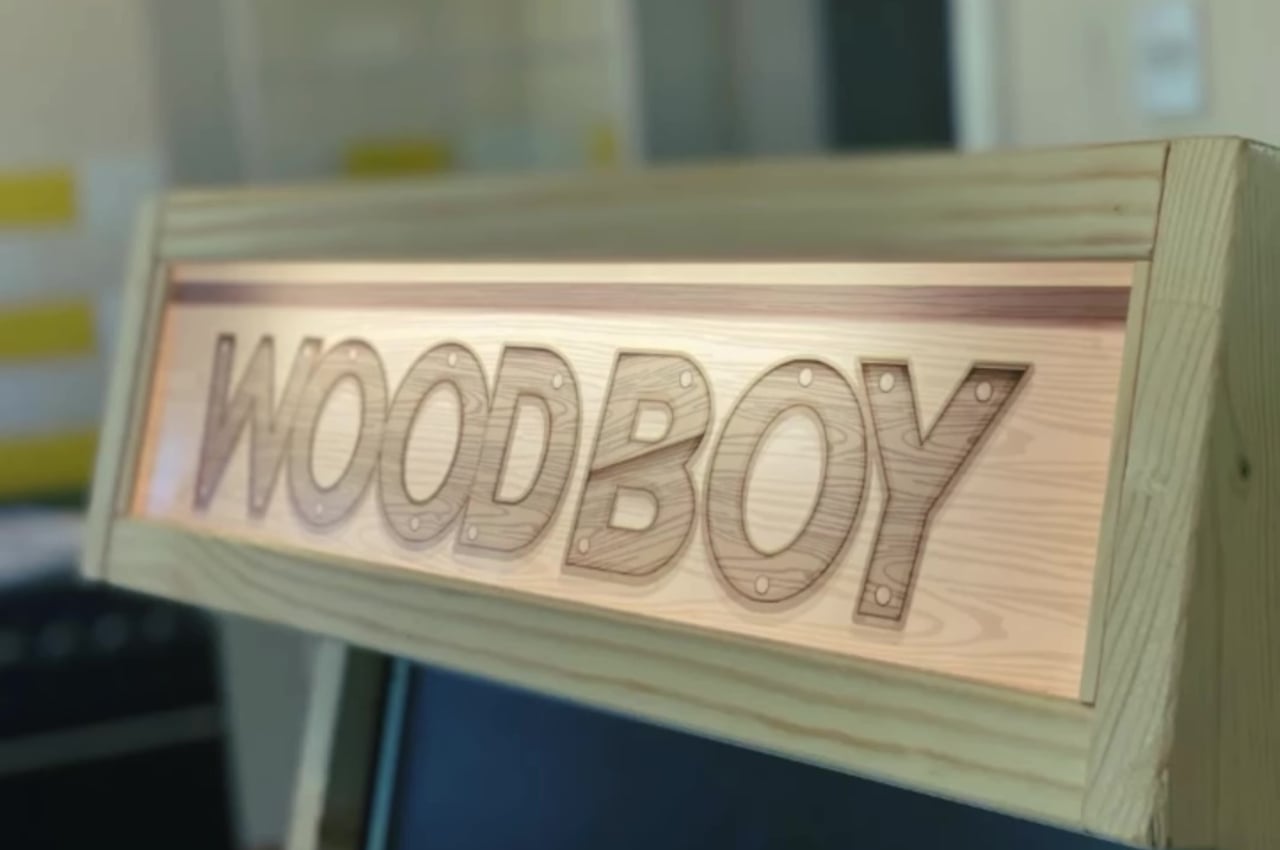
Compared even to its colorful successor, the original Game Boy felt a bit underwhelming. Despite that, it opened gamers of the past generations to a world of gaming that they can take anywhere with them. In addition to special features that allowed them to link up with other Game Boy devices, the gaming handheld embodied a kind of freedom that was revolutionary in an age of home consoles. It’s almost ironic, then, that the WoodBoy project removes that portable design but exchanges it with another of the Game Boy’s popular traits: pure gaming fun.

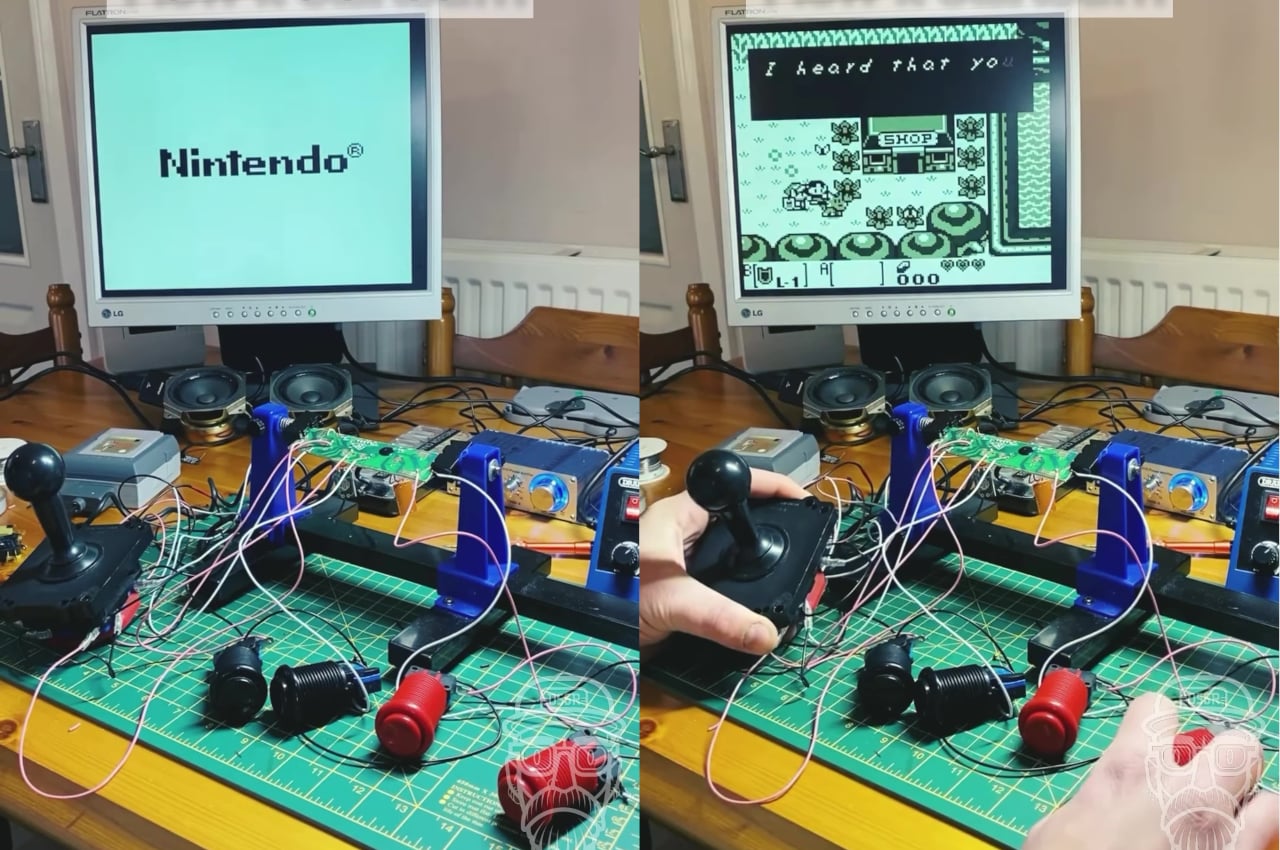
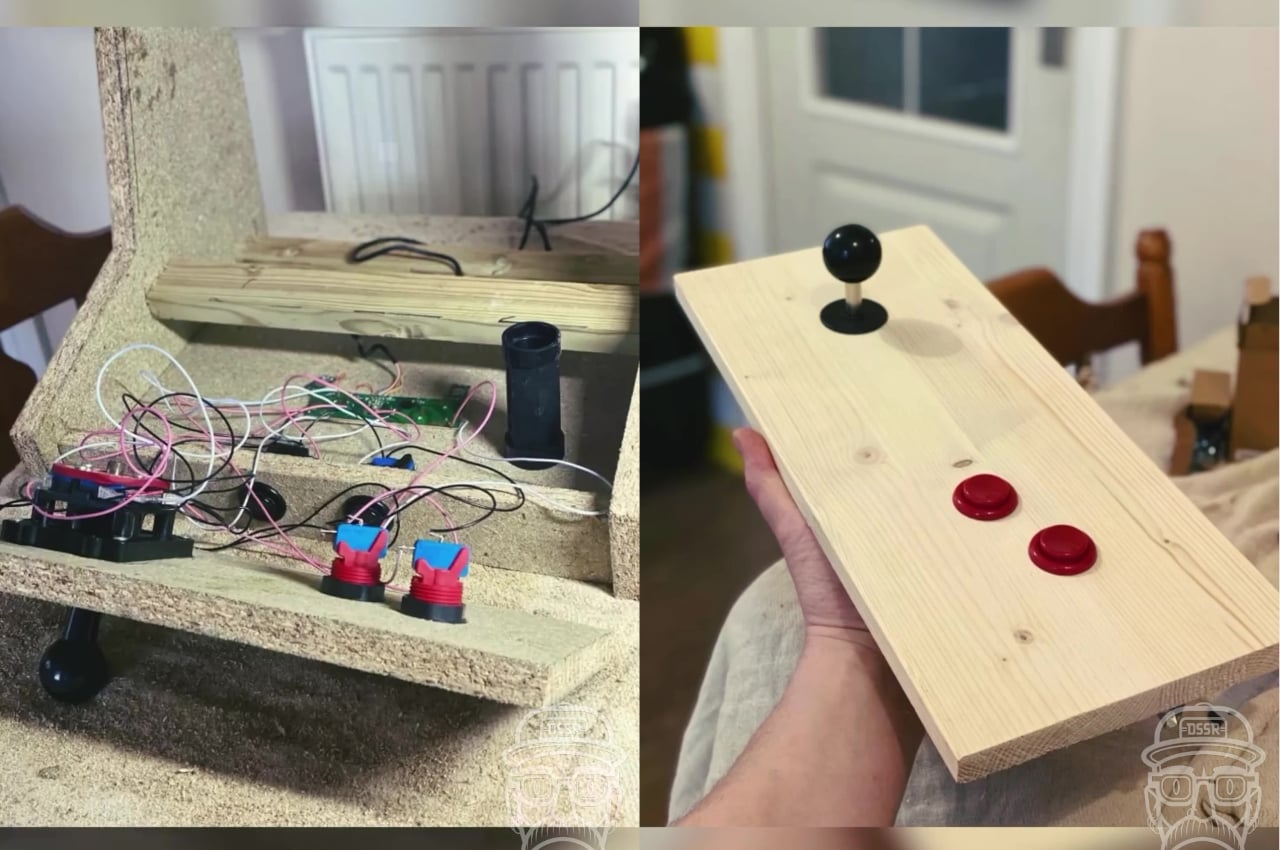
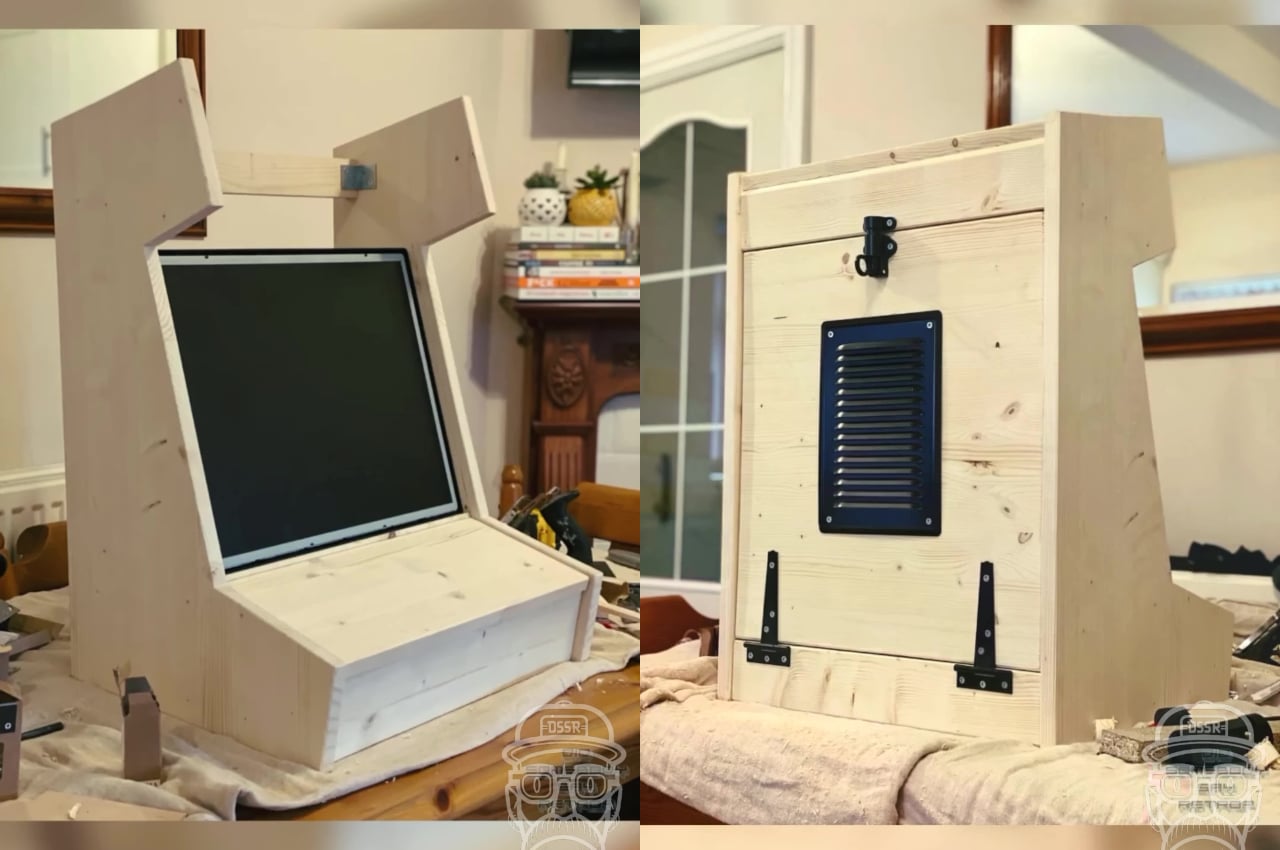
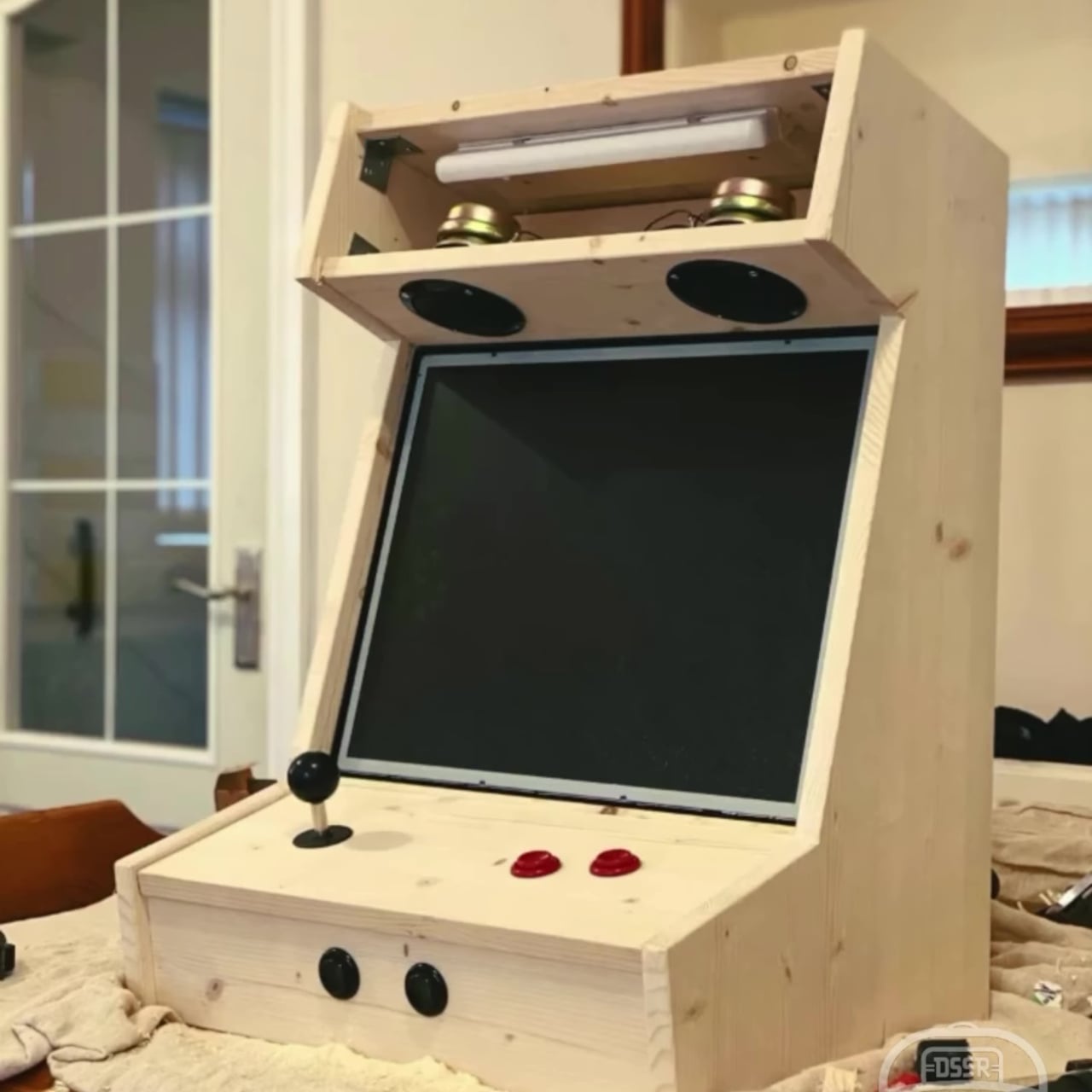
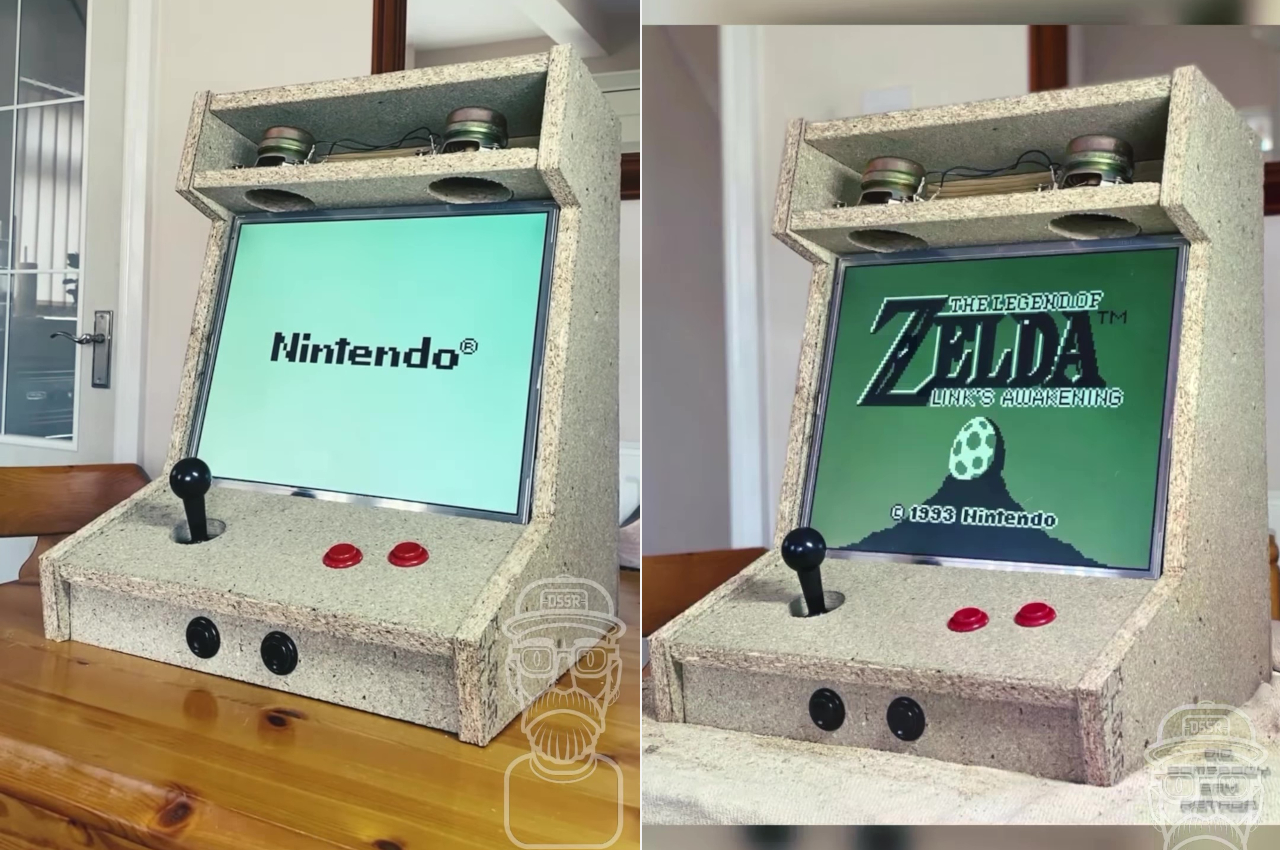
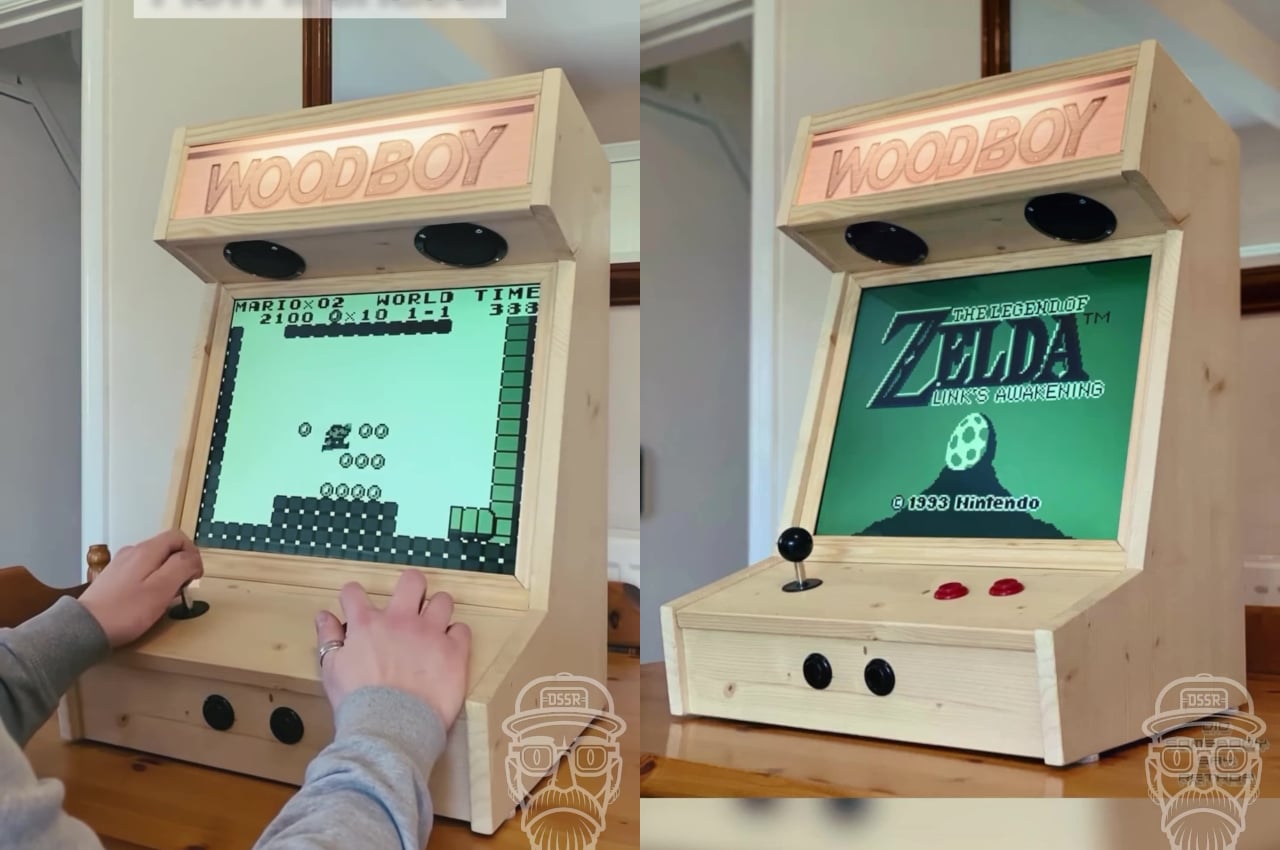
In a nutshell, WoodBoy shoves the original Game Boy, not the Game Boy Color, into a handmade wooden arcade cabinet. This gives it a much larger screen than the minuscule 2.5-inch screen of the handheld original, something a bit better for today’s more discerning eyes. In fact, everything about the arcade is an upscaled version of the Game Boy, redefined for, well, arcade play. Instead of a gigantic D-pad, for example, you get a more satisfying joystick for directional control.

Curiously, WoodBoy eschews the traditional 2×2 button arrangement you might find on most arcades for two red buttons at the top and two black buttons on the front edge of the cabinet. This mimics the separation of the A, B, Start, and Select buttons on the Game Boy and minimizes the potential for confusion or erroneous presses. At the same time, however, that might make it harder to hit pause quickly with either of your hands if it has to travel to the front.

What makes WoodBoy different from many DIY retro projects is that it runs actual original Game Boy cartridges rather than using emulation. It utilizes a kit that mods the original Game Boy device into a console, making it compatible with authentic cartridges and games. That, of course, makes it dependent on owning said cartridges, but WoodBoy is definitely a collector’s product anyway.

The post DIY Game Boy arcade blows up classic titles with a giant screen, giant controls first appeared on Yanko Design.

Anbernic Game Boy Advance SP clone does more than just copy an old design

Retro gaming consoles and computers are still going strong, with many designs still left to be revived, resized, and retrofitted for modern times. Most of these products try to recreate the experience of those original machines, at least with the games they used to run on very limited hardware. That said, you can only go so far trying to recreate the past. Sooner or later, you will hit a wall, as demonstrated by the limited number of titles supported by many of these retro consoles. This reinterpretation of a Game Boy classic design, however, isn’t exactly a simple copy of the clamshell handheld. Instead, it takes the same spirit of portable adventure that the Game Boy Advance SP embodied and wraps it in a body that’s well-suited for modern gaming styles.

Designer: Anbernic

It’s honestly a bit of a gray legal area whenever third-party brands try to embrace a design so close to something from the annals of video gaming history. That hasn’t stopped the likes of Anbernic from taking obvious inspiration from those bygone designs but with enough modifications to skirt infringement accusations. Of course, Anbernic has its own original designs, but the ones that really grab your attention are those that pay homage to icons like the Nintendo Game Boy.

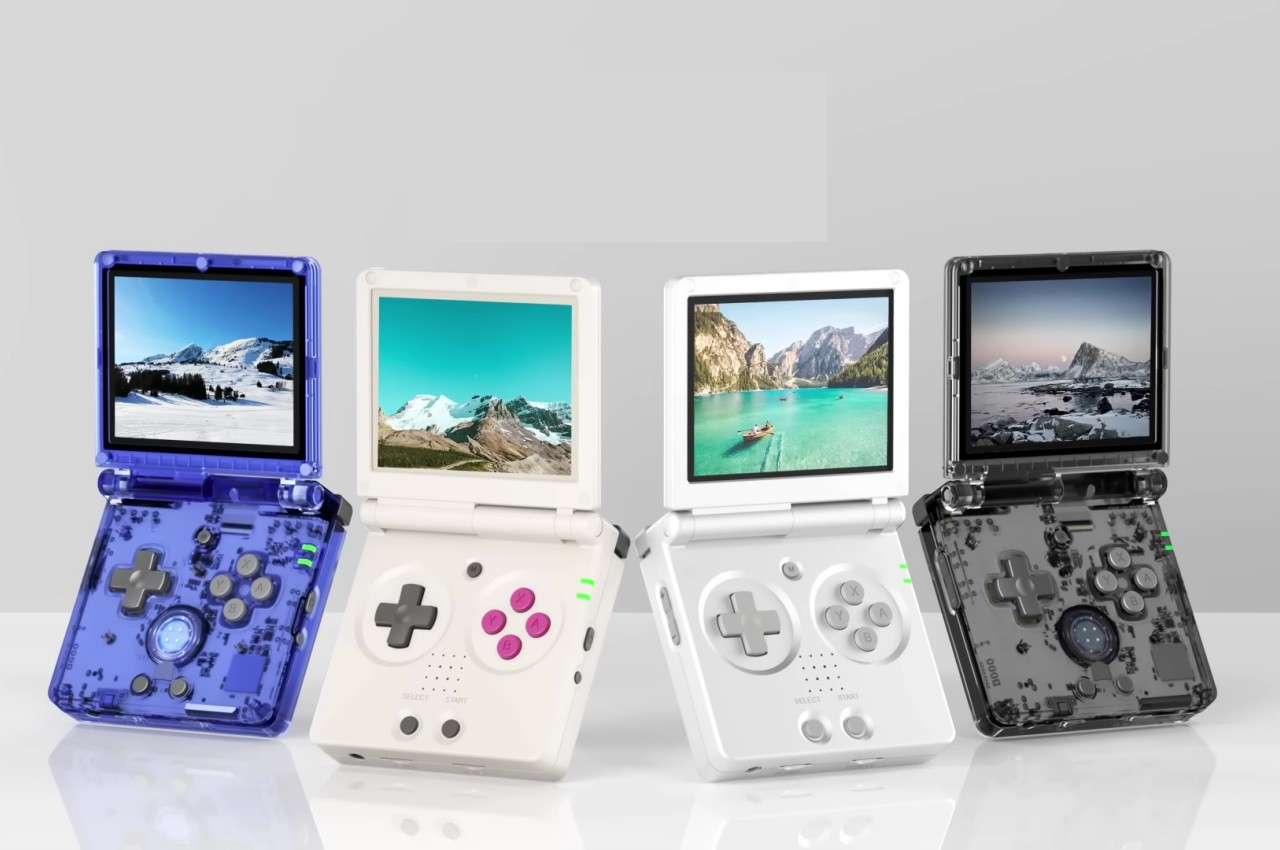
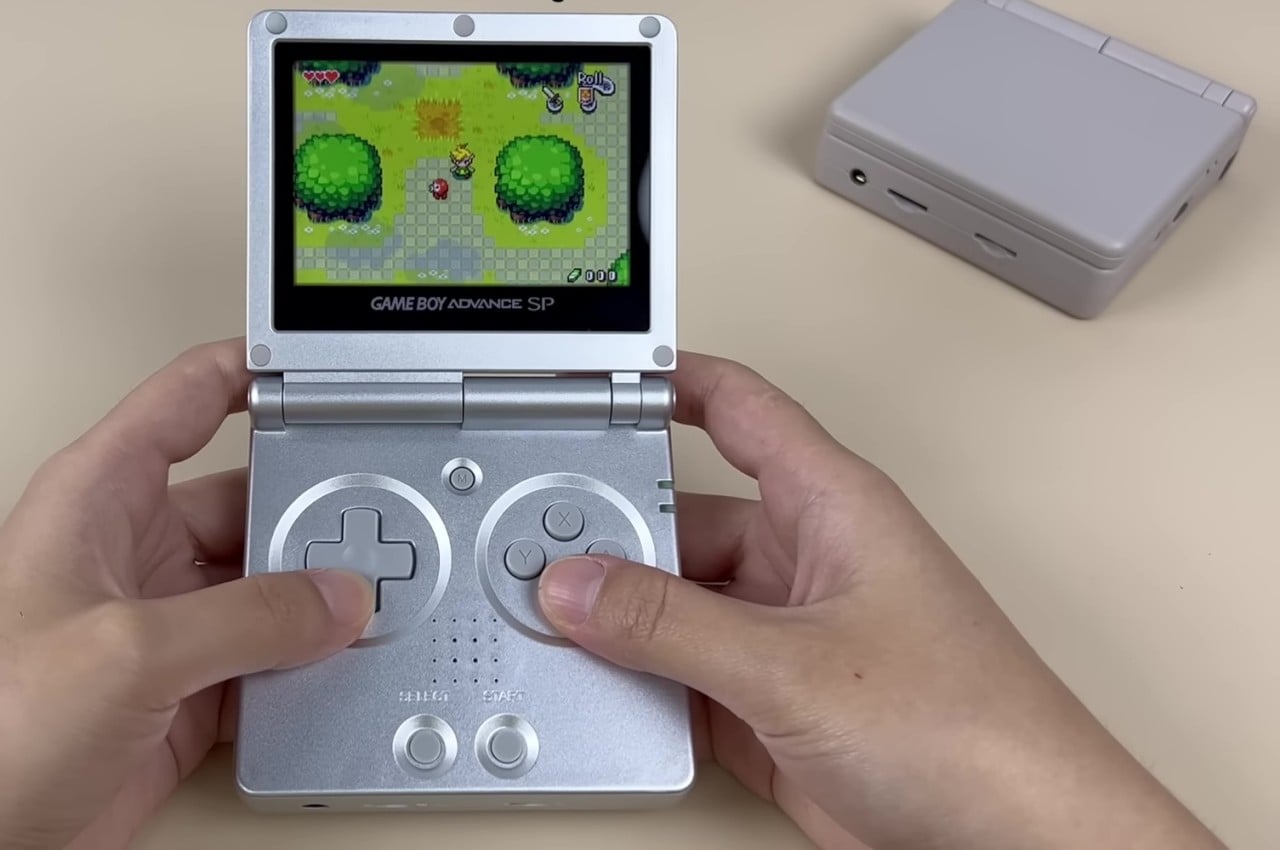
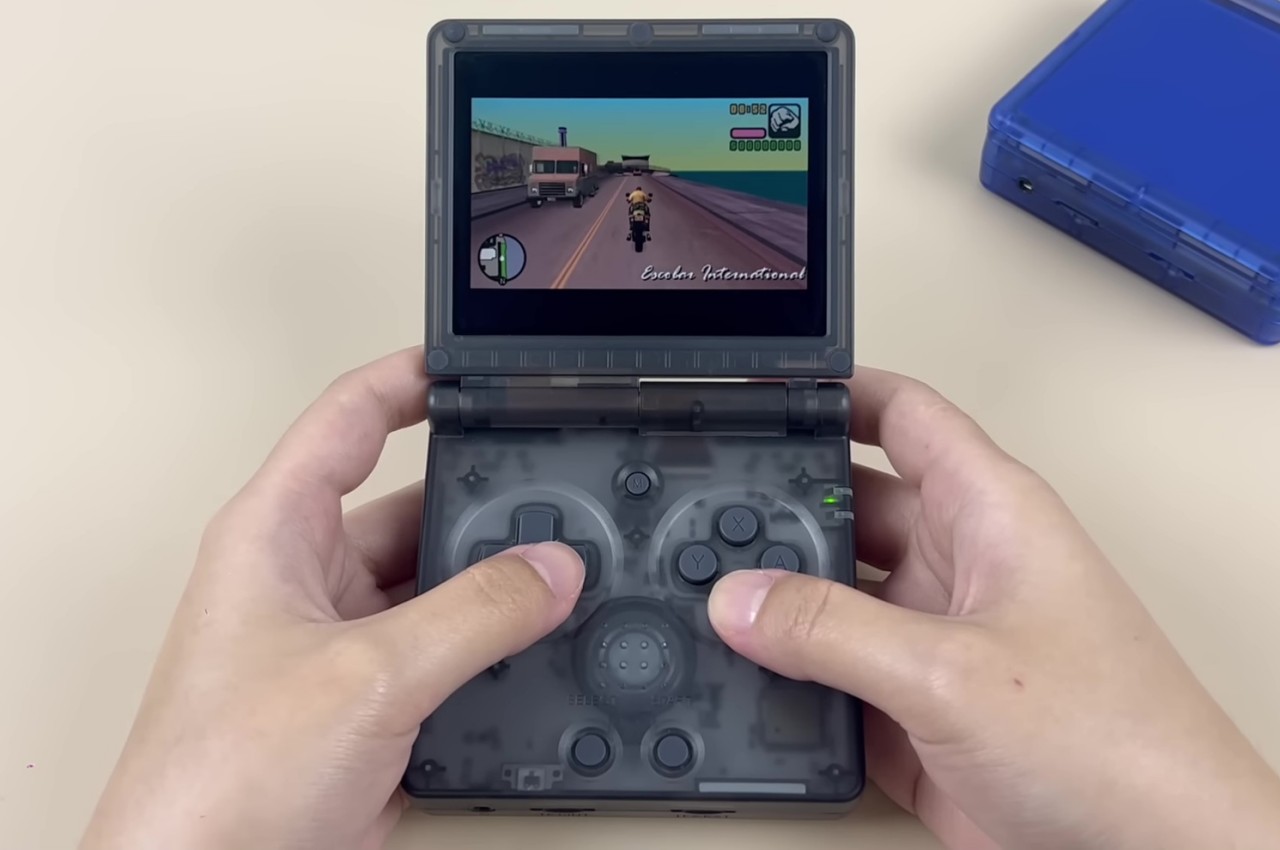
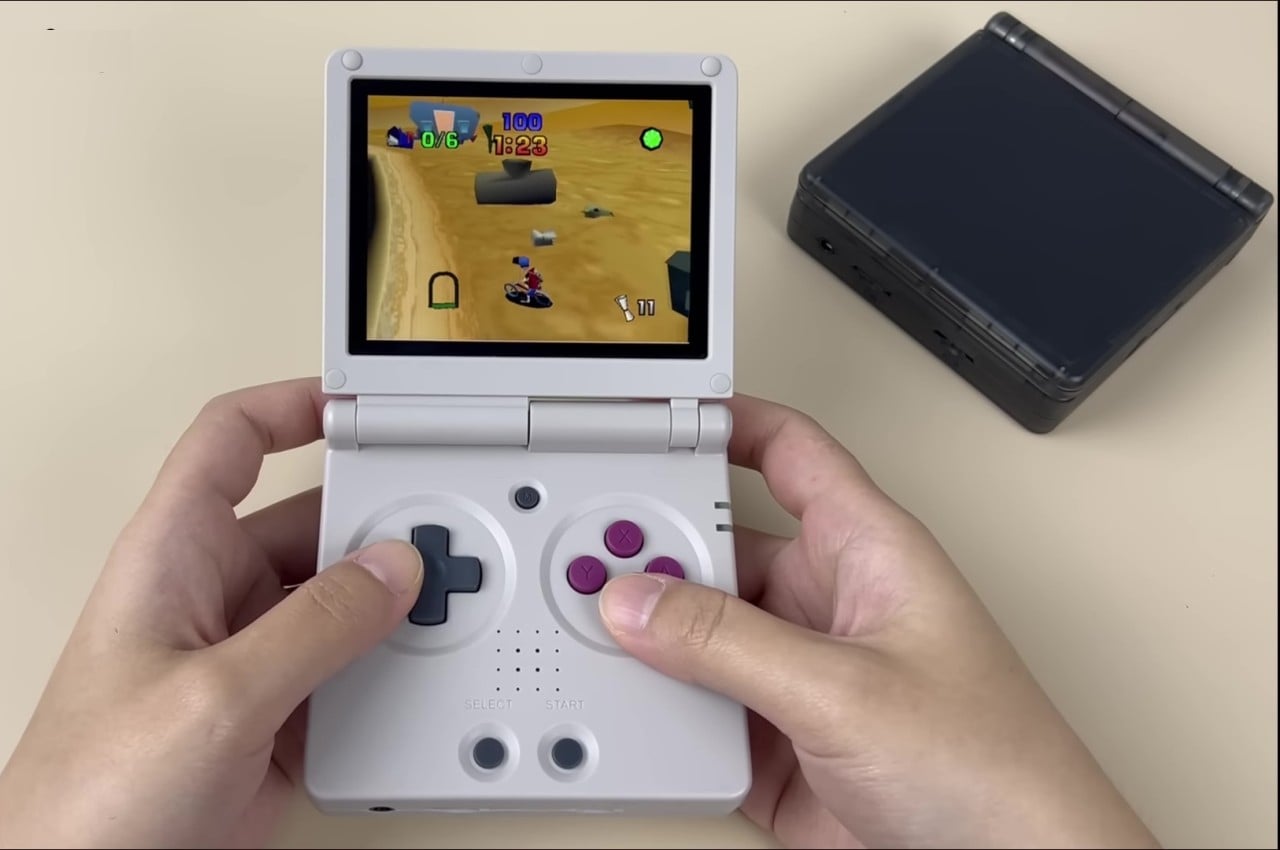
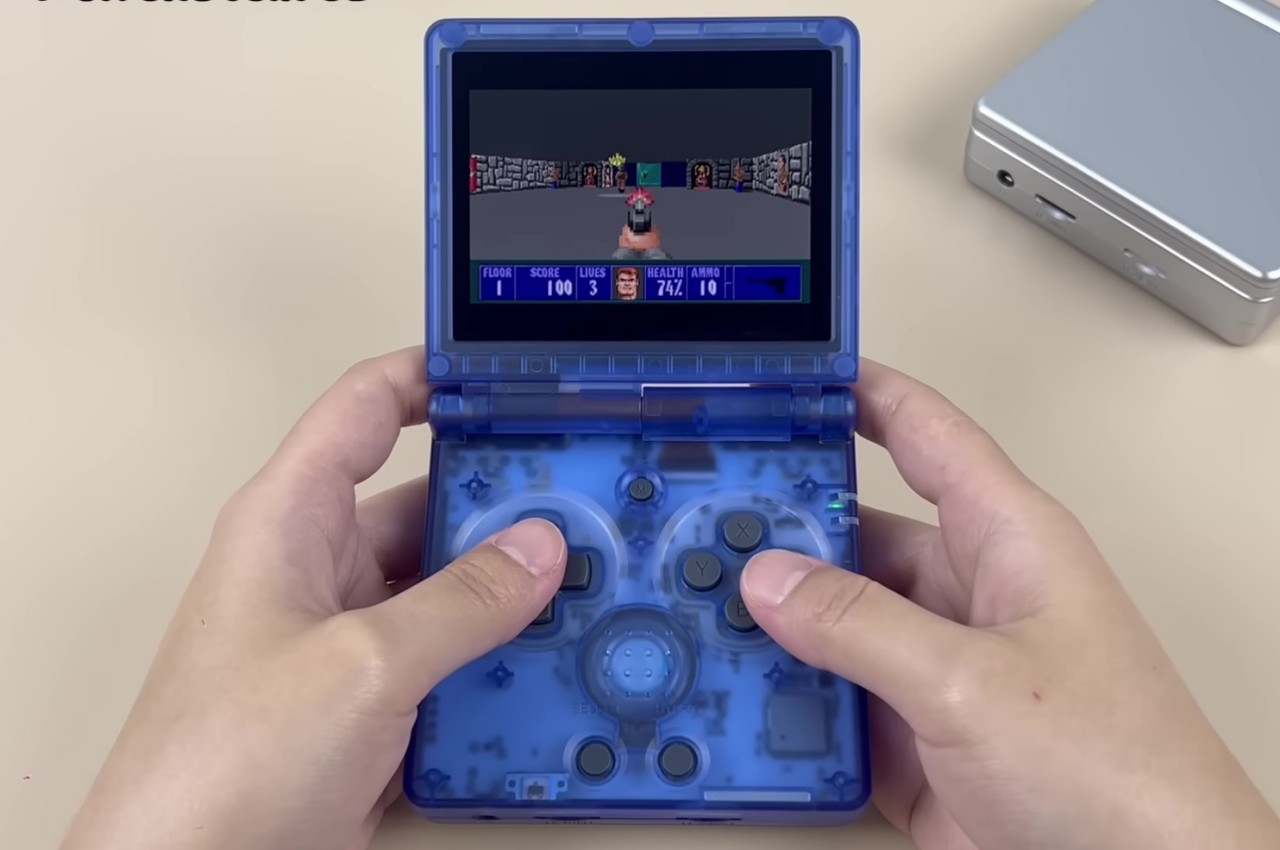
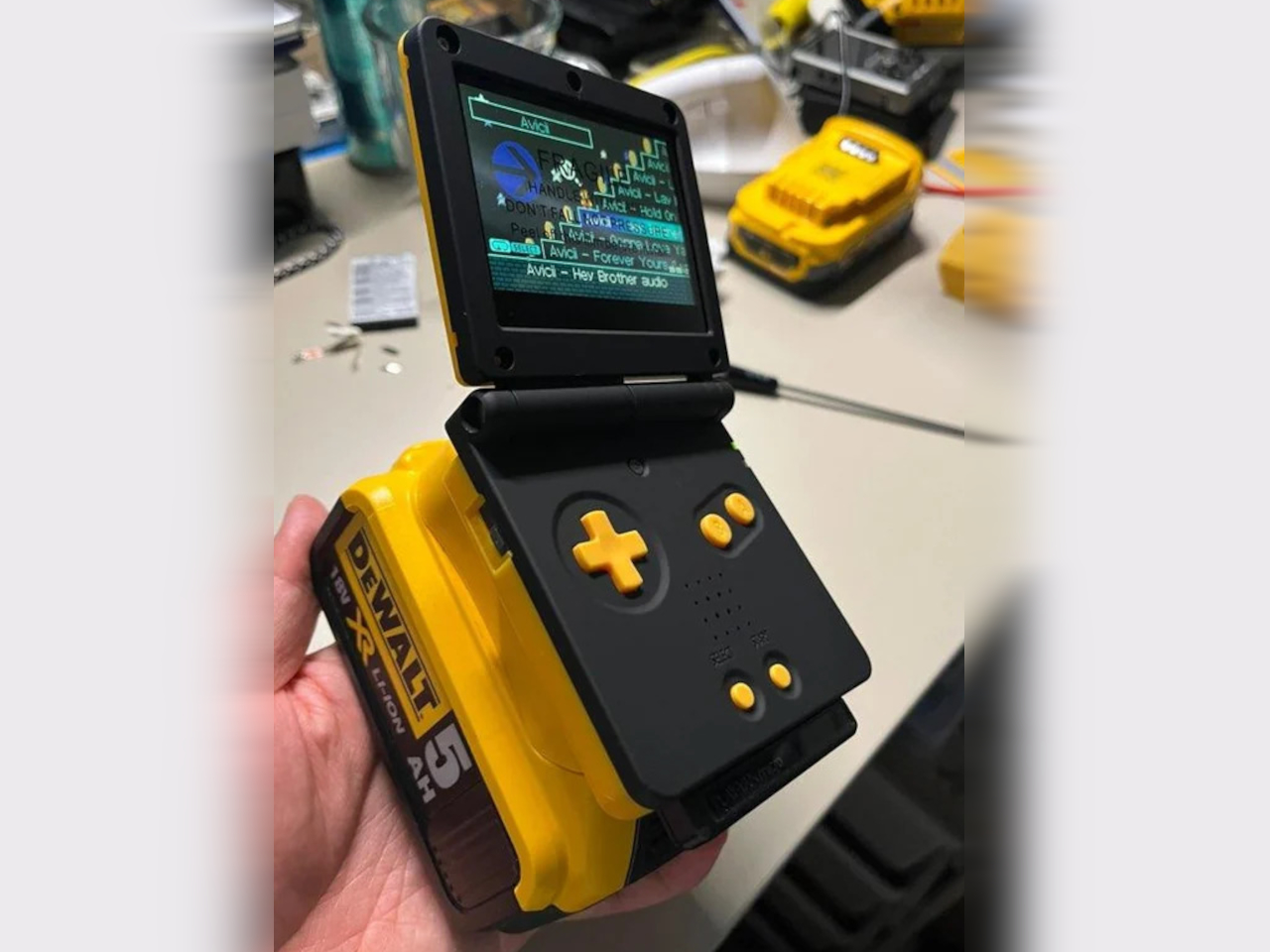
With the uninspiring name of Anbernic RG35XXSP, the prolific gaming handheld manufacturer is bringing the Game Boy Advance SP back to life, or at least the pocket-sized clamshell design that made it quite a hit. It’s just as blocky and thick as the original, but that’s also part of the device’s charm. For better or worse, however, that’s where the similarities end to the point that you can even say that the RG35XXSP was simply “inspired” by Nintendo’s handheld.

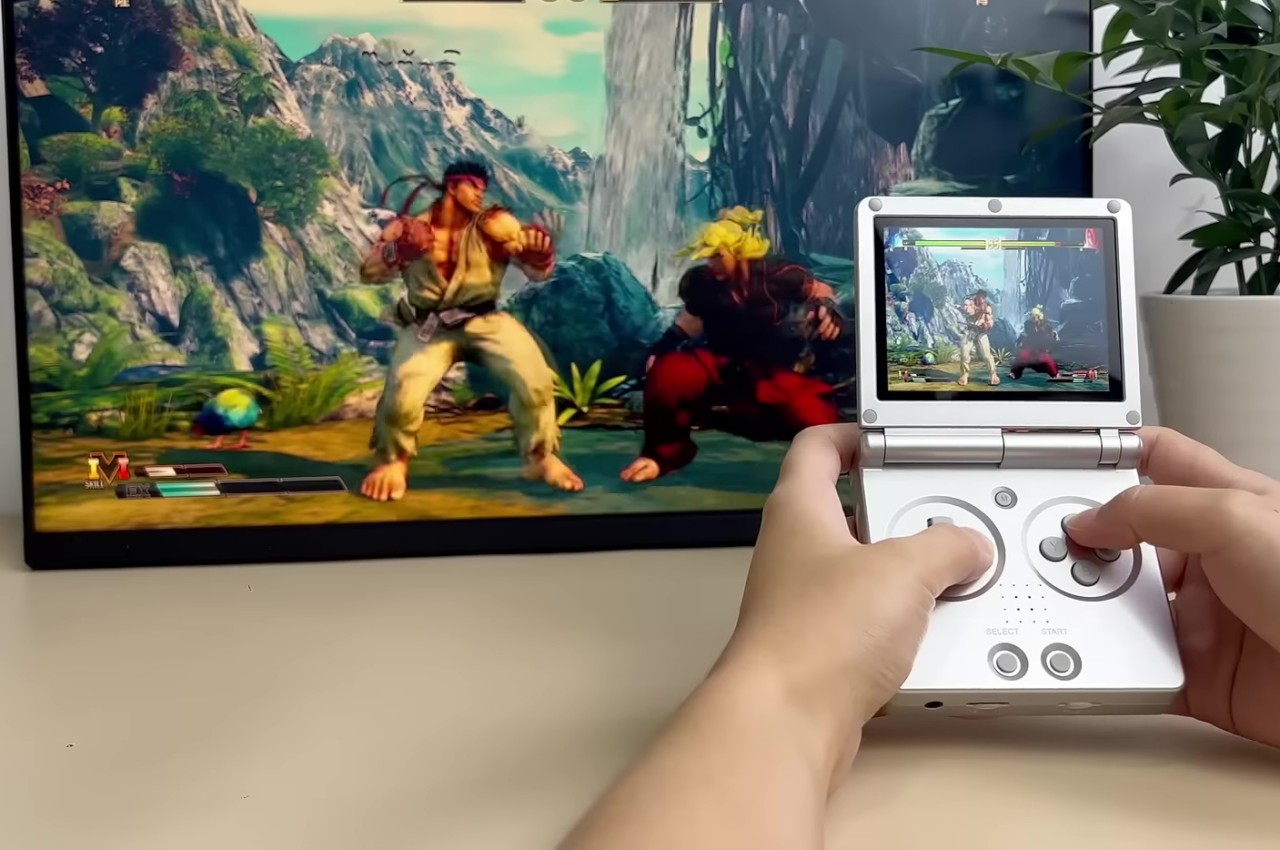
Deep inside, it uses the same guts as all the other iterations of the RG35XX, which means that it’s practically a mini computer that runs the Linux operating system. Specifically, it uses an emulation platform that can support a whole plethora of games from the likes of the Nintendo 64, PlayStation 1, PlayStation Portable, or even MS-DOS. And, yes, it can probably run Game Boy games as well, though you’re left to your own devices on how to make all these work.

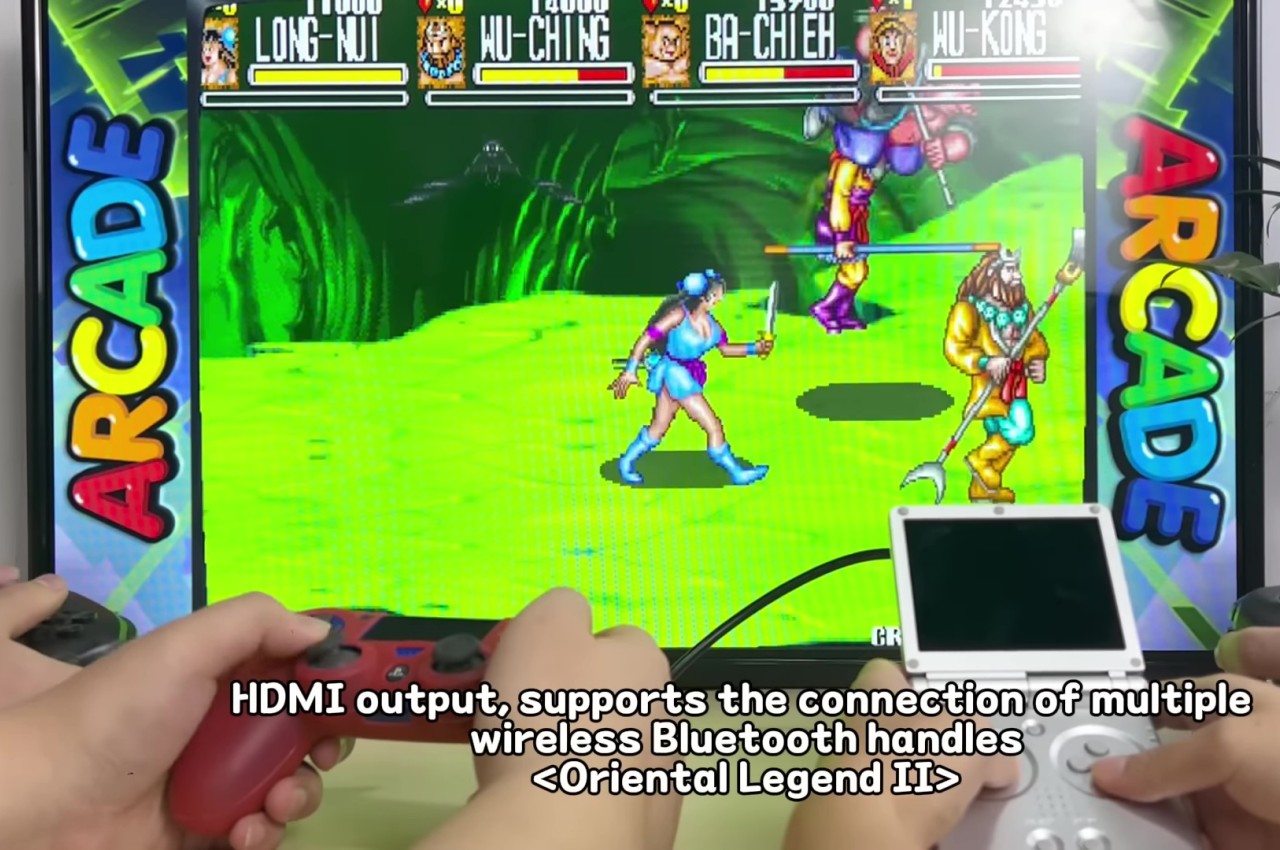
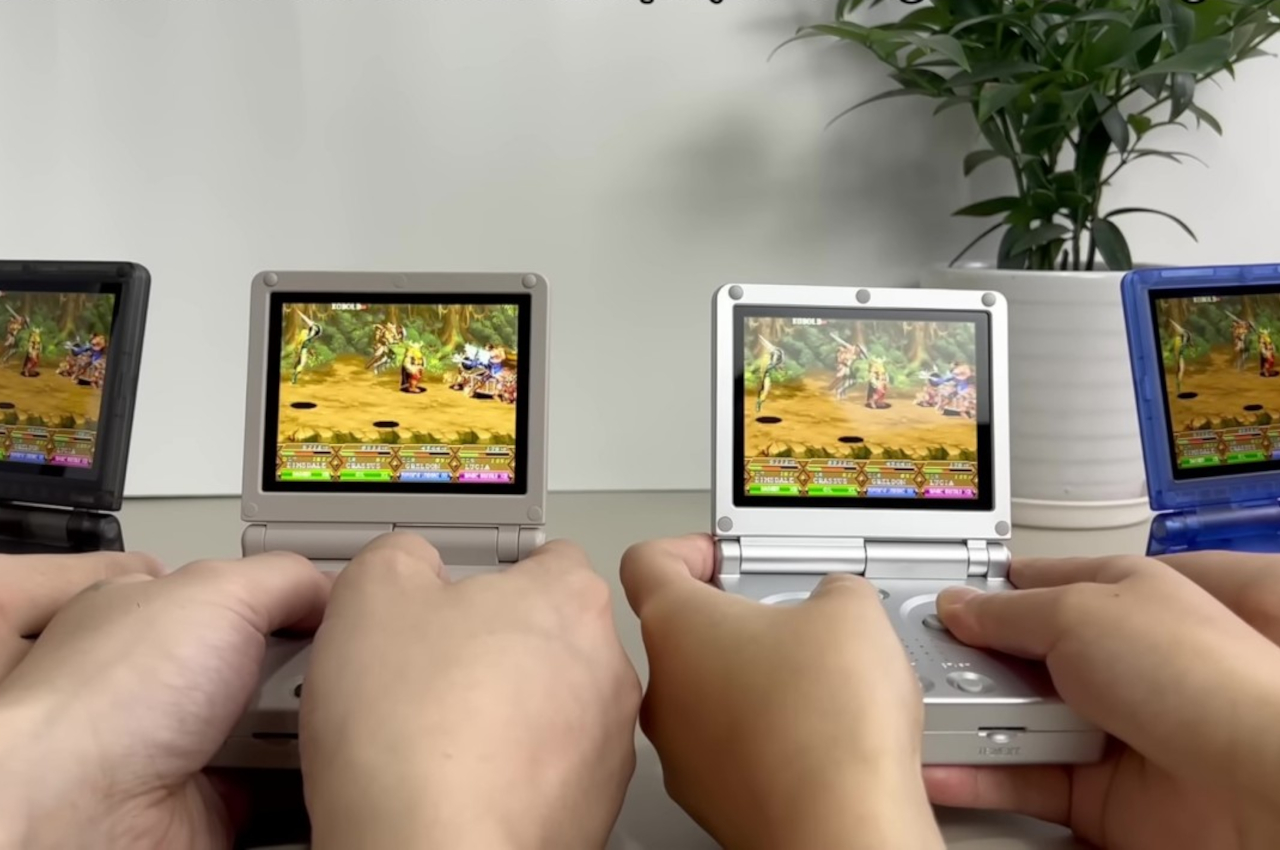
What’s more important, however, is that the RG35XXSP doesn’t use the limited controls of the Game Boy Advance SP. Instead, it has enough buttons to support all those gaming platforms, though don’t expect any analog joystick here. The pocketable gaming handheld is also described to be equipped with modern technologies, like Wi-Fi and 5G for local multiplayer gaming, HDMI for TV output, and support for Bluetooth peripherals like controllers, keyboards, and mice. Shown off in four designs that give tribute to those consoles and handhelds of the past, launch details for the Anbernic RG35XXSP are unfortunately still unavailable at this moment.

The post Anbernic Game Boy Advance SP clone does more than just copy an old design first appeared on Yanko Design.
Elago Game Boy style MagSafe iPhone charger looks fun but comes up short

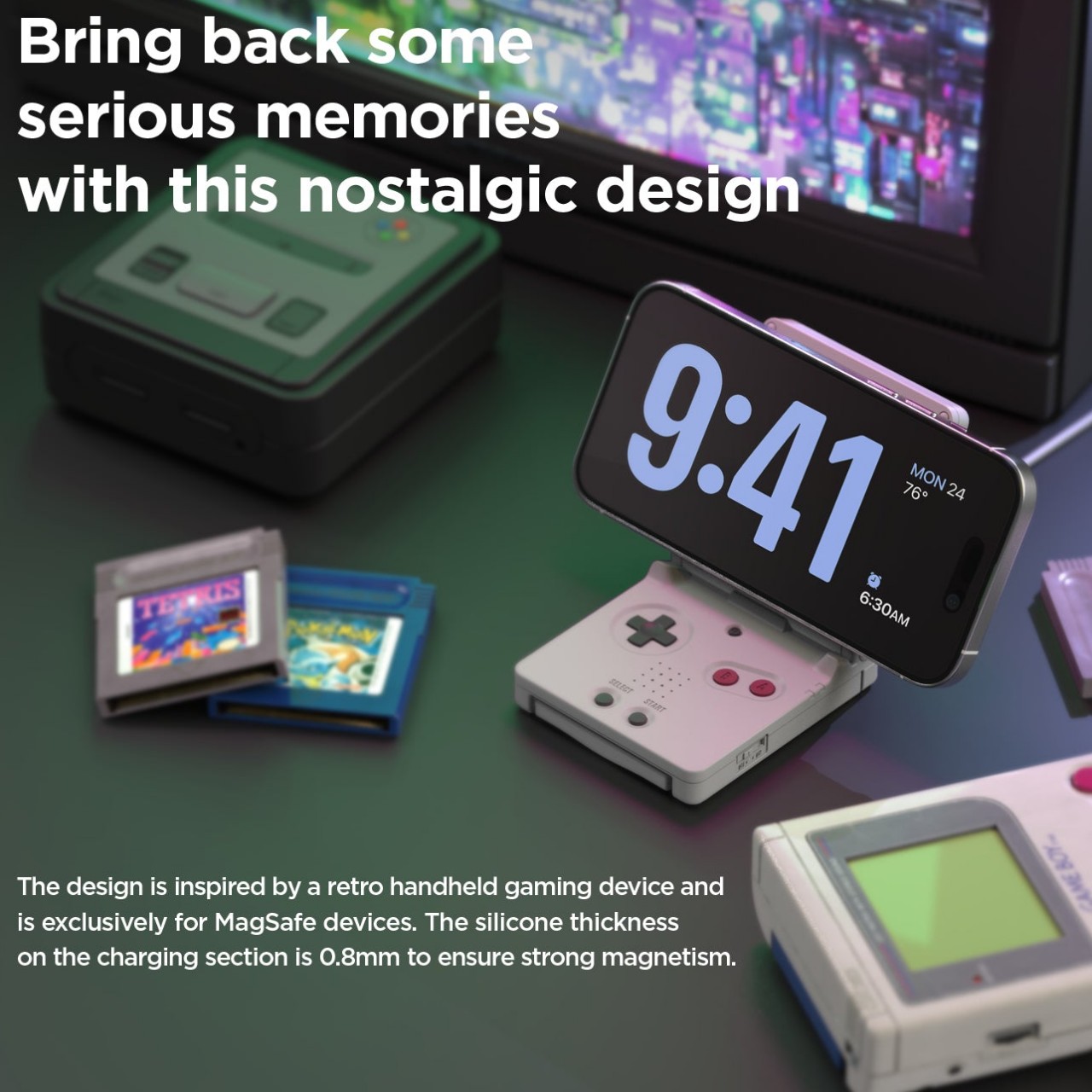
Nostalgia is a powerful emotion, as proven by the number of successful crowdfunded projects and launched products that try to capitalize on this ongoing retro trend, especially in the gaming industry. Vintage designs of the past are today’s quirky oddities, and there are many who are quick to jump on the bandwagon. While many of these retro designs try to also recreate the experience of holding a real gaming console or turntable with some modern features and conveniences, others are just content to copy the aesthetics of old-school products and leave it at that. This MagSafe iPhone charger might be in that latter category, and while it is charming in the way it brings back fun, playful memories, it could have probably gone further if it really wanted to.

Designer: Elago

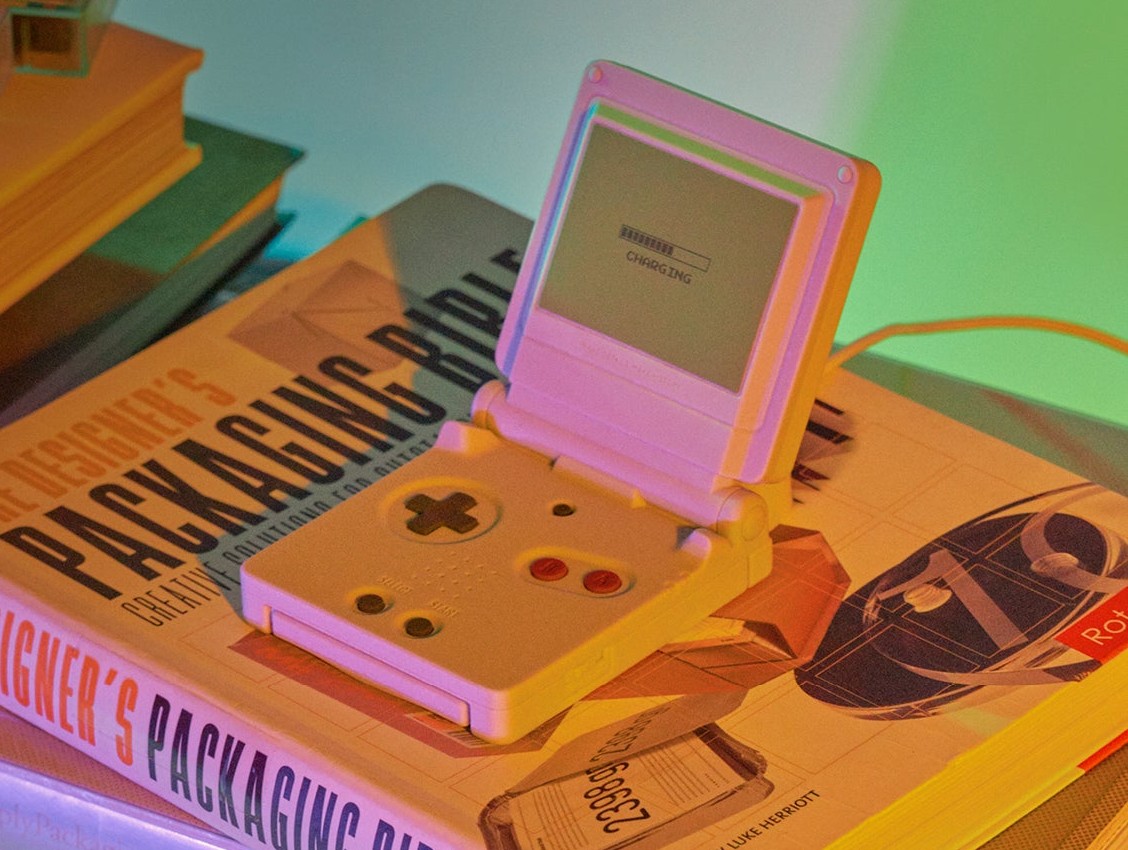
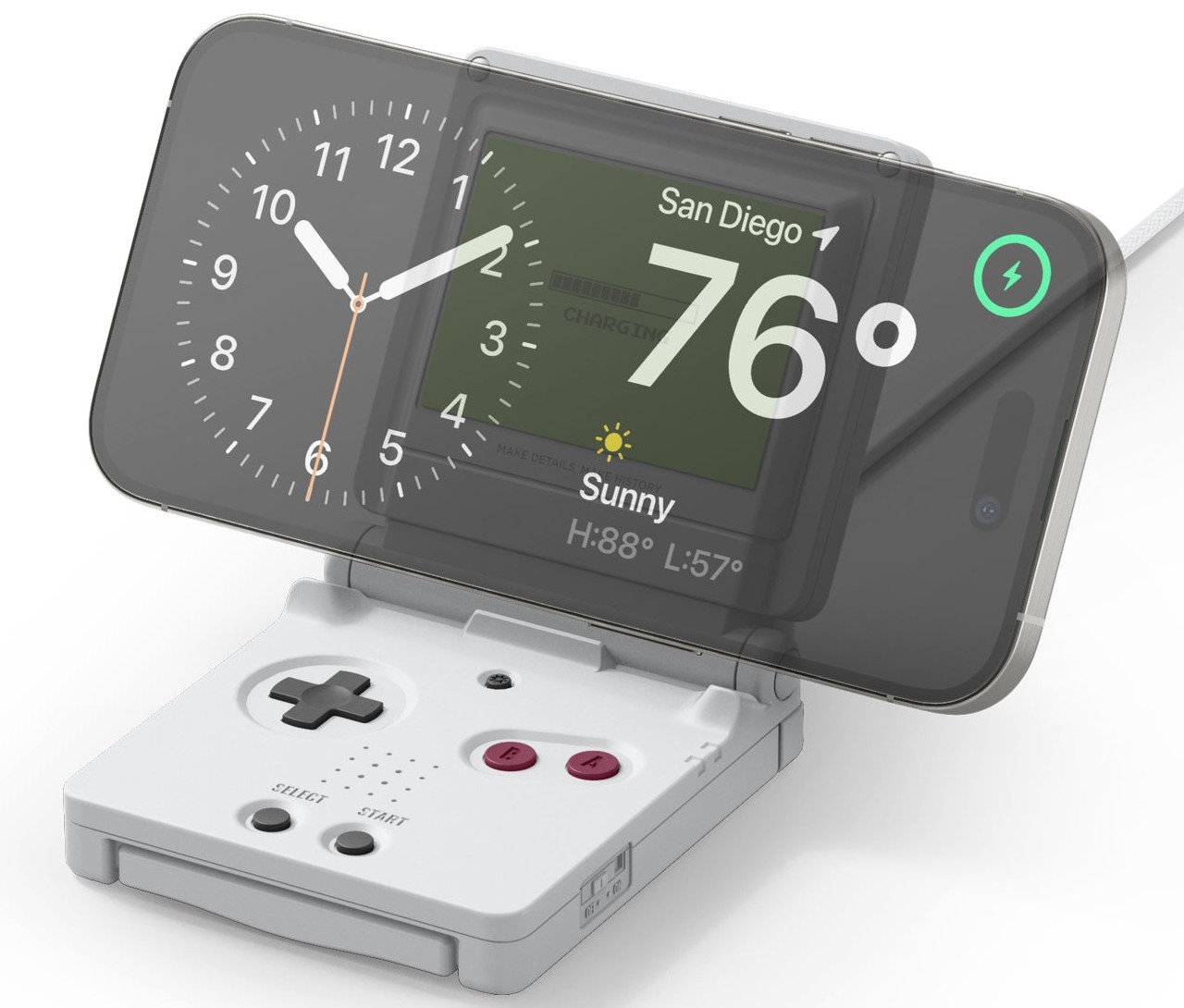
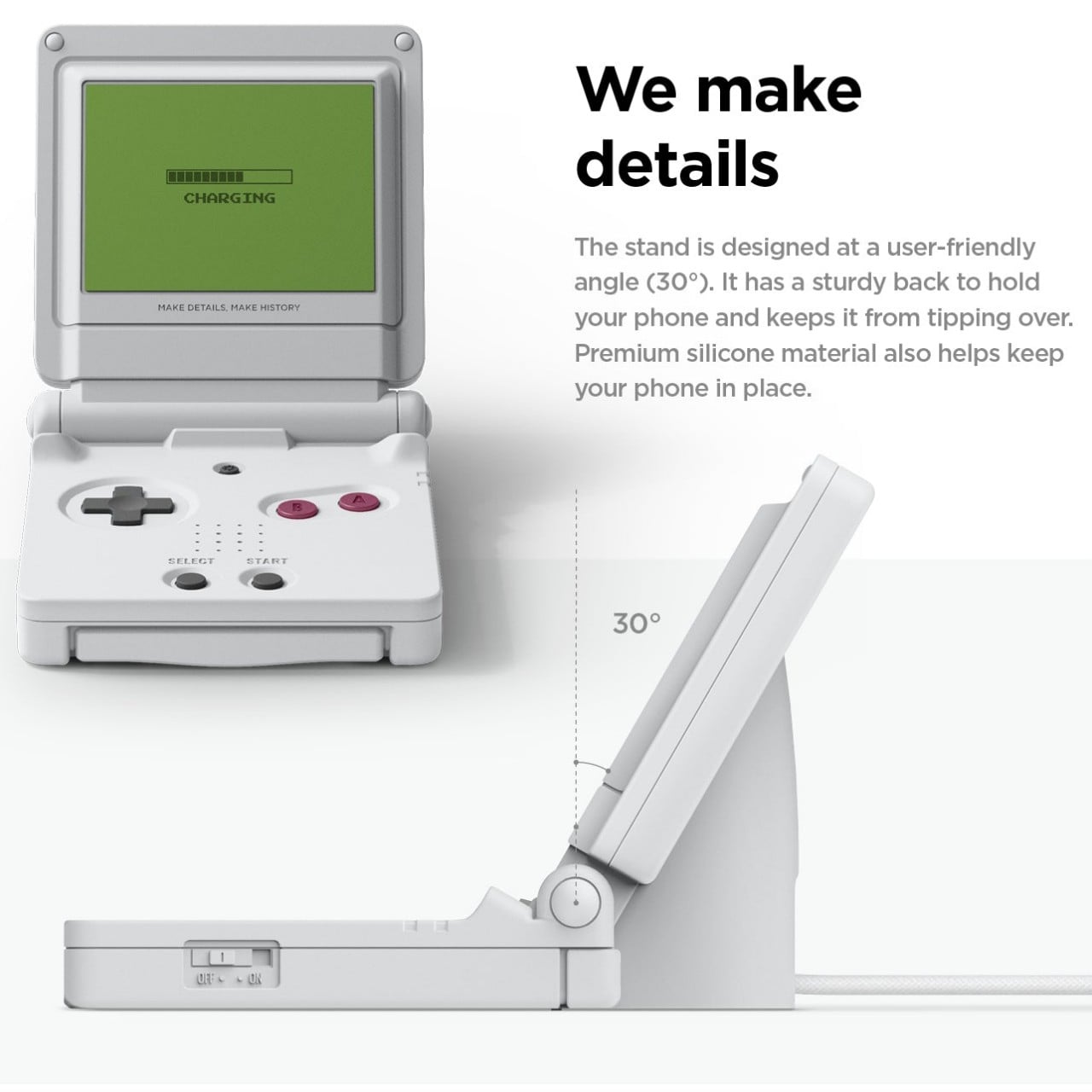
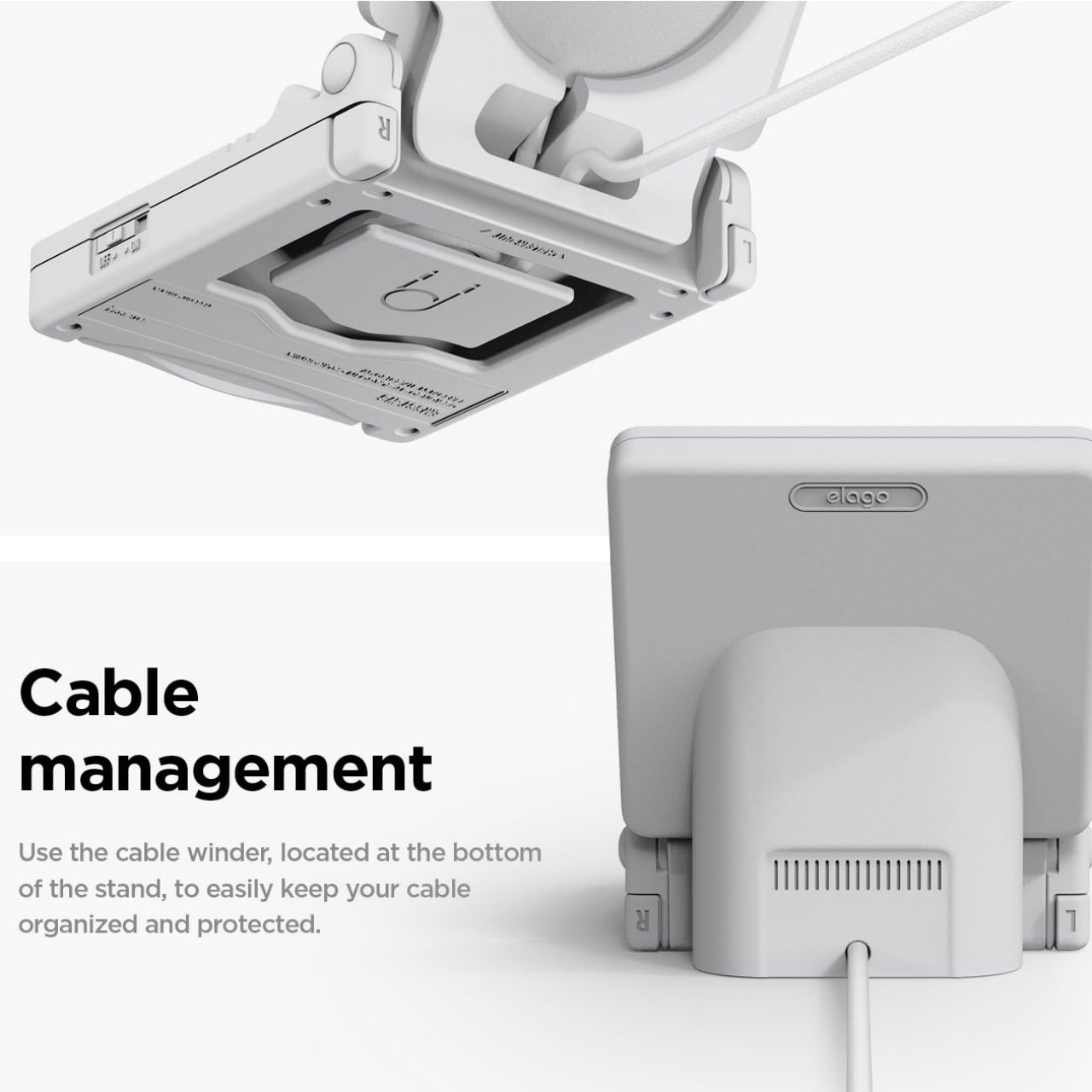
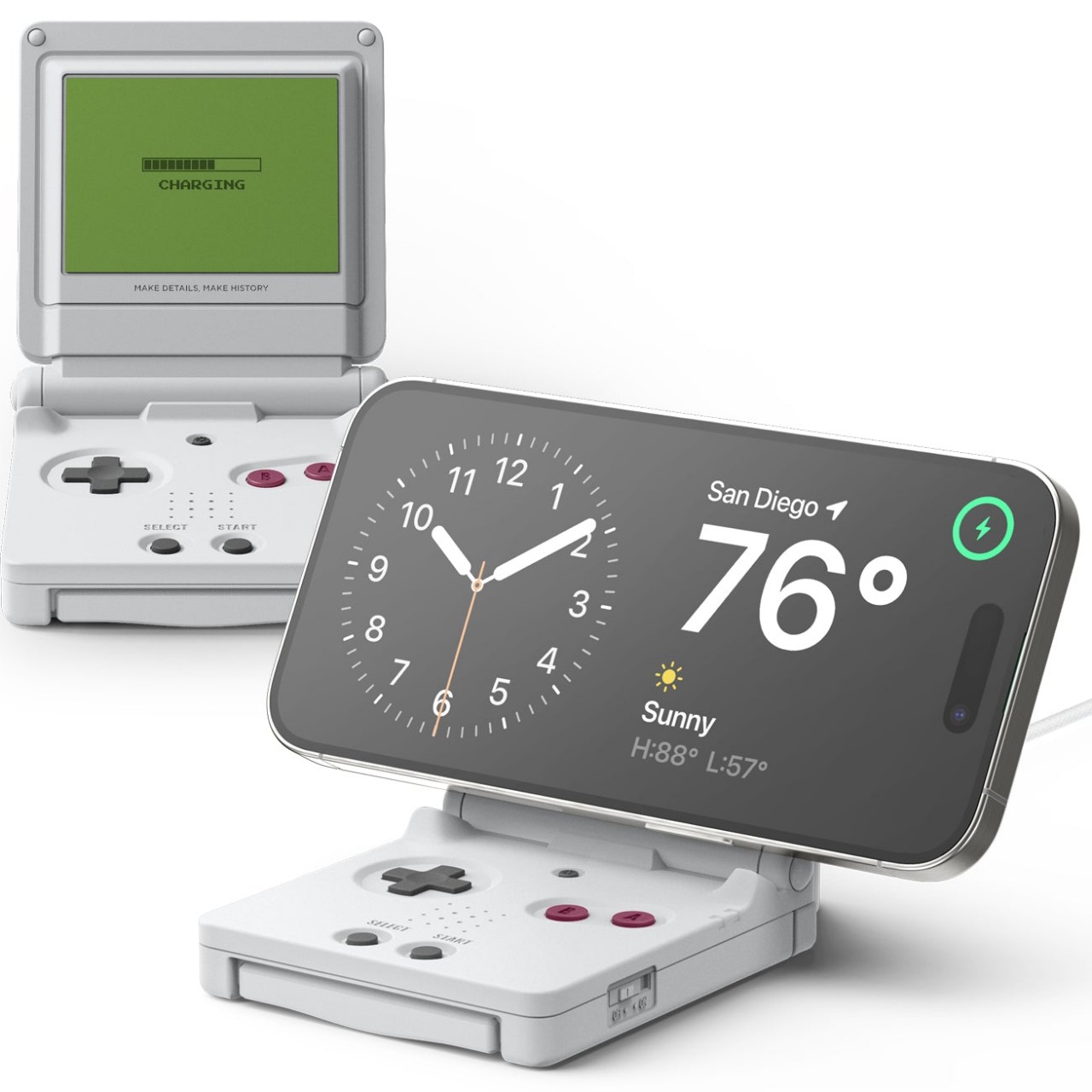
To be fair, the Elago WS M5 Charging Stand does exactly what it says it does, which is to offer a fun MagSafe charger in the design of the Nintendo Game Boy Advance SP. In that regard, it does its job well, providing a stable and useful stand for charging the phone. The fixed 30-degree angle, for example, is claimed to be perfect for watching videos or using iOS Standby Mode at night. It even has helpful support on its back to prevent the charger from tipping backward from the weight of the phone.

Elago never claimed that the stand was a functional gaming device, despite all visual indicators. It’s simply meant to inspire a trip down memory lane and nothing more. The buttons do nothing and you can’t fold the charger close like the original handheld it was based on. For a $25 MagSafe charging stand, that’s a bit disappointing. It sort of raises expectations and then dashes them quickly, making those good old days really feel more like a distant memory.

It’s also a missed opportunity for innovation and distinction. Sure, it won’t make much sense to turn it into a makeshift game controller, but having the buttons trigger some action on the phone or do anything at all is significantly better than making you feel like an idiot for expecting that a button press would actually result in something. A clamshell design would have also made this charging stand a bit more portable while relying on a kickstand mechanism to provide that same stability and support.

What this Game Boy-like MagSafe charger really accomplishes is to demonstrate the biggest benefit of this magnetic wireless charging technology. Sure, charging without cables is convenient, but its speed still leaves a lot to be desired. Instead, it’s the freedom to design a wider variety of accessories, from chargers to stands to docks, that MagSafe really shines, and this Elago WS M5, underwhelming as it might be, is just the tip of the iceberg of what’s possible.

The post Elago Game Boy style MagSafe iPhone charger looks fun but comes up short first appeared on Yanko Design.
5 Crazy Nintendo Patents that were almost turned into real products

Did you know Nintendo *almost* made a smartphone case with a built-in Game Boy? Well, now you do…

Nintendo has always been a pioneer in the gaming world, known for its innovation and creativity. Starting out selling gaming cards, the company practically led the charge on gaming innovation, starting with their entertainment systems, to the birth of the world’s first handheld gaming console (Apple TV has an entire movie on how Tetris made its way to the first Game Boy). That was just a milestone for the company, which went on to revolutionize gaming with Super Mario, Pokemon, Legend of Zelda, and an entire host of other games that hold legend-status in the gaming world. The Game Boy then transformed into the Nintendo DS, which led to the Wii, and finally the wildly successful Switch. But did you know that not all of Nintendo’s ideas have seen the light of day? Or rather, some of their less-than-brilliant ideas that remain languishing in a patent office.

The folks at NeoMam Studios partnered with Guide Strats to bring some of these patents to life and let’s say, we would have loved to be a fly on the wall at the Nintendo office when these products were being pitched. From a Joy Con-enabled horse saddle to a smartphone case with a Game Boy built into it, these concepts are bizarre, to say the least…

Designers: NeoMam Studios for Guide Strats

Nintendo Inventions That Stayed On Paper

1. Nintendo Playable Game Boy Smartphone Case

(Patent No: US20180275769A1)

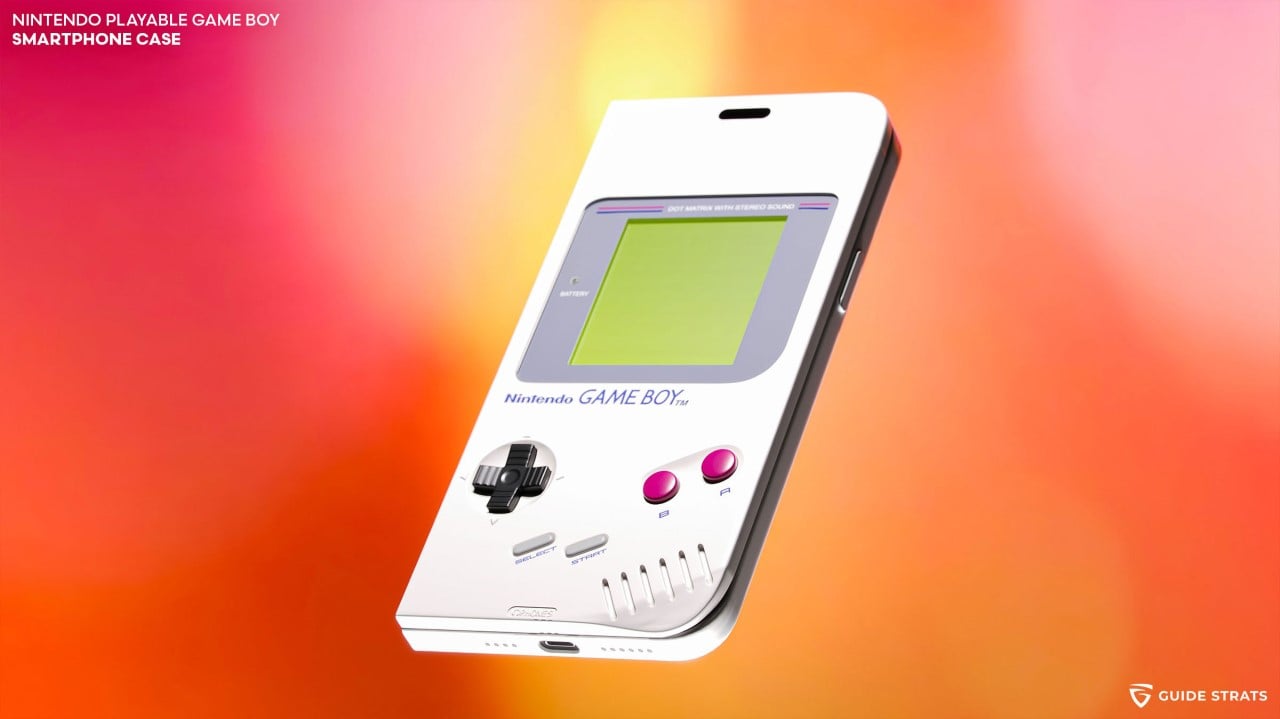
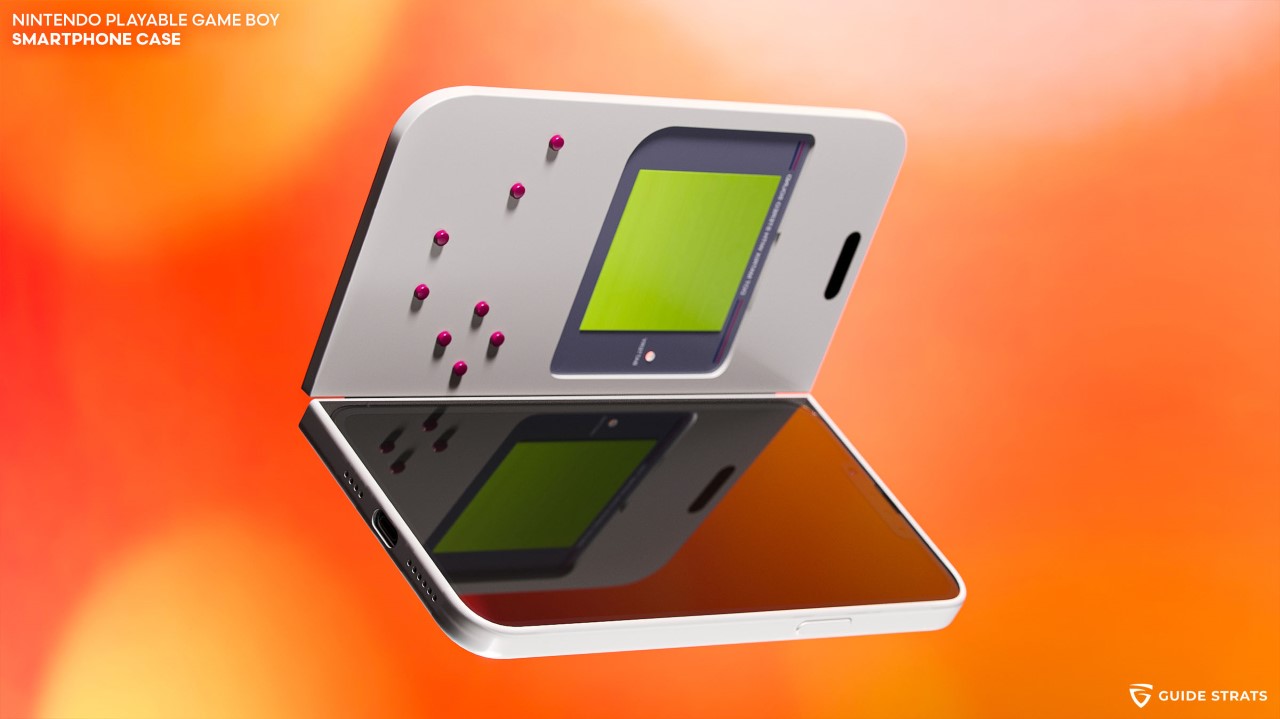
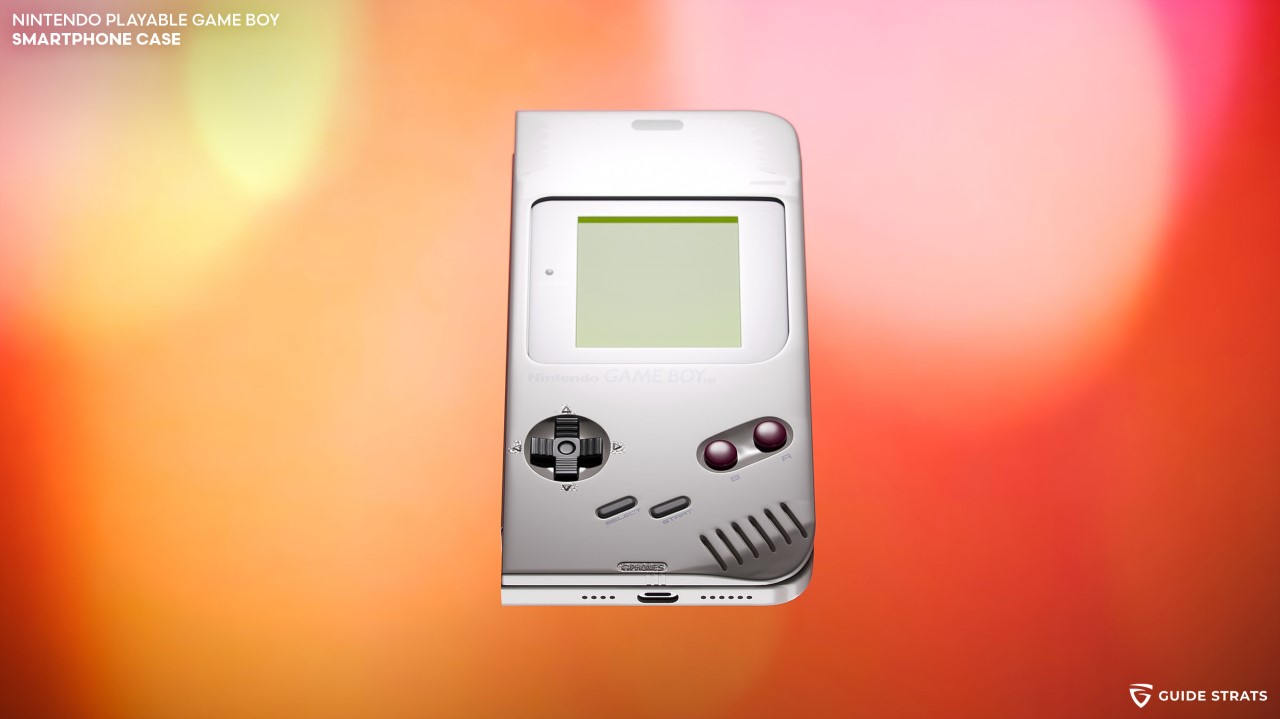
Somewhere down the road execs at Nintendo saw the rise of smartphones and thought – what if we turned the iPhone into a GameBoy?! This slap-on case for your smartphone basically acts as a physical emulator, blocking most of the screen to allow you to only see a small portion of it, where the game would be displayed. Buttons on the front tap the screen when pressed, allowing you to effectively get the Game Boy experience on a modern-day smartphone. The pros? Peak nostalgia and tactile buttons. The cons? Pretty much everything else, including the clunky GB cover that would practically consume your smartphone’s entire aesthetic.

2. Nintendo Switch Joy-Cons with Hinges

(Patent No: JP2019146737A)

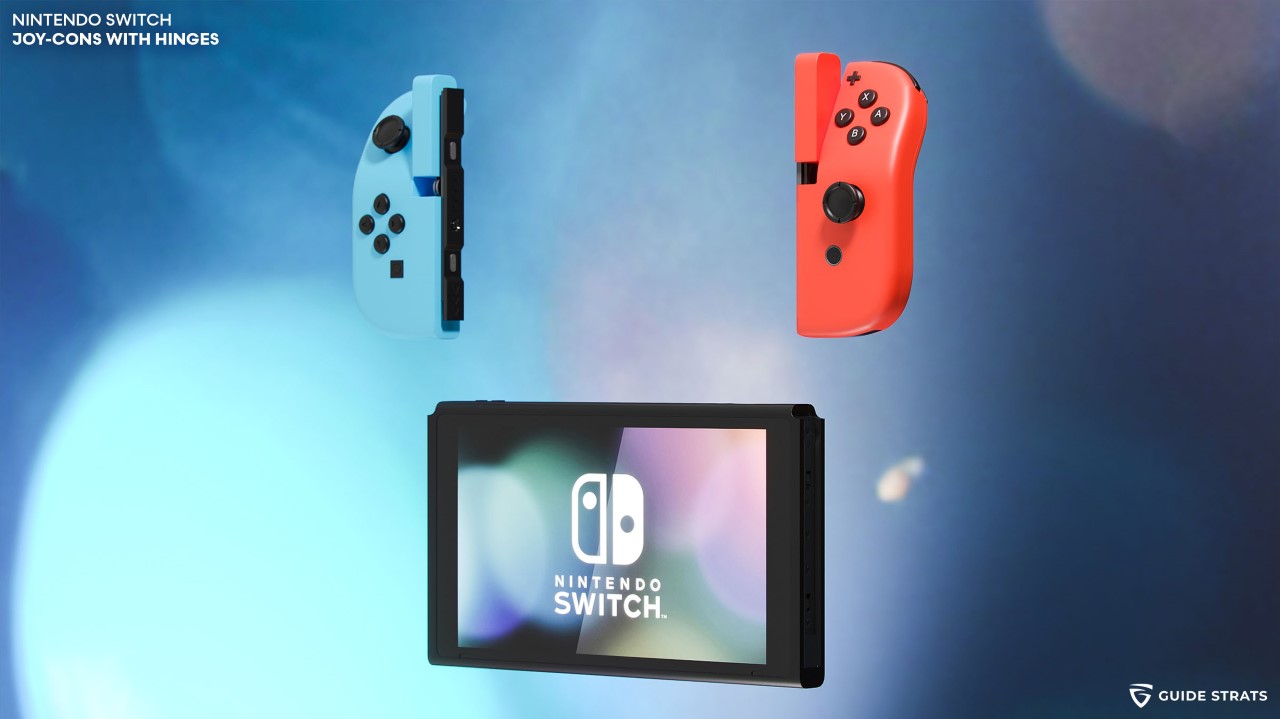
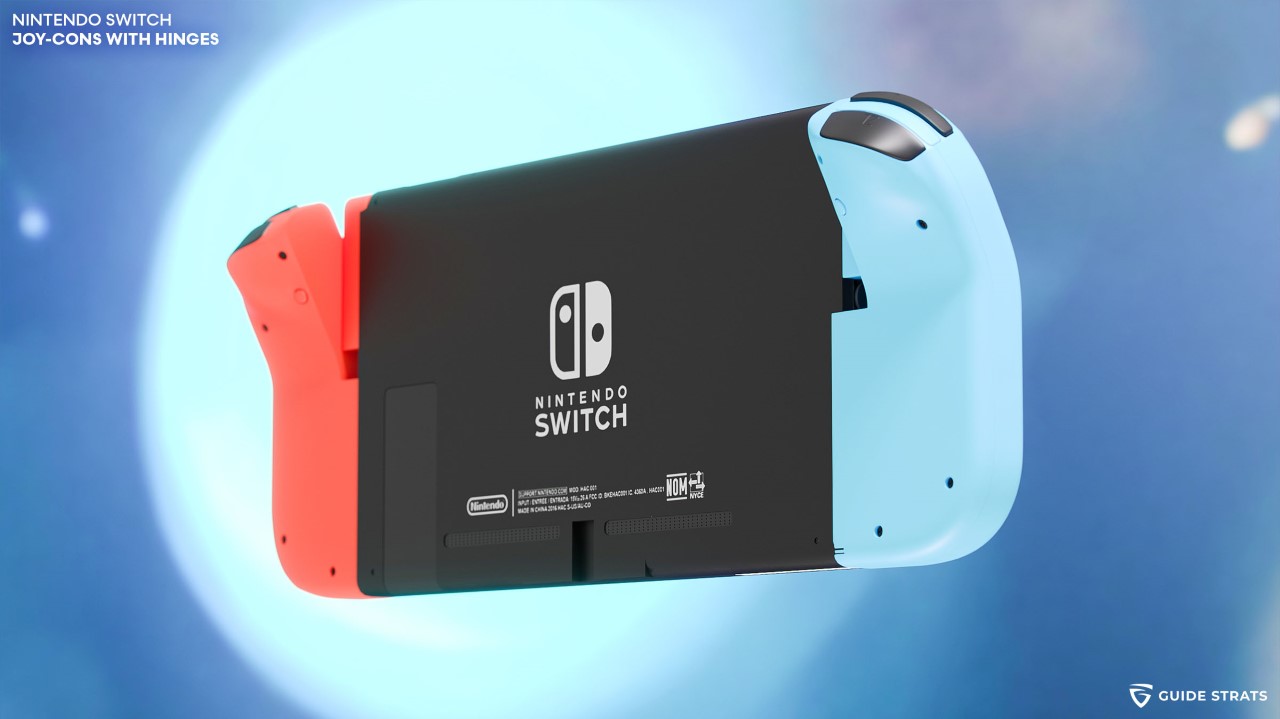
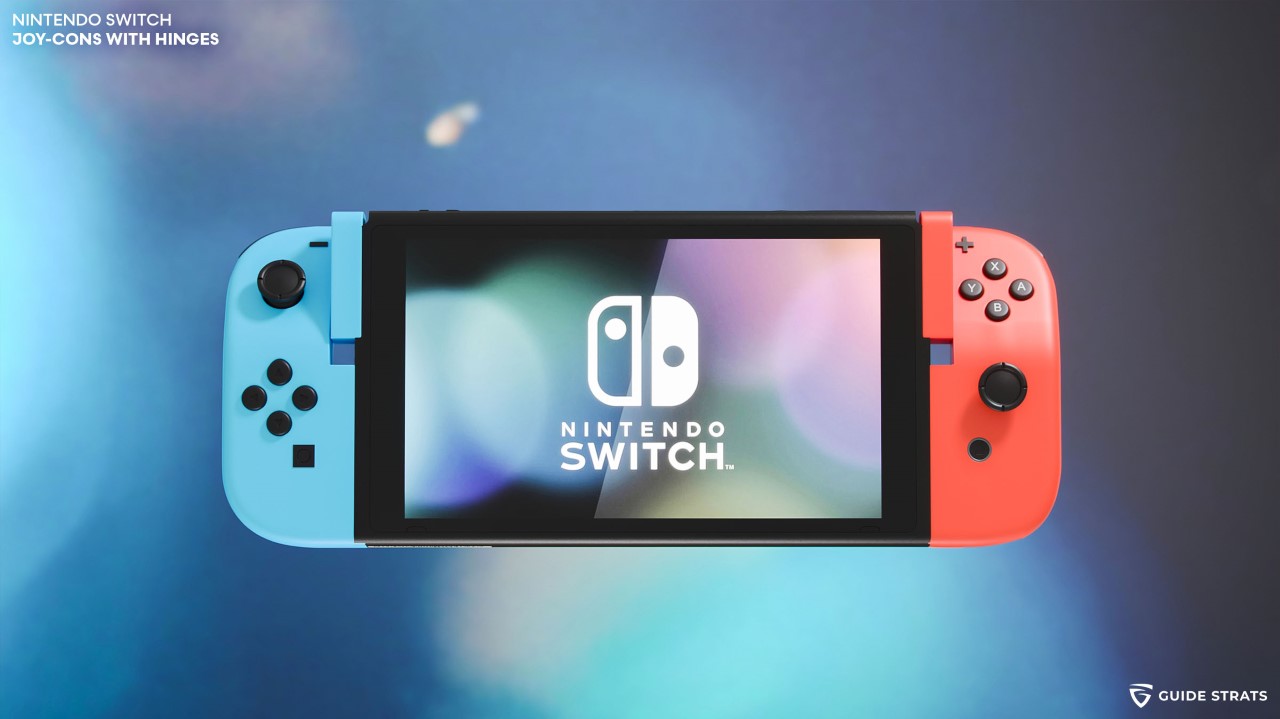
A little less weird conceptually, but equally absurd on a technical level, Nintendo patented ‘bendable’ Joy-Cons for their Switch device. The reason? Ergonomics in general, given that the Joy-Cons aren’t as ergonomically shaped as other controllers on the market like Sony’s DualSense controller or Microsoft’s Xbox Wireless Controller. These unique controllers, however, have hinges in them that allow them to bend away from you, enabling a natural gripping position while still having the screen facing you clearly. Given that ‘drifting’ is already a problem within the Joy-Cons, having more moving parts that could compromise accuracy seemed like a bad idea, which is why the patent was left as it was.

3. Nintendo Wii Football Controller

(Patent No: EP2090346B1)

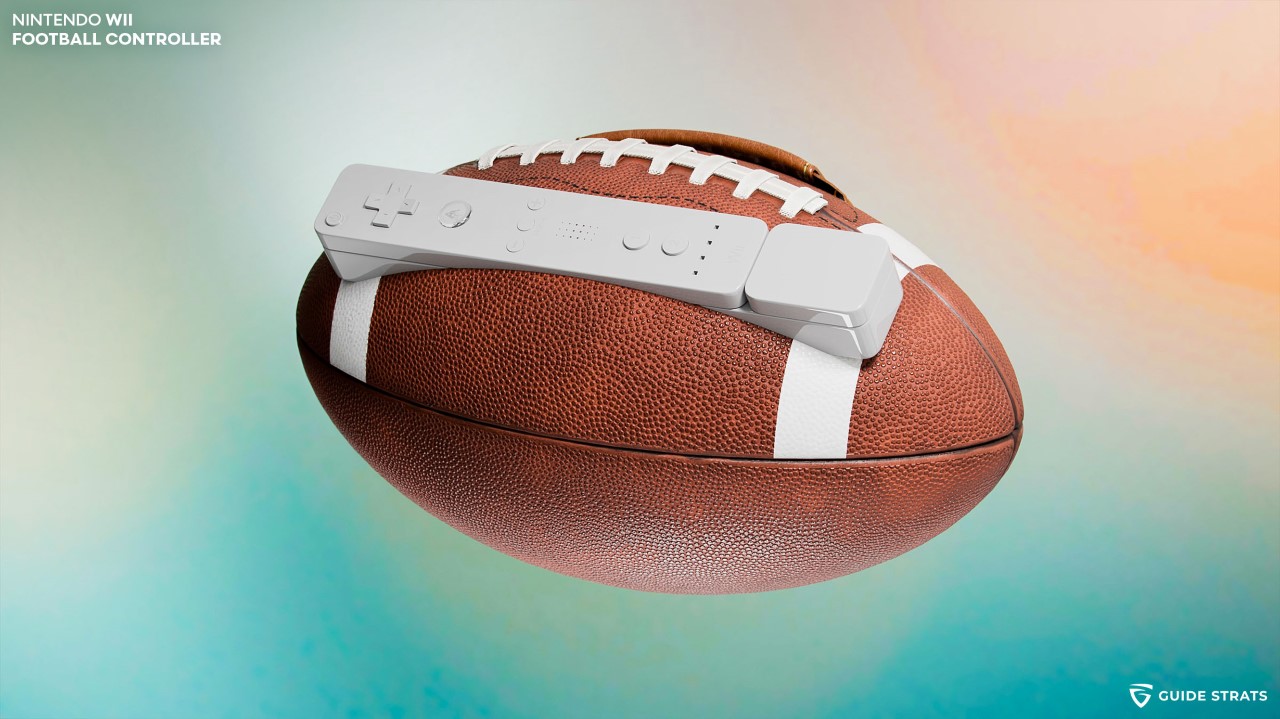
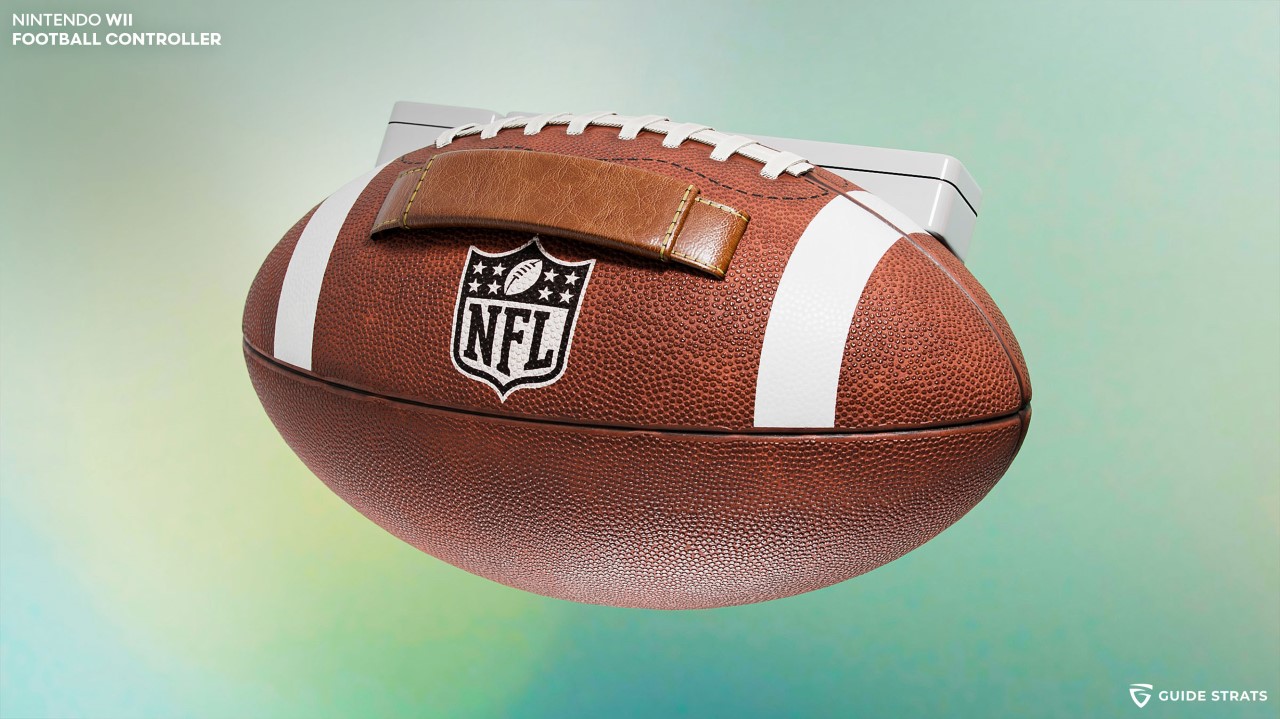
Given how the Wii’s controllers made them perfectly suited for workouts and sports like boxing, skiing, and table tennis, the good folks at Nintendo thought it would make sense to have a football (or rugby ball) accessory for the Wii remote, allowing people to pass, throw, dodge, and run in the game. The solution was an incredibly odd-looking accessory that felt like shoving a remote control into an existing football. “The game-playing public generally expects a football video game to provide a reasonably accurate model of at least some aspects of the actual game of football,” argued Nintendo’s patent. What Nintendo didn’t realize at the time, was that it wasn’t realistic to expect people to play football indoors without breaking bones, furniture, and possibly even your Nintendo Wii. Luckily, sanity prevailed and the Nintendo Wii Football Controller was scrapped.

4. Nintendo Portable System with Interchangeable Controls

(Patent No: US20140121023A1)

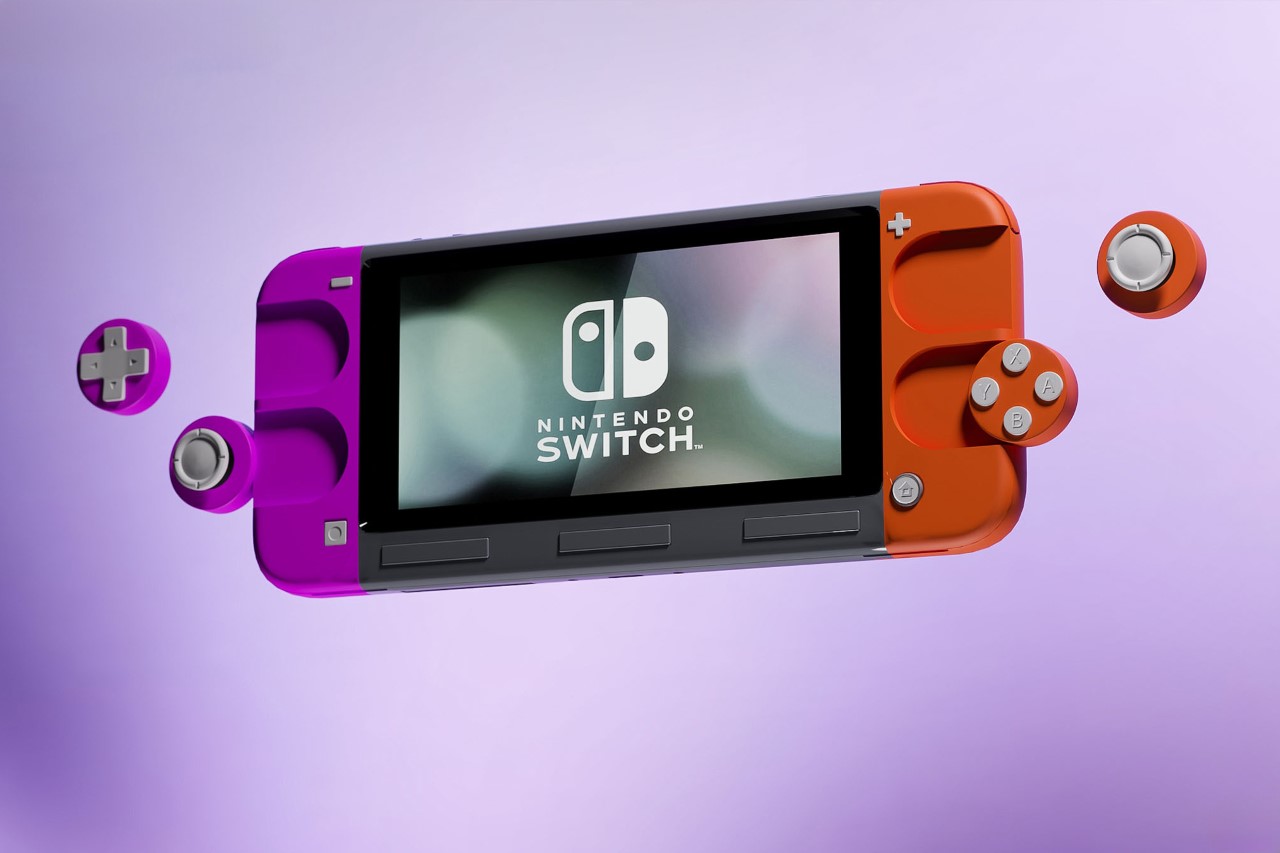
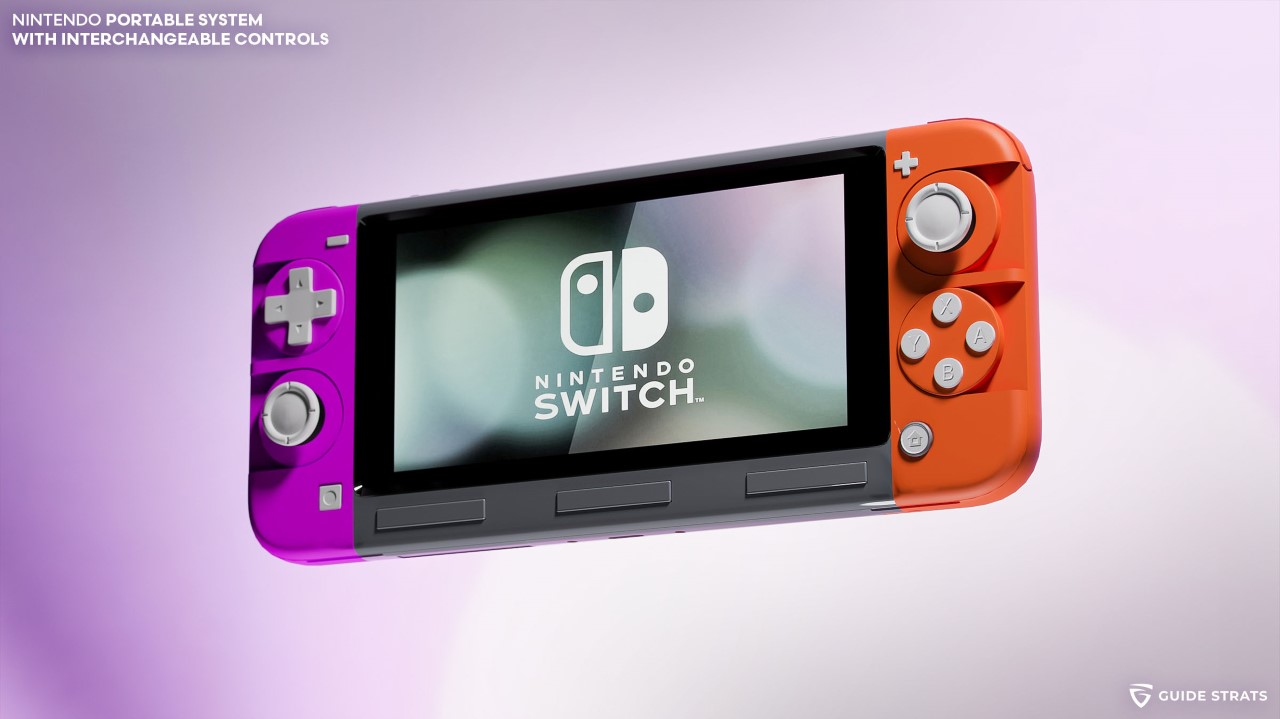
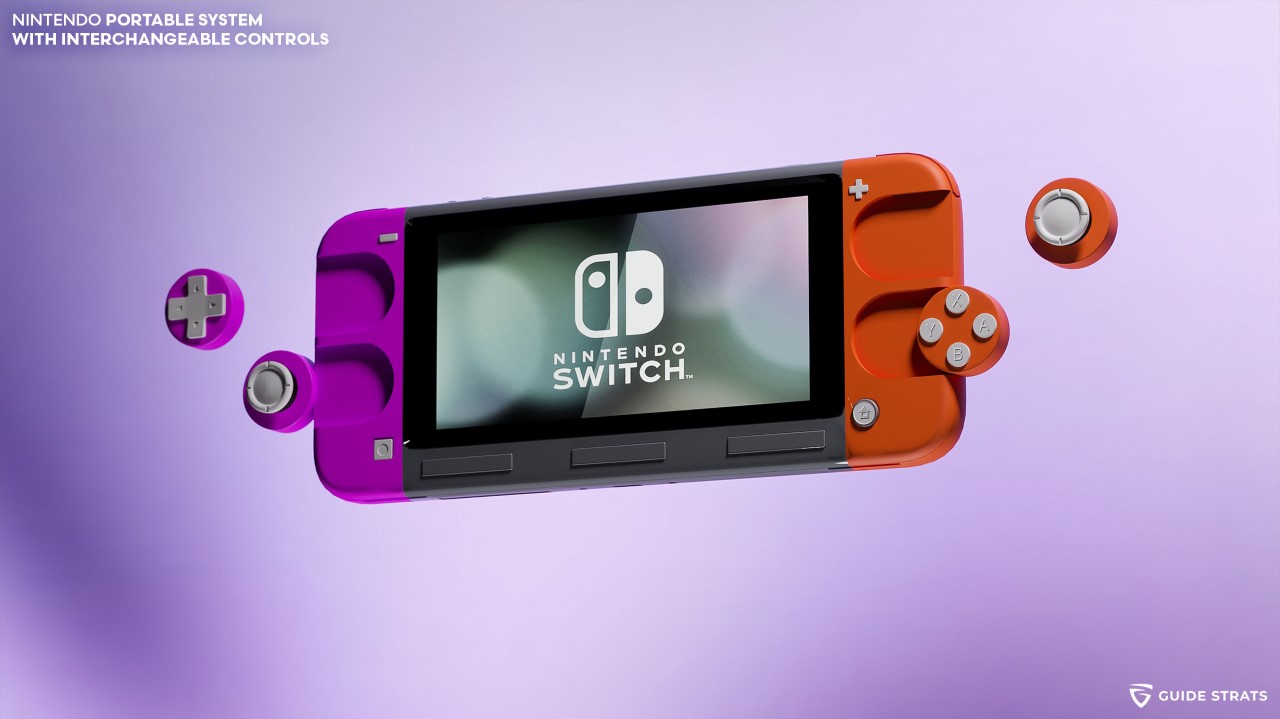
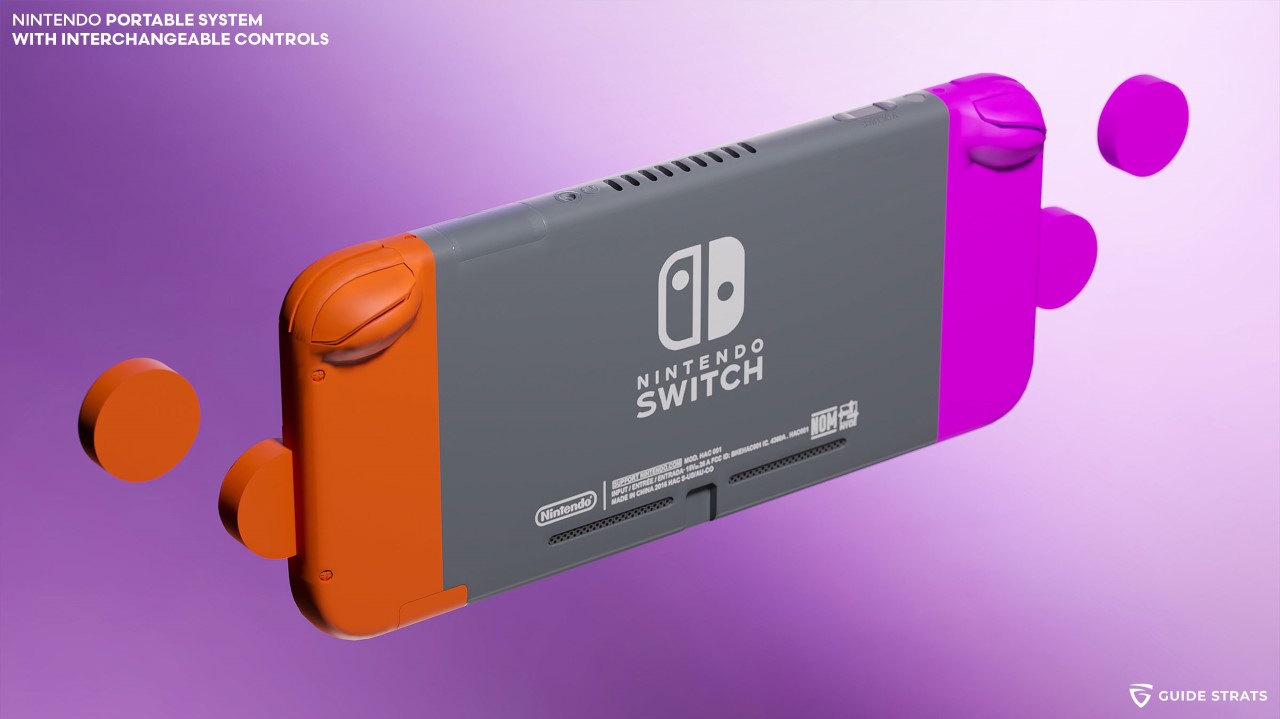
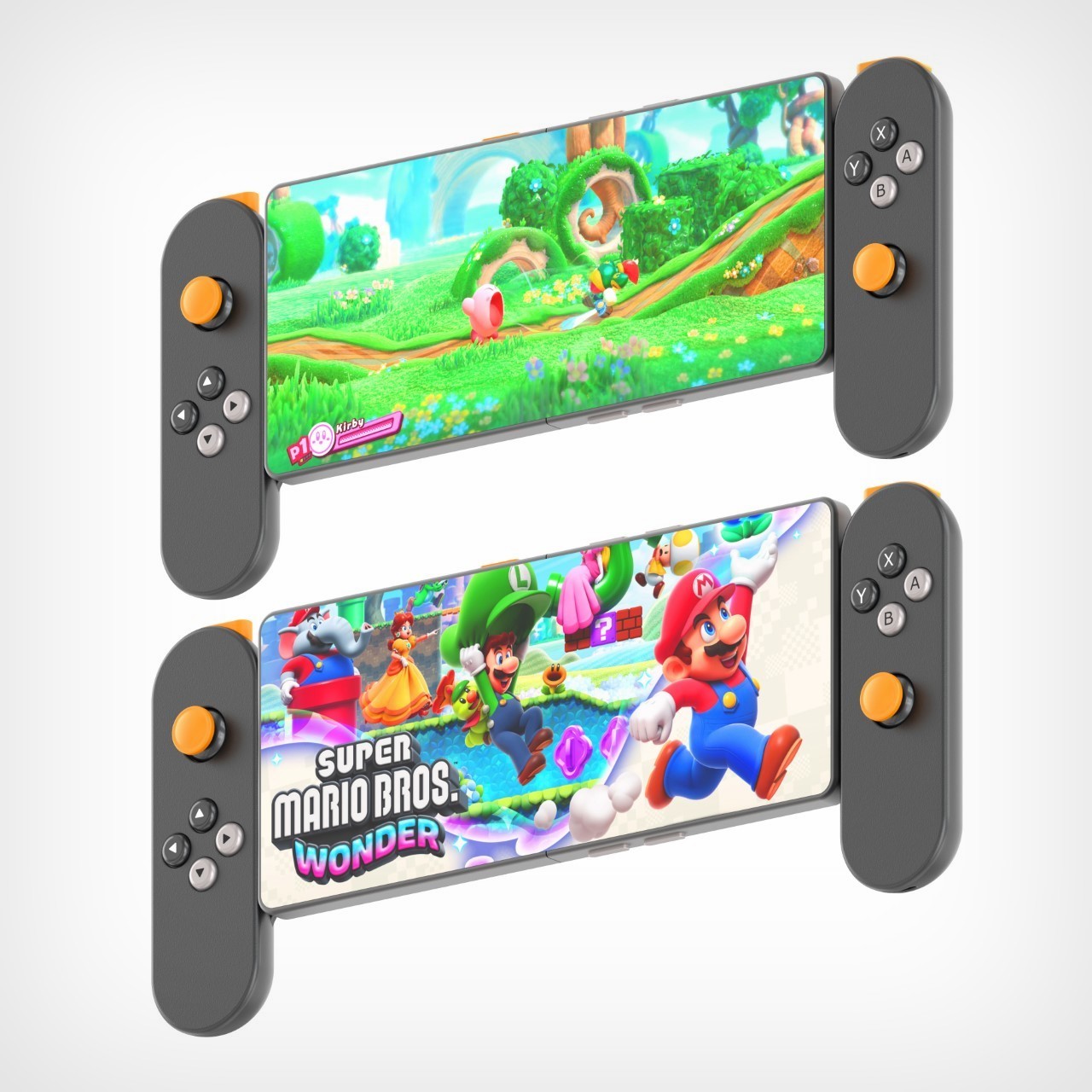
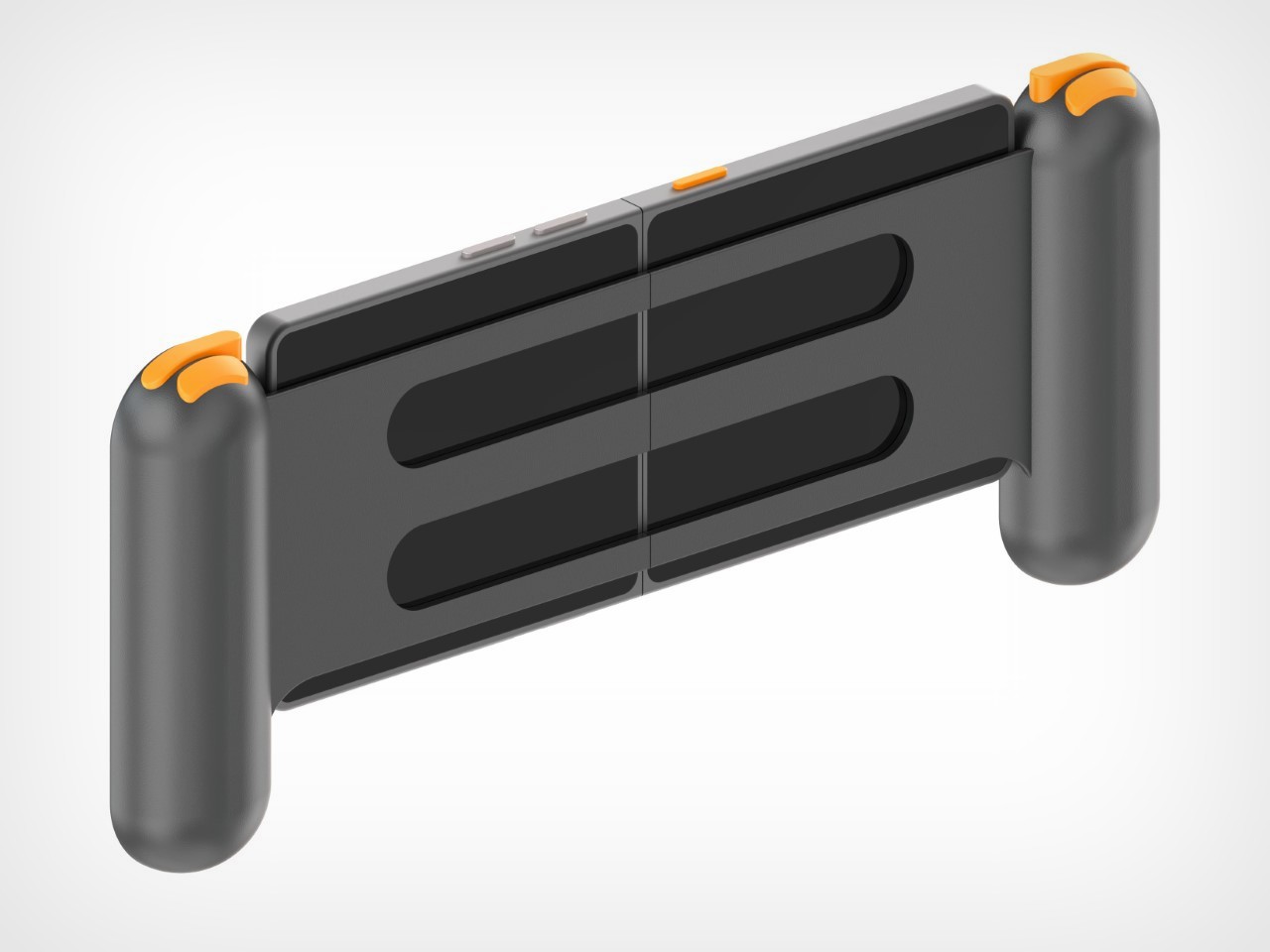
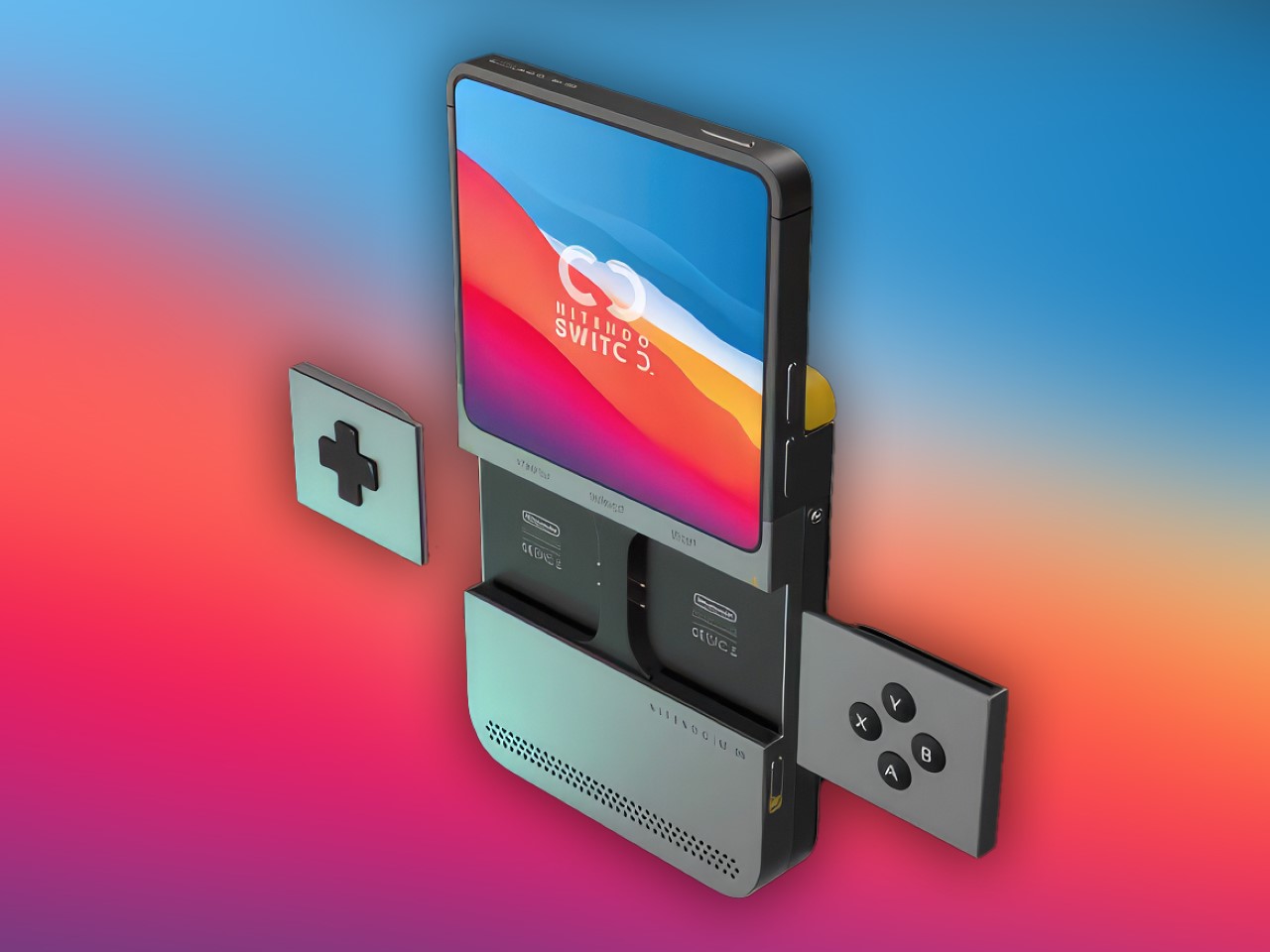
This one might be the least absurd because you can really see Nintendo’s thinking at the time. The “Nintendo Portable System with Interchangeable Controls” was filed as a patent 10 years ago, long before the Switch was released. The idea – a Nintendo 3DS-style handheld console with interchangeable controls that could slide in and out, allowing you to swap between joysticks, action buttons, and a D-pad based on the game you wanted to play. Eventually, this concept evolved into the Switch as we know it today, and these tiny removable modules were effectively adapted into removable joy-cons, which many will argue was a much better idea in hindsight!

5. Nintendo Wii Inflatable Horseback Riding Peripheral

(Patent No: US8277327B2)

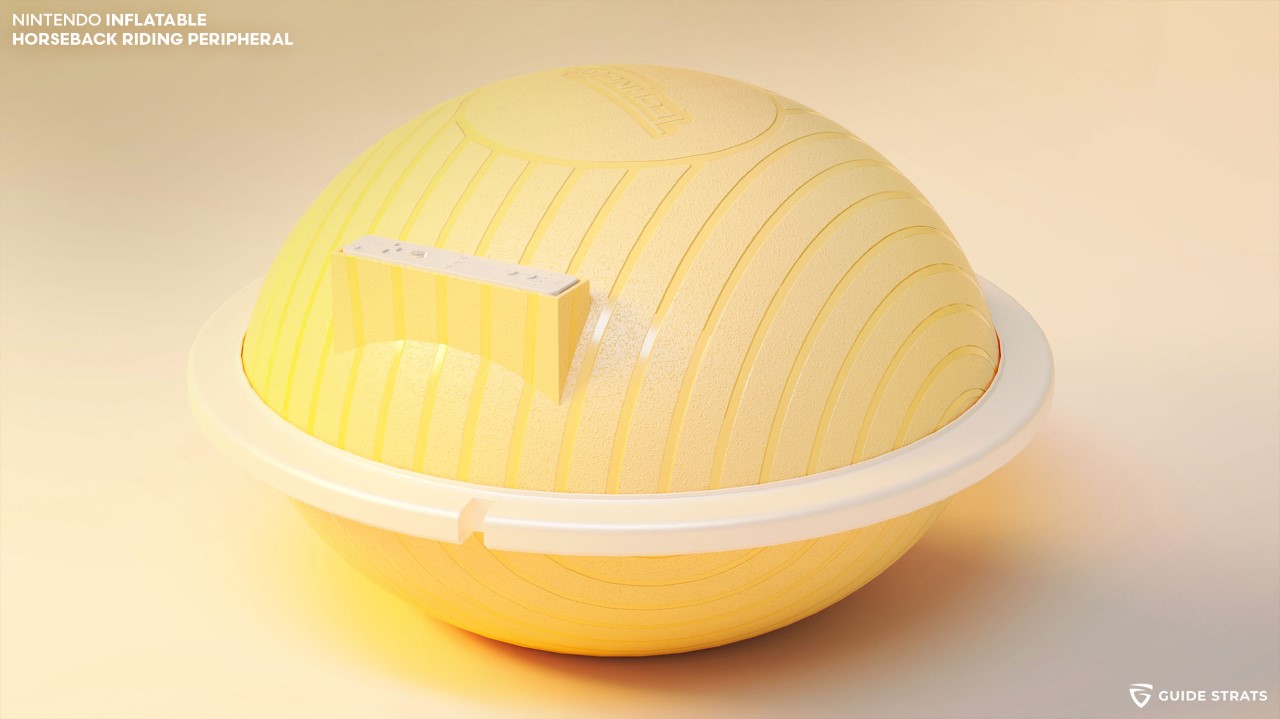
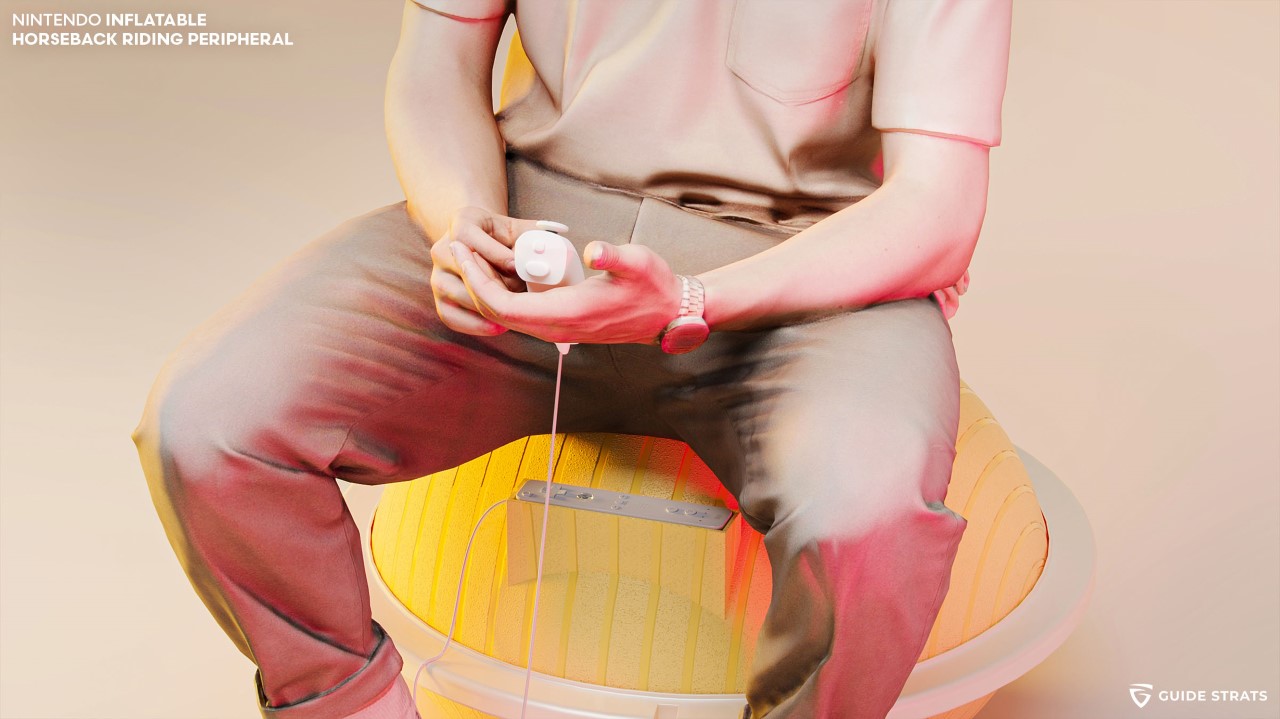
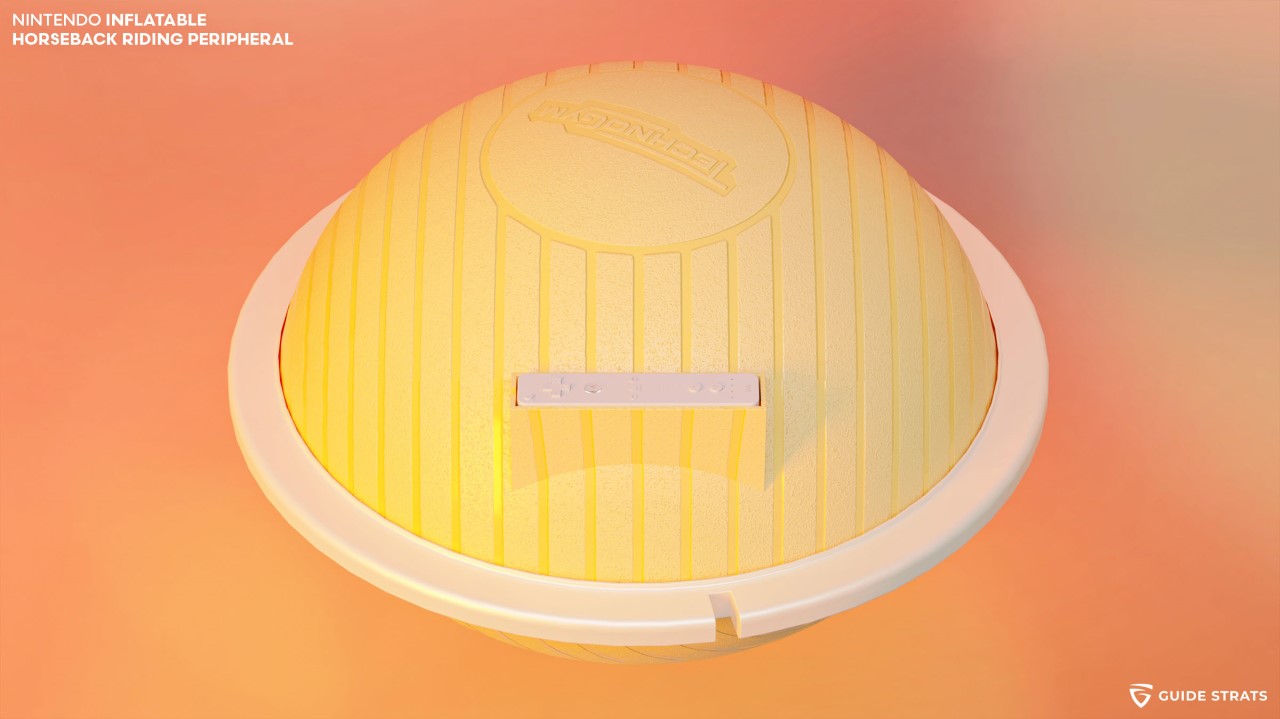
Let it be known that the Wii years should go down into the annals of history as some of Nintendo’s weirdest years. As the company saw success with its motion-sensing console/controller system, the company decided the best way to build out the Wii ecosystem would be to create accessories. If the football accessory wasn’t enough, the Nintendudes decided to patent this ridiculous exercise-ball-inspired “Inflatable Horseback Riding Peripheral”. The idea, you’d sit on it with the Wii remote docked between your legs, rocking back and forth to control the horse’s movements. Thankfully for Nintendo and all the gaming fans out there, a particular Jim and Dwight scene from The Office helped Nintendo understand exactly how ridiculous this would look…

Image Credits: Guide Strats

The post 5 Crazy Nintendo Patents that were almost turned into real products first appeared on Yanko Design.
Analogue Pocket Classic retro gaming handheld puts the color in Game Boy Color

Just because you’re trying to design a retro interpretation of an old design doesn’t mean you have to copy the original inch for inch. In fact, it might even be illegal in some cases to be an exact replica of the product you’re trying to pay homage to. It’s definitely a good opportunity to address the flaws of the past or to implement designs that were intended but couldn’t be implemented because of the limitations or tastes of ages past. It wouldn’t make sense, for example, for a modern recreation of the Game Boy Color to display the extremely limited palette of the original in this day and age. Fortunately, Analogue had the sense to equip its retro gaming handheld with modern capabilities while staying faithful to the original’s essence. So faithful that it, in fact, even tried to recreate the playful colors of the Game Boy Color while also expanding that selection with almost all the colors of the rainbow and then some.

Designer: Analogue

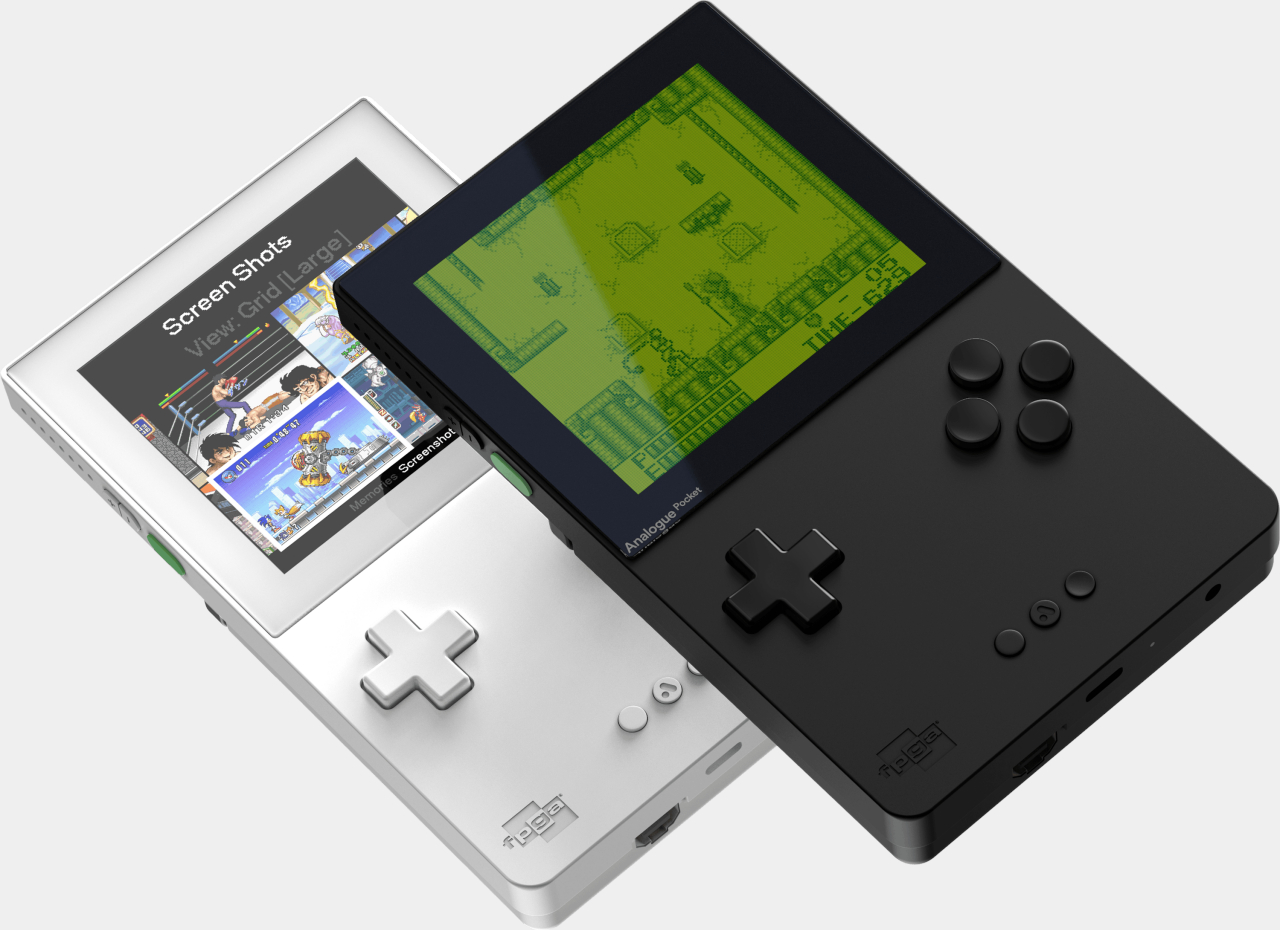
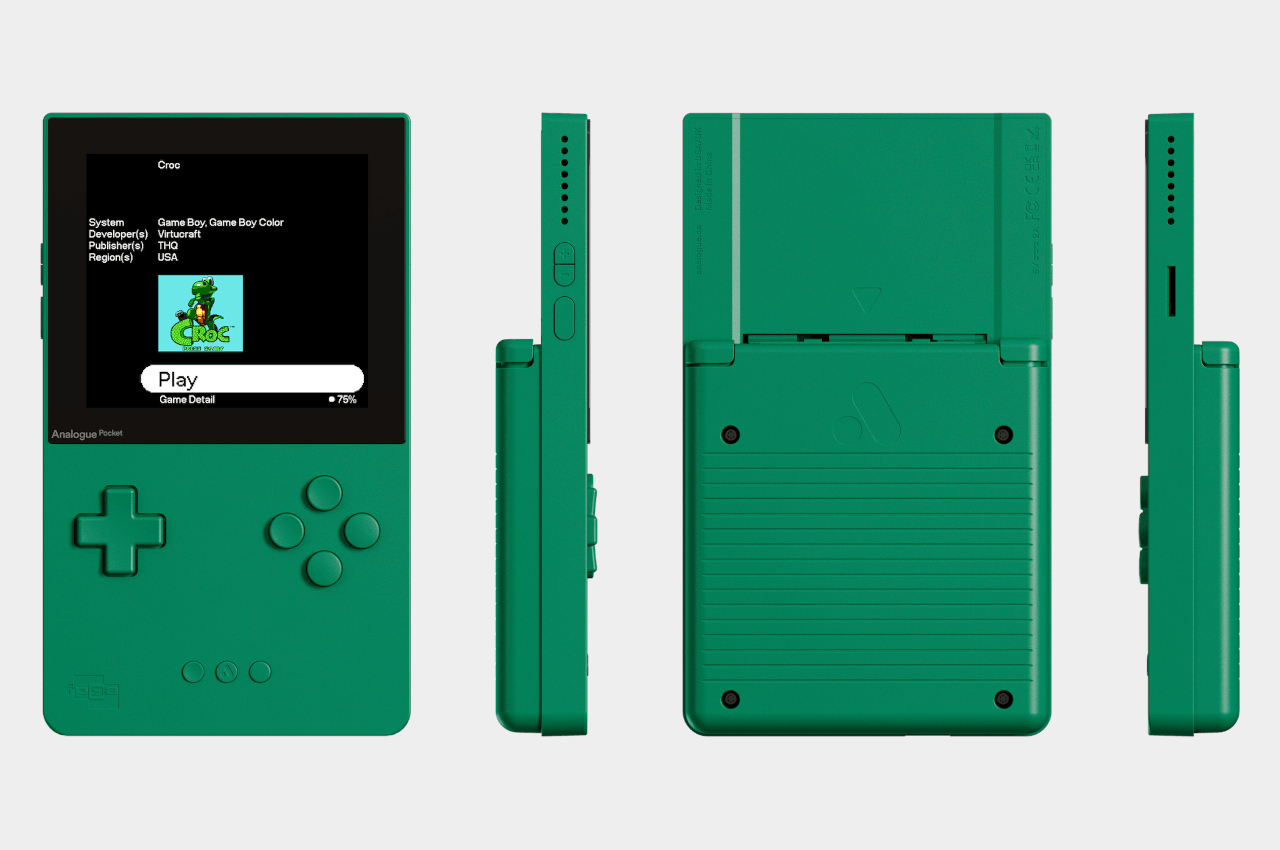
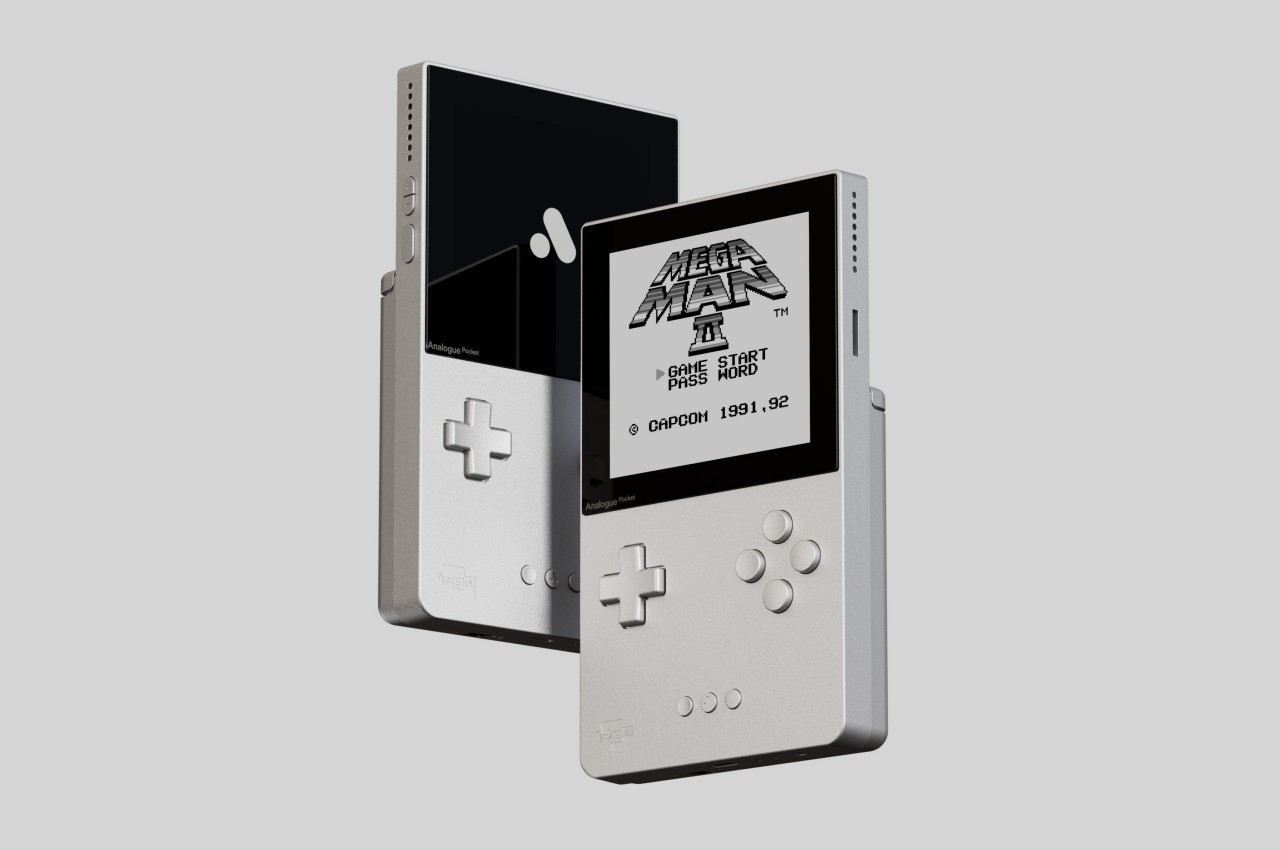
Even by yesteryear’s standards, the Game Boy Color’s chunky design clearly earmarked it as a toy for kids. Those kids, however, have now grown up, and many of them want to relive those fun-filled days but probably with something that doesn’t look like it was plucked out of a time capsule. The Analogue Pocket is an attempt to feed this hunger while also making the design and the heritage accessible to a lot more people. Its more modern and sleeker aesthetic easily appeals to gamers of all ages but still exudes that charm that made the GBC an icon. Still, the retro handheld seemed to be missing one particular element that would really set it apart from other Game Boy Color recreations.
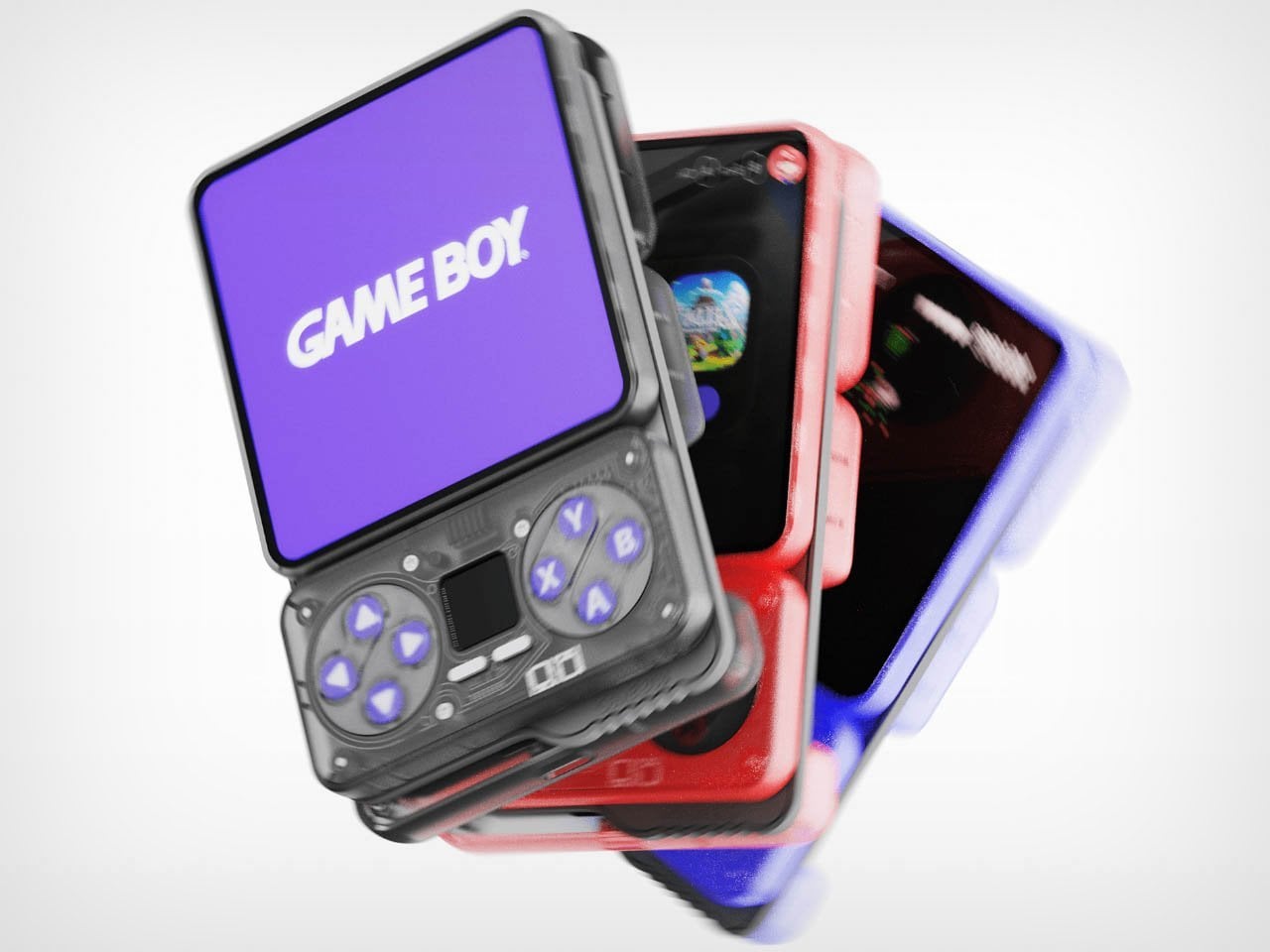
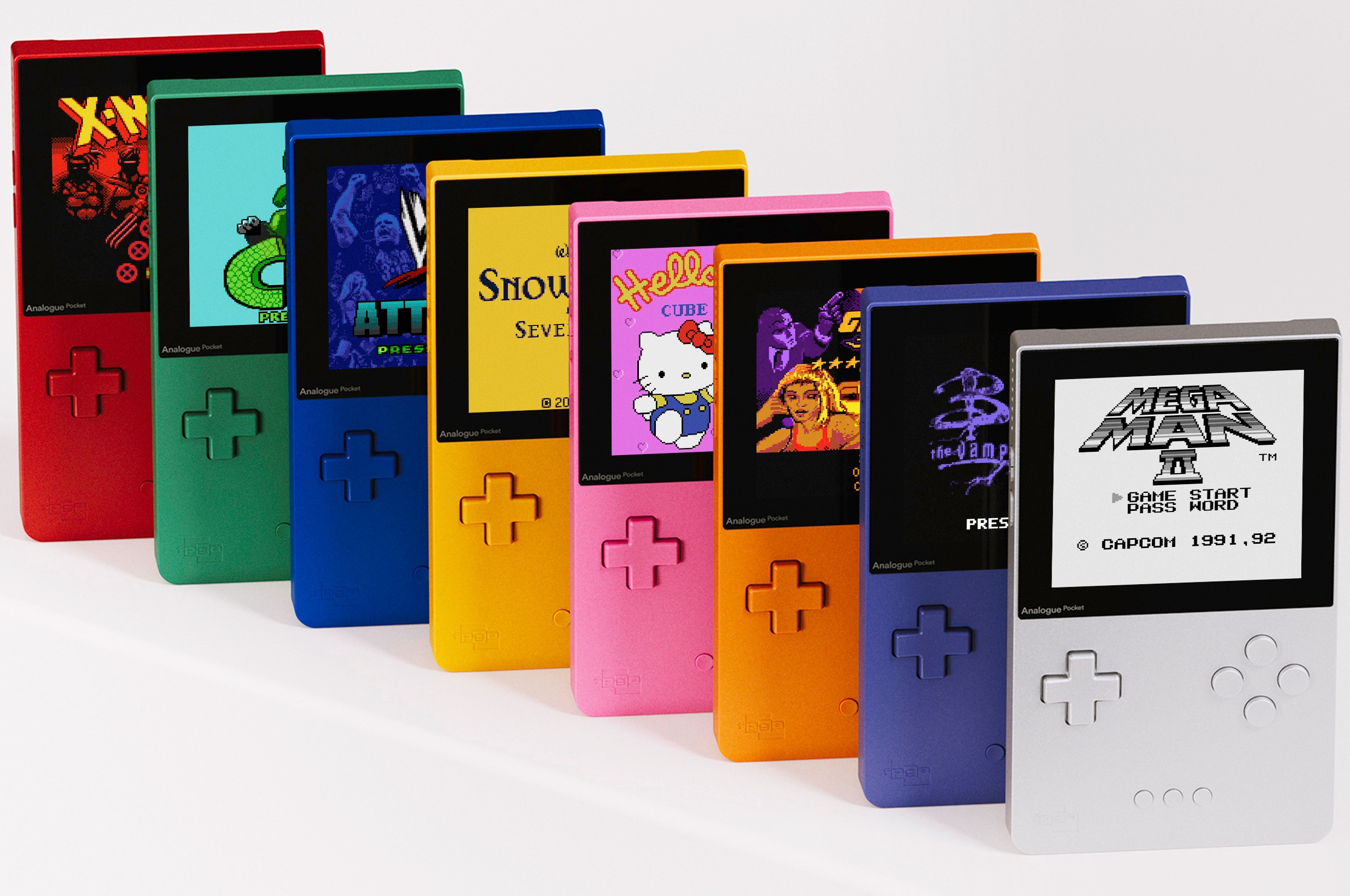
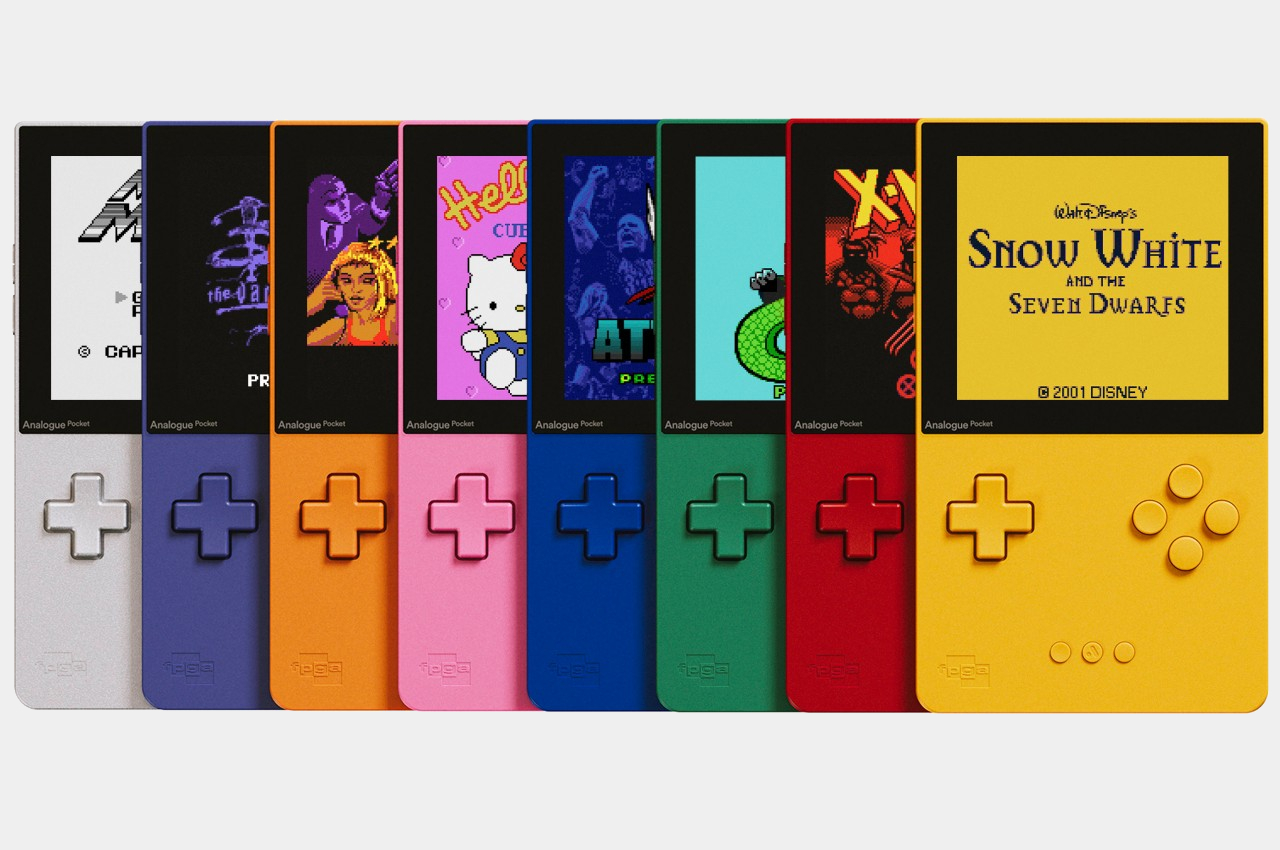
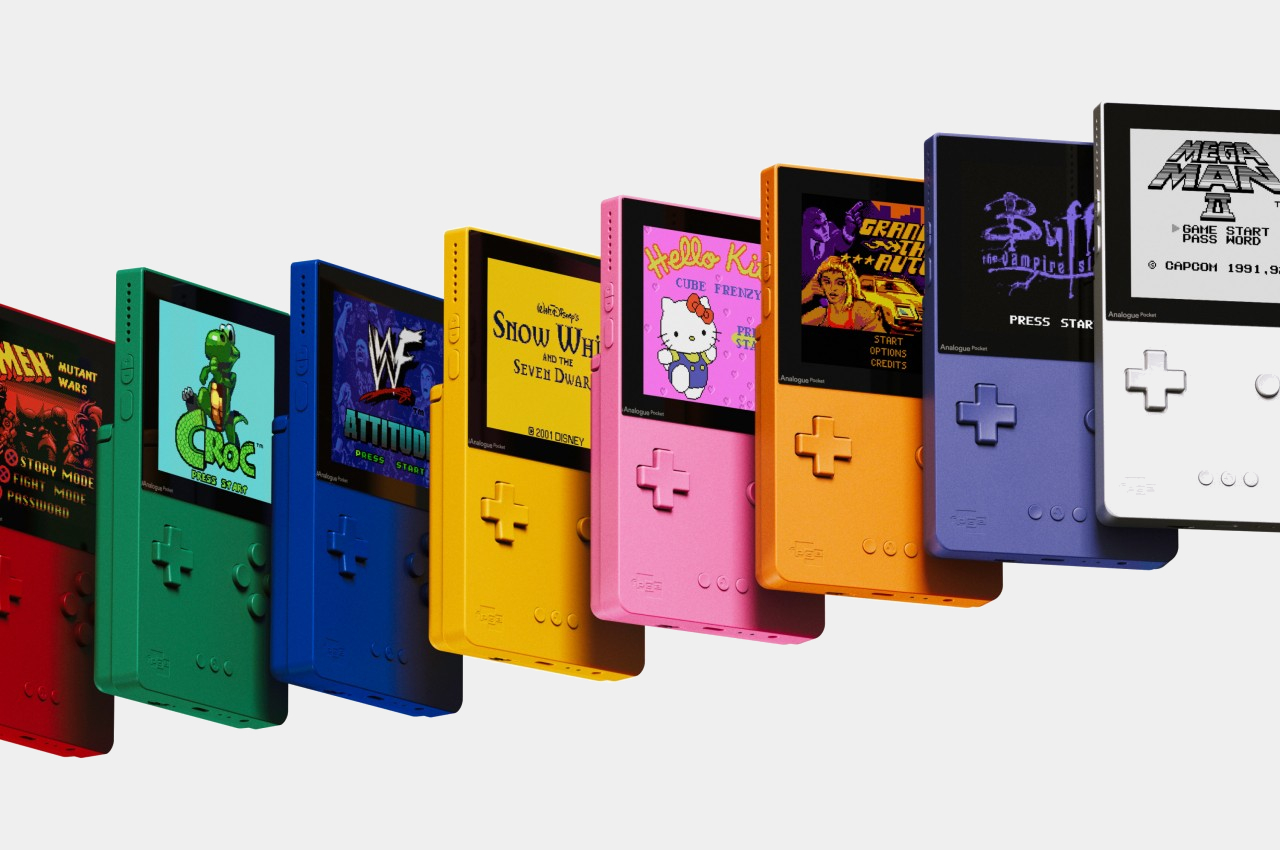
That missing piece of the puzzle was delivered by the “Classic” edition of the Analogue Pocket, which basically gives the device a colorful paint job. The very first GBC was a rather boring and very industrial gray, but the market eventually exploded in a variety of colors, including a transparent one. The Analogue Pocket Classic brings back not just one or two or five of these but offers no less than eight hues. That’s on top of the plain black, white, transparent, and glow-in-the-dark editions that came out in the past.

The full palette includes Indigo, Red, Green, Blue, Yellow, Pink, Orange, and Silver, all of which Analogue boasts have been color-matched to the original models. It might just be a change of hue, but it immediately gives the Pocket a vibrant character befitting of a gaming device. With these accurate colors and the overall design of the handheld, there is very little doubt that this retro revival truly captures the spirit of the Game Boy Color as faithfully as it can without tripping over legal landmines.

The story doesn’t end on a high note, unfortunately, with all variants of the Analogue Pocket now declared to be completely sold out. That’s true for this colorful yet limited run of the “Classic” edition as well as the original models. It’s uncertain if these will ever return to shelves, and collectors will have to stay on their toes while waiting for hopeful news in the coming days.

The post Analogue Pocket Classic retro gaming handheld puts the color in Game Boy Color first appeared on Yanko Design.