Shantivale Botanical Incense Collection Review: Pure Design, Quiet Mind

PROS:


  • Hand-rolled with pure botanicals, no synthetic additives

  • TCM formulations create genuinely distinct scent profiles

  • Low smoke output suits sensitive users

  • Natural stone holder elevates the ritual

  • Full-stick construction means zero material waste

CONS:


  • Fragile sticks require careful, mindful handling

RATINGS:

AESTHETICS
ERGONOMICS
PERFORMANCE
SUSTAINABILITY / REPAIRABILITY
VALUE FOR MONEY

EDITOR'S QUOTE:

Shantivale does something rare-it makes slowness feel like a luxury, not a compromise. This is incense for people who've grown tired of optimizing everything.
award-icon

There is a ritual gap in modern wellness, and Shantivale fills it by bringing Traditional Chinese Medicine formulations to botanical incense, a collection where ancient herbal pairings meet modern wellness rituals. The industry has spent the last decade digitizing everything. Apps track your sleep. Wearables monitor your heart rate variability. Smart diffusers connect to your phone. But somewhere in all that optimization, the simple act of lighting something and watching it burn got lost. Wang Yuhao noticed this gap, watching people reach for their phones instead of pausing for breath.

Shantivale exists because of that observation. The Shangri-La based brand builds botanical incense using Traditional Chinese Medicine formulations, hand-rolling each stick with a rice-root binder that burns clean and steady. No synthetic additives. No perfume oils. Just plant matter shaped by artisan hands and informed by centuries of herbal knowledge. The result is incense that functions less like air freshener and more like a temporal anchor, a 30-50 minute ritual that creates structure in formless days.

The design philosophy here centers on what the brand calls “a sensory bridge between ancient wisdom and modern wellbeing.” That sounds like marketing language until you examine the ingredient sourcing. The Cliff Glow variant uses Ya Bai cypress harvested from high-altitude cliffs where the species grows above 2,000 meters. The wood matures over decades before collection. This is not the kind of supply chain that scales easily or cheaply, and the pricing reflects that reality.

Material Honesty in Stick Form

Most commercial incense follows a simple construction: fragrance oils coating a bamboo core. Light it, and half your stick is just wood burning. Shantivale eliminates that compromise entirely. Every millimeter of each stick is combustible incense material, bound together with rice-root plant binder rather than synthetic adhesives. The full-stick construction means zero waste, but it also creates a fragility that demands careful handling.

This material choice serves multiple purposes. The rice-root binder maintains a steady, even burn without chemical accelerants. The absence of a wooden core allows the herbal formulations to express themselves without interference. Customers consistently note the low smoke output, a direct result of using pure plant materials rather than fragrance-soaked substrates. The trade-off is structural: these sticks break more easily than their bamboo-cored competitors, requiring the kind of mindful handling that perhaps fits the product’s intended use case.

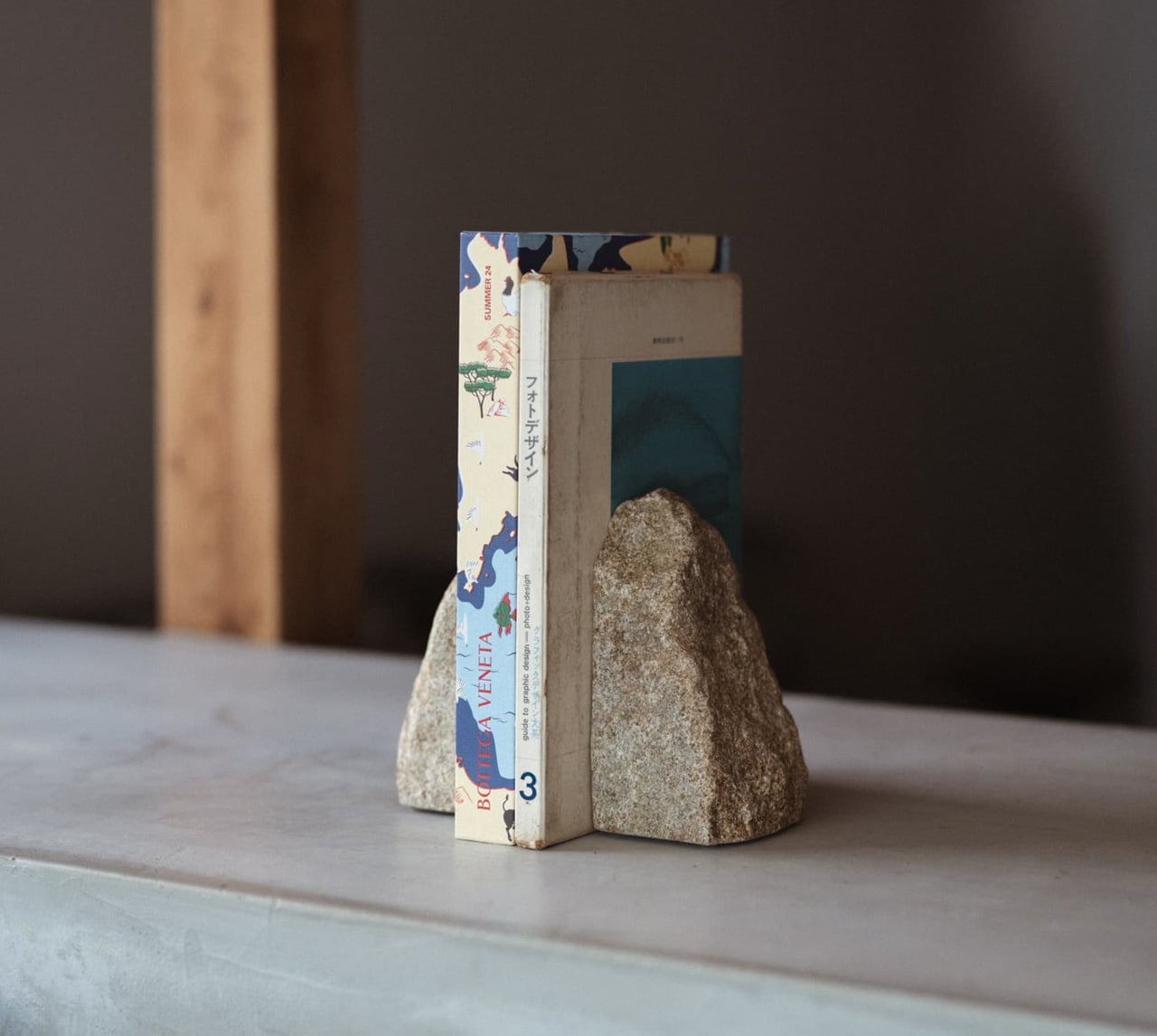
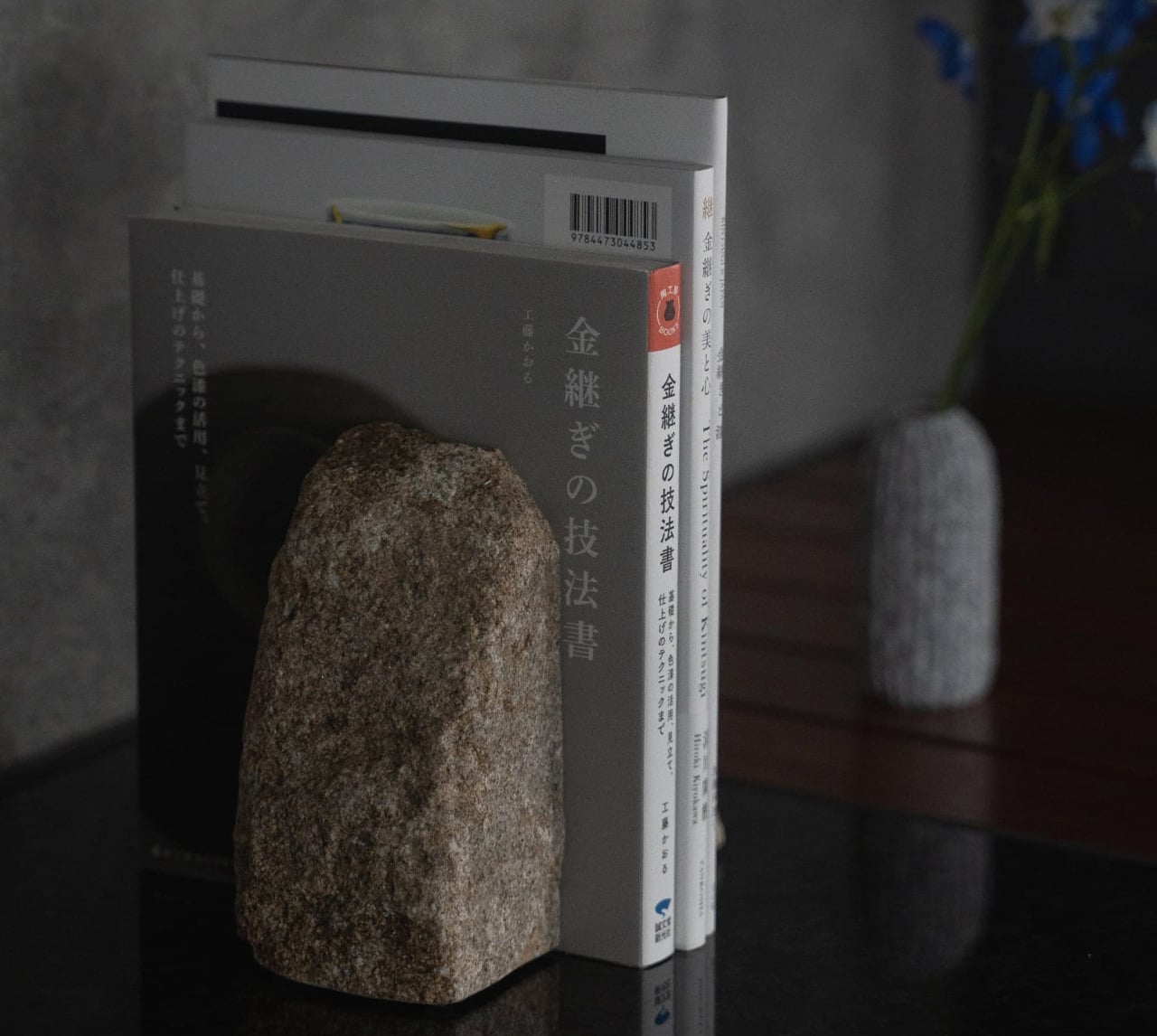
The packaging extends this material consciousness. Paper wrapping protects each bundle, preserving scent integrity during storage. A natural stone holder accompanies every purchase, a smooth river stone with a drilled hole that transforms utilitarian ash-catching into something approaching desktop sculpture. The presentation reads as gift-ready without excessive packaging material, threading the needle between premium positioning and environmental consideration.

This approach carries risk. Consumers accustomed to heavily scented, bamboo-cored sticks might find Shantivale’s output subtle by comparison. The fragrance does not announce itself across a room or linger for hours after burning. Instead, it creates presence within a defined radius, then fades. For those seeking ambient room scent, this restraint might read as weakness. For those seeking ritual objects, the ephemerality becomes the point.

Five Formulations, Five Functions

Shantivale structures its collection around specific use cases rather than arbitrary scent categories. Each blend draws from Traditional Chinese Medicine principles about how aromatics influence the body’s qi, or vital energy flow. Whether you subscribe to TCM philosophy or simply want incense that smells interesting, the formulation logic creates genuine differentiation between products.

The collection spans three price tiers: entry blends at $29.90, premium single-origin at $32.90, and the temple formula at the same premium price point. Each variant targets a specific time of day or mental state, creating a system rather than a random assortment. Users can build a rotation across the week or commit to a single favorite. The naming conventions (Purity Veil, Serene Sleep, Zen Flow, Dharma Rain, Cliff Glow) telegraph function without requiring deep TCM knowledge.

Purity Veil: Morning Reset

The cleansing blend combines cinnamon twig, fern root, and artemisia. Gui Zhi (cinnamon twig) brings warm, sweet notes traditionally associated with easing tension and promoting circulation. Guan Zhong (fern root) adds fresh, grassy character with subtle bitterness. Yin Chen (artemisia) contributes that just-cut-grass brightness TCM practitioners link to liver support and energy.

The scent profile lands somewhere between herbal tea and forest floor, neither as sweet as pure cinnamon nor as medicinal as straight artemisia. Users describe it as “clean” and “spacious,” with a natural campfire quality that dissipates rather than lingers. After burning Purity Veil during morning routines over two weeks, I found the scent genuinely resets a room without announcing itself. It creates absence of staleness rather than presence of perfume. Best deployed for morning routines or re-entry rituals after leaving the house.

The cleansing claim warrants examination. No incense literally purifies air in a measurable sense. What Purity Veil offers is perceptual reset: the scent marks a transition between states, creating an olfactory boundary between “outside” and “home” or between “work mode” and “rest mode.” The value lies in the ritual structure, not antimicrobial properties.

Purity Veil on Amazon ($29.90)

Serene Sleep: Evening Wind-Down

The nighttime blend shifts to calming territory: poria mushroom, jujube seed, and polygala root. Fu Ling (poria) grows on pine tree roots and carries soft, woody notes like dried sawdust or pine shavings. Suan Zao Ren (jujube seed) adds light nuttiness with faint sour undertones. Yuan Zhi (polygala) contributes earthy, slightly spicy depth traditionally used for memory support and nightmare reduction.

The combined effect reads as gentle cereal-like warmth with caramel touches and a soft herbal finish. I tested Serene Sleep during evening wind-down sessions for a week, lighting it about 45 minutes before bed while reading. The scent never demanded attention. It simply made the transition from screen time to sleep feel more deliberate, like drawing a curtain between day and night. Burn time extends toward 50 minutes depending on conditions, creating a substantial evening ritual window.

Serene Sleep on Amazon ($29.90)

Zen Flow: Meditation Anchor

The meditation blend brings out the premium ingredients: sandalwood, agarwood, and curcuma. Tan Xiang (sandalwood) delivers that smooth, sweet, woody foundation found in temples and high-end perfumery. Chen Xiang (agarwood) adds rare complexity, a resin formed only when specific trees heal from wounds over many years. The scent carries woody, sweet, and smoky layers that shift as the stick burns. Chuan Yu Jin (curcuma) grounds everything with warm, ginger-adjacent spice.

This is the collection’s most traditionally “incense” scent, the kind of aromatic profile that would feel at home in a meditation center or yoga studio. During a two-week meditation testing period, Zen Flow became my go-to: the sandalwood-agarwood combination created an immediate signal to my brain that focus time had begun, more effective than any app notification. Users note a masculine vibe and cleaner execution than typical sandalwood products. The thinner stick construction allows good scent diffusion without overwhelming small spaces.

The sandalwood and agarwood combination represents significant material investment. Authentic agarwood commands prices rivaling precious metals by weight, formed only when Aquilaria trees respond to specific fungal infections over years or decades. Most commercial “agarwood” incense uses synthetic approximations or diluted oils. Shantivale claims authentic sourcing, and the scent complexity suggests the claim holds merit. The resinous depth shifts as the stick burns, revealing different facets at beginning, middle, and end.

Zen Flow on Amazon ($29.90)

Dharma Rain: Clarity Blend

The temple formula combines agarwood, clove, patchouli, and curcuma. This multi-herb blend draws from classic incense traditions used during meditation and chanting, creating what reviewers describe as “light but powerful” and “intricately intriguing.” The scent sits somewhere between palo santo and cedar, with complexity that rewards attention.

At $32.90, Dharma Rain occupies the premium tier alongside Cliff Glow. I burned this during deep work sessions in my home office. The complexity kept revealing new facets over the 40-minute burn, which actually helped maintain focus longer than simpler scents that fade into background noise. This formulation particularly resonates with incense enthusiasts seeking something beyond single-note simplicity. Low smoke output and the absence of artificial undertones make it suitable for smaller spaces where typical incense would overwhelm.

Dharma Rain on Amazon ($32.90)

Cliff Glow: Single-Origin Expression

The collection’s most distinctive offering uses only one botanical: Ya Bai cliff cypress from Shangri-La highlands. This Thuja sutchuenensis grows above 2,000 meters on difficult-to-access cliffs, maturing over decades before harvest. The single-ingredient approach delivers pure, unmasked aromatic character without the blending that typically smooths rough edges.

The scent profile reads as rich, grounded wood tones with gentle smokiness and mellow sweet finish. Users compare it to stone warmed by afternoon sun, to a cozy wooden chest, to refined temple fragrance without overwhelming intensity. Testing Cliff Glow on a rainy Sunday afternoon confirmed its positioning: this is contemplative incense, not background scent. The single-origin expression demands you actually sit with it, which is either a feature or a limitation depending on your expectations. The 45-minute burn time and fragile construction demand careful handling, but the premium pricing ($32.90) finds acceptance among buyers who appreciate geographic authenticity and traditional harvesting practices.

The single-origin approach carries inherent variability. Unlike blended products where formulation balances inconsistencies, Cliff Glow expresses whatever character that particular harvest of Ya Bai cypress carries. Some batches may run slightly sweeter, others more resinous. For buyers accustomed to industrial consistency, this variability might frustrate. For those who appreciate terroir in wine or single-origin coffee, the variation becomes a feature rather than a bug.

Cliff Glow on Amazon ($32.90)

The Design of Slowness

Shantivale’s most interesting design decision might be what it refuses to optimize. In an era of smart diffusers and app-controlled aromatherapy, this is incense that requires a match, a holder, and time. The fragile sticks demand attention. The 30-50 minute burn times create temporal boundaries that push back against infinite scroll culture. The low-tech approach is not accidental; it is the product.

The stone holder exemplifies this philosophy. A smooth river stone with a single drilled hole performs the same function as elaborate brass holders or ceramic trays, but with material honesty that connects to the natural sourcing story. Some users note the stone does not catch ash particularly well, a valid functional criticism that the brand could address with a deeper groove or accompanying dish. But the current design prioritizes aesthetic integration over utilitarian optimization.

The educational content surrounding each product extends the slow design ethos. The website includes an herb dictionary explaining ingredient origins and traditional uses. Product pages detail not just what each blend contains, but why those specific botanicals pair together according to TCM principles. Whether customers engage with this information or simply burn the incense, its presence signals a brand that trusts its audience to appreciate depth over simplicity.

Who This Collection Serves

Shantivale positions itself clearly in the premium segment. Entry-level blends start at $29.90 for approximately 27-30 sticks, while premium single-origin and temple formulations reach $32.90. For context, mass-market incense runs $5-15 for comparable stick counts. The pricing justification rests on hand-rolling labor, authentic ingredient sourcing, traditional binder materials, and the included stone holder.

The value proposition depends entirely on use case alignment. Someone burning incense occasionally as background fragrance will find the cost per stick difficult to justify against drugstore alternatives. Someone building a daily meditation practice or seeking ritual structure for remote work will calculate differently, valuing the 30-50 minute burn time as temporal scaffolding worth the premium.

This is for you if:

  • You practice yoga, meditation, or breathwork and want aromatics that support rather than distract
  • You appreciate Traditional Chinese Medicine principles or herbal wellness approaches
  • You seek low-smoke alternatives because typical incense triggers sensitivities
  • You buy gifts for wellness-conscious friends who already own everything obvious
  • You want a screen-free ritual that creates temporal structure in work-from-home days

This probably is not for you if:

  • You want strong, room-filling fragrance that announces itself
  • Budget constraints make $30 per box of incense difficult to justify
  • You need robust sticks that survive being tossed in a bag or drawer
  • You prefer the immediate gratification of spray or plug-in aromatics

The Larger Context

Wang Yuhao frames Shantivale as more than an incense brand. “Consumers are no longer just buying a scent,” the founder notes. “They are seeking grounding, meaning, and a return to nature.” The regulatory environment around herbal products continues shifting globally, and interest in Traditional Chinese Medicine formulations extends well beyond Asian markets. Shantivale bets that Western wellness consumers will pay premium prices for authenticity, craftsmanship, and cultural translation done with respect rather than appropriation.

The bet seems to be paying off. Customer reviews across the collection emphasize packaging quality, natural scent profiles, and the thoughtfulness of included materials. Criticisms center almost exclusively on price point, a complaint that actually validates the premium positioning. When your negative reviews say “too expensive” rather than “does not work,” you have built something that delivers on its promises.

For designers and product developers, Shantivale offers a case study in material honesty, cultural translation, and the deliberate rejection of optimization. Not every product needs an app. Not every ritual needs to be tracked. Sometimes the design goal is simply to create 40 minutes of intentional pause in a world that rarely stops moving.

The Verdict

After testing all five formulations over several weeks, Shantivale delivers exactly what it promises: ritual-grade incense built for intentional use rather than ambient fragrance. The TCM formulations translate into genuinely distinct scent profiles (these are not five variations of “relaxing”), and the hand-rolled construction burns cleaner than mass-market alternatives.

Recommended if: You practice meditation, yoga, or breathwork and want aromatics that support focus without distraction. You appreciate premium craftsmanship and can justify $30+ for ritual tools. You’re sensitive to heavy smoke or synthetic fragrances. You want a screen-free anchor for work-from-home time boundaries.

Skip if: You want strong, room-filling fragrance that lingers for hours. You need durable sticks that survive rough handling. You’re primarily seeking value-per-stick pricing. You burn incense casually rather than intentionally.

Best entry point: Zen Flow ($29.90) offers the most universally appealing scent profile. Start there, then explore Cliff Glow if you appreciate single-origin expressions or Serene Sleep if evening ritual is your priority.

Bottom line: Shantivale isn’t trying to compete on price or convenience. It’s incense for people who understand that the ritual matters as much as the scent, and who are willing to pay for materials and craftsmanship that honor that understanding.

The post Shantivale Botanical Incense Collection Review: Pure Design, Quiet Mind first appeared on Yanko Design.
LONGER’s $1,499 Dual-head UV Printer Prints iPhone Cases, Braille, and Custom Merch in 6x Speed

Last year, a consumer-focused UV printer made a remarkable splash on Kickstarter, marking the first time consumer UV printing made it to the big leagues. Now, LONGER ePrint enters the market, bringing unique innovation, a user-friendly experience, and highly competitive pricing to DIY enthusiasts, startups, and designers alike. Built for creative expression and customizable solutions. The campaign has already achieved an impressive $3.6 million in sales within its first week.

LONGER brings a decade of experience (and four successful crowdfunding campaigns) making 3D printers and laser engravers to this project, plus patents and research credentials from its MIT and Georgia Tech founding team. The ePrint’s headline feature is its dual-printhead design with 12 ink channels, which the company says delivers print speeds up to six times faster than single-head printers when laying down textured white ink layers. Add automated cleaning systems, white ink circulation to prevent clogging, and compatibility with third-party inks, and LONGER has assembled a feature set aimed squarely at cost-conscious small businesses.

Designer: Longer ePrint

Click Here to Buy Now: $1499 $2199 ($700 off). Hurry, only 85/250 left! Raised over $3.7 million.

LONGER runs 12 ink channels across two printheads in the full ePrint model: CMYK color plus six white channels and two varnish channels. Building up textured prints to the maximum 60mm height means laying down multiple passes of white ink. Six white channels working simultaneously stack ink six times faster than a single channel could manage. For flat printing without the texture work, the dual-head configuration cuts print time by 50 to 70 percent. At 1440 DPI resolution, print quality stays consistent while speeds improve.

Running a small custom merch operation means speed directly translates to how many orders you can fulfill in a day. Print a full-color design on a phone case and you’re looking at roughly 2 to 3 minutes at high quality settings, faster if you drop to balanced or draft modes. A dozen custom phone cases in under half an hour. Coasters, small signs, and similar flat items clock in at similar speeds. Want to add that 3D textured effect with raised logos or embossed details? That takes longer since you’re building up layers of white ink, but the dual printheads working together mean you’re still finishing pieces in reasonable timeframes rather than waiting hours per item. The 310mm by 420mm print bed accommodates most personal accessories and small merchandise. You’re not printing posters, but phone cases, drinkware graphics, small wooden signs, custom keycaps, personalized gifts, all the items that make up craft fair tables and Etsy shops fit comfortably.

That 60mm embossing capability opens up applications beyond flat graphics. You can produce tactile braille signage with actual raised dots instead of stickers. Relief sculptures and dimensional art pieces become feasible without molding or casting. Product prototypes gain realistic texture that photographs can’t convey. Custom keycaps for mechanical keyboards, raised logos on promotional items, textured business cards that stand out in a stack. Small batch production of items that would normally require expensive tooling or outsourcing to specialty shops. Running a custom merchandise side business or handling client work for local businesses becomes viable when you’re not paying per-piece service bureau rates or minimum order quantities.

White ink creates problems for every UV printer manufacturer. Leave it sitting idle and it separates, leading to inconsistent prints and clogged nozzles that can brick expensive printheads. LONGER built a continuous circulation system that keeps white ink flowing even when you’re not printing. Automated cleaning cycles purge the printheads periodically to prevent clogs before they start. Most desktop UV printers demand manual maintenance rituals before each job. LONGER designed this to stay ready rather than requiring constant babysitting.

The best part is that this printer isn’t unscrupulously bound to specific ink cartridges – the system is designed to be open, and LONGER accepts third-party ink cartridges, including low-migration ink varieties for printing on plates and packaging. You get twelve 200ml cartridges in the dual-head model, totaling 2.4 liters of capacity. Proprietary cartridge systems lock you into whatever the manufacturer charges. Over months of production, open ink compatibility saves real money.

Flatbed mode handles your standard work on flat materials up to 310mm by 420mm. Wood plaques, acrylic sheets, metal panels, glass coasters, leather patches. The 10mm high-gap printing capability means the printhead stays elevated above the material, so you can print on textured wood, embossed surfaces, or slightly warped materials without the head scraping or smudging wet ink. Phone cases with camera bumps, rough stone tiles, wrinkled leather, all printable without fighting the machine.

Rotary printing opens up cylindrical objects. Water bottles, wine bottles, tumblers, pens, flashlights, anything roughly cylindrical that fits the attachment. The printer rotates the object while printing, wrapping your design around the curve. Transfer film mode takes a different approach by printing onto a special film substrate first. Print your design with the UV printer, then use the included laminator to apply heat and pressure, transferring the design onto fabric. You’re making custom heat-transfer stickers for t-shirts, jackets, bags, hats. Not direct-to-garment printing, but useful when DTG doesn’t work well or when you want that raised, glossy finish that UV ink provides. The laminator handles the heat-press work, so you’re not buying separate equipment.

Roll-to-roll attachment extends the workflow for producing multiple transfers in sequence. Instead of printing individual pieces, you load a roll of transfer film, print continuously, and wind up the finished prints on the output roll. Makes sense if you’re producing batches of vinyl stickers or multiple heat-transfer designs for a clothing run. The conveyor belt attachment serves a similar batching purpose but for rigid objects. Load up phone cases, coasters, or other small items, and the conveyor moves them through the print area automatically. No manual repositioning between pieces. Between these four modes and the accessories that enable them, LONGER built a system that adapts to different production workflows rather than locking you into one application.

Dual lasers and a 16MP camera handle object detection and positioning automatically. In batch mode, the system scans multiple objects, identifies positions, and fills patterns without manual placement for each piece. Software includes AI-powered background removal and pattern generation too.

UV printing generates fumes that need proper ventilation regardless of what the manufacturer says about filtration. LONGER includes air purification and claims operation stays under 60dB, quieter than conversation. At 650mm by 445mm by 330mm and 30kg for the dual-head version, it genuinely fits on a desk rather than demanding dedicated floor space like industrial models. You still want good airflow in your workspace, but the footprint works for small studios or home offices with proper setup.

Early bird pricing breaks down to $1,499 for the single-head ePrint SE with six ink channels, $1,899 for the dual-head ePrint with 12 channels, and $2,949 for the all-in-one combo bundling rotary, laminator, conveyor, and roll-to-roll attachments. US and EU backers get free shipping.

Click Here to Buy Now: $1499 $2199 ($700 off). Hurry, only 85/250 left! Raised over $3.7 million.

The post LONGER’s $1,499 Dual-head UV Printer Prints iPhone Cases, Braille, and Custom Merch in 6x Speed first appeared on Yanko Design.
7 Best Aroma Diffusers To Gift Design Lovers This Year

Finding the perfect gift for someone with an eye for design means looking beyond function alone. The best presents merge utility with artistry, transforming everyday rituals into moments worth savoring. Aroma diffusers have evolved far beyond their utilitarian origins, becoming sculptural objects that command attention while subtly enhancing the atmosphere of any room they inhabit.

This year’s standout diffusers represent a fascinating shift in how we think about home fragrance. These aren’t plug-and-forget devices tucked away on shelves. They’re conversation pieces, meditative objects, and design statements that happen to fill spaces with captivating scents. From Japanese porcelain craftsmanship to volcanic rock simplicity, each piece on this list brings something genuinely special to the table for anyone who appreciates thoughtful design.

1. Miniature Bonfire Wood Diffuser Set

Imagine capturing the essence of a mountain campfire and bringing it indoors without smoke, flame, or fuss. This miniature bonfire diffuser reimagines outdoor serenity as a desktop sculpture, complete with tiny stainless steel firewood pieces that hold and disperse aromatic oils. The design evokes our primal connection with fire while delivering fragrance through a surprisingly gentle mechanism that mimics the movement of forest breezes, rather than mechanical misting.

The rust-resistant stainless steel construction gives this piece genuine heft and durability, making it feel like an heirloom rather than a gadget. What sets it apart is the playful functionality—those miniature logs bundle together with an actual tying knot, and the included trivets transform your diffuser into a working pocket stove for heating small treats. It’s a gift that invites interaction, storytelling, and a bit of indoor adventure for design lovers who appreciate objects with multiple lives.

Click Here to Buy Now: $99.00

What we like

  • The sculptural quality of bundled steel firewood creates an instant focal point on any surface.
  • The Mt. Hakusan-inspired essential oil captures authentic mountain forest character.
  • Trivets add genuine cooking functionality beyond simply diffusing fragrance.
  • The rust-resistant construction ensures this piece will maintain its finish through years of daily use.

What we dislike

  • The open design means oil evaporation happens faster than in enclosed systems.
  • Refilling individual firewood pieces requires more frequent attention than reservoir-based diffusers.

2. 3-in-1 Luminous Mirror Diffuser

Most diffusers ask you to find space for yet another object on your counter. This one replaces three items you already own with a single, elegantly engineered piece. The Luminous Mirror Diffuser combines precision lighting, a shadow-free mirror, and aroma diffusion into one cohesive form that elevates morning routines and evening rituals alike. Created by the same designer behind a best-selling battery-free diffuser, this piece brings that same thoughtful approach to a more complex challenge.

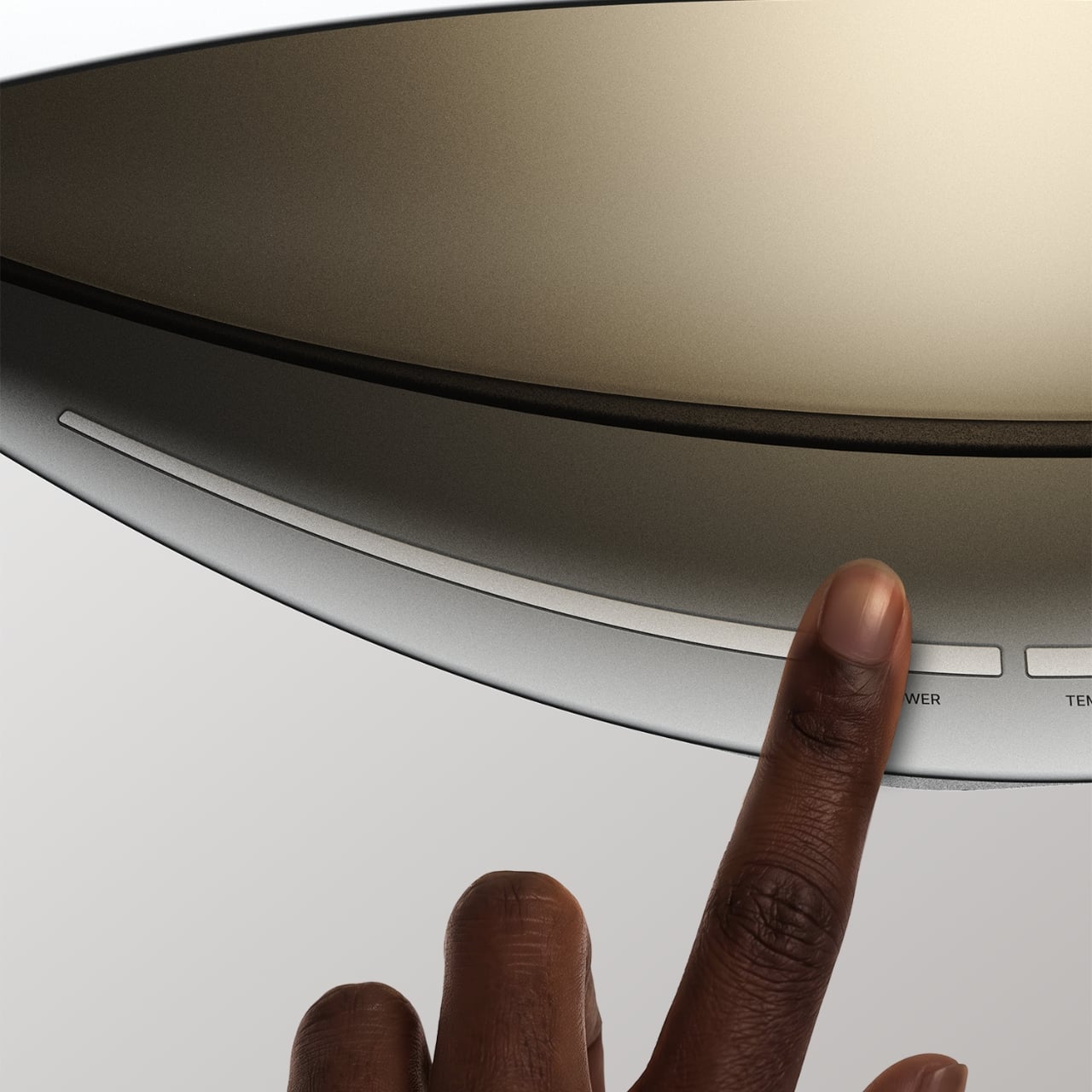
The lighting system offers three distinct color temperatures ranging from warm 2400K relaxation tones to crisp 6000K daylight clarity, each with four brightness adjustments. The advanced reflected light technology eliminates harsh shadows, creating the kind of even illumination that makes grooming tasks feel effortless. For design lovers who value objects that solve multiple problems with grace, this represents the kind of thoughtful integration that defines exceptional product design in our current era.

Click Here to Buy Now: $799.00

What we like

  • Three distinct functions merge into one cohesive object that saves counter space.
  • Shadow-free lighting technology delivers professional-quality illumination for detailed tasks.
  • Multiple color temperatures and brightness levels adapt to different moods and activities.
  • The design pedigree from an award-winning creator ensures quality engineering throughout.

What we dislike

  • The complexity of multiple functions means a higher price point than single-purpose diffusers.
  • More features translate to more components that could potentially need maintenance over time.

3. LITH Volcanic Rock Diffuser

Sometimes the most compelling design solution is the one that strips away everything unnecessary. LITH takes aromatherapy back to pure elemental principles—porous volcanic rock, essential oil, and natural air currents. No electricity, no batteries, no fire hazards, just geology doing what it does best. You place drops of oil on the volcanic stone, and its naturally absorbent surface slowly releases fragrance through simple evaporation, carried by whatever breeze moves through your space.

The volcanic rock sits atop a spiraling cone crafted from acrylic resin, mica, and jesmonite dye, creating a miniature mountain that balances gentle scent with dramatic visual presence. This juxtaposition between peaceful aroma and volcanic power creates an interesting tension that gives the piece real personality. For design enthusiasts who appreciate minimalist approaches and natural materials, LITH offers a refreshingly unplugged alternative to tech-heavy solutions that demand charging cables and app interfaces.

What we like

  • Zero power requirements mean complete portability and placement freedom anywhere in a space.
  • Natural volcanic rock brings genuine geological character to the design.
  • The spiral cone form creates a striking visual impact that elevates beyond typical diffuser aesthetics.
  • No mechanical parts means virtually nothing can break or need replacement.

What we dislike

  • Scent diffusion relies entirely on natural airflow, making coverage unpredictable in still environments.
  • The volcanic rock will need periodic replacement as pores become saturated over extended use.

4. ZenFlow Personal Aroma Diffuser

Japanese craftsmanship meets cutting-edge technology in this diffuser that treats fragrance as an art form deserving of precision engineering. ZenFlow combines 180 years of Shibukusa Ryuzo porcelain tradition with hybrid heat and airflow systems that distribute scent without water or mist. Each handcrafted porcelain filter represents genuine artisanal heritage, while the anodized metal base in silver, gold, or black finishes adapts to virtually any interior aesthetic from minimalist to traditional.

The three adjustable modes offer real versatility—Normal Mode for full diffusion, Airflow Mode for whisper-quiet operation, and ECO Mode for extended battery life. This battery-powered portability means you can move the diffuser from desk to bedside to outdoor patio without hunting for outlets. For design lovers who appreciate objects where heritage craft and modern technology genuinely enhance each other rather than compete, ZenFlow represents a particularly satisfying synthesis of old and new approaches.

Click Here to Buy Now: $169.00

What we like

  • Handcrafted porcelain filters bring authentic Japanese artisan tradition to daily use.
  • Water-free operation eliminates misting issues and maintenance concerns.
  • Three distinct modes adapt performance to different needs and environments.
  • Portable battery power provides true freedom of placement anywhere.

What we dislike

  • Porcelain filters may require replacement over time as essential oils gradually saturate the material.
  • The premium craftsmanship and technology combination commands a higher investment than basic diffusers.

5. MAN BAN Smart Aromatherapy Diffuser

Most diffusers hide their mechanical nature behind soft curves and neutral colors, trying to disappear into backgrounds. MAN BAN takes the opposite approach, embracing bold geometric forms that demand attention and deserve it. This smart diffuser reimagines aromatherapy devices as sculptural objects first, treating the technology inside as secondary to the architectural presence it creates in a room. The result works equally well in minimalist apartments and high-end offices where every visible element carries design weight.

The geometric construction moves beyond typical rounded diffuser shapes toward something more akin to modern sculpture or architectural models. This striking visual language transforms a functional device into a statement piece that sparks conversations before anyone even notices the subtle fragrance it’s dispersing. For design enthusiasts who view their living spaces as carefully curated galleries rather than simple functional environments, MAN BAN offers the kind of bold presence that justifies its prominent placement on surfaces where lesser objects wouldn’t dare appear.

What we like

  • Architectural geometric forms create a genuine sculptural presence worthy of design-forward spaces.
  • Smart technology integration provides modern convenience without compromising the visual statement.
  • The bold aesthetic works as both a functional device and a standalone art object.
  • The design philosophy treats fragrance diffusion as worthy of serious architectural consideration.

What we dislike

  • The strong geometric aesthetic may clash with softer, more traditional interior styles.
  • Smart features add complexity that some users may find unnecessary for basic aromatherapy needs.

6. Ritual Card Diffuser

There’s something profoundly satisfying about objects that transform functional tasks into meaningful rituals. The Ritual Card Diffuser turns scent diffusion into a deliberate gesture—you slide a handcrafted washi paper card into an anodized aluminum body, much like inserting a train ticket or placing a bookmark. This simple physical act marks the beginning of a sensory journey rather than just flipping a switch or pressing a button.

The patented mechanism draws alcohol-based fragrance upward through the washi card without mist, vapor, reeds, or power. It’s utterly silent, completely fire-free, and relies on materials—hand-poured oil and Japanese handmade paper—that carry their own cultural weight and craft tradition. The layered glass base creates a visual lightness while the aluminum body grounds the piece with quiet strength. For design lovers who appreciate objects that slow down daily routines and add mindfulness to mundane tasks, this diffuser offers a refreshingly analog alternative to automatic everything.

Click Here to Buy Now: $89.00

What we like

  • The tactile card-sliding ritual adds meaningful interaction to fragrance diffusion.
  • No power, flame, or sound means complete simplicity and safety.
  • Handcrafted Japanese washi paper brings authentic artisan quality to consumable components.
  • The layered glass base creates beautiful visual depth and architectural interest.

What we dislike

  • Replacement washi cards add an ongoing consumable cost to long-term use.
  • The alcohol-based fragrance system limits compatibility with water-soluble essential oils.

7. Sol Brass Aroma Diffuser

Traditional incense captures powerful emotional memories but fades quickly and rarely travels far from its burning point. Sol reimagines that morning incense ritual through contemporary design thinking, creating what its designer calls a “personal altar” for modern living spaces. The brass construction draws directly from Indian temple bells, heirloom utensils, and engraved thaalis, connecting the piece to centuries of craft tradition while maintaining clean contemporary lines that work in minimalist settings.

Mandala-inspired symmetry and meditative geometry inform every aspect of Sol’s design, creating visual patterns that reward close observation. This isn’t background design meant to blend into environments quietly. Sol makes a statement about the importance of ritual, mindfulness, and the grounding power of familiar scents in spaces where we work, think, and simply breathe. For design enthusiasts with connections to Indian culture or appreciation for how traditional craft can inform contemporary objects, Sol represents a particularly thoughtful bridge between heritage and modernity.

What we like

  • Brass construction brings genuine material warmth and develops character patina over time.
  • Indian craft tradition references create deep cultural resonance and storytelling opportunities.
  • Mandala-inspired geometry rewards careful observation with layered visual details.
  • The personal altar concept elevates daily use into meaningful ritual practice.

What we dislike

  • Brass requires occasional polishing to maintain its finish unless you appreciate natural patina development.
  • The strong cultural design language may feel less universal than more neutral aesthetic approaches.

Finding the Perfect Match

The diffusers on this list share a common philosophy—they treat fragrance as worthy of thoughtful design rather than an afterthought hidden in plastic housings. Each piece brings its own character, from volcanic minimalism to Japanese craft traditions to geometric boldness. The best choice depends entirely on the recipient’s aesthetic preferences and how they actually live with objects in their daily environment.

Consider what kind of interaction they enjoy with their belongings. Some people love tactile rituals like sliding washi cards or arranging miniature firewood. Others prefer set-it-and-forget-it elegance that works quietly in the background. The most meaningful gifts acknowledge these personal preferences while introducing something genuinely special they might not discover on their own. Any design lover receiving one of these diffusers will recognize the care that went into choosing an object that truly respects their eye for exceptional craft.

The post 7 Best Aroma Diffusers To Gift Design Lovers This Year first appeared on Yanko Design.
This $399 Device Can Kill Your Joint Pain Using Infrared Lasers (And Zero Side Effects)

The first Move+ made a bold promise: what if your “painkiller” was a band of light instead of a bottle of pills? By wrapping medical-grade red and near-infrared LEDs around your joints, it tried to tackle the inflammation at the source, not just blur it out. Move+ 2.0 arrives as the next pass at that concept, with a more polished chassis, smarter ergonomics, and a clearer pitch that this is not a gadget for your shelf, but a piece of recovery infrastructure you actually wear.

The real story behind the 2.0 update is a shift in how the device delivers light. Pain, after all, is rarely skin deep. Kineon’s answer was to build a hybrid system, pairing 660nm red LEDs with 808nm near-infrared lasers. While LEDs are great for surface-level recovery, the focused, coherent light from the lasers is engineered to penetrate several centimeters deeper, reaching the actual joint capsules, cartilage, and muscle tissue where chronic inflammation hides. It’s a clever engineering choice that directly addresses the limits of LED-only panels, aiming to deliver a therapeutic dose where it truly matters, whether that’s inside a shoulder with tendinitis or a knee struggling with arthritis.

Designer: Kineon Design Labs

Click Here to Buy Now: $399 $798 (50% off). Hurry, only a few left! Raised over $58,000.

The new adjustable strap is noticeably slimmer and more pliable, designed to solve the ergonomic puzzle of wrapping something securely around tricky areas like the shoulders or glutes. With reinforced stitching, premium materials, and a quick-release function, it feels less like a medical brace and more like a piece of high-end athletic gear. Kineon also includes bridging clips to connect the modules closer together and a separate extender strap. These simple but practical additions ensure the device can comfortably fit both on smaller treatment areas and larger body types or span across the lower back, making the entire system more versatile out of the box.

Even the travel case gets a thoughtful overhaul. Finished in vegan leather with a redesigned interior, it treats the Move+ 2.0 like a piece of premium electronics, not a clunky medical aid. The new layout, with dedicated bridge holders and a simplified charging tray, is about removing the small points of friction that often lead to expensive recovery tools being left at home. It affirms the idea that for a device like this to be effective, it has to be with you when you need it, whether that’s at the gym, in a hotel room, or after a long flight.

By combining LEDs and lasers, the Move+ 2.0 is positioned to address a whole spectrum of common complaints that live deep in the body’s machinery. The issues it targets, from frozen shoulder and carpal tunnel to gout and cartilage damage, are the kind of stubborn problems that often resist simple surface treatments. The device is not just for post-workout soreness; it is designed as a tool for managing the kind of chronic, nagging conditions that can disrupt daily life.

Beyond the hardware, Kineon is building out the digital side of the recovery equation. The new companion app acts as a logbook and a coach, letting you track sessions, monitor progress, and access a library of educational videos and guided recovery programs. This turns the Move+ 2.0 from a purely physical tool into a smarter system. Instead of just treating a sore spot ad hoc, the app provides a framework for managing chronic conditions over time, offering insights and guidance that help connect the daily sessions to a longer-term healing strategy.

At just $399, the entire package feels cohesive, including not just the 3 light modules and adjustable strap, but also the travel case, a charging dock, and a USB-C charging cable. Kineon is clearly positioning the Move+ 2.0 as a serious piece of performance and recovery gear, designed to sit comfortably alongside a high-end smartwatch or a percussion massager. It’s a tool built for a wide spectrum of nagging, persistent issues, from the athlete’s case of tennis elbow to the office worker’s carpal tunnel. By wrapping sophisticated medical technology in a thoughtfully designed, user-friendly package, Kineon is making a strong argument that the future of pain management might look a lot less like a pill and a lot more like a piece of well-designed hardware.

Click Here to Buy Now: $399 $798 (50% off). Hurry, only a few left! Raised over $58,000.

The post This $399 Device Can Kill Your Joint Pain Using Infrared Lasers (And Zero Side Effects) first appeared on Yanko Design.
Yelp’s 2026 Design Forecast: The Trends Reshaping How We Live

The numbers tell a story that design magazines have been hinting at for months. Yelp’s latest trend report, analyzing millions of consumer searches between 2023 and 2024, confirms what forward-thinking designers already suspected: the home is becoming a deliberate statement of values, not just a collection of furniture.

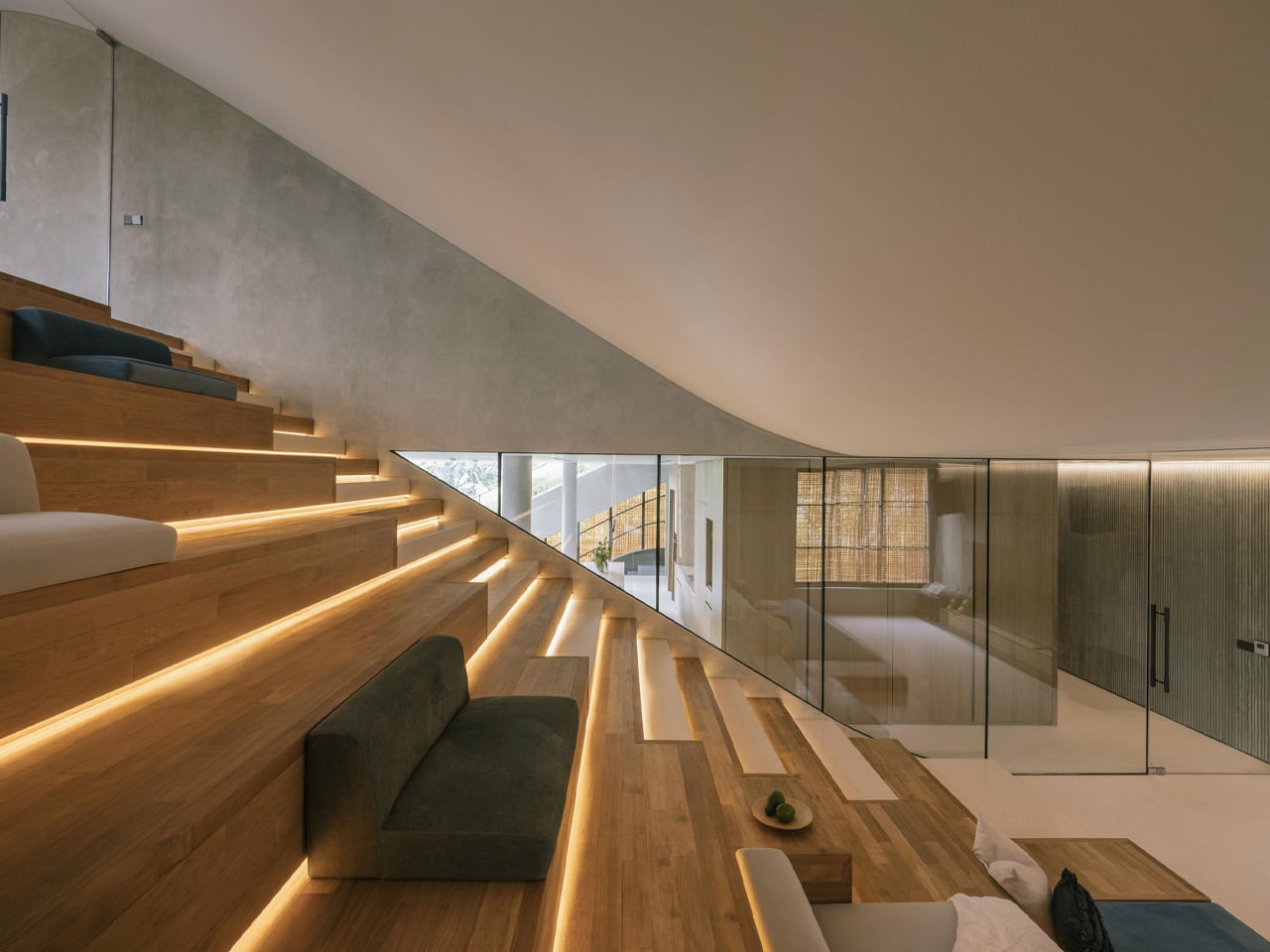
Conversation pits are leading the charge. Searches for these sunken living areas surged 369%, signaling a fundamental rejection of the open-plan uniformity that dominated the 2010s. People want intimacy again. They want spaces that pull them together rather than spreading them across vast, undifferentiated square footage. The mid-century roots of this trend run deep, with searches for mid-century furniture climbing 319% and curved furniture up 124%. These aren’t isolated preferences. They represent a cohesive design philosophy centered on human-scale spaces that encourage actual conversation.

The Texture Revolution

Flat walls are dying. Roman clay finishes saw searches explode by 312%, while lime paint climbed 162%. Fabric wallpaper rose 123%, and wall stencils increased 68%. This collective movement toward tactile surfaces reveals a deeper truth about contemporary design priorities.

People have spent years staring at screens. Their homes responded by becoming increasingly smooth, minimal, and digital-friendly. Now the pendulum swings. Hands want something to touch. Eyes want variation and depth. The Roman clay trend is particularly telling because it demands imperfection. Each application creates unique texture, mottled color, and surfaces that change with light throughout the day. This is the opposite of the perfectly smooth drywall that builders have standardized for decades.

The avocado bathroom deserves attention here too. Searches for ’70s bathrooms jumped 124%, with green countertops following at the same rate. Bathroom remodeling searches increased 84%. But this isn’t nostalgia for nostalgia’s sake. Modern interpretations use nuanced jade and sage tones with contemporary fixtures. The color brings warmth. The execution stays current.

Japandi’s Second Wave

The fusion of Japanese and Scandinavian minimalism refuses to fade. Japandi searches climbed 105%, but the supporting data reveals where this trend is evolving. Fluted panels exploded by 459%. Natural stone rose 51%. Biophilic design increased 124%, alongside woven window shades at the same rate and jute rugs at 60%.

This second wave of Japandi moves beyond the surface aesthetics that defined its first popularity cycle. The emphasis shifts toward materiality and texture rather than mere visual simplicity. Fluted panels create rhythm and shadow play. Natural stone introduces geological time into domestic spaces. Woven materials connect interiors to craft traditions that predate industrial manufacturing. The philosophy remains minimalist, but the execution has matured. Spaces built on these principles feel grounded rather than sparse, considered rather than empty.

Travel plays a role in this evolution. As more people visit Japan and experience its design sensibilities firsthand, they return with refined understanding of how restraint and material quality work together. Tourism shapes taste, and taste shapes the search bar.

The Invisible Technology Thesis

Smart home technology is going underground. Searches for smart windows rose 49%, smart lighting increased 32%, and smart appliances climbed 40%. But the real story lies in the concealment searches. Built-in bookshelves surged 124%. Invisible kitchens with hidden storage jumped 68%.

The design community spent years debating whether technology should be celebrated or hidden. The data suggests resolution: people want capability without visual intrusion. They want lights that respond to voice commands from fixtures that look like ordinary fixtures. They want kitchens that function as high-tech command centers but photograph like serene minimalist spaces. Jennifer Aniston’s illuminated onyx sink basin represents the apex of this thinking. The surface glows. The technology disappears.

This invisible technology trend connects directly to the broader texture movement. When appliances hide and screens retract, walls become the primary visual element. Those walls better be interesting. Roman clay and fluted panels fill the visual space that technology once occupied. The home becomes a gallery of surfaces rather than a showroom of gadgets.

Black as Design Strategy

Black countertops rose 123%. Black furniture increased 12%. These numbers underscore a shift toward intentional contrast as a design strategy rather than an afterthought.

Interior design expert Taylor Simon’s “unexpected red theory” has influenced how designers think about strategic color deployment. Black operates on similar principles. A black countertop against light cabinetry creates visual anchor points. Black furniture pieces become sculptural elements that organize surrounding space. The approach requires restraint. Too much black collapses into monotony. Applied surgically, it transforms ordinary rooms into composed environments where the eye knows where to rest.

The contrast philosophy extends beyond color. It manifests in the juxtaposition of textured and smooth, natural and manufactured, vintage and contemporary. Curved mid-century furniture against rectilinear architecture. Woven jute against polished concrete. The design language emerging from this data prioritizes tension and dialogue between elements rather than uniform harmony.

Memory as Material

Shadowbox searches increased 34%. Film lab searches rose 88%. Film developing climbed 54%. Together, these numbers reveal a design trend that treats personal history as raw material.

Custom framing services report growing demand for memory displays that transform scrapbook contents into wall art. Travel mementos, film photographs from analog cameras, keepsakes from significant moments. These aren’t arranged in albums anymore. They’re composed into visual statements that hang alongside purchased art.

This trend intersects with the broader rejection of generic decor. Mass-produced wall art serves a function, but it doesn’t tell a story. A framed collection of Polaroids from a specific trip, ticket stubs from meaningful concerts, pressed flowers from important occasions: these objects carry narrative weight that manufactured decor cannot replicate. The home becomes autobiography.

Where This Leaves Us

The throughline connecting these trends points toward a single thesis: design in 2026 will prioritize meaning over minimalism, texture over sleekness, and personal narrative over trend compliance.

The conversation pit revival matters because it privileges human connection over architectural showmanship. The texture movement matters because it restores sensory richness to spaces flattened by digital life. Japandi’s evolution matters because it demonstrates how design philosophies mature beyond their initial aesthetic expressions. Hidden technology matters because it resolves the long tension between capability and beauty. Strategic contrast matters because it treats composition as seriously as color.

None of these trends exist in isolation. They form a coherent vision of domestic space as refuge, as expression, as carefully curated environment that reflects inhabitant values rather than developer defaults. The search data quantifies what designers intuit. People want homes that feel like themselves, not like everyone else’s Pinterest board. The numbers say they’re willing to invest, to research, to seek professional help in achieving that goal.

The 2026 home will have texture you can feel, spaces that pull people together, technology that serves without announcing itself, and walls decorated with personal history. It will reference the past without copying it. It will embrace natural materials while leveraging smart systems. It will be, in short, deliberately designed rather than passively accumulated. The data says so.

The post Yelp’s 2026 Design Forecast: The Trends Reshaping How We Live first appeared on Yanko Design.
10 Best Minimalist Home Accents Under $100

Minimalism transforms spaces through intentional choices that celebrate quality over quantity. The right accent piece brings character to your home while maintaining the clean lines and uncluttered aesthetic that defines this beloved design philosophy. These carefully selected items demonstrate that you don’t need a substantial budget to curate a space that feels both thoughtful and refined, where every object earns its place through both beauty and purpose.

Finding minimalist home accents under $100 means discovering pieces that work harder than their price tags suggest. These selections blend Japanese craftsmanship with contemporary sensibilities, creating functional art that enhances daily routines. From lighting that sets the mood to organizational tools that simplify your life, each piece demonstrates how restraint in design often yields the most memorable results. Your space deserves accents that spark joy without creating visual noise.

1. Japanese Lantern Candle

The soft flicker of candlelight carries a magic that electric bulbs can never quite replicate, and this modern interpretation of the traditional chouchin lantern brings that enchantment home. The undulating surface catches and releases light in mesmerizing patterns that shift as the candle burns, creating an ever-changing display that rewards quiet contemplation. This piece connects contemporary spaces to centuries of Japanese festival tradition while maintaining the restraint that makes it suitable for today’s interiors.

Placement options abound with this versatile accent, from bedside tables where it encourages evening wind-down rituals to living room surfaces where it adds ambient warmth during gatherings. The handcrafted candles from Kurashiki bring authenticity that mass-produced alternatives lack, with craftsmen applying techniques passed down through generations. The patented technology preventing outer wax melting means you get consistent performance throughout the candle’s life, maintaining that distinctive shape that makes this lantern so captivating to watch.

Click Here to Buy Now: $69.00

What we like

  • The traditional chouchin design translates beautifully to modern minimalist spaces without feeling dated or out of place
  • Handmade candles from Japanese craftsmen ensure quality that you can see and feel in every burn
  • Patented wax technology maintains the sculptural form throughout use
  • The undulating surface creates hypnotic light patterns that enhance meditation and relaxation practices

What we dislike

  • Replacement candles may require ordering from specialty sources rather than standard retailers
  • The delicate nature of the design means careful handling is necessary during moves or cleaning

2. Key Holder Wakka

Your daily habits shape your life more than grand gestures ever could, and this magnetic key holder transforms the mundane act of coming home into something approaching a ceremony. The satisfying tap of metal meeting wood creates an auditory cue that signals the transition from outside chaos to interior calm. Crafted from contrasting materials that complement rather than compete, the Wakka sits at the intersection of utility and sculpture.

The powerful neodymium magnet ensures your keys stay exactly where you place them, eliminating the frantic morning searches that start days on the wrong foot. Choose between Silver/Maple for lighter Scandinavian-inspired interiors or Silver/Walnut for spaces with warmer, richer tones. The keyring itself combines iron, brass, and stainless steel in proportions that feel substantial without adding bulk to your pocket, proving that thoughtful design extends beyond the base to every component of the system.

Click Here to Buy Now: $45.00

What we like

  • The distinctive tapping sound creates a satisfying ritual that makes key storage memorable and consistent
  • Strong magnetic hold prevents accidental displacement even in high-traffic areas
  • Multiple wood finish options allow coordination with existing furniture and trim
  • Compact footprint works in entryways of any size

What we dislike

  • The metal keyring adds slight weight compared to standard plastic or leather options
  • Only accommodates one set of keys per base unit

3. Miniature Bonfire Wood Diffuser Set

Scent memory connects powerfully to emotion and place, and this charming miniature bonfire brings mountain air into spaces that have never seen a hiking trail. The tiny bundled firewood pieces soak up essential oils and release them gradually, mimicking the gentle way forest breezes carry pine and earth notes through the trees. Beyond aromatherapy, the stainless steel construction and included trivets transform this diffuser into a functioning pocket stove for truly committed ambiance seekers.

Visual interest matches olfactory delight with this centerpiece-worthy accent that starts conversations while improving air quality. The rust-resistant stainless steel ensures longevity even in humid environments like bathrooms or coastal homes, where other diffuser materials might deteriorate. The Mt. Hakusan essential oil captures a specific place with botanical accuracy, though the system works equally well with your preferred oil blends once you’ve experienced the signature scent. The bundled firewood with its authentic tying knot shows attention to detail that elevates this beyond typical diffuser designs.

Click Here to Buy Now: $99.00

What we like

  • The bonfire aesthetic adds playful visual interest while maintaining minimalist principles through simple forms
  • Stainless steel construction resists rust and ensures years of reliable use
  • Versatility extends beyond diffusion to actual cooking with included trivets
  • Mt. Hakusan essential oil offers an authentic Japanese mountain forest experience

What we dislike

  • Small wood pieces require careful handling during oil application to avoid a mess
  • The cooking function works best for very small portions rather than actual meal preparation

4. Oboro Silver Moon Calendar

Lunar cycles govern tides, growth patterns, and ancient calendars, yet modern life often disconnects us from these celestial rhythms that shaped human civilization. This 10th Anniversary edition moon calendar from Replug reestablishes that connection through material choices that interact beautifully with ambient light. The moonlit greige paper creates soft illumination that changes character from dawn to dusk, while reflective silver foil captures passing light in ways that transform throughout the day.

Embossed lunar textures invite touch, turning abstract time-tracking into a tactile daily ritual that grounds you in something larger than your calendar appointments. The piece functions as functional art that serves practical needs while elevating wall space beyond mere decoration. Limited edition status means this represents a moment in design history, celebrating a decade of Japanese craftsmanship that honors traditional aesthetics while embracing contemporary minimalism. The effect shifts with your lighting conditions, creating a dynamic presence that static artwork can’t match.

Click Here to Buy Now: $69.00

What we like

  • Limited edition status adds collectibility and exclusivity to an already beautiful functional object
  • Embossed texture provides tactile engagement that deepens the connection to lunar cycles
  • Reflective silver foil creates dynamic lighting effects that change throughout the day
  • Soft greige paper brings warmth that complements rather than dominates the surrounding decor

What we dislike

  • Limited edition nature means replacement becomes impossible once the stock depletes
  • The delicate paper construction requires protection from moisture and direct sunlight

5. Ritual Card Diffuser

Most diffusers plug in, heat up, or bubble away with mechanical precision that strips away any sense of intention from the scenting process. This card-based system replaces automation with deliberate action, asking you to physically insert a handcrafted washi paper card that begins the fragrance journey. The gesture recalls ticket gates and old library card catalogs, familiar motions repurposed for sensory rather than transactional purposes, creating meaning through the ceremony of beginning.

The patented mechanism draws alcohol-based fragrance oils upward through capillary action, dispersing scent without heat that can alter molecular composition or mist that leaves surfaces damp. Hand-poured oil bases and anodized aluminum bodies demonstrate material quality that mass-market diffusers rarely approach. The washi paper cards themselves become part of the aesthetic, their visible presence within the minimalist housing creating visual interest that evolves as the card gradually releases its fragrance. This approach encourages mindful scent rotation, with card changes marking transitions between seasons, moods, or chapters of life.

Click Here to Buy Now: $89.00

What we like

  • The card-insertion ritual transforms scent diffusion into a mindful daily practice rather than a background process
  • Alcohol-based fragrance compatibility works with premium oils designed for reed diffusers
  • Anodized aluminum and handcrafted washi paper showcase material quality rarely found at this price
  • No heat or electricity requirements mean silent operation and placement flexibility

What we dislike

  • Replacement washi cards represent an ongoing cost beyond the initial investment
  • The slower diffusion rate works better for personal spaces than large open-plan areas

6. Jewelry Display Clock

Functional overlap delights minimalists who appreciate objects that earn their footprint through multiple uses, and this hollow clock provides both time-telling and jewelry storage in a single elegant form. The negative space becomes positive storage, creating a home for rings, earrings, and small accessories that might otherwise scatter across dresser surfaces. The pendulum doubles as an earring display, putting favorite pieces on view rather than hiding them in boxes where they’re easily forgotten.

Quartz movement ensures accuracy, while the distinctive bioplastic construction containing rice husks brings textural interest and environmental consciousness to the design. Whether wall-mounted or shelf-displayed, this piece adapts to your space constraints and aesthetic preferences. The open design keeps jewelry visible and accessible, encouraging rotation of favorite pieces while preventing the tangle disasters that plague traditional jewelry boxes. Time becomes intertwined with adornment, both temporal and personal decoration unified in one thoughtful object.

Click Here to Buy Now: $49.00

What we like

  • Dual functionality maximizes value and minimizes clutter in small spaces
  • Rice husk bioplastic represents an innovative, sustainable material choice
  • Quartz movement provides reliable timekeeping with minimal maintenance
  • Both wall-mounting and shelf-display options accommodate different spatial needs

What we dislike

  • The open storage leaves jewelry exposed to dust accumulation between wearings
  • Limited capacity works for curated collections, but not extensive jewelry wardrobes

7. ClearMind Kendama

Play objects deserve places in adult spaces when they bridge entertainment and skill development, and this precision kendama transforms idle moments into opportunities for flow states and coordination improvement. The traditional Japanese toy gets recalibrated through contemporary materials and proportions that make initial success more likely while leaving plenty of room for mastery. Larger cups and tama holes reduce frustration during the learning curve, building confidence that sustains practice rather than creating early discouragement.

The bearing system prevents string tangling that interrupts play and breaks concentration, maintaining the smooth experience necessary for sustained engagement. As a desk object, it invites brief breaks that restore focus better than scrolling through devices, offering physical challenge that grounds you in the present moment. The clean aesthetic fits a minimalist interior, while the graduated difficulty of tricks provides long-term engagement that cheap fidget toys can’t match. Whether pursuing specific tricks or simply enjoying the meditative rhythm of catch and release, this kendama rewards the time you invest.

Click Here to Buy Now: $59.00

What we like

  • Larger cups and holes accelerate the learning curve for beginners while maintaining challenge potential
  • The bearing system eliminates string twisting that frustrates continuous play
  • Physical skill development offers screen-free breaks that restore focus and creativity
  • Minimalist aesthetic allows display as a sculptural object between play sessions

What we dislike

  • Mastering advanced tricks requires significant time investment and patience
  • The learning process involves repeated drops that may disturb quiet environments

8. RetroWave 7-in-1 Radio

Preparedness meets daily pleasure in this multifunctional radio that refuses to choose between vintage charm and contemporary capability. The tactile tuning dial and retro Japanese design language create nostalgic appeal while Bluetooth connectivity, USB playback, and MP3 support bring modern conveniences. Beyond entertainment, the integrated flashlight, SOS alarm, hand-crank charging, solar panel, and power bank functions transform this into essential emergency equipment that you’ll actually want visible in your space.

Traditional AM, FM, and shortwave reception maintains a connection to broadcast media that doesn’t depend on internet infrastructure, valuable during storms or in remote locations where streaming fails. The solar panel and hand-crank options mean power outages won’t silence your music or leave you without emergency lighting and phone charging capability. This convergence of features typically requires multiple devices, yet the compact form factor and cohesive design prevent the gadget clutter that undermines minimalist spaces. Beauty meets utility without compromise.

Click Here to Buy Now: $89.00

What we like

  • Seven functions in one device dramatically reduce the number of individual items needed for entertainment and emergency preparedness
  • Multiple charging methods, including solar and hand-crank, ensure functionality during power outages
  • Traditional radio reception provides a connection independent of the internet infrastructure
  • Retro design aesthetic makes practical emergency equipment display-worthy rather than something to hide away

What we dislike

  • The feature-rich nature creates a learning curve to access all capabilities effectively
  • Retro styling may not suit ultra-contemporary or industrial interior schemes

9. Pop-Up Book Vase Edition 4

Fresh flowers deserve presentation that matches their ephemeral beauty, and this pop-up book vase provides ever-changing display options through simple page-turning. Three distinct vase designs in gray, yellow, and green emerge from the pages, each offering different proportions and color interactions with your floral selections. The water-resistant coating on natural pulp construction protects the book structure while maintaining the organic material quality that synthetic alternatives lack.

Flip the book upside down and suddenly your arrangements take on entirely new character, the same flowers reading differently against shifted backgrounds and altered vase shapes. This flexibility means one accent piece provides the variety usually requiring multiple vases, perfect for small spaces where storage limits collecting options. The whimsical concept brings playfulness to minimalist interiors without undermining the restraint that defines the style, proving that simplicity need not mean severity. Between floral displays, the closed book becomes sculptural in its own right, its purpose mysterious until revealed.

Click Here to Buy Now: $39.00

What we like

  • Three vase designs per book provide variety without requiring storage space for multiple physical vases
  • Natural pulp construction with water-resistant coating balances organic materials with practical durability
  • The ability to flip the book upside down doubles display options
  • Whimsical concept adds personality to minimalist spaces without creating visual clutter

What we dislike

  • The paper construction requires more careful handling than ceramic or glass vases
  • Capacity limitations work better for small bouquets rather than large arrangements

10. Heritage Craft Unboxing Knife

Tool storage presents a challenge for minimalists who want functional items accessible but not creating visual chaos, and this sculptural box cutter solves that problem through form so compelling you’ll want it prominently displayed. Inspired by Paleolithic hand axes, the circular aluminum body gets precision-milled from solid metal, creating wave-like patterns that provide a secure grip while delivering visual interest. The tapered shape feels intentional in hand, connecting contemporary package opening to ancient human tool use.

Aluminum’s historical value exceeding gold adds conceptual weight to match the satisfying physical heft of this precision instrument. The machined finish showcases material quality while the deliberate retention of cutting marks celebrates manufacturing processes rather than hiding them. Every package opening becomes an opportunity to appreciate thoughtful design rather than fumbling with hidden utility blades or improvising with scissors. Placed on your desk, this piece sparks conversations about the elevation of everyday tools into objects worthy of contemplation, questioning the boundary between utility and art.

Click Here to Buy Now: $99.00

What we like

  • The sculptural form transforms a utilitarian tool into display-worthy desk art
  • Solid aluminum construction provides satisfying weight and luxurious feel during use
  • Wave-like machining patterns deliver a secure grip while creating visual interest
  • Paleolithic hand axe inspiration connects contemporary design to ancient human tool-making traditions

What we dislike

  • The metal construction adds weight that some users may find cumbersome during extended use
  • The artistic form may feel less intuitive than standard box cutter designs initially

Creating Space for What Matters

These ten accents demonstrate minimalism’s true potential—not deprivation, but deliberate curation of objects that enhance life through beauty and utility combined. Each piece earns its presence through either solving problems elegantly, creating moments of joy, or preferably both. Your space becomes more than a collection of surfaces; it transforms into an environment that supports your daily rituals and long-term wellbeing through thoughtful details.

The under-$100 price point makes quality minimalist design accessible without requiring wholesale interior overhauls or significant financial commitment. Start with one piece that addresses a specific need or fills a gap in your current space. Let it prove how the right accent can shift the entire feeling of a room, then build from there. Minimalism succeeds when every object matters, and these designs certainly qualify.

The post 10 Best Minimalist Home Accents Under $100 first appeared on Yanko Design.

Say Goodbye To Bottled Water: Kara Pure 2 Turns Air Into 99.99% Pure Water (Without The Microplastics)

We’re in the great age of unbundling. We’ve unbundled our power grids with solar panels, our entertainment with streaming, and our communication with the internet. We’re systematically severing the cords that tie us to centralized, aging systems. But what about the most essential utility of all – the water pipe? For decades, that’s been the one connection we couldn’t cut. You could go off-grid with power, but you were still tethered to the municipal water main. Until now. What if your home could perform a little bit of everyday alchemy? What if it could breathe in the invisible humidity hanging in the air and exhale pure, rich drinking water? This isn’t a far-future concept; it’s the game-changing revolution happening inside the all-new Kara Pure 2. This sleek, stainless steel tower isn’t just a water dispenser; it’s your home’s personal atmospheric hotspot. The award-winning technology doesn’t filter water from the grid; it creates the water instead, offering a glimpse into a future where the most precious resource on earth is no longer piped in, but simply harvested on demand.

At first glance, the Kara Pure 2 is a study in minimal-yet-effective industrial design. Standing at a confident 44 inches tall, its brushed stainless steel body feels both substantial and elegant, designed to complement a modern kitchen rather than dominate it. Its upgraded internal copper piping and five-stage water filtration signal a commitment to quality, suggesting this is a permanent fixture, not a temporary solution. The front is punctuated by a clean, 40% larger touchscreen and a gracefully curved dispensing area. There are no awkward plastic jugs, no complex pipework, no visible signs of the powerful process happening within. This deliberate minimalism is central to its appeal; it domesticates an industrial-grade technology, making the extraordinary feel approachable. The magic trick is only impressive if the magician makes it look easy, and the Kara Pure 2 looks effortless. Its only demand is a standard power outlet, and in return, it offers a bottomless well of 9.2 pH-balanced Alkaline water.

Designer: Cody Soodeen

Click Here to Buy Now: $3899 $5999 ($2100 off). Hurry, only 6/20 left! Raised over $371,000.

Kara Pure 2’s Patented AirDrive™ technology uses a clever desiccant material that acts like a super-sponge, aggressively grabbing water molecules from the air. Once saturated, the machine gently heats the desiccant, forcing it to release the captured moisture as perfectly pure water vapor, leaving dust and other airborne gunk behind. It’s an elegant and efficient method of harvesting, allowing the machine to perform even when the air feels less than tropical. This isn’t merely condensation; it’s a targeted extraction.

Once the water is harvested, it begins a journey through a multi-stage purification gauntlet. The process starts before the air even enters the machine, with a commercial-grade EPA air filter that scrubs the intake air, providing the side benefit of purifying about 200 cubic feet of room air per minute. After the water is condensed, it passes through a system that includes an advanced ultrafiltration (UF) membrane. With a pore size of just 0.01 microns, this stage is designed to physically block contaminants like bacteria, viruses, and microplastics. Finally, the water is exposed to a medical-grade UV-C sterilizer, which neutralizes any remaining microorganisms to ensure the final product is 99.99% pure.

But anyone who has tasted distilled water knows that “pure” can be boring. The filtration process strips out everything, good and bad, leaving a flat, lifeless liquid. Kara brings the water back to life in the final step by enhancing it with a carefully balanced cocktail of essential minerals like calcium and magnesium. This not only gives the water its clean, crisp taste but also nudges the pH up to an alkaline 9.2+, a nod to the modern wellness enthusiast. It even gets an antioxidant boost, completing its journey from humble humidity to what you might call high-performance hydration.

That whole process nets you up to 10 liters (or about 2.6 gallons) of water a day, storing it in an 11.5-liter reservoir so it’s always ready. Standing 44 inches tall and weighing a hefty 70 pounds, the Kara Pure 2 is a stainless steel monolith that feels more like a piece of modern sculpture than a kitchen appliance. The premium feel extends to the internals, with upgrades like 99% pure copper piping that signal this is a forever-appliance, not a disposable gizmo. The user experience gets the same love, with a spout moved forward for easy access and a pouring area now 20% larger, big enough to fit that ridiculously oversized 64-ounce water bottle you carry around.

The day-to-day command center is a 40% larger touchscreen that lets you dial in everything, including instant hot and cold water. But the most impressive feature might be what you don’t notice. At just 32 decibels, the Kara Pure 2 is quieter than your fridge’s late-night humming. This is the critical detail that makes it a viable housemate, allowing it to quietly perform its magic in the background of your life without driving you insane. It’s a testament to the engineering that went into making this complex process feel effortless and unobtrusive.

Naturally, a device this forward-thinking is making its debut on Kickstarter, the go-to platform for launching category-defining hardware. This is where early adopters can secure the Kara Pure 2 before it hits the broader market. The super early bird pricing is set at $3,899, which feels like a pretty good investment considering the average family spends upwards of $1,350 a year on bottled water (even more for 9.2pH+ alkaline water)… And after all, it’s an investment in a new kind of infrastructure for your home. I mean, you’re literally turning air into alkaline drinking water. Rumor has it that Kara’s next appliance will turn that water into wine!

Click Here to Buy Now: $3899 $5999 ($2100 off). Hurry, only 6/20 left! Raised over $371,000.

The post Say Goodbye To Bottled Water: Kara Pure 2 Turns Air Into 99.99% Pure Water (Without The Microplastics) first appeared on Yanko Design.
Say Goodbye To Bottled Water: Kara Pure 2 Turns Air Into 99.99% Pure Water (Without The Microplastics)

We’re in the great age of unbundling. We’ve unbundled our power grids with solar panels, our entertainment with streaming, and our communication with the internet. We’re systematically severing the cords that tie us to centralized, aging systems. But what about the most essential utility of all – the water pipe? For decades, that’s been the one connection we couldn’t cut. You could go off-grid with power, but you were still tethered to the municipal water main. Until now. What if your home could perform a little bit of everyday alchemy? What if it could breathe in the invisible humidity hanging in the air and exhale pure, rich drinking water? This isn’t a far-future concept; it’s the game-changing revolution happening inside the all-new Kara Pure 2. This sleek, stainless steel tower isn’t just a water dispenser; it’s your home’s personal atmospheric hotspot. The award-winning technology doesn’t filter water from the grid; it creates the water instead, offering a glimpse into a future where the most precious resource on earth is no longer piped in, but simply harvested on demand.

At first glance, the Kara Pure 2 is a study in minimal-yet-effective industrial design. Standing at a confident 44 inches tall, its brushed stainless steel body feels both substantial and elegant, designed to complement a modern kitchen rather than dominate it. Its upgraded internal copper piping and five-stage water filtration signal a commitment to quality, suggesting this is a permanent fixture, not a temporary solution. The front is punctuated by a clean, 40% larger touchscreen and a gracefully curved dispensing area. There are no awkward plastic jugs, no complex pipework, no visible signs of the powerful process happening within. This deliberate minimalism is central to its appeal; it domesticates an industrial-grade technology, making the extraordinary feel approachable. The magic trick is only impressive if the magician makes it look easy, and the Kara Pure 2 looks effortless. Its only demand is a standard power outlet, and in return, it offers a bottomless well of 9.2 pH-balanced Alkaline water.

Designer: Cody Soodeen

Click Here to Buy Now: $3899 $5999 ($2100 off). Hurry, only 6/20 left! Raised over $371,000.

Kara Pure 2’s Patented AirDrive™ technology uses a clever desiccant material that acts like a super-sponge, aggressively grabbing water molecules from the air. Once saturated, the machine gently heats the desiccant, forcing it to release the captured moisture as perfectly pure water vapor, leaving dust and other airborne gunk behind. It’s an elegant and efficient method of harvesting, allowing the machine to perform even when the air feels less than tropical. This isn’t merely condensation; it’s a targeted extraction.

Once the water is harvested, it begins a journey through a multi-stage purification gauntlet. The process starts before the air even enters the machine, with a commercial-grade EPA air filter that scrubs the intake air, providing the side benefit of purifying about 200 cubic feet of room air per minute. After the water is condensed, it passes through a system that includes an advanced ultrafiltration (UF) membrane. With a pore size of just 0.01 microns, this stage is designed to physically block contaminants like bacteria, viruses, and microplastics. Finally, the water is exposed to a medical-grade UV-C sterilizer, which neutralizes any remaining microorganisms to ensure the final product is 99.99% pure.

But anyone who has tasted distilled water knows that “pure” can be boring. The filtration process strips out everything, good and bad, leaving a flat, lifeless liquid. Kara brings the water back to life in the final step by enhancing it with a carefully balanced cocktail of essential minerals like calcium and magnesium. This not only gives the water its clean, crisp taste but also nudges the pH up to an alkaline 9.2+, a nod to the modern wellness enthusiast. It even gets an antioxidant boost, completing its journey from humble humidity to what you might call high-performance hydration.

That whole process nets you up to 10 liters (or about 2.6 gallons) of water a day, storing it in an 11.5-liter reservoir so it’s always ready. Standing 44 inches tall and weighing a hefty 70 pounds, the Kara Pure 2 is a stainless steel monolith that feels more like a piece of modern sculpture than a kitchen appliance. The premium feel extends to the internals, with upgrades like 99% pure copper piping that signal this is a forever-appliance, not a disposable gizmo. The user experience gets the same love, with a spout moved forward for easy access and a pouring area now 20% larger, big enough to fit that ridiculously oversized 64-ounce water bottle you carry around.

The day-to-day command center is a 40% larger touchscreen that lets you dial in everything, including instant hot and cold water. But the most impressive feature might be what you don’t notice. At just 32 decibels, the Kara Pure 2 is quieter than your fridge’s late-night humming. This is the critical detail that makes it a viable housemate, allowing it to quietly perform its magic in the background of your life without driving you insane. It’s a testament to the engineering that went into making this complex process feel effortless and unobtrusive.

Naturally, a device this forward-thinking is making its debut on Kickstarter, the go-to platform for launching category-defining hardware. This is where early adopters can secure the Kara Pure 2 before it hits the broader market. The super early bird pricing is set at $3,899, which feels like a pretty good investment considering the average family spends upwards of $1,350 a year on bottled water (even more for 9.2pH+ alkaline water)… And after all, it’s an investment in a new kind of infrastructure for your home. I mean, you’re literally turning air into alkaline drinking water. Rumor has it that Kara’s next appliance will turn that water into wine!

Click Here to Buy Now: $3899 $5999 ($2100 off). Hurry, only 6/20 left! Raised over $371,000.

The post Say Goodbye To Bottled Water: Kara Pure 2 Turns Air Into 99.99% Pure Water (Without The Microplastics) first appeared on Yanko Design.

Fire-Proof & Forest-Focused: A Holiday Home That Embraces The Australian Bush

High in the canopy of a eucalyptus forest in New South Wales, a holiday home sits perched like an eagle’s nest, looking out over the landscape with quiet confidence. Amongst the Eucalypts, designed by Jason Gibney Design Workshop, reimagines what it means to live within fire-prone Australian bushland, creating a space that embraces nature while respecting its volatile temperament. The clients came to JGDW with a vision that might seem contradictory: they wanted both refuge and connection, a home that could evoke the immersive experience of camping in nature’s vastness while offering protection from its extremes. They sought a place where family and friends could gather communally yet still find moments of solitude within nature’s embrace.

The architectural response is a study in balance. Set high behind the tree line on a steeply sloped site, the house grounds itself along the hill’s natural contour. Its split form creates intimate, private moments while maintaining what the NSW Architecture Awards jury described as “a quiet dialogue between space and landscape beyond.” This isn’t a home that dominates its setting or shrinks from it. Instead, it unfolds to meet the upper realm of the forest, positioning itself as both observer and participant in the landscape.

Designer: Jason Gibney Design Workshop

Material choices reflect the reality of building in bushfire country. The palette is deliberately raw and robust: plywood, lightweight cladding, and metal sit comfortably within the remote setting, offering low maintenance and crucial protection from fire. These aren’t just practical selections. They’re materials that age gracefully in the elements, developing character rather than requiring constant intervention.

What sets this project apart is its embrace of impermanence. The operable facade allows the home to open and close to the elements, transforming its relationship with the outdoors. Outdoor washrooms and a loose-fit interior reinforce this camping-inspired approach, where the boundaries between inside and outside become negotiable rather than fixed. The architecture suggests a way of living that’s more adaptable, more responsive to seasonal changes and the rhythms of nature.

Built by Midcoast Construction on Worimi land, the home earned a Commendation for Residential Architecture at the 2025 NSW Architecture Awards and recognition in the Sustainable Architecture category at the National Architecture Awards Program. The jury commended the design team for creating a home that addresses the pressing question of how to build responsibly in fire-prone landscapes. Photography by Justin Alexander captures the home’s unique position, revealing how it sits suspended among the eucalypts, neither floating above nor buried within the forest but existing in comfortable coexistence with it.

As climate change intensifies fire seasons across Australia, projects like Amongst the Eucalypts offer more than aesthetic pleasure. They demonstrate that building in bushland doesn’t require choosing between connection to nature and protection from it. The home stands as evidence that thoughtful design can create spaces of genuine sanctuary and contemplation, places where engaging with the landscape occurs with the solace of protection from the extremes.

The post Fire-Proof & Forest-Focused: A Holiday Home That Embraces The Australian Bush first appeared on Yanko Design.
A Cordless Kitchen Processor Soft Enough to Leave Out All Day

If you cook in a small kitchen, you already know the choreography. The toaster gets shoved into a cabinet so the kettle can come out. The air fryer lives on the floor of a pantry. Power cords drape across the counter like tripwires. It is domestic Tetris, and it rarely looks good.

That is the quiet problem the Food Sitter Cooking Processor, designed by Qi Liu, is trying to solve. On paper it is a cordless, multifunctional food processor that chops, blends, and whisks. In reality it feels more like a friendly little gadget that wants to restore some visual calm to your kitchen.
Designer: Qi Liu

The first thing that stands out is the form. Instead of the usual squat base with a forest of buttons, this processor reads almost like a compact handheld vacuum crossed with a milk frother. A clean cylinder holds the motor and battery, with a straight handle projecting from the side and a clear jar below. The lines are smooth and rounded, and the whole object looks soft without being cute for the sake of it.

Color does a lot of the emotional work here. The palette of cream white, gentle gray, and lemon yellow is closer to lifestyle accessories than industrial appliances. These are the kinds of colors you expect from a Scandinavian lamp or a wireless speaker, not a device that pulverizes garlic. That choice is intentional. Food Sitter positions itself as a Korean kitchen lifestyle brand with the motto “Less Effort, More Joy,” and the processor fits that promise. It is designed to sit out in the open without visually shouting.

Cordless power is the other big shift. The processor has a built in battery and charges via USB, which instantly changes how and where you use it. No cord means you can move from counter to dining table to balcony without hunting for an outlet. It is easy to imagine it on a picnic table, pureeing salsa next to a portable speaker, or on a camping trip where it turns into a tiny off grid prep station. The portability feels closer to a tech gadget than a traditional kitchen tool, and that is part of the appeal.
Functionally, the product leans into modularity. Interchangeable blades and accessories cover three core jobs chopping, blending, and whisking. In design terms it is a single platform with multiple behaviors. Instead of owning a separate chopper, mini blender, and hand whisk, you swap attachments on one compact base. That reduces clutter and, importantly, visual noise. One small cylinder on your shelf looks a lot better than three unrelated appliances with three different design languages.

The interaction details are refreshingly straightforward. There is a clear top hole for feeding ingredients, paired with a small stick that nudges food down toward the blades. It is almost analog in spirit. You are still present in the process, but the tool does the heavy lifting. The controls are minimal, with a small display for on off and speed, and a single main button. It feels closer to using a simple audio player than programming a blender.

Cleaning, the step that often kills our enthusiasm for kitchen gadgets, is handled with the same clarity. Every food contact part is designed to come apart quickly. Blade, jar, and lid separate for a rinse under the tap, no awkward crevices or trapped onion pieces. That kind of invisible design work is what makes a product move from novelty to daily habit.

What makes this project interesting beyond the kitchen is how it merges three worlds. From a design perspective, it borrows the soft minimalism of contemporary home objects. From tech, it adopts battery power, portability, and a restrained interface. From pop culture, it taps into our current love of “tiny living” and curated domestic aesthetics. It is the kind of object you can imagine on Instagram next to a latte and a stack of cookbooks, but it also has the chops to justify its presence.

For modern homeowners especially those living in apartments or shared spaces that blend work, life, and cooking into one room this balance matters. We want tools that earn their footprint. The Food Sitter Cooking Processor feels like a response to that desire. It is compact, visually calm, and flexible enough to support both weekday meal prep and weekend kitchen experiments. In the end, this is not just another food processor. It is a small argument for a different kind of kitchen where technology is cordless and quiet, aesthetics are part of function, and the tools that help you cook are pleasant enough to leave out in plain sight.

The post A Cordless Kitchen Processor Soft Enough to Leave Out All Day first appeared on Yanko Design.