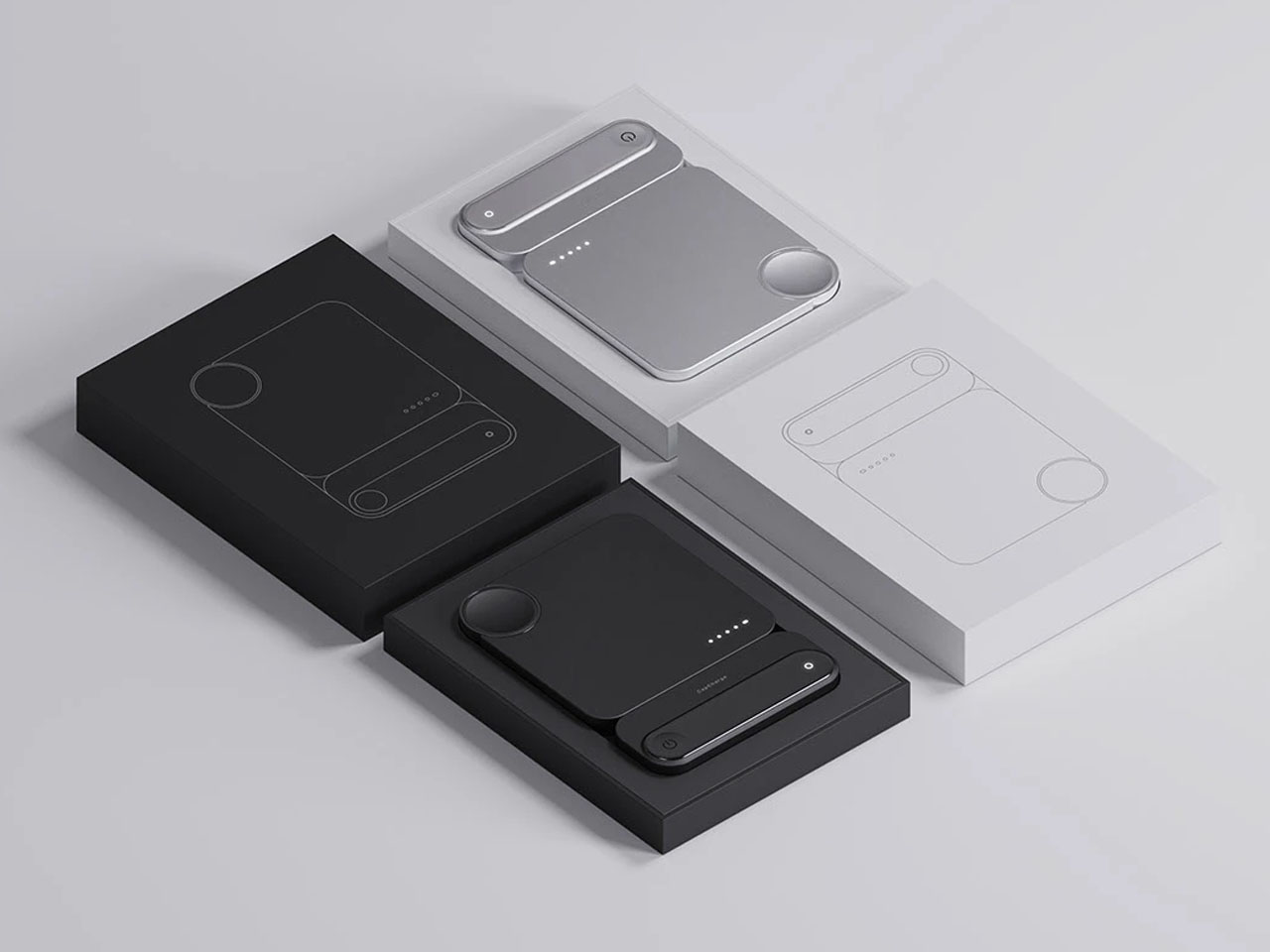
This modular power bank splits in two to match your charging needs throughout the day

In a world where screens rarely go dark and our devices feel like extensions of ourselves, a reliable power source has become almost as essential as the devices it fuels. Yet even after years of iterations, power banks still fall into the same trap; they’re either bulky blocks with too much capacity to carry comfortably, or slim and portable but unable to keep up with a full day’s use. The Portable Magnetic power bank brings a smarter, more adaptable approach to this everyday struggle, one that feels designed for how people actually move through their day.

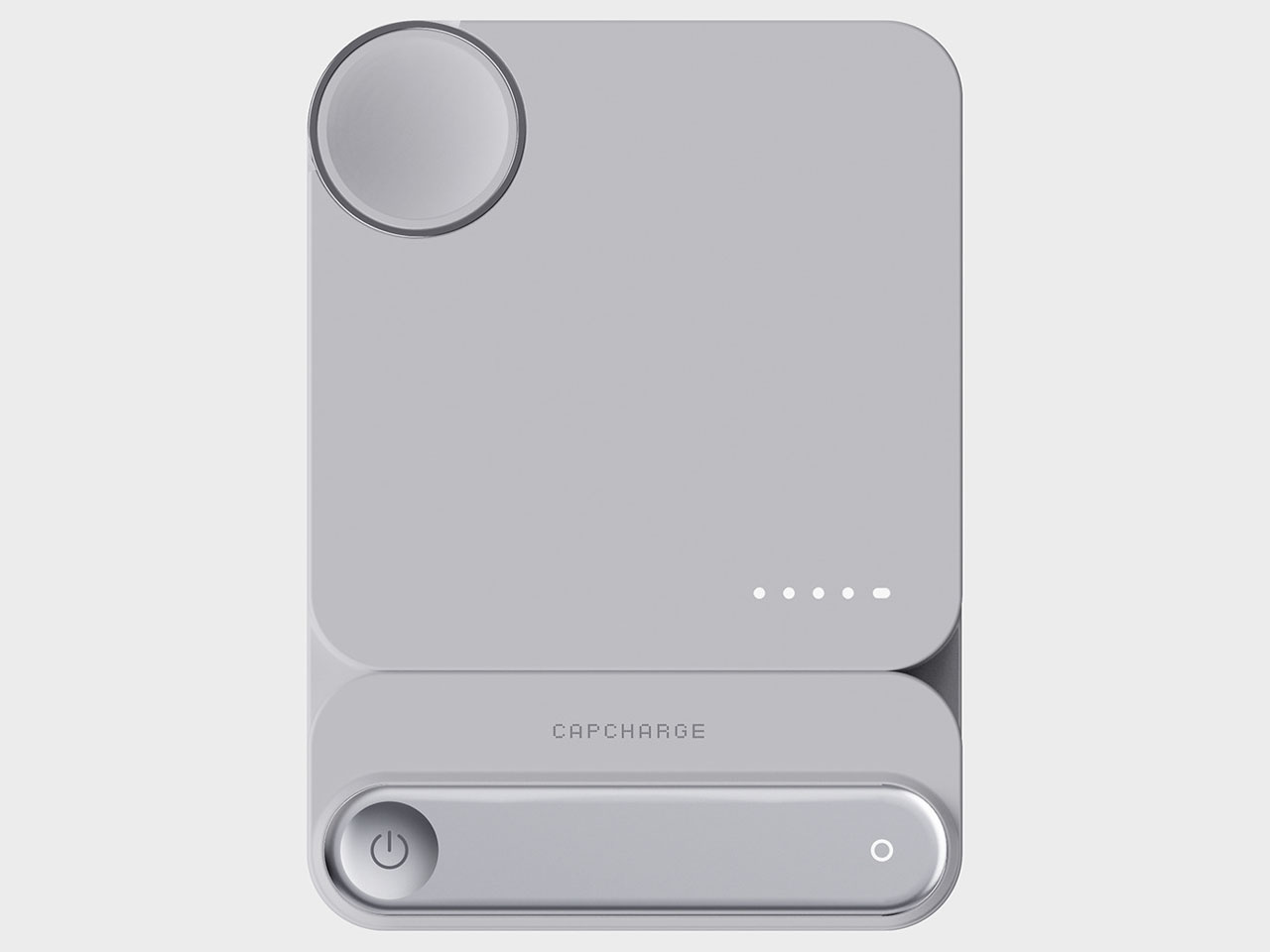
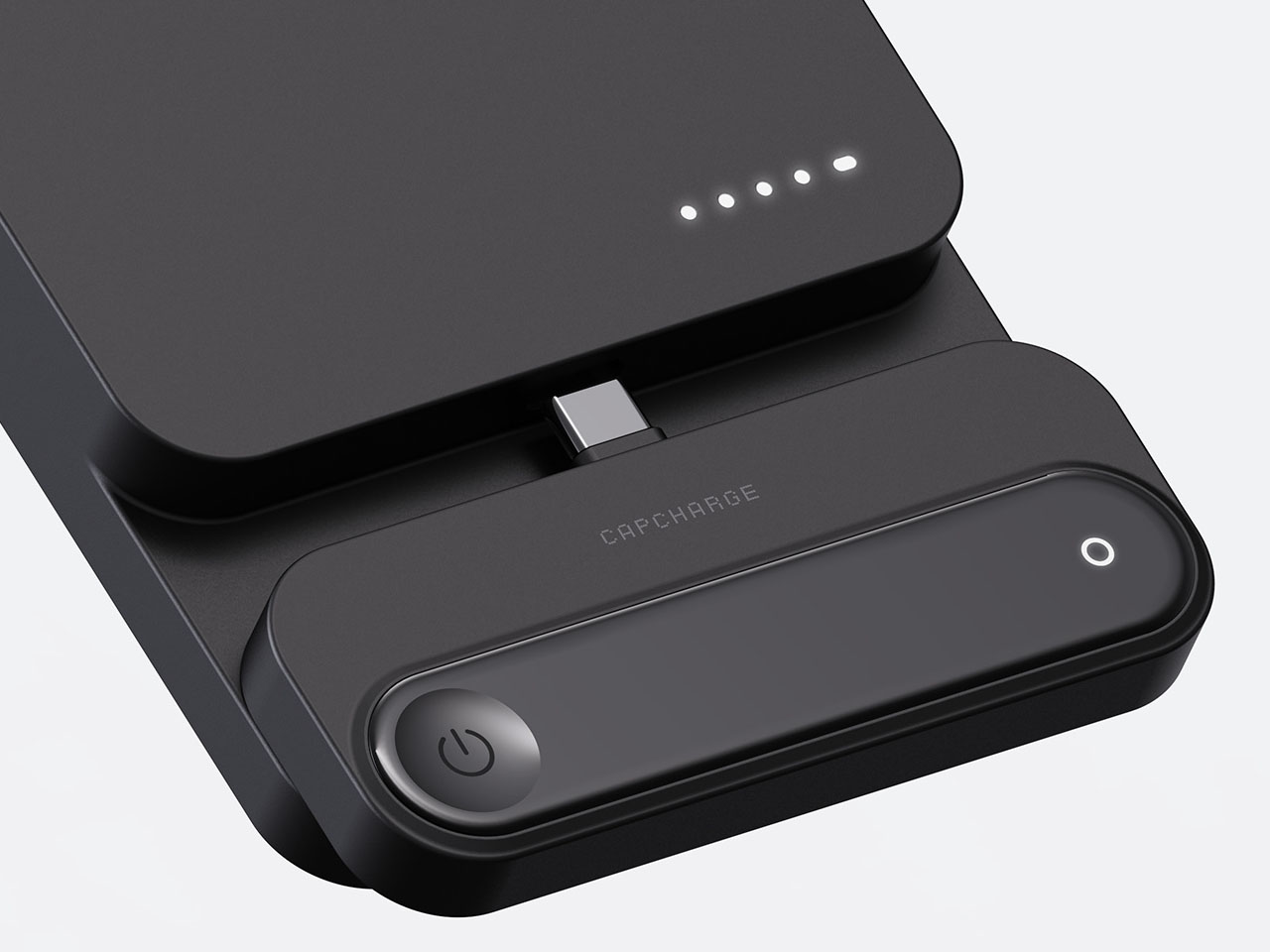
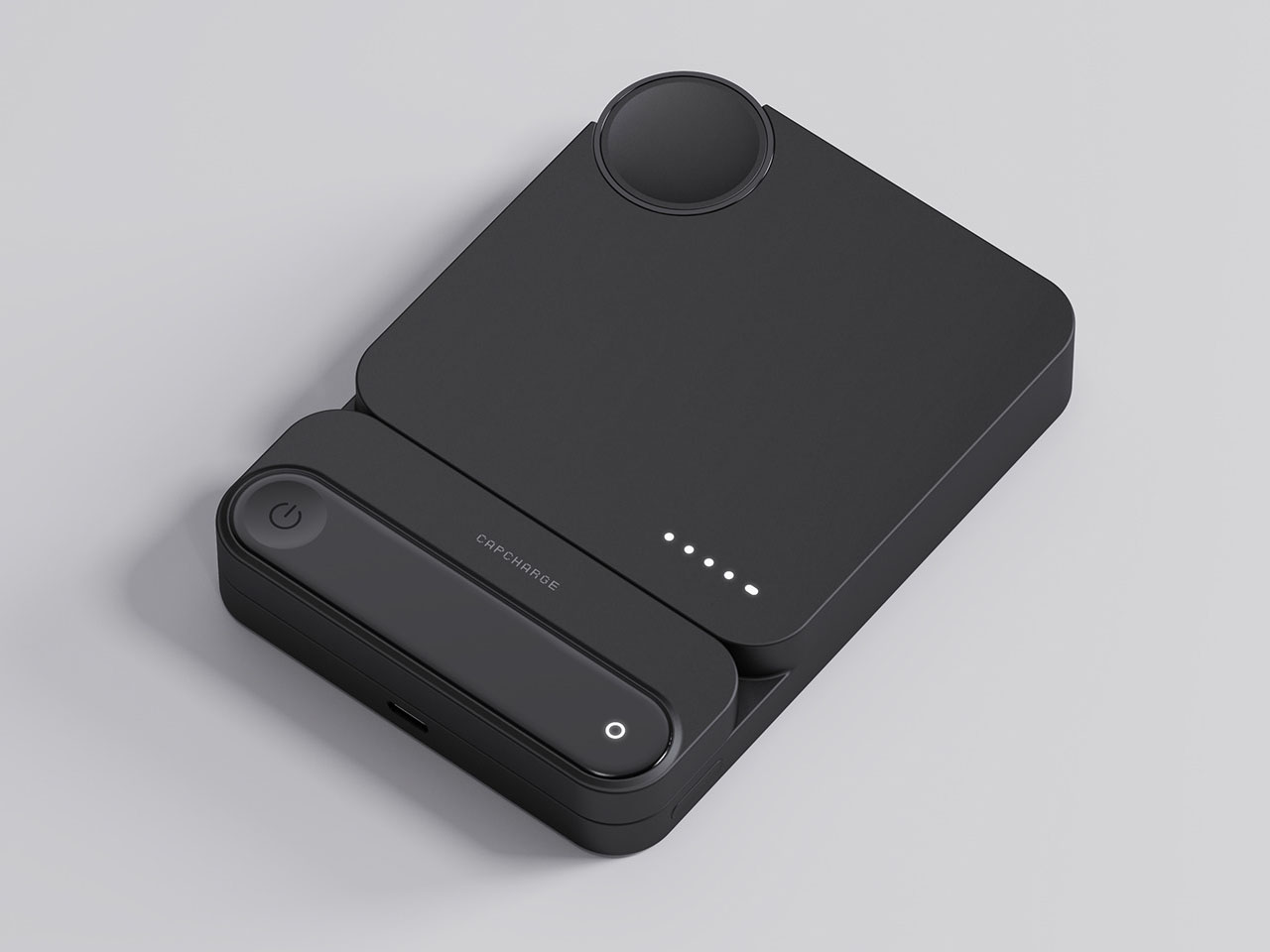
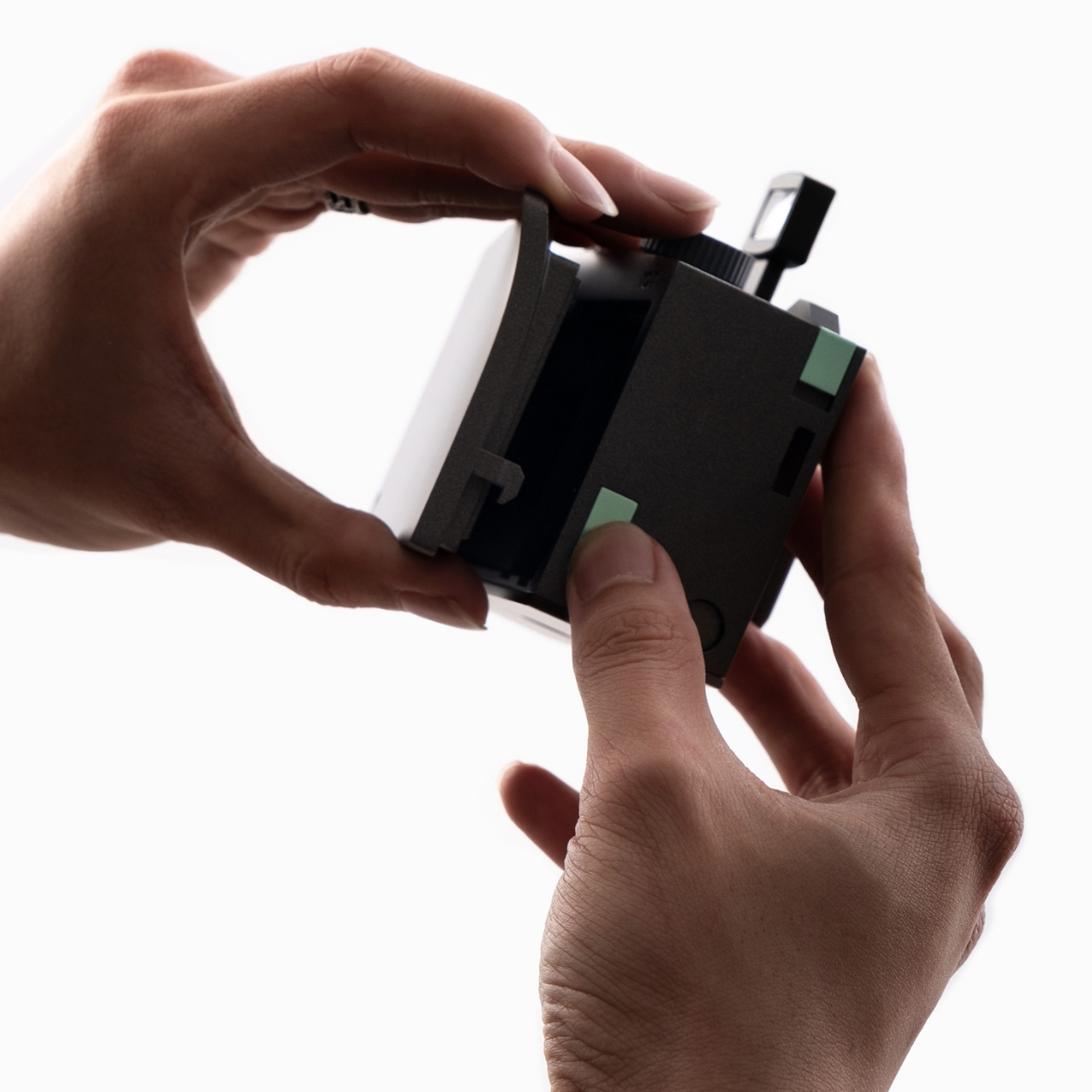
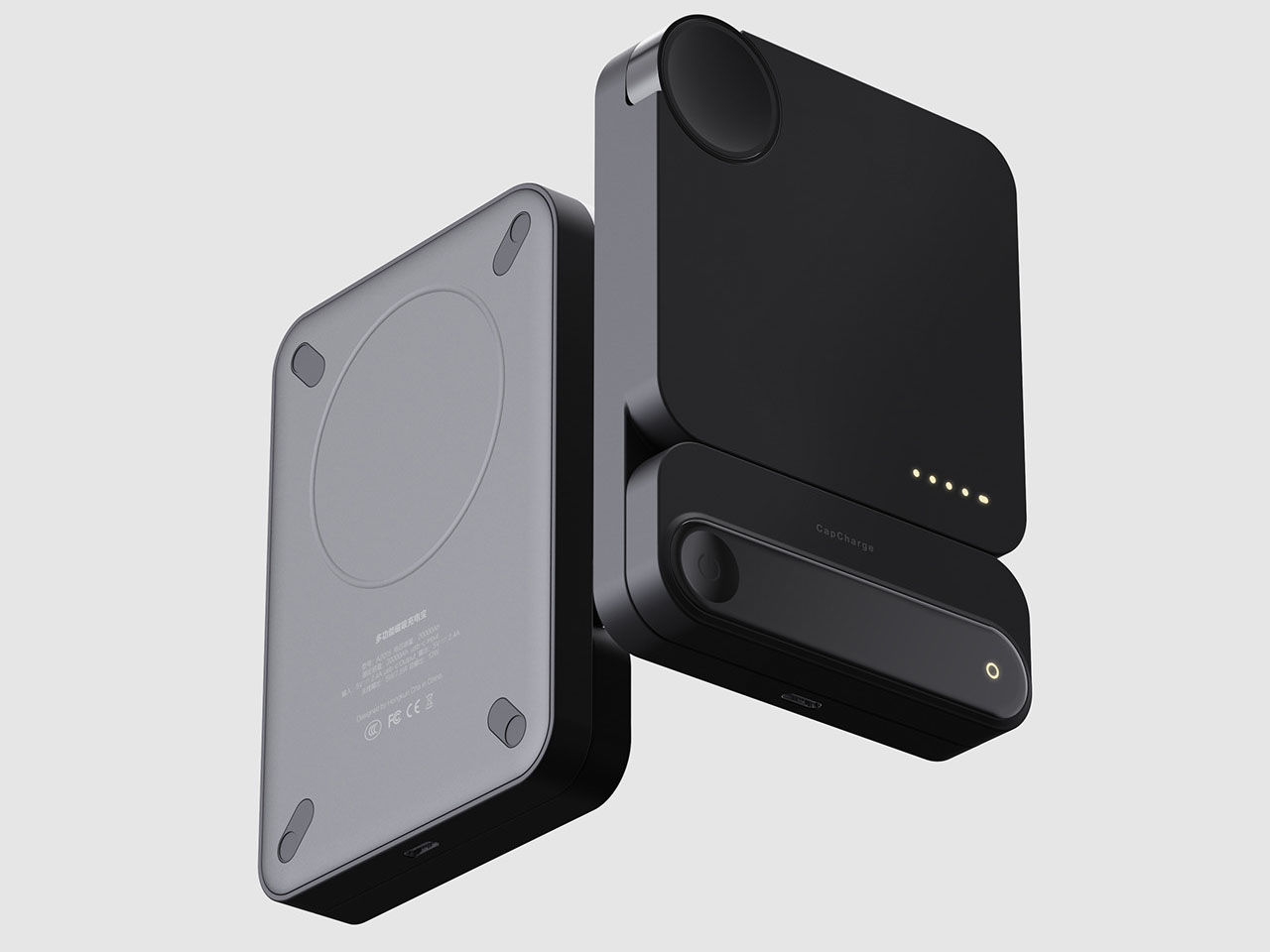
Rather than locking users into a single capacity or form, this concept introduces a modular, magnetically connected system that lets you choose what you carry. The main body works as a high-capacity unit capable of charging a phone or multiple devices, while a detachable “Energy Capsule” offers a lightweight option for topping up smaller gadgets like earbuds or smartwatches. Together, they form a cohesive all-in-one charging system; apart, they become personalized tools tailored to different needs.

Designer: Hongkun Cha
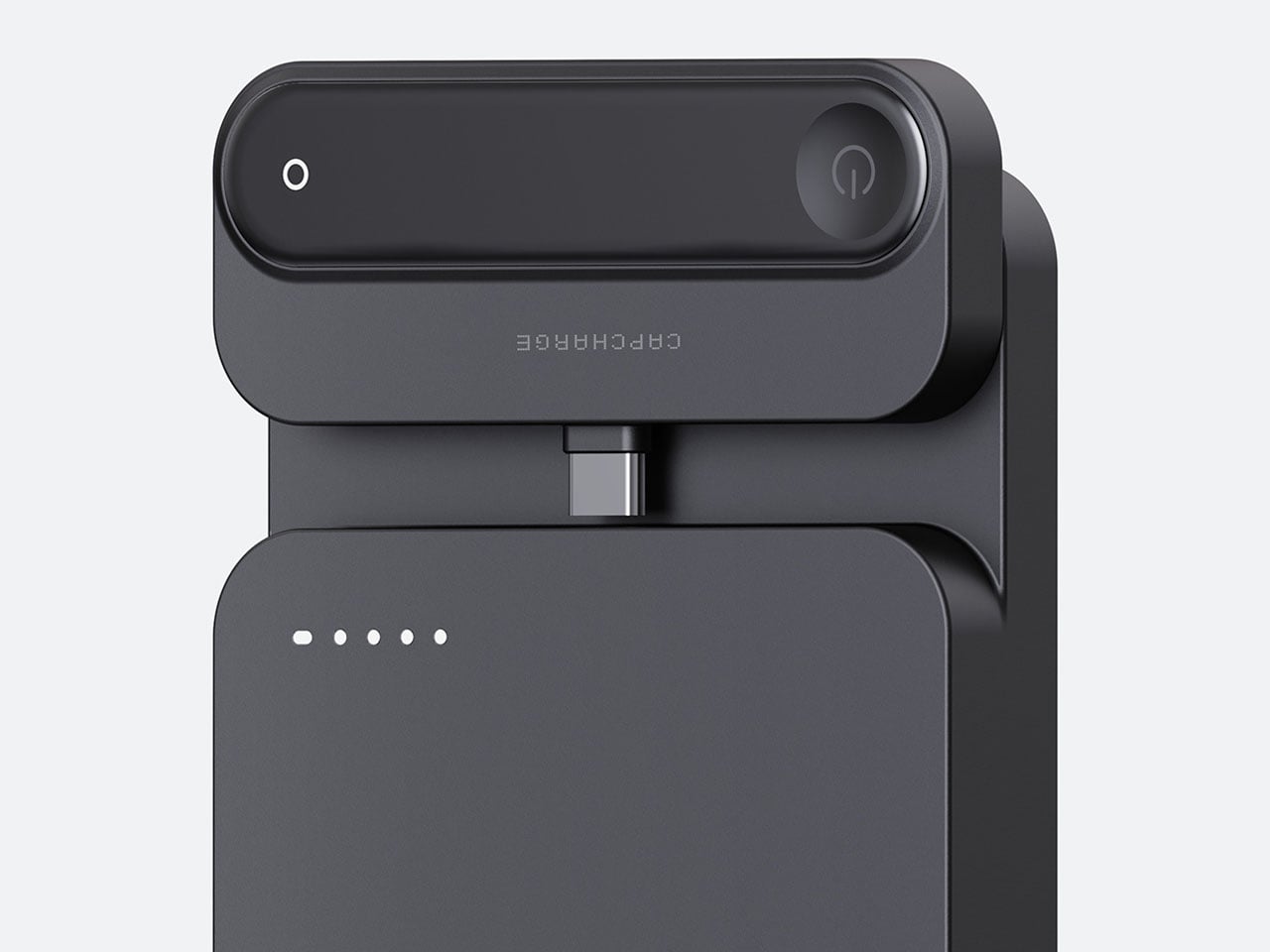
The intrigue of this approach lies in its simplicity. The two modules snap together magnetically, merging into a single seamless unit when you need more power, and separating instantly when you prefer to travel light. The magnetic connection feels deliberate and intuitive, eliminating the fuss of cables or clips while ensuring both units align perfectly. It’s a design that adapts as quickly as the pace of your day, from desk to commute to travel, offering flexibility that traditional power banks never quite mastered.
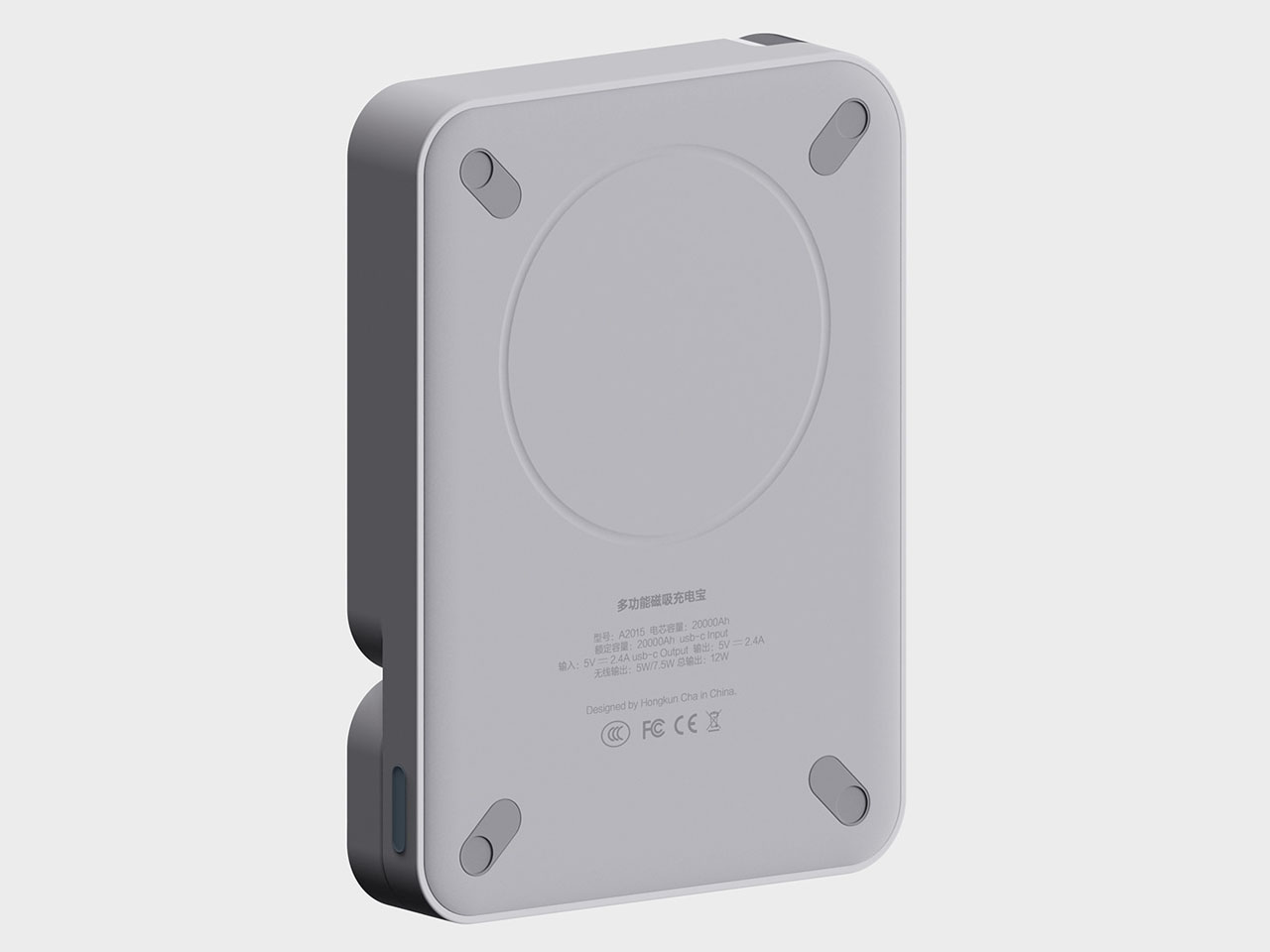
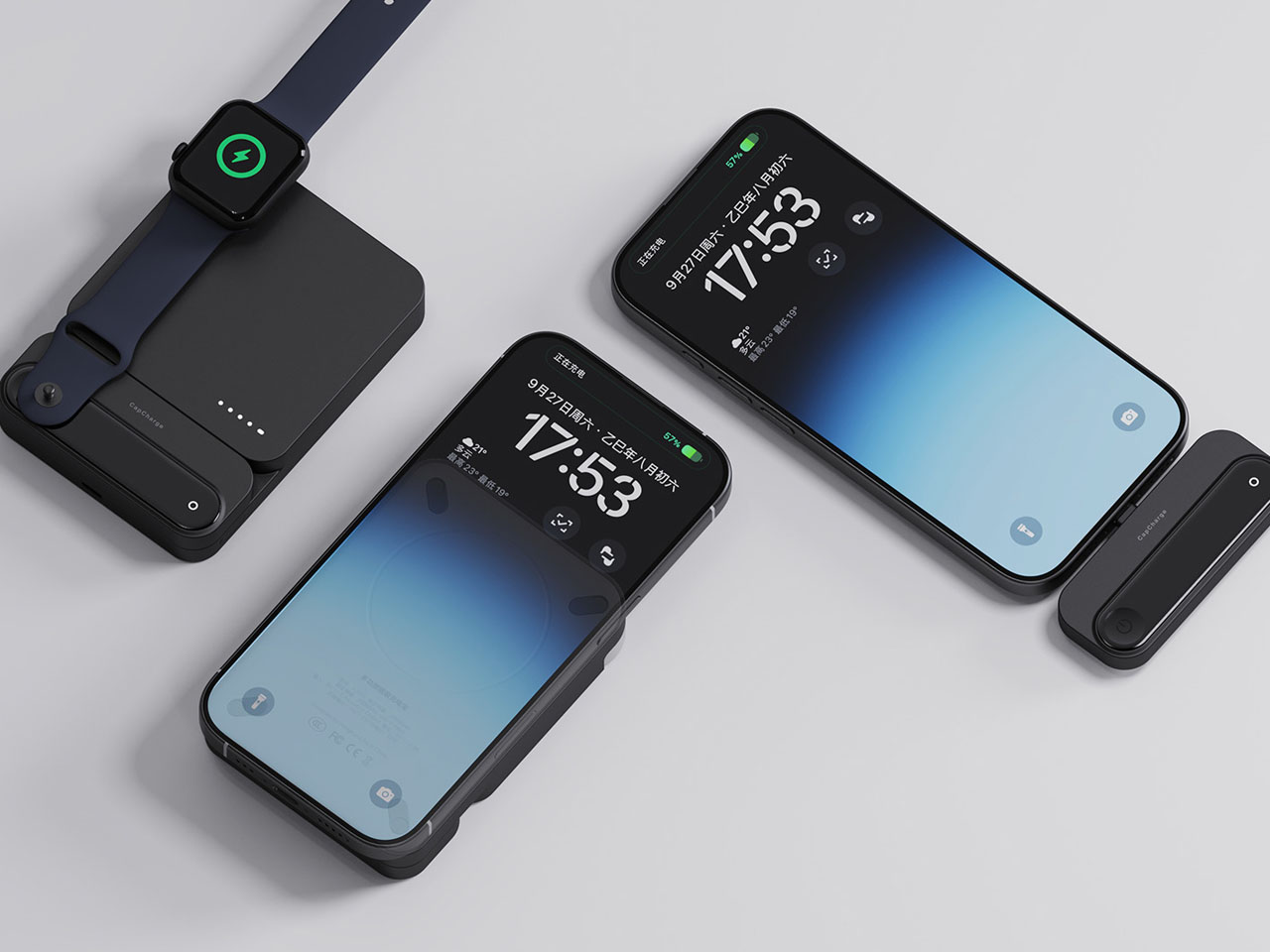
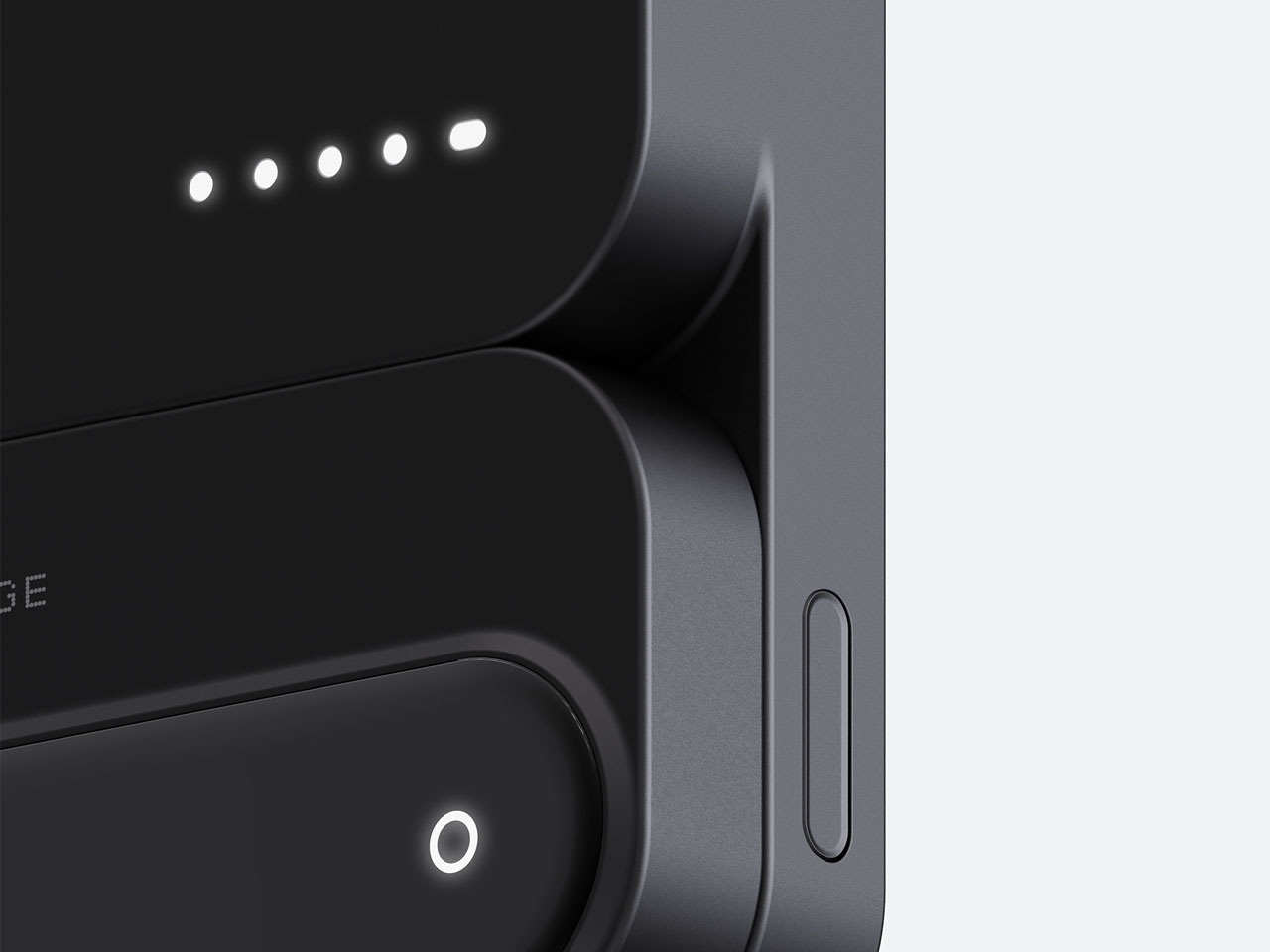
Visually, the Portable Magnetic Power Bank maintains a sense of calm precision. Every surface is smooth and uncluttered, avoiding the heavy industrial look most portable chargers carry. The minimal silhouette, clean geometry, and refined finish make it feel more like a lifestyle accessory than a tech gadget. It’s the kind of product you wouldn’t mind keeping visible on a work desk or coffee table. It’s understated yet purposeful!

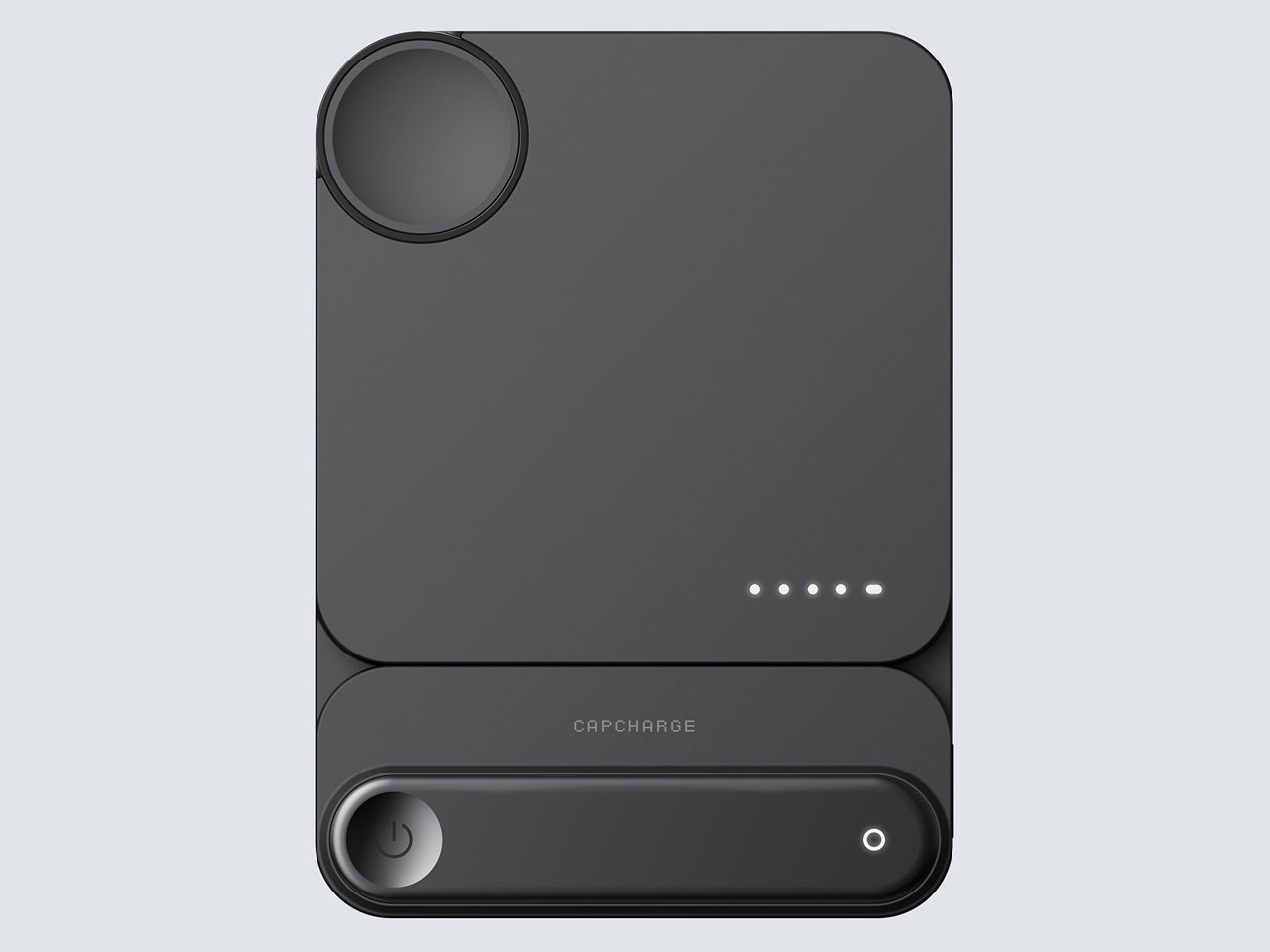
Functionally, it aims to simplify multi-device charging. With the growing ecosystem of gadgets (phones, watches, earbuds, and beyond), carrying separate chargers for each is both impractical and messy. This concept eliminates that need through modular integration, ensuring one device can meet multiple scenarios. While detailed specifications, such as capacity, charging wattage, or battery chemistry, remain undisclosed, the concept clearly prioritizes versatility over raw numbers, focusing on the user experience instead.
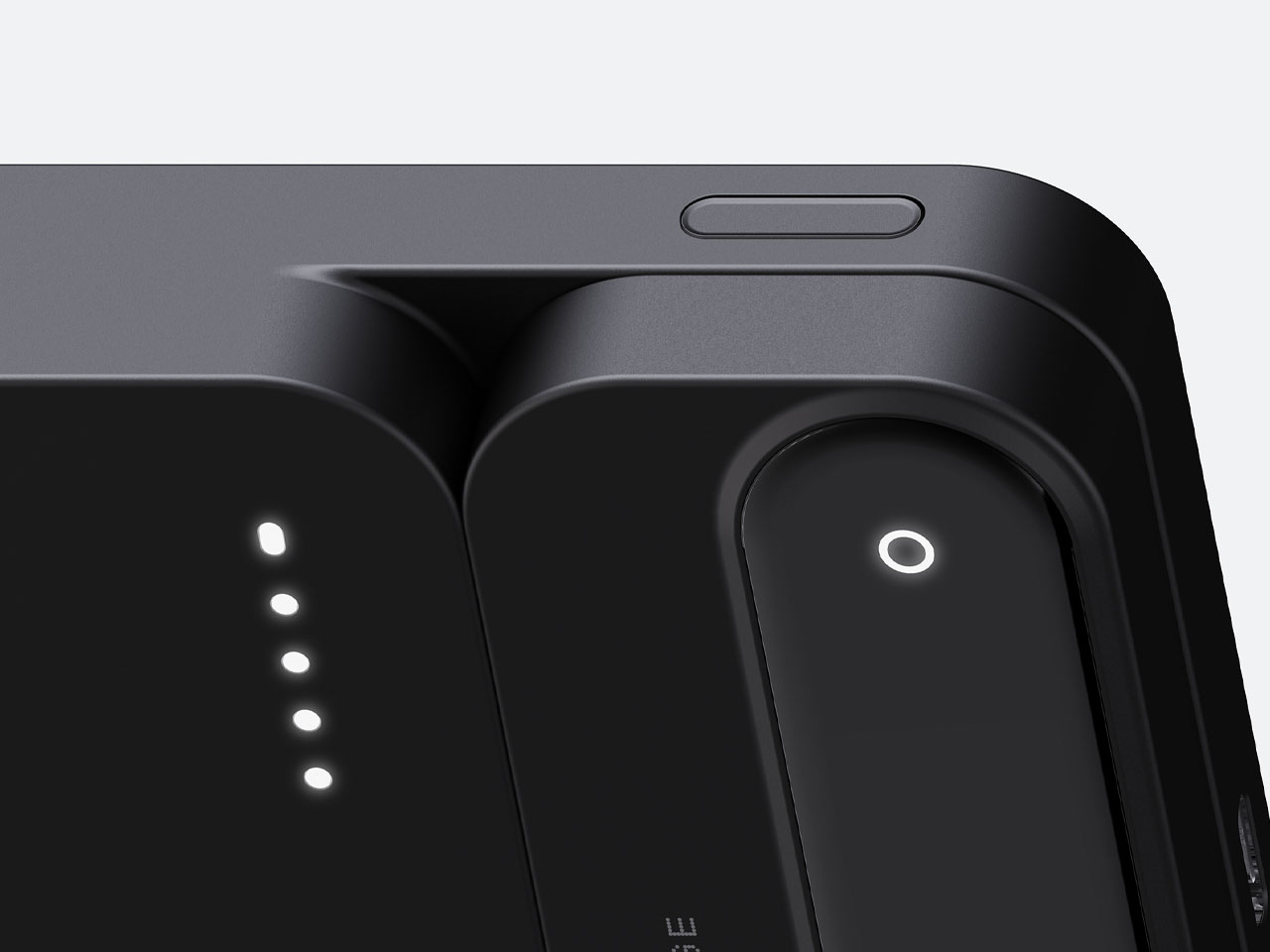
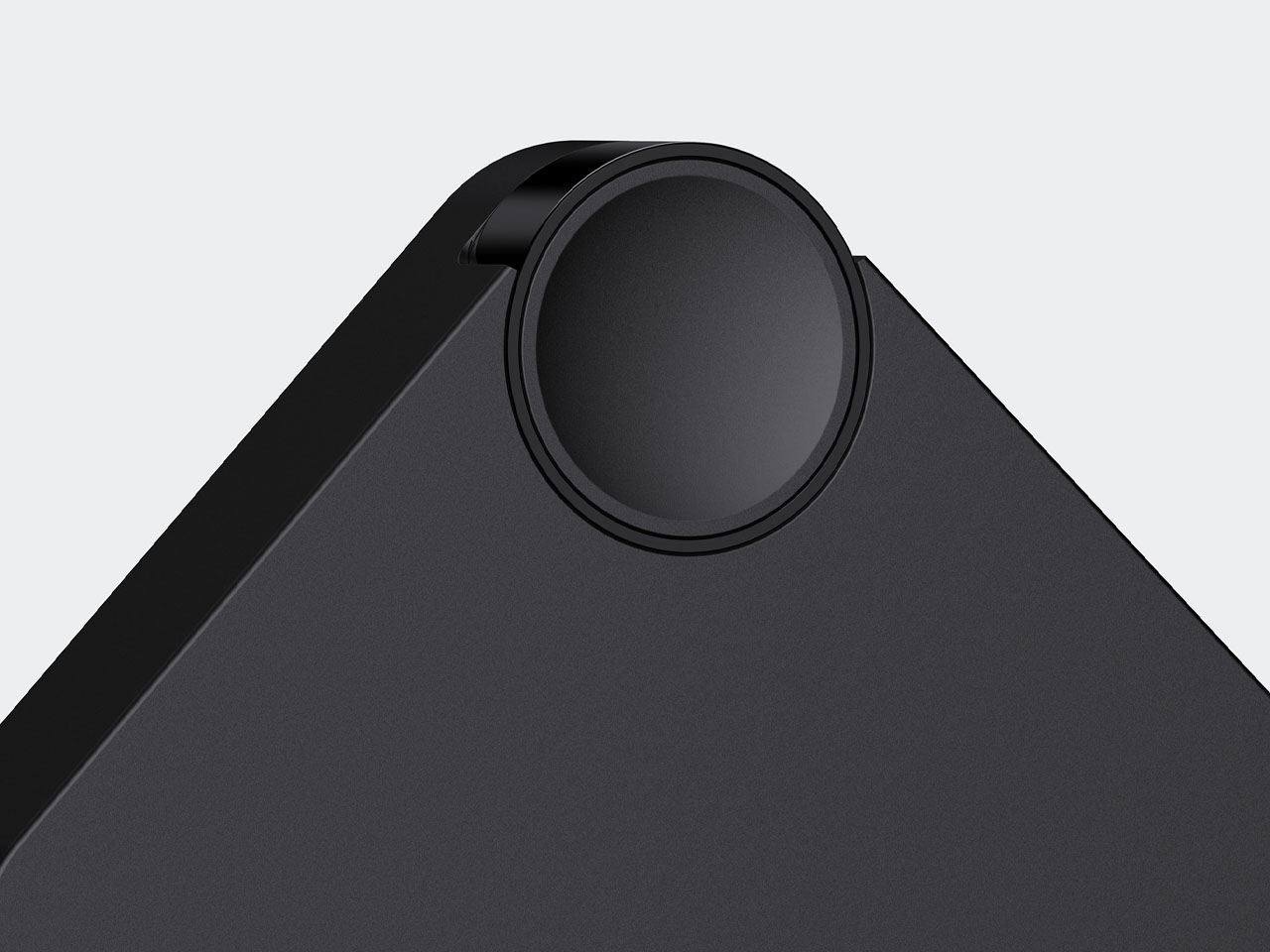
There’s also an emphasis on comfort and balance. Detaching the capsule reduces the weight you hold while still keeping essential power within reach. Attaching it back extends your battery life without adding visual or physical clutter. This fluid adaptability embodies a quiet kind of innovation, one that improves daily usability without reinventing the wheel.

The post This modular power bank splits in two to match your charging needs throughout the day first appeared on Yanko Design.

Pokémon Pokopia, an Animal Crossing-esque life sim, will hit Switch 2 on March 5

Nintendo and The Pokémon Company are trying something a little different with Pokémon Pokopia. It’s a life sim game in the vein of Animal Crossing. Nintendo unveiled the game during a Direct in September, saying that it would arrive in spring 2026. Now, the company has revealed that Pokémon Pokopia will hit Nintendo Switch 2 on March 5.

There’s no new trailer for the game just yet — you’ll have to wait until Thursday, November 13 for that. Nor did Nintendo discuss more details about Pokémon Pokopia, other than to indicate the cartridge will be a Game Key Card (no game files are stored on such a cart, which is effectively a physical key that allows you to download a game). The company announced the release date with the most bare bones of tweets:

Koei Tecmo studio Omega Force is developing Pokémon Pokopia. We learned during the Nintendo Direct a couple of months ago that you’ll play as a Ditto who has taken on the guise of a human. You’ll meet more Pokémon and learn new abilities to help you upgrade your community and make your home just the way you want it.

Last month, there was another leak of files from Game Freak, the main developer of Pokémon games. Among other things, the details indicated that an expansion for Pokémon Pokopia is in the works.

Before Pokémon Pokopia arrives, you’ll be able to warm up for a Pokémon flavor of life sim by dipping back into Animal Crossing New Horizons, which is getting a major update and a Switch 2 version in January. It includes support for mouse controls, visual enhancements and other upgrades on Switch 2. An update that will also apply to the original Switch version will introduce a new hotel location, more cosmetic items, a Lego collaboration and much more.

This article originally appeared on Engadget at https://www.engadget.com/gaming/nintendo/pokemon-pokopia-an-animal-crossing-esque-life-sim-will-hit-switch-2-on-march-5-160000254.html?src=rss

When Slower Actually Means Better: The RAW Camera Concept

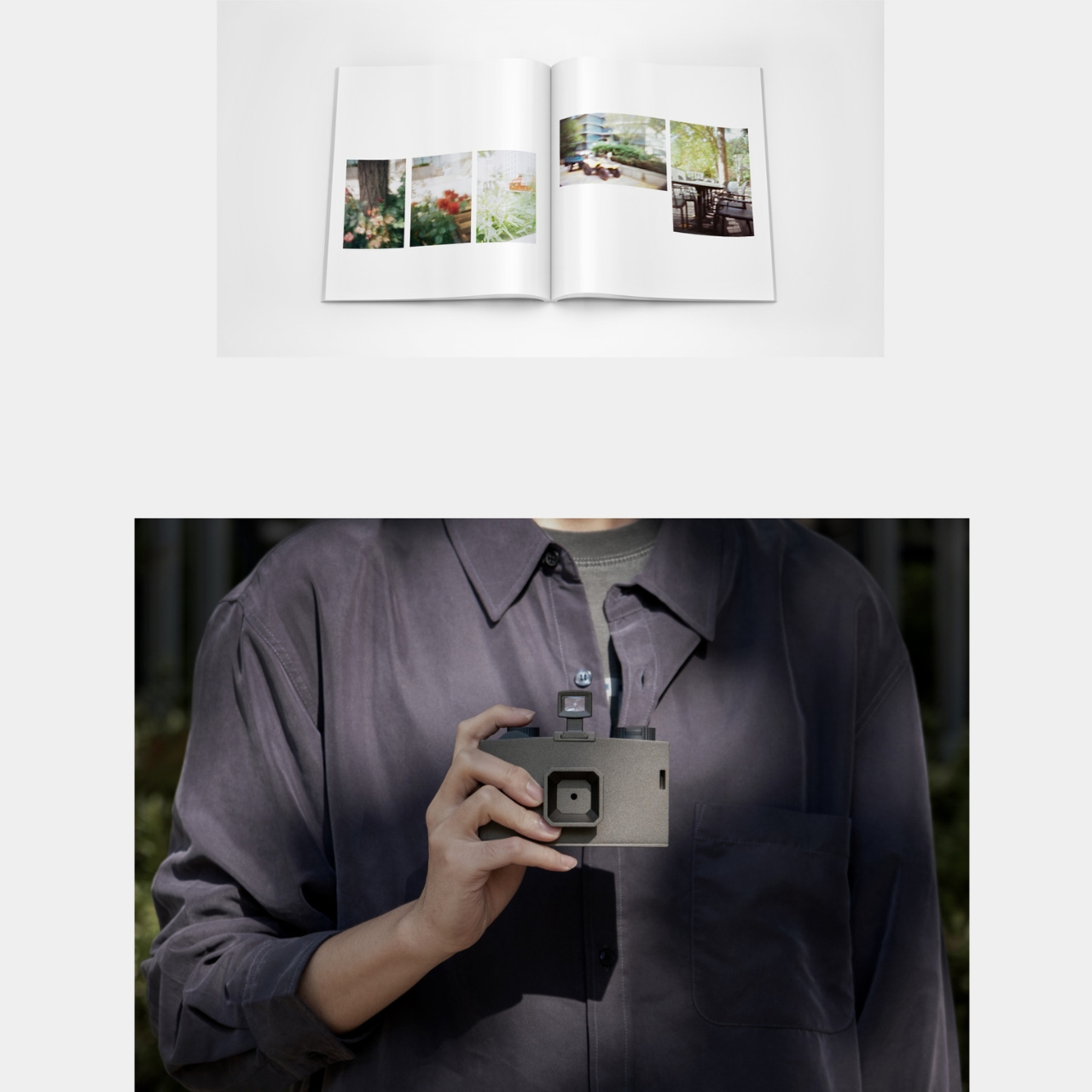
We take thousands of photos on our phones without thinking twice. Snap, scroll, forget, repeat. But here’s a wild thought: what if a camera literally forced you to slow down? That’s exactly what designer Seulgi Kim is exploring with RAW, a pinhole camera concept that’s part time machine, part meditation device, and entirely about reclaiming something we’ve lost in the digital age.

The name RAW works on two levels. First, it means “unrefined,” which perfectly captures the camera’s back-to-basics philosophy. Second, it references RAW image files in photography, those unprocessed originals that contain all the data before any digital manipulation happens. It’s a clever double meaning that sets up everything this concept is about: stripping away the excess to get back to what photography actually is.

Designer: Seulgi Kim

Create your own Aesthetic Render: Download KeyShot Studio Right Now!

Normally we can shoot a hundred photos in seconds with our phones but RAW does something almost rebellious. It uses a pinhole aperture instead of a lens, which means each exposure takes several seconds or even minutes to complete. You can’t rapid-fire shots. You can’t casually capture every moment. Instead, you have to stand there with your subject, waiting, observing, really seeing what’s in front of you. It’s the photographic equivalent of choosing to walk instead of drive, not because you have to, but because you want to notice things along the way.

What makes RAW fascinating beyond its function is how Kim translated traditional Korean architecture into its design language. This isn’t just aesthetic borrowing; it’s a thoughtful connection between two forms of slowness and intentionality. Traditional Korean architecture embodies what Kim calls “the aesthetics of slowness,” where every element reflects careful consideration of space, time, and human presence. Those principles shaped buildings that have stood for centuries, and now they’re informing how we might think about capturing a single photograph.

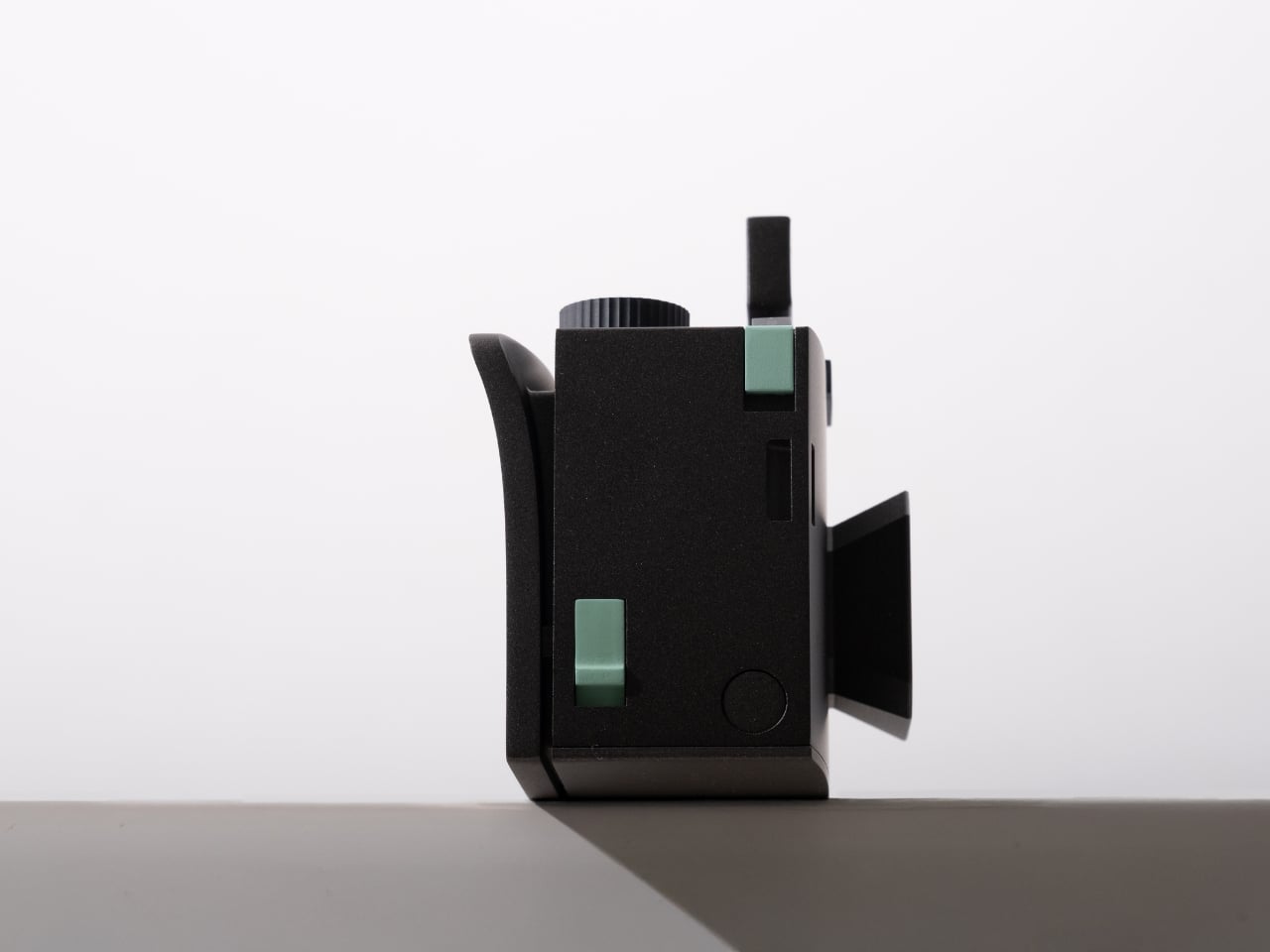
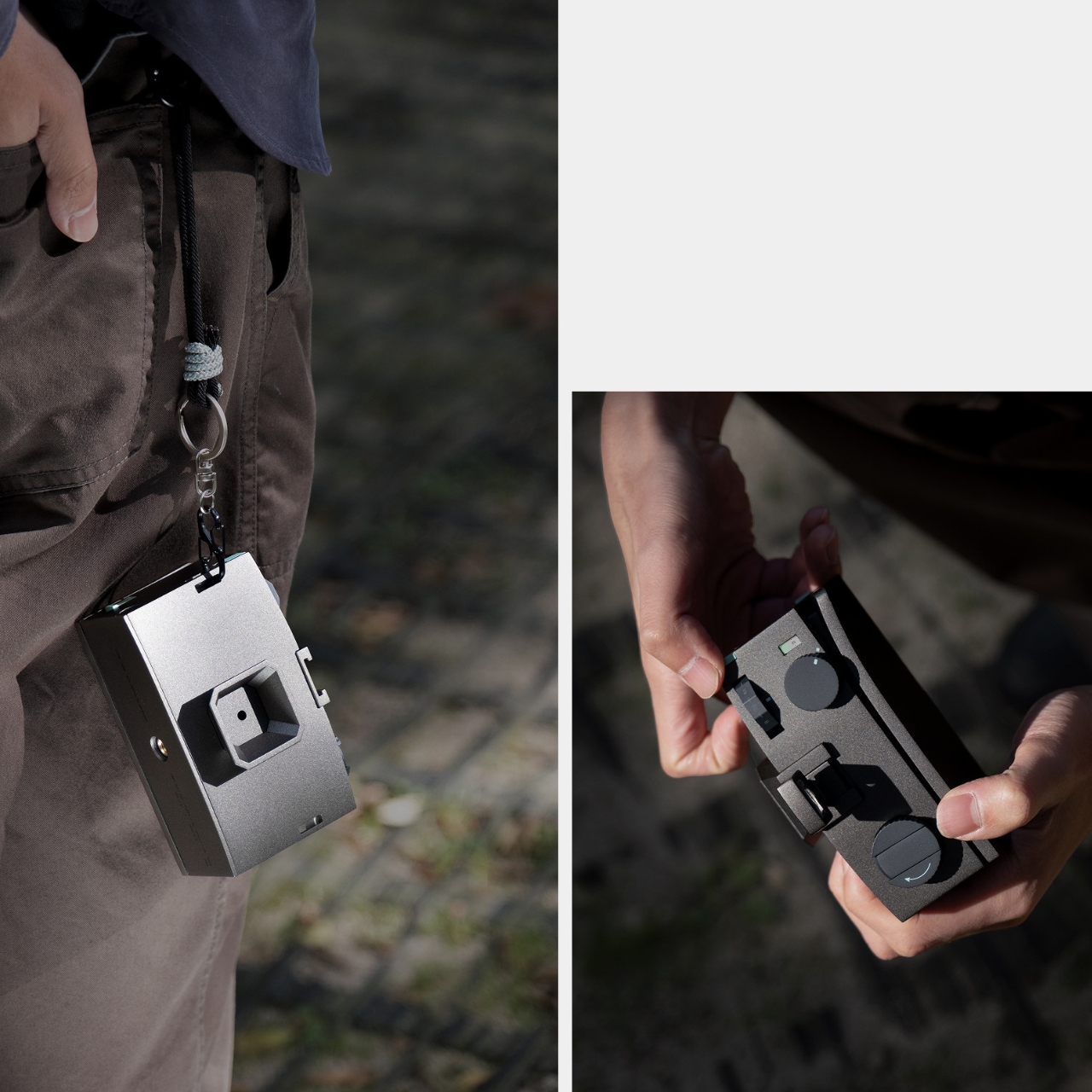
Look at the curved panel on the camera’s side. It’s directly inspired by the gentle curves of traditional Korean roof tiles, which were designed to protect houses from rain and wind. But here, that curve serves a completely modern purpose: it prevents slipping and creates a comfortable, stable grip. It’s functional heritage design at its best, where historical wisdom solves contemporary problems.

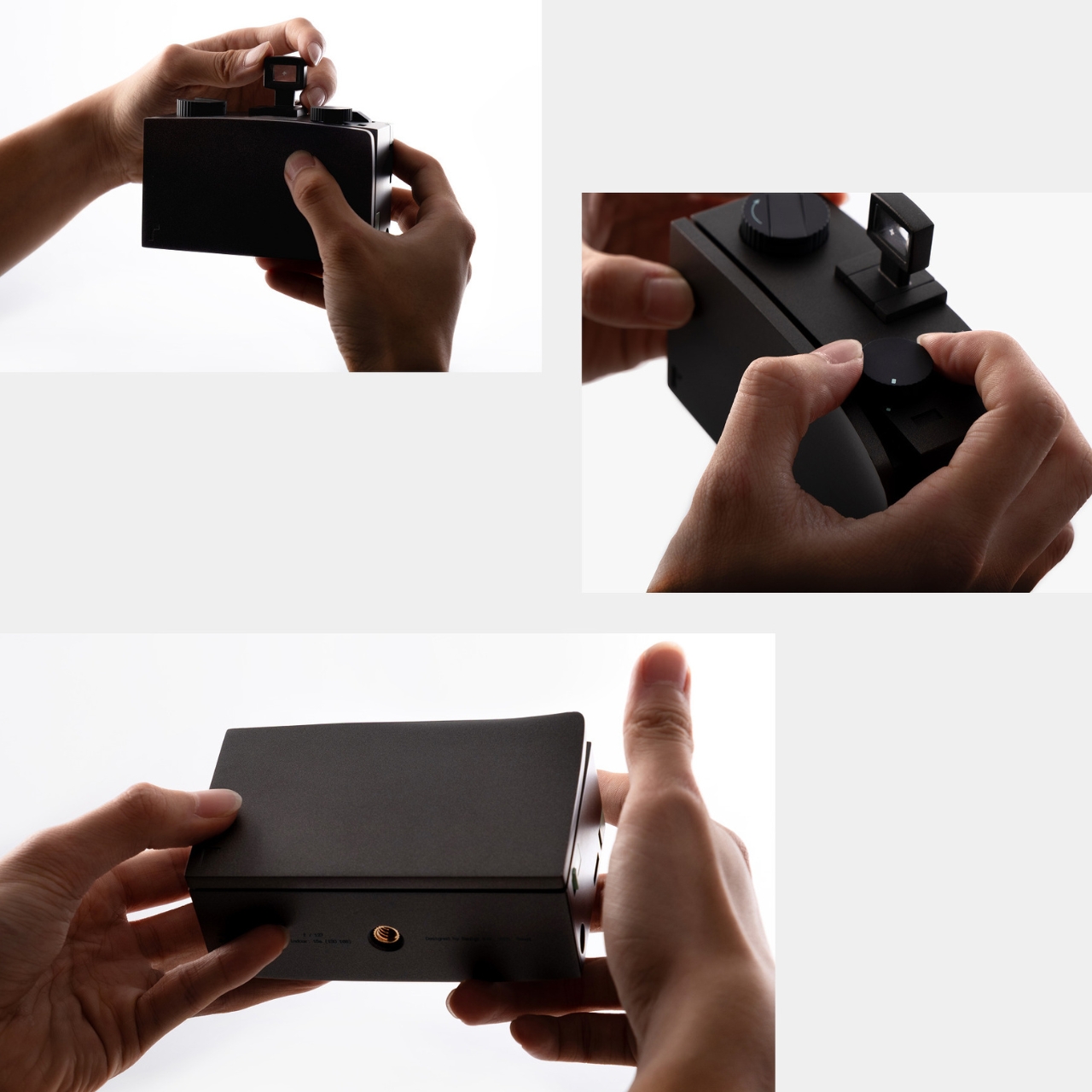
Then there’s the twelve-sided dial on top of the camera, which controls exposure time. In traditional Korean architecture, polygonal structures weren’t decorative flourishes; they provided stability and balance. Kim applies that same geometric logic to the timer dial, creating something that ranges from B (Bulb mode) through various seconds up to 30 minutes. That dodecagonal shape makes it intuitive to read and adjust your exposure settings at a glance. The design literally transforms time into something you can touch and see.

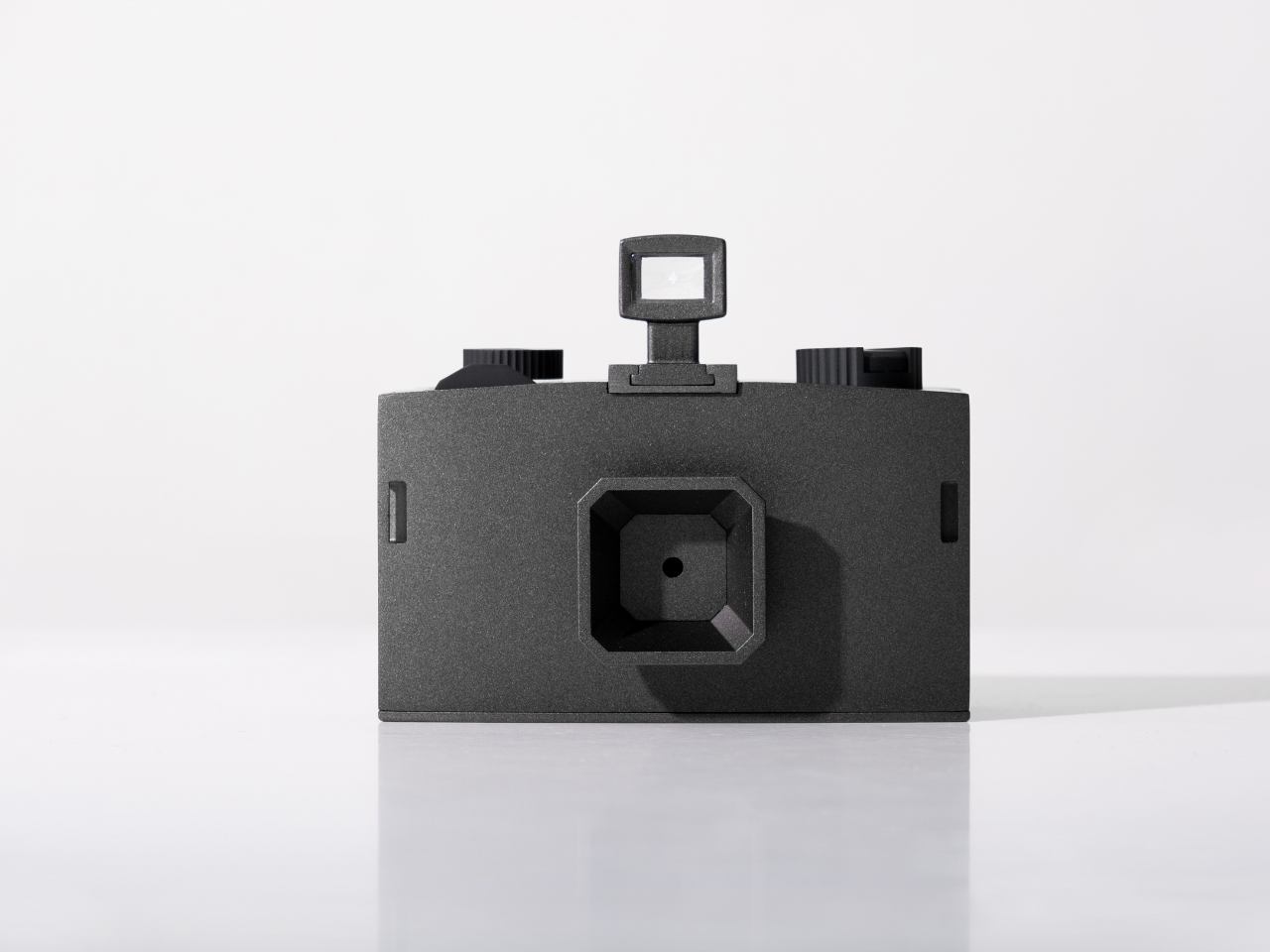
At the camera’s front, an octagonal hood acts as the window for incoming light. It’s not just there to look cool (though it does). The hood directs light rays evenly into the body and minimizes glare, ensuring balanced exposures. Every geometric choice serves both form and function, creating what Kim describes as “harmonious balance” between mechanical precision and traditional aesthetics.

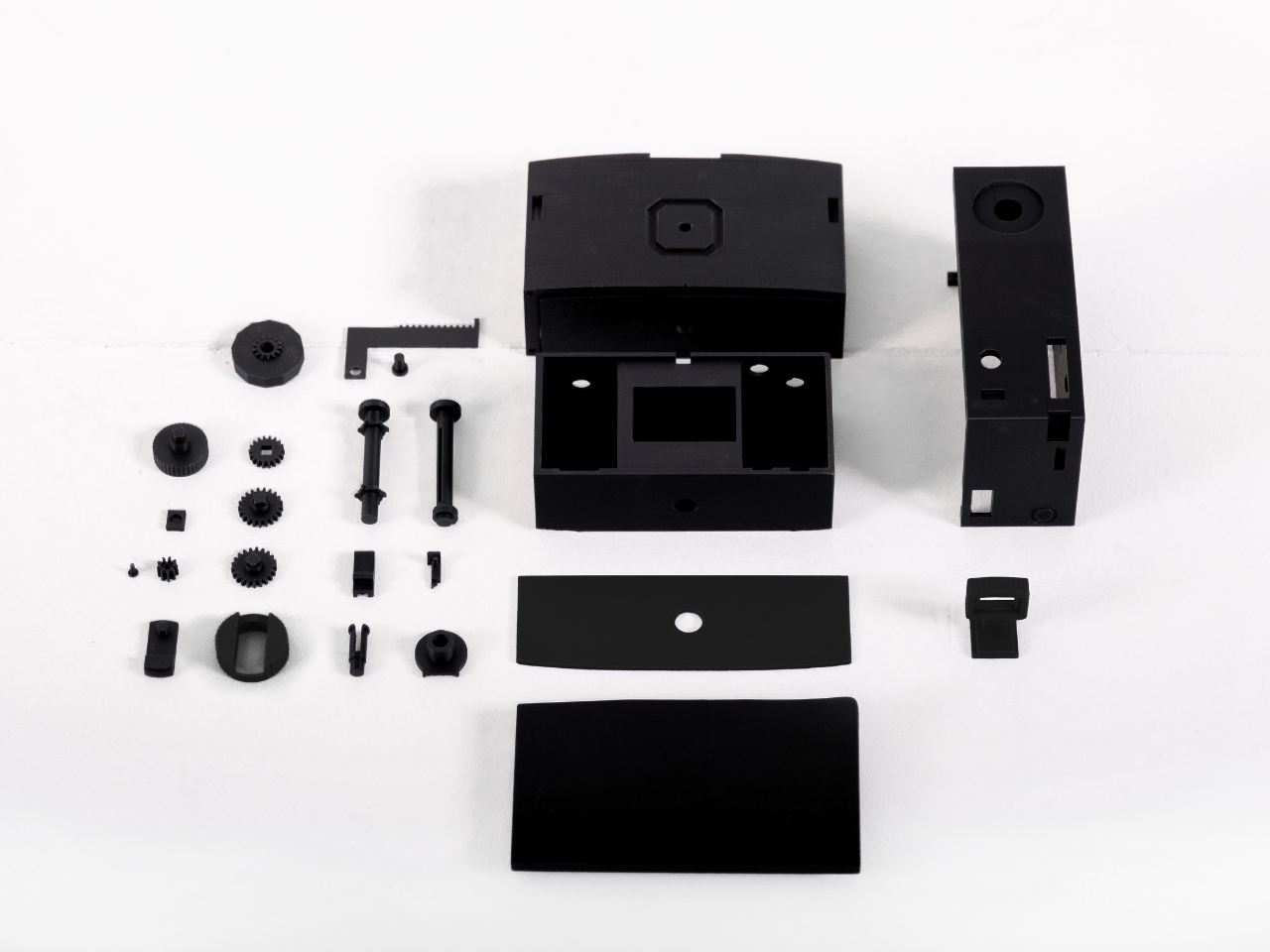
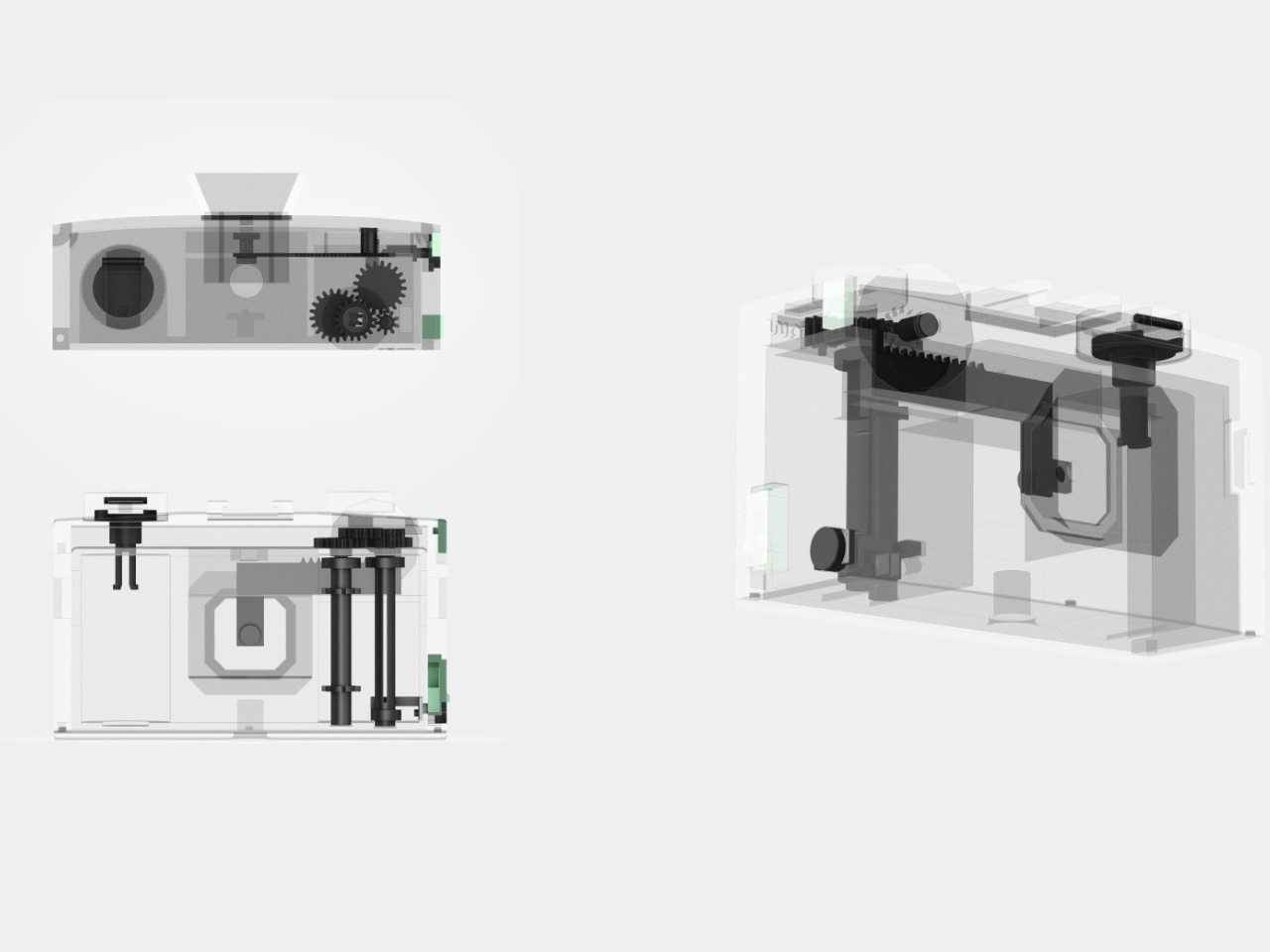
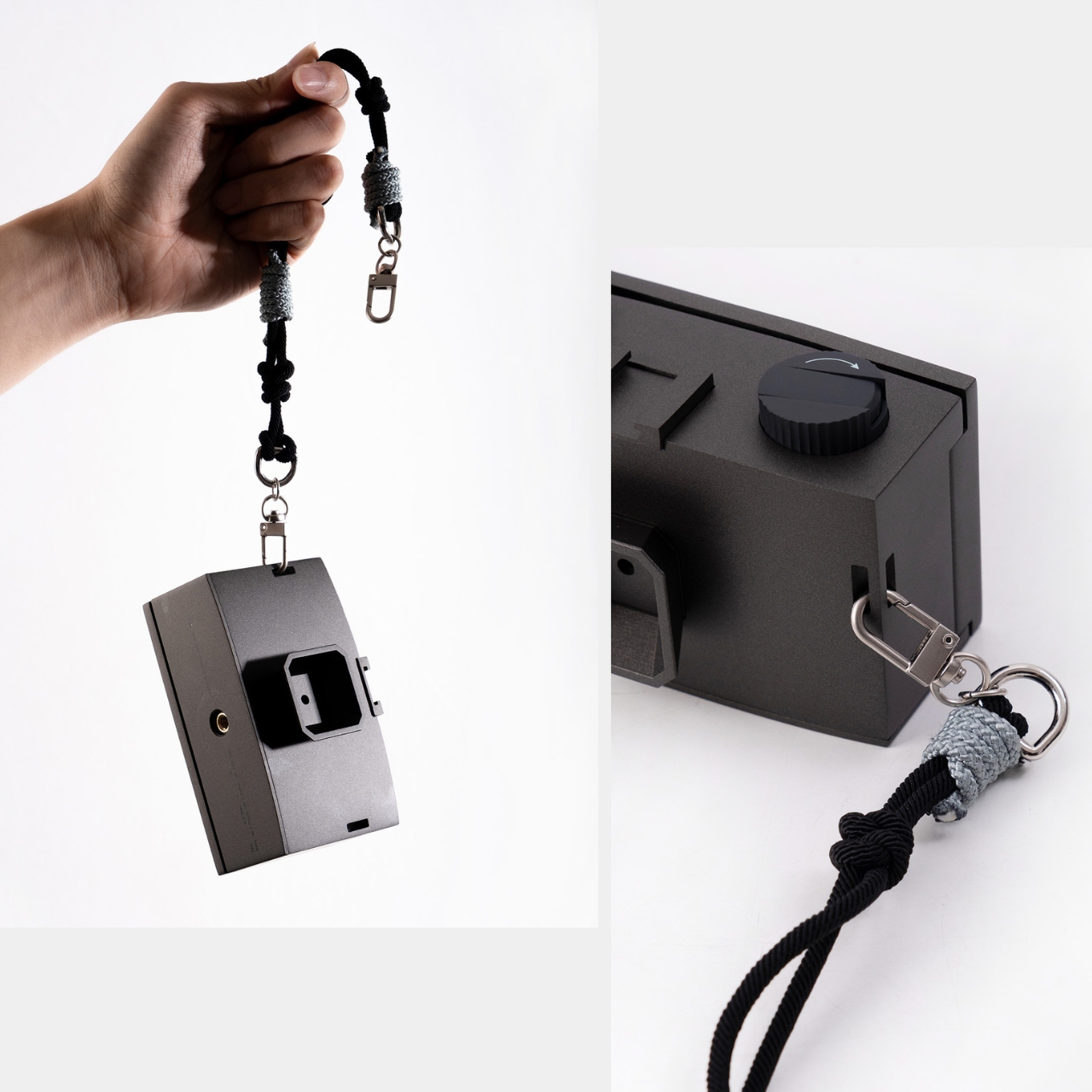
The whole package comes in matte black with subtle mint-green accents on the shutter button and side controls. There’s a minimalist viewfinder on top and a woven camera strap that adds tactile warmth to the technical precision. When you see the camera disassembled in one of the concept photos, all those gears and components laid out like an exploded diagram, it drives home just how much mechanical thought went into something designed to be analog in a digital world.

What’s really striking about RAW is how it challenges our relationship with image-making in 2025. We’ve reached a point where our phones can computationally enhance photos before we even press the shutter. AI can generate entire images from text prompts. Photography has become almost too easy, too fast, too disposable. Kim isn’t saying technology is bad; she’s asking what we lose when everything becomes instant.

The pinhole camera format forces a different kind of presence. When you need minutes to capture a single frame, you can’t be casual about it. You have to choose your subject carefully, consider the light, commit to the moment. That extended exposure time becomes a form of meditation, a way of connecting with what you’re photographing that simply isn’t possible when you’re machine-gunning through dozens of shots. RAW proves that sometimes the most innovative design move is stepping backward. By reaching into centuries-old architectural wisdom and combining it with one of photography’s oldest techniques, Kim has created something that feels genuinely fresh. It’s a camera that doesn’t just take pictures. It changes how you see.

The post When Slower Actually Means Better: The RAW Camera Concept first appeared on Yanko Design.
The Samsung Galaxy Z Tri-Fold is FINALLY Here—But You Probably Can’t Buy It

The Samsung Galaxy Z Tri-Fold is FINALLY Here—But You Probably Can’t Buy It

Samsung has introduced the Galaxy Z Tri-Fold as a prototype, a new smartphone that features a dual-hinge design, marking a significant evolution in foldable technology. With an initial production run limited to just 20,000 to 30,000 units, this device is set to become one of the most exclusive offerings in the foldable market. This cautious […]

The post The Samsung Galaxy Z Tri-Fold is FINALLY Here—But You Probably Can’t Buy It appeared first on Geeky Gadgets.

Posted in Uncategorized

WhatsApp will reportedly face further EU regulation

WhatsApp is following in the footsteps of fellow Meta-owned companies, Instagram and Facebook. The European Commission will give WhatsApp's open channels the designation of Very Large Online Platform (VLOP) under the Digital Services Act (DSA), Bloomberg reports. The Commission has yet to make a public announcement on the matter, but has reportedly told Meta. 

This label gives the EU greater regulatory power over WhatsApp in areas such as content moderation and data sharing. WhatsApp will also need to conduct an annual independent audit and have transparent advertising practices, among other mandates. 

The new label isn't exactly a surprise. In February, WhatsApp announced that it had averaged about 46.8 million EU users in the second half of 2024. The DSA states that the VLOP designation should be given when a platform exceeds 45 million monthly EU users. 

This designation will strictly be for WhatsApp's open channels feature. Individual messaging should not be impacted in any way and should remain private between the parties involved. Alongside Facebook and Instagram, WhatsApp joins companies such as Amazon, Google and ByteDance in the VLOP designation. 

This article originally appeared on Engadget at https://www.engadget.com/big-tech/whatsapp-will-reportedly-face-further-eu-regulation-150037042.html?src=rss

World’s First Robot-Made Ceramic Tiles Change Color With Sunlight

There’s something deeply satisfying about watching a potter’s wheel spin, the way human hands coax wet clay into form. But what happens when you hand that craft over to a robot? Designers Yutao Chen and Yiwen Gu asked that question, and their answer is CeraShingle, a façade system that’s reimagining what ceramic can do for architecture.

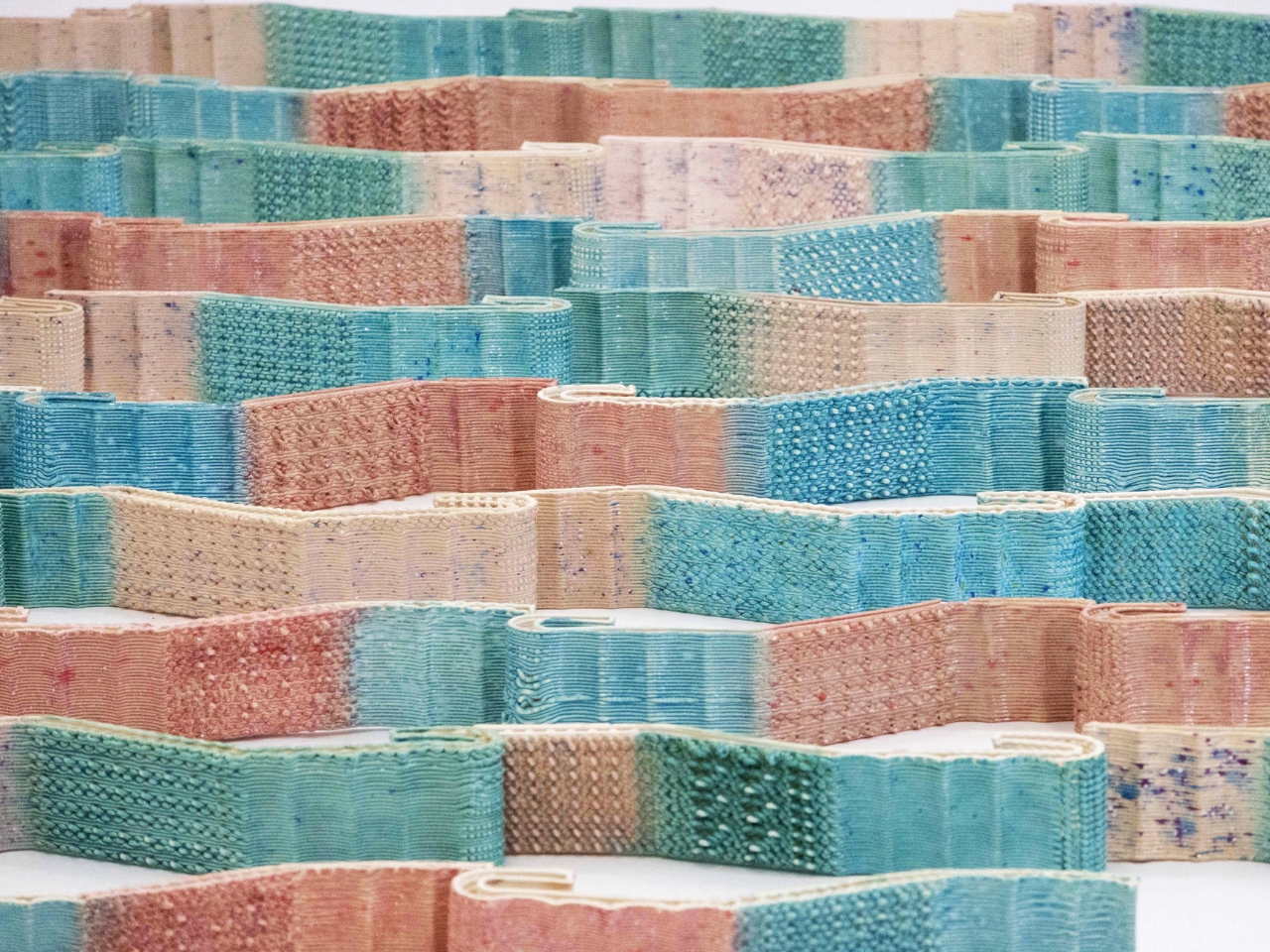
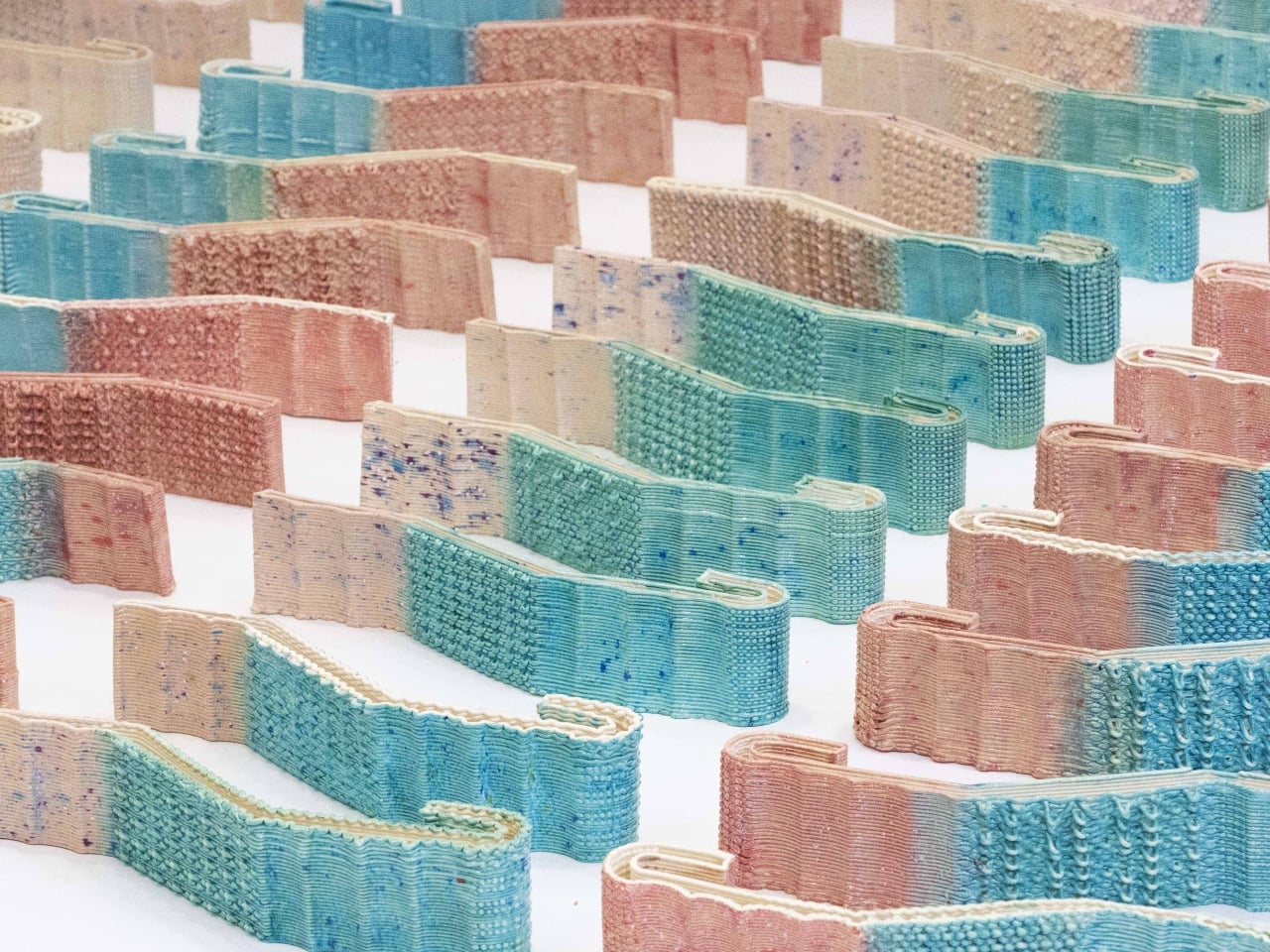
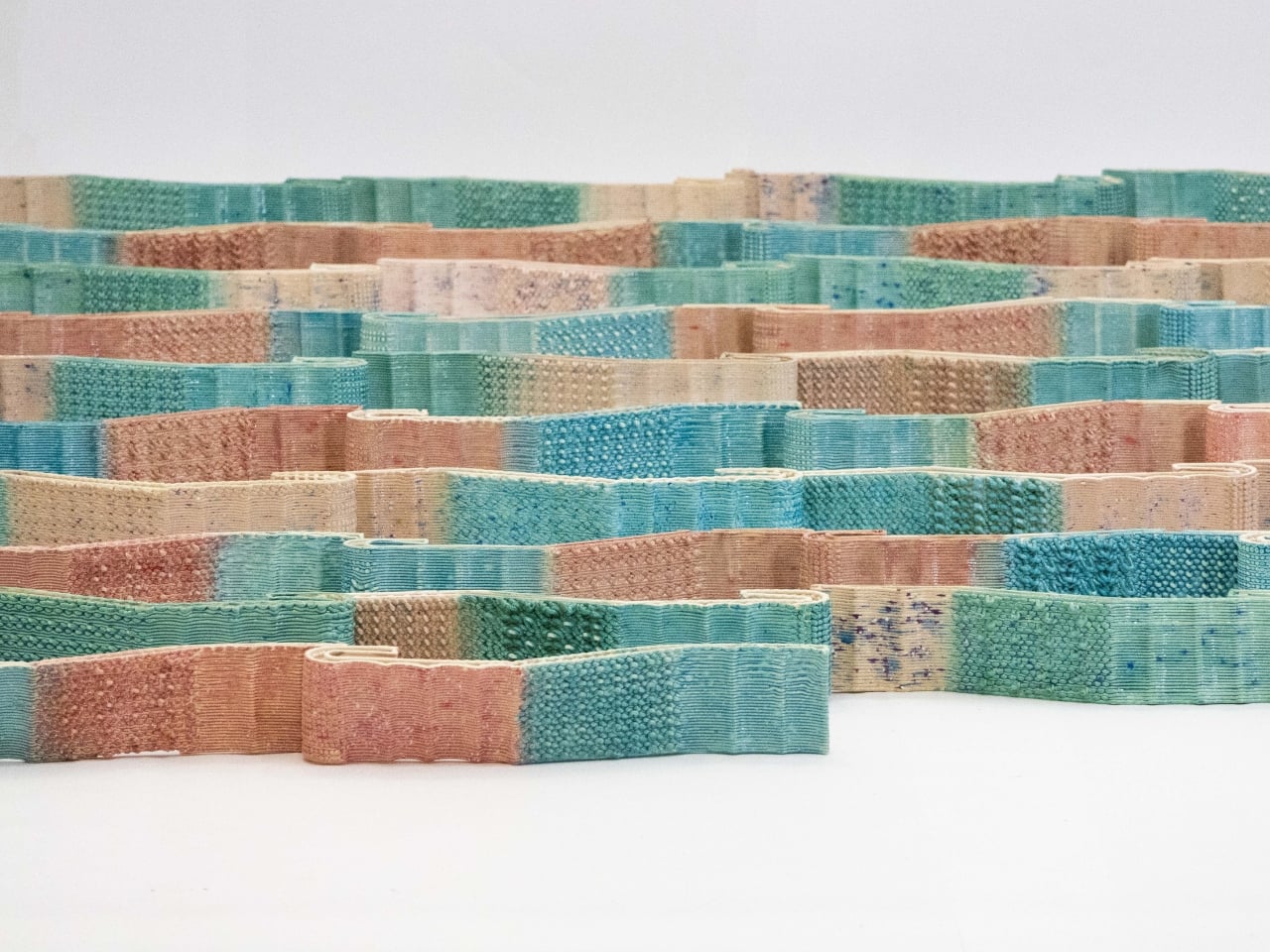
Picture a building wrapped in ceramic tiles, but not the flat, uniform squares you’re used to. CeraShingle modules are 3D-printed clay shingles with intricate textures, delicate perforations, and color gradients that flow across the surface like watercolor on paper. Each piece measures roughly 400 by 130 millimeters and weighs just over a kilogram, light enough to handle but substantial enough to feel real. When you install them with calculated overlap, they create a skin that seems to breathe with the light, shifting appearance as the sun moves and as you change your viewing angle.

Designers: Yutao Chen, Yiwen Gu

The magic happens in the making. Robotic arms deposit clay layer by layer, building up surface details that would be impossible with traditional molds. Think micro-ribs that catch shadows, patterns that emerge only at certain times of day, gentle curves that couldn’t be pressed or cast. It’s precision meets poetry. The parametric design workflow means each shingle can be unique while still fitting together on site, varying in thickness, texture, and shape within families of compatible parts.

What strikes me most about CeraShingle is how it refuses the usual digital-versus-handmade debate. Instead of replacing the warmth of craft with cold precision, it uses computational tools to amplify what makes ceramics special. The robot doesn’t erase the human touch; it extends what human hands can achieve. You get the intimacy of clay with possibilities that would make traditional ceramicists weep with joy.

The environmental story is equally compelling. The 3D printing process deposits material only where it’s needed, cutting waste dramatically compared to subtractive methods. Chen and Gu specify locally sourced clay and low-temperature glazes, reducing both transportation costs and firing energy. When a module gets damaged, you replace just that piece rather than a whole panel, extending the façade’s lifespan and keeping embodied carbon low. In an era when construction is responsible for nearly 40 percent of global carbon emissions, these details matter.

But CeraShingle isn’t just solving problems; it’s proposing a new aesthetic language. Contemporary cladding tends toward two extremes: either sleek industrial materials like glass and metal, or nostalgic brick and stone that look backward. CeraShingle occupies a third space. It’s clearly contemporary, born from digital tools and computational thinking, yet it carries ceramic’s ancient warmth. It’s sculptural without being precious, technical without being cold. The system scales beautifully. You could use it for a small architectural installation, an accent wall, or an entire building envelope. The modular logic means projects can grow organically, and repairs stay simple. For architects tired of choosing between innovation and practicality, that flexibility is powerful.

Set to launch in 2026, CeraShingle arrives at an interesting moment. We’re seeing renewed interest in craft and materiality after decades of smooth minimalism. People are hungry for texture, for surfaces that respond to light and touch, for buildings that feel less like sealed boxes and more like living things. At the same time, climate concerns are pushing architecture toward lighter, more efficient assemblies. CeraShingle threads that needle. It gives you the sensory richness of traditional materials with the performance and adaptability of contemporary systems. It’s a building skin that can think, that can vary and respond while staying grounded in earth and fire.

What Chen and Gu have created isn’t just a clever product; it’s a provocation. It asks what happens when we stop treating digital fabrication as a replacement for craft and start seeing it as craft’s next chapter. The answer, wrapped around a building and catching the afternoon light, might just be the future of how we clad our world.

The post World’s First Robot-Made Ceramic Tiles Change Color With Sunlight first appeared on Yanko Design.
Three months of Audible is only $3 in this Black Friday deal

Black Friday is a great time to take a look at what subscriptions you may be able to save on. From video streaming services to budgeting apps, many services will have some Black Friday promotion you may be able to take advantage of. One of the best we're tracking is for Audible. You can sign up and get your first three months for just $3 in total, plus get a $20 Audible credit on top of that.

This breaks down to $1 per month for the first three months, which is a boon for audiobook fans. Just make sure to cancel before the 90 days are up, as the subscription will auto-renew at $15 per month. That's not the worst deal in the world, given the vast number of titles available on the platform, but still.

Audible has a diverse catalog that goes beyond audiobooks. It also hosts podcasts and Audible Originals. Subscribers get to choose one audiobook each month to keep in their collection for free, including best-sellers or new releases. Users also get unlimited access to the Plus Catalog, which houses thousands of audiobooks. Finally, active members get discounts on many audiobooks when looking to purchase.

Winter is coming and this is a good way to make sure you have plenty to listen to throughout the next three months. This deal does have a time limit. It expires on December 16.

This article originally appeared on Engadget at https://www.engadget.com/deals/three-months-of-audible-is-only-3-in-this-black-friday-deal-140010993.html?src=rss

macOS 26 Tahoe: The 22 Hidden Settings You Need to Change

macOS 26 Tahoe: The 22 Hidden Settings You Need to Change

macOS 26 Tahoe brings a wealth of new features and customization options designed to enhance productivity, accessibility, and personalization. With over 100 updates, the video below from Brandon Butch focuses on 22 key settings that can transform how you use your Mac. By tailoring these settings to your preferences, you can create a more efficient, […]

The post macOS 26 Tahoe: The 22 Hidden Settings You Need to Change appeared first on Geeky Gadgets.

Posted in Uncategorized

The 8Bitdo Ultimate Controller drops to $40 for Black Friday

The holiday season is just about here and it's officially the time of year to ask: What presents am I going to get everyone? Thankfully, there are a ton of early Black Friday deals for the tech lover in your life.

Take the 43 percent discount currently available on the 8Bitdo Ultimate Bluetooth Controller and Charging Dock. It's a great option for the gamer in your life, and a steal down from $70 to $40 — a new all-time low price. The controller comes with perks such as the charging dock, 22 hours of battery per charge and compatibility with everything from Steam Deck to Switch. The deal is only for the white model.

Earlier this year, 8Bitdo released a new version of this $70 controller, aptly called the Ultimate 2 Bluetooth. We rated it as one of the best controllers for the Nintendo Switch 2. While the upgraded model brings you features like more precise and sensitive joysticks, this sale brings the original Ultimate Controller back into view — and our shopping carts. Plus, it also works well with the Nintendo Switch 2. 

This article originally appeared on Engadget at https://www.engadget.com/deals/the-8bitdo-ultimate-controller-drops-to-40-for-black-friday-133023380.html?src=rss

Steam Deck Mount Ling Dock : Touchscreen, SSD, Optical Audio, Gigabit Ethernet & More

Steam Deck Mount Ling Dock : Touchscreen, SSD, Optical Audio, Gigabit Ethernet & More

What if your gaming dock could do more than just connect your devices, what if it could actively enhance your gaming experience? Enter the Mount Ling Dock, a next-gen handheld docking station that’s redefining what gamers can expect from their gear. With its sleek design and a innovative built-in touchscreen, this dock doesn’t just sit […]

The post Steam Deck Mount Ling Dock : Touchscreen, SSD, Optical Audio, Gigabit Ethernet & More appeared first on Geeky Gadgets.

Posted in Uncategorized