Apple’s $899 Mac mini Skips M5 Entirely, Keeps the 2024 Body

Twelve days ago I wrote that Apple was testing a Mac mini with a brand new M6 in the cheap model and a carried-over M5 Pro in the expensive one, and that anyone holding out for a clean M5 mini should let that dream go. That machine now exists, with a price and a ship date. Mark Gurman’s reporting was the source and it landed almost exactly. I would be enjoying this more if the shipping version had not arrived with a hundred dollars stapled to both configurations. Being right is fun. Being right about a price hike is considerably less fun.

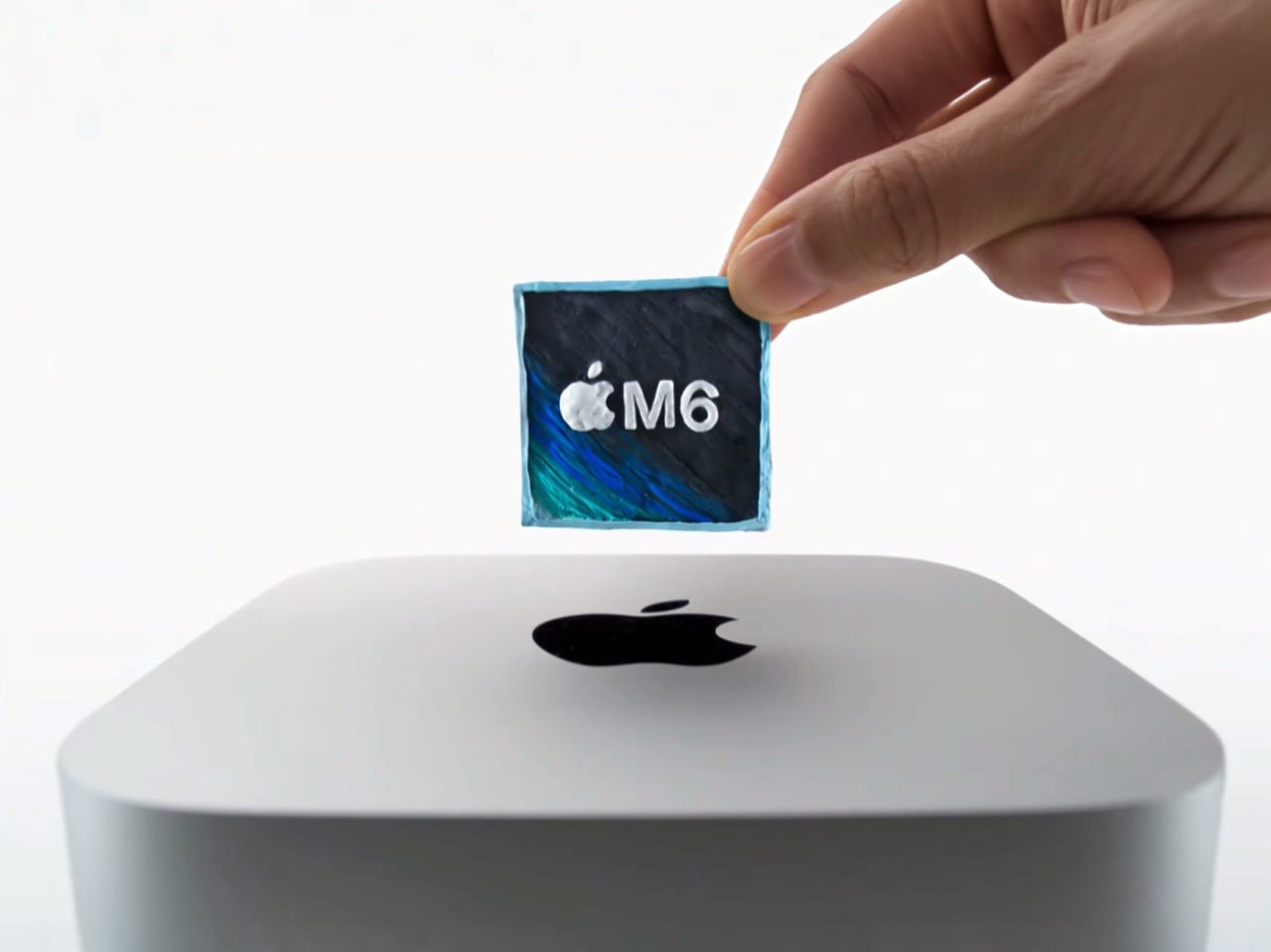
Here is what Apple actually put on sale on August 25, arriving September 22 across 30 countries. The $899 base mini gets M6, Apple’s first 2nm chip, with 12 CPU cores, 12 GPU cores and a Dual 16-core Neural Engine running at up to 170GB/s. The $1,699 model gets M5 Pro, scaling to 18 CPU cores and 20 GPU cores, 64GB of memory at 307GB/s, Thunderbolt 5, and the ability to cluster multiple minis to run large models entirely on device. Two chip generations, one product page. The aluminum shell is untouched since 2024.

Designer: Apple
Six hundred dollars bought an M4 Mac mini in October 2024, which felt at the time like Apple briefly forgetting to charge properly. May 2026 killed the 256GB configuration and pushed the effective floor to $799. June raised the M4 Pro from $1,399 to $1,599. Apple told the Wall Street Journal it had never seen component prices climb this much this quickly, pointing at the memory and storage crunch that AI data centres created. So the entry Mac has gained three hundred dollars in under two years, and the desktop best suited to running models locally got expensive precisely because everyone else is running models too.
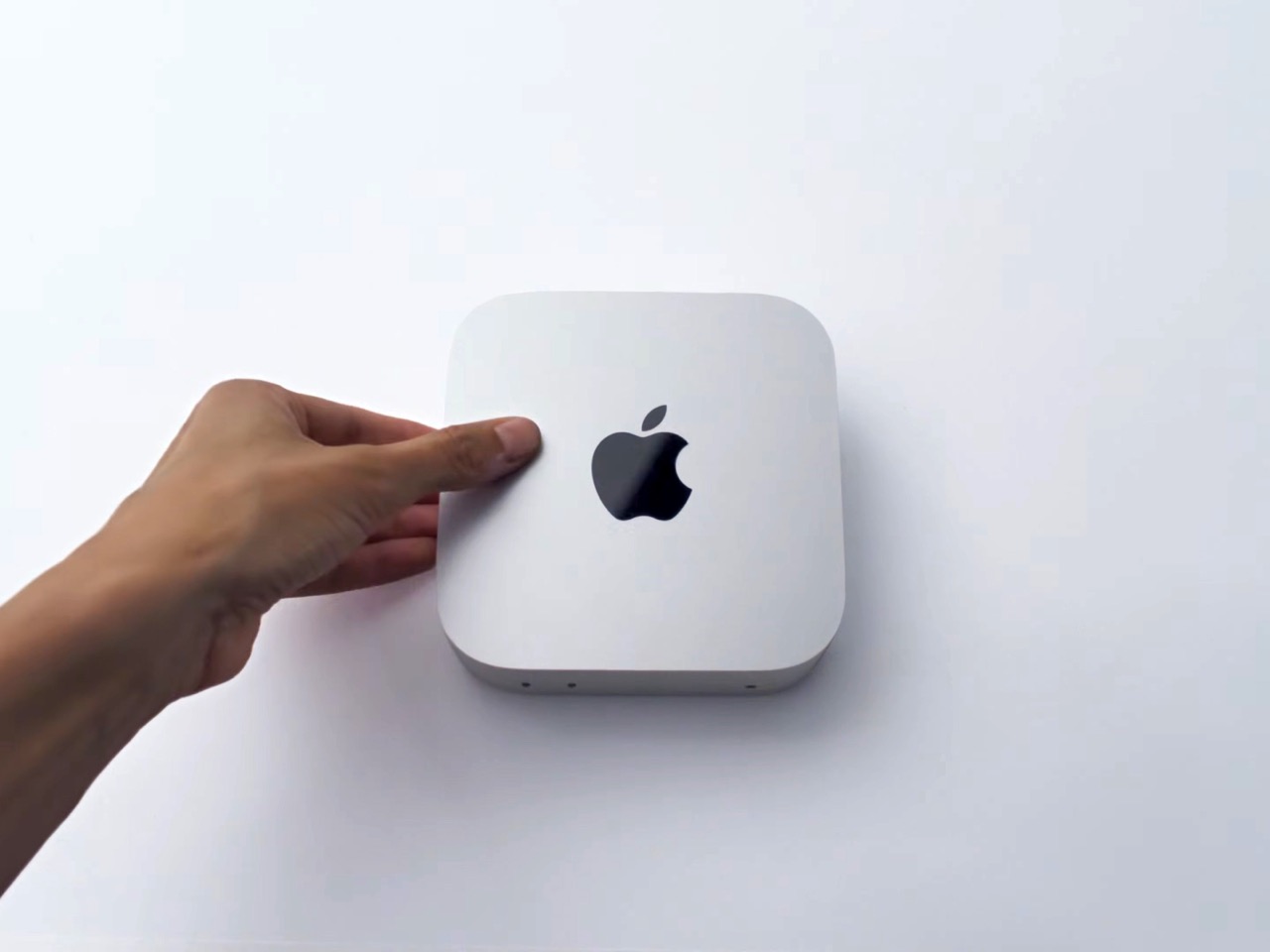
M6 is Apple’s first 2nm silicon and it lands in the cheapest Mac on the shelf, with a 12-core CPU split into two super cores, four performance cores and six efficiency cores, plus a Neural Accelerator inside every one of its 12 GPU cores. M5 Pro, sitting in the machine that costs eight hundred dollars more, is last year’s architecture scaled wider. On the multi-core and graphics work that Pro-tier buyers actually pay for, M5 Pro wins comfortably. On the number printed on the box, it loses. Apple spent a decade teaching people to read that number as shorthand for how current a machine is, and has now quietly stopped honouring its own shorthand.
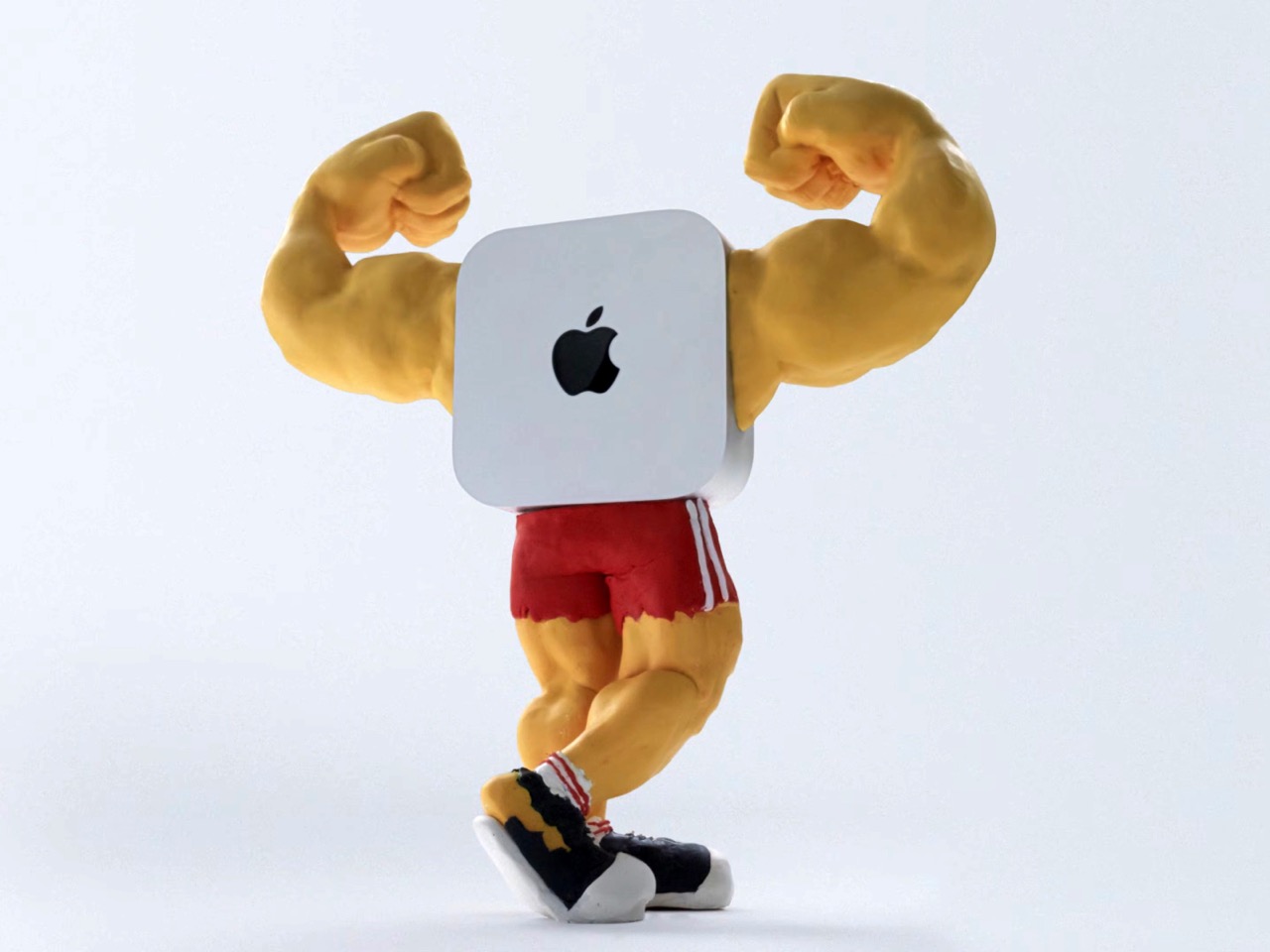
The gap traces back to a decision that had nothing to do with the mini. Apple reportedly cancelled the M6 Pro and M6 Max outright, fast-tracking an AI-focused M7 line rather than building a Pro tier that would be stale within months of shipping. The engineering logic is sound and I understand it. The customer position is still rough. Mac Studio pulled the same trick last year with mismatched M4 Max and M3 Ultra chips and nobody blinked, because Studio shoppers expect spec weirdness, while the mini is the Mac people buy specifically because it never asks them to think.

Three Thunderbolt 4 ports sit on the back of the newer-silicon M6 model, while the older M5 Pro gets Thunderbolt 5. That is segmentation, not physics, and it is the clearest sign that Apple is now pricing tiers rather than describing them. Both machines pick up Wi-Fi 7, Bluetooth 6 and 2.5Gb Ethernet as standard, with a 10Gb option. The two front USB-C ports still run at plain USB 3 speeds. New genlock support over USB-C syncs a display to a camera, including the iPhone 17 Pro, which is a genuinely useful addition nobody will notice.
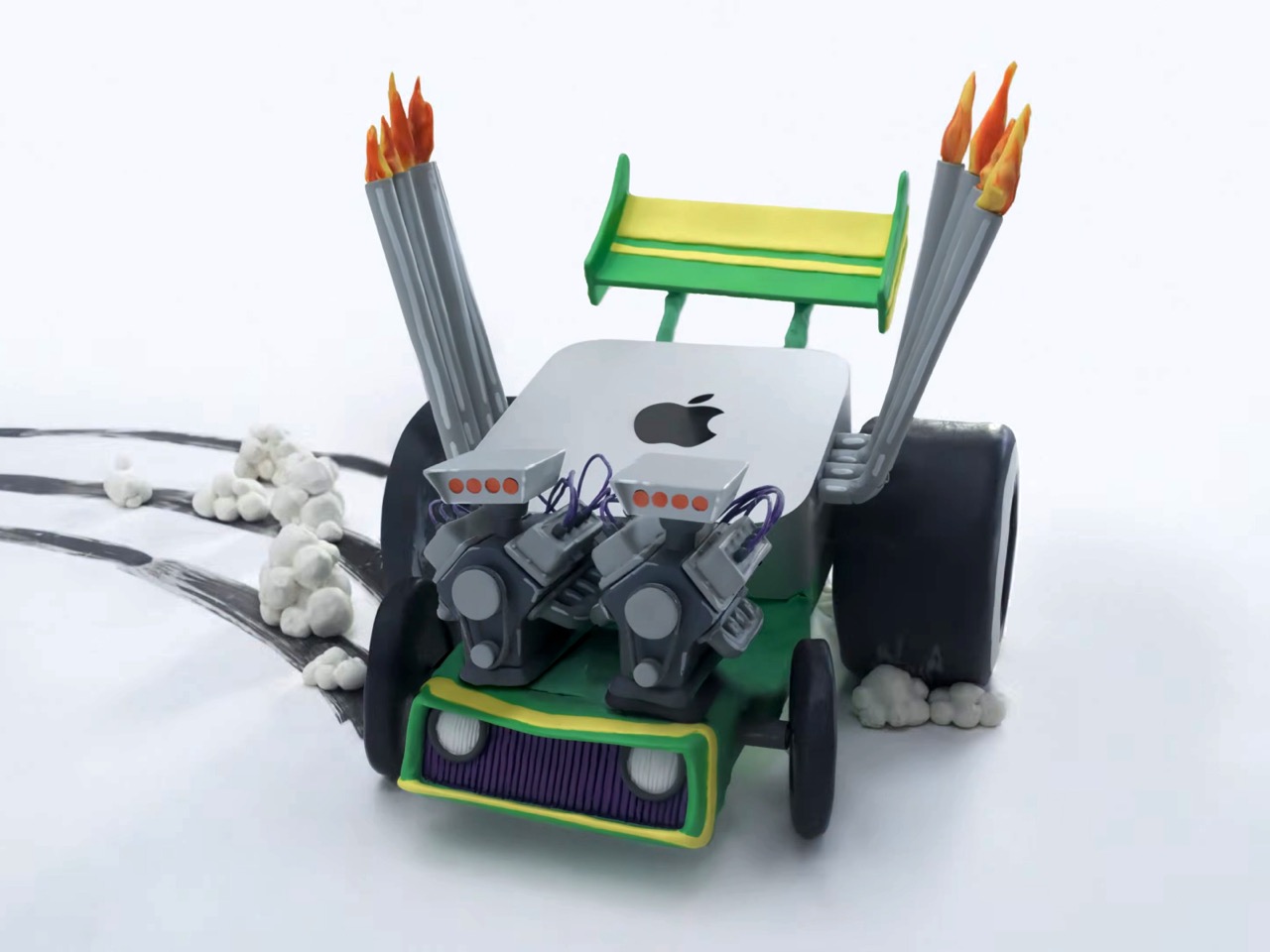
That unchanged aluminum box remains my favorite part of this whole story. Every vertical cooling case, stacking SSD and retro Macintosh shell built for the M4 still fits, which is accidental sustainability of a kind Apple rarely gets credit for. The power button is still underneath, obviously. What Apple has not published is a single head-to-head AI benchmark between M6 and M5 Pro, which is the one comparison that would tell buyers whether the cheap mini out-thinks the expensive one. Its silence there is doing a lot of work.

The post Apple’s $899 Mac mini Skips M5 Entirely, Keeps the 2024 Body first appeared on Yanko Design.
The Elide Dewrinkler Lets You Smooth Out Clothes While You’re Still Wearing Them

You step off the train, glance down, and your shirt looks like it spent the journey in a ball. You’re already late. There’s no iron in sight. The wrinkle-release spray you bought once left a faint watermark on your best dress shirt, and you’ve never trusted it since. Safaa Fojdar, a product design graduate from De Montfort University, has designed a device that speaks directly to that moment.

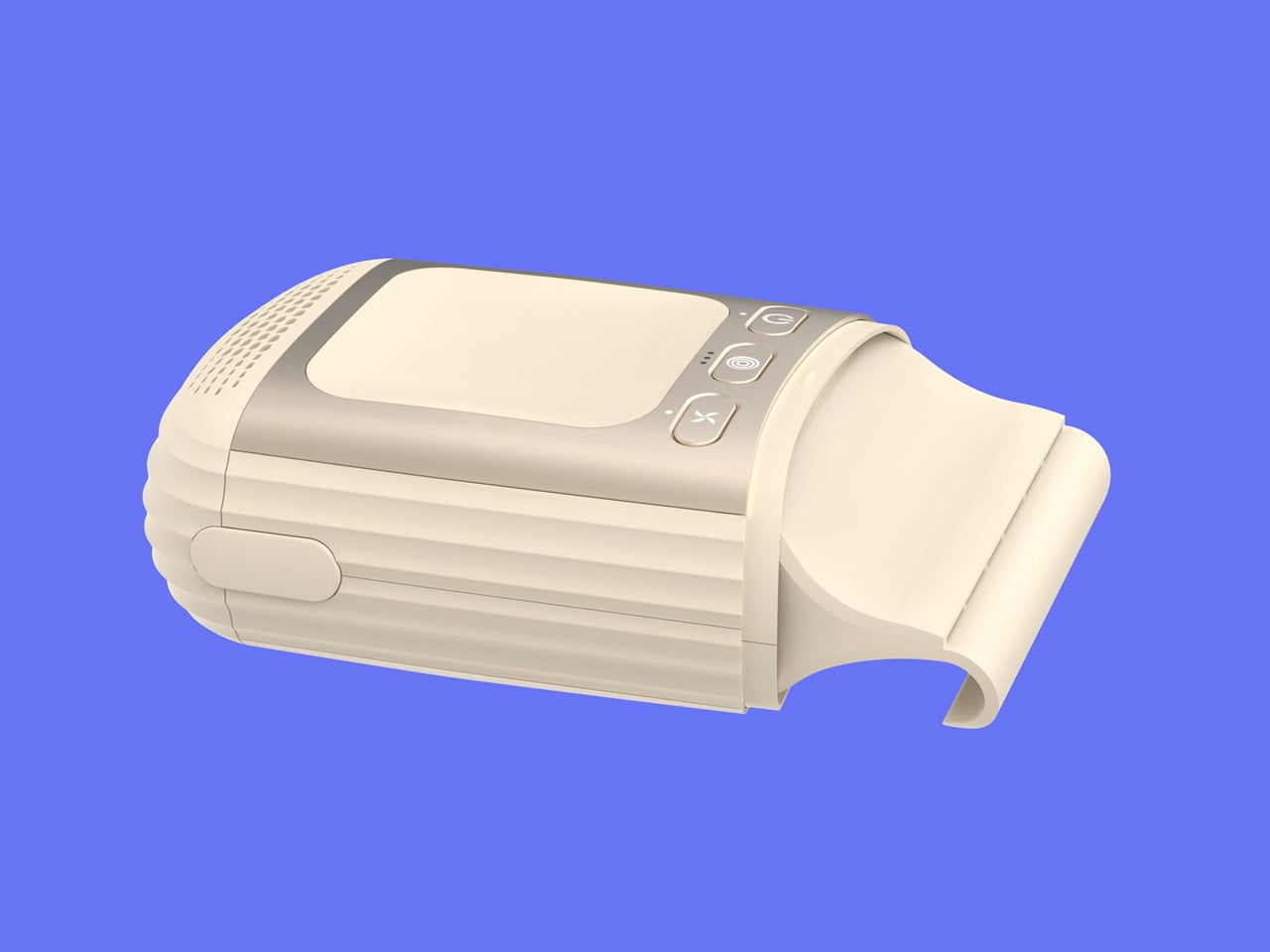
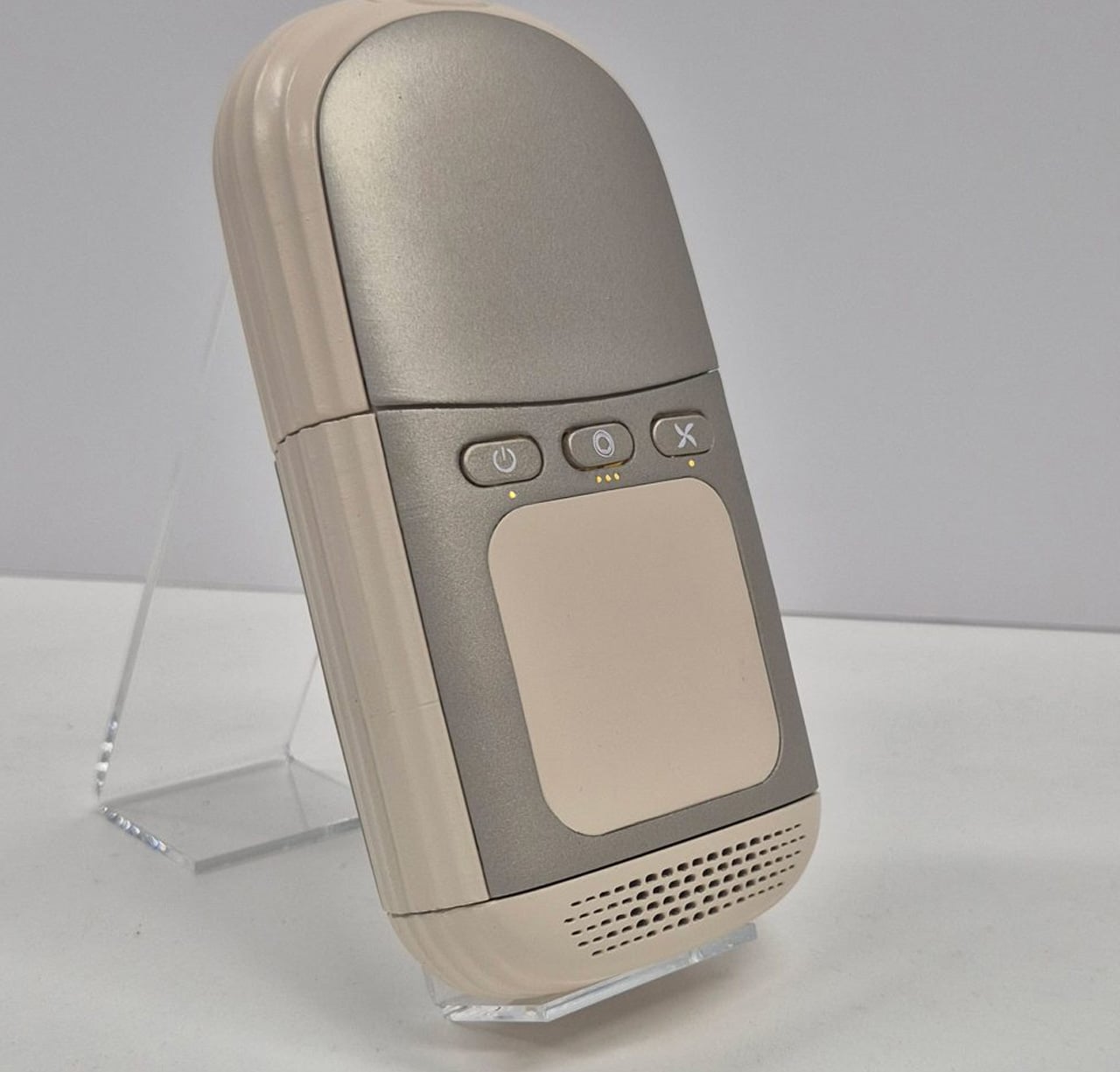
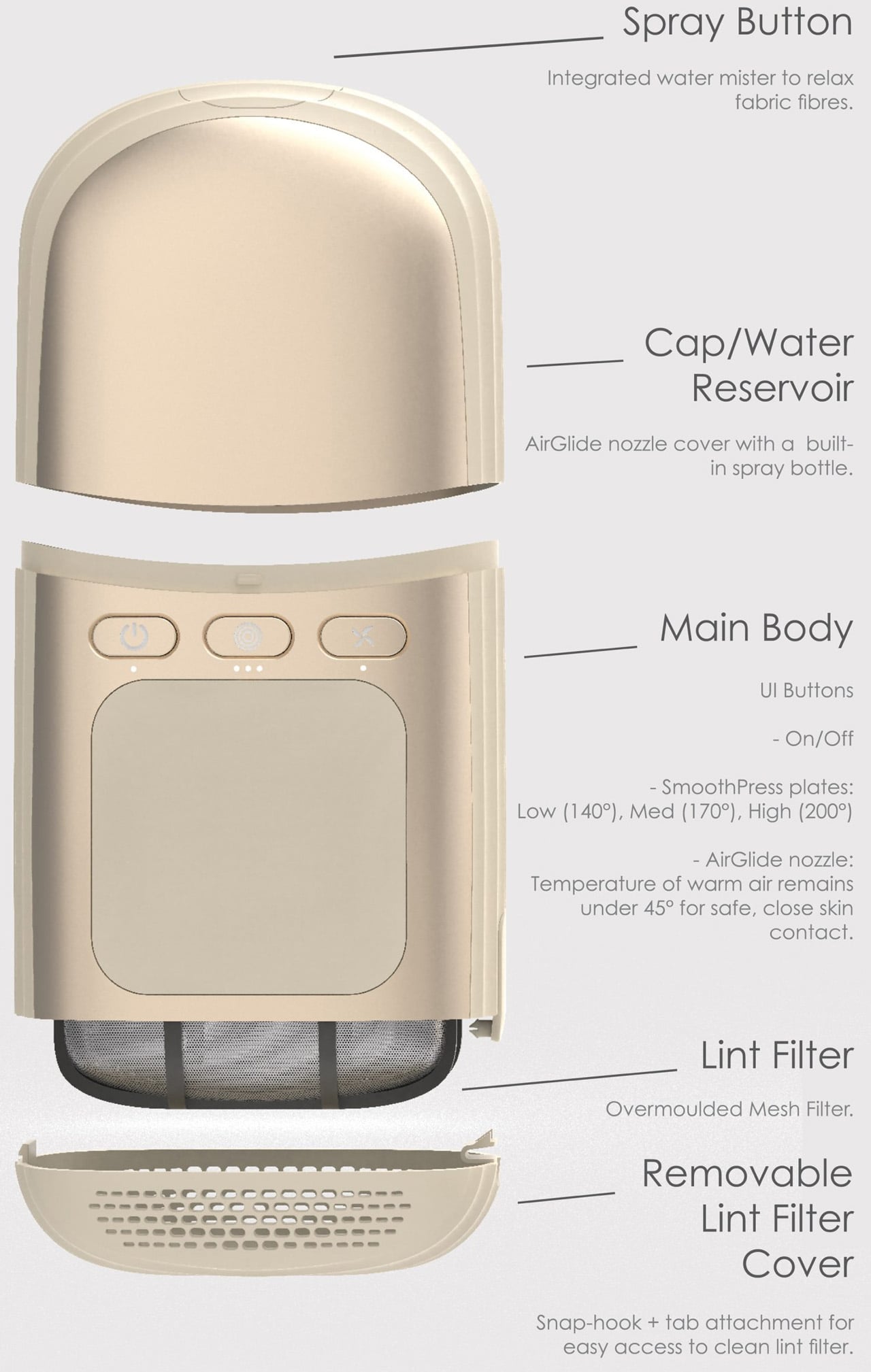
Elide is a portable, cordless dewrinkler built for on-body crease removal. The concept is straightforward, and the execution is clever: a vacuum-style nozzle funnels warm air onto fabric while gentle suction pulls the material taut. As the nozzle moves across a crease, the fabric is smoothed and held flat. The device operates at a skin-safe maximum temperature of 45 degrees Celsius, meaning it’s designed to be used directly on clothing you’re wearing, without risk of discomfort. A refillable spray bottle built into the cap lets you mist the fabric lightly before running the device over it, which helps release stubborn creases before the warm air locks them flat.

Designer: Safaa Forjdar

The science behind it is the Coandă effect, a fluid dynamics principle that describes how airflow tends to follow a curved surface rather than moving straight off it. Fojdar applies this to fabric, using the combination of moisture and suction to pull the material into alignment before the warm air dries and sets it. It’s a disciplined bit of physics applied to a genuinely everyday annoyance.

For deeper creases that need more persuasion, Elide is modular. A hot plate attachment converts the handheld device into a compact corded iron capable of reaching up to 200 degrees Celsius. The ironing module uses self-locking hinges that fold the plate away when not in use, keeping the form tight and pocketable. It’s the kind of considered modularity that turns a single-use gadget into a system.

Fojdar developed a working 3D-printed prototype and presented it at the New Designers event in London, where De Montfort University showcased its graduating talent. The inspiration came from a gap she couldn’t stop noticing: there was simply nothing on the market that could freshen up creased clothing without removing it, without leaving residue, and without requiring a power socket and a flat surface. Elide proposes an answer to that gap with real thought behind it.

Whether it makes it to production or stays a prototype, the logic is sound. The best design often starts exactly here: one specific, relatable problem and the patience to figure out why nothing has solved it yet.

The post The Elide Dewrinkler Lets You Smooth Out Clothes While You’re Still Wearing Them first appeared on Yanko Design.

Rear Screens Were a Flagship Trick, so Honor Put One on a Budget Phone

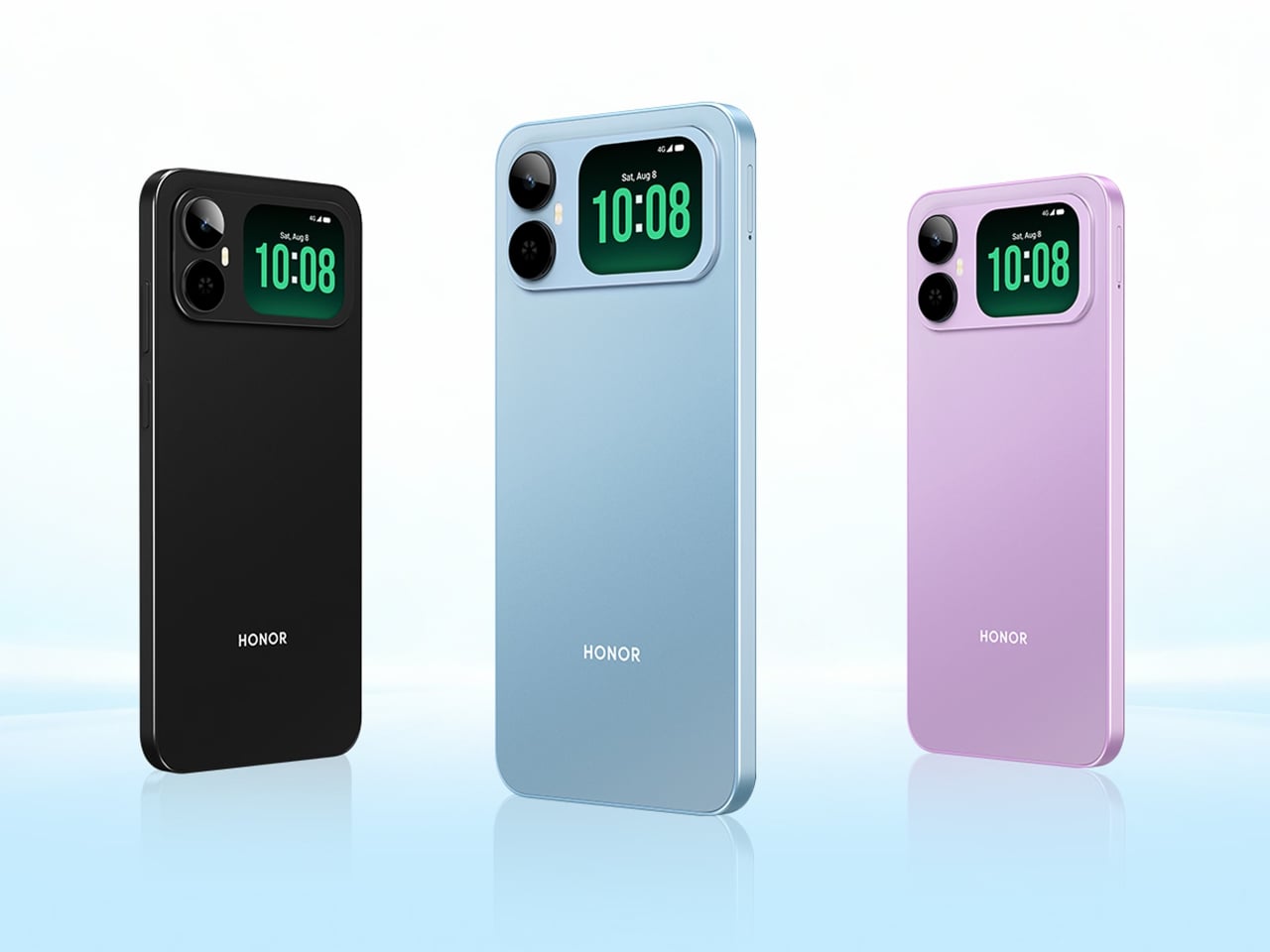
Secondary rear displays have been a flagship trick for a while, the kind of feature that premium phones use to justify their price tags. The Honor Play20A throws that logic out. It’s an entry-level 4G phone with a 6.9-inch main screen, a 6,000mAh battery, and a small secondary display built into the camera module on the back, at a price that isn’t anywhere near flagship territory.

The rear screen isn’t just decorative. It shows the time, incoming call details, and what’s currently playing, so you can pause or skip tracks without flipping the phone over. It also works as a viewfinder, letting you frame shots with the 13MP rear camera rather than the 5MP front camera inside the notch. In practice, that means group photos taken with the better lens rather than settling for the weaker front sensor.

Designer: Honor

That 13MP rear camera is the only functional one despite the module’s appearance. There’s no telephoto, no depth sensor, no second anything hiding behind the glass. It’s a single lens, and the design leans into the secondary screen to make up for the hardware economy. For everyday shooting, the combination works reasonably well, and it sidesteps the common frustration of front cameras that can’t match the quality of the back.

The main screen is a 6.9-inch IPS LCD running at 90Hz with an HD+ resolution of 1600×720. It’s a big panel with slim bezels and a waterdrop notch, and 90Hz makes scrolling feel noticeably smoother than phones still running at 60Hz. That refresh rate isn’t guaranteed at this price point, which makes its inclusion here more meaningful than it might look on a spec sheet.

The 6,000mAh battery is the other headliner. It charges at 15W via USB-C, which is modest given the capacity, so filling it up from empty takes some patience. The trade-off is that you’re unlikely to drain it before the day is done under normal circumstances. A battery this size in a budget phone tends to last considerably longer than comparable handsets that prioritize thinness over endurance.

Running all of this is the MediaTek Helio G81, an octa-core chip built on a 12nm process. It handles messaging, browsing, video streaming, and social media without issue. Intensive tasks aren’t what this phone is built for, and the chip doesn’t pretend otherwise. Paired with 4GB of RAM and up to 128GB of storage, expandable to 1TB via microSD, the Honor Play20A is configured for people who need a phone to do a lot of everyday things reliably.

Connectivity stays at 4G, with no 5G on board, which fits a budget positioning but is worth noting for anyone in a market where 5G coverage has become the practical standard. The triple tray accommodates two SIM cards and a microSD card at the same time, without asking you to choose between extra storage and a second line. The secondary rear display is the feature that makes this phone worth talking about, but the battery and the large screen are what most buyers will end up living with daily.

The post Rear Screens Were a Flagship Trick, so Honor Put One on a Budget Phone first appeared on Yanko Design.