Blue Origin has postponed the second flight of its New Glenn rocket, which was slated to send a pair of NASA spacecraft on the first step of their journey to Mars on Sunday afternoon. The heavy-lift launch vehicle was scheduled to take off from Cape Canaveral Space Force Station in Florida at 2:45PM ET., but multiple holds were issued during the under-two-hour launch window due to inclement weather. Blue Origin called off the launch attempt around 4:13PM.
The next launch opportunity is as yet unclear. Blue Origin was previously given a backup opportunity set for Monday afternoon, but the FAA has since issued an emergency order restricting commercial launches for the time being due to the government shutdown. As of November 10, commercial space launches can only take place between 10:00PM and 6:00AM. Blue Origin said on Sunday that it’s reviewing opportunities based on the weather, and did not mention the FAA’s order.
New Glenn's development has faced significant delays over the last decade since it was first announced, and finally took its maiden flight at the beginning of this year. Its first stage booster is intended to be reusable, and the company plans to recover the booster from the upcoming launch by landing it on an autonomous landing platform vessel dubbed Jacklyn, also known as the barge. Blue Origin attempted the same during its first flight, but failed.
The spacecraft on board New Glenn are twin satellites built by Rocket Lab and operated by UC Berkeley for NASA's Escapade mission to study the effects of space weather. They'll be following a new trajectory to the red planet, lingering in "a lazy, 12-month kidney bean-shaped orbit" around Earth until Mars is in alignment, according to UC Berkeley. Escapade should reach Mars in 2027.
This article originally appeared on Engadget at https://www.engadget.com/science/space/blue-origin-scrubs-new-glenns-second-flight-due-to-bad-weather-214349212.html?src=rss
Apple's latest iterative update for iPhones brings a welcome change for those who aren't a fan of its Liquid Glass design overhaul. After user complaints that the Liquid Glass' translucent design was hard to read, Apple introduced a compromise in iOS 26's fourth beta that allowed for a more frosted look as well as a Reduce Transparency option buried in the Accessibility settings. Now, Apple is making this Liquid Glass toggle available for all iPhone users with iOS 26.1.
What is Liquid Glass?
Apple debuted Liquid Glass at WWDC 2025 as its major visual redesign, which prompted a lot of comparisons to Windows Vista. Everything from switches and sliders to sidebars and panels would imitate glass, so that users can see the underlying colors and content. While some iPhone users liked the fluidity and freshness, others said the transparent look often created legibility issues, caused lag from the animations and led to eye strain over extended periods of time.
How to reduce the Liquid Glass effect
To access the new Liquid Glass toggle, make sure your iPhone is updated to iOS 26.1. You can check which version you're by navigating to Settings, then General, then Software Update. After you confirmed that you're on the most recent iOS, you can go back into Settings, then Display & Brightness. From there, you'll find a new setting for Liquid Glass that lets you choose between "Clear" or "Tinted." The Clear option is Apple's original vision for Liquid Glass with see-through controls, while the Tinted option "increases opacity and adds more contrast."
You can preview the differences between the two choices in the Liquid Glass setting before you commit to one. When in use, the Tinted option switches to the same frosted look first seen by iOS beta testers, which adds a more solid background to panels that have been Liquid Glass-ified. It's important to note that there are only two options and Apple didn't instead opt for a slider to adjust opacity. However, Apple is leaning more into customizability with its operating systems, as indicated by its recently introduced Spatial Scenes feature.
This article originally appeared on Engadget at https://www.engadget.com/mobile/smartphones/how-to-adjust-the-liquid-glass-effect-in-ios-261-203634681.html?src=rss
Design Mindset, Yanko Design’s original podcast series powered by KeyShot, has been steadily carving a niche for itself in the design world by giving listeners an inside view on how creativity becomes impact. Every Friday, the show brings together design’s top minds to share stories that go beyond the project and into the strategies, pitfalls, and breakthroughs shaping the industry today. Episode 10 is no exception, it explores the real-world effects of design publicity on careers, and the conversation is especially relevant to anyone hoping to turn a portfolio into a profession.
This week’s guest is Sarang Sheth, Editor-in-Chief at Yanko Design and a designer whose own path was transformed by media exposure. Few are better positioned to dissect the mechanics of design publicity, both as a former featured designer and now as a gatekeeper for one of the world’s most influential design platforms. The episode not only spotlights Sarang’s journey but also delivers a tactical playbook for designers seeking to amplify their work and maximize recognition.
When Five Views Become 450: The Career-Altering Power of Global Exposure
There’s a stark difference between being a talented designer and being a recognized one. This isn’t a lesson taught in most design schools, but it’s one Sarang Sheth learned firsthand in 2014. Fresh out of university and nine months into an unsuccessful job hunt abroad, he was sending portfolio links to companies and tracking their engagement. “I would see like, you know, I’m sending portfolios out to these companies and I’m getting like five views a day, three views a day. So I knew that people were checking their mails and at least looking through my work,” Sarang recalls. Then something shifted. He submitted work to Yanko Design, and editor Troy Turner decided to feature it. “Suddenly I saw like 300 views on my website and like 450 views. And I was like, okay, that’s a significant jump.”
But the numbers told only part of the story. The granular data revealed something more profound: views were coming in from Turkey, Croatia, and the UK. “This is incredible because A, I didn’t pay for it. And B, there was no extra work for me. All I had to do was share it with someone who was willing to talk about it,” Sarang says. This moment crystallized two truths for him. First, that international media exposure offered opportunities that local recognition simply couldn’t. As he bluntly puts it, “local recognition is like winning best dancer within your society, it does nothing.” And second, that storytelling itself could be a viable career path. The article about his work resonated with him as much as the traffic spike did. “I read the article and I realized that this is something I can actually do,” he remembers. That realization, combined with the viral reach of design media, didn’t just land him a job, it set the stage for his entire career trajectory. Today, Yanko Design reaches millions per month across multiple platforms, Instagram, Pinterest, Twitter, LinkedIn, Facebook, YouTube, and its newsletter. “Regardless of what your concept is, what your project is, there are multiple ways that Yanko Design can sort of get you to reach the audience that you’re looking to reach,” Sarang notes. Those eyeballs, he adds, increasingly include potential investors, jury members, and employers, all of whom can change the course of a designer’s career with a single connection.
Ideas Don’t Need to Be Real to Be Powerful
One of the most counterintuitive insights from the conversation is that conceptual work can resonate as powerfully as finished products, sometimes even more so. Sarang points to several examples that illustrate this phenomenon. Earlier this year, he featured a project by Indian designer Siddhant Patnaik, a Google-branded version of the AirPods Max. “People resonated with it so much that it ended up getting its own segment on Marques Brownlee’s Waveform podcast,” he shares. The design garnered hundreds of thousands of views not just on Yanko Design but across multiple media outlets, despite never being a real product. This isn’t an isolated case. Sarang has created his own conceptual designs for Yanko, foldable phones, patent-related concepts, and an Apple Pencil that docks inside a MacBook, which is still featured on Forbes. “I’ve seen reels on it and reels showing Yanko Design’s page. So, it’s great to see that people realize that they’re not necessarily fond of great products, they’re also fond of great ideas.”
This creates a fascinating dynamic: media visibility alone can stimulate demand and validate interest even before a product enters production. “A lot of times they’re concepts,” Sarang says about inquiries from potential buyers. “Which validates the fact that sometimes concepts are so much more exciting than reality.” The takeaway for designers is clear: don’t wait until you have a manufactured product to share your work. High-quality 3D renders and compelling narratives can generate demand, attract licensing interest, and open doors to partnerships. “Ideas are cheap, execution is tough, but something that I have also learned is that holding your cards close to the chest and not sharing those ideas with anybody doesn’t benefit anybody,” he advises. The key, however, is presentation. In the age of AI-generated imagery, granular control offered by professional 3D rendering can push a concept over the credibility threshold. “A pencil sketch has to be incredibly good as an idea to sort of translate to massive success. Whereas a really, really well-made render has a much easier path ahead,” Sarang explains.
Turn Ripples Into Waves: The Designer’s 48-Hour Action Plan
Getting featured is just the beginning. Too many designers treat media coverage as a finish line when it should be treated as a starting gun. Sarang is emphatic about this: designers need to move from passive observation to active amplification. “Don’t just repost initial coverage; turn ripples into waves,” he urges. The first step is preparation. Before pitching any publication, designers should have a press kit ready, complete with high-resolution images, project descriptions, and relevant context. “Please, it’s not that difficult. ChatGPT will literally write the press release for you and your images are already in there, you need to just compress them,” Sarang says. AI tools have made this process easier than ever, but the fundamentals remain: professional assets signal that you’re serious about your work.
Once a feature goes live, the real work begins. Designers should immediately reach out to other outlets, Designboom, Hypebeast, and niche blogs relevant to their work. “You should have at least five or six media contacts in your outreach,” Sarang recommends. Each additional feature compounds the impact of the first, creating what he calls a “cascading effect.” Media coverage also serves as social proof that can be leveraged in other contexts. “Use features to bolster award entries, multiplying reach and credibility,” he advises. But there’s a crucial caveat: not every design fits every outlet. Understanding platform fit is essential. “Each design blog or each design platform has its own visual ethos, has its own direction, has its own strengths,” Sarang explains. Yanko Design, for instance, may not be the right fit for highly technical architecture projects, but it excels with consumer-facing product design, EDC items, and tiny homes. Sarang is candid about this curation process: “If designers come to us with 2D sketches, we’re like, hey, you know what, render it out and then bring it back to us. We’d love to feature it then.” This isn’t gatekeeping; it’s guidance. The goal is to reach the right audience, and sometimes that means directing designers to other platforms where their work will resonate more strongly. As Sarang puts it, “You won’t go trying to plant a mango in winter.”
Crowdfunding First, Media Second, Awards Third
When presented with a hypothetical scenario during the podcast’s “Design Mindset Challenge”, a talented designer with budget and time to pursue one of three paths (major design award, crowdfunding campaign, or media features), Sarang’s answer was surprising and strategic. “Start with crowdfunding,” he says without hesitation. His reasoning is multifaceted. First, crowdfunding offers the strongest form of validation: real demand, backed by real money. “When you’re going down the crowdfunding route, it’s the highest form of design skill validation because you’re not getting clicks, you’re not getting a job, you’re setting up a company that is solely focused around your product,” he explains. Unlike media coverage, which generates interest, or awards, which confer prestige, crowdfunding forces execution. It demands prototyping, production planning, and supply chain management. “The people who look at the product and are like I believe in that vision, those are the people who are jumping on board, and that is the best way to put that stamp of approval on your product being a good idea,” Sarang notes.
Crowdfunding also offers pragmatic intellectual property protection. By being first to market, even in a crowdfunding context, designers stake their claim publicly. “When you share an idea on a design platform like us, we do share a lot of concepts, but it’s obvious,” Sarang says, acknowledging the risk of plagiarism. “First crowdfund, secure your IP in however, whatever way possible. Spend money on patents or copyrighting or whatever.” Once the crowdfunding campaign is live or funded, designers can leverage that momentum for media coverage. Publications are far more likely to feature a project with market validation than a standalone concept. “That will help you secure your idea and make sure that you’re not being plagiarized by other people who beat you to it,” Sarang adds. Finally, awards should come third. “Awards are a much more expensive bet, I would say. And the awards do have timelines,” he explains. Media can react quickly, publishing within days, while award results take months. The strategic sequence, crowdfunding, media, then awards, allows designers to build credibility at each stage, using prior success to unlock the next opportunity. This ecosystem approach doesn’t just maximize recognition; it creates sustainable business outcomes.
Why 2 Million Views Trump a Design Award
In the rapid-fire segment of the podcast, host Radhika Seth posed a provocative question: what’s more career-changing, winning a design award or getting 2 million views on Yanko Design? Sarang’s answer was immediate and unequivocal: “2 million views on Yanko Design. Wow. Because that has a cascading effect.” His response cuts to the heart of a broader truth about recognition in the digital age. Awards carry prestige and credibility, especially when backed by respected juries, but their reach is often limited to industry insiders. Media exposure, by contrast, casts a far wider net. A feature on Yanko Design doesn’t just reach designers; it reaches design consumers, potential investors, manufacturers exploring licensing opportunities, and employers scouting for talent. “Global features expose work to buyers, investors, co-founders, and employers,” Sarang notes, emphasizing that media responsiveness can even aid with time-sensitive opportunities like visa documentation.
Yanko Design’s audience, which Sarang describes as “design consumers” rather than just designers, is particularly valuable. “I like to believe that our audience are not only designers, but they also design consumers because I have seen so many campaigns, Kickstarter campaigns or the Indiegogo campaigns that we feature bring in so much of revenue for the campaigners,” he explains. Certain niches perform exceptionally well: EDC (everyday carry) items and tiny homes consistently generate strong engagement and conversions. “EDC content often drives campaign revenue,” Sarang says, noting that the writers at Yanko are genuine enthusiasts whose passion translates into the coverage. “A lot of our write-ups also come from a place of excitement and that just translates to the readers.” This isn’t to diminish the value of awards. Jury validation carries weight, and media partners often amplify award wins, creating a multiplier effect. But for sheer, immediate impact on a designer’s trajectory, media reach is unmatched. As Sarang puts it, “A 2 million-view YD feature can be more career-changing than a single award due to cascading recognition, opportunities, and serendipitous discovery by influential readers.”
From Designer to Storyteller: Why Context Matters
Sarang’s own career shift from designer to editor was inspired by filmmaker Gary Hustwit, an industrial designer turned documentarian whose films on Dieter Rams, Apple, and the Helvetica font have become cultural touchstones. “He was basically an industrial designer who also graduated and realized that his calling wasn’t industrial design, it was storytelling,” Sarang says. This resonated deeply. “Whenever I introduce myself, I say, you know how they say a picture is worth a thousand words? I’m the guy who writes those thousand words.” For Sarang, storytelling is a design-adjacent calling, one that expands the impact of products by giving them context and accessibility. “A lot of designers are so involved with creating products that they forget sometimes that the products need context and explanations,” he observes. This is where design media plays a crucial role: translating innovation into narratives that resonate with broader audiences.
Sarang’s approach to writing reflects this philosophy. Yanko Design doesn’t just catalog products; it explores their potential, their cultural relevance, and the problems they solve. “Translating products into accessible narratives expands impact,” he says, framing editorial work as an essential bridge between creators and consumers. This storytelling function is especially vital in an era dominated by algorithmic feeds and unpredictable social media platforms. “Algorithms are unpredictable,” Sarang notes. “Editorial curation connects designers with targeted stakeholders, buyers, investors, co-founders, through trusted storytelling and focused audiences.” Unlike a viral TikTok or Instagram post, which might reach millions but lack context or credibility, a curated editorial feature provides depth and legitimacy. It signals that the work has been vetted, that it’s worth paying attention to. For designers, this means that presentation and narrative matter as much as the design itself. A well-crafted story can turn a good product into a great one, and in some cases, it can even turn a concept into a business opportunity before the product exists at all.
Design Mindset premieres every Friday on Yanko Design, bringing fresh perspectives from design’s leading voices. This episode underscores a critical truth: design recognition isn’t just about talent, it’s about understanding the ecosystem of media, awards, and crowdfunding, and knowing how to navigate it strategically. For designers ready to share their work, Sarang’s advice is simple: “Send your work to Yanko Design, publication@yankodesign.com. Send it to us on Instagram, send us links, Behance links, whatever, however you want to send it to us. Please keep sending your work. It can’t get easier.”
For about the price of a mid-range custom PC build, you could instead opt for a top-of-the-line gaming handheld called the OneXFly Apex. OneXPlayer launched its latest Indiegogo campaign for its upcoming handheld that starts at $1,399 and goes up to $2,299 for a fully kitted-out version. While most portable gamers are better off with the Steam Deck, the OneXFly Apex separates itself from the crowd with high-end specs, an external 85Wh battery, and the option for liquid cooling.
OneXPlayer hasn't divulged the estimated play time you'll get with its massive battery, but it's designed to be quickly swapped out with a spare battery that's sold separately. If the battery runs low, you can either wait a few hours to recharge or hardwire into a power outlet to keep gaming. You can build the OneXFly Apex with up to an AMD Ryzen AI Max+ 395 chip and 128GB of memory. The Windows handheld has up to 4TB of local storage, but you can expand it by another 4TB thanks to both a mini SSD and a microSD card slot.
OneXPlayer uniquely offers an optional liquid cooling module for the OneXFly Apex, which you have to pay $60 more for. While the starting price may turn people away, OneXPlayer also included non-contact capacitive joysticks that will never get stick drift and Hall triggers that can be toggled for short or long travel modes to justify the handheld's cost. The OneXFly Apex crowdfunding campaign managed to reach its goal of 100,000 Hong Kong dollars, or roughly $12,850, in less than two minutes. OneXPlayer currently offers four configurations of its gaming handheld, which is expected to start shipping in January 2026.
This article originally appeared on Engadget at https://www.engadget.com/gaming/onexplayers-premium-gaming-handheld-packs-an-external-85wh-battery-185515162.html?src=rss
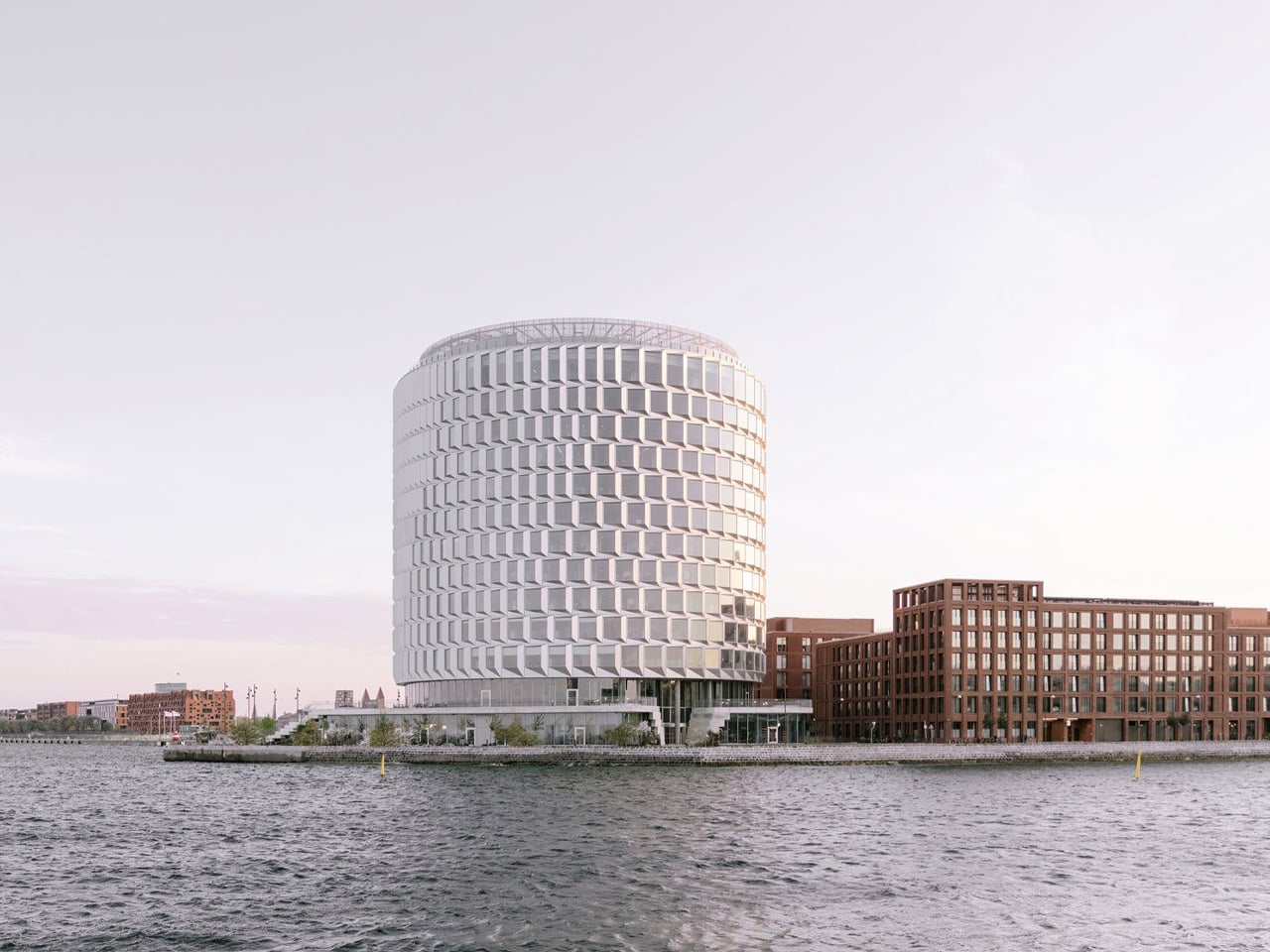
Copenhagen’s skyline has a new star. The Tip of Nordø, a sleek 60-meter cylinder of glass and steel, now dominates the Nordhavn waterfront like a modern lighthouse. This isn’t just another office building – it’s the result of a dream team collaboration between Cobe, Vilhelm Lauritzen Architects, and Third Nature, three firms that know how to make waves in Danish architecture.
The building wrapped up construction in 2024, and the accolades started rolling in almost immediately. This year, it snagged one of Copenhagen’s most coveted honors at the Copenhagen Building Award, with judges calling out its exceptional architectural quality.
The architects didn’t just plop down a generic office tower. Instead, they looked around and saw history. The cylindrical shape deliberately echoes the old silos that used to line Copenhagen’s industrial waterfront, giving a nod to the past while racing toward the future. The facade alone is a masterpiece – 925 precisely placed elements covering 12,000 square meters, each one positioned to catch the light just right and keep the building’s energy bills in check.
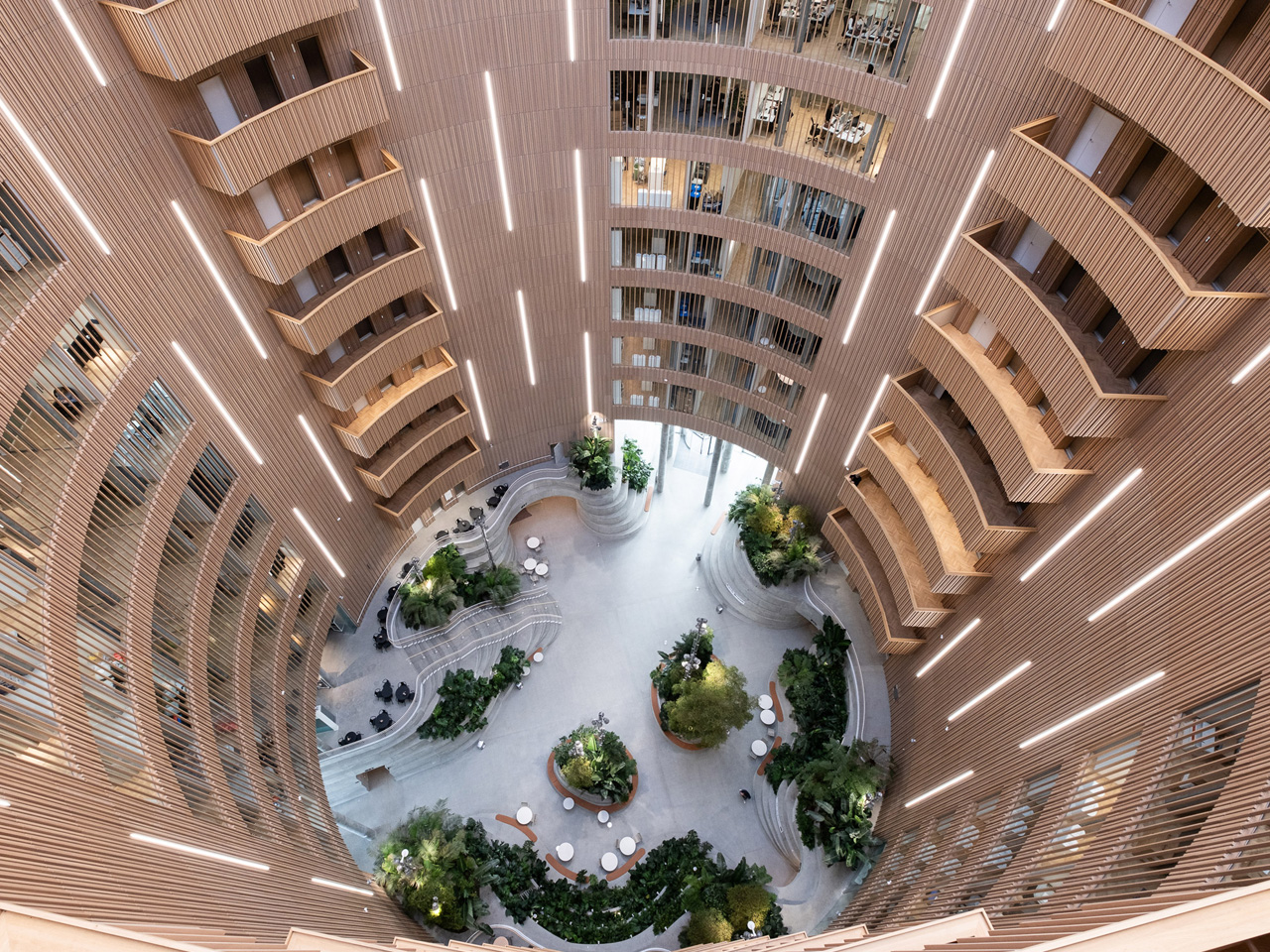
What really sets this building apart is how it refuses to have a “bad side.” The circular design means gorgeous harbor views from every angle, creating that seamless indoor-outdoor connection architects love to talk about. Inside, there’s room for 1,500 workers across flexible office spaces, with law firm Bech-Bruun and energy company Copenhagen Infrastructure Partners already calling it home.
Public Integration and Impact
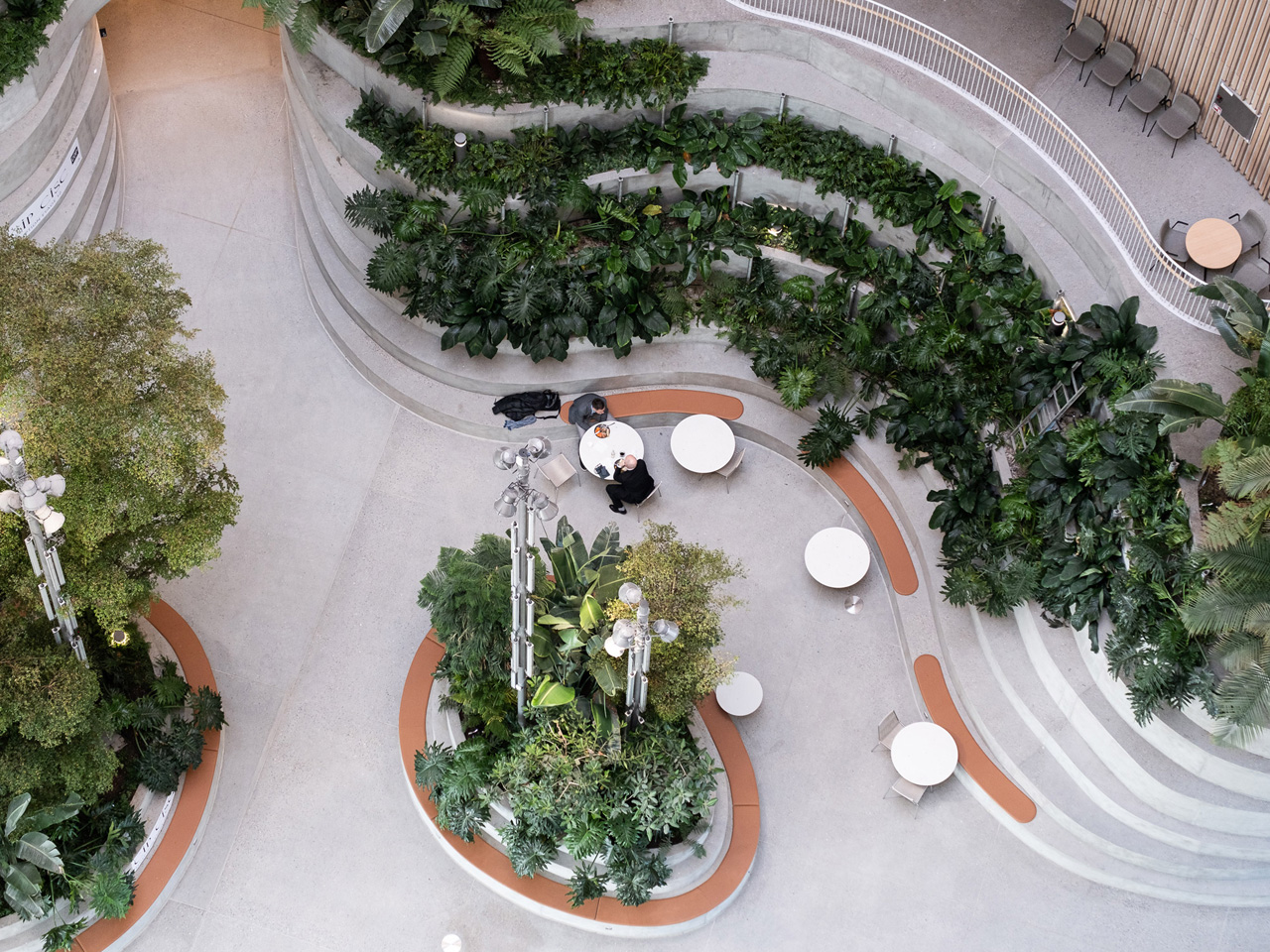
Here’s where things get interesting – this isn’t some corporate fortress. Half the ground floor stays open to the public, which means anyone can wander in and experience what the architects built. The centerpiece is a lush winter garden that doubles as a public atrium, turning what could have been just another lobby into ga enuine community space.
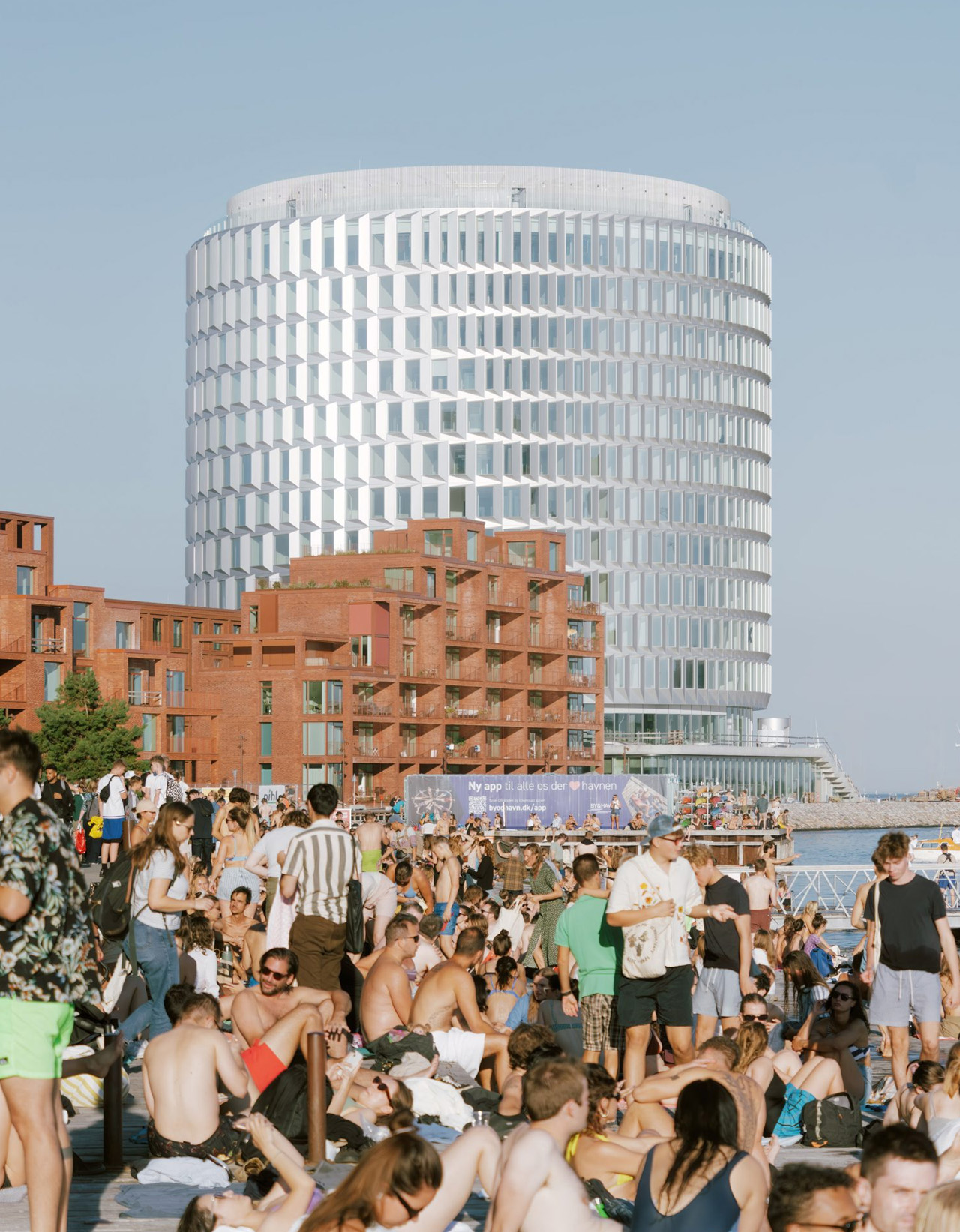
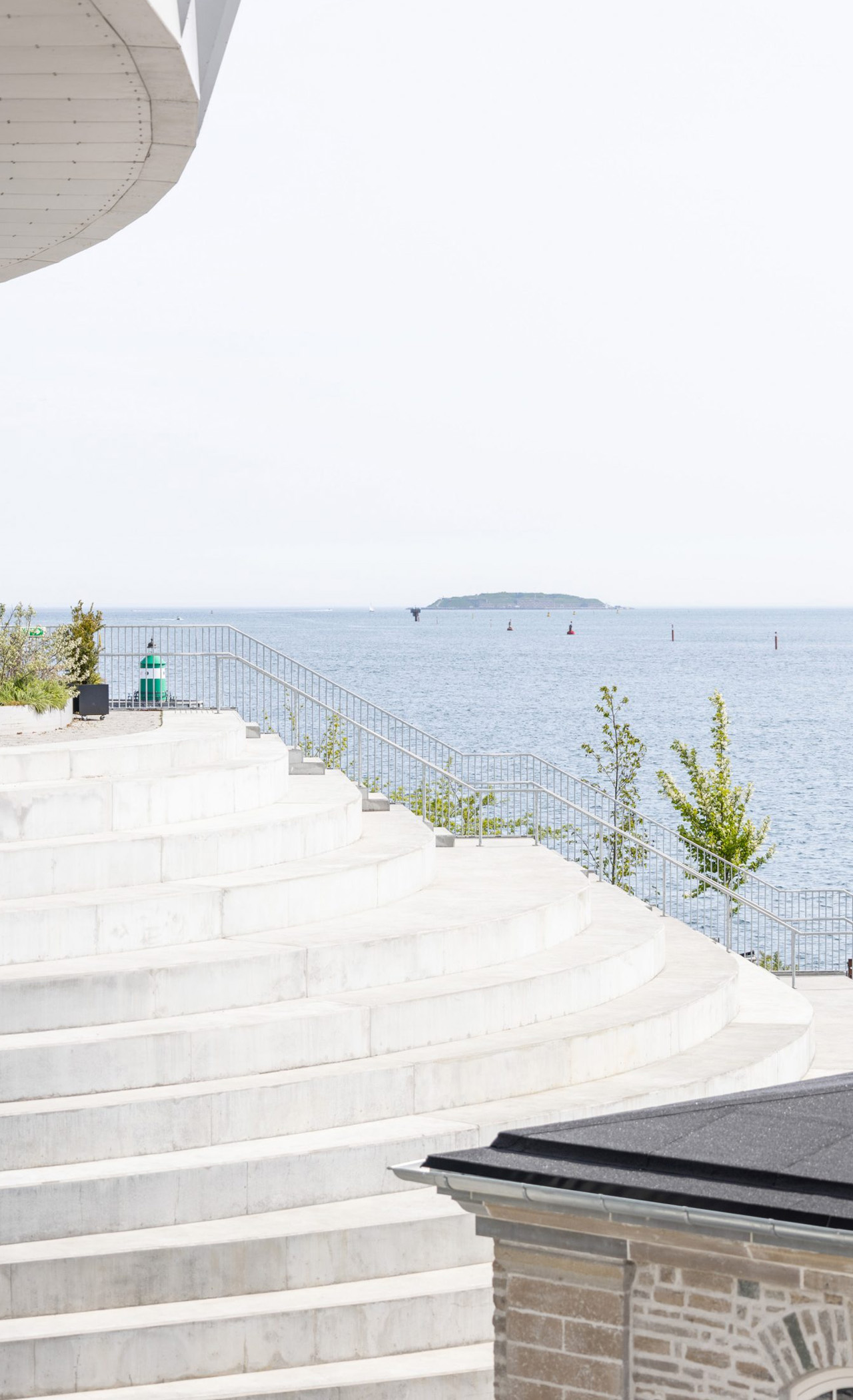
The location couldn’t be more perfect. Sitting at the tip of Redmolen Harbor, the building anchors the entire Nordhavn district, an area that’s been completely transformed from a gritty industrial port to Copenhagen’s hottest new neighborhood. The project took nearly a decade from that initial competition win in 2015 to opening day, but the wait was worth it. The surrounding public spaces stay active year-round, making this less of a building and more of a destination that happens to have really great office space upstairs.
Looking Forward
The success of Tip of Nordø represents more than just good architecture – it’s a blueprint for how cities can reimagine their waterfronts. By combining private development with public accessibility, the building shows that commercial projects don’t have to wall themselves off from their communities. The architects’ emphasis on “inclusion, transparency, and openness” has created something that brings people together while blending naturally into its context.
As Copenhagen continues to evolve, projects like this prove that thoughtful design can honor the past while building toward a more connected future. The Tip of Nordø isn’t just reshaping Nordhavn’s skyline – it’s setting the standard for what urban development can achieve when architects, developers, and communities work together. With its growing collection of awards and recognition, this modern lighthouse is already guiding the way for Copenhagen’s next chapter.
Your iPhone may soon be able to do more than call for emergency help and send messages via satellite, according to the latest Power On newsletter. Bloomberg's Mark Gurman reported that Apple is planning to expand on satellite features available on iPhones.
Apple introduced the ability to send and receive texts with the Messages via Satellite feature last year, but is reportedly looking to enhance this with the option to send photos too. Beyond texting, Apple wants to enable 5G NTN support on its iPhones, which allows cell towers to get a coverage boost by tapping into satellites, according to Gurman. For anyone who needs directions in a remote area without a cellular or Wi-Fi connection, Apple reportedly has plans to introduce satellite connectivity to Apple Maps.
Along with these upgrades, Gurman reported that Apple is looking into "natural usage" improvements where users won't have to point their iPhones towards the sky to connect to a satellite network. Instead, an iPhone could stay connected even when there's no clear view of the sky, like in indoor environments. On the developer side of things, Gurman said that Apple is also working on an API that allows app makers to add satellite connections.
There's no timeline for when these rumored satellite features will go live, but Apple previously waited a couple of years between introducing Emergency SOS via Satellite in 2022 and Messages via Satellite with the release of iOS 18.
This article originally appeared on Engadget at https://www.engadget.com/mobile/smartphones/apple-is-reportedly-working-on-more-satellite-features-for-iphone-172151203.html?src=rss
Apple's AirPods 4 have dropped back down to a record low price in a Black Friday deal on Amazon. If you aren't looking for active noise cancellation, the model without ANC is a steal at 47 percent off, bringing it down to just $69 from its usual price of $130.
The Apple AirPods 4 are the best budget AirPods you can get in 2025, with Apple's H2 audio chip to support some of the more advanced audio features from more expensive models.
They offer Voice Isolation, Personalized Spatial Audio with dynamic head tracking and more. If you get the model without active noise cancellation, you won't have features like Transparency Mode and Conversation Awareness, or Apple's hearing health tools. But, the entry-level model still offers great sound quality for the price.
This model also features the redesigned shape, which makes for a more comfortable and secure fit so you don't have to worry about them falling out of your ears. A force sensor on the stem allows for basic touch controls, including play and pause, play next track, previous track and answer a call. You can also summon Siri by pressing and holding the stem.
You can expect to get up to 5 hours of battery life on a charge with the non-ANC model, and up to 30 hours using the USB-C charging case.
Elsewhere when it comes to Black Friday AirPods deals, you can pick up the AirPods 4 with ANC for $100, the new AirPods Pro 3 for $220 and the AirPods Max (in certain colors) for $400.
This article originally appeared on Engadget at https://www.engadget.com/deals/black-friday-apple-deals-include-the-airpods-4-for-47-percent-off-162917296.html?src=rss
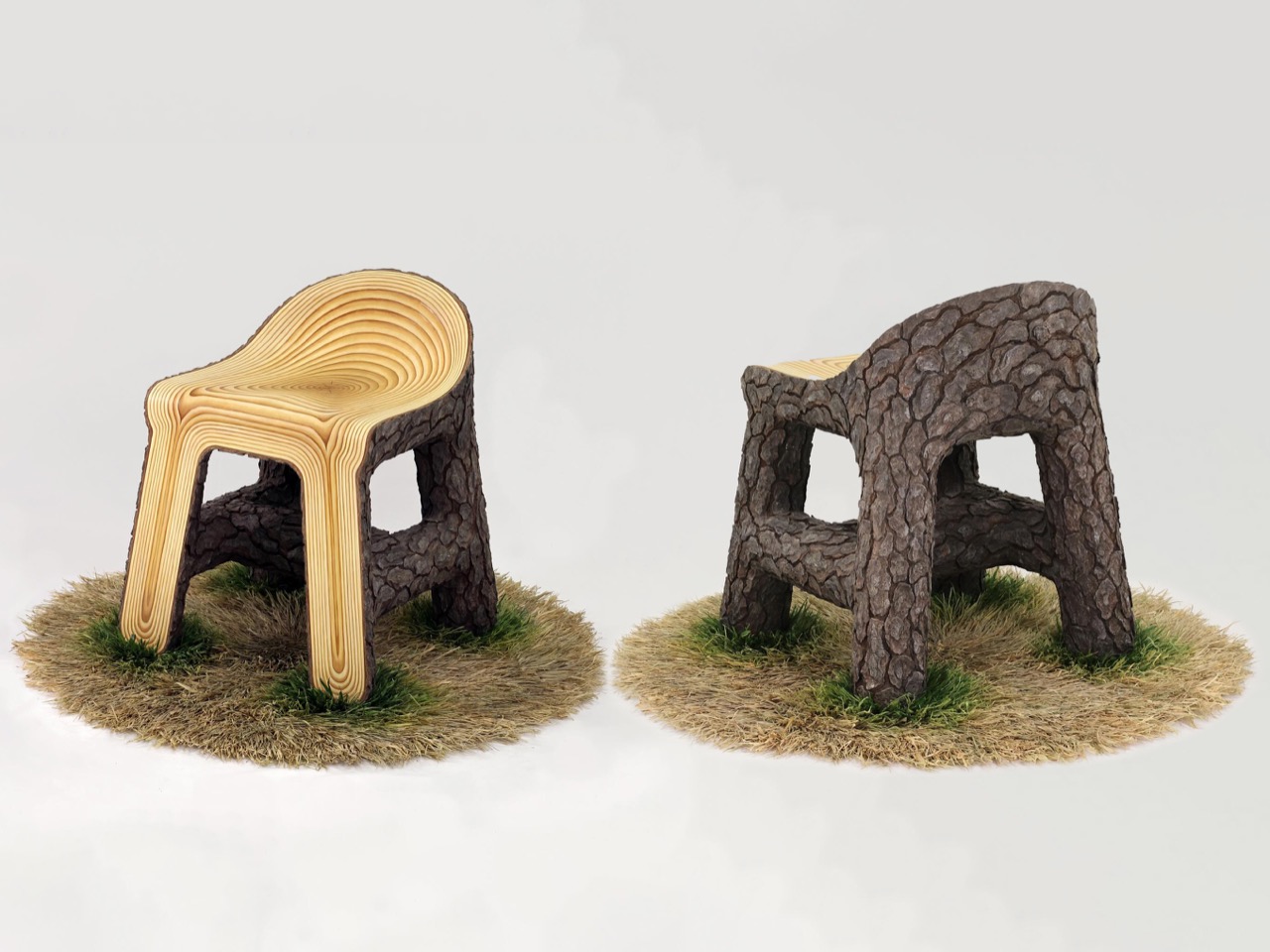
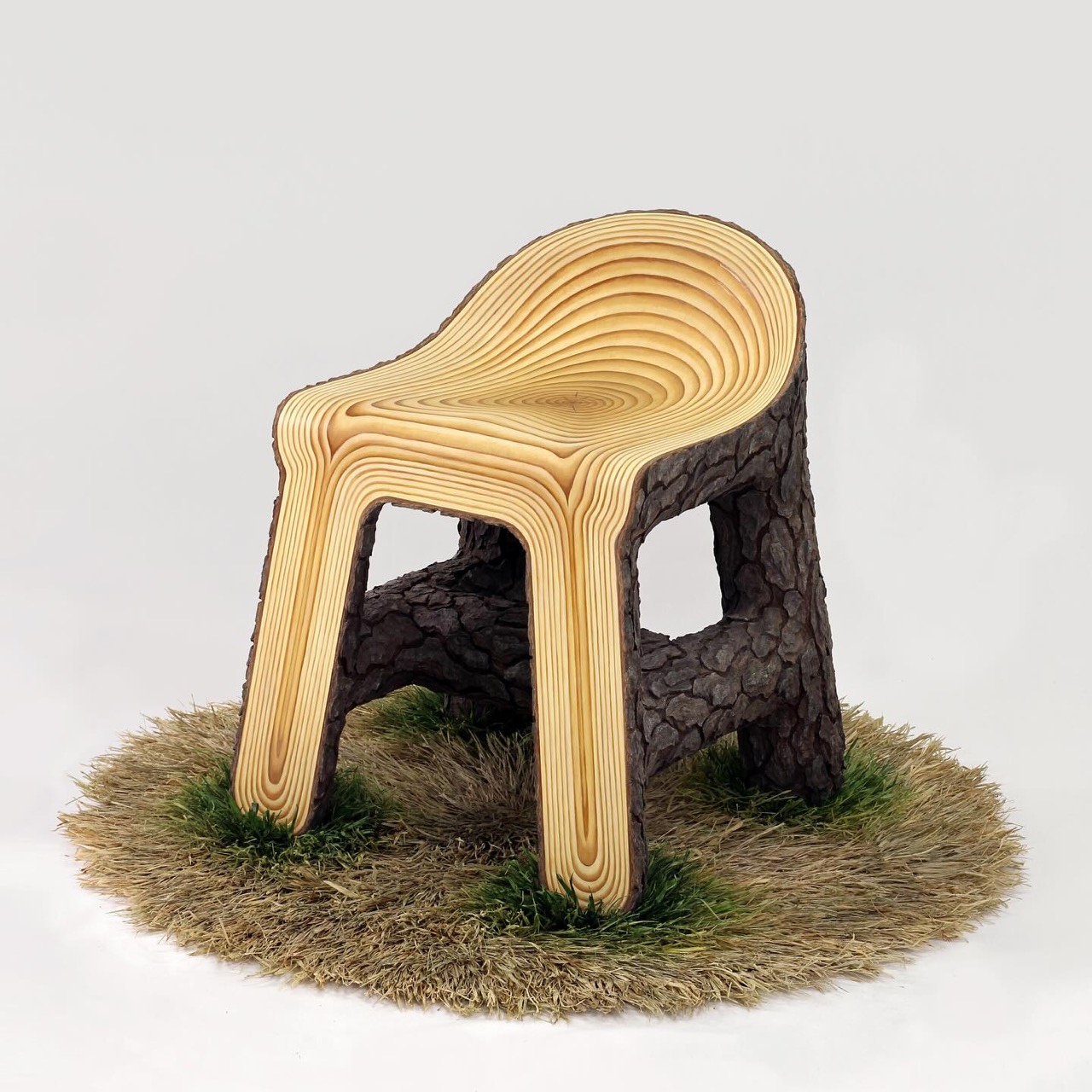
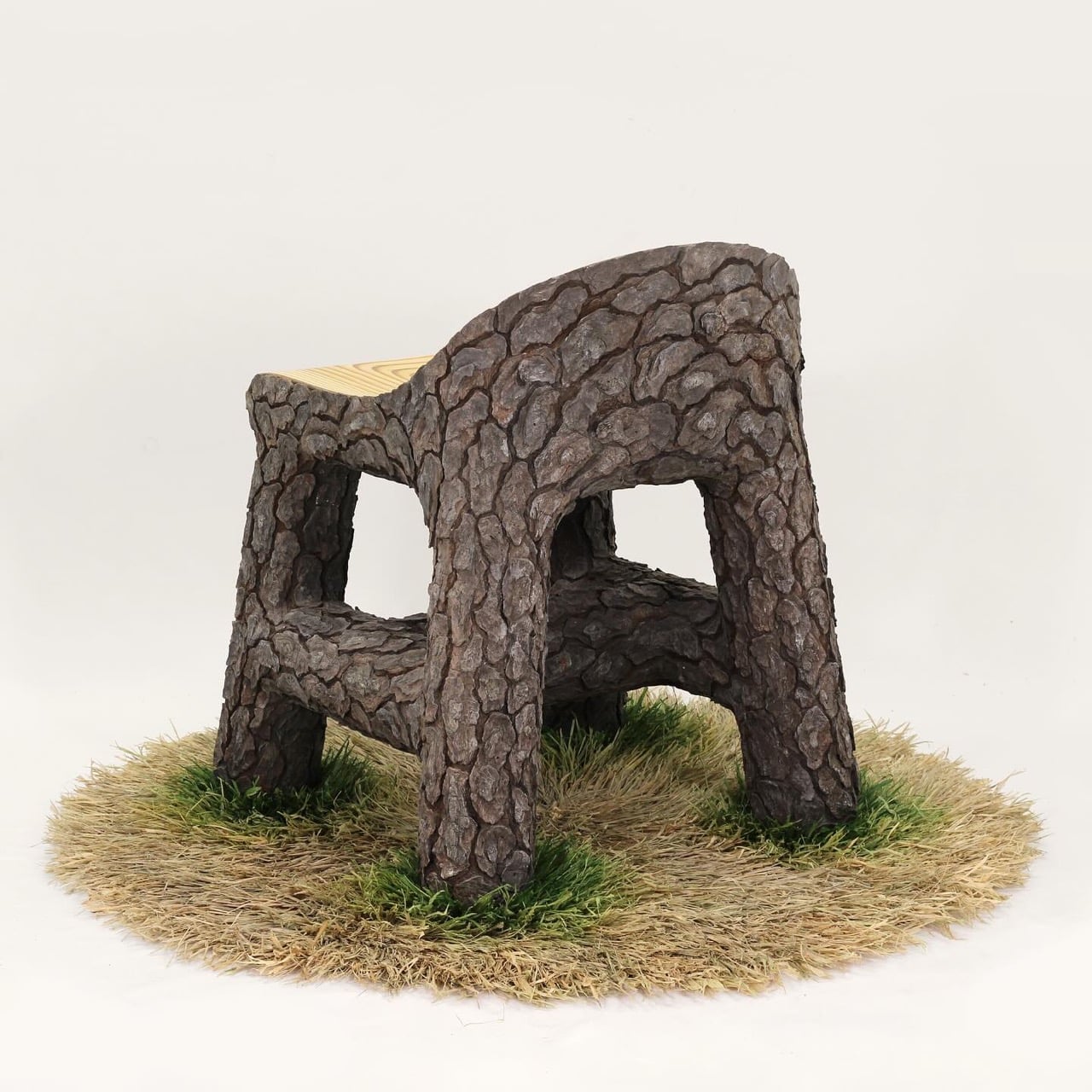
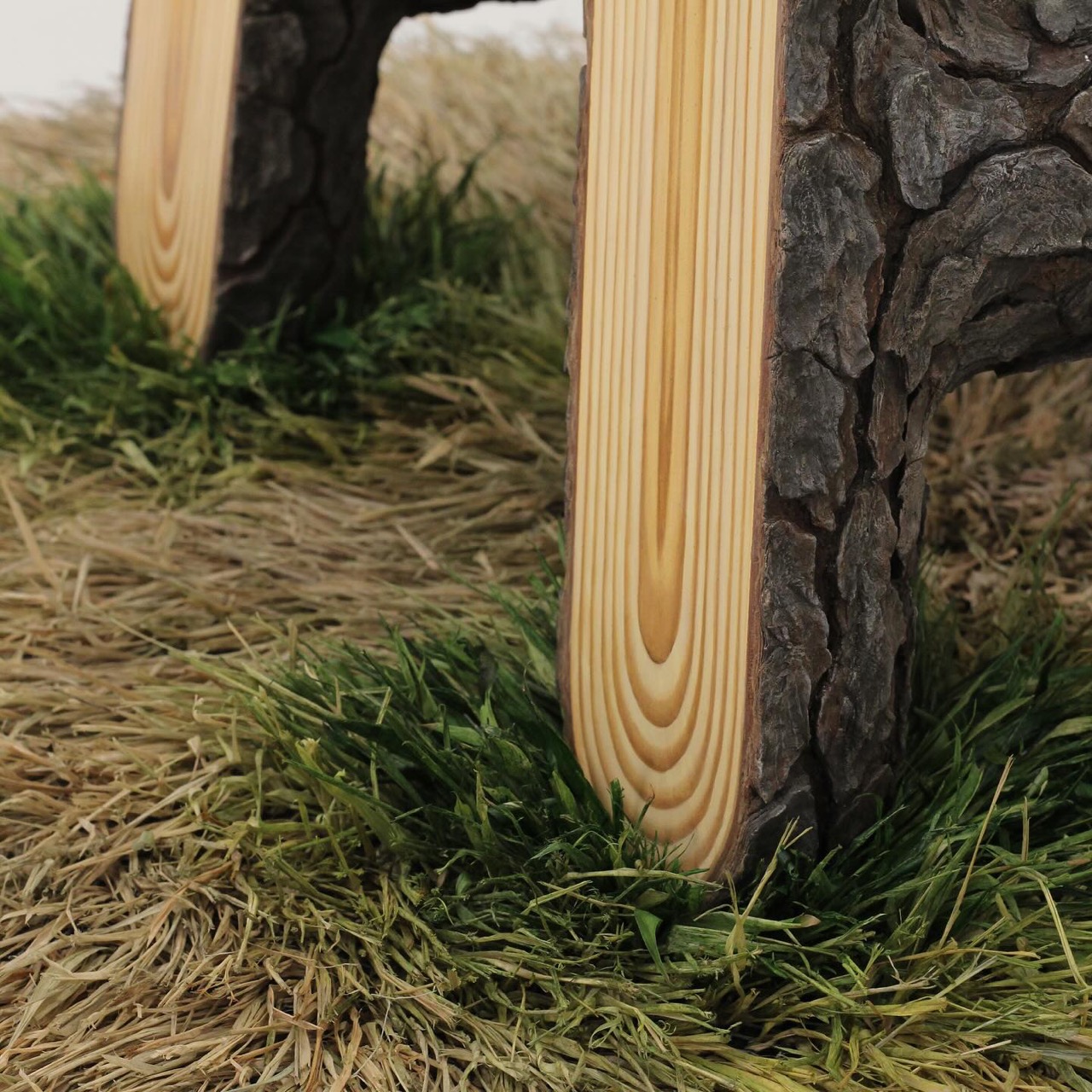
In Wood Chair on Grass, 2025, the artist extends the celebrated Wood Chair series into a deeply tactile meditation on nature, artifice, and the human instinct to create comfort out of raw material. This piece, crafted from oil paint, epoxy clay, plywood, wood, and raffia fibers, reveals the artist’s meticulous dialogue between the organic and the handmade, between illusion and touch.
At first glance, the chair presents itself as a modest, almost familiar object, a low-back saddle seat resting calmly atop what seems like a patch of grassy earth. But upon closer inspection, it becomes clear that every element is a constructed illusion. The “grass” is not real, but a latch-hooked rug of dyed and painted raffia fibers. Each strand mimics the play of sunlit blades swaying in a breeze, but they are fixed in place, forever frozen in mid-motion. This deliberate tension between the natural and the artificial is what gives the piece its quiet power.
The seat itself is modeled after pine wood, yet it transcends imitation. Cracks are hand-carved into the surface, each line a gesture of imperfection that makes the chair feel lived-in, almost sentient. The wood grain alternates between matte and satin varnishes, an effect invisible under soft light but revealed dramatically when illuminated directly. This shifting visibility turns the viewer into an active participant, requiring them to move around the piece, to discover it rather than merely observe. It’s a subtle invitation to slow down, to look with intent, to feel the weight of craftsmanship.
The artist’s pride in the bark detail is well-earned. The bark, sculpted with epoxy clay and layered with oil paint, might be their most convincing and three-dimensional work yet. It clings to the seat’s edges like memory to an old tree, giving the illusion that the chair has grown from the ground rather than been placed upon it. There’s a certain poetry in this, an object designed for rest that itself seems to have taken root.
Beyond its technical mastery, Wood Chair on Grass captures the artist’s evolving relationship with materials. The raffia fibers, dyed and painted by hand, bring softness and unpredictability, contrasting the solidity of the wooden frame. The juxtaposition of natural texture with synthetic precision makes the work feel both ancient and contemporary, a bridge between folk craft and fine art.
Ultimately, this piece is an environment condensed into an object. It embodies the artist’s ongoing fascination with how we recreate nature within our own boundaries, how we seek to hold onto fleeting sensations through form and surface. In Wood Chair on Grass, 2025, the familiar becomes extraordinary, and the humble materials of wood and fiber transcend their physicality to evoke the emotional warmth of presence, patience, and place.
Budgeting can be a stressful, challenging and uncomfortable experience. While it's completely possible to do it on your own, we've become fans of a few great budgeting apps. Take our favorite budgeting app Quicken, which is having a 50 percent off sale for Black Friday.
The Quicken Simplifi app is down to $3 monthly from $6 monthly, adding up to $36 for the year. Quicken Classic, the company's "original desktop software" for "experienced investors" is also half off at $6 monthly, down from $12 monthly. The sale starts today and is available until Wednesday, December 3.
One of the many things that sets Quicken Simplifi apart from its competitors is its sleek, easy to use interface. The setup is pretty straightforward and it allows for your spouse or financial advisor to act as co-manager of the account.
It also clearly shows figures like net worth, recent spending, upcoming recurring payments and more. Plus, there's an option to say if you're expecting a refund. Quicken Simplifi unfortunately doesn't offer a free trial so testing it out with a discount means less money invested if it's not for you.
This article originally appeared on Engadget at https://www.engadget.com/deals/our-favorite-budgeting-app-has-50-percent-off-subscriptions-for-black-friday-160025270.html?src=rss
Apple’s iOS 26.2 developer beta introduces a variety of updates aimed at enhancing usability, accessibility, and overall functionality. With a focus on refining the user experience across the Apple ecosystem, this release brings visually appealing design changes, practical app integrations, and thoughtful accessibility improvements. Below is a detailed exploration of the most notable features and […]