I don’t get why Apple’s multitrack Voice Memos require an iPhone 16 Pro

Apple’s recent iPhone event brought some nifty ideas, from the camera button to a reinvention of Google Lens and beyond. The company also announced that it's bringing simple multitrack recording to Voice Memos. This was particularly exciting for me since, well, I use Voice Memos a lot. I have nearly 500 of these little recordings that were made during the lifetime of my iPhone 14 Pro and thousands more in the cloud. You never know when you’ll need a random tune you hummed while waiting for the subway in 2013. 

So this feature felt tailor-made for me. I write songs. I play guitar. I do everything that lady in the commercial does, including opening the fridge late at night for no real reason.

A lady in front of a fridge.
Apple

Then reality hit. This isn’t a software update that will hit all iPhone models. It’s tied to the ultra-premium iPhone 16 Pro, which starts at a cool $1,000. I don’t really want to upgrade right now, so the dream of singing over an acoustic guitar track right on the Voice Memos app is dead on arrival.

Why is this particular feature walled behind the iPhone 16 Pro? It’s a simple multitrack recording function. From the ad, it looks like the app can’t even layer more than two tracks at a time. This can’t exactly be taxing that A18 Pro chip, especially when the phone can also handle 4K/120 FPS video recording in Dolby Vision. 

Pro Tools, a popular digital audio workstation, was first introduced in 1991. This was two years before Intel released the Pentium chip. Computers of that era had no trouble layering tracks. For a bit of reference, last year’s A17 Pro chip had around 19 billion transistors. An original Pentium chip had around three million. In other words, a modern smartphone chip is around 6,300 times more powerful than a 1993 Pentium-based PC.

So let us layer tracks on Voice Memos, Apple! It can't be that complicated. I’ve been using dedicated multitrack apps ever since the iPhone 3. Apple throws GarageBand in with every iPhone. Both GarageBand and third-party recording apps have a place, sure, but nothing beats the quickness and ease-of-use of Voice Memos. It’d sure be great to be able to make a quick-and-dirty acoustic demo of a song and send it out to someone without having to navigate a fairly complicated interface.

App in front of a refrigerator.
Apple

Yeah. I see the elephant in the room. There’s a part of the ad that I’ve been avoiding. The woman records the vocal layer over the guitar track without wearing headphones. She just sang into the phone while standing in front of that refrigerator. Now, that’s something old-school Pentiums could not do. There’s some microphone placement wizardry going on there, along with machine learning algorithms that reduce unwanted ambient noise. The iPhone 16 Pro has a brand-new microphone array, so I get that older models might not be able handle this particular part of the equation.

But who cares? That’s a really neat feature. It’s also completely unnecessary. If you’re reading this, you are likely already wearing earbuds/headphones or have some within reach. Record the first track without the headphones. Record the secondary layer while wearing headphones. That’s it. Problem solved. You can even do it in front of the refrigerator.

Also, both the base-level iPhone 16 and the Pro support Audio Mix, which lets people adjust various sound levels from various sources after capturing video. This is done without the new Studio Mics on the iPhone 16 Pro and seems to reduce ambient noise in a similar way. So it could be possible that there's a software solution here to handle even that elephant in the room. After all, the company credits "powerful machine learning algorithms" for this tech — if it can erase environmental wind noise, surely it can handle music playing in the background? 

So I am once again asking for Apple to let the rest of us play around with multitrack recording on Voice Memos. There’s no reason every older iPhone model couldn’t compute its way to a simple guitar/vocal two-track wav file. Pop the feature into a software update. I hear there’s one for iOS 18 coming really soon, and another for Apple Intelligence after that.

This article originally appeared on Engadget at https://www.engadget.com/mobile/smartphones/i-dont-get-why-apples-multitrack-voice-memos-require-an-iphone-16-pro-175134621.html?src=rss



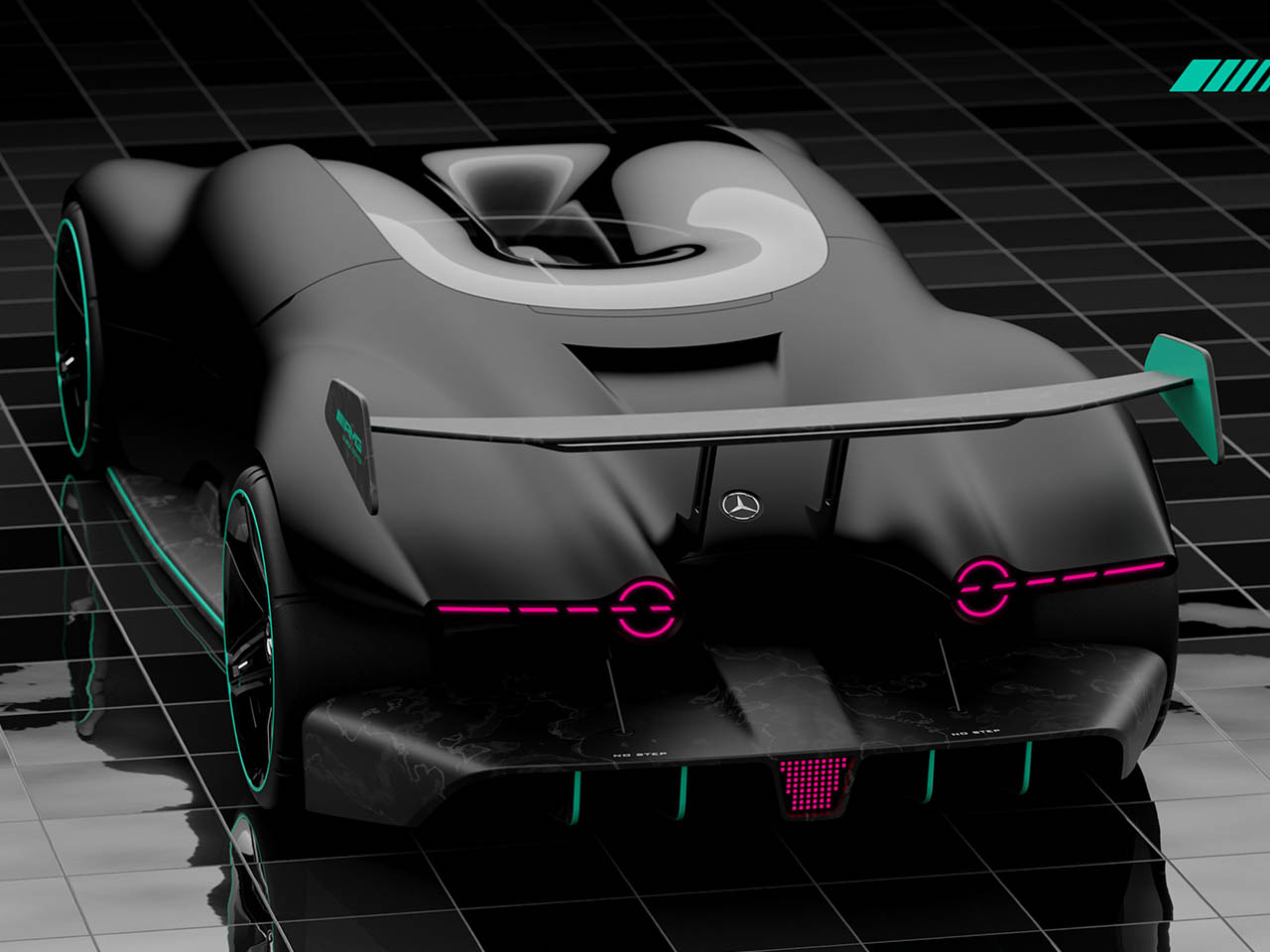
Mercedes-AMG ONE-ONE is future-ready hypercar concept that deserves more than a glance

The Mercedes-AMG ONE hypercar is an extraordinary piece of automotive engineering, designed to bring Formula 1 technology to the road. The ONE features a 1.6-liter V6 hybrid powertrain borrowed from Formula 1, and this engine is coupled with four electric motors, delivering a combined output of over 1,000 horsepower. The hybrid system includes a battery pack that supports an electric-only range, though it’s primarily designed for high-performance driving.

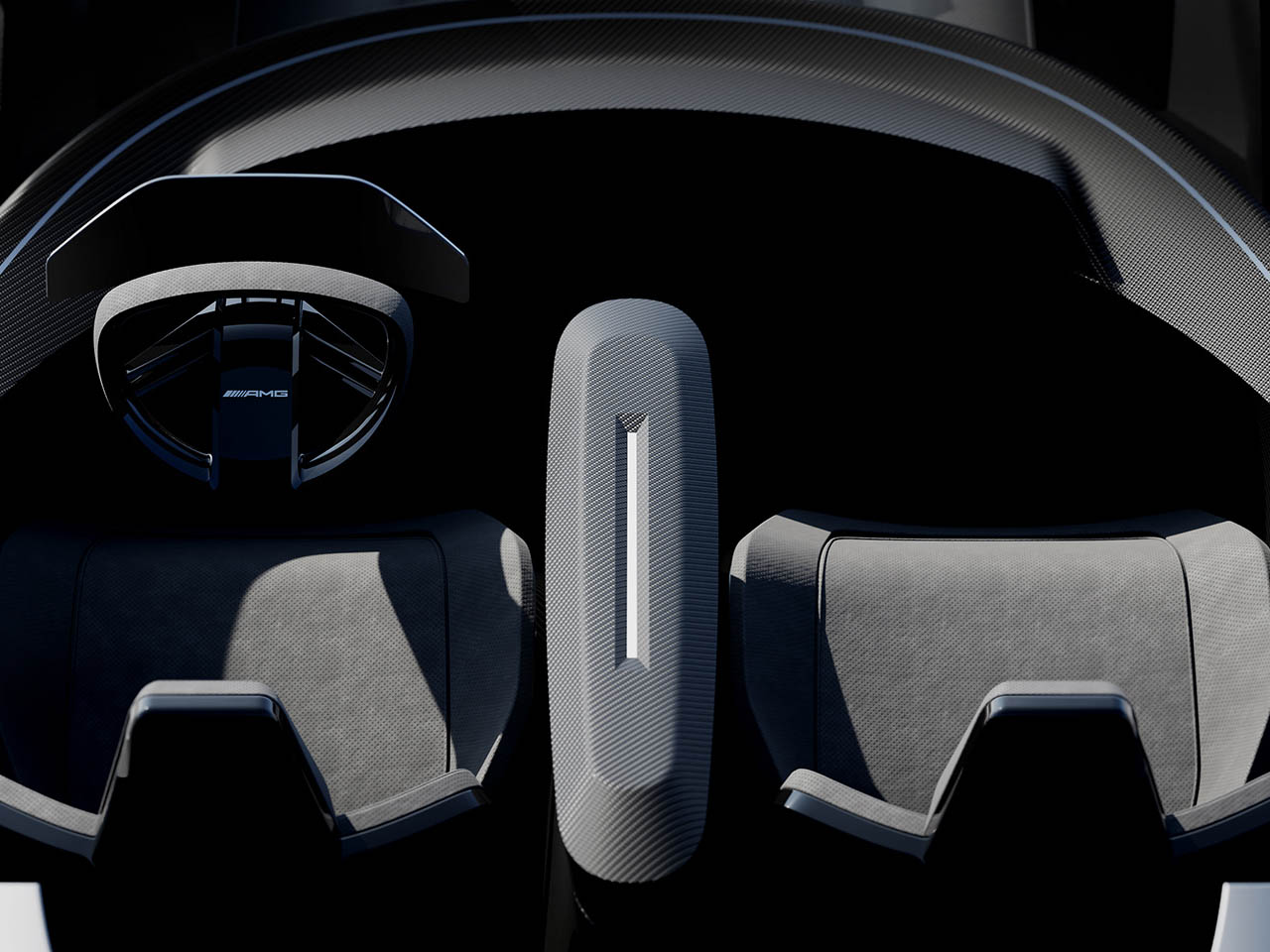
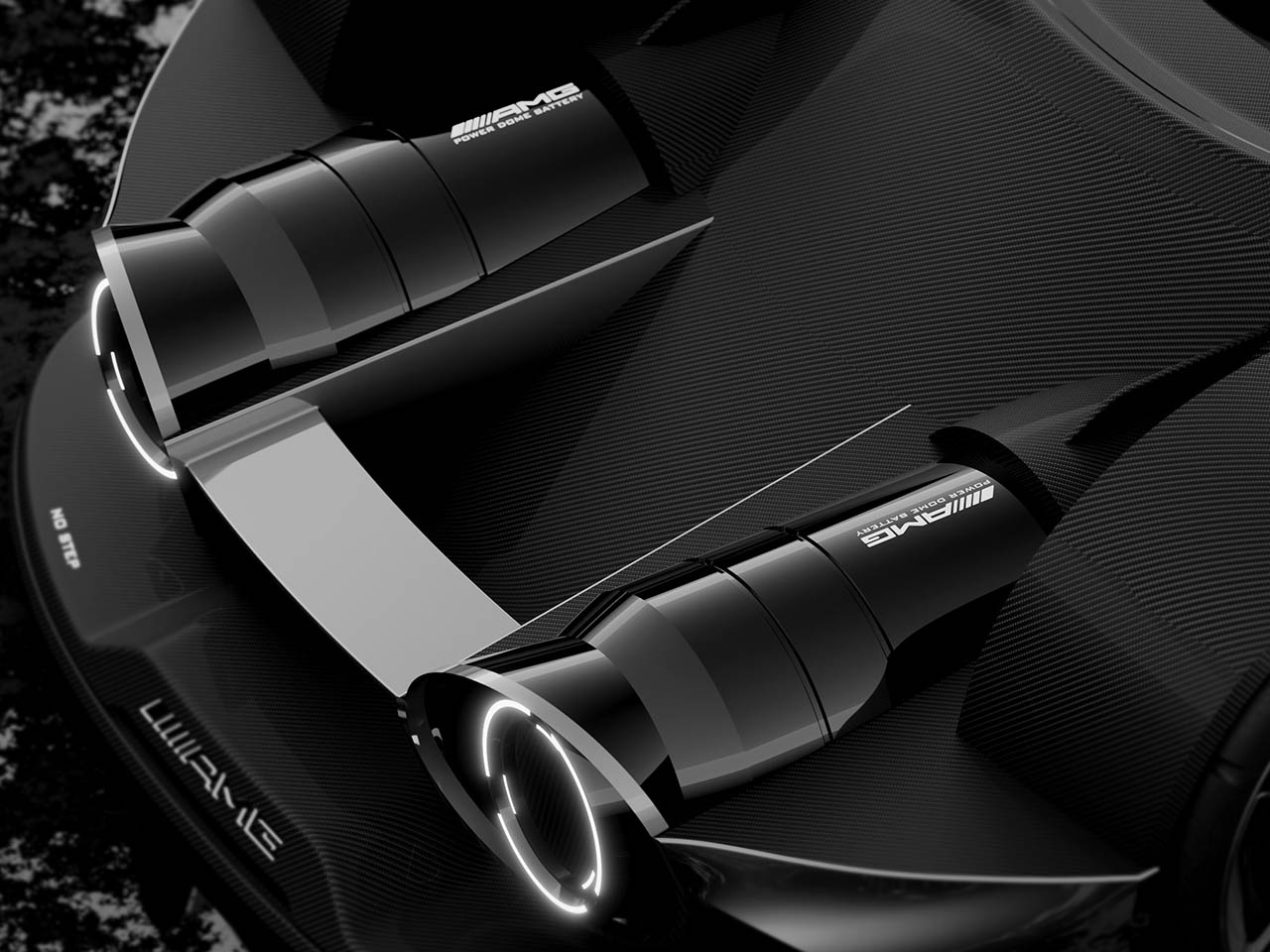
Now a concept envisions an AMG ONE that carries the brand’s heritage into the pure electrified future. The idea is to connect the driver and the vehicles for driving dynamics that naturally let the driver focus on the road for peak performance. Exploring the different ways in which EV skateboard platforms will be built, the concept gets a dual compressed battery for balanced weight.

Designer: Hyunsik Moon

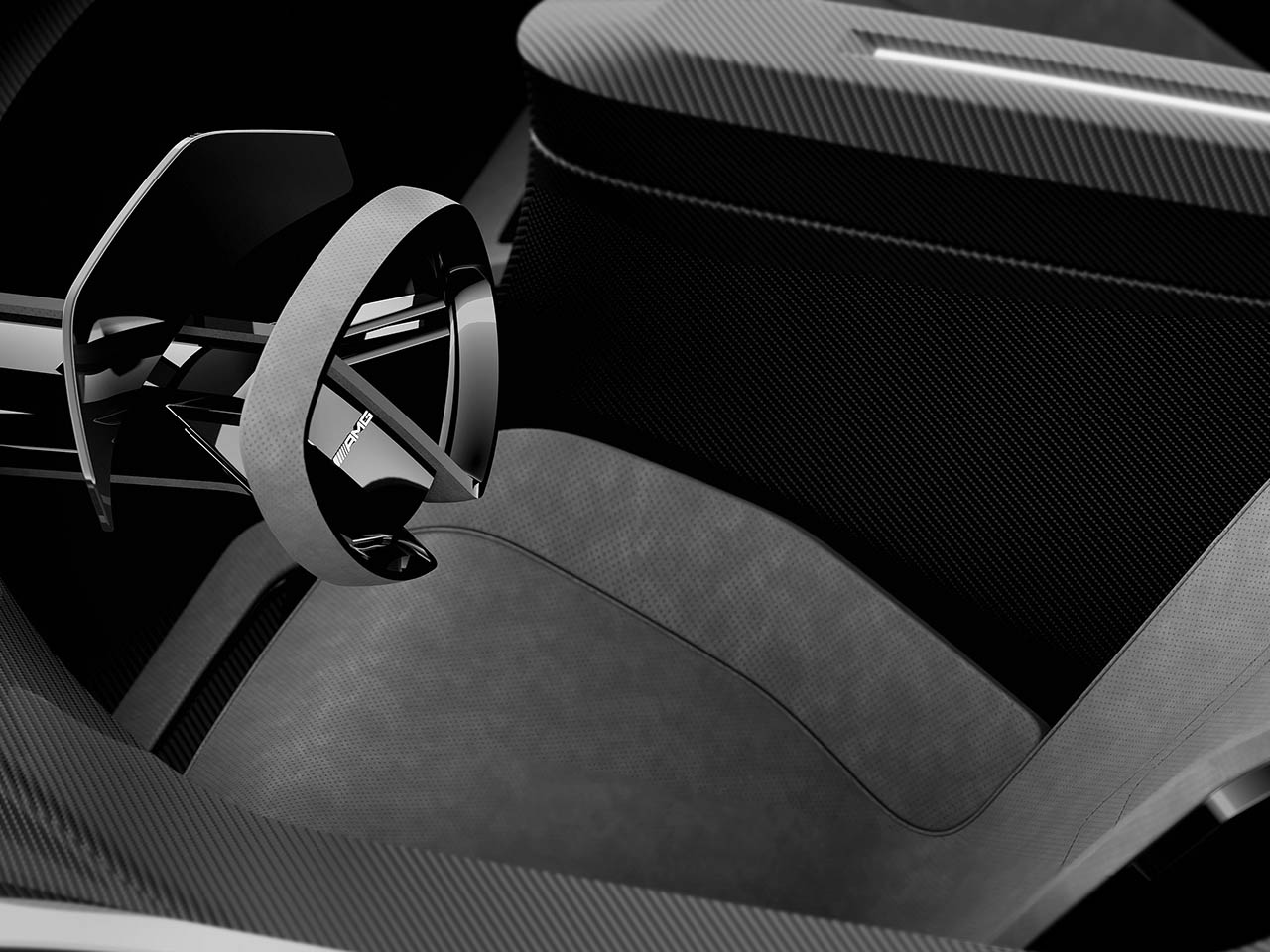
The four batteries are connected directly to each wheel for optimized power delivery. The cabin also focuses on the independent positing of the driver and the co-driver, so that the latter can take over in case the driver wants to relax during hard chases. Visually this Mercedes concept has a flowy aerodynamic design that personifies the union of man and machine at the next level. Those headlights are positioned low for a hunter look and gradually the hypercar gains a bold profile at the center and then flows ever so gradually to the rear which sports a futuristic shape. The curvacious positioning of the taillights eventually contrasts the skirting down low which has the F1-inspired battery charging light.

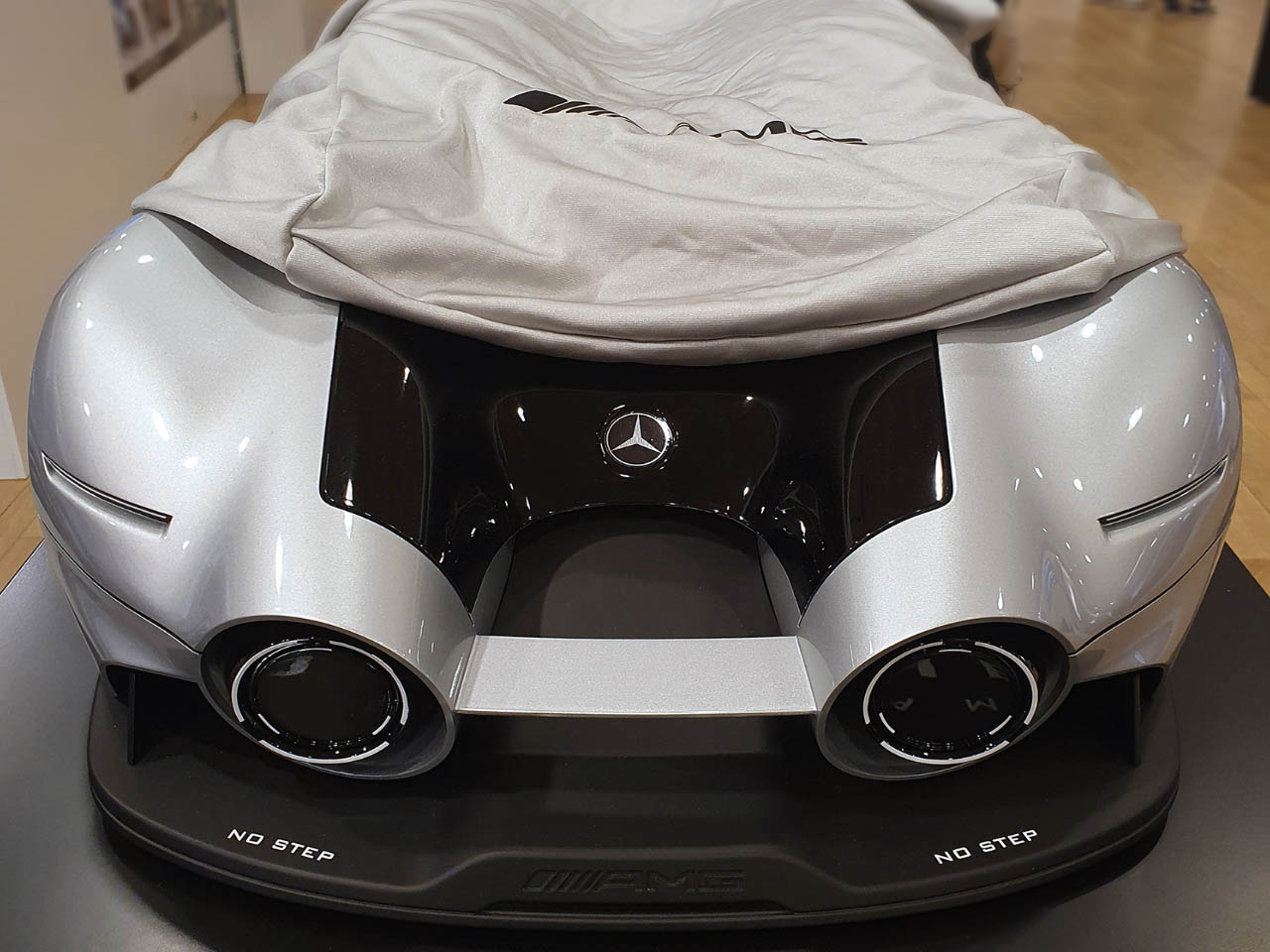
The low ground clearance of the Mercedes-AMG-ONE-ONE signifies it’s made for street circuits and racing tracks. The whole front opens up like the classic racecars, so you’d want to keep this thing limited to the race circuits for the pure adrenalin rush. Just like other elite Mercedes cars, this one comes in the silver arrow hues of either glossy silver or pure black. The designer has crafted a detailed scaled-down version of the hypercar in bright silver contrasted with the black which I love to the core.

The post Mercedes-AMG ONE-ONE is future-ready hypercar concept that deserves more than a glance first appeared on Yanko Design.

Get a new MacBook every two years with this subscription service

The MacBook Upgrade Program

If you’ve ever thought, “There’s got to be an easier way to get the latest MacBook,” you’re not alone. Upgraded has created an upgrade program just for this. With prices starting at $36.06/month for a MacBook Air and $52.17/month for a MacBook Pro, you can upgrade every two years without the hassle of buying and […]

The post Get a new MacBook every two years with this subscription service appeared first on Geeky Gadgets.

One of our favorite MagSafe power banks is 40 percent off right now

This really solid Baseus 30W/10000mAh MagSafe power bank is on sale via Amazon for 40 percent off. That brings the price to $28, from $46. This is a record low for this particular power bank, but be sure to clip the coupon to get the deal.

This is one of the best MagSafe batteries out there and easily found a place on our list of the best power banks. It specializes in magnetic wireless charging for iPhones, of course, but also has a built-in USB-C cable. This means you can use the device to charge the vast majority of modern gadgets, though not wirelessly. The USB-C cable is also used to recharge the bank itself at a power outlet.

This isn’t a Qi2-certified product, but it still managed to charge an iPhone 15 just as quickly as the latest Qi2 Anker bank. It gets a modern iPhone to 55 percent in around 30 minutes. It’s also quite small and pocket-friendly, with a strong magnet that allows for one-handed smartphone use as it provides juice.

On the downside, this is a fairly bare-bones device. There’s no status display or a kickstand, such as the likes found with rival power banks. However, it nails the basics, especially for $26.

Follow @EngadgetDeals on Twitter and subscribe to the Engadget Deals newsletter for the latest tech deals and buying advice.

This article originally appeared on Engadget at https://www.engadget.com/deals/one-of-our-favorite-magsafe-power-banks-is-40-percent-off-right-now-165924327.html?src=rss

The FDA greenlights Apple’s Hearing Aid feature for AirPods Pro

The Food and Drug Administration has approved Apple’s over-the-counter Hearing Aid feature. Designed for people with mild to moderate hearing loss, it transforms the second-gen AirPods Pro into OTC hearing aids. This follows the FDA’s 2022 decision to allow adults with less-than-severe impairment to use corrective consumer hearing devices without a professional test, prescription or fitting.

The FDA says Apple’s software-based Hearing Test feature for AirPods Pro showed similar benefits to those who received a professional fitting of the wireless earbuds. “Results also showed comparable performance for tests measuring levels of amplification in the ear canal, as well as a measure of speech understanding in noise,” the FDA wrote in its announcement. The agency adds that it didn’t observe any “adverse events” from using the device as an OTC hearing aid.

Apple’s Hearing Aid feature, coming in iOS 18, starts with a hearing test on your paired iPhone or iPad. As the image above shows, the test begins by ensuring your earbuds have a good seal. After that, it activates active noise cancellation (ANC) and asks you to tap the screen when you hear tones in the left and right ears.

Once you finish, your results will live in the iOS Health app, where you can see how your results change (or not) over time. You can download your results and give them to an audiologist anytime. (If the test determines you have severe hearing loss, it will recommend you seek a professional assessment since the AirPods feature is only approved for those with mild to moderate impairment.)

Engadget’s Billy Steele got an early preview of the feature after Apple’s big iPhone 16 event earlier this week. “It seems to be as quick and easy as Apple describes,” our audio expert wrote. Although the demo was a simulation, it covered each step of the process, adding up to only about five minutes.

Apple developed the feature using 150,000 real-world audiograms and millions of simulations. The company’s FDA application was reviewed under the agency’s De Novo premarket pathway, which provides a runway for novel devices that don’t carry serious risk.

Apple’s Hearing Aid and Hearing Test features will arrive no earlier than when iOS 18 launches to the public on September 16. The AirPods Pro (second-gen) is required to use the feature.

This article originally appeared on Engadget at https://www.engadget.com/audio/headphones/the-fda-greenlights-apples-hearing-aid-feature-for-airpods-pro-164912484.html?src=rss

GM and Hyundai plan to work together on cars and clean-energy tech

It's not totally uncommon for major automakers to buddy up on projects, share their knowledge and try to find ideas that benefit all parties. The latest to snuggle up are GM and Hyundai. Through their collaboration, they hope to improve their competitiveness while trying to reduce the costs and risks involved with developing new tech.

The two companies have signed a non-binding agreement and they'll immediately start assessing joint opportunities and working toward binding agreements. According to GM CEO Mary Barra, the aim "is to unlock the scale and creativity of both companies to deliver even more competitive vehicles to customers faster and more efficiently."

Projects that the two sides are looking at working on together include co-development and production of passenger and commercial vehicles, internal combustion engines and electric and hydrogen clean energy tech. They'll also explore supply chain efficiency — combined sourcing for the likes of battery raw materials and steel could save them both a bundle. GM and Hyundai will look into ways that they can harness their scale and knowhow to do all of this while reducing costs.

It might be a while before we see any fruits of these labors, but it's smart for automakers to team up and try to reduce costs, especially with the EV market being somewhat dicey. Ford's EV division, for instance, is on track to lose around $5 billion this year.

There are other types of partnerships between automakers, of course. In June, Volkswagen and Rivian teamed up, with the former expected to invest $3 billion into the EV company and a further $2 billion on a joint venture between the two sides.

This article originally appeared on Engadget at https://www.engadget.com/transportation/evs/gm-and-hyundai-plan-to-work-together-on-cars-and-clean-energy-tech-162625133.html?src=rss

Chrome’s latest safety update will be more proactive about protecting you

Chrome is getting a series of safety updates that could improve your security while browsing online. In a release, Google announced the new features, which include protecting against abusive notifications, limiting site permissions and reviewing extensions.   

Safety Check, Chrome's security monitor, will now run continuously in the background to more readily take protective steps. The tool will let you know what steps it's taking, which should include removing permissions from sites you no longer visit and ones Google Safe Browsing believes are deceiving you into giving permission. It will also flag any alerts it deems you might not want and notify you of issues that require attention, like security issues. Plus, Safety Check on your desktop should alert you to any Chrome extensions that might pose a risk. 

Google is also reducing the number of permissions that last for sites on Chrome for desktops or Android devices. The new feature will allow you to approve mic or camera access for one time only instead of always for the site. Instead, they will have to request your permission again on the next use. Plus, Google is also expanding the ability to unsubscribe from a site on Chrome with one button beyond Pixel devices to more Android ones.   

This article originally appeared on Engadget at https://www.engadget.com/chromes-latest-safety-update-will-be-more-proactive-about-protecting-you-160046221.html?src=rss

Roland just released an (almost) pocket-sized sampler with a built-in mic

Roland just released the Aira Compact P-6, a battery-powered sampler with a built-in microphone for capturing ideas quickly. There’s also a USB-C port and analog inputs for plugging in a higher-grade mic, a smartphone or an actual computer for even more sampling opportunities. Roland calls it a “roving recorder,” likely because it's nearly small enough to fit inside of a pocket.

The P-6 can hold up to 48 samples at once, split across eight banks of six pads. There are four available sampling rates to suit different tastes, though the internal memory is on the smallish side. The keyboard lets you chop up and trigger these samples on the fly, in addition to playing samples polyphonically.

Like many modern musical gadgets, the Aira Compact P-6 is something of a jack of all trades. Sampling is the main feature, of course, but this thing includes a granular synthesis engine and a 64 step sequencer. This sequencer is fairly feature-rich, with neat options like off-grid sequencing, sub-steps, micro-timing and a lot more. You can even manipulate samples in real time during the sequence, for improvisation purposes.

There are also plenty of effects to make each sample your own. These include a vinyl simulator, a looper, a phaser, a resonator and a lo-fi emulator, among others. The granular synthesis engine allows for even more “microscopic sound design" opportunities, with the ability to detune samples and adjust the grain shape.

A sampler and a computer.
Roland

If the idea of manipulating samples on a tiny device gives you the sweats, Roland offers a dedicated software suite called SampleTool. This brings even more features to the table, like downsampling, click removal and precise editing.

The battery should get around three hours of use per charge, so make sure to bring along a charger while out and about. The Aira Compact P-6 costs $220 and is available now. As the name suggests, this sampler is a sibling product to the rest of the Aira Compact line, which are all fairly diminutive gadgets. There’s a drum machine, some synths, a vocoder and more.

This article originally appeared on Engadget at https://www.engadget.com/audio/roland-just-released-an-almost-pocket-sized-sampler-with-a-built-in-mic-152737594.html?src=rss

Flappy Bird is finally returning, 10 years after its demise

A decade after its untimely demise and countless clones later, the original Flappy Bird is coming back. Under the banner of the Flappy Bird Foundation, some dedicated fans acquired the rights to the viral mobile hit, per a press release. Flappy Bird will return to iOS and Android as native mobile apps in 2025. But you'll be able to play it elsewhere before then. The team is planning to bring the game to other platforms, such as desktop and the mobile web, starting this fall.

The Flappy Bird Foundation has some big plans for the revived title, and it showed off some of those in a trailer. While maintaining the original game design is key, you can also expect new modes, characters, progression and multiplayer challenges.

A blend of difficult gameplay and a crude art style (including pipes that seemed very inspired by Mario games) helped Flappy Bird become a sensation. The challenge posed by tapping the screen to flap the bird’s wings and squeeze through gaps between pipes caught the imagination of legions of gamers — more than 100 million of them, according to the Flappy Bird Foundation.

Flappy Bird debuted in May 2013 but it didn't blow up until the following January. Developer Dong Nguyen soon revealed that the game was raking in $50,000 per day from advertising. However, Flappy Bird's success was all too much for its creator. Nguyen removed it from the App Store and Google Play in February 2014 for seemingly altruistic reasons (though he brought another version to Amazon Fire TV later that year).

“Flappy Bird was designed to play in a few minutes when you are relaxed,” he told Forbes. “But it happened to become an addictive product. I think it has become a problem. To solve that problem, it's best to take down Flappy Bird. It's gone forever." Thankfully for fans (but maybe not people who were reselling old phones with the original game still installed), "forever" isn't necessarily permanent.

This article originally appeared on Engadget at https://www.engadget.com/gaming/flappy-bird-is-finally-returning-10-years-after-its-demise-142756765.html?src=rss