Lenovo’s 8.8-Inch Gaming Tablet Packs a 9,000 mAh Battery for $850

Gaming tablets have always been stuck in an awkward spot between portability and raw power. The ones fast enough to handle demanding titles tend to be bulky and heavy, more like a compact laptop than a true handheld. And smaller tablets, for a long time, simply didn’t have the hardware to keep serious players happy, leaving enthusiasts perpetually torn between convenience and performance.

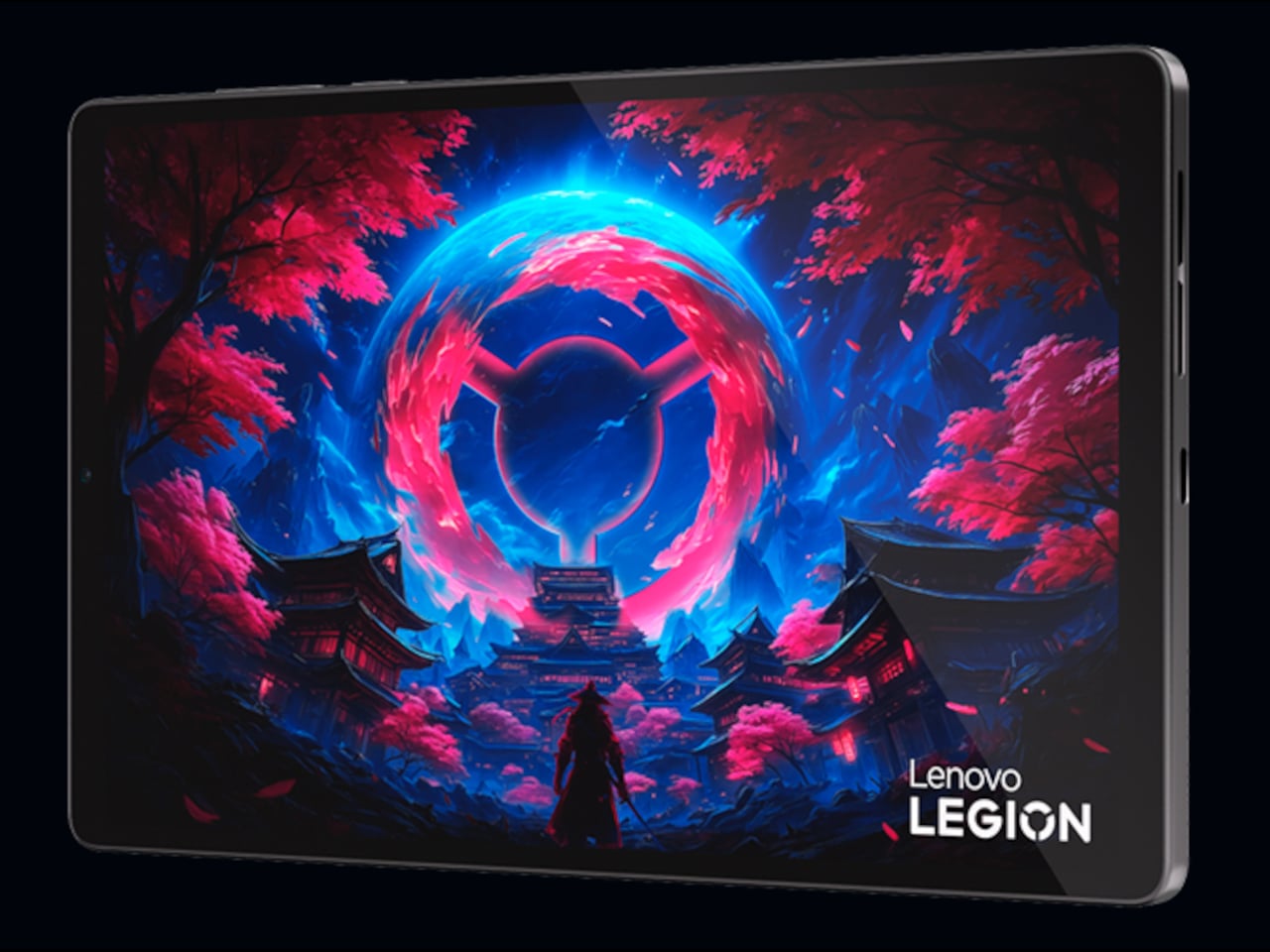
Lenovo’s Legion Tab Gen 5 is the latest attempt to close that gap, and it’s making a convincing case. The 8.8-inch Android gaming tablet packs specs that could make larger competitors nervous, all within a frame light enough to slip into a backpack. First unveiled at MWC Barcelona and now available in the US, it starts at $849.99, a price that signals just how seriously Lenovo is treating this space.

Designer: Lenovo
Under the hood sits Qualcomm’s Snapdragon 8 Elite Gen 5, the same chip you’d find in today’s flagship smartphones. The base model pairs it with 12 GB of LPDDR5T RAM and 256 GB of UFS 4.1 Pro storage, though it’s configurable up to 16 GB RAM and 512 GB storage. Lenovo’s AI Engine+ also runs in the background, dynamically optimizing frame rates, touch response, and haptic feedback as you play.

The screen all those frames render onto is equally impressive. Lenovo’s 8.8-inch PureSight Display runs at a 3K resolution of 3,040 × 1,904 pixels with a 165Hz refresh rate, covering 99% of the DCI-P3 color space with Dolby Vision support. Touch sampling reaches up to 480Hz, so inputs register almost instantly during a competitive match. TÜV Flicker Free and Low Blue Light certifications make extended sessions considerably easier on the eyes.
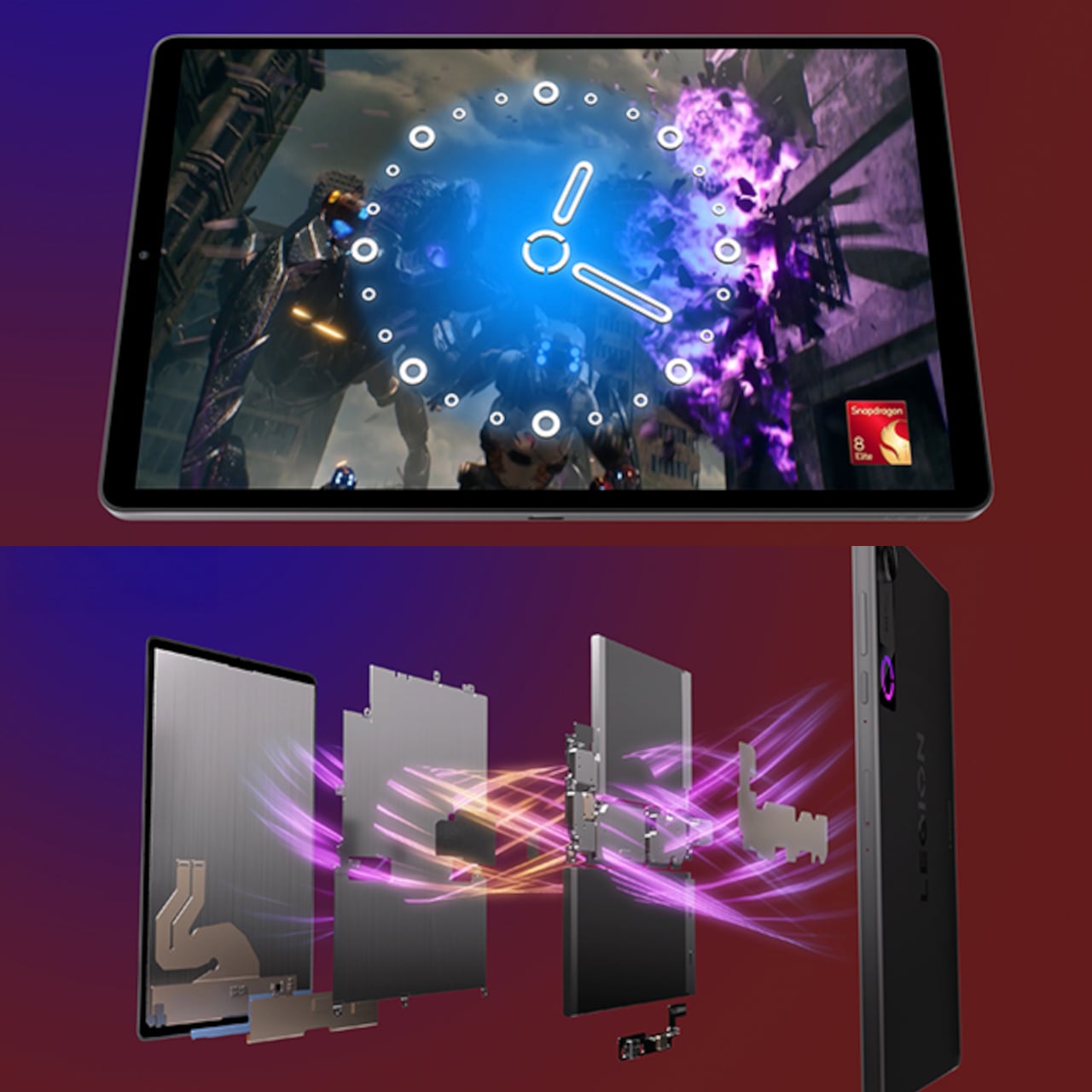
One of the most remarkable things about this tablet isn’t the chip or the display, it’s what’s powering everything. Lenovo managed to pack a 9,000 mAh battery into this 8.8-inch body, a significant leap over the previous generation, while keeping the whole package at just 360 grams. Add 68W fast charging and bypass charging support, which prevents battery degradation during extended sessions, and running this thing dry becomes genuinely difficult.
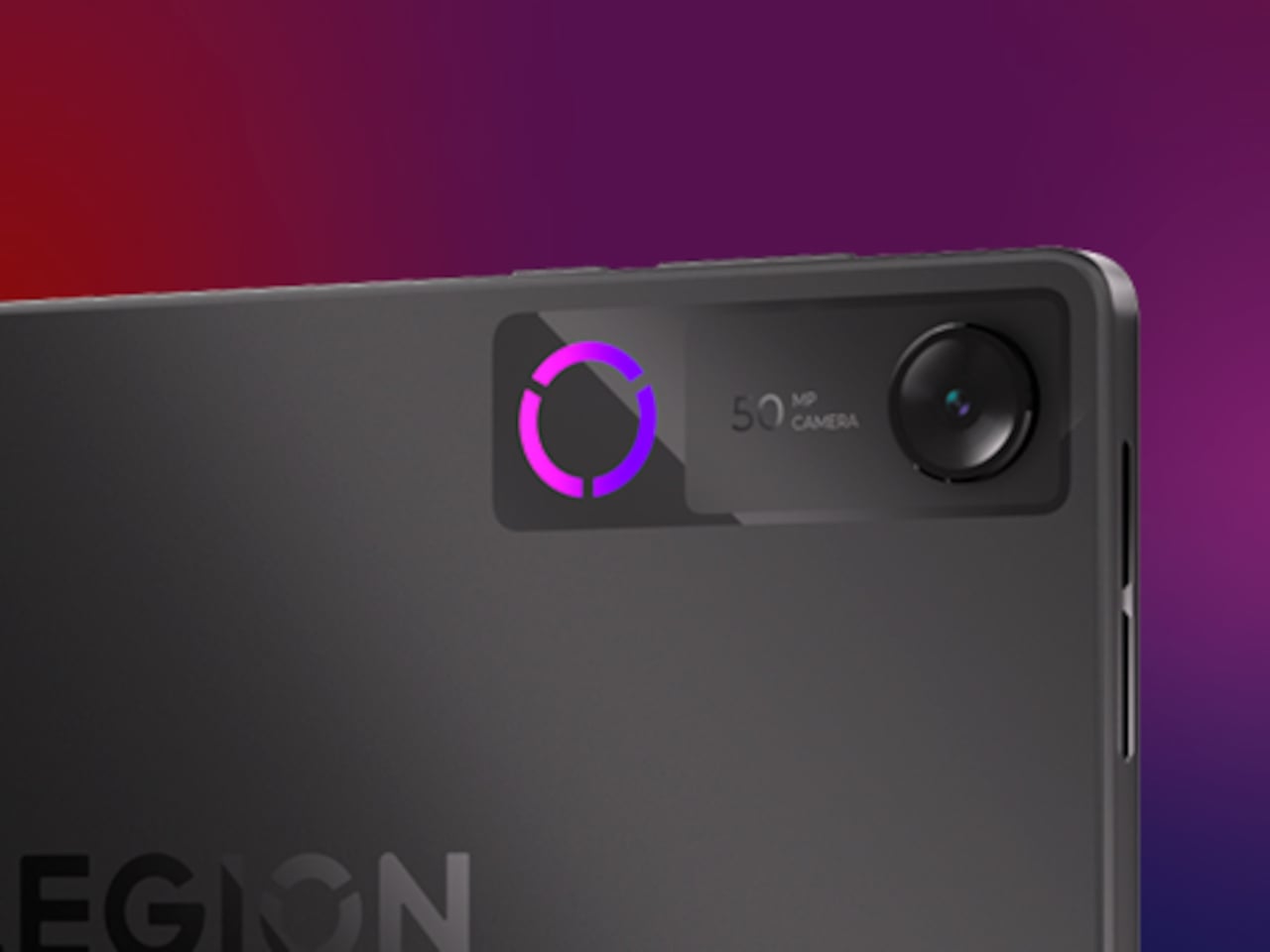
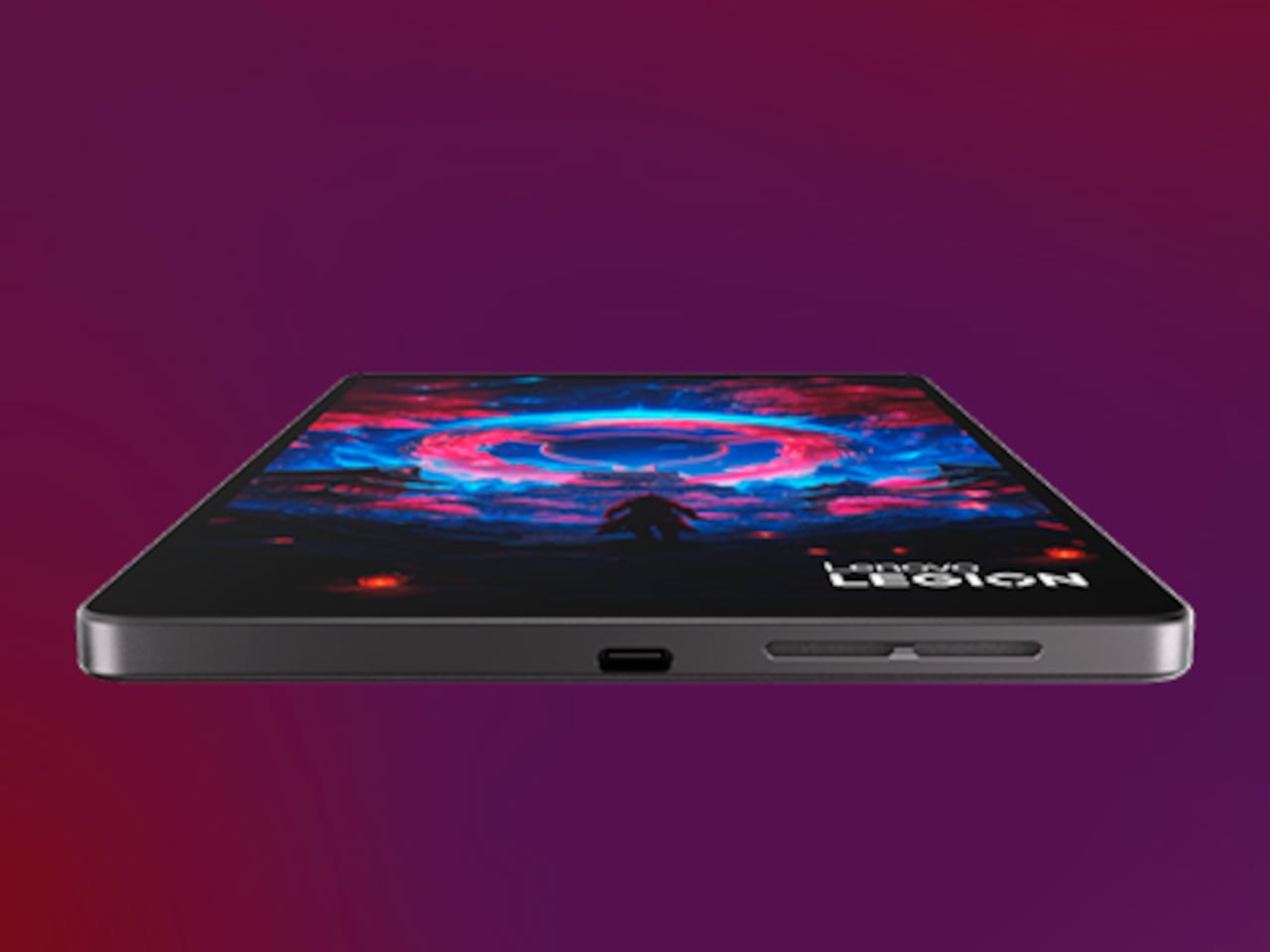
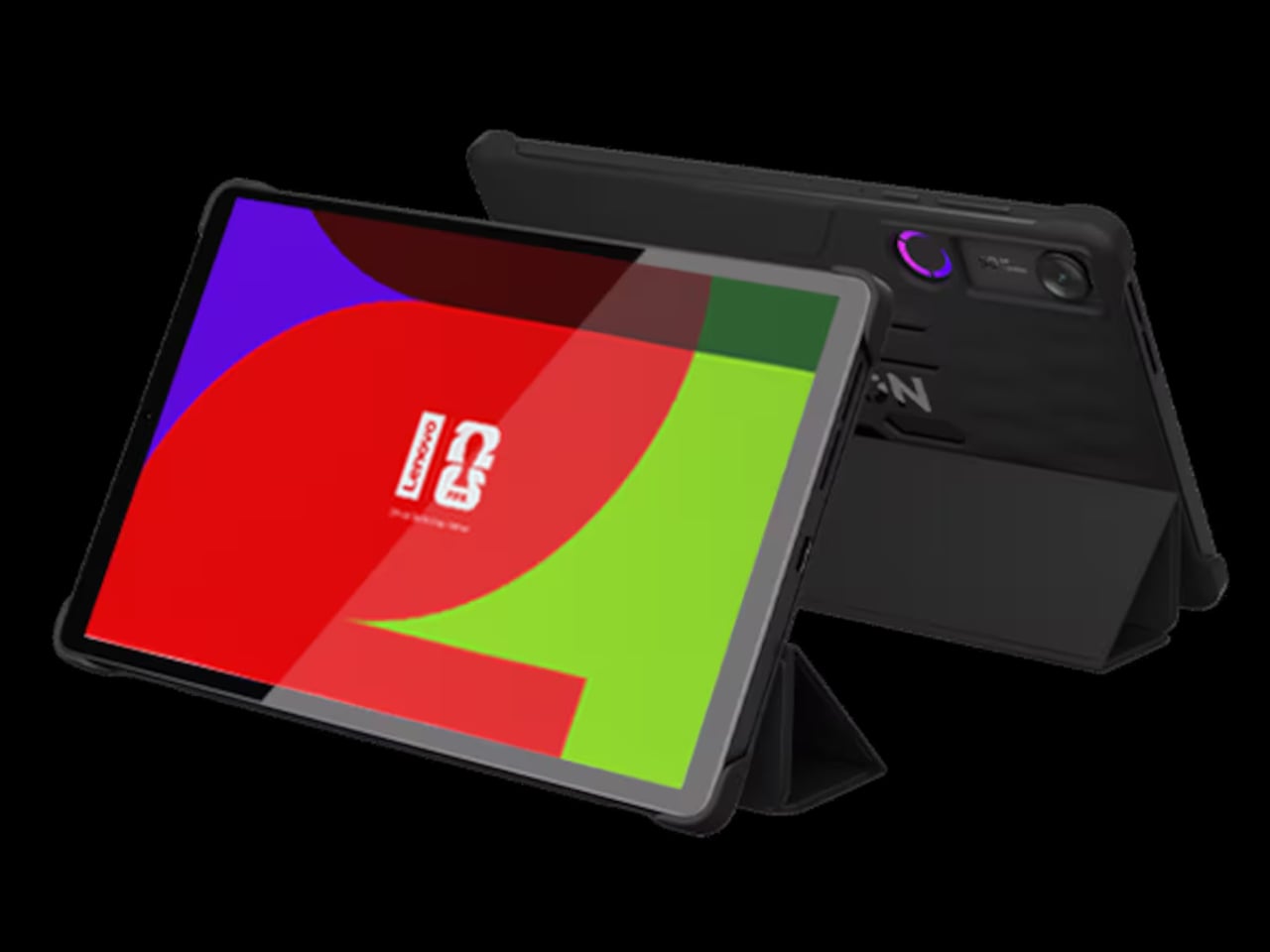
The audio hasn’t been shortchanged either. Dual superlinear 2712 speakers with Dolby Atmos certification handle the sound, backed by dual microphones, so voice chat holds its own during any session. Three color options are available: Eclipse Black, Glacier White, and a vibrant Surge green that was originally introduced as a FIFA edition. An RGB accent on the back adds a dose of personality without making the whole thing look gaudy.
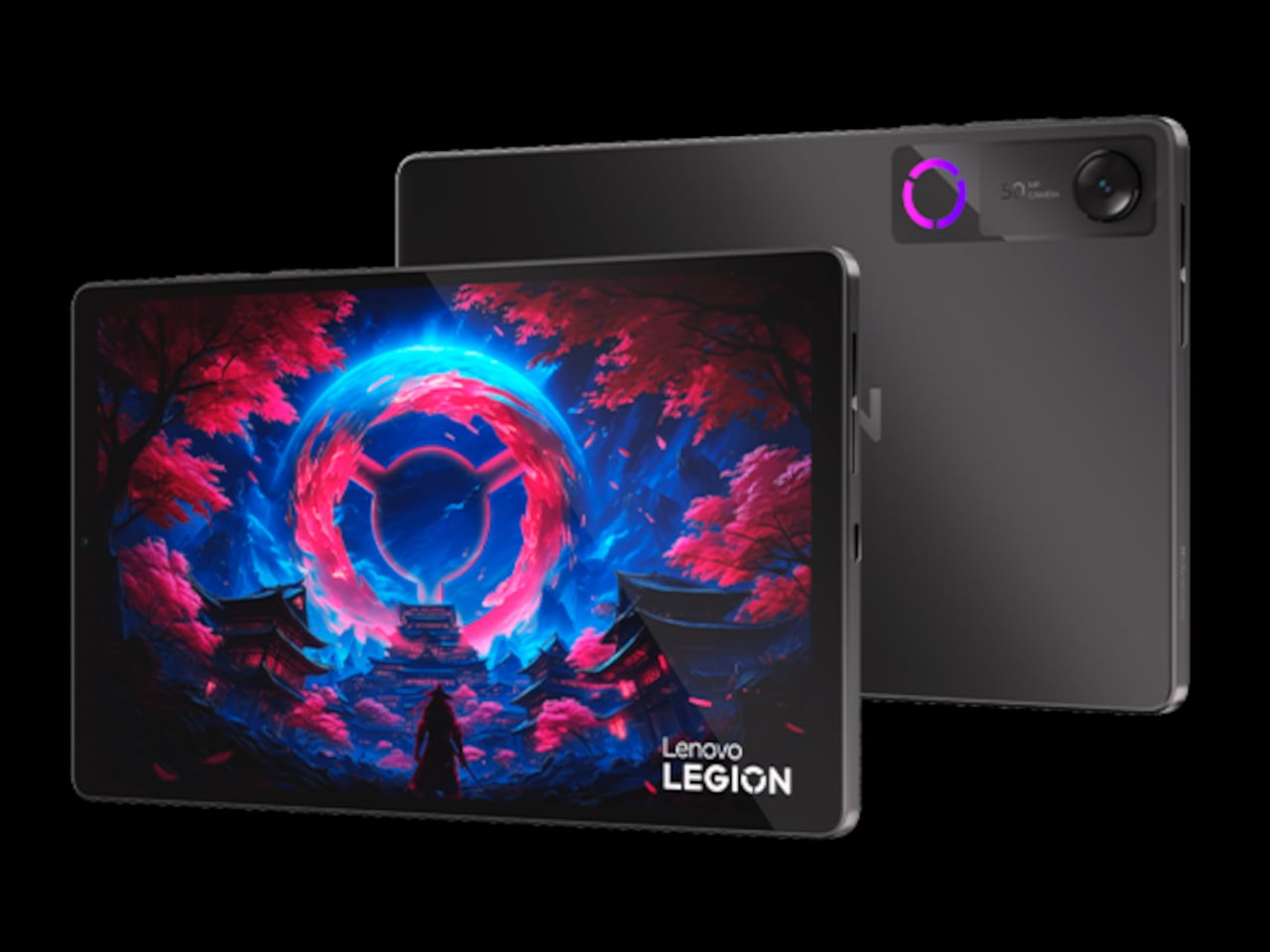
At $849.99 starting, the Legion Tab Gen 5 is anything but an impulse buy for the base 12 GB RAM and 256 GB storage configuration. That’s a $300 jump over its predecessor, a hike partly blamed on the rising cost of memory, perhaps an indicator of things to come. There’s also no word yet on the accessories designed for its Chinese counterpart, which would probably help increase this pricey gaming tablet’s appeal.

The post Lenovo’s 8.8-Inch Gaming Tablet Packs a 9,000 mAh Battery for $850 first appeared on Yanko Design.


The Mechanical Keyboard Grew Up – And It’s As Smart As Your Laptop

Fifty years of keyboard design, and the basic contract never changed: switches under keycaps, keycaps under fingers, fingers making typos. The mechanical keyboard revival of the 2010s gave us better switches, heavier brass plates, and an entire hobbyist economy built around sound profiles and spring weights, but the object itself remained stubbornly analog in its ambitions. What’s shifted in 2025 and 2026 is the ambition. Boutique builders and hardware engineers are converging on a new idea: the keyboard as a control surface, a designed object with its own interface, its own visual language, its own intelligence. MelGeek, a Beijing-based custom keyboard brand with a decade of crowdfunded hardware behind it, just made that idea concrete with the Centauri80.

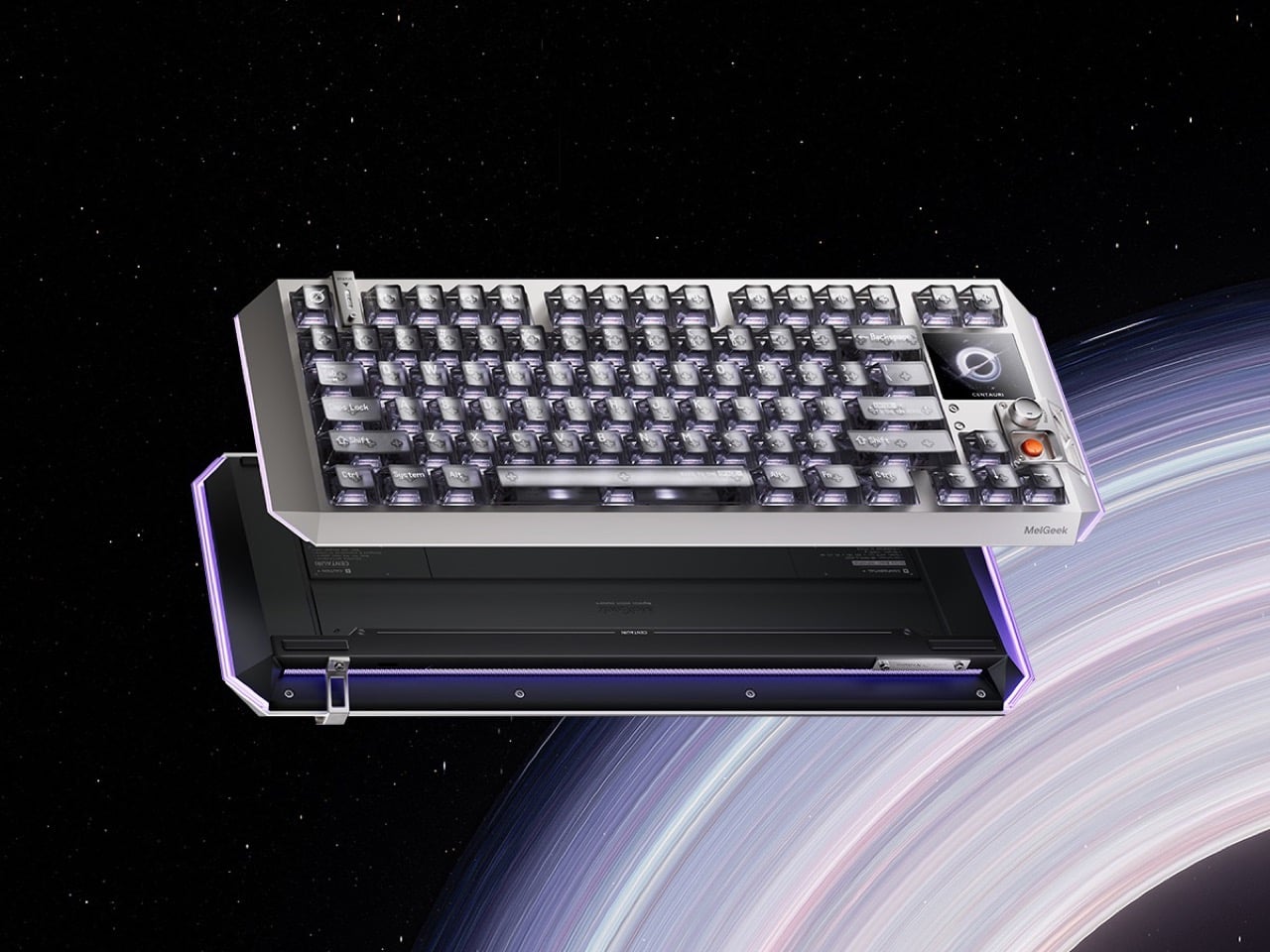
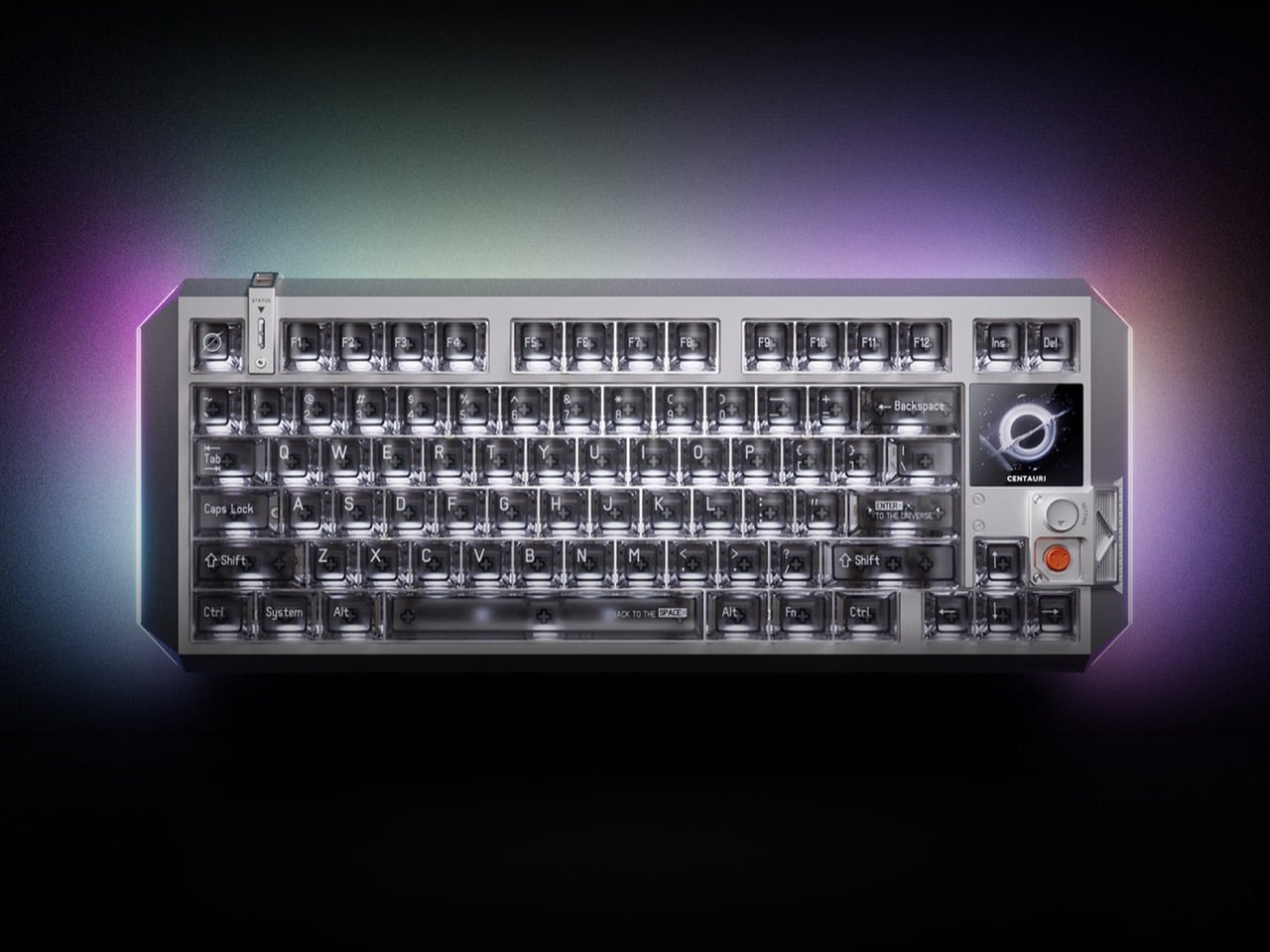
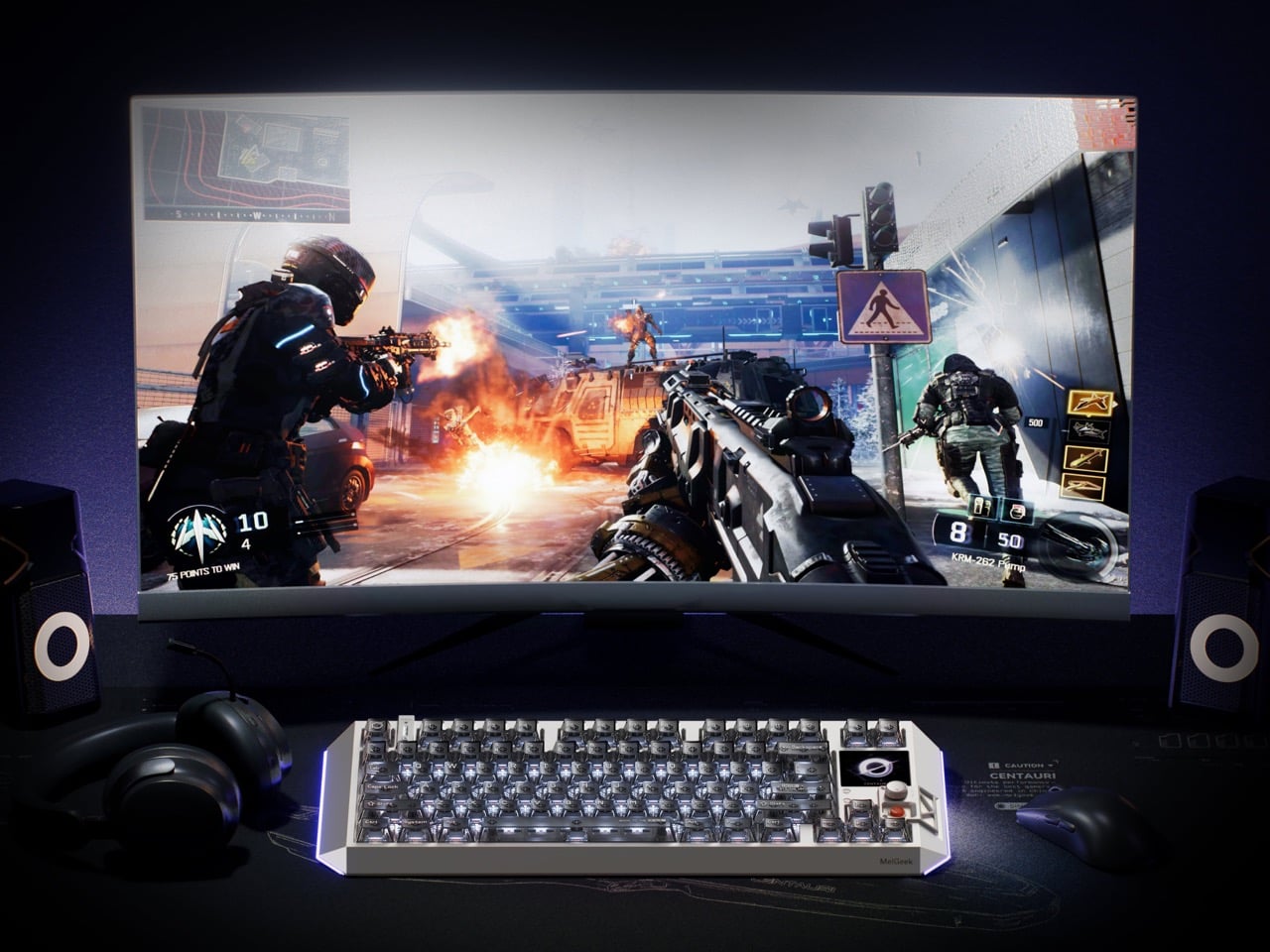
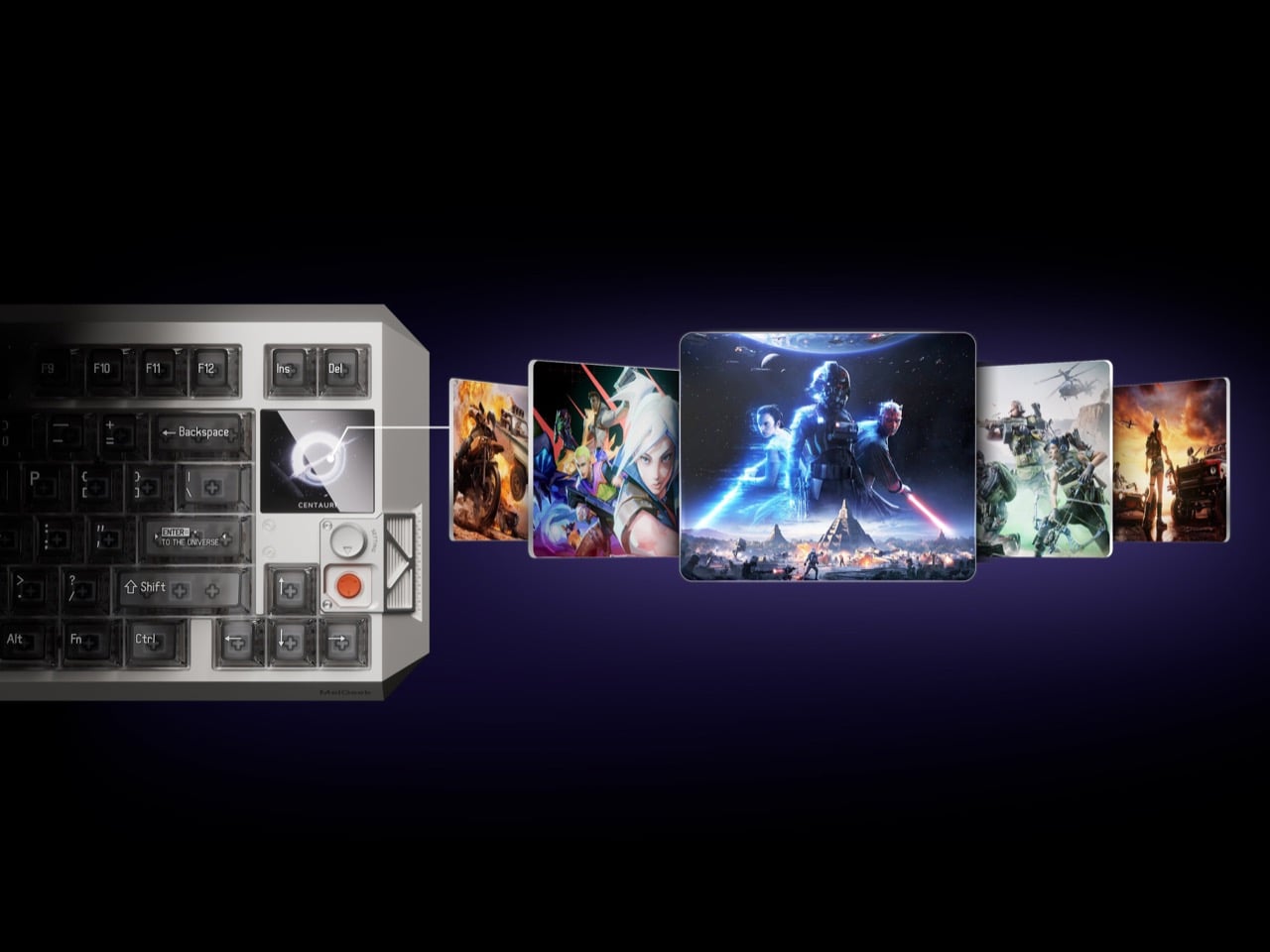
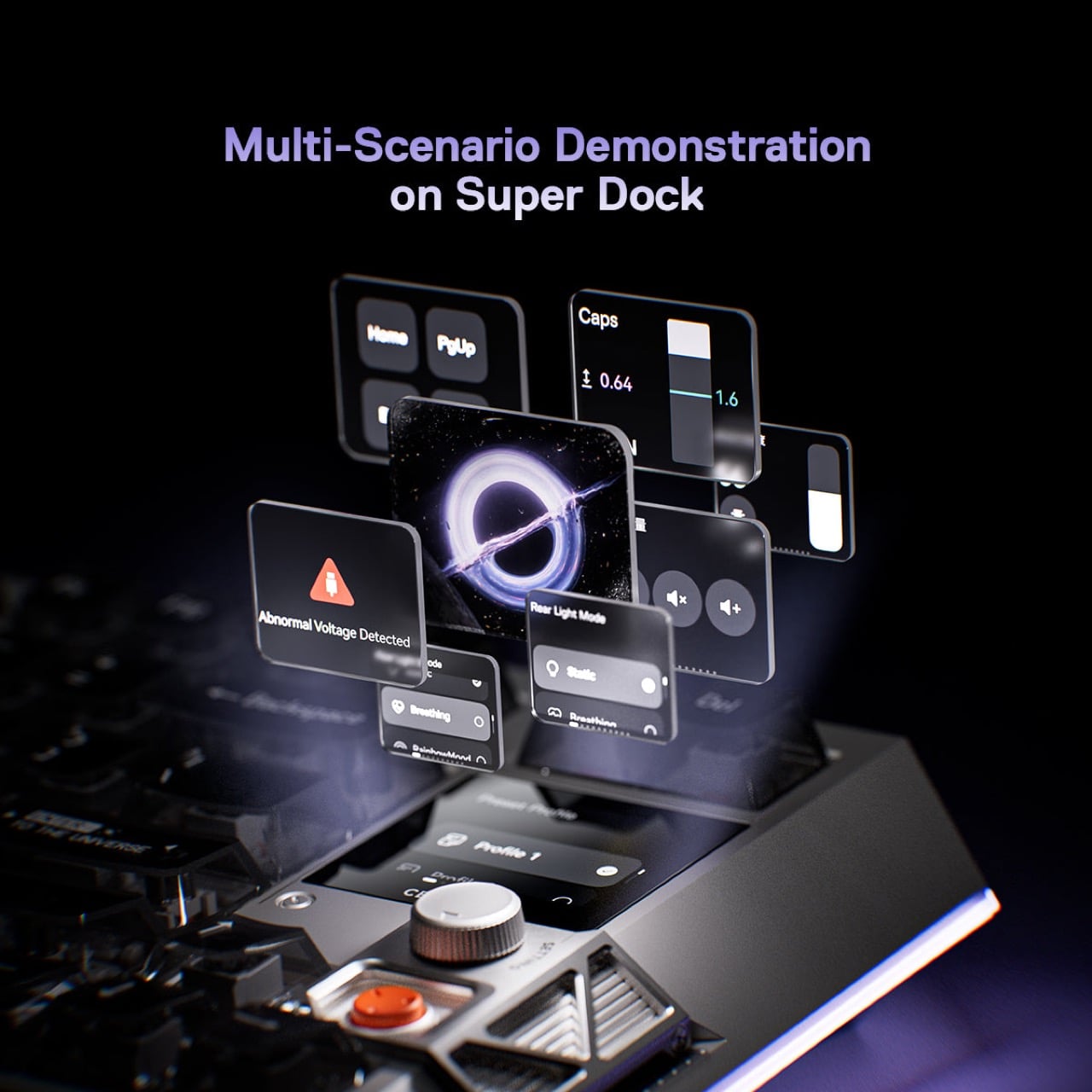
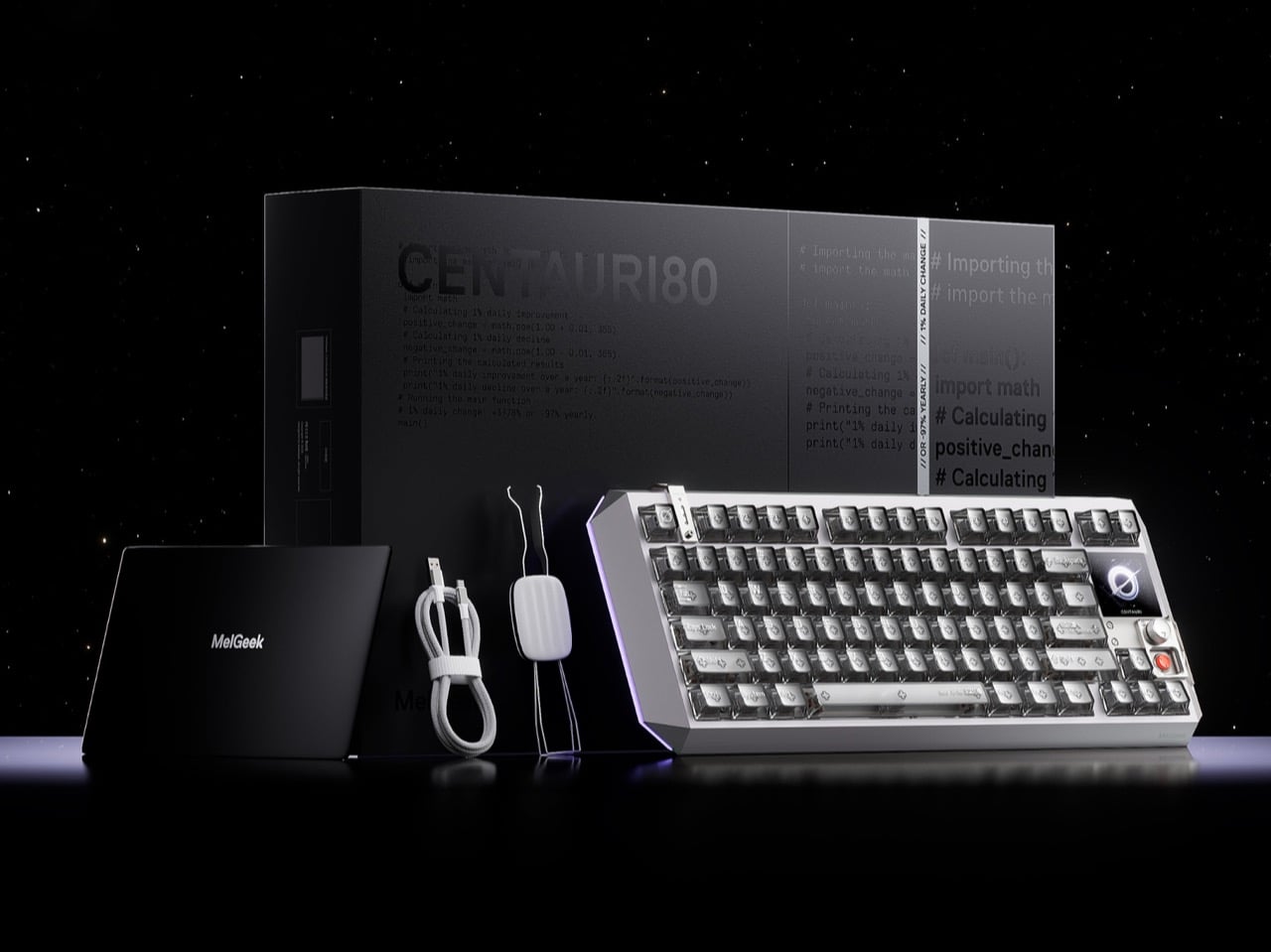
The Centauri80 is an 80% Hall Effect keyboard with a 1.78-inch OLED touchscreen embedded directly into the board, running at 325 PPI, which is the same pixel density as an Apple Watch face. A physical rotary encoder called the Super Dock sits beside it, letting you swap live wallpapers, toggle macros, and dial in lighting without alt-tabbing out of whatever you’re working in. Under the aluminum unibody, a distributed architecture of six microcontroller chips drives TTC Flip King magnetic switches to a 0.125ms latency at an 8000Hz polling rate. The whole thing retails at $299 from MelGeek’s own store, which puts it in a genuinely interesting position against the Wooting 60HE and the rest of the Hall Effect field.

Designer: MelGeek

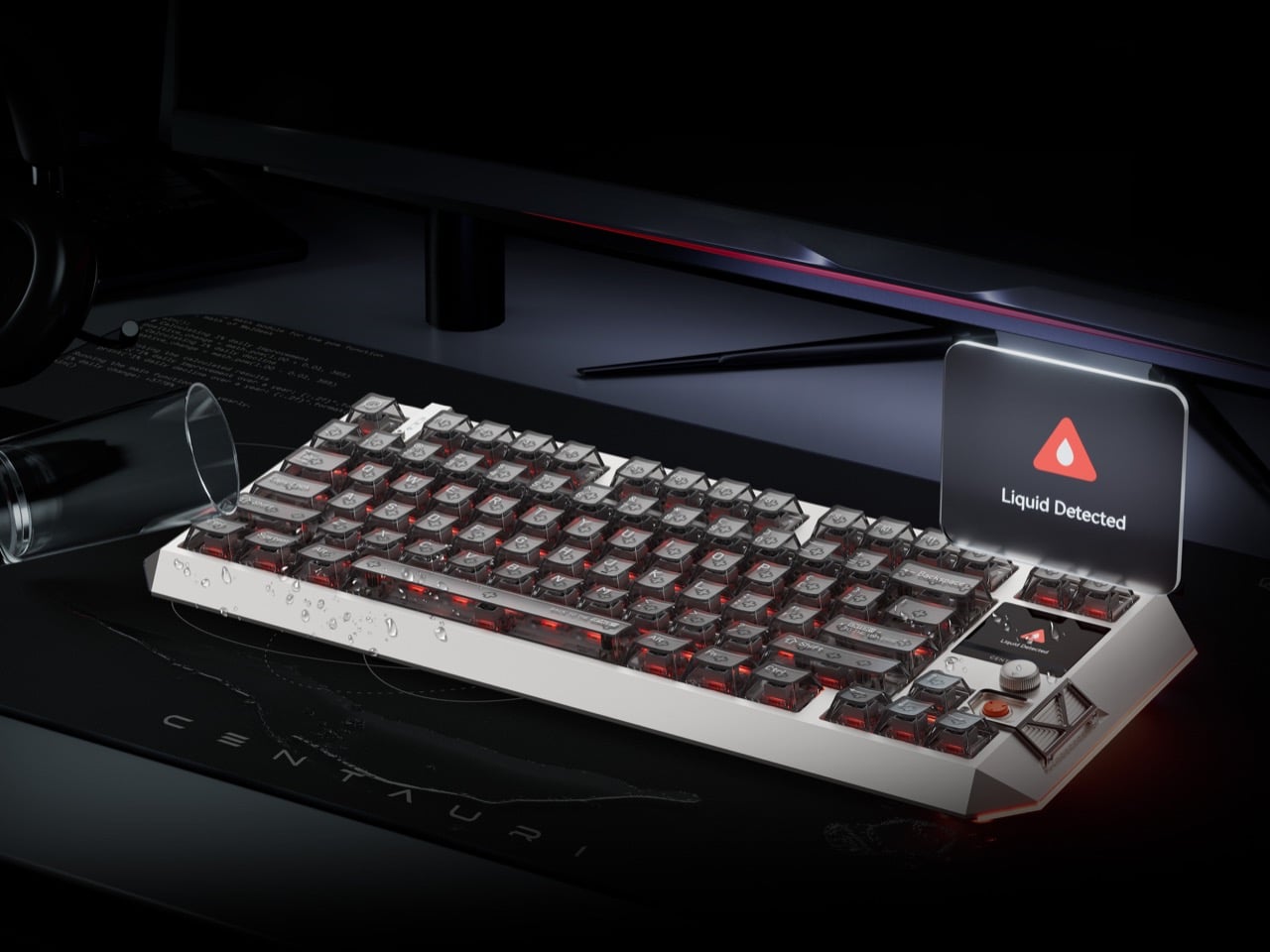
MelGeek opted for a suspended aluminum alloy unibody, which means the internal structure floats within the outer frame rather than bolting directly to it, reducing vibration transfer and keeping the sound profile controlled and intentional. The five-layer gasket-mounted acoustic structure underneath reinforces that choice: every keystroke travels through dampening foam, a silicone layer, and a carefully tuned plate before it reaches your ears as that deep, focused thud that keyboard people spend years and hundreds of dollars chasing. The design language draws openly from cyberpunk aesthetics, with MelGeek describing the Centauri80 internally as “a reimagined starship,” which sounds like marketing until you see the raking lines and deconstructed geometry and realize they actually earn that description. Transparent keycaps ship as default, showing the per-key RGB illumination through the caps themselves rather than just around them, and the three-sided 16 million color lighting system wraps the board in a glow that reads more like a designed accent than a gaming peripheral throwing up on itself.

Traditional mechanical switches use metal contacts: two pieces of metal touch, the circuit closes, the keystroke registers. The problem is that metal contacts wear down, develop inconsistency over time, and can only register a keypress at one fixed point in the key’s travel. Hall Effect switches replace those metal contacts with magnets and sensors, reading the magnet’s position continuously as the key moves, which means the board can register a keypress at any point in the travel down to 0.1mm. That’s what rapid trigger means in practice: the keyboard resets and re-registers with every tiny movement rather than waiting for the key to physically return to a set reset point. For competitive gaming, where re-pressing a movement key a fraction of a second faster translates to a measurable advantage, this is the difference between winning and watching a killcam. MelGeek’s third-generation magnetic switch system adds a distributed architecture of one master chip and five processing chips, delivering what the company claims is 150% faster response than its previous generation, with an EMI shield engineered to cut cross-key interference by 60%.

Embedded into the upper right corner of the 80% layout, the 1.78-inch OLED runs at 325 PPI and 60Hz, handled entirely through the Super Dock rotary encoder beside it. Rotate to cycle through settings pages, press to confirm, keep typing. Live wallpapers, macro profiles, per-key lighting configurations, polling rate adjustments, all accessible on the keyboard itself without opening MelGeek’s Hive software. For someone running multiple macro profiles across different applications, having that switching surface physically on the board rather than buried in a system tray is a real quality-of-life improvement. For someone who sets their keyboard up once and forgets about it, the screen will display a wallpaper and nothing else, which is still a spectacular piece of hardware to stare at while pretending to work.

The Wooting 60HE, which more or less popularized Hall Effect keyboards for a mainstream gaming audience, sits at around $175 and offers rapid trigger without any display hardware. The Centauri80’s $299 asks for a $124 premium, and what you’re buying with that gap is the OLED screen, the rotary encoder, the unibody aluminum chassis, and the aesthetic ambition. The keyboard sits alongside the Wooting the way a beautifully machined mechanical watch sits alongside a Casio: both tell time accurately, one of them is also a statement about what objects are allowed to be. MelGeek has spent a decade building its reputation through crowdfunded custom boards and a community of gamers, coders, and creators who treat keyboards the way audiophiles treat headphones, and the Centauri80 is the clearest articulation yet of what that philosophy looks like at flagship scale.

The post The Mechanical Keyboard Grew Up – And It’s As Smart As Your Laptop first appeared on Yanko Design.