What Makes a Watch Design Timeless Over 70 Years

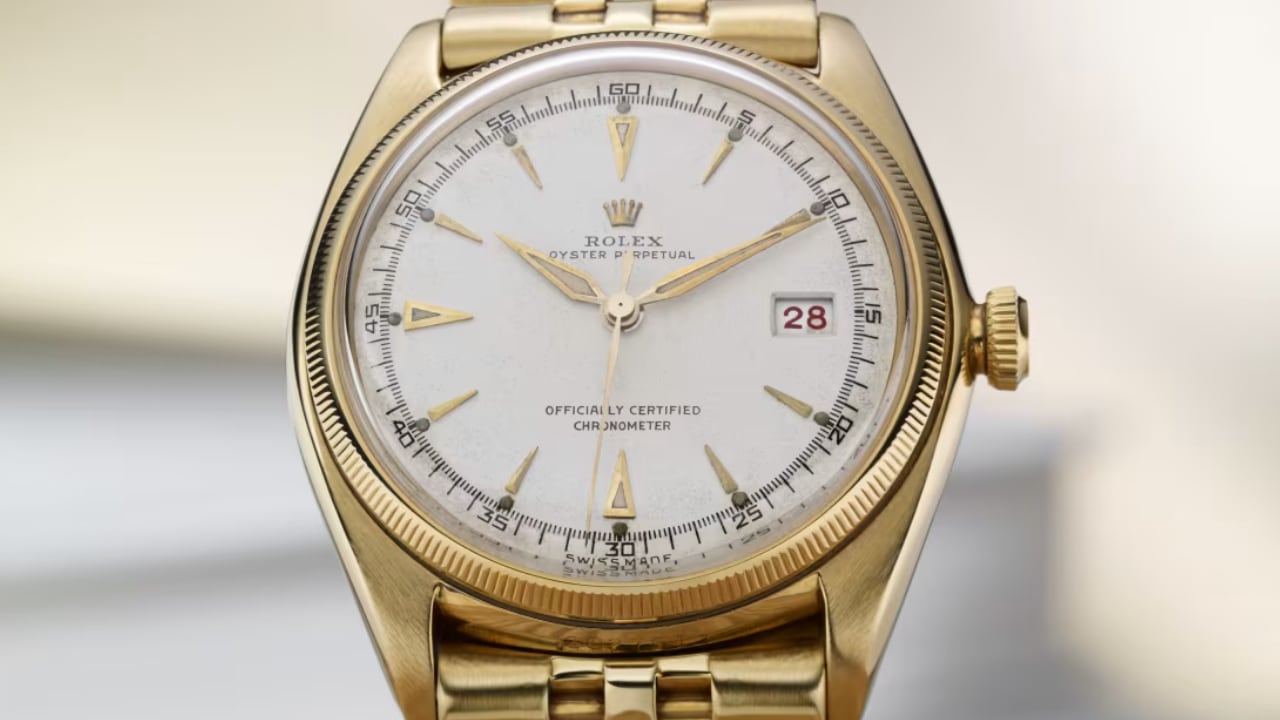
Rolex: first Datejust 1945

Wristwatches have gone through many changes over the past 70 years, but some designs have stayed popular through it all. What’s the secret to a watch that never goes out of style? It’s a blend of simplicity, versatility, quality craftsmanship, innovation, and a nod to history. Let’s dive into how brands like Rolex, Omega, Audemars Piguet, Casio, and Swatch have kept their designs timeless.

1950s: The Golden Age of Elegance

The 1950s were all about elegance. After the war, people craved refined accessories. Watches from this era were clean and simple. The Rolex Datejust, introduced in 1945, became notable in the 1950s with its straightforward dial and comfortable Jubilee bracelet. Its 36mm case size was just right—not too big, not too small.
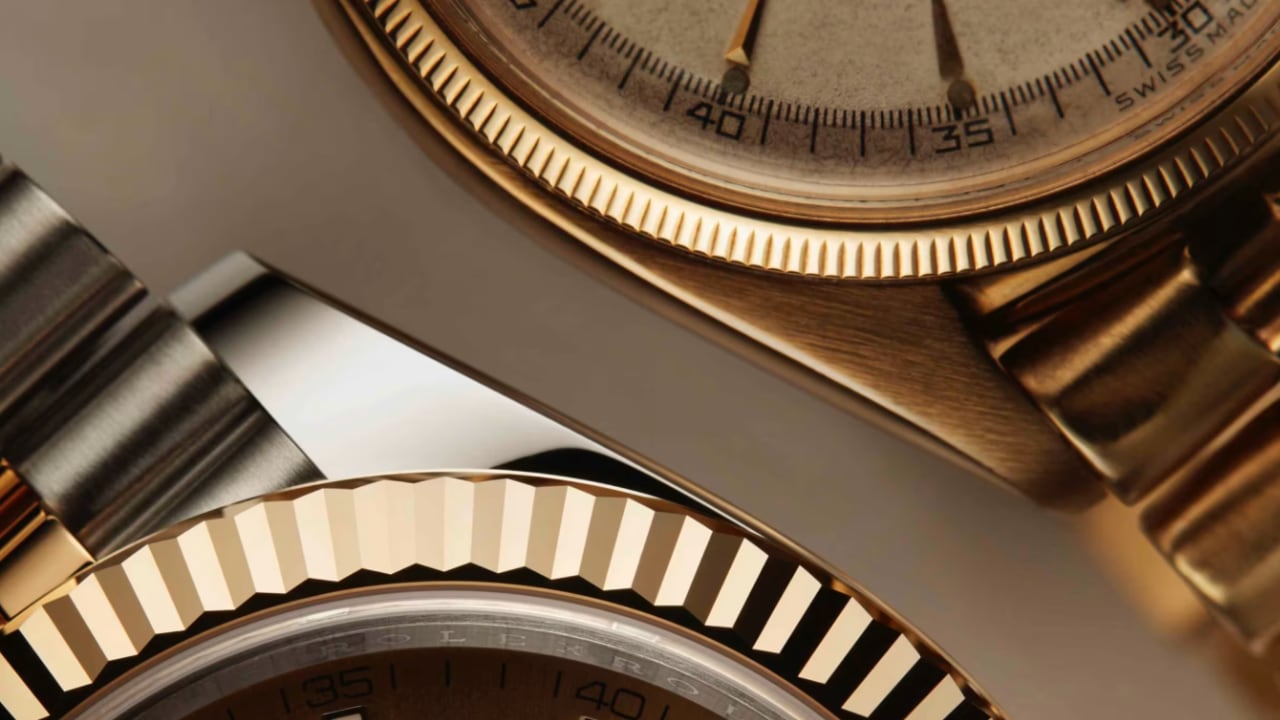
Rolex: Datejust

Introduced in 1948, the Omega Seamaster quickly rose to prominence and became a favorite among watch enthusiasts and casual wearers alike. Its design, balancing robustness and elegance, ensured its suitability for various occasions. Whether for a casual outing or a formal event, the Seamaster proved to be a versatile accessory. Its case was crafted from durable stainless steel, enhancing the watch’s practicality for everyday wear. Additionally, the watch was equipped with waterproof features, emphasizing Omega’s commitment to functionality without compromising design. Its sleek and refined look made it both practical and stylish.

Another impressive timepiece from this era is the Patek Philippe Calatrava. This watch stands out because of its minimalist design, characterized by a clean and uncluttered dial with simple hour markers. Its slim case enhances its refined and subtle aesthetic. The craftsmanship that goes into this piece is top-notch, with every detail meticulously executed. The Calatrava, with its understated elegance, has set a high bar for future designs in the watchmaking industry.

1960s: The Rise of Versatility

The 1960s marked an era of change and acceleration in lifestyle, necessitating timepieces that could keep up with the pace. The Rolex Submariner emerged as a symbol of both adventure and style. Its easy-to-read dial, rotating bezel, and superior water resistance make it an attractive timepiece for adventurers. It was designed to perform optimally underwater and also held its own in formal settings, making it a versatile accessory.

This era also saw the rise of the Omega Speedmaster, famously known as the “Moonwatch,” after it was worn during the Apollo moon landings. The Omega Speedmaster was chosen for its functionality and precision. Its tachymeter bezel allowed for the accurate measurement of speed, a feature integral for both astronauts and car enthusiasts. Its chronograph functions made it a perfect blend of style and functionality.
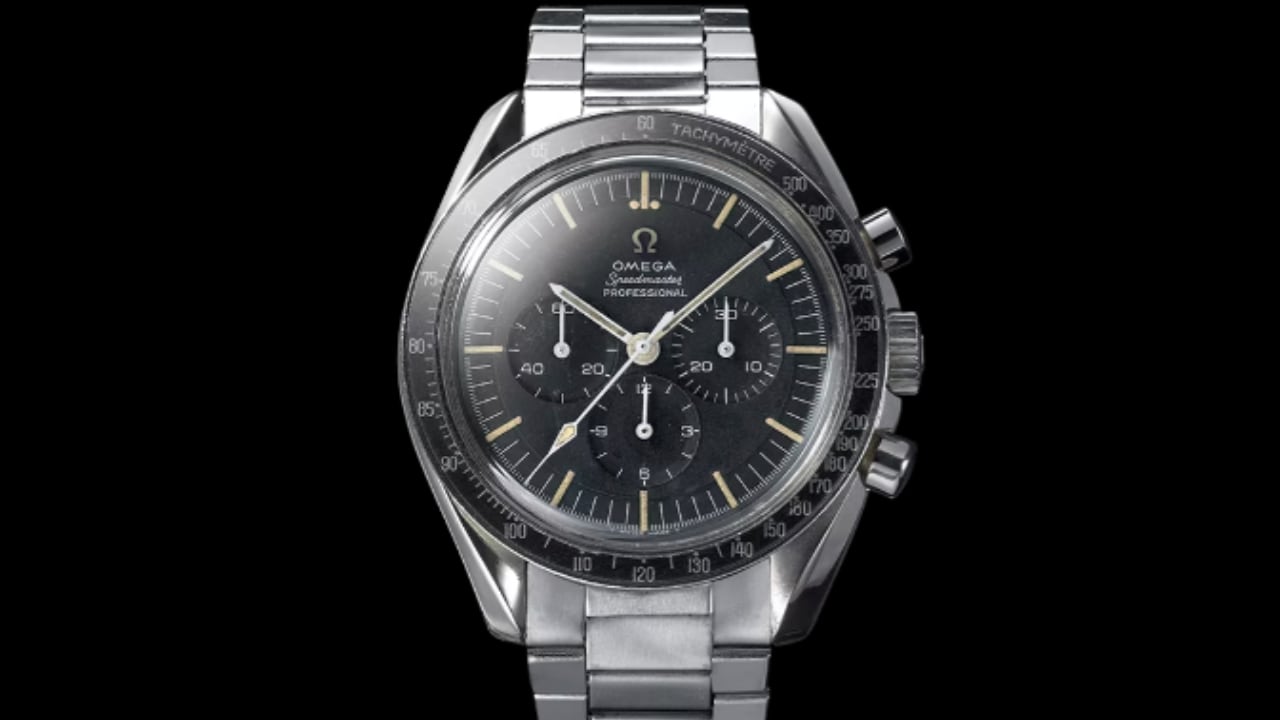
OMEGA Speedmaster Moonwatch, 1965

The Rolex Daytona, first introduced in 1963, became synonymous with auto racing. Named after the famous Daytona International Speedway, the watch was designed to meet the needs of professional race car drivers. The Daytona’s chronograph function, coupled with a tachymeter bezel, allowed drivers to measure average speeds up to 400 kilometers or miles per hour. The watch featured a distinctive dial layout with three sub-dials and was initially available in both stainless steel and gold. Its robust design and high-performance movement made it a favorite among motorsport enthusiasts and collectors alike.
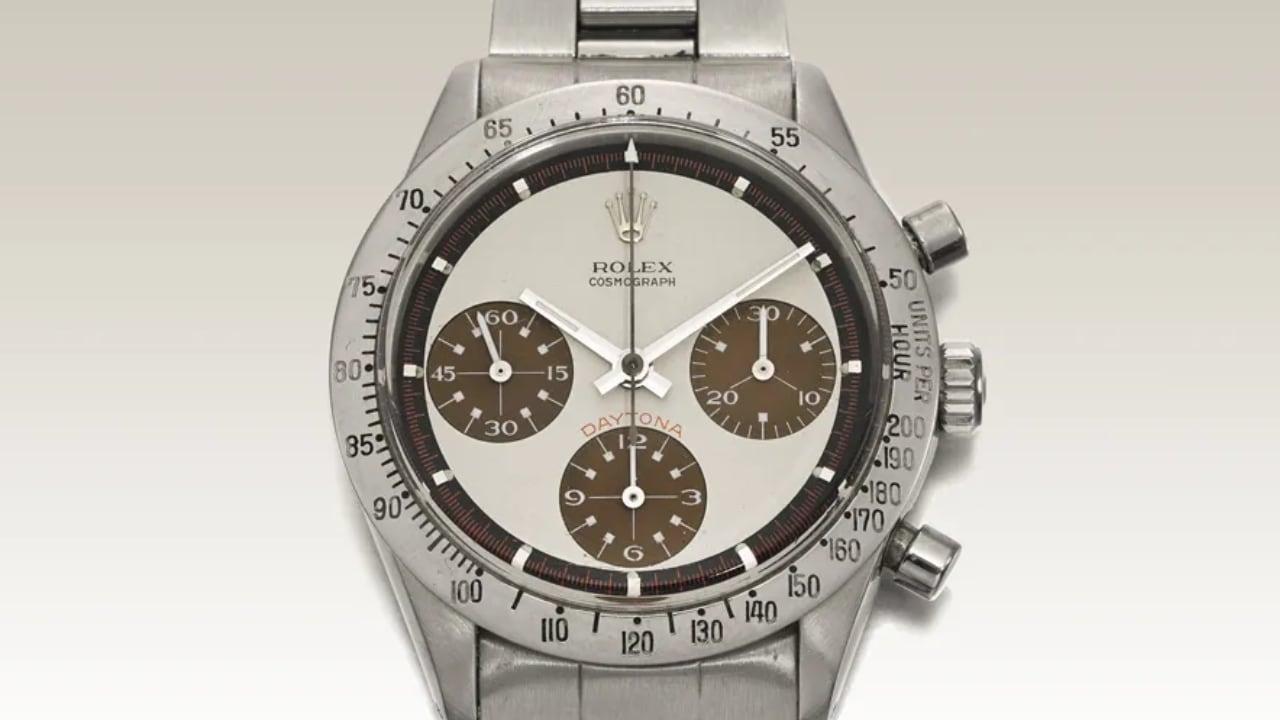
Paul Newman Daytona Ref. 6239
Photo: Courtesy Sotheby’s

Introduced in 1963, the Heuer Carrera appealed to race car drivers and professionals alike. The watch stood out for its chronograph function and bold, easy-to-read dial. These attributes allowed users to keep accurate time while adding a fashionable touch to their ensemble. The success of the Heuer Carrera underscored the idea that form and function can coexist in a well-designed timepiece.

1970s: Breaking the Mold
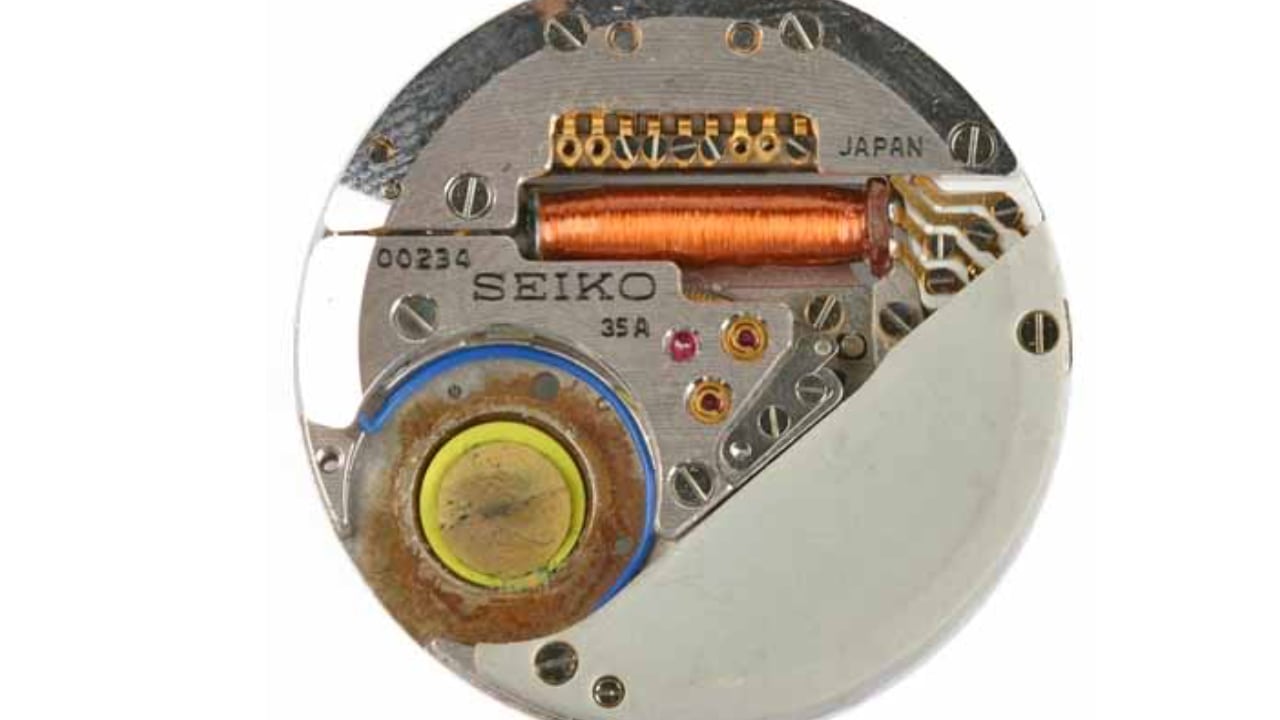
The 1970s was a transformative decade that shattered pre-existing norms. The quartz revolution introduced cutting-edge technology into watchmaking, leading to more audacious designs. The Seiko Astron, the world’s first quartz watch, offered remarkable accuracy and affordability, setting a new industry standard for precision.
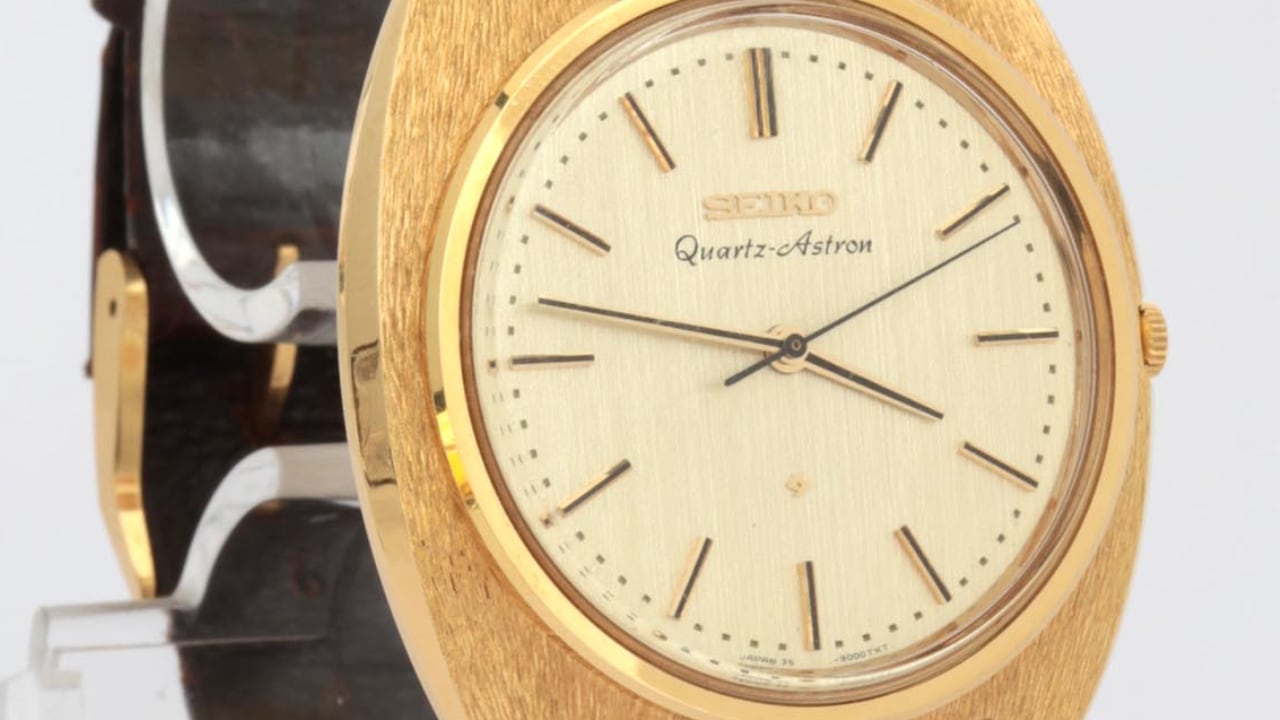
Seiko Quartz-Astron 35SQ

During the same period, the Audemars Piguet Royal Oak emerged in 1972, shaking up conventional luxury watch design with its distinct octagonal bezel and integrated bracelet. Designed by Gérald Genta, the Royal Oak’s stainless steel case and bold design were revolutionary at a time when luxury watches were typically crafted from precious metals. The Royal Oak’s bold design and unconventional material choice set a new standard in watchmaking.
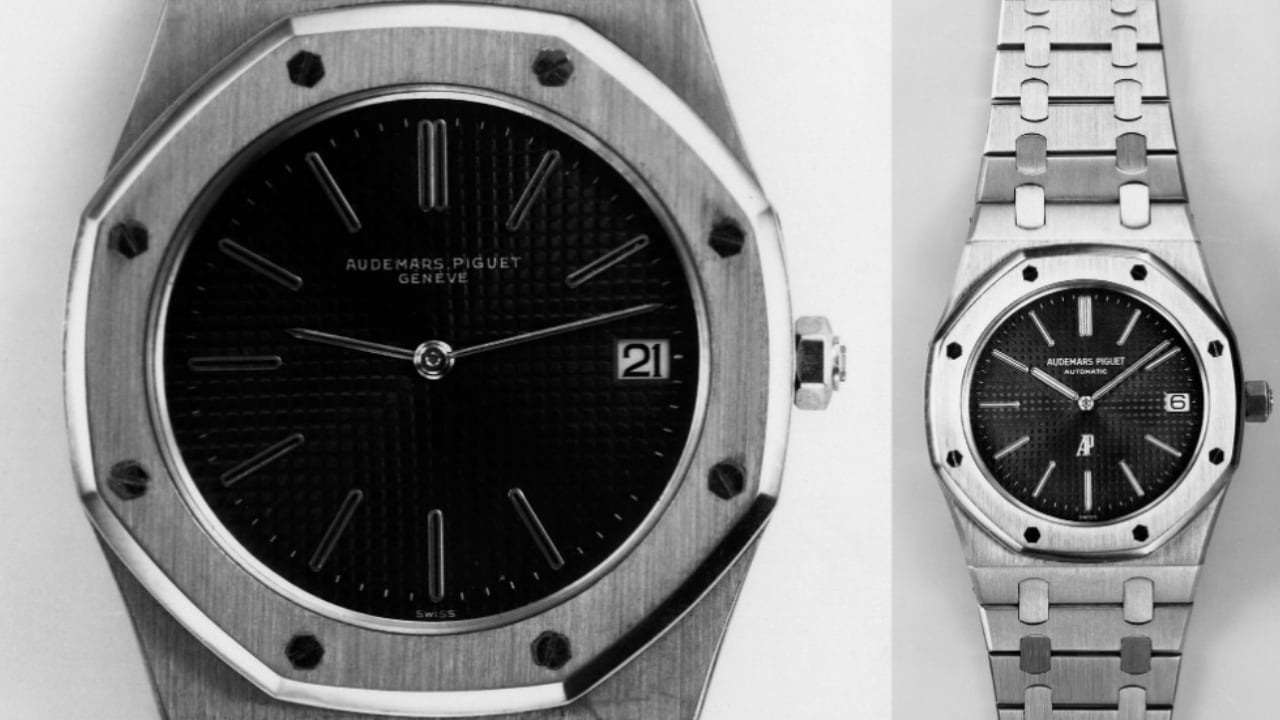
Audemars Piguet 1972 Royal Oak 5402ST

Rolex introduced the Explorer II in 1971. With its 24-hour bezel and robust construction, it was also specifically crafted for adventurers. The Explorer II catered to the growing trend of sports and adventure watches, blending functionality with rugged good looks.

1980s: Digital and Classic Converge

The 1980s saw a blend of digital sophistication and traditional aesthetics in watch design. Casio introduced the G-Shock line, bringing tough, functional watches that appealed to active people. The G-Shock’s shock resistance and multifunctional digital displays set a new standard in watch design. These watches were designed to withstand extreme conditions, making them a favorite among athletes and outdoor enthusiasts.

At the same time, classic designs like the Patek Philippe Calatrava remained popular for their simple, elegant looks. The Calatrava’s timeless design continued to attract those who appreciated traditional watchmaking.

TAG Heuer made a splash with the Formula 1, introduced in 1986. This watch combined sporty looks with quartz technology, appealing to a younger audience and cementing TAG Heuer’s reputation in motorsports.

1990s: Return to Heritage

The 1990s marked a return to heritage within horology. Watchmakers began reissuing classic models with contemporary updates, blending the old with the new. One such model was the Omega Speedmaster Professional, linked to the Apollo moon landings. Its practical and functional design ensured its continued relevance.
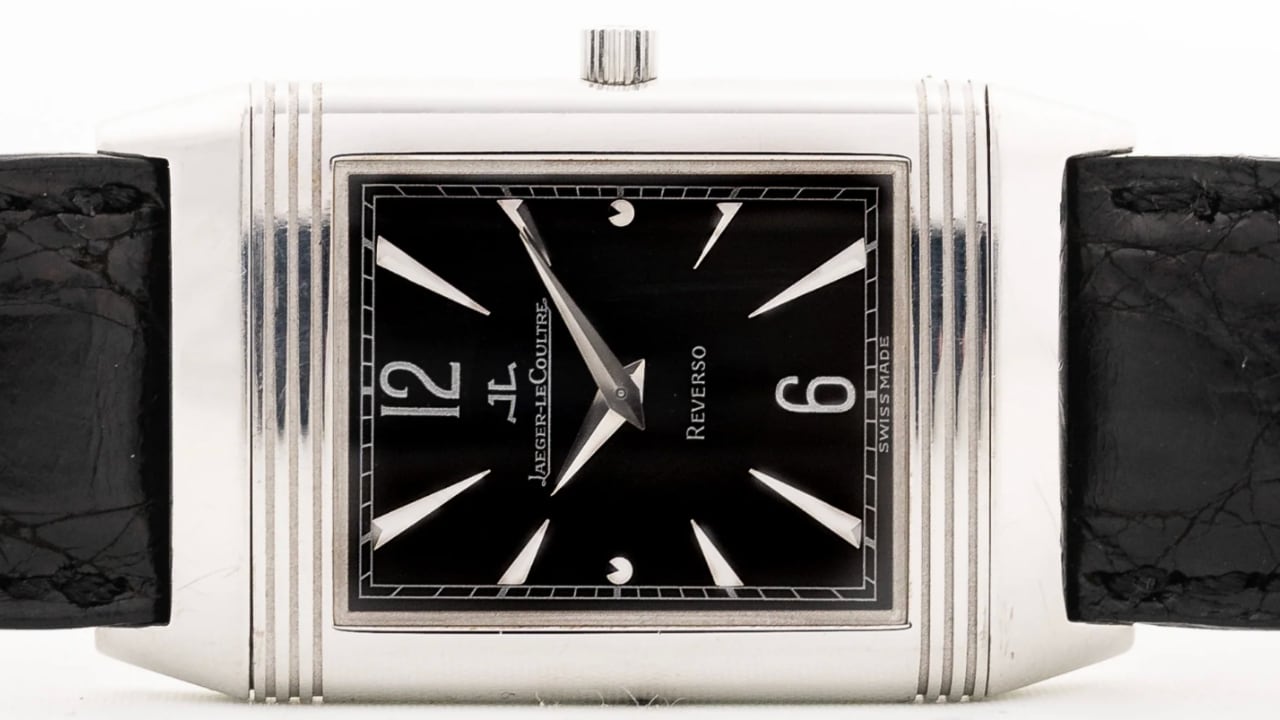
Jaeger LeCoultre Reverso 18k 1990s

The 1990s also saw the resurgence of the Jaeger-LeCoultre Reverso, a model originally designed in the 1930s. Known for its unique reversible case, the Reverso became a symbol of timeless elegance and innovative design. The reissued models combined vintage charm with modern precision.

Another model that gained iconic status during this period was the Rolex GMT-Master II. Introduced in 1983, it came into its own in the ’90s. Its dual-time-zone function was a boon for frequent travelers. Moreover, its robust design meant it could withstand the rigors of international travel, making it a trusted travel companion.

The Rolex Daytona, first introduced in 1963, also saw renewed popularity in the 1990s. Its association with auto racing and robust chronograph function made it a standout model. Its design, featuring a tachymeter bezel and high-performance movement, appealed to both collectors and motorsport enthusiasts.

2000s: Embracing Boldness

In the early 21st century, the trend in watches shifted towards larger models. Brands like Panerai and Hublot embraced large cases for individuals who wanted their timepieces to stand out. Panerai’s designs, rooted in military diving, featured oversized dials and bold numerals, making them highly legible and stylish.

In 2005, Hublot launched its Big Bang series, marked by its large cases and innovative use of materials like rubber and ceramic. The Big Bang series offered a refreshing change from traditional watch designs, appealing to watch enthusiasts seeking something different.

The Audemars Piguet Royal Oak Offshore first launched in 1993 but gained prominence in the 2000s. It expanded the original Royal Oak design with larger cases and more rugged features. This bold approach to watch design appealed to a new generation of watch lovers seeking a statement piece.

2010s: Balance and Innovation

The 2010s marked a shift towards balanced designs. Watch sizes typically ranged from 38mm to 42mm, catering to a broader audience. The Swatch Sistem51 won over watch enthusiasts with its unique approach to automatic watch production, featuring a construction of just 51 parts and a fully automated manufacturing process.

In 2012, the Tudor Black Bay reappeared, drawing on elements from Tudor’s iconic dive watches of the 1950s and 1960s. The Black Bay blended vintage design cues with modern materials and technology, resulting in a timepiece recognized as a classic.

In 2018, the Omega Seamaster Diver 300M was reintroduced with updates like ceramic materials and a modernized movement while preserving the iconic design elements.

2020s: Comfort, Versatility, and Sustainability

Today, the focus is on comfort, versatility, and sustainability. Watchmakers are incorporating recycled materials and adopting eco-friendly processes without compromising design. The Swatch x Omega MoonSwatch collaboration blends the iconic look of the Omega Speedmaster with Swatch’s innovative materials.

The Oris Aquis Date Upcycle features a dial made from recycled ocean plastic, emphasizing sustainability and giving each watch a unique look.

The Rolex Oyster Perpetual, refreshed in 2020 with vibrant dial colors, combines classic design with modern aesthetics. Its simplicity and robustness, enhanced with new color options, make it versatile and stylish.
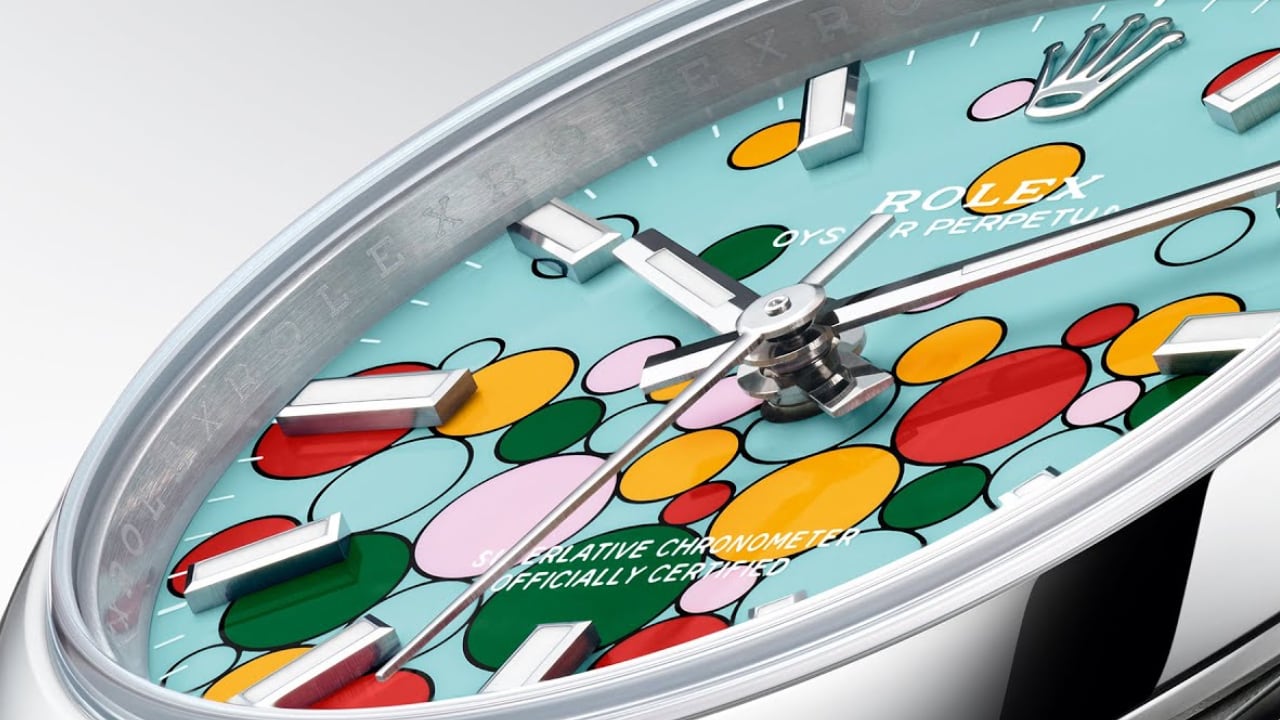
ROLEX: TURQUOISE BLUE DIAL – Named ‘Celebration’

Conclusion

What makes a watch timeless? It’s a blend of simplicity, versatility, quality craftsmanship, innovation, and a touch of history. Watches like the Rolex Datejust, Omega Speedmaster, and Swatch Sistem51 show how these elements combine to withstand time. Versatility is vital, as a timeless watch should look good in both a boardroom and on a beach. The Rolex Submariner exemplifies this with its dual role as both a tool watch and a dress watch.

Quality craftsmanship is fundamental, with the use of premium materials and meticulous attention to detail elevating a watch. The Patek Philippe Calatrava and Audemars Piguet Royal Oak demonstrate that quality renders a watch truly timeless. Innovation also keeps the watch industry lively, from the quartz revolution to the integration of new materials and digital features. Staying ahead in technology without compromising the core design is crucial.

A connection to heritage endows a watch with historical significance, with vintage reissues and designs influenced by a brand’s archives reminding us of the traditions that have shaped watchmaking. These elements have characterized the most iconic watches for the past 70 years. While trends may change, these principles ensure a watch’s appeal to generations. Whether it’s a vintage reissue, a modern classic, or a bold new design, a timeless watch stands the test of time and trends.
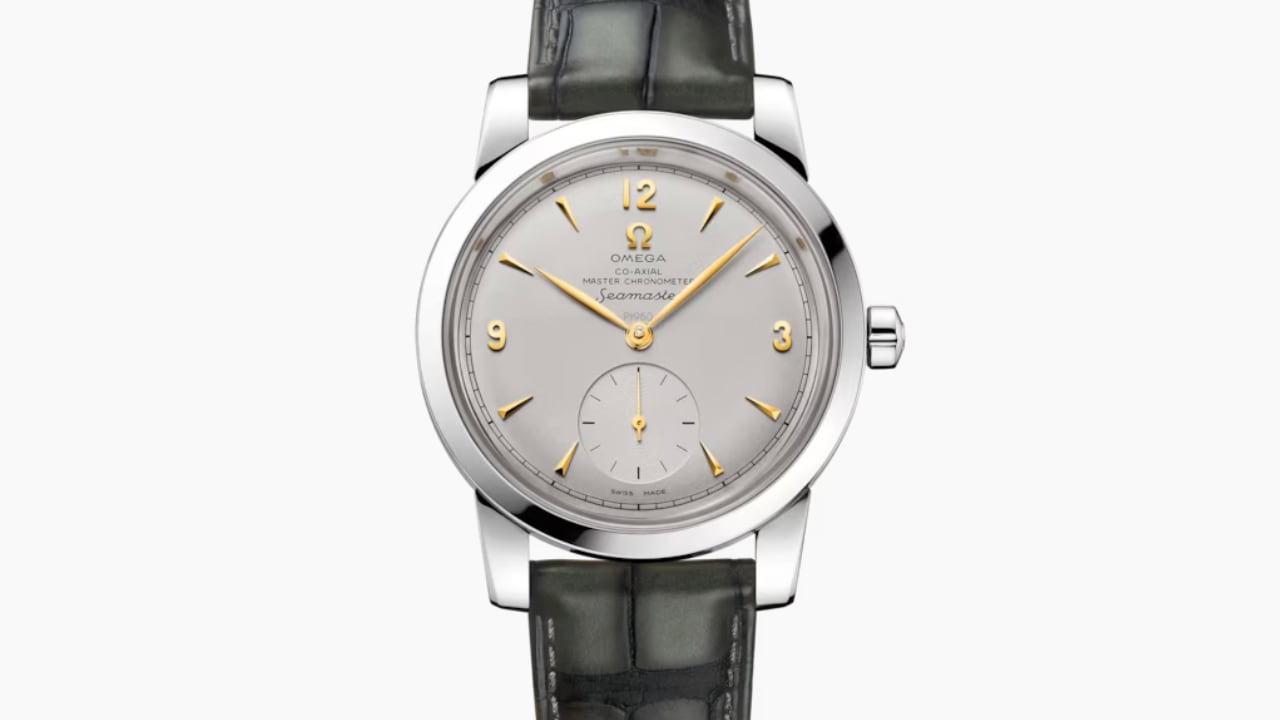
OMEGA: Seamaster models of 1948

Thank you for joining me on this journey through the history of timeless watch designs. I truly appreciate your continued support and enthusiasm for Wristwatch Wednesday. If you’re new to this column, welcome!

The post What Makes a Watch Design Timeless Over 70 Years first appeared on Yanko Design.

Google announced an update for Android Auto with new apps and casting support

Google just announced at an update coming to Android for Cars that should make paying attention to the road just a tiny bit harder. The automobile-based OS is getting new apps, screen casting and more, which were revealed at Google I/O 2024.

First up, select car models are getting a suite of new entertainment apps, like Max and Peacock. The apps are coming to car models with Google built-in that support video, including Polestar, Volvo and Renault. More entertainment options are never a bad thing.

To that end, Angry Birds is coming to cars with Google built-in, for those who want another game to fool around with. The once-iconic bird-flinging simulator is likely the best known gaming IP on the platform, as Android Auto’s other games include stuff like Pin the UFO and Zoo Boom. Both Angry Birds and the aforementioned entertainment options are only available when parked.

Cars with Android Automotive OS are getting Google Cast as part of a forthcoming update, which will let users stream content from phones and tablets. Rivian models will be the first to get this particular feature, with more manufacturers to come.

Google’s also rolling out new developer tools to make it easier for folks to create new apps and experiences for Android Auto. There’s even a new program that should make it much easier to convert pre-existing mobile apps into car-ready experiences.

Android Automotive OS is becoming the de facto standard when it comes to car-based operating systems. Google also used the event to announce that there are now over 200 million cars on the road compatible with Android Auto. Recent updates to the platform allow users to instantly check on EV battery levels and take Zoom calls while on the road.

Catch up on all the news from Google I/O 2024 right here!

This article originally appeared on Engadget at https://www.engadget.com/google-announced-an-update-for-android-auto-with-new-apps-and-casting-support-170831358.html?src=rss

Android 15 will make it harder for phone thieves to steal your data

After shirking tradition and devoting its entire Google I/O keynote to showcase how it’s stuffing AI into everything imaginable, the company has reserved day two to catch up on the one-time star of the show, Android. Alongside the arrival of the second Android 15 beta on Wednesday, Google is unveiling previously unannounced security features in its 2024 mobile software, including AI-powered theft detection, Google Play fraud protection and more.

Theft Detection Lock is a new Android 15 feature that will use AI (there it is again) to predict phone thefts and lock things up accordingly. Google says its algorithms can detect motions associated with theft, like those associated with grabbing the phone and bolting, biking or driving away. If an Android 15 handset pinpoints one of these situations, the phone’s screen will quickly lock, making it much harder for the phone snatcher to access your data.

A fallback Remote Lock feature lets you quickly lock your handset if someone manages to take it without triggering Theft Detection Lock. With Remote Lock, you can (you guessed it) remotely lock the phone’s screen from any device with only your phone number and the completion of a “quick security challenge.” This is designed to avoid situations where someone gets their phone taken (or loses it) but doesn’t know their Google account password to access Find My Device.

Along similar lines, Offline Device Lock automatically locks your phone’s screen — requiring authentication to unlock — when it’s off the grid. This is designed to counter thieves who quickly take a stolen device offline before the owner can lock or wipe it remotely.

Meanwhile, an update to factory reset protection will require your credentials to use the phone after a data wipe, reducing the incentives for them to steal it in the first place. In addition, disabling Find My Device or lengthening the phone’s screen timeout will require security authentication, voiding another common tactic phone snatchers use to reset the device before getting locked out.

Similar to a feature Apple rolled out earlier this year, Android 15 will also require extra authentication when trying to change account security settings (changing the PIN, disabling theft protection or accessing Passkeys) from an untrusted location.

Catch up on all the news from Google I/O 2024 right here!

This article originally appeared on Engadget at https://www.engadget.com/android-15-will-make-it-harder-for-phone-thieves-to-steal-your-data-170037992.html?src=rss

Xbox Cloud Gaming finally supports keyboard and mouse inputs on web browsers

Microsoft just released a new update for Xbox Cloud Gaming that finally brings mouse and keyboard support, after teasing the feature for years. The tool is currently in beta release and works with both the Edge and Chrome web browsers. It looks pretty simple to use. Just select a game that supports a mouse and keyboard and have at it.

You can also instantly switch between a mouse/keyboard combination to a standard controller by pressing the Xbox button on the controller or pressing a key on the keyboard. The company says it’ll be rolling out badges later in the month to alert users which games support mouse and keyboard inputs.

For now, there’s support for 26 games. These include blockbusters like ARK Survival Evolved, Halo Infinite and, of course, Fortnite. Smaller games like High on Life and Pentiment can also be controlled via mouse and keyboard. Check the above link for the full list.

Microsoft hasn’t said what took it so long to get this going. The feature was originally presumed to launch back in June of 2022, but we didn’t get a progress update until two months ago. No matter the reason, KBM setups are practically a requirement for first-person shooters and, well, better late than never.

This article originally appeared on Engadget at https://www.engadget.com/xbox-cloud-gaming-finally-supports-keyboard-and-mouse-inputs-on-web-browsers-165215925.html?src=rss

Tamagotchi collectors rejoice: Bandai is finally rereleasing a beloved model from 2004

Another classic Tamagotchi is getting the reboot treatment. Bandai announced this week that it’s bringing back the Tamagotchi Connection to celebrate the 20th anniversary of the toy’s release. Tamagotchi Connection, which first came out in 2004, was a pivotal entry to the virtual pet family, introducing more modern capabilities like infrared pairing so two devices could link up. There were several versions over the course of the subsequent decade, but v3 brought the beloved shell design the Connection family has become known for: the recognizable Tamagotchi egg, but with a faux antenna attached. This is the style Bandai is resurrecting.

Pre-orders are now open in the US for the Tamagotchi Connection in six colors: Bubbles (light blue), Ice Cream (pink), Rainbow Sky, the multicolored Clear Retro, and Blue and Pink Graffiti. They’re $30 each, or you can get the two Graffiti shells as a pair for $58. As usual, some additional, even cuter shells appear to be coming out in Japan. 

While the new Connection revives the v3 design, it looks like the gameplay will combine elements of a few models from the pre-color era rather than just the one, or even add some new touches. Per the materials that have been released so far, the toy will feature more than 50 characters and come with 150 in-game items to collect. Some items will be unlockable by finding passwords. And the devices will, of course, be able to connect to one another.

There are still a lot of questions about what else the new Connection will offer — especially when considering the original v3 was the first internationally released Tamagotchi to connect to a companion website, the now-defunct TamaTown. Bandai hasn’t said anything at this point about launching something similar (though eagle-eyed fans speculate it may be in the cards based on a recent trademark filing), but a girl can dream. The rerelease of Tamagotchi Connection is huge in and of itself, though; fans have been asking for exactly this for years, and now it’s actually happening.

Tamagotchi Connection pictured in six colors: Bubbles (light blue), Ice Cream (pink), Rainbow Sky, the multicolored Clear Retro, and Blue and Pink Graffiti
Bandai
This article originally appeared on Engadget at https://www.engadget.com/tamagotchi-collectors-rejoice-bandai-is-finally-rereleasing-a-beloved-model-from-2004-164645733.html?src=rss

Netflix will stream its first NFL games on Christmas Day

After dipping its toes into live sports with golf and tennis exhibitions, Netflix is taking a major step forward on that front. The company has locked in a deal with the NFL to air a Christmas Day doubleheader, marking the first time that it will broadcast games from the league. Netflix will stream at least one holiday game in 2025 and 2026 as well. These games won't be blacked out in competing teams' home markets.

Reports last week suggested Netflix was in play for Christmas Day NFL games, and that was seemingly why the league postponed the reveal of its 2024 schedule until today (when Netflix is trying to win over advertisers at its upfront presentation). To that end, it's not yet clear which NFL teams will be the first to square off live on Netflix around the world, though we'll find out when the league releases the schedule at 8PM ET.

Of course, Netflix isn't the first streaming service to broadcast NFL games. Prime Video has been showing them for years, while YouTube is the home of NFL Sunday Ticket.

It's not Netflix's first foray into the NFL as a whole, either. Last year, it debuted Quarterback, a hit unscripted series that followed Patrick Mahomes, Kirk Cousins, and Marcus Mariota during the 2022 season. A self-explanatory follow-up show called Receiver will arrive this summer.

Before we get to Christmas Day and Netflix's first NFL games, the company will stream a boxing card featuring Mike Tyson vs. Logan Paul, which is somehow now an official professional fight. The holiday NFL games will also act as something of a warmup for Netflix as the company will start streaming live WWE programming every week in January.

This article originally appeared on Engadget at https://www.engadget.com/netflix-will-stream-its-first-nfl-games-on-christmas-day-163407396.html?src=rss