AYANEO SLIDE Handheld PC design demonstrates another way to play games on the go

Handheld gaming devices are in vogue again, and not just the smartphones we always have in our hands these days. The success of the Nintendo Switch has given rise to a new breed of portable PCs built specifically with gaming in mind, and now even big brands like ASUS and Lenovo are playing in this very niche field. While both the Switch and the Steam Deck have become the poster children for this category of devices, they aren’t the only way to play PC games anywhere and everywhere. Another contender is pushing a new entry into the race, and this one hides a QWERTY keyboard for those times when you need keys rather than buttons to play, communicate, or even work.

Designer: AYANEO
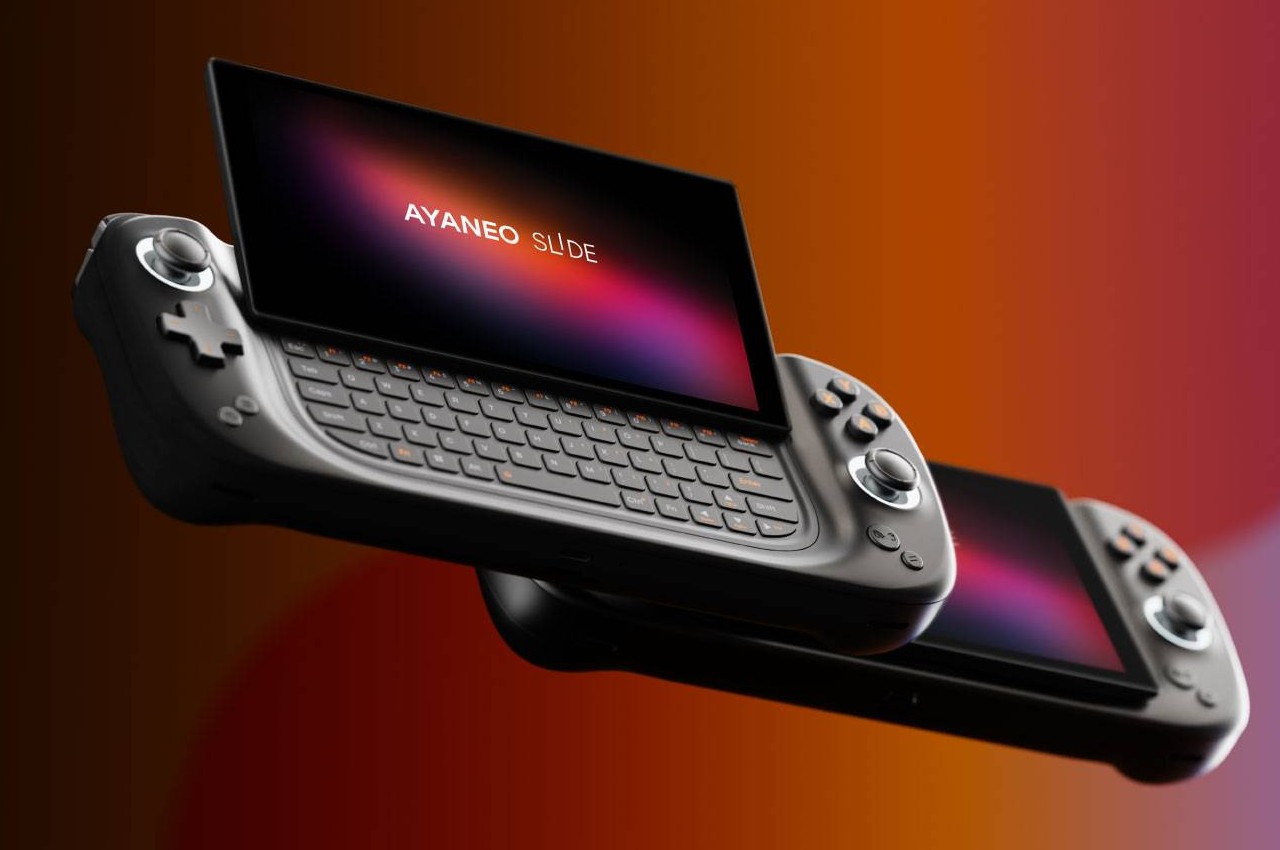
Handheld PCs like the Steam Deck, ASUS ROG Ally, and Lenovo Legion Go are probably PC gamers’ dreams come true. They allow them to play their favorite modern and even retro titles without having to worry about finding a place to set up a laptop. That convenience, however, comes at the price of relying only on controller buttons and joysticks for movement, while being at the mercy of a touchscreen and an on-screen keyboard for everything else. That’s not a problem for something like the Nintendo Switch with games specifically designed for such an input scheme, but for a PC that can potentially play and do anything, it’s severely limiting.
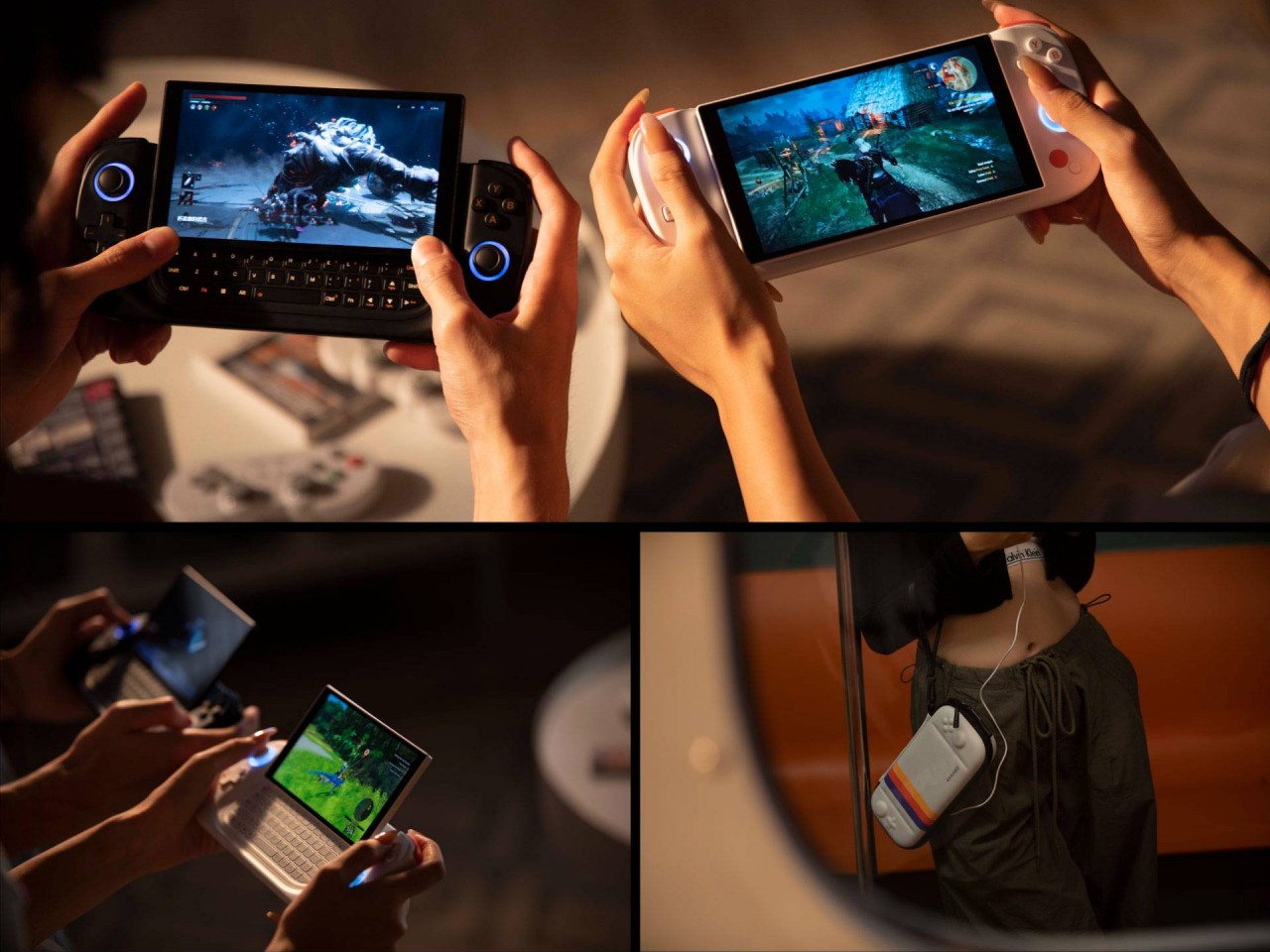
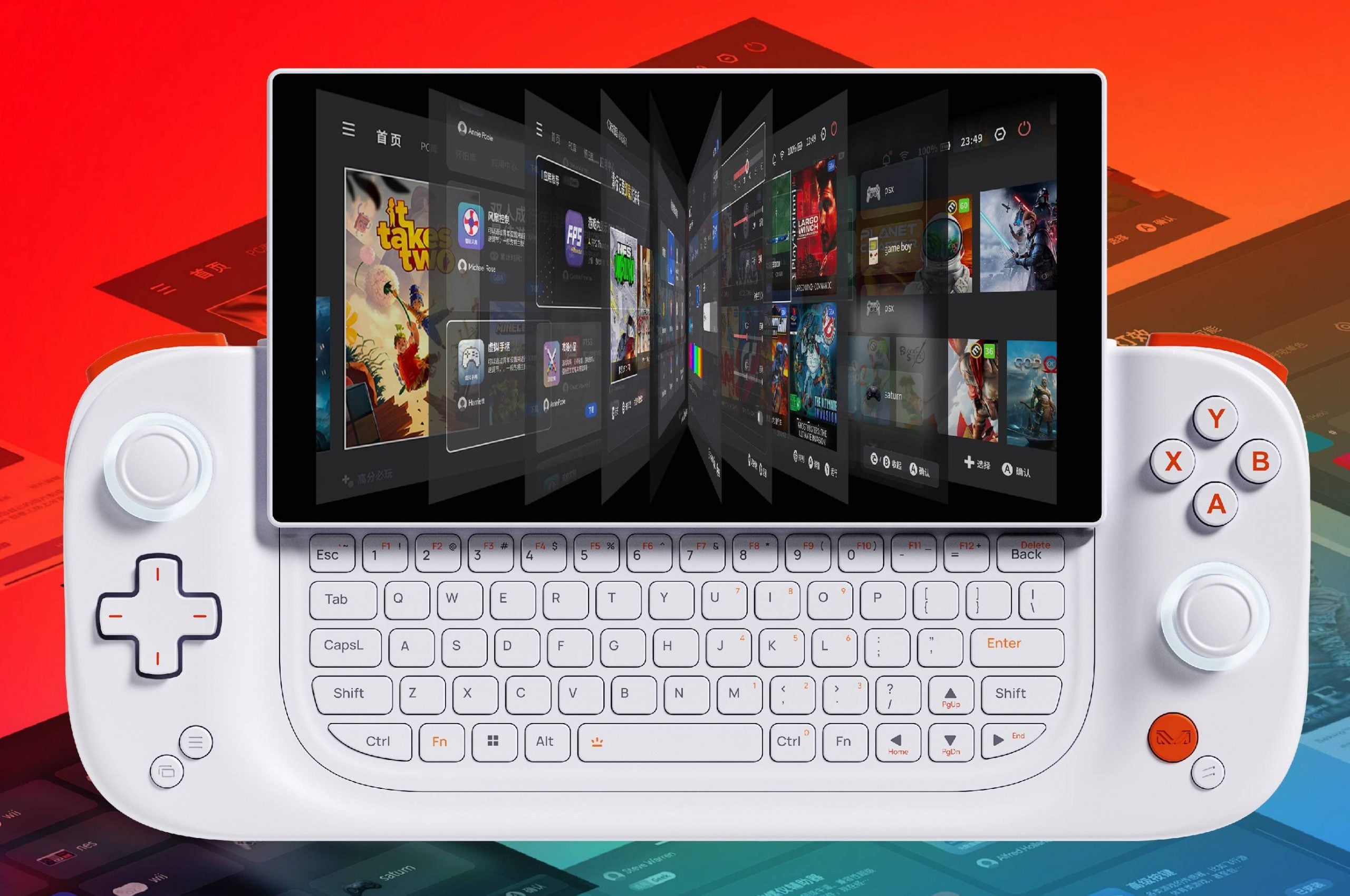
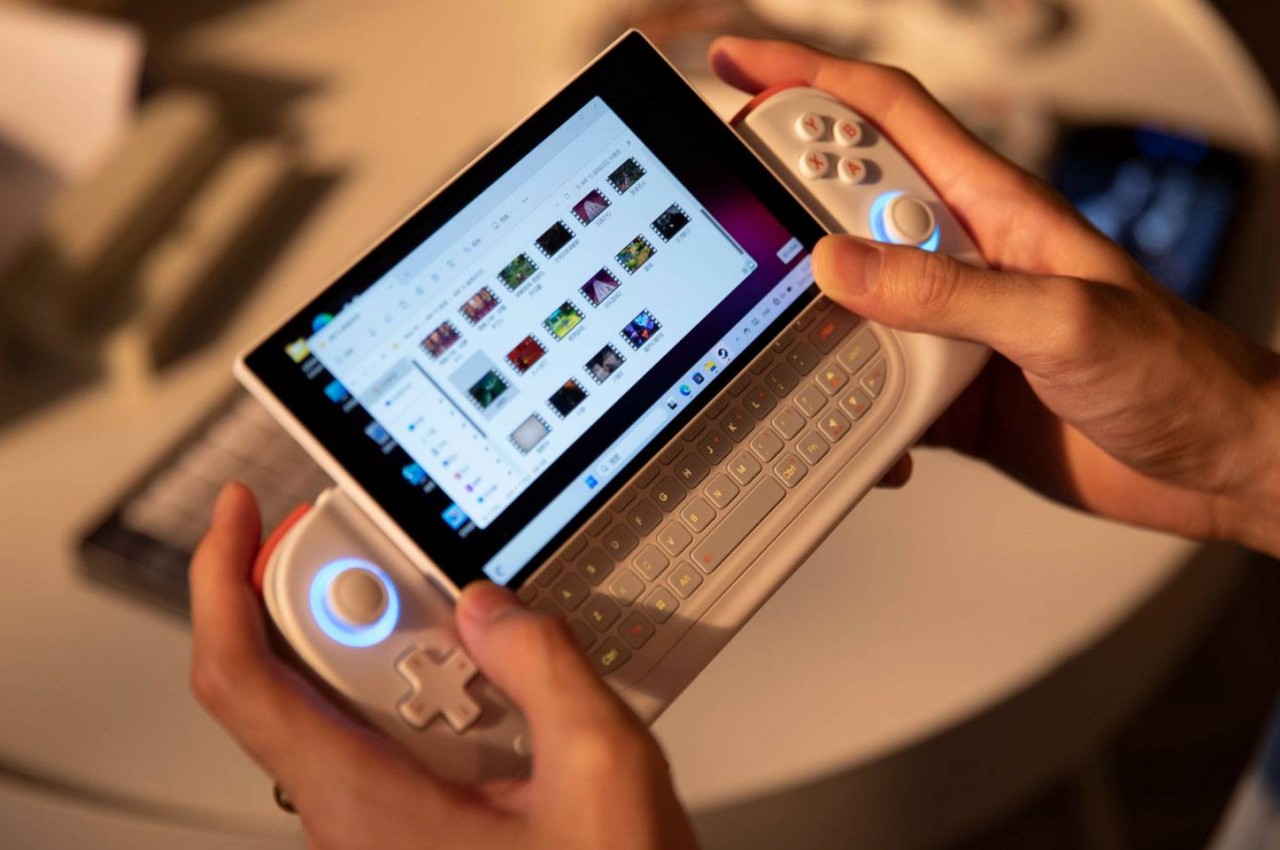
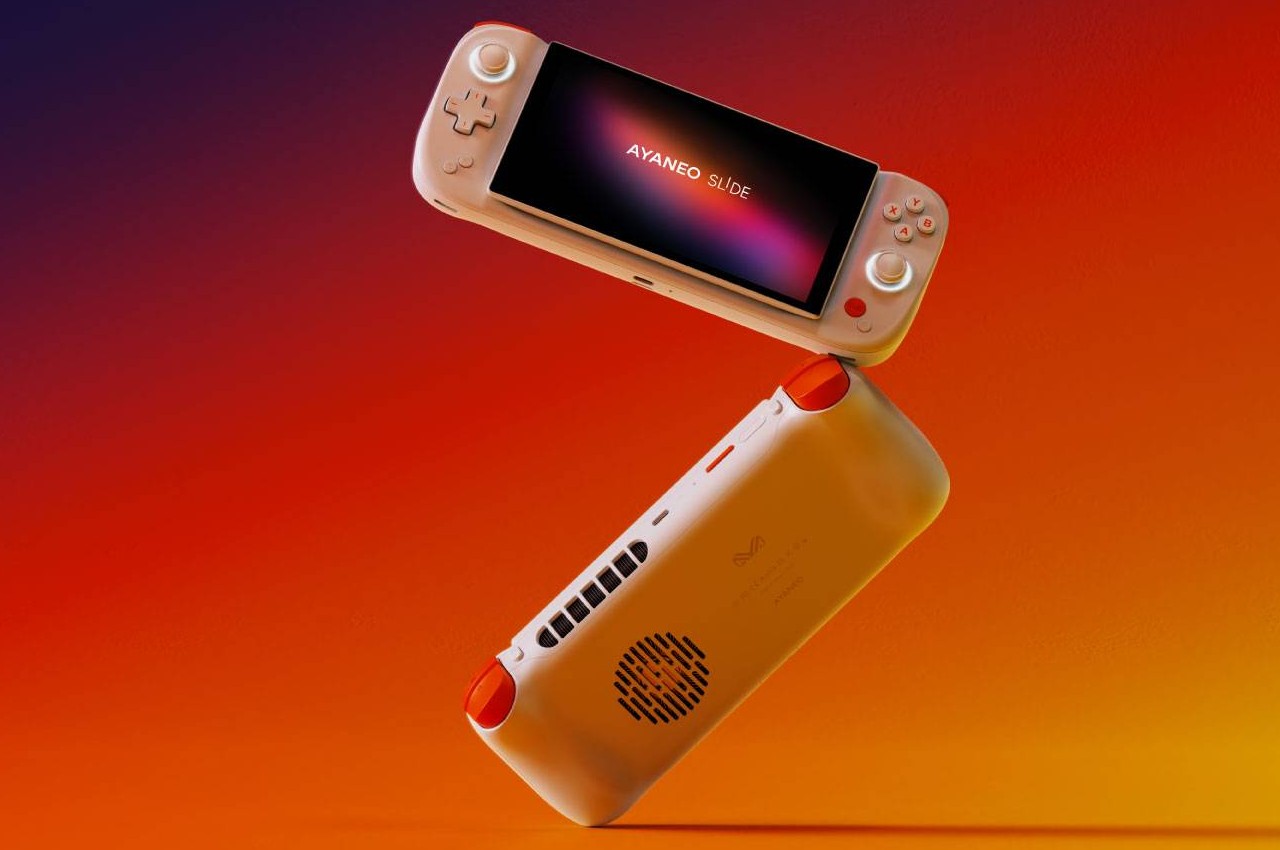
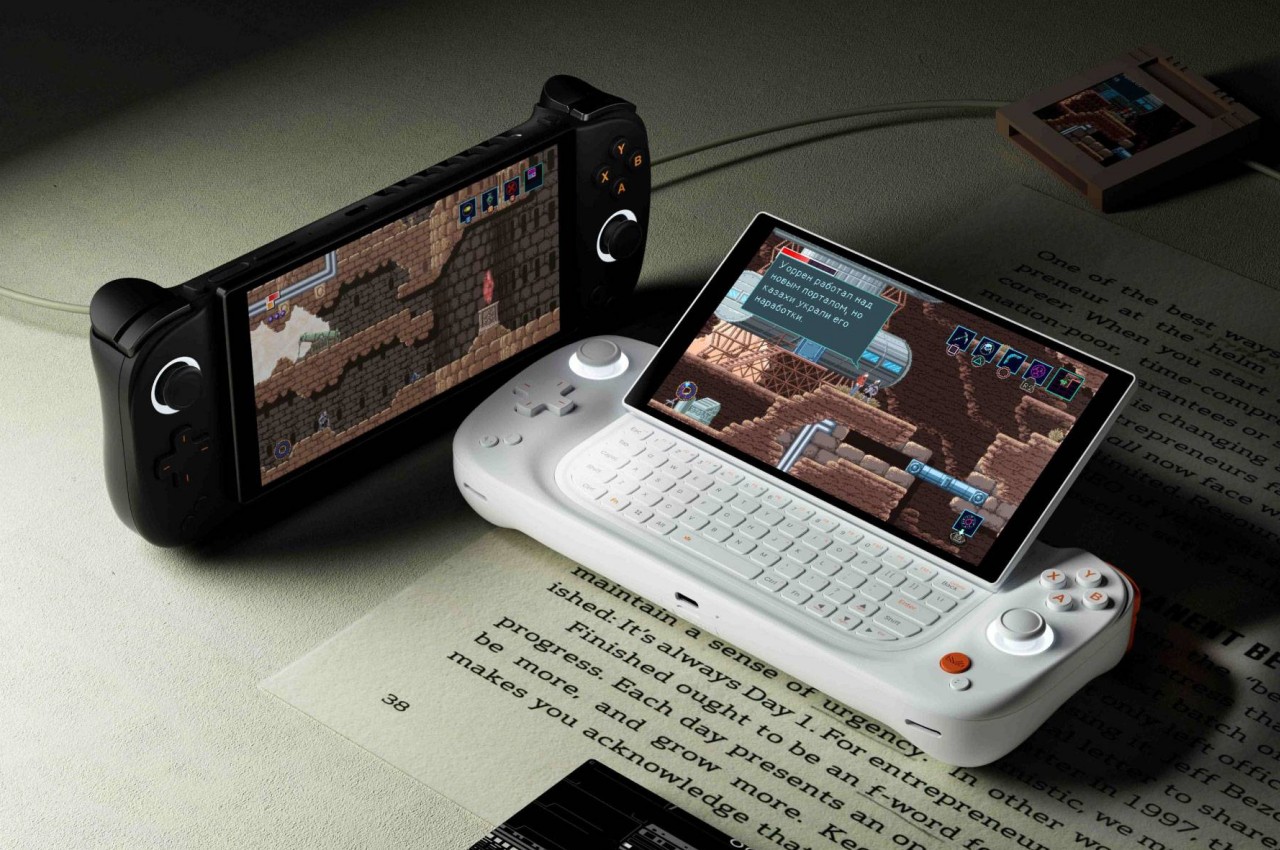
The AYANEO SLIDE addresses this problem by introducing a physical QWERTY keyboard that doesn’t get in the way when you don’t actually need it. Its trick is to hide that keyboard underneath the display using a sliding mechanism, not unlike the slider keyboards of smartphones from long ago. That makes it trivial to type out messages for games that require chatting with other players or to even play games that might not fully support game controllers. And since you can easily hide it when you’re done, it doesn’t take up too much extra space when it’s not in use.
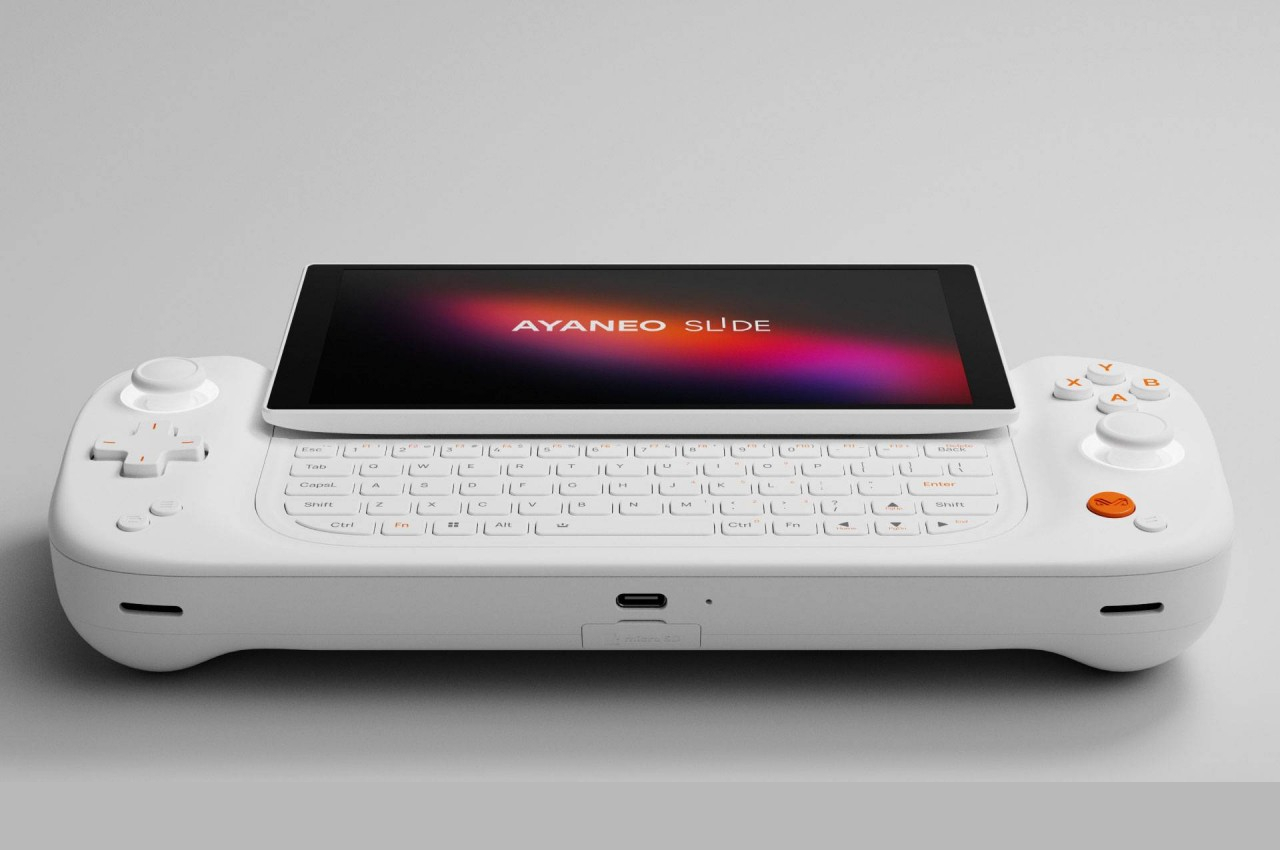
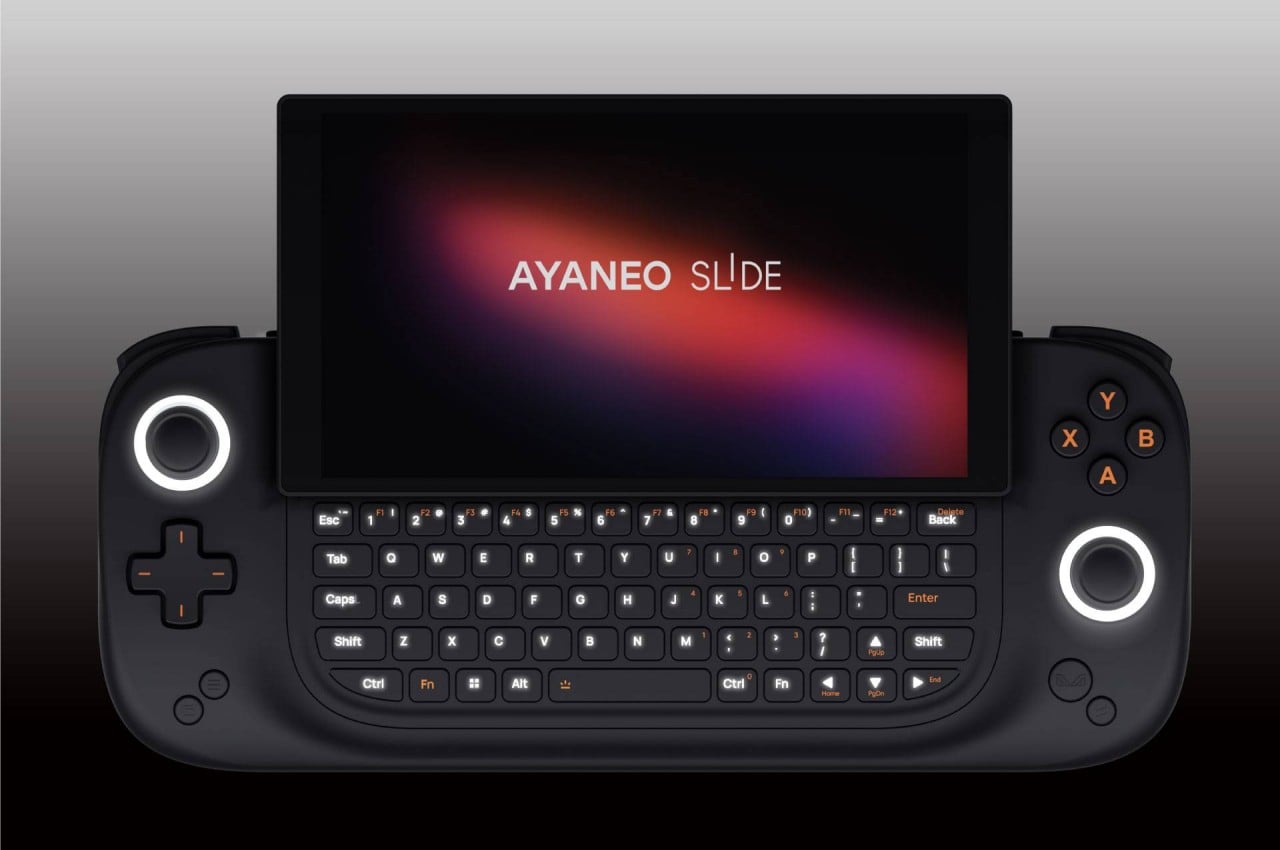
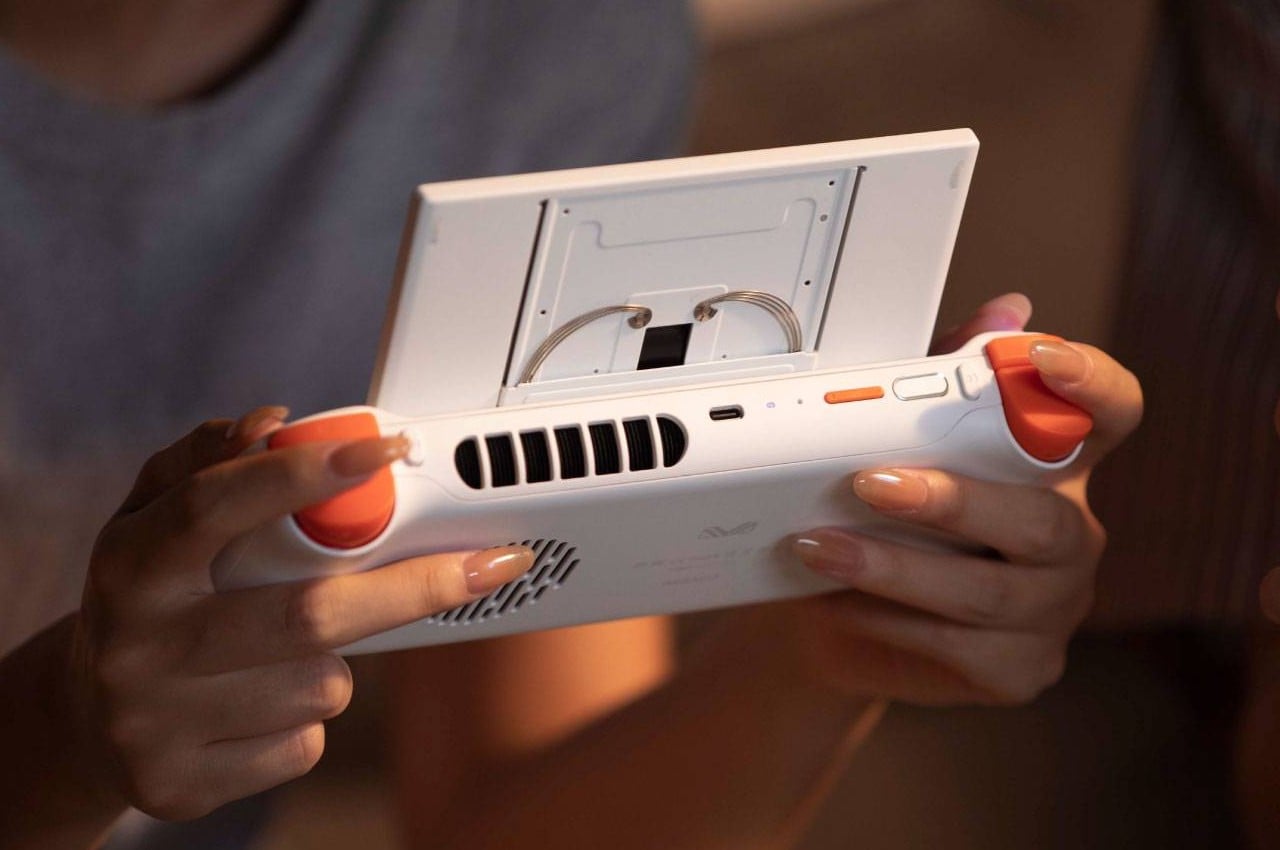
Granted, the AYANEO SLIDE is hardly the first to use this design to address the problem of an absent keyboard. The recent GPD WIN 4 and the old Sony VAIO UX from 2006 both used a sliding mechanism to hide a QWERTY keyboard. AYANEO’s design, however, also lets you set the screen at an angle when you slide it up, which offers a slightly more ergonomic viewing angle compared to a completely flat screen.
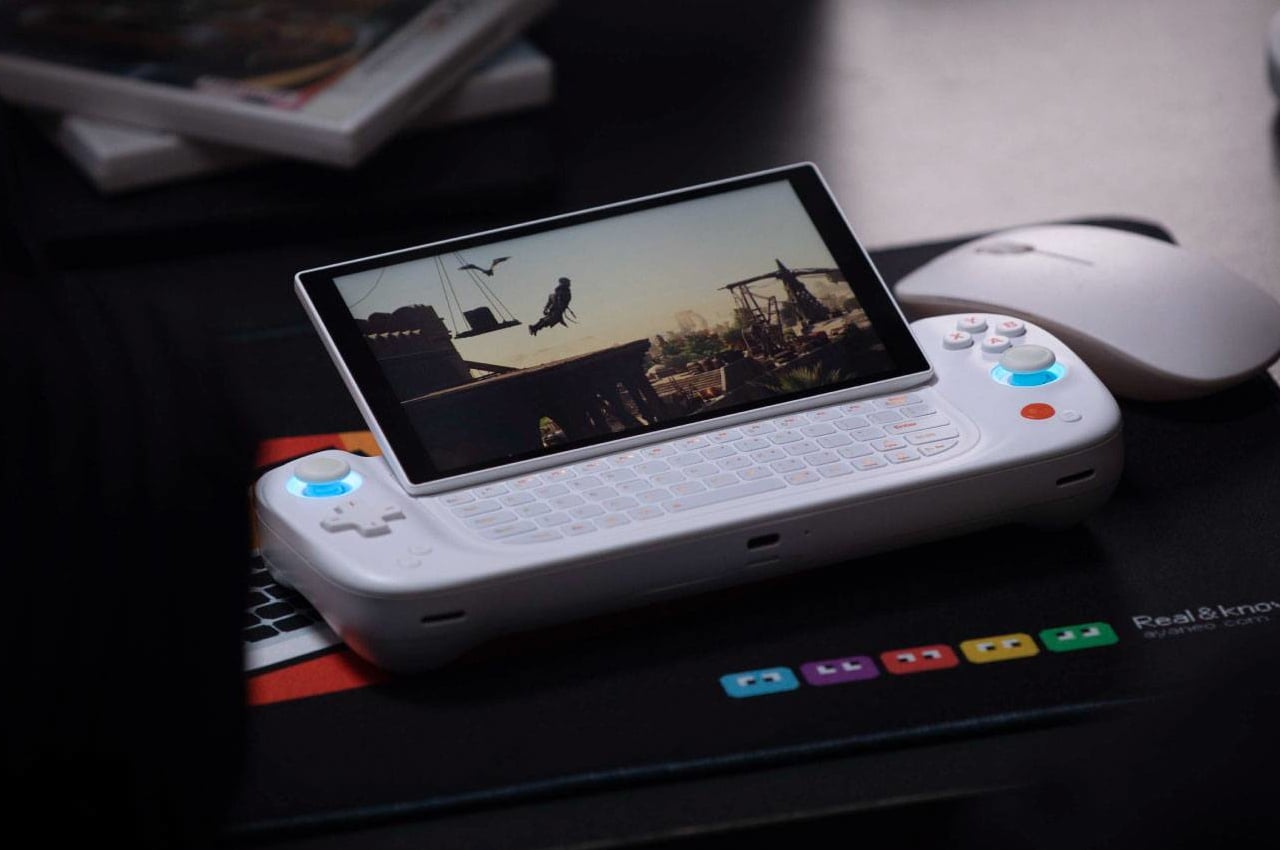
While the addition of a hidden keyboard does fix one problem, the design has some drawbacks in the current implementation. Given the large size of the device, thumb-typing on that keyboard isn’t exactly comfortable or fast. A sliding mechanism also invites trouble because of moving parts. An alternative design, one employed by AYAENO rival GPD, uses a mini laptop form factor to offer a different way to mix gaming and typing on the go, but that also brings its own problems in terms of portability and bulk.
The post AYANEO SLIDE Handheld PC design demonstrates another way to play games on the go first appeared on Yanko Design.
Analogue Pocket Classic retro gaming handheld puts the color in Game Boy Color

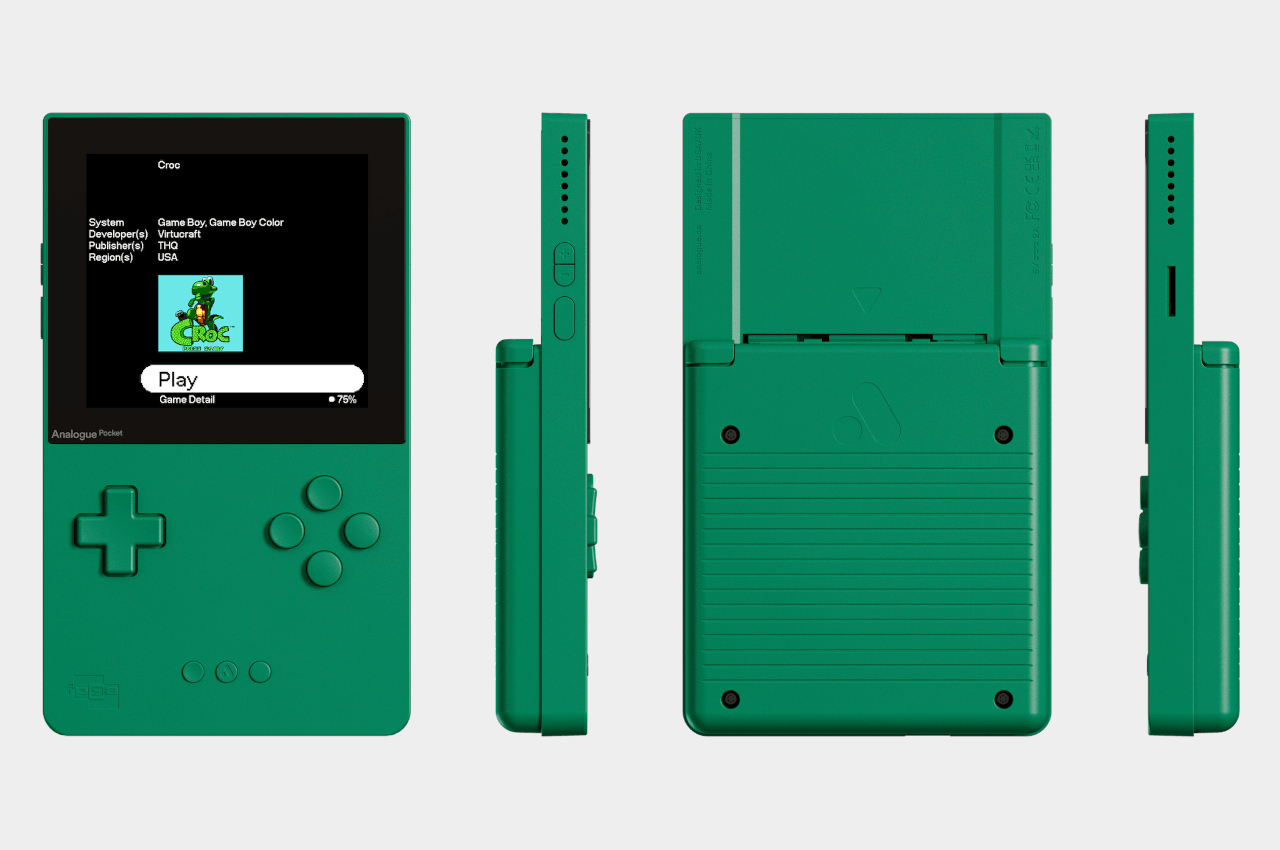
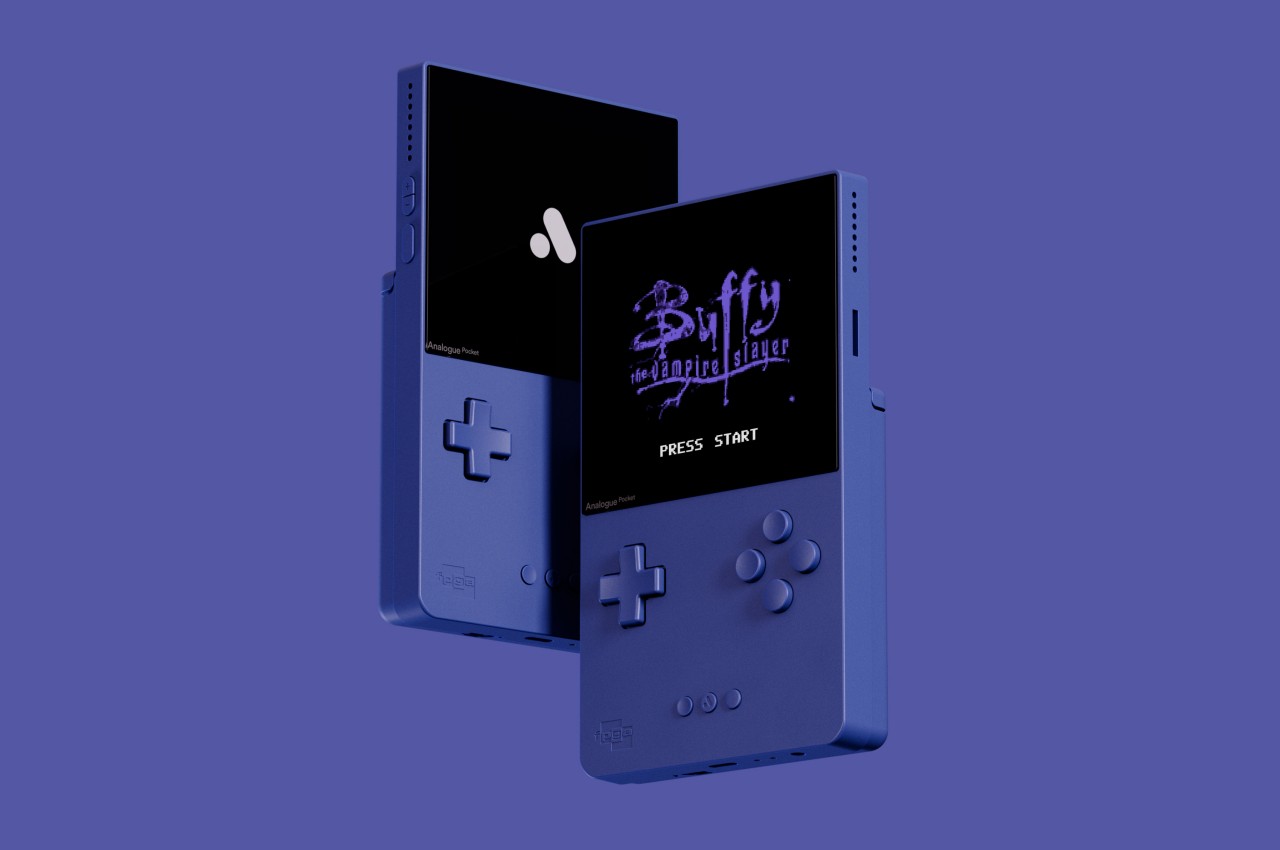
Just because you’re trying to design a retro interpretation of an old design doesn’t mean you have to copy the original inch for inch. In fact, it might even be illegal in some cases to be an exact replica of the product you’re trying to pay homage to. It’s definitely a good opportunity to address the flaws of the past or to implement designs that were intended but couldn’t be implemented because of the limitations or tastes of ages past. It wouldn’t make sense, for example, for a modern recreation of the Game Boy Color to display the extremely limited palette of the original in this day and age. Fortunately, Analogue had the sense to equip its retro gaming handheld with modern capabilities while staying faithful to the original’s essence. So faithful that it, in fact, even tried to recreate the playful colors of the Game Boy Color while also expanding that selection with almost all the colors of the rainbow and then some.

Designer: Analogue

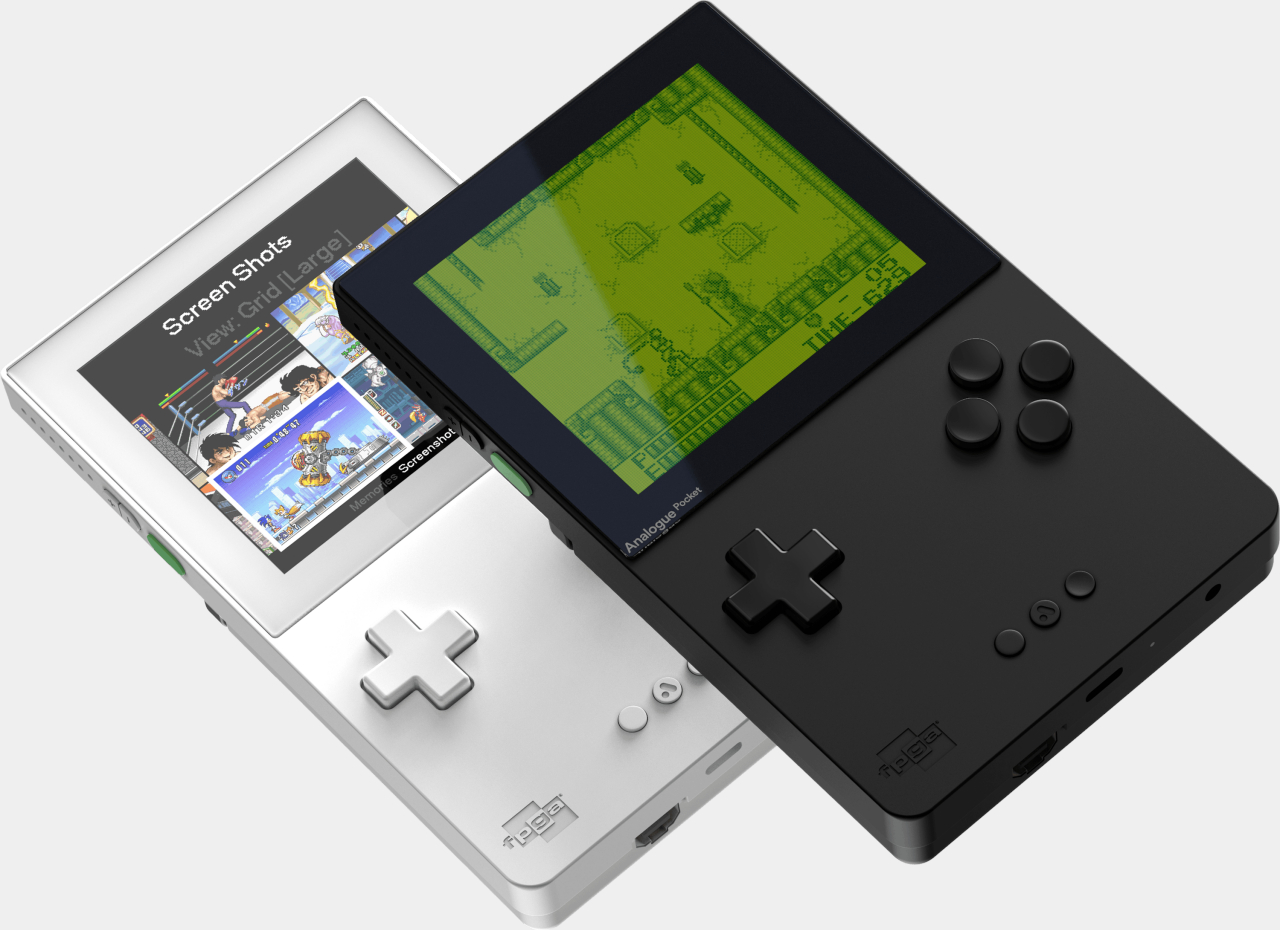
Even by yesteryear’s standards, the Game Boy Color’s chunky design clearly earmarked it as a toy for kids. Those kids, however, have now grown up, and many of them want to relive those fun-filled days but probably with something that doesn’t look like it was plucked out of a time capsule. The Analogue Pocket is an attempt to feed this hunger while also making the design and the heritage accessible to a lot more people. Its more modern and sleeker aesthetic easily appeals to gamers of all ages but still exudes that charm that made the GBC an icon. Still, the retro handheld seemed to be missing one particular element that would really set it apart from other Game Boy Color recreations.

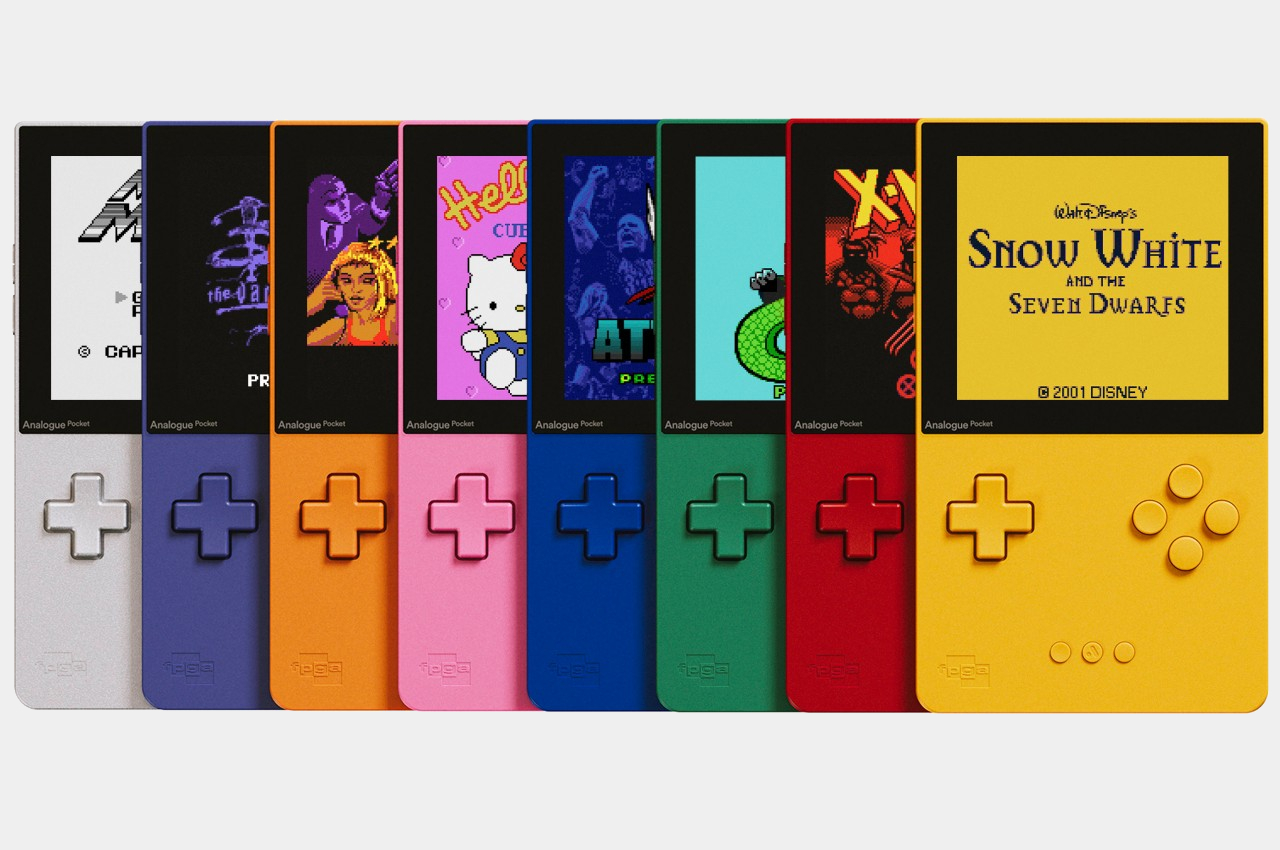
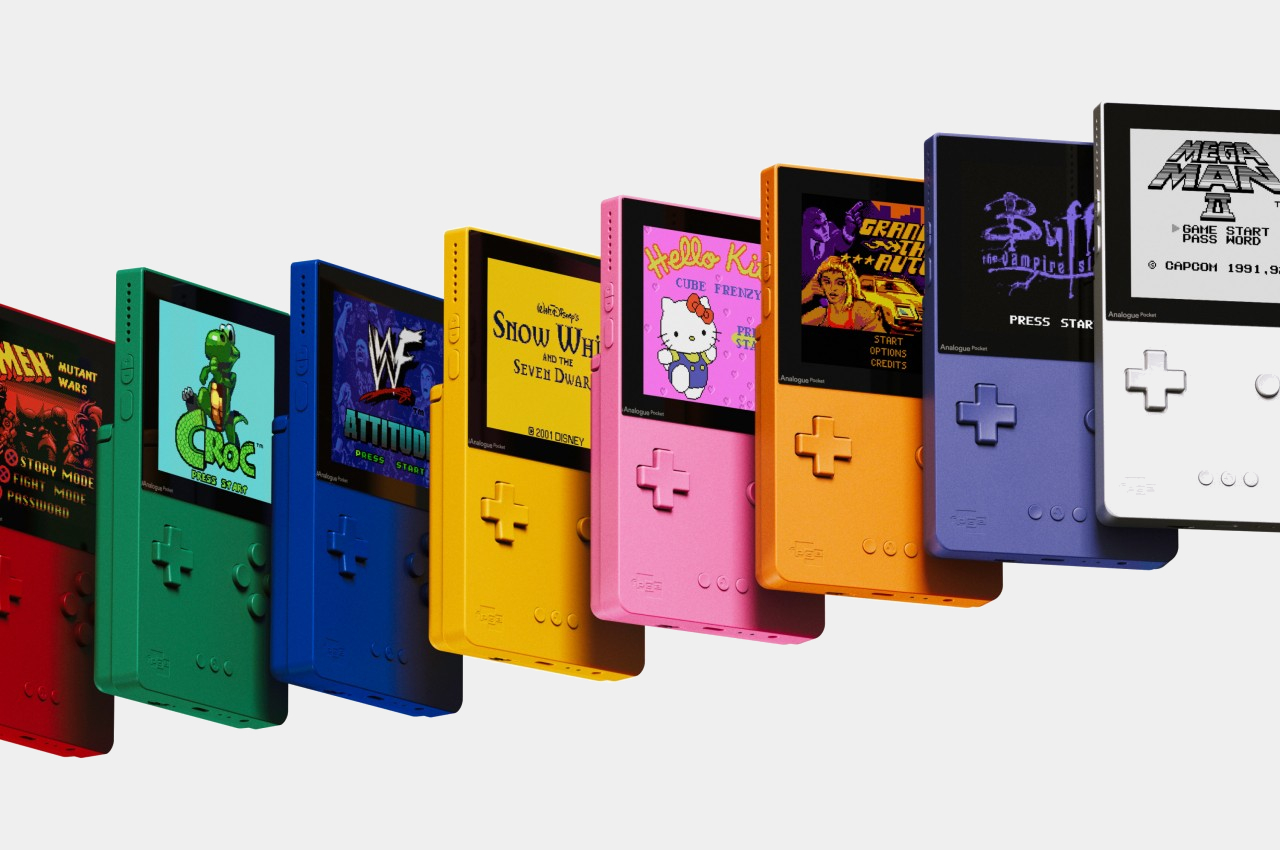
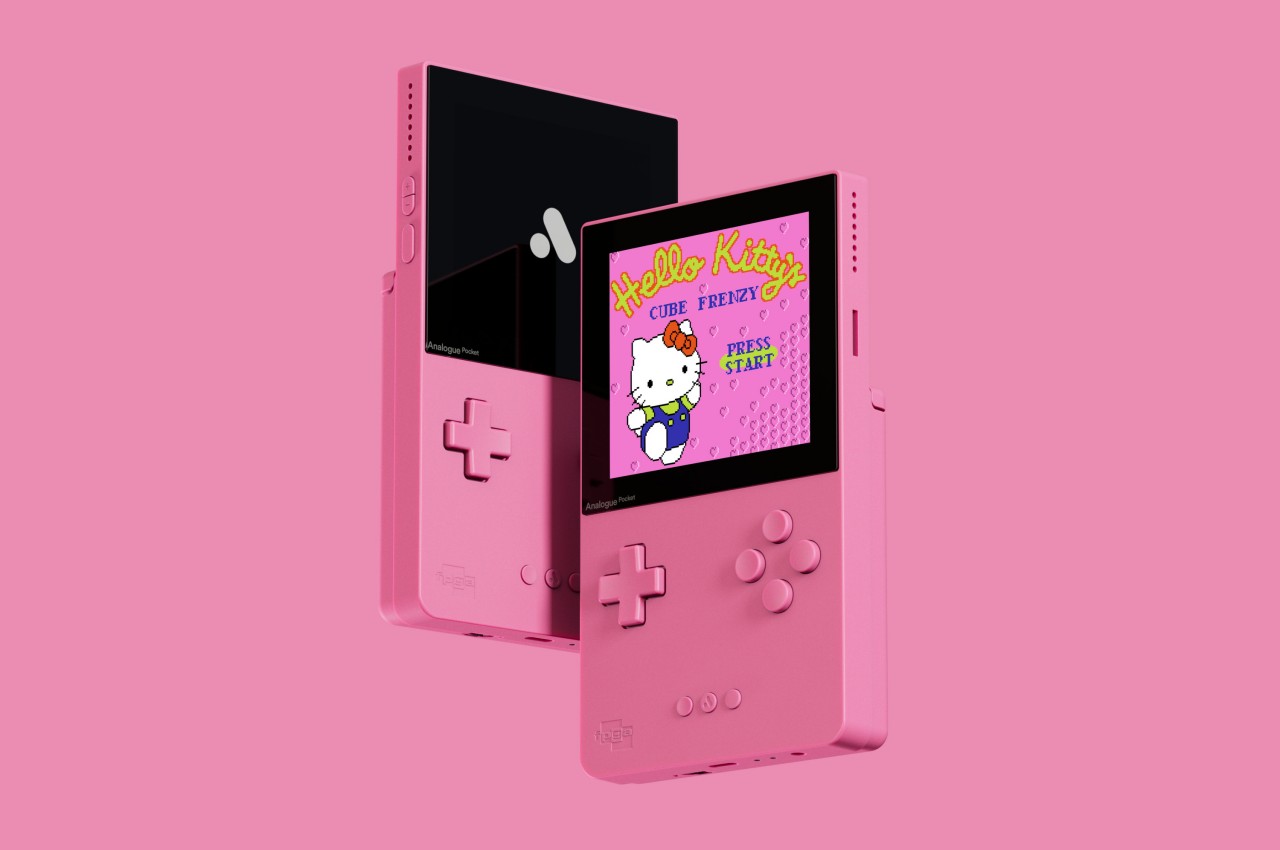
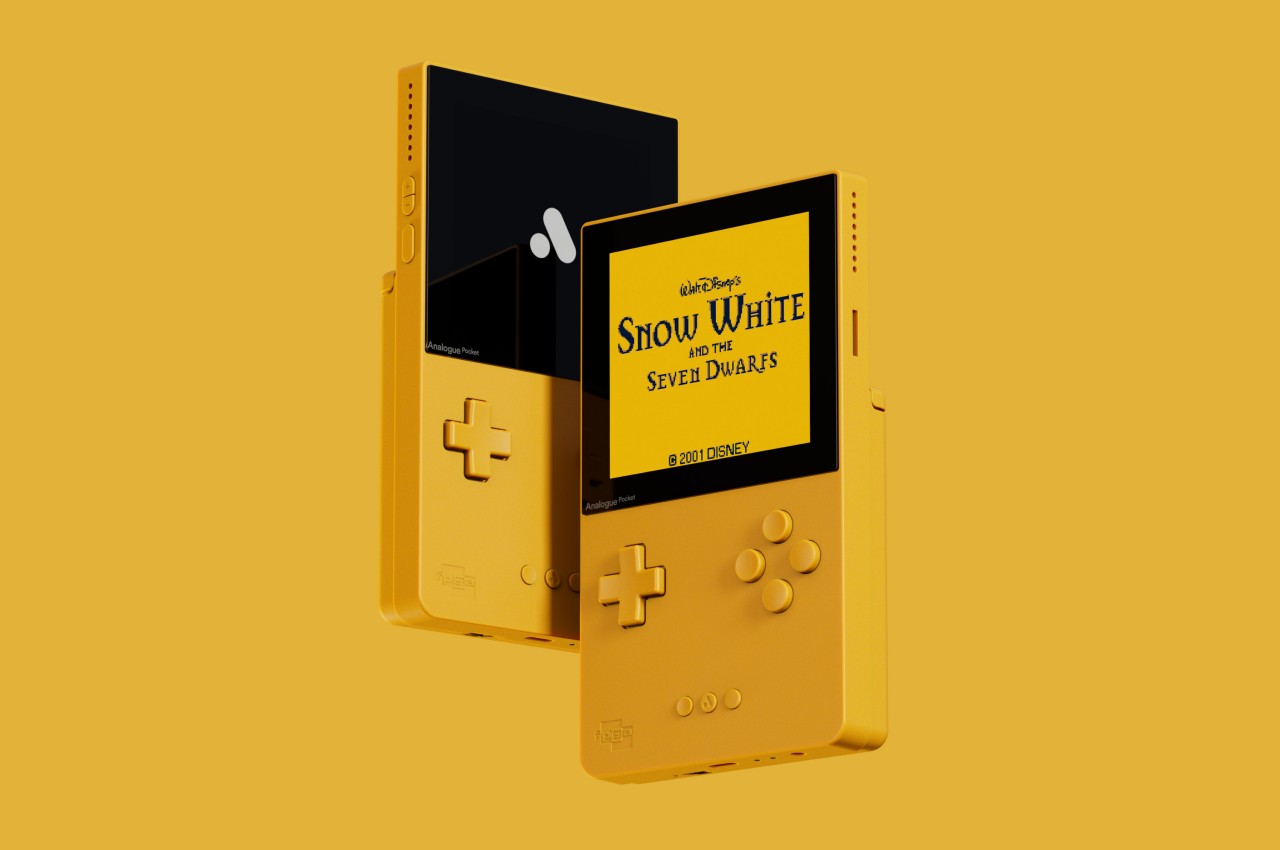
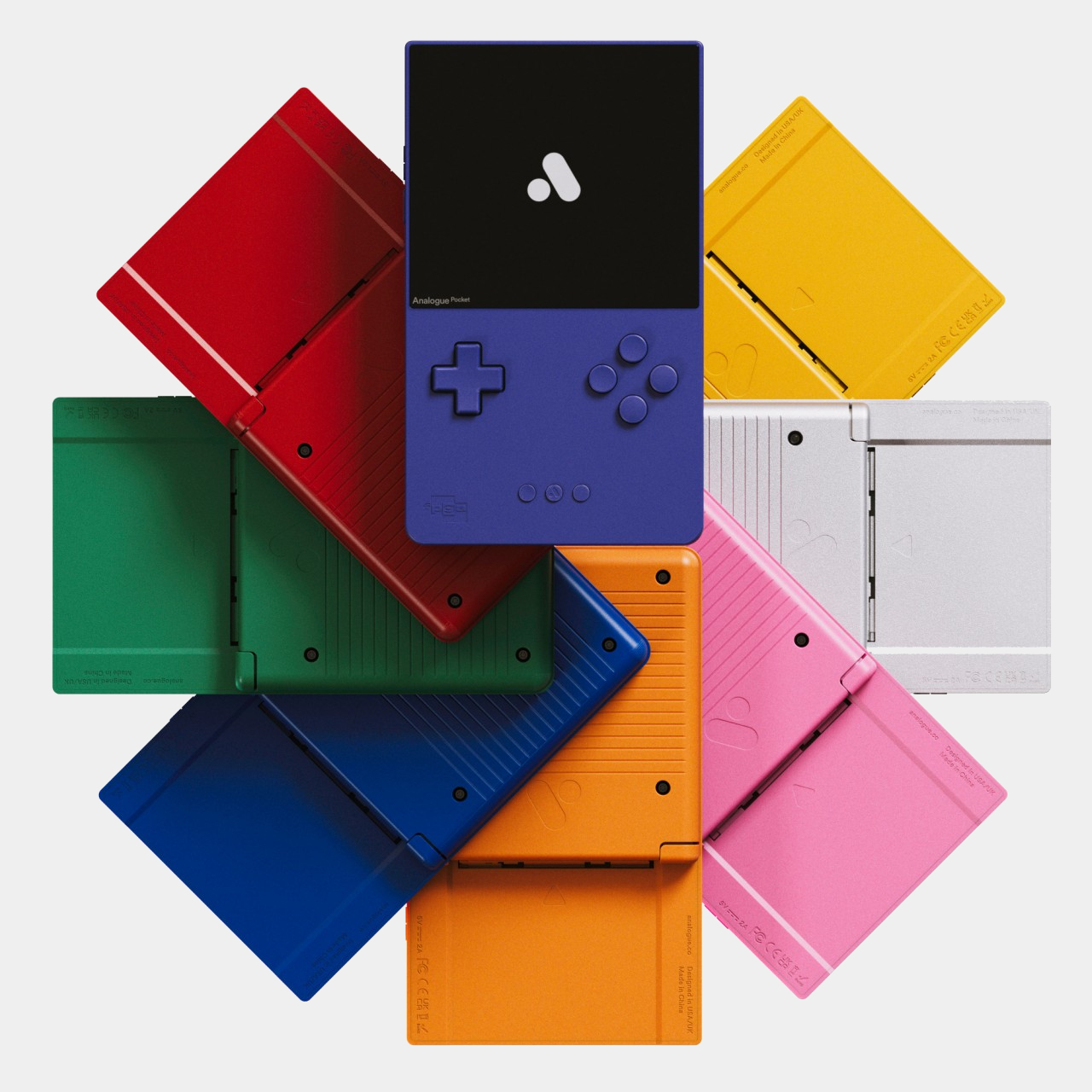
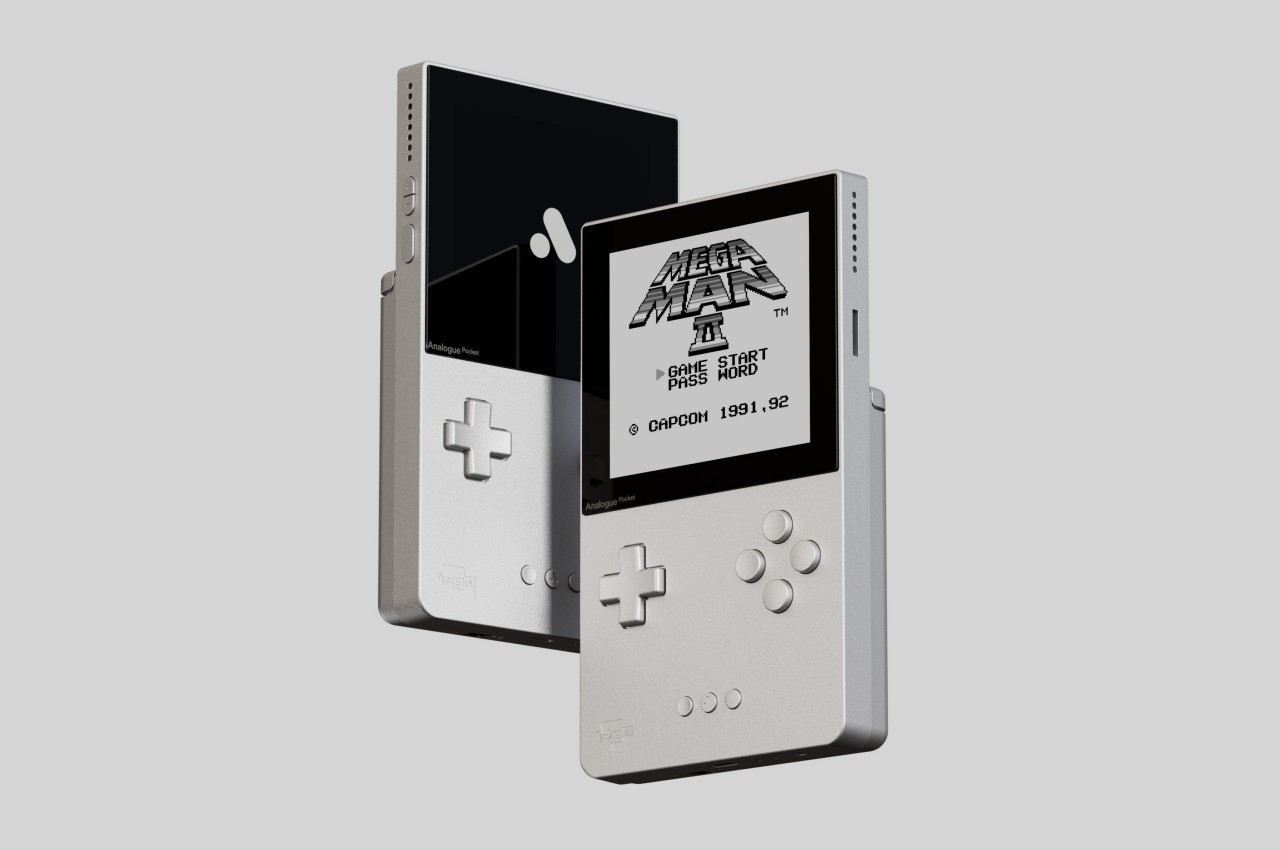
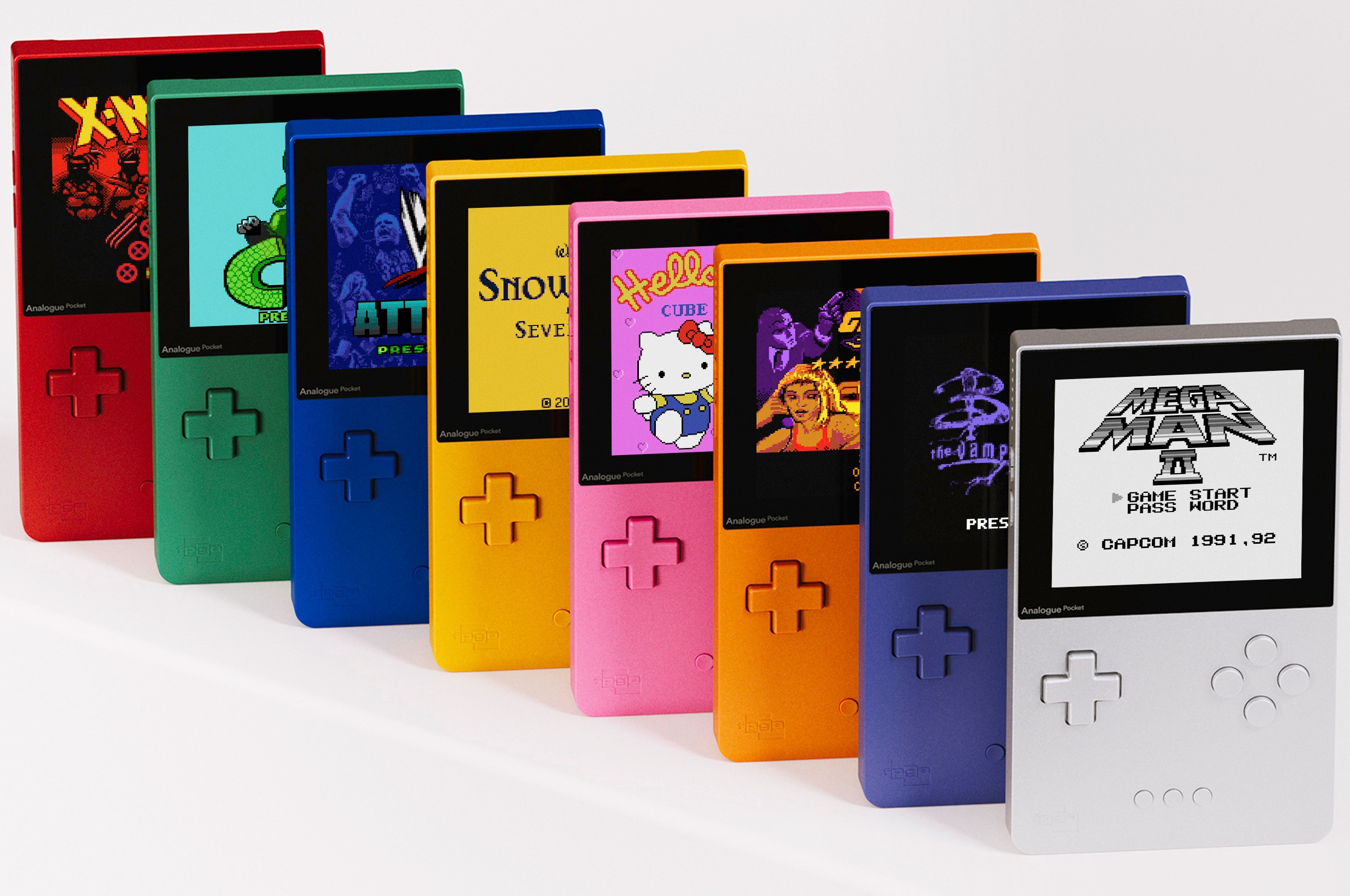
That missing piece of the puzzle was delivered by the “Classic” edition of the Analogue Pocket, which basically gives the device a colorful paint job. The very first GBC was a rather boring and very industrial gray, but the market eventually exploded in a variety of colors, including a transparent one. The Analogue Pocket Classic brings back not just one or two or five of these but offers no less than eight hues. That’s on top of the plain black, white, transparent, and glow-in-the-dark editions that came out in the past.

The full palette includes Indigo, Red, Green, Blue, Yellow, Pink, Orange, and Silver, all of which Analogue boasts have been color-matched to the original models. It might just be a change of hue, but it immediately gives the Pocket a vibrant character befitting of a gaming device. With these accurate colors and the overall design of the handheld, there is very little doubt that this retro revival truly captures the spirit of the Game Boy Color as faithfully as it can without tripping over legal landmines.

The story doesn’t end on a high note, unfortunately, with all variants of the Analogue Pocket now declared to be completely sold out. That’s true for this colorful yet limited run of the “Classic” edition as well as the original models. It’s uncertain if these will ever return to shelves, and collectors will have to stay on their toes while waiting for hopeful news in the coming days.

The post Analogue Pocket Classic retro gaming handheld puts the color in Game Boy Color first appeared on Yanko Design.