Roborock’s Flagship Robot Vacuum Just Hit $849 for Black Friday (It Was $1,500)

Most robot vacuums ask you to choose between brains and beauty, performance and polish. They either look like something you’d tuck away in a utility closet or they clean with all the conviction of a demo unit at a trade show. Roborock’s Qrevo CurvX has been one of the rare exceptions since launch, which explains why it commanded $1,499.99. That’s flagship territory, the kind of pricing reserved for products that are supposed to solve problems rather than create new ones. The question for Black Friday is what happens when that same robot drops to $849.99, because suddenly you’re not comparing it to other flagship models anymore.

The 43% discount would be noteworthy on any robot vacuum, but this isn’t any average robot vacuum being purposely cleared from stock for Black Friday. The CurvX is genuinely Roborock’s current top offering, complete with 22,000Pa suction that actually makes a difference on carpets, a chassis that physically lifts itself over thresholds up to 4cm high (which sounds gimmicky until you live in a house with transitions between rooms), and a 3.14-inch profile slim enough to navigate under most furniture without getting wedged. For anyone who’s spent the past few years watching robot vacuum tech inch forward while waiting for one that doesn’t require you to compromise on either capability or how it looks sitting in your living room, this is the kind of pricing shift that’s worth paying attention to.

Designer: Roborock

Click Here to Buy Now: $849.99 $1499.99 ($650 off). Hurry, deal ends in 48-hours!

The slim profile is a bigger deal than it sounds. At just under 8cm tall, the CurvX glides under sofas, beds, and cabinets where dust bunnies breed because most vacuums can’t reach. Roborock made this possible with RetractSense navigation, featuring a LiDAR sensor that retracts into the body when it isn’t needed. Most LiDAR robots have a permanent turret on top, an extra bit of height that forces them to avoid low-clearance furniture entirely. This is a thoughtful piece of engineering that addresses a real-world frustration, ensuring a truly comprehensive clean in the spaces that are often missed. It’s a design choice that reflects a deeper understanding of how modern homes are actually furnished.

Even more impressive is the AdaptiLift chassis. This is Roborock’s system for lifting the entire robot body to clear obstacles, and it transforms how autonomous the cleaning actually becomes. Thick rugs, raised thresholds between rooms, or even the slight lip where tile meets hardwood are handled with ease. Lesser robot vacuums will attempt these crossings, fail, and get stuck. The CurvX lifts itself up to 1.57 inches and just drives over the obstacle. In real-world use, this means your robot isn’t getting trapped on a daily basis, which sounds basic but genuinely improves the whole ownership experience.

For pet owners, the holy grail has always been a robot vacuum that doesn’t choke on hair. Roborock built the Dual Anti-Tangle System specifically to address hair wrapping, pairing it with what they call a DuoDivide main brush that splits the roller to prevent tangling at the source. Combined with FlexiArm technology that extends the side brush and mop pad out to reach baseboards and corners, this robot actually handles pet households well. Most robot vacuums leave visible gaps along edges because their circular design can’t physically get close enough. The CurvX extends past those limitations, meaning you’re not manually cleaning baseboards after the robot runs.

The CurvX also packs a pretty advanced mopping system that ties in with the vacuum’s dock. The Multifunctional Dock 3.0 Thermo+ is far more than an auto-empty bin. It washes the robot’s dual spinning mop pads with 80°C (176°F) water, hot enough to dissolve greasy kitchen spills and sanitize floors effectively. After washing, it dries the mops with 45°C warm air, preventing the mildew and sour odors that can plague other robot mops. The dock also refills the robot’s water tank and empties its dustbin into a large 2.5-liter bag that can go for up to 65 days between changes. This level of automation means the robot is always ready for the next job, providing a consistently clean and hygienic experience with minimal human oversight.

Underpinning all of this is the Reactive AI obstacle avoidance, which uses structured light and an RGB camera to see and interpret the world around it. With the ability to recognize 108 different object types, the system is remarkably adept at navigating a lived-in home. This gives you the confidence to run a cleaning cycle without having to tidy up beforehand; it will intelligently steer around charging cables, shoes, and pet toys instead of trying to consume them. It’s a system designed for real-world messiness, which is a refreshing change of pace.

Roborock also clearly understood that for a device to live in your main space, its design matters. The CurvX’s dock is sleek and rounded, with a smooth, dust-resistant top cover. Most of the robot tucks away inside the base when docked, so it maintains a low profile. It’s a functional appliance that doesn’t look like one, actively complementing a modern home’s aesthetic rather than detracting from it. It’s a small touch, but it’s one that speaks to a user-centric design philosophy that considers the entire ownership experience.

At $849.99, the value proposition shifts significantly. You’re getting flagship performance and capability at a price point that suddenly feels accessible. Most robot vacuums in this range offer either strong suction or competent mopping, rarely both with the kind of dock automation that makes daily use genuinely hands-off. The CurvX delivers on all three, and the timing matters because Roborock is extending serious discounts across its lineup. The Saros 10R, another ultra-slim flagship with 22,000Pa suction and industry-first 3D ToF navigation, is getting cut from $1,599.99 to $1,049.99. The Qrevo Edge S5A (18,500Pa suction with DuoDivide brush and FlexiArm technology) drops from $999.99 to $549.99, making it a compelling mid-range option for those who want solid performance without the ultra-premium price. The Q10 S5+ (10,000Pa suction, 70-day auto-empty, VibraRise 2.0 mopping) offers even more accessible pricing with its $249.99 price tag for budget-conscious buyers who still want auto-empty convenience. If you’re someone who prefers cordless cleaning, the Flexi F25GT wet-dry vacuum (20,000Pa suction, self-washing at 194°F, lie-flat design) is dropping from $299.99 to $199.99. The CurvX still represents the apex of what Roborock offers, but having this many capable options discounted simultaneously means there’s genuinely something for different household needs and budgets.

If you’ve got a multi-surface home, pet hair to contend with, or you’ve simply gotten tired of manually maintaining a robot vacuum every week, the CurvX actually solves those problems. The slim design means it cleans spaces other robots miss. The suction power handles both carpet and tile effectively. The dock system means mop maintenance is genuinely hands-off. These aren’t theoretical benefits. They’re practical improvements to how the robot actually functions in real homes. At $849.99 during this Black Friday window, you’re looking at a product that’s genuinely capable of delivering on what robot vacuums have been promising for years. That’s worth paying attention to.

Click Here to Buy Now: $849.99 $1499.99 ($650 off). Hurry, deal ends in 48-hours!

The post Roborock’s Flagship Robot Vacuum Just Hit $849 for Black Friday (It Was $1,500) first appeared on Yanko Design.
Blueair’s $152 Humidifier Finally Solves the ‘White Dust Problem’ Every Other Humidifier Has

For decades, the humidifier has been a purely utilitarian appliance, a necessary evil we tolerate for the sake of our sinuses during dry winter months. We buy them, use them, and then promptly hide them away when guests come over. They are often clunky, noisy machines that leave a fine white dust on our furniture or create damp spots on the floor. The industry standard has been a functional box that adds moisture to the air, with little to no thought given to how it integrates into the most personal of spaces: the bedroom.

Blueair, a company already known for its design-forward approach to air purification, seems to have taken this challenge personally. The DreamWell Humidifier isn’t just another appliance; it’s a thoughtfully designed bedside companion. It aims to elevate the entire nighttime environment by seamlessly blending humidity, aromatherapy, and gentle mood lighting into a single, elegant form. This is a device that’s meant to be seen, to contribute to a room’s ambiance rather than detract from it, proving that wellness technology can be both effective and beautiful.

Designer: Blueair

Click Here to Buy Now: $152 $189.99 (20% off, use coupon code “YANKO20”). Hurry, deal ends in 48-hours!

Moisture Without the Mess: No Visible Mist or White Dust

The most common complaint about ultrasonic humidifiers, the type that dominates the market, is the fine white dust they leave behind. This mineral residue from tap water settles on every surface, creating a cleaning nightmare and raising concerns about what you’re breathing. Blueair sidesteps this issue entirely by using an evaporative method branded as InvisibleMist™ technology. Instead of vibrating water into a visible aerosol, it uses a fan to draw dry air through a saturated wick filter, releasing clean, humidified air that is entirely invisible and free of mineral deposits.

This approach is a significant upgrade for anyone who values a clean, low-maintenance living space. There’s no dampness on the floor or furniture surrounding the unit, and electronics on your nightstand are safe from a constant coating of moisture. It’s a more natural humidification process that mimics the way the earth regulates humidity, resulting in a comfortable atmosphere without the collateral mess. This single feature transforms the DreamWell from an active maintenance task into a passive environmental enhancement.

Built-In Aromatherapy Stone for Soothing Scents

Many humidifiers offer aromatherapy as a secondary feature, usually through a flimsy plastic tray or a disposable pad that quickly loses its potency. The DreamWell integrates this feature far more elegantly with its dedicated aroma stone. This small, porous stone sits in its own compartment, absorbing a few drops of your preferred essential oil and gently diffusing the scent into the air via the unit’s airflow. It’s a simple, clever solution that keeps the oils completely separate from the water tank and internal mechanics, preventing potential damage or clogs.

By treating scent diffusion as an integral part of the experience, Blueair elevates the DreamWell beyond mere humidification. It becomes a tool for creating a holistic, relaxing atmosphere, perfect for a wind-down routine before sleep. The slow, consistent release from the stone provides a subtle fragrance that isn’t overpowering, complementing the improved air quality rather than just masking odors. It’s a small detail that speaks to a larger design philosophy focused on the complete sensory experience of a restful environment.

Whisper-Quiet Operation for Undisturbed Sleep

A humidifier designed for the bedroom has one non-negotiable requirement: it must be quiet. Any buzzing, gurgling, or whirring can easily disrupt sleep, defeating the very purpose of creating a more comfortable environment. The DreamWell was clearly engineered with acoustics as a top priority. Its fan and motor are designed for near-silent operation, especially in its lower settings and auto mode. User feedback consistently highlights its quietness as a standout feature, with many noting they can barely hear it running even when it’s just a few feet from their bed.

This focus on quiet performance makes it an ideal choice not just for sensitive adults but also for nurseries and children’s rooms. In a market where many products claim to be quiet but still produce a noticeable hum, the DreamWell delivers on its promise of peaceful operation. It adds comfort to a room without adding distracting noise, ensuring that the only thing you notice is how much better you’re breathing.

Adjustable Mood Lighting That Enhances Relaxation

Most appliance lights are a nuisance, bright LEDs that need to be covered with electrical tape for a truly dark room. The DreamWell, however, integrates lighting as a deliberate feature designed to enhance ambiance. It offers several soft, customizable mood lighting options that cast a gentle, diffused glow. The light is warm and subtle, serving as a functional nightlight without producing the kind of harsh, sleep-disrupting blue light we’re all trying to avoid.

This feature allows the DreamWell to adapt to different needs. It can provide just enough light for a late-night glass of water or create a calming, spa-like atmosphere to help you relax before bed. While some users have noted the control panel lights could be even dimmer, Blueair has shown it’s listening to feedback for future updates. This thoughtful integration of light transforms the device from a simple utility into a multifaceted part of your bedroom’s decor and mood.

Spill-Proof Top-Fill Design That’s Actually Convenient

Refilling a humidifier is often a clumsy, wet affair. It usually involves detaching a heavy tank, carrying it to a sink, flipping it upside down to fill it through a small opening, and then trying to carry it back without dripping water everywhere. The DreamWell’s design solves this problem with an incredibly simple and effective top-fill system. You can either pour water directly into the wide opening at the top or lift out the inner bucket to fill it at the sink.

This user-centric design removes one of the biggest daily hassles of humidifier ownership. There are no awkward angles, no spills, and the wide-open design makes the tank exceptionally easy to clean, preventing the buildup of slime and mold that plagues so many other models. It’s a practical innovation that demonstrates a deep understanding of real-world use, making maintenance so effortless that you’re more likely to use the device consistently.

Smart Humidity Sensors That Auto-Adjust to Your Room

Maintaining the perfect humidity level, typically between 40% and 60%, is a delicate balance. Too little and the air is dry and irritating; too much and you risk condensation and mold growth. The DreamWell’s auto mode takes the guesswork out of this process. An integrated humidistat constantly monitors the room’s ambient humidity and automatically adjusts the fan speed to maintain the optimal level. You simply set it and let the machine do the work.

This intelligent regulation is a key feature that separates premium humidifiers from their budget counterparts. It ensures the room stays comfortable without requiring constant manual adjustments, and it prevents the over-humidification that can occur if a unit is left running on high all night. This smart functionality not only enhances comfort but also contributes to a healthier indoor environment by actively managing moisture levels.

A Washable Filter That Lasts Up to a Year

The ongoing cost and waste associated with disposable filters are a significant drawback for many home appliances. The DreamWell addresses this with a durable, washable wick filter designed to last for up to a year, depending on water hardness and usage. This not only reduces the environmental impact but also lowers the long-term cost of ownership. The unit even includes a filter replacement indicator to remind you when it’s time for a cleaning or a new one.

For added convenience, Blueair offers a filter subscription service, ensuring a replacement arrives right when you need it. This combination of a long-lasting, washable filter and an optional automated replacement service makes maintenance predictable and hassle-free. It’s a sustainable and practical approach that respects both the user’s wallet and the planet.

A Minimalist Design That Doubles as Bedroom Décor

Finally, the DreamWell simply looks good. With its soft, rounded edges, fabric-covered cord, and muted, sophisticated colorways like Coastal Beige and Stone Grey, it’s designed to blend into a modern home rather than stick out as a piece of medical equipment. The aesthetic is clean, minimalist, and intentional, looking more like a high-end speaker or a piece of decor from a design-forward brand.

This commitment to aesthetics is what ties all its other features together. A humidifier that works this well and is this easy to use deserves to be seen. By creating a device that is both highly functional and visually pleasing, Blueair has crafted an appliance that you won’t want to hide. It earns its place on the nightstand, quietly and beautifully improving the atmosphere of the most important room in the house.

Click Here to Buy Now: $152 $189.99 (20% off, use coupon code “YANKO20”). Hurry, deal ends in 48-hours!

The post Blueair’s $152 Humidifier Finally Solves the ‘White Dust Problem’ Every Other Humidifier Has first appeared on Yanko Design.

This 172-Square-Foot Tiny House Transforms to Feel Surprisingly Spacious

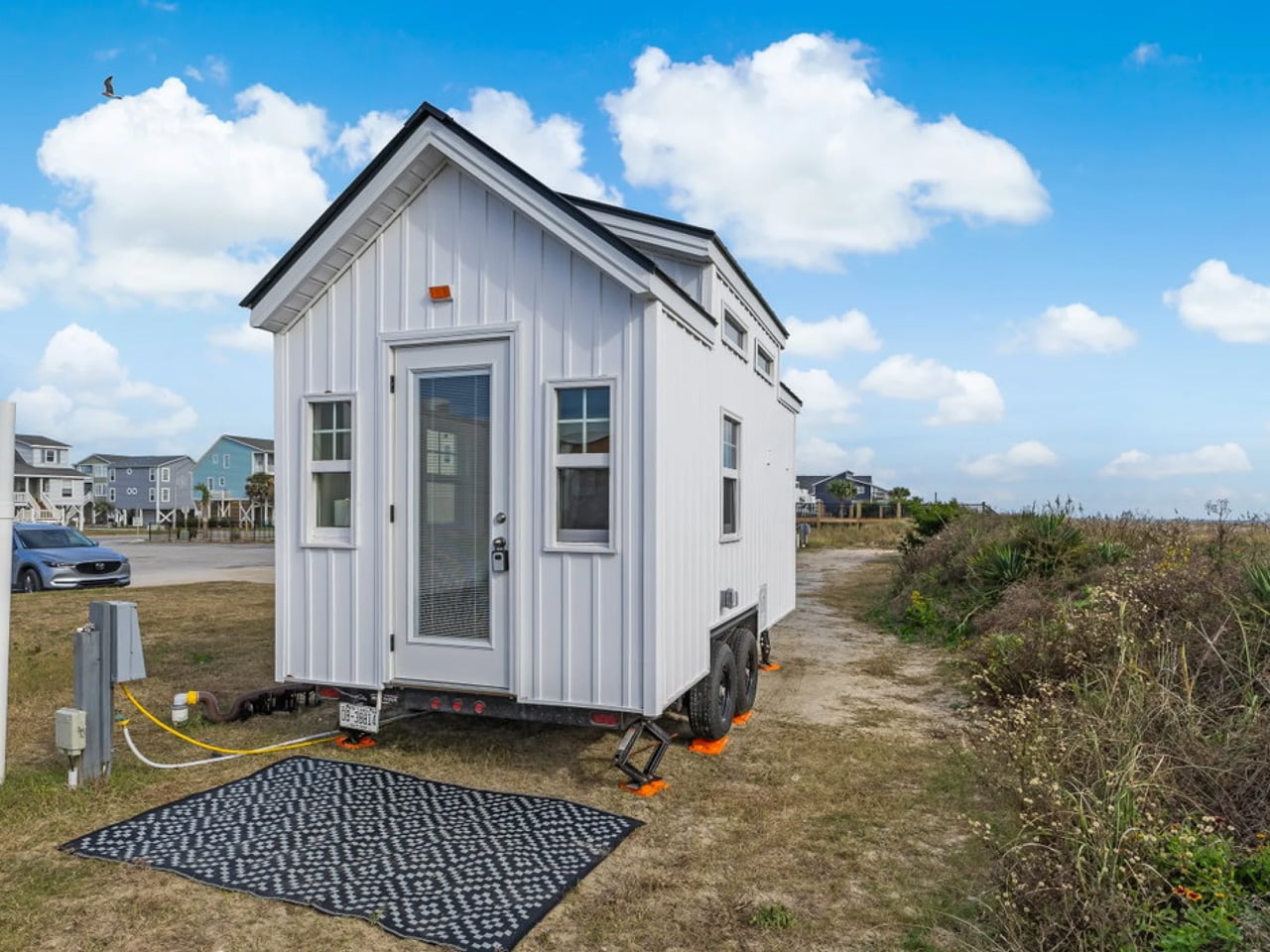
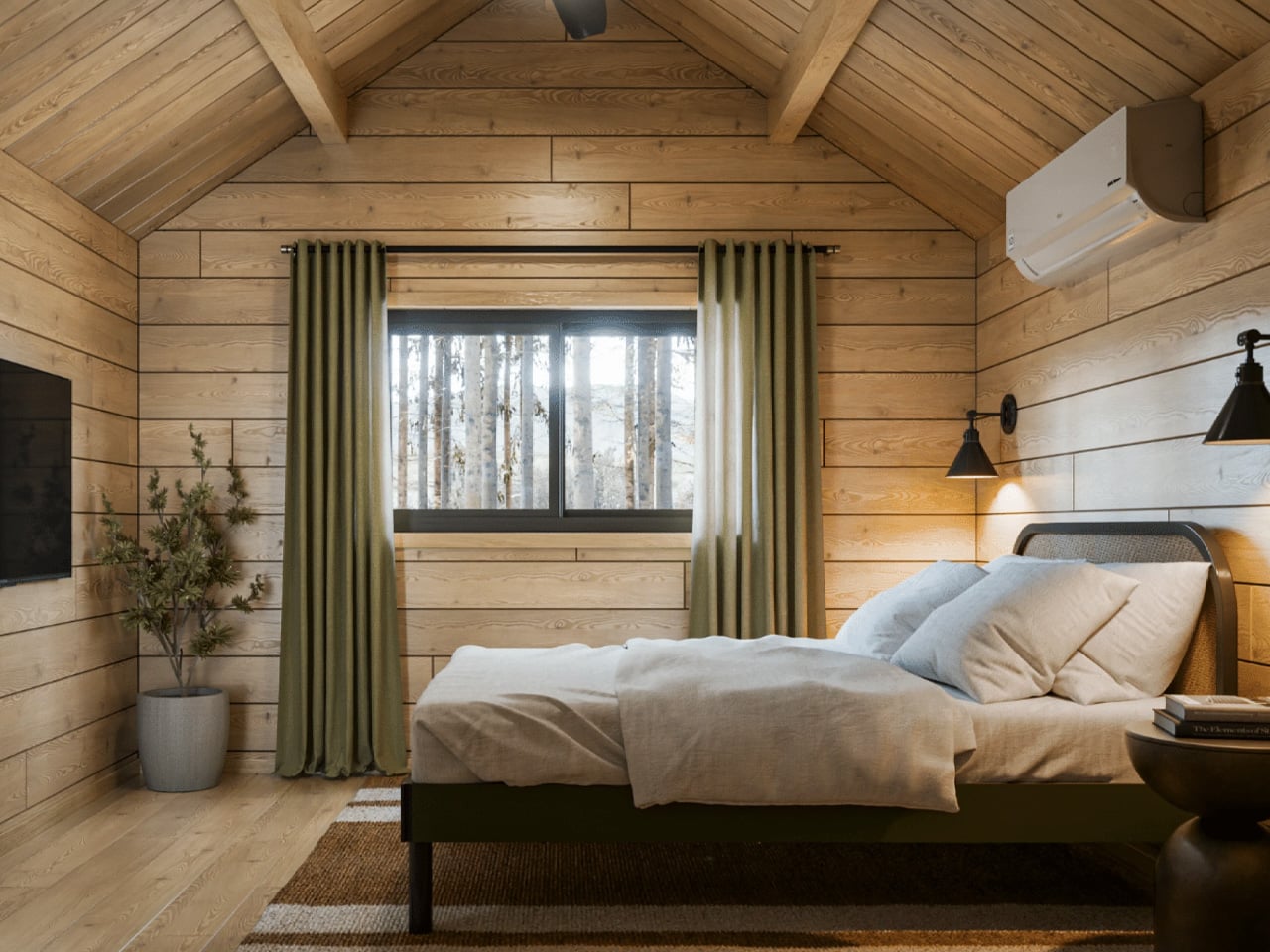
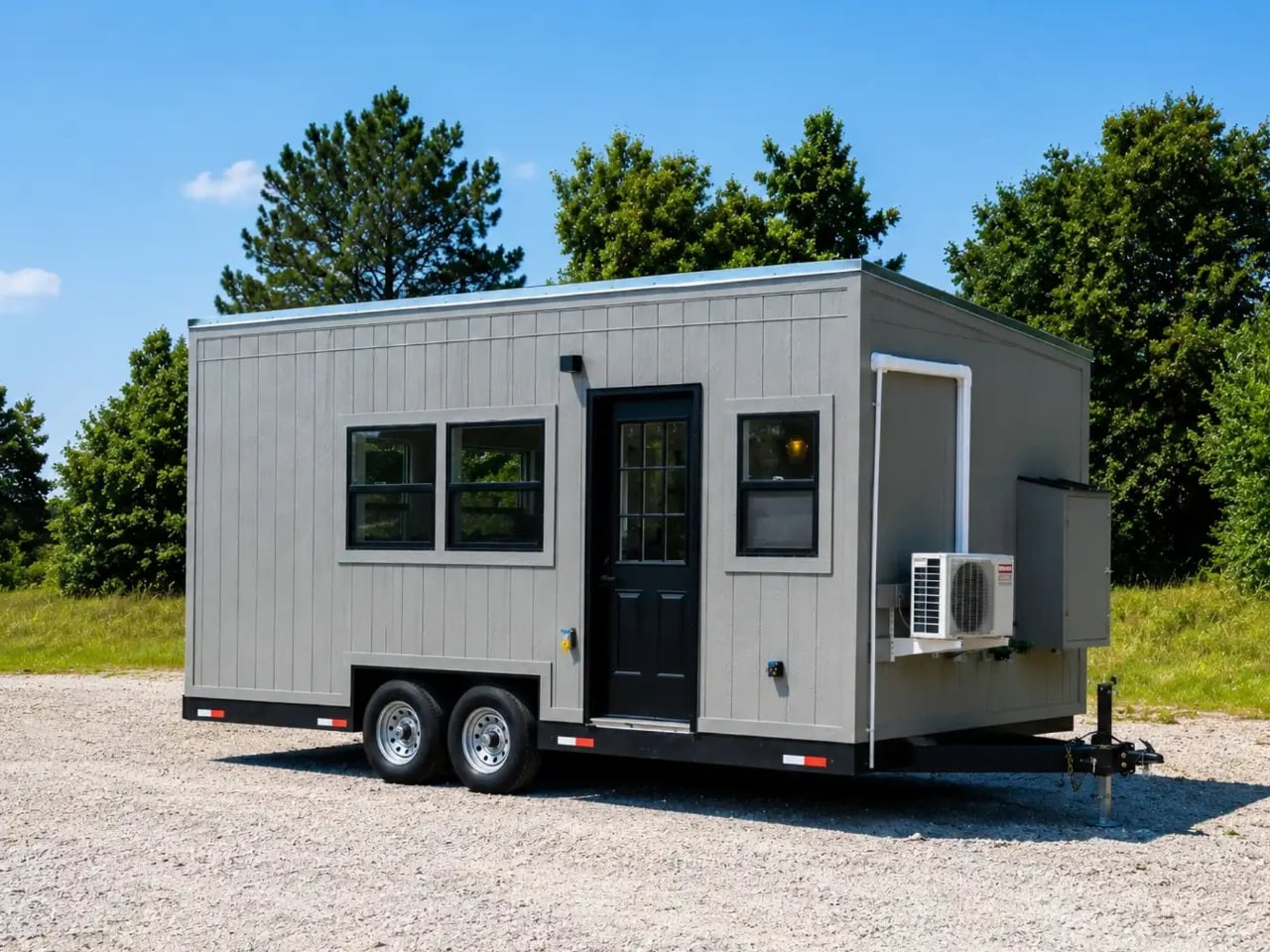
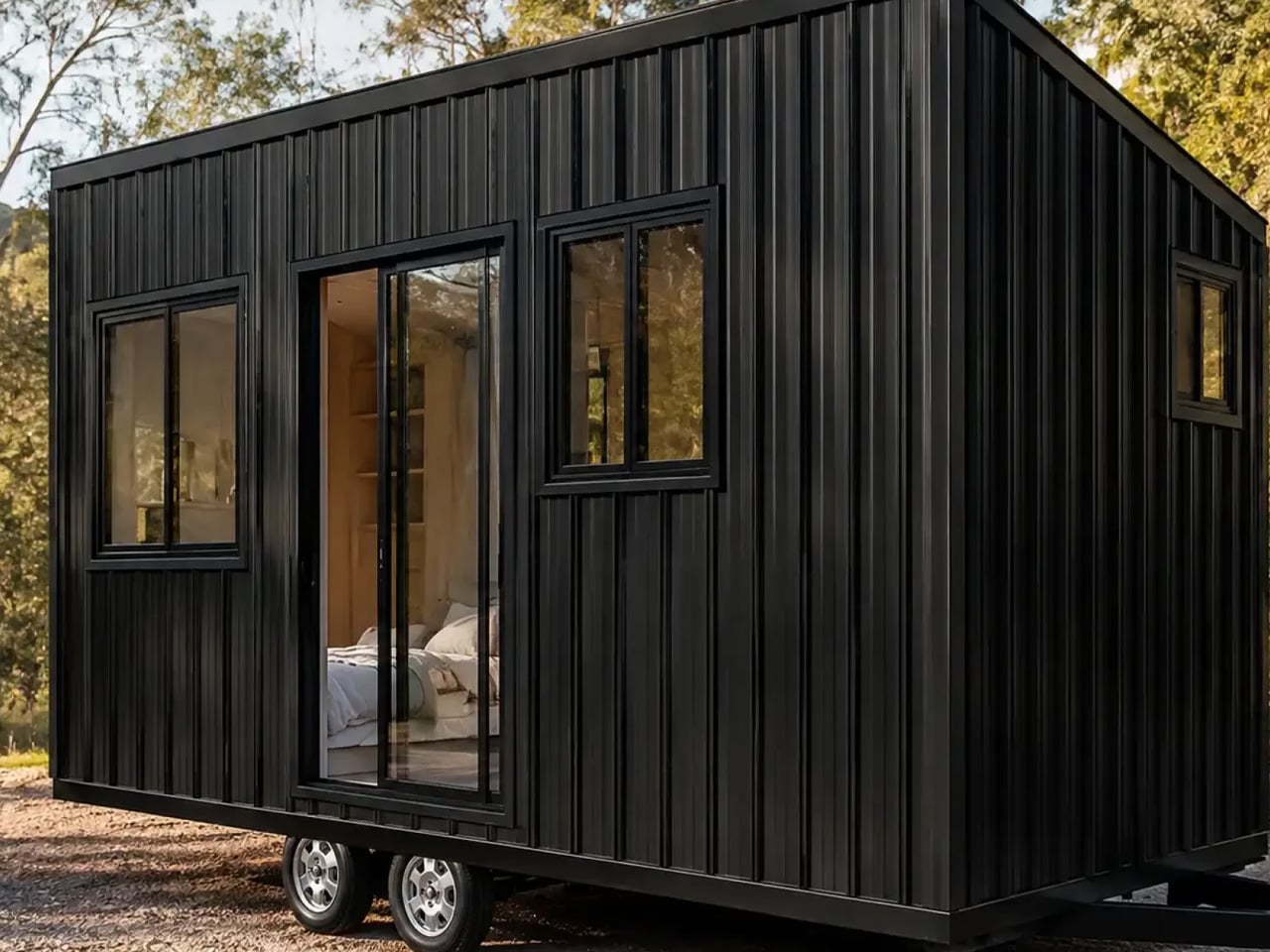
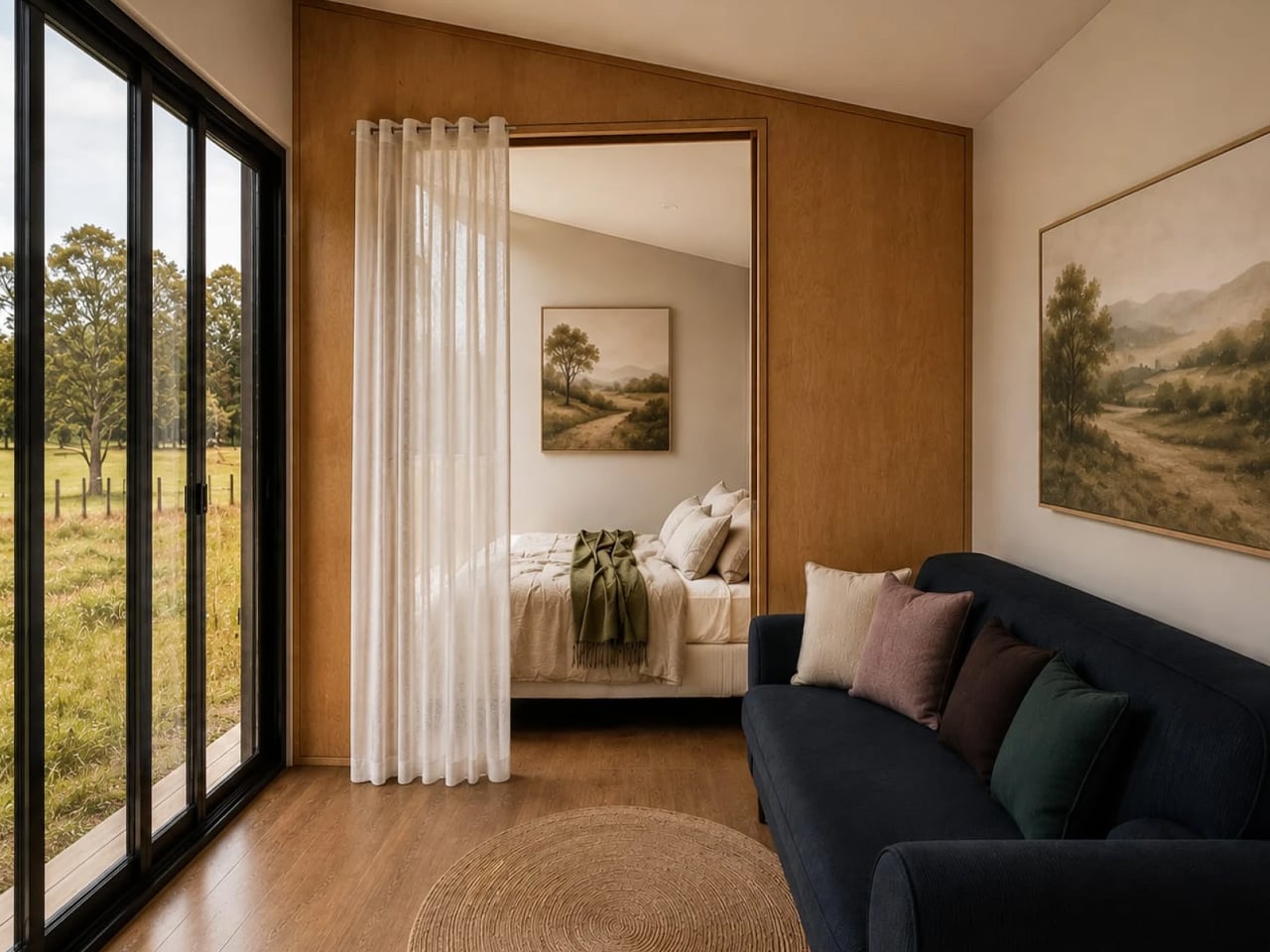
Nestled in the peaceful Swedish countryside, Vagabond Haven’s Sofia tiny house proves that living small doesn’t mean sacrificing style or comfort. At just 172 square feet, this compact dwelling has captured the attention of the tiny house community for its clever use of space and its unrelenting connection to nature. The first thing you notice about Sofia is the windows. Large panoramic panes wrap around the interior, while a strategically placed roof skylight sits directly above the king-sized bed. This design choice transforms the sleeping area into a private observatory where residents can watch clouds drift by during the day and count stars at night. The bohemian chic interior complements this openness, creating an atmosphere that feels more like a cozy retreat than a tiny house.

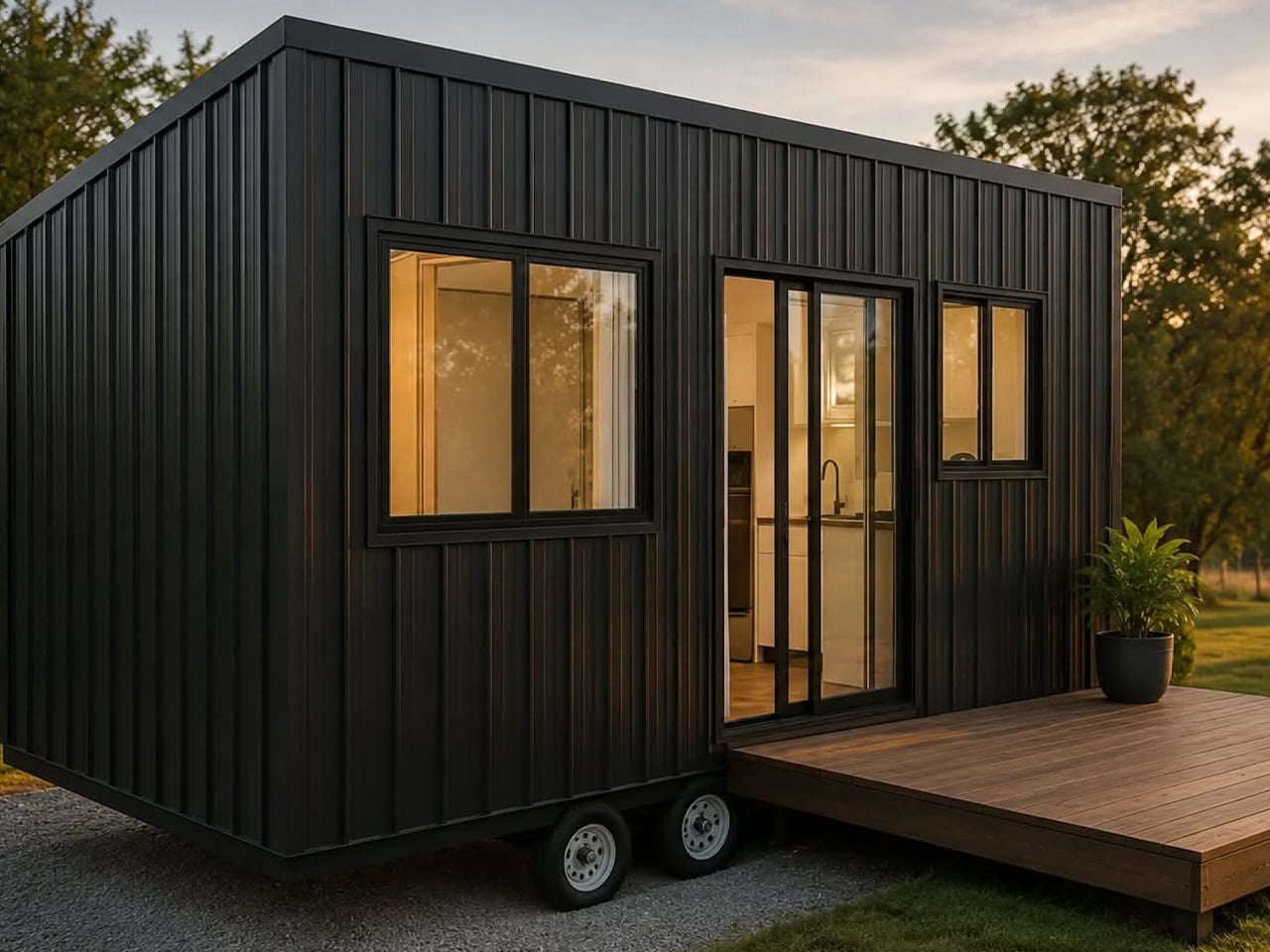
Built on a double-axle trailer measuring 20 feet in length, Sofia maintains the mobility that makes tiny house living so appealing. The spruce construction keeps the weight manageable while providing the structural integrity needed for Scandinavian winters. Vagabond Haven designed this model specifically for year-round living in harsh Nordic conditions, ensuring robust insulation and high-quality materials throughout. The dimensions measure 6.1 meters in length, 2.55 meters in width, and 4 meters in height, creating a profile that’s road-legal yet surprisingly spacious once inside.

Designer: Vagabond Haven

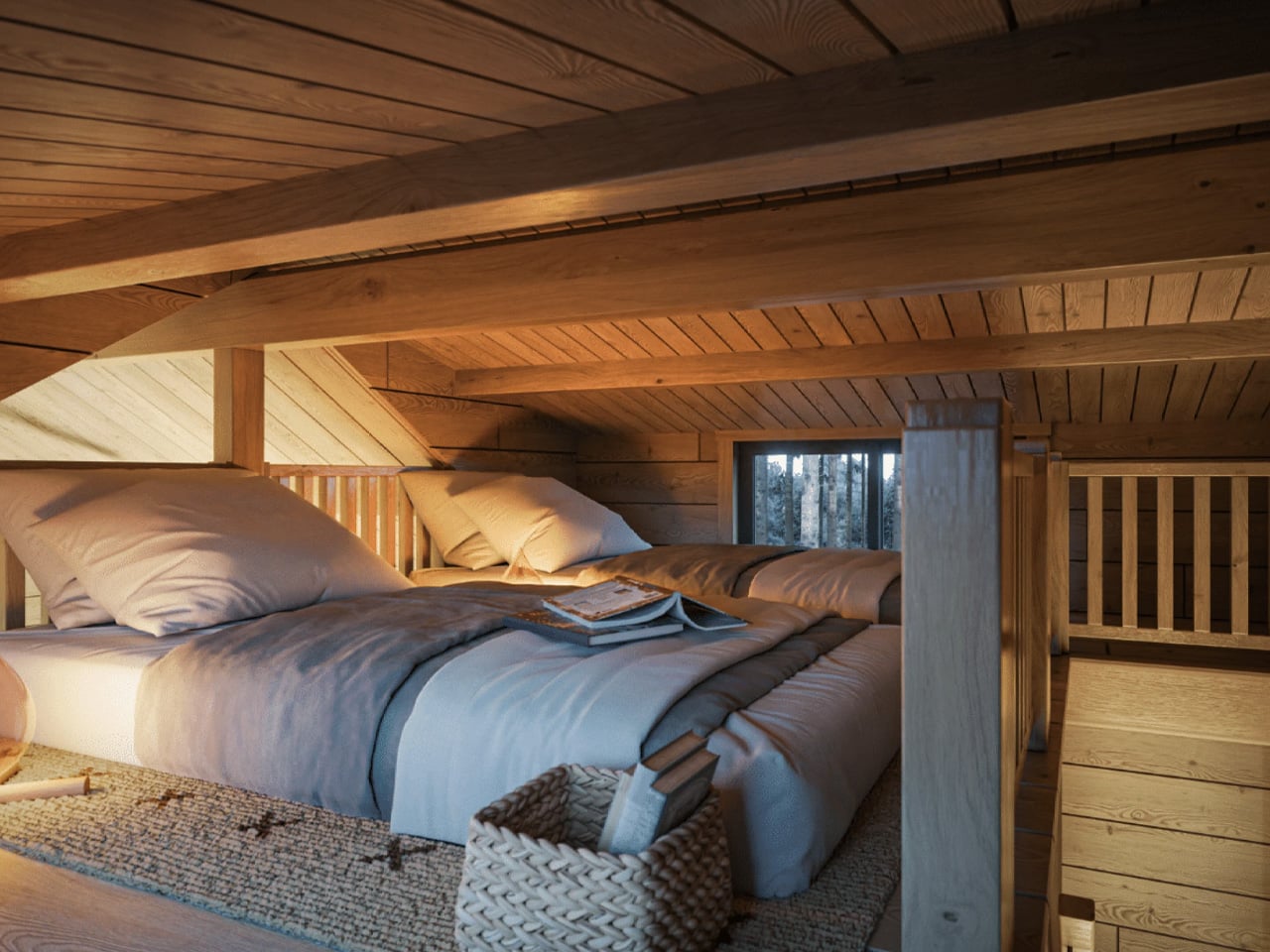
The interior layout showcases thoughtful space planning. The elevated bedroom platform doubles as storage, with slide-out furniture tucked beneath that transforms the area from sleeping quarters to living space. A well-equipped kitchen lines one wall, featuring everything needed for daily cooking without feeling cramped. The living area adapts to different needs throughout the day, proving that 16 square meters can accommodate more activities than you’d expect. This transforming interior design has earned Sofia recognition for making such a compact footprint surprisingly livable for two people.

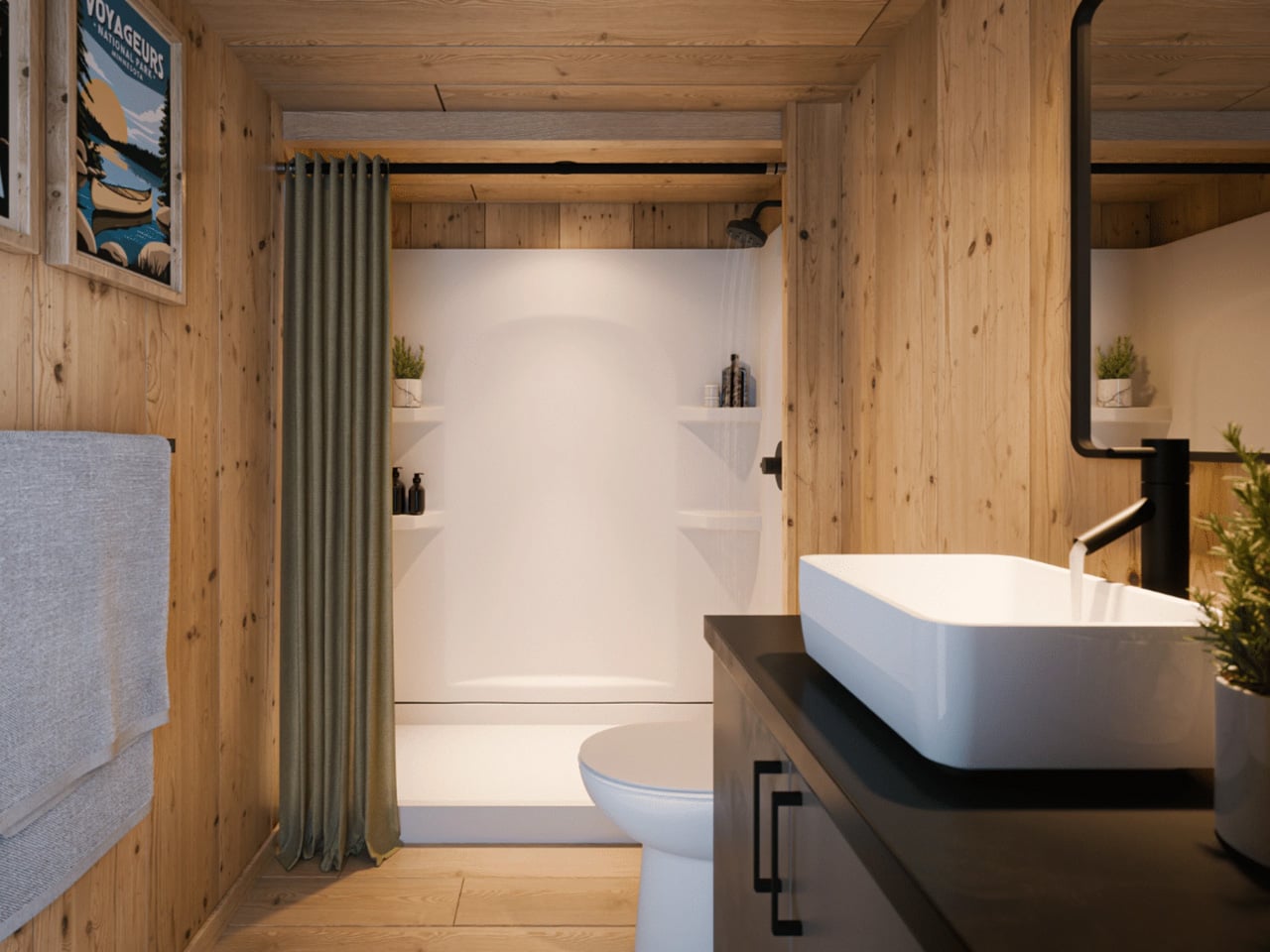
The bathroom deserves special mention for its wet-room design using Fibo Trespo panels. Buyers can choose between flush, composting, or Cinderella incinerating toilets, making the Sofia adaptable to various locations and lifestyles. The shower cabin offers either curtain or glass door options, while an energy-saving water heater keeps utility costs low. These choices reflect Vagabond Haven’s commitment to customization within their standardized models. A cupboard with washing basin and options for infrared or regular mirrors complete the bathroom setup, proving that compact spaces can still offer genuine comfort and flexibility.

What sets Sofia apart from other tiny houses in its size category is the attention to eco-friendly details. The company uses sustainable materials throughout construction and offers various off-grid solutions for those seeking complete independence. A rainwater harvesting system, a recuperator for ventilation, and options for solar power mean Sofia can sit comfortably in remote locations far from municipal services. The design philosophy behind Sofia recognizes that tiny house dwellers want genuine quality, not just miniaturized versions of conventional homes. Every cabinet, window placement, and storage solution serves multiple purposes. The result feels intentional rather than cramped, stylish rather than sparse.

For those interested in seeing Sofia firsthand, Vagabond Haven offers a 3D virtual tour on their website, allowing potential buyers to explore the space before making the journey to Sweden. Ready-built models can ship within two to four weeks when in stock, while custom orders take longer but allow buyers to select specific materials, colors, and finishes that match their vision. Sofia represents a sweet spot in the tiny house market: small enough to remain affordable and mobile, yet large enough to serve as a legitimate full-time home for couples or solo dwellers seeking connection with nature and freedom from excess.

The post This 172-Square-Foot Tiny House Transforms to Feel Surprisingly Spacious first appeared on Yanko Design.
Victorinox and La Marzocco Just Built a Swiss Army Knife for Coffee Obsessives

You know that moment when you’re trying to deep clean your espresso machine and you’re juggling three different screwdrivers, a wrench, and some weird proprietary tool that came in the box five years ago? Well, Victorinox and La Marzocco apparently had the same frustration, because they just dropped a collaboration that feels like it was designed specifically for that chaotic kitchen drawer situation.

The Victorinox x La Marzocco Barista Tool is exactly what it sounds like: a Swiss Army knife that traded in some of its camping credentials for coffee shop clout. And honestly, it’s kind of brilliant. This isn’t just slapping a coffee brand logo on a classic multitool and calling it a day. It’s a genuinely thoughtful reimagining of what a pocket tool could be for the caffeine-obsessed among us.

Designers: Victorinox x La Marzocco

Let’s talk about what makes this thing special. Sure, it’s got your standard Swiss Army knife features, the ones we all know and love, like a blade, screwdrivers, and pliers. But then there are the coffee-specific additions that show someone actually thought about what home baristas need. There’s a thin spatula designed for scooping excess coffee grounds and cleaning the shower screen on your espresso machine. There’s a steam wand nozzle remover, which is one of those tools you never think about until you desperately need it at 7 a.m. when your milk won’t foam properly. And there are specialized screwdrivers sized for common espresso machine adjustments, because apparently not all screwdrivers are created equal when you’re tinkering with a $3,000 La Marzocco at home.

The tool comes in that iconic Swiss Army knife red with special La Marzocco badging, bridging Swiss precision engineering with Italian espresso heritage. It’s a collaboration that makes sense when you think about it. Both companies have cult followings among people who care deeply about craft and quality. Victorinox has been making reliable multitools since 1884, and La Marzocco has been the gold standard in espresso machines since 1927. Put them together and you get something that speaks to both the design nerd and the coffee snob.

Here’s what’s interesting about this release: it represents a growing trend of hyper-specialized everyday carry tools. We’re moving beyond the one-size-fits-all approach to gear. Rock climbers have their specific multitools, cyclists have theirs, and now home baristas have one too. It acknowledges that coffee culture has evolved from a casual morning routine to a legitimate hobby with its own maintenance requirements and technical know-how.

The Barista Tool includes 19 functions total, which sounds excessive until you realize how many tiny adjustments and cleaning tasks go into maintaining a home espresso setup. Anyone who’s owned a machine knows that regular maintenance isn’t optional if you want consistently good shots. This tool consolidates all those little tasks into one pocket-sized package. No more hunting for that one specific hex key or trying to MacGyver a solution with whatever’s in your junk drawer.

At $160, it’s definitely positioned as a premium accessory. That price point puts it firmly in enthusiast territory, the kind of thing serious home baristas might put on a wish list or gift to themselves after finally dialing in that perfect espresso recipe. It’s not trying to be a mass-market impulse buy. This is for people who already dropped serious money on their setup and want tools that match that level of investment.

What I find most compelling about this collaboration is how it reflects where design is heading. We’re seeing more crossover projects that merge different expertise areas to solve specific problems. It’s functional design at its best: identifying a real need, bringing together the right partners, and creating something that’s both practical and a little bit special. The Barista Tool isn’t revolutionary, but it doesn’t need to be. It’s just really good at doing exactly what it promises.

Whether you’ll actually use all 19 functions regularly is debatable, but that’s kind of the charm of any Swiss Army knife, isn’t it? It’s there when you need it, compact enough to stay out of the way when you don’t, and substantial enough to feel like a quality tool rather than a gimmick. For the home barista who has everything, this might just be the thing they didn’t know they needed.

The post Victorinox and La Marzocco Just Built a Swiss Army Knife for Coffee Obsessives first appeared on Yanko Design.
Top 5 Reasons 3D-Printed Homes Are the Future of Affordable Housing

The growing fascination with 3D-printed homes stems from their remarkable potential to cut construction costs and drastically shorten building timelines. By embracing this cutting-edge technology, the housing sector is entering a transformative era where homeownership becomes more affordable, sustainable, and accessible. Traditional construction methods are gradually giving way to a streamlined, tech-driven approach that promises efficiency without compromising on quality.

This addresses global housing challenges, such as the construction of resilient, budget-friendly homes in developing regions, and highly personalized, eco-conscious designs. Here is how 3D printing enables the creation of smarter, functional, and visually striking homes for the future.

1. Reduces Construction Costs

One of the biggest advantages of 3D printed homes is their ability to sharply lower construction costs. Automated robotic systems print walls layer by layer, reducing the need for large on-site crews and expensive labor. By incorporating locally sourced, affordable materials, builders can further cut expenses, making homeownership more attainable.

This approach is not only faster but also highly precise. A machine can construct a home in days rather than months, using only the material required. The result is less waste, lower costs, and a more environmentally friendly building process, benefiting both your budget and the planet.

Japanese architecture studio Lib Work, in collaboration with Arup and WASP, has introduced the Lib Earth House Model B, a 1,076-square-foot residence 3D-printed primarily from soil. This single-story home in Kumamoto Prefecture demonstrates how ancient, locally sourced materials can be transformed through modern technology to create environmentally conscious architecture. With gently curved walls, ribbed textures, and a flat roof designed for solar panels and rainwater collection, the structure is subjected to natural constraints while offering a futuristic yet rooted aesthetic.

Built from a mix of soil, sand, lime, and natural fibers, the house celebrates imperfection through visible striations and organic textures that evolve beautifully over time. Inside, the design merges earthy warmth with modern comfort, featuring open-plan spaces, natural light, and climate-regulating walls. Discreet sensors monitor performance, ensuring durability and efficiency. The project redefines sustainable architecture, blending tradition, innovation, and adaptability into a living blueprint for eco-conscious design.

2. Faster Construction

3D-printed homes can be built at remarkable speed, setting them apart from traditional construction. Walls for a small house can be printed in just 24 to 48 hours, a task that would take conventional crews weeks or months. This rapid pace is especially crucial in areas with urgent housing needs, such as disaster-hit regions or communities facing shortages.

The faster building process allows homeowners to move in sooner and turns lengthy projects into efficient, streamlined undertakings. For developers, it means quicker returns and easier scaling. Accelerated construction makes quality, affordable housing more accessible to those who need it most.

3D-printed architecture is moving beyond novelty to become a practical solution for affordable and sustainable housing. In Louth, eastern Ireland, HTL.tech has completed Grange Close, a three-unit terraced social housing project spanning 330 sq m (3,550 sq ft). Each home offers 110 sq m (1,184 sq ft) across two levels, constructed with COBOD’s BOD2 printer. The project was delivered in just 12 working days, from site preparation to handover, making it 35% quicker than conventional methods. Walls were printed using a cement-like mixture extruded layer by layer, while builders added roofing, electrical systems, and finishes.

The homes blend seamlessly into modern housing design, avoiding the ribbed texture typically associated with 3D printing. This contemporary appearance ensures residents feel they are living in fully finished, high-quality dwellings. HTL.tech expects future builds to be completed in as little as nine days, signaling how 3D printing can revolutionize construction by providing faster, cost-effective, and sustainable homes.

3. Enhances Design Flexibility

3D printing gives architects design possibilities beyond traditional construction. Complex curves, unconventional shapes, and intricate details that are costly or impossible with wood or brick become achievable. This technology enables the creation of truly unique, personalized homes that break free from standard rectangular layouts.

From sweeping curved facades to detailed interior wall patterns, 3D printing makes full customization accessible. Homeowners can design spaces that reflect their personal style and lifestyle, turning houses into bespoke works of art. The possibilities are nearly limitless, empowering creativity and allowing each home to be as distinctive and individual as the people who live in it.

QR3D, designed by Park + Associates, is Singapore’s first multi-storey 3D-printed home and a striking vision of future domestic architecture. Rising four stories in Bukit Timah, the house explores how digital manufacturing can transform urban living in a city where space is scarce and innovation is essential. Its façade departs from convention with layered, grooved concrete that openly reveals its 3D-printed origins. With 97% of the walls printed on-site, the structure unites precision and
craft, using texture as both finish and framework while creating visual continuity that flows from exterior to interior.

Inside, a dramatic central void ties the four levels together, bringing daylight and ventilation deep into the plan while amplifying spatial openness. Floating stairs and bridges soften the vertical expanse, turning the void into the home’s defining feature. Combining expressive form with functional efficiency, QR3D showcases how technology and design can converge to create sustainable, adaptable, and distinctly modern housing.

4. Enhancing Sustainability

Sustainability is a major advantage of 3D-printed construction. The process applies materials precisely where needed, producing far less waste than traditional methods. Many 3D printing materials are recycled or locally sourced, reducing transportation and environmental impact while lowering the project’s overall footprint.

Beyond efficiency, 3D-printed homes can incorporate durable, energy-saving features like improved insulation and optimized ventilation. By cutting waste and using eco-friendly materials, these homes support climate-conscious building practices. They benefit the planet while also offering homeowners long-term savings on energy costs, proving that sustainable design can be both practical and environmentally responsible.

Designed by BM Partners and built with COBOD’s BOD2 printer, this residence in Almaty, Kazakhstan, stands as Central Asia’s first 3D-printed home. Created to endure seismic risks and extreme weather, it showcases the resilience of 3D construction. The walls were formed using a specially developed cement mix with a compression strength of nearly 60 MPa, which is much higher than conventional brick or stone, enabling it to withstand earthquakes up to magnitude 7.0. To address Kazakhstan’s harsh climate, insulation of expanded polystyrene concrete was incorporated, ensuring strong thermal and acoustic performance against temperatures ranging from –57°C to +49°C.

After the layered printing process, the structure was finished with doors, windows, and interiors using traditional techniques. The single-floor home spans 100 sq m, featuring a simple yet functional layout, generous glazing, and a bright living space. Completed within two months, it demonstrates the efficiency, durability, and design possibilities of modern 3D-printed construction.

5. Resilient and Accessible Housing

3D-printed homes offer exceptional strength, often exceeding that of traditional construction. Their continuous, monolithic walls have no weak points, making them highly resistant to extreme weather, earthquakes, and other natural disasters. This durability provides safety and peace of mind, especially in vulnerable regions.

Beyond resilience, 3D printing makes housing more accessible worldwide. Lower costs and faster construction allow organizations to deliver high-quality, permanent homes to disaster-affected areas and low-income communities. This technology serves as a powerful tool for social impact, providing secure, dignified housing and helping to address global housing challenges efficiently and effectively.

3D-printed architecture is proving to be a promising answer to housing accessibility, by Portugal-based Havelar. The single-storey home spans 80 sq m and was printed in just 18 hours using COBOD’s BOD2 printer. The process involved extruding a cement-like mixture in layers to form the structure, followed by traditional building work such as adding windows, doors, roofing, and other amenities, and the project was completed within two months.

The residence features ribbed walls that reveal its 3D-printed origin, with a layout comprising a central kitchen and dining area, two bedrooms, a living room, and a bathroom. Though modest compared to luxury printed homes, it prioritizes practicality and efficiency.

3D-printed homes deliver remarkable durability, often surpassing traditional construction. Their seamless, monolithic walls eliminate weak points, making them highly resistant to extreme weather, earthquakes, and other natural hazards. This inherent strength ensures safety and peace of mind, particularly in areas prone to environmental risks.

The post Top 5 Reasons 3D-Printed Homes Are the Future of Affordable Housing first appeared on Yanko Design.
These No-Drill Window Blinds Install in 30 Seconds Without Damaging Your Walls

There is a moment of hesitation familiar to anyone who has ever wanted to personalize their living space: the moment before drilling a hole into a pristine wall. For renters, it brings the risk of a lost security deposit. For homeowners, it is a small but permanent commitment, a mark that will need to be patched and painted over if they ever change their minds. This single action is often the barrier between the generic, builder-grade blinds that came with a property and a window treatment that truly reflects personal style and serves a specific need. It is this universal reluctance that has given rise to a new class of home solutions, designed around ingenuity rather than brute force. Window coverings are no longer a project requiring a tool belt and a steady hand; instead, they are evolving into something far more accessible.

This friction point in home improvement is where clever design really gets to shine. It is one thing to make something look good, but it is another thing entirely to re-engineer the user experience from the ground up. The best products eliminate the most painful step of the process so effectively that you wonder why it ever existed in the first place. This is precisely the space Keego has stepped into, offering no-drill blinds that promise a complete transformation in about a minute, turning a once-dreaded task into a simple, satisfying upgrade. The core mechanism is a tension rod system, essentially a sophisticated pressure mount that wedges the entire blind assembly securely into the window frame. It is a simple, elegant solution to a problem that has plagued homeowners and apartment dwellers for decades.

Designer: Keego Blinds

Click Here to Buy Now: Hurry, use coupon code “YANKO16” at checkout. Honeycomb Cellular Shades | Zebra Shades.

Honeycomb Cellular Shades

First up is the Extra Wide Top Down Bottom Up Honeycomb Cellular Shade, which solves a problem most blind manufacturers pretend does not exist: oversized windows. This variant supports custom widths up to 78 inches, a dimension that immediately makes it relevant for bay windows, sliding glass doors, or any architectural feature where standard sizing falls embarrassingly short. The top down bottom up functionality is the real highlight here, allowing you to lower the shade from the top or raise it from the bottom independently. This gives you surgical precision over privacy and light, perfect for ground-floor rooms where you want daylight streaming in overhead while keeping neighbors from peering inside. The honeycomb structure still delivers the thermal insulation you would expect, trapping air in those hexagonal cells to regulate temperature and dampen street noise.

What separates this from the standard honeycomb offerings is the sheer flexibility it provides. Opening from both directions turns a passive window covering into an active design element you can adjust throughout the day as the sun moves and your needs shift. The cordless mechanism operates smoothly in both directions, which is critical when you are managing a shade this wide. The blackout fabric options are effective, creating near-total darkness when fully deployed, while the light-filtering versions provide that soft, diffused glow that keeps a room feeling open without sacrificing privacy. This is the choice for anyone dealing with non-standard window dimensions or who wants granular control over how light enters their space, all without committing to permanent hardware.

Zebra Shades

Then we have the Zebra shades, which take a completely different approach to the same problem. Where the Honeycomb is about brute-force light blocking, the Zebra is about nuanced light management. The design consists of two layers of fabric that slide over one another, with alternating horizontal stripes of sheer and opaque material. This construction gives you granular control over the amount of light entering the room. You can align the solid bands for privacy and room darkening, align the sheer bands to let in diffuse daylight, or set them anywhere in between to strike the perfect balance. It is an incredibly clever system that feels more dynamic and interactive, turning the window into a feature rather than just an opening.

The Zebra shades lean more into the tech and design-forward category, especially with the motorized option. The system comes with a remote capable of controlling up to 15 blinds at once, which is a fantastic quality-of-life feature for rooms with multiple windows. The fabrics often have a texture, like an imitation linen, that adds a layer of softness and visual interest to a space, preventing it from feeling too sterile. This style is for the person who wants to actively shape the light in their room throughout the day, treating it as another element of their interior design. The Zebra shades are a statement piece that merge a clever mechanical concept with a modern aesthetic, all while retaining that brilliantly simple no-drill installation.

Ultimately, the choice between the two comes down to a fundamental difference in philosophy. The Extra Wide Top Down Bottom Up Honeycomb Cellular Shade is the pragmatic solution for oversized windows and surgical light control, combining thermal efficiency with the flexibility to adjust from both top and bottom. The Zebra is the expressive design object, offering a more artistic and flexible way to interact with natural light. Both, however, are built on that same foundation of accessibility. By removing the drill from the equation, Keego has made a meaningful upgrade to a home’s comfort and style something that can be achieved on a lunch break.

These blinds are available to order directly from the Keego website and can also be found on major online retail platforms like Amazon and Walmart. Custom sizing is a key part of the offering, ensuring that the pressure-fit system works perfectly for a wide range of window dimensions.

Click Here to Buy Now: Hurry, use coupon code “YANKO16” at checkout. Honeycomb Cellular Shades | Zebra Shades.

The post These No-Drill Window Blinds Install in 30 Seconds Without Damaging Your Walls first appeared on Yanko Design.
Aqara FP300 Detects You Even When You’re Sitting Perfectly Still

Smart home sensors have gotten pretty good at detecting when you walk into a room, but they’re still terrible at knowing when you’re actually there. Most motion sensors trigger when you move, then assume you’ve left the moment you sit down to read or work at a desk. That means your lights flicker off while you’re still in the room, forcing you to wave your arms like you’re trying to flag down a rescue helicopter. It’s the kind of everyday annoyance that makes smart homes feel less smart and more like they’re making educated guesses.

The Aqara Presence Multi-Sensor FP300 solves this with a combination of PIR and 60GHz mmWave radar sensors that detect both motion and stationary presence. That dual-sensor setup means the device knows you’re there even if you’re sitting perfectly still, which is exactly what presence detection should have been doing all along. The sensor also packs temperature, humidity, and light sensors into its compact body, turning it into a five-in-one device that can automate everything from lighting to climate control based on actual occupancy.

Designer: Aqara

The FP300 itself is a small, cylindrical unit that measures just 42mm on each side and 50mm tall. It’s designed to blend in rather than stand out, with a clean white finish and subtle Aqara branding. The real advantage is how flexible placement can be. You can mount it on walls or ceilings, stick it in corners, attach it to magnetic surfaces like refrigerators, or just set it on a shelf or desk without any mounting hardware at all. That wireless freedom is rare for presence sensors, which usually require wired power or specific mounting positions.

Of course, being battery-powered raises questions about longevity, but Aqara claims up to three years of battery life when using Zigbee, or two years with Thread. That’s running on two replaceable CR2450 coin cells, which is surprisingly long for a device that’s constantly monitoring presence and environmental conditions. You can extend that further by disabling certain sensors or adjusting reporting intervals if you don’t need every data point the device can collect.

The FP300 supports both Zigbee and Thread protocols, which means it works with pretty much every major smart home platform through Matter. Apple Home, Google Home, Alexa, SmartThings, and Home Assistant are all compatible, though you’ll need either an Aqara hub for Zigbee or a Thread border router to get everything working. Using Zigbee unlocks extra customization options in the Aqara Home app, like adjusting detection sensitivity and tweaking reporting intervals.

What makes the FP300 feel genuinely useful is how those five sensors work together. The presence detection ensures lights stay on when you’re in the room, while the light sensor prevents them from turning on during the day. The temperature and humidity data can trigger your HVAC system only when someone’s actually home, saving energy without sacrificing comfort. It’s the kind of layered automation that makes smart homes feel less gimmicky and more practical.

At around $50, the FP300 sits between basic motion sensors that miss half your movements and wired presence sensors that cost more and require professional installation. For anyone building out a smart home without tearing into walls or dealing with complicated wiring, that’s a reasonable trade-off. The fact that you can just plop it on a shelf and have it start working makes the whole setup feel refreshingly simple for once.

The post Aqara FP300 Detects You Even When You’re Sitting Perfectly Still first appeared on Yanko Design.
This 390-Square-Foot Tiny Home Feels More Like A Luxury Apartment

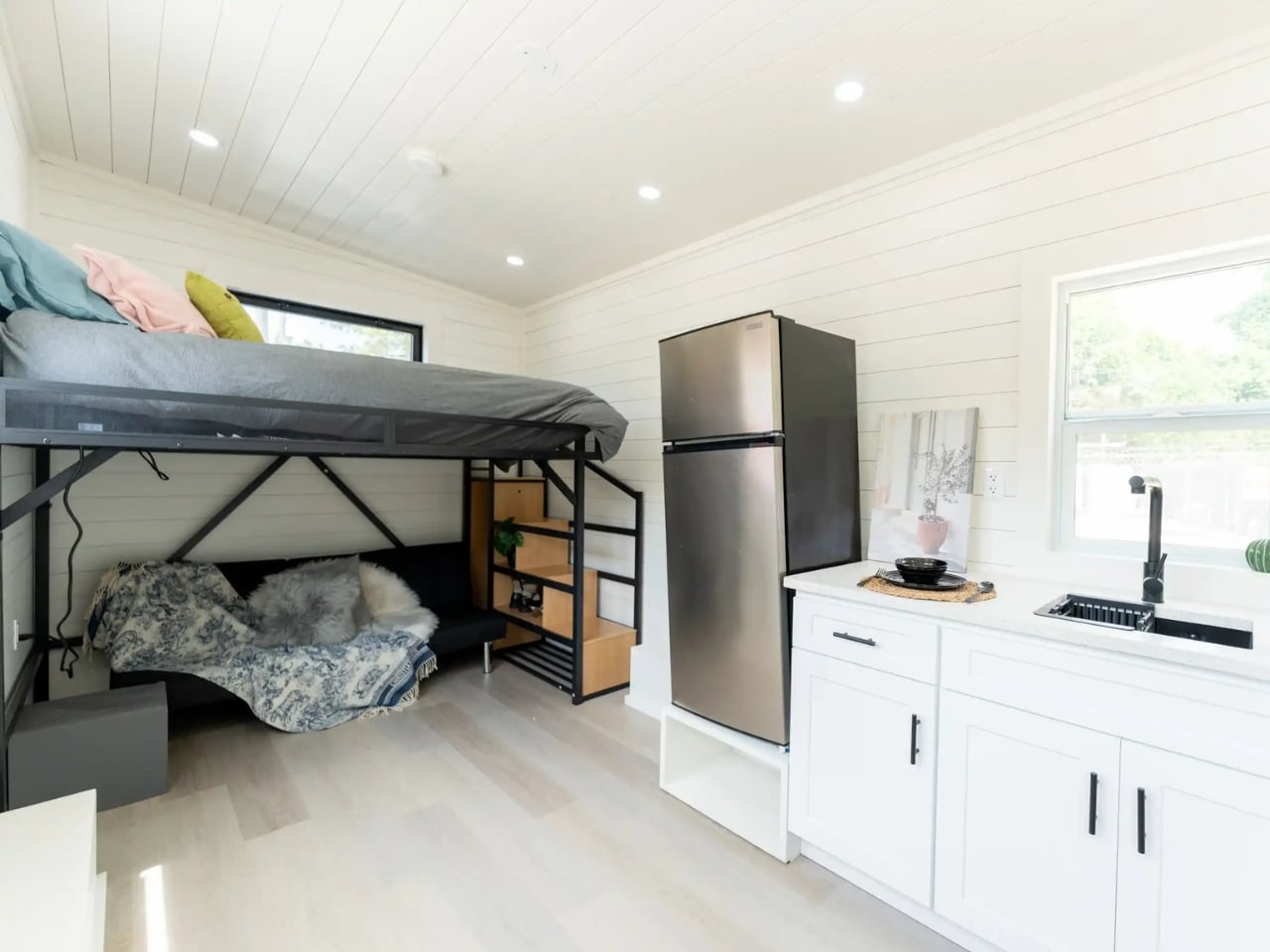
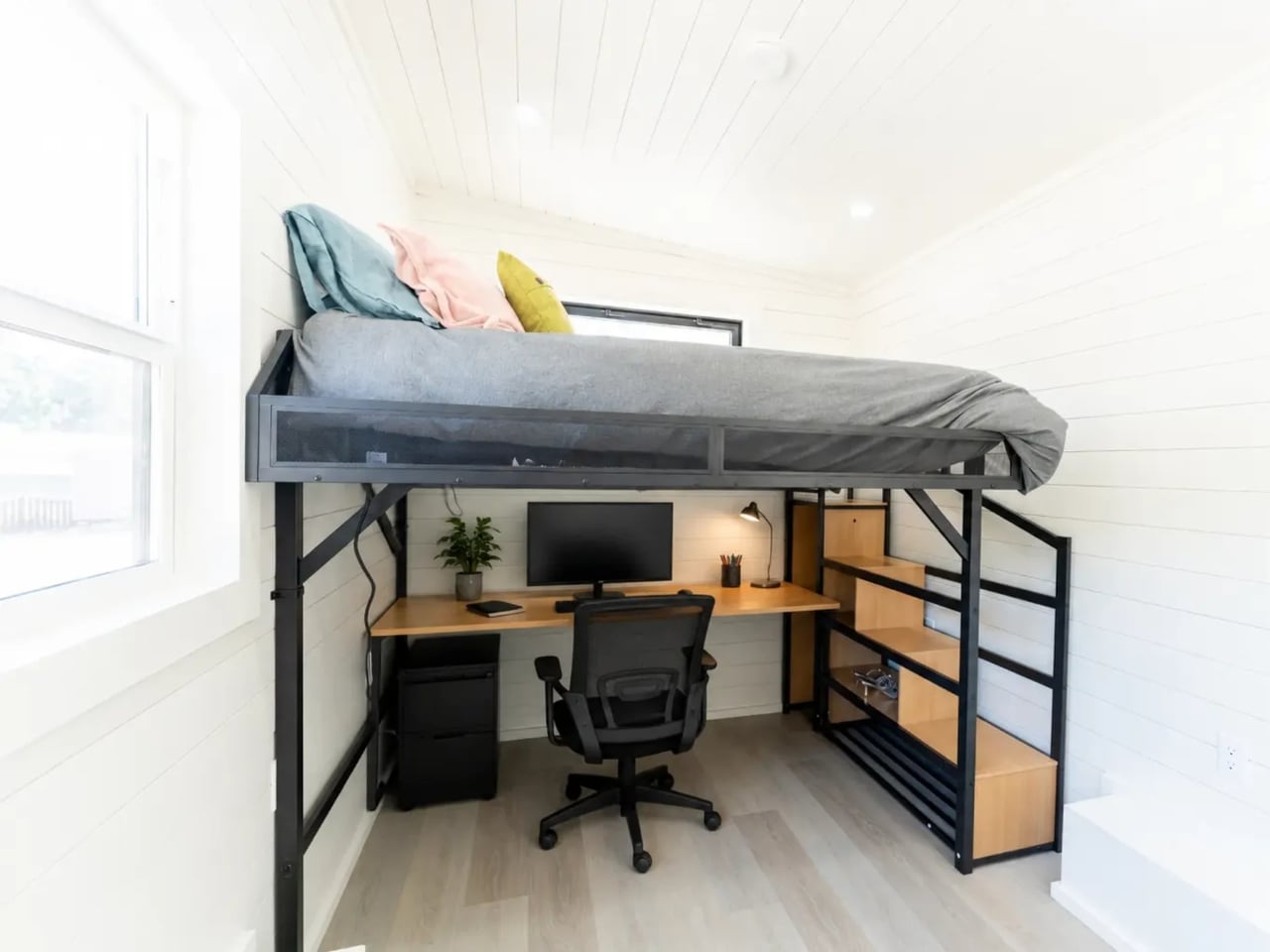
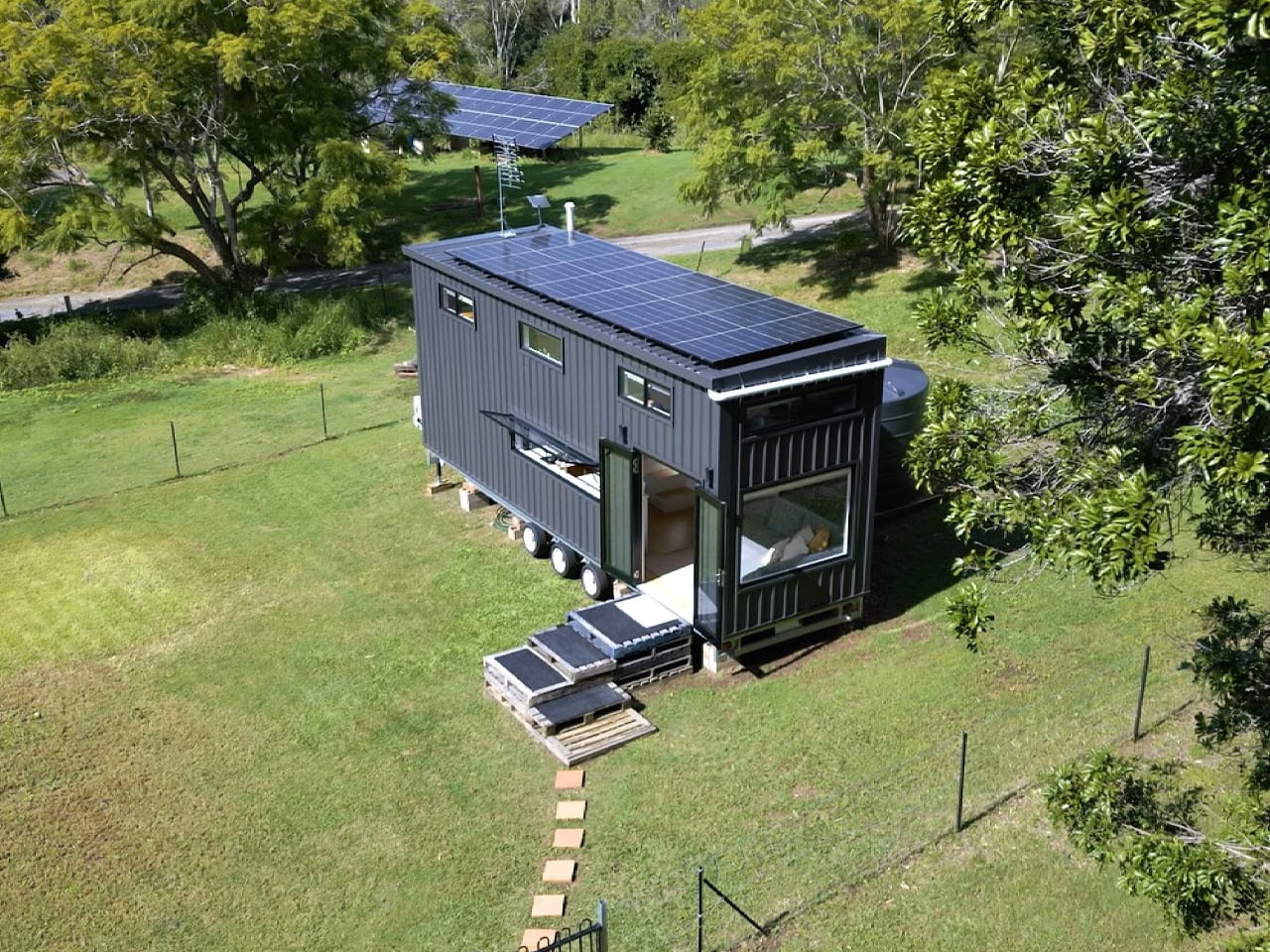
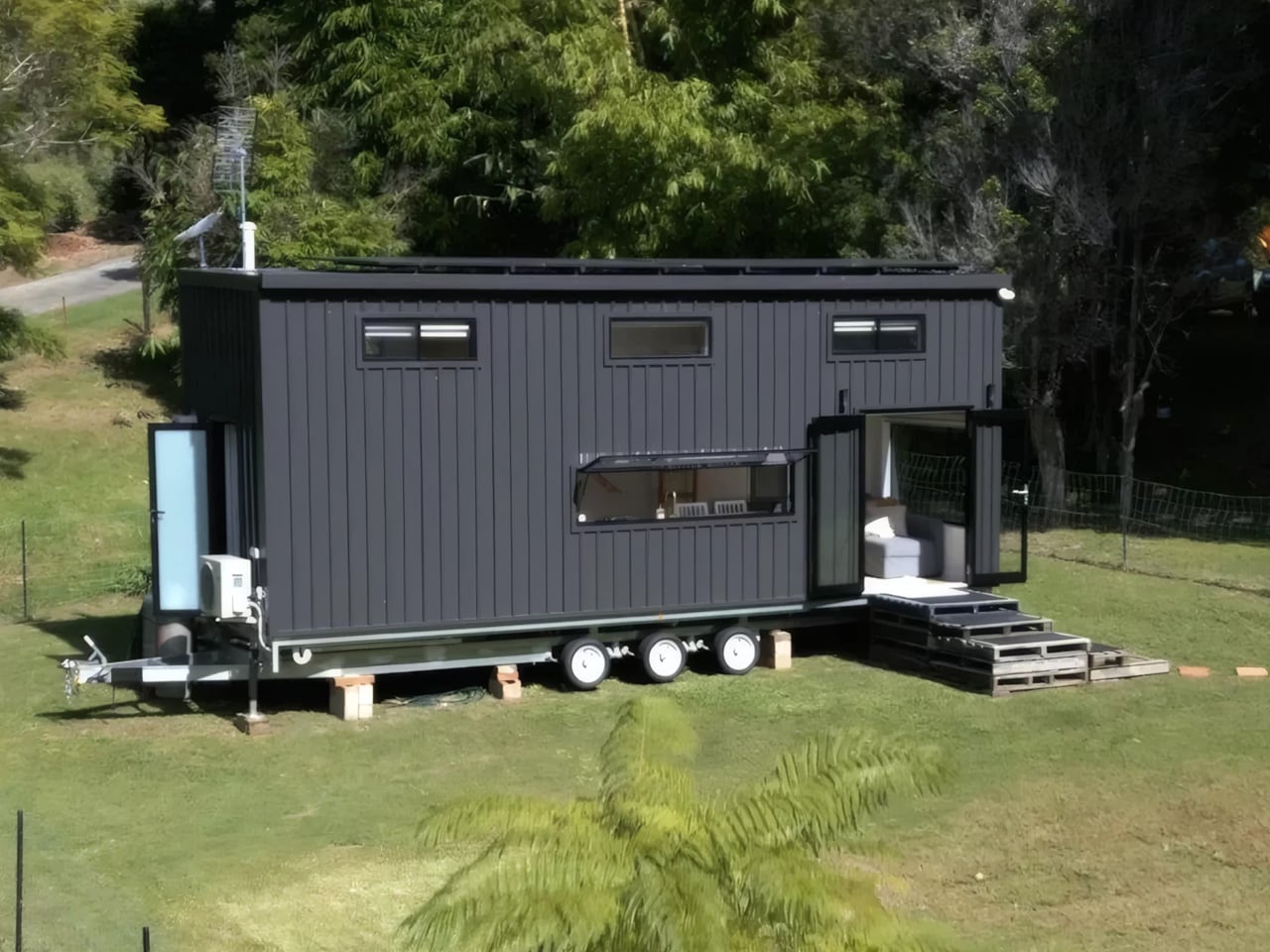
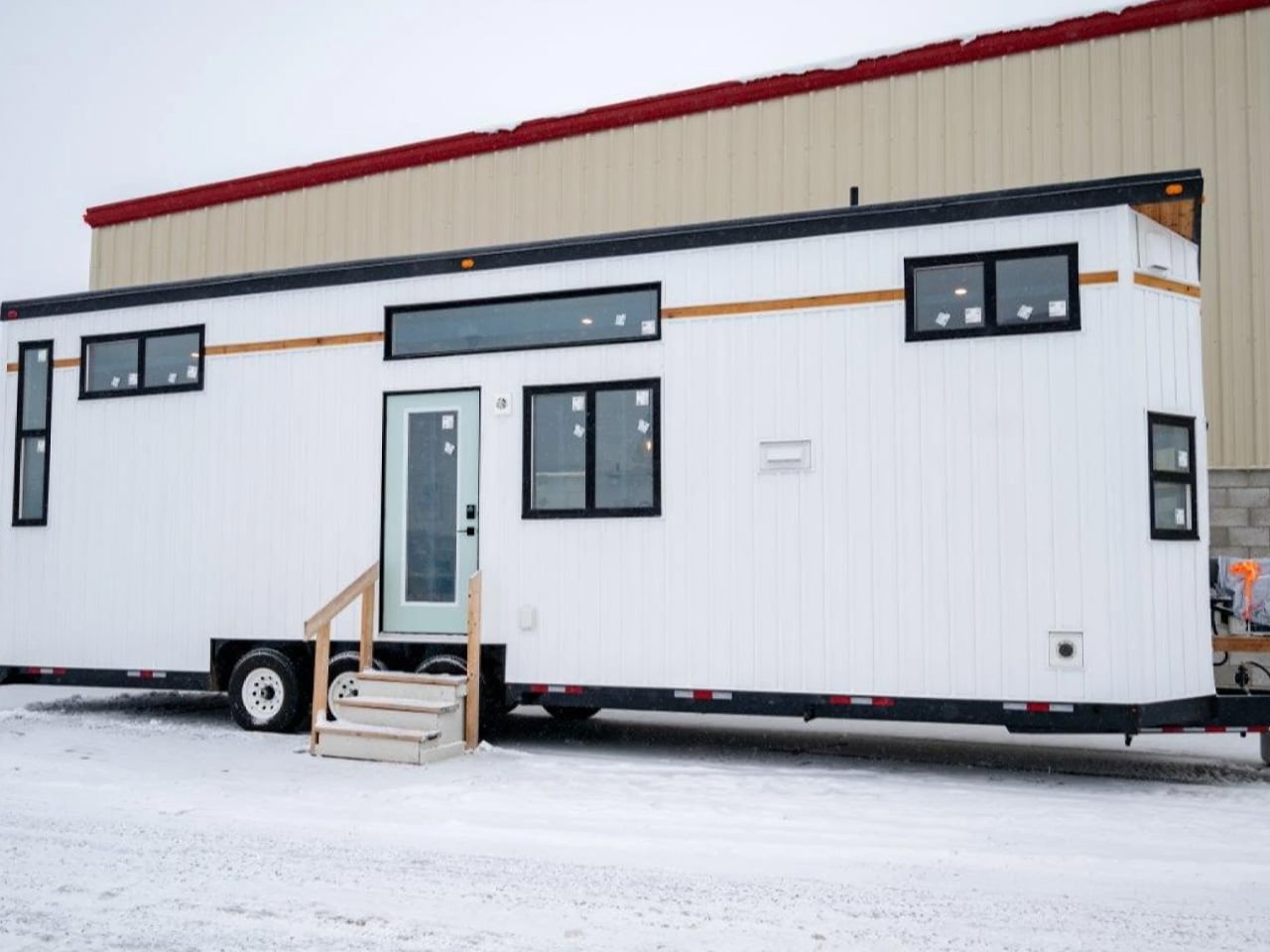
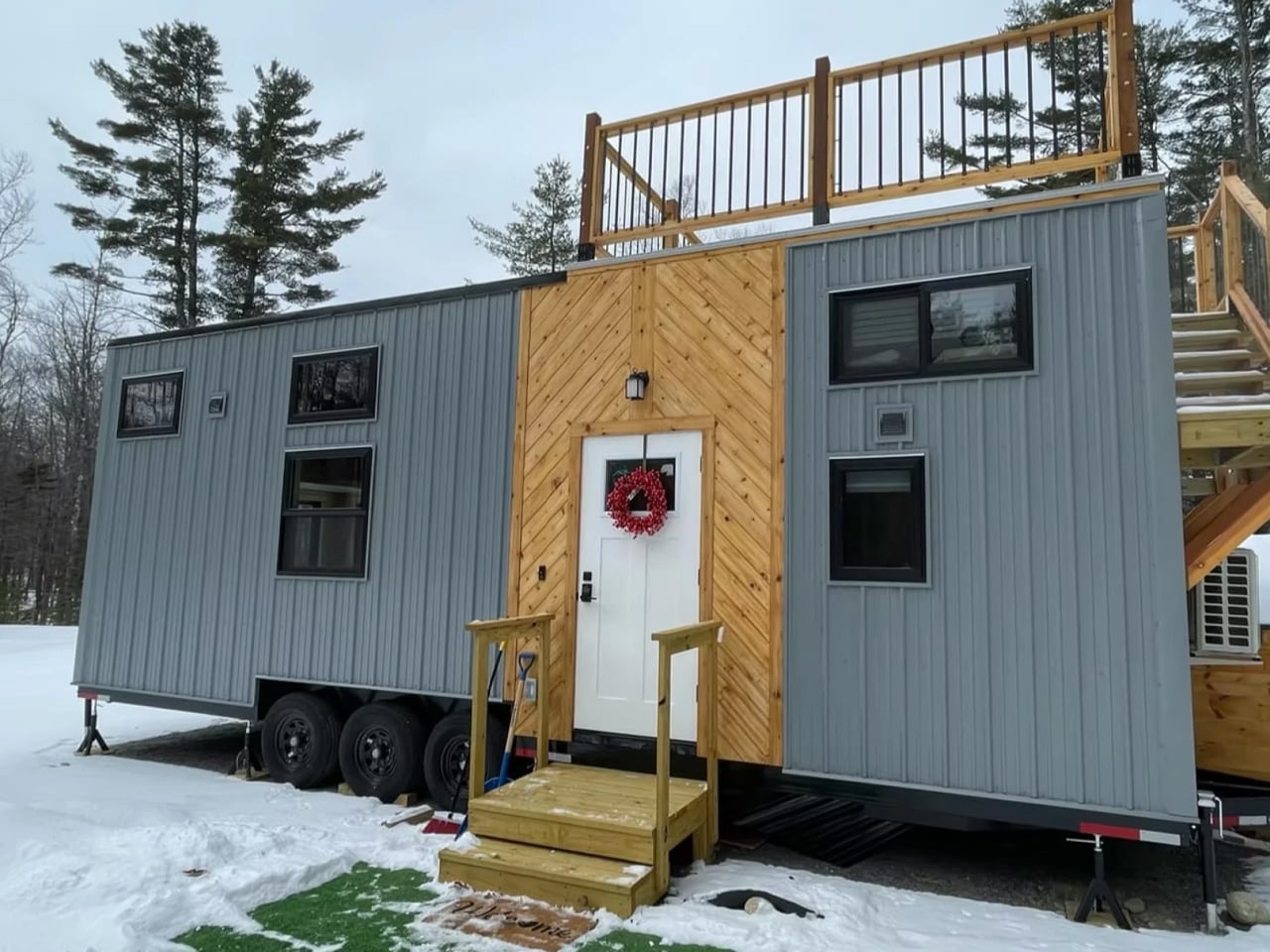
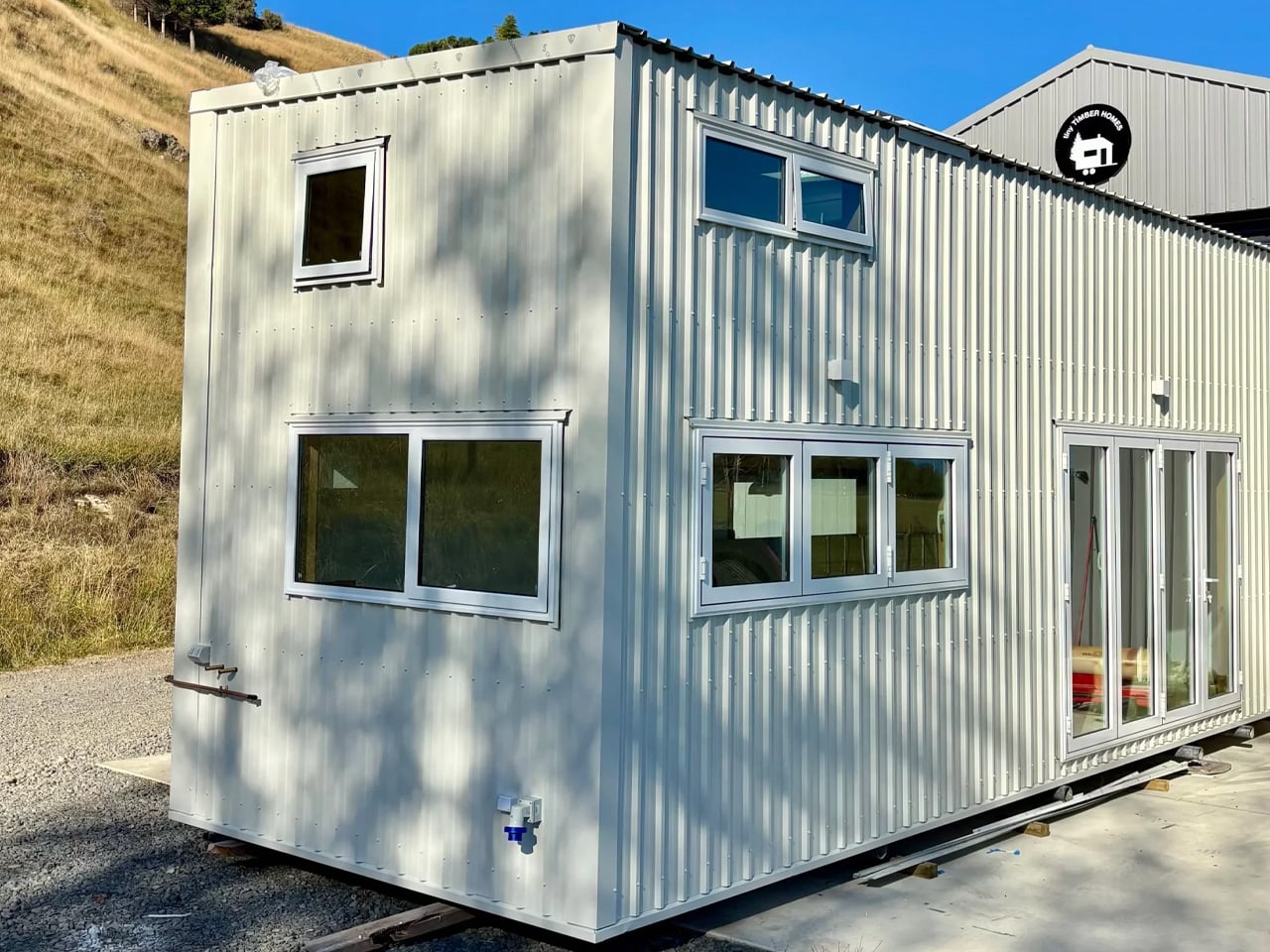
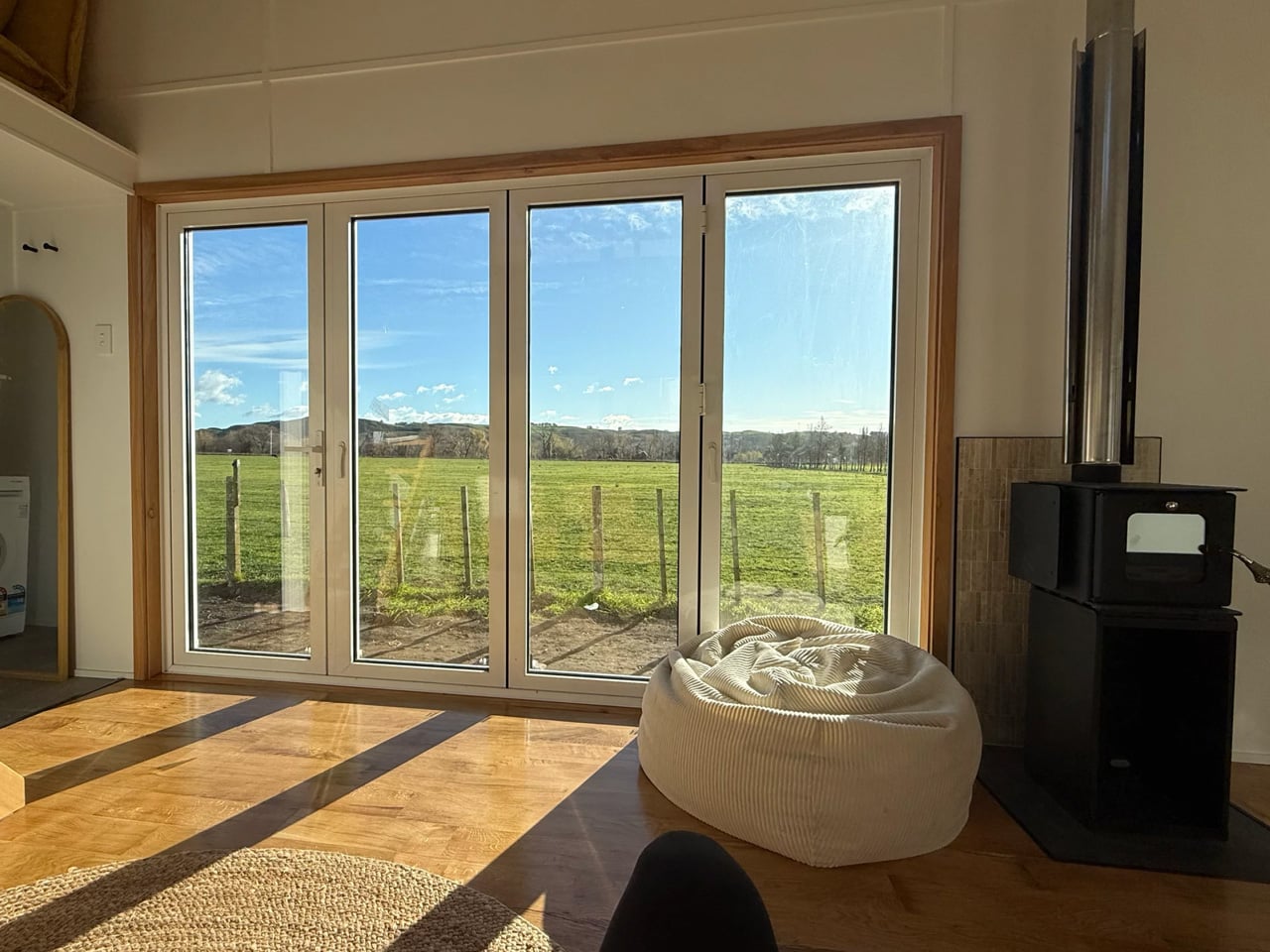
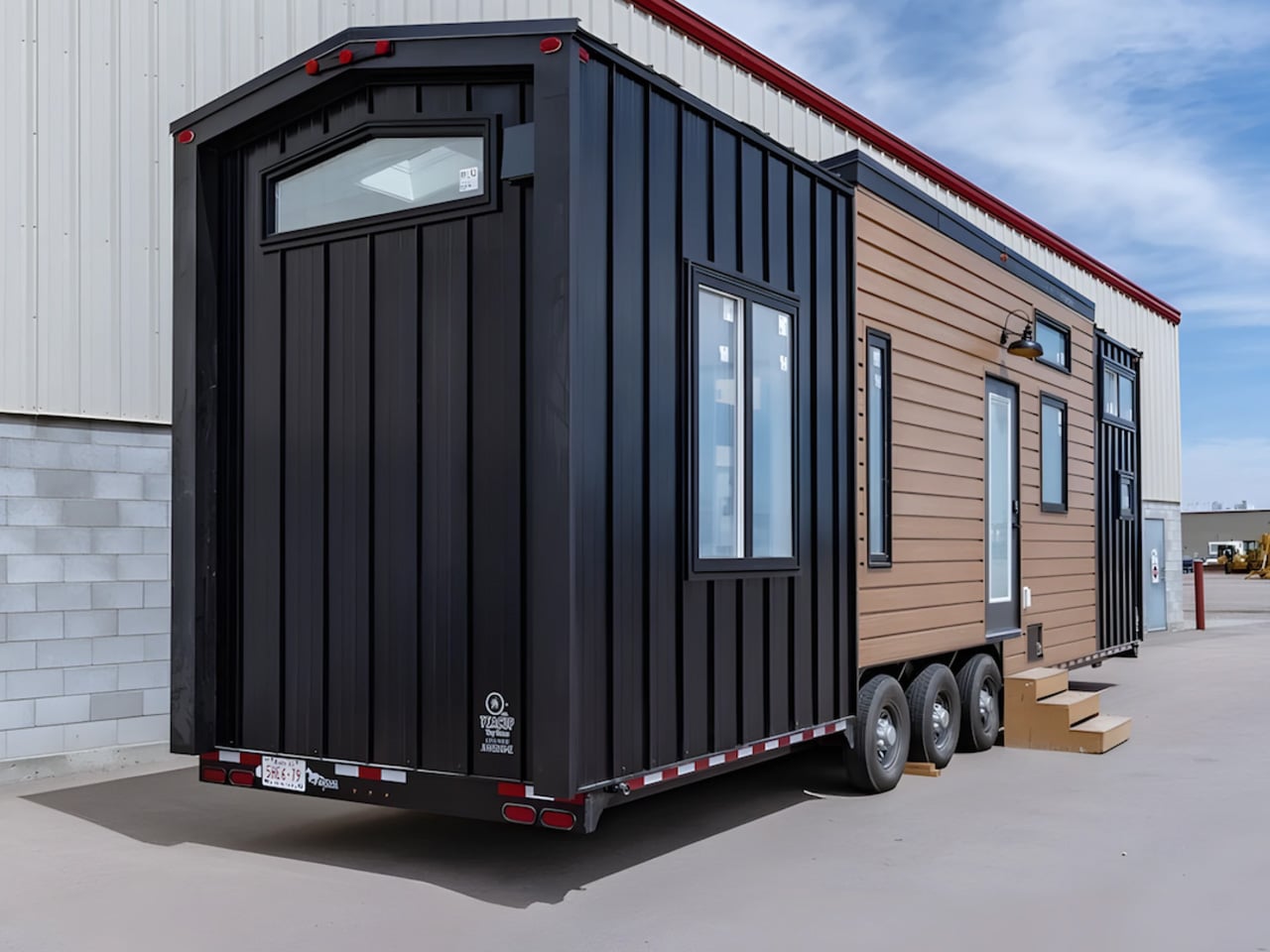
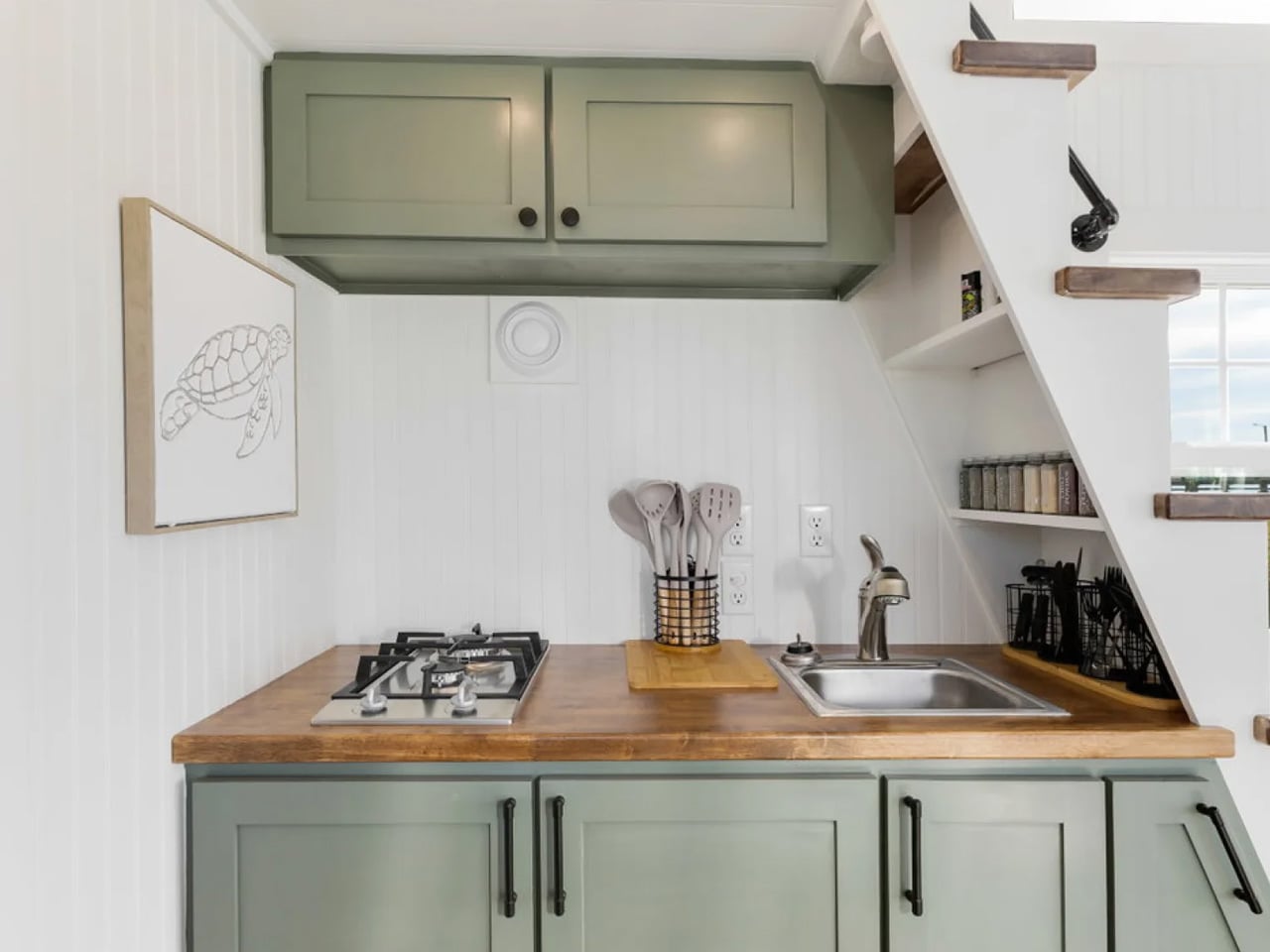
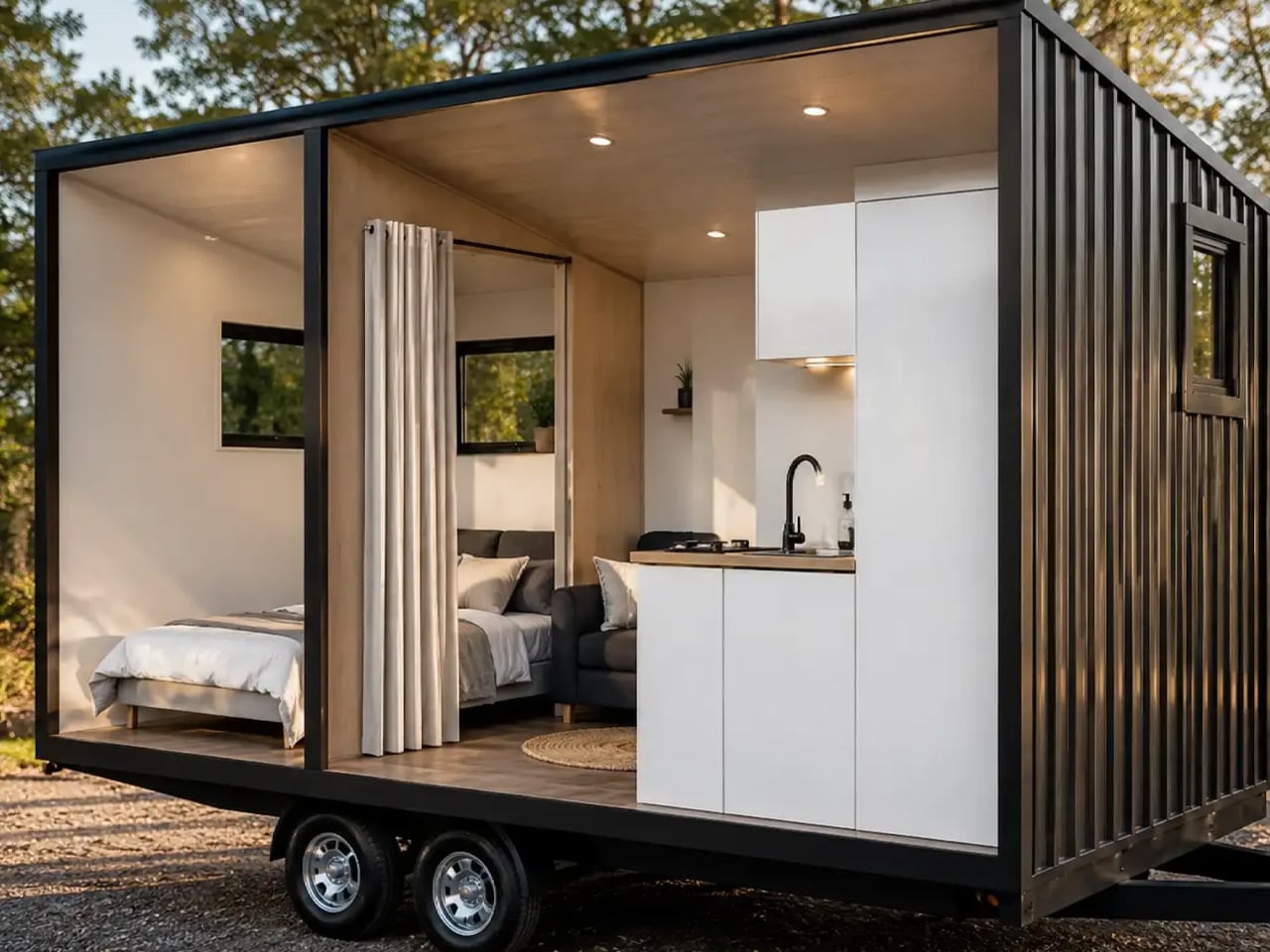
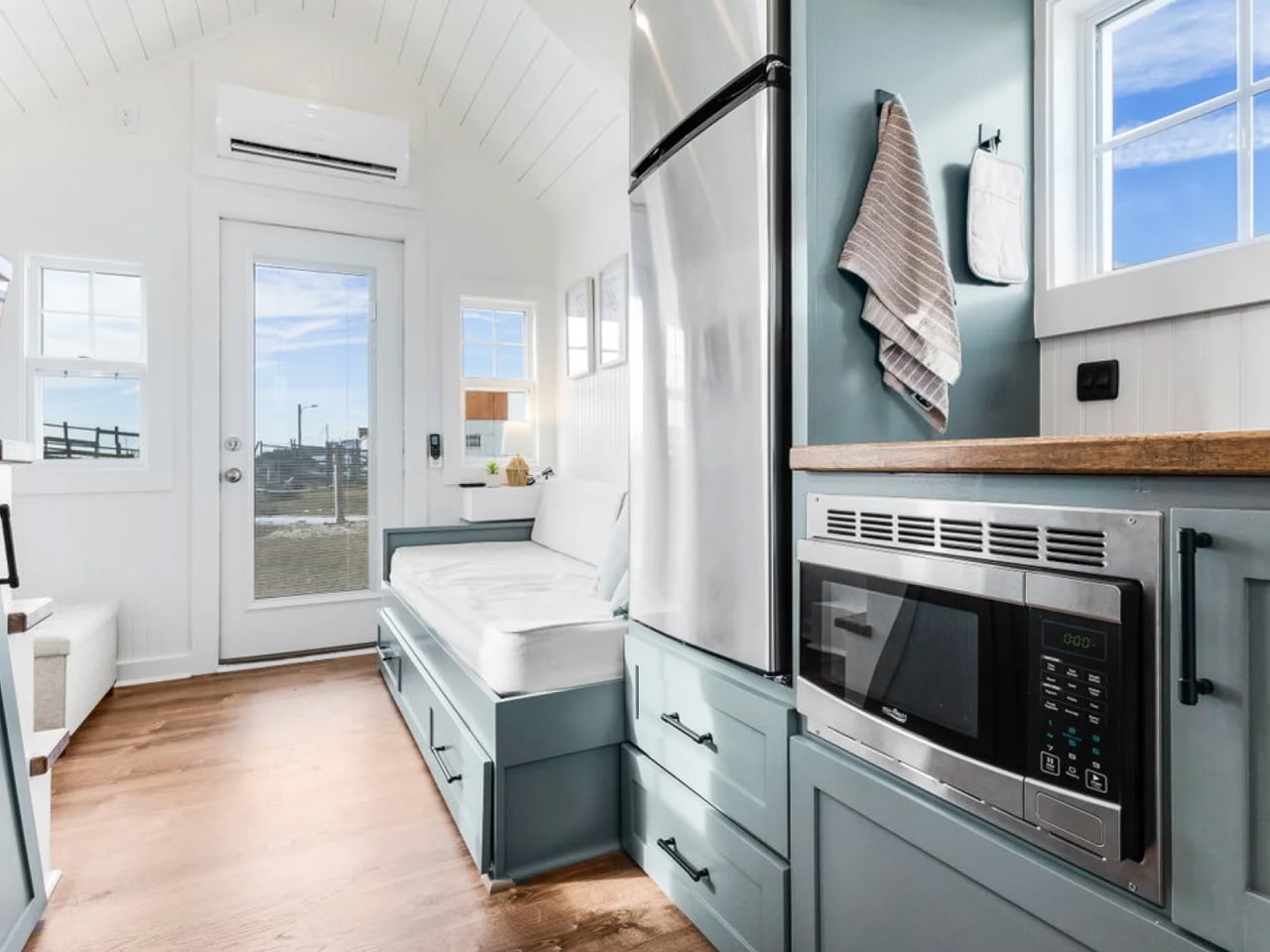
The tiny home movement has found its newest poster child in the Beachcomber, a striking 390-square-foot dwelling that challenges everything we thought we knew about compact living. Built by New Hampshire-based Backcountry Tiny Homes, this remarkable structure represents a significant evolution in compact living design. Measuring an impressive 38 feet long by 10 feet wide, the Beachcomber sits atop a triple-axle gooseneck trailer that elevates it both literally and figuratively above standard tiny home offerings.

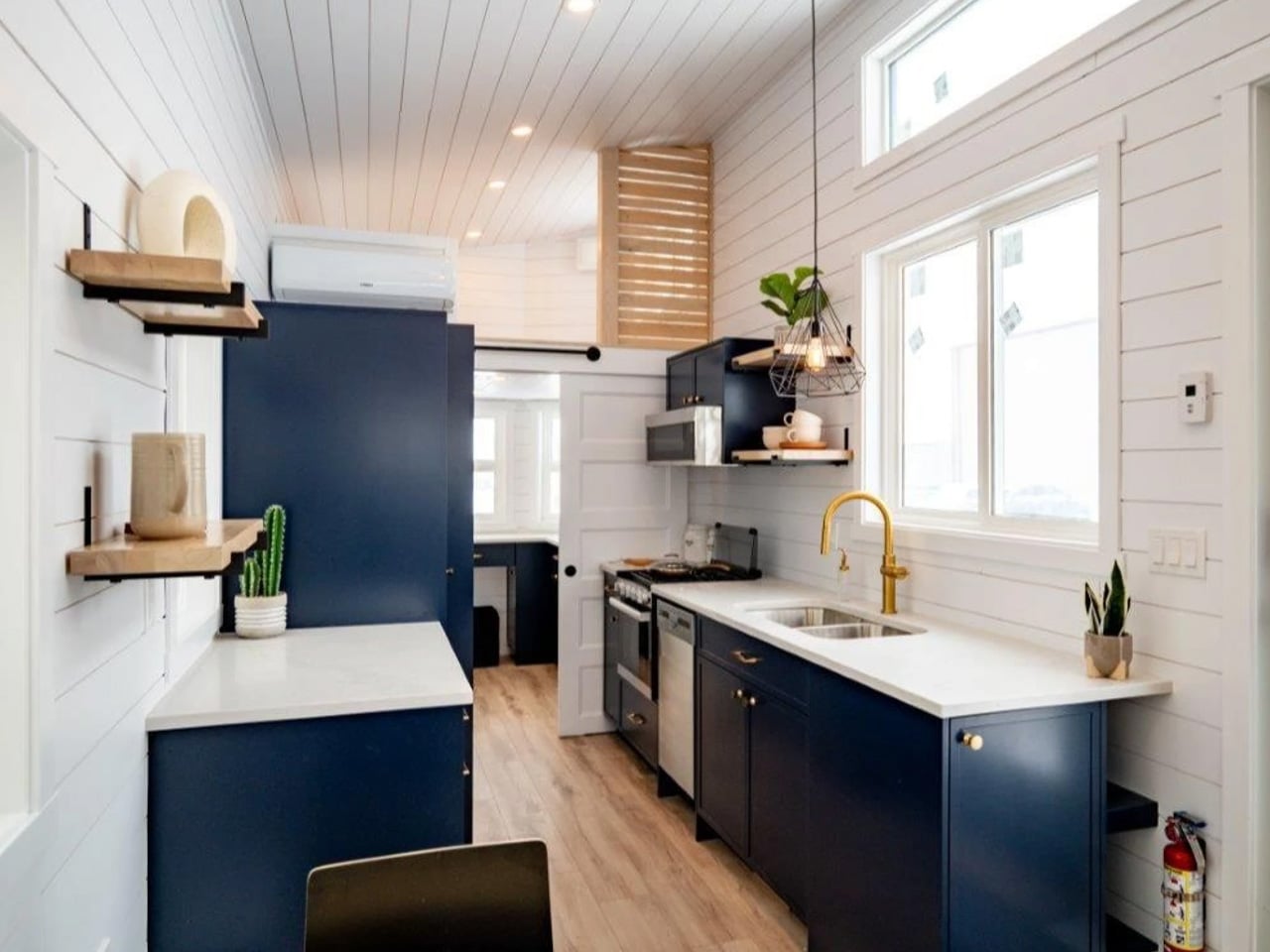
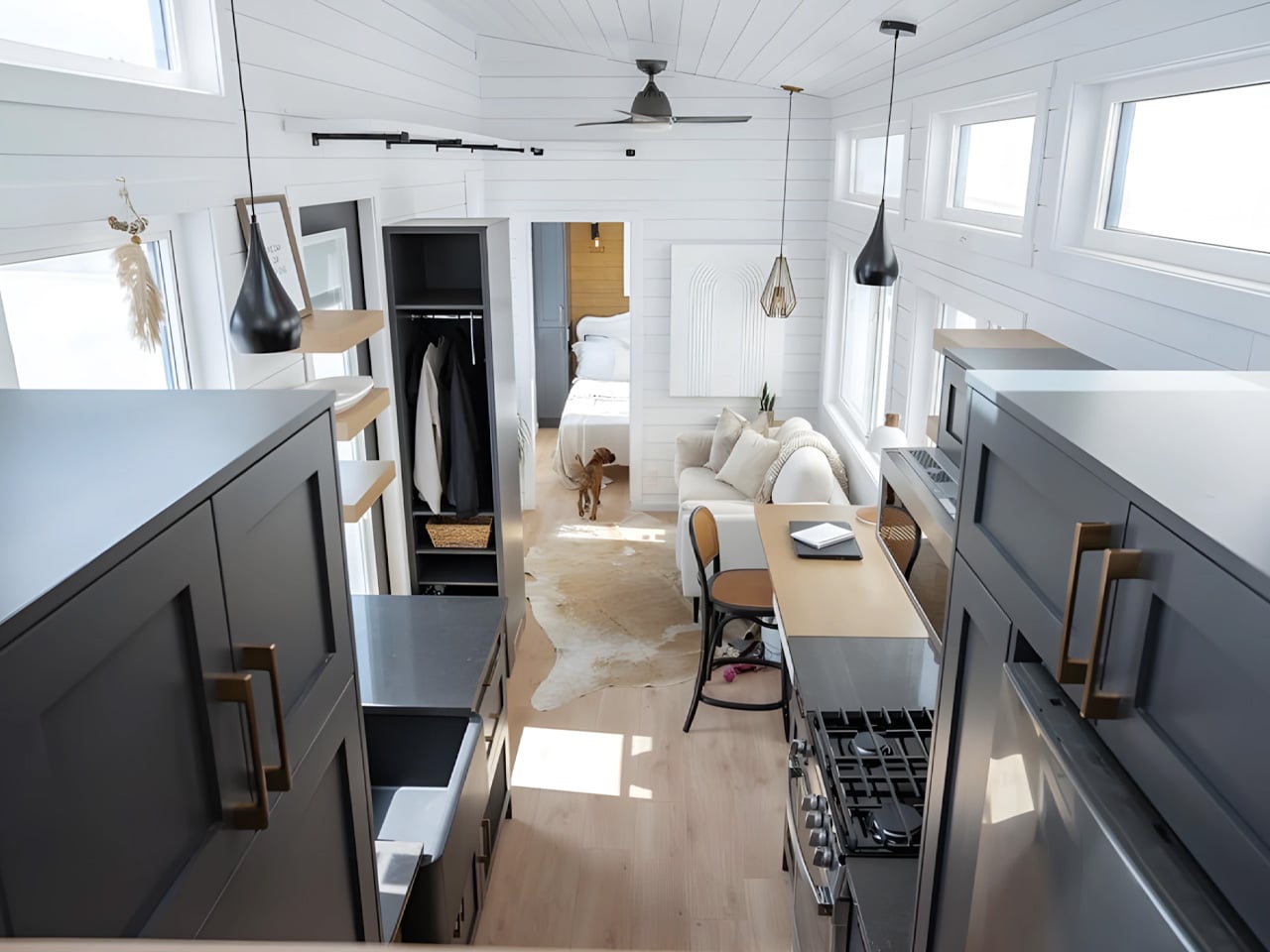
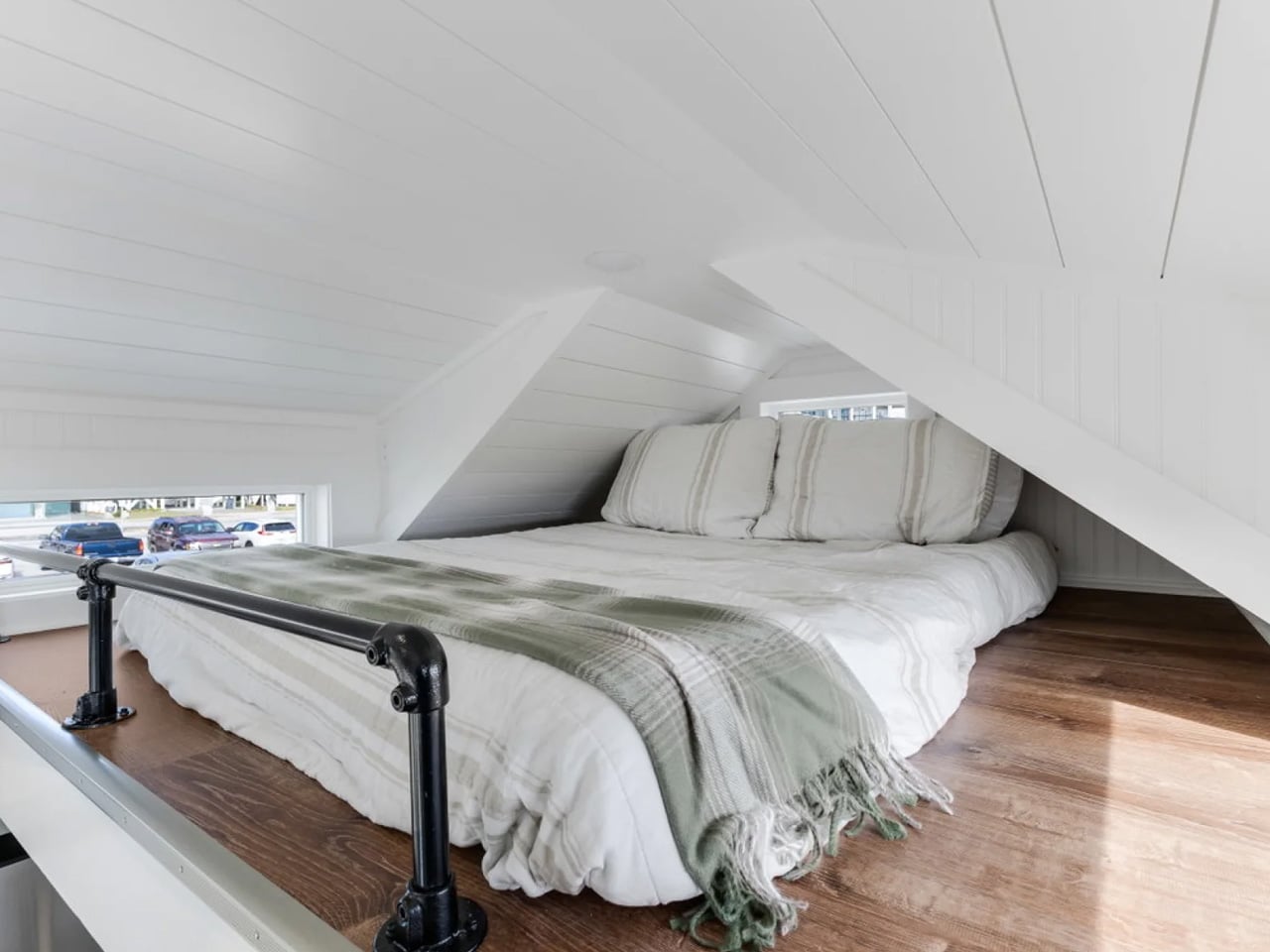
The extra width proves transformative, creating interior spaces that feel genuinely apartment-like rather than merely functional. Design publications have unanimously praised this approach, with New Atlas noting the home delivers “apartment-style living on wheels” that surpasses traditional tiny house expectations. The interior layout showcases masterful space planning, with a full-height king-sized bedroom loft anchoring one end and offering genuine standing room, rather than the cramped quarters typical of tiny home sleeping areas. The kitchen commands serious square footage, featuring a dedicated dining space and full-sized appliances that would feel at home in a conventional apartment.

Designer: Backcountry Tiny Homes

Storage solutions appear throughout, from clever built-in nooks to a separate storage loft, addressing the perpetual challenge of tiny home organization. What sets the Beachcomber apart isn’t just size but intentional design choices that maximize both functionality and comfort. The open floor plan flows seamlessly from kitchen to living area, with ceiling heights reaching 13.5 feet that eliminate any sense of confinement. Even practical elements like the full bathroom and washer/dryer capability receive thoughtful integration rather than afterthought placement, ensuring every square foot serves multiple purposes.

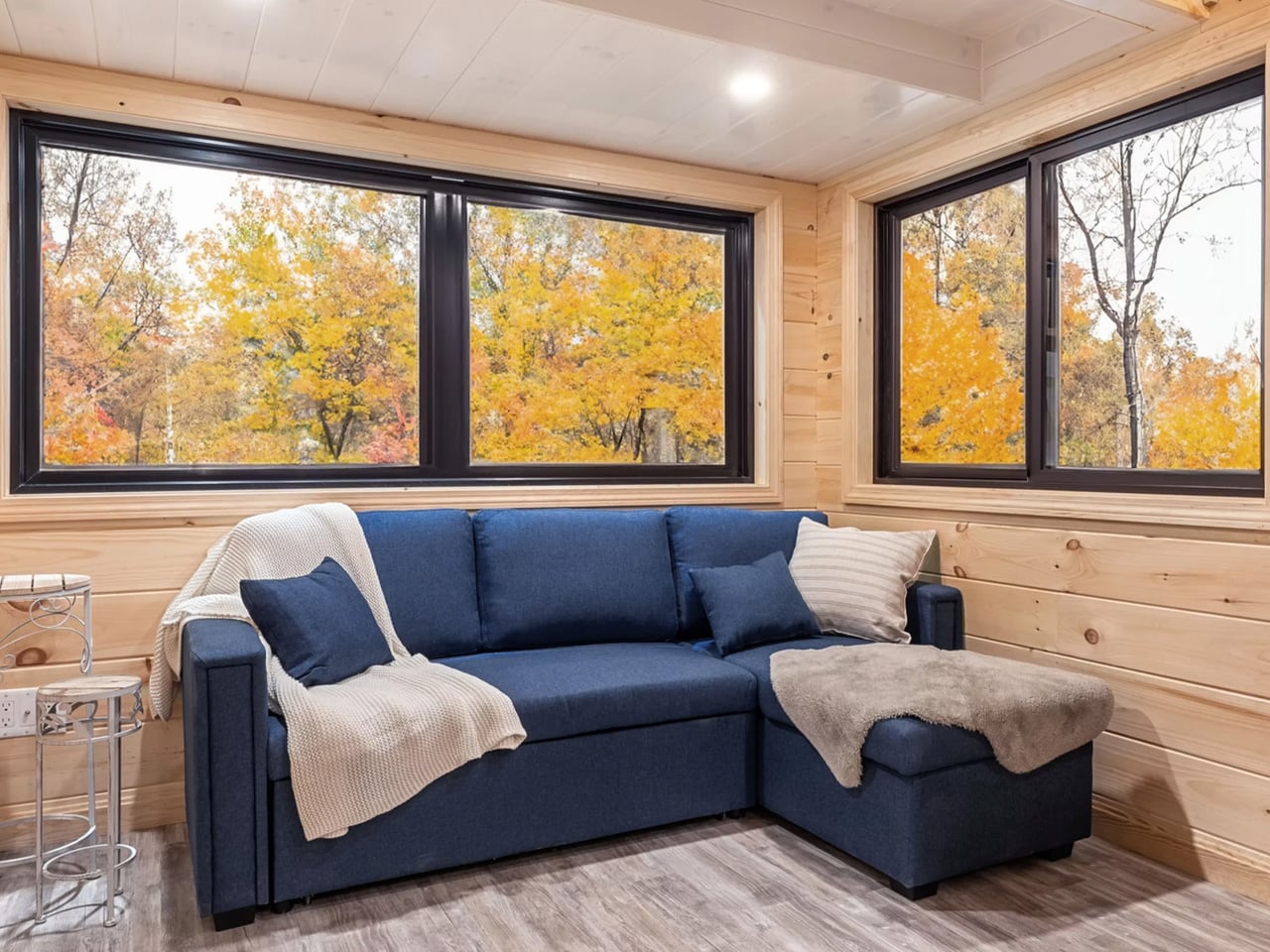
Strategic window placement floods the interior with natural light while creating panoramic views that expand the perceived space beyond its physical boundaries. This thoughtful approach to natural illumination transforms the compact dwelling into something that feels genuinely spacious and inviting. The design team clearly understood that successful tiny living requires more than just efficient space planning; it demands creating environments that feel emotionally comfortable and visually expansive, making residents forget they’re living in less than 400 square feet.

Backcountry Tiny Homes offers three distinct purchasing tiers, recognizing that buyers have varying finish preferences and budgets. The shell option starts at $78,650, providing the structure and essential systems while allowing owners to complete interior finishes according to personal taste and timeline. The unfurnished model at $169,200 delivers a complete interior minus non-essential furnishings like furniture and decorative elements. The turnkey option at $185,000 includes everything needed for immediate occupancy, from carefully selected furniture to all necessary appliances, allowing buyers to move in and begin their tiny living journey.

The pricing reflects the home’s positioning at the premium end of the tiny house market, yet industry observers suggest it represents solid value considering the quality and space provided. The NOAH certification ensures compliance with recreational vehicle standards, enabling legal placement in RV parks and similar communities where traditional tiny homes often face zoning restrictions. For couples or individuals seeking a permanent tiny home solution that doesn’t sacrifice comfort for portability, the Beachcomber represents a compelling evolution in small space design, proving that tiny living can embrace both mobility and luxury while creating spaces that feel genuinely livable rather than merely survivable.

The post This 390-Square-Foot Tiny Home Feels More Like A Luxury Apartment first appeared on Yanko Design.
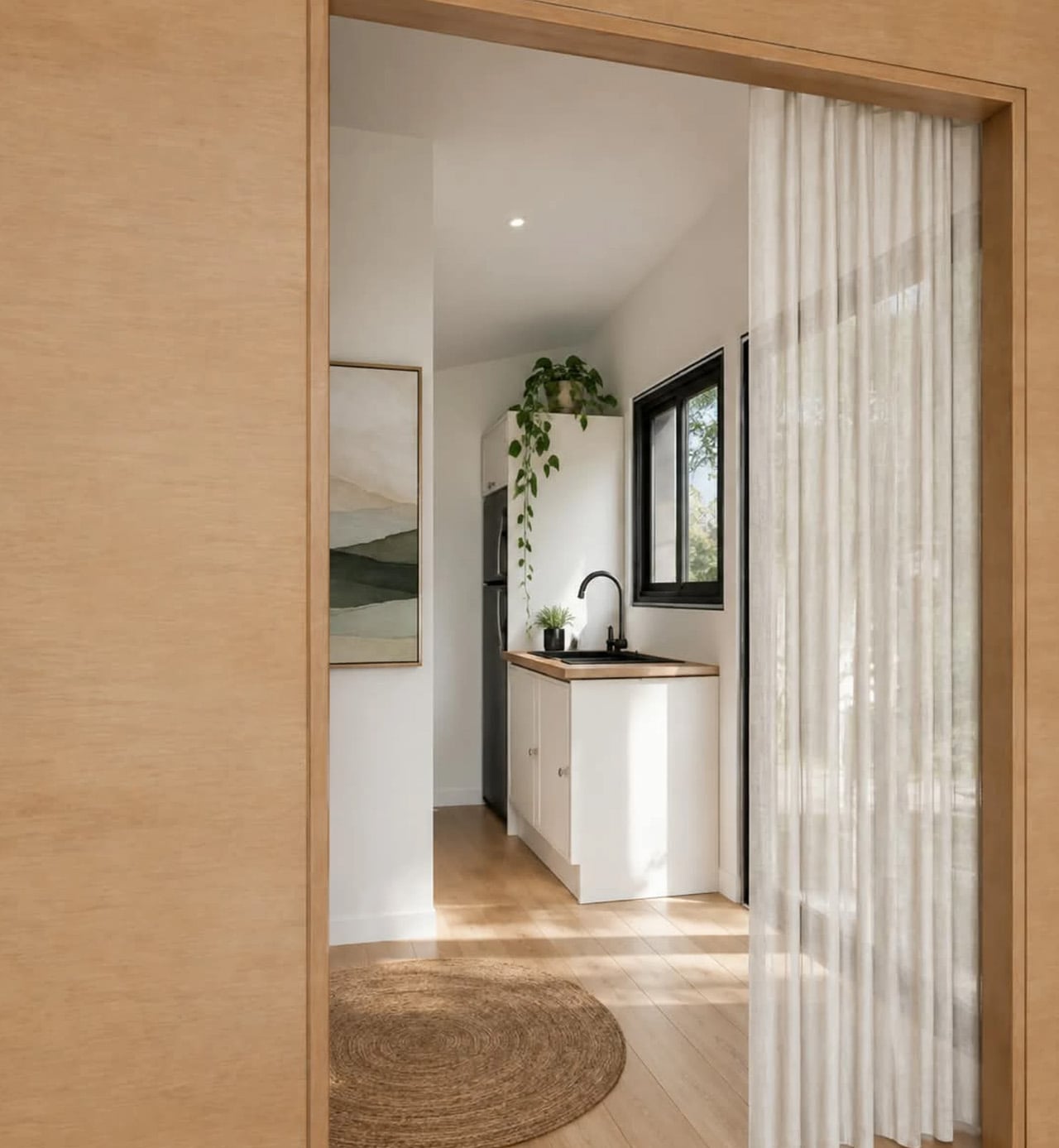
This Dutch Studio Just Built a Room Divider From Old T-Shirts

Have you ever looked at a piece of fabric and wondered what would happen if you gave it superpowers? That’s essentially what Dutch design studio Luis Marie did with their latest creation, Plissade, a room divider that’s turning heads for being completely, wonderfully, all about textiles.

Here’s the thing about room dividers: they’re usually pretty predictable. You’ve got your folding screens, your sliding panels, your wooden frames with some fabric stretched across them. They do the job, sure, but they’re not exactly exciting. Plissade, on the other hand, ditches the traditional playbook entirely. Instead of relying on rigid frames or heavy materials, this sculptural partition stands on its own through the power of pleating alone.

Designer: Luis Marie

The designers behind this clever piece, Fenna van der Klei and Patricio Nusselder, drew inspiration from the traditional craft of textile pleating, where fabric is carefully folded to create different shapes and volumes. It’s the same technique that gives your favorite pleated skirt its structure or adds dimension to fancy curtains. But here, pleating isn’t just decorative. It’s doing all the heavy lifting, quite literally. The folds are engineered in a way that gives the divider enough rigidity to stand upright without any additional support, which is pretty remarkable when you think about it.

What makes Plissade even more interesting is what it’s made from. The inner layer consists of felt created from recycled post-consumer polyester clothing. Yes, that means your old t-shirts and jeans could theoretically have a second life as sound-absorbing room dividers. The outer layer features woven textile made from recycled polyester yarns. So not only is this piece solving the age-old problem of dividing space in style, it’s also addressing our growing waste problem in a tangible way.

The acoustic properties are another bonus feature that makes Plissade particularly relevant for our modern living situations. With more people working from home and living in open-plan spaces, the need for flexible sound management has never been greater. Those pleated layers of textile don’t just look sculptural, they actually absorb sound, creating little pockets of acoustic privacy without the permanence of walls.

And then there’s the visual impact. Luis Marie offers Plissade in vibrant colors that create optical illusions reminiscent of gem facets. The way light plays across those pleated surfaces changes depending on your viewing angle, making the divider feel alive and dynamic. It’s the kind of design detail that transforms a functional object into something you actually want to look at. In a world where so much of our stuff is just background noise, having a piece that demands attention in the best way possible feels refreshing.

What Luis Marie has really done here is challenge our assumptions about what textiles can do. We’re used to thinking of fabric as something that needs support, something that drapes and folds because it’s soft and pliable. But Plissade proves that with the right engineering and understanding of material properties, textiles can be structural, functional, and beautiful all at once. For anyone who loves the intersection of old techniques and new applications, this room divider is a fascinating case study. It takes centuries-old pleating knowledge and applies it to solve very current problems: flexible space division, sound absorption, sustainable material use, and visual interest in our homes and workspaces.

Whether you’re dealing with a studio apartment that needs better zoning, an office that could use some acoustic help, or you simply appreciate design that makes you think twice about material possibilities, Plissade offers something genuinely fresh. It’s a reminder that sometimes the most innovative solutions come from looking at traditional crafts through a contemporary lens and asking, “What if we pushed this further?”

The post This Dutch Studio Just Built a Room Divider From Old T-Shirts first appeared on Yanko Design.
This Minimalist Oven Concept Redefines Kitchen Style

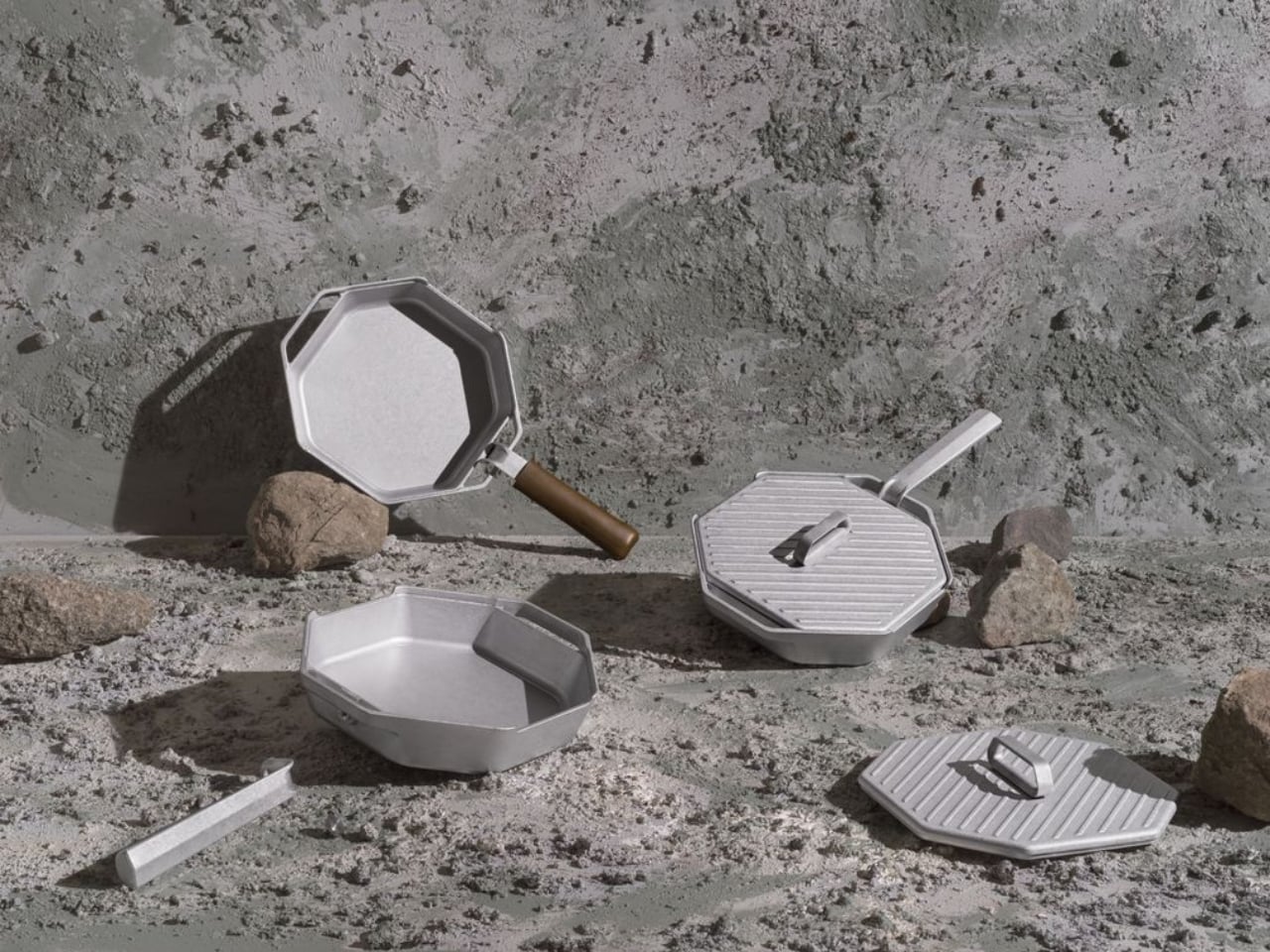
There’s something refreshing about a kitchen appliance that doesn’t try too hard. The Samsung Bake Ultra concept by Octavio Leon Villareal proves that minimalism, when done right, can be anything but boring. This compact electric oven manages to look like a premium piece of tech while maintaining the kind of simplicity that actually makes sense in real life.

At first glance, the Bake Ultra’s two-tone design catches your eye without demanding attention. The soft gray body paired with a black glass front creates a visual balance that feels both contemporary and timeless. It’s the kind of aesthetic choice that works whether your kitchen leans industrial-chic or warm-and-cozy. The rounded edges soften what could have been an overly boxy silhouette, giving it an approachable quality that invites you to actually use it rather than just admire it from afar.

Designer: Octavio Leon Villareal

Create your own Aesthetic Render: Download KeyShot Studio Right Now!

What really sets this concept apart is how thoughtfully the details have been considered. Take the control panel, for instance. While many modern appliances chase touchscreen interfaces and digital everything, the Bake Ultra embraces tactile controls with two substantial dial knobs. There’s something inherently satisfying about turning a physical dial, getting that immediate feedback in your hand as you adjust temperature or time. It’s intuitive in a way that doesn’t require you to remember which icon does what or whether you need to hold or tap.

The function buttons sit flush against the black panel, their minimalist pictograms becoming visible when backlit. This clever detail means the interface stays clean and uncluttered when the oven is off, but provides clear visual feedback when you need it. No squinting at faded labels or wondering if you’ve actually pressed the right button. The yellow accent on the play/pause indicator adds a pop of warmth to the otherwise monochromatic palette, serving as both a functional cue and a subtle design element.

The compact footprint makes this particularly relevant for how many of us actually live. Not everyone has the space or budget for a full kitchen renovation with built-in everything. The Bake Ultra sits comfortably on a countertop, fitting into small apartments, office kitchens, or as a supplementary oven for larger spaces. The renders show it in various settings, from minimalist concrete-and-wood kitchens to warmer spaces with traditional cabinetry, and it holds its own in each environment. That versatility is the hallmark of genuinely good design.
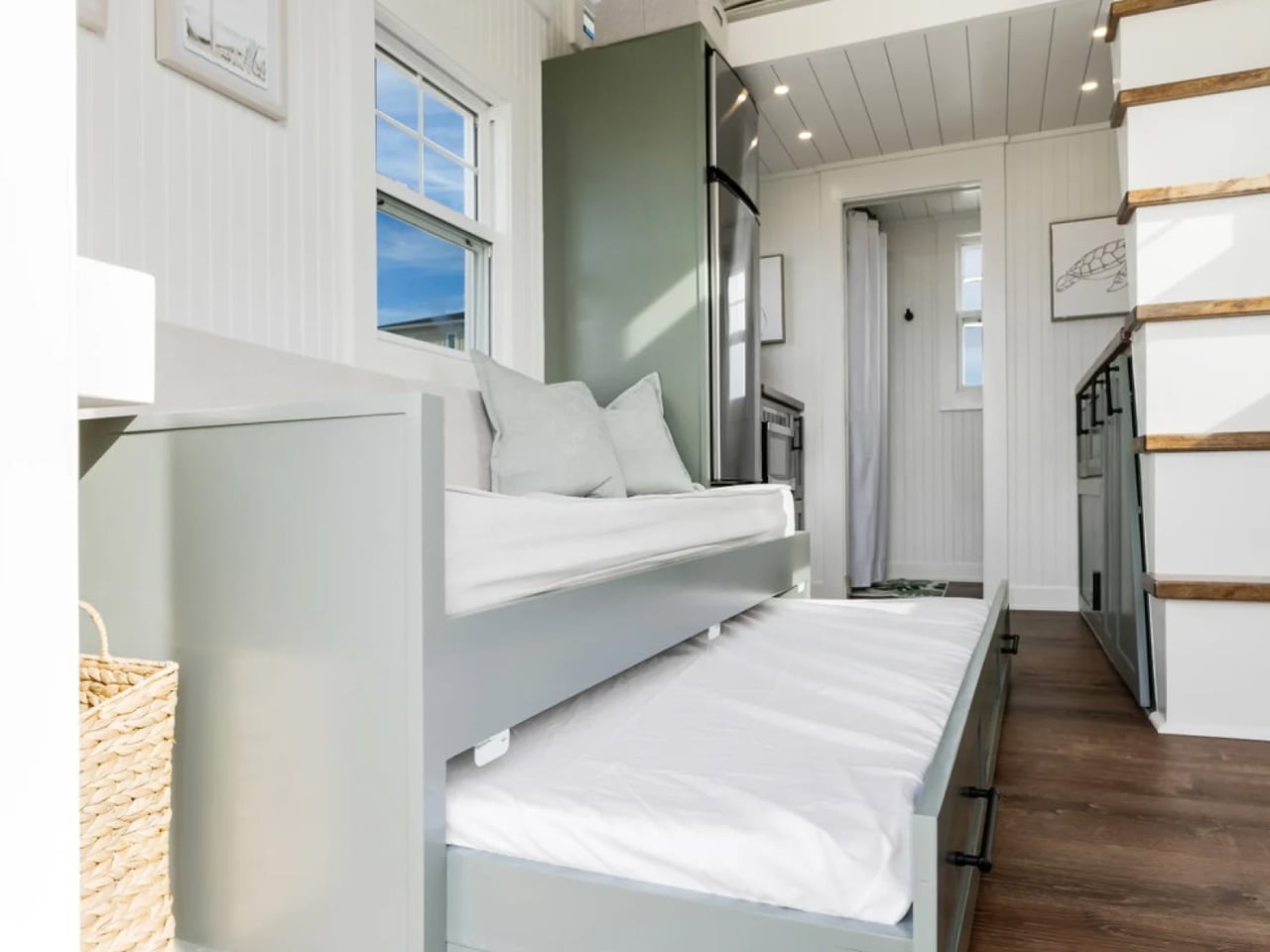
Looking at the ergonomics, the controls are positioned on the right side panel at a comfortable height for standing operation. The knobs have a non-slip finish and substantial presence that suggests quality and ease of use. These aren’t flimsy plastic dials that will wear out after a year. They look like they mean business, with clear temperature markings and a tactile response that gives you confidence in what you’re setting.

What makes this concept compelling is how it aligns with Samsung’s broader design identity while still feeling fresh. You can see echoes of their smartphone and television aesthetics in the clean lines and premium materials, creating a cohesive ecosystem for people who appreciate that kind of design continuity across their tech and appliances. It’s the difference between a collection of random stuff and a curated space.

Will we ever see the Bake Ultra on store shelves exactly as rendered here? Maybe, maybe not. But that’s not really the point of concept design. Projects like this push the conversation forward about what our kitchen appliances could be. They challenge manufacturers to think beyond the status quo and remind us that functional objects can also be beautiful, that technology can feel human, and that minimalism doesn’t have to mean cold or boring.
The post This Minimalist Oven Concept Redefines Kitchen Style first appeared on Yanko Design.