Windows 11 Home Vs Pro: What’s the difference, and is it worth the upgrade?
Most Windows 11 users don't need to bother with the Pro version of Microsoft's operating system.
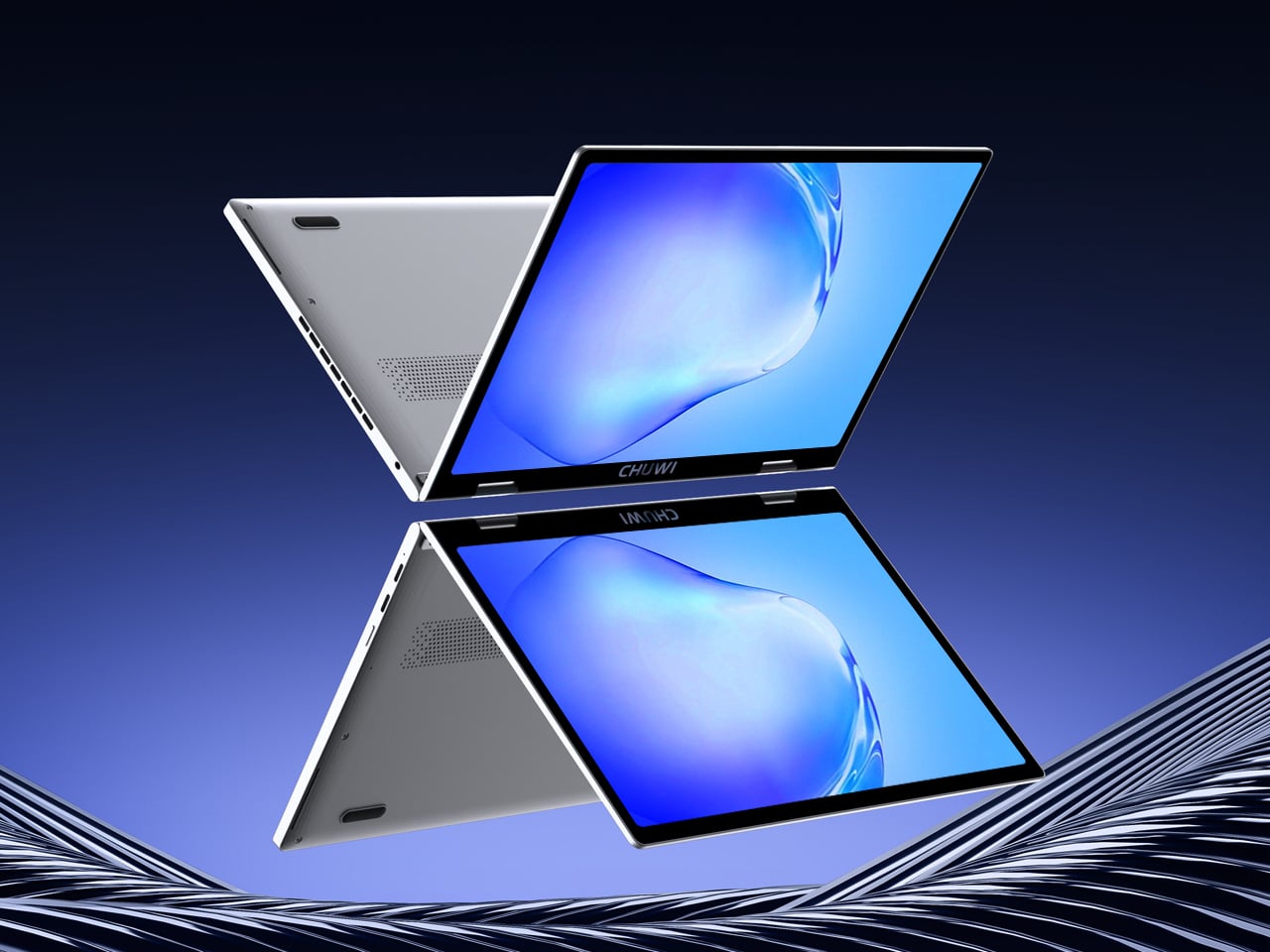
Mini laptops have never quite shaken the reputation of being underpowered novelties. The appeal is undeniable: a real Windows laptop that slips into a small bag is genuinely useful for anyone who spends their days moving between locations. But the processors that typically power these tiny machines have struggled to keep up with even moderate workloads, which turns the form factor’s biggest selling point into a quiet disappointment.
The Chuwi MiniBook X U300 addresses that by pairing the same compact, 360-degree convertible format with Intel’s U300 processor, a 13th-generation Raptor Lake chip with five cores and a dedicated performance core at its center. That shift from the pure efficiency cores found in N100 and N150 machines delivers stronger single-core speed and better multitasking headroom, without meaningfully adding to the machine’s size, weight, or thermal footprint.
Designer: Chuwi
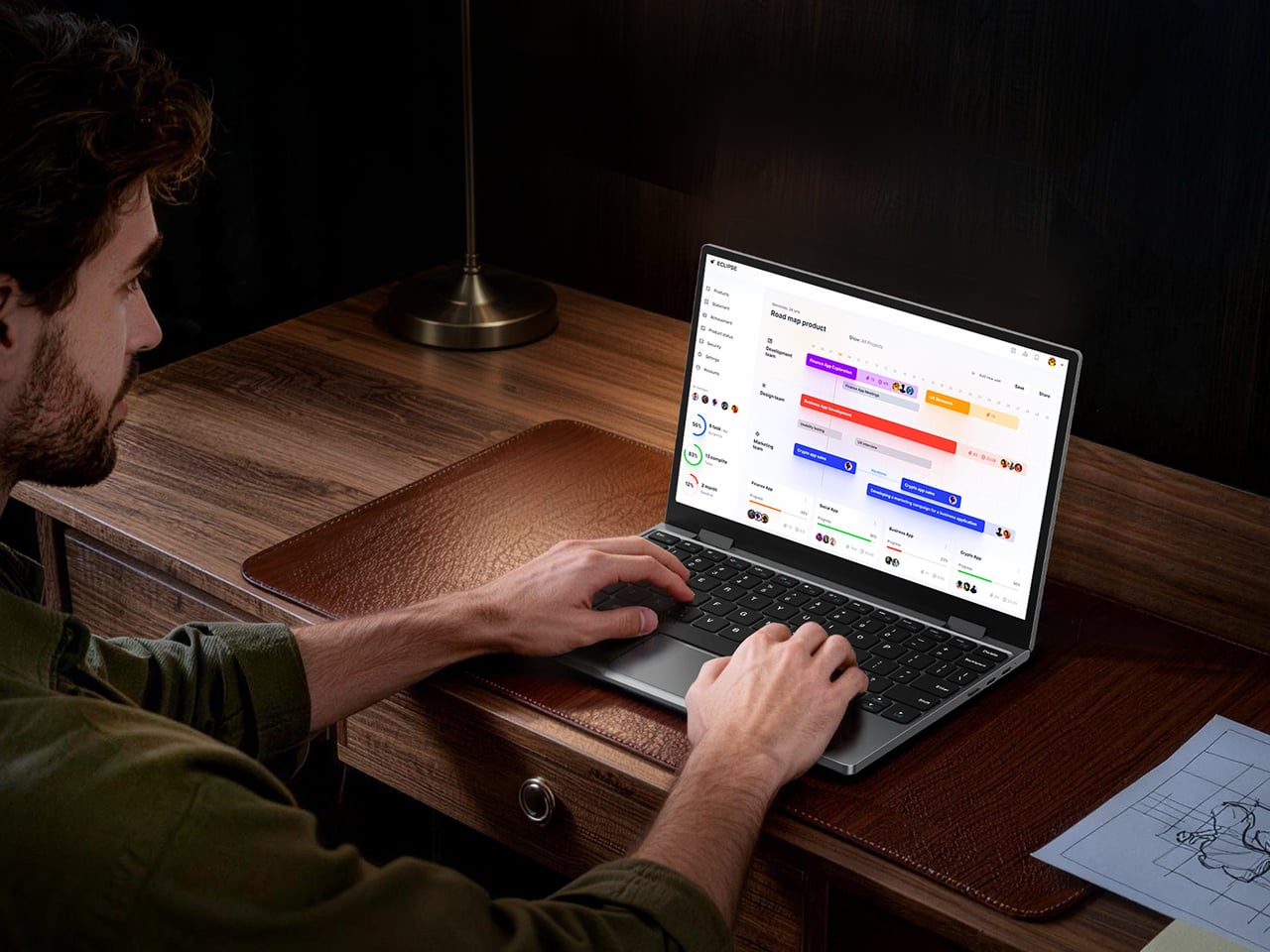
The 10.51-inch WUXGA display packs a 1920×1200 resolution into the compact chassis, with a 16:10 aspect ratio and 100% sRGB coverage. At 300 nits, it handles well-lit rooms comfortably and stays readable during extended sessions. The in-cell IPS touchscreen sits behind ultra-thin bezels, and the 360-degree hinge lets it shift between laptop, tablet, tent, and stand modes to suit whatever task is on the table.
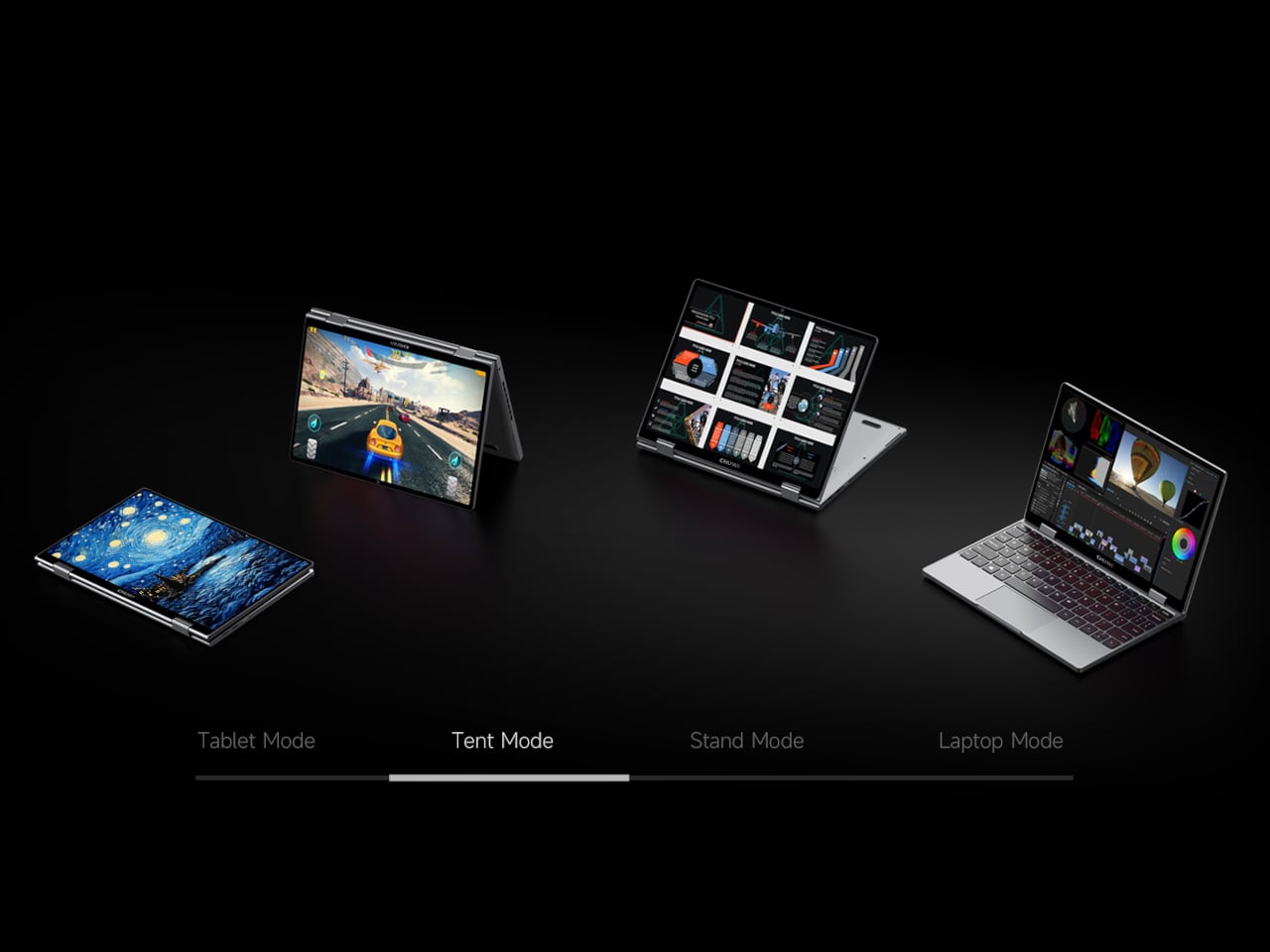
That four-mode flexibility is where the touchscreen earns its keep most convincingly. In tablet mode, the screen becomes the only interface you need, making it natural for note-taking on the go. Flip it back partway for tent or stand mode during a presentation, and it becomes a display you can position toward an audience without spinning a full laptop around.
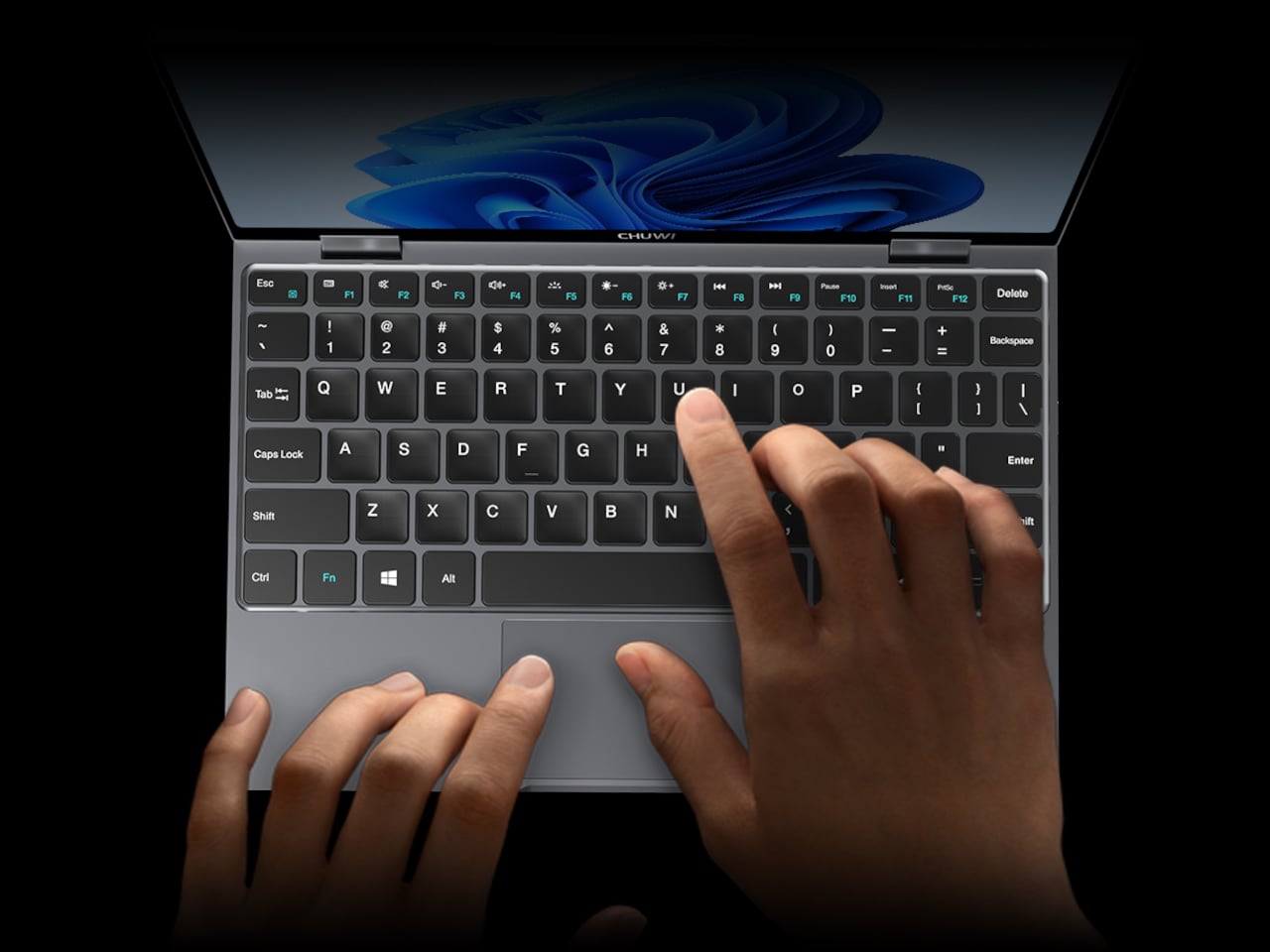
16GB of LPDDR4X memory and a 512GB PCIe SSD handle everyday tasks without hesitation, and the M.2 slot accepts PCIe 4.0 and SATA III drives if you decide to upgrade later. The Intel UHD Graphics runs 48 execution units, double the count found in earlier MiniBook X versions, which makes a noticeable difference for smooth 4K video playback and lighter creative workloads without switching to a dedicated card, or at least on paper.
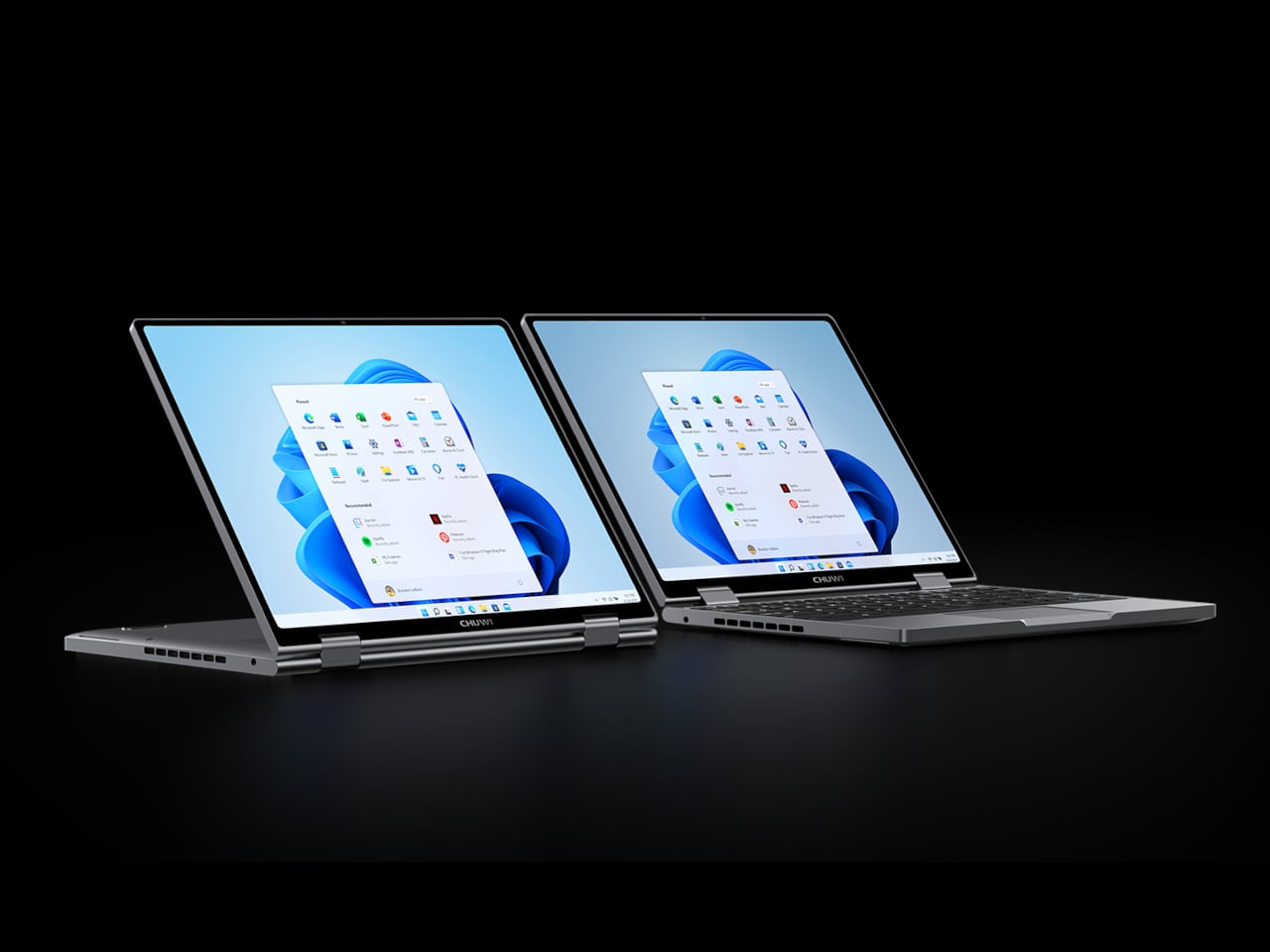
Both USB-C ports are full-featured, handling charging, data transfer, and external display output from the same two connections. Unfortunately, there’s no mention of Thunderbolt compliance. A 3.5mm audio jack covers wired headphones, Wi-Fi 6 and Bluetooth 5.2 take care of wireless, and an active cooling system keeps temperatures under sustained loads without causing distracting fan noise. A 2MP front-facing webcam handles video calls, which is about what you’d expect from a machine this compact.
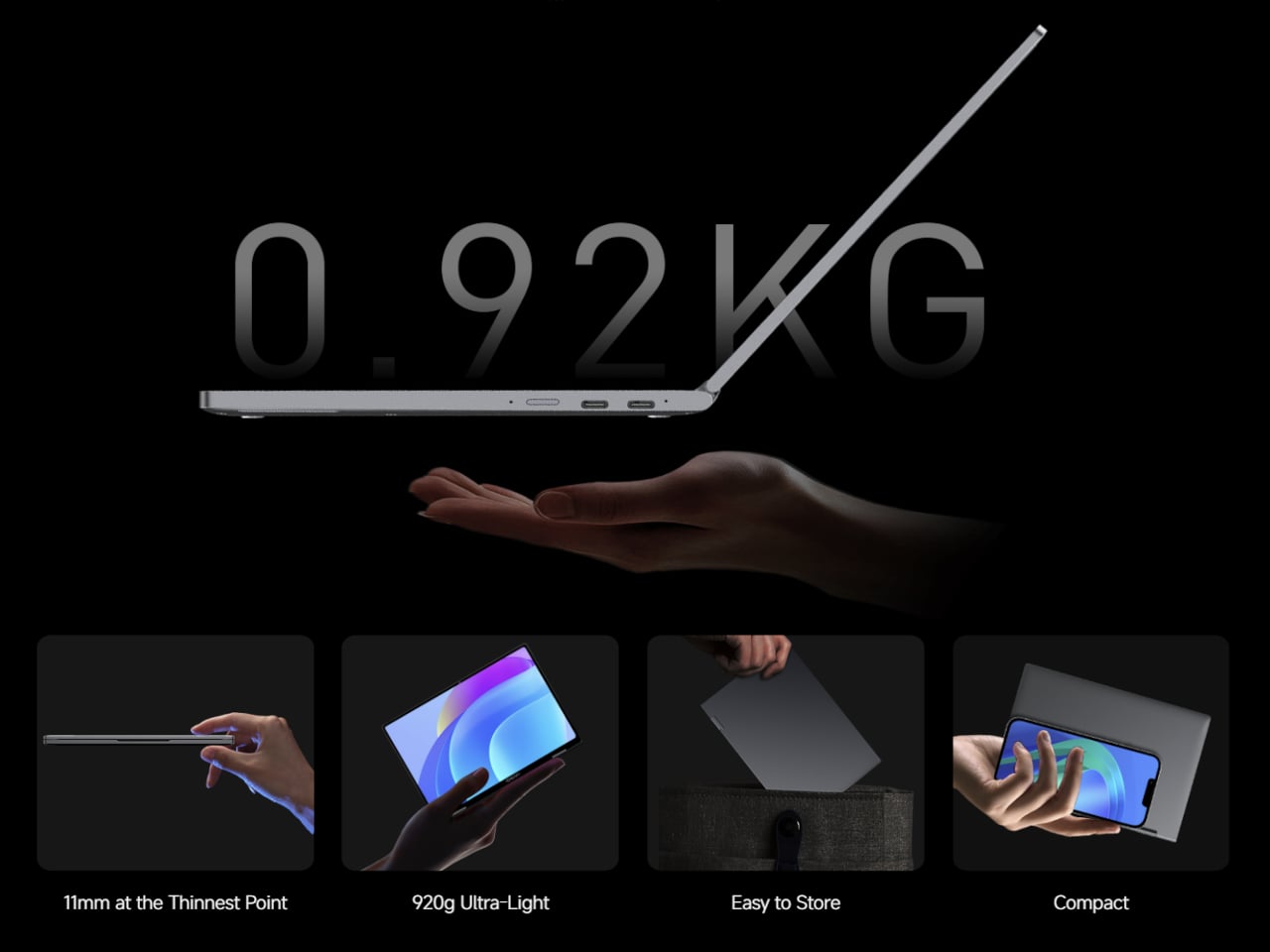
Unlike earlier MiniBook X models that shipped with Windows 11 Home, the U300 version comes pre-installed with Windows 11 Pro. That’s not a minor footnote: it means BitLocker encryption, remote desktop access, and other tools that the Home edition locks away are available right out of the box. For anyone who travels with sensitive documents or manages devices remotely, it’s a practical upgrade that earlier models didn’t include.
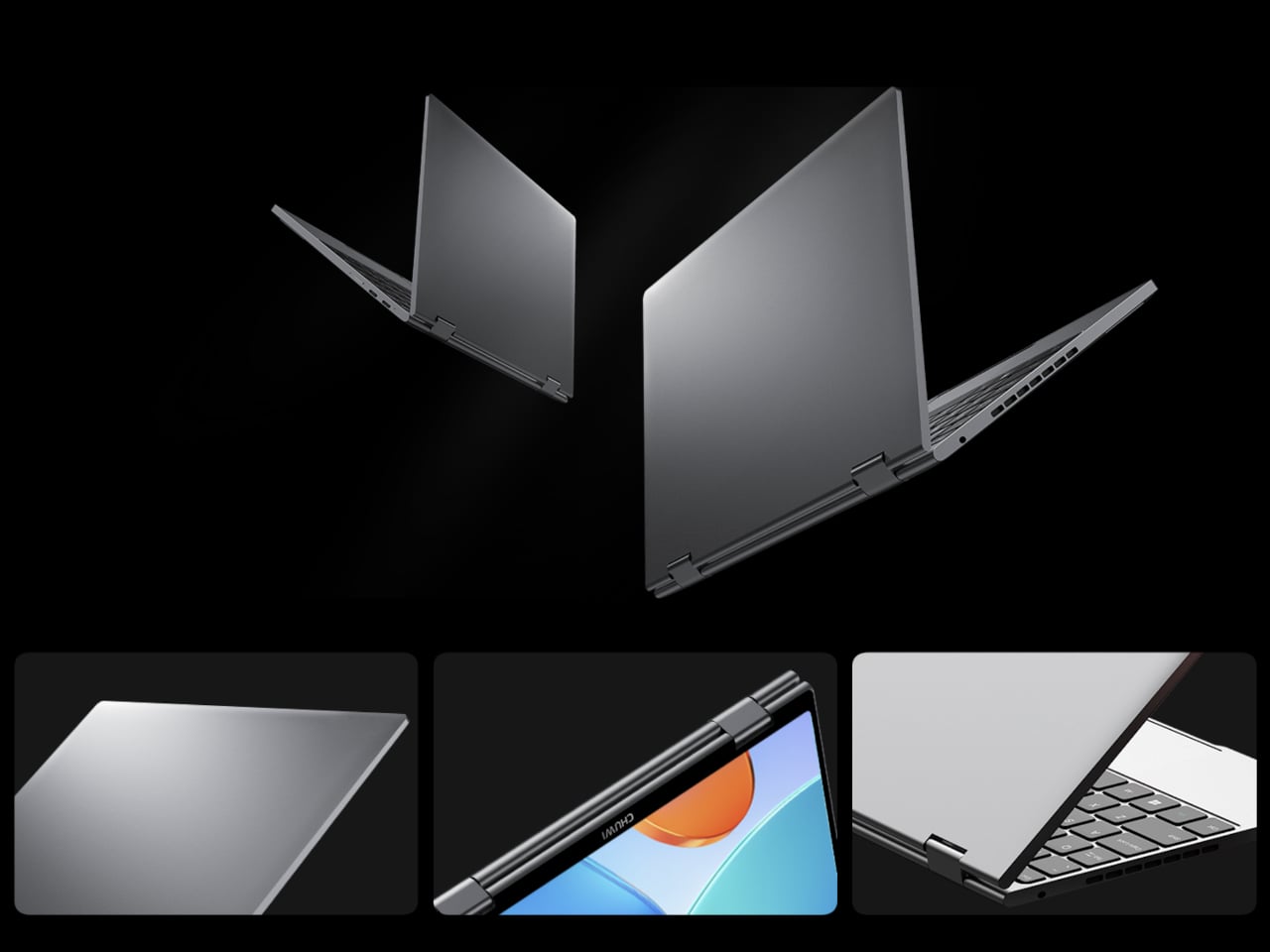
The whole package measures 244mm x 166.4mm x 17.2mm and tapers to 11mm at its thinnest, all wrapped in an aerospace-grade aluminum alloy unibody shell. At 920 grams, it disappears into a tote bag or slides under a seat without much thought. The 28.88 Wh battery charges at up to 36 W via USB-C, and the full-layout keyboard completes a package priced at $469.
The post Chuwi Just Put a Real Performance Chip in a $469 Tote-Bag Laptop first appeared on Yanko Design.
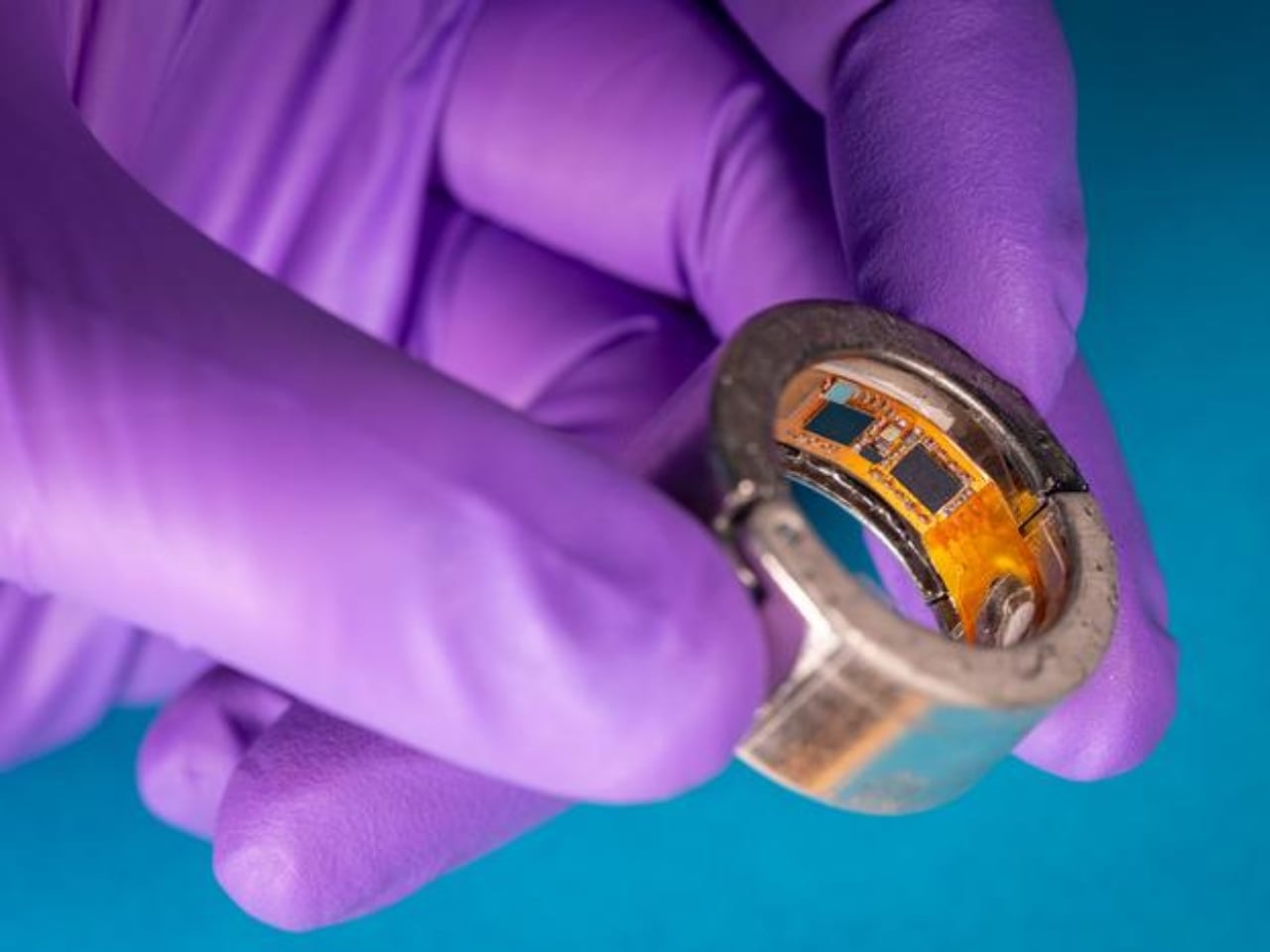
The smart ring market has had a good run on heart rate and sleep tracking. Oura, Samsung Galaxy Ring, and their growing circle of competitors have made it genuinely useful to wear a small device on your finger all day. But if you’ve been waiting for wearable health tech to go deeper than pulse and REM cycles, engineers at UC San Diego may have just drawn the roadmap.
Their prototype, called CHARM (Continuous Health Analyzing Ring Module), doesn’t check your heart. It reads your sweat. Specifically, the microscopic amount of sweat that your fingers naturally produce throughout the day, no gym session required. Through a built-in osmotic hydrogel that draws moisture out passively, the ring collects and analyzes up to four chemical biomarkers at a time: glucose, ketones, vitamin C, uric acid, lactate, and alcohol. It then sends that data wirelessly to a smartphone.
Designer: UC San Diego engineers
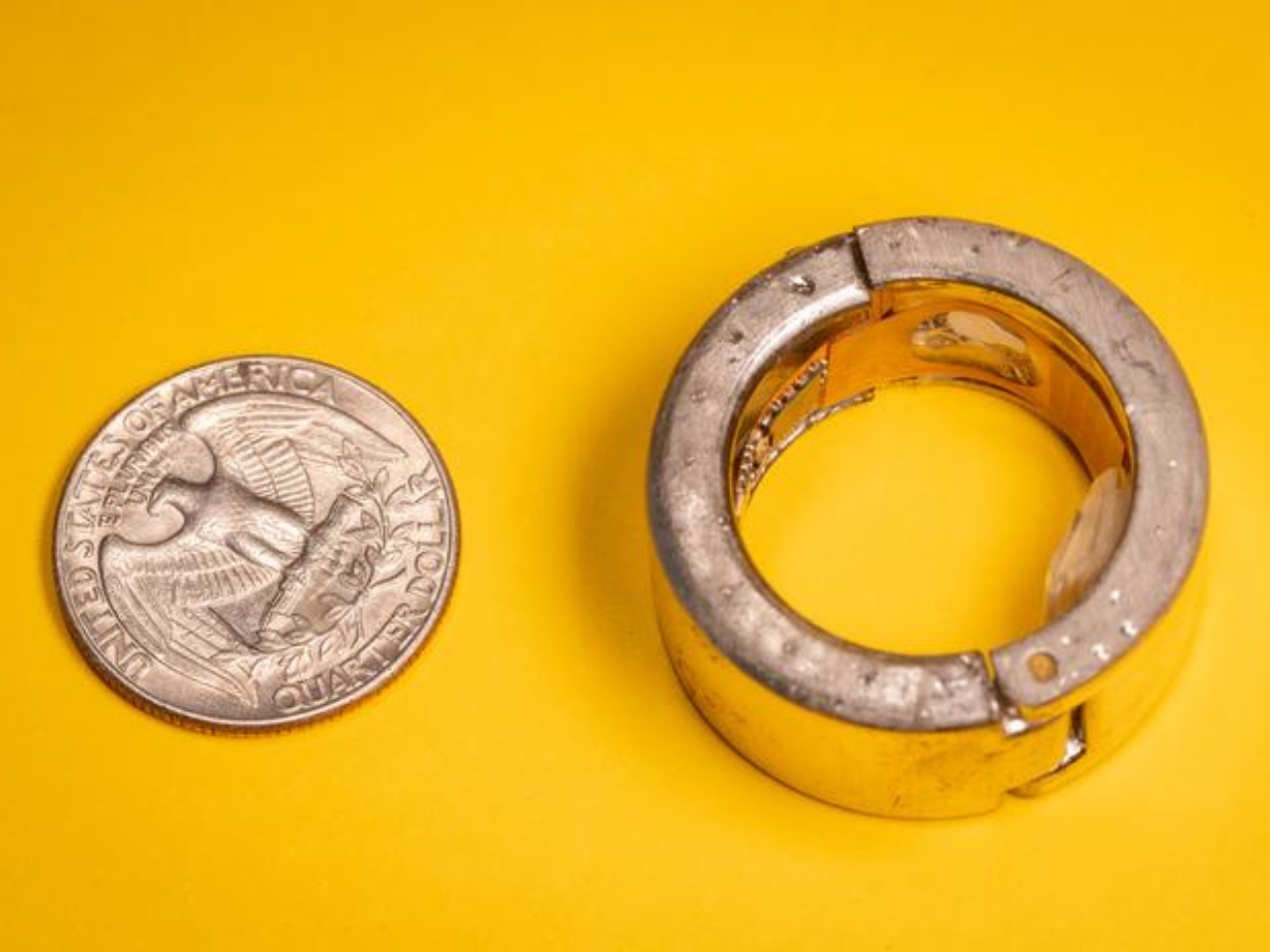
That list of biomarkers is worth sitting with for a moment. Glucose and ketones tell you about your metabolic state and how your body is processing energy. Lactate relates to physical exertion and muscle activity. Uric acid is linked to inflammation and conditions like gout. Vitamin C reflects dietary intake. Alcohol levels speak for themselves. Getting any one of these readings from a non-invasive wearable is already impressive. Getting all of them simultaneously, continuously, and without drawing a single drop of blood, is something else entirely.
The research, published in Nature Communications and led by postdoctoral researcher Tamoghna Saha in the lab of Joseph Wang at UC San Diego, has already passed some important early tests. In trials with participants both with and without Type 1 diabetes, CHARM’s sweat-based glucose readings closely matched results from a standard continuous glucose monitor. Its ketone data similarly aligned with readings from a traditional blood meter. For a prototype, that’s a meaningful validation and a strong signal that the underlying science holds up outside of a lab setting.
What makes this feel like a genuine step forward, rather than just another research headline, is how clearly it names the gap in current wearable technology. As Saha put it, commercial rings only provide biophysical information but lack the molecular data that offers deeper insights into an individual’s health. That is a polite way of saying that knowing your resting heart rate is useful, but it doesn’t tell you whether you’re running low on vitamin C or how your body actually responded to what you ate for lunch.
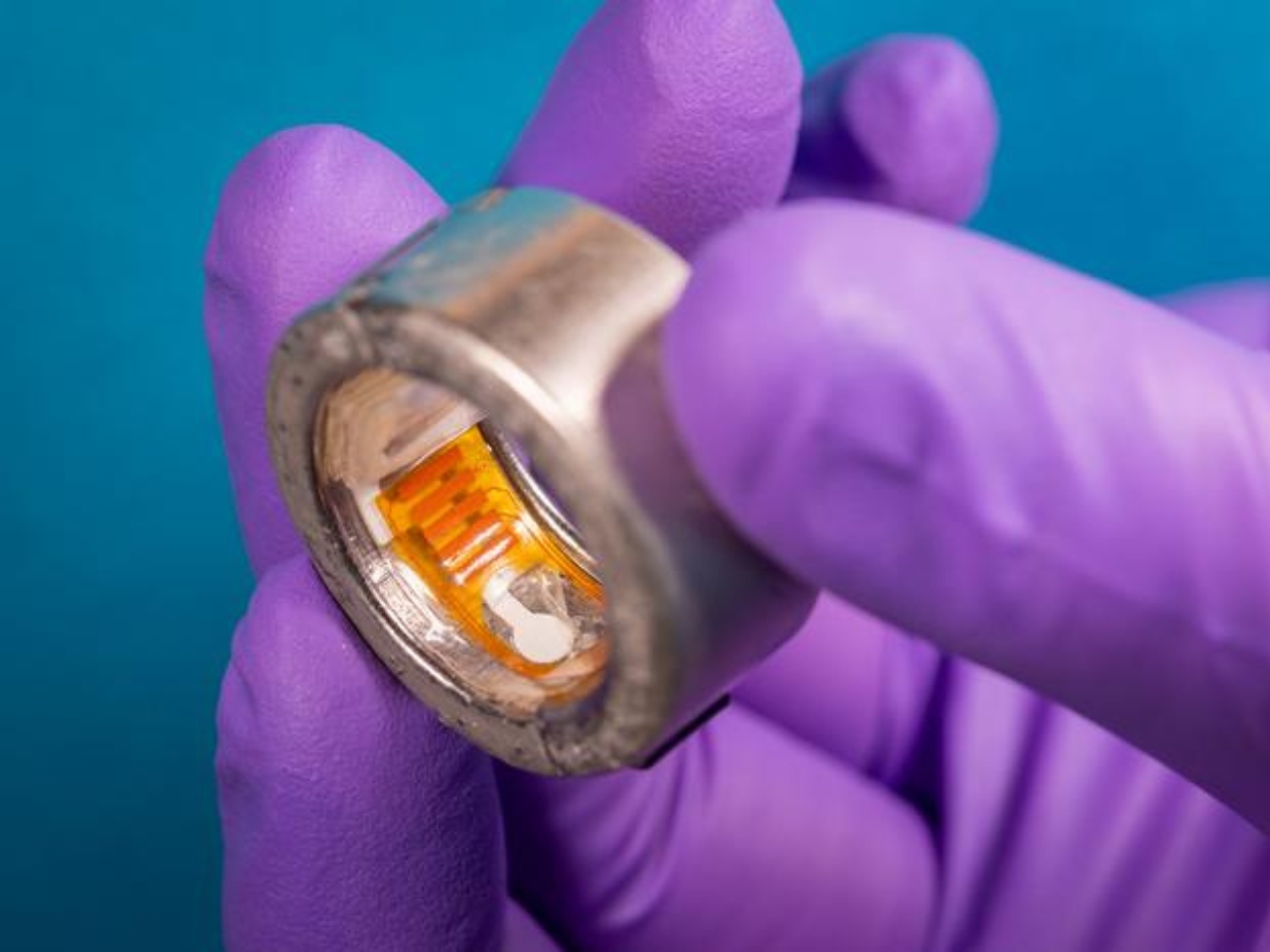
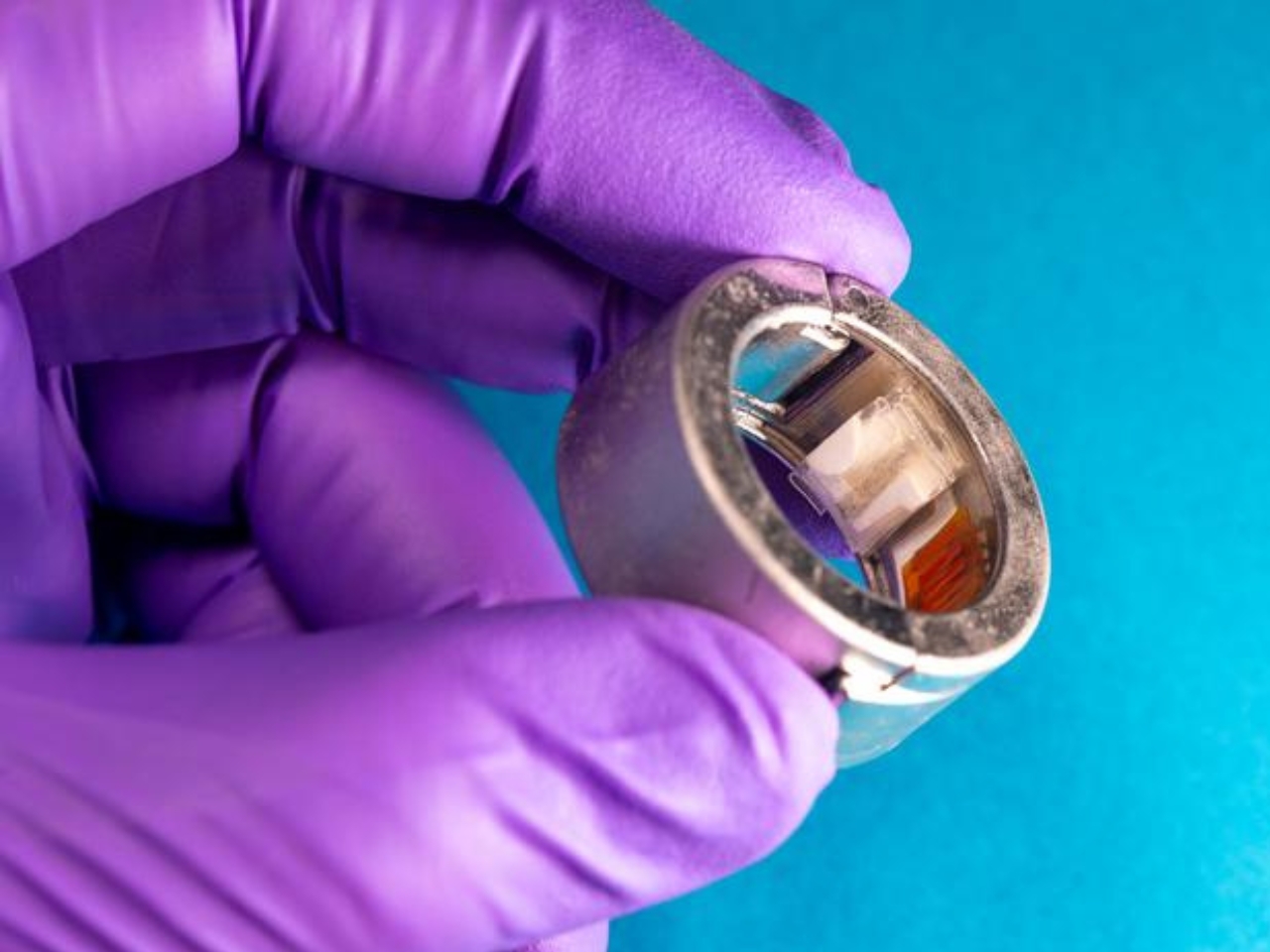
The design challenge here is real, and I think it deserves more credit than the flashier headline about sweat gets it. Cramming accurate chemical sensors, a hydrogel layer, data processing, and wireless connectivity into a ring-shaped form factor is not a small engineering problem. The current prototype, which clamps around a finger, is still a long way from the slim, polished bands we’ve grown used to slipping on without thinking. Getting it there, while keeping the sensor accuracy intact and the battery life practical, will be the hard part. But that is exactly the kind of design and miniaturization problem that tends to get solved once the underlying science is proven. The history of consumer health tech is basically a series of “we figured out the science, now let’s make it wearable” moments.
The smart ring category has felt a little flat lately, if I’m being direct. The differences between most devices come down to software features and companion app design, not any fundamental leap in what they can actually detect. CHARM points toward a version of the smart ring that is genuinely measuring your body’s chemistry in real time, the kind of data that has historically required a clinic visit or a prescription-grade device. Putting that on a finger, passively, all day, changes what personal health monitoring can realistically mean.
It’s still early. CHARM is a prototype, the paper is fresh, and a consumer version is nowhere near announced. But the direction is right, and the science backs it up. If biochemical monitoring eventually becomes a standard feature of smart rings rather than a research novelty, this prototype will be one of the moments worth pointing back to.
The post Smart Rings Finally Got a Reason to Exist Beyond Sleep Tracking first appeared on Yanko Design.

Chinese automotive and technology stalwarts are combining to give the off-road camping industry a new twist. It’s for the first time that a flagship SUV is gearing up to hit the Chinese market with a rooftop tent pre-installed. The tent would deploy into a fully-fledged habitat on top of the off-road vehicle at the push of a button from its cockpit.
So, when the Stelato G9, built in a joint effort by Huawei and Beijing Automotive Group (BAIC Group), goes on preorder starting August 5, according to Chinese sources, the luxury SUV will include an optional tent built into its roof and sunroof assembly. This would be completely different from aftermarket rooftop tents that have to be bolted on the roof of the vehicle.
Designer: HIMA

Rooftop tents are common in North America. So, they are in China as well. But this is the first time that a vehicle is entering the market pre-fitted with a rooftop tent from the factory. At the time of writing, not much is available in the public domain about the Stelato G9, except for the fact that it will come with the optional choice of a camping solution on its roof.

Other than that, from information collected through Chinese regulatory filings, we can confirm that the vehicle will be available in a fully electric option and an extended-range electric model comprising a gas engine to generate charge for the battery. The G9 measures 5.2 m (17 ft) long and has a wheelbase of 3.16 m (10.4 ft). Its interior will come in either a 5- or 6-seater layout and would be certified to tow 2,000 kg. For its off-road capability, the vehicle will offer a wading depth of 900 mm. It will feature a side-opening tailgate, an external storage box, roof rack, and tow hook.
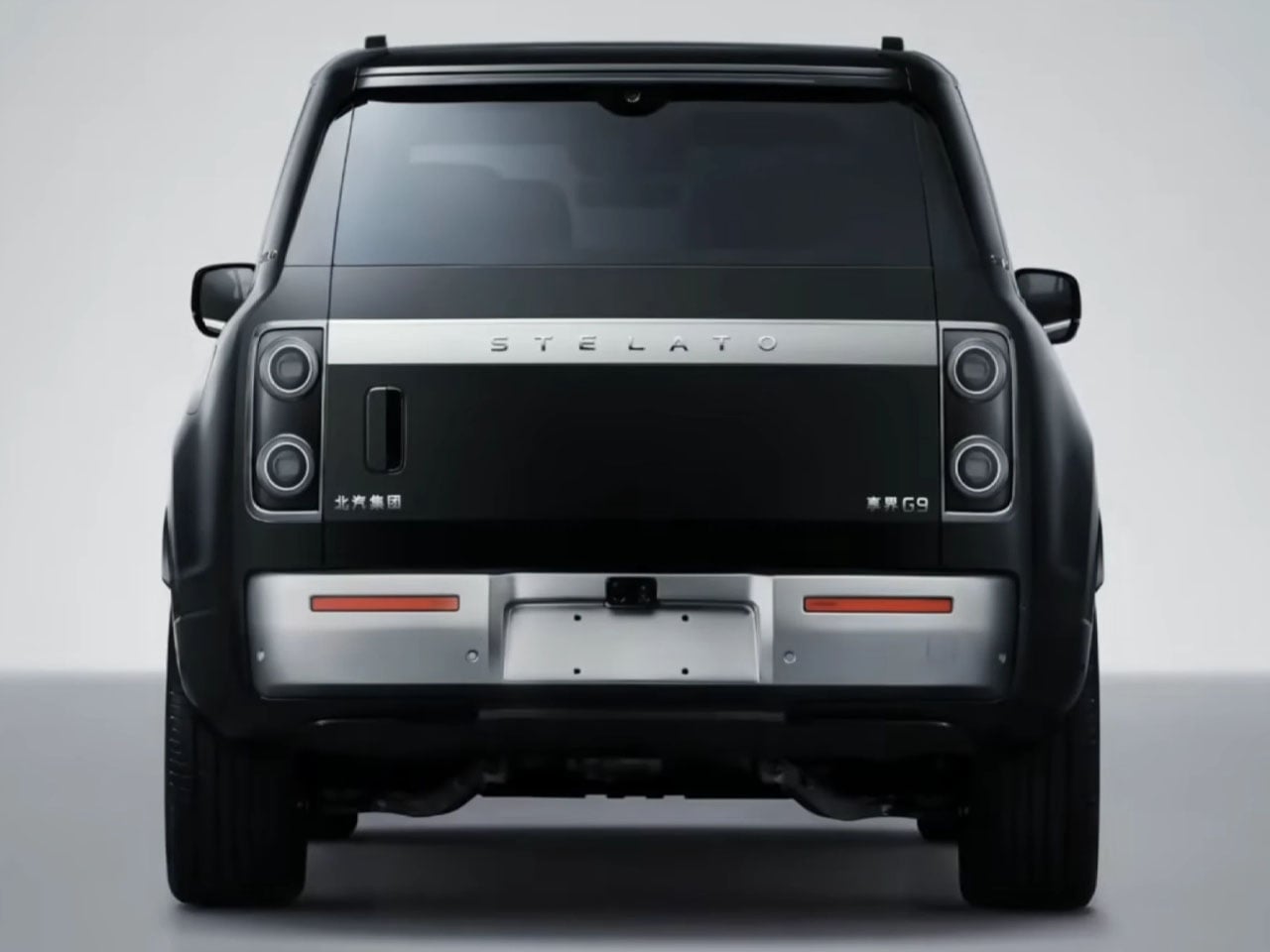
Stelato, according to the information shared on the Chinese microblogging site Weibo, will begin accepting preorders for the G9 starting at 2:30 pm Beijing Time on August 5. The SUV – with an optional rooftop camping tent – is expected to officially launch in the third quarter of 2026. Stelato G9, in addition to being the first with an integrated push-button rooftop tent, is also the brand’s first foray into the rugged off-road segment.


Stelato, an electric vehicle brand, operates under Harmony Intelligent Mobility Alliance (HIMA), a collaboration between BAIC and Huawei. The latter provides a HarmonyOS-assisted autonomous driving system and LiDAR tech to manage the technology within the vehicle. The tent, which is also activated through the Huawei system onboard, is part of the sunroof assembly. When it’s not in use, the tent appears sitting flush against the roofline of the G9.
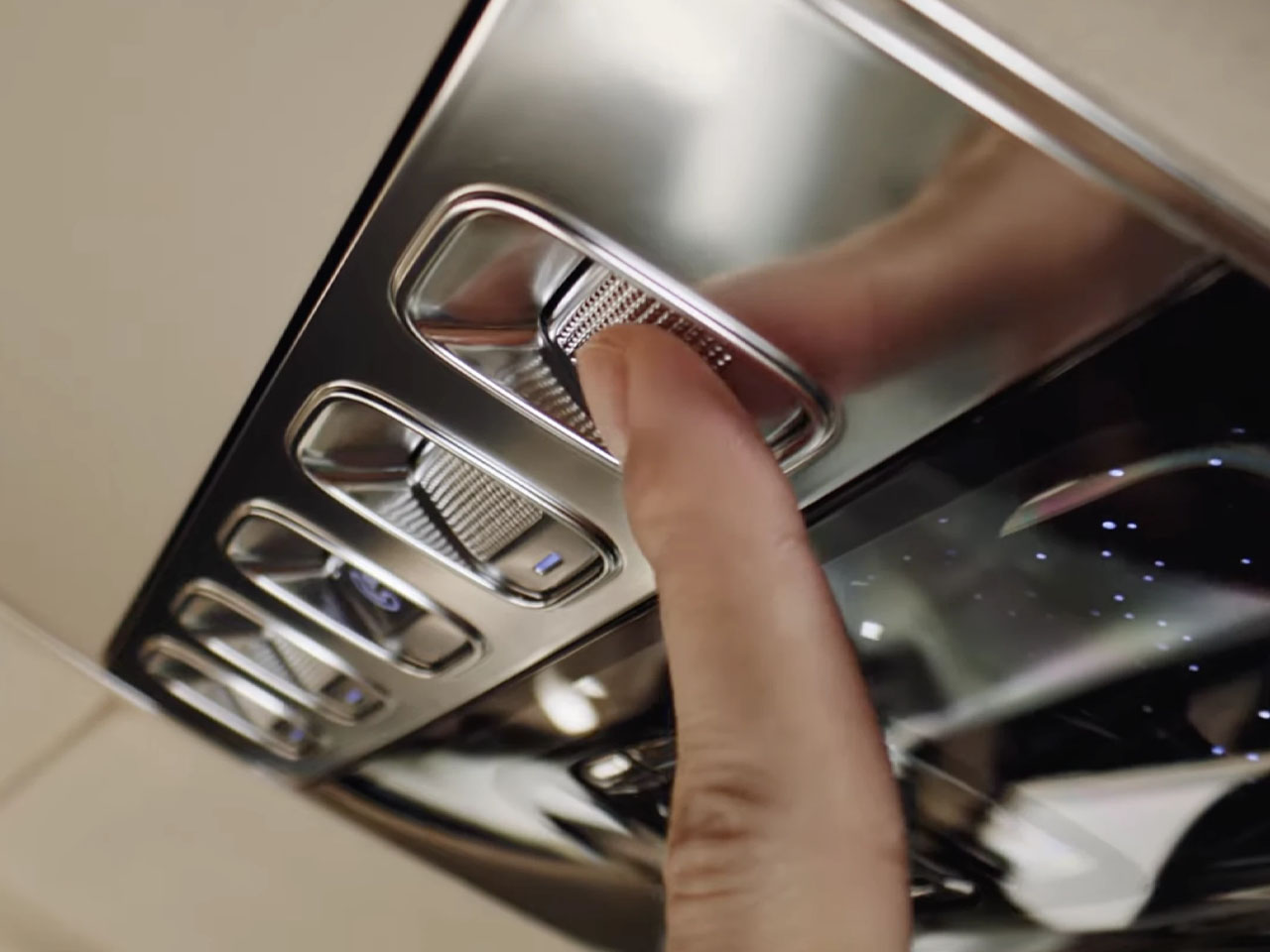
When the tent is deployed, the roof lifts from one side and extends into a two-part tent. The main triangular portion has a low front and tall back. A built-in lighting pole separates it from the smaller auxiliary tent that extends from the other side of the main structure. Reportedly, the roof tent also unlocks a side awning. It is also deployed using the same single button press as the tent itself. We do not have the exact pricing details at the moment, but reports suggest the Stelato G9 could start somewhere around $74,000. It is currently planned for the Chinese market only.

The post First Chinese SUV with built-in rooftop tent is co-developed by Huawei and is all set for preorder first appeared on Yanko Design.