
Anthropic says Opus 5 can nearly match its top-performing model for half the price
Anthropic's latest model offers top-tier performance at a much cheaper cost.

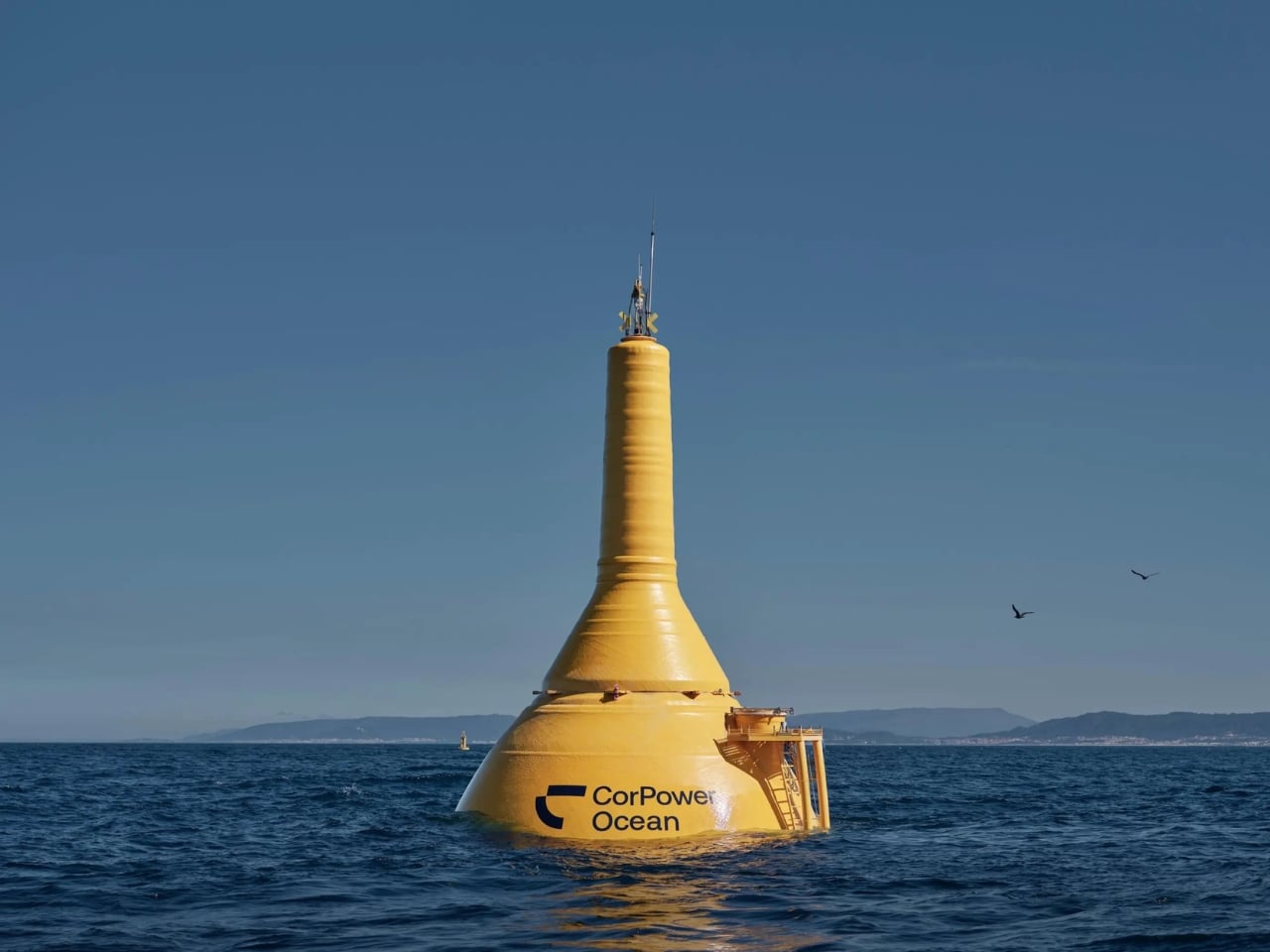
We have been talking about wave energy for decades. It shows up in climate briefings, TED talks, and renewable energy roadmaps with the same promising but perpetually tentative language: potential, emerging, coming soon. So when a company actually delivers a milestone that moves it out of the “maybe someday” category, it deserves more than a passing mention in a news ticker.
CorPower Ocean, a Swedish cleantech company, just did exactly that. Their C4 wave energy converter became the first of its kind to earn a full DNV Prototype Certificate, the most rigorous safety certification in offshore energy. DNV, for those unfamiliar, is the Norwegian firm whose standards essentially underpin the modern offshore wind industry. Getting their stamp of approval is not a ribbon-cutting ceremony. It’s proof of work.
Designer: CorPower Ocean

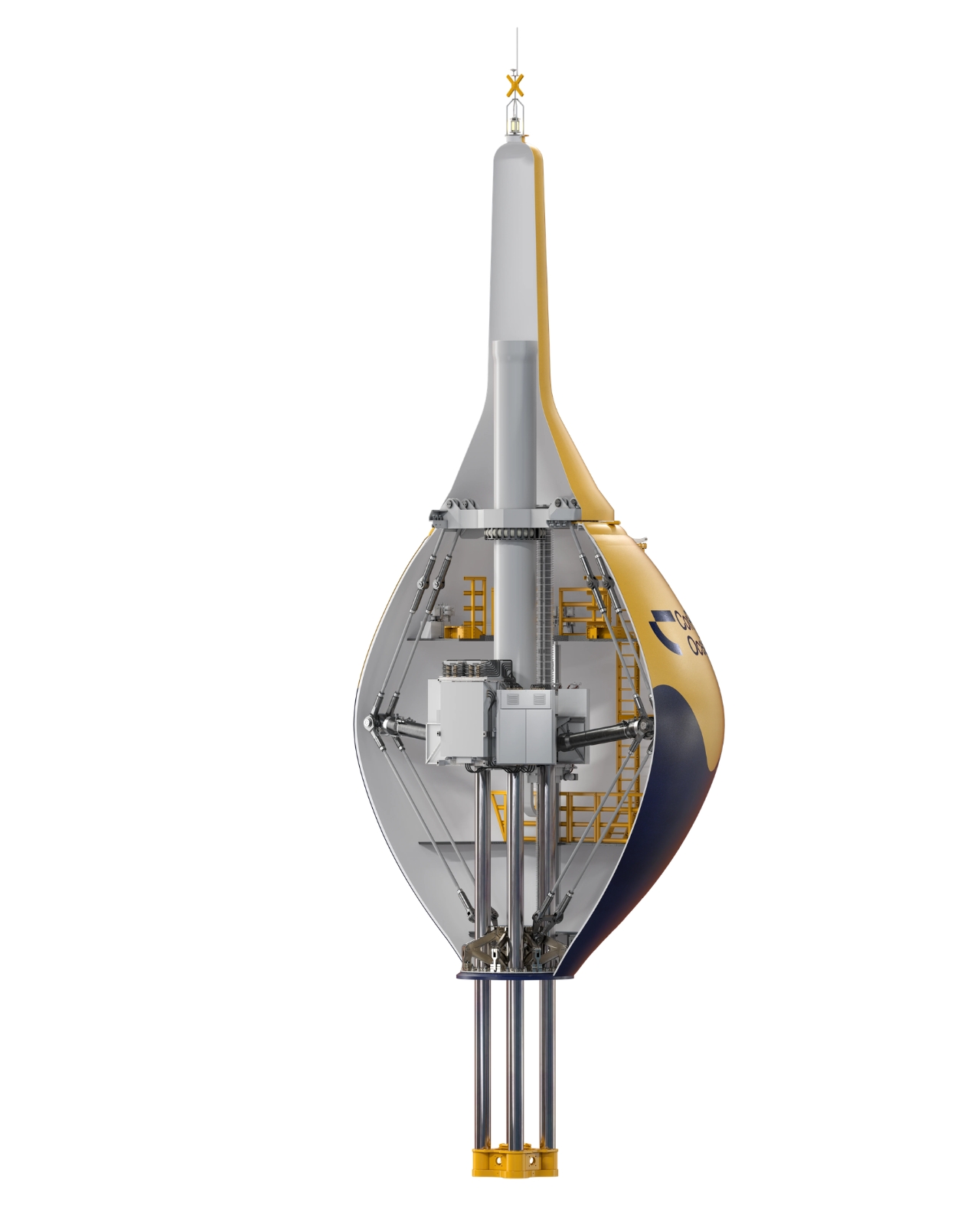
The C4 itself is a striking piece of engineering. It’s a 100-ton buoy, roughly the height of a four-storey building, and it converts ocean swells into electricity using a mechanism inspired by the pumping principle of the human heart. The company calls it WaveSpring technology, and the idea is that the device resonates with the natural rhythm of incoming waves rather than fighting against them. That design philosophy results in a device that can generate five times more electricity per tonne than any other known wave technology, more than 10 megawatt-hours per tonne. For a sector that has always struggled with the cost-versus-output equation, that number is significant.
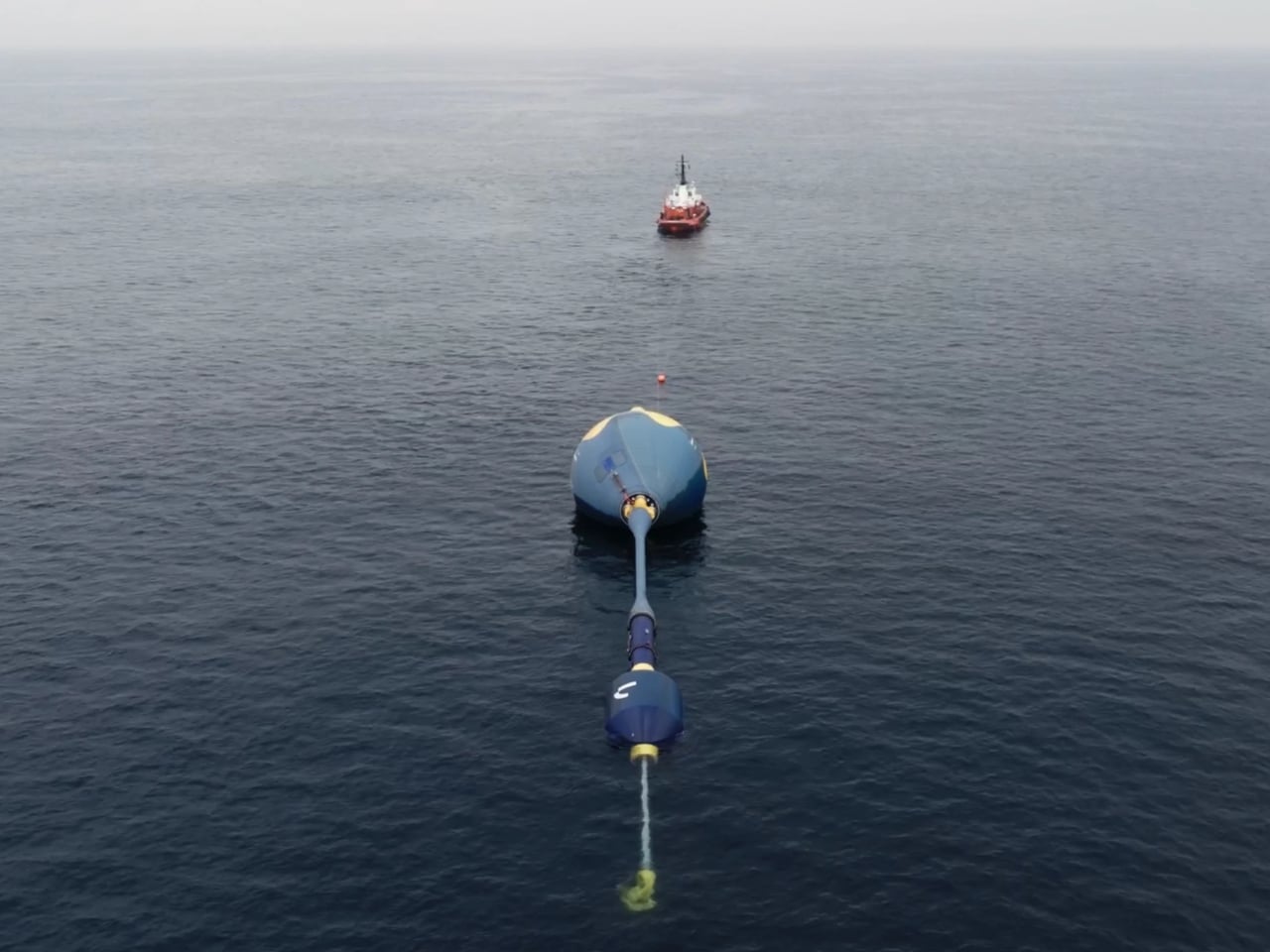
What makes the DNV certification particularly meaningful is how difficult it was to earn. The process took seven years and covered everything from concept development and structural analysis to manufacturing, storm survivability, and real ocean performance. The C4 was deployed off the coast of Aguçadoura in northern Portugal in late 2023, and it weathered four major storms during that period, including waves reaching 18.5 metres in height. It didn’t just survive. It resumed exporting power to the grid after each one.
I think about that a lot because it’s the part of wave energy that rarely gets enough credit. The ocean is brutal. Most renewable energy infrastructure, whether solar panels or wind turbines, operates in relatively predictable conditions. Wave energy converters have to function in one of the most hostile environments on the planet, and the failure rate in this space historically has been high. The fact that the C4 emerged from the Atlantic with its certification intact says a great deal about the maturity of the technology.
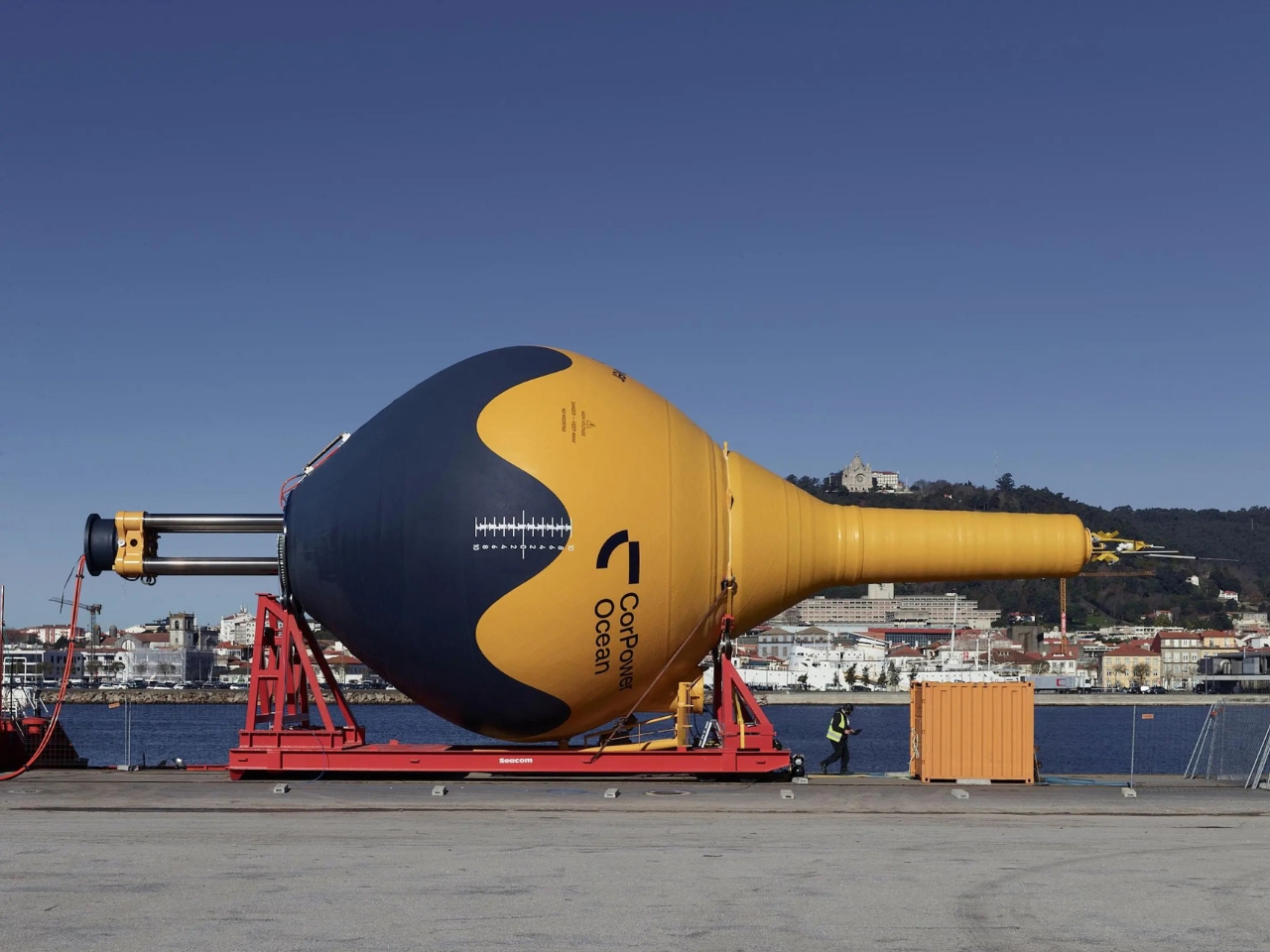
Now, CorPower is looking at the next phase: the VianaWave project, which would become the world’s first 10-megawatt commercial wave farm, also off the coast of Portugal, targeted for around 2029 to 2030. A project in Scotland is also in the works. The DNV certification is crucial here not just for optics but for practical reasons. It reduces technology risk in the eyes of investors, insurers, and project financiers who have historically been reluctant to back wave energy ventures. Bankability has always been the bottleneck, and this certification directly addresses that.
Wave energy won’t replace solar or wind. Nobody is suggesting that. But it has something those two sources don’t: it’s consistent. Waves roll in day and night, regardless of cloud cover or calm weather. As a complement to variable renewables, that kind of reliability carries real weight. The ocean covers 71 percent of the planet’s surface, and the commercially available wave energy potential sits at around 500 gigawatts, roughly 10 percent of global electricity consumption. That’s not a footnote resource.
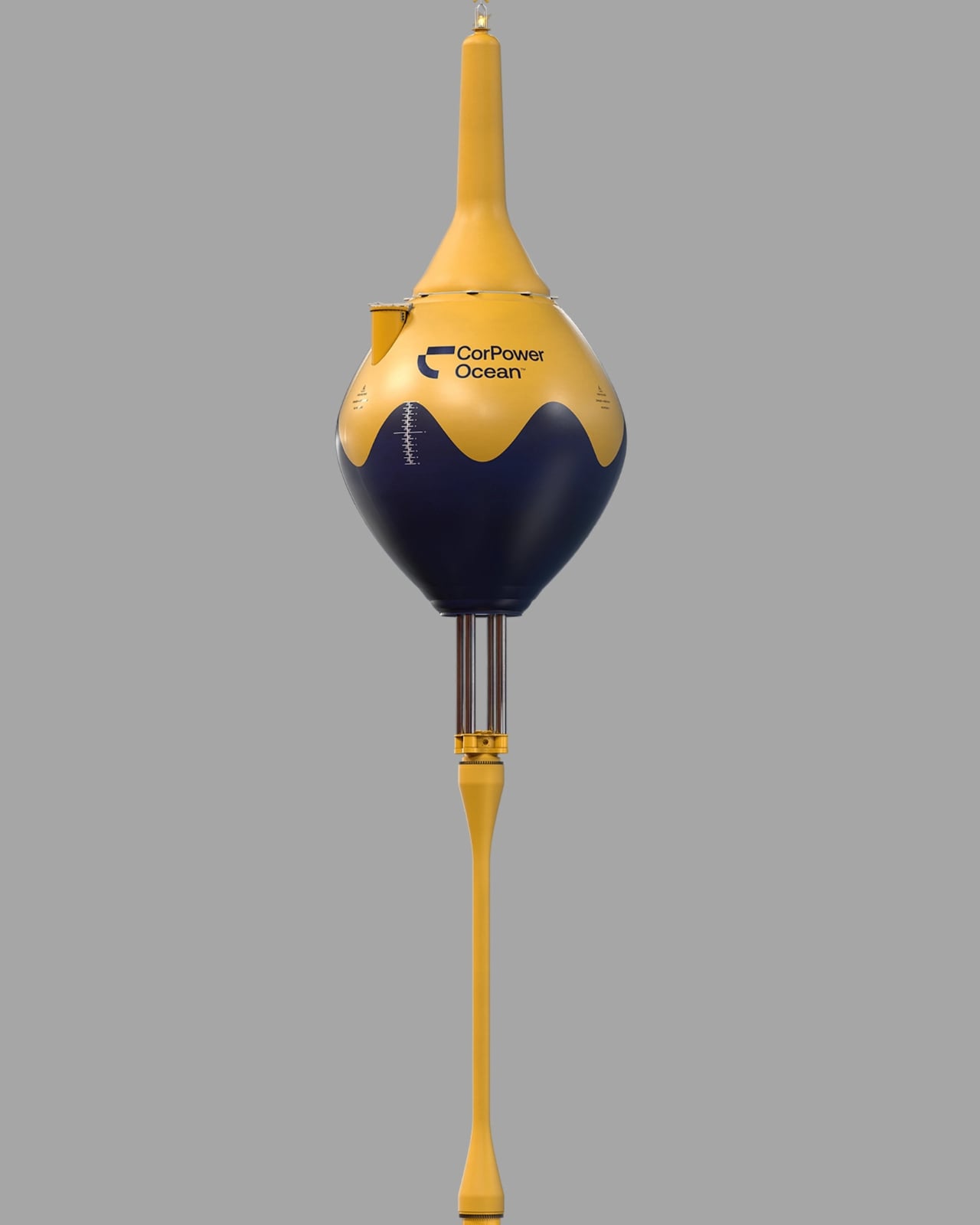
The C4 is not a finished product. CorPower is already developing its next iteration, the C5, alongside the rollout of the current technology. But as a proof of concept that has cleared the toughest bar the industry has, it marks something real: wave energy is no longer hypothetical. The certification doesn’t just validate a buoy. It validates years of work spent turning an elegant idea into something the ocean itself has agreed to cooperate with.
The post Wave Energy Just Cleared Its Biggest Hurdle in 7 Years first appeared on Yanko Design.

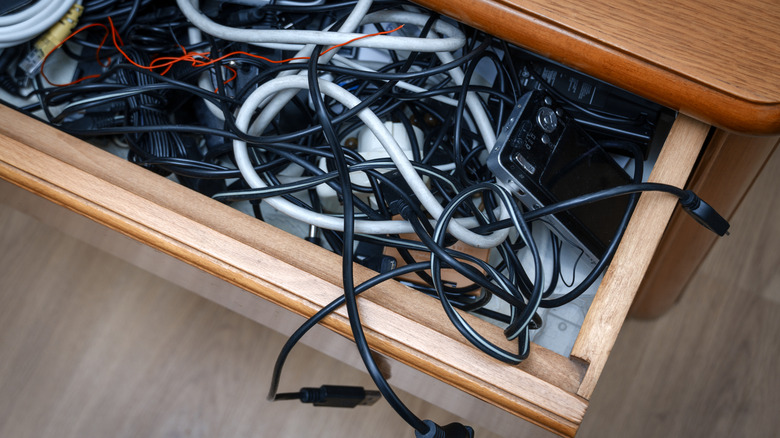
I struggle every day to keep my desk organized. I’ve added a monitor arm, a phone stand, a laptop cooling stand, and even a cable organizer clipped to the edge of the tabletop. Despite all these accessories, my desk still ends up feeling cluttered; earbud case is lying unattended somewhere, while the pens are all over the place. My problem isn’t lack of organizers: it’s that I’m not really sure how to use each accessory effectively or how they should work in tandem.
That may be exactly why this modular monitor stand from designer Lorenzo Vega caught my attention. Instead of adding yet another standalone accessory, it reimagines how desk organization should work. The modular stand is designed with various parts that interconnect to feel more intuitive and form an easier layout to keep things on the work desk organized.
Designer: Lorenzo Vega
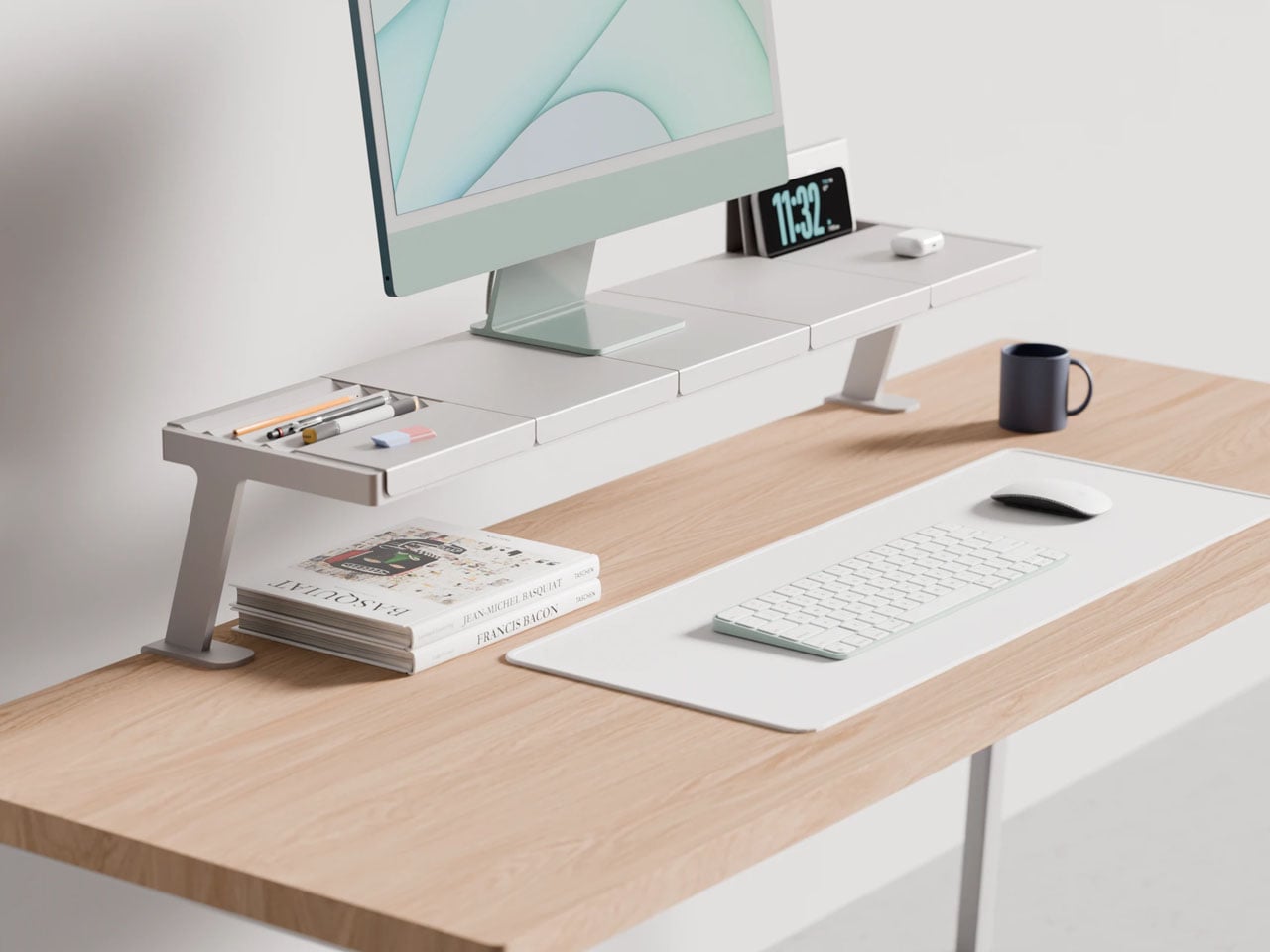
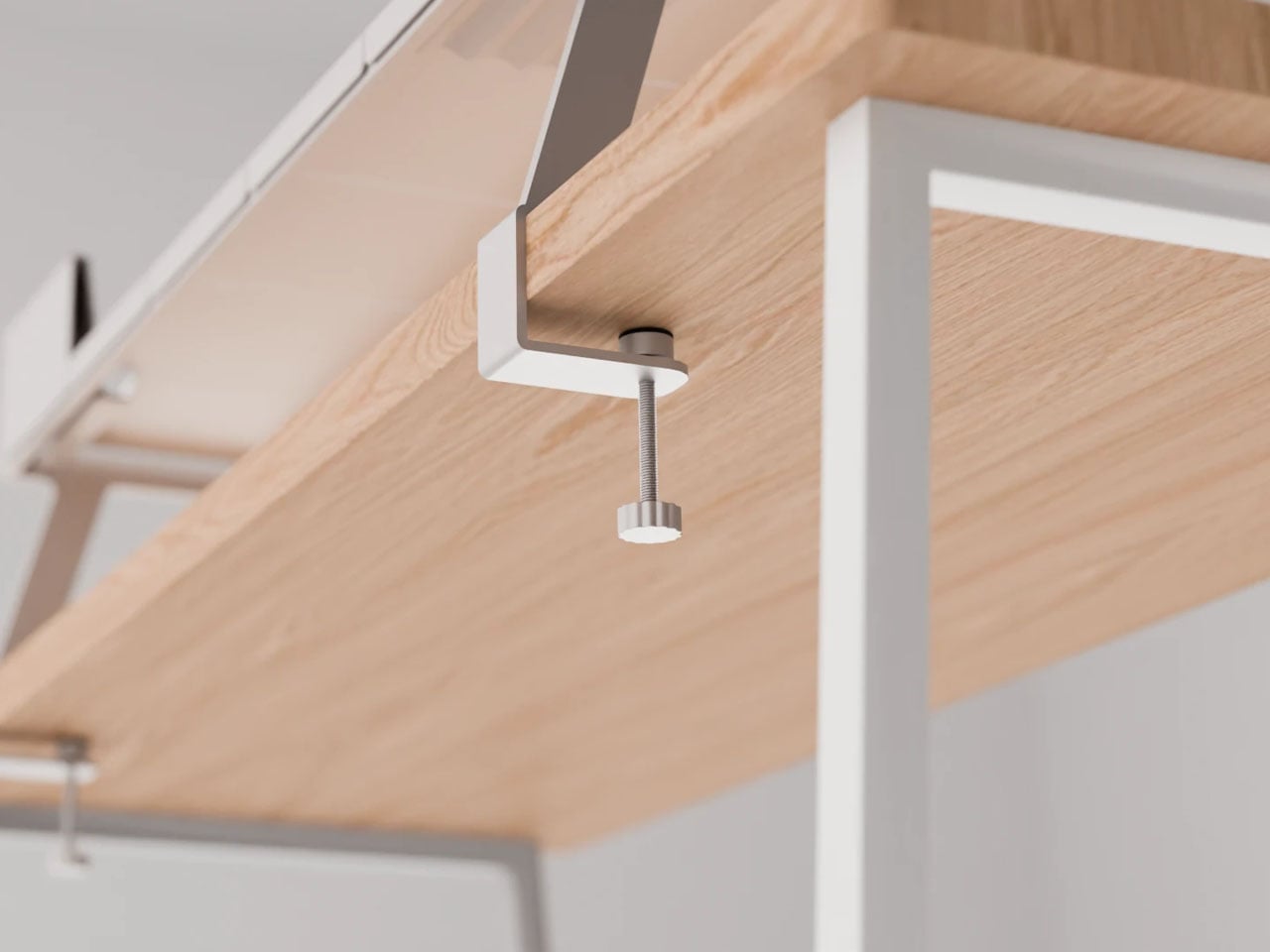
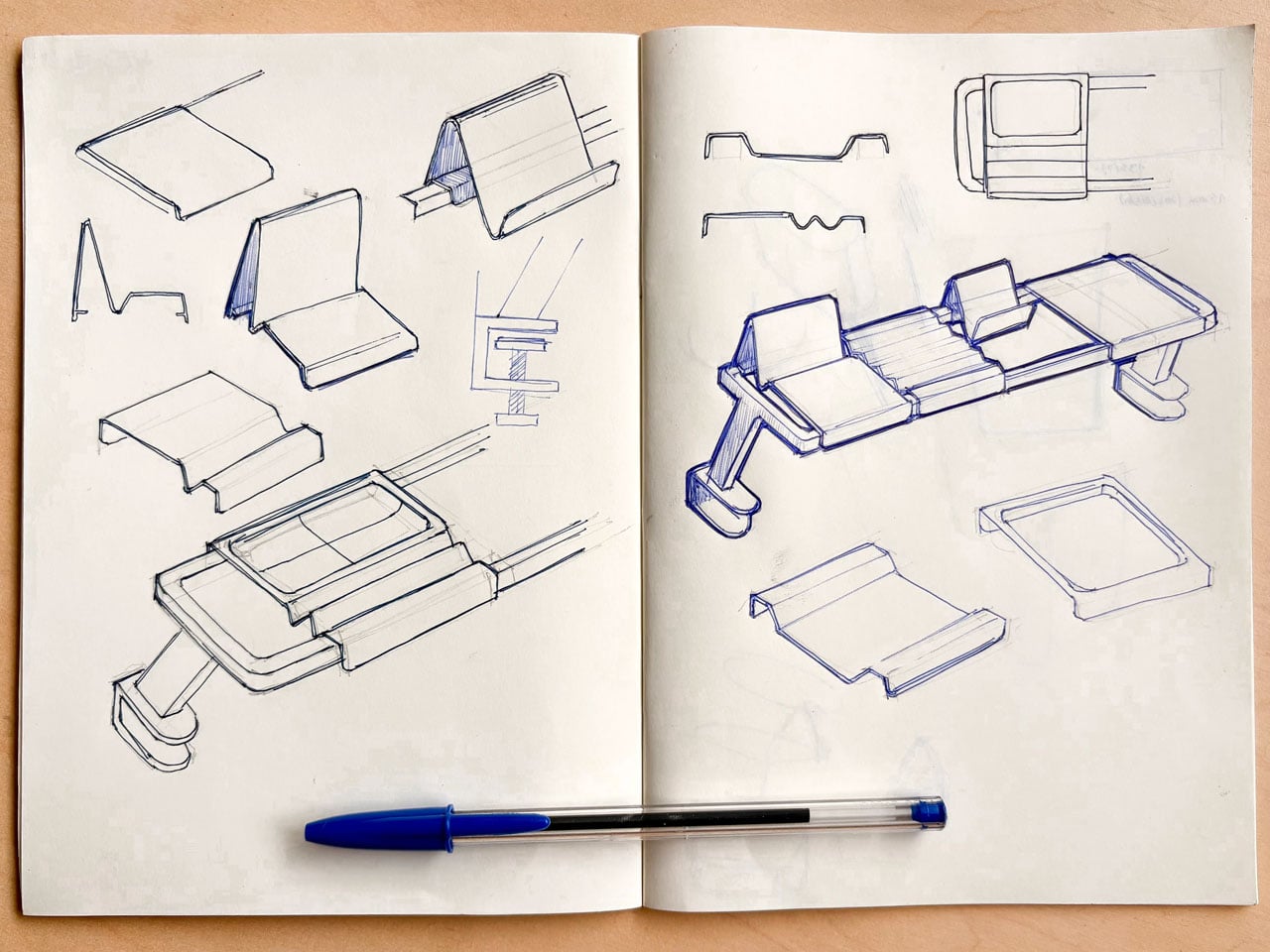
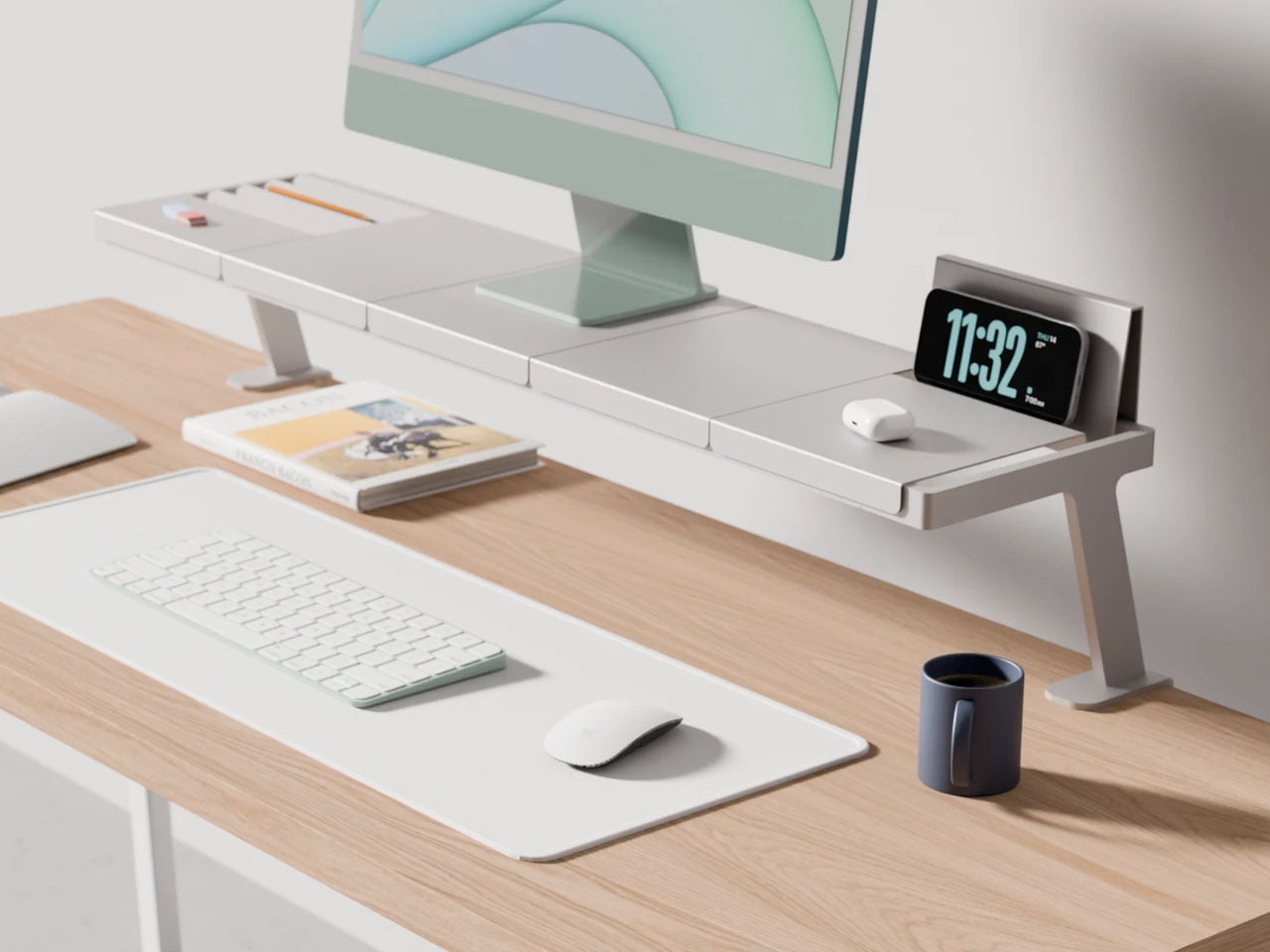
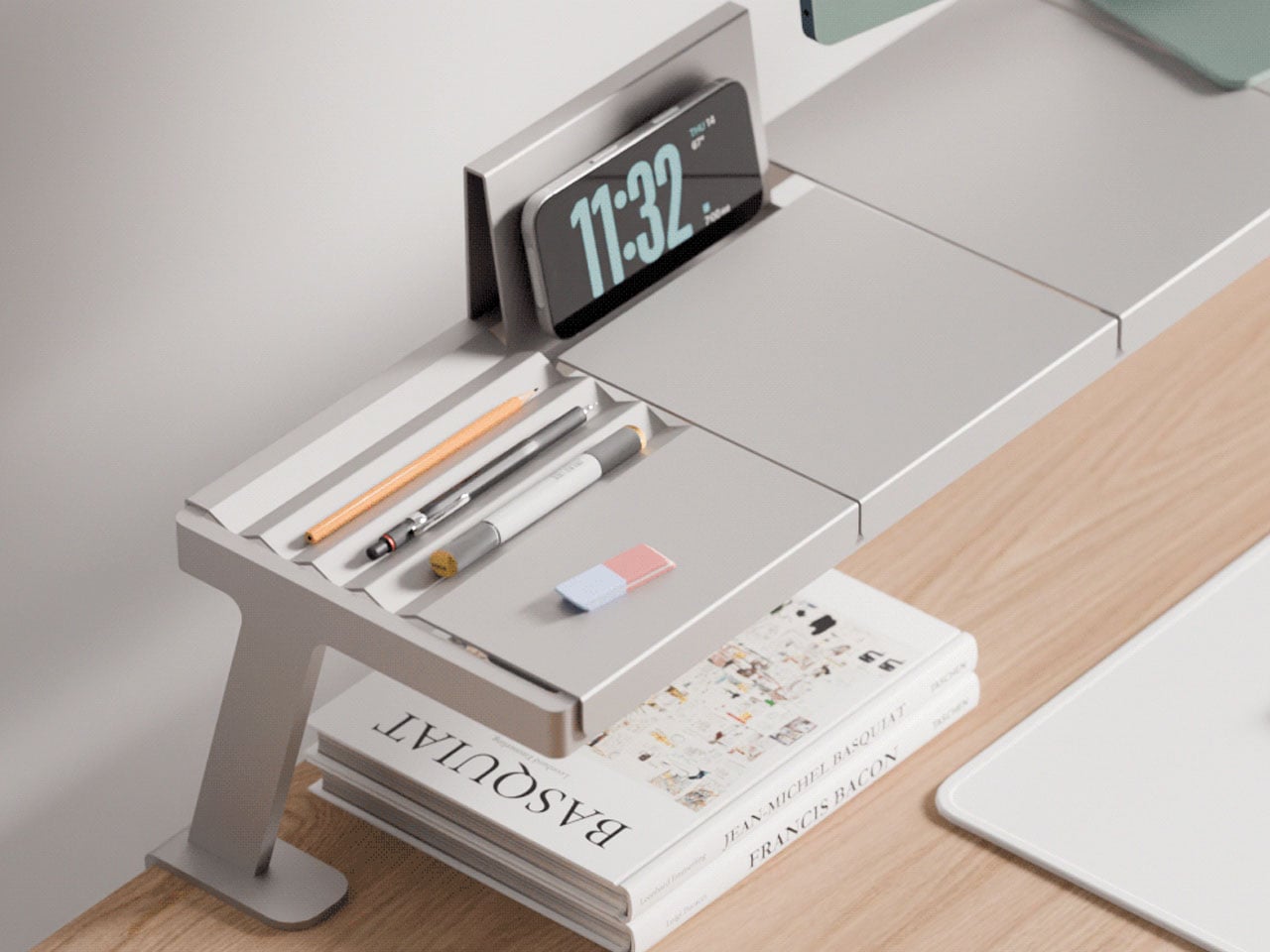
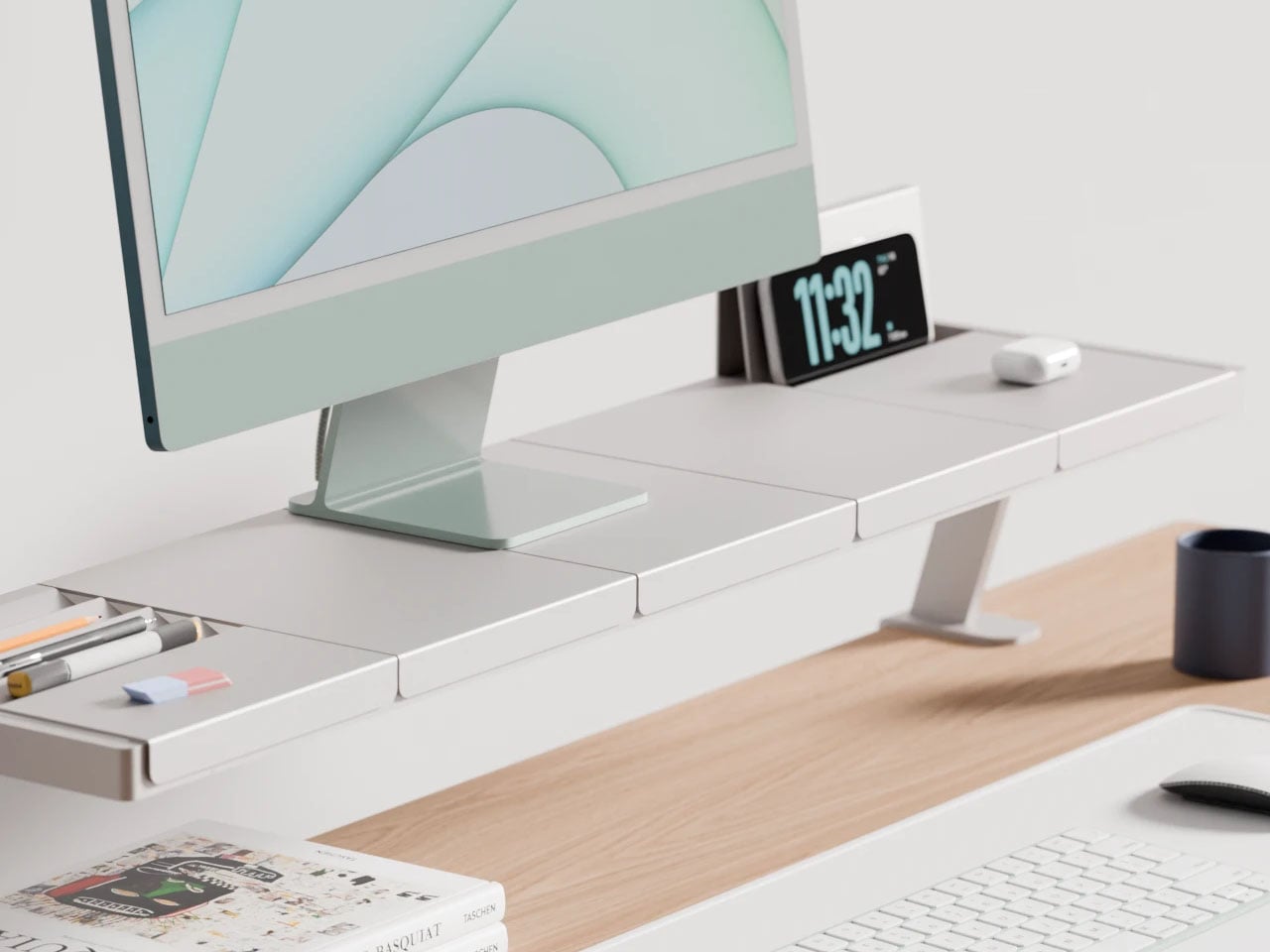
The design concept of a modular monitor stand comprises a base stand and five different sectional trays which can be interchanged to accommodate the user’s preferences and workflow. The base stand, which the designer calls the main rack is designed to clamp to the back of a table. It is similar to how other monitor stands secure themselves to the table. The clamps, however, are adjustable and should work securely with tabletops of varying widths.
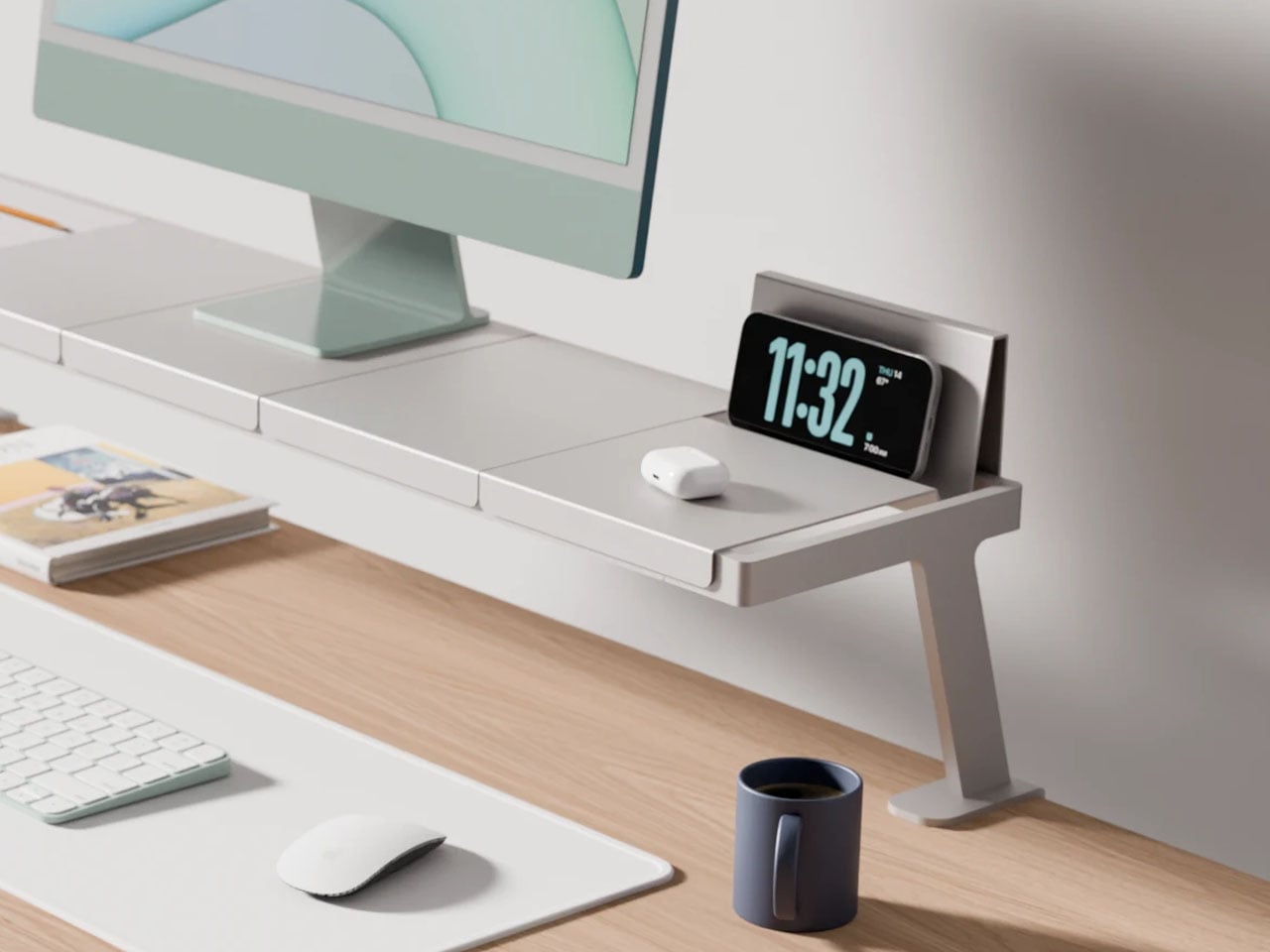
Since the rack attaches to the back of the table and remains almost six inches clear of it with a pair of legs – one on each side – it can free up space below to keep your notepad or the reference books you require in the vicinity. The tray modules can be placed on the two parallel rails of the rack running horizontally. They fix seamlessly to the base rack and, in addition to holding the monitor on top, are designed for common uses. A tray for organizing stationery, one to hold the phone/tablet, or even to hold papers upright.
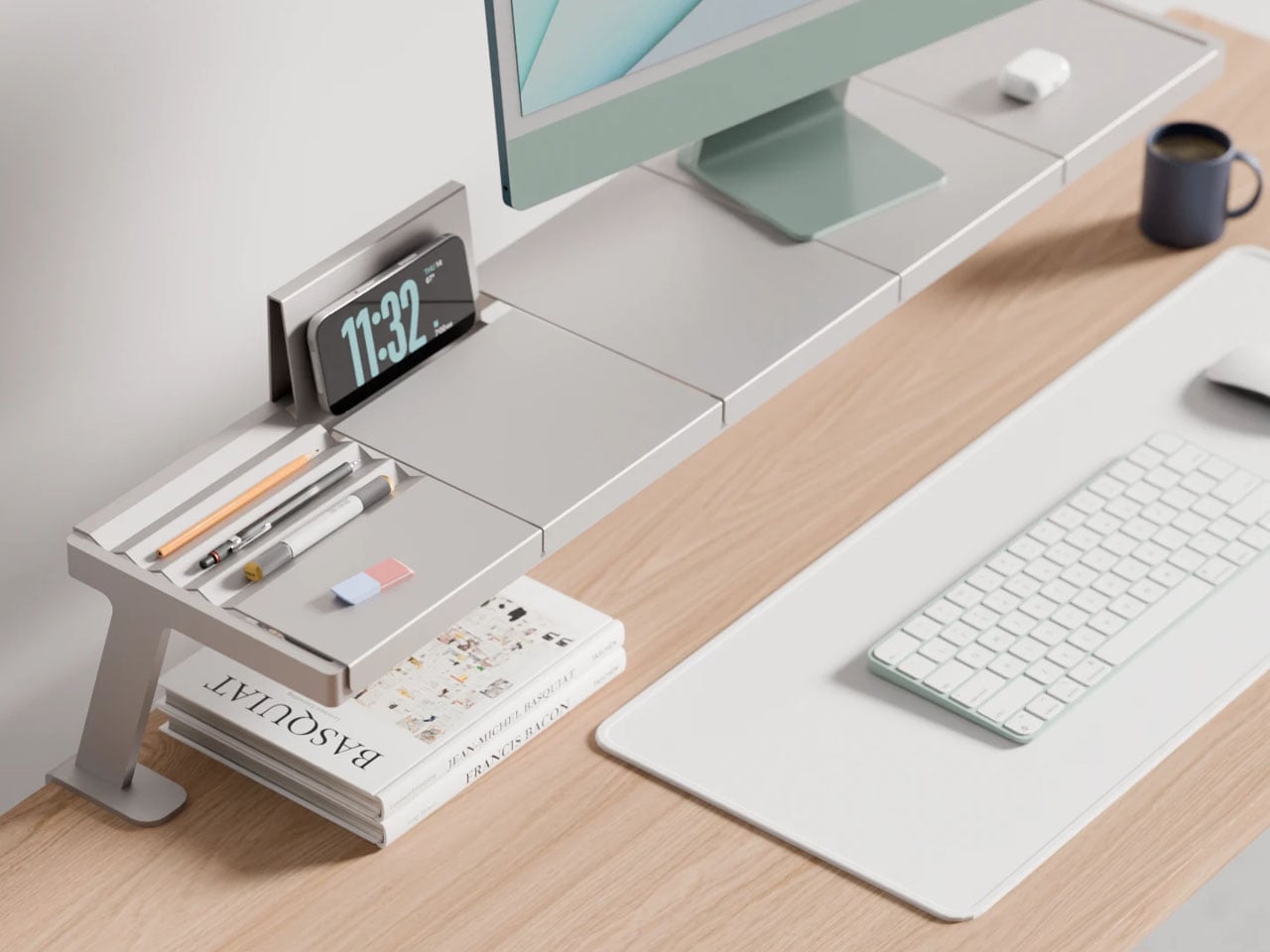
The designer suggests that the modular monitor stand – which appears to be made ground up from aluminum – is a working concept at the time of writing. The build quality feels solid, and it can easily support a monitor. In the future, the designer intends to include wireless charging and magnetic cable organizers below the interchangeable racks. This addition will uplift the design into a feasible category, which should have tech enthusiasts intrigued.
If you’re trying to clean up your desk without adding more clutter, Vega’s idea of a modular stand for the monitor is worth appreciating for how customizable it is. Built as a modular system, it allows you to add things like a phone stand, stationery holder et al, depending on how you use your desk. So, instead of stacking accessories everywhere, everything stays integrated.
The post Freely organize every device and reclaim your desk space with this Modular Monitor Stand first appeared on Yanko Design.
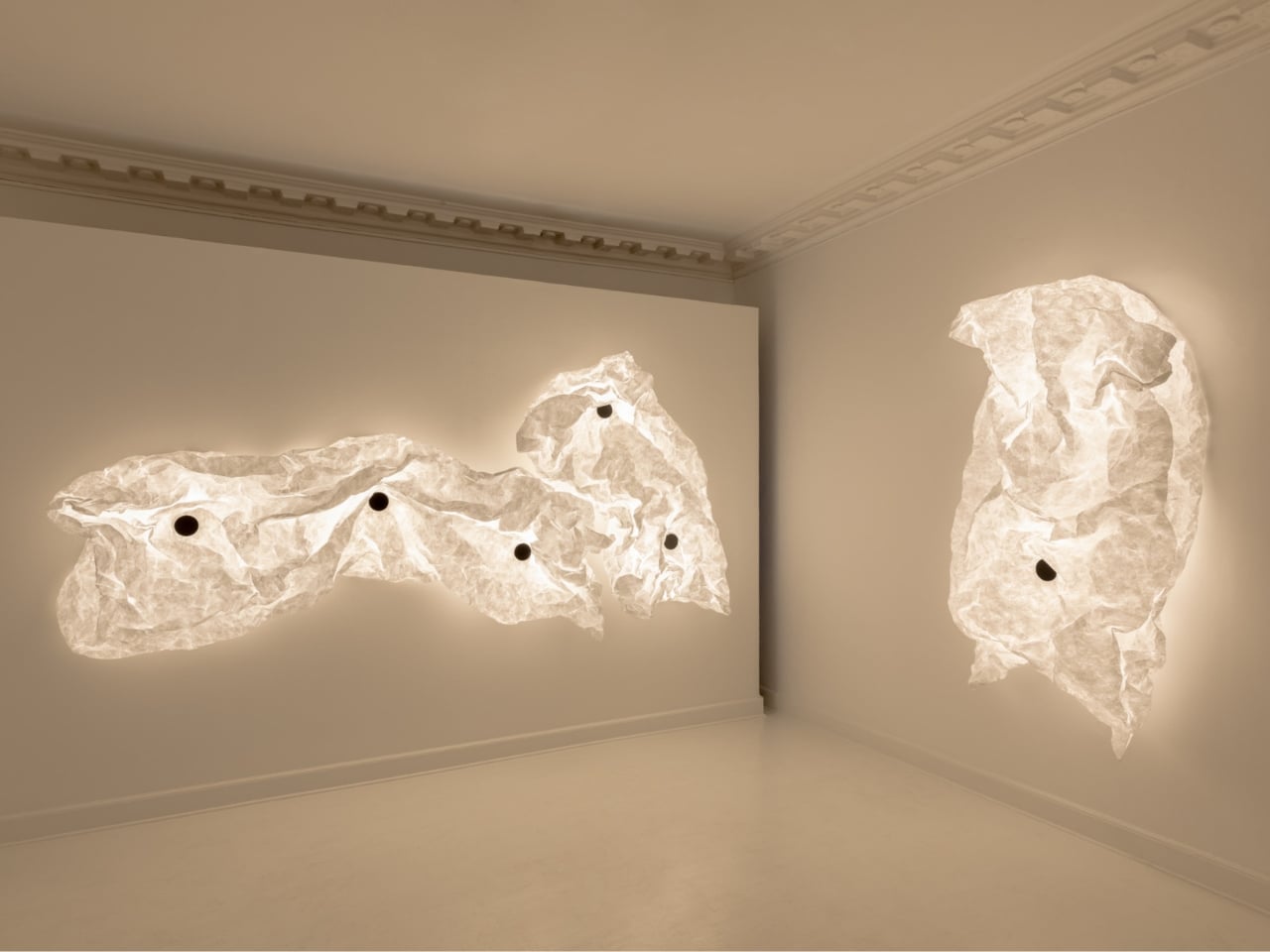
Most lighting products arrive complete. You unbox them, install them, and that’s basically the end of the story. Maap, the new wall lamp by Erwan Bouroullec for Flos, works a little differently. Before you can hang it on your wall, you have to crumple it. Not metaphorically. Actually crumple it, by hand.
The diffuser at the heart of Maap is made from Tyvek, the ultra-thin synthetic material most commonly associated with shipping envelopes and construction wrap. Bouroullec chose it specifically for its behavior: when crumpled, it holds its shape, forming a microstructure of ridges and folds that stabilizes the lamp’s form and scatters light in a way no factory process could replicate. Two people installing the same model will end up with two completely different objects. That’s not a design flaw. That’s the entire point.
Designer: Erwan Bouroullec
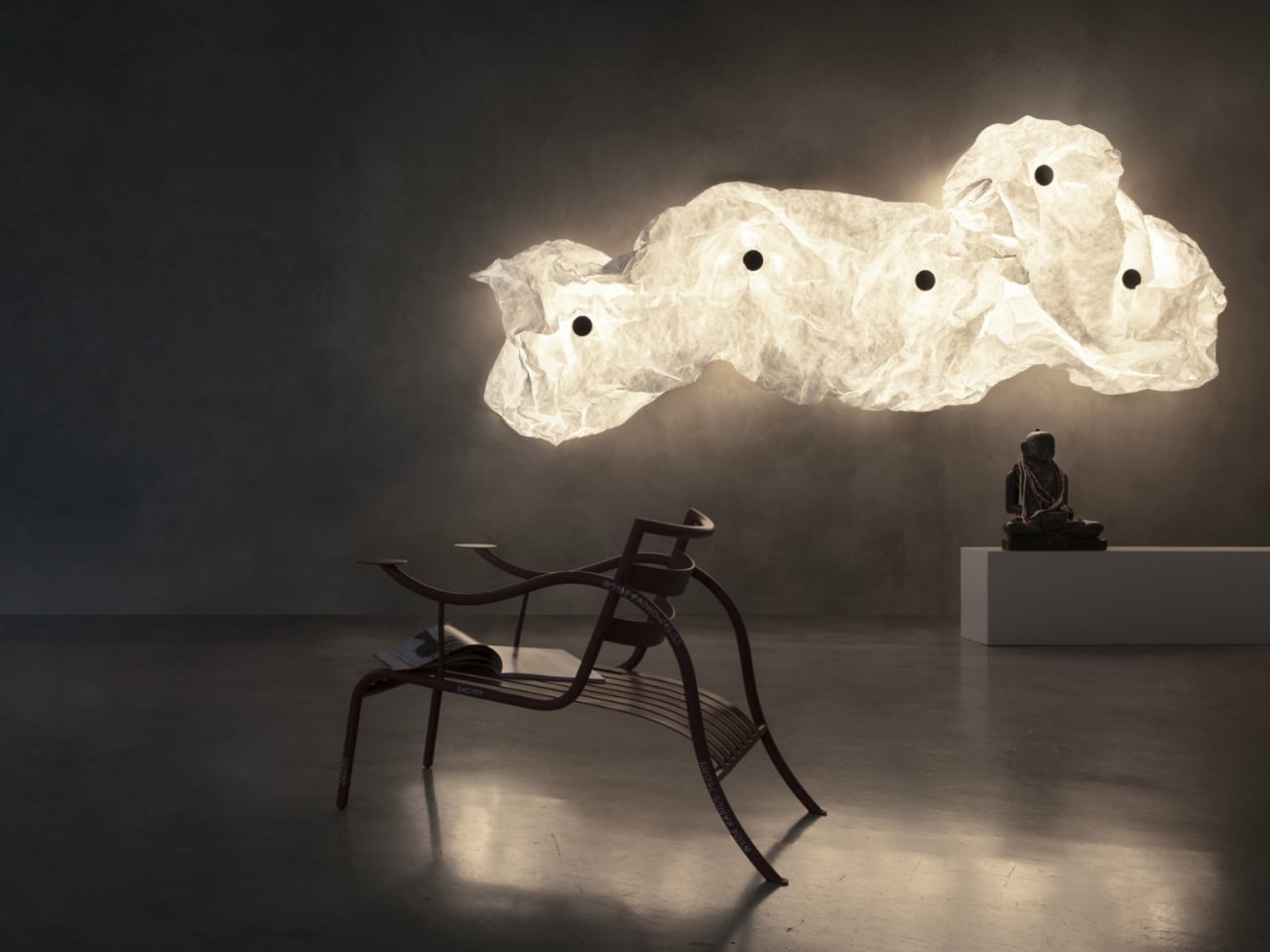
Bouroullec has been thinking about expansive light for a long time. “Maap is the realization of a long-held desire to create expansive light sources that diffuse illumination across a broad surface,” he says. “This results in a subtle, immersive glow that surrounds you, spreading softly and evenly.” The lamp reportedly took years to develop and, at one point, resisted being drawn in traditional technical schematics because its final form simply couldn’t be predetermined. How do you draft a blueprint for something that depends on a human gesture?
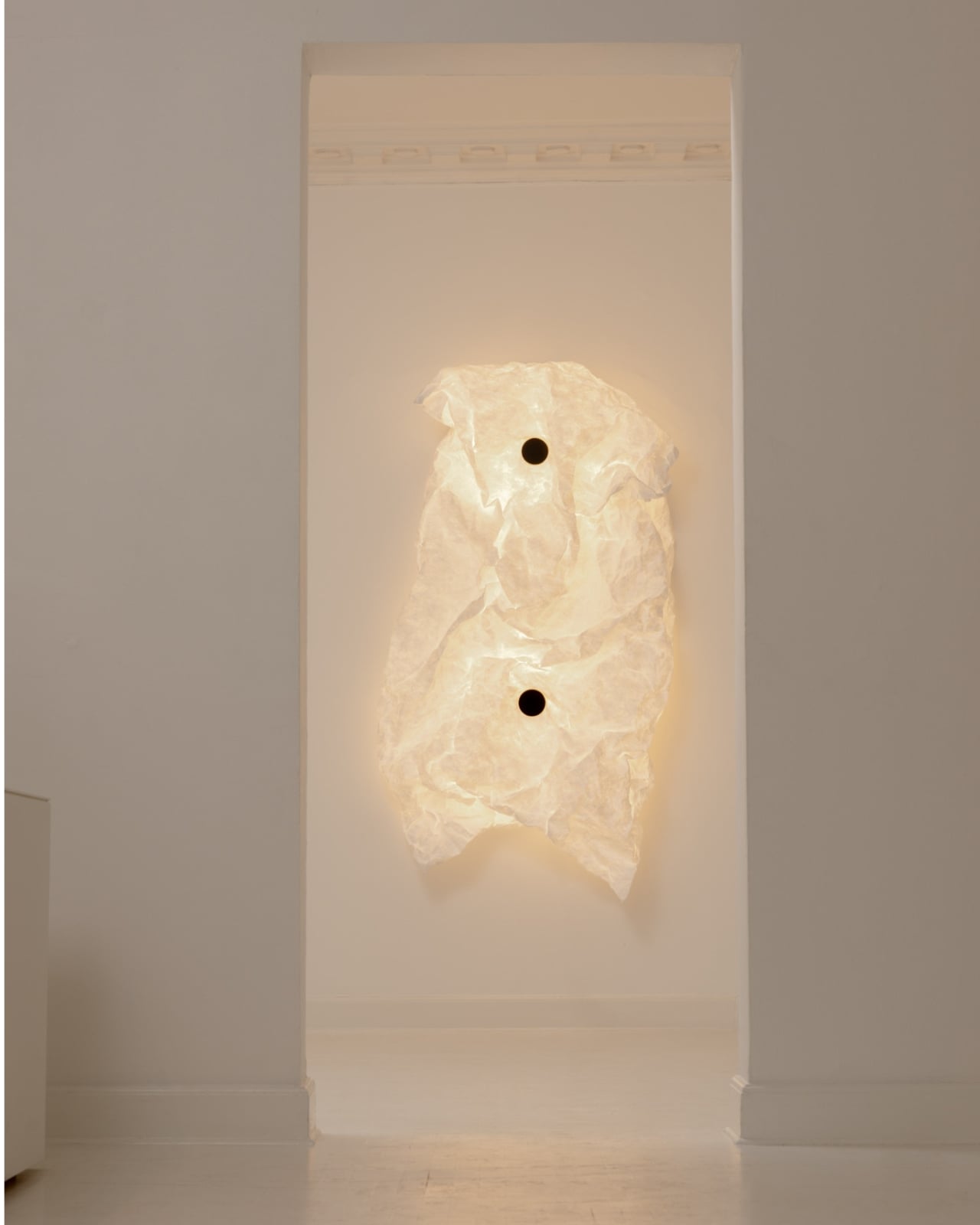
The structure underneath the crumpled Tyvek is precise and deliberate. A cross-shaped mount attaches to the wall, and the diffuser shell clips on magnetically. Each unit runs four LED bulbs, and multiple units can be combined to scale the piece up. The smallest configuration is a single panel. At its largest, Maap can stretch over three metres across a wall, which at that scale stops being a lamp and starts becoming an installation. Flos describes it as an “alchemical wall installation,” and while that kind of language gets applied liberally by lighting brands, here it actually feels earned.

What I keep thinking about is how Maap challenges the standard relationship between designer and buyer. Usually, a piece of furniture or lighting arrives as a closed system. The designer made every call, and your only role is placement. Maap breaks that contract in the most tactile, satisfying way. Bouroullec built the architecture; you determine the texture. It reframes ownership not as possession but as participation.
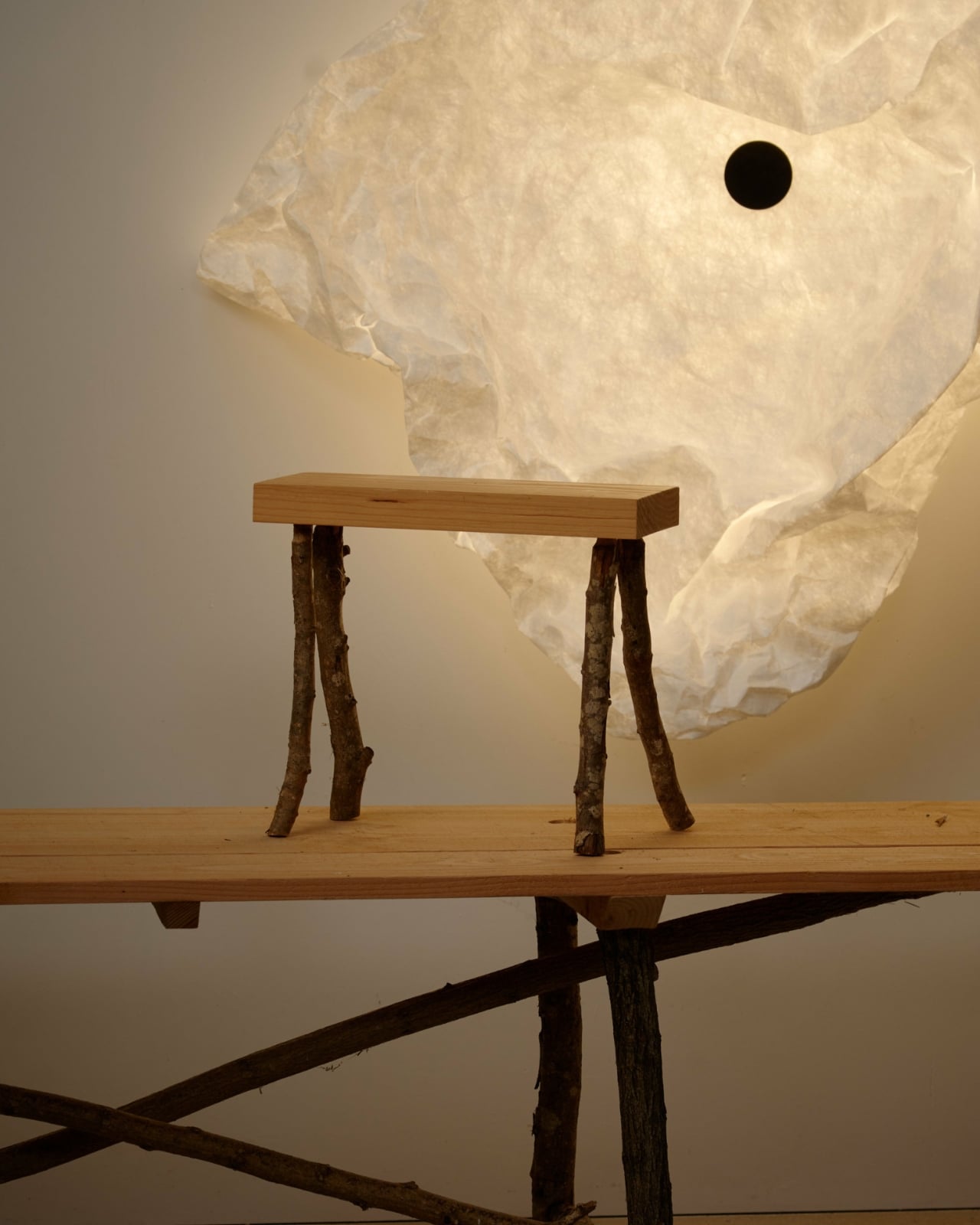
That’s also a slightly risky ask. Not everyone wants to be handed creative responsibility over something they just spent serious money on. For people who need a predictable aesthetic outcome, Maap might feel genuinely unsettling. But for the person who already treats their home as a living, evolving thing rather than a finished project, it’s a quietly compelling offer. You can reshape it. You can start over. If you move, you can detach the diffuser from the wall, re-crumple it, and begin again in a new space. The lamp is designed to be shaped, reshaped, and interpreted by the person living with it.
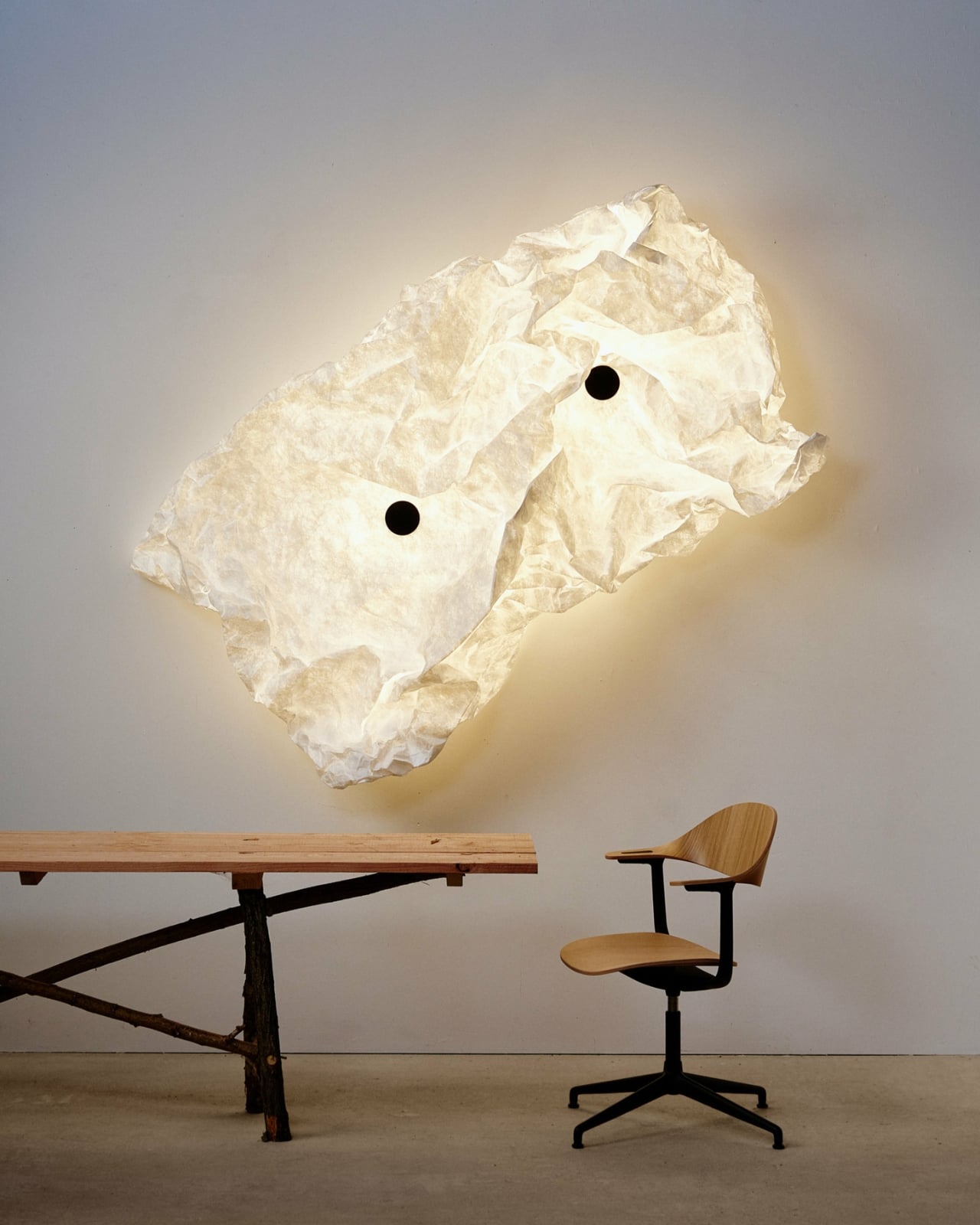
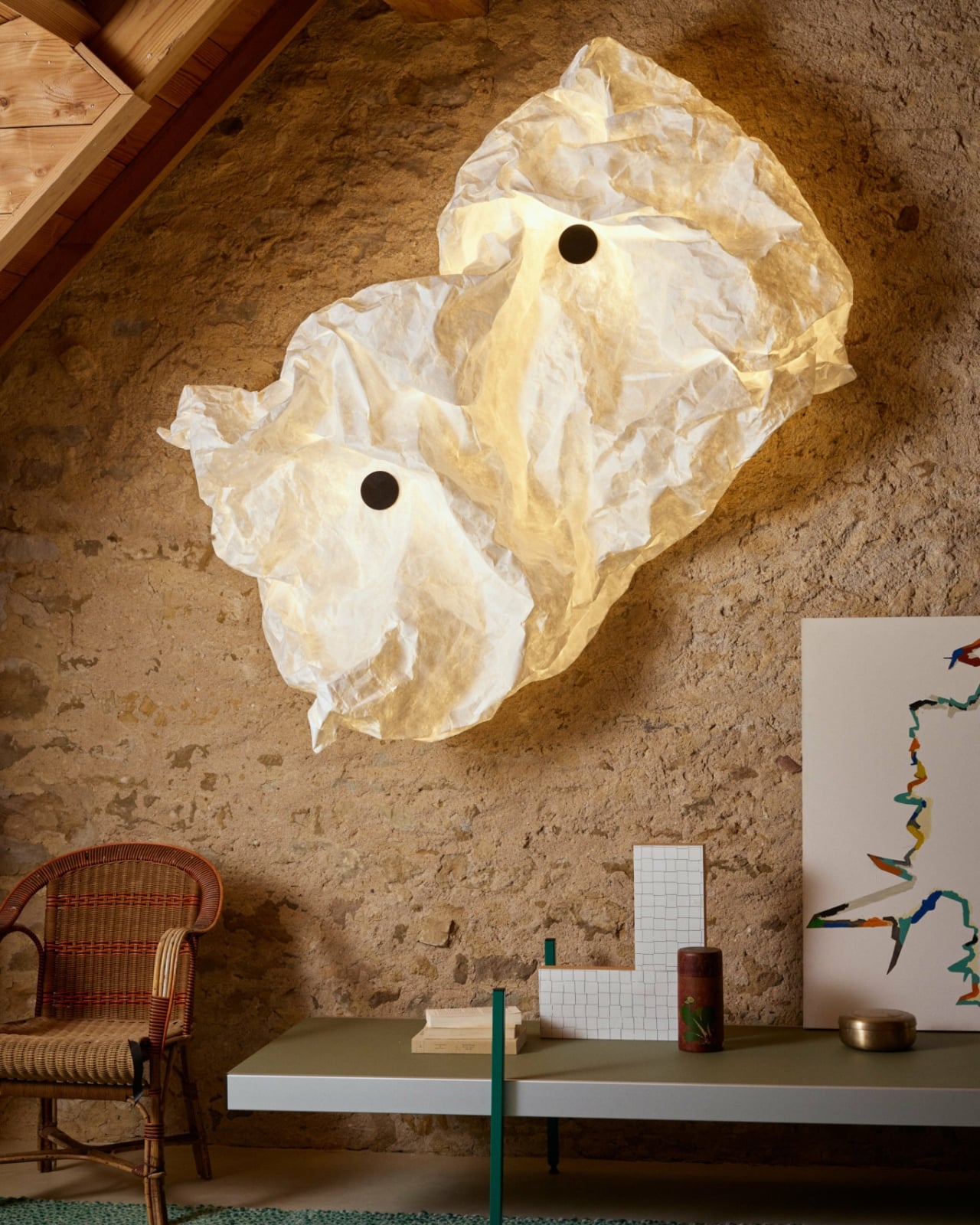
Bouroullec has long approached design as something environmental rather than decorative. “I see design as part of a whole. Designs need to cooperate with a given environment and somehow enhance it.” Maap feels like one of the clearest expressions of that belief. It doesn’t arrive with a fixed visual identity or a demand that you style your room around it. It adapts, which turns out to be a fairly rare quality in a market that often values visual consistency above everything else.
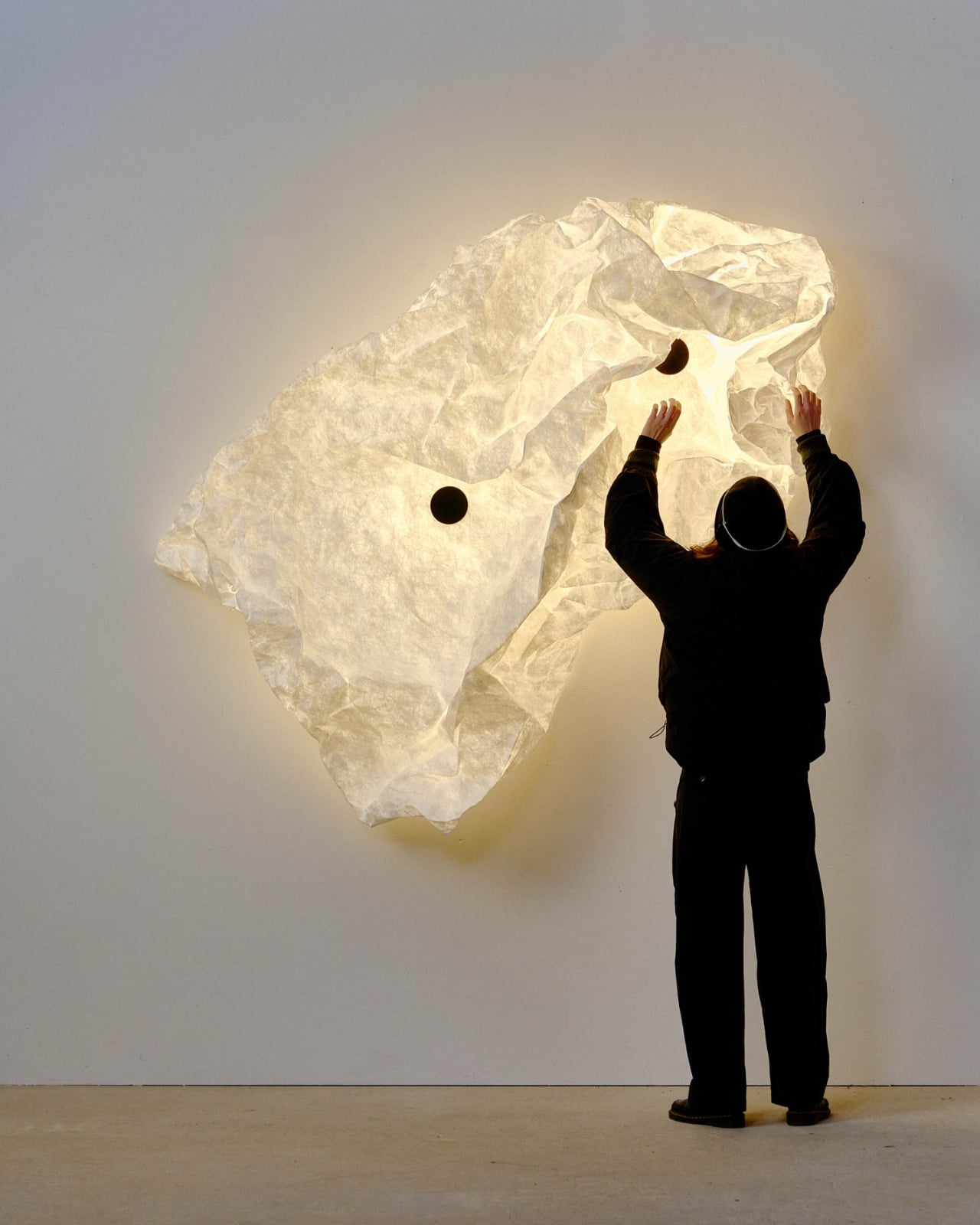
Maap is available now through Flos flagship stores and Design Within Reach, its exclusive U.S. launch partner. It comes in three sizes, Wall 1, Wall 2, and Wall 3. The material is white, the glow is soft, and the rest is entirely up to you.

Whether this becomes a reference point in lighting design or stays a beautiful one-off experiment, it’s hard to look at Maap without feeling like something genuinely fresh is being proposed. At a time when design often cycles through familiar references, that still counts for something.
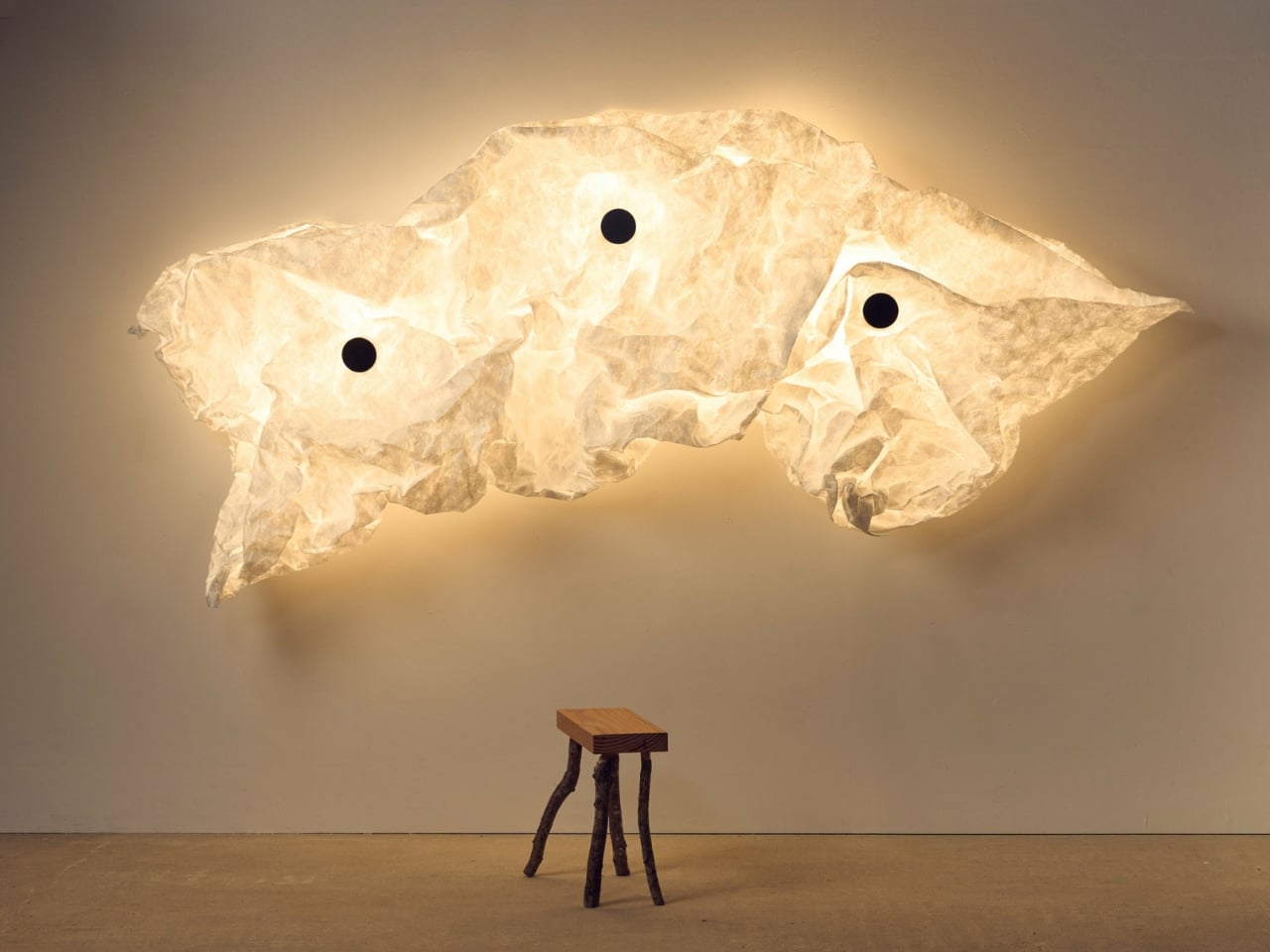
The post Erwan Bouroullec’s Lamps Leave the Last Design Decision to You first appeared on Yanko Design.

The Apple Watch Series 12 is poised to deliver a range of meaningful upgrades, addressing key user demands for improved performance, extended battery life, and enhanced health tracking capabilities. This release signifies a shift from the incremental updates of previous models, offering advancements that aim to elevate your smartwatch experience in practical and impactful ways. […]
The post Apple Watch Series 12 Leak: New Chip and Biggest Battery Upgrade appeared first on Geeky Gadgets.