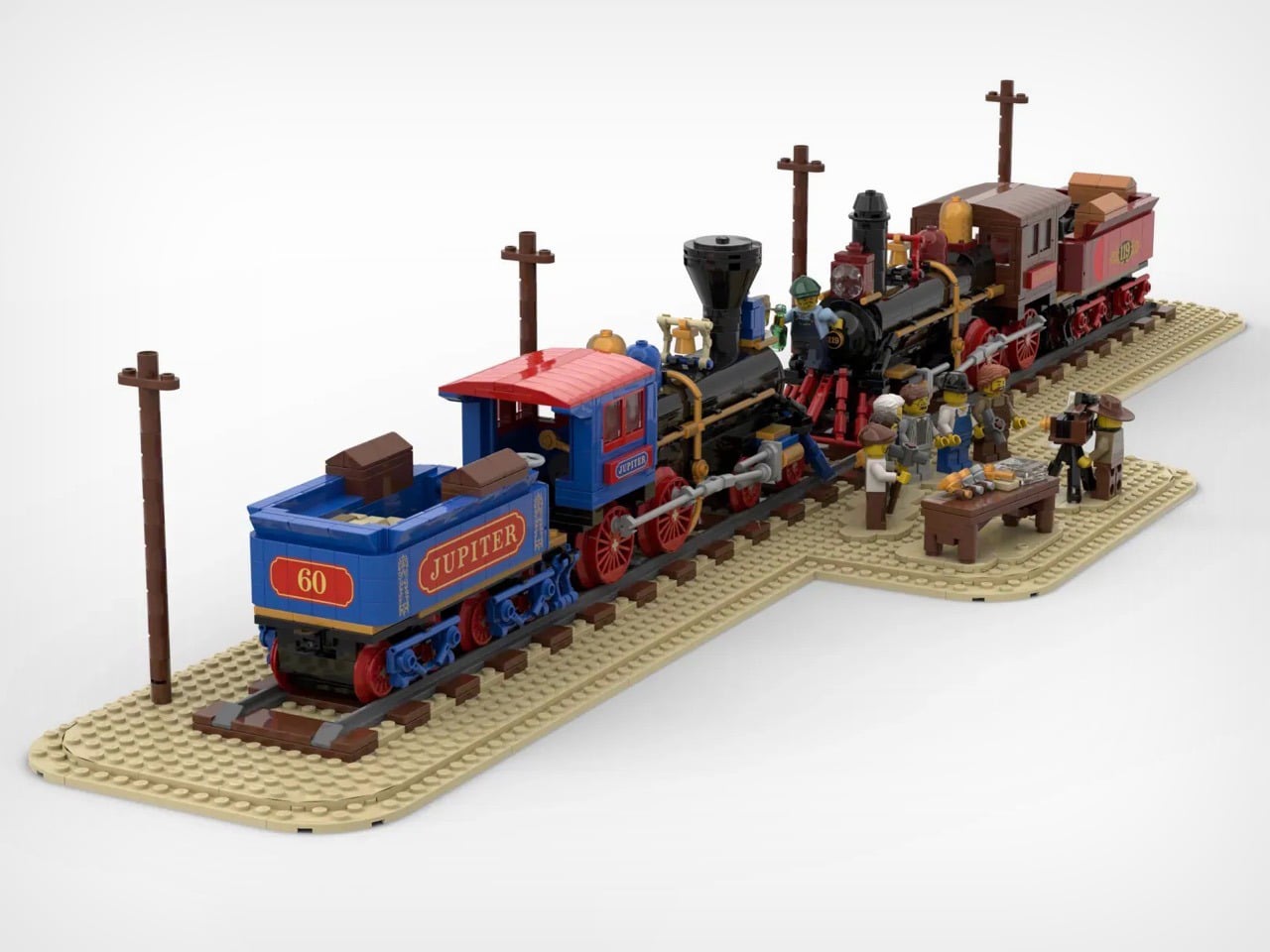
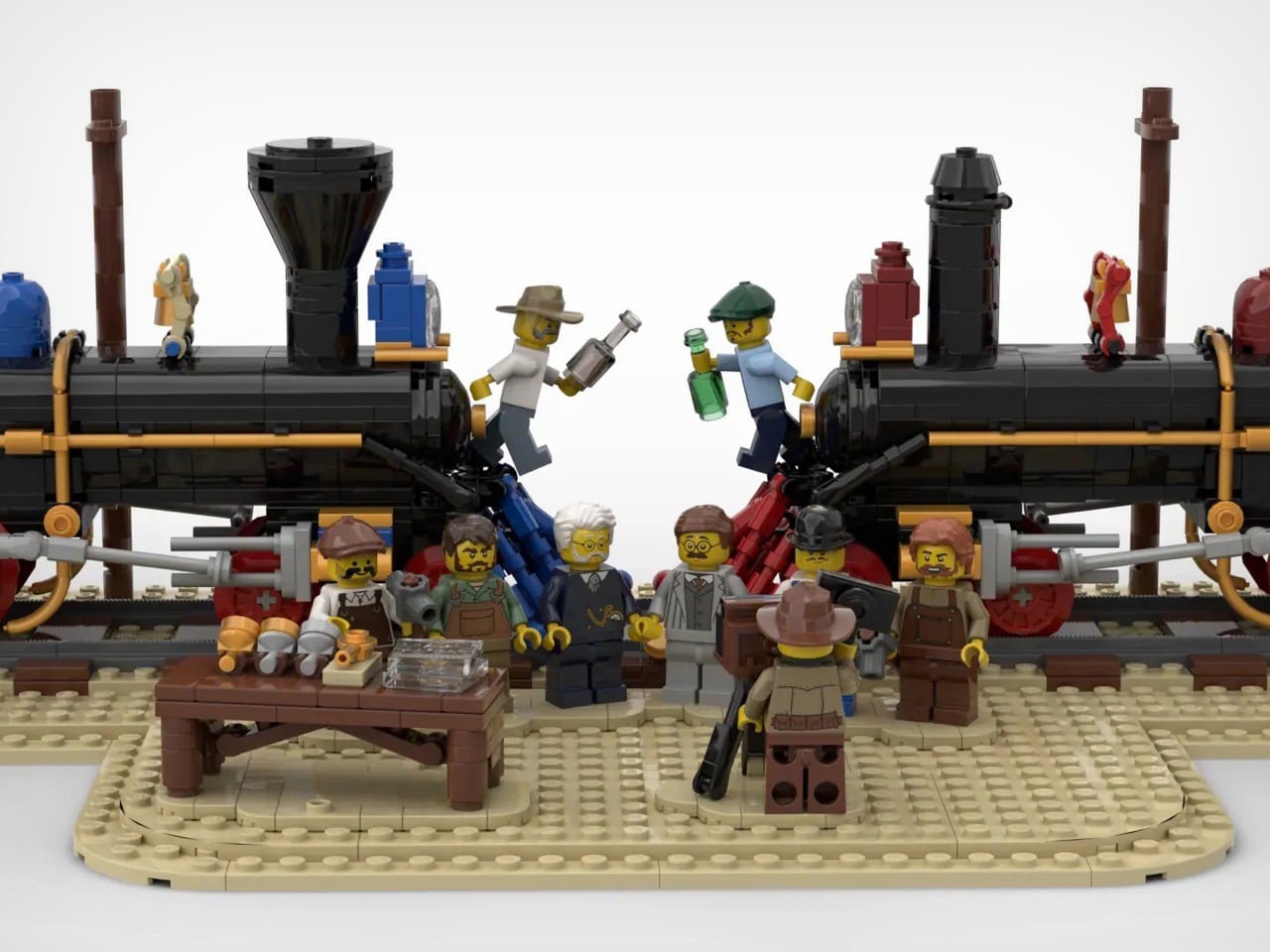
On May 10, 1869, a photographer named Andrew J. Russell set up his camera at Promontory Summit, Utah, and captured one of the most reproduced images in American history. Two locomotives facing each other, nose to nose, with a crowd of workers and dignitaries packed between them, bottles raised, hammers in hand. The image became shorthand for an entire era: the moment a nation stitched itself together with 1,776 miles of iron rail.
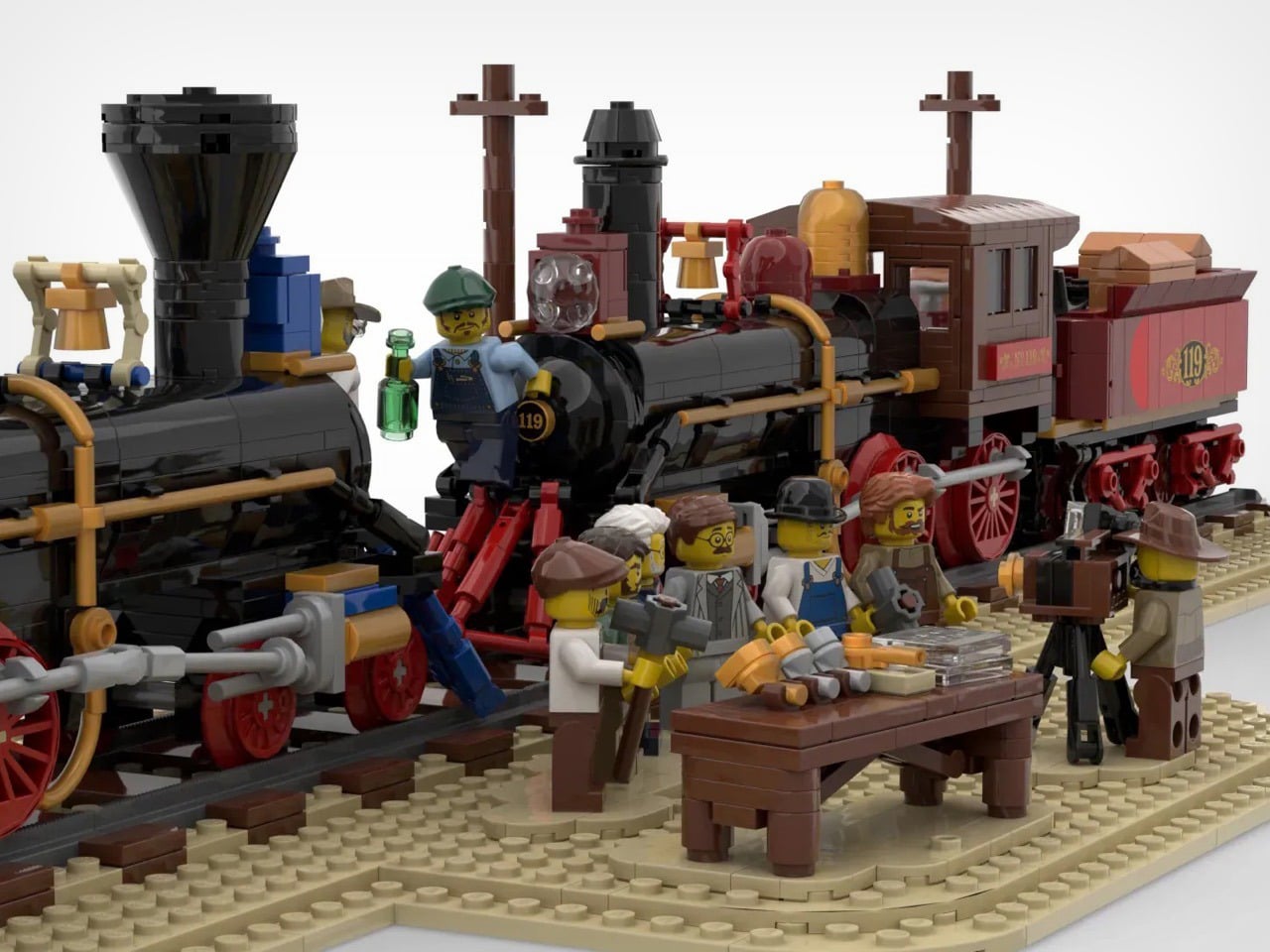
BrickBrain29 has recreated that exact image in LEGO, and the result is something that stops you cold. The Jupiter No. 60 in its distinctive blue and red livery faces off against the dark, brooding Union Pacific No. 119, with a cast of minifigures gathered at the meeting point, one of them manning a period camera on a tripod, capturing the moment all over again.
Designer: BrickBrain29
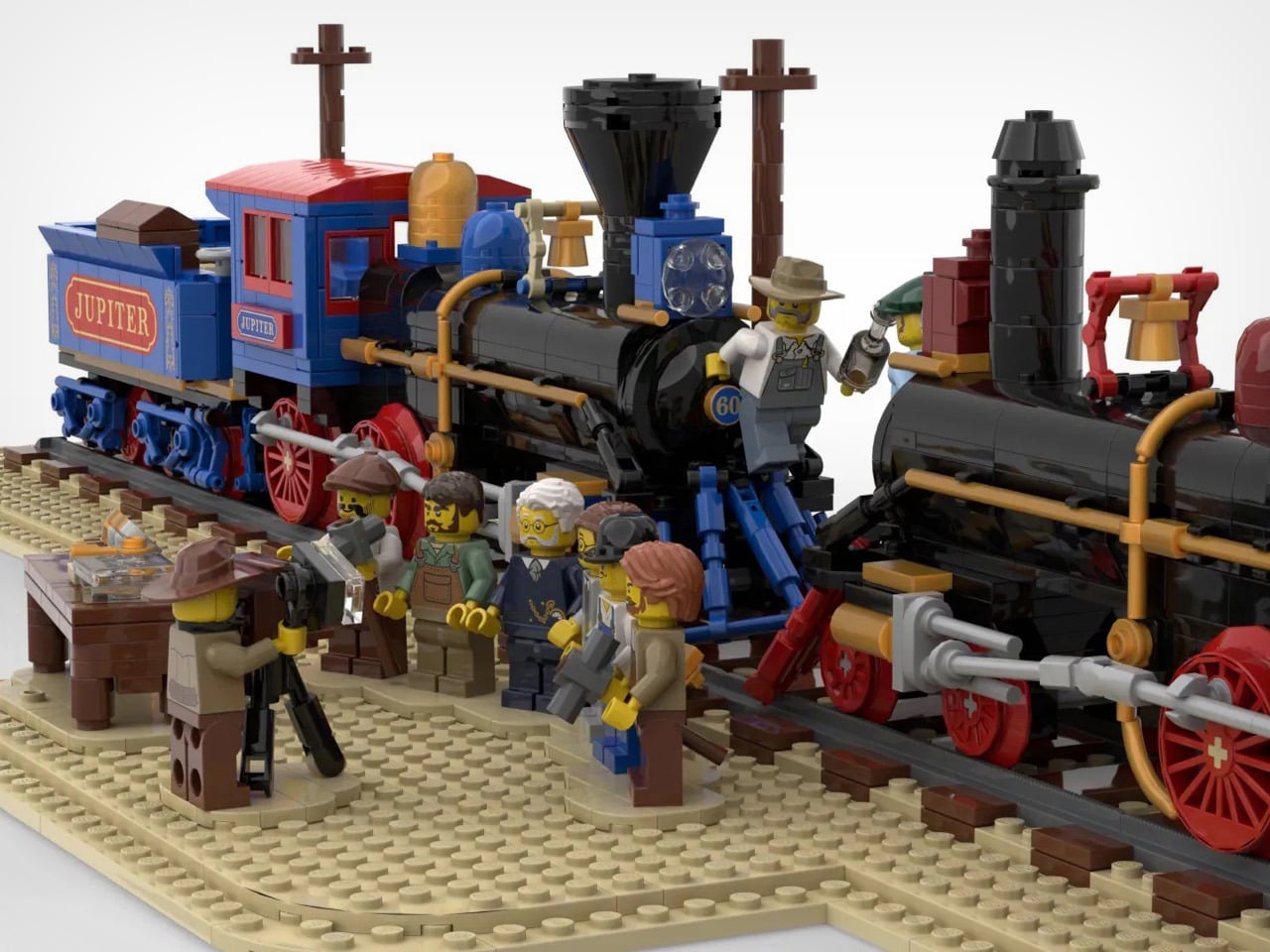
The two locomotives are the heart of the build – the Jupiter earns its visual dominance immediately: a cobalt blue boiler jacket with red cab and pilot, gold trim running along the body, and the name “JUPITER” printed across the tender in bold lettering. Facing it, the No. 119 goes darker and heavier, leaning into black and deep red with brass accents and spoked red driving wheels that both engines share. The wheel arrangements, smokestacks, domes, and coupling rods are all accounted for, and the side rods on both locomotives have that satisfying mechanical specificity that separates a serious train build from a toy approximation. Looking at the two engines nose to nose, you genuinely feel the drama of the occasion.
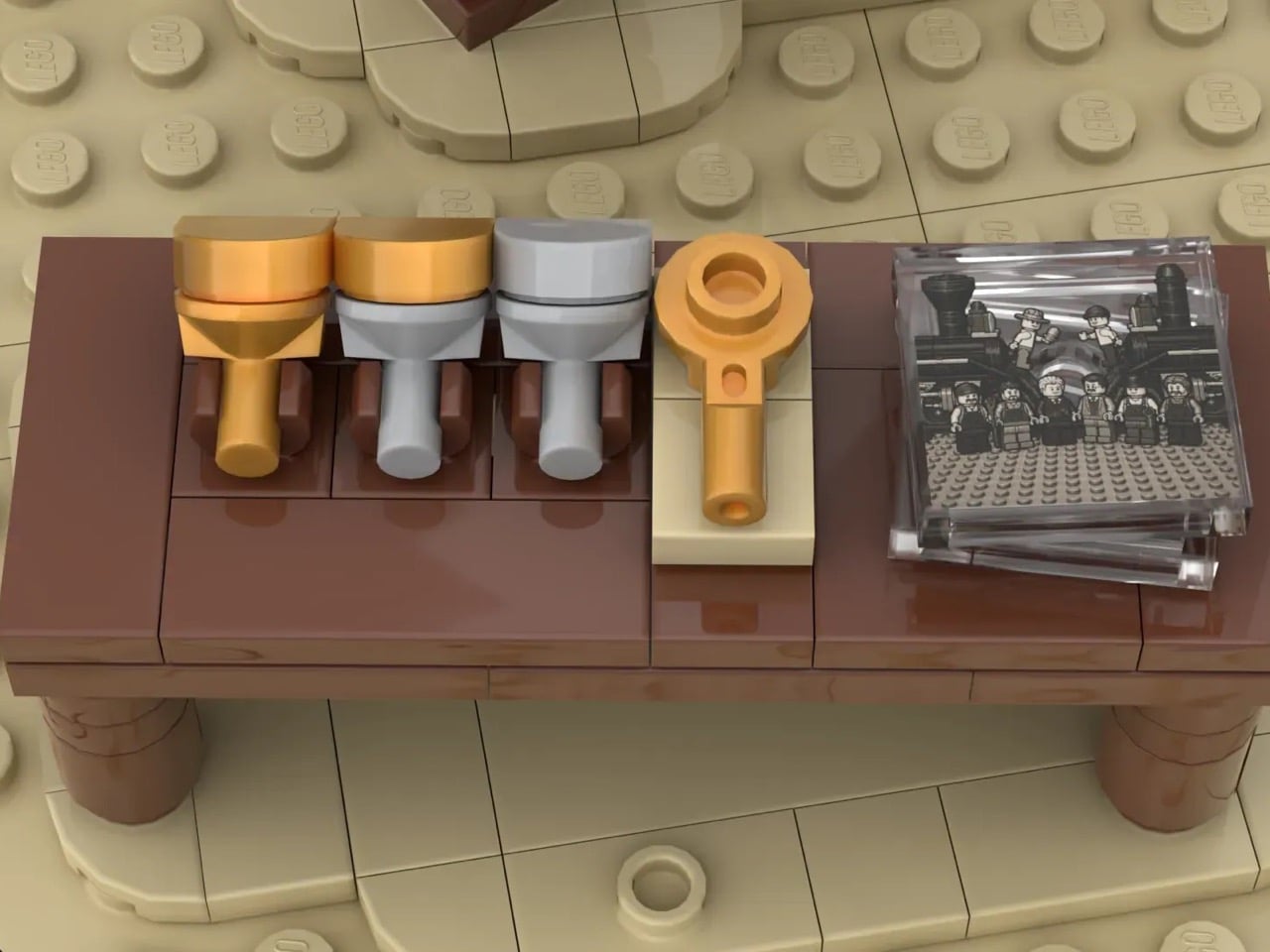
The tan baseplate evokes the dusty Utah landscape at Promontory Summit, and telegraph poles line the scene with the kind of environmental detail that grounds the whole thing in its 19th-century context. My favorite detail, though, is the small wooden table set between the locomotives, carrying gold and silver ceremonial spikes alongside what appears to be a telegraph key and a framed photographic print of the ceremony itself. It is a build within a build, a tiny artifact of the actual historical record tucked into a scene that is already recreating history.
The minifigure cast completes the picture – workers, dignitaries, and onlookers crowd the meeting point in period-appropriate dress, while two engineers perch on the pilots of their respective locomotives, bottles raised toward each other in a toast. The photographer on the right, camera mounted on a tripod, is a particularly sharp touch, referencing the Russell photograph that made this moment immortal.
This MOC (My Own Creation) is currently gathering votes on LEGO Ideas, the fan submission platform where community creations that reach 10,000 supporter votes get reviewed by LEGO’s internal team for potential production as a retail set. With its combination of historical weight, visual drama, and surprisingly rich scene-setting, BrickBrain29’s Golden Spike diorama makes a strong case for what LEGO Ideas does best: putting a beloved subject in the hands of someone who genuinely cares about getting it right. You can head to the page here to cast your vote!
June has been a remarkable month for LEGO, and not just in the way it usually is. The sets, concepts, and collaborations landing right now feel less like product launches and more like cultural moments. Whether it’s a musician’s legacy cast in brick or a charcuterie spread that somehow makes you hungry, the breadth of creative ambition on display right now is hard to ignore. This is LEGO at its most wide-ranging and most interesting.
From the circuits of Monaco to the golden age of commercial aviation, LEGO is pulling from every corner of culture and giving it the tactile, buildable treatment it deserves. These five designs prove that the brick is still one of the most versatile creative mediums around. Not all of them are official sets, and some are still living on the Ideas platform. Every one of them, though, earned a place on this list by doing something genuinely worth paying attention to.
1. Linkin Park Hybrid Theory LEGO Brickset
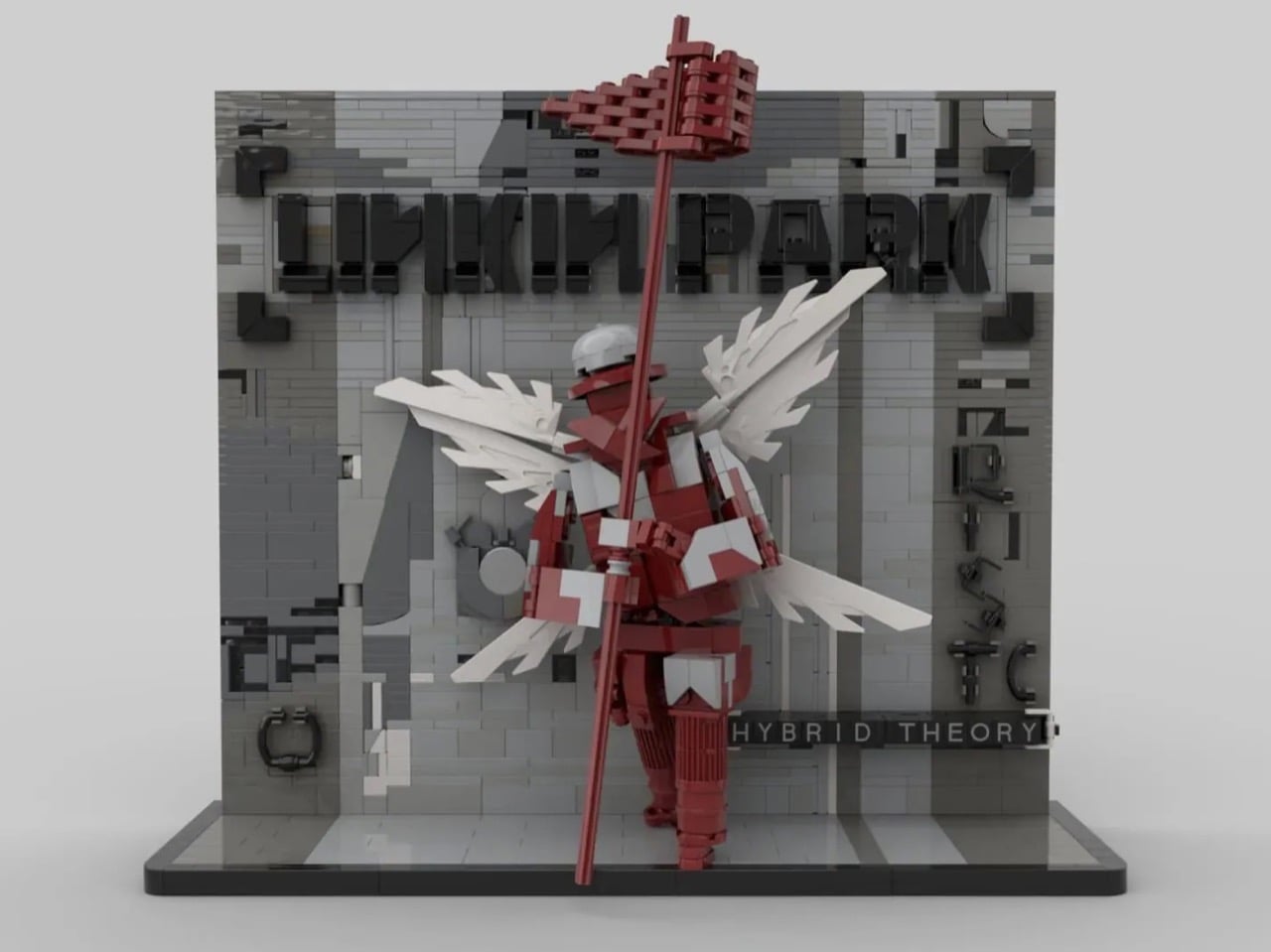
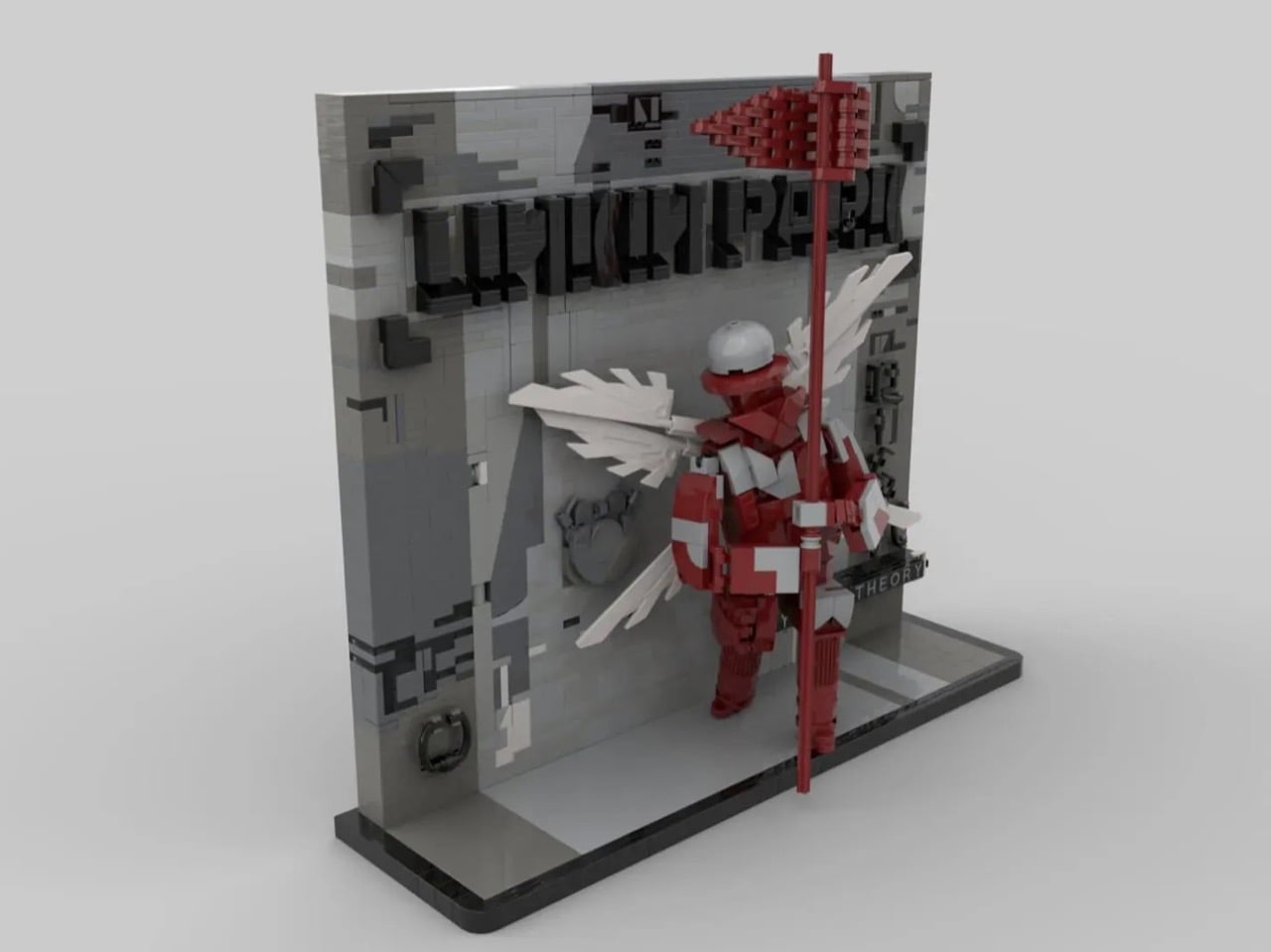
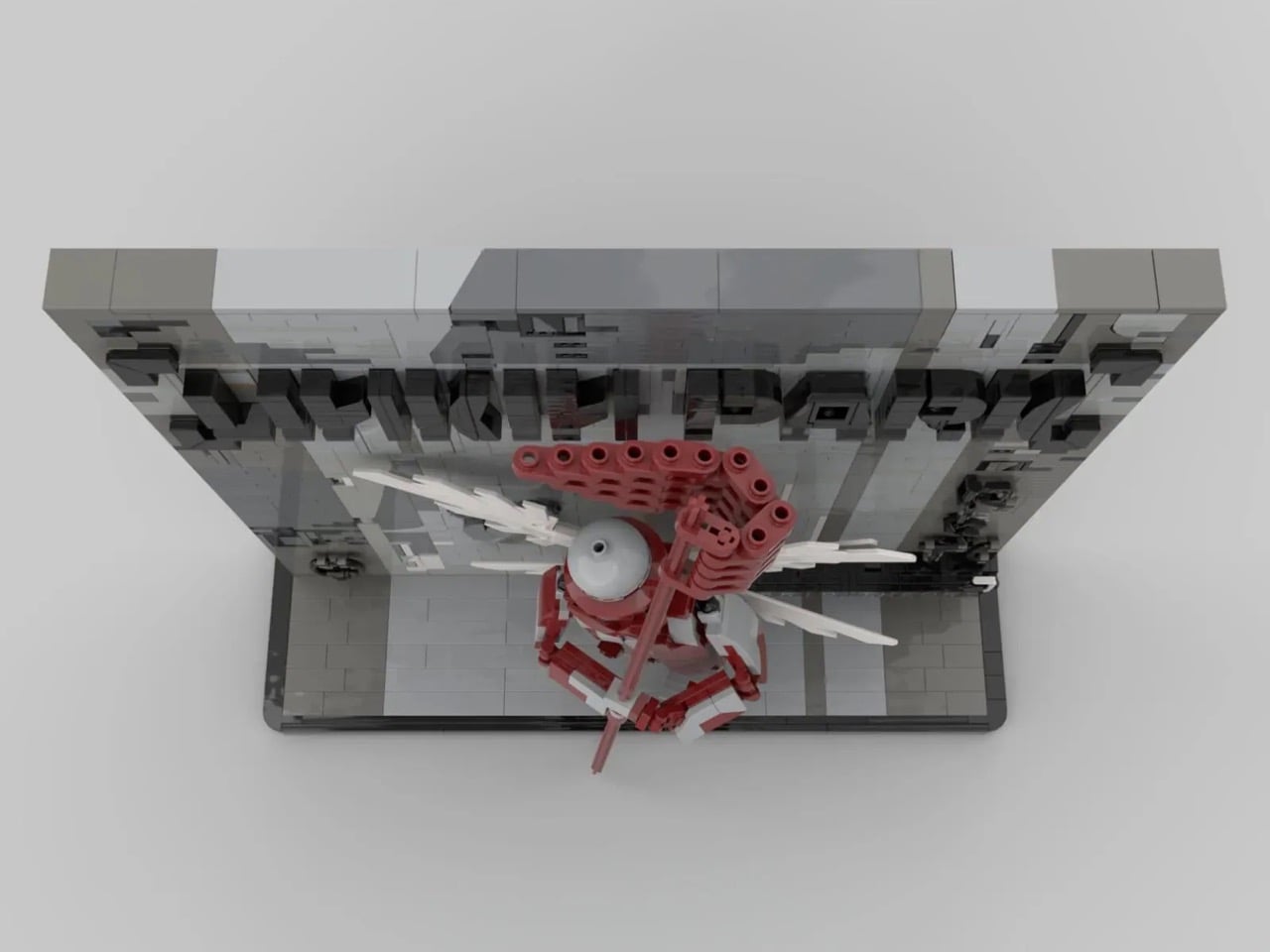
There is a generation of people for whom Hybrid Theory wasn’t just a debut album; it was a kind of first language. A LEGO Ideas submission is now marking the record’s 26th anniversary with a freestanding 3D display piece built around the Winged Herald, that iconic soldier in red and white holding a tall red staff before a wall that simply reads “Hybrid Theory.” The recreation captures the album’s layered visual identity in brick form, with raised lettering and bold, graphic geometry throughout.
What makes this design resonate beyond pure nostalgia is how well it functions as a display object independent of any fan loyalty. The layered wings, the structural depth, the interplay between red, white, and gray brickwork all hold up on their own compositional terms. For Linkin Park fans, it’s a shrine. For builders, it’s a satisfying technical exercise that earns its place on a shelf and starts conversations the moment anyone walks into the room.
What we like
The Winged Herald sculpture is genuinely striking as a standalone piece, with layered wing geometry and raised lettering that shows real structural ambition
The strong graphic contrast between red, white, and gray gives it the visual punch of the original album artwork without relying on printed tiles
What we dislike
It’s still an Ideas submission, meaning it needs 10,000 votes before LEGO will consider it for official production
The concept is niche enough that it may struggle to connect with LEGO fans who don’t already have a relationship with the album
2. LEGO Icons Douglas DC-3 Pan Am Airliner
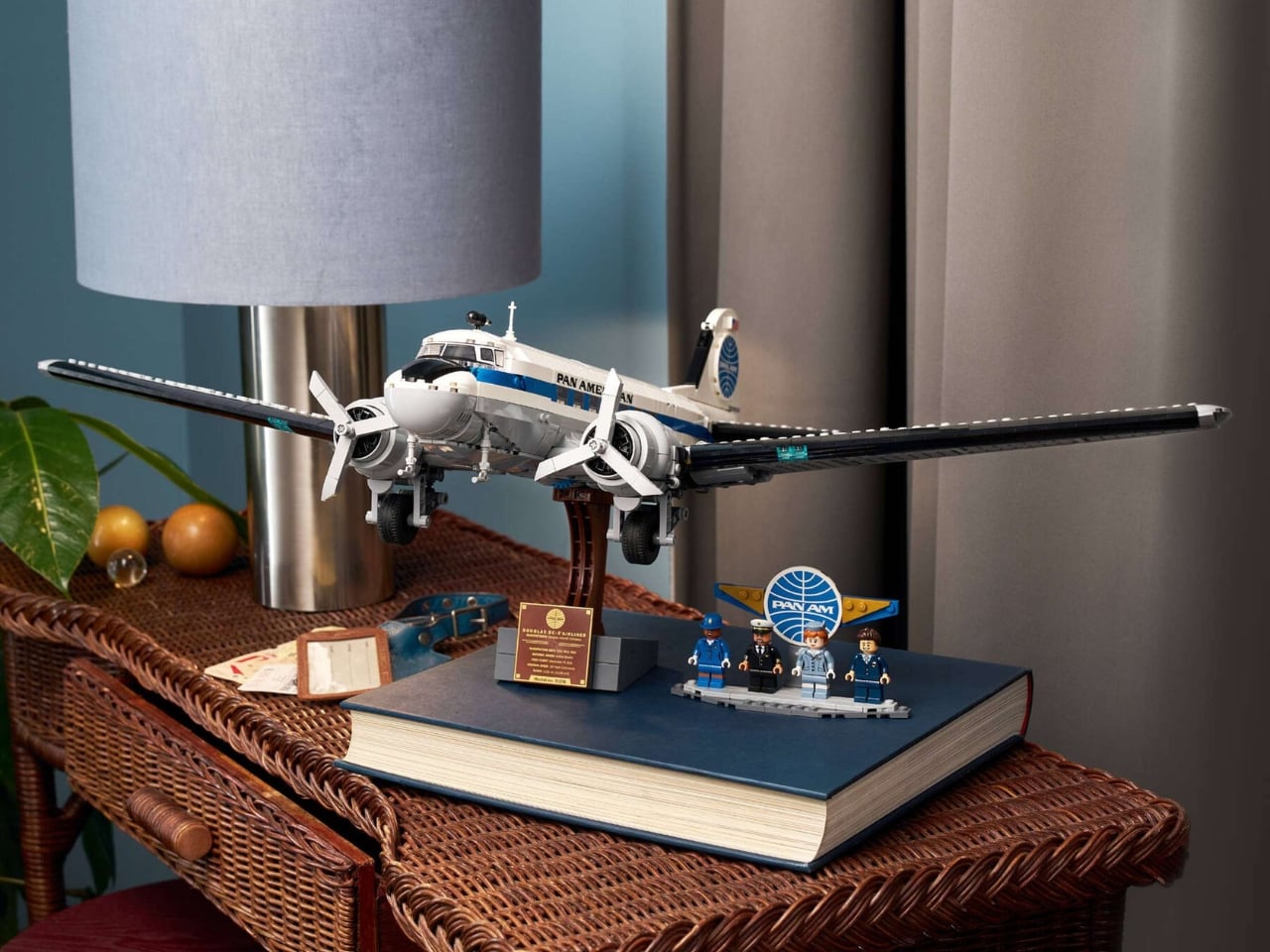
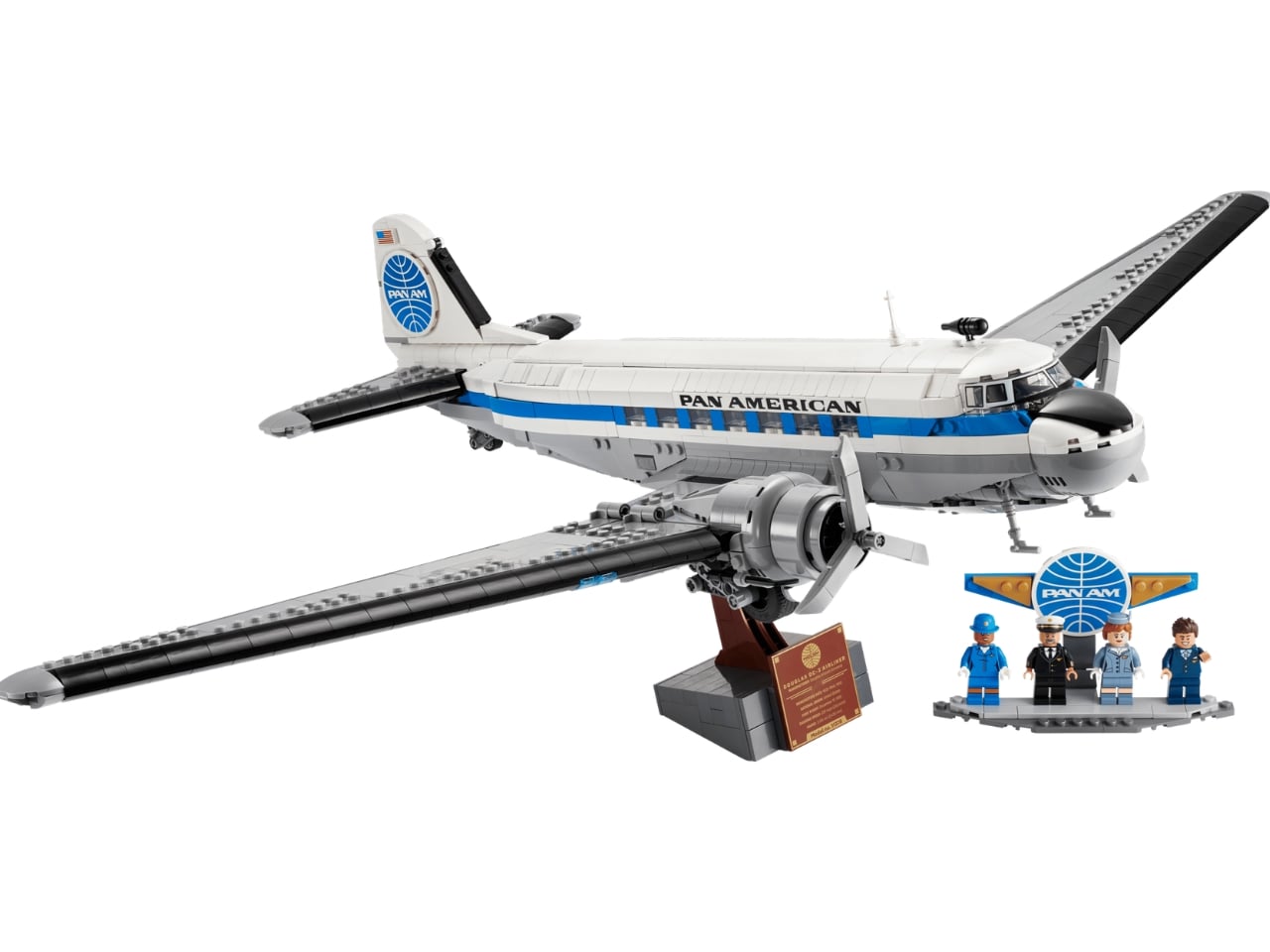
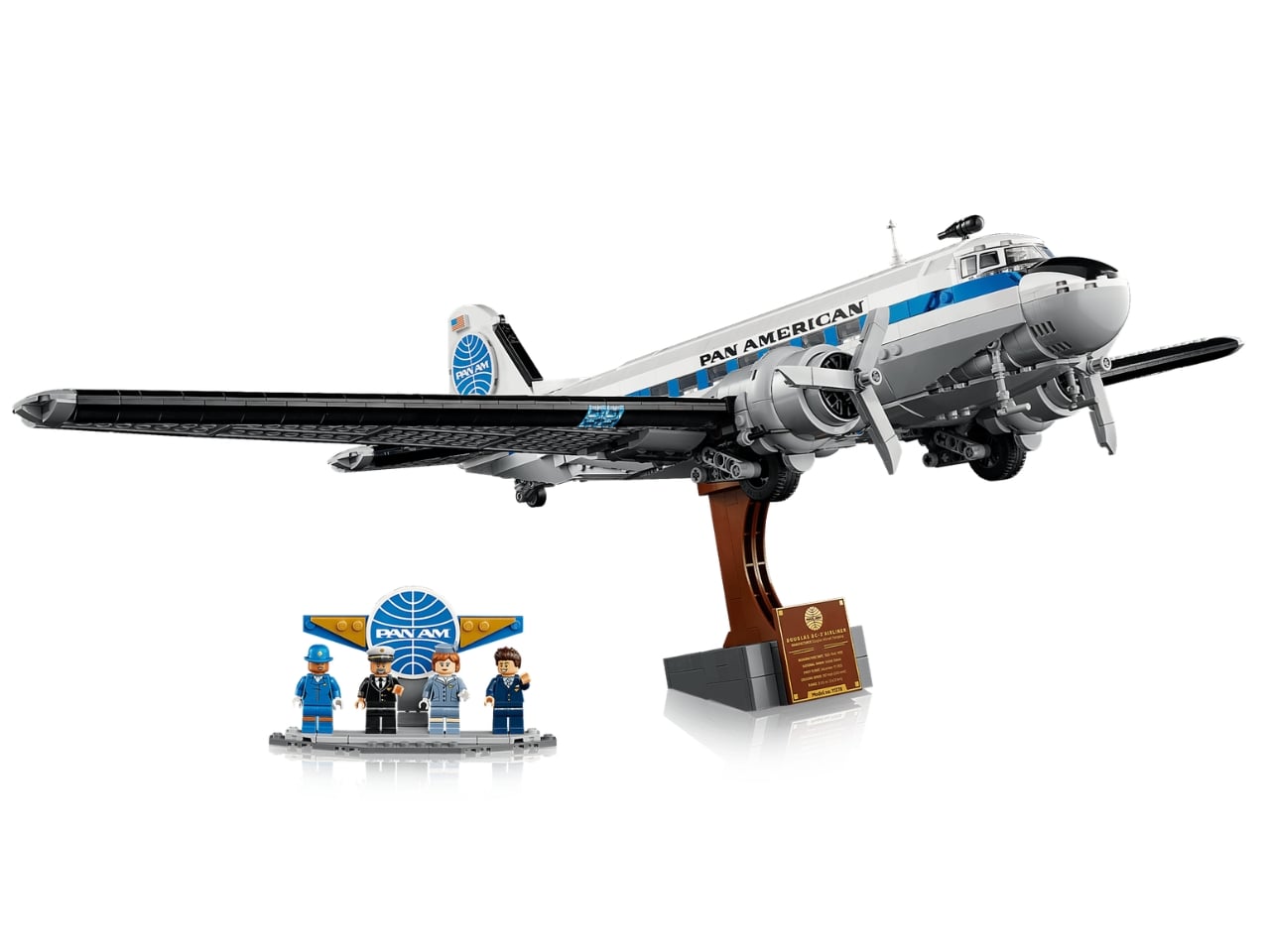
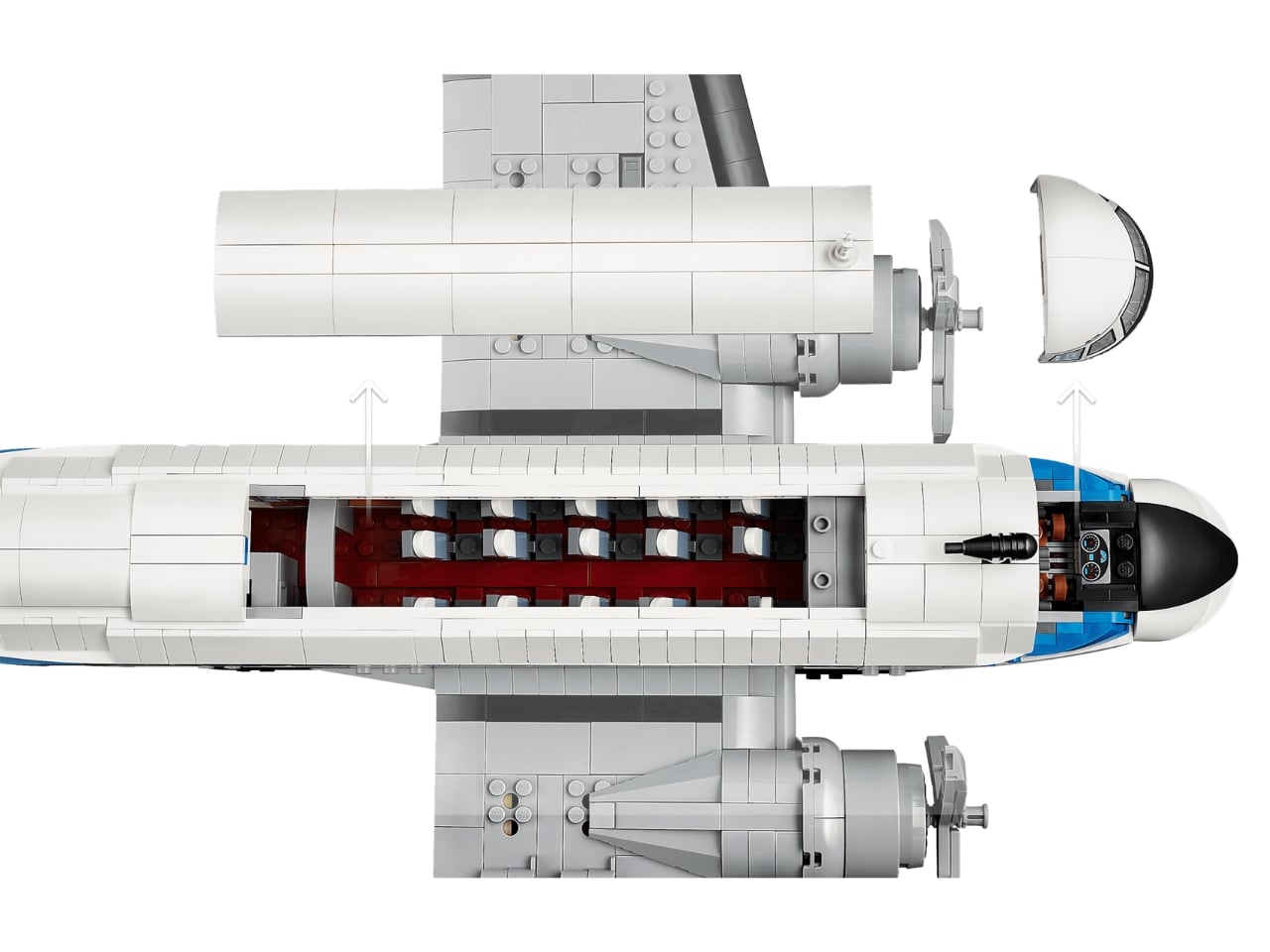
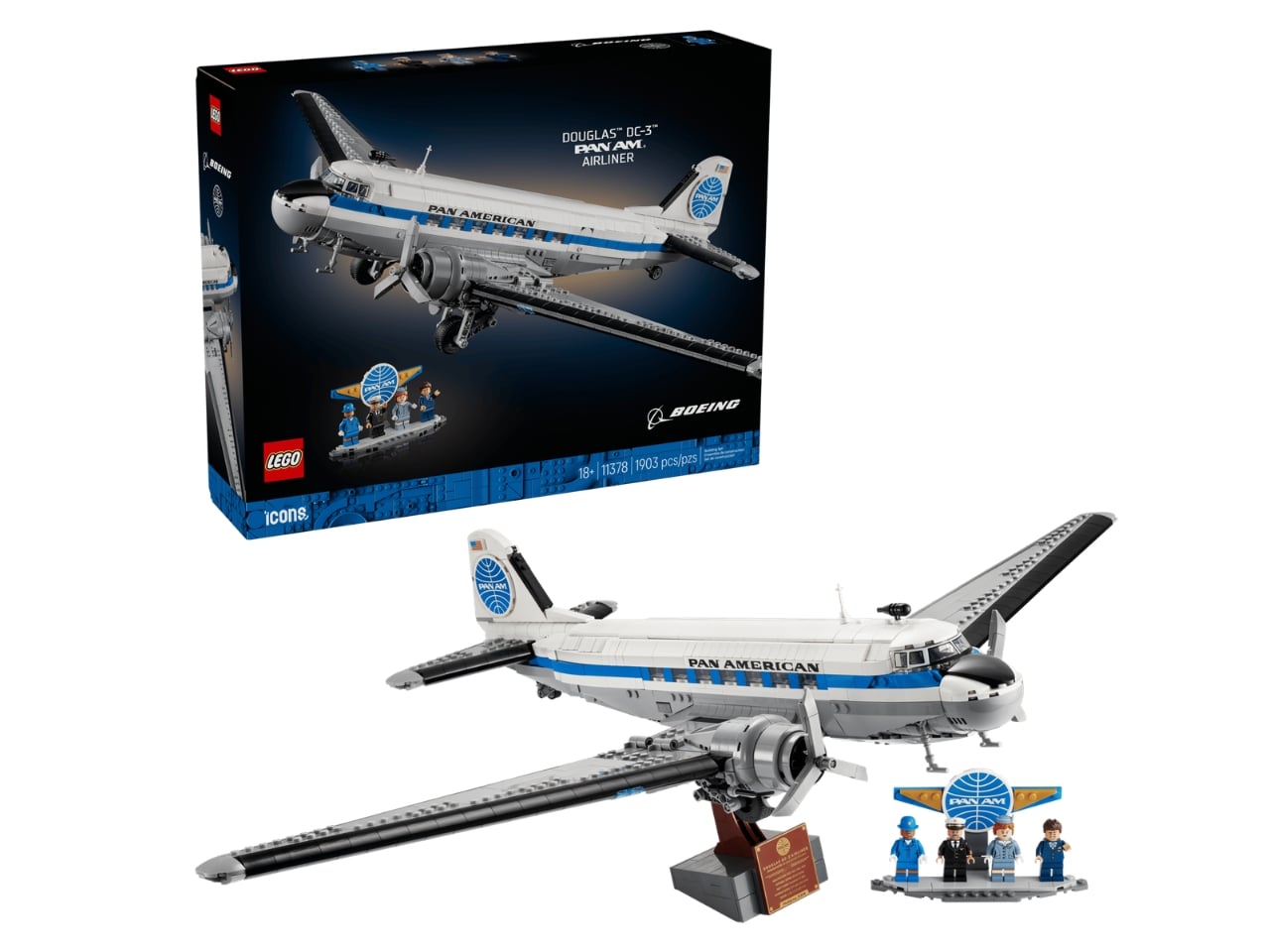
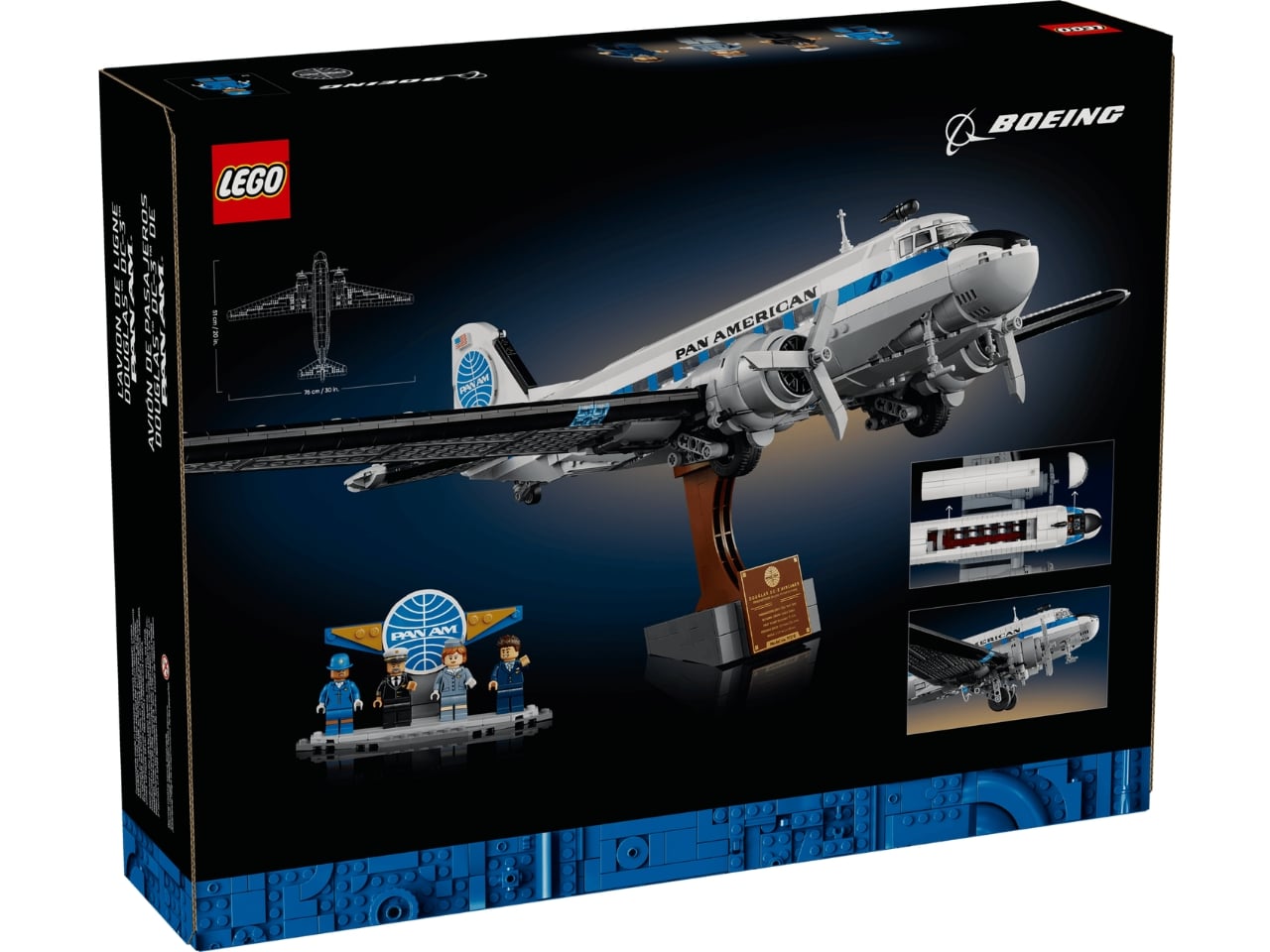
Few names in aviation carry the kind of romantic weight that Pan Am does. Before the airline folded in 1991, it was the symbol of a particular glamour, the kind where passengers dressed up just to board. The LEGO Icons Douglas DC-3 Pan Am Airliner (11378) channels all of that into a 1,903-piece set released in April 2026, priced at $219.99. Built for adults 18 and up, it’s a love letter to an era of flight that no longer exists but refuses to be forgotten.
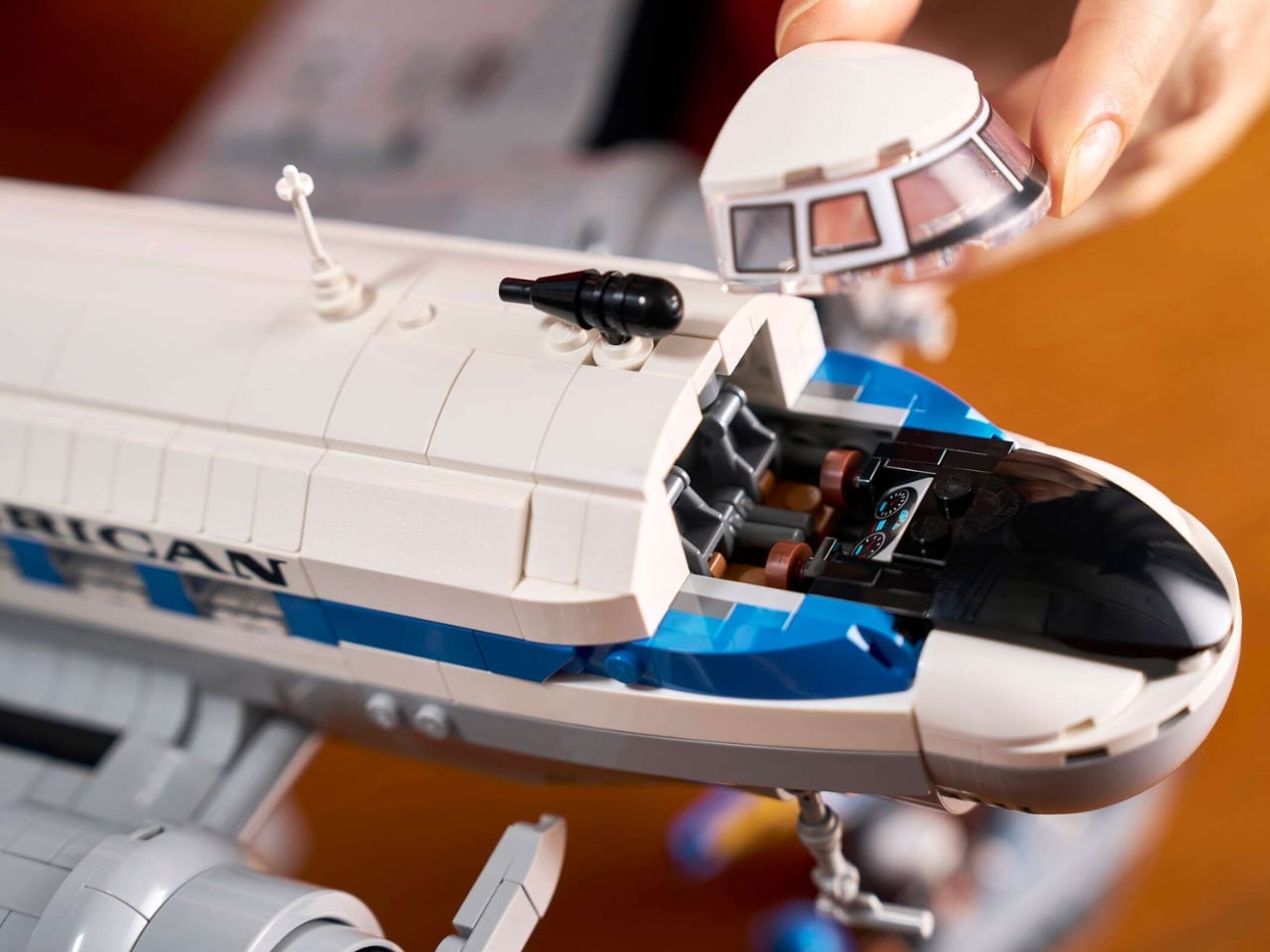
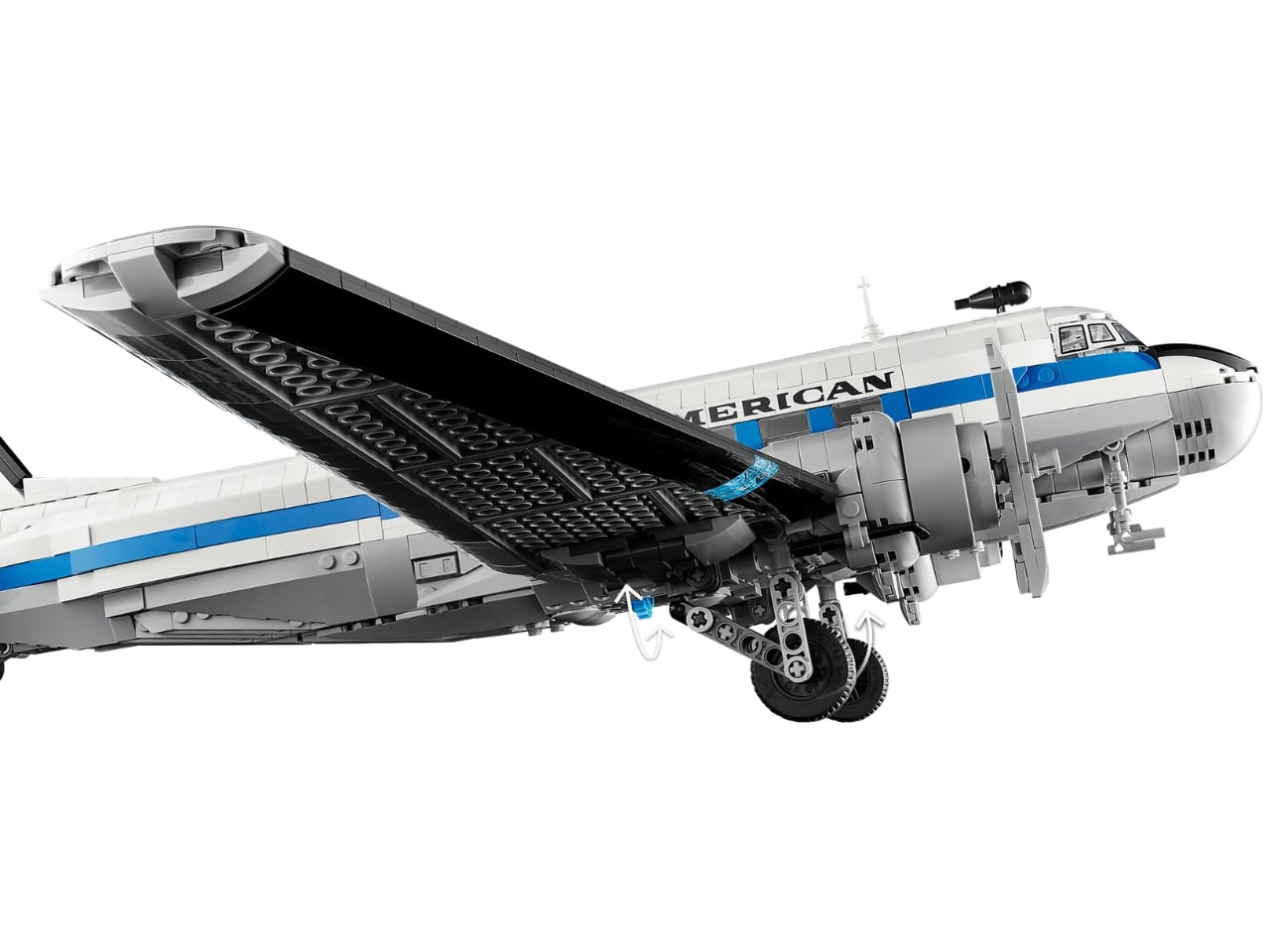
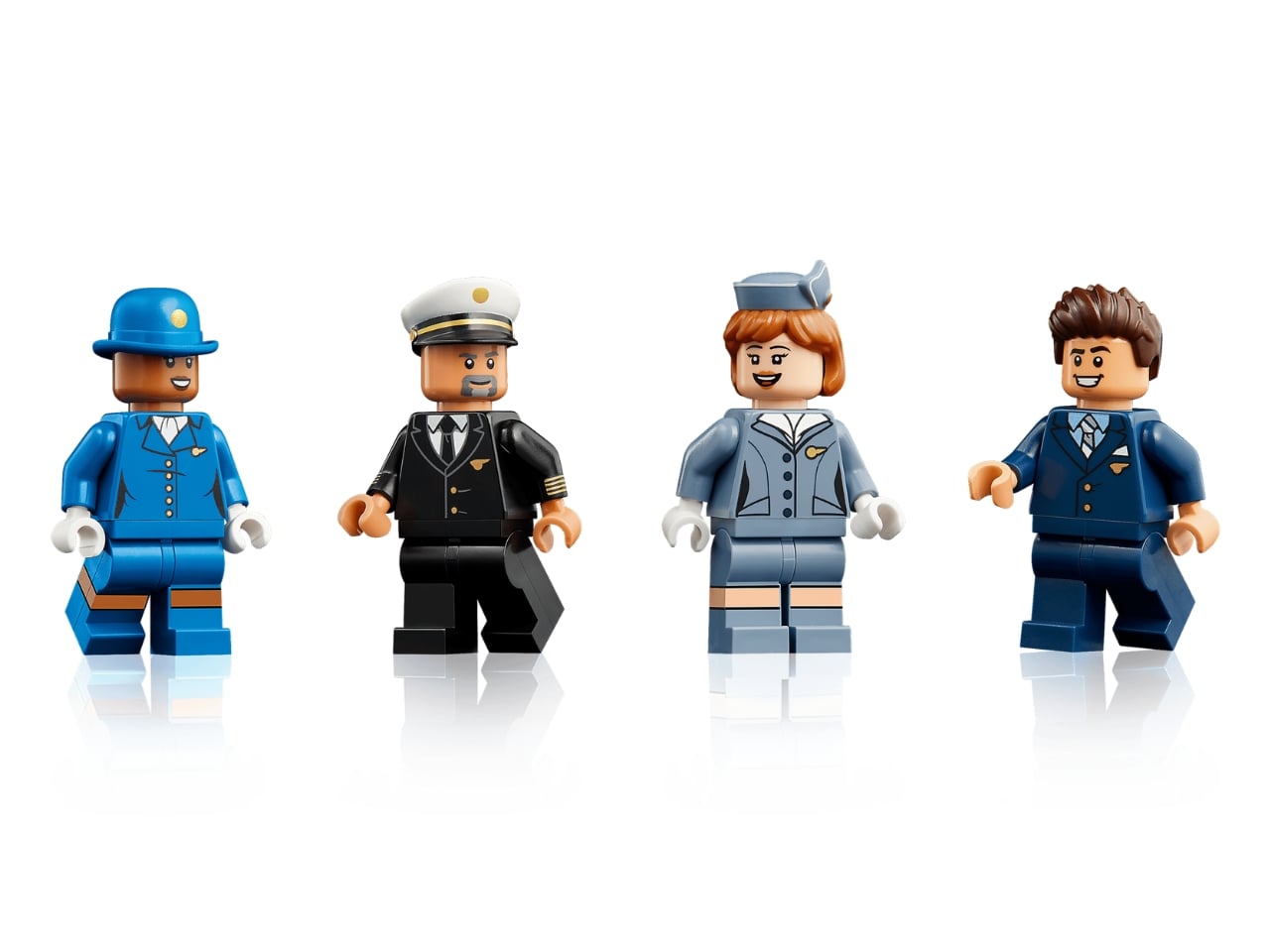
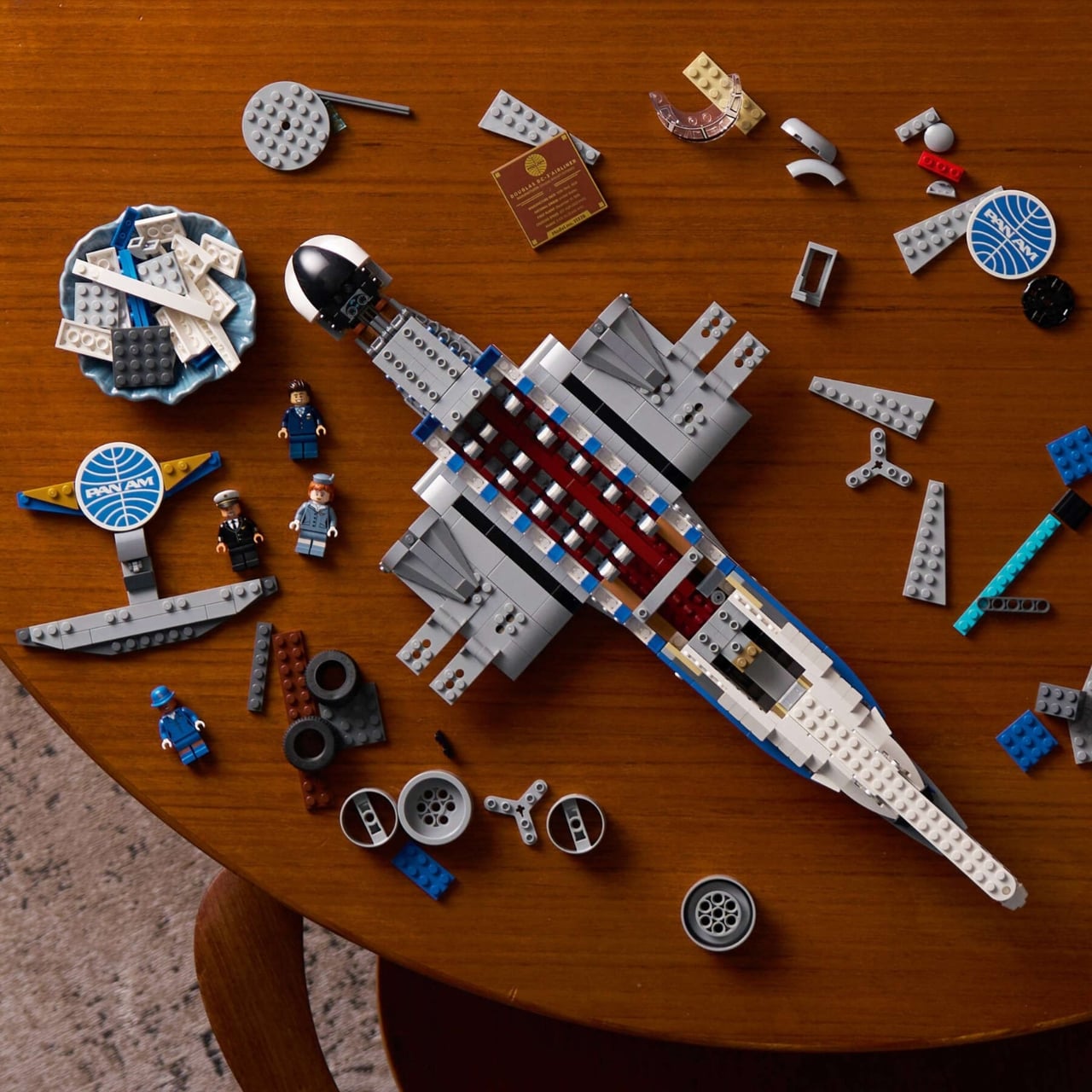
The set features removable fuselage panels that reveal a detailed cockpit and passenger cabin complete with an aisle, seating, and four minifigures dressed in late-1950s Pan Am uniforms. A rotating dial deploys and retracts the landing gear, and when the build is done, it sits on a display stand with an information plaque. That’s the kind of centerpiece that earns every inch of shelf space it takes up. For anyone drawn to retro design, aviation history, or beautifully realized objects, this one is difficult to walk past.
What we like
The retractable landing gear dial adds genuine interactive depth to what is primarily a display piece, making the build feel alive even after it’s finished
Four minifigures in period-accurate Pan Am uniforms are a considered detail that roots the set firmly in its historical moment
What we dislike
At $219.99, it’s a significant investment for a set that functions mainly as a display object rather than an active play experience
The 18+ positioning puts it entirely out of reach for younger builders who might be just as drawn to the aviation history angle
3. LEGO Pokémon SMART Play Training House with Pikachu
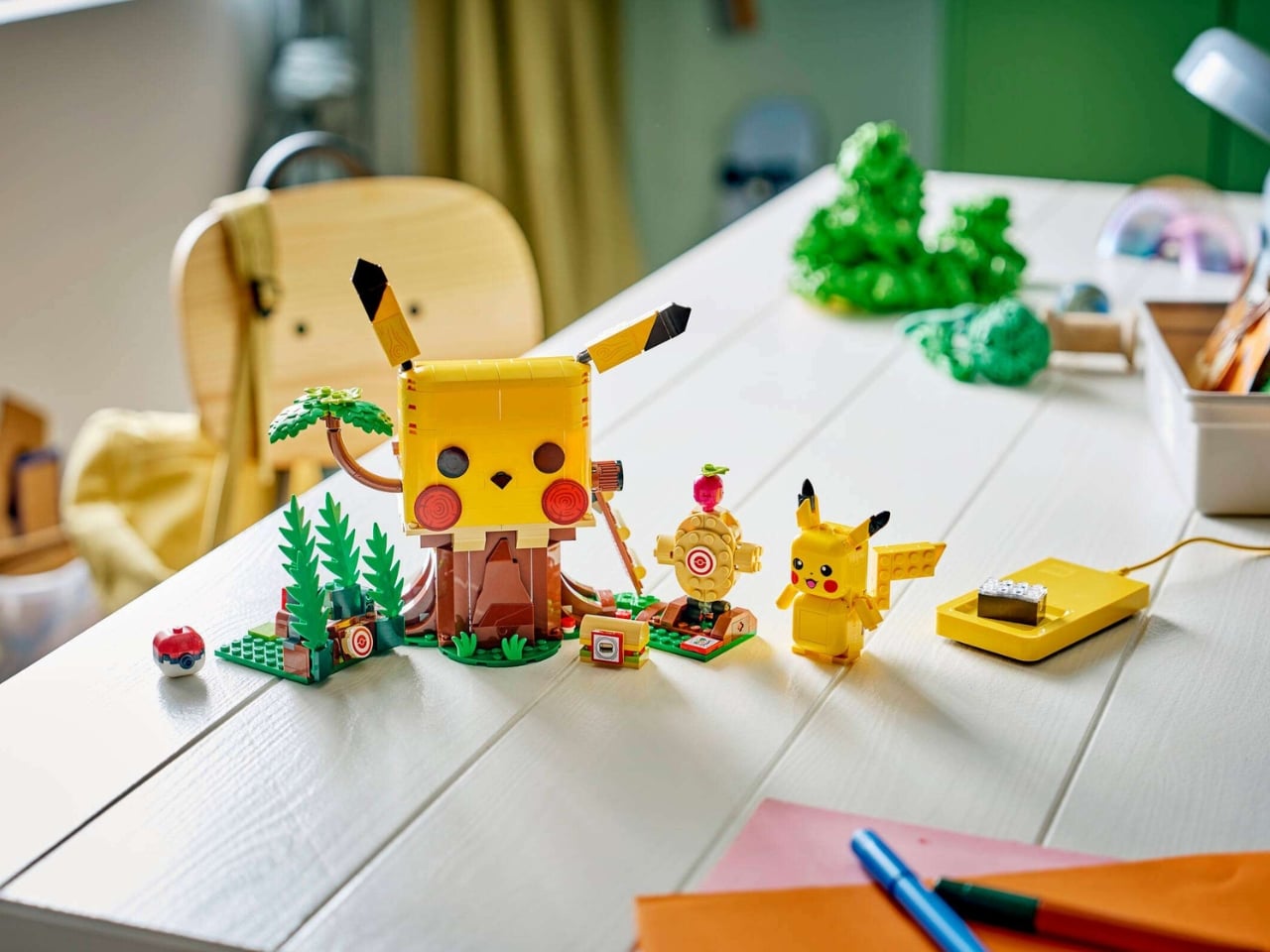
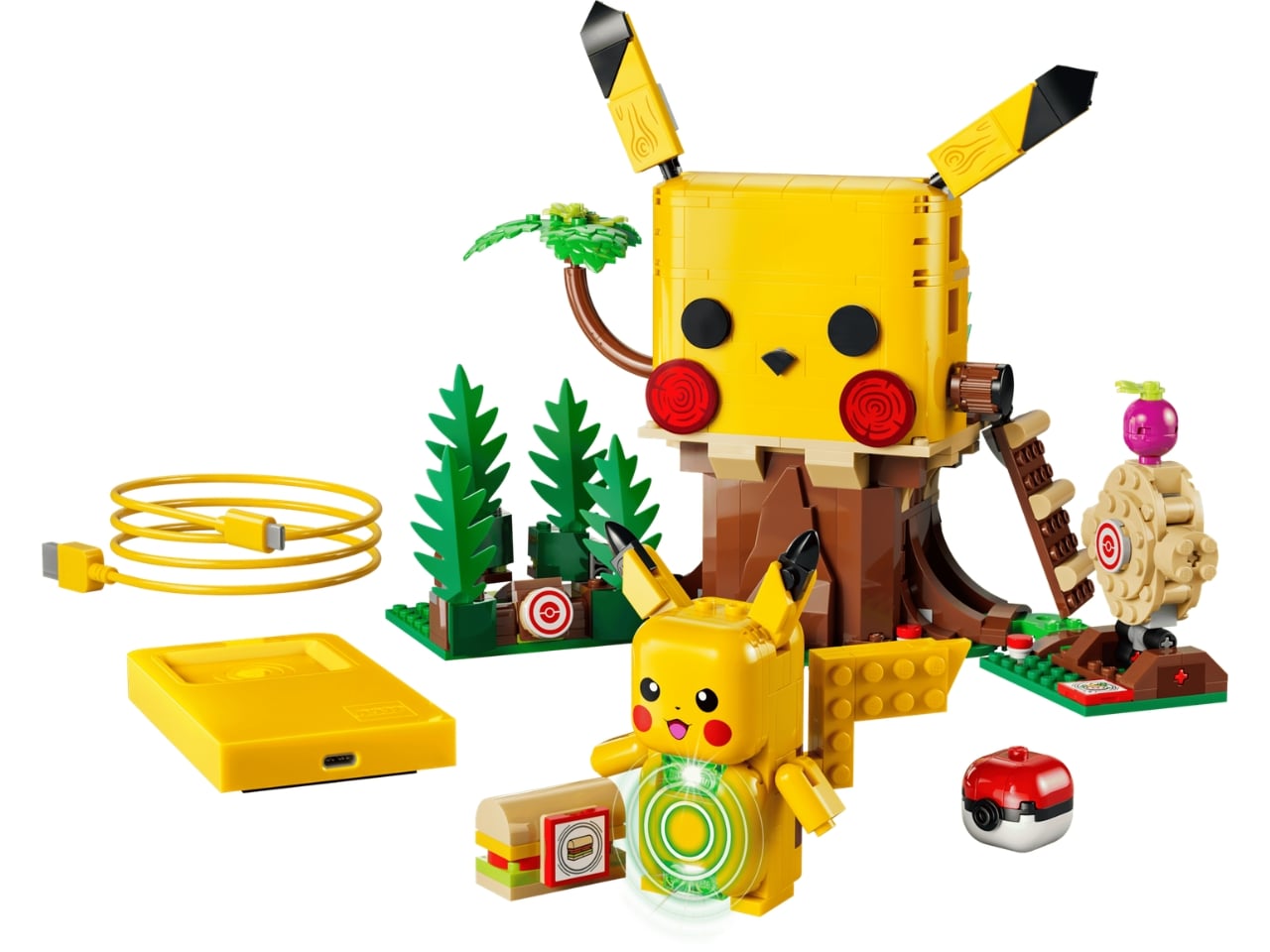
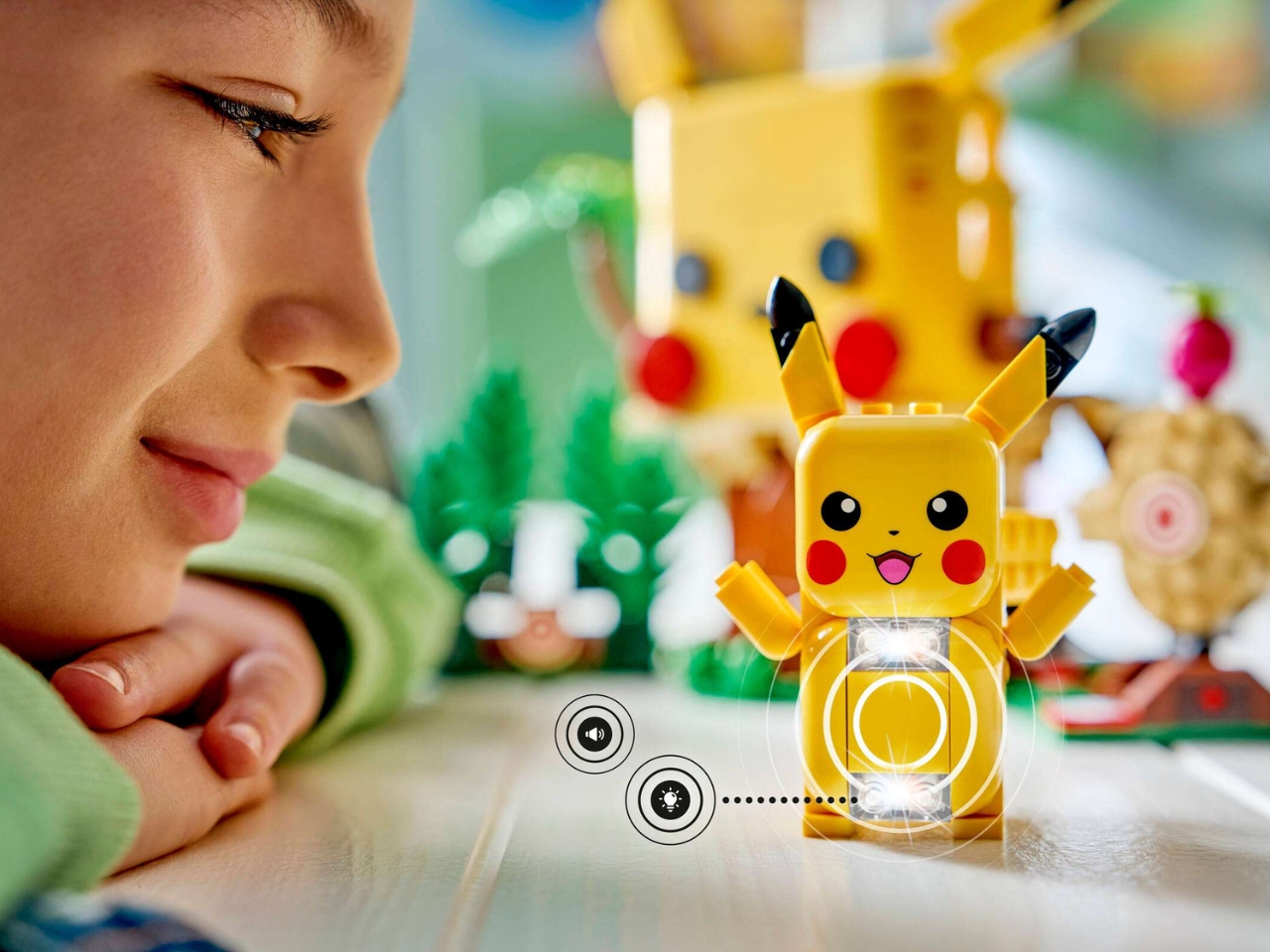
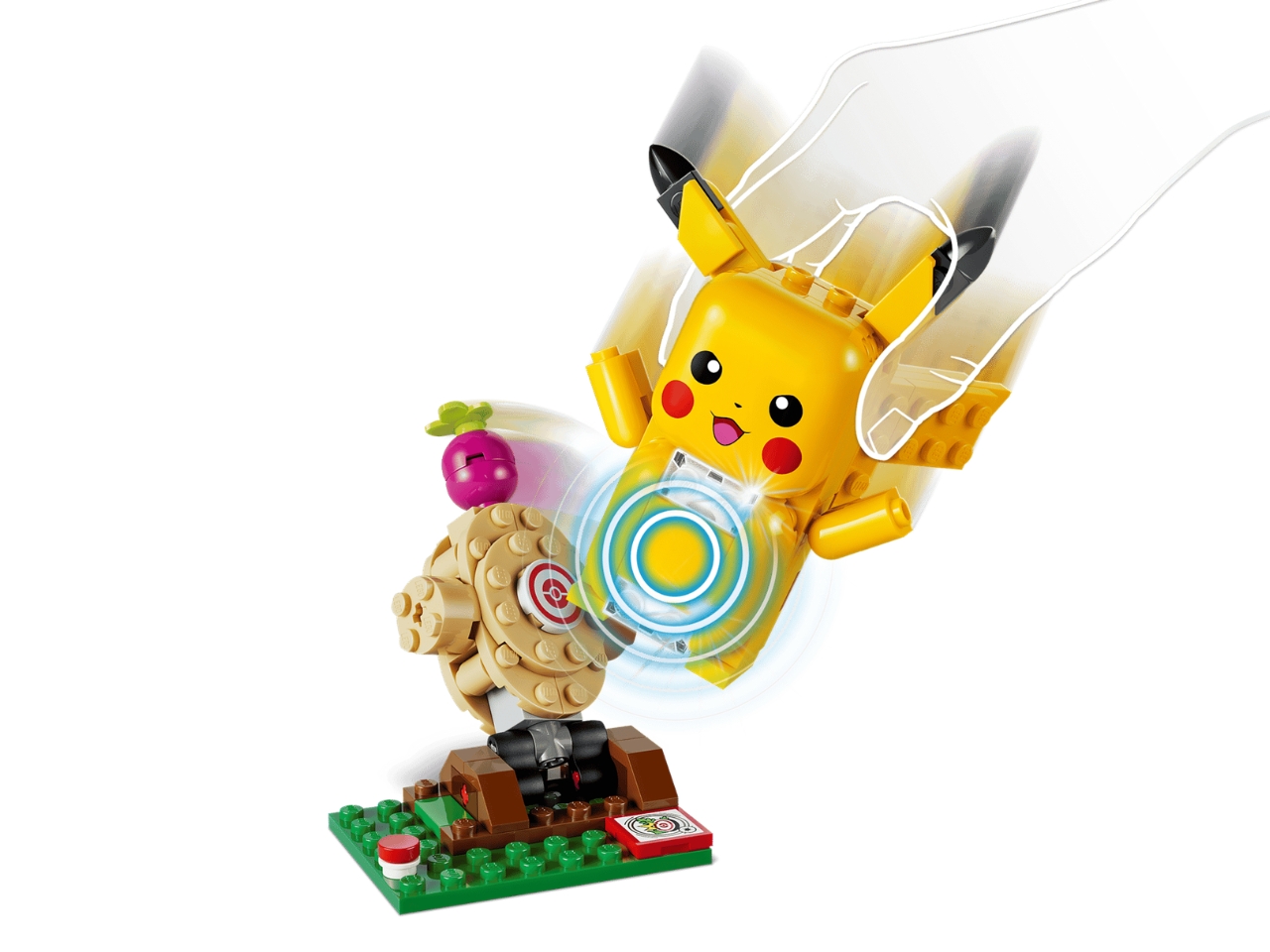
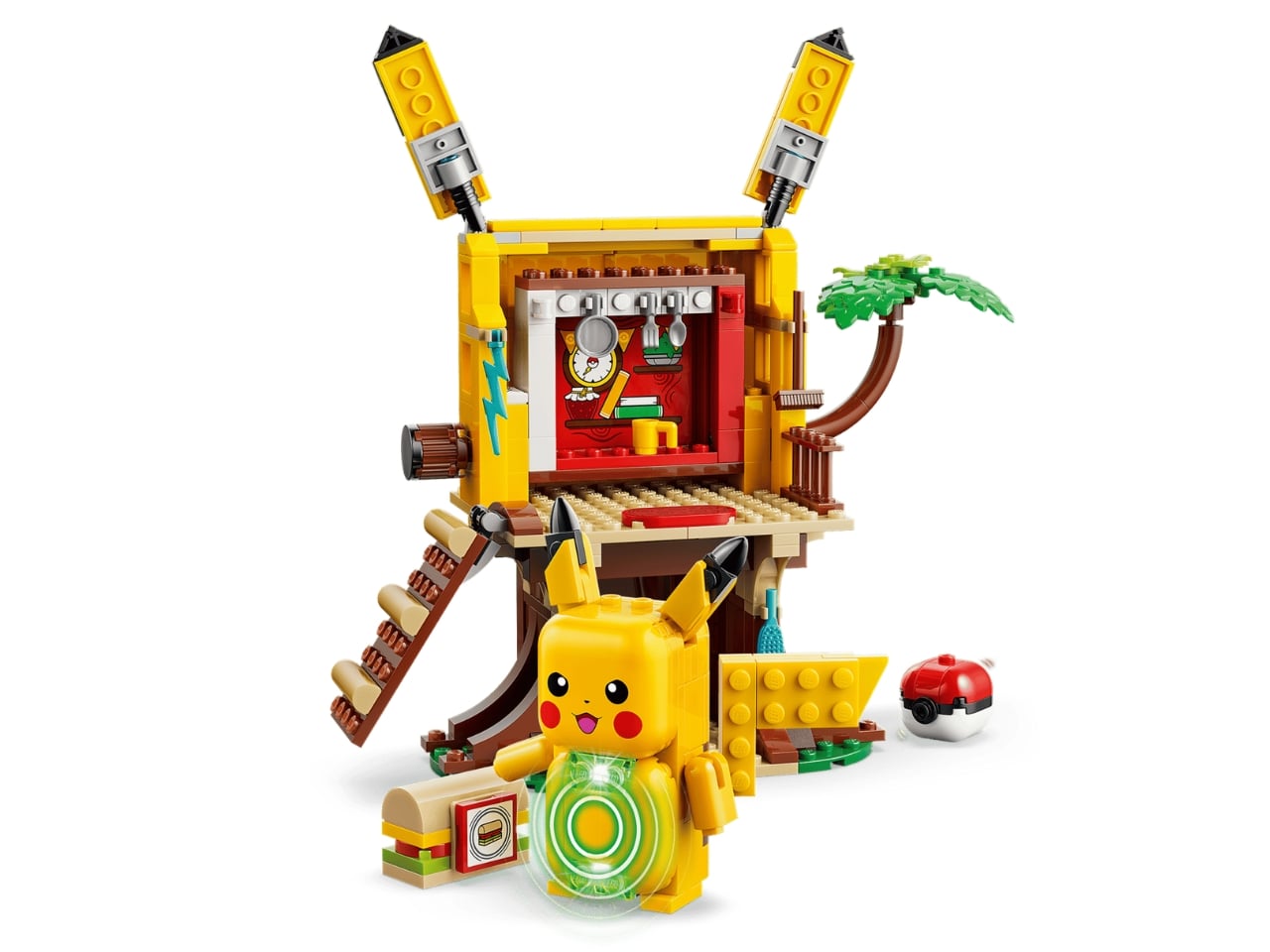
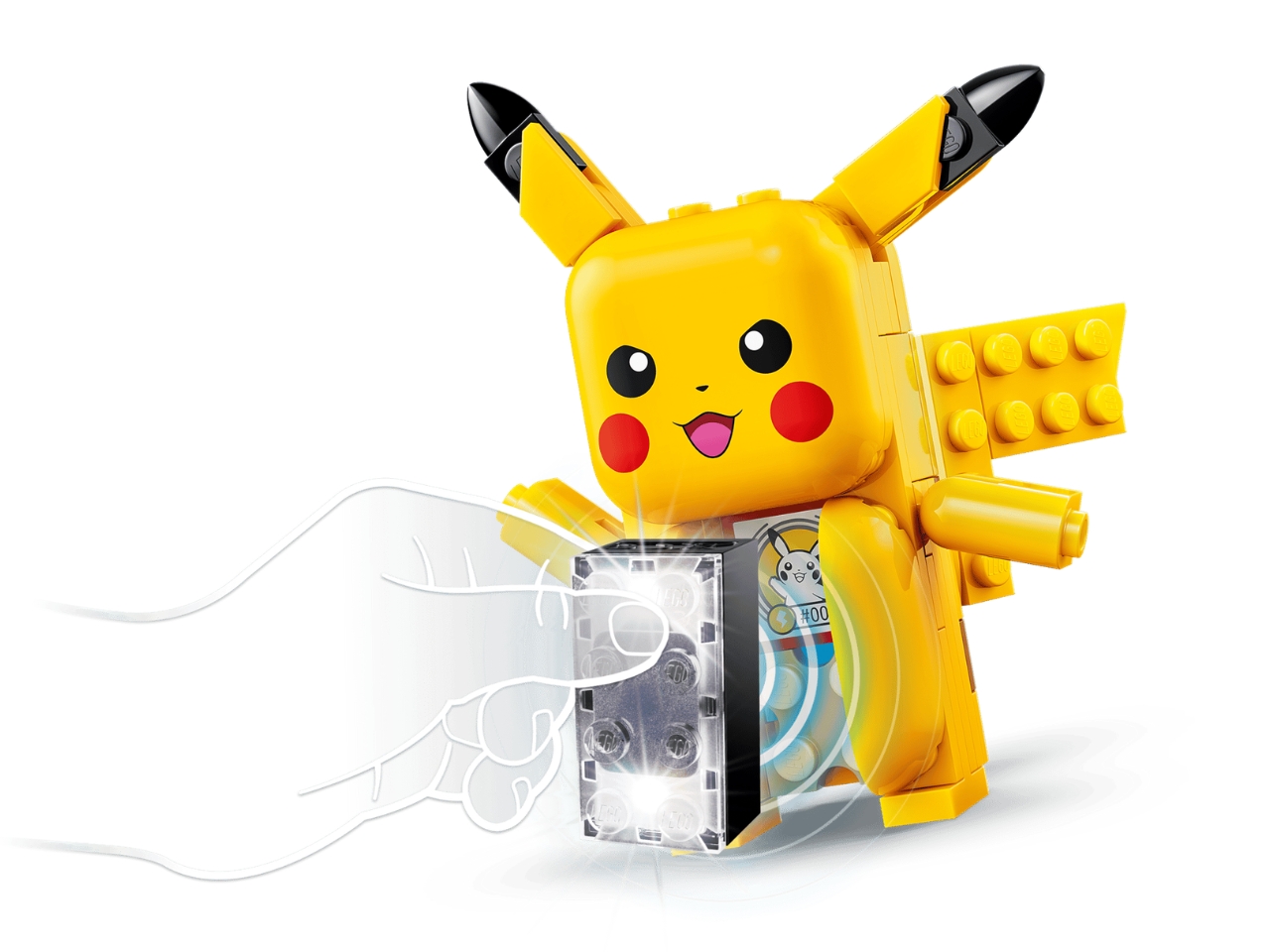
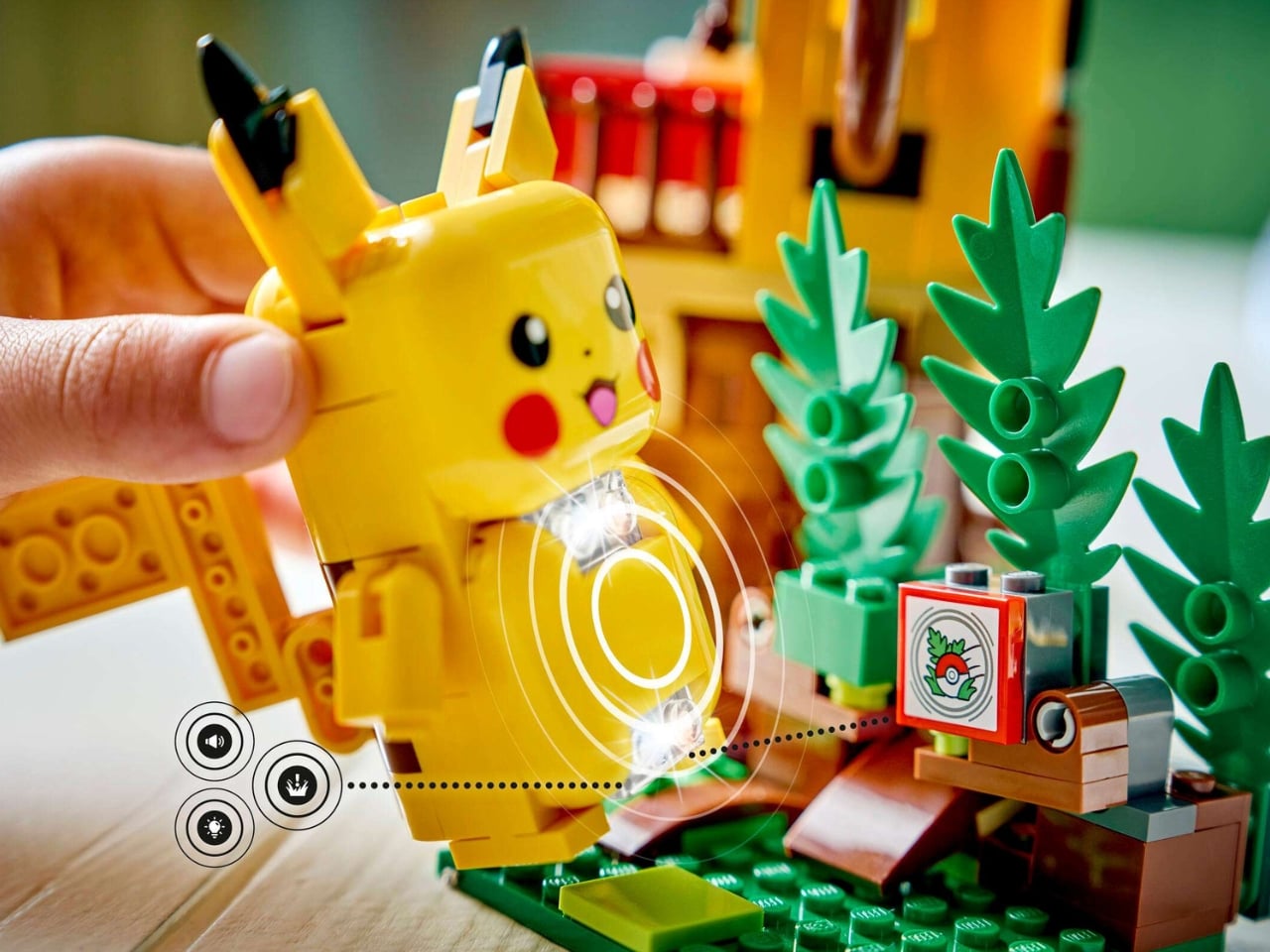
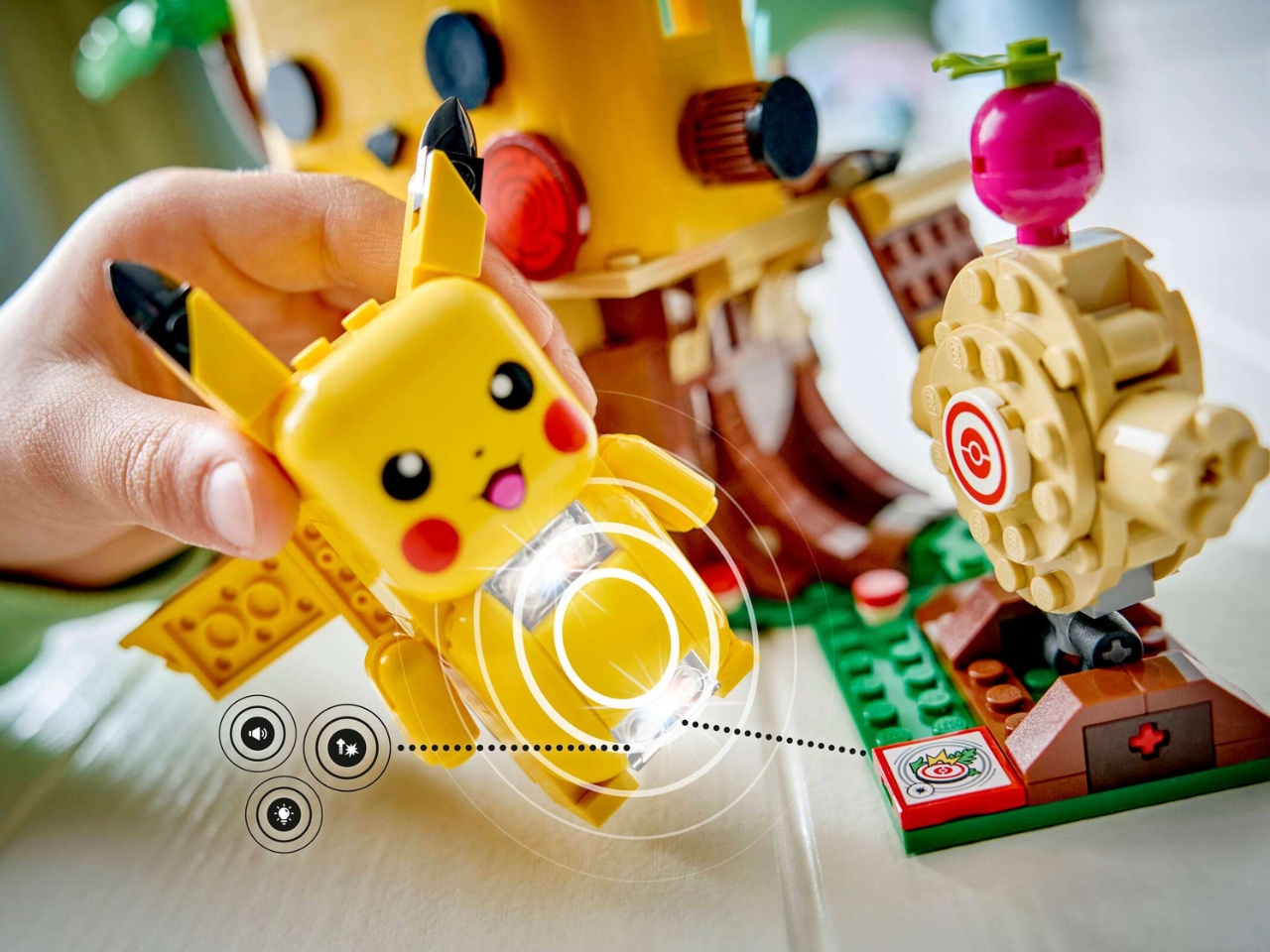
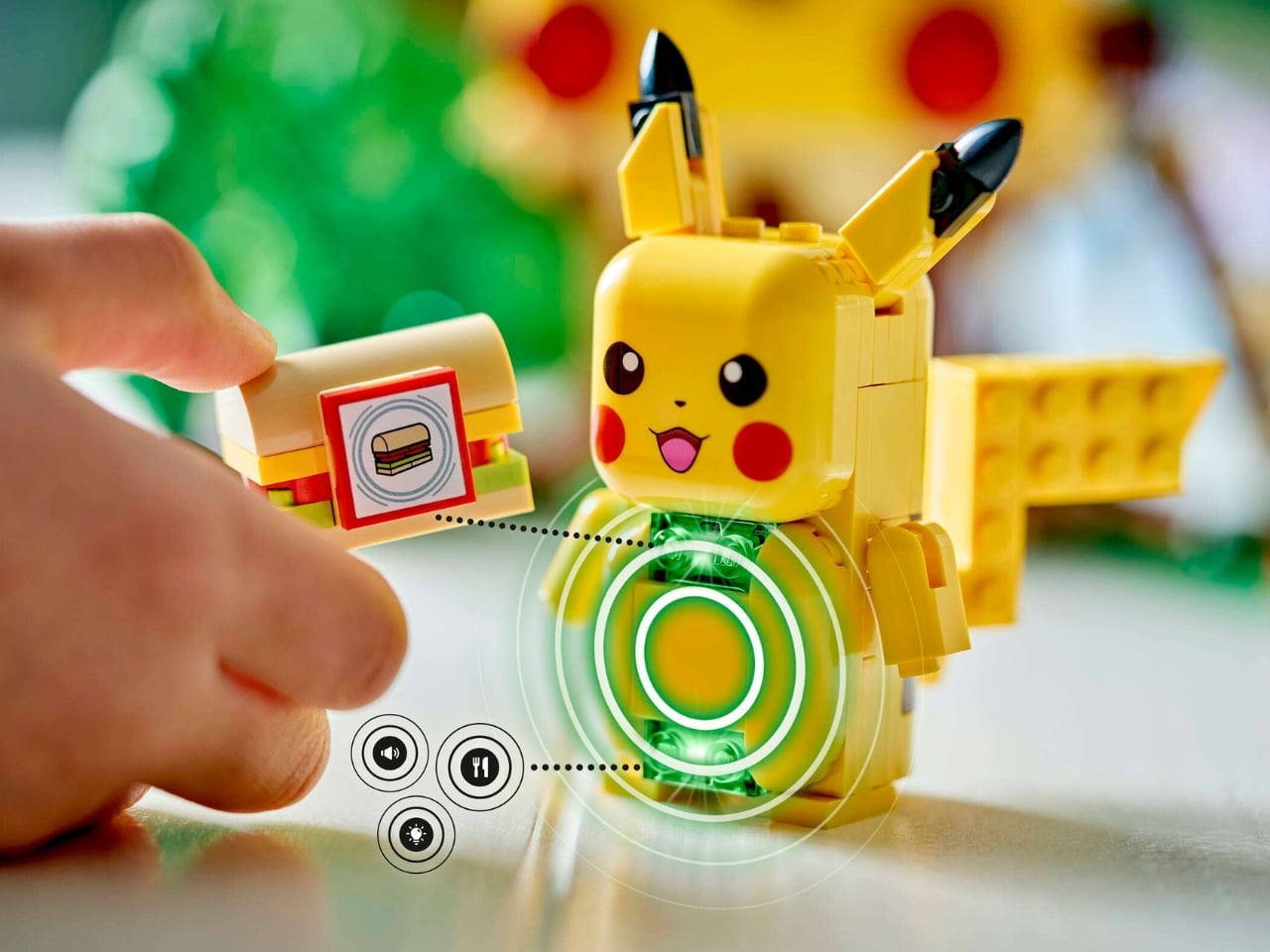
LEGO has never built something quite like this before. The LEGO Pokémon SMART Play line, announced on June 2, 2026, introduces the LEGO SMART Brick, a component packed with more than twenty patented world-firsts that makes builds respond to how you play through light, sound, motion, and sensing, all without a screen. The Training House with Pikachu (72164) is the centerpiece of the launch, letting you feed your brick-built Pikachu using a SMART Tag attached to a brick-built sandwich, or train it for battle in ways that actually register and respond.
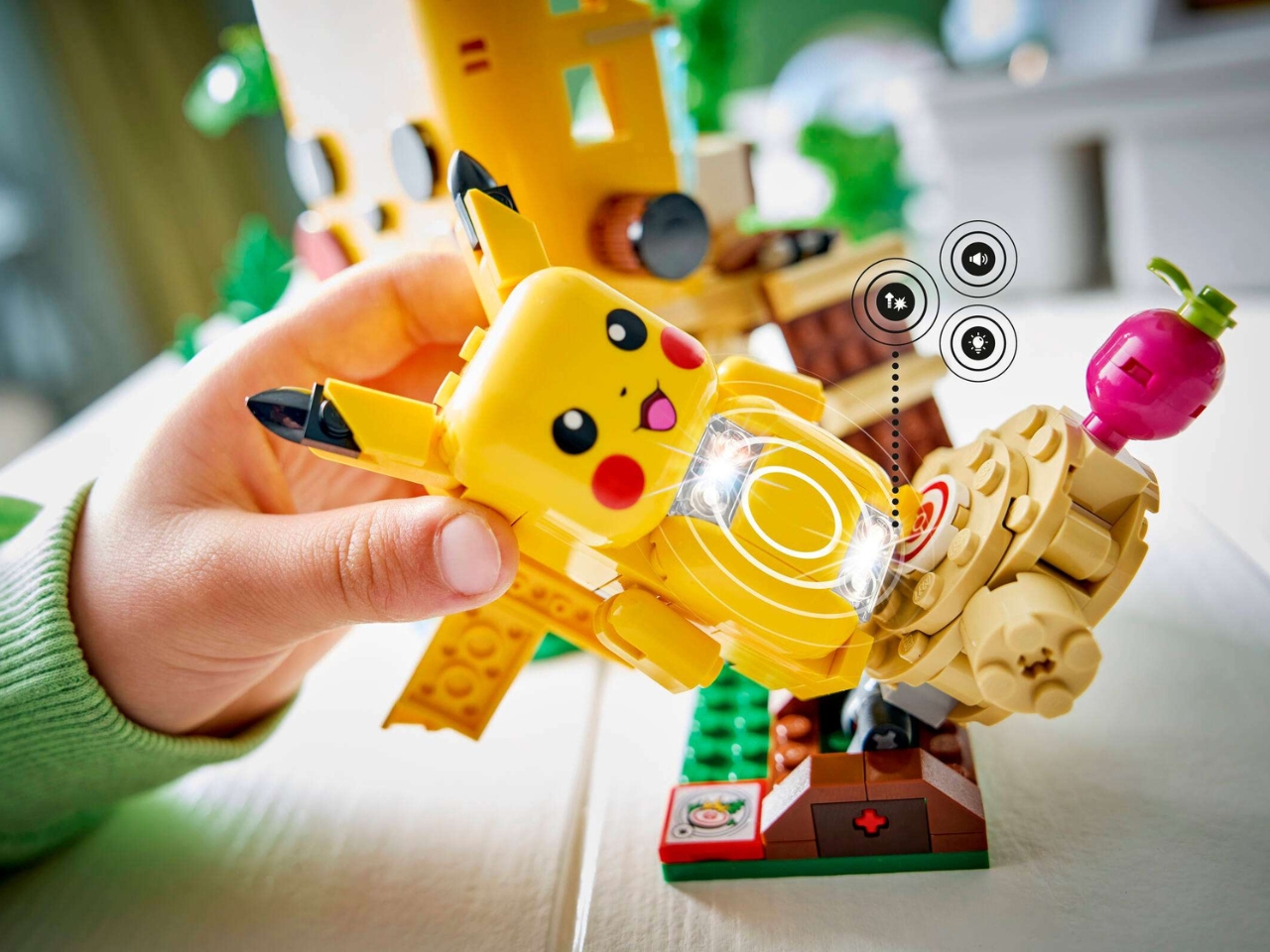
What separates this from a gimmick is the feedback loop. The SMART Brick responds across multiple inputs: tickle Charizard, and it laughs; offer food with a SMART Tag and Pikachu reacts. The bond between player and build is designed to deepen the more time spent with it, which is a genuinely novel direction for a brand that has long operated in static, display-focused territory. Twelve sets launch across the full range on August 1, 2026, but the Pikachu Training House makes the clearest case for where LEGO play is headed next.
What we like
Screen-free interactive play powered by the SMART Brick is a genuinely new direction for LEGO, and the technology behind it is ambitious by any measure
The Pikachu Training House captures the warmth and personality of the franchise without reducing it to a passive display piece
What we dislike
Sets aren’t available to purchase until August 1, 2026, so the current excitement runs ahead of anything you can actually build right now
Questions around the SMART Brick’s longevity and repairability over years of play remain unanswered at this stage
4. LEGO Charcuterie Board
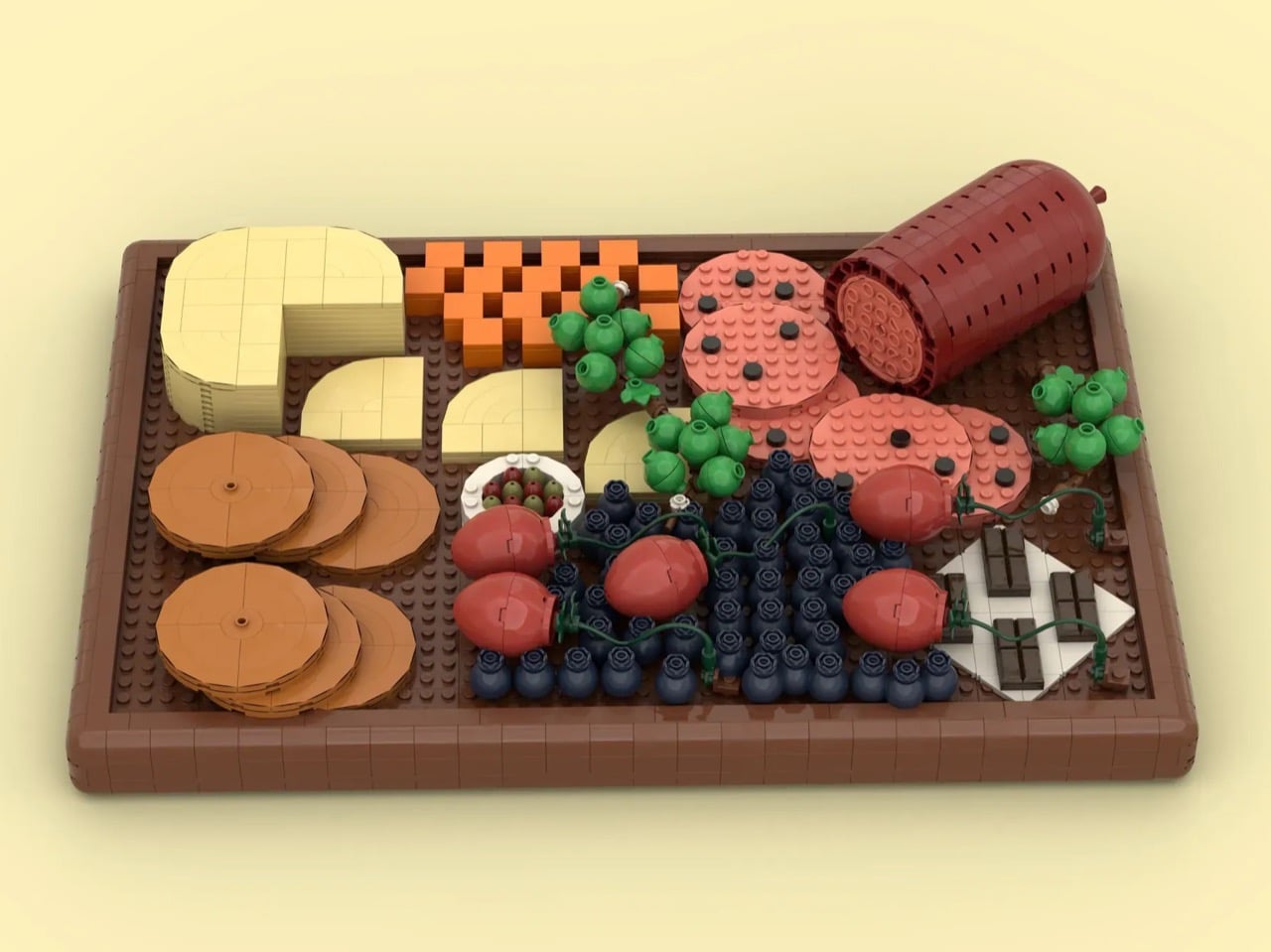
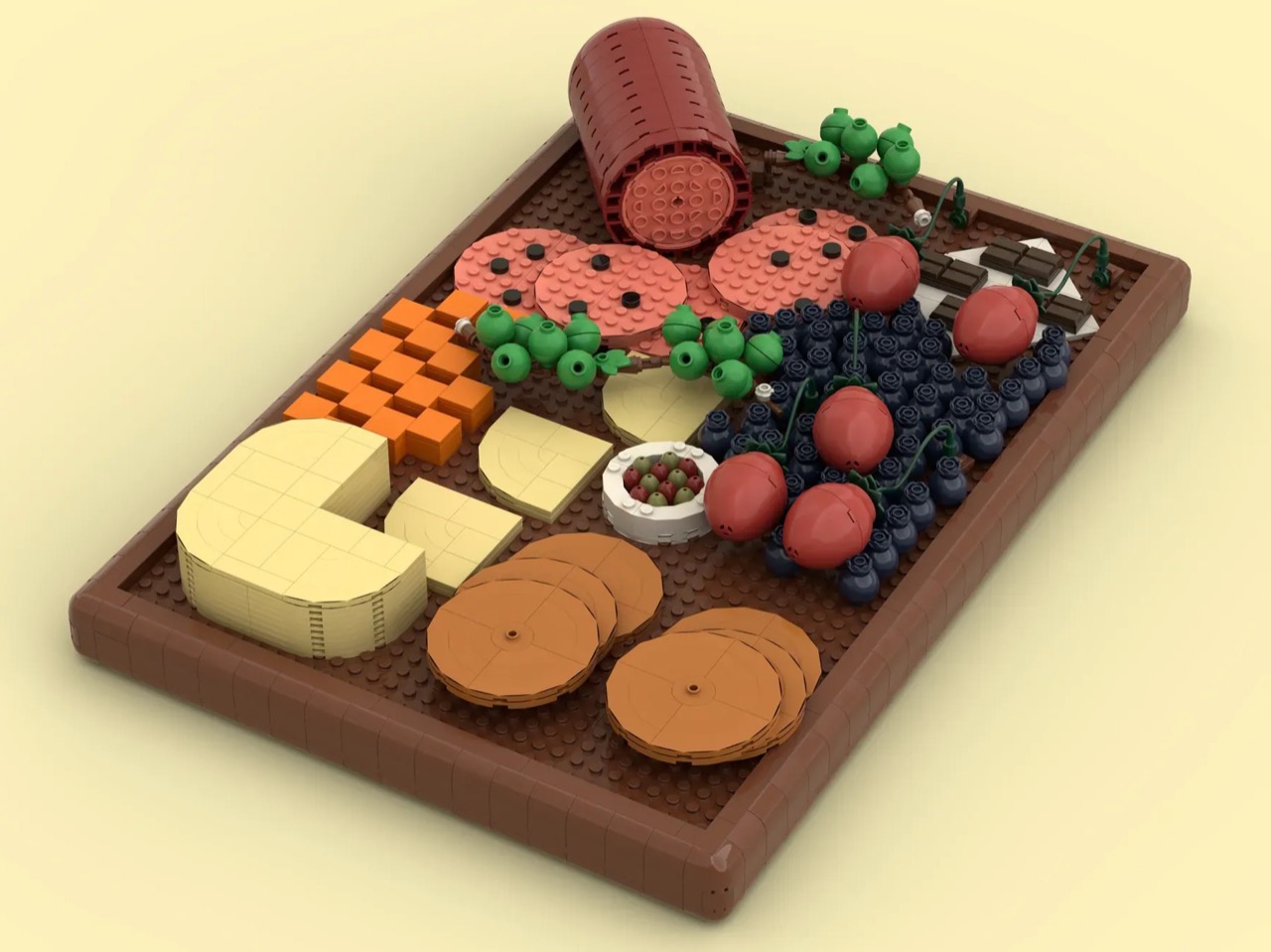
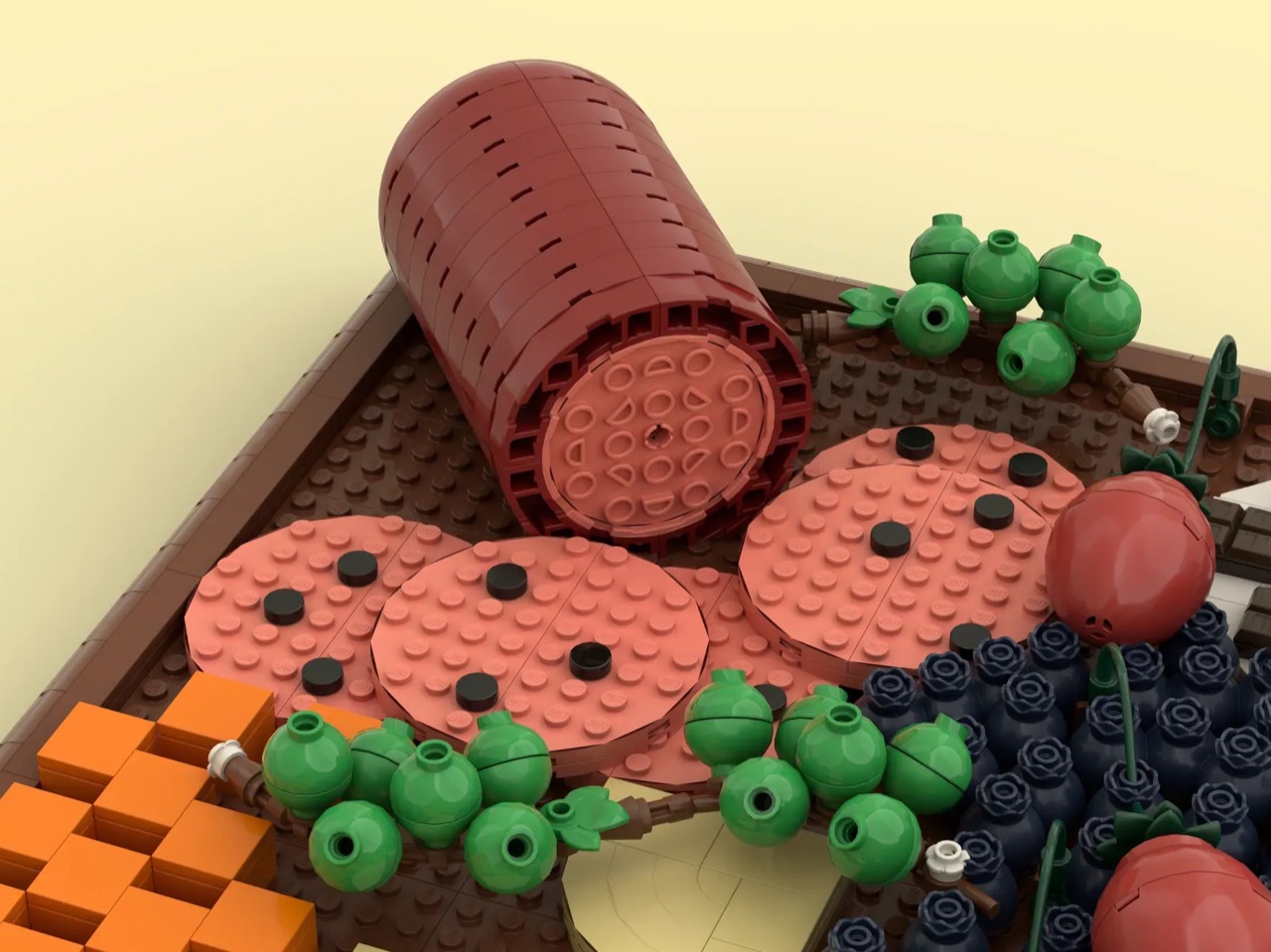
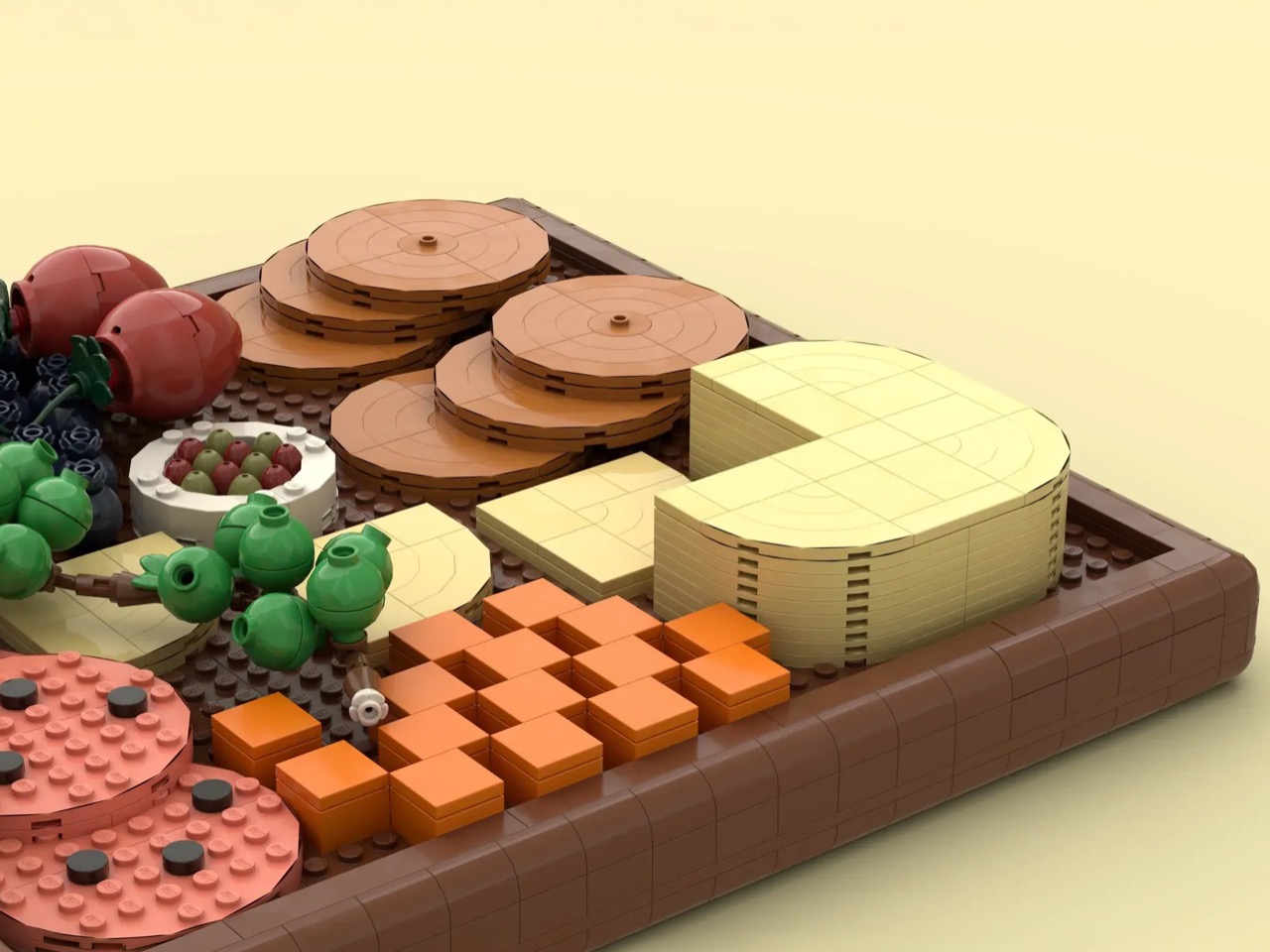
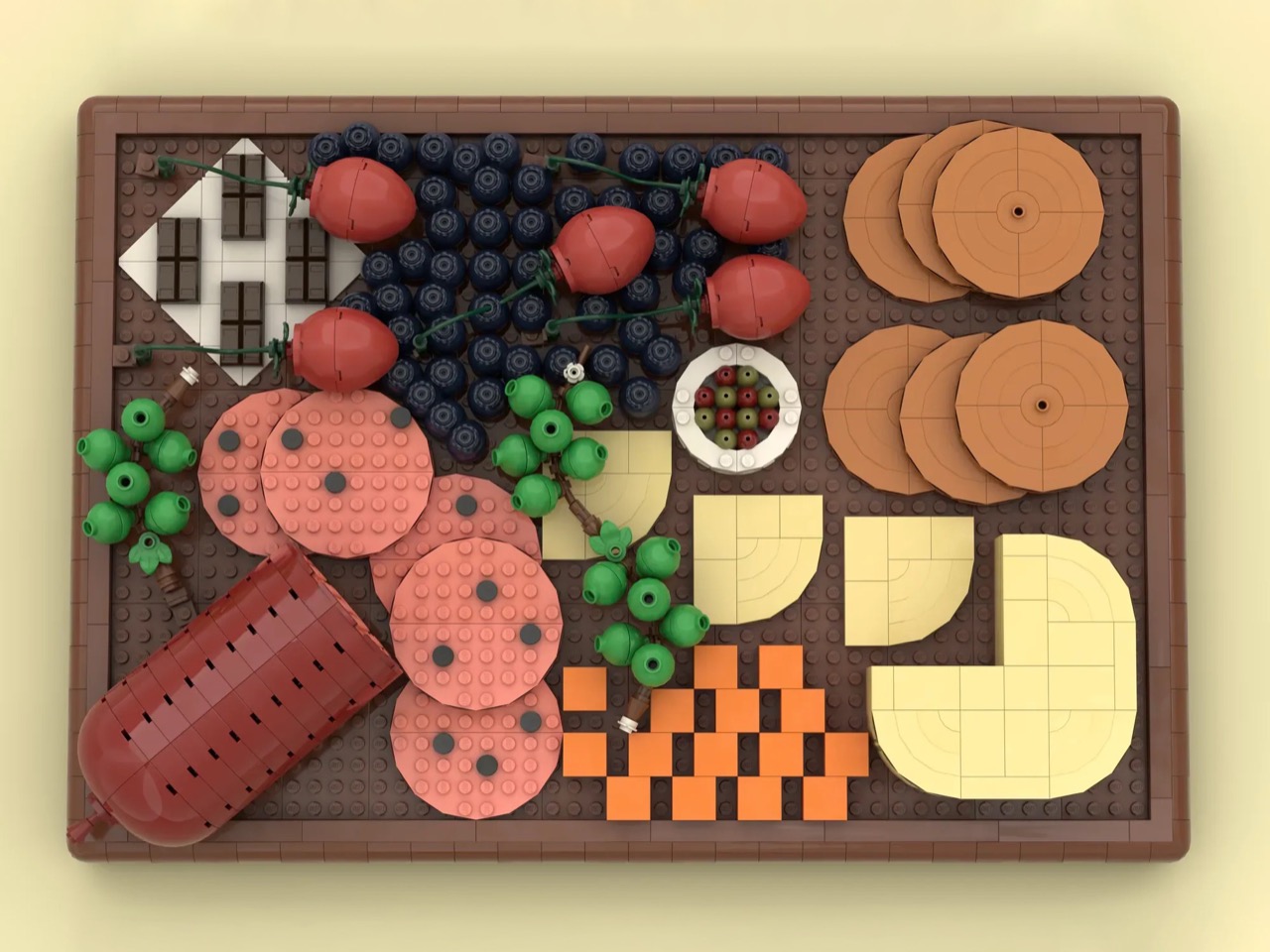
A LEGO Ideas submission from June 2, 2026 might be the most pleasantly disarming design of the month. Creator BiologyBuilder built a fully realized charcuterie board across 1,079 pieces, and the results are genuinely convincing. Salami is rendered in dark red round bricks with a salmon-colored plate at the end to show the pink interior of the cured meat. Brie is built from cream-colored round plates and tiles. Cheddar cubes are stacked from 2×2 bricks. It’s food that cannot be eaten and somehow still looks entirely appetizing.
The rest of the board fills out with strawberries, dark chocolate sitting on a napkin beside the fruit, and olives scattered across the spread. It works equally well as a coffee table object or a kitchen shelf accent, something that bridges LEGO’s world with the food and entertaining aesthetic dominating interior design right now. If the Ideas platform does what it should, this one gathers the votes it needs and eventually earns its place on a store shelf where it clearly belongs.
What we like
The material translations are inventive throughout: dark red round bricks for salami, cream tiles for brie, a napkin detail beneath the chocolate, showing a thorough understanding of LEGO’s parts library
The concept sits at the intersection of food culture and home décor, giving it appeal well beyond LEGO’s core audience
What we dislike
As a fan-created submission, it has no guaranteed path to official production, and the Ideas process can stretch across years
At 1,079 pieces, the likely retail price would be a harder sell for something positioned as a décor object rather than a traditional play set
5. McLaren F1 1000th Race LEGO Helmet Sets
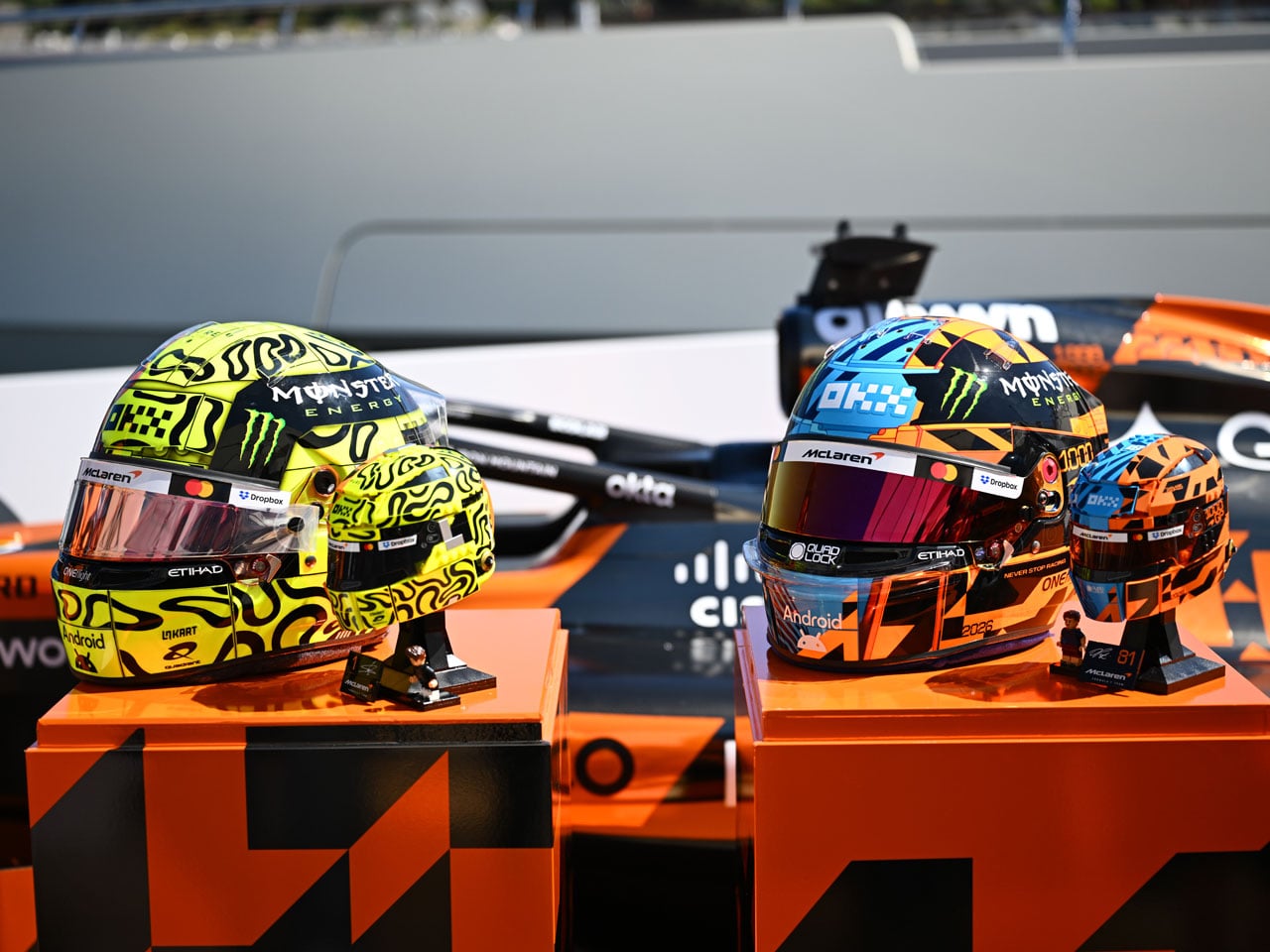
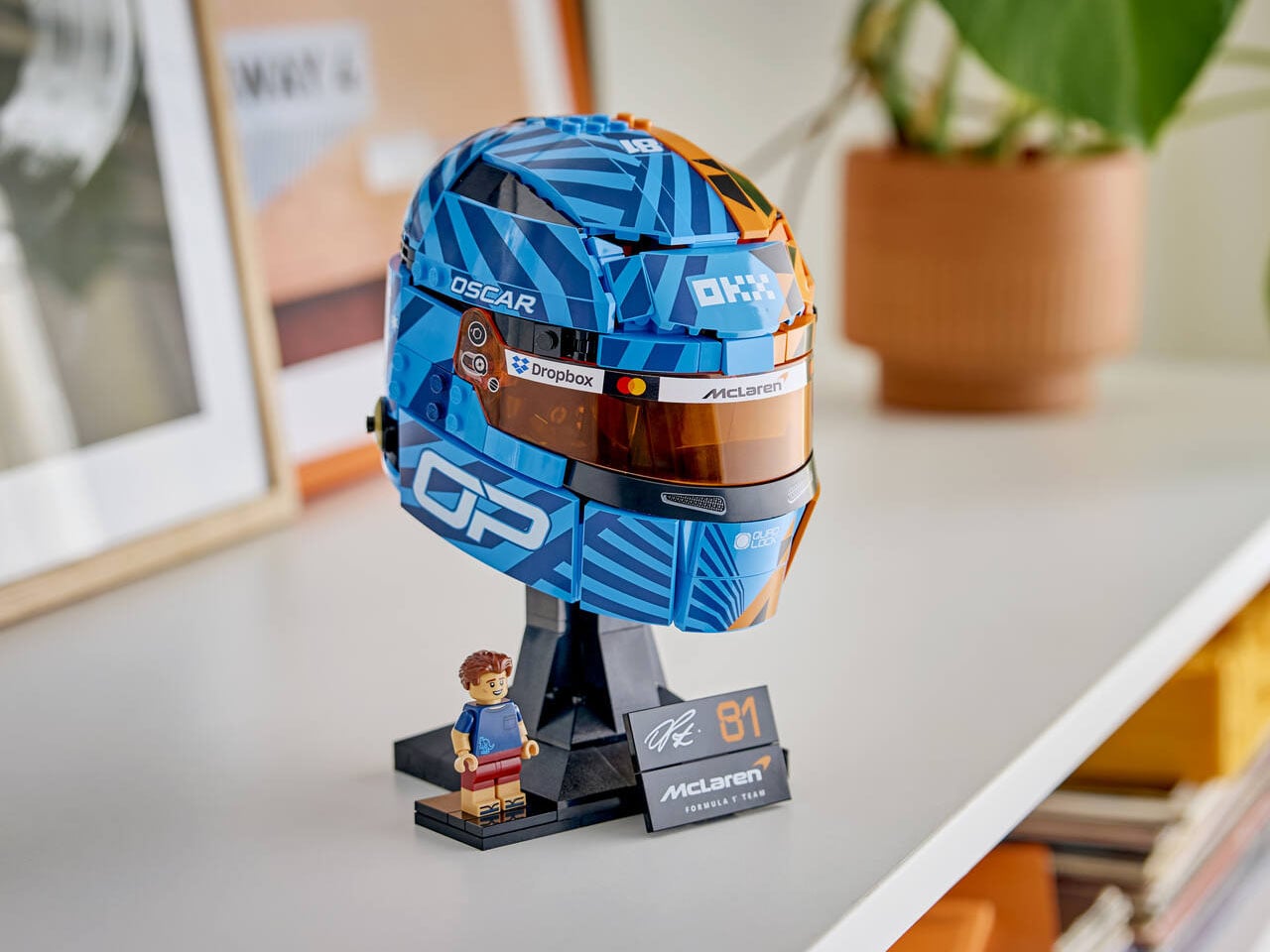
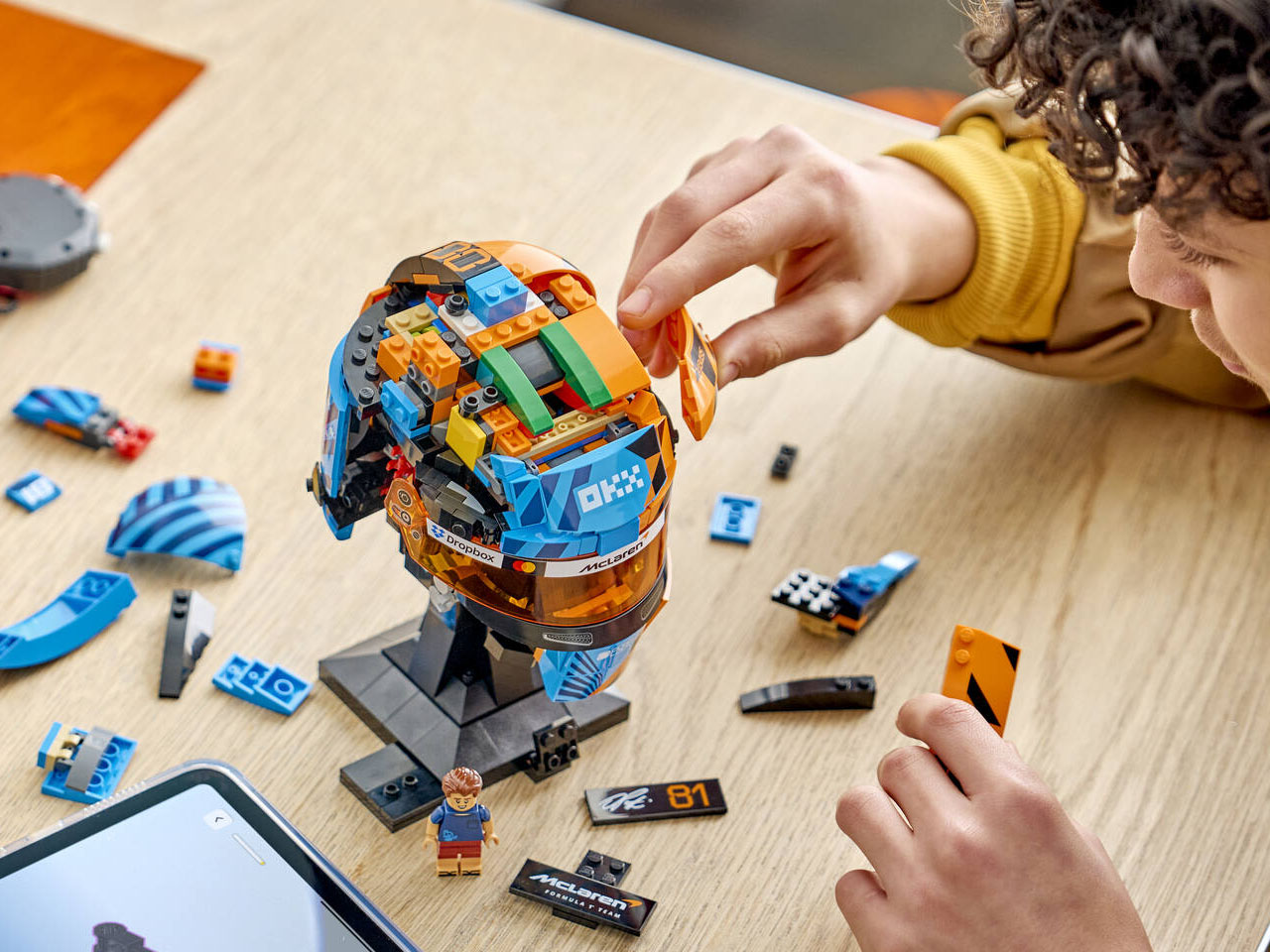
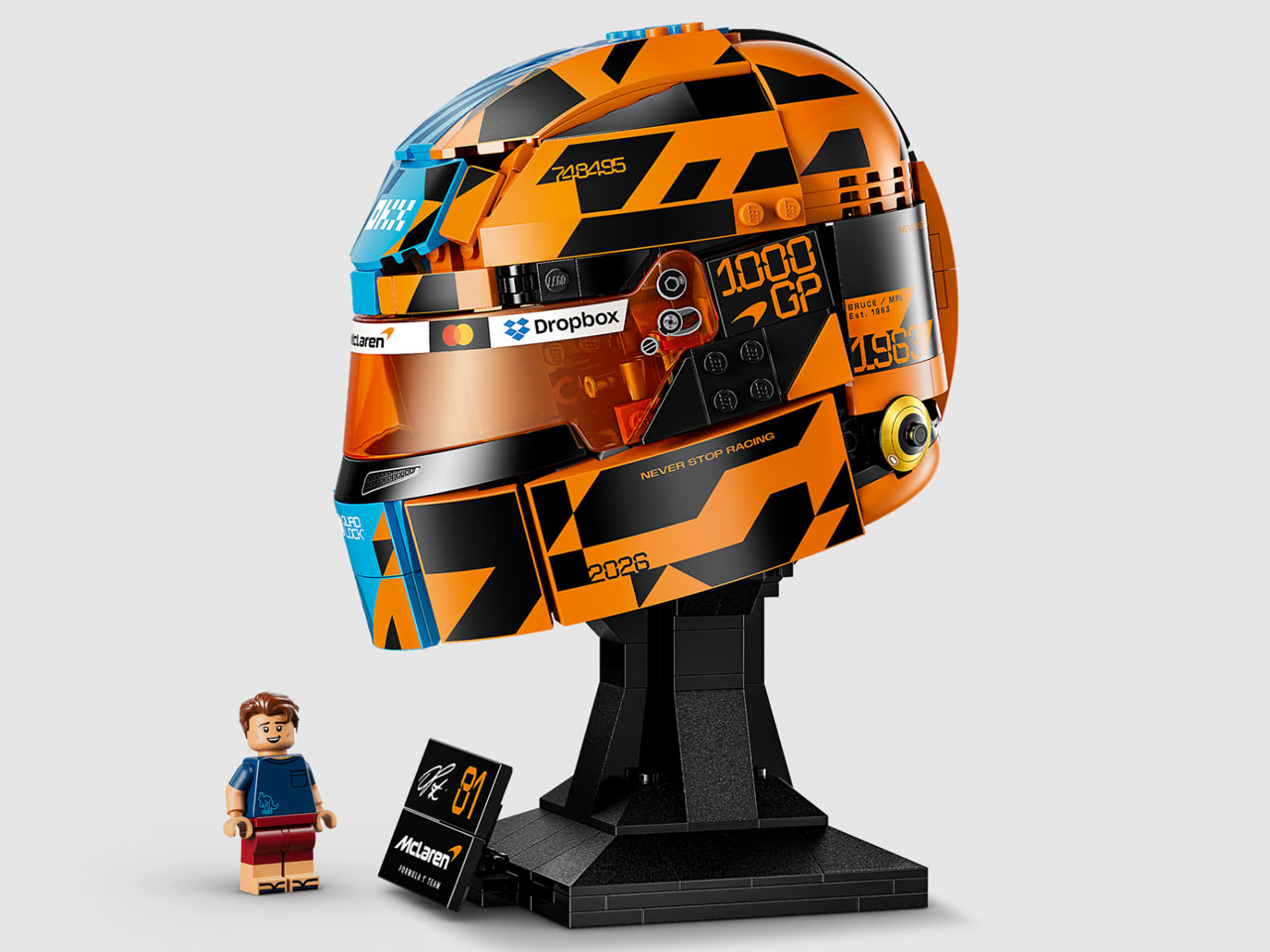
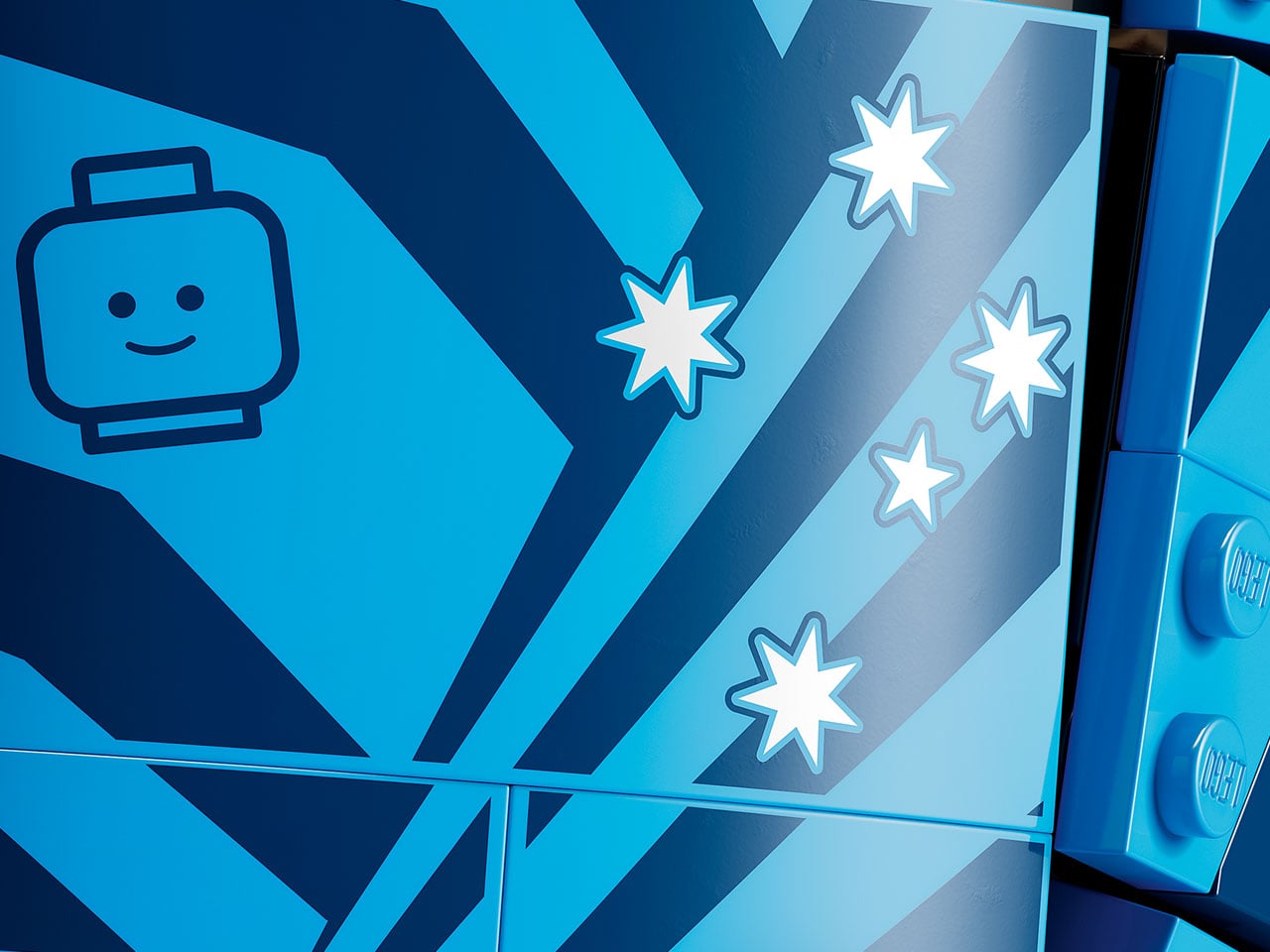
For McLaren’s 1,000th Formula 1 race, the team didn’t arrive at Monaco with just a special livery. They co-created buildable LEGO helmet sets with Lando Norris and Oscar Piastri, released on June 3, 2026. The two LEGO Editions sets mark the first time either driver has appeared in LEGO minifigure form. The real helmets worn by both drivers at Monaco were based directly on the LEGO sets, meaning the design process ran in a direction you rarely see: from brick to track.
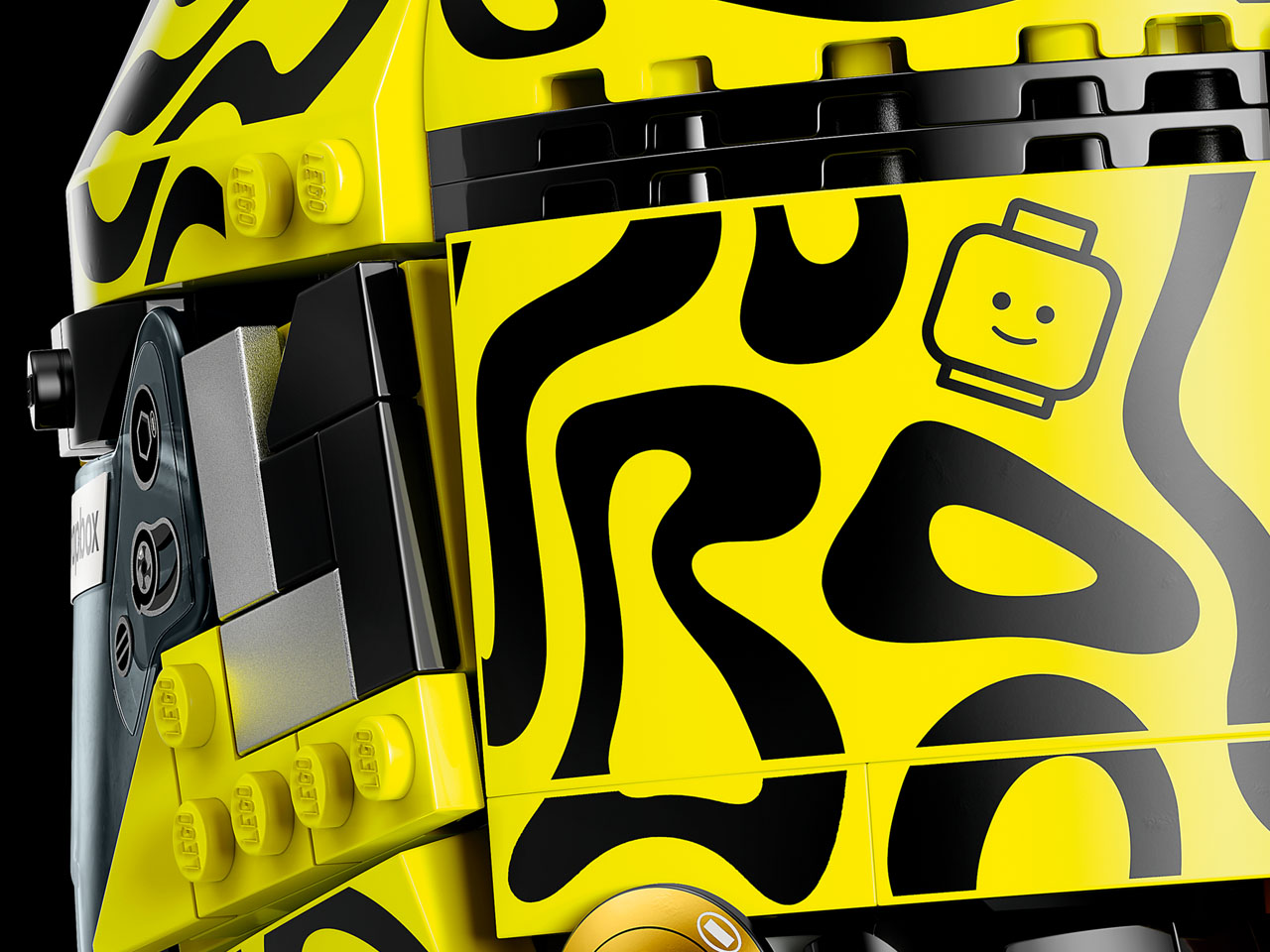
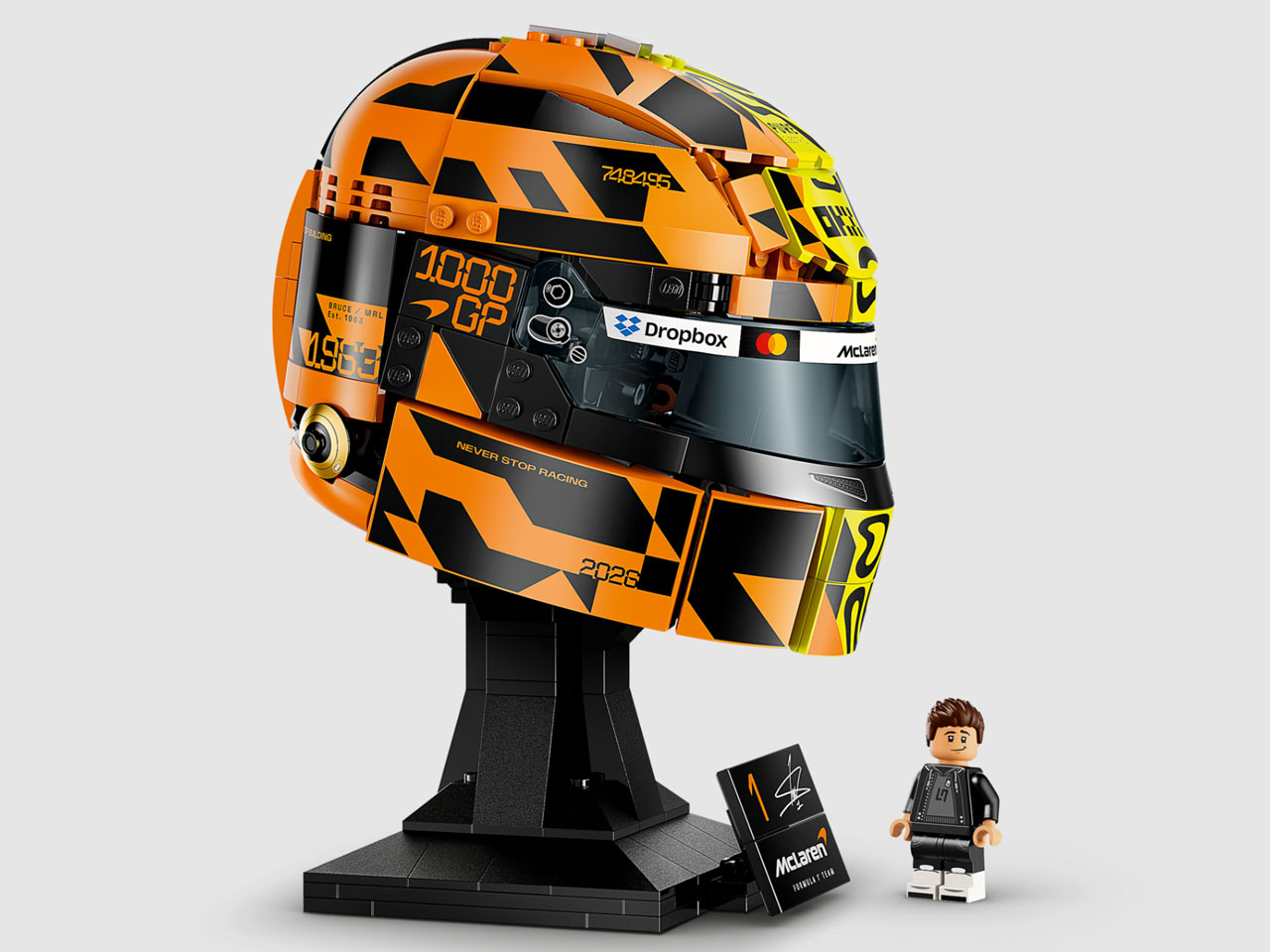
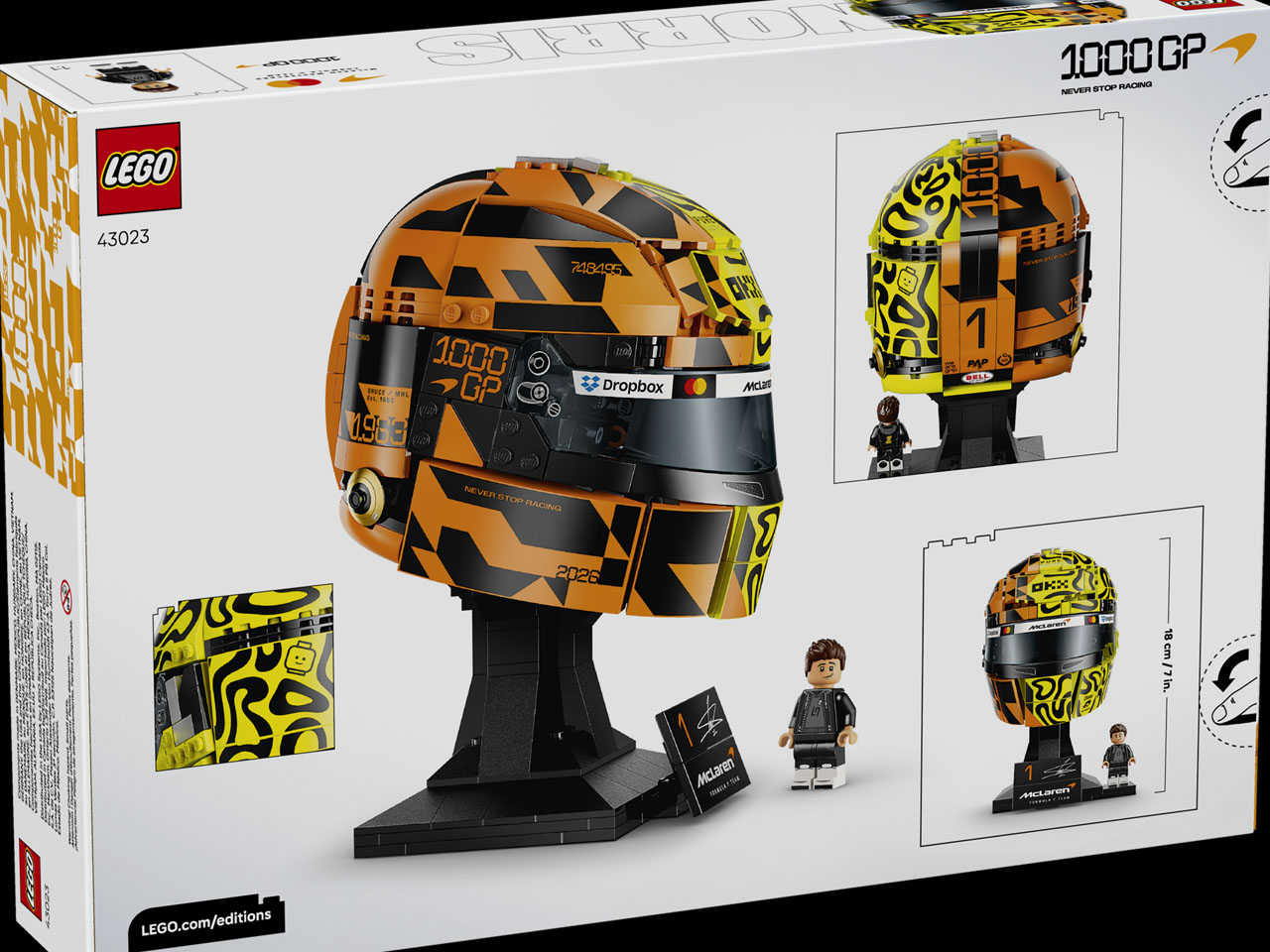
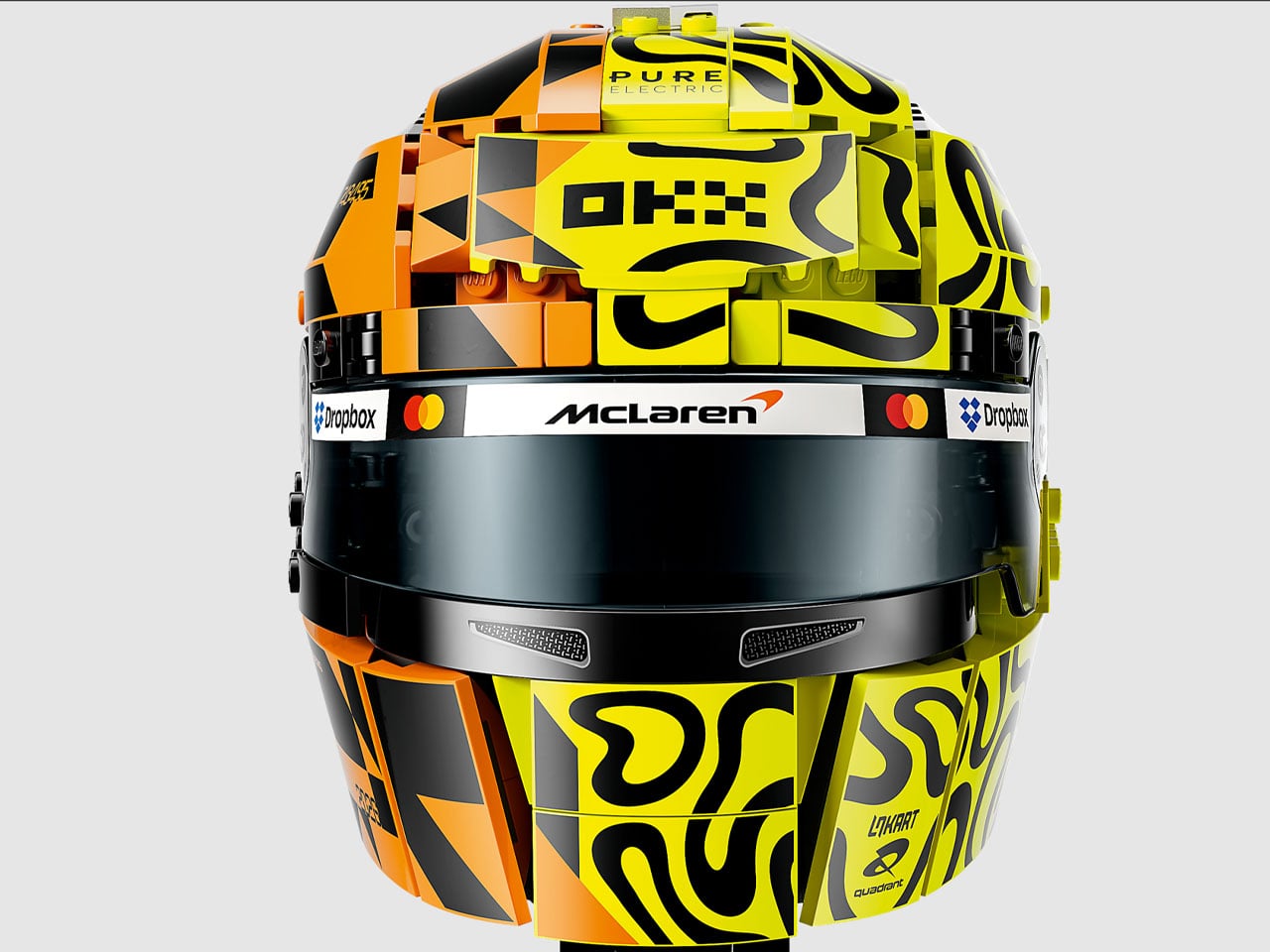
Lando’s set leads with his iconic fluorescent blob design alongside his new driver number, the coveted 1, rendered in brick form. Each set comes with a display stand and a printed signature plaque. The LEGO design team worked directly with both drivers, and the organic shapes involved pushed them toward new building techniques, which is visible in the finished results. As race-day collectibles go, this is one of the more thoughtful executions of sport and design meeting inside a LEGO format.
What we like
The reversed design process, from LEGO set to real-world helmet, makes this collaboration feel genuinely original rather than a standard licensing exercise
Both drivers appearing as minifigures for the first time gives collectors a meaningful, first-edition reason to own the sets beyond the build itself
What we dislike
Translating the organic, curved geometry of a race helmet into right-angled brickwork is a genuine challenge, and the compromise shows at certain angles
Tied tightly to a single race milestone, these sets may feel less resonant on display once Monaco weekend fades into the background
The Brick Is Still the Most Interesting Canvas Around
June 2026 makes clear that the most interesting LEGO designs aren’t arriving from a single direction. They’re coming from fan creators on the Ideas platform, from decades of aviation history, from the Monaco pit lane, from music anniversaries, and from the logic of a well-built cheese spread. The through line is the same as it has always been: someone thought carefully about what a subject looks like when rendered in brick, and they cared enough to get it right.
Some of these will make it to store shelves. Some won’t. The Pikachu set already has a launch date. The Pan Am DC-3 is already sitting on yours. The Hybrid Theory brickset and the charcuterie board are still waiting for their moment. What they all share is a clarity of concept, a designer, official or otherwise, who knew exactly what they were building and why it was worth building in the first place.
The FIFA World Cup has evolved far beyond the boundaries of sport. As one of the world’s most-watched events, it influences culture, technology, fashion, and consumer behavior on a global scale. Brands increasingly use the tournament as a platform to create products that capture the excitement, passion, and identity associated with football’s biggest stage.
From luxury collectibles and limited-edition gadgets to pet accessories and interactive merchandise, designers are finding new ways to connect fans with the World Cup experience. These products show how major sporting events inspire innovation, storytelling, and emotional engagement across multiple industries.
Global sporting events often drive demand for exclusive products that celebrate memorable moments and national pride. Designers are responding by creating collectible items that combine functionality with strong emotional appeal. These products are often produced in limited quantities, making them highly desirable among fans and collectors alike.
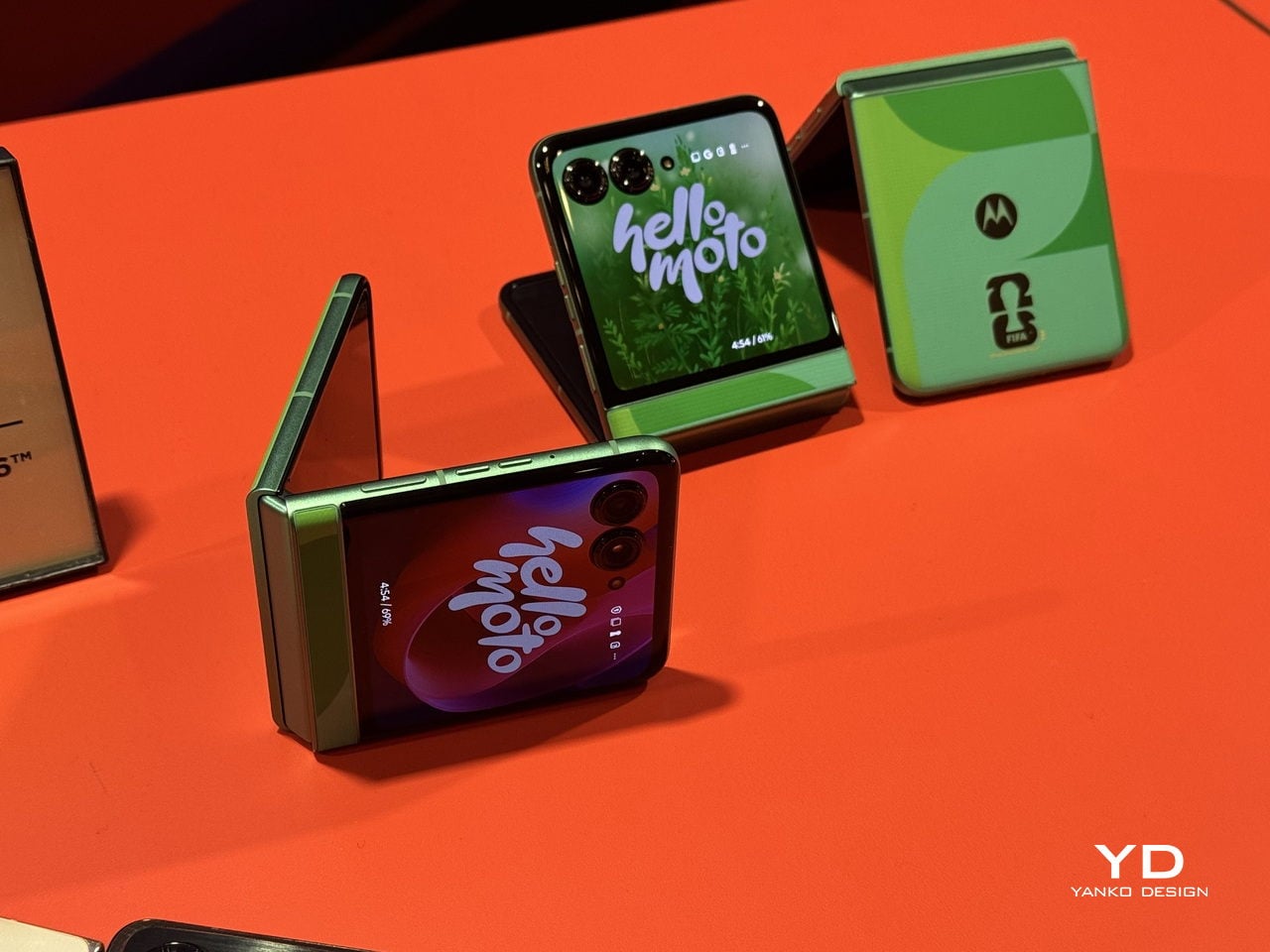
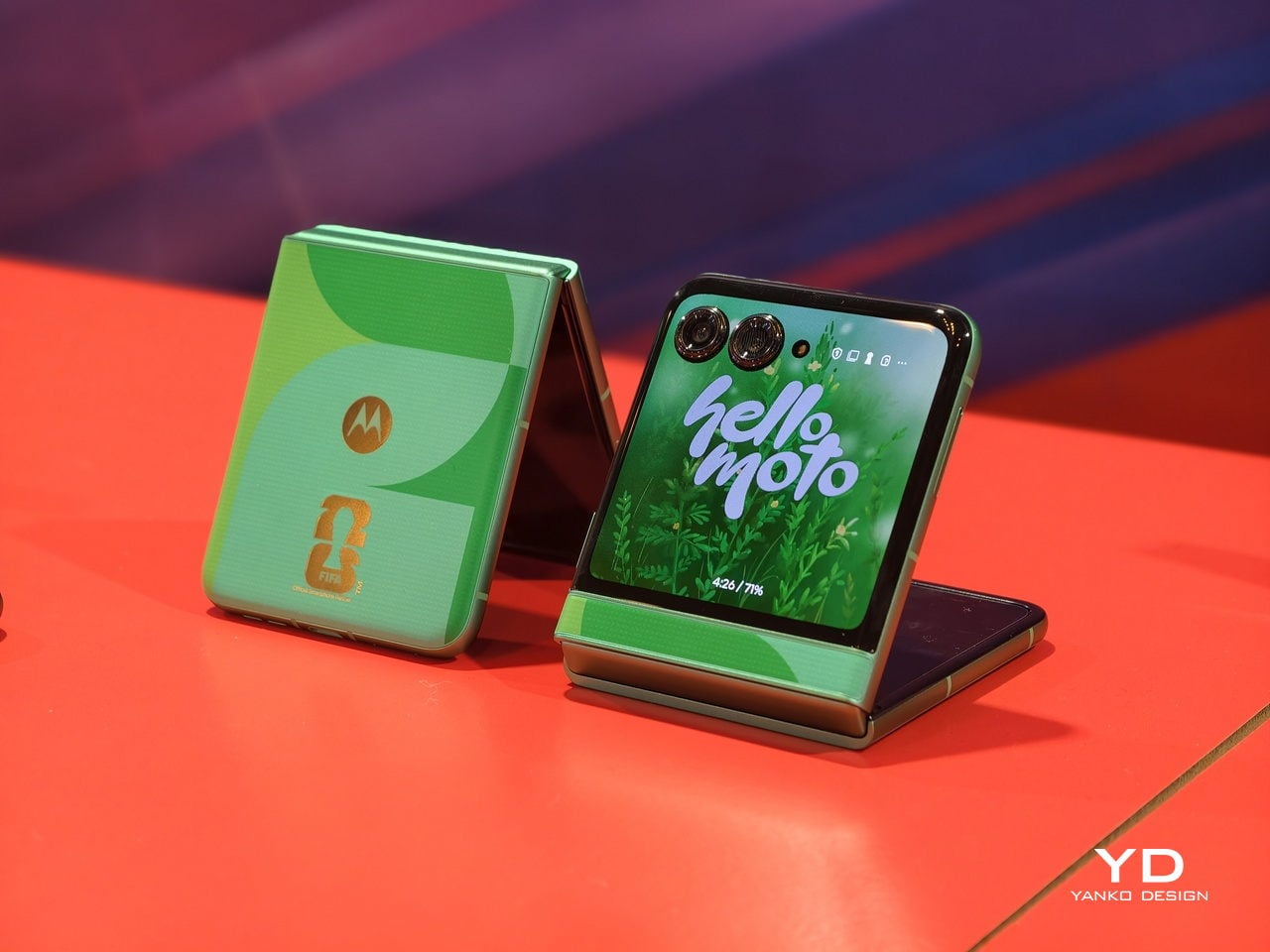
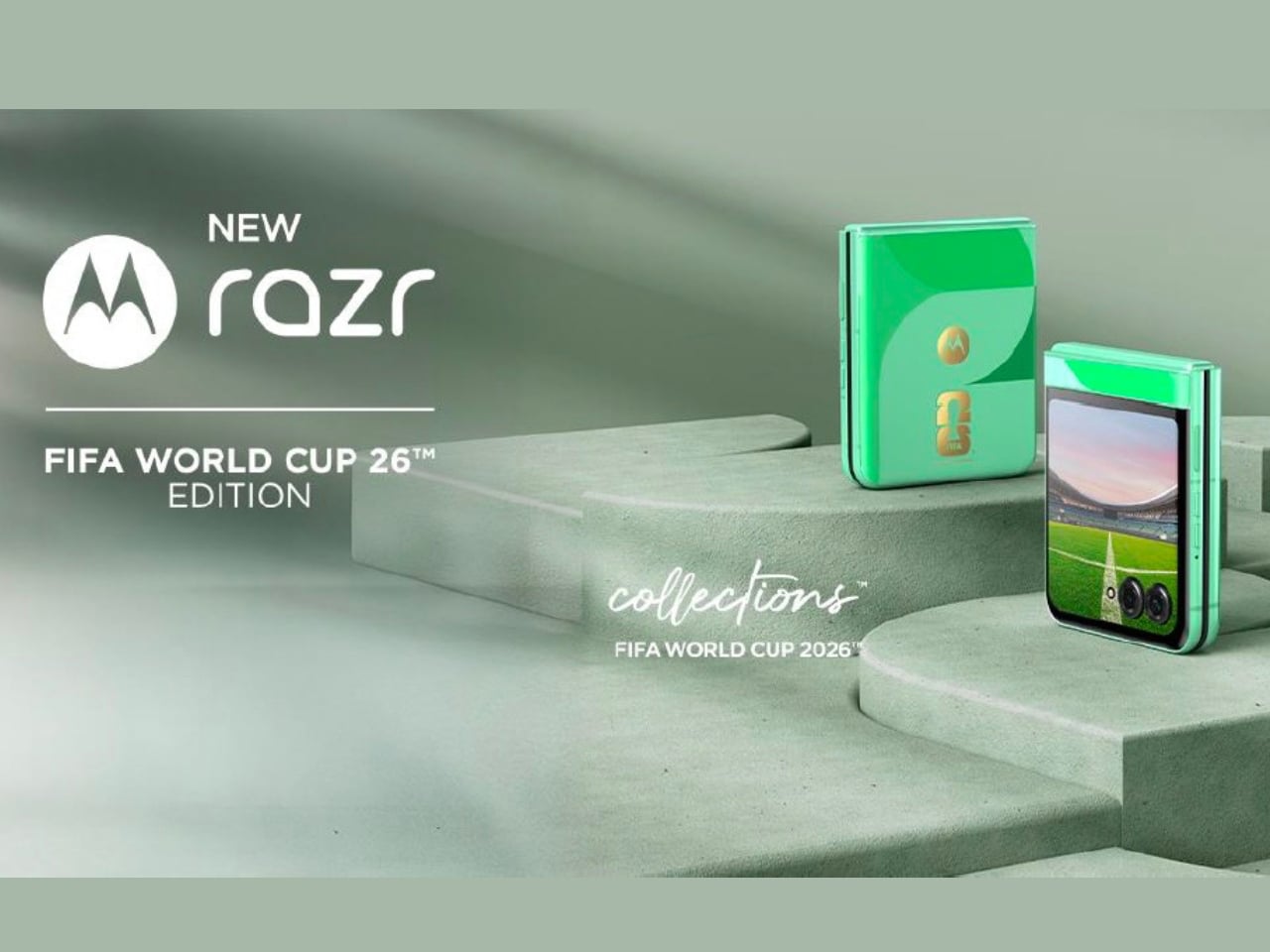
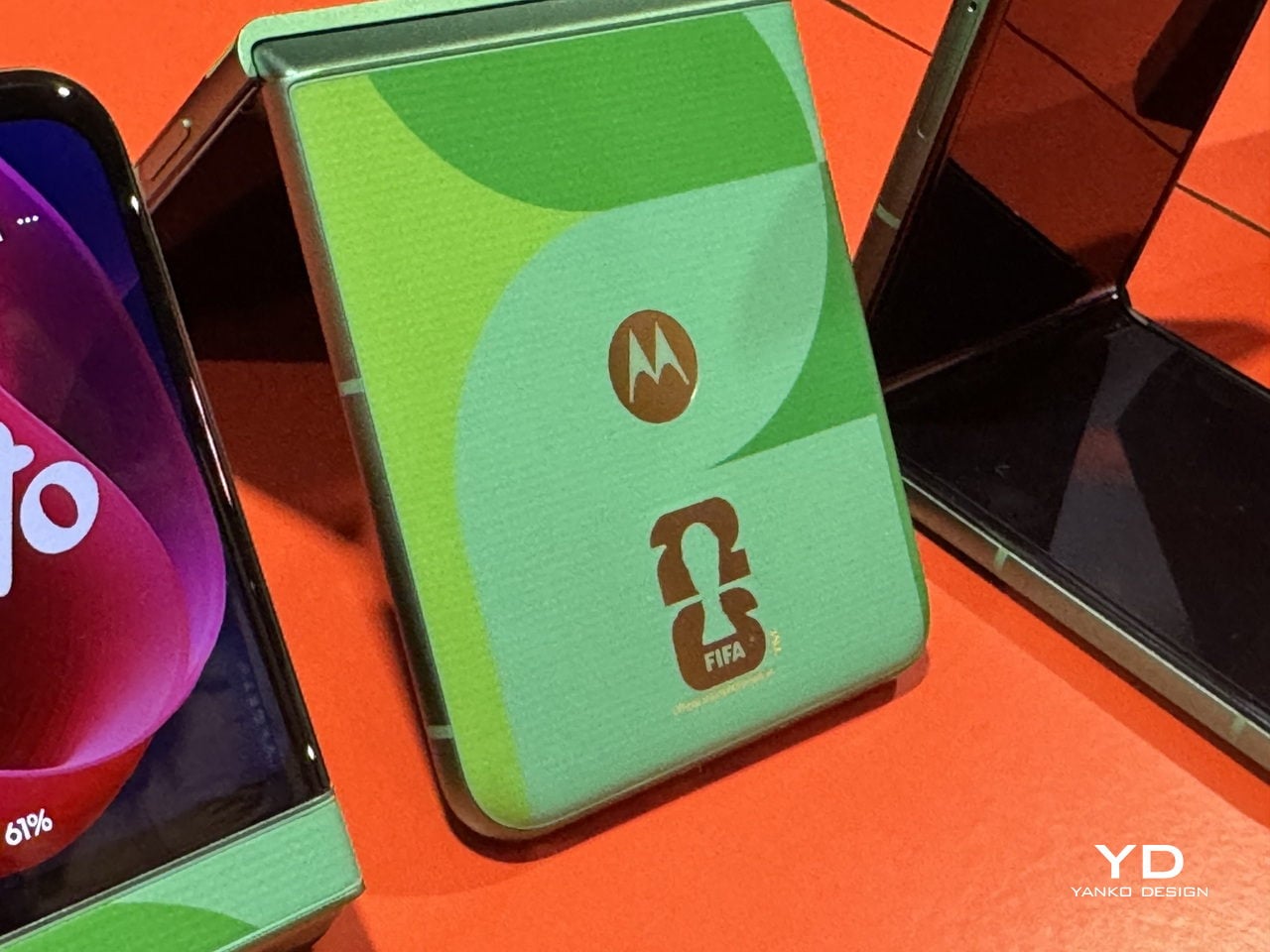
To celebrate the FIFA World Cup 2026, Motorola has introduced a special-edition Razr smartphone that blends football-inspired design with premium mobile technology. Created as a collectible device for fans of the tournament, the foldable phone features a vibrant green finish inspired by the football pitch, complemented by geometric graphics that symbolize movement, energy, and the global spirit of the World Cup. Exclusive FIFA-themed wallpapers, ringtones, and content further connect the device to the tournament, turning it into more than just a smartphone.
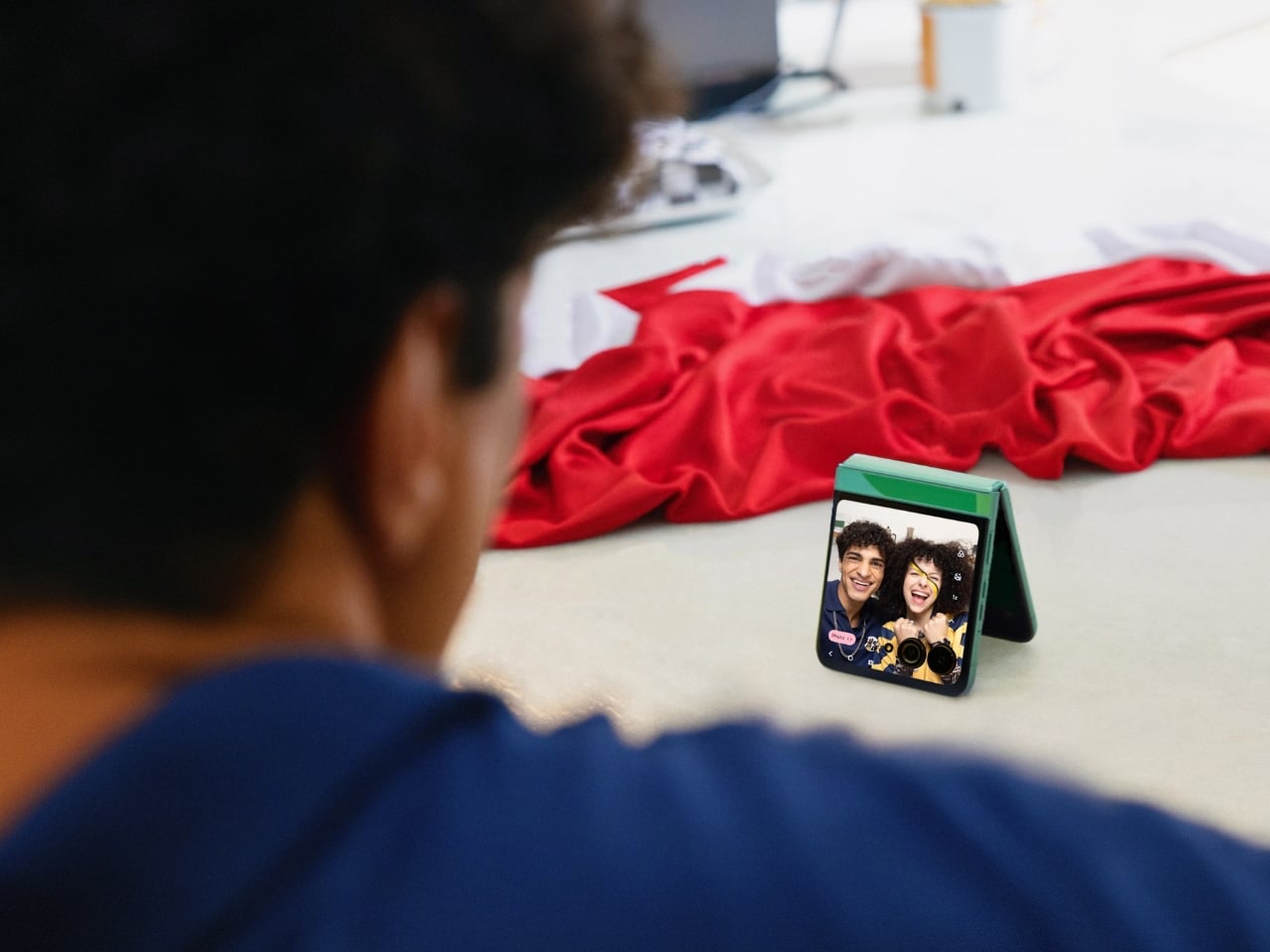
Alongside its distinctive World Cup branding, the device offers a range of features designed for modern entertainment and content creation. A large foldable AMOLED display, advanced camera system, durable construction, and long-lasting battery make it well-suited for watching matches, capturing memorable moments, and staying connected throughout the tournament. By combining cutting-edge technology with FIFA-inspired design elements, Motorola has created a product that reflects how the World Cup continues to influence consumer electronics and drive demand for limited-edition fan-focused experiences.
2. Sports-Inspired Technology Is Becoming More Expressive
Technology products are no longer designed solely around performance. Brands are increasingly incorporating sports-inspired aesthetics, symbolic forms, and tournament themes into everyday devices. This approach helps products stand out while strengthening their connection to global sporting culture.
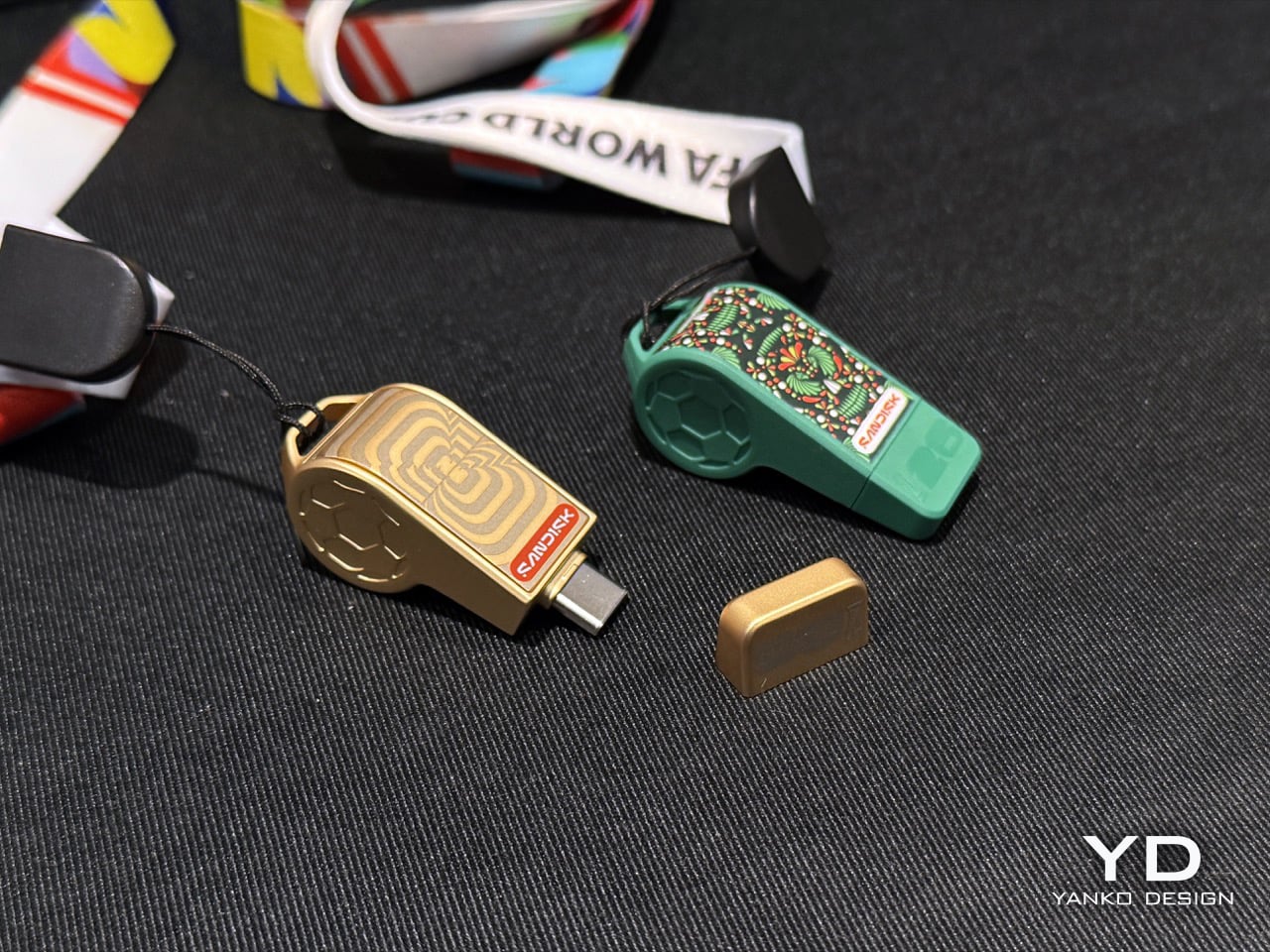
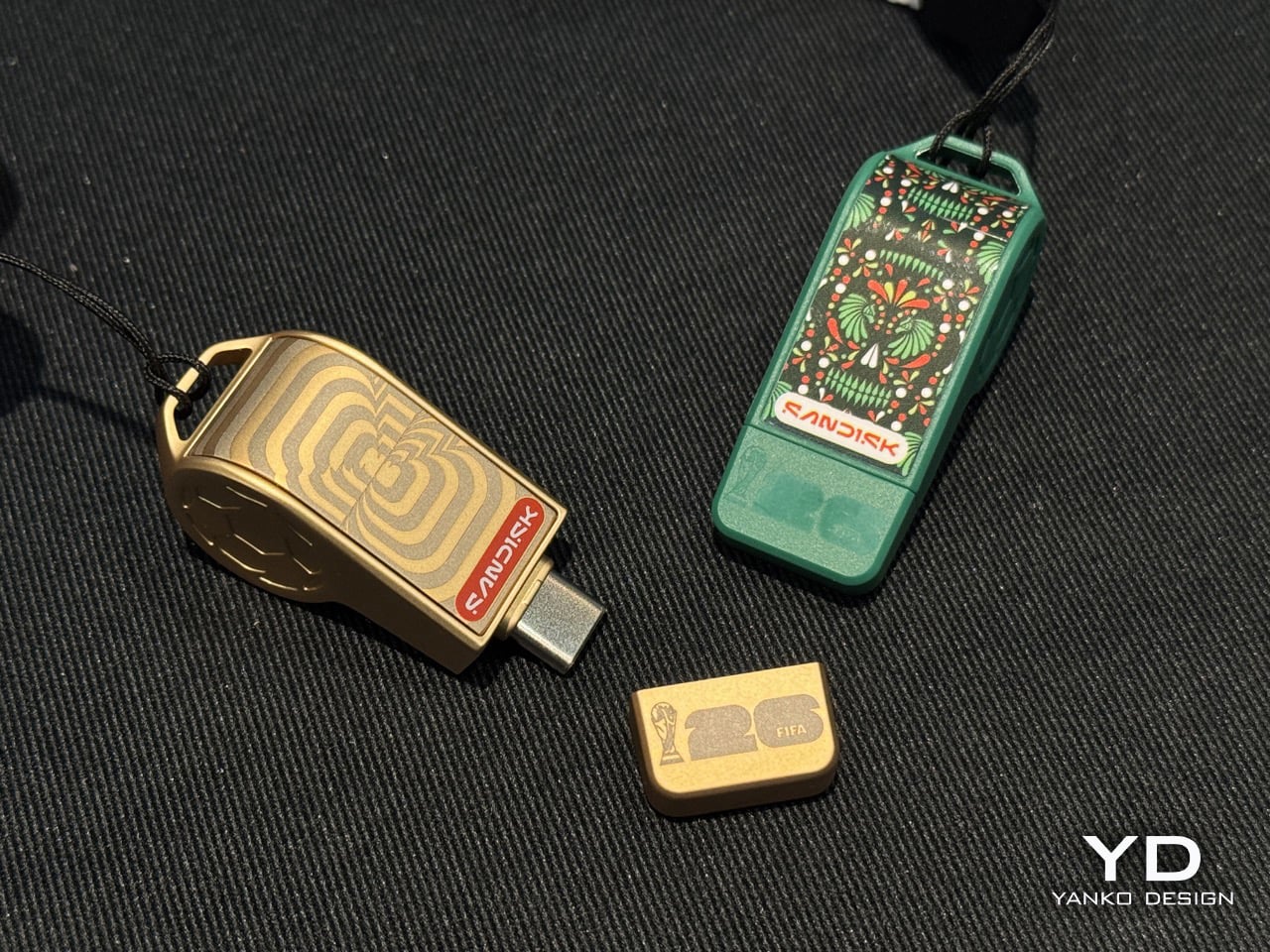
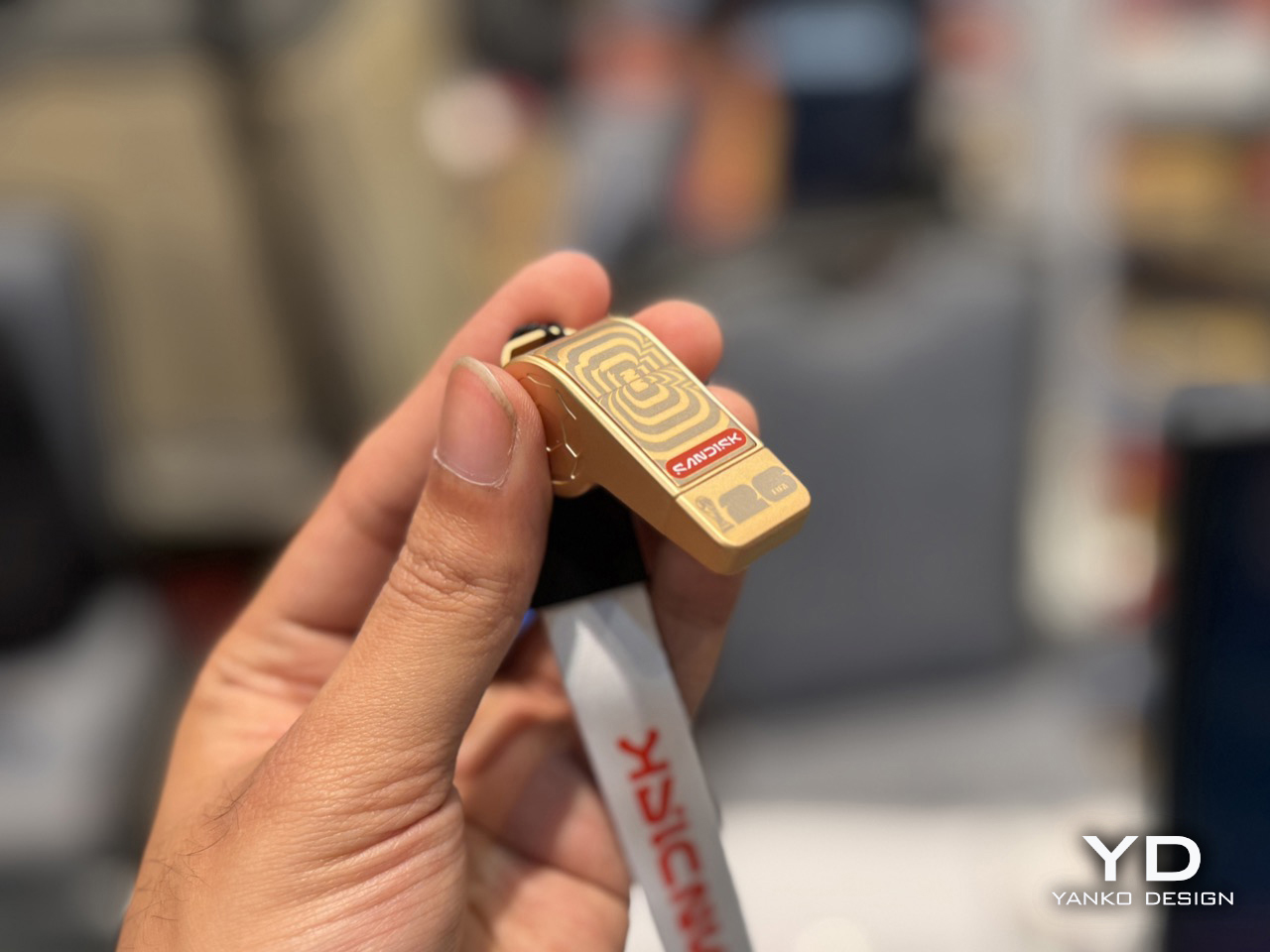
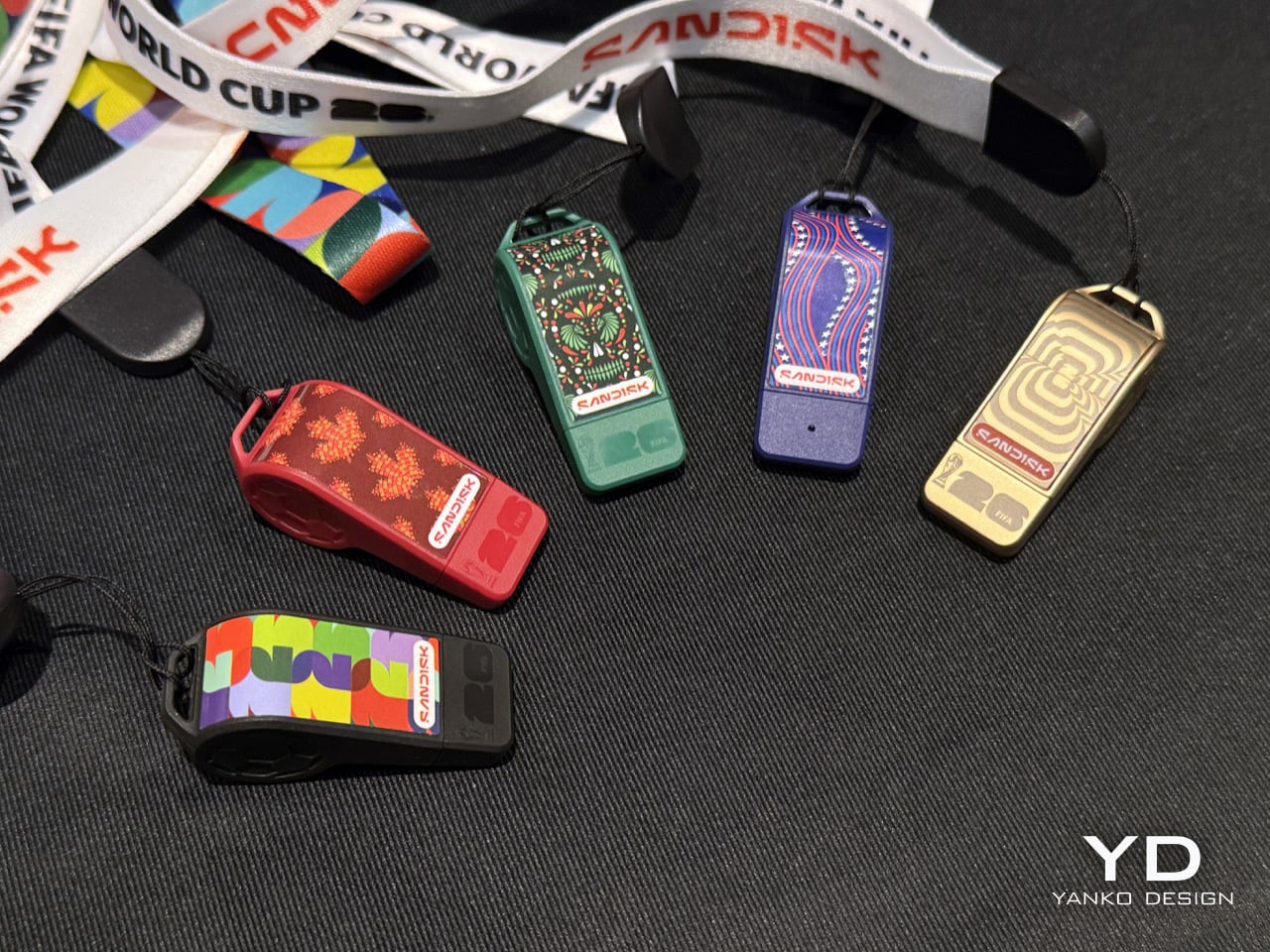
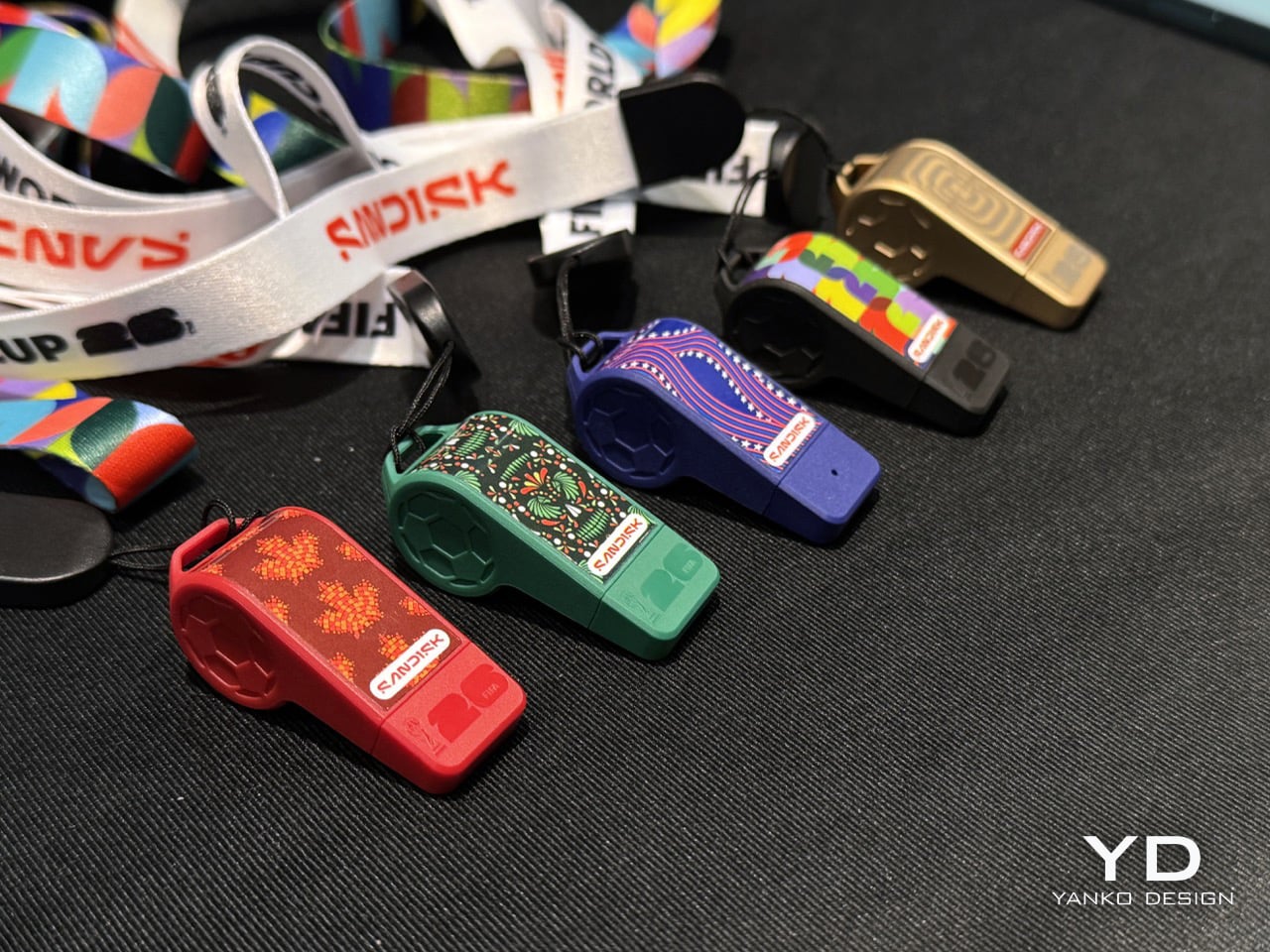
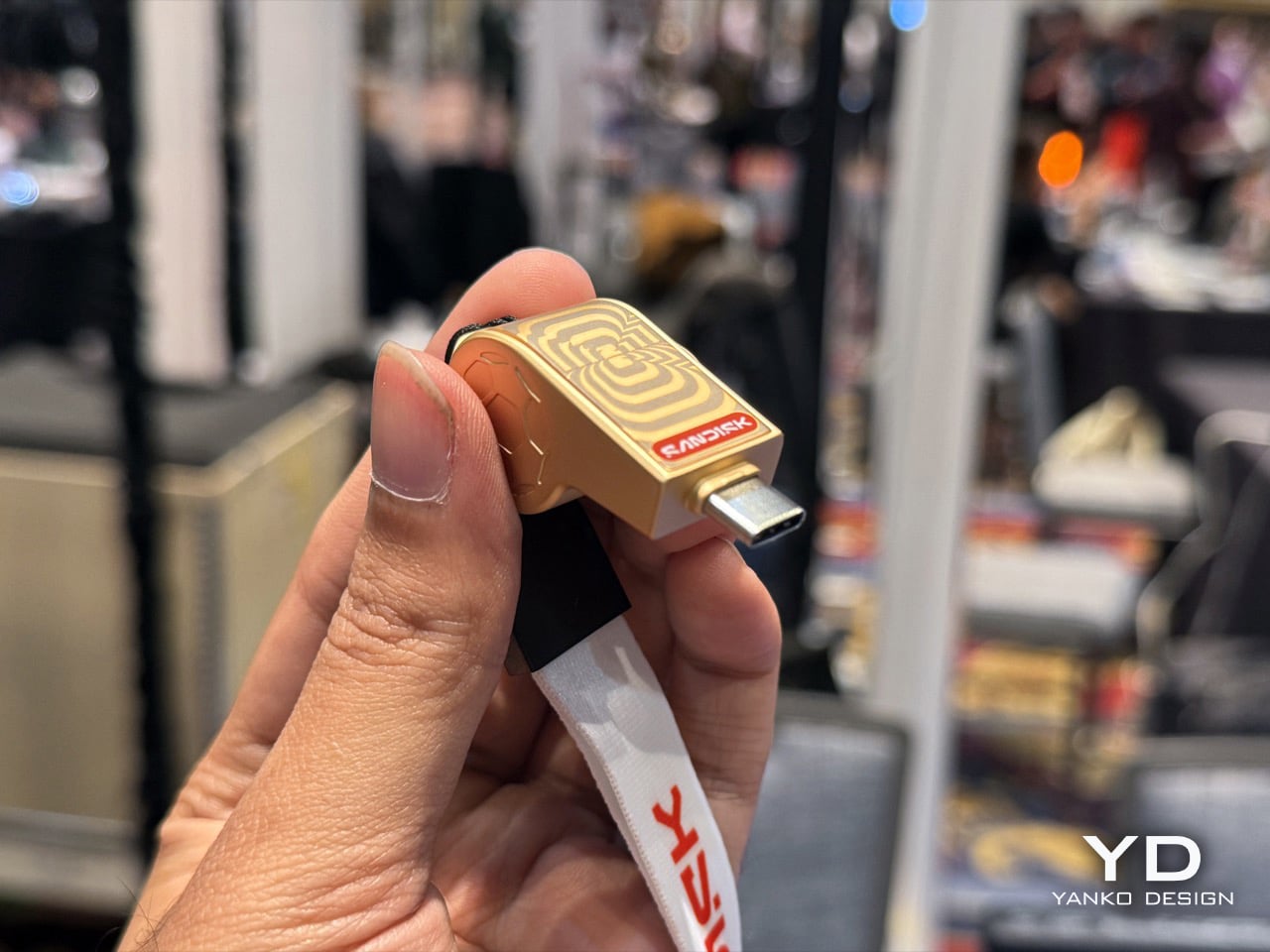
SanDisk has transformed a simple USB-C flash drive into a playful piece of FIFA-inspired merchandise with its whistle-shaped storage drive. Designed to resemble a referee’s whistle, the compact drive combines novelty and practicality, offering up to 128GB of storage in a highly recognizable form. Available in multiple colorways representing the World Cup host nations as well as universal editions for global fans, the device doubles as a wearable accessory due to its included lanyard.
Beyond its eye-catching design, the whistle drive serves as a fully functional storage solution compatible with smartphones, laptops, smart TVs, and gaming devices. The USB-C connector is cleverly concealed within the whistle body, creating a product that blends sports memorabilia with everyday technology. By disguising a flash drive as a familiar object, SanDisk has created a unique collectible that celebrates football culture while delivering practical utility for fans and tech enthusiasts alike.
3. Fan Engagement Is Driving Functional Innovation
Modern consumers want products that enhance how they experience major events. Designers are responding with practical innovations that make it easier to watch, record, share, and interact with sporting moments. Functionality is becoming a key part of fan-centered design.
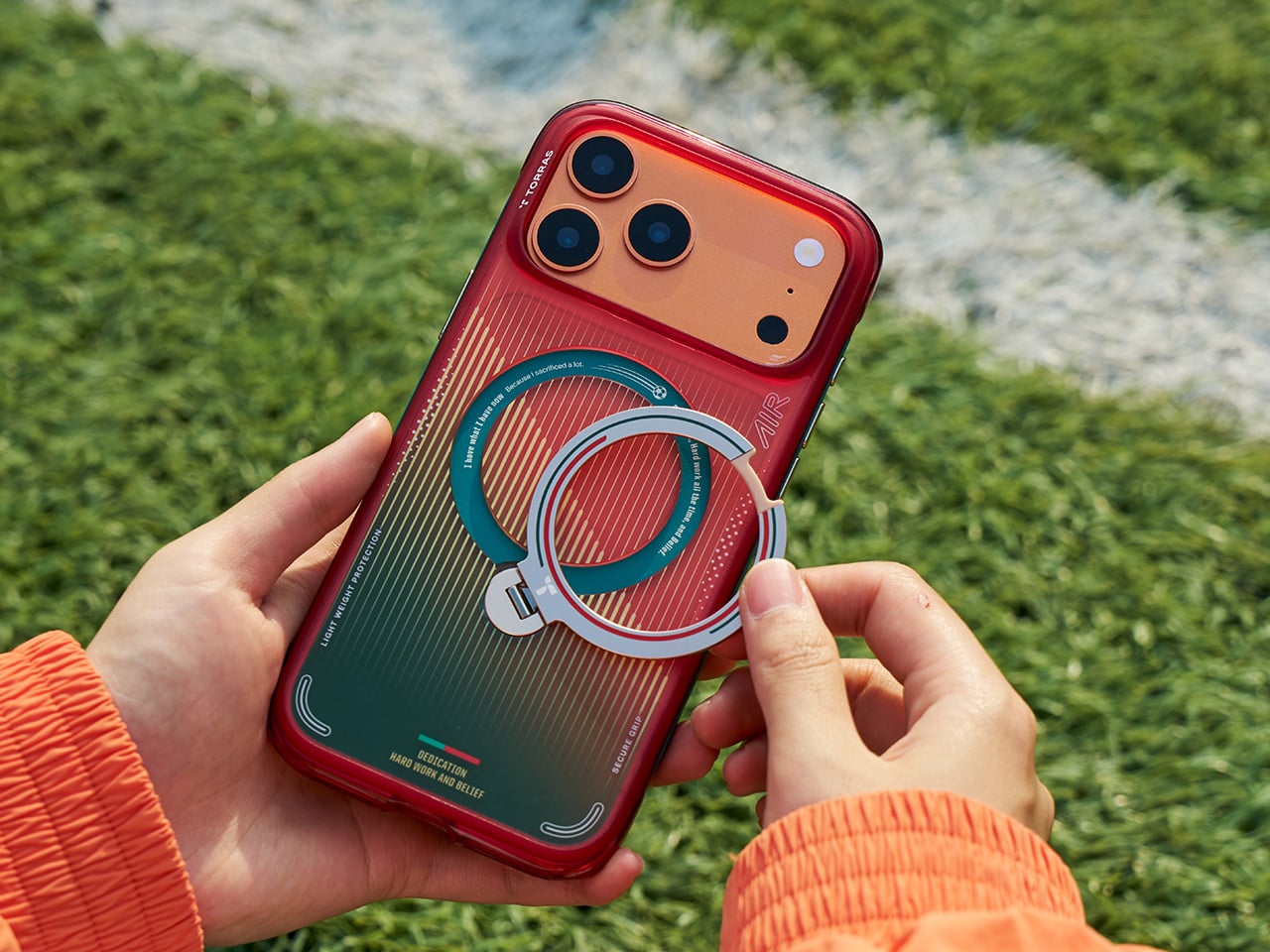
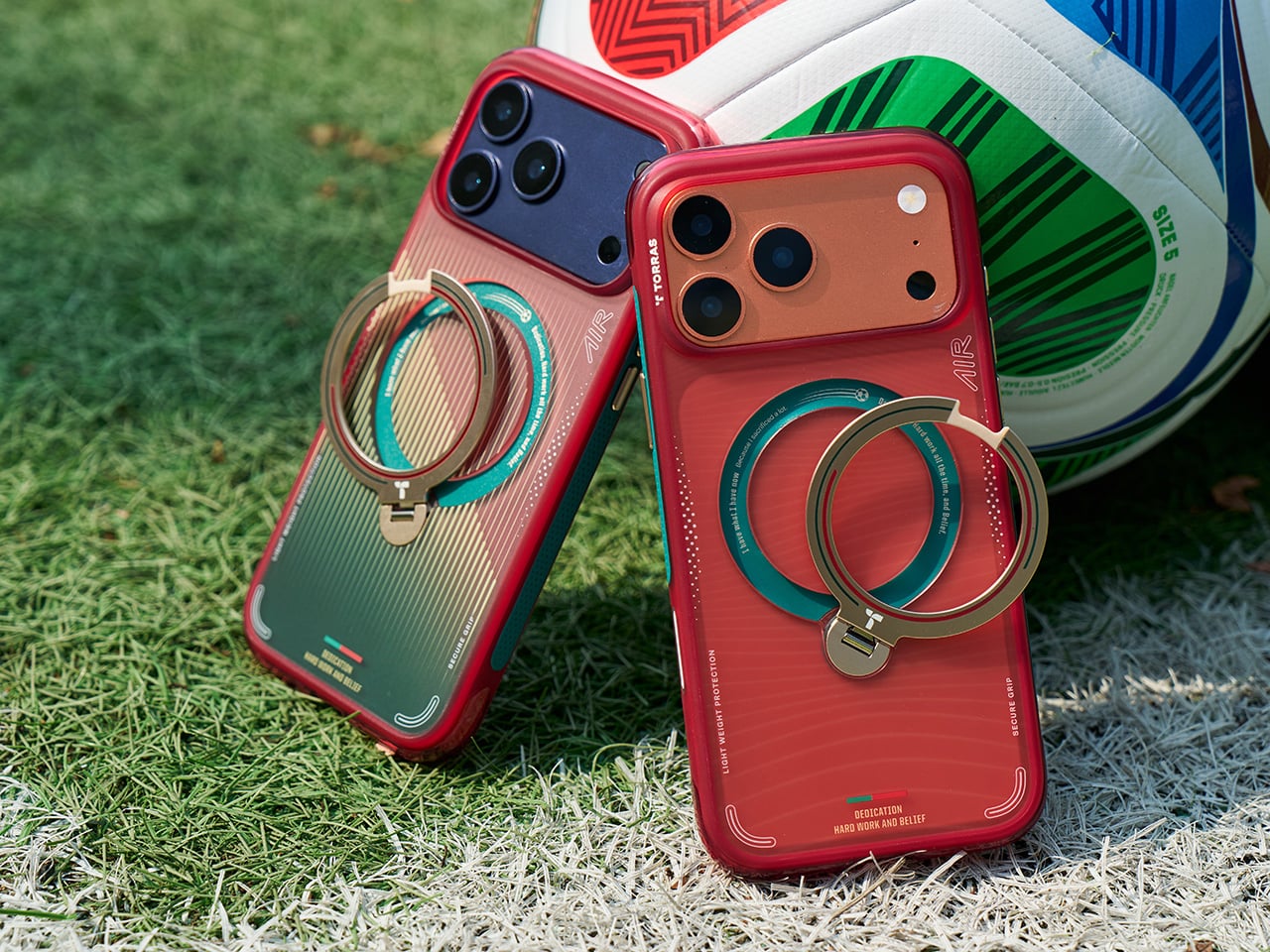
Created in partnership with the Portuguese Football Federation ahead of the FIFA World Cup 2026, the TORRAS Q3 Air Portugal National Football Team Edition transforms a smartphone case into a celebration of football culture. Inspired by Portugal’s national team colors, the case features a red-to-green gradient, gold accents, football-themed graphics, and the iconic Quinas crest. The design reflects the identity and heritage of Portuguese football while connecting fans to one of the tournament’s most anticipated teams.
Beyond its visual appeal, the case combines World Cup-inspired branding with practical functionality. It features TORRAS’ signature magnetic Ostand ring, which rotates and folds into a hands-free stand for viewing matches, recording content, or capturing memorable tournament moments. With MagSafe compatibility, military-grade drop protection, and a design tailored for football enthusiasts, the case seamlessly blends convenience, durability, and fan-focused style.
4. The World Cup Is Expanding Into Lifestyle and Pet Products
The influence of football now extends well beyond traditional merchandise. Brands are introducing lifestyle products that allow fans to express their enthusiasm in everyday settings, including products designed for pets, home environments, and personal accessories.
Adidas has expanded FIFA World Cup 2026 merchandise beyond traditional fan apparel with a collection of pet jerseys inspired by official national team kits. Designed for football-loving pet owners, the collection features miniature versions of the home jerseys of Argentina, Mexico, Colombia, and Japan. Each jersey incorporates recognizable team graphics, federation crests, and tournament-inspired details, allowing pets to become part of the World Cup celebration while reflecting the identity and spirit of their chosen nation.
The collection highlights how the World Cup is influencing lifestyle and pet product design, extending fan engagement into new categories. By adapting official team aesthetics for pets, adidas has created products that encourage shared experiences between fans and their companions during match-day gatherings and tournament celebrations.
5. Interactive and Experiential Products Are Growing in Popularity
Consumers increasingly seek products that offer immersive experiences instead of simple ownership. As a result, designers are creating interactive items that encourage participation, creativity, and deeper engagement with the World Cup story.
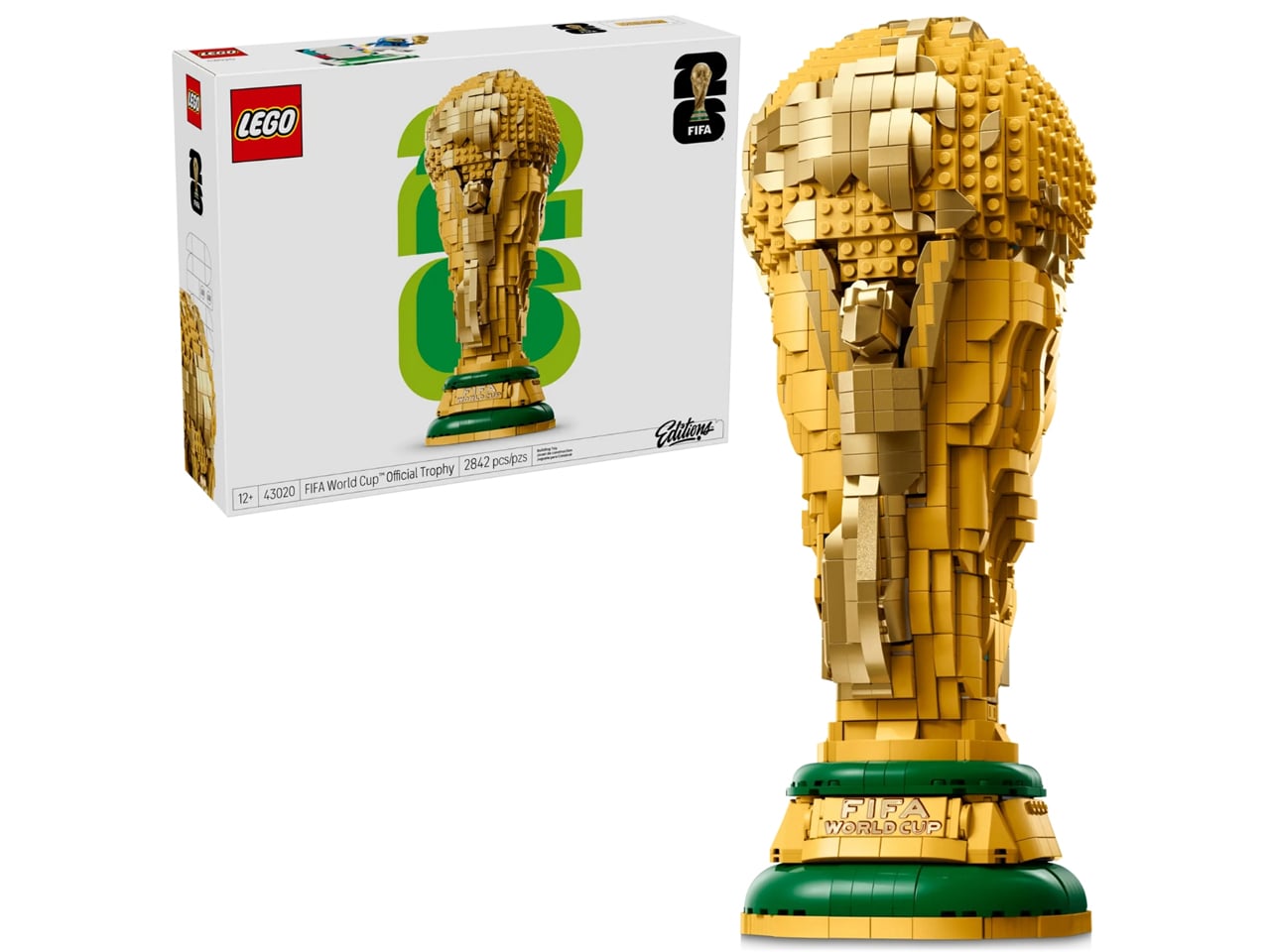
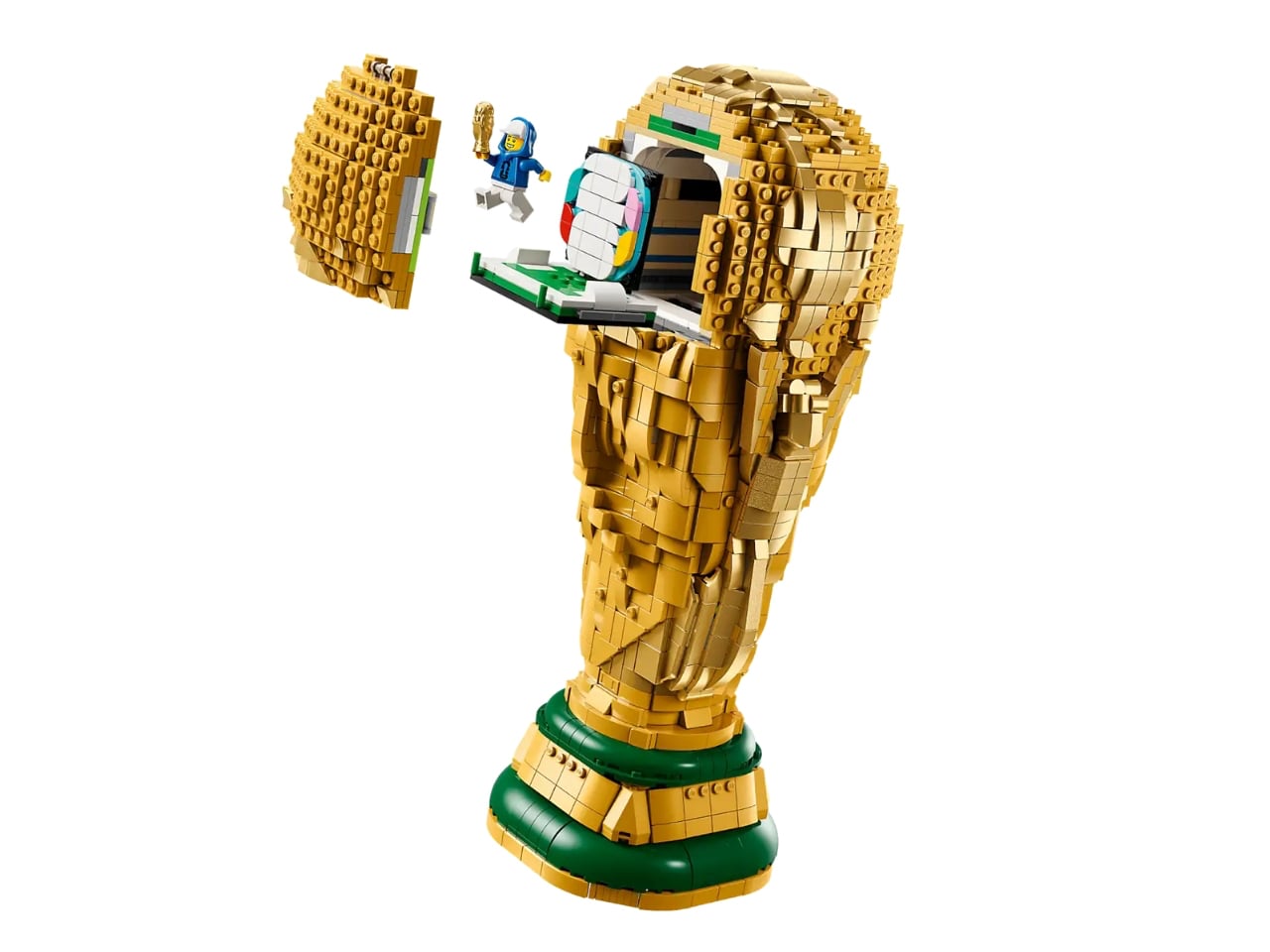
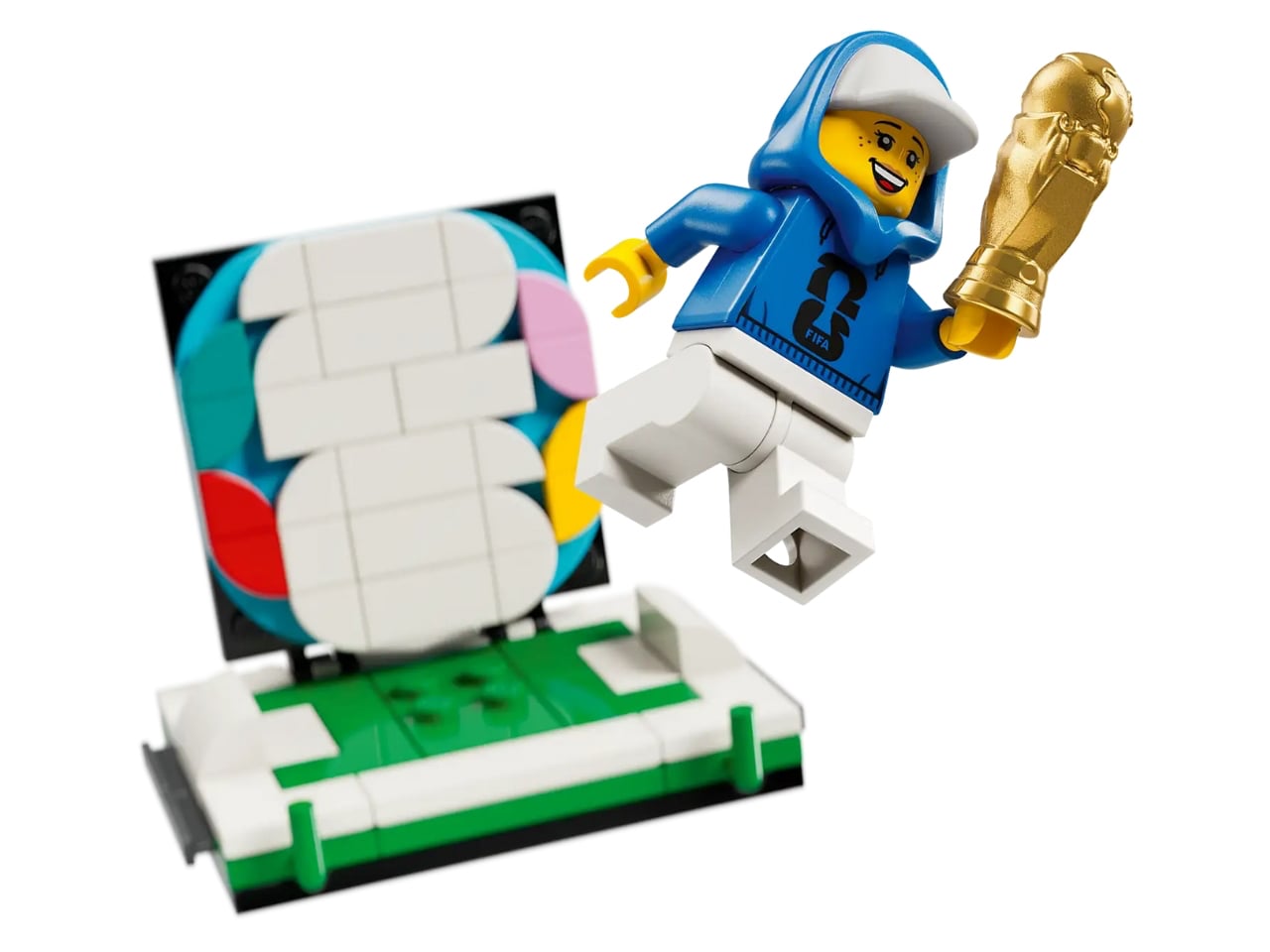
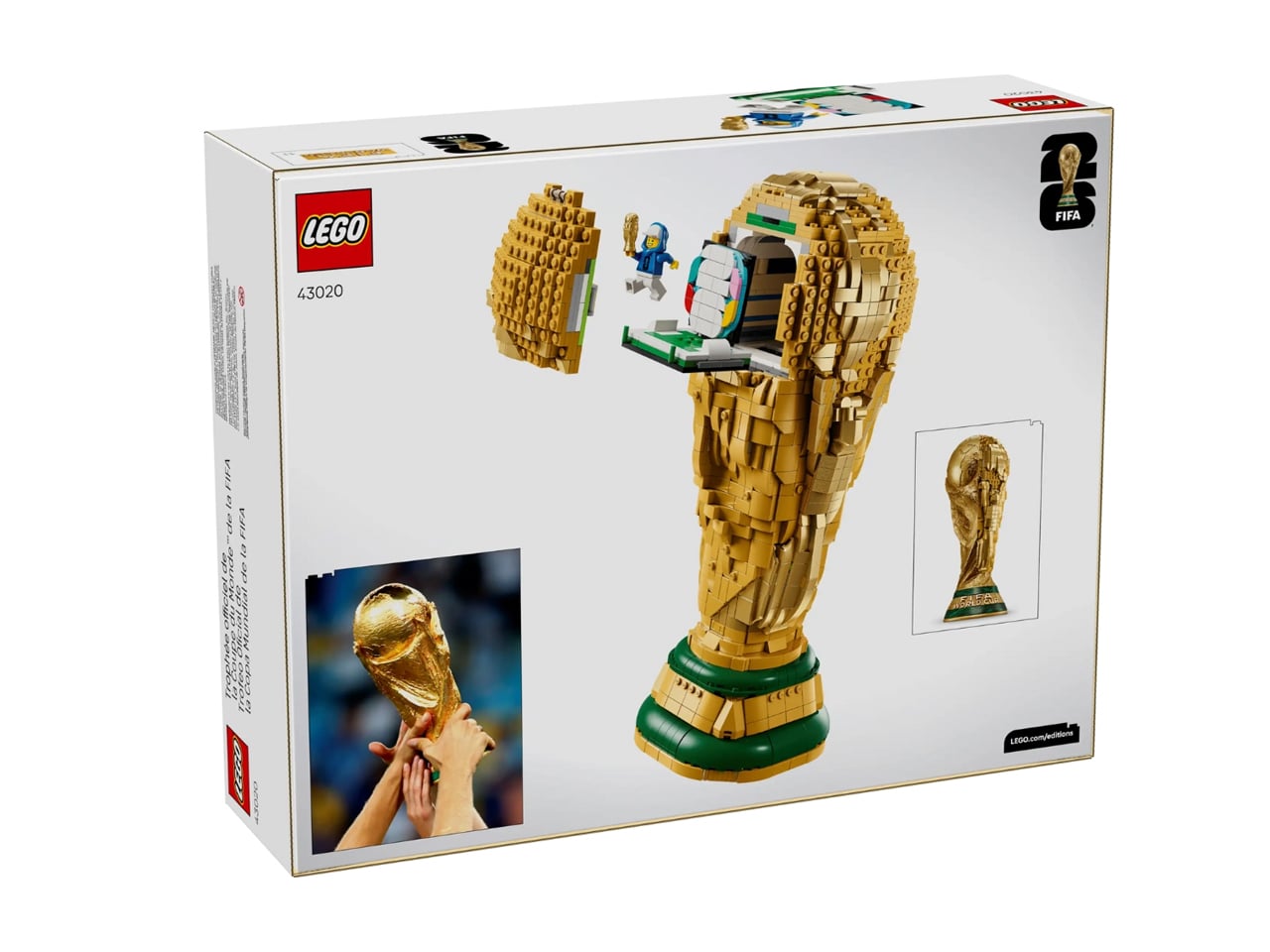
Created to celebrate the FIFA World Cup 2026, the LEGO FIFA World Cup Official Trophy set transforms one of sport’s most recognizable symbols into an immersive building experience. Consisting of 2,842 pieces, the model recreates the iconic trophy at an impressive scale, allowing football fans to own a detailed replica inspired by the tournament that will be hosted by the United States, Canada, and Mexico. Finished with gold-colored elements and authentic design details, the set captures the prestige and excitement associated with football’s biggest event.
More than a display piece, the collectible combines sports fandom with interactive design. The model features commemorative details, including references to past World Cup champions and hidden surprises that celebrate the 2026 tournament. By turning the famous trophy into a hands-on construction project, LEGO has created a product that extends the World Cup experience beyond the stadium, offering fans a memorable way to engage with the tournament while creating a centerpiece worthy of any football collection.
Global Events Are Becoming Powerful Design Inspiration
The World Cup indicates how major international events can influence product design across multiple categories. Brands are using the tournament as a source of inspiration to create products that blend innovation, identity, and entertainment. As fan expectations continue to evolve, event-driven design is likely to become an even more significant force shaping future consumer products.
The FIFA World Cup is no longer just a sporting spectacle as it has become a catalyst for product innovation. From technology and collectibles to lifestyle accessories and interactive experiences, brands are leveraging football’s global appeal to create products that resonate with fans long after the final whistle.
There are television theme songs that live in your nervous system long after the show has faded from memory. “Bob the Builder, can we fix it? Bob the Builder, yes we can!” is one of them, an earworm so potent that even reading those words probably just triggered a full playback somewhere in your brain. The show itself ran from 1998 well into the 2000s, following Bob and his sentient, goggle-eyed construction fleet through a series of building projects that always, reassuringly, got finished on time. It was comfort television before comfort television had a name, the kind of show that made Saturday mornings feel genuinely safe and warm.
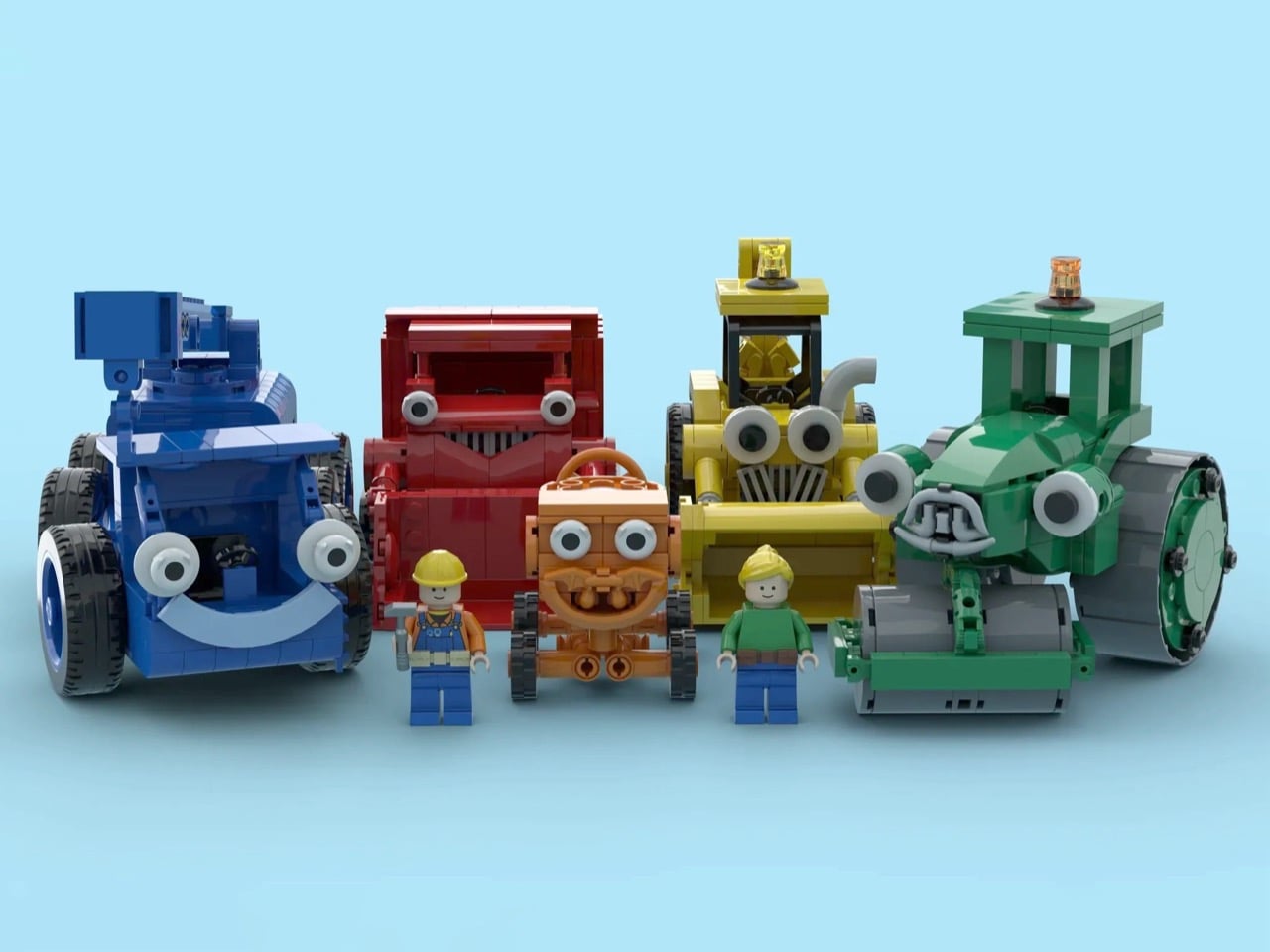
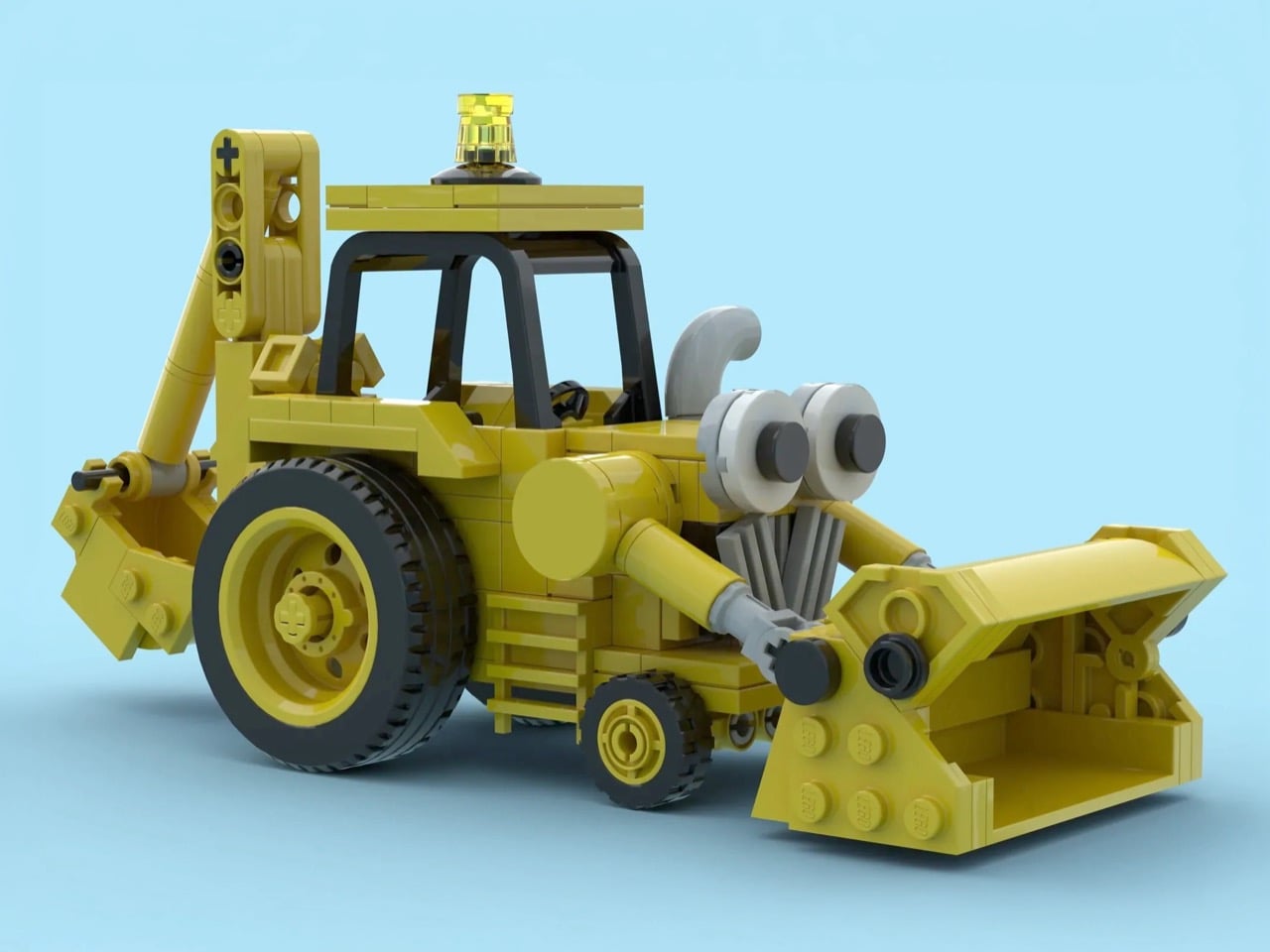
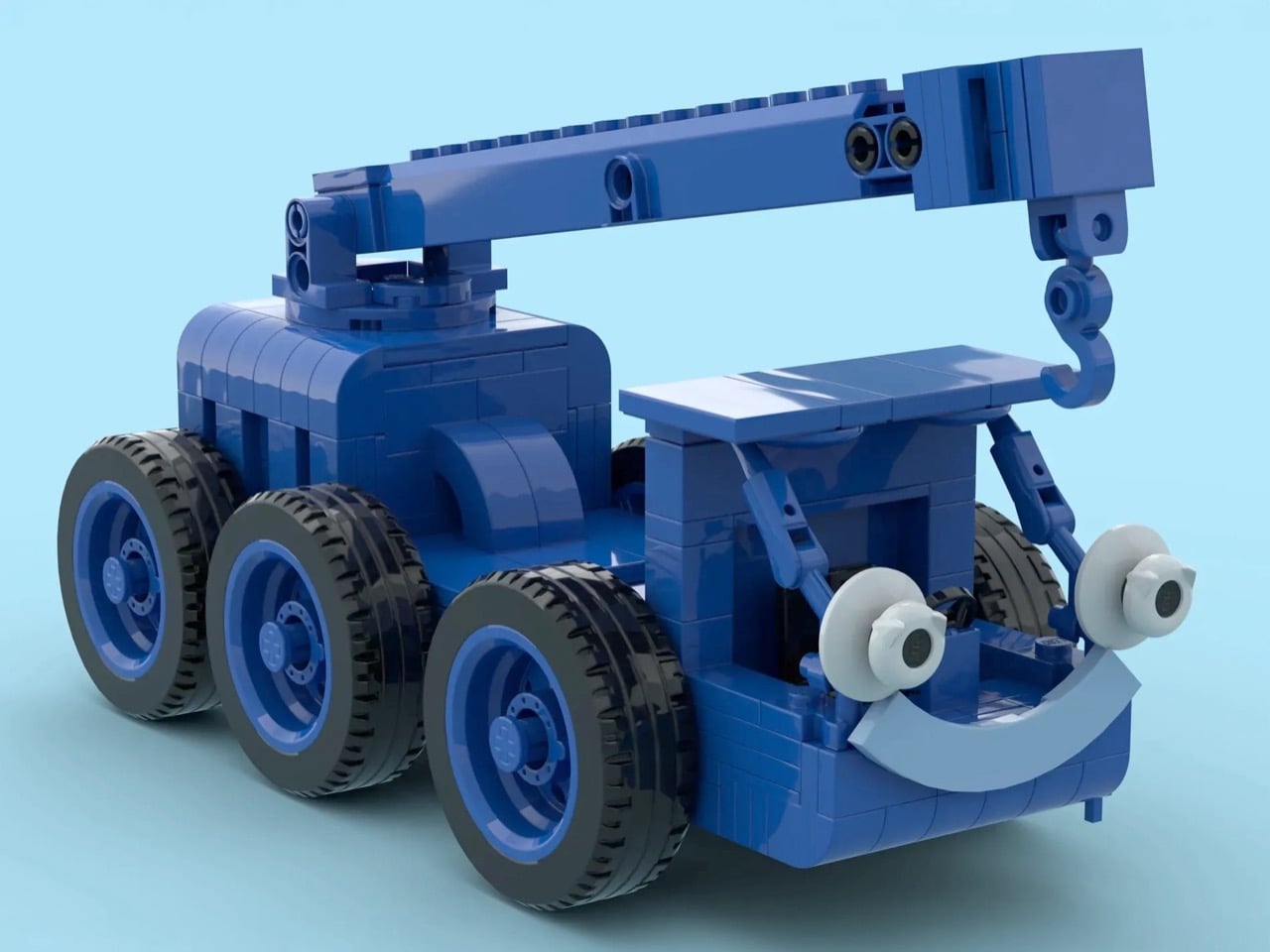
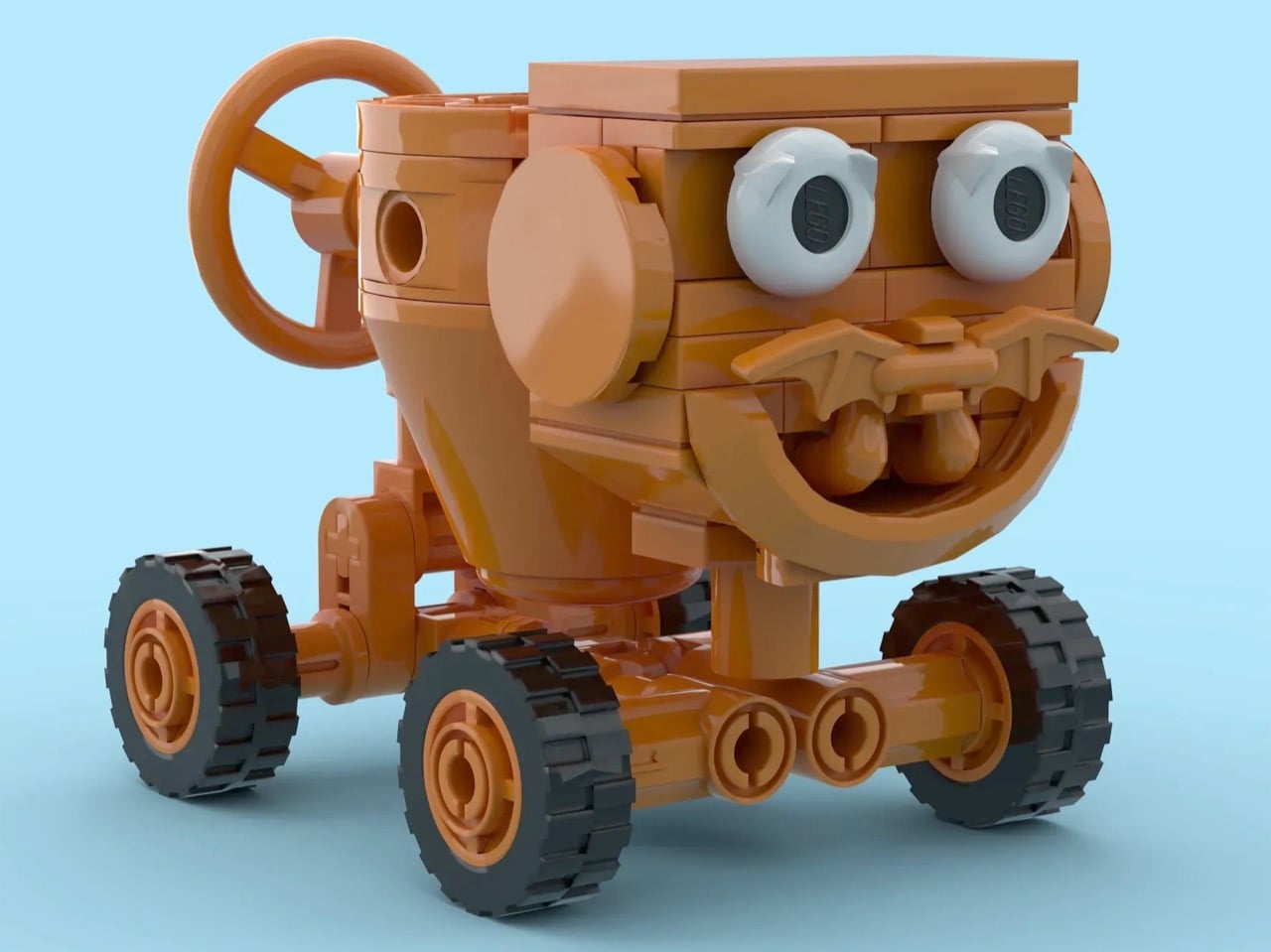
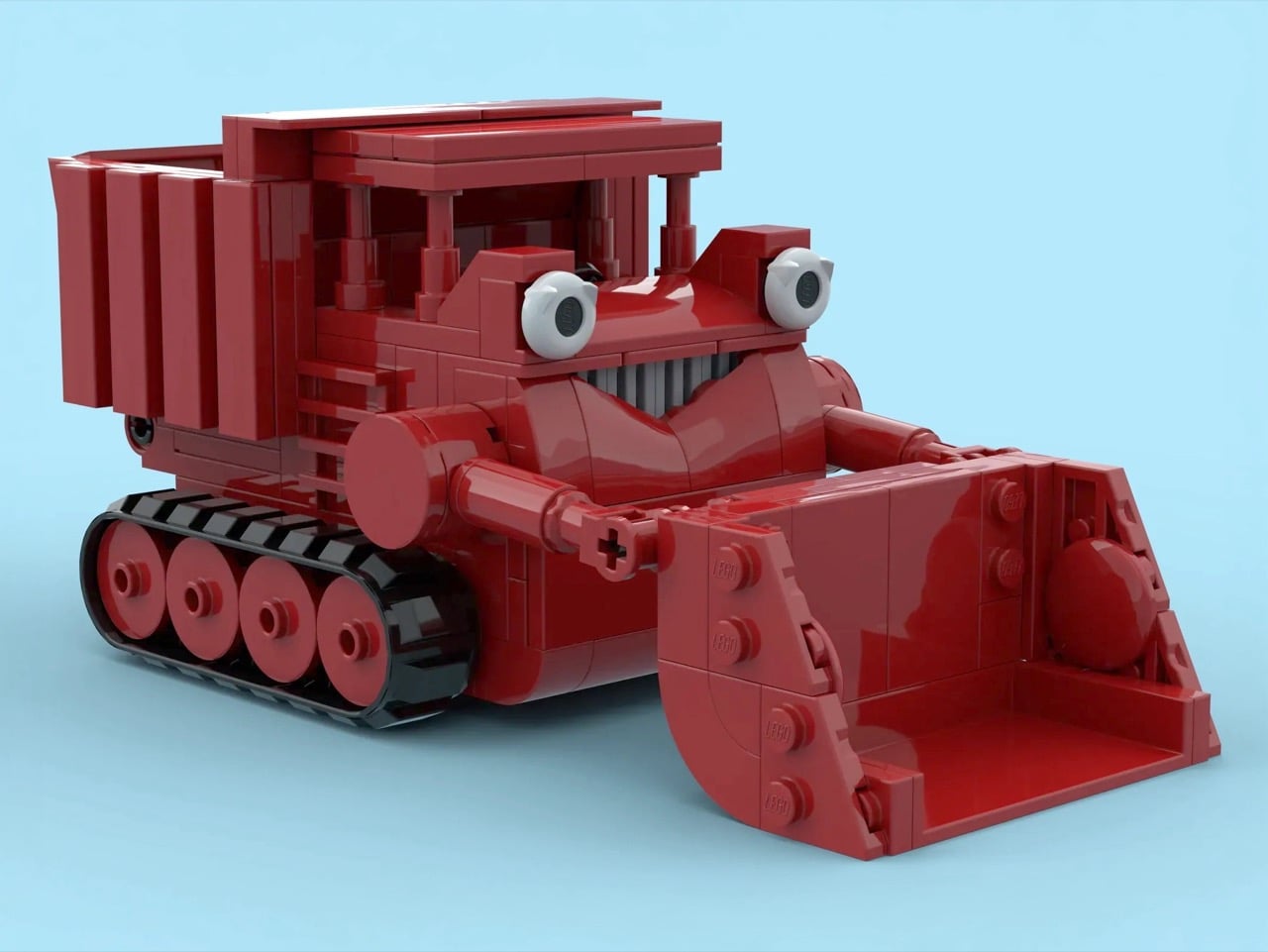
Someone has now translated that comfort into 1,050 bricks. The Half Blood Baron’s LEGO Ideas submission recreates the full cast of Bob’s construction yard, with five individual vehicles and minifigures of Bob and Wendy, each built to be displayed together or played with separately. The result is one of those rare fan builds that earns its nostalgia rather than just trading on it.
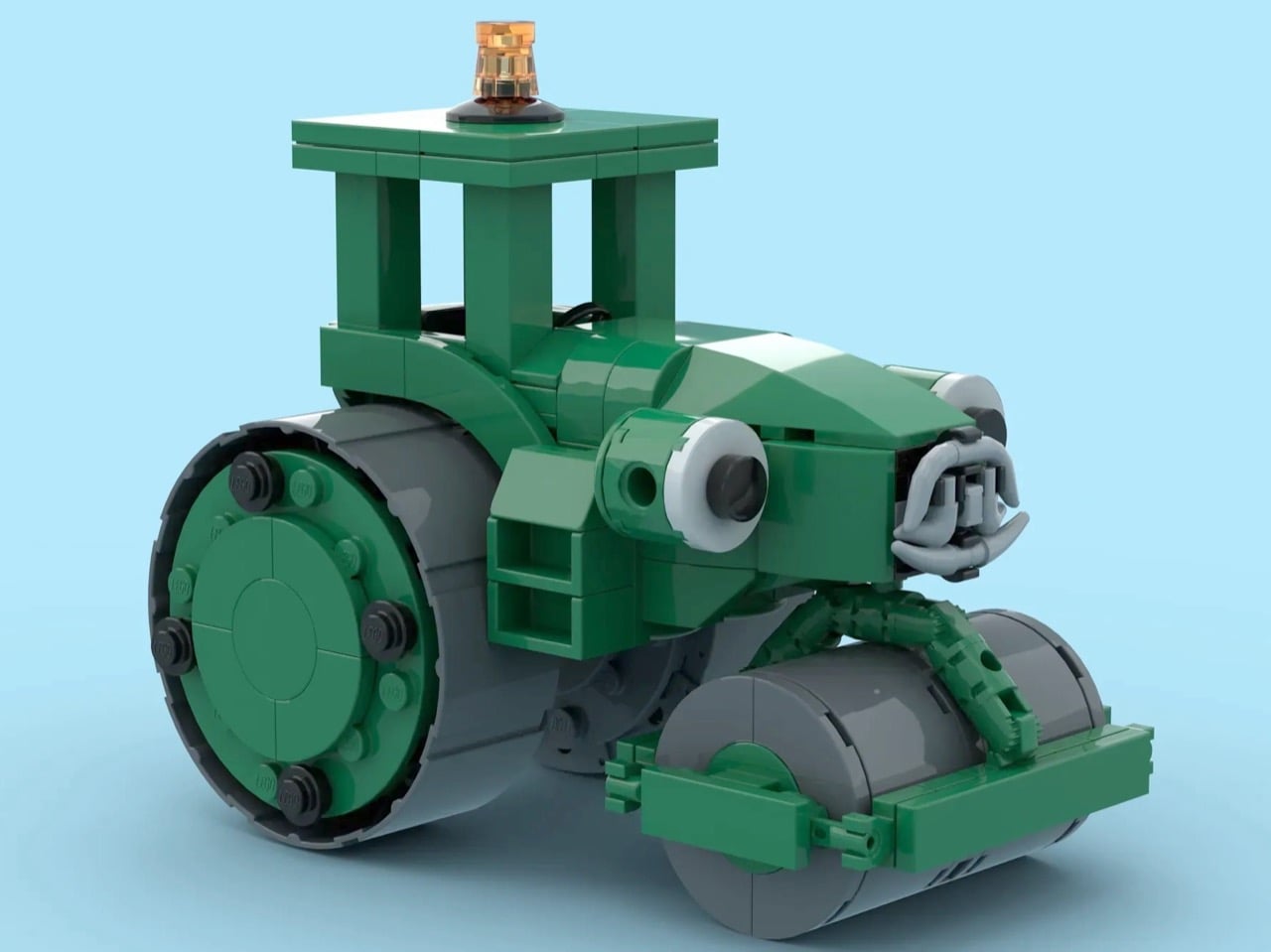
The five vehicles are where the real craft lives. Scoop, the yellow backhoe loader, is probably the most technically accomplished of the group, with both a front bucket and a rear boom arm rendered with real articulation, plus a cab interior detailed enough to include a tiny steering wheel. Muck, the red tracked dumper, uses LEGO tank tread elements for the continuous track system, and the grille treatment on his face, rows of grey bars forming that wide, slightly manic grin, is surprisingly expressive for something assembled from plastic bricks. Roley, the green road roller, has that chunky, purposeful silhouette nailed, with the compactor drum sitting correctly up front and an open cab frame topped with an amber warning light that construction nerds will immediately recognize as period-accurate.
My favorite of the five, though, is Lofty. The blue mobile crane rides on a six-wheel chassis that gives him that wide, stable, slightly nervous presence the character always had on screen, and the boom arm actually extends and terminates in a proper hook. There is something genuinely satisfying about a LEGO crane that has a working hook. It is a small detail that costs the builder real problem-solving effort in terms of part selection and geometry, and it pays off every time you look at it. Dizzy, the orange cement mixer, rounds out the fleet with an oversized toothy grin that is probably the most faithful character likeness in the whole set, the rotating drum body translating into bricks with an almost uncanny accuracy.
The two minifigures, Bob in his dungarees and yellow hard hat and Wendy in her green top, sit comfortably in scale with the vehicles, small enough to look like operators rather than giants. I guess LEGO lends itself beautifully to the franchise too, which has a similar plastic minifigure design – the result is LEGOnBob and Wendy looking almost exactly like the original. The builder notes that every vehicle is built to be both displayed and played with, which is exactly the right call for a set that needs to work for nostalgic adults and actual children in equal measure.
The Half Blood Baron’s Bob the Builder set is currently gathering votes on LEGO Ideas, the online platform where fan-made MOCs (My Own Creations) accumulate community support toward a 10,000-vote threshold, after which LEGO’s internal team reviews the build for potential production as a retail set. With 1,172 supporters so far and 561 days left on the clock, there is plenty of runway. If your Saturday mornings once belonged to Sunflower Valley, head over and cast your vote here.
Tai Lung might be the best villain DreamWorks Animation ever put on screen. Not because he’s the most powerful, or the most menacing, but because his grievance is genuinely sympathetic. He trained his entire life to receive the Dragon Scroll, was denied it by the master who raised him, and then spent years chained in a mountain prison nursing a rage that was, arguably, justified. The film never quite lets you root for him, but it absolutely lets you understand him, which is a far harder thing to pull off in a children’s animated movie.
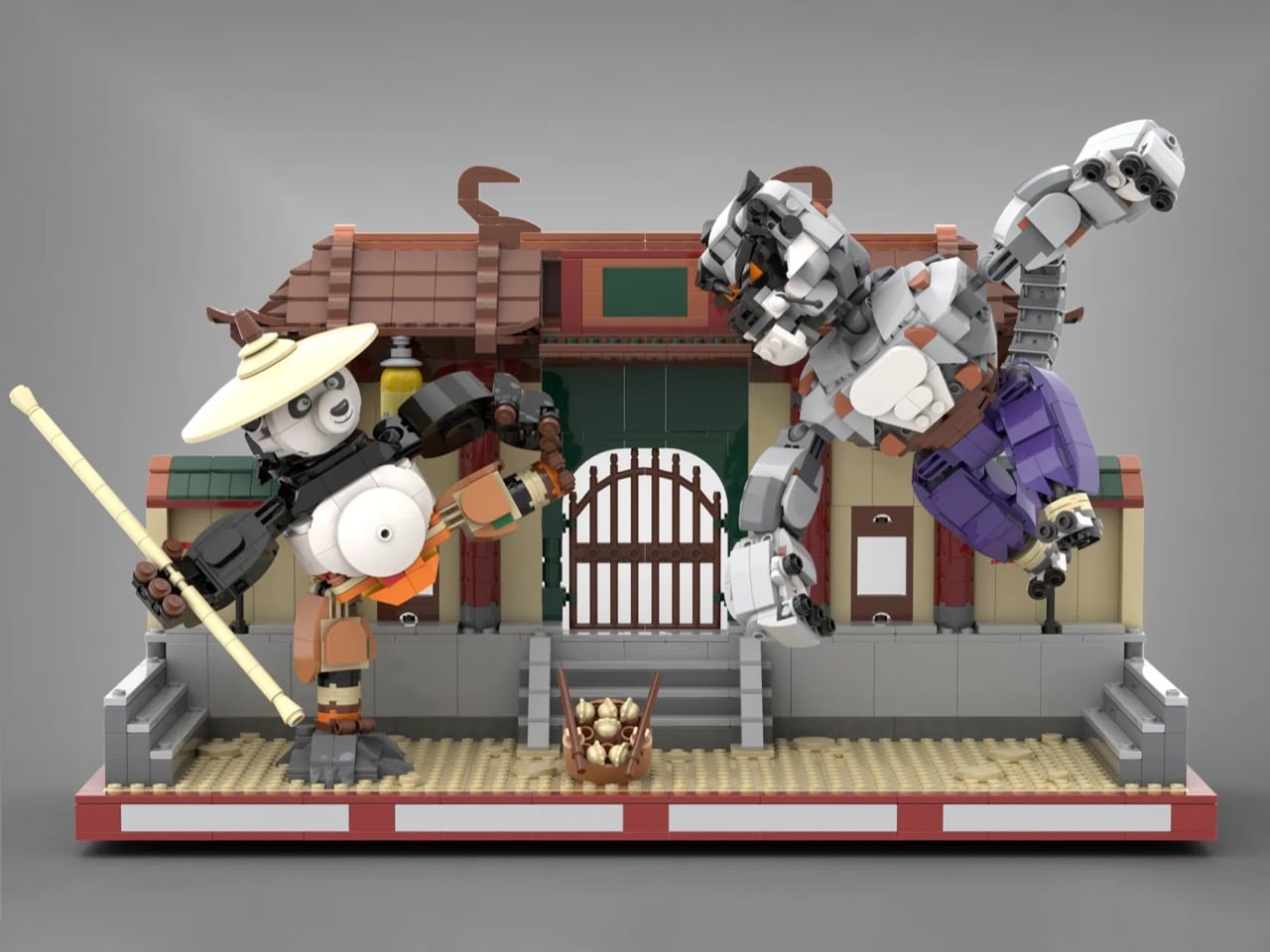
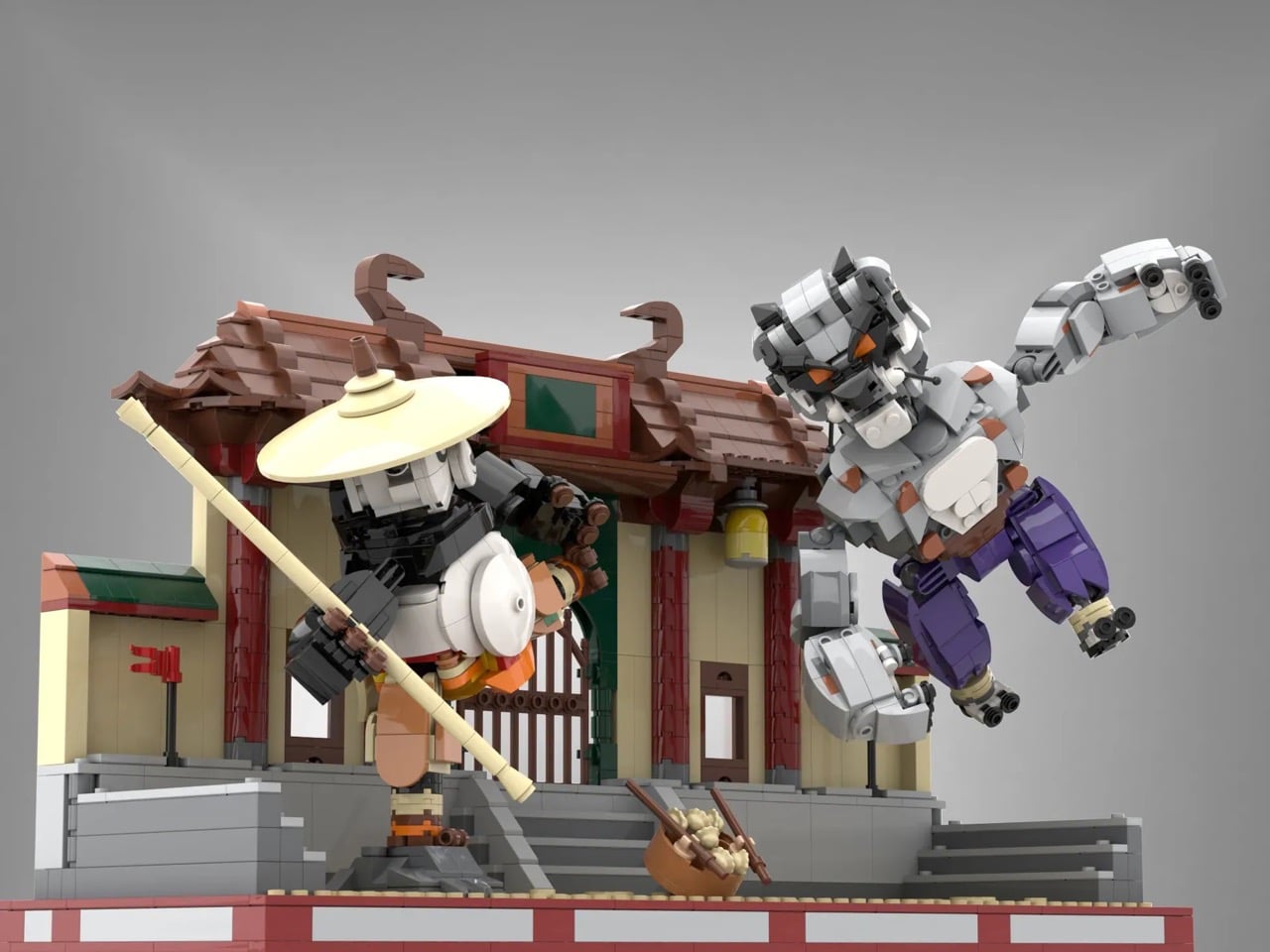
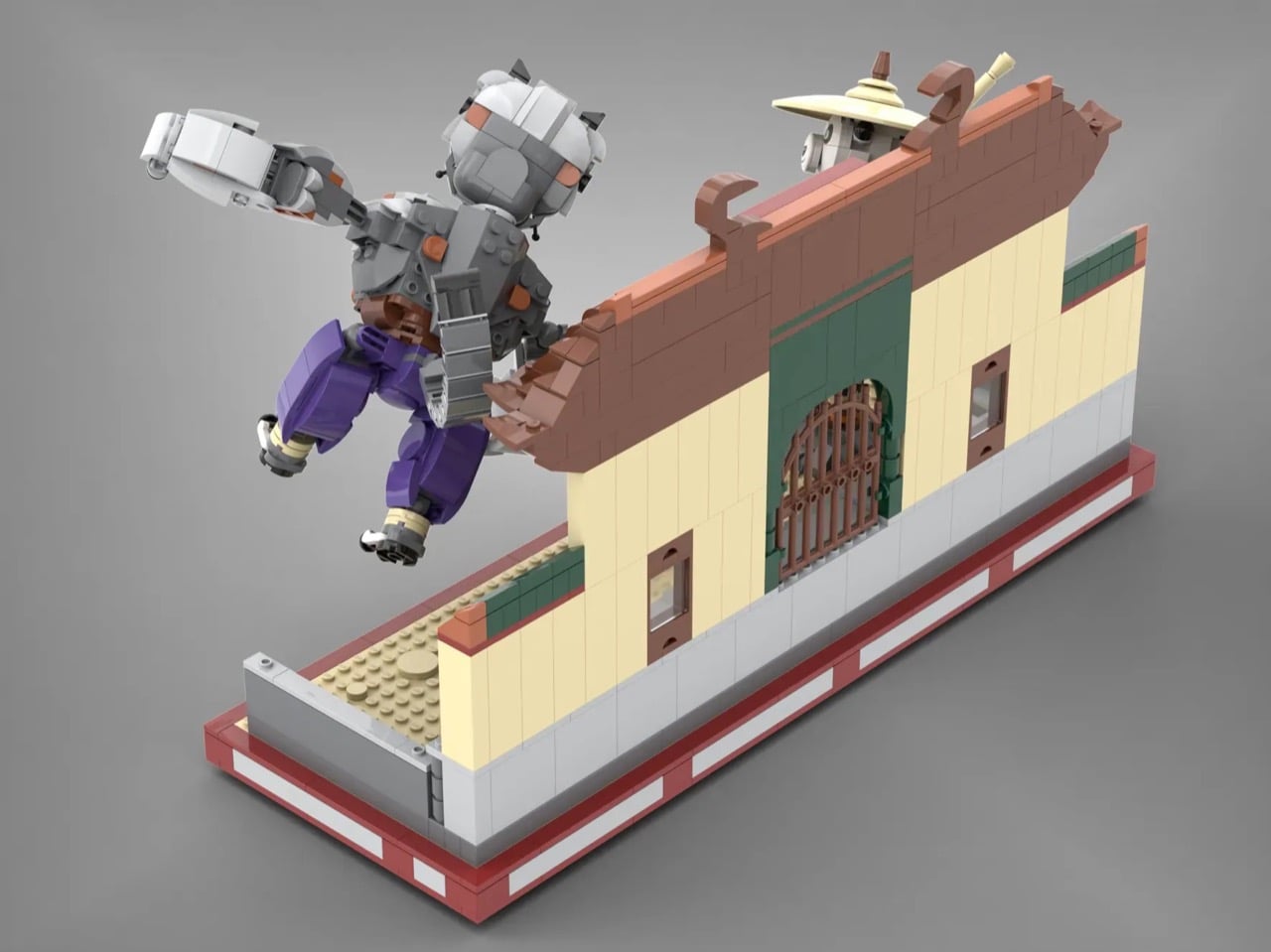
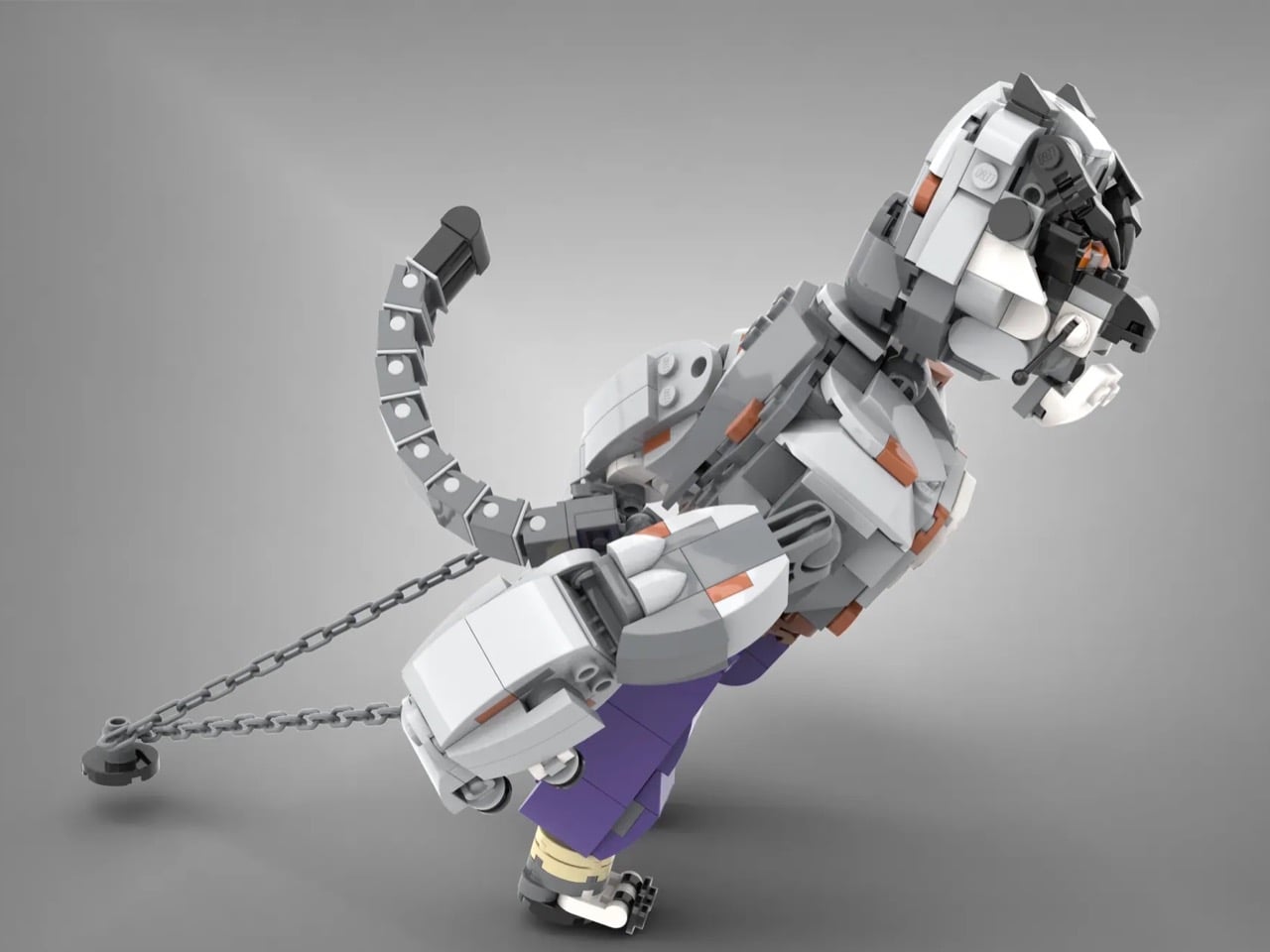
That moral complexity makes him a fascinating subject for a LEGO build, and Memorph’s 1,300-piece Ideas submission leans right into it. The set captures Tai Lung mid-lunge, all coiled fury and airborne menace, with removable Chorh-Gom Prison chains that let you display him in either his fighting form or his captive one. This is a MOC (My Own Creation) with a genuine point of view, and it shows.
Designer: Memorph
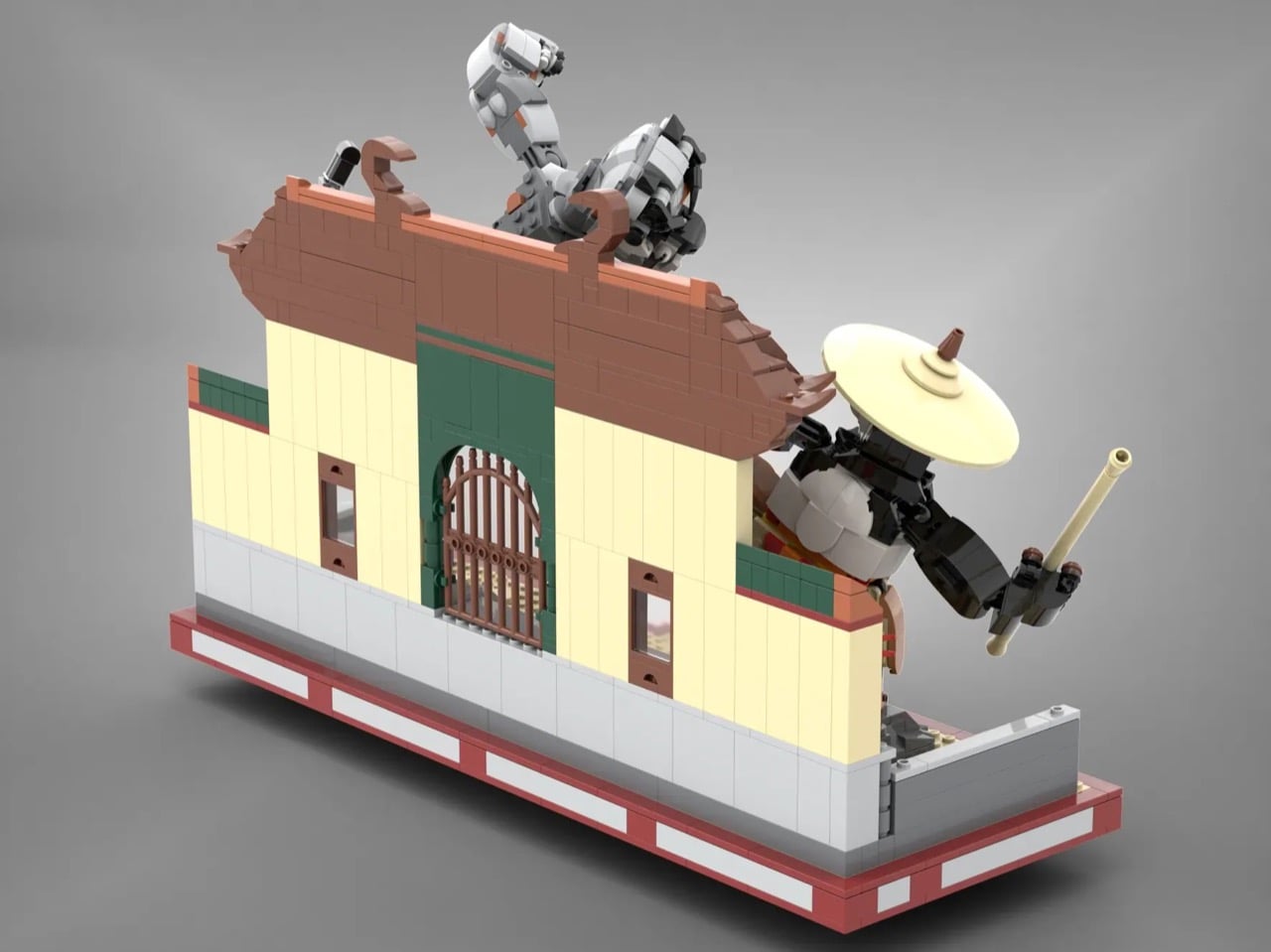
The scene is set against a dojo facade that earns its place in the composition. Curved terracotta roof tiles, an ornamental barred gate, warm tan walls trimmed in green and red, and a red-bordered display base that frames the whole courtyard like a stage. A small bowl of dumplings sits at the bottom of the steps between the two fighters, a nod to Po’s legendary appetite that is easy to miss and completely delightful when you do. The overall silhouette, two large brick-built figures in dynamic combat poses against a detailed architectural backdrop, reads immediately and confidently, even from across a room.
Po himself is a genuinely fun engineering challenge solved well. His belly is rendered as a single large smooth white sphere element, which captures the character’s rotund silhouette without resorting to awkward stacking. He carries his bamboo staff in one hand and a bowl of dumplings complete with chopsticks in the other, and his arms, wrists, legs, and neck all articulate, meaning you can cycle through kung fu poses to your heart’s content. The traveler’s hat, a wide dish piece in light tan, sits perfectly over his expressive brick-built face. “Po was a really fun character to build,” says Memorph, and you can feel that enthusiasm in every considered detail.
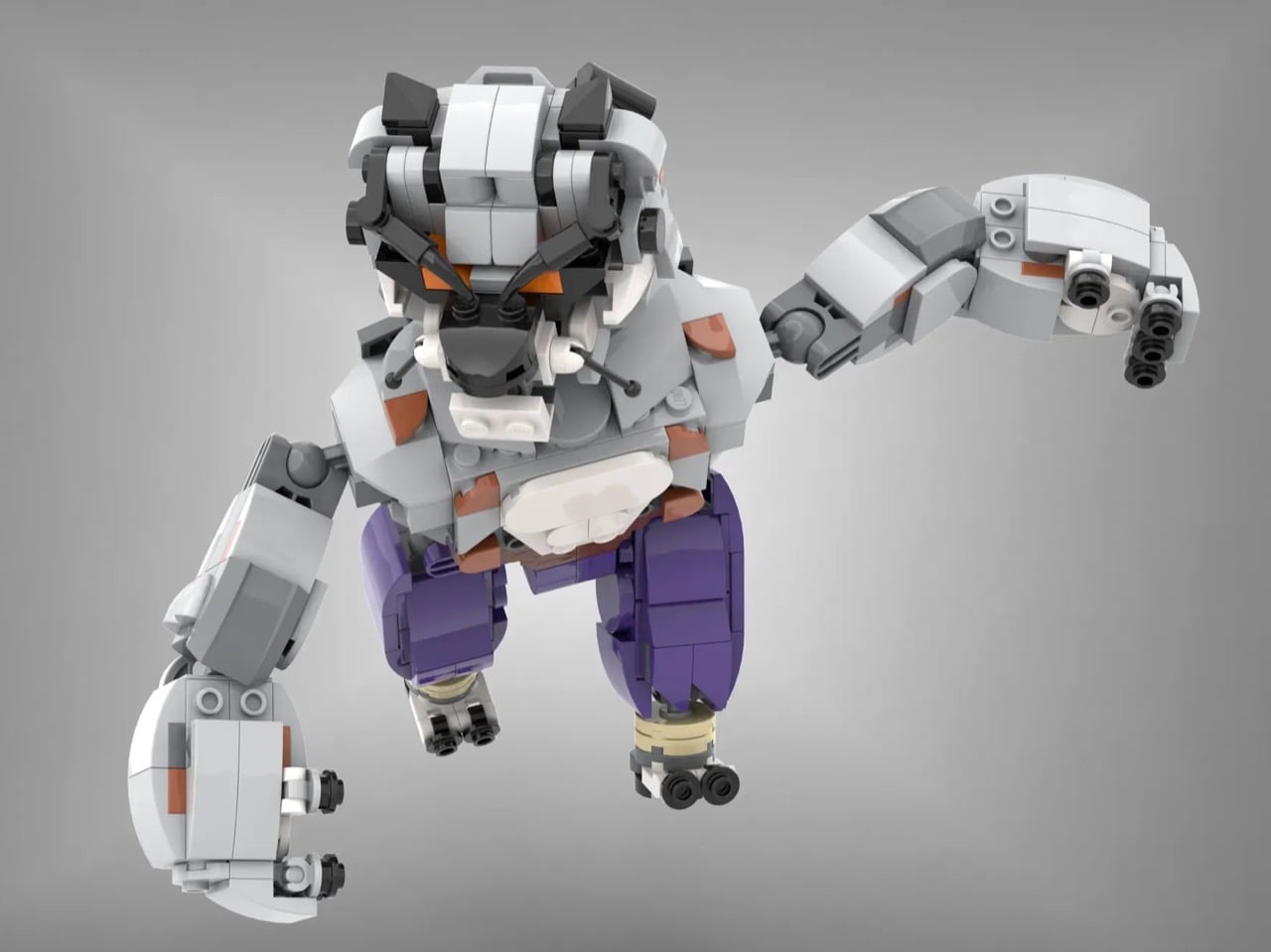
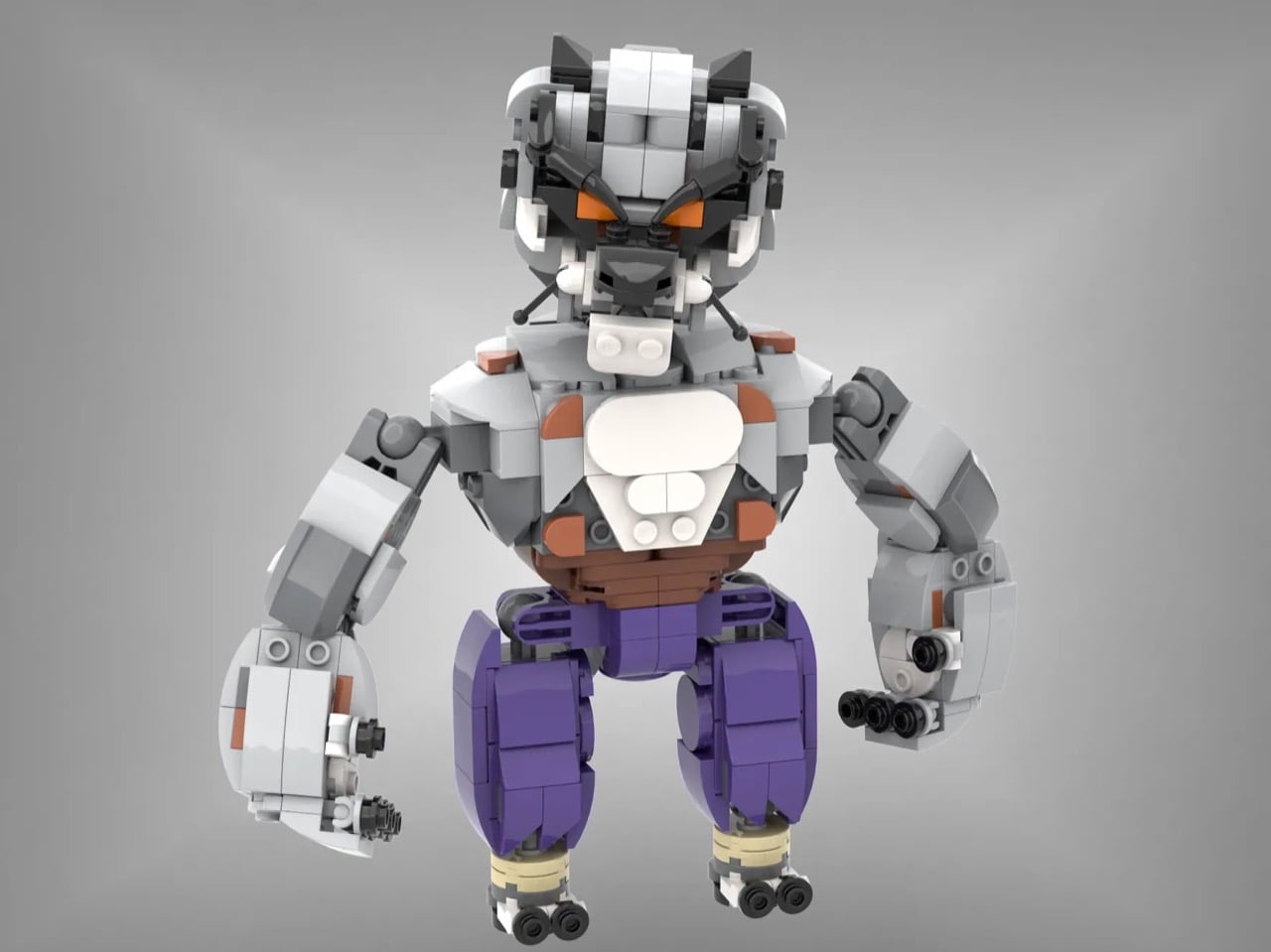
My favorite part of the whole build, though, is Tai Lung’s alternate display configuration. Detach him from the main scene, clip on the Chorh-Gom Prison chains, and suddenly you have a completely different piece of storytelling on your shelf. The gray chain-link elements wrap around his torso with just enough dramatic tension to evoke that mountain prison sequence, and his articulated tail curls behind him with the kind of coiled, barely-restrained energy the character radiates throughout the film. Memorph has said that Tai Lung’s face was the most challenging element of the entire build, and the result justifies every iteration. The orange accent tiles at the brow, the layered white and gray fur geometry of the head, and the overall aggressive posture all land exactly where they need to.
Memorph’s Kung Fu Panda: Po vs Tai Lung Showdown is currently gathering votes on LEGO Ideas, the community platform where fan-made builds compete for the chance to become official retail sets. Submissions that reach 10,000 votes are sent to LEGO’s internal review team for potential production consideration. With [VOTE COUNT] votes on the board, this one has runway to work with. Head to the LEGO Ideas page and cast your vote here!
Few names in aviation carry the kind of romantic weight that Pan American World Airways does. Before the airline folded in 1991, it was the symbol of a particular kind of glamour, the kind where stewardesses wore pillbox hats and passengers dressed up just to board. The Douglas DC-3, the twin-engine workhorse that helped define commercial flight in the 1930s, was very much a part of that story. So when LEGO announced it was giving the DC-3 the full Icons treatment, complete with Pan Am livery, it felt less like a product launch and more like an event.
The set, officially known as the LEGO Icons Douglas DC-3 Pan Am Airliner (11378), arrived in April 2026 at $219.99, and with 1,903 pieces, it lands squarely in the serious-collector territory that LEGO has been quietly expanding for years. If you have been following the Icons aviation lineup, you already know what kind of company the DC-3 is keeping. The Concorde came before it, and the Shuttle Carrier before that. LEGO is clearly building something here, both literally and in terms of brand story, and the DC-3 is a strong chapter.
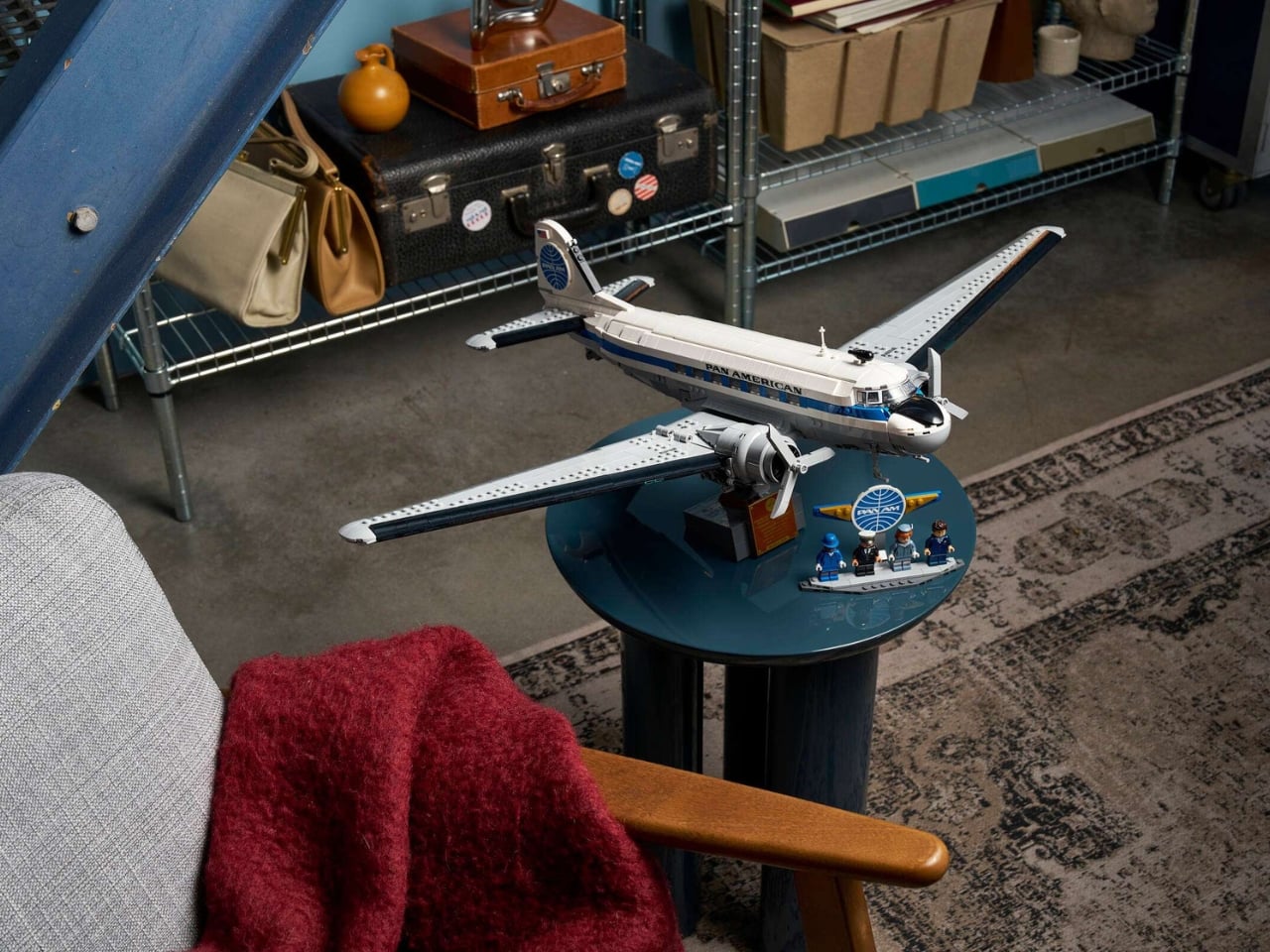
What the build delivers is genuinely impressive. The plane spans 30 inches wide and 20 inches long, so this is not a shelf-sitter you tuck between other things. It takes up space, and it should. Removable panels reveal a detailed cockpit and passenger cabin complete with an aisle and seating. A single dial operates the retractable landing gear, which is the kind of satisfying interactive detail that makes you want to show the thing off to anyone who walks into the room.
But the detail that surprised me most is the crew. Four exclusive minifigures come with the set: a pilot, purser, stewardess, and flight attendant, all dressed in historically inspired Pan Am uniforms. They even get their own dedicated display, a Pan Am-branded minifigure stand separate from the aircraft. It is a small touch, but it does a lot of heavy lifting. It reframes the whole model from a static replica into something closer to a scene, a moment frozen in time from the early days of commercial aviation.
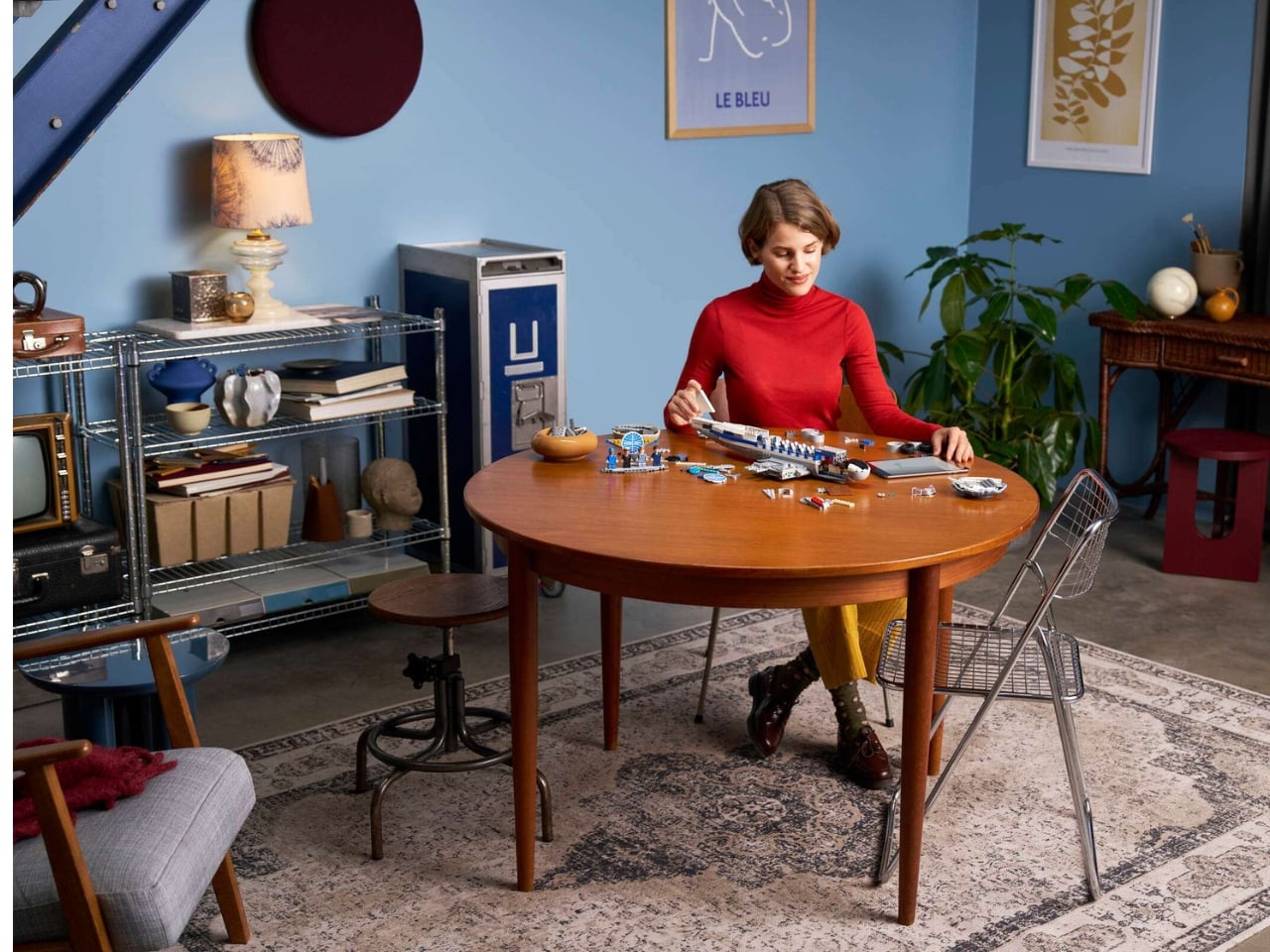
The display stand and information plaque round out the package nicely. LEGO clearly understands that this kind of set does not get built and then stuffed in a drawer. It gets built and then lived with, placed on a desk or in a living room where it quietly does the work of making a space feel more considered.
My honest take is that the $219.99 price point will give some people pause, especially when the Concorde, which has more pieces, retails for $200. You are paying a small premium here, and a portion of that is almost certainly going toward those four minifigures and the Pan Am licensing. Whether that tradeoff feels worth it depends entirely on how much the Pan Am branding means to you. For aviation history fans, it will absolutely matter. For general LEGO enthusiasts, the question is a little more open.
The bigger story, though, is how well this set understands its audience. It is not trying to be a toy. It is a collectible object with a genuine cultural story behind it, packaged in a format that lets you do the satisfying, almost meditative work of putting it together yourself. The DC-3 is not just a plane. It was one of the machines that made the world feel smaller, that turned flying from a novelty into something ordinary people could dream about. Building a 1,903-piece replica of it in your living room, crew and all, carries a quiet kind of meaning that justifies the box on your shelf.
LEGO has been getting better and better at this particular alchemy, turning history into something you can hold. The Pan Am DC-3 might be the most poetic version of that yet.
For a long time, LEGO and Pokémon felt like a natural pairing that somehow took forever to fully arrive. The sets were fun, the figures were cute, but they were still just bricks. Beautiful, satisfying bricks. Then LEGO introduced the SMART Play system, and suddenly the collaboration shifted into something worth paying closer attention to.
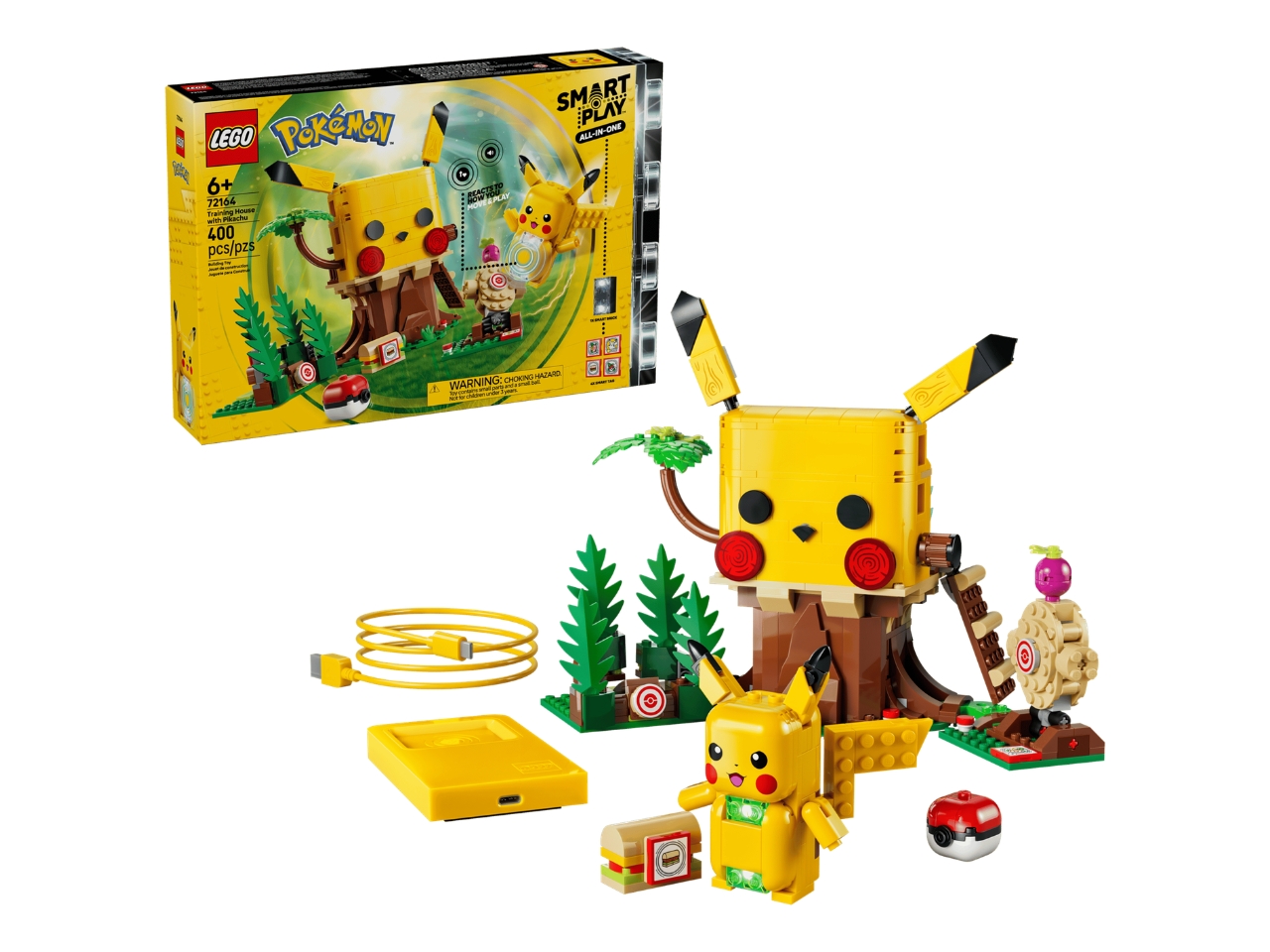
The SMART Play Training House with Pikachu (set 72164) is LEGO’s boldest move yet in the Pokémon line, and it is the kind of set that makes you stop scrolling. At $69.99 for 400 pieces, it lands in that sweet spot where it feels both accessible and genuinely special. It ships August 1, 2026, and is already up for pre-order, which tells you LEGO knows exactly who they’re selling this to.
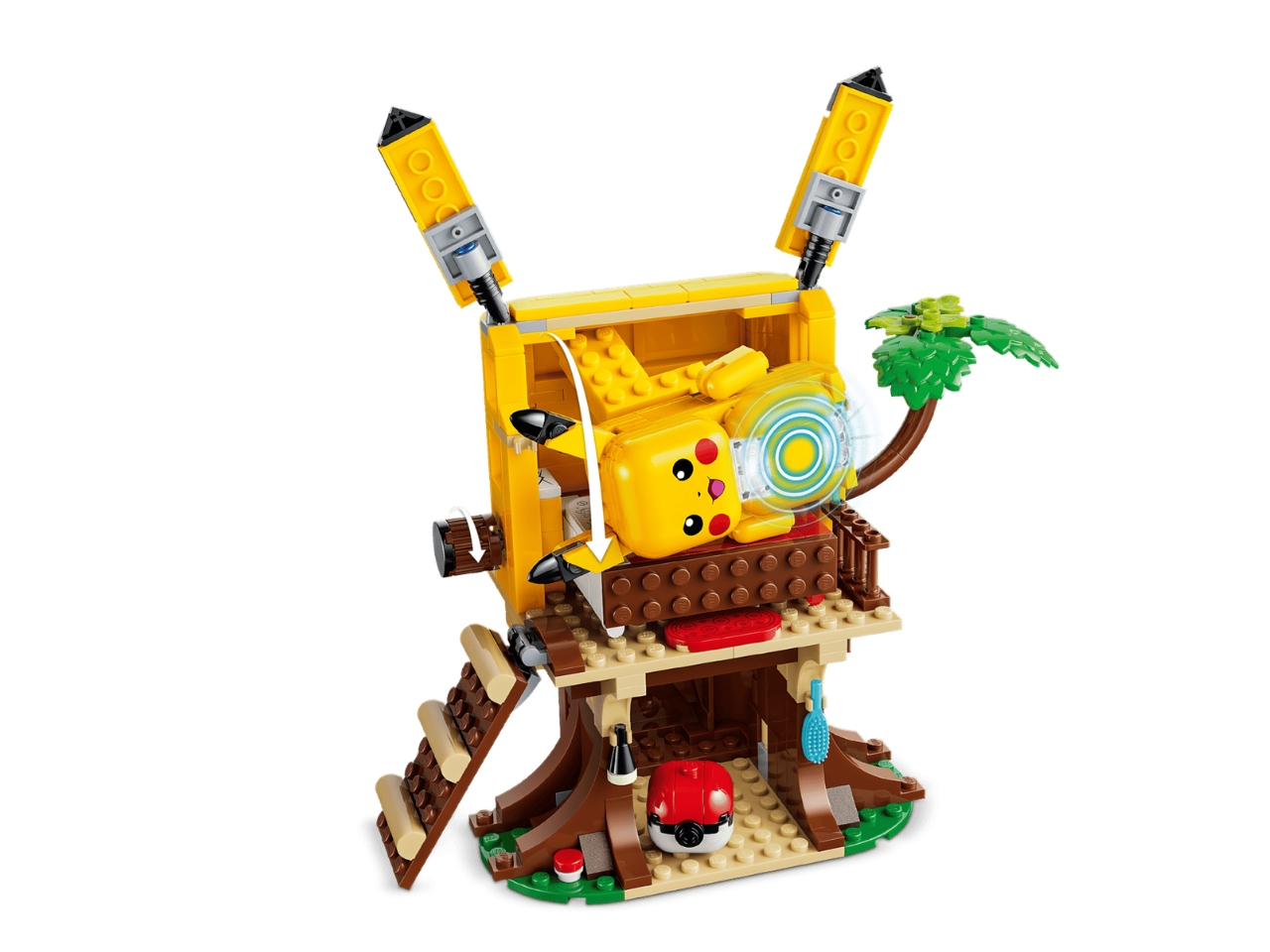
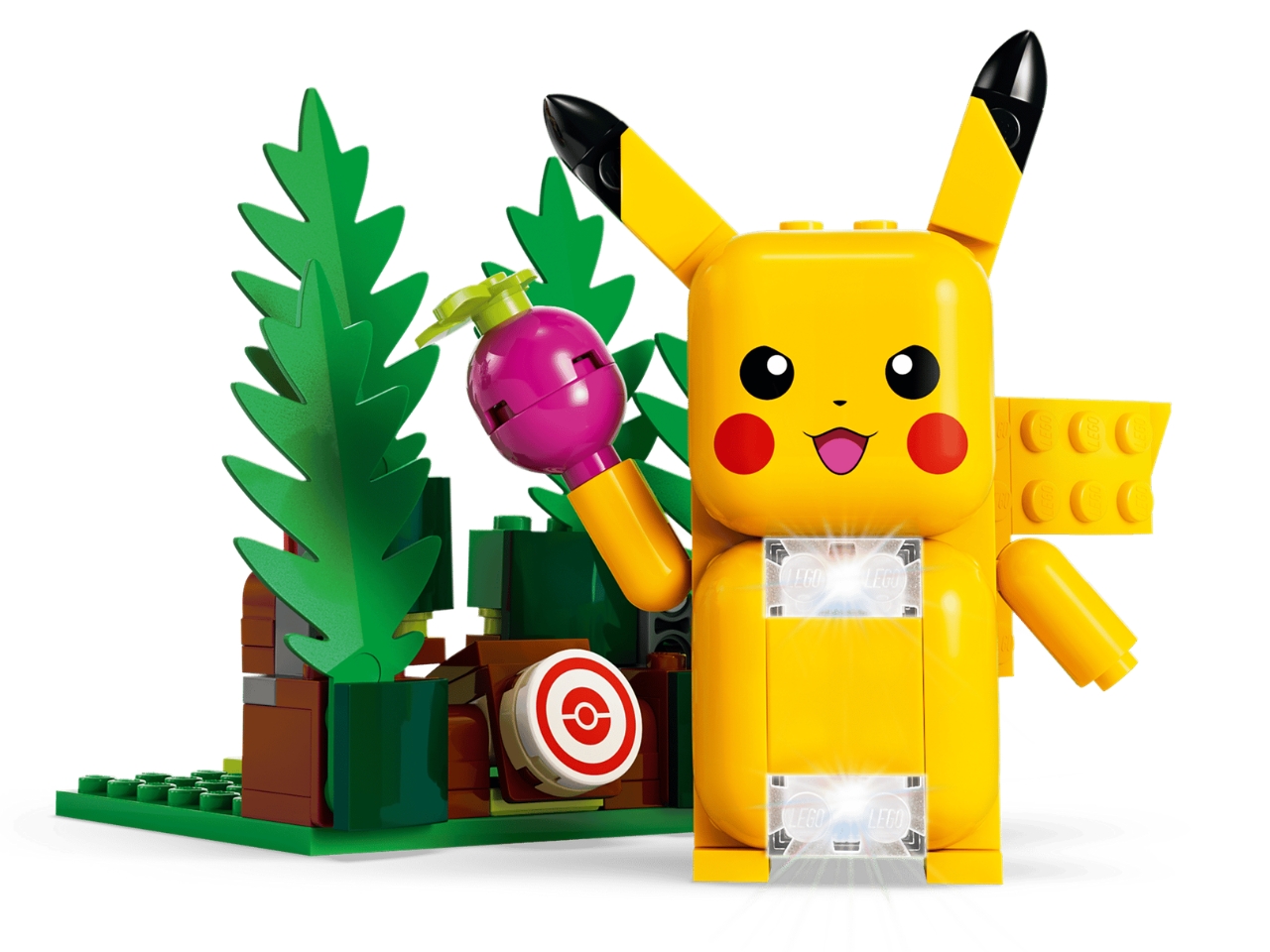
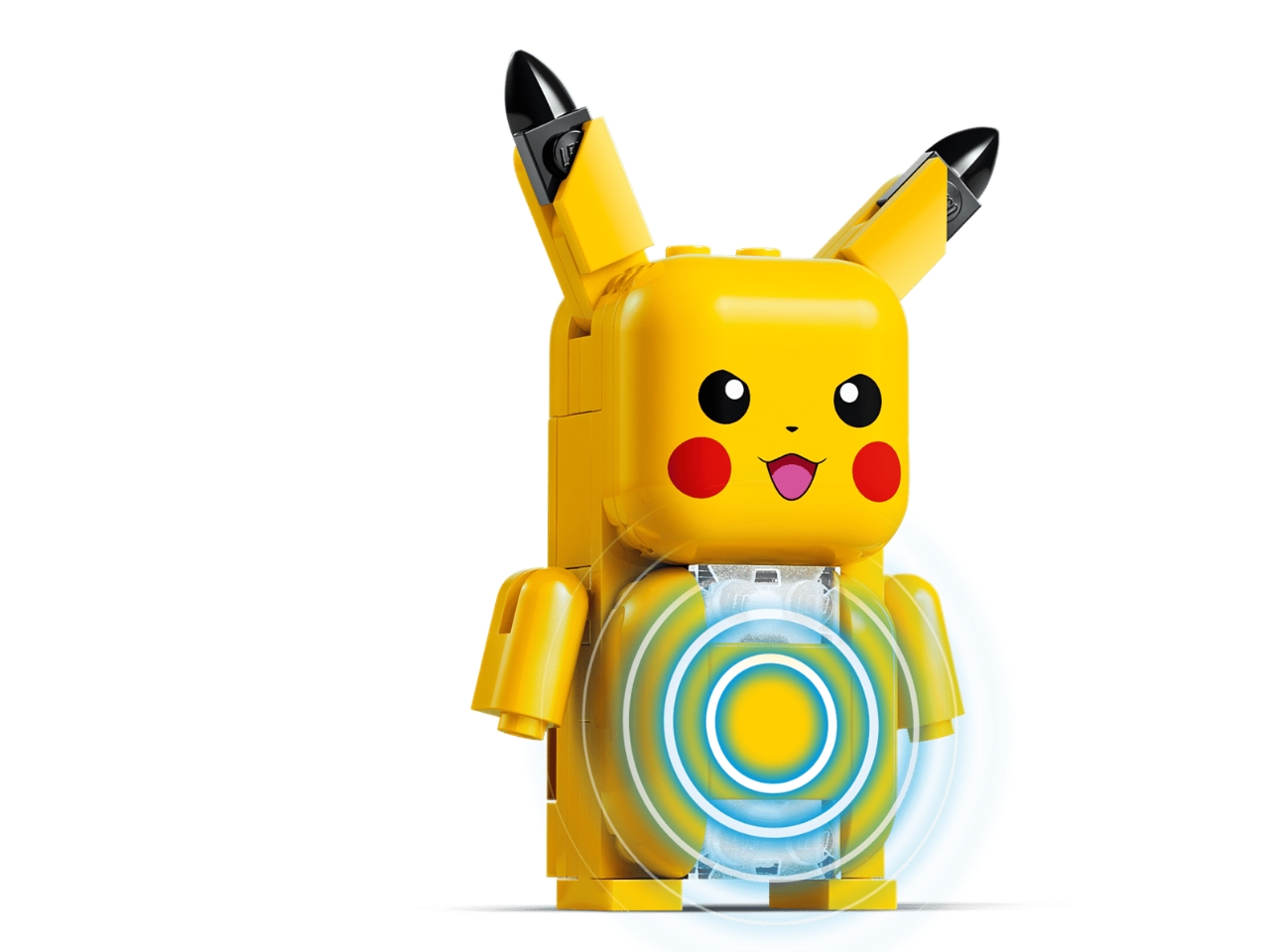
The centerpiece of the set is a Pikachu figure embedded with a SMART Brick, a tiny piece of responsive technology that generates lights and sounds when the figure moves close to SMART Tags placed around the scene. You build a Pikachu-inspired treehouse with a training dummy and a bush, set up your Tags, and when Pikachu interacts with them during play, something actually happens. The set also includes a buildable sandwich that you can feed to Pikachu to trigger a response. That single detail is charming enough to make any Pokémon fan stop mid-scroll.
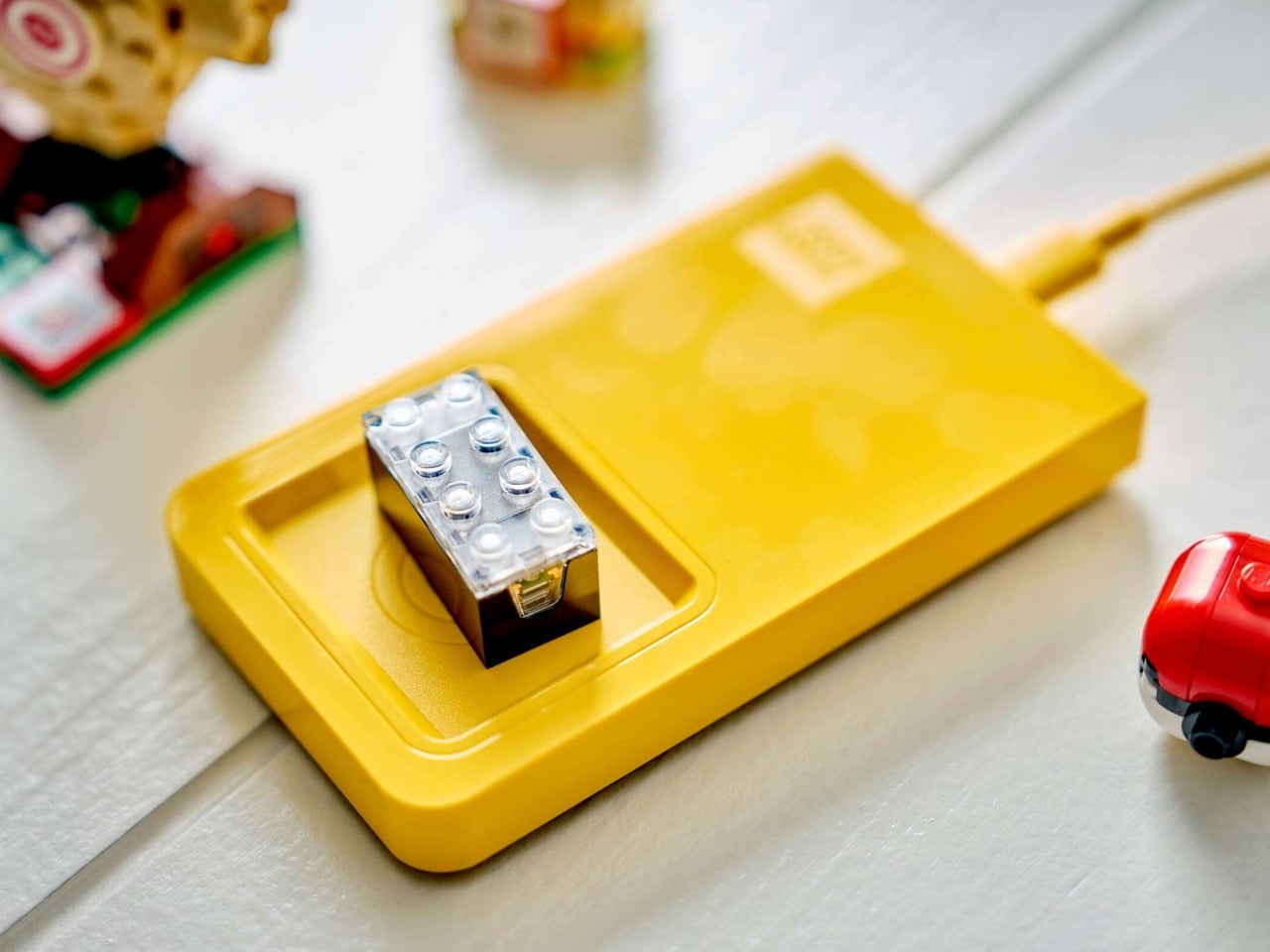
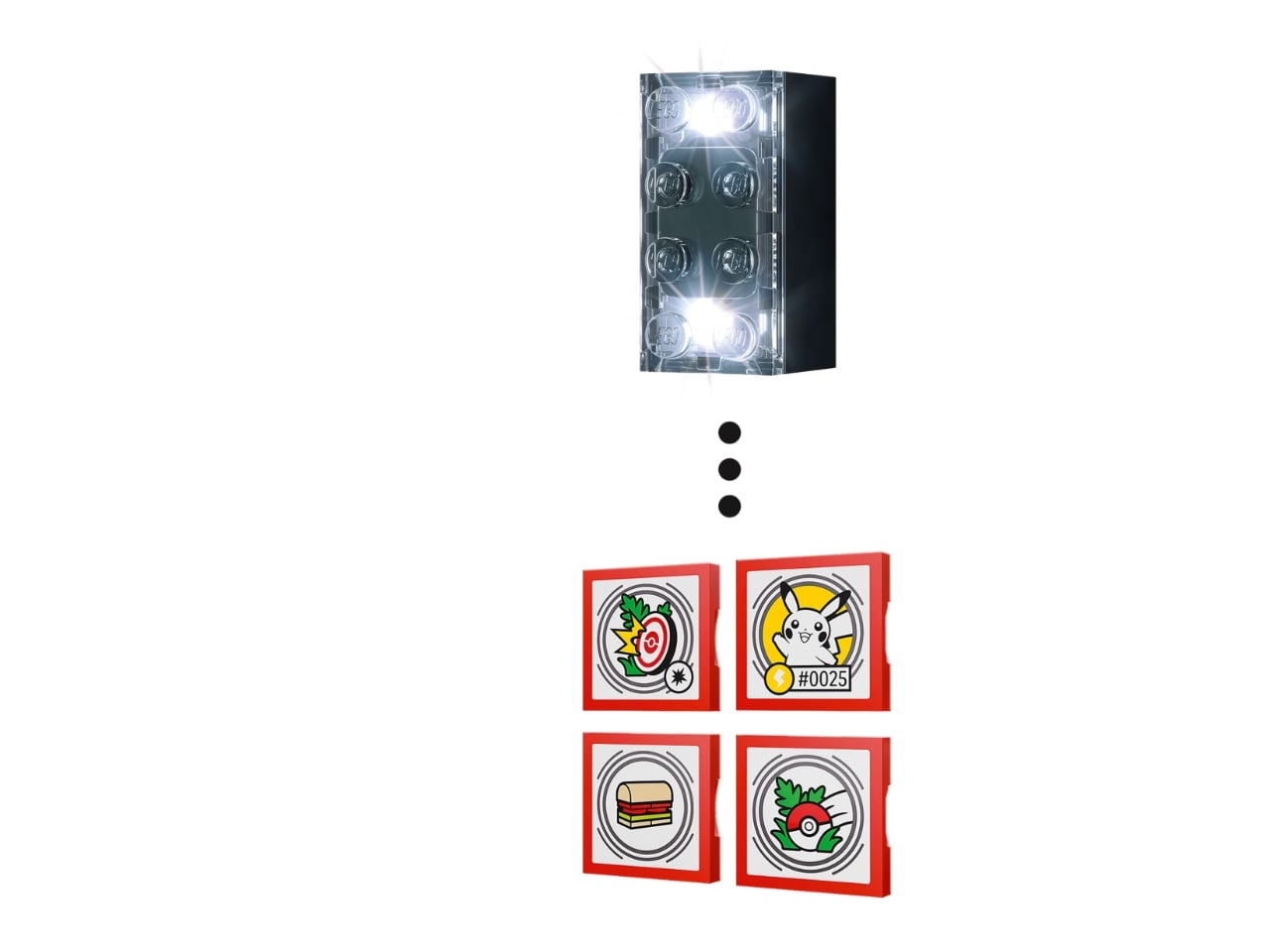
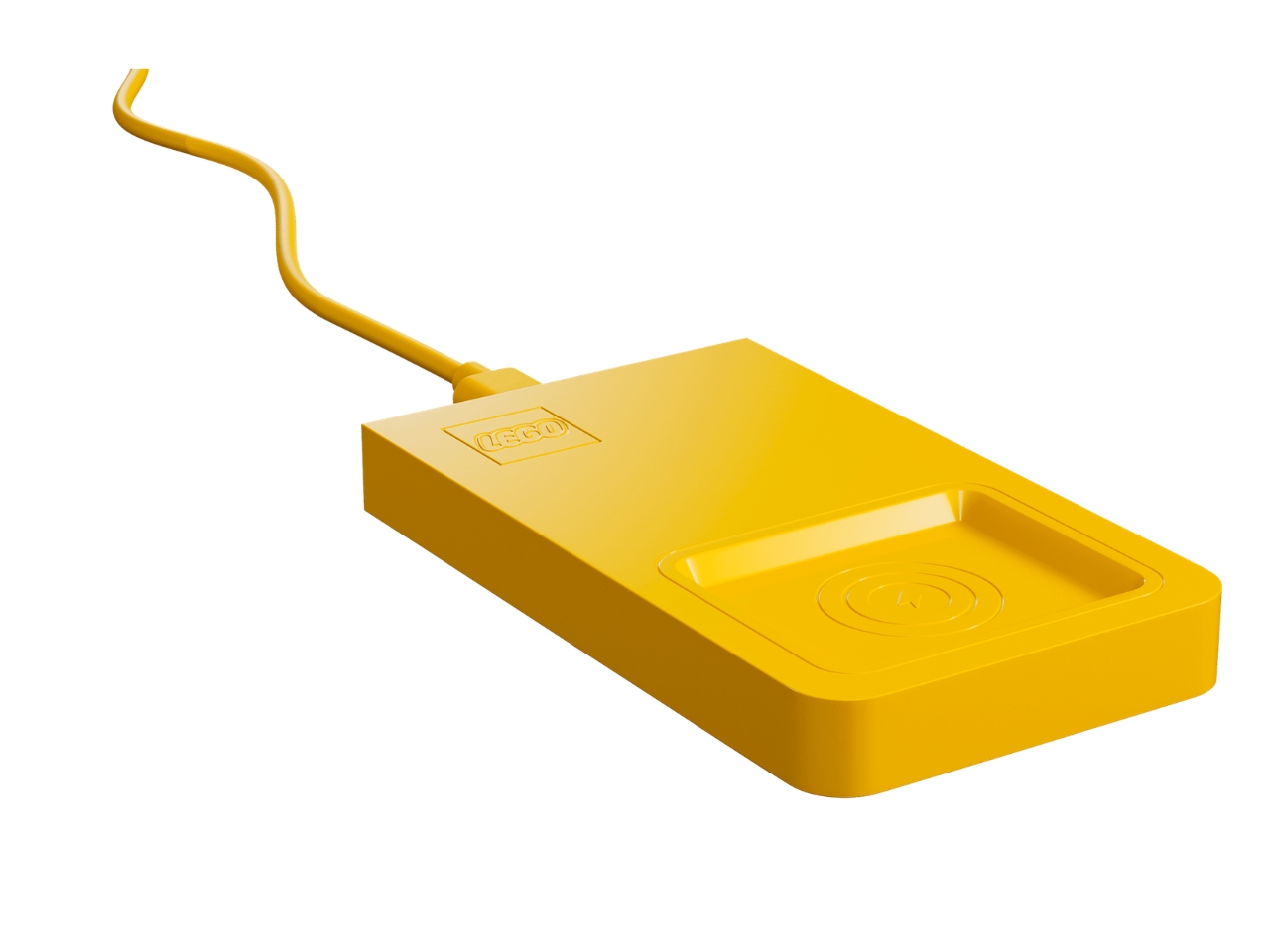
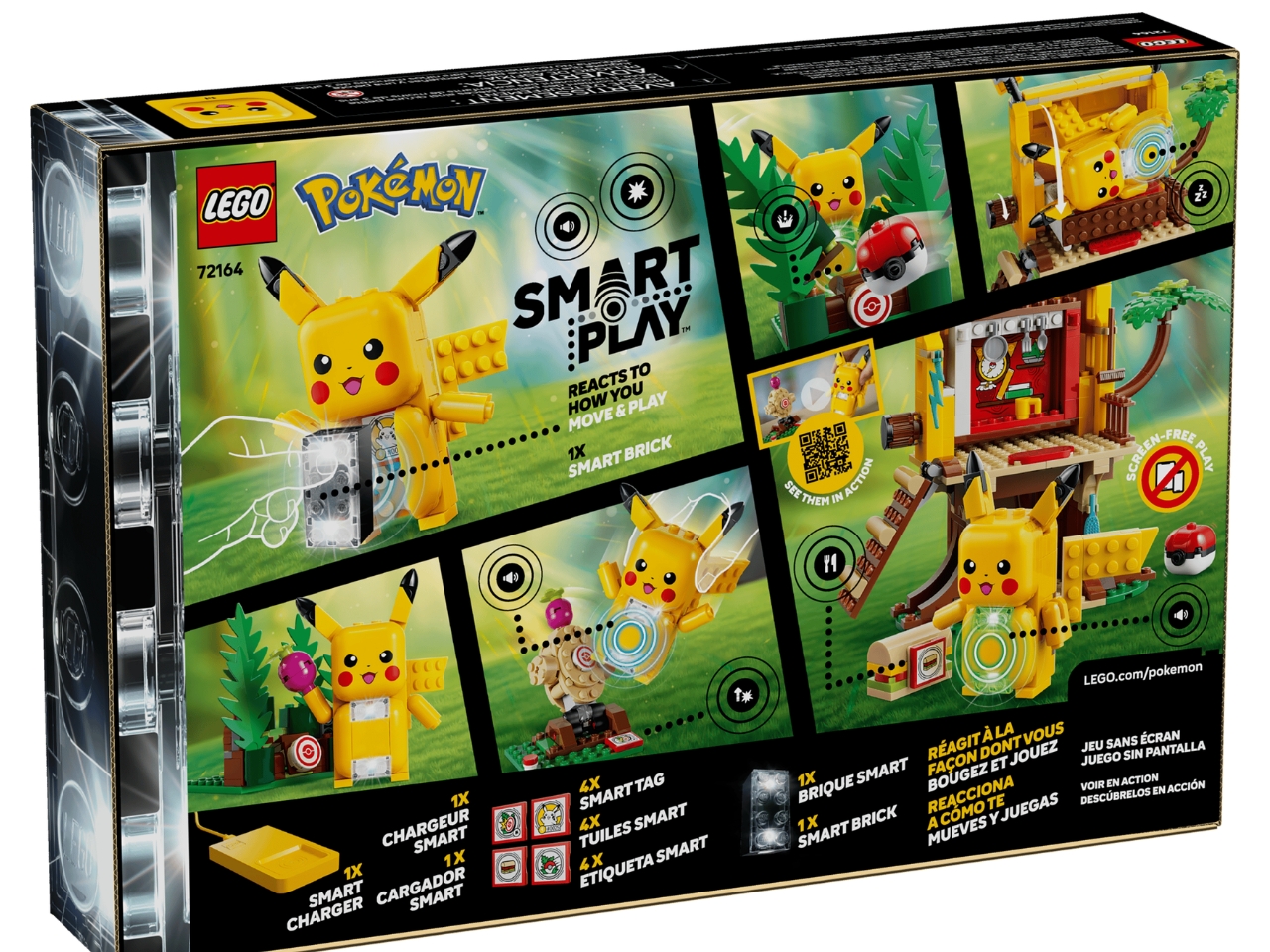
LEGO calls this an All-in-One set, meaning everything you need for the SMART Play experience comes in the box: the SMART Brick, a SMART Charger, and four SMART Tags. That distinction matters because LEGO is building out a broader ecosystem with compatible sets sold separately. Those expand the scene with more Tags, but the SMART Brick lives here. Think of it like buying the console rather than just the game.
The whole system is managed through the LEGO SMART Assist App, where you can adjust sound levels, download firmware updates, and troubleshoot. There is even a built-in microphone on the SMART Brick, flagged for “potential future features” once activated. That cautious phrasing actually does the job of building curiosity rather than killing it, because it signals the system is designed to grow.
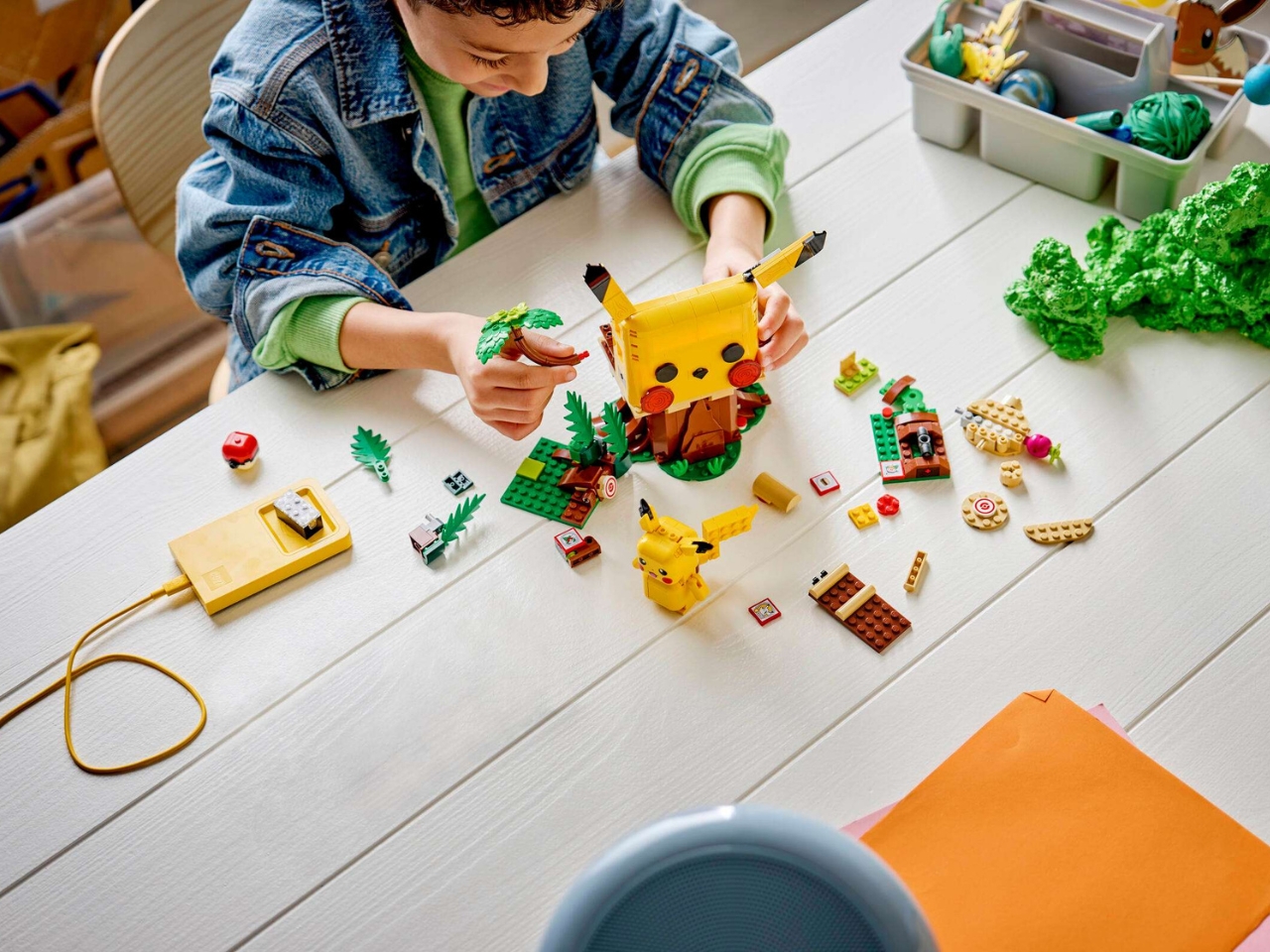
Now, the more layered take: this is clearly marketed as a children’s toy, but the LEGO-Pokémon crossover has always carried a significant adult fanbase. The Pokémon franchise is 30 years old this year, and the people who grew up with it are now the ones with jobs and disposable income. The Training House is rated for ages 6 and up, but the SMART Play system feels like it was built with a broader audience in mind. The appeal of a responsive physical toy, one that reacts in real time to how you move it through a scene, goes well beyond childhood.
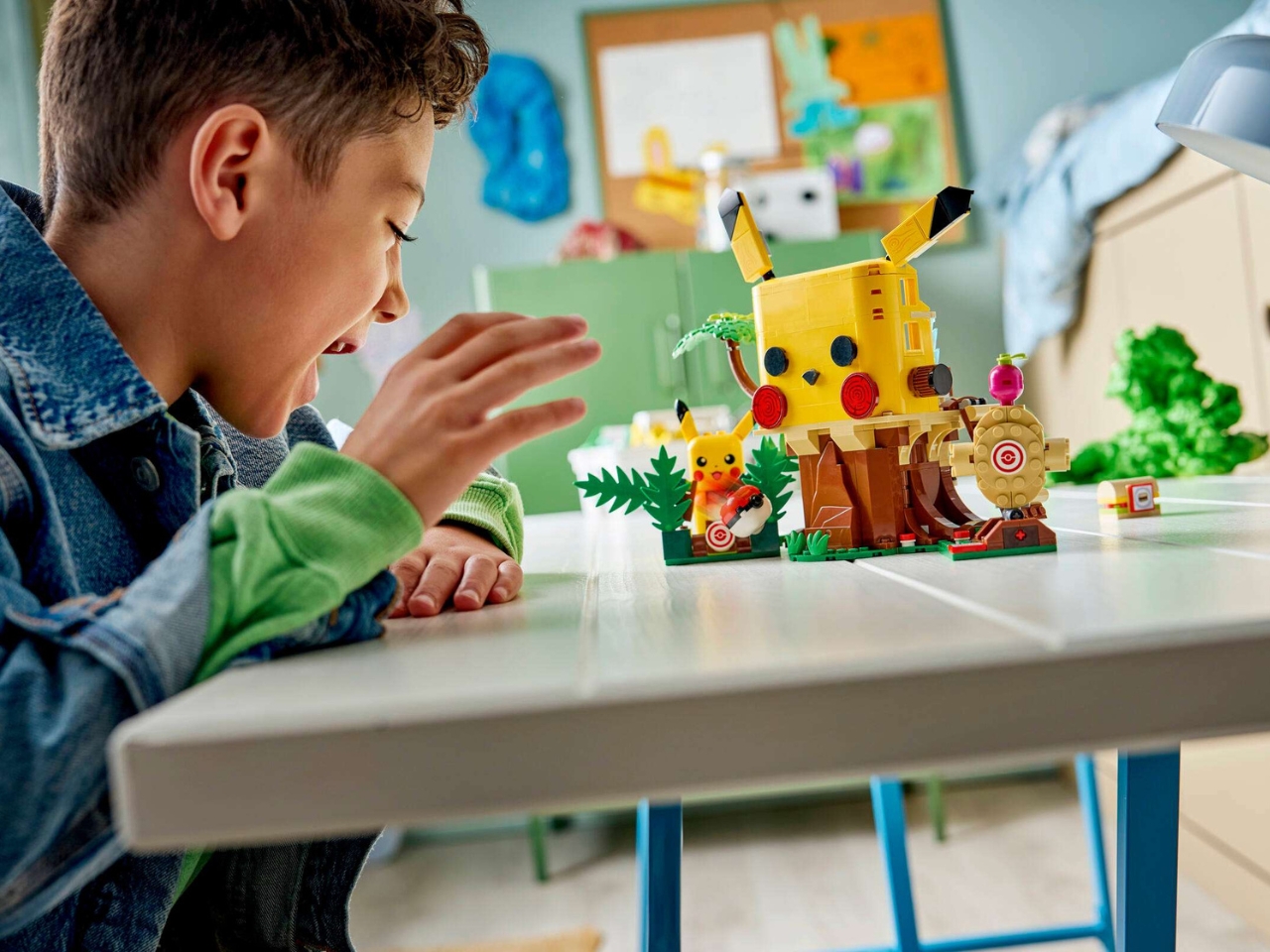
Whether the technology fully delivers depends on what you expect from it. The SMART Brick is not artificial intelligence. It works through proximity sensing, meaning Pikachu lights up and makes sounds when near a Tag. It is not going to remember your training sessions or respond to voice commands. But as a tactile, physical layer added to imaginative play, it offers something a screen simply cannot replicate. You are still building. You are still holding the figure in your hands. The response just makes the whole thing feel alive in a way that a static display piece never quite does.
The completed set measures over 8 inches tall and 11 inches wide, so it holds its own on a desk or shelf. The treehouse design is warm and playful without tipping into visual noise. It looks the way a good LEGO set always does: cohesive, intentional, and oddly satisfying before you even press play.
Whether you are buying this for a kid, for yourself, or as a gift for someone who grew up in the Pokémon era and never fully left it behind, the SMART Play Training House with Pikachu makes a strong case for what LEGO can be when it pushes itself forward. Physical, interactive, and rooted in one of the most beloved IPs of the last three decades. That is a very good starting point.
Somewhere between 2018 and now, the charcuterie board became the defining food aesthetic of the internet age. What started as a French butcher’s tradition evolved into a Pinterest obsession, a TikTok flex, and eventually a full-blown cultural phenomenon where the arrangement of cured meats and artisan cheeses became a legitimate form of self-expression. Food stylists built careers around it. Restaurants started charging thirty dollars for what is essentially a very pretty plate of snacks. And somewhere along the way, the humble wooden board became a canvas.
LEGO builder BiologyBuilder seems to have taken that idea completely literally. Their 1,079-piece MOC (My Own Creation) recreates a fully loaded charcuterie spread in brick form, and the results are genuinely disarming. Salami, brie, cheddar, crackers, strawberries, grapes, blueberries, olives, and dark chocolate all find their place on a rich brown board that looks ready for a dinner party you were definitely not invited to.
The Charcuterie LEGO board’s composition is meticulous to the point of perfection. Proteins in one corner, cheeses anchoring the middle, fruit cascading across the center, and a square of dark chocolate tucked onto a white napkin in the far corner like an afterthought that was actually planned twenty minutes in advance. The dark reddish-brown salami log, tipped casually on its side, spills into a fan of salmon-pink sliced rounds, each one dotted with tiny black round tiles standing in for peppercorns. It is immediately, almost absurdly, readable as salami. The fact that it works at all says something real about BiologyBuilder’s parts selection instincts.
Each cheese is meticulously detailed. The brie is rendered in cream-colored round plates and tiles, with a wedge already pulled free from the wheel, which is exactly the kind of real-world detail that separates a good food build from a great one. Adjacent to it, the cheddar arrives as a stack of bright orange 2×2 bricks, loose and informal, the way cheddar cubes always look on an actual board. Two varieties, two totally different building approaches, both immediately convincing. The crackers are built from overlapping warm tan round plates, stacked in casual piles that nail the texture and color of a thin water cracker without a single flat tile out of place.
My favorite detail, though, is the olive dish sitting in the center of the board. A small white circular dish holds a mix of green and kalamata olives built from minifigure egg elements in contrasting colors. It is tiny, almost easy to miss, and entirely unnecessary in the best possible way. Nobody needed that level of commitment to the bit. BiologyBuilder did it anyway.
LEGO Ideas is the fan-driven platform where community builders submit original creations and gather votes toward the 10,000 supporter threshold required for official LEGO review. Hit that mark, and the build gets evaluated by LEGO’s internal team for potential production as a retail set. BiologyBuilder’s charcuterie board is currently in the early stages of that journey, sitting at 343 supporters with plenty of runway ahead. If you want to see this end up on a shelf alongside the other LEGO food sets that have made it through, head to the LEGO Ideas page and cast your vote here.
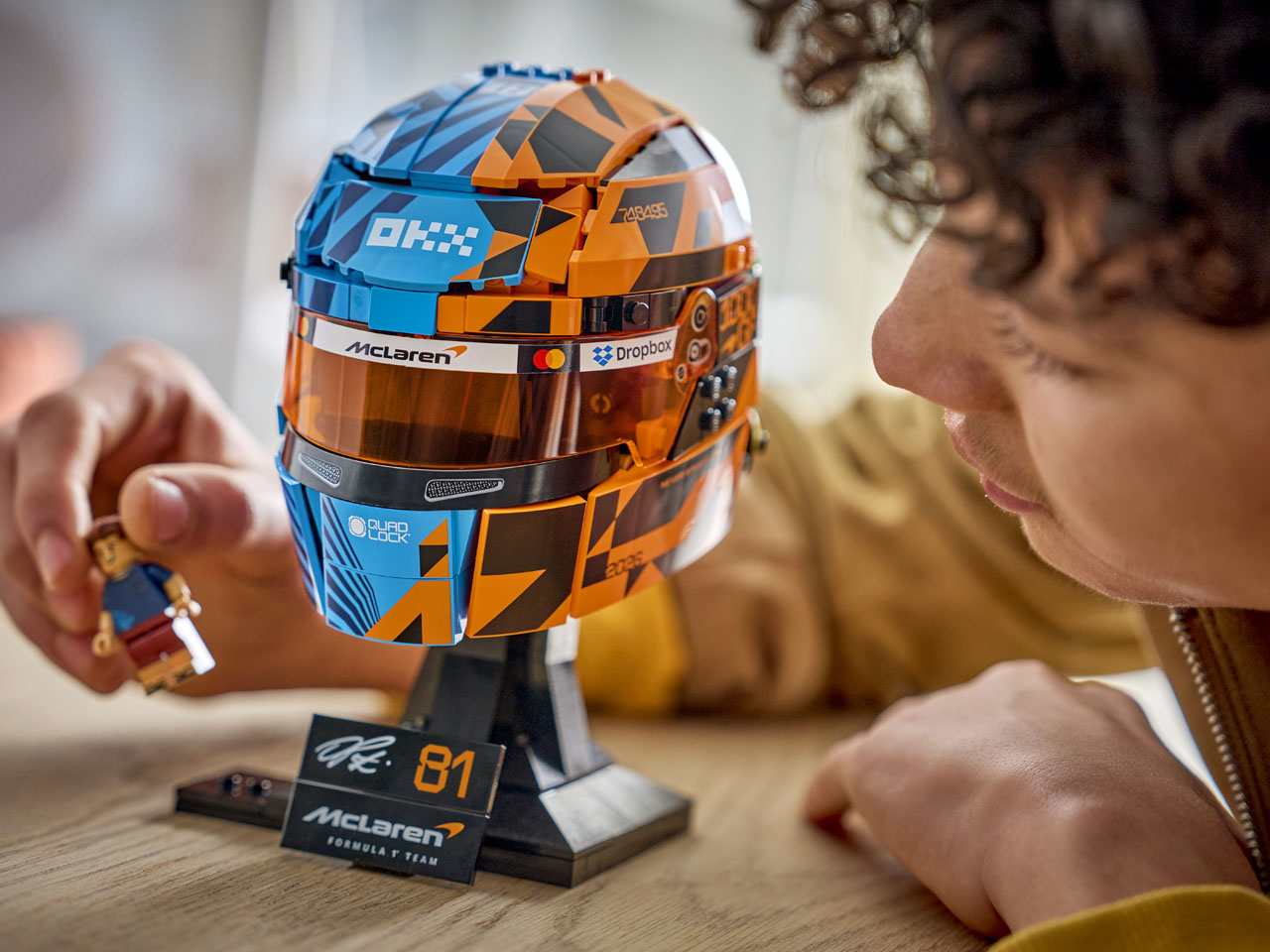
McLaren is coming to the Monaco GP weekend, celebrating their 1,000th race start, and wants to do it in a special way, both on and off the track. The most iconic race in the Formula 1 calendar will see Lando Norris and Oscar Piastri sport the LEGO helmets for the length of the racing weekend at the Circuit de Monaco, which is exciting for F1 fans like me.
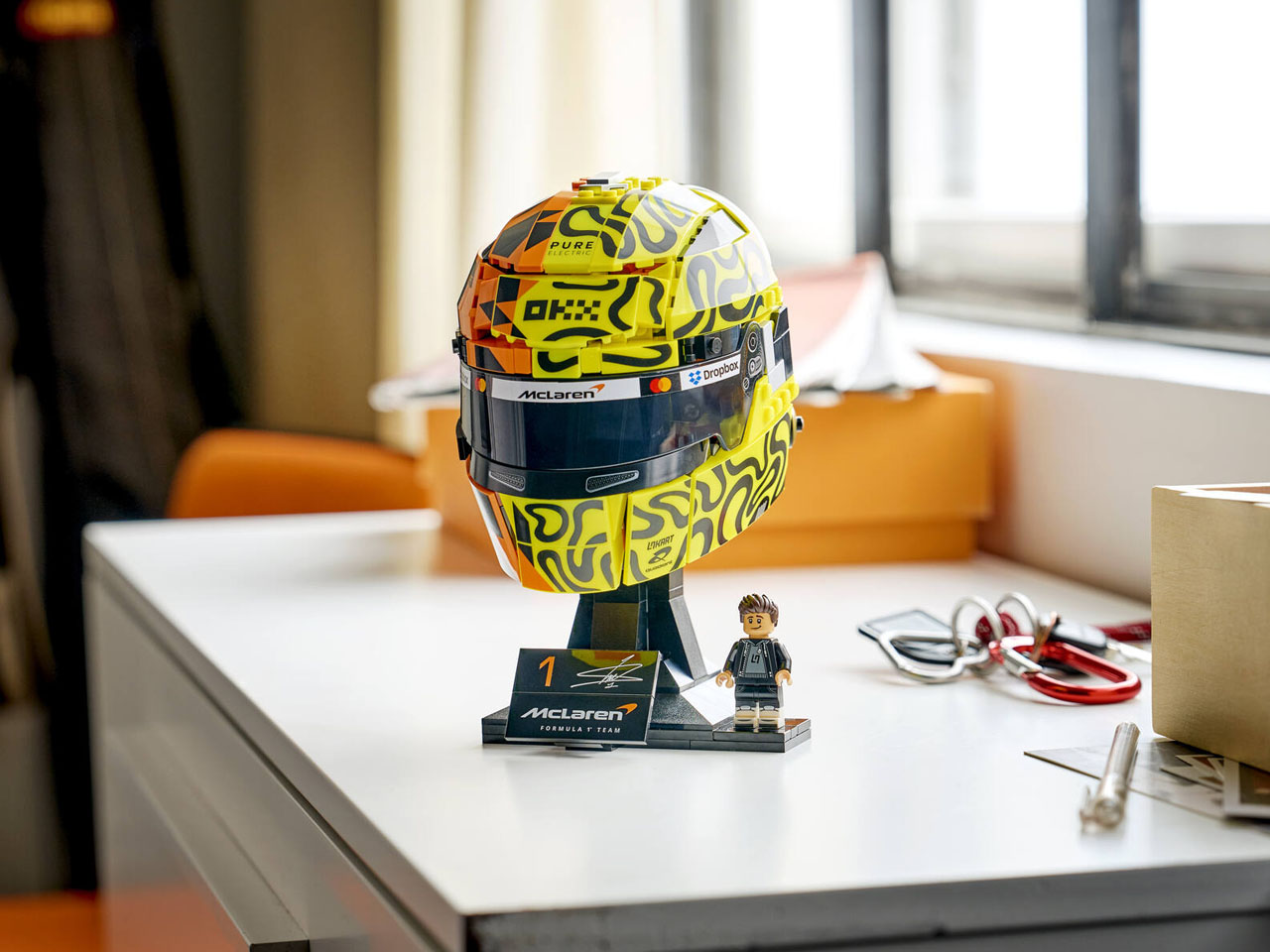
That celebration is going to reciprocate for McLaren and LEGO fanatics as they can own either of the two drivers’ brick version of the LEGO Edition helmet, of course, in a smaller scale. To top it off, the protective gear will come with the complementary minifigures of the chosen driver’s helmet. This is not the first time the two brands have collaborated, as we’ve already been petrified by the Life-sized LEGO McLaren P1 being driven around the Silverstone track, and the complementing scaled-down LEGO version for die-hard fans.
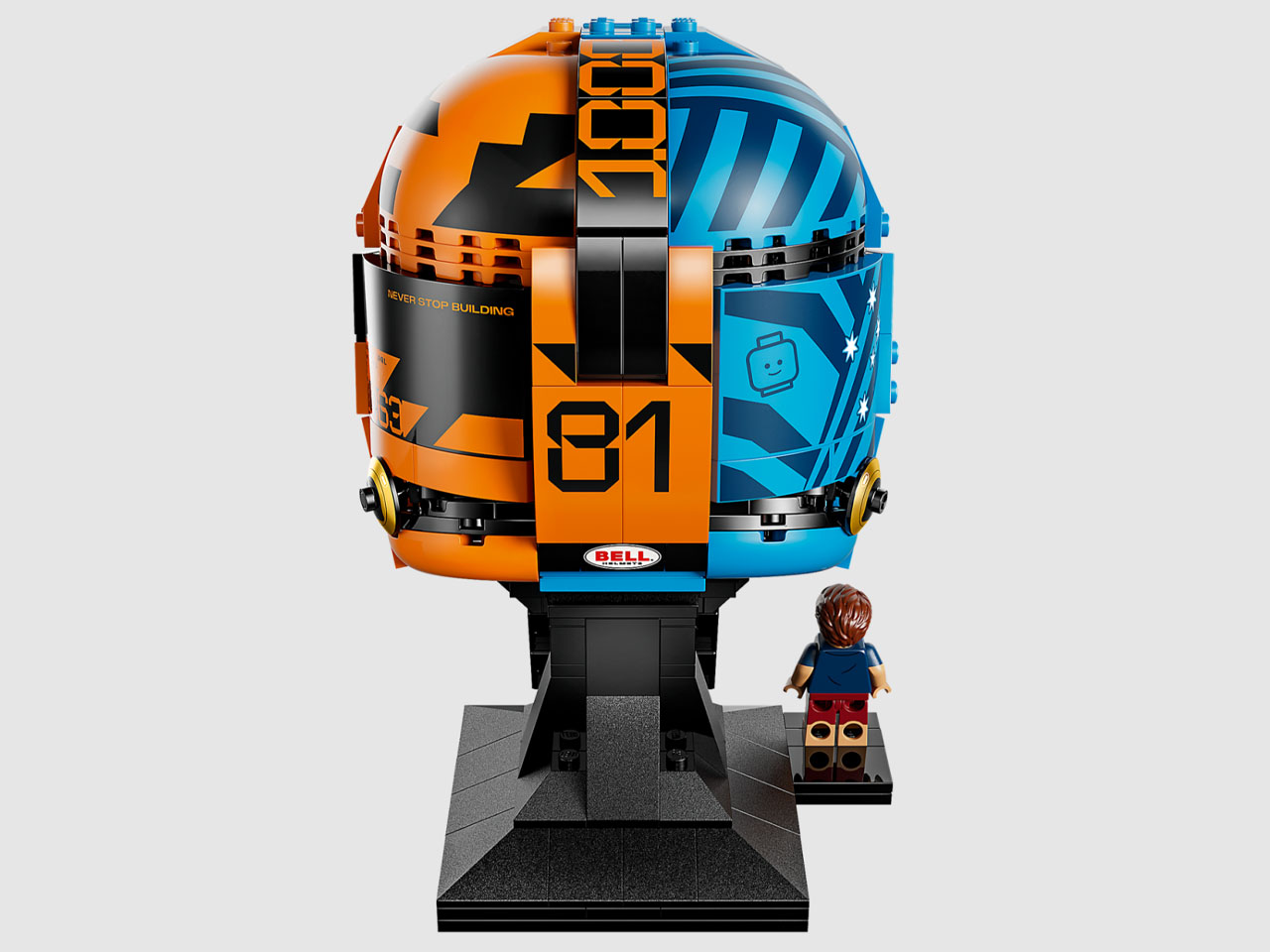
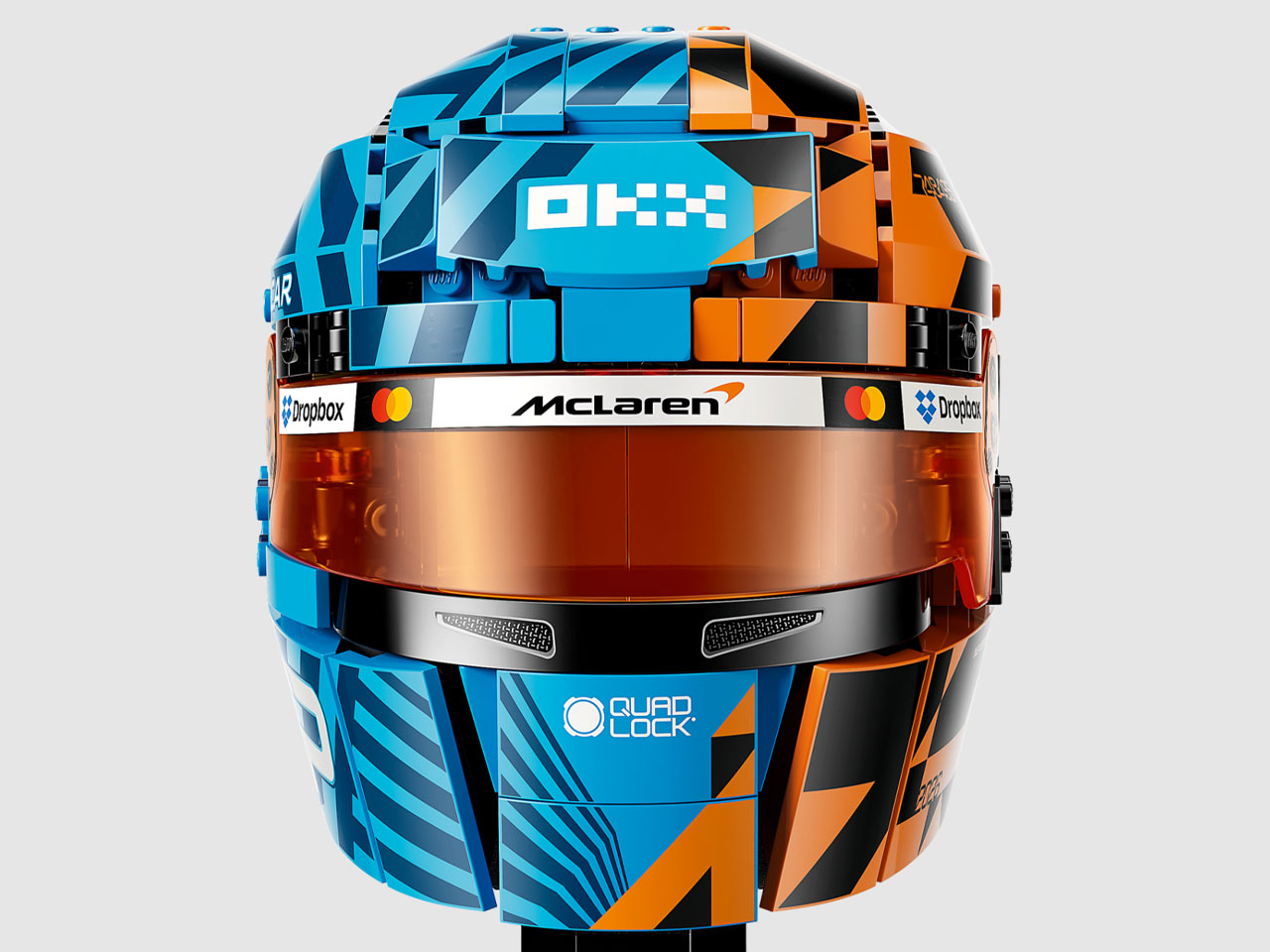
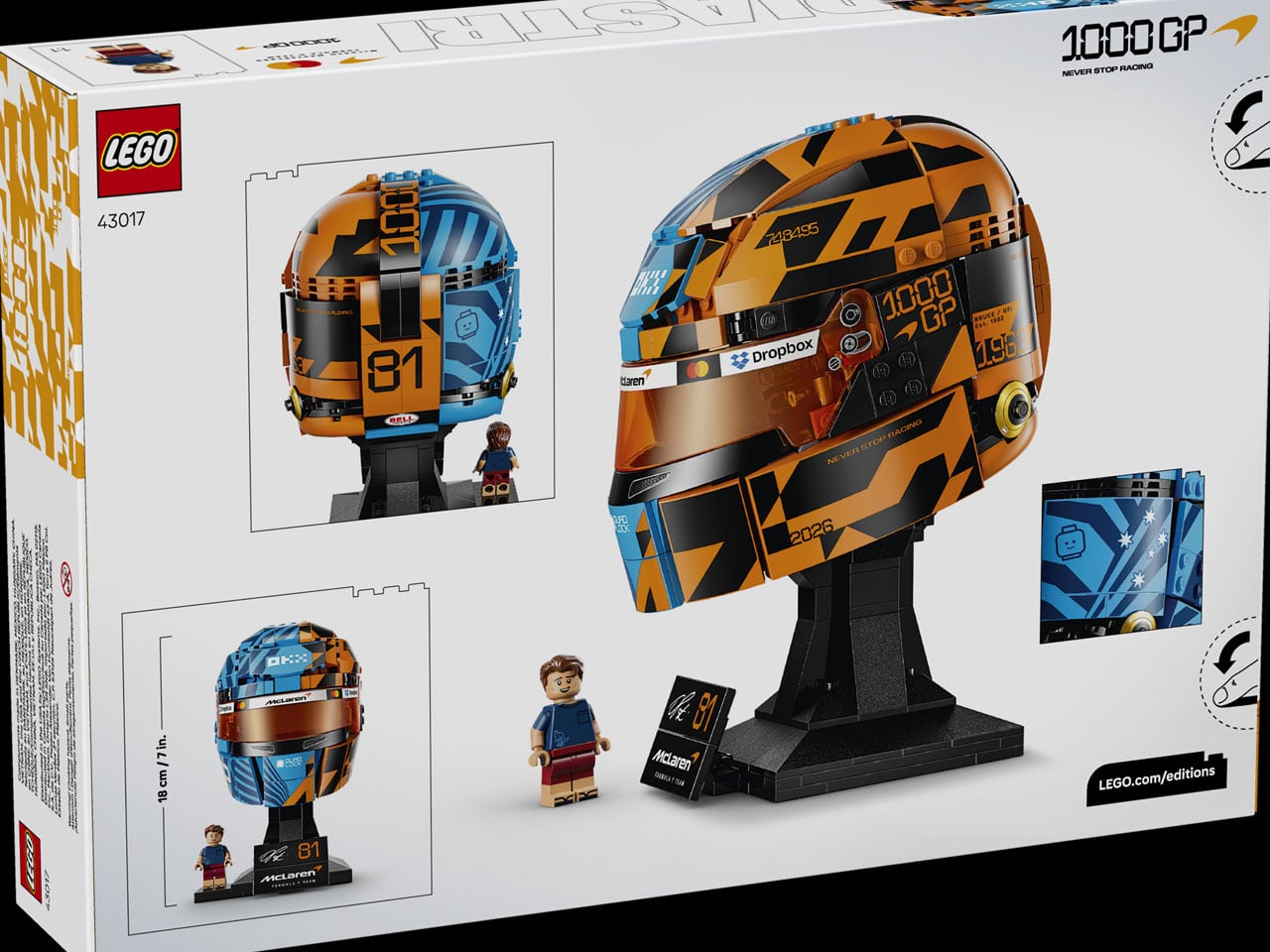
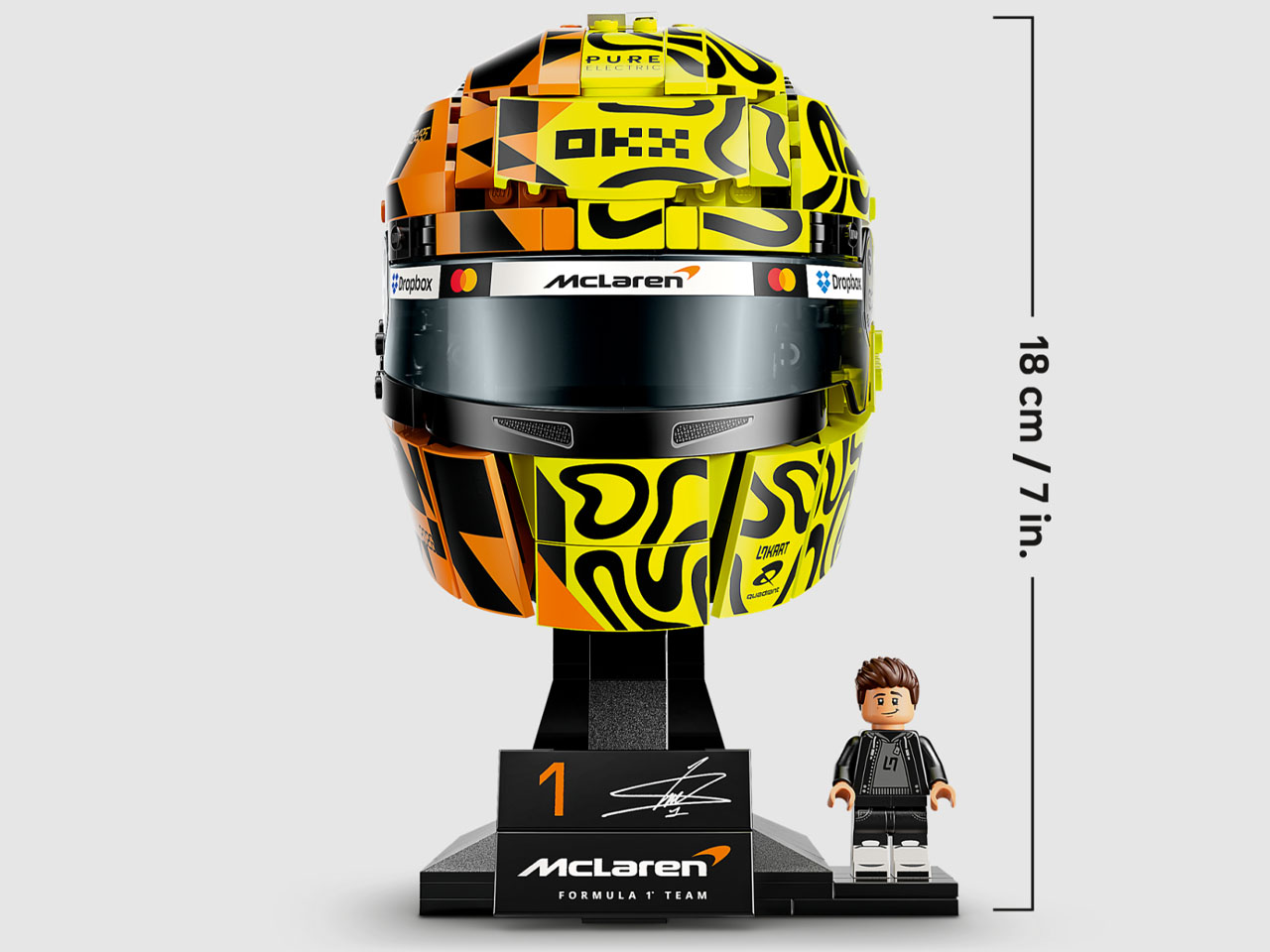
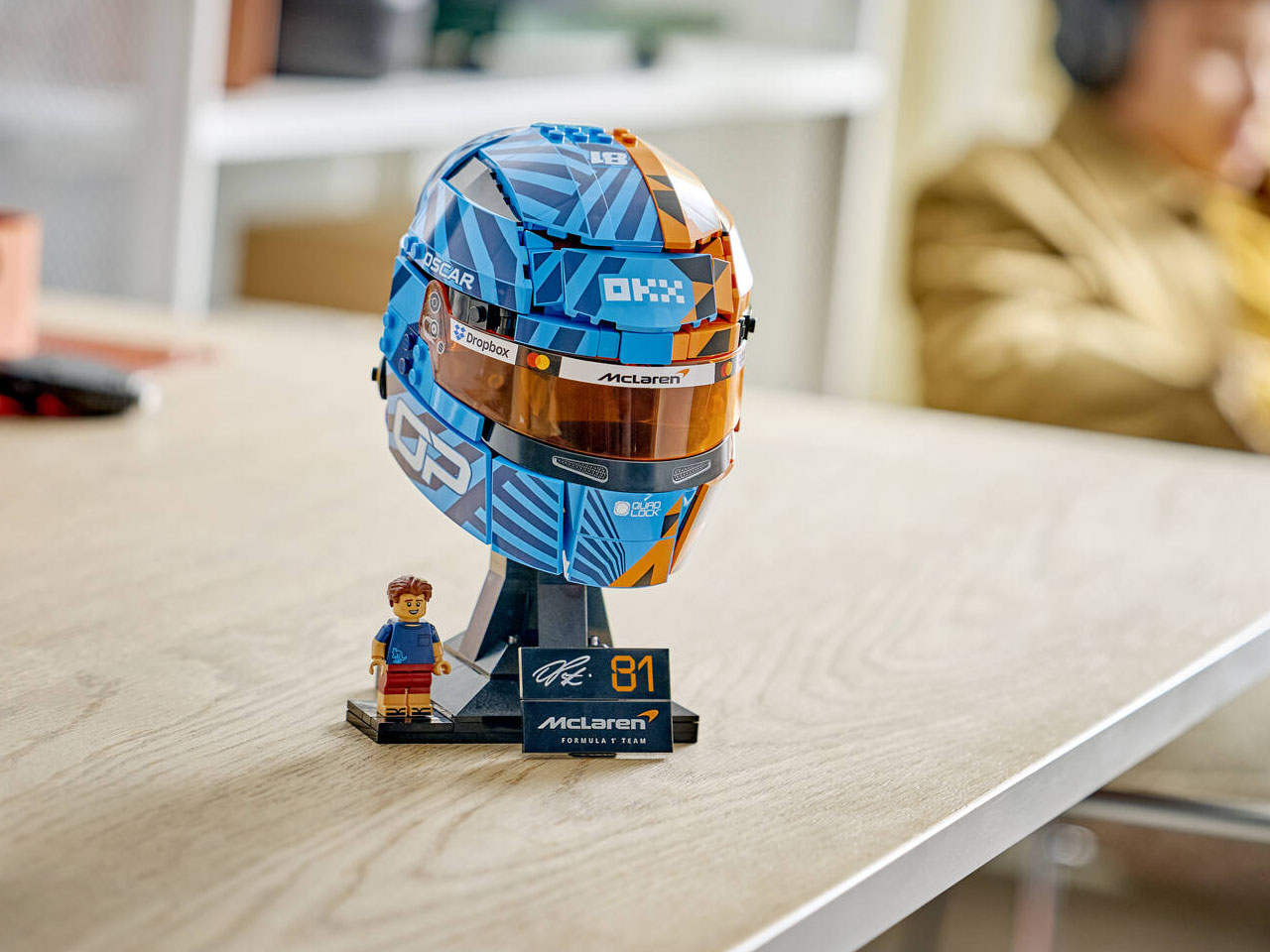
The collectible LEGO sets immortalize both the papaya team drivers in brick form, mirroring the details of the special edition helmets that’ll be worn at this weekend’s practice session, qualifying stint, and the final race at the winding street circuit by the duo of young drivers. Both of the LEGO helmets measure seven inches high, five inches deep, and 4.5 inches wide. Those dimensions remind me of the Ferrari drivers Lewis Hamilton and Charles Leclerc LEGO helmets that had a similar buildable format and shape.
Both these LEGO sets are priced at $90 each and consist of 793 pieces. You, as a fan, can sport them on the standalone black display pedestal with the printed signature plaque. However, they are distinct in their look and feel, as both the McLaren drivers sport different aesthetics. That said, the special edition livery will be sported at the Barcelona-Catalunya Grand Prix, as well.
According to the LEGO Group’s Chief Product & Marketing Officer, Julia Goldin, “Our LEGO design team worked closely with the drivers and McLaren Racing to develop these special 1000th race LEGO helmet products.” He added by saying that “fans will be able to build the sets at home, creating a cool memento of racing history for display.”
43017 McLaren Mastercard F1 Team Oscar Piastri Helmet
For Oscar Piastri, the brand’s signature papaya is mixed with the Aussie F1 driver’s favorite blue. The helmet has intricate details such as his driving number “81” and the printed patterns that look absolutely stunning. The accompanying Oscar minifigure is handprinted in the hand-picked casual outfit by the talented F1 driver.
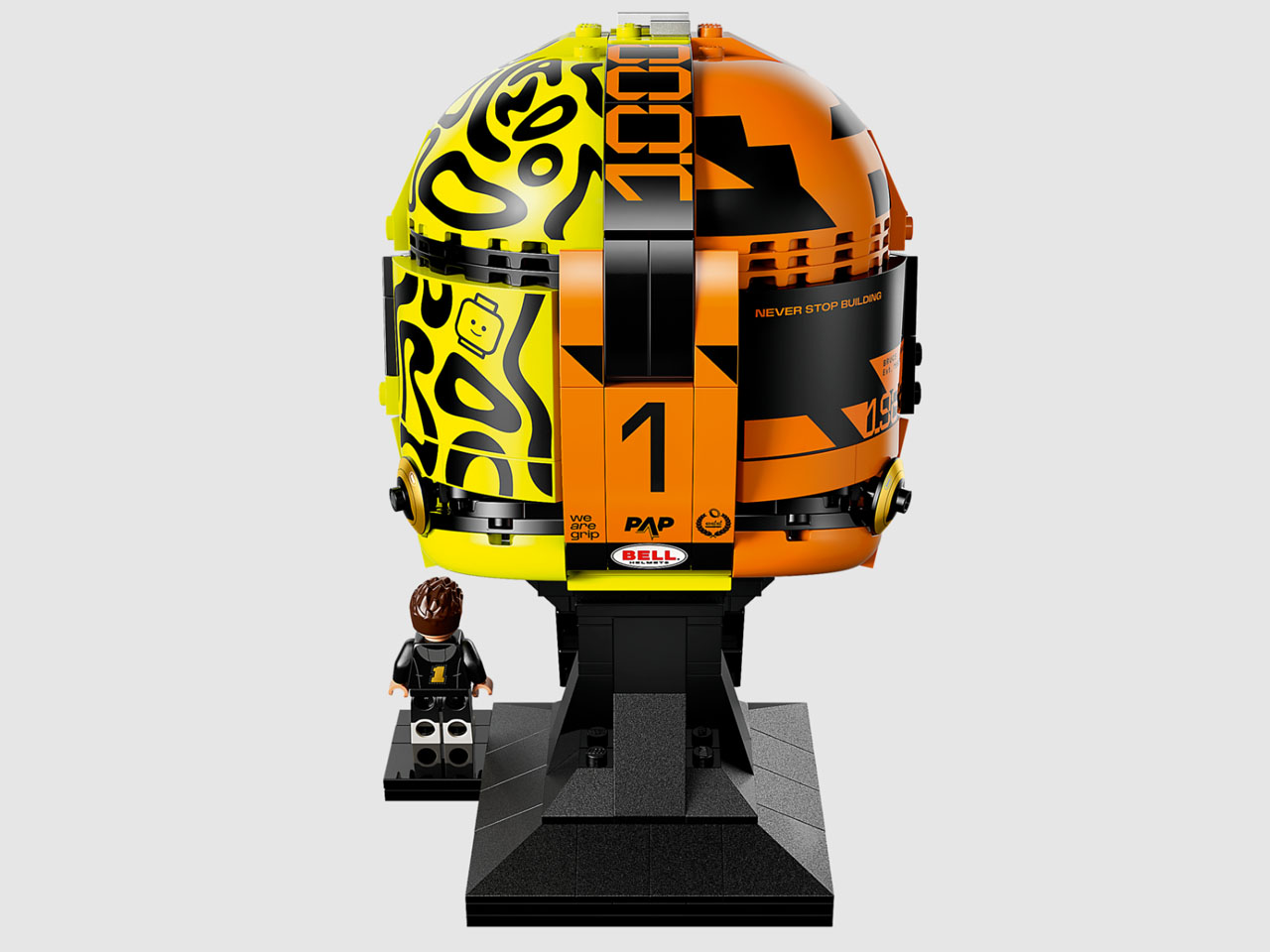
43023 McLaren Mastercard F1 Team Lando Norris Helmet
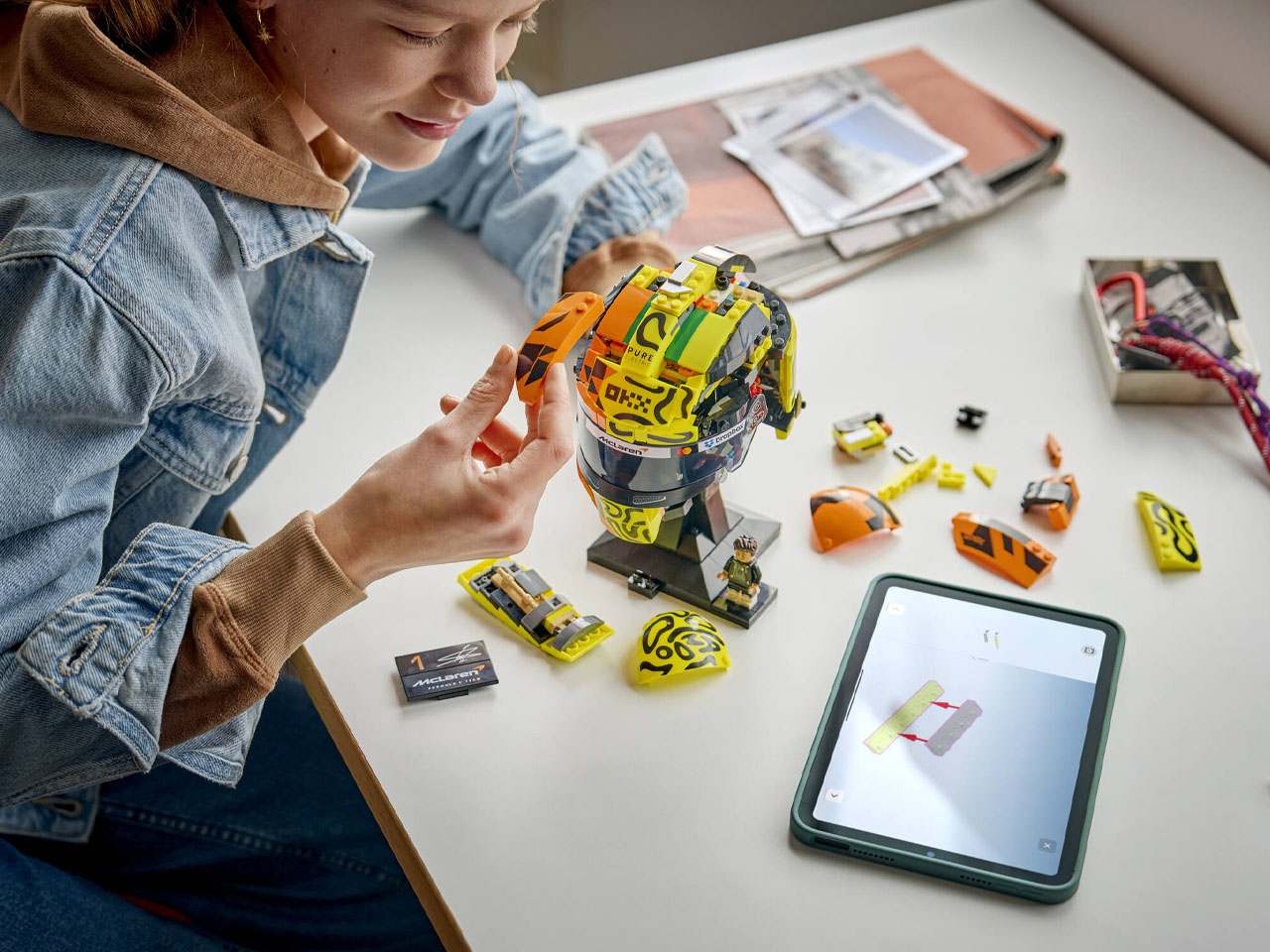
Last year’s world champion now has the number one driver number, and that is etched proudly on this peppy helmet design. It carries Lando’s iconic fluorescent blob design and the unique design elements of the 1000th Grand Prix livery on the real one. The design is co-created with the prodigy himself, and it looks absolutely stunning. Lando’s minifigure sports the handpicked look as well.
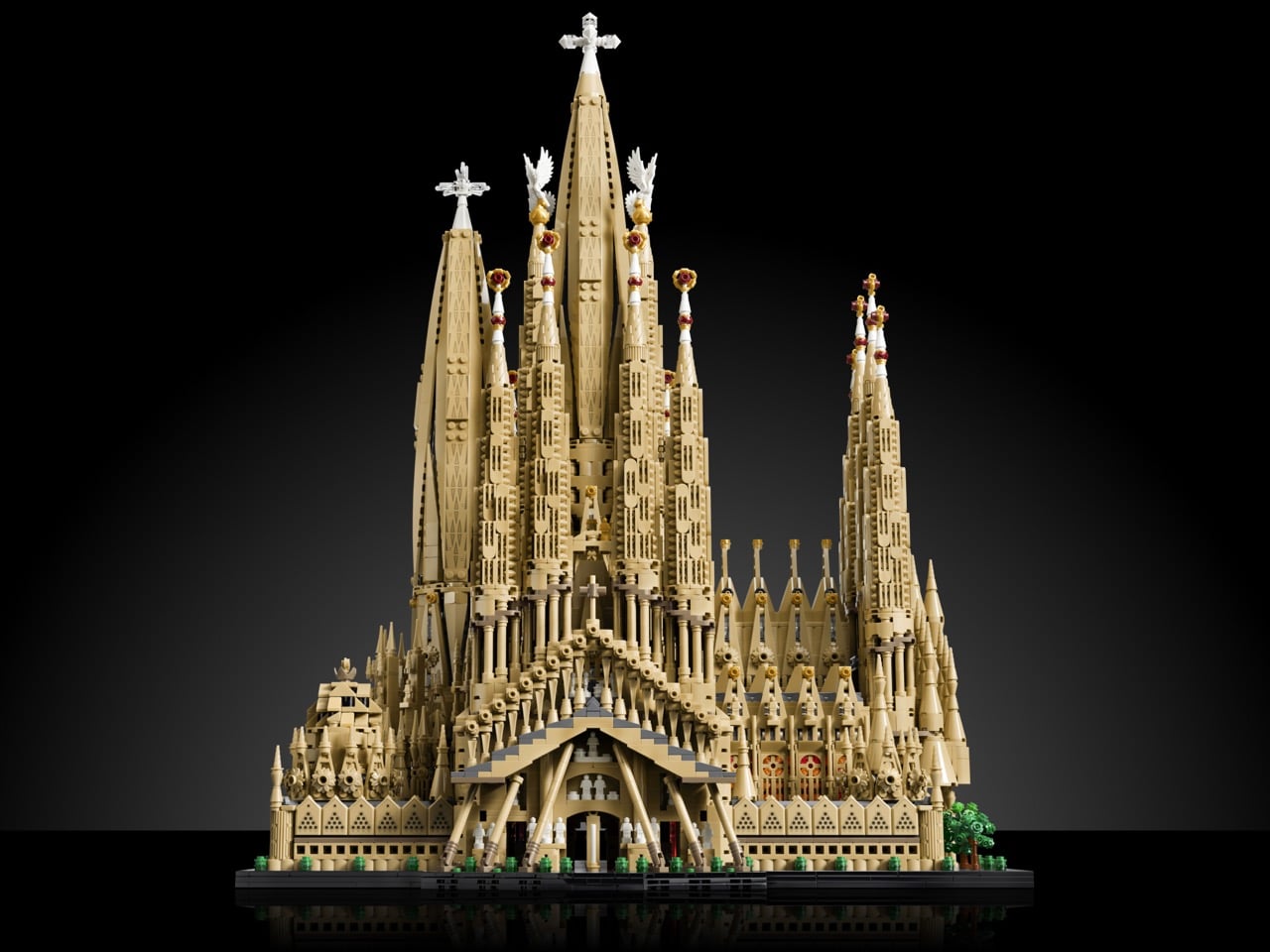
Visit the Sagrada Família in person and it overwhelms you in a way that no single photograph or video ever could. I was there in March, and I remember thinking that Gaudí didn’t design a building so much as he composed a three-dimensional argument about what architecture could be, organic, mathematical, spiritual, and completely unlike anything built before or since. The outside alone requires hours: the Nativity façade, which Gaudí himself completed, layered with life and exuberance, versus Subirachs’ stark, geometric Passion façade on the opposite end, two completely different artistic philosophies on the same building. Inside, the columns taper and branch like trees in a forest canopy, and the stained glass floods everything in color that shifts as the sun moves.
Asking LEGO to capture that in plastic bricks is like asking someone to transcribe a symphony into morse code. Something is always going to be lost in translation. What surprises me about the new Architecture Sagrada Família set is how much isn’t. At 12,060 pieces, the largest LEGO building set ever produced, this feels like LEGO swinging for something genuinely historic.
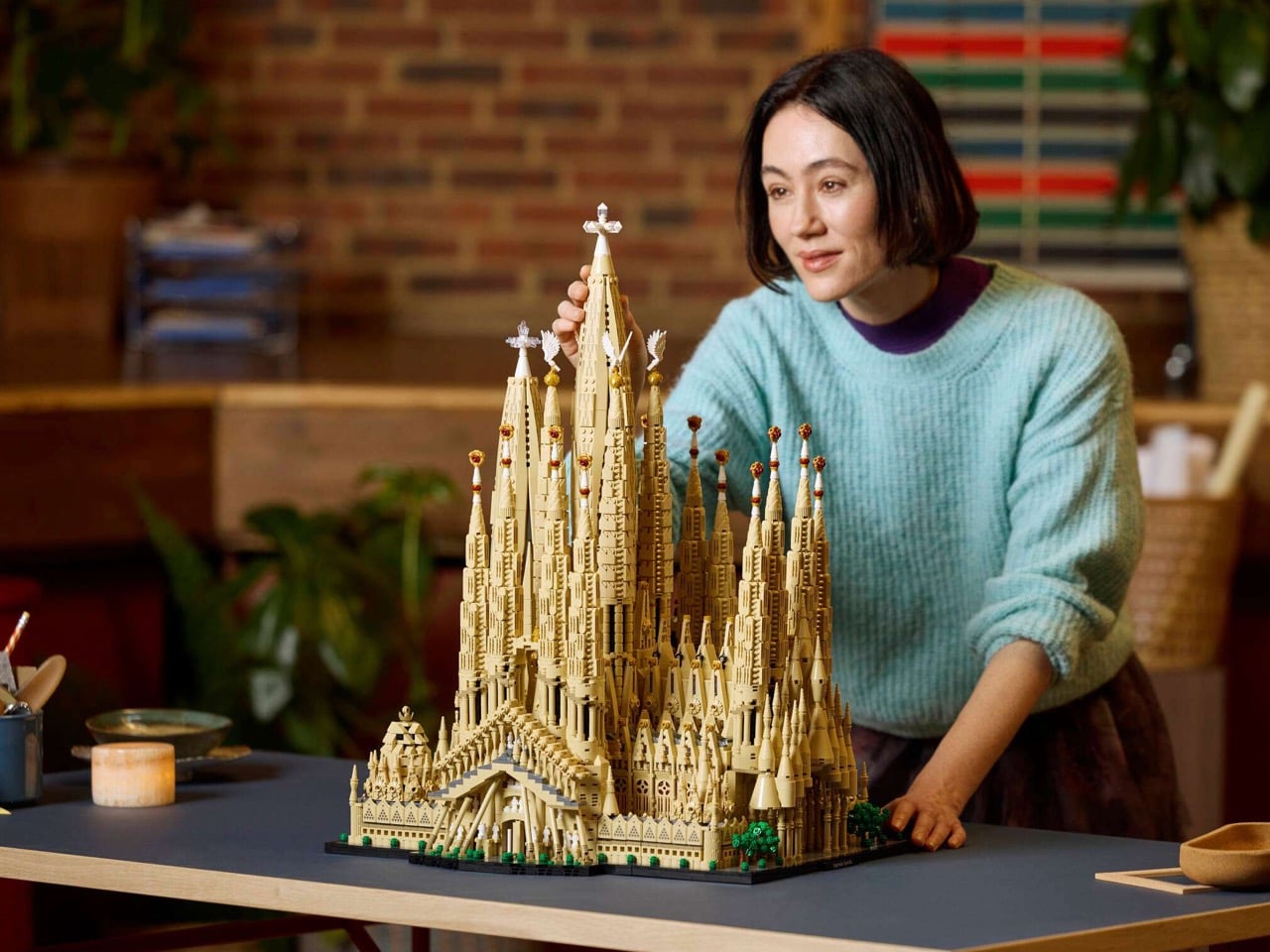
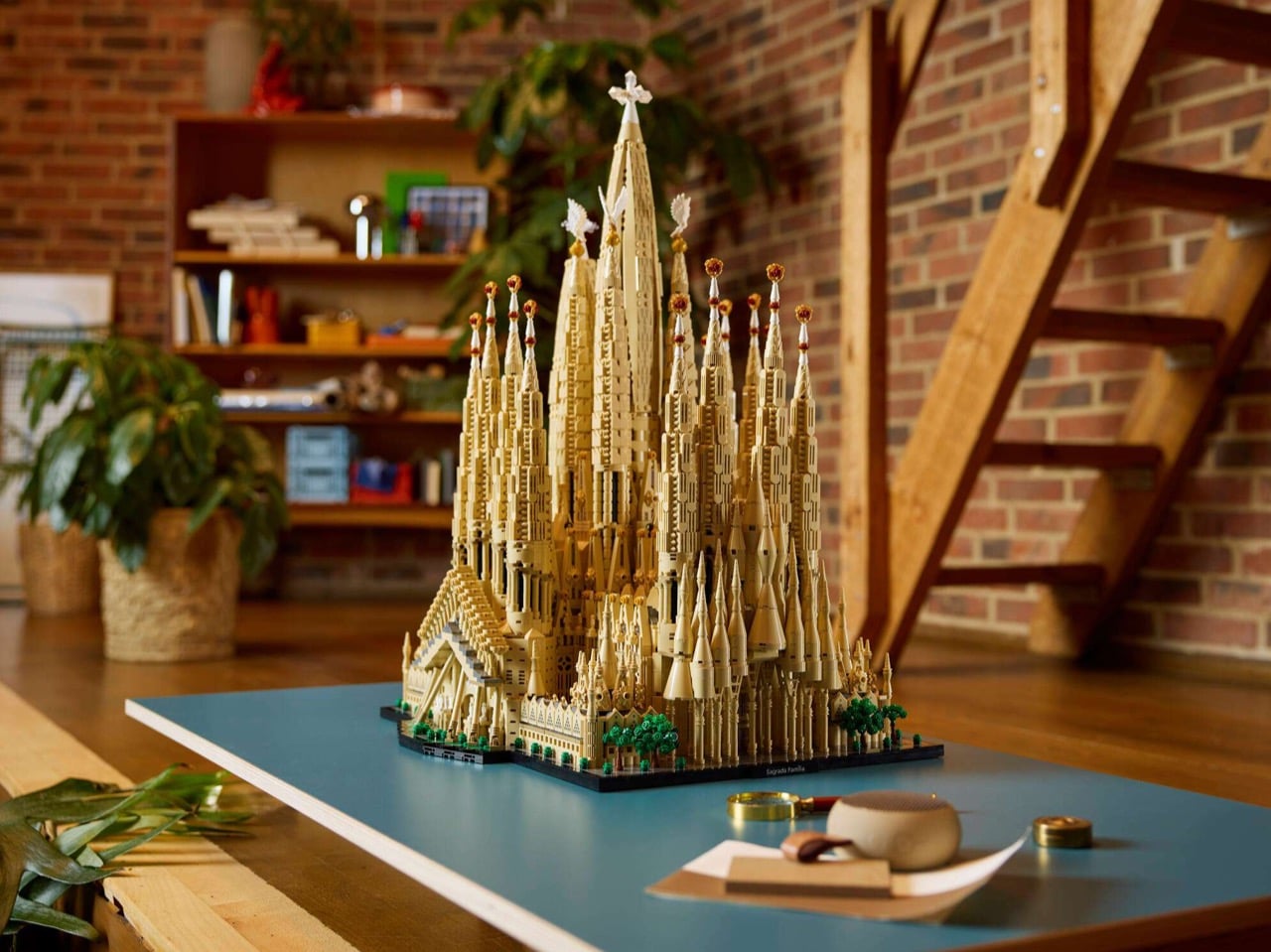
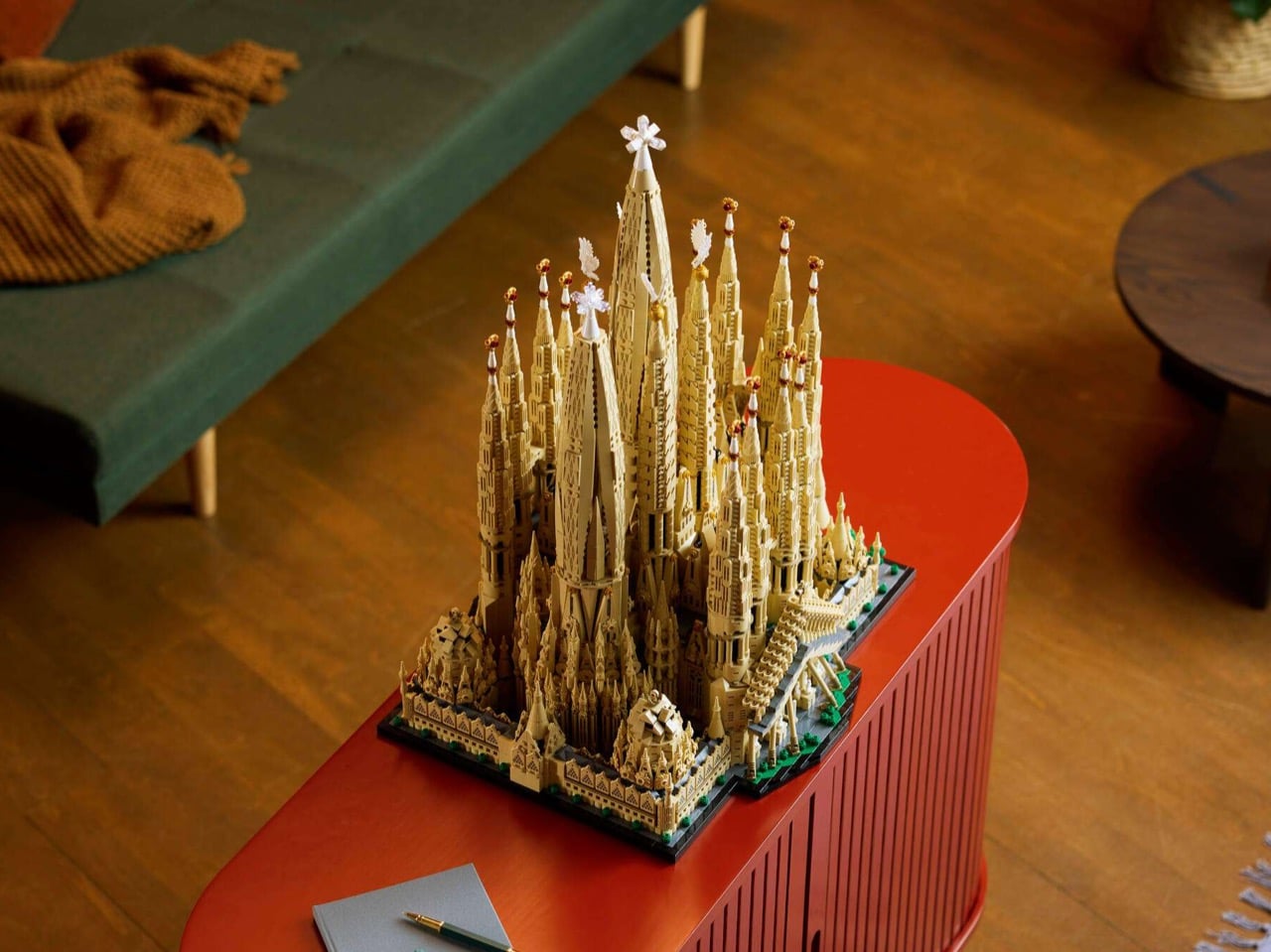
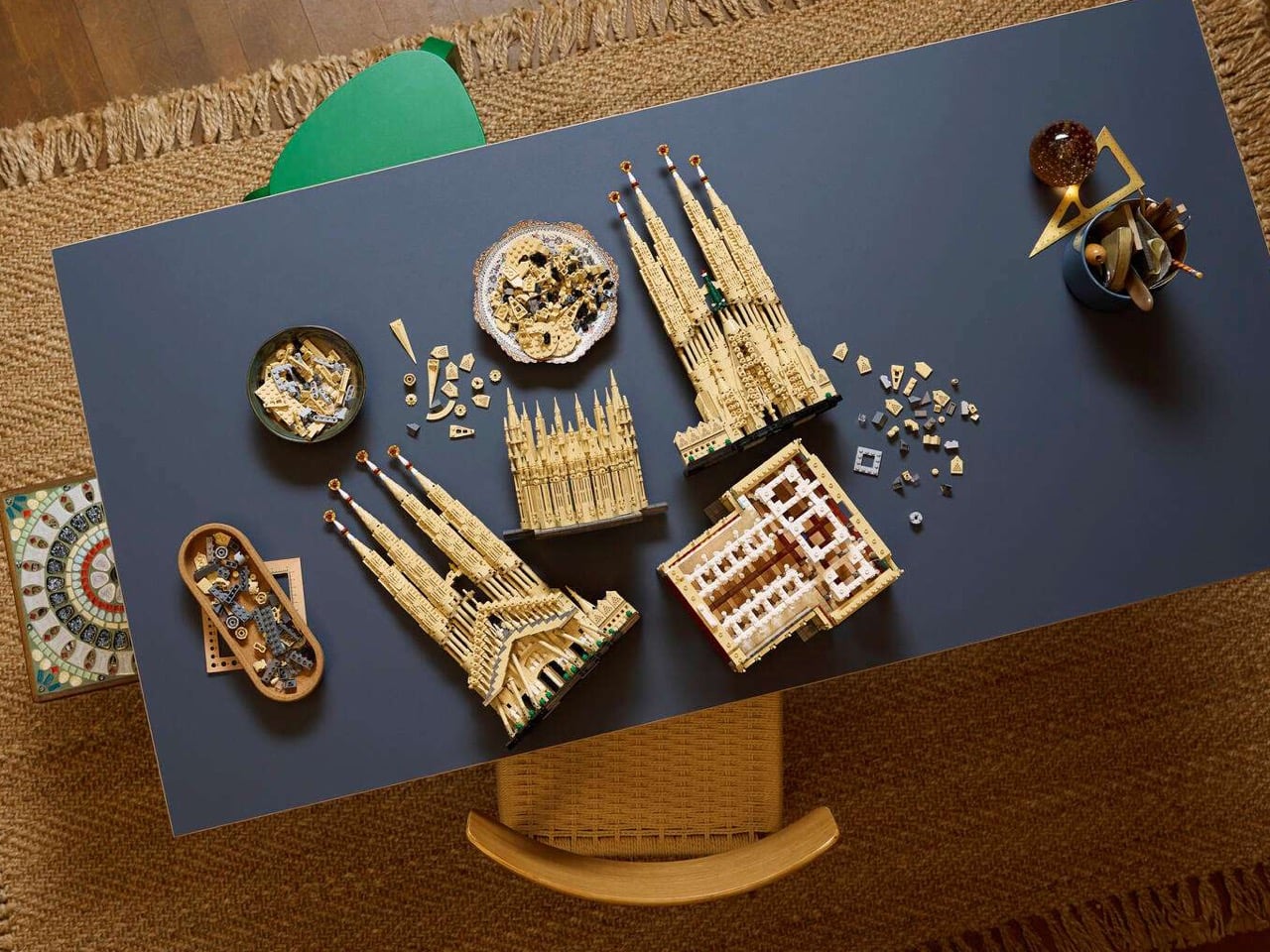
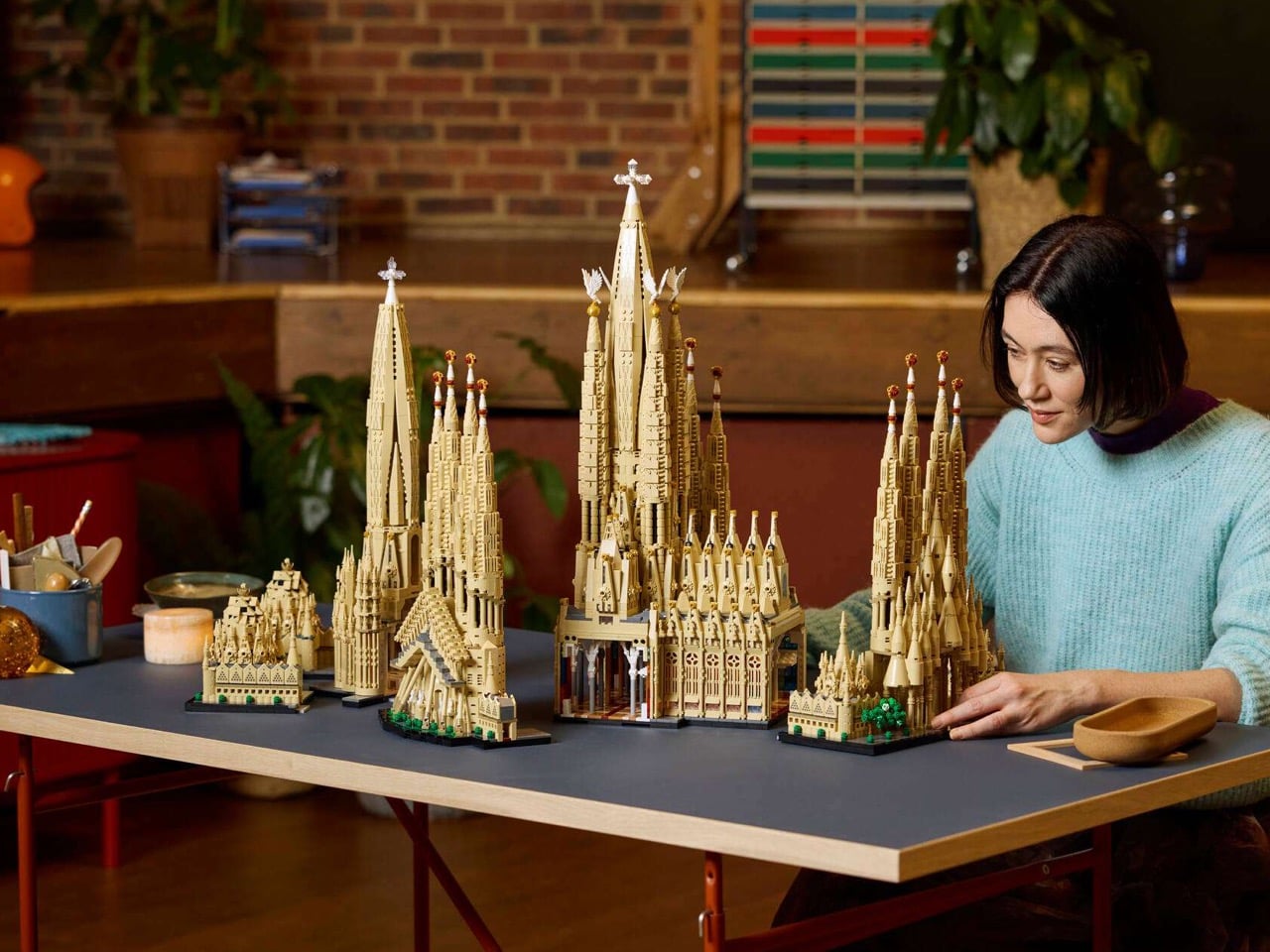
The overall silhouette is unmistakable, that iconic cluster of spires rising in tiers toward the tallest central tower, each one tapering to a decorated finial with the characteristic Gaudí flair. In warm tan and cream tones, the model reads authentically stone-like, and the sheer verticality of the completed build, standing over 24 inches tall and nearly 19 inches wide, gives it a genuine presence on a shelf or table. This isn’t a model you glance at. It’s one you walk around, the same way you would the real thing.
Up close, each tower has its own surface texture, horizontal banding, elongated window openings, and decorative elements rendered at a scale that shouldn’t be possible given the geometry of a standard brick. The finials at the top of the Nativity towers are crowned with crosses assembled from transparent elements that catch light beautifully, flanked by small white dove pieces that perch on the spire tips. These aren’t approximations. They’re genuinely faithful to the real ornamental language Gaudí used, and seeing that level of commitment at minuscule scale is quietly staggering.
The build sequence itself is one of the set’s most thoughtful features, and a detail that LEGO deserves real credit for. Rather than assembling the model in generic stages, the construction follows the actual chronological history of the basilica. You begin with the Apse and Crypt, then build out the Nativity façade, the only section Gaudí lived to complete, before moving to Subirachs’ Passion façade. Then come the naves, the Western Sacristy, all six towers, and finally the Eastern Sacristy and the Glory façade. Building it in that sequence gives the process a narrative weight that most LEGO Architecture sets simply don’t have. You’re not just stacking bricks, you’re tracing 140-plus years of construction history with your hands.
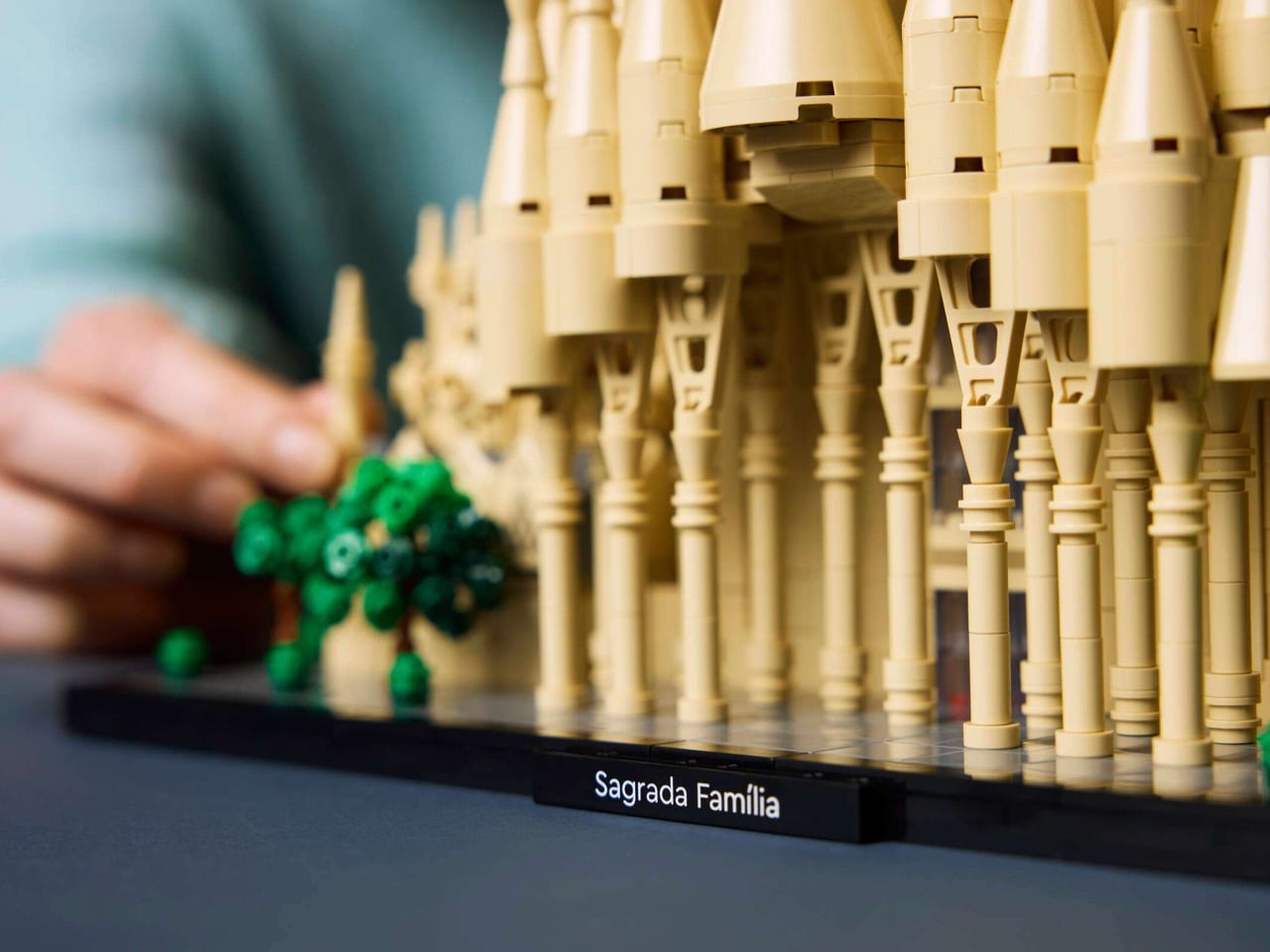
Clusters of dark green tree elements ring the building’s perimeter, tiny but effective, grounding the cathedral in its urban context in a way that gives the completed model a sense of place rather than floating in abstract space. The nameplate on the base is a clean, elegant touch that finishes the presentation without overselling itself.
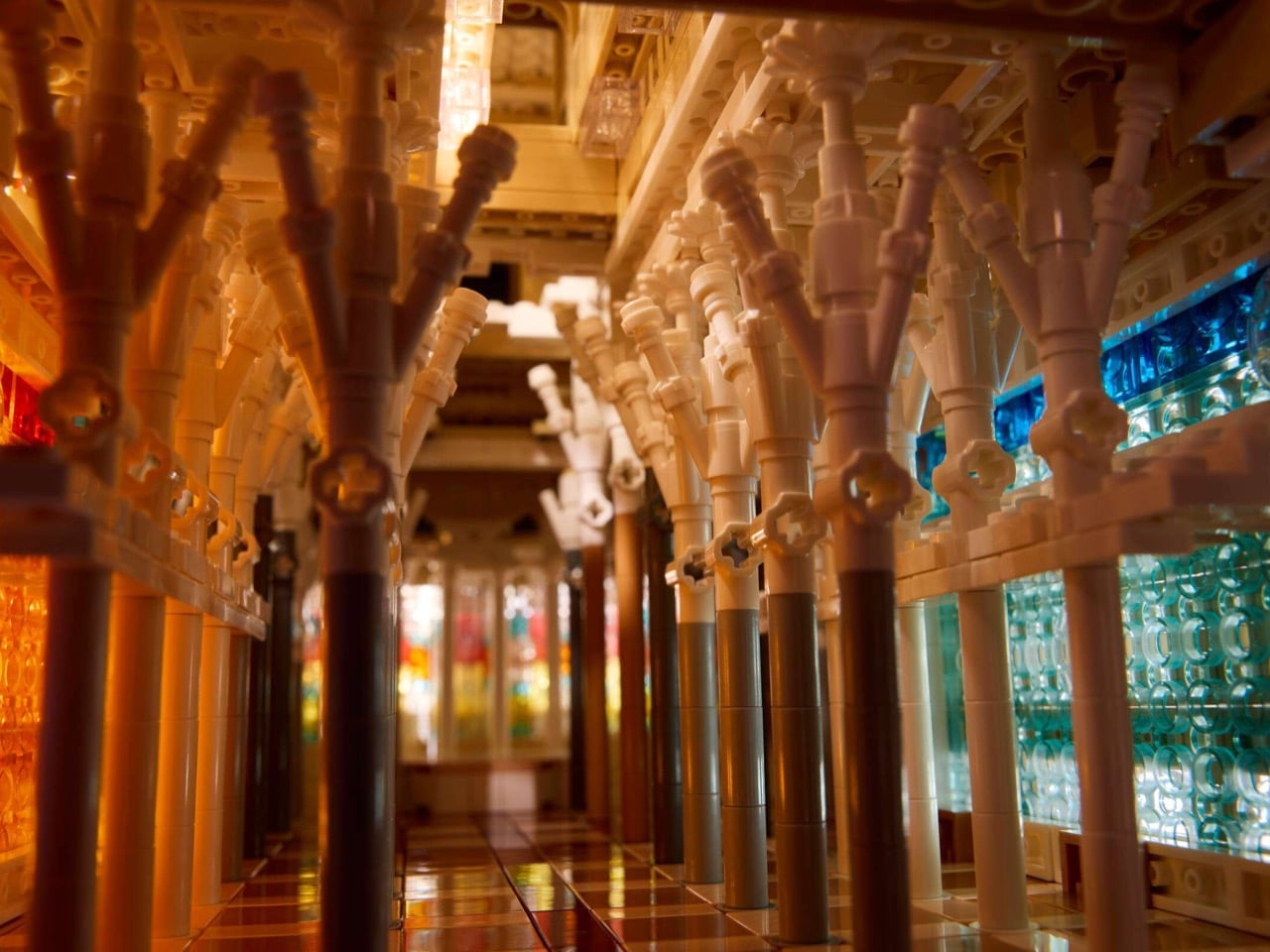
Then you look inside, and the set shifts registers entirely. The nave interior is genuinely breathtaking for a LEGO build, with rows of white branching columns that replicate Gaudí’s tree-forest structural concept with surprising fidelity. Transparent blue, amber, and red elements fill the window apertures, and when light hits them, the color washes across the interior tiles in a way that mirrors the real cathedral’s most magical quality. My favorite detail, though, is the tiled floor, rendered in warm reddish-brown and cream checker tiles that make the nave feel genuinely inhabited rather than merely constructed. It’s a small thing that makes an enormous difference, and it’s the kind of detail that tells you the designers who worked on this set had actually been inside the real building.
At $799.99 and 12,060 pieces, this is unambiguously a serious investment, the kind you make when you want something on your shelf that earns a second look every single time. LEGO has produced landmark Architecture sets before, the Empire State Building, the Eiffel Tower, the Taj Mahal, but none of them came with this degree of narrative depth or building complexity. The Sagrada Família is a building the world has been watching take shape for over a century, and somehow, LEGO has made a version of it that feels worthy of that legacy. Take a bow.