C2H4 x G-Shock turns the iconic GA-2100 into retro-futuristic space age timepiece

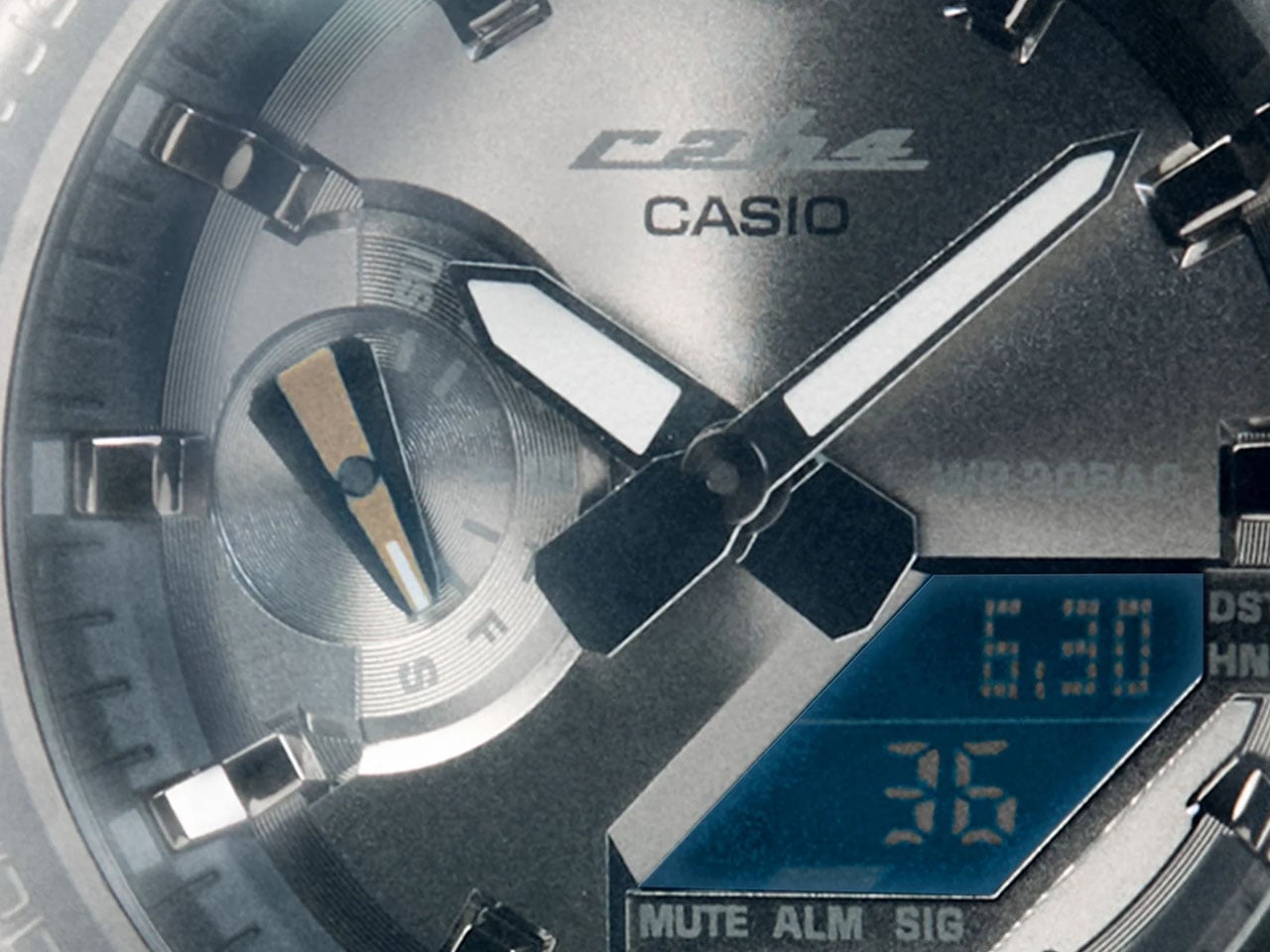
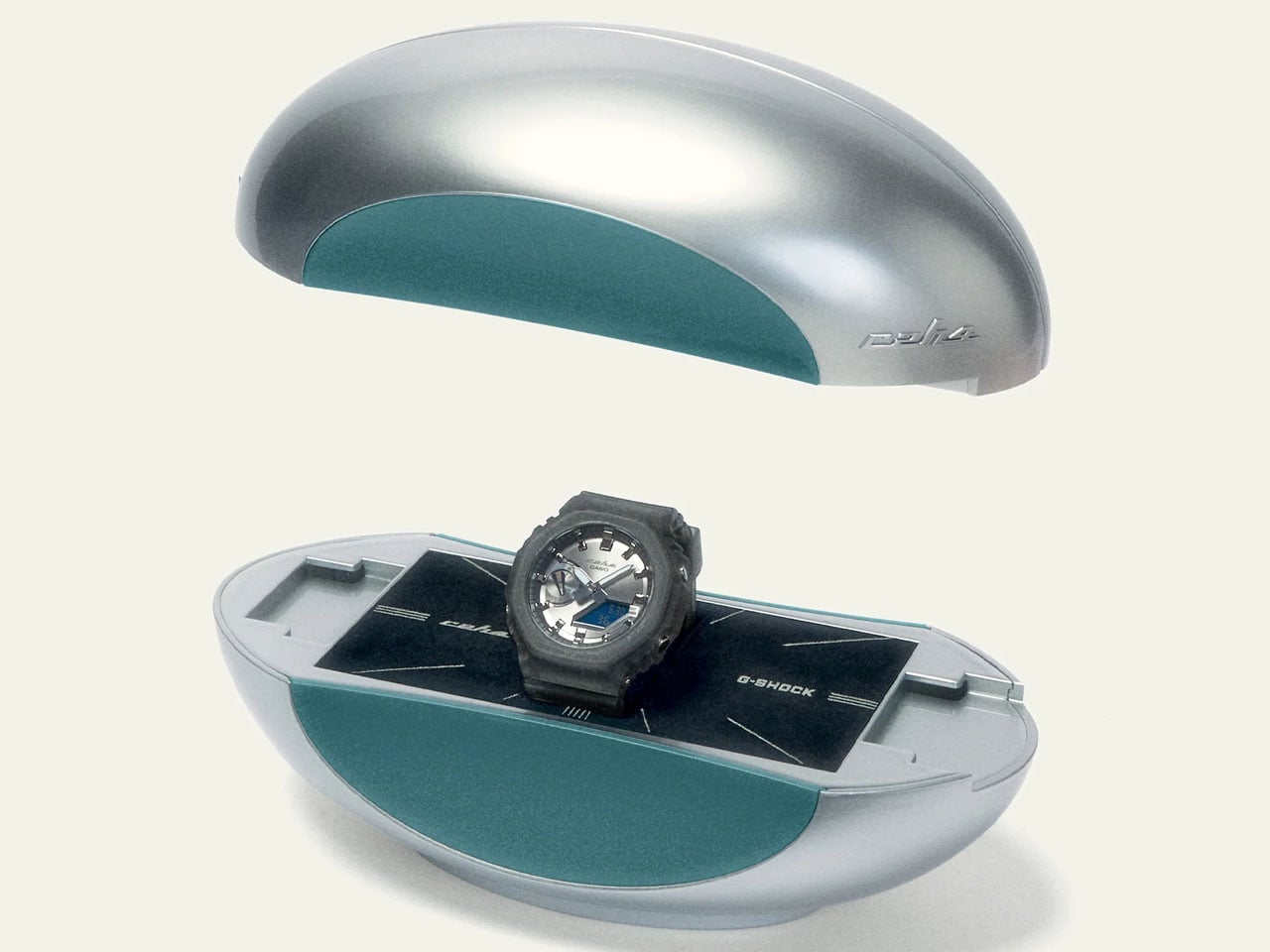
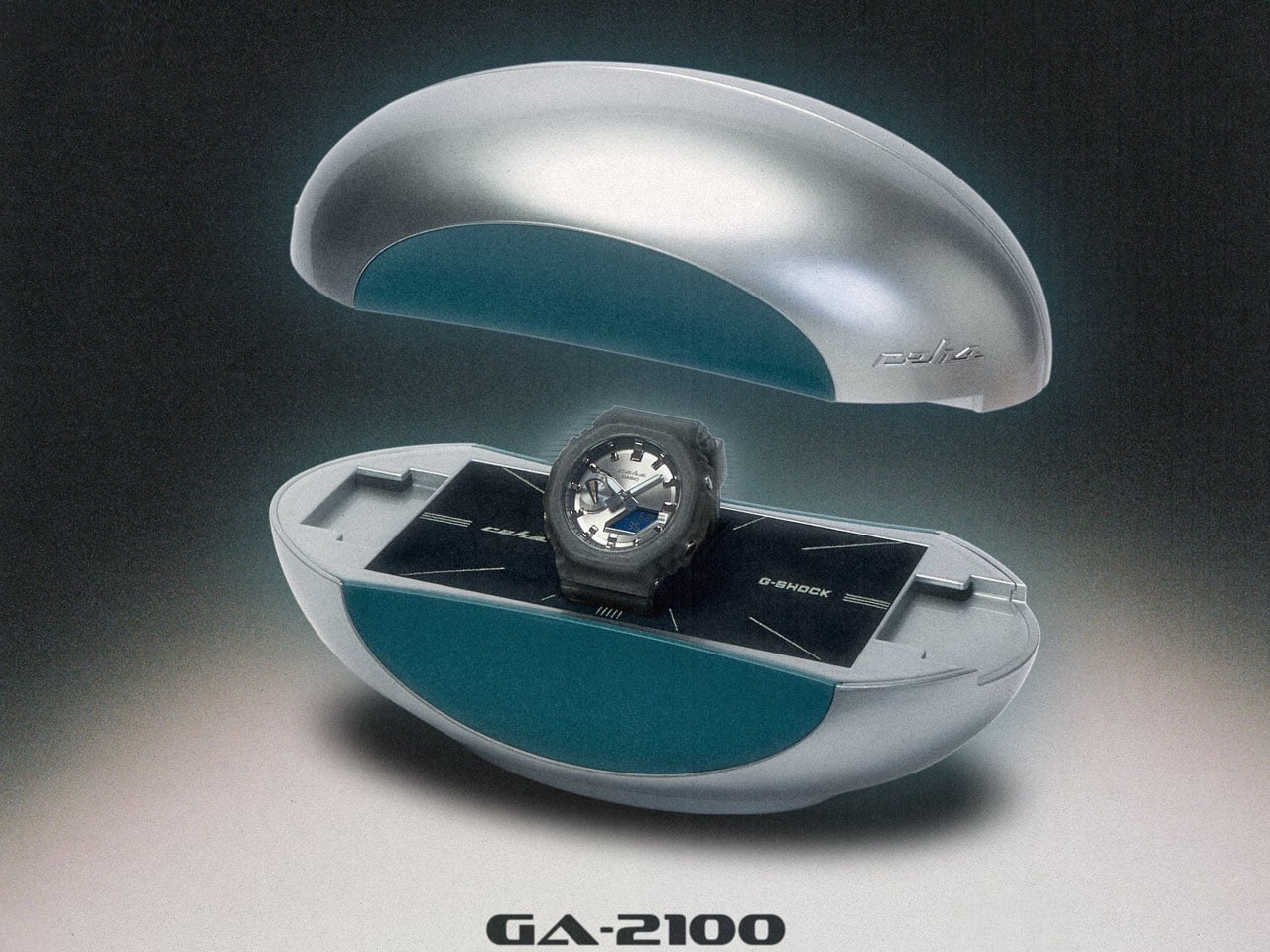
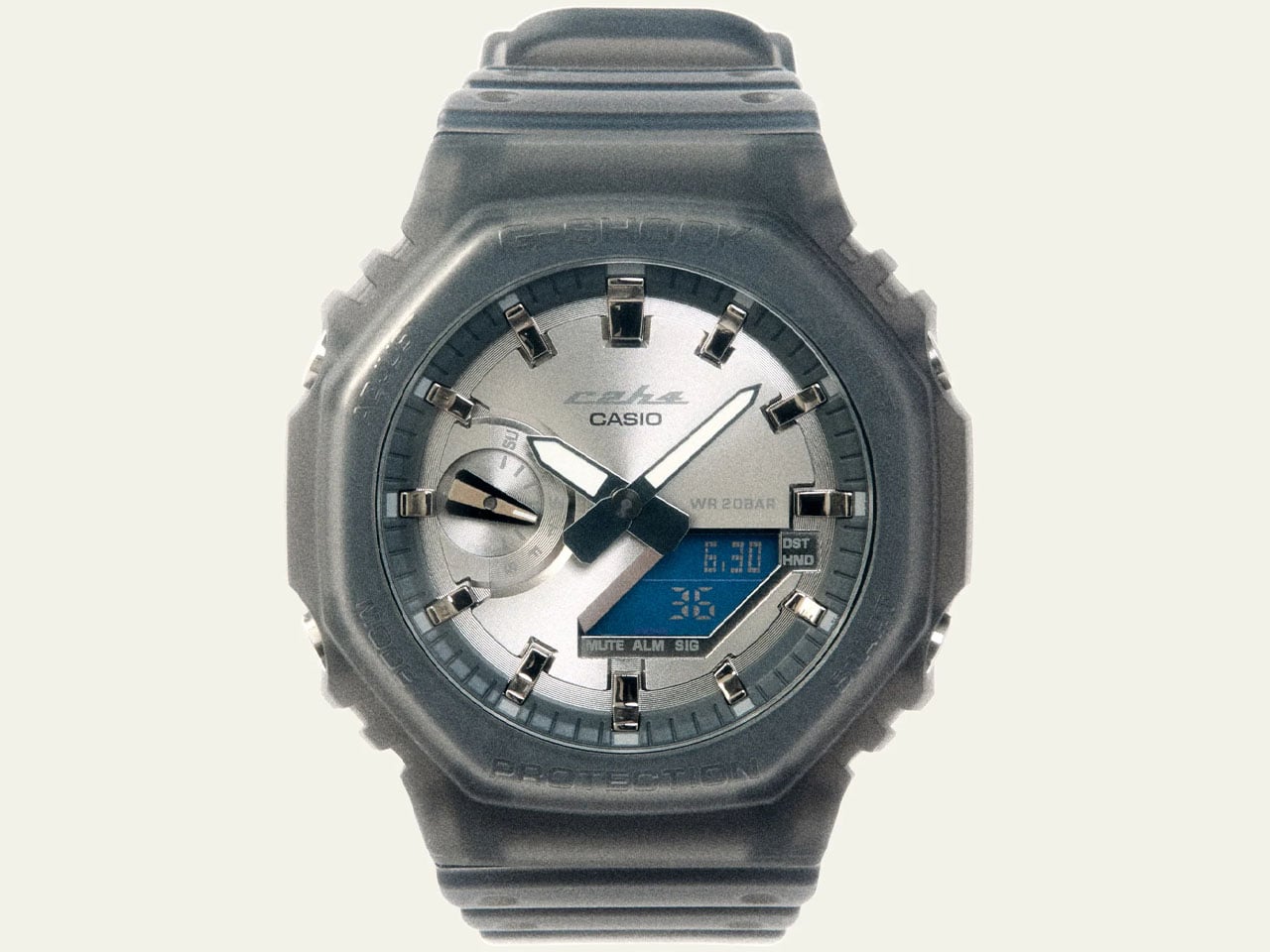
G-Shock is reminiscent of watches that keep you ahead of their time. This time, the collaboration between the Casio brand and Los Angeles-based streetwear label C2H2, however, takes you back. This is possible with the new retro-futuristic analog-digital watch inspired by the Space Age aesthetic. Based on the G-Shock GA-2100 (a timepiece that has already been through a rainbow of colorways), the C2H4 × G-Shock is a translucent resin model featuring a brushed silver dial with metallic silver detailing.

The collaboration model that appeared straight out of the 1960s was launched on the C2H4 website this past week, on July 17. The G-Shock is reasonably priced at $245; it features a dial that you would want to appreciate, even if you don’t want to own it. The dial matches the translucent resin casing with a brushed finish. But it is the metallic silver plating enhanced by vapor deposition here that makes this iteration of the C2H4 x G-Shock stand out.

Designer: C2H4

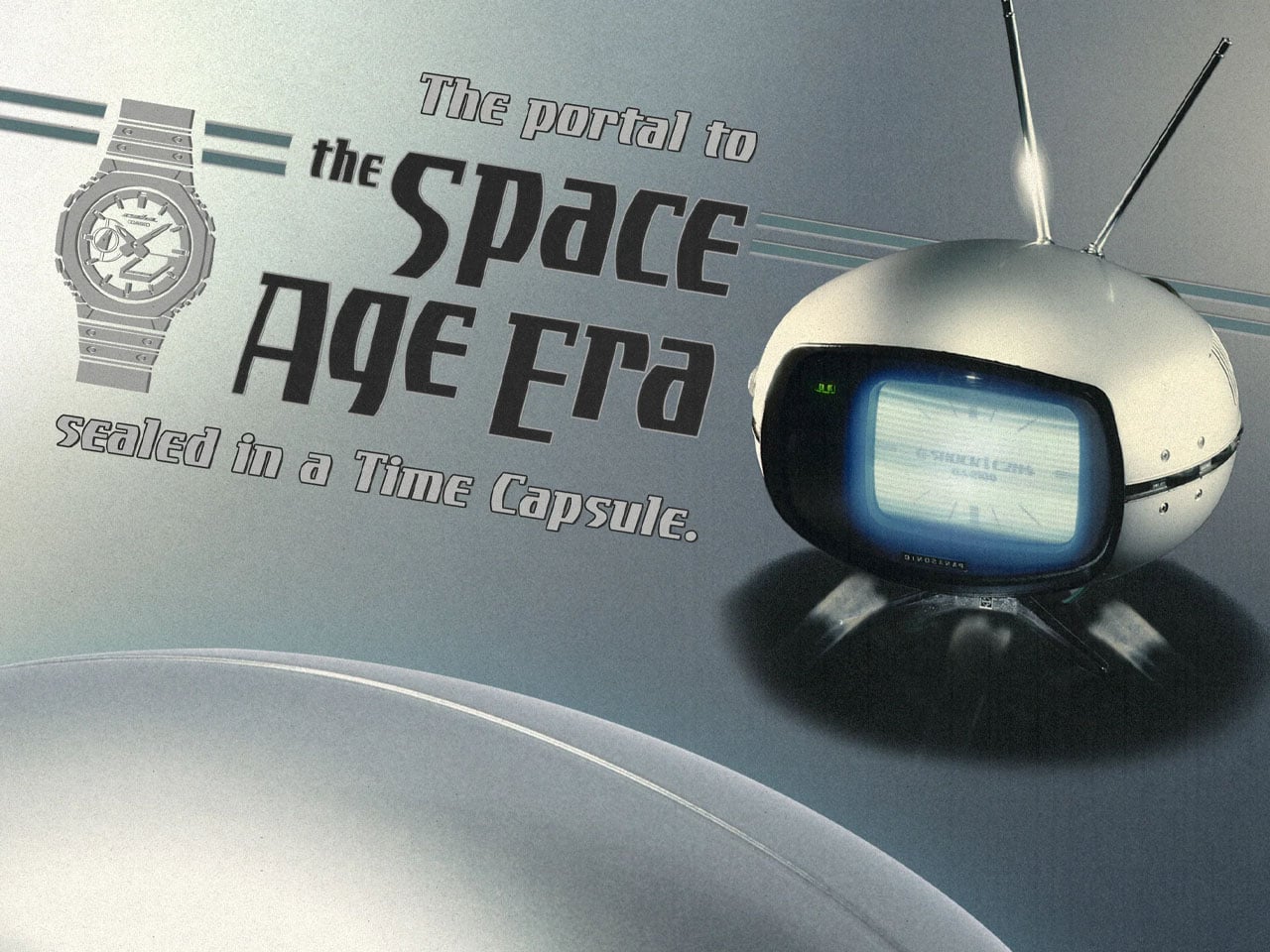
The basic idea of the C2H4 × G-Shock Vol. 2, which is the second model of the collaboration between the two brands, is pretty much similar to the previous model. Only that the retro-futuristic watch is now more metallic and angular. The metallic silver and blue watch is vintage-inspired and visually, a model pulled out of science fiction, thanks to its smoky translucent resin that’s apart from the blacked-out treatment in the previous offering.
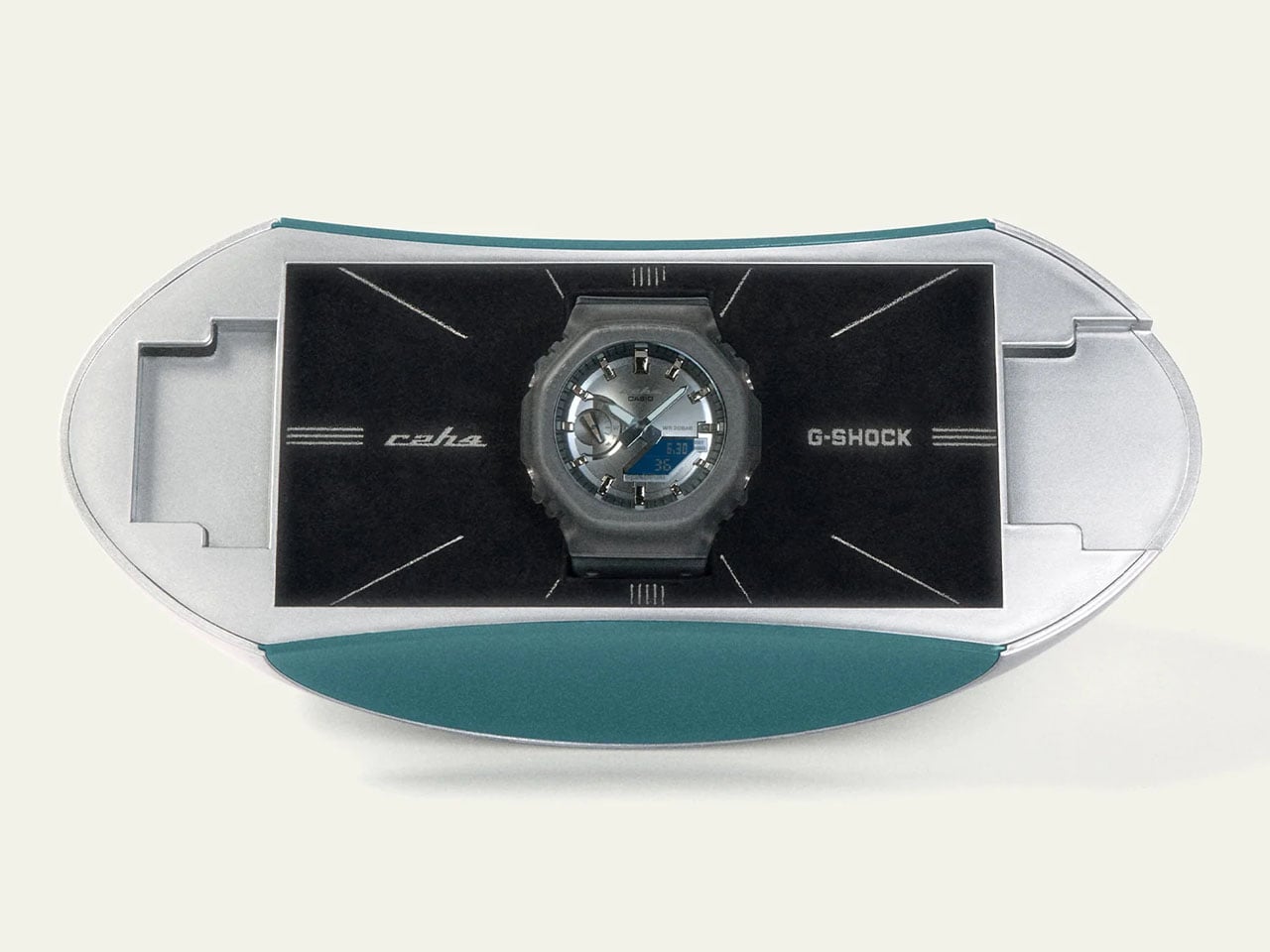
Since the new C2H4 × G-Shock is based on the familiar design of the GA-2100, the new G-Shock GA-2100C2H426-8A arrives with the tagline “the future of design lies in the past.” The watch retains its inspiration’s shock resistance and is water resistant to 200m. The watch hands and hour markers are also provided with a refined metallic appearance with vapor deposition to match the watch details.
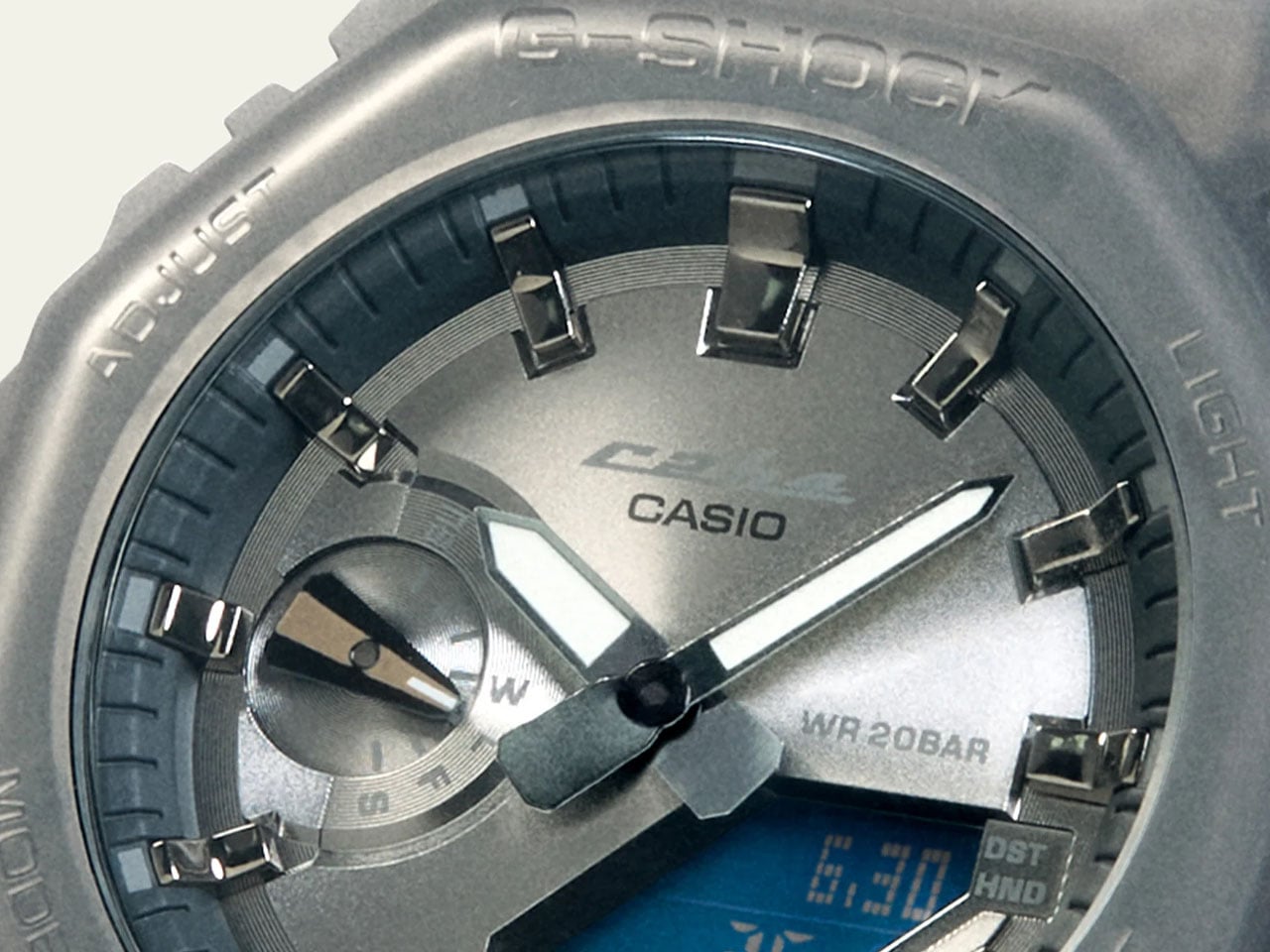
Like its base model, the collaboration model comes with 31-timezone world time, a 1/100-second stopwatch, five daily alarms, and a countdown timer. The watch features a double LED Super Illuminator and comes with a full auto-calendar. It can keep track of the date accurately through the year 2099. The translucent resin bezel and a matching strap reflect the usual CasiOak silhouette, with the metallic dial mimicking the Space Age aesthetic.

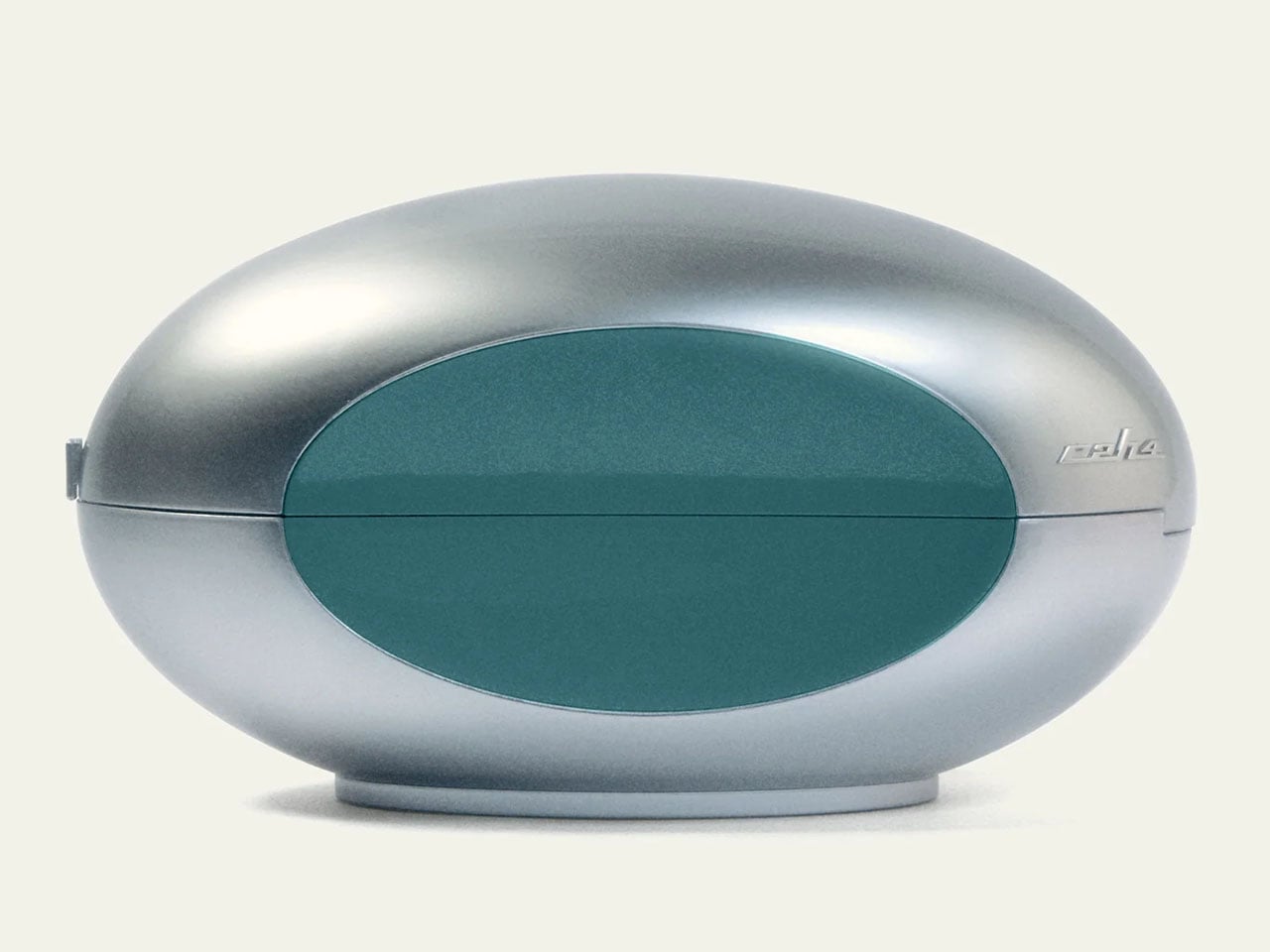
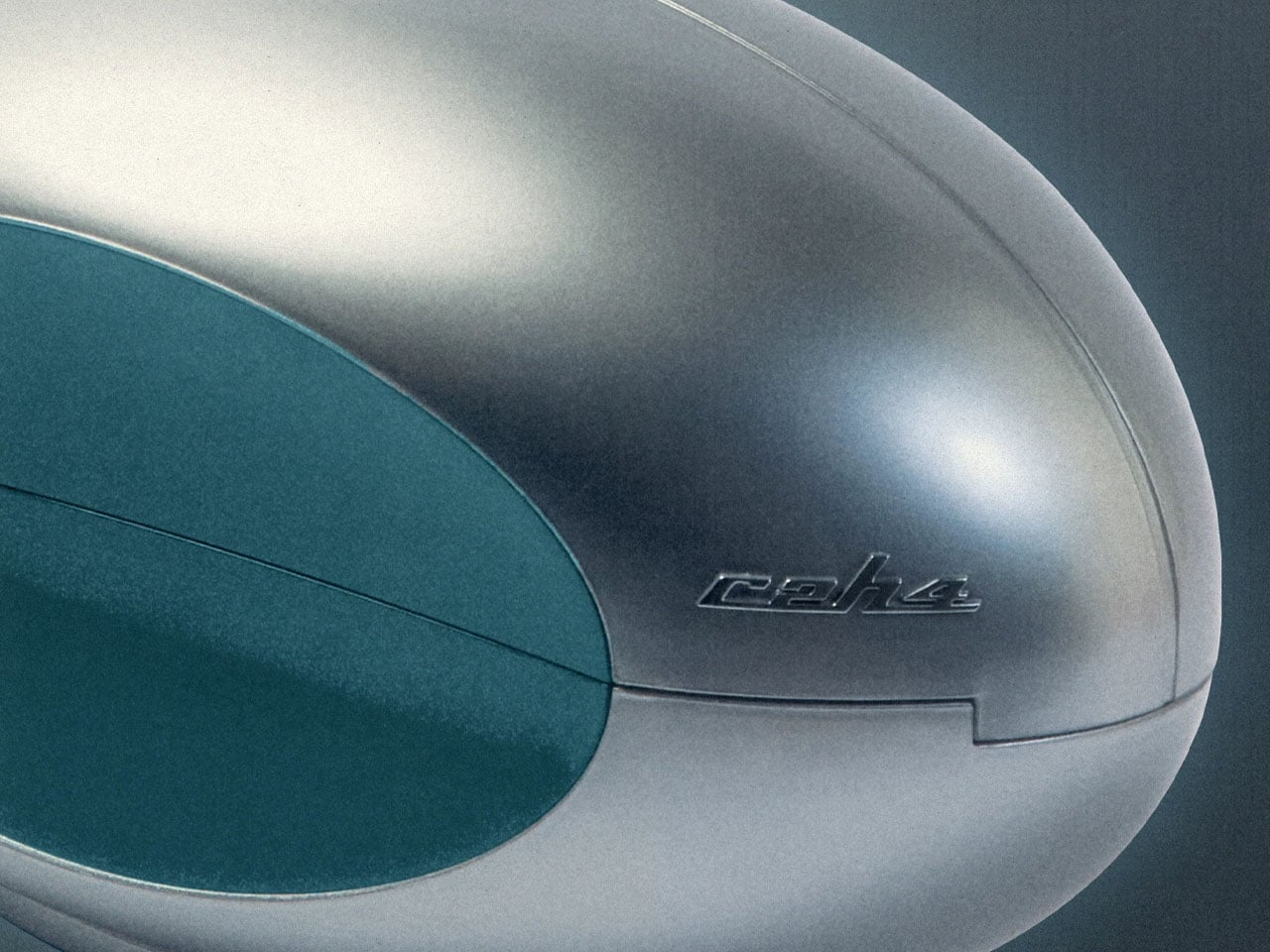
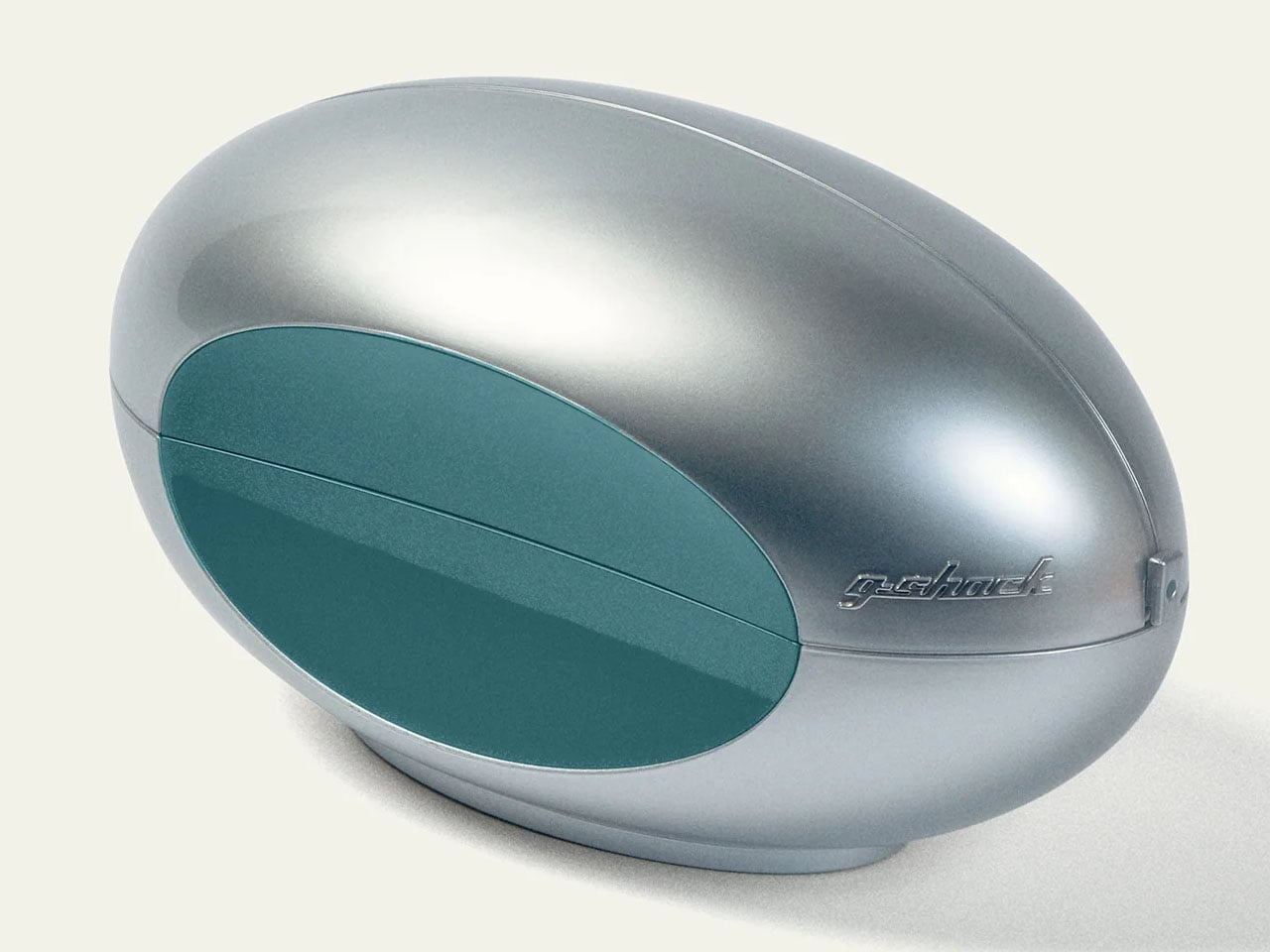
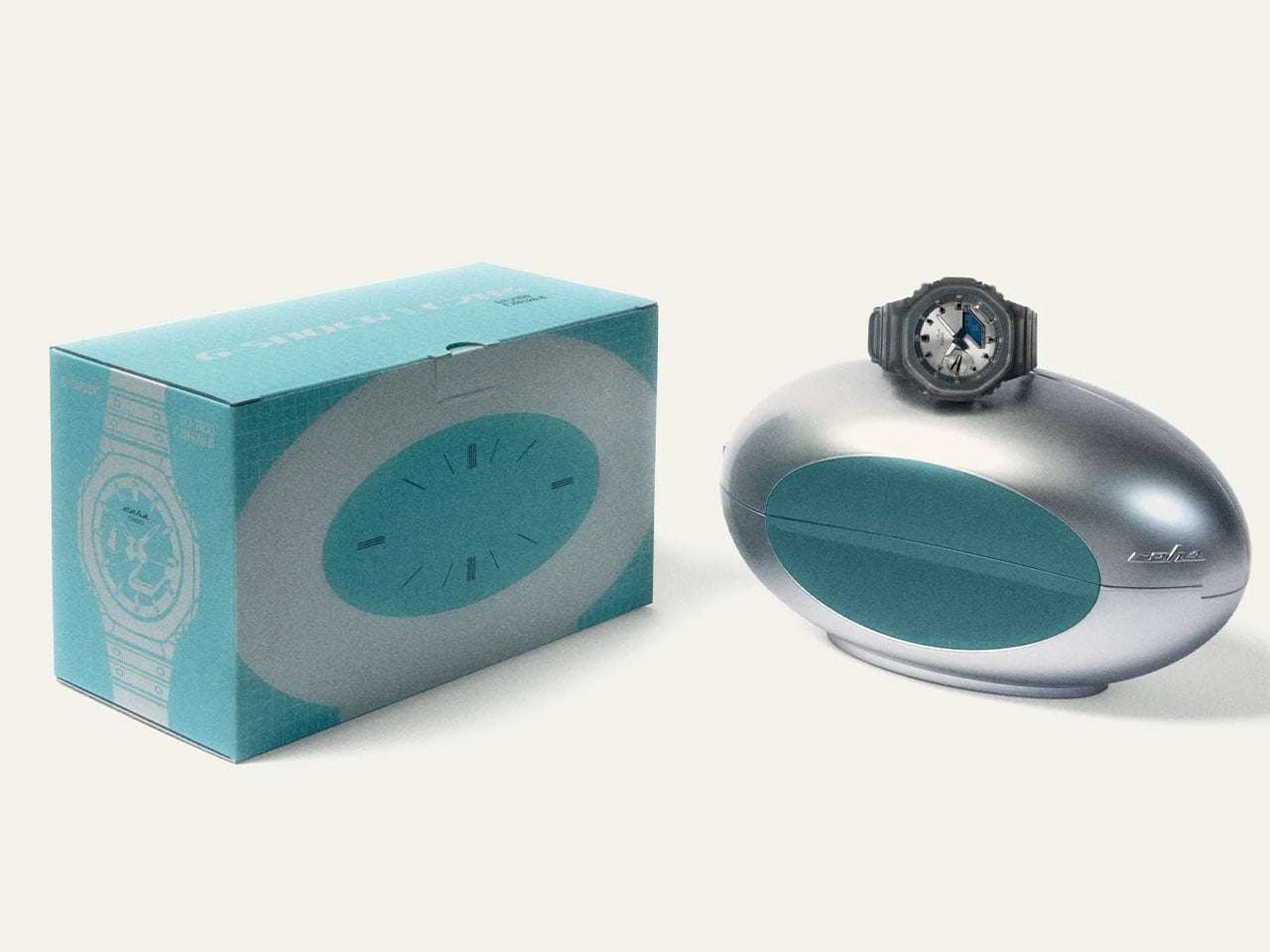
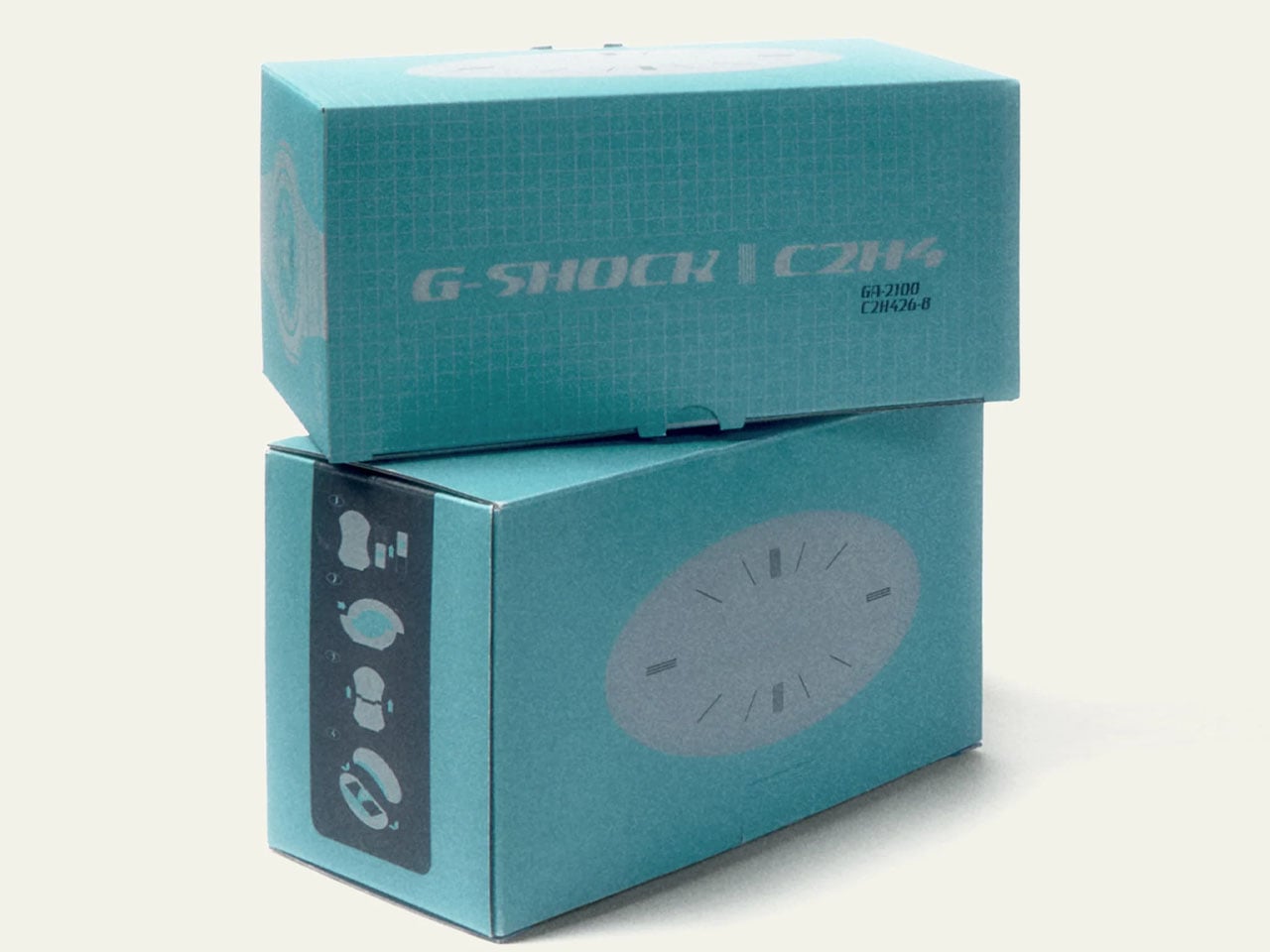
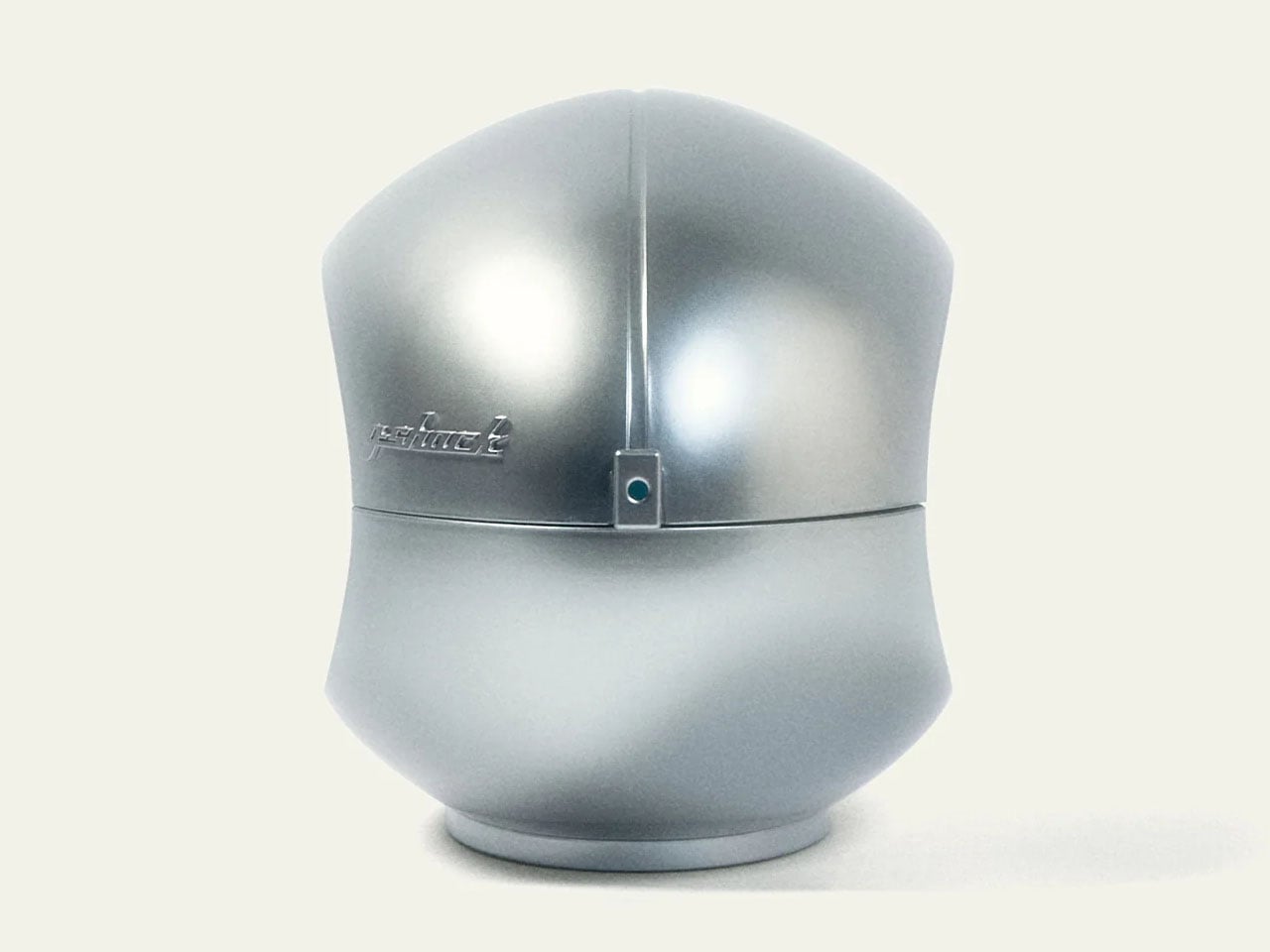
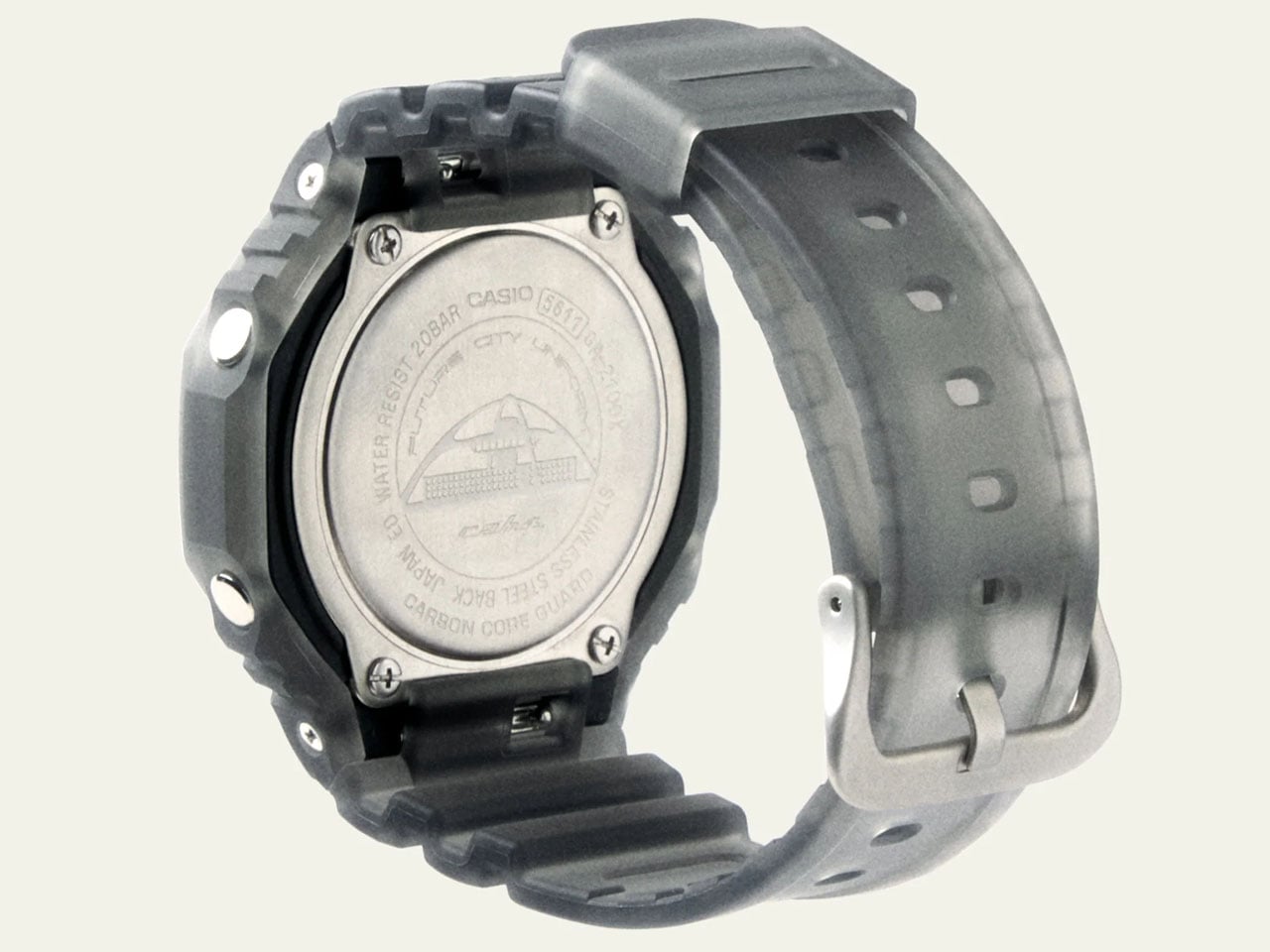
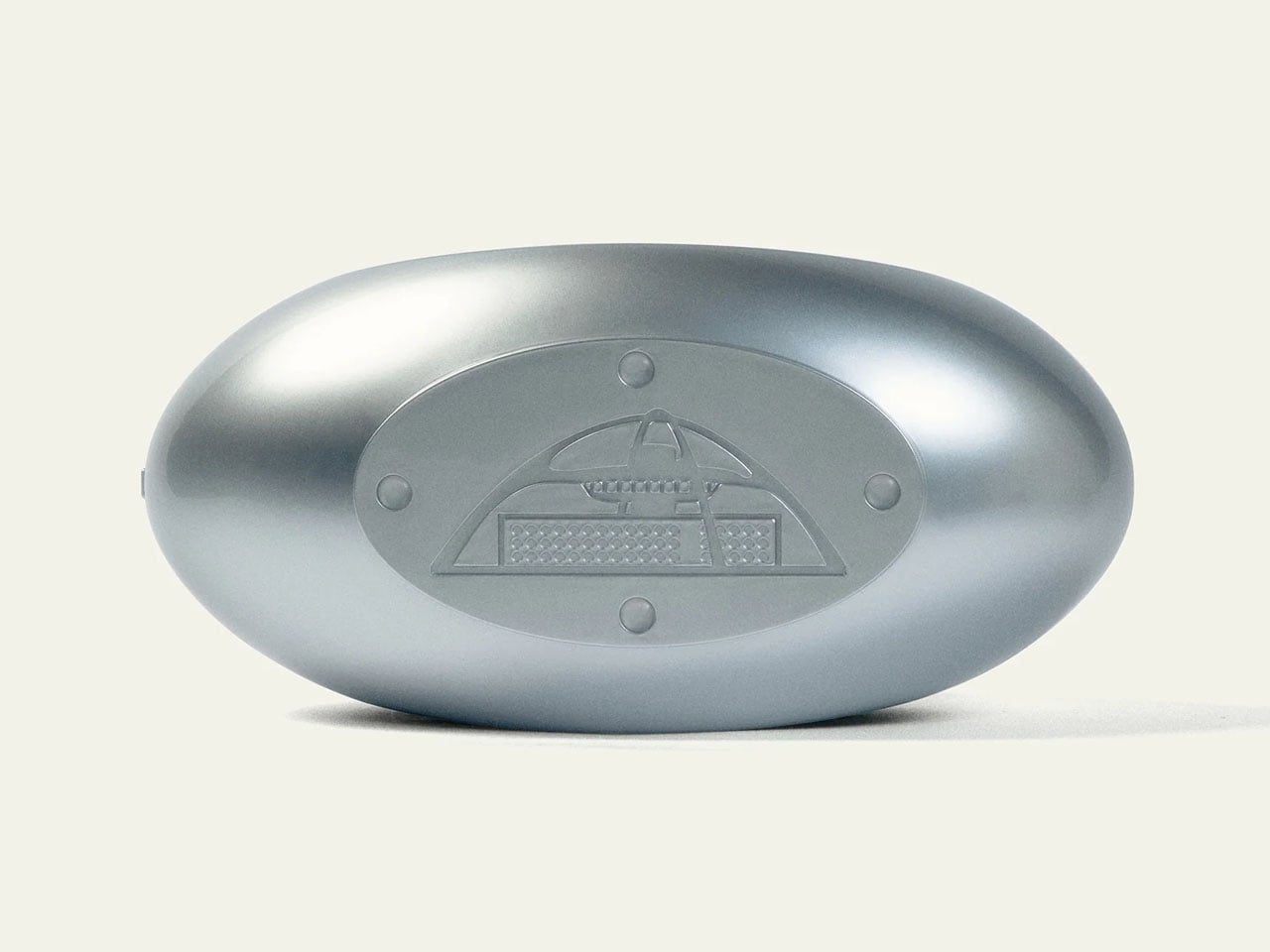
The watch is not a marvel on the front alone. Flipping it over reveals a caseback engraved with the Theme Building at the Los Angeles International Airport, which is one of the finest architectural examples of the Space Age design style. This retro-futuristic C2H4 × G-Shock comes in equally impressive packaging to entice collectors. A metallic silver and blue case has been designed to hold the watch. The case is shaped like a time capsule, which splits in half to reveal the G-Shock in its translucent appearance inside.

The post C2H4 x G-Shock turns the iconic GA-2100 into retro-futuristic space age timepiece first appeared on Yanko Design.


Early Samsung Galaxy Z Fold 8 Buzz Is Off the Charts — Here’s Why

Early Samsung Galaxy Z Fold 8 Buzz Is Off the Charts — Here’s Why Galaxy Z Fold 8

  The Galaxy Z Fold 8 series, comprising the Z Fold 8 and Z Fold 8 Ultra, represents a pivotal advancement in foldable smartphone technology. Building on the success of the Z Fold 7, this latest lineup introduces significant improvements in display quality, performance, durability, and usability. For those considering foldable devices, the Z Fold […]

The post Early Samsung Galaxy Z Fold 8 Buzz Is Off the Charts — Here’s Why appeared first on Geeky Gadgets.

Posted in Uncategorized

This $21 Magnetic Clipboard Fixes 3 Things Every Clipboard Gets Wrong

The clipboard hasn’t changed much since it arrived on desks and workbenches over a century ago. It’s still a flat backing board with a spring clip at the top, reliable enough for what it does, but never quite solving the small annoyances that anyone who uses one regularly has quietly accepted. Papers flap in the wind, finished pages dangle awkwardly, and there’s never a convenient surface to mount them on.

Japanese stationery brand King Jim took those frustrations seriously with the MagFlap, a clipboard that rethinks the form through a series of small magnetic additions that end up changing how the whole thing works. It doesn’t look dramatically different from the outside, but the moment you start using it for anything beyond signing a single sheet, the thoughtfulness behind each feature becomes clear pretty quickly.

Designer: King Jim

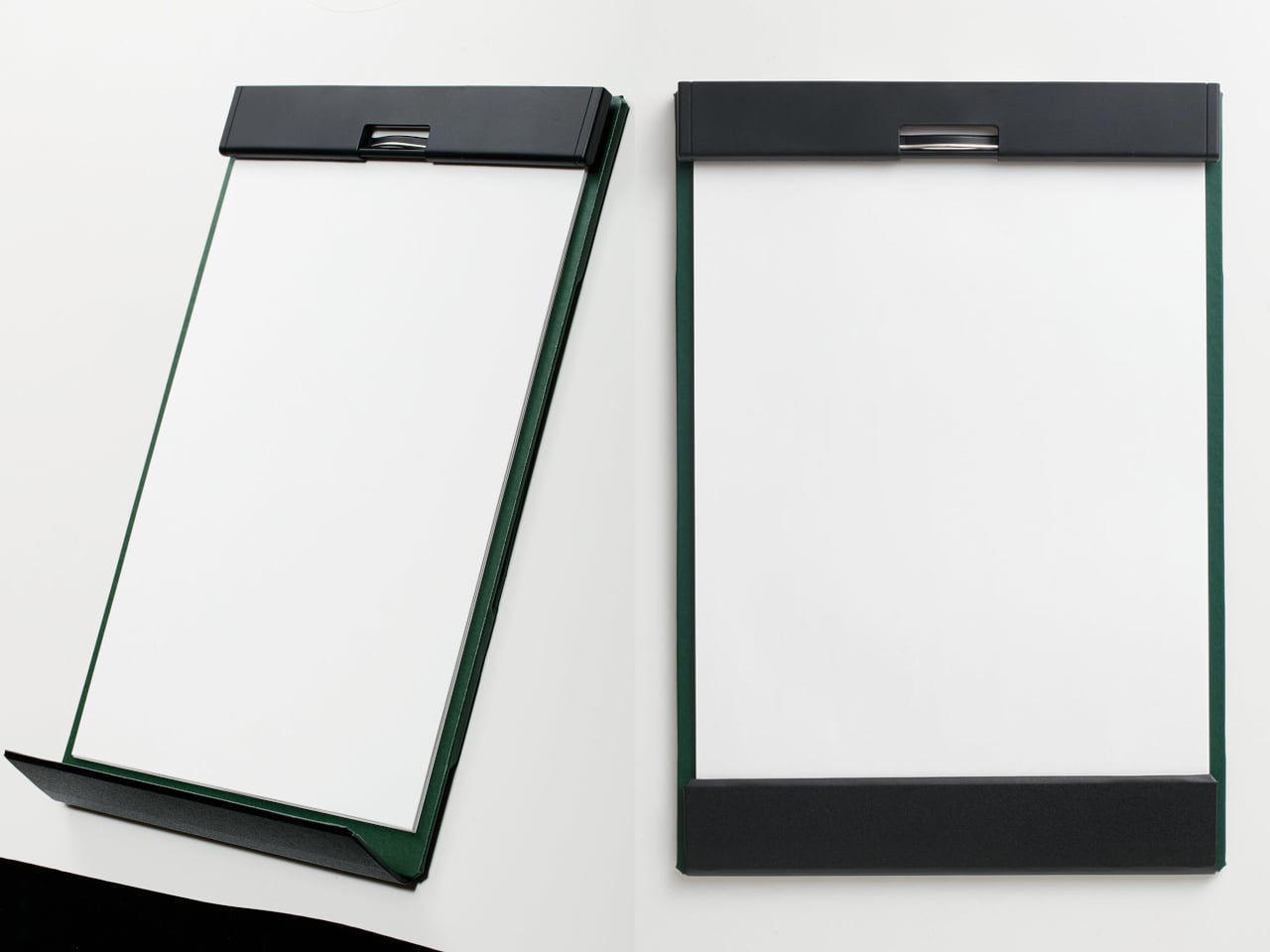
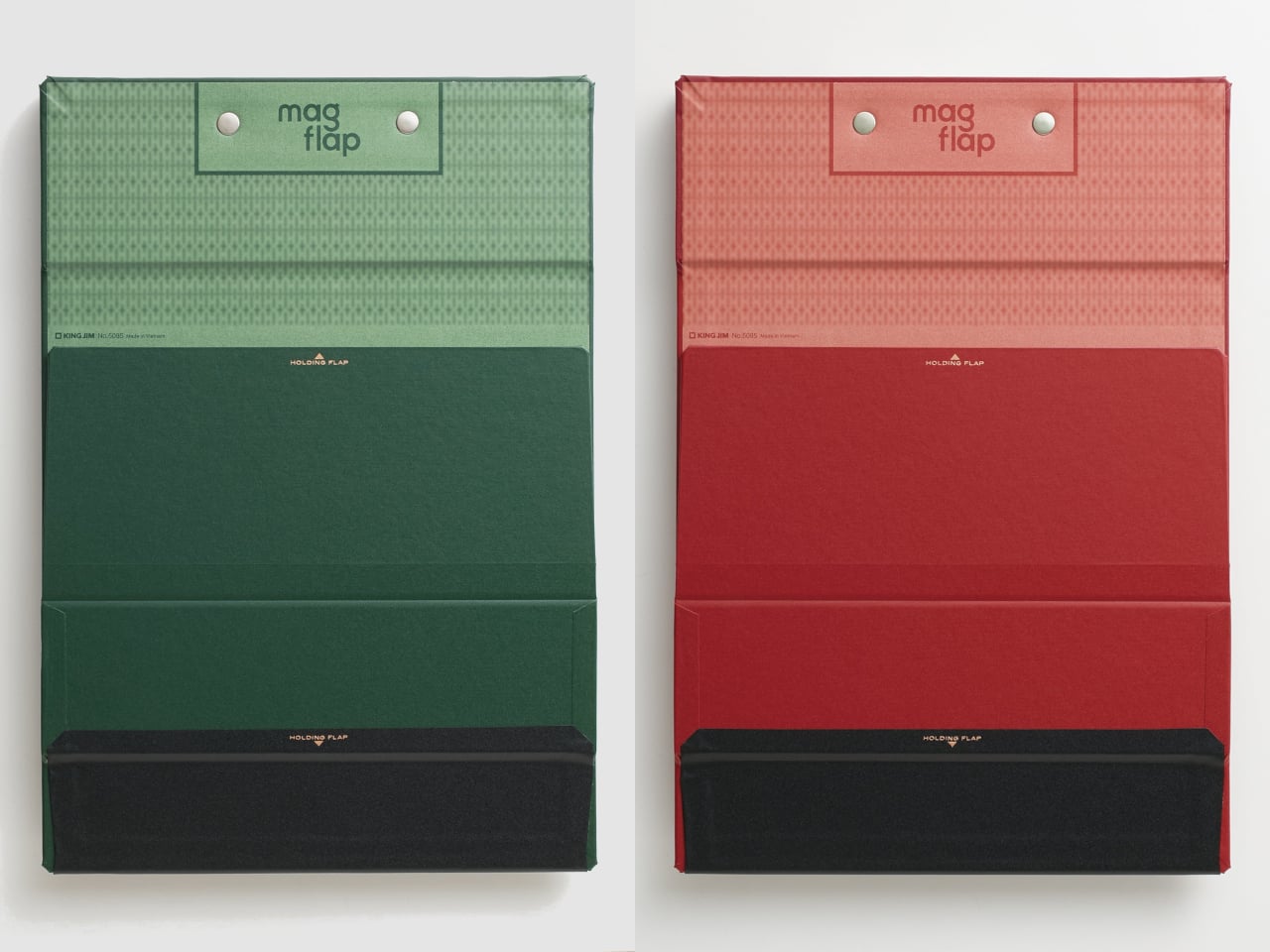
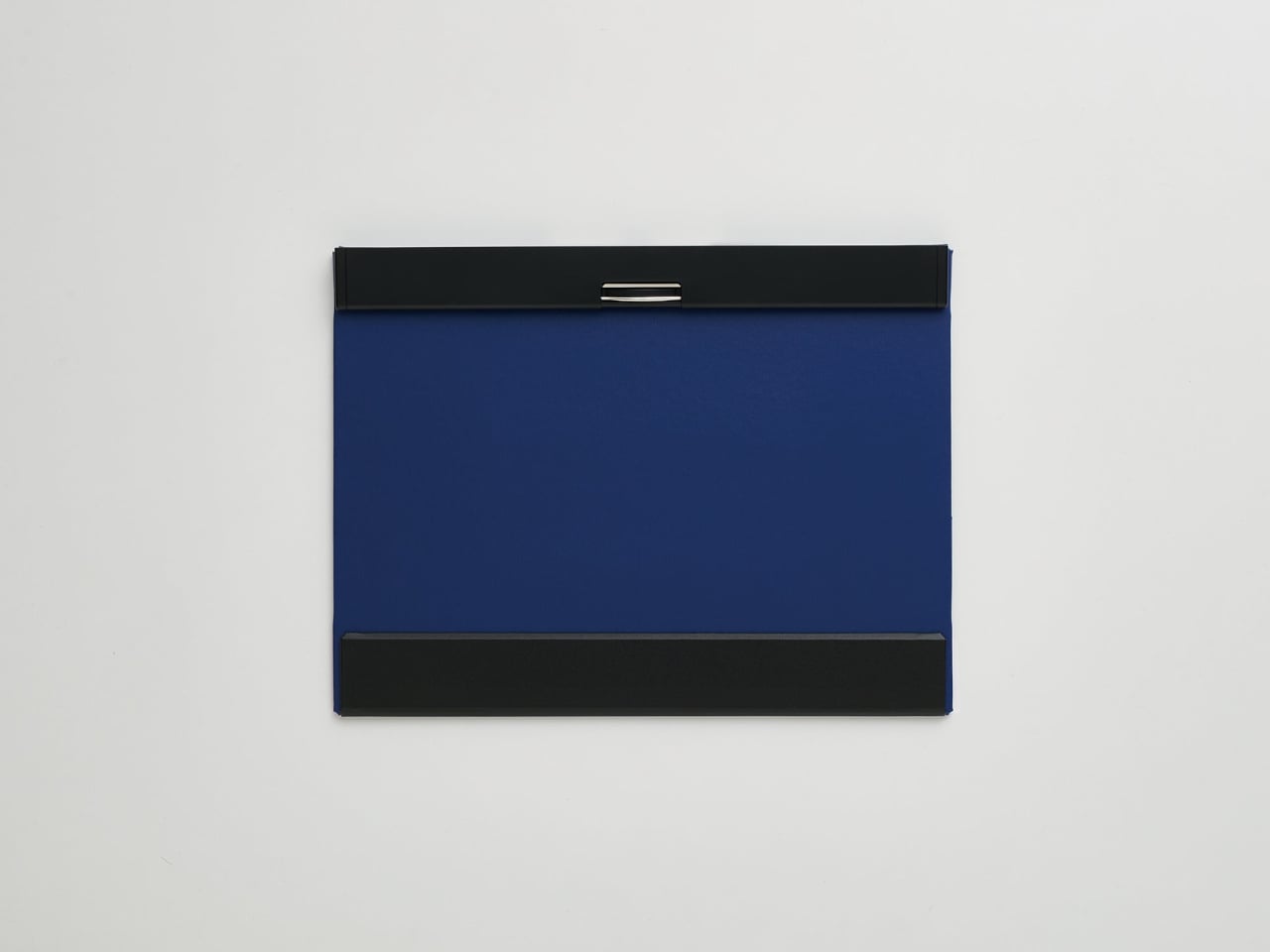
The most visible improvement is at the bottom, where a magnetic flap closes over the lower edges of the papers. On a regular clipboard, any wind or movement is enough to send pages flapping and bending corners. The front flap locks everything flat against the board and protects the surface from the kind of gradual damage that most clipboard users have simply accepted as unavoidable.

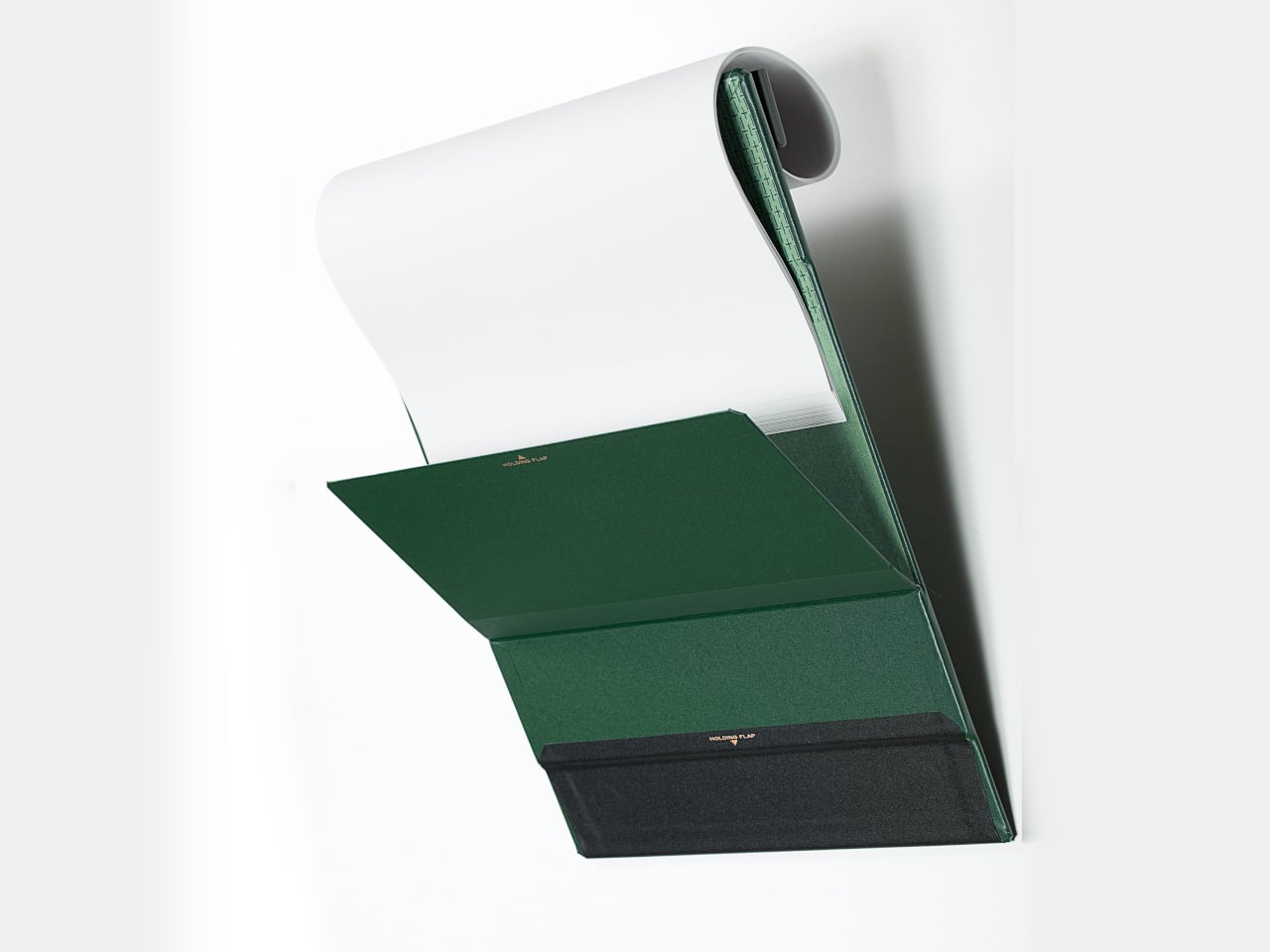
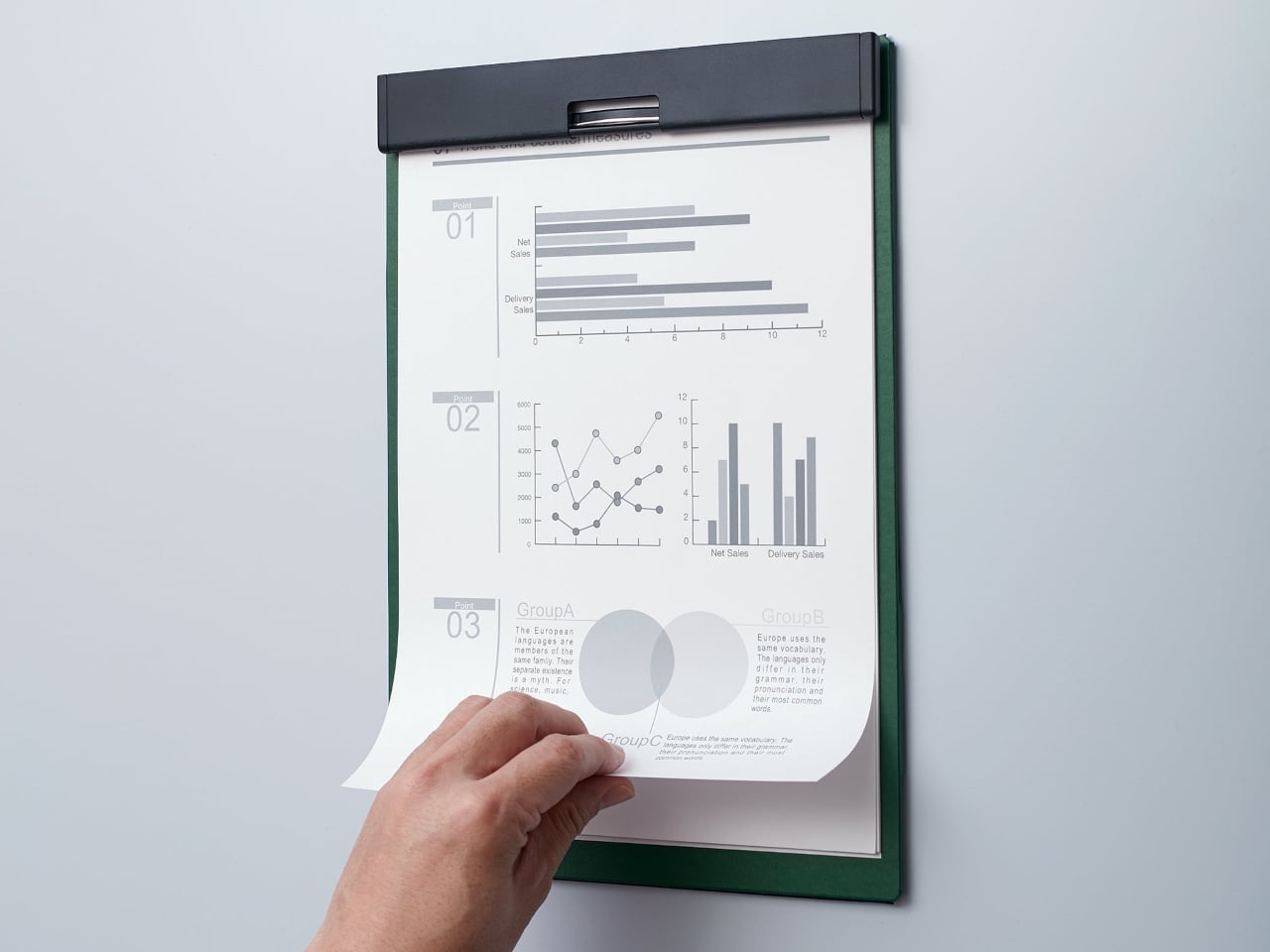
The second magnetic flap is on the back and solves a different but equally familiar problem. Reviewing multiple pages usually means dealing with finished sheets flopping back over the clip or dangling in the way. With the MagFlap, completed pages curl over the top and get held securely against the back of the board by a magnetic flap, keeping the working surface clear at all times.

The full-width metal clip at the top is another departure from the norm. Most clipboards grip only the center of a page’s edge, leaving corners free to curl and crumple. The MagFlap’s clip spans the entire width, keeping everything flat. And since the body itself is magnetic, it attaches directly to steel surfaces, turning a filing cabinet, a locker, or a refrigerator into an instant mounting point.

Put those three features together, and the MagFlap starts to make a lot more sense for anyone who regularly deals with paperwork away from a desk. Nurses moving between wards, field inspectors filling out reports outdoors, or students working through multi-page readings all get a clipboard that doesn’t just grip paper from the top, but actually manages the reality of it moving around.

The clipboard comes in three sizes: A4 vertical, A4 horizontal, and A3 horizontal. All are covered in a PP film-applied polypropylene shell and hold up to 30 sheets of standard copy paper. The profile stays slim at 0.7 inches thick, and the board is rigid enough to grip at a single corner without flexing, which makes one-handed use genuinely practical rather than just technically possible.

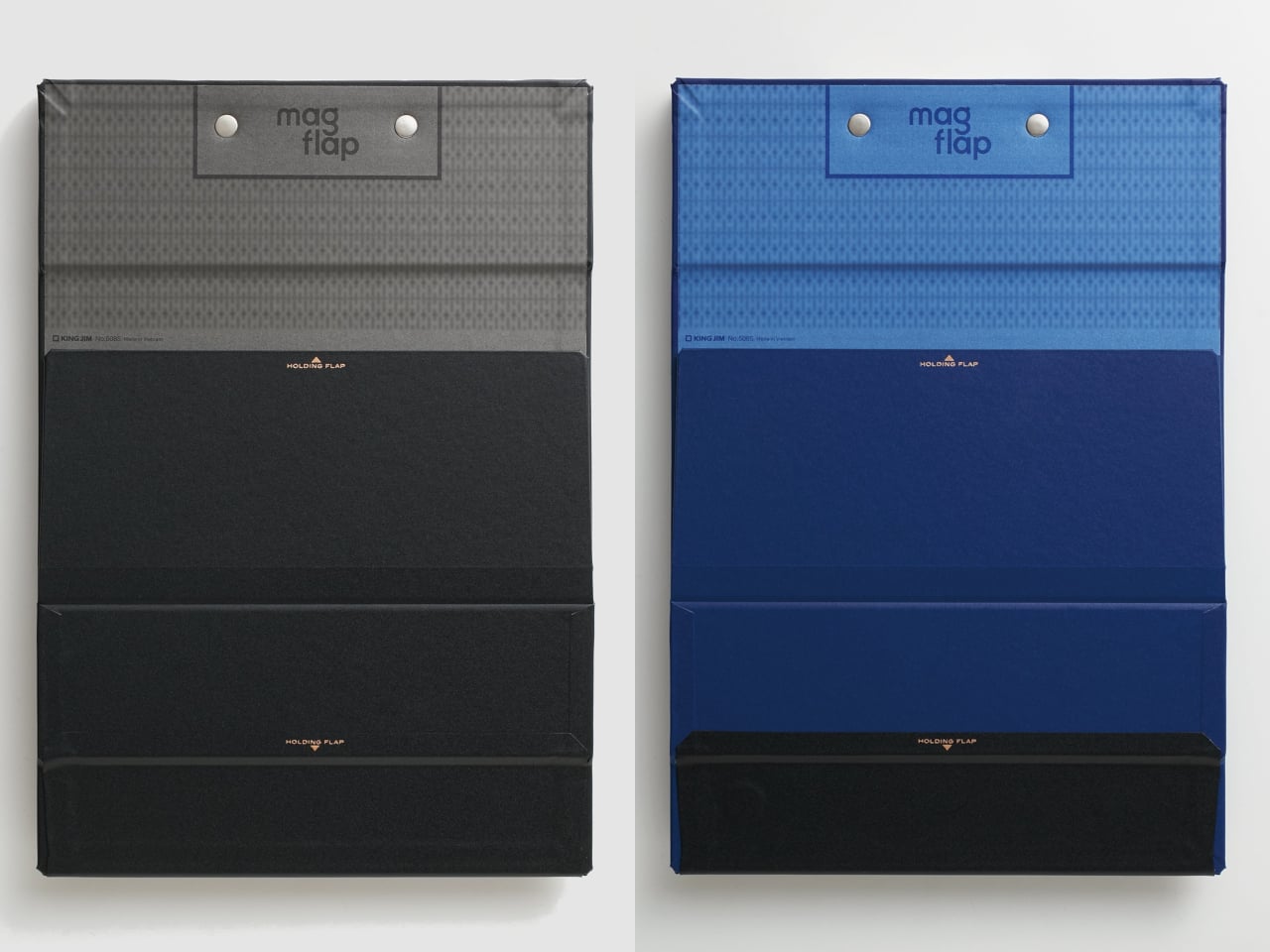
A position guideline printed on the board helps with paper alignment, a small but useful detail when you’re handling a high volume of pages. Available in blue, red, green, and black, the MagFlap retails for $20.99. It’s not the cheapest option on a stationery shelf, but what it fixes is real, and the three solutions it offers are hard to find anywhere else in a single product.

The post This $21 Magnetic Clipboard Fixes 3 Things Every Clipboard Gets Wrong first appeared on Yanko Design.

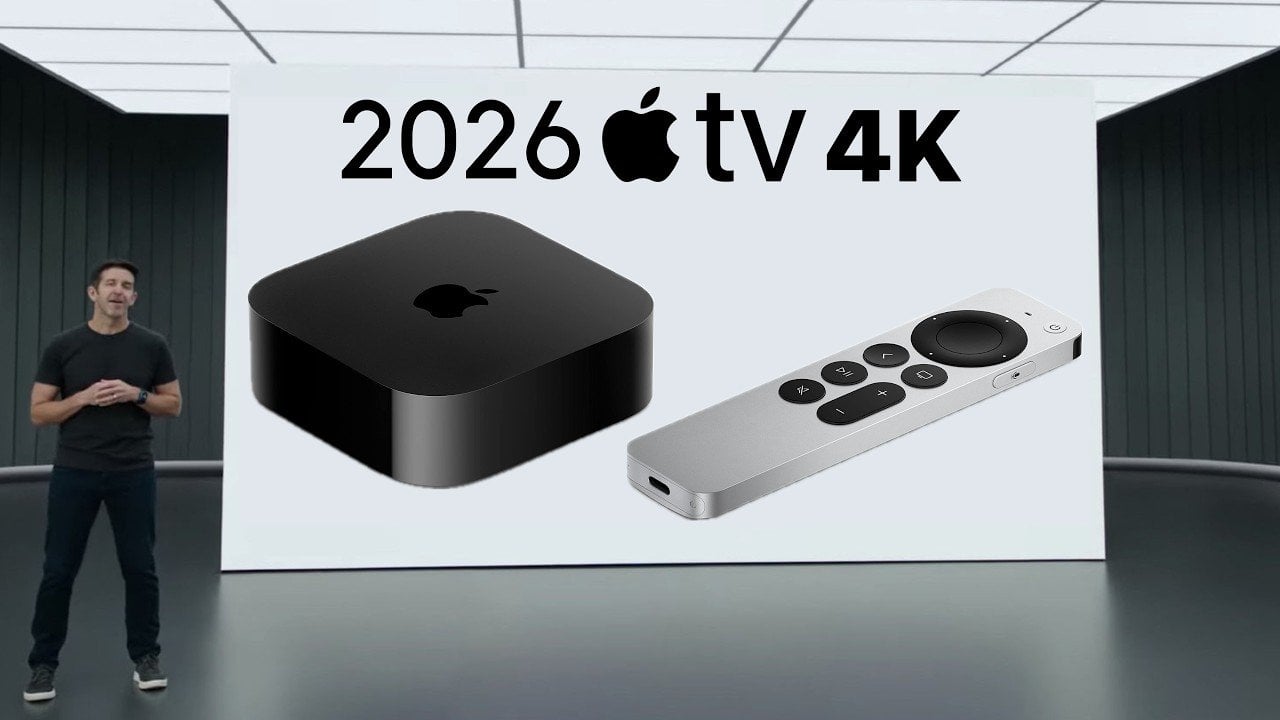
Apple is Rumored to Push the 2026 Apple TV 4K Price to $249

Apple is Rumored to Push the 2026 Apple TV 4K Price to $249 A black Apple TV 4K set-top box resting on a living room media console.

Apple’s upcoming 2026 Apple TV 4K is poised to deliver a range of hardware and software enhancements, reinforcing its position as a premium streaming and smart home hub. However, the rising price tag, now expected to reach $250, has sparked debates about its value. As competitors continue to offer cost-effective alternatives, Apple faces the challenge […]

The post Apple is Rumored to Push the 2026 Apple TV 4K Price to $249 appeared first on Geeky Gadgets.

Posted in Uncategorized

Weave’s $8,000 Isaac 1 Is the Home Robot That Dresses Like Furniture

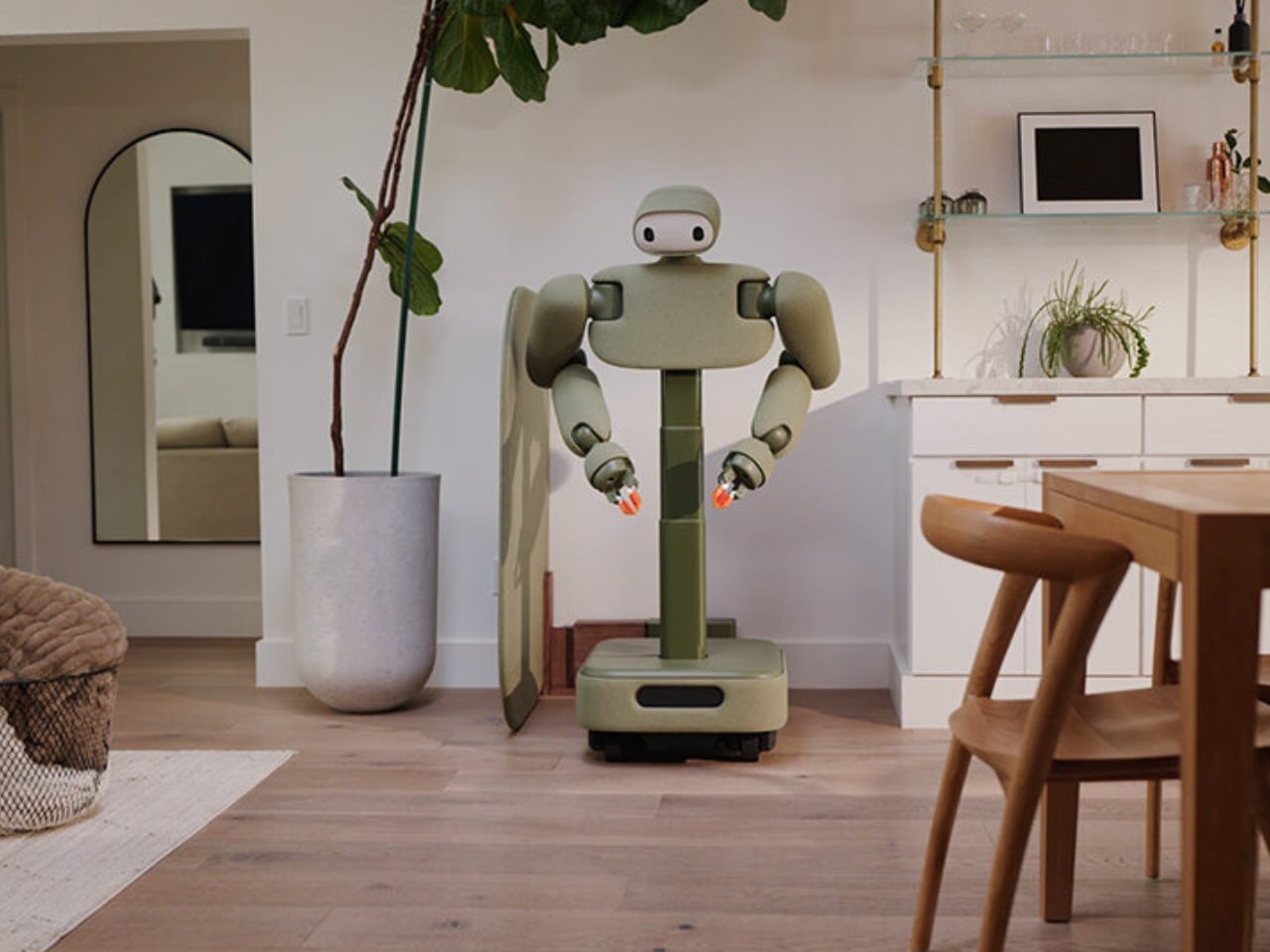
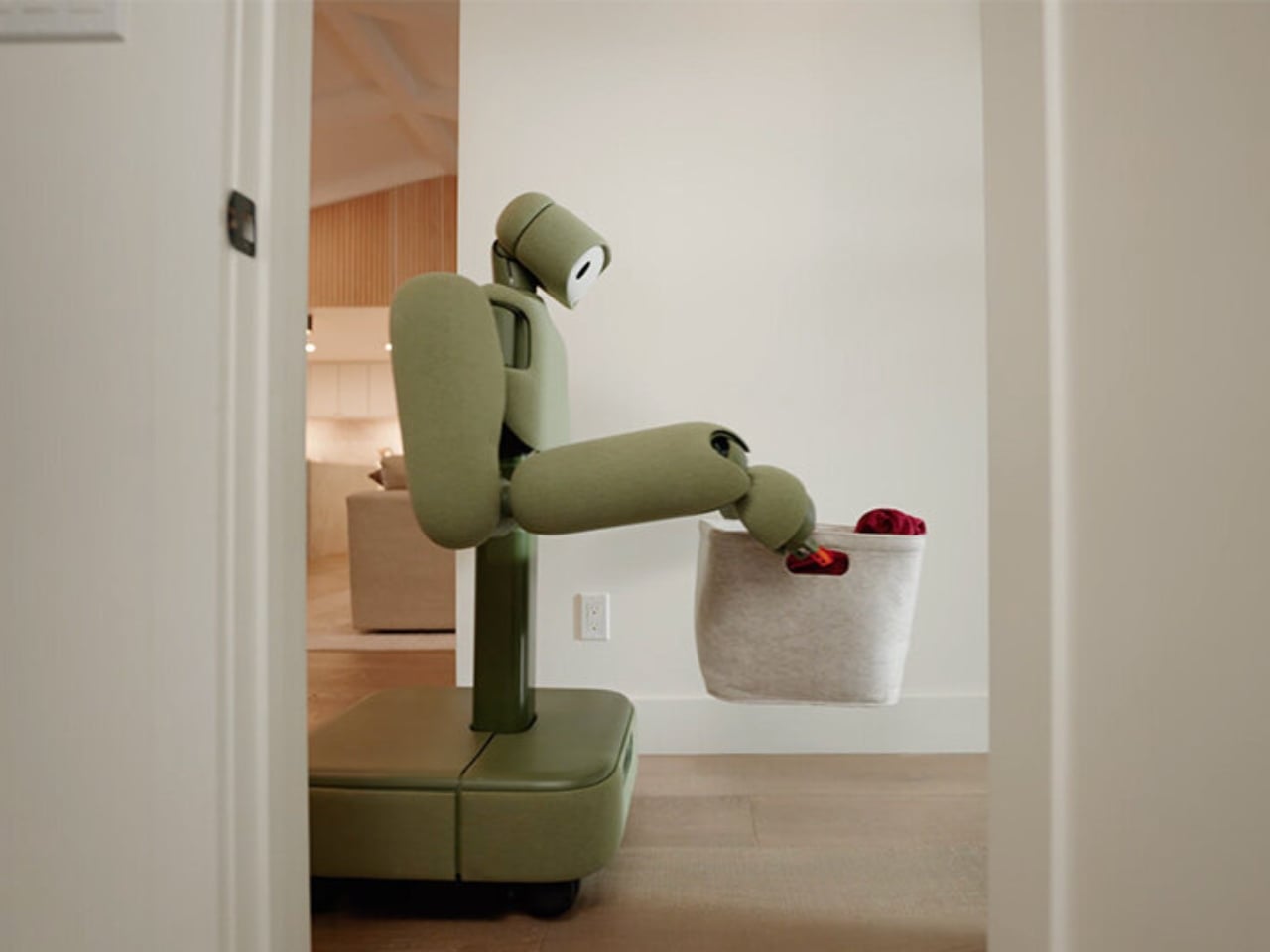
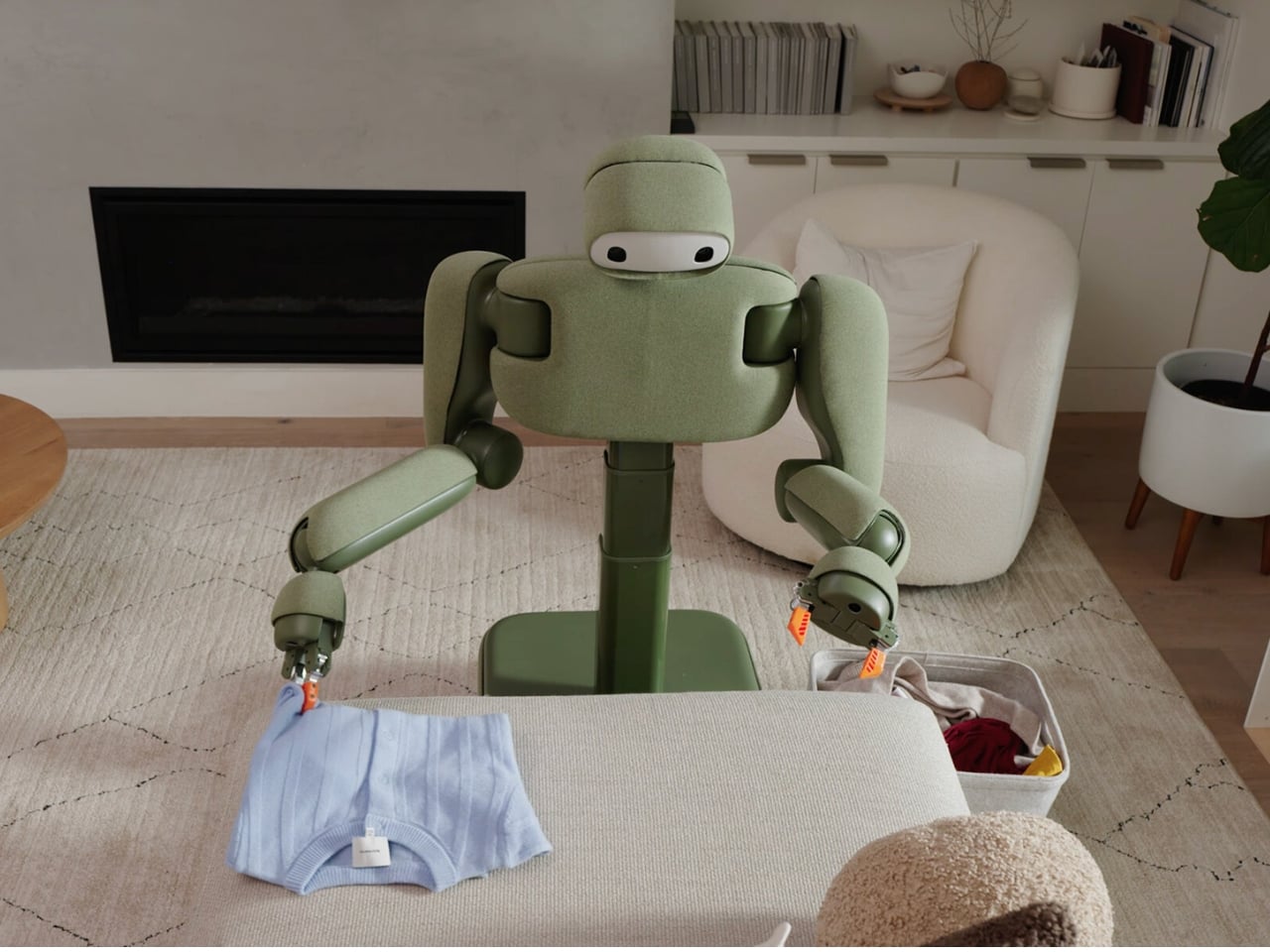
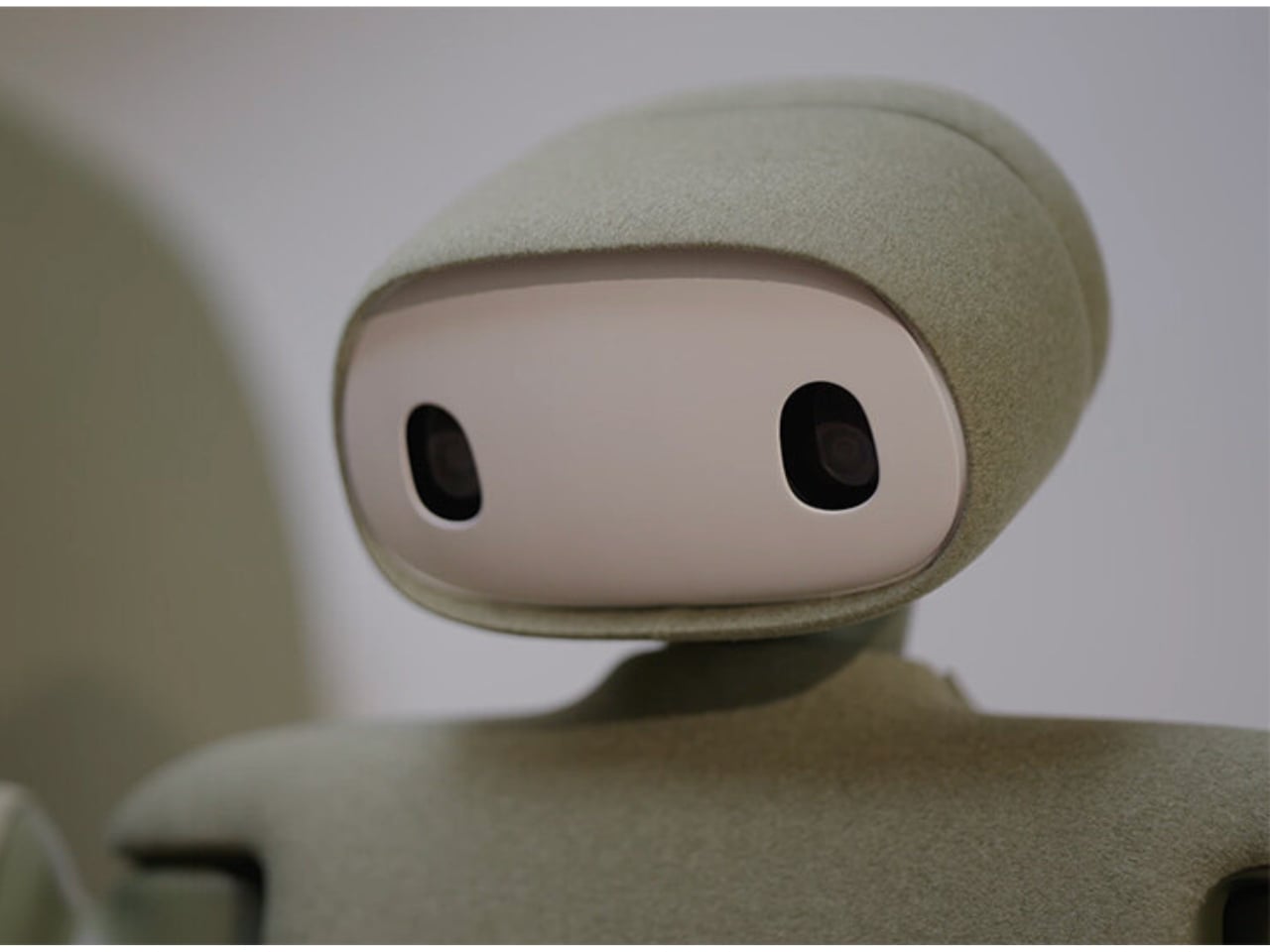
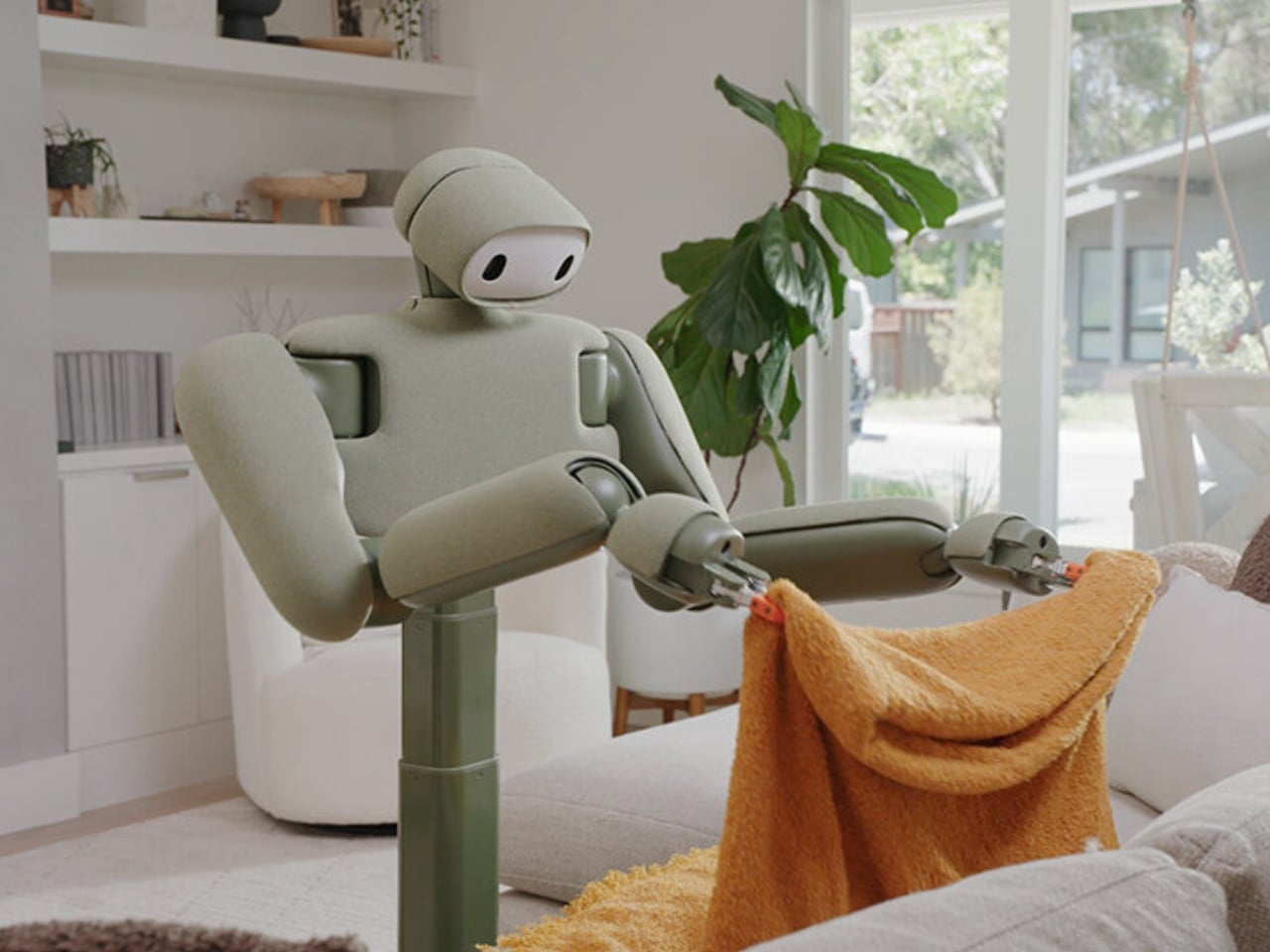
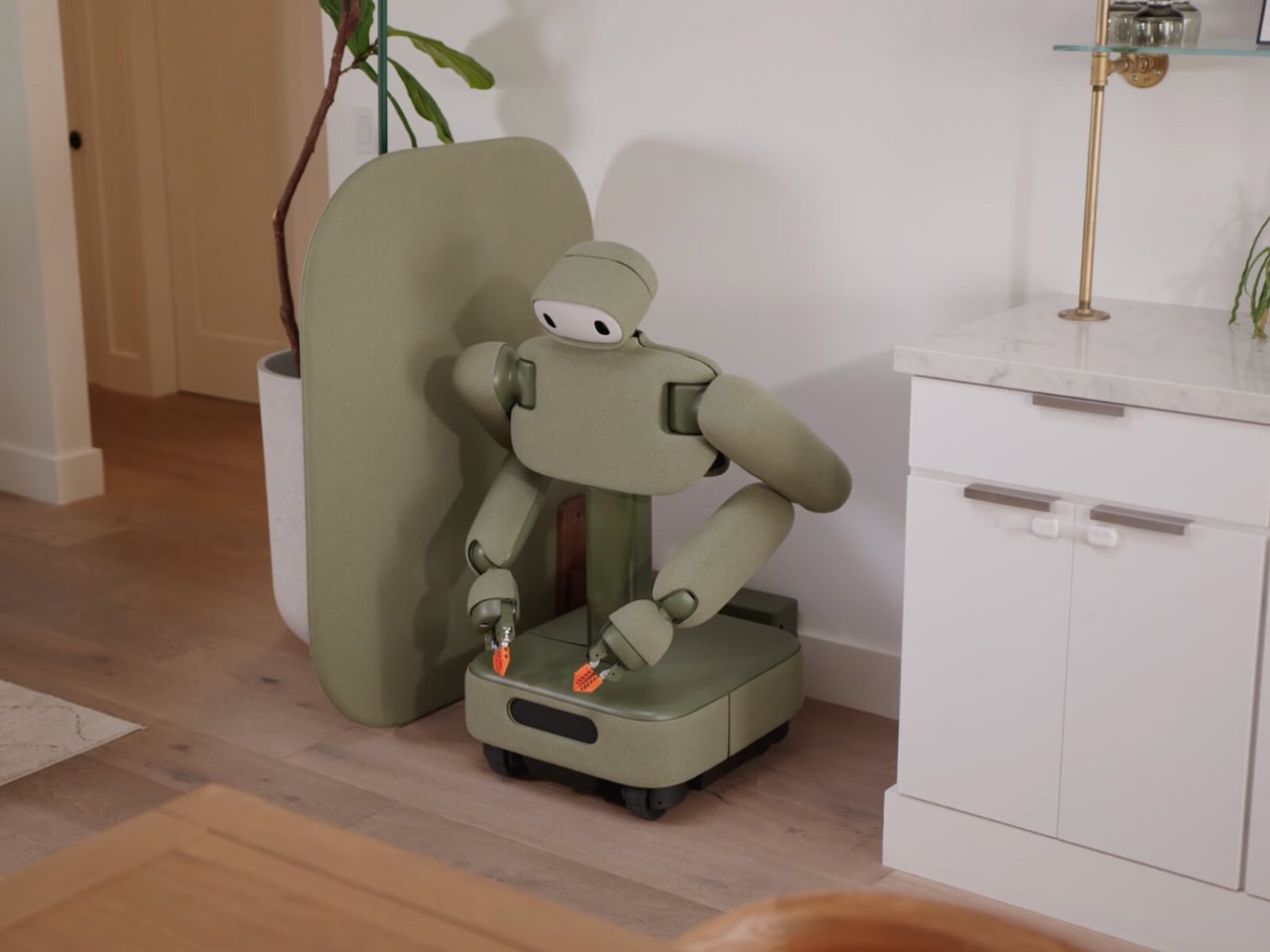
Most robots designed for the home look like they escaped from a manufacturing plant. They’re shiny, angular, and cold, and the moment you put one next to your sofa, the visual mismatch is almost comical. So when I came across the Isaac 1 by Weave Robotics, the first thing I noticed wasn’t what it could do. It was how it looked: soft, compact, wrapped in swappable fabric shells in colors like Sage, Slate Blue, and Terracotta. It looked less like a machine and more like something you’d find at a furniture fair. That’s entirely by design, and it matters more than most people probably realize.

Weave Robotics built the Isaac 1 from the ground up in San Francisco, and their approach is refreshingly considered. Instead of the humanoid form that most robotics companies seem obsessed with, Isaac 1 runs on a wheeled base and collapses down to about three feet when it’s not working, which means it can genuinely disappear into your space. When it’s needed, it extends up to 5’9″ with an 80-inch vertical reach and a 38-inch horizontal reach, enough to handle a wide range of domestic tasks without needing to replicate the human body to do it.

Designer: Weave Robotics

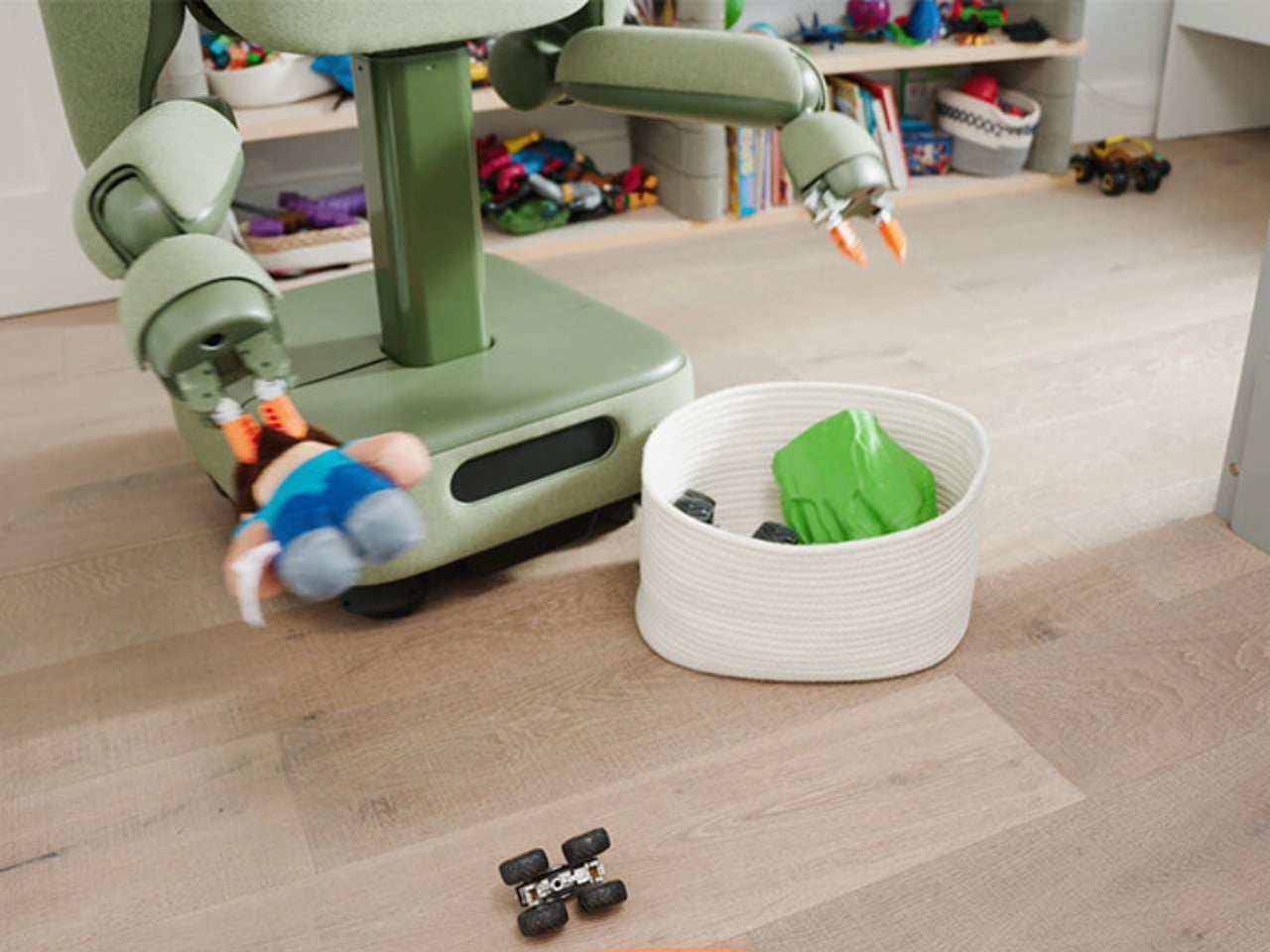
And the tasks it handles are, frankly, the ones most of us quietly dread. Laundry is front and center. The Isaac 1 picks up dirty clothes, manages loaded hampers, folds, and puts things away. It also handles the daily reset of a home: making beds, straightening cushions, returning clutter to where it actually belongs. If you’ve ever come home to a messy house at the end of a long day and felt that specific kind of low-grade despair, you understand the appeal.

But here’s what gets me about the Isaac 1. The decision to wrap it in fabric rather than hard plastic isn’t just cosmetic. It signals something about how Weave Robotics thinks about the relationship between people and the technology they invite into their homes. A robot that reads as furniture rather than lab equipment is a robot that respects the space it’s entering. It acknowledges that a home is a personal, lived-in place, not a test environment. That philosophical underpinning makes Isaac 1 feel different from the robots that tech companies roll out at trade shows and then quietly retire two years later.

Privacy is also built into its physical design, not just its software policy. Isaac 1 has physical cues that make it visually clear when it’s active versus idle, and its cameras can be physically disabled. For a connected device that moves through your most private rooms, that kind of intentionality is worth noting. The teleoperation feature, where a human can step in remotely when the robot hits an edge case it can’t solve autonomously, is the detail that deserves the most scrutiny. Weave has been transparent about it, but it’s something you want to sit with before committing.

That commitment currently sits at $8,000, with pre-orders open and first deliveries expected in California in fall 2026, and wider US availability following in 2027. It’s not an impulse buy by any measure. The price positions it well above a novelty and firmly in the category of household infrastructure, which, to be fair, is exactly what Weave is pitching it as.

I don’t think the Isaac 1 is perfect or even fully proven yet. Homes are unpredictable environments and no amount of smart engineering fully accounts for the everyday chaos of real life. But as a statement of intent about what a domestic robot can and should be, it’s one of the more coherent things I’ve seen come out of this space. It’s not trying to look human. It’s not trying to impress you at a conference. It’s trying to fit into your home, quietly, practically, and without making a scene. That’s harder to achieve than it sounds, and the fact that Weave seems to understand that puts them ahead of most.

The post Weave’s $8,000 Isaac 1 Is the Home Robot That Dresses Like Furniture first appeared on Yanko Design.
How the Carina C2 Solves Meta Ray-Ban’s Biggest Flaw

How the Carina C2 Solves Meta Ray-Ban’s Biggest Flaw User wearing Meta Ray-Ban glasses with Karina C2 battery attached

Limited battery life has long been a challenge for Meta Ray-Ban smart glasses users, with Gen 1 models offering just 2–3 hours of use and Gen 2 models extending that to around 5 hours. In the video below the Smart Glasses Guy explores how the PrismXR Carina C2 wearable battery system addresses this issue by introducing […]

The post How the Carina C2 Solves Meta Ray-Ban’s Biggest Flaw appeared first on Geeky Gadgets.

Posted in Uncategorized