This Designer Just Built Furniture That Blooms When You Sit

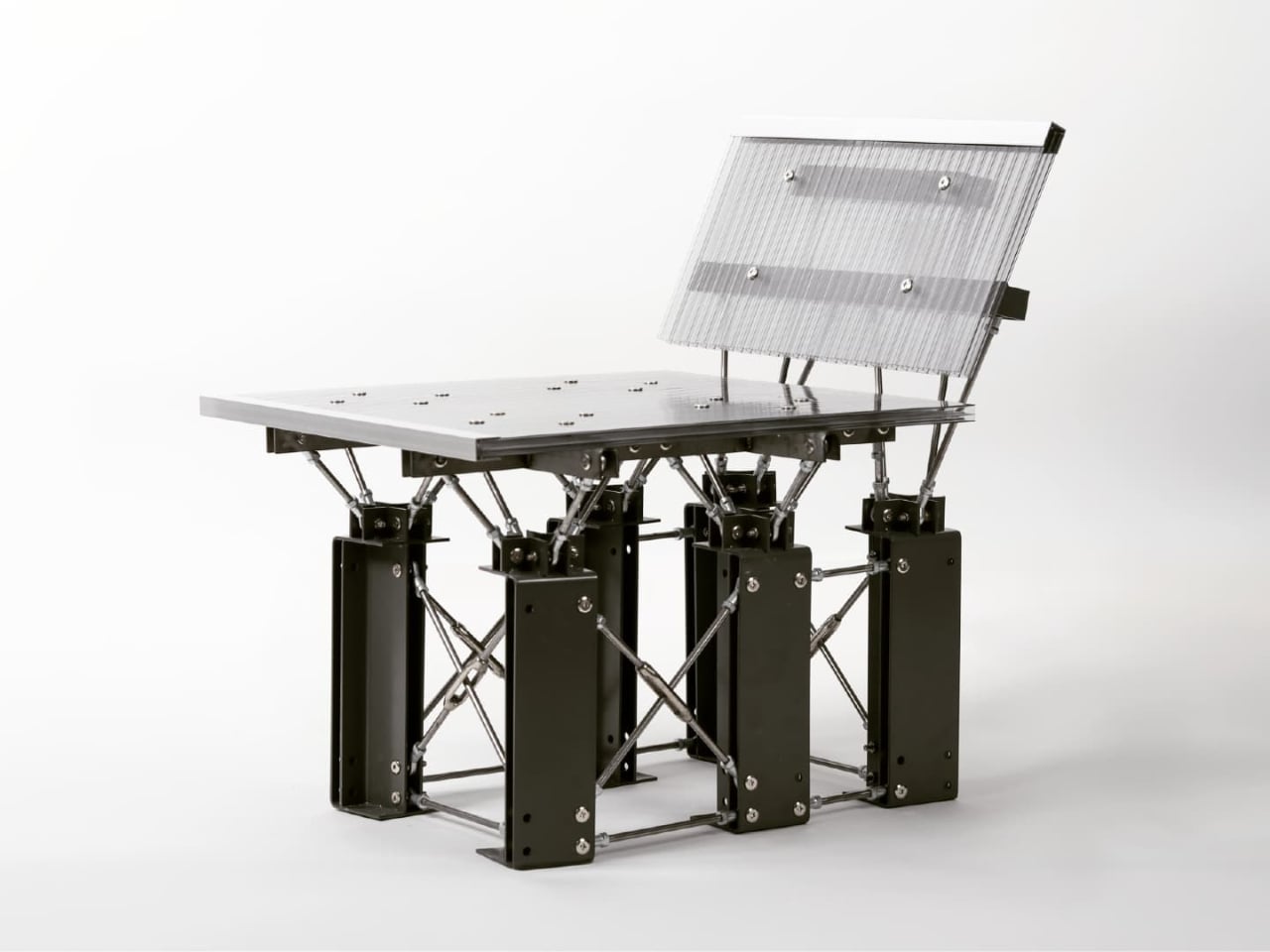
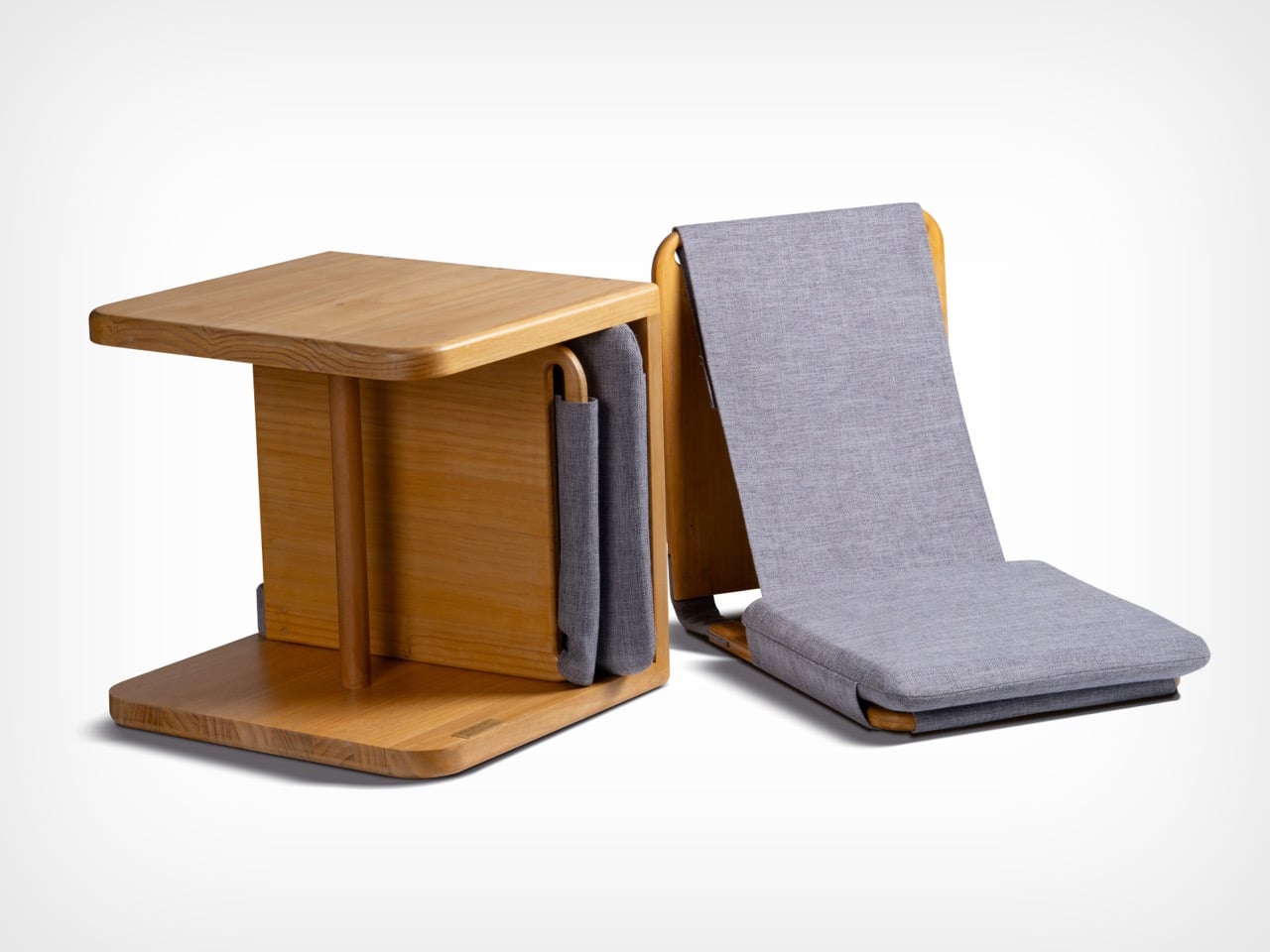
Picture this: you walk into a room, spot what looks like a sleek wooden ottoman, and press down on it. Suddenly, petals of wood bloom outward, transforming the compact stool into a full armchair that seems to welcome you with open arms. It sounds like something from a sci-fi movie, but it’s very real, and it’s the brainchild of recent Eindhoven graduate Aaron Preyer.

His project, called Blooming Furniture, is exactly what it sounds like. These aren’t your grandmother’s heirloom chairs or that boring IKEA bookshelf everyone owns. This is furniture with personality, furniture that responds to you, furniture that literally moves and transforms when you interact with it.

Designer: Aaron Preyer

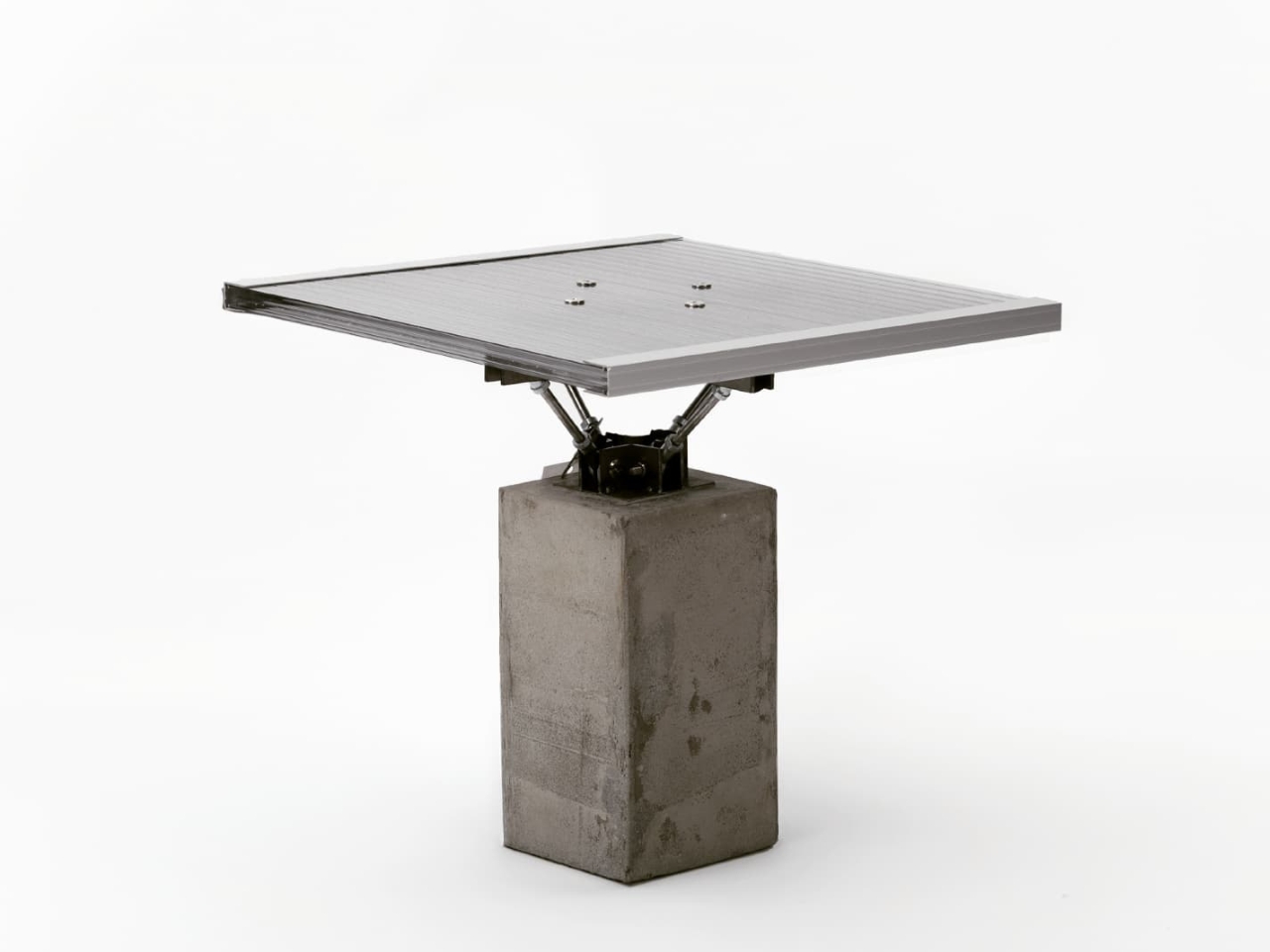
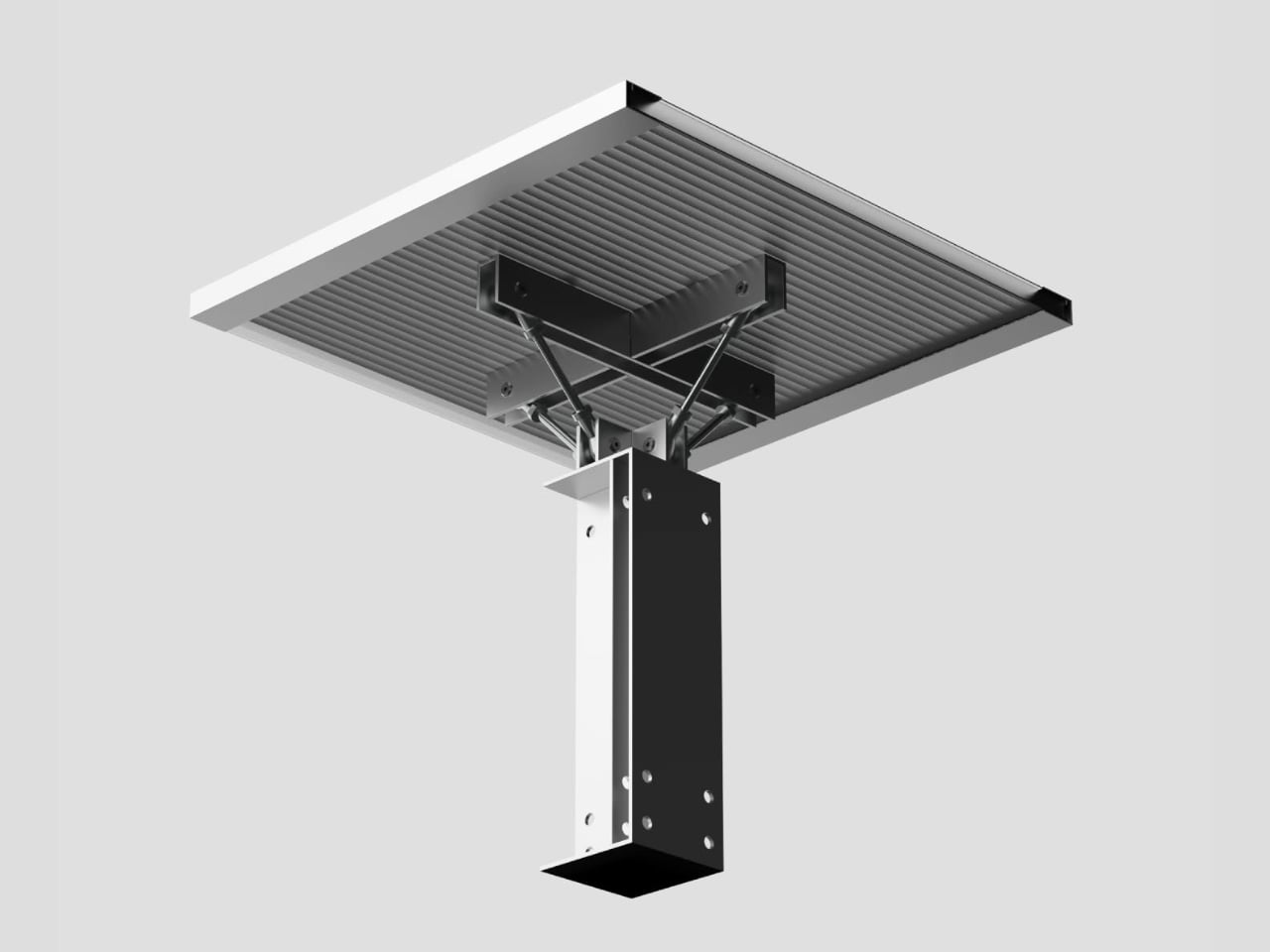
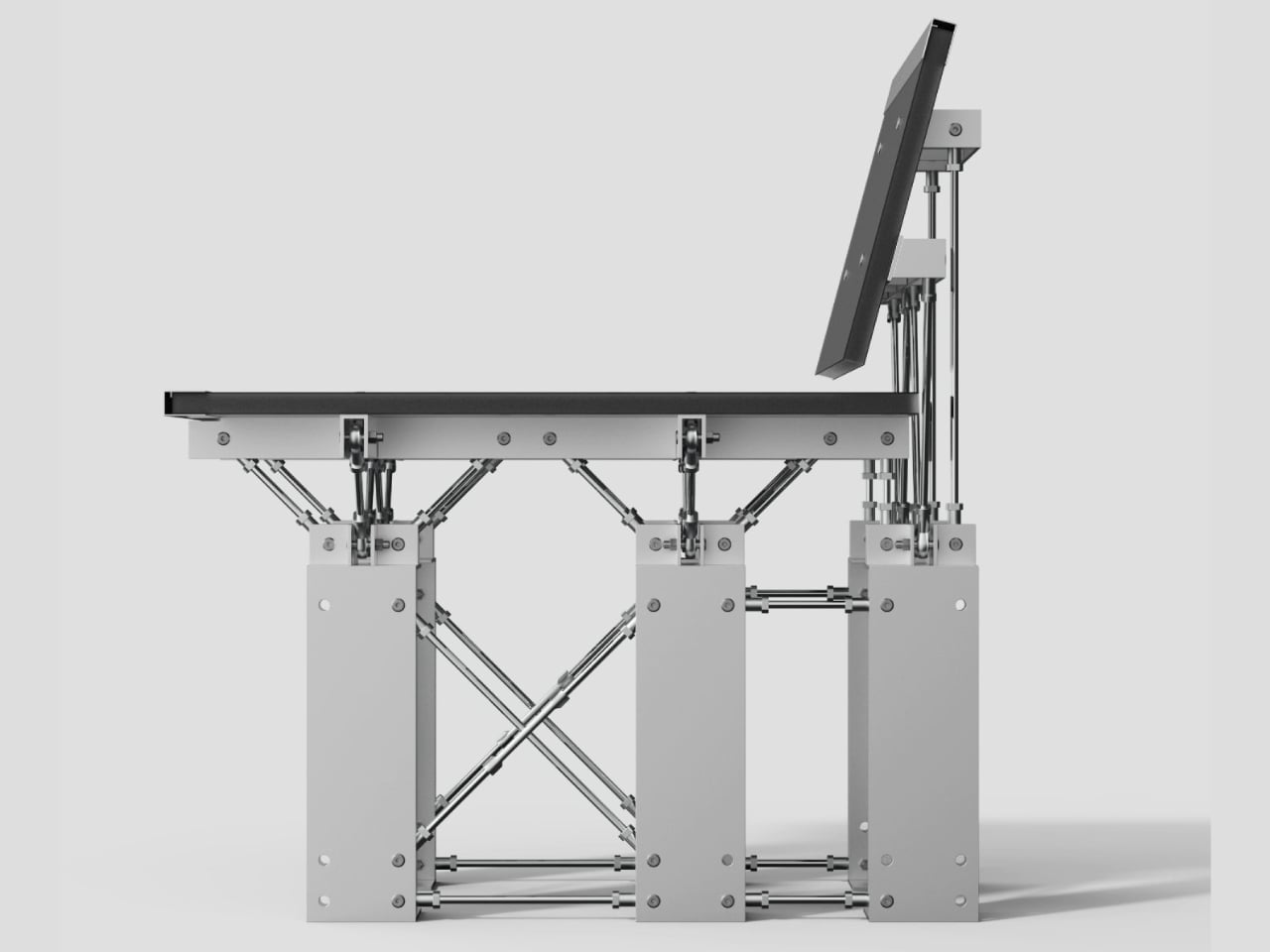
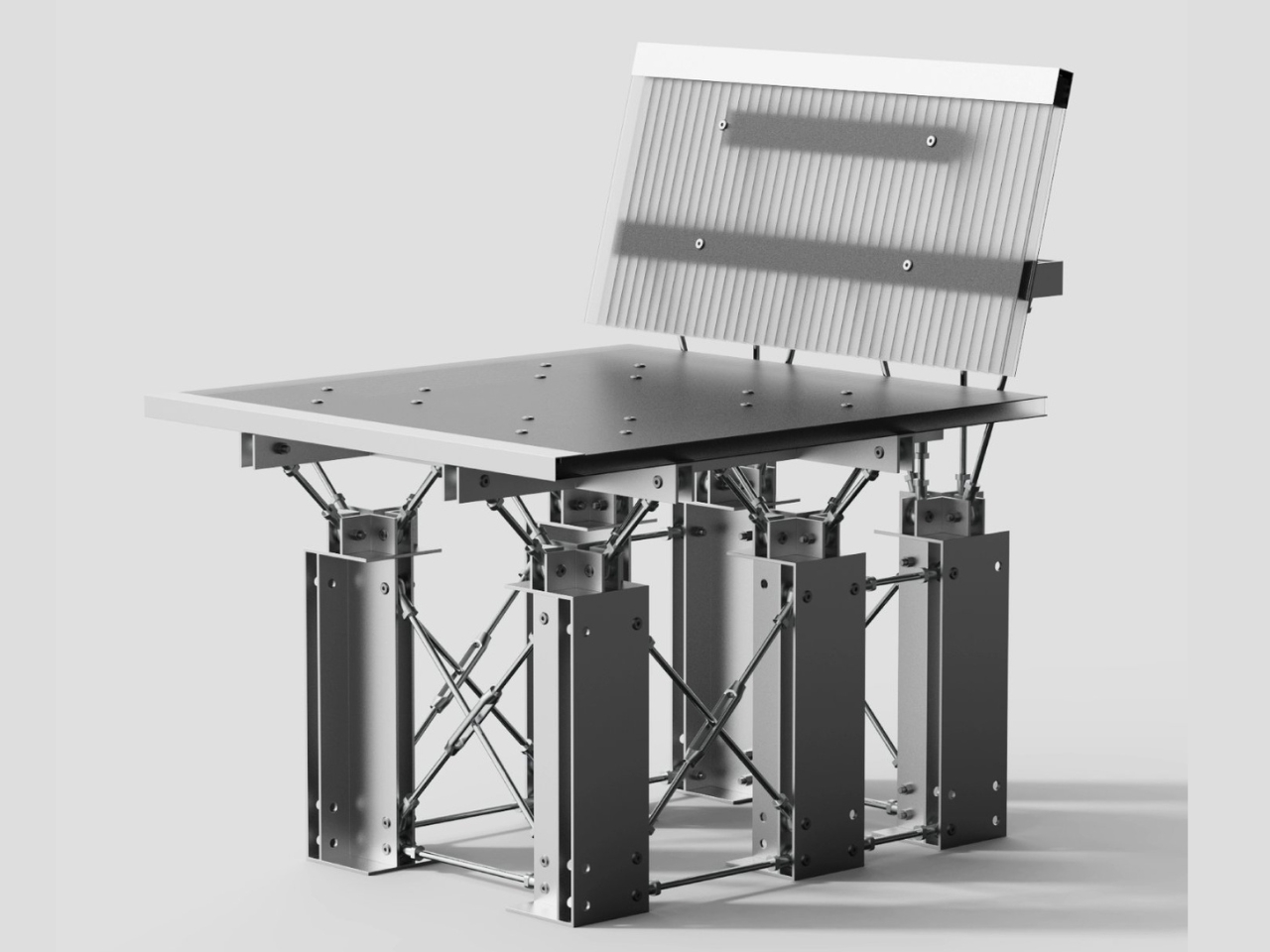
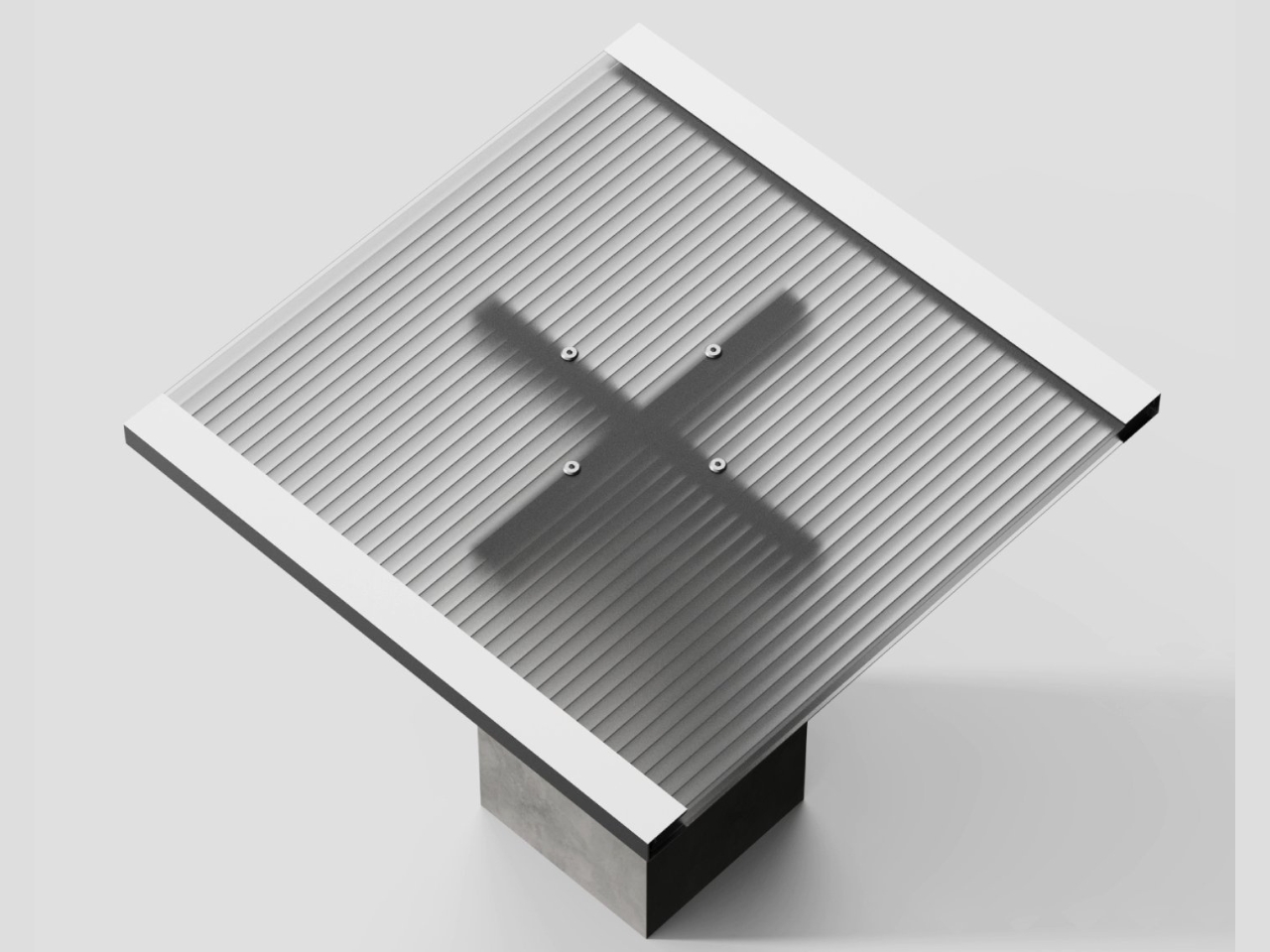
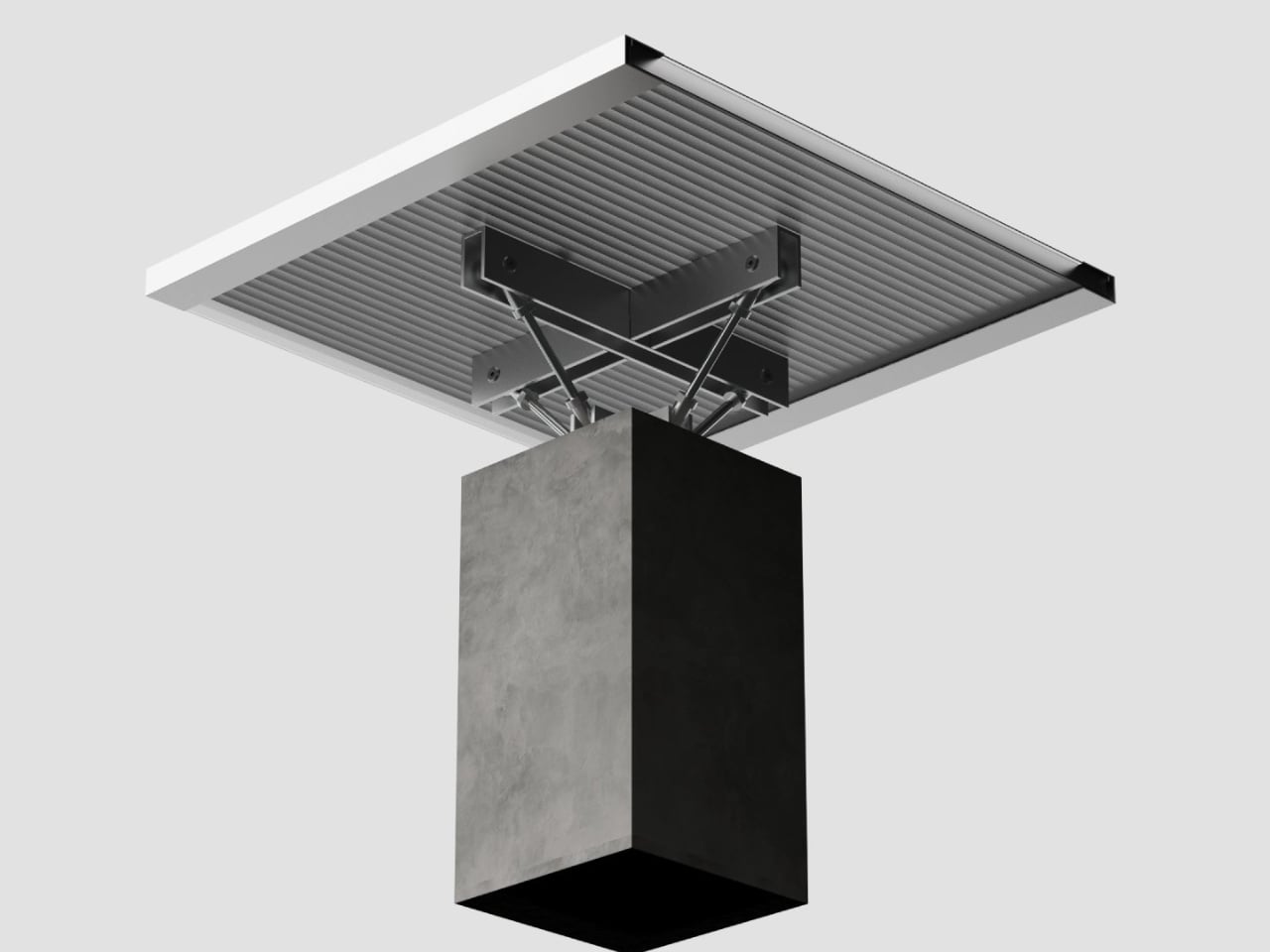
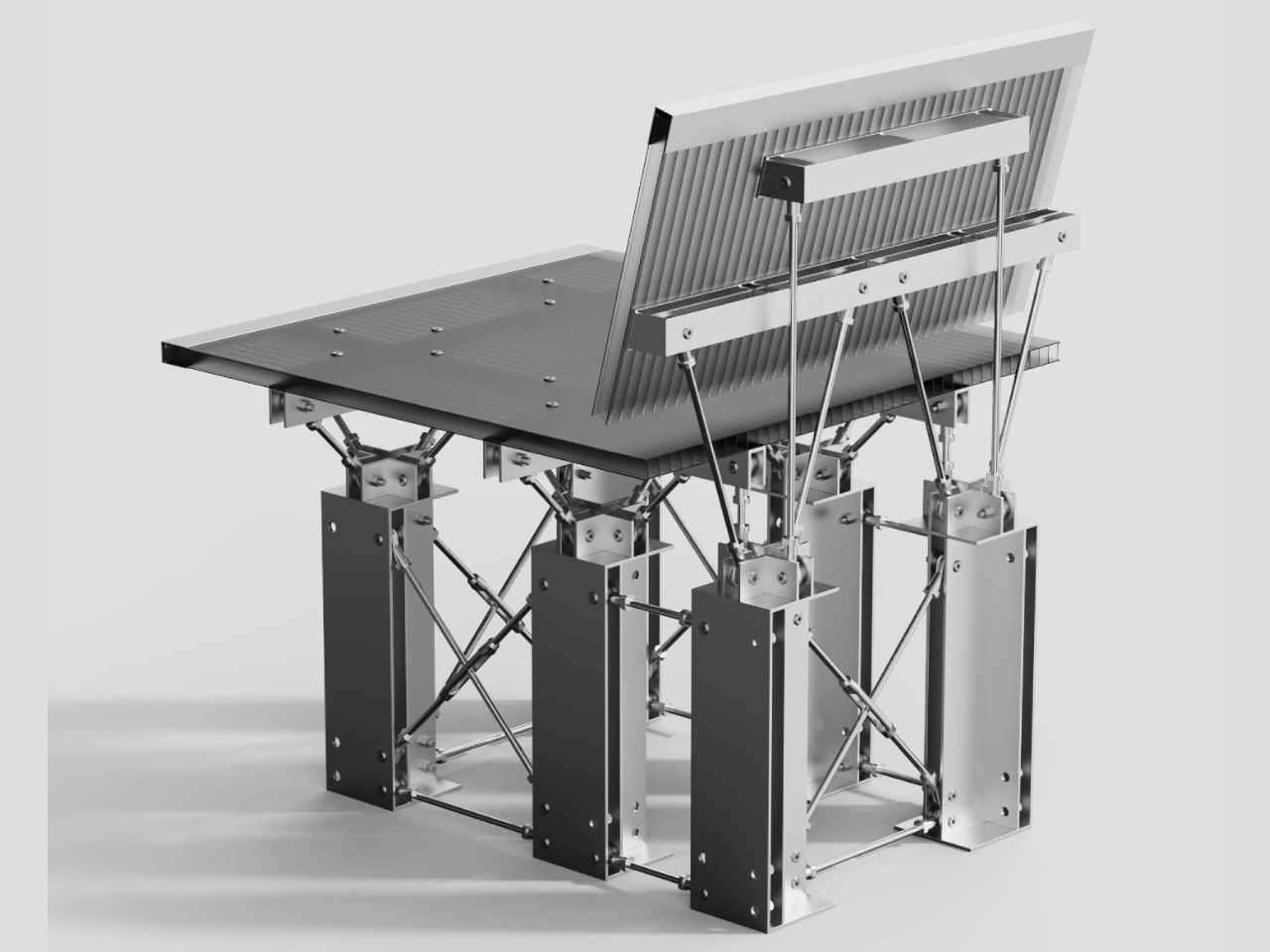
Preyer describes himself as someone fascinated by movement and transformation, and boy, does it show. The Blooming collection features several kinetic pieces that react to touch and weight through pressure-sensitive mechanisms cleverly embedded in metal bases. The magic happens when you apply pressure. Wooden segments that were neatly folded away suddenly fan out like a flower opening at dawn, creating entirely new shapes and functions.

What makes this project so compelling isn’t just the cool factor (though let’s be honest, watching furniture transform never gets old). It’s the way Preyer has thought about how we actually use furniture in our daily lives. We lean on things, we perch on edges, we need surfaces to adapt to different moments throughout the day. Instead of buying multiple pieces to serve different purposes, what if one piece could shift to meet your changing needs?

The technical execution is impressive too. Each piece demonstrates how movement and functionality come together in what Preyer calls “a playful and innovative design”. The mechanisms need to be smooth enough to feel intuitive, strong enough to support weight, and reliable enough to withstand repeated use. It’s one thing to create a transforming object as an art piece; it’s another entirely to make it functional furniture.

The project emerged from extensive research into moving mechanisms within furniture and objects. Preyer wasn’t just playing around in a workshop. He was systematically exploring questions about how furniture could be more responsive, more adaptable, more alive. The result is a collection where each piece has its own character, its own way of opening up to you. There’s something almost emotional about furniture that responds to your presence. In our world of smart homes and connected devices, we’ve gotten used to technology responding to us through screens and voice commands. But physical objects that change shape when we touch them? That hits differently. It’s tactile, immediate, visceral in a way that digital interactions just aren’t.

Some designers at Dutch Design Week 2025 noted that Preyer’s work explores the intersection between living systems and domestic design. That’s a fancy way of saying these pieces feel oddly organic, almost biological. They breathe and stretch like living things, even though they’re made from wood and metal. The practical applications are obvious. In our era of tiny apartments and multi-functional spaces, furniture that can transform from one thing to another is incredibly valuable. That ottoman that becomes a chair could also potentially shift into a side table or storage unit. We’re living in smaller spaces, working from home more, and constantly rearranging our lives. Why shouldn’t our furniture keep up?

But beyond practicality, there’s something delightful about objects that surprise us. In a world where most furniture is static and predictable, Blooming Furniture offers a sense of wonder. It reminds us that everyday objects don’t have to be boring. They can be playful, responsive, even magical. Preyer’s work sits at this fascinating intersection of craft, engineering, and experience design. It’s not just about making furniture move. It’s about creating moments of connection between people and objects, about reimagining what it means for something to be functional, beautiful, and interactive all at once.

The post This Designer Just Built Furniture That Blooms When You Sit first appeared on Yanko Design.

This Wood Chair Appears to Sprout From Grass, Where Art and Nature Converge

In Wood Chair on Grass, 2025, the artist extends the celebrated Wood Chair series into a deeply tactile meditation on nature, artifice, and the human instinct to create comfort out of raw material. This piece, crafted from oil paint, epoxy clay, plywood, wood, and raffia fibers, reveals the artist’s meticulous dialogue between the organic and the handmade, between illusion and touch.

At first glance, the chair presents itself as a modest, almost familiar object, a low-back saddle seat resting calmly atop what seems like a patch of grassy earth. But upon closer inspection, it becomes clear that every element is a constructed illusion. The “grass” is not real, but a latch-hooked rug of dyed and painted raffia fibers. Each strand mimics the play of sunlit blades swaying in a breeze, but they are fixed in place, forever frozen in mid-motion. This deliberate tension between the natural and the artificial is what gives the piece its quiet power.

Designer: Joyce Lin

The seat itself is modeled after pine wood, yet it transcends imitation. Cracks are hand-carved into the surface, each line a gesture of imperfection that makes the chair feel lived-in, almost sentient. The wood grain alternates between matte and satin varnishes, an effect invisible under soft light but revealed dramatically when illuminated directly. This shifting visibility turns the viewer into an active participant, requiring them to move around the piece, to discover it rather than merely observe. It’s a subtle invitation to slow down, to look with intent, to feel the weight of craftsmanship.

The artist’s pride in the bark detail is well-earned. The bark, sculpted with epoxy clay and layered with oil paint, might be their most convincing and three-dimensional work yet. It clings to the seat’s edges like memory to an old tree, giving the illusion that the chair has grown from the ground rather than been placed upon it. There’s a certain poetry in this, an object designed for rest that itself seems to have taken root.

Beyond its technical mastery, Wood Chair on Grass captures the artist’s evolving relationship with materials. The raffia fibers, dyed and painted by hand, bring softness and unpredictability, contrasting the solidity of the wooden frame. The juxtaposition of natural texture with synthetic precision makes the work feel both ancient and contemporary, a bridge between folk craft and fine art.

Ultimately, this piece is an environment condensed into an object. It embodies the artist’s ongoing fascination with how we recreate nature within our own boundaries, how we seek to hold onto fleeting sensations through form and surface. In Wood Chair on Grass, 2025, the familiar becomes extraordinary, and the humble materials of wood and fiber transcend their physicality to evoke the emotional warmth of presence, patience, and place.

The post This Wood Chair Appears to Sprout From Grass, Where Art and Nature Converge first appeared on Yanko Design.
This Lucky Four-Leaf Stool Transforms Into Whatever You Need

You know that feeling when you rearrange your furniture and suddenly your whole space feels different? ARTA Architects just bottled that magic into something you can hold in your hands. Meet Clover Collective, a modular stool that’s basically the Swiss Army knife of seating, and it’s turning heads from Milan to Hong Kong.

Here’s the thing about good design: it shouldn’t just look pretty sitting in a museum. It needs to work for real life, adapt to your moods, and ideally, not destroy the planet in the process. The folks at ARTA clearly got that memo because Clover Collective checks all those boxes and then some.

Designer: ARTA Architects

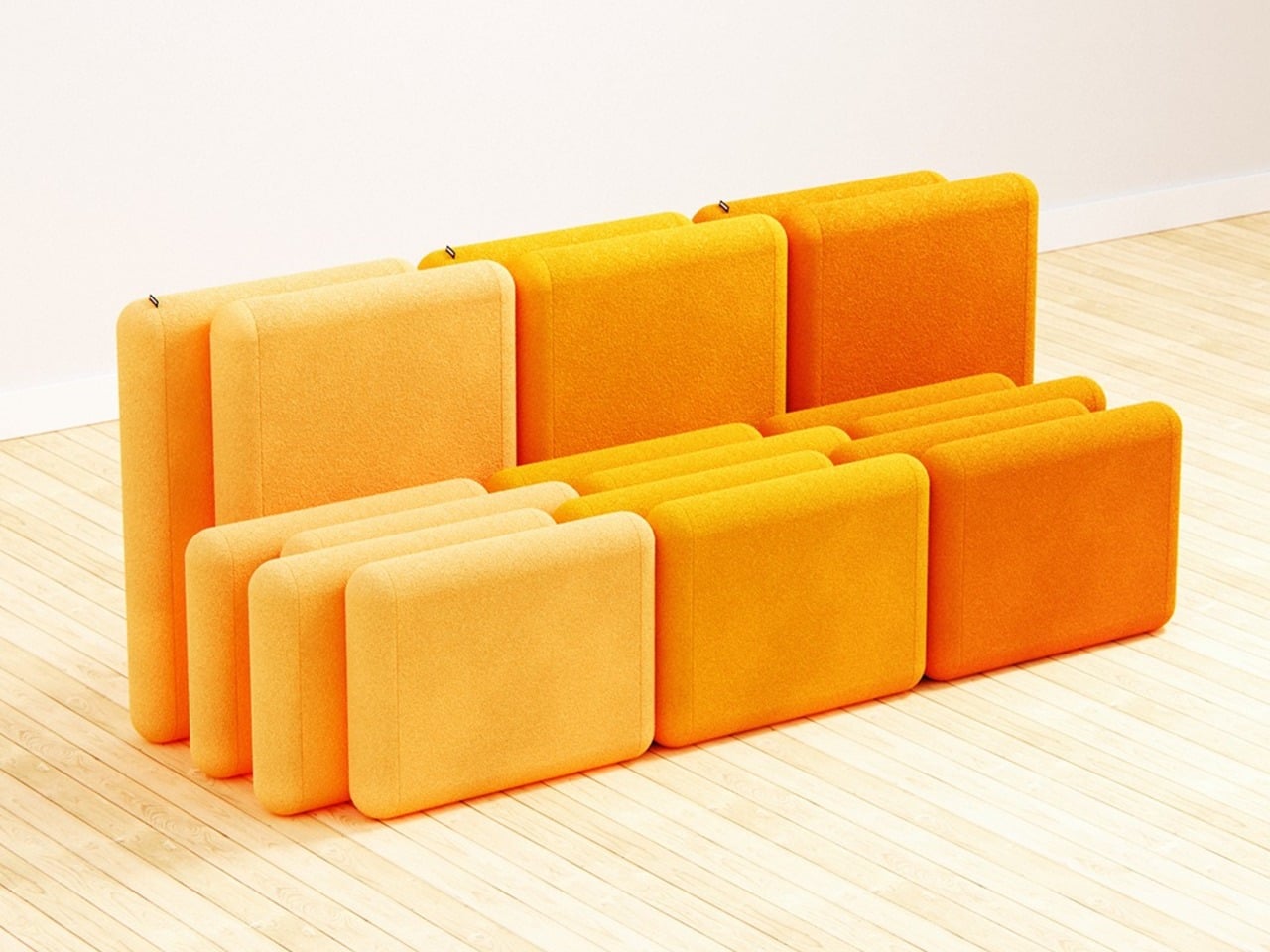
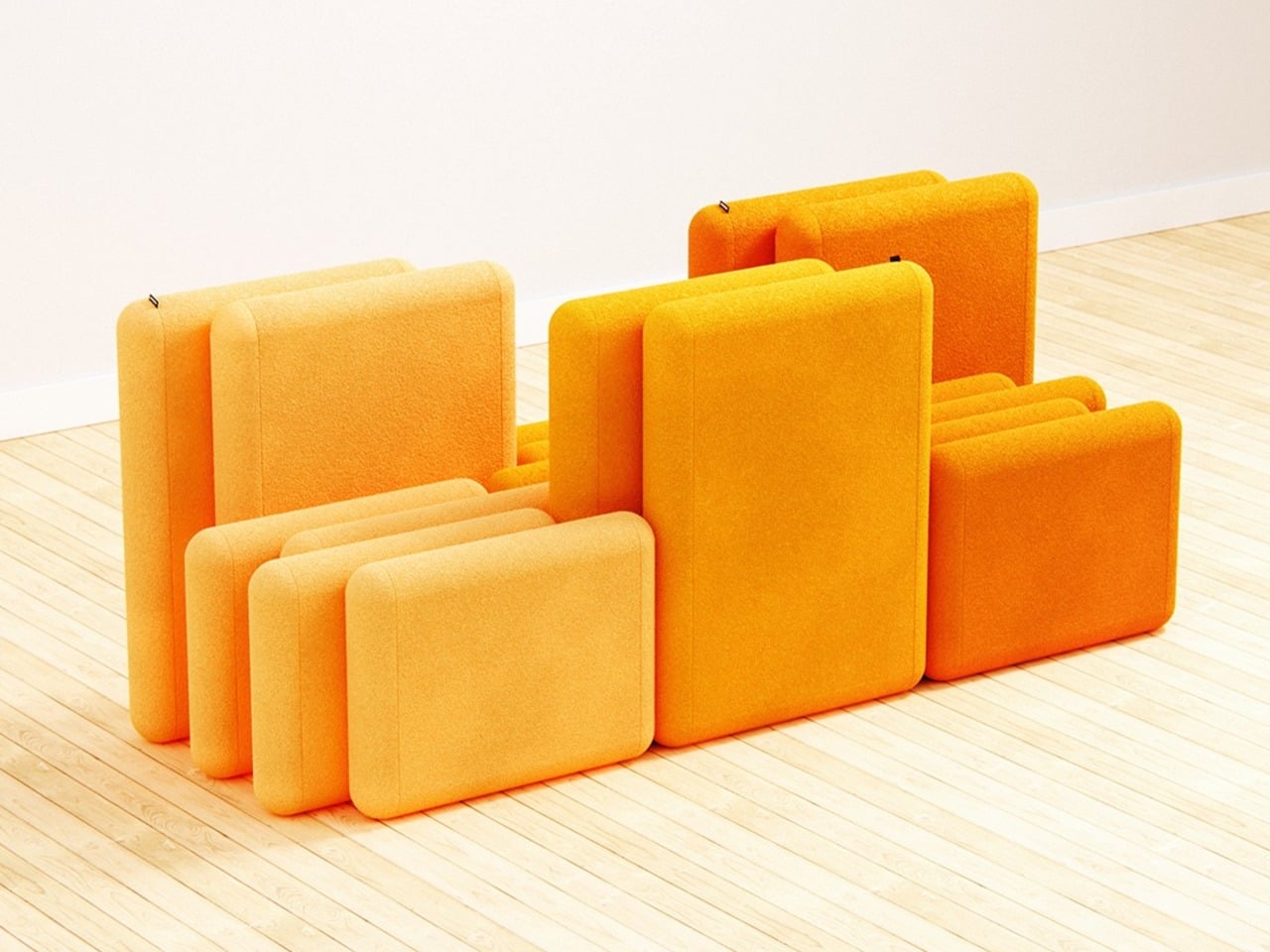
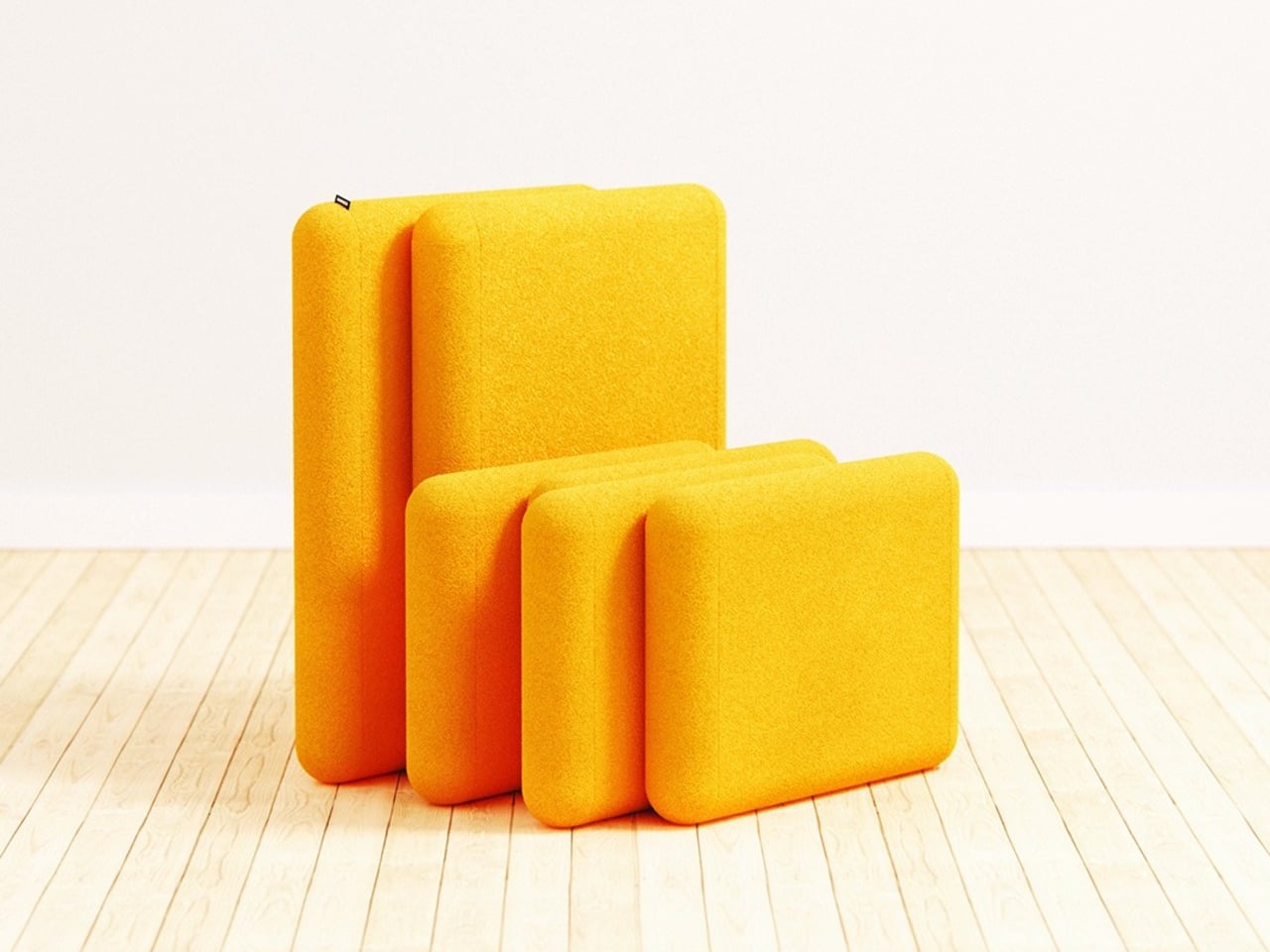
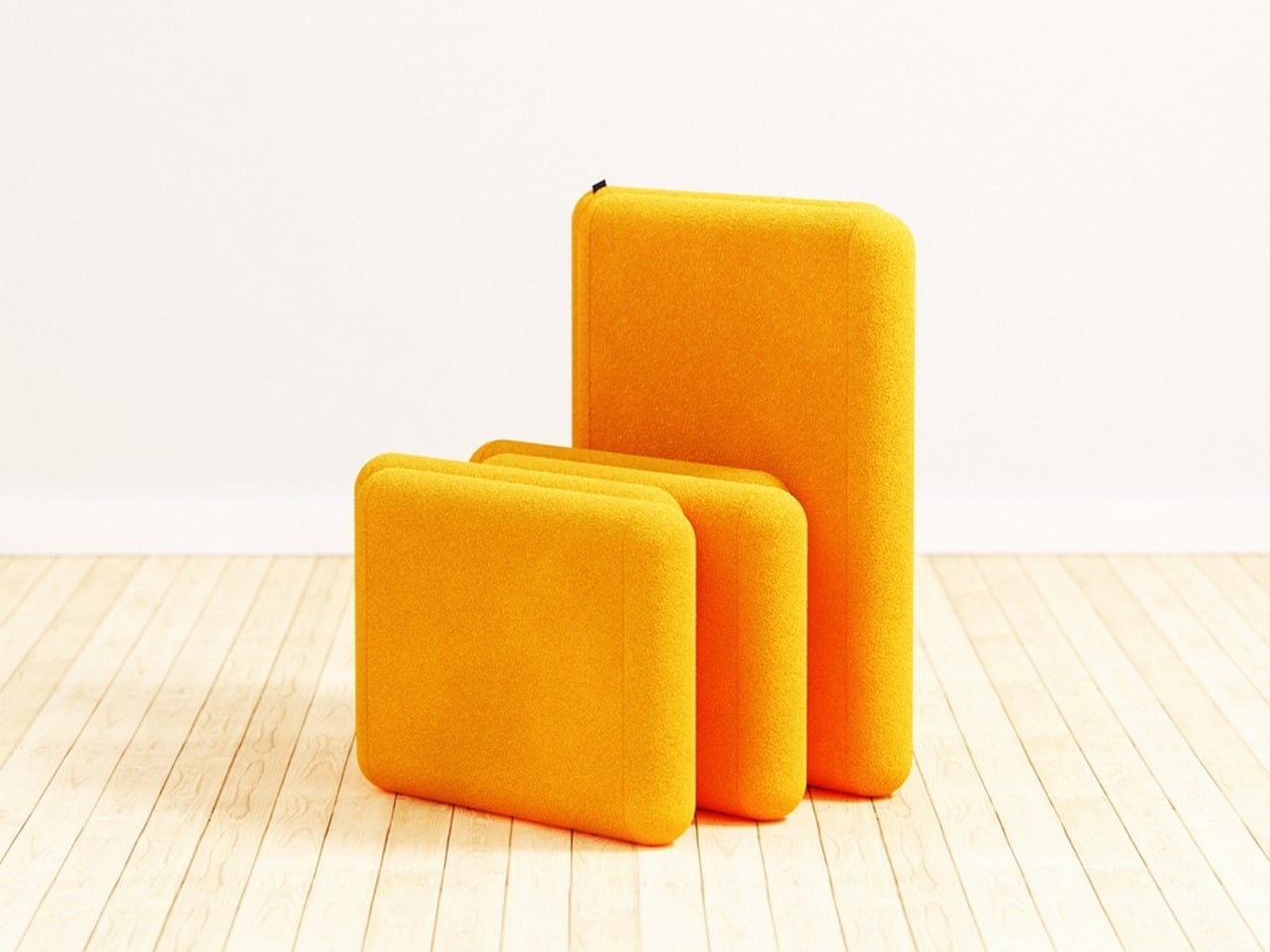
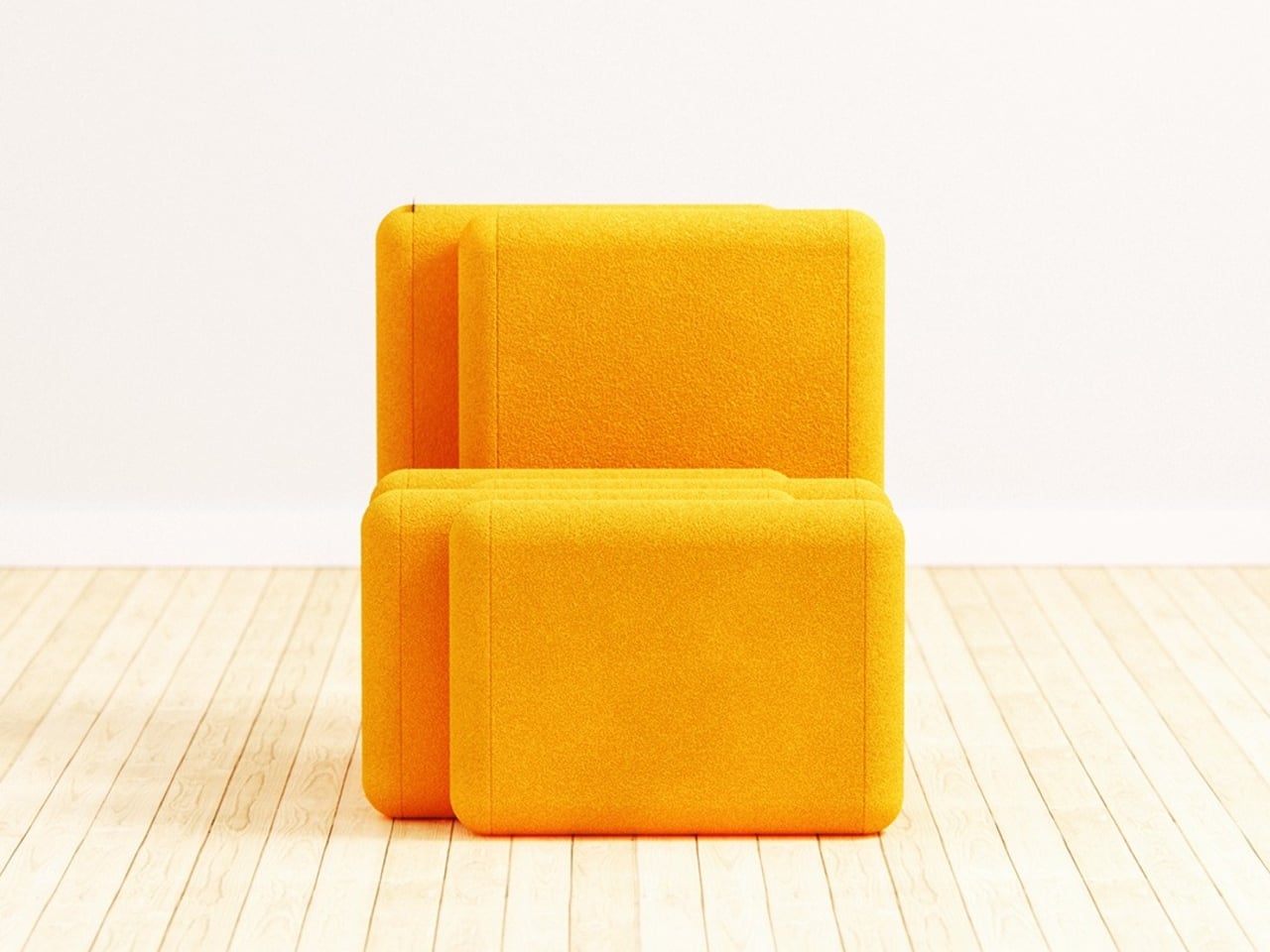
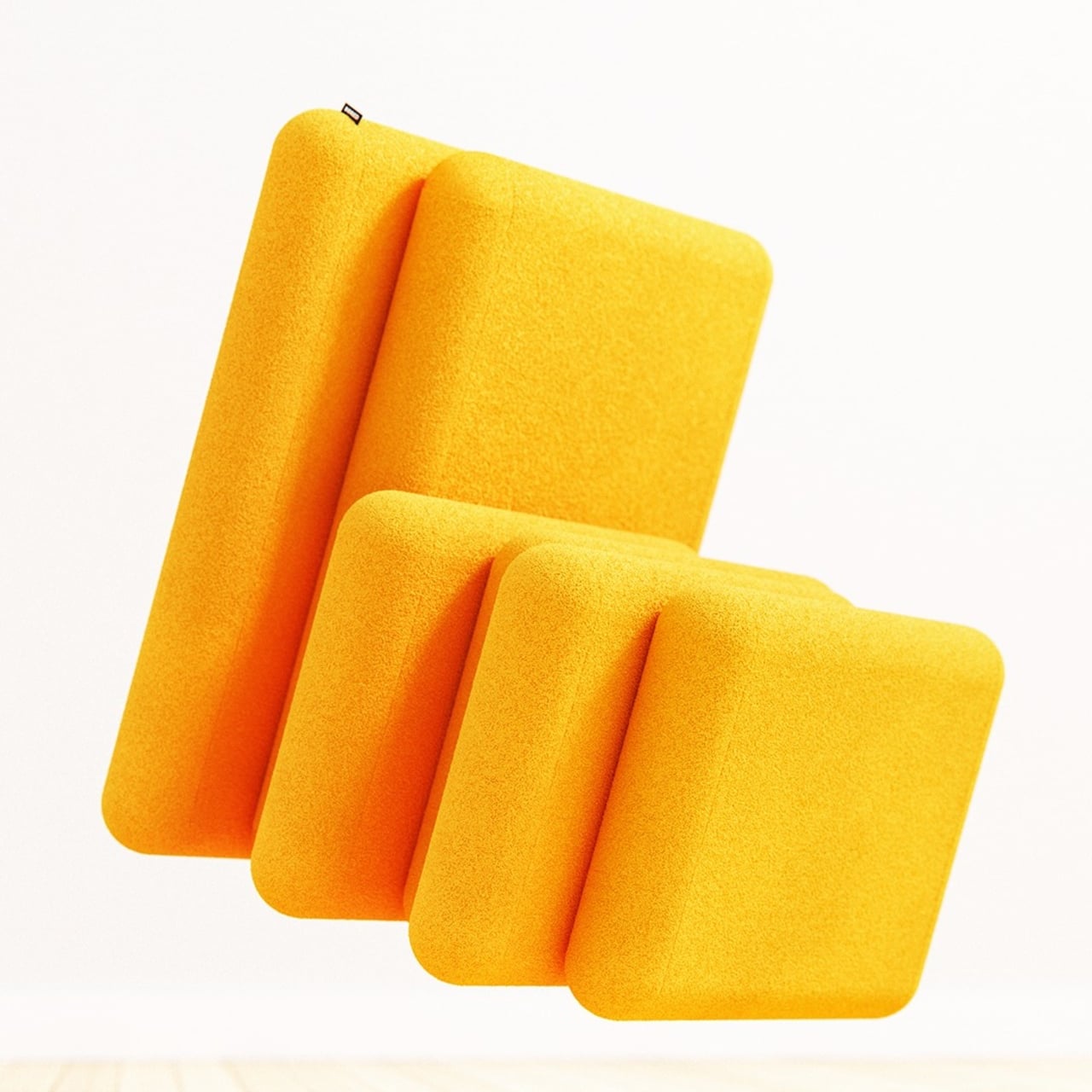
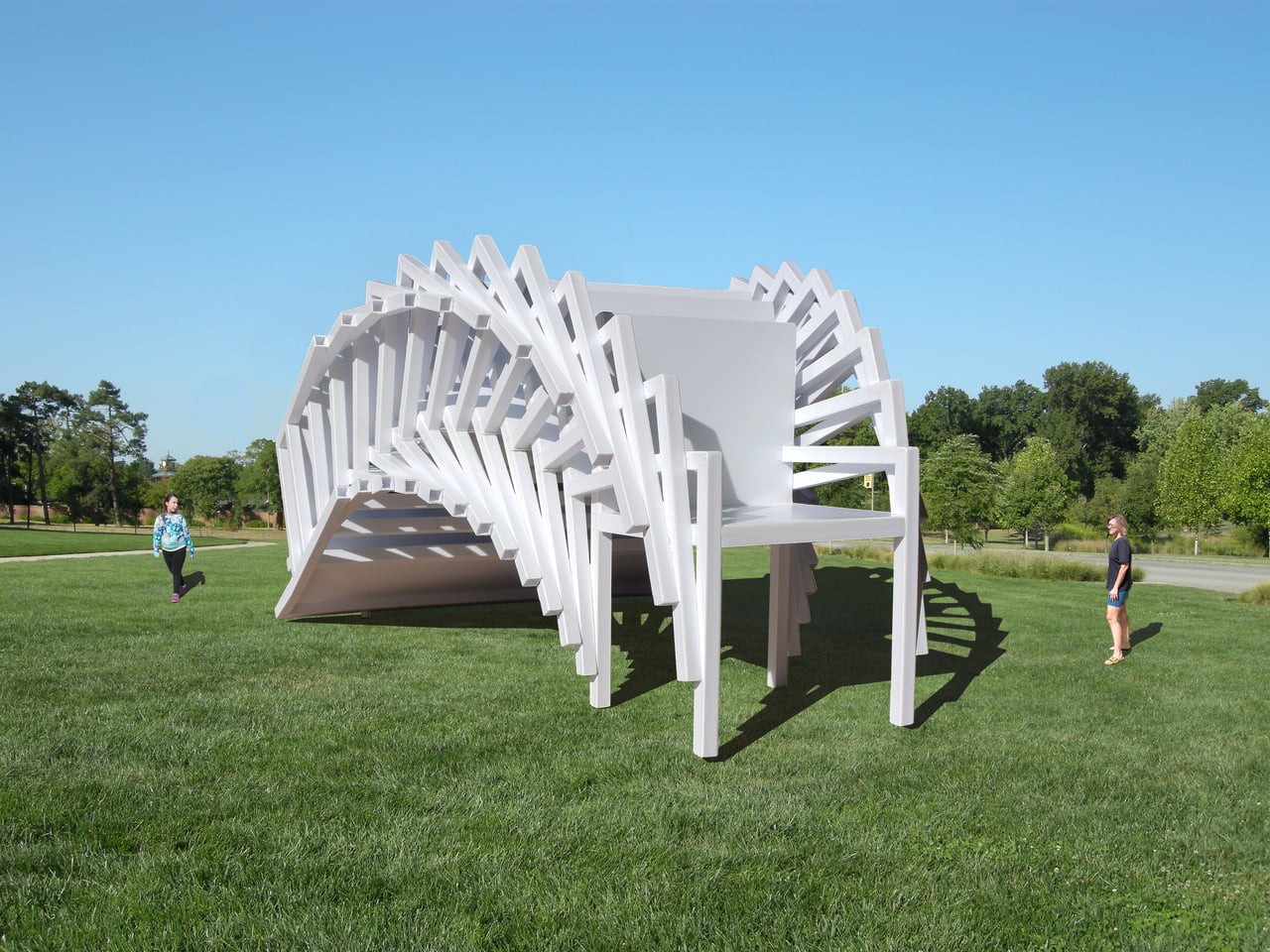
The concept is brilliantly simple. Inspired by the four-leaf clover (you know, that lucky little plant you spent hours searching for as a kid), each piece features five ergonomic layers that stack and connect in multiple ways. Think of it like grown-up LEGO blocks, but way more sophisticated and actually comfortable to sit on. You can use one stool solo for those introspective coffee moments, push several together for an impromptu dinner party, or arrange them into completely different configurations depending on whether you’re hosting book club or just need a spot to tie your shoes.

What really sets this design apart is its versatility. The modular nature means you’re not stuck with one static piece of furniture that only works in one spot doing one thing. Your living room setup today doesn’t have to be your living room setup tomorrow. Hosting friends? Reconfigure. Need more floor space for yoga? Stack them up. Moving to a smaller apartment? These pieces travel and adapt with you. It’s furniture that actually respects the fact that life isn’t static.

But here’s where it gets even better. ARTA didn’t just focus on form and function. They made these stools from 3D-printed recycled ABS plastic, the same stuff that’s in old consumer products that would otherwise end up in landfills. Every curve and contour of the Clover Collective represents hope, quite literally upcycling trash into treasure. In an era where we’re all trying to make better choices about consumption, having furniture that’s both beautiful and sustainable feels like a small victory. Beyond the accolades, what’s compelling is how this piece represents a shift in thinking about what furniture can be. We’re moving away from the idea that you buy a couch or a chair and you’re stuck with it for life. Instead, we’re embracing pieces that evolve with us.

The five-layered construction isn’t just aesthetic either. It creates stability while maintaining an elegant, almost organic silhouette that doesn’t scream “I’m recycled plastic!” The balance between structural integrity and visual lightness is tricky to pull off, but ARTA nailed it. These stools look like they could be at home in a minimalist Scandinavian loft or a colorful maximalist studio. What strikes me most is how Clover Collective embodies this broader cultural moment we’re in. We want flexibility. We want sustainability. We want things that can keep up with how we actually live, not how design magazines think we should live. Whether you’re in a tiny apartment where every square foot counts or you love rearranging your space on a whim, this kind of adaptive design just makes sense.

There’s something hopeful about furniture that refuses to be just one thing. In a world that often demands we fit into rigid categories, Clover Collective is over here saying “why not be everything?” It’s a stool. It’s a side table. It’s a conversation starter. It’s proof that sustainable design doesn’t have to be boring or preachy. ARTA Architects has created something that feels both timely and timeless, which is the sweet spot every designer dreams of hitting. It’s the kind of piece that makes you rethink what’s possible when creativity meets conscience, and honestly, we could use more of that energy in our homes and our world.

The post This Lucky Four-Leaf Stool Transforms Into Whatever You Need first appeared on Yanko Design.
These Transparent Rolling Chairs Turn Your Living Room Into a Moving Color Canvas

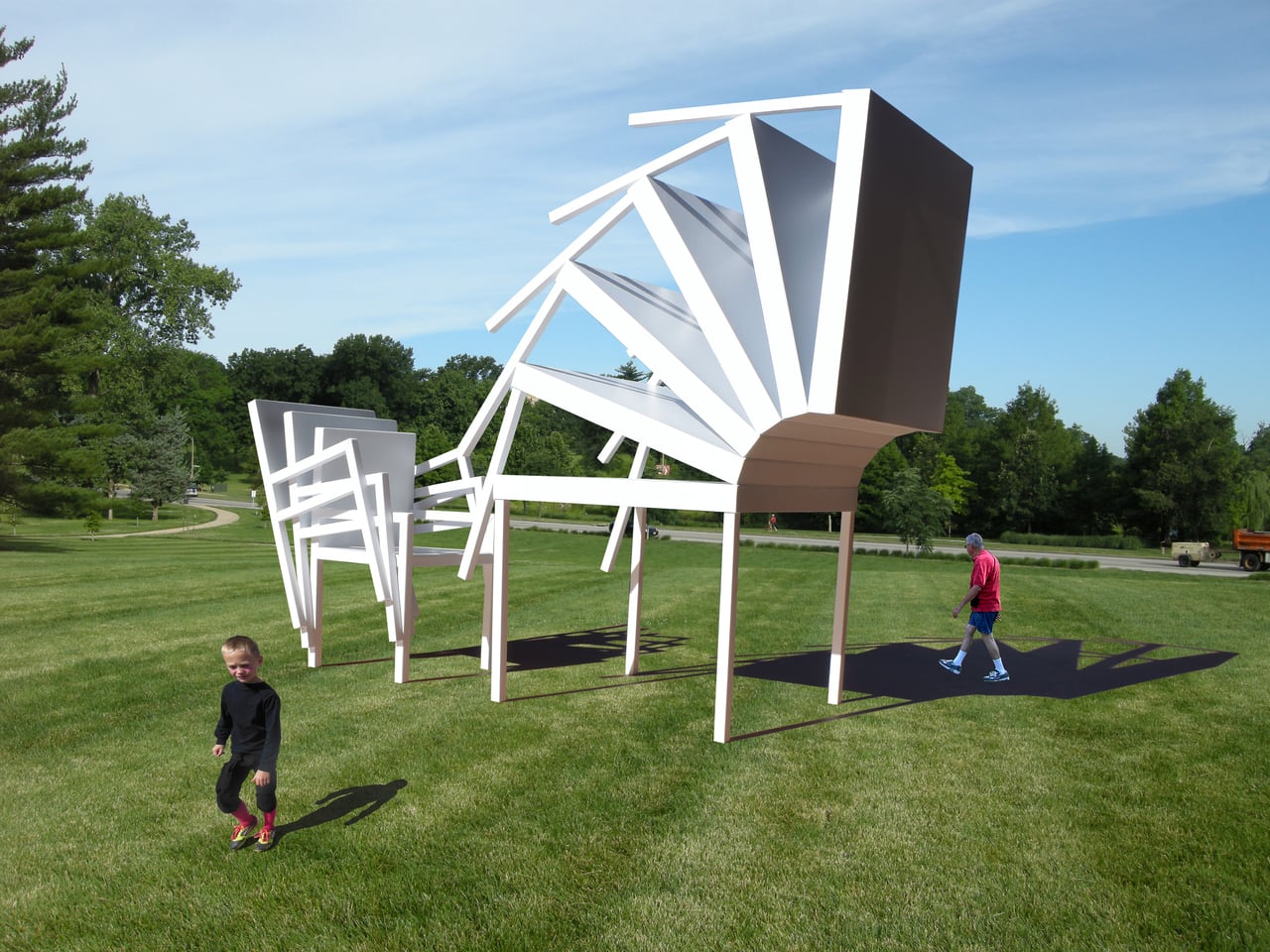
Like De Stijl once deconstructed form and space into elemental purity, Color Roller reimagines that legacy through motion and transparency. Using the three primary colors, red, yellow, and blue, this experimental furniture collection plays with the relationship between geometry, light, and interaction. When made transparent, these primary hues transcend their boundaries, merging into endless new shades through layering and rotation. The result is not just furniture, but an evolving chromatic sculpture that invites users to participate in the reconstruction of their environment.

At its core, Color Roller explores how color and form can coexist as active agents in spatial design. Each of the three components, a hexagonal chair, rectangular table, and triangular floor lamp, embodies a minimalist geometry while sharing a dynamic logic of rolling and transformation. Made entirely from transparent acrylic panels that intersect in pairs, these forms create a vivid and flexible composition of color. Depending on light direction and intensity, the furniture transforms, casting overlapping shadows and gradients that turn interiors into interactive canvases.

Designer: Chuheng He

The unique property of Color Roller lies in its capacity to change color combinations through rolling and rearrangement. By simply flipping or rotating the pieces, users can recompose the palette of their space. This transforms the act of furnishing into an act of play and authorship, where each arrangement reflects personal taste, emotion, and atmosphere. The design embraces De Stijl’s philosophy of modularity and freedom, yet it translates those ideas into a tactile, participatory experience.

From a technical standpoint, Color Roller is realized through colored acrylic thermoforming and adhesive bonding. The production process required precise experimentation to ensure both structural integrity and optical clarity. The research began with 1:5 scale models exploring the overlapping behavior of panels under various lighting conditions. Later, 1:1 prototypes were constructed to test materials, weight-bearing capacities, and balance. The hexagonal chair, in particular, underwent extensive trials with acrylic, wood, and aluminum to find a structure that was both light and strong. After iterative testing, the design was optimized, retaining its ethereal appearance while ensuring durability through minimal adhesive use and refined jointing.

The greatest challenge lay in reconciling aesthetics with performance. Early versions of the acrylic chair, though solid and stable, appeared too heavy, compromising the design’s intended transparency. Through reduction and structural optimization, the final outcome achieved both visual lightness and functional strength.

Ultimately, Color Roller aims at being an experiment in perception and participation. By letting color and geometry dance through light, it invites users to rediscover the poetry of everyday space. Each movement reveals a new intersection, a new hue, and a new perspective, transforming ordinary interiors into living expressions of form and color.

The post These Transparent Rolling Chairs Turn Your Living Room Into a Moving Color Canvas first appeared on Yanko Design.
3D-printed chairs are made from 100% recycled plastic from donation program

3D-printed furniture is still not as common as regular furniture but we’re seeing a lot of movement when it comes to designs and concepts. Aside from the fact that it’s easy to adapt this in actual production, it can also be sustainable and eventually impactful. Most of these 3D-printing concepts try to create something that’s recyclable or made from recycled materials therefore making it more sustainable than regular furniture.

Designer: Ethan Solodukhin

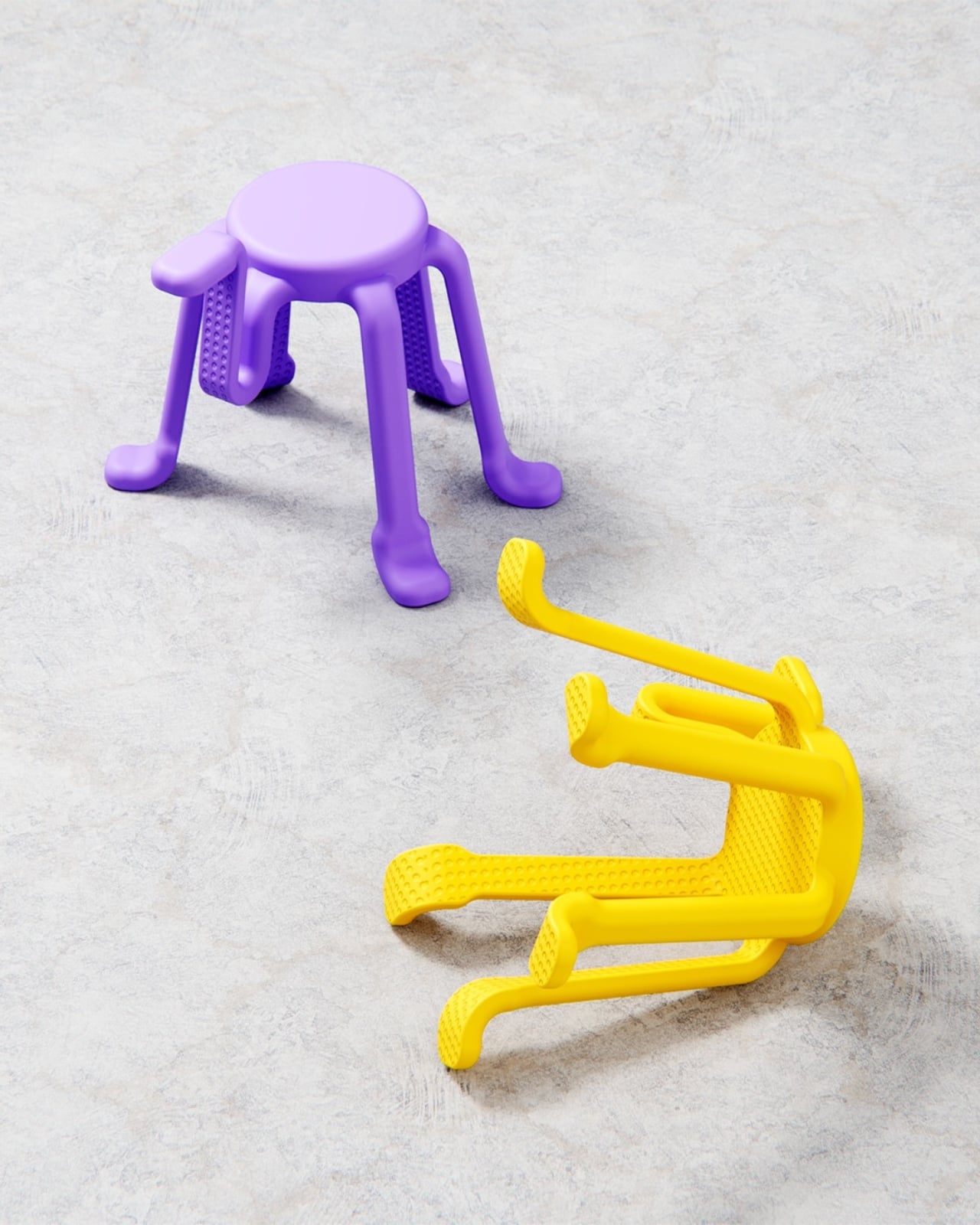
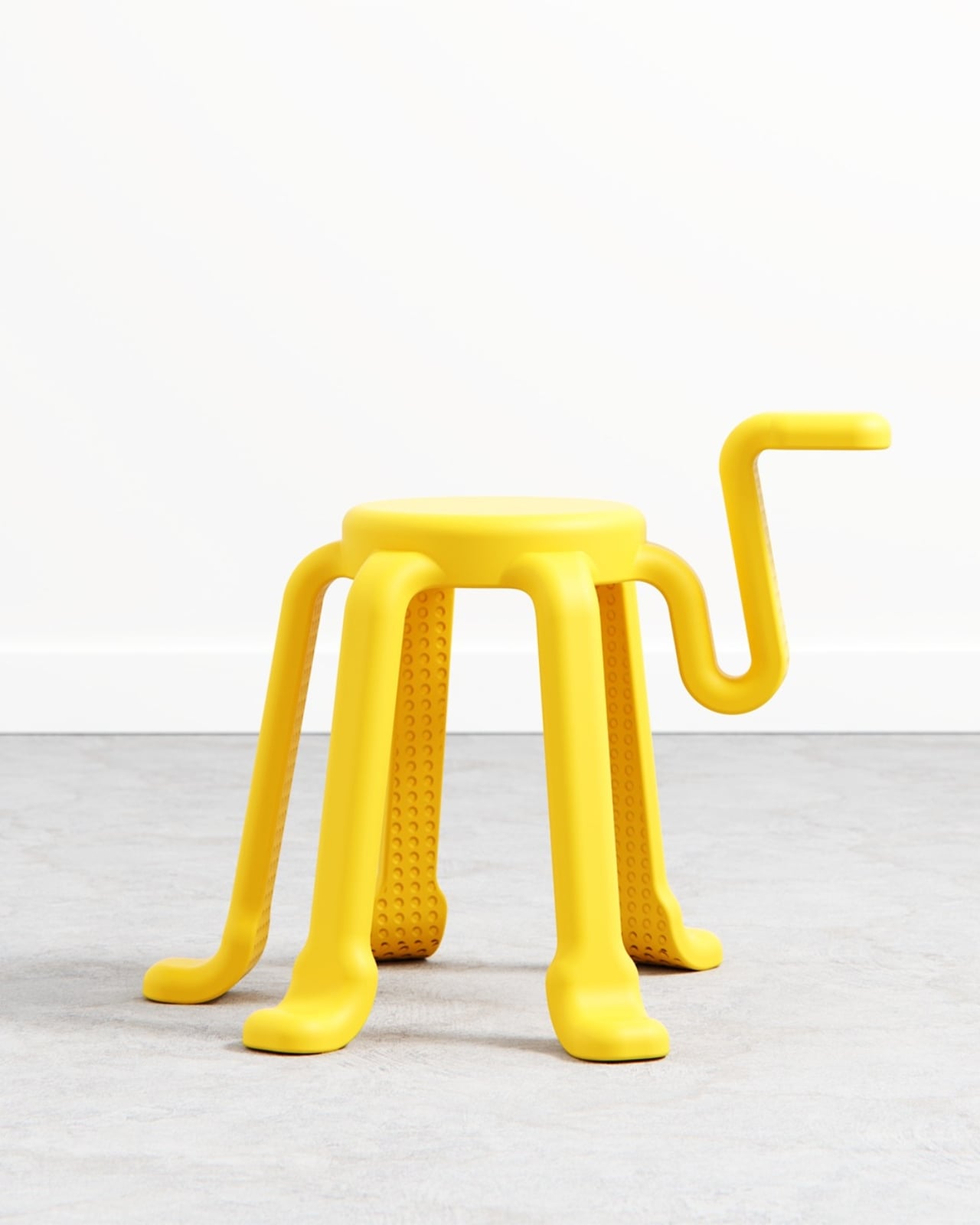
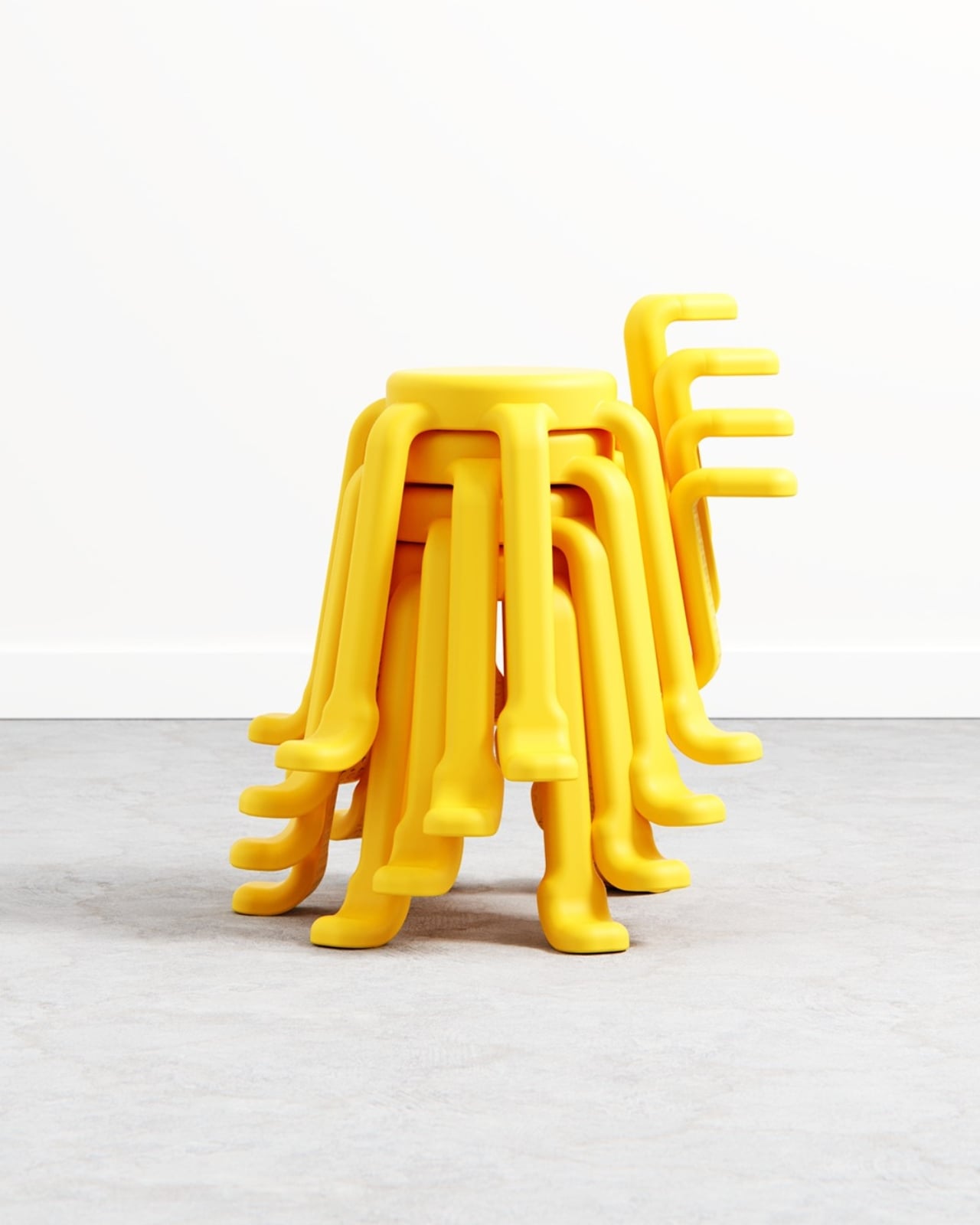
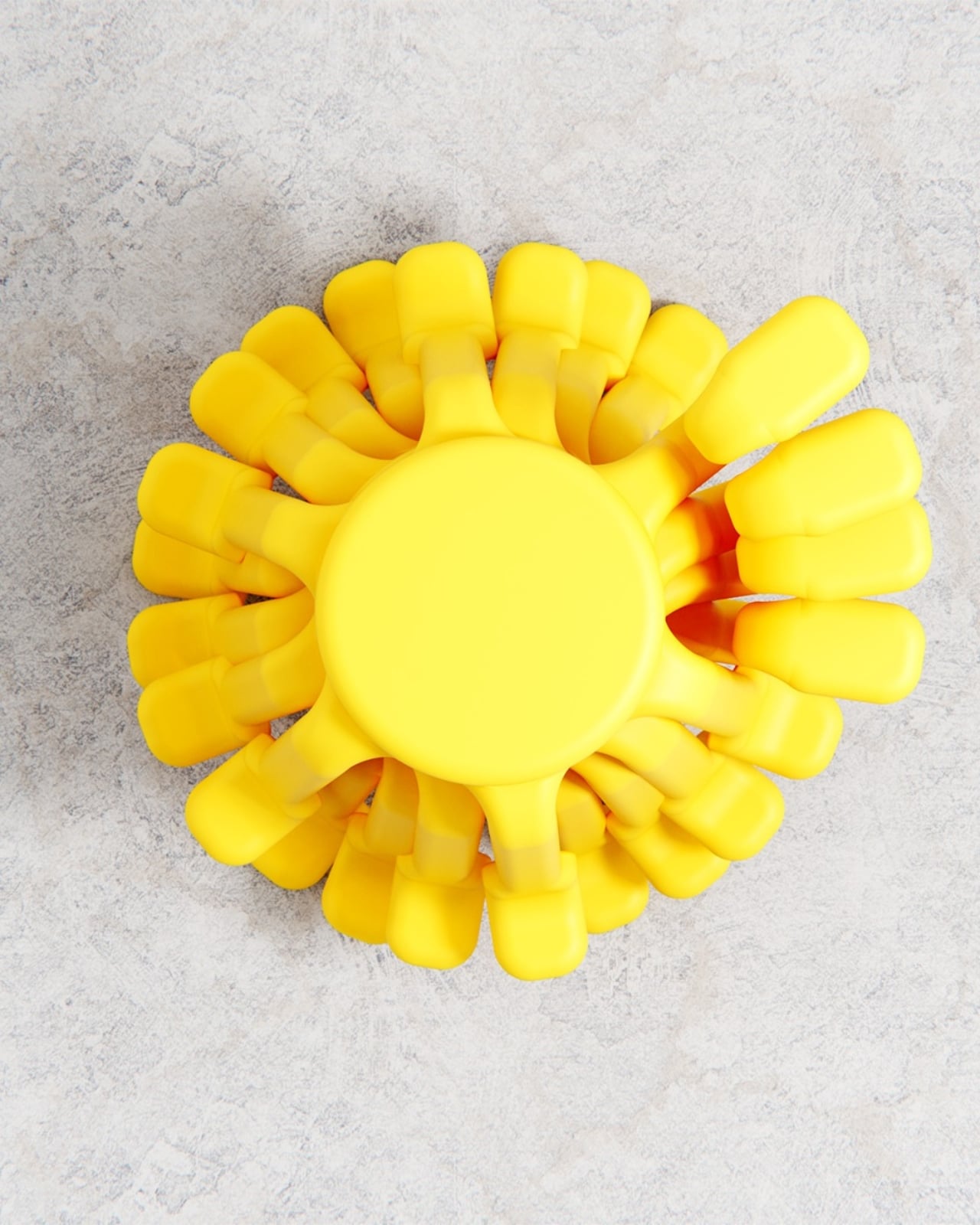
The Revo Chair Concept, with Revo meaning “revolutionary”, is a collection of 3D-printed furniture and is powered by the PlastiVista Atelier program. The program actually encourages homes, schools, and communities to donate their plastic waste and those that can be used for 3D printing converted into filament. The collection includes the Revo Chair and the Stoool (yes that’s not a typo). They are made from 100% recycled plastic.

The Revo Chair uses a single-piece design and it can serve as both an actual chair but when used with a different orientation, it can also serve as storage. The photos show it’s a box-like storage although it’s not really shown how it can be turned into that although the surfaces can be something you can place objects on. The Stoool meanwhile just serves as a seat with its compact surface, although you can probably also use it as a side table if you want to.

The renders of these chairs reminds me of those small, plastic phone holders that you can get for cheap. The question of course for these 3D-printed chairs would be if they are durable enough and comfortable enough for people to sit in for a long period of time.

The post 3D-printed chairs are made from 100% recycled plastic from donation program first appeared on Yanko Design.
Dopio: The Chair That Fits Into Any Room With Its Simplistic Elegant Charm

In the world of furniture design, where objects often compete to be the center of attention, the Dopio lounge chair takes a different approach. A product born from a philosophy of understated elegance, Dopio embraces simplicity, allowing it to seamlessly blend into any environment without overwhelming the space. Its minimalistic aesthetic serves as a quiet complement, embodying the beauty of subtlety.

Designer: Thibaud ROLLET

Dopio draws its first breath of inspiration from the Iso-lounge chair by renowned designer Jasper Morrison, echoing his famous motto: “Object should never shout.” This sentiment is at the heart of Dopio’s design. Rather than vying to be the focal point, this lounge chair exists to support and enhance the broader indoor composition. It’s not a statement piece that demands attention but a thoughtfully crafted element that helps tie a room together.

Constructed from just three plywood panels and two cushions, Dopio distills furniture design to its essentials. The use of plywood not only contributes to its minimalist appearance but also offers a tactile warmth that suits a variety of interiors. The simple assembly of these materials underscores the elegance of the chair’s design, where less truly becomes more.

One of the most striking aspects of Dopio is its versatility. Its muted aesthetic allows it to complement virtually any interior style, whether modern, minimalist, or traditional. It’s the kind of chair that feels at home in a variety of spaces, from high-end office receptions and hotel lobbies to restaurants and public areas. At home, Dopio’s discreet elegance makes it an ideal addition to lounges, living rooms, or reading nooks. Its clean lines and neutral tones make it adaptable to various settings, effortlessly blending into the environment while subtly enhancing it.

Dopio also offers a unique feature that appeals to pet lovers. The open space at the bottom of the chair creates a cozy nook that pets are sure to adore, making it a favorite spot for them to curl up and relax. This playful touch adds a layer of warmth to the chair’s otherwise sleek design, making it both functional and inviting.

The post Dopio: The Chair That Fits Into Any Room With Its Simplistic Elegant Charm first appeared on Yanko Design.

The Quirky “Zoom Chair” turns an Optical Illusion into a Fun Furniture Detail

Playing on visual metaphors rather wonderfully, Muddycap (of rocking chair fame) is back with the Zoom Chair – a seemingly normal-looking chair with a magnifying glass incorporated into its design. The fun bit is that the magnifying glass fulfills two roles. Aside from the object’s handle acting as one of the chair’s legs, the magnifying glass actually ‘magnifies’ the chair’s backrest, creating an illusion of sorts that feels fresh and clever!

Designer: Muddycap

The Zoom Chair has that sort of eureka moment appeal that makes you go ‘wow!’ It’s quirky, like something you’d see in a cartoon strip in a newspaper, but is translated to 3D to make the joke even more believable. The chair’s backrest quite literally gets amplified by the magnifying glass, but without negatively affecting the chair’s actual functionality.

The beauty of such a design is that it transcends language or a need for explanation. It doesn’t matter whether you’re a design enthusiast or not, what age you are, or where you come from. A magnifying glass is a pretty simple piece of iconography – old people know it because of its cultural significance, young people know it because of its digital use in apps for searching and zooming. Incorporating it into a design this way is smart, and just captivating!

If you love the Zoom Chair, you’ll enjoy all of Muddycap’s designs (which you can find on their Instagram). Their work is fun, tongue-in-cheek, and executed perfectly. Whether you look at it for chuckles or for inspiration, it’s one of those lighter, funnier corners of the internet that you’ll love visiting ever so often!

The post The Quirky “Zoom Chair” turns an Optical Illusion into a Fun Furniture Detail first appeared on Yanko Design.
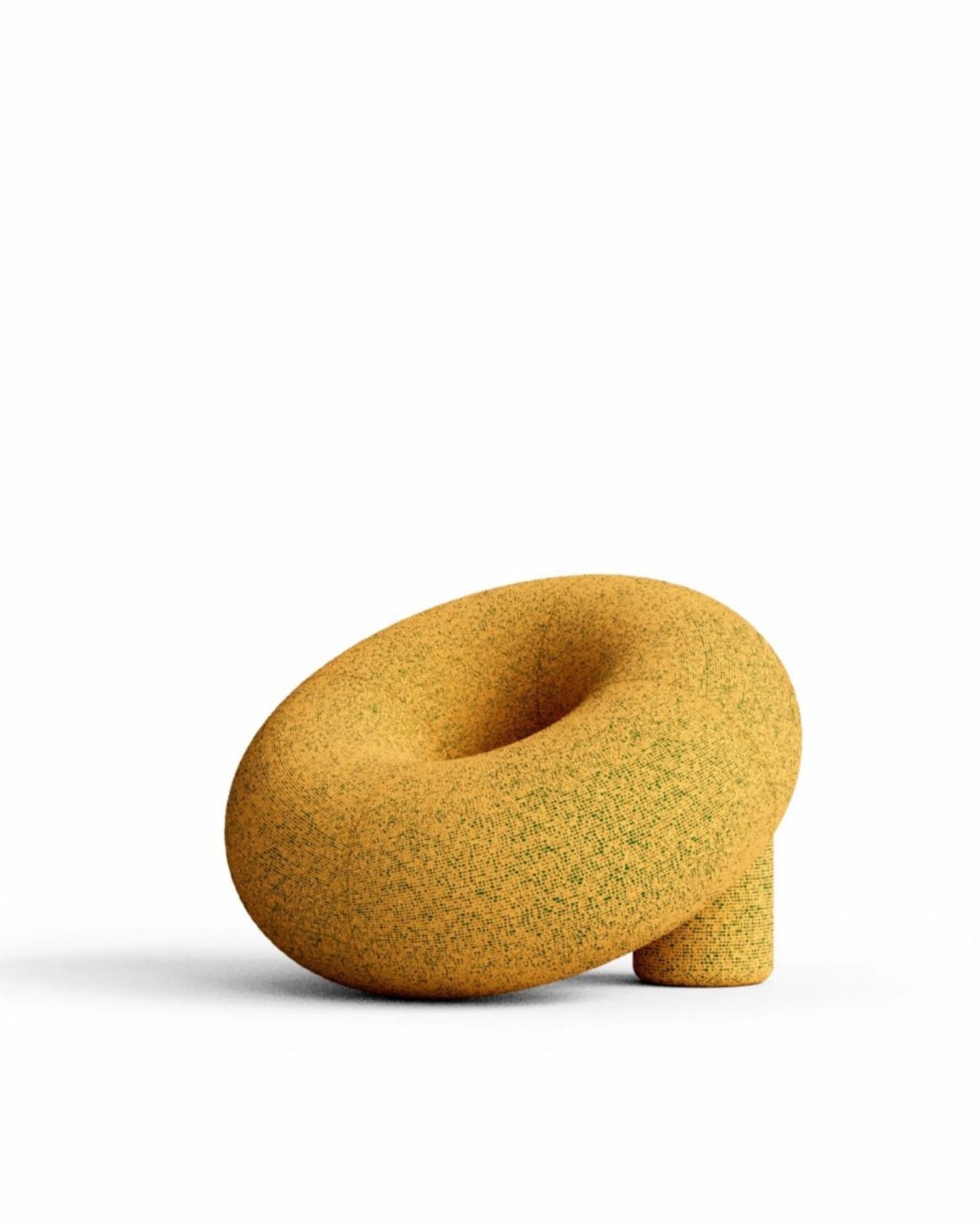
Pouffe chair concept uses minimalist design and recyclable materials

There are two kinds of people when it comes to chairs and stools. Those who like cutely-designed seats and those who want comfortable resting places for their behinds. While I am always the latter, there are a lot of people looking for the former. That’s why we see uniquely designed chairs and stools that can also double as a sort of art piece, even though they don’t look the most comfortable to sit on.

Designer: Design Studio701

The Rio Pouffe is a concept for a chair that is able to combine modern aesthetic with an eco-friendly design. Because there is a trend (hopefully, a lasting trend) of people looking for products that are made from sustainable materials, this kind of design can hit it off with that segment if it reaches the production stage. They did not give details as to what these eco-friendly materials are but if we’re to look at the planters that Harshdeep, the company that they made the design for, we’re looking at materials like bamboo, coffee husks, etc.

The chairs themselves look like inverted onions with a seat surface and a small backrest. They are shaped that way to attract people’s attention and are designed to be lightweight and durable to “make sitting a breeze”. The colors are also in earthy tones like warm browns, soothing greens, calming blues, and neutral grays in keeping with the natural aesthetic that they are going for. It seems comfortable enough although for me, the small back rest may not be enough if I’ll be sitting on it for a long time.

As a concept, this seems to be pretty interesting if you’re the type looking for good-looking chairs that are also eco-friendly. It would have been better to see what are those recyclable materials that they will use to produce the chairs. But in terms of design, this seems to be a simple but solid one.

The post Pouffe chair concept uses minimalist design and recyclable materials first appeared on Yanko Design.
This chair with floating backrest, ergonomic flexibility, and modular cushioning is designed for space travel

Space Perspective offers life-changing trips to the edge of space in the world’s first carbon-neutral spaceflight. This spaceship dubbed Neptune features a breathtaking design. It’s a capsule with special UV reflective coated largest glass windows ever flown to space providing occupants an unparalleled view from the space lounge inside containing eight state-of-the-art chairs designed both for comfort and aerospace experience.

The innovative seating solution for Neptune’s passengers is visibly inspired by the lounge chairs. It seamlessly merges the luxury and comfort of the lounge chair with the safety requirements of space travel to ensure the guests have not only a comfortable seat but a safe one at that.

Designer: Of My Imagination

Dubbed Aerospace Seat SPN-01, these eight dark-blue chairs in the space lounge are lightweight, functional, and safe. While meeting travel safety standards, these chairs also provide umpteen luxury courtesy of the floating backrest, ergonomic flexibility, and modular cushioning.

These aerospace seats blend a modular pad system with adjustable cushions for ergonomic comfort. Owing to their contoured shape and arced headrest, the chairs nicely cradle their passengers during the critical phases of launch and landing. Due to their positioning (each facing outwards) in the roomy space lounge, each seat has a panoramic 360-degree view through the large capsule windows.

Whilst being designed to comfort anxious passengers in their cocooning environment, the Aerospace Seat SPN-01 is easy to repair and has adjustable features to balance comfort with functionality. Designed by @ofmyimagination the chairs are twined in pairs inside of the space capsule designed to promote conversation and foster shared experiences. The chairs are placed adjacent to each other to encourage passengers to speak with each other. Each set of chairs features a mini wooden table in between that doubles as a desk. Every chair has a storage section underneath where passengers can stow their personal belongings.

The post This chair with floating backrest, ergonomic flexibility, and modular cushioning is designed for space travel first appeared on Yanko Design.

Bibliochaise lets you have your books at arm’s length

At one point or another, a bookworm has probably experienced this: you’ve just finished reading a very engrossing book and you want to start on another one but you’re too comfortable (or lazy) to get up from your chair. You wished another book was just within your arm’s reach. While you could always just have several books placed near where you are, you still wish you had a bookshelf near your favorite reading chair.

Designer: Alisée Matta and Giovanni Gennari

The Bibliochaise is one such piece of furniture that is a bookworm’s haven. It is a chair and a bookshelf in one as there are spaces around it that is designed specifically to hold your books. This way, you can spend hours just reading book after book without having to move an inch. It can also add to the visual styling of your living room and bedroom, further proof that you cannot live without your books.
The chair is able to hold around five linear meters of books if you fill in all the spaces in the arms and underneath your seat cushion. It comes in three different finishes to fit your aesthetic: glossy lacquered for the Glossy model, oak veneer and stained for the Plus variant, and open pore lacquered for the Home option. There’s also a Special Edition in open-pore oak essence that contains 24 or 18 carat gold leaf.

For the structure itself, you can choose from different colors. You can also match or contrast the color of your cushion which is available in superior quality full-grain leather. As a certified bookworm, it’s my dream to have a chair like this in my room, although that probably means less social life for me.

The post Bibliochaise lets you have your books at arm’s length first appeared on Yanko Design.