
What makes IMAX theaters different from normal ones?
In the case of IMAX, bigger really is better.

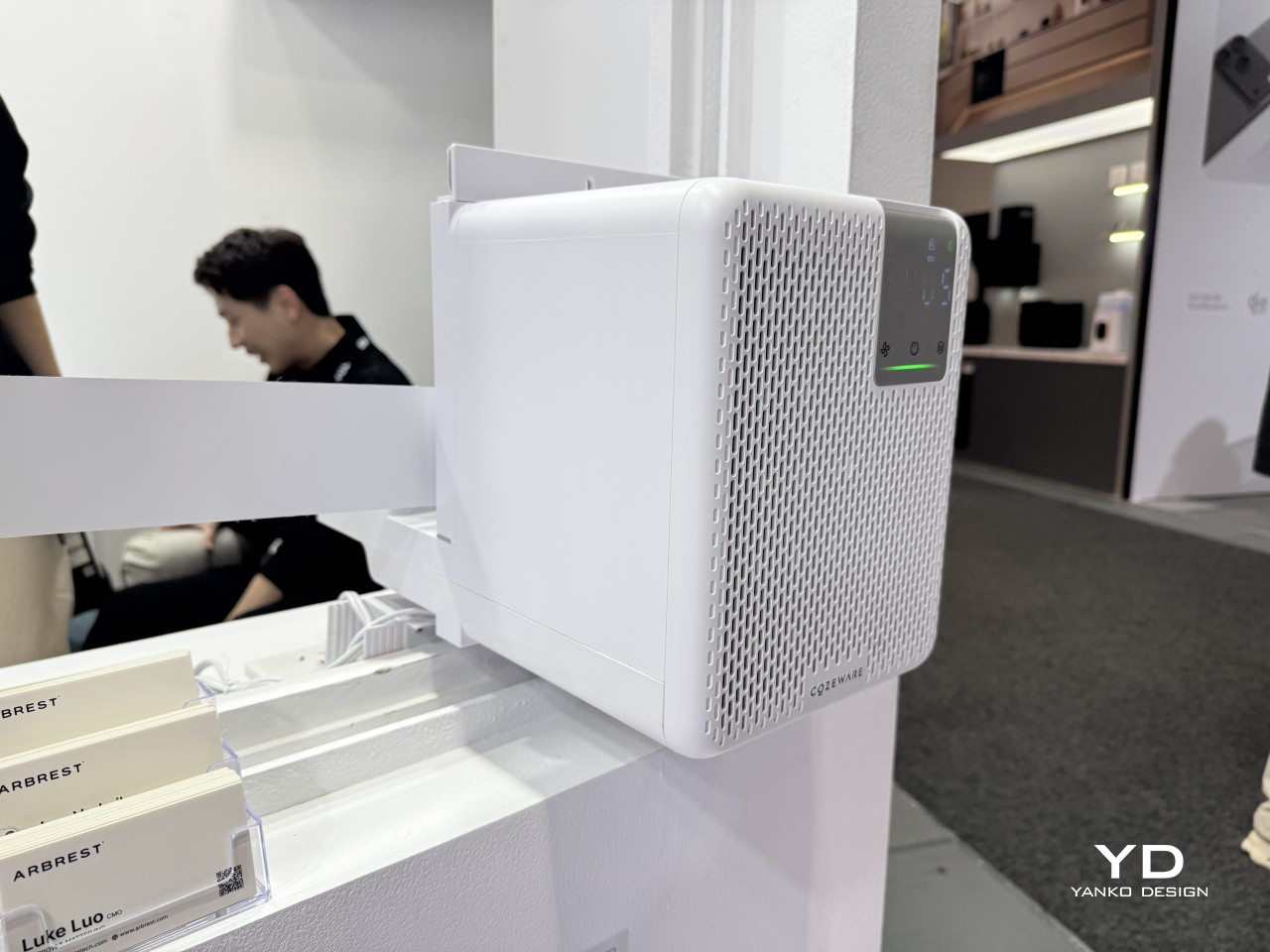
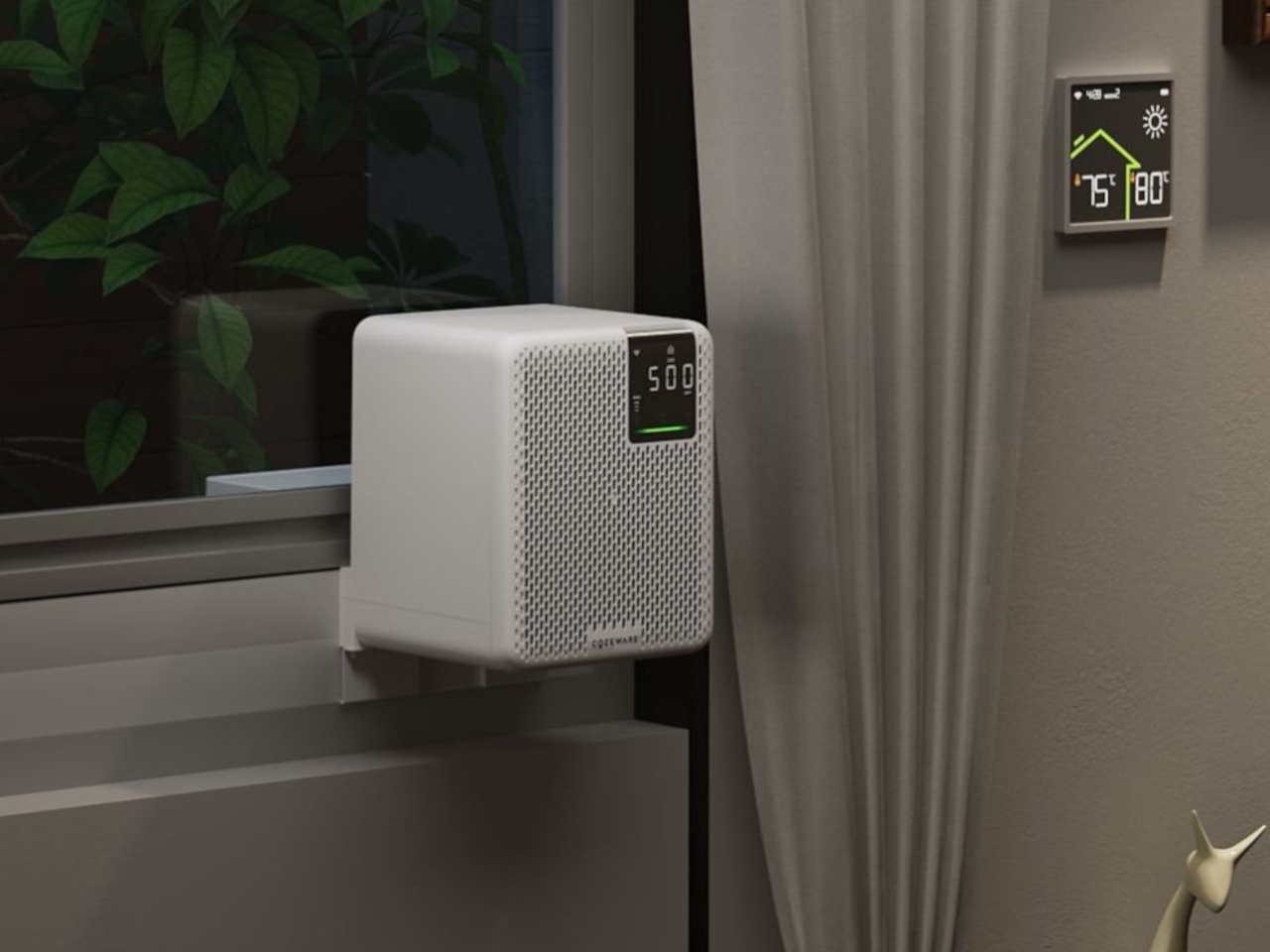
Windows have always demanded a compromise. Crack one open and fresh air arrives along with street noise, pollen, dust, and whatever temperature swing shows up that day. Keep it shut and stale air just recycles in place. COZEWARE FreshFlow, a window-mounted fresh air system, skips that trade-off by pulling filtered outdoor air straight into the room, no wall drilling required. The Pro version adds indoor purification on top.
A regular air purifier only recirculates what’s already inside a room; it never actually swaps stale air for new. Whole-home ventilation can pull that off, but usually means wall openings, ductwork, and a contractor on speed dial, ruling it out for renters, apartments, and anyone who just wants one room to feel different. FreshFlow sits in that gap: filtered exchange without the renovation.
Designer: COZEWARE
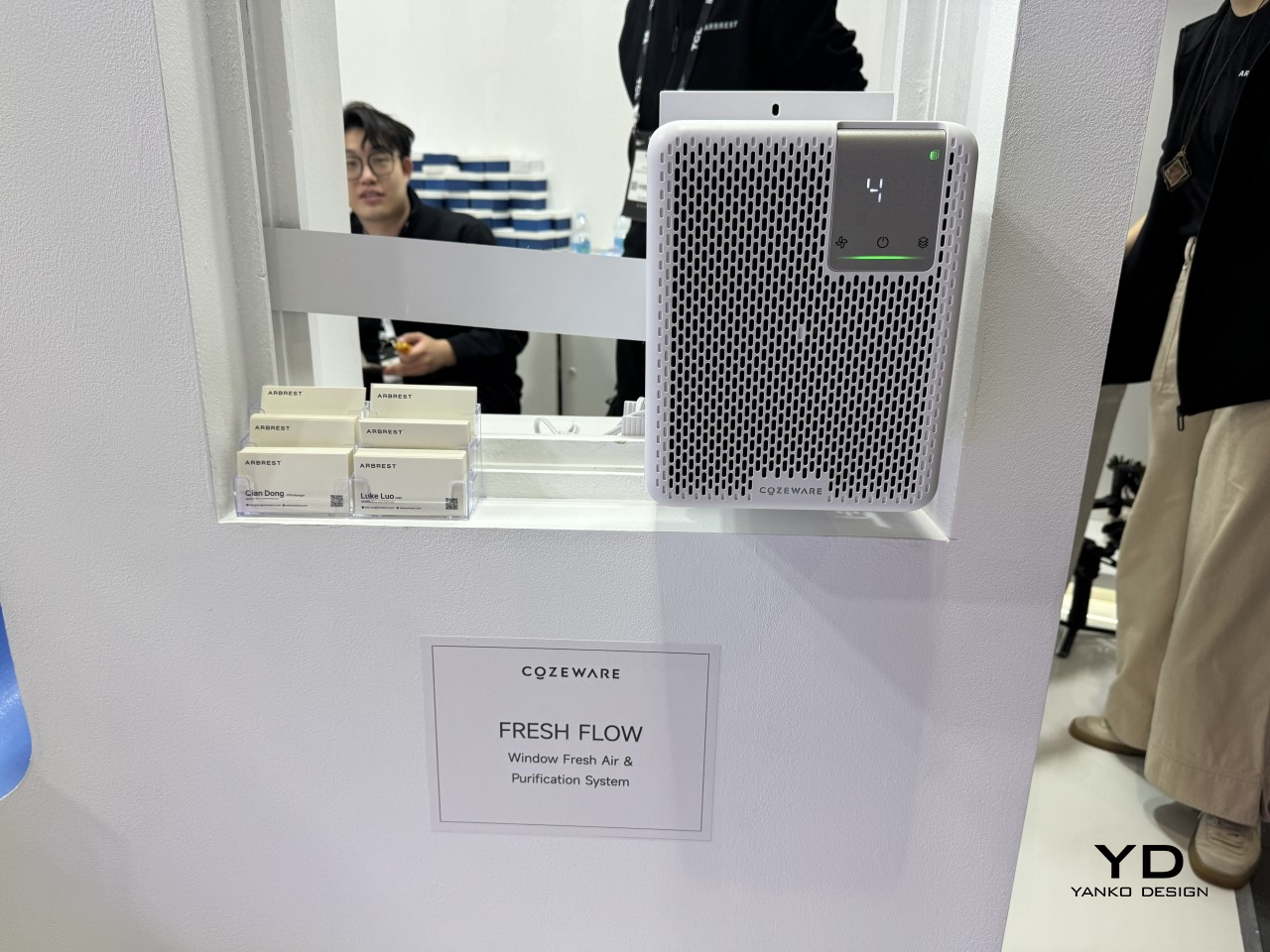
That’s the idea behind FreshFlow: no more picking between letting air in or keeping it out. It becomes a removable, filtered, and adjustable air source for a single room, mounted through COZEWARE’s WindowFit bracket system without drilling into walls or running permanent ducts. Take it down when you move, or skip it entirely if the window isn’t compatible, no commitment either way.
Picture a bedroom in an older building where the window faces a busy street. Opening it for airflow means letting in traffic noise and bugs along with a temperature drop right before bed. FreshFlow handles that trade quietly, running as low as 26 decibels on its lowest fan speed, with a Sleep mode on the Pro version keeping things low-key through the night.
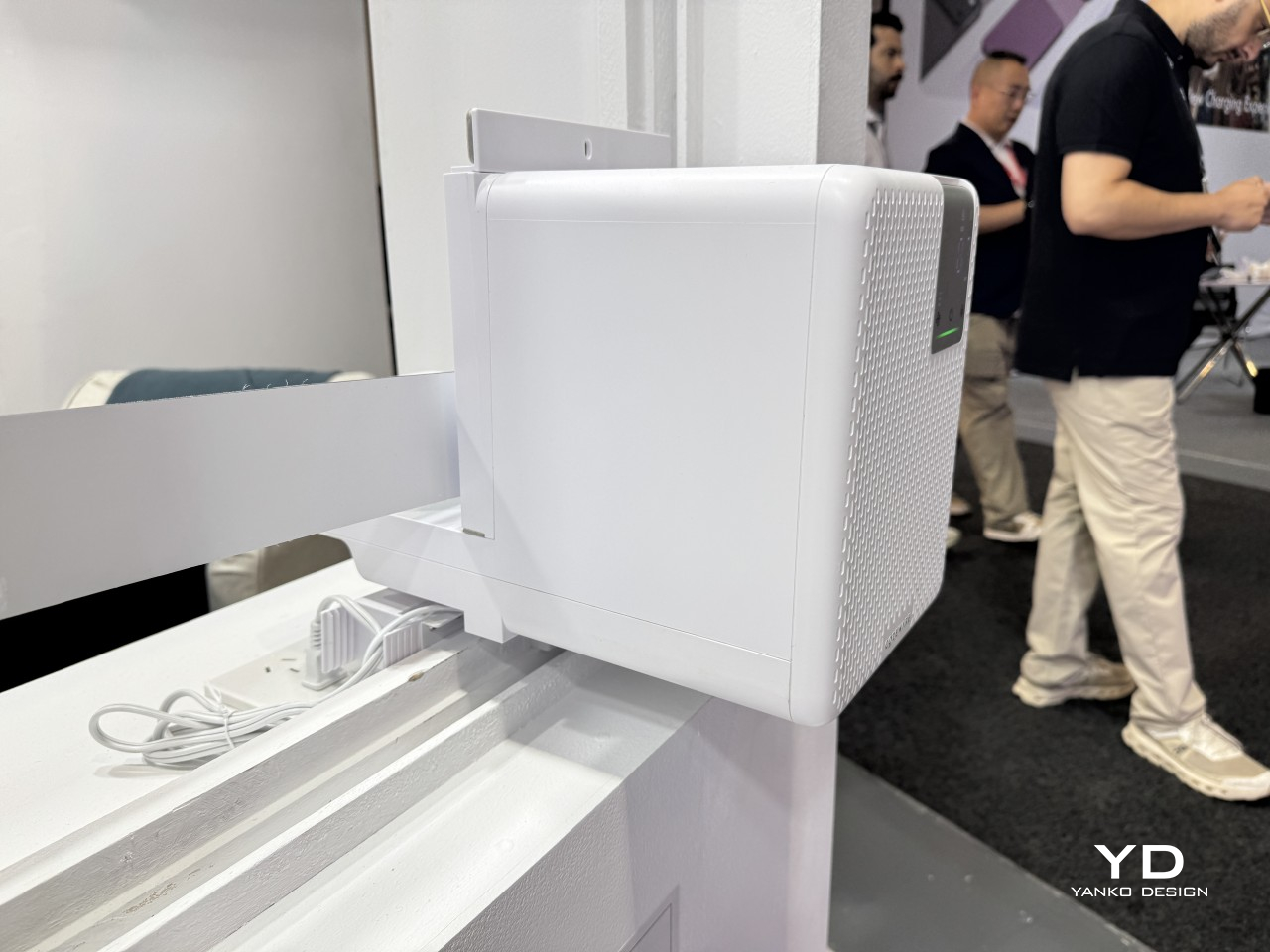
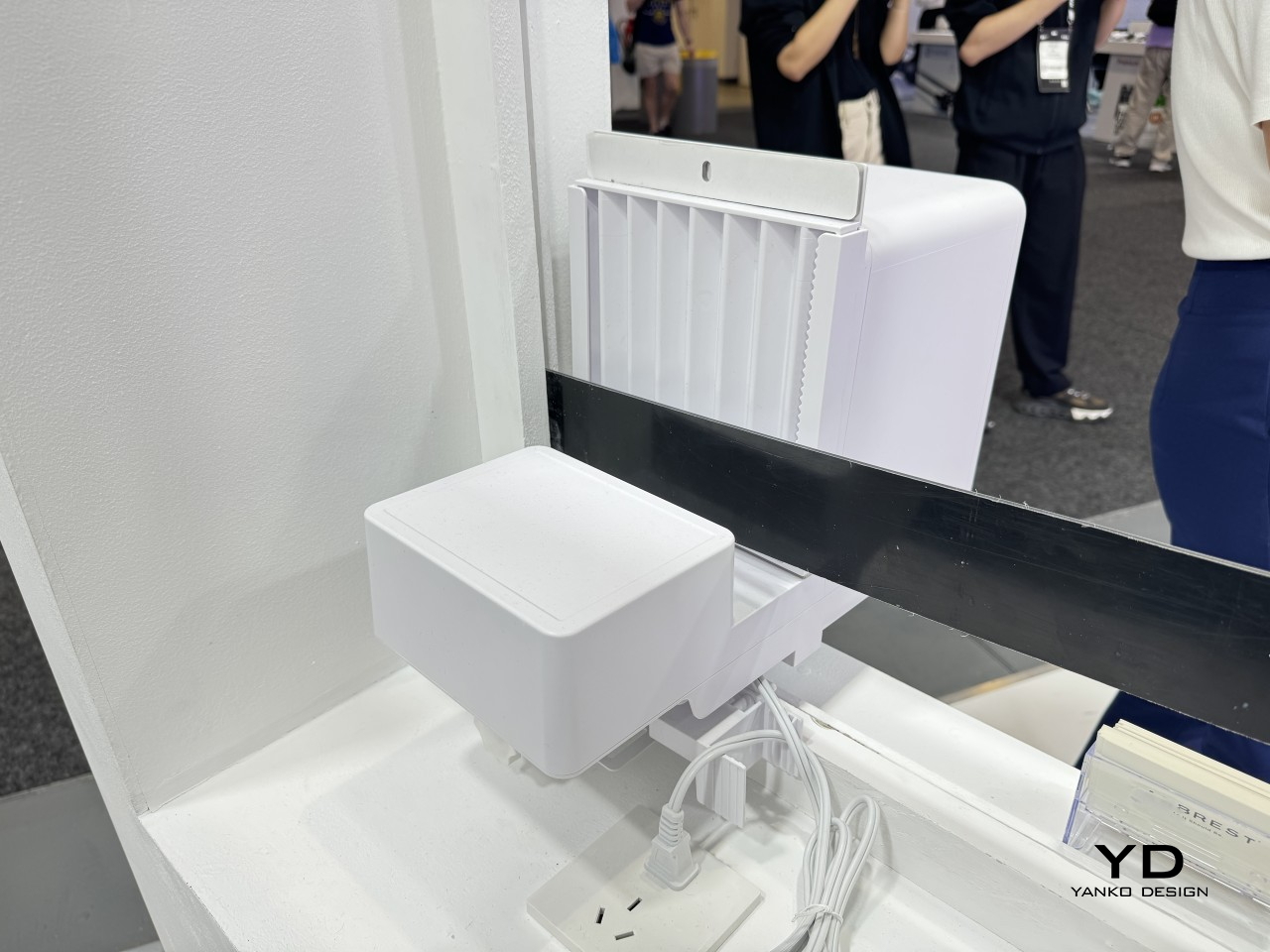
A different kind of stuffiness builds in a home office by midmorning, the kind that sends you reaching for coffee instead of realizing CO2 has crept up in the room. FreshFlow’s built-in sensor reads PM2.5, TVOC, CO2, and temperature in real time, showing the numbers on the display along with a color indicator, so air quality stops being something you only guess at.
Pollen counts spike, or a neighbor grills something that smells like a chimney fire, and pulling in outdoor air suddenly isn’t the move. FreshFlow Pro switches from fresh air intake to indoor recirculation purification without touching the mounting bracket, cleaning the air already inside the room instead. Airflow on the fresh air path reaches up to 47.1 CFM, a real exchange rather than a token breeze.
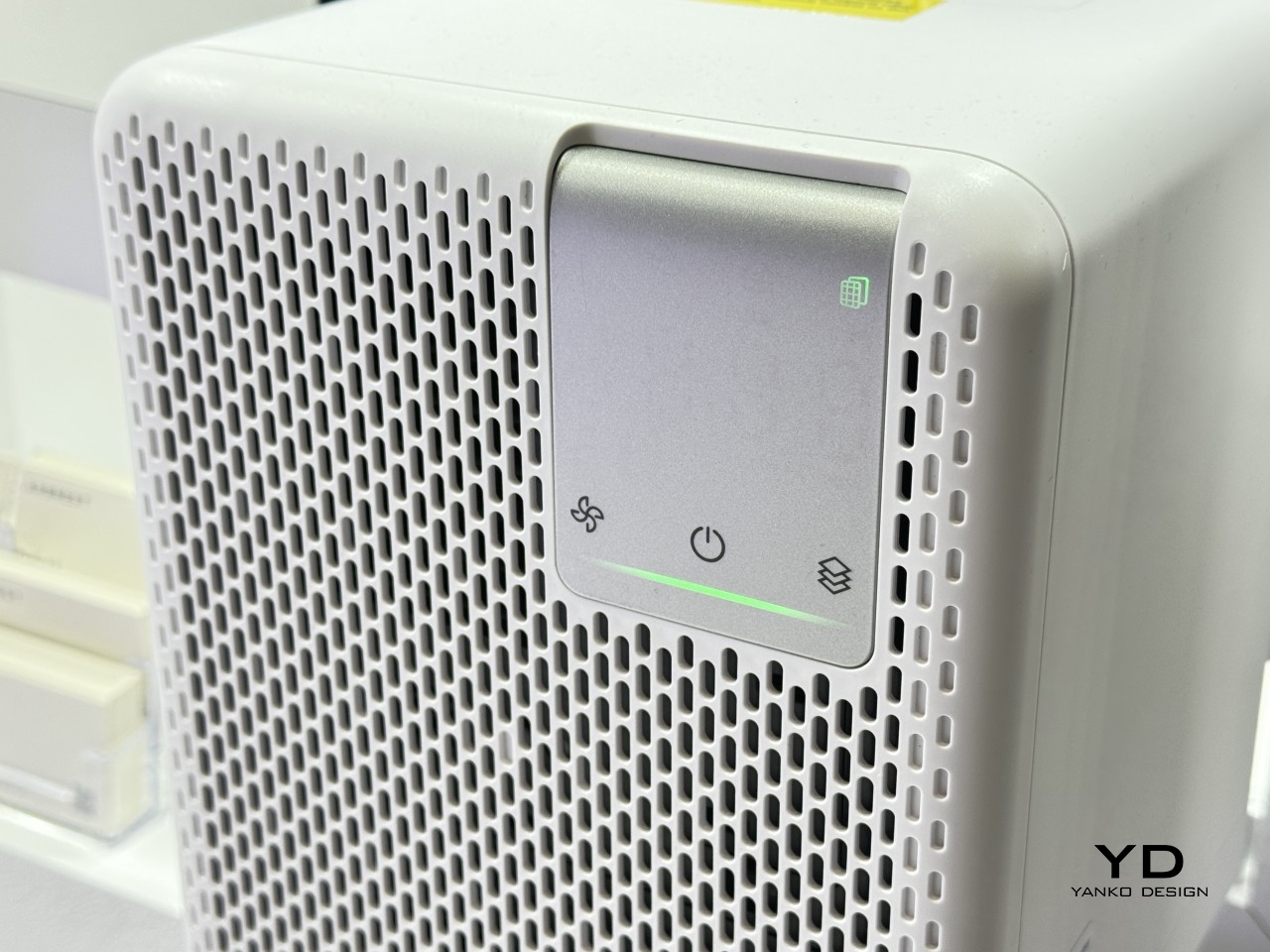
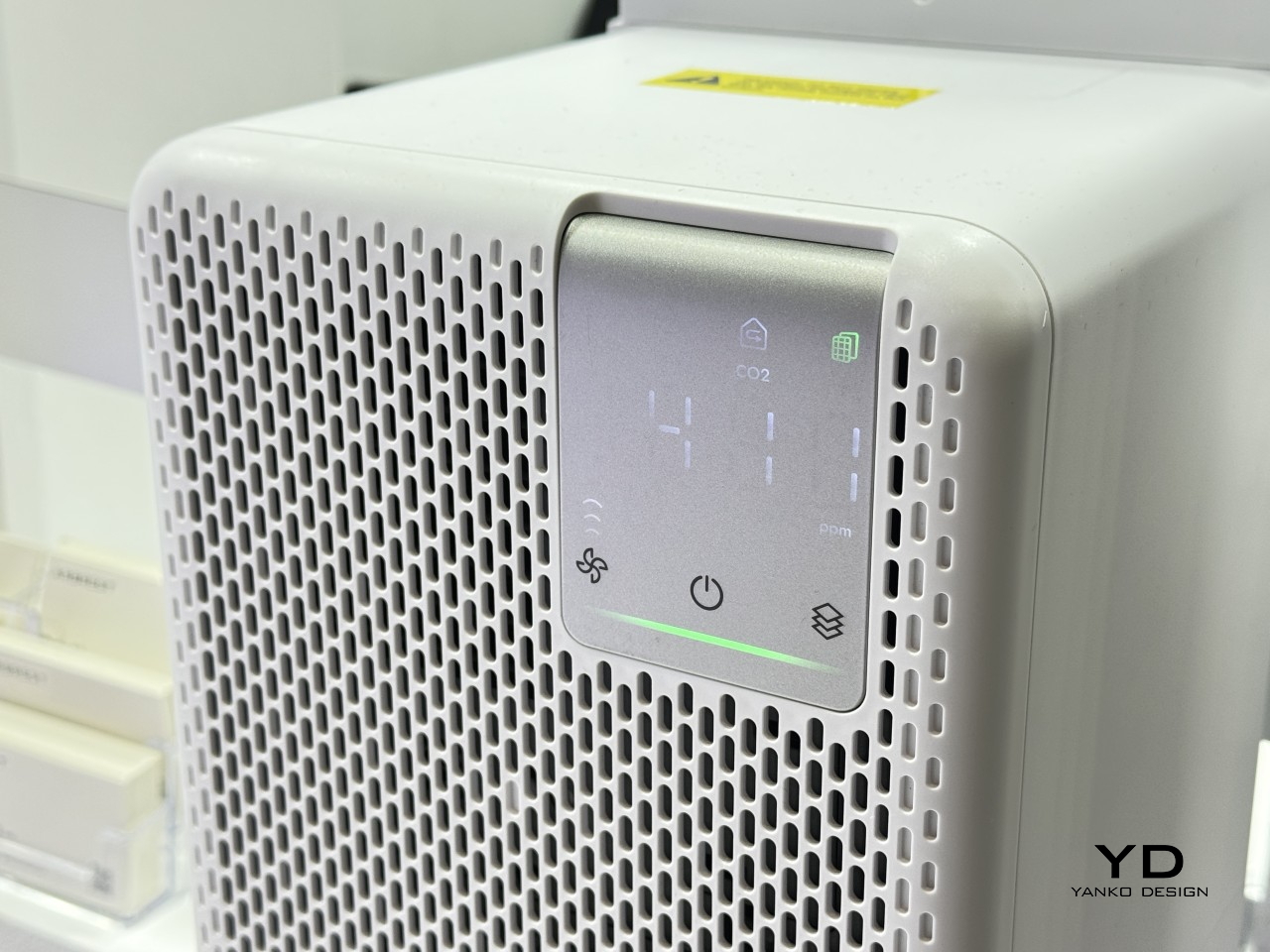
Filtering that much air means the filter needs attention eventually, and COZEWARE made that part painless. The replaceable AirMatch filter combines HEPA-grade filtration with activated carbon; swapping it out just means popping open the front cover, and the unit shuts off automatically the moment you do. Under typical use, a filter lasts around nine months before it needs replacing, depending on local air conditions.
Visually, FreshFlow avoids looking like ventilation hardware bolted onto a window. The body is a compact, rounded rectangle measuring 15.67 by 7.87 by 9.76 inches, with a perforated grille up front and a small display tucked into the corner. COZEWARE built the shell from engineering-grade plastic to keep it light, while metal supports carry the load, letting the visible parts stay soft-edged instead of clinical.
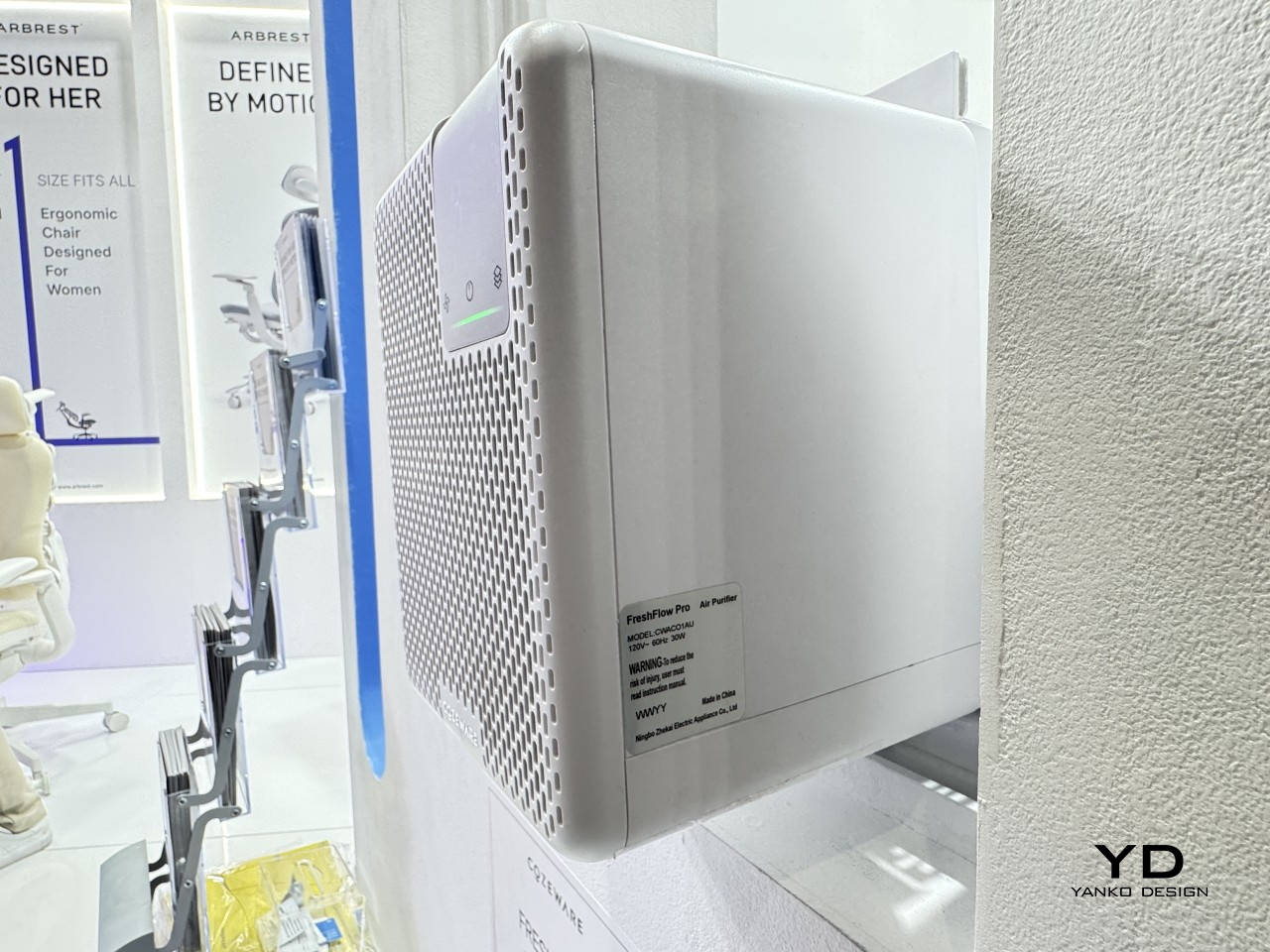
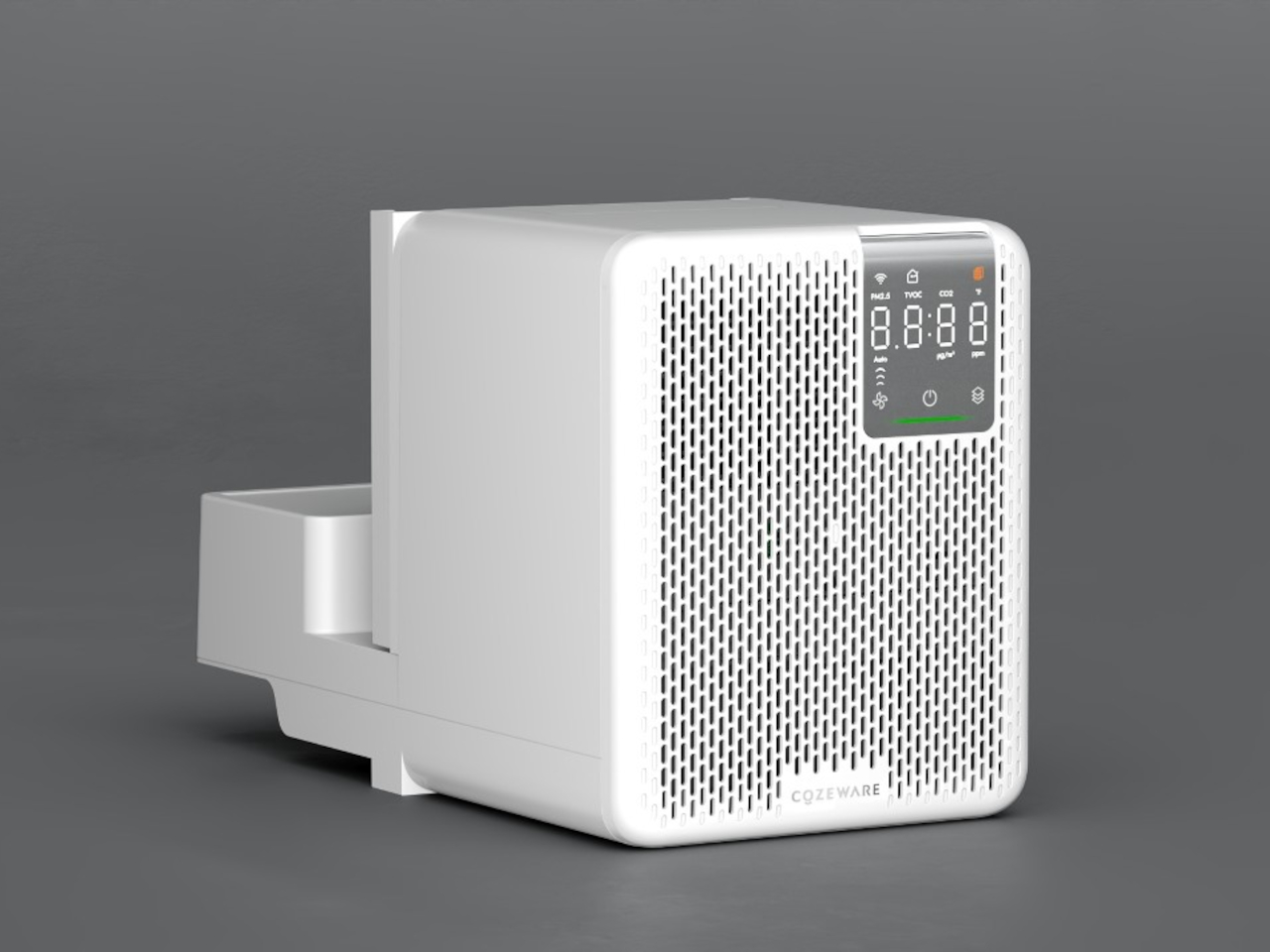
Day-to-day control stays simple. FreshFlow works with Alexa, Google Home, and Apple Home, plus an app and onboard touch controls, and the Pro model adds a dedicated remote for anyone who doesn’t want to reach for their phone every time. Three fan speeds keep things flexible on both models, while Pro layers on Auto and Timer modes alongside Sleep. An auto screen-off setting keeps the display from glowing overnight.
FreshFlow comes in two versions: Core with the filtered fresh air function alone, and Pro with added indoor purification, switching modes, and a remote control. Both share the same footprint and mounting system, so the choice mostly comes down to how much flexibility a room needs. Either way, the same idea holds: a window that used to be one thing or another now does both, quietly.
The post COZEWARE Finally Solved the One Thing Every Open Window Gets Wrong first appeared on Yanko Design.



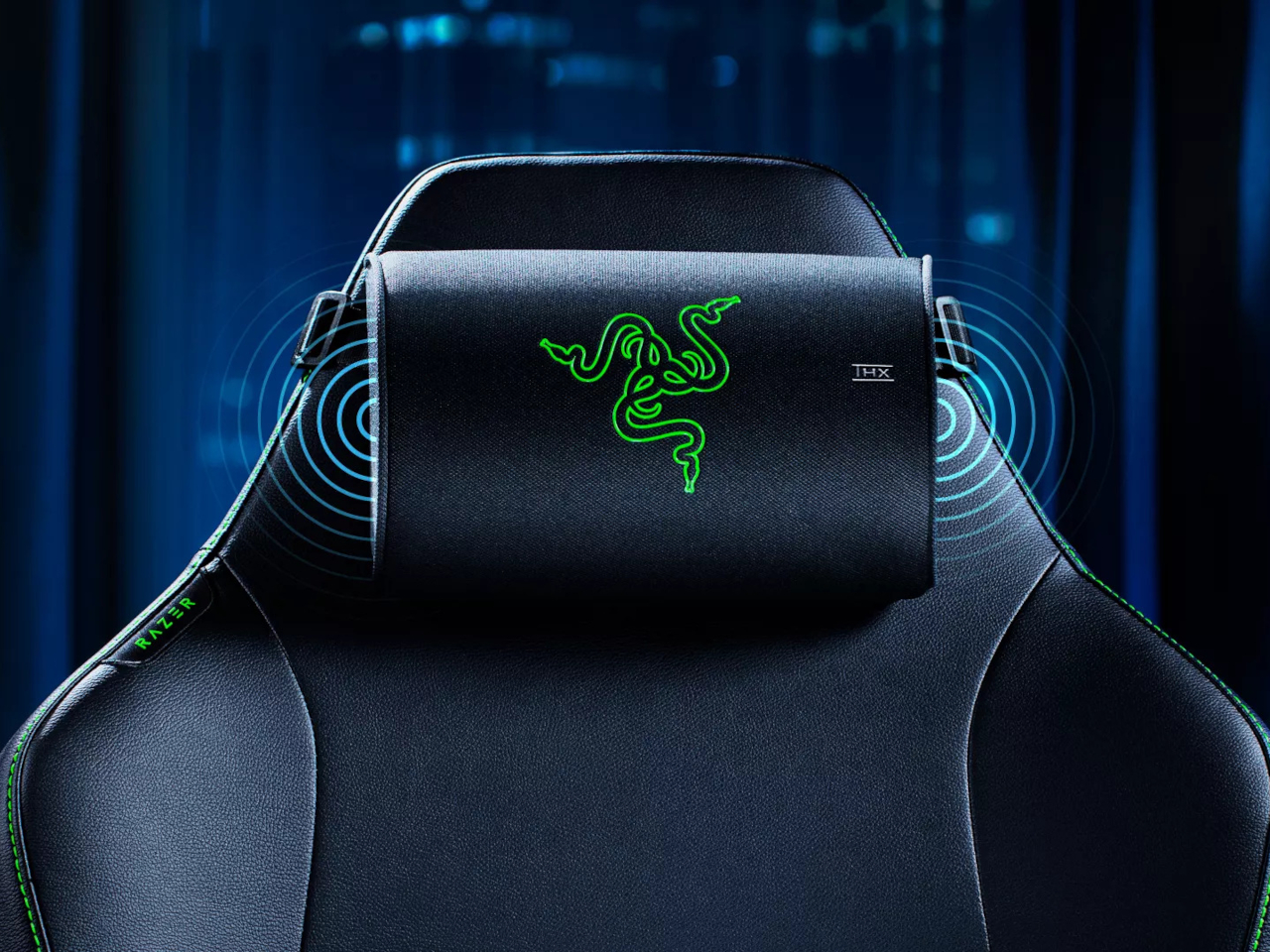
Immersive gaming audio has always come with a catch: wear a headset and get isolated from everyone else in the room, or build out a full speaker setup and lose the intimacy of hearing something meant just for you. The Razer Clio X sits between those two extremes. It’s a speaker built directly into a gaming chair’s head cushion, delivering focused spatial sound aimed at exactly where your ears already are.
Inside that cushion sit two 1.5 in loudspeakers paired with two 2.2 in passive radiators, a more compact arrangement than the 1.7 in aluminum cone drivers found in Razer’s flagship Clio. That tradeoff isn’t a downgrade so much as a different design goal, delivering the same THX Spatial Audio experience and near-field clarity in a smaller, less bulky cushion that sits more naturally against a headrest without announcing itself as hardware.
Designer: Razer
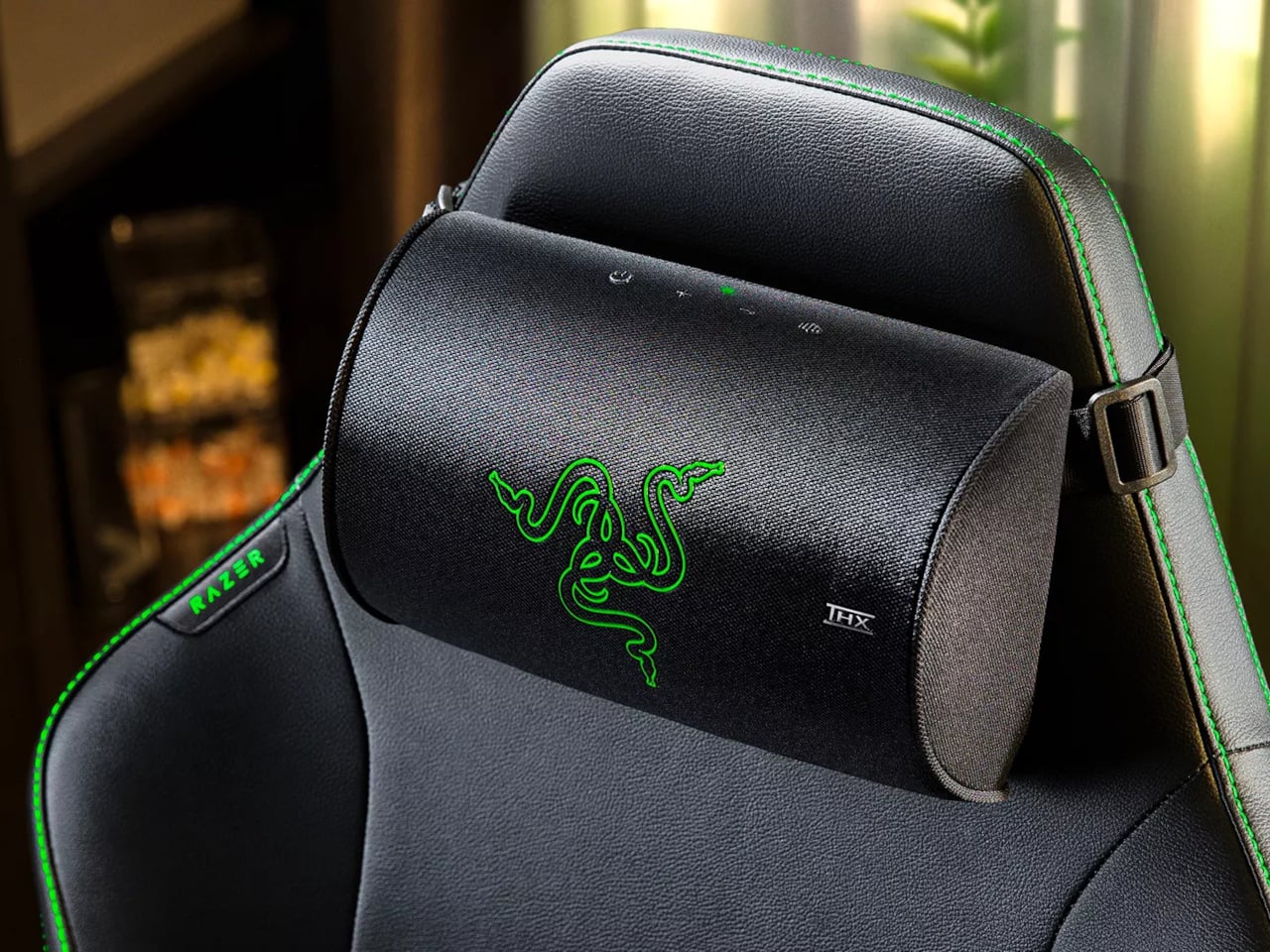
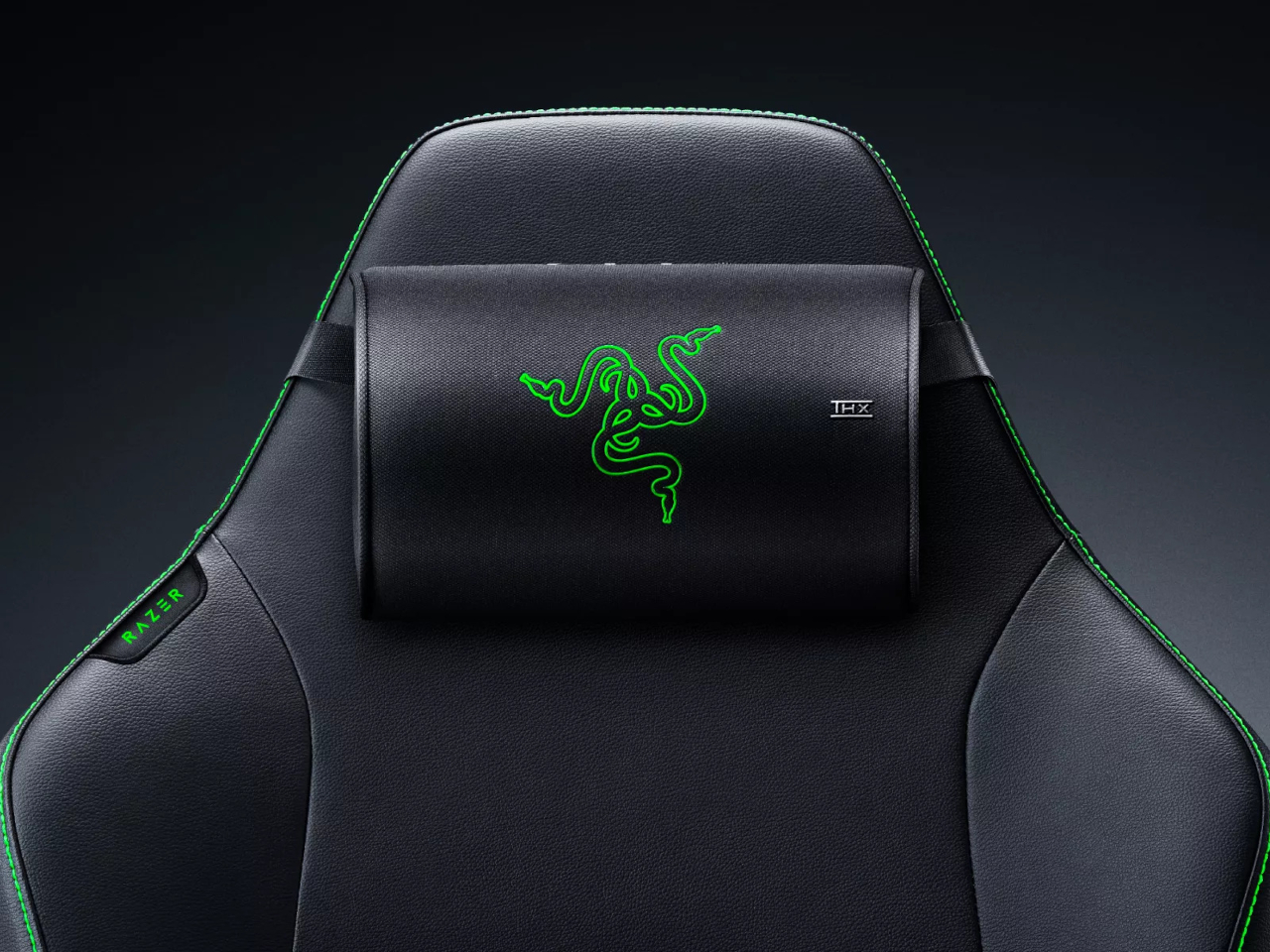
Getting sound to that cushion happens over Razer’s HyperSpeed wireless connection, a 2.4 GHz link built specifically to avoid the lag that standard Bluetooth introduces during fast-moving game audio. There’s no headset clamping down on your head, no cable running from your ears to your desk, just a strap securing the cushion to a high-back chair and a wireless signal doing the rest of the work invisibly.
Power comes through USB-C rather than a built-in battery pegged to a runtime number, drawing from a 15-watt or higher PD2.0 source to hit full volume. That decision keeps the cushion running indefinitely during long sessions instead of racing against a depleting charge mid-match, though it does mean planning a power source alongside the chair itself, whether that’s a nearby outlet or a power bank for a portable setup.
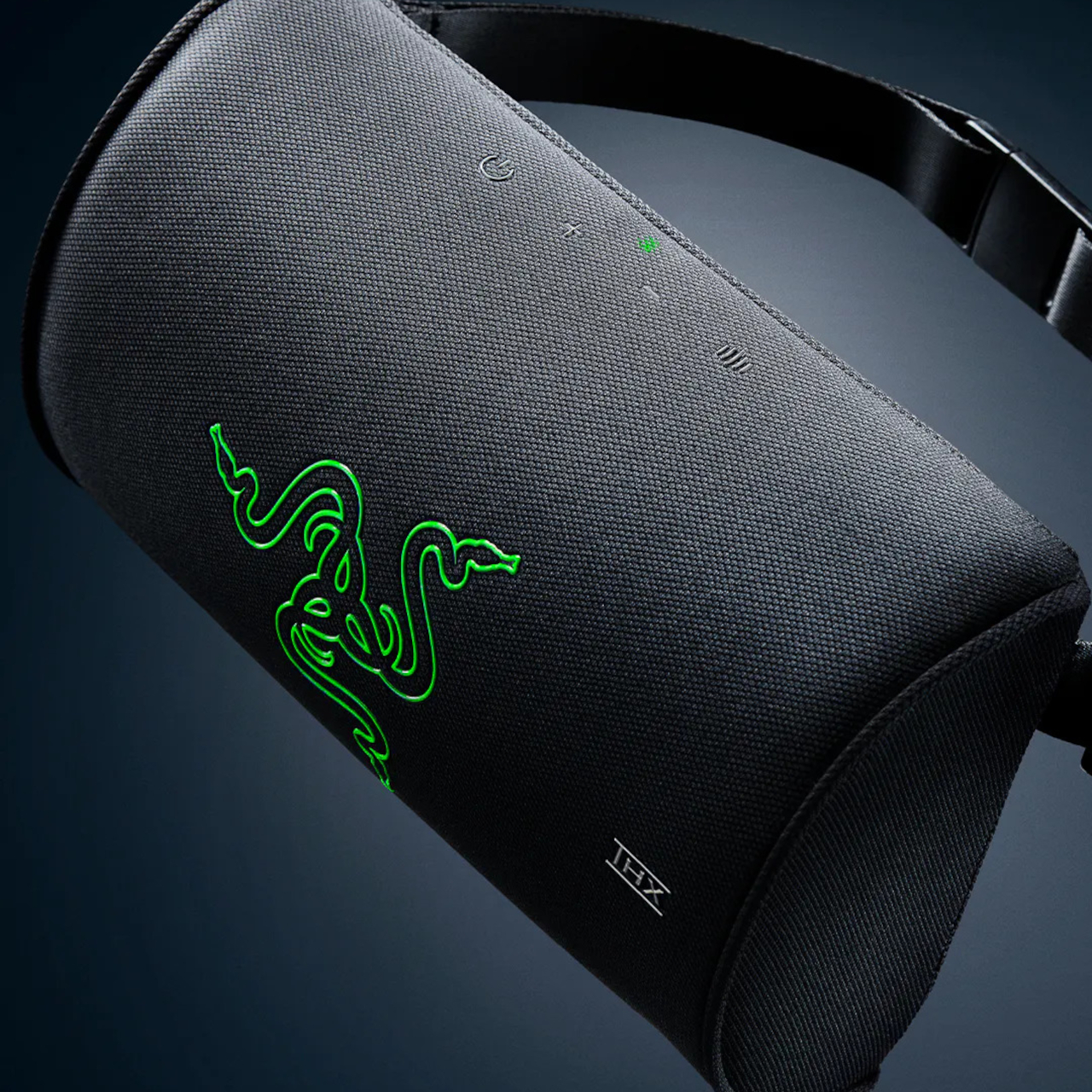

Where the Clio X earns its place in an existing setup is flexibility. Someone already running a 2.0 or 2.1 speaker system at their desk can fold the Clio X in as a wireless rear channel instead, turning a stereo setup into something closer to real surround sound without running an extra cable behind the chair. Used alone, it just becomes the entire audio system on its own terms.

Picture a late-night session where headphones start pressing uncomfortably against your ears, or a shared room where blasting a soundbar isn’t an option out of consideration for someone asleep down the hall. The Clio X splits the difference, audio present enough to feel surrounding, contained enough to stay mostly private, all without adding a single extra object to hold or wear.
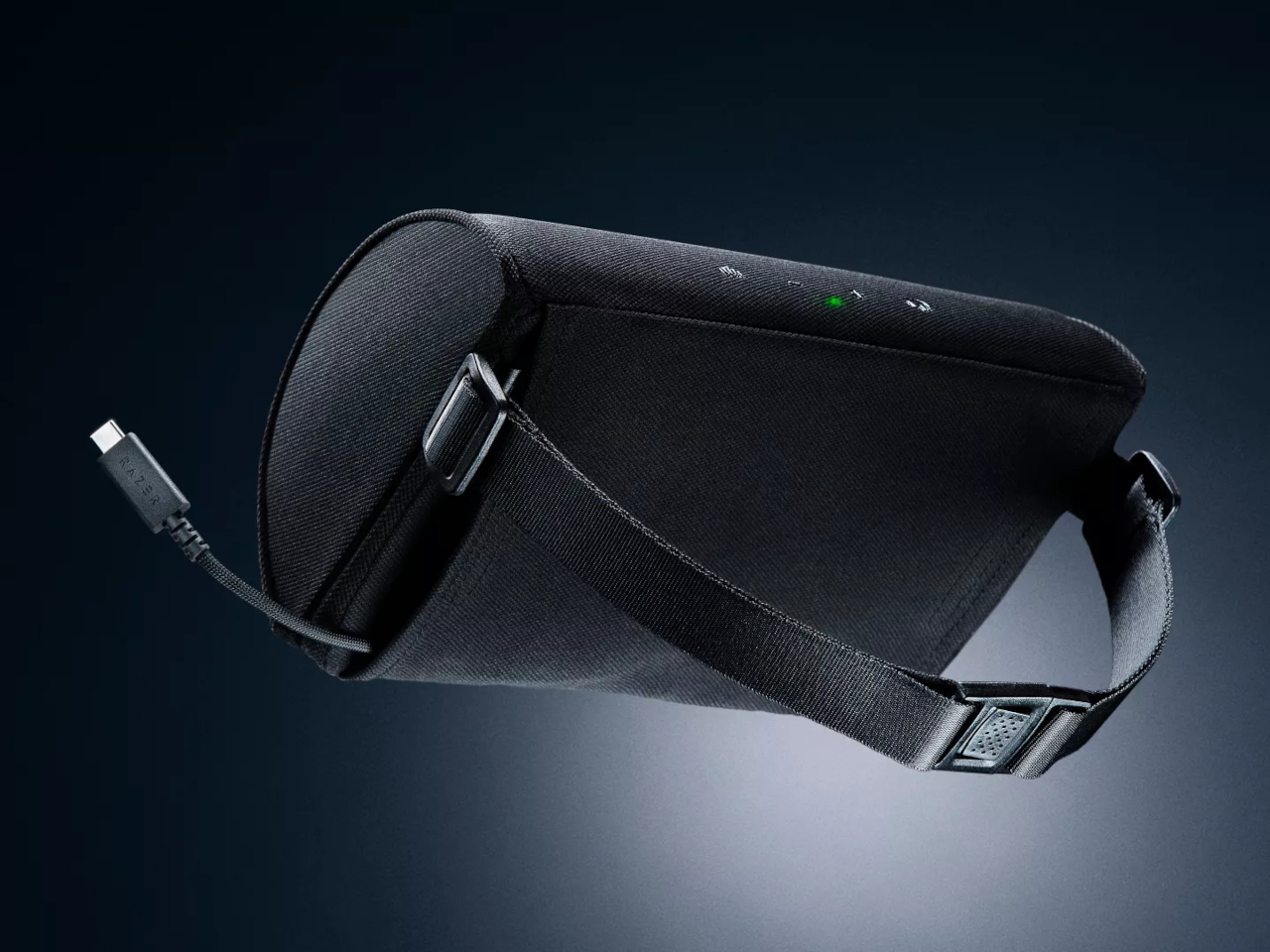
None of this replaces a dedicated home theater setup chasing maximum output, and nobody buying this expects it to. What the Clio X actually delivers is a specific, narrower promise: immersive audio that lives in the furniture you already sit in every day, asking for nothing more than a strap and a power cable to make itself useful.

The post Razer’s Clio X Is Gaming Audio for When Headphones Have to Come Off first appeared on Yanko Design.

The iPhone Air 2 introduces a range of notable upgrades designed to address the limitations of its predecessor while maintaining its hallmark ultra-thin and lightweight design. With improvements in its camera system, battery life, and processor efficiency, this device offers a more balanced and practical smartphone experience. These enhancements make it an appealing choice for […]
The post iPhone Air 2 Leak: Apple Finally Fixes the Camera and Battery appeared first on Geeky Gadgets.