Modern Yurt Structures Inspired By Traditional Nomadic Design Could Be The Future Of Eco-Friendly Housing

Architecture has recently been making leaps and bounds, as conventional design rules have been broken and architects are on a mission to create innovative and ingenious dwellings that will transform modern housing. And recently, Nurgissa Architects unveiled their concept of the Modern Kazakh Yurt – a transformable dwelling that is heavily inspired by traditional nomadic homes and design. These modern yurts are intended to be small compact dwellings that are reminiscent of the quintessential yurts we may have come across.

Designer: Nurgissa Architects

Occupying a 25 sqm perimeter, the yurt has been designed with strategy and precision to create a layout that can house bedrooms and workspaces, as well as a centralized section for kitchen and toilet facilities. The compact yurt accommodates all the amenities you could need to live a comfortable life. The yurt heavily focuses on transformable furniture, such as beds and chairs, to ensure that the internal space is optimized and utilized efficiently.

The exterior of the yurt features plywood panel segments with a flexible polymer film that is equipped with organic semiconductors that generate electricity. A square meter of the polymer film creates 1kW/hour. Additional electricity is provided by telescopic components, which offer 5.3 kW. The generated electricity is stored away in batteries, which are in turn used to power household appliances. The telescopic elements give the home its classic yurt-like aesthetic, and can easily adjust to steppe areas, using segment extension and shifting. This allows for the creation of an open or enclosed living space, depending on the weather conditions.

An autonomous biological system is integrated to deal with wastewater treatment, which reduces the negative impact on the environment and supports environmental sustainability. Other eco-friendly measures were also taken by the design team, such as the integration of eco-friendly materials like glued plywood with a basalt fiber heat-protective layer for wall segments. This measure enables the modern yurt to harmoniously merge with its surrounding environment, creating an experience that is seamless and in tune with nature, while utilizing traditional nomadic ideologies to counter modern ecological issues. Currently, the Modern Kazakh Yurt is a conceptual design, but hopefully, we see it as a real tangible structure or a collection of real tangible structures soon.

The post Modern Yurt Structures Inspired By Traditional Nomadic Design Could Be The Future Of Eco-Friendly Housing first appeared on Yanko Design.

This Wooden Tiny Home Feels & Looks Like A Beachfront Getaway But Is A Full-Time Dwelling

Tiny homes are one of the most popular home styles in 2023, and I’m pretty sure they’re going to make their way well into 2024. They had started off as a fun and cute trend, but now they’re a space-saving and environment-conscious housing option that is economical as well. They reduce the load on Mother Earth and are a simple and minimal alternative to the imposing and materialistic homes that are not preferred by everyone. And an excellent tiny home that I recently uncovered is the Beach by Raglan Tiny Homes

Designer: Raglan Tiny Homes 

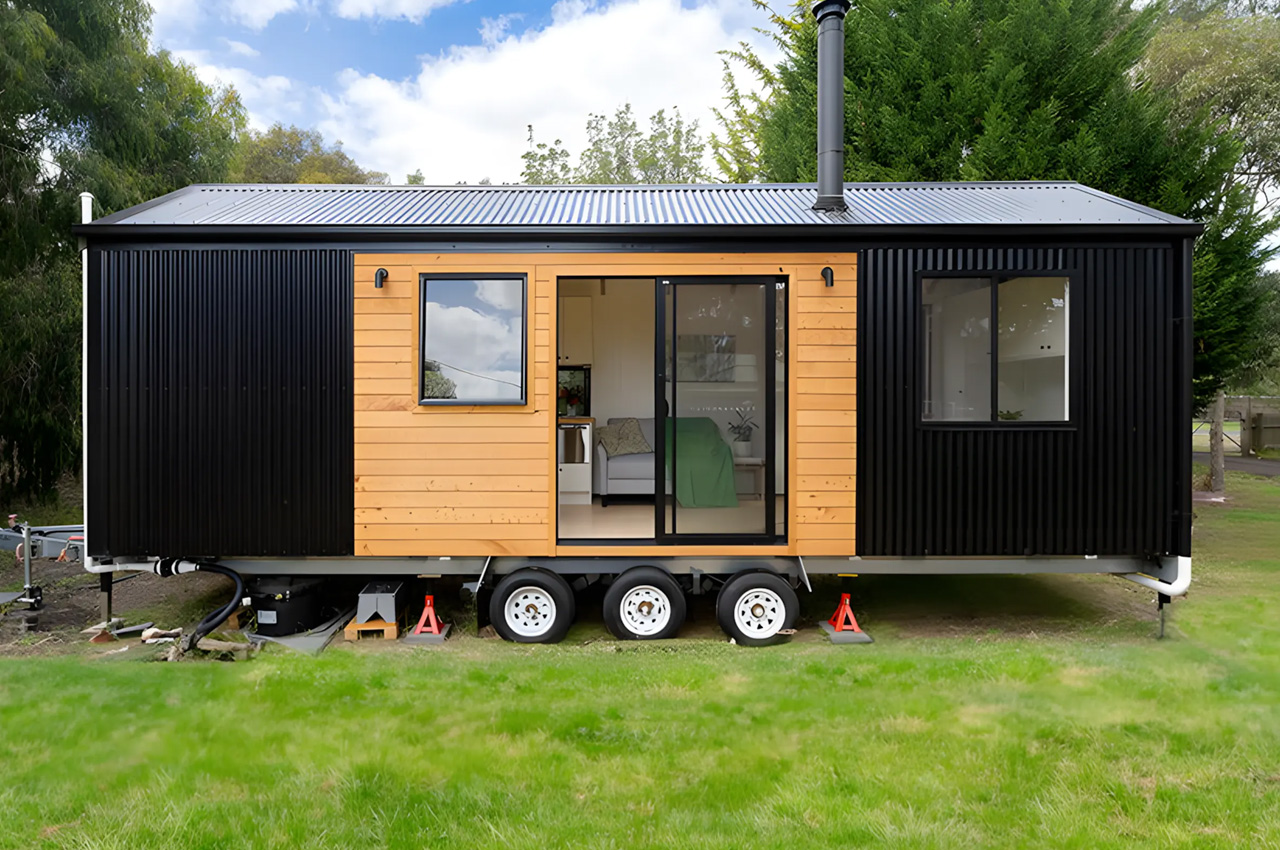
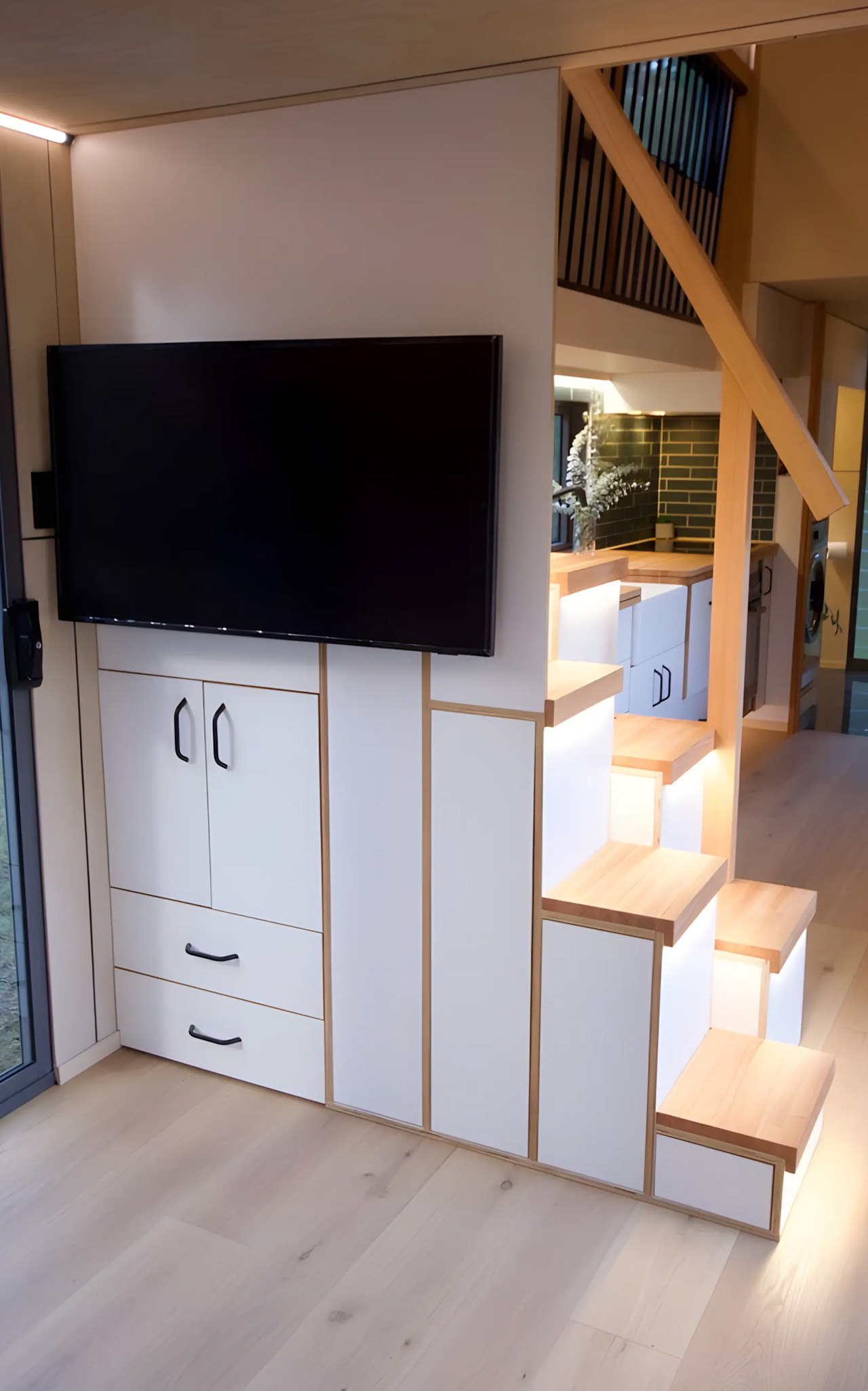
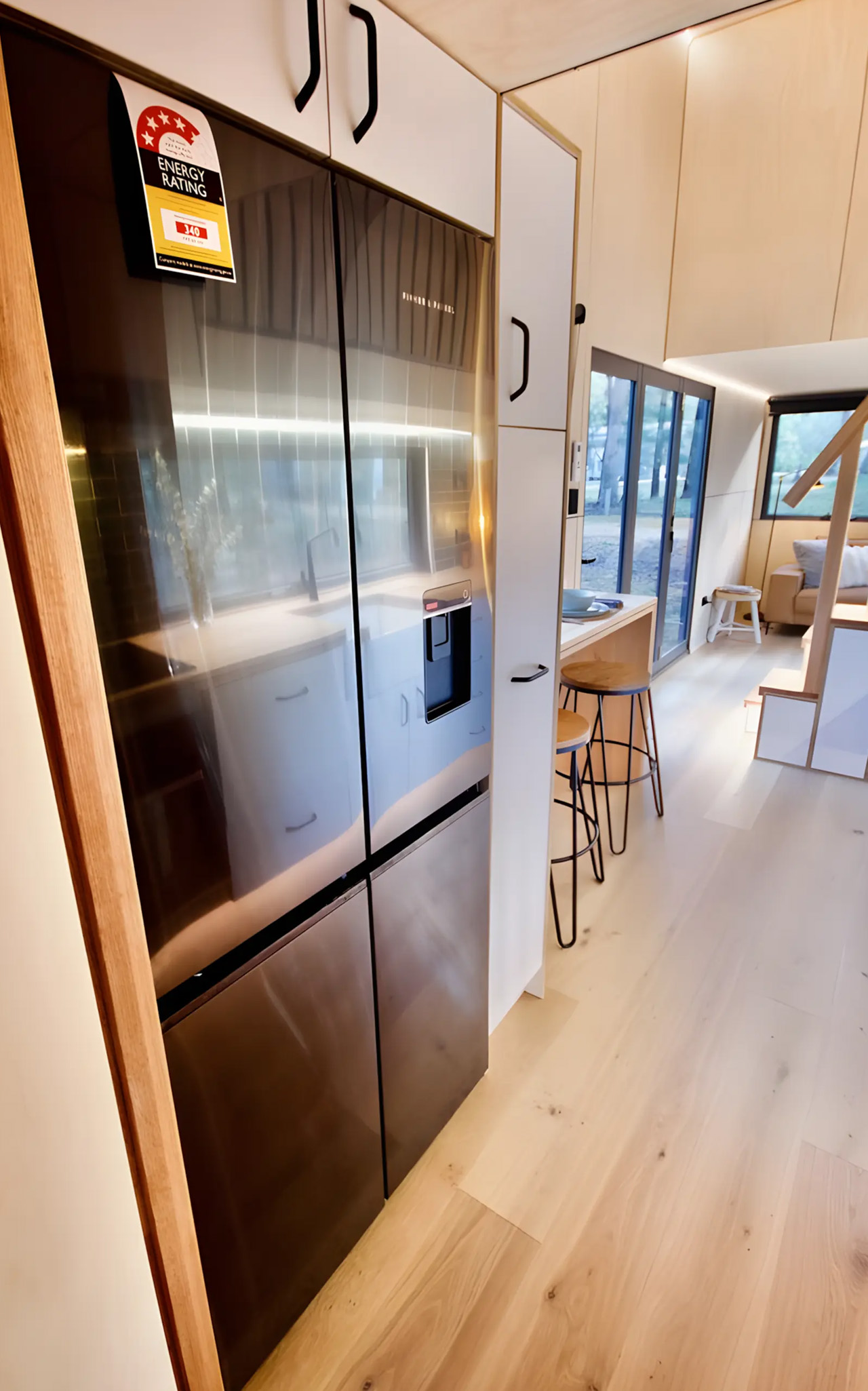
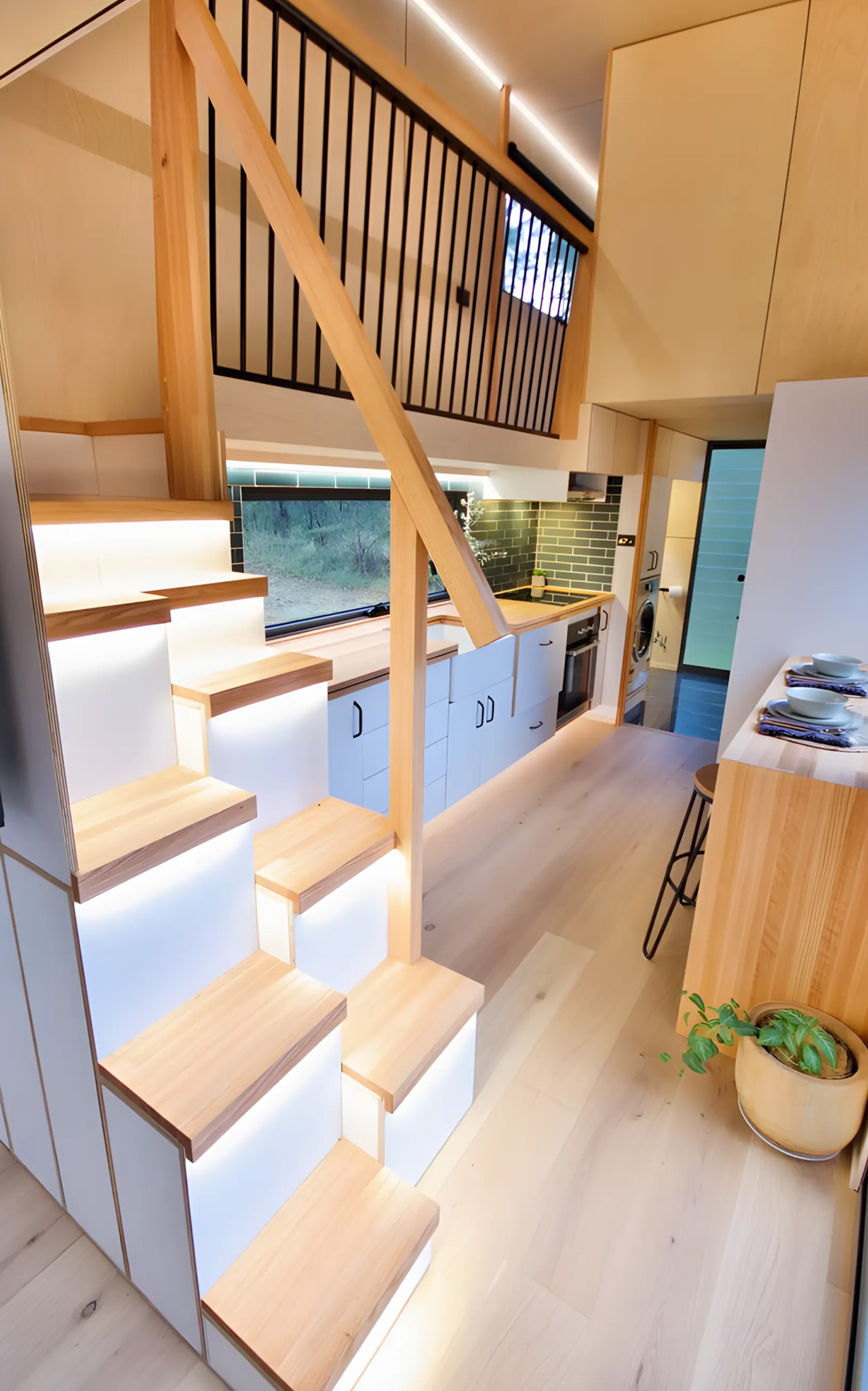
Designed by New Zealand’s Raglan Tiny Homes, the recently completed Beach tiny home features a compact and cozy interior that instantly welcomes you in. The tiny house is non-towable and equipped with a welcoming indoor-outdoor lifestyle and aesthetic, which is accentuated by a part-enclosed deck area. The main section of the home has a width of 2.5m, with the covered deck adding another 2.9m, which covers a total width of 5.4m. The length of the home is 6m.

The exterior of the home is finished in Douglas fir, giving it a warm and minimal aesthetic. Although the layout of the home isn’t very typical and seems more like a beachfront getaway villa, it is in fact intended to be used as a full-time dwelling. An outdoor shower has been outfitted ahead of the entrance, which is teamed up with a small outdoor bathtub, that is concealed under a hatch in the floor. This functions as a quaint outdoor bath for some much-needed pampering sessions.

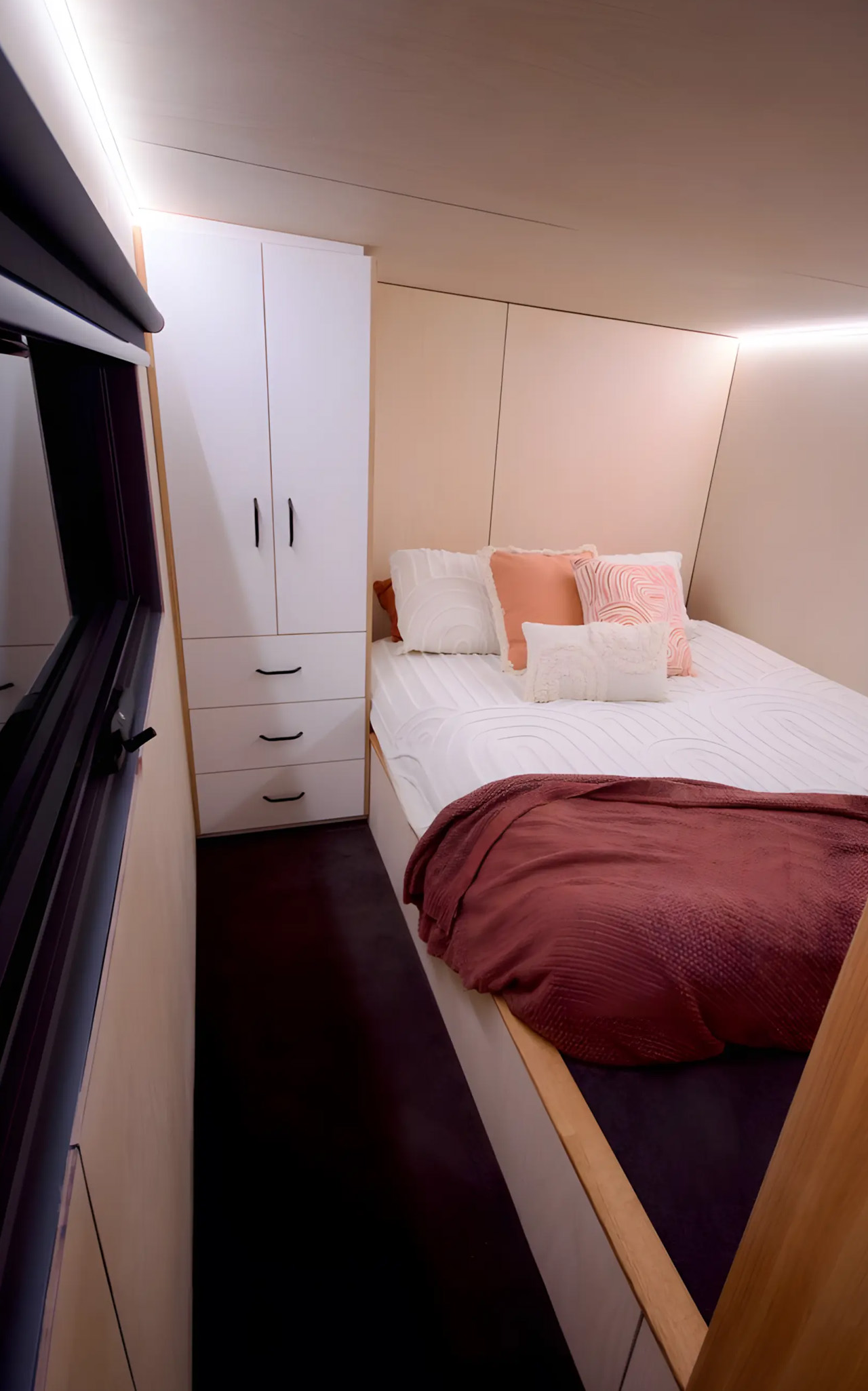
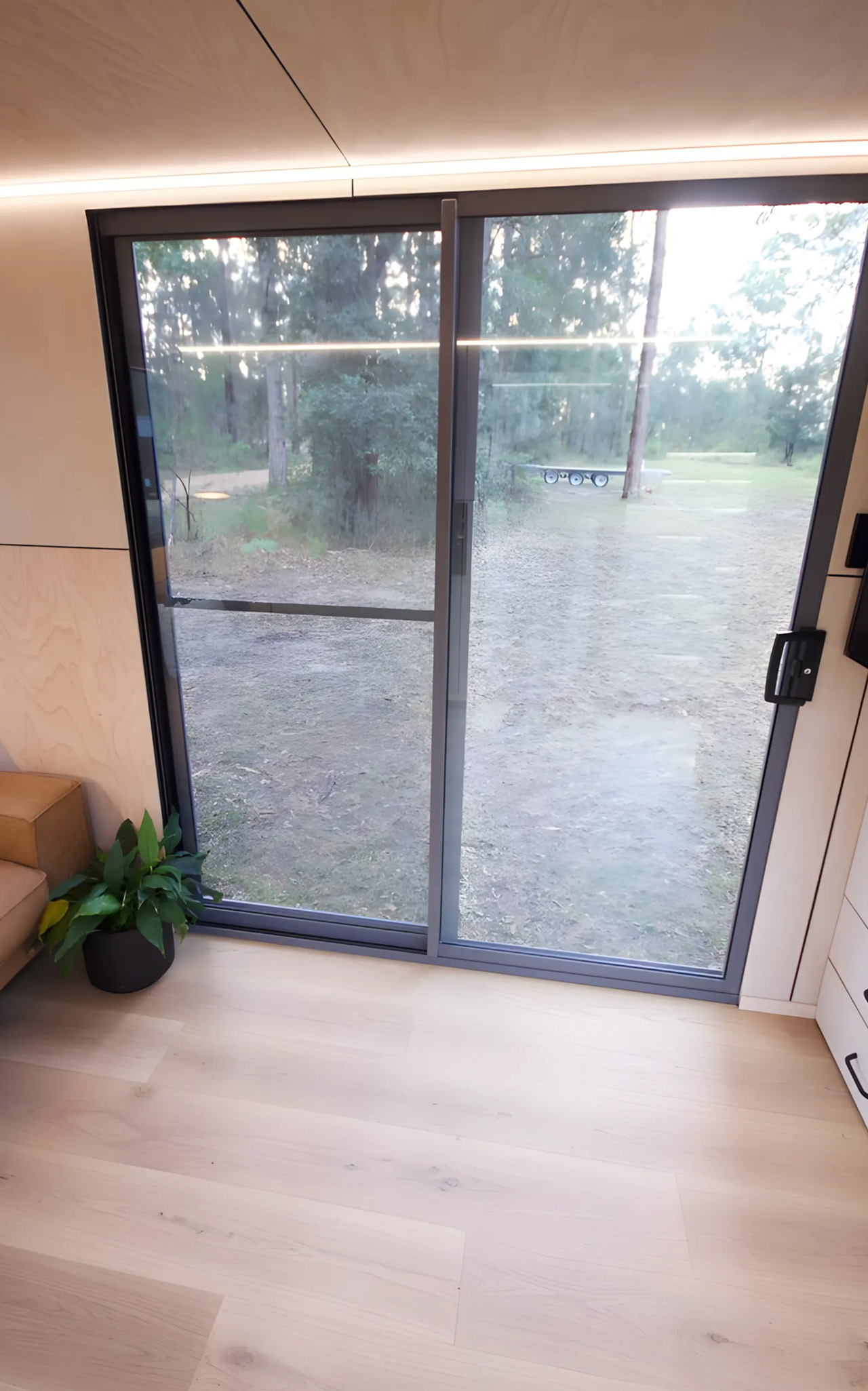
As you enter the Beach via sliding glass doors, you are welcomed by a combined living room/bedroom space that is equipped with a sofa, and a bed, as well as some storage store. However, this is the only space in the home, there are no other rooms or even a loft, which can be a bit limiting. The tiny home is equipped with a wood-burning stove, shelving, a diesel-powered heating system, and an off-the-grid solar panel setup. You can add an additional studio area if needed.

The post This Wooden Tiny Home Feels & Looks Like A Beachfront Getaway But Is A Full-Time Dwelling first appeared on Yanko Design.

Red glass house on top of catamaran gives you an amazing aquatic view

If I had the money and the means to have a semi-permanent home on the seas, I probably would want to have a yacht where I can bring my loved ones too whenever they would want to just get away from the concrete jungle and chill. Alas, that will probably remain a dream but that doesn’t mean I cannot daydream through these concepts and designs that show what life on water can look like.

Designer: Jacopo Leoni

The Cube Houseboat is a concept for a floating luxury house that is inspired by the Modernist movement and Swiss-French designer Le Corbusier. The red glass house is made from a fusion of alloy and reinforced glass built on top of an aluminum catamaran. The main star is something called the Fly Deck which is a single, superstructure deck that can be accessed through external stairs. You’ll be able to get a good view of the surrounding waters as well as a custom pool. Inside the main bedroom, there is also a Commercial Jacuzzi in case you need somewhere to relax even more.

The Semi Hulls that is located just below the main deck is where you’ll be able to see the machinery spaces, tanks, and chain lockers. In other words, you’ll get all the functional stuff in that section of the boat. And in case you have your other “sea toys” on board, they’ll be housed in the stern area for easy access in case you need to play. The Bow Area is for mooring and the entire boathouse has two propellers for propulsion and they’re powered by a diesel engine.

While it’s considered to be a red glass house, it can also be changed to a different color if red is not your vibe. The glass house on top of a catamaran seems a pretty minimalist but luxurious space to stay in when you just want to relax on top of water and enjoy the view surrounded by aquatic life. This is actually the third vessel concept that the Leoni Design Workshop has come up with for the Beyond Horizons: A Voyage through Yacht Design event.

The post Red glass house on top of catamaran gives you an amazing aquatic view first appeared on Yanko Design.

NEOM coastal resort and hotel concept looks straight out of a sci-fi movie

High-rise buildings seem to be the trending design in architecture, but some visionaries plan to take that to the extreme. Concepts and even actual construction of buildings seem to defy logic and physics in order to create a striking skyline that will be remembered for centuries. With their riches and resources, countries such as the United Arab Emirates and Saudi Arabia seem to be in a race to erect towering structures that will provide not only shelter but also the ultimate luxury, unlocking vistas that would be unimaginable by current standards. The latest dream to be revealed would take root on the Gulf of Aqaba in northwestern Saudi Arabia, where not just one or even two but three towers will rise like sharp needles that pierce the heavens to offer a lavish escape from the stresses of the future.

Designer: NEOM

The Gulf of Aqaba, which forms one of the northern tips of the Red Sea, paints quite a dramatic picture because of the marriage of two geographical extremes: a coastal strip and a desert plain. Erecting skyscrapers would mar this picturesque scenery, but having just two creates an even more striking effect, like alien obelisks rising from the sands to act as portals to other worlds. It is perhaps not by coincidence that NEOM describes the Epicon as a gateway to the future, particularly the future of hotel and resort tourism for the region.

The main structure of the hotel concept is two asymmetrical towers, one 275 meters (902 feet) in height, the other only 225 meters (739 feet). The 41 key hotel and luxury residences comprise 14 suites and apartments and the two towers are connected by an elevated platform with exposed structural beams. In fact, the entire design of the Epicon towers has this industrial aesthetic from a distance, enhancing the mystique of the structure and creating a distinctive skyline that easily promotes the resort by itself.

This key motif is also employed in the Epicon resort that lines up the coastal shore, featuring 120 rooms and 45 residential beach villas. The single tower mirrors the twin hotel skyscrapers on a smaller scale, creating a play on perspective that serves to magnify the imposing presence of the twin towers. The distance between these two amenities generates an atmosphere of adventure and travel when going from one location to the other as if journeying between different worlds connected by a common vision and culture.

This otherworldly theme is especially evident at night when those structural beams are illuminated to create a visual not unlike futuristic towers from science fiction. It’s designed to invoke feelings of awe, wonder, and curiosity, inviting people from all walks of life to lose themselves in a luxurious experience away from the mind-numbing routines of daily life. The resort and hotel may be envisioned to offer first-class experiences and world-class service when it finally opens its doors, but Epicon’s design alone already entices visitors with epic moments of luxury, peace, and inspiration.

The post NEOM coastal resort and hotel concept looks straight out of a sci-fi movie first appeared on Yanko Design.

LEGO Brings Adorable A-Frame Cabin to Life with Amazing Details

An architectural icon from the years 1950 to 1975, the A-Frame cabin still remains one of the most eye-catching and visually memorable home styles. Characterized by an A-shaped design, the frame eschews a ceiling, instead opting for tapering walls that create a unique space to inhabit, with the option of high ceilings or even multi-level living that feels dynamic yet rustic at the same time. This cabin designed in LEGO bricks by LEGO user Norton74, captures the trend of the A-Frame heyday. In ways it also challenges the very nature of the LEGO Brick, which was itself designed to make traditional cuboidal structures back when it was invented in the 1930s.

Designer: Norton74

The beauty of Norton74’s A-Frame cabin is just how remarkably real it is. Whether observed from the outside or even its immaculately detailed insides, every corner of this build has something new to reveal. The cabin itself sits on a stone brick plinth, with colorful larch trees in the background. It’s mildly decrepit, with crooked staircases and boarded-up doors, but that adds to its charm.

The inside of the cabin shows exactly how charmingly rustic and cozy it is. A multi-level design gives you a recreational area at the bottom (with a fireplace), and a bedroom on the top that features two single beds and even some cobwebs on the wall for that forest charm. To access the insides of the cabin, all you need to do is ‘open’ its slanting walls outwards. Hinges on the bottom of the walls make it easy to access the interiors during play-time, and close it back once you’re done.

The inside is just filled with all sorts of details, from tools to trinkets, and even a tiny kitchen of sorts with a dining table. Norton74’s rather mindfully used discolored wooden bricks (including even some with shingle detailing) to mimic the variety often found in wooden cabins – especially ones that have been repaired and restored.

There’s even a backstory to Norton74’s cabin design. “Two brothers, Dan and Ethan, burned out on modern working believed that stripping away modern comforts and living more simply in nature would lead to a more spiritually a creatively fulfilling life. They looked for a cabin in the woods and finally found out this old wooden A-Frame Cabin. They fixed it up, and now they live there happily,” he mentions.

Dan and Ethan aren’t the only occupants of the cabin. Aside from the spiders on the first floor, the cabin is also accompanied by chickens, rodents, a skunk, and even a bear lurking around in the back.

Norton74’s LEGO A-Frame Cabin started its journey as a submission on the LEGO Ideas forum, where it received overwhelming support from the LEGO fanbase. Earlier this year, LEGO turned Norton74’s submission into a retail box kit (you can buy the LEGO A-Frame Cabin right now), although the design went through multiple rounds of changes to make it smaller and simpler for younger users to build. If you ask me, I prefer Norton74’s MOC (My Own Creation) overwhelmingly. It’s charmingly crude, has a son-of-the-soil appeal to it, and certainly possesses much more character if you ask me!

The post LEGO Brings Adorable A-Frame Cabin to Life with Amazing Details first appeared on Yanko Design.

The Nokken NKN-18 Cabin Is The Ultimate Contemporary Dwelling You’ve Been Hunting For

If you’re hunting for a cool cabin to get away and relax in, then you’ve reached the right spot. Cabins are my favorite kind of vacation and for good reason. They allow you to unwind, rest, and get away from the hectic city life. They’re an excellent option to escape to! They’re the perfect safe haven nestled in the midst of nature, providing you a break from your everyday hectic life. And, Nokken has introduced the NKN-18 – a cutting-edge and revolutionary 18 sqm that provides versatility in the form of customizable options and accessories.

Designer: Nokken

The NKN-18 Cabin by Nokken is created for various configurations and features co-branded bespoke designs. The cabin is designed to be a plug-and-play solution that can meet the diverse needs and requirements of people. The exterior of the NKN-18 Cabin is quite functional and adaptable and meant to survive extreme climatic conditions. It is a robust and durable design that features timber cladding, insulated wall build-up, triple-glazed aluclad panels, and a smart lock keyless entry.

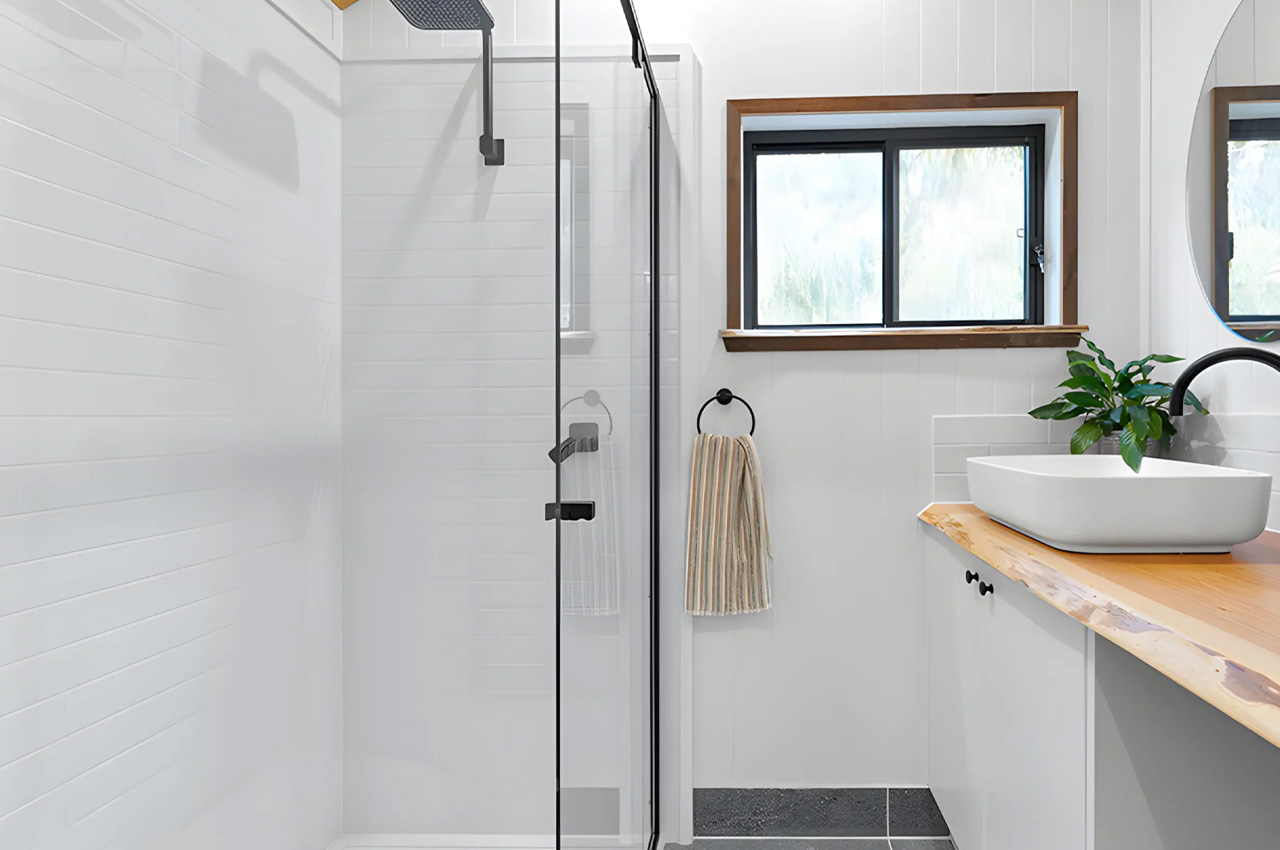
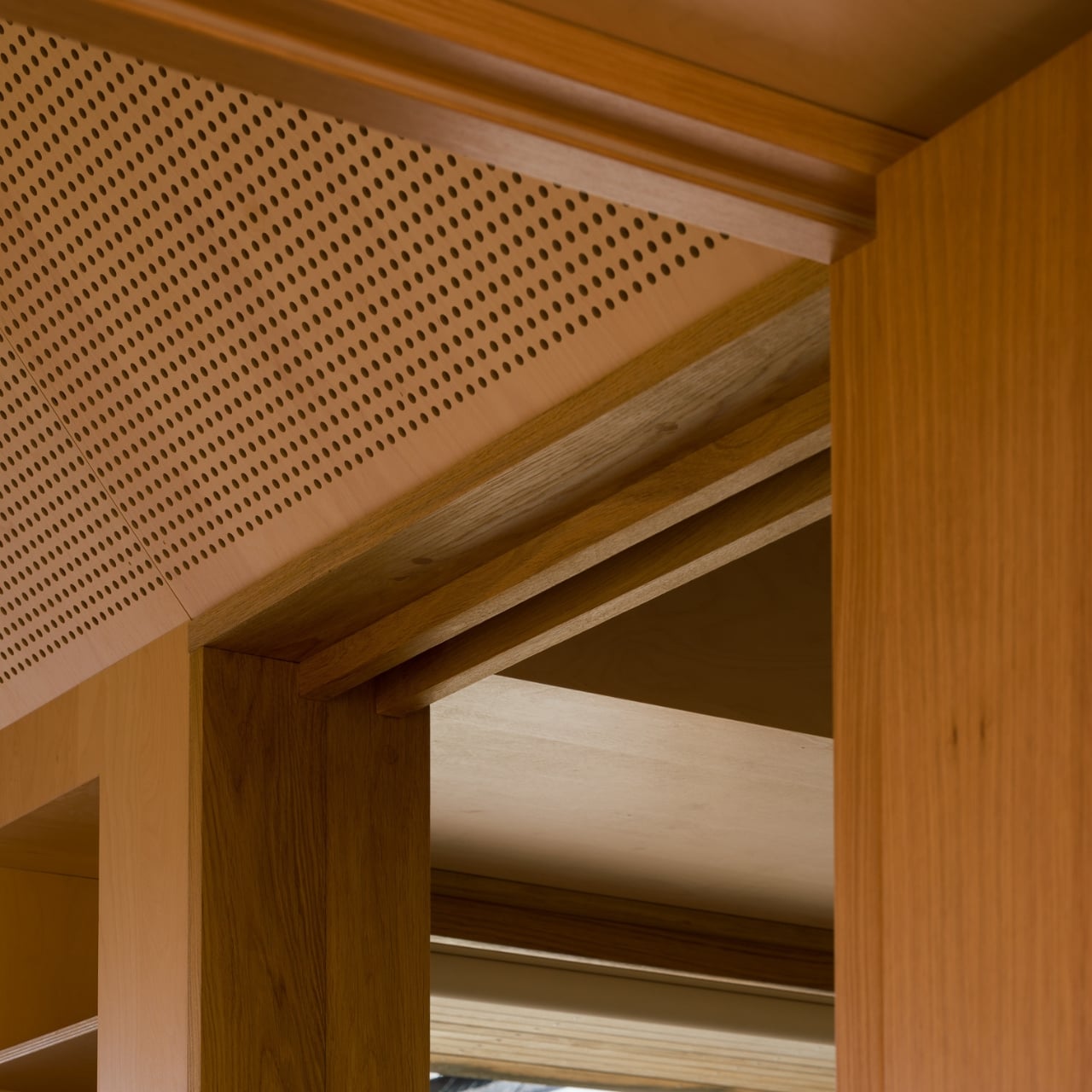
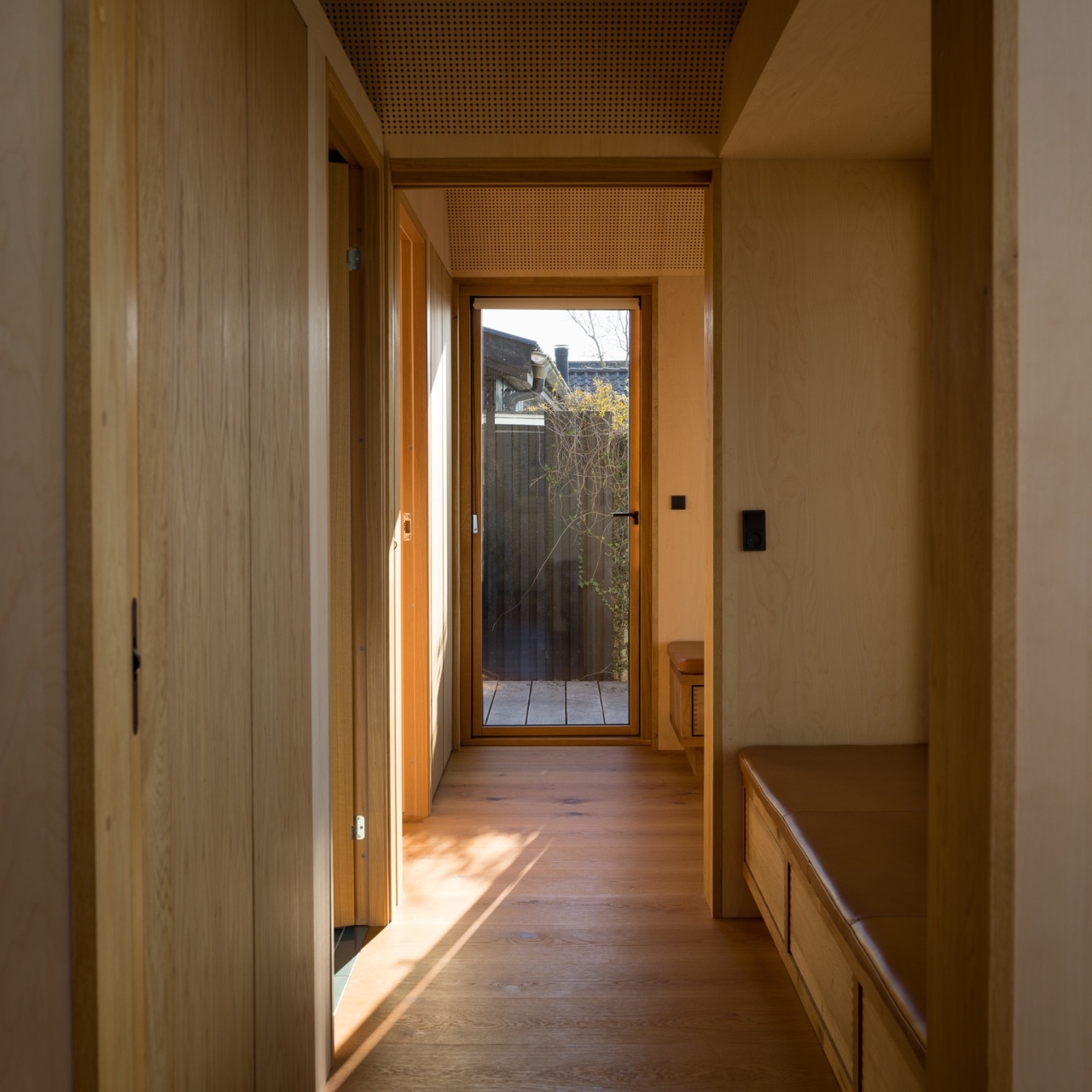
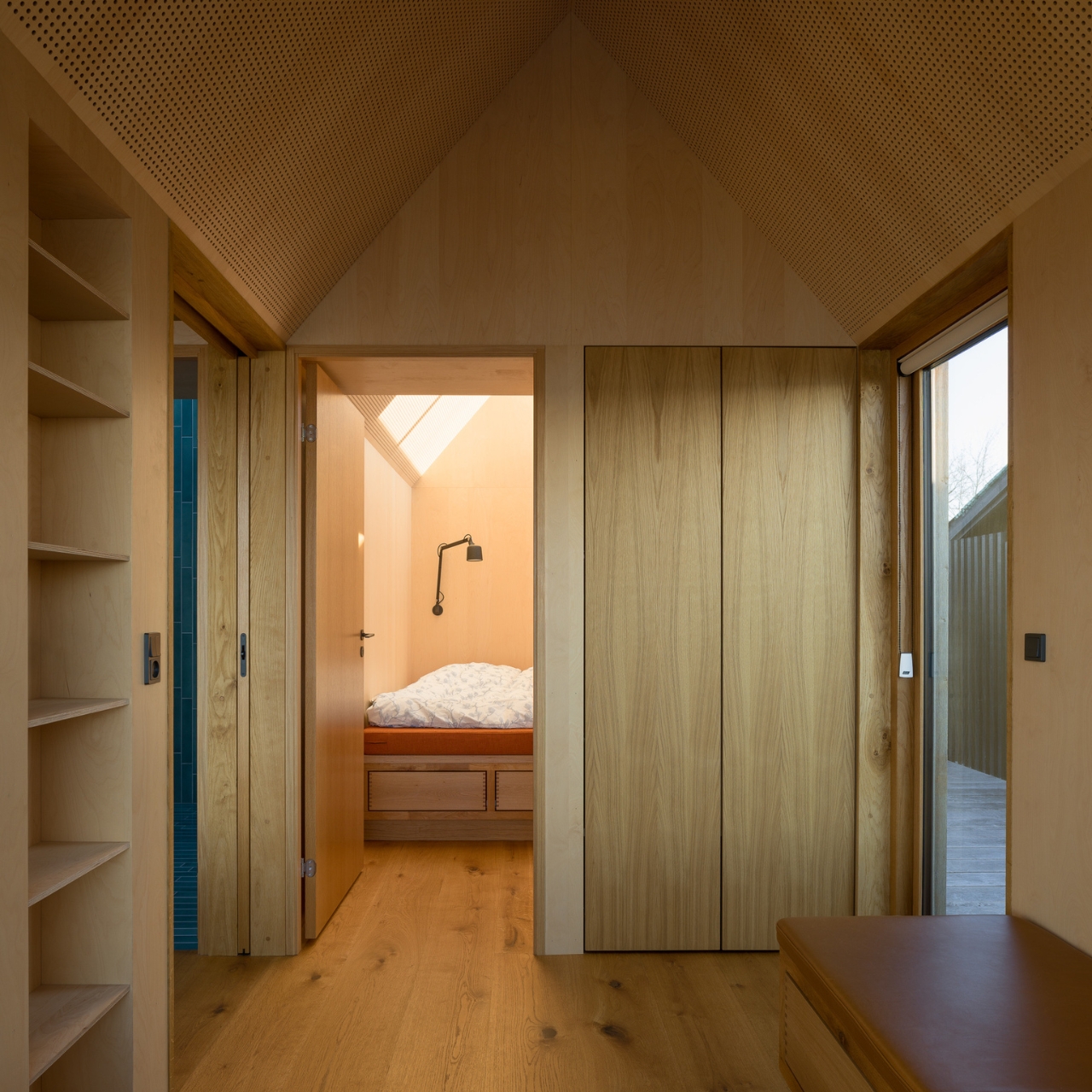
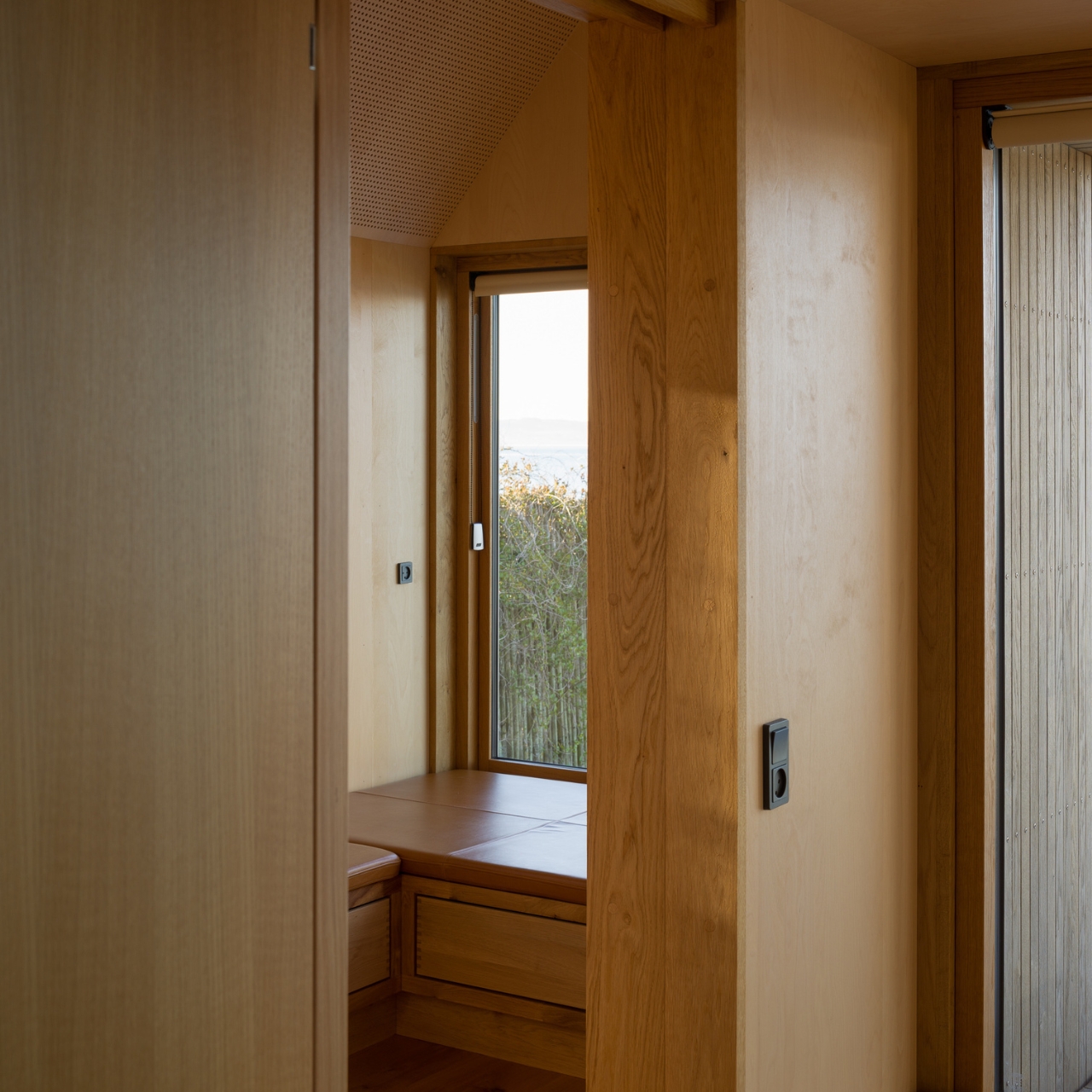
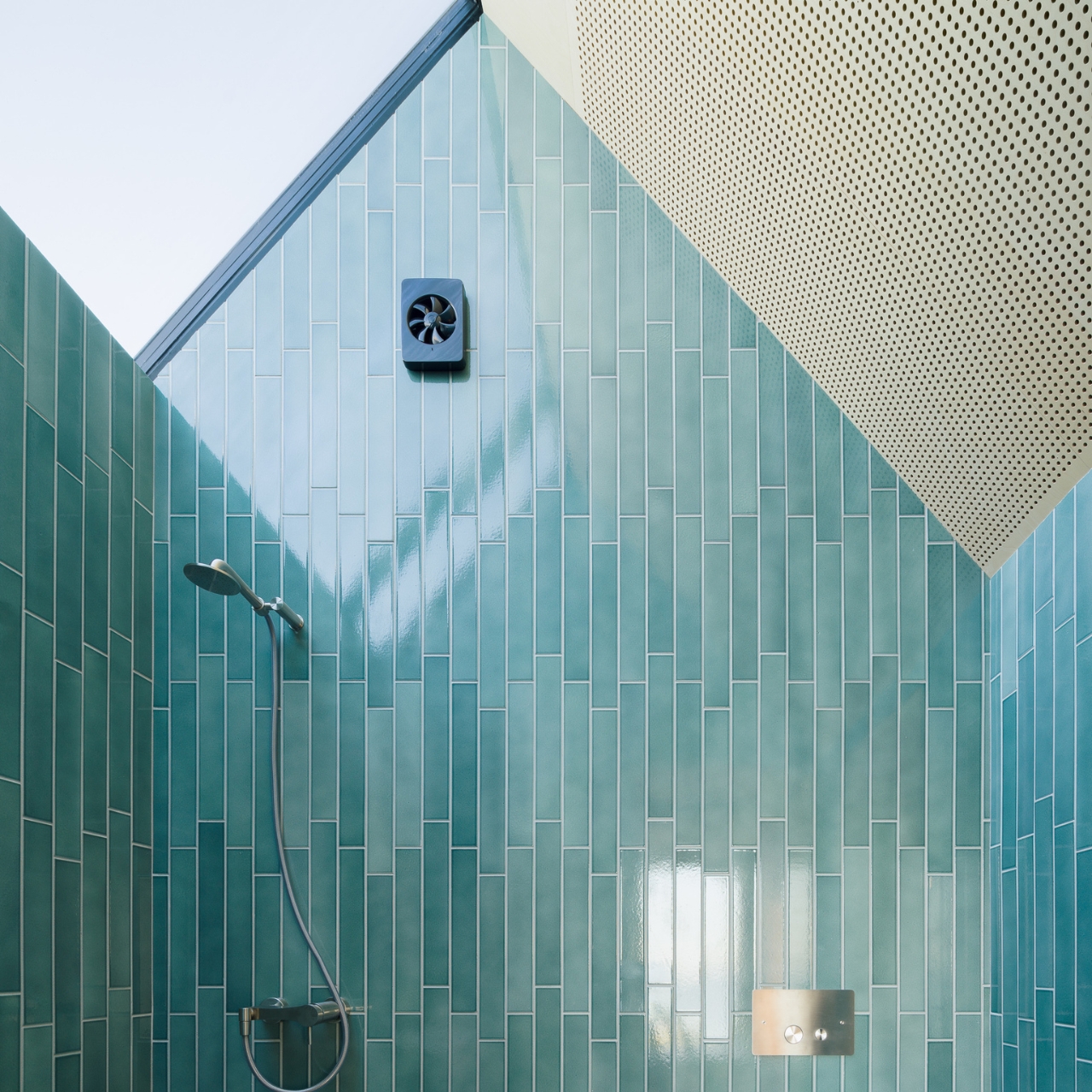
The minimal and good-looking Nokken cabin is available in stained larch and other finishes, which allows it to seamlessly blend with its surroundings. It boasts a harmonious Nordic styling which allows for smooth integration with the nature around it. The Nokken cabin is much like a Swiss army knife, as it not only boasts a contemporary and elegant aesthetic, while also providing essential features. The interiors of the NKN-18 cabin are seamless and modern, including the bathrooms which are sleek and timeless, reminiscent of the bathrooms you find in boutique hotels. The bathrooms function as spaces of sanctuary in the home, allowing you to relax and unwind. The NKN-18 cabin is designed to be a peaceful retreat that is ideal for both personal and business use.

The Nokken NKN-18 cabin is available in a diverse range of colorways and setups, so you can pick the setup that perfectly matches your personal taste and preference. There is a perfect fit for every user out there – one that suits the modern requirements of everyone.

The post The Nokken NKN-18 Cabin Is The Ultimate Contemporary Dwelling You’ve Been Hunting For first appeared on Yanko Design.

This Oiled Cedar-Clad Home In LA Perfectly Merges Scandinavian Modernism & Bohemian Experimentalism

Dubbed the Grafton House, and located in LA’s Echo Park neighborhood, this wood-clad residence beautifully incorporates Scandinavian modernism and the bohemian experimentalism that is usually seen on the LA Eastside. The home was built by Sweden-born architect Fredrik Nilsson for his family. It is perched on a sloped site and equipped with views of the surrounding hills, and a stunning city skyline.

Designer: Fredrik Nilsson

The property was purchased by architect Fredrik Nilsson of the local firm Studio Nilsson and his wife a couple of years ago to create a space for a growing family. The property occupies 2400 square feet and was accompanied by an old 400 square feet cottage. Although the cottage is aging, and the property is quite humble, the couple decided to build a homely and warm sanctuary there. “The aim was to expand the feeling of space and tranquillity while remaining squarely in the middle of a noisy, walkable part of the city, where the buzz of police helicopters is not uncommon on a daily basis,” Nilsson said.

The home is inspired by Nilsson’s Swedish roots, as well as his wife’s Indian heritage. He said he wanted to build “a small-footprint, urban treehouse – one inspired by Scandinavian modernism and his Indian-American wife’s desire for warmth and color”. Currently, the old cottage is no more and instead is replaced by a two-story, 1850 square feet house. The facade of the home is clad in raw cedar, with windows and openings that allow daylight to stream into the home while also providing privacy. The upper floor subtly cantilevers over the ground floor, creating a shaded entryway. “Opening the entry gate, guests comment that they feel they have entered a fairyland sanctuary,” said Nilsson.

As you enter the home, you are welcomed by a reverse floor plan marked with private areas on the ground floor. The public spaces are housed on the upper storey. The upper floor also includes an office that can be used as a guest bedroom as well. The views surrounding the home are pretty serene as well, including distant vistas and glances of the nearby trees around the home.

The post This Oiled Cedar-Clad Home In LA Perfectly Merges Scandinavian Modernism & Bohemian Experimentalism first appeared on Yanko Design.

A Contemporary Pavilion-Style Home Also Functions As An Art Gallery For The Family’s Art Collection

Dubbed Casa Galeria, this 6458 square feet structure is designed as a gallery concept that functions as a unique space that accommodates their collection of art. Designed by BLOCO Architects, the home features an innovative roof structure supported by five large inverted beams. The beams span the entirety of the 12-meter-wid roof, in turn creating “the gallery”, or the central and main space of the house. The gallery is a multifunctional area with a living room, dining room, balcony, kitchen, and garage.

Designer: BLOCO Architects

The exterior of the house showcases a pattern called Bárbara, which is named after the owner. It includes an array of blue and white tiles, which provide an intriguing contrast to the clean white walls. Whereas, the bathroom tiles are more fun and loud colors such as green, yellow, and orange, with a similar design pattern as the interiors.

The design of the Casa Galeria isn’t simply about functionality and art preservation, it also focuses on the layout of the house. The living spaces are divided by two open linear gardens that add green and biophilic elements to the home. The first garden is located between the solar protection wall and the windows of the central living area. It is located closer to the street, while the second one divides the social space from the bedroom hall.

The interiors of the Casa Galeria are designed by BLOCO Architects and shine a light on the family’s stunning art collection. Neutral materials and colors were opted for, creating a surreal backdrop that elevates the artwork, building a grander impression. Custom tile panels were designed by the Brazilian artist João Henrique, which provides an additional layer of uniqueness and beauty to the space. In an effort to protect the art pieces from the strong Brazilian sun, the architects created a large wall, which is raised from the floor, and supported by pillars. This protects the space while permitting soft natural light to enter through the open garden, creating a peaceful environment. The house also features a brushed gray granite floor in all the rooms, offering a calming and neutral tone to it.

The post A Contemporary Pavilion-Style Home Also Functions As An Art Gallery For The Family’s Art Collection first appeared on Yanko Design.
Perched On A Forest’s Edge, This Serene Wooden Cabin Is Designed For Quiet Contemplation

If you need a break from your hectic city life and want to unwind in a cozy little cabin, then we’ve found the perfect little retreat for you. I personally love cabins and think they’re the best type of vacation out there. Cabins are peaceful and tranquil, and an excellent option to help you dump your city life and woes, and simply unwind in the beauty of nature. If you’re looking for your next cabin retreat, then you may want to consider Hytta in Lípa nad Dřevnicí, Czech Republic.

Designers: Dominik Ilichman and Adam Hofman

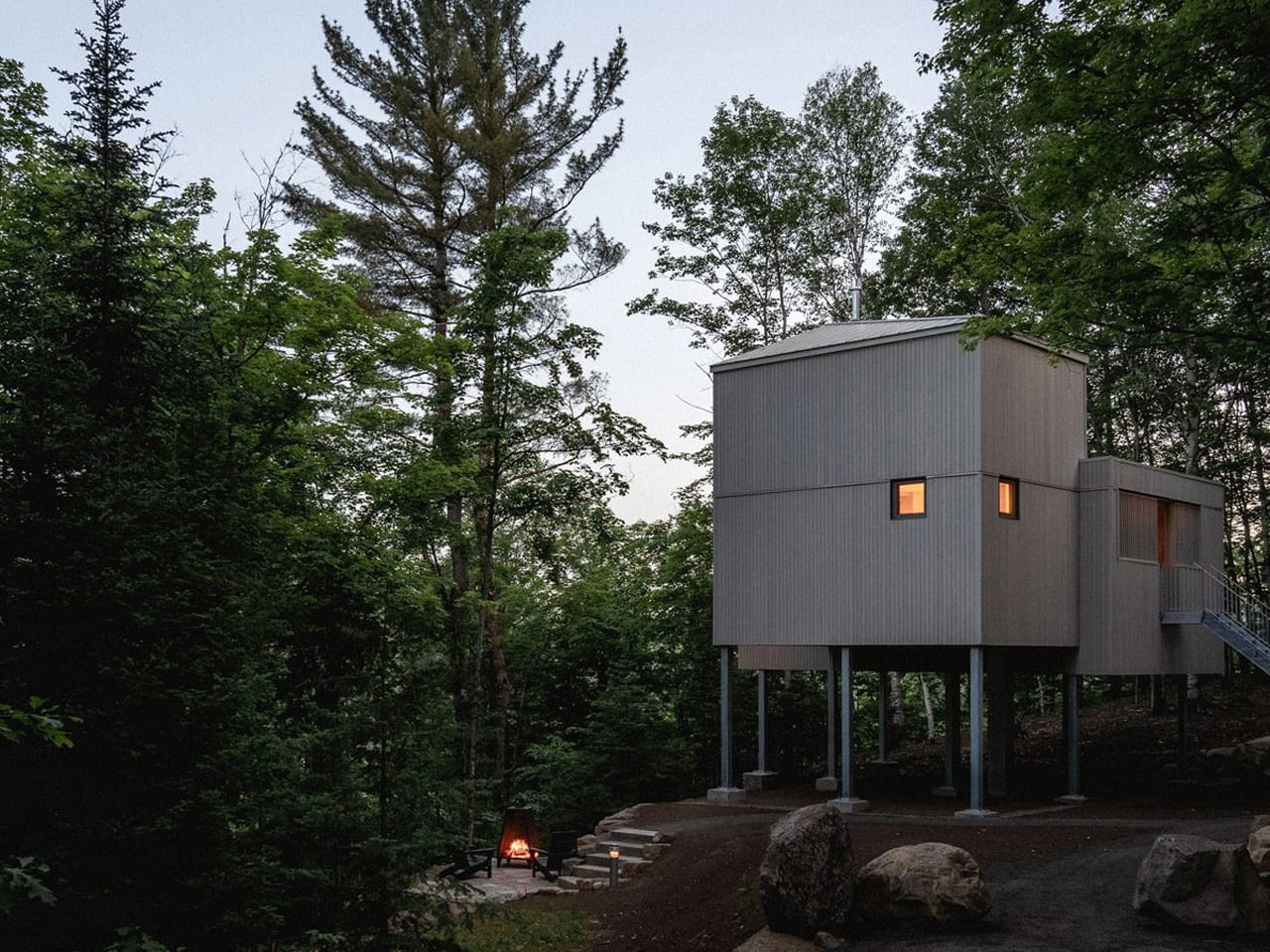
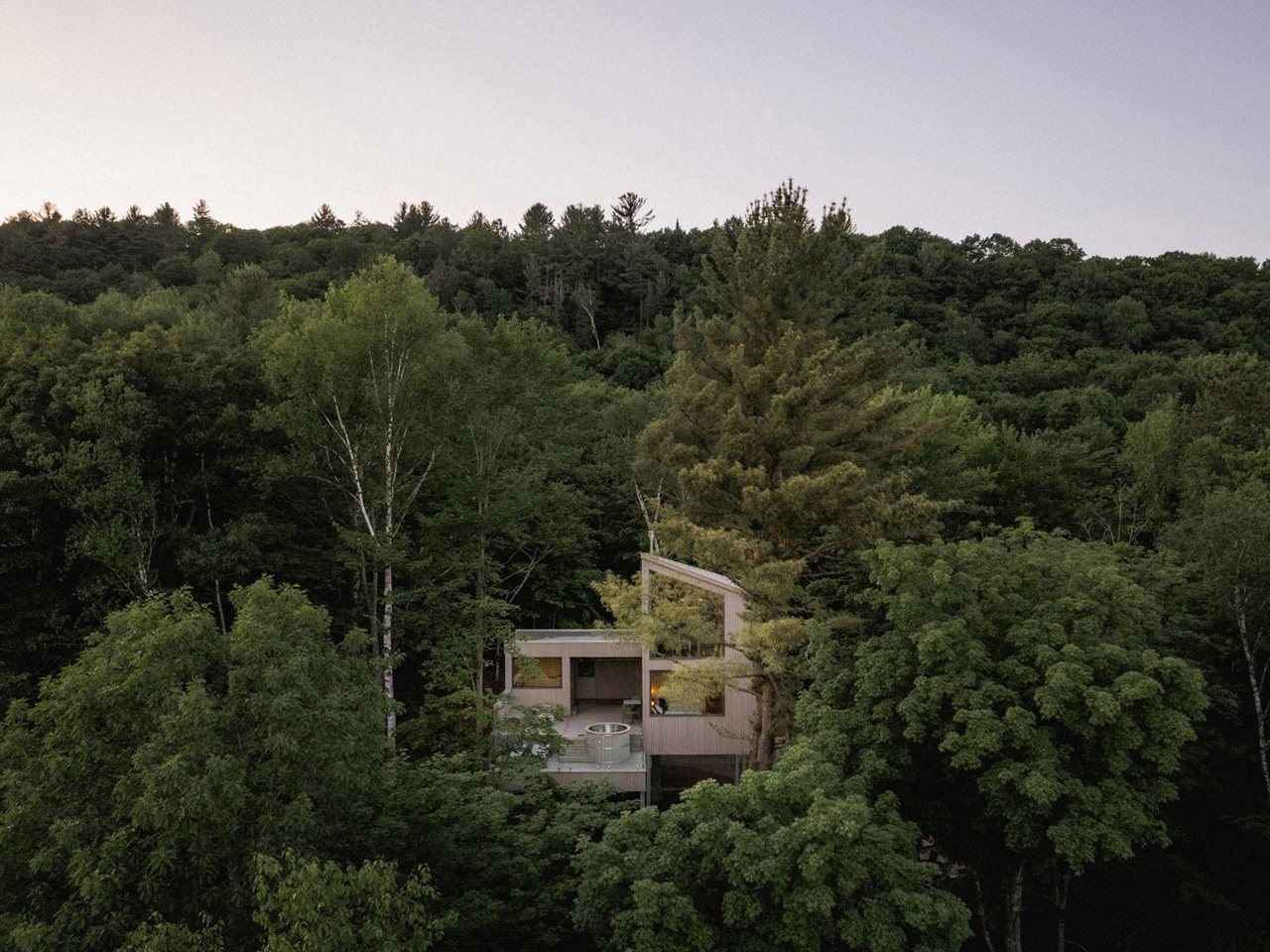
Designed by Dominik Ilichman and Adam Hofman, the Hytta cabin is a serene cabin inspired by Scandinavian design and minimalism. The quaint cabin is designed to provide a calm and distraction-free environment, offering you a much-needed break from your hectic everyday life. Hytta is tucked away on the outskirts of a pine forest, which makes for an excellent location. It is designed to be a place where residents can nurture their thoughts, and dig deeper into their creative ideas without the disruptions and distractions of everyday life. Hytta is an antidote to these situations and serves as a tranquil retreat for relaxation and contemplation.

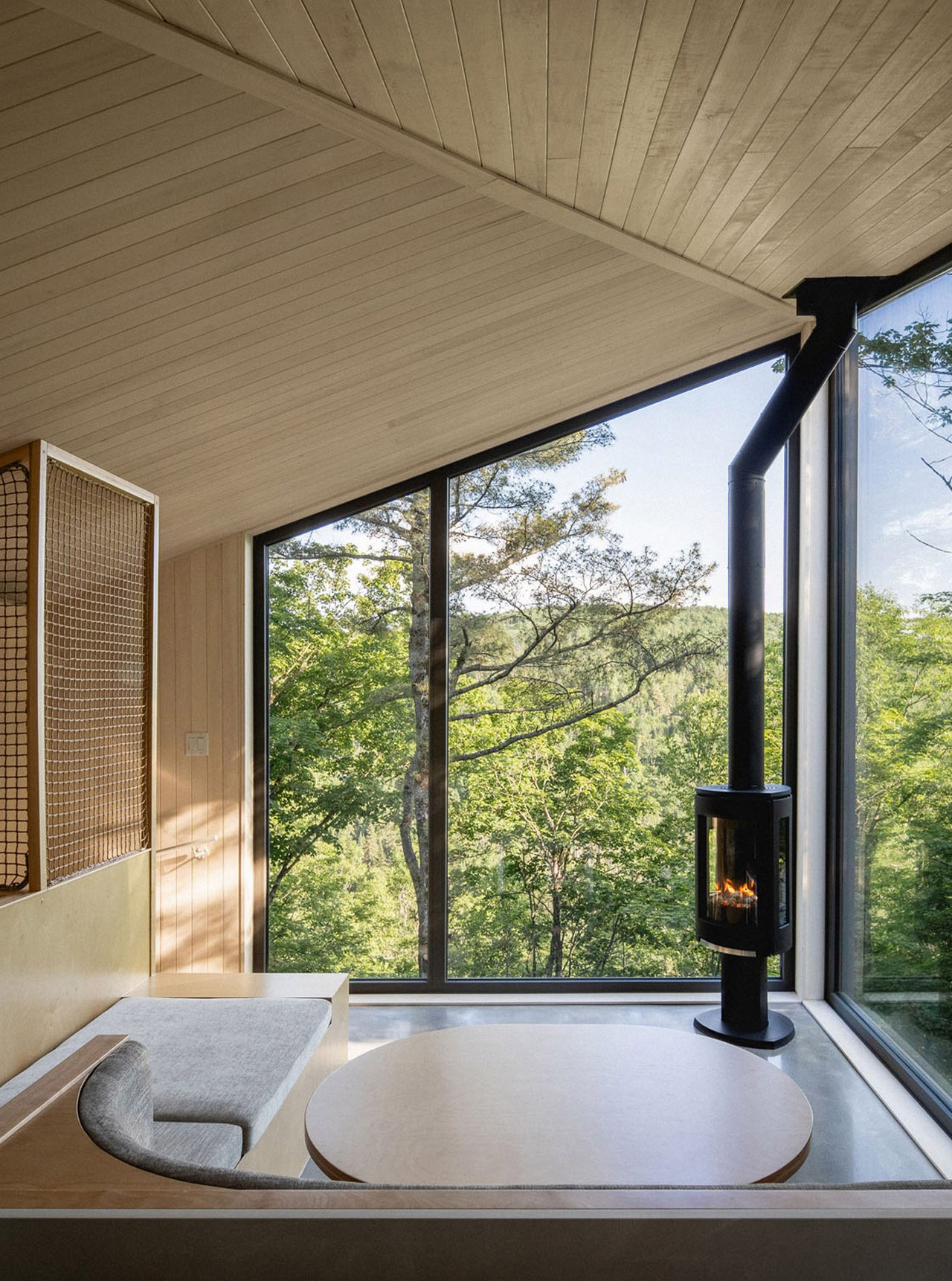
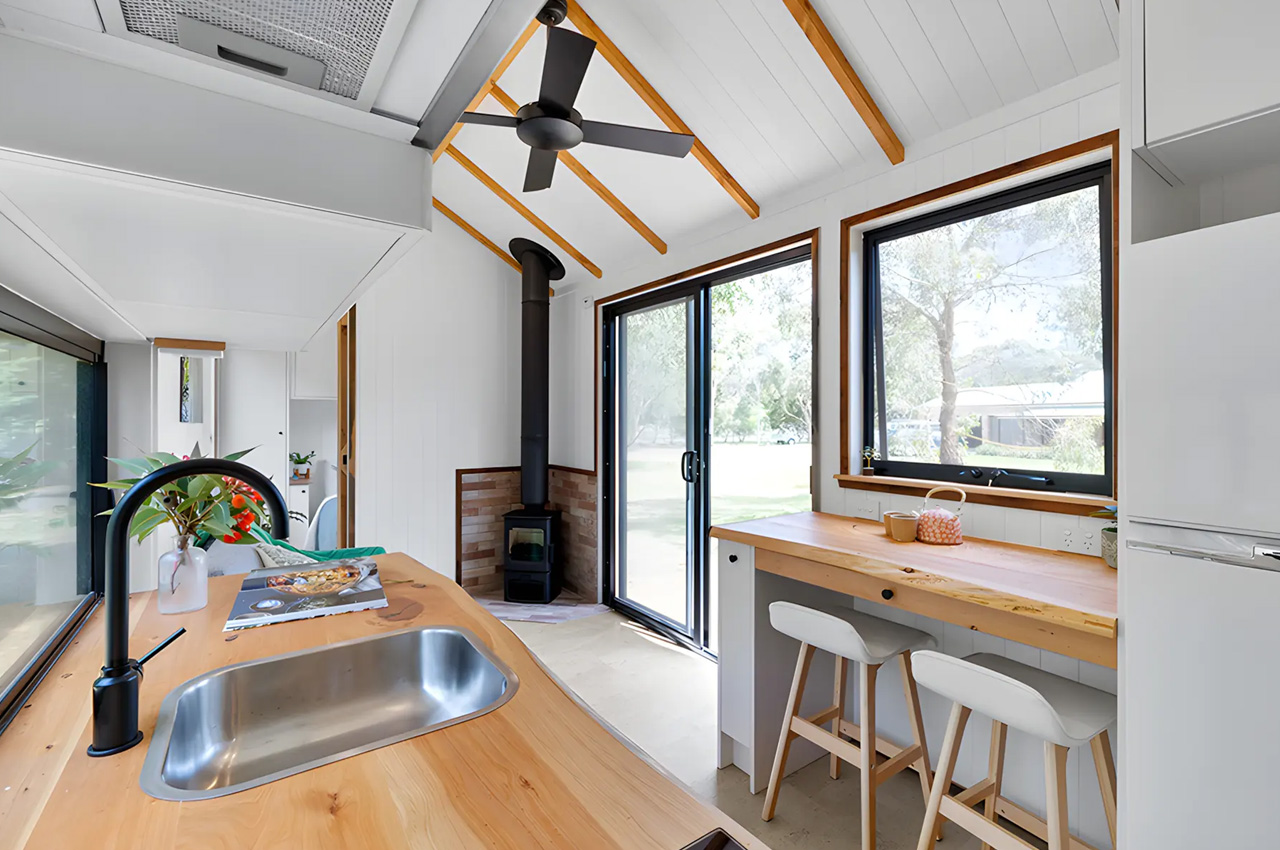
The cabin features a double-height living area, a quality workspace, a cozy bedroom, and sleeping nooks. The house is also complemented by a Finnish sauna with a cold immersion tub. It is pretty minimalist in nature and is heavily inspired by Scandinavian minimalism, which basically eradicates all unnecessary elements that can distract someone. Hytta perfectly merges modern functionality and convenience with minimalism by providing top-notch amenities. It features a spacious terrace, as well as windows on all sides, which builds a serene indoor-outdoor connection, and allows nature to intersperse with the space.

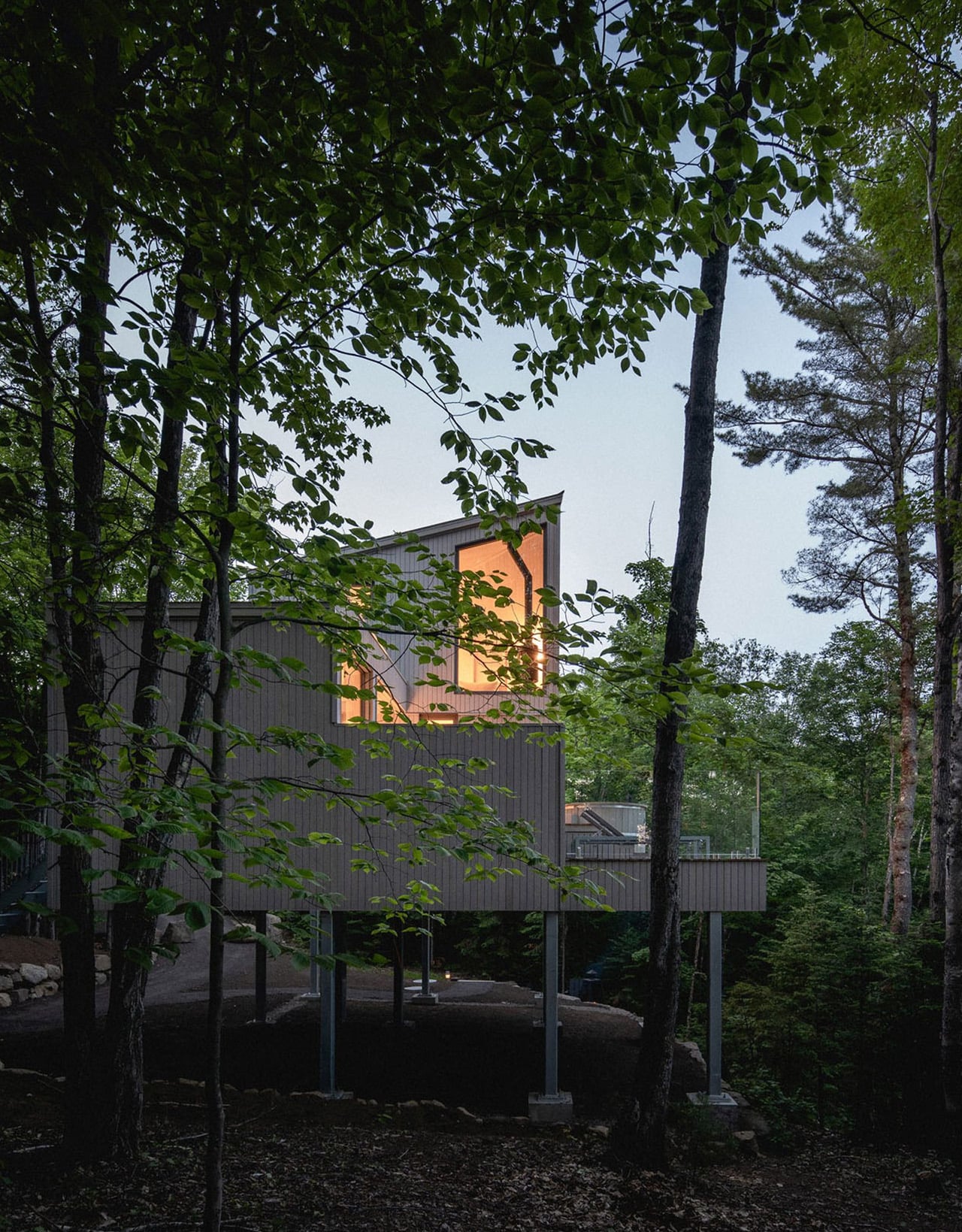
Since the cabin is nestled on a slope at the forest’s edge, it gives it an element of isolation, allowing it to be protected from the hustle and bustle of city life, while providing privacy as well. The cabin is inspired by the form of a hunting cabin, which provides it with a unique and distinctive shape, and allows it to stand out.

The post Perched On A Forest’s Edge, This Serene Wooden Cabin Is Designed For Quiet Contemplation first appeared on Yanko Design.
This Nordic Hotel’s Architecture Blends Beautifully into the Organic Snow-Capped Mountain Slopes

Combining luxurious architecture and natural camouflage together, Mertcan Güldilek’s Nordic Breeze hotel is easy to miss when viewed from above. As you descend into the valley, however, the gorgeous hotel becomes more apparent with its unique blend of the snow-white facade and wrap-around glass. Created using AI, Güldilek’s architectural concept shows how organic design can blend beautifully into a landscape, complementing it rather than contrasting it.

Designer: Mertcan Güldilek

The AI experimentations take on a rather organic design reminiscent of Ross Lovegrove’s work. The hotel’s facade is difficult to really describe as it flows quite like the mountain slope. In the negative areas created by the facade, Güldilek adds running edge-to-edge windows that help residents/patrons get a sprawling panoramic view of the landscape ahead of them.

“The hotel emerges in the heart of the Swedish valley, inviting guests to a refuge that seamlessly blends with its breathtaking surroundings,” says Güldilek. “The organic approach to design ensures that the hotel becomes an extension of the surrounding nature, creating a sense of unity that calms and inspires.”

Envisioned for Storglaciären, Sweden, these hotels are located in the valleys of a snowcapped mountain range, alongside a glacial river that adds to the hotel’s charm. Multiple iterations of the hotel’s design see it nestled on top of the glacial river, giving patrons a stunning shimmering view of the snowcapped landscape along with its reflection. Sunrises and sunsets would look amazing here for 6 months in the year!

“As the sun descends, casting its golden rays across the land, the hotel radiates a warm and inviting aura that draws guests in,” adds Güldilek. “The golden hour lighting envelops the building, illuminating every detail and infusing the surroundings with a magical quality.”
Different iterations also play with volumes, adding multiple wings and levels to the architecture for a dynamic appeal. Each hotel room therefore has a unique view of what’s around them, creating a bespoke experience for everyone who comes to visit the conceptual Nordic Breeze hotel!
The post This Nordic Hotel’s Architecture Blends Beautifully into the Organic Snow-Capped Mountain Slopes first appeared on Yanko Design.