This autonomous robot scouts unfriendly terrain for dangerous land mines in warzone and post-conflict regions

Wars bring with them massive destruction on the battlefield but the implications beyond wartime can be equally devastating in terms of mental, psychological and physical damage. The ongoing strangling in two of the most important regions in the world is a clear example of how conflicts can have devastating aftermaths. Land mines have long been one of the worst nemesis of post-war calamities, rendering fertile lands too risky to be cultivated.

Searching for these fatal buried hazards can be an arduous task even for the most potent military units and that’s where robotic land mine detectors make the task easier. This takes all the risk of human life away and also ensures the particular area of land is safely ridden of destructive land mines laid down by battling units in the past.

Designer: Subin Kim and JiHoon Park

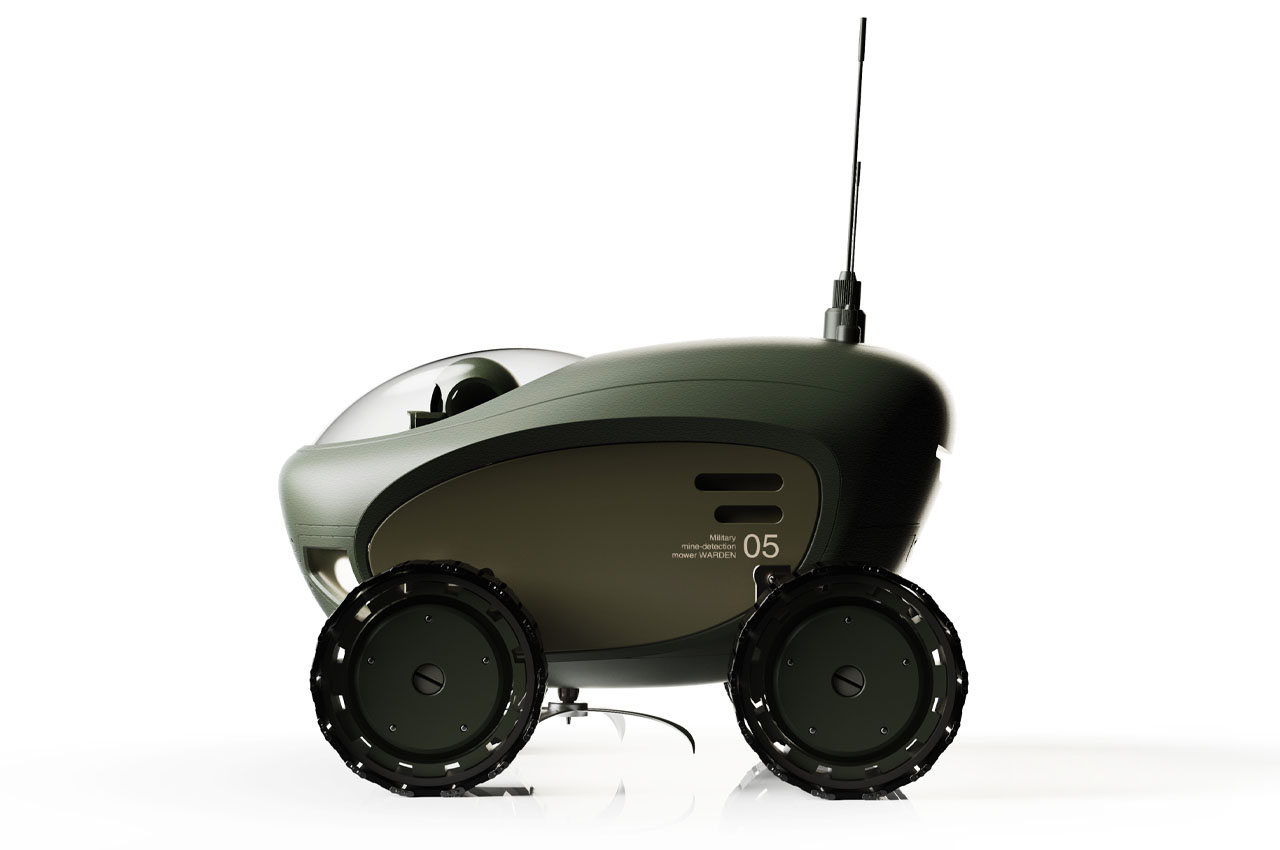
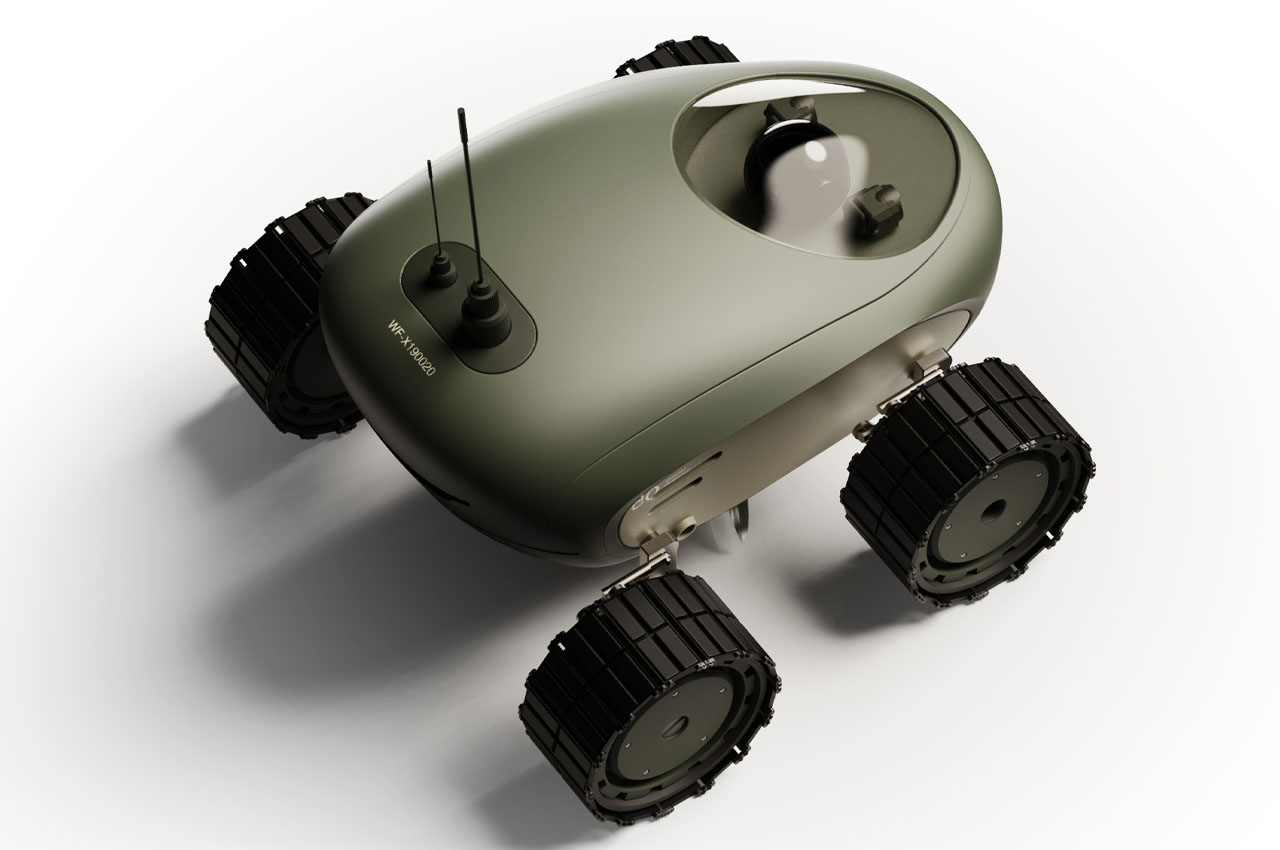
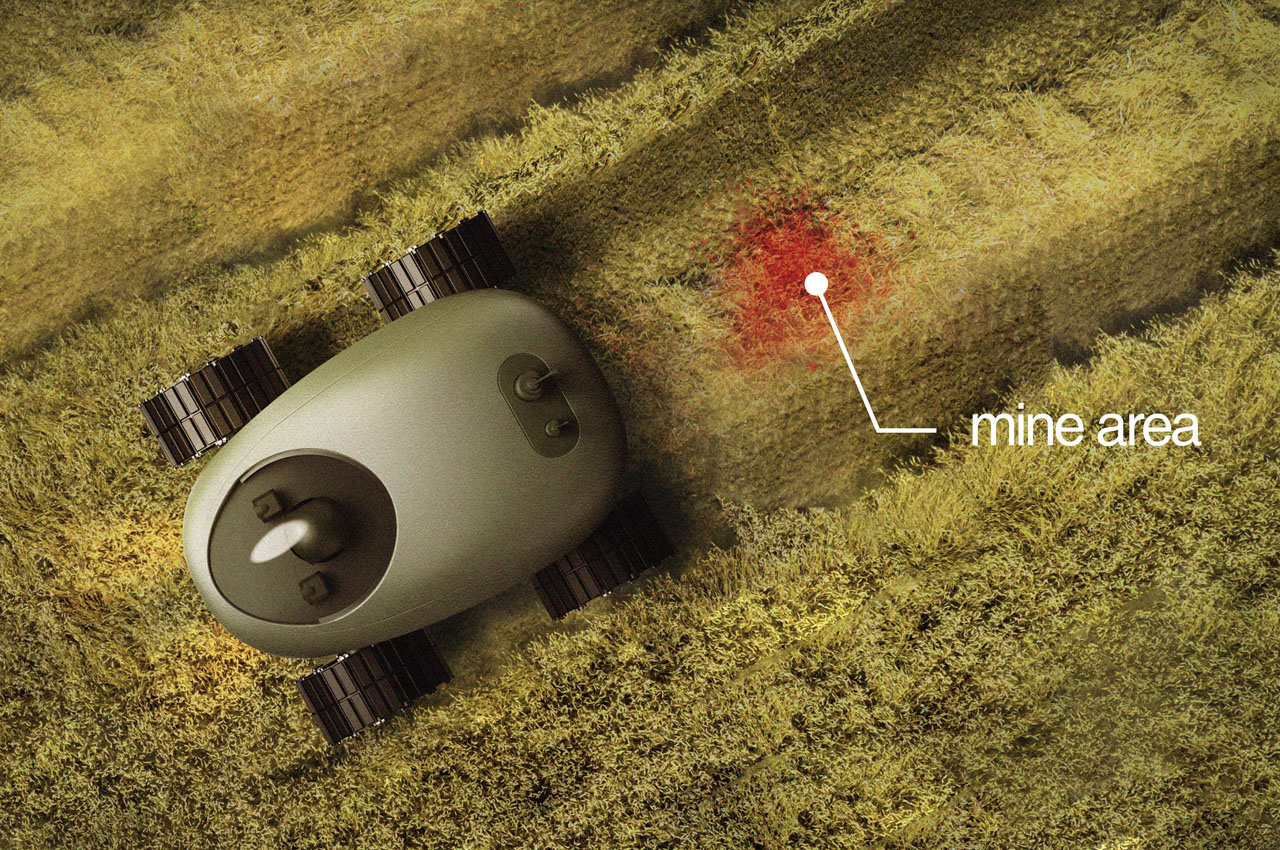
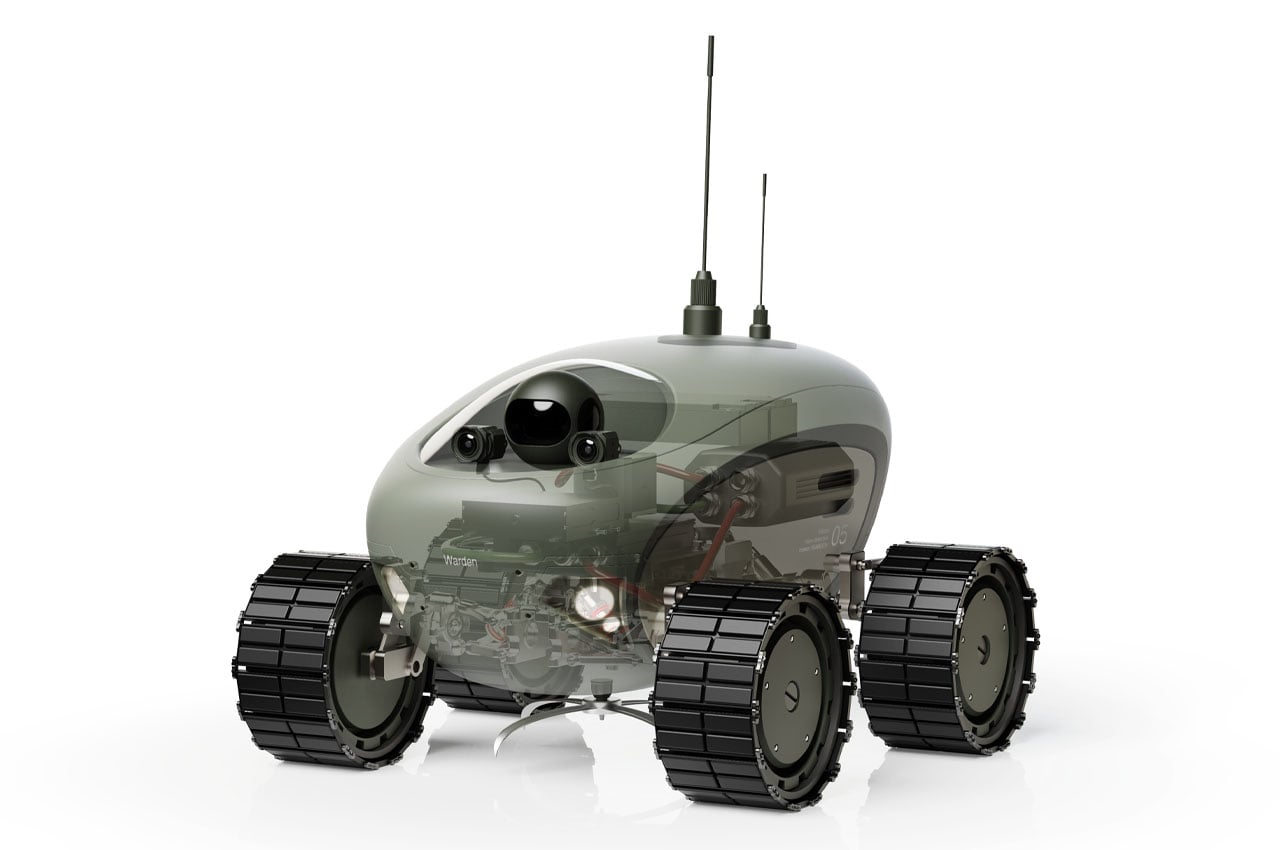
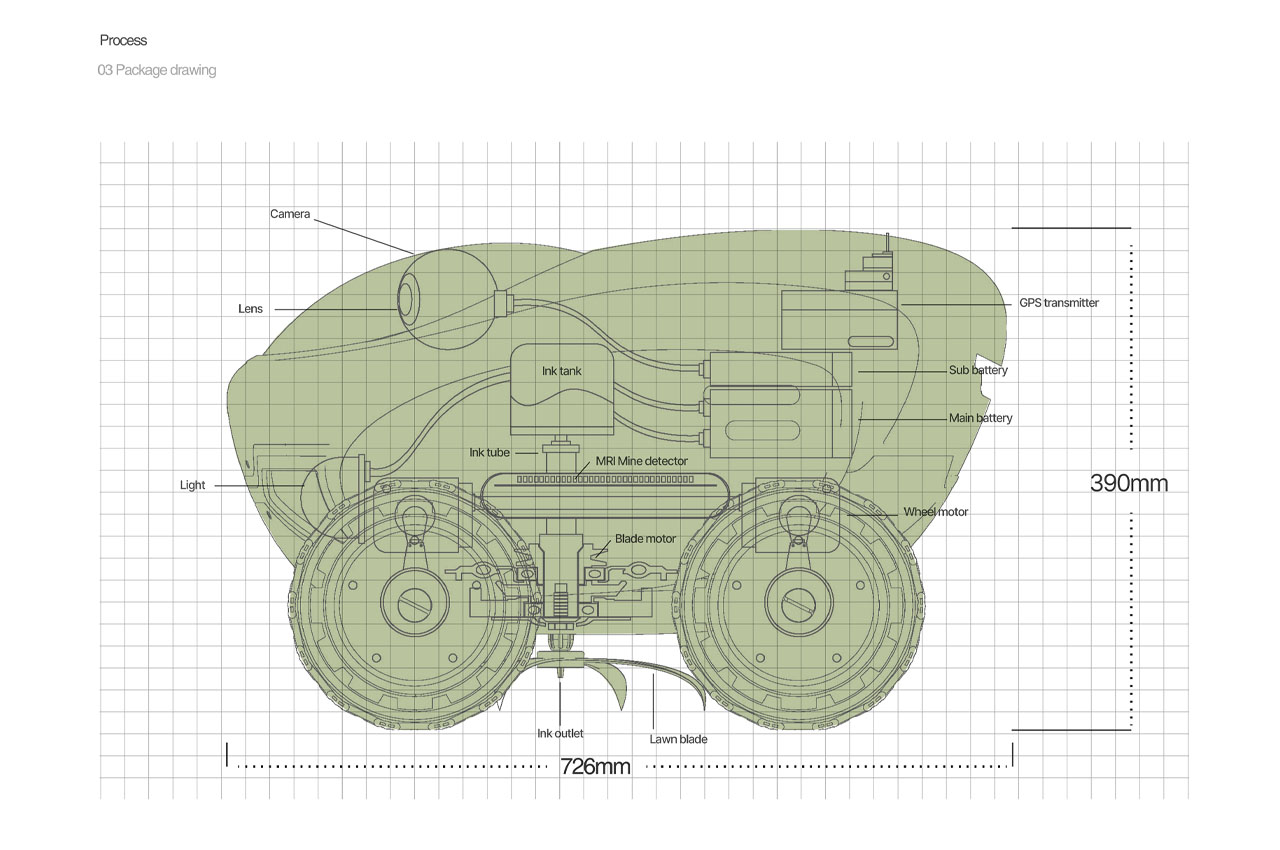
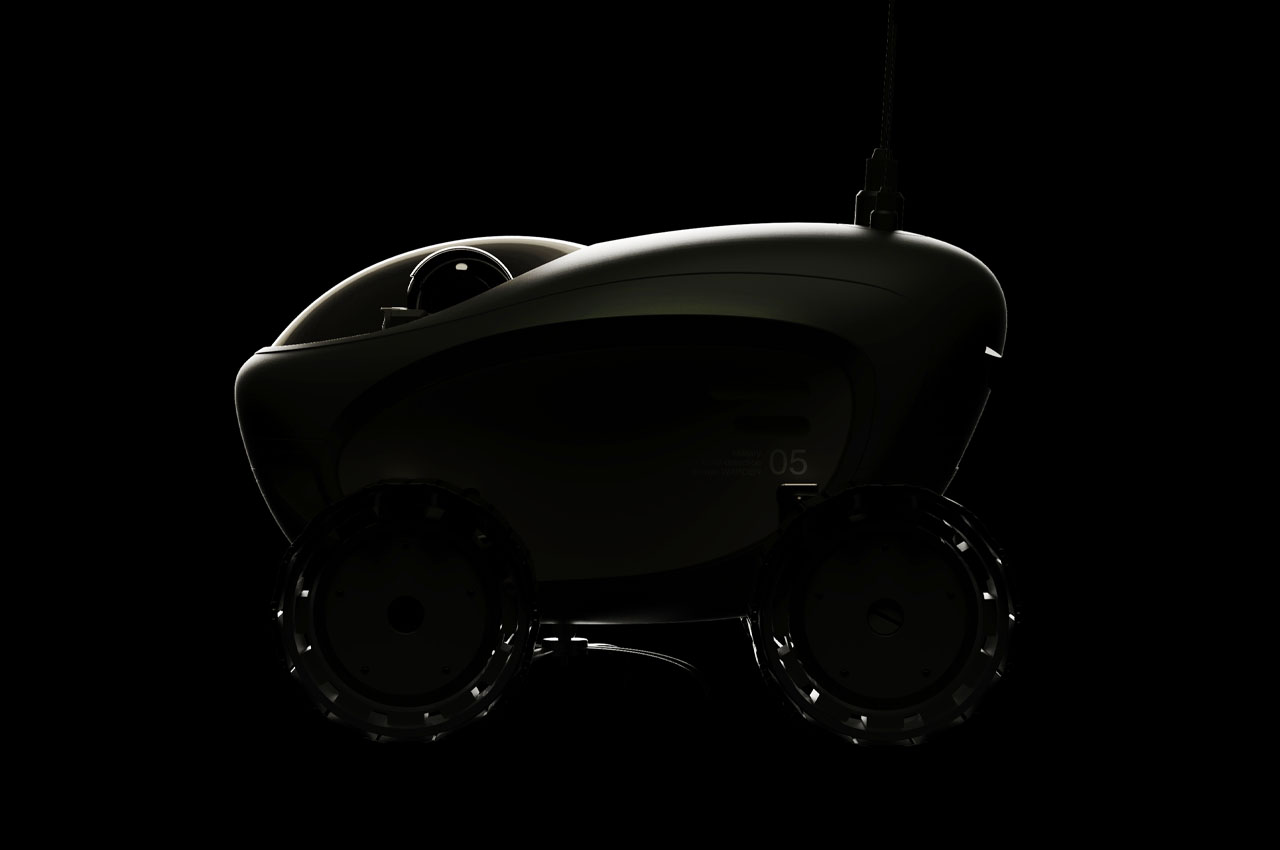
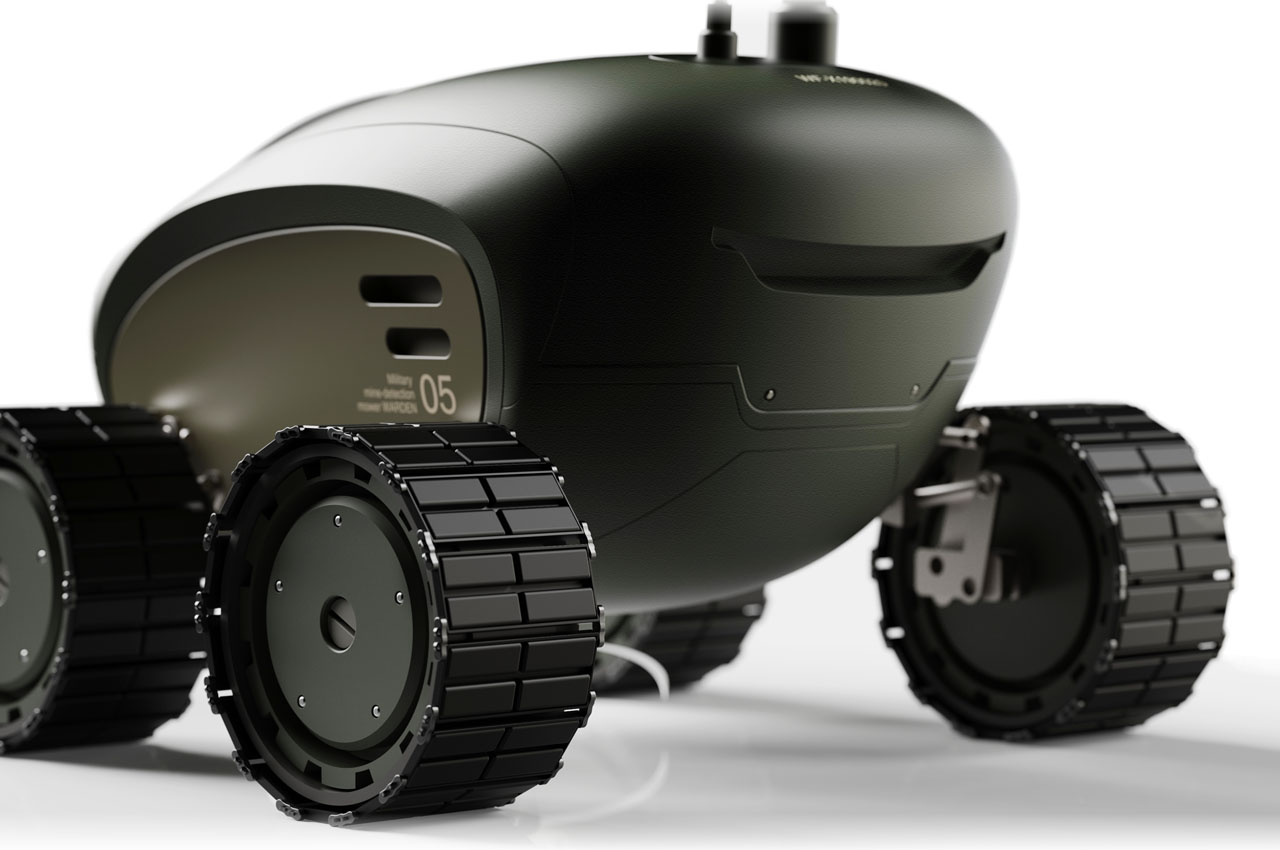
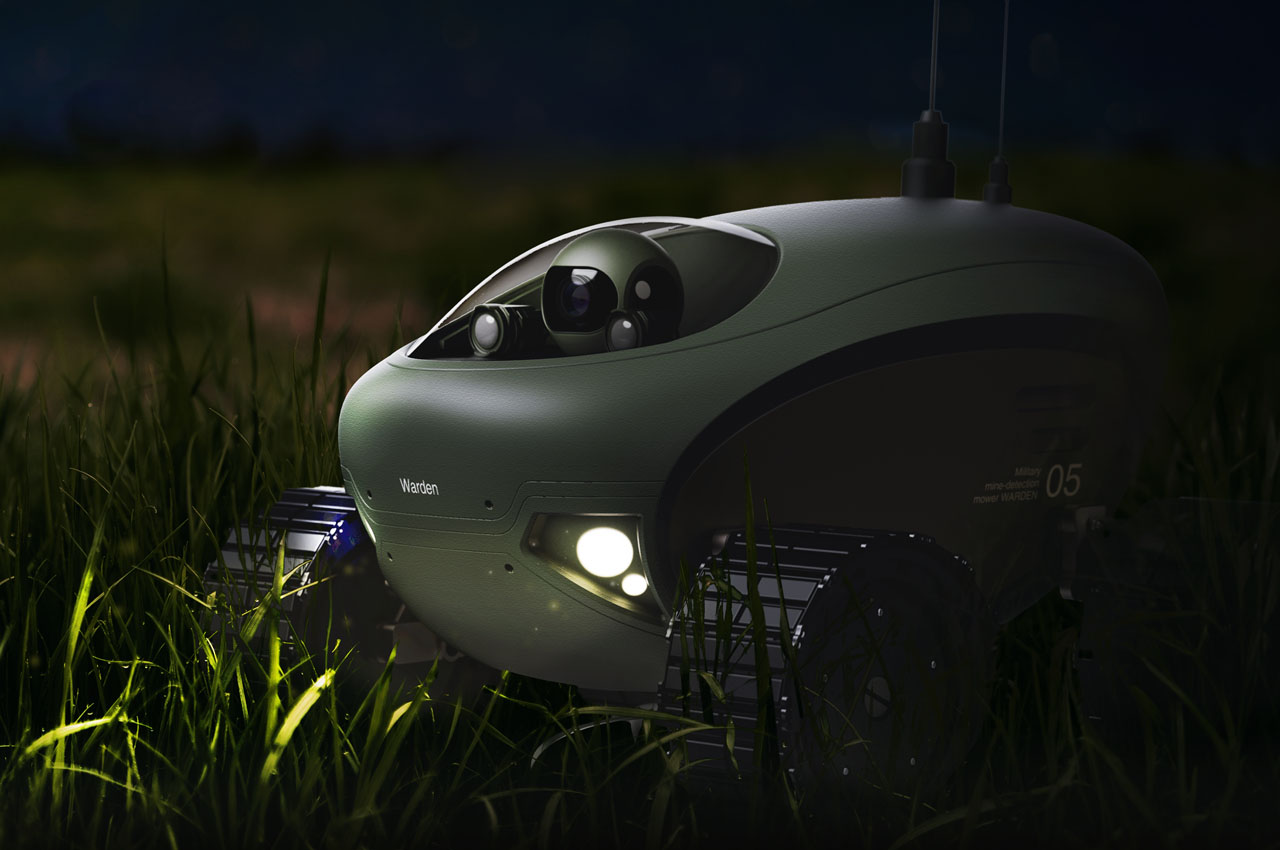
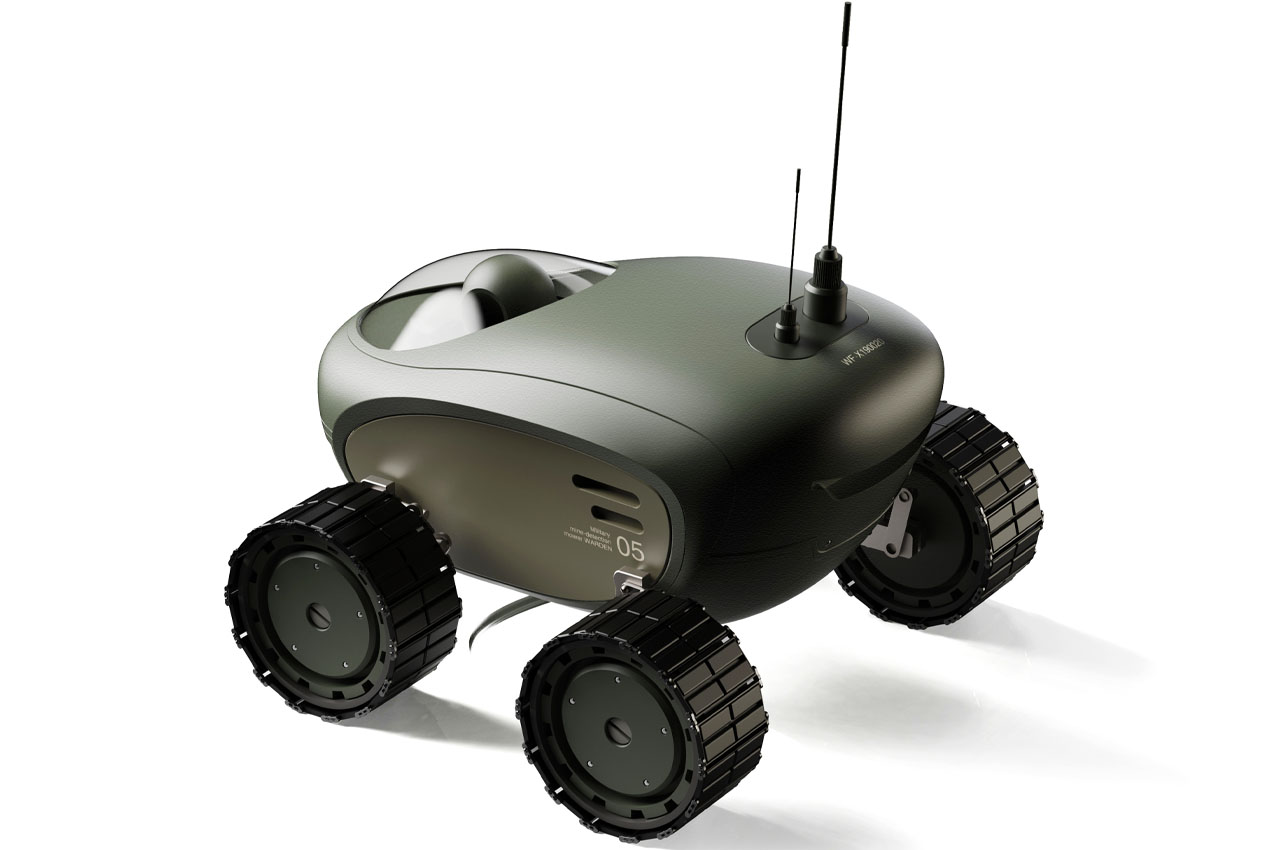
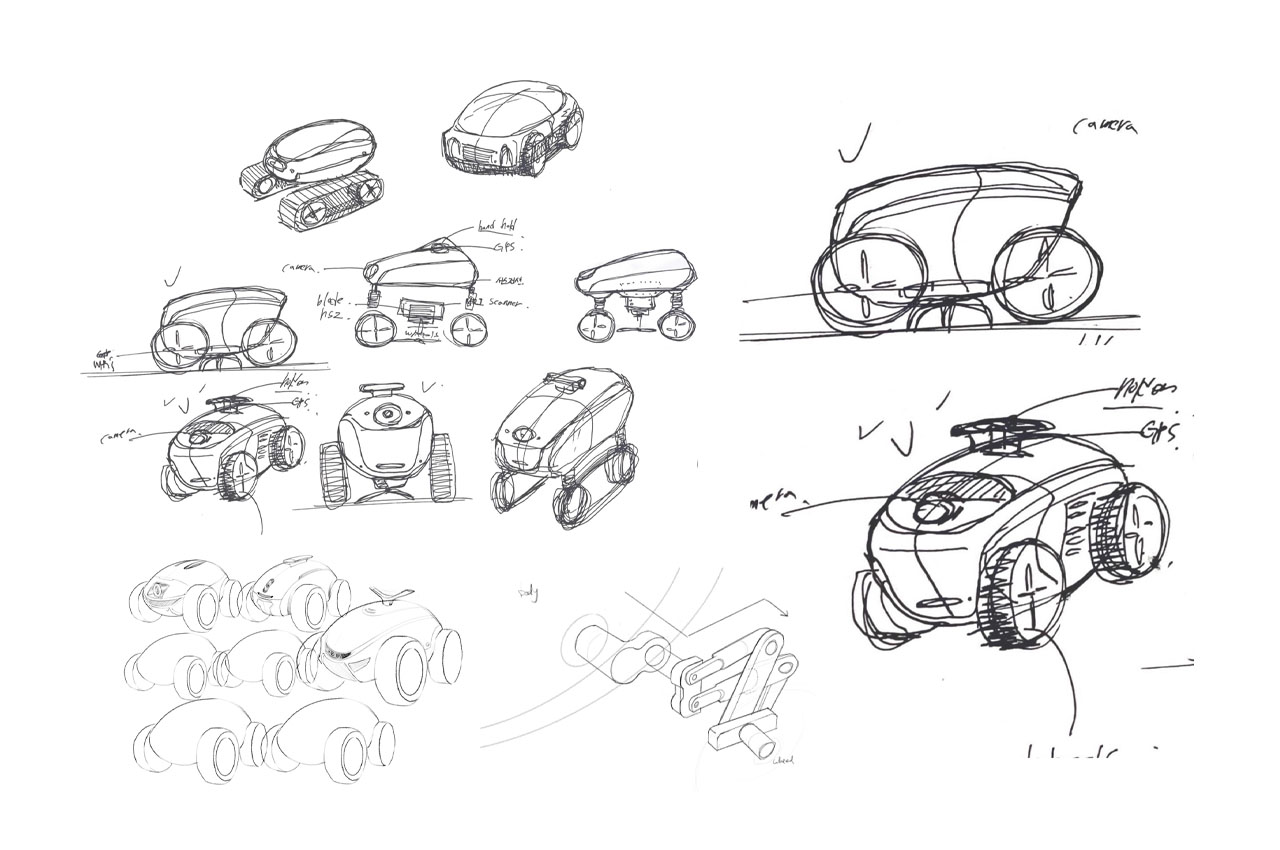
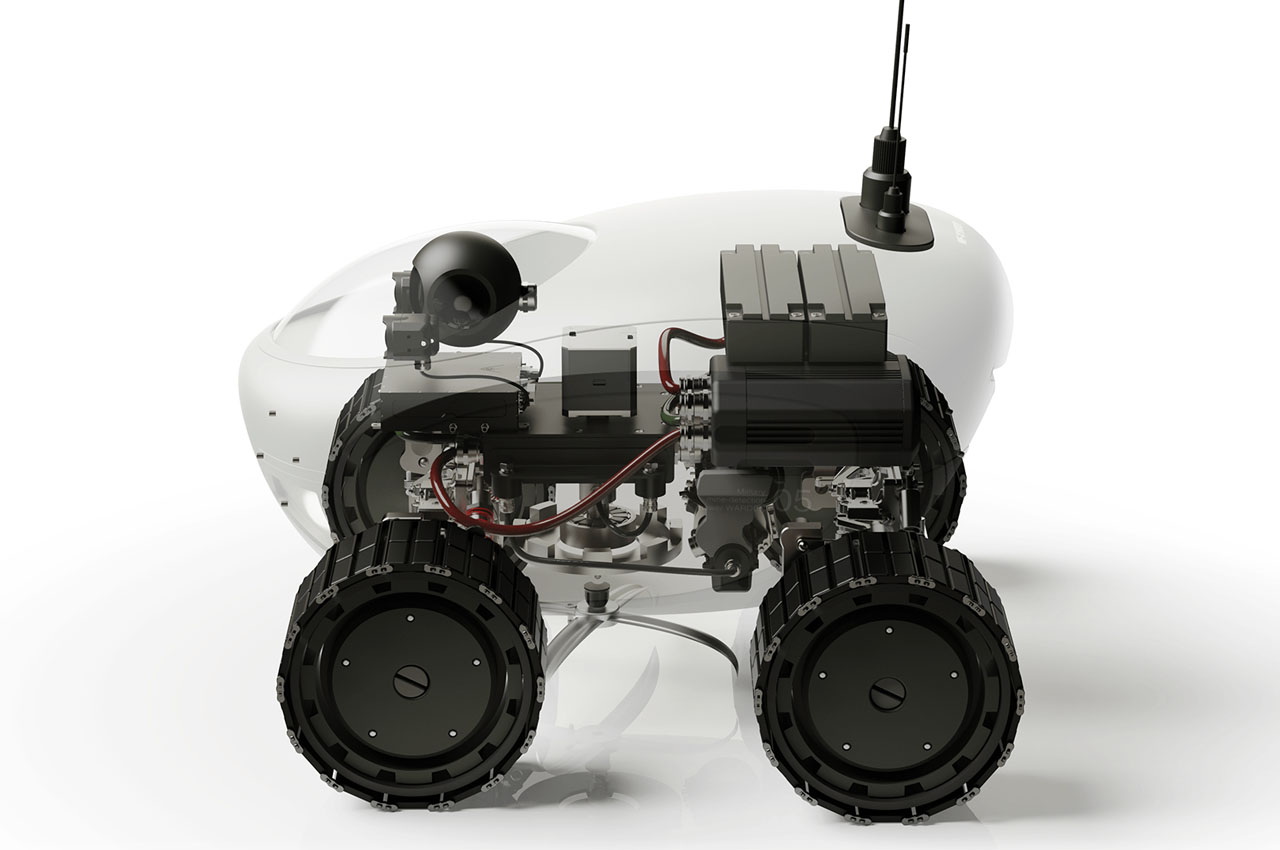
Meet the Warden mine detector proposed as a concept design that safely takes care of identifying potential land mines and marks the area with red paint to keep everyone safe. This creates a quarantined zone for residents and outsiders about the potential threats. Working autonomously to scout any kind of terrain, the smart robotic minesweeper is connected to the cloud at all times to send the real-time data of identified mines, so that they can be updated in relevant online maps and public resources.

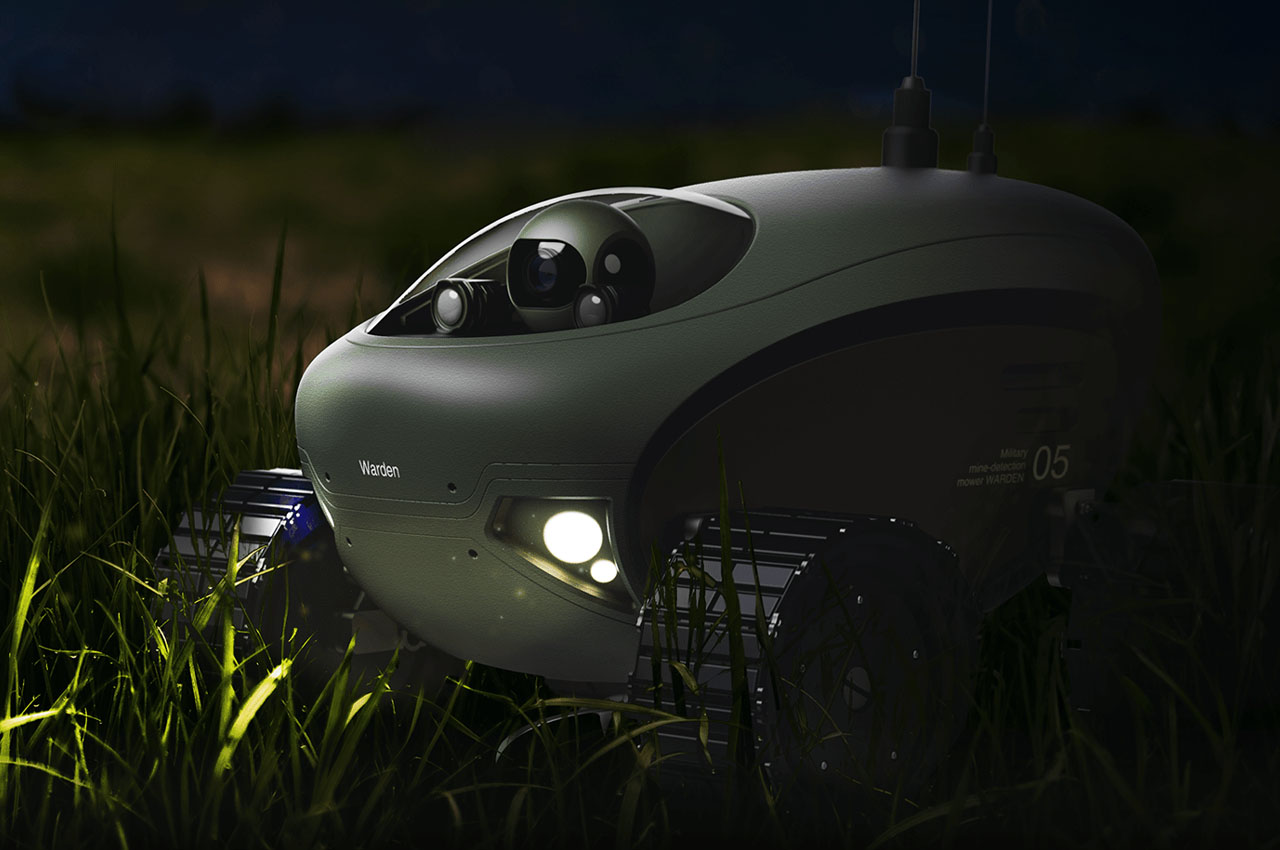
Looking like a rover moving forward on unknown lands, this robot has a high ride height to move swiftly on rocky terrain. The machine is loaded with advanced sensors and a surprising mowing attachment to remove any standing grass or weed. This makes the marked area visible even in the dark hours of the day. When not autonomous, the minesweeper robot can also be controlled by a soldier during wartime scouting.

The post This autonomous robot scouts unfriendly terrain for dangerous land mines in warzone and post-conflict regions first appeared on Yanko Design.

Range slide-in truck campers for all year round off-grid camping are built spaciously with every amenity onboard

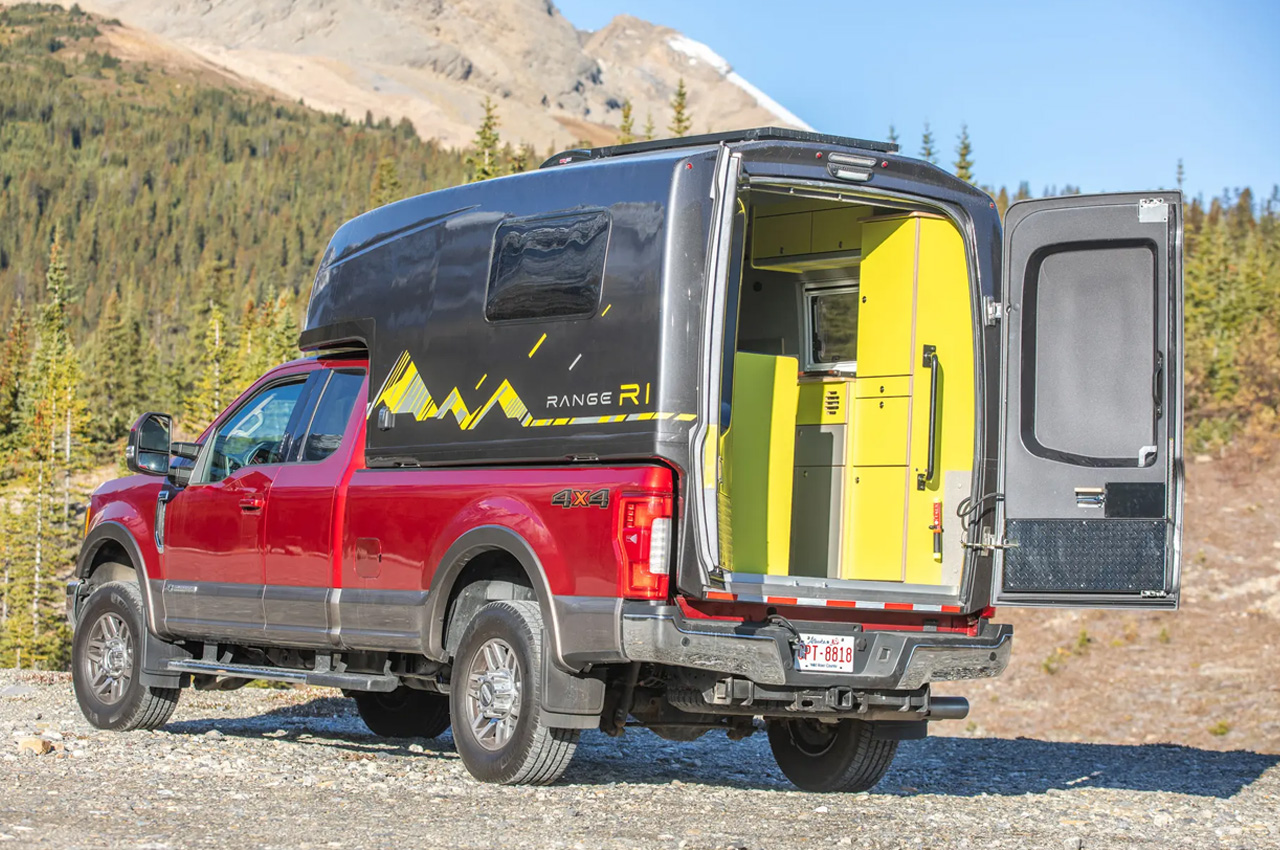
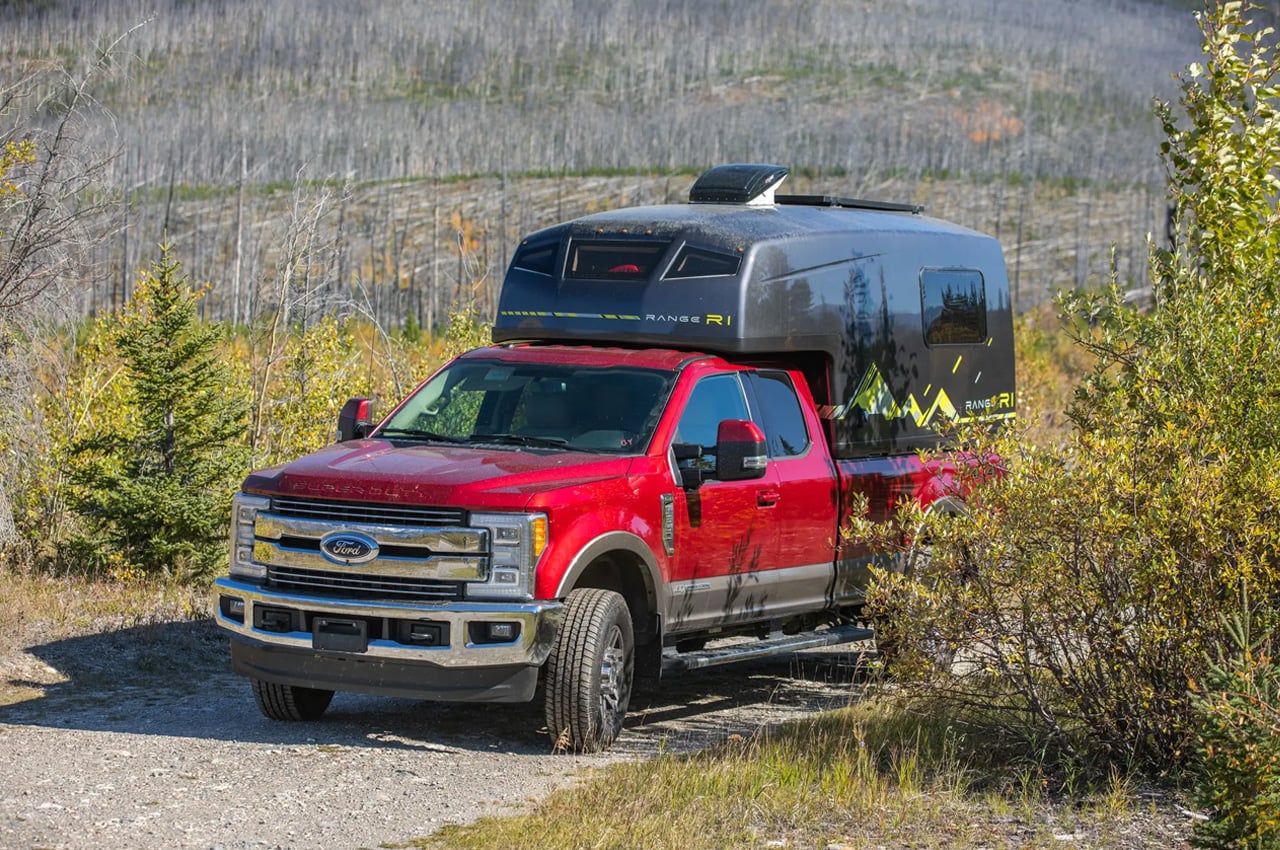
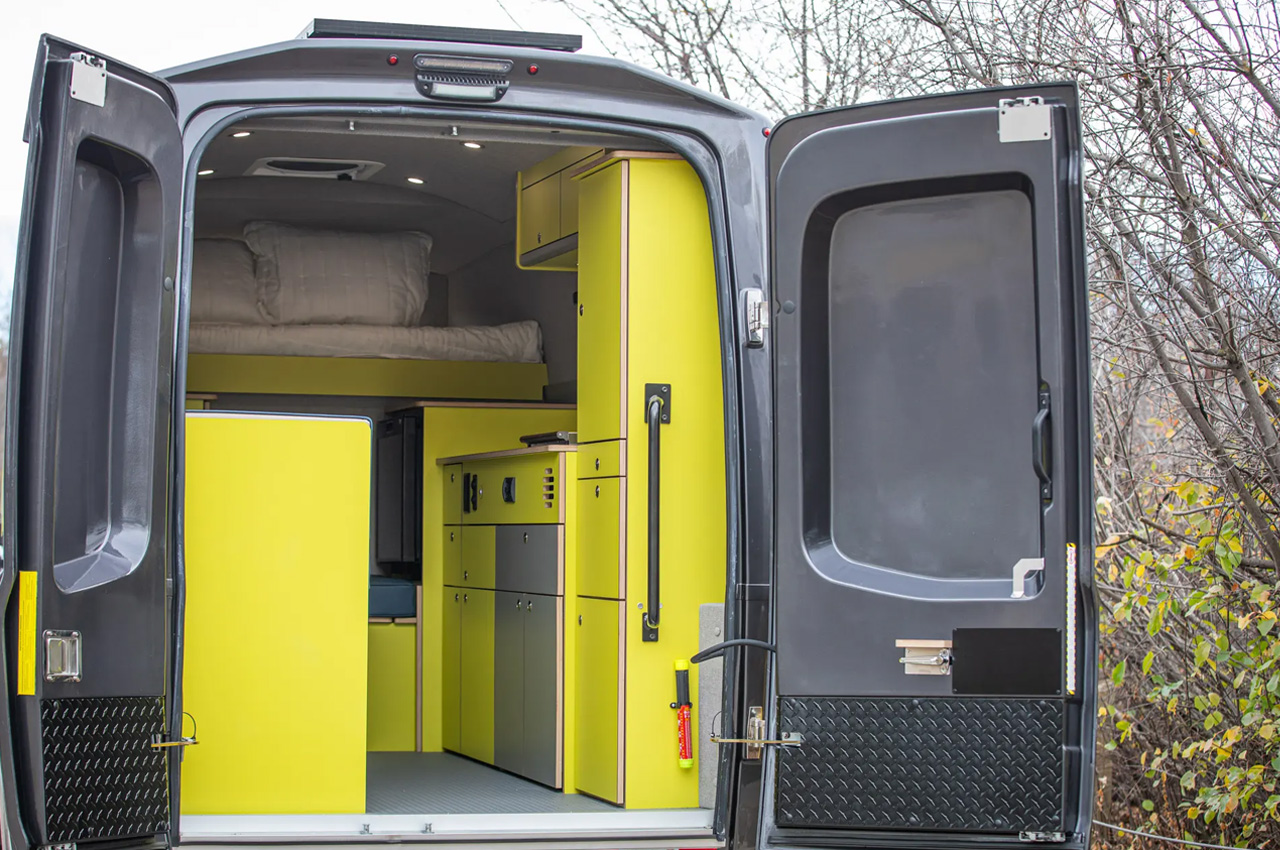
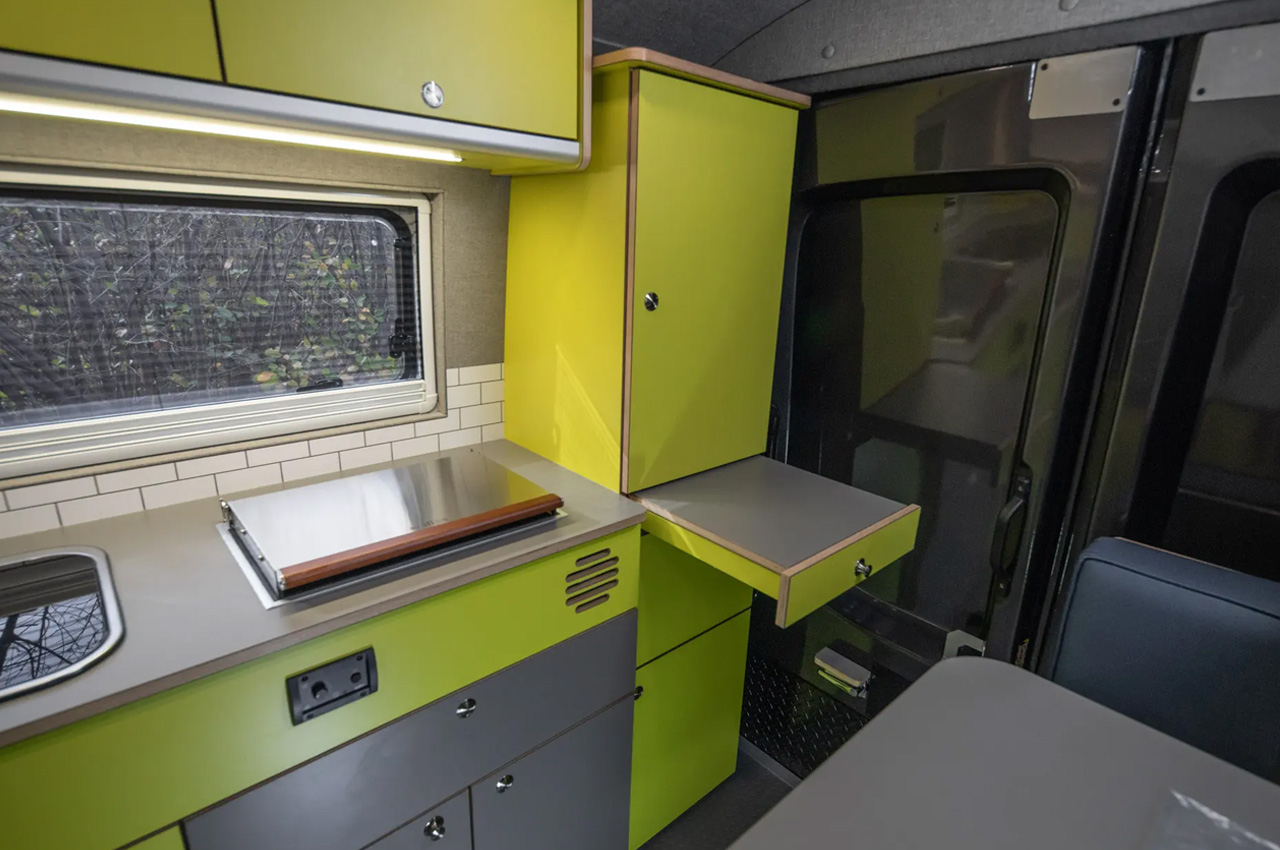
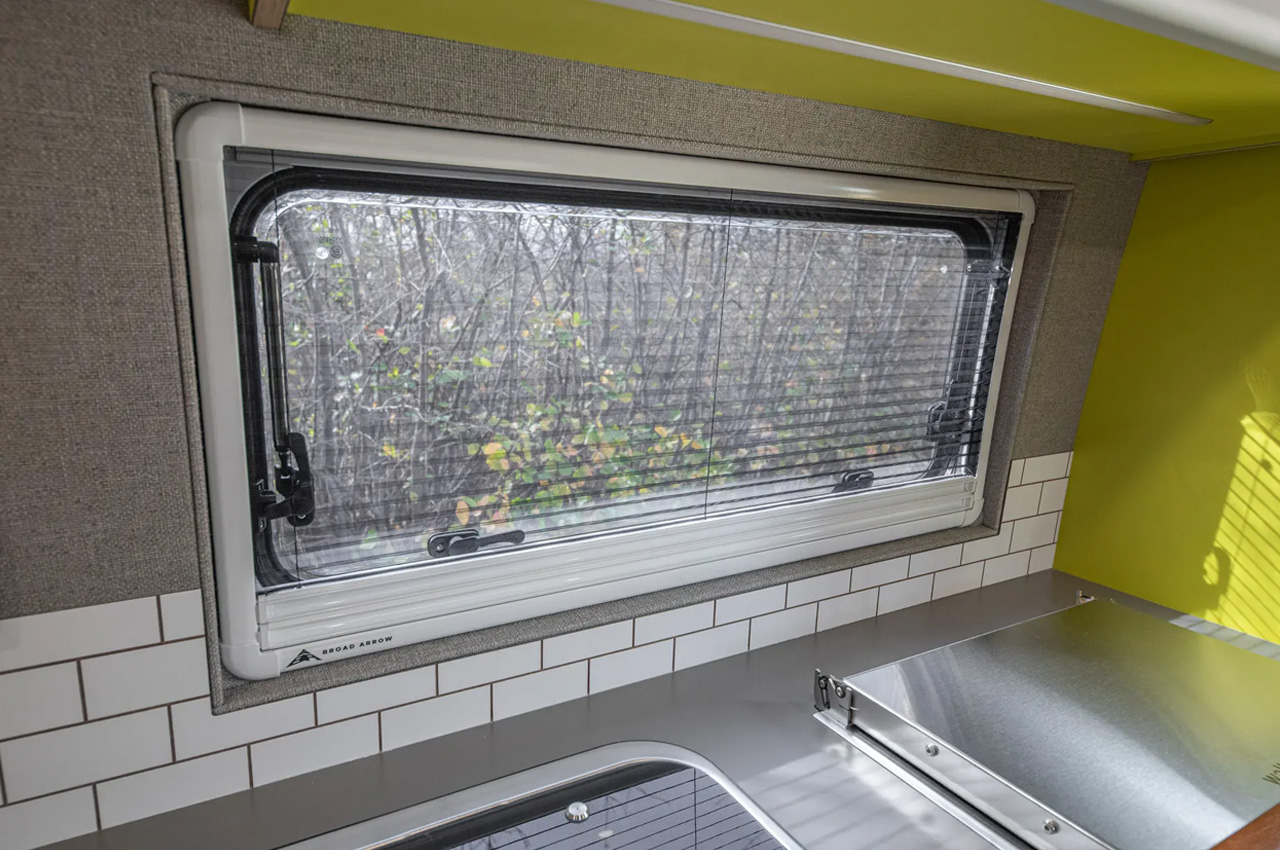
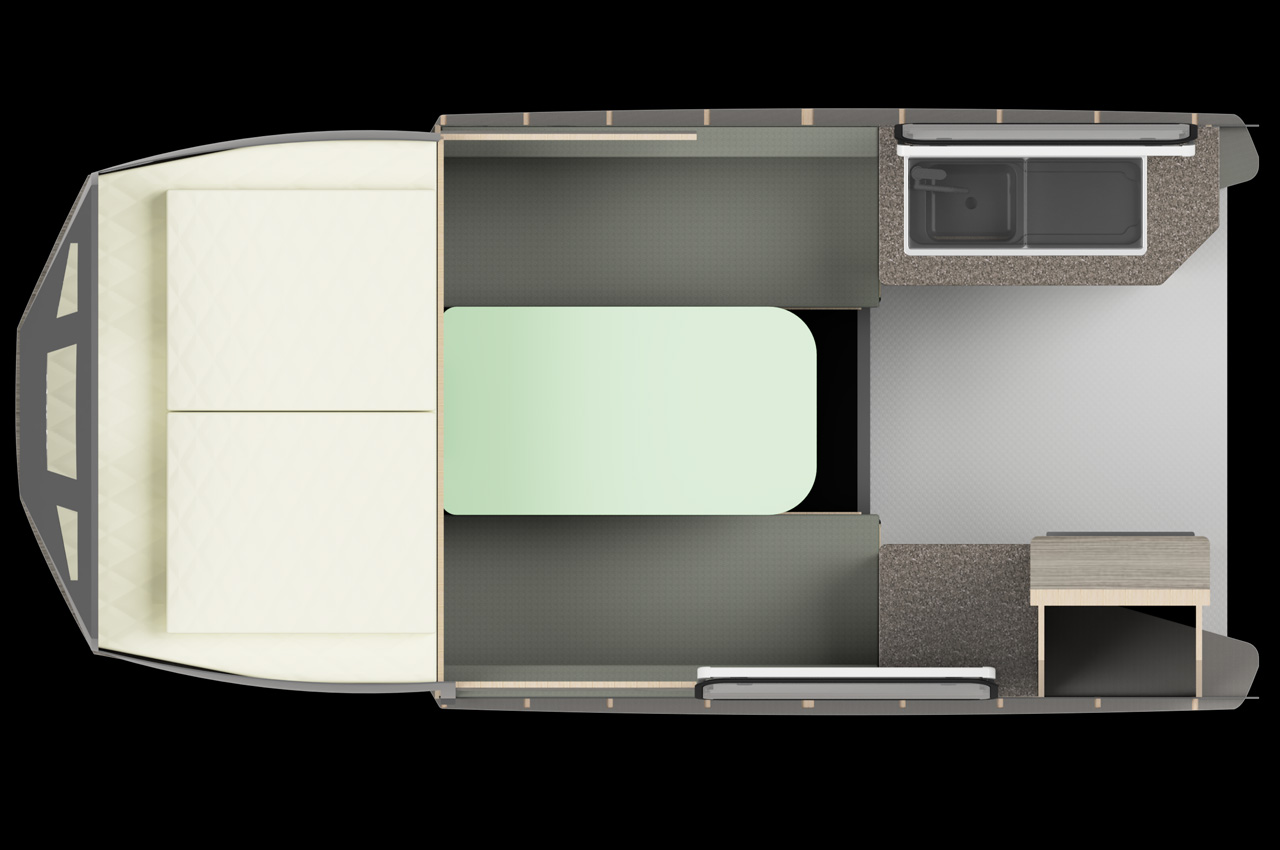
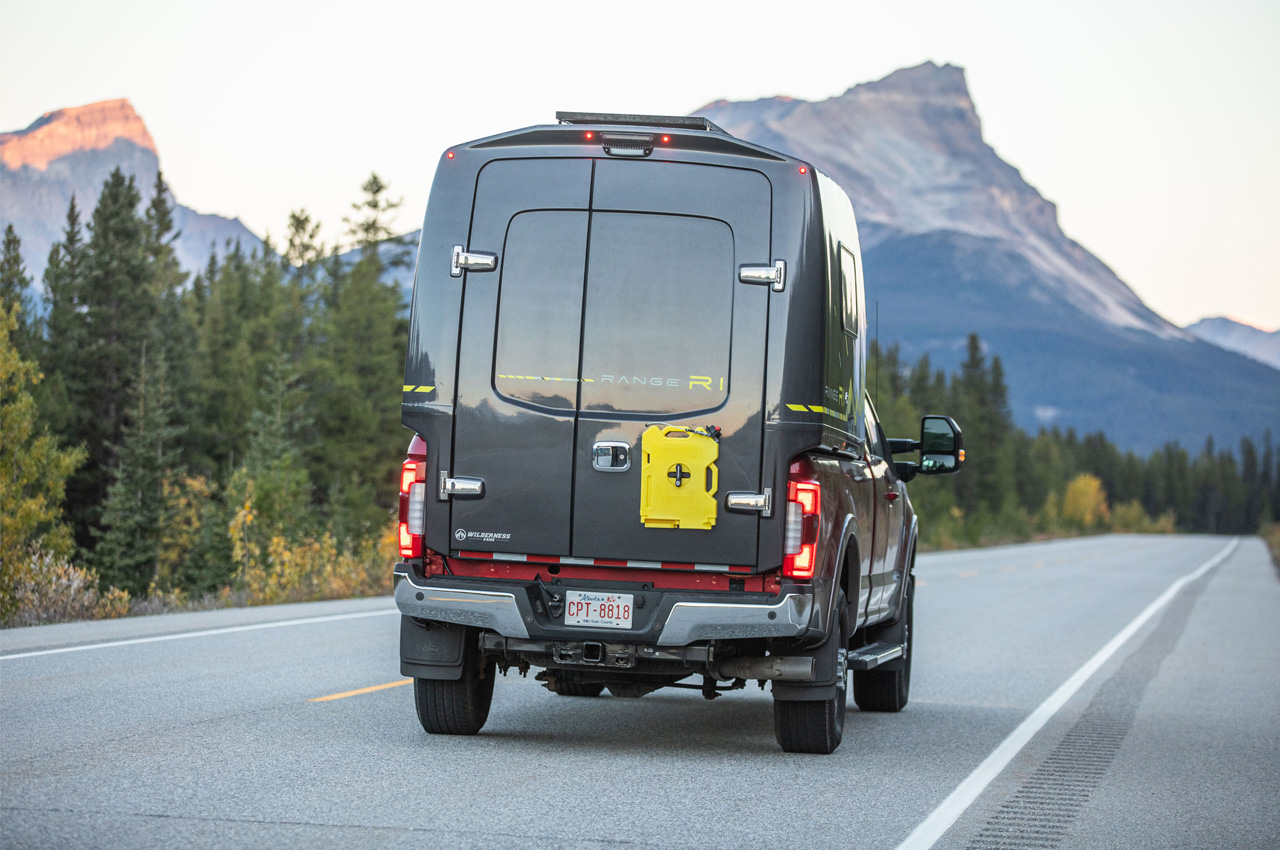
I don’t really have a thing for hard-top campers, they look overly bulky and have a more rigid approach to the idea of accessible camping. Wilderness Vans Range slide-in campers (R1 and R2) have a little bias going their way, chiefly because these are designed for all-year-round off-grid camping, and are built spaciously with all the amenities onboard. In fact, windows and skylights allow a constant flow of natural light and fresh air, preventing the occupants inside the Spacekap Diablo from feeling stuffy but have a pleasant interior to themselves.

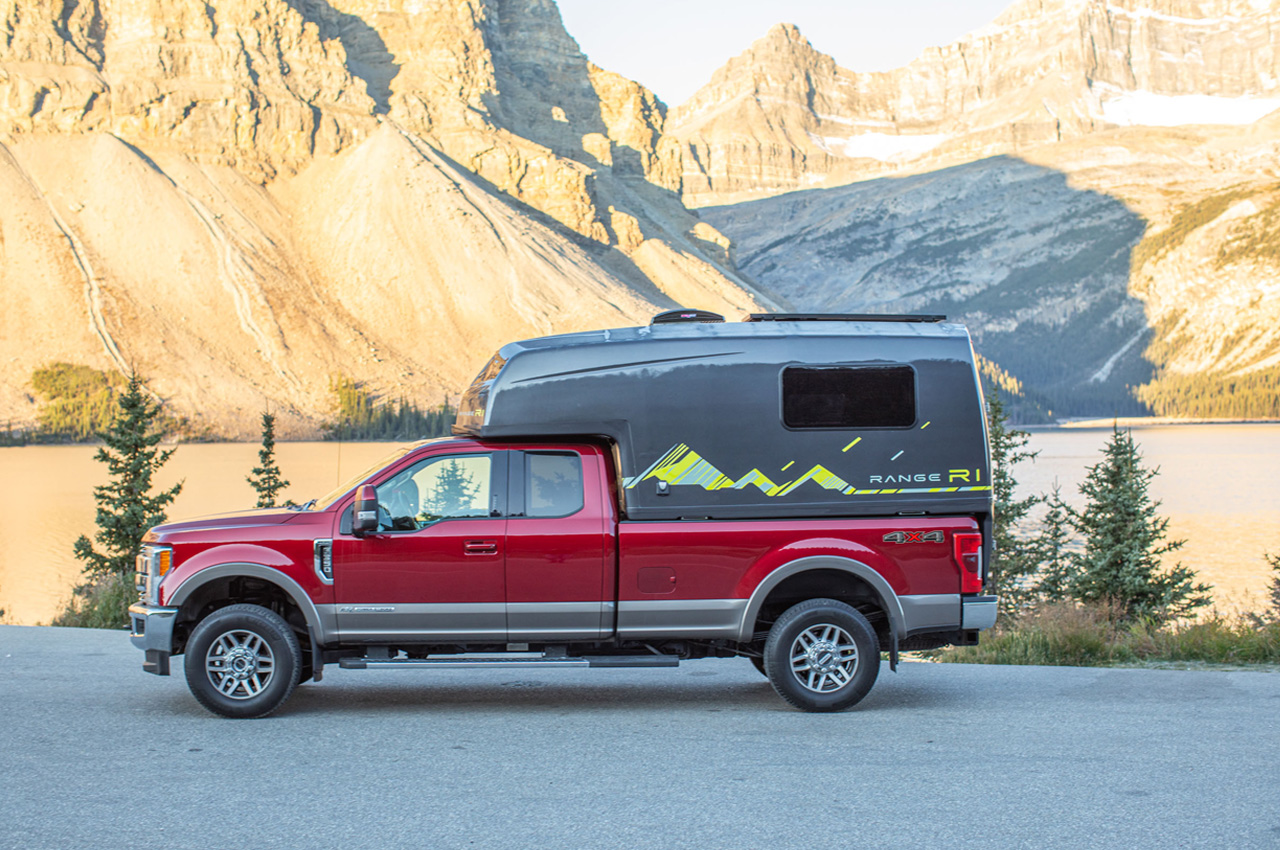
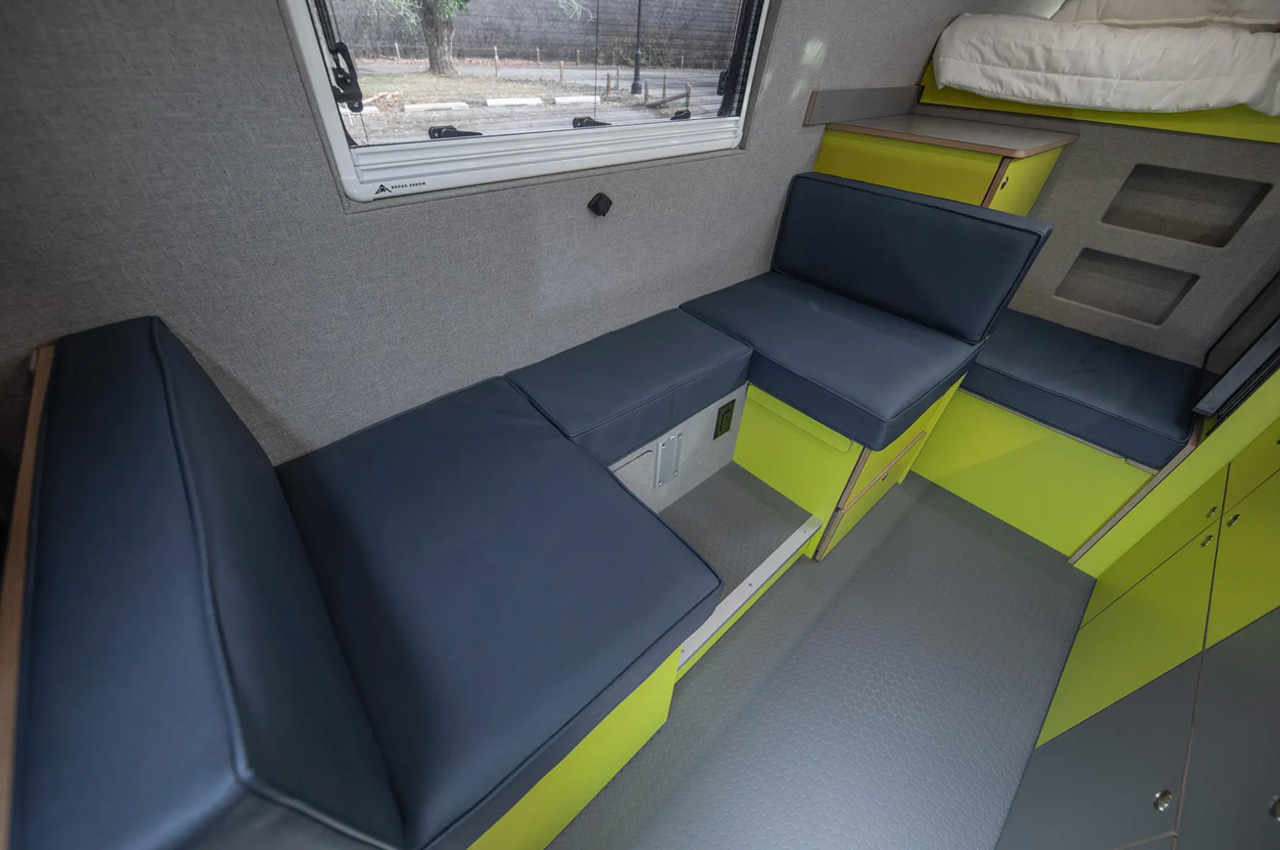
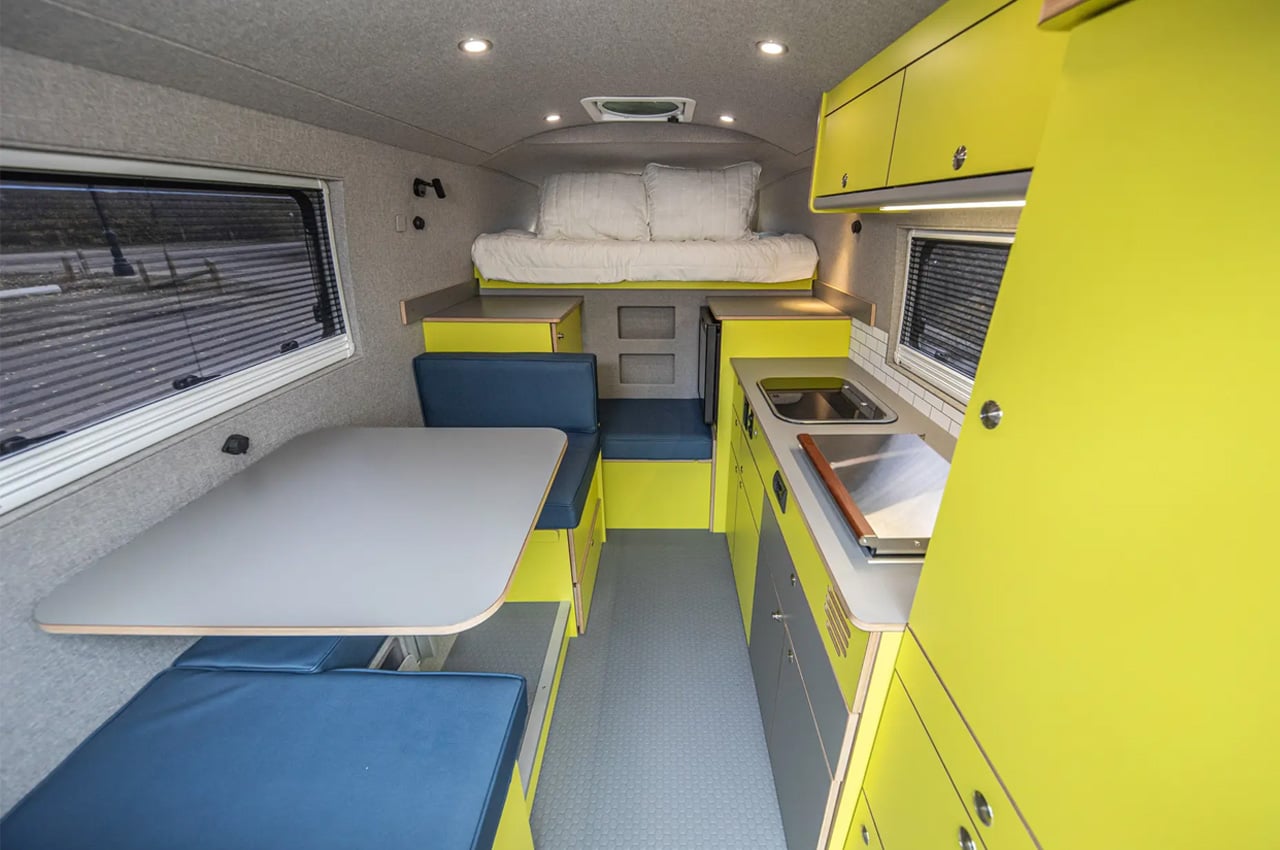
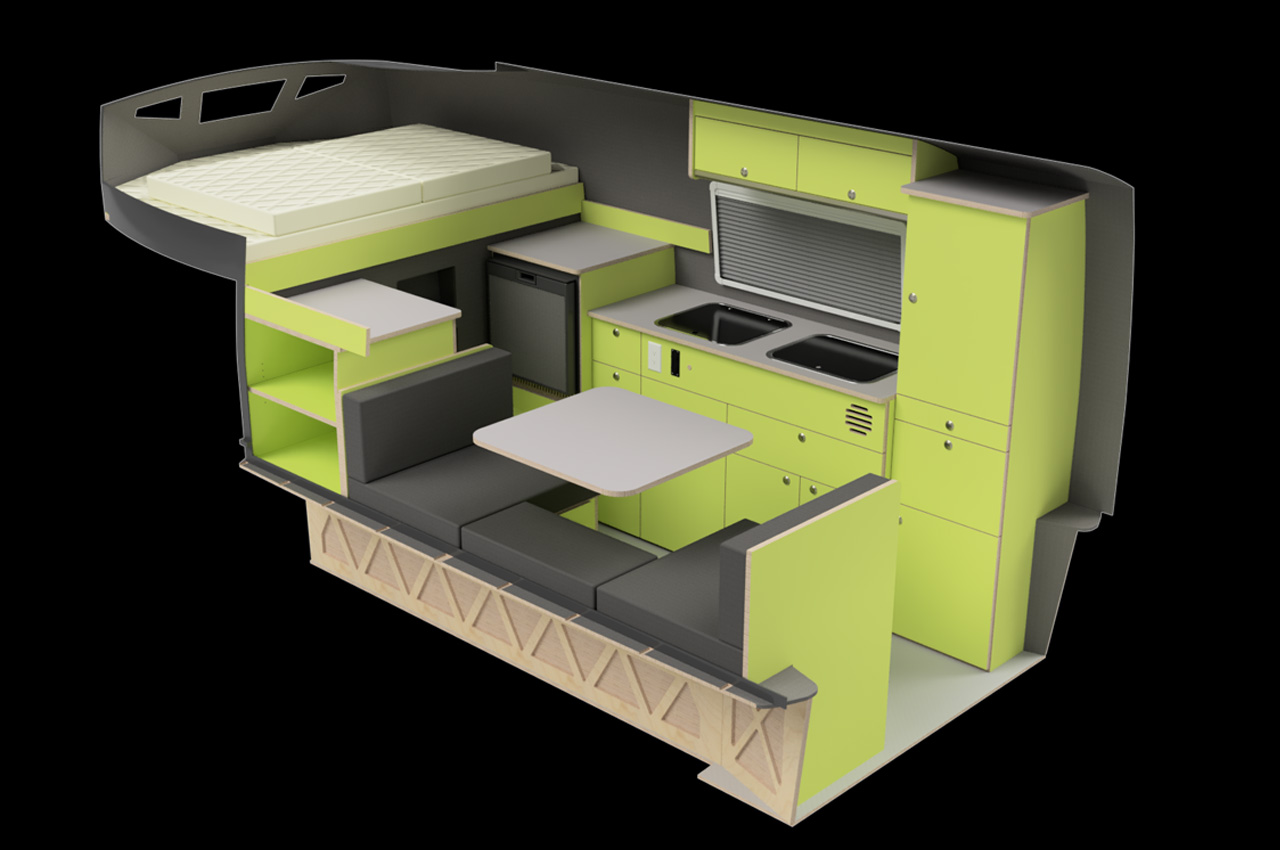
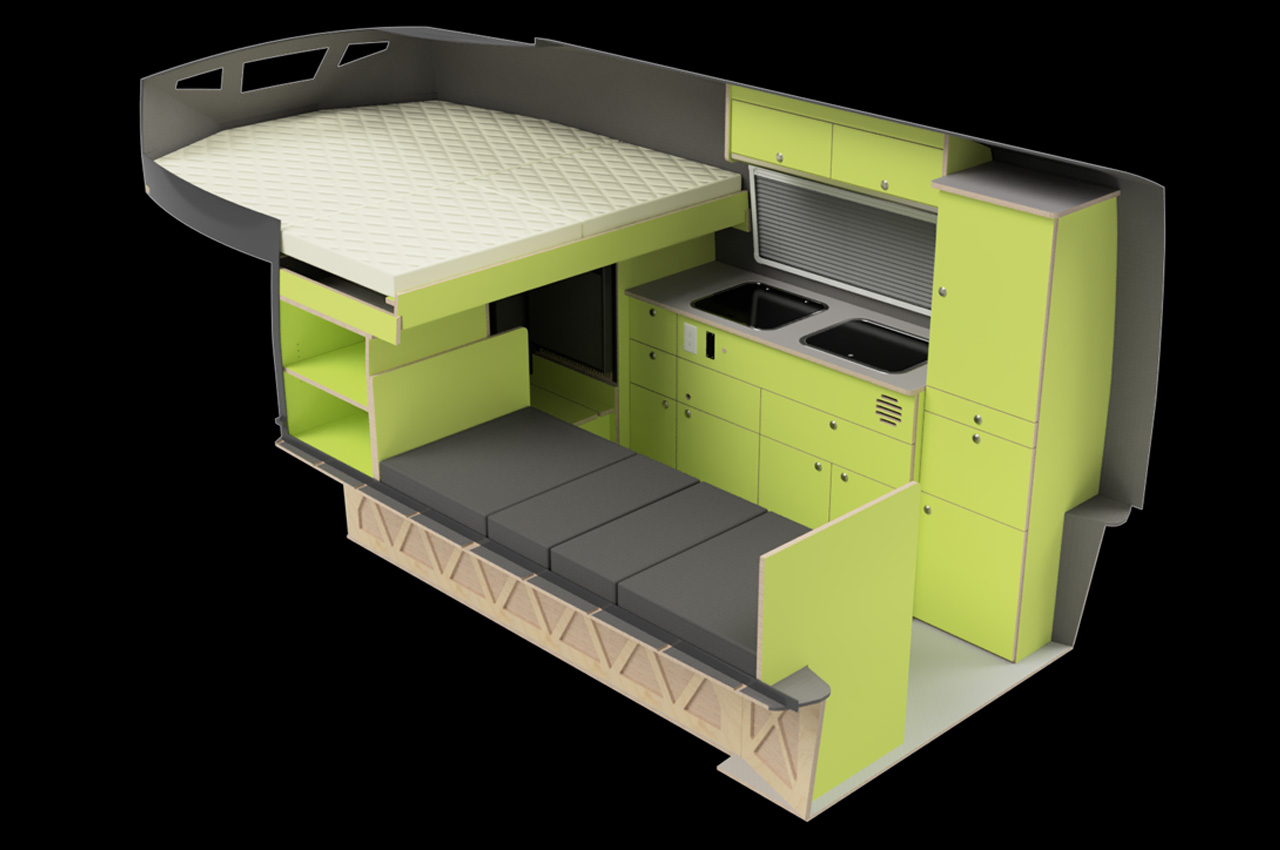
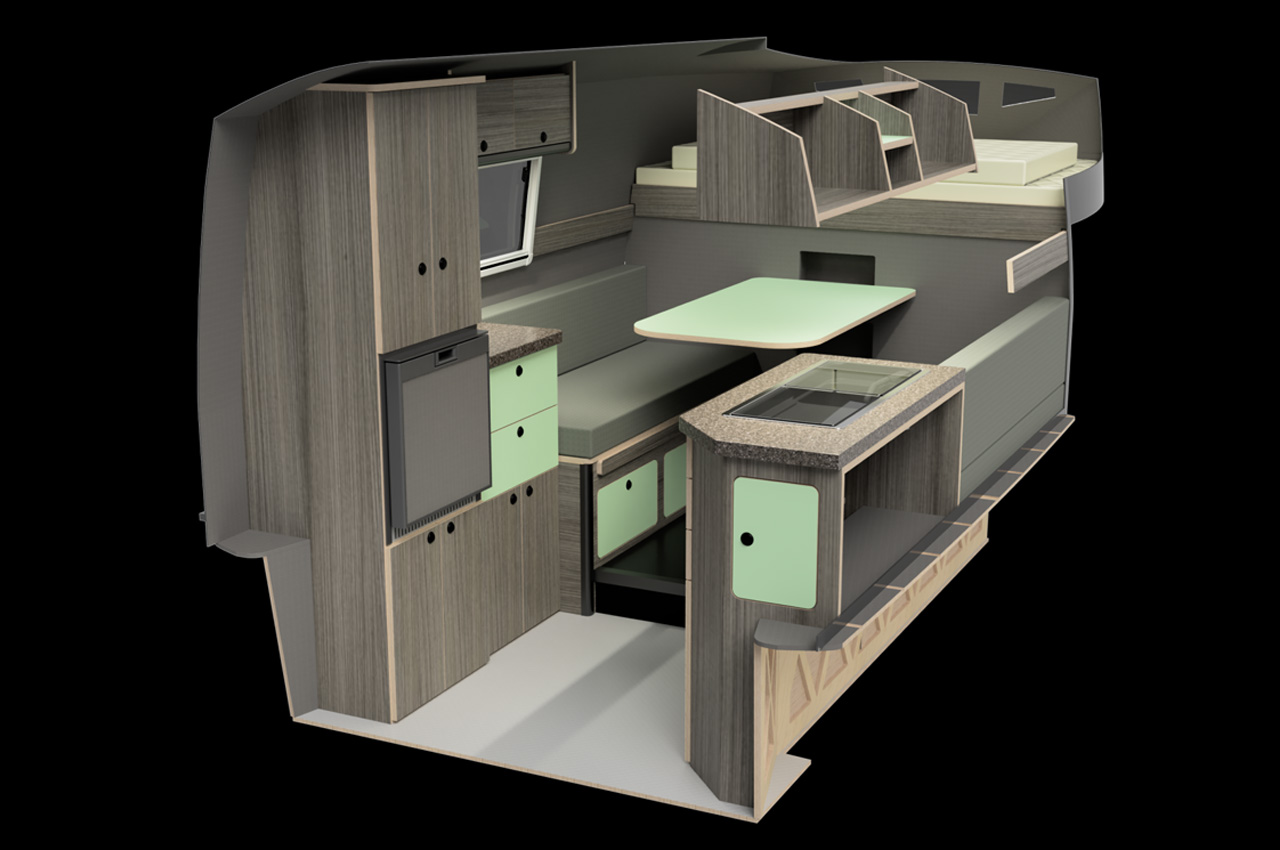
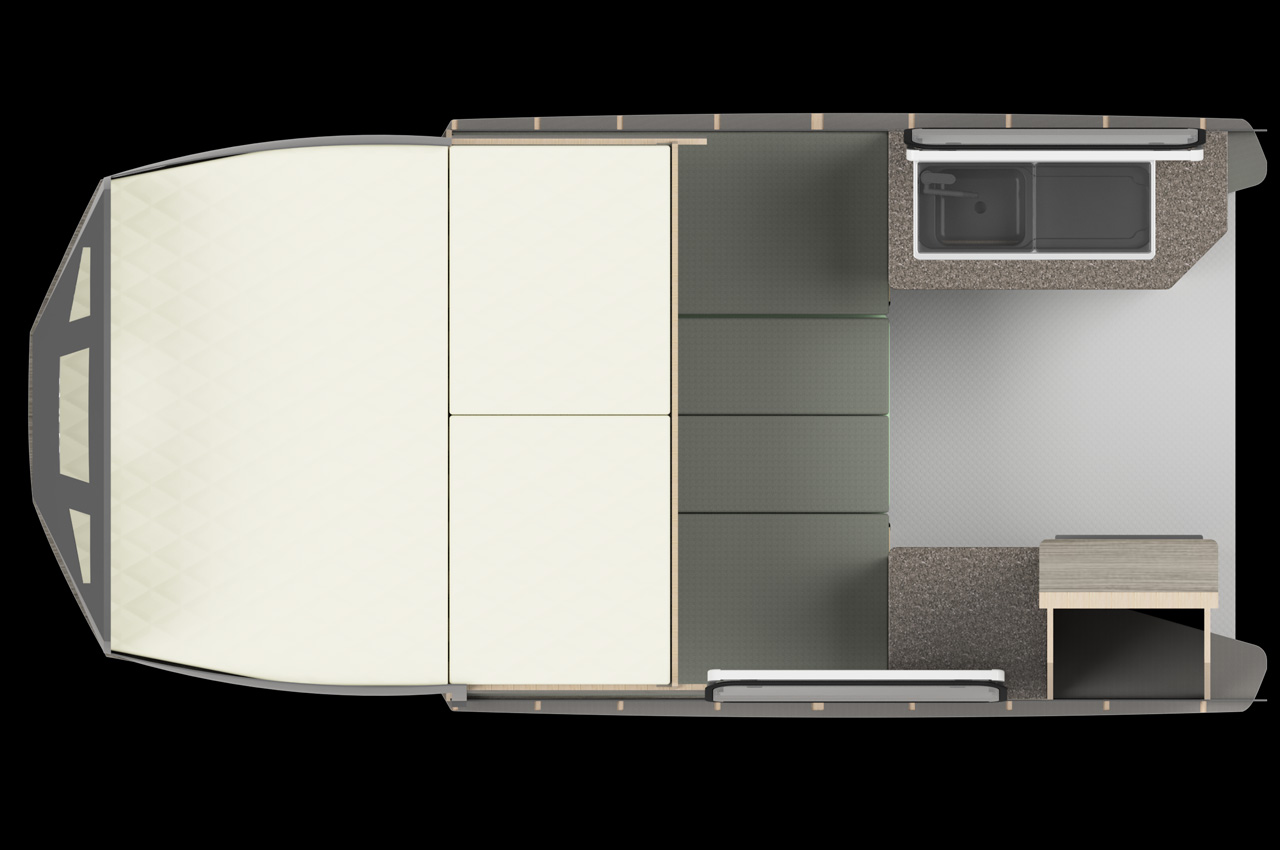
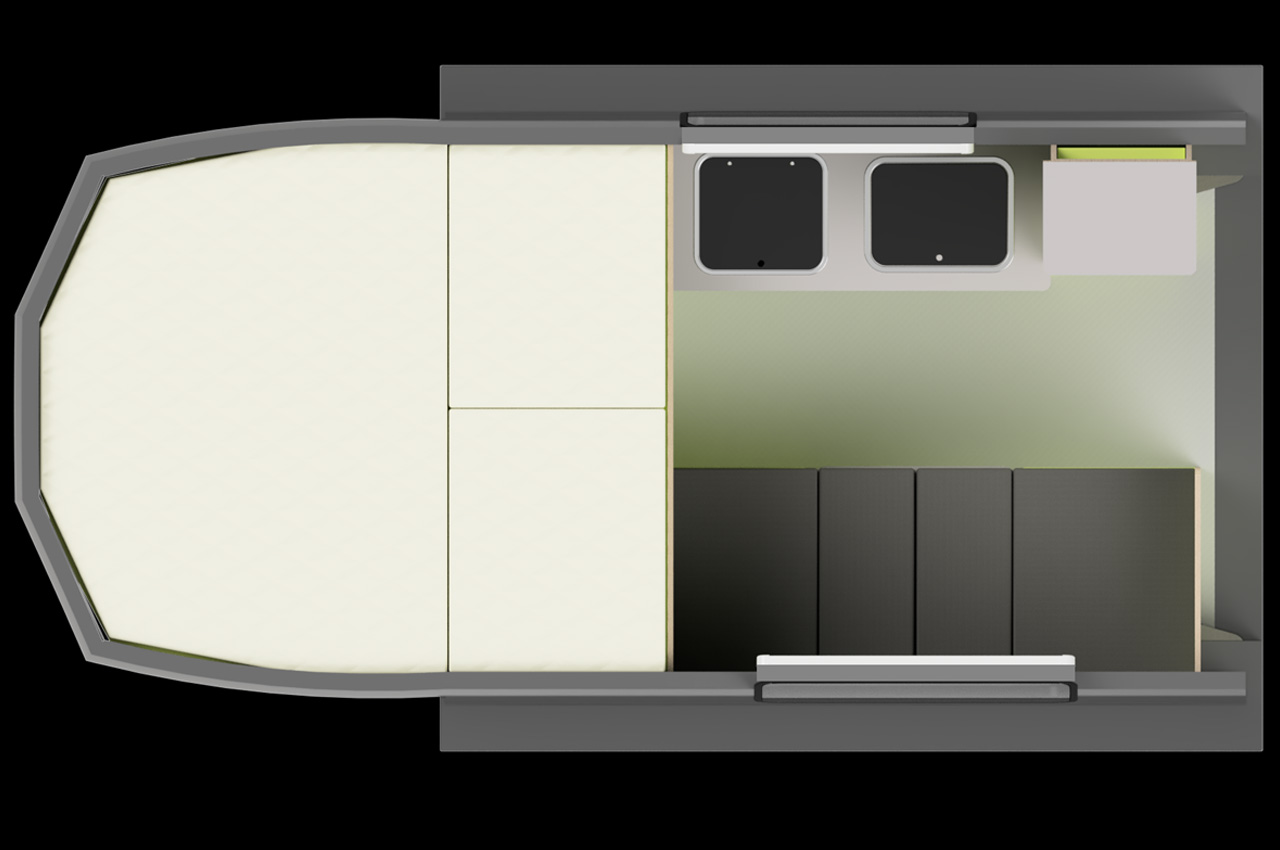
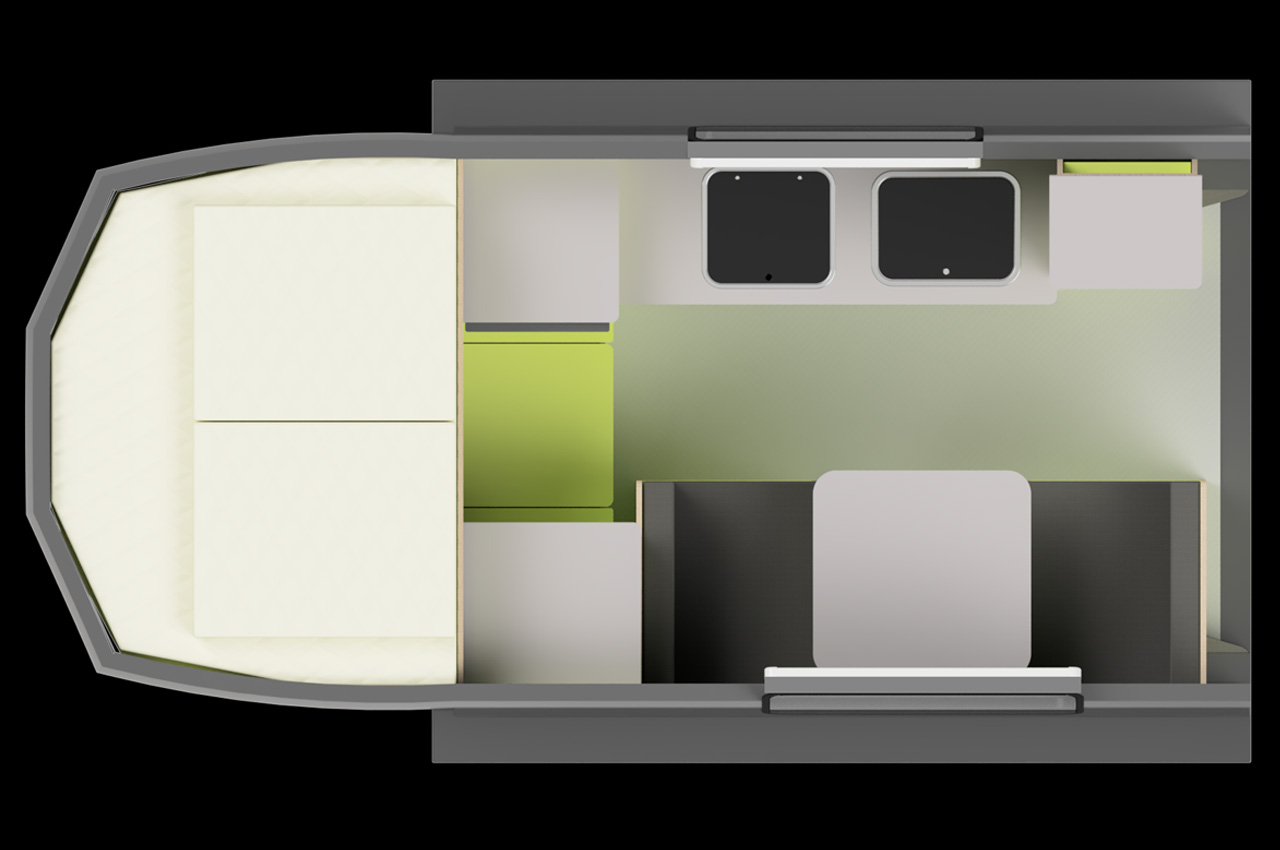
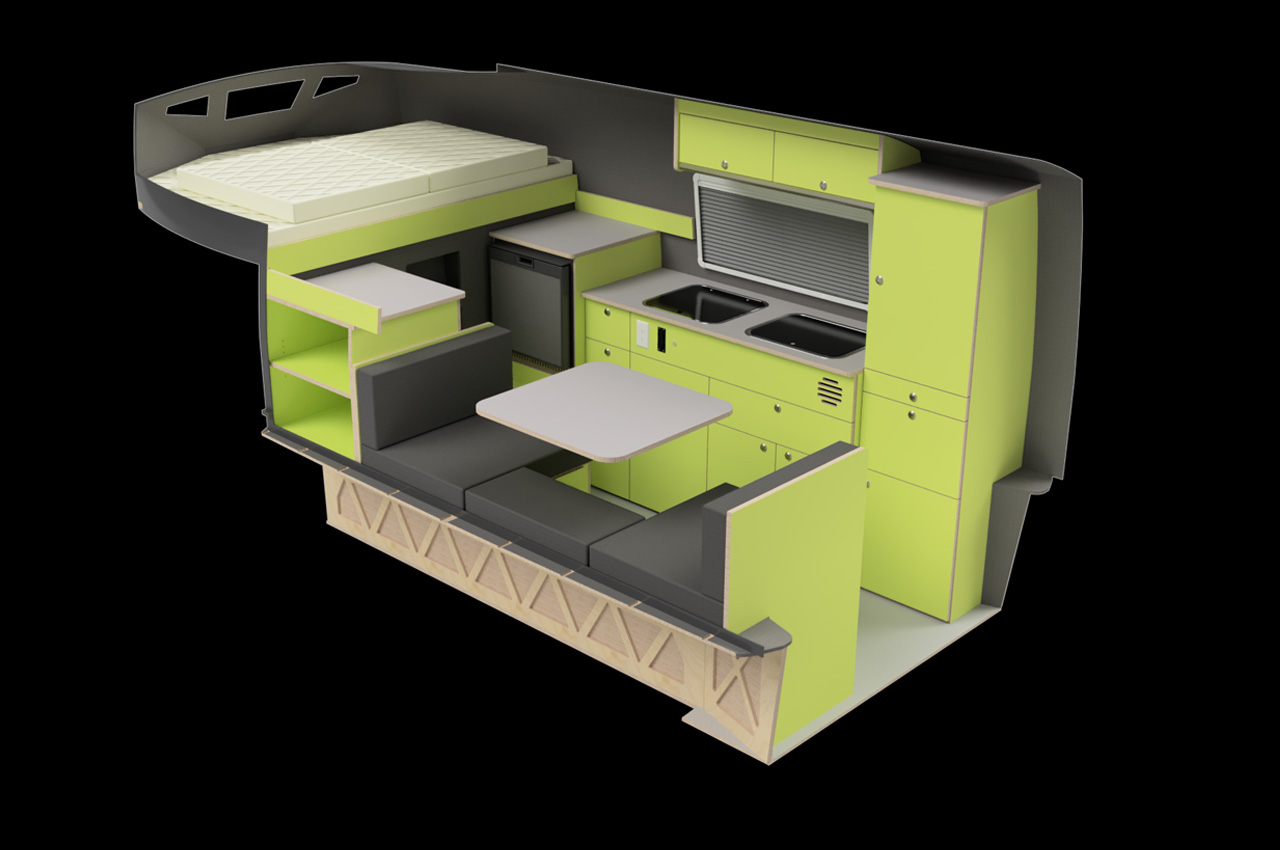
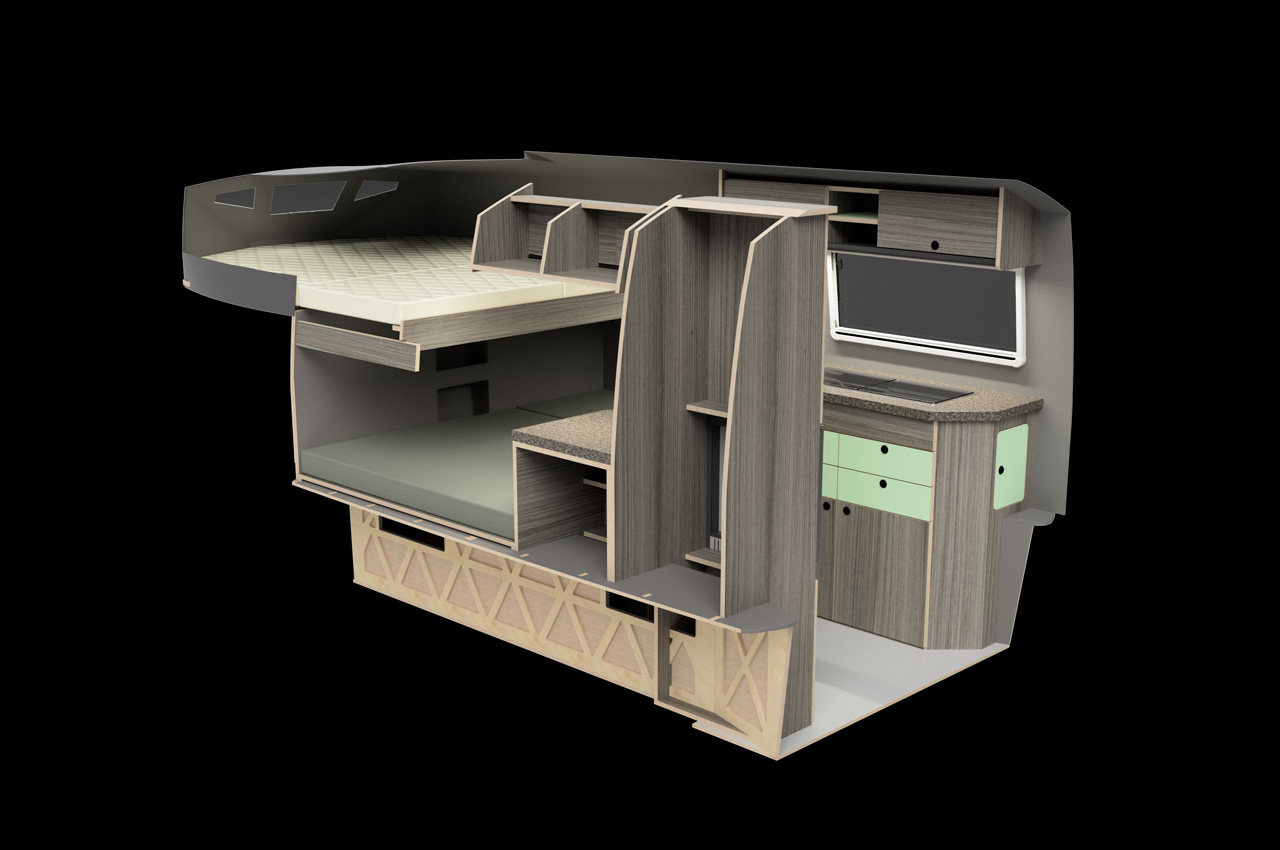
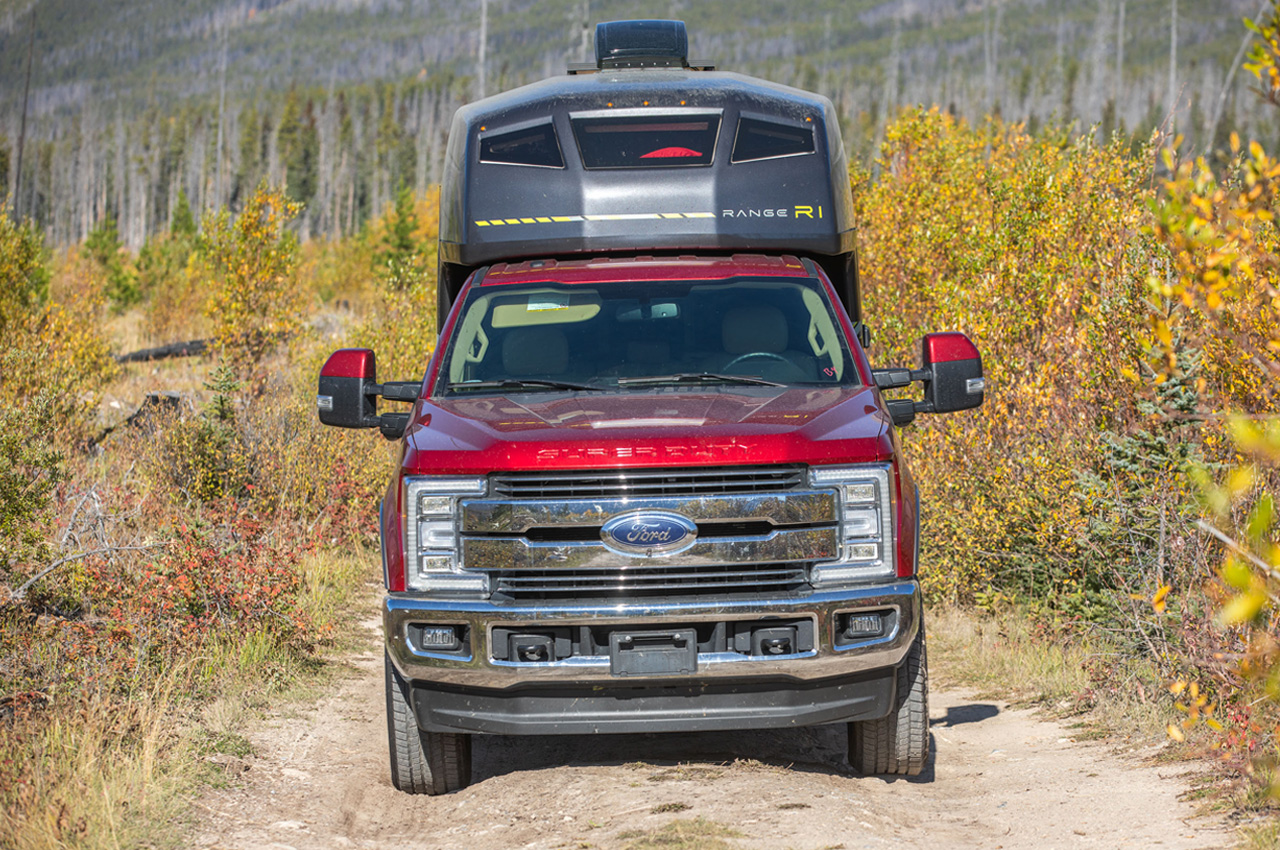
Diablo only forms the foundation of the slide-in camper designed to snugly fit the bed of any heavy-duty truck. Given its unibody design, the camper can be removed easily when not required or you want to install it on a new ride. The excitement about the Range R1 (three-person model) starts at the exterior which has a UV-resistant SK gelcoat you can have painted in a choice of color you want. The 6-foot camper has a well-thought-out floor plan accommodating a sliding bed, dinette, galley and storage.

Designer: Wilderness Vans

The Range campers are fully insulated for all weather usage. It comes with natural fiber and wool installation in the walls and ceilings and the cushioned wood flooring is layered with cell foam for thermal performance in winter and to keep the interior cool during the summer months. A diesel air heater is also included as an option. Since ventilation is essential in truck campers for an enjoyable camping experience; the Range campers make provision for it with curved windows, matching the contour of your pick-up body, and skylights adding to light and ventilation.

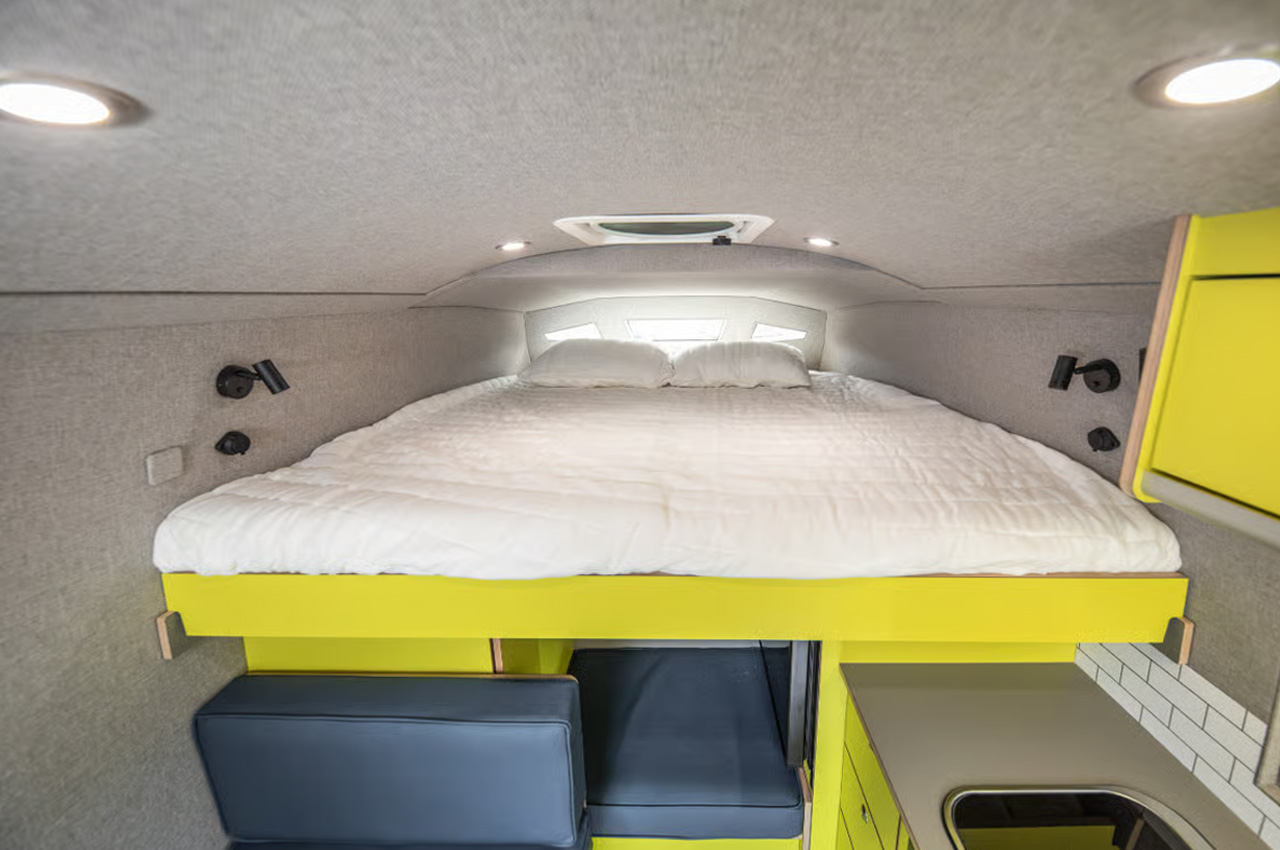
The pull-out bed at one end of the camper turns the small space into a nice living quarter without hampering the living space. The headroom is limited on the bed because there is no pop-up option (I told you hard shells are not my thing), but the ventilation makes up so you don’t at any time feel cramped in there. Access into the Range campers is through the 40/60 back doors that lead you first up into the galley spruced with storage options everywhere.

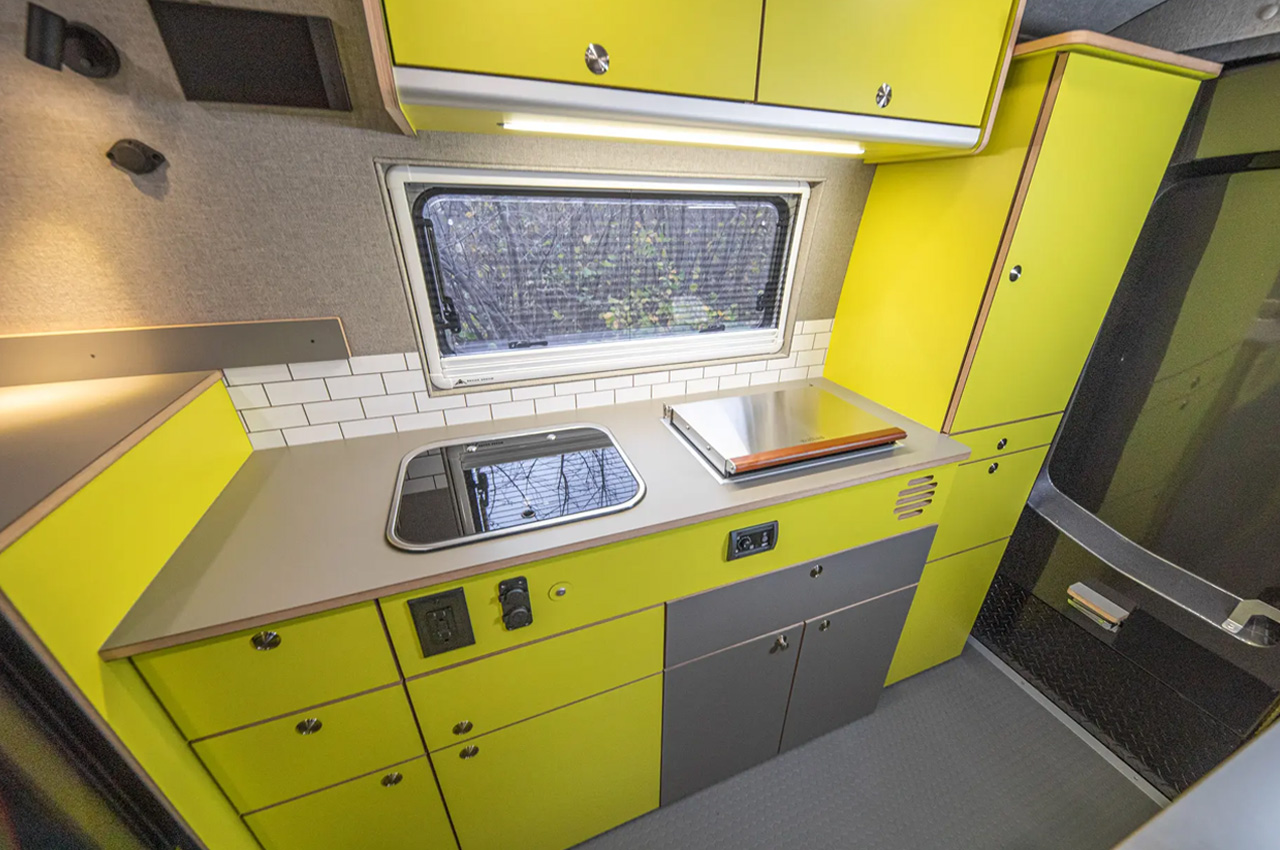
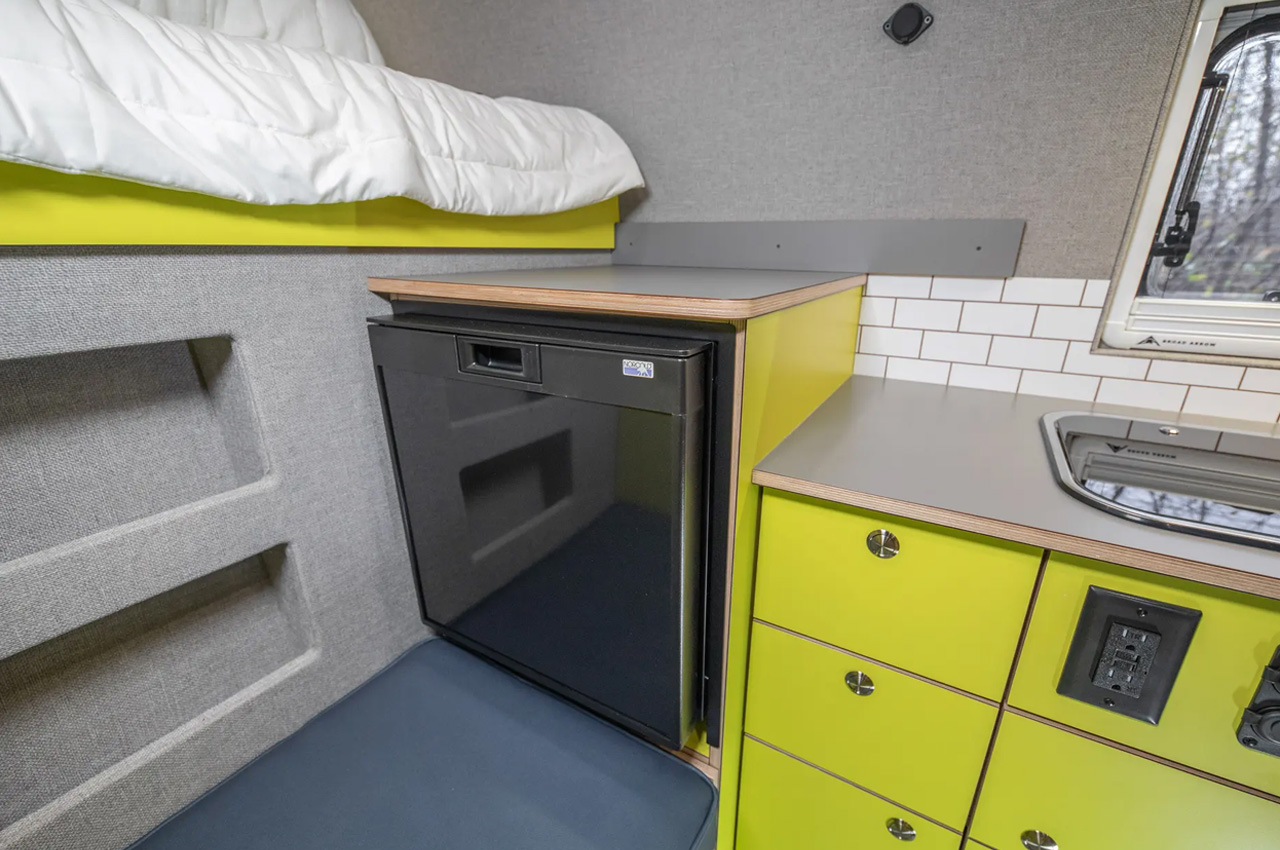
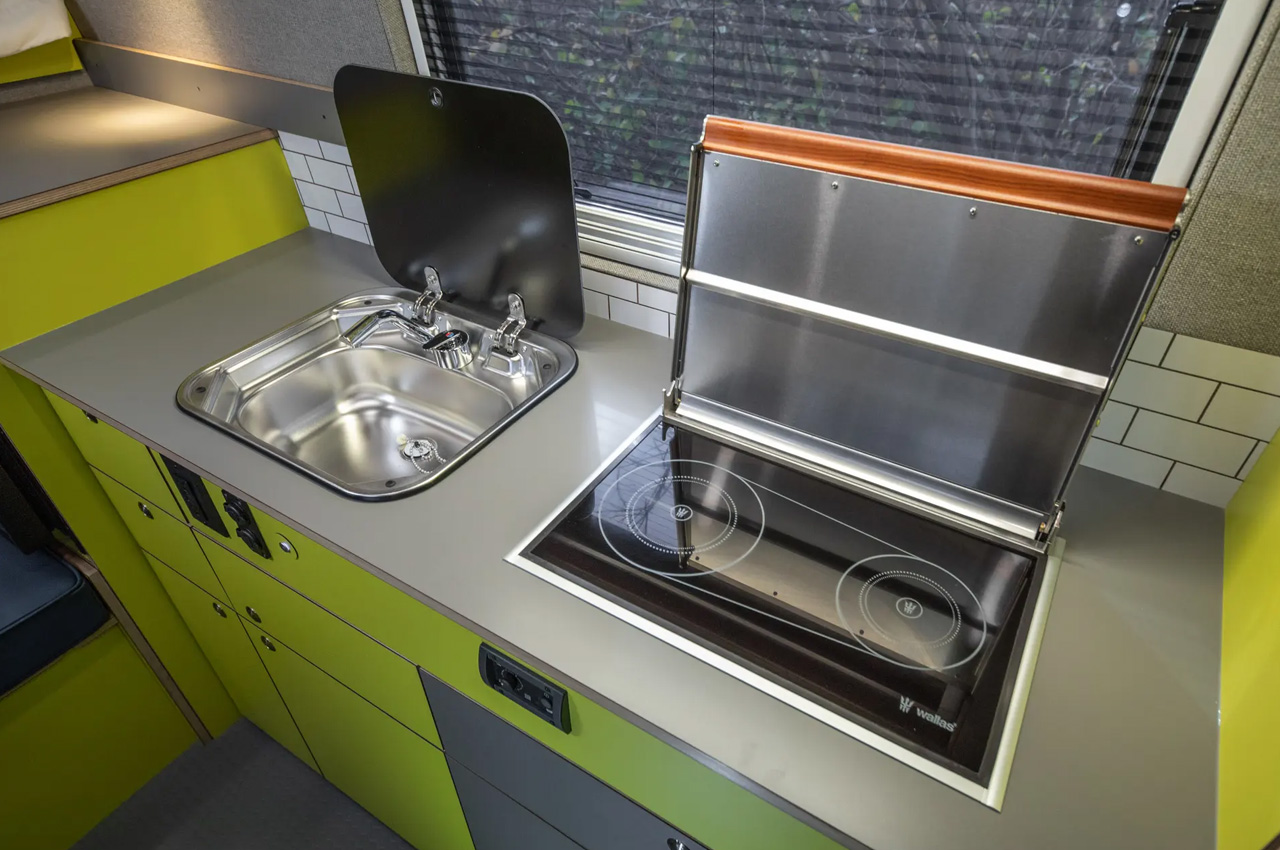
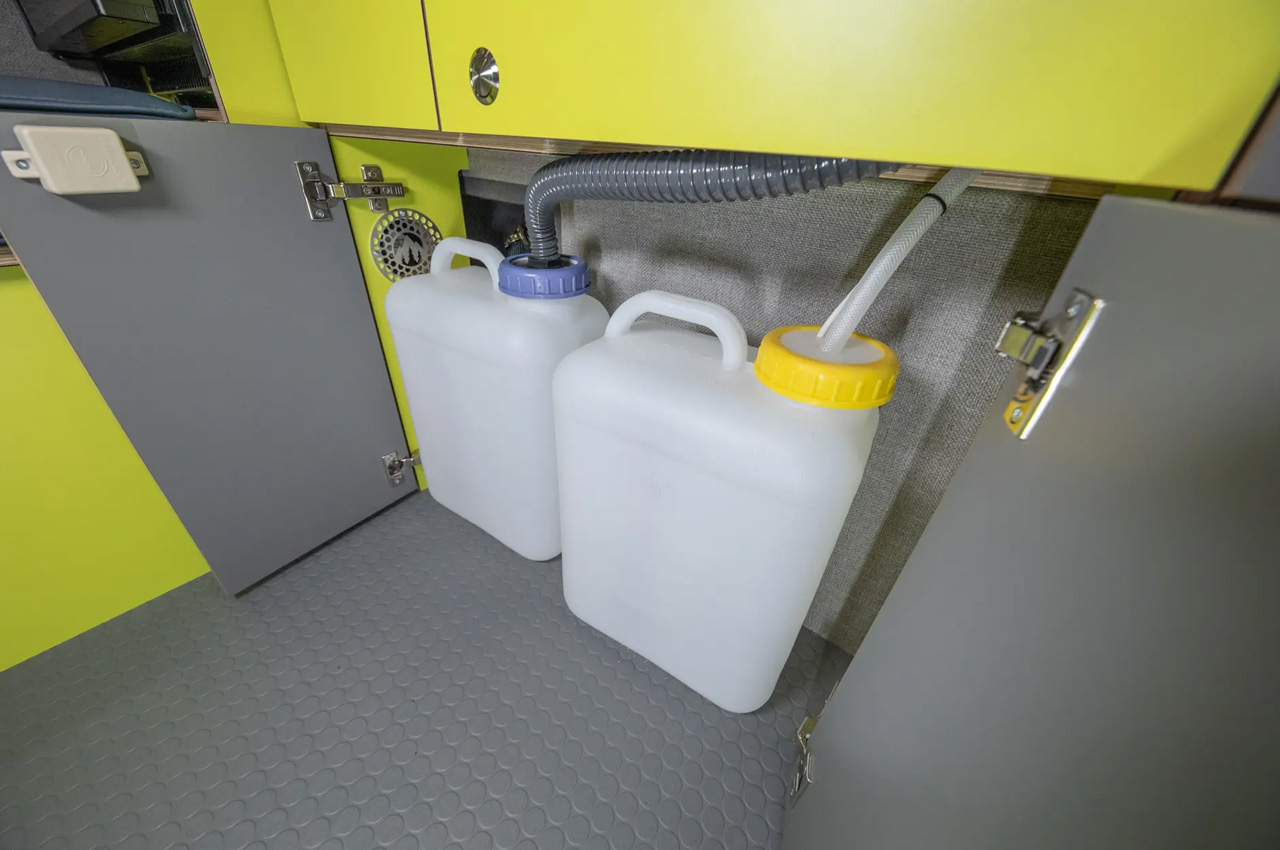
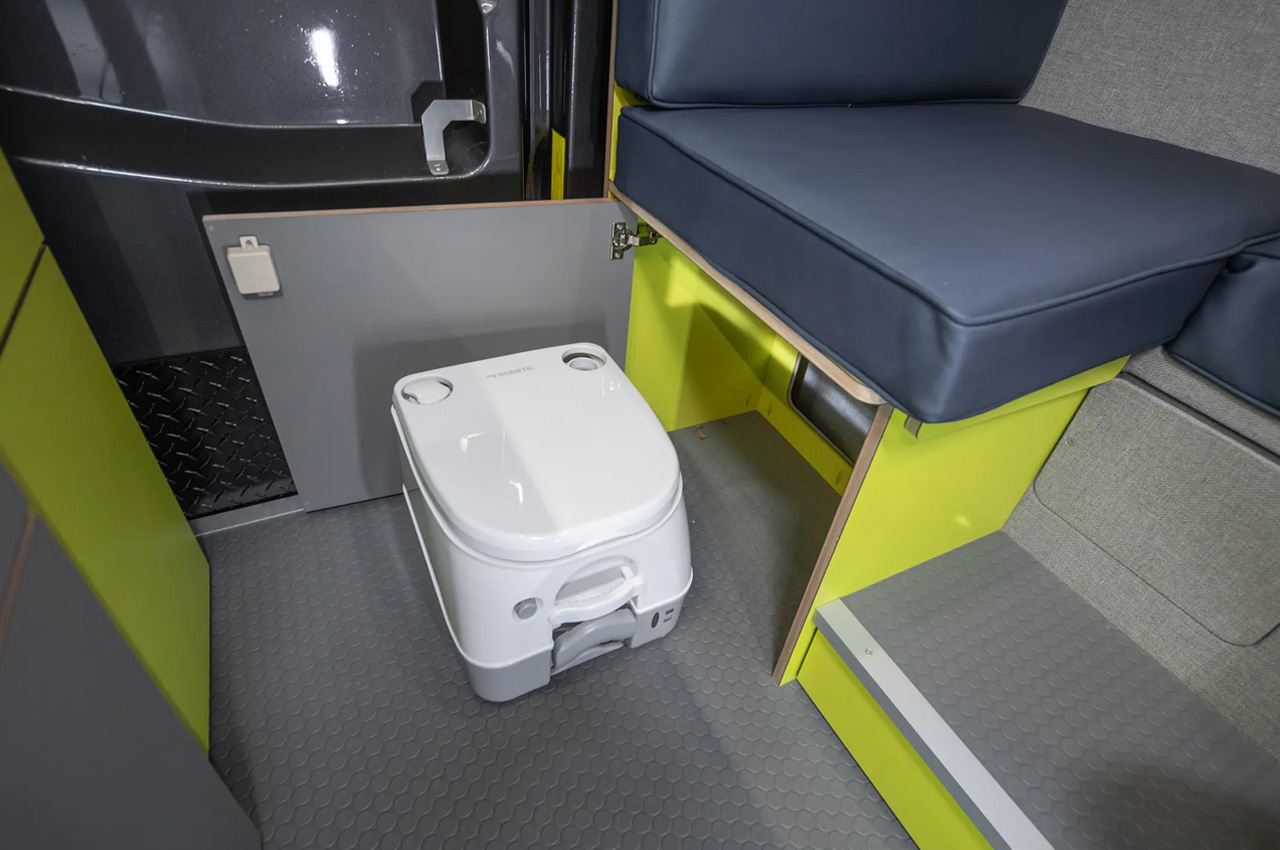
In the cooking space itself is a gas stove and sink, a fridge/freezer, and pull-out countertop surfaces. Just across is the dinette for two that converts into a bed for one additional person in the R1. In the 8-foot Range R2, this dinette is bellowing the extending bed and is slightly bigger to transform into a double bed when required. The bench here can accommodate a portable toilet underneath it to make the camping experience less stressful. For its outdoor ability, the Range Campers come with a 200-watt solar charging station to take care of the power needs in off-grid locations. According to the information on Wilderness Vans website, the Range R1 with its gorgeous yellow interior is priced at CA$56,200 (approx. $42,000).

The post Range slide-in truck campers for all year round off-grid camping are built spaciously with every amenity onboard first appeared on Yanko Design.

The World’s Smallest Car comes as a DIY kit that you can build yourself for just $15,000

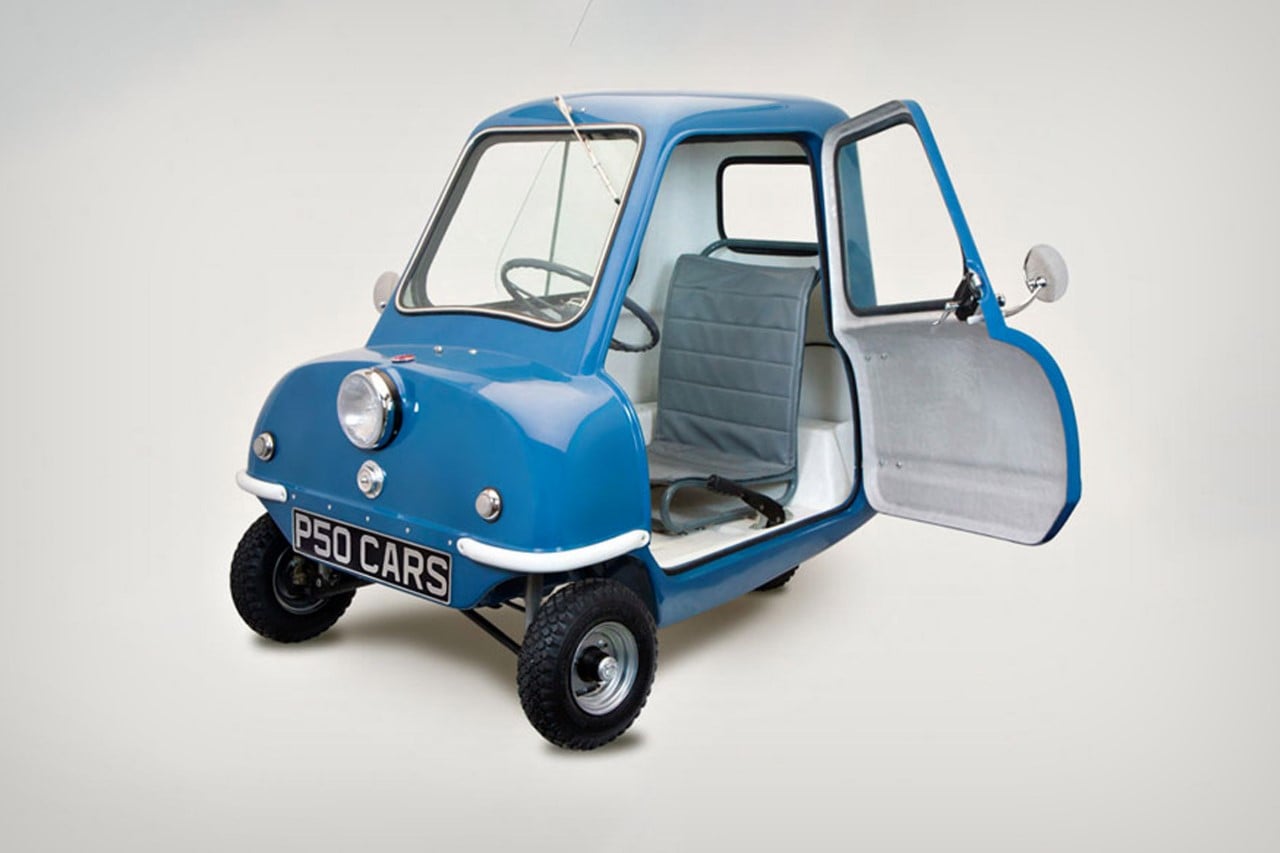
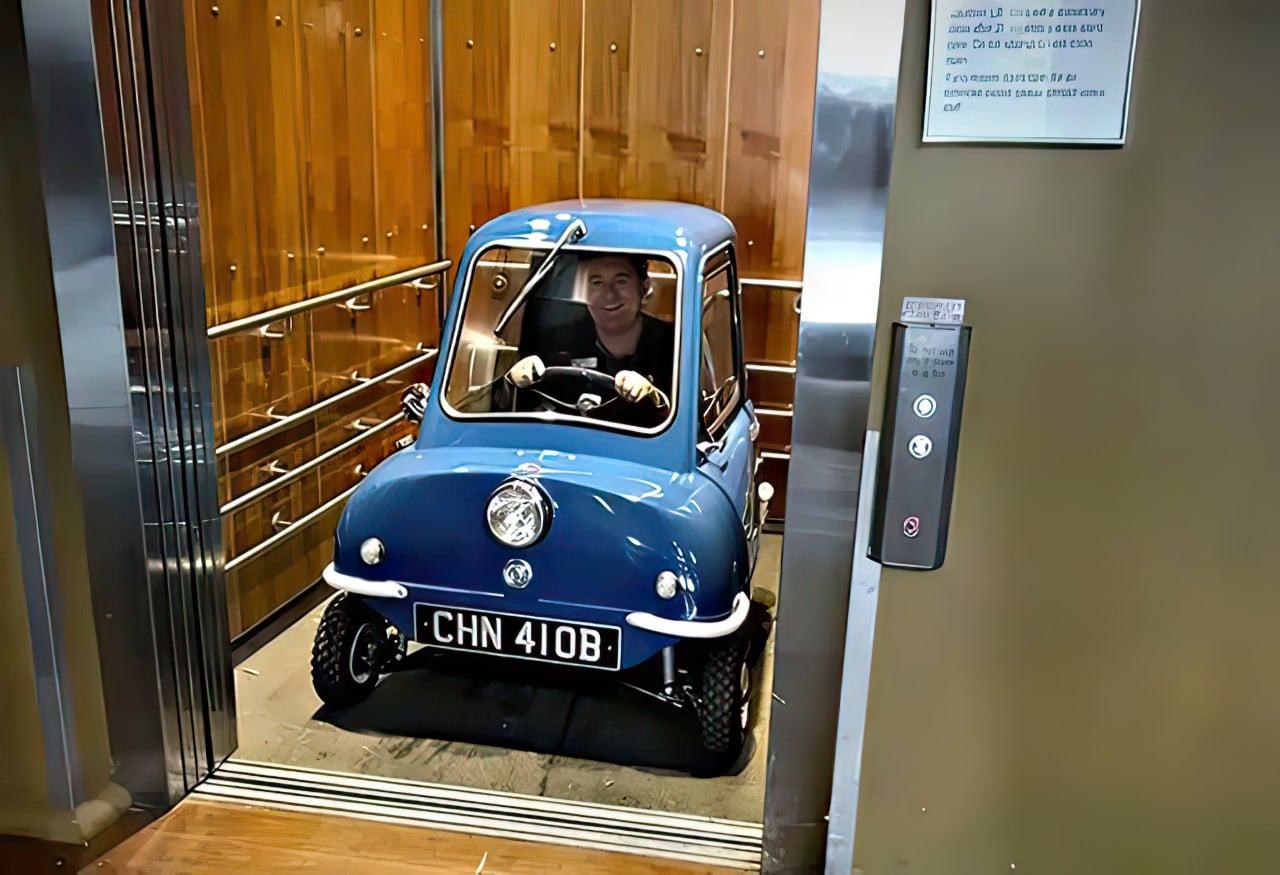
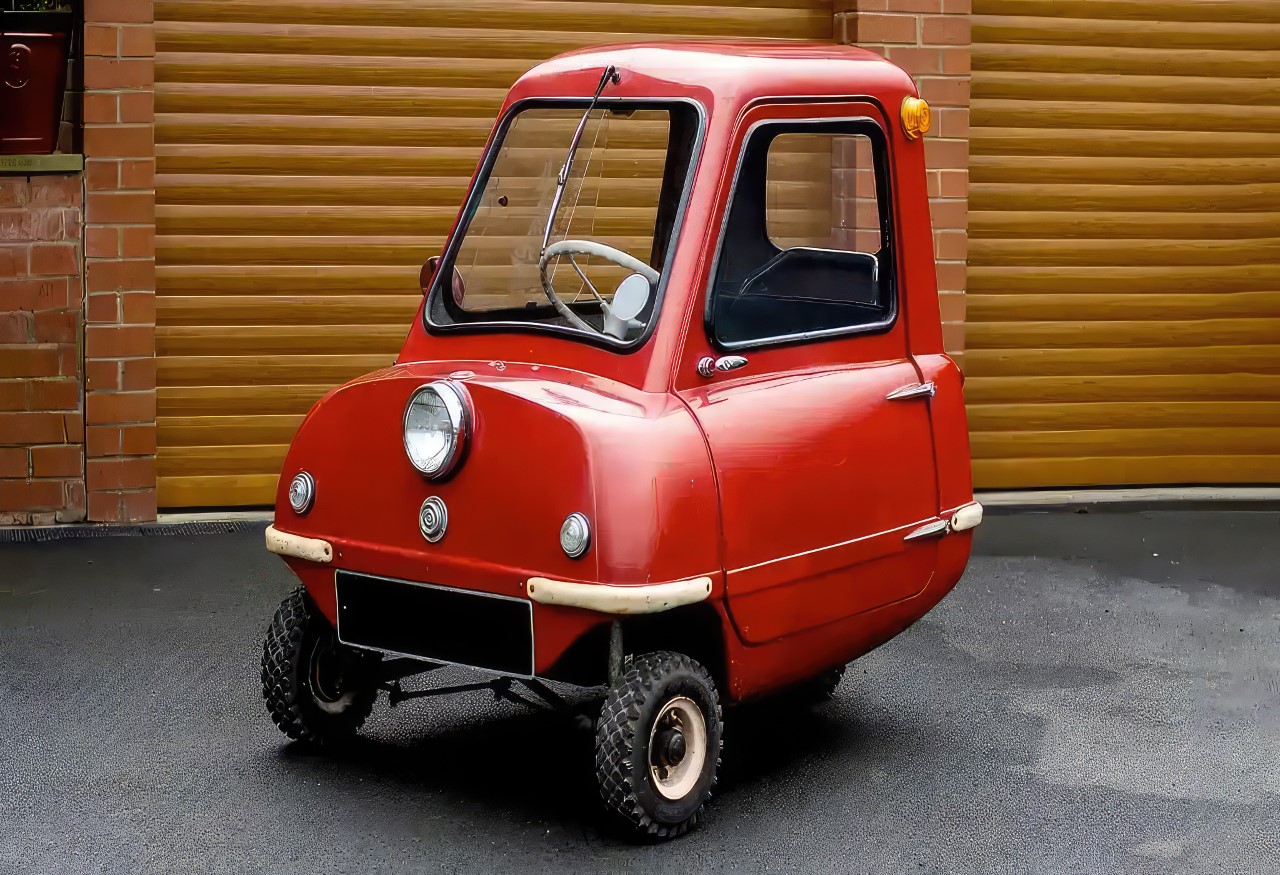
Imagine a car so tiny it can fit in an elevator, yet it’s yours to build and drive. Enter the Peel P50, the world’s smallest production car from the 1960s, now available as a DIY kit. This miniature marvel, originally produced with just enough room for “one adult and one shopping bag,” is smaller than a Vespa scooter and lacks a reverse gear, relying instead on a handle at the back for manual maneuvering.

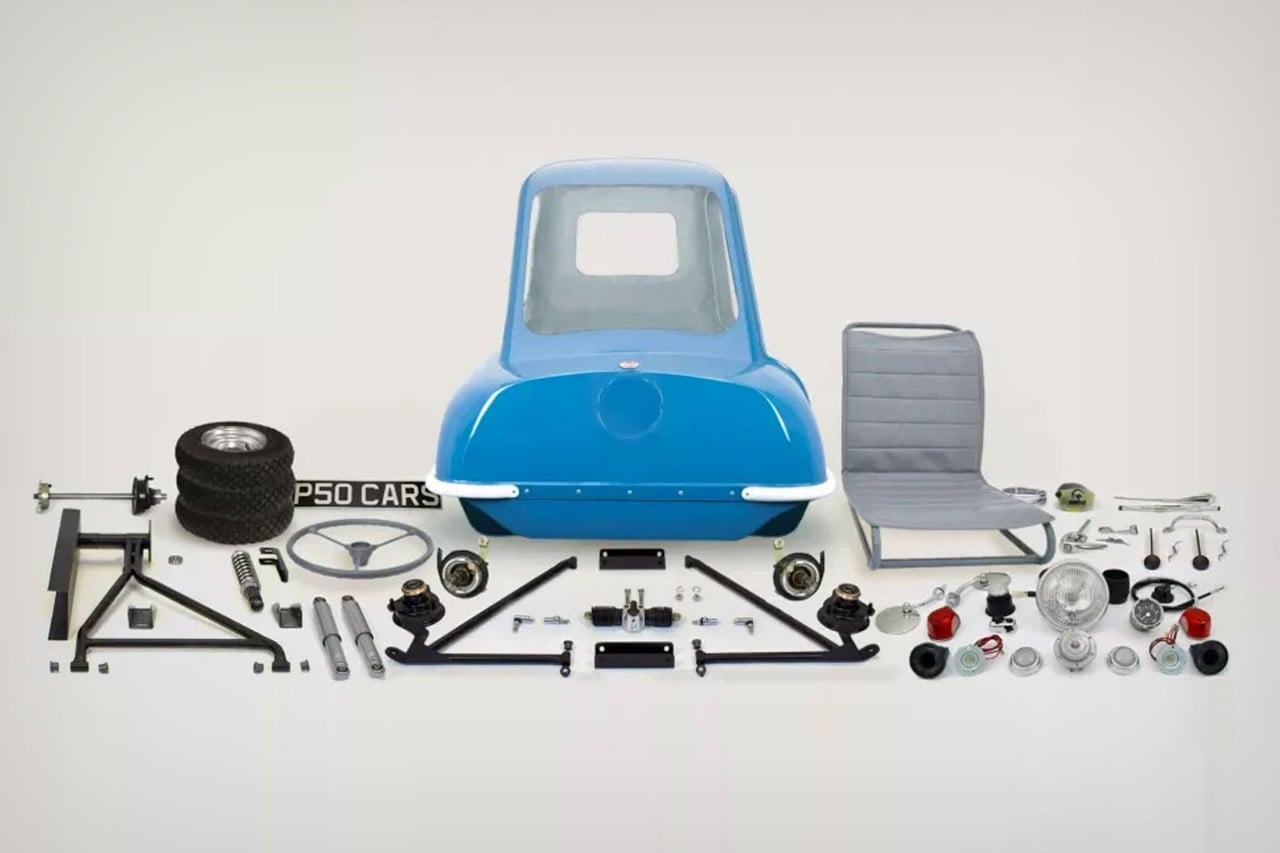
Touted as quite literally the world’s smallest car, the P50 sports a fiberglass shell, has a 49cc engine on the inside, weighs a paltry 300 pounds, and is like an adult equivalent of the iconic Little Tikes Cozy Coupe. For the eco-conscious or the simply curious, the electric model, powered by a 4 kW motor, tops out at a modest 28 mph. The car is available as a DIY kit that ships complete with wheels, body, seat, steering wheel, drivetrain, and more, demanding around 50 hours of assembly time. For those less inclined to build their own, fully-assembled versions are available too!

Designer: P.50 Cars

Despite its diminutive size, the P50 replica doesn’t skimp on essentials: suspension, lighting, horn, brakes, mirrors, and the iconic single suicide door on the left side. It’s street legal in most places, classified as a kit car, moped, or motorcycle. As P50 Cars puts it, the P50 and Trident are ideal for novice car builders due to their mechanical simplicity, light weight, and small size. All you need is a few tools, a little garage space, and patience. Registering your completed kit car is typically straightforward, given its classification.

This unique piece of automotive history may be scooter-sized, although it’s priced slightly higher than your average two-wheeler. The self-assembly kit starts at approximately £12,100 ($15,435), while a fully-assembled model will set you back around £15,200 ($19,389). But for the chance to own and drive the world’s smallest car, that might just be a price worth paying.

The modern P50 has been updated with more contemporary stylings and paint options. Its classification as a light moped or scooter makes it street legal, adding a unique, space-efficient touch to your garage. Measuring only four and a half feet long and three and a quarter feet wide, the car is akin to a playful piece of nostalgia or a statement in eco-conscious driving.

The post The World’s Smallest Car comes as a DIY kit that you can build yourself for just $15,000 first appeared on Yanko Design.

This utilitarian electric scooter is economical and faster way to move cargo in urban locales

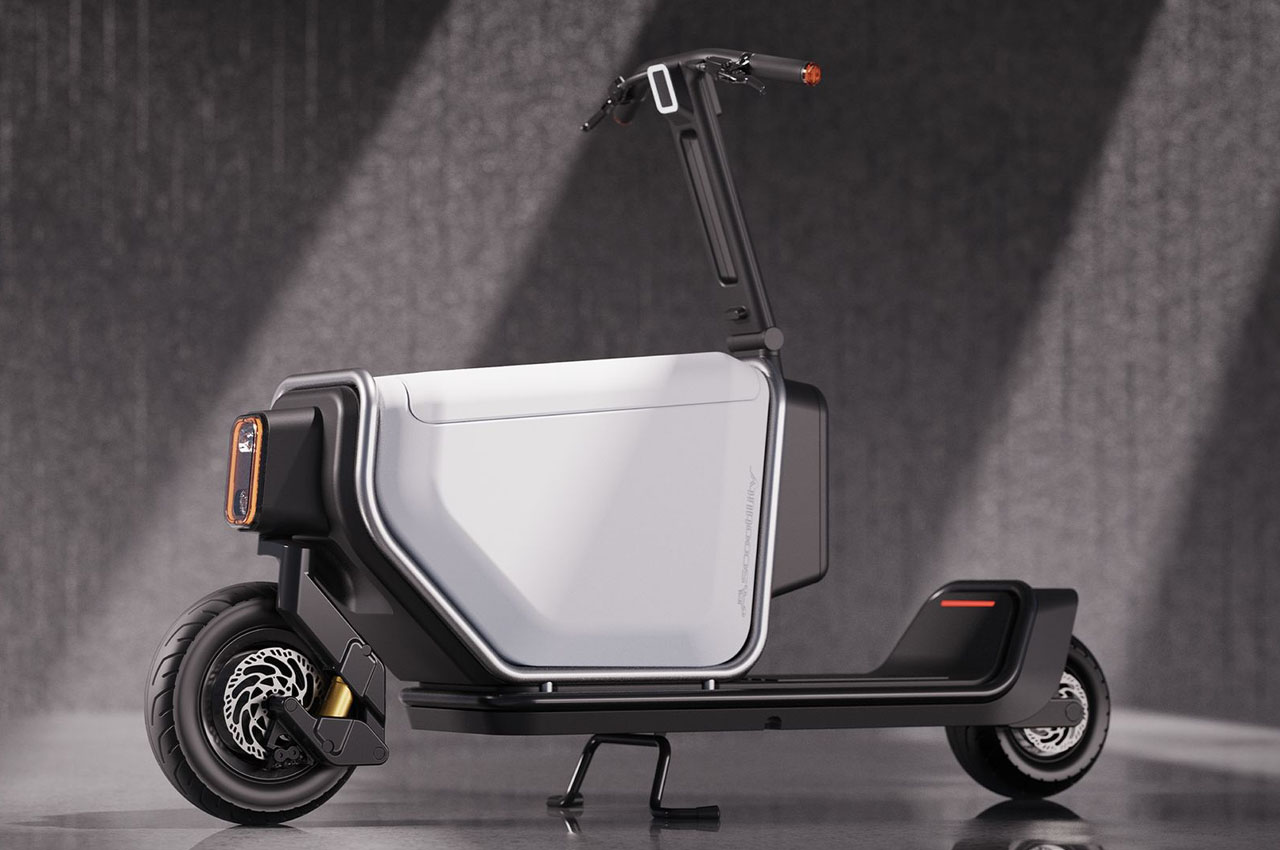
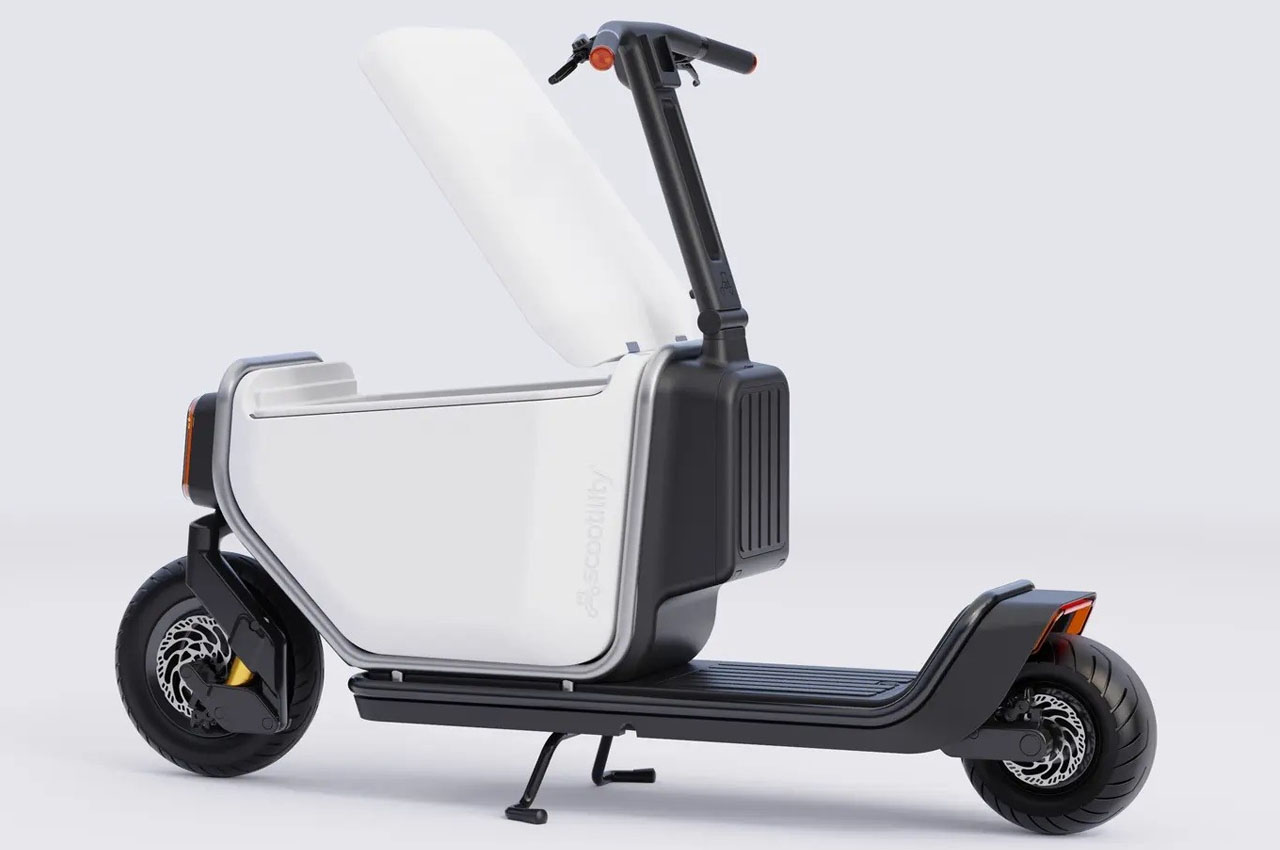
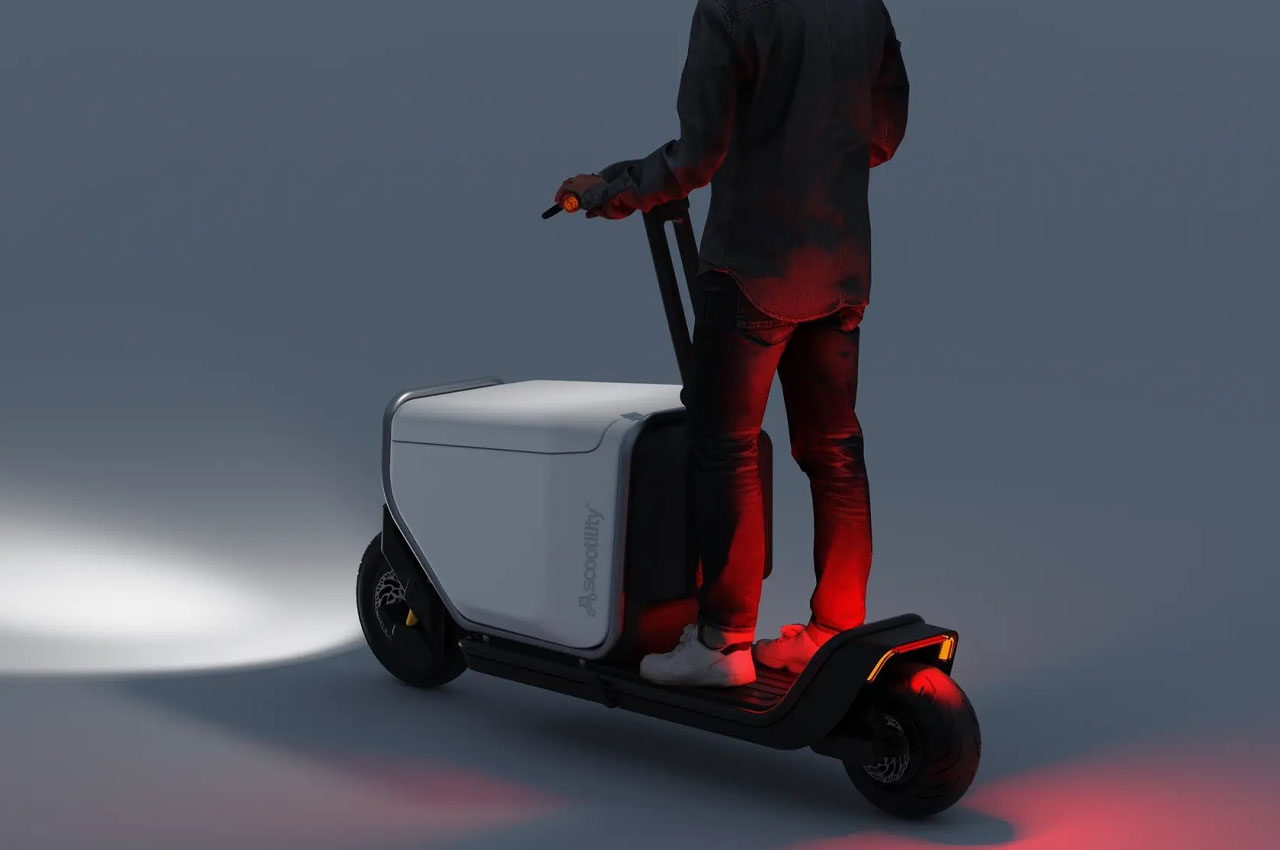
As businesses are shifting focus from more polluting and space-consuming cargo vans and cars to cargo-hauling bikes for the last-mile approach, there is a huge demand for better options. Tapping on the opportunity, a Vancouver-based startup is designing what it calls the Scootility – precisely a portmanteau of scooter and utility. A reasonable and compact alternative for last-mile delivery; the cargo-hauling Scootility is for now in the prototype stage with production to begin in the next 12 months.

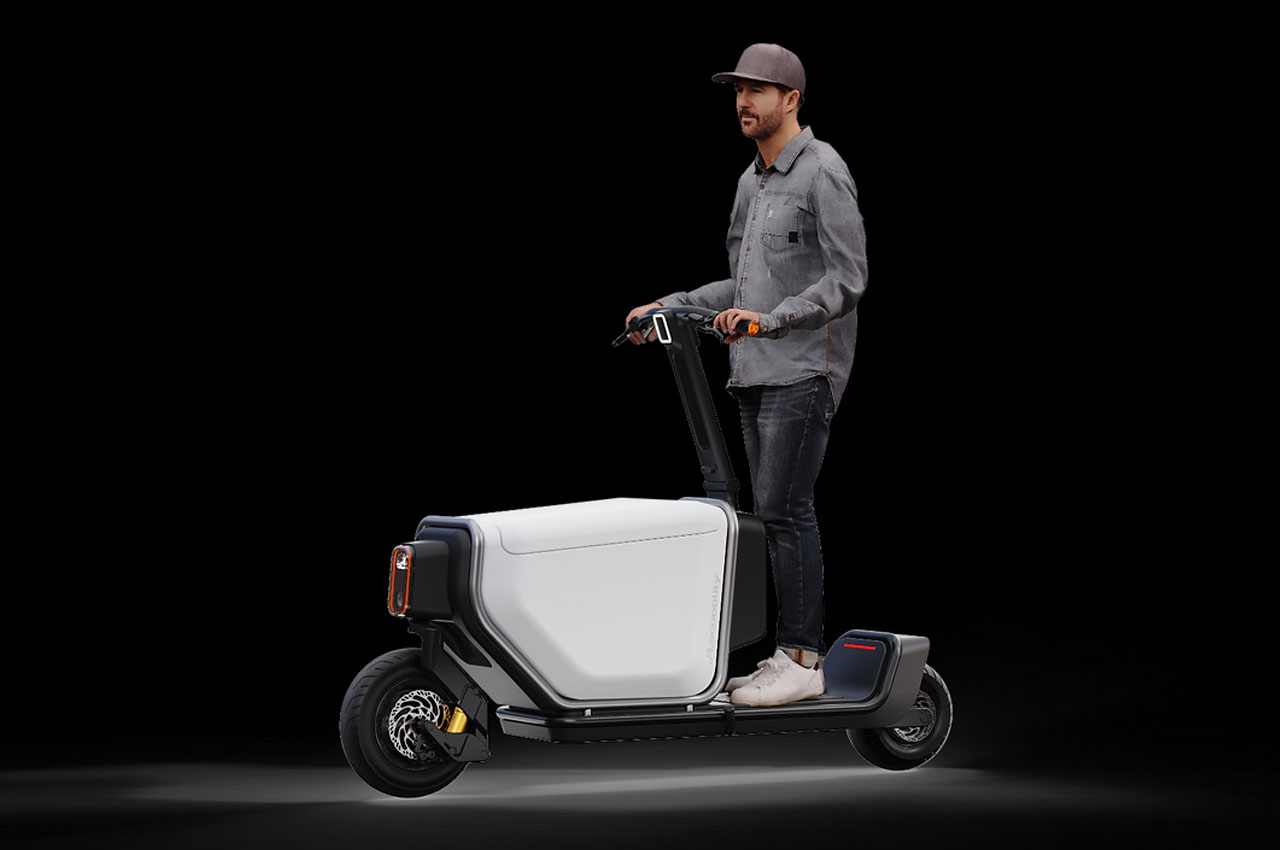
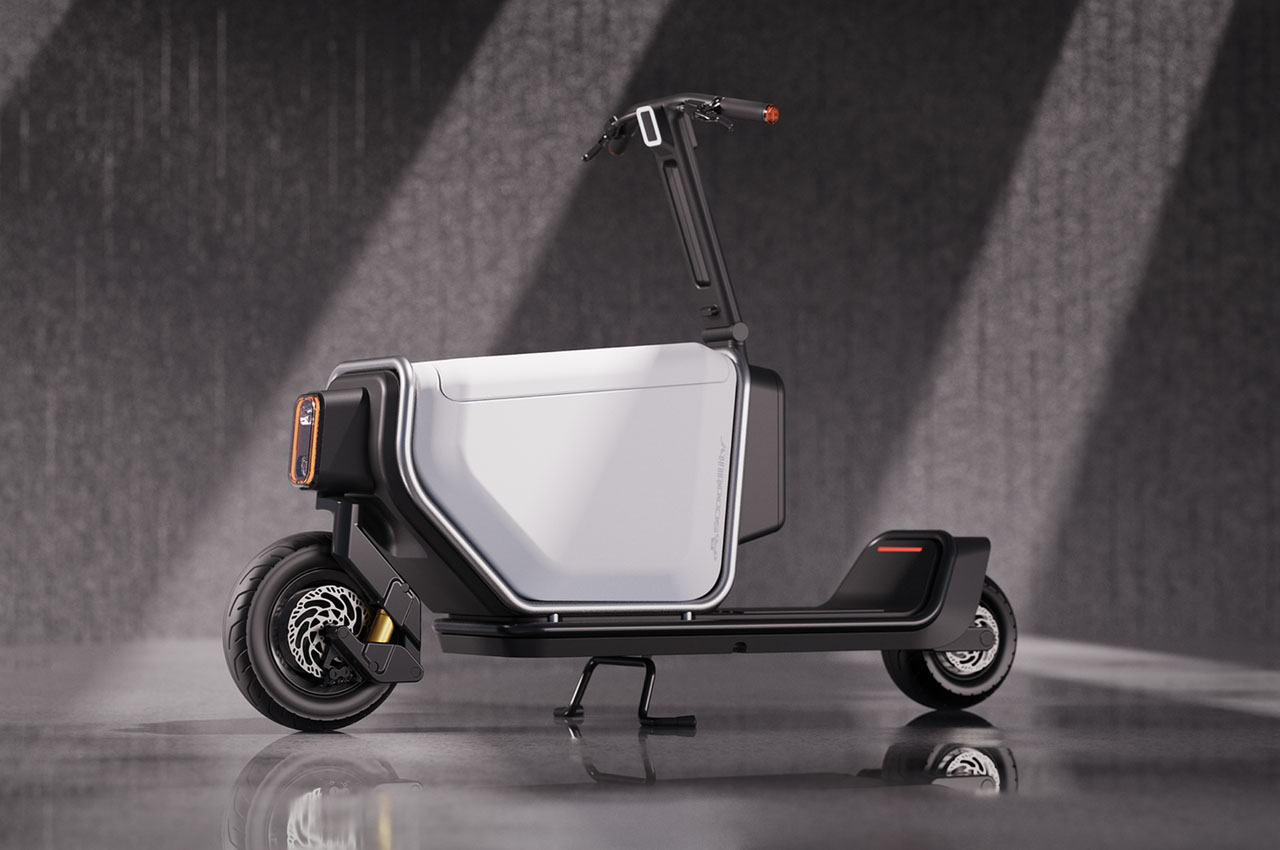
Given its unique design, the Scootility is not another electric bike. In fact, it draws design inspiration from a segway with a column handle for maneuvering it. By virtue, however, it is an electric scooter that allows the rider to stand up and ride while the cargo remains intact in the covered box right in front of the eyes.

Designer: Scootility

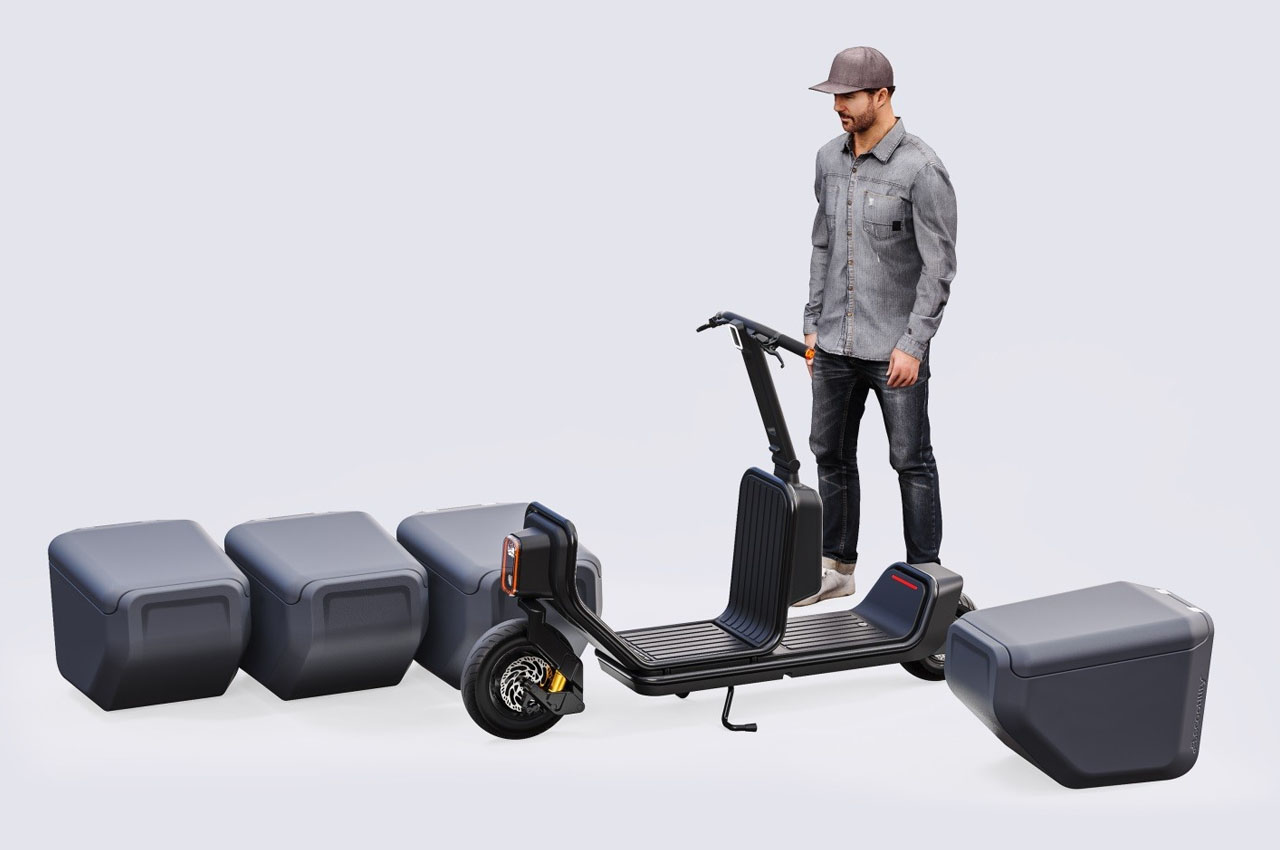
In the design then, a lockable cargo box with a standard load-bearing capacity of 140 liters is the biggest takeaway. This weatherproof box becomes even more beneficial for the delivery guy with the swappable feature. The cargo box can be taken off and replaced with a swappable option on the fly minimizing time between pickup and delivery.

The e-scooter with its compact size and narrow footprint in the traffic, can also be used for delivering medication or supplies in affected areas where access to other forms of transport may be hindered. Interestingly, Scootility has full suspension and wheels measuring 16-inches on the front and 13-inches on the back. The smaller wheel size allows more space for a cargo box on this scooter with utility as its basis over a simple mode of commutation.

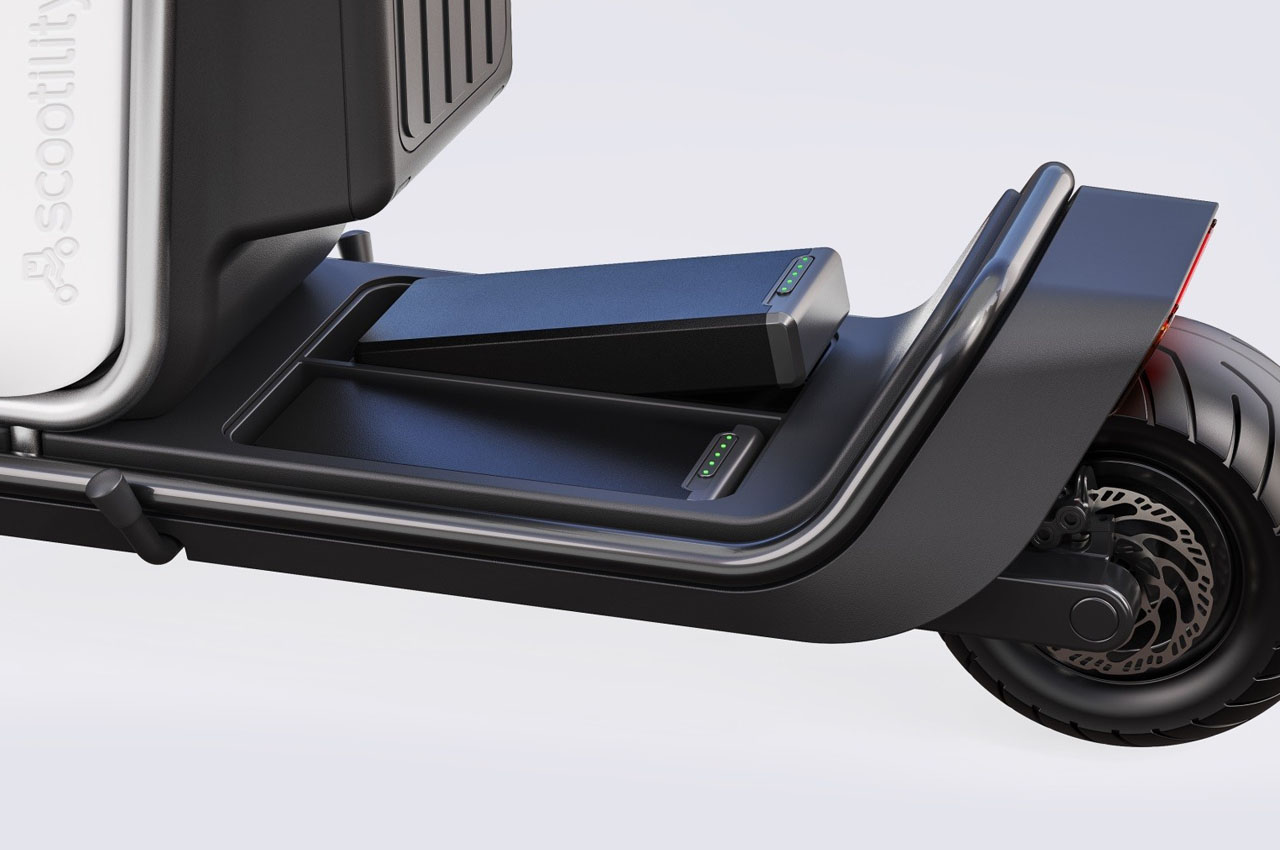
For the safety of the rider, it’s installed with LED lighting and has a small turning radius, the manufacturer claims. A foldable leg rest of the Scootility can double as a glove compartment, and the long steering column and handle can fold down for easy storage. Powered by a swappable lithium battery offering a 100 km range in the standard variant, the Scootility is easier to ride (no license needed) and more economical (as opposed to cargo e-bikes on the market).

Since Scootility is only raising funding for its utility scooter at the moment, there is no definite word on the retail price. Given its benefits of minimum parking space requirement, swappable cargo box and battery, and substantial drive range, we are sure many businesses already have their eyes out for the Scootility.

The post This utilitarian electric scooter is economical and faster way to move cargo in urban locales first appeared on Yanko Design.

80% smaller than the average car: This Compact EV seats 2 people and fits into tight parking spots

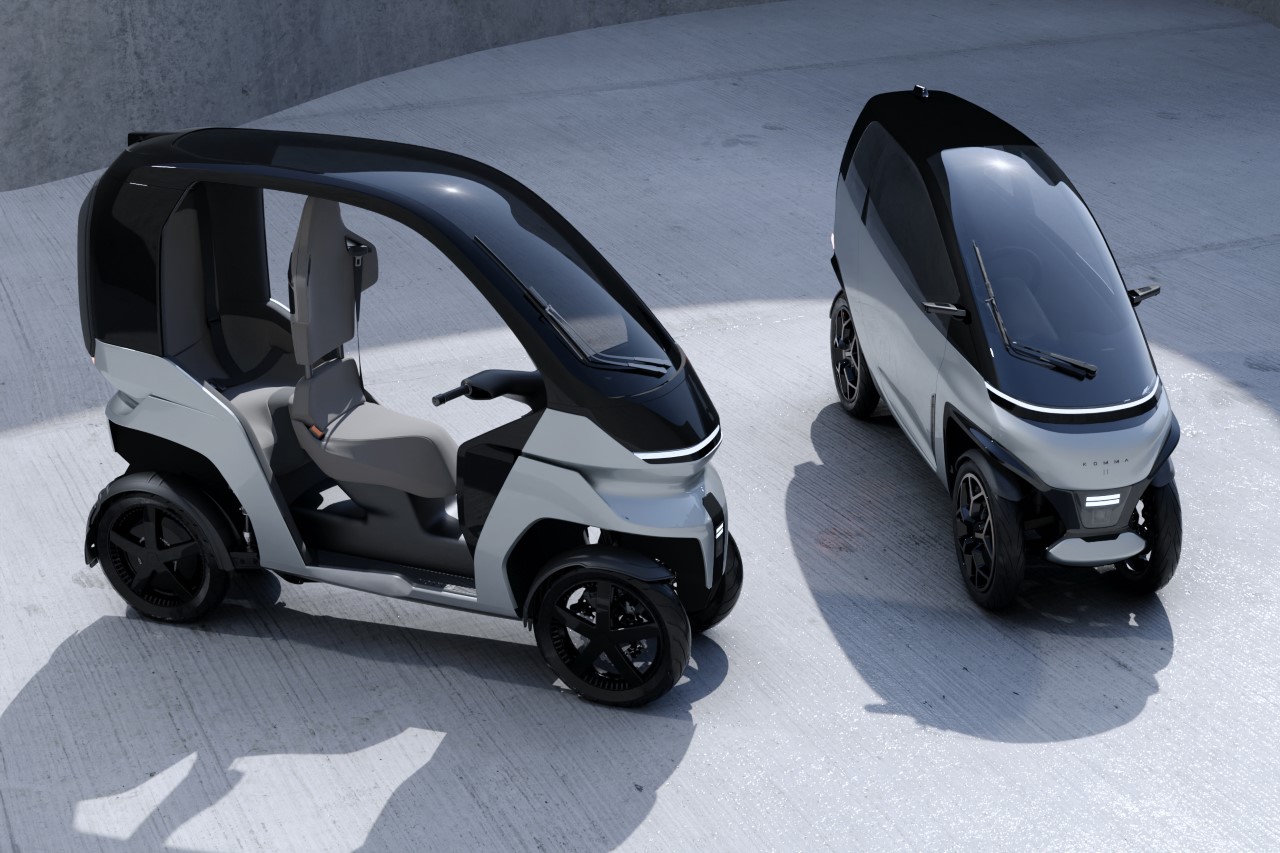
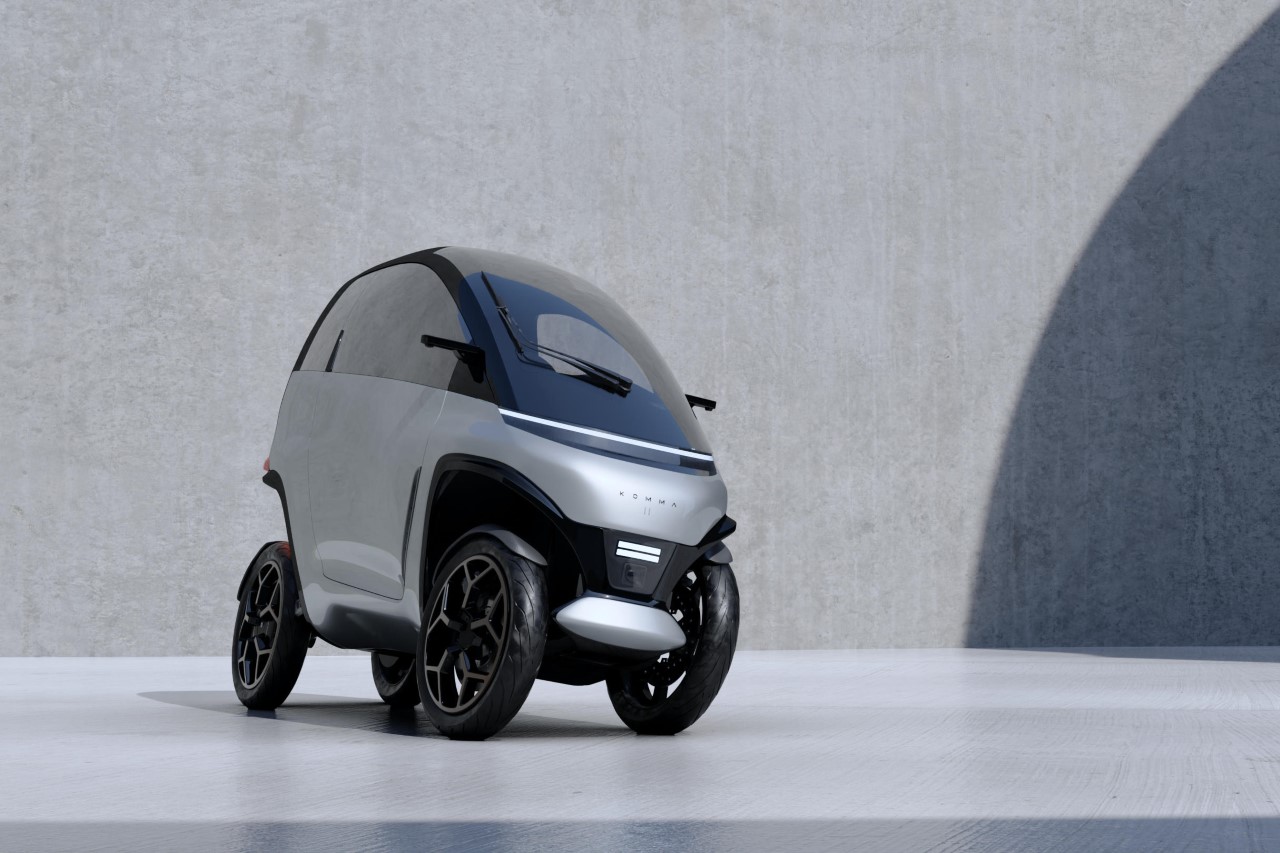
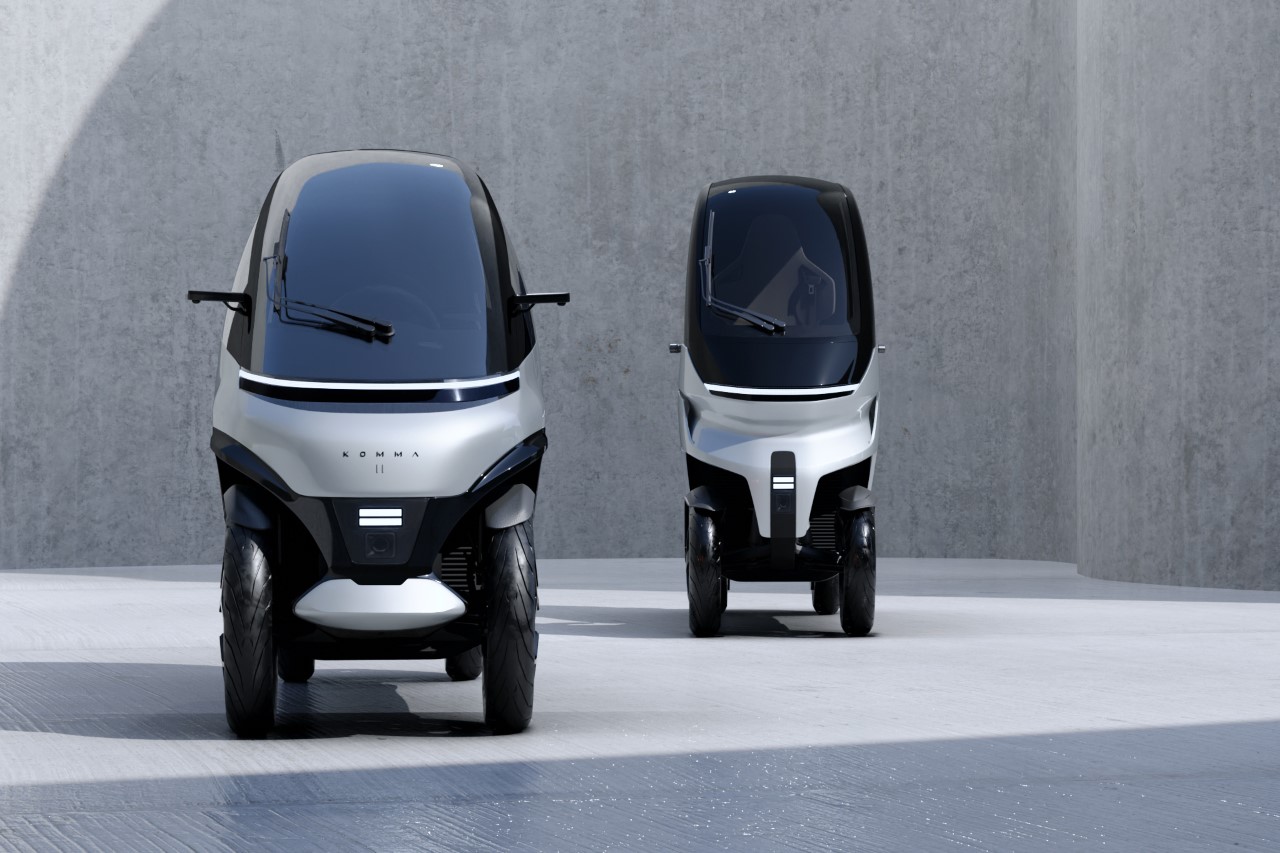
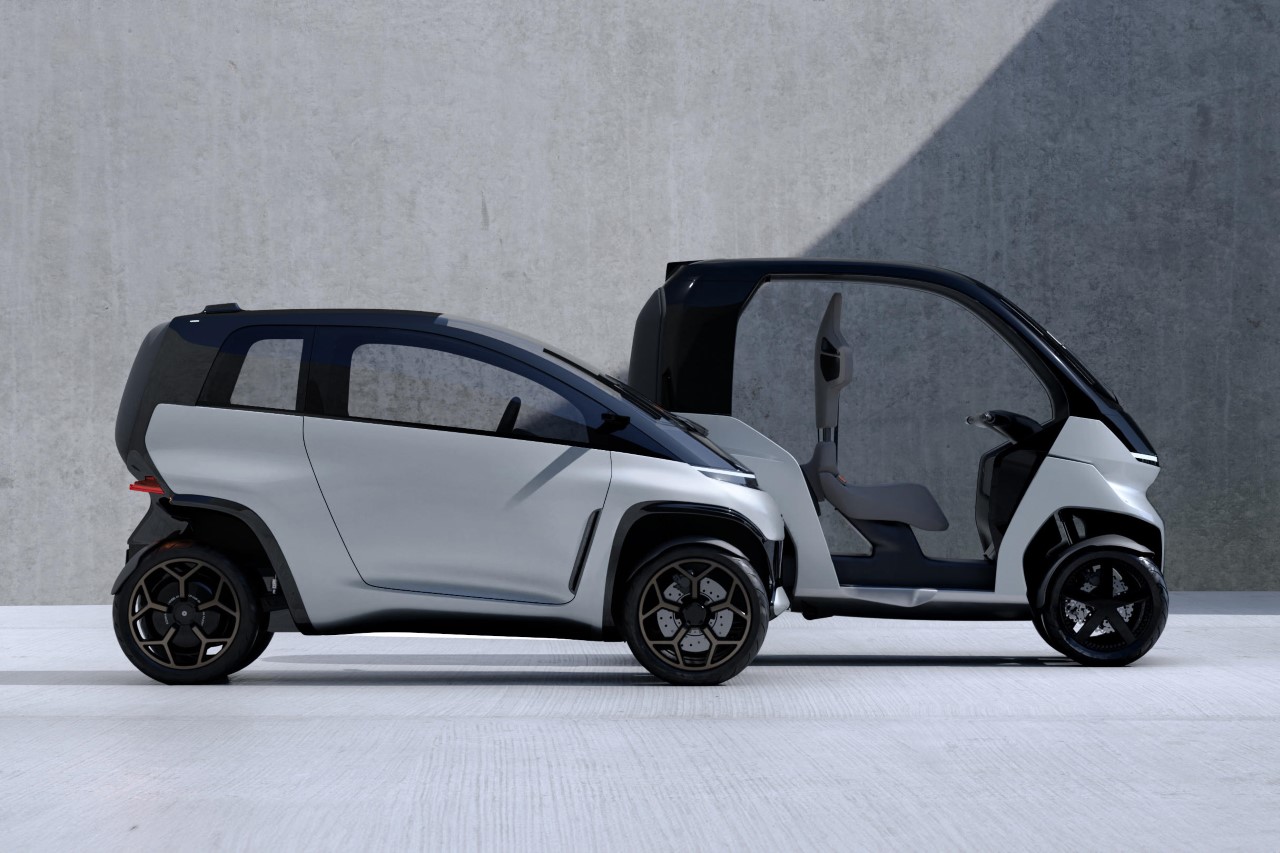
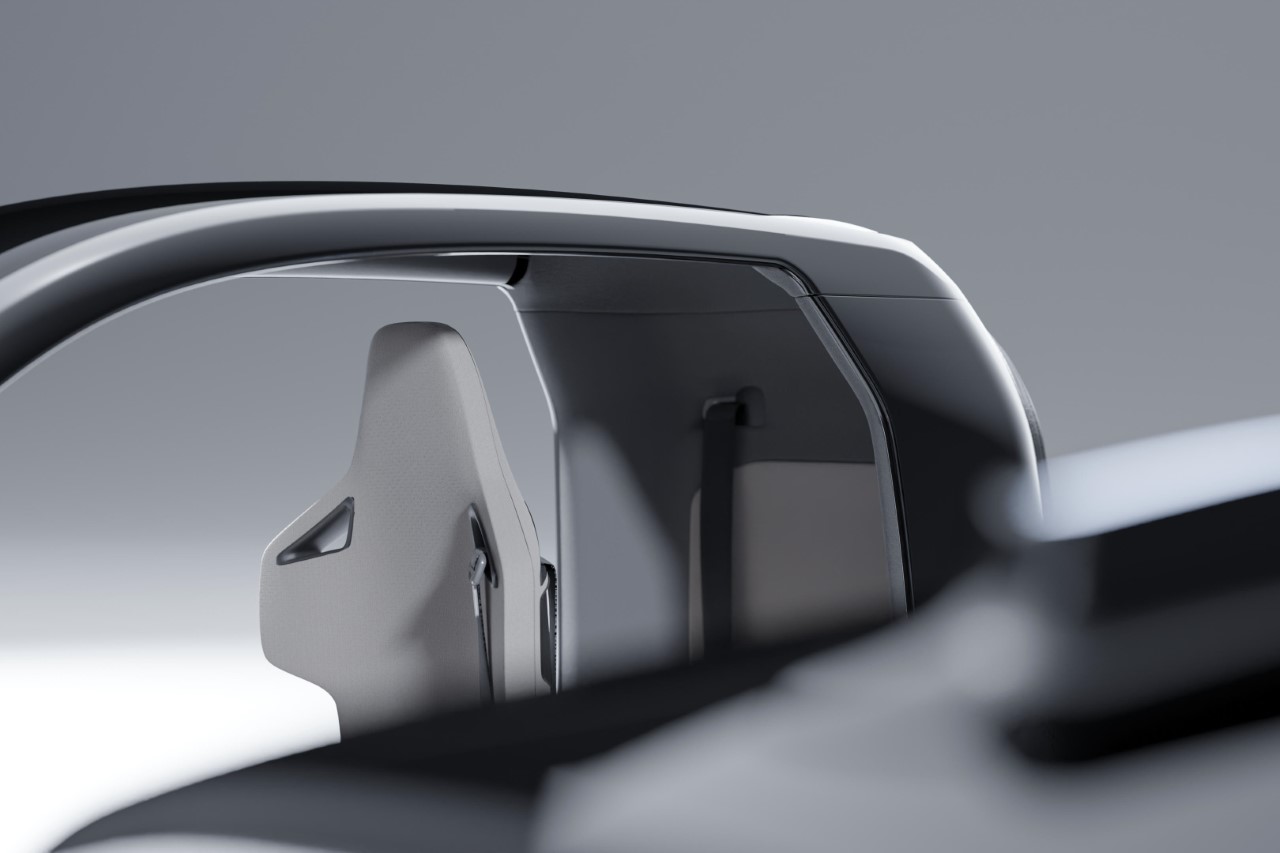
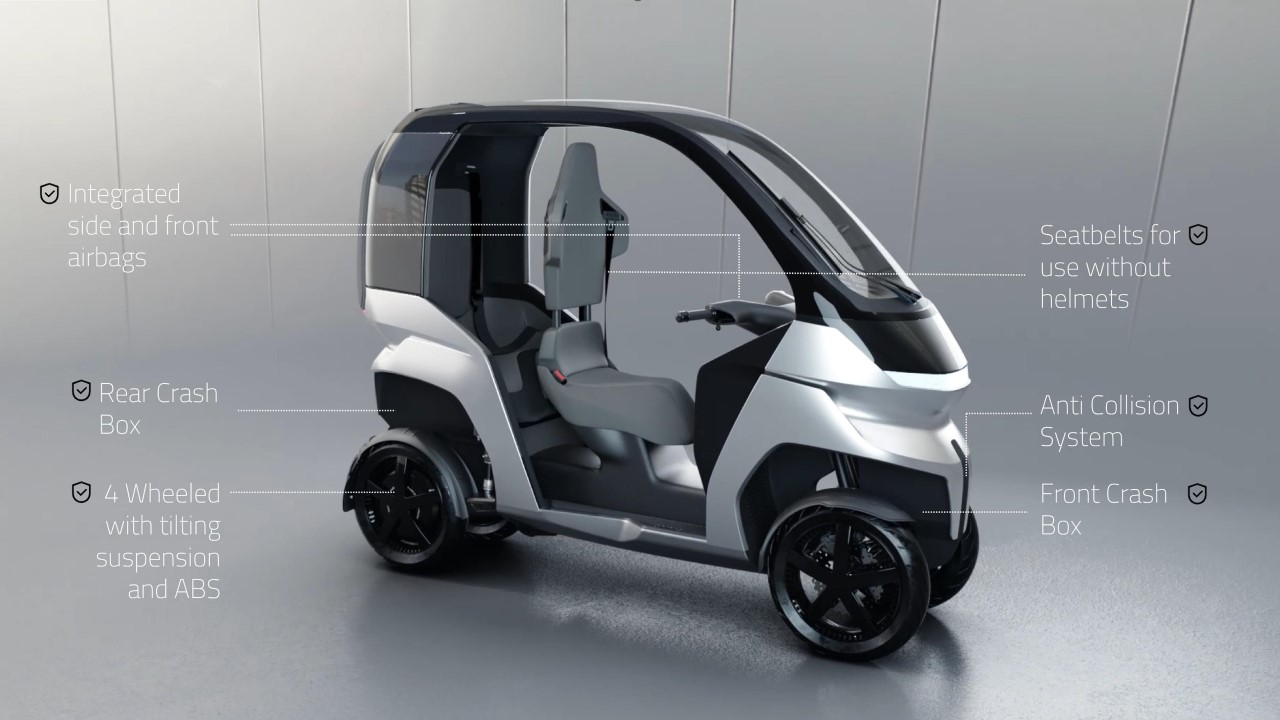
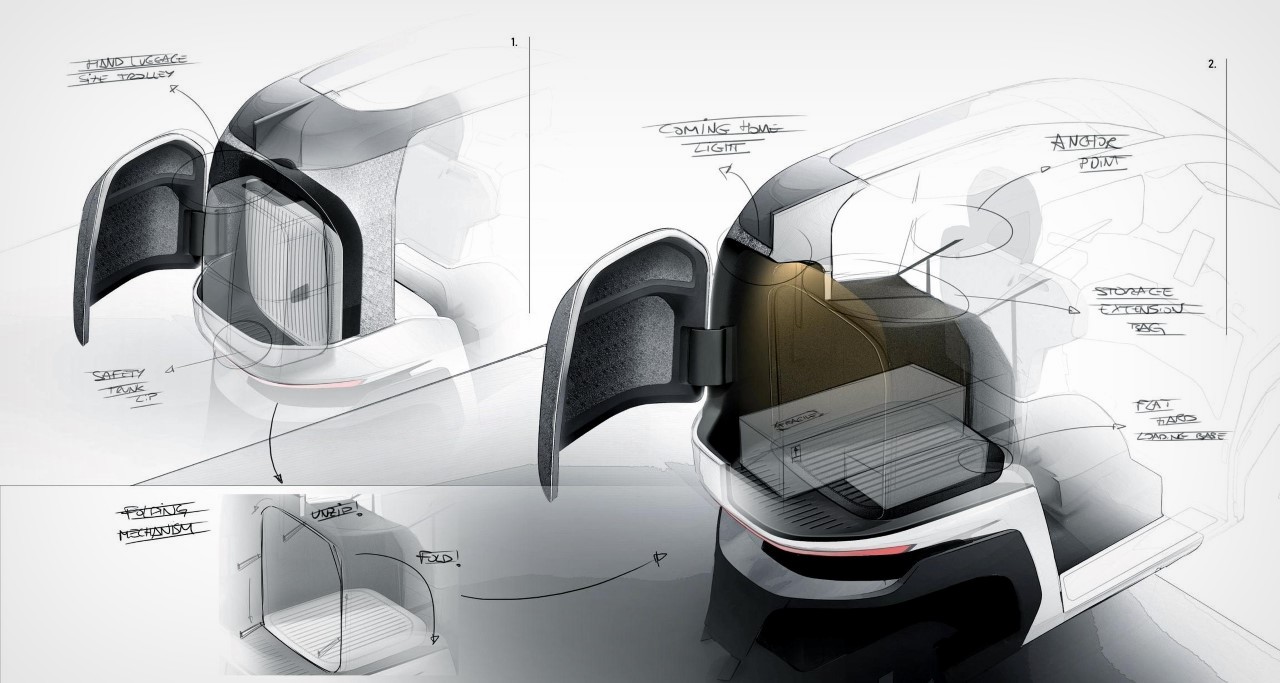
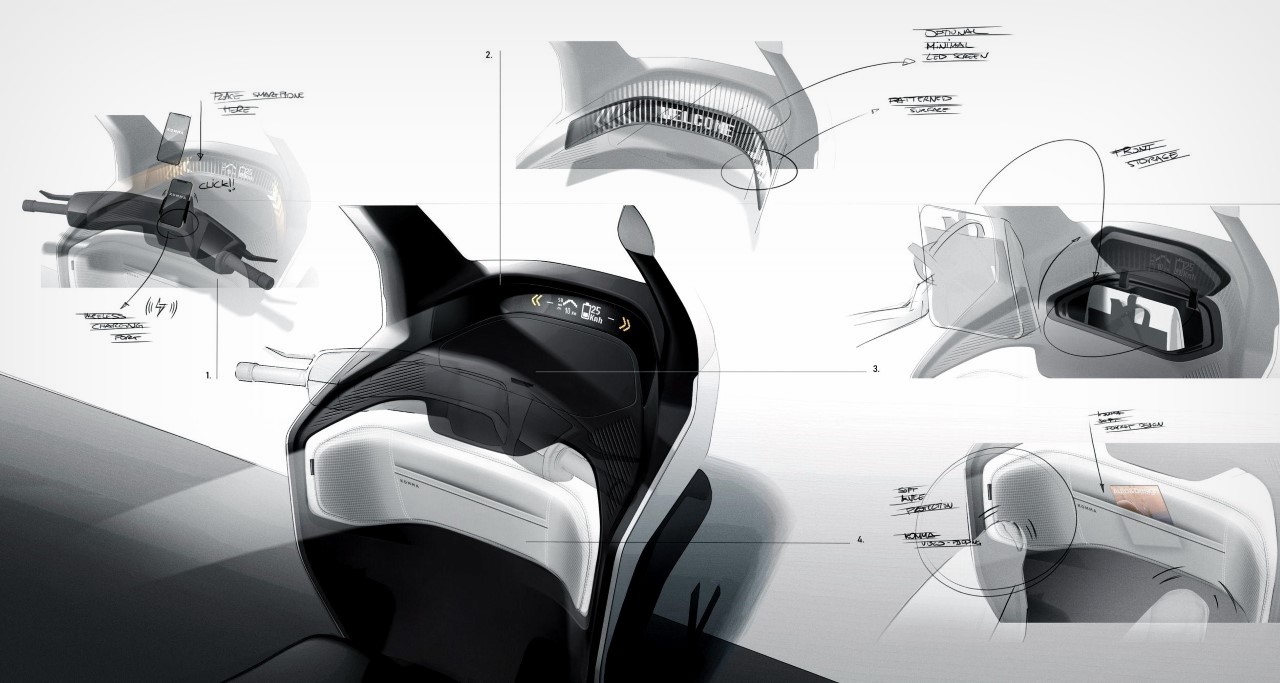
Motorcycles are agile but don’t have the conveniences a car offers. Cars have roofs, storage space, and are more stable, but they aren’t as compact as motorcycles. Granstudio’s vision for Komma, a Swiss-based mobility startup, was to blur the line between the two. The Komma UMV is unique in that it borrows the best bits from a car and a motorcycle. For all intents and purposes, it looks and feels like a car, with four wheels, a roof, doors, and even a boot to store luggage. However, it’s no wider than a motorcycle, making it 80% smaller than most cars, run on 66% less energy, and have all the safety features of a car, from seatbelts to airbags.

Designer: Granstudio

The Komma UMV is entirely a new category of vehicle, borrowing the best bits from cars, motorbikes, ATVs, and even the Asian TukTuks. It prioritizes efficiency without compromising on mobility and rider comfort, and when it does make trade-offs, it does so in a way that really feels like features. For example, it might be smaller than a car, but its slim format allows it to weave between traffic and park in even the tightest spaces without breaking a sweat.

“In the studio, we focus on both designing cars and developing mobility plans for future cities. However, when we try to combine these two aspects, something doesn’t quite fit,” say the designers at GranStudio “This is particularly evident in Europe, where it is clear that the ideal city we envision for the future prioritizes the quality of public spaces and community values. It is a city where cars do not naturally belong and are out of context.”

In scaling the car down to this two-seater format, the math adds up to some real savings for both the rider and the planet. The Komma UMV is 80% smaller than your average car and has a 70% reduced ecological footprint. It consumes 66% less energy than a car, which translates to 70% lower operational and fuel costs than your regular gas-powered vehicle. All that really makes a difference in the grand scheme of things, making the Komma UMV perfect for single-person or two-person rides.

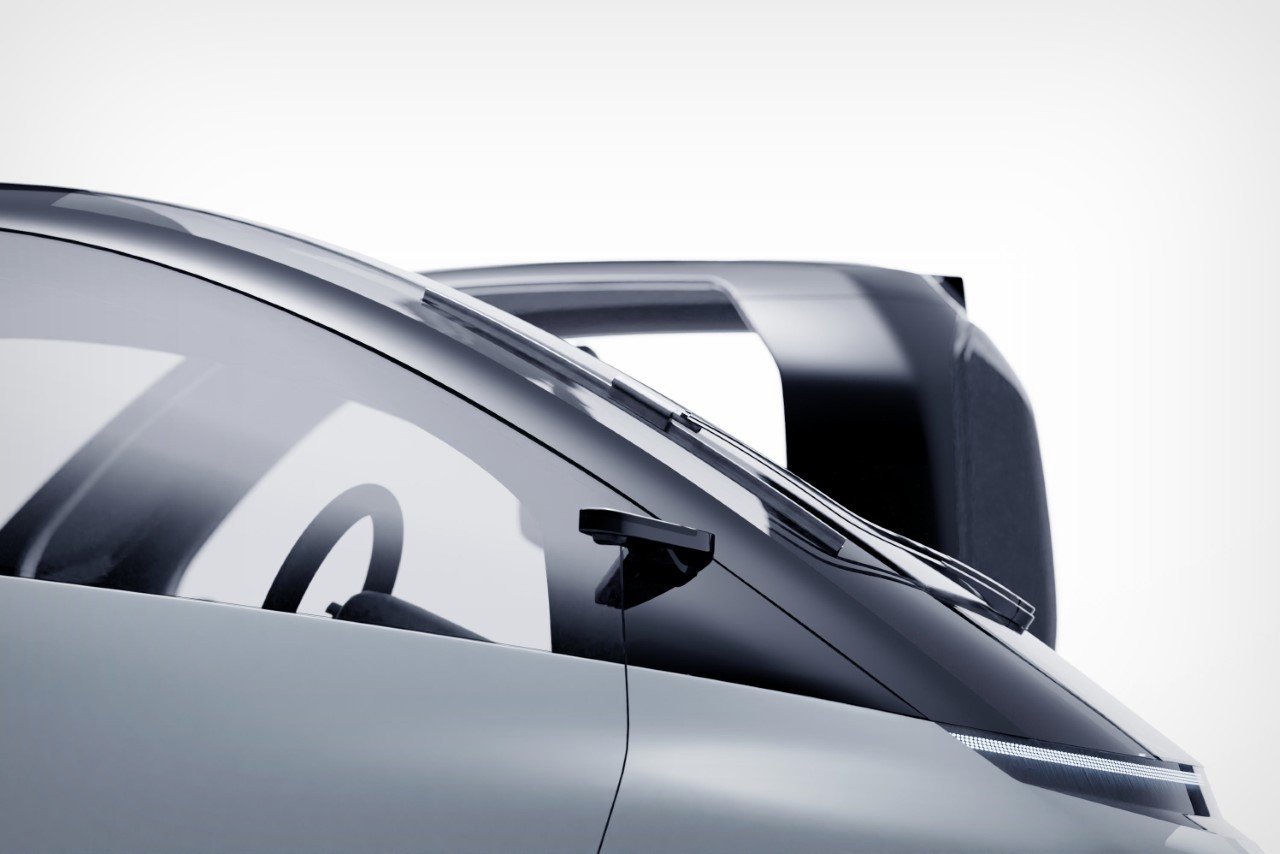
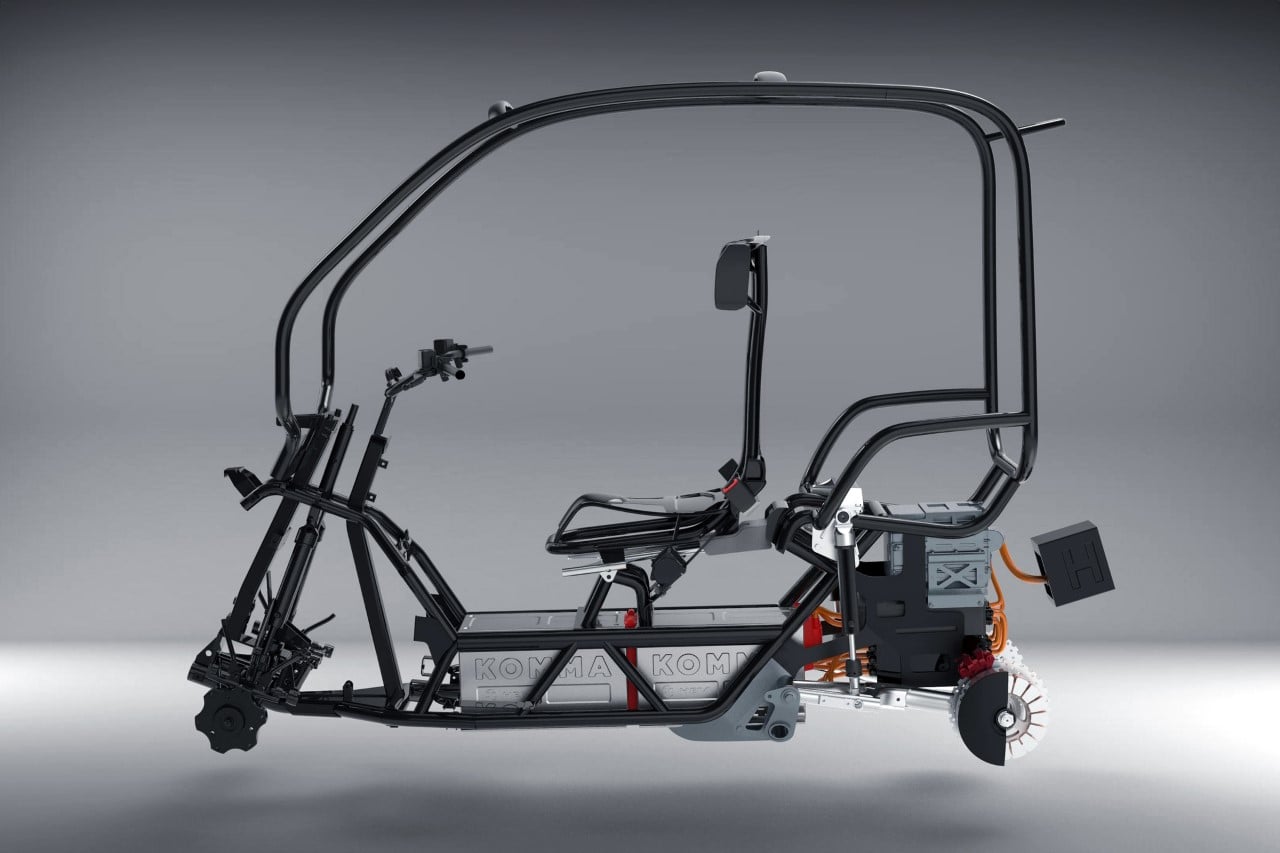
That being said, the UMV has all the benefits of a car. It runs on four wheels that employ a unique hydraulic tilting system for stability, but also enable tighter turns, just like a motorcycle. You’ve got a 4WD system, suspension, anti-collision protocols, and an anti-lock braking system. The car also comes with doors, a roof, seatbelts, airbags, and its occupants don’t need helmets. The windshield has airbags, and the UMV has storage space in both the front as well as the boot, offering much more storage space than a two-wheeler. Given its width constraint and hydraulic tilting system, it uses handlebars, which seem to be the only actual remnant left behind from the motorcycling world, along with the seating format where the passenger sits right behind the rider.

Komma offers a transformative vision for urban environments, placing a strong emphasis on enhancing the quality of public spaces and nurturing community values. By reducing the dominance of automobiles (or at least the space occupied by them), Komma paves the way for a more harmonious coexistence with nature, creating abundant room for leisure pursuits, and fostering vibrant social interactions. This shift in perspective not only redefines the city but also revitalizes it, making it a place where people and nature thrive together.

The post 80% smaller than the average car: This Compact EV seats 2 people and fits into tight parking spots first appeared on Yanko Design.

Lexus concept car displayed as a light sculpture in Miami exhibition

When you’re visiting car exhibit shows, you expect to see nothing but cars on display. The brands have to figure out how to make it a bit more exciting and innovative since looking at cars can become repetitive and if you’re not really a car enthusiast, it can get boring. But when you’re displaying a car at an art and design exhibition, then you can expect a more non-traditional way to look at the vehicle.

Designer: Marjan van Aubel

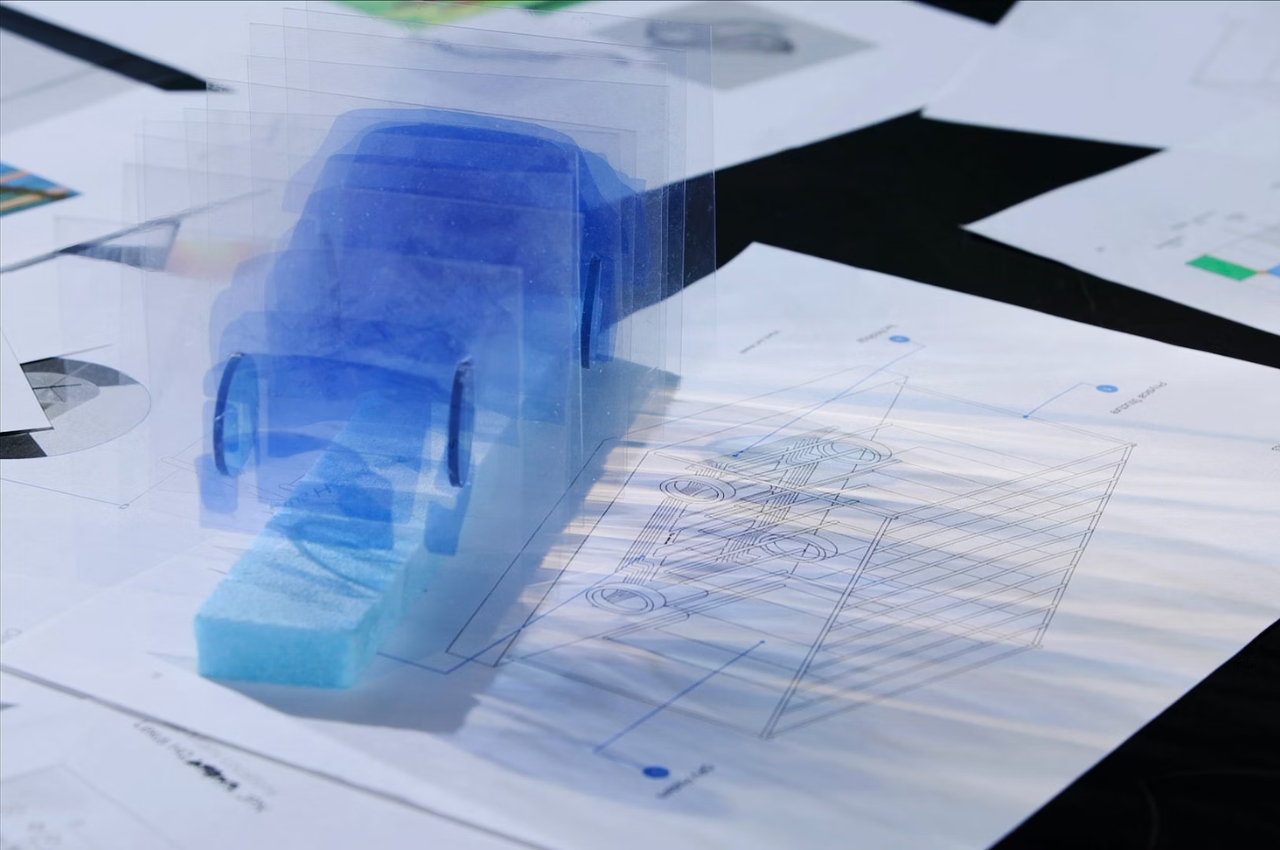
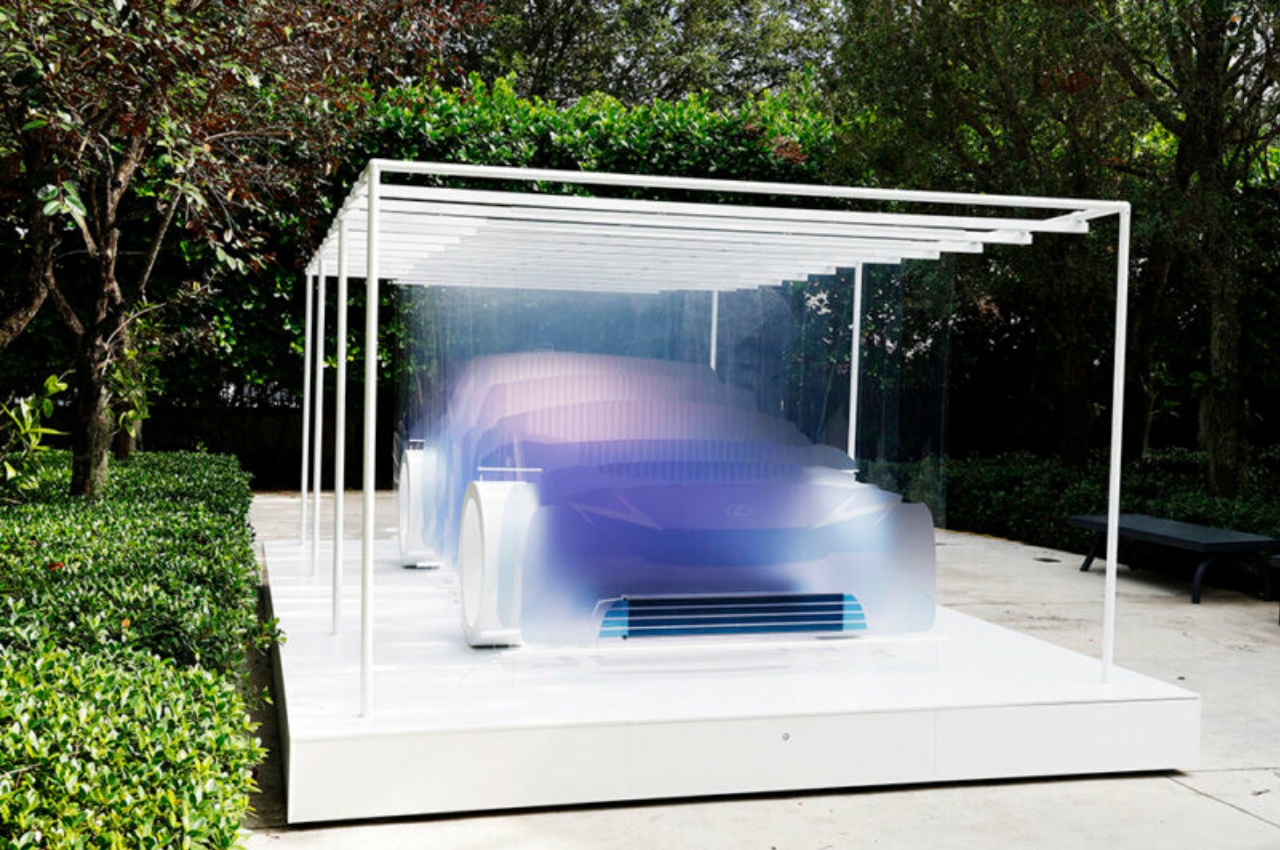
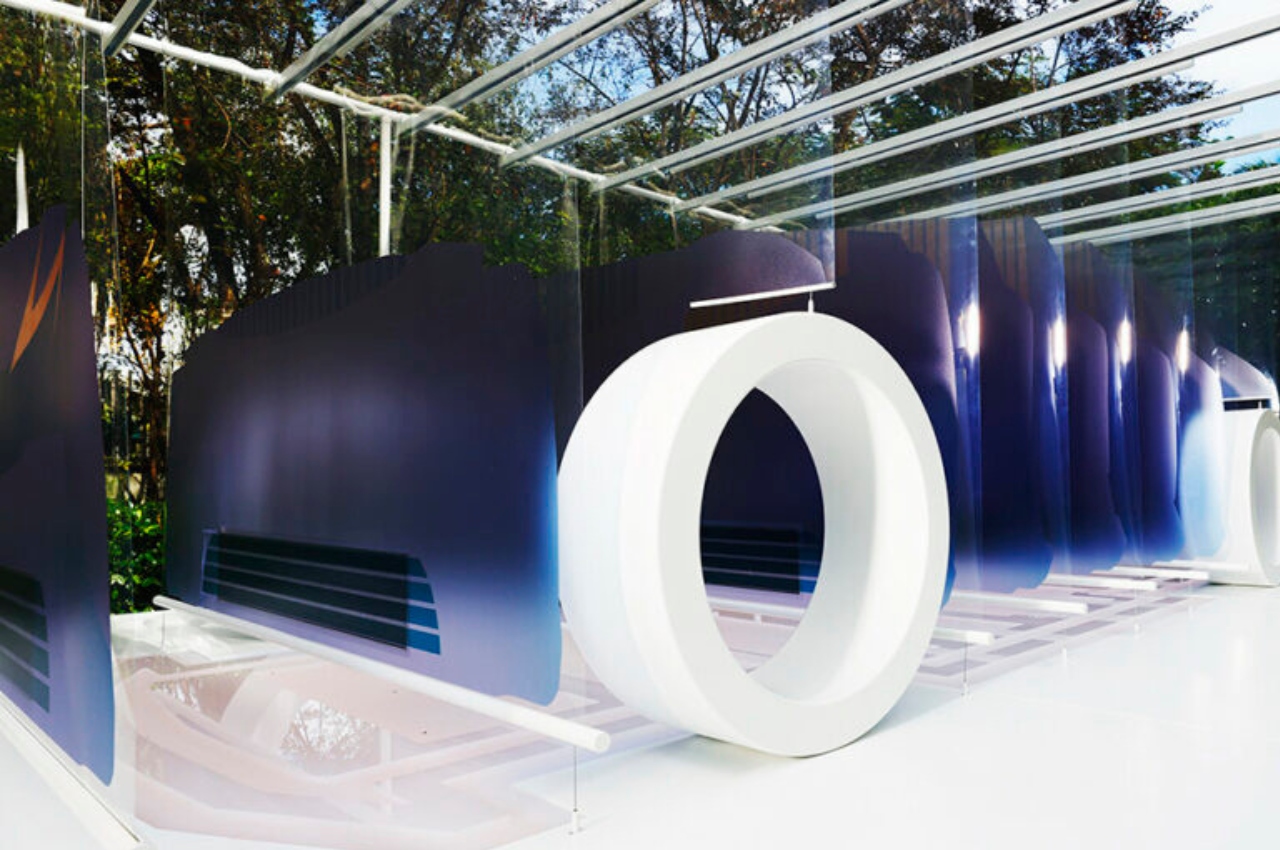
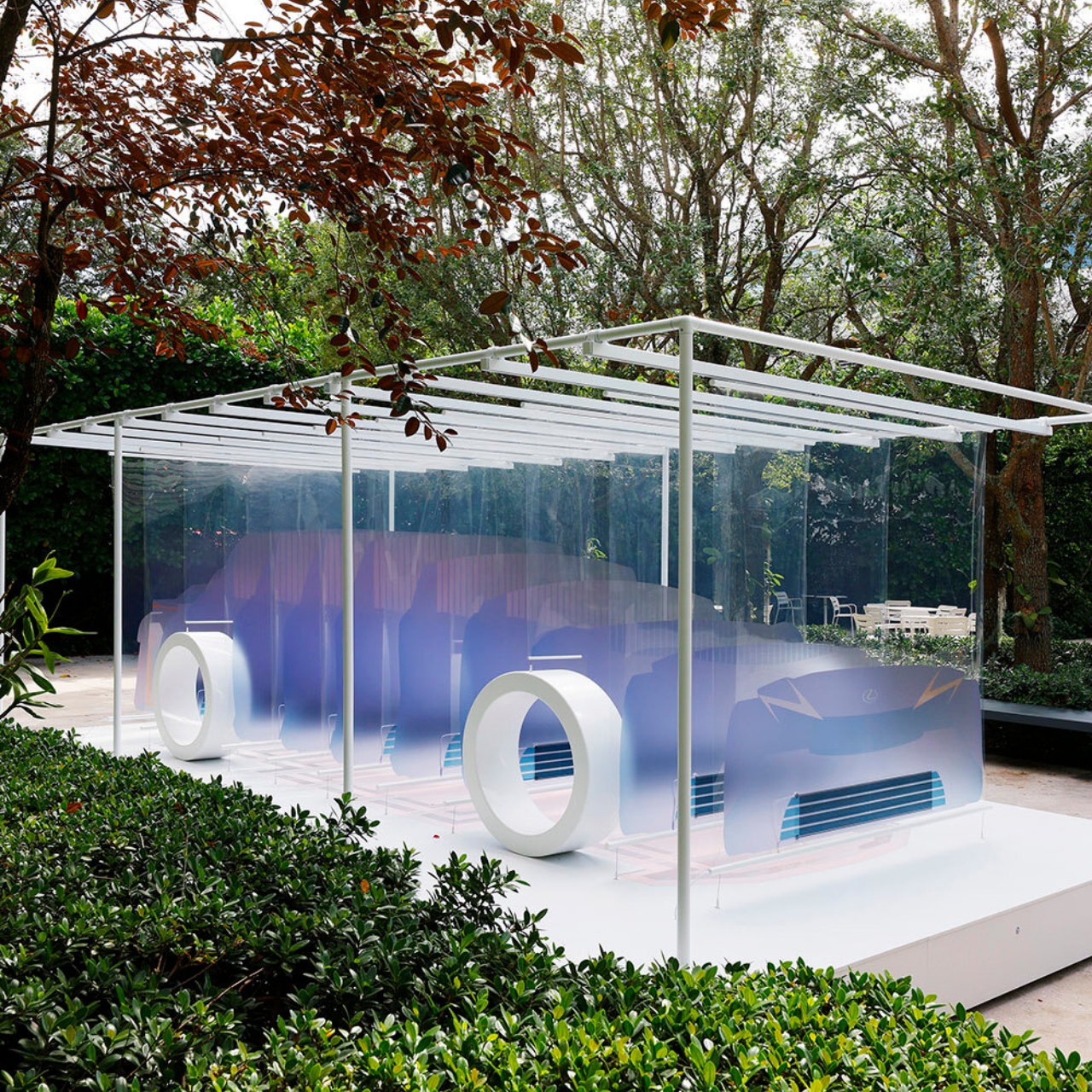
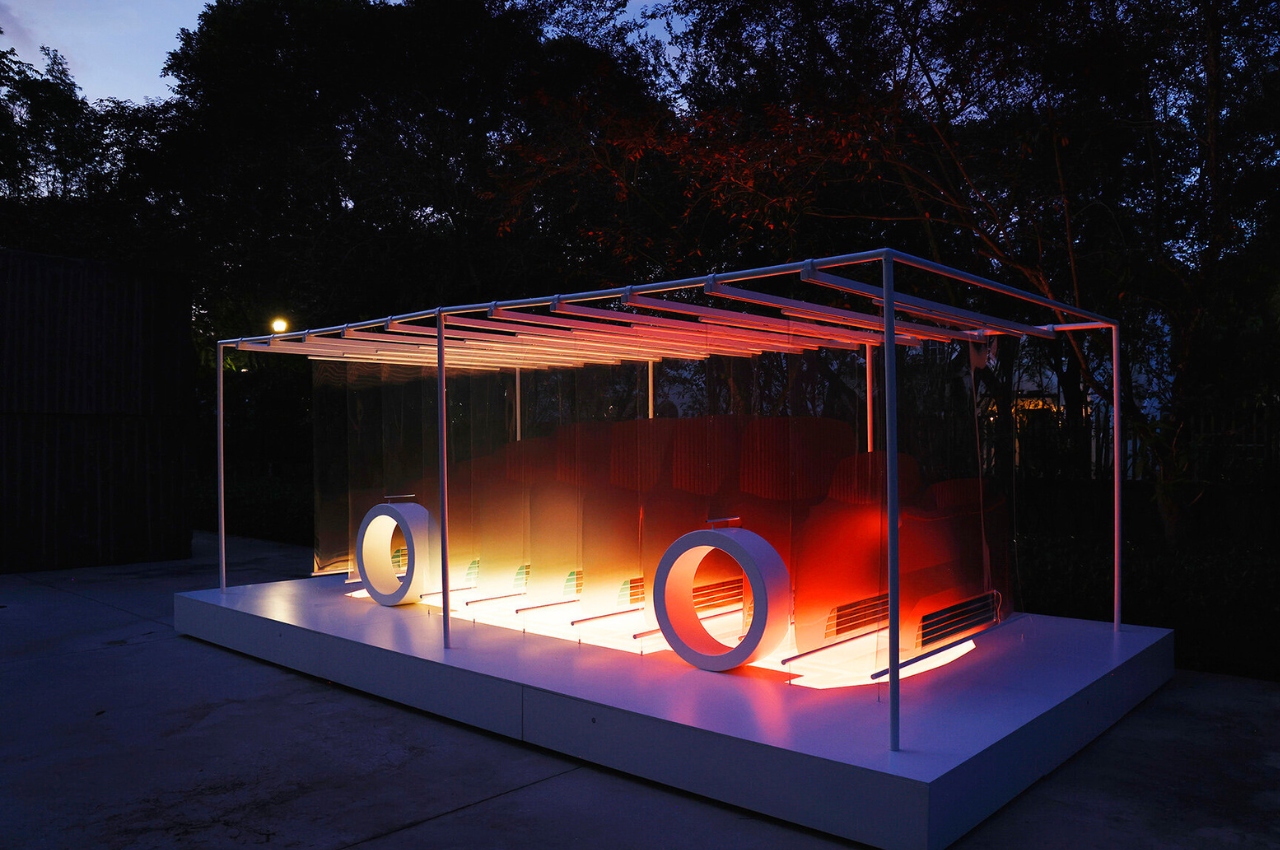
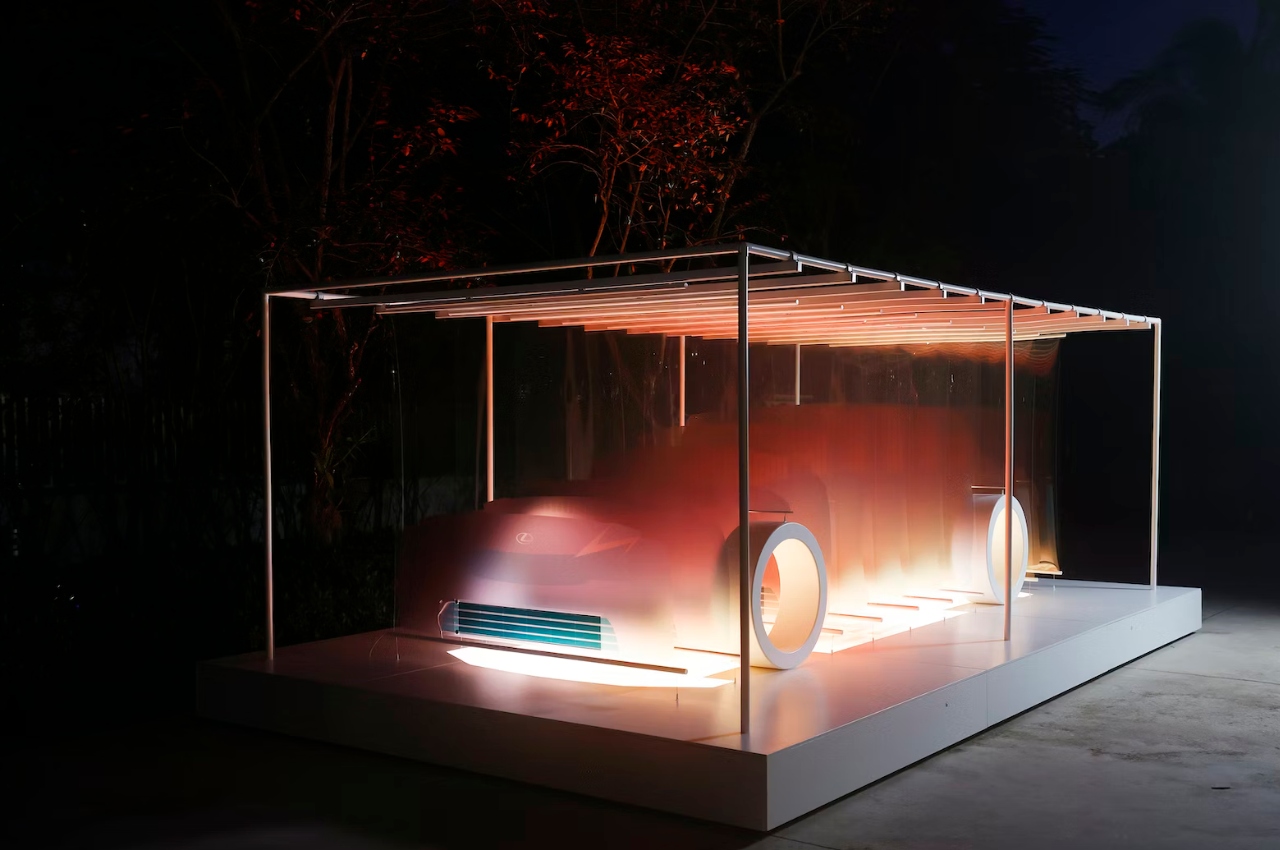
An installation to celebrate the Lexus LF-ZC Battery Electric Vehicle Concept Car is now on display at the Miami Art & Design Week. The “sculpture” is called “8 Minutes and 20 Seconds” which is the time it takes for light to reach earth. So instead of the usual car display, what you get is a self-illuminating 3D skeleton of the concept car itself. It’s made from organic transparent photovoltaic (POV) sheets and is powered by solar energy. Each cell gives off a spectrum of color and movement and they are transparent to give off the maximum effect of light and patterns.

The EV Skateboard, which is where the engine will be located, is highlighted with an LED panel. It is the main feature of the car so this is where eyes will be drawn. Depending on where you’re standing, you’ll get a different perspective of the sculpture. There are also motion sensors which will let the car respond to those walking around, triggering a ripple through the LED light panels. You will also hear bamboo chimes since the concept car uses bamboo materials as well.

Every 10 minutes, you’ll get a crescendo of sound and light patterns. Since the sculpture is located in a garden setting, the color temperature also shifts along with the natural circadian rhythms of its surroundings. It’s a pretty interesting thing to see this in person and to experience a different kind of display for cars, even if it’s still just a concept car.

The post Lexus concept car displayed as a light sculpture in Miami exhibition first appeared on Yanko Design.

Zero DSR/X Long-Term Review

PROS:


  • Capable in all conditions

  • Comfortable and easy to ride

  • Practical layout

CONS:


  • Lacking range

  • Expensive

  • Confusing interface

RATINGS:

AESTHETICS
ERGONOMICS
PERFORMANCE
VALUE FOR MONEY

EDITOR'S QUOTE:

“In my initial review I called this bike a masterpiece, and now, at the end of this extended loan, I feel much the same way -- but with some important caveats.”

It’s been an up-and-down year for riding where I live on the East Coast of the United States. We’ve had good weather and bad, repeated wind storms and record-breaking amounts of rain. That’s the kind of unpredictability that keeps many motorcycles sitting inside the garage, sipping slowly from trickle chargers.

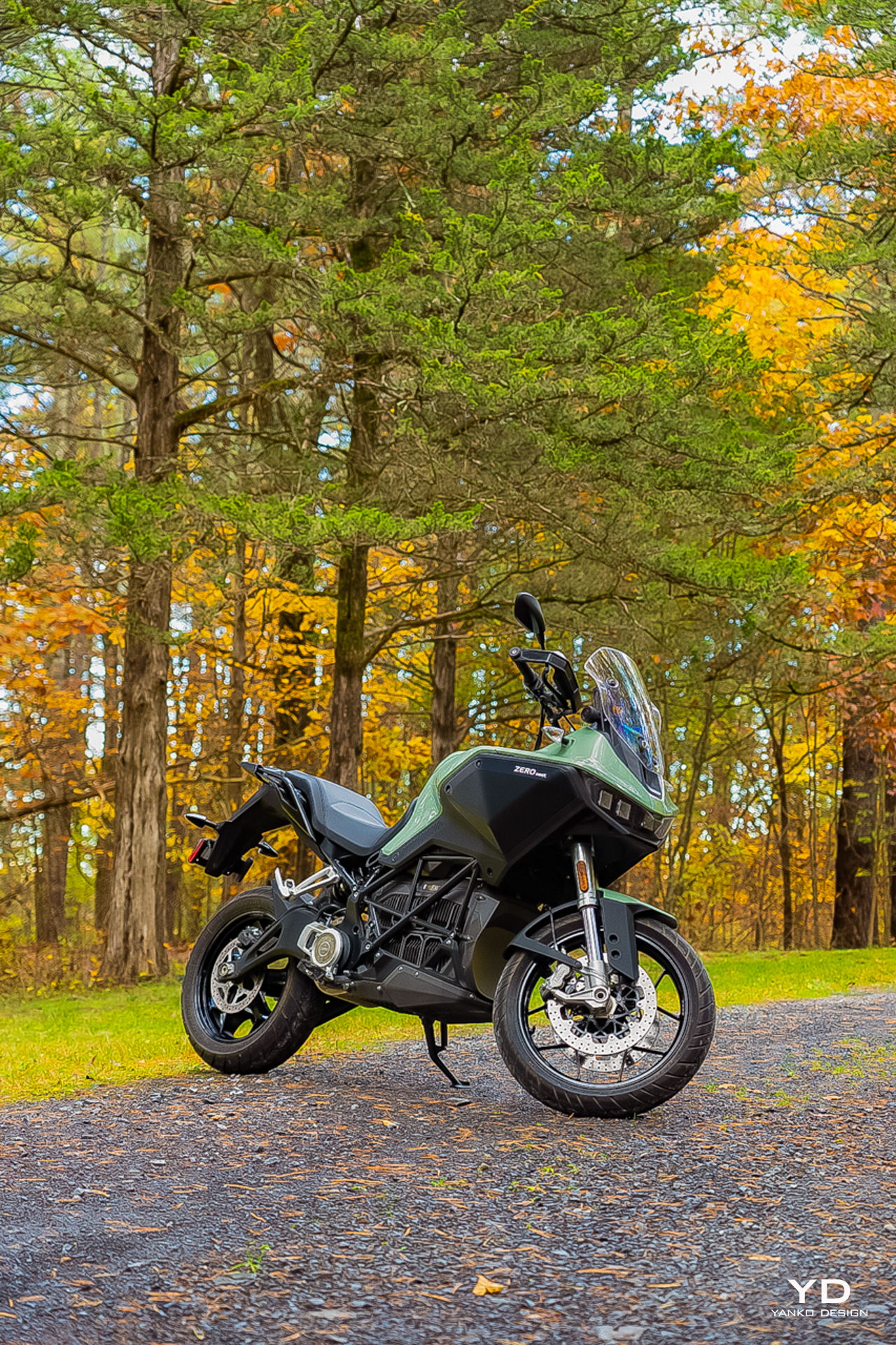
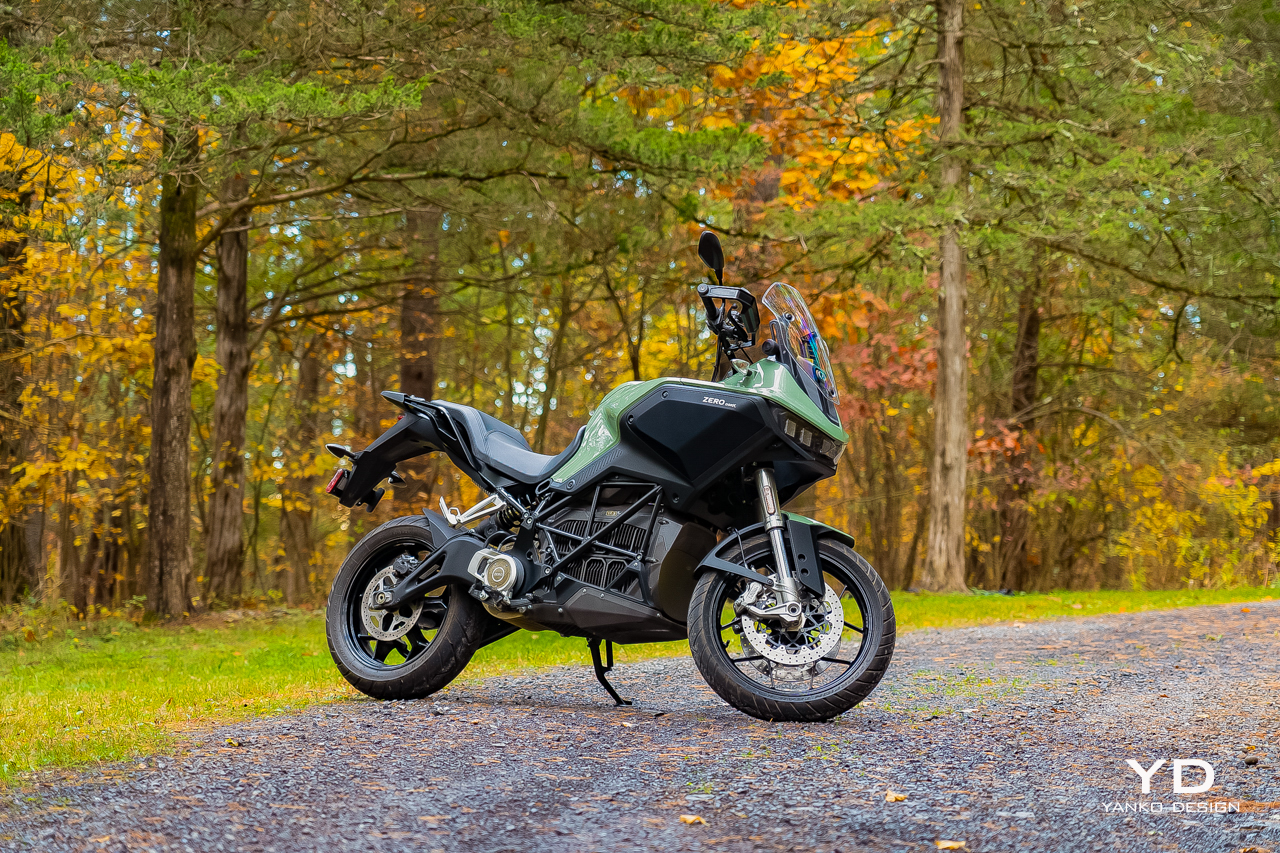
It’s also the kind of conditions that are absolutely perfect for the Zero DSR-X. I’ve now spent a full year living with this dual-sport electric motorcycle, covering miles through all seasons to find out just what this bike is all about. After the first few months, I called this bike a masterpiece, and now, at the end of this extended loan, I feel much the same way — but with some important caveats.
Design

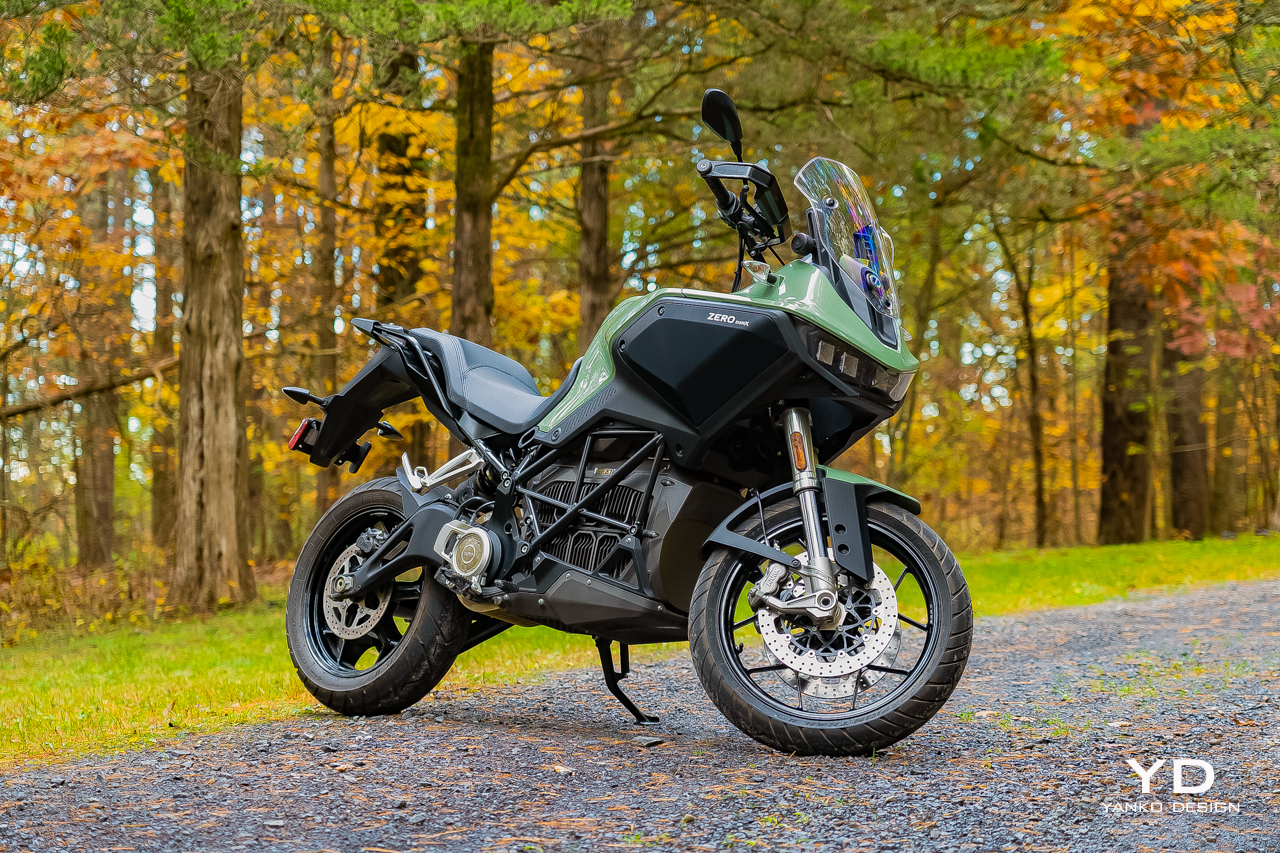
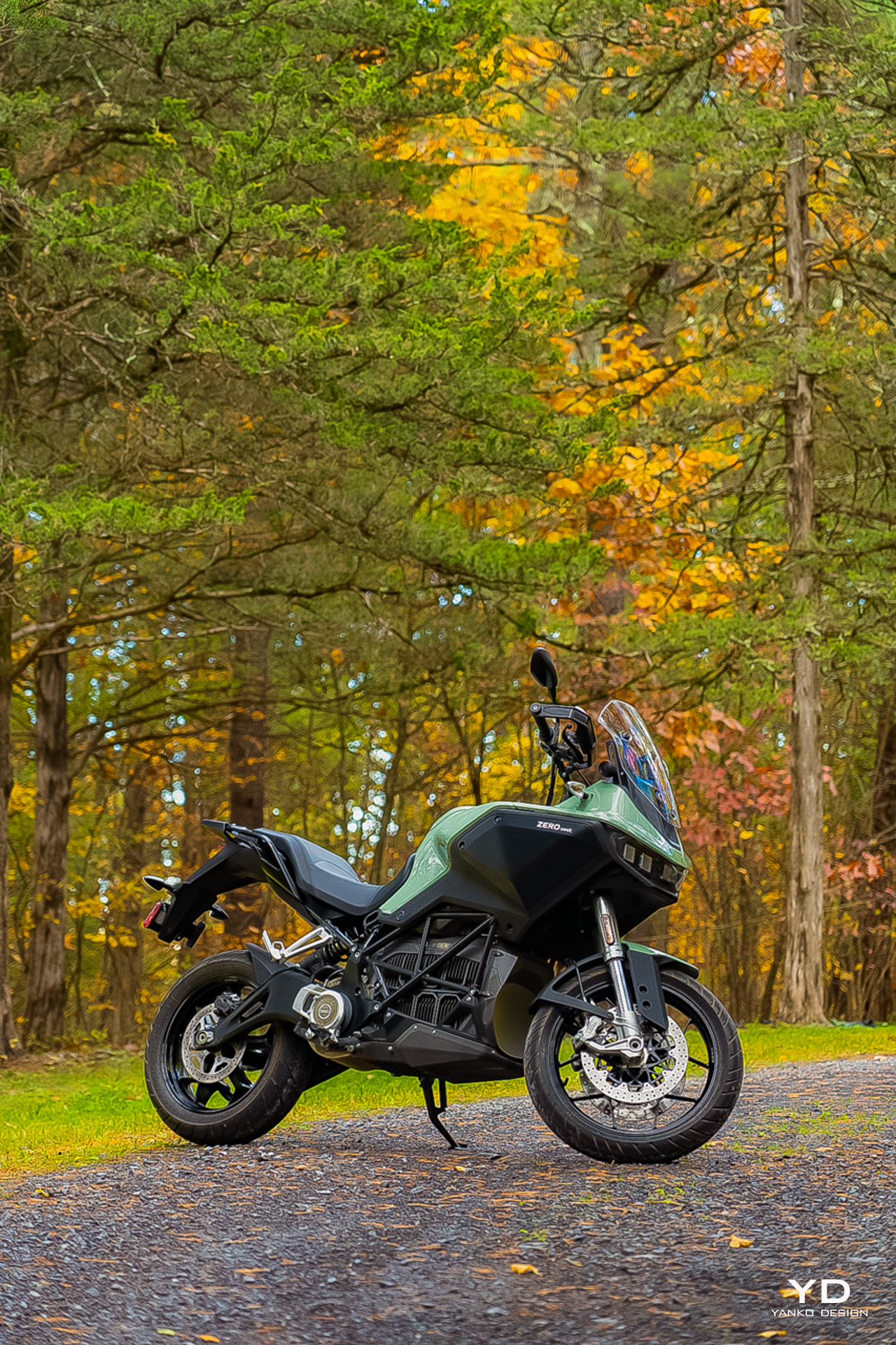
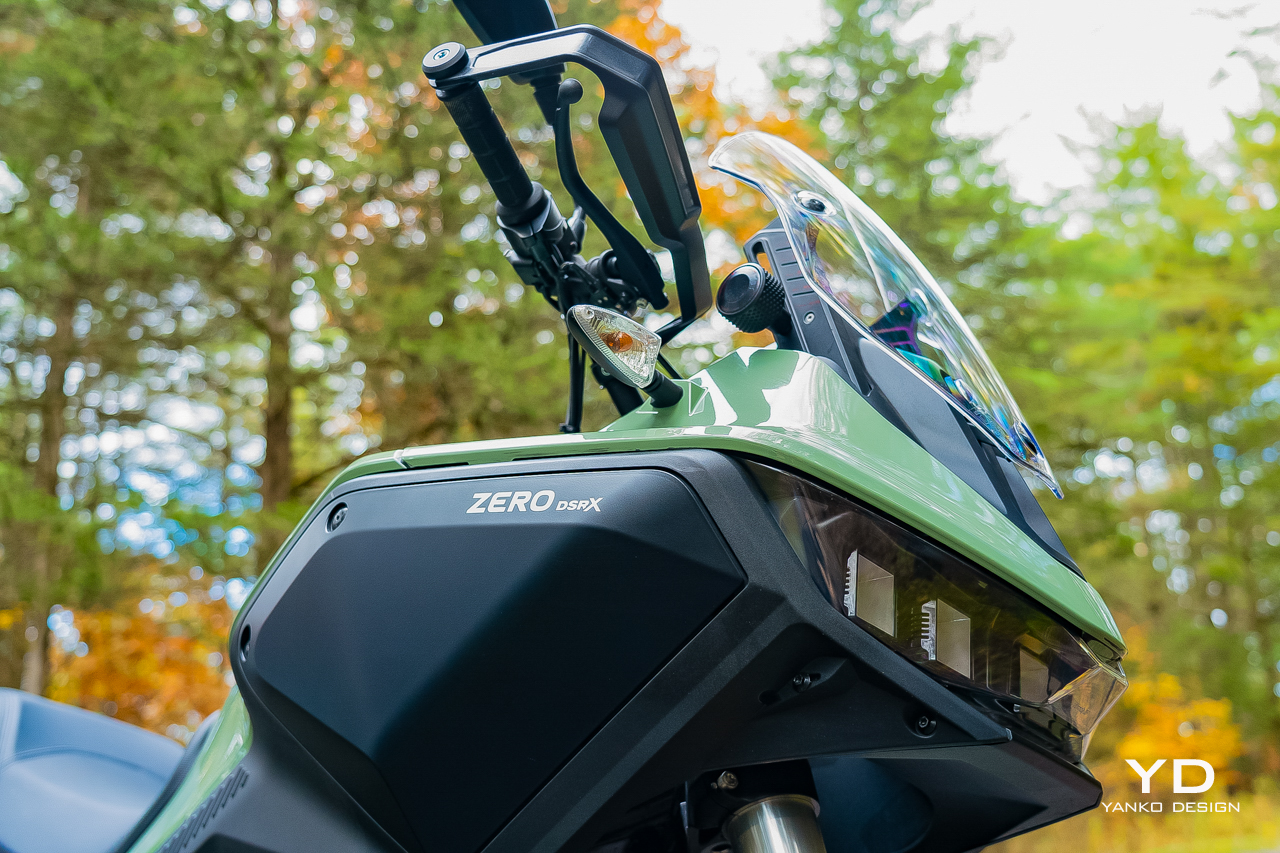
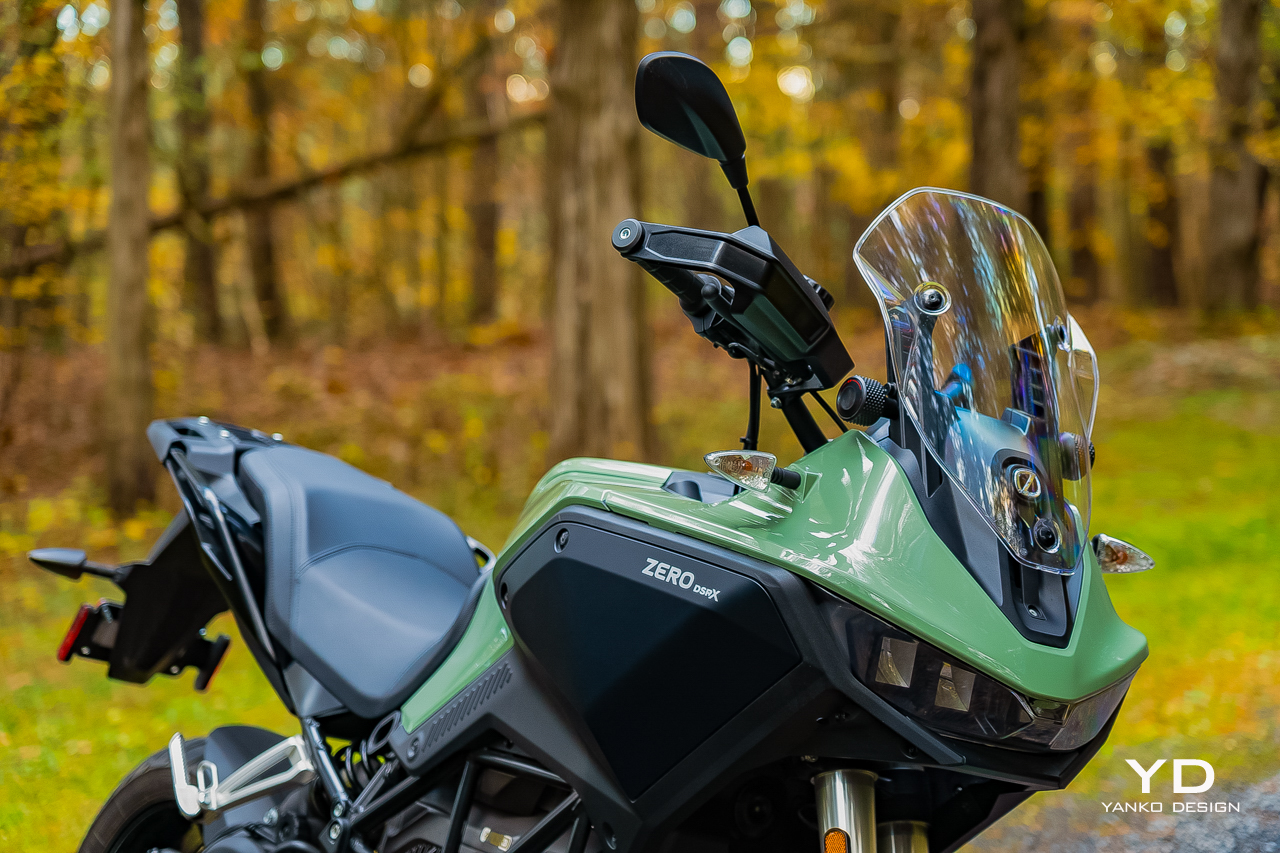
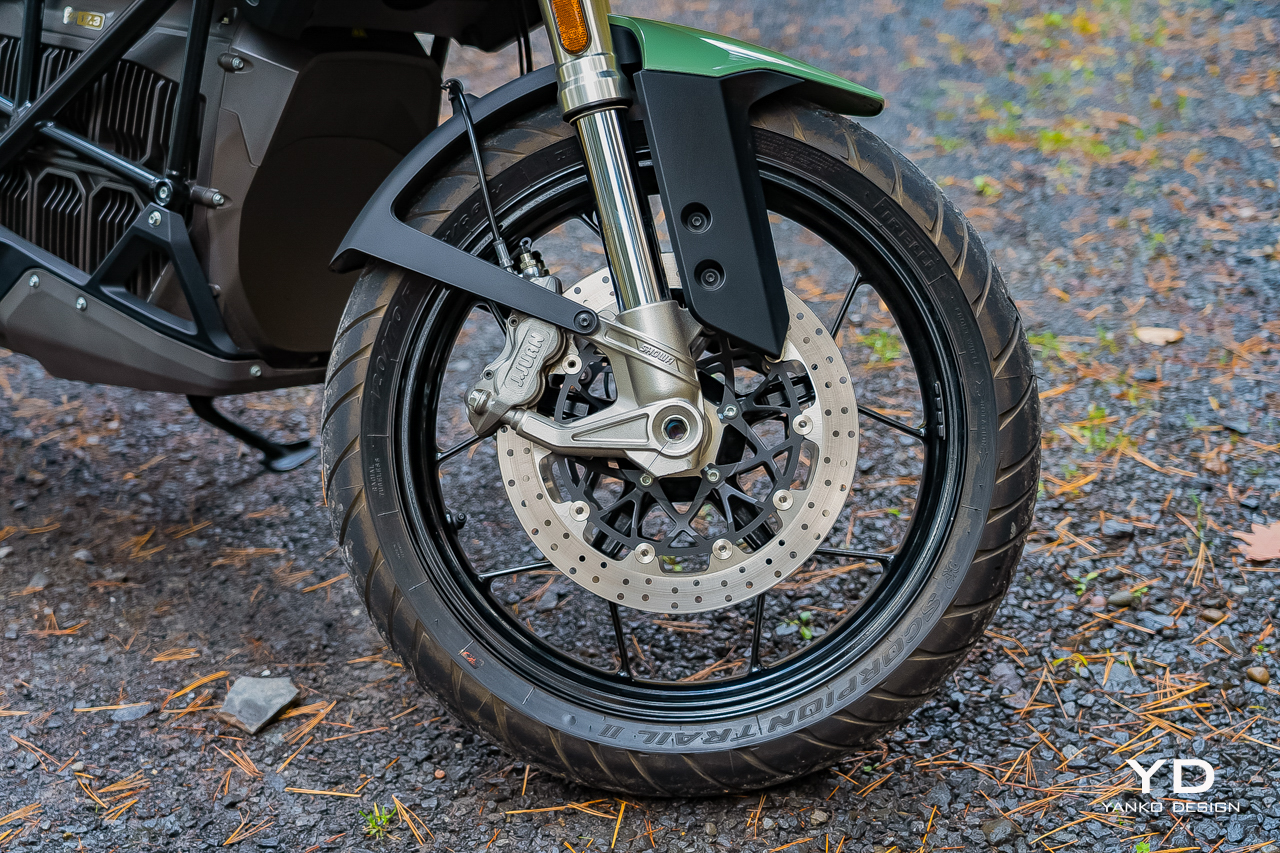
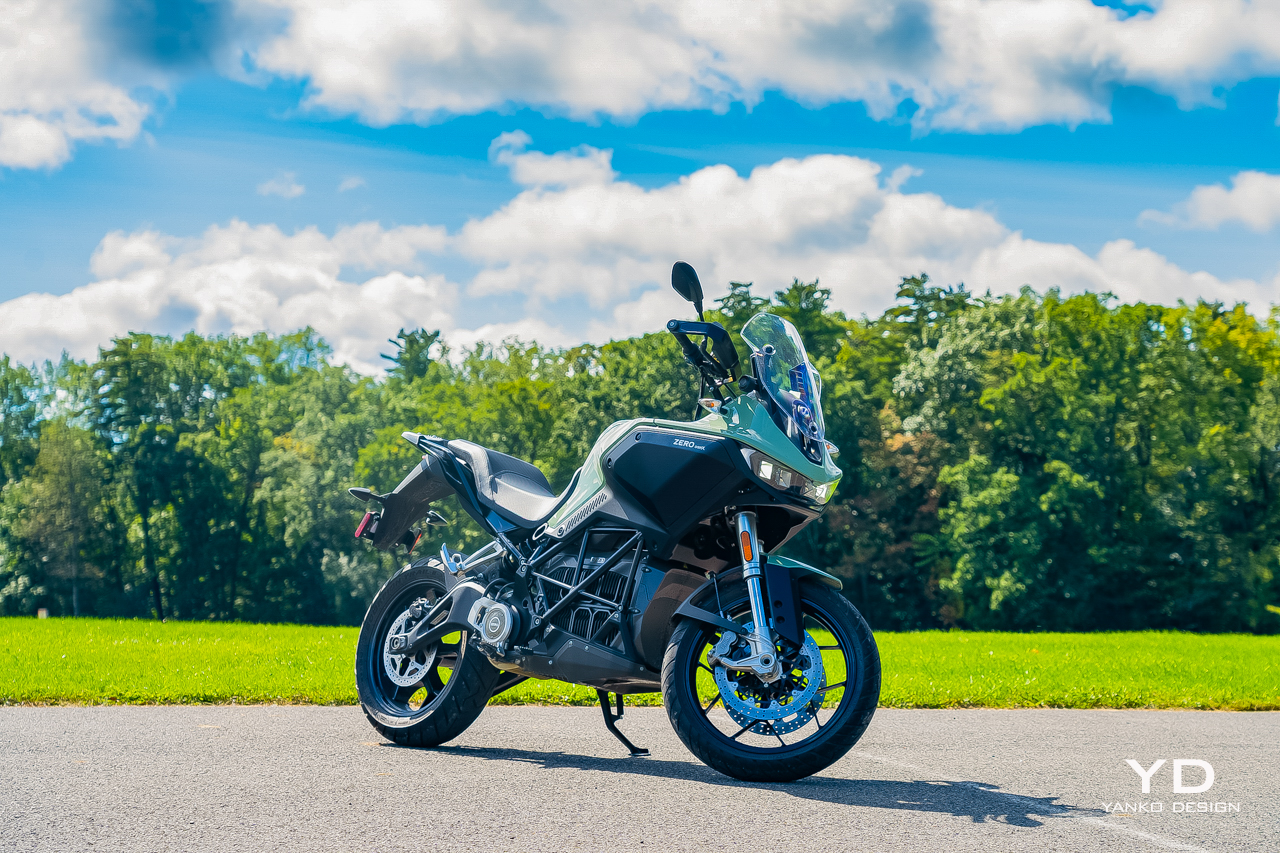
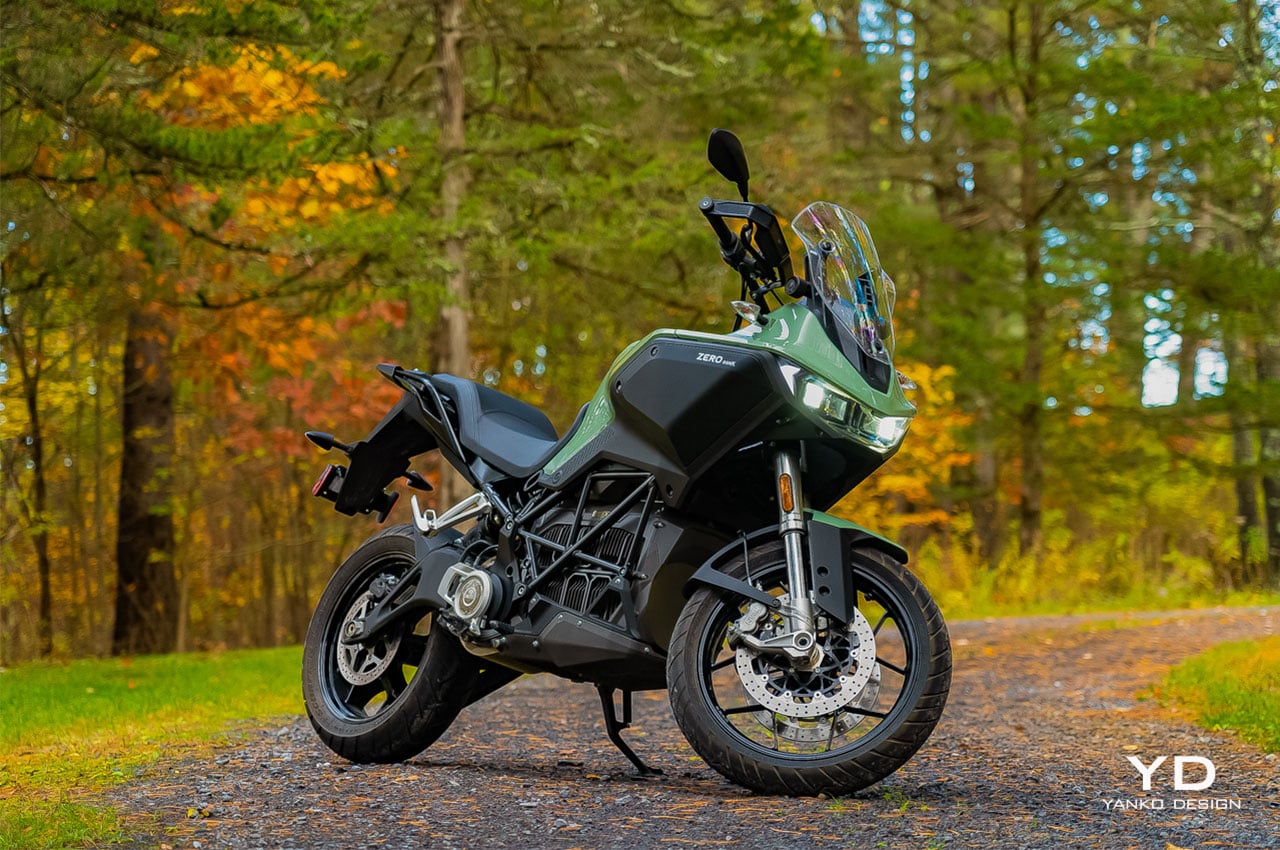
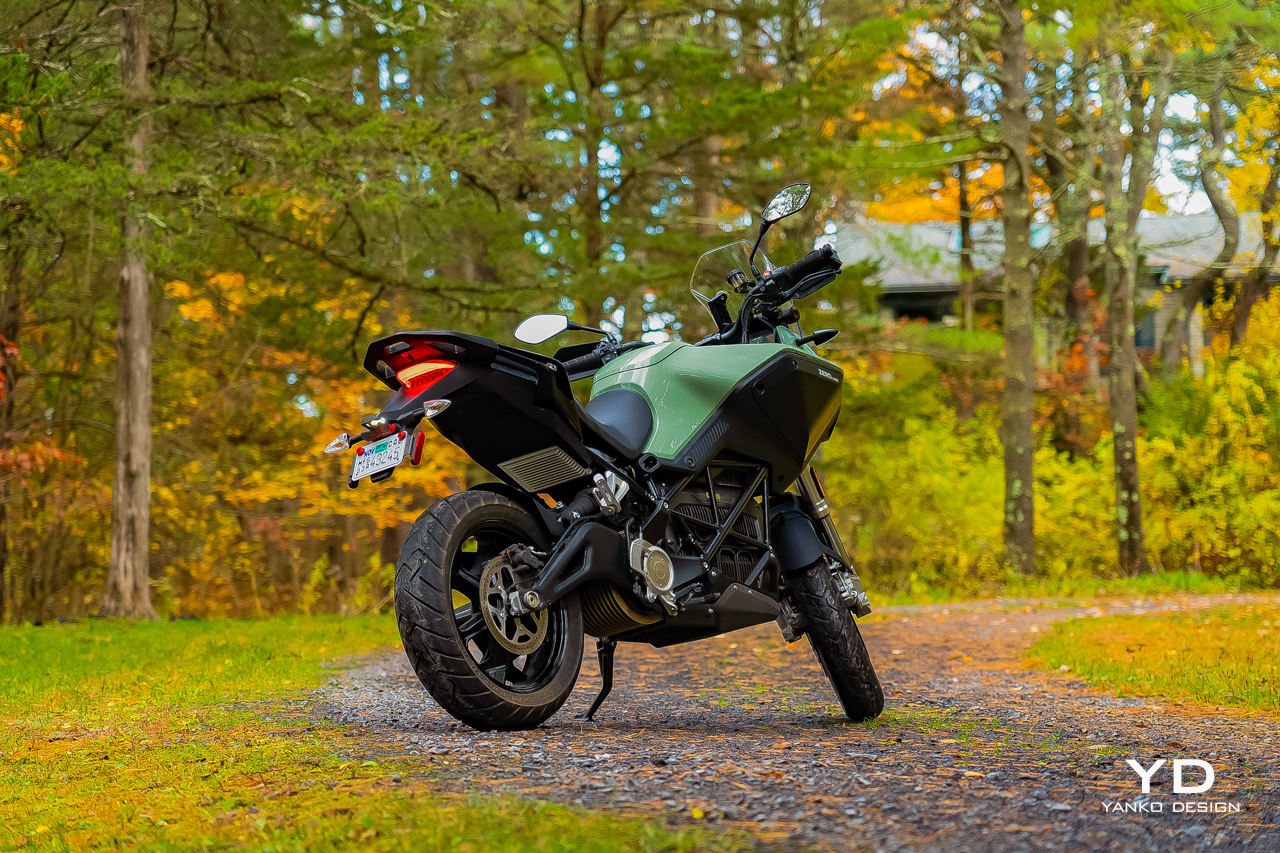
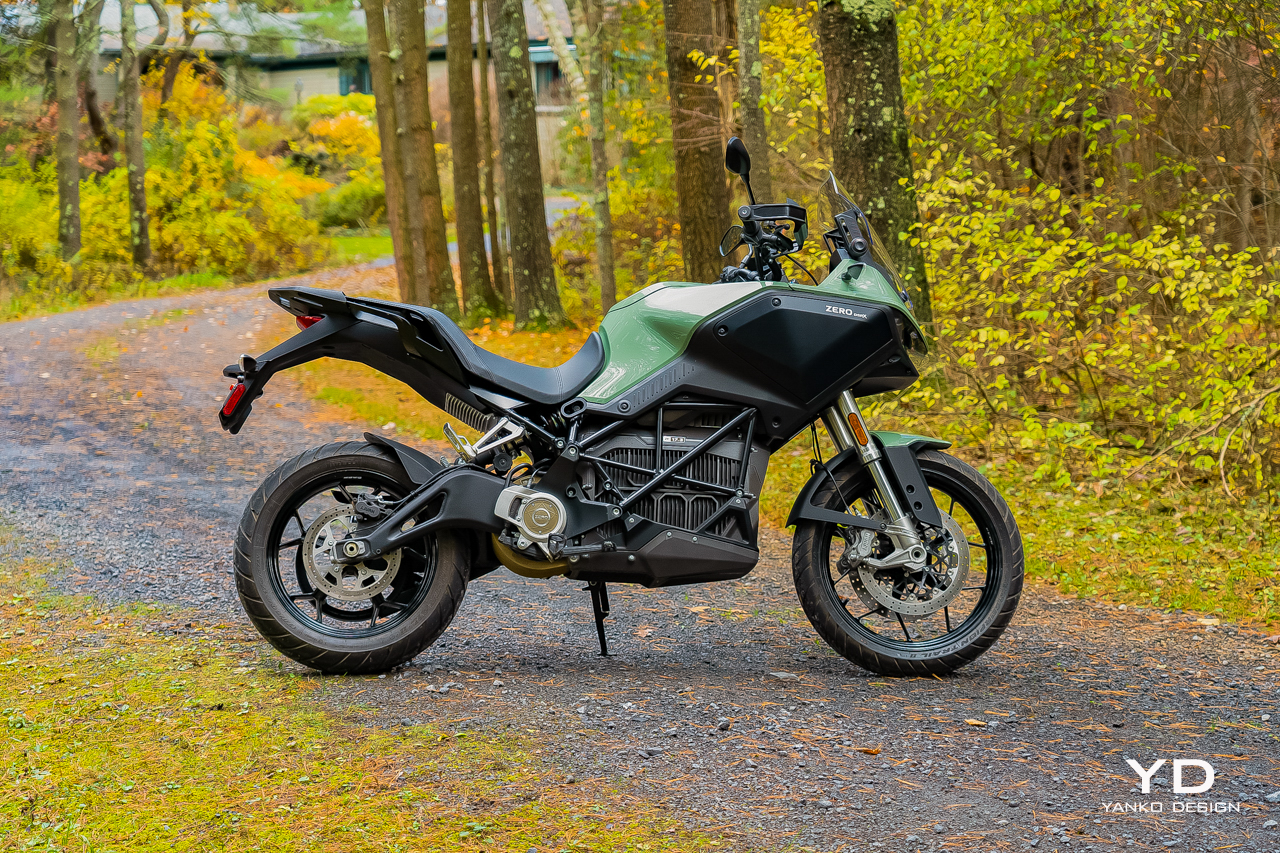
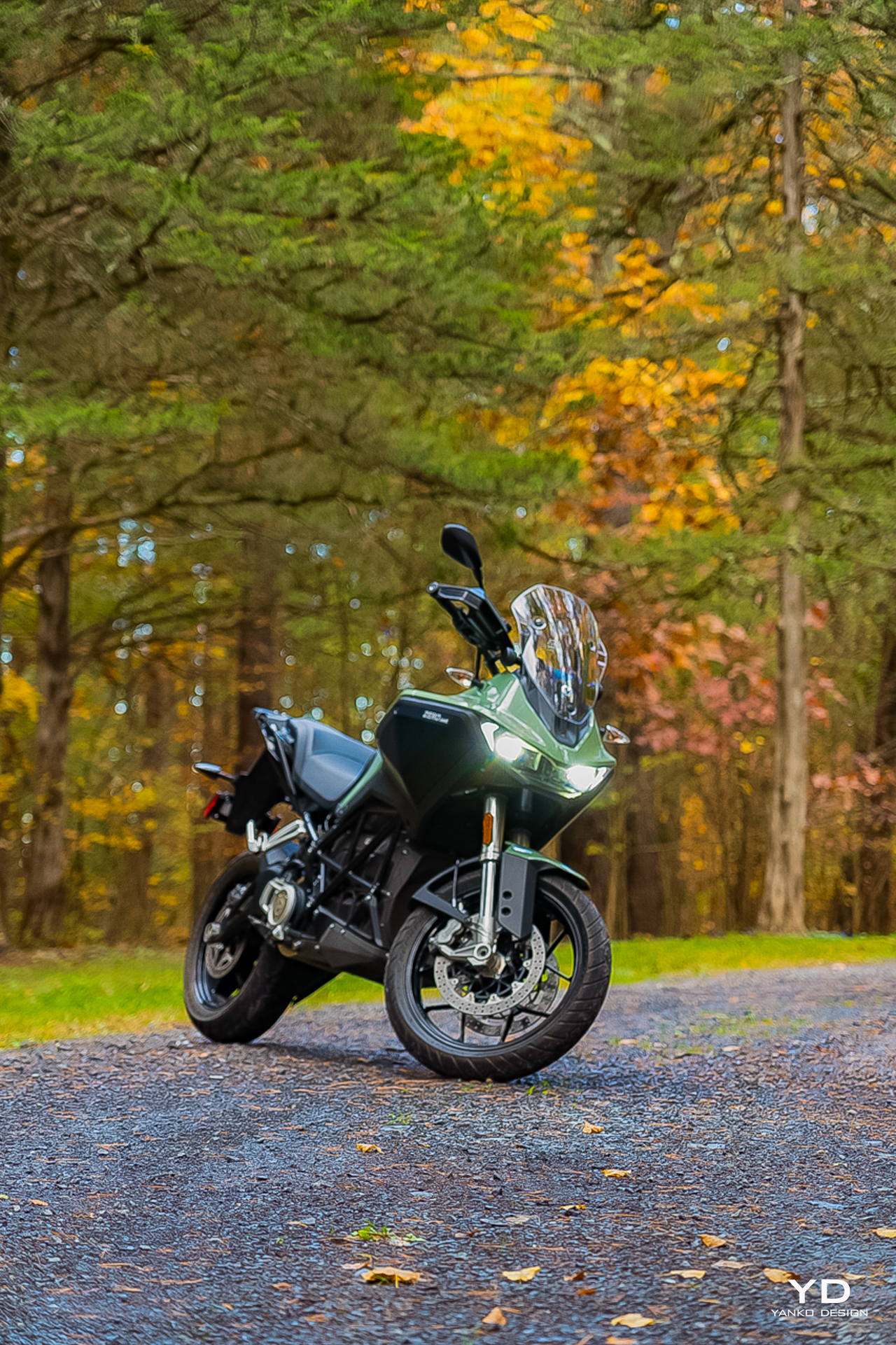
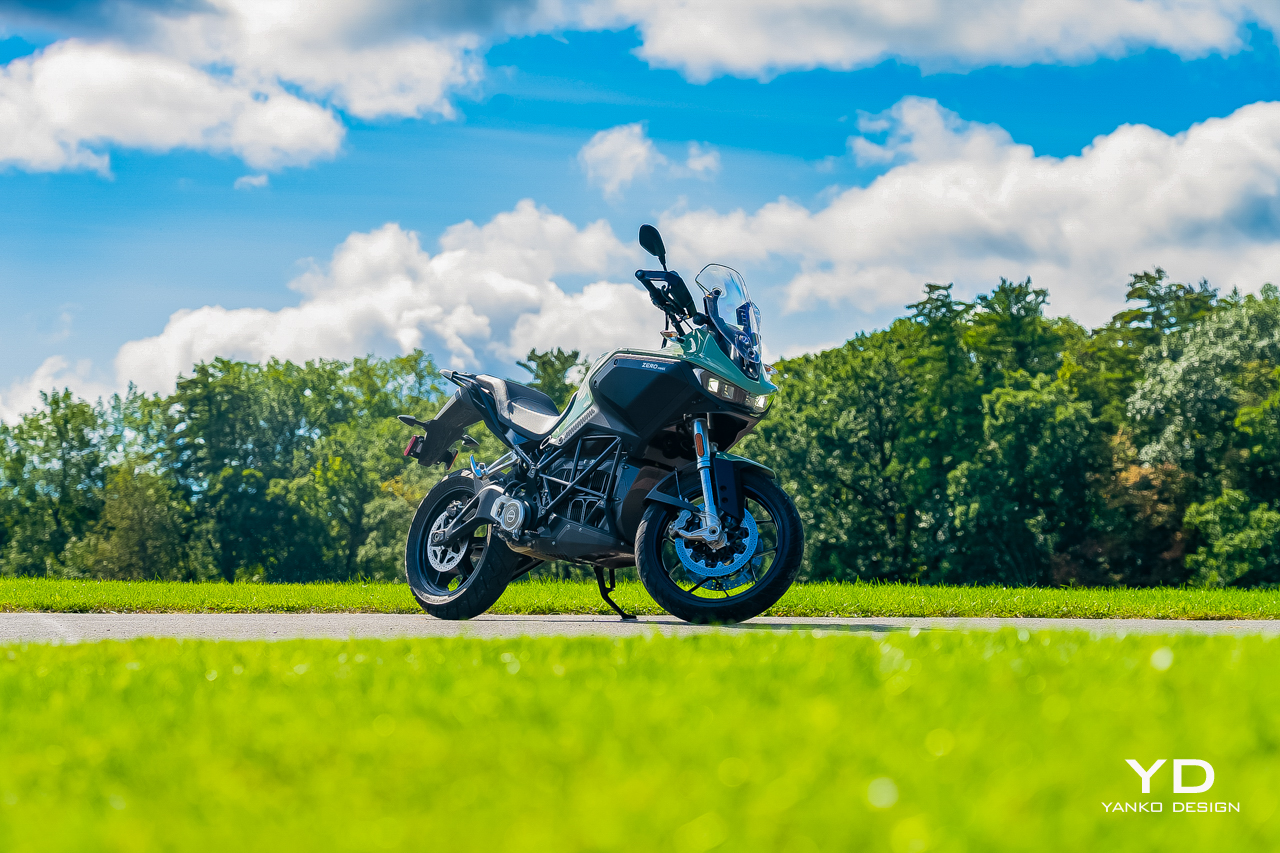
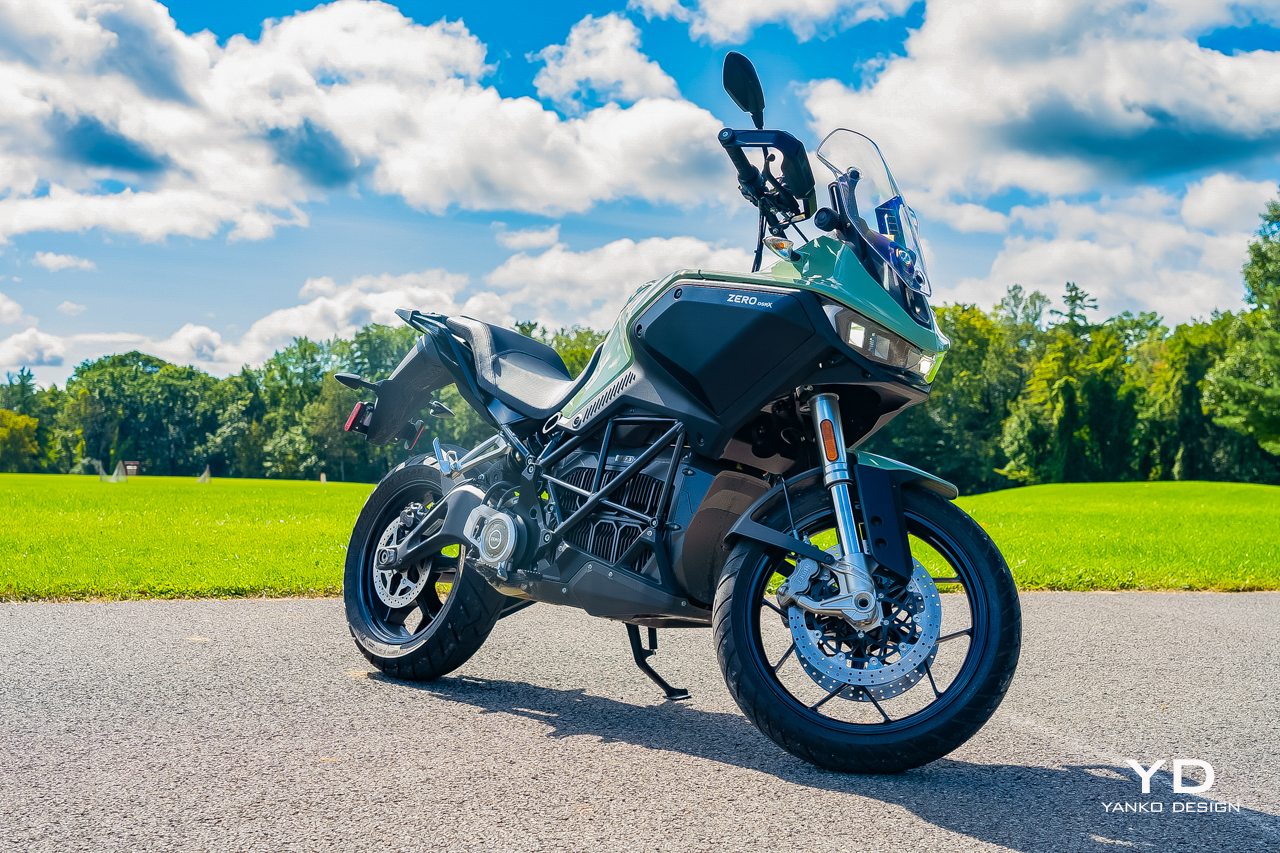
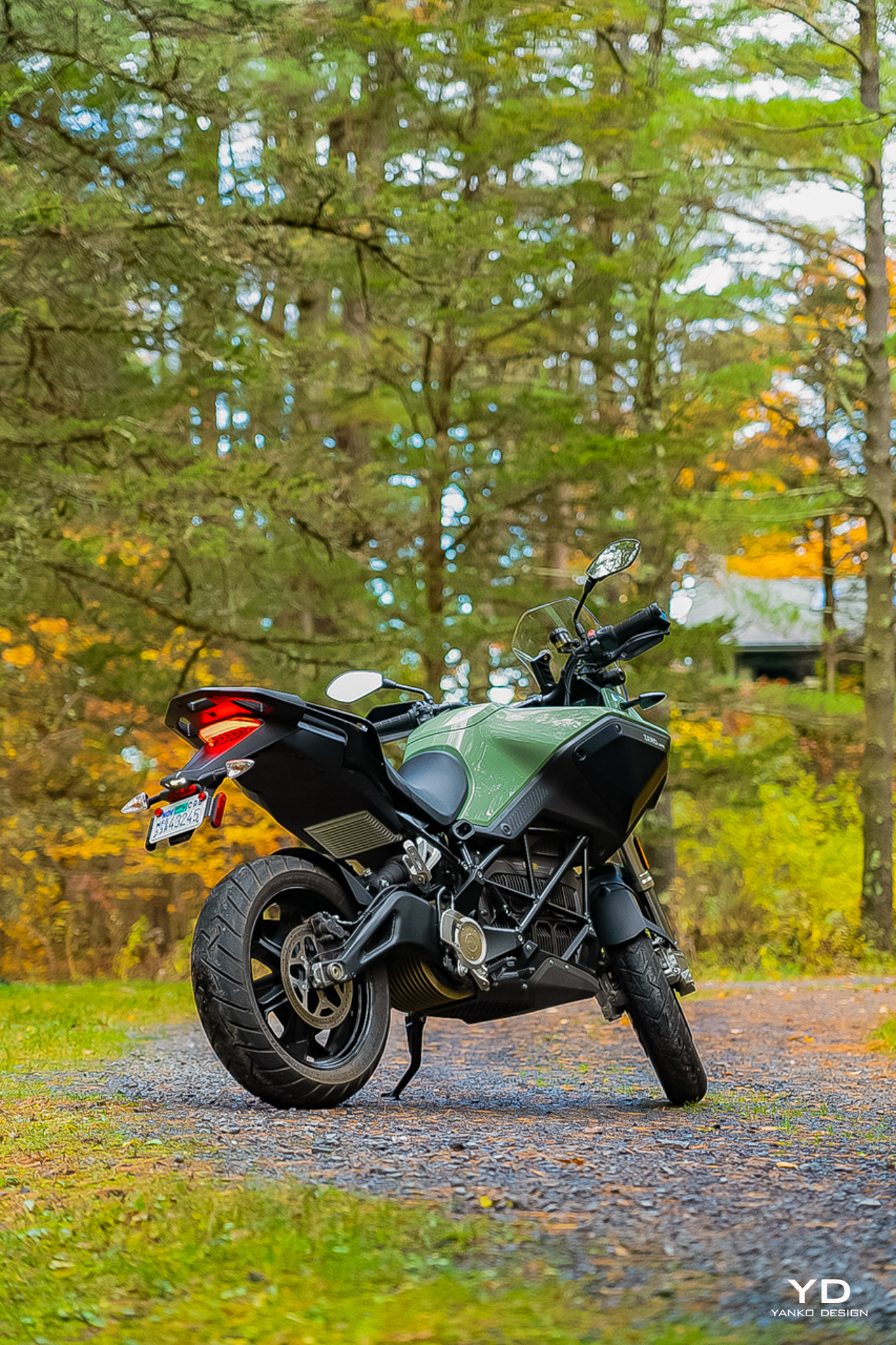
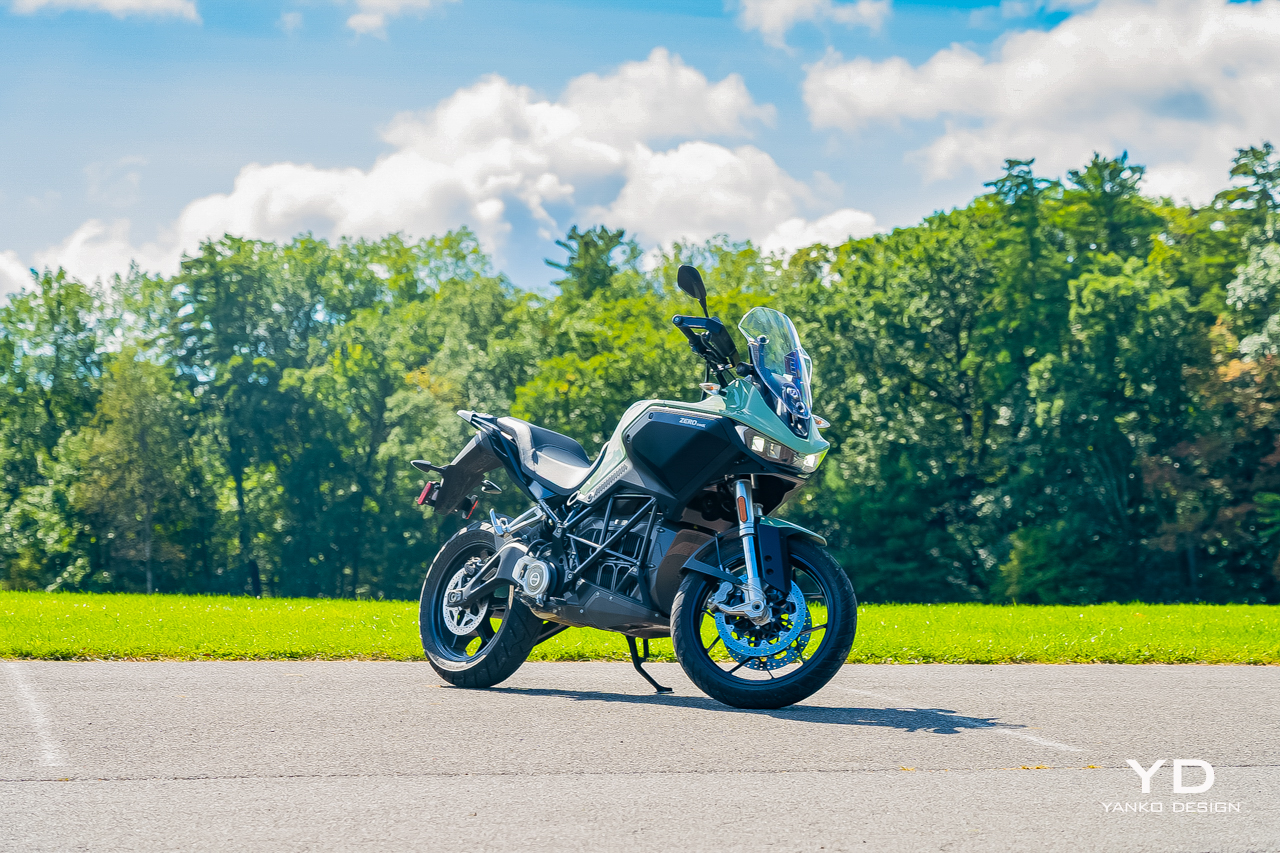
It’s admittedly only been a year, but I find the look of the DSR-X just as appealing as I did 12 months ago. Maybe even more so. Its upright, organic shape is still a welcome sight to me as I approach it in a parking lot. Far from the razor-thin shapes most commonly seen on sportbikes, the somewhat bulbous fairing of the Zero gives it a more friendly appearance.

I still love the green, too, a somewhat muted hue that feels like a nod to the nature that this bike craves getting out and into.

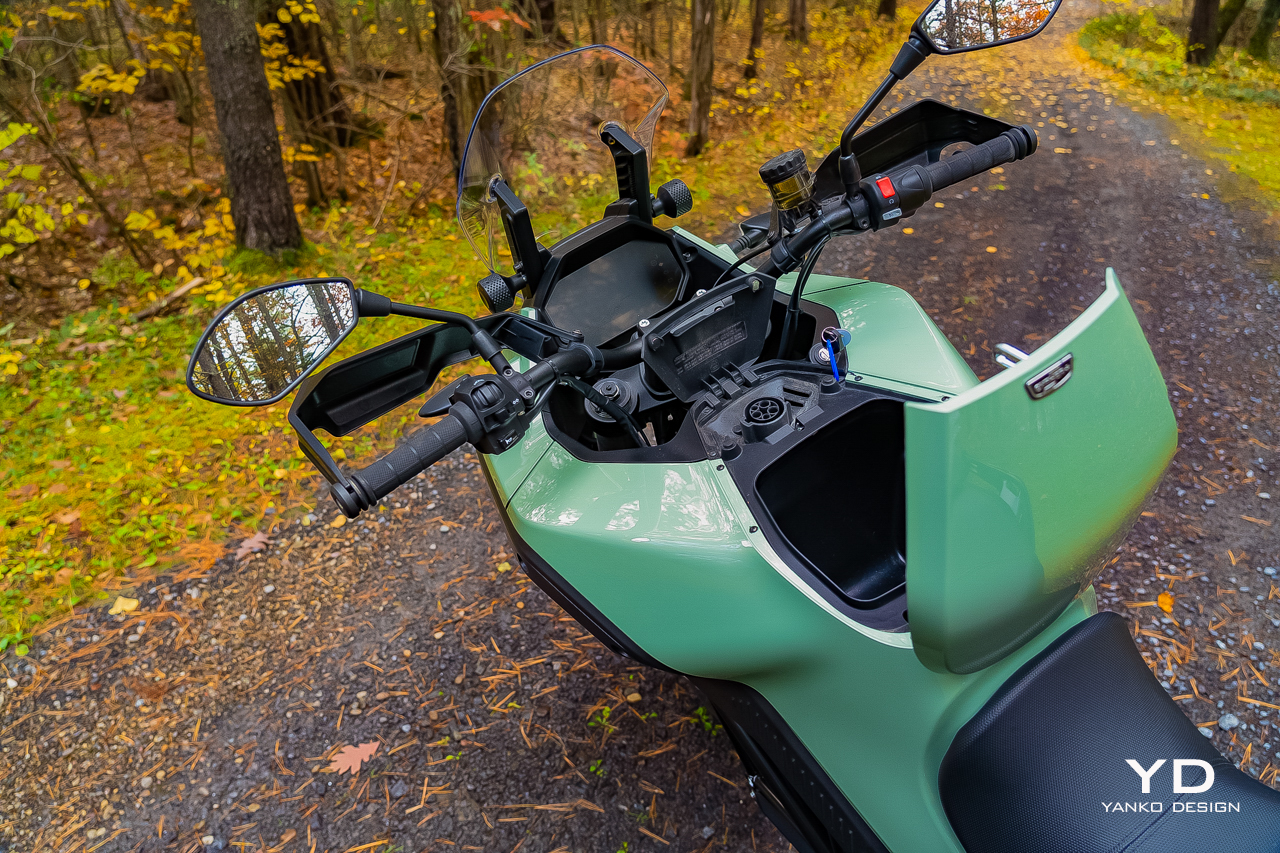
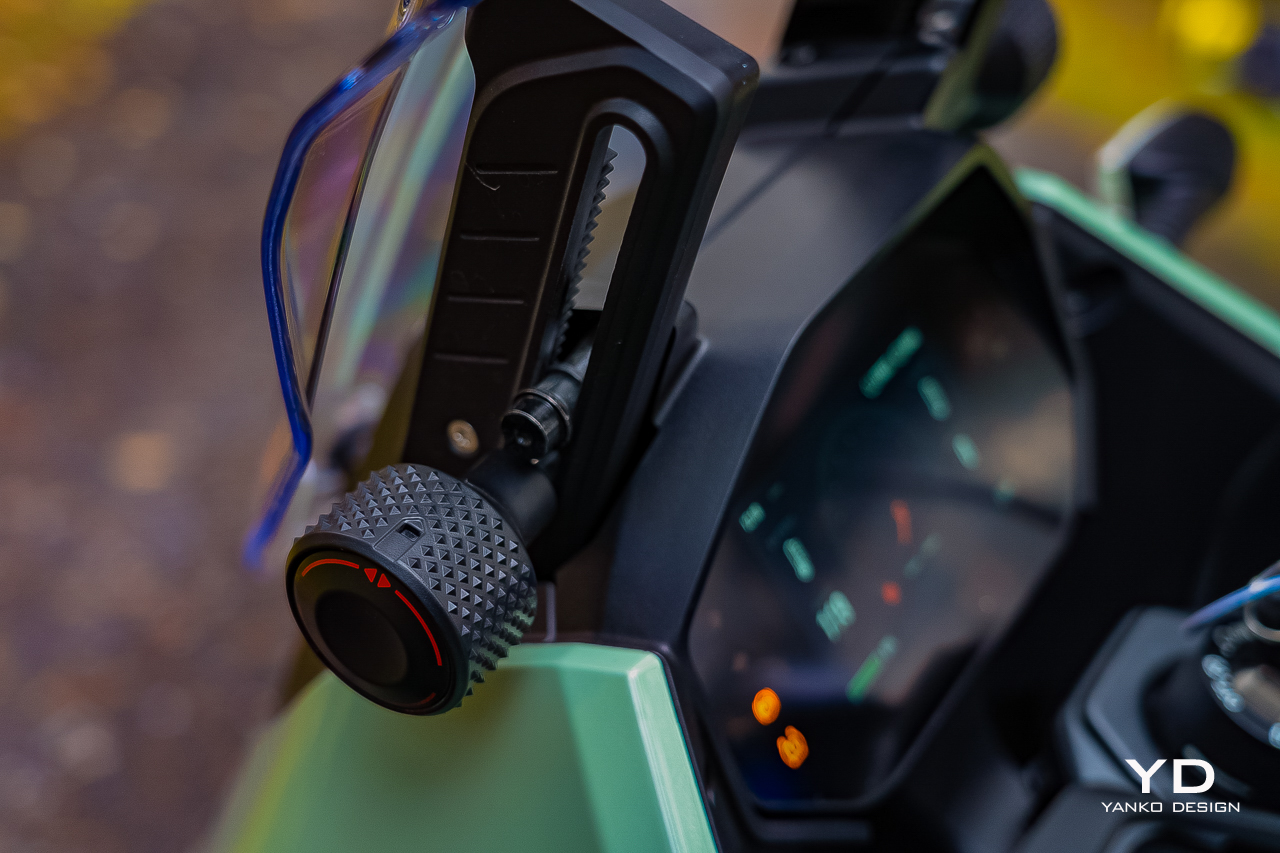
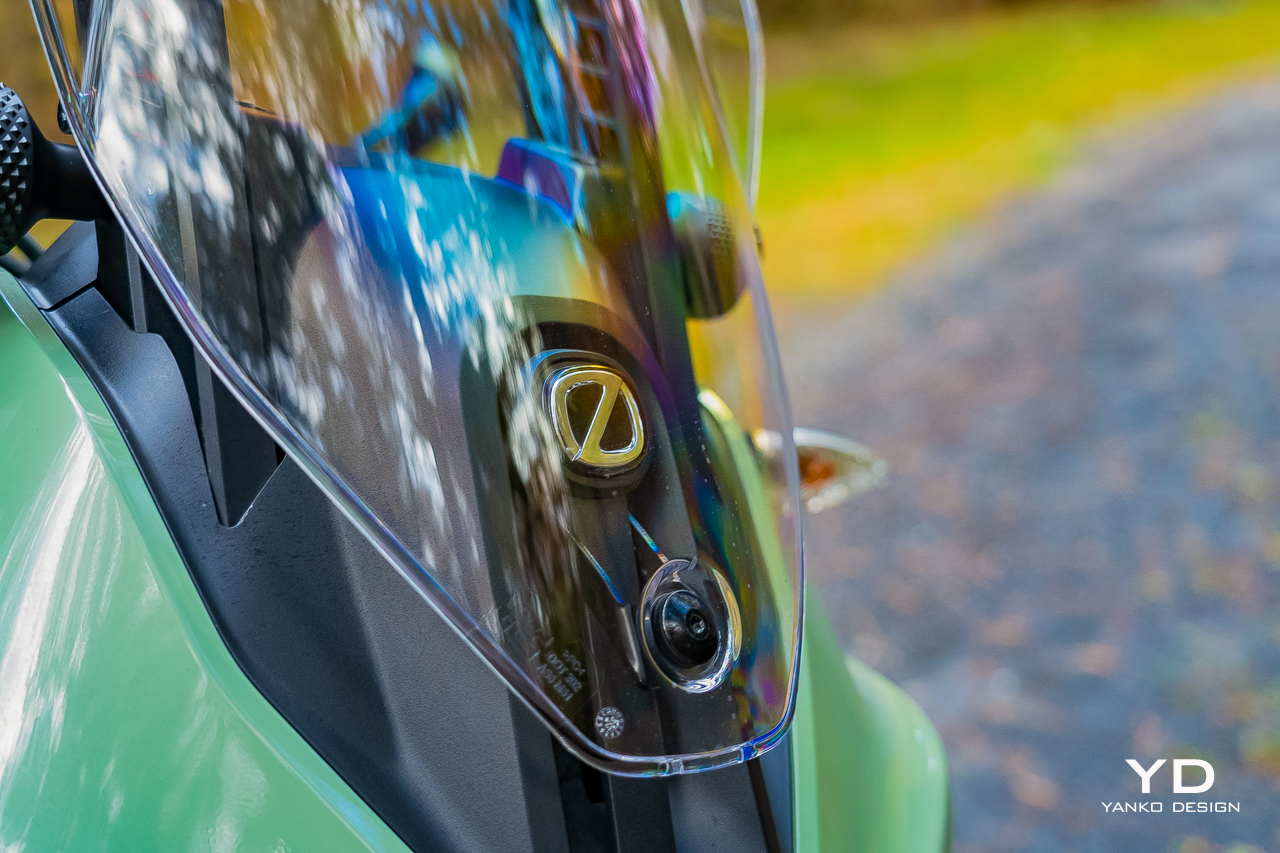
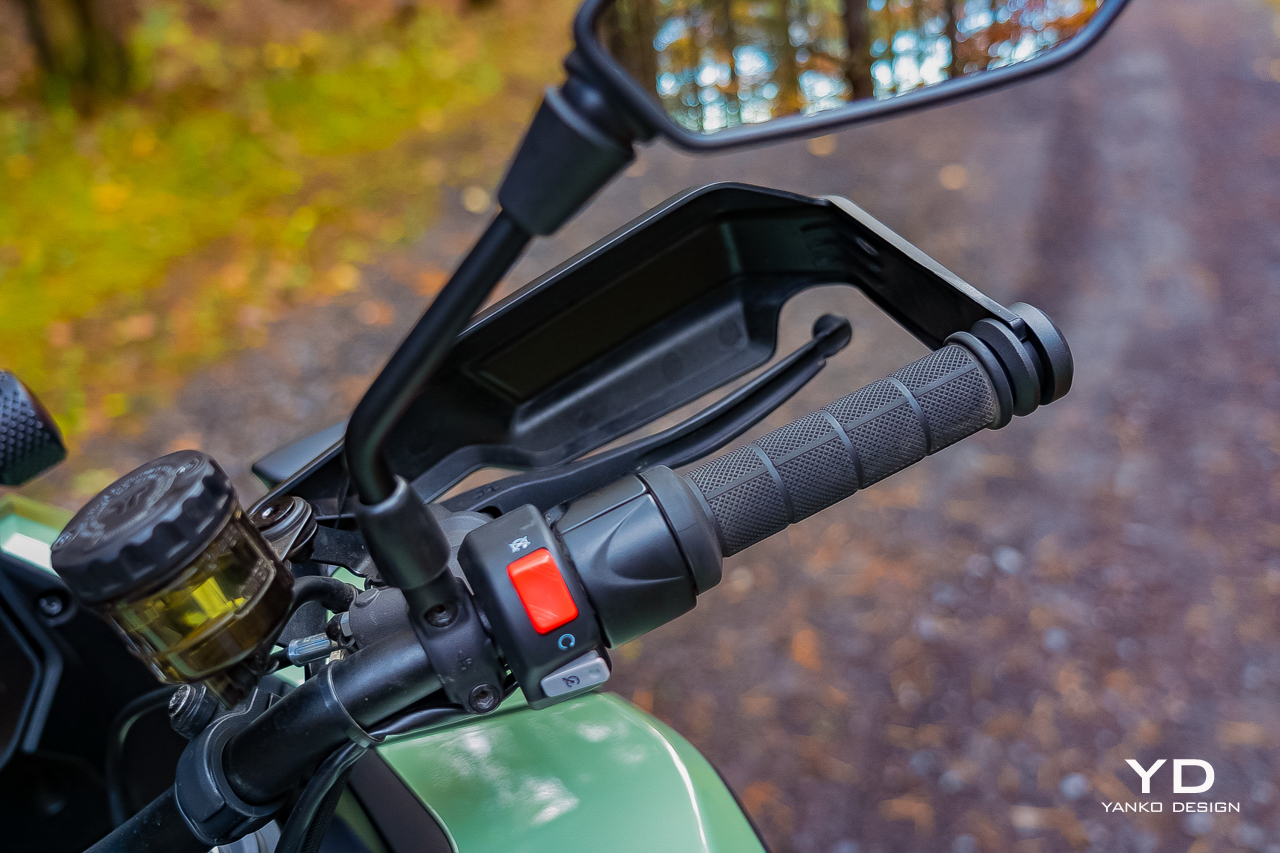
Beyond the visual appeal, there’s a lot of practicality here, too. The generous front windscreen lacks power but is so easy to adjust with its pair of chunky knobs that you won’t mind the absence. At its maximum extent, the windscreen was a bit too short for me, causing buffetting on the top of my helmet, but I sit rather tall, so this won’t be an issue for most folks.

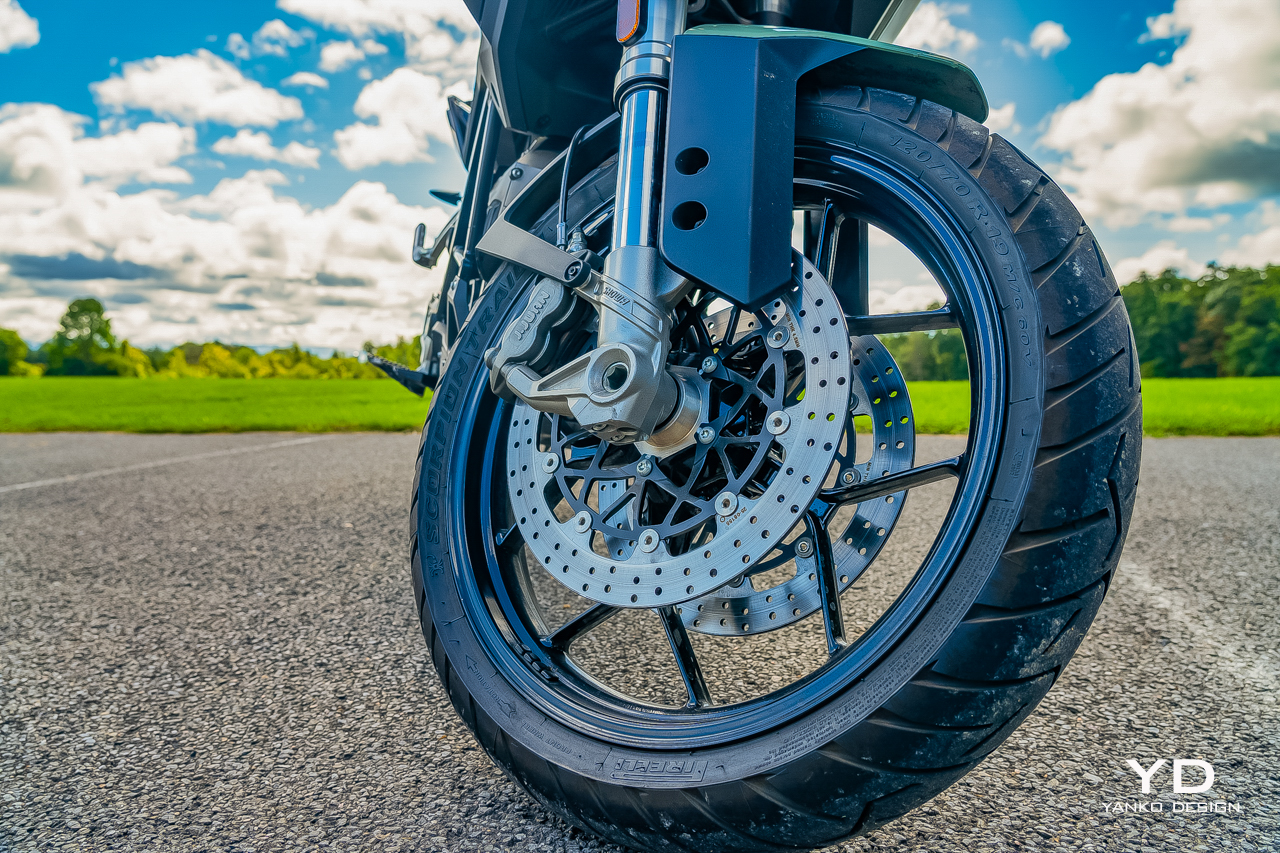
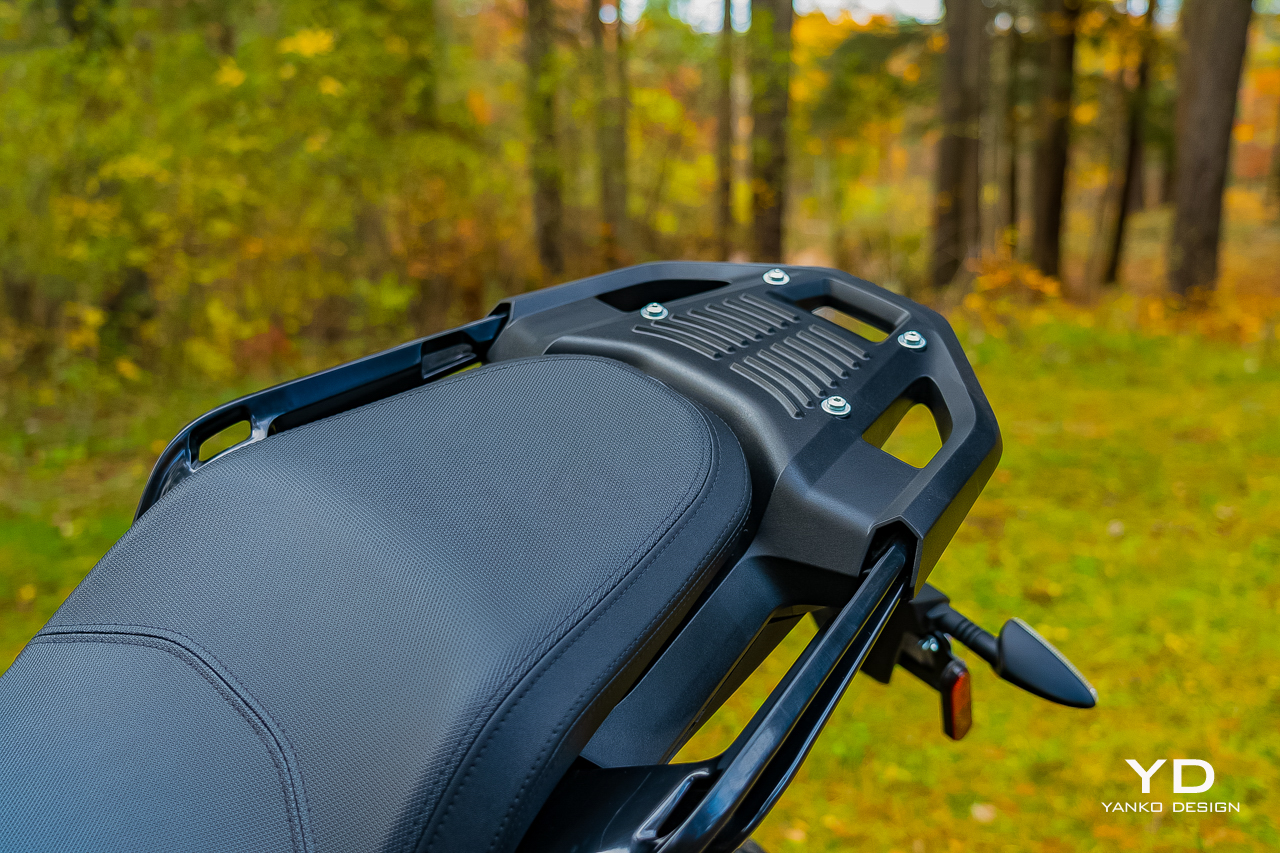
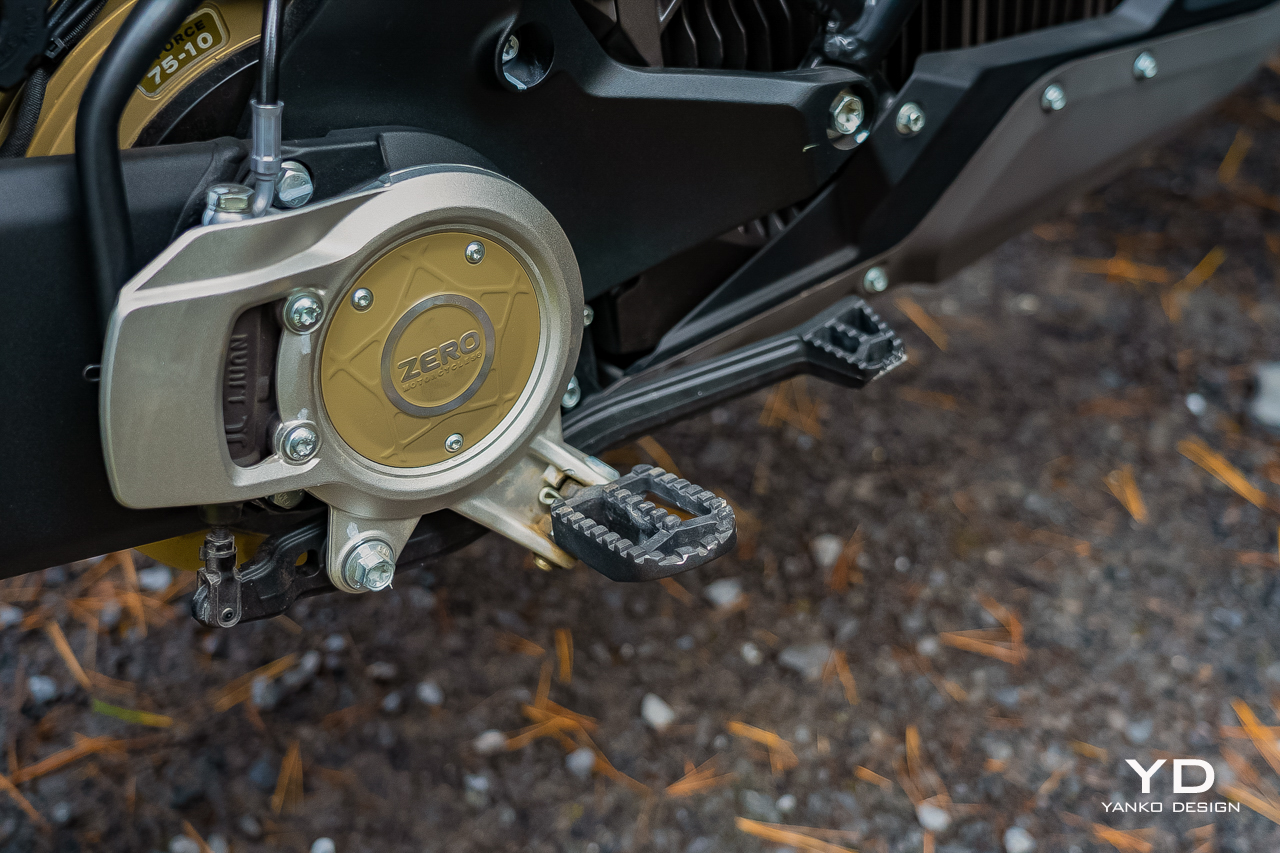
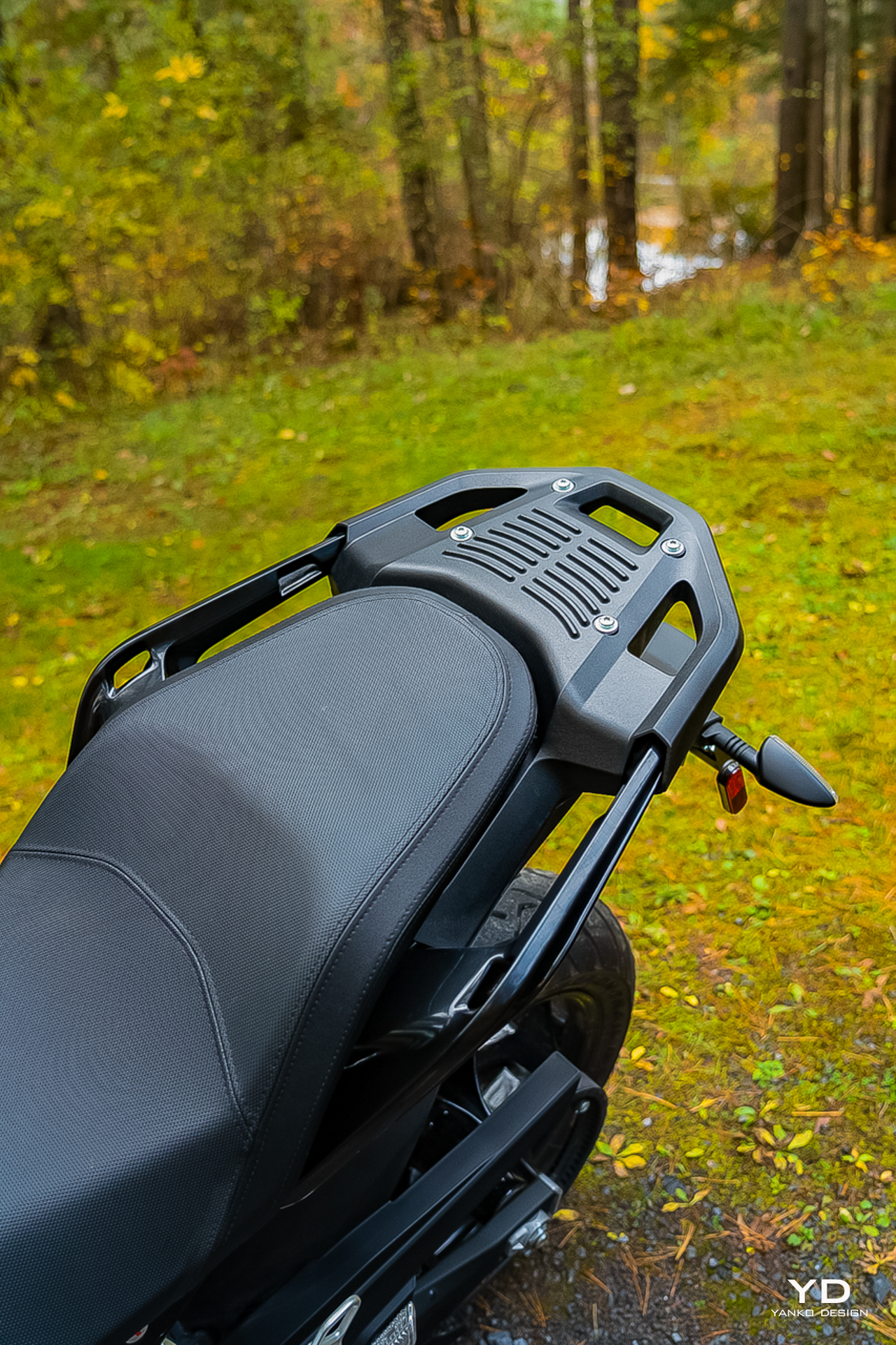
The saddle, at 32.6 inches in height, felt a bit tall at first, but I quickly got comfortable. It’s far wider and softer than most bikes with dual sport aspirations, making it a treat for longer days in the saddle. And, when you need to stretch those legs or get some extra airflow between them, wide and grippy pegs make it easy to stand up, even in the rain and the mud.

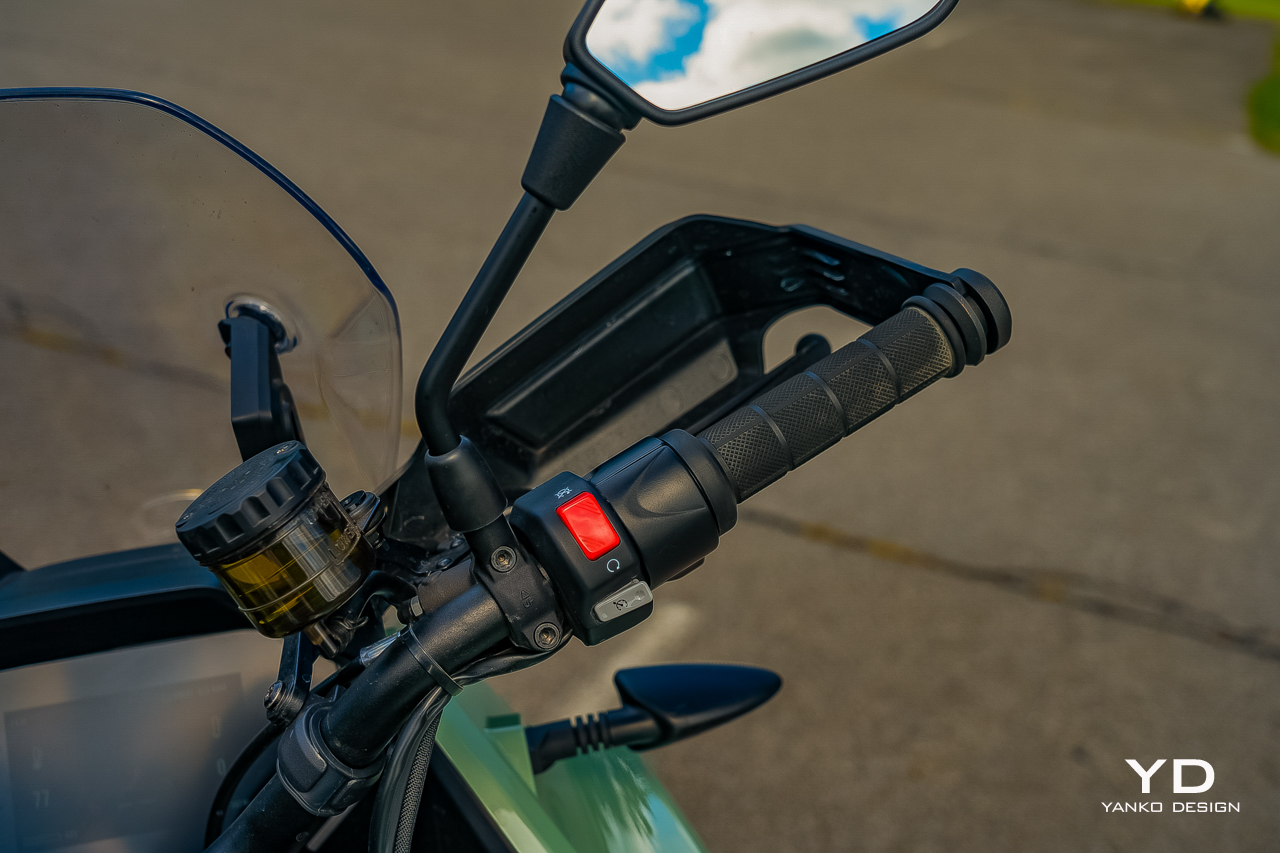
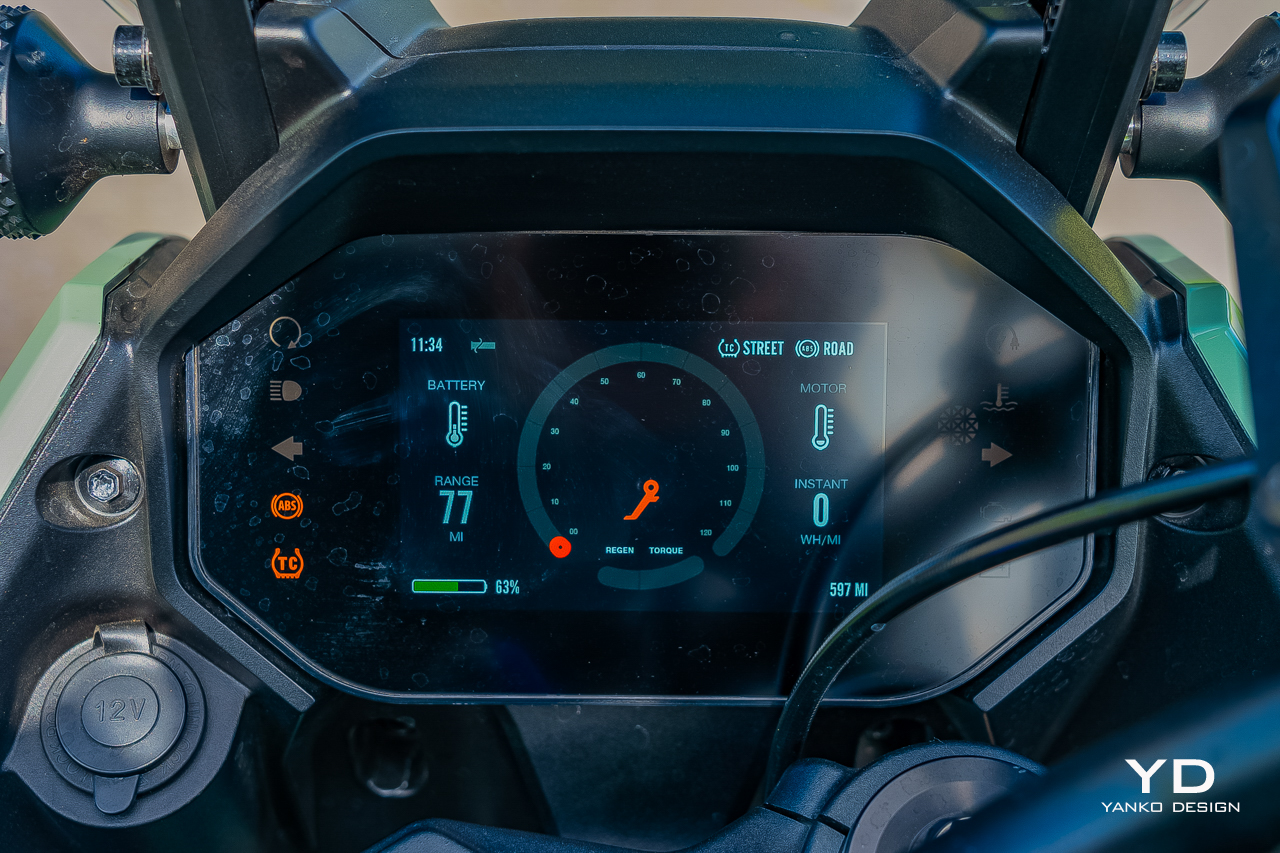
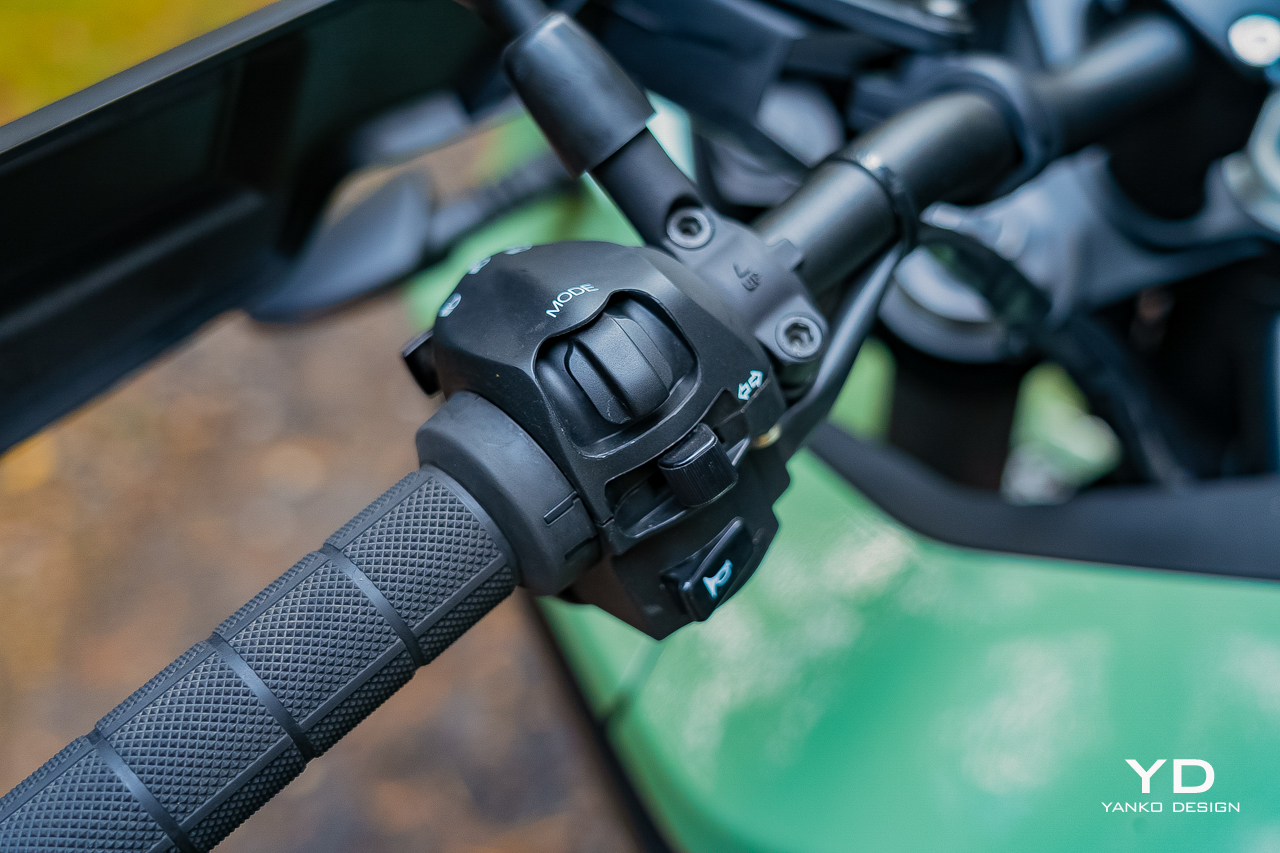
The high positioning of the grips, too, makes it easy to operate the bike while standing. It helps for keeping good posture while seated, too. My only complaint with the controls is the rocker switch on the left. It’s used for controlling so many functions — toggling drive modes, heated grips, resetting the trip meter, etc. — that it’s easy to forget what to tap or press and when. A four-way rocker would have been less confusing and more intuitive.
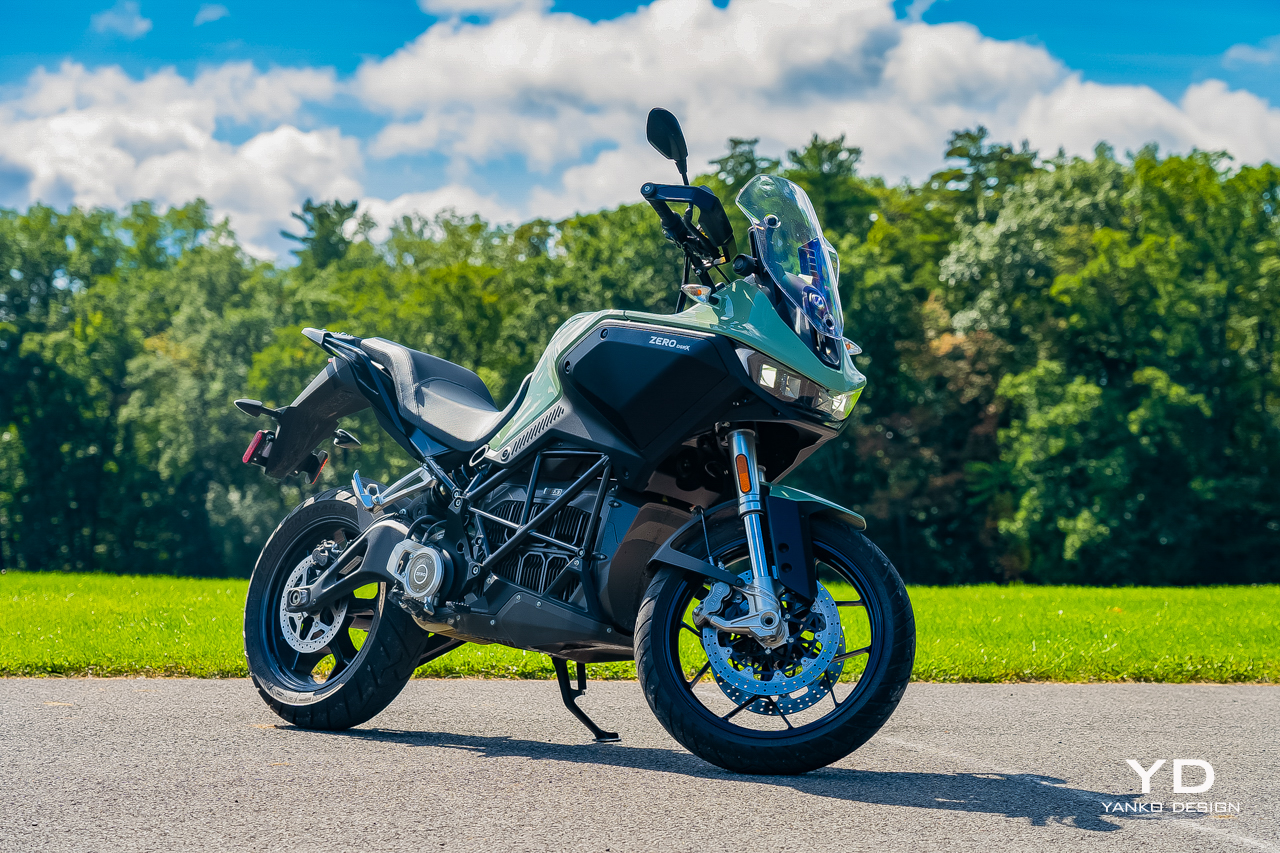
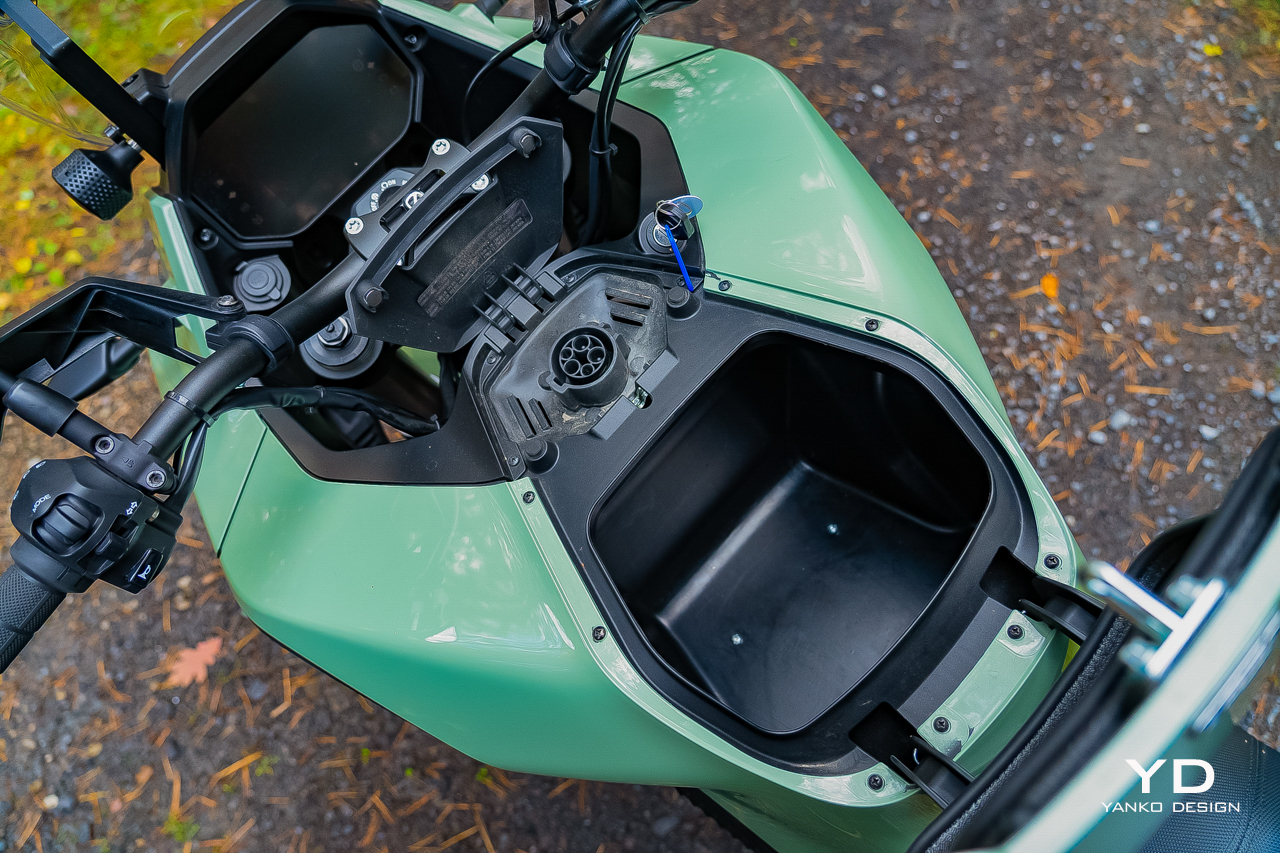
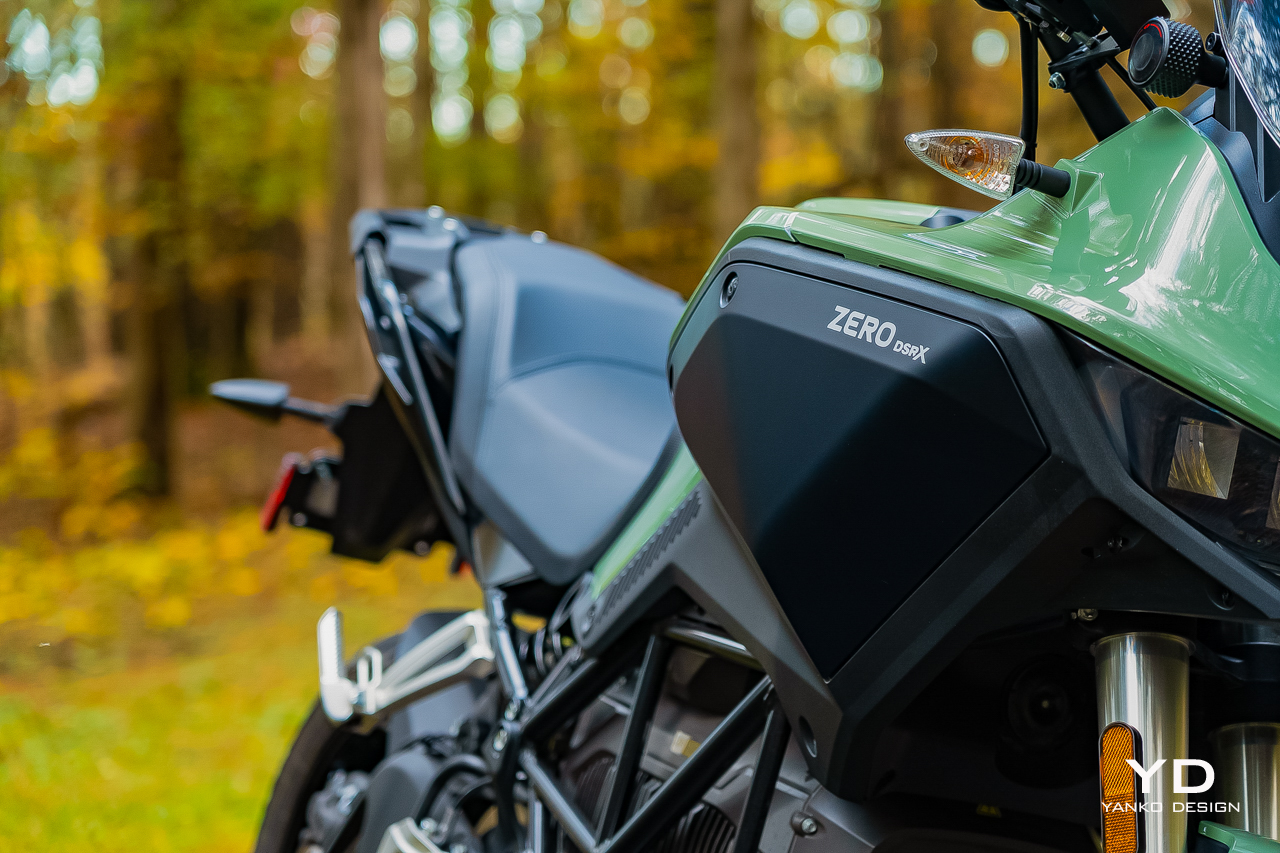
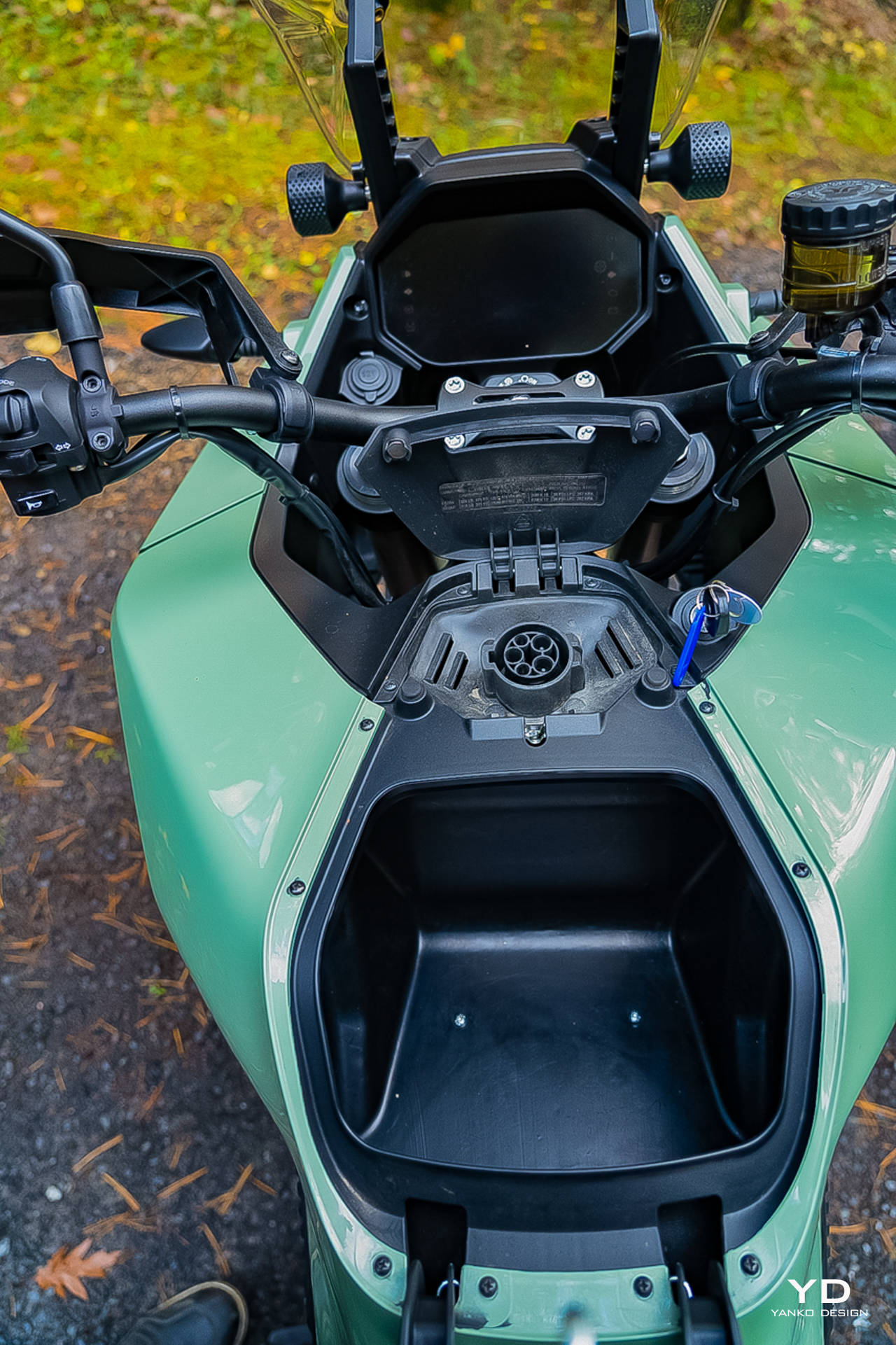
My favorite part of the design can’t even be seen. It’s the cavernous storage compartment built into the tank. Though sadly not quite big enough for a helmet (at least, not one my size), it easily swallows all sorts of things. In my time with it, I’ve used it to carry food and drinks for meals on the go, a gallon of almond milk home from the shops, even a flower bouquet.

It also makes for a great place to keep your rain gear when not needed or to toss your gloves when the bike is parked up waiting for you. I only wish the cubby featured the kind of central locking you find on the Honda Goldwing or other high-end touring bikes. It must be unlocked with the ignition key, which often left me shutting the bike down, using the key to open the storage compartment, and then powering the bike back up again.
On the road

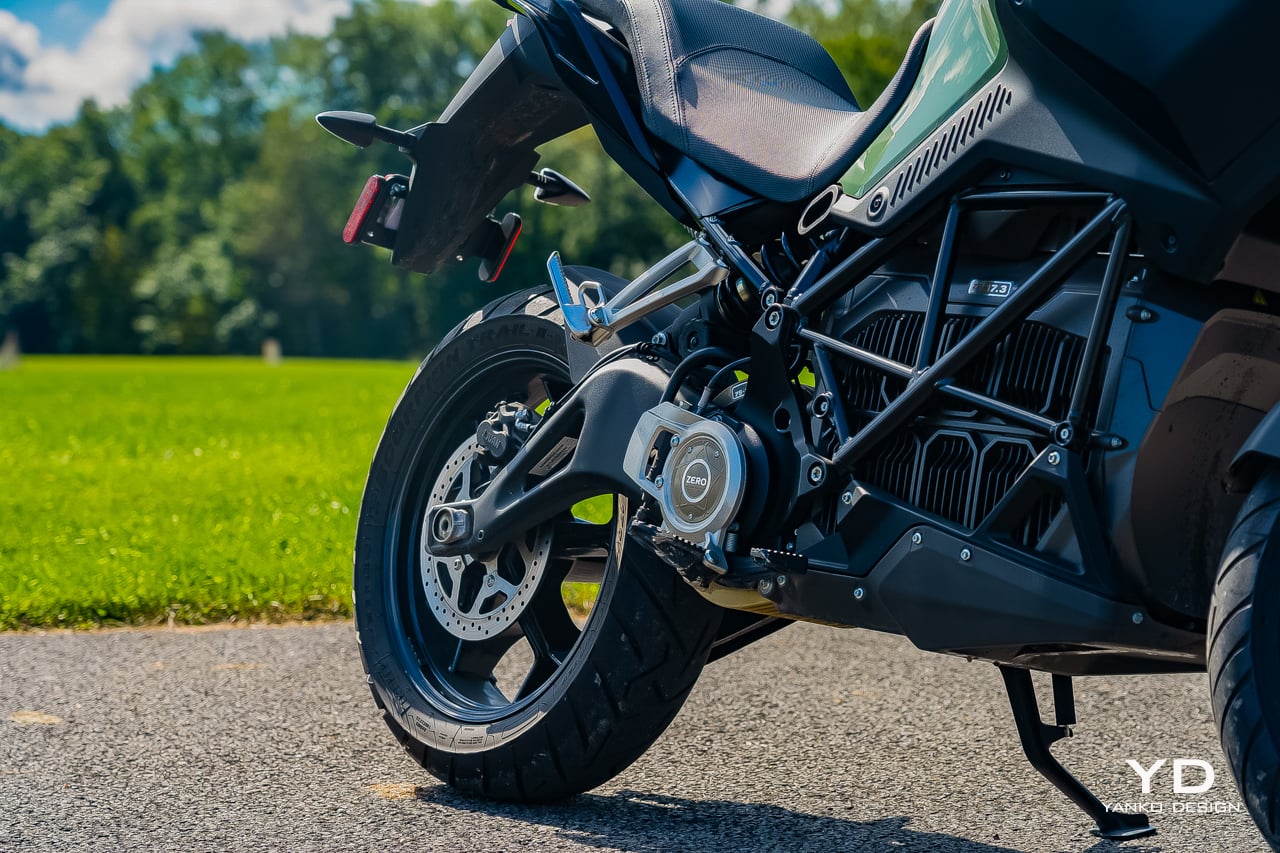
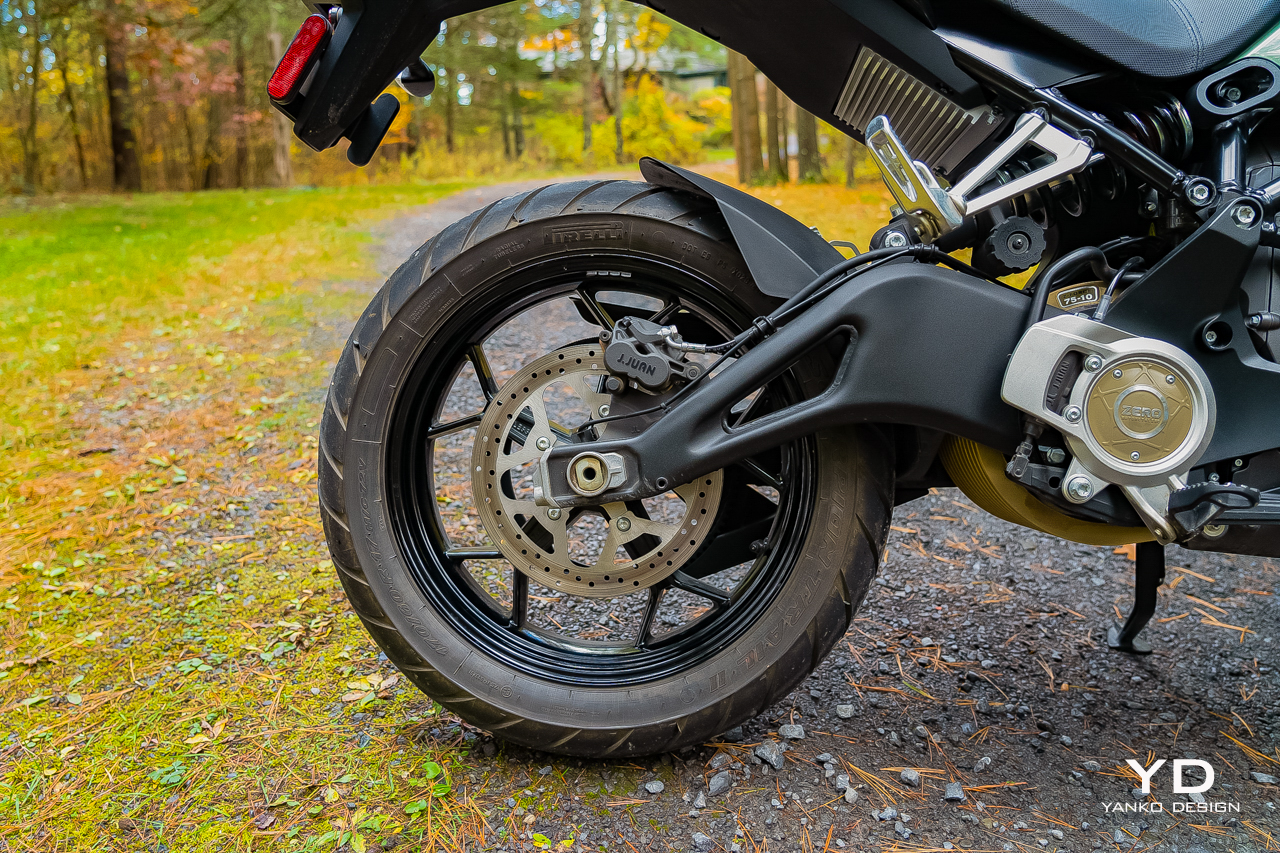
While I only spent a little bit of time trail-hopping this Zero, it proved itself to be an compliant and capable ride on loose gravel and dirt. That’s despite a set of tires that offer little in the way of tread for that kind of terrain.

It’s also despite a prodigious weight but the refinement of the controls in the DSR-X are what make it so sweet to cruise up a trail. Without a clutch to slip or a gearbox to manage, you simply worry about throttle and brake. More importantly, you’re free to enjoy the ride a bit more.

I confess I’m not much of a trail rider, so I didn’t get into too much trouble on the Zero, but it always felt willing and able to go adventuring.
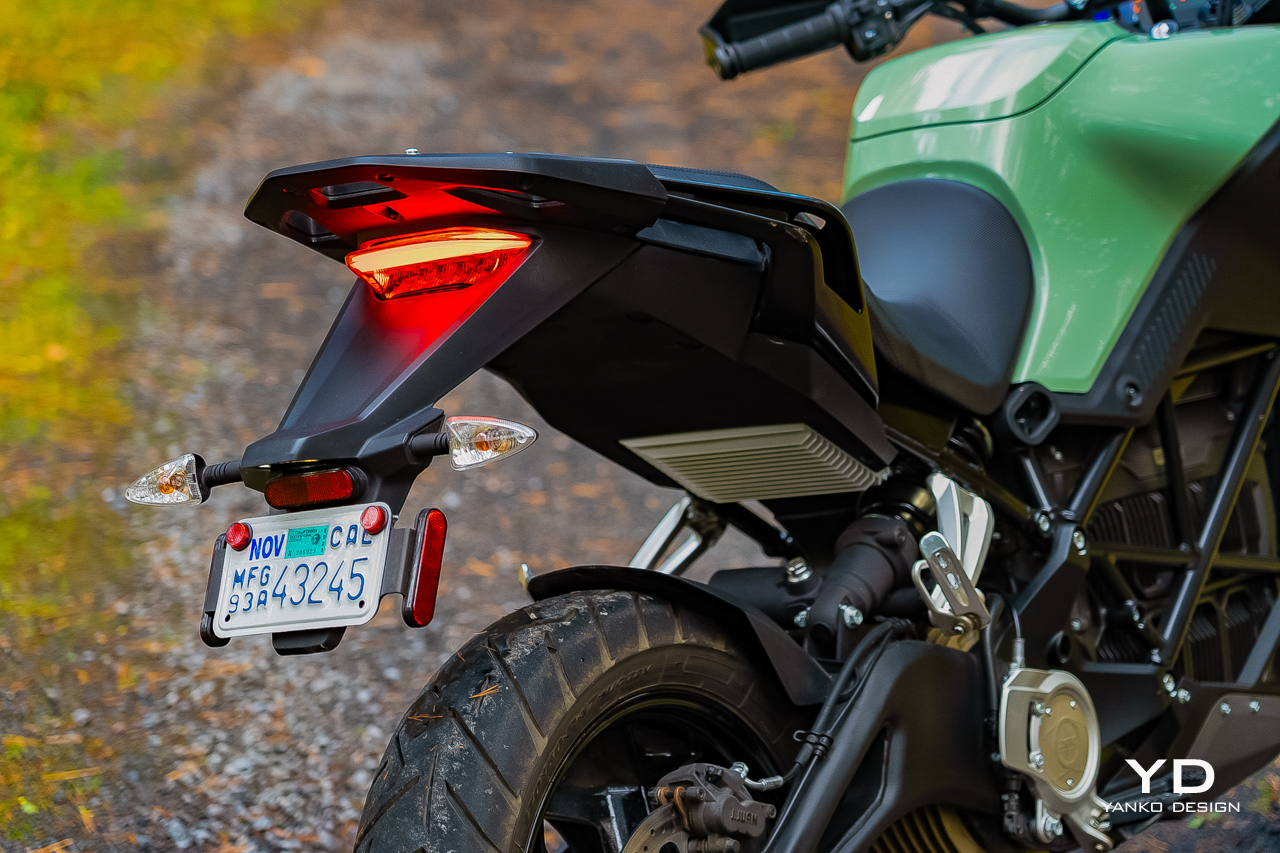
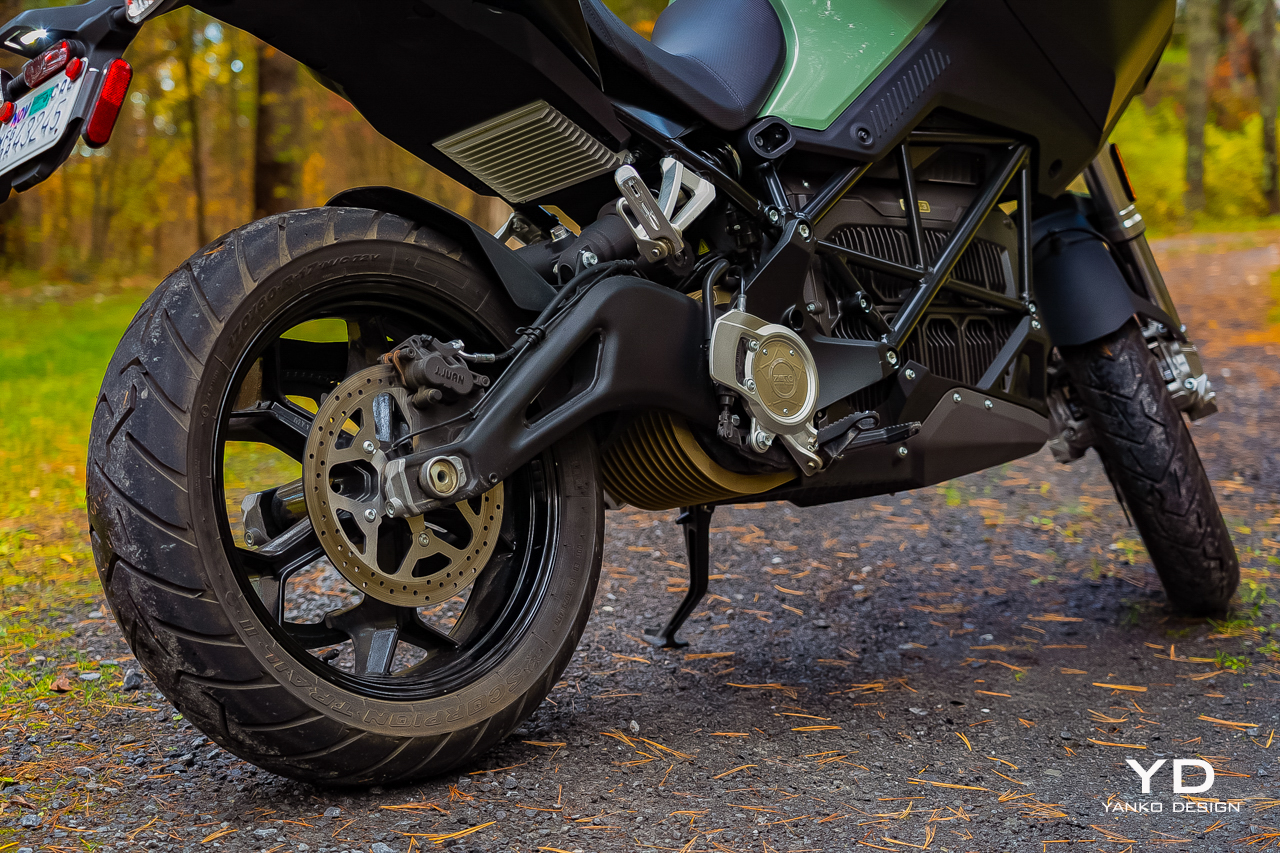
That continued as the temperatures dropped. The standard heated grips are a delight on chilly mornings, helped by the brush guards that keep most of the wind from your knuckles. Meanwhile, that windscreen and fairing do a great job of keeping the worst of the weather from the rest of you, such that riding through the rain isn’t as soaking an event as it might be on other bikes.

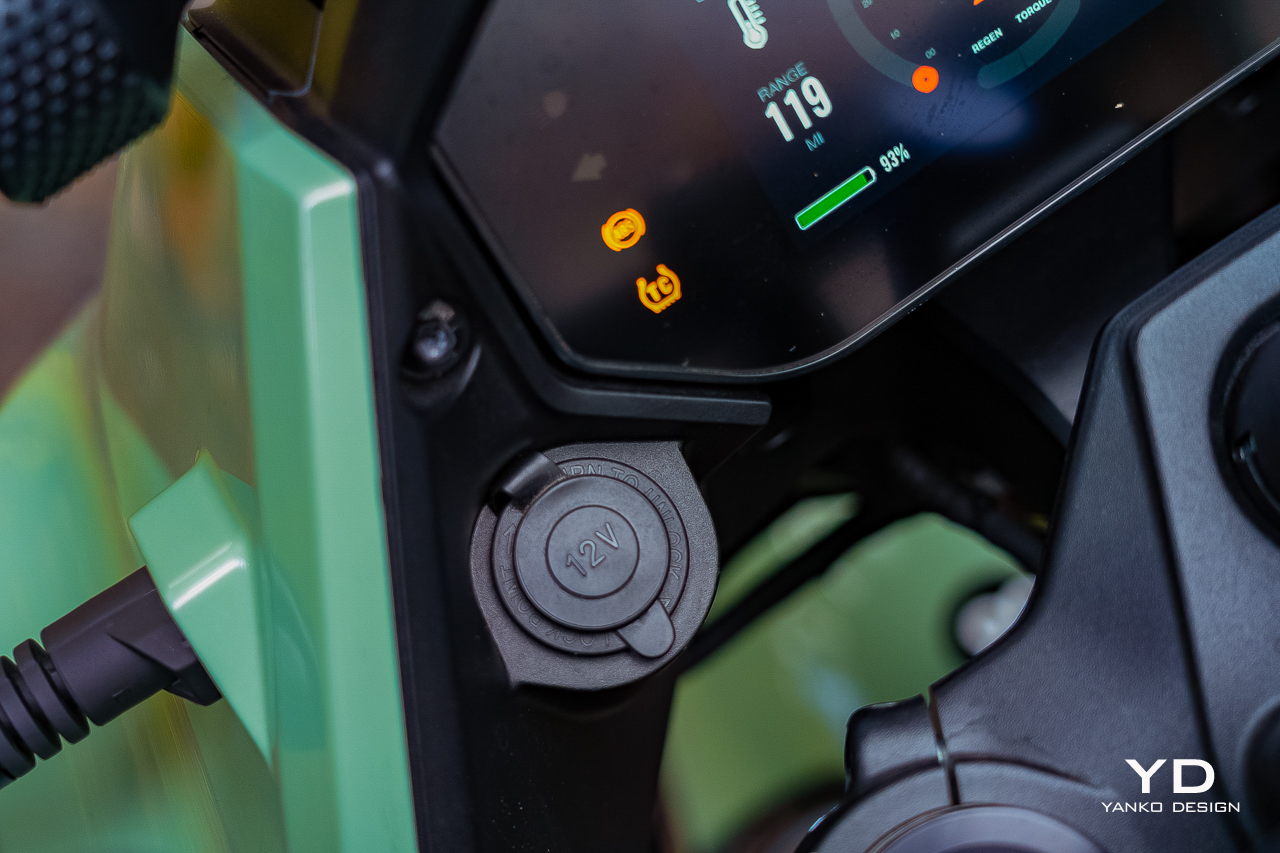
Even so, much of my riding was in the dry on asphalt in various states of disrepair, ideal conditions for this bike. I found the traction control system subtle enough not to be a restriction, yet it smoothly and reassuringly cut power when needed to mitigate unwanted wheelspin on the road.

Likewise, I only experienced the ABS a few times, but it too smoothly kept the wheels turning and kept me upright during a few panic stops over the year, avoiding wildlife and wild drivers.

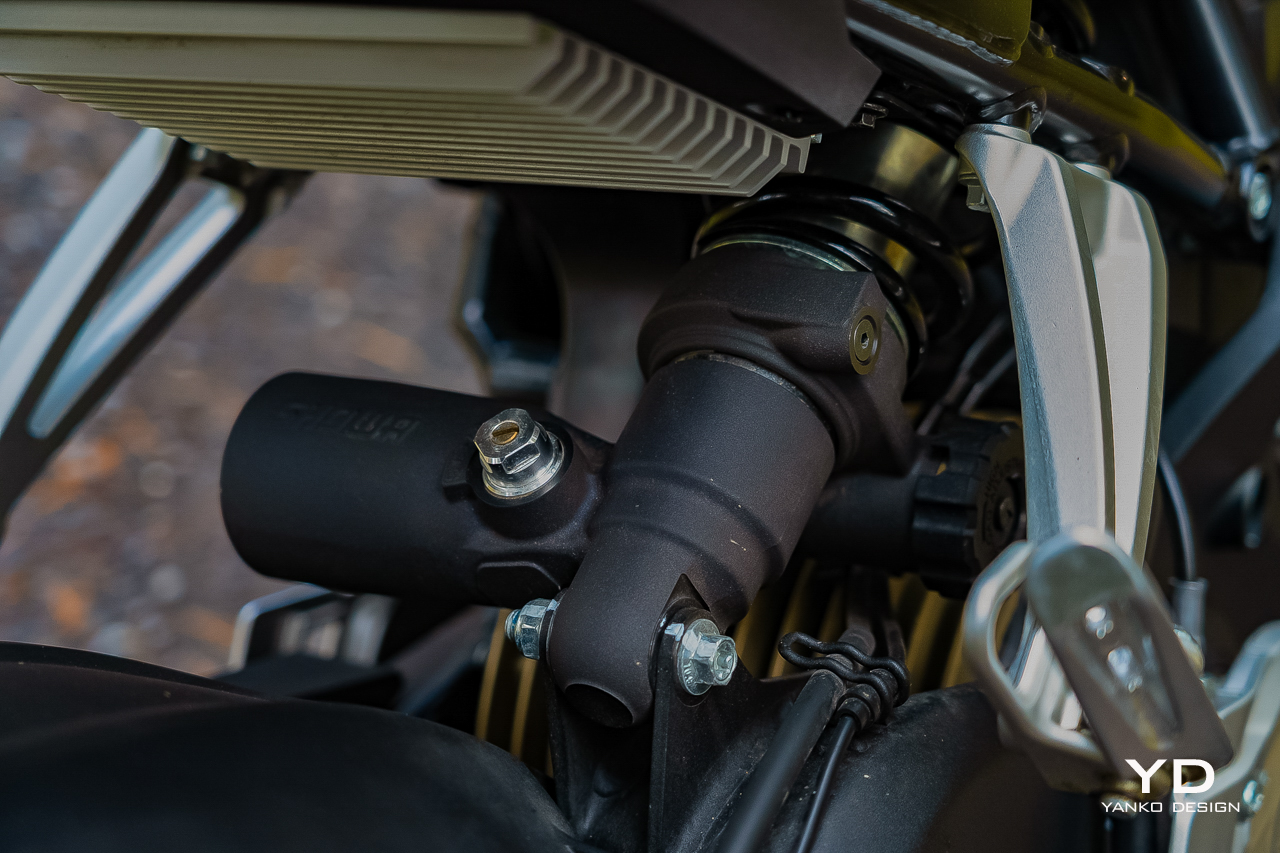
Bumpy roads did little to unsettle the DSR-X. At least, they didn’t once I got the suspension dialed in properly. The bike came to me with too much compression damping at the rear, which left everything feeling a bit too nervous over every little bump. But, after a quick consultation with the online manual, I had the rear shock dialed in for my weight. Everything was smooth from there.

Smooth is when I had the most fun on the DSR-X. Yes, it’s excellent in rough conditions, but Zero’s biggest bike is still a great corner carver on a freshly paved, twisty piece of asphalt. In these conditions, the Canyon riding mode is easily my favorite. That mode not only gives you the maximum throttle response with your wrist, but the maximum regen too. This means that you rarely need to reach for the brake lever. You can just roll the throttle on and off and swing through the twists and turns.

There are five separate on-road modes and five more off-road modes, plus a custom mode, all editable through Zero’s app. There’s an absolute wealth of configurability here, plus data management, making this among the most intelligent, most connected bikes out there. Data fiends will love the ability to download details from every ride. Perfectionists, meanwhile, will love being able to create a custom layout on the five-inch LCD gauge cluster.
Range and charging

If there’s one fly in this ointment, it’s the range. Though the DSR-X is rated for a maximum of 180 miles in the city, you’d have to rely on the most economical riding modes and keep your speed very low to manage it. I tried and couldn’t quite get there myself, at least not without feeling like a rolling traffic obstruction. If you’re exclusively riding on low-speed urban streets or crawling over trails, you might be able to manage that.
Me? I more often saw range estimates around 140 miles, but when I was feeling sporty (which, let’s be honest, was most of the time), I struggled to manage 120 miles on a charge. That is not a lot. Even if you exclusively head out on sunny Sundays for an afternoon cruise to your favorite taco shop, you may find yourself sweating that remaining range indicator on the return trip.

I never had any particularly close calls, but neither did I feel like pushing things. While charging is reasonably quick, the bike usually takes fewer than two hours to top up, that’s still too long to reasonably ride somewhere, enjoy lunch near a charger, and head home. You’ll need to do some serious route planning and budget lots of time for activities near plugs if you want to road trip one of these.
Pricing and Options

The bike you see here was priced at $24,495, with no options, and seemingly none needed.

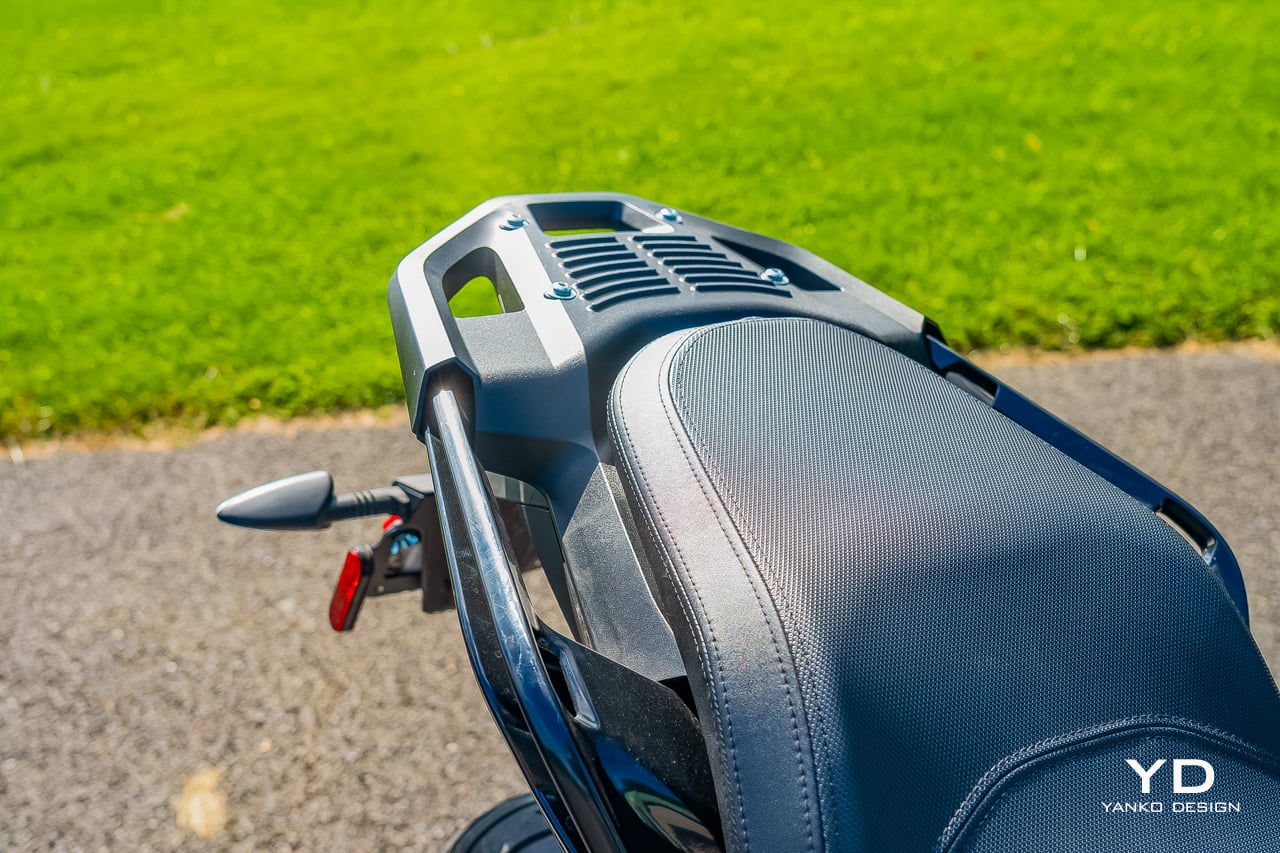
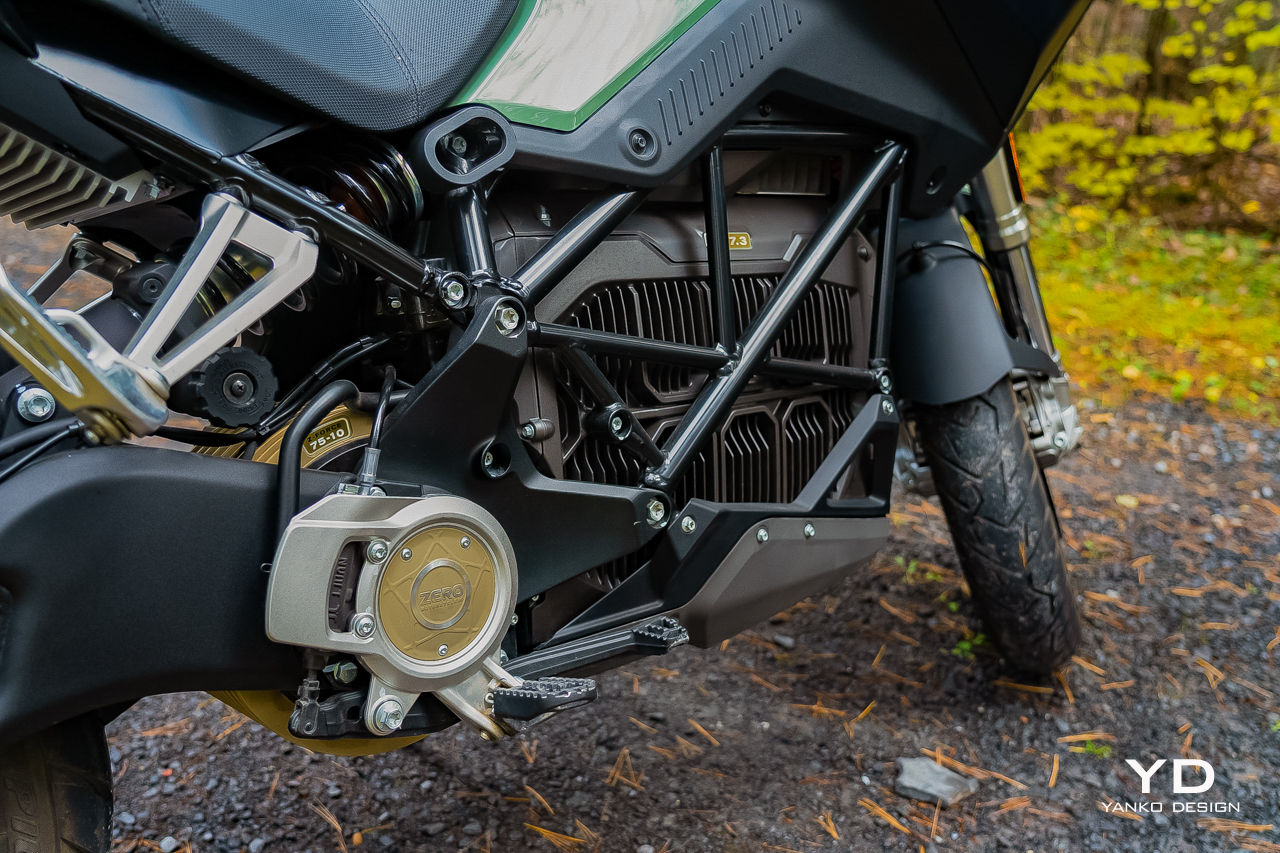
However, were I buying one now, knowing what I know, I’d be tempted by either the faster charger or the bigger battery pack. Being able to charge faster or go farther would open this bike up to be the truly comfortable touring bike it’s otherwise capable of being. The only problem is that selecting either of those options fills up that tank storage compartment that proved so useful, but with generous mounting points on the back of the saddle, fitting a set of boxes wouldn’t be much of a chore.
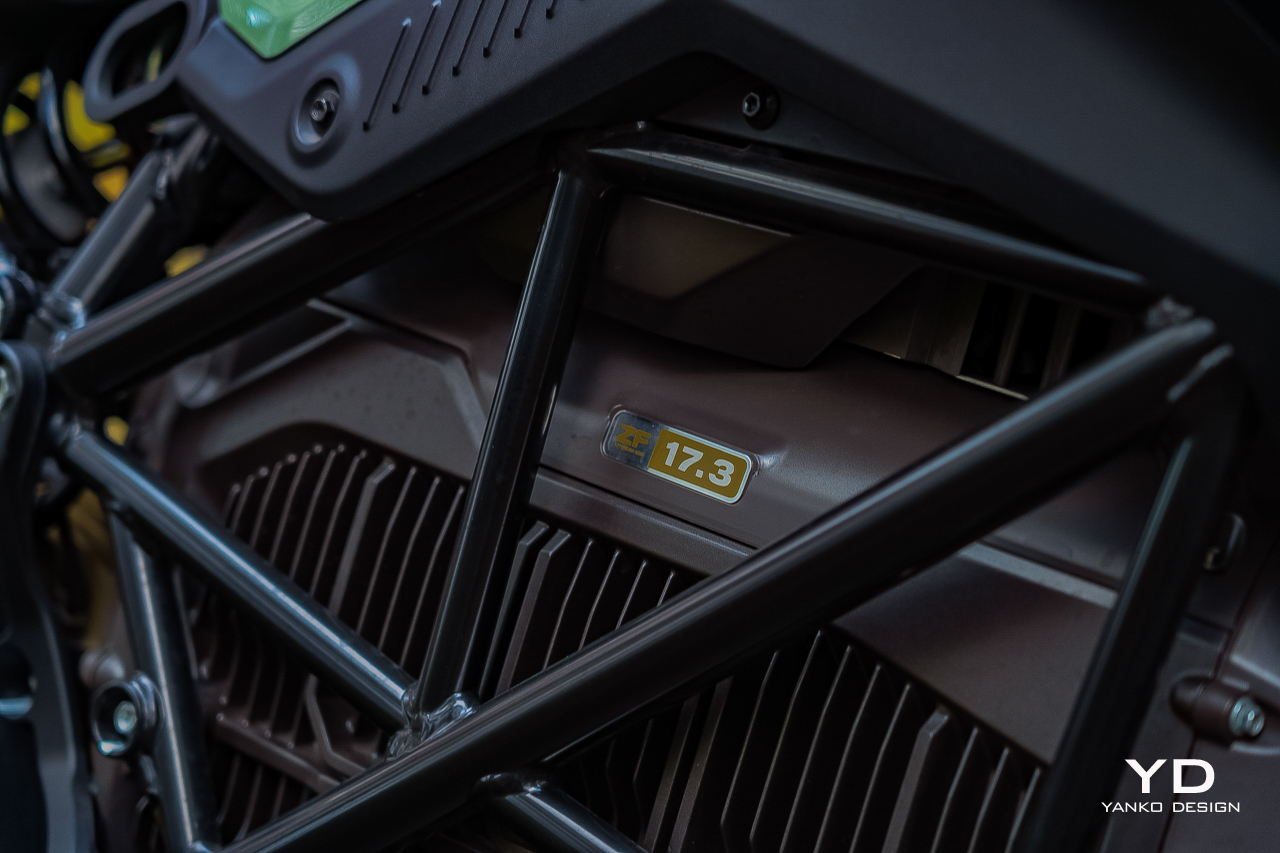
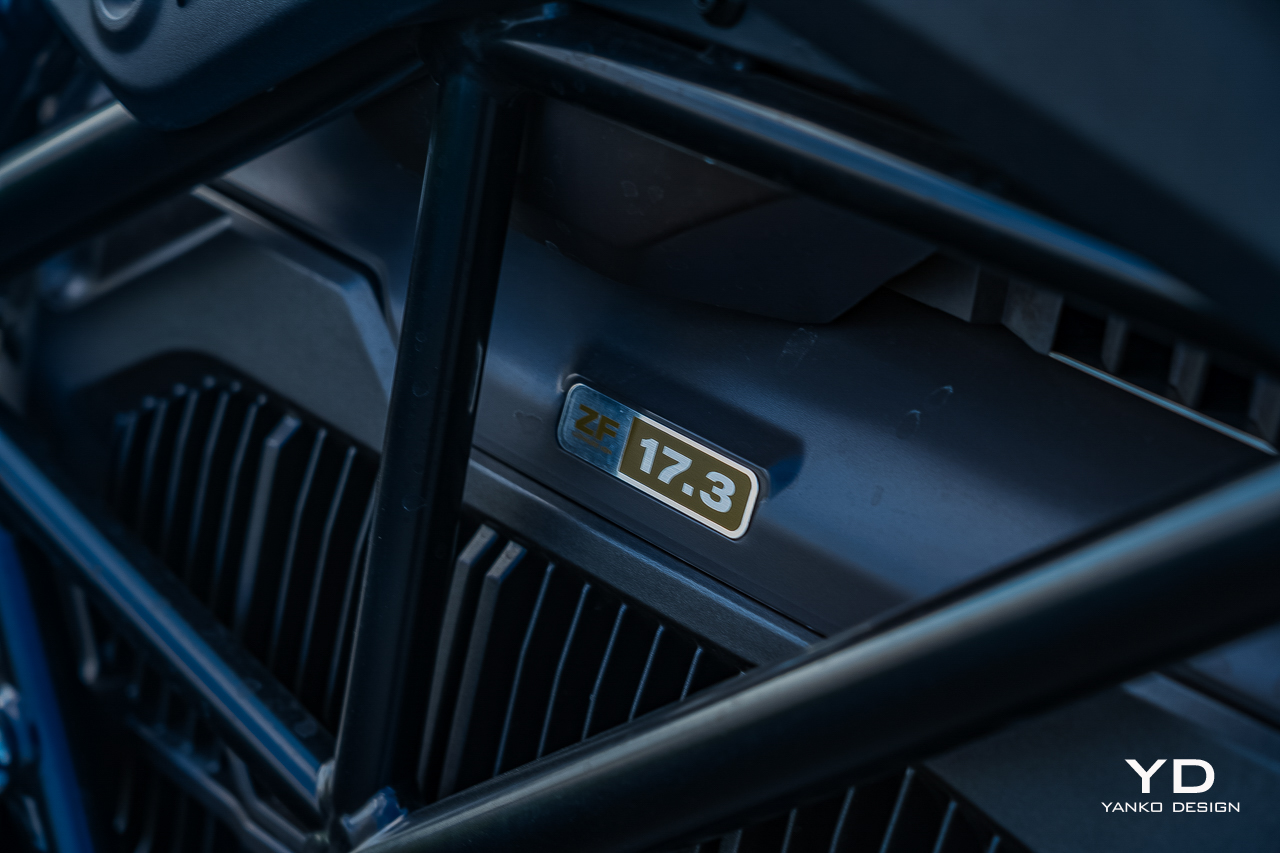
For the 2024 model, the DSR/X actually becomes more attainable, with a starting price of $22,995. But there’s an even more affordable version with a smaller, 15.6-kwh battery and a starting price of $19,995.

At the end of 12 months, I’m still left enamored of the DSR-X. Its range meant my adventures were limited to those close to home, but then I live where I live because it’s an area full of adventure, and this Zero was always ready.
The post Zero DSR/X Long-Term Review first appeared on Yanko Design.

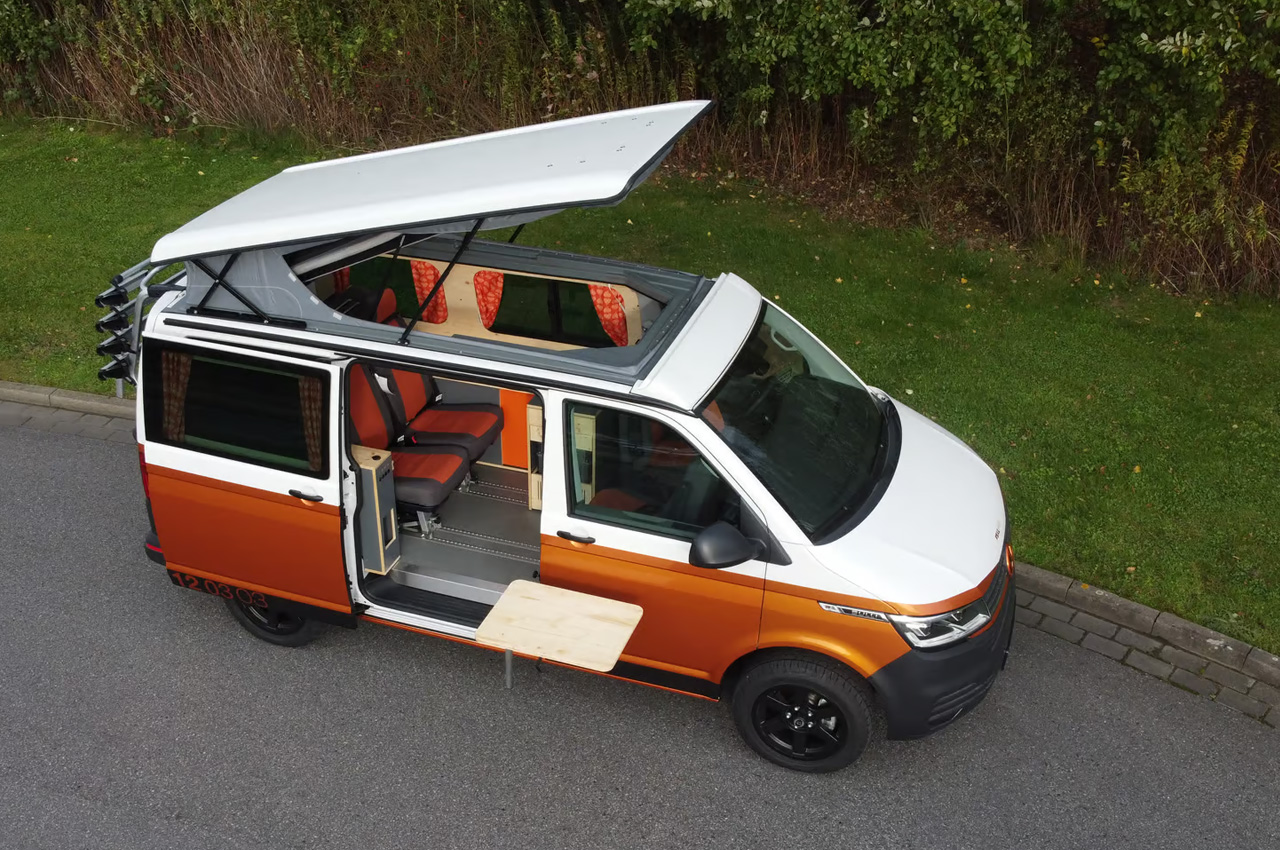
Flowcamper rolls out the first campervan built around the needs of our canine friends

There is something exciting about having your dog hike with you during the day and sit alongside you at the campfire by night. This is why many adventurers prefer to have their dogs along on their campervan when they head out. And this is not just true for solo travelers, in fact, small families on long road trips prefer to travel with their dogs.

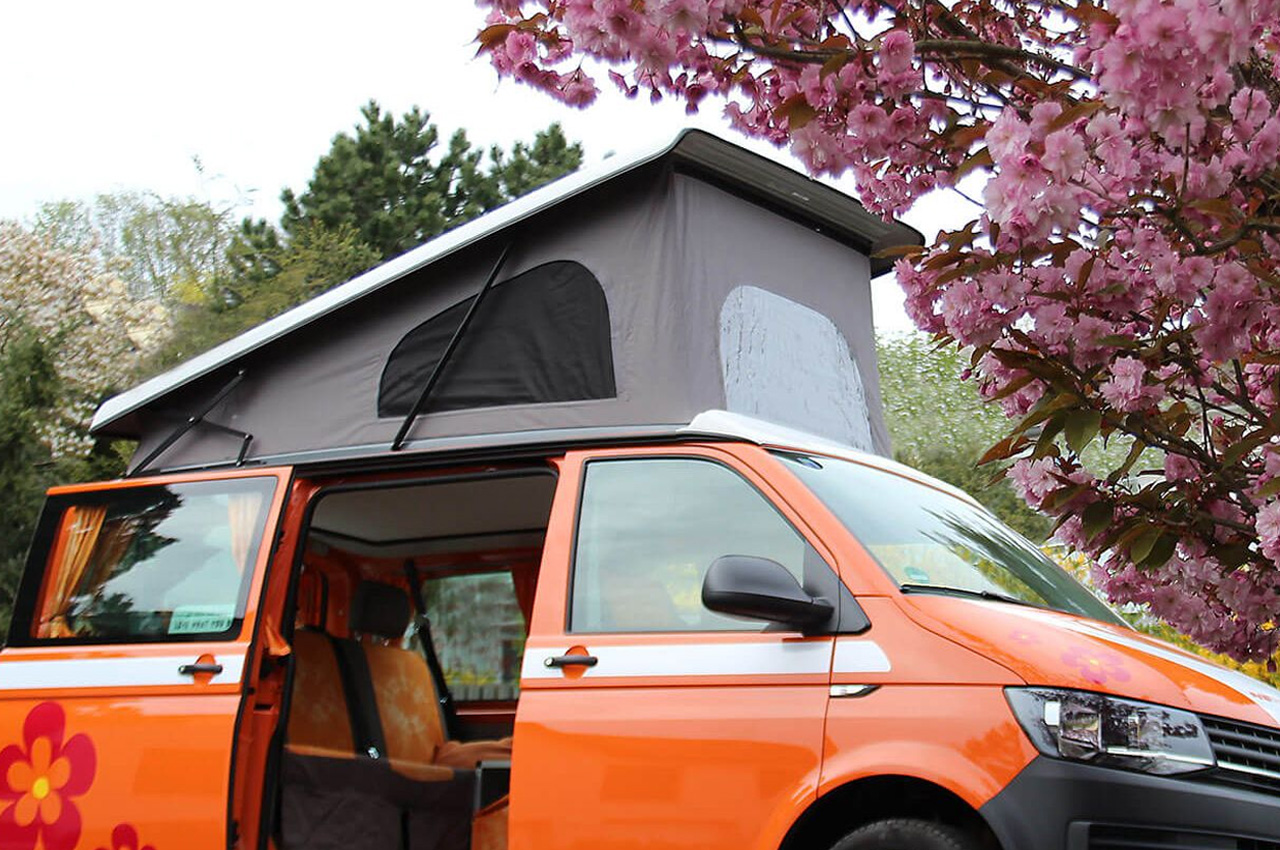
To make this adventure more suitable and comfortable for both the pets and their humans, Germany-based Flowcamper has come up with the Fellschnute: the first campervan built around the needs of our canine friends. Well, the campervan is customizable to make the road trip experience desirable for dogs, it does not at any point, compromise on the convenience and functionality of the people onboard.

Designer: Flowcamper

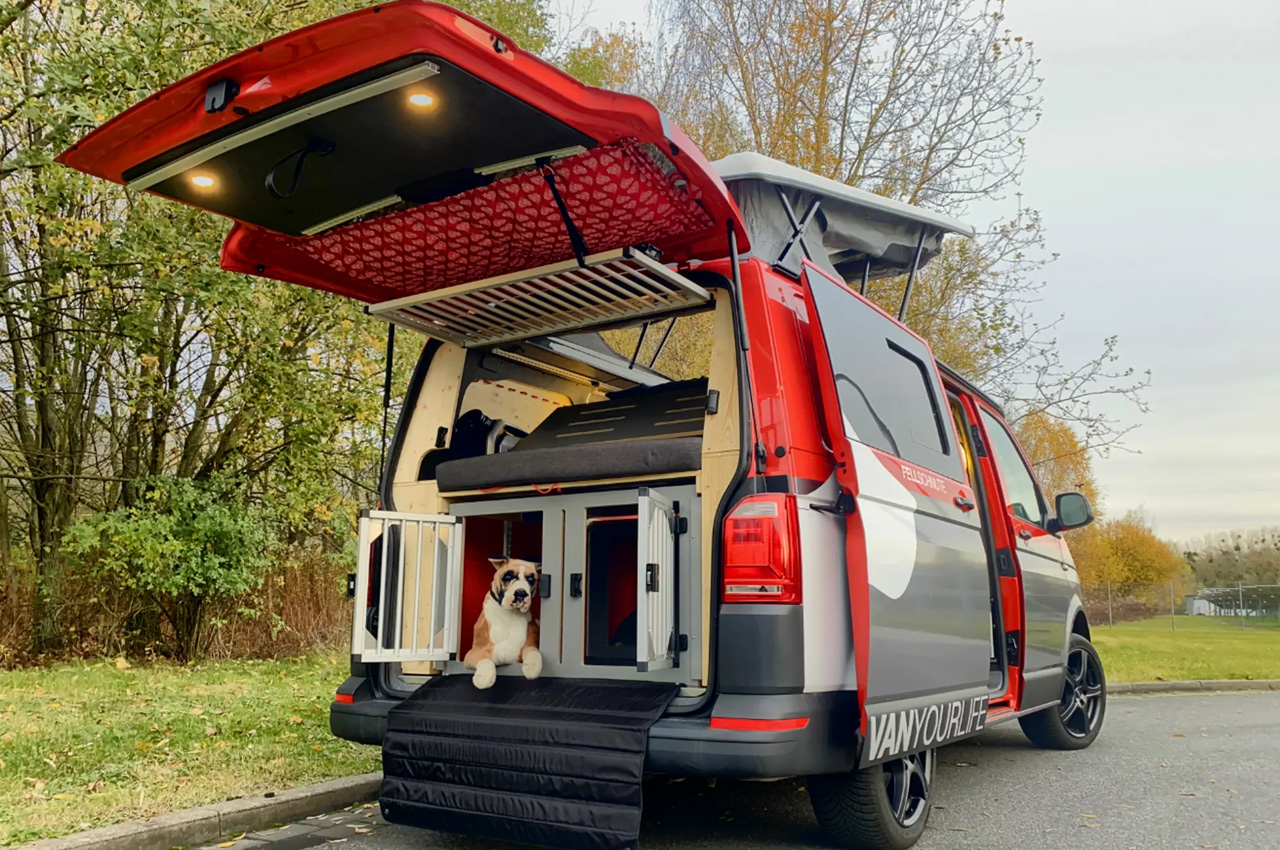
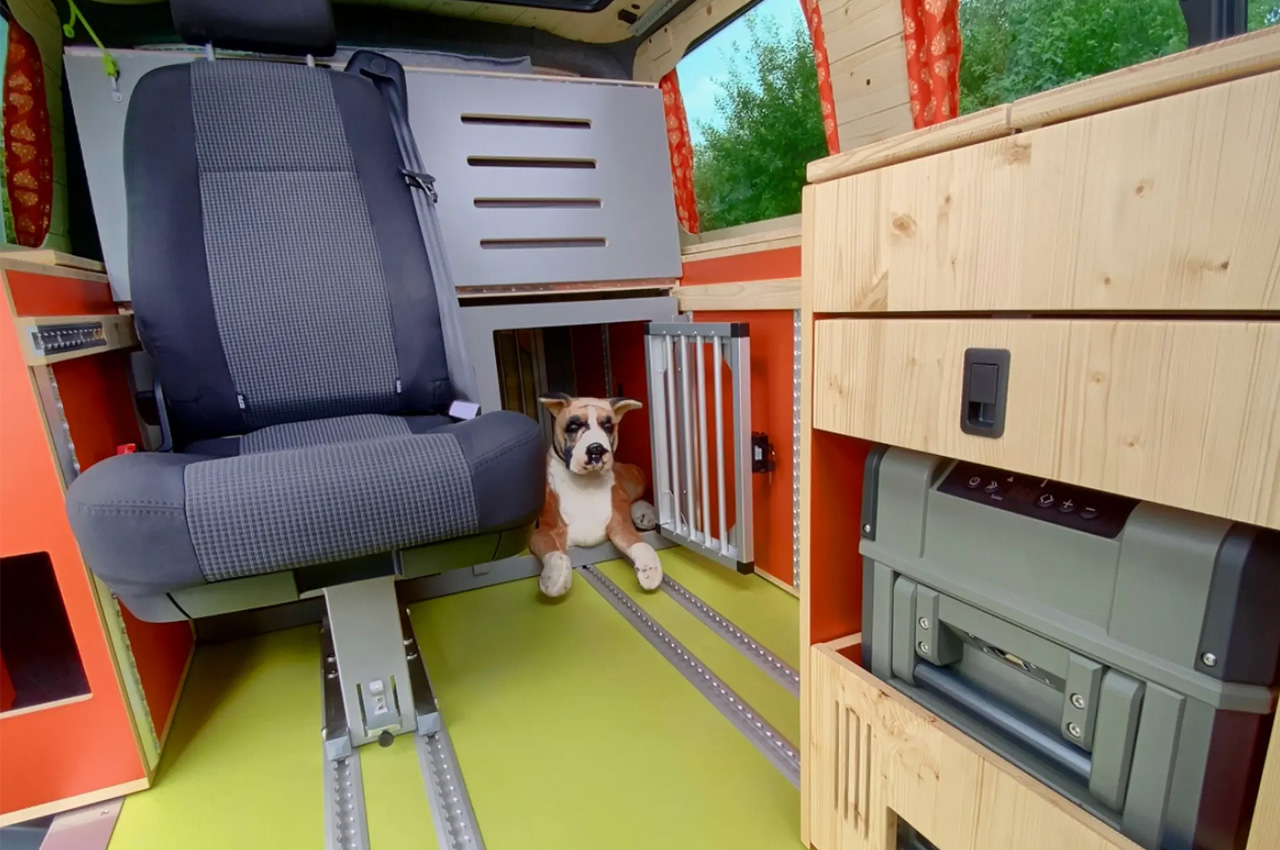
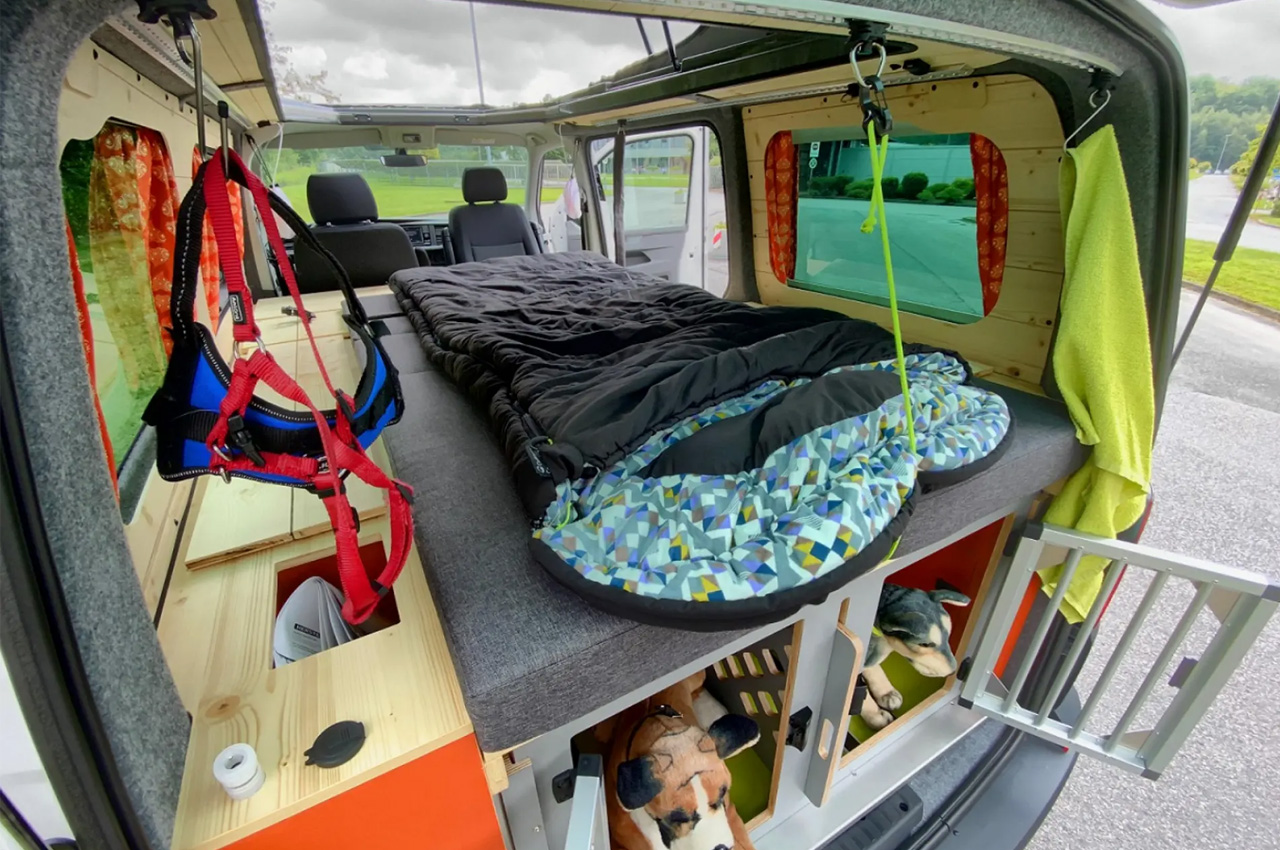
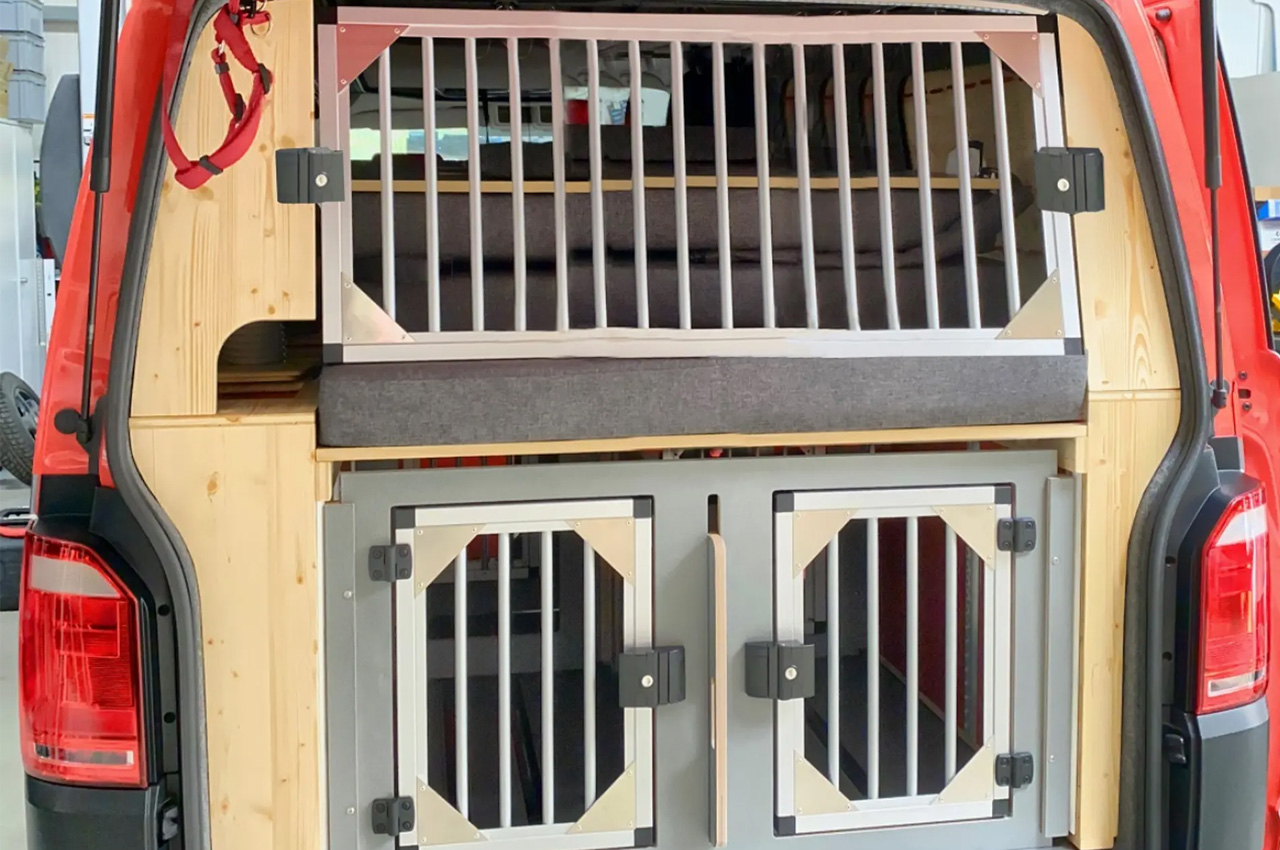
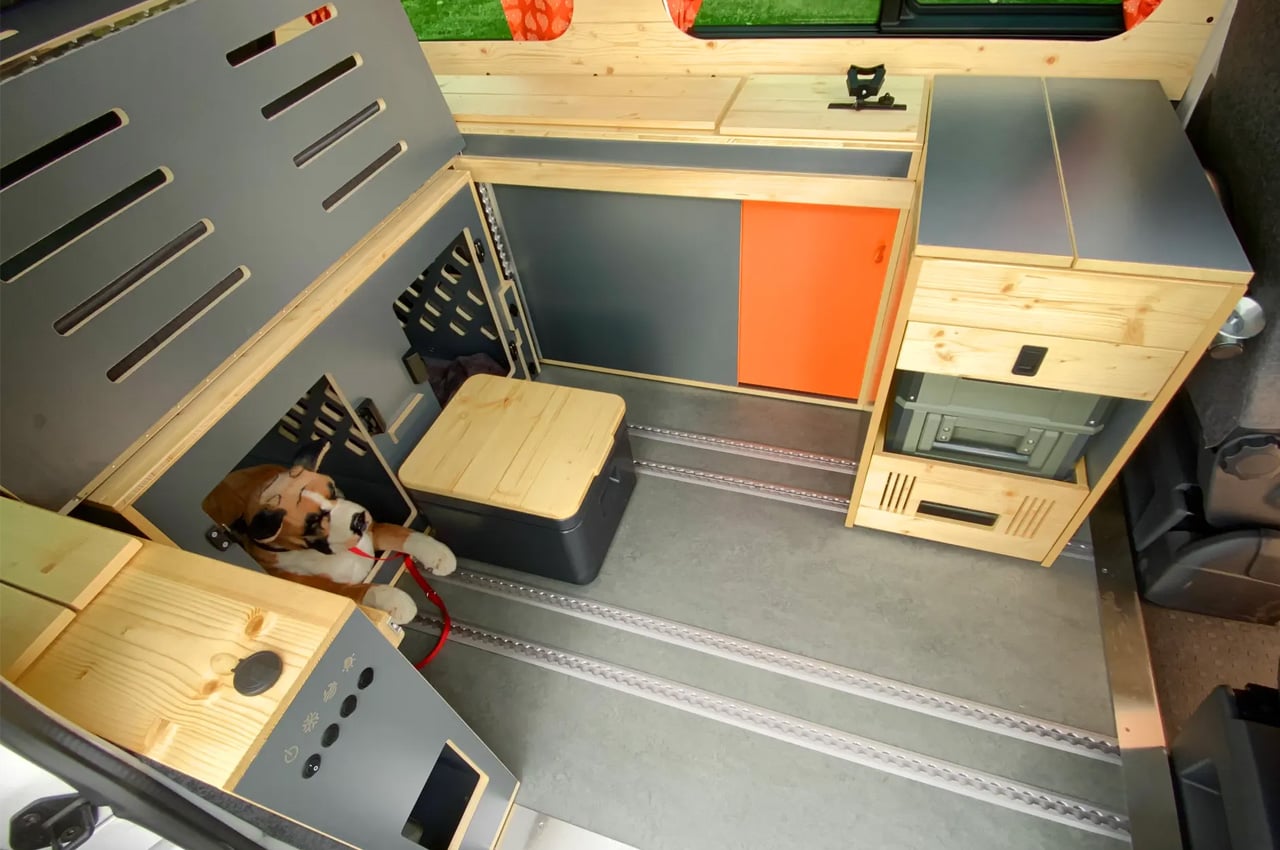
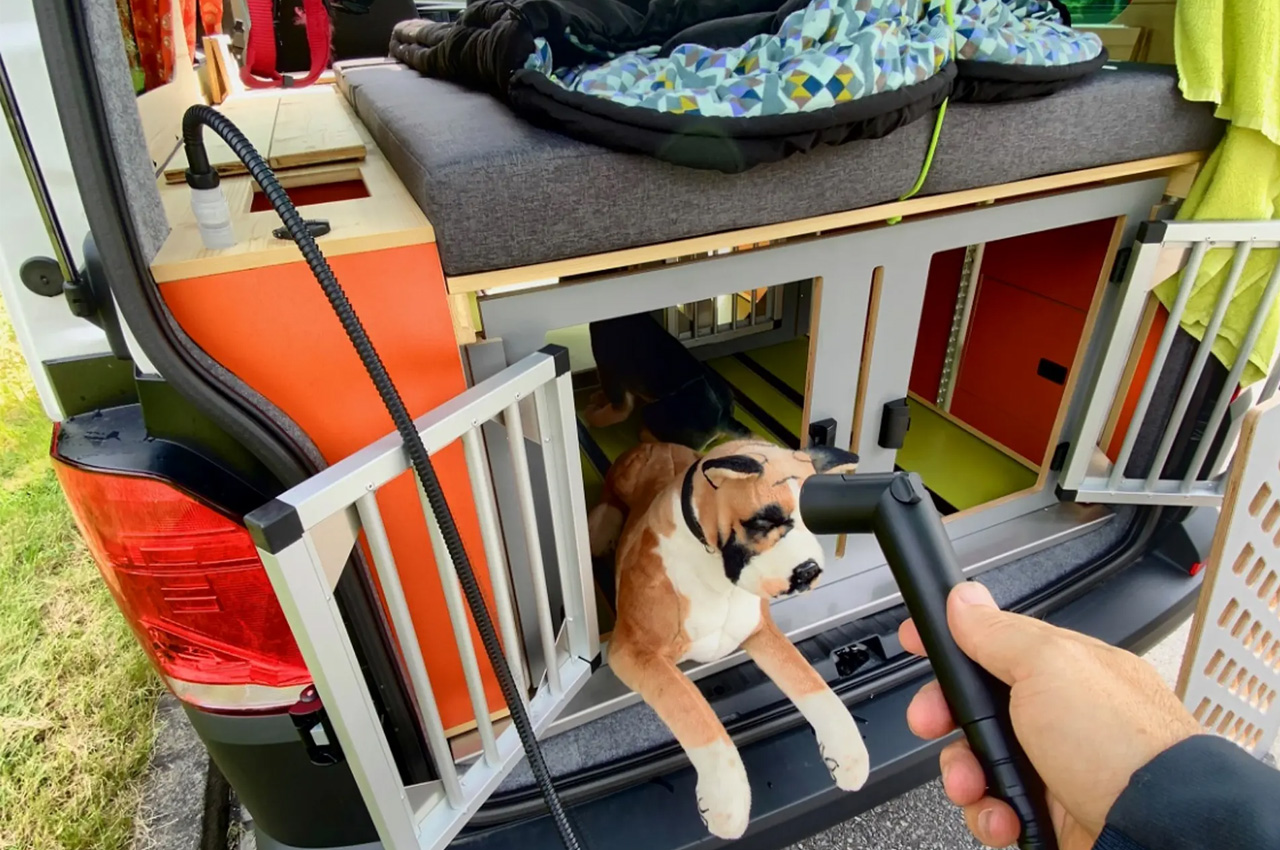
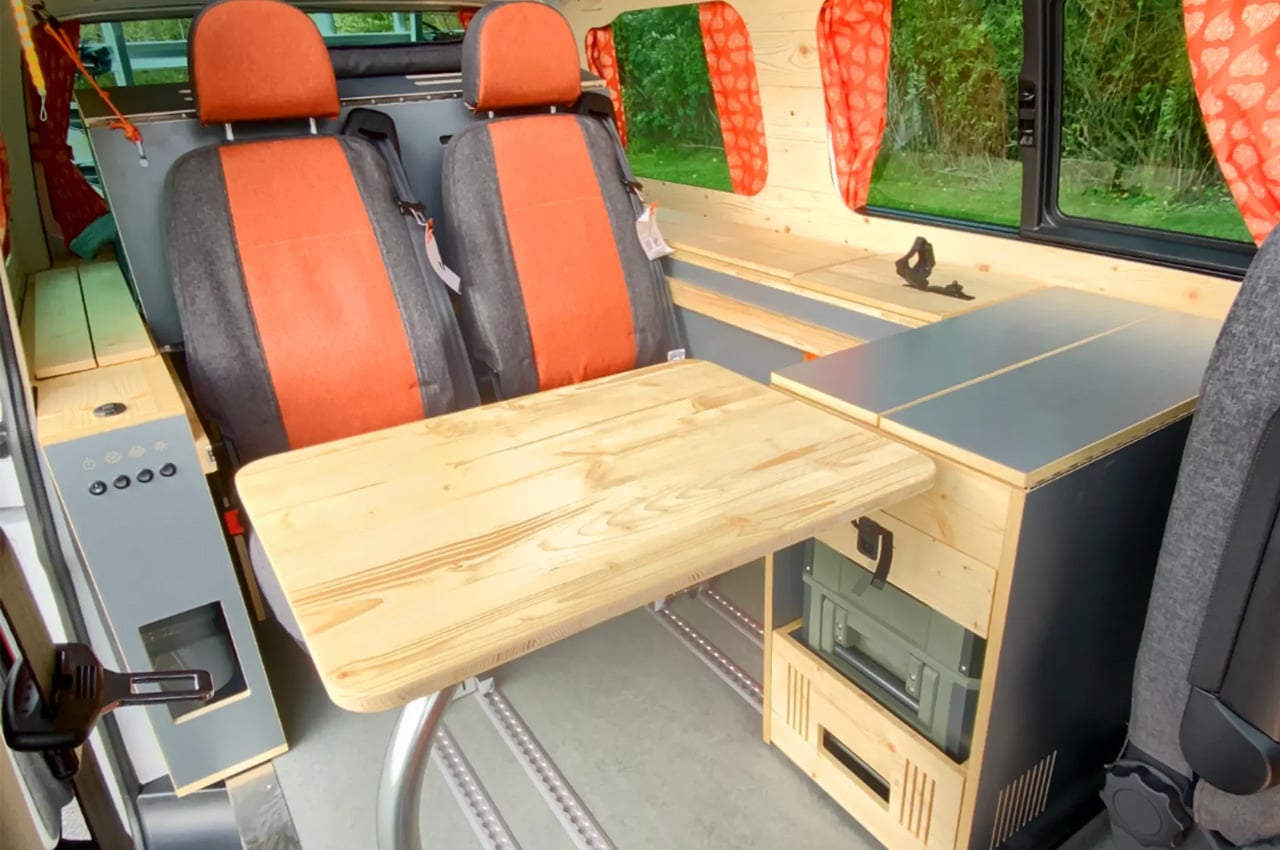
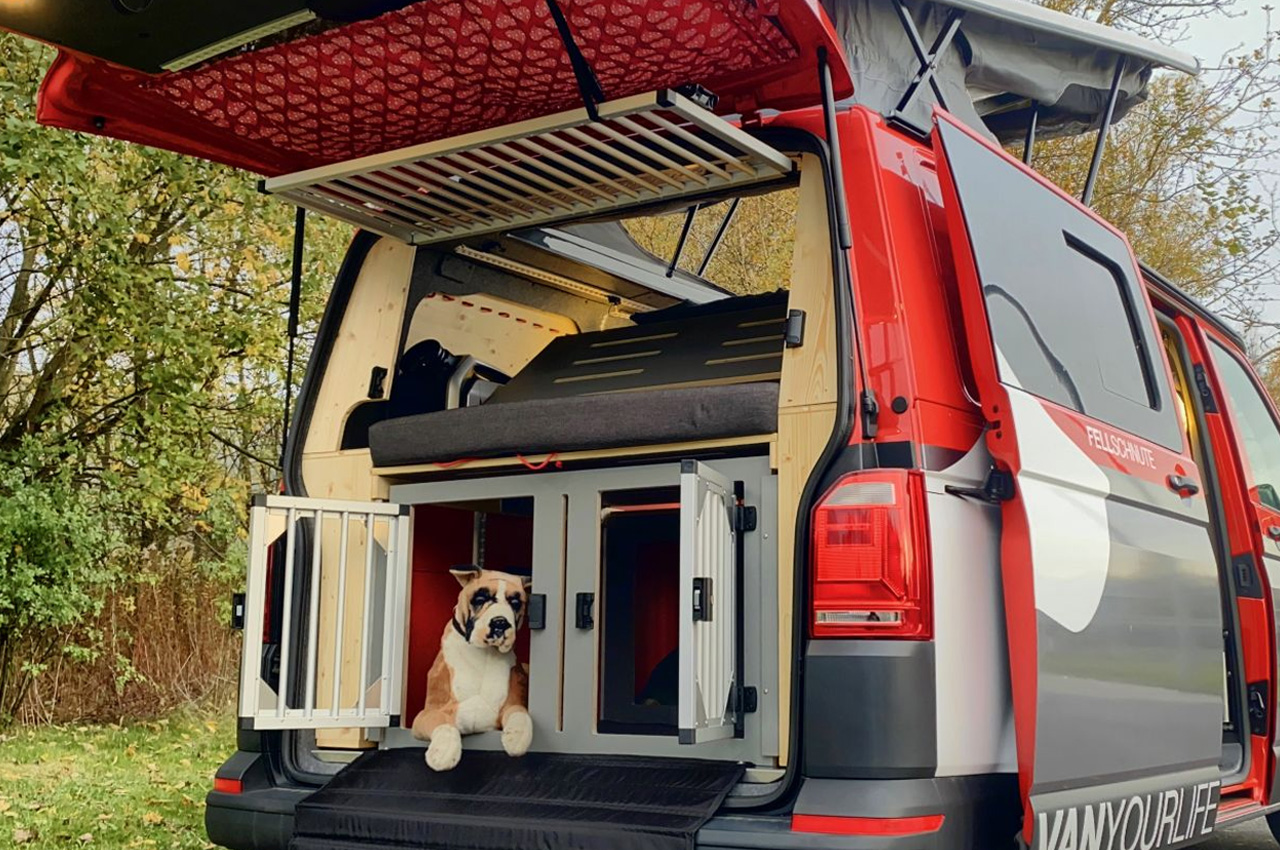
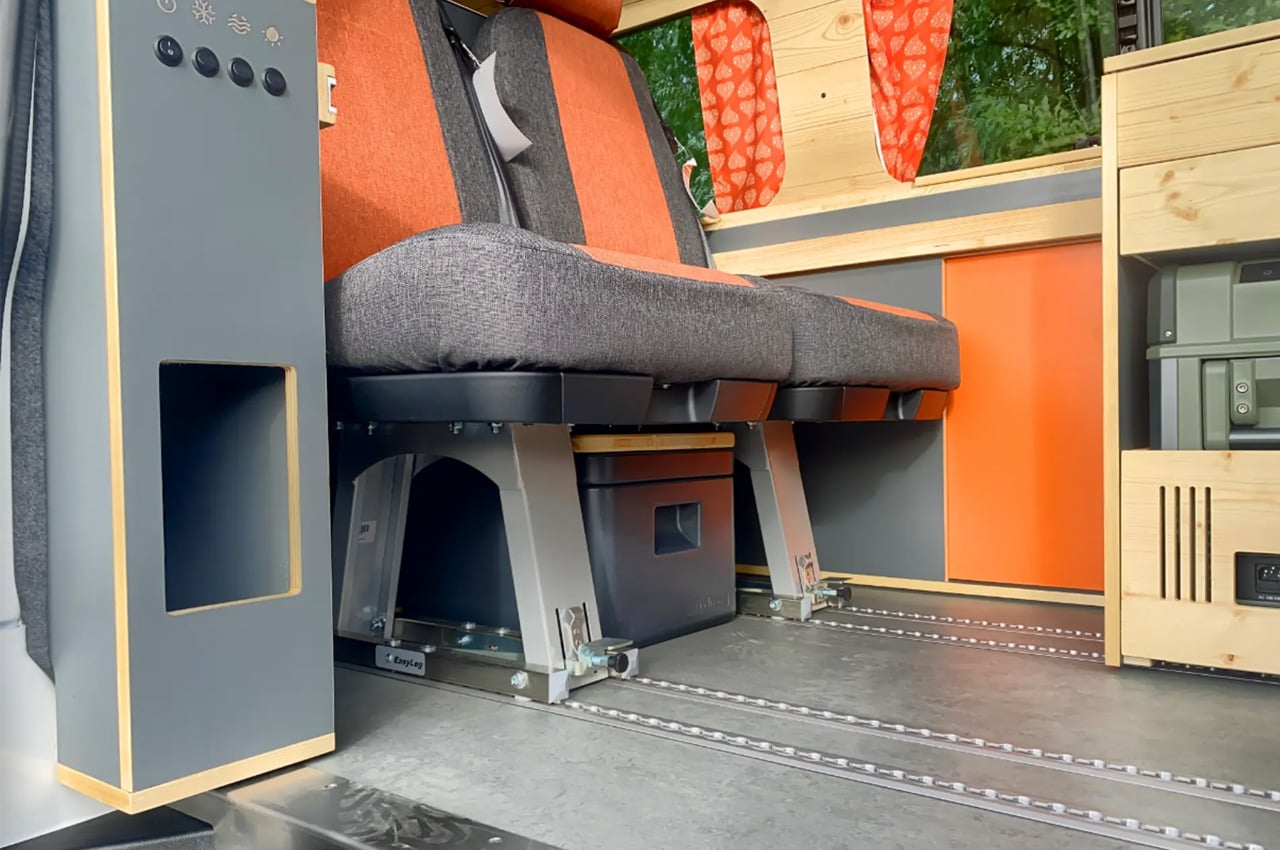
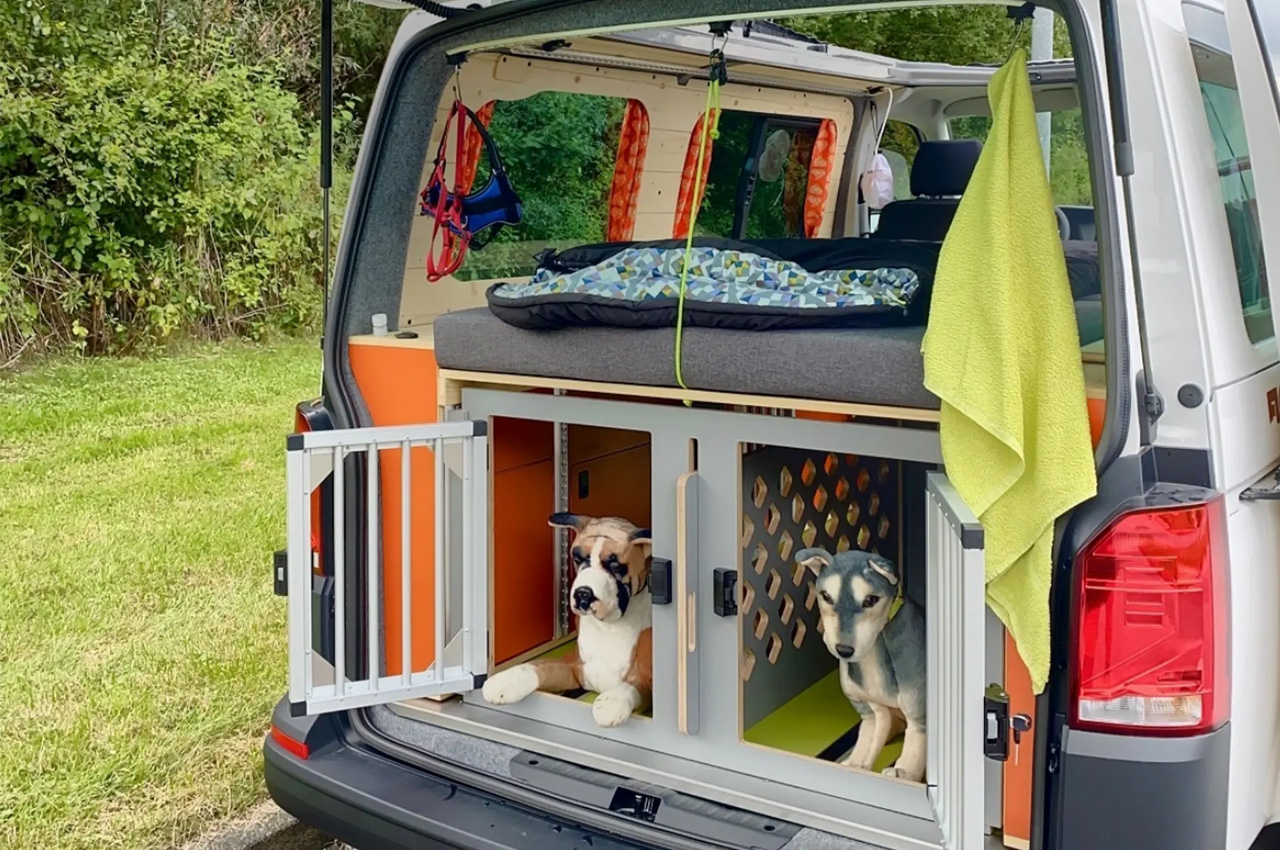
The Fellschnute dog camper designed for adventurous outings with dogs, has a customizable interior based on the modular floor rail system. This makes dedicated areas for the pet and humans possible, so each can have their spacious living area, yet stay at a safe distance from the other. To that accord, the configuration of the dog area in the rear of the vehicle is such that it can be accessed from either an interior door or the one facing the tailgate.

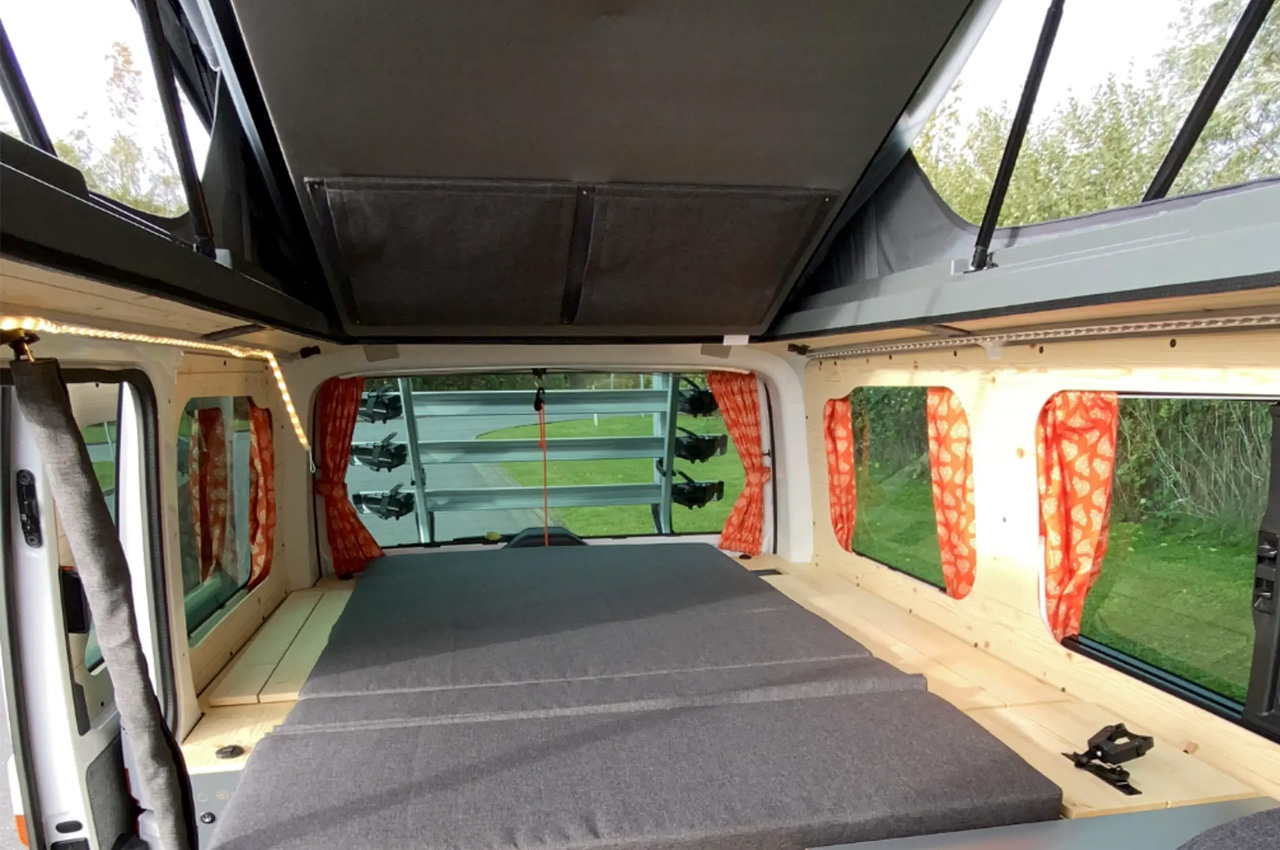
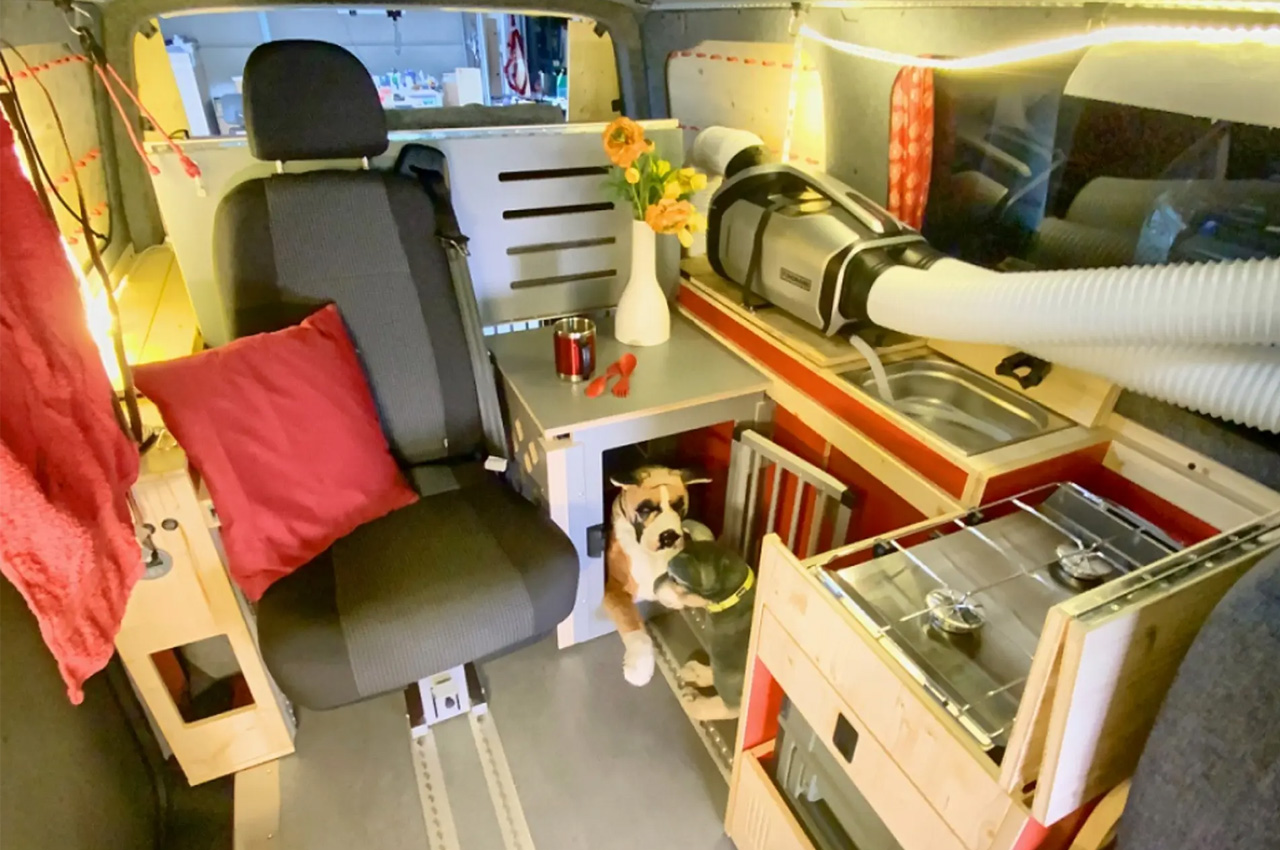
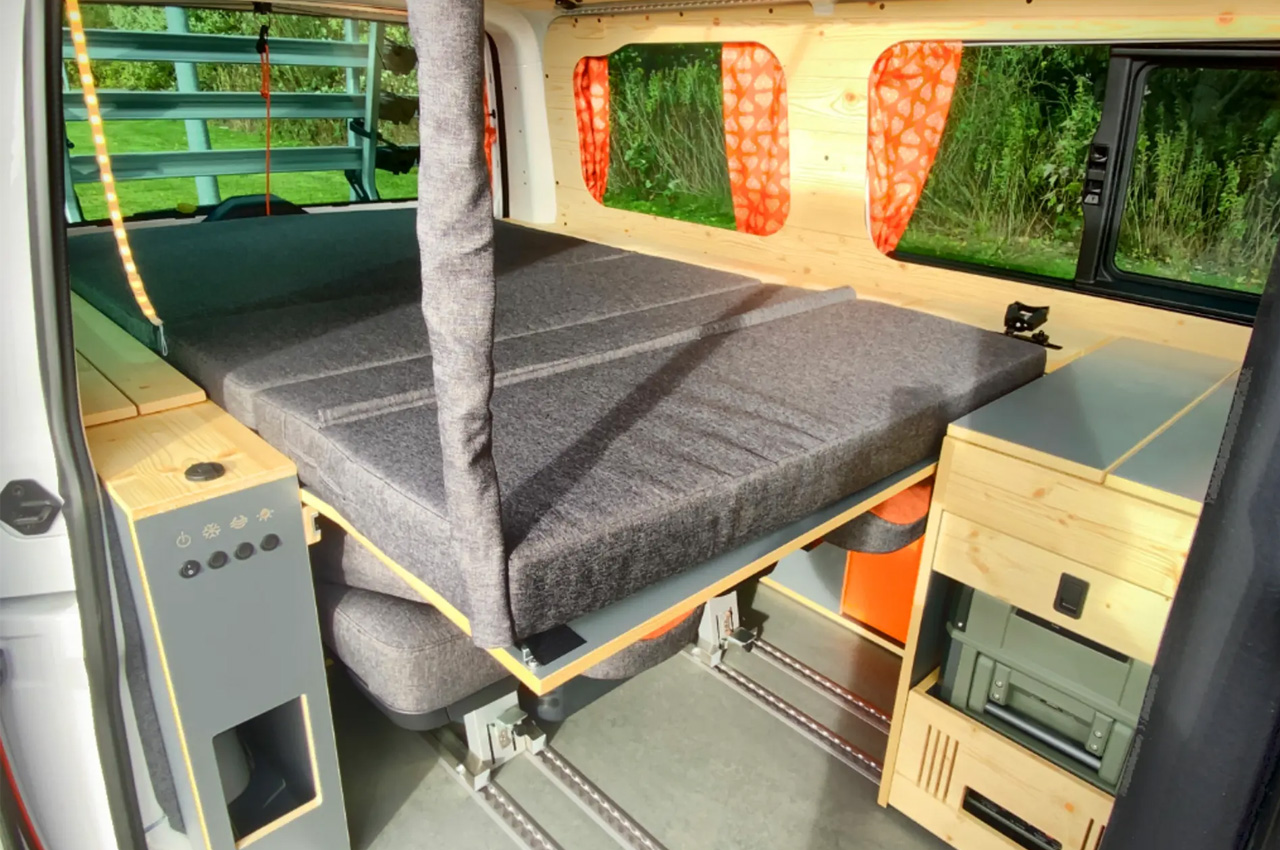
This space for dogs, which is way more than the little nooks dogs get to themselves on other campervans, can easily “accommodate one to four dogs,” depending on the choice of kennel layout the customer opts for, Flowcamper informs. Above the spacious dog area, the Fellschnute makes provision to mount a fold-out bed and if you have more than a couple of people lying over, the bed in the pop-up roof is usable.

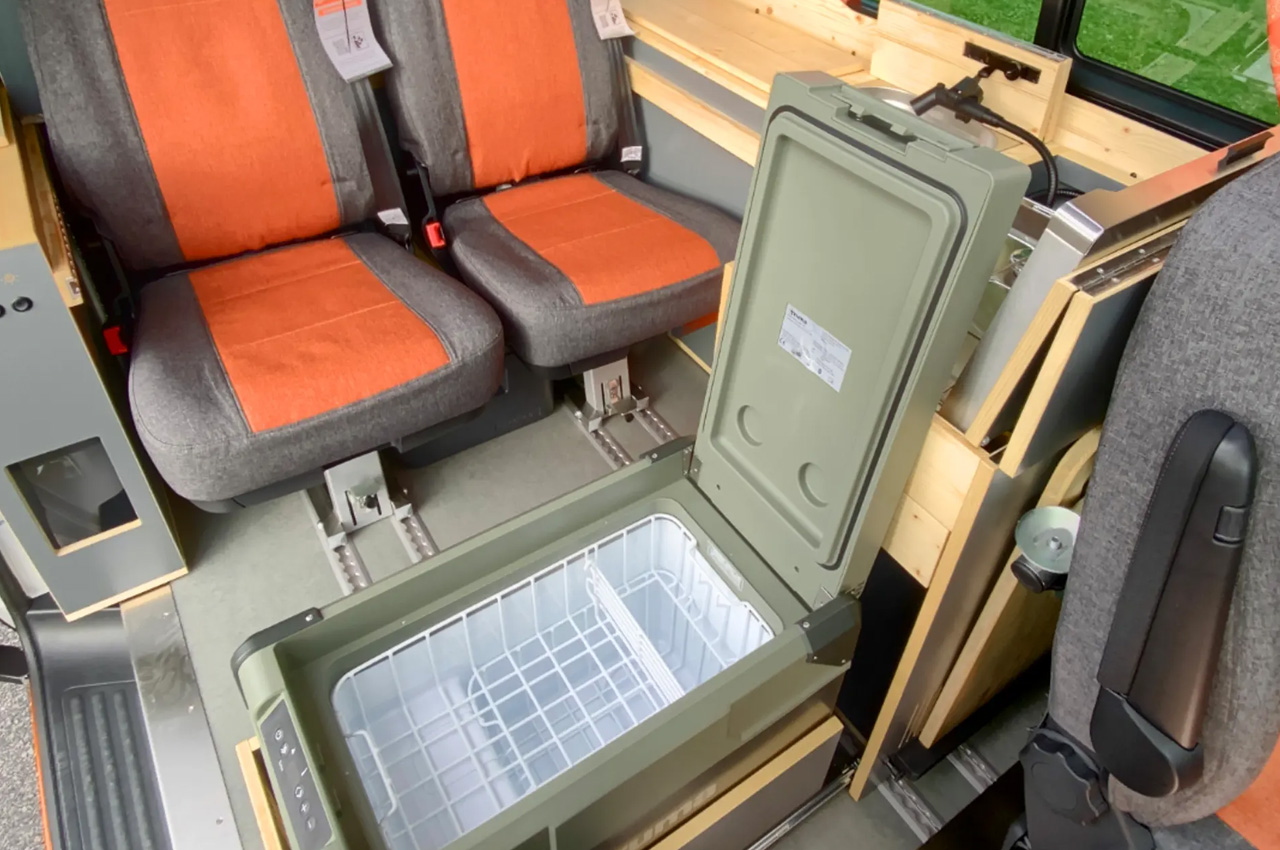
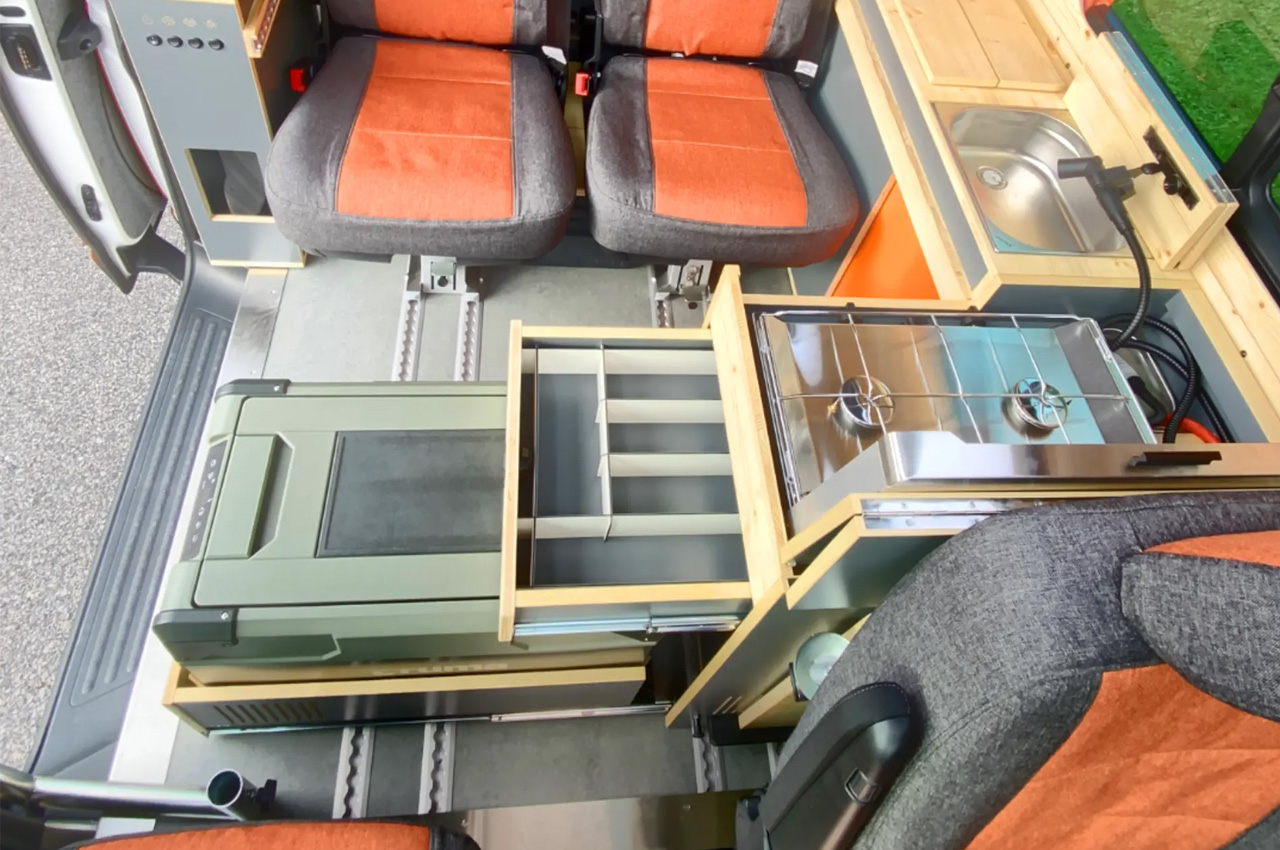
The living area for humans comprises special seats that can track back and forth or be positioned in any orientation to create a more spacious living space. Here you also have a small corner kitchen behind the driver’s seat. The kitchen is laid out with a 30-liter compressor cool box, a two-burner stove, and a sink. The utensils and other kitchen accessories hide away in drawers while a table swivels out for dining and working needs.

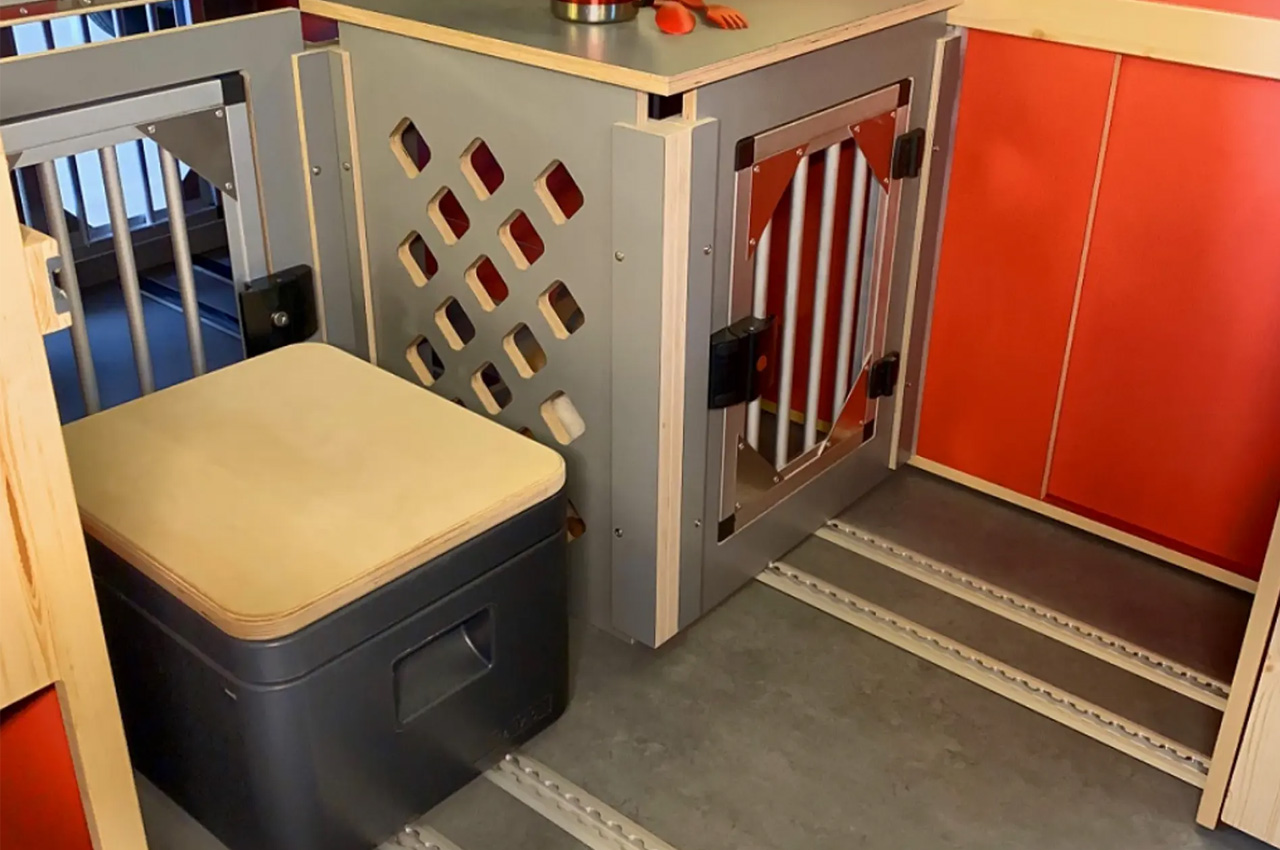
Interesting part of the Fellschnute campervan is its 18-L fresh water system which is linked up to the kitchen sink and hand sprayer at the back to wash up a dirty dogo or clean up your gear. Flowcamper also offers a portable air conditioner that doesn’t help with the cooling of the campervan, instead is specially designed to keep the dog kennel(s) temperature down by almost 15 degrees. For human convenience, however, there is a dry separating toilet that can be hidden from sight or can be pulled out in the open to double up as a bench at camp. The campervan draws power from a 400-watt solar system onboard and retails for a starting price of $75,000.

The post Flowcamper rolls out the first campervan built around the needs of our canine friends first appeared on Yanko Design.
With its tactical accessories, this company plans to add value and substance to oddly-shaped Cybertruck

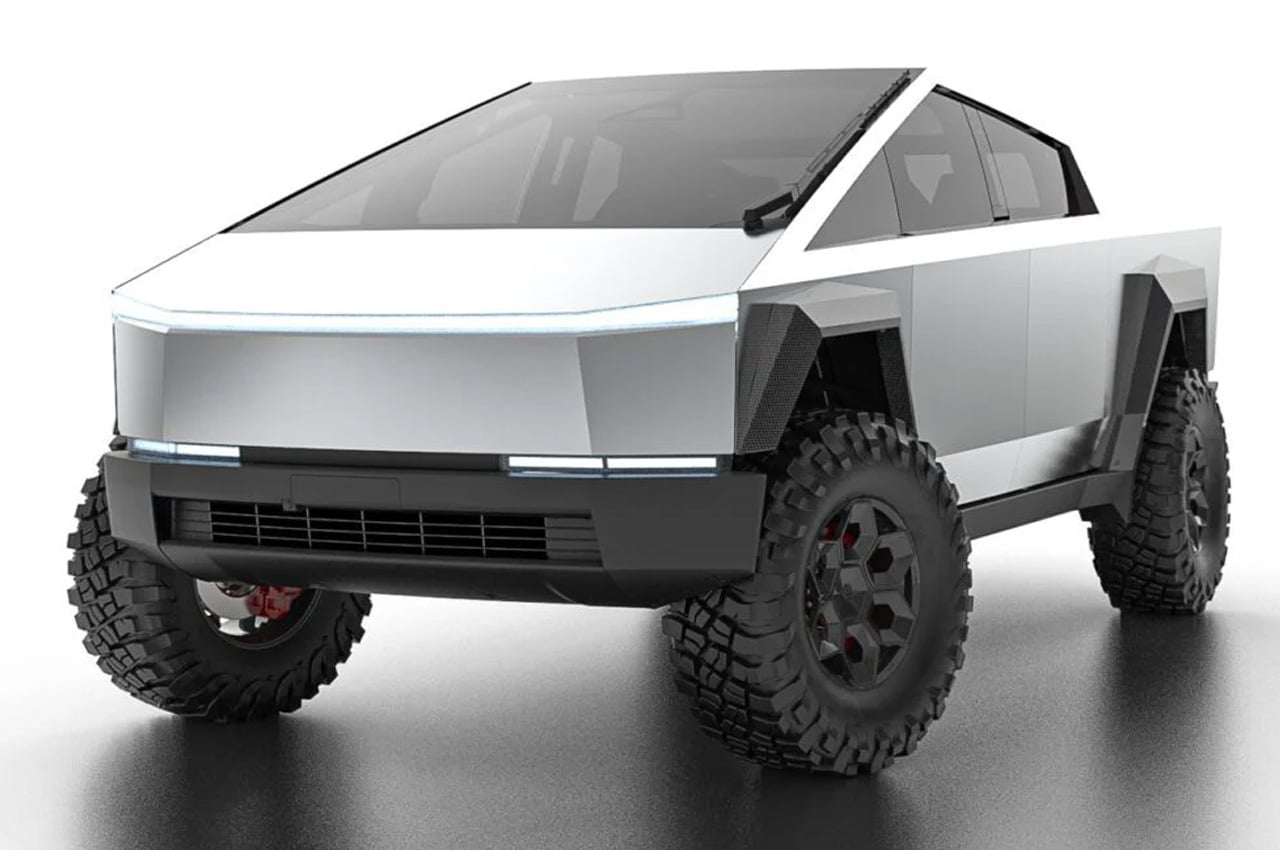
After what seemed like a long time due, Tesla very recently handed over the first limited production units of the Cybertruck electric pickup. If you are one of the select few to have gotten your hands on the oddly-shaped truck, you have reasons to rejoice. Unplugged Performance, a developer of stylish and high-performance upgrades for Tesla vehicles, has stepped up with a range of Up Invincible accessories for the Cybertruck that intend to improve every aspect, on and off-road – of the pickup’s driving and ownership experience.

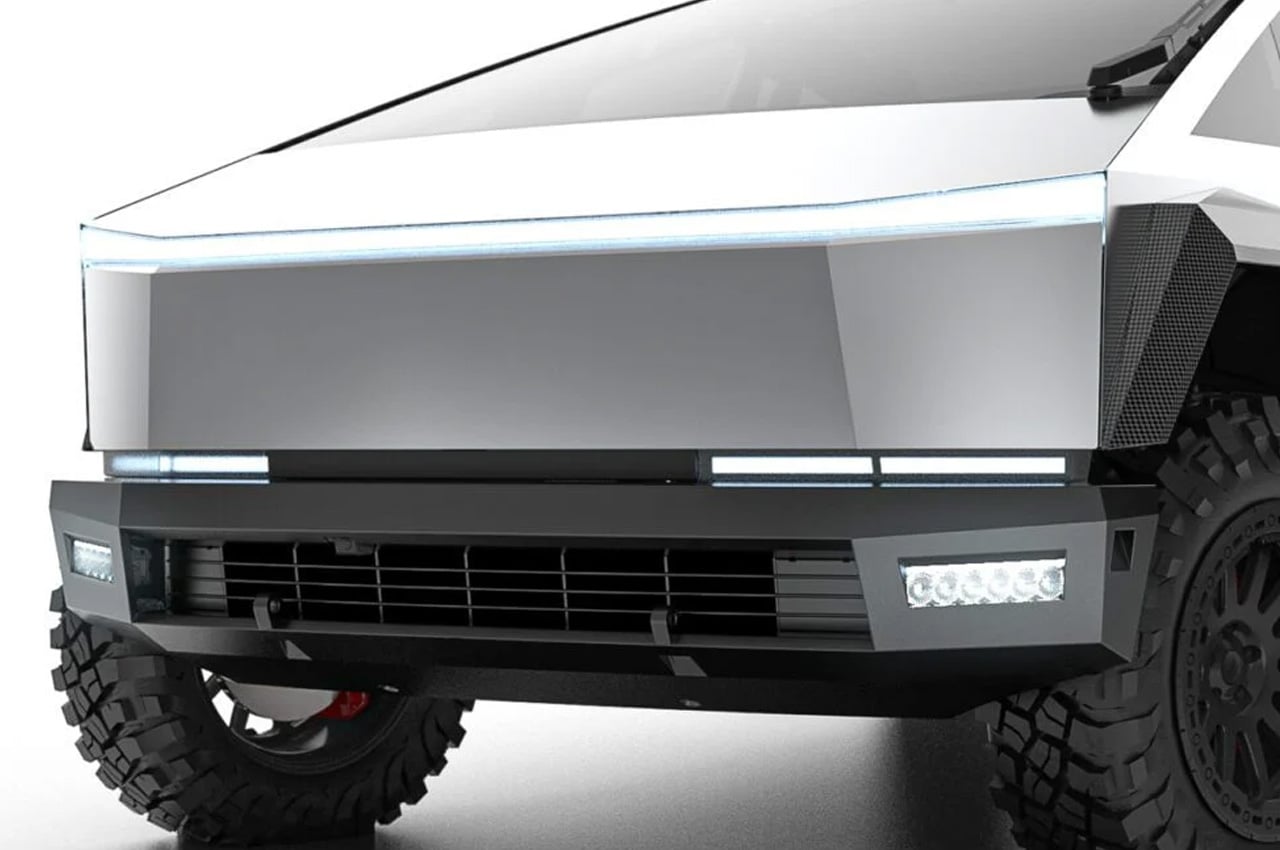
The launch of the aftermarket accessories aligns with the Cybertruck’s delivery event last week, and steps up the customization game for the owners to give their purchase an even more exciting outlook. The range of accessories includes lift kits, steel bumpers, armor, carbon fiber panels, LED lights, and more. All of which individually or together (if your pocket allows) would put the already unique Cybertruck into a never-fatomed pickup category.

Designer: Unplugged Performance

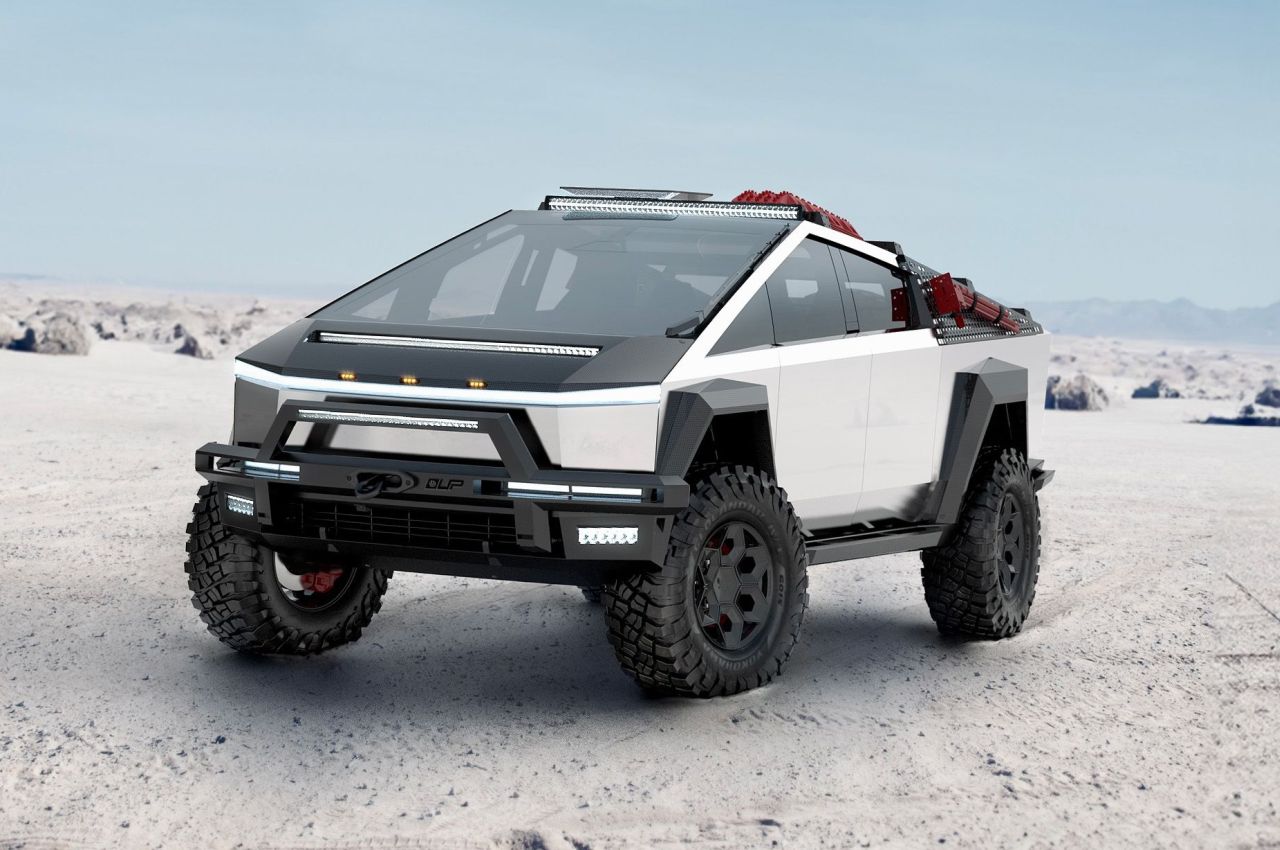
According to the creator, some of the accessories in the Up Invincible range should be available starting this month, while most of them will only be launched in the first quarter of 2024. Nonetheless, while we are at it, the standard upgrades to tune the Cybertruck’s off-roading capabilities include the 2.5-inch lift kit which enhances the ground clearance to 19.5 inches without affecting the truck’s inherent air suspension and other elements.

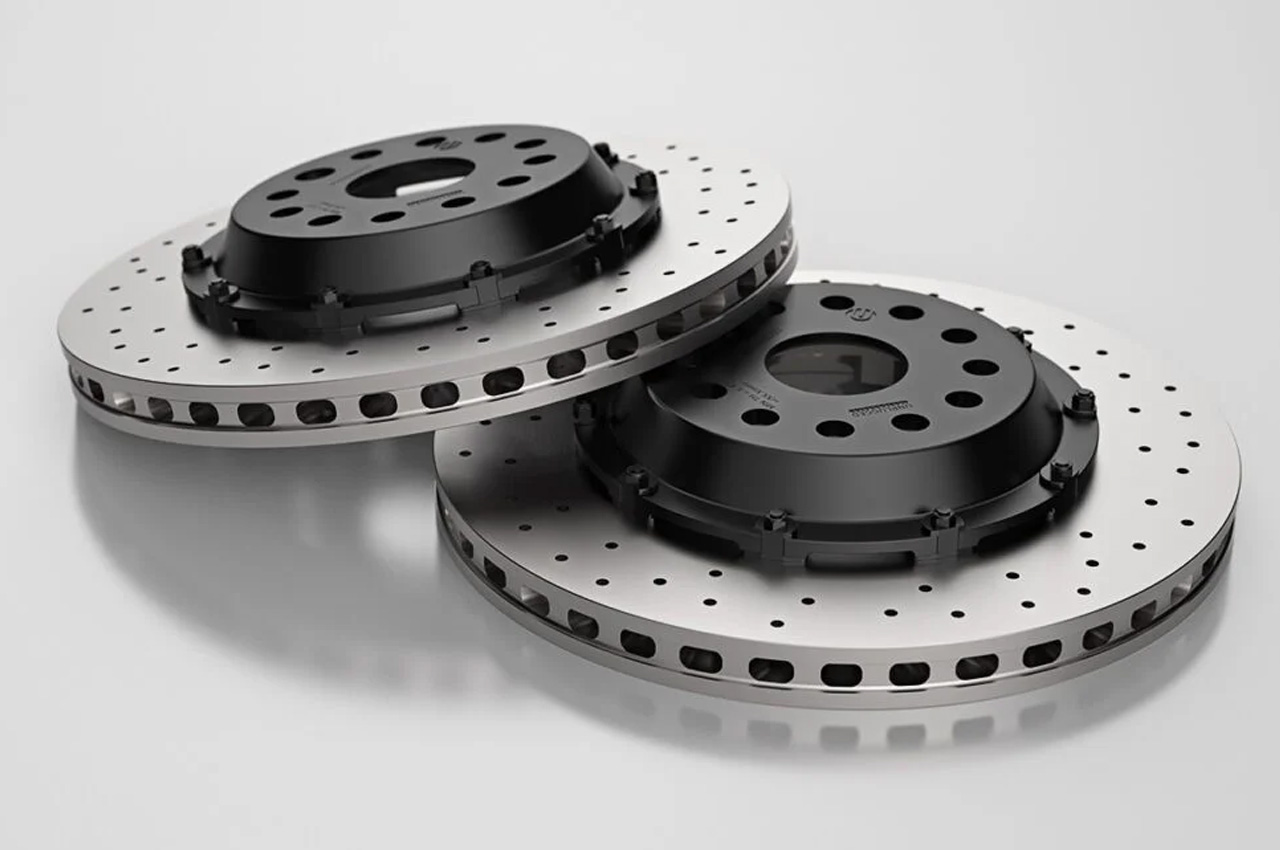
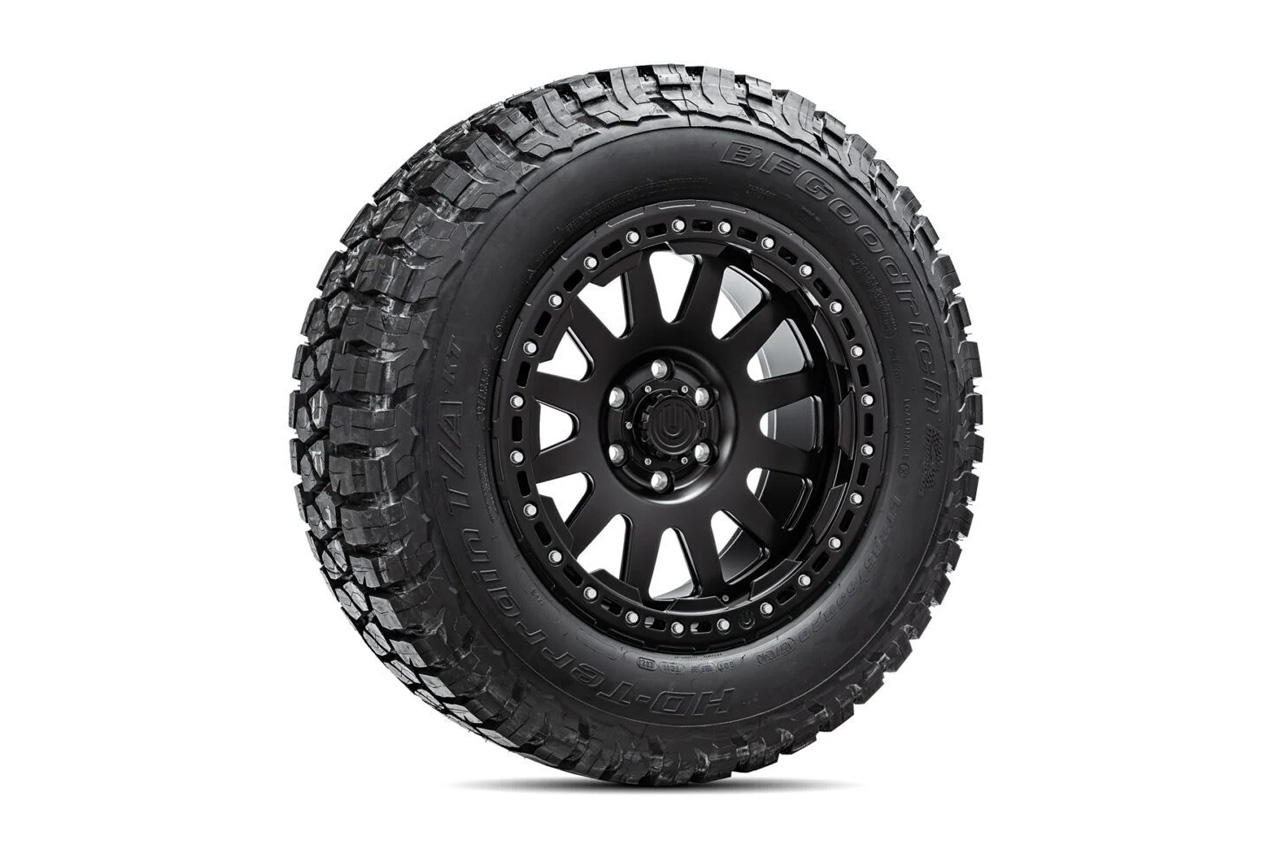
Taking the word hardcore to the next level are the 20-inch beadlock wheels and the brake rotors. These are meant for off-roading but are legal for everyday commutes in the Cybertruck. While the lift kit is priced at $9,950, the beadlock wheel and brake rotors would set you back up to $2,290 and $2,390 respectively.

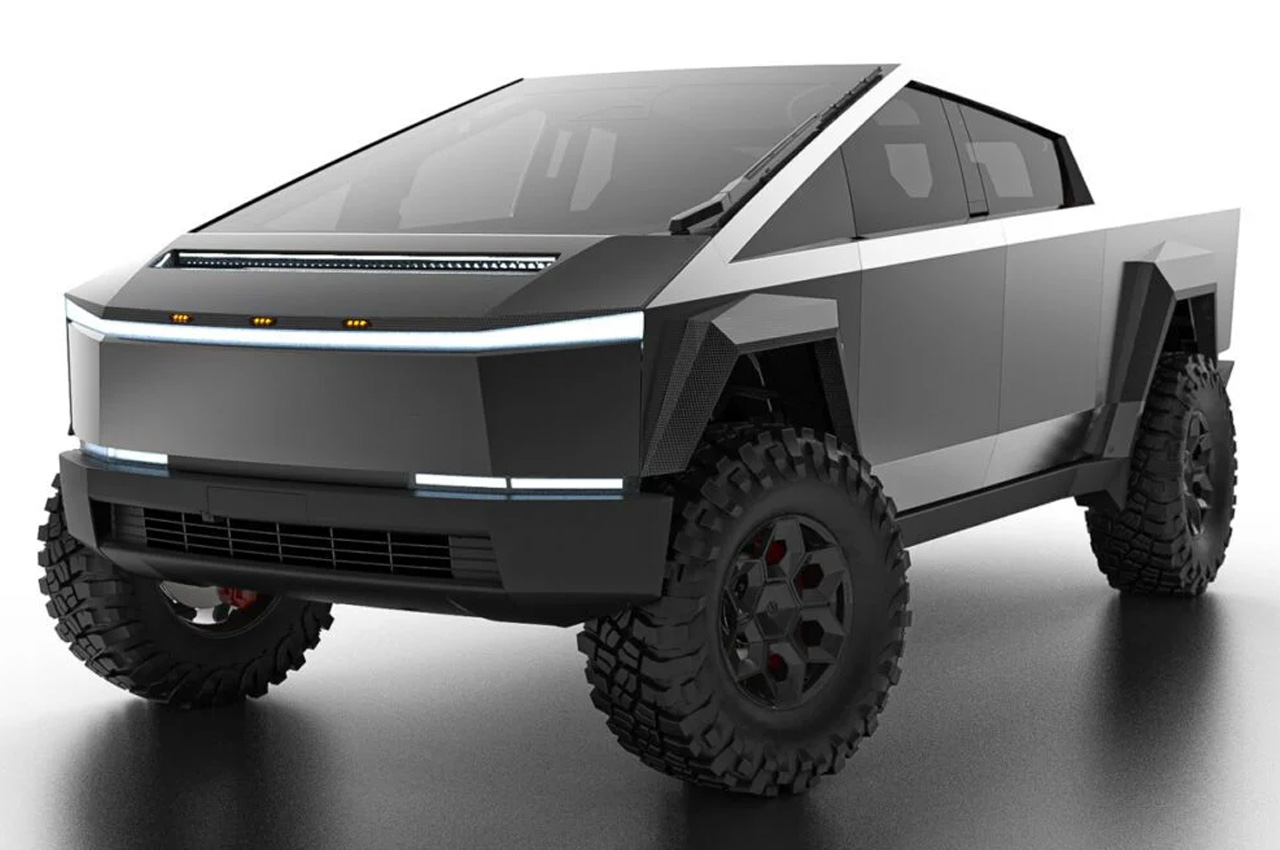
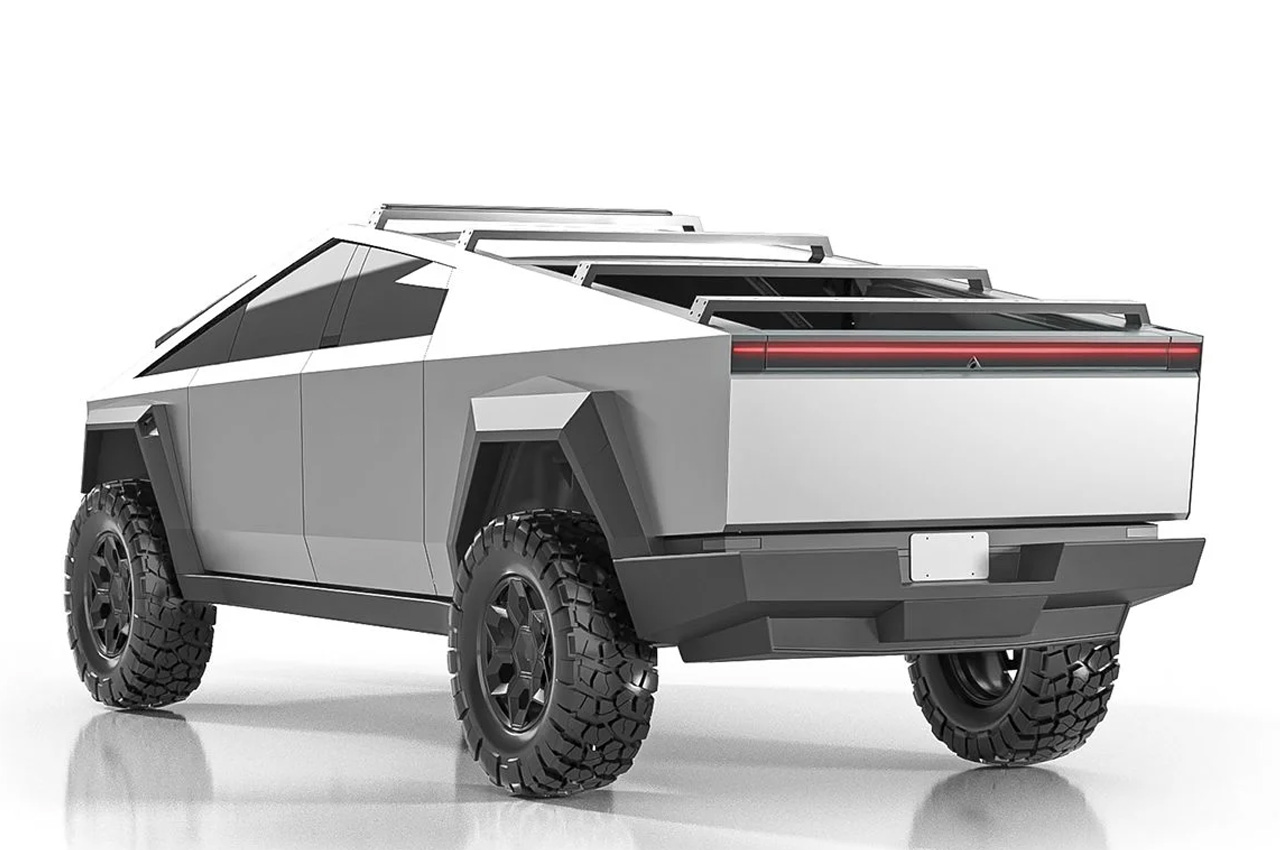
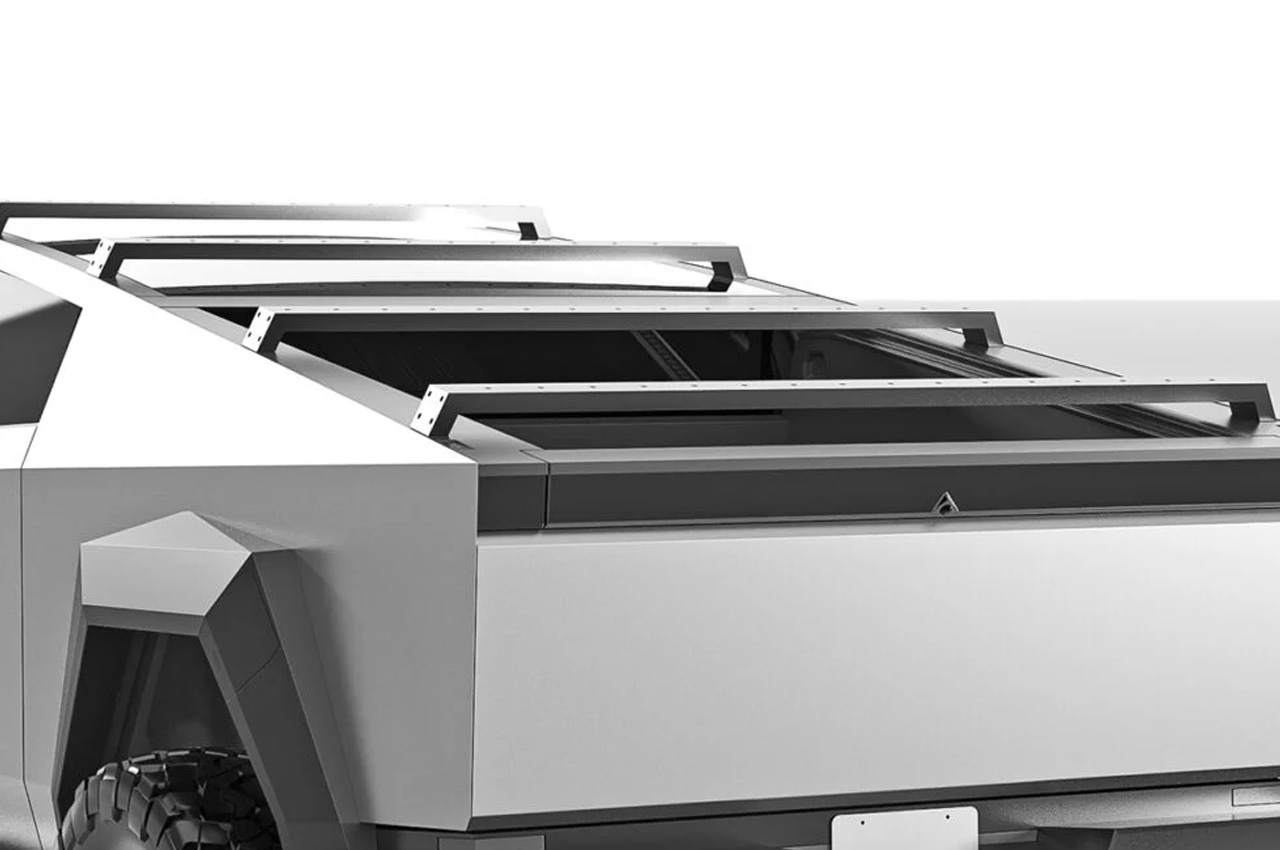
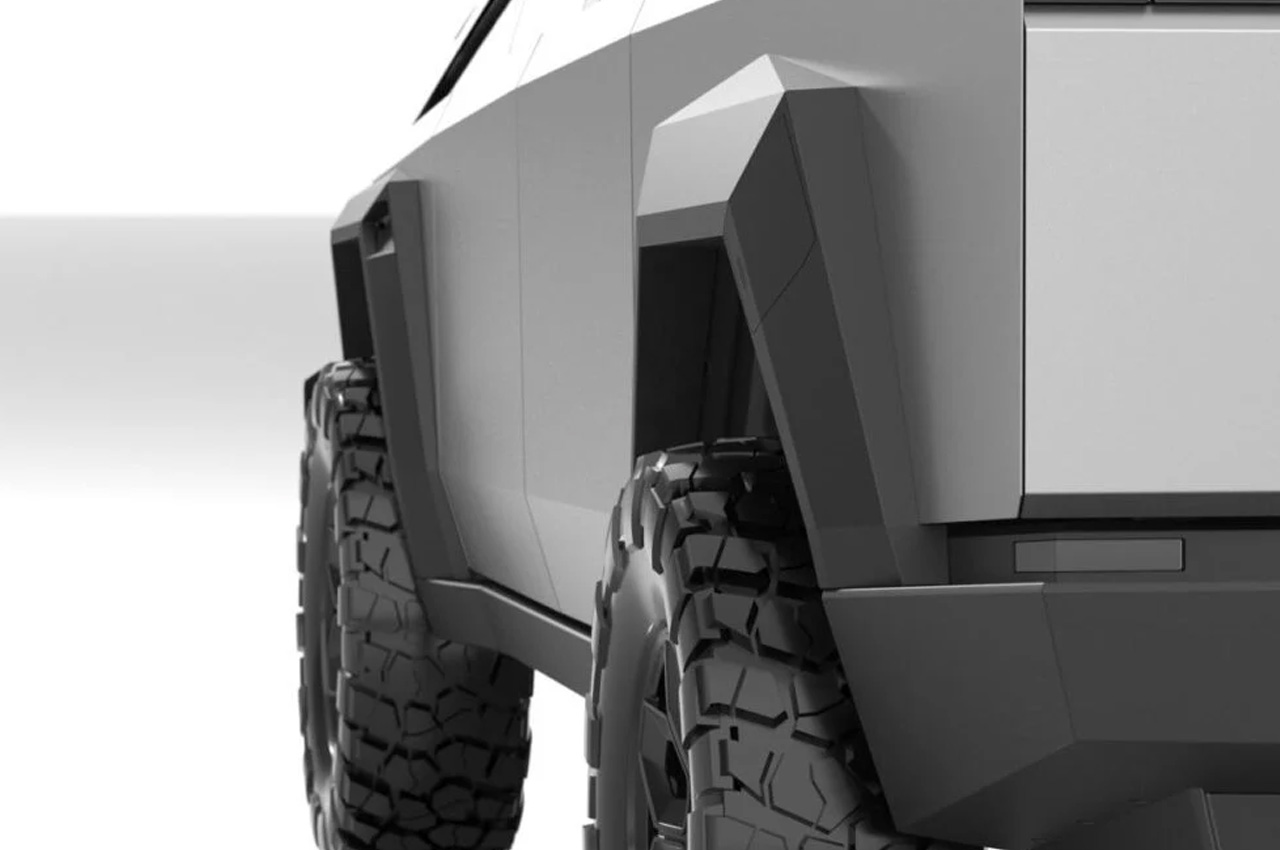
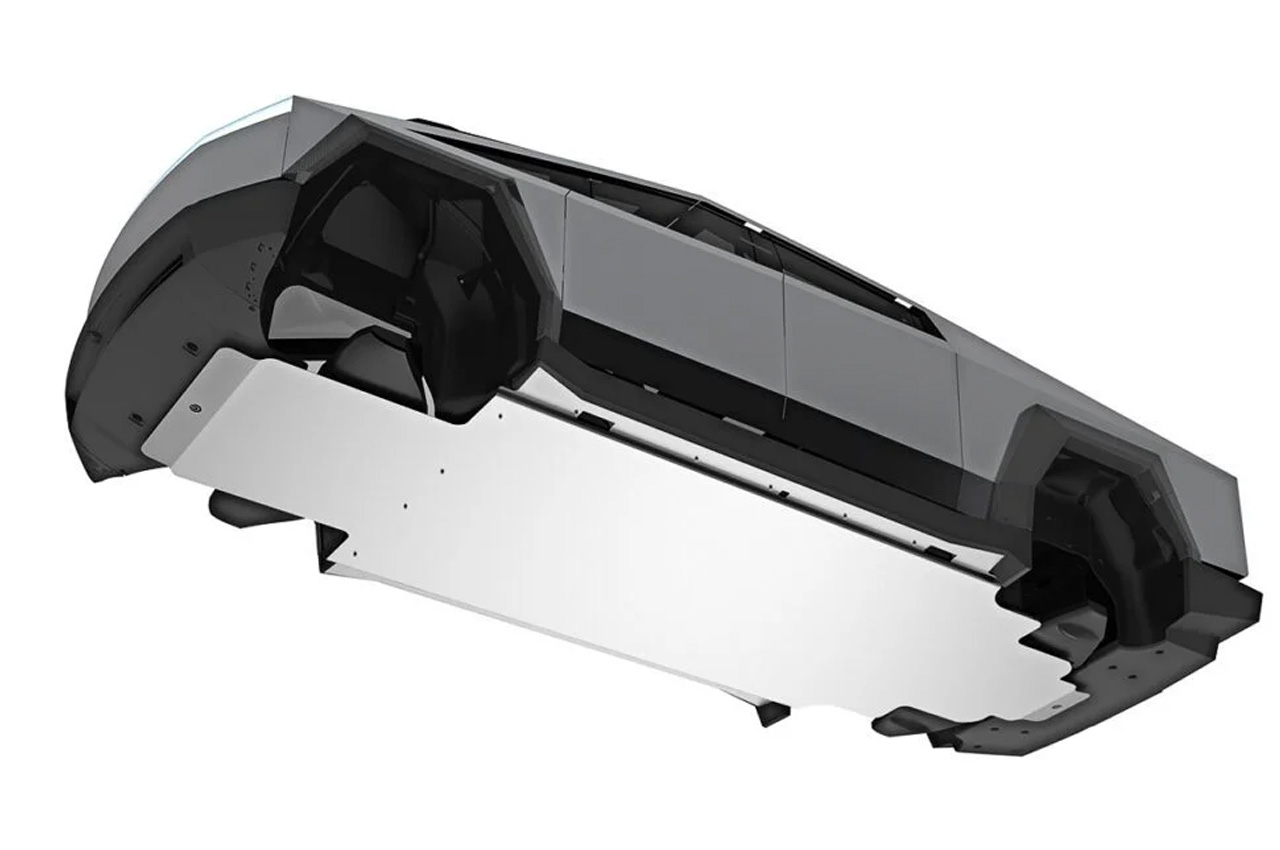
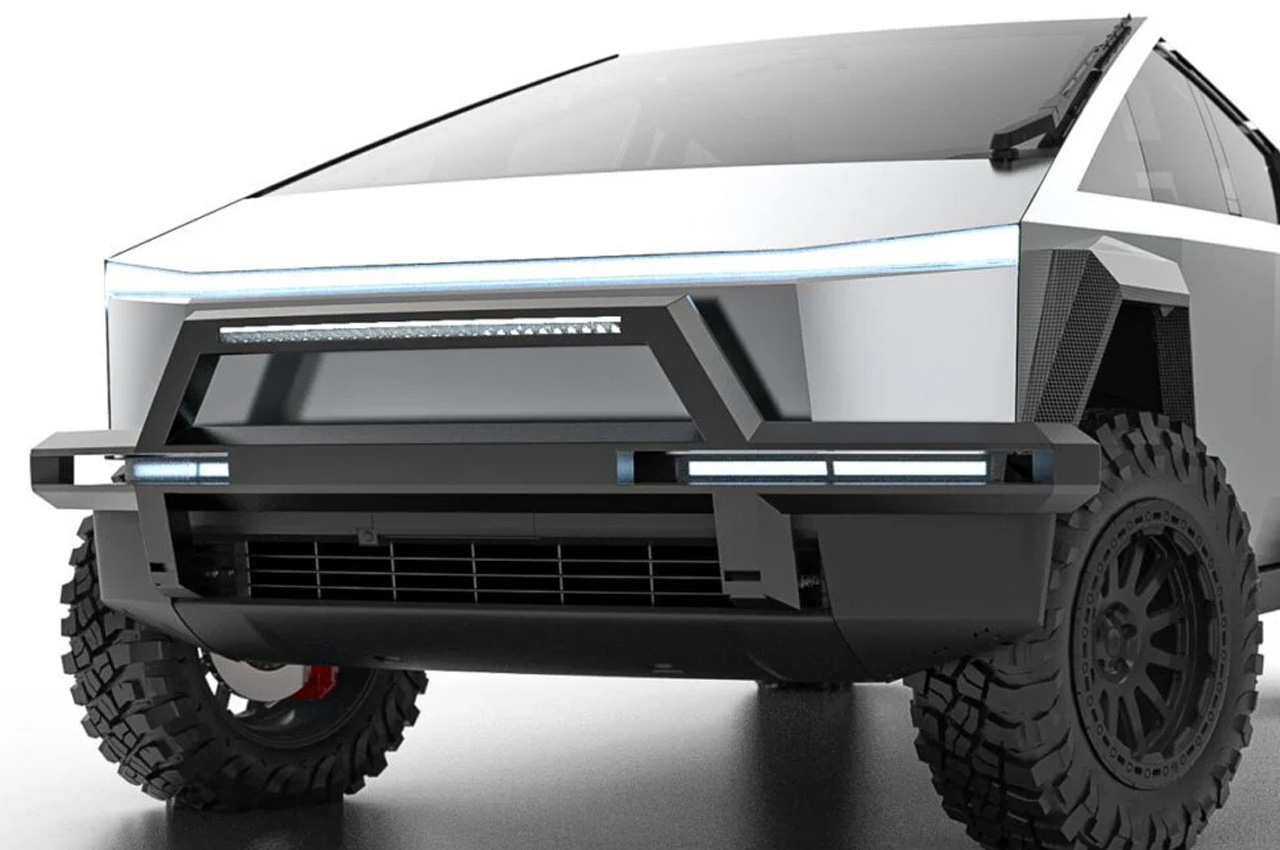
The Up Invincible is not only about enhancing the off-road ability of the already capable Cybertruck. In fact, the range of accessories that make the Cybertruck a road wonder includes steel front bumpers, front and rear carbon fiber fender flares, a front bull bar, and an underbody armor that provides ribbed protection for your truck. Additional excitements to retrofit the Cybertruck are a roof rack and a carbon fiber hood with Kevlar reinforcement that fits atop the steel hood of the standard Tesla truck.

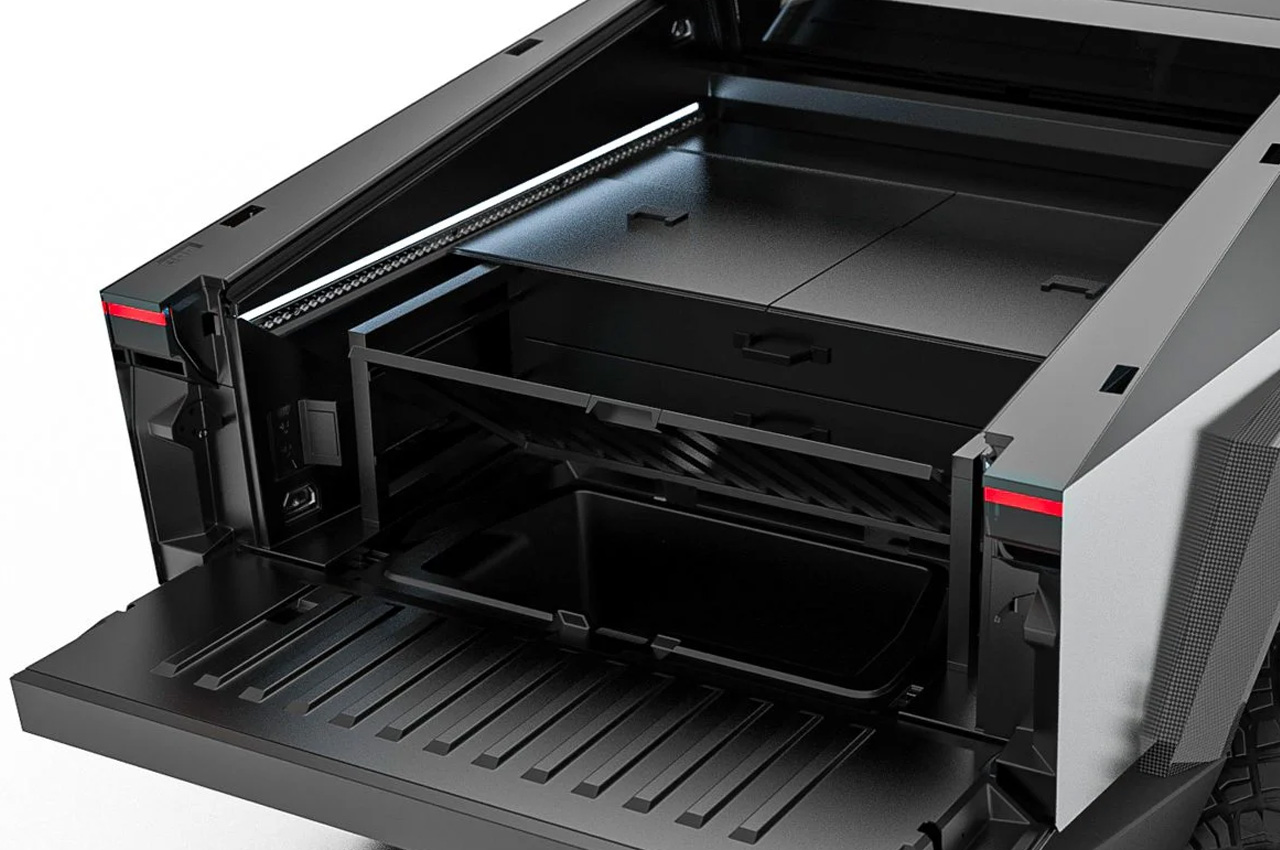
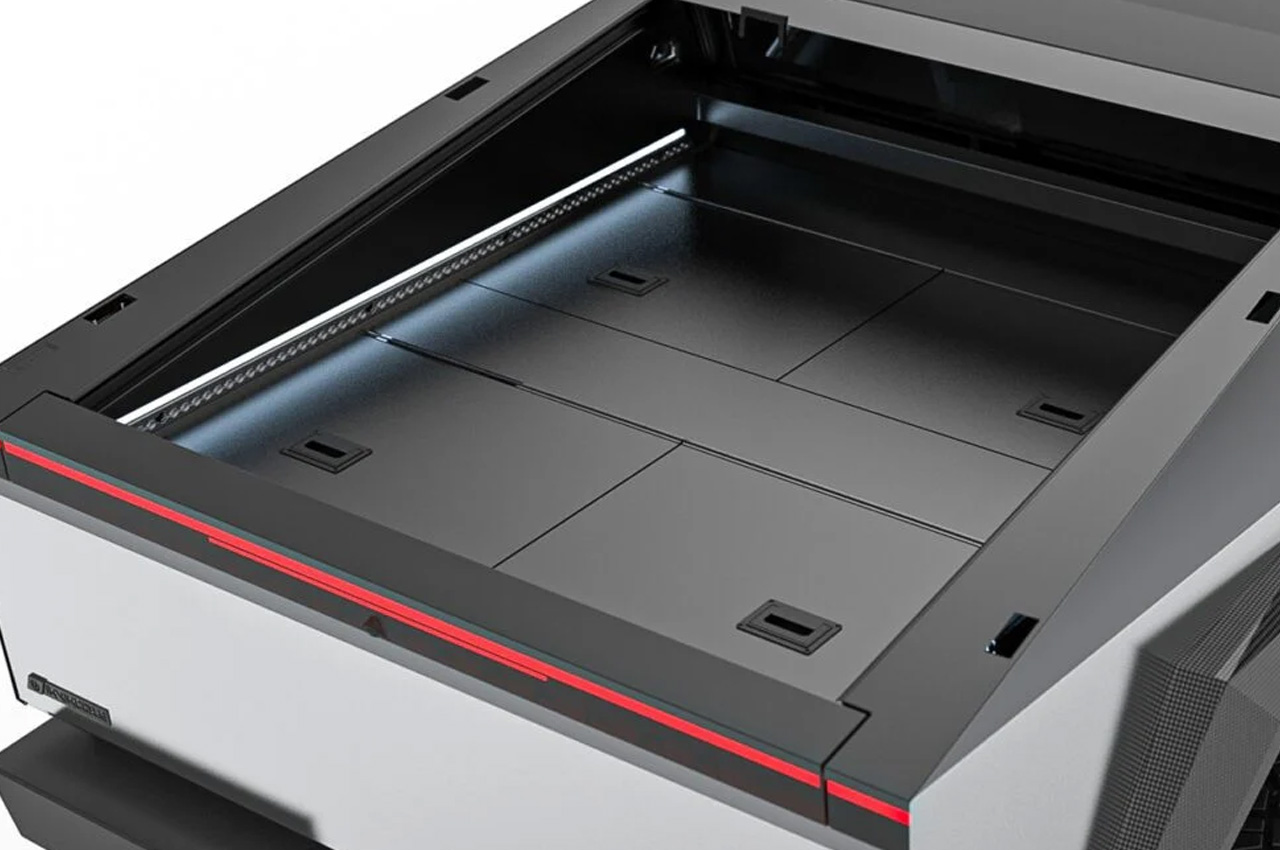
What really makes a statement and adds to the umpteen usability is the Unplugged Performance’s fully enclosed and lockable rail-based bed storage system. The storage drawers here are more secure and have a sizable capacity. These are accessible via the tailgate or can be reached through the hatch doors from the top. This $100 system along with a 50-inch LED light bar gives the Cybertruck more flare and functionality.

The retrofit accessories generally add to the drag of a vehicle. How much will these mentioned accessories, and others in the range, affect that of the Cybertruck is not yet pointed out. But these are the first real upgrades to be available for the Tesla’s ambitious pickup truck after the Basecamp tent that we have discussed this past week since the Cybertruck production models have gone out.


The post With its tactical accessories, this company plans to add value and substance to oddly-shaped Cybertruck first appeared on Yanko Design.
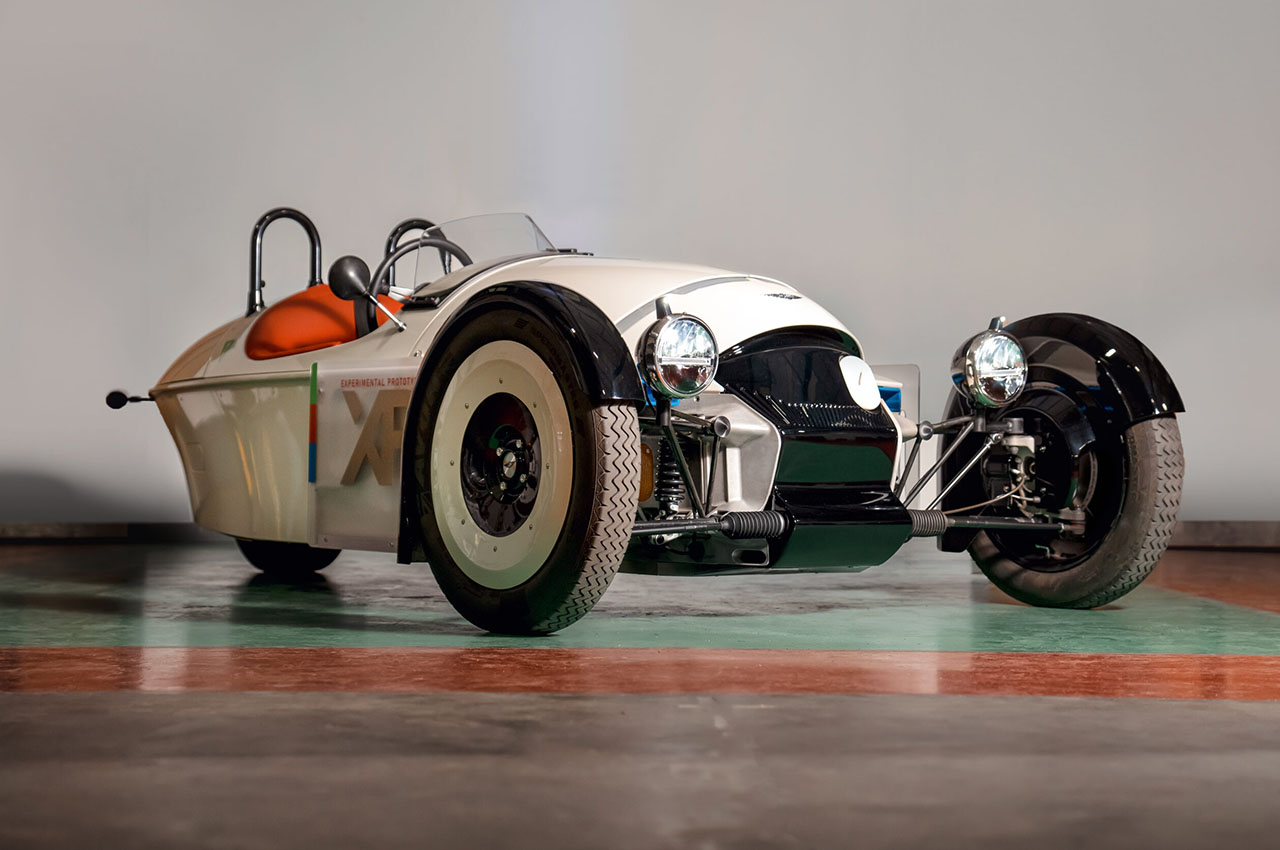
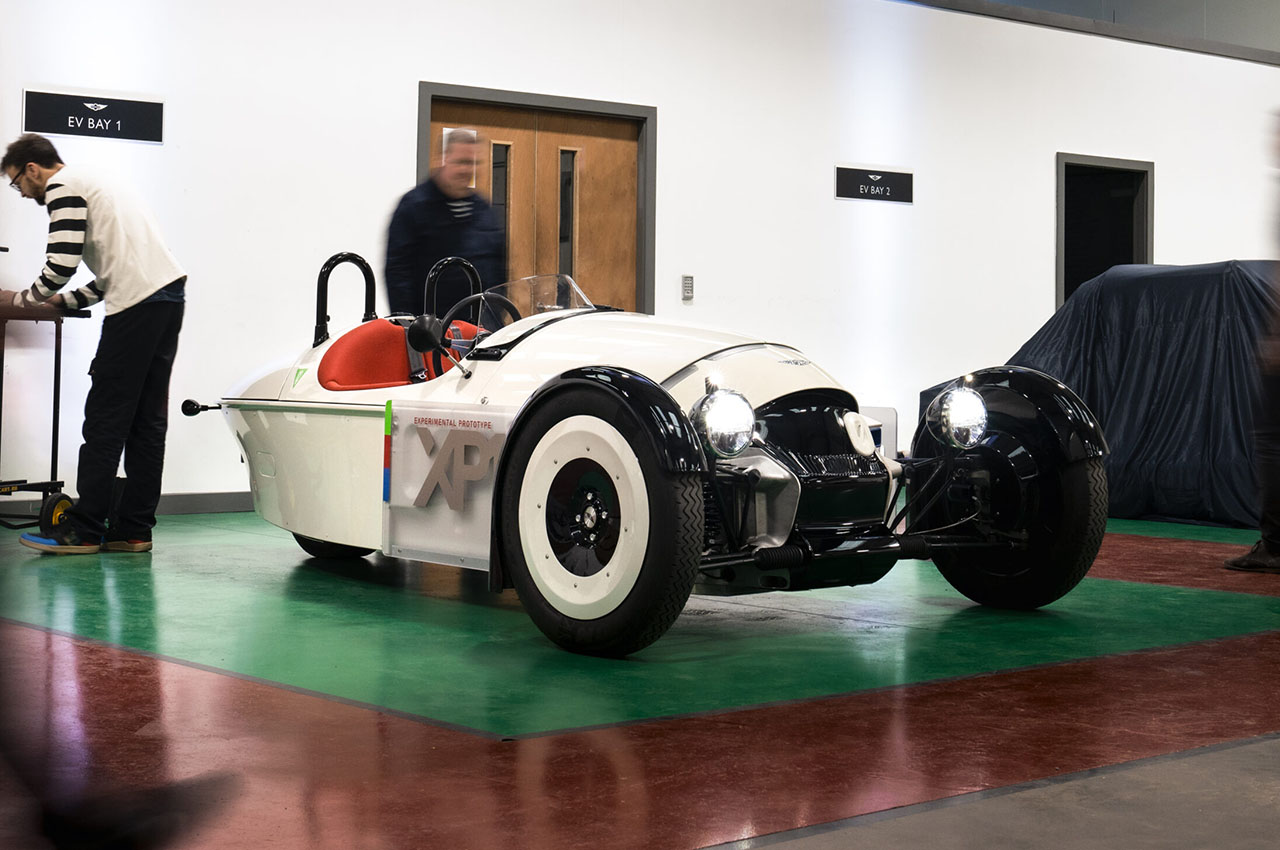
Morgan XP-1 electric trike redefines retrofuturism with handcrafted bespoke design and power delivery

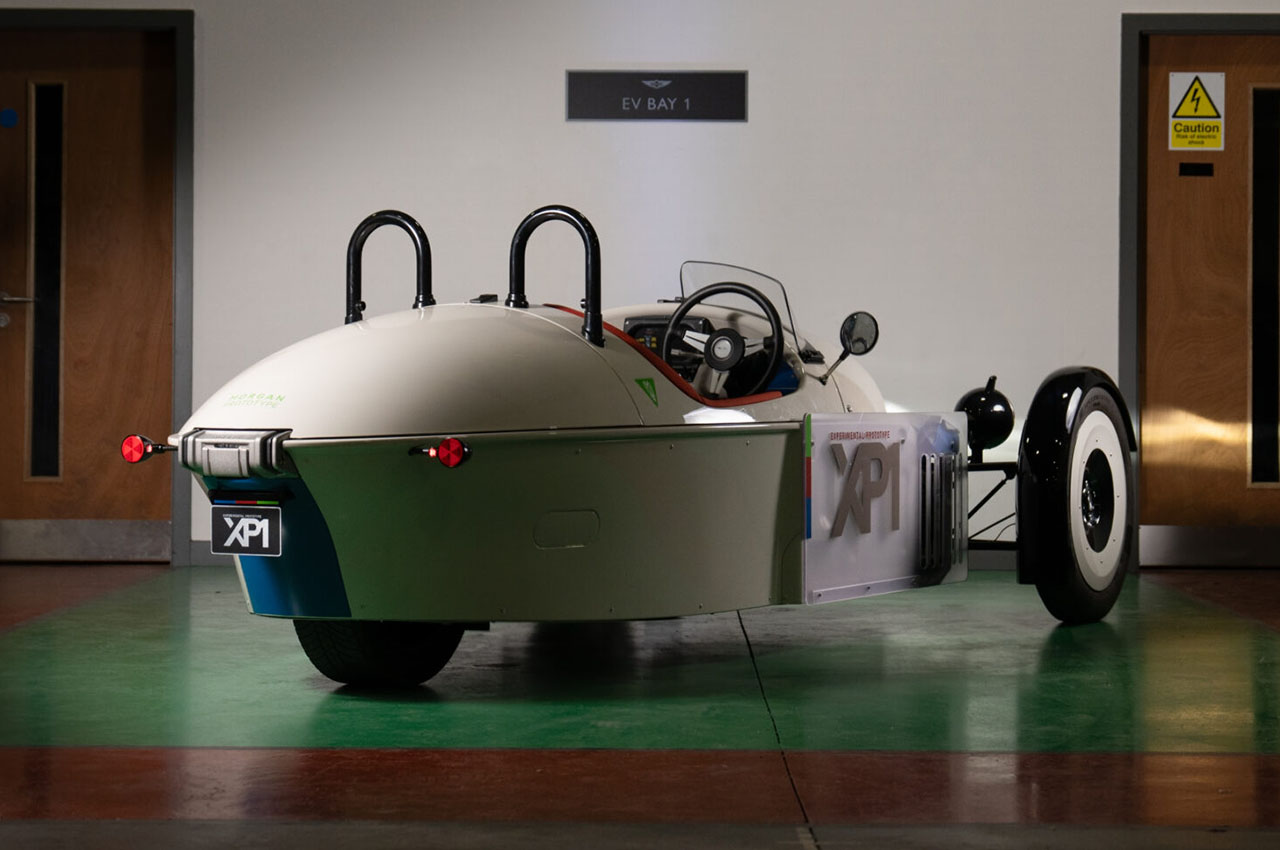
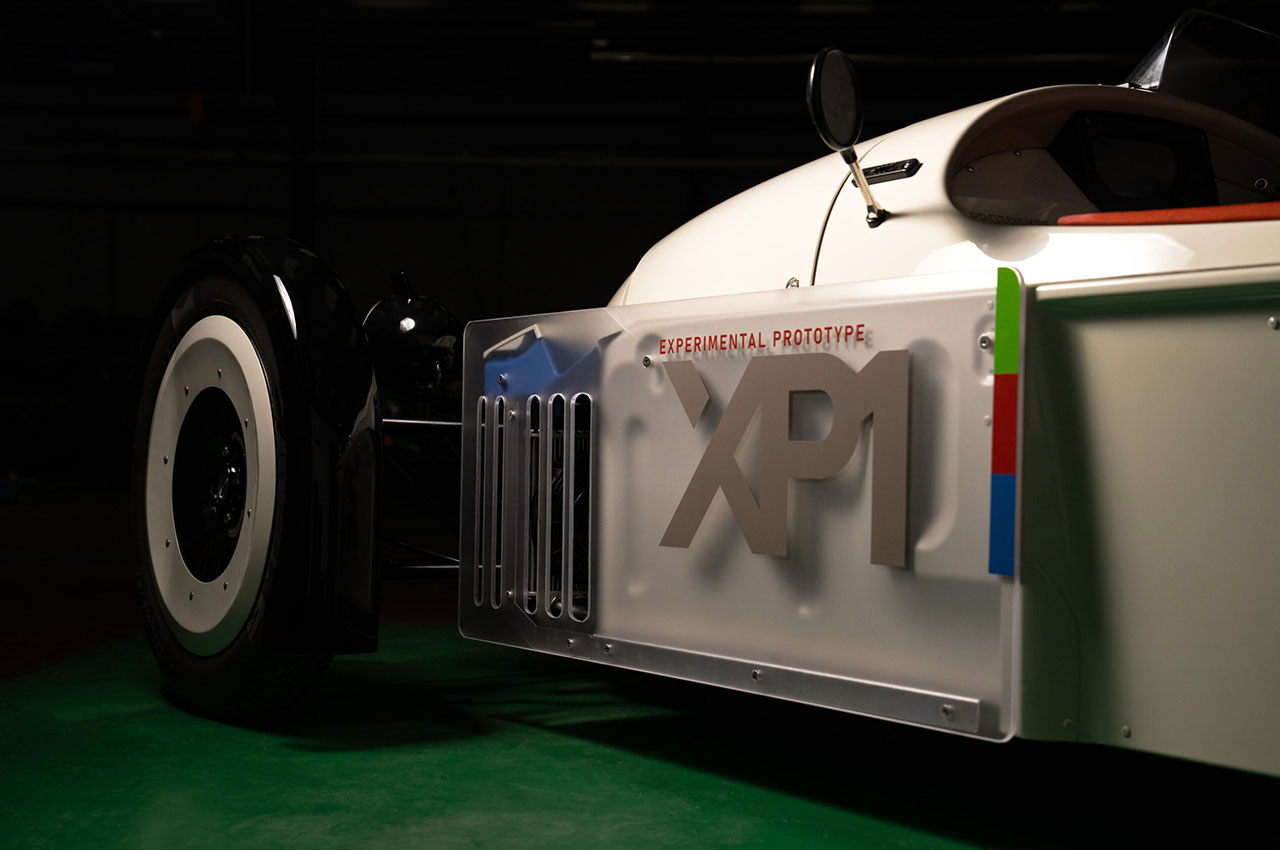
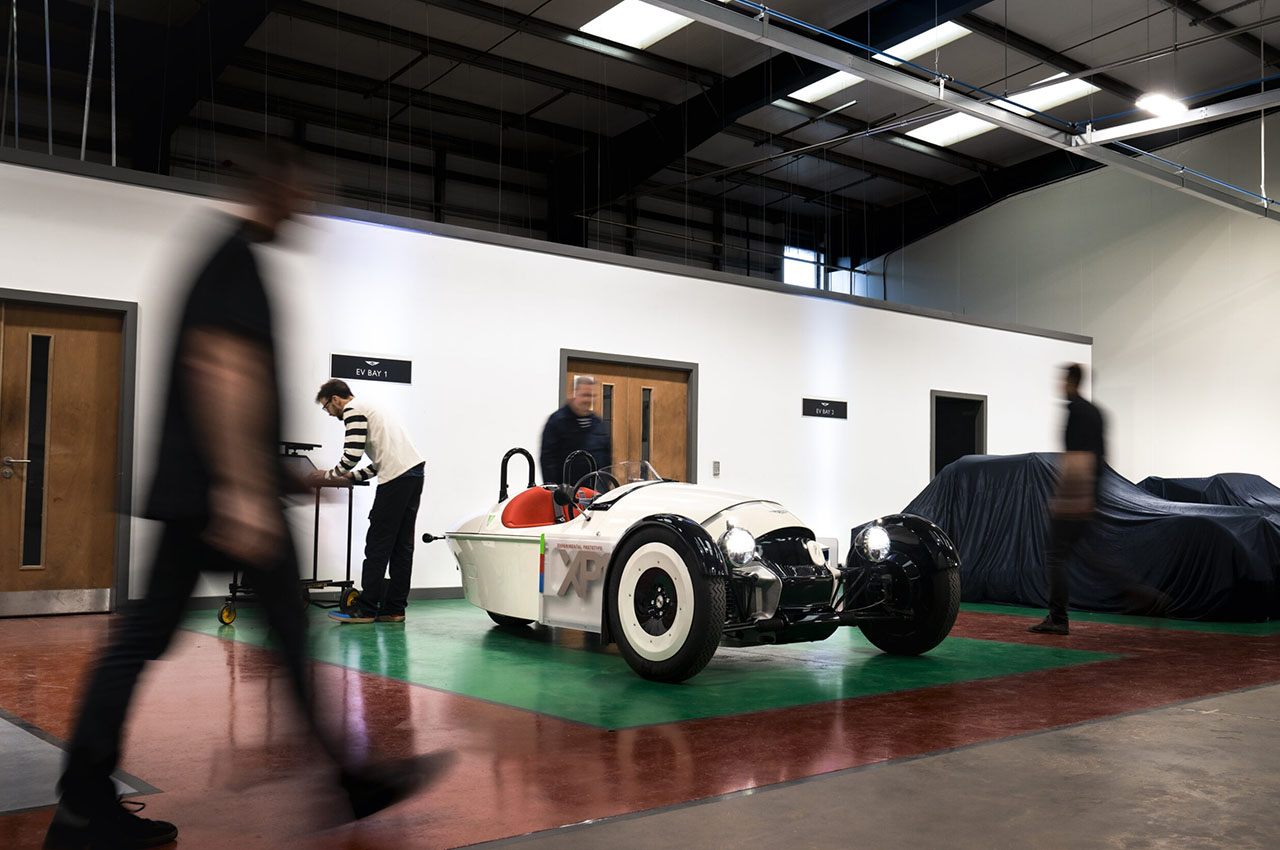
Marching towards an electrified future, iconic British automaker Morgan Motor has unveiled details about its latest creation, the Morgan XP-1 (Experimental Prototype 1). This electric three-wheeler marks a significant shift for the brand renowned for its classic design and combustion engine vehicles. The XP-1 promises to deliver an exhilarating 134 horsepower of good, clean fun, redefining the perception of electric vehicles in the automotive landscape.
Morgan’s commitment to embracing sustainable technology is evident in the XP-1’s specifications. The vehicle is part of the company’s broader strategy to transition towards electric power. The development vehicle embodies Morgan’s dedication to innovation while preserving the distinctive charm that has defined the brand for over a century!

Designer: Morgan Motor

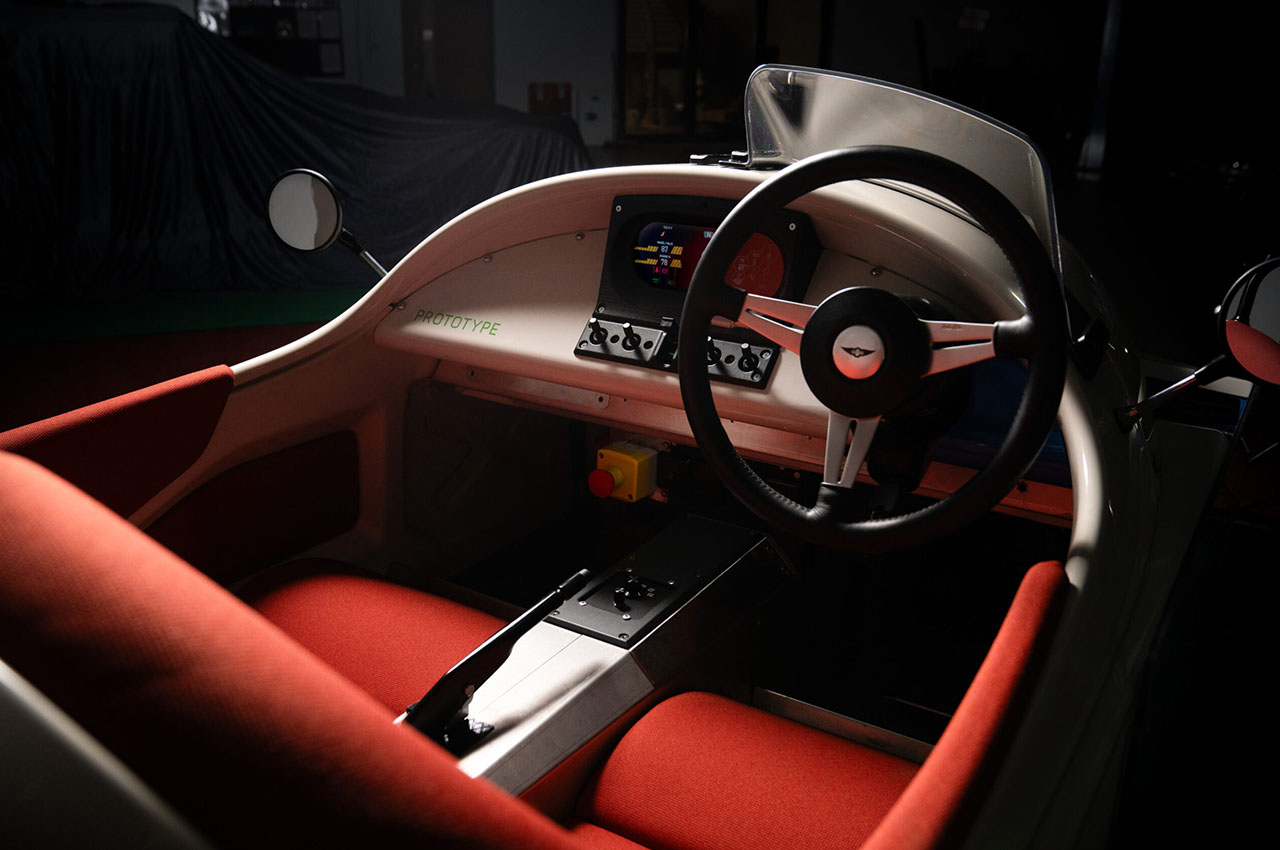
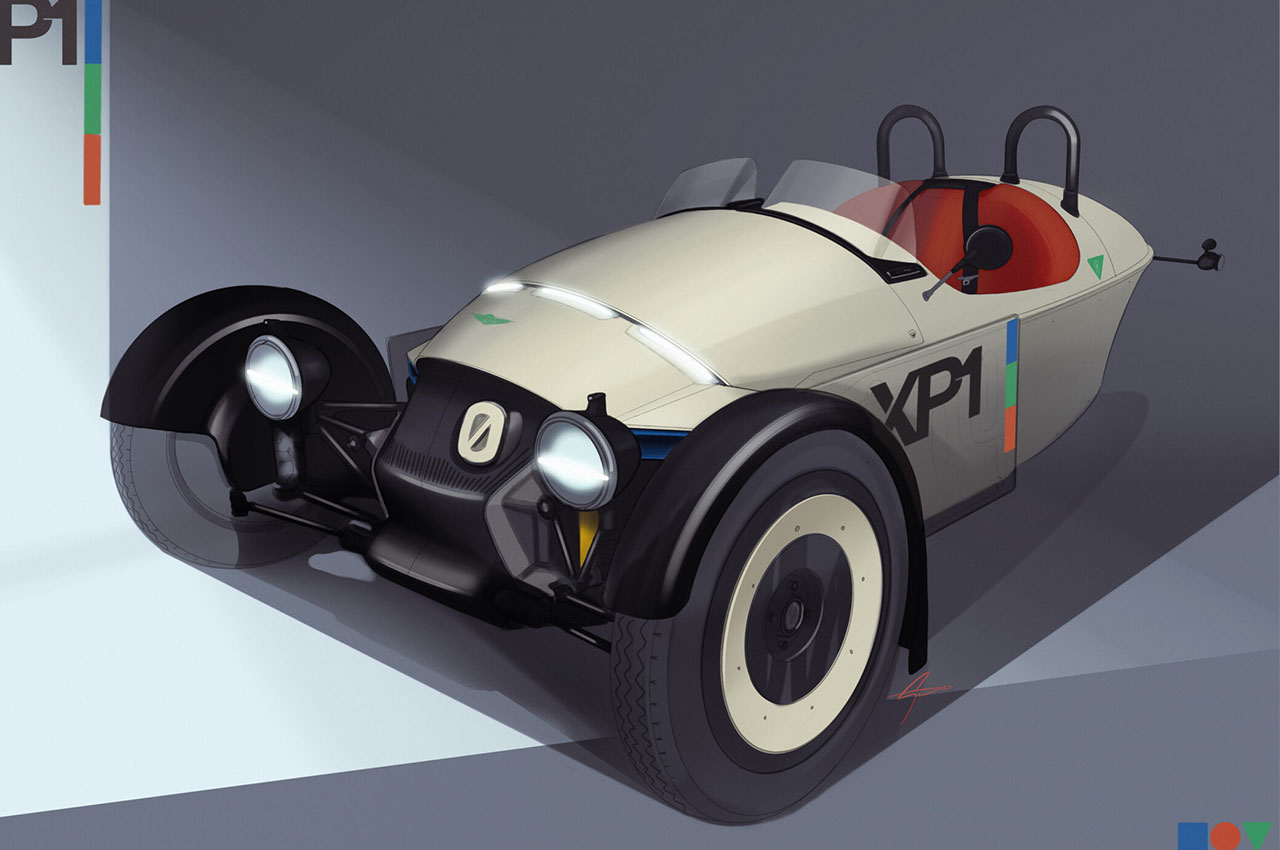
The XP-1 represents a new era for Morgan, boasting a design that seamlessly blends modernity with the British motor car manufacturer’s timeless aesthetics. The three-wheeler prototype promises to captivate enthusiasts who appreciate the brand’s rich heritage while embracing the latest advancements in automotive technology. The XP-1 to that accord is not merely an electric vehicle it is a testament to Morgan’s ability to adapt and evolve while staying true to its roots.

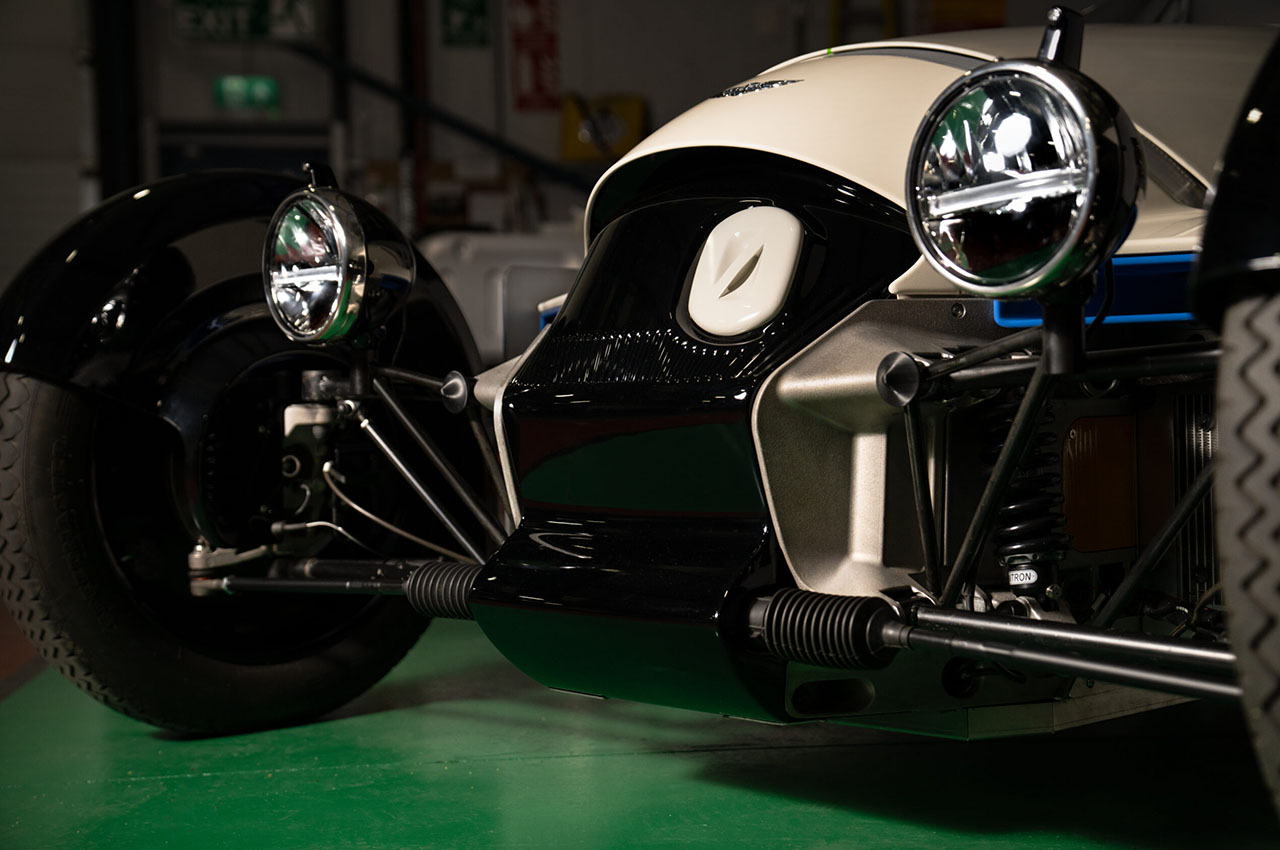
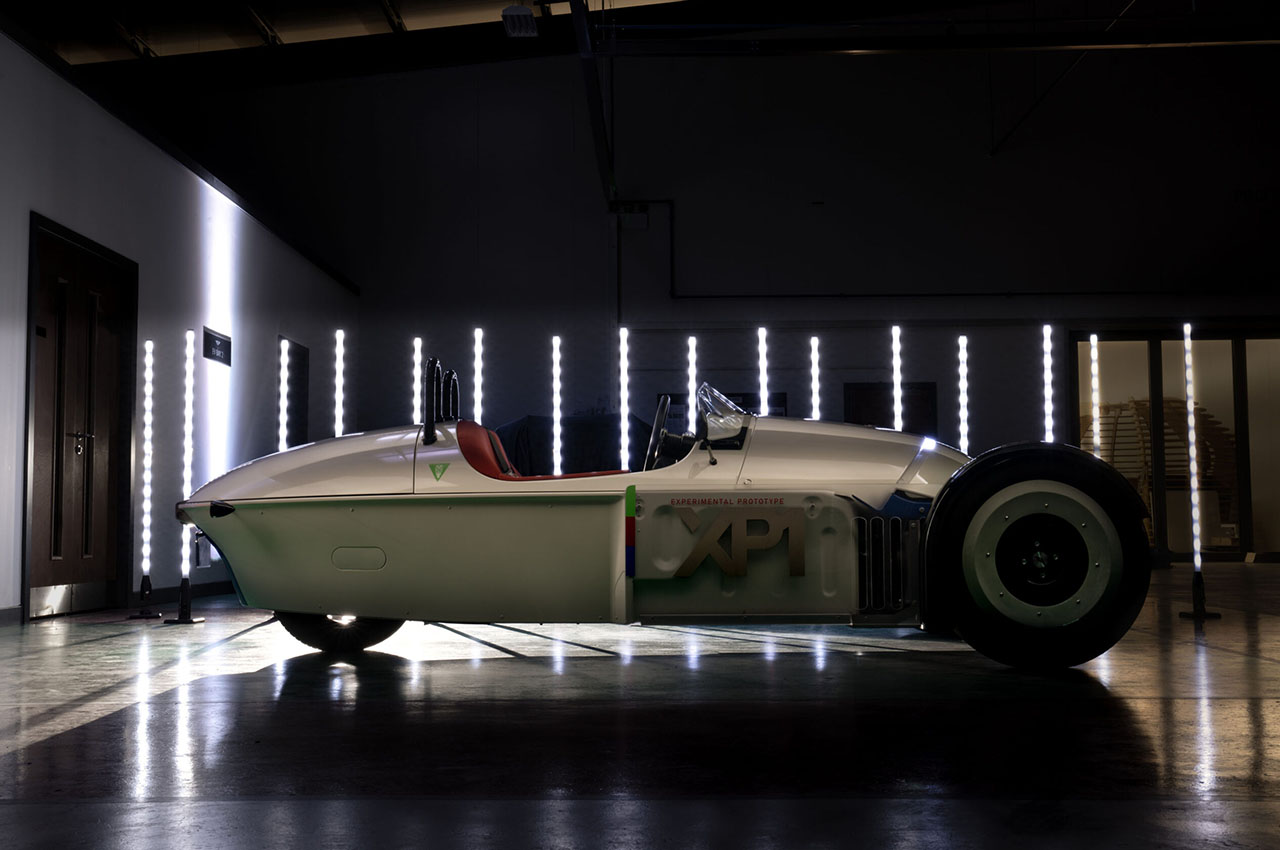
The XP-1’s design is a harmonious fusion of classic Morgan aesthetics and contemporary styling. The three-wheeler maintains the brand’s distinctive charm while incorporating modern elements that define its electric identity. The vehicle’s exterior exudes sophistication, with aerodynamic considerations complementing its overall aesthetic appeal. Underneath its classic exterior, the XP-1 hosts a state-of-the-art battery system that powers its electric motor. The 33 kWh battery unit is placed under that cheeky nose, promising a range of around 150 miles which by industry standards is pretty little but we’ve to consider It’s a purist’s wild dream come true.

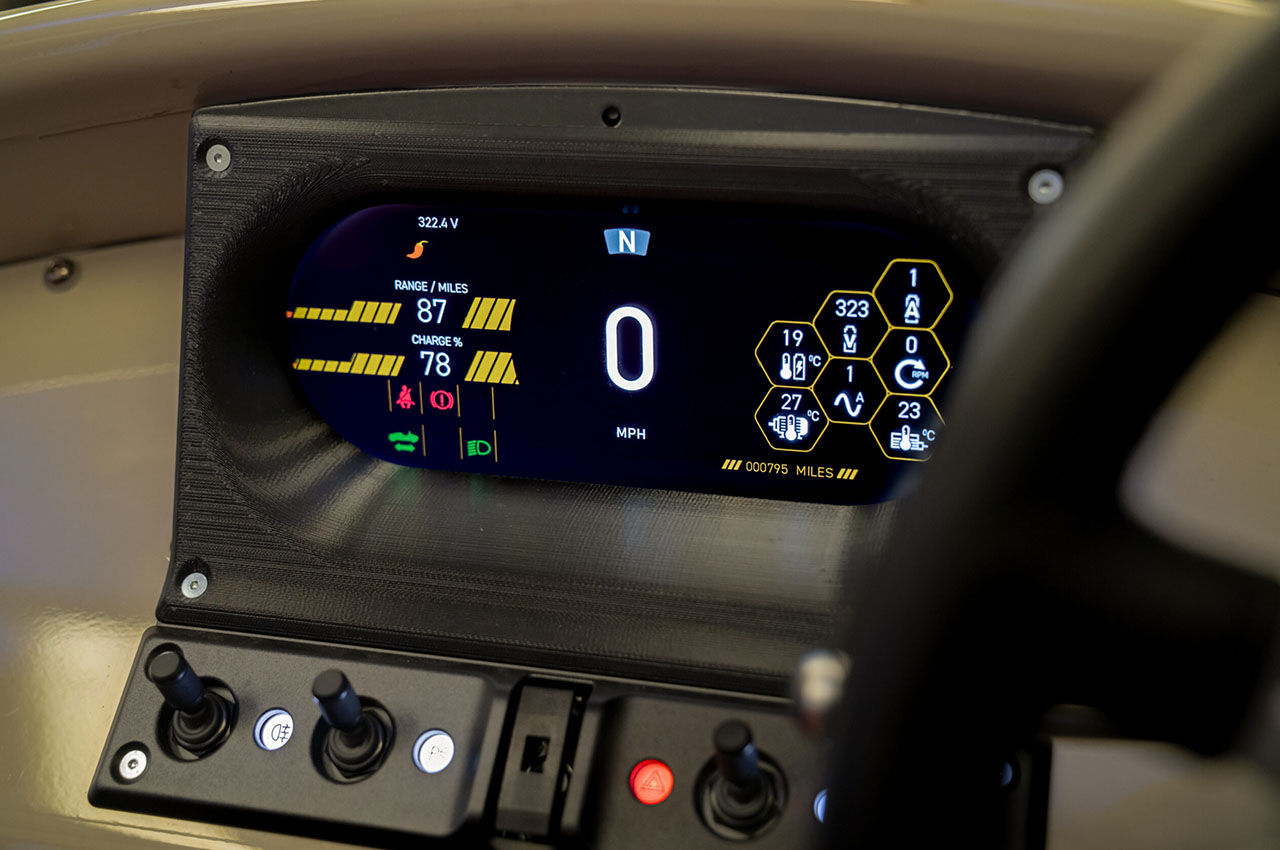
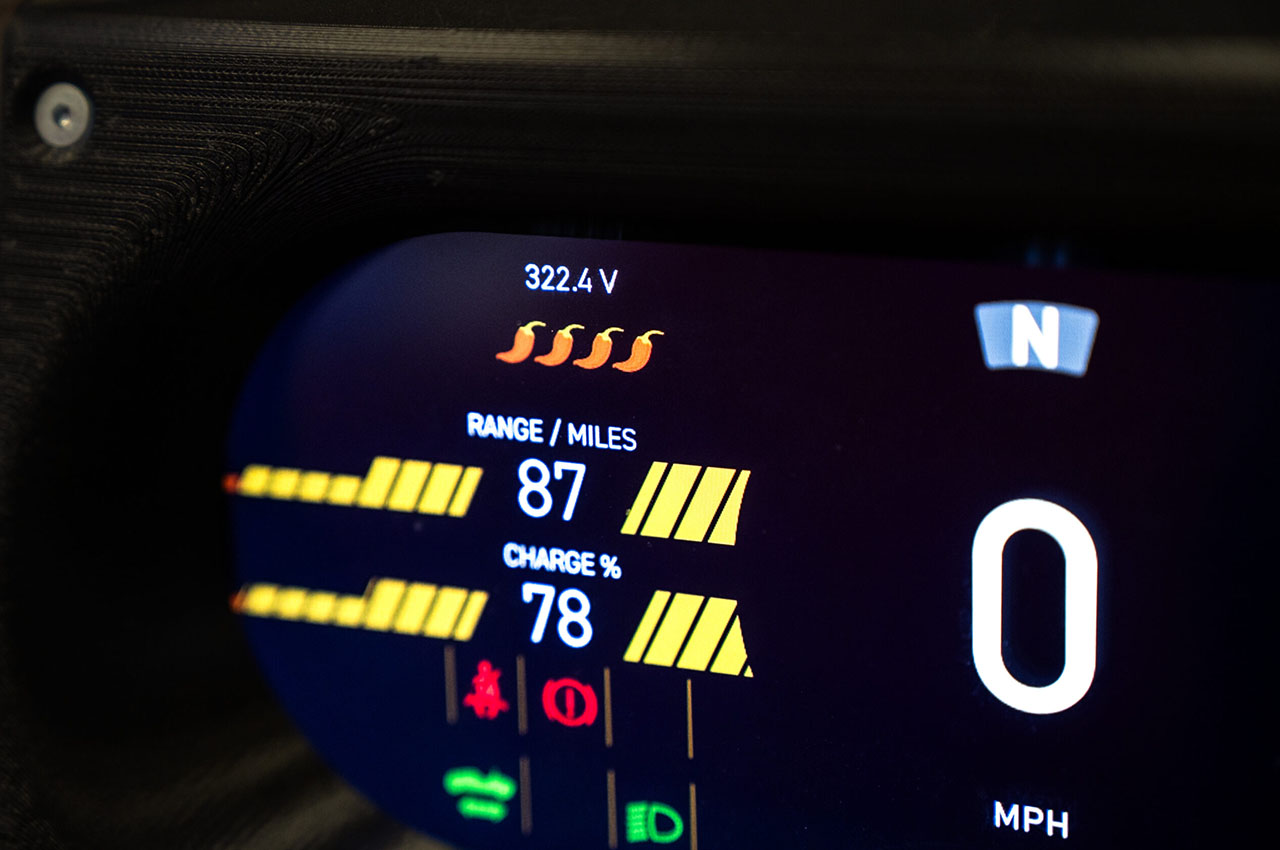
According to Morgan Motors, “the powertrain engineered specifically for XP-1, gives its engineers complete control of calibrations to create a range of driving modes featuring a mix of driving characteristics, providing the opportunity to define exactly how an electric Morgan should drive.” The retro-futuristic trike weighing just 1,543 pounds churns out 134 horsepower, delivering the power to the single rear wheel. The XP-1 comes with four drive modes that can be switched seamlessly, represented by a funny-looking chili pepper on the digital display.

Beyond its impressive power and design, the Morgan XP-1 is likely to feature cutting-edge connectivity and driver-assistance technologies. As the automotive industry continues to integrate smart features into vehicles, the XP-1 is poised to offer a holistic driving experience that goes beyond the traditional bounds of a three-wheeler. That said the company wants to keep the vehicle experimental and after “’12 months of design and build, XP-1 will now embark on a comprehensive testing program over the next 18–24 months.”

The post Morgan XP-1 electric trike redefines retrofuturism with handcrafted bespoke design and power delivery first appeared on Yanko Design.