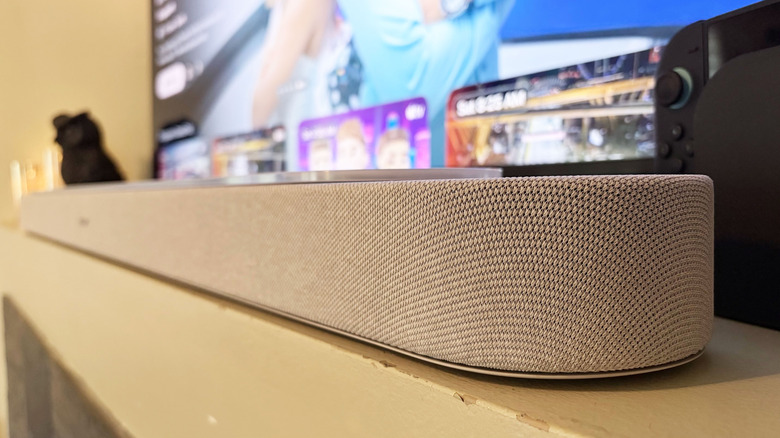
Bose Lifestyle Ultra Soundbar review: A great home theater option all by itself
Bose's latest soundbar pulls double duty as both a TV and music speaker. Plus, it doesn't need a separate subwoofer for adequate bass.

Apple has officially announced its highly anticipated “Welcome Home” event, set to take place on October 13th, 2026. This event is expected to showcase seven new products, with a focus on advancements in home devices, Macs, and iPads. With hardware upgrades and deeper integration of Siri AI, Apple aims to enhance its ecosystem and deliver […]
The post Apple Confirms October 13 “Welcome Home” Event with 7 New Products appeared first on Geeky Gadgets.
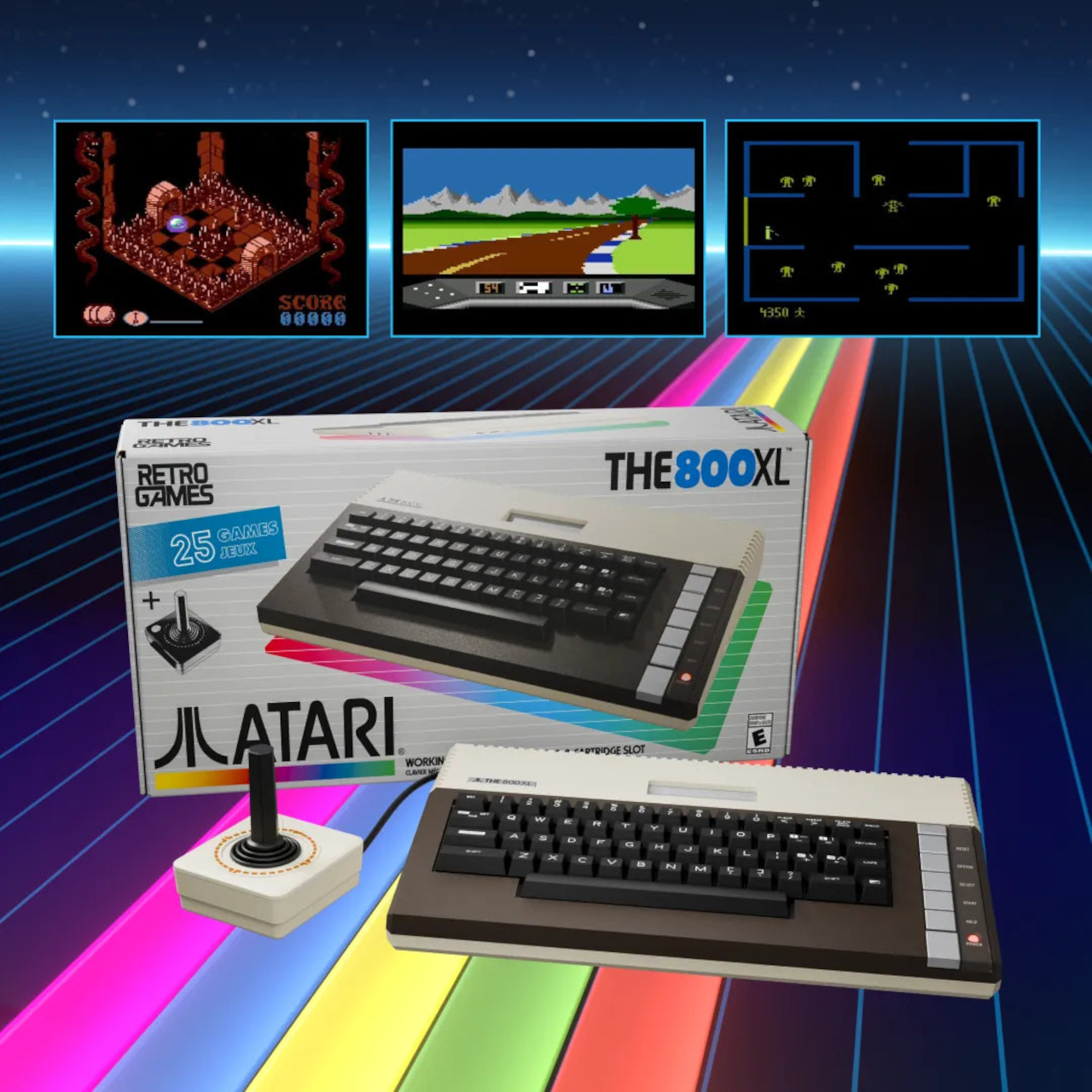
There was a time when a computer invited you to do something before it told you what to buy. The Atari 800XL was built for that kind of curiosity, with a keyboard you could use for games or your first lines of code. THE 800XL brings that experience back at full size, rather than shrinking it into another little box beneath the television.
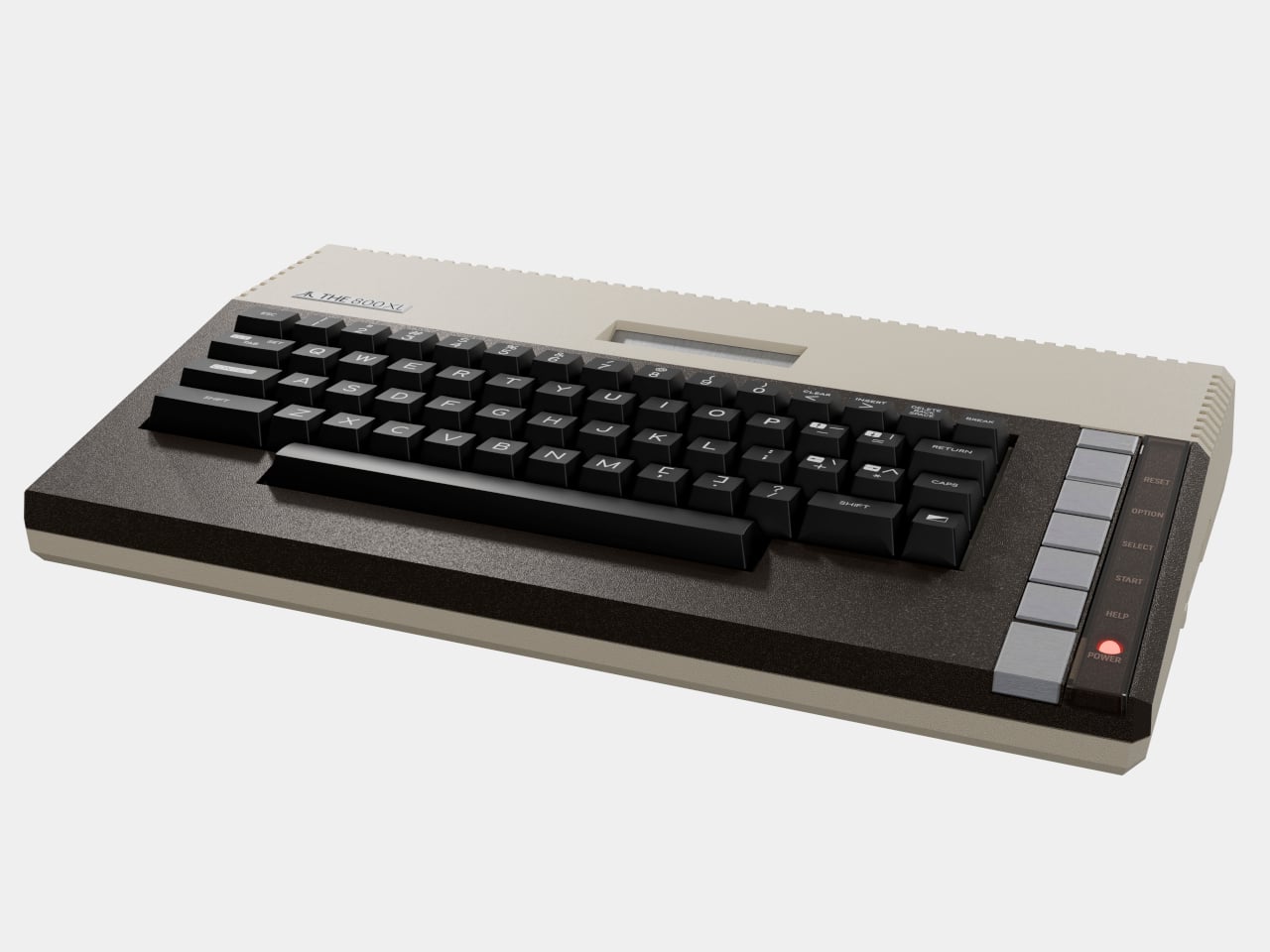
The original’s broad shape mattered because this was a machine you sat down to use, not simply a console to switch on. The recreation keeps that full-size desktop presence and puts a 57-key mechanical keyboard where your hands expect one. Those keys should make typing feel deliberate, but they also keep the computer’s most distinctive design feature from becoming a decorative prop.
Designers: Atari, Retro Games
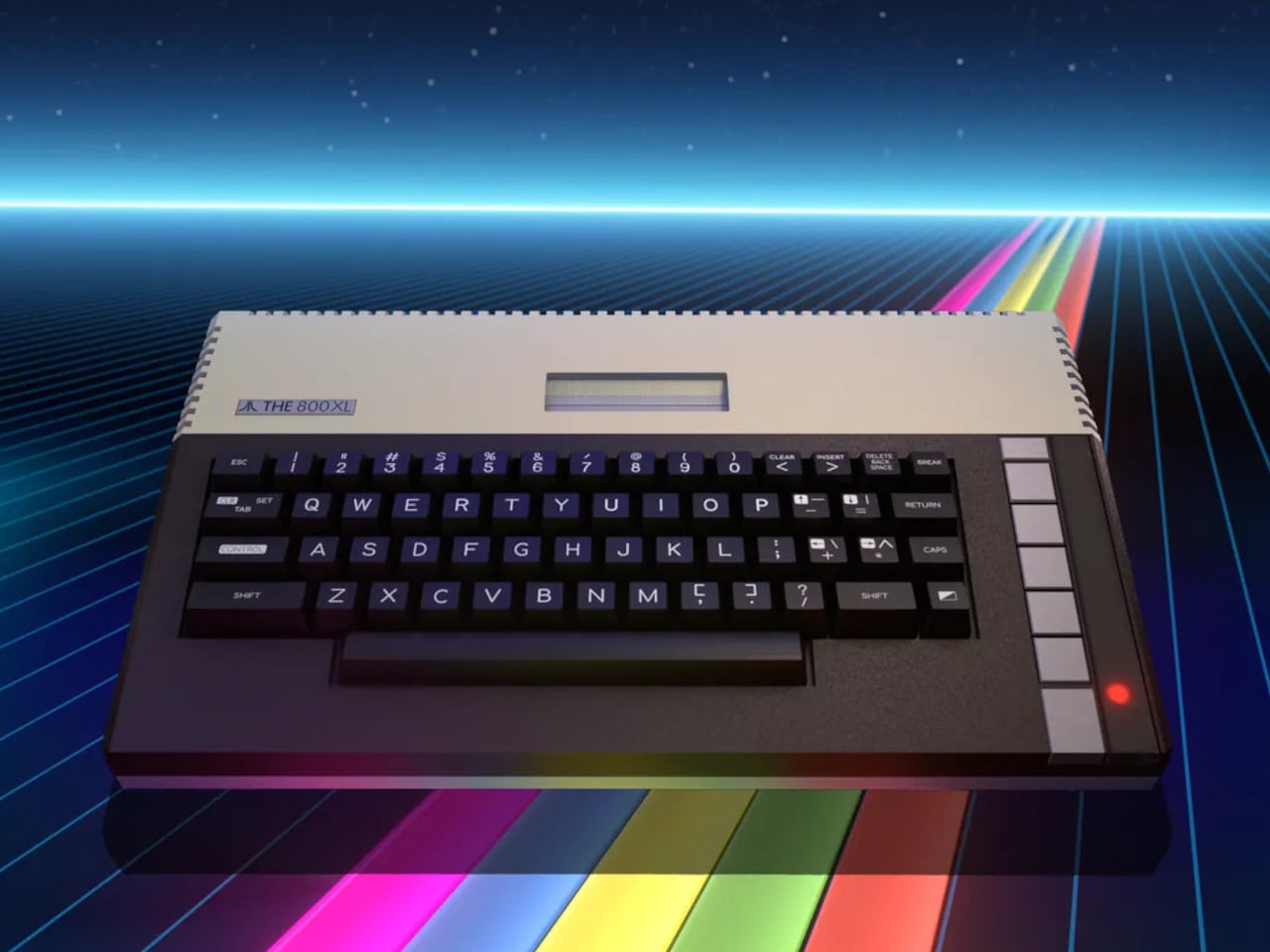
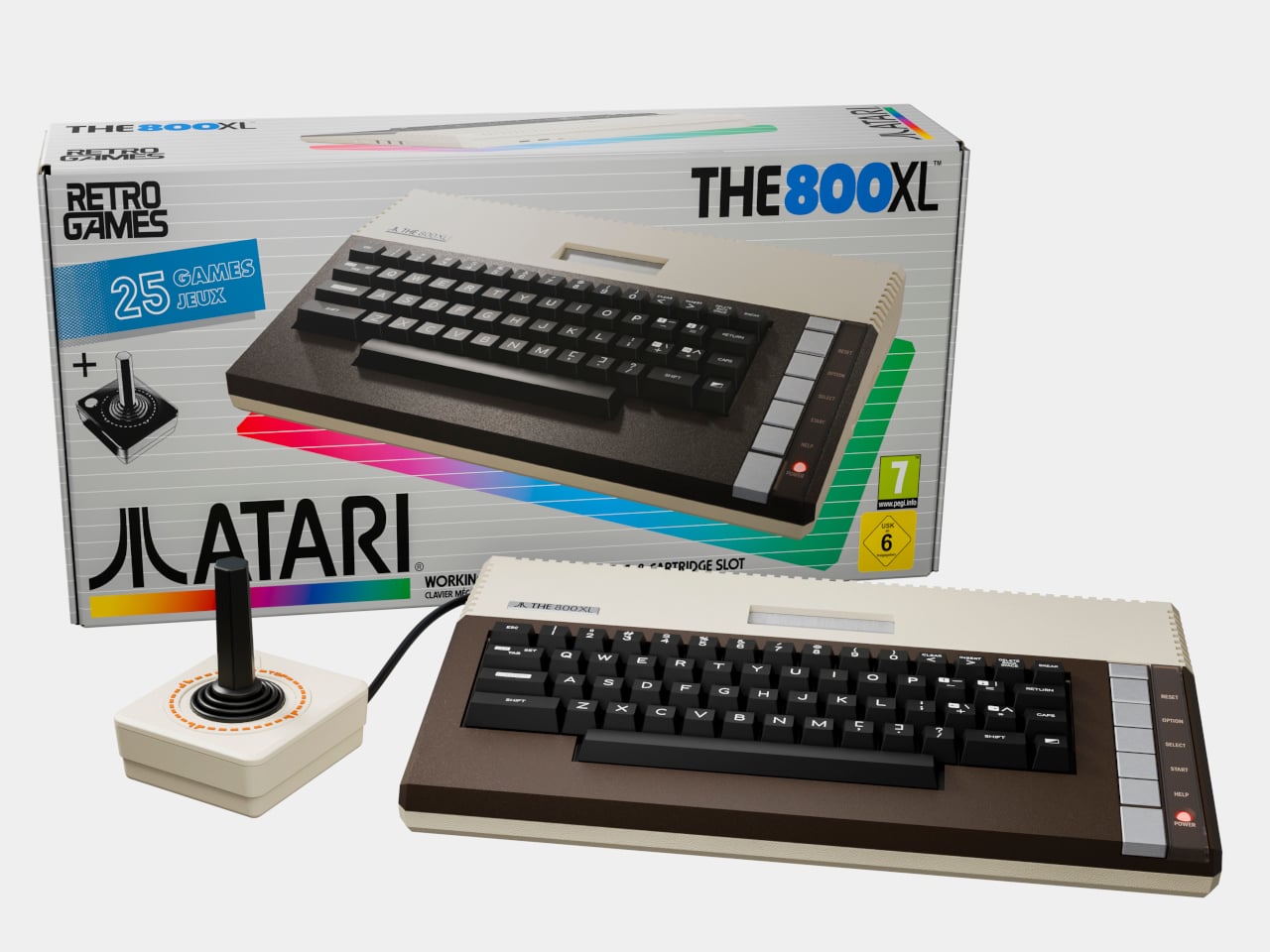
Switch to Classic Mode and Atari BASIC turns that keyboard into a way to make something yourself. You can write, save, and run programs, then move back to games when the experiment is over. That changes the mood of a retro machine considerably: the keys aren’t there solely to make the housing look authentic. They invite the occasional curious detour between sessions.
Of course, some of the most satisfying rituals need no programming. If you still have an old Atari cartridge, the working slot supports most cartridges from the 400, 800, XL, and XE families. Sliding one into a computer feels different from scrolling through a menu, and it gives an old collection a reason to leave its storage box again.
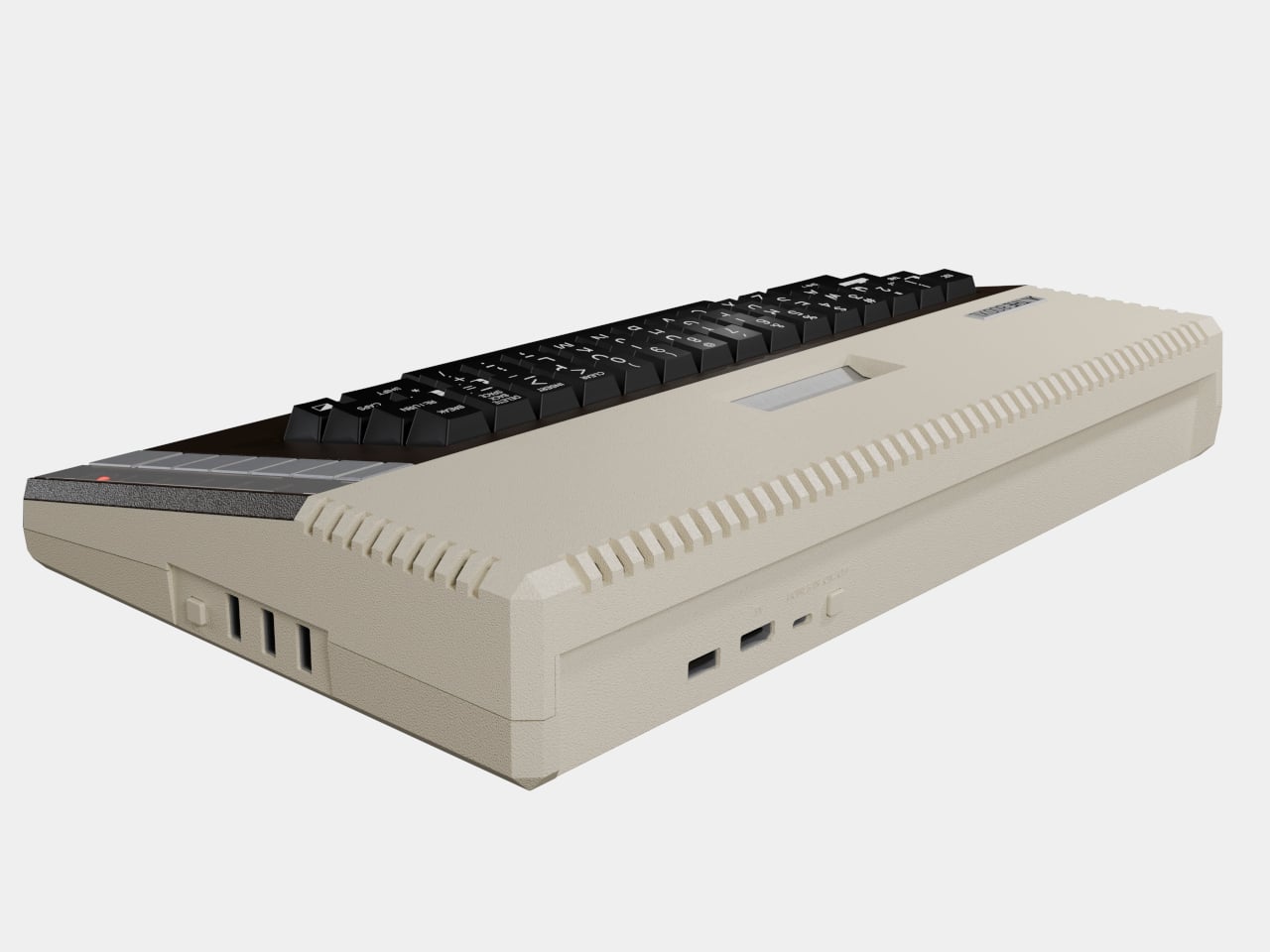
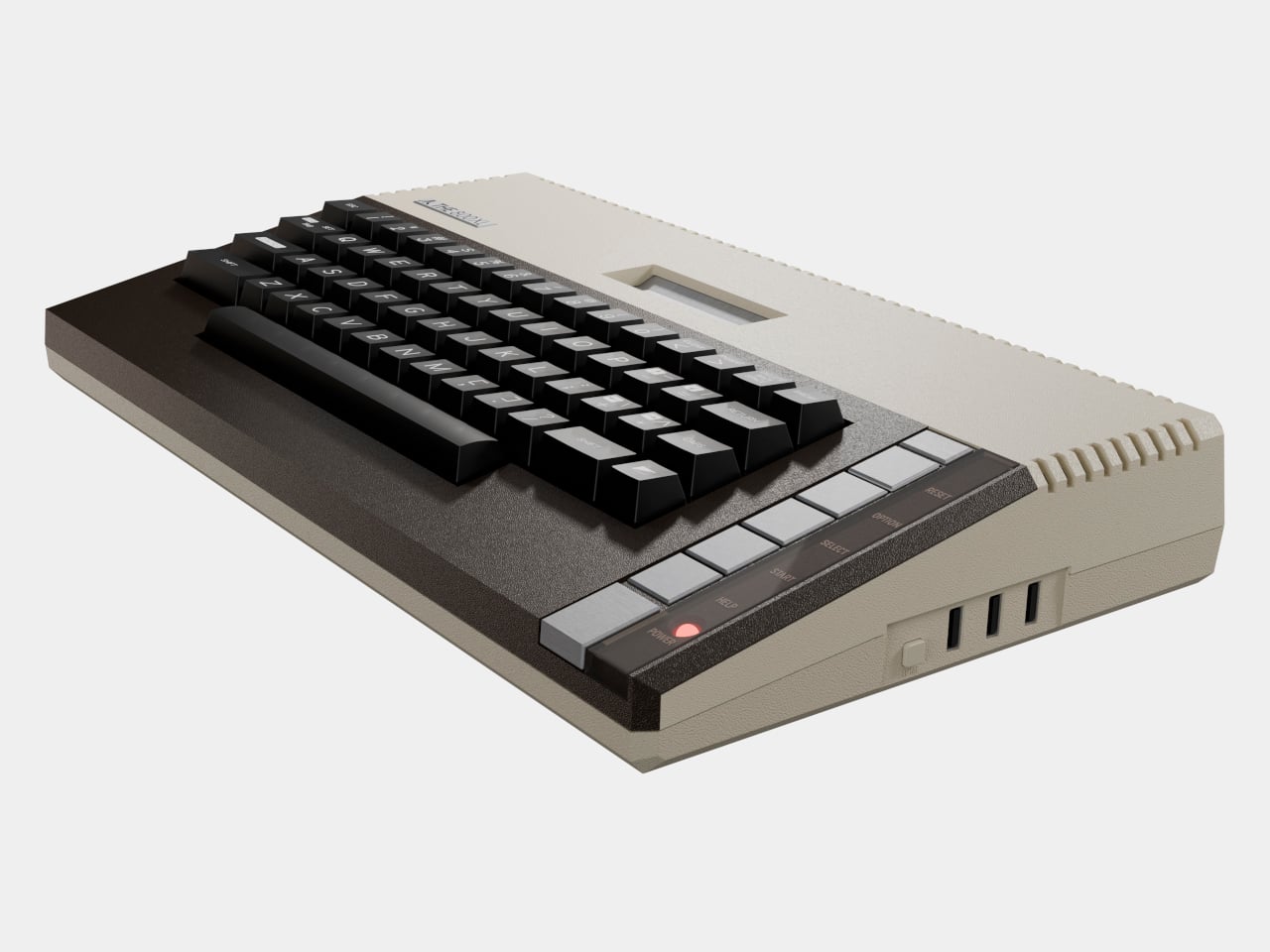
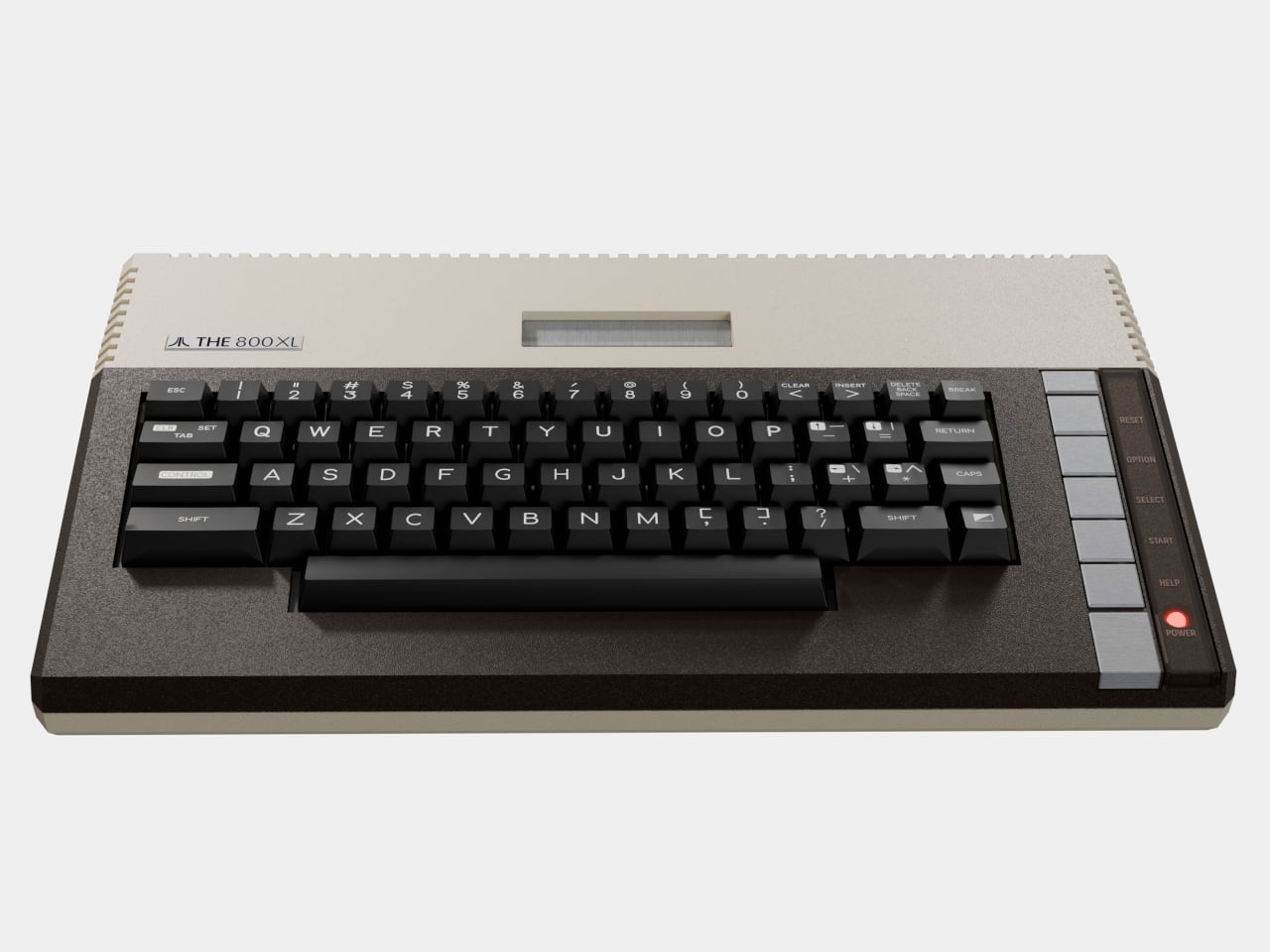
You don’t need a box of cartridges to begin, though. There are 25 games built in, along with a joystick that adds buttons to the familiar design. That pairing keeps the first evening simple: connect the computer to a television, pick a game, and get reacquainted with a stick in your hand. The keyboard remains close by when play gives way to tinkering.
HDMI is the sensible concession to today’s living room, letting the machine connect to a modern screen without hunting for an old television. USB drives can carry cartridge, disk, and cassette images too, while save states and up to 30 seconds of rewind ease the occasional mistake. These conveniences sit alongside the physical cartridge slot instead of asking it to disappear.
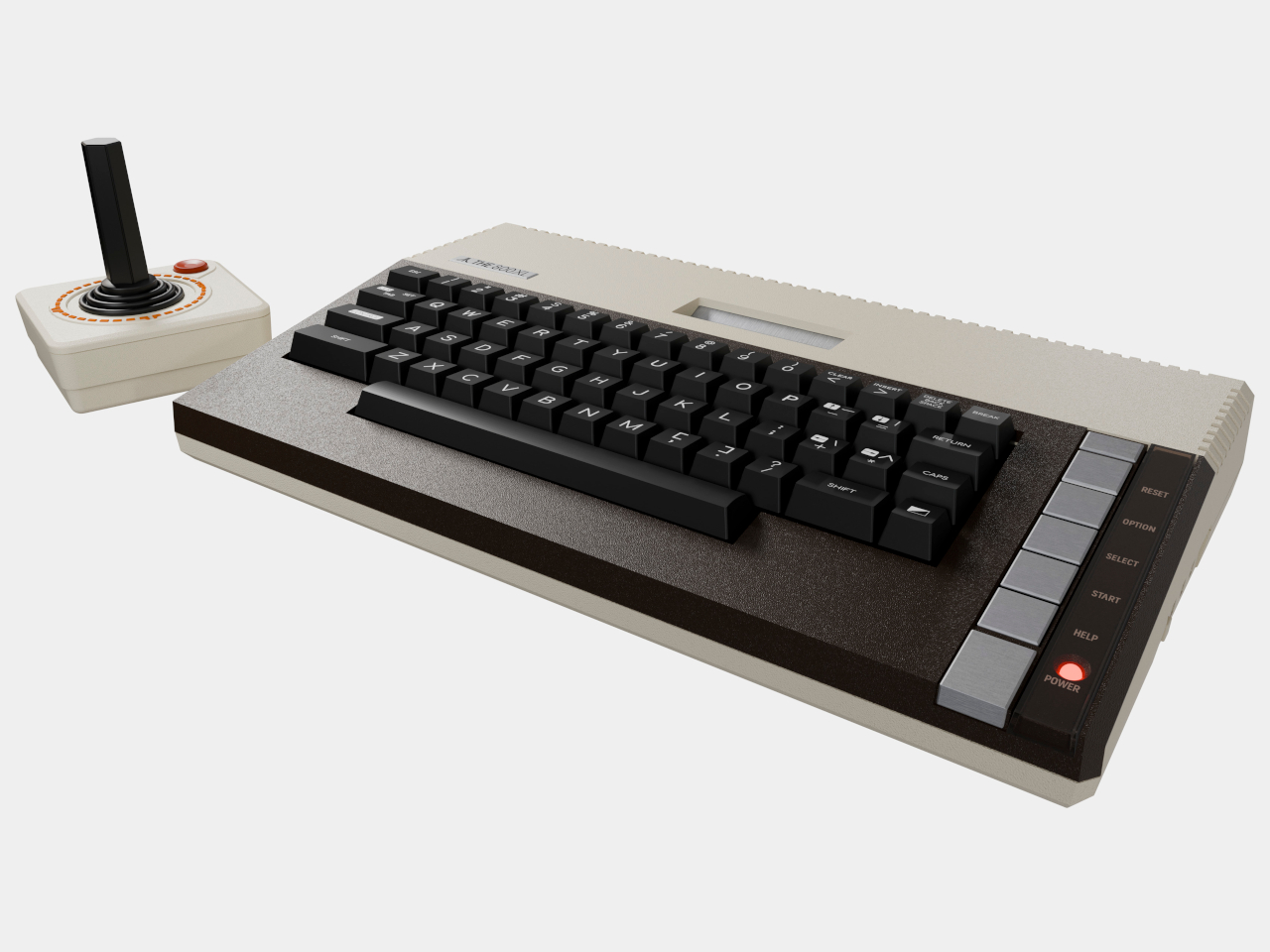
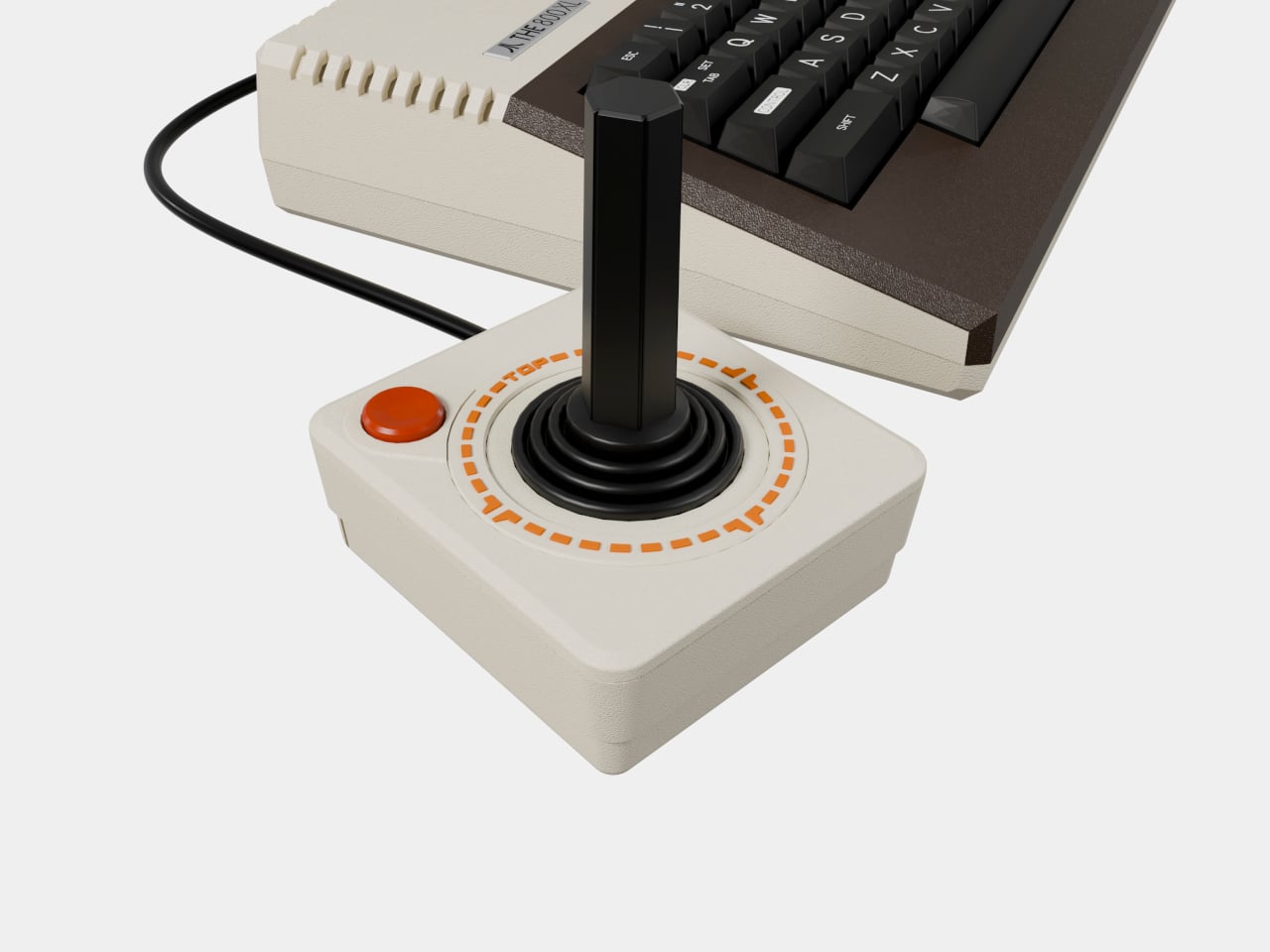
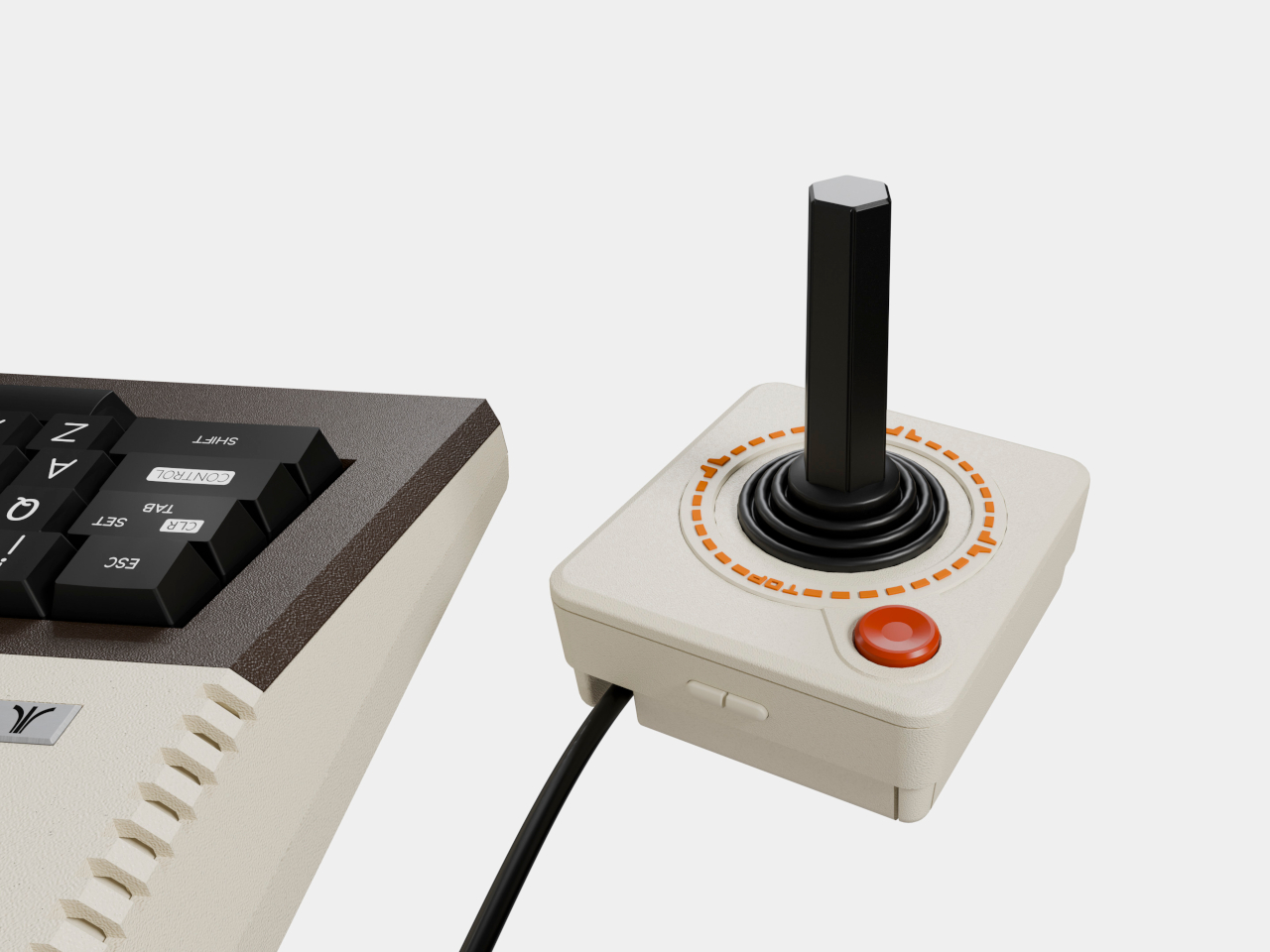
There is a trade-off to keeping the computer at its original scale. THE 800XL takes up desk space that a miniature retro console wouldn’t, and its keyboard may go untouched if all you want is a quick game. At $219.99, it’s a more considered purchase than a novelty for one rainy afternoon, especially when shipping isn’t scheduled to begin until April 23, 2027.
But size is also why this revival makes sense as an object. You can sit down to it, reach for a cartridge, wrestle with a few lines of BASIC, and leave it ready for another evening. The new ports remove some of the friction of bringing an old computer home, while the keyboard keeps the part that made sitting at one interesting in the first place.

The post Atari Made a $219 Retro Console You Can Actually Write Programs On first appeared on Yanko Design.


Bitcoin apps have come a long way. Live charts, trading tools and wallet features now sit on one slick screen, and it all feels effortless. But new UK crypto rules could change what’s going on behind that interface, including which services platforms can offer and how they explain them to you. To set the scene, […]
The post How UK Crypto Rules Could Change Bitcoin Access appeared first on Geeky Gadgets.
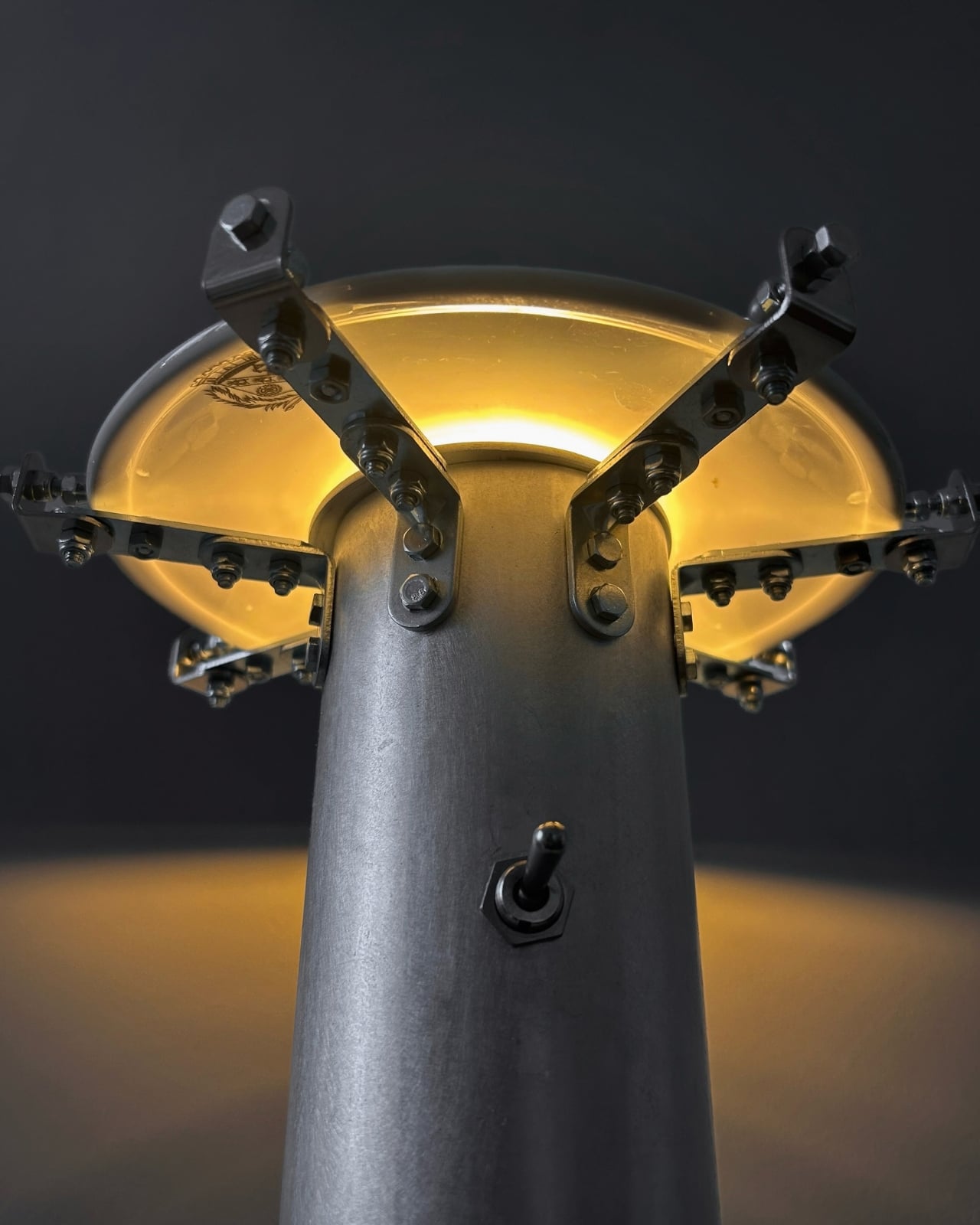
A room can have plenty of light and still feel oddly flat. Overhead fixtures handle the practical stuff, but they rarely give you a reason to linger at the table or look twice at a shelf. Buying another polished, anonymous lamp does not always help. Alexandre Veillon’s three designs offer a different answer: give older objects a new job, then let their quirks become the reason you want them around.
That approach solves a second problem, too. Beautiful pieces of glass and tableware can outlive the settings they were made for. A shade loses its fixture; a plate no longer belongs to a set. Veillon works with such forgotten objects, pairing them with metal structures rather than trying to make them look new again. The results feel less like rescued antiques and more like small, slightly eccentric characters you could actually live with.
Designer: Alexandre Veillon
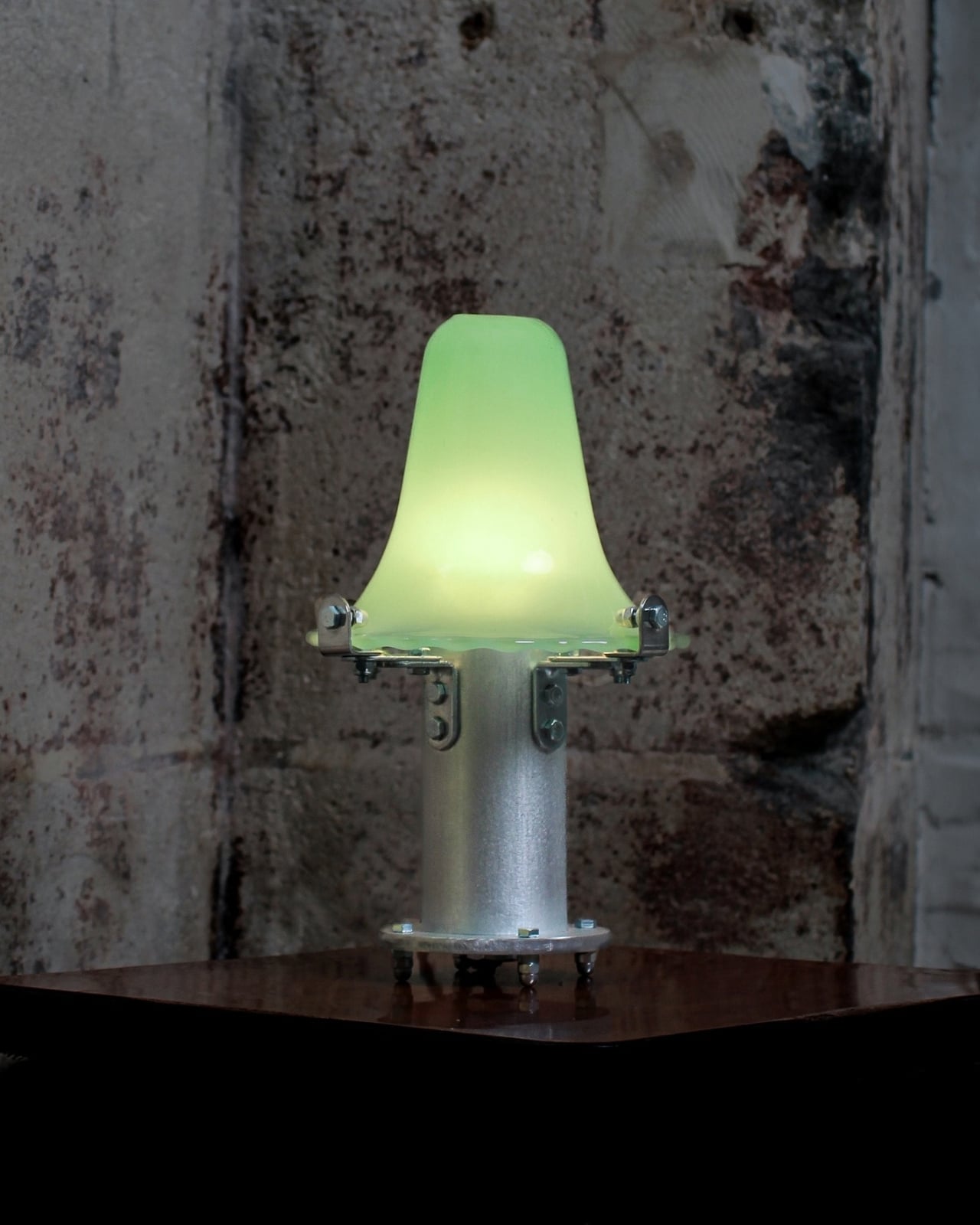
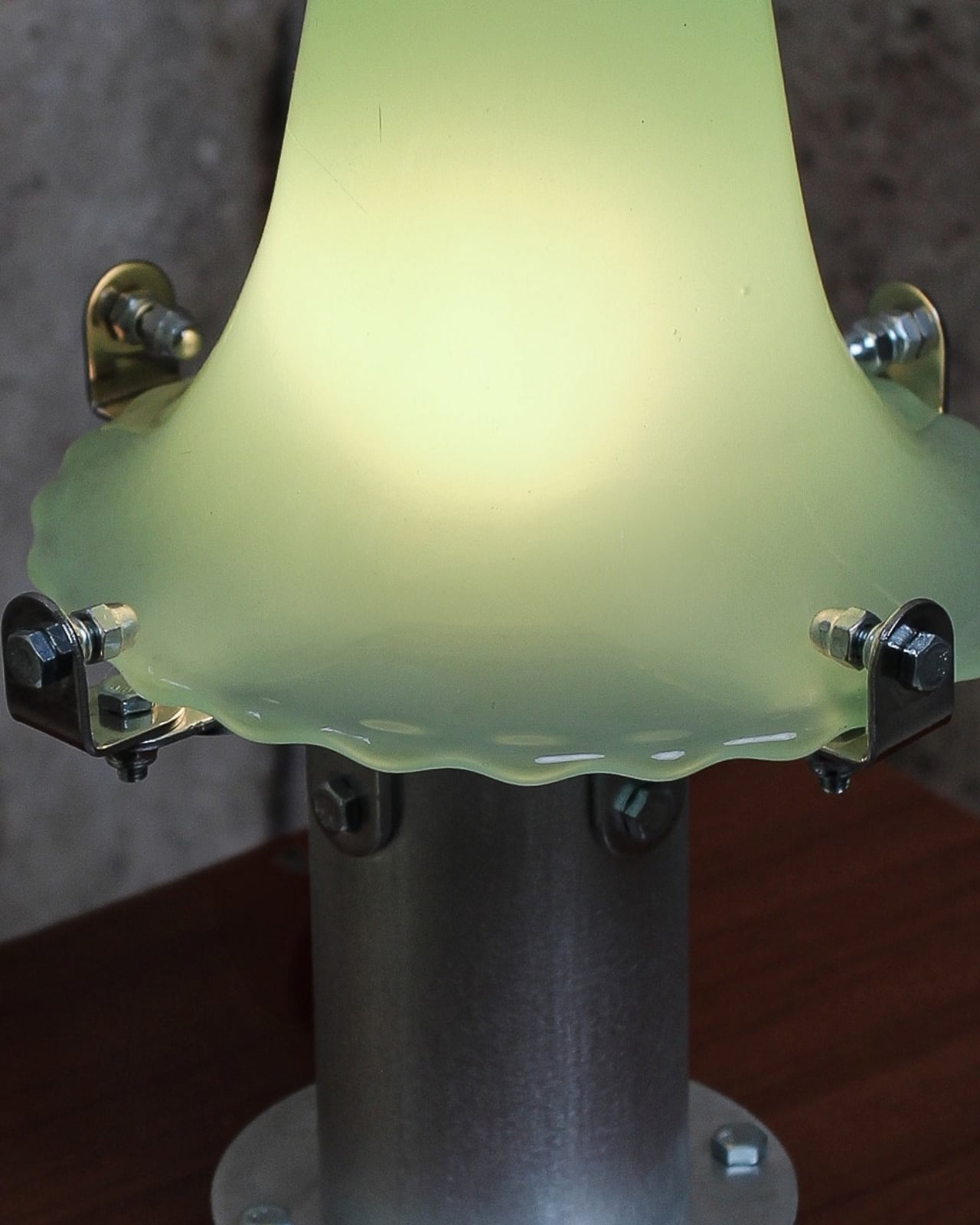
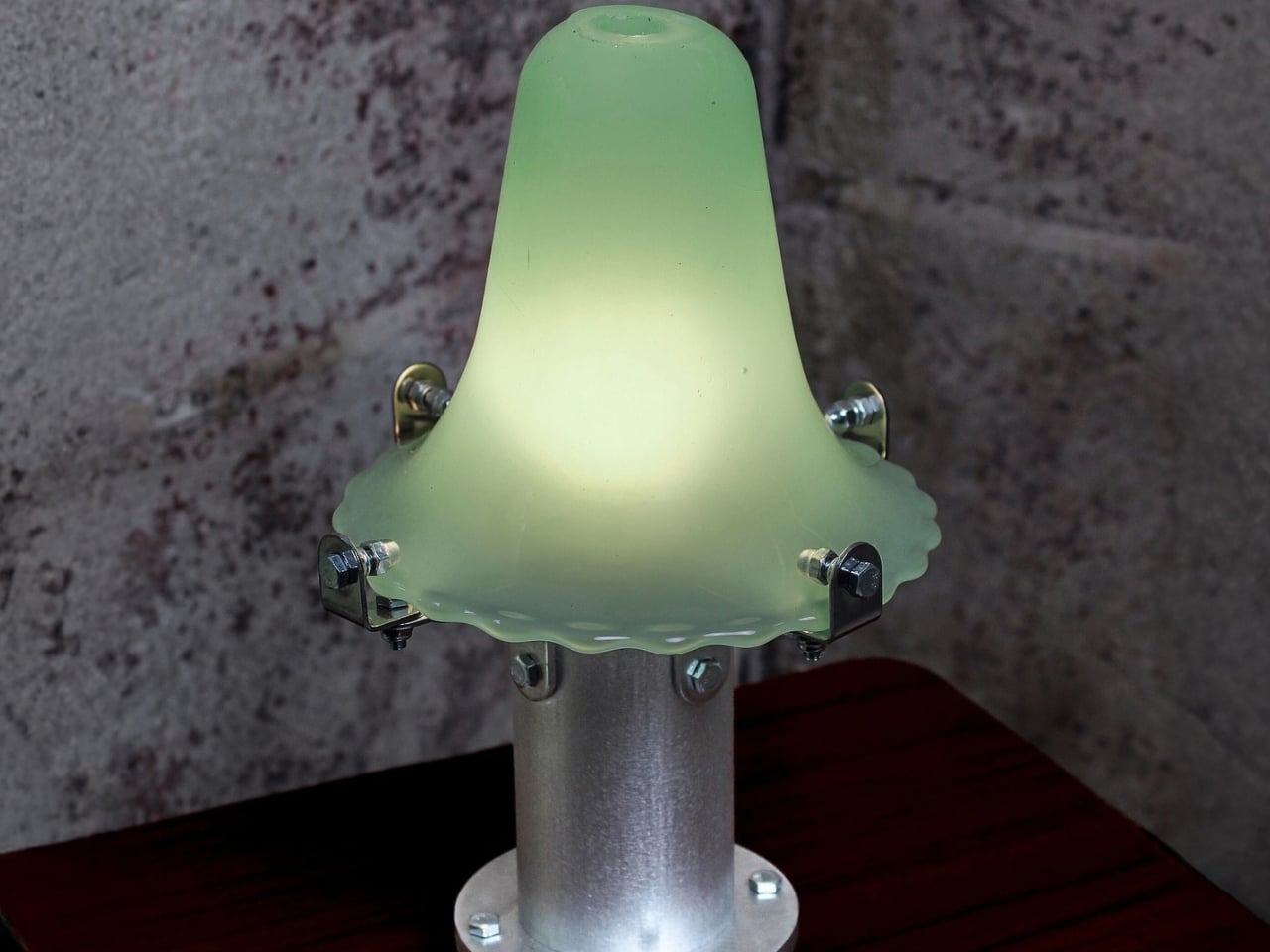
The pale green lamp is the most immediately charming of the three. Its glowing shade rises from a brushed-metal cylinder, with a soft, uneven edge held in place by conspicuous bolts and clamps. It reminds me of a flower pushing through a piece of machinery. The hardware could have overwhelmed that delicate glass, but the contrast makes its shape easier to notice. Set against a dark tabletop, it has the presence of a sculpture without needing a spotlight of its own.
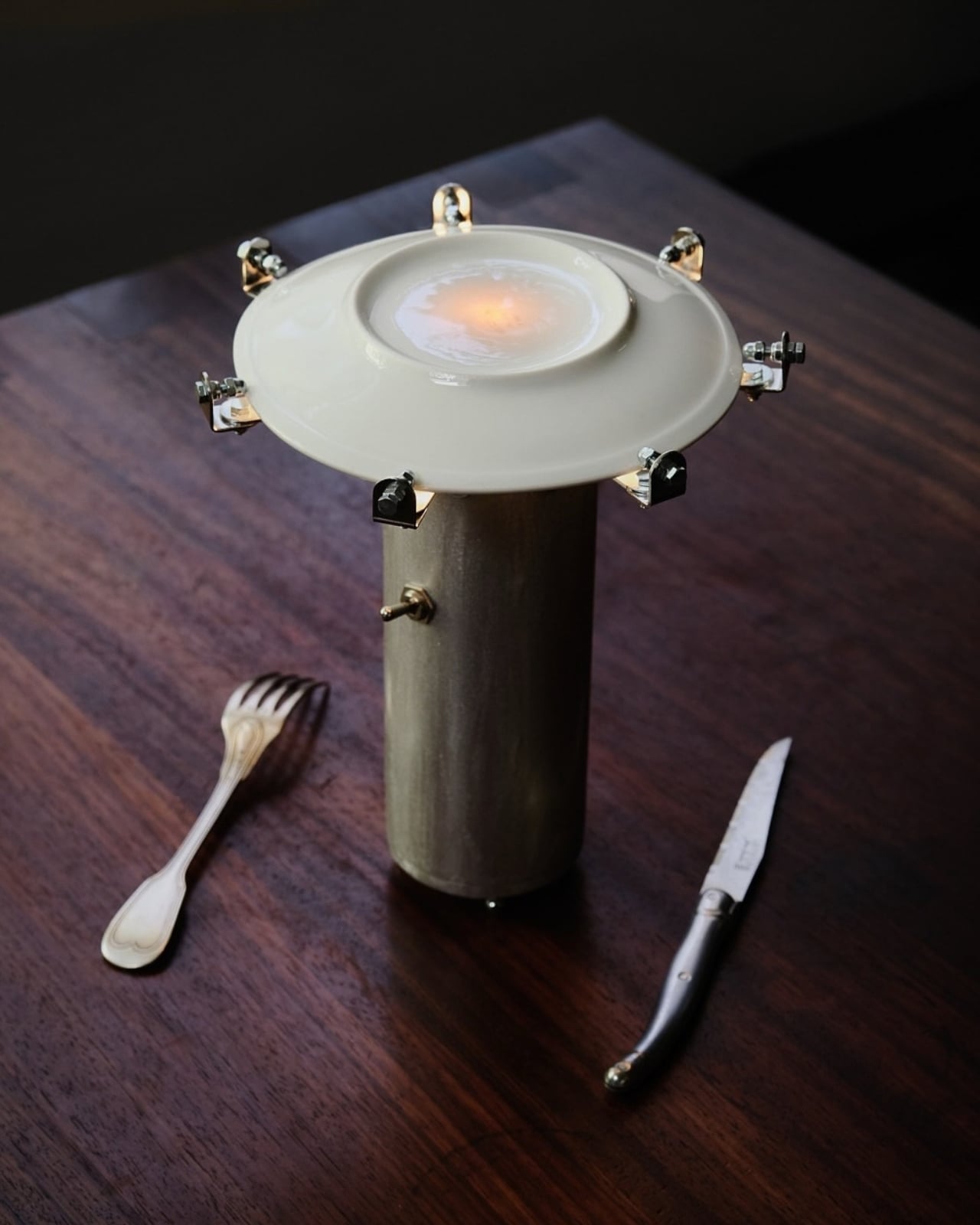
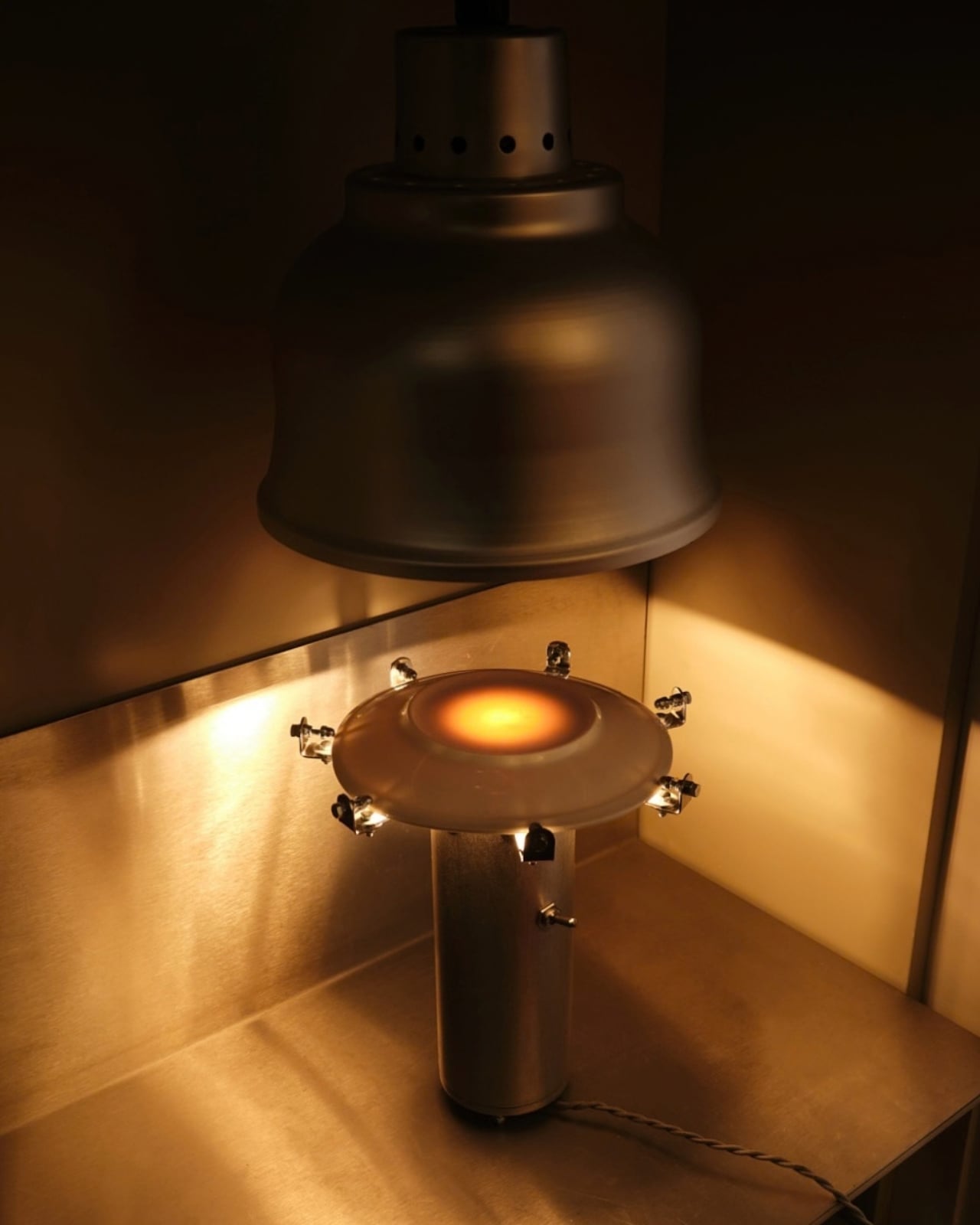
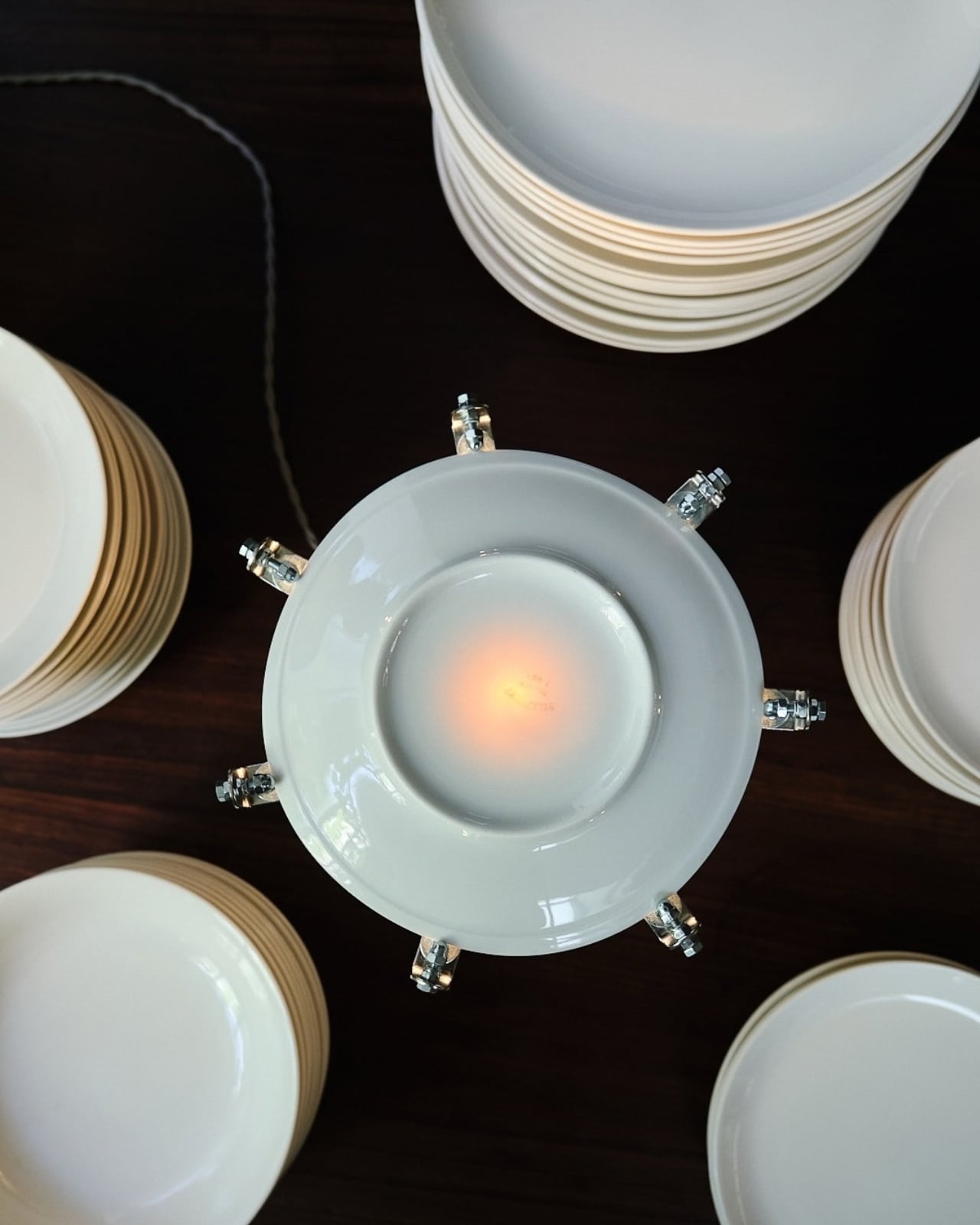
The white design takes a quieter, stranger route. A shallow dish, almost like a dinner plate, hovers above its metal base. Light gathers in the recessed center, where a small warm glow gives it the appearance of a candle viewed from across the table. In the photographs, a fork and knife sit nearby, and the arrangement makes perfect sense. It turns a familiar place setting into a gentle visual joke, one that only works because the lamp remains elegant enough to take seriously.
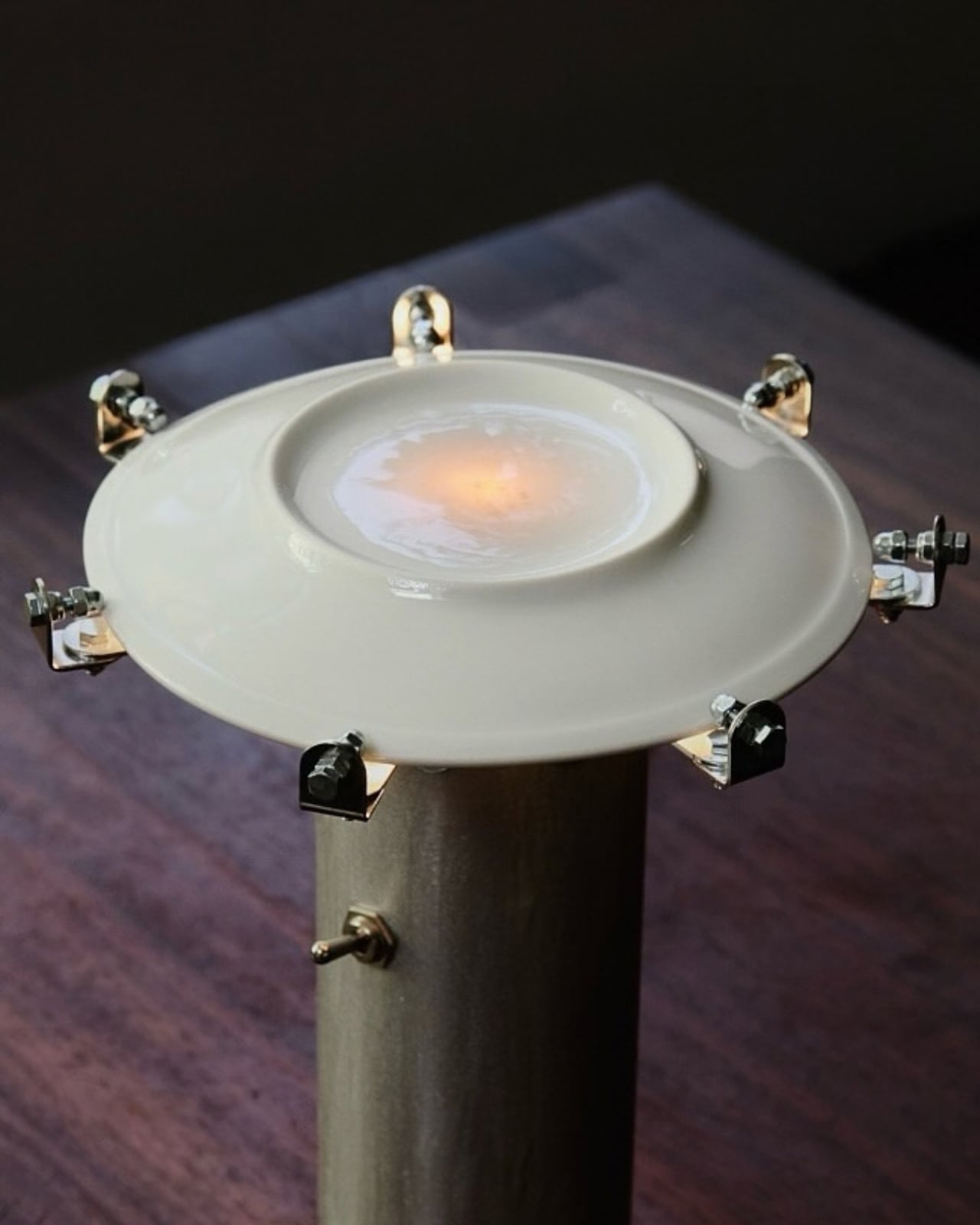
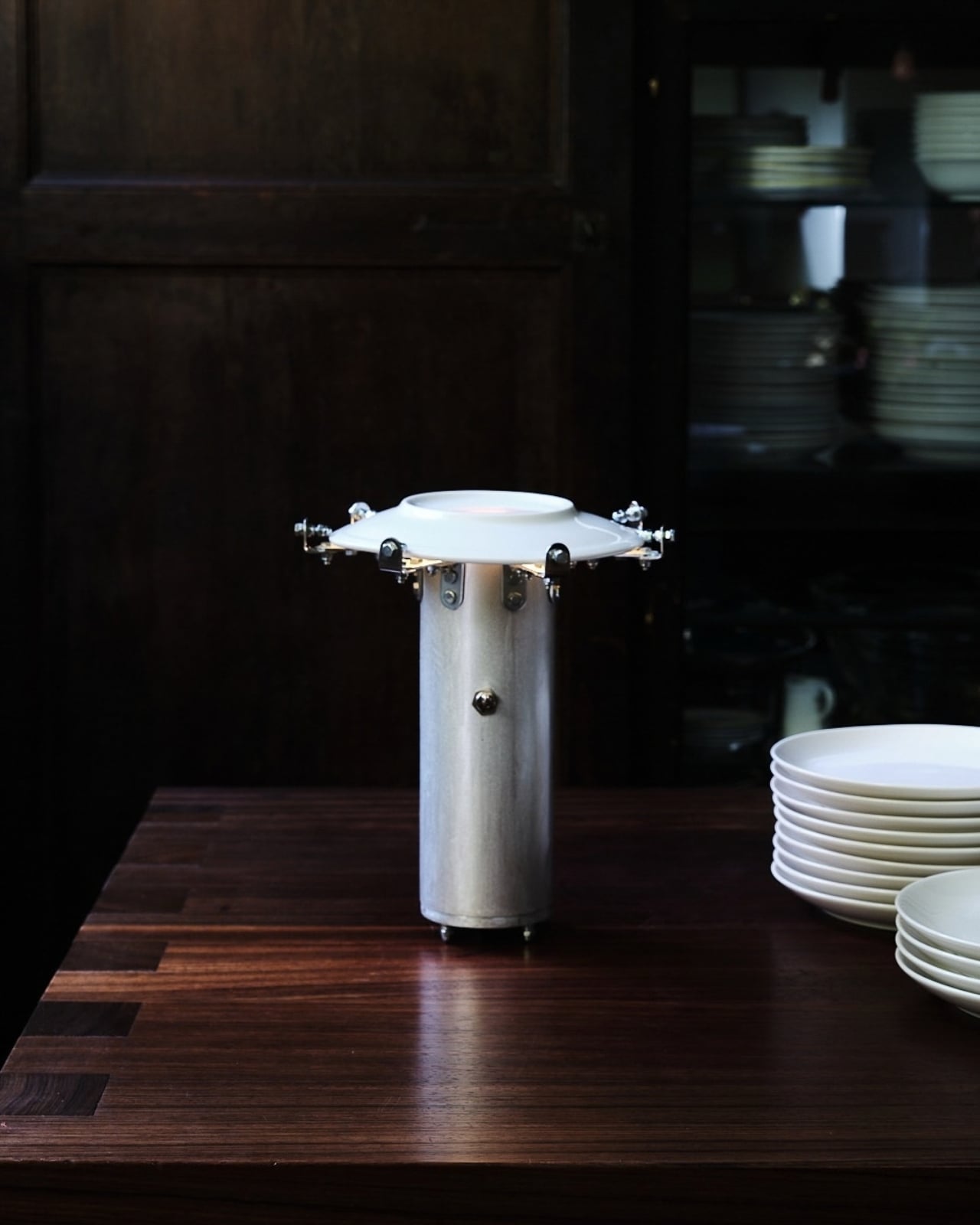
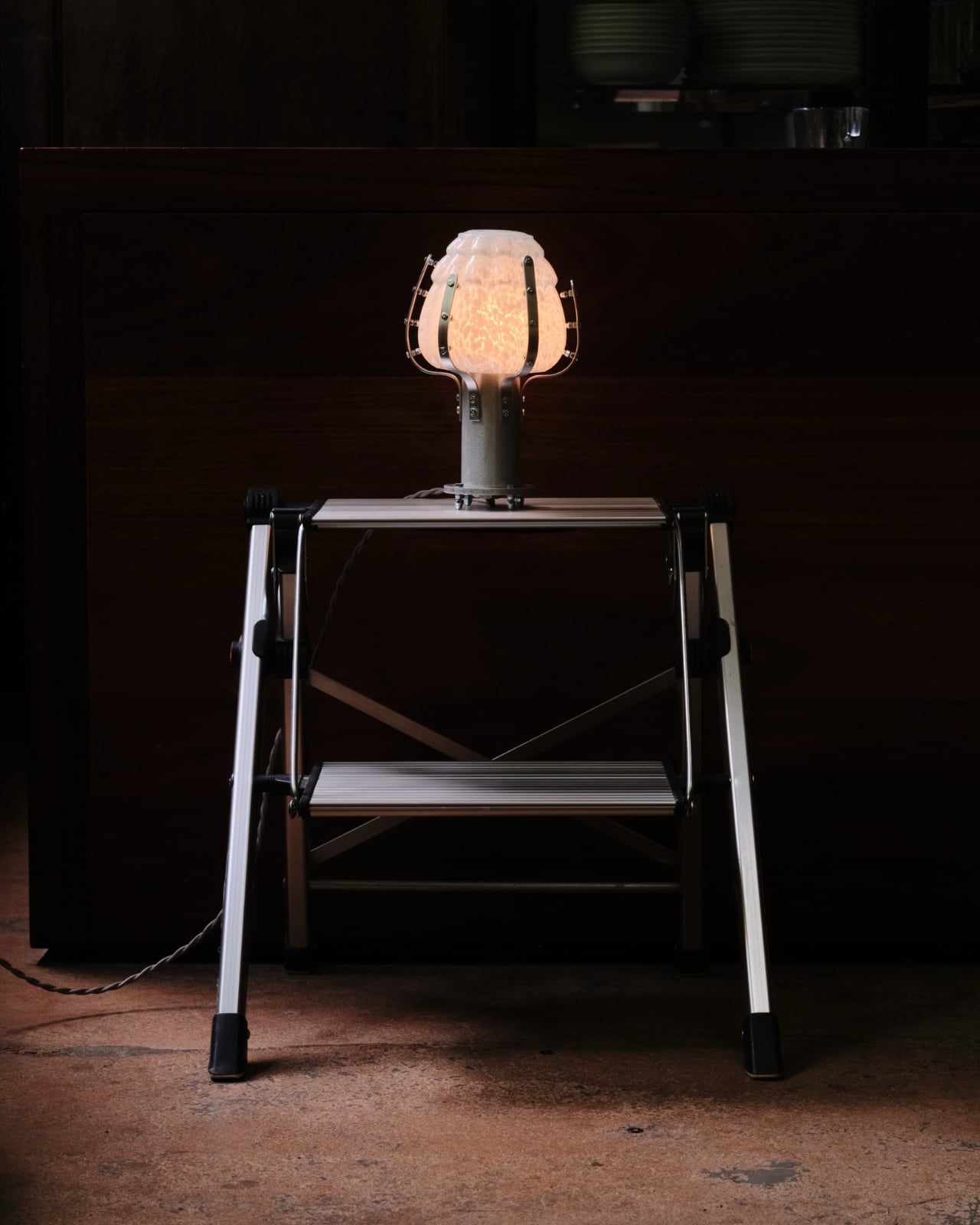
Then there is the blue lamp, whose mottled glass sits inside a cage of curved metal supports. It is the most architectural of the group, but also the one I would most want to touch. The cool color and cloudy texture make the glass look almost soft, while the brackets insist on its weight and fragility. On a ribbed metal surface, it reads like an artifact from an imaginary laboratory. On a bedside table, I suspect it would feel much more intimate.
Across all three, Veillon leaves the joins visible. Screws, brackets, and cylindrical bases are not disguised as decoration or hidden behind seamless finishes. That decision gives each lamp a sense of having been assembled with intention, not simply manufactured to resemble an old object. His approach is about giving forgotten things a place again, rather than restoring them to some imagined original condition. You can see that distinction in every exposed fastener.
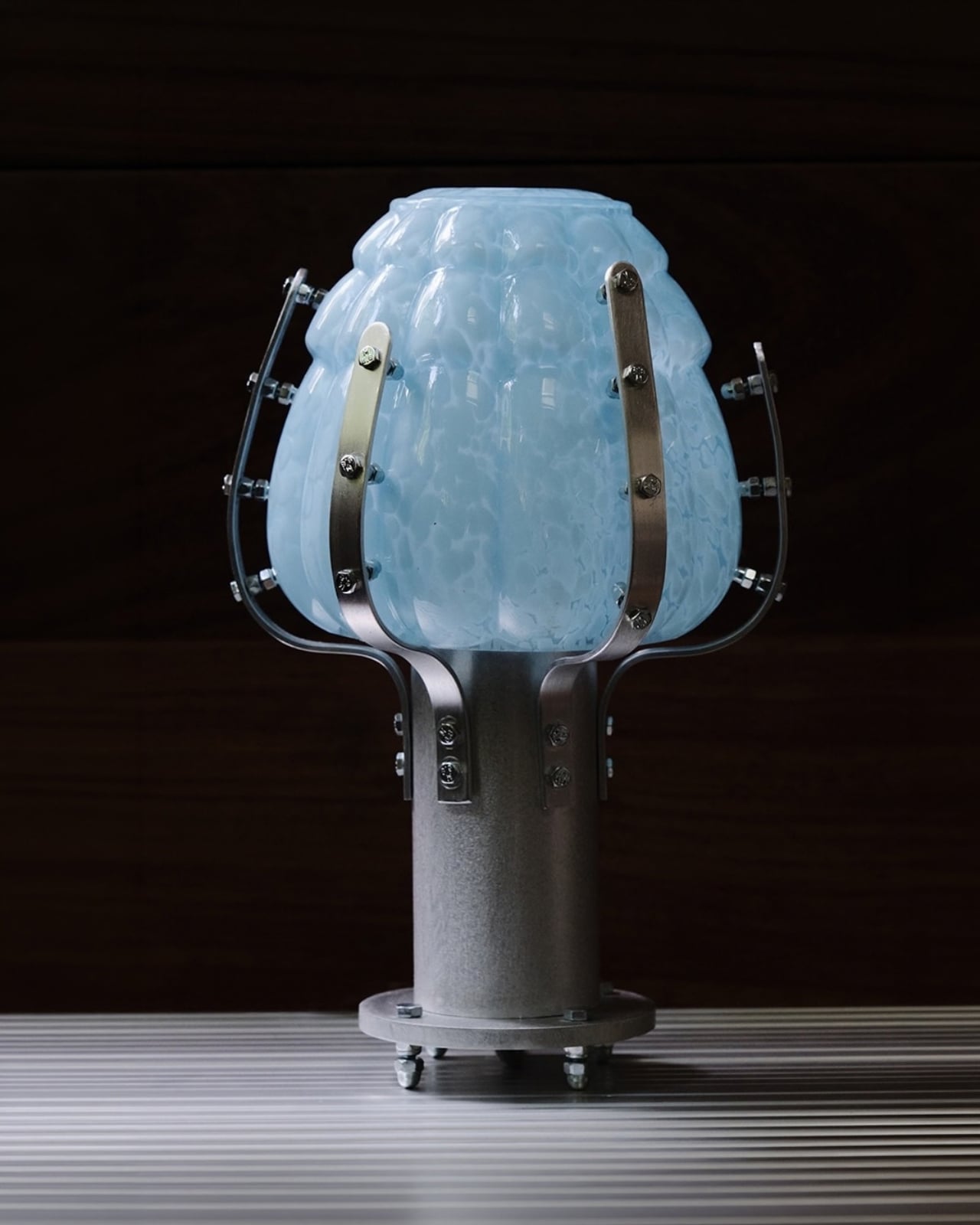
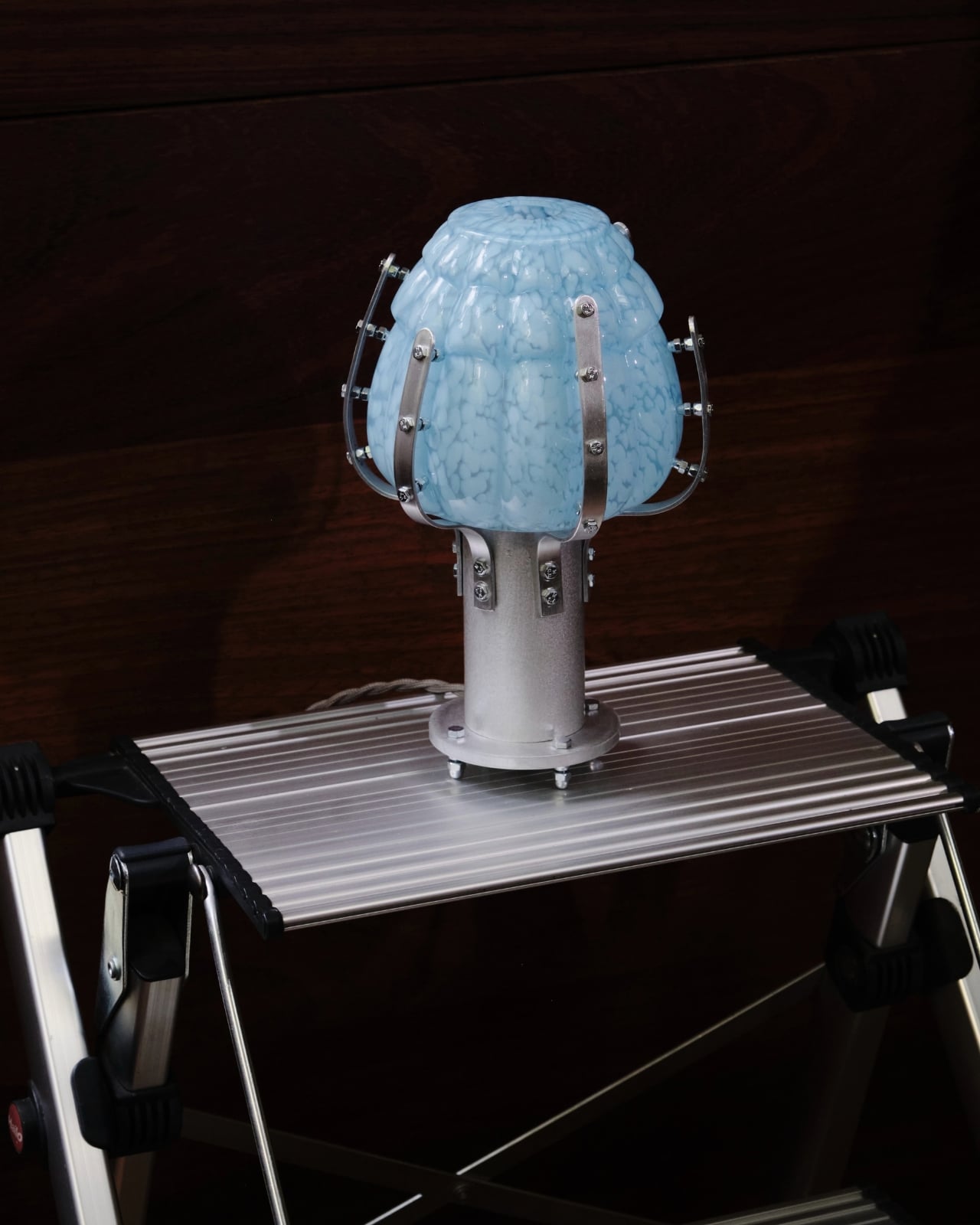

I like these lamps partly because they refuse the usual choice between sleek contemporary lighting and sentimental vintage decor. The green shade can be a little odd. The white dish can still resemble a dish. The blue glass does not need a perfectly smooth surface to earn its place in a room. Veillon lets those qualities stay visible, then puts them beside metal that looks decidedly of the present. Each piece carries its history without asking you to decorate around it.
They are not replacements for a bright desk lamp or the light you need when cooking dinner. Their appeal is more atmospheric and personal. You might notice one while walking past, then stop to work out how its parts fit together. That feels like a worthwhile role for an object that lives in plain sight every day. A lamp does not have to disappear into a room to be useful to it.
Of the three, I would choose the green one for a living room, the white one for a dining space, and the blue one for the corner that needs a little mystery. But the pleasure here is not in picking a winner. Veillon has made three convincing arguments for keeping imperfect, familiar objects in circulation. They give off light, certainly, but they also give you a fresh reason to look at what might otherwise have been overlooked.
The post 3 Lamps Built From Objects Nobody Wanted Anymore first appeared on Yanko Design.
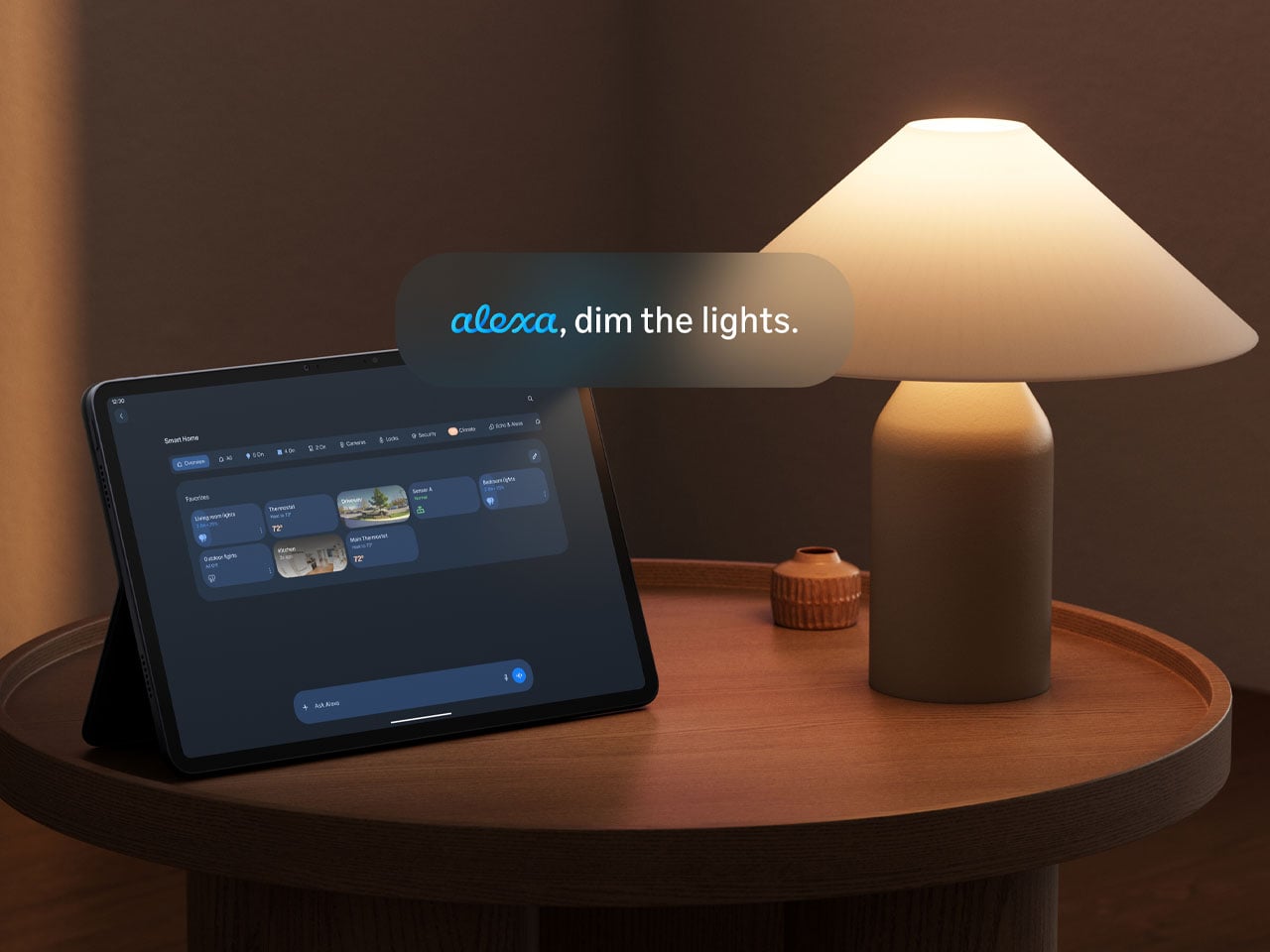
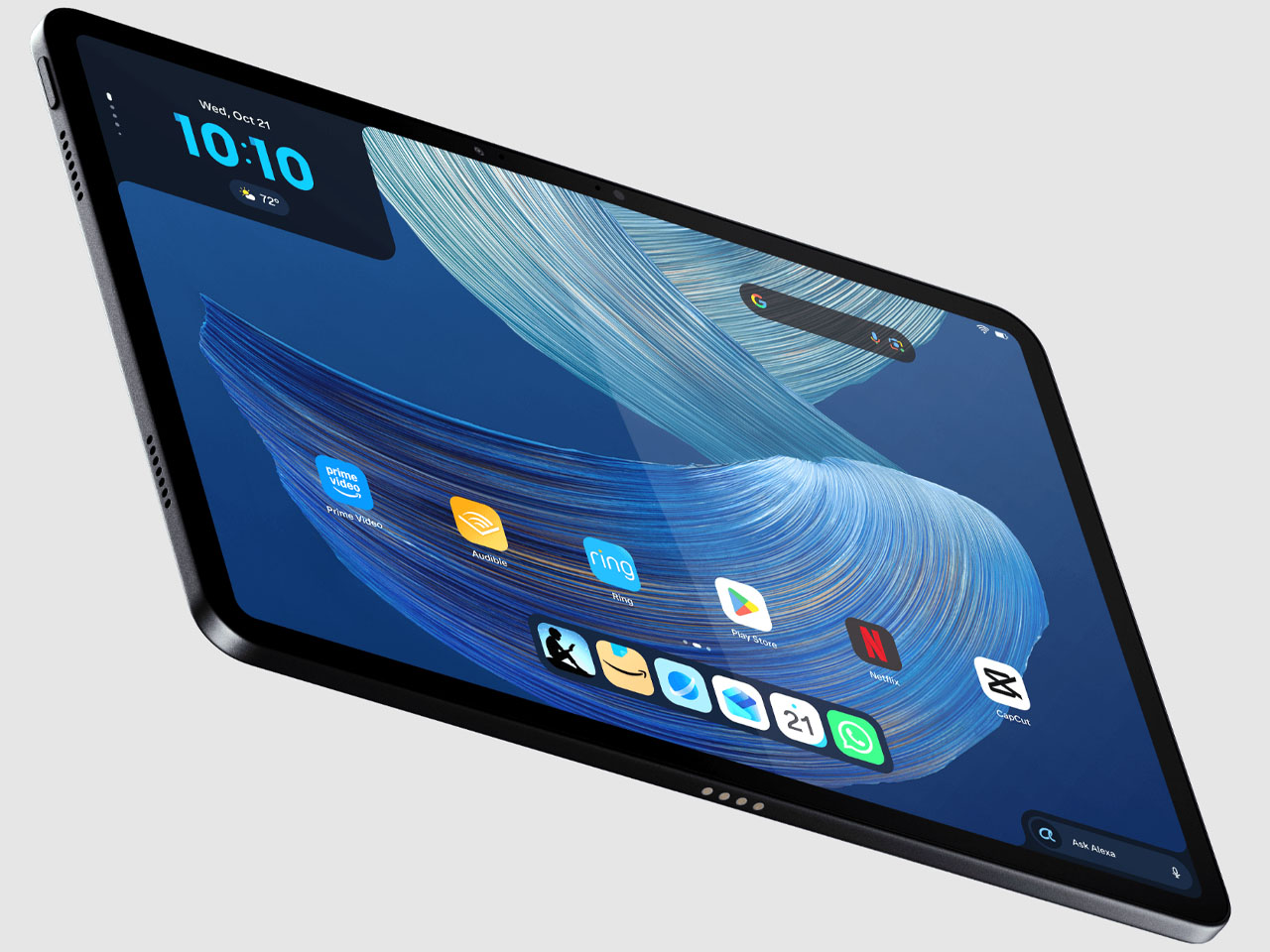
Buying a tablet often comes down to what you want to do with it. Some people need a bigger screen for work, others want something comfortable for reading or binge-watching shows in bed, and many want a device that runs their favorite apps without fuss. The biggest advantage is that these tablets support the Google Play Store, giving users access to apps like YouTube, Gmail, and Google Docs instead of keeping them within Amazon’s app ecosystem.
Amazon’s new Alexa Tablet range, unlike the earlier Fire line-up, looks to cover these everyday needs with three models featuring 8.7-inch, 11-inch, and 12-inch displays. Prices start at $229.99, and US shipping begins October 14. This gives buyers another option in a market where the Apple iPad, OnePlus Pad 4, Lenovo Yoga Tab Plus, Xiaomi Pad 8 Pro, and Samsung’s Galaxy Tab S series are familiar choices. Those tablets appeal to users looking for everything from premium performance to creative tools, but not everyone needs that level of capability. Amazon’s tablets take a more everyday approach, pairing Android apps with Alexa+ for help with tasks, recommendations, and content. For households already using Amazon services, the appeal is having a device for streaming, reading, browsing, and getting things done without stepping up to a more expensive flagship tablet.
Designer: Amazon
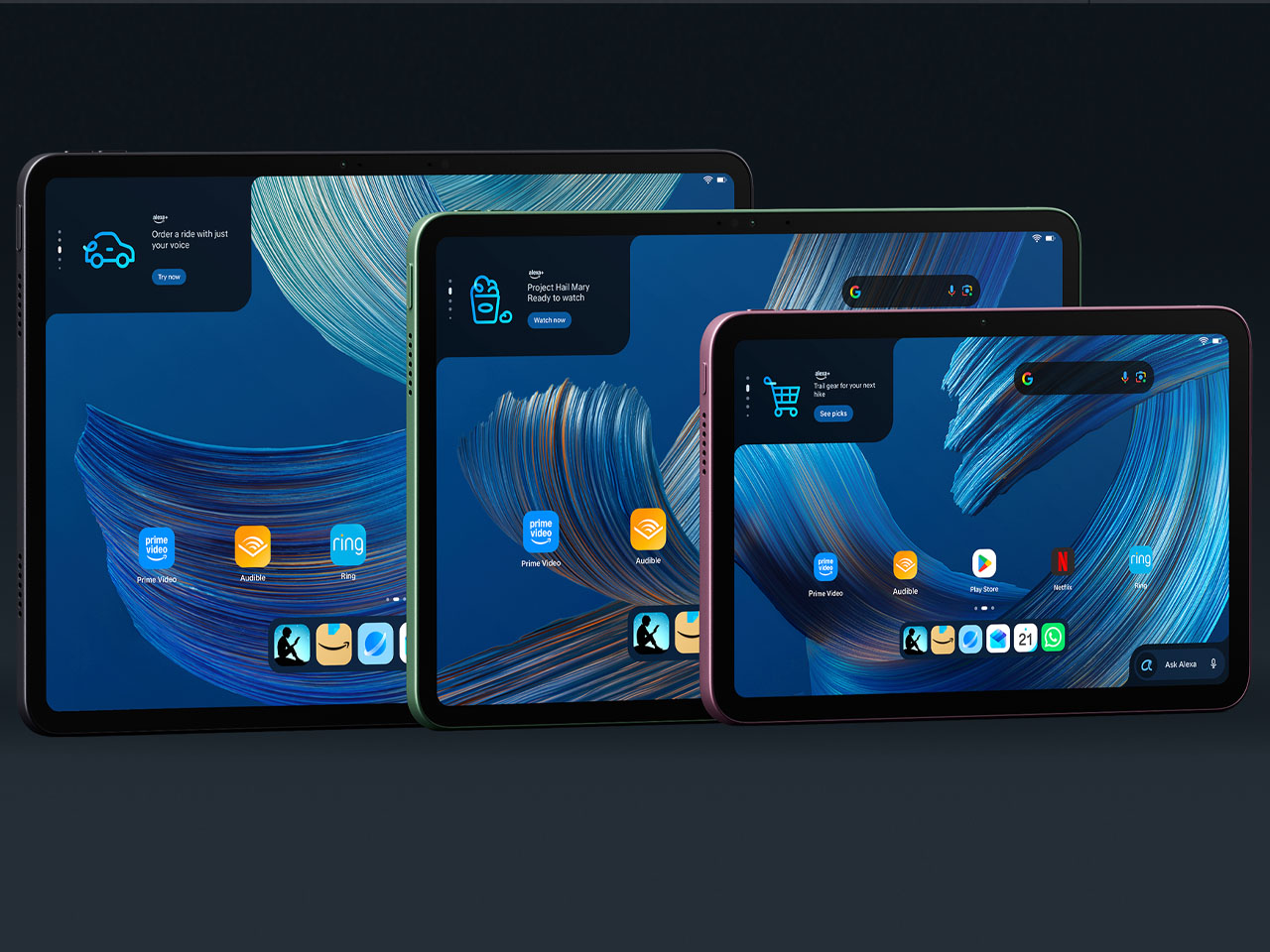
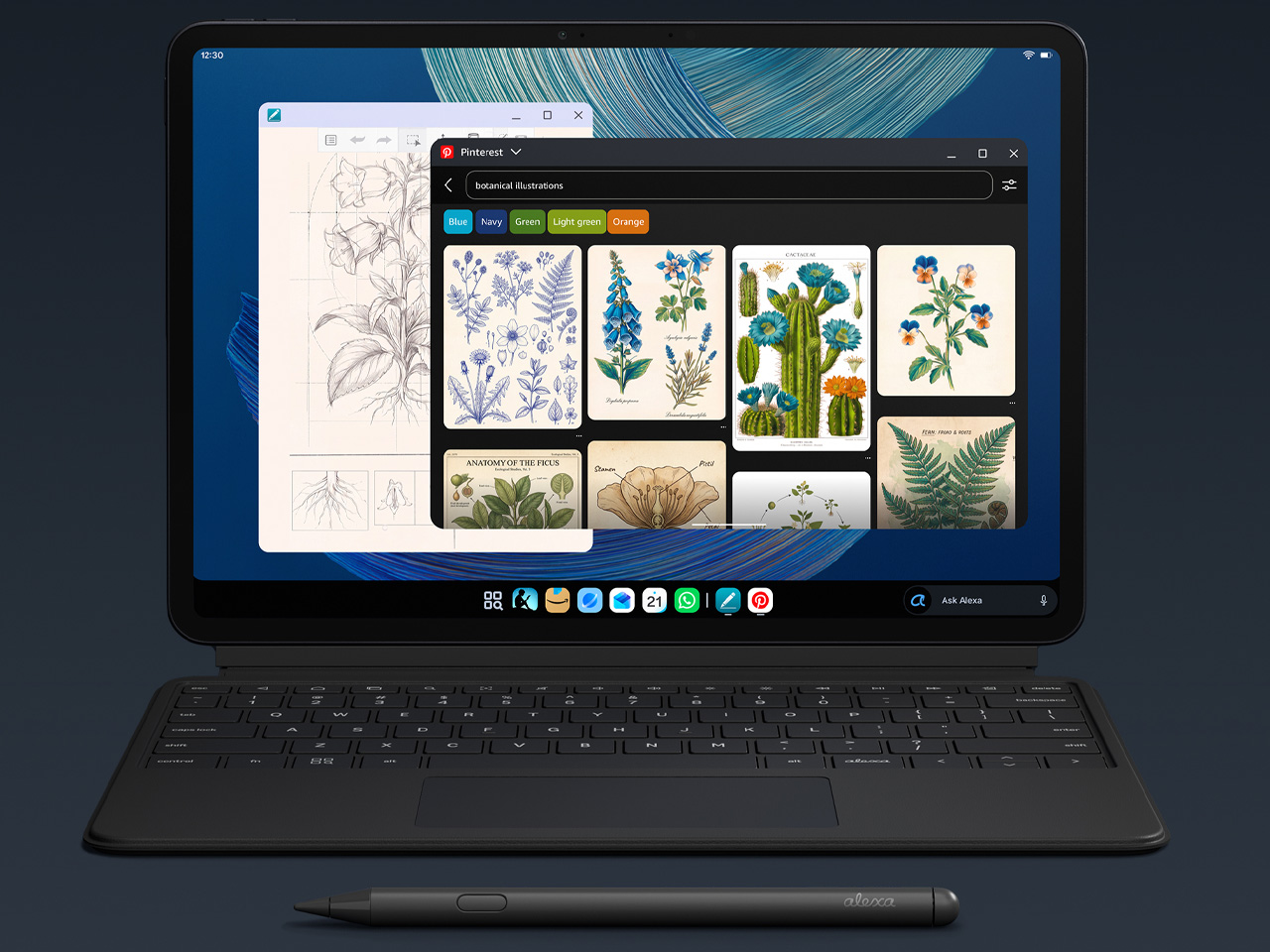
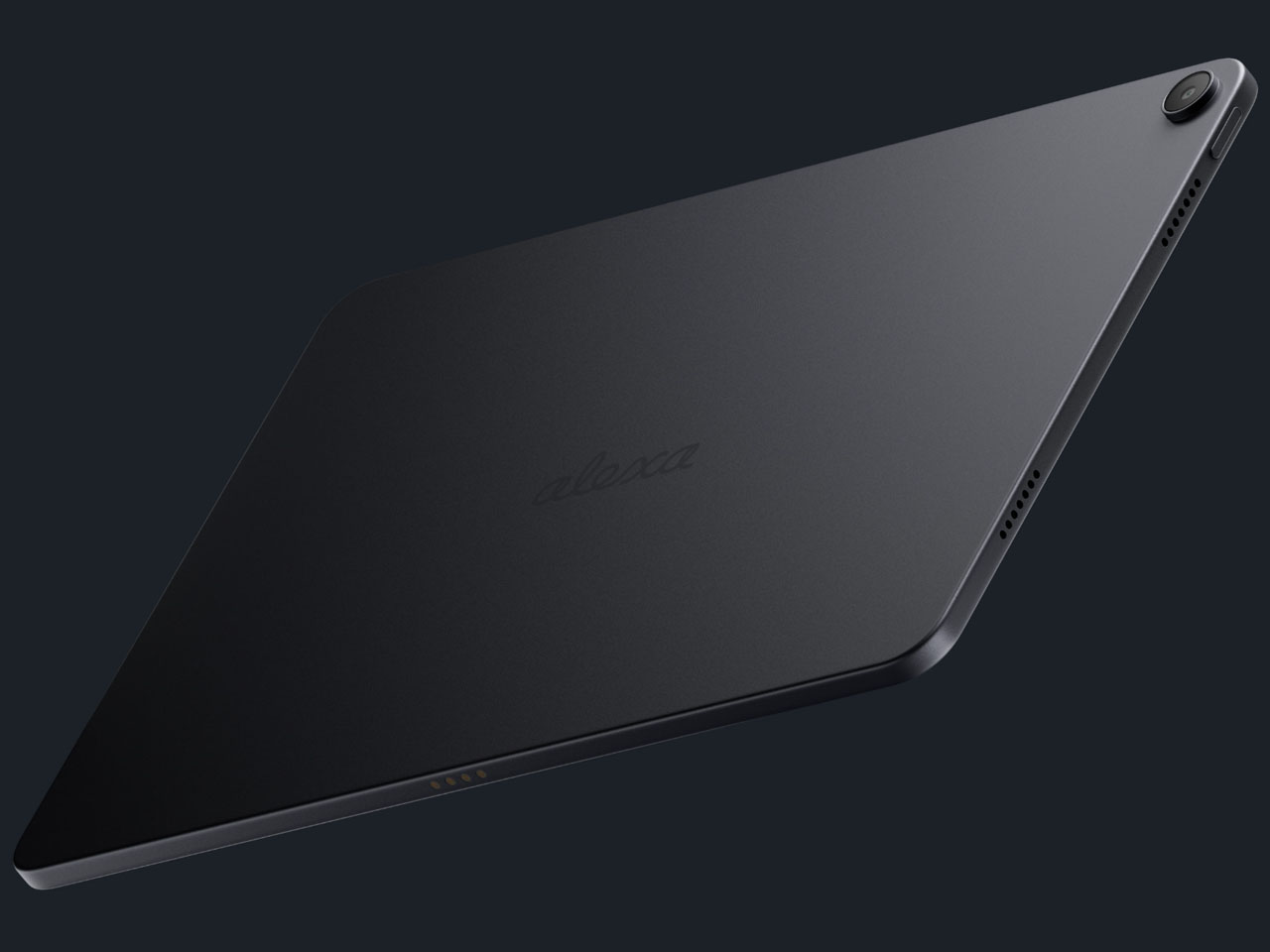
The Amazon Alexa Tablet 12 Pro is the flagship model, featuring a 12-inch display with a 3:2 aspect ratio, 2.8K resolution, and a 120Hz refresh rate. Its eight-core MediaTek Dimensity 8400 processor delivers up to three times the CPU performance and nine times the graphics performance of the Fire Max 11, according to Amazon. The tablet includes 8GB of RAM, 128GB of storage, quad Dolby Atmos speakers, Wi-Fi 6E, and up to 16 hours of video playback.
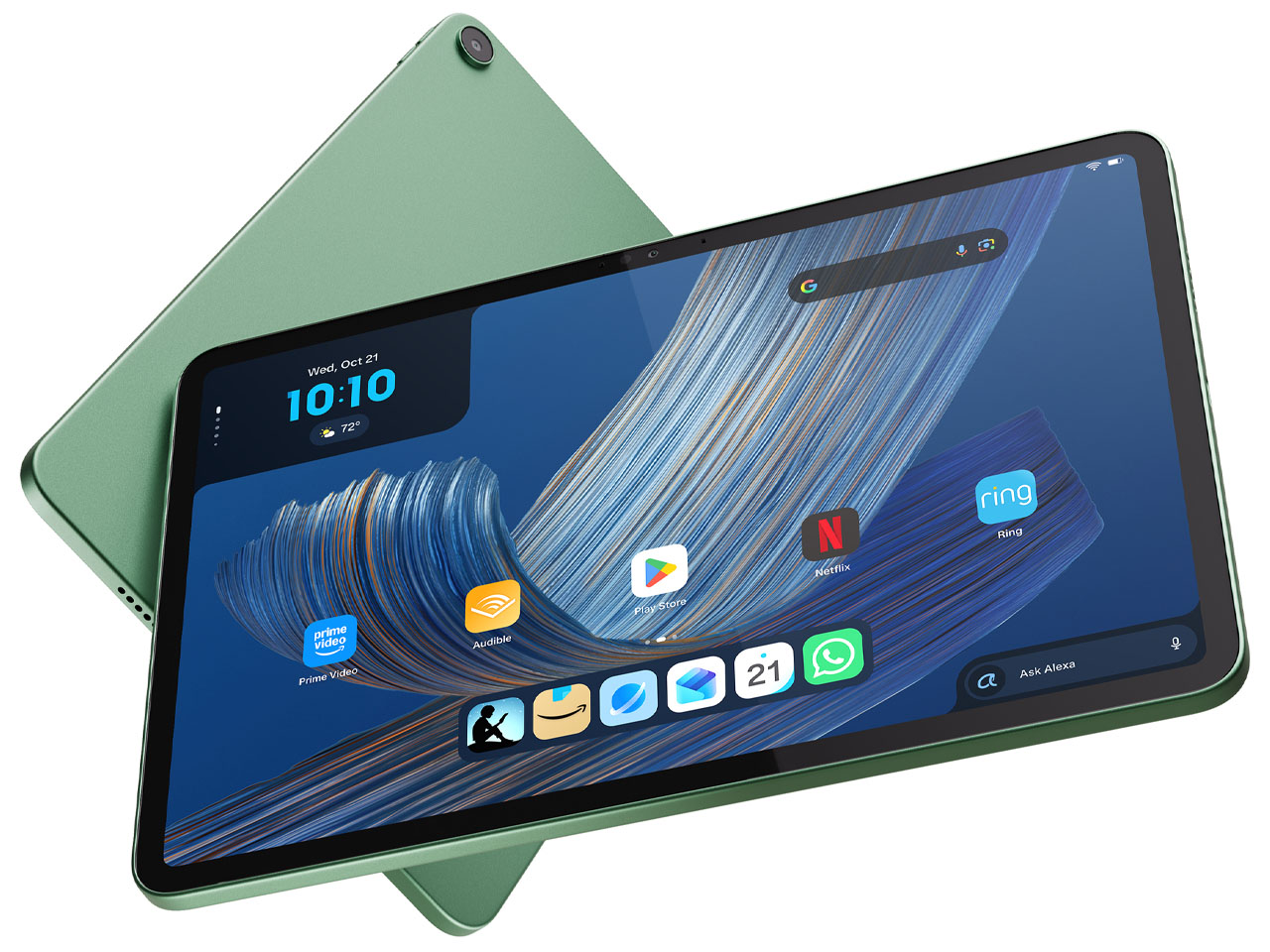
Buyers can choose between a standard display and an optional Nanomatte version designed to reduce glare while retaining detail and color accuracy. A higher-end configuration offers 16GB of RAM and 256GB of storage. The Alexa Tablet 12 Pro also supports an optional keyboard and stylus for people who want to do some work on their tablet. The optional Pro Pen supports pressure sensitivity and tilt detection, while the magnetic Pro Keyboard connects without Bluetooth pairing. Prices start at $499.99, with the Nanomatte version starting at $549.99 and the 16GB/256GB configuration priced at $679.99.
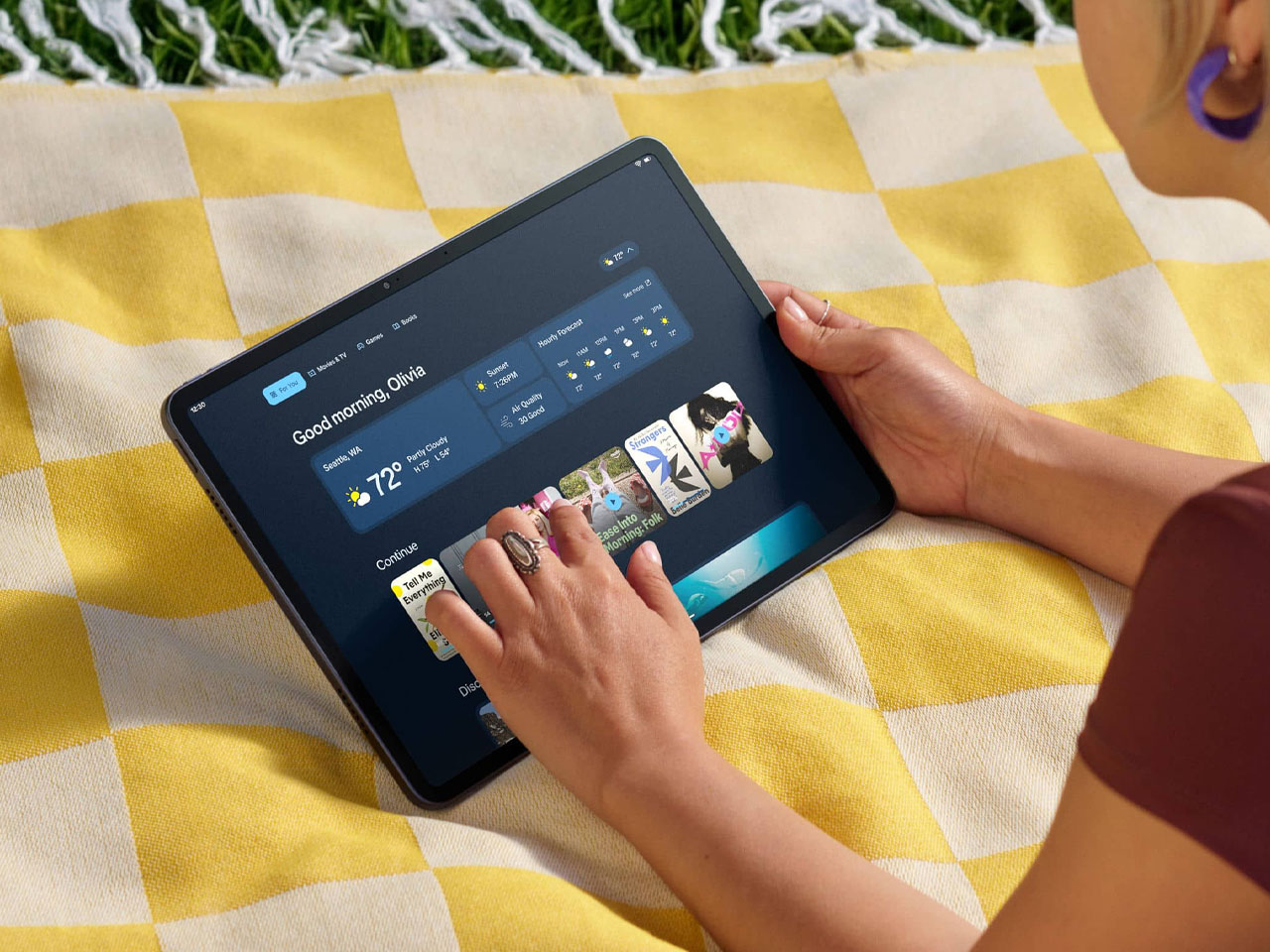
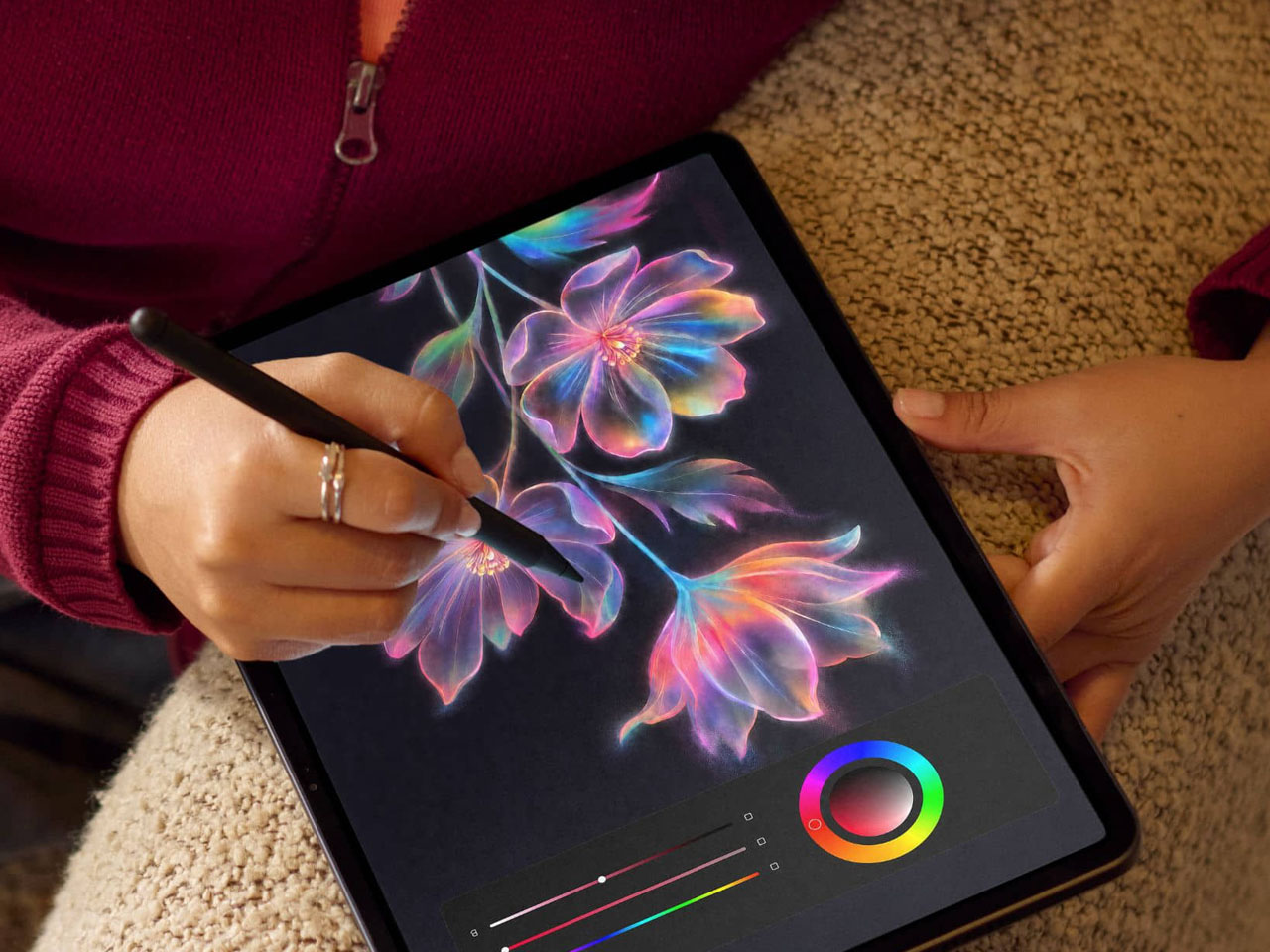
The Amazon Alexa Tablet 11 is designed for entertainment, browsing, and everyday multitasking. It features an 11-inch display with 2.5K resolution, a 16:10 aspect ratio, and a 90Hz refresh rate. An eight-core MediaTek processor paired with 8GB of RAM powers the tablet, while dual Dolby Atmos speakers provide its audio output. Amazon rates its battery life at up to 15 hours of video playback.
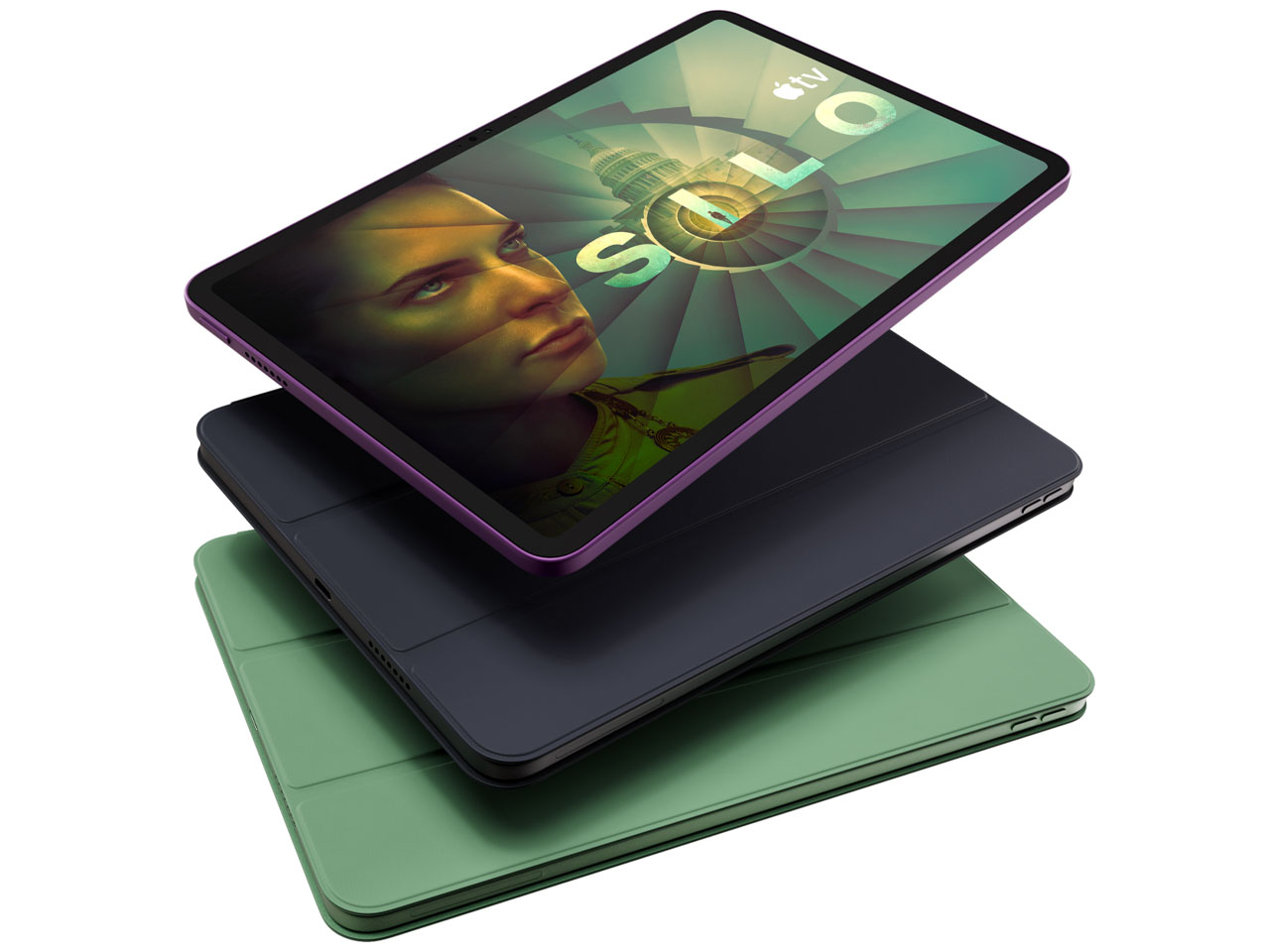
The aluminum-bodied tablet includes Alexa+ for voice and touch interactions, personalized recommendations, and contextual assistance. It also provides access to Google Play apps alongside Amazon services such as Prime Video, Kindle, Audible, and Amazon Music. Available in Graphite, Amethyst, and Matcha, the base configuration comes with 64GB of storage, while a 128GB option is available for an additional $50. Pricing starts at $329.99, with an ad-free version priced at $349.99. US shipping begins October 14, 2026.


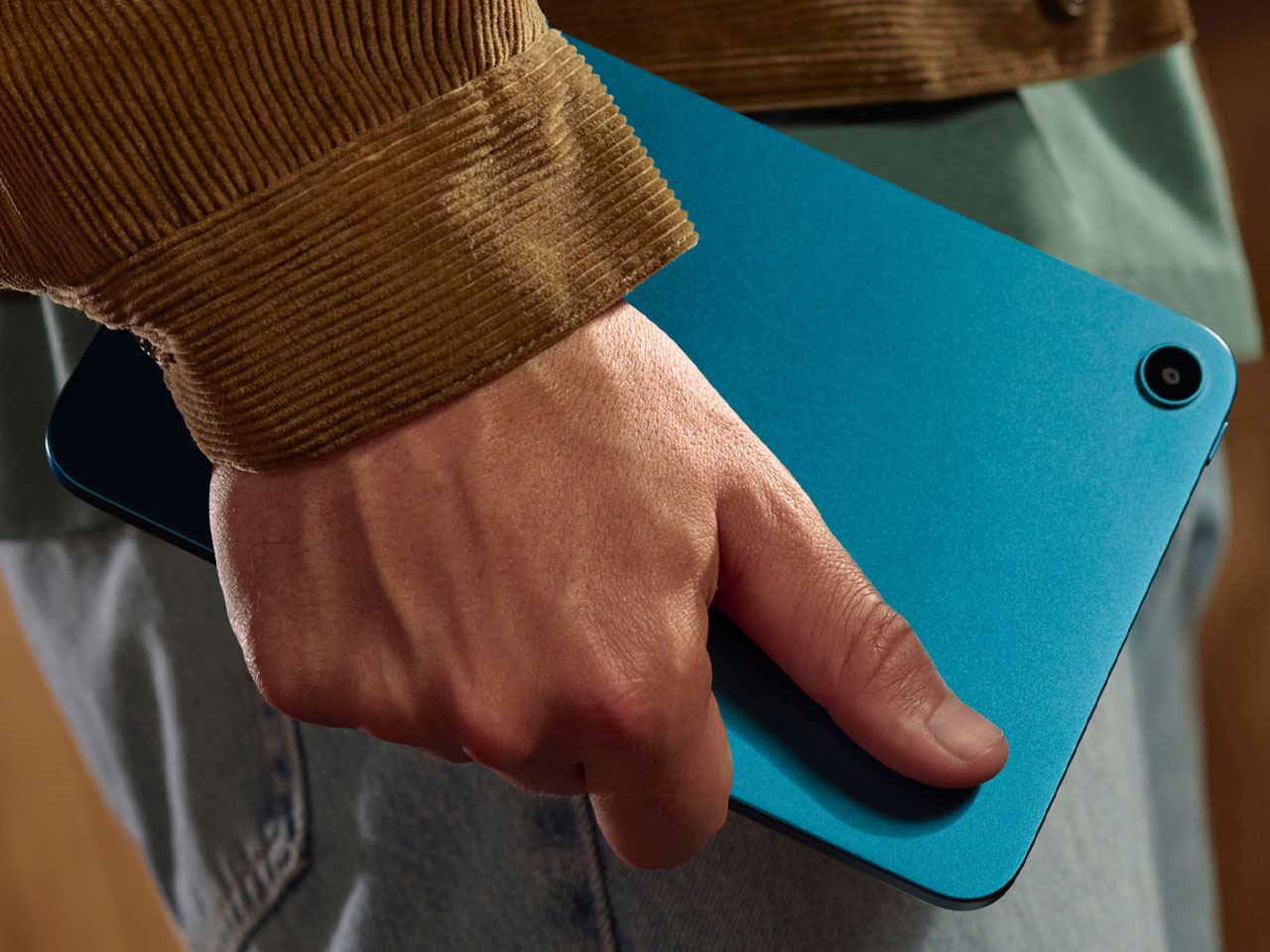
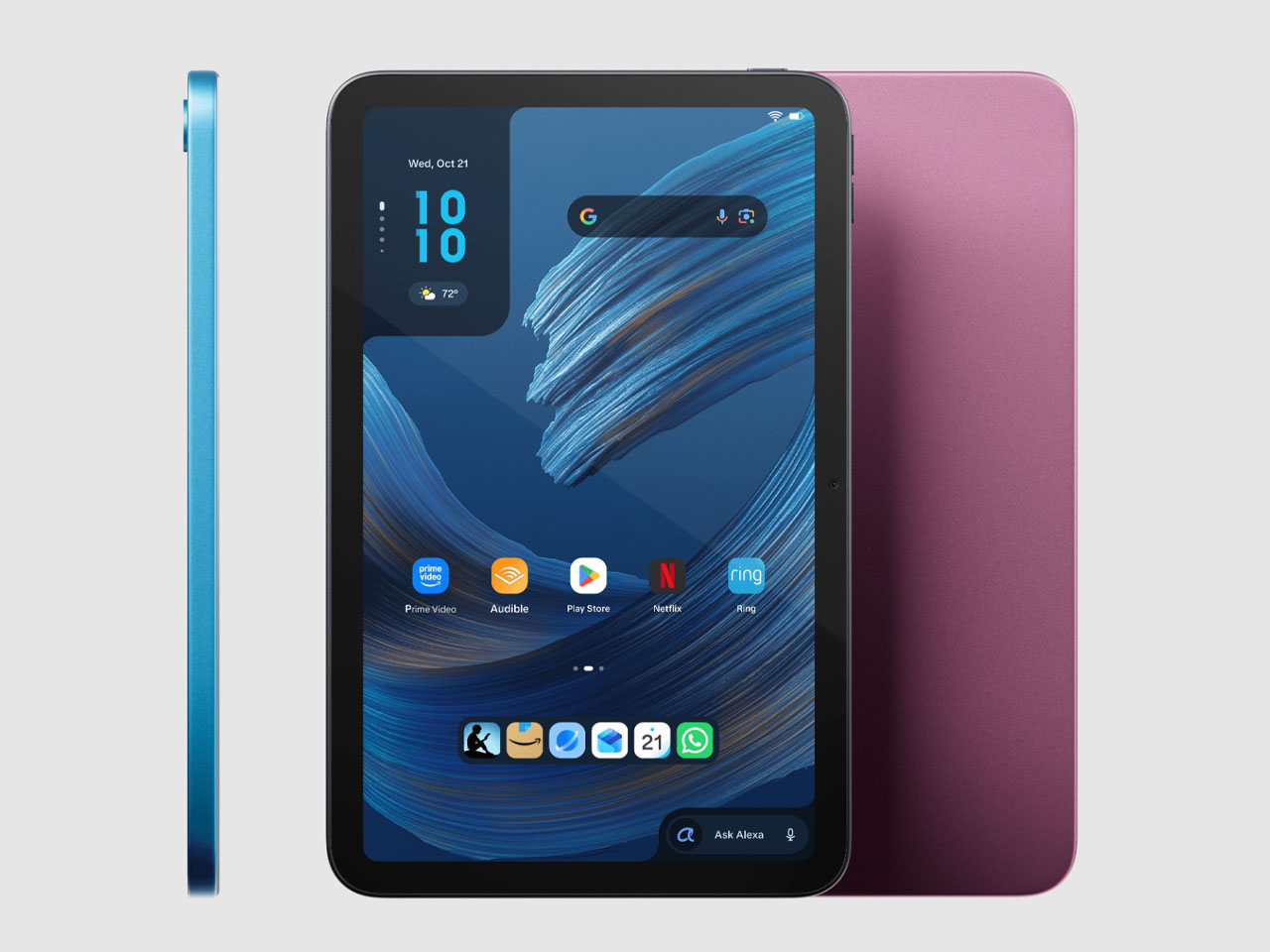
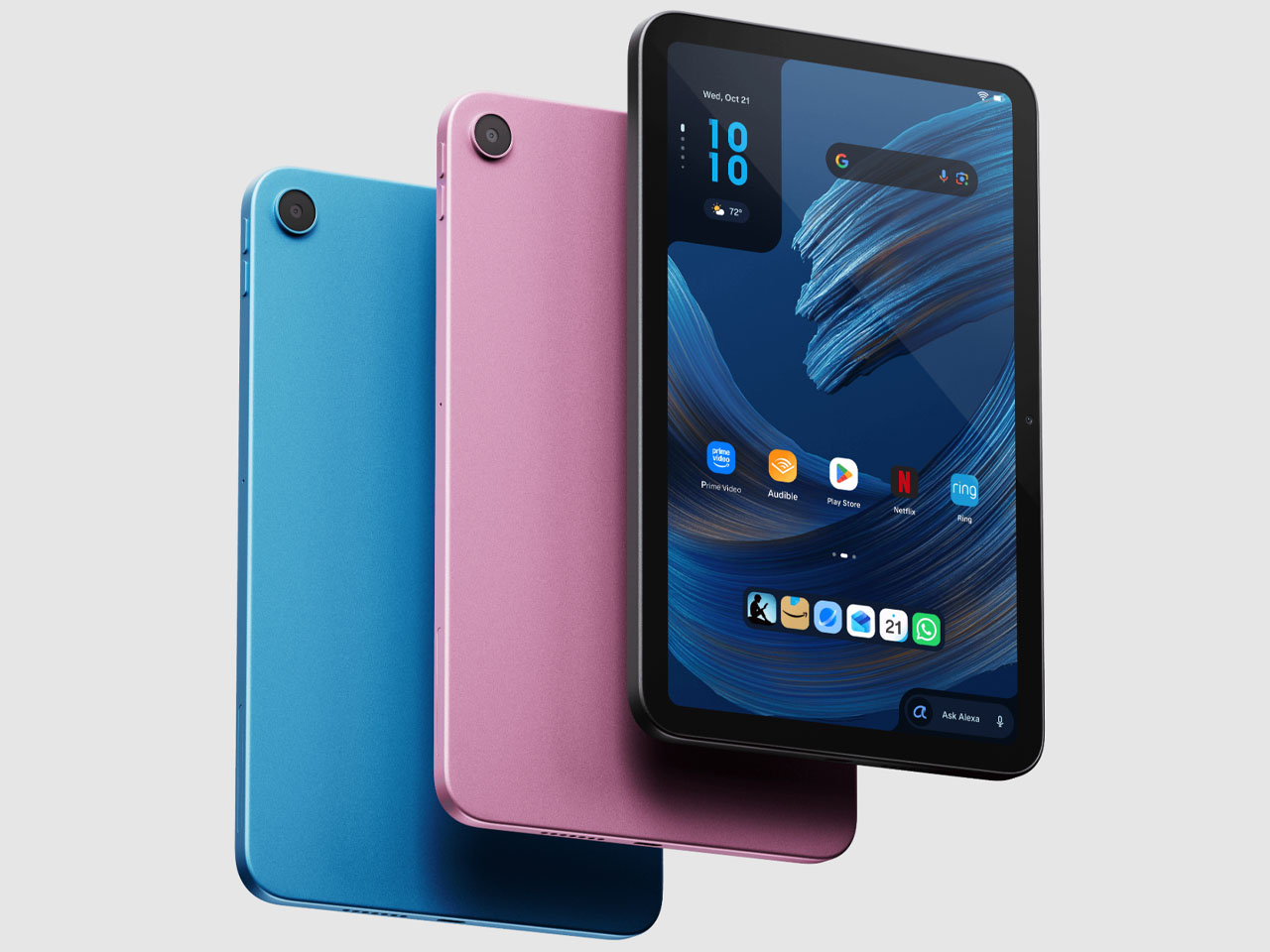
The Amazon Alexa Tablet 8 is the most portable model in the lineup, featuring an 8.7-inch display inside an aluminum body measuring 7.95mm thick and weighing 329g. Its compact form is intended for reading, web browsing, and streaming while travelling. The tablet uses an eight-core processor, supports Wi-Fi 6, and offers up to 14 hours of video playback.
Like its larger siblings, the device includes Alexa+ and access to the Google Play Store, expanding its usefulness beyond Amazon’s own applications. Its 1,340 × 800 display resolution is more modest than those of the other two models, reflecting its focus on portability and everyday use rather than premium visuals. The tablet comes in Graphite, Rosette, and Teal. Pricing starts at $229.99 for the 4GB RAM and 64GB storage configuration. A 4GB/128GB version costs $279.99, while the 8GB/128GB model is priced at $299.99. An ad-free option costs an additional $20, and US shipping begins on October 14, 2026.




The post Amazon’s new Alexa tablets fix Fire’s biggest limitation with Google Play and Alexa+ support first appeared on Yanko Design.
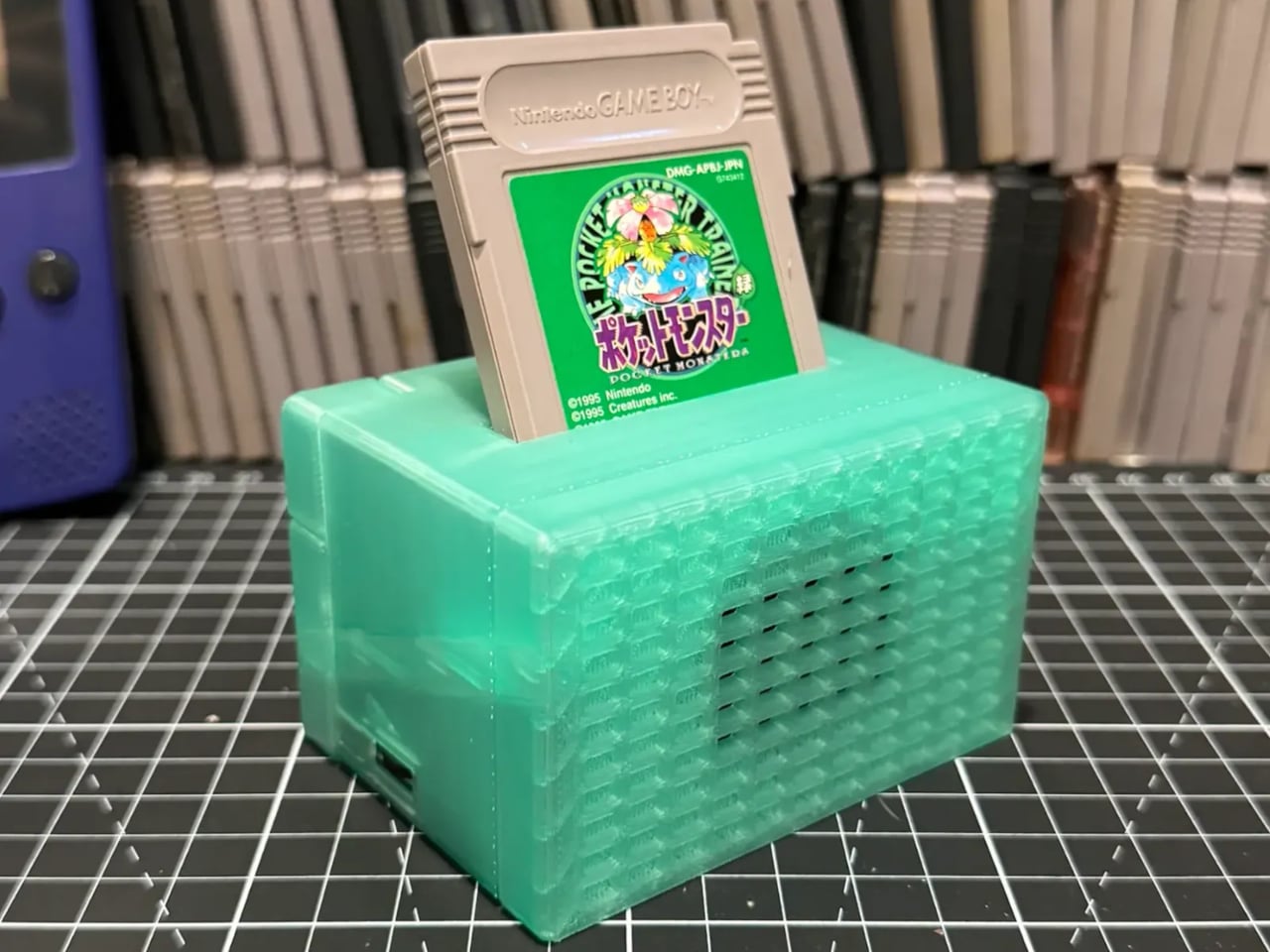
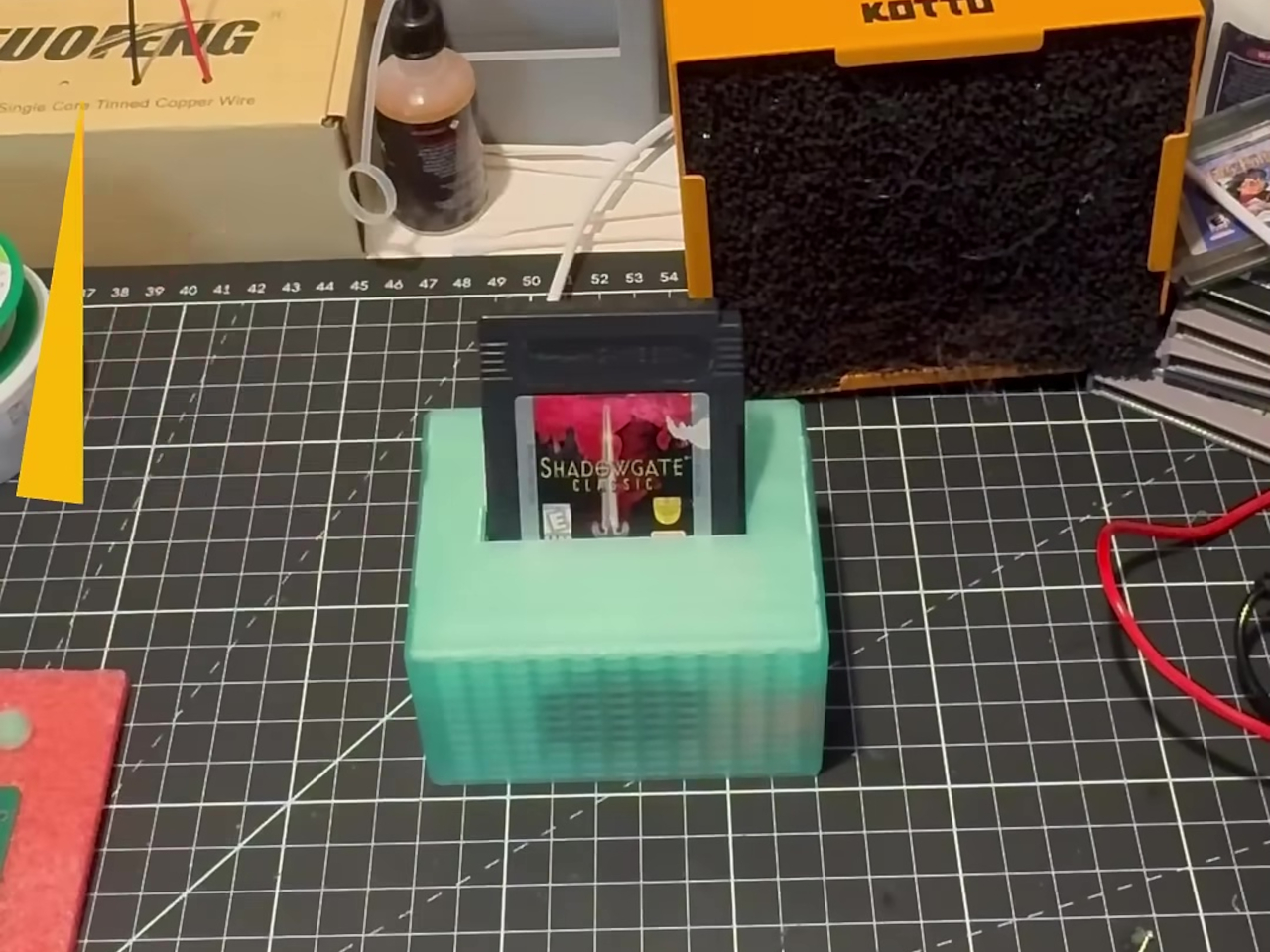
Game Boy cartridges usually wait in a drawer until you feel like playing something again. But sometimes it’s the music you miss, not the game. Retro Song Bird gives those little plastic rectangles a different job: slot one into the top of a tabletop player, and it finds the soundtrack for you. No screen, no level to beat, just the tunes you remember.
The idea works because the cartridge remains the thing you choose. Instead of scrolling through a library of files, you pull a favorite from a shelf and plug it in. The prototype’s compact, translucent green housing makes room for a top-mounted slot, a front speaker grille, and simple controls along the side. It behaves a bit like a tiny stereo with chunky albums.
Designer: BJ (Bird Cartel Games) via Retro Dodo
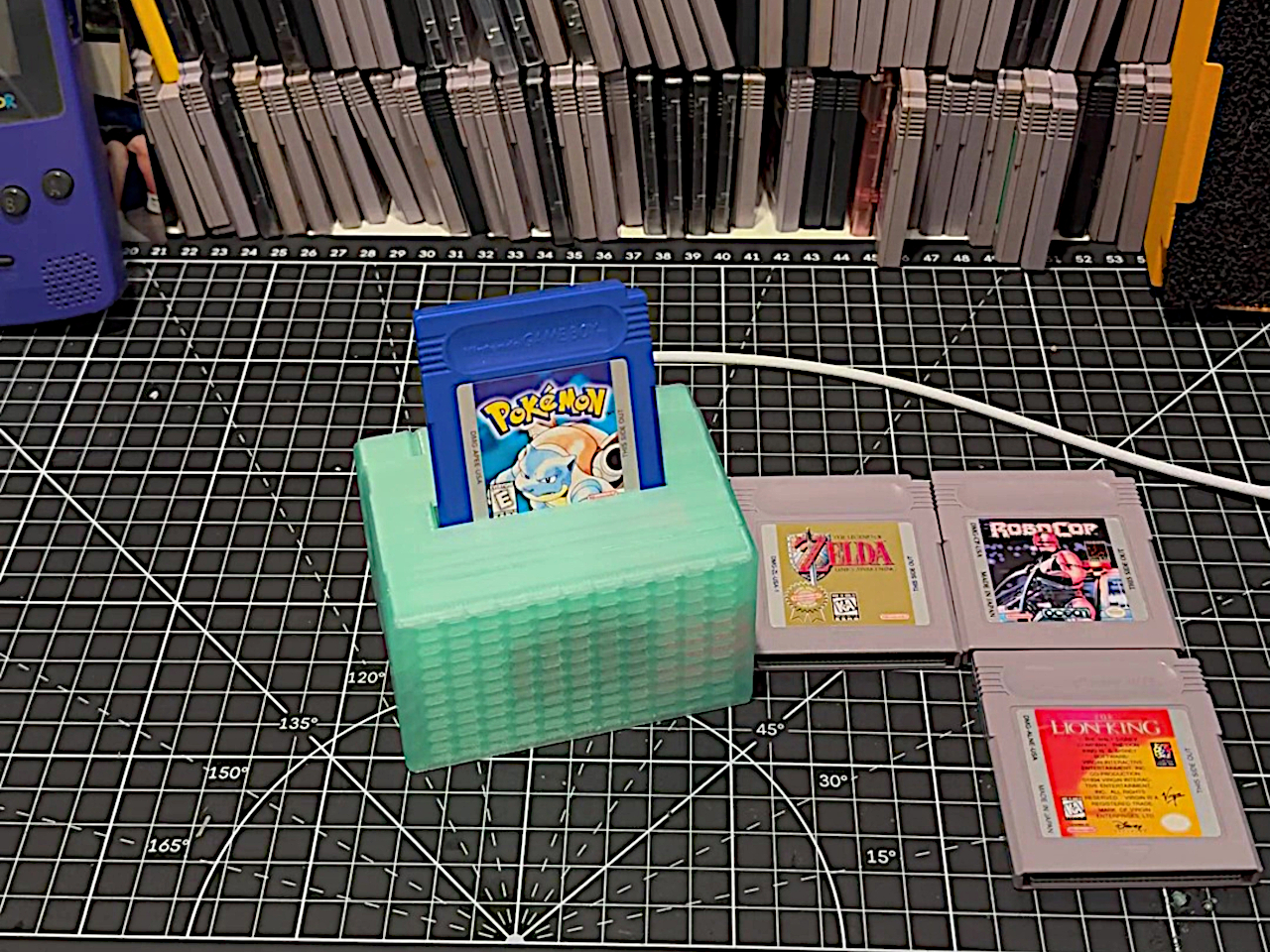
It doesn’t play a stored recording from the cart. Retro Song Bird reads parts of the game’s code and recreates the music using an emulation of the Game Boy sound hardware. Its developer says the system maps more than 1,900 games, though that figure isn’t a tested compatibility list. You can skip between tracks and sound effects without having to play through them.
That makes it suited to the hours when you want a soundtrack but don’t want another screen demanding attention. Let it play through its built-in speaker while you’re working, or connect the stereo line output to your speakers. A melody that once accompanied a difficult boss fight can fill the room on its own, even if you never pick up a controller.
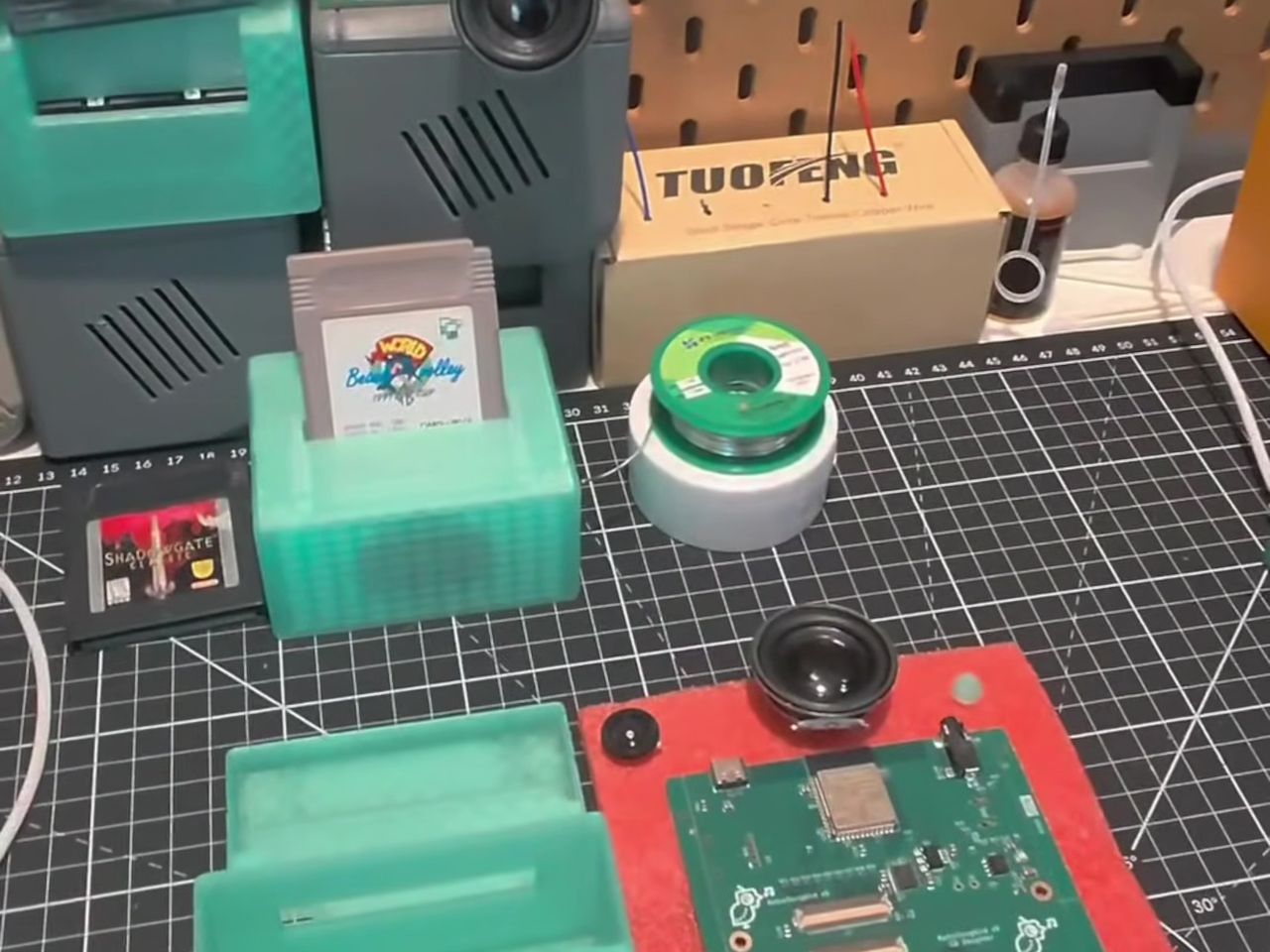
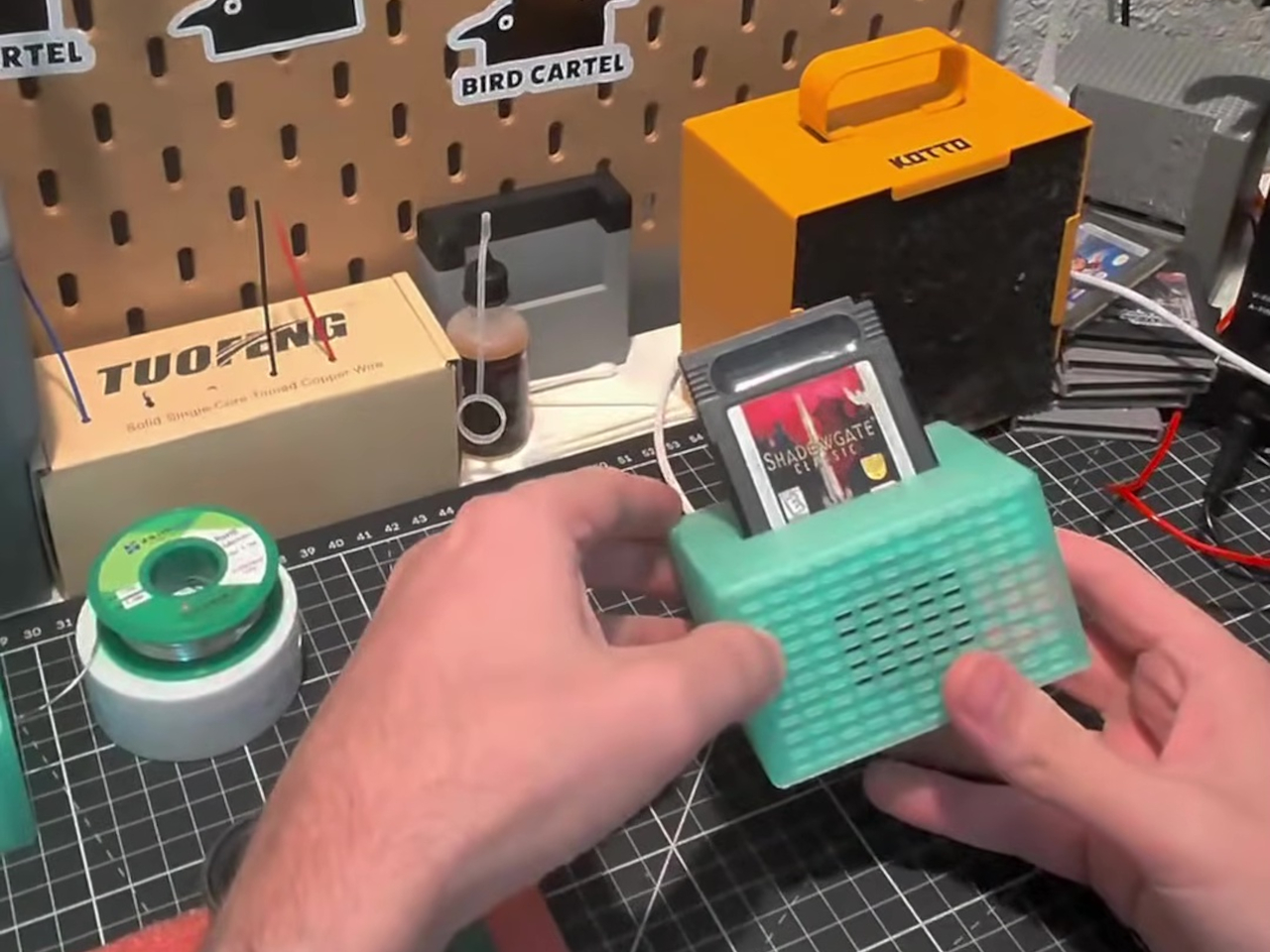
The cartridge slot also turns the player into an archive station. It can back up and restore save data, copy game ROMs, and export music as WAV files. That’s useful if you’ve kept a childhood save that feels too precious to lose. Rather than treating games as sealed collectibles, the design makes it easier to listen to and preserve what’s still inside them.
Musicians can go further. The Game Boy’s four sound channels appear as separate USB audio streams, ready to bring into music software for rearranging or sampling. You could start with a melody you recognize, then hear what happens when the square waves and noise part ways. The same cartridge that entertained you after school becomes a set of sounds to work with.
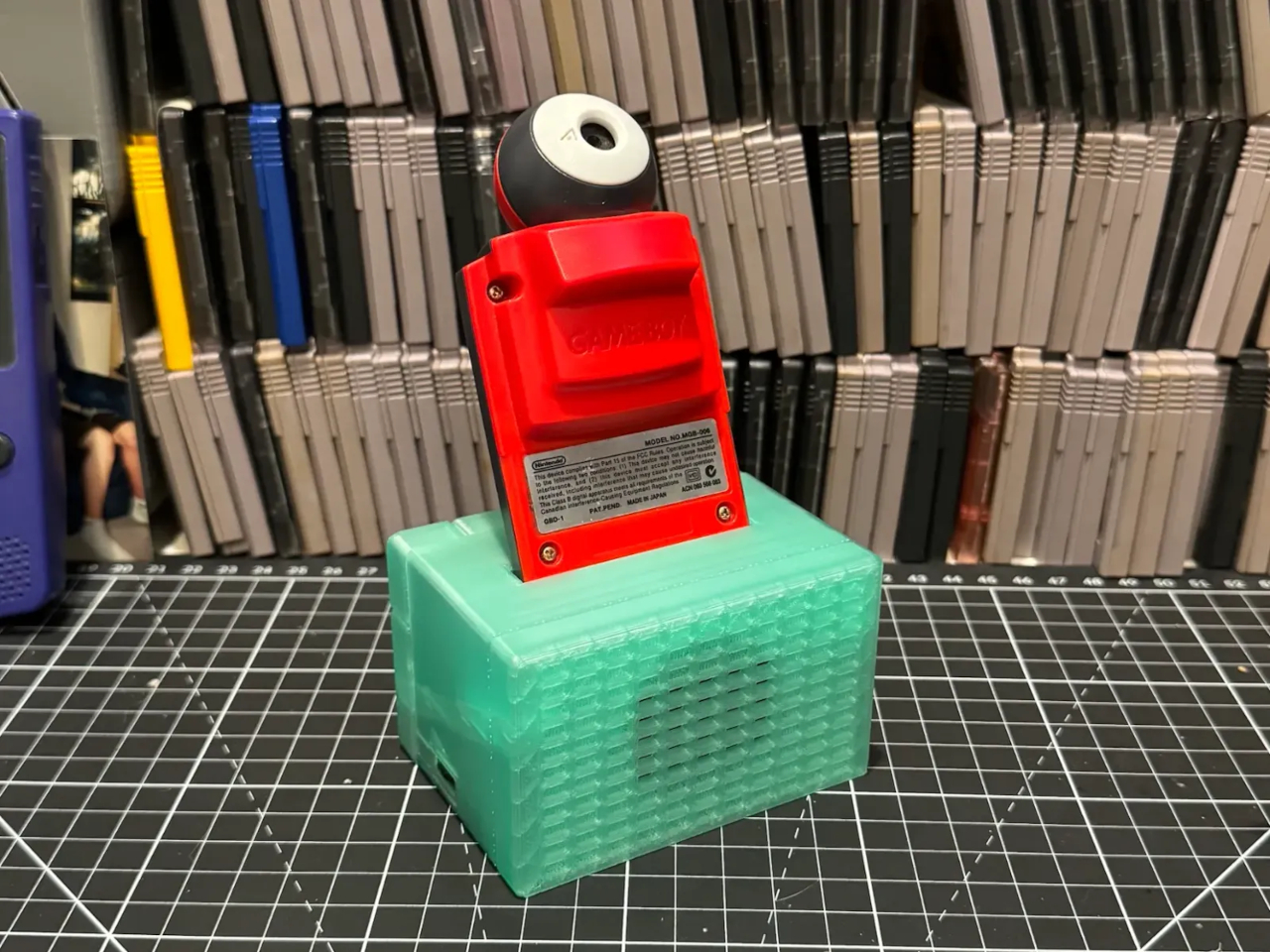
There’s even room for a wonderfully impractical detour. Insert a Game Boy Camera, connect the device to a computer, and it can serve as a USB webcam at 128×112 pixels, in four shades of gray. Alarm mode can wake you with a cartridge’s music, too. Neither feature is why this box exists, but both show how versatile that slot can be.
For now, Retro Song Bird remains a prototype, with shipping targeted for late 2026 and no listed price. Its mint-green housing may change before release. What makes the idea stick is choosing a cartridge for how it sounds rather than how it plays. A game can take a turn on the stereo without demanding another afternoon in front of a screen.
The post Retro Song Bird Is the Record Player Game Boy Cartridges Deserved first appeared on Yanko Design.

Apple’s highly anticipated iPhone 20 Pro Max is set to mark a significant milestone in the history of smartphones, celebrating two decades of innovation. While the device introduces several noteworthy refinements, it stops short of delivering the fully all-screen design that many enthusiasts have been eagerly awaiting. Instead, Apple appears to be taking a deliberate, […]
The post The iPhone 20 Pro Max Is Shaping Up to Be Apple’s Biggest Design Shift Ever appeared first on Geeky Gadgets.