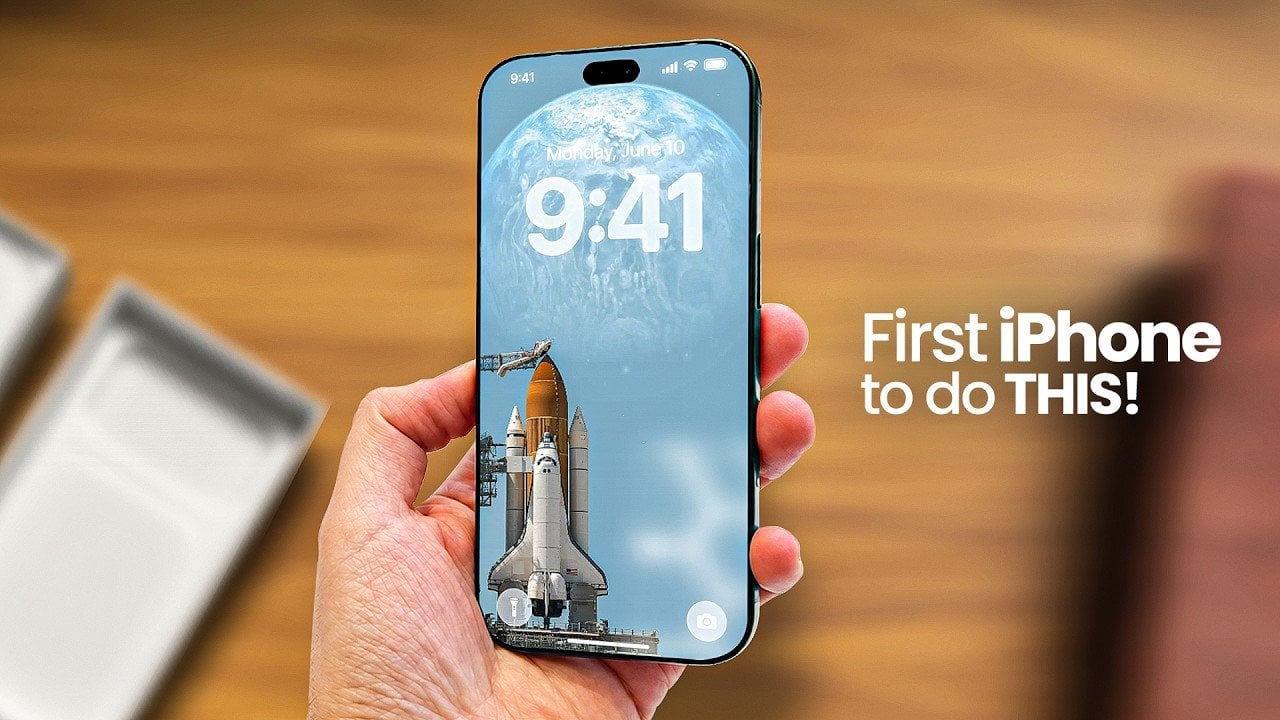
The Apple Watch Ultra 4 is poised to deliver significant advancements in smartwatch technology. Expected to debut in early September 2026, this highly anticipated wearable could redefine expectations for rugged smartwatches. With rumors of a sleeker design, upgraded sensors, and the potential inclusion of Touch ID, the Ultra 4 may set a new benchmark for […]
Vinyl already had its big cultural moment, dragging turntables and record stores back into the mainstream. Cassette tapes, quietly and without much fanfare, have been going through the same arc. Sales have been climbing for years, but the revival has lacked a player actually engineered for it. The FiiO CP11 is that player, and it comes with two years of R&D to back it up.
Getting to the CP11 wasn’t a straight line. FiiO originally planned to lead with the higher-end CP15, but as the new ultra-thin mechanism proved far more complex to engineer than expected, from structure and servo coordination to full system integration, the roadmap got reorganized. The CP11 was added earlier in the lineup so the new playback technology could reach people before everything else was perfected.
The size of the thing is worth talking about. FiiO designed the CP11 to be genuinely pocketable, competitive with the Walkmans that defined portable listening decades ago. That’s a different proposition entirely from the thick, ungainly cassette players that have populated the modern revival market. The all-new ultra-thin transport mechanism is what makes that slim profile possible, and getting it right required repeated prototyping and refinement.
Inside, the CP11 moves away from the hardware compromises that hold most modern tape players back. It runs on a brushless motor paired with a new servo drive and revised circuit design, which together are meant to deliver more stable, accurate playback than conventional motors allow. The magnetic head has been upgraded as well, since even the warmest analog sound can only be as good as the head reading it.
Then there’s Bluetooth, which is probably the feature that makes the CP11 most interesting to a broader audience. The fully analog CP13, FiiO’s existing tape player, never had it. Adding wireless transmission here means you can pair the CP11 with any wireless headphones and listen to your mixtapes or favorite vintage tapes without a headphone cord to manage. The 3.5mm jack is still there for people who prefer it that way.
The design doesn’t try to pass off nostalgia as a substitute for intent. The body is clean and minimalist, available in cream, green, and silver colorways that feel more considered than retro-chic. There’s a battery hatch on the back, which suggests the cell might be user-replaceable, a small but meaningful detail for a device built around physical media and the culture of long listening sessions.
USB-C handles charging, which is a small but welcome concession to the present. It charges at 5V/2A, so any standard cable will do, and you won’t need to hunt for a specialized adapter while your tape collection gathers dust. Physical playback controls sit at the top alongside a dedicated Bluetooth button, keeping the experience tactile rather than forcing everything through a touchscreen or an app.
No pricing has been announced yet, though FiiO’s existing CP13 sells in the $99 to $110 range, giving some rough sense of where the CP11 might land. A late 2026 launch is the target, and the higher-end CP15 is progressing simultaneously, with its internals largely completed. The cassette revival doesn’t have a device worthy of leading it yet. The CP11 is making a case for the job.
Garmin’s upcoming Fenix 9 series has generated significant interest ahead of its expected unveiling on August 25, 2026. Leaks suggest the lineup will include 18 configurations across three sizes, 43 mm, 47 mm and 51 mm, offering options for various wrist sizes and preferences. Notably, the inReach model is rumored to feature satellite communication capabilities, […]
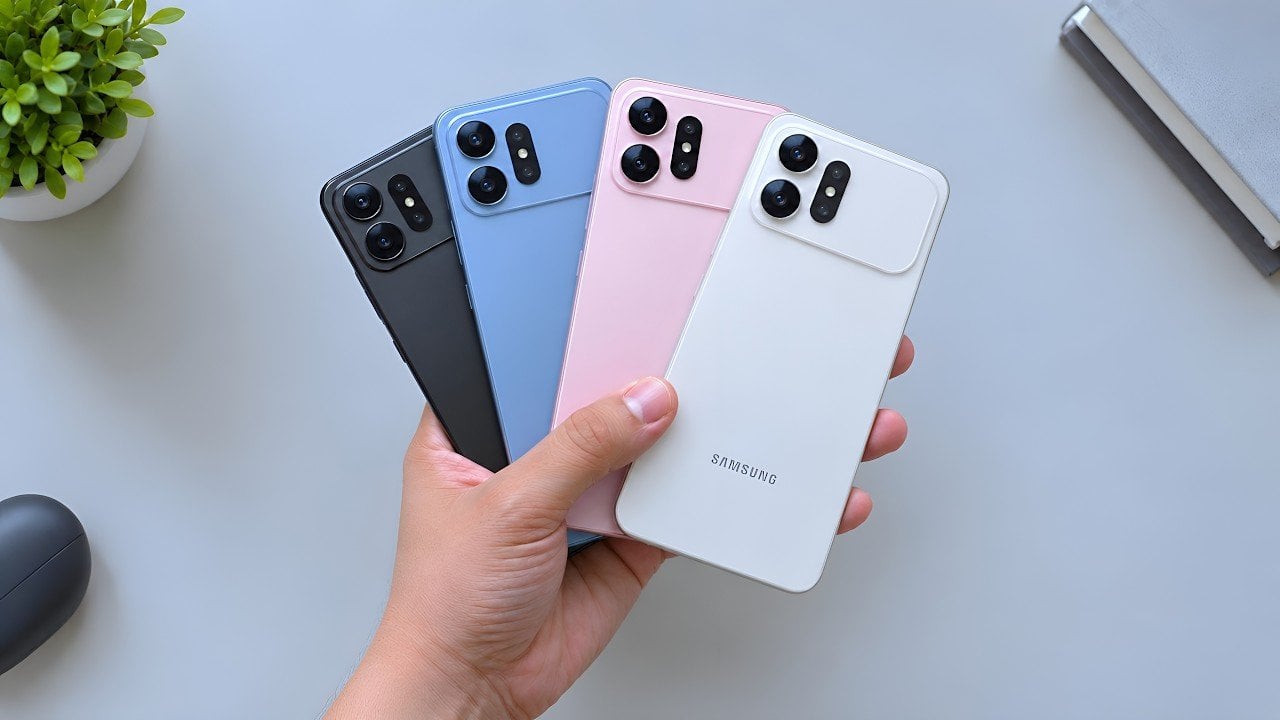
Samsung is poised to redefine smartphone durability with the Galaxy S27 Ultra, introducing a new self-healing display technology. Developed in collaboration with Corning, this innovation addresses one of the most persistent challenges in smartphone usage: micro-scratches. By integrating a display that actively repairs minor imperfections, Samsung is setting a new standard for durability and user […]
Apple has officially released iOS 27 Developer Beta 7, signaling the final stage of testing before the highly anticipated public launch in mid-September. This update is part of a broader rollout that includes updates for iPadOS, watchOS, macOS, visionOS, tvOS, and HomePod. While it doesn’t introduce major new features, the focus is on performance enhancements […]
True full-color 3D printing has always lived in industrial settings, with price tags starting at $50,000 and machinery too large for any studio shelf. Most desktop alternatives can’t close that gap on their own. The HeyGears G1 Series changes that, combining full-color 3D printing, 3D texture printing, 2D UV printing, and True DTF (Direct-to-Film) & DTG (Direct-to-Garment) fabric printing into one compact desktop machine anyone can actually set up at home or in a studio.
Beyond bringing full-color 3D printing to the desktop, the HeyGears G1X also delivers outstanding UV printing performance, offering up to 12× faster printing speeds with the Epson I3200-U1HD printhead, a 10× wider color gamut, more accurate color reproduction backed by G7 Colorspace’s highest-level color certification, and lower ink costs. What’s genuinely useful here is how fluidly the G1 Series moves between modes. A small gift shop, for instance, can run custom UV prints on mugs in the morning, emboss a leather journal cover in 3D texture mode in the afternoon, and print a full-color figurine in the evening, all from the same machine.
Designer: HeyGears
Click Here to Buy Now: HeyGears is currently offering G1X backers $500+ in additional promotional savings. Hurry, only a few left! Raised over $14.4 million.
The standout of the three is the full-color 3D printing. Using Precision Piezo Inkjet technology with instant UV curing, the G1X builds vibrant, paint-free models layer by layer at just 10 to 20 μm thick, roughly half the diameter of a human hair. Transparent and colored sections print in one continuous build, and there’s no post-print assembly to deal with since water-soluble supports simply dissolve in water.
A lot of that output quality comes down to the printhead. The G1X runs on an Epson i3200-U1HD, an industrial-grade unit with 3,200 high-density nozzles across eight ink channels, a maximum resolution of 1,440 x 2,400 DPI in UV printing, and over 10 million colors in its palette. The extra channels include light cyan and light magenta, which keep gradients and skin tones from going muddy.
The G1X also offers three UV printing modes to match different production priorities, whether you want maximum printing speed or a wider color gamut. Ultra-High-Speed Mode uses 4 white-ink channels to achieve up to 12× faster printing, while High-Speed Mode uses 2 white-ink + 2 varnish channels, reaching at least 6× faster printing. Finally, Wide-Gamut Mode utilizes Wide-Gamut inks, including Light Cyan (Lc) and Light Magenta (Lm) inks, for enhanced color reproduction, with printing speeds of at least 3× faster. Whether you prioritize speed or color performance, the G1X lets you choose the configuration that best fits your workflow.
For UV work, the machine isn’t limited to any single surface type. It works on wood, leather, glass, metal, acrylic, and ceramic, among over 400 compatible substrates in total. A rotary module handles cylindrical objects up to 245 mm tall, covering everything from mugs to tumblers, and an integrated line-scan camera auto-calibrates placement so curved surfaces print accurately without manual setup.
The 3D texture mode goes a step beyond standard UV printing, producing raised embossed effects, oil-painting-style relief, and wood-carved surfaces with a recommended height of 5mm (up to 150 mm). For apparel, the G1 Series supports True DTF and DTG printing with a water-based ink set built for wash durability, and that’s what makes it one of the few desktop platforms covering both hard-surface and fabric printing in a single unit.
HeyGears paired the hardware with a full software ecosystem that goes well beyond basic print management. Blueprint Studio handles everything from model preparation to batch layout, while HeyVerse adds AI tools for text-to-3D and image-to-3D generation. There’s also a LiDAR sensor in the print carriage that monitors layer thickness to within ±0.01mm in real time, helping maintain consistent output across longer production runs.
Printhead maintenance is often where UV systems let their owners down, and HeyGears hasn’t ignored that. A quad-layer anti-clogging system combines printhead heating, white-ink agitation, standby cleaning cycles, and a sealed moisturizing state during extended downtime. Three cleaning modes handle everything from a quick nozzle check to a thorough channel flush, and built-in air filtration captures ink mist and VOCs for cleaner indoor operation.
For someone running a small studio or a product-based creative business, the appeal goes beyond having one versatile machine. It means skipping three separate consumable budgets, three learning curves, and three maintenance routines. The i3200-equipped models carry a rated printhead lifespan of 12 to 24 months, while the open ink system offers material flexibility, and HeyGears’ lower-priced inks help keep material costs well below those of comparable industrial platforms. Turns out industrial-grade color doesn’t need an industrial-sized space after all. And with a limited-time $500+ cashback offer now available to G1X backers, you wouldn’t want to miss out on this opportunity to bring your designs to life, and in full color to boot!
Click Here to Buy Now: HeyGears is currently offering G1X backers $500+ in additional promotional savings. Hurry, only a few left! Raised over $14.4 million.
Sitcom apartments are basically stage sets pretending to be homes, and nobody understood that better than “Three’s Company.” The entire show ran on doors slamming at the wrong moment, eavesdropping from the kitchen, and someone hiding in a closet two seconds before the wrong person walked in. It only worked because the apartment was designed like a farce machine, with sightlines built for maximum chaos. Take away the laugh track and what you’re left with is genuinely clever spatial choreography, the kind an industrial designer can appreciate even if the plot involved Jack faking a limp again.
That’s exactly what makes this LEGO Ideas build so satisfying to look at. Builder AssociateFranticMinibeard has laid the whole apartment open like a dollhouse, hallway, bathroom, kitchen, living room, all visible at once in 1,293 bricks. It is basically the show’s floor plan finally getting the cutaway camera angle it always deserved, and it turns out sand green walls and a round dining table can carry an enormous amount of 1977 nostalgia.
Designer: AssociateFranticMinibeard
You get the full Santa Monica apartment split into legible zones, a bedroom with framed wall art, a bathroom complete with an honest-to-goodness bathtub, a kitchen stacked with yellow cabinetry and appliances, and a living room anchored by that round table and sofa where half the misunderstandings presumably happened. Off to one side sits a darker, moodier space with bar stools and small round tables that reads unmistakably like a certain downstairs hangout regulars would recognize. The reddish brown flooring against those sand green walls nails a very specific late 70s SoCal palette that most LEGO sitcom sets, being stuck in the 90s, never even attempt.
My favorite detail, though, is that bathtub. It sounds like a throwaway prop until you remember the entire premise of the show hinges on it. Jack Tripper does not apply for the open room like a normal person, he crashes a going away party, passes out, and gets found the next morning asleep in that tub, which is apparently enough to convince Janet and Chrissy he is roommate material. Including it here is a small choice that says the builder actually understood what makes this show tick, rather than just slapping seventies wallpaper on a generic apartment shell.
The minifigure lineup backs that up too. All seven key characters made the cut, Jack, Janet, and Chrissy front and center, plus Stanley and Helen Roper alongside their eventual successor Ralph Furley, with neighbor Larry Dallas rounding things out. Technically the Ropers and Furley never overlapped on the show, but as a greatest hits roster spanning all eight seasons, it works.
Right now this build is sitting at a modest 20 supporters with 60 days left just to crack the first LEGO Ideas milestone of 100, so it needs momentum fast before the clock runs out. Given that LEGO already has a growing shelf of sitcom sets, from Central Perk to the Golden Girls, and none of them dip back into the 1970s, there is a real gap here worth filling. If you grew up watching Jack talk his way out of trouble on a weekly basis, head over to LEGO Ideas and give this one your vote before the countdown hits zero.