7 Best Japanese Stationery Items To Keep You Organized

Japanese design philosophy has long celebrated the marriage of form and function, transforming everyday objects into tools that spark joy while serving practical purposes. This ethos shines brightest in stationery design, where minimalism meets innovation to create products that streamline workflows and declutter both physical and mental spaces. The items on this list represent a modern evolution of this tradition, offering solutions that fit seamlessly into contemporary life.

Organization isn’t just about having the right storage solutions; it’s about surrounding yourself with tools that inspire consistent use and thoughtful habits. These seven Japanese-inspired stationery essentials combine intelligent engineering with aesthetic restraint, ensuring that staying organized feels less like a chore and more like a natural extension of your creative process. Each piece has been selected for its ability to eliminate friction from daily tasks while adding visual harmony to your workspace.

1. OrigamiSwift Folding Mouse

Staying organized in a mobile work environment means carrying the right tools without the bulk. The OrigamiSwift reimagines the traditional computer mouse through the lens of Japanese paper-folding artistry, creating a device that collapses to pocket size yet delivers full desktop functionality. This ingenious design features a triangular skeletal structure that folds completely flat when not in use, allowing digital nomads and hybrid workers to maintain their preferred setup regardless of location.

The transformation happens in less than half a second with a simple flick of the wrist, instantly morphing from a slim card into a responsive input device. Weighing just 40 grams, this featherweight mouse disappears into bags and pockets until the moment productivity calls. The aluminum construction ensures durability despite the mechanical complexity, while the ergonomic contours cradle your hand during marathon editing sessions or detailed design work. For anyone juggling multiple workspaces throughout their day, this folding marvel eliminates the compromise between portability and performance.

Click Here to Buy Now: $79.00

What We Like

  • Deploys in under 0.5 seconds for instant workflow activation.
  • Origami-inspired triangular structure provides surprising rigidity and stability when deployed.
  • Ultra-lightweight 40-gram design makes it virtually unnoticeable in bags.
  • Fits in pockets and tight spaces without compromising on full-sized mouse functionality.

What We Dislike

  • Ultra-slim profile requires an adjustment period for users accustomed to bulkier mice.
  • Mechanical hinges need occasional maintenance to preserve smooth folding action.

2. Everlasting All-Metal Pencil

Few things disrupt creative flow like a broken pencil lead or the constant need to sharpen. The Everlasting All-Metal Pencil eliminates these frustrations through material innovation rather than mechanical complexity. Crafted from a specialized alloy core encased in aluminum, this writing instrument leaves graphite-like marks on paper without wearing down at the accelerated rate of traditional pencils. The result is a tool that writes for years rather than weeks, producing consistent lines that erase cleanly with standard erasers.

The tactile experience mirrors conventional pencils closely enough that your hand won’t notice the switch, yet the absence of sharpening fundamentally changes how you interact with the tool. You can sketch freely without monitoring lead length or calculating whether you have enough left for a particular project. The weight distribution feels substantial without being cumbersome, lending a sense of permanence that disposable writing tools simply cannot match. This pencil becomes a reliable companion rather than a consumable supply, encouraging deeper attachment and more intentional use.

Click Here to Buy Now: $19.95 

What We Like

  • Never needs sharpening, creating a completely uninterrupted workflow.
  • Alloy construction lasts for decades, eliminating constant supply replenishment.
  • Marks erase cleanly with standard erasers just like traditional pencils.
  • Reduces waste and mental load of managing consumable supplies.

What We Dislike

  • Fixed line weight offers less variation than traditional graphite pencils with different grades.
  • Higher initial cost compared to conventional pencils.

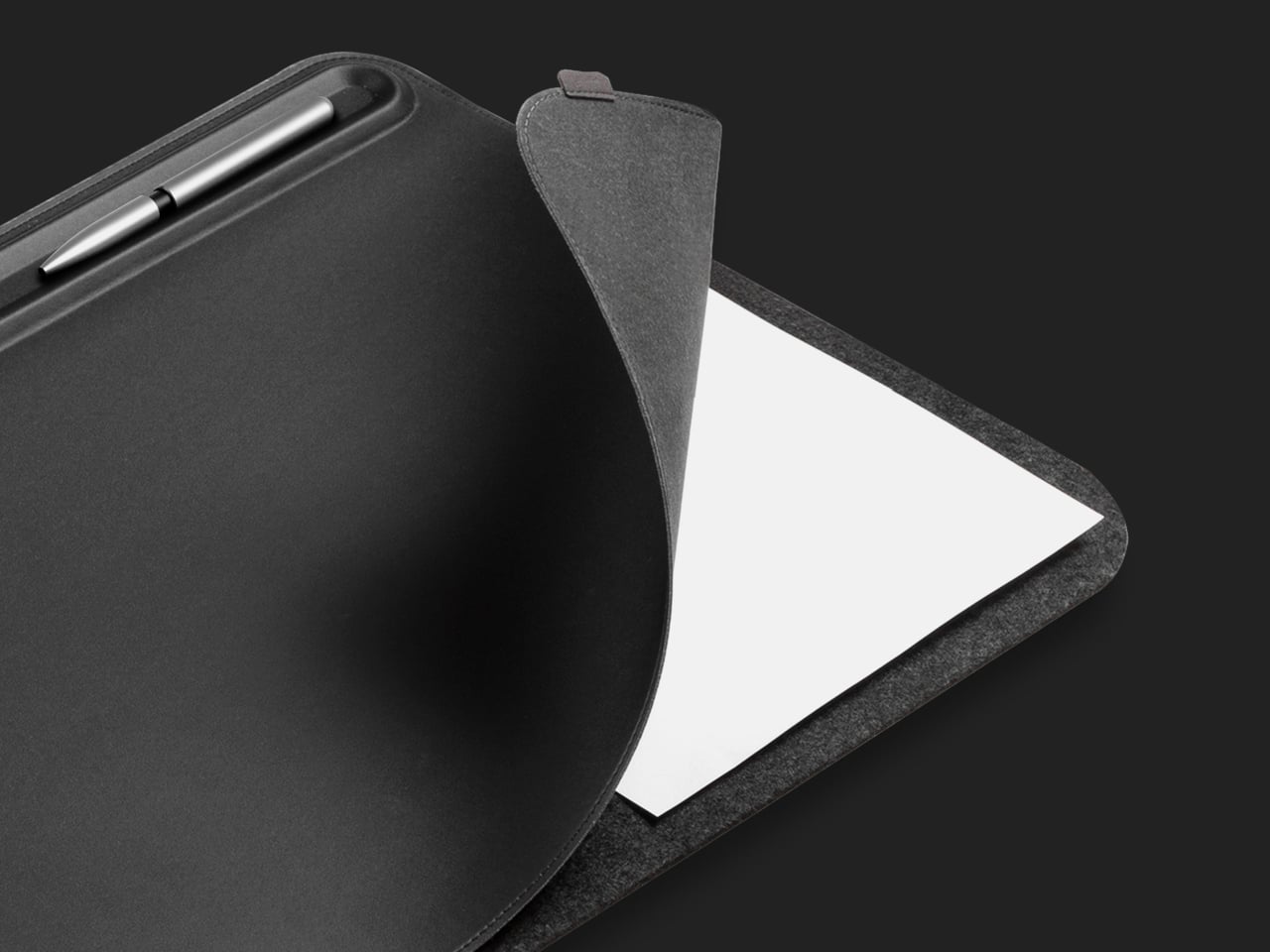
3. MagBoard Clipboard

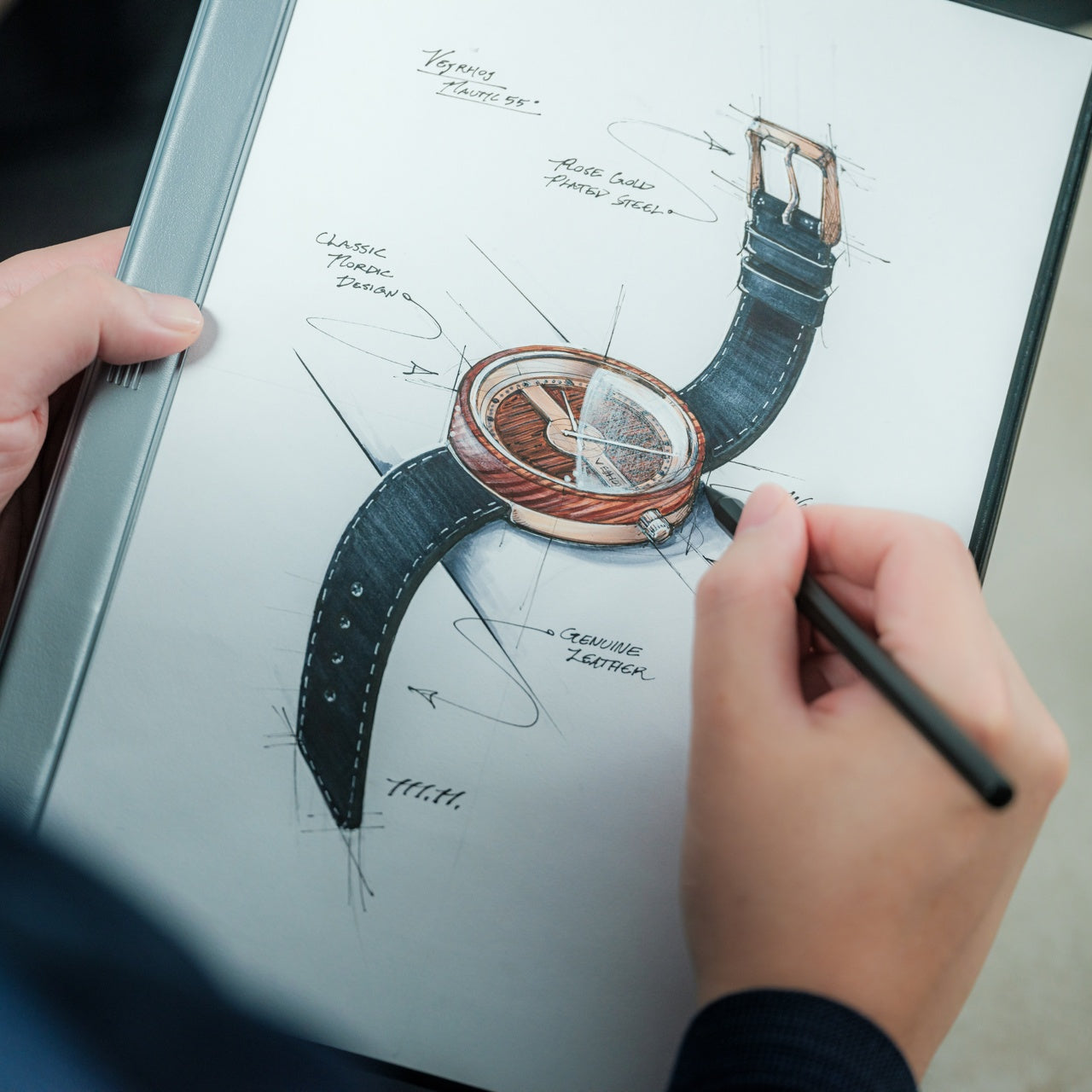
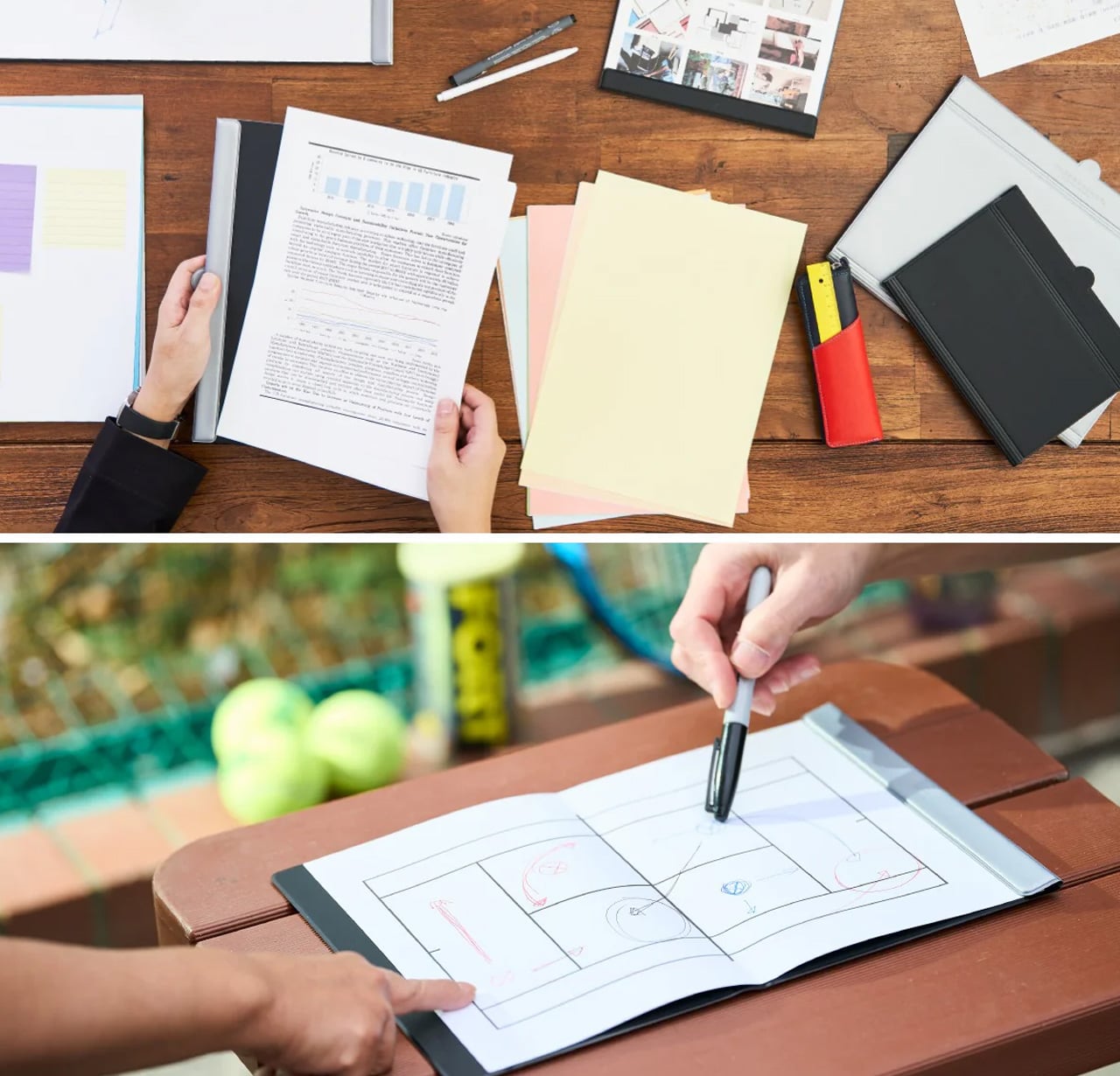
Traditional notebooks impose structure that sometimes stifles rather than supports organization. The MagBoard Clipboard embraces flexibility through its magnetic lever mechanism, securing up to 30 loose sheets while allowing instant reordering, removal, or addition. This hardcover design functions equally well on a desk or held against your torso while standing, transforming any environment into a viable workspace. The rigid backing provides writing stability without the permanence of bound pages.

The magnetic closure system offers satisfying tactile feedback while maintaining security during transport. Water-resistant materials ensure your notes survive coffee spills and sudden weather changes, protecting work that might otherwise be lost to environmental hazards. The ability to shuffle pages means your organizational system can evolve with your projects, accommodating non-linear thinking patterns that don’t fit neatly into numbered sequences. You might start a meeting with prepared sheets, add new observations throughout, then reorganize everything based on priority before leaving. This adaptive format respects how actual work happens rather than imposing artificial constraints.

Click Here to Buy Now: $45.00

What We Like

  • Instant page reorganization without tearing or rewriting saves significant time.
  • Hardcover design allows comfortable note-taking while standing or moving.
  • Water-resistant materials protect notes from spills and weather damage.
  • The magnetic lever mechanism secures up to 30 sheets during transport.

What We Dislike

  • 30-sheet capacity may feel limiting for extensive multi-page projects.
  • Magnetic mechanism adds noticeable weight during extended holding periods.

4. Inseparable Notebook Pen

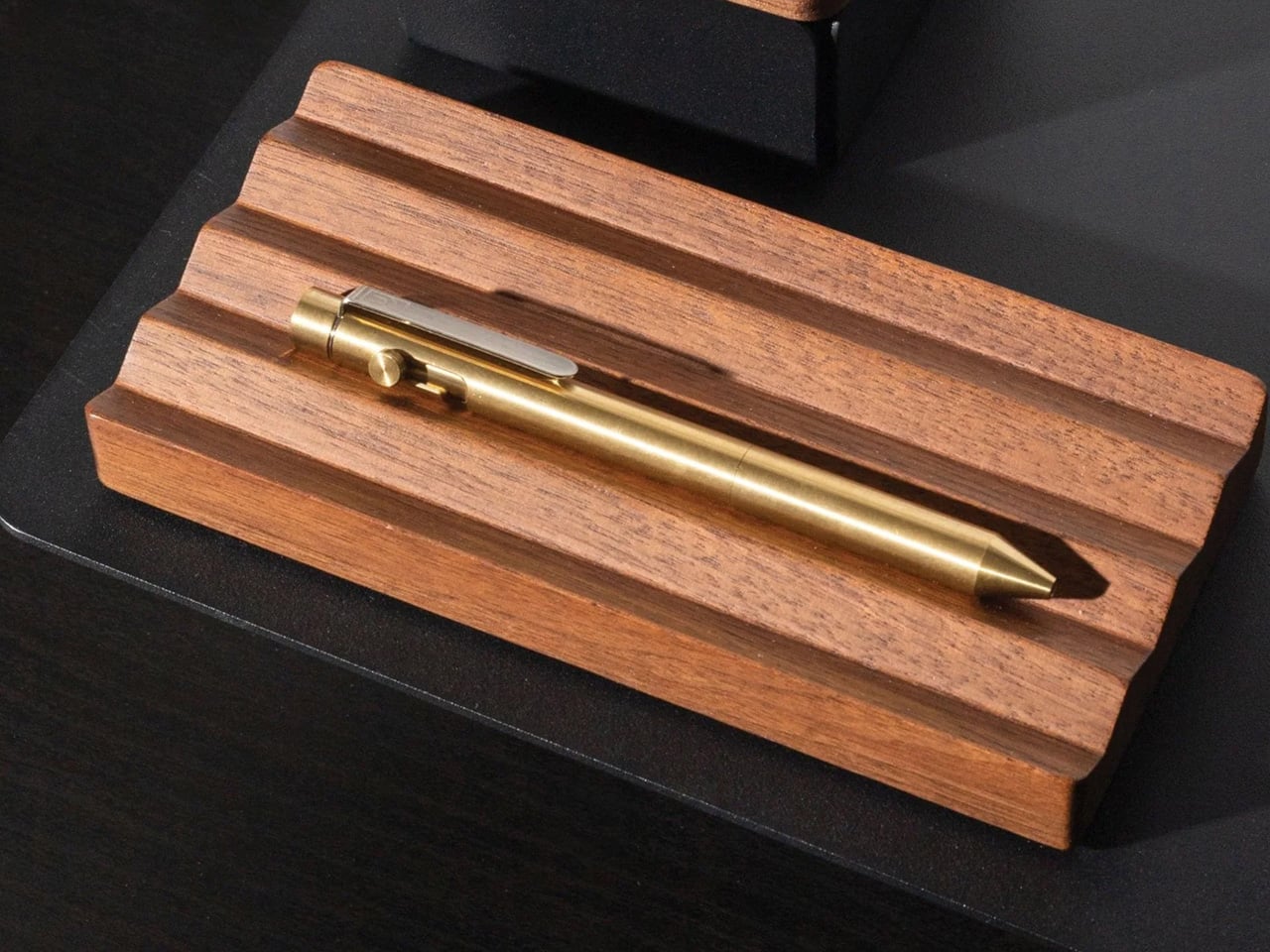
Misplaced pens represent one of the organization’s most persistent frustrations. The Inseparable Notebook Pen solves this through integration rather than attachment, creating a writing instrument designed specifically to remain with your notebook. The minimalist profile slides easily alongside pages without creating bulk, while the smooth ink flow ensures thoughts transfer to paper without skipping or pressure adjustments. This isn’t just a pen that happens to fit your notebook; the entire form factor was conceived around coexistence.

The grip diameter and length strike a balance between portability and comfort, allowing extended writing sessions without cramping. The understated aesthetic avoids competing for attention, letting your content remain the focus rather than the tool itself. By designing the pen and notebook as a unified system, this approach eliminates the common scenario of finding a notebook but lacking something to write with. The relationship between tool and substrate becomes seamless, reducing decision fatigue and creating muscle memory around a consistent setup. When reaching for your notebook, it always means having a reliable pen immediately available, and capturing fleeting ideas becomes automatic rather than conditional.

Click Here to Buy Now: $19.95

What We Like

  • Integrated design creates consistent habits around a single unified system.
  • Slim profile maintains notebook portability without adding noticeable bulk.
  • Smooth ink flow ensures reliable writing without skipping or pressure issues.
  • Eliminates the common frustration of finding notebooks without pens.

What We Dislike

  • Specialized design may not fit other notebooks in your collection.
  • Requires replacing the specific design rather than using generic pen replacements.

5. Scissors with Magnetic Base

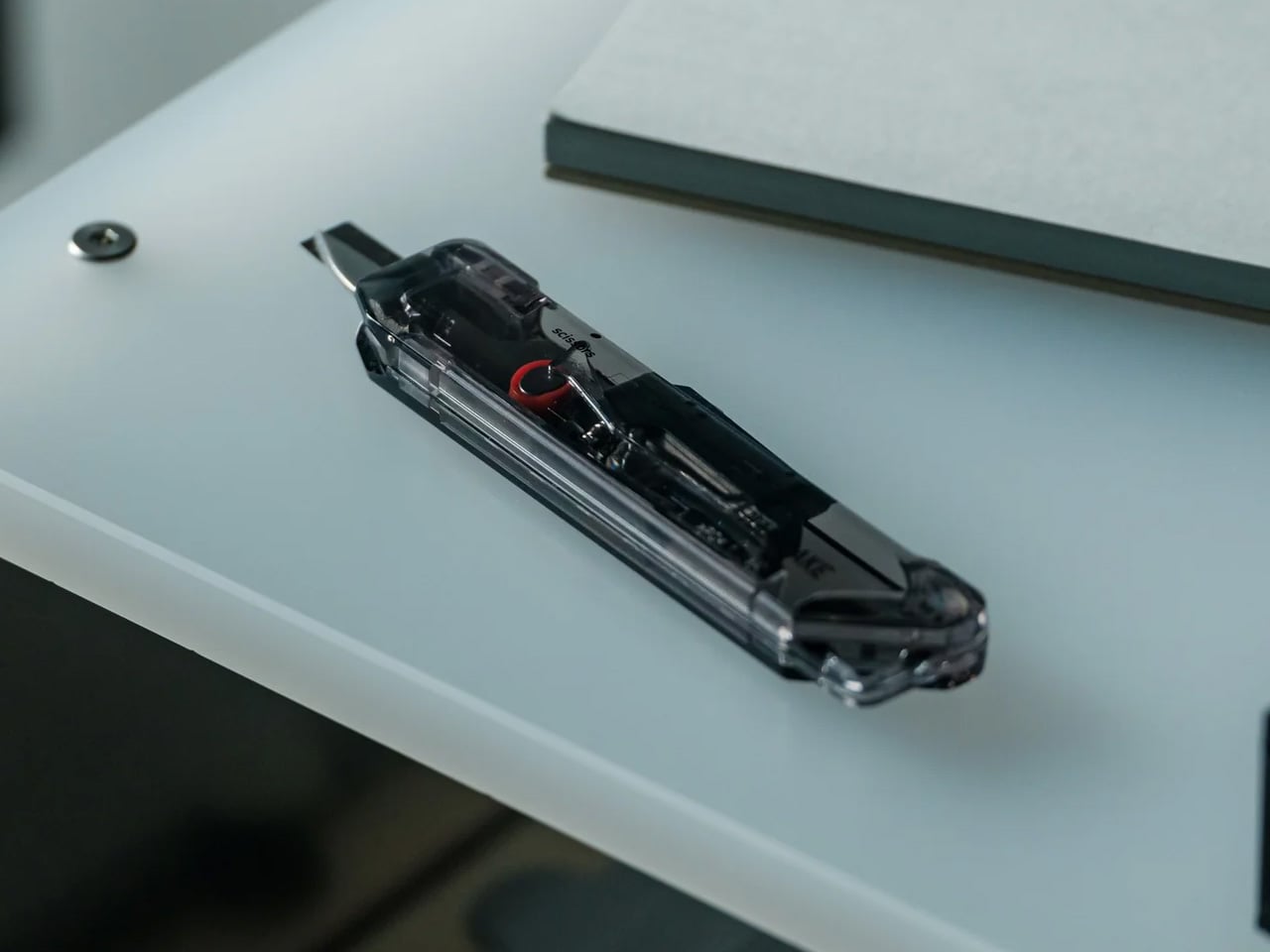
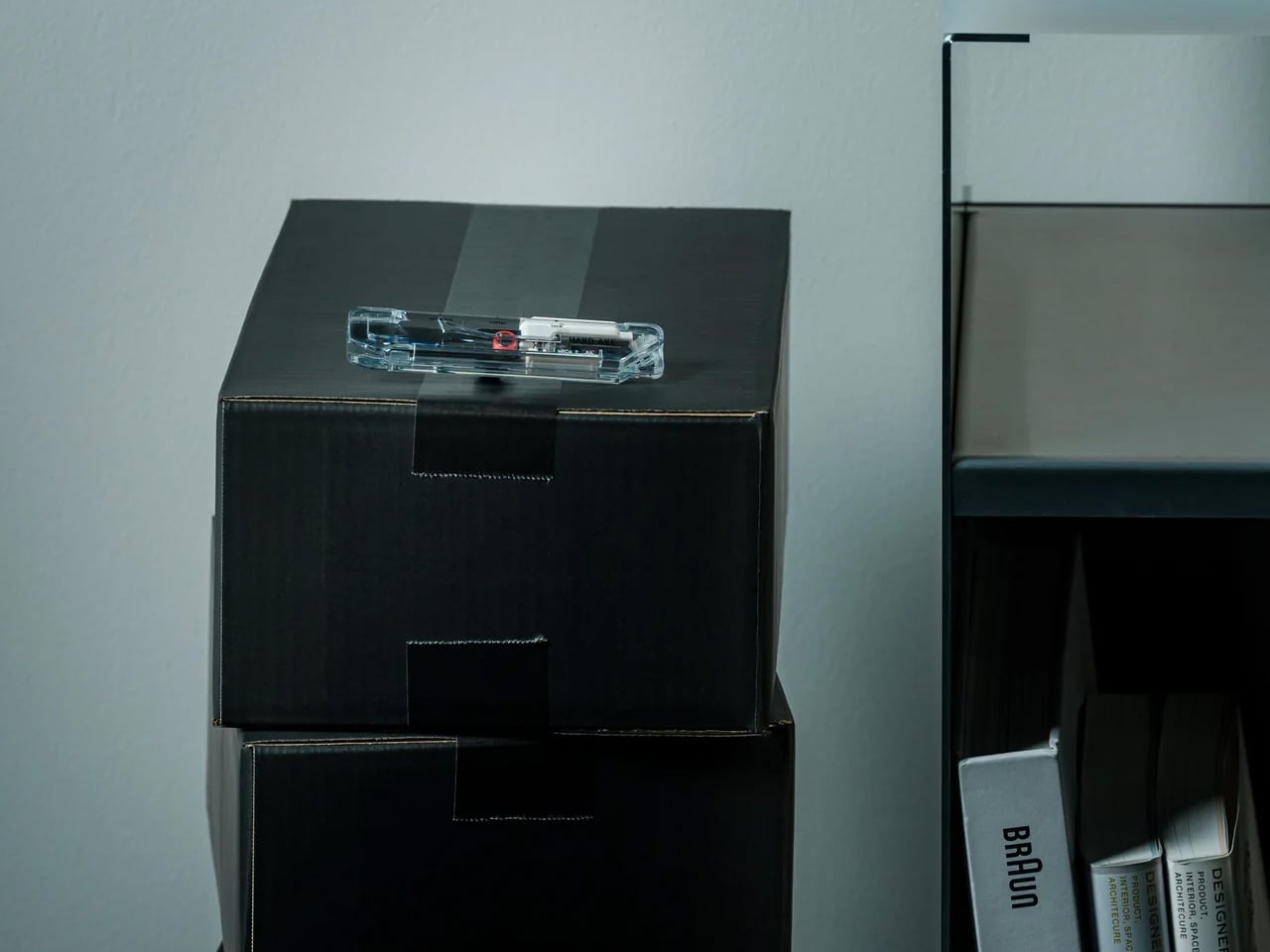
Office scissors typically live in drawers or cups, creating search friction when you need them urgently. These Scissors with Magnetic Base stand perpetually upright on your desk, always visible and immediately accessible. The weighted aluminum base uses magnetic attraction to hold the Japanese stainless steel blades in an elegant vertical position, transforming a utilitarian tool into a sculptural desk element. The Teflon coating on the blades ensures smooth cutting through various materials while preventing adhesive buildup from tape or labels.

The substantial weight of the all-metal construction provides satisfying heft during use, allowing the scissors’ sharpness to do the work rather than requiring excessive hand pressure. One finger ring incorporates a hidden box cutter blade, adding functionality without compromising the clean aesthetic. The upright storage position protects blade edges from the dulling contact that occurs when scissors roll around in drawers. By giving these scissors a permanent home that celebrates rather than hides them, you’re more likely to use the right tool for cutting tasks instead of making do with whatever’s closest. The magnetic base also prevents the gradual migration that causes tools to disappear into desk clutter.

Click Here to Buy Now: $49.00

What We Like

  • Always-vertical positioning eliminates search time and tool misplacement.
  • Japanese stainless steel with Teflon coating maintains sharp cutting performance.
  • One finger ring doubles as a box cutter for added functionality.
  • Magnetic base transforms a utilitarian tool into a sculptural desk element.

What We Dislike

  • A dedicated base makes scissors less practical for mobile use or multiple workstations.
  • A prominent vertical display requires a dedicated desk surface area.

6. Paperweight and Pen Holder

Desktop organization often suffers from single-purpose items that crowd surfaces without earning their real estate. The HMM Paperweight serves dual functions through its donut shape, holding papers securely while offering a stable pen rest when writing tools aren’t in use. The milled aluminum construction features twelve beveled faces that create visual interest through their geometric precision, catching light differently throughout the day. Weighing 101 grams across a 50mm diameter, the compact form factor delivers substantial anchoring power without dominating your workspace.

The central cavity accommodates standard pen diameters, creating a natural resting place that keeps writing instruments from rolling away or getting buried under papers. The tactile quality of the machined surfaces invites idle handling during thinking moments, providing subtle sensory engagement that can aid focus. This piece exemplifies multi-functionality done thoughtfully, where each purpose enhances rather than compromises the other. The paperweight function works best with reference documents you need visible but secure, while the pen holder keeps your preferred writing tool elevated and ready. Together, these capabilities reduce desktop chaos by giving key items defined homes that look intentional rather than cluttered.

Click Here to Buy Now: $35.00

What We Like

  • Dual functionality maximizes usefulness while minimizing desk footprint.
  • Twelve beveled aluminum faces create a premium aesthetic appeal.
  • Compact 50mm diameter delivers substantial anchoring without dominating the workspace.
  • Tactile machined surfaces provide satisfying sensory engagement.

What We Dislike

  • The central hole only accommodates vertically positioned pens.
  • The 101-gram weight may struggle with larger document stacks.

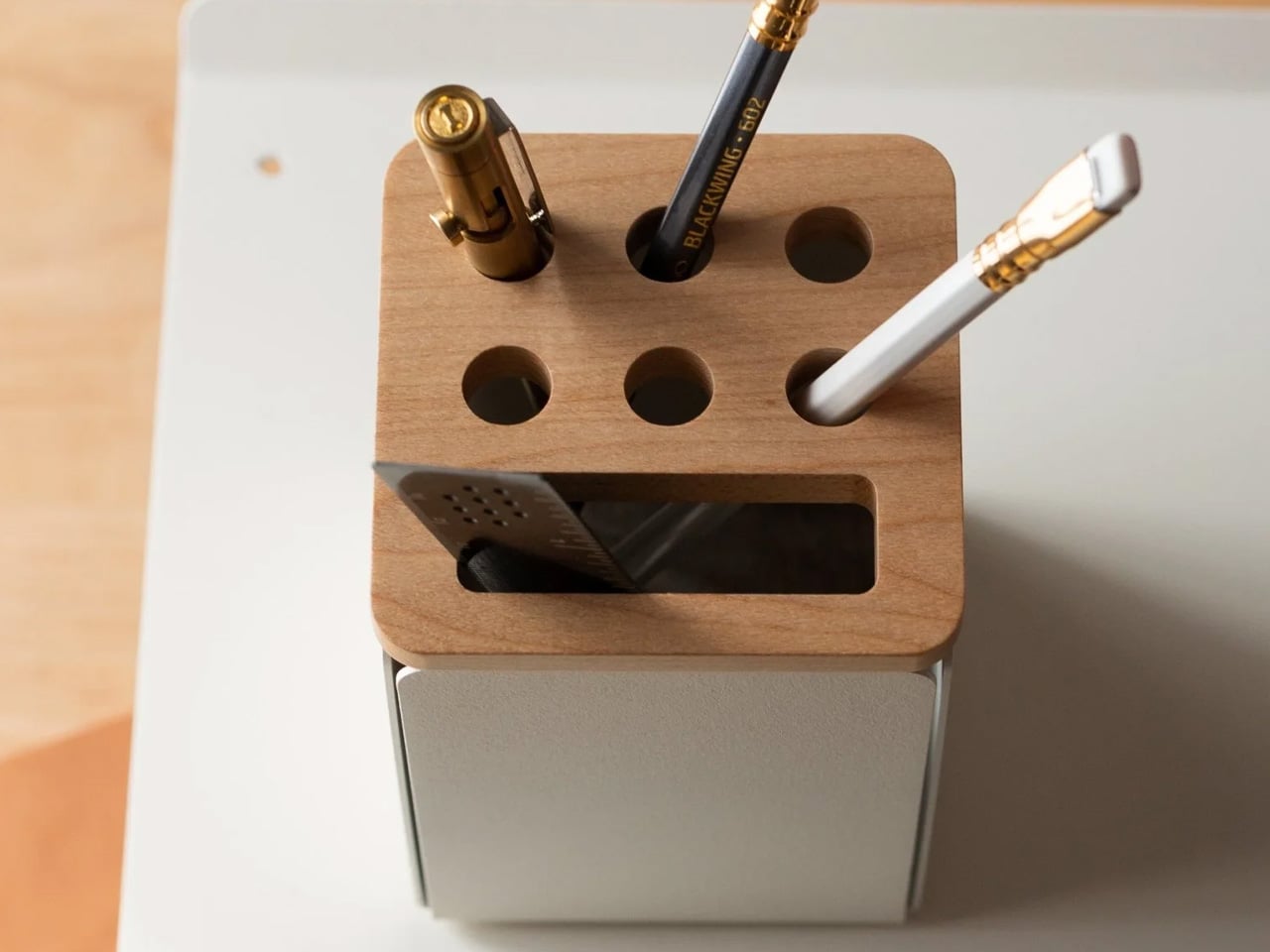
7. Serenity Pen Stand

Most pen stands distract from the writing instrument they’re meant to showcase. The Serenity Pen Stand takes the opposite approach, reducing itself to near invisibility through radical simplicity. This minimalist cylinder features a cavity for pen tips and tilts slightly off-vertical for easier retrieval, creating an elegant pedestal that directs attention upward. The combination of aluminum body and copper base creates a subtle two-tone contrast while lowering the center of gravity for surprising stability despite the petite footprint.

The modest dimensions mean this stand occupies minimal desk space, fitting comfortably even on crowded surfaces. The weight distribution prevents tipping even with heavier pens, while the angled presentation makes grabbing your writing tool feel natural rather than requiring careful extraction. This design philosophy celebrates the pen as the protagonist, with the stand serving as supporting architecture rather than a competing feature. The copper bottom develops a natural patina over time, creating an evolving aesthetic that reflects your workspace’s history. For anyone who appreciates their writing instruments as prized tools rather than disposable supplies, this stand offers a reverent display option that respects both the pen and your desktop harmony.

Click Here to Buy Now: $39.00

What We Like

  • Near-invisible design keeps visual focus on the pen itself.
  • Copper bottom provides excellent stability despite a tiny footprint.
  • Slight tilt makes pen retrieval feel natural and effortless.
  • Develops natural patina over time for evolving aesthetic character.

What We Dislike

  • Single-pen capacity requires multiple stands for instrument rotation.
  • A minimalist cavity may not accommodate unusual tip shapes or oversized barrels.

Organizing with Intention

The items featured here share a common thread beyond their Japanese design heritage. Each piece respects your attention by solving specific organizational challenges without introducing new complexity. Rather than adding systems that require maintenance and memory, these tools simply work better than their conventional alternatives. The result is an organization that happens naturally through superior design rather than forced discipline.

When your workspace contains tools that are genuinely pleasant to use and look at, maintaining order becomes effortless. These seven essentials prove that staying organized doesn’t require sacrifice or compromise. By choosing items that combine beauty, durability, and thoughtful functionality, you create an environment where productivity and tranquility coexist. The Japanese design philosophy embedded in each piece offers a masterclass in maximizing efficiency, transforming everyday objects into trusted companions.

The post 7 Best Japanese Stationery Items To Keep You Organized first appeared on Yanko Design.
Pyramid-Shaped Sleep Aid Needs No App, Just Sound, Light, and Pattern

Sleepless nights do not all look the same. Sometimes it is a racing mind, sometimes it is waking at 3 a.m. and staring at the ceiling, sometimes it is jet lag or a room that never gets fully dark or quiet. The market has responded with a pile of separate gadgets, white-noise machines, sunrise lamps, breathing apps, meditation videos, each adding another thing to manage, charge, or remember to open before bed.

Serapis is an all-in-one sleep-aid system built into a pyramid-shaped bedside object. It combines layered white noise, breathing light, Somnofractal visuals, Schumann Resonance, and calming geometry into one device that sits by the bed and works without an app. The idea is to help the brain settle using sound, light, rhythm, and pattern, working quietly together instead of juggling multiple tools or staring at another glowing screen right before trying to sleep.

Designer: Zhang Wenjie

Click Here to Buy Now: $144 $239 (40% off). Hurry, only 189/300 left! Raised over $52,000.

Gif 1

Not all sleepless nights have the same root, so Serapis uses a short, 2-minute sleep-type test to map people to patterns like overthinking, jet lag, sensitivity to noise or light, physical discomfort, emotional heaviness, or trouble falling asleep. The device offers modes tuned to those patterns, so an overthinker might get more visual guidance and gentle noise, while a light-sensitive sleeper leans more on sound and subtle breathing light that does not brighten the room.

Gif 3

The five-part tech stack works in sync. Schumann Resonance at 7.83Hz runs as a low-frequency backbone that quietly syncs with alpha waves. Layered white noise blends deep delta tones with soft pink noise to mask distractions. Breathing light pulses in 8 to 12 second cycles and seven color temperatures to nudge your own breathing slower. Somnofractal visuals give your eyes a predictable pattern to follow for a minute or two, and the pyramid geometry diffuses sound while acting as a visual anchor.

Gif 6

Gif 5

The nightly ritual is simple. You place Serapis on a bedside table, press a touch control to power on, choose between a preset duration of 30 or 60 minutes, and let the combination of sound, light, and pattern run while you lie down. There is no need to unlock a phone, open an app, or stare at a bright screen. The device is meant to be a quiet, science-inspired presence rather than another source of stimulation.

Gif 4

Serapis measures roughly 200 × 200 × 205 mm and has a net weight of around 1.2kg, giving it enough heft to feel like a real object. The pyramid form, etched with Somnofractal patterns, is designed to look intentional on a nightstand, and the internal hardware, speakers, and light modules are housed in metal and plastic with a 12 V input. The emphasis is on a minimalist, all-in-one experience that feels like part of the room instead of another gadget.

gif 2

Serapis suggests a shift away from managing sleep problems piecemeal and toward letting a single object handle the transition from busy mind to rest. Instead of piecing together white noise from one place, breathing exercises from another, and a visualization from a third, you press a button and let a coordinated system of sound, light, rhythm, and pattern do its work. For people who want their bedroom to feel calmer rather than more connected, that kind of integrated, screen-free ritual is where a device like this quietly makes sense.

Click Here to Buy Now: $144 $239 (40% off). Hurry, only 189/300 left! Raised over $52,000.

The post Pyramid-Shaped Sleep Aid Needs No App, Just Sound, Light, and Pattern first appeared on Yanko Design.
7 Best Productivity Enhancing Tools To Kickstart 2026

The new year brings fresh opportunities to reimagine how we work, create, and organize our daily routines. As we step into 2026, the tools we choose to accompany us matter more than ever. The right instruments don’t just help us complete tasks—they transform how we think, collaborate, and bring ideas to life. From portable writing companions to innovative digital hybrids, these productivity tools represent a shift toward smarter, more thoughtful design.

What makes a tool truly productive isn’t complexity or feature overload. The best instruments fade into the background, becoming natural extensions of our creative process. They’re the ones we reach for instinctively, the ones that remove friction rather than add it. These seven designs embrace that philosophy, offering elegant solutions that respect your time, space, and workflow while helping you achieve more with less effort.

1. Inseparable Notebook Pen

The frustration of reaching for a pen only to find it missing is universal. This magnetic pen eliminates that daily annoyance by becoming one with your notebook. The design features a sleek magnetic clip that securely attaches to your journal, ensuring your writing instrument is always exactly where you need it. The built-in silencer creates a satisfying, quiet click when attaching or removing the pen, adding a touch of refinement to every interaction.

Beyond its clever attachment system, this pen excels at its primary function. The gel ink delivers smooth, consistent lines whether you’re sketching rapid concepts or writing detailed notes. Its minimalist form fits comfortably in your hand during extended writing sessions, while the compact profile maintains your notebook’s portability. The pen becomes invisible until needed, then performs flawlessly, embodying the principle that great design serves without drawing attention to itself.

Click Here to Buy Now: $19.95

What We Like

  • The magnetic attachment system keeps your pen and notebook inseparably paired, ending the search for missing writing tools.
  • The built-in silencer creates a refined, quiet experience when attaching or detaching the pen from your notebook.
  • Smooth gel ink flows consistently for precise writing across all note-taking styles and purposes.
  • The minimalist design complements any notebook aesthetic while providing a comfortable grip during extended use.

What We Dislike

  • Limited to notebooks with compatible attachment points or covers that accommodate the magnetic clip.
  • The specific gel ink refills may require sourcing from particular suppliers rather than universal options.

2. OrigamiSwift Folding Mouse

Traditional portable mice force you to choose between compact size and comfortable ergonomics. OrigamiSwift refuses that compromise. Inspired by Japanese paper-folding techniques, this Bluetooth mouse transforms from pocket-sized flat form to a full-function tool in half a second. The origami-inspired triangular structure provides surprising stability and durability, proving that portability doesn’t require fragility. At just 40 grams, it disappears into bags and pockets until needed.

The engineering behind the folding mechanism feels almost magical. One fluid motion unfolds the mouse into an ergonomic shape that fits naturally in your palm, ready for hours of comfortable use. Silent click buttons respect shared workspaces, while the smooth tracking works across various surfaces. The USB-C rechargeable battery eliminates disposable battery waste and delivers up to three months of use per charge, making this mouse as sustainable as it is portable.

Click Here to Buy Now: $79.00

What We Like

  • The instant transformation from flat to functional in under half a second makes setup effortless anywhere.
  • Weighing only 40 grams with an ultra-slim profile, it’s the ultimate travel companion for mobile professionals.
  • USB-C rechargeable battery provides three months of use per charge, eliminating disposable battery waste.
  • Soft-click buttons and smooth tracking enable quiet, precise work without disturbing those around you.

What We Dislike

  • The folding mechanism may require occasional cleaning to maintain the smooth transformation over extended use.
  • The compact size, when unfolded, while ergonomic, may feel smaller than full-sized desktop mice for users with larger hands.

3. Personal Whiteboard

Digital tools dominate modern workflows, yet the immediate tactile feedback of writing by hand remains unmatched for ideation. This portable whiteboard bridges both worlds beautifully. The single-page design offers a clean slate for brainstorming, quick diagrams, or temporary notes. When you’ve captured that breakthrough idea, snap a photo to digitize and share it instantly. The multi-functional cover serves triple duty as eraser, built-in stand, and storage pocket.

The innovative Mag Force system demonstrates thoughtful design at its finest. This mechanism functions as both a comfortable cover handle and a secure pen holder, keeping everything together during transport. Compatibility with any standard whiteboard marker means you’re never locked into proprietary supplies. The swift wipe-clean process prepares the surface for your next thought in seconds, creating a flow that makes note-taking feel natural rather than procedural.

Click Here to Buy Now: $49.00

What We Like

  • The multi-functional cover acts as an eraser, a stand, and a pocket, consolidating several tools into one elegant package.
  • The Mag Force system cleverly serves as both a carry handle and secure pen holder for all-in-one portability.
  • Compatible with any regular whiteboard marker, eliminating dependence on specific brand supplies.
  • Instant erasability and photo-to-cloud workflow combine tactile ideation with digital organization seamlessly.

What We Dislike

  • Single-page format means you can’t flip back to reference previous notes without reviewing digital photos.
  • Whiteboard markers can dry out if left uncapped, requiring mindful storage habits.

4. Functional LEGO Rubik’s Cube

Desk toys often serve as simple fidget objects, but this 2,216-piece creation transcends that category entirely. This fully functional Rubik’s Cube, built entirely from LEGO brick,s represents engineering precision that borders on obsessive. Every twist and turn operates with the smoothness of commercial cubes, despite being constructed from elements never intended for such tolerances. The color-accurate design maintains the classic 3×3 configuration, creating a solving experience identical to traditional cubes.

The achievement here extends beyond mere functionality. Building this cube yourself transforms it from a desk decoration into a meaningful accomplishment, a conversation piece with genuine substance behind it. The tactile satisfaction of solving a puzzle you constructed brick by brick creates a connection between maker and object that mass-produced items can’t replicate. It’s a productivity tool disguised as play—the mental breaks spent twisting and solving actually refresh focus and problem-solving abilities for the work that matters.

What We Like

  • Fully functional 3×3 mechanism delivers smooth, precise turns matching commercial cube performance despite LEGO construction.
  • The 2,216-piece build creates a meaningful project that rewards patience and attention to detail.
  • Serves dual purpose as an engaging desk toy and a legitimate stress-relief tool during mental breaks.
  • The color-accurate design maintains classic Rubik’s Cube aesthetics while showcasing LEGO’s versatility.

What We Dislike

  • The substantial piece count and complex build require significant time investment before you can use it.
  • LEGO construction makes the cube more fragile than solid plastic commercial alternatives if dropped.

5. Rolling World Clock

Managing global connections shouldn’t require complex apps or mental gymnastics. This twelve-sided world clock reduces time zone tracking to pure physicality. Each face represents a major city—London, Tokyo, New York, Shanghai, Sydney, and seven others—creating a tactile globe of time. Simply roll the clock to your desired city and watch the single hand indicate the current hour there. The minimalist design strips away digital complexity in favor of immediate, intuitive understanding.

The rolling interaction introduces an element of play to what’s typically a mundane task. There’s satisfaction in the physical act of turning the clock, feeling its weight and geometry in hand before setting it down to display the time you need. This transforms checking time zones from a forgettable tap on a screen into a moment of mindful awareness. The black or white finish options ensure it complements any workspace aesthetic while serving as both a functional timekeeper and a sculptural desk accent.

Click Here to Buy Now: $49.00

What We Like

  • The twelve-sided design elegantly represents major world cities, making global time tracking beautifully intuitive.
  • Rolling the physical clock introduces satisfying tactile interaction to an otherwise digital task.
  • The minimalist single-hand display eliminates visual clutter while maintaining instant readability.
  • Serves double duty as a functional timekeeper and striking desk sculpture in black or white finishes.

What We Dislike

  • Limited to twelve pre-selected cities, which may not include all locations relevant to your specific connections.
  • Reading the exact minute requires estimation rather than precision, making it better for general awareness than scheduling.

6. MagBoard Clipboard

Traditional notebooks impose structure through bound pages and fixed layouts. MagBoard takes the opposite approach. This minimalist clipboard uses a magnetic lever mechanism to secure up to 30 loose sheets, giving you complete freedom to arrange, remove, or add pages as your project evolves. The hardcover design transforms any surface into a stable writing platform, enabling you to capture ideas while standing, walking, or working in unconventional spaces.

The water-resistant, easy-clean surface means this tool adapts to various environments without worry. Sketch at a construction site, take meeting notes in a coffee shop, or diagram concepts during outdoor collaboration sessions. The flexibility extends beyond physical durability—the loose sheet system means you can mix paper types, share individual pages instantly, or reorganize your notes to match your thinking process rather than forcing your thoughts into predetermined structures.

Click Here to Buy Now: $45.00

What We Like

  • The magnet and lever clip system securely holds up to 30 sheets while enabling instant page rearrangement and removal.
  • Hardcover construction creates a stable writing surface for note-taking in any position or location.
  • Water-resistant and easy-clean materials protect your work in diverse environments and weather conditions.
  • The loose sheet approach offers complete flexibility in paper choice, layout, and organization methods.

What We Dislike

  • Loose sheets lack the permanent binding of traditional notebooks, requiring care to prevent page loss.
  • The hardcover adds weight compared to standard notepads, making it less ideal for ultra-minimalist carry setups.

7. Rocketbook Reusable Sticky Notes

Sticky notes are workplace staples, yet their disposable nature creates constant waste. Rocketbook reimagines this productivity classic with genuinely reusable notes that feel like paper rather than plastic alternatives. Using special material compatible with Pilot FriXion erasable pens, these notes wipe clean with water and cloth. The paper-like texture and flexibility match traditional sticky notes, avoiding the rigid whiteboard feel of other reusable options.

The adhesive strip demonstrates the same reusability philosophy. Rather than losing stickiness after one use, simply rinse the adhesive area to restore full grip. This means your temporary reminders and quick notes become permanent tools rather than trash-bound consumables. The environmental impact reduction compounds over time—what would have been hundreds of discarded notes becomes a small set of reusable squares that serve just as effectively while generating zero waste.

What We Like

  • Genuinely reusable design eliminates sticky note waste while maintaining the paper-like feel and flexibility of traditional versions.
  • The water and cloth cleaning process is quick and simple, preparing notes for immediate reuse.
  • The reusable adhesive strip rinses clean to restore full stickiness across countless applications.
  • Compatible with Pilot FriXion pens, which are widely available and offer smooth writing experiences.

What We Dislike

  • Dependent on specific FriXion pen compatibility, it limits ink color and style options compared to traditional notes.
  • The water-cleaning requirement means you need access to moisture for erasure rather than instant disposal.

Making 2026 Your Most Productive Year

Productivity isn’t about cramming more tasks into each day. These seven tools share a common philosophy: remove friction, respect the user, and enhance the creative process without dominating it. They’re instruments that adapt to your workflow rather than forcing you into theirs. Each design solves real problems with elegance and thoughtfulness, proving that the best tools are those you stop noticing because they simply work.

As you build your workspace for 2026, consider which frictions slow your daily progress. Perhaps it’s the missing pen, the awkward mouse, or the wasteful sticky notes. The right tool doesn’t just fix a problem—it transforms that moment of your workflow into something smooth, satisfying, and ultimately forgettable. That’s when productivity stops feeling like effort and starts feeling like flow.

The post 7 Best Productivity Enhancing Tools To Kickstart 2026 first appeared on Yanko Design.

5 Best Transparent Audio Devices That Show What’s Inside

Transparent design has moved beyond gimmick territory into something genuinely compelling. When Nothing started showing off circuit boards through clear plastic, the tech world noticed. Now that aesthetic has matured into a legitimate design movement where form and function create something worth displaying. Audio equipment benefits particularly well from this treatment because the internals actually matter to the listening experience, turning technical components into visual storytelling.

The devices here represent transparency done right. These aren’t cheap tricks or hollow shells with nothing interesting inside. Each one exposes genuine engineering, invites you to understand how sound gets made, and transforms listening into something more tactile and present. From cassette players to turntables, these designs prove that showing your work can be just as important as the work itself.

1. Sony Walkman Transparent Cassette Recorder

This concept recorder hits differently than most transparent tech because it understands that nostalgia needs a dose of futurism to stay relevant. The design merges Blade Runner aesthetics with classic Sony Walkman DNA, creating something that feels simultaneously vintage and impossible. That crystal-clear housing reveals every mechanical element, from the tape mechanism to those satisfying gear systems that physically move when playing. The transparency here serves a purpose beyond aesthetics, letting you witness analog technology doing its thing in real time.

What makes this particularly successful is the deliberate visual hierarchy. The top-mounted mechanical components receive showcase treatment, positioned like the exposed movement in a luxury timepiece. That digital display embedded among analog parts creates fascinating tension, suggesting computational intelligence coexisting with physical media. The miniaturized control buttons along the top edge reference 80s Sony recorders without feeling derivative, achieving that difficult balance between tactile satisfaction and modern refinement.

What We Like

  • The exposed gear mechanisms turn playback into a visual performance worth watching.
  • The fusion of digital display with analog components creates compelling technological contrast.

What We Dislike

  • Being a concept means you cannot actually buy or use this device yet.
  • The cassette format limits practical utility in modern digital workflows.

2. StillFrame Wireless Headphones

StillFrame approaches headphone design like someone who actually cares about the listening ritual rather than just the specs sheet. The transparent housing exposes the internal circuit board deliberately, treating technology as part of the experience instead of something requiring concealment. That exposed engineering dialogue with the geometric form creates visual interest without resorting to aggressive gaming aesthetics or needless embellishment. The design philosophy echoes those geometric CD cases from the 80s and 90s when physical media demanded intentional shelf presence.

The 40mm drivers deliver a wide, open soundstage that prioritizes melodic texture and spatial awareness. At 103 grams, these feel nearly weightless during extended wear, managing to maintain presence without physical pressure. The magnetic fabric ear cushions swap easily, with each white model including light gray and turquoise options for subtle personalization. That stainless steel headband achieves the ideal strength-to-weight ratio, while the housing fuses circular and square geometry in understated harmony.

Click Here to Buy Now: $245.00

What We Like

  • The magnetic ear cushion system makes swapping colors satisfying and effortless.
  • The 24-hour battery life eliminates constant charging from your routine.

What We Dislike

  • The exposed circuitry might collect dust more readily than sealed designs.
  • The geometric aesthetic will not appeal to those preferring minimalist simplicity.

3. ClearFrame CD Player

ClearFrame treats compact discs like the miniature art exhibits they always deserved to be. That square polycarbonate body frames each album cover while exposing the black circuit board inside, turning engineering into intentional visual design. The transparent construction creates what feels like a crystal sculpture housing an analog soul, where every component receives showcase treatment. This approach transforms music playback from background activity into something more ceremonial and present.

The design accommodates multiple mounting options, functioning equally well on shelves, desks, or walls. That versatility means the player adapts to your space rather than demanding specific placement. The exposed circuitry invites small moments of discovery with each glance, revealing how digital information gets extracted from physical media. Bluetooth 5.1 support extends playback beyond the device itself, while the seven-hour rechargeable battery enables portability when needed.

Click Here to Buy Now: $199.00

What We Like

  • The wall-mounting capability transforms music into room decor.
  • The exposed circuit board turns technical components into deliberate visual interest.

What We Dislike

  • The seven-hour battery life feels limited for extended portable use.
  • CD format restricts compatibility with modern streaming workflows.

4. Side A Cassette Speaker

This pocket-sized speaker commits fully to the cassette aesthetic without feeling like cheap nostalgia bait. The transparent shell and Side A label treatment reference actual mixtapes, but the Bluetooth 5.3 connectivity and microSD support reveal modern functionality hiding inside. That clear case doubles as a stand, transforming this from pocket carry into deliberate desk presence. The compact form factor makes this surprisingly versatile, functioning equally well for personal listening or small gatherings.

The sound signature aims for warmth rather than clinical precision, evoking analog tape playback characteristics within obvious physical constraints. MicroSD support enables offline playback without requiring constant wireless connectivity, useful for locations with spotty coverage or when preserving phone battery matters. The cassette styling walks the line between homage and parody, landing somewhere that feels genuine rather than ironic.

Click Here to Buy Now: $45.00

What We Like

  • The sub-fifty-dollar price point makes this an accessible impulse purchase territory.
  • MicroSD support enables completely offline music playback without phone dependency.

What We Dislike

  • The compact size limits bass response and overall volume capabilities.
  • The cassette format may seem gimmicky to those uninterested in retro aesthetics.

5. Audio-Technica AT-LPA2 Transparent Turntable

Audio-Technica’s transparent turntable represents serious engineering disguised as a design experiment. That 30mm-thick high-density acrylic body and 20mm acrylic platter serve technical purposes beyond aesthetics, with material density providing vibration damping that reduces unwanted resonance. This production version evolved from the limited-edition AT-LP2022 anniversary model, incorporating structural refinements aimed at reliable high-fidelity analog playback. The transparent construction challenges conventional turntable aesthetics without compromising performance expectations.

The visual impact hits immediately. Where most turntables hide mechanisms beneath wood veneer or matte finishes, this model exposes everything. That transparency transforms the tonearm, platter, and motor into focal points rather than concealed components. The minimalist appearance suits modern interiors while maintaining the gravitas expected from serious audio equipment. The acrylic construction communicates both fragility and precision, suggesting careful engineering rather than mass production.

What We Like

  • The thick acrylic construction provides functional vibration damping alongside visual impact.
  • The exposed mechanisms transform turntable operation into observable performance.

What We Dislike

  • The transparent acrylic shows dust and fingerprints more readily than traditional finishes.
  • The premium materials and construction likely command higher prices than conventional turntables.

The Return of Visible Technology

Transparent audio design represents more than an aesthetic trend. These devices signal shifting attitudes toward technology, where understanding how things work matters as much as what they do. The movement away from black boxes toward exposed engineering suggests audiences want relationships with their devices beyond mere utility. When you can see gears turning or circuit boards processing, technology becomes less abstract and more tangible.

The best transparent designs balance revelation with restraint. These five devices expose internal workings without overwhelming the core function of delivering quality sound. They remind us that audio equipment serves both sonic and spatial roles, existing as functional tools and visual objects simultaneously. That dual purpose elevates listening from background activity into something more intentional and present, worth both hearing and seeing.

The post 5 Best Transparent Audio Devices That Show What’s Inside first appeared on Yanko Design.

Best Kitchen Essentials of 2025: 7 Tools Worth Adding To Your Collection

Kitchen design reached a turning point in 2025, moving beyond gadget proliferation toward thoughtful consolidation. The tools that stood out this year questioned whether we really need separate appliances cluttering our counters or if smarter design could deliver more capability in less space. From espresso machines that resemble modern sculpture to modular cooking systems that adapt to small kitchens, these innovations demonstrate that kitchen essentials can be both beautiful and highly efficient.

What makes these seven tools worth your attention is their refusal to compromise. They deliver professional capability without demanding professional-sized kitchens, embrace minimalist aesthetics without sacrificing functionality, and respect the reality that most of us cook in spaces far smaller than we’d prefer. Whether you’re drawn to all-in-one versatility or single-purpose perfection, these designs represent kitchen tools that have evolved beyond their utilitarian origins into objects worth keeping visible rather than hidden away in cabinets.

1. BØYD Espresso Machine: Minimalist Coffee Perfection

The BØYD espresso machine concept from NYZE Studio commands attention through bold geometric simplicity rather than technical intimidation. Smooth curves and pure lines create something resembling modern sculpture more than traditional coffee equipment, transforming countertop real estate into visual statement territory. The less-is-more philosophy strips away unnecessary details, leaving only what matters for making exceptional espresso. This machine invites display rather than storage.

Thoughtful ergonomics ground the aesthetic ambition in practical usability. The perfectly arched handle provides natural grip comfort, while the simplified interface eliminates button-fumbling before your first cup. Morning coffee preparation becomes intuitive rather than overwhelming, which matters when you’re operating pre-caffeine. The BØYD proves that espresso machines don’t need complexity to deliver quality, just clarity of purpose and execution that respects both the coffee and the person making it.

What we like

  • The bold minimalist form functions as a countertop sculpture while making espresso.
  • The arched handle and simple interface prioritize ergonomic comfort and intuitive operation.

What we dislike

  • The concept status means availability and pricing remain unknown.
  • The minimalist aesthetic may lack the visual warmth some prefer in kitchen appliances.

2. Concept Cooker: The All-in-One Kitchen Revolution

Vuk Dragović’s concept for Nanlong imagines replacing multiple appliances with one versatile countertop unit capable of grilling, steaming, baking, and hosting hot-pot dinners. Designed for China’s dynamic cooking culture, this all-in-one system simplifies both everyday meals and entertaining through intelligent consolidation. The clean control panel allows mode selection, temperature setting, and timer adjustment in a few taps, eliminating confusing menus and excessive knobs that plague traditional appliances.

Interchangeable accessories demonstrate the breadth of functionality. Snap-in grill racks deliver smoky finishes to meats and vegetables, steaming baskets preserve nutrients in seafood and dumplings, baking trays transform the unit into a miniature oven, and dedicated hot-pot inserts bring communal dining home. The compact footprint sits comfortably on most counters, freeing space otherwise occupied by separate grills, steamers, and ovens. Quick attachment and straightforward cleanup make the modular approach practical rather than theoretical, proving that versatility doesn’t require complexity.

What we like

  • The all-in-one design replaces multiple appliances with one compact countertop unit.
  • Interchangeable accessories enable grilling, steaming, baking, and hot-pot functionality.

What we dislike

  • The concept stage leaves questions about durability across multiple cooking methods.
  • The modular accessories require storage space when not actively in use.

3. Iron Frying Plate: Cook and Eat on the Same Surface

The Iron Frying Plate eliminates the transfer step between cooking and eating by making the frying pan your plate. This beautifully crafted cookware allows you to enjoy meals immediately after cooking them, served on the very surface that brought out their best flavors and textures. Made from 1.6mm-thick mill scale steel, the uncoated iron surface is rust-resistant, stick-resistant, and ready to use straight from the box without seasoning rituals that intimidate casual cooks.

The wooden handle attaches and detaches with one hand, transforming the pan from cooking tool to serving plate seamlessly. This design philosophy respects the reality that transferring hot food creates extra dishes and loses precious heat. Eating directly from the iron plate maintains optimal temperature while reducing cleanup to a single item. The handsome aesthetic makes tableside presentation feel intentional rather than lazy, proving that the shortest distance between stove and mouth deserves celebration rather than apology.

Click Here to Buy Now: $69.00

What we like

  • The cook-and-eat design eliminates food transfer and reduces dishes to one item.
  • The 1.6mm mill scale steel is rust-resistant and stick-resistant without coatings.

What we dislike

  • The iron construction retains heat intensely, requiring careful handling at the table.
  • The single-serve format doesn’t scale well for cooking family-sized meals.

4. Thanko Electric Bento Rice Cooker: Perfect Rice Anywhere

Rice deserves more appreciation as the global food icon that transcends cuisine boundaries and meal timing. The Thanko Electric Bento rice cooker makes this omnipresent grain literally portable, cooking single servings wherever you happen to be. The compact device cooks 6 ounces of rice in 14 to 20 minutes, with an LED indicator showing when it’s ready. Weighing just 2 pounds and fitting easily in bags, this cooker brings fresh food to offices and travel destinations without takeout compromises.

The device operates silently without releasing steam, making it discreet enough for practically anywhere. Add water, rice, and optional salt or broth for enhanced flavor, then wait while it works quietly. The best feature is eating rice directly from the cooking container, eliminating dish multiplication that usually accompanies meal preparation. This optimization suits solo diners, frequent travelers, and anyone wanting quick meals that go with everything. The included measuring cup adds convenience, proving that portable cooking doesn’t require guesswork or complicated processes.

What we like

  • The 2-pound weight and compact size make this genuinely portable for travel and office use.
  • Silent operation without steam release enables discreet cooking practically anywhere.

What we dislike

  • The 6-ounce capacity limits this to strict single-serving use.
  • The specialized function doesn’t justify the space for people with existing rice cookers at home.

5. Lehua Slow Cooker: Hawaiian Pit Cooking Reimagined

Slow cooking predates modern appliances by centuries. Hawaiian Imu underground pit cooking buried large quantities for communal feasting, creating a unique atmosphere while feeding many people. The Lehua slow cooker concept draws inspiration from this tradition, adapting lessons from pit cooking to modern lifestyles and small households. The design adds peculiar features, making the process more convenient and meaningful than standard slow cookers manage.

The actual pot separates from the cooker itself, allowing safe lifting of the hot vessel for food preparation away from the heating element. This seemingly simple feature addresses a common frustration with integrated slow cookers, where accessing food means awkward maneuvering around hot components. The Hawaiian inspiration isn’t just an aesthetic reference; it represents thoughtful consideration of how communal cooking traditions can inform contemporary appliance design. The Lehua proves that looking backward sometimes reveals better paths forward than pure technological advancement alone can offer.

What we like

  • The separate pot design allows safe lifting and food preparation away from the heating element.
  • Hawaiian Imu pit cooking inspiration brings cultural meaning to contemporary appliance design.

What we dislike

  • The concept stage leaves practical questions about capacity and cooking performance unanswered.
  • The separated pot design may reduce heat efficiency compared to integrated slow cookers.

6. Obsidian Black Precision Chopstick Tongs: Where Tradition Meets Practicality

Traditional Japanese chopsticks meet modern tong functionality in this unique utensil that handles delicate food with expert precision. Made from SUS821L1 stainless steel, these chopstick-style tongs blend elegance with practicality, offering chopstick precision combined with tong versatility. The obsidian black finish comes from special metal processing, ensuring the color never scratches or peels, preserving handsome looks indefinitely through daily use. These aren’t just kitchen tools; they’re craftsmanship designed to last years.

The design excels at picking up and turning small or delicate pieces, whether flipping sushi or handling tiny ingredients on the stovetop. There’s no wrong way to hold them, making confident use accessible regardless of chopstick skill level. The lightweight yet durable construction balances control with ease, perfect for both cooking and dining applications. The exceptional strength and corrosion resistance of the stainless steel withstand daily demands without degradation. These tongs prove that inspiration from tradition, when perfected for modern use, creates tools superior to purely contemporary designs.

Click Here to Buy Now: $25.00

What we like

  • The chopstick-tong hybrid delivers precise control for delicate food handling.
  • SUS821L1 stainless steel with black oxide processing ensures durability and lasting aesthetics.

What we dislike

  • The chopstick format may feel awkward for users accustomed to the traditional tong grip.
  • The specialized design doesn’t replace standard tongs for heavy-duty flipping and turning.

7. Magic Cube Cooking System: Modular Kitchen Efficiency

Tiny kitchens demand creative solutions beyond just buying smaller appliances. The Magic Cube Cooking System maximizes functionality and efficiency through a modular design that integrates essential cooking elements into a sleek, space-saving format. The customizable approach ensures you only get what you actually need by combining multiple crucial functions into interconnected modules. This system adapts to your specific cooking style rather than forcing you to adapt to predetermined configurations.

Available modules include open flame and induction cookers for easy fuel-type switching, integrated range hoods for clean, ventilated environments, built-in sinks for mid-cooking cleanup, and condiment storage with knife disinfection units for organization and hygiene. The modular nature allows seamless matching to maximize efficiency while enabling individual module replacement to extend overall system lifespan. Standardized dimensions mean integration into different kitchen layouts without custom fitting. This concept solves cooking-related space problems through intelligent consolidation that respects the reality of modern urban living, where kitchen square footage comes at a premium price.

What we like

  • The modular design allows customization to specific needs and cooking styles.
  • Standardized dimensions enable integration into various kitchen layouts without custom fitting.

What we dislike

  • The modular approach requires careful planning to avoid purchasing unnecessary components.
  • The interconnected system may create single points of failure affecting multiple functions.

Kitchen Tools Evolved

These seven innovations share a common philosophy that kitchen tools should adapt to our lives rather than demanding we adapt to them. They reject the assumption that capability requires counter sprawl, proving that thoughtful design can deliver professional results in compact formats. From espresso machines that double as sculpture to modular systems that transform with your needs, these tools represent evolution beyond pure functionality toward objects that enhance both cooking and the spaces where it happens.

What makes this collection particularly relevant is how each piece addresses different aspects of modern cooking life. Some prioritize portability for people who cook in multiple locations, others embrace all-in-one versatility for space-constrained kitchens, and a few perfect single functions to excellence. The common thread is respect for the people using them and the spaces they occupy. Kitchen essentials in 2025 finally acknowledged that most of us don’t have restaurant-sized kitchens, unlimited budgets, or patience for complicated equipment. These tools meet us where we actually are, and that feels worth celebrating.

The post Best Kitchen Essentials of 2025: 7 Tools Worth Adding To Your Collection first appeared on Yanko Design.
Best Kitchen Essentials of 2025: 7 Tools Worth Adding To Your Collection

Kitchen design reached a turning point in 2025, moving beyond gadget proliferation toward thoughtful consolidation. The tools that stood out this year questioned whether we really need separate appliances cluttering our counters or if smarter design could deliver more capability in less space. From espresso machines that resemble modern sculpture to modular cooking systems that adapt to small kitchens, these innovations demonstrate that kitchen essentials can be both beautiful and highly efficient.

What makes these seven tools worth your attention is their refusal to compromise. They deliver professional capability without demanding professional-sized kitchens, embrace minimalist aesthetics without sacrificing functionality, and respect the reality that most of us cook in spaces far smaller than we’d prefer. Whether you’re drawn to all-in-one versatility or single-purpose perfection, these designs represent kitchen tools that have evolved beyond their utilitarian origins into objects worth keeping visible rather than hidden away in cabinets.

1. BØYD Espresso Machine: Minimalist Coffee Perfection

The BØYD espresso machine concept from NYZE Studio commands attention through bold geometric simplicity rather than technical intimidation. Smooth curves and pure lines create something resembling modern sculpture more than traditional coffee equipment, transforming countertop real estate into visual statement territory. The less-is-more philosophy strips away unnecessary details, leaving only what matters for making exceptional espresso. This machine invites display rather than storage.

Thoughtful ergonomics ground the aesthetic ambition in practical usability. The perfectly arched handle provides natural grip comfort, while the simplified interface eliminates button-fumbling before your first cup. Morning coffee preparation becomes intuitive rather than overwhelming, which matters when you’re operating pre-caffeine. The BØYD proves that espresso machines don’t need complexity to deliver quality, just clarity of purpose and execution that respects both the coffee and the person making it.

What we like

  • The bold minimalist form functions as a countertop sculpture while making espresso.
  • The arched handle and simple interface prioritize ergonomic comfort and intuitive operation.

What we dislike

  • The concept status means availability and pricing remain unknown.
  • The minimalist aesthetic may lack the visual warmth some prefer in kitchen appliances.

2. Concept Cooker: The All-in-One Kitchen Revolution

Vuk Dragović’s concept for Nanlong imagines replacing multiple appliances with one versatile countertop unit capable of grilling, steaming, baking, and hosting hot-pot dinners. Designed for China’s dynamic cooking culture, this all-in-one system simplifies both everyday meals and entertaining through intelligent consolidation. The clean control panel allows mode selection, temperature setting, and timer adjustment in a few taps, eliminating confusing menus and excessive knobs that plague traditional appliances.

Interchangeable accessories demonstrate the breadth of functionality. Snap-in grill racks deliver smoky finishes to meats and vegetables, steaming baskets preserve nutrients in seafood and dumplings, baking trays transform the unit into a miniature oven, and dedicated hot-pot inserts bring communal dining home. The compact footprint sits comfortably on most counters, freeing space otherwise occupied by separate grills, steamers, and ovens. Quick attachment and straightforward cleanup make the modular approach practical rather than theoretical, proving that versatility doesn’t require complexity.

What we like

  • The all-in-one design replaces multiple appliances with one compact countertop unit.
  • Interchangeable accessories enable grilling, steaming, baking, and hot-pot functionality.

What we dislike

  • The concept stage leaves questions about durability across multiple cooking methods.
  • The modular accessories require storage space when not actively in use.

3. Iron Frying Plate: Cook and Eat on the Same Surface

The Iron Frying Plate eliminates the transfer step between cooking and eating by making the frying pan your plate. This beautifully crafted cookware allows you to enjoy meals immediately after cooking them, served on the very surface that brought out their best flavors and textures. Made from 1.6mm-thick mill scale steel, the uncoated iron surface is rust-resistant, stick-resistant, and ready to use straight from the box without seasoning rituals that intimidate casual cooks.

The wooden handle attaches and detaches with one hand, transforming the pan from cooking tool to serving plate seamlessly. This design philosophy respects the reality that transferring hot food creates extra dishes and loses precious heat. Eating directly from the iron plate maintains optimal temperature while reducing cleanup to a single item. The handsome aesthetic makes tableside presentation feel intentional rather than lazy, proving that the shortest distance between stove and mouth deserves celebration rather than apology.

Click Here to Buy Now: $69.00

What we like

  • The cook-and-eat design eliminates food transfer and reduces dishes to one item.
  • The 1.6mm mill scale steel is rust-resistant and stick-resistant without coatings.

What we dislike

  • The iron construction retains heat intensely, requiring careful handling at the table.
  • The single-serve format doesn’t scale well for cooking family-sized meals.

4. Thanko Electric Bento Rice Cooker: Perfect Rice Anywhere

Rice deserves more appreciation as the global food icon that transcends cuisine boundaries and meal timing. The Thanko Electric Bento rice cooker makes this omnipresent grain literally portable, cooking single servings wherever you happen to be. The compact device cooks 6 ounces of rice in 14 to 20 minutes, with an LED indicator showing when it’s ready. Weighing just 2 pounds and fitting easily in bags, this cooker brings fresh food to offices and travel destinations without takeout compromises.

The device operates silently without releasing steam, making it discreet enough for practically anywhere. Add water, rice, and optional salt or broth for enhanced flavor, then wait while it works quietly. The best feature is eating rice directly from the cooking container, eliminating dish multiplication that usually accompanies meal preparation. This optimization suits solo diners, frequent travelers, and anyone wanting quick meals that go with everything. The included measuring cup adds convenience, proving that portable cooking doesn’t require guesswork or complicated processes.

What we like

  • The 2-pound weight and compact size make this genuinely portable for travel and office use.
  • Silent operation without steam release enables discreet cooking practically anywhere.

What we dislike

  • The 6-ounce capacity limits this to strict single-serving use.
  • The specialized function doesn’t justify the space for people with existing rice cookers at home.

5. Lehua Slow Cooker: Hawaiian Pit Cooking Reimagined

Slow cooking predates modern appliances by centuries. Hawaiian Imu underground pit cooking buried large quantities for communal feasting, creating a unique atmosphere while feeding many people. The Lehua slow cooker concept draws inspiration from this tradition, adapting lessons from pit cooking to modern lifestyles and small households. The design adds peculiar features, making the process more convenient and meaningful than standard slow cookers manage.

The actual pot separates from the cooker itself, allowing safe lifting of the hot vessel for food preparation away from the heating element. This seemingly simple feature addresses a common frustration with integrated slow cookers, where accessing food means awkward maneuvering around hot components. The Hawaiian inspiration isn’t just an aesthetic reference; it represents thoughtful consideration of how communal cooking traditions can inform contemporary appliance design. The Lehua proves that looking backward sometimes reveals better paths forward than pure technological advancement alone can offer.

What we like

  • The separate pot design allows safe lifting and food preparation away from the heating element.
  • Hawaiian Imu pit cooking inspiration brings cultural meaning to contemporary appliance design.

What we dislike

  • The concept stage leaves practical questions about capacity and cooking performance unanswered.
  • The separated pot design may reduce heat efficiency compared to integrated slow cookers.

6. Obsidian Black Precision Chopstick Tongs: Where Tradition Meets Practicality

Traditional Japanese chopsticks meet modern tong functionality in this unique utensil that handles delicate food with expert precision. Made from SUS821L1 stainless steel, these chopstick-style tongs blend elegance with practicality, offering chopstick precision combined with tong versatility. The obsidian black finish comes from special metal processing, ensuring the color never scratches or peels, preserving handsome looks indefinitely through daily use. These aren’t just kitchen tools; they’re craftsmanship designed to last years.

The design excels at picking up and turning small or delicate pieces, whether flipping sushi or handling tiny ingredients on the stovetop. There’s no wrong way to hold them, making confident use accessible regardless of chopstick skill level. The lightweight yet durable construction balances control with ease, perfect for both cooking and dining applications. The exceptional strength and corrosion resistance of the stainless steel withstand daily demands without degradation. These tongs prove that inspiration from tradition, when perfected for modern use, creates tools superior to purely contemporary designs.

Click Here to Buy Now: $25.00

What we like

  • The chopstick-tong hybrid delivers precise control for delicate food handling.
  • SUS821L1 stainless steel with black oxide processing ensures durability and lasting aesthetics.

What we dislike

  • The chopstick format may feel awkward for users accustomed to the traditional tong grip.
  • The specialized design doesn’t replace standard tongs for heavy-duty flipping and turning.

7. Magic Cube Cooking System: Modular Kitchen Efficiency

Tiny kitchens demand creative solutions beyond just buying smaller appliances. The Magic Cube Cooking System maximizes functionality and efficiency through a modular design that integrates essential cooking elements into a sleek, space-saving format. The customizable approach ensures you only get what you actually need by combining multiple crucial functions into interconnected modules. This system adapts to your specific cooking style rather than forcing you to adapt to predetermined configurations.

Available modules include open flame and induction cookers for easy fuel-type switching, integrated range hoods for clean, ventilated environments, built-in sinks for mid-cooking cleanup, and condiment storage with knife disinfection units for organization and hygiene. The modular nature allows seamless matching to maximize efficiency while enabling individual module replacement to extend overall system lifespan. Standardized dimensions mean integration into different kitchen layouts without custom fitting. This concept solves cooking-related space problems through intelligent consolidation that respects the reality of modern urban living, where kitchen square footage comes at a premium price.

What we like

  • The modular design allows customization to specific needs and cooking styles.
  • Standardized dimensions enable integration into various kitchen layouts without custom fitting.

What we dislike

  • The modular approach requires careful planning to avoid purchasing unnecessary components.
  • The interconnected system may create single points of failure affecting multiple functions.

Kitchen Tools Evolved

These seven innovations share a common philosophy that kitchen tools should adapt to our lives rather than demanding we adapt to them. They reject the assumption that capability requires counter sprawl, proving that thoughtful design can deliver professional results in compact formats. From espresso machines that double as sculpture to modular systems that transform with your needs, these tools represent evolution beyond pure functionality toward objects that enhance both cooking and the spaces where it happens.

What makes this collection particularly relevant is how each piece addresses different aspects of modern cooking life. Some prioritize portability for people who cook in multiple locations, others embrace all-in-one versatility for space-constrained kitchens, and a few perfect single functions to excellence. The common thread is respect for the people using them and the spaces they occupy. Kitchen essentials in 2025 finally acknowledged that most of us don’t have restaurant-sized kitchens, unlimited budgets, or patience for complicated equipment. These tools meet us where we actually are, and that feels worth celebrating.

The post Best Kitchen Essentials of 2025: 7 Tools Worth Adding To Your Collection first appeared on Yanko Design.
Best Kitchen Essentials of 2025: 7 Tools Worth Adding To Your Collection

Kitchen design reached a turning point in 2025, moving beyond gadget proliferation toward thoughtful consolidation. The tools that stood out this year questioned whether we really need separate appliances cluttering our counters or if smarter design could deliver more capability in less space. From espresso machines that resemble modern sculpture to modular cooking systems that adapt to small kitchens, these innovations demonstrate that kitchen essentials can be both beautiful and highly efficient.

What makes these seven tools worth your attention is their refusal to compromise. They deliver professional capability without demanding professional-sized kitchens, embrace minimalist aesthetics without sacrificing functionality, and respect the reality that most of us cook in spaces far smaller than we’d prefer. Whether you’re drawn to all-in-one versatility or single-purpose perfection, these designs represent kitchen tools that have evolved beyond their utilitarian origins into objects worth keeping visible rather than hidden away in cabinets.

1. BØYD Espresso Machine: Minimalist Coffee Perfection

The BØYD espresso machine concept from NYZE Studio commands attention through bold geometric simplicity rather than technical intimidation. Smooth curves and pure lines create something resembling modern sculpture more than traditional coffee equipment, transforming countertop real estate into visual statement territory. The less-is-more philosophy strips away unnecessary details, leaving only what matters for making exceptional espresso. This machine invites display rather than storage.

Thoughtful ergonomics ground the aesthetic ambition in practical usability. The perfectly arched handle provides natural grip comfort, while the simplified interface eliminates button-fumbling before your first cup. Morning coffee preparation becomes intuitive rather than overwhelming, which matters when you’re operating pre-caffeine. The BØYD proves that espresso machines don’t need complexity to deliver quality, just clarity of purpose and execution that respects both the coffee and the person making it.

What we like

  • The bold minimalist form functions as a countertop sculpture while making espresso.
  • The arched handle and simple interface prioritize ergonomic comfort and intuitive operation.

What we dislike

  • The concept status means availability and pricing remain unknown.
  • The minimalist aesthetic may lack the visual warmth some prefer in kitchen appliances.

2. Concept Cooker: The All-in-One Kitchen Revolution

Vuk Dragović’s concept for Nanlong imagines replacing multiple appliances with one versatile countertop unit capable of grilling, steaming, baking, and hosting hot-pot dinners. Designed for China’s dynamic cooking culture, this all-in-one system simplifies both everyday meals and entertaining through intelligent consolidation. The clean control panel allows mode selection, temperature setting, and timer adjustment in a few taps, eliminating confusing menus and excessive knobs that plague traditional appliances.

Interchangeable accessories demonstrate the breadth of functionality. Snap-in grill racks deliver smoky finishes to meats and vegetables, steaming baskets preserve nutrients in seafood and dumplings, baking trays transform the unit into a miniature oven, and dedicated hot-pot inserts bring communal dining home. The compact footprint sits comfortably on most counters, freeing space otherwise occupied by separate grills, steamers, and ovens. Quick attachment and straightforward cleanup make the modular approach practical rather than theoretical, proving that versatility doesn’t require complexity.

What we like

  • The all-in-one design replaces multiple appliances with one compact countertop unit.
  • Interchangeable accessories enable grilling, steaming, baking, and hot-pot functionality.

What we dislike

  • The concept stage leaves questions about durability across multiple cooking methods.
  • The modular accessories require storage space when not actively in use.

3. Iron Frying Plate: Cook and Eat on the Same Surface

The Iron Frying Plate eliminates the transfer step between cooking and eating by making the frying pan your plate. This beautifully crafted cookware allows you to enjoy meals immediately after cooking them, served on the very surface that brought out their best flavors and textures. Made from 1.6mm-thick mill scale steel, the uncoated iron surface is rust-resistant, stick-resistant, and ready to use straight from the box without seasoning rituals that intimidate casual cooks.

The wooden handle attaches and detaches with one hand, transforming the pan from cooking tool to serving plate seamlessly. This design philosophy respects the reality that transferring hot food creates extra dishes and loses precious heat. Eating directly from the iron plate maintains optimal temperature while reducing cleanup to a single item. The handsome aesthetic makes tableside presentation feel intentional rather than lazy, proving that the shortest distance between stove and mouth deserves celebration rather than apology.

Click Here to Buy Now: $69.00

What we like

  • The cook-and-eat design eliminates food transfer and reduces dishes to one item.
  • The 1.6mm mill scale steel is rust-resistant and stick-resistant without coatings.

What we dislike

  • The iron construction retains heat intensely, requiring careful handling at the table.
  • The single-serve format doesn’t scale well for cooking family-sized meals.

4. Thanko Electric Bento Rice Cooker: Perfect Rice Anywhere

Rice deserves more appreciation as the global food icon that transcends cuisine boundaries and meal timing. The Thanko Electric Bento rice cooker makes this omnipresent grain literally portable, cooking single servings wherever you happen to be. The compact device cooks 6 ounces of rice in 14 to 20 minutes, with an LED indicator showing when it’s ready. Weighing just 2 pounds and fitting easily in bags, this cooker brings fresh food to offices and travel destinations without takeout compromises.

The device operates silently without releasing steam, making it discreet enough for practically anywhere. Add water, rice, and optional salt or broth for enhanced flavor, then wait while it works quietly. The best feature is eating rice directly from the cooking container, eliminating dish multiplication that usually accompanies meal preparation. This optimization suits solo diners, frequent travelers, and anyone wanting quick meals that go with everything. The included measuring cup adds convenience, proving that portable cooking doesn’t require guesswork or complicated processes.

What we like

  • The 2-pound weight and compact size make this genuinely portable for travel and office use.
  • Silent operation without steam release enables discreet cooking practically anywhere.

What we dislike

  • The 6-ounce capacity limits this to strict single-serving use.
  • The specialized function doesn’t justify the space for people with existing rice cookers at home.

5. Lehua Slow Cooker: Hawaiian Pit Cooking Reimagined

Slow cooking predates modern appliances by centuries. Hawaiian Imu underground pit cooking buried large quantities for communal feasting, creating a unique atmosphere while feeding many people. The Lehua slow cooker concept draws inspiration from this tradition, adapting lessons from pit cooking to modern lifestyles and small households. The design adds peculiar features, making the process more convenient and meaningful than standard slow cookers manage.

The actual pot separates from the cooker itself, allowing safe lifting of the hot vessel for food preparation away from the heating element. This seemingly simple feature addresses a common frustration with integrated slow cookers, where accessing food means awkward maneuvering around hot components. The Hawaiian inspiration isn’t just an aesthetic reference; it represents thoughtful consideration of how communal cooking traditions can inform contemporary appliance design. The Lehua proves that looking backward sometimes reveals better paths forward than pure technological advancement alone can offer.

What we like

  • The separate pot design allows safe lifting and food preparation away from the heating element.
  • Hawaiian Imu pit cooking inspiration brings cultural meaning to contemporary appliance design.

What we dislike

  • The concept stage leaves practical questions about capacity and cooking performance unanswered.
  • The separated pot design may reduce heat efficiency compared to integrated slow cookers.

6. Obsidian Black Precision Chopstick Tongs: Where Tradition Meets Practicality

Traditional Japanese chopsticks meet modern tong functionality in this unique utensil that handles delicate food with expert precision. Made from SUS821L1 stainless steel, these chopstick-style tongs blend elegance with practicality, offering chopstick precision combined with tong versatility. The obsidian black finish comes from special metal processing, ensuring the color never scratches or peels, preserving handsome looks indefinitely through daily use. These aren’t just kitchen tools; they’re craftsmanship designed to last years.

The design excels at picking up and turning small or delicate pieces, whether flipping sushi or handling tiny ingredients on the stovetop. There’s no wrong way to hold them, making confident use accessible regardless of chopstick skill level. The lightweight yet durable construction balances control with ease, perfect for both cooking and dining applications. The exceptional strength and corrosion resistance of the stainless steel withstand daily demands without degradation. These tongs prove that inspiration from tradition, when perfected for modern use, creates tools superior to purely contemporary designs.

Click Here to Buy Now: $25.00

What we like

  • The chopstick-tong hybrid delivers precise control for delicate food handling.
  • SUS821L1 stainless steel with black oxide processing ensures durability and lasting aesthetics.

What we dislike

  • The chopstick format may feel awkward for users accustomed to the traditional tong grip.
  • The specialized design doesn’t replace standard tongs for heavy-duty flipping and turning.

7. Magic Cube Cooking System: Modular Kitchen Efficiency

Tiny kitchens demand creative solutions beyond just buying smaller appliances. The Magic Cube Cooking System maximizes functionality and efficiency through a modular design that integrates essential cooking elements into a sleek, space-saving format. The customizable approach ensures you only get what you actually need by combining multiple crucial functions into interconnected modules. This system adapts to your specific cooking style rather than forcing you to adapt to predetermined configurations.

Available modules include open flame and induction cookers for easy fuel-type switching, integrated range hoods for clean, ventilated environments, built-in sinks for mid-cooking cleanup, and condiment storage with knife disinfection units for organization and hygiene. The modular nature allows seamless matching to maximize efficiency while enabling individual module replacement to extend overall system lifespan. Standardized dimensions mean integration into different kitchen layouts without custom fitting. This concept solves cooking-related space problems through intelligent consolidation that respects the reality of modern urban living, where kitchen square footage comes at a premium price.

What we like

  • The modular design allows customization to specific needs and cooking styles.
  • Standardized dimensions enable integration into various kitchen layouts without custom fitting.

What we dislike

  • The modular approach requires careful planning to avoid purchasing unnecessary components.
  • The interconnected system may create single points of failure affecting multiple functions.

Kitchen Tools Evolved

These seven innovations share a common philosophy that kitchen tools should adapt to our lives rather than demanding we adapt to them. They reject the assumption that capability requires counter sprawl, proving that thoughtful design can deliver professional results in compact formats. From espresso machines that double as sculpture to modular systems that transform with your needs, these tools represent evolution beyond pure functionality toward objects that enhance both cooking and the spaces where it happens.

What makes this collection particularly relevant is how each piece addresses different aspects of modern cooking life. Some prioritize portability for people who cook in multiple locations, others embrace all-in-one versatility for space-constrained kitchens, and a few perfect single functions to excellence. The common thread is respect for the people using them and the spaces they occupy. Kitchen essentials in 2025 finally acknowledged that most of us don’t have restaurant-sized kitchens, unlimited budgets, or patience for complicated equipment. These tools meet us where we actually are, and that feels worth celebrating.

The post Best Kitchen Essentials of 2025: 7 Tools Worth Adding To Your Collection first appeared on Yanko Design.
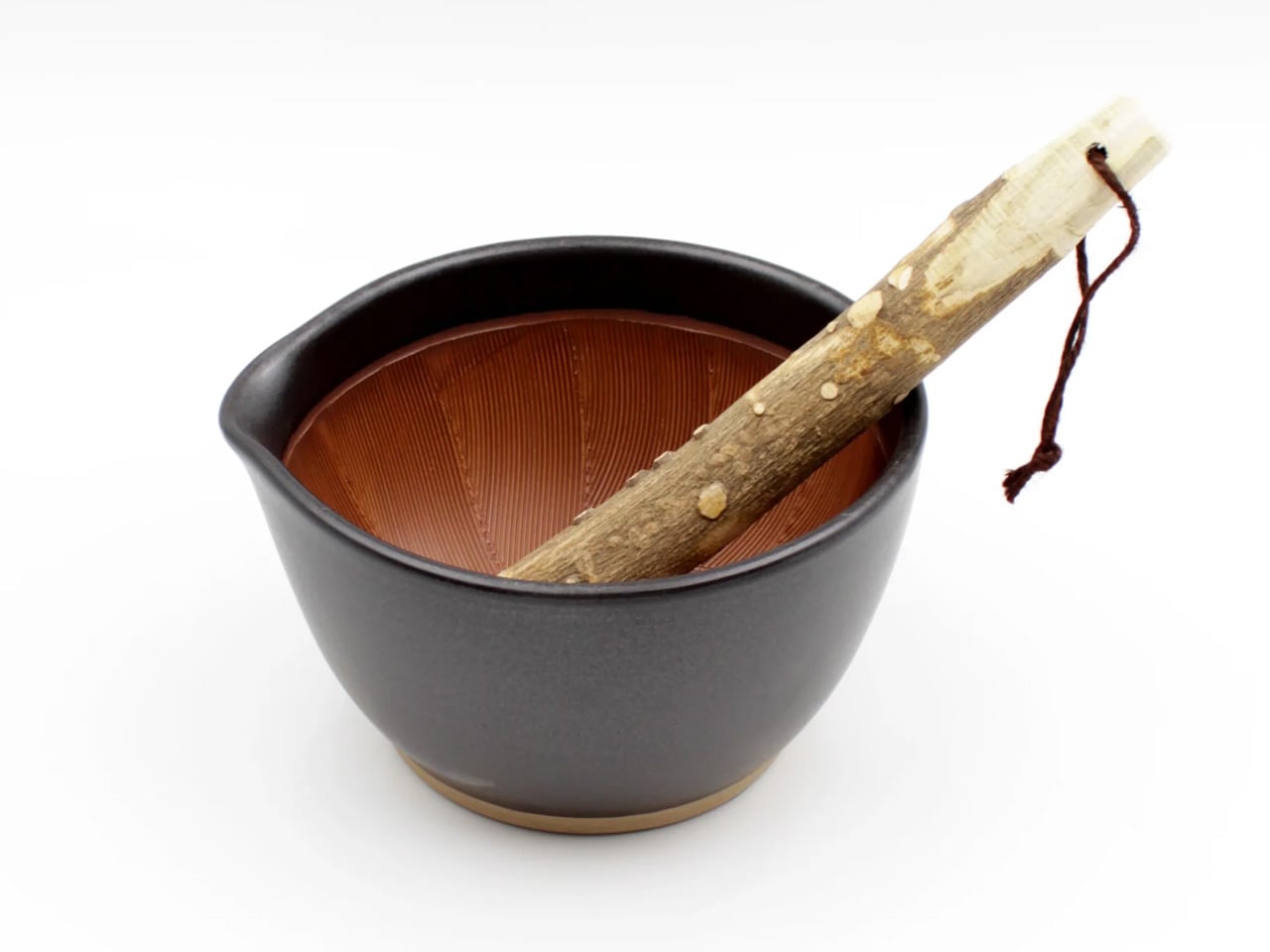
Best Kitchen Essentials of 2025: 7 Tools Worth Adding To Your Collection

Kitchen design reached a turning point in 2025, moving beyond gadget proliferation toward thoughtful consolidation. The tools that stood out this year questioned whether we really need separate appliances cluttering our counters or if smarter design could deliver more capability in less space. From espresso machines that resemble modern sculpture to modular cooking systems that adapt to small kitchens, these innovations demonstrate that kitchen essentials can be both beautiful and highly efficient.

What makes these seven tools worth your attention is their refusal to compromise. They deliver professional capability without demanding professional-sized kitchens, embrace minimalist aesthetics without sacrificing functionality, and respect the reality that most of us cook in spaces far smaller than we’d prefer. Whether you’re drawn to all-in-one versatility or single-purpose perfection, these designs represent kitchen tools that have evolved beyond their utilitarian origins into objects worth keeping visible rather than hidden away in cabinets.

1. BØYD Espresso Machine: Minimalist Coffee Perfection

The BØYD espresso machine concept from NYZE Studio commands attention through bold geometric simplicity rather than technical intimidation. Smooth curves and pure lines create something resembling modern sculpture more than traditional coffee equipment, transforming countertop real estate into visual statement territory. The less-is-more philosophy strips away unnecessary details, leaving only what matters for making exceptional espresso. This machine invites display rather than storage.

Thoughtful ergonomics ground the aesthetic ambition in practical usability. The perfectly arched handle provides natural grip comfort, while the simplified interface eliminates button-fumbling before your first cup. Morning coffee preparation becomes intuitive rather than overwhelming, which matters when you’re operating pre-caffeine. The BØYD proves that espresso machines don’t need complexity to deliver quality, just clarity of purpose and execution that respects both the coffee and the person making it.

What we like

  • The bold minimalist form functions as a countertop sculpture while making espresso.
  • The arched handle and simple interface prioritize ergonomic comfort and intuitive operation.

What we dislike

  • The concept status means availability and pricing remain unknown.
  • The minimalist aesthetic may lack the visual warmth some prefer in kitchen appliances.

2. Concept Cooker: The All-in-One Kitchen Revolution

Vuk Dragović’s concept for Nanlong imagines replacing multiple appliances with one versatile countertop unit capable of grilling, steaming, baking, and hosting hot-pot dinners. Designed for China’s dynamic cooking culture, this all-in-one system simplifies both everyday meals and entertaining through intelligent consolidation. The clean control panel allows mode selection, temperature setting, and timer adjustment in a few taps, eliminating confusing menus and excessive knobs that plague traditional appliances.

Interchangeable accessories demonstrate the breadth of functionality. Snap-in grill racks deliver smoky finishes to meats and vegetables, steaming baskets preserve nutrients in seafood and dumplings, baking trays transform the unit into a miniature oven, and dedicated hot-pot inserts bring communal dining home. The compact footprint sits comfortably on most counters, freeing space otherwise occupied by separate grills, steamers, and ovens. Quick attachment and straightforward cleanup make the modular approach practical rather than theoretical, proving that versatility doesn’t require complexity.

What we like

  • The all-in-one design replaces multiple appliances with one compact countertop unit.
  • Interchangeable accessories enable grilling, steaming, baking, and hot-pot functionality.

What we dislike

  • The concept stage leaves questions about durability across multiple cooking methods.
  • The modular accessories require storage space when not actively in use.

3. Iron Frying Plate: Cook and Eat on the Same Surface

The Iron Frying Plate eliminates the transfer step between cooking and eating by making the frying pan your plate. This beautifully crafted cookware allows you to enjoy meals immediately after cooking them, served on the very surface that brought out their best flavors and textures. Made from 1.6mm-thick mill scale steel, the uncoated iron surface is rust-resistant, stick-resistant, and ready to use straight from the box without seasoning rituals that intimidate casual cooks.

The wooden handle attaches and detaches with one hand, transforming the pan from cooking tool to serving plate seamlessly. This design philosophy respects the reality that transferring hot food creates extra dishes and loses precious heat. Eating directly from the iron plate maintains optimal temperature while reducing cleanup to a single item. The handsome aesthetic makes tableside presentation feel intentional rather than lazy, proving that the shortest distance between stove and mouth deserves celebration rather than apology.

Click Here to Buy Now: $69.00

What we like

  • The cook-and-eat design eliminates food transfer and reduces dishes to one item.
  • The 1.6mm mill scale steel is rust-resistant and stick-resistant without coatings.

What we dislike

  • The iron construction retains heat intensely, requiring careful handling at the table.
  • The single-serve format doesn’t scale well for cooking family-sized meals.

4. Thanko Electric Bento Rice Cooker: Perfect Rice Anywhere

Rice deserves more appreciation as the global food icon that transcends cuisine boundaries and meal timing. The Thanko Electric Bento rice cooker makes this omnipresent grain literally portable, cooking single servings wherever you happen to be. The compact device cooks 6 ounces of rice in 14 to 20 minutes, with an LED indicator showing when it’s ready. Weighing just 2 pounds and fitting easily in bags, this cooker brings fresh food to offices and travel destinations without takeout compromises.

The device operates silently without releasing steam, making it discreet enough for practically anywhere. Add water, rice, and optional salt or broth for enhanced flavor, then wait while it works quietly. The best feature is eating rice directly from the cooking container, eliminating dish multiplication that usually accompanies meal preparation. This optimization suits solo diners, frequent travelers, and anyone wanting quick meals that go with everything. The included measuring cup adds convenience, proving that portable cooking doesn’t require guesswork or complicated processes.

What we like

  • The 2-pound weight and compact size make this genuinely portable for travel and office use.
  • Silent operation without steam release enables discreet cooking practically anywhere.

What we dislike

  • The 6-ounce capacity limits this to strict single-serving use.
  • The specialized function doesn’t justify the space for people with existing rice cookers at home.

5. Lehua Slow Cooker: Hawaiian Pit Cooking Reimagined

Slow cooking predates modern appliances by centuries. Hawaiian Imu underground pit cooking buried large quantities for communal feasting, creating a unique atmosphere while feeding many people. The Lehua slow cooker concept draws inspiration from this tradition, adapting lessons from pit cooking to modern lifestyles and small households. The design adds peculiar features, making the process more convenient and meaningful than standard slow cookers manage.

The actual pot separates from the cooker itself, allowing safe lifting of the hot vessel for food preparation away from the heating element. This seemingly simple feature addresses a common frustration with integrated slow cookers, where accessing food means awkward maneuvering around hot components. The Hawaiian inspiration isn’t just an aesthetic reference; it represents thoughtful consideration of how communal cooking traditions can inform contemporary appliance design. The Lehua proves that looking backward sometimes reveals better paths forward than pure technological advancement alone can offer.

What we like

  • The separate pot design allows safe lifting and food preparation away from the heating element.
  • Hawaiian Imu pit cooking inspiration brings cultural meaning to contemporary appliance design.

What we dislike

  • The concept stage leaves practical questions about capacity and cooking performance unanswered.
  • The separated pot design may reduce heat efficiency compared to integrated slow cookers.

6. Obsidian Black Precision Chopstick Tongs: Where Tradition Meets Practicality

Traditional Japanese chopsticks meet modern tong functionality in this unique utensil that handles delicate food with expert precision. Made from SUS821L1 stainless steel, these chopstick-style tongs blend elegance with practicality, offering chopstick precision combined with tong versatility. The obsidian black finish comes from special metal processing, ensuring the color never scratches or peels, preserving handsome looks indefinitely through daily use. These aren’t just kitchen tools; they’re craftsmanship designed to last years.

The design excels at picking up and turning small or delicate pieces, whether flipping sushi or handling tiny ingredients on the stovetop. There’s no wrong way to hold them, making confident use accessible regardless of chopstick skill level. The lightweight yet durable construction balances control with ease, perfect for both cooking and dining applications. The exceptional strength and corrosion resistance of the stainless steel withstand daily demands without degradation. These tongs prove that inspiration from tradition, when perfected for modern use, creates tools superior to purely contemporary designs.

Click Here to Buy Now: $25.00

What we like

  • The chopstick-tong hybrid delivers precise control for delicate food handling.
  • SUS821L1 stainless steel with black oxide processing ensures durability and lasting aesthetics.

What we dislike

  • The chopstick format may feel awkward for users accustomed to the traditional tong grip.
  • The specialized design doesn’t replace standard tongs for heavy-duty flipping and turning.

7. Magic Cube Cooking System: Modular Kitchen Efficiency

Tiny kitchens demand creative solutions beyond just buying smaller appliances. The Magic Cube Cooking System maximizes functionality and efficiency through a modular design that integrates essential cooking elements into a sleek, space-saving format. The customizable approach ensures you only get what you actually need by combining multiple crucial functions into interconnected modules. This system adapts to your specific cooking style rather than forcing you to adapt to predetermined configurations.

Available modules include open flame and induction cookers for easy fuel-type switching, integrated range hoods for clean, ventilated environments, built-in sinks for mid-cooking cleanup, and condiment storage with knife disinfection units for organization and hygiene. The modular nature allows seamless matching to maximize efficiency while enabling individual module replacement to extend overall system lifespan. Standardized dimensions mean integration into different kitchen layouts without custom fitting. This concept solves cooking-related space problems through intelligent consolidation that respects the reality of modern urban living, where kitchen square footage comes at a premium price.

What we like

  • The modular design allows customization to specific needs and cooking styles.
  • Standardized dimensions enable integration into various kitchen layouts without custom fitting.

What we dislike

  • The modular approach requires careful planning to avoid purchasing unnecessary components.
  • The interconnected system may create single points of failure affecting multiple functions.

Kitchen Tools Evolved

These seven innovations share a common philosophy that kitchen tools should adapt to our lives rather than demanding we adapt to them. They reject the assumption that capability requires counter sprawl, proving that thoughtful design can deliver professional results in compact formats. From espresso machines that double as sculpture to modular systems that transform with your needs, these tools represent evolution beyond pure functionality toward objects that enhance both cooking and the spaces where it happens.

What makes this collection particularly relevant is how each piece addresses different aspects of modern cooking life. Some prioritize portability for people who cook in multiple locations, others embrace all-in-one versatility for space-constrained kitchens, and a few perfect single functions to excellence. The common thread is respect for the people using them and the spaces they occupy. Kitchen essentials in 2025 finally acknowledged that most of us don’t have restaurant-sized kitchens, unlimited budgets, or patience for complicated equipment. These tools meet us where we actually are, and that feels worth celebrating.

The post Best Kitchen Essentials of 2025: 7 Tools Worth Adding To Your Collection first appeared on Yanko Design.
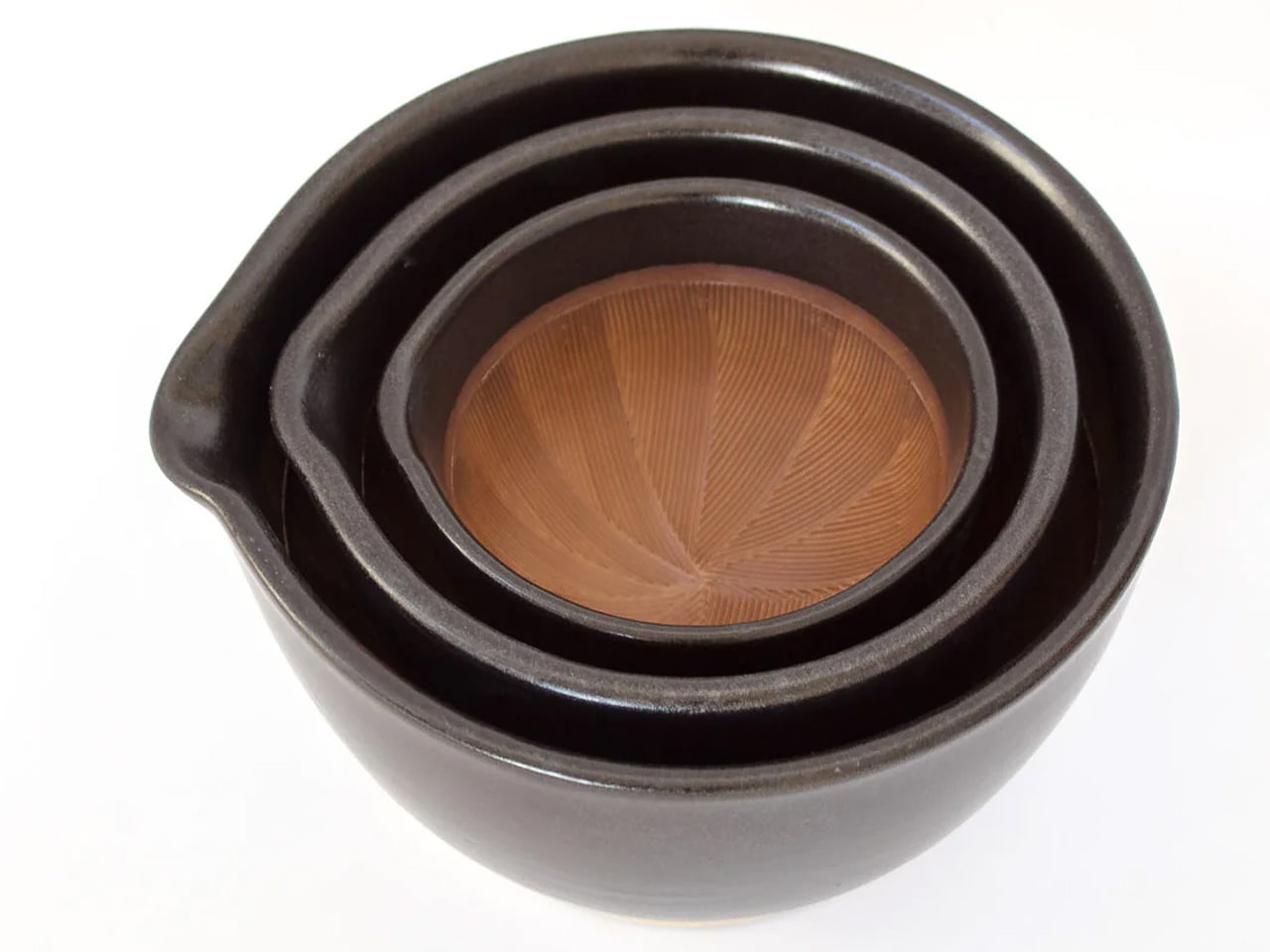
Best Kitchen Essentials of 2025: 7 Tools Worth Adding To Your Collection

Kitchen design reached a turning point in 2025, moving beyond gadget proliferation toward thoughtful consolidation. The tools that stood out this year questioned whether we really need separate appliances cluttering our counters or if smarter design could deliver more capability in less space. From espresso machines that resemble modern sculpture to modular cooking systems that adapt to small kitchens, these innovations demonstrate that kitchen essentials can be both beautiful and highly efficient.

What makes these seven tools worth your attention is their refusal to compromise. They deliver professional capability without demanding professional-sized kitchens, embrace minimalist aesthetics without sacrificing functionality, and respect the reality that most of us cook in spaces far smaller than we’d prefer. Whether you’re drawn to all-in-one versatility or single-purpose perfection, these designs represent kitchen tools that have evolved beyond their utilitarian origins into objects worth keeping visible rather than hidden away in cabinets.

1. BØYD Espresso Machine: Minimalist Coffee Perfection

The BØYD espresso machine concept from NYZE Studio commands attention through bold geometric simplicity rather than technical intimidation. Smooth curves and pure lines create something resembling modern sculpture more than traditional coffee equipment, transforming countertop real estate into visual statement territory. The less-is-more philosophy strips away unnecessary details, leaving only what matters for making exceptional espresso. This machine invites display rather than storage.

Thoughtful ergonomics ground the aesthetic ambition in practical usability. The perfectly arched handle provides natural grip comfort, while the simplified interface eliminates button-fumbling before your first cup. Morning coffee preparation becomes intuitive rather than overwhelming, which matters when you’re operating pre-caffeine. The BØYD proves that espresso machines don’t need complexity to deliver quality, just clarity of purpose and execution that respects both the coffee and the person making it.

What we like

  • The bold minimalist form functions as a countertop sculpture while making espresso.
  • The arched handle and simple interface prioritize ergonomic comfort and intuitive operation.

What we dislike

  • The concept status means availability and pricing remain unknown.
  • The minimalist aesthetic may lack the visual warmth some prefer in kitchen appliances.

2. Concept Cooker: The All-in-One Kitchen Revolution

Vuk Dragović’s concept for Nanlong imagines replacing multiple appliances with one versatile countertop unit capable of grilling, steaming, baking, and hosting hot-pot dinners. Designed for China’s dynamic cooking culture, this all-in-one system simplifies both everyday meals and entertaining through intelligent consolidation. The clean control panel allows mode selection, temperature setting, and timer adjustment in a few taps, eliminating confusing menus and excessive knobs that plague traditional appliances.

Interchangeable accessories demonstrate the breadth of functionality. Snap-in grill racks deliver smoky finishes to meats and vegetables, steaming baskets preserve nutrients in seafood and dumplings, baking trays transform the unit into a miniature oven, and dedicated hot-pot inserts bring communal dining home. The compact footprint sits comfortably on most counters, freeing space otherwise occupied by separate grills, steamers, and ovens. Quick attachment and straightforward cleanup make the modular approach practical rather than theoretical, proving that versatility doesn’t require complexity.

What we like

  • The all-in-one design replaces multiple appliances with one compact countertop unit.
  • Interchangeable accessories enable grilling, steaming, baking, and hot-pot functionality.

What we dislike

  • The concept stage leaves questions about durability across multiple cooking methods.
  • The modular accessories require storage space when not actively in use.

3. Iron Frying Plate: Cook and Eat on the Same Surface

The Iron Frying Plate eliminates the transfer step between cooking and eating by making the frying pan your plate. This beautifully crafted cookware allows you to enjoy meals immediately after cooking them, served on the very surface that brought out their best flavors and textures. Made from 1.6mm-thick mill scale steel, the uncoated iron surface is rust-resistant, stick-resistant, and ready to use straight from the box without seasoning rituals that intimidate casual cooks.

The wooden handle attaches and detaches with one hand, transforming the pan from cooking tool to serving plate seamlessly. This design philosophy respects the reality that transferring hot food creates extra dishes and loses precious heat. Eating directly from the iron plate maintains optimal temperature while reducing cleanup to a single item. The handsome aesthetic makes tableside presentation feel intentional rather than lazy, proving that the shortest distance between stove and mouth deserves celebration rather than apology.

Click Here to Buy Now: $69.00

What we like

  • The cook-and-eat design eliminates food transfer and reduces dishes to one item.
  • The 1.6mm mill scale steel is rust-resistant and stick-resistant without coatings.

What we dislike

  • The iron construction retains heat intensely, requiring careful handling at the table.
  • The single-serve format doesn’t scale well for cooking family-sized meals.

4. Thanko Electric Bento Rice Cooker: Perfect Rice Anywhere

Rice deserves more appreciation as the global food icon that transcends cuisine boundaries and meal timing. The Thanko Electric Bento rice cooker makes this omnipresent grain literally portable, cooking single servings wherever you happen to be. The compact device cooks 6 ounces of rice in 14 to 20 minutes, with an LED indicator showing when it’s ready. Weighing just 2 pounds and fitting easily in bags, this cooker brings fresh food to offices and travel destinations without takeout compromises.

The device operates silently without releasing steam, making it discreet enough for practically anywhere. Add water, rice, and optional salt or broth for enhanced flavor, then wait while it works quietly. The best feature is eating rice directly from the cooking container, eliminating dish multiplication that usually accompanies meal preparation. This optimization suits solo diners, frequent travelers, and anyone wanting quick meals that go with everything. The included measuring cup adds convenience, proving that portable cooking doesn’t require guesswork or complicated processes.

What we like

  • The 2-pound weight and compact size make this genuinely portable for travel and office use.
  • Silent operation without steam release enables discreet cooking practically anywhere.

What we dislike

  • The 6-ounce capacity limits this to strict single-serving use.
  • The specialized function doesn’t justify the space for people with existing rice cookers at home.

5. Lehua Slow Cooker: Hawaiian Pit Cooking Reimagined

Slow cooking predates modern appliances by centuries. Hawaiian Imu underground pit cooking buried large quantities for communal feasting, creating a unique atmosphere while feeding many people. The Lehua slow cooker concept draws inspiration from this tradition, adapting lessons from pit cooking to modern lifestyles and small households. The design adds peculiar features, making the process more convenient and meaningful than standard slow cookers manage.

The actual pot separates from the cooker itself, allowing safe lifting of the hot vessel for food preparation away from the heating element. This seemingly simple feature addresses a common frustration with integrated slow cookers, where accessing food means awkward maneuvering around hot components. The Hawaiian inspiration isn’t just an aesthetic reference; it represents thoughtful consideration of how communal cooking traditions can inform contemporary appliance design. The Lehua proves that looking backward sometimes reveals better paths forward than pure technological advancement alone can offer.

What we like

  • The separate pot design allows safe lifting and food preparation away from the heating element.
  • Hawaiian Imu pit cooking inspiration brings cultural meaning to contemporary appliance design.

What we dislike

  • The concept stage leaves practical questions about capacity and cooking performance unanswered.
  • The separated pot design may reduce heat efficiency compared to integrated slow cookers.

6. Obsidian Black Precision Chopstick Tongs: Where Tradition Meets Practicality

Traditional Japanese chopsticks meet modern tong functionality in this unique utensil that handles delicate food with expert precision. Made from SUS821L1 stainless steel, these chopstick-style tongs blend elegance with practicality, offering chopstick precision combined with tong versatility. The obsidian black finish comes from special metal processing, ensuring the color never scratches or peels, preserving handsome looks indefinitely through daily use. These aren’t just kitchen tools; they’re craftsmanship designed to last years.

The design excels at picking up and turning small or delicate pieces, whether flipping sushi or handling tiny ingredients on the stovetop. There’s no wrong way to hold them, making confident use accessible regardless of chopstick skill level. The lightweight yet durable construction balances control with ease, perfect for both cooking and dining applications. The exceptional strength and corrosion resistance of the stainless steel withstand daily demands without degradation. These tongs prove that inspiration from tradition, when perfected for modern use, creates tools superior to purely contemporary designs.

Click Here to Buy Now: $25.00

What we like

  • The chopstick-tong hybrid delivers precise control for delicate food handling.
  • SUS821L1 stainless steel with black oxide processing ensures durability and lasting aesthetics.

What we dislike

  • The chopstick format may feel awkward for users accustomed to the traditional tong grip.
  • The specialized design doesn’t replace standard tongs for heavy-duty flipping and turning.

7. Magic Cube Cooking System: Modular Kitchen Efficiency

Tiny kitchens demand creative solutions beyond just buying smaller appliances. The Magic Cube Cooking System maximizes functionality and efficiency through a modular design that integrates essential cooking elements into a sleek, space-saving format. The customizable approach ensures you only get what you actually need by combining multiple crucial functions into interconnected modules. This system adapts to your specific cooking style rather than forcing you to adapt to predetermined configurations.

Available modules include open flame and induction cookers for easy fuel-type switching, integrated range hoods for clean, ventilated environments, built-in sinks for mid-cooking cleanup, and condiment storage with knife disinfection units for organization and hygiene. The modular nature allows seamless matching to maximize efficiency while enabling individual module replacement to extend overall system lifespan. Standardized dimensions mean integration into different kitchen layouts without custom fitting. This concept solves cooking-related space problems through intelligent consolidation that respects the reality of modern urban living, where kitchen square footage comes at a premium price.

What we like

  • The modular design allows customization to specific needs and cooking styles.
  • Standardized dimensions enable integration into various kitchen layouts without custom fitting.

What we dislike

  • The modular approach requires careful planning to avoid purchasing unnecessary components.
  • The interconnected system may create single points of failure affecting multiple functions.

Kitchen Tools Evolved

These seven innovations share a common philosophy that kitchen tools should adapt to our lives rather than demanding we adapt to them. They reject the assumption that capability requires counter sprawl, proving that thoughtful design can deliver professional results in compact formats. From espresso machines that double as sculpture to modular systems that transform with your needs, these tools represent evolution beyond pure functionality toward objects that enhance both cooking and the spaces where it happens.

What makes this collection particularly relevant is how each piece addresses different aspects of modern cooking life. Some prioritize portability for people who cook in multiple locations, others embrace all-in-one versatility for space-constrained kitchens, and a few perfect single functions to excellence. The common thread is respect for the people using them and the spaces they occupy. Kitchen essentials in 2025 finally acknowledged that most of us don’t have restaurant-sized kitchens, unlimited budgets, or patience for complicated equipment. These tools meet us where we actually are, and that feels worth celebrating.

The post Best Kitchen Essentials of 2025: 7 Tools Worth Adding To Your Collection first appeared on Yanko Design.
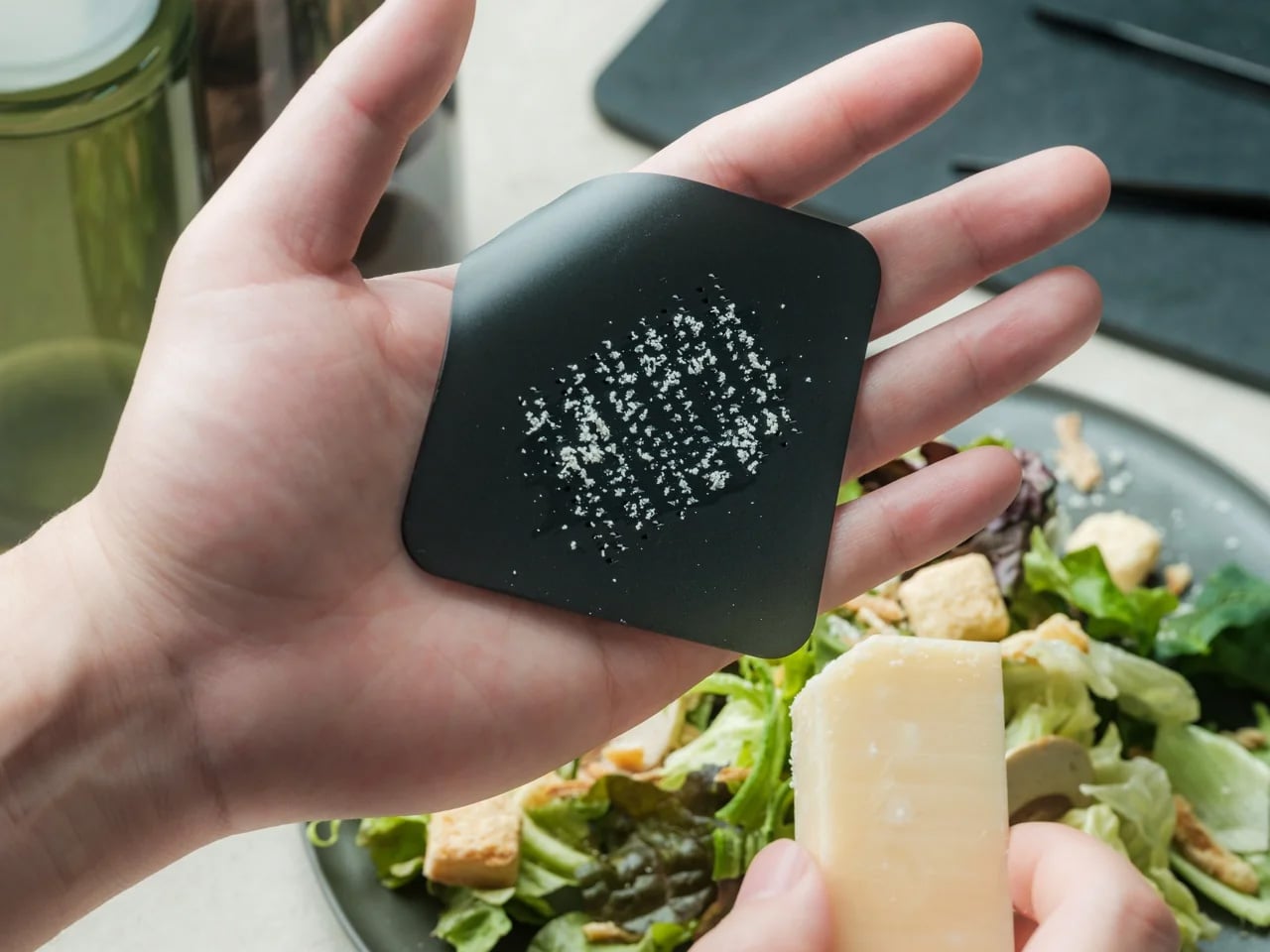
Best Kitchen Essentials of 2025: 7 Tools Worth Adding To Your Collection

Kitchen design reached a turning point in 2025, moving beyond gadget proliferation toward thoughtful consolidation. The tools that stood out this year questioned whether we really need separate appliances cluttering our counters or if smarter design could deliver more capability in less space. From espresso machines that resemble modern sculpture to modular cooking systems that adapt to small kitchens, these innovations demonstrate that kitchen essentials can be both beautiful and highly efficient.

What makes these seven tools worth your attention is their refusal to compromise. They deliver professional capability without demanding professional-sized kitchens, embrace minimalist aesthetics without sacrificing functionality, and respect the reality that most of us cook in spaces far smaller than we’d prefer. Whether you’re drawn to all-in-one versatility or single-purpose perfection, these designs represent kitchen tools that have evolved beyond their utilitarian origins into objects worth keeping visible rather than hidden away in cabinets.

1. BØYD Espresso Machine: Minimalist Coffee Perfection

The BØYD espresso machine concept from NYZE Studio commands attention through bold geometric simplicity rather than technical intimidation. Smooth curves and pure lines create something resembling modern sculpture more than traditional coffee equipment, transforming countertop real estate into visual statement territory. The less-is-more philosophy strips away unnecessary details, leaving only what matters for making exceptional espresso. This machine invites display rather than storage.

Thoughtful ergonomics ground the aesthetic ambition in practical usability. The perfectly arched handle provides natural grip comfort, while the simplified interface eliminates button-fumbling before your first cup. Morning coffee preparation becomes intuitive rather than overwhelming, which matters when you’re operating pre-caffeine. The BØYD proves that espresso machines don’t need complexity to deliver quality, just clarity of purpose and execution that respects both the coffee and the person making it.

What we like

  • The bold minimalist form functions as a countertop sculpture while making espresso.
  • The arched handle and simple interface prioritize ergonomic comfort and intuitive operation.

What we dislike

  • The concept status means availability and pricing remain unknown.
  • The minimalist aesthetic may lack the visual warmth some prefer in kitchen appliances.

2. Concept Cooker: The All-in-One Kitchen Revolution

Vuk Dragović’s concept for Nanlong imagines replacing multiple appliances with one versatile countertop unit capable of grilling, steaming, baking, and hosting hot-pot dinners. Designed for China’s dynamic cooking culture, this all-in-one system simplifies both everyday meals and entertaining through intelligent consolidation. The clean control panel allows mode selection, temperature setting, and timer adjustment in a few taps, eliminating confusing menus and excessive knobs that plague traditional appliances.

Interchangeable accessories demonstrate the breadth of functionality. Snap-in grill racks deliver smoky finishes to meats and vegetables, steaming baskets preserve nutrients in seafood and dumplings, baking trays transform the unit into a miniature oven, and dedicated hot-pot inserts bring communal dining home. The compact footprint sits comfortably on most counters, freeing space otherwise occupied by separate grills, steamers, and ovens. Quick attachment and straightforward cleanup make the modular approach practical rather than theoretical, proving that versatility doesn’t require complexity.

What we like

  • The all-in-one design replaces multiple appliances with one compact countertop unit.
  • Interchangeable accessories enable grilling, steaming, baking, and hot-pot functionality.

What we dislike

  • The concept stage leaves questions about durability across multiple cooking methods.
  • The modular accessories require storage space when not actively in use.

3. Iron Frying Plate: Cook and Eat on the Same Surface

The Iron Frying Plate eliminates the transfer step between cooking and eating by making the frying pan your plate. This beautifully crafted cookware allows you to enjoy meals immediately after cooking them, served on the very surface that brought out their best flavors and textures. Made from 1.6mm-thick mill scale steel, the uncoated iron surface is rust-resistant, stick-resistant, and ready to use straight from the box without seasoning rituals that intimidate casual cooks.

The wooden handle attaches and detaches with one hand, transforming the pan from cooking tool to serving plate seamlessly. This design philosophy respects the reality that transferring hot food creates extra dishes and loses precious heat. Eating directly from the iron plate maintains optimal temperature while reducing cleanup to a single item. The handsome aesthetic makes tableside presentation feel intentional rather than lazy, proving that the shortest distance between stove and mouth deserves celebration rather than apology.

Click Here to Buy Now: $69.00

What we like

  • The cook-and-eat design eliminates food transfer and reduces dishes to one item.
  • The 1.6mm mill scale steel is rust-resistant and stick-resistant without coatings.

What we dislike

  • The iron construction retains heat intensely, requiring careful handling at the table.
  • The single-serve format doesn’t scale well for cooking family-sized meals.

4. Thanko Electric Bento Rice Cooker: Perfect Rice Anywhere

Rice deserves more appreciation as the global food icon that transcends cuisine boundaries and meal timing. The Thanko Electric Bento rice cooker makes this omnipresent grain literally portable, cooking single servings wherever you happen to be. The compact device cooks 6 ounces of rice in 14 to 20 minutes, with an LED indicator showing when it’s ready. Weighing just 2 pounds and fitting easily in bags, this cooker brings fresh food to offices and travel destinations without takeout compromises.

The device operates silently without releasing steam, making it discreet enough for practically anywhere. Add water, rice, and optional salt or broth for enhanced flavor, then wait while it works quietly. The best feature is eating rice directly from the cooking container, eliminating dish multiplication that usually accompanies meal preparation. This optimization suits solo diners, frequent travelers, and anyone wanting quick meals that go with everything. The included measuring cup adds convenience, proving that portable cooking doesn’t require guesswork or complicated processes.

What we like

  • The 2-pound weight and compact size make this genuinely portable for travel and office use.
  • Silent operation without steam release enables discreet cooking practically anywhere.

What we dislike

  • The 6-ounce capacity limits this to strict single-serving use.
  • The specialized function doesn’t justify the space for people with existing rice cookers at home.

5. Lehua Slow Cooker: Hawaiian Pit Cooking Reimagined

Slow cooking predates modern appliances by centuries. Hawaiian Imu underground pit cooking buried large quantities for communal feasting, creating a unique atmosphere while feeding many people. The Lehua slow cooker concept draws inspiration from this tradition, adapting lessons from pit cooking to modern lifestyles and small households. The design adds peculiar features, making the process more convenient and meaningful than standard slow cookers manage.

The actual pot separates from the cooker itself, allowing safe lifting of the hot vessel for food preparation away from the heating element. This seemingly simple feature addresses a common frustration with integrated slow cookers, where accessing food means awkward maneuvering around hot components. The Hawaiian inspiration isn’t just an aesthetic reference; it represents thoughtful consideration of how communal cooking traditions can inform contemporary appliance design. The Lehua proves that looking backward sometimes reveals better paths forward than pure technological advancement alone can offer.
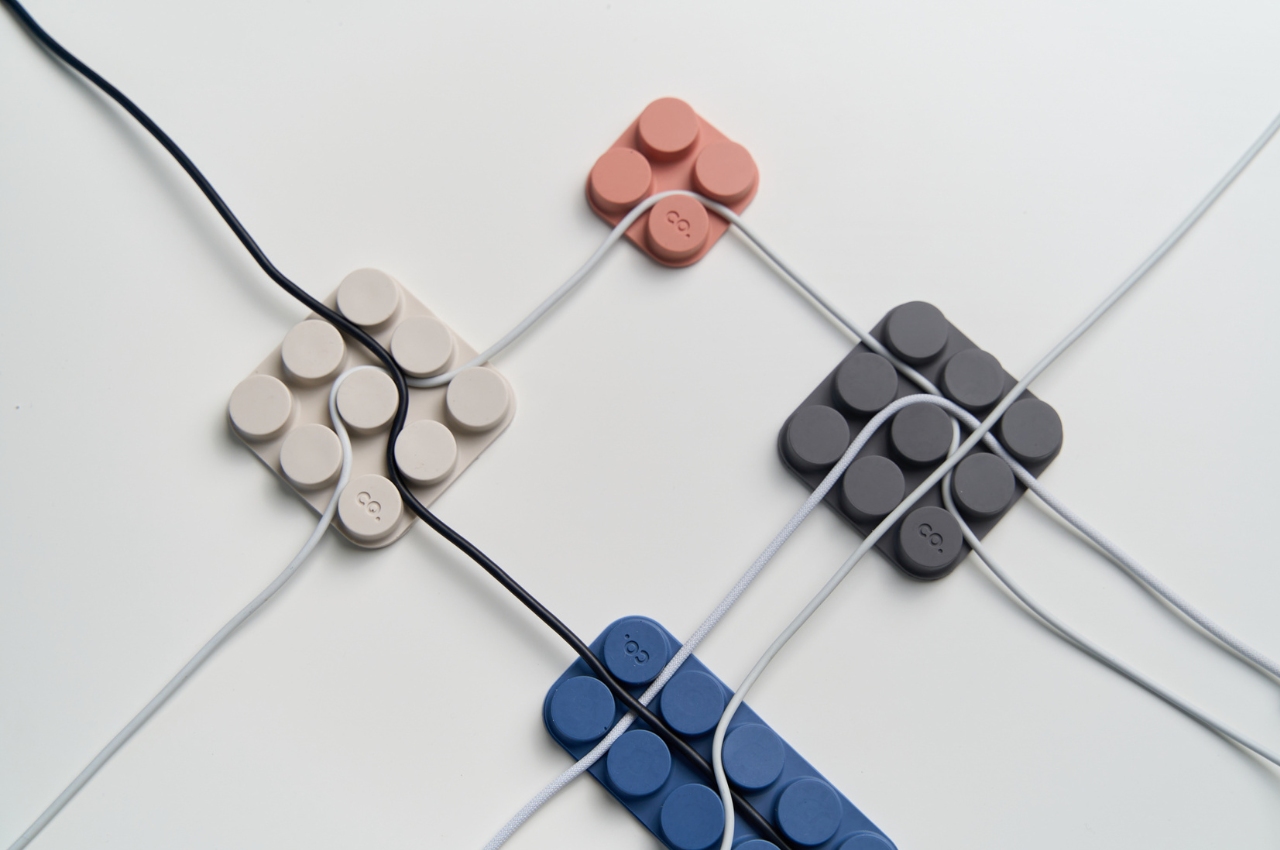
What we like

  • The separate pot design allows safe lifting and food preparation away from the heating element.
  • Hawaiian Imu pit cooking inspiration brings cultural meaning to contemporary appliance design.
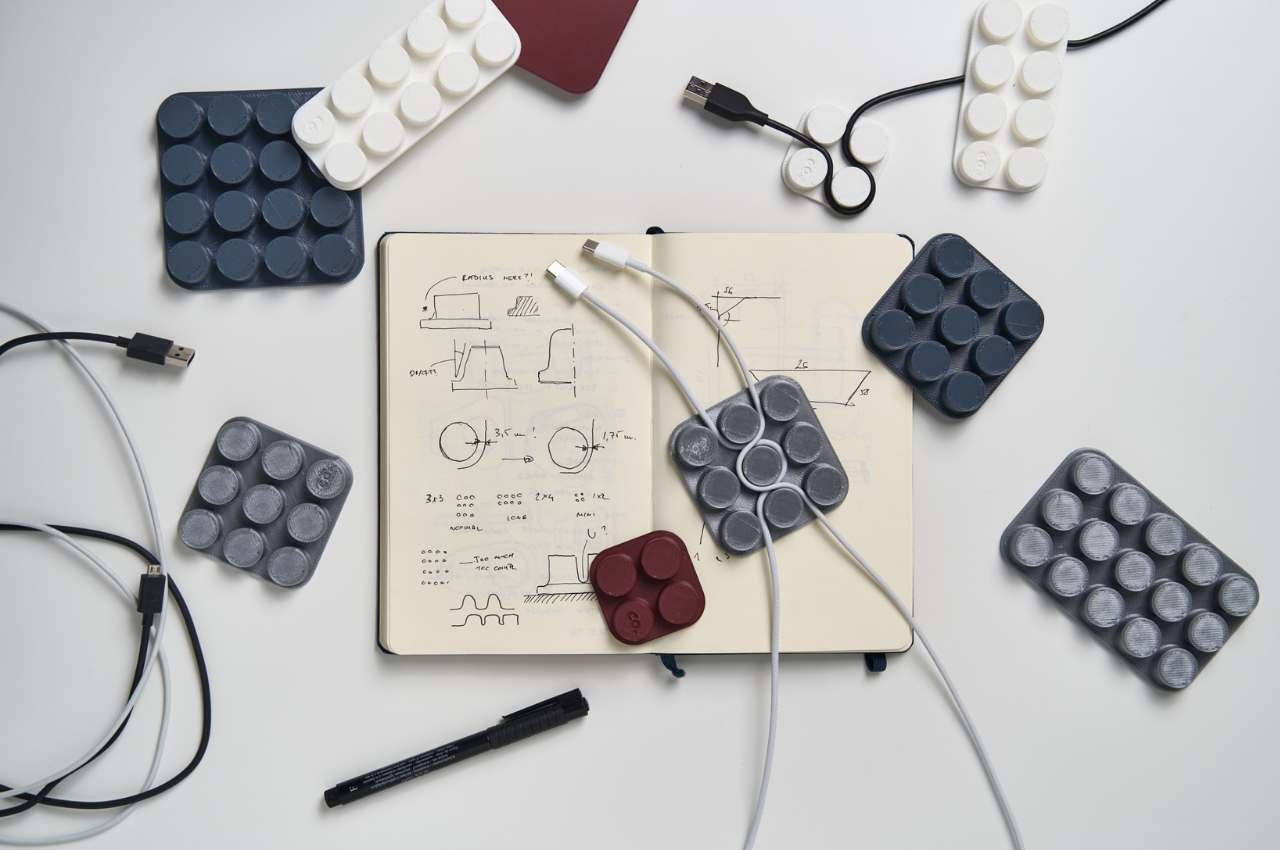
What we dislike

  • The concept stage leaves practical questions about capacity and cooking performance unanswered.
  • The separated pot design may reduce heat efficiency compared to integrated slow cookers.

6. Obsidian Black Precision Chopstick Tongs: Where Tradition Meets Practicality

Traditional Japanese chopsticks meet modern tong functionality in this unique utensil that handles delicate food with expert precision. Made from SUS821L1 stainless steel, these chopstick-style tongs blend elegance with practicality, offering chopstick precision combined with tong versatility. The obsidian black finish comes from special metal processing, ensuring the color never scratches or peels, preserving handsome looks indefinitely through daily use. These aren’t just kitchen tools; they’re craftsmanship designed to last years.
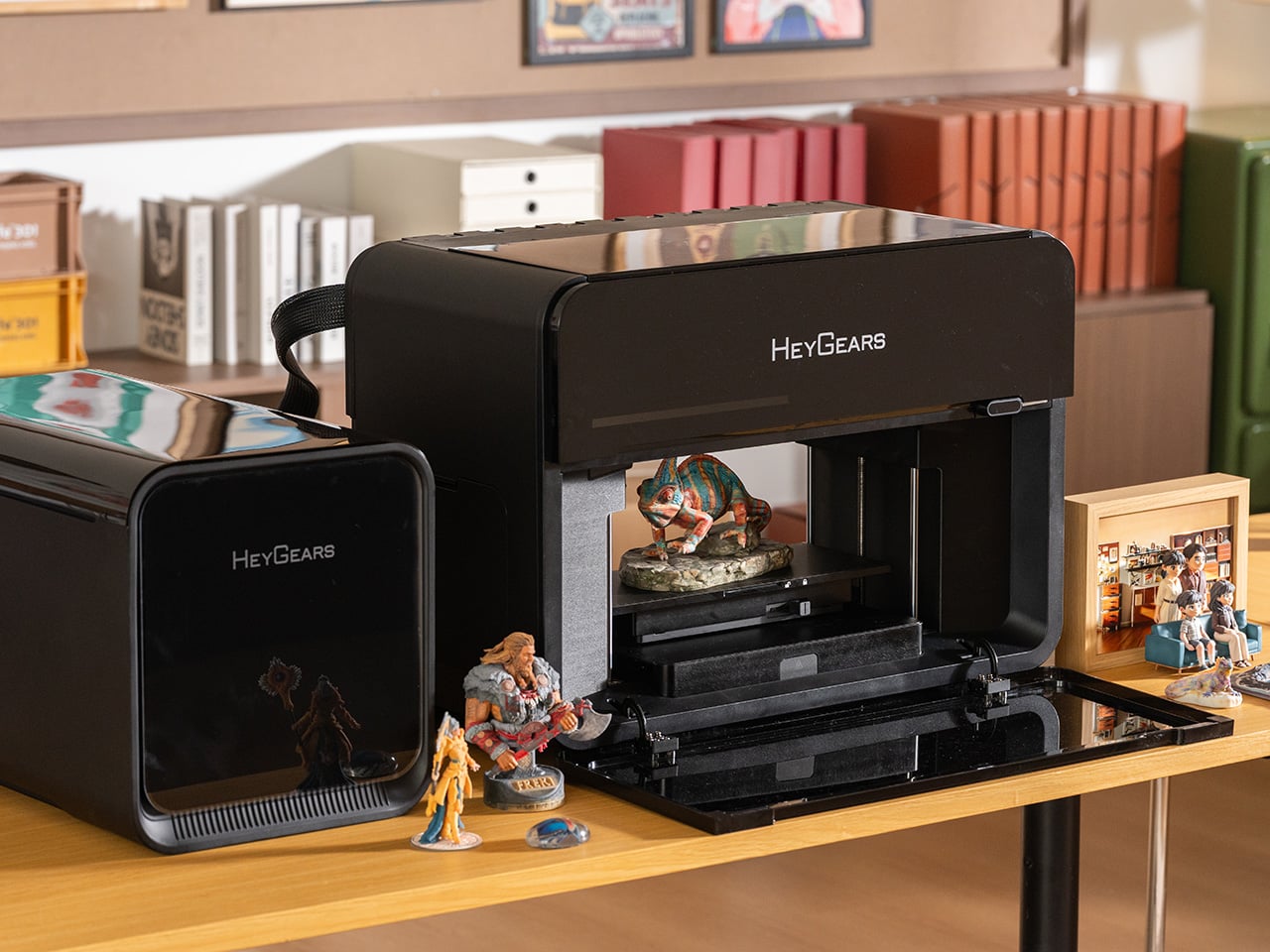
The design excels at picking up and turning small or delicate pieces, whether flipping sushi or handling tiny ingredients on the stovetop. There’s no wrong way to hold them, making confident use accessible regardless of chopstick skill level. The lightweight yet durable construction balances control with ease, perfect for both cooking and dining applications. The exceptional strength and corrosion resistance of the stainless steel withstand daily demands without degradation. These tongs prove that inspiration from tradition, when perfected for modern use, creates tools superior to purely contemporary designs.

Click Here to Buy Now: $25.00

What we like

  • The chopstick-tong hybrid delivers precise control for delicate food handling.
  • SUS821L1 stainless steel with black oxide processing ensures durability and lasting aesthetics.

What we dislike

  • The chopstick format may feel awkward for users accustomed to the traditional tong grip.
  • The specialized design doesn’t replace standard tongs for heavy-duty flipping and turning.

7. Magic Cube Cooking System: Modular Kitchen Efficiency

Tiny kitchens demand creative solutions beyond just buying smaller appliances. The Magic Cube Cooking System maximizes functionality and efficiency through a modular design that integrates essential cooking elements into a sleek, space-saving format. The customizable approach ensures you only get what you actually need by combining multiple crucial functions into interconnected modules. This system adapts to your specific cooking style rather than forcing you to adapt to predetermined configurations.

Available modules include open flame and induction cookers for easy fuel-type switching, integrated range hoods for clean, ventilated environments, built-in sinks for mid-cooking cleanup, and condiment storage with knife disinfection units for organization and hygiene. The modular nature allows seamless matching to maximize efficiency while enabling individual module replacement to extend overall system lifespan. Standardized dimensions mean integration into different kitchen layouts without custom fitting. This concept solves cooking-related space problems through intelligent consolidation that respects the reality of modern urban living, where kitchen square footage comes at a premium price.

What we like

  • The modular design allows customization to specific needs and cooking styles.
  • Standardized dimensions enable integration into various kitchen layouts without custom fitting.

What we dislike

  • The modular approach requires careful planning to avoid purchasing unnecessary components.
  • The interconnected system may create single points of failure affecting multiple functions.

Kitchen Tools Evolved

These seven innovations share a common philosophy that kitchen tools should adapt to our lives rather than demanding we adapt to them. They reject the assumption that capability requires counter sprawl, proving that thoughtful design can deliver professional results in compact formats. From espresso machines that double as sculpture to modular systems that transform with your needs, these tools represent evolution beyond pure functionality toward objects that enhance both cooking and the spaces where it happens.

What makes this collection particularly relevant is how each piece addresses different aspects of modern cooking life. Some prioritize portability for people who cook in multiple locations, others embrace all-in-one versatility for space-constrained kitchens, and a few perfect single functions to excellence. The common thread is respect for the people using them and the spaces they occupy. Kitchen essentials in 2025 finally acknowledged that most of us don’t have restaurant-sized kitchens, unlimited budgets, or patience for complicated equipment. These tools meet us where we actually are, and that feels worth celebrating.

The post Best Kitchen Essentials of 2025: 7 Tools Worth Adding To Your Collection first appeared on Yanko Design.