One of our favorite Samsung tablets is back on sale for close to its Prime Day price

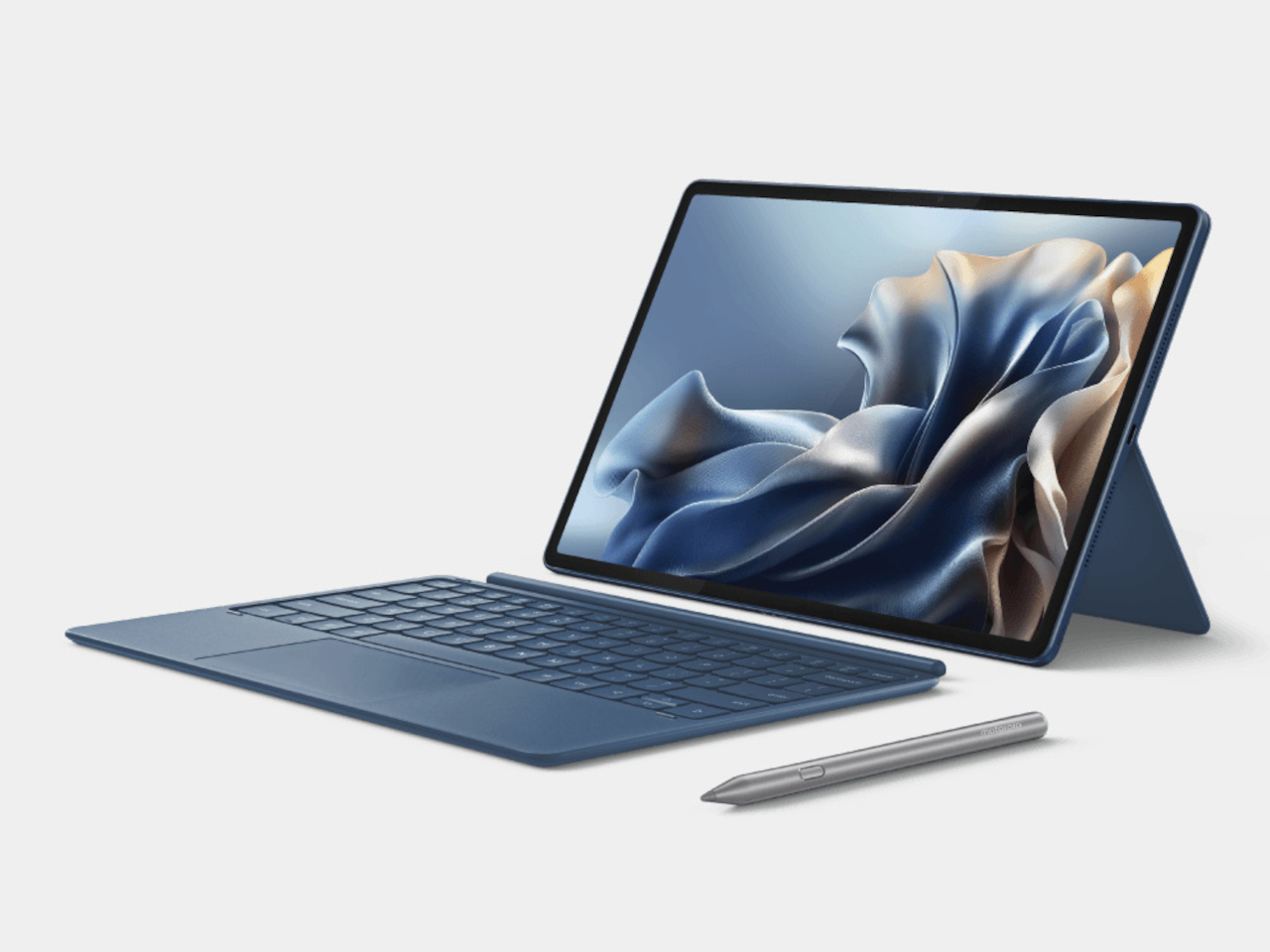
It's always exciting when one of our favorite items goes on sale. This time, it's our choice for the best budget Android tablet, the Samsung Galaxy Tab A9+. The device is down to $170 from $220 on Samsung — a 23 percent discount. This model includes 64GB of storage and 4GB of RAM and is also available for the same price on Amazon. In fact, this deal brings the tablet's price to only $20 more than its Prime Day offer.

Samsung's Galaxy Tab A9+ is an 11-inch tablet with 1900p x 1200p resolution. The LCD screen has a 90Hz refresh rate and 480 nits. The device also has quad speakers that are powered by Dolby Atmos and a 7,400 mAh battery. Plus, it has optional 5G connectivity. 

If you want a bit more storage (and power), check out the Samsung Galaxy Tab A9+ with 8GB of RAM and 128GB of storage. That model is currently down to $220 from $270. There's also the Galaxy Tab A9+ Kids Edition, which is available for $230, down from $270 and has 4GB of RAM and 64GB of storage. 


October Prime Day 2024 is around the corner, serving as Amazon’s (un)official kickoff to the holiday shopping season. If you’re eager to snag some early holiday deals for those on your list (or yourself), here’s what we know so far about the next Prime Day shopping event.

When is October Prime Day 2024?

Amazon has not announced the dates of fall Prime Day 2024 yet, but we do know it will be returning sometime in October.

What is October Prime Day?

October Prime Day is an extension of the regular Prime Day sale held annually in July. It features exclusive deals on Amazon for Prime members, although not quite on as big of a scale as the main summer Prime Day.

How long is October Prime Day?

In years past, October Prime Day has been two days long, just like Prime Day in July.

This article originally appeared on Engadget at https://www.engadget.com/deals/one-of-our-favorite-samsung-tablets-is-back-on-sale-for-close-to-its-prime-day-price-141030465.html?src=rss

One of our favorite Samsung tablets is back on sale for close to its Prime Day price

It's always exciting when one of our favorite items goes on sale. This time, it's our choice for the best budget Android tablet, the Samsung Galaxy Tab A9+. The device is down to $170 from $220 on Samsung — a 23 percent discount. This model includes 64GB of storage and 4GB of RAM and is also available for the same price on Amazon. In fact, this deal brings the tablet's price to only $20 more than its Prime Day offer.

Samsung's Galaxy Tab A9+ is an 11-inch tablet with 1900p x 1200p resolution. The LCD screen has a 90Hz refresh rate and 480 nits. The device also has quad speakers that are powered by Dolby Atmos and a 7,400 mAh battery. Plus, it has optional 5G connectivity. 

If you want a bit more storage (and power), check out the Samsung Galaxy Tab A9+ with 8GB of RAM and 128GB of storage. That model is currently down to $220 from $270. There's also the Galaxy Tab A9+ Kids Edition, which is available for $230, down from $270 and has 4GB of RAM and 64GB of storage. 


October Prime Day 2024 is around the corner, serving as Amazon’s (un)official kickoff to the holiday shopping season. If you’re eager to snag some early holiday deals for those on your list (or yourself), here’s what we know so far about the next Prime Day shopping event.

When is October Prime Day 2024?

Amazon has not announced the dates of fall Prime Day 2024 yet, but we do know it will be returning sometime in October.

What is October Prime Day?

October Prime Day is an extension of the regular Prime Day sale held annually in July. It features exclusive deals on Amazon for Prime members, although not quite on as big of a scale as the main summer Prime Day.

How long is October Prime Day?

In years past, October Prime Day has been two days long, just like Prime Day in July.

This article originally appeared on Engadget at https://www.engadget.com/deals/one-of-our-favorite-samsung-tablets-is-back-on-sale-for-close-to-its-prime-day-price-141030465.html?src=rss

Amazon’s Fire HD 8 tablet is more than half off and close to its Prime Day price

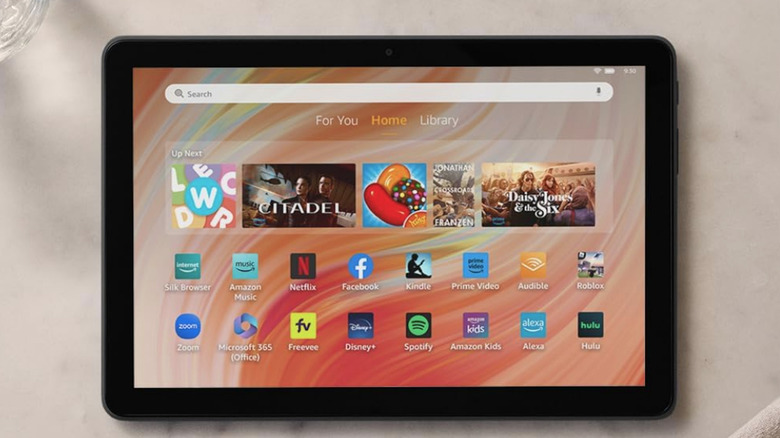
Amazon’s Fire HD 8 tablet is more than half off, bringing the cost down to just $55. The original asking price is a whopping $130, so this is quite a bargain. As a matter of fact, it’s just $5 shy of the Amazon Prime Day price.

This is a decent tablet, even at the original sum. It boasts a hexa-core processor, 13 hours of battery life per charge, 2GB of RAM, 64GB of storage and a microSD slot for up to 1TB of additional storage.

It’s fairly thin and light, making it a budget-friendly option for a “kick around the house” tablet. Just plop it on the nightstand and use it for emergency Netflix sessions. We recommended the tablet in our official review, calling it “a great communal device.” It’s not going to win any design awards, but it gets the job done.

There are two caveats. First of all, this is an ad-supported model. There are ads on the lockscreen. I hate advertisements with the heat of 1,000 suns, but this never bothered me. The whole thing is fairly innocuous. The other potential downside involves the app store. This tablet can only access the Amazon Appstore and not Google Play. You’ll be able to find all of the big apps and games, but the more niche titles may not be available.

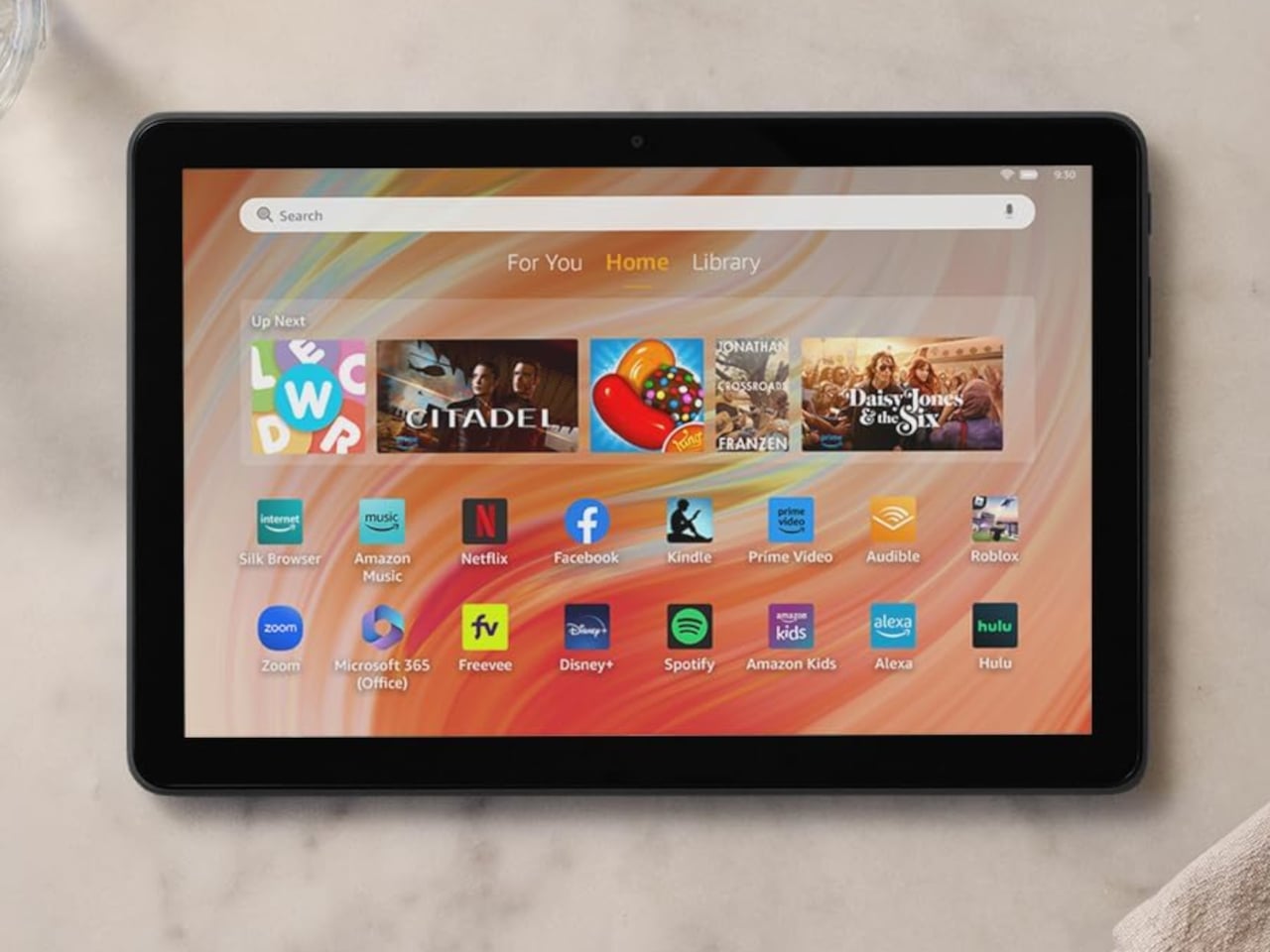
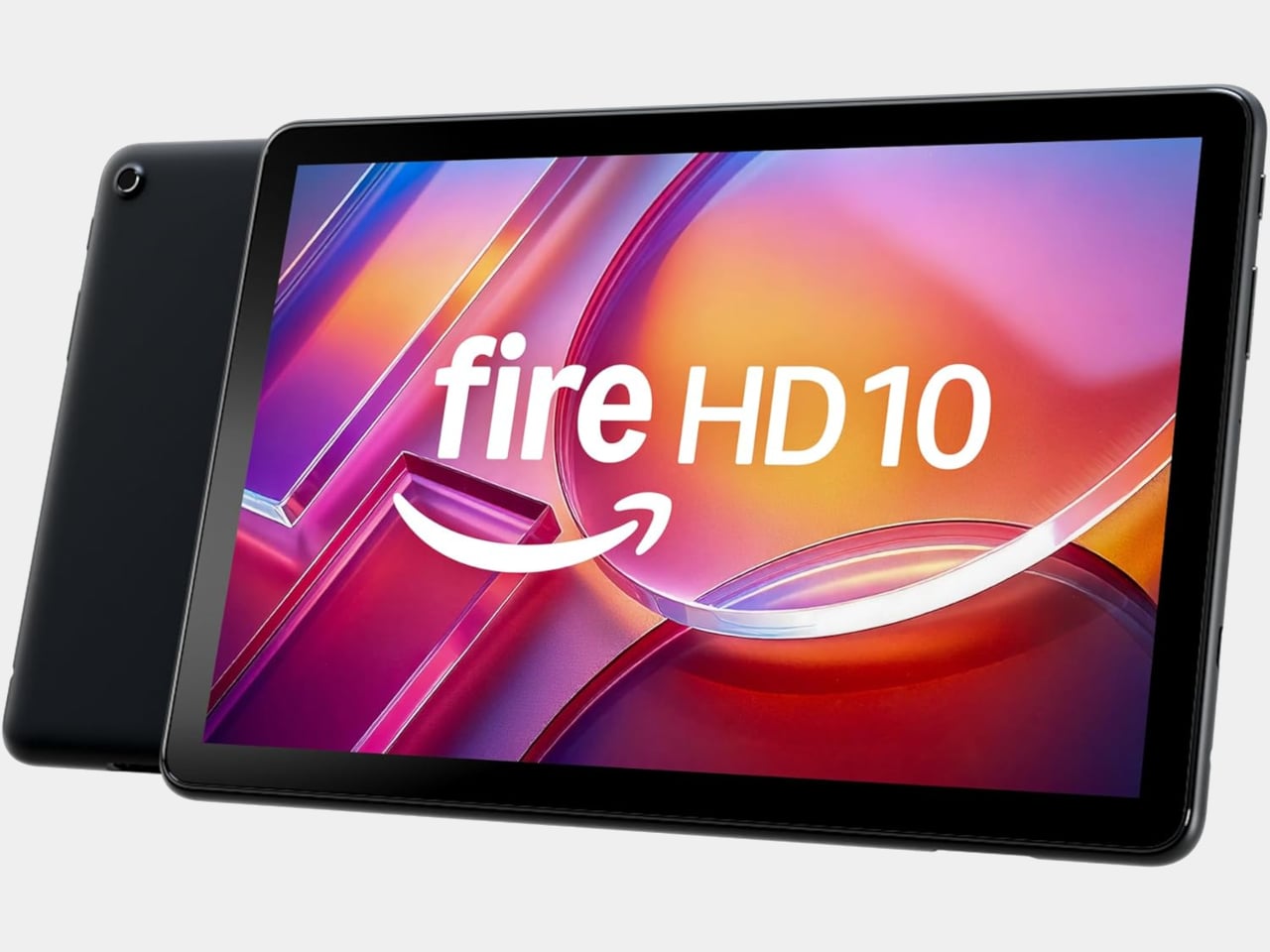
Amazon is also selling the slightly beefier Fire HD 10 tablet for $90, which is close to its Prime Day price. This one boasts a 10.1” FHD screen, an octa-core processor and 3GB of RAM.

October Prime Day 2024 is around the corner, serving as Amazon’s (un)official kickoff to the holiday shopping season. If you’re eager to snag some early holiday deals for those on your list (or yourself), here’s what we know so far about the next Prime Day shopping event.

When is October Prime Day 2024?

Amazon has not announced the dates of fall Prime Day 2024 yet, but we do know it will be returning sometime in October.

What is October Prime Day?

October Prime Day is an extension of the regular Prime Day sale held annually in July. It features exclusive deals on Amazon for Prime members, although not quite on as big of a scale as the main summer Prime Day.

How long is October Prime Day?

In years past, October Prime Day has been two days long, just like Prime Day in July.

This article originally appeared on Engadget at https://www.engadget.com/deals/amazons-fire-hd-8-tablet-is-more-than-half-off-and-close-to-its-prime-day-price-164258054.html?src=rss

ASUS ProArt PZ13 2-in-1 Laptop Review: Portable Partner with Plenty of Potential

PROS:


  • Handsome, sleek, and minimalist design

  • Lightweight and portable body for creatives on the go

  • Large and long-lasting 70Wh battery

  • Beautiful Pantone-validated 13-inch 3K OLED screen

CONS:


  • Inserted SD card prevents flap cover from closing

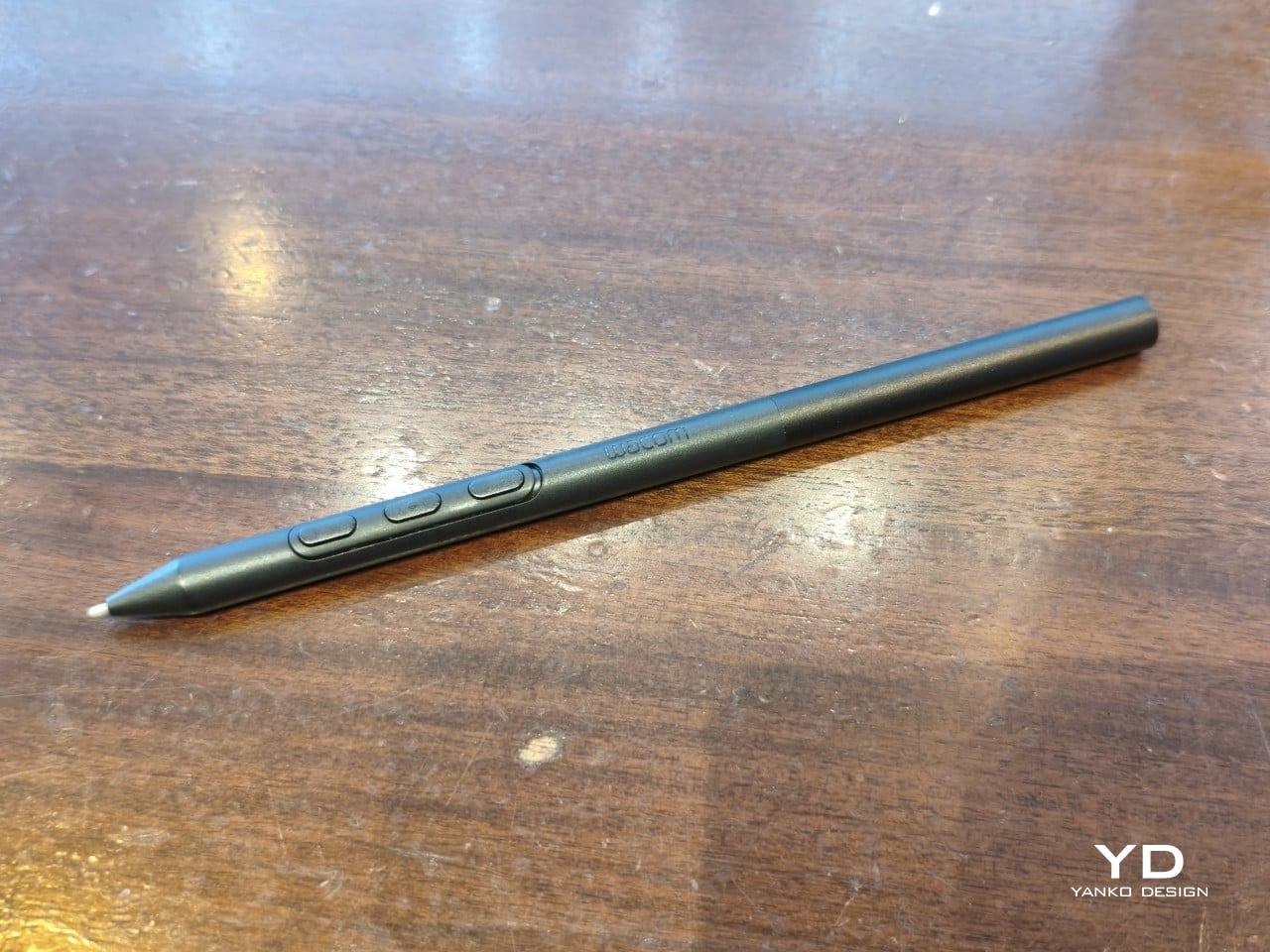
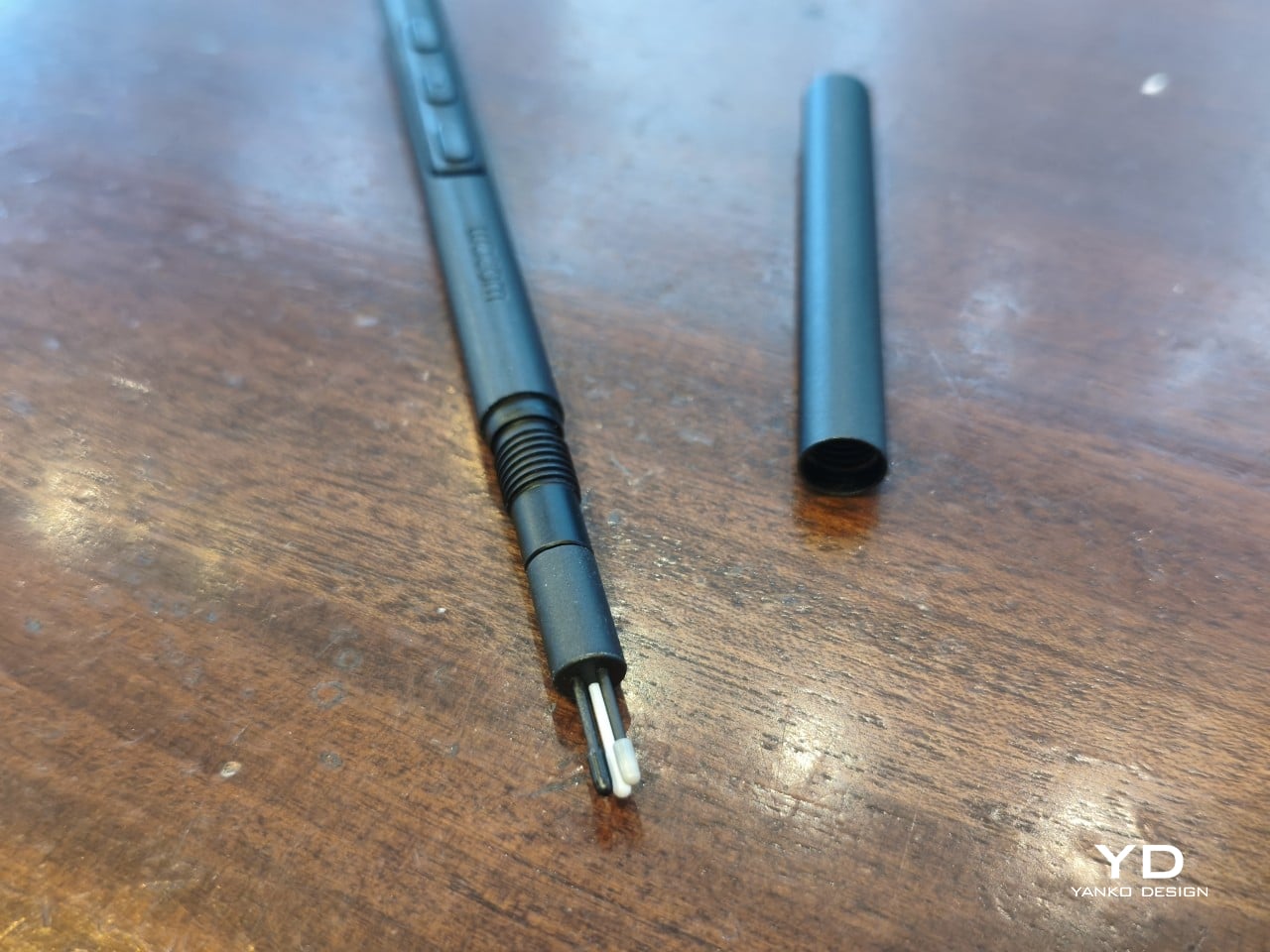
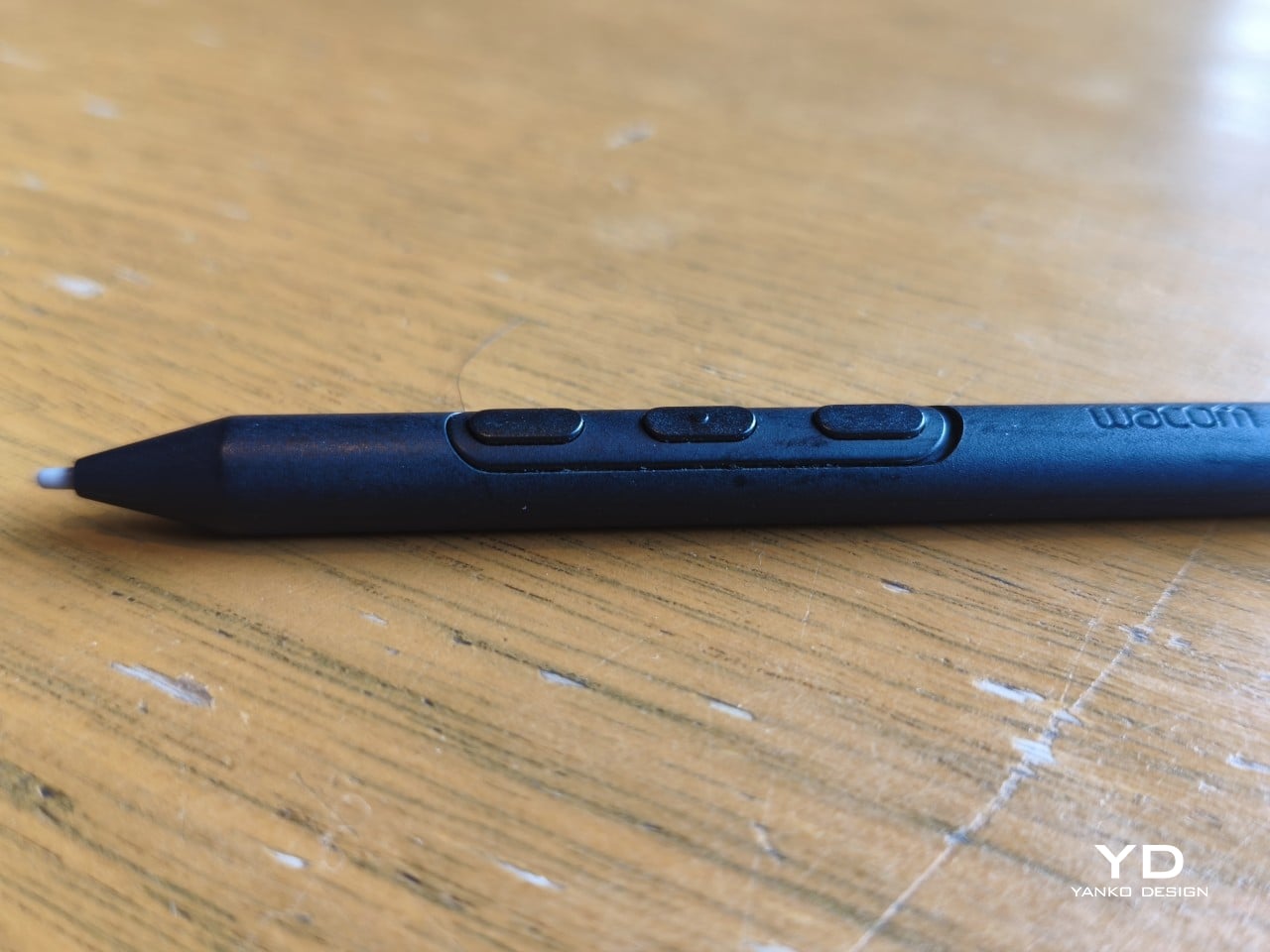
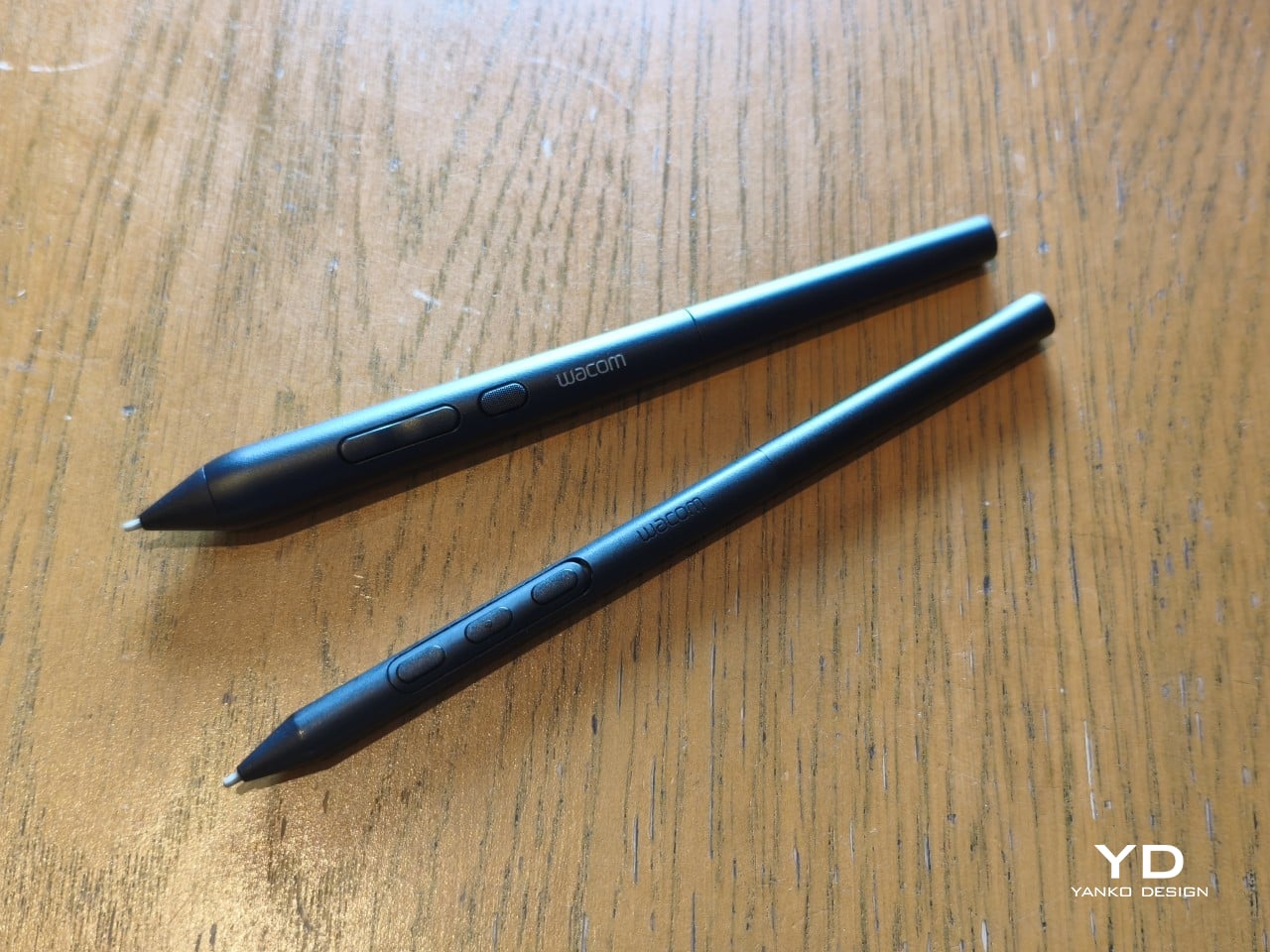
  • ASUS Pen 2.0 is a separate $100 purchase

  • Software and peripherals compatibility is still a hit-or-miss


RATINGS:

AESTHETICS
ERGONOMICS
PERFORMANCE
SUSTAINABILITY / REPAIRABILITY
VALUE FOR MONEY

EDITOR'S QUOTE:

The ASUS ProArt PZ13 with Snapdragon X Plus delivers a handsome AI-powered creativity tool that agile creative professionals can take anywhere with confidence and pride.

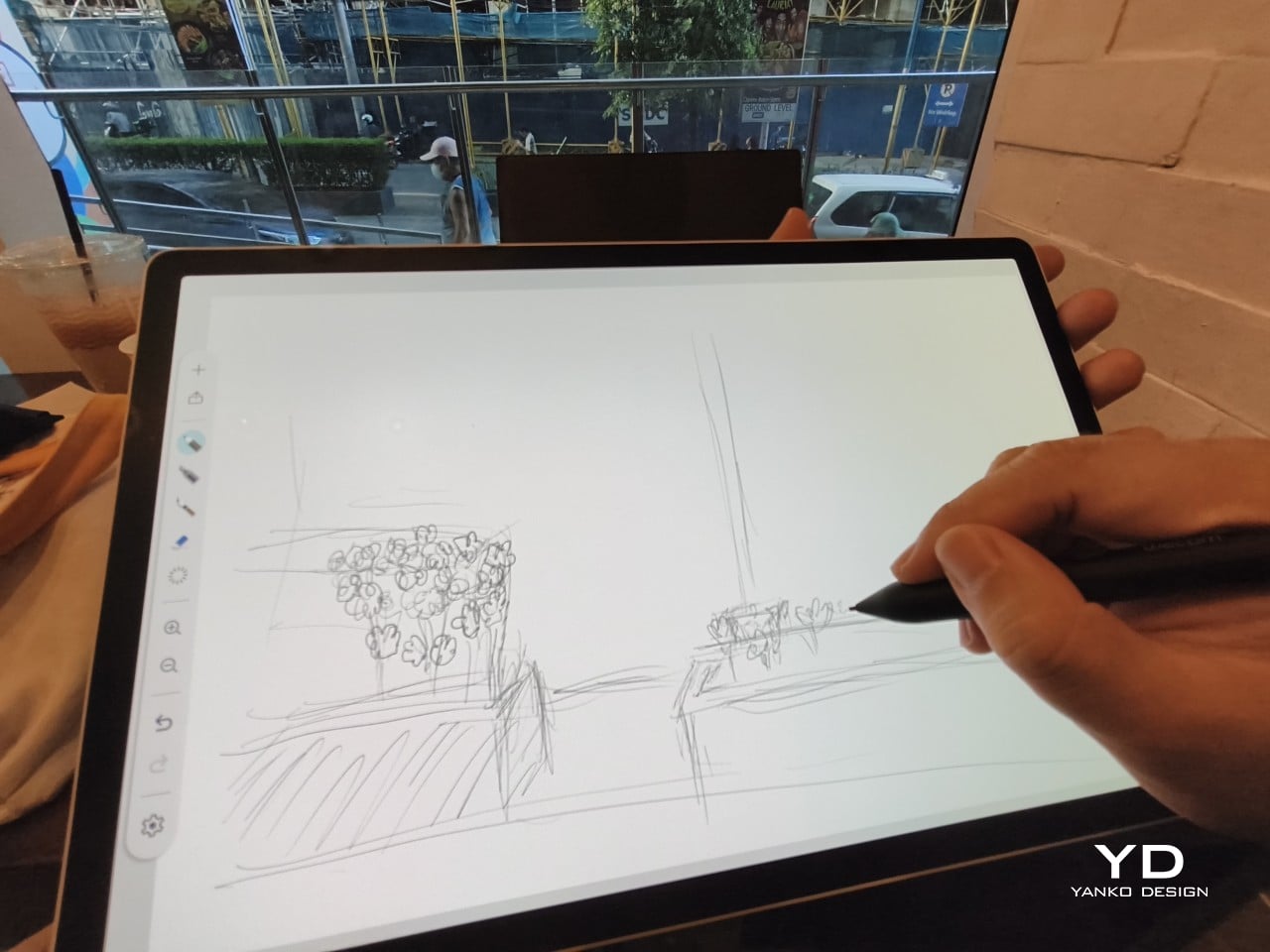
Life can sometimes take us places we never planned or even dreamed of going to. While some people fear and stress over life’s unpredictable journeys, others have grown to embrace and even love the adventure, both figuratively and literally. Designers, artists, and content creators today have their beloved computers and tools at home or in the office, but they know better than anyone that inspiration can strike when and where we least expect it, not to mention suddenly having to do work just after we stepped outdoors. Laptops were made for this purpose, but their thick and heavy bodies didn’t exactly make for comfortable mobility, while tablets went the opposite extreme and prized portability over the performance that professionals need. The ASUS ProArt PZ13 makes the bold promise of delivering the best of both worlds, so we naturally had to put it to the test to find it out if could really meet the demands and desires of designers and creatives on the go.

Designer: ASUS

Aesthetics

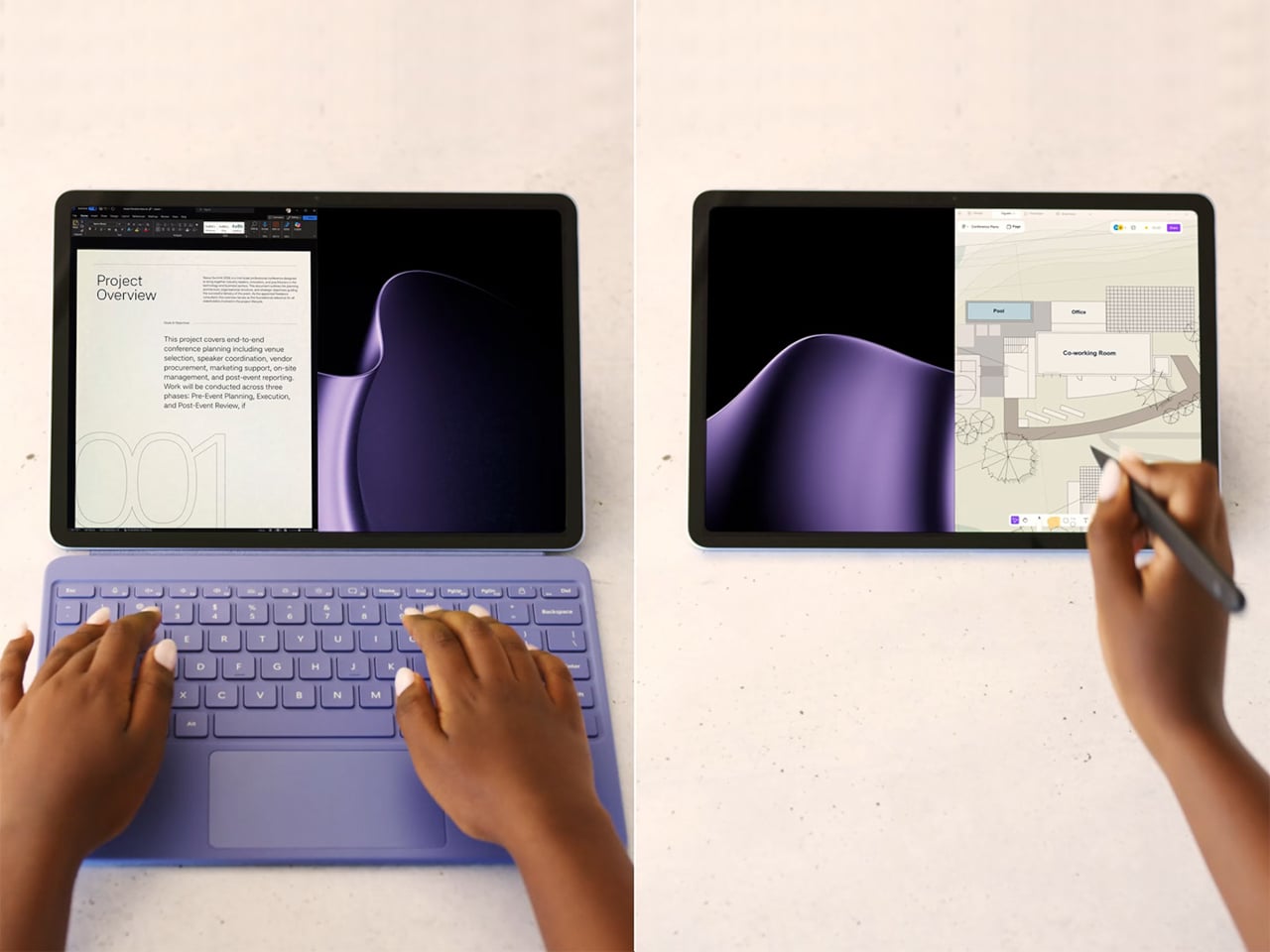
At first glance, you might not think much of the ASUS ProArt PZ13, but closer inspection reveals it has two sides to its design, matching its 2-in-1 detachable laptop functionality. On its own, it’s a rather stylish and striking tablet, black as black, unlike black tablets that look more like “space gray” or other shades. ASUS’s “nano black” coating, also seen on the ASUS ProArt PX13 we reviewed recently, reduces the reflection of light, making it darker than typical metal or plastic surfaces with glossy finishes, no matter the lighting condition or angle. It gives off a professional and elegant character that you’d come to expect from mature designs used in professional settings.

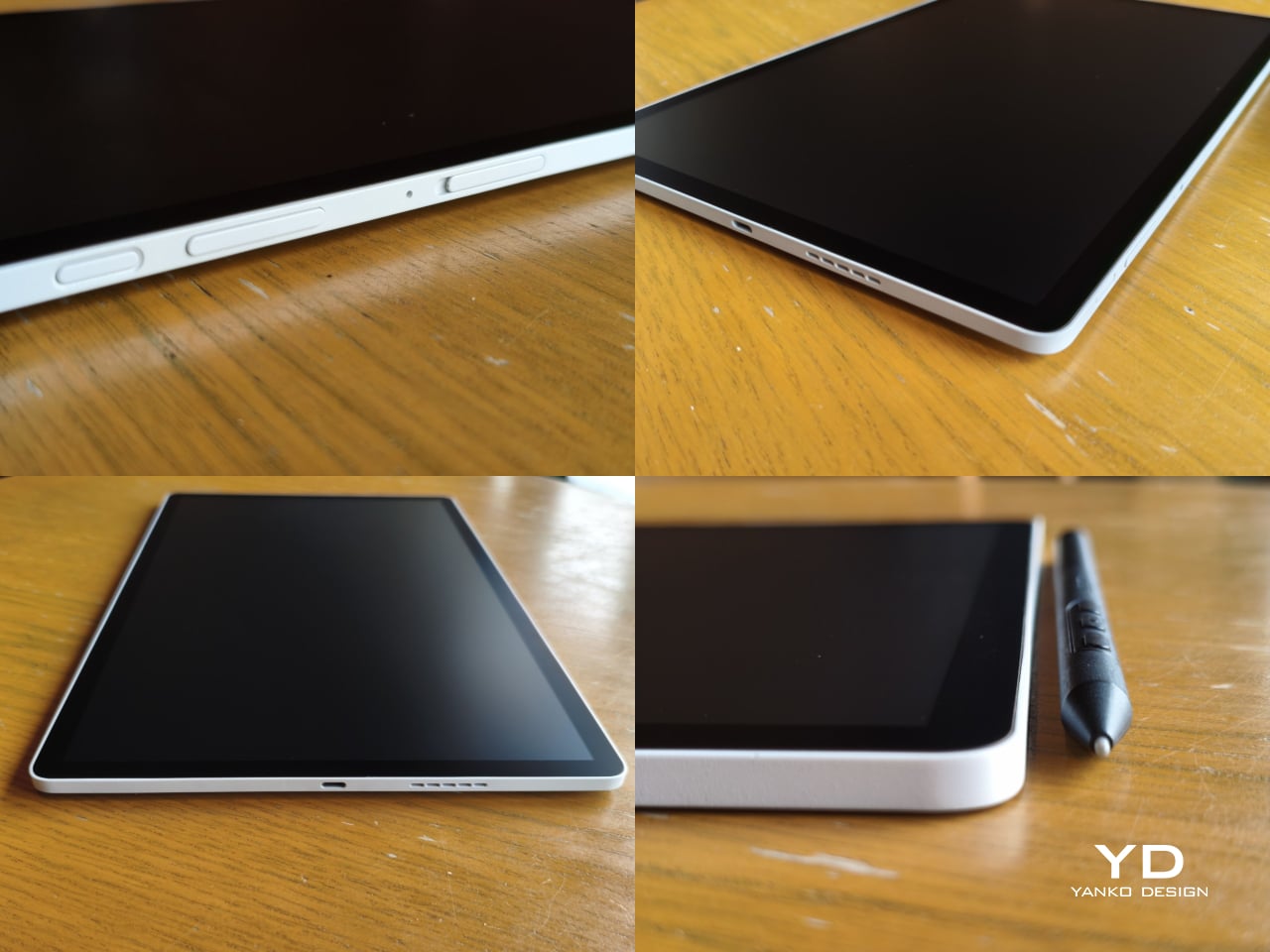
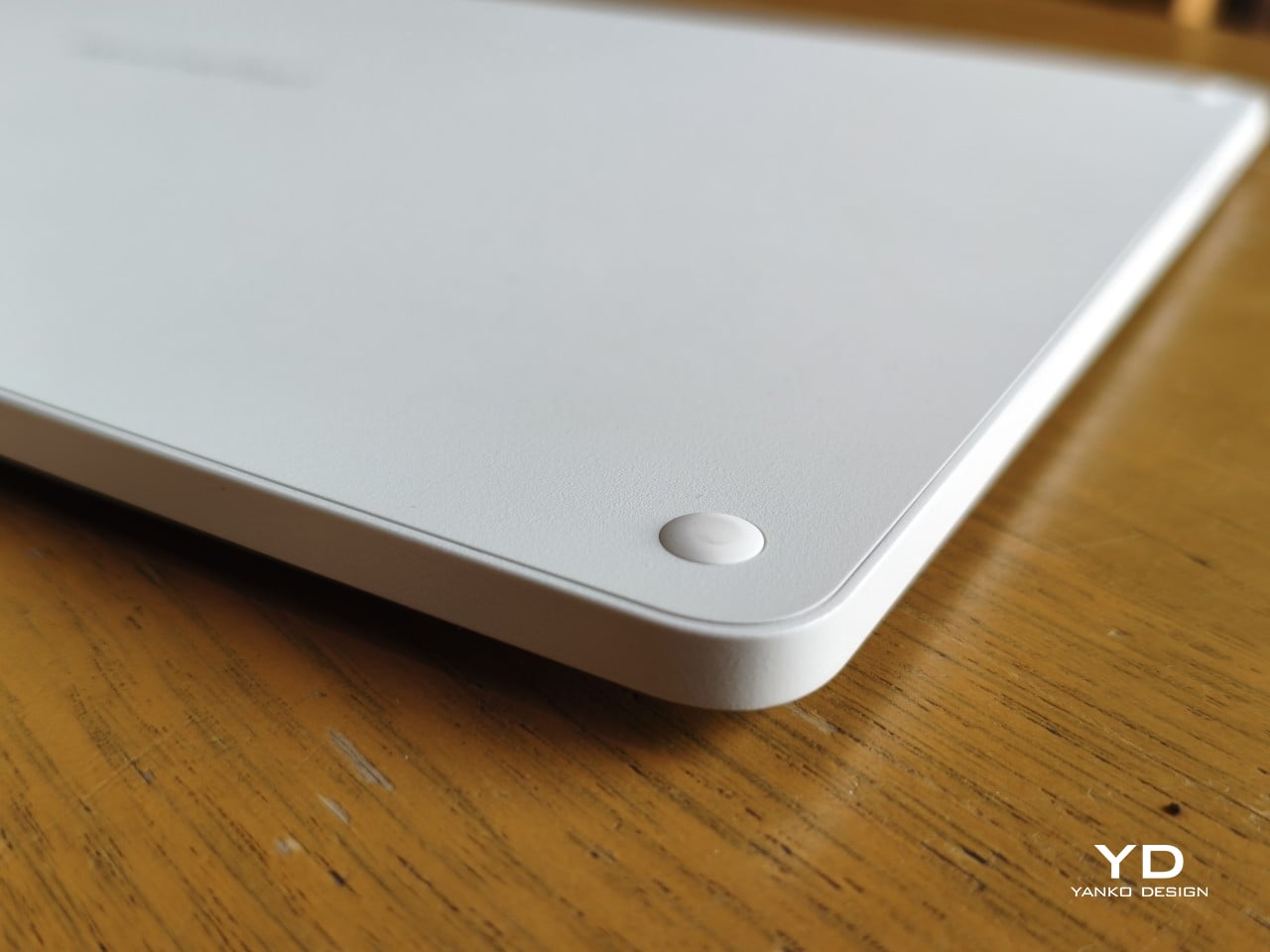
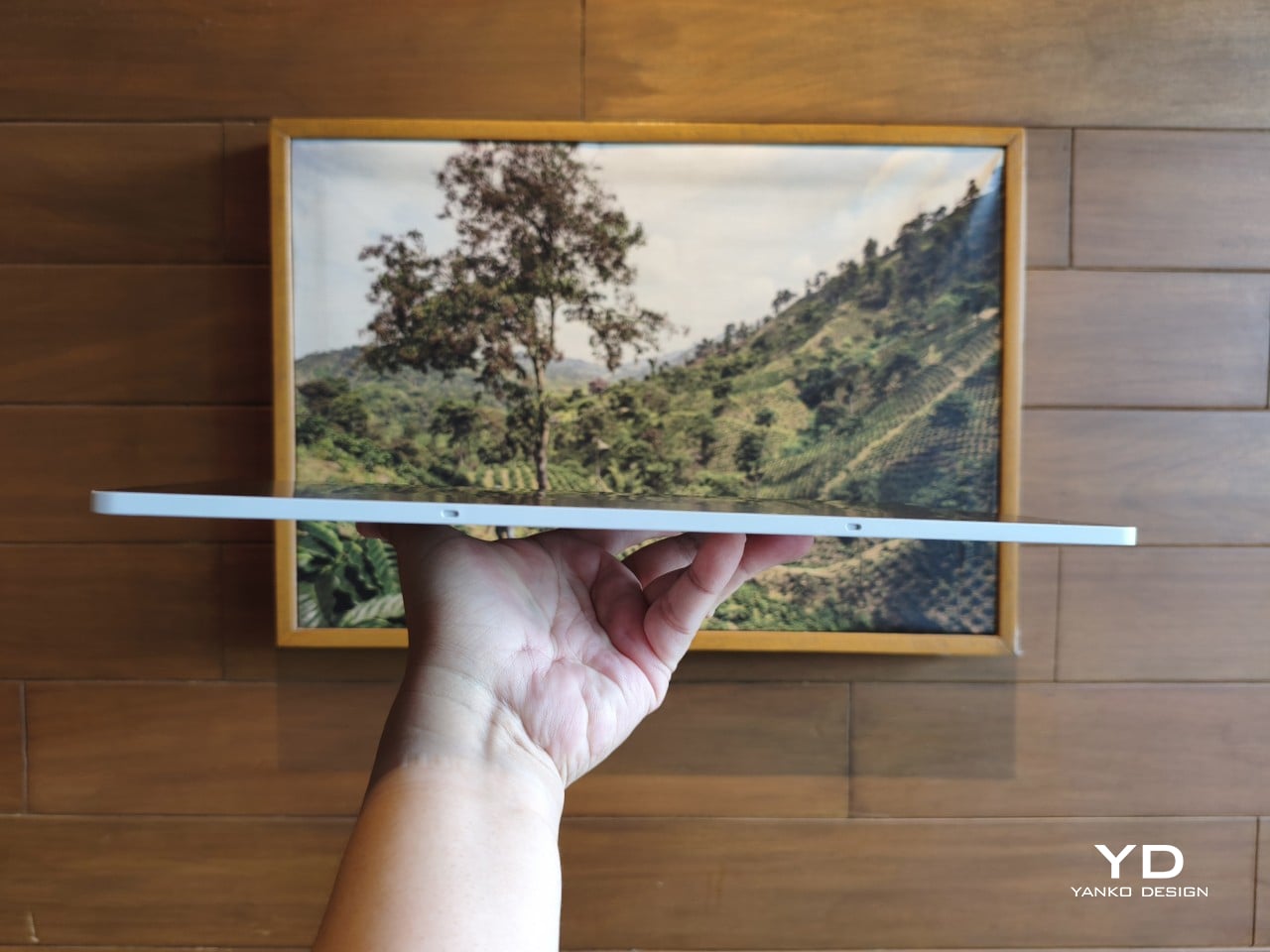
The ProArt PZ13’s CNC-engraved unibody aluminum alloy chassis gives the device structural integrity, durability, and a simple yet sophisticated appearance, highlighted even more by its ultra-slim 9mm profile. There are barely any breaks in the tablet’s visual appearance, aside from a single visible USB-C port, two ventilation grilles at the top, and one air-inflow grille on the back. The classy yet subtle ProArt logo sits at the bottom, opposite the requisite regulatory markings and branding.

All in all, the ASUS ProArt PZ13 exudes an aura of professional beauty befitting a tool for agile creatives, but that image might be challenged by the protective accessories that add value and change the aesthetic a bit. Included in the package is a magnetic keyboard cover and a magnet back plate with a kickstand, both necessary if you’re carrying this portable computer around. They are designed to offer rugged protection and definitely look the part, though it’s a bit strange that ASUS opted for a different hue that sharply contrasts with the pitch-black body of the tablet itself. Gray with a tinge of green, these accessories will be an acquired taste and might not sit well with some people, both in color and in the rugged, ridged design.

Ergonomics

Combining power and portability is always a delicate balancing act. Due to the laws of physics, you can only cram so much into a small space before you start weighing the object down or making thermal management impossible. Conversely, you can only remove so much before performance starts to take a hit. Thanks to its choice of components, especially the processor, the ASUS ProArt PZ13 manages to strike quite a nice balance, weighing only 0.85kg (1.87 lbs) on its own.

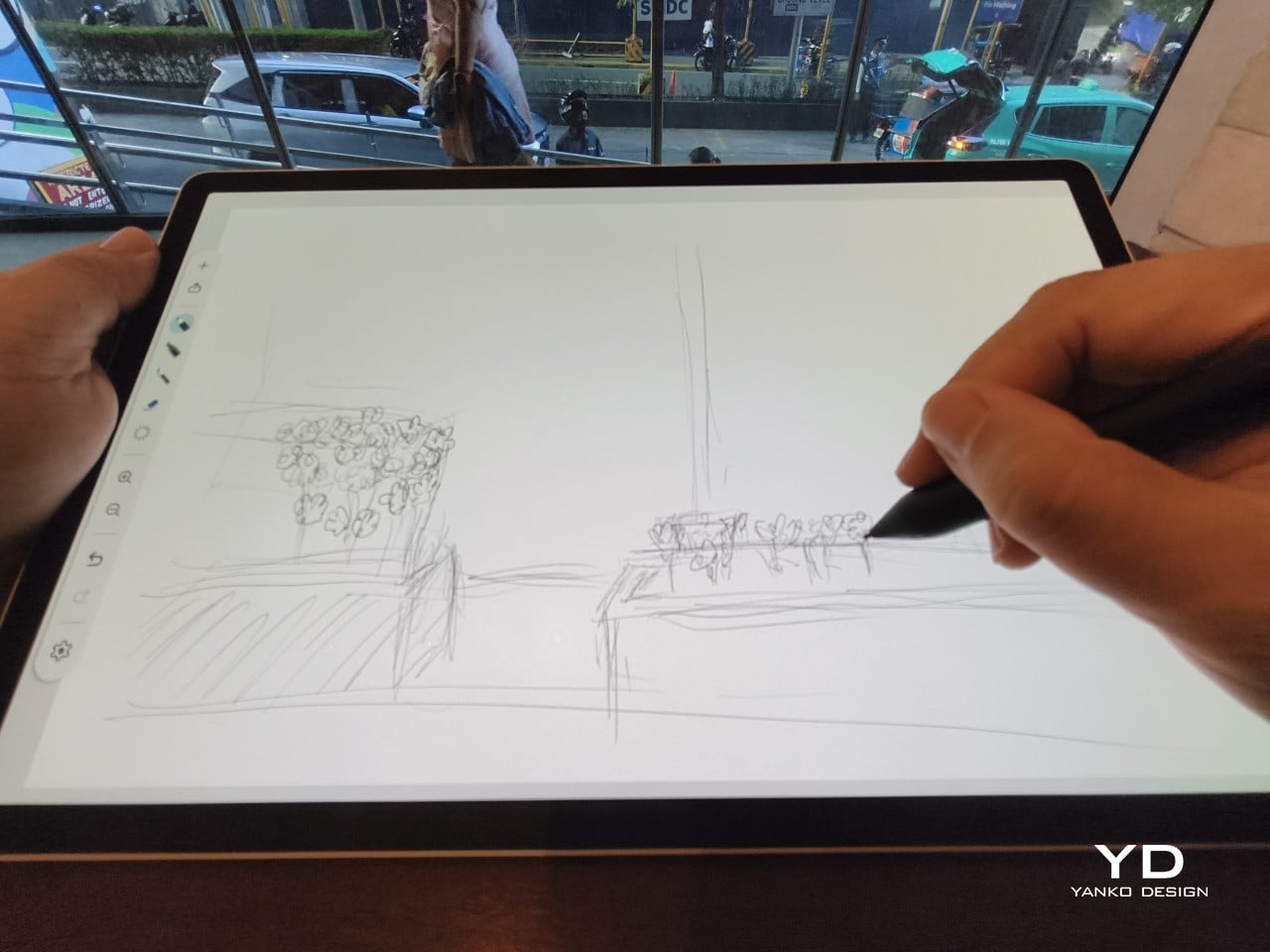
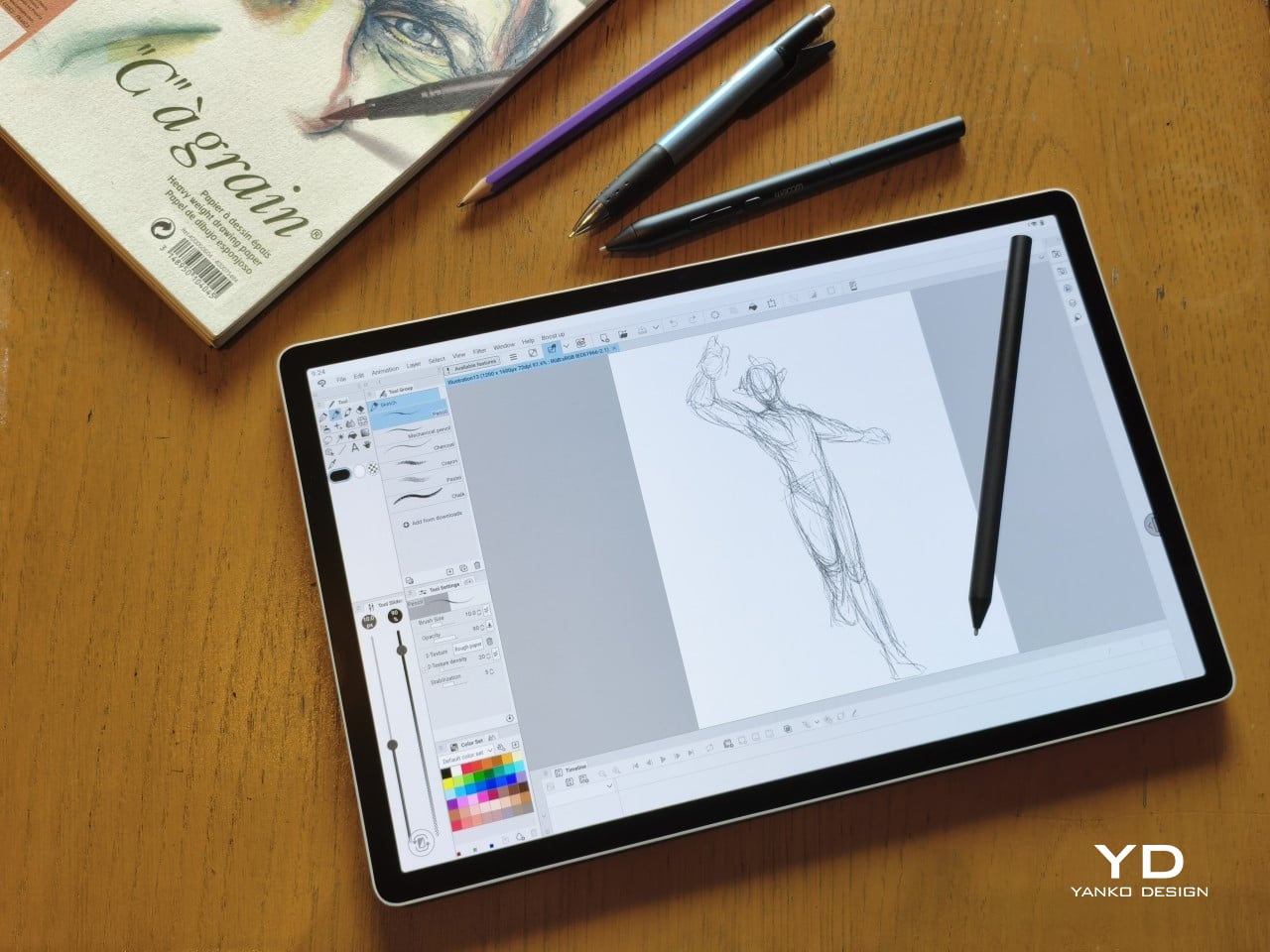
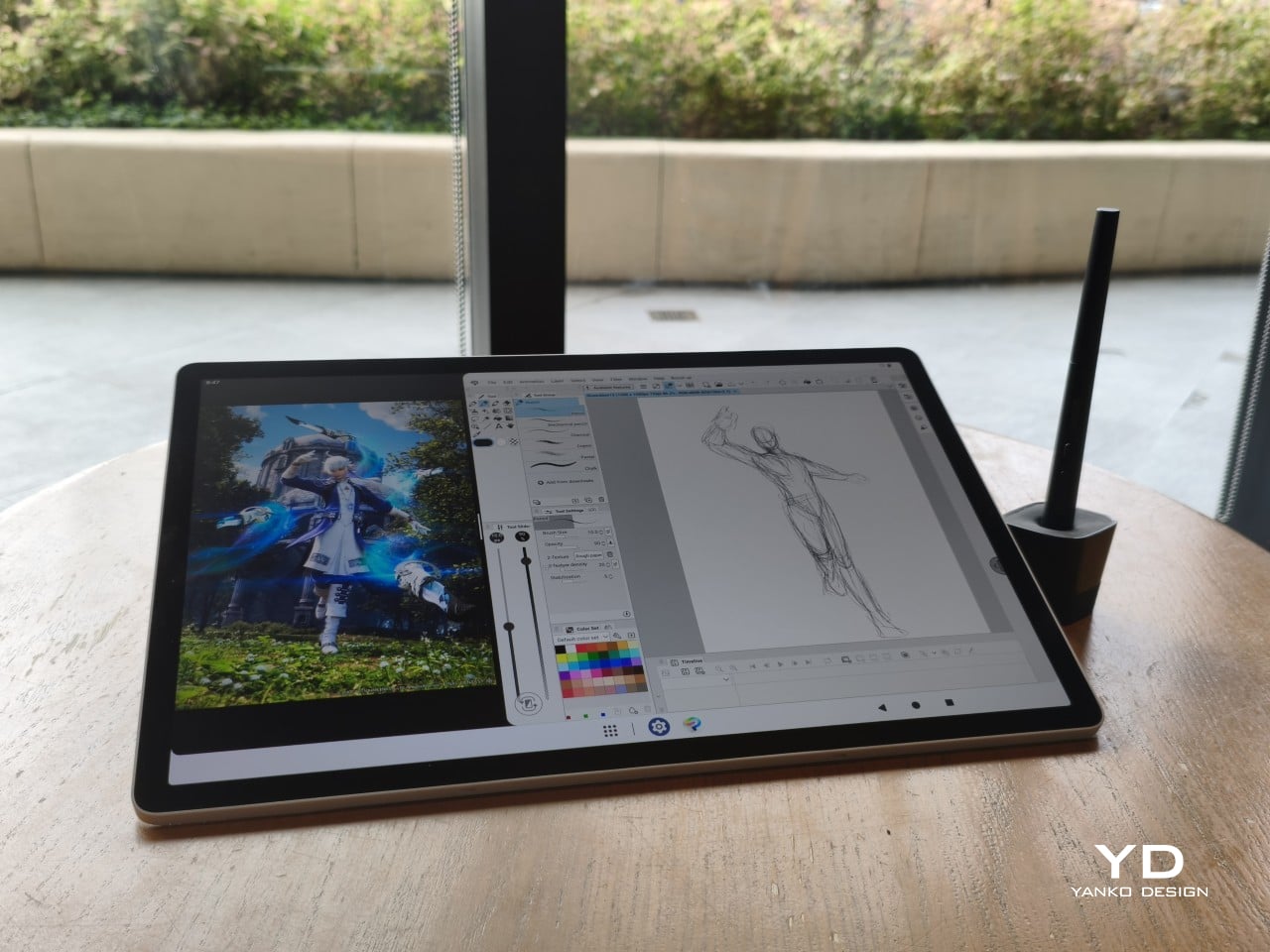
That does carry a bit more heft compared to an iPad Pro, for example, or even a Samsung Galaxy Tab S9 Ultra, but when you consider that this is a Windows machine with fans inside, that’s still a pretty impressive feat. That makes the ProArt PZ13 very usable as a tablet, whether for reading documents, watching videos, or even making art, though you won’t want to hold it up with your bare hands for a long time either. This also makes the device easy to carry around the house, the office, or even outdoors, especially if you know you won’t need a keyboard to type on.

The story changes a little bit when you do need to add the keyboard and kickstand to the formula, almost doubling the weight of the device. It’s still significantly lighter than a laptop, but it’s no thin tablet either. And you will most likely have to use both the back plate and the keyboard together since there’s no way to prop up the tablet without the kickstand. That also means you can really only use this 2-in-1 device as a laptop when you’re on a flat and long surface like a table, making the “lapability” of the design quite low.

Performance

This is hardly the first 2-in-1 detachable Windows laptop, but the ASUS ProArt PZ13 is one of the first few to use Qualcomm’s new energy-efficient Snapdragon X Plus silicon. This Arm-based processor is closer to the Apple M chips than, say, Intel or AMD, and is in fact directly targeting Apple Silicon devices. Qualcomm earlier launched the beefier Snapdragon X Elite, but that in no way means that this is an underpowered version, especially considering it still boasts the same 45 AI NPU TOPS performance even with only 8 cores.

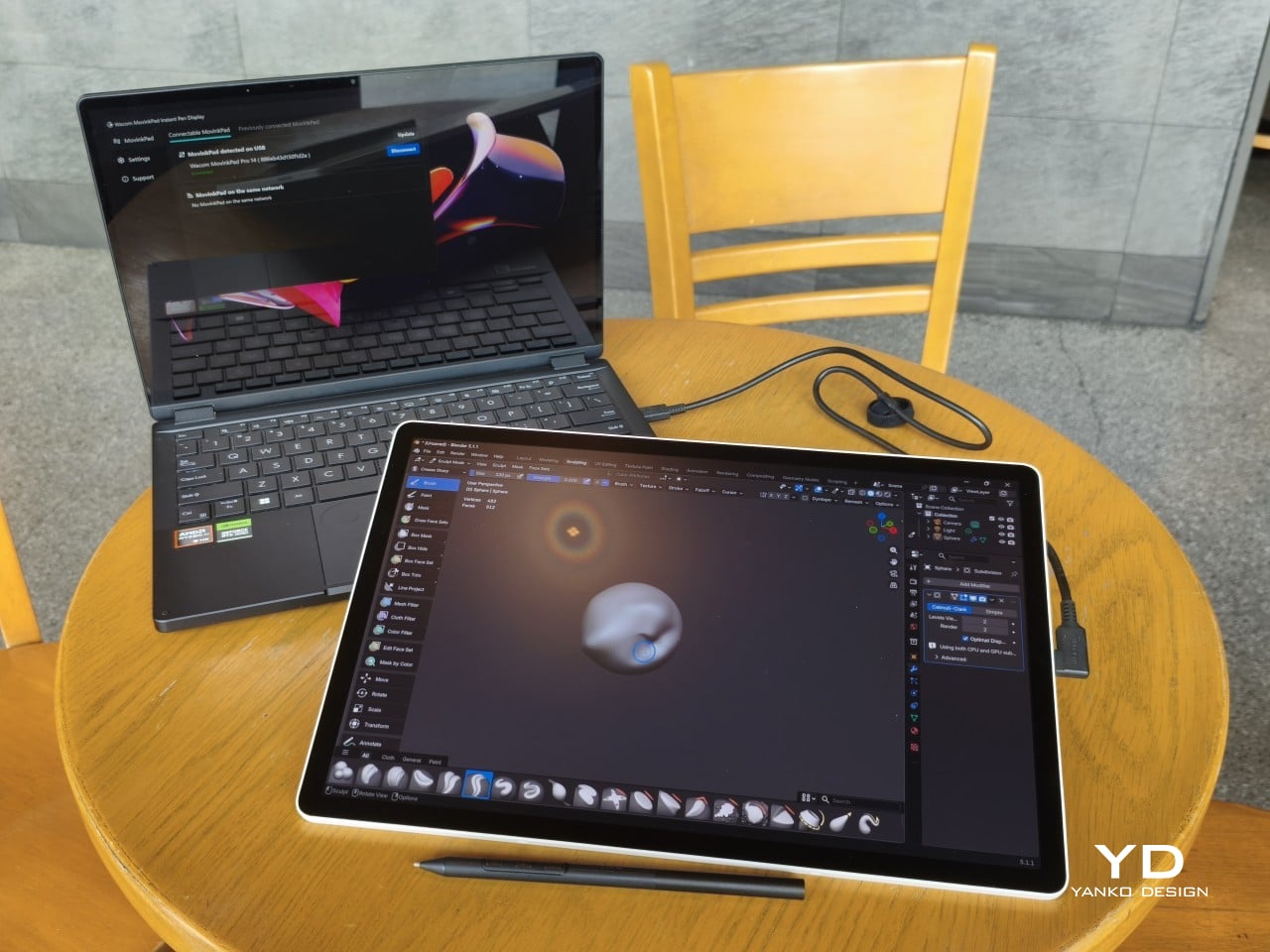
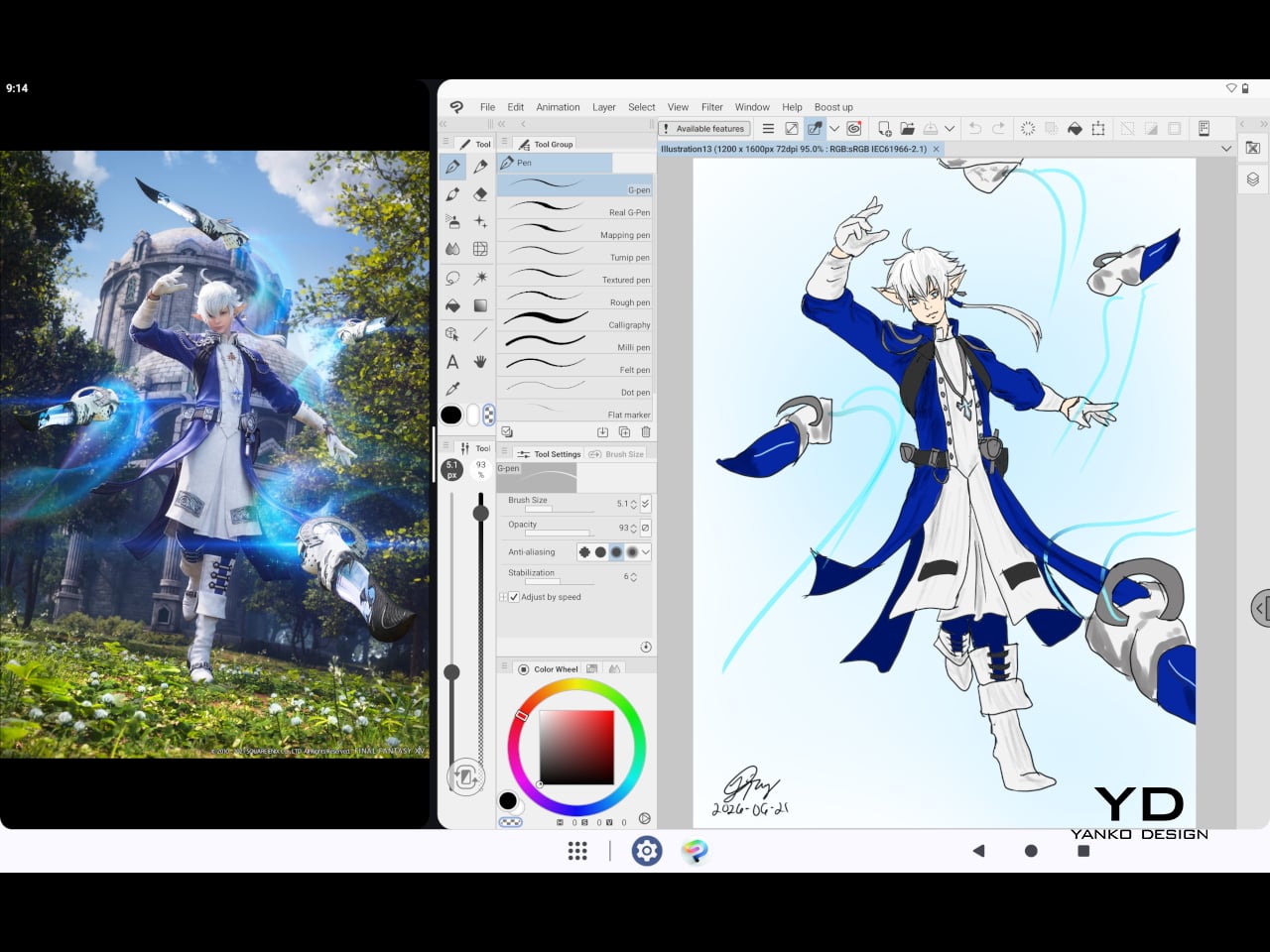
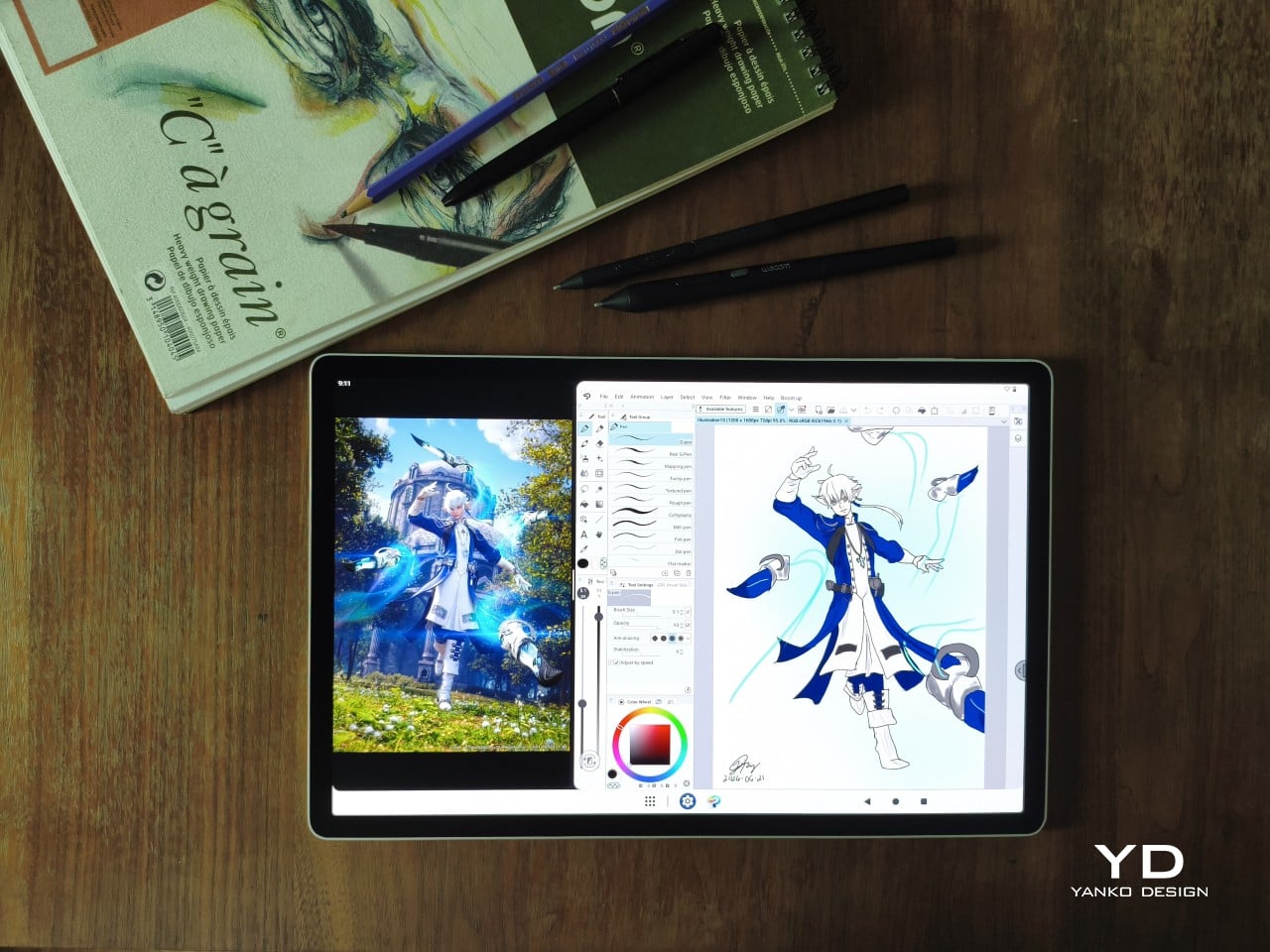
In other words, Windows itself runs quite smoothly on this machine, as well as any other piece of software that’s actually designed for or adjusted to work on this computing platform. That includes a growing number of Adobe products like Photoshop and Premiere, popular comics drawing software Clip Studio Pro, and more. The ProArt PZ13 and the Snapdragon X Plus shine brighter when those apps need some AI power, thanks to that dedicated NPU chip that doesn’t choke the main processor.

There, however, also lies a bit of the rub. That smooth and responsive experience works best on software that has already been adapted to work on Snapdragon processors, which isn’t the case for the hundreds of popular Windows programs out there. Yes, those apps can still run thanks to a special emulation layer, and yes, performance has improved significantly since the earlier days of Windows on ARM, but that extra layer is still there and can still affect your performance, especially when it comes to games. The same is true with peripherals you want to connect to the device, especially ones that need special drivers that aren’t supported by this platform yet.

In exchange for that uncertainty, the choice of a Snapdragon X Plus processor brings with it the peace of mind that you won’t have to scramble for a power outlet every few hours. The 70Wh battery can last almost a full day, give or take a few hours depending on your use, which is something even the most generous estimates on an Intel or AMD laptop can even boast about. It also chargers quickly over USB-C using the included 65W charger, though that also means you can use almost any standards-compliant USB-C charger as well.

Regardless of what you use it for, you will be experiencing a bright, colorful, and vibrant 13.3-inch 3K screen, thanks to ASUS’s Lumina OLED technology. Professionals who require color accuracy will be delighted to know that it’s Pantone-validated and has support for 100% of the DCI-P3 color gamut. Even better, ASUS offers all the sliders and switches you need to customize the display to your requirements and tastes. Its refresh rate does cap out at only 60Hz so it won’t be the best option for gaming, which isn’t what you’ll be using this laptop for most of the time anyway.

The ASUS ProArt PZ13 only has one USB 4.0 Gen 3 Type-C port visible for quick access to a charging port, but don’t fret, it isn’t the only one. There’s another USB-C port of the same type hidden behind a silicone flap, which also hides a full-sized SD card reader. Digital photographers will probably delight in the inclusion of this port which is absent on almost all tablets these days, while those who regularly work with microSD cards will be happy to know that ASUS actually ships an adapter in the box. The one catch to this design is that you can’t have an SD card permanently inserted there because a part of it juts out of the frame, making it impossible to close the silicone flap over it. It’s clearly not designed for storage expansion but removable storage to support the workflows of camera users.

Sustainability

Unlike with its other products, ASUS is a bit silent on the amount of recycled materials it uses for the ProArt PZ13. Rather than focus on the use of sustainable materials, it instead highlights the ways this device can last a long, long time before it needs to be turned in for proper disposal and recycling. With an IP52 rating and conforming to the US MIL-STD-810H spec, you can carry and use this portable tablet with confidence anywhere, knowing that it can keep up with you wherever life or work takes you. Of course, the kickstand back cover and keyboard cover offer additional protection as well, which is all the more reason you won’t want to keep these three pieces apart for long.

One detail about that detachable magnet keyboard, however, might be a source of worry for some. While more convenient than a USB connection but also more reliable than Bluetooth, this design has a tendency to break easily due to wear and tear. ASUS will undoubtedly sell these separately for some time, but there will always come a point when they will go out of production, perhaps outliving the ProArt PZ13 itself. Reliability has improved over the years, of course, but it’s still something to keep in mind with this type of detachable keyboard.

Value

The ASUS ProArt PZ13 is both familiar and completely new. Its 2-in-1 detachable laptop design is something we’ve seen since the very first days of the Microsoft Surface, but its combination with a Snapdragon X Plus is just as new as the processor itself. To some extent, it’s wading into uncharted waters, but it isn’t alone either, and its biggest rival is none other than Microsoft itself and the latest Surface Pro. Fortunately, ASUS has its work cut out for it thanks to its competitive pricing.

At first glance, the ProArt PZ13’s $1,100 price tag seems to be on the losing end compared to the Surface Pro’s $1,000, but then you have to consider what you’re actually getting in the package. ASUS bundles the keyboard cover with the tablet, while that’s a separate $180 purchase for the Surface Pro, at least for the keyboard that can also charge the Microsoft pen. Neither comes with a compatible pen, and those cost an additional $100 for the ASUS Pen 2.0 and $130 for the Surface Slim Pen. That brings the total to $1,200 for the ASUS ProArt PZ13 and $1,310 for the Surface Pro, and even then you’re only getting 256GB of storage versus the generous 1TB on ASUS’s 2-in-1 laptop. In this context, there really is no contest between the two.

Verdict

The ASUS ProArt PZ13 promises the Holy Grail of mobile computing, offering reliable performance and long battery life in a thin and light design, and for the most part, it does deliver on those. Granted, software support on Windows on ARM processors like the Snapdragon X Plus is still a bit of a gamble, but things are getting better quickly, especially for the more popular programs used by professionals and hobbyists alike. Things are far from perfect, but for creatives looking for a reliable and stylish computer they can easily take anywhere, the ProArt PZ13 is definitely worth considering.

The post ASUS ProArt PZ13 2-in-1 Laptop Review: Portable Partner with Plenty of Potential first appeared on Yanko Design.
reMarkable Paper Pro amps your E-Ink writing experience in color

Back in 2020 reMarkable 2 was a good alternative to the iPad for people who write a lot. A couple of years later Amazon Kindle Scribe took the e-reader market by surprise with its premium reading and writing experience. Now the Norway-based company has released the reMarkable Paper Pro to capture the market share back from Amazon.

Touted as the world’s thinnest color paper tablet, the low-glare 11.8-inch display of the gadget is tailored for a pen-on-paper-like writing experience to help knowledge workers capture, refine, and elevate their thoughts in a world full of distractions. According to Phil Hess, CEO of reMarkable, “We’ve built upon the success of reMarkable 2 to create a device that offers the best writing and reading experience ever on a paper tablet.”

Designer: reMarkable

Inspired by the form of a stack of blank paper sheets, the tablet is 5.1 mm thin and doesn’t compromise on the battery as it lasts a couple of weeks on a single charge. This is the first ever reMarkable tablet to read and write in color, made possible by the new custom-developed Canvas Color display stack. The users will now have the option to write notes, sign documents, annotate PDFs, or mark up notes in a wide range of colors. The writing experience is honed by the reduced latency of 12ms when the stylus hits the screen and the corresponding input is registered. The e-reader is free from any distracting apps and is strictly meant for people who love reading and writing without any frills.

The e-paper slate comes with a stylus, or can also be connected to a wireless keyboard. The size of the bezels on this version has been reduced, the edge band is sharper and the chin sleekly hugs the display making it a treat to hold – just like a sheaf of paper. Made from anodized aluminum and glass it is lightweight and has a lot of grip to hold while lying down or while walking in a rush. The included backlight on the display makes the E-reader ideal for nighttime reading and is gentle enough on the eyes. Even on maximum brightness levels, it doesn’t induce eyestrain.

On the inside, the tablet is powered by a new 1.8Ghz quad-core Cortex A53 processor mated to 2GB RAM and 64GB storage. That’s almost twice as powerful as the previous model. Overall the gadget gives or more reasons than not to go for the investment priced at $579 with the standard Marker. For the Marker Plus version, you’ll have to shell out $629. reMarkable Paper Pro can be ordered right now and orders will be fulfilled within 10-21 business days.

The post reMarkable Paper Pro amps your E-Ink writing experience in color first appeared on Yanko Design.

Honor’s MagicPad 2 has an AI-Powered Display that can ‘Reverse Myopia’: Understanding ‘Defocus Displays’

If you’re a millennial, you probably, at one point in time, had a parent who said staring at a screen for too long would ruin your eyesight. I dismissed this as an urban myth, but let’s just look at the facts – more than 75% of the world’s adults wear glasses (either for near or far-sightedness). Call it a coincidence or not, our eyesight is getting worse as a species, and it turns out screens do play a role. Myopia, or nearsightedness, has skyrocketed, with experts predicting that half of the world’s population could be affected by 2050. Staring at screens for prolonged periods forces our eyes to focus at a fixed distance, leading to eye strain, discomfort, and the gradual deterioration of vision. With more time spent on screens during work, study, or entertainment, the strain on our eyes is becoming a major health issue.

Honor’s solution comes at an ideal time. The company claims its AI-powered Defocus Display in the MagicPad 2 (and other devices like the Magic V3) is designed to reduce eye strain and potentially even reverse the effects of myopia.

What Is A ‘Defocus Display’?

The Defocus Display is Honor’s secret sauce to eye care, driven by AI algorithms and vision science. The idea is simple but sophisticated: mimic the natural defocusing process that happens when our eyes look at objects at varying distances in the real world. In traditional screens, pixels stay static and crisp regardless of how close or far the viewer’s eyes are from the display, causing the eye’s ciliary muscles to strain from constant focus at one distance.

Honor’s Defocus Display, however, dynamically adjusts the sharpness of certain parts of the screen, similar to how a camera lens focuses on objects at different distances. This creates a more natural viewing experience that forces the eyes to subtly change focus as they would in real-world environments, reducing eye strain and helping the eyes relax.

The company suggests that this natural fluctuation can even slow the progression of myopia, though this part is still being explored by medical professionals. The technology, combined with Honor’s software smarts, adjusts the visual experience based on the user’s needs and viewing patterns, aiming to keep prolonged screen use from becoming a burden on your eyes.

AI at the Helm: How It All Works

At the core of the Defocus Display technology is AI, a buzzword that’s practically mandatory in modern tech. But here, it’s not just hype. Honor’s display system uses real-time data from your viewing habits, ambient light, and the angle at which you hold the tablet to fine-tune its visual output.

If you’re using the MagicPad 2 to read an article or watch a movie, the AI analyzes how you’re interacting with the screen. It automatically adjusts the level of defocus so your eyes aren’t locked into a single focal plane for hours. In essence, it’s taking the concept of “digital wellness” and giving it a mechanical solution, directly at the hardware level.

This feature also integrates with the device’s overall eye-care modes, like automatic blue light reduction and brightness adaptation, to further safeguard your peepers from screen-induced fatigue, as well as ensure your Circadian rhythm doesn’t go haywire.

Does It Really Reverse Myopia?

The claim that the Defocus Display can “reverse” myopia is where things get both exciting and a bit murky. Honor’s technology seems to be based on the idea that by reducing eye strain and encouraging natural focal adjustments, the onset of myopia might slow down. It’s worth noting that while there is research supporting the concept of using visual defocus for myopia management, it’s still early days in terms of solid, widespread proof.

What’s clear is that Defocus Display aims to help maintain long-term eye health. While it may not be a magic cure for everyone, its potential benefits for reducing eye strain could be a game-changer for those glued to screens for hours on end.

Is This the Future of Screens?

Honor’s foray into AI-powered display tech is undeniably innovative, and the Defocus Display might be the first of many steps toward making our screen time healthier. Beyond just Honor, other manufacturers are likely to explore similar technology in the near future, especially as consumers become more health-conscious about their digital habits.

For now, the Honor MagicPad 2 and Magic V3 are leading the charge, offering a glimpse of what’s possible when AI and vision science meet. It’s not often that a tablet or phone tries to actively reduce the harm it could do, and in a market crowded with tech specs like battery life, screen resolution, and processing power, it’s refreshing to see a feature that focuses on something so vital yet so often overlooked: our eyes.

The post Honor’s MagicPad 2 has an AI-Powered Display that can ‘Reverse Myopia’: Understanding ‘Defocus Displays’ first appeared on Yanko Design.

HONOR Magic V3: Thinnest Foldable Phone Showcased with AI-Powered Tablet and Laptop at IFA 2024

At the prestigious IFA 2024 in Berlin, HONOR captivated the tech world with the launch of three innovative products: the HONOR Magic V3 folding phone, the MagicPad 2 tablet, and the MagicBook Art 14 laptop. Each device pushes the boundaries of design and technology, setting new standards in their respective categories. Honor’s latest devices showcase an approach to innovation that feels refreshing – more than just cramming higher-specs into their devices, the company’s working on using AI to make them better (in ways that Apple and Google aren’t), while still managing to design products that are delightful to look at and use. In fact, HONOR’s latest foldable measures even thinner than the iPad Pro when opened flat (the company even issued a snarky apology to Samsung for outshining them). The MagicBook Art 14 laptop one-ups Apple too, with a camera accessory that keeps the bezel notch-free. A lot of these devices go beyond just the spec wars. We’re at a point where companies are actually doing things differently to make their gadgets stand out. Take for instance the HONOR V3 Fold’s ability to detect deepfake audio and video calls. Here’s a look at what HONOR announced today:

HONOR Magic V3: The Pinnacle of Folding Technology

HONOR’s latest foldable smartphone, the Magic V3, represents a significant leap forward in both design and functionality. Measuring an impressive 9.2mm in thickness when folded, and an astonishing 4.35mm when unfolded, the Magic V3 is the slimmest foldable phone on the market. Weighing just 226 grams, it’s also lighter than many conventional smartphones, which makes it both portable and comfortable to hold.

Under the hood, the Magic V3 is powered by the latest Qualcomm Snapdragon 8 Gen 3 processor, ensuring top-tier performance for all tasks, from gaming to multitasking. The phone features a 7.92-inch inner display with a 10:9 aspect ratio and a 6.43-inch outer display. Both screens offer remarkable brightness, with peak brightness reaching up to 1600 nits on the inner display, making it highly readable even in direct sunlight. The 120Hz refresh rate provides a smooth and responsive user experience, whether you’re scrolling through apps or watching videos.

HONOR has focused heavily on durability with this release. The phone is constructed using HONOR Aerospace Spatial Fiber, which boasts a tensile strength of 5,800 MPa—100% stronger than steel. This material, combined with a hinge mechanism that is just 2.84mm thin, ensures the Magic V3 can withstand over 500,000 folds, equating to more than 13 years of daily use. The inner screen is protected by Honor Super Amp Inner Screen technology, which significantly enhances impact resistance, while the outer screen is fortified with a Nano Crystal Shield for superior scratch and drop resistance.

Photography enthusiasts will appreciate the Magic V3’s camera capabilities. It is the first HONOR phone to feature a periscope telephoto camera, alongside a 40MP ultra-wide camera. With the industry-first AI-enabled Harcourt portrait mode (developed alongside French photography powerhouse Studio Harcourt), users can capture studio-quality photos with ease. The AI-powered 4K camera is designed for shooting in various conditions, including while the device is hovering, thanks to its innovative folding design. HONOR’s managed to extend that AI ability to phone and video calls too, with the V3 being able to detect audio and video deepfakes, notifying you in case you’re on a fraudulent call.

HONOR MagicPad 2: Redefining the Tablet Experience

Next up is the HONOR MagicPad 2, a tablet that sets new benchmarks in display technology and versatility. The MagicPad 2 features a 12.9-inch OLED display with a 3K resolution and a 144Hz refresh rate, providing stunning visuals with ultra-high contrast of 1,000,000:1. The display’s 92% screen-to-body ratio, coupled with thin bezels, creates an immersive viewing experience that rivals even the most premium tablets on the market.

Weighing in at just 599 grams and only 5.8mm thick, the MagicPad 2 is incredibly portable, yet durable. The tablet’s back cover is crafted from a new lightweight fiber, reducing weight by 45% while increasing strength by 24%. This results in a device that is both easy to carry and resilient, with SGS certification for bending resistance.

The MagicPad 2 is packed with AI-powered features that enhance productivity and creativity. The tablet’s AI-defocus display technology, which was first seen in HONOR’s flagship phones, is now available on the MagicPad 2, reducing eye strain during prolonged use. Additionally, the device supports dynamic dimming, low blue light, and circadian night display, all designed to protect users’ eyes. If you marveled at the iPad Pro’s new Math Notes upgrade, the MagicPad 2 packs a similar feature, with the ability to recognize handwriting, and solve equations on the fly. Tablets might just become illegal in classrooms!

Audio is another strong suit of the MagicPad 2. With on-device AI enabling spatial audio, the tablet delivers an IMAX Enhanced sound experience, perfect for streaming movies on platforms like Disney+. On the software front, the tablet runs an AI-enabled OS, offering features like Magic Ring for seamless file transfers and Magic Capsule for efficient notification management. For students and professionals, the tablet’s AI-powered voice-to-text conversion and formula recognition features make note-taking and mathematical input more efficient than ever before.

HONOR MagicBook Art 14: A Laptop That Blends Power with Elegance

Rounding out HONOR’s IFA 2024 lineup is the MagicBook Art 14, a laptop that marries cutting-edge performance with a sleek, artistic design. With a thickness of just 1 centimeter and a weight of approximately 1 kilogram, the MagicBook Art 14 is one of the lightest and thinnest laptops available, yet it does not compromise on power or functionality.

The laptop’s 3.1K OLED touchscreen with a 120Hz refresh rate offers vibrant colors and sharp details, making it ideal for creative professionals. The 97% screen-to-body ratio, achieved through ultra-thin 2.2mm bezels, provides a nearly edge-to-edge display, enhancing the visual experience.

The MagicBook Art 14 is powered by the latest Intel® Core™ Ultra 7 Processor processor, delivering exceptional performance for demanding tasks, whether it’s video editing, 3D rendering, or gaming. The laptop also features six AI-enabled speakers and a spatial audio engine, ensuring crystal-clear sound whether you’re in a video conference or watching a movie.

One of the standout features of the MagicBook Art 14 is also its innovative magnetic camera, which is detachable and easily attaches to the top of the screen when needed. This design not only enhances privacy by allowing users to store the camera away when not in use but also adds a layer of security with its strong magnetic connection and system alerts.

HONOR Watch 5: The Perfect Blend of Style and Functionality

Honor also introduced the HONOR Watch 5 at IFA 2024, a smartwatch designed for both style and functionality. Weighing just 35 grams and measuring 11mm in thickness, it’s exceptionally lightweight and comfortable for all-day wear. The watch features a 1.85-inch AMOLED color display with a resolution of 450×390 pixels and 322 PPI, offering a vivid and responsive user experience.

Powered by a silicon-carbon battery with a 480mAh capacity, the HONOR Watch 5 delivers an impressive 15-day battery life, thanks to its Turbo X Smart Power Management system. It’s equipped with essential health-tracking features, including heart rate monitoring, SpO2 tracking, and sleep analysis. The watch also boasts the AccuTrack positioning system, which significantly enhances GPS accuracy for more precise activity tracking.

Beyond health monitoring, the HONOR Watch 5 supports notifications for calls, messages, and apps, ensuring users stay connected. It offers multiple sports modes and 5ATM water resistance, making it suitable for various activities, including swimming. With customizable watch faces and a sleek design, the HONOR Watch 5 is both a practical tool and a stylish accessory, seamlessly integrating into daily life.


As HONOR continues to push the boundaries of innovation, the Watch 5, Magic V3, MagicPad 2, and MagicBook Art 14 exemplify the brand’s commitment to delivering devices that are not only cutting-edge but also designed with the user’s experience at the forefront. With these new releases, HONOR solidifies its position as a leader in the tech industry.

The post HONOR Magic V3: Thinnest Foldable Phone Showcased with AI-Powered Tablet and Laptop at IFA 2024 first appeared on Yanko Design.
ASUS ProArt PZ13, Vivobook S 15 with Snapdragon X Plus make AI more accessible

AI is fast becoming a thing on desktop and laptop computers, even on those devices that aren’t used for heavy computation or heavy content creation. Whether it’s generating images for inspiration, making sense of documents, or optimizing performance, AI is starting to become a prevalent presence in computing, but those features seem to benefit only those with enough resources to spend on a powerful but pricey rig. Good technology shouldn’t just be for a select few, and ASUS is working with Qualcomm to make not just AI but multi-day battery life more accessible to everyone with new mobile computers powered by the new Snapdragon X Plus.

Designer: ASUS

ASUS ProArt PZ13

Right at the top of that list is the new ASUS ProArt PZ13, first shown off at Computex back in June. It’s a 2-in-1 tablet with a detachable keyboard cover and kickstand, not unlike some of the popular designs for these portable PCs. What makes it extra special is the silicon inside, the Qualcomm Snapdragon X Plus, an octa-core variant of the chipmaker’s latest line that targets not smartphones that run Android but Windows computers. What it lacks in raw power compared to the Snapdragon X1 Elite it makes up for in a balanced performance per watt, delivering long battery life while still supporting AI features thanks to its Neural Processing Unit (NPU) and integrated graphics processor.

As part of ASUS’ ProArt family, the ProArt PZ13 caters to digital content creators like designers, artists, streamers, and writers. These users benefit from the computer’s highly portable design, only 9mm thick and weighing only 1.87 lbs. The 70Wh battery makes the lack of nearby power outlets less of a worry, especially if you can charge it via USB-C. The IP52 dust and water resistance, along with MIL-STD-810H certification, also takes away some of the fear when using this AI-powered creativity machine outside of your office or home. And with the same sleek Nano Black coating we saw on the ASUS ProArt PX13, you will definitely want to show it off outdoors.

Of course, as a creative tool, the screen is a critical factor, and the ProArt PZ13 doesn’t disappoint with its bright and vibrant 13.3-inch 3K (2880×1800) Lumina OLED display. ASUS lets you control every aspect of that display, from the color gamut it uses down to color calibration. The ProArt PZ13 also includes a suite of software that really showcases its AI chops, including StoryCube for managing photos and videos. Creativity no longer has to be tethered to desks and power outlets thanks to the ASUS ProArt PZ13 and Snapdragon X Plus.

ASUS Vivobook S 15 (S5507)

Those who want a more traditional laptop form factor will be happy with the ASUS Vivobook S 15, also powered by that Snapdragon X Plus AI process and boasting more than 18 hours of uptime with its 70Wh battery. The 15-inch 3K 120Hz Lumina OLED screen will also delight content creators who need precise and accurate color reproduction, especially with support for 100% of the industry standard DCI-P3 gamut. A plethora of connectivity options, both wired and wireless, make working anywhere a breeze, and its slim and stylish design makes it a joy to bring out in public.

Best of all, these two Snapdragon Windows computer carry accessible price tags that make them tempting options for your next mobile computer. The ASUS Vivobook S 15 (S5507) will start at $899.99, while the ProArt PZ13 starts at $1,099.99.

The post ASUS ProArt PZ13, Vivobook S 15 with Snapdragon X Plus make AI more accessible first appeared on Yanko Design.

TECNO Phantom Ultimate 2 ultra-thin Tri-Fold concept beats Samsung and Huawei to the punch

While foldables represent the next evolution of smartphones, the current crop isn’t exactly how we imagined these devices to be. When the likes of Samsung first teased the idea of phones that transform into tablets, that dream didn’t involve squarish tablets or thick and narrow phones. The ideal is a normal-looking phone that almost magically becomes a regular tablet when it unfolds, something that wasn’t easily feasible given the technology of the past two to three years. We might be on the cusp of the next stage of the foldable revolution, and TECNO is only too happy to show off not only a tri-fold device but one that is only 11.1mm thick when folded into a conventional phone.

Designer: TECNO

A phone with two hinges that fold in opposite directions is one of the ways we can get the best of both worlds, but it’s easier said than done, naturally. Not only do you have to consider the durability of the display panel that will bend at opposite angles in two areas, the thickness of the folded “phone” also becomes a conundrum. If bi-fold phones like the Samsung Galaxy Fold are already considered to be thick, imagine how much worse three layers would be.

That’s the boast that TECNO is making with the Phantom Ultimate 2 concept, a tri-fold device that is only 11.1mm thick when folded. That’s just around 2mm thicker than the average regular foldable, which is still thick but not by much. TECNO doesn’t give the exact dimensions for the unfolded tablet, but it’s bound to be really thin in that case.

This design gives us a regular 6.48-inch candybar phone that turns into a regular 10-inch tablet and vice-versa, delivering the best of both worlds in a single device. And if that weren’t enough, TECNO shows that the device also supports stylus input, making it an all-in-one entertainment and business computer in your pocket. There are various modes made possible by this novel folding design, though some might be a bit more questionable than others, like putting the sensitive foldable screen in contact with a table.

The TECNO Phantom Ultimate 2 concept will be shown off at IFA 2024 in Berlin next week, though its existence hardly means it’s something we’ll be able to buy soon. Samsung has also shown off tri-fold prototypes, both of the “Z” and “G” varieties, yet none have come to market yet. Then again, the forerunner of foldable devices seems to be content taking a more conservative approach, so it wouldn’t come as a surprise if TECNO or even Huawei would land this novelty on shelves first.

The post TECNO Phantom Ultimate 2 ultra-thin Tri-Fold concept beats Samsung and Huawei to the punch first appeared on Yanko Design.

Apple’s 13-inch iPad Air M2 drops to a record-low price

It's back to school season, which means many students and/or their parents are on the lookout for a laptop on which they can get schoolwork done. Depending on your needs, though, a tablet may do the trick (but you'll likely still want a keyboard attachment for extended typing sessions). Tablets offer flexibility in terms of study and play, and it's pretty hard to go wrong with a recent iPad.

As luck would have it, the 13-inch iPad Air M2 has dropped to its lowest price since Apple released it in May. The blue and space gray models are available for $729. That's $70 off the regular price.

While it's not the most powerful iPad around — the latest iPad Pro is the first device to use Apple's M4 chips — the M2 iPad Air is a great option. It's our recommendation for the best iPad for most people and we gave it a score of 91 in our review.

The M2 iPad Air delivers a great balance of performance, features and price. The 13-inch model has a brighter screen than its 11-inch sibling, and more screen real estate to get things done on. However, the 60Hz refresh rate is not as smooth as the 120Hz OLED panel on the latest iPad Pro.

The 8GB of included RAM and 128GB of base storage should be enough for basic tasks. The iPad Air will run for up to 10 hours on a single charge too.

There are cheaper and less-powerful iPads, but you'll be futureproofed to a certain degree with this one. AI-driven Apple Intelligence features will be available on the M2 iPad Air when Apple rolls those out later this year, and you can play some modern games such as Death Stranding and the Resident Evil 4 remake on the tablet (there's always the option to stream games from the cloud or local hardware too). One other feature we appreciate about this model is that Apple finally moved the front-facing camera to the horizontal edge, which makes much more sense for FaceTime or video calls in landscape mode.

Follow @EngadgetDeals on Twitter and subscribe to the Engadget Deals newsletter for the latest tech deals and buying advice.

This article originally appeared on Engadget at https://www.engadget.com/deals/apples-13-inch-ipad-air-m2-drops-to-a-record-low-price-143504371.html?src=rss