3 Rammed Earth Homes in Brazil Just Solved Sustainable Living

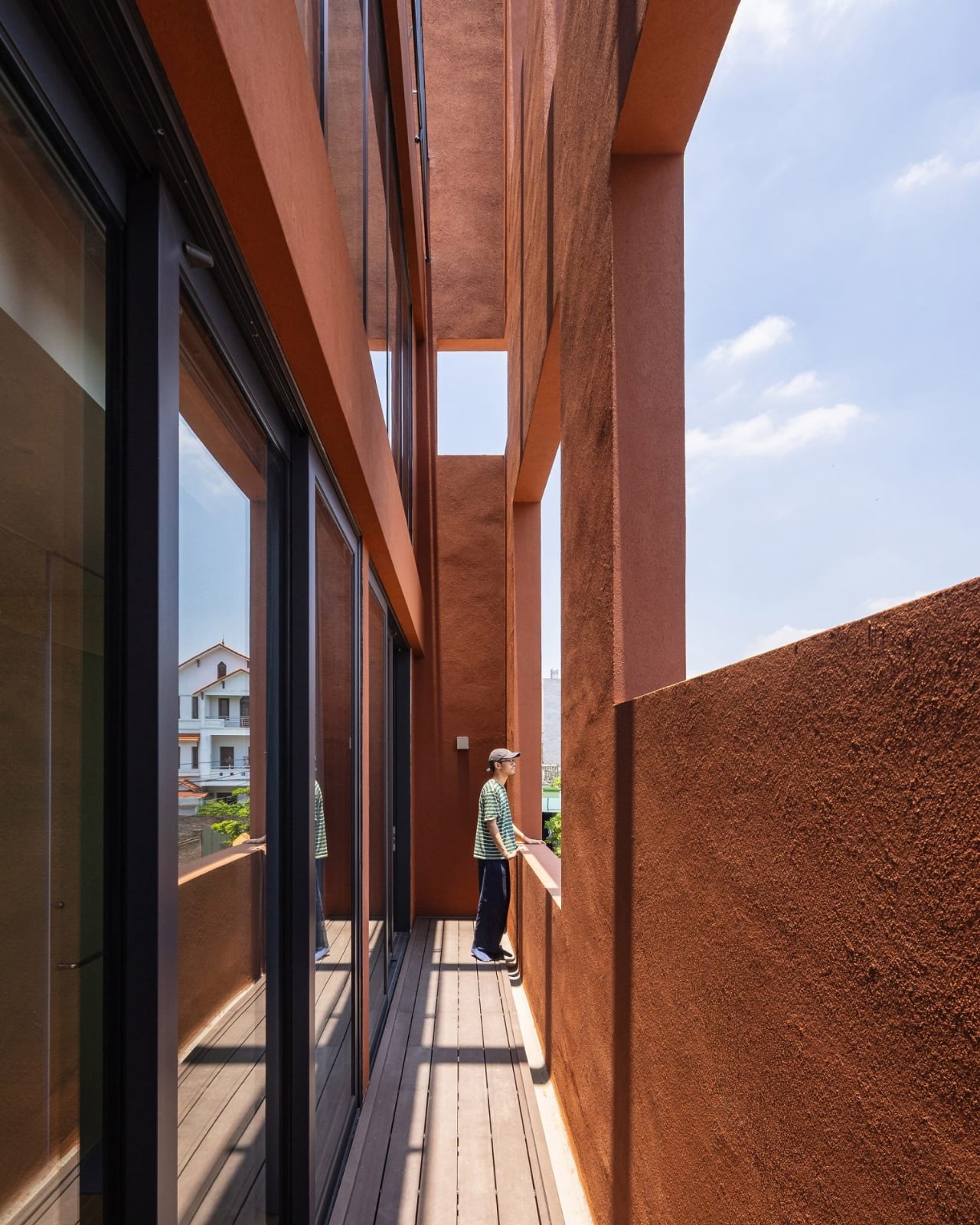
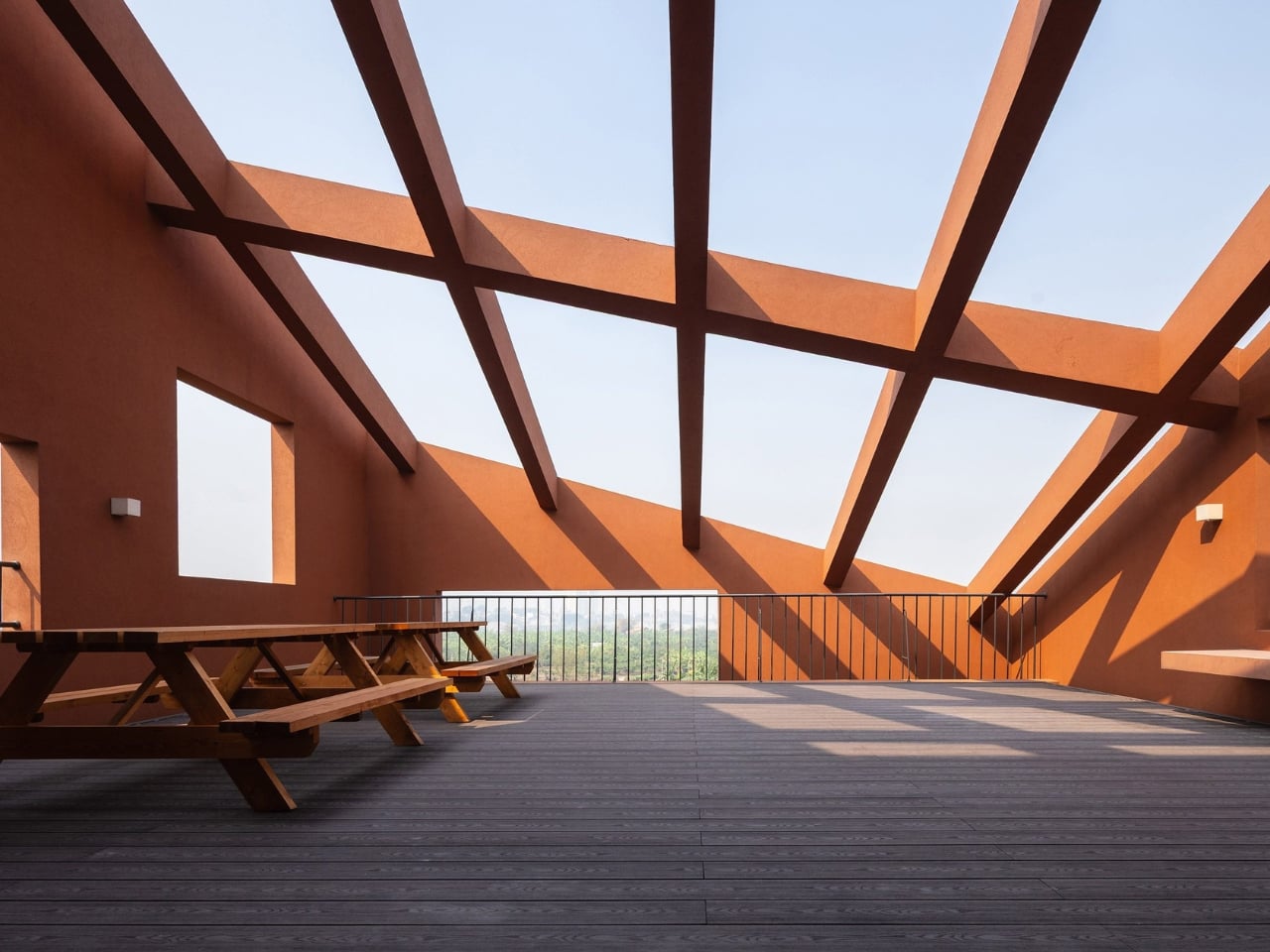
Picture this: walls made of compressed earth, windows that frame the Brazilian hillside, and a roof that collects rainwater like nature always intended. It sounds like something from a utopian novel, but Arquipélago Arquitetos just turned it into reality with the Piracaia Eco-Village, and honestly, it might be the coolest thing happening in sustainable architecture right now.

Located about two hours from São Paulo in the village of Piracaia, this project isn’t just another eco-home talking the talk. It’s three distinct residences built using rammed earth construction, a building technique so old it’s new again. We’re talking walls made by literally compressing soil into wooden frames, creating structures that are both load-bearing and breathtakingly beautiful.

Designer: Arquipélago Arquitetos

The genius behind this approach comes from Arquipélago Arquitetos, who developed a modular system that makes sustainable building actually scalable. They created three different home sizes (a studio at 538 square feet, a one-bedroom at 1,076 square feet, and a two-bedroom at 1,245 square feet) using the same basic building blocks. Think of it like architectural Lego, except instead of plastic bricks, you’re working with earth and wood.

What makes these homes special isn’t just the eco-friendly materials. The architecture firm cracked the code on making rammed earth construction repeatable and adaptable. They use wooden frames repeatedly to build foundations and walls, then grow the number of rooms with each consecutive plan. The rammed earth walls aren’t just pretty; they’re the primary load-bearing elements supporting wooden roof panels through compression. Steel tie rods connect the roof to the footings, balancing all those forces to keep everything stable.

The homes nestle into the hillside with a row of clerestory windows at the back, letting in natural light while maintaining privacy. The aluminum roofs do double duty, collecting rainwater that the homes use throughout. It’s that kind of thoughtful design where form and function aren’t just friends; they’re best friends who finish each other’s sentences.

This project had a pretty interesting start. A psychologist named Lia, living alone in São Paulo, watched a Netflix documentary about rammed earth houses and thought, “That’s it. That’s what I want.” She wasn’t just looking to escape the city; she wanted a home that connected her to nature in a meaningful way. After experiences with psychedelics that deepened her understanding of how humans relate to the natural world, she sought a living space that embodied that connection. Lia built one home for herself and two others to sell to people who share her vision, creating an actual ecovillage rather than just a single sustainable home. There’s something powerful about that; building community around shared values instead of just personal retreat.

The construction process itself is fascinating. Artesania Engenharia and engineer Alain Briatte consulted on the rammed earth work, bringing specialized knowledge to compress local soil into walls that will last generations. The wooden structures came from Stamade Estruturas, with detailed installations by Jarreta Projetos. Photography by Pedro Kok captures how these earthy structures seem to grow organically from the landscape rather than imposing on it.

What’s striking about Piracaia Eco-Village is how it challenges our assumptions about sustainable living. We often think going green means sacrificing aesthetics or comfort, but these homes prove you can have both. The natural materials create spaces that feel warm and lived-in, not sterile or performative. The modular design means this approach could theoretically be replicated anywhere with suitable soil conditions.

Projects like this feel important since we’re living in a time of climate anxiety and housing crises. They show us that sustainable architecture doesn’t have to be expensive, complicated, or ugly. Sometimes the answer is literally beneath our feet: good old dirt, thoughtfully compressed and beautifully arranged. Arquipélago Arquitetos took an ancient building technique, applied modern engineering, and created something that feels both timeless and urgently necessary.

The post 3 Rammed Earth Homes in Brazil Just Solved Sustainable Living first appeared on Yanko Design.
Two Bedrooms in 30 Feet: Rover Tiny Homes’ Gambier Delivers Luxury Living for $149,900

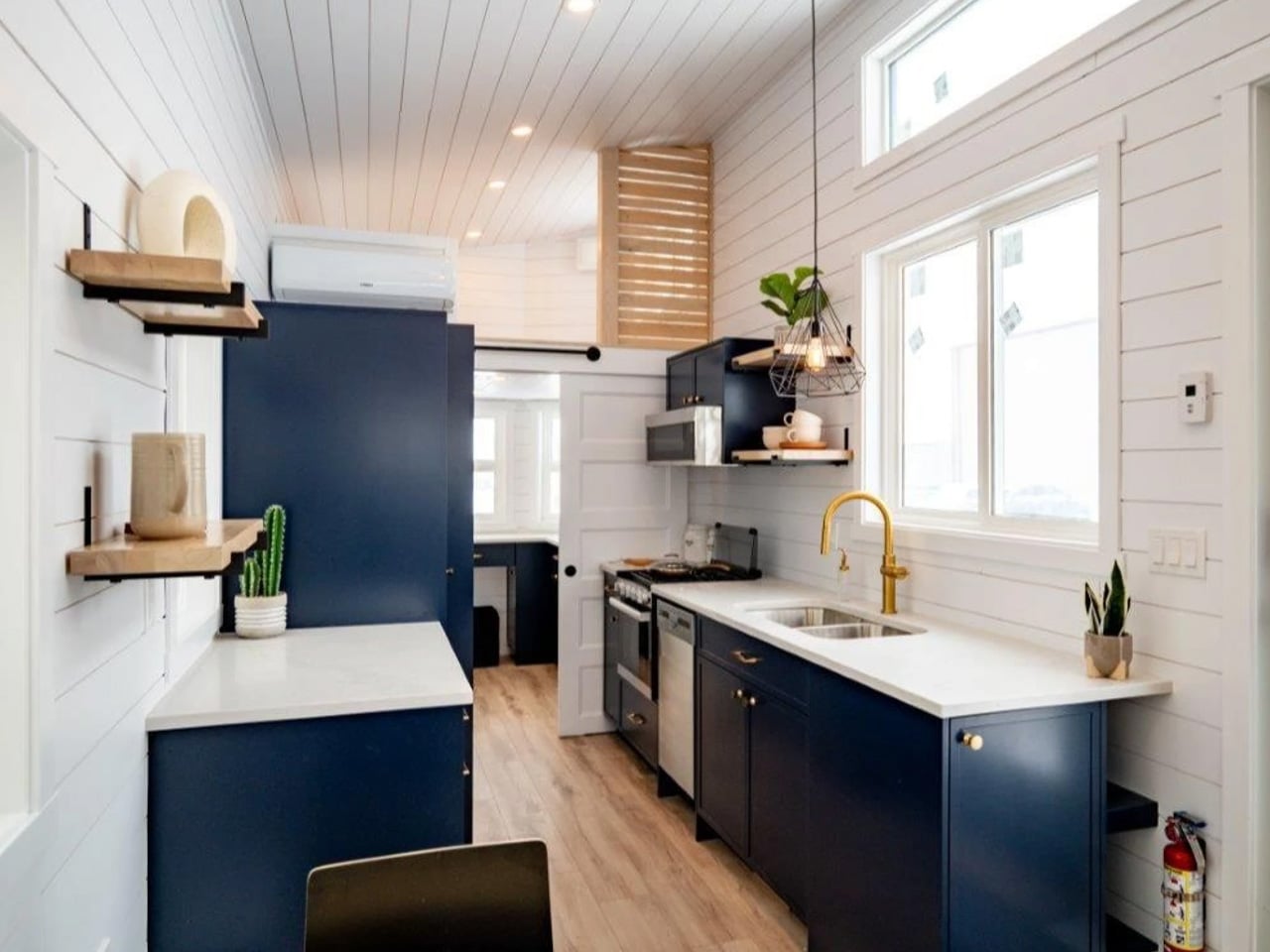
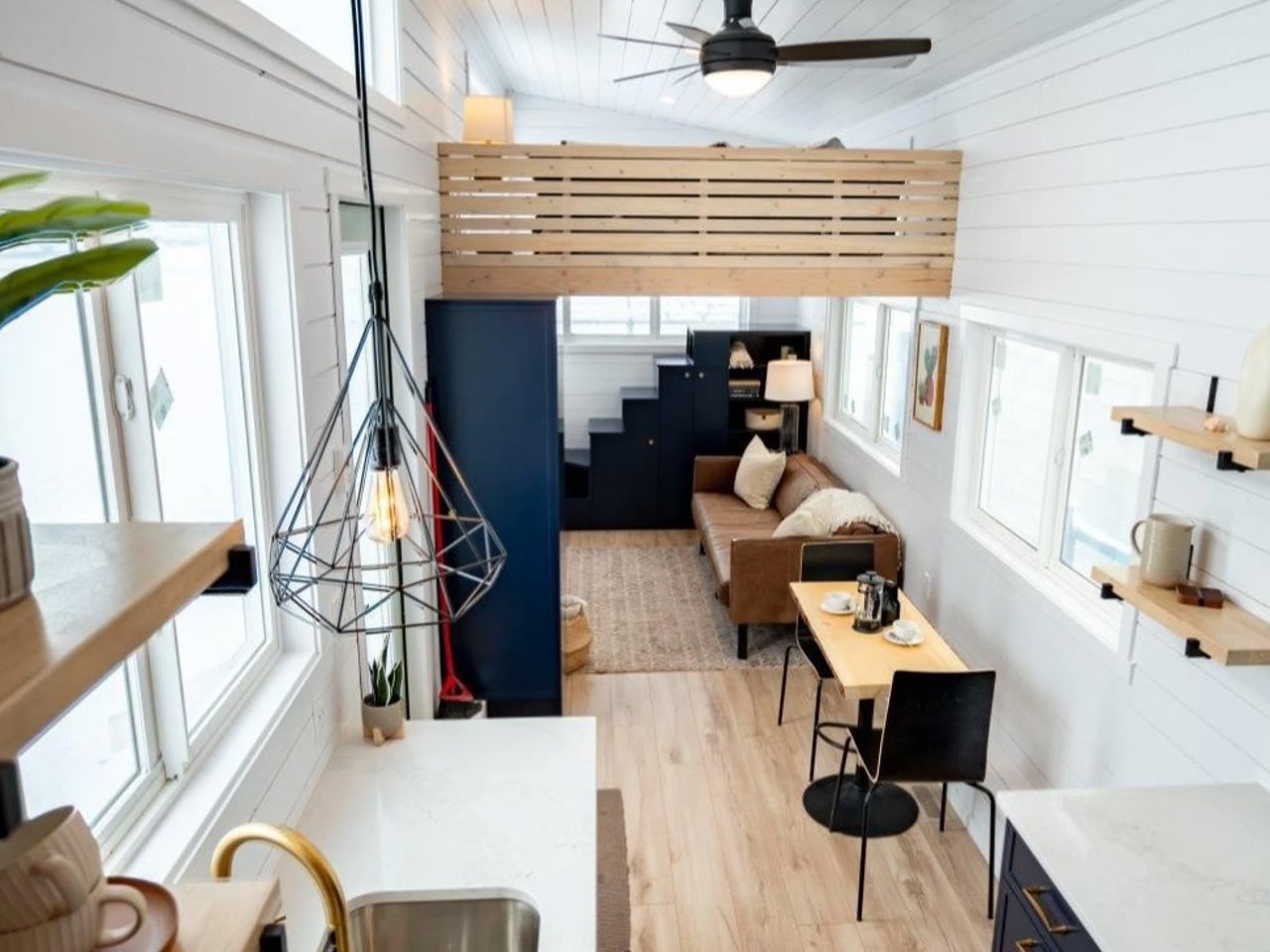
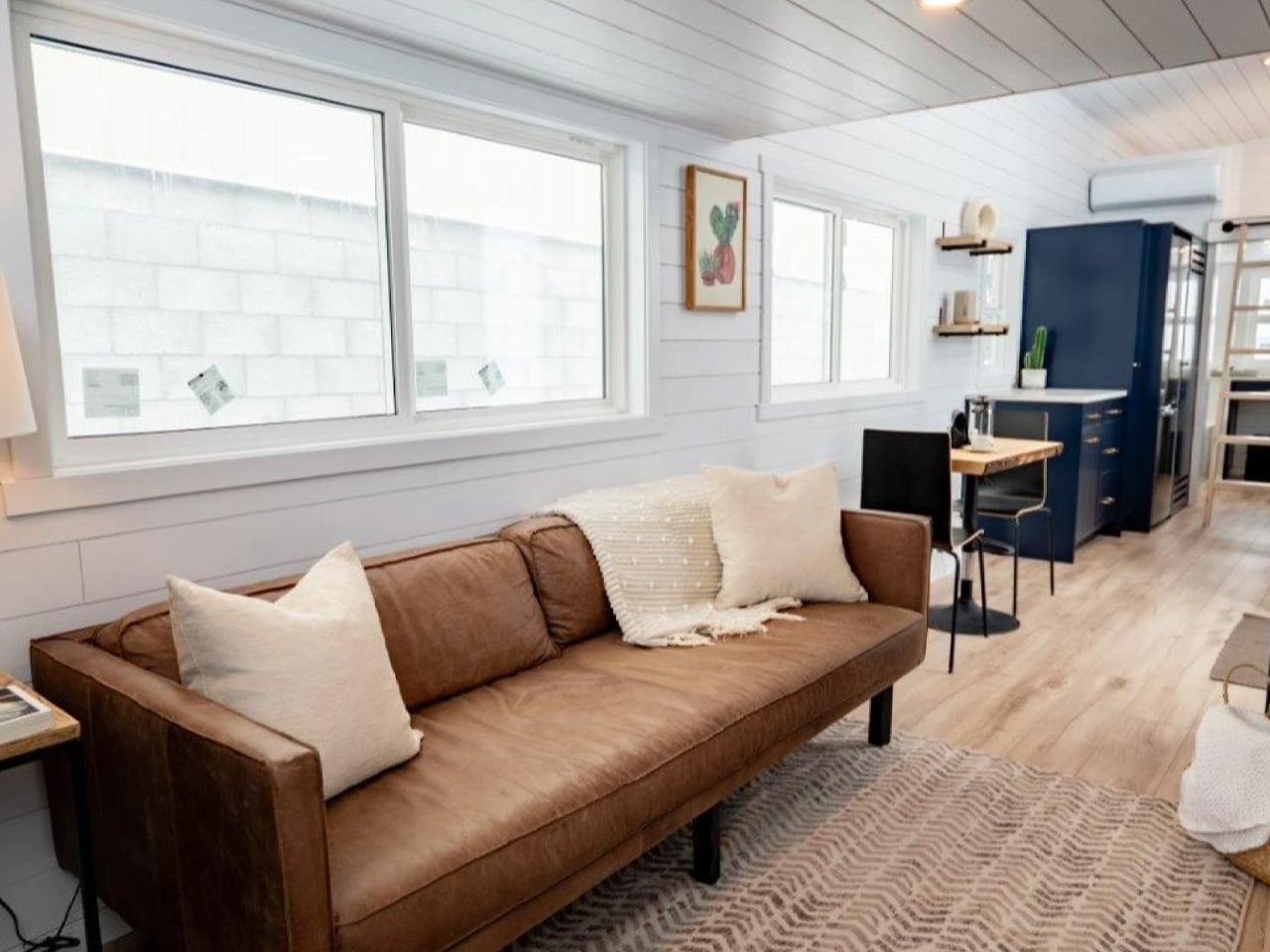
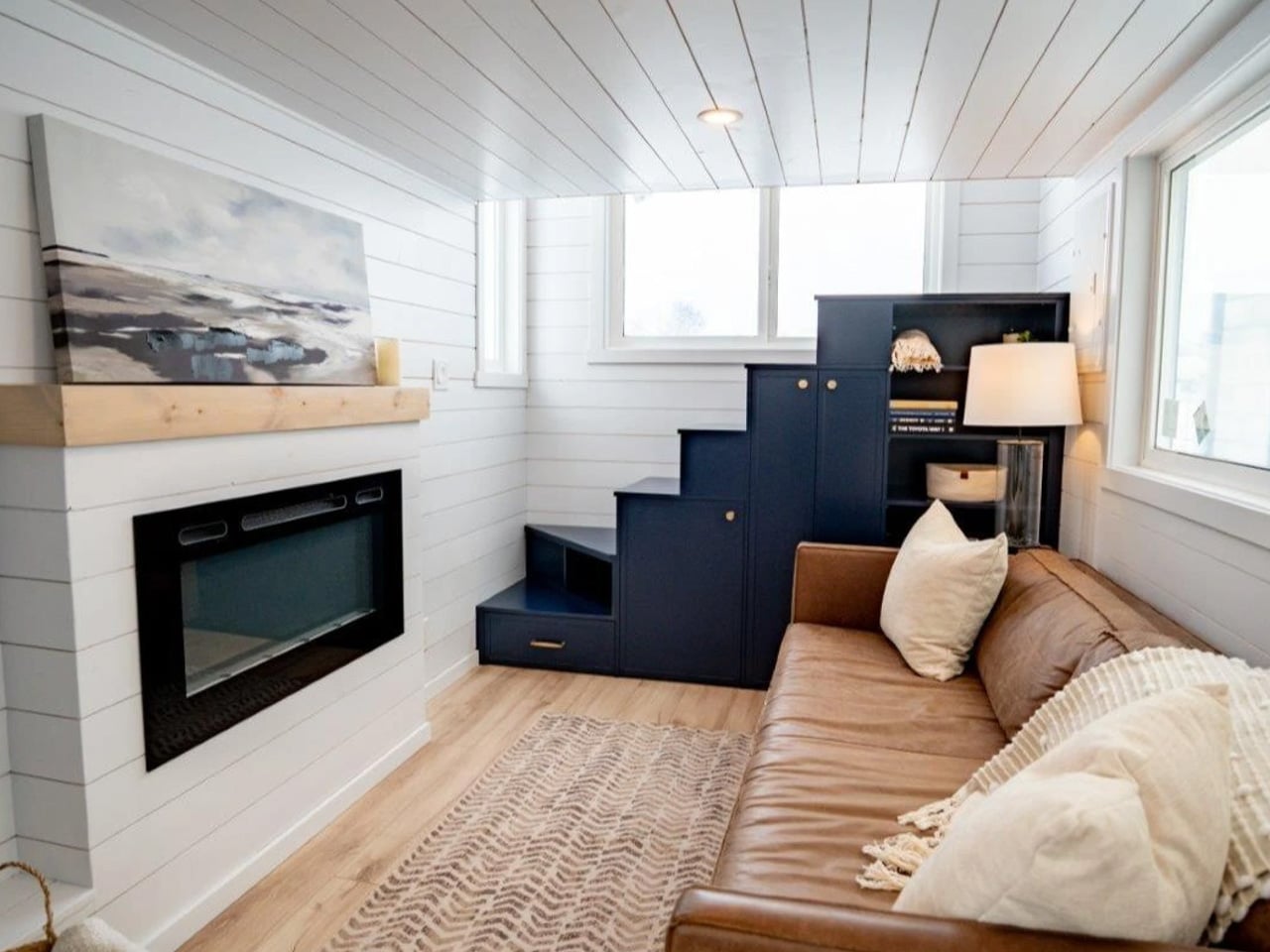
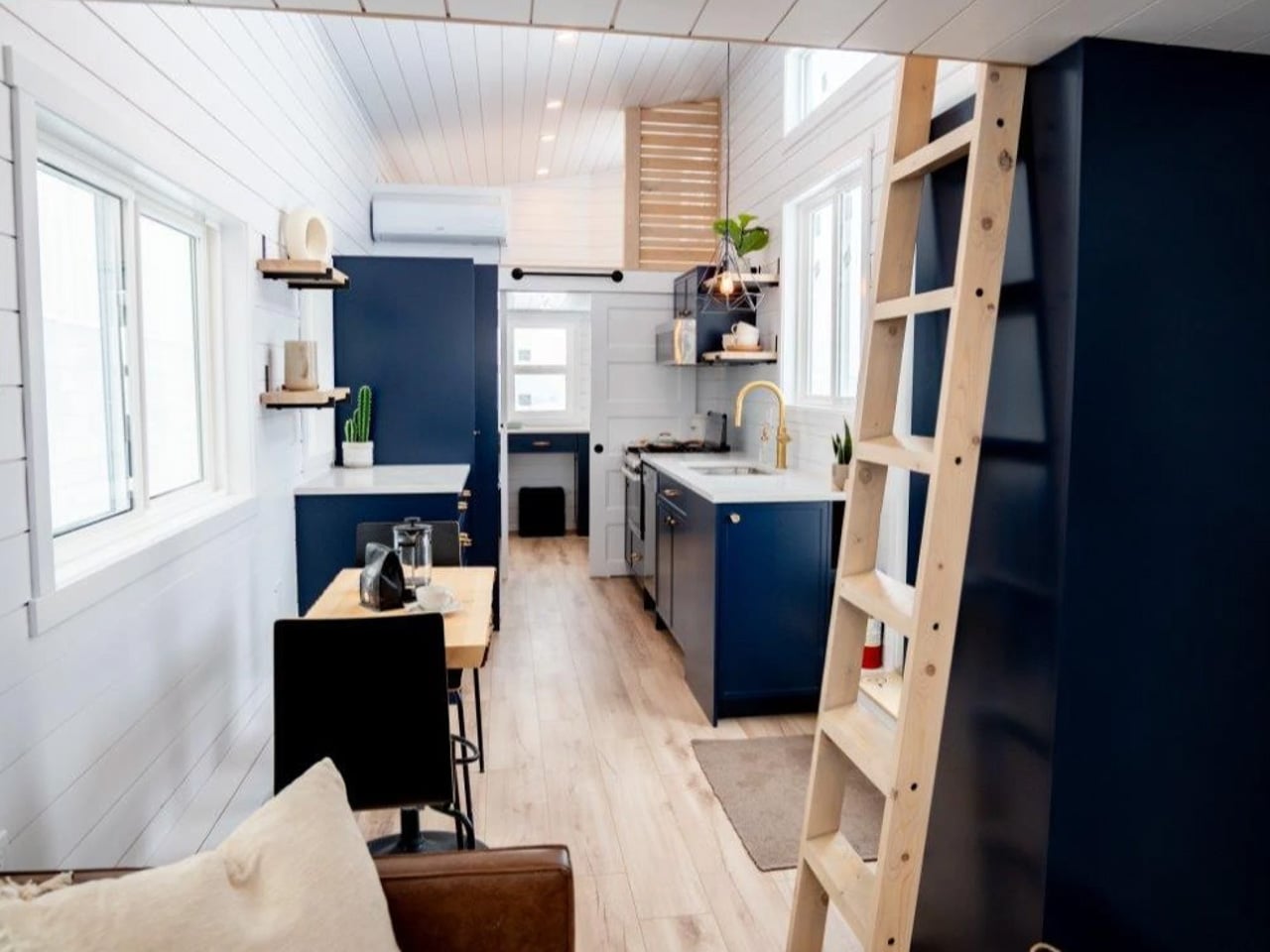
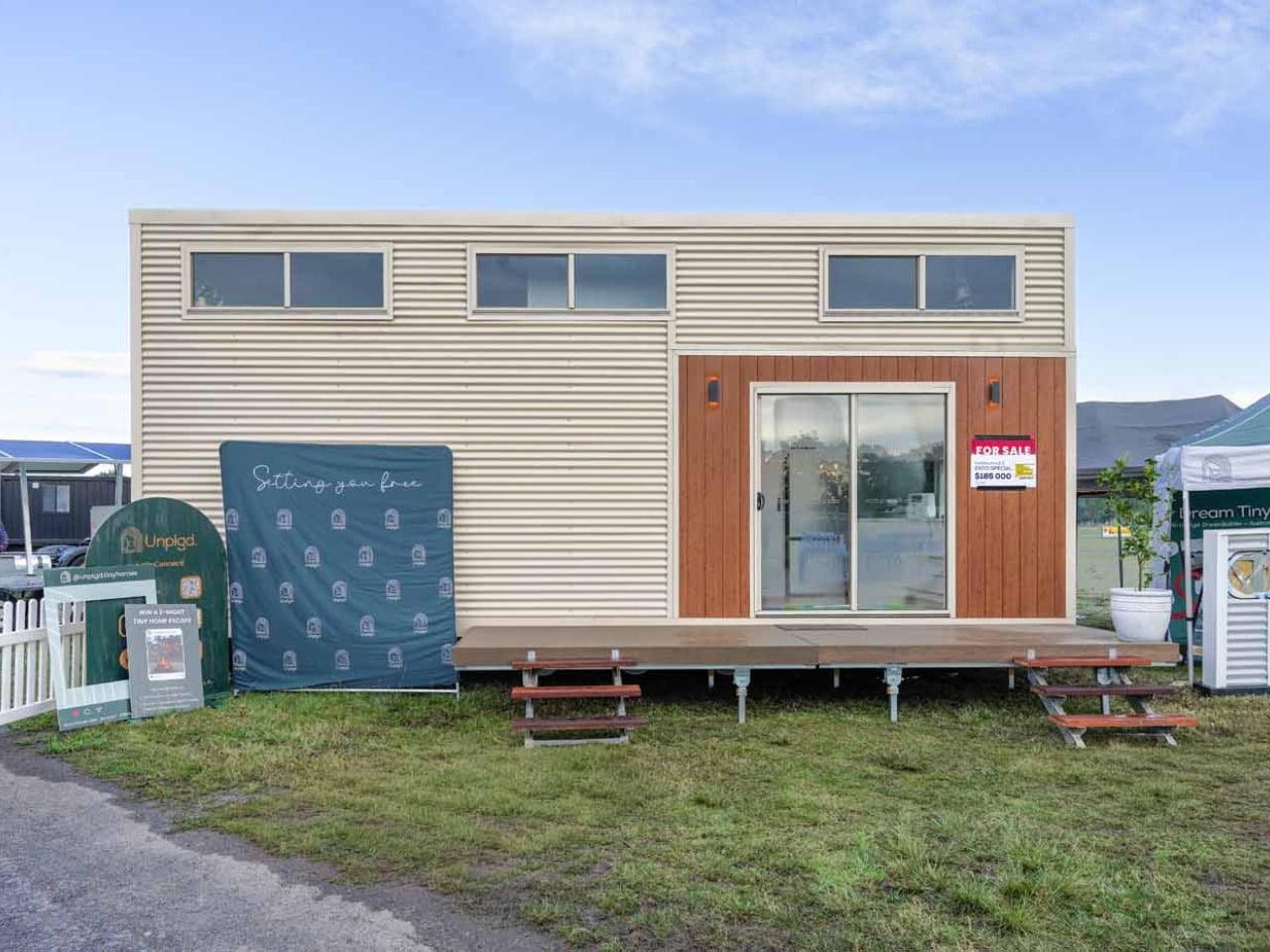
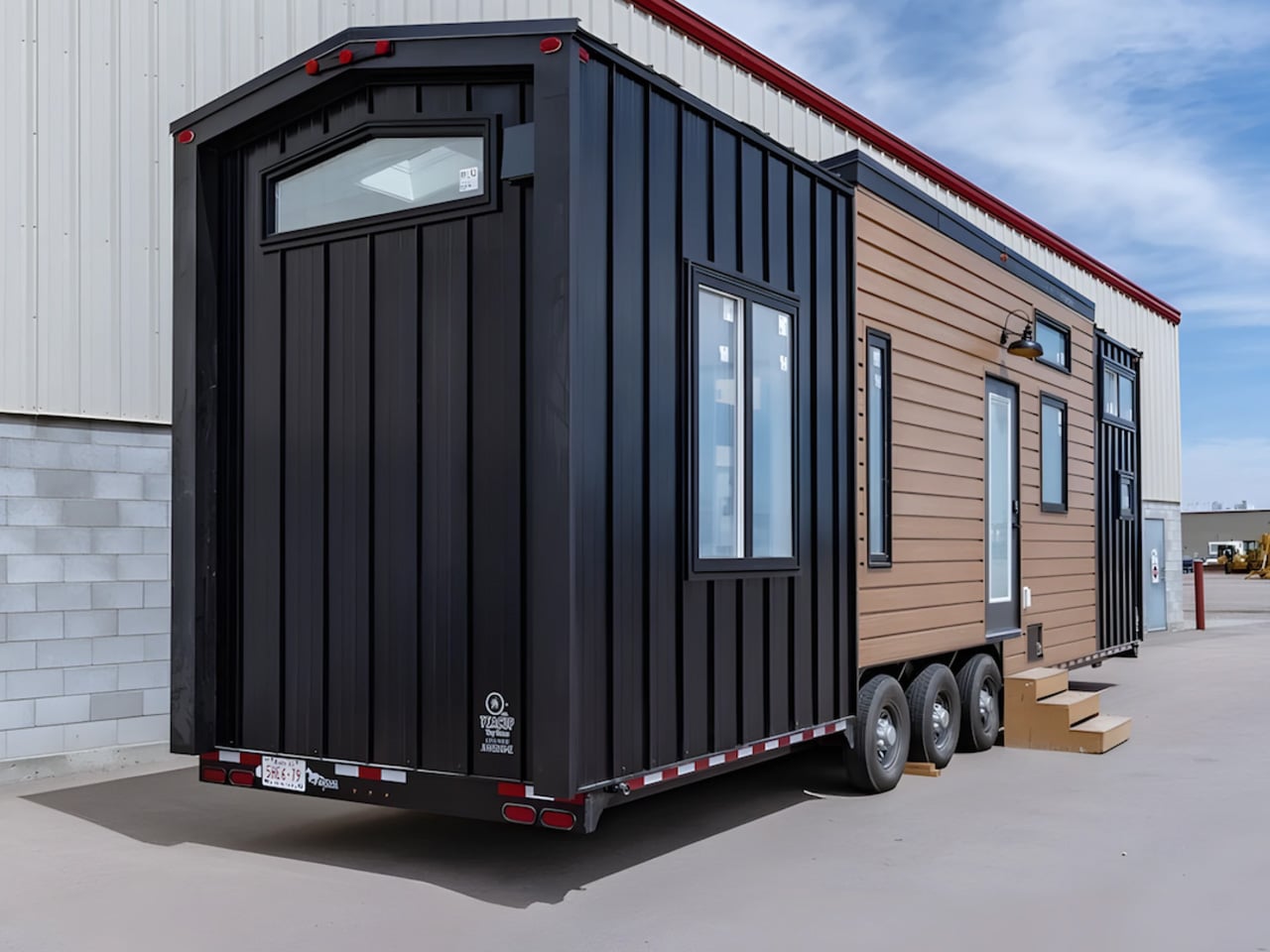
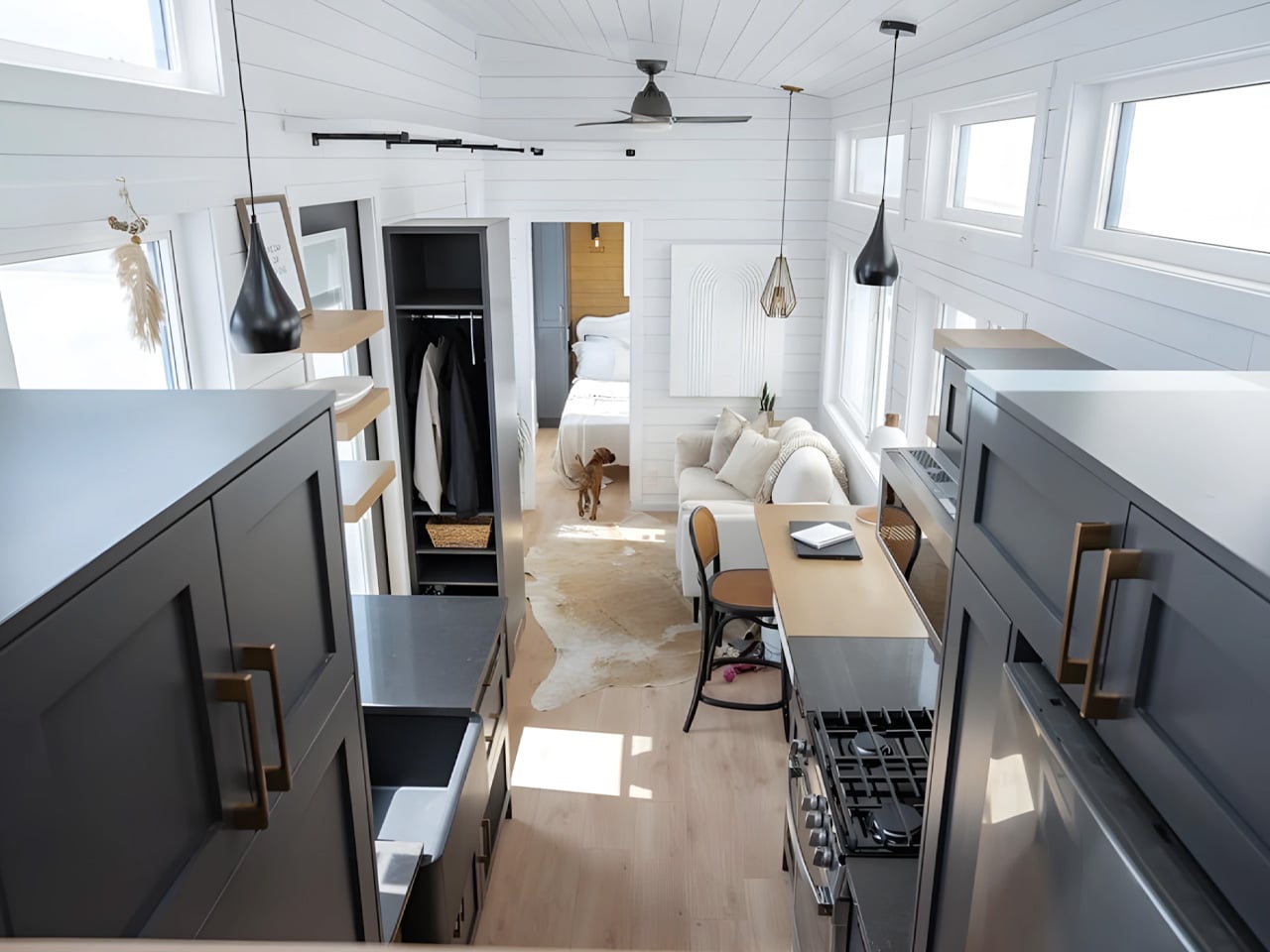
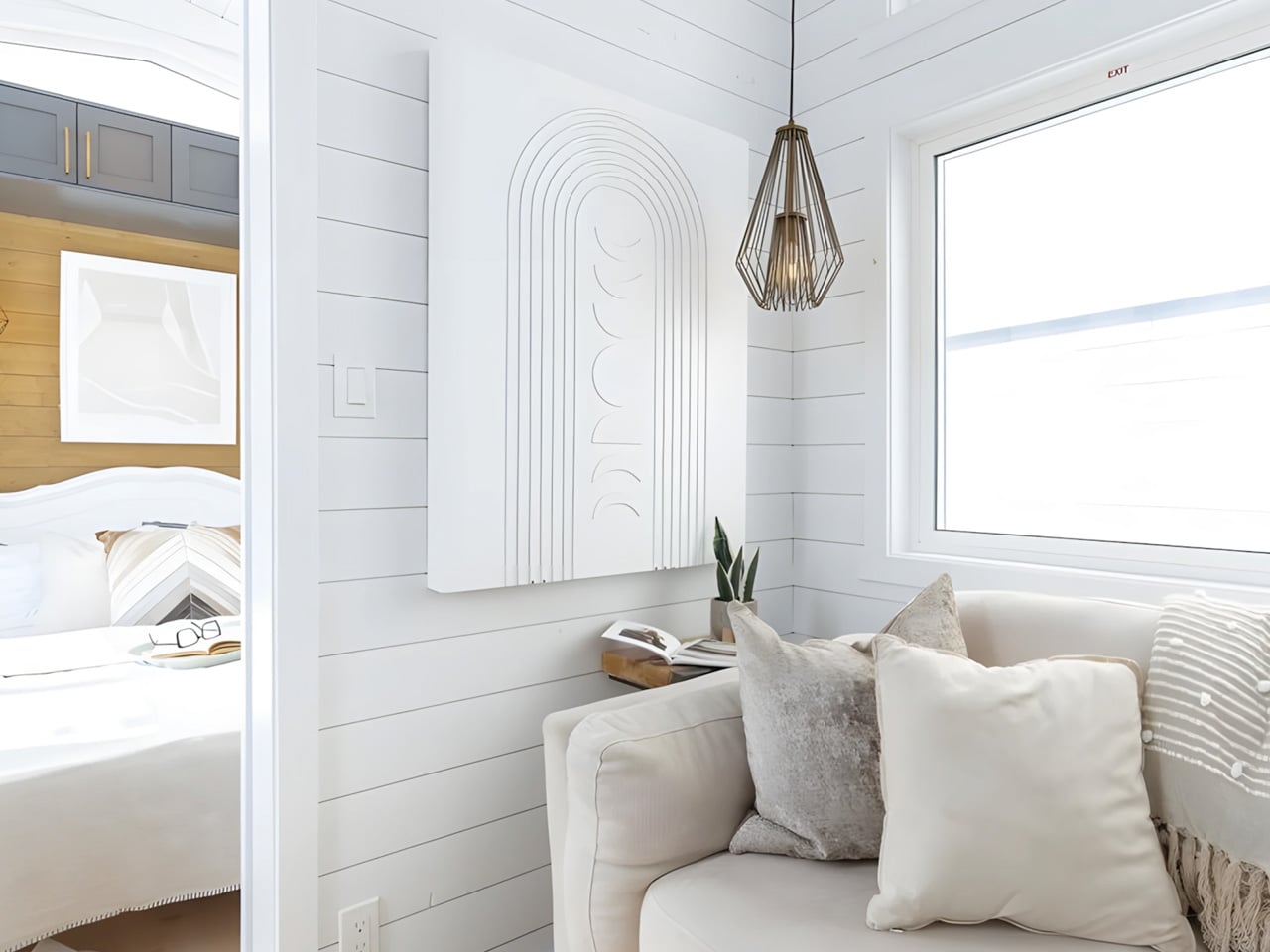
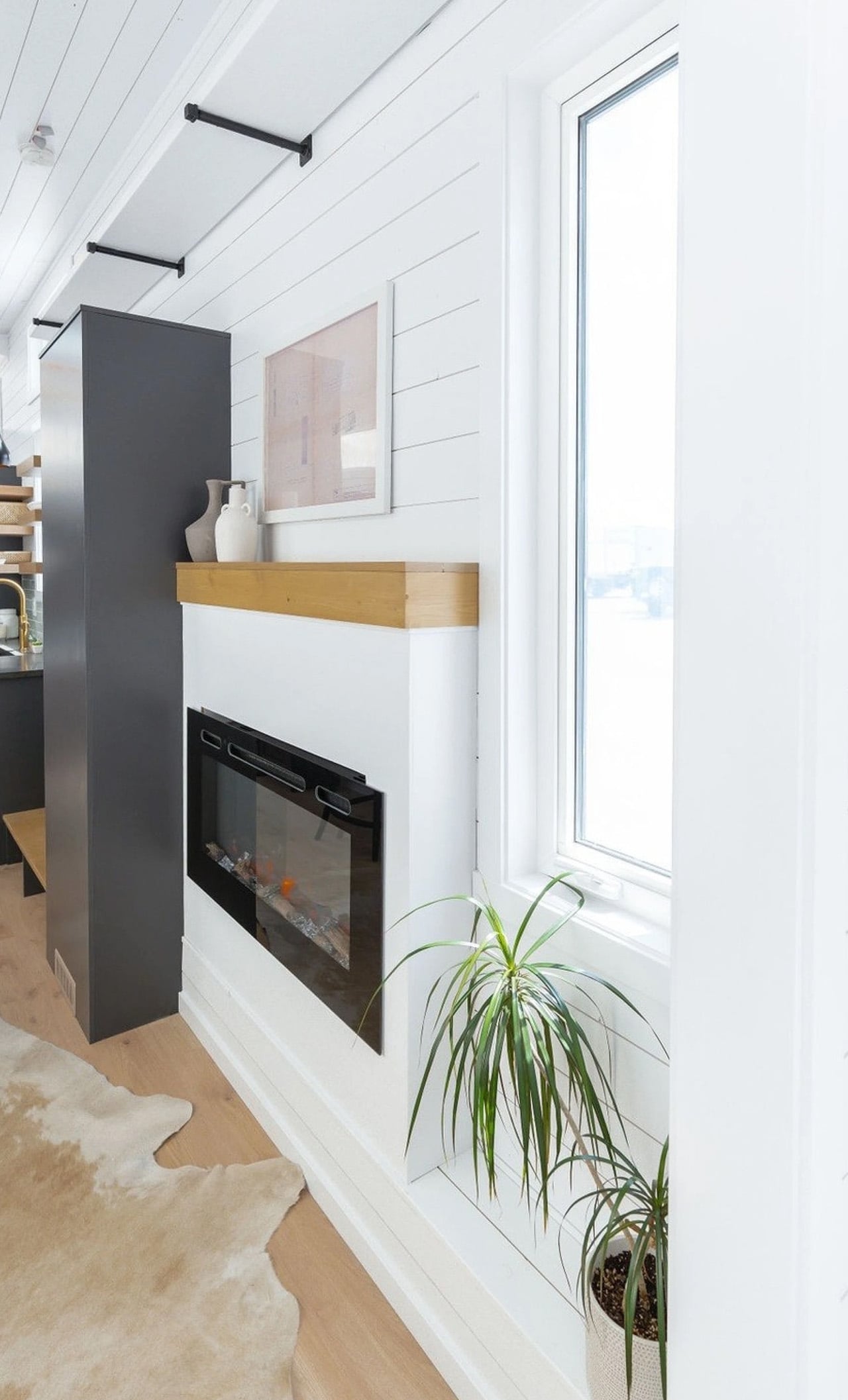
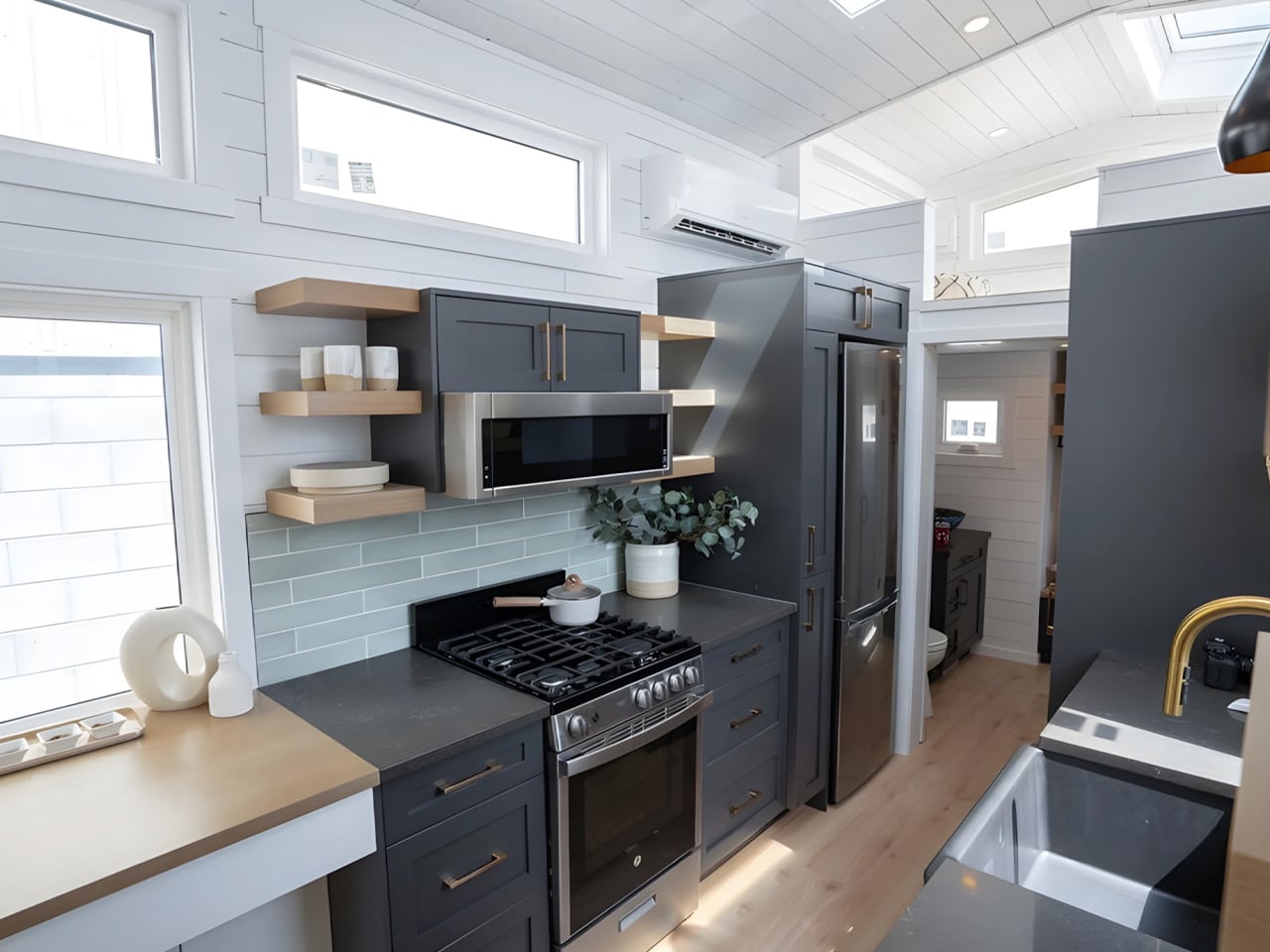
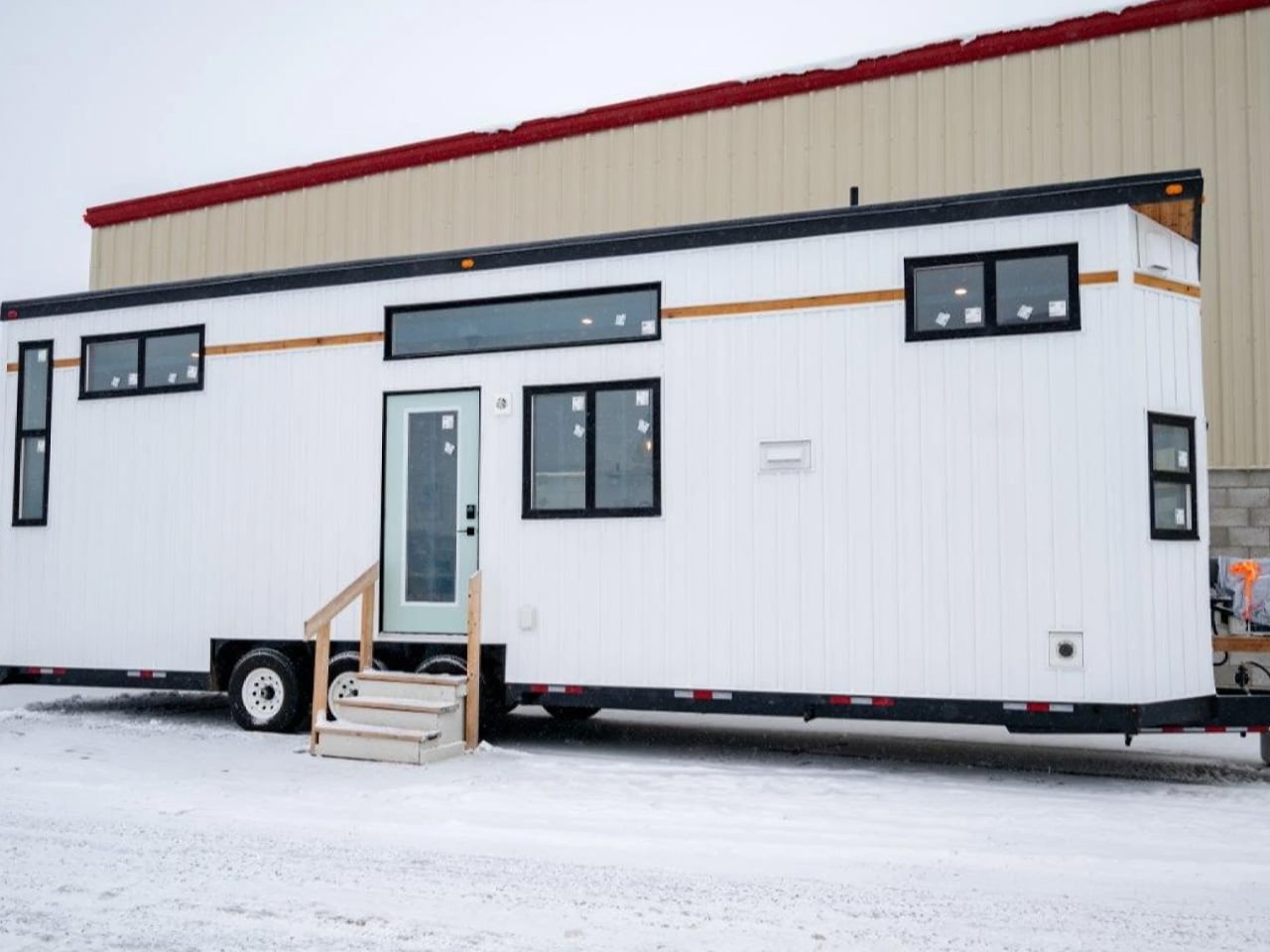
British Columbia’s tiny home scene has a new star player. The Gambier, Rover Tiny Homes’ newest model, is turning heads with its ability to transform 30 feet of space into a sophisticated living experience that rivals traditional homes. Named after the picturesque Gambier Island in BC’s coastal waters, this tiny house on wheels represents the perfect marriage of rugged construction and modern luxury.

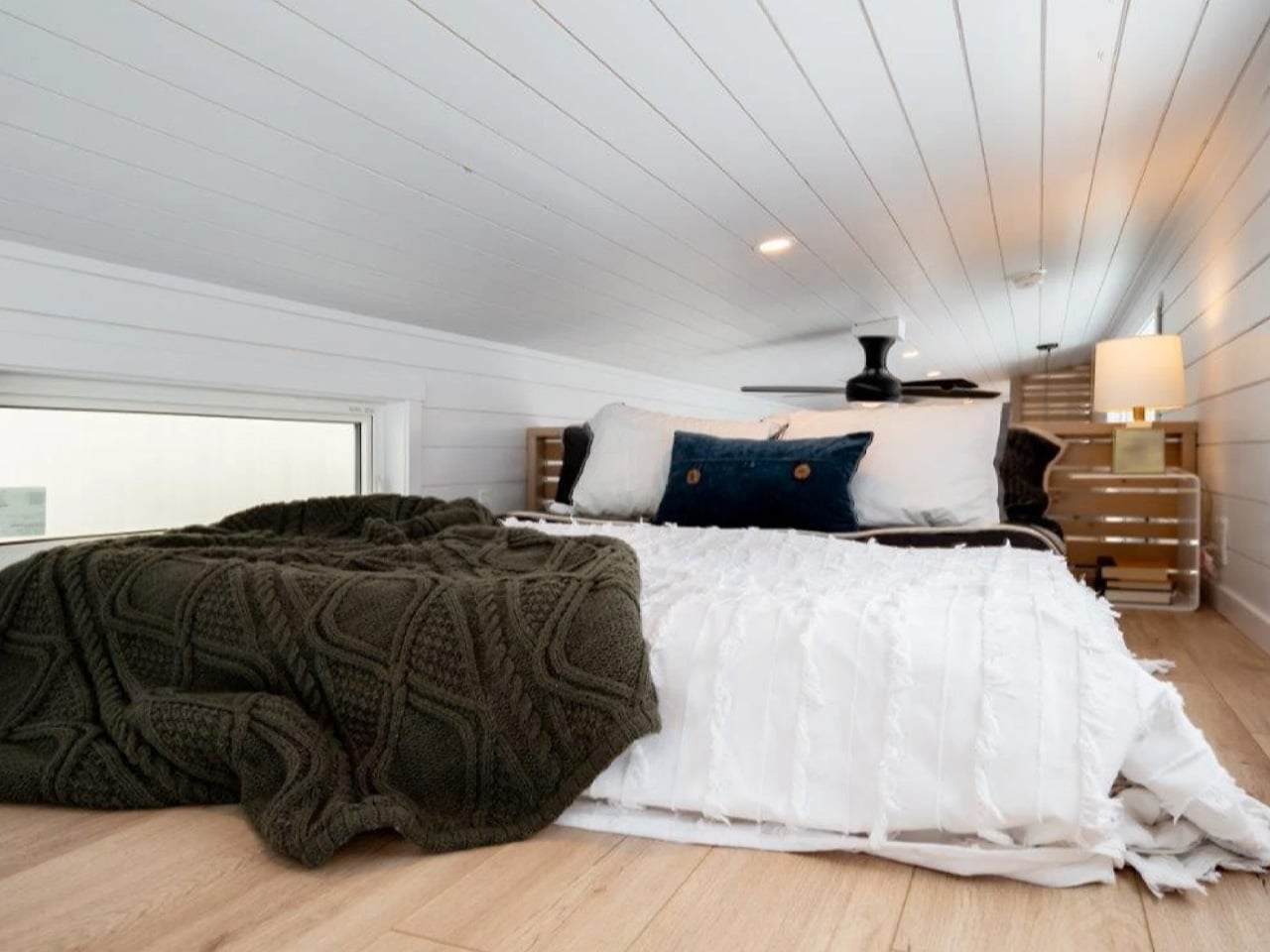
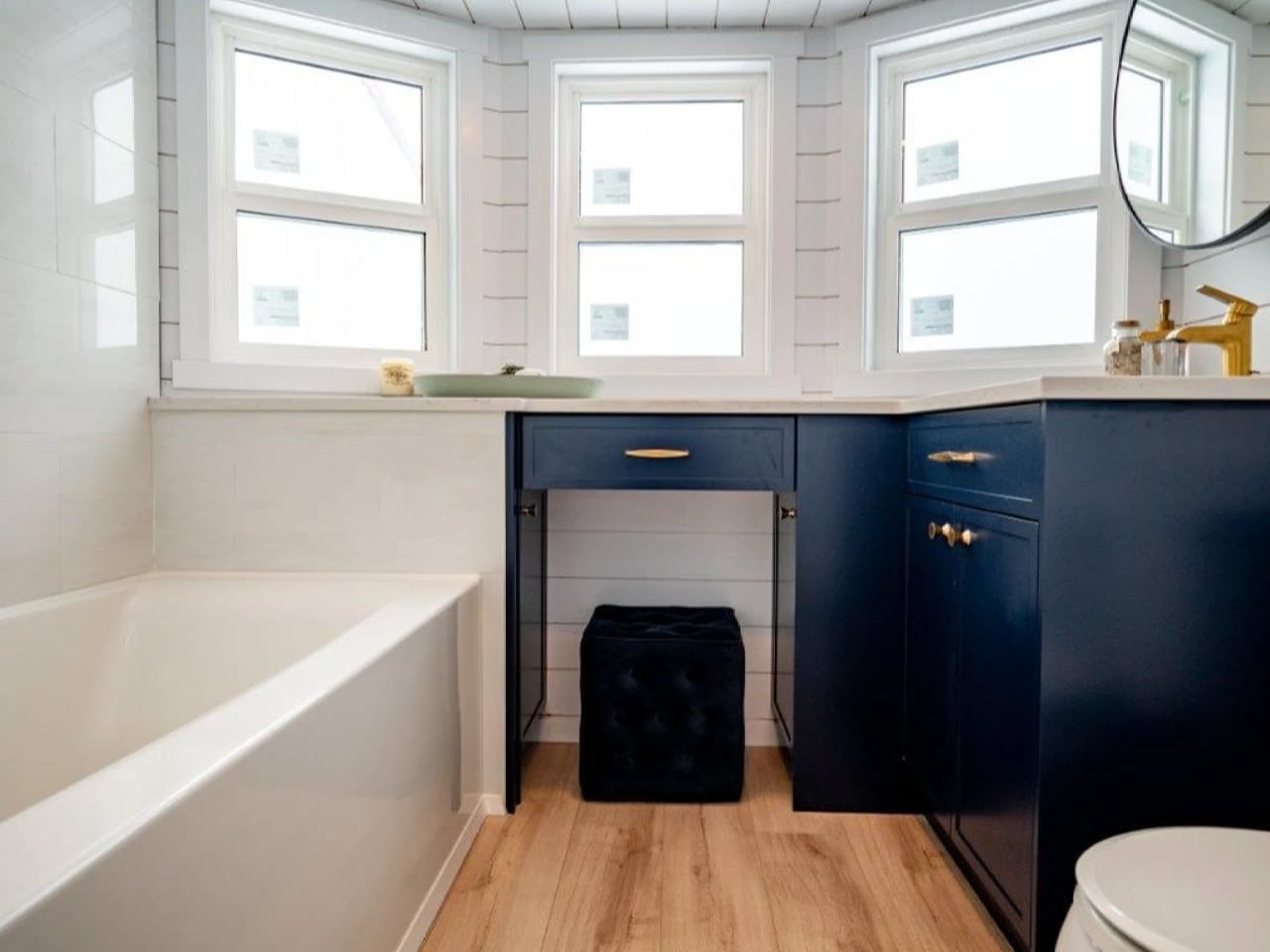
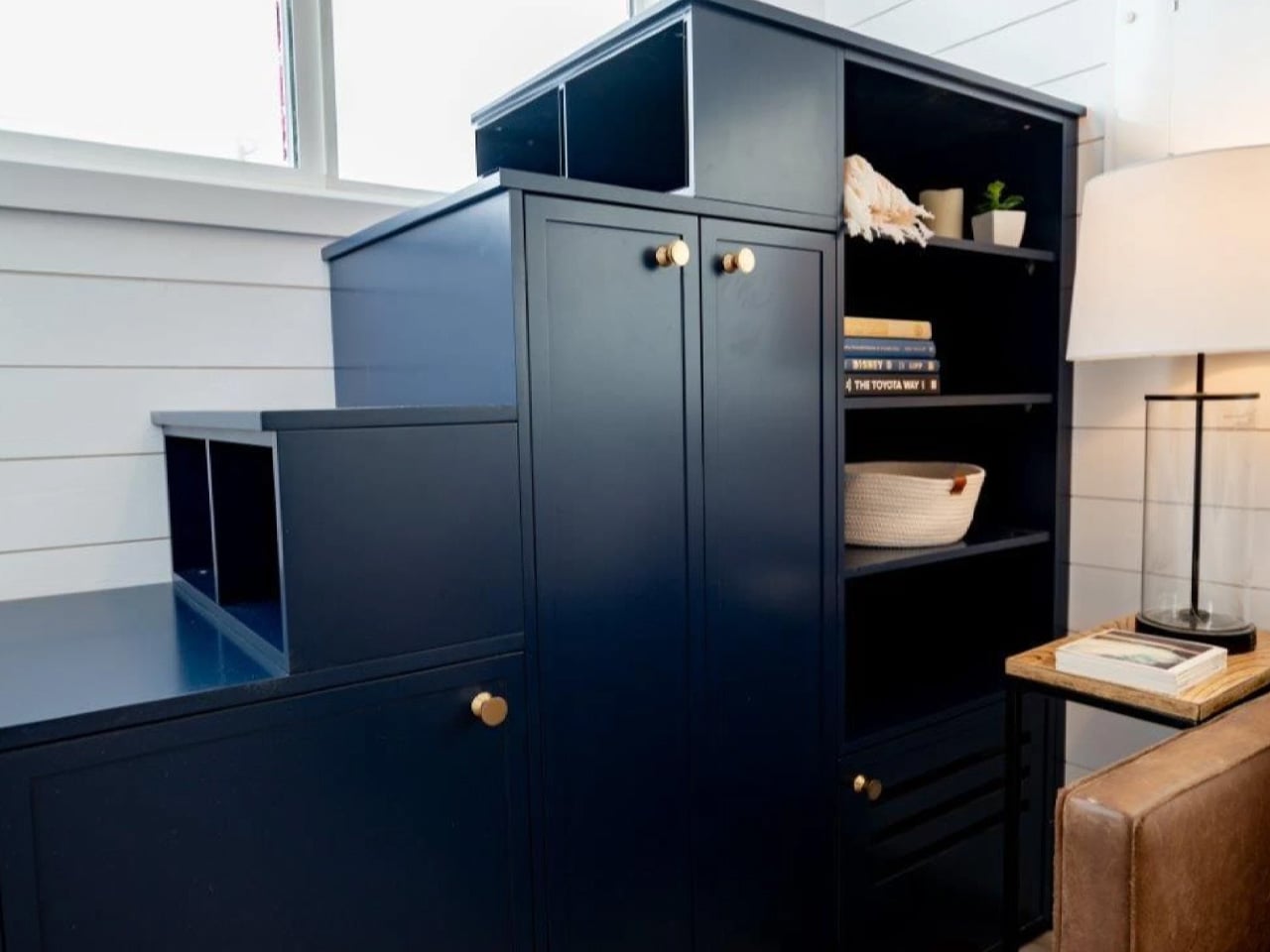
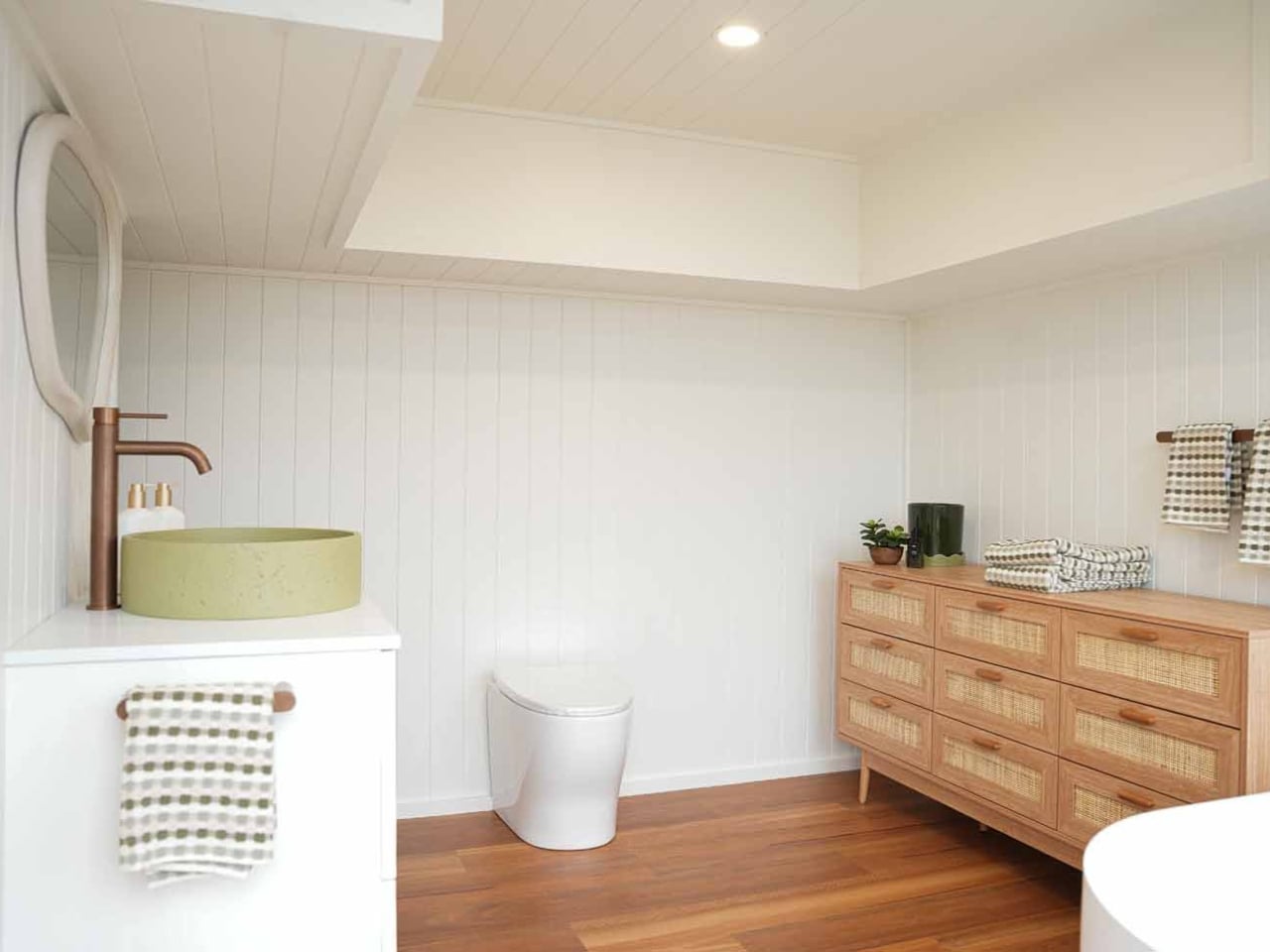
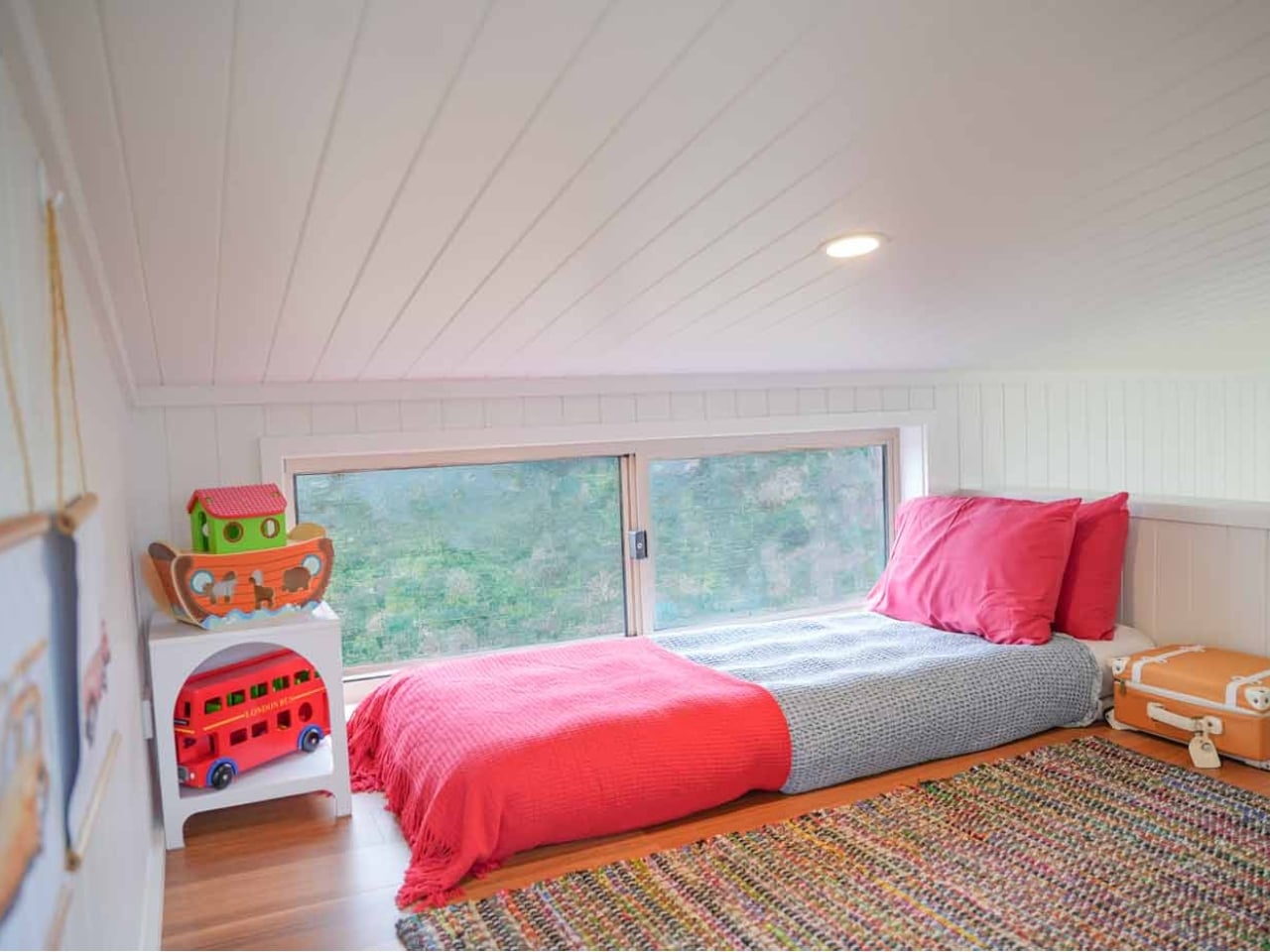
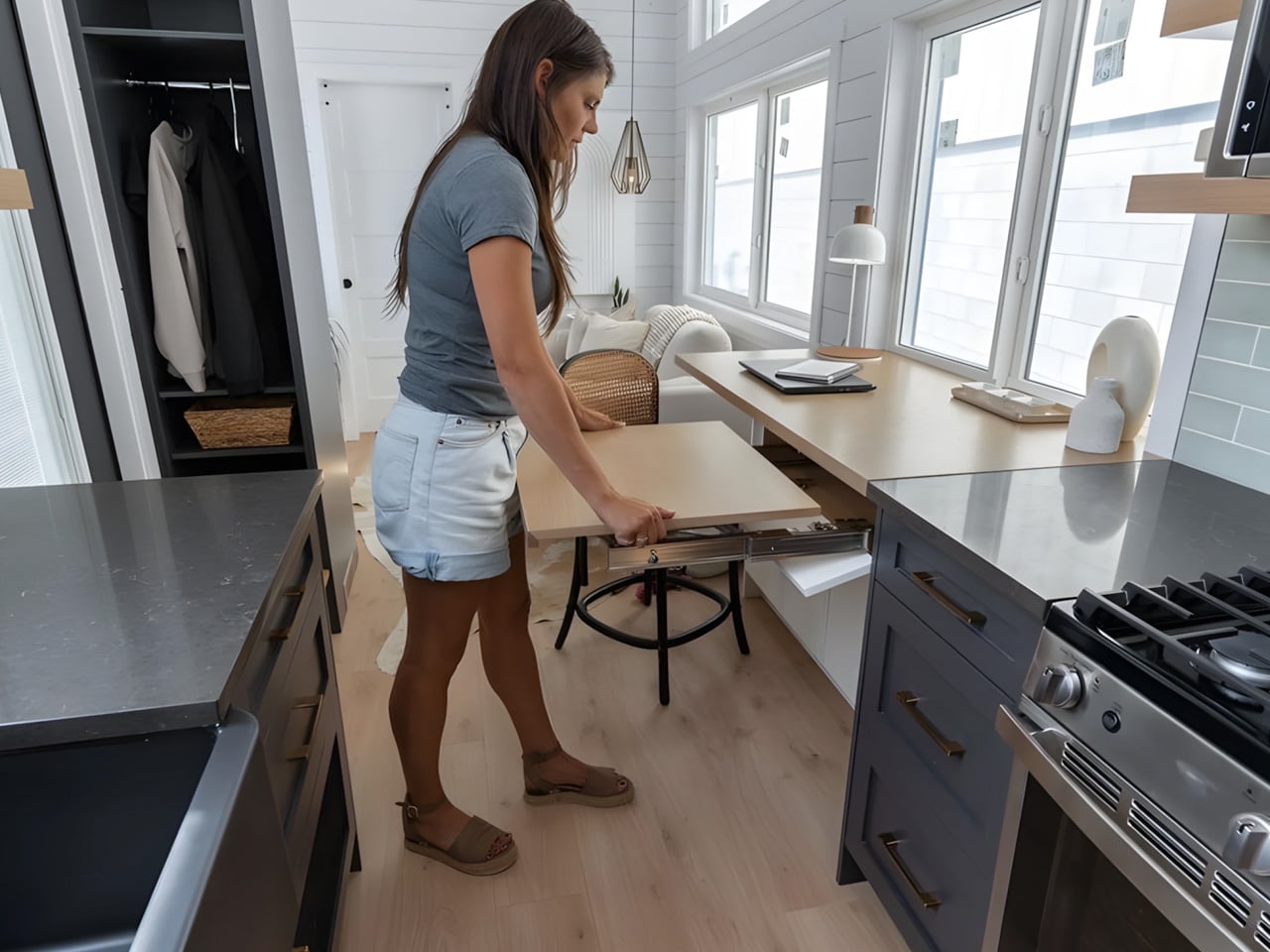
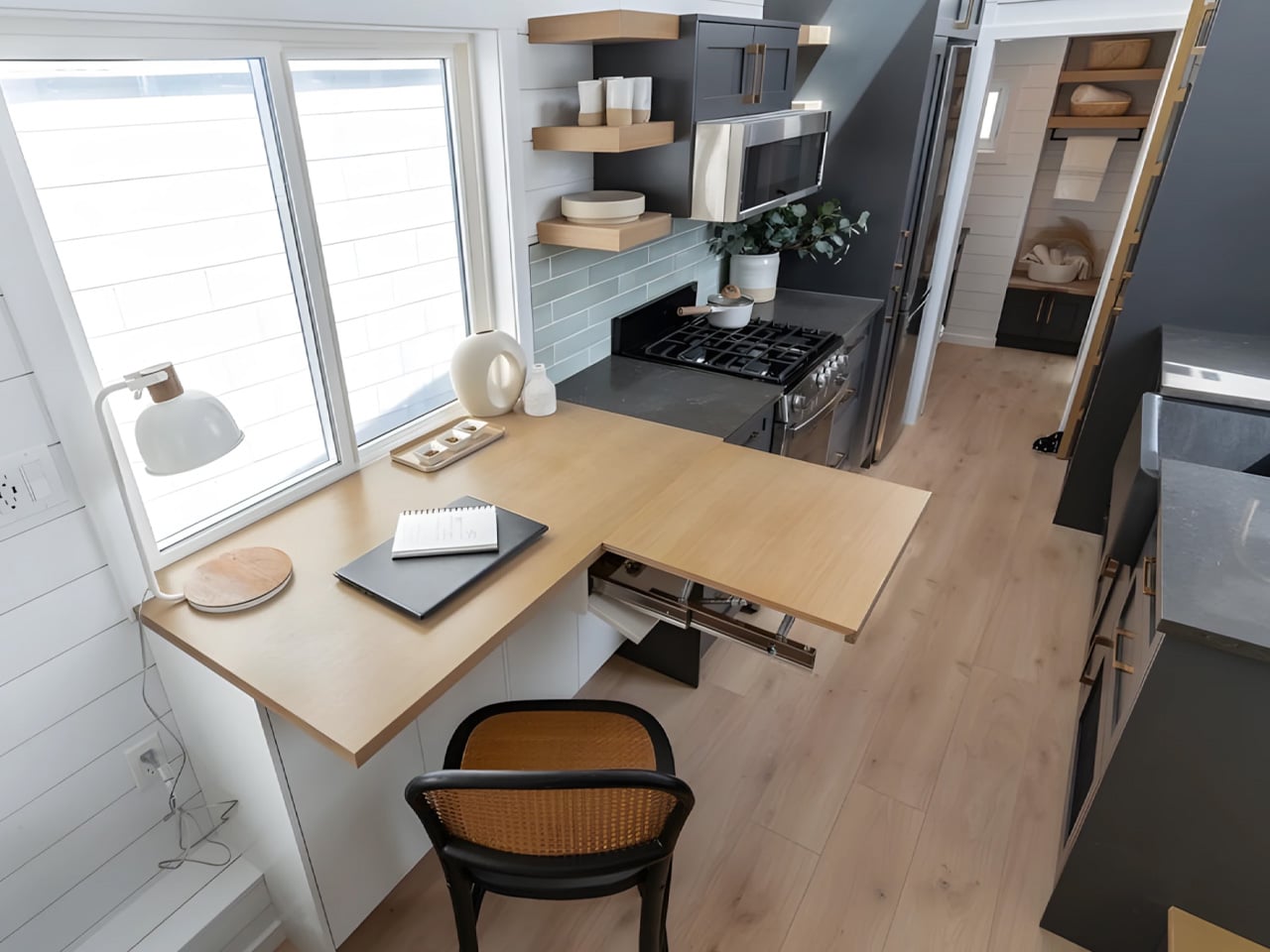
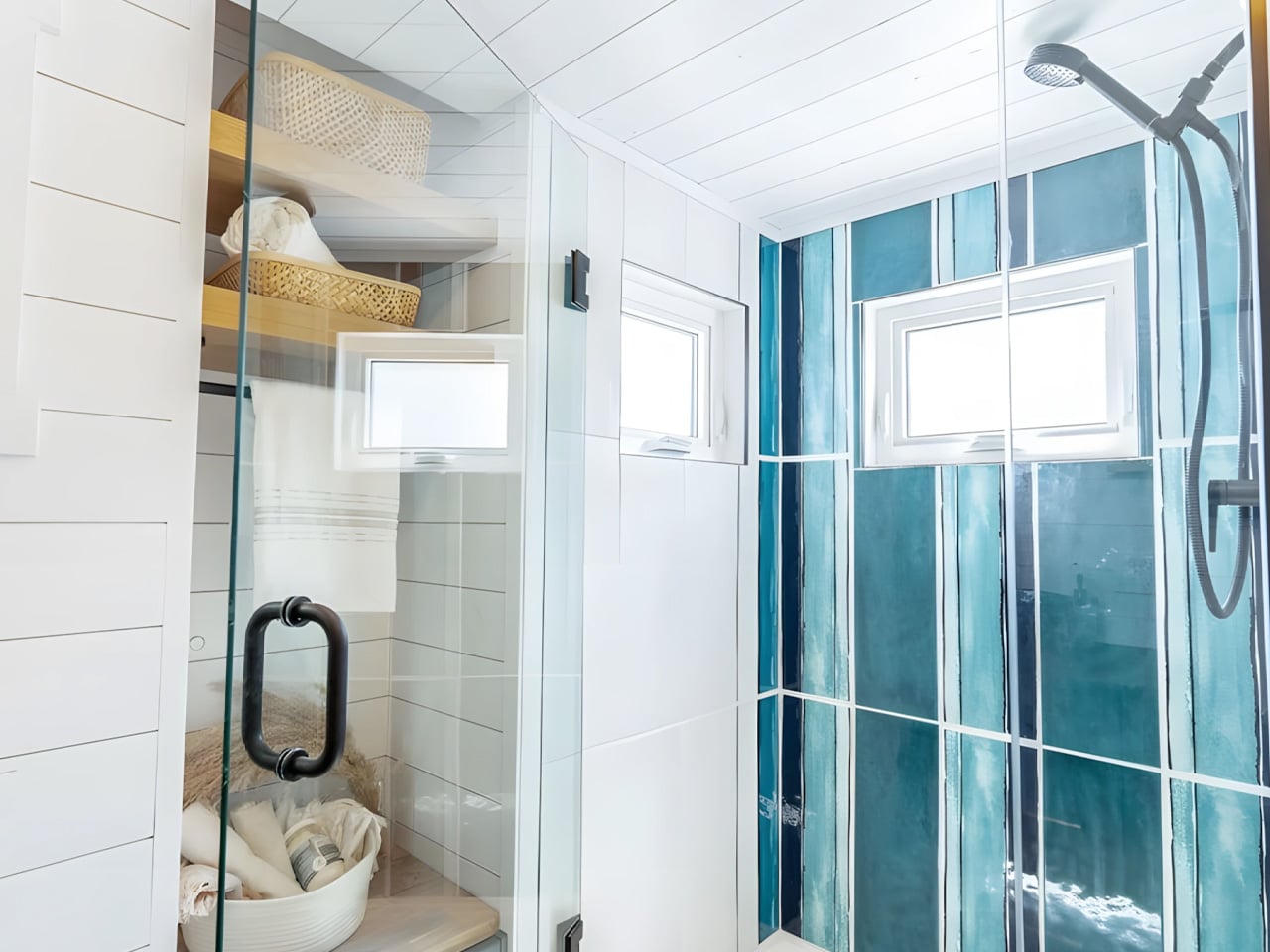
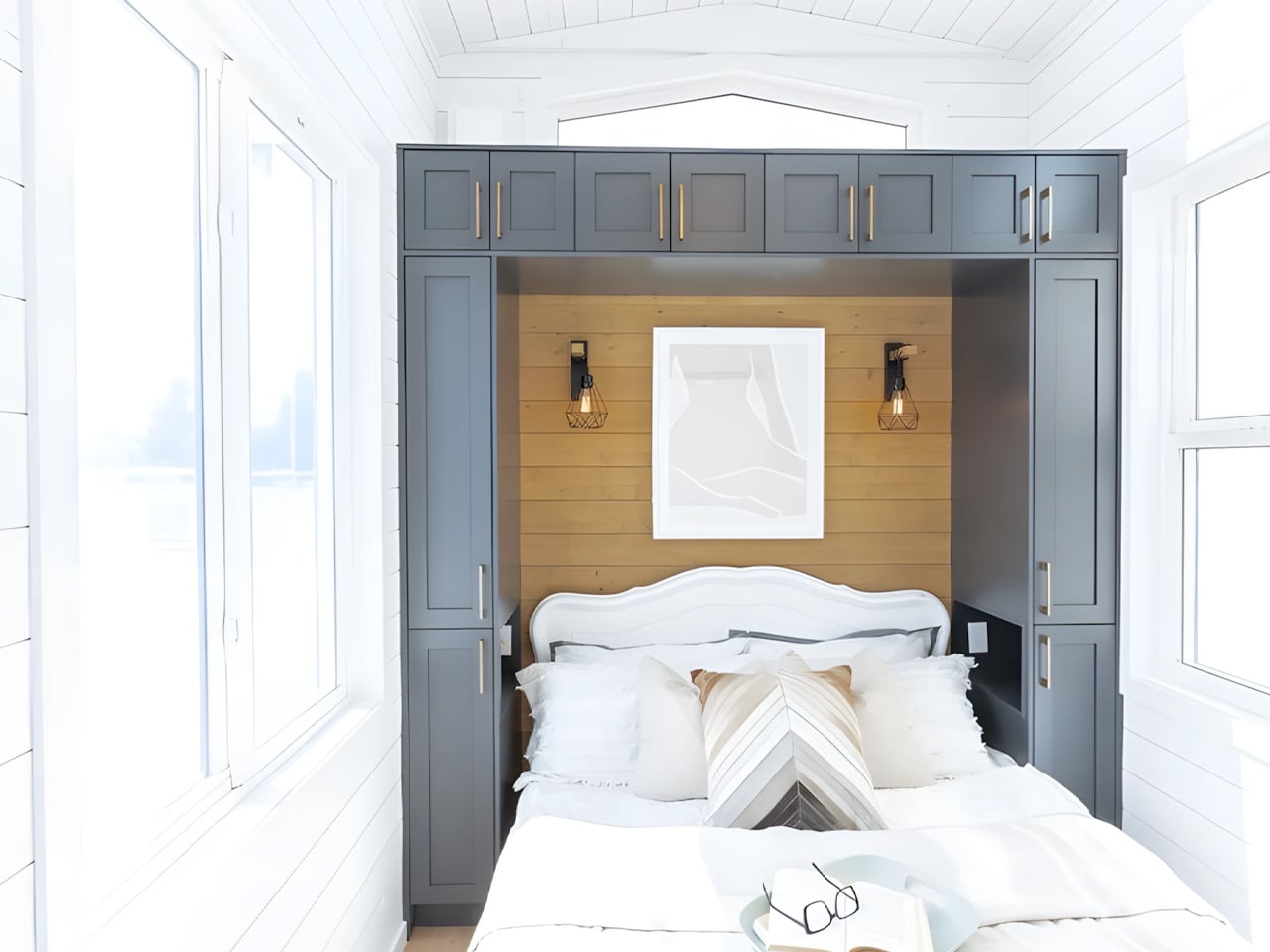
What sets the Gambier apart isn’t just its compact footprint—it’s the thoughtful design that manages to squeeze two bedrooms into its frame without sacrificing comfort or style. The bright, flexible interior spaces demonstrate that downsizing doesn’t mean downgrading your quality of life. Every square inch serves a purpose, yet the home never feels cramped or compromised. The timing of the Gambier’s launch couldn’t be better, with housing affordability reaching crisis levels across Canada.

Designer: Rover Tiny Homes

Family Legacy Meets Modern Innovation

Behind this impressive tiny home stands a family legacy spanning over 25 years. Rover Tiny Homes operates as a four-sibling venture, built on shared work ethics and family values that extend into every aspect of their construction process. Their commitment to transparency and excellence has earned them a reputation that allows them to confidently beat competitor prices by 5% while maintaining superior quality standards. This $149,900 home offers an attractive alternative to traditional homeownership, positioned as versatile enough for full-time living while elegant enough to serve as a luxury cottage getaway.

The Gambier isn’t just built for fair-weather living. Like all Rover Tiny Homes models, it’s certified to multiple standards, including A277, Z241-PM, Z240-RV, and Z240-MH, ensuring it can handle BC’s diverse climate conditions. Advanced insulation, heating, and cooling systems keep occupants comfortable year-round, whether parked in coastal fog or mountain snow. The company’s marketing approach reflects its deep connection to British Columbia’s natural beauty, with all models bearing names inspired by local mountains and landmarks.

Built for All Seasons

The Gambier isn’t just built for fair-weather living. Like all Rover Tiny Homes models, it’s certified to multiple standards, including A277, Z241-PM, Z240-RV, and Z240-MH, ensuring it can handle BC’s diverse climate conditions. Advanced insulation, heating, and cooling systems keep occupants comfortable year-round, whether parked in coastal fog or mountain snow.

The company’s marketing approach reflects its deep connection to British Columbia’s natural beauty, with all models bearing names inspired by local mountains and landmarks. This isn’t just branding—it’s a commitment to creating homes that complement, rather than compete with, their natural surroundings, emphasizing their philosophy of building homes designed to blend in with BC’s stunning landscapes. The Gambier represents more than just another tiny home option—it’s a statement about what’s possible when experienced builders focus on quality over quantity. In an era where housing solutions need to be both innovative and accessible, Rover Tiny Homes has created something that checks both boxes, offering a compelling entry point into a lifestyle that’s equal parts practical and aspirational.

The post Two Bedrooms in 30 Feet: Rover Tiny Homes’ Gambier Delivers Luxury Living for $149,900 first appeared on Yanko Design.
5 Japanese-Scandinavian Homes and Furnitures To Inspire Your Own Zen Spaces

Have you ever walked into a space and instantly felt a sense of calm wash over you? That quiet elegance, a feeling of effortless beauty? If you are yearning for a home that embodies tranquility and timeless style, then it’s time to discover Japandi. This increasingly popular design aesthetic is a beautiful fusion of Japanese minimalism and Scandinavian warmth. It is more than just a trend, but a lifestyle choice.

While emerging in early 2017, Japandi’s popularity surged to become a major trend in 2019. Let’s explore how Japandi is not just decorating spaces, but genuinely redefining modern living by creating havens of peace and practical elegance.

1. Celebrates the Art of Mindful Minimalism

In our fast-paced world, the idea of having less has never felt so relevant. Japandi champions a mindful approach to minimalism, moving away from sterile, empty spaces towards ones that are uncluttered yet inviting. It is all about curating your belongings, keeping only what is essential and brings you joy or serves a purpose, thereby reducing visual noise and mental clutter.

This philosophy creates a serene backdrop for daily life, allowing you to focus on what truly matters. Imagine a living room where every object has its place, contributing to the overall sense of calm and order. It’s not about deprivation, about intentionality and choosing quality over quantity while creating a home that breathes.

The Waterbridge House, nestled among Pebble Beach’s majestic pines, is a glass-clad haven and a testament to thoughtful architecture. Its design embodies the serene Japandi style, where the calm of Japanese aesthetics gracefully meets Scandinavian warmth infused with the relaxed vibe of the California coast.

From the moment you step onto the staggered concrete path, a sense of calm begins. The signature glass corridor, floating above a tranquil pool, isn’t just an entrance but functions as a threshold that connects two distinct wings. One wing offers vibrant, open-plan spaces for gathering, while the other provides a private retreat with an expansive primary suite. Every element, from the seamless indoor-outdoor flow created by vast sliding glass walls to the inspired floating tea house, is meticulously designed to foster a profound connection with nature, inviting the forest and light in at every turn.

2. Blends Textures and Tones

Japandi’s aesthetic appeal lies in its sophisticated color palette and rich textural interplay. Think warm neutrals like soft greys, muted greens, earthy browns, and the timeless elegance of white and black that is combined with natural wood tones, from light birch to darker walnuts. This harmonious blend creates a soothing visual narrative throughout your home.

Beyond color, the emphasis on natural materials is paramount. Picture the raw beauty of linen, the inviting warmth of wool, the subtle grain of unpolished wood, and the organic imperfections of ceramics. These elements add depth and a tactile richness to the space, inviting you to touch, feel, and truly connect with your surroundings while fostering a sense of comfort and authenticity.

The Sawmill Treehouse is nestled amidst the serene alpine landscape at the base of Mt. Buller, Victoria. This architectural marvel isn’t just accommodation but is a profound invitation to reconnect with the natural world and rediscover your inner calm. Crafted in the beautiful Japandi style, this elevated sanctuary seamlessly blends Japanese minimalism with Scandinavian functionality. From the moment you ascend the rusted steel steps, you are enveloped in a sense of being among the trees, where the boundaries between cozy interiors and stunning forest views melt away.

Every detail, from the fire-resistant COR-TEN steel exterior that weathers beautifully to the warm Tasmanian oak interior, speaks of a deep respect for its surroundings. It is an inspiring example of how intentional design can create an unparalleled, immersive experience.

3. Connects with Nature’s Tranquil Beauty

Bringing the outdoors in is a cornerstone of Japandi design that fosters a deep connection with nature and its calming influence. This isn’t just about adding a few potted plants but is about integrating natural light, organic forms, and elemental materials into the very fabric of your home. Imagine large windows framing a view, or the subtle presence of natural stone.

The deliberate inclusion of carefully chosen plants, whether it’s a graceful fiddle leaf fig or a delicate orchid, adds life, purity, and a touch of serene vibrancy to the space. It is about creating an environment that feels fresh, airy, and deeply connected to the natural world while promoting a sense of well-being and peaceful introspection.

Minima is a compact 215-square-foot (20-square-meter) prefab module designed by Australian studio TRIAS in collaboration with FABPREFAB. This flexible unit serves perfectly as a standalone tiny home or an adaptable backyard addition, ideal for a home office or guest retreat. Its construction utilizes sustainable Cross-Laminated Timber (CLT), a material chosen to minimize environmental impact and reduce concrete emissions. It embodies a distinctly modern, Japandi-inspired aesthetic.

Minima’s minimalist exterior is clad in cypress battens with a steel roof, beautifully concealing its thoughtful interior. Hardwood-framed glass doors open to reveal a warm, human-centric space where Scandinavian and Japandi influences converge. What truly sets Minima apart is its innovative design beyond aesthetics, as it requires no concrete foundation, utilizing ground screws for easy relocation, thereby minimizing site disturbance. Furthermore, its modularity allows for expansion, creating accessible and affordable community opportunities.

4. Functionality Meets Form with Intent

One of the most appealing aspects of Japandi is its unwavering commitment to functionality without sacrificing an ounce of style. Every piece of furniture and decorative item serves a purpose. This design approach values clever storage solutions, versatile pieces, and ergonomic considerations, ensuring that your home not only looks beautiful but also works effortlessly for your everyday needs.

Japandi design includes clean lines, simple forms, and smart design that prioritizes usability. This means less clutter, more efficiency, and a home that supports your daily routines rather than hindering them. It is about creating a space where everything has its place and everything is easily accessible, making your life simpler and more streamlined.

Hara House, situated in a small agricultural village north of Tokyo, stands as a testament to the profound connection between Japanese architecture, mindful living, and community. Designed for a young couple seeking to revitalize communal ties, this distinctive A-frame cabin embodies the core tenets of minimalism and warmth. Built with precisely spaced timber and topped with a white steel roof, its design thoughtfully balances private family areas with a semi-public, open-air living and dining space, showcasing efficiency and a minimal material footprint.

Architect Takayuki Shimada envisioned Hara House as an “incomplete” canvas, deliberately inviting villagers to utilize its spaces and become part of its evolving narrative. Parallel glass doors in the central living area promote cross-ventilation and fluid connection with the street, eschewing traditional self-reliance for communal engagement. This home, reminiscent of classic Japanese design and even Ghibli aesthetics, encourages workshops and gatherings to spill outdoors.

5. Promotes Well-being

Additionally, Japandi is an invitation to cultivate a more peaceful and balanced life. By stripping away the unnecessary and focusing on natural elements, thoughtful design, and a serene atmosphere, Japandi homes become true sanctuaries for well-being. They are spaces that encourage mindfulness, relaxation, and a deeper connection with oneself and loved ones.

Imagine coming home to a calm, uncluttered environment that immediately helps you de-stress and recharge. This focus on creating a supportive and restorative living space directly contributes to improved mental clarity, reduced stress, and an overall enhanced quality of life.

Japandi furniture promotes well-being through its thoughtful balance of form, function, and serenity. Characterized by clean lines, natural materials, and understated elegance, Japandi design merges the minimalist ethos of Japanese aesthetics with the warmth and practicality of Scandinavian style.

Crafted primarily from wood, Japandi furniture brings a sense of nature indoors and encourages a slower, more mindful way of living. Its minimalist yet warm presence transforms even the simplest spaces into havens of tranquility. By emphasizing simplicity, craftsmanship, and harmony, Japandi furniture fosters a peaceful atmosphere that is best suited for rest, reflection, and emotional wellness.

Ultimately, Japandi truly redefines modern living by prioritizing serenity, purpose, and natural connection. By inviting Japandi’s principles of minimalism and warmth into your space, you are cultivating a calming environment that supports a balanced and intentional life.

The post 5 Japanese-Scandinavian Homes and Furnitures To Inspire Your Own Zen Spaces first appeared on Yanko Design.
This Chinese Greenhouse Folds Open Into a Community Kitchen

You know that feeling when you stumble upon something that makes you reconsider everything you thought you knew about a space? That’s exactly what happened when I discovered this incredible project in Guangzhou, China. Office for Roundtable and JXY Studio have created something that refuses to fit into neat categories, and honestly, that’s what makes it so compelling.

The project is called “Your Greenhouse Is Your Kitchen Is Your Living Room,” and yes, that title is doing exactly what it promises. This isn’t just a clever name. It’s a modular pavilion that literally transforms from a functioning greenhouse into an open pavilion for community gatherings, and it does so in the most satisfying way possible.

Designers: Office for Roundtable and JXY Studio (photography by Leyuan Li)

Picture this: a steel A-frame structure wrapped in polycarbonate panels that can hinge open using tension cables suspended from the top of the frame. When the sides are closed, you have a microclimate perfect for growing potatoes, green peppers, lettuce, bok choi, and various herbs. When you pull those cables and the walls lift up, suddenly you’ve got an airy pavilion ready to host a dinner party or a community workshop.

What I love about this design is how it emerged from a very specific moment in time. Designer Leyuan Li secured a grant from Hong Kong’s Design Trust to explore the small-scale, community-based farming projects that popped up during the COVID-19 pandemic. You remember those, right? When everyone suddenly became obsessed with sourdough starters and backyard gardens because we were all grappling with questions about food security and supply chains.

But instead of just documenting that cultural moment, Li and the teams at Office for Roundtable and JXY Studio decided to create something that pushes the conversation forward. The pavilion, installed at Guangzhou’s Fei Arts museum, is their answer to a bigger question: what if we could challenge the entire system of centralized food production by creating spaces that make growing, cooking, and sharing food feel more accessible and communal?

The technical details are pretty clever too. Those polycarbonate sheets aren’t just randomly placed. The designers carefully positioned gaps between the panels to allow for passive cooling, which is essential in Guangzhou’s subtropical climate. Nobody wants to be stuck in a sweltering greenhouse when they’re trying to tend their herbs or host a gathering. Inside, metal shelving racks hold the vegetables and herbs, creating a practical growing system that doesn’t sacrifice aesthetics. The whole structure is lightweight and modular, which means it can be adapted, moved, or reconfigured based on what the community needs.

This flexibility feels important. The design doesn’t dictate how people should use the space. Instead, it offers possibilities. Maybe today it’s a greenhouse where neighbors learn about urban farming techniques. Tomorrow it could transform into an outdoor kitchen where everyone gathers to cook what they’ve grown. Next week, it might become a living room for community conversations about food systems and sustainability.

What Office for Roundtable describes as an “architectural device that amalgamates the roles of a greenhouse, an outdoor kitchen, and a living room” is really about something deeper than just multipurpose design. It’s about reimagining our relationship with food, land, and each other in urban environments.

The truth is we’re increasingly disconnected from where our food comes from so this project offers a refreshingly tangible alternative. It proposes new forms of what the designers call “domesticity and collectivity” by literally breaking down the walls between growing food, preparing it, and gathering around it. The beauty of this installation is that it doesn’t preach or demand. It simply exists as an invitation. Want to grow something? Here’s the space. Want to cook together? The pavilion opens up. Want to talk about how we can build more resilient, community-centered food systems? Pull up a chair.

That’s the kind of design that sticks with you. Not because it’s flashy or complicated, but because it’s thoughtful enough to adapt to real human needs while being bold enough to suggest we might want to rethink some pretty fundamental assumptions about how we live, eat, and come together.

The post This Chinese Greenhouse Folds Open Into a Community Kitchen first appeared on Yanko Design.
A Floating $395M Opera House Inspired By Oyster Pearls Opens In 2027

Construction has kicked off on what might be Southeast Asia’s most jaw-dropping cultural project—the Isola della Musica, a striking opera house designed by the legendary Renzo Piano that will literally float on Hanoi’s West Lake when it opens in 2027. You’d be hard-pressed to find a more dramatic setting for world-class performances.

The name means “Island of Music” in Italian, which feels fitting given Piano’s heritage and the venue’s extraordinary location on the Quang An Peninsula, nestled between West Lake and the newly created Đầm Trị Lake. At $394.5 million, this isn’t just about building another concert hall—it’s Vietnam flexing its cultural muscles on the global stage.

Designer: Renzo Piano Building Workshop and PTW Architects

A Pearl Born from History

Piano’s vision reaches deep into the lake’s past for inspiration. Generations of local farmers once made their living diving for massive freshwater oysters called “Trai,” hunting for those rare pearls that shimmer in pink, orange, and white. The opera house captures that heritage perfectly, its gleaming dome emerging from the water like nature’s own masterpiece, finally surfacing.

The architectural genius here lies in how Piano expresses what happens inside through the building’s outer shell. His team played with everything from soap bubble formations to catenary curves, crafting a double-layered structure that feels alive and organic. The building seems to breathe alongside the lake’s natural rhythms while maintaining the structural sophistication you’d expect from a Piano masterpiece.

Beyond the Stage

This 191,000-square-meter complex packs a serious punch with its 2,000-seat main theater, plus additional performance spaces that bump total capacity past 3,200. But calling it just an opera house sells it short—the venue will house museums, event spaces, and programming that goes way beyond traditional classical fare.

The real brilliance shows in how seamlessly it weaves into Hanoi’s fabric. The surrounding waterways, including the historic lotus pond at Pho Linh Pagoda and Thuy Su Lake, are getting full restoration treatment with native lotus replanting. Eight new boat docks will create water-based transit routes, including direct aquatic access to performances—imagine arriving at the opera by boat as the sun sets over West Lake.

A Cultural Capstone

The partnership between Piano’s workshop and Sydney’s PTW Architects brings world-class expertise to Vietnam’s cultural evolution. At 87, with 65 years of architectural mastery behind him, Piano could have chosen any project. Instead, he picked this Hanoi landmark as his latest legacy piece, seeing it as something truly special.

When the Isola della Musica finally opens in 2027, it’ll offer far more than spectacular performances. This floating pearl represents Vietnam’s cultural transformation, Piano’s enduring genius, and proof that great architecture can reshape both cityscapes and entire societies. Hanoi already has its gorgeous French colonial opera house—now it’s getting a contemporary cultural crown jewel that can stand toe-to-toe with the world’s greatest venues.

The post A Floating $395M Opera House Inspired By Oyster Pearls Opens In 2027 first appeared on Yanko Design.
Heatherwick Studio Breaks Ground on Seoul’s Soundscape: Transforming Forgotten Island Into Musical Oasis

From forgotten wasteland to cultural destination, Nodeul Island on Seoul’s Han River is undergoing a remarkable transformation under the vision of renowned British architect Thomas Heatherwick. After winning a highly competitive global design contest, Heatherwick Studio officially broke ground on its ambitious “Soundscape” project in October 2025, marking a new chapter for both the studio and South Korea’s cultural landscape.

Designer: Heatherwick Studio

From Waste Storage to Wonder

Nodeul Island’s story begins in 1917 when it was first constructed by the Japanese colonial administration. For decades, this artificial island served as little more than a waste storage facility, earning it the reputation as Seoul’s “forgotten island”. Fenced off from the public and left to decay, few could have imagined its potential as a vibrant cultural hub.

That changed when the Seoul Metropolitan Government launched an international competition to reimagine the space. Following a year-long process involving exhibitions, consultations, and public voting, Heatherwick Studio’s “Soundscape” emerged victorious in May 2024.

A Design Inspired by Sound and Mountains

The winning design draws inspiration from two distinctly Seoul elements: the city’s mountainous terrain and the visual patterns created by soundwaves. This dual inspiration manifests as a landscape that literally bends and folds like sound itself, creating what Thomas Heatherwick describes as “a trail of dramatic spaces on different levels that can host musical performances and artistic interventions”.

The centerpiece of the design features floating islets held in the air, providing elevated rest points with panoramic views across the island and back to Seoul’s skyline. These structures will be connected by a 1.2-kilometer skywalk, allowing visitors to experience what Heatherwick calls “drama and harmonies in the sky”.

A Cultural Destination for the Digital Age

Soundscape addresses what Heatherwick sees as a growing problem in our “hyper-digital age” – the increasing sense of loneliness and isolation. His solution is decidedly physical: a space dedicated to bringing people together through music and nature. The island will house an impressive array of cultural facilities, including recording studios, small concert halls, a waterfront amphitheater, and a K-pop experience center .

More unique offerings include an anechoic chamber for acoustic experimentation, a music café, and even a karaoke bar, ensuring the island caters to every musical taste and experience level. Beyond entertainment, the project emphasizes ecological restoration. The design incorporates native flora and fauna, with naturalistic plantings strengthening the riverbanks. This biodiverse landscape serves as both an environmental restoration and a sensory experience.

The post Heatherwick Studio Breaks Ground on Seoul’s Soundscape: Transforming Forgotten Island Into Musical Oasis first appeared on Yanko Design.
3D Printed Bricks That Help Baby Trees Survive Climate Change

Sometimes the best innovations look backward before they move forward. That’s exactly what’s happening with TreeSoil, a project that takes ancient farming wisdom and reimagines it with robots, 3D printers, and a whole lot of computational horsepower.

TreeSoil is a robotic 3D printed earthen shelter designed to create microclimates that support the early growth of young trees, developed at the Technion’s Material Topology Research Lab (MTRL) in collaboration with the Tree Lab at the Weizmann Institute of Science. If that sounds like a lot of fancy institutions working together, that’s because this project sits right at the intersection of architecture, material science, and plant biology. It’s the kind of cross-pollination that leads to genuinely exciting breakthroughs.

Designer: Technion’s Material Topology Research Lab (MTRL) x Tree Lab at the Weizmann Institute of Science

The concept is beautifully simple. The project draws on ancient agricultural techniques used in arid landscapes, where stone or earthen enclosures shield crops and saplings from wind, sun, and evaporation. Farmers have been doing this for thousands of years because it works. Young plants are vulnerable, and giving them even a small buffer against harsh conditions can mean the difference between thriving and dying. TreeSoil takes that time-tested principle and asks: what if we could make these protective structures smarter, more efficient, and tailored to each specific sapling and location?

That’s where the robots come in. Each structure is composed of modular bricks produced through large-scale robotic extrusion. Picture a industrial robotic arm equipped with a specialized extruder, methodically building up layers of earthen material into interlocking brick units. These aren’t your standard construction bricks though. Each TreeSoil prototype is informed by local climatic data, optimizing airflow, solar radiation, and moisture retention, with interlocking brick geometry that enables modularity, structural integrity, and efficient on-site assembly.

The material itself is fascinating. The composition is based on locally sourced soil, enhanced with waste-derived fertilizers and bio-based binders, engineered to respond both to the site’s climate conditions and the nutritional needs of the sapling. So the shelter isn’t just a passive structure. It’s actively designed to support the tree it protects, using materials that come from the same ground where the tree will eventually take root.

And here’s where it gets even more interesting. Fully biodegradable, TreeSoil gradually disintegrates into the earth, enriching it as the tree it protects matures. The shelter doesn’t stick around forever as waste or clutter. As the tree grows stronger and develops its own natural defenses against wind and sun, the protective structure breaks down and becomes nutrients for the very tree it was designed to help. It’s a perfect closed loop.

This approach feels especially relevant now, as we’re collectively grappling with how to restore degraded landscapes and support reforestation efforts in increasingly challenging climates. Young trees planted in areas affected by drought, deforestation, or climate change face brutal odds. Traditional reforestation projects often see high mortality rates because saplings just can’t handle the environmental stress.

TreeSoil suggests a path forward that doesn’t require massive infrastructure or ongoing maintenance. The project transforms soil into a modular, interlocking system that mediates between technology and ecology. The bricks can be fabricated on-site or nearby using local materials, assembled relatively quickly, and then left to do their job while naturally returning to the earth over time.

What makes this project particularly compelling is how it refuses to choose sides in the usual nature versus technology debate. Instead, it treats advanced computational design and robotic fabrication as tools that can work in service of ecological goals. The high-tech elements enable precision and optimization that would be impossible to achieve manually, while the low-tech earthen materials and biodegradable design ensure the solution remains grounded in natural systems.

As climate change makes successful reforestation more difficult, innovations like TreeSoil offer a glimpse at how design, technology, and biology might collaborate to give nature a fighting chance. Sometimes helping trees grow isn’t about working harder. It’s about working smarter, with a robotic assist and a respect for the ancient wisdom that got us here in the first place.

The post 3D Printed Bricks That Help Baby Trees Survive Climate Change first appeared on Yanko Design.

3D Printed Bricks That Help Baby Trees Survive Climate Change

Sometimes the best innovations look backward before they move forward. That’s exactly what’s happening with TreeSoil, a project that takes ancient farming wisdom and reimagines it with robots, 3D printers, and a whole lot of computational horsepower.

TreeSoil is a robotic 3D printed earthen shelter designed to create microclimates that support the early growth of young trees, developed at the Technion’s Material Topology Research Lab (MTRL) in collaboration with the Tree Lab at the Weizmann Institute of Science. If that sounds like a lot of fancy institutions working together, that’s because this project sits right at the intersection of architecture, material science, and plant biology. It’s the kind of cross-pollination that leads to genuinely exciting breakthroughs.

Designer: Technion’s Material Topology Research Lab (MTRL) x Tree Lab at the Weizmann Institute of Science

The concept is beautifully simple. The project draws on ancient agricultural techniques used in arid landscapes, where stone or earthen enclosures shield crops and saplings from wind, sun, and evaporation. Farmers have been doing this for thousands of years because it works. Young plants are vulnerable, and giving them even a small buffer against harsh conditions can mean the difference between thriving and dying. TreeSoil takes that time-tested principle and asks: what if we could make these protective structures smarter, more efficient, and tailored to each specific sapling and location?

That’s where the robots come in. Each structure is composed of modular bricks produced through large-scale robotic extrusion. Picture a industrial robotic arm equipped with a specialized extruder, methodically building up layers of earthen material into interlocking brick units. These aren’t your standard construction bricks though. Each TreeSoil prototype is informed by local climatic data, optimizing airflow, solar radiation, and moisture retention, with interlocking brick geometry that enables modularity, structural integrity, and efficient on-site assembly.

The material itself is fascinating. The composition is based on locally sourced soil, enhanced with waste-derived fertilizers and bio-based binders, engineered to respond both to the site’s climate conditions and the nutritional needs of the sapling. So the shelter isn’t just a passive structure. It’s actively designed to support the tree it protects, using materials that come from the same ground where the tree will eventually take root.

And here’s where it gets even more interesting. Fully biodegradable, TreeSoil gradually disintegrates into the earth, enriching it as the tree it protects matures. The shelter doesn’t stick around forever as waste or clutter. As the tree grows stronger and develops its own natural defenses against wind and sun, the protective structure breaks down and becomes nutrients for the very tree it was designed to help. It’s a perfect closed loop.

This approach feels especially relevant now, as we’re collectively grappling with how to restore degraded landscapes and support reforestation efforts in increasingly challenging climates. Young trees planted in areas affected by drought, deforestation, or climate change face brutal odds. Traditional reforestation projects often see high mortality rates because saplings just can’t handle the environmental stress.

TreeSoil suggests a path forward that doesn’t require massive infrastructure or ongoing maintenance. The project transforms soil into a modular, interlocking system that mediates between technology and ecology. The bricks can be fabricated on-site or nearby using local materials, assembled relatively quickly, and then left to do their job while naturally returning to the earth over time.

What makes this project particularly compelling is how it refuses to choose sides in the usual nature versus technology debate. Instead, it treats advanced computational design and robotic fabrication as tools that can work in service of ecological goals. The high-tech elements enable precision and optimization that would be impossible to achieve manually, while the low-tech earthen materials and biodegradable design ensure the solution remains grounded in natural systems.

As climate change makes successful reforestation more difficult, innovations like TreeSoil offer a glimpse at how design, technology, and biology might collaborate to give nature a fighting chance. Sometimes helping trees grow isn’t about working harder. It’s about working smarter, with a robotic assist and a respect for the ancient wisdom that got us here in the first place.

The post 3D Printed Bricks That Help Baby Trees Survive Climate Change first appeared on Yanko Design.
This 1,388-Foot Tower Is NYC’s First Net-Zero Supertall Skyscraper

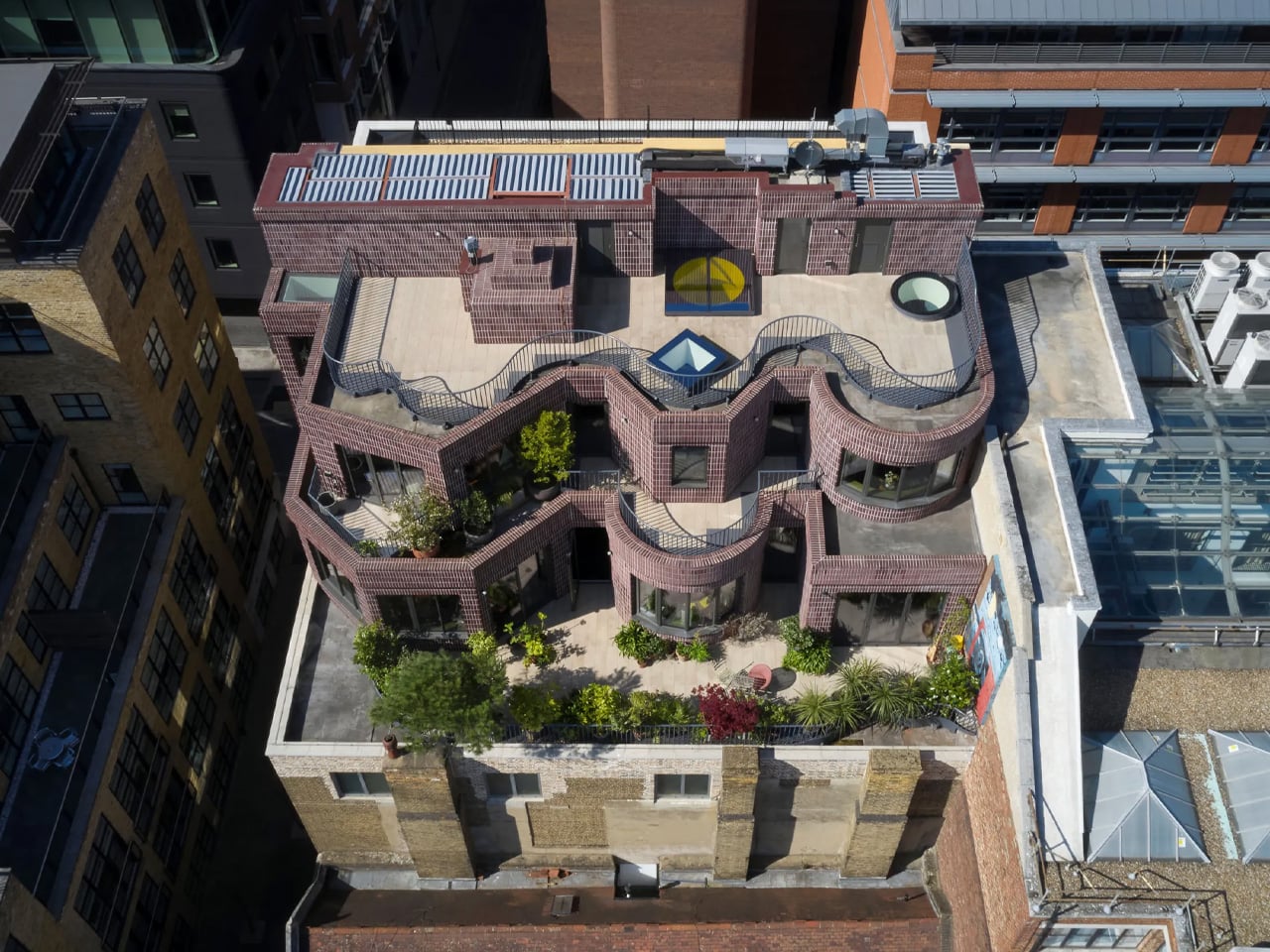
As Midtown Manhattan continues to evolve, 270 Park Avenue rises as a new titan of the New York skyline—a 1,388-foot, 60-story headquarters for JPMorgan Chase designed by Foster + Partners. Not just another addition to the city’s collection of supertalls, 270 Park Avenue redefines what a modern workplace can be, setting new benchmarks for sustainability, urban connectivity, and architectural innovation.

Located on the site of the former Union Carbide Building, the tower’s completion in 2025 marks a significant milestone. The previous SOM-designed structure, once a hallmark of midcentury modernism, was demolished to make way for a building capable of hosting 10,000 JPMorgan Chase employees and meeting the demands of a flexible, future-oriented workforce. What stands in its place is more than just a corporate headquarters; it is a city within a city, conceived to foster collaboration, wellness, and environmental responsibility.

Designer: Foster + Partners

Striking Architecture and Urban Connectivity

At first glance, 270 Park Avenue is instantly recognizable by its dramatic, stepped silhouette and bronze diagrid crown. The architects at Foster + Partners engineered the tower to be visually striking yet structurally daring: the main building mass is elevated nearly 80 feet above street level, supported by colossal fan-shaped columns that give the base a sense of lightness and openness. This not only creates a grand, welcoming entrance but also expands the public realm.

The project delivers 2.5 times more outdoor space at ground level than its predecessor, with a landscaped public plaza, widened sidewalks, and green terraces that encourage community interaction.

Interior Innovation for Human Wellbeing

Inside, the building is designed for adaptability. Large, open floorplates and a split elevator core maximize permeability and flexibility, while extensive use of glass floods the interior with daylight. Gensler, responsible for over 1.7 million square feet of interior space, has created environments focused on human wellbeing, with amenities like gyms, client centers, and communal terraces. Circadian lighting, advanced air filtration, and terrace gardens further support employee health and productivity.

Sustainability as a Defining Principle

Sustainability is a defining feature of 270 Park Avenue. As New York’s largest all-electric tower, it is powered entirely by renewable energy and is designed to achieve net-zero operational emissions. The building targets LEED Platinum and WELL Health-Safety certifications, with 97% of demolition materials from the old structure recycled or upcycled.

Triple-pane glazing, hydro-powered energy systems, and low-emission materials are all part of an integrated strategy to minimize environmental impact. Air ventilation rates are twice the city code, directly responding to research linking air quality to cognitive function, making the tower not just green but genuinely health-centric.

A Blueprint for Future Skyscrapers

The project is a collaboration between Foster + Partners, structural engineers Severud Associates, and Tishman Construction. Its completion signals an ambitious new chapter for both JPMorgan Chase and the city itself. 270 Park Avenue is not only a workplace for thousands; it’s a bold statement about the possibilities of skyscraper architecture in the 21st century, where technology, sustainability, and human experience are inextricably linked. In a city renowned for its architectural icons, 270 Park Avenue stands out—not just for its height, but for its vision of a healthier, more connected, and more sustainable urban future.

The post This 1,388-Foot Tower Is NYC’s First Net-Zero Supertall Skyscraper first appeared on Yanko Design.
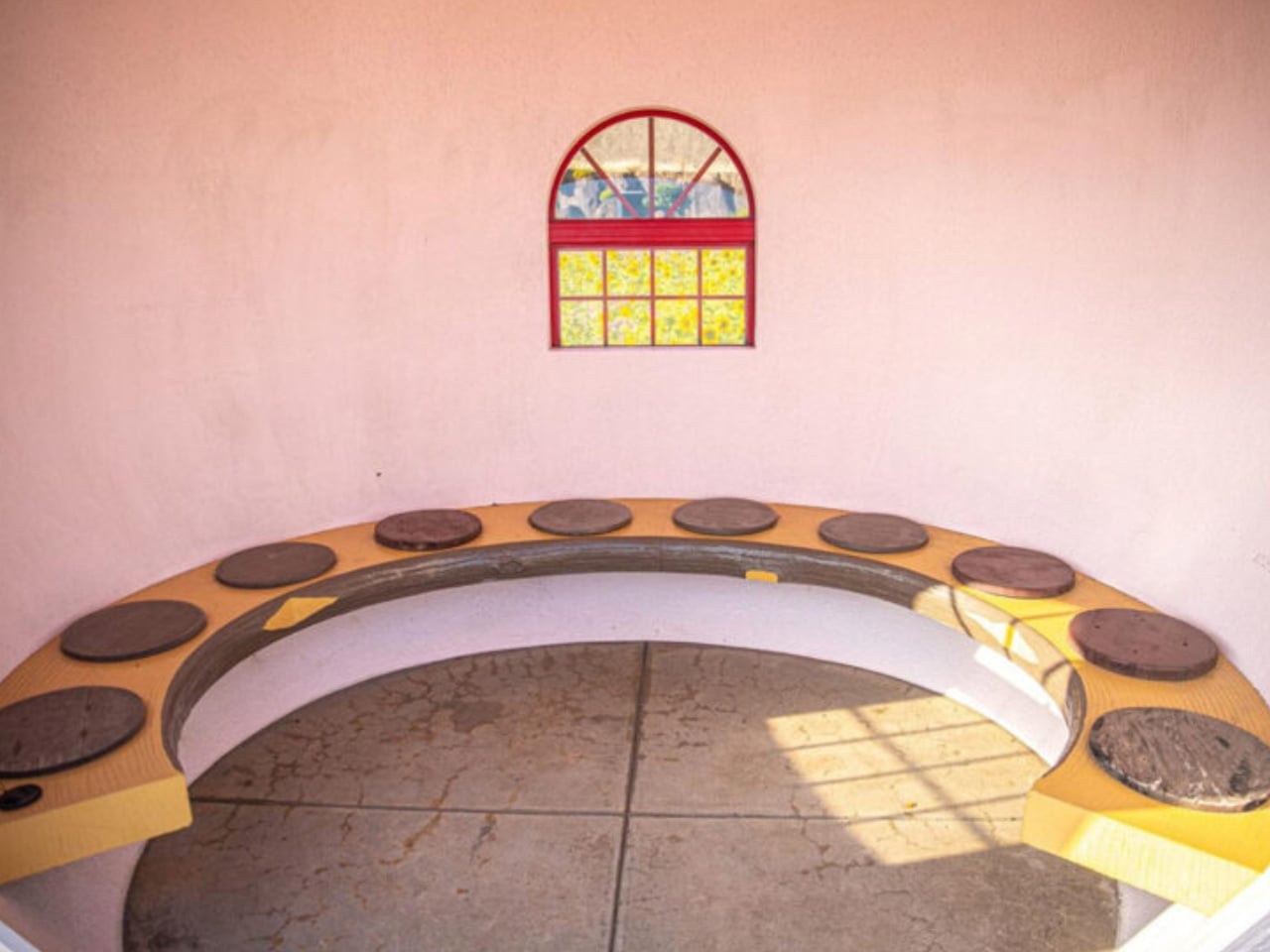
5 Best Tiny Homes Of October 2025

October 2025 has been absolutely incredible for tiny home enthusiasts. We’ve seen designs that push boundaries, challenge conventions, and prove that small spaces can deliver big on style and functionality. These aren’t your typical cookie-cutter tiny houses cramming everything into a loft bedroom. Instead, we’re looking at homes that solve real problems and create genuinely livable spaces.

What strikes me most about this month’s standout designs is how each one tackles a different challenge in tiny living. Whether it’s making homes accessible for everyone, creating space for creative work, or bringing genuine luxury to compact living, these five homes show just how far the movement has come. Each represents a different philosophy about what tiny living can be.

1. Mark VI – VIC

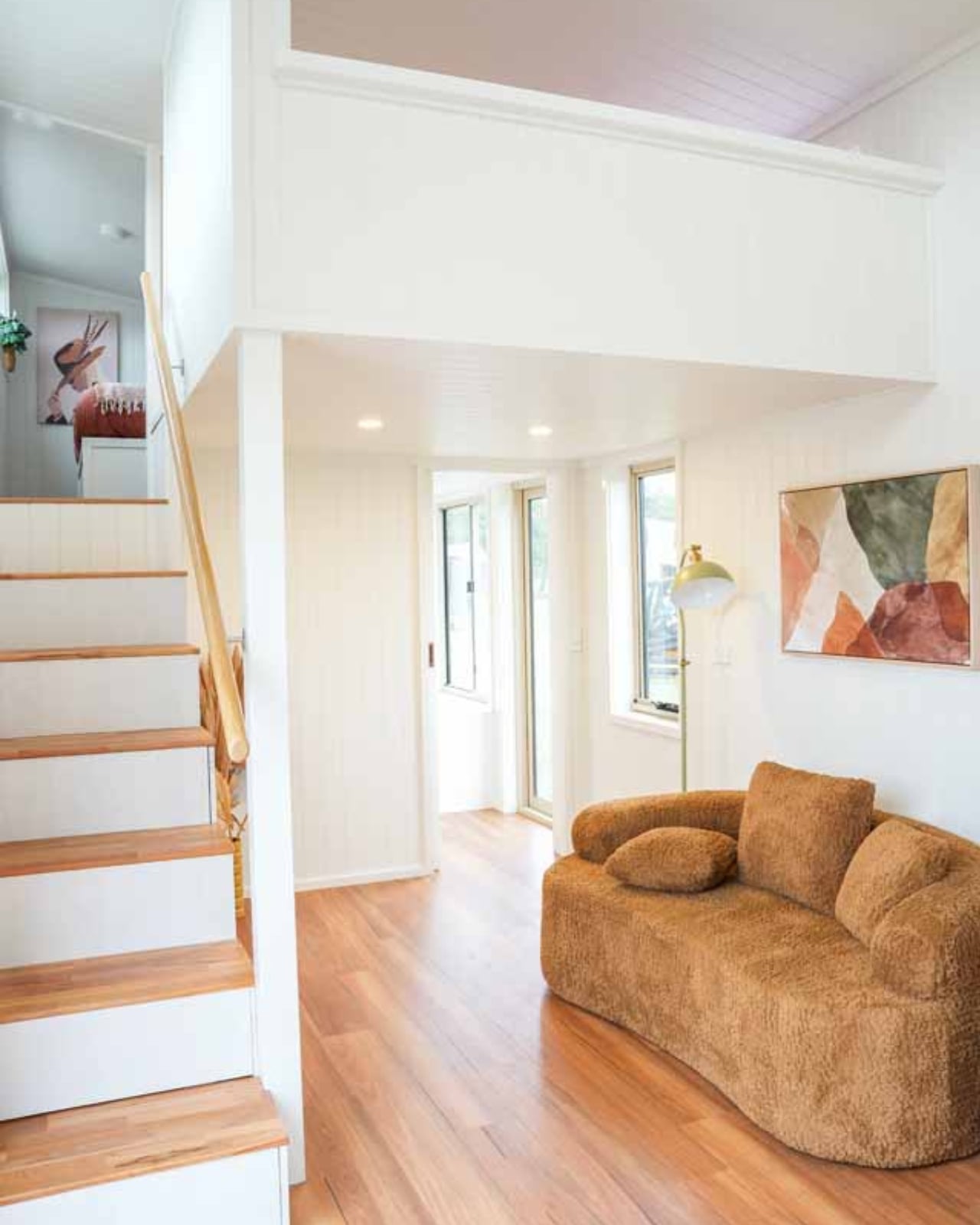
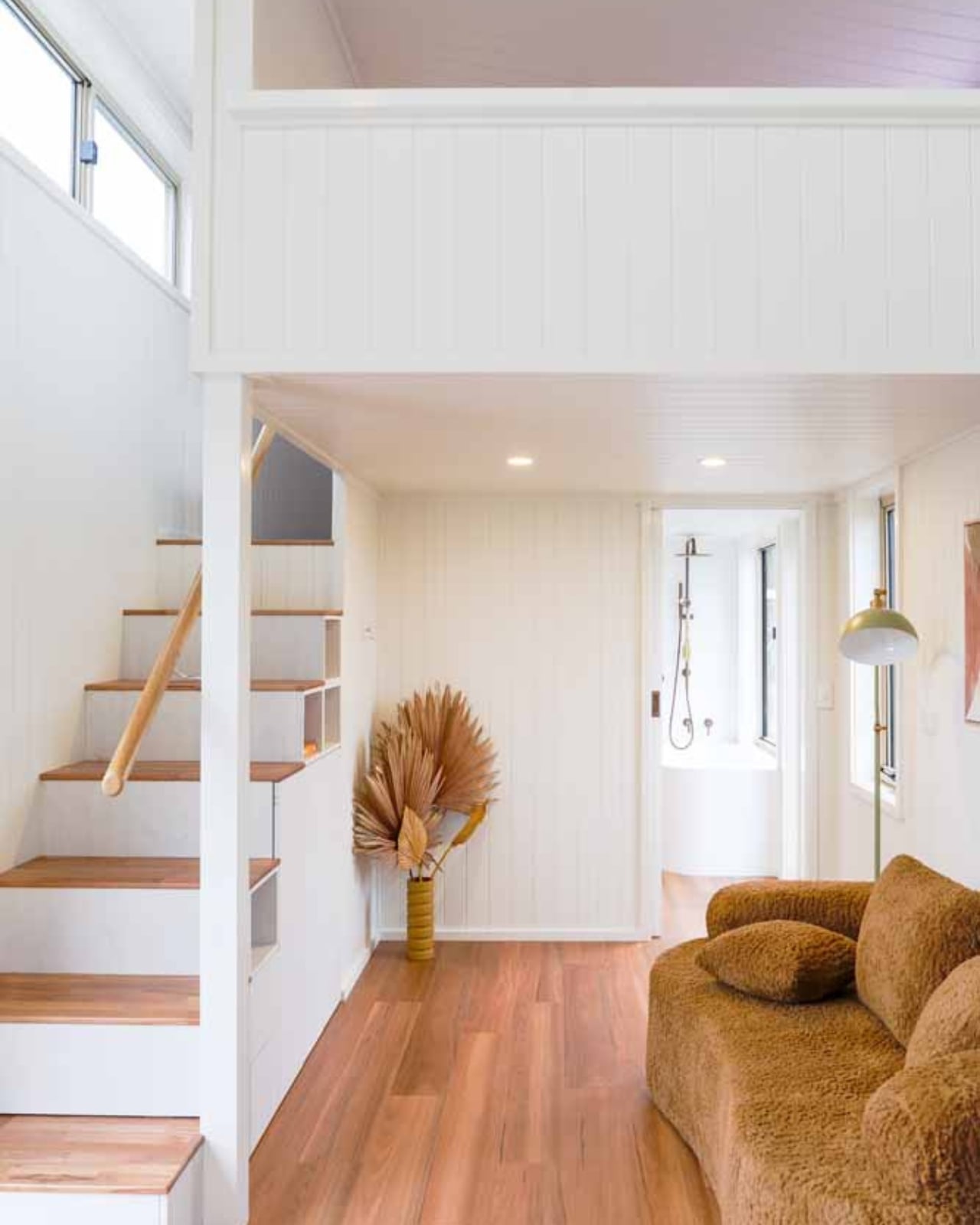
Finally, someone gets it right. The Mark VI – VIC is the first tiny home I’ve seen that truly prioritizes accessibility without treating it as an afterthought. Sonic Steel deserves serious credit for recognizing that climbing into a loft bedroom isn’t realistic for everyone. This single-floor design opens tiny house living to people who have been shut out of the movement entirely.

Walking through this converted shipping container feels surprisingly spacious despite the constraints. The central living room works brilliantly as both a gathering space and a natural room divider between the bedroom and kitchen. What really impressed me is how they’ve managed to fit full-sized appliances without making the kitchen feel cramped. The fridge, oven, induction cooktop, and even a microwave are all here, along with storage that actually makes sense for daily living.
What we like

• Single-floor accessibility opens tiny living to seniors and people with mobility challenges who’ve been excluded from loft-based designs.

• Full kitchen with proper appliances means you can actually cook real meals instead of surviving on microwaved food.

What we dislike

• Container width feels restrictive when you’re trying to move around, especially with two people.

• No vertical storage means you really have to commit to minimalism, whether you want to or not.

2. Nouvelle Danse

Baluchon continues to blow my mind with their attention to detail, and Nouvelle Danse might be their masterpiece yet. This isn’t just a tiny house with a sewing corner tucked in somewhere – it’s a purpose-built creative studio that happens to be a beautiful home. The fact that they’ve managed to integrate a full sewing workspace into a two-bedroom layout without everything feeling cramped is nothing short of architectural wizardry.

The exterior alone makes this home worth talking about. That interplay between natural wood and matte black trim creates visual drama that photographs beautifully but also works in person. Inside, light pours through every window, creating the kind of bright, inspiring atmosphere that creative work demands. The workspace integration feels seamless rather than forced, which is exactly what you want when your home doubles as your studio.

What we like

• Purpose-built creative workspace proves tiny homes can accommodate specialized professional needs without compromise.

• Natural light flooding every corner eliminates that cramped, tiny house feeling.

What we dislike

• Specialized design limits appeal to people who don’t need a dedicated creative workspace.

• Baluchon’s premium craftsmanship comes with a price tag that puts it out of reach for many buyers.

3. The Escapada

The Murphy bed concept isn’t new, but Tiny Tect has executed it flawlessly in the Escapada. This is exactly the kind of flexible thinking tiny homes need more of. Instead of accepting that bedrooms are dead space during the day, they’ve created a room that transforms based on what you actually need. Office in the morning, yoga studio in the afternoon, guest room when friends visit.

At just 20 feet long, every design decision matters, and Tiny Tect has made smart choices throughout. The kitchen doesn’t feel like an afterthought – there’s room for a proper oven, cooktop, and cutouts for full-sized appliances. Those wraparound windows are genius for making the narrow width feel more spacious. The optional loft keeps storage options open without dominating the design like most tiny house lofts do.

What we like

• Murphy bed transforms the bedroom into whatever space you need throughout the day.

• Smart appliance cutouts mean you can have a washing machine and a full-sized fridge without sacrificing functionality.

What we dislike

• Setting up and breaking down the bed daily could get old fast for some people.

• Narrow width creates traffic flow challenges when two people are trying to move around.

4. The Homesteader

Family living in 272 square feet sounds impossible until you step inside the Homesteader. Nordic & Spruce has created something special here – a home that proves families don’t need massive houses to live well together. The Scandinavian design philosophy shines through every detail, creating spaces that feel calm and intentional rather than chaotic and cramped.

What sets this apart is how the design promotes wellbeing alongside functionality. Those clean lines and natural materials create a sense of serenity that’s genuinely beneficial for family mental health. The ANSI and NOAH certifications give peace of mind about structural integrity, which matters when you’re making this kind of lifestyle change with kids involved. This home works for families ready to embrace intentional living.

What we like

• Proves families can thrive in small spaces when design prioritizes flow and functionality over square footage.

• Scandinavian aesthetic creates a calming atmosphere that supports family wellbeing and intentional living.

What we dislike

• $75,000 price point challenges the affordability goals that draw many families to tiny living.

• Successful family living requires major lifestyle changes and significant downsizing of possessions.

5. The Harper

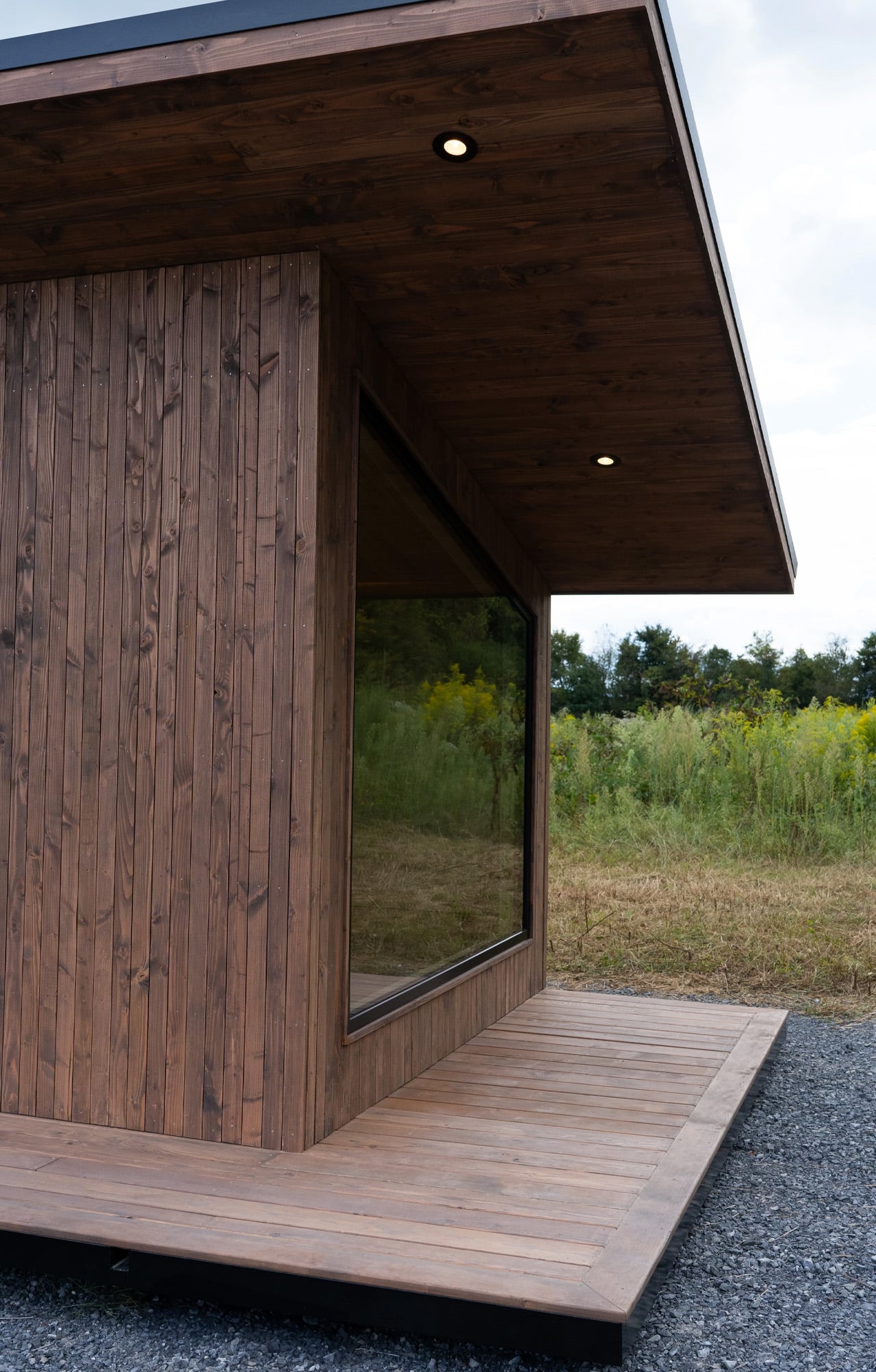
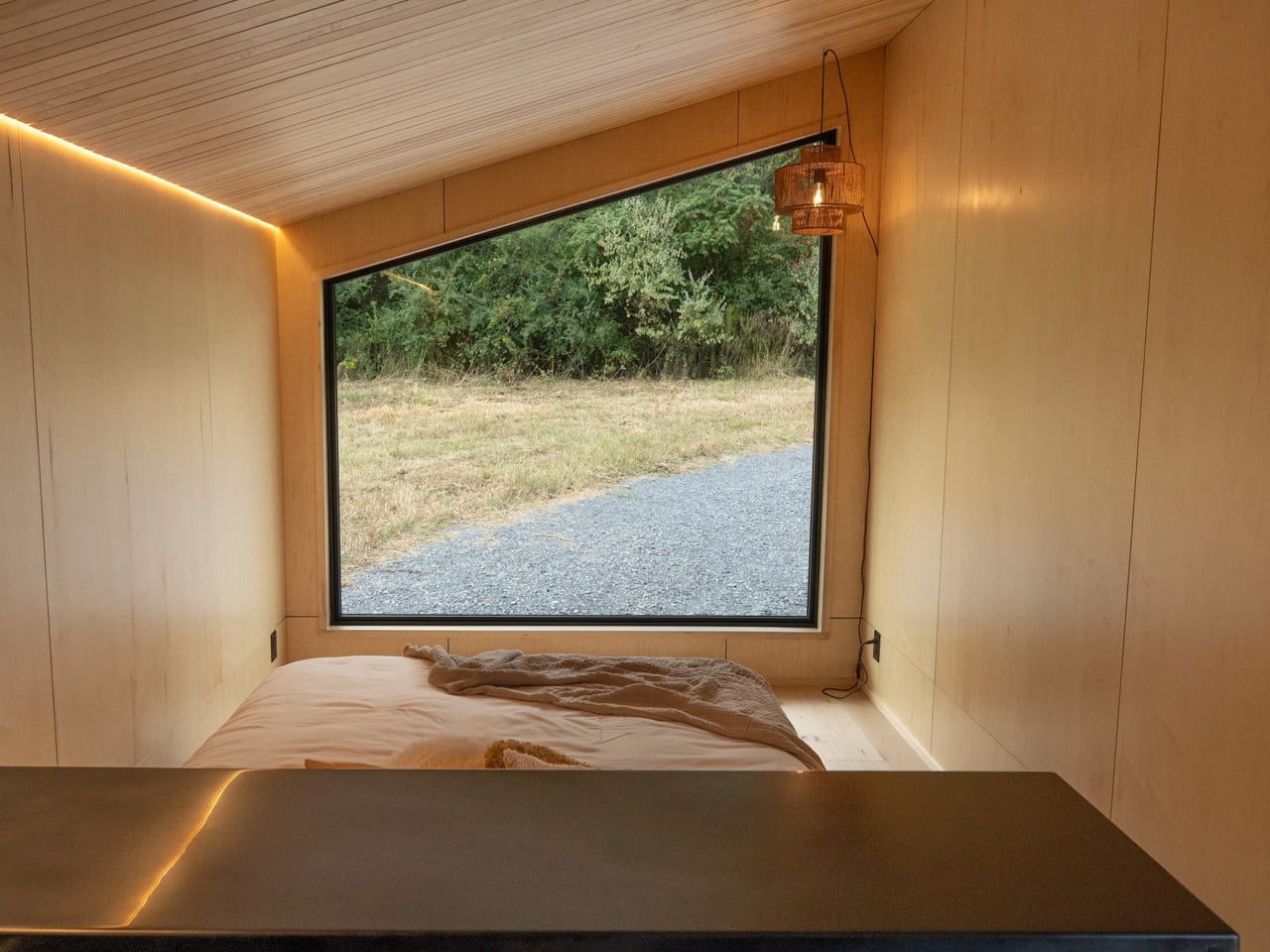
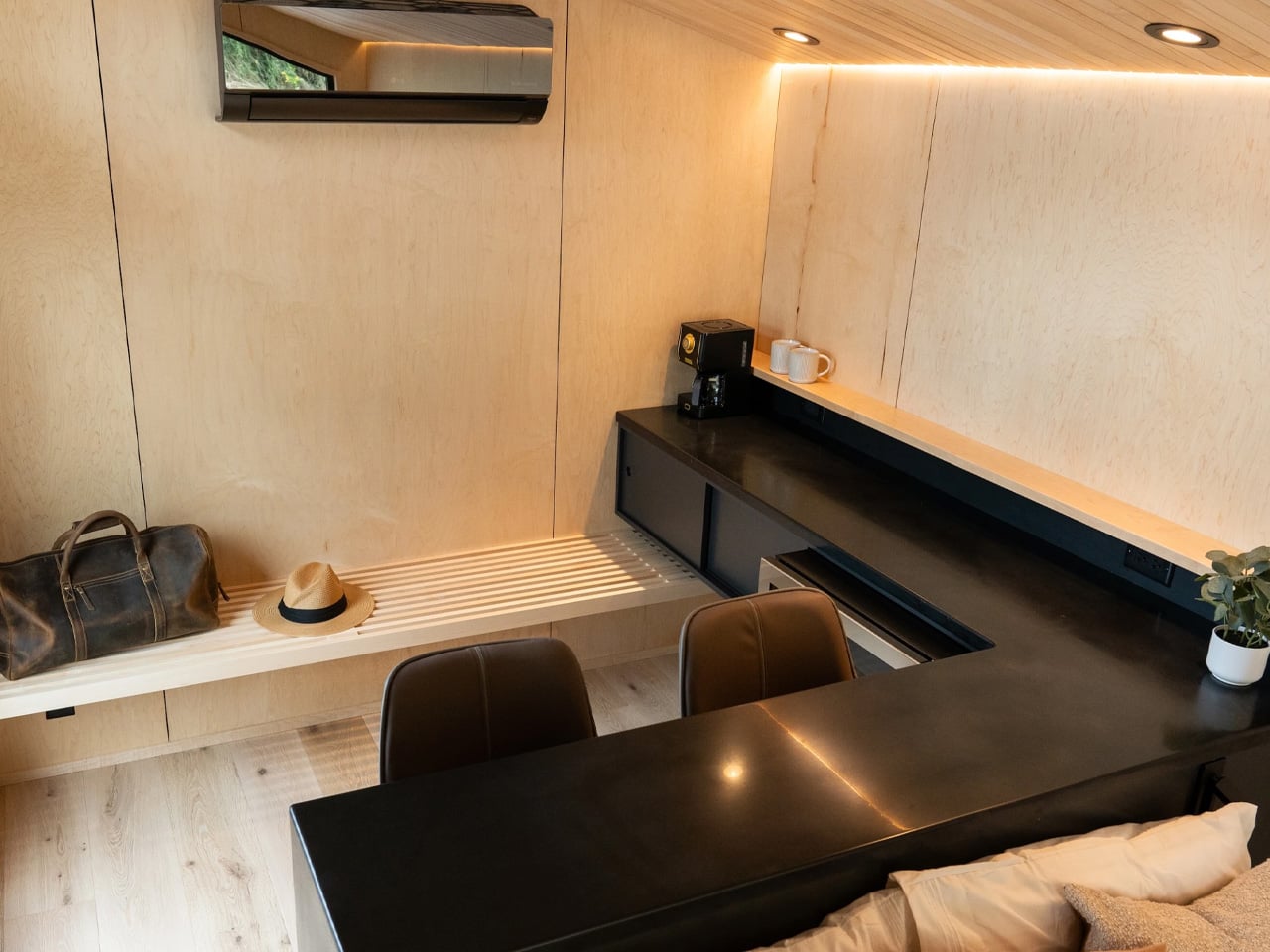
The Harper takes tiny home design into luxury territory without apology. Those curved walls alone set it apart from every other tiny house on the market. Paired with architectural birch plywood and rich oak flooring, this feels like a boutique hotel suite rather than a compromise on space. The 2.5-meter kitchen with Caesarstone countertops proves that tiny doesn’t have to mean cheap materials or finishes.

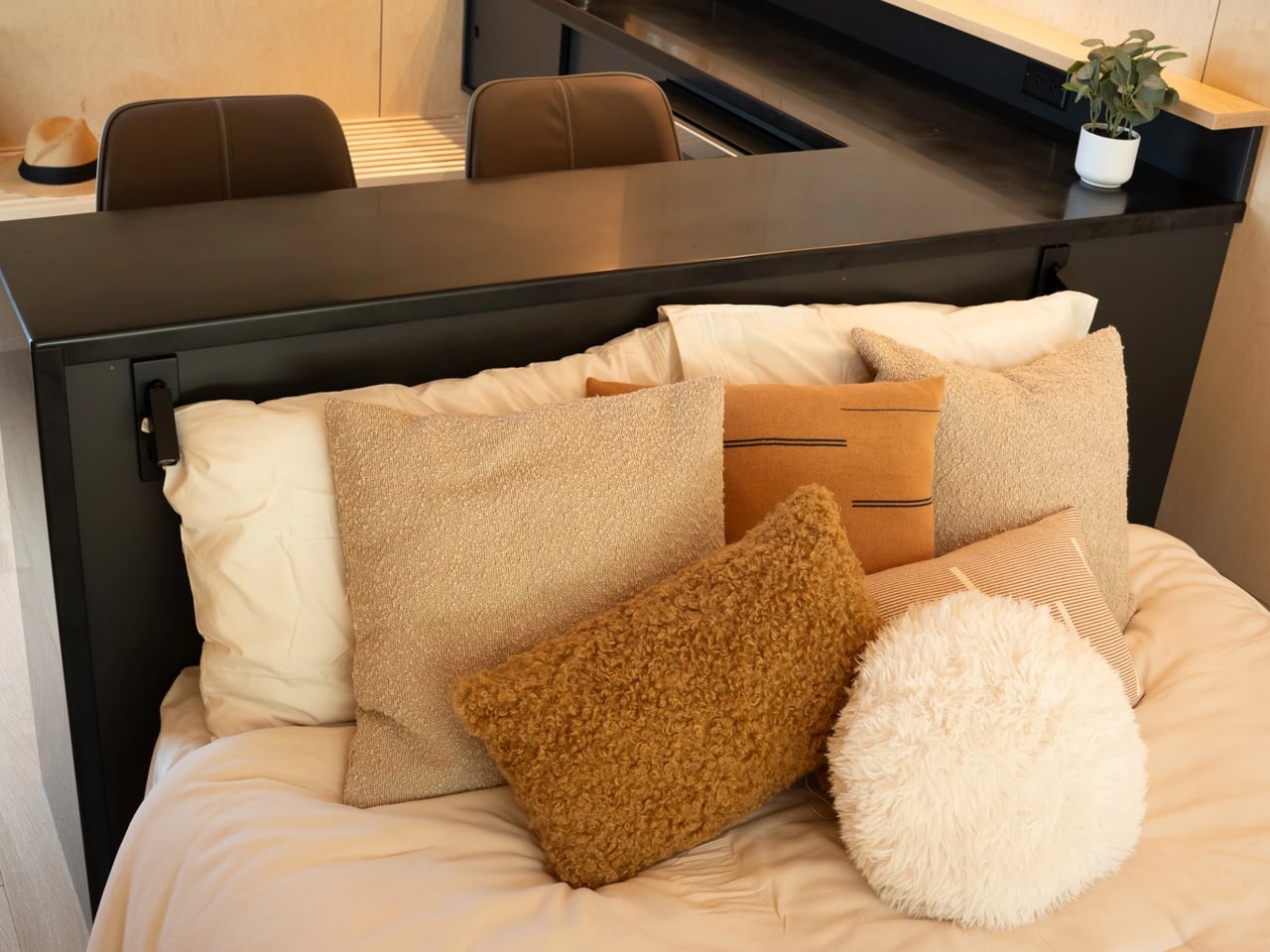
Every storage solution feels considered and elegant rather than purely functional. The built-in lounge seating hides storage without looking like furniture designed around storage needs. That queen bed with integrated storage and curved sanctuary walls creates a bedroom that rivals luxury hotels. Floor-to-ceiling windows ensure the space never feels closed in or dark.

What we like

• Premium materials and curved architecture create a genuine luxury experience that rivals high-end conventional homes.

• Thoughtful storage integration maintains elegant aesthetics while maximizing every available space.

What we dislike

• Luxury features and custom curved construction likely price this out of reach for most tiny home buyers.

• Sophisticated materials and unique design elements may require specialized maintenance and repairs.

Where Tiny Living Is Headed

These five homes represent different visions of what tiny living can become. We’re seeing the movement mature beyond basic shelter into sophisticated architecture that often delivers better living experiences than conventional homes. Size constraints aren’t holding designers back – they’re pushing them to create smarter, more thoughtful spaces that actually improve how we live daily.

From accessibility-focused designs to creative workspaces, family-friendly layouts to luxury finishes, October 2025 shows tiny living continuing to evolve while staying true to its core values of sustainability, affordability, and intentional living. The future of tiny homes looks brighter and more diverse than ever.

The post 5 Best Tiny Homes Of October 2025 first appeared on Yanko Design.