30 ChatGPT 5 Hacks to Become a Pro in 2026

30 ChatGPT 5 Hacks to Become a Pro in 2026 Side-by-side prompts show how GPT 5.2 responds better to specific instructions than vague requests.

GPT 5.2, as explained by AI Master below, represents a notable evolution in AI-driven content generation, offering enhanced precision and a more literal interpretation of prompts. Unlike its predecessors, this version demands clear and structured inputs to deliver optimal results, making it essential for users to refine their prompting techniques. With updates like improved constraint […]

The post 30 ChatGPT 5 Hacks to Become a Pro in 2026 appeared first on Geeky Gadgets.

Posted in Uncategorized

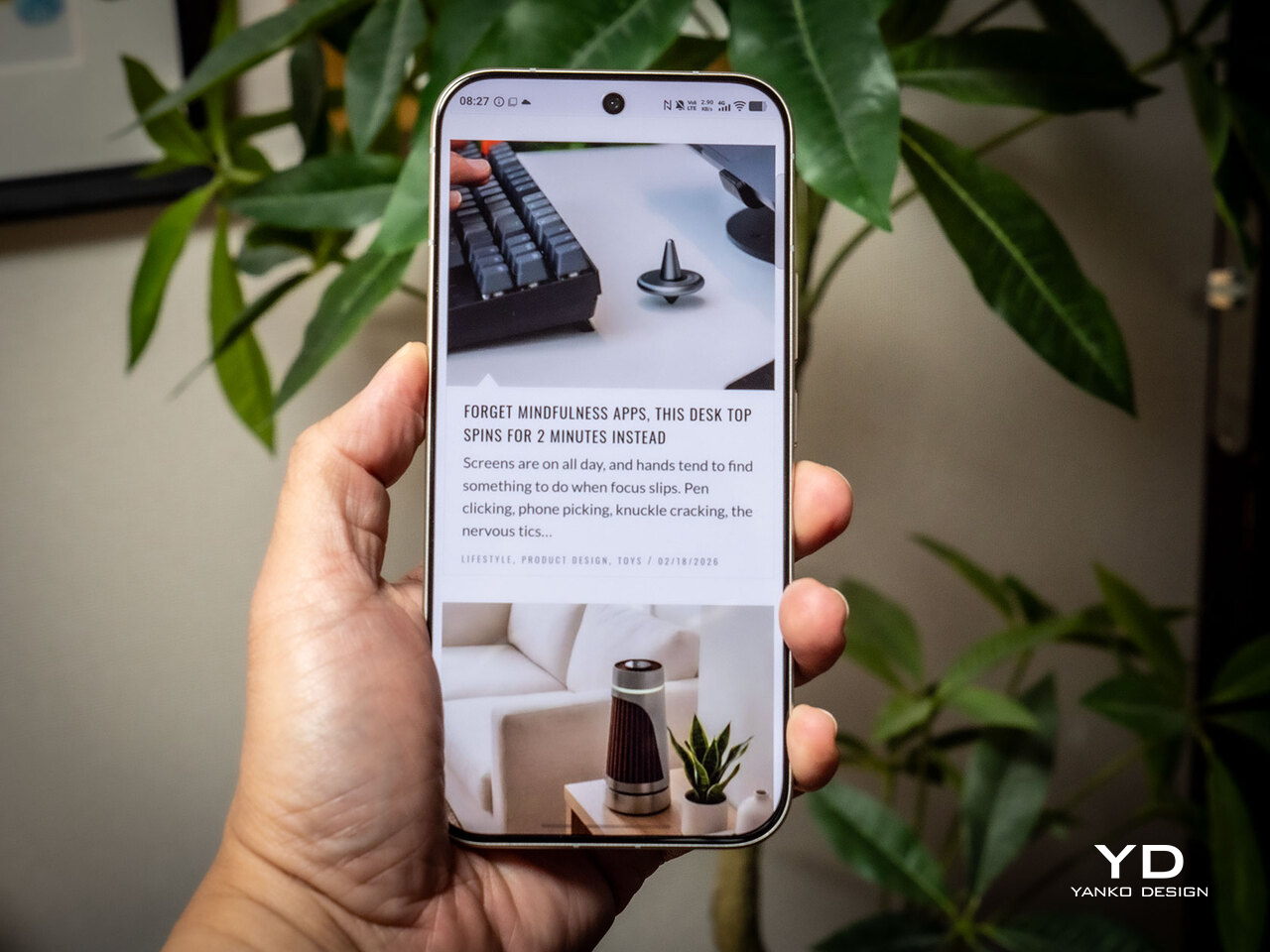
vivo V70 Review: A Concert Photographer’s Phone in Mid-Range Clothes

PROS:


  • Striking "Sunset Glow" Golden Hour design

  • 4K 60fps video recording on a mid-tier smartphone

  • Powerful 50MP ZEISS Super Telephoto Camera

  • Large 6,500mAh battery with super-fast 90W charging

CONS:


  • 8MP ultra-wide camera is decent but mediocre

  • No wireless charging

RATINGS:

AESTHETICS
ERGONOMICS
PERFORMANCE
SUSTAINABILITY / REPAIRABILITY
VALUE FOR MONEY

EDITOR'S QUOTE:

The vivo V70 proves that a clear camera identity and premium materials still matter at this price.

The mid-range smartphone segment is crowded in ways that make individual products hard to distinguish. Specs converge, designs flatten, and most phones feel interchangeable within days. vivo’s V70 enters that space with a clear point of view: a ZEISS-co-engineered telephoto camera tuned for stage photography and travel, a large battery built for long days, and a physical design that genuinely tries to look and feel like something worth keeping.

The v70 also introduces the Golden Hour edition, the most visually expressive option in the lineup, with an etched glass back, an aerospace-grade aluminum frame, and a ZEISS camera module with serious hardware inside. Running OriginOS 6 on a Snapdragon 7 Gen 4, it promises a telephoto-first camera experience for concerts and travel, backed by a 6,500mAh battery. Does the full package deliver on all of it? Read on.

Designer: vivo

Aesthetics

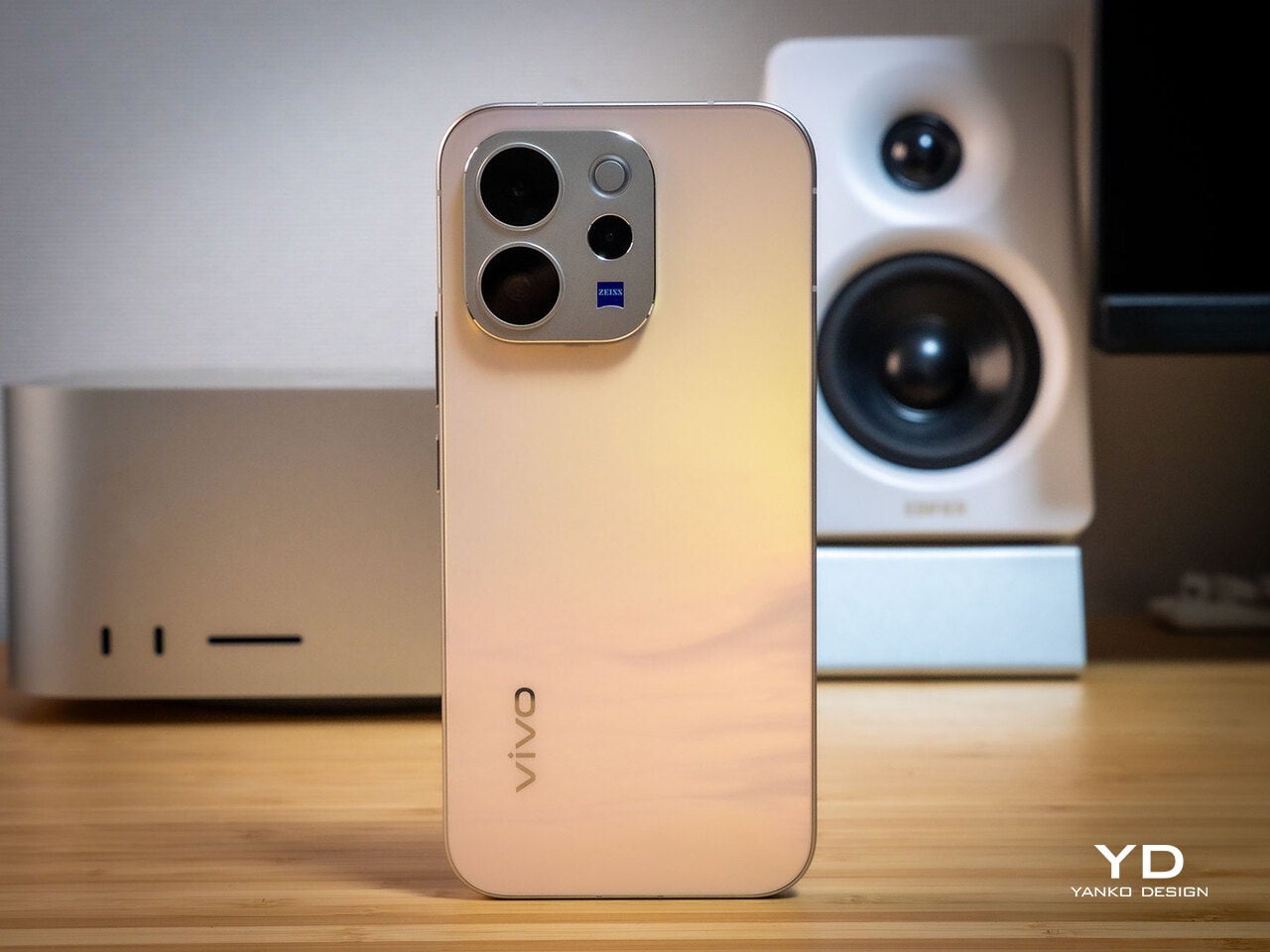
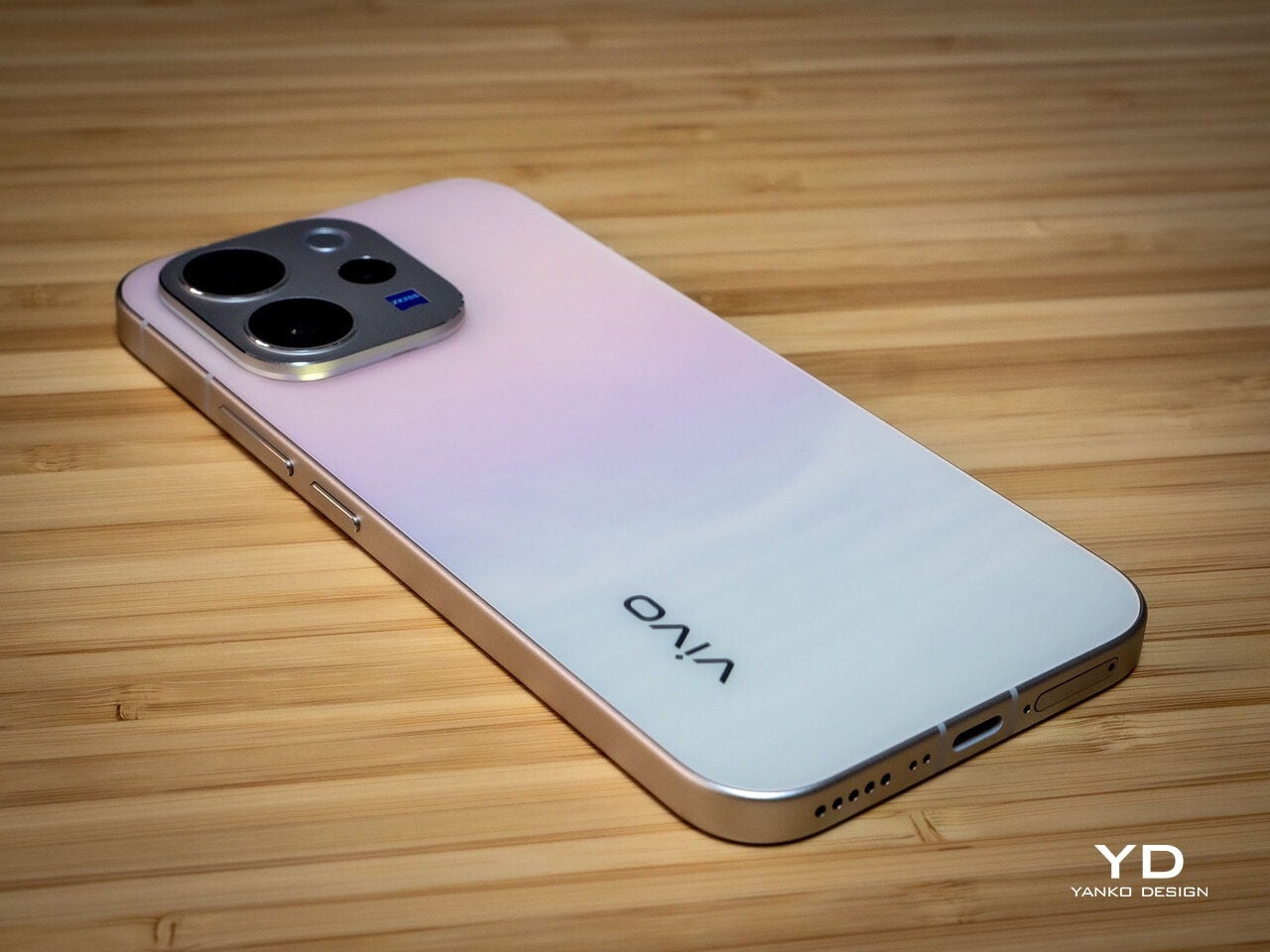
Of all the V70’s color options, the Golden Hour edition is the one most worth talking about. vivo uses a specialized chemical etching process to form micron-scale texture on the back glass, creating a diffuse reflection that reads as refined matte from a distance but reveals subtle warmth in direct light. It’s fingerprint-resistant and smooth without feeling slippery, a noticeably more considered finish than the glossy or painted backs that dominate this price tier.
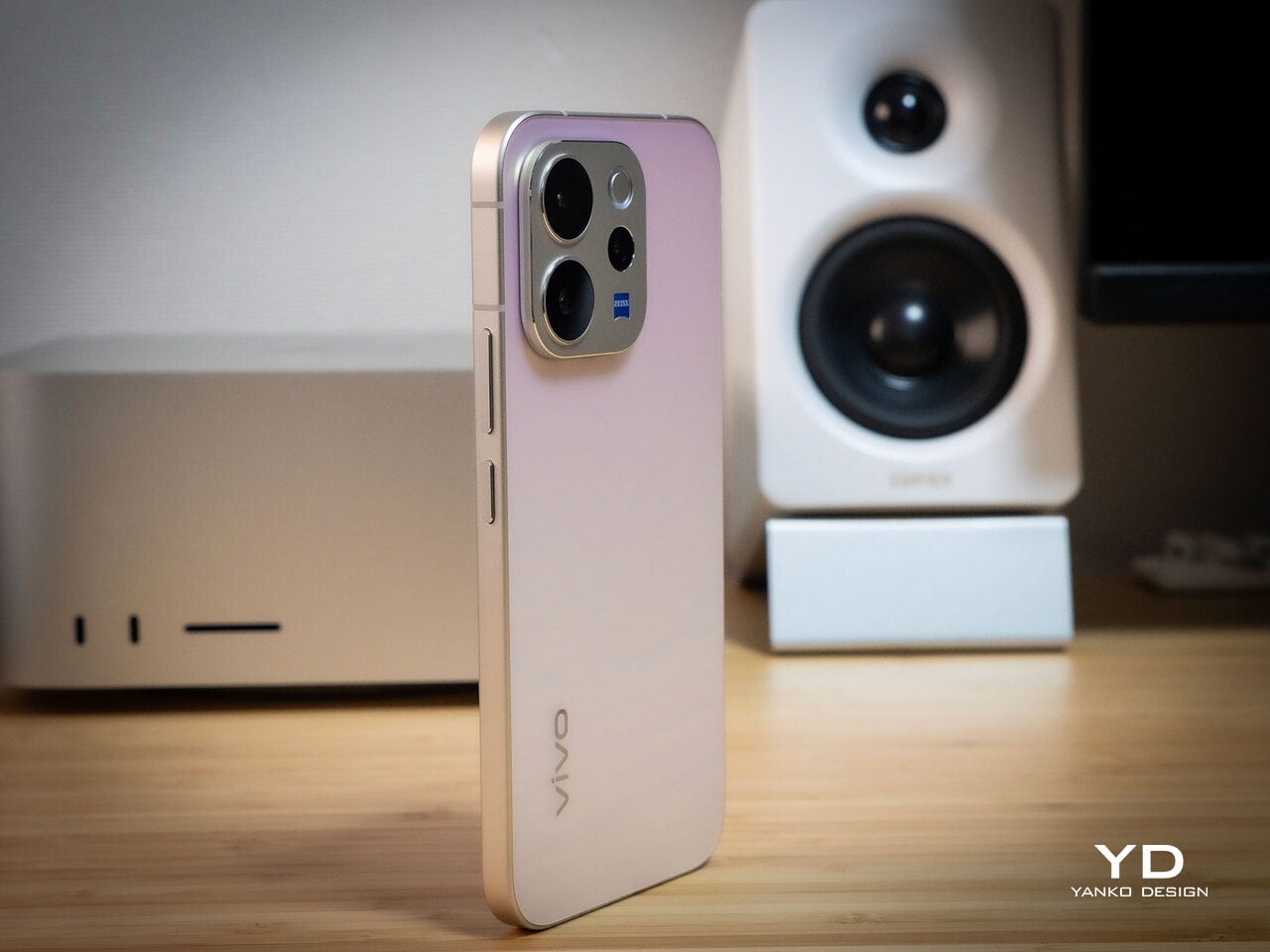
What’s more surprising is that the back doesn’t stay a single color. Depending on the viewing angle and ambient lighting, it shifts toward a cooler, slightly bluish hue you wouldn’t expect from a finish called Golden Hour. That unexpected chromatic movement makes it more visually engaging than a standard gradient, the kind of surface detail that keeps catching your eye without you fully understanding why.

Around the front, the aerospace-grade aluminum alloy frame wraps a flat display with ultra-thin bezels measuring just 1.25 mm on the sides. Rounded corners soften the silhouette without cheapening it, and the flat screen is a deliberate departure from curved-edge designs that can distort content near the edges. The overall impression is controlled and considered rather than flashy, which suits the V70’s personality well.
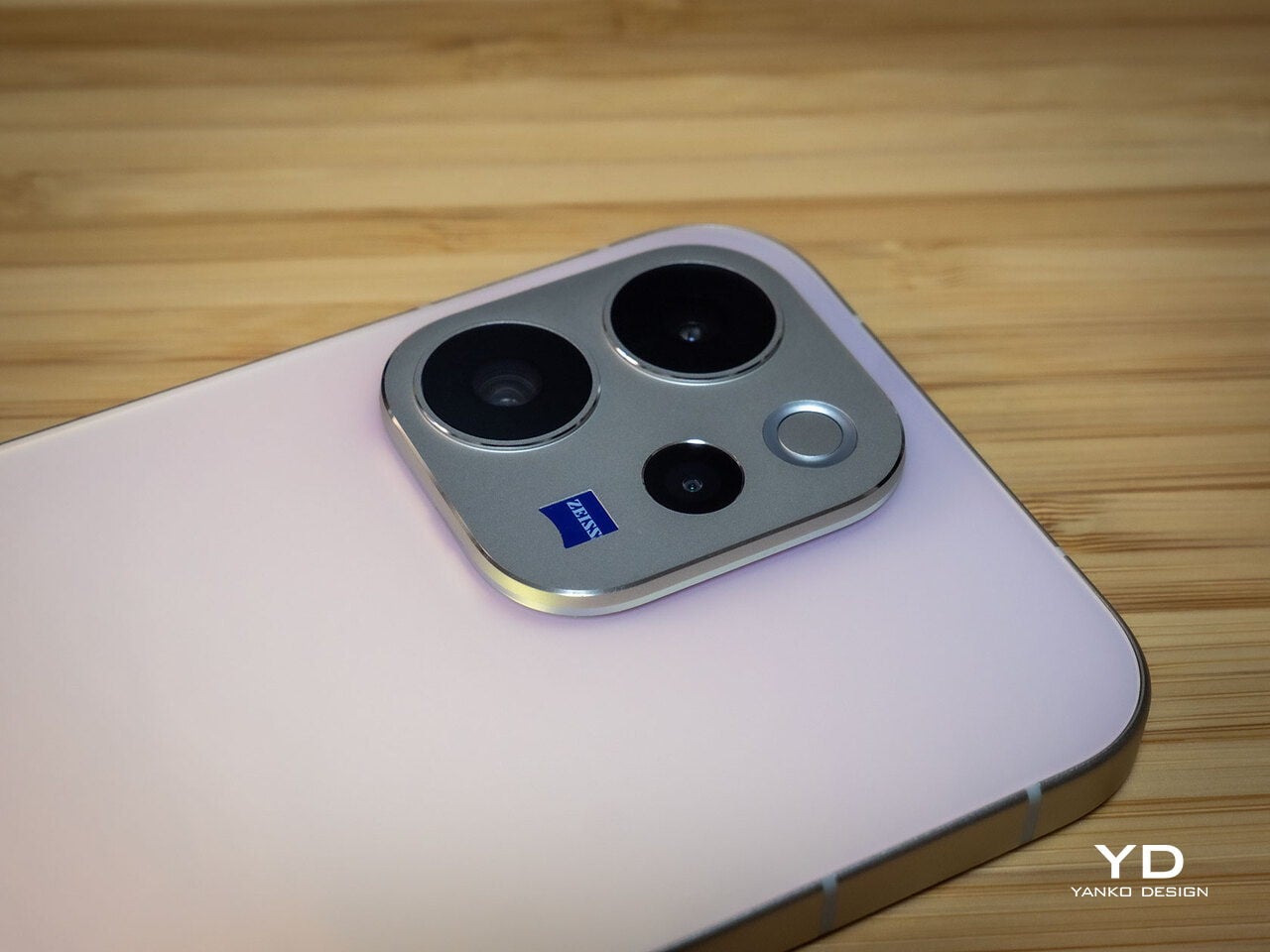
On the back, the camera module is a rounded metallic rectangle sitting just 3.29mm above the surface, low enough that the phone doesn’t rock noticeably on a table. Three lens rings and a ZEISS badge keep the composition clean without feeling crowded. It’s a well-executed rear panel that reinforces the premium identity without needing extra ornamentation to make the point.

Ergonomics

At 194g light and 7.59mm thick in the Golden Hour configuration, the vivo V70 feels present without being heavy. The matte AG glass provides enough grip for confident one-handed use without a case, and the flat sides and rounded corners make it comfortable to hold at its screen size. Weight distribution is balanced, which matters more for all-day carry than any single spec on a data sheet.
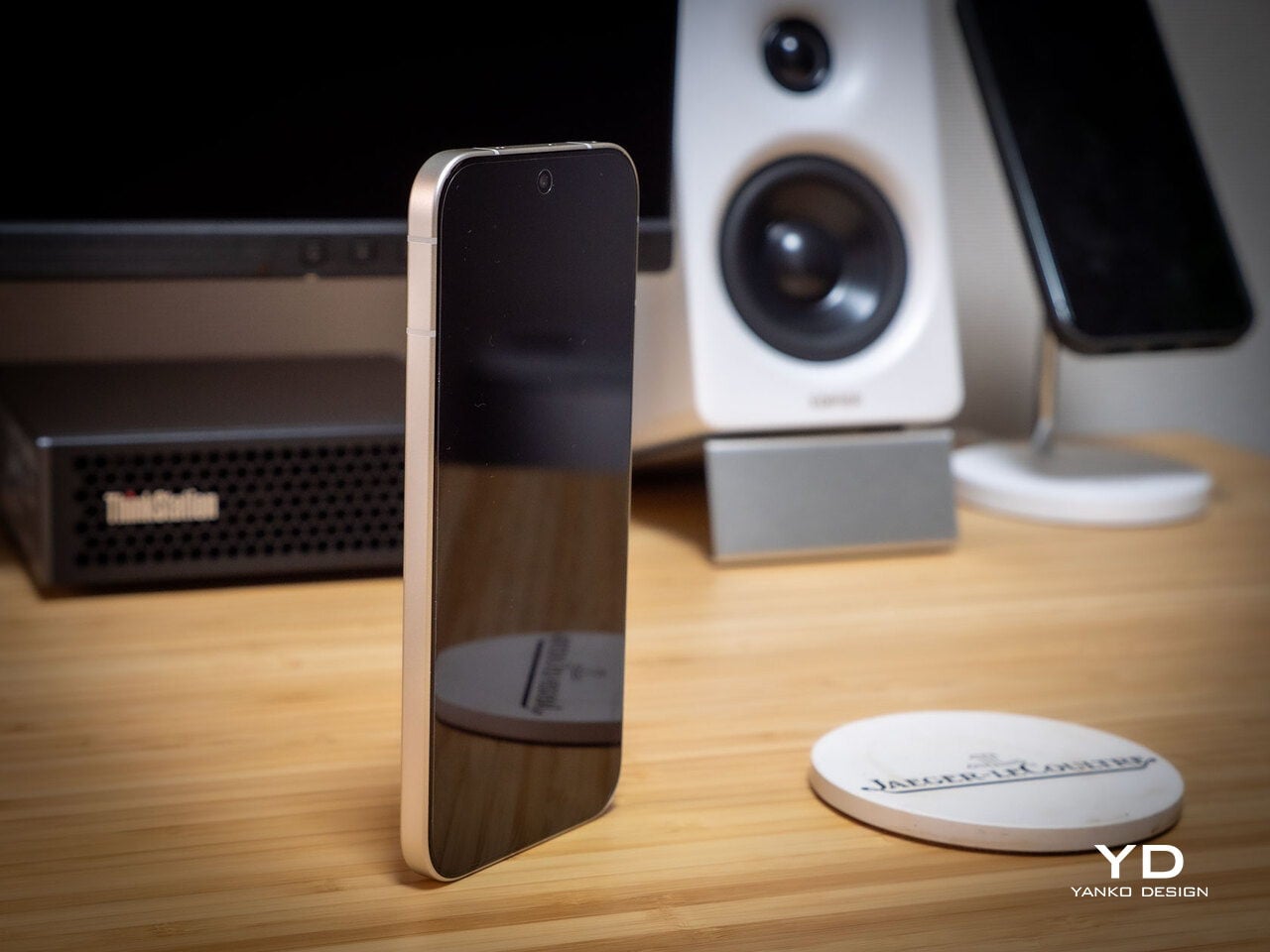
The 3D Ultrasonic Fingerprint Scanning 2.0 is one of the more underrated features here. It works reliably with damp fingers, meaning no frustrating tap-and-retry cycle after a workout or a skincare routine. Best of all, it’s located a good distance away from the bottom, so you don’t have to precariously shift your hand from its natural holding position just to unlock the phone.

Performance

Under the hood, the vivo V70’s Snapdragon 7 Gen 4 with LPDDR5X memory and UFS 4.1 storage handles everyday tasks and multitasking without hesitation, and a 4,200mm² vapor chamber keeps sustained performance steady during longer camera sessions. It’s not a chipset that headlines benchmark charts, but it delivers consistent, smooth day-to-day performance, which is more relevant to what the V70 is actually designed for than theoretical peak numbers.

The 6.59-inch 1.5K OLED runs at 120Hz with 459 PPI and peaks at 5,000 nits local brightness, which holds up well in direct sunlight and makes reviewing photos outdoors genuinely practical. Colors are rich without being oversaturated, and the 1.07-billion color depth makes gradient-heavy AI-edited shots look smooth rather than banded. It’s one of the better mid-range displays available at this price tier right now.


The camera system’s two stars are the 50MP main and 50MP periscope telephoto. The main uses a Sony LYT-700V sensor with a 1/1.56-inch surface area and OIS, delivering consistent, detailed portraits across daylight and mixed lighting. The telephoto uses a 1/1.95-inch sensor with its own OIS and a periscope structure that enables 10x zoom in a compact body. Both cameras consistently outperform what you’d expect at this price.


Of the three rear cameras, the 8MP ultra-wide is where things get more ordinary. It’s functional for casual wide shots, but the gap in detail and dynamic range between it and the main and telephoto cameras is noticeable. Given the vivo V70’s travel ambitions, wide landscape shots will come out looking more ordinary than portraits taken at the same destination. The phone’s real camera personality clearly lives in the other two lenses.


AI Stage Mode is a genuine differentiator if you attend live events regularly. At 10x zoom from 10m to 20m away, the AI Image Enhancement Algorithm and AI Style Portrait Technology combine to pull facial detail and expression clarity from performers under challenging stage lighting. It won’t replace a dedicated camera at that distance, but for a phone that fits in your jacket pocket, the results hold up surprisingly well.

Video gets a meaningful upgrade with 4K 60fps, the first time the vivo V series has offered this, and footage looks cinematic when lighting cooperates. AI Audio Noise Eraser in post-editing selectively reduces wind noise, crowd chatter, or ambient sound from recorded clips. It sounds like a spec sheet bullet point until you actually try cleaning up a concert recording with it, and then it becomes a feature you’d miss on another phone.
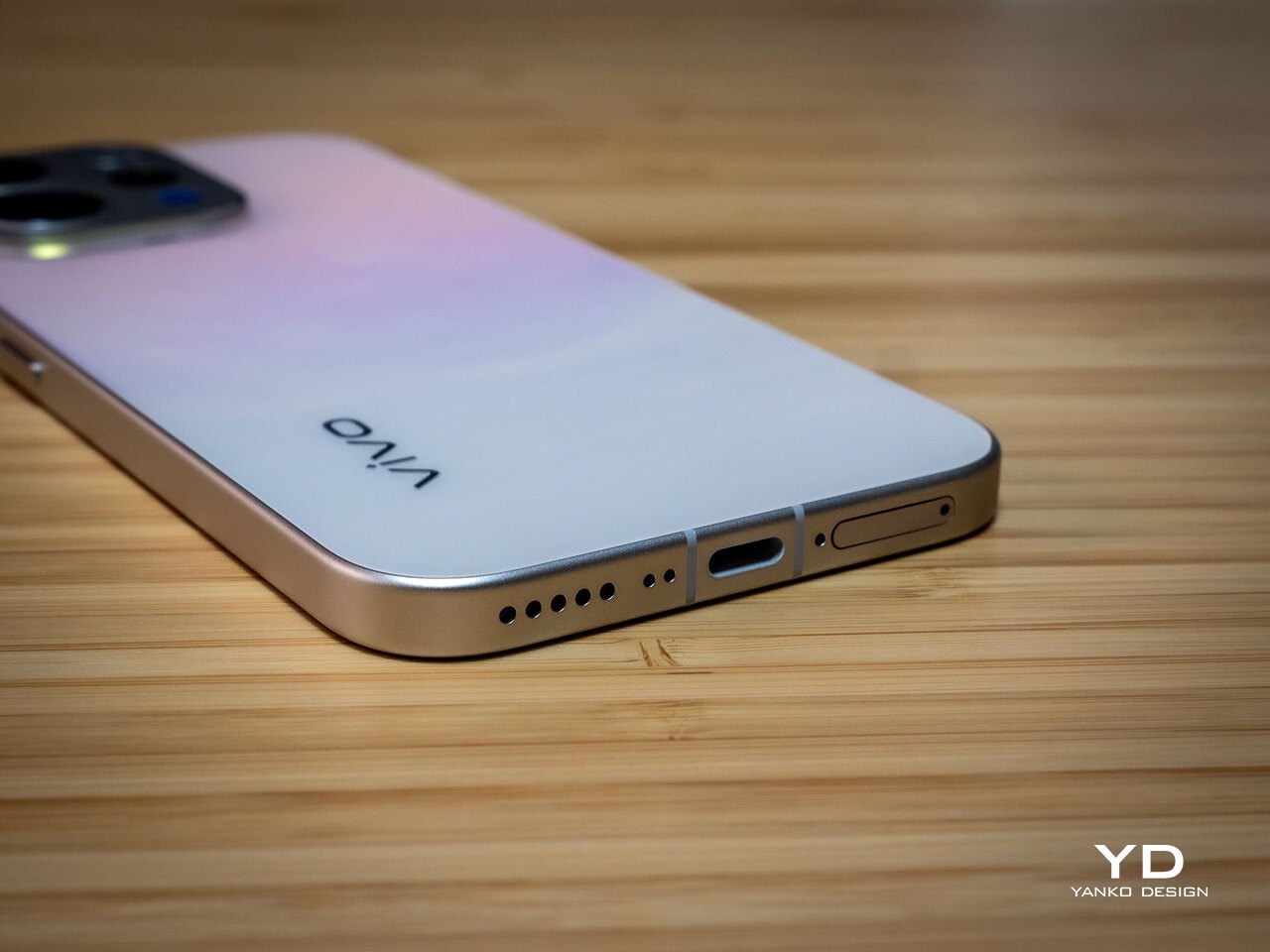
Battery life is a genuine strength. The 6,500mAh BlueVolt battery with 90W FlashCharge handles a full day of heavy use and then some, including heavy video playback. Wireless charging still isn’t part of the package, though, which will matter to those who’ve built it into their daily routine, but fast wired charging and a genuinely large battery soften that trade-off considerably.

Sustainability

vivo commits to four generations of OS updates and 6 years of security patches for the V70, placing it firmly in the category of phones worth keeping rather than replacing every two years. That’s the most meaningful sustainability argument a phone can make, applying regardless of materials or recycling programs. Longer software support means slower obsolescence, and slower obsolescence means less electronic waste accumulating on a shelf somewhere.

IP68 and IP69 ratings, combined with what vivo calls 10-Facet Drop Resistance, lower the anxiety of carrying a polished phone through real conditions. IP69 covers high-pressure water jets, going well beyond typical rain scenarios. That durability confidence changes how casually you handle the phone day to day, and there’s something genuinely reassuring about owning a device you don’t have to constantly worry about.

The material choices also support long-term ownership. Aerospace-grade aluminum and etched AG glass age more gracefully than glossy plastic, which yellows, scratches, and starts looking tired within a year of daily use. The matte texture stays presentable with minimal cleaning, and IP68/IP69 combined with drop resistance gives the V70 a realistic chance of surviving the accidents that typically end mid-range phones early.

Value

The V70 packages premium design, a ZEISS telephoto-first camera system, a strong OLED display, fast charging, and long software support into a price tier that usually demands more compromises. The Golden Hour finish gives it a visual identity that stands above most phones at its price, and the combination of AI Stage Mode with ZEISS Multifocal Portrait focal lengths makes it genuinely specialized rather than just generically capable.
The 8MP ultra-wide is the honest weak spot, and travelers who rely heavily on wide shots will feel that gap. Wireless charging is also absent. But what the V70 does well, it does consistently, and the combination of a premium-feeling design, a capable telephoto system, and 6 years of security updates makes it a phone that’s easy to justify and hard to grow out of quickly.

Verdict

The vivo V70 in Golden Hour is one of the more cohesive mid-range phones available right now. The etched glass with its unexpected bluish shift, the aluminum frame, the ultrasonic fingerprint sensor, the bright 1.5K OLED, and the ZEISS telephoto and portrait system all work together in a way that makes the phone feel intentional rather than assembled from a spec sheet and a parts catalog.
The 8MP ultra-wide and the absence of wireless charging are unfortunate blemishes on what is otherwise a remarkably well-rounded package. Both are real trade-offs rather than dealbreakers, though, and the vivo V70 earns its place as a phone that’s genuinely hard to fault for what it costs, especially if portrait photography, concert shooting, and long battery life are what matter most to you.

The post vivo V70 Review: A Concert Photographer’s Phone in Mid-Range Clothes first appeared on Yanko Design.

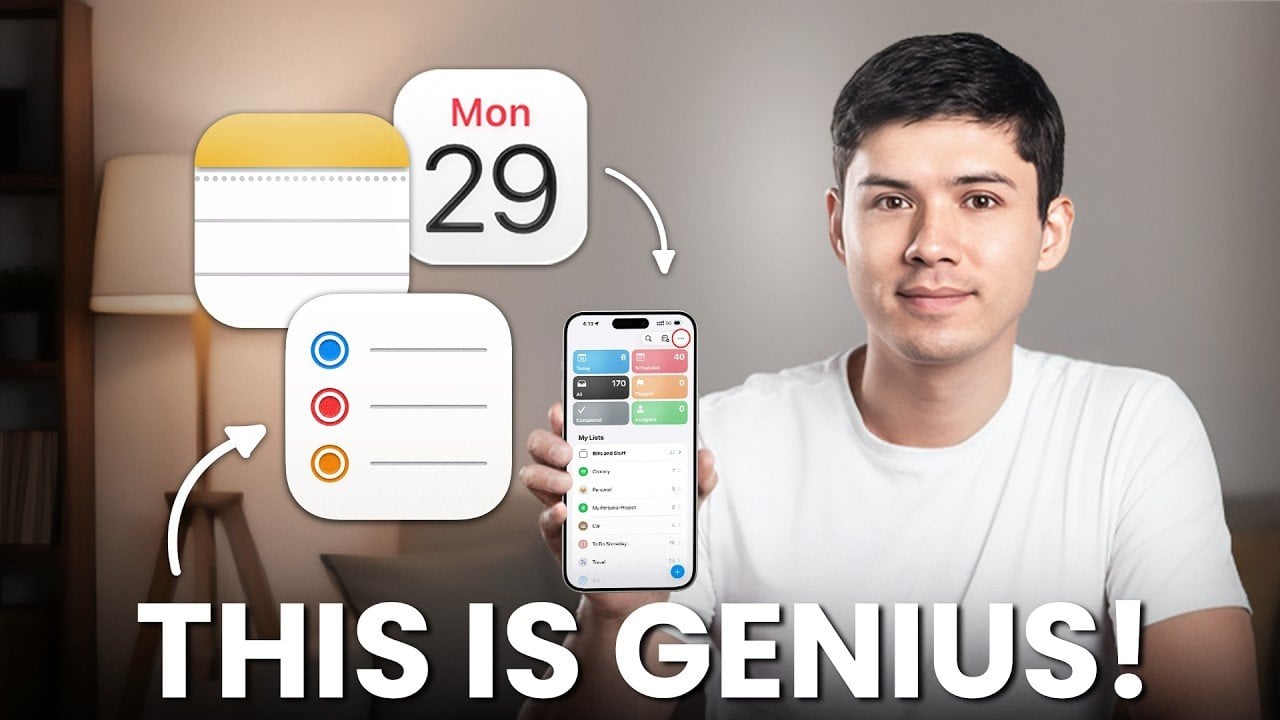
Apple 2026 Productivty System : Notes, Reminders & Calendar Form One Simple Workflow

Apple 2026 Productivty System : Notes, Reminders & Calendar Form One Simple Workflow A Mac screen shows Apple Notes linked to a meeting, with Reminders tasks listed beside Calendar events.

Apple Notes, Reminders, and Calendar offer a unified system for managing tasks, schedules, and ideas, as outlined by Mike Dee. These apps are designed to work seamlessly across Apple devices, providing a streamlined approach to productivity without the need for third-party software. For example, Apple Notes allows you to attach PDFs and search their contents, […]

The post Apple 2026 Productivty System : Notes, Reminders & Calendar Form One Simple Workflow appeared first on Geeky Gadgets.

Posted in Uncategorized

Apple’s March 4th Event Game-Changing Announcements You Can’t Miss

Apple’s March 4th Event Game-Changing Announcements You Can’t Miss Apple’s March 4th Event

Apple has officially scheduled a major event for March 4th, 2026, taking place simultaneously in New York City, Shanghai, and London. This highly anticipated showcase is expected to unveil updates across Apple’s product lineup, including iPhones, iPads, MacBooks, and displays. With a focus on performance enhancements, new features, and potentially new product categories, this event […]

The post Apple’s March 4th Event Game-Changing Announcements You Can’t Miss appeared first on Geeky Gadgets.

Posted in Uncategorized

High Token Usage in Claude Sonnet 4.6 Limits Value for Long Reasoning Tasks

High Token Usage in Claude Sonnet 4.6 Limits Value for Long Reasoning Tasks Line chart showing Sonnet 4.6 token totals rising during adaptive thinking compared with earlier Sonnet 4.5 runs.

Anthropic’s Claude Sonnet 4.6 introduces advancements in AI functionality, including improved adaptive reasoning and enhanced context retention. According to Sam Witteveen, these updates come with a trade-off: significantly higher token consumption. While the model is advertised as being 40% cheaper per token compared to Opus 4.6, its increased token usage can diminish cost savings depending […]

The post High Token Usage in Claude Sonnet 4.6 Limits Value for Long Reasoning Tasks appeared first on Geeky Gadgets.

Posted in Uncategorized

INMO Air 3 Smart AR Glasses Review : Suit Movies & Games More Than Work Tasks

INMO Air 3 Smart AR Glasses Review : Suit Movies & Games More Than Work Tasks Handheld touchpad beside the glasses, showing navigation controls used for Android 14 apps and menus.

The INMO Air 3 Smart AR Glasses deliver a standalone augmented reality experience, combining advanced waveguide technology with a sleek yet unconventional design. According to Gamesky, these glasses are powered by a Snapdragon XR processor and feature Sony micro OLED technology, allowing a virtual 150-inch screen with 600 nits of brightness. While the device excels […]

The post INMO Air 3 Smart AR Glasses Review : Suit Movies & Games More Than Work Tasks appeared first on Geeky Gadgets.

Posted in Uncategorized

Samsung Galaxy S26 Series: Every Leak, Rumor, and Confirmed Detail

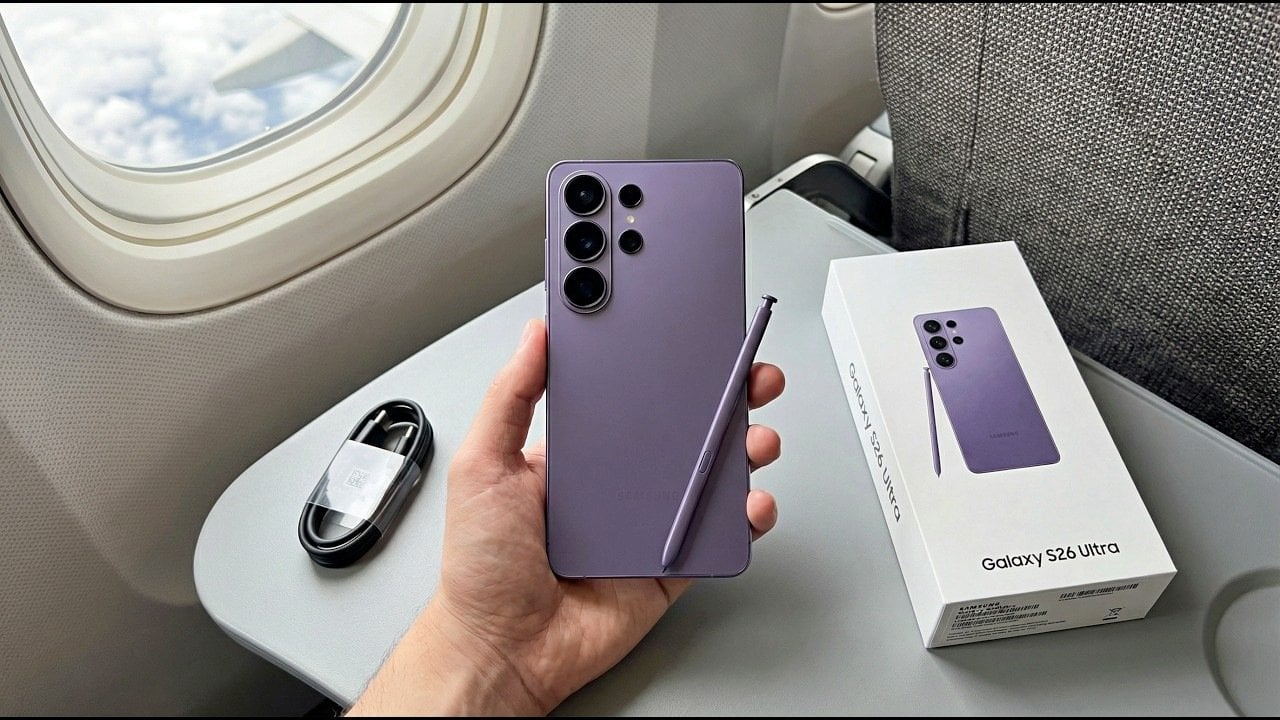
Samsung Galaxy S26 Series: Every Leak, Rumor, and Confirmed Detail Galaxy S26 Ultra showcasing its AI-powered privacy display feature

The Galaxy S26 series is poised to set a new standard in the smartphone industry, combining innovative technology with user-centric design. This highly anticipated lineup includes three models—Galaxy S26, S26 Plus, and S26 Ultra—each tailored to meet diverse user needs. With features such as an AI-powered privacy display, enhanced charging speeds, and a sleeker design, […]

The post Samsung Galaxy S26 Series: Every Leak, Rumor, and Confirmed Detail appeared first on Geeky Gadgets.

Posted in Uncategorized

The iPhone 17e: A Game-Changer for Budget-Conscious Buyers

The iPhone 17e: A Game-Changer for Budget-Conscious Buyers iPhone 17e showcasing sleek design and mid-range appeal

Apple is getting ready to launch its new budget-friendly smartphone, the iPhone 17e, a device designed to offer a balance of affordability, performance, and longevity. Positioned as the successor to the iPhone 16e, this model is aimed at users who want access to the iOS ecosystem without the premium price tag of flagship devices. By […]

The post The iPhone 17e: A Game-Changer for Budget-Conscious Buyers appeared first on Geeky Gadgets.

Posted in Uncategorized

Apple AirPods Pro 3 vs Sony WF-1000XM6: The Ultimate Earbud Showdown

Apple AirPods Pro 3 vs Sony WF-1000XM6: The Ultimate Earbud Showdown Sony WF-1000XM6

Selecting the ideal pair of earbuds can be a daunting task, especially when comparing two premium options like the Apple AirPods Pro 3 and Sony WF-1000XM6. Both models offer innovative features, but their differences in performance, design, and functionality can significantly influence your decision. The video below from Mike O’Brien provides a detailed comparison across […]

The post Apple AirPods Pro 3 vs Sony WF-1000XM6: The Ultimate Earbud Showdown appeared first on Geeky Gadgets.

Posted in Uncategorized

Your Tactical Role-Playing Game Setup deserves a better Command Deck. Meet the ONE BOX 4.0

Board game nights typically end the same way: scattered tokens, bent cards sliding across the table, dice that have rolled onto the floor for the third time. The chaos becomes part of the experience, tolerated because storage solutions only address what happens after everyone goes home. ONE BOX 4.0 takes a different approach by treating organization as something that belongs inside the game itself, using modular wooden compartments that stay open and active throughout play. The whole thing behaves less like a box and more like a portable command deck that happens to collapse into something the size of a pencil case. You unfold it, and the table suddenly has lanes, stages, and zones instead of a single flat battlefield where everything fights for the same square inches.

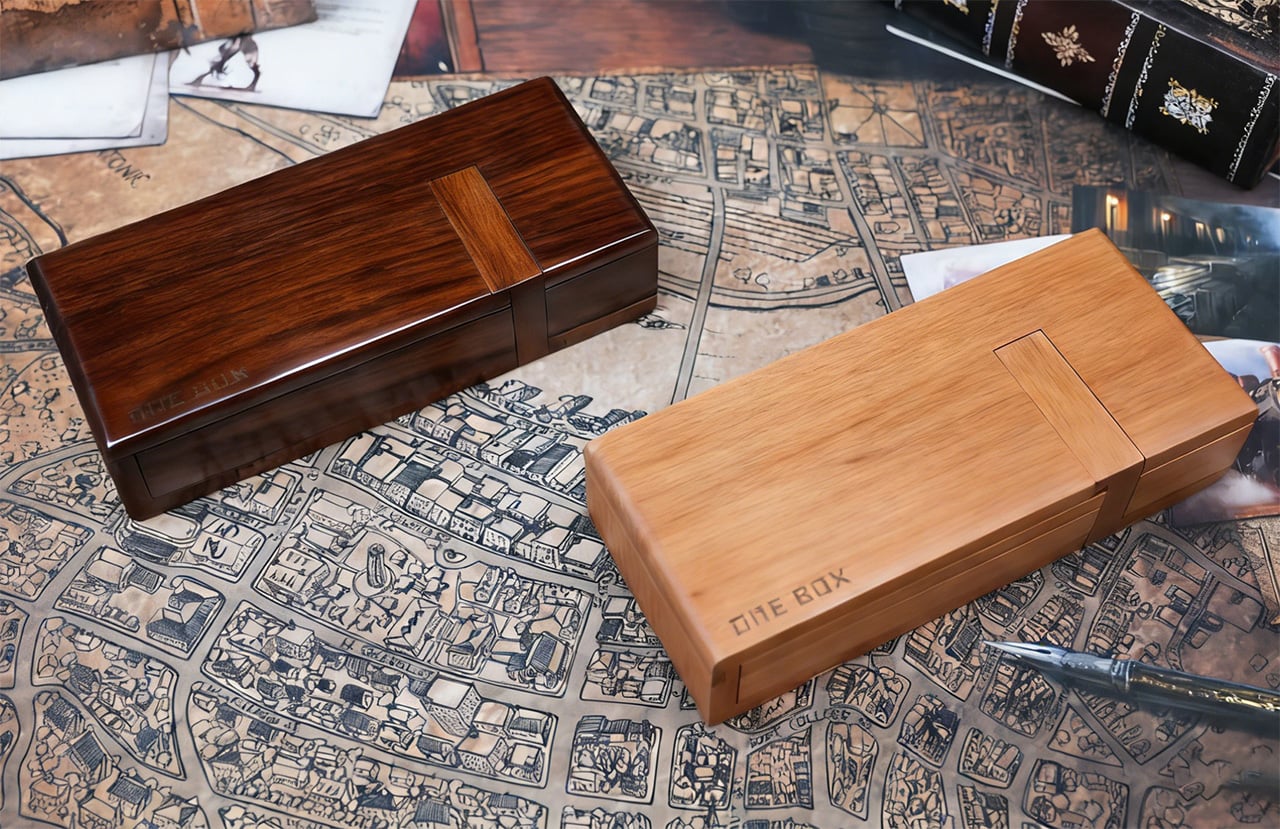
CHENGSHE.design built the system from mortise and tenon joinery, the kind of traditional woodworking that holds furniture together without screws or glue. Each unit comes in beech, teak, or black walnut, and the natural grain variations mean no two boxes look identical. The modules include card display stands, contained dice rolling areas, and phone holders that keep digital rulebooks accessible without crowding the play surface. The parts interlock into a single carryable brick, then fan out into a full tabletop system in a couple of moves. It feels like someone took the logic of a good travel tool roll, mixed it with a GM screen, and then asked an architect to make it beautiful without turning it into furniture cosplay.

Designer: ONE BOX 4.0

Click Here to Buy Now: $59 $119 (59% off). Hurry, only a few left!

The design addresses three distinct phases of a session: setup, active play, and teardown. Before play, the modules unfold from a single case into multiple zones in a matter of seconds, with dividers and trays already proportioned for cards, dice, tokens, and reference materials. During play, cards sit upright in angled stands, which keeps information visible and reduces edge wear from constant handling. Dice move through a contained rolling lane that prevents table escapes and limits collisions with card stacks or miniatures. After the session, components return to defined compartments, which then recombine into a unified case for transport and shelf storage.

Underneath the pretty wood, the logic is very modular and very modern. One set of modules can handle a deck-heavy Euro game one night and a crunchy TRPG session the next, simply by rearranging dividers and stands. The dividers are adjustable, so you can create narrow lanes for standard 63.5 by 88 mm cards or open wider slots for tarot or oversized character sheets. A lot of “board game accessories” assume a single flagship game and then become useless when your group rotates titles. ONE BOX 4.0 behaves more like a system-level accessory, closer to a camera cage or modular tool chest that expects you to change the loadout constantly. The fact that this is the fourth generation shows in that ecosystem thinking.

The mortise and tenon construction is not a decorative flex either. That joint style is pretty resilient when you are opening and closing something hundreds of times, applying torsion in slightly different directions every session. Screws back out, cheap hinges loosen, glued butt joints fail at the worst moment. Properly cut mortise and tenon joints share load across surfaces and age with the wood rather than against it. Combined with hardwoods like teak and black walnut, you get a product that can take the mild abuse of transport and table slams without turning into a rattling box of regret.

The other design decision that lands beautifully is backward compatibility. If you bought ONE BOX 3.0, you do not have to retire it to adopt 4.0. The new modules plug into the old ecosystem, which is the kind of long horizon thinking you usually only see in camera mounts, bike standards, or pro audio racks. That matters because people build habits around their table setups. If you already have a certain arrangement for card lanes and dice trays, you can add a new TRPG-focused module or that OB Infinite Pen without rethinking everything. This is how you build a niche platform instead of a series of isolated products that age out every two years.

The OB Infinite Pen and erasable whiteboard module signal a clear orientation toward TRPG and scenario driven gameplay. By dedicating space to writing tools and a reusable surface, the system supports initiative tracking, hit points, quick maps, and ad hoc notes without adding disposable paper clutter. The pen shares the same wood material language as the box, which unifies the visual identity and reinforces the idea that note taking is an integrated part of the experience. For groups that run mixed digital and analog setups, the phone and tablet holder aligns with this approach, parking screens at the edge of the system instead of scattering them across the main play field.

Visually, this is the opposite of RGB acrylic chaos. Natural wood, clean chamfers, visible grain, and a restrained color palette of light beech, warm teak, and dark walnut. On a table, it reads more like a compact piece of joinery than a toy, which is exactly what you want if your “game table” is also your work desk or dining surface. There is a subtle psychological trick here: when the tools of play look like serious objects, people tend to treat the whole session with a bit more focus. You are less likely to fling dice across a carefully built wooden lane than across a bare laminate tabletop.

Folded shut, the core ONE BOX 4.0 package is roughly pencil box sized, which means it goes into a backpack alongside a laptop and a rulebook without much negotiation. Unfolded, it spreads to cover a player station or GM area without requiring a dedicated gaming table. That portability is what separates this from the beautiful but immovable wooden tables that dominate the aspirational side of tabletop culture. You can take this to a cafe, a friend’s apartment, or a convention hall, and your setup logic travels with you instead of being rebuilt from scratch every time.

The ONE BOX 4.0 comes in three primary wood options: beech for a pale, almost Scandinavian tone, teak for a warmer mid tone, and black walnut for a darker, more saturated look. Configurations range from a single core box setup to multi box “command station” style bundles that add dedicated dice rollers, erasable whiteboard modules, storage bags, and the OB Infinite Pen in matching wood. Up to 50 early backers can grab the beech variant for as low as $59, while the next tier for all wood versions sits at $79 (which includes the ‘recording kit’ featuring the OB Infinite Pen and erasable whiteboard modules). Throw in an extra twenty, and the $99 tier also gets you a dice roller. The ONE BOX 4.0 is open for preorder and ships globally starting May 2026.

Click Here to Buy Now: $59 $119 (59% off). Hurry, only a few left!

The post Your Tactical Role-Playing Game Setup deserves a better Command Deck. Meet the ONE BOX 4.0 first appeared on Yanko Design.