Most nightlights are afterthoughts. A dim plug-in tucked behind a dresser, maybe something shaped like a mushroom from a big-box store. They exist to serve a single function: keep you from stubbing your toe at 2 a.m. Nobody really talks about them. Nobody really considers them. That changed for me when I came across Benjamin Gillespie’s latest from his Philadelphia-based studio, Ovuud, and suddenly I found myself genuinely excited about a nightlight.
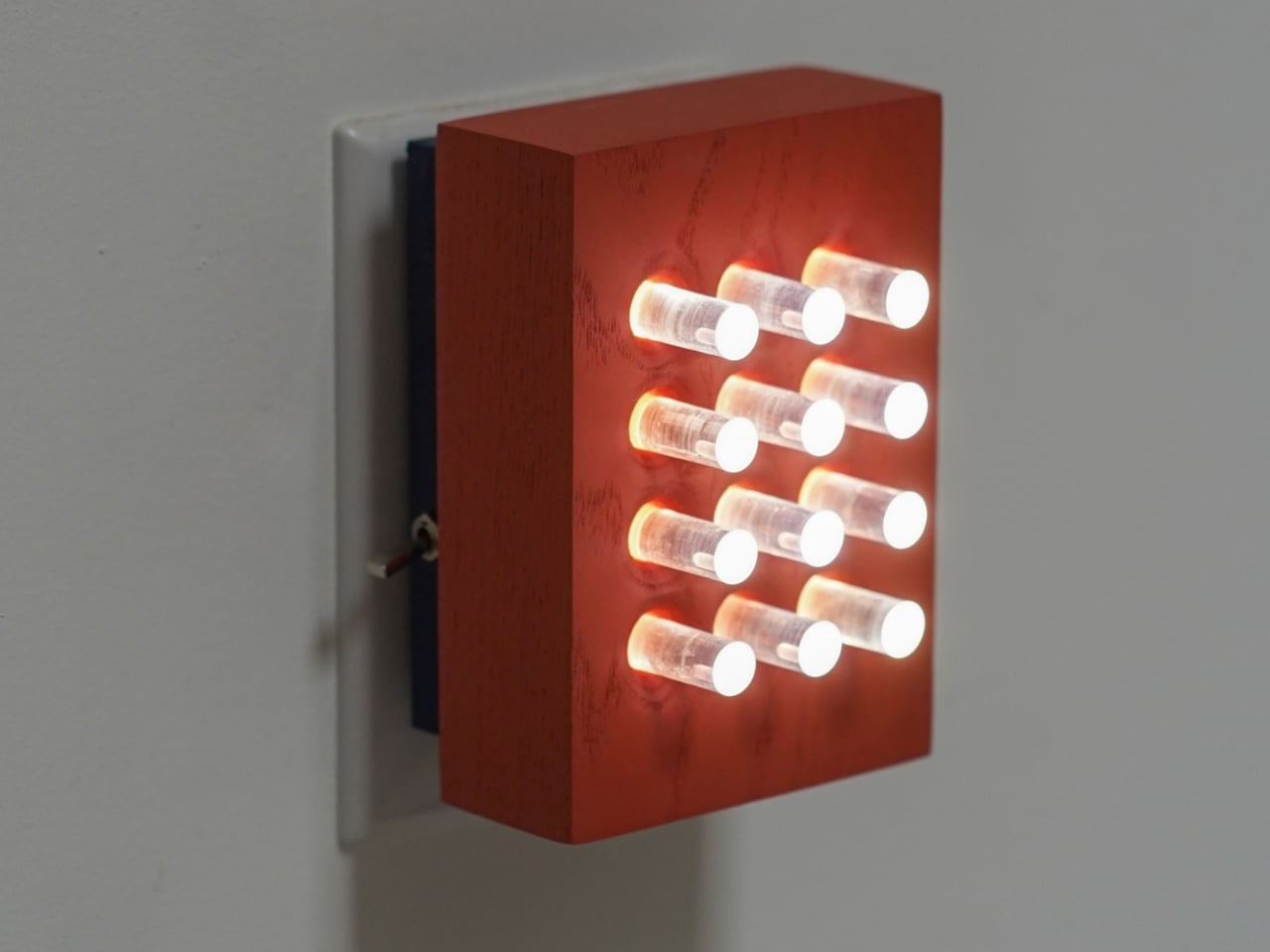
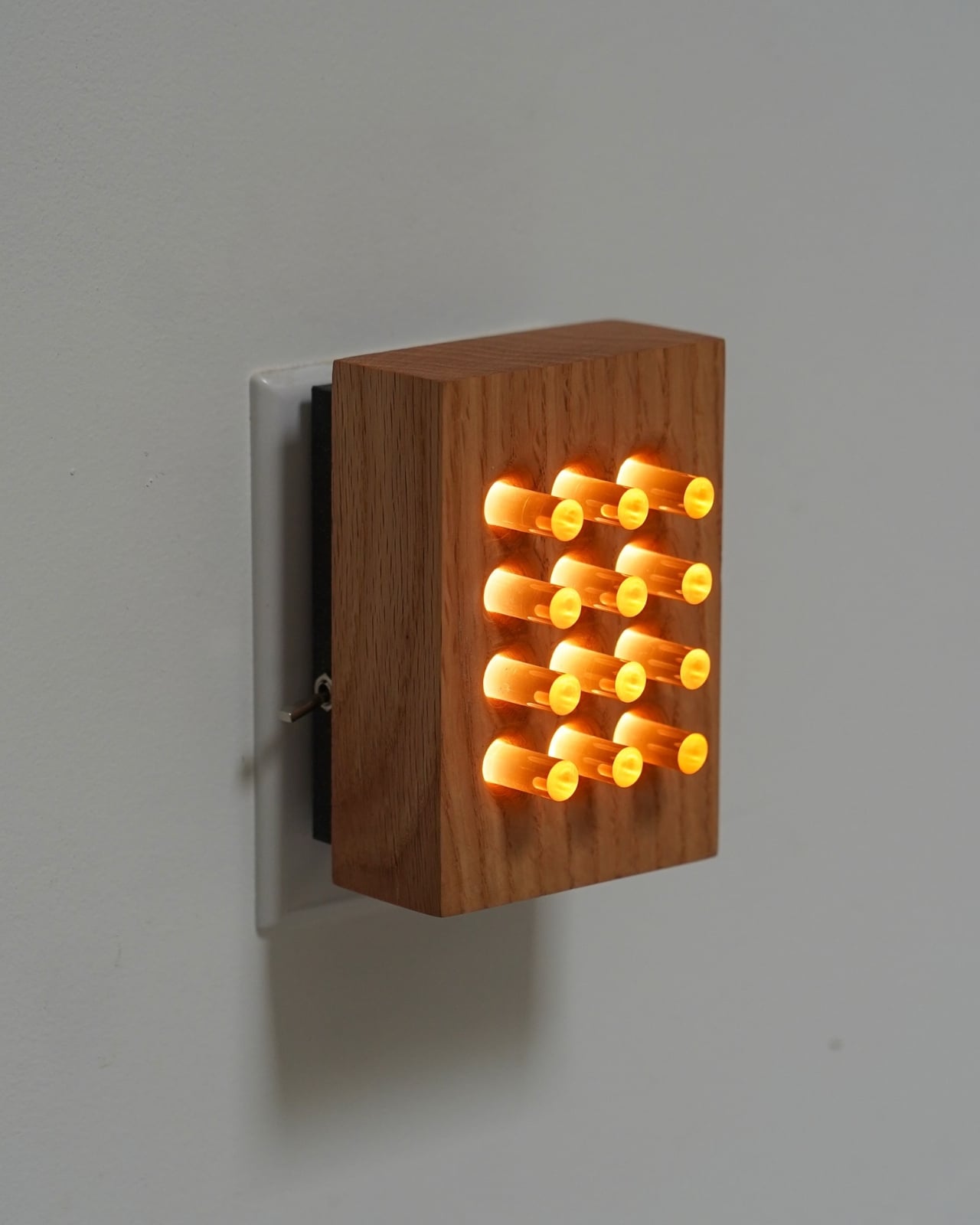
The piece is called Reactor, and it’s now available in a color series that’s worth paying attention to. Gillespie, who runs Ovuud as a one-man operation out of Philadelphia, designs and builds every piece by hand using locally sourced wood. His background is an unusual combination of engineering, woodworking, and a deep architectural sensibility, and you can feel all three of those things at once when you look at his work. The LED is hidden, the wood glows, and everything feels considered without feeling precious.
Designer: Ovuud
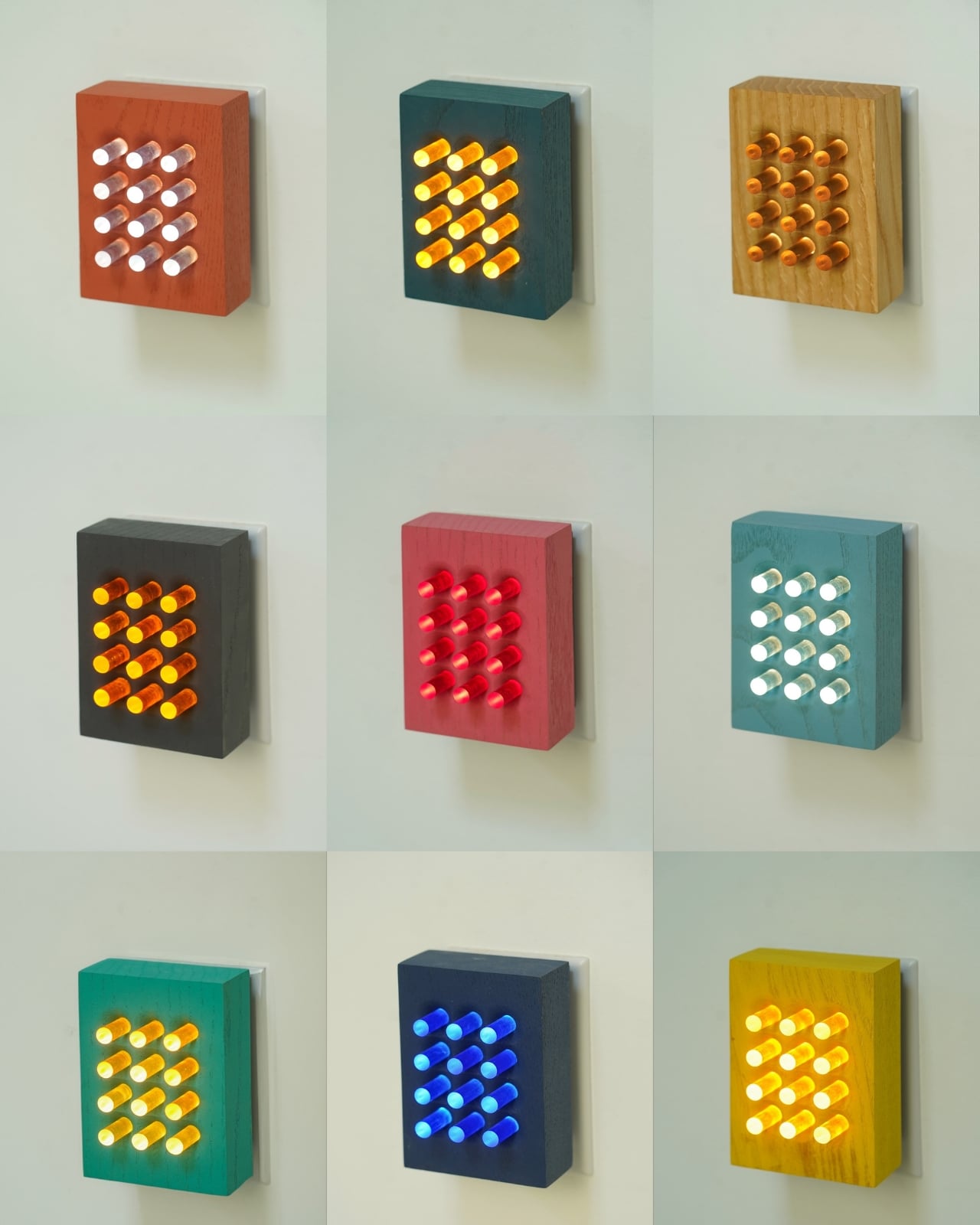
What the Reactor does differently is how it handles the relationship between function and mood. It pairs a warm white task light with a mood light, and the two can be independently controlled depending on what you need at any given moment. The color series expands on this by offering different colored light options, each creating a distinct atmosphere from the same compact wooden form. A pink glow reads like warmth. A deeper red reads like atmosphere. The shift from one to the other is not dramatic in the way smart bulb color changes tend to be. It’s quieter than that, and more intentional.
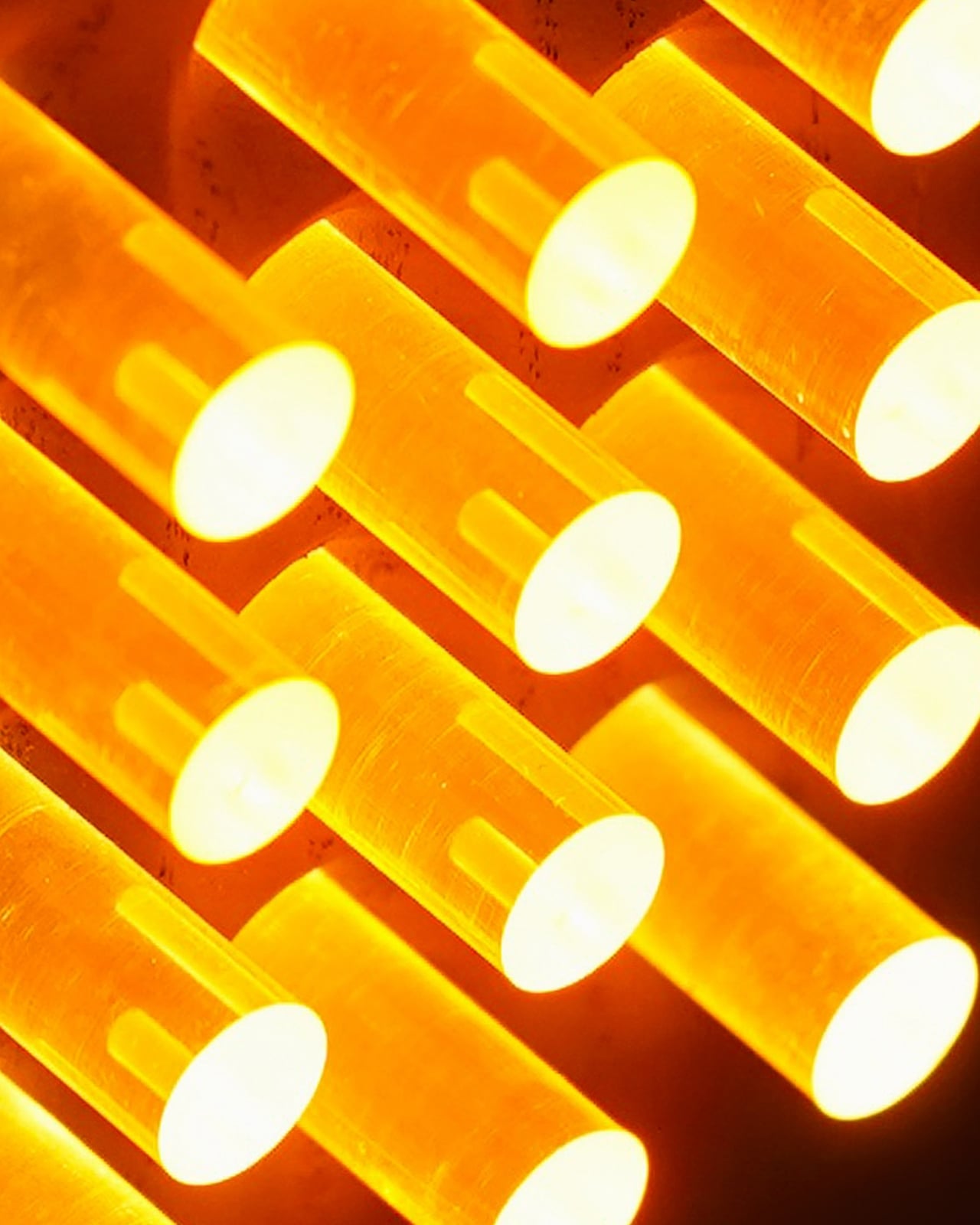
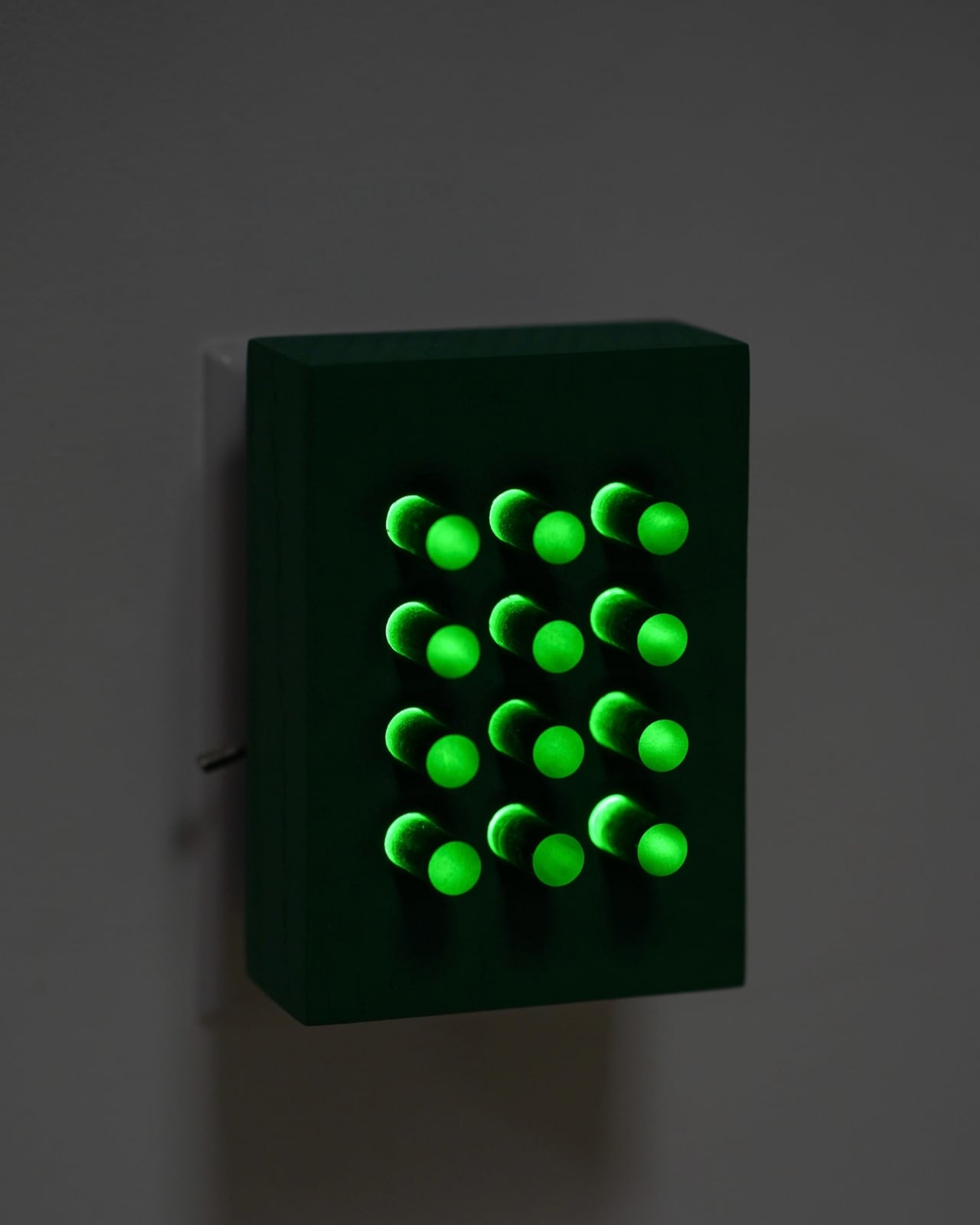
I keep thinking about the name. Reactor. It’s not passive. A nightlight is usually passive by definition. It just sits there. But a reactor implies a response, a relationship between the object and whoever is using it. Gillespie even described the pink version as “a hug in the dark,” which is such a specific and unexpectedly tender way to talk about a light source. That sensibility carries through the design. These are not decorative pieces pretending to be functional. They’re functional pieces that happen to be beautiful.
Ovuud has been building a quiet reputation in design circles for a while now. Featured in Dwell Magazine’s 2022 list of rising international designers, Gillespie’s work has always been about finding that balance between material limits, desired function, and aesthetic harmony. The Reactor color series feels like that philosophy at its most distilled. The form is small enough to sit on a nightstand without demanding attention during the day. At night, it changes the temperature of the entire room without you having to do anything complicated.
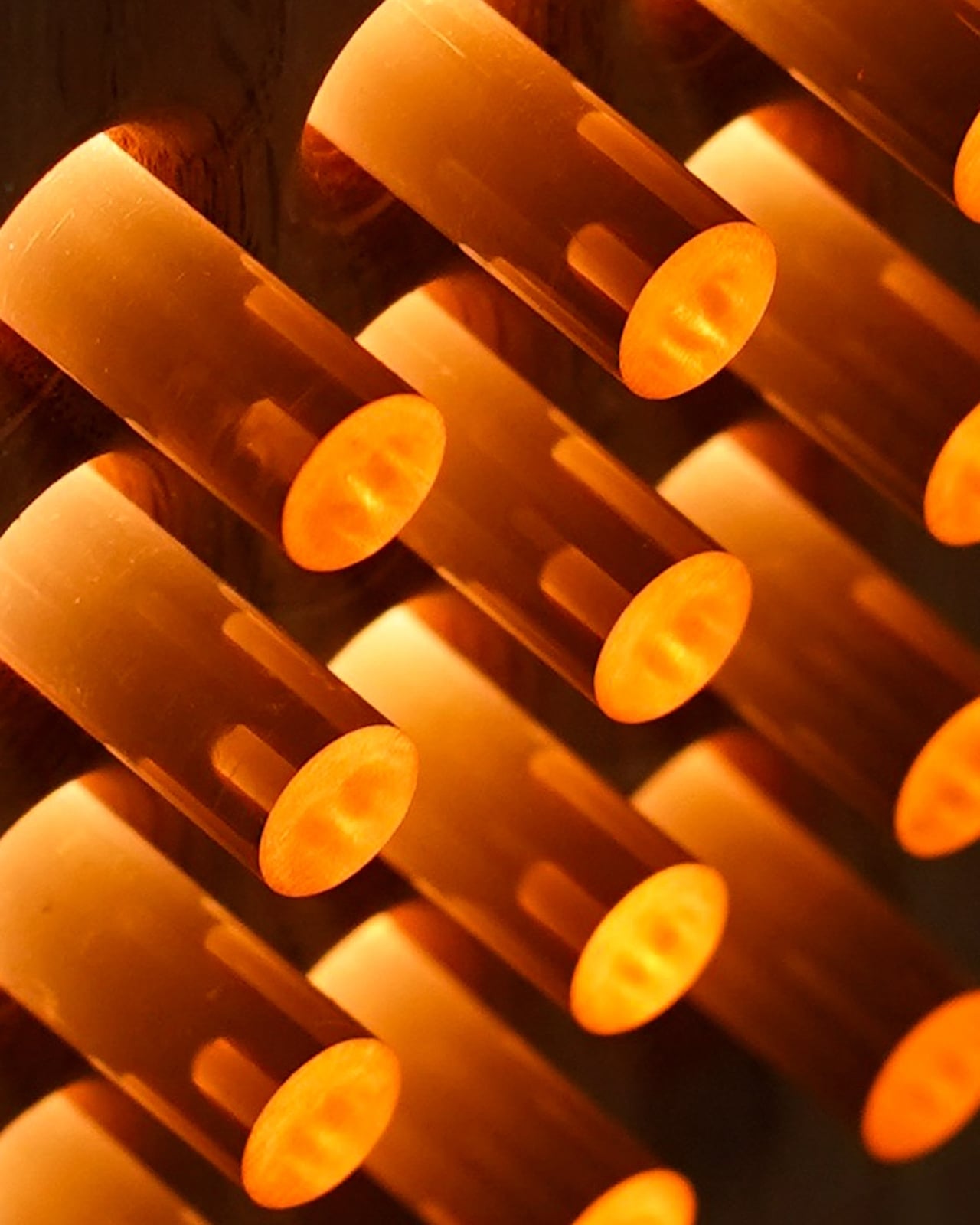
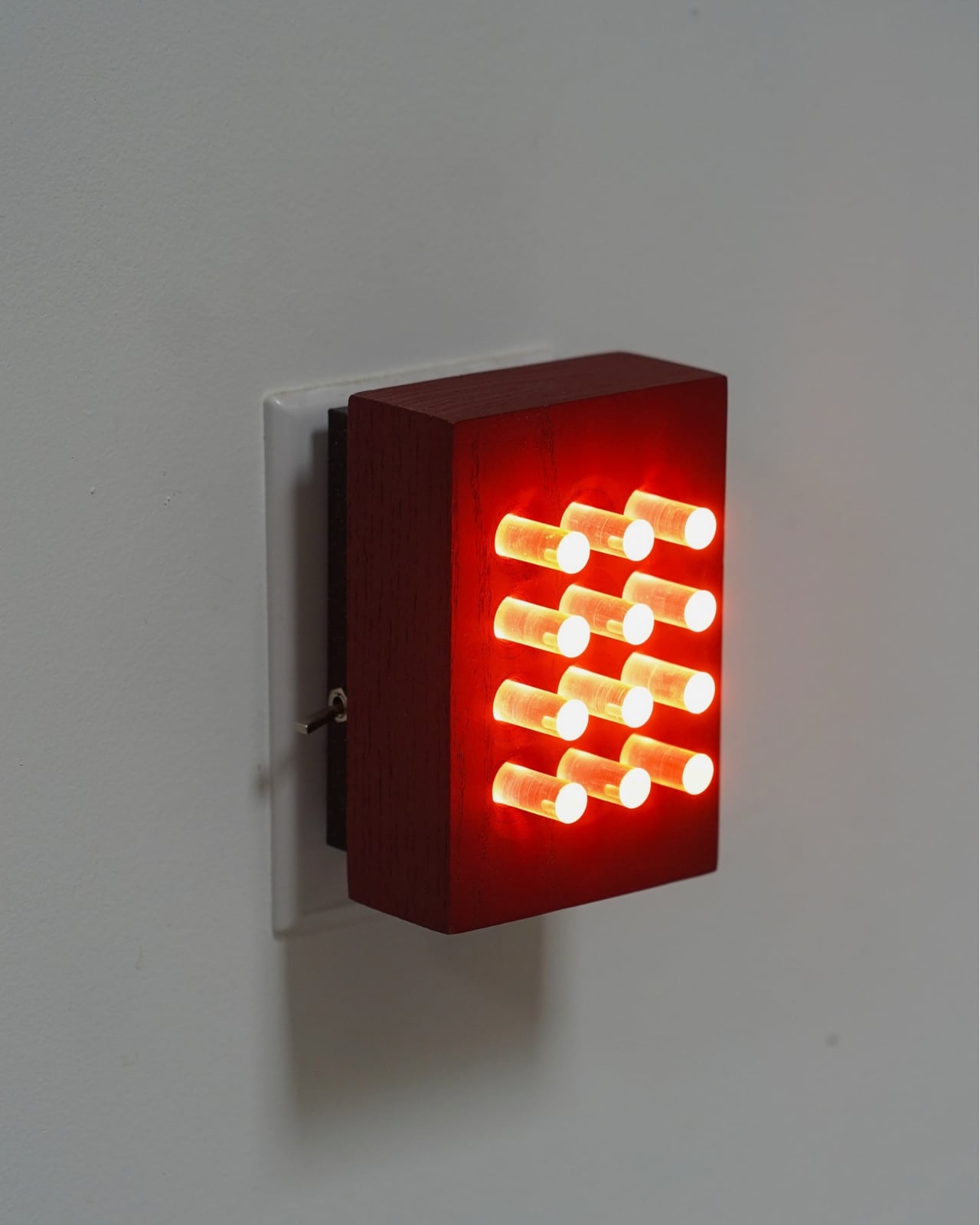
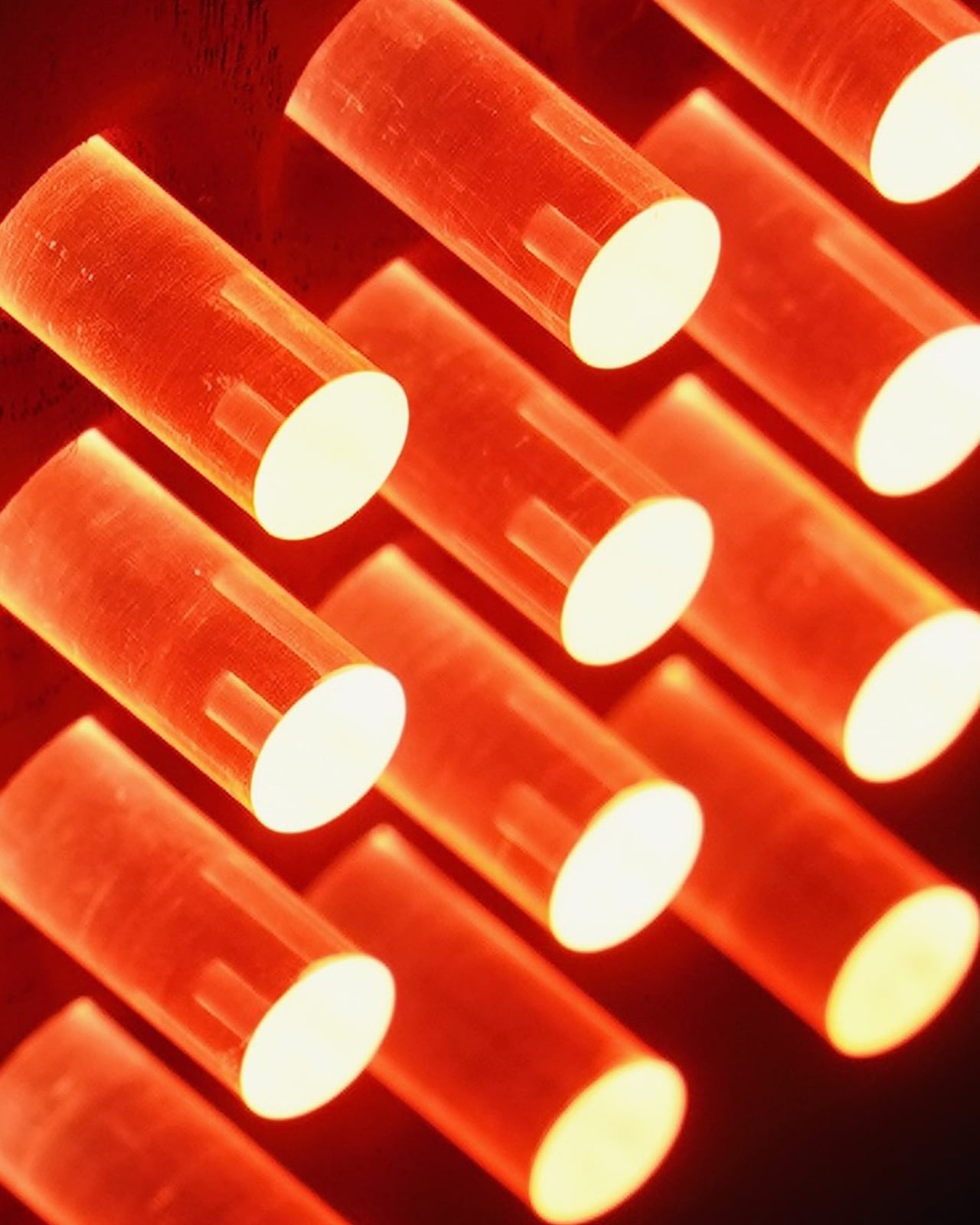
The wood-and-plexiglass combination Gillespie uses throughout his work is particularly effective here. The wood grounds it, gives it warmth and texture and the kind of object permanence that makes you want to keep a thing rather than replace it. The plexi diffuses the light in a way that feels organic, not clinical. Together, they make something that feels genuinely handmade without looking rustic or unfinished. That’s harder to achieve than it sounds.
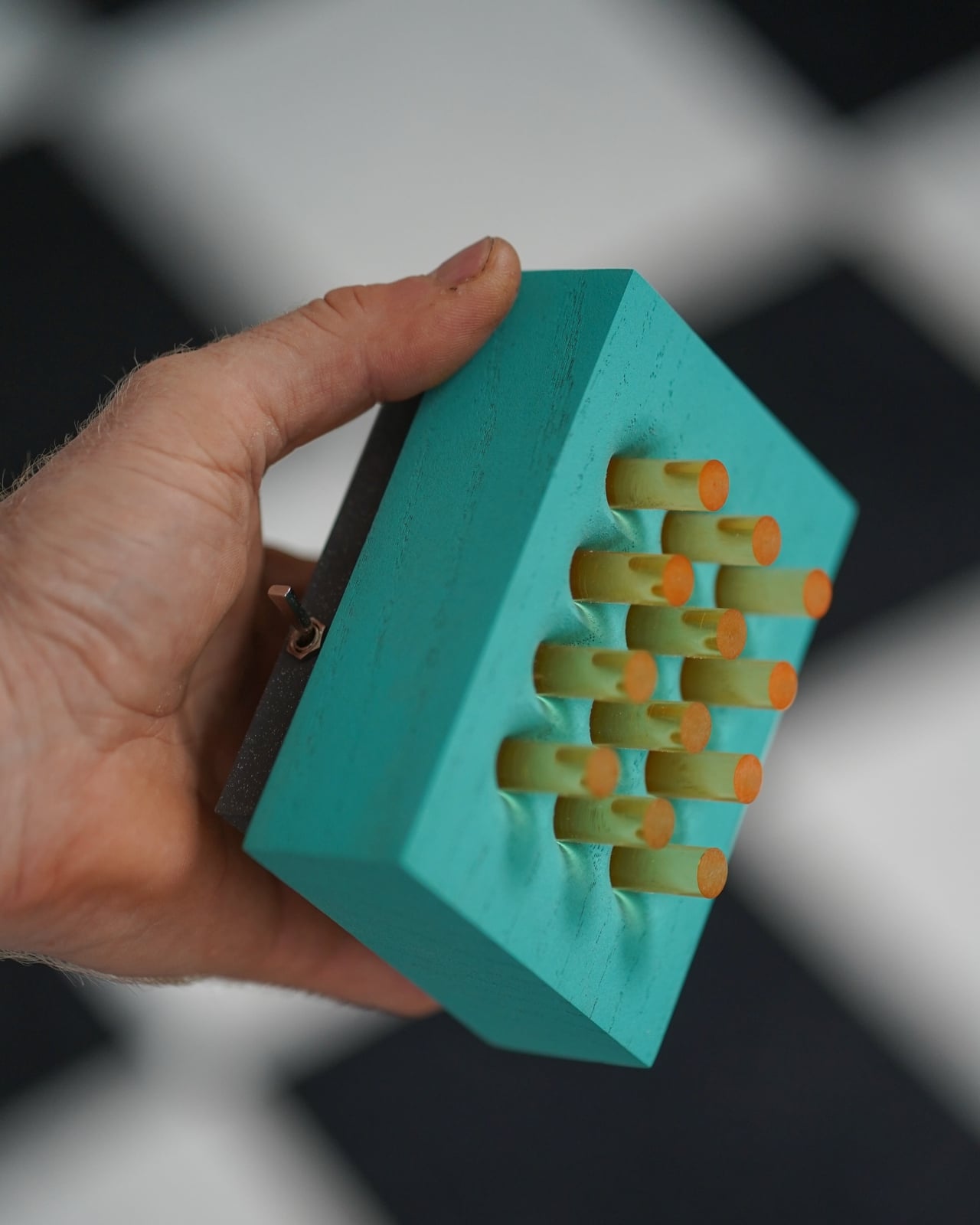
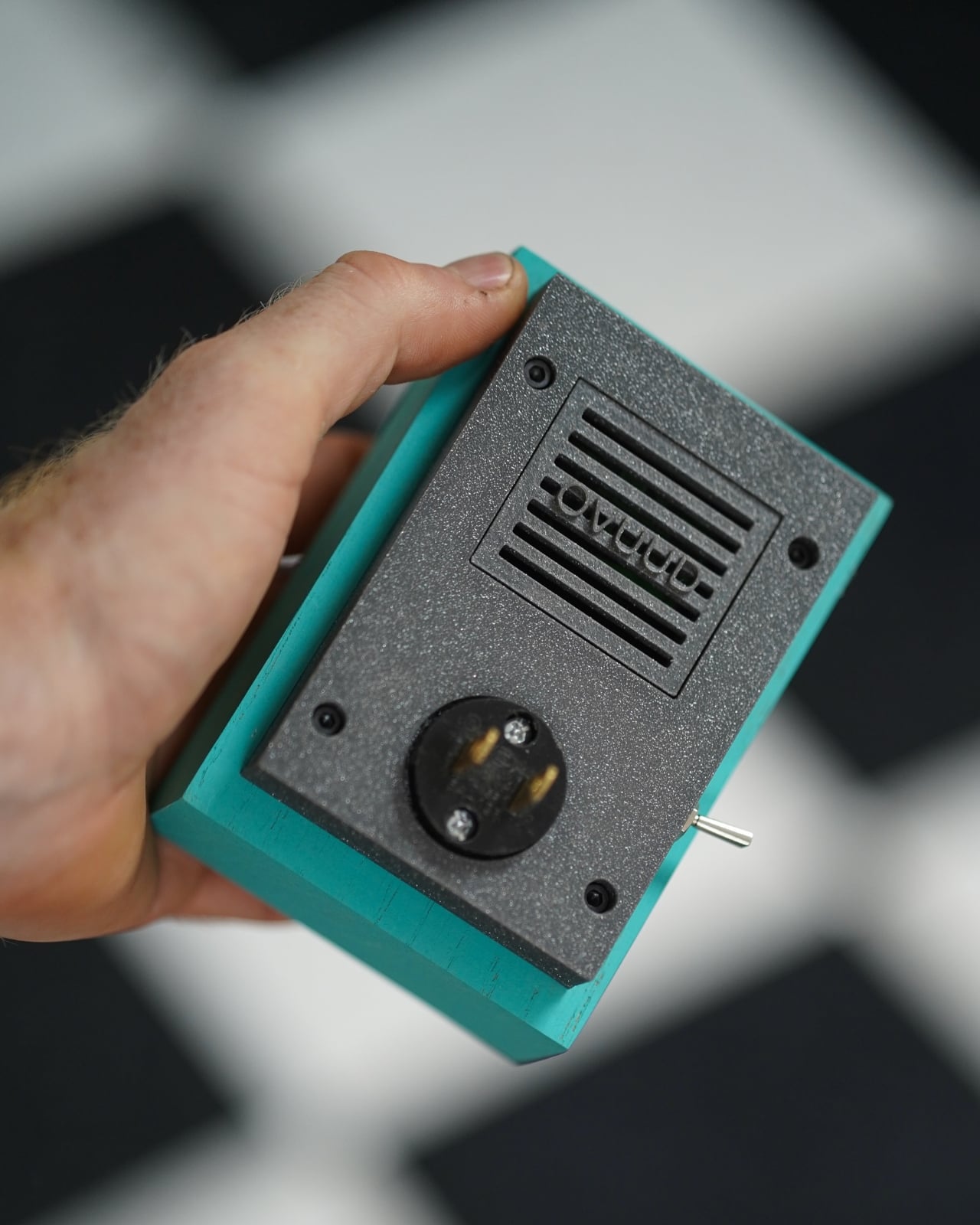
A design object like the Reactor matters because it doesn’t ask you to choose between living well and buying well. A lot of design right now sits in one of two camps: either it’s priced and positioned for collectors, beautiful but untouchable, or it’s mass-produced and optimized for a market that doesn’t particularly care about craft. Gillespie exists somewhere outside both of those camps, making things by hand in his studio that are accessible enough to actually use and thoughtful enough to actually keep.
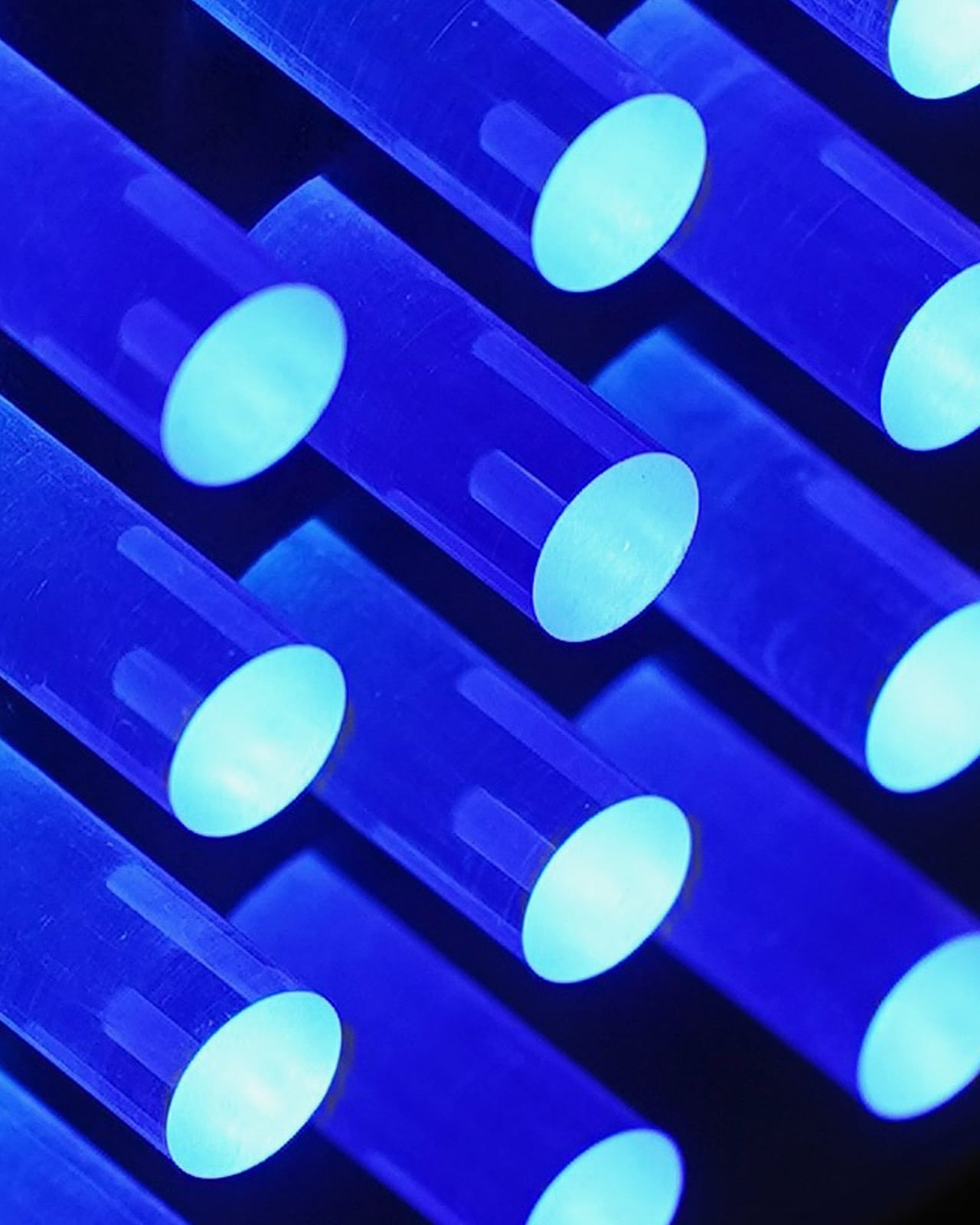
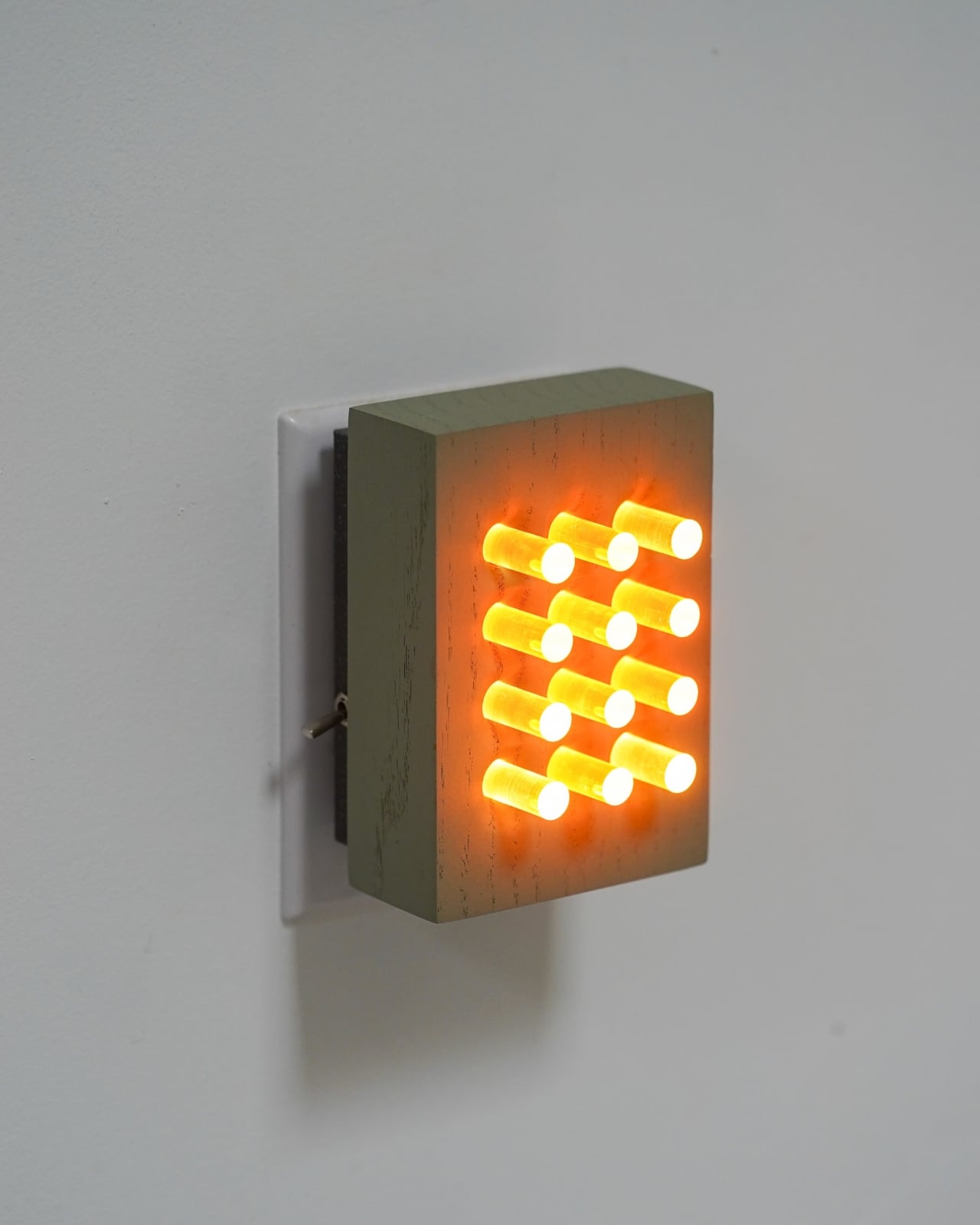
The Reactor color series is the kind of thing you discover on Instagram and then find yourself thinking about for days. Not because it’s flashy or trend-driven or algorithmically designed to stop your scroll, but because it’s quietly doing something right. It’s a nightlight. It lights up your night. And somehow, against all odds, it makes that feel like enough.
The post Ovuud’s Reactor Is the Nightlight Designers Actually Want first appeared on Yanko Design.