Artly Robots Master Latte Art and Drinks for CES 2026 Debut

People gather around a robot arm in a café, half for the drink and half for the performance. Most automation in food and beverage still feels either like a vending machine or a novelty, and the real challenge is capturing the craft of a skilled barista or maker, not just the motion of pushing buttons. The difference between a decent latte and a great one often comes down to subtle pressure, timing, and feel.

Artly treats robots less like appliances and more like students in a trade school, learning from human experts through motion capture, multi-camera video, and explanation. At CES 2026, that philosophy shows up in two compact robots, the mini BaristaBot and the Bartender, both built on the same AI arm platform but trained for different kinds of counters. Together, they make a case for automation that respects the shape of the work instead of flattening it.

Designer: Artly AI

Click here to know more.

mini BaristaBot: A 4×4 ft Café That Learns from Champions

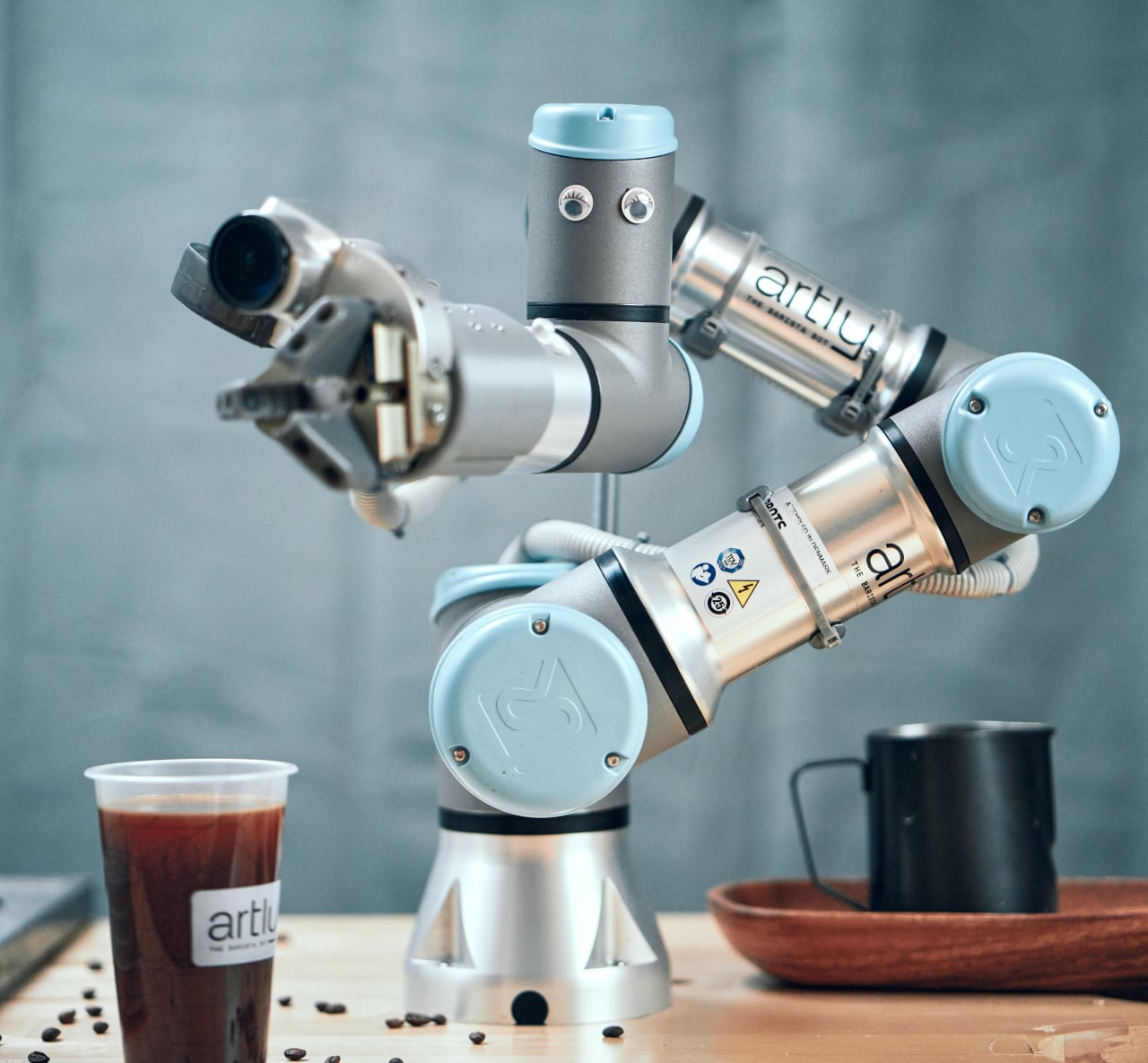
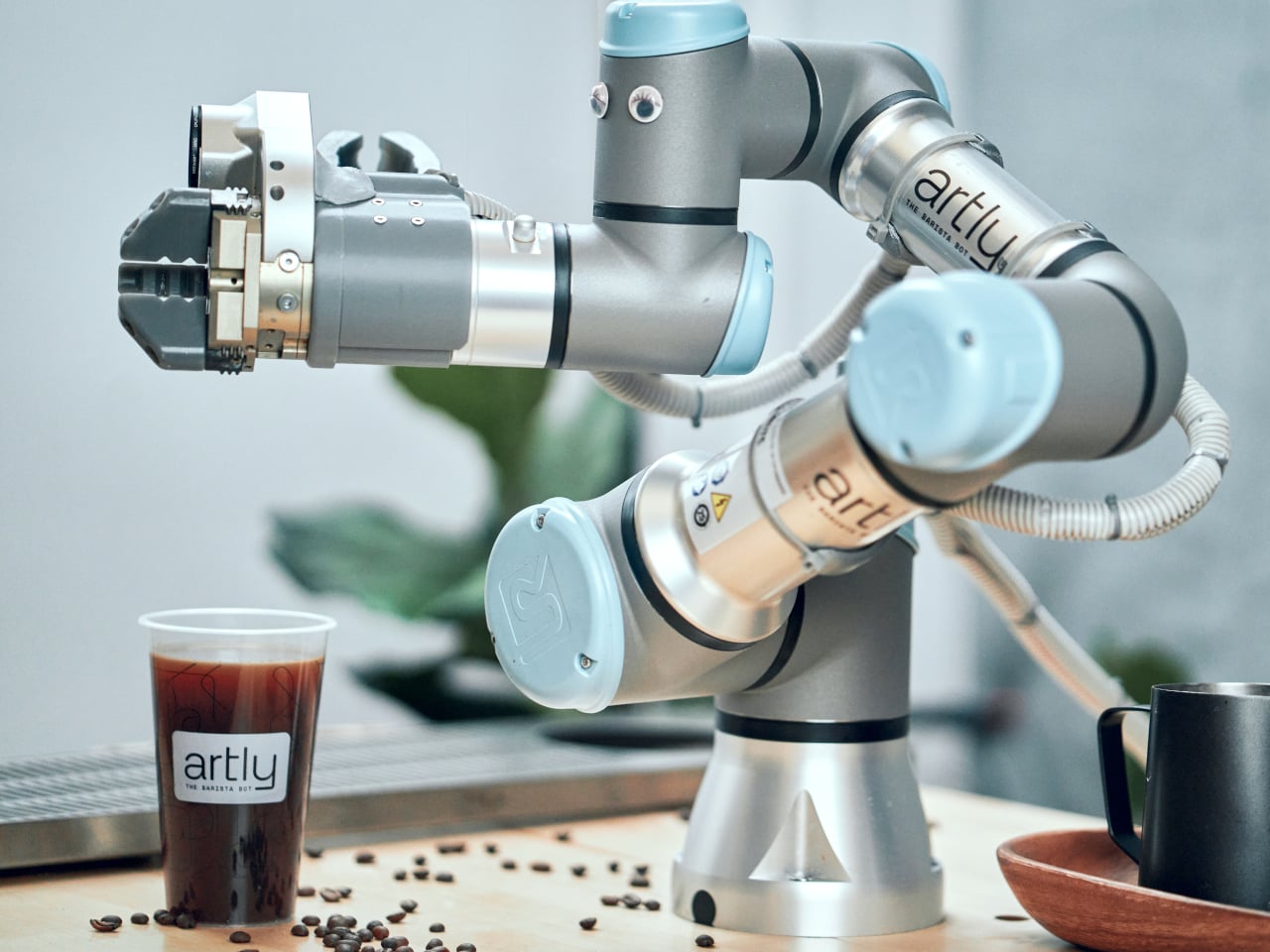
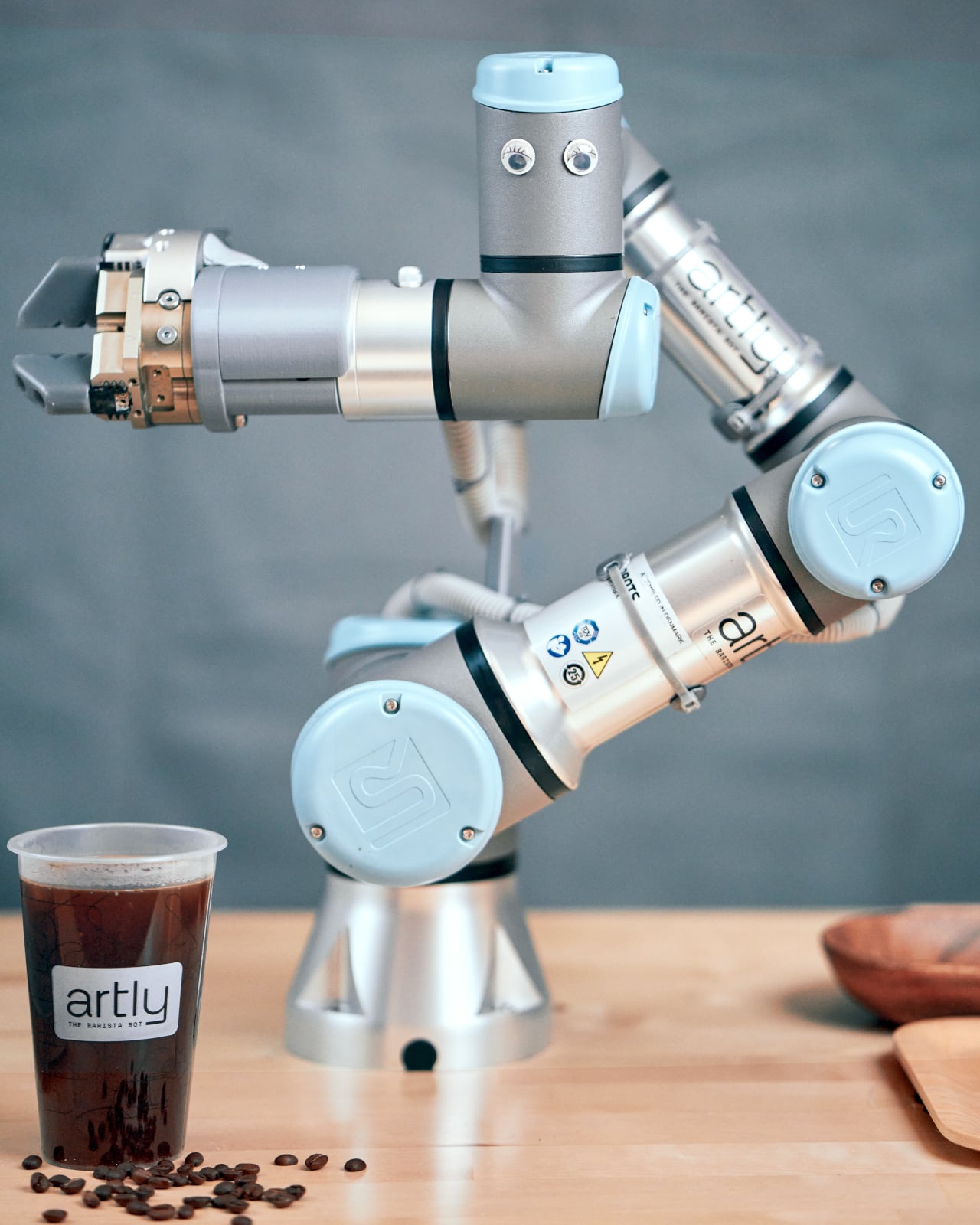
The mini BaristaBot is a fully autonomous café squeezed into a 4 × 4 ft footprint, designed for high-traffic, labor-constrained spaces like airports, offices, and retail corners. One articulated arm handles the entire barista workflow, from grinding and tamping to brewing, steaming, and pouring, with the same attention to detail you would expect from a human who has spent years behind a machine. “At first, I thought making coffee was easy, but after talking to professional baristas, we realized it is not simple at all. There are a lot of details and nuances that go into making a good cup of coffee,” says Meng Wang, CEO of Artly.

The arm is trained on demonstrations from real baristas, including a U.S. Barista Champion, with Artly’s Skill Engine breaking down moves into reusable blocks like grabbing, pouring, and shaping. Those blocks are recombined into recipes, so the robot can reproduce nuanced techniques such as milk texturing and latte art, and adapt to different menus without rewriting code from scratch or relying on rigid workflows. “Our goal is not to automate for its own sake. Our goal is to recreate an authentic, specific experience, whether it is specialty coffee or any other craft, and to build robots that can work like those experts,” Wang explains.

“The training in our environment is not just about action: it is about judgment, and a lot of that judgment is visual. You have to teach the robot what good frothing or good pouring looks like, and sometimes you even have to show it bad examples so it understands the difference.” That depth of teaching separates Artly’s approach from simpler automation. The engineering layer uses food-grade stainless steel and modular commercial components, wrapped in a warm, wood-clad shell that looks more like a small kiosk than industrial equipment.

A built-in digital kiosk handles ordering, while Artly’s AI stack combines real-time motion planning, computer vision, sensor fusion, and anomaly detection to keep quality consistent and operation safe in public spaces where people stand close and watch the whole process. “Our platform is like a recording machine for skills. We can record the skills of a specific person and let the robot repeat exactly that person’s way of doing things,” which means a café chain can effectively bottle a champion’s technique and deploy it consistently across multiple sites.

The ecosystem supports plug-and-play deployment, with remote monitoring, over-the-air updates, and centralized fleet management. A larger refrigerator and modular countertops in finishes like maple, white oak, and walnut let operators match different interiors. For a venue, that means specialty coffee without building a full bar, and for customers, it means a consistent drink and a bit of theater every time they walk up.

Bartender: The Same Arm, Trained for a Different Counter

The Bartender is an extension of the same idea, using the Artly AI Arm and Skill Engine to handle precise, hand-driven tasks behind a counter. Instead of focusing on espresso and milk, the robot learns careful measurement, shaking, or stirring techniques, and finishing touches that depend on timing and presentation, all captured from human experts and turned into repeatable workflows. “If the robot learns the technique of a champion, it can repeat that same pattern at different locations. No matter where it performs, it will always create the same result that person did,” Wang notes.

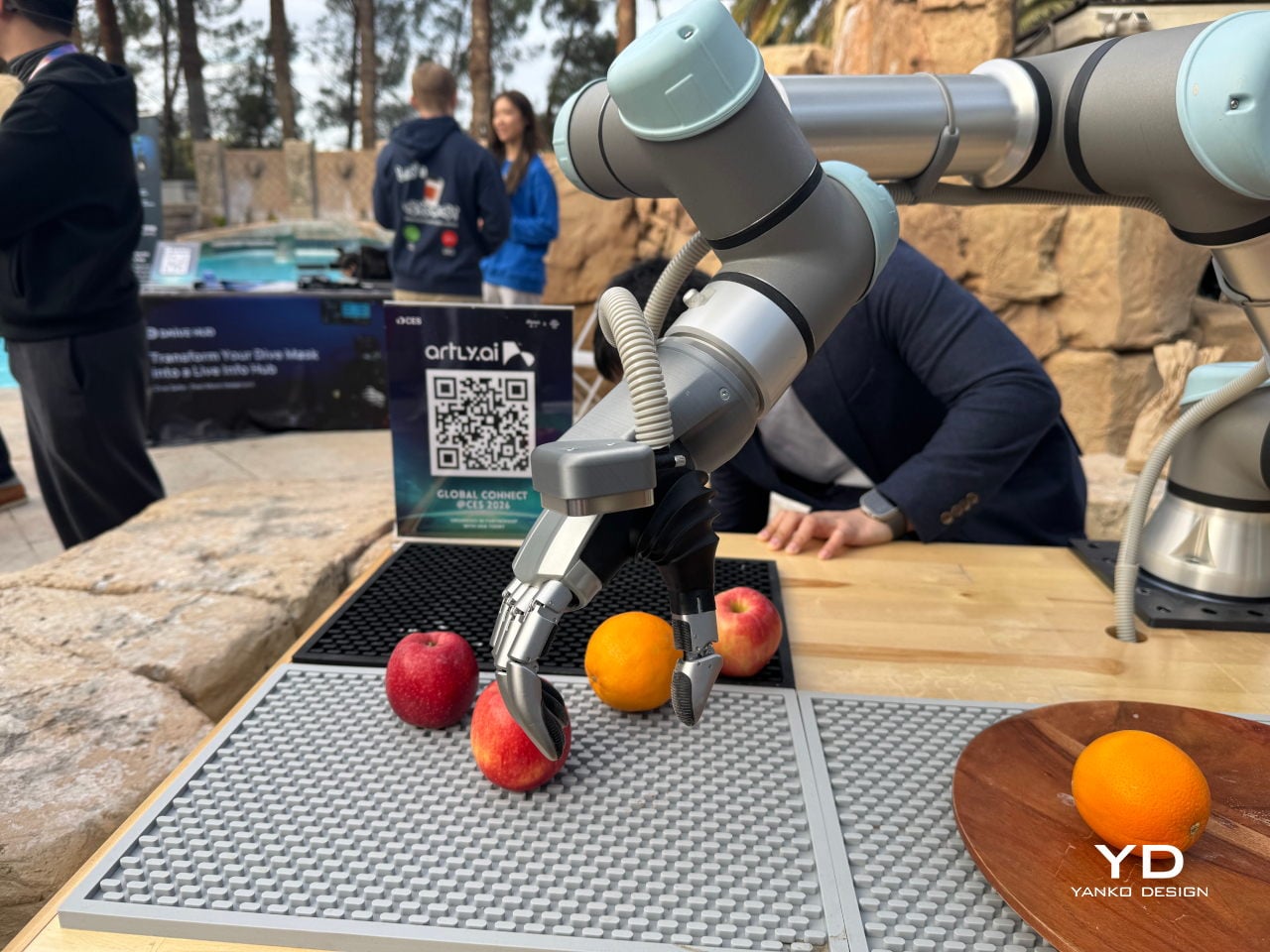
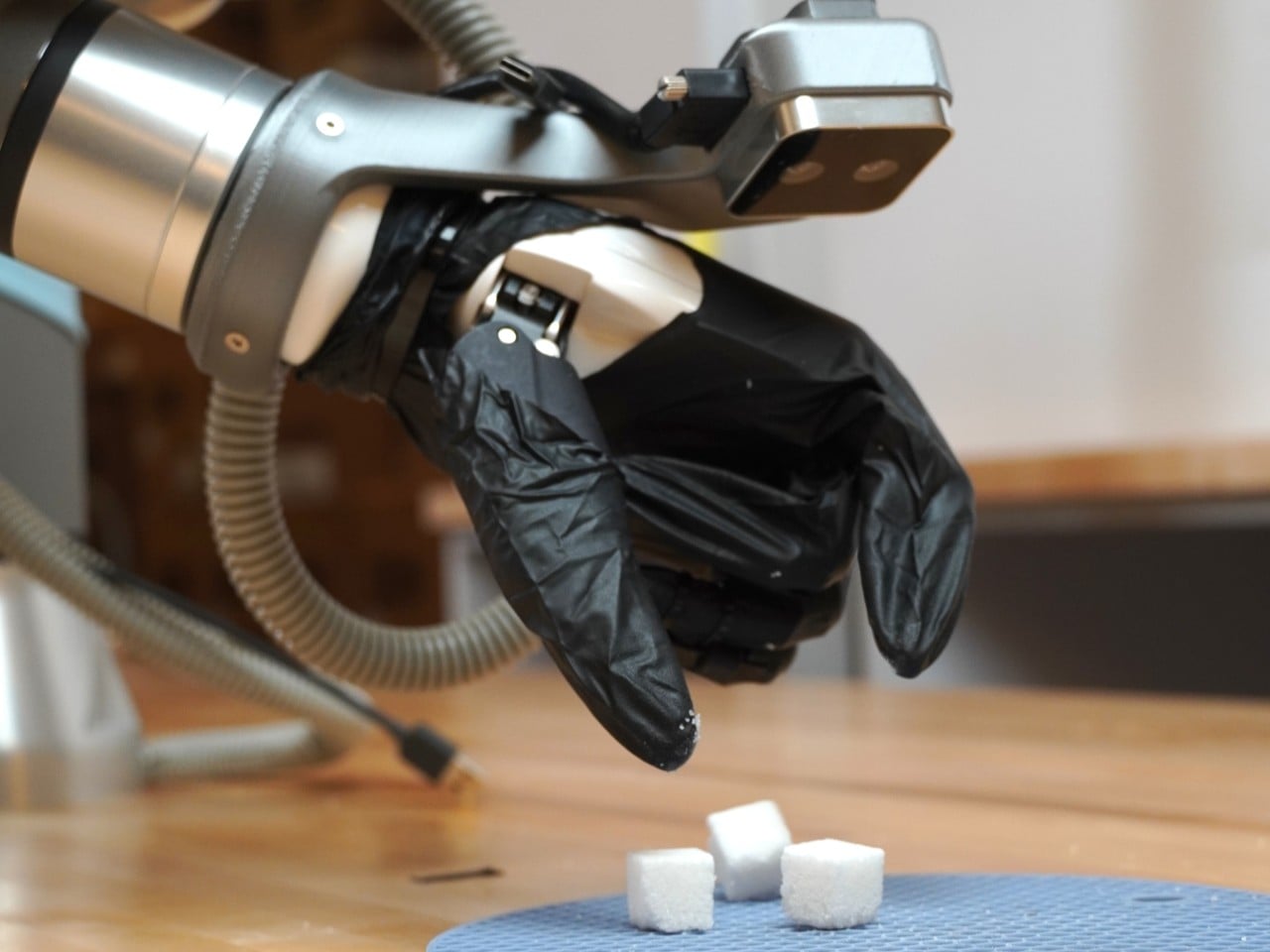
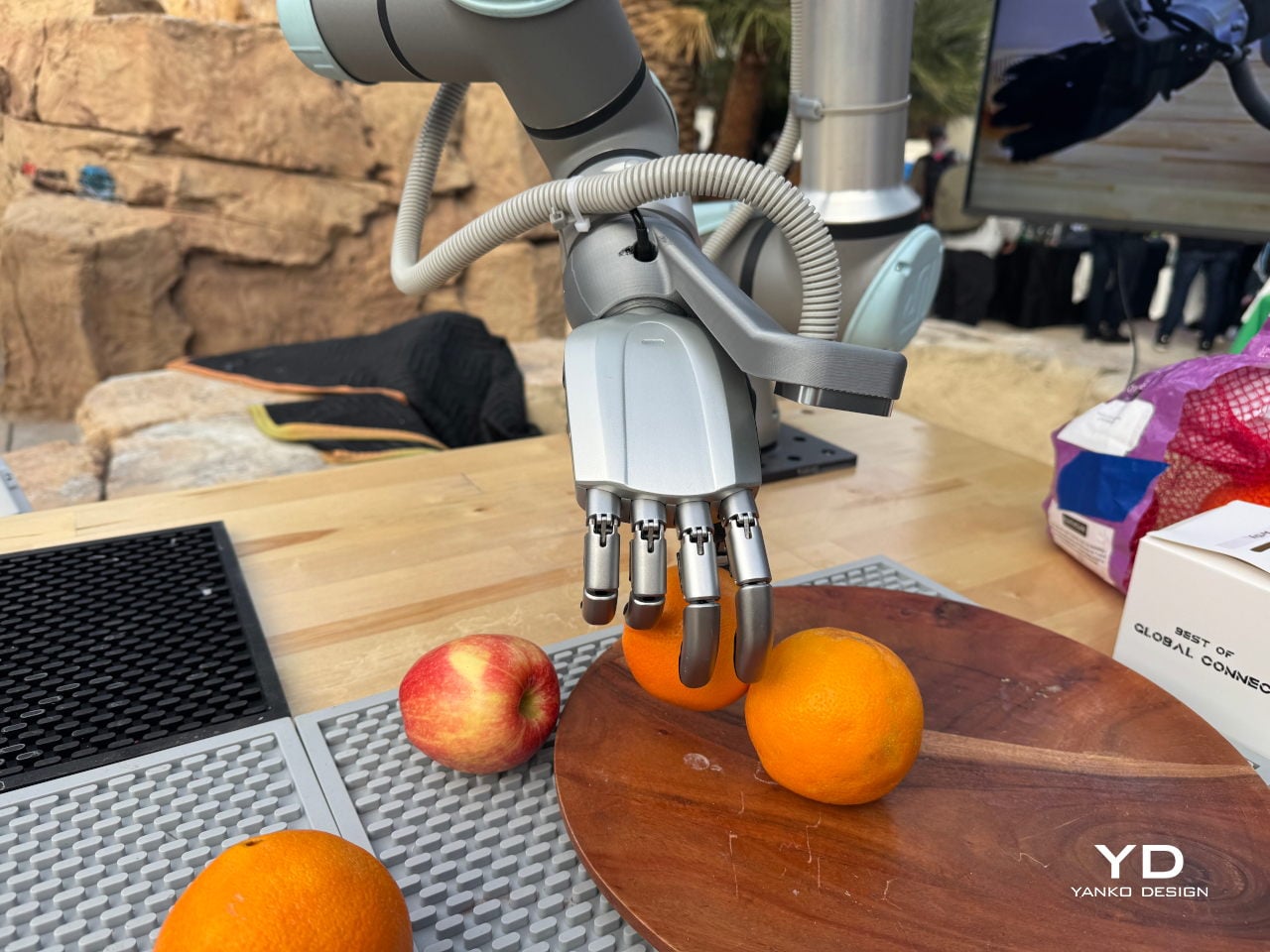
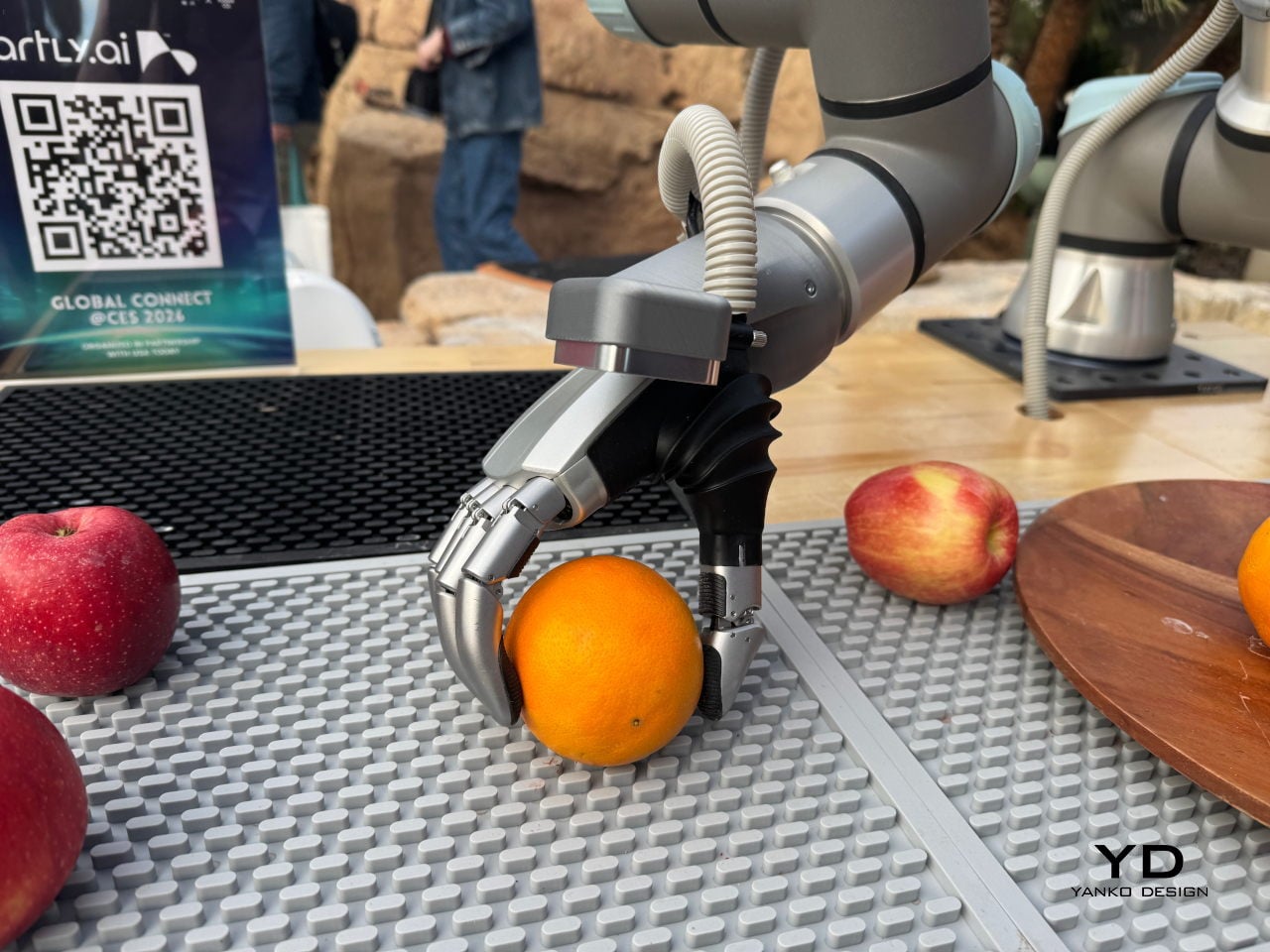
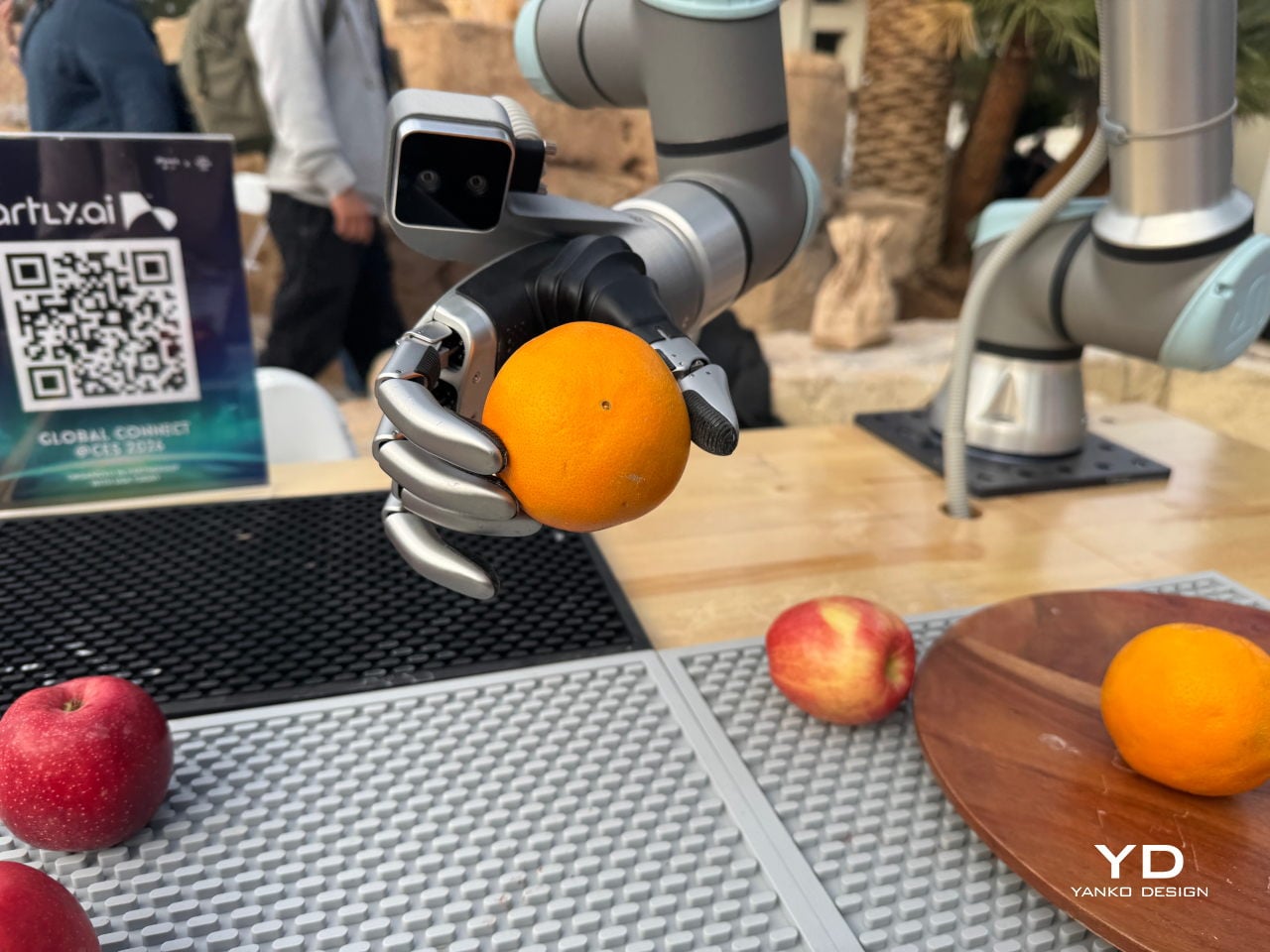
Dexterity is the key differentiator. The Bartender uses a dexterous robotic hand and wrist-mounted vision to pick up delicate garnishes, handle glassware, and move through sequences that normally require a trained pair of hands. The same imitation-learning approach that taught the BaristaBot to pour latte art is now applied to more complex motions, so the arm can execute them smoothly and consistently in a busy environment.

For a hospitality space, the Bartender offers a way to standardize recipes, maintain quality during peak hours, and free human staff to focus on conversation and creativity rather than repetitive prep. Because it shares hardware and software with the BaristaBot, it fits into the same remote monitoring and fleet-management framework, making it easier to run multiple robotic stations across locations without reinventing operational infrastructure for each new skill type.

Artly AI at CES 2026: From Robot Coffee to a Skill Engine for Craft

The mini BaristaBot and the Bartender are not just two clever machines; they are early examples of what happens when a universal skill engine and a capable arm are pointed at crafts that usually live in human hands. For designers and operators, that means automation that respects the shape of the work, and for visitors at CES 2026, it is a glimpse of a future where robots learn from experts and then quietly keep that craft alive, one cup or glass at a time, without demanding that every venue become bigger or that every drink become simpler just to fit a machine.

Click here to know more.

The post Artly Robots Master Latte Art and Drinks for CES 2026 Debut first appeared on Yanko Design.

Niko is a robotic lift for people with limited mobility that doesn’t require a caregiver’s help

A startup called ReviMo has developed a robotic system that provides a way for people with limited mobility to lift and transfer themselves — like from a bed to a wheelchair, or to the toilet — without the assistance of a caregiver. ReviMo's Niko has two sets of arms: one that forms a "scooping seat" that slides underneath the person to lift them up, and the other encircling their torso and providing a backrest. It can be operated both by remote and using the controls on its dashboard. Niko in its current iteration can carry up to 250 pounds, but the team says it's working on a version that can support up to 400 pounds.

In addition to aiding in transfers, Niko can lift the rider to a standing level and offers retractable handlebars for support. It also has the potential to be a big help to caregivers, who in many cases assist with multiple transfers every day. Even in a situation where a person isn't able to operate it by themselves, Niko facilitates a transfer that requires much less physical exertion than today's common methods, like sling-based mechanical lift systems. At CES, founder Aleksandr Malaschenko gave a demonstration of its lifting capabilities, using it to scoop him up from a chair and bring him out into the aisle. 

Niko is designed to work with most wheelchairs and be compact enough to navigate small bathrooms. It can position a person right above a toilet, and there are disposable seat covers. The goal is to help people with limited ability achieve more independence.  

It is the kind of device that, if it delivers on its promises, could be a game-changer for people with limited mobility and paralysis, and their loved ones. My dad was diagnosed with ALS when I was a kid, and I learned how to operate a Hoyer lift by the time I was in middle school. This strikes me as something we would have really appreciated having around. Malaschenko has said the inspiration for the robotic system came from being a caregiver for his grandfather following a stroke. 

Niko will cost about $15,000, though the team said it's working to get it covered by insurance. The company is also offering lower prices for customers who sign up for one of its premium waitlists, and there are options to rent it for those who would only need a lift and transfer system temporarily. 

This article originally appeared on Engadget at https://www.engadget.com/transportation/niko-is-a-robotic-lift-for-people-with-limited-mobility-that-doesnt-require-a-caregivers-help-184500703.html?src=rss

LG’s CLOiD robot can fold laundry and serve food… very slowly

When LG announced that it would demo a laundry-folding, chore-doing robot at CES 2026, I was immediately intrigued. For years, I've wandered the Las Vegas Convention Center halls and wondered when someone might create a robot that can tackle the mundane but useful tasks I despise like folding laundry. With CLOiD (pronounced like "Floyd"), LG has proven that this is theoretically possible, but probably not likely to happen any time soon. 

I went to the company's CES booth to watch its demonstration of CLOiD's abilities, which also include serving food, fetching objects and fitness coaching. During a very carefully choreographed 15-minute presentation, I watched CLOiD grab a carton of milk out of the fridge, put a croissant in an oven, sort and fold some laundry and grab a set of keys off a couch and hand them to the human presenter.

Throughout the demonstration, LG showed off how its own appliances can play along with the robot. When it rolled over to the fridge, the door automatically opened, as did the oven. When the LG-branded robot vacuum needed to move around a hamper, CLOiD helpfully cleared the path. But the robot also moved very slowly, which you can see in the highlight video below. 

The appliance maker is selling the setup as a part of its vision for a "zero labor home" where its appliances and, I guess, robotics technology can come together to take care of all your chores and household upkeep. Maybe I'm jaded from a decade of watching CES vaporware, but I left the slick demo thinking the concept is unlikely to amount to much anytime soon.

On one hand, it is exciting to see robots competently performing tasks that would actually be useful to most people. But this technology is still far from accessible. Even LG isn't making any firm commitments about CLOiD's future as anything more than a CES demo. The company has instead said that CLOiD is a signal of its interest in creating "home robots with practical functions" and "robotized appliances," like fridges with doors that can open automatically. 

That may be a more reasonable target for the company (and yet another way for LG to sell us more appliance upgrades). But it's still pretty far from anything approaching the fantasy of a "zero labor home."

This article originally appeared on Engadget at https://www.engadget.com/home/smart-home/lgs-cloid-robot-can-fold-laundry-and-serve-food-very-slowly-181902306.html?src=rss

Switchbot came to CES with a laundry robot you might actually be able to buy

CES 2026 isn't the first year we've seen a wave of interesting robots or even useful robots crop up in Las Vegas. But it's the first year I can remember when there have been so many humanoid and humanoid-like robots performing actually useful tasks. Of those, Switchbot's Onero H1 has been one of the most intriguing robot helpers I've seen on the show floor, especially because the company says that it will actually go on sale later this year (though it won't come cheap). 

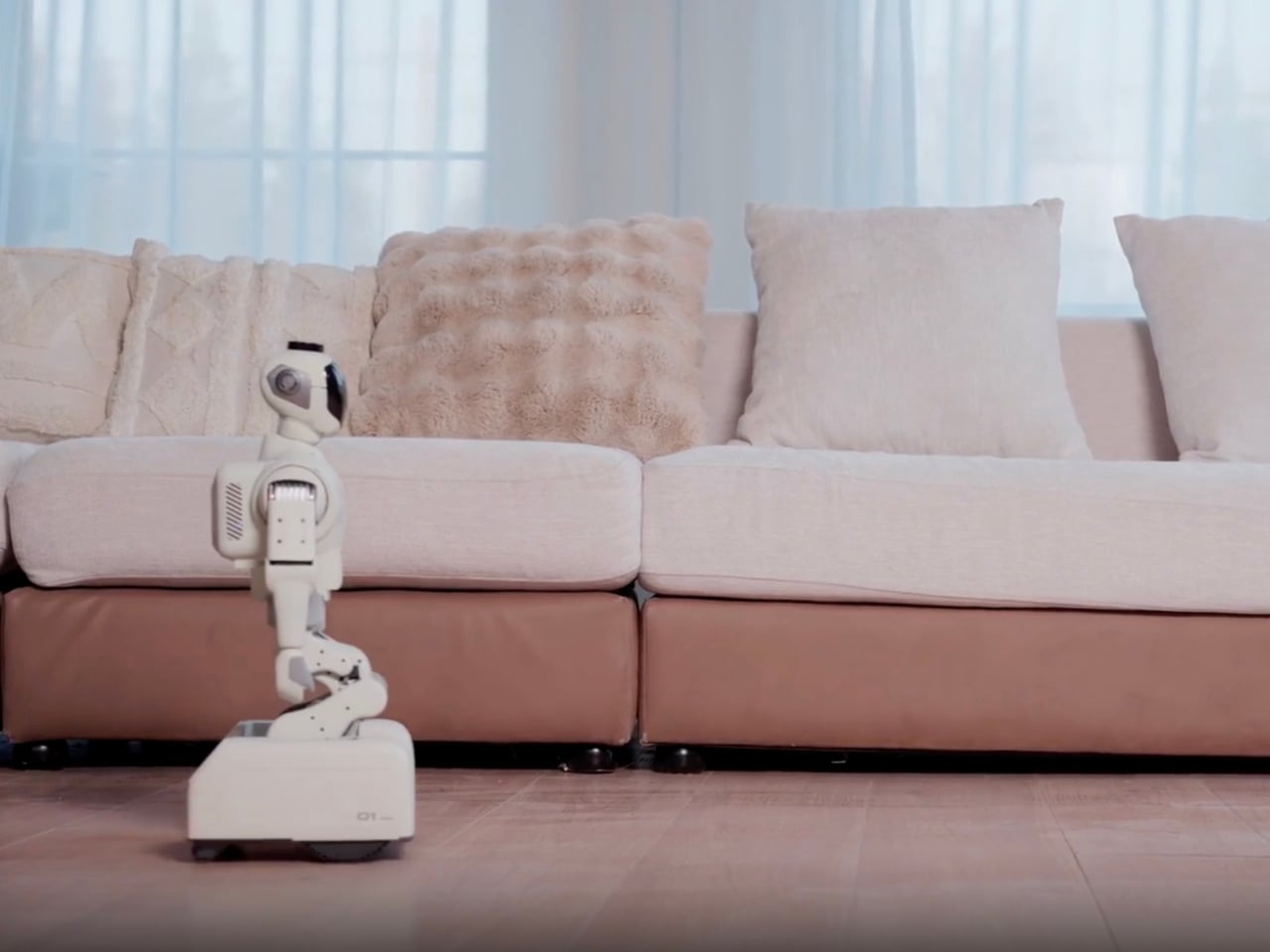
Up to now, Chinese company Switchbot has been known for its robot vacuums and smart home devices. Much of that expertise is evident in Onero. The unexpectedly cute robot has a wheeled base that looks similar to the company's robot vacuums, but is also equipped with a set of articulated arms that can help it perform common household tasks. 

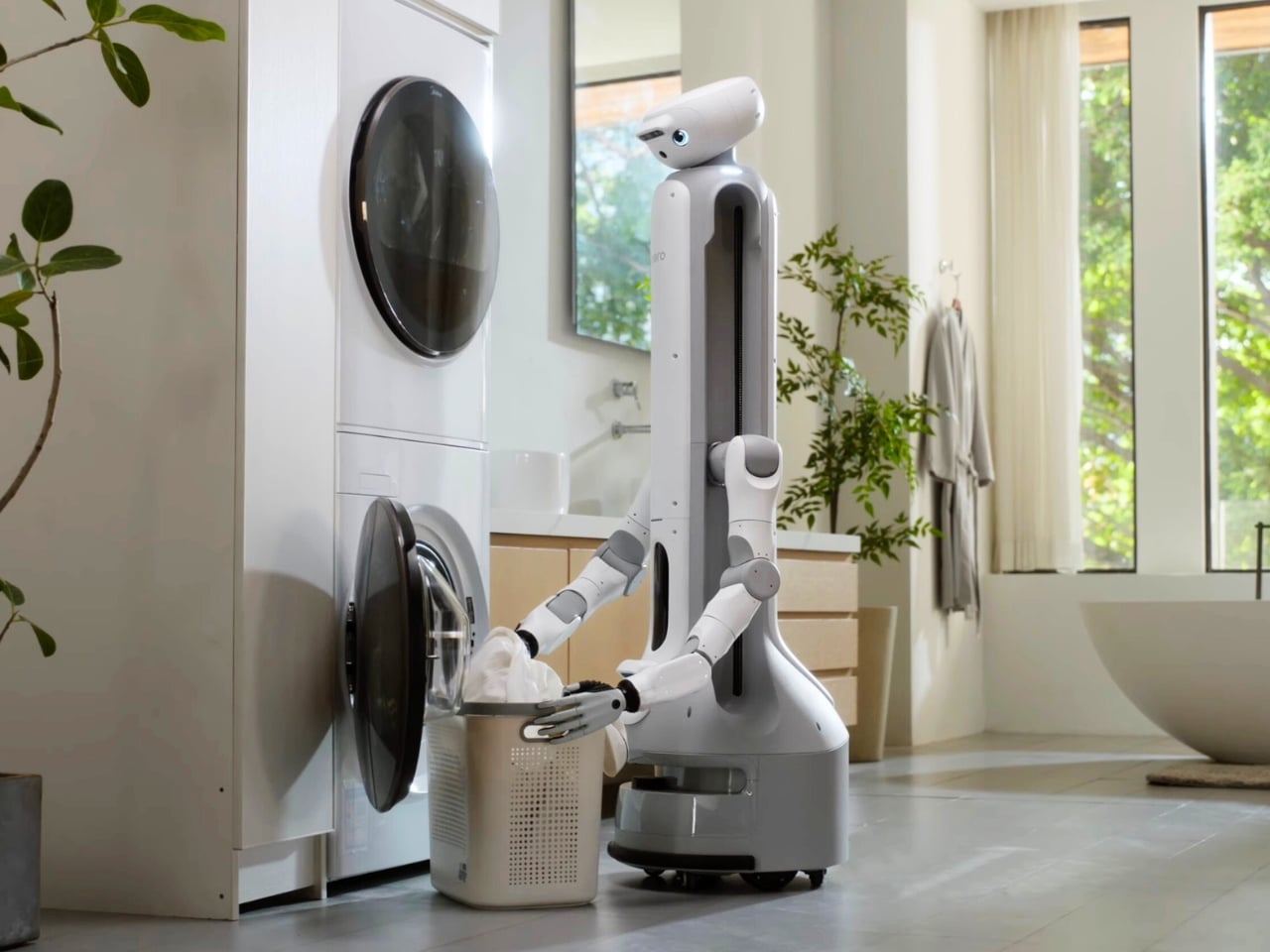
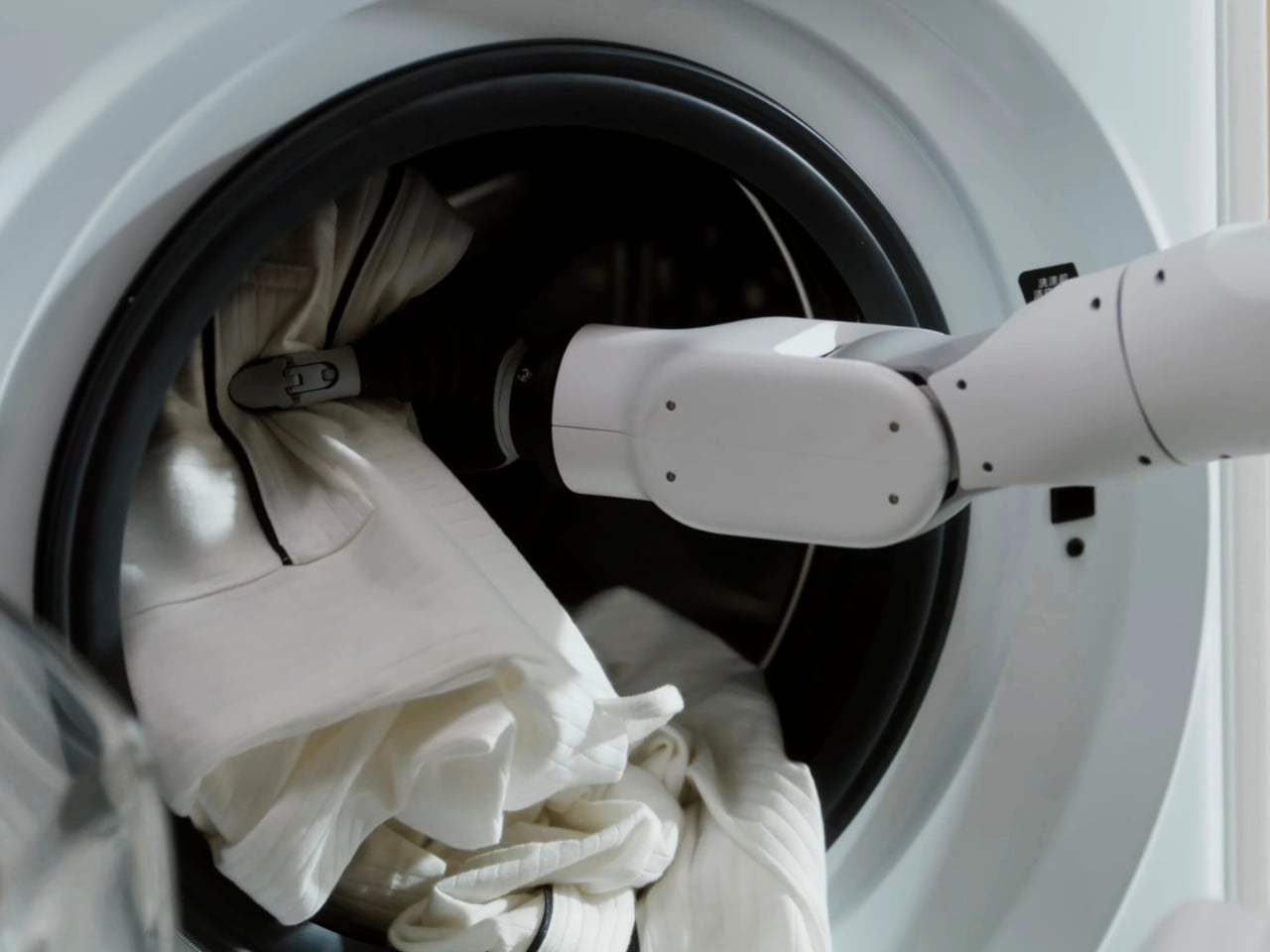
I was able to see some of its abilities at Switchbot's CES booth, where Onero dutifully picked up individual articles of clothing from a couch, rolled over to a washing machine, opened the door, placed the items inside and closed the door. The robot moved a bit slowly; it took nearly two minutes for it to grab one piece of clothing and deposit it inside the appliance which was only a few feet away. 

I'm not sure if its slowness was a quirk of the poor CES Wi-Fi, a demo designed to maximize conference-goers attention or a genuine limitation of the robot. But I'm not sure it matters all that much. The whole appeal of a chore robot is that it can take care of things when you're not around; if you come home to a load of laundry that's done, it's not that concerning if the robot took longer to complete the task than you would have. The laundry is done and you don't have to do it. That's the dream.  

Under the hood, Onero is powered by RealSense cameras and other sensors that help it learn its surroundings, as well as on-device AI models.

The demo of course only offered a very limited glimpse of Onero's potential capabilities. In a promotional video shared by Switchbot, the company suggests the robot can so much, much more: serve food and drinks, put dishes away, wash windows, fold clothes and complete a bunch of other — frankly, impressive — tasks. The Onero in the video also has an articulated hand with five fingers that gives it more dexterity than the claw-hand one I saw at CES. A Switchbot rep told me, though, that it plans to offer both versions when it does go on sale. 

Which brings me to the most exciting part about watching Onero: the company is actually planning on selling it this year. A Switchbot rep confirmed to me it will be available to buy sometime in 2026, though it will likely be closer to the end of the year. The company hasn't settled on a final price, but I was told it will be "less than $10,000." 

While we don't know how much less, it's safe to say Onero won't come cheap. It also seems fair to say that this will be a very niche device compared to many of Switchbot's other products. But, if it can competently handle everything the company claims it can, then there's probably a lot of people and businesses that would be willing to pay.

This article originally appeared on Engadget at https://www.engadget.com/home/smart-home/switchbot-came-to-ces-with-a-laundry-robot-you-might-actually-be-able-to-buy-153000025.html?src=rss

AI Bartenders, Pool Cleaners, And Chess Arms: The Sleekest (And Smartest) Robots At CES 2026

CES is a lot of things, but intimate isn’t one of them. Global Connect solved that problem by concentrating innovation into a four-hour window at a private Las Vegas villa on January 5th (which I only later found out was Mike Tyson’s house). iMpact PR built this event for media professionals who’ve seen enough “revolutionary” prototypes fail to deliver and want extended time with robotics that might actually make it to market. The format matters because robots only prove themselves when you can test, question, and watch them handle unexpected scenarios beyond their ideal conditions.

What’s showing up covers bizarre range. AI bartenders sit alongside exoskeletons designed to reduce knee pressure by 50%. Lawn robots with four-wheel steering share space with chess-playing arms and vacuum cleaners that climb stairs. Some of these machines solve concrete problems like outdoor maintenance or mobility assistance. Others exist for entertainment, companionship, or just because someone thought teaching a robot to play chess would be interesting. iMpact PR and USA Today are co-hosting, running from 1:30pm to 5:30pm with brands that have manufacturing scale, distribution plans, and enough backing to suggest they’re serious about commercial deployment. This is where you find out whether robotics companies can deliver on their promises or just deliver good marketing.

Ascentiz BodyOS: Hip and Knee Modules
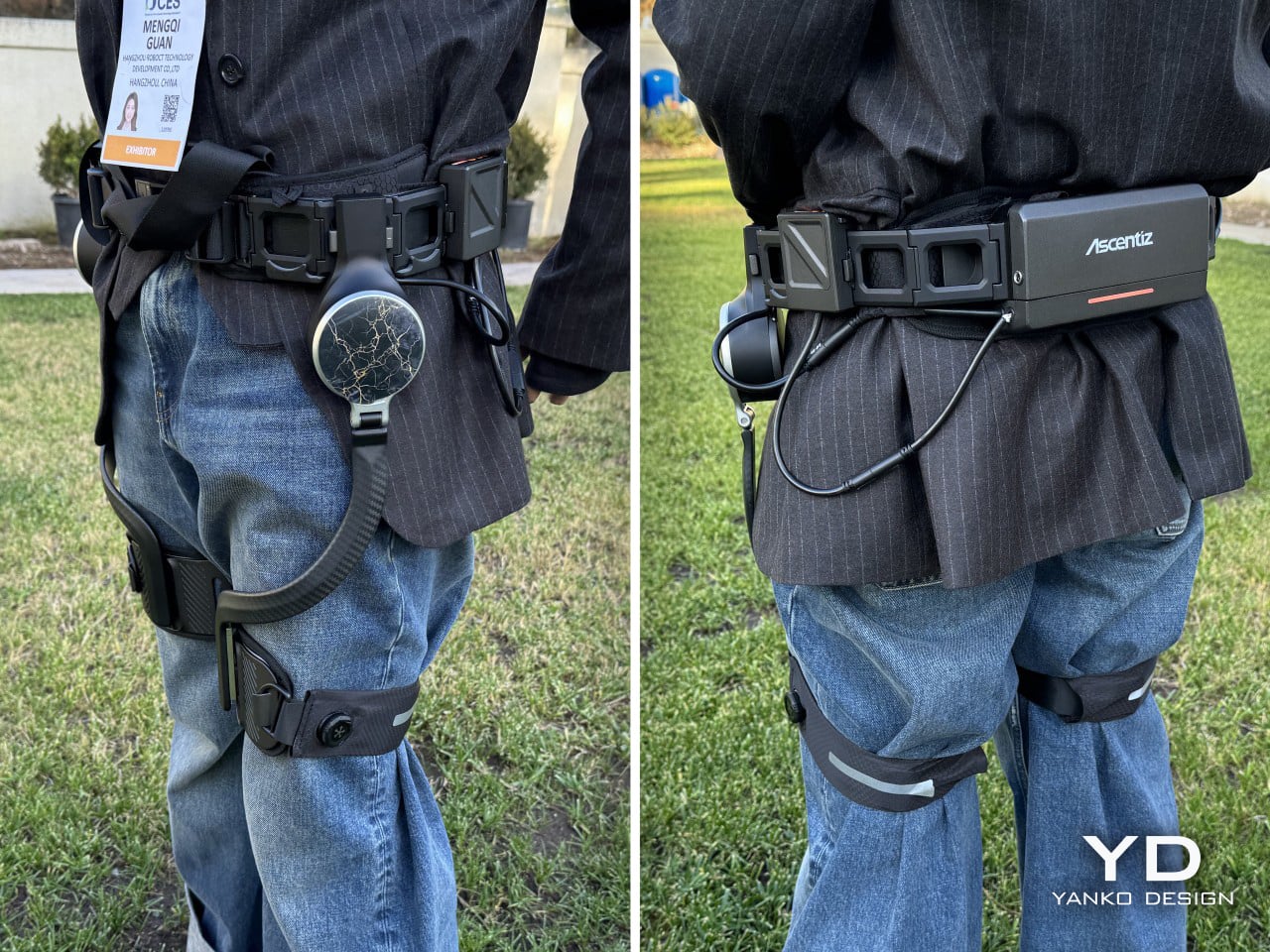
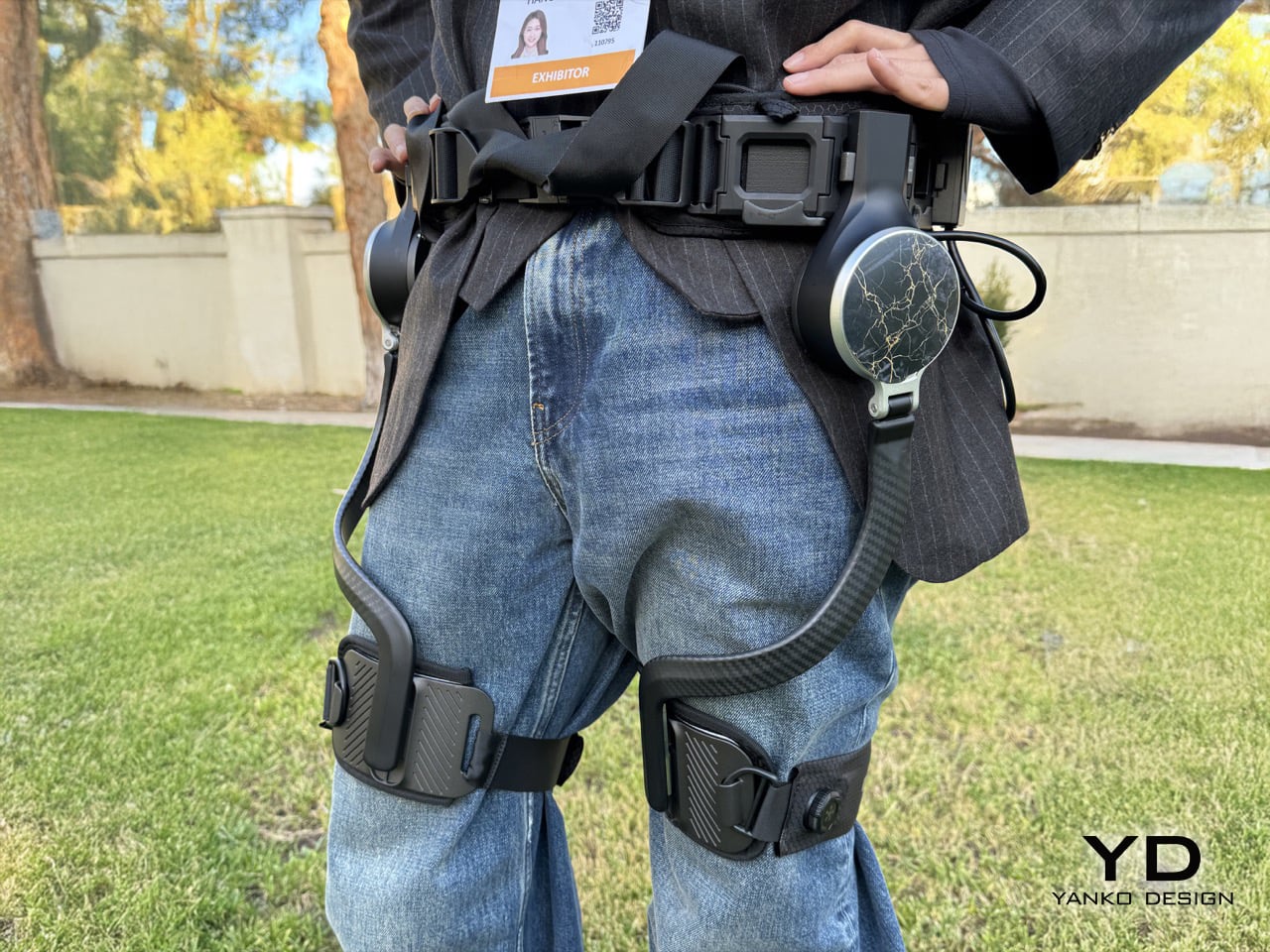
Ascentiz’s BodyOS platform takes a modular approach to human augmentation, letting users swap joint actuators depending on whether they’re climbing mountains, working construction sites, or just need help with mobility. At Global Connect, the company is demonstrating two core modules: a hip actuator that delivers 36 Nm of torque through a quasi-direct-drive system, and a knee actuator using cable-drive transmission to hit 48 Nm while keeping heavy motors away from the moving limb. The hip module can assist at speeds up to 28 km/h and reduces leg effort by 35% on inclines, while the knee module claims to cut knee joint pressure by 50% and reduce energy waste by 30%. Both modules attach to a T700 aerospace carbon fiber frame that can handle temperatures from -20°C to 60°C, making this a system designed for actual outdoor conditions rather than controlled laboratory demonstrations.

The intelligence behind these modules comes from what Ascentiz calls its “Motion Cortex,” an AI trained on over 690,000 musculoskeletal gait cycles that processes data from more than 10 sensors to recognize seven different motion scenarios with 99.5% accuracy. The system responds in under 500 milliseconds when it detects a change in movement pattern, with actuator transitions happening in under 200 milliseconds. Users can strap the entire system on in less than 10 seconds using a proprietary ETIE dial mechanism, which addresses one of the persistent complaints about exoskeletons: that they take too long to put on and adjust. The control loop runs at 20 microseconds, fast enough to respond to the unpredictable shifts in terrain and body position that define real-world hiking, climbing, or industrial work. This isn’t augmentation for the sake of looking futuristic; it’s engineering focused on whether someone’s knees will hold up after a 10-mile trek with a heavy pack.

BreakReal R1: Conversational AI Bartender
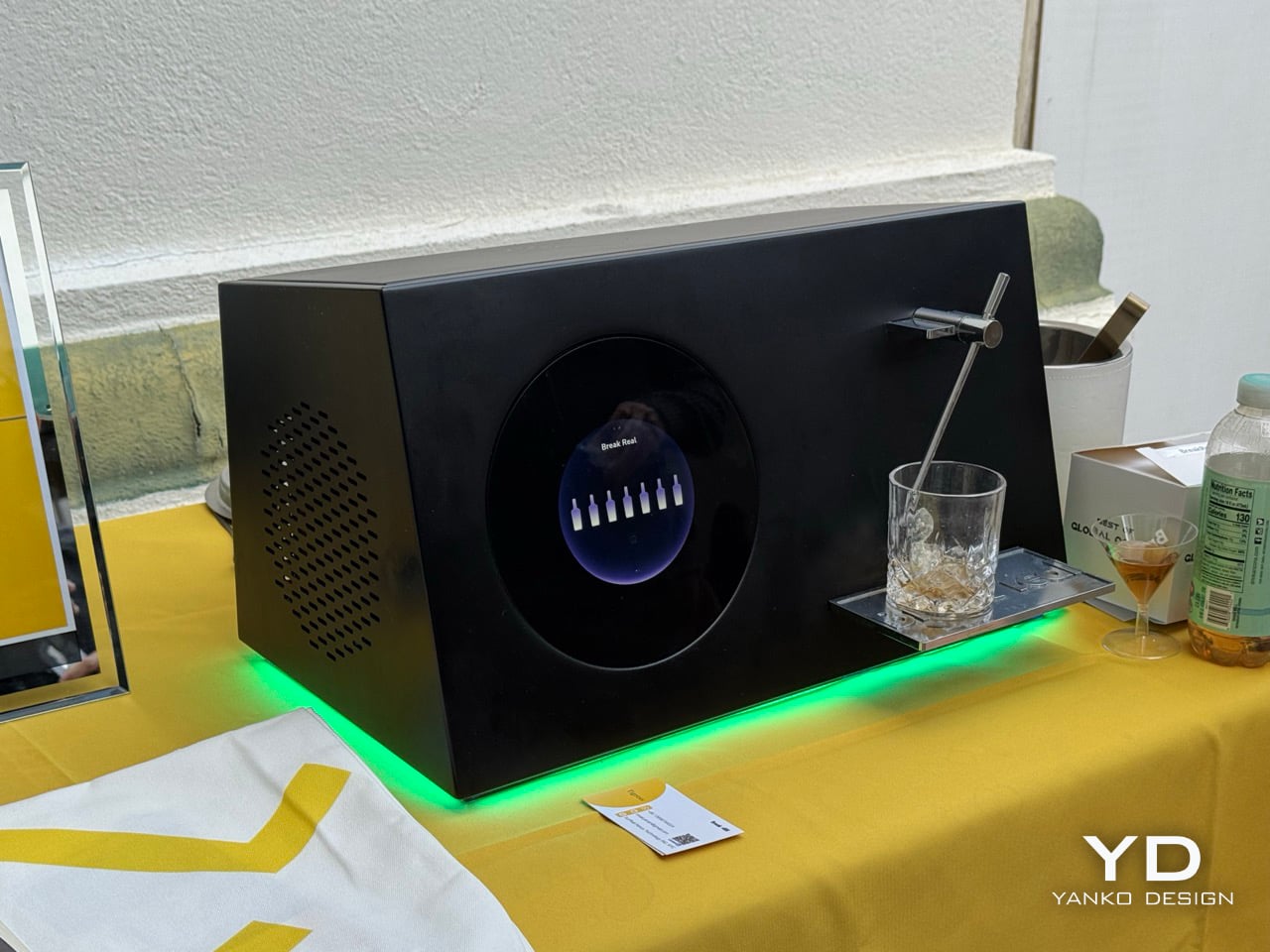
Of all the things artificial intelligence could tackle, someone finally asked the right question: what if a robot understood you were having a rough day and mixed you exactly the drink you needed? BreakReal’s R1 is billing itself as the world’s first conversational AI bartender, and yes, that means you can tell it you’re stressed about work or celebrating a promotion, and it will generate a cocktail recipe based on your emotional state and taste preferences. The system uses large language models to process natural language, so you can be as vague or specific as you want. Tell it you want “something tropical but not too sweet” or just “surprise me with something spicy,” and it will craft one of its generative recipes in about 30 seconds with ±1 ml precision. It has access to over 500 classic cocktail recipes that it can customize, and it uses optical character recognition to identify whatever spirits you have sitting on your counter, so you’re not locked into proprietary bottles or special cartridges.

The genuinely clever part is how BreakReal treats drinks as shareable data. Each cocktail the R1 creates carries emotional and taste information that can be saved to the app, shared with the global BreakReal community, and downloaded by users anywhere in the world. Someone in Tokyo could create a drink reflecting their mood on a rainy afternoon, and you could try that exact recipe in New York the next day. The system handles automatic layering for visual appeal and includes automated cleaning, which addresses the reason most people avoid elaborate cocktails at home: the cleanup is annoying. This isn’t just a novelty machine pouring pre-programmed drinks; it’s attempting to turn mixology into a social network where recipes travel across time zones and language barriers. Whether that sounds delightful or slightly dystopian probably depends on how you feel about your kitchen appliances understanding your emotional state, but it’s hard to deny the ambition of turning feelings into formulas and sharing them globally.

Artly.AI Mini Barista Bot and Bartender Bot: Precision Over Personality
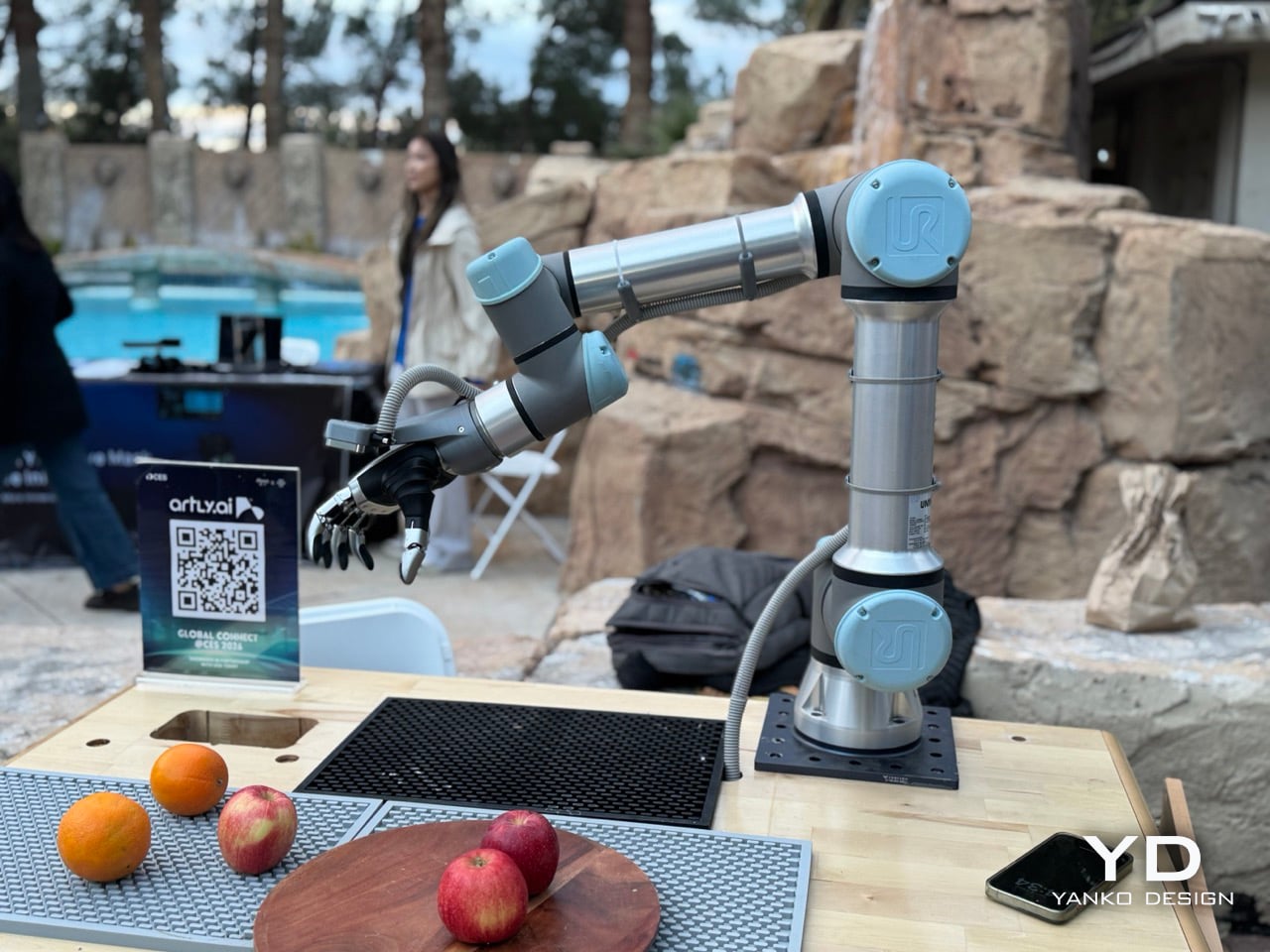
BreakReal wants your robot to understand your feelings, but Artly.AI built theirs to replicate a U.S. Barista Champion’s technique with mechanical precision. The company has two products at Global Connect: the Mini Barista Bot, which has already served over 1.1 million cups since 2021, and the newer Bartender Bot, which applies the same robotics foundation to cocktails instead of coffee. The Mini Barista Bot fits into a 4×4-foot footprint and handles the complete workflow with a single robotic arm, grinding, tamping, brewing, steaming, and pouring latte art without human intervention. It’s constructed with food-grade stainless steel and modular commercial-grade components, deployed in high-traffic environments like airports, T-Mobile stores, Salesforce offices, and MUJI retail spaces where labor costs and consistency matter more than personality. Customers order via a digital kiosk and watch through transparent windows as the bot executes recipes trained by Joe Yang, ensuring cafe-quality output every time. The updated version includes a larger refrigerator, improved learning capabilities, and countertop options in Maple, White Oak, and Walnut finishes that let it blend into different decors.

At NVIDIA GTC 2025, Artly unveiled an advanced robotic hand upgrade featuring up to 20 degrees of freedom, tactile sensors, and force feedback designed to replicate human barista movements. That upgrade becomes critical for the Bartender Bot, which tackles the more intricate manipulation cocktails demand: grabbing bottles, measuring pours, shaking drinks, and adding garnishes with precision. Both bots run the same proprietary AI system combining real-time motion planning, computer vision, sensor fusion, and anomaly detection, but the Bartender Bot’s algorithms are refined for mixology’s complex performance requirements. While BreakReal’s R1 focuses on emotional intelligence and generating recipes based on your mood, Artly’s approach emphasizes craft preservation and mechanical consistency. BreakReal targets home users who want conversational AI; Artly targets commercial venues that need standardized quality without depending on bartender availability or skill variation. The technology is converging from opposite directions, and Global Connect puts both companies in the same room for the first time, offering a direct comparison between robots designed to feel what you need versus robots engineered to execute what you ordered with repeatable accuracy.

Dreame Zircon 2 Ultra and Zircon 2 Pro: Pool Cleaners with Laser Mapping and Auto-Docking
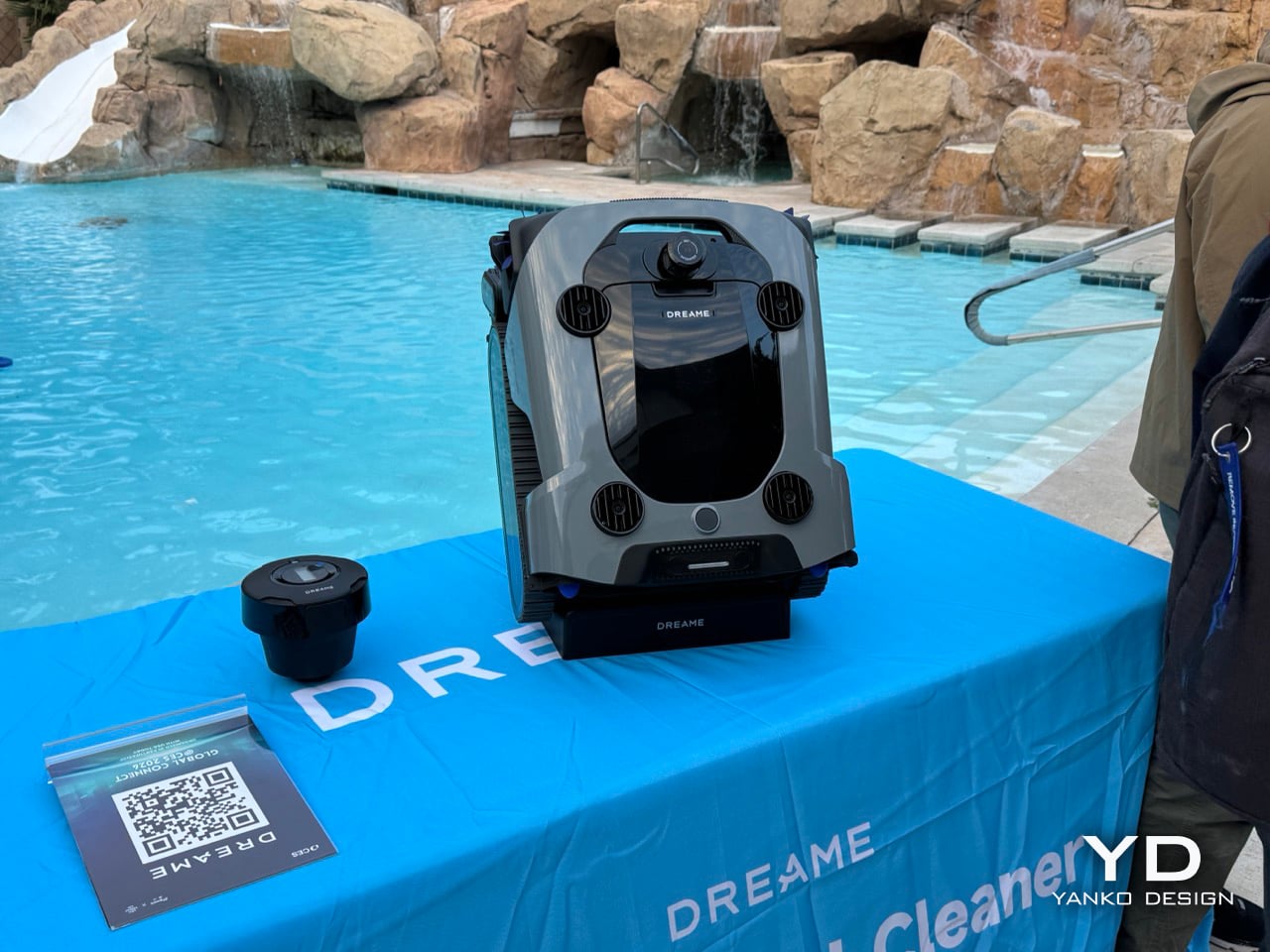
Pool robots typically bounce around randomly until they’ve covered most surfaces or the battery dies, whichever comes first. Dreame’s Zircon 2 Ultra skips the wandering entirely by using PulseMap technology, which combines LDS laser radar with multi-sensor fusion to build a detailed 3D map of the pool, capturing every curve and slope for real-time adaptive navigation. The QuadLift Four-Pump System with dual propulsion jets handles 7-in-1 cleaning across floors, steps, walls, waterlines, sun shelves, pool edges, and even the water surface, addressing the vertical complexity that separates pools from flat floors. At 10,000 GPH suction power (among the highest currently available), it tackles wet leaves, sand, insects, and floating debris in one pass. When cleaning finishes, users can set a preferred docking spot in the app, and the Zircon 2 Ultra surfaces there automatically for retrieval without requiring anyone to reach into the water or dive for a submerged robot.

The Zircon 2 Pro takes automation further with an optional Auto-Dock Base Station, one of the few available systems that eliminates the final manual step entirely. Once cleaning completes, the robot returns to the dock, exits the water, and begins charging without any user intervention, solving the problem of having to physically retrieve and plug in a wet, heavy device. The companion app tracks battery status in real-time, ensuring the robot stays charged between cleaning cycles. Beyond the docking automation, the Zircon 2 Pro uses PoolSense 2.0 technology with 12 precision sensors to map pools in 2D and plan efficient cleaning paths (S-shaped, N-shaped, Star, or Cross patterns) instead of random wandering. Its 8,000 GPH suction handles leaves, sand, and twigs while auto-adjusting power to extend runtime up to 4 hours per charge. DepthLink ultrasonic connection maintains real-time app connectivity even when fully submerged, allowing users to initiate spot cleaning or adjust settings without getting hands wet or waiting for the robot to surface.

Airseekers Tron Ultra: Four-Wheel Drive Heads Outdoors
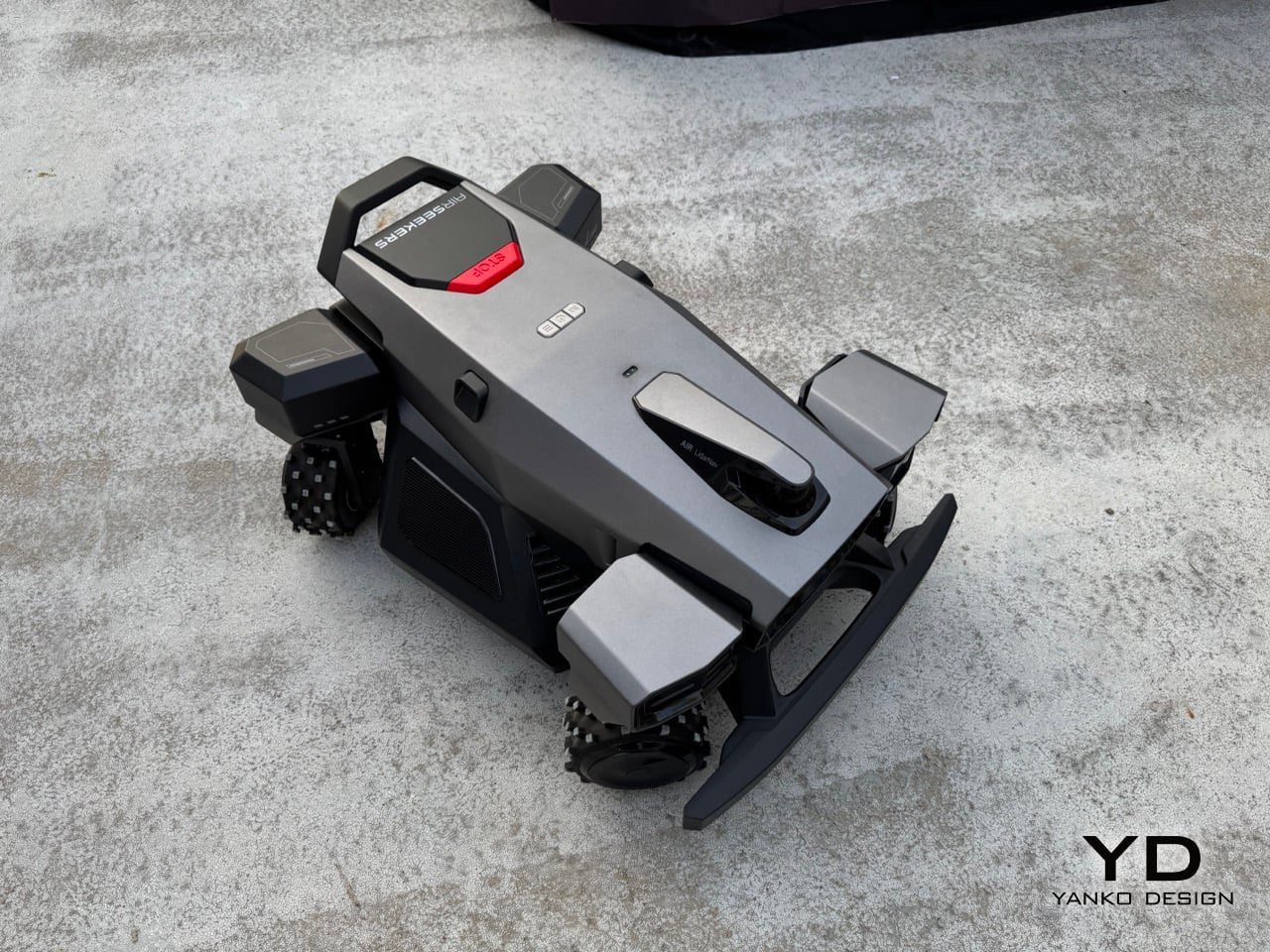
Robots that climb stairs and mix drinks are impressive until you remember most people still push a mower around their yard every weekend. Airseekers already tackled lawn automation with the original Tron, and the Tron Ultra pushes that concept into more complex terrain with four-wheel drive, four-wheel steering, and the ability to handle slopes up to 85% (40 degrees). The FlowCut 2.0 system uses a dual-disc setup that covers 60% more grass per pass, cutting mowing time by 58% while mulching clippings into ultra-fine pieces that decompose quickly and reduce the need for external fertilizer. It can clear obstacles up to 2.36 inches high and moves laterally or diagonally thanks to that four-wheel steering, which also gives it a small turning radius that minimizes lawn compaction. The AirVision 2 navigation combines vision sensors and LiDAR for a 300-degree field of view, with radar ensuring it keeps working in rain, low light, or conditions where cameras alone would fail.

The practical improvements show up in the details: swappable batteries with three hours of runtime and a 2.5-hour charge, automatic returns to the charging dock, and multi-map memory that supports multiple lawns if you’re maintaining more than one property. A new beacon system eliminates signal dead zones under trees, bushes, or around structures, which addresses one of the persistent frustrations with robotic mowers that lose connection and stop mid-job. No RTK stations or boundary wires to install means setup happens faster and with less infrastructure cluttering the yard. Visual mapping and real-time path correction keep the Tron Ultra on track with higher accuracy than previous generations. Airseekers is launching this on Kickstarter in April 2026 at around $3,000, positioning it as a premium option for people with challenging landscapes who are tired of spending weekends on lawn maintenance. The technology has moved past flat suburban yards into hills, obstacles, and the kind of complex terrain that used to require human judgment.

Hengbot Sirius: Your Personal Robot
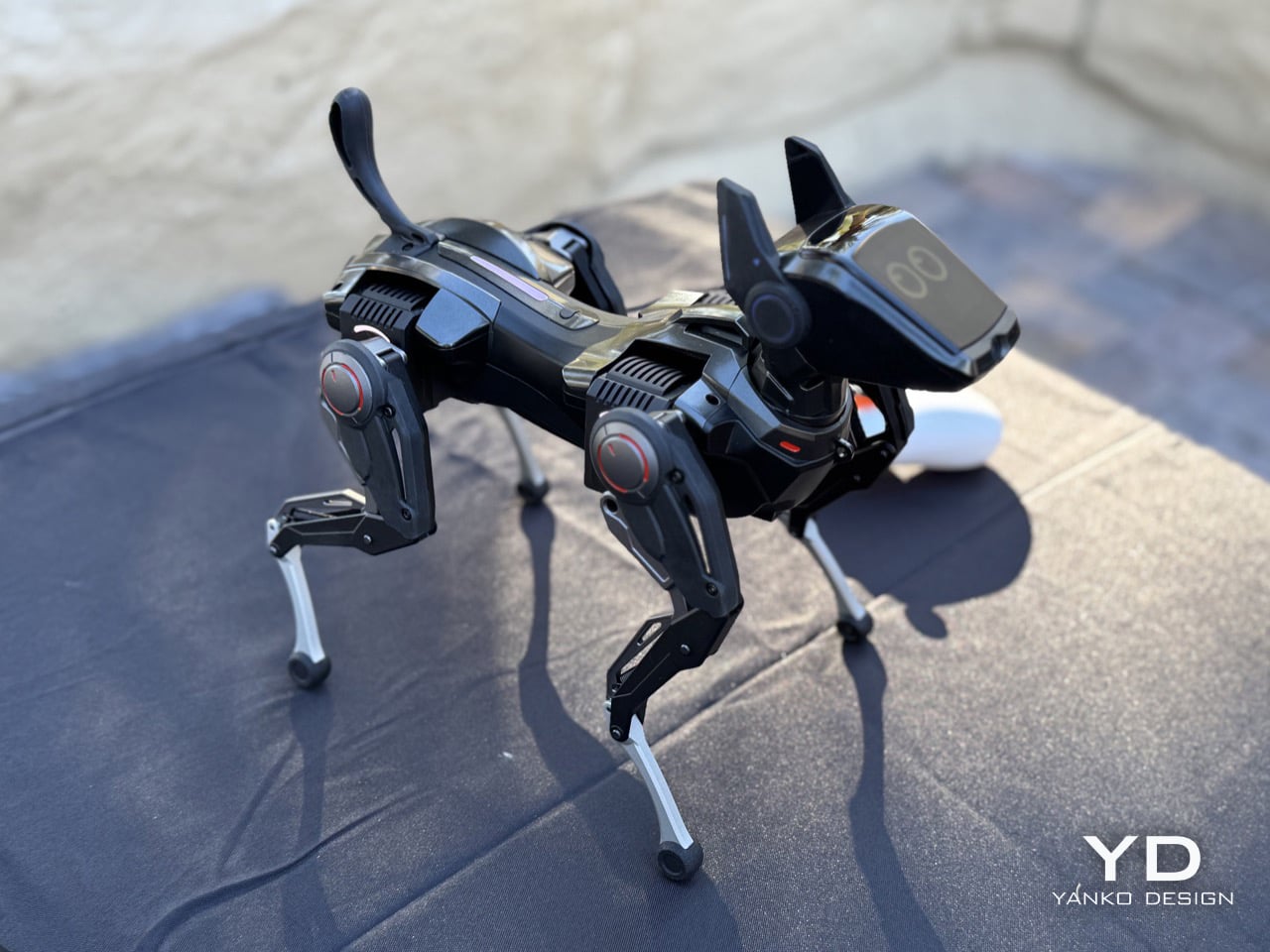
After a parade of robots that clean pools, climb stairs, and carry heavy loads, Hengbot Sirius takes a different approach by asking what happens when a robot’s main job is just being there. This AI-powered companion is marketed as a silent presence for people living alone, a playmate that can mimic your pet’s expressions and sounds after you upload them, or a first-person perspective camera that lets you interact with your dog remotely through the robot’s “eyes.” The pitch shifts depending on who’s buying: for couples it’s a romantic surprise delivery system, for parents it’s an educational Christmas gift and “encyclopedia of robots,” and for animators it becomes a creative platform that serves as your first robotic carrier for bringing characters to life. The flexibility is the point; Sirius positions itself as whatever you need it to be in that moment.

The customization goes deeper with DIY skins that can be 3D printed, turning the robot into a unique object that belongs exclusively to you rather than looking like every other unit off the assembly line. For engineers, an EDU version provides algorithm access, API interfaces, and one-on-one technical guidance for implementing and deploying new ideas, which transforms Sirius from a consumer product into an open development platform. This isn’t solving a concrete problem like lawn maintenance or knee pain; it’s addressing the mushier territory of companionship, creativity, and experimentation. Whether that resonates depends entirely on whether you see value in a robot that exists more for emotional presence and customizable interaction than task completion. In a showcase dominated by machines designed to do specific jobs, Sirius stands out by being deliberately vague about what it’s supposed to accomplish, leaving that definition up to whoever owns it.

SenseRobot Chess: When Robots Master the Board
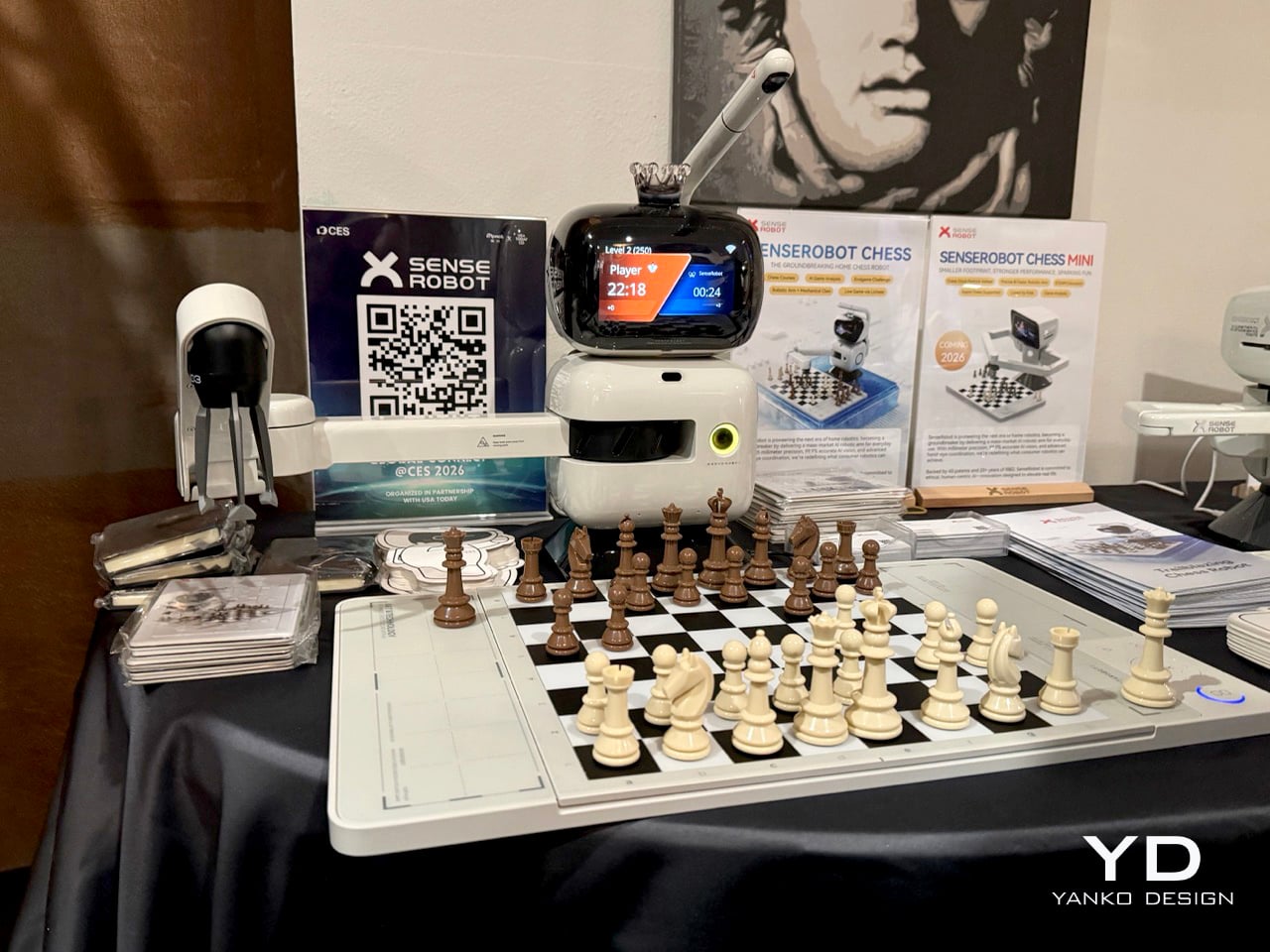
Chess has been testing artificial intelligence since Deep Blue beat Kasparov in 1997, but nobody put a physical robotic arm across the board from you until recently. SenseRobot claims to be the world’s first company mass-producing AI-powered robotic arms for home use, and their lineup includes multiple chess-playing models designed for different skill levels and budgets. The Chess MINI offers an entry point for casual players, while the Lite version expands to handle both chess and draughts (checkers), broadening the appeal to families who want more than one game option. Each model integrates AI vision, robotic arm precision, and intelligent decision-making systems that have been optimized to keep production costs consumer-friendly while maintaining home-level safety standards.

What makes these systems compelling isn’t just that a robot can play chess (software has beaten grandmasters for decades), but that it physically picks up pieces, moves them, and responds to your moves in real time using AI vision to track the board state. The company offers AI game review features and multiple difficulty levels, letting beginners learn strategy against a forgiving opponent or advanced players face genuinely challenging competition. SenseRobot also supports Gomoku (a strategic board game also known as Five in a Row), giving these robotic arms versatility beyond just chess. The physical interaction matters; watching a robotic arm deliberate, reach across the board, and execute its move creates an engagement that screen-based chess can’t replicate. This positions SenseRobot’s products somewhere between educational tools for teaching children strategic thinking and entertainment for adults who want their technology to exist in three-dimensional space rather than behind glass.


The post AI Bartenders, Pool Cleaners, And Chess Arms: The Sleekest (And Smartest) Robots At CES 2026 first appeared on Yanko Design.
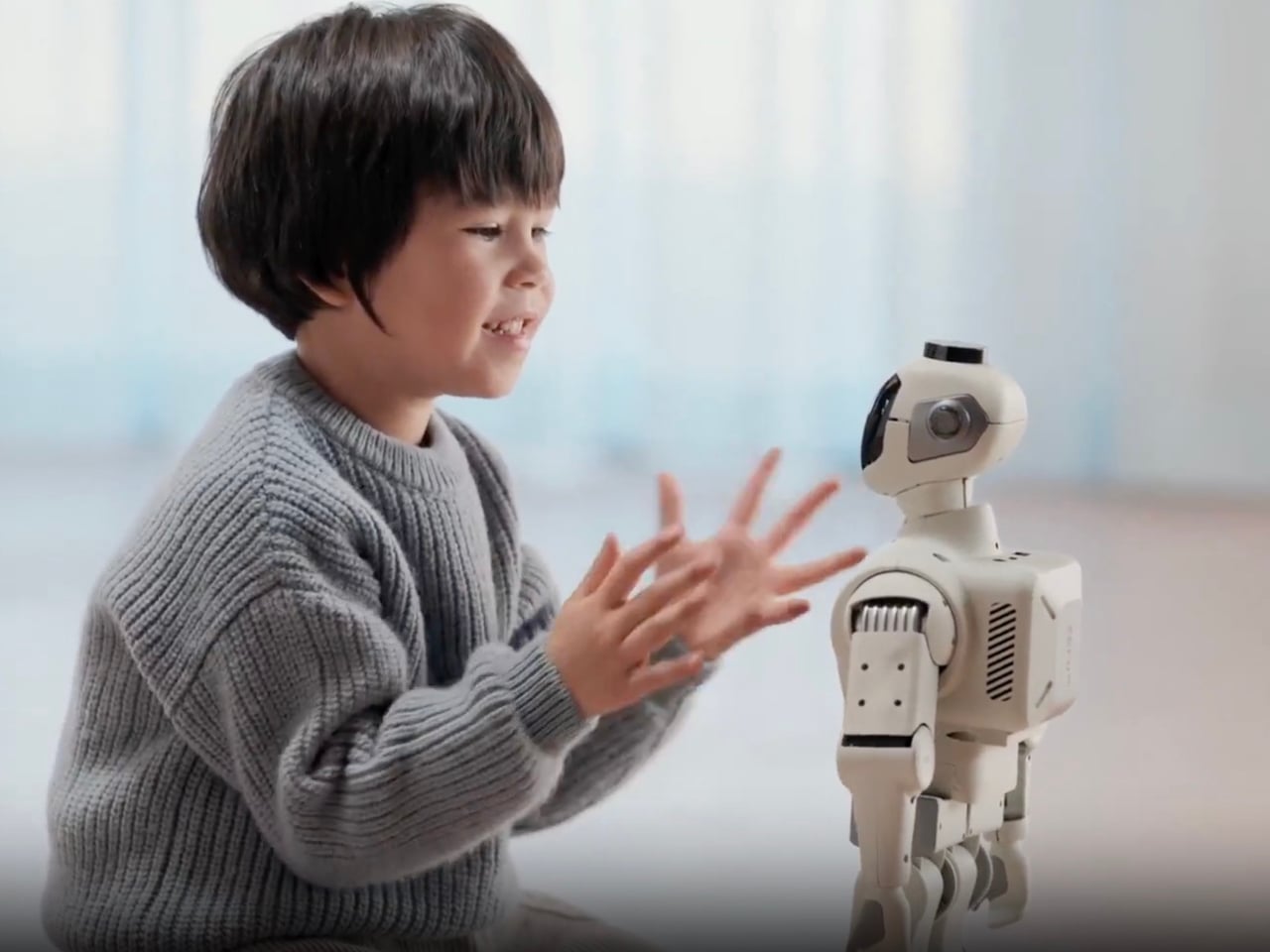
Meet M1: The AI Companion That Wants to Live in Your Home

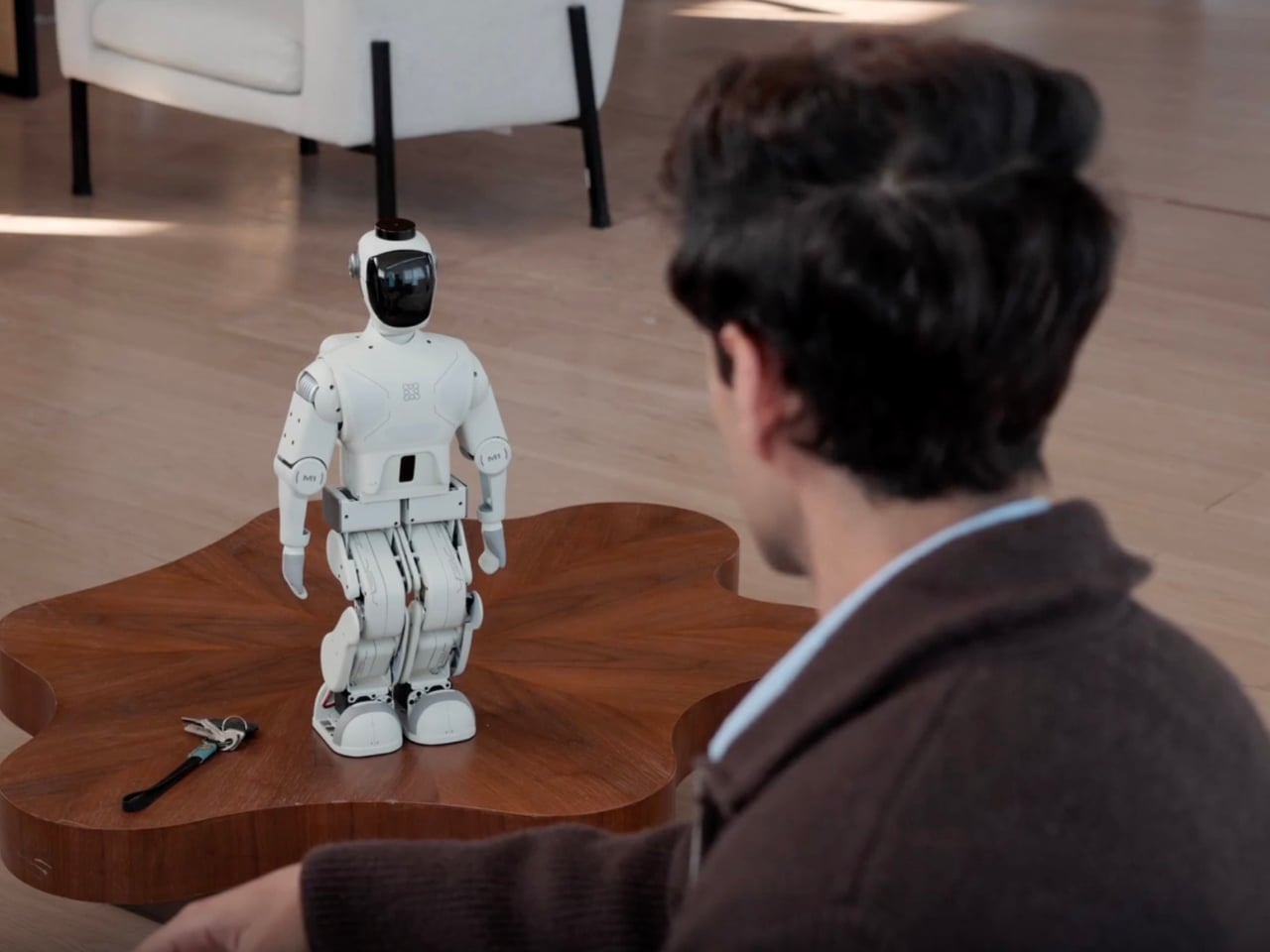
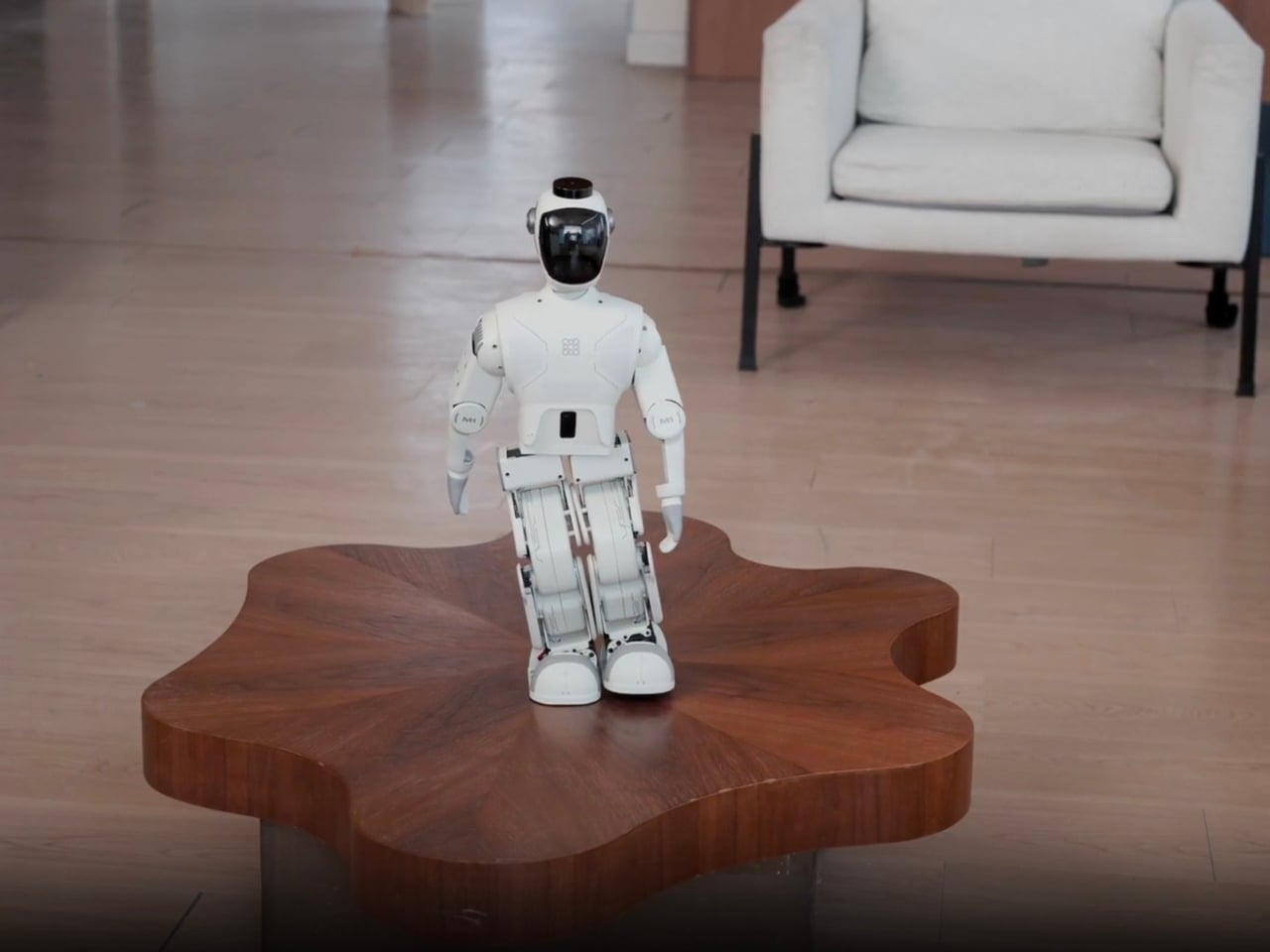
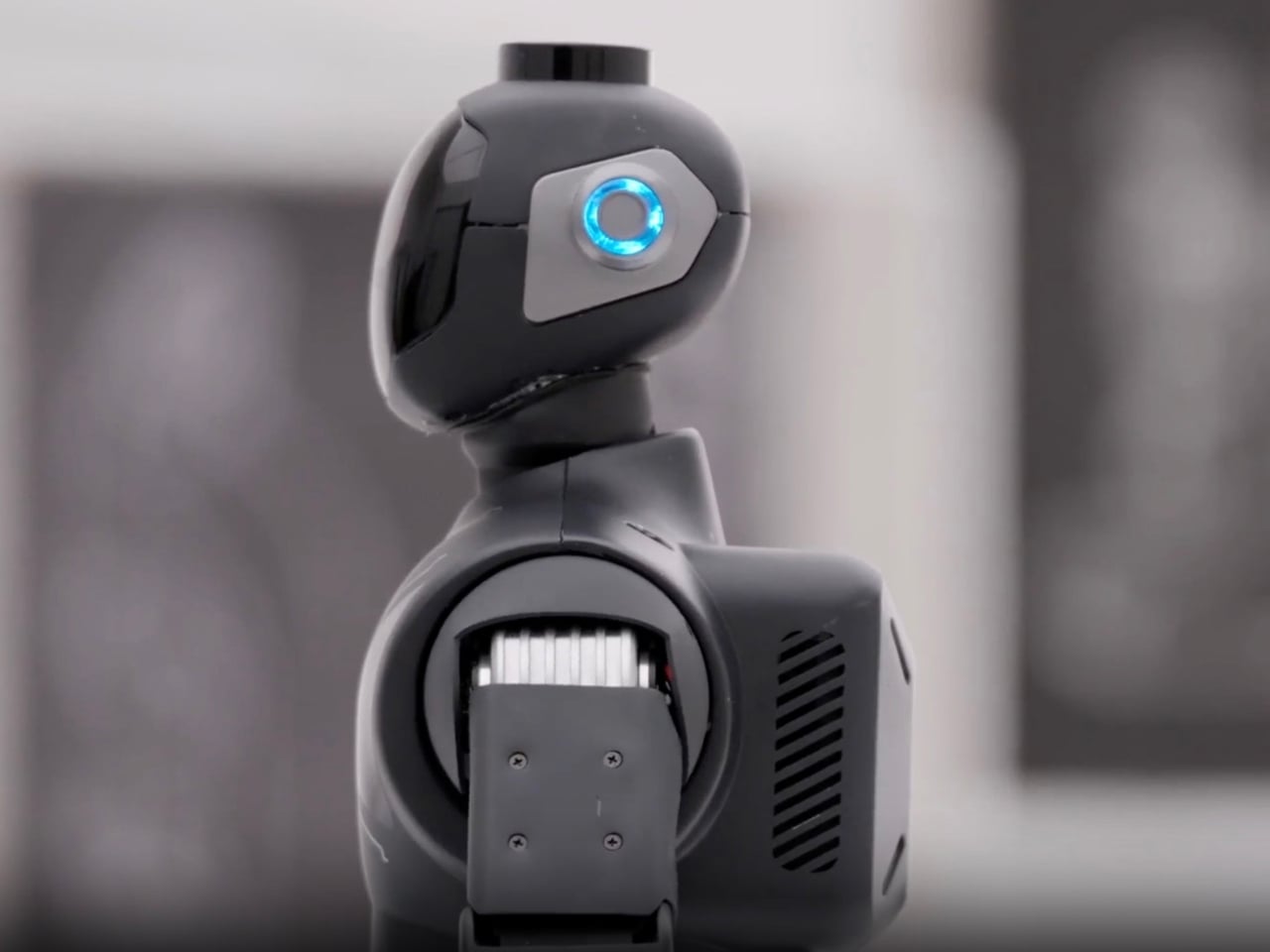
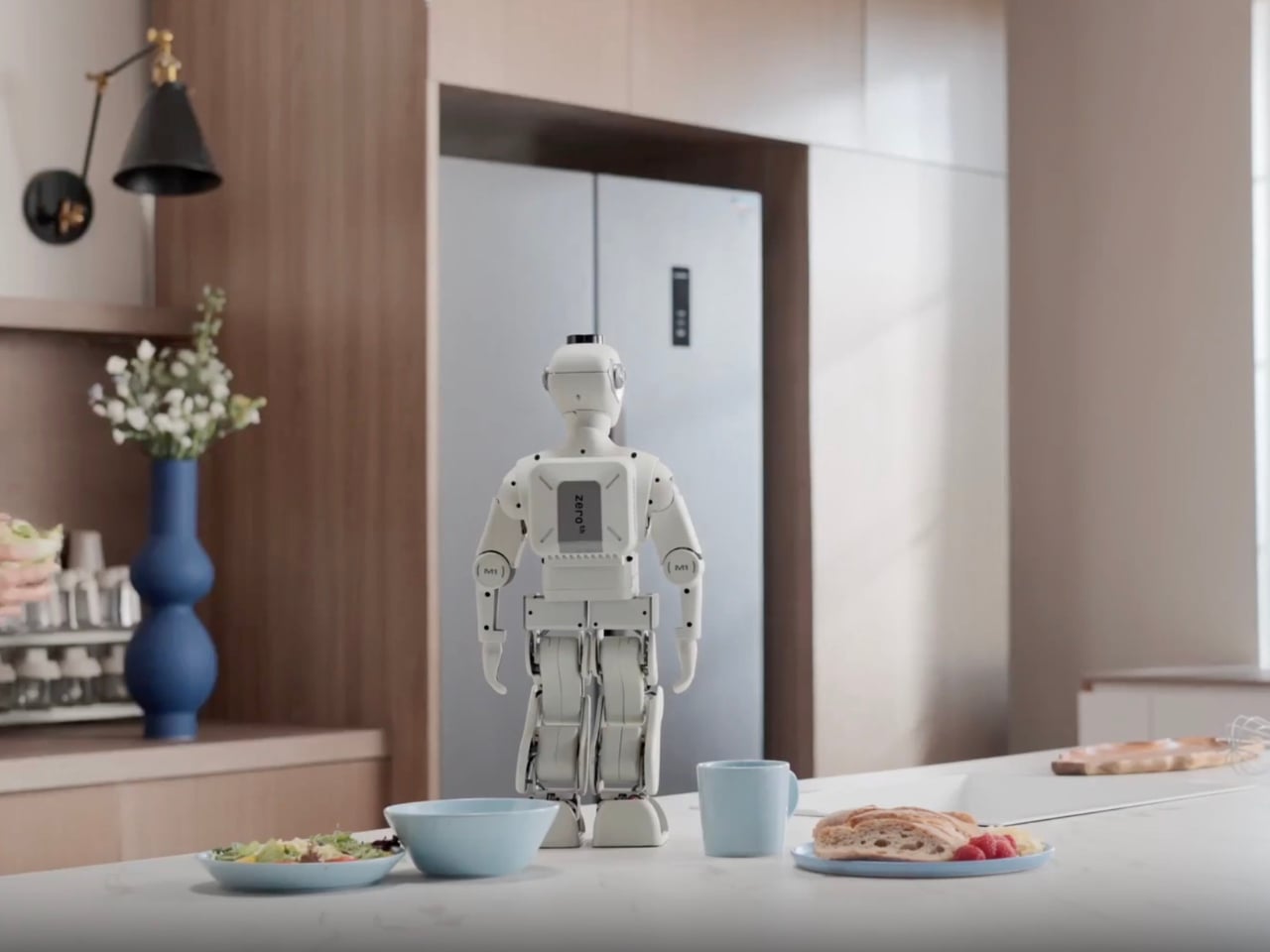
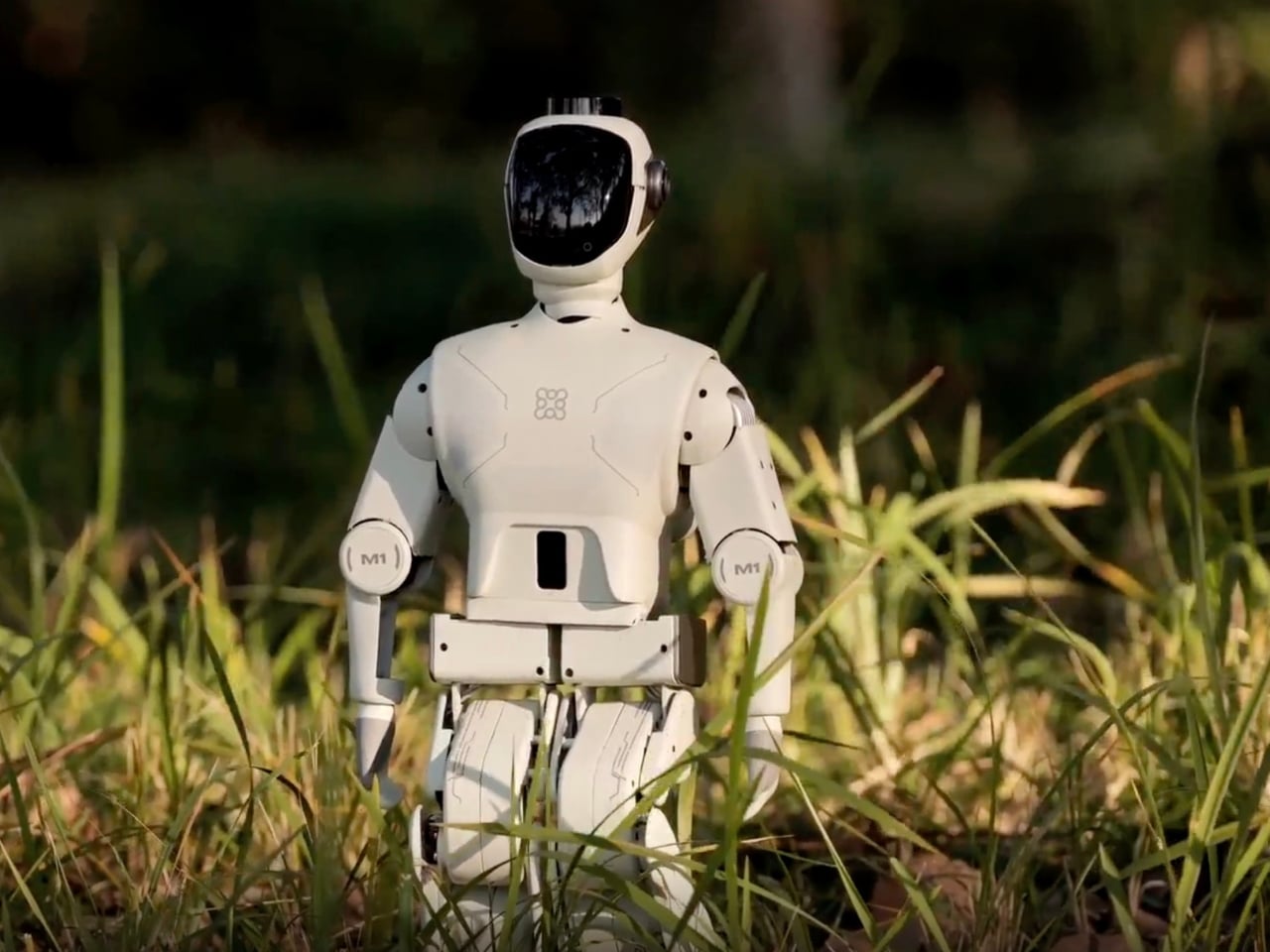
You’ve seen robots in sci-fi movies, stiff and awkward humanoids that stumble through doorways while trying to act human. But what if I told you there’s a 15-inch robot that actually wants to become part of your everyday life, and it might just pull it off? Meet M1, Zeroth’s flagship home robot that’s rewriting what it means to have a robotic companion.

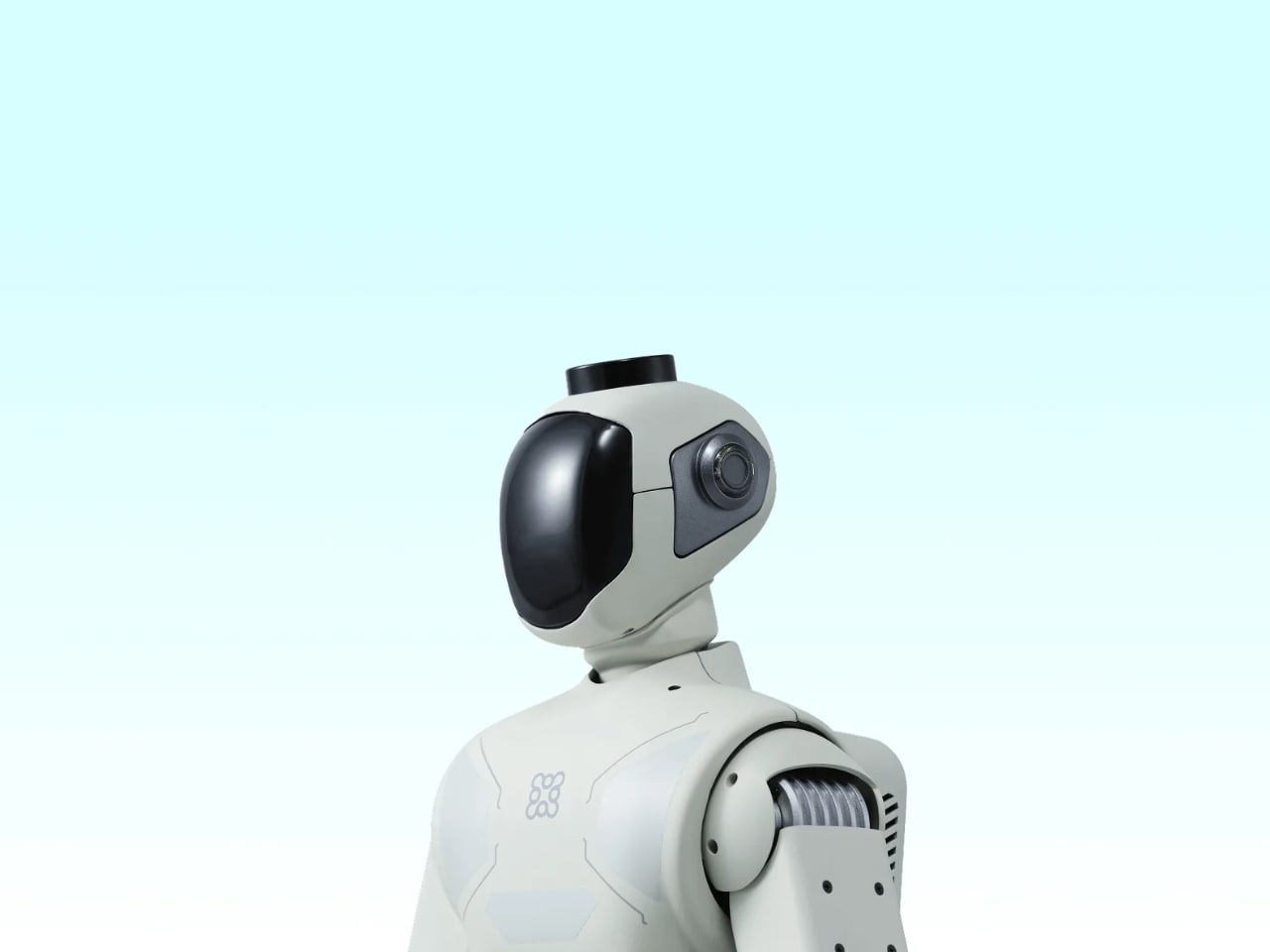
M1 isn’t trying to be your butler or your therapist. Instead, it occupies this fascinating space between tech gadget and genuine helper. Zeroth describes it as “embodied intelligence,” which sounds like marketing speak until you realize what they mean. This little robot sees, listens, remembers, and most importantly, acts on what it learns about you and your household. It’s built on the idea of human-technology symbiosis, bringing interaction, companionship, and protection into one compact form that doesn’t feel like you’re living in a dystopian future.

Designer: Zeroth

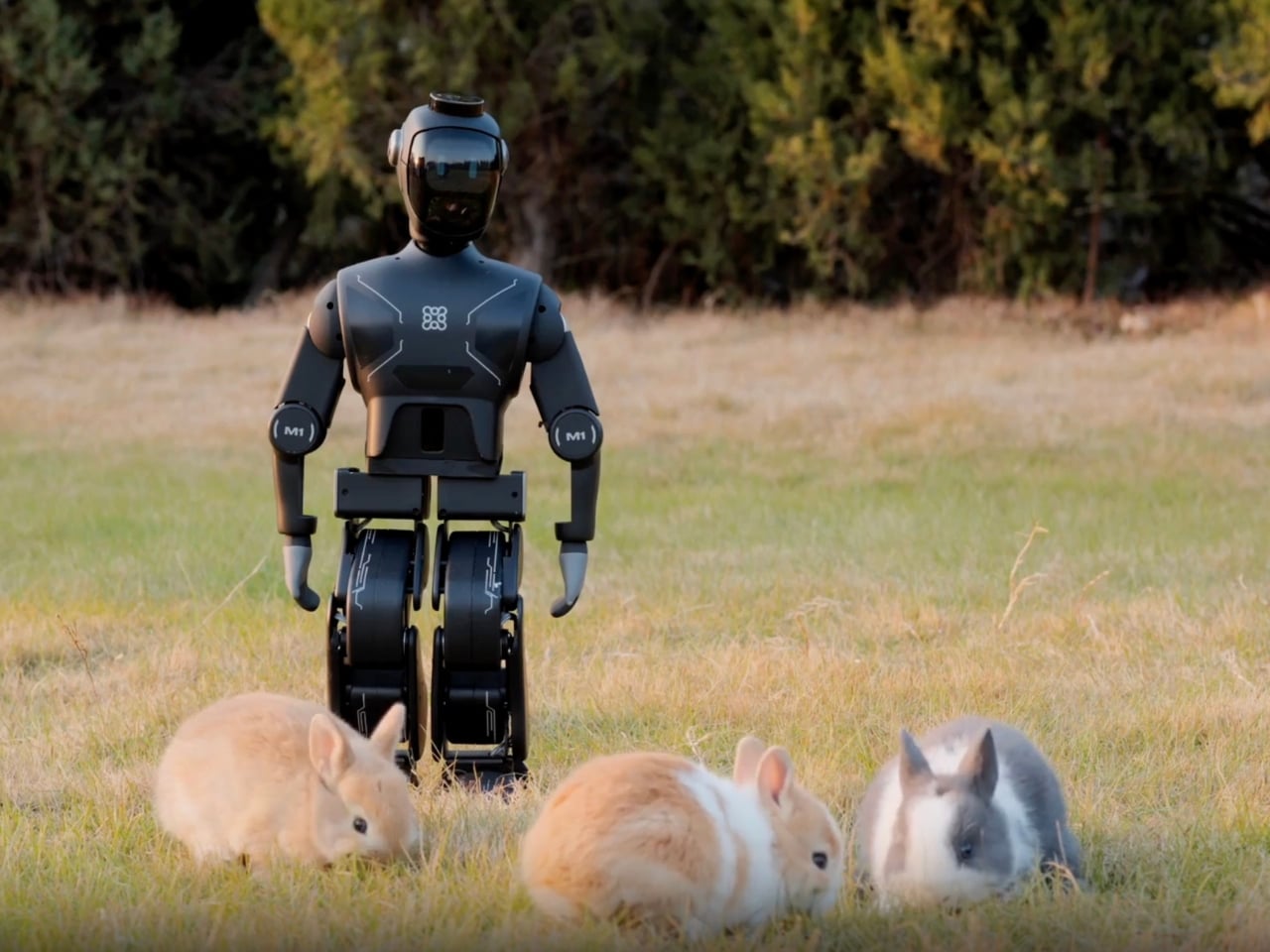
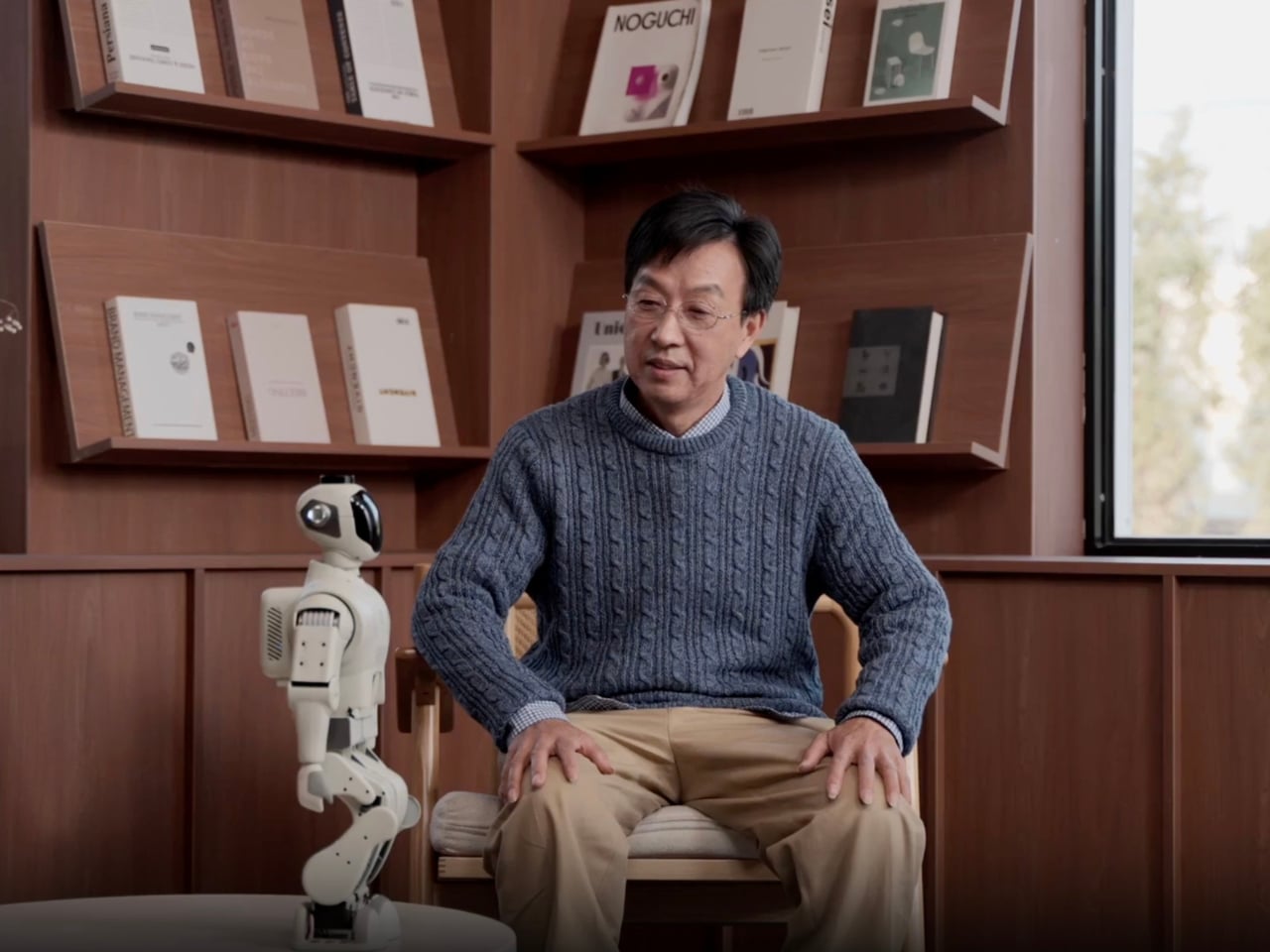
Let’s talk design. M1 stands roughly 15 inches tall, deliberately sized to feel approachable rather than intimidating. The materials tell their own story: stainless steel, aluminum alloy, ABS, rubber, silicone, and glass come together in a way that feels both premium and purposeful. This isn’t cheap plastic masquerading as innovation. There’s a thoughtfulness to the construction that suggests Zeroth actually considered how this robot would exist in your living room, not just function in a lab.

But here’s where M1 gets genuinely interesting. It’s not just a novelty gadget collecting dust after the initial excitement wears off. The robot offers fall detection and mobile safety checks for older adults who want to maintain independence at home. For busy parents, it steps in as that extra set of eyes, managing reminders and routines while keeping kids engaged. And for the makers and tech enthusiasts? M1 becomes a canvas for customization and experimentation, letting you build and define what your first personal robot should actually do.

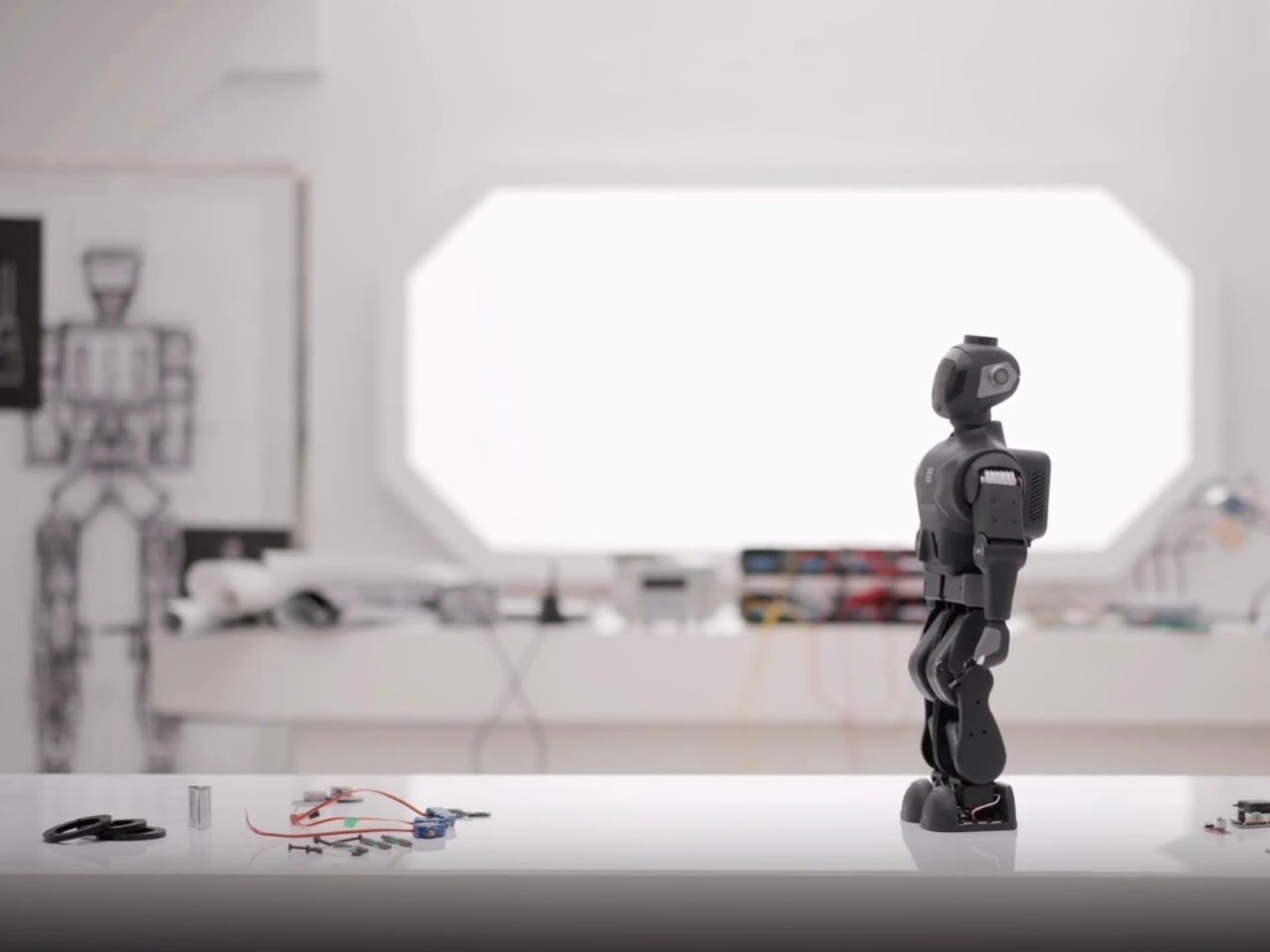
Zeroth launched this five-robot lineup at CES 2026, but M1 is the one they’re pushing into U.S. homes first. The company, founded in 2024, isn’t just throwing robots at the market to see what sticks. They’ve developed what they call their “Technology DNA,” a unified foundation built on three pillars: advanced motion control, an evolving interaction model, and proprietary actuator engineering. Translation? M1 moves more naturally, learns how you communicate, and packs serious tech into that compact frame.

The pricing sits at $2,399 during the pre-order phase, down from its $2,999 MSRP. That’s not impulse-buy territory, but it’s also not astronomical when you consider what you’re getting. Expected shipping starts April 15, 2026, giving Zeroth time to fine-tune production and hopefully avoid the launch disasters that have plagued other robotics companies.

What makes M1 particularly compelling is how Zeroth positions it. This isn’t about replacing human connection or automating every aspect of life. Instead, M1 fills gaps. It’s there when you need a reminder to take medication but don’t want to set another phone alarm. It engages with kids when you’re making dinner and can’t referee the tenth sibling argument of the day. It monitors for falls without making Grandma feel like she’s being watched by Big Brother. The voice intelligence integration means M1 responds naturally to conversation rather than requiring you to memorize specific commands. It’s the difference between talking to a device and talking with a companion. Over time, the robot learns household patterns, preferences, and needs, becoming more useful the longer it stays in your home.

Zeroth is betting that 2026 is the year consumers are finally ready for home robots that do more than vacuum floors or play music. M1 represents that gamble in physical form, a synthesis of cutting-edge AI, thoughtful design, and practical functionality. Whether it succeeds depends on whether people see value in having a small robotic presence that promises to make life just a little bit easier.

The company showcased M1 and their full robot lineup at CES 2026 for anyone wanting a hands-on experience with the technology. The future of home robotics might not look like the towering androids we expected. Instead, it might be 15 inches tall, made of premium materials, and quietly learning your routine while sitting on your kitchen counter. M1 isn’t just another smart device. It’s Zeroth’s attempt to answer a question we’ve been asking for decades: what happens when robots finally come home?

The post Meet M1: The AI Companion That Wants to Live in Your Home first appeared on Yanko Design.
Zeroth Just Designed the WALL-E Robot Every Millennial Wanted

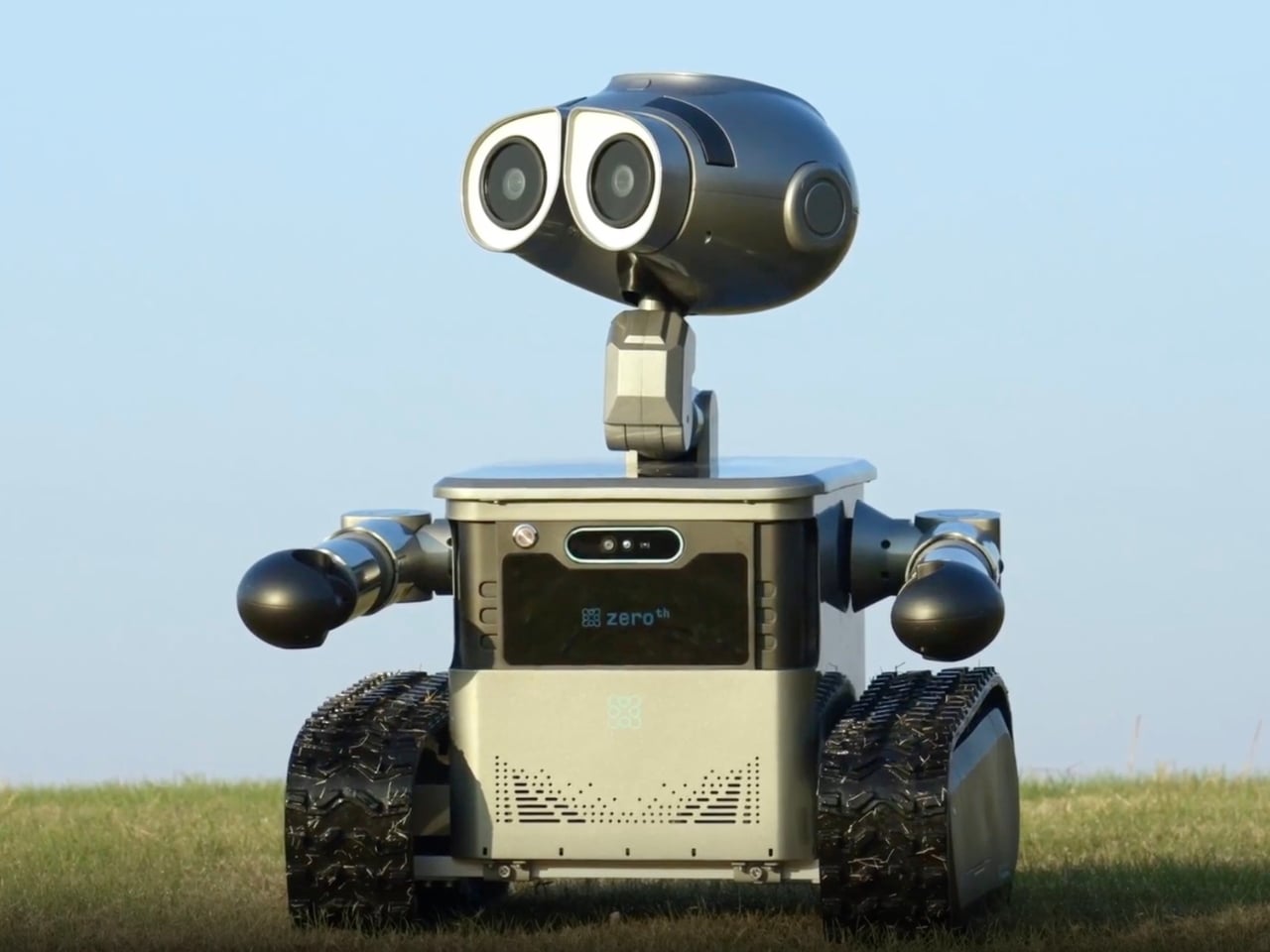
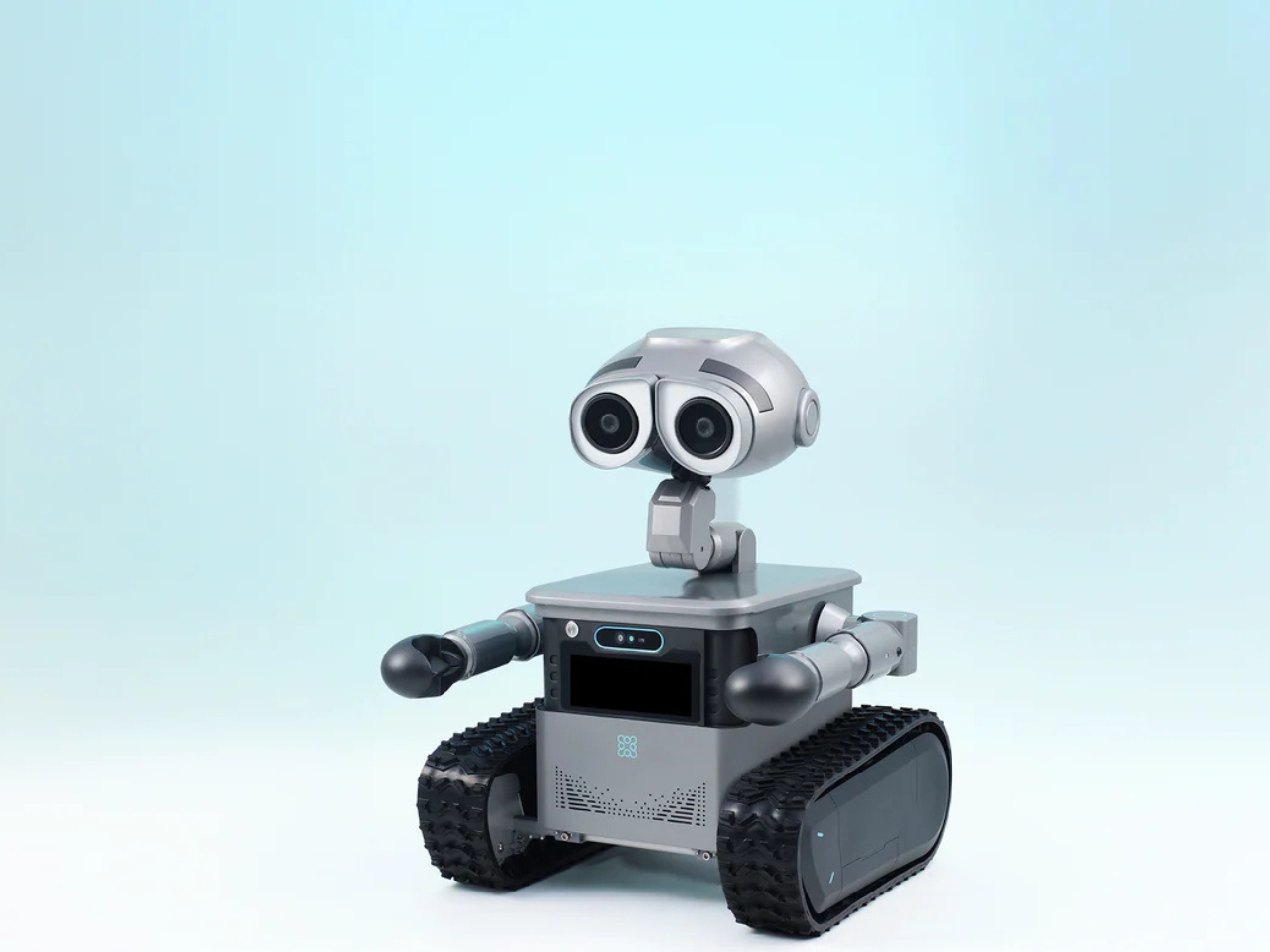
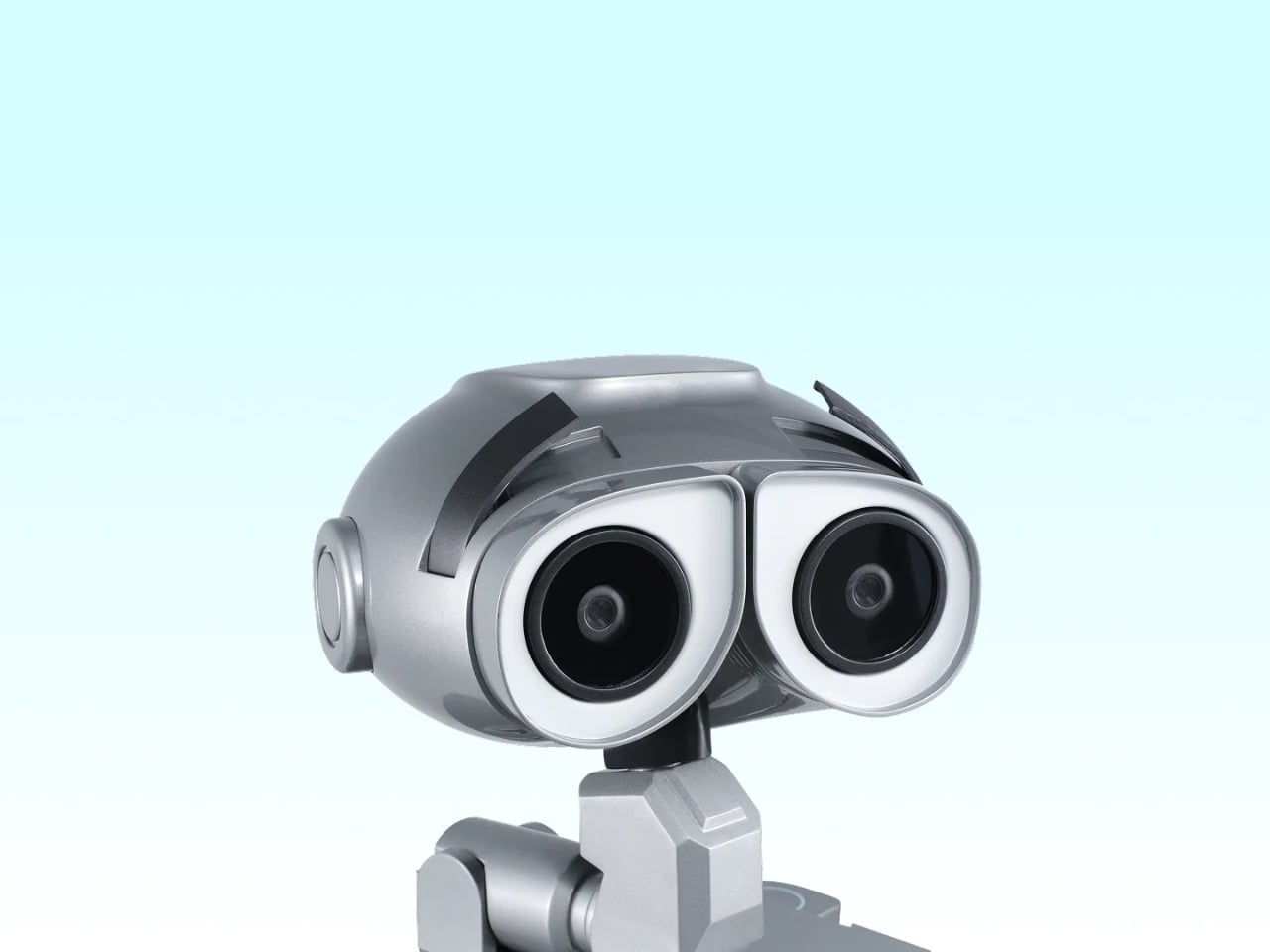
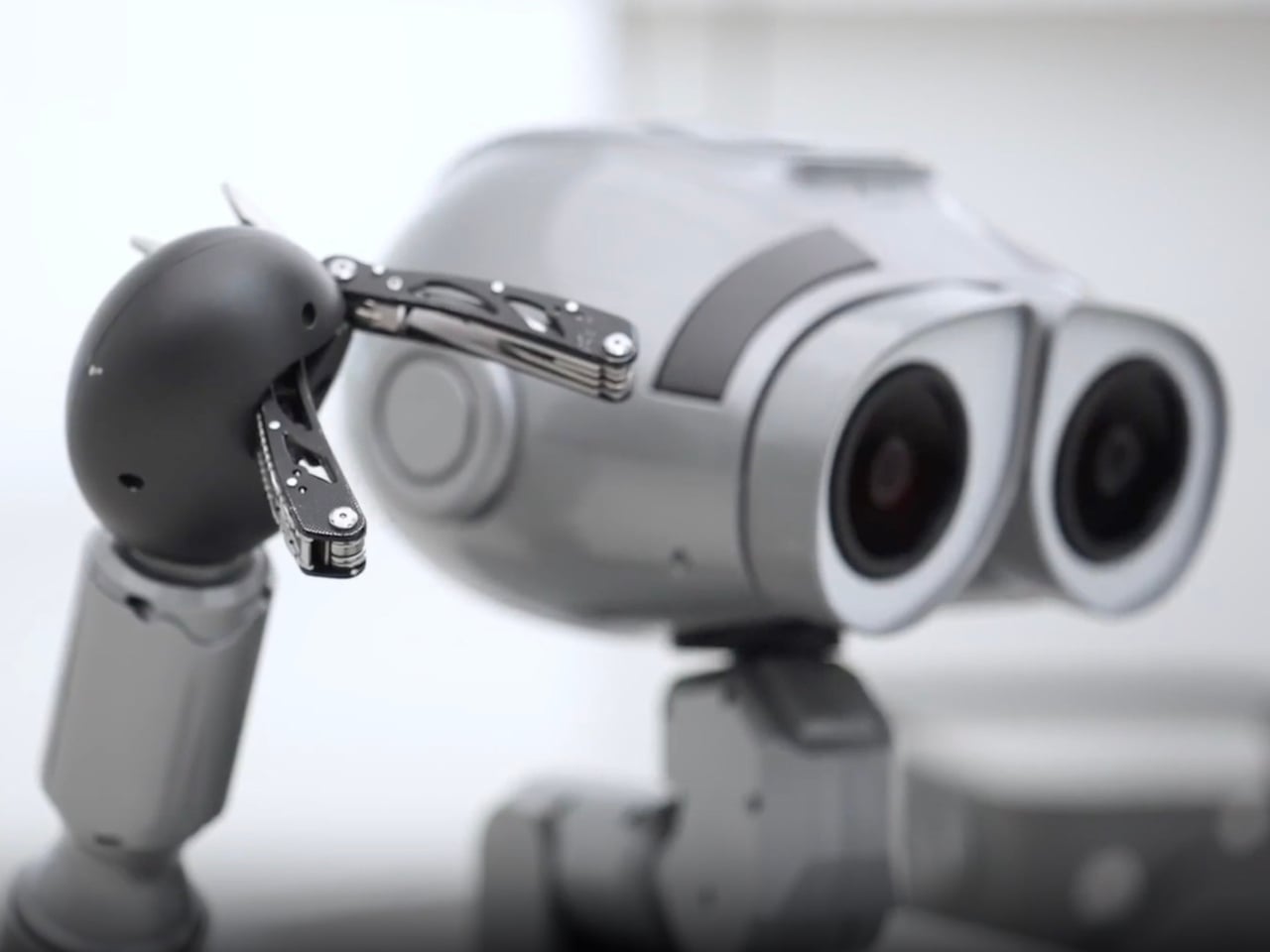
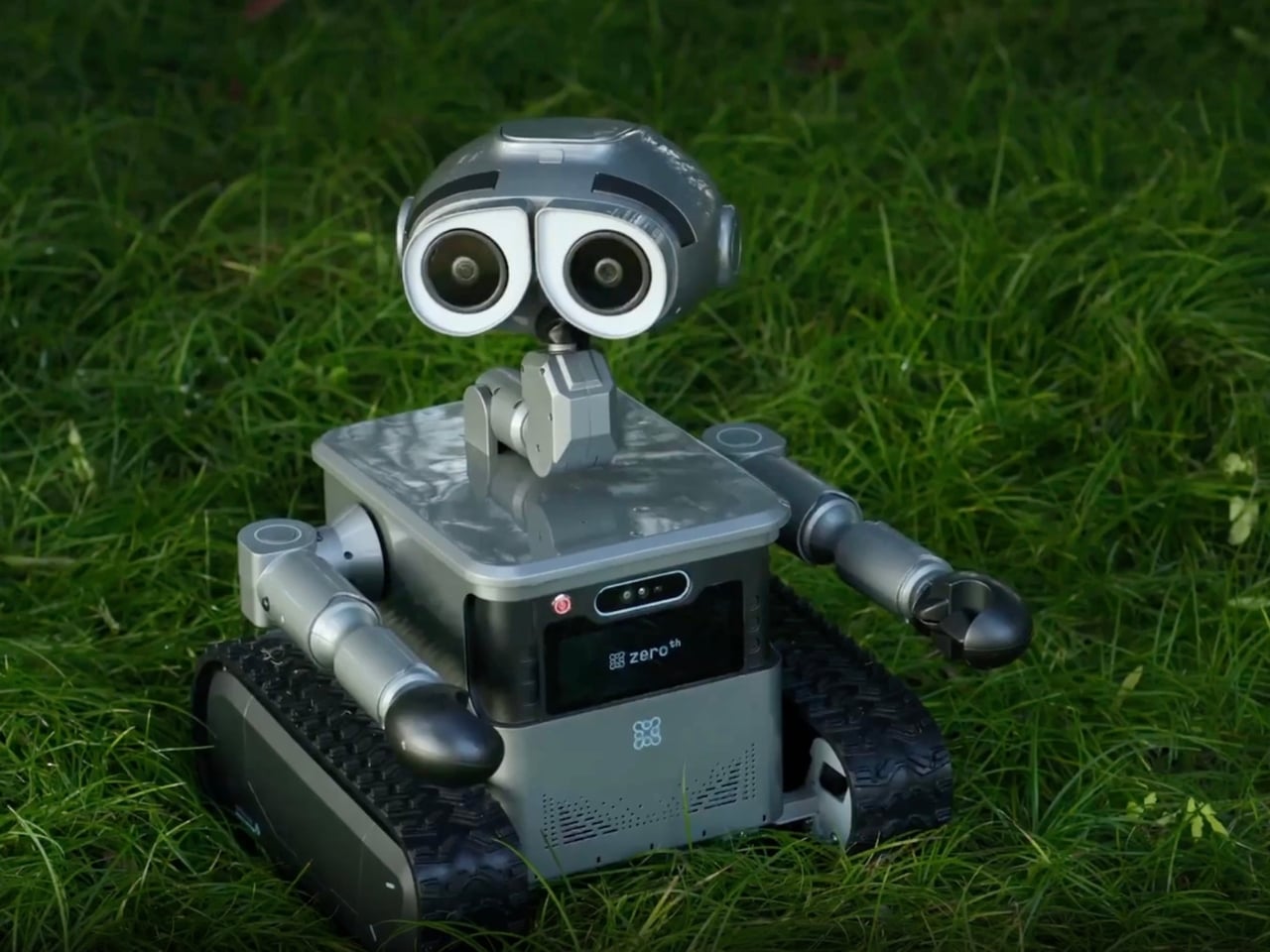
Remember that feeling you got watching WALL-E? That pang of desire for a loyal, expressive robot companion who could understand you and help out around the house? Well, Zeroth Robotics is betting you haven’t forgotten, because they’ve just launched the W1, and it’s basically bringing that Pixar fantasy into American homes.

Unveiled at CES 2026, the W1 isn’t Disney-licensed (that version stays in China for now), but it captures something essential that’s been missing from the “smart home” conversation. This isn’t about another voice assistant that sits in the corner. This is about a robot that moves through your space, physically interacts with your world, and yes, kind of makes you feel like you’re living in the future.

Designer: Zeroth

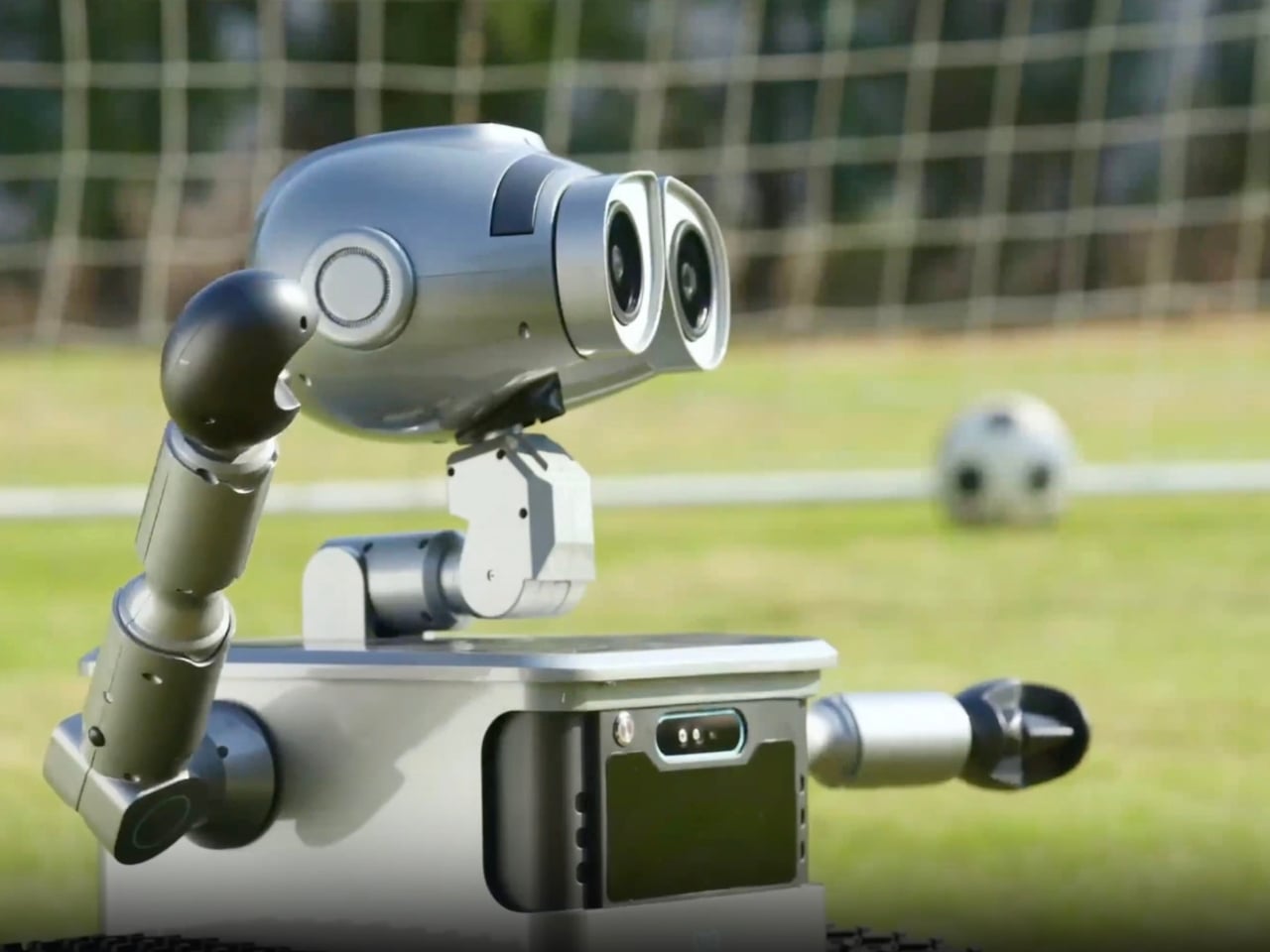
Let’s talk about what this thing actually does. At $5,599, the W1 is positioned as an autonomous, wheel-based assistant for homes and light commercial spaces. Standing 22.6 inches tall and weighing 44 pounds, it uses dual-tread wheels inspired by WALL-E’s iconic design to navigate complex terrain like grass, pavement, and gravel. That’s a bigger deal than it sounds, because most home robots panic when they encounter anything besides hardwood floors.

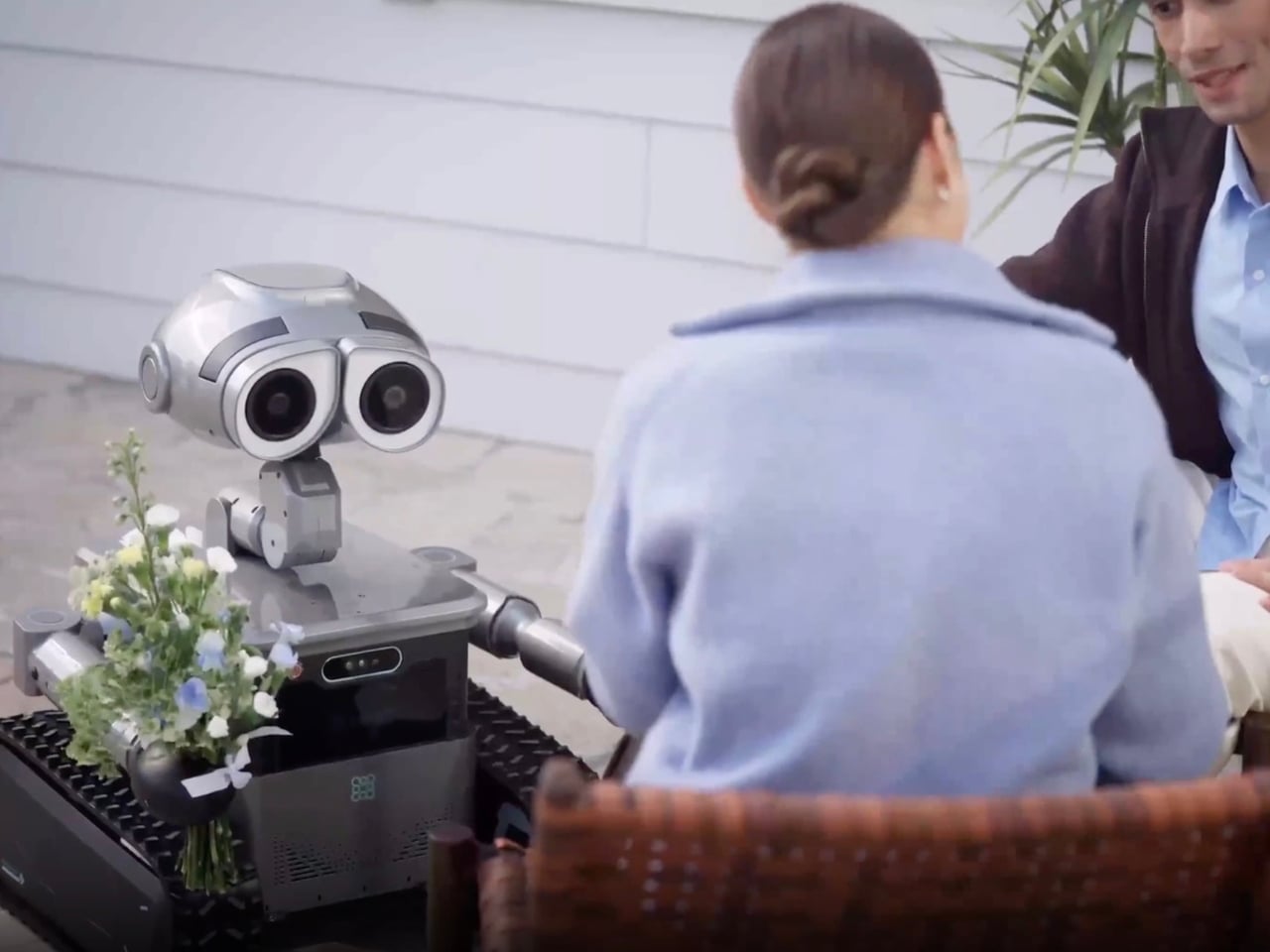
The navigation system relies on lidar, RGB cameras, and various sensors to understand its environment and avoid obstacles. It can carry up to 110 pounds (more than double its own weight), transport items around your home, follow you from room to room, and even snap photos with its 13-megapixel camera. The top speed is about 1.1 miles per hour, which sounds slow until you remember this isn’t a racing drone; it’s a household helper that needs to operate safely around pets, kids, and your favorite vintage lamp.

Now, here’s where we need to be honest. The W1’s task list feels limited at launch. It can transport stuff, follow you around, serve as a game host, and take pictures. That’s not exactly revolutionary. But Zeroth is building what they call a “Technology DNA,” a unified software and hardware stack that powers all their robots and can be updated over time with new behaviors and capabilities. This is the key differentiator. You’re not buying a static gadget; you’re buying into a platform that theoretically grows smarter and more useful.

What makes the W1 compelling isn’t just the adorable WALL-E aesthetics (though let’s be real, that doesn’t hurt). It’s that Zeroth seems to understand something fundamental about consumer robotics that many companies miss: emotional connection matters. People don’t just want functional robots; they want robots they can relate to, robots that feel less like appliances and more like companions. That’s why the design language echoes one of the most beloved animated characters of all time.

Zeroth Robotics, founded in 2024, is positioning itself as a company focused on “practical, emotionally aware robots” for everyday life. The W1 is part of a broader lineup that includes the M1 (a 15-inch humanoid home companion starting at $2,899), a Disney-licensed WALL-E for classrooms and retail spaces, the A1 quadruped for developers, and Jupiter, a full-size humanoid for real-world tasks. The strategy is clear: cover multiple use cases while maintaining a consistent technological foundation.

Pre-orders for the W1 are expected to open in Q1 2026, with general availability later this year. Whether the W1 becomes an essential household member or an expensive curiosity will depend largely on how well Zeroth delivers on those software updates and expanded capabilities. But there’s something undeniably exciting about a company that’s willing to make robots look and feel approachable instead of clinical. The W1 might not be saving Earth from an ecological disaster like its animated inspiration, but it might just save us from the monotony of carrying groceries from the car. And honestly? That’s a pretty good place to start.

The post Zeroth Just Designed the WALL-E Robot Every Millennial Wanted first appeared on Yanko Design.
Agibot’s humanoid robots can give directions and learn your TikTok dances

For better or worse, CES 2026 is already shaping up to be a big year for humanoid robots. Chinese company Agibot showed up with two: the roughly human-sized A2 and the slightly smaller X2, both of which were displaying their surprisingly impressive dancing abilities. 

We watched both robots walk around, wave at passersby and show off their best moves. The larger A2 mostly kept its legs still and danced mainly with its arms. The smaller X2 on the other hand is a bit more nimble — it has a larger set of "feet" to give it more stability — and those abilities were on full display.

At the time we saw them, the robots were controlled partially by an Agibot rep using a dedicated controller, but the company told me the robots are able to move autonomously in spaces once they've been able to use their onboard sensors to map out their environmentThe company, which has already shipped several thousand robots in China and plans to make them available in the United States this year, says both the A2 and X2 are intended to provide a flexible platform so people can interact with the robots in a variety of situations.

Agibot envisions the larger A2 as a kind of hospitality helper robot that can greet visitors at museums or conferences (like CES) and provide directions or even walk alongside their human guests. 

The smaller X2 on the other hand could be suited for educational purposes or other scenarios when you might want a robot with slightly more human-like movements. It could even be a good TikTok companion, as Agibot's head of communications, Yuheng Feng explained to me. "Take a Tiktok video, for example, you can use that video to train the robot, [so] it can also dance exactly like you did in the video." 

The company hasn't given details on when its robots might show up in the US or how much they might cost. Feng told me a lot will depend on how companies want to use them because their hardware is able to be customized depending on the use case. For now, though, we'll just soak in the dance moves.

This article originally appeared on Engadget at https://www.engadget.com/ai/agibots-humanoid-robots-can-give-directions-and-learn-your-tiktok-dances-045049798.html?src=rss

Boston Dynamics unveils production-ready version of Atlas robot at CES 2026

After years of testing its humanoid robot (and forcing it to dance), Boston Dynamics' Atlas is entering production. The robotics company said at CES 2026 that the final product version of the robot is being built now, and the first companies that will receive deployments are Hyundai, Boston Dynamics' majority shareholder, and Google DeepMind, the firm's newly minted AI partner.
This final enterprise version of Atlas "can perform a wide array of industrial tasks," according to Boston Dynamics, and is specifically designed with consistency and reliability in mind. Atlas can work autonomously, via a teleoperator or with "a tablet steering interface," and the robot is both strong and durable. Boston Dynamics says Atlas has a reach of up to 7.5 feet, the ability to lift 110 pounds and can operate at temperatures ranging from minus 4 to 104 degrees Fahrenheit. "This is the best robot we have ever built," Boston Dynamics CEO Robert Playter said in the Atlas announcement. "Atlas is going to revolutionize the way industry works, and it marks the first step toward a long-term goal we have dreamed about since we were children." 

Boston Dynamics has been publicly demoing its work on humanoid robots since at least 2011, when it first debuted Atlas as a DARPA project. Since then, the robot has gone through multiple prototypes and revisions, most notably switching from a hydraulic design to an all-electric design in 2024. Later that year, Boston Dynamics demonstrated the robot's ability to manipulate car parts, which appears to be one of the first ways Atlas will be put to work.

Hyundai plans to use Atlas in its car plants in 2028, focused on tasks like parts sequencing. In 2030, the car maker hopes to have the robot's responsibilities "extend to component assembly, and over time, Atlas will also take on tasks involving repetitive motions, heavy loads, and other complex operations," Hyundai says. Google DeepMind, meanwhile, is receiving Atlas robots so it can work on integrating its Gemini Robotics AI foundation models into Boston Dynamics' system.

This article originally appeared on Engadget at https://www.engadget.com/big-tech/boston-dynamics-unveils-production-ready-version-of-atlas-robot-at-ces-2026-234047882.html?src=rss

SwitchBot’s New Onero H1 Robot Finally Does Your Chores

When humanoid robots started becoming the major thing that robotics companies were pursuing, there were probably two kinds of people who reacted to it. There were those that were scared that having robot overlords were just a few years away, and then those that were excited to finally have someone to do their chores for them. The former hasn’t happened yet, thank goodness, but it looks like we’re almost there with the latter.

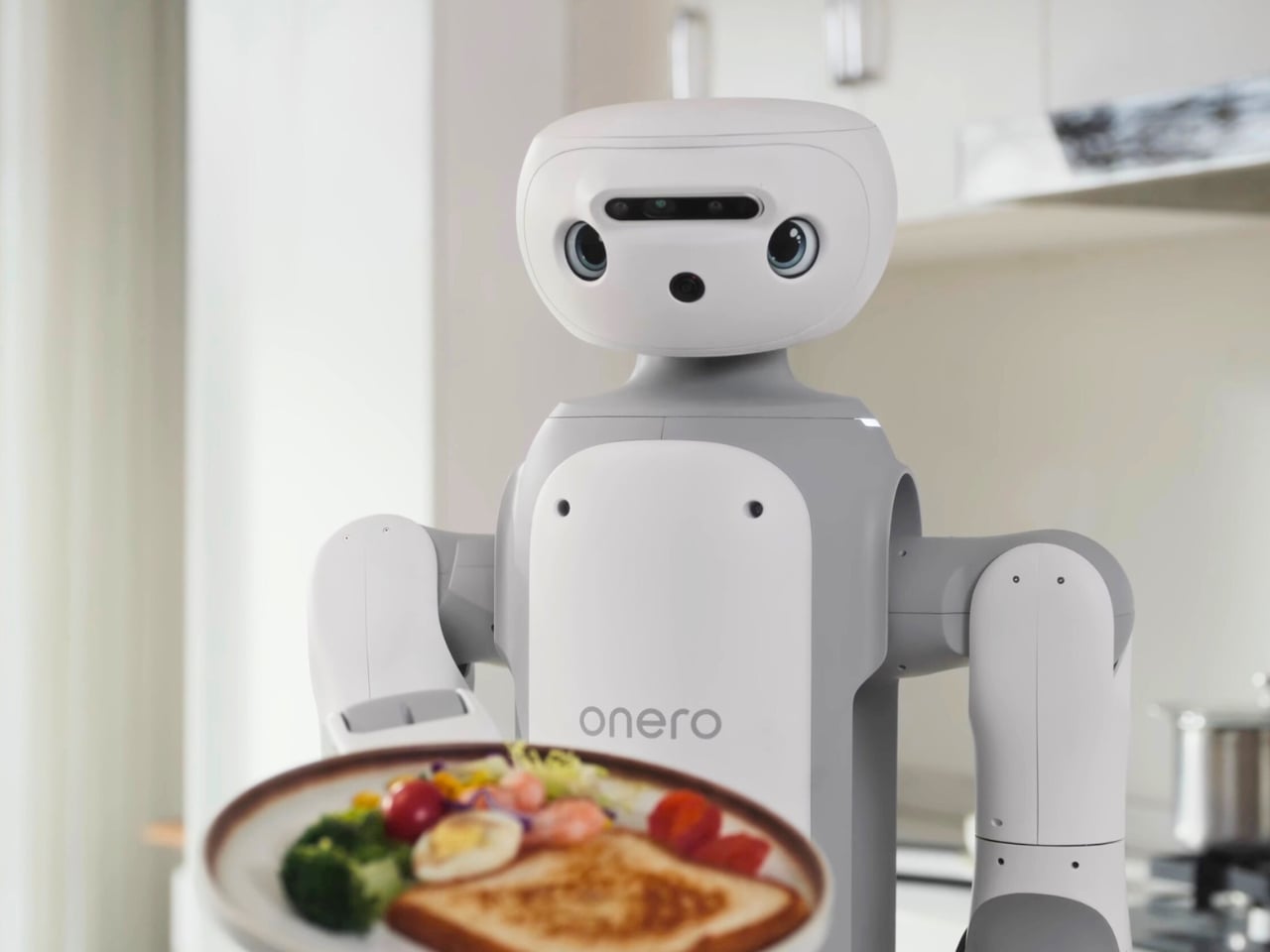
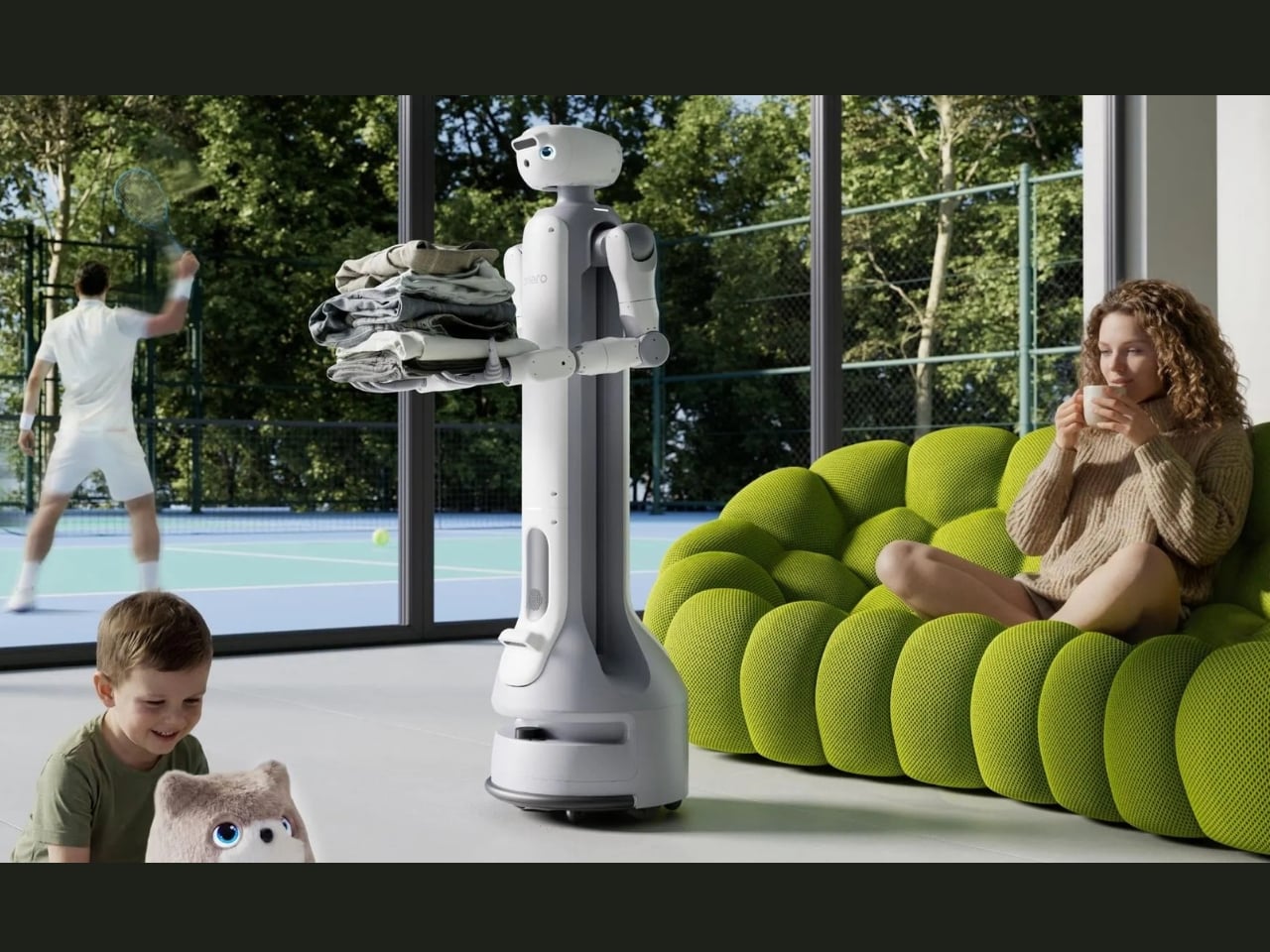
SwitchBot’s Onero H1, currently making waves at CES 2026, may be the long-promised dream of having our own Rosie (that’s a Jetsons reference for you). They call it their “most accessible AI household robot” and it’s designed to be the household help that we need, one that will not grow tired or complain that it’s being overworked. Hopefully.

Designer: SwitchBot

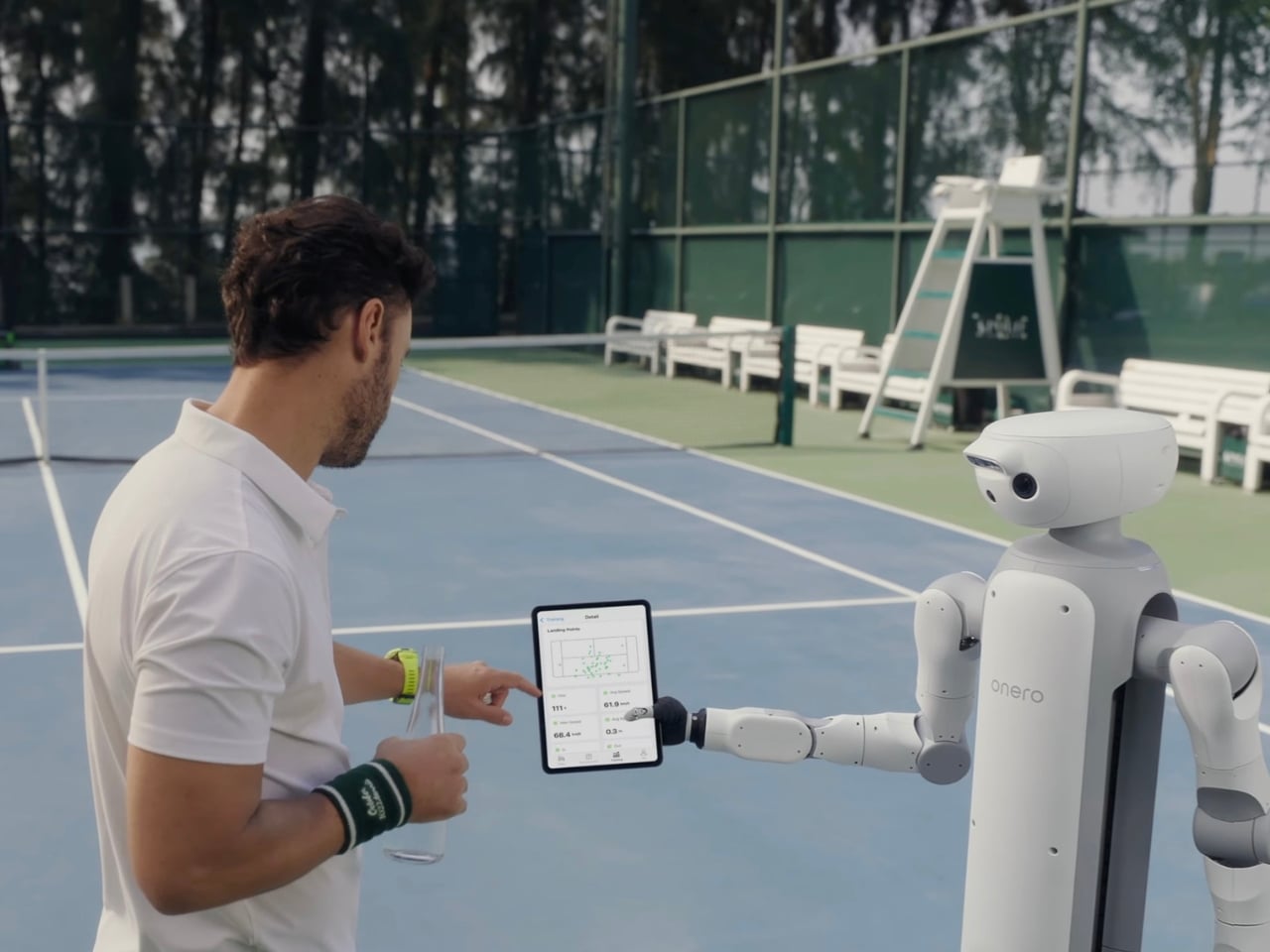
One key aspect of this robot that makes it ideal for chores is that it has impressive flexibility and range of motion with its 22 degrees of freedom. It is an OmniSense VLA model with AI capabilities built in so that it can learn and adapt even without cloud connectivity. It is able to understand its environment with visual perception, depth sensing, and tactile feedback.

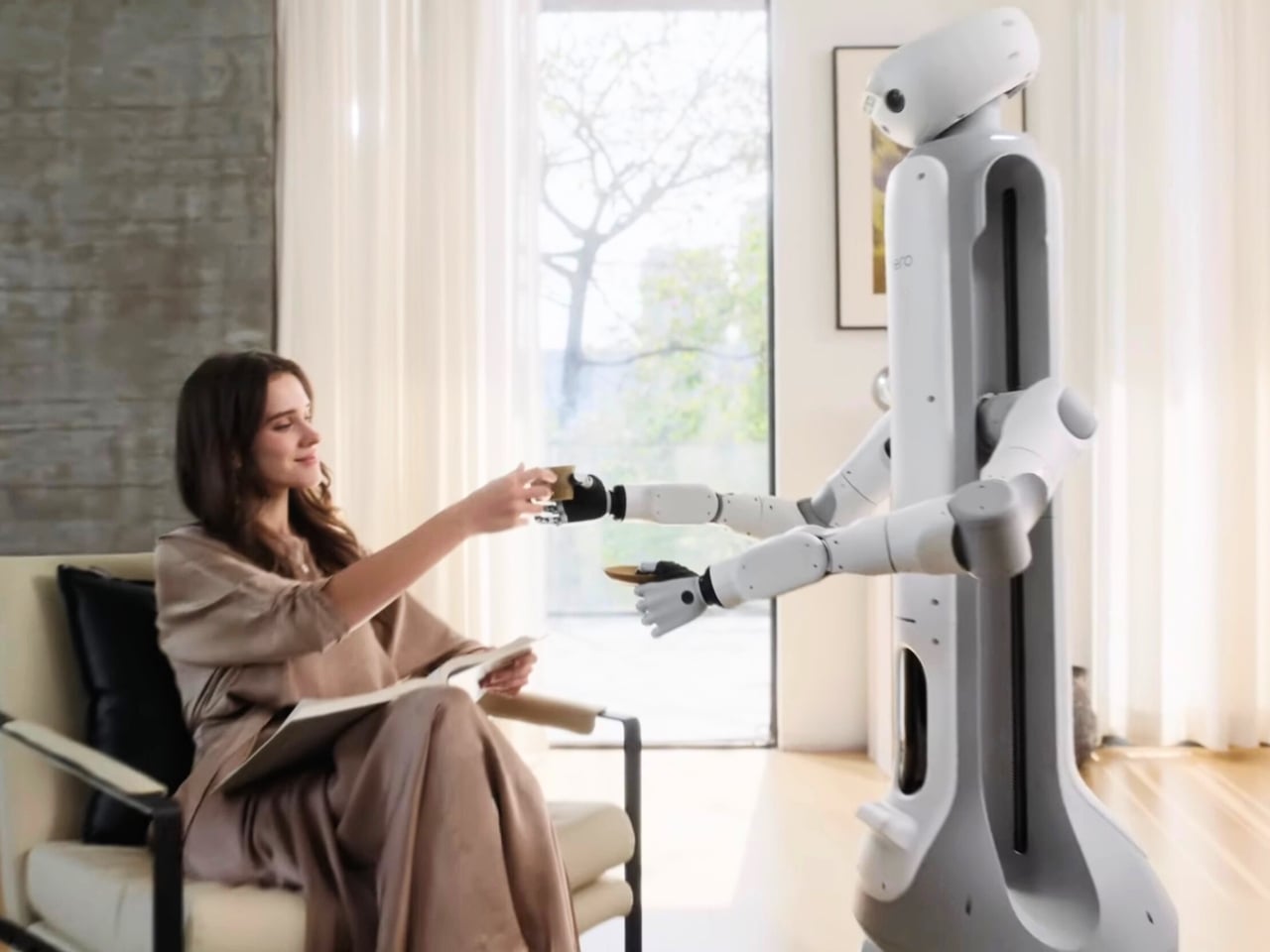
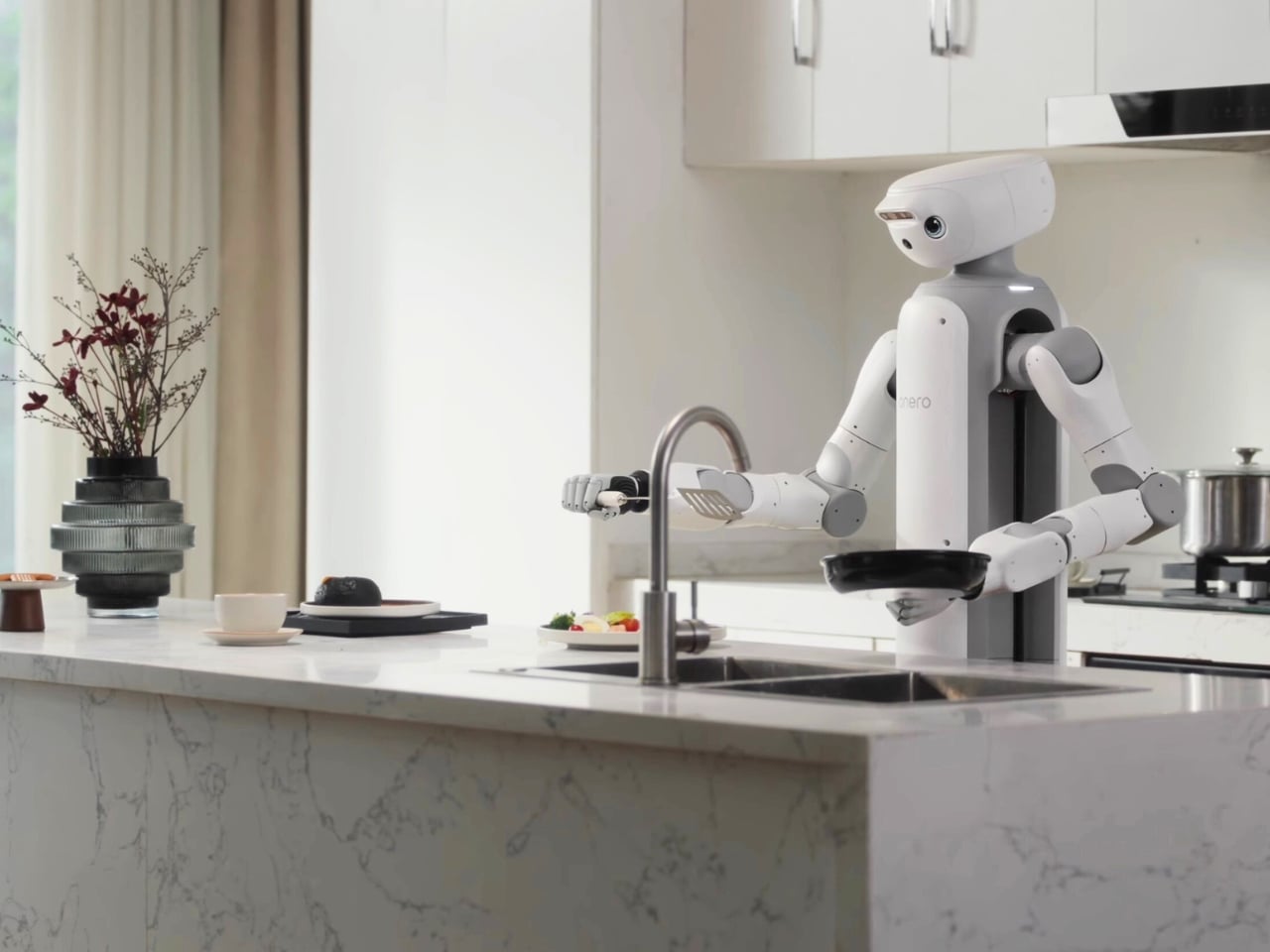
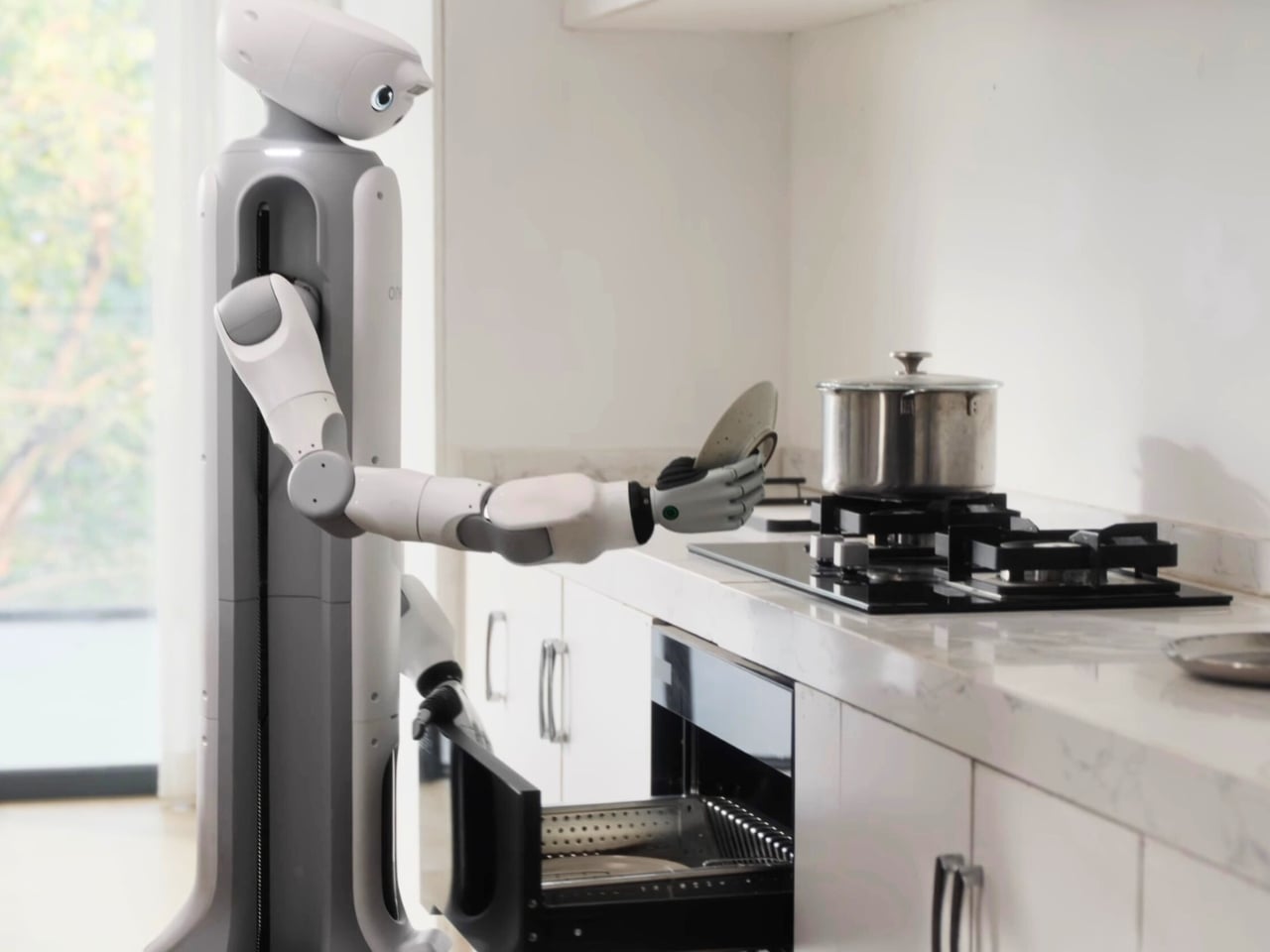
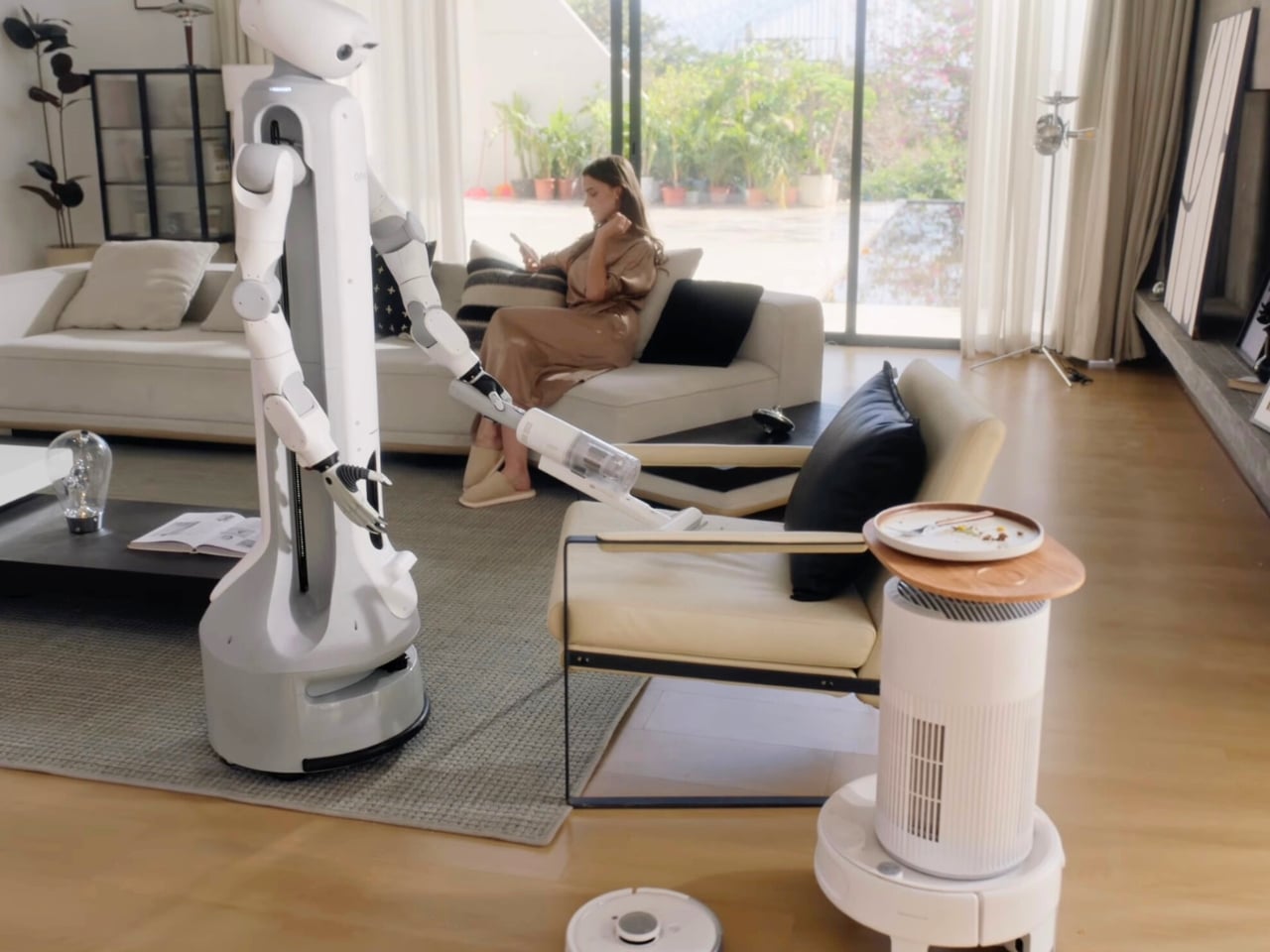
While it may not look like Rosie or Megan (again, thank goodness), this robot is a full-sized humanoid with arms, hands, head, and yes, even a face. It has a wheeled base so it can navigate easily throughout your space. Onero H1 also has articulated robotic arms labeled “A1” that can manipulate objects so it can help you or actually do your chores for you.

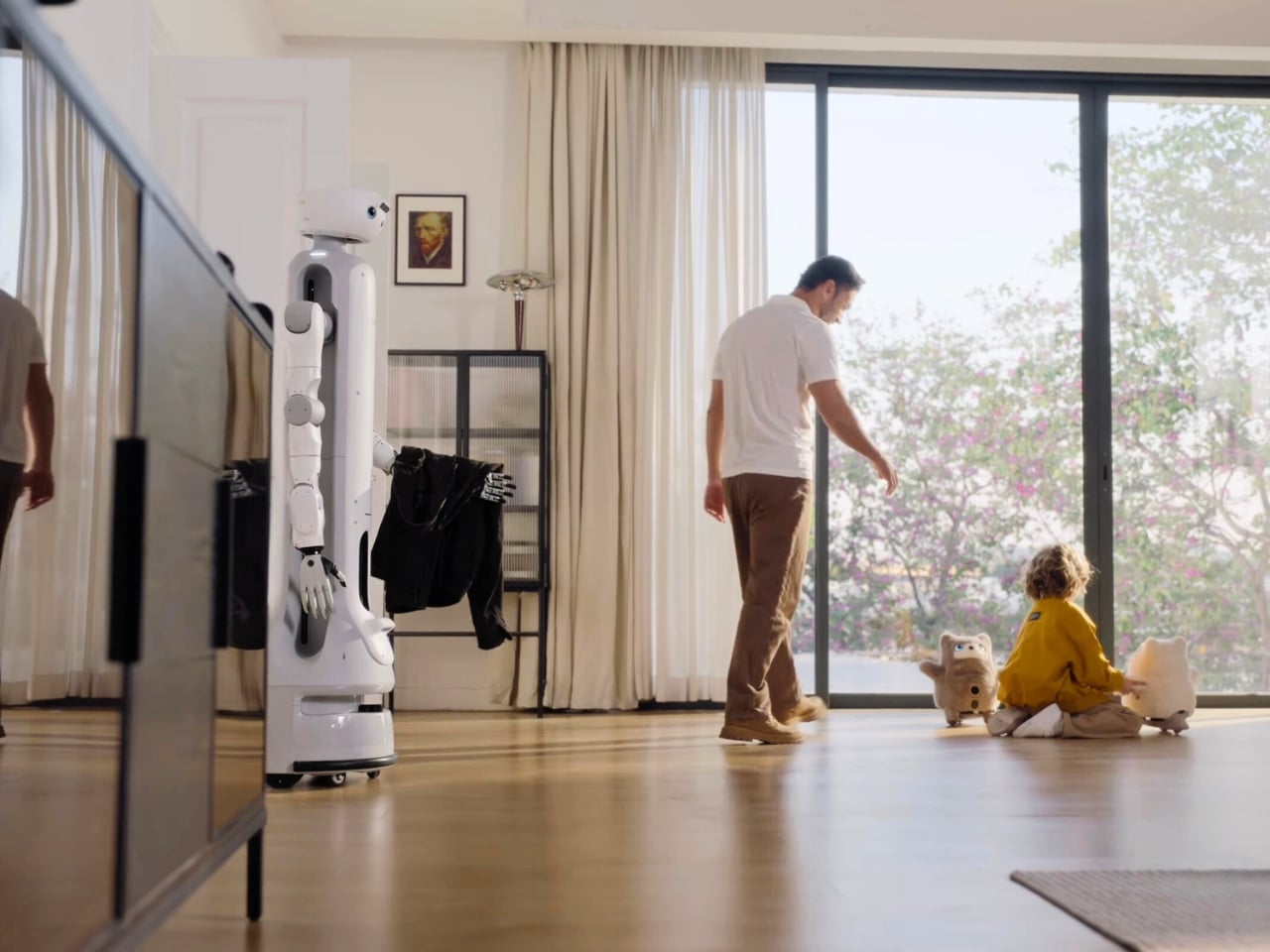
Some contact-intensive things that the robot can do include grasping and organizing objects, loading the dishwasher, cooking breakfast, preparing your morning and afternoon coffee, doing the dreaded laundry, washing the windows, and even opening and closing doors for you. It can also catch the jacket you throw at it when you come home. Talk about butler service!

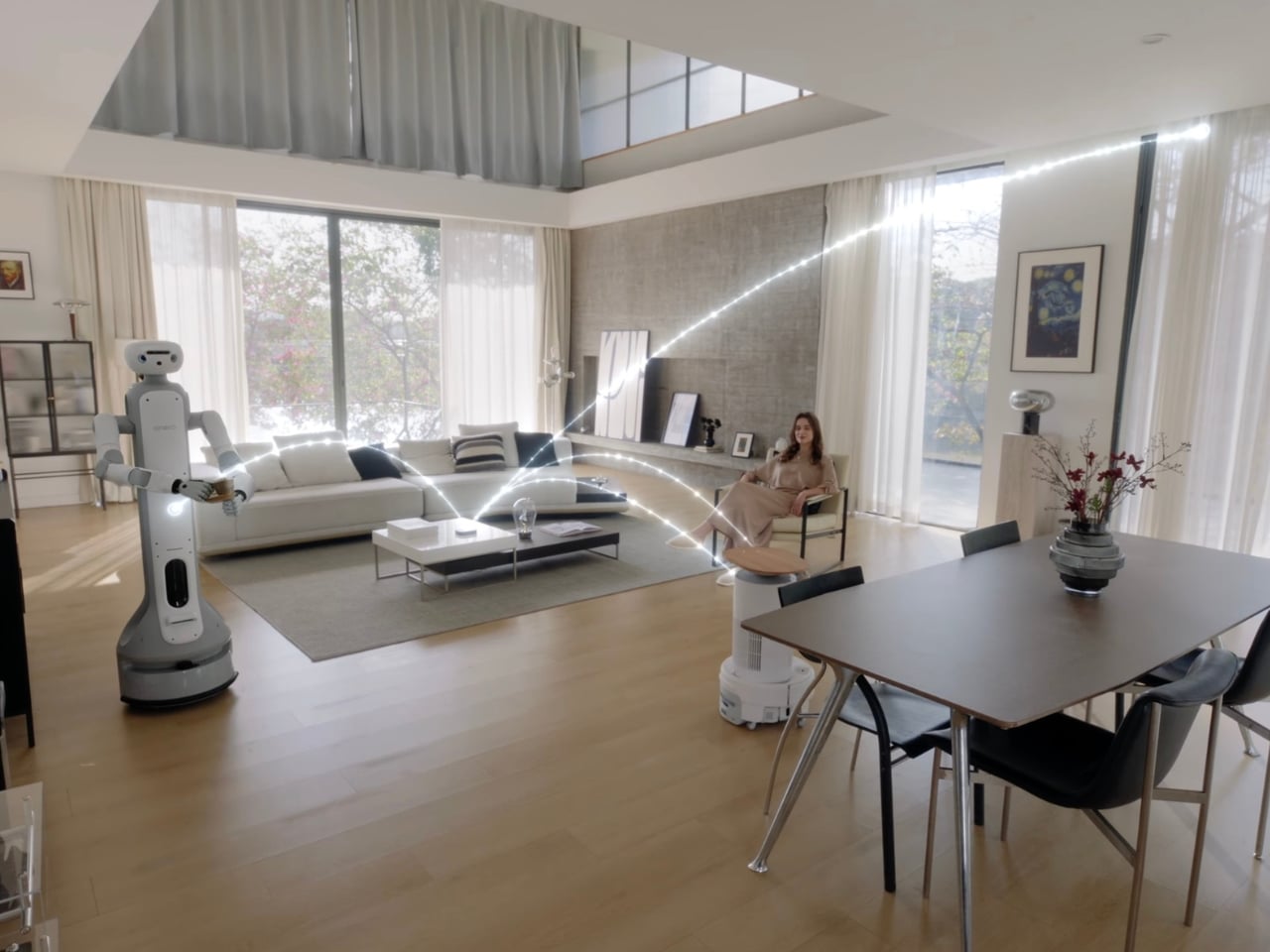
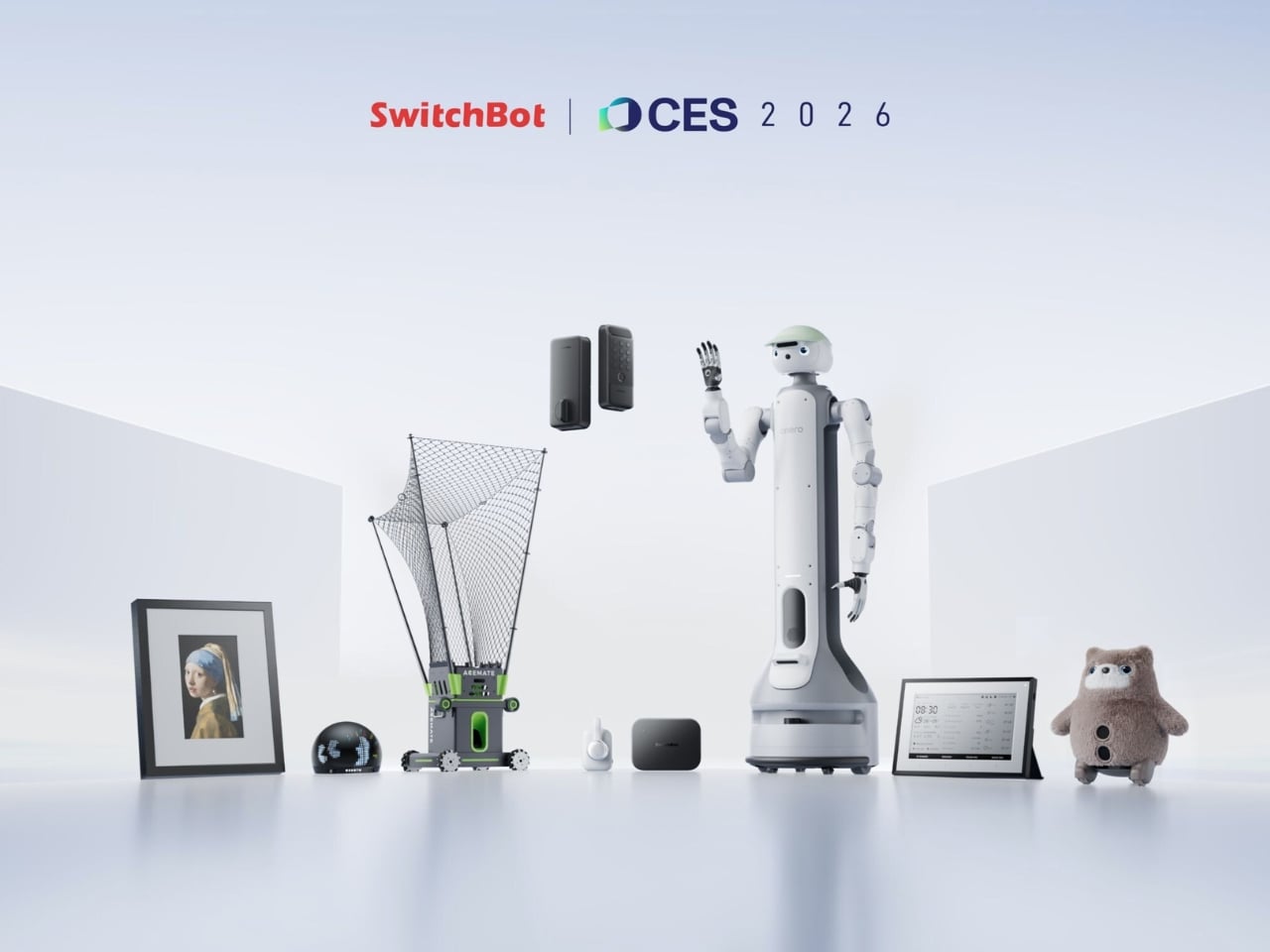
Unlike the robot vacuums and single-purpose smart devices we’re used to, the Onero H1 represents something more ambitious. It’s part of SwitchBot’s “Smart Home 2.0” vision, where your home doesn’t just have gadgets but has systems that actually think and act on your behalf. The robot is designed to work seamlessly with SwitchBot’s existing ecosystem of task-specific robots, creating a unified smart home experience that feels less like managing technology and more like having a genuinely helpful presence in your home.

What’s particularly impressive is how it learns. The Onero H1 isn’t rigidly pre-programmed to perform tasks in one specific way. Instead, it adapts to YOUR home layout, YOUR routines, and YOUR preferences. It uses visual perception and tactile feedback to understand not just what objects are, but how they should be handled. This means it can figure out the difference between delicate glassware and sturdy pots, or learn where you prefer certain items to be organized. For those of us who’ve been juggling work, family, and the endless cycle of household chores, this kind of adaptable help could be genuinely life-changing. Imagine reclaiming those hours spent on repetitive tasks and using them for things that actually matter to you, whether that’s pursuing hobbies, spending quality time with loved ones, or simply enjoying a moment of peace.

Now, before you start clearing space in your home and budgeting for your new robot helper, there are a few things to keep in mind. While the Onero H1 will be available for pre-order through SwitchBot’s website, the company hasn’t announced pricing or a specific launch date yet, just that it’s coming “soon.” Multiple tech experts have noted that this is still very much a concept designed to show where the technology is headed, rather than a product ready for immediate mass adoption.

The SwitchBot Onero H1 represents an exciting glimpse into a future where household robots move beyond vacuuming floors to actually helping with the full range of domestic tasks. While we may need to wait a bit longer before Rosie arrives at our doorstep, it’s clear that the era of genuinely helpful household robots is no longer science fiction. It’s just around the corner.

For collectors and tech enthusiasts, the Onero H1 marks a significant milestone in consumer robotics history. It’s the moment when humanoid household robots transitioned from ambitious prototypes to accessible reality. Whether you’re excited about finally having help with the dishes or simply fascinated by the technology, one thing is certain: the future of smart homes is looking a lot more hands-on, literally.

The post SwitchBot’s New Onero H1 Robot Finally Does Your Chores first appeared on Yanko Design.