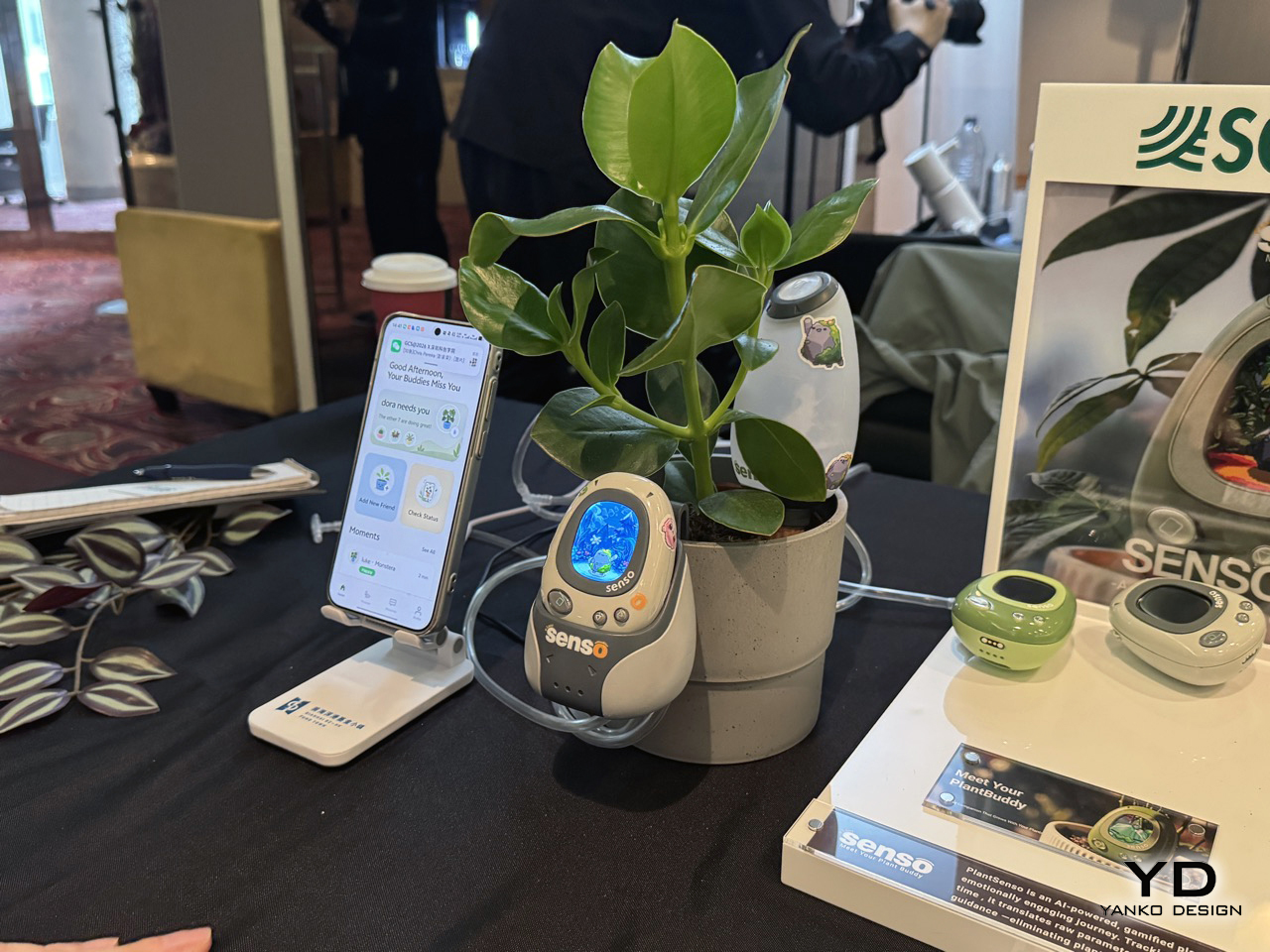
Portable Power, Smart Doors, AI Baby Eyes: The Most Underrated Tech From CES 2026 Global Connect

Robots and AI assistants grab headlines, but the technology that actually changes daily routines lives in outlets, doorways, and kitchen counters. Global Connect’s January 5th showcase at CES 2026 puts that infrastructure-level innovation on display, bringing together brands that solve the unglamorous problems: keeping phones charged during power outages, filtering contaminants from tap water, protecting devices from drops, and securing entry points with biometric precision. These aren’t moonshot concepts waiting for venture capital; they’re products shipping to homes and businesses right now, refined through real-world use and customer feedback.

iMpact PR’s private villa format gives these utility-focused companies four hours to demonstrate what separates working technology from marketing promises. Bluetti’s portable power stations, Waterdrop’s reverse osmosis systems, Benks’ protective accessories, Xthings’ unified smart home platforms, Autel’s EV charging infrastructure, and Monai’s baby monitors represent the less flashy side of CES, where innovation means making essential tasks more reliable, more efficient, or simply less annoying. The villa setting strips away booth theatrics, letting journalists test whether these everyday solutions actually deliver on their practical claims when the promotional videos stop playing.

Benks Armor Series Kevlar Cases

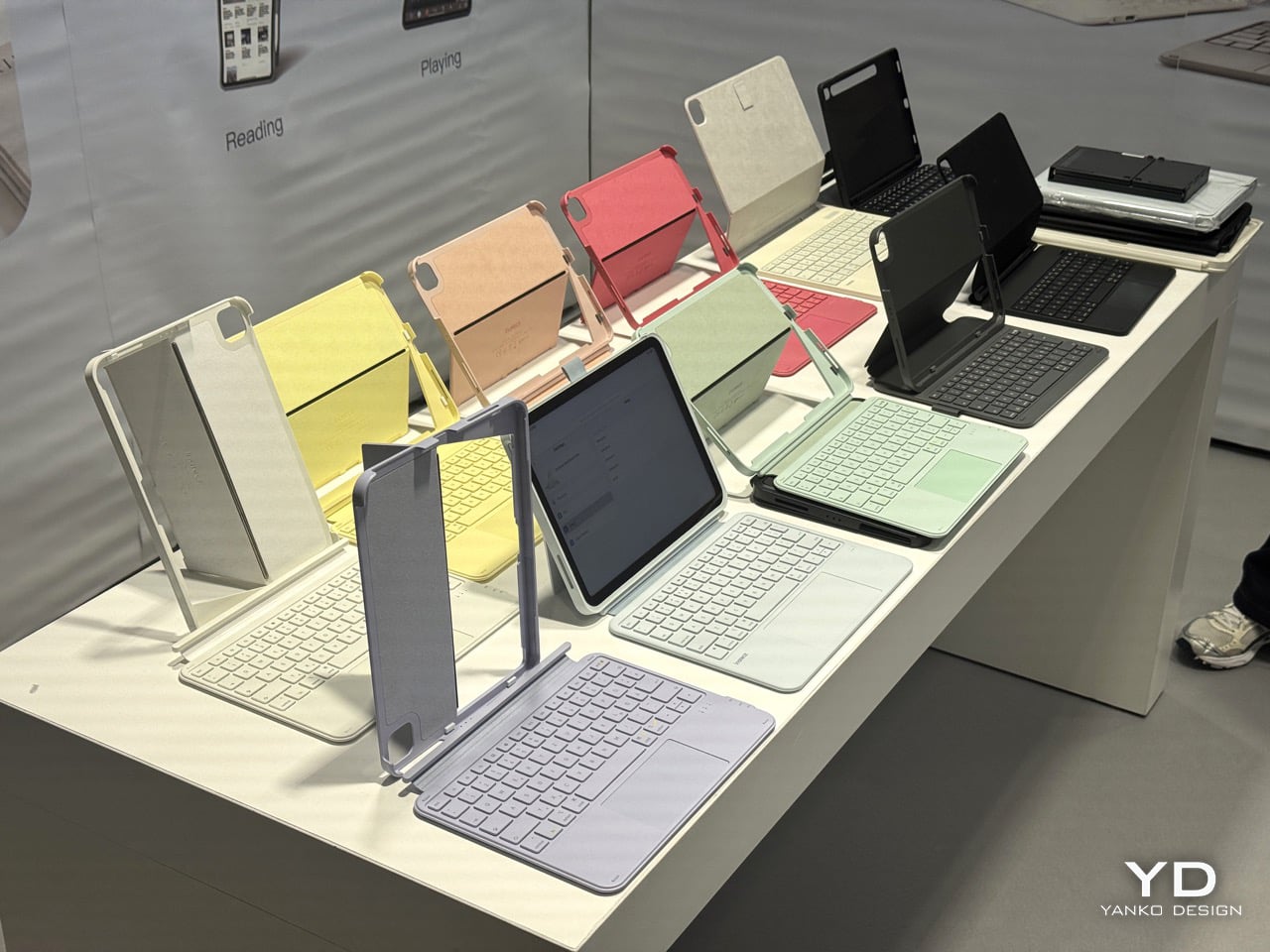
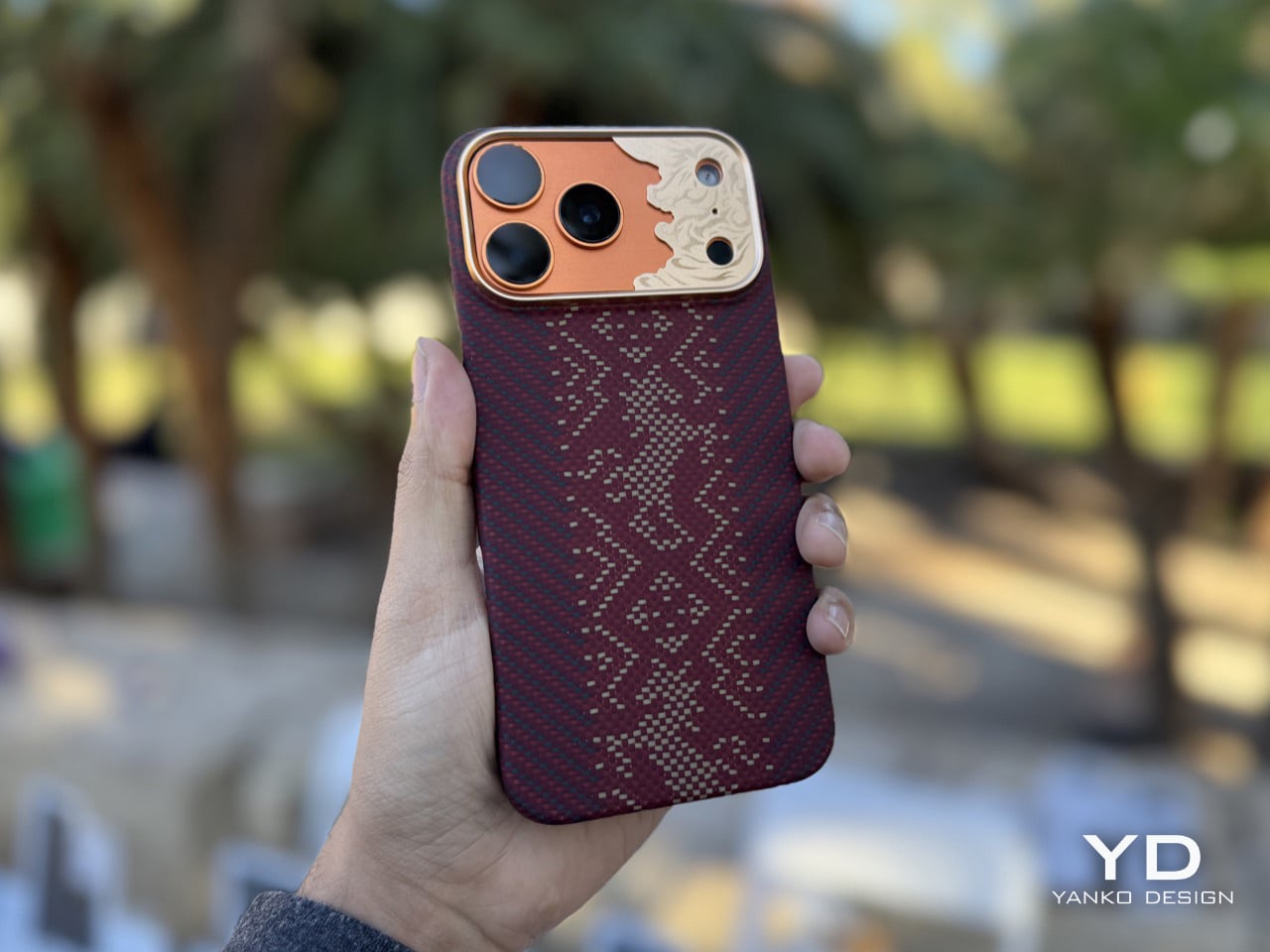
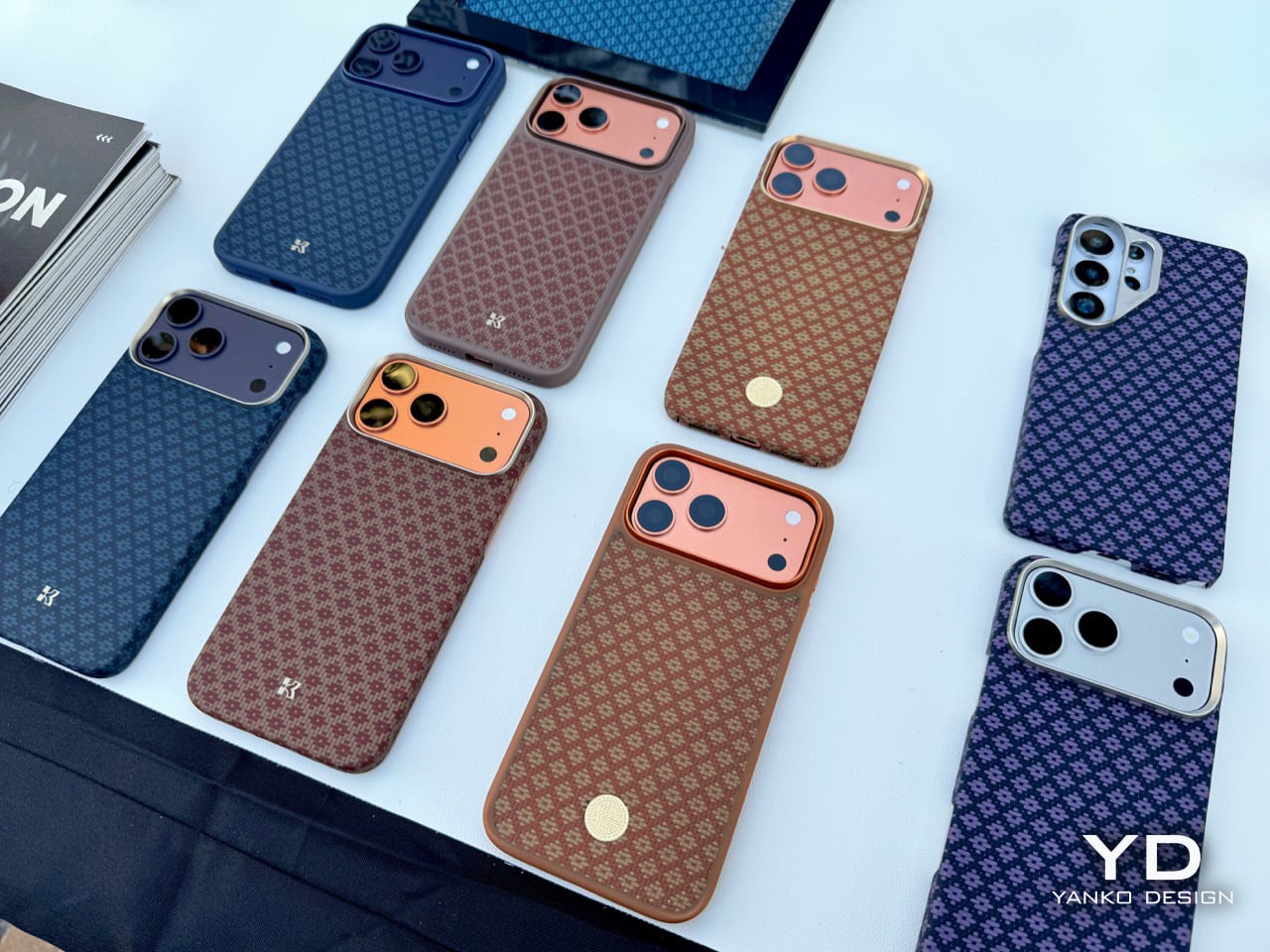
Benks leans hard into Kevlar, but the Armor series is built to prove that impact protection does not have to look tactical or bulky. ArmorAir, ArmorPro, and ArmorLite all start with DuPont Kevlar fiber as the structural backbone, then layer on slim profiles, raised lens frames, and MagSafe friendly layouts. Within that, you get very different personalities: 600D for the classic woven look, Aurora and Montage with color-blocked stripes, ArmorGrid with a textured geometric pattern, Knight with a subtle motif that feels more fashion than industrial. The result is a family of cases that can shrug off everyday abuse while still looking like something you would actually want to put on a brand-new phone, not a rubber bumper from a hardware store.

Around that core, Benks fills out the ecosystem with GlassWarrior screen protectors, camera lens shields, magnetic power banks, wallet stands, and grips that echo the same material language. The accessories are there so you can build a full setup around a single visual theme, instead of mixing a rugged case with generic glass and a plasticky wallet. What stands out across the catalog is how consistently the brand chases a balance between aesthetics and strength: Kevlar shows up as color, texture, and pattern, not just a marketing bullet point. These are cases that read as design objects first, protective gear second, even though the material science quietly does the heavy lifting in the background.

Autel MaxiCharger Series and Avant Robots

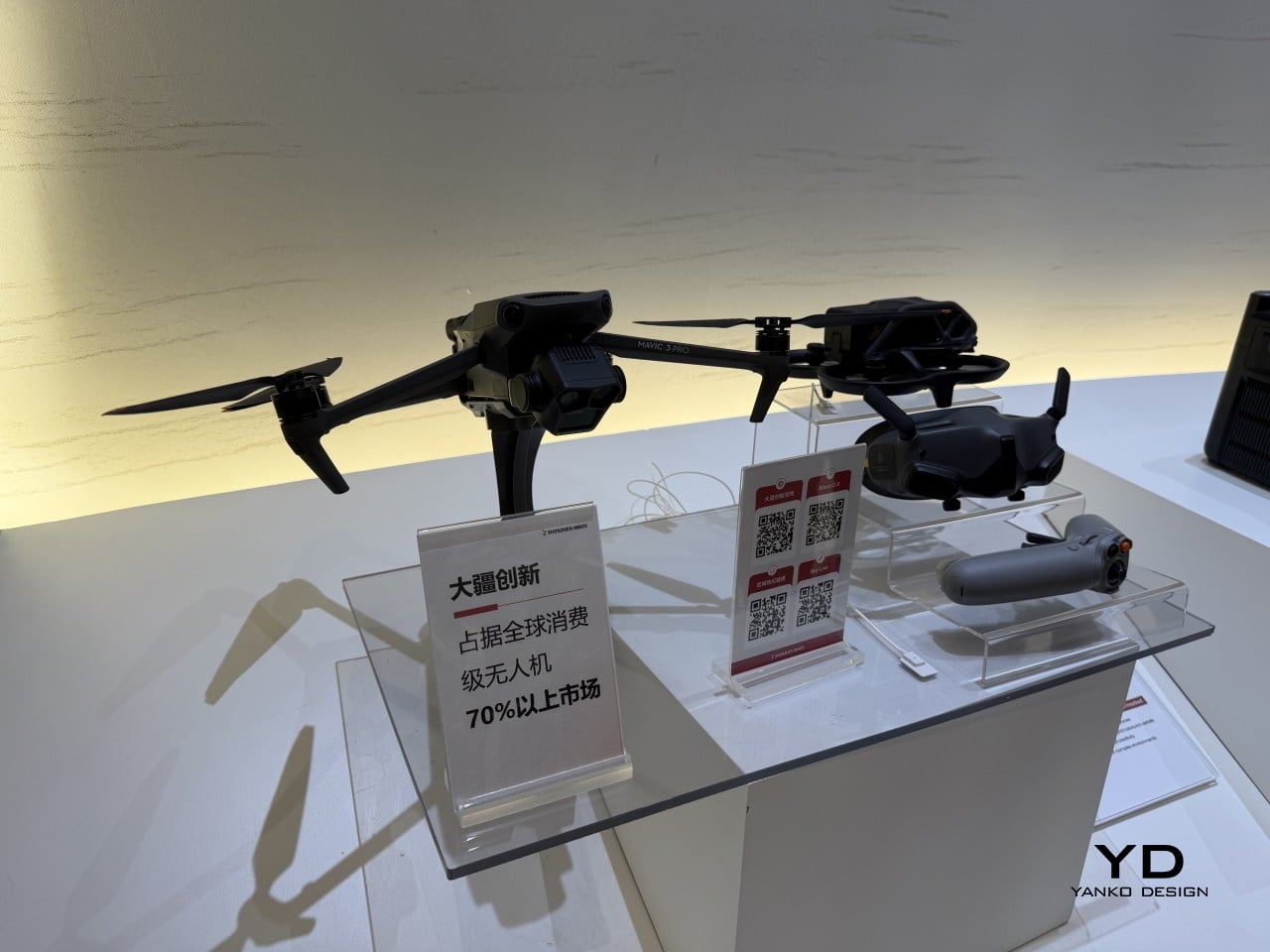
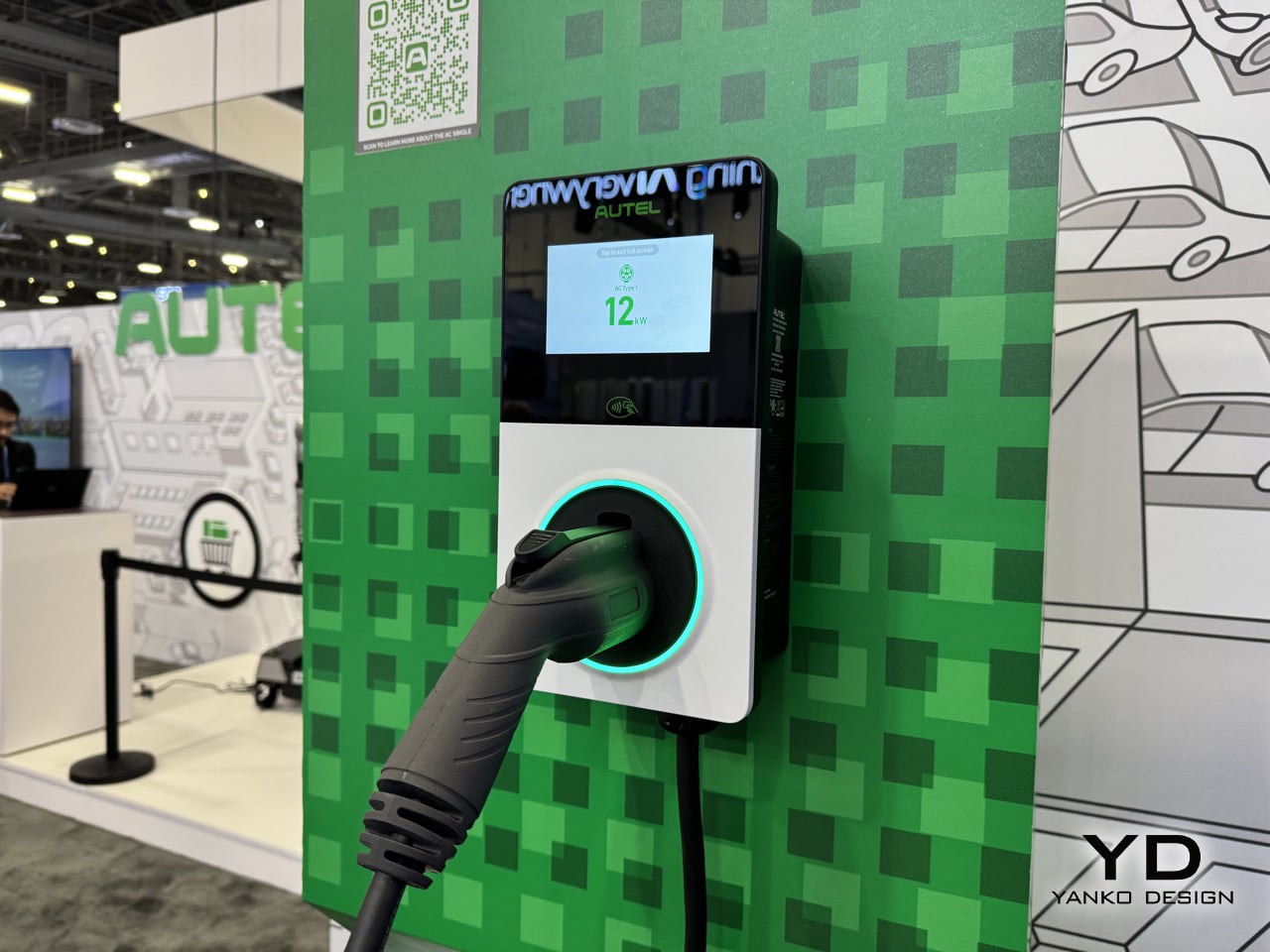
Autel’s presence at Global Connect focuses on energy infrastructure rather than the aerial drones that carry the Autel Robotics name. This division concentrates on EV charging and ground-based autonomous systems, spanning from home installations to commercial-grade ultra-fast chargers with outputs from 12kW AC to 480kW DC. The MaxiCharger AC Compact Gen2 delivers 12kW for residential use, featuring 5-minute installation, bidirectional charging readiness, and automatic detection of solar and energy storage systems. For commercial applications, the DC50 compresses 50kW charging into a footprint under 0.2 cubic meters with whisper-quiet operation below 55 dBA, making it ideal for underground parking garages and space-constrained urban environments. The DC100 hits the mid-range sweet spot at 100kW for fleet depots, while the DH480 pushes 480kW with 96% end-to-end efficiency, delivering up to 1 kilometer of range per second.

The Avant robot platform applies autonomous technology to charging and inspection workflows that typically require human labor. The Avant Charging Robot handles 24/7 EV charging for fleet operations, using computer vision and precision robotics to locate charge ports, retrieve connectors, and complete connections with sub-millimeter accuracy. Its robot-on-demand architecture lets a single unit service multiple parking spots and charging stations, eliminating rigid cable management while maintaining native NACS compatibility for Tesla vehicles. The Avant Autonomous Inspection Robot navigates energy facilities and charging stations with sub-8 centimeter positioning accuracy to inspect gauges, buttons, and switches. With an 80% manipulation success rate for grasping and pressing physical controls, it reduces human exposure to hazardous environments while enabling consistent, repeatable inspection workflows across industrial facilities and mission-critical assets.

Xthings ULTRALOQ Bolt UWB, Bolt Mission, and Ulticam IQ Floodlight

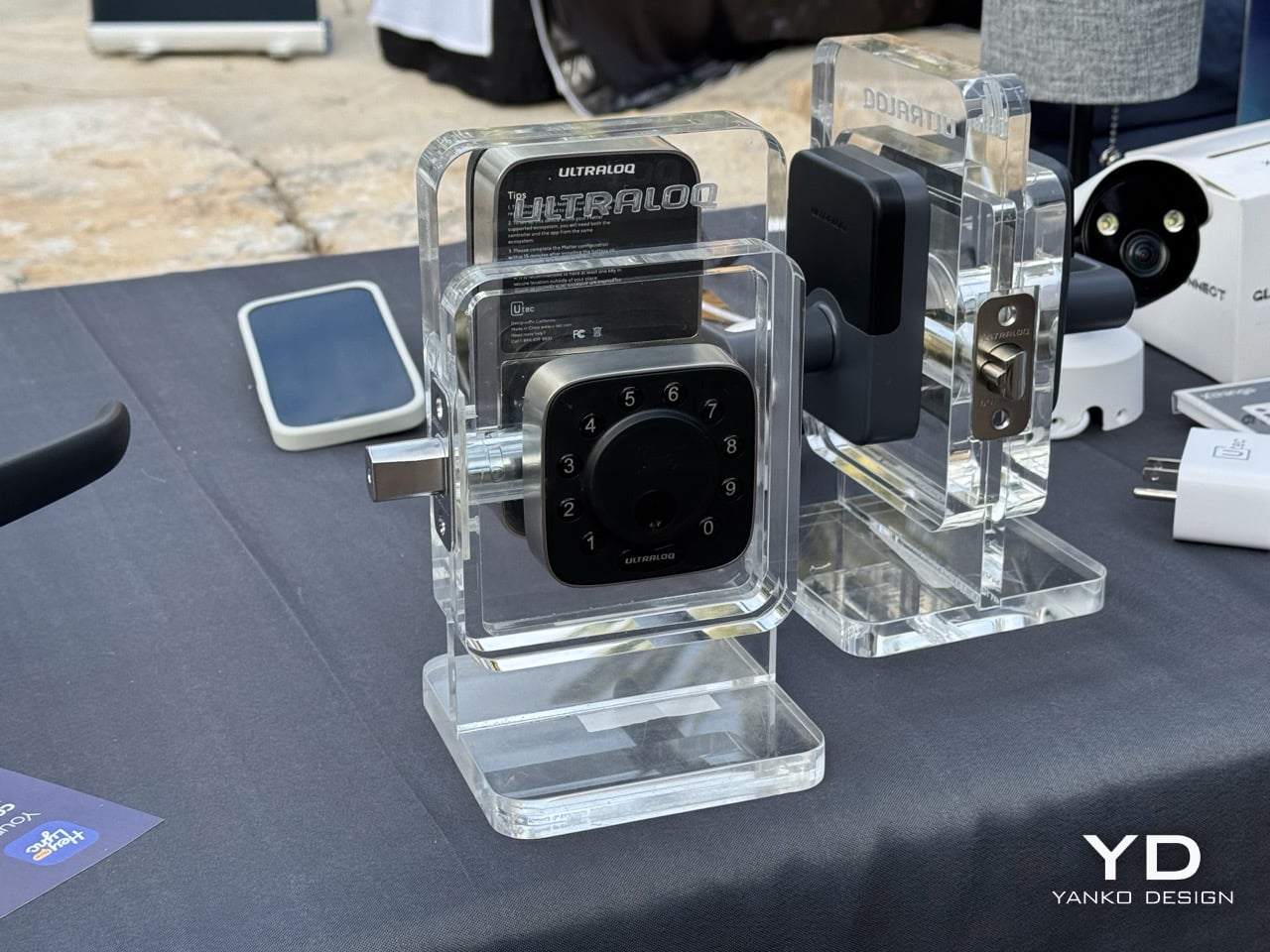
Xthings brings three additions to its smart home ecosystem at Global Connect, led by two lock variants that push different aspects of hands-free access. The Bolt UWB uses Ultra-Wideband technology to unlock automatically when you approach the door, achieving sub-0.5 second unlock speeds with over 99% accuracy while maintaining built-in WiFi for remote access without additional hubs. The system supports NFC cards, passcodes, smartphone app control, and traditional mechanical keys, covering 50 users with ANSI Grade 1 commercial-level security that meets ANSI/BHMA A156.36-2020 standards. Eight AA batteries power everyday WiFi use, and the lock carries IP65 weather resistance plus 18-month electronic warranty with lifetime mechanical coverage. The Bolt Mission takes a Matter-certified approach to the same hands-free unlocking concept, emphasizing precision over simple proximity by verifying both distance and intent within 12 inches. It installs in about 5 minutes and runs for 12 months on battery, resisting relay attacks that plague generic proximity solutions while integrating with Apple Home, Google Home, Alexa, Samsung SmartThings, and Home Assistant.

The Ulticam IQ Floodlight combines 4K Ultra HD security monitoring with 2000-lumen integrated floodlights, covering a 160-degree diagonal field of view with advanced AI detection running on-device for privacy. Edge AI processes people and vehicle detection locally, while optional cloud analysis powered by Gemini-class multimodal AI provides human-like event descriptions and threat assessments. The camera offers color night vision, two-way audio, and weather-resistant construction, storing footage locally with seven-day rolling storage plus free cloud backup. All three products work within the U home app for automation scenarios like triggering lights off when the door locks or turning on specific lights during unlock events, tying access control directly to broader home automation routines across Xthings’ expanding device lineup that already includes cameras, plugs, and switches running on Matter, Zigbee, Z-Wave, WiFi, and Bluetooth protocols.

Cuneflow E-Ink AI Notebook

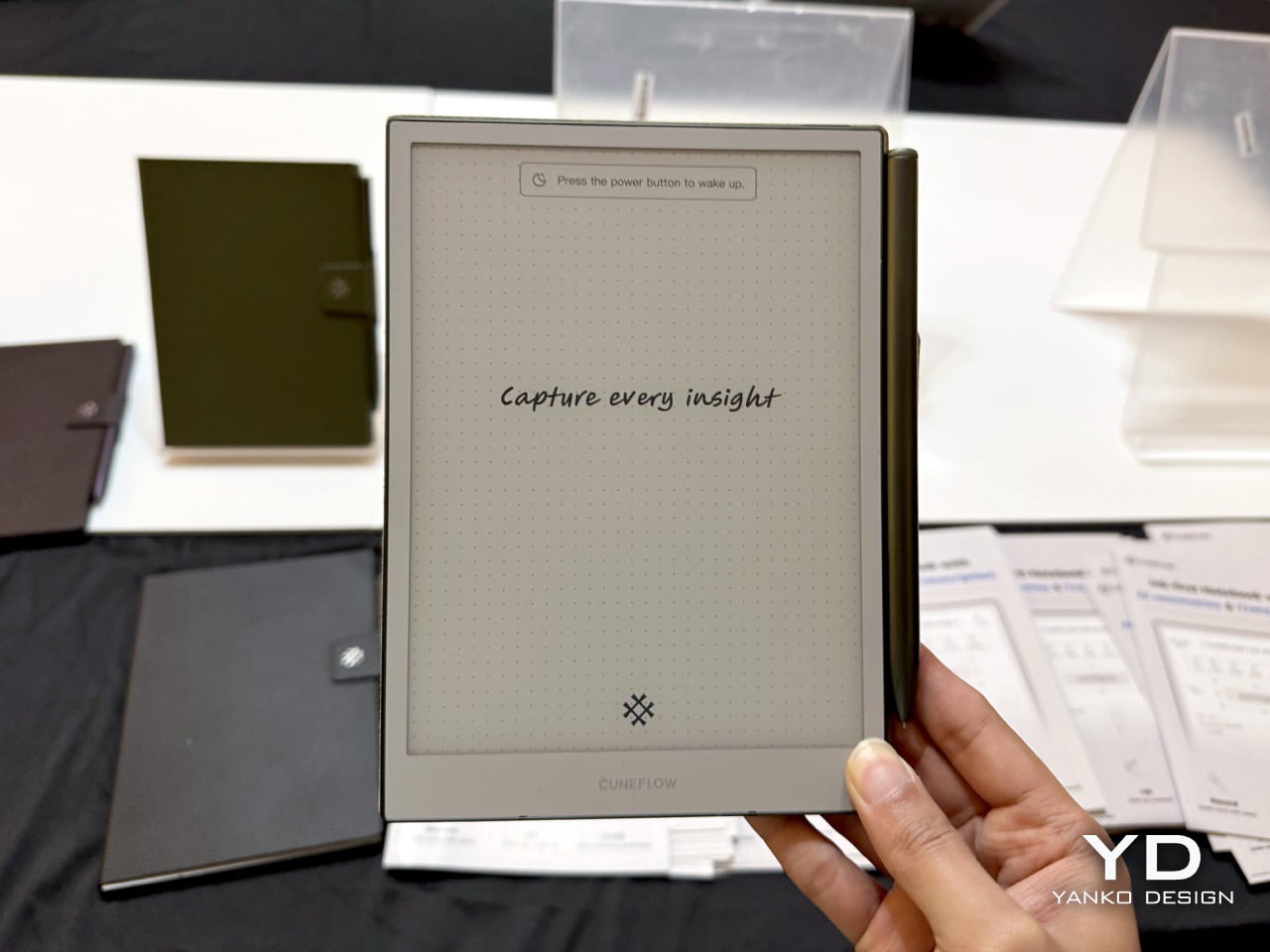
Typing on a laptop during face-to-face meetings creates a barrier between participants, turning collaborative sessions into exercises in divided attention. Cuneflow’s e-ink notebook addresses that social friction by letting users handwrite notes on a 300 PPI A5 display while AI processes everything in the background. The device uses a Wacom third-generation ceramic tip stylus on a responsive e-ink screen with 20-level adjustable lighting, delivering the tactile satisfaction of paper without the cognitive load of manual transcription. During meetings, it records audio synchronized with handwritten notes, delivers real-time analysis and summaries, then automatically archives and indexes everything to form a searchable knowledge chain. Circling a topic or underlining a keyword triggers AI assistance instantly, generating tasks, summaries, or decisions based on your marks. The structure recognition engine converts messy sketches into editable digital diagrams, turning analog creativity into shareable assets.

The hardware comes in a premium leather folio, thinner and lighter than an iPad mini, fitting comfortably on small café tables or crowded conference rooms. Integration with Notion, Slack, Microsoft 365, and Google Workspace happens automatically, syncing meeting records and handwritten insights without extra steps. Before meetings, Cuneflow generates relevant materials; during sessions, it provides live summaries; afterward, it builds complete knowledge chains from what was discussed, written, and recorded. The founding team from Peking University and Harvard bridges ancient writing systems (the name references cuneiform) with AI-powered creation, targeting executive meetings, workshops, brainstorming sessions, and hybrid work environments where screen-based note-taking disrupts human connection. The device prioritizes thinking over data entry, letting users stay present while the system handles transcription, organization, and retrieval.

Monai Baby Monitor

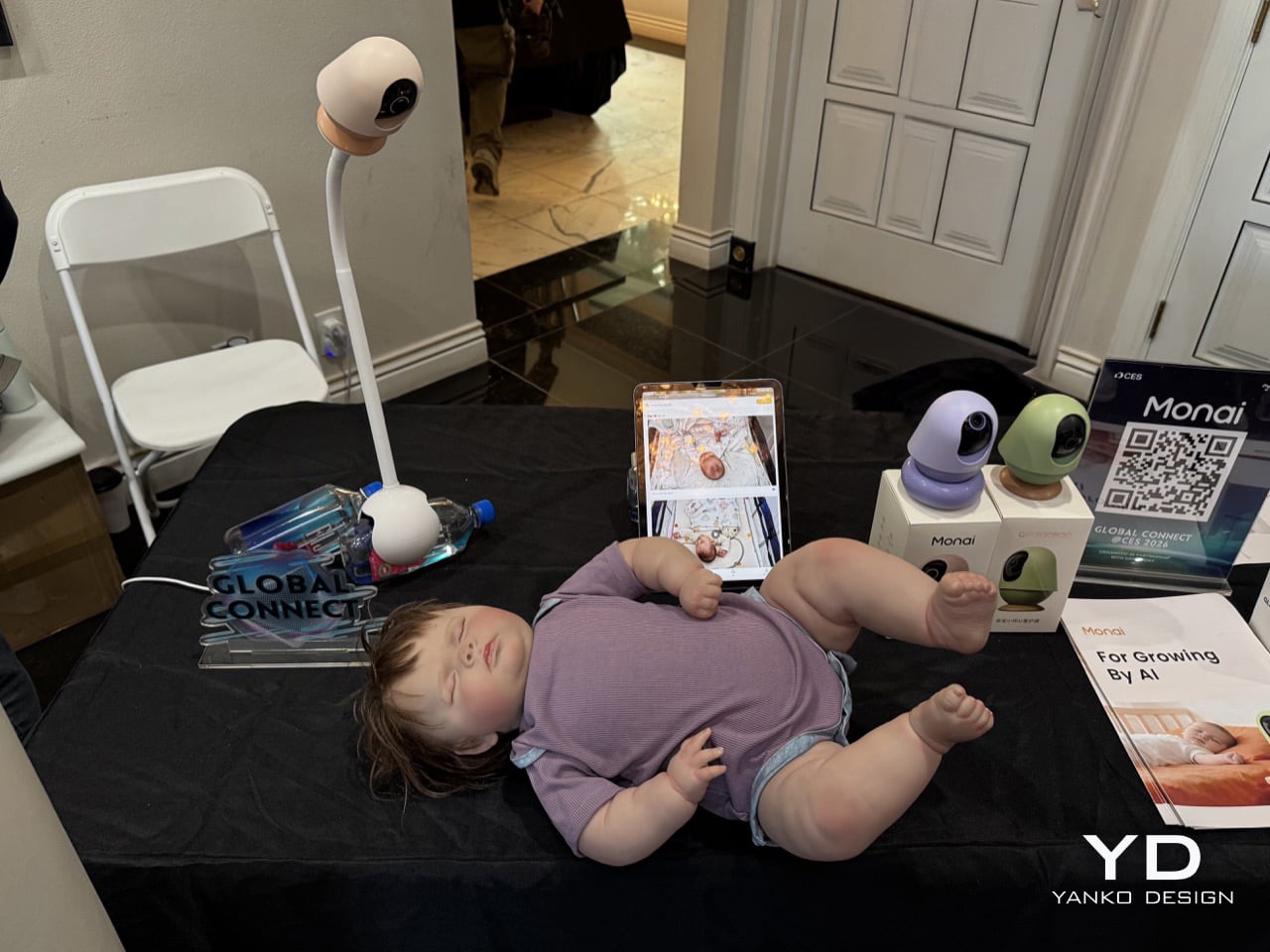
Baby monitors have existed for decades, but Monai applies over ten years of AI research specific to infants and toddlers to create a system that monitors actively rather than passively. The camera doesn’t just stream video; it identifies covered-face situations that signal suffocation risks, learns individual cry patterns to distinguish hunger from discomfort, tracks sleep cycles for detailed reports, and automatically captures developmental milestones without requiring parents to record manually. Auto-tracking keeps babies centered in frame as they move, danger zone detection alerts caregivers when infants approach unsafe areas, and smart voice notifications eliminate the need for constant screen-watching. The system comes in three configurations (Standard, Nest, and Pro) with video resolution ranging from 2960×1666 to 3840×2160, plus 350-degree horizontal and 65-degree vertical pan-and-tilt capability.

Security architecture prioritizes local processing and encrypted transmission, with on-device AI detection and local data storage protected by triple-layer encryption. The system complies with U.S. CPC requirements and EU RoHS specifications, using baby-safe, environmentally certified materials throughout. Up to five family members can access live streams across phones, tablets, and televisions, creating a private Family Circle where automatically captured milestones get organized chronologically with the baby’s age displayed. Monai recently won the CBME Award for Outstanding Brand Innovation and earned designation as a registered advanced AI parenting technology platform, both in 2025. The approach reflects a shift from passive video streaming to intelligent monitoring that understands context, distinguishes between normal activity and potential hazards, and documents growth without requiring parents to anticipate every meaningful moment.

PixVerse V5.5 AI Video Platform

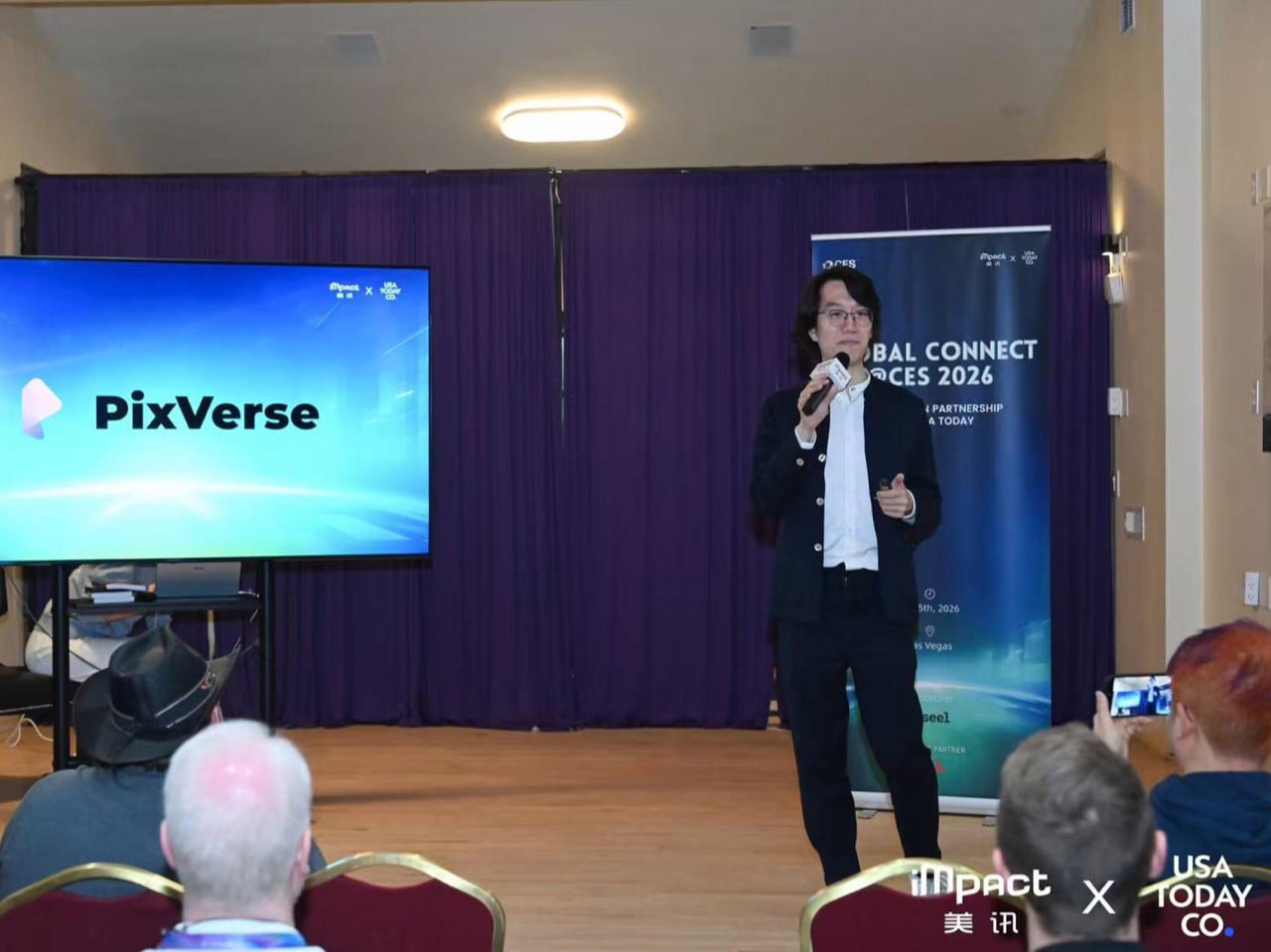
PixVerse has built a user base exceeding 100 million across 175+ countries, serving more than 16 million active users monthly. The V5.5 release introduces multi-shot cinematic narrative capabilities that interpret user prompts to craft complete stories rather than single-shot outputs, autonomously handling shot progression, frame changes, dialogue, ambient sound effects, and background music generation from a short natural-language prompt. The platform can create an entire narrative from a single sentence, and its Modify feature uses key-frame editing technology to let users update entire videos with simple text commands. The Remix feature allows video editing while preserving motion, pacing, and scene structure, and when combined with the Swap feature, it leveraged the viral Turkish Shake trend to create customizable templates that generated millions of views from creators in Brazil, Turkey, and the Middle East.

Motion quality has improved with more lifelike movement, smoother transitions, stronger scene coherence, sharper details, richer textures, refined lighting, and greater prompt accuracy for closer alignment with intended characters, environments, and styles. Improved audio-video sync ensures motion and sound synchronization reaches professional-level storytelling quality. The platform recently ranked #1 in “Image-to-Video” on the Artificial Analysis Global AI Video Model Leaderboard in September and Top 5 overall in mid-October. PixVerse V6, launching around the end of 2025, will enable real-time video generation with full multi-shot cinematic storytelling, seamlessly handling multiple characters and scenes while synchronizing motion and audio across all elements for instant film-quality sequences. Powered by proprietary Diffusion + Transformer architecture, V5.5 is available across web, mobile apps, and open API platforms, enabling both novice and advanced creators to produce polished cinematic-quality videos.

Waterdrop A1 Countertop RO Purifier

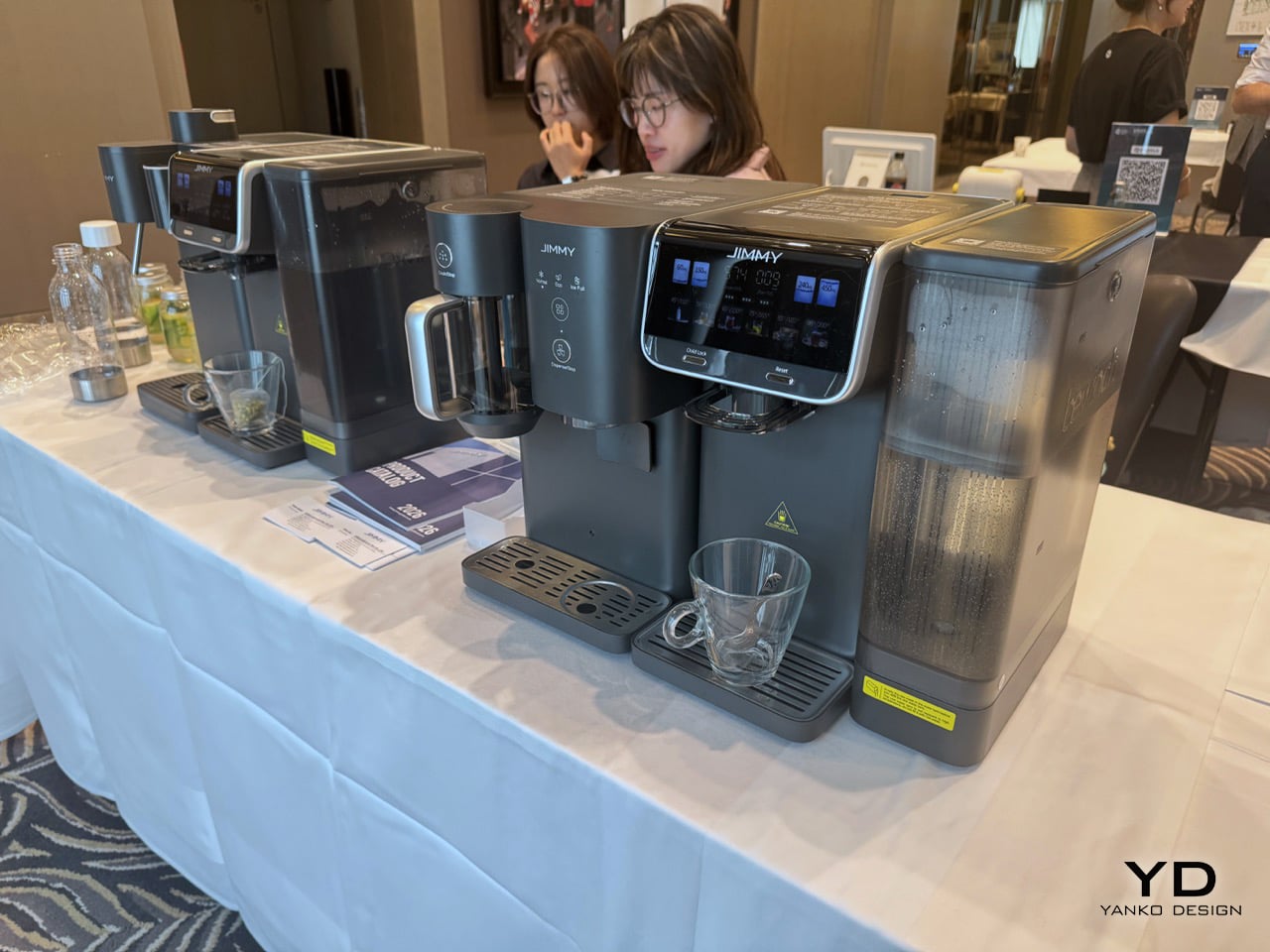
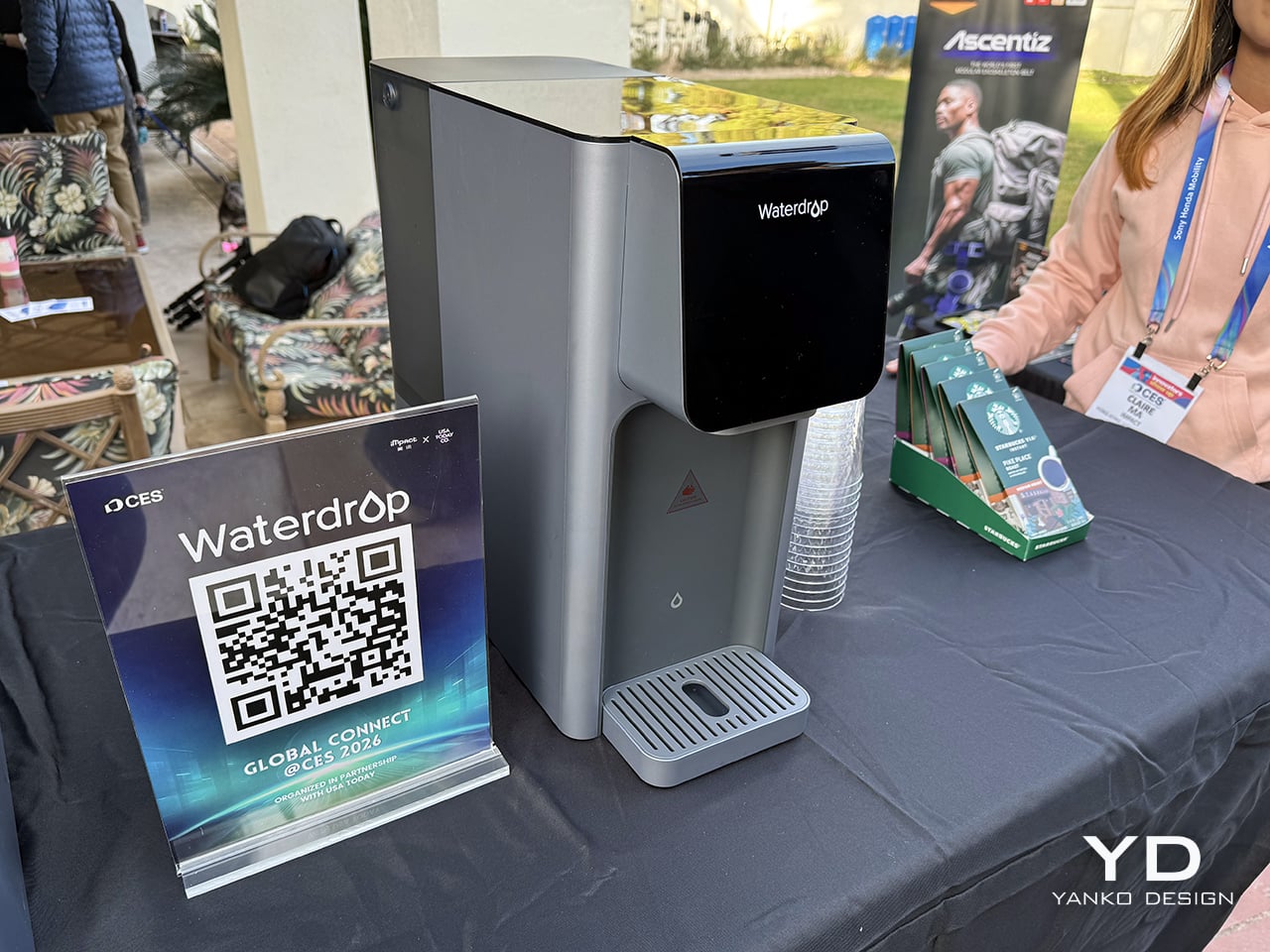
Waterdrop’s A1 is pitched as a “reinventing water” device, but in practice it is a countertop reverse osmosis bar that behaves more like a smart coffee machine than a traditional filter system. It sits on a counter with a 200 oz tank, no plumbing, and a plug, then delivers RO purified water anywhere between 41°F and 203°F. Six preset temperatures cover iced water, baby formula, tea, coffee, and near-boiling water for oatmeal, so you are not boiling kettles or juggling separate chillers. Inside, a 7 stage filtration stack with dual UV sterilization tackles contaminants and then keeps the stored water clean, while a 2:1 pure to drain ratio tries to keep wastewater in check for a countertop RO unit.

An OLED front panel shows TDS, temperature, and filter life, which matters because the carbon filter is on a 6 month cycle and the RO membrane on a 12 month cycle. The whole thing is clearly designed for renters, offices, RVs, and anyone who cannot or will not drill into cabinetry. It is less about winning a spec race and more about collapsing three or four kitchen objects into one box: chiller, kettle, filter, and dispenser. For a Global Connect lineup full of concept hardware, the A1 reads as an immediately livable product, the kind of upgrade that quietly changes how often you reach for bottled water or a stovetop kettle.

Beetles Ophiuchus Gel Polish Kit

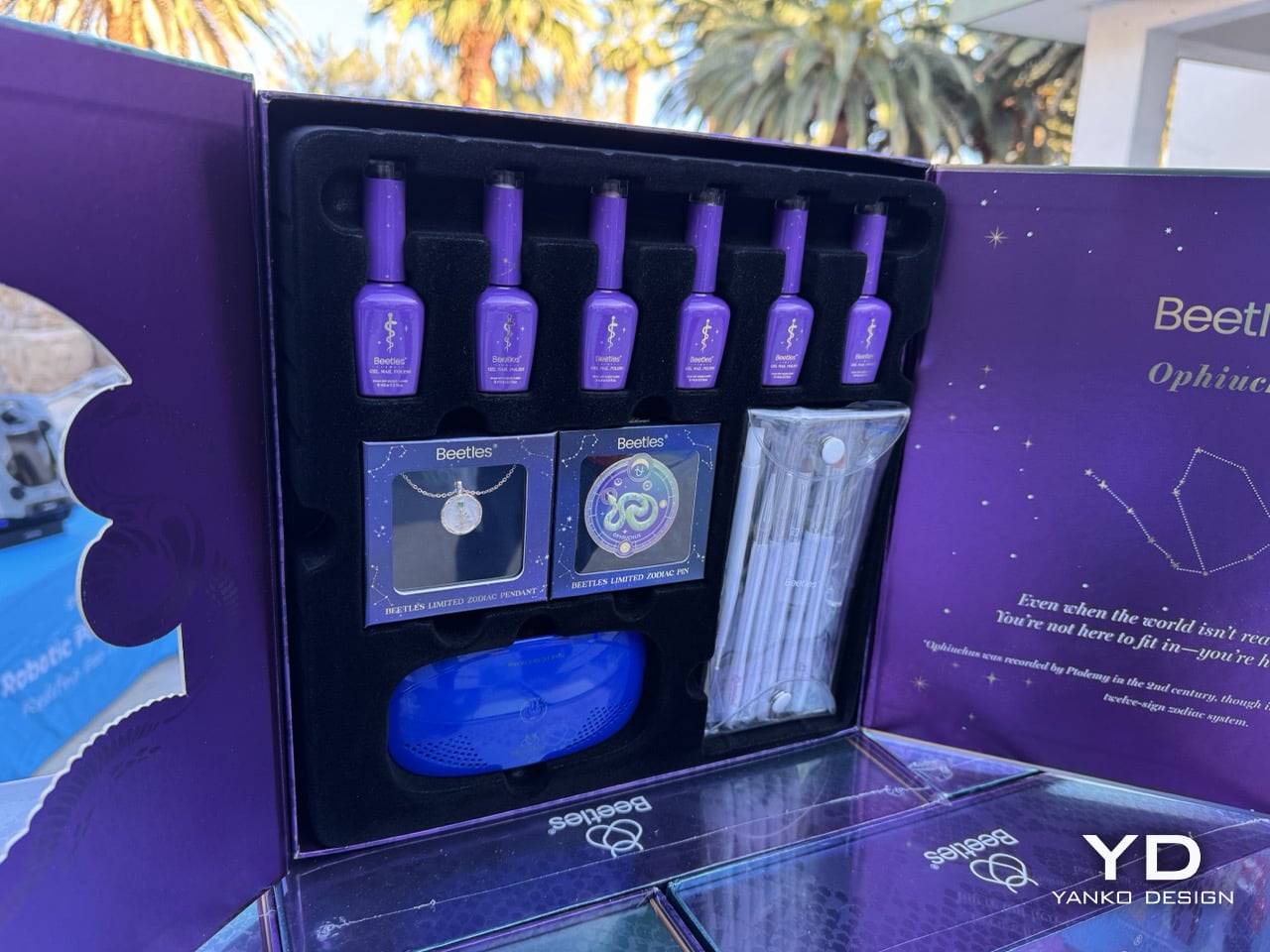
Beetles brings zodiac aesthetics to at-home manicures with the Ophiuchus Lucky Box, a six-color gel polish kit themed around the controversial 13th zodiac sign. Ophiuchus, the Serpent Bearer that sits between Scorpio and Sagittarius in astronomical terms (though astrologers largely ignore it), gets translated into a palette mixing black and white base gels with purple, green, and gold cat eye polishes. The kit reflects Beetles’ broader approach: making salon-quality gel manicures accessible for home users without requiring professional equipment or technique. Since launching in 2017, the brand has built its reputation on cruelty-free formulas and straightforward application processes that work with basic UV lamps. The Ophiuchus set follows their established Lucky Box format, packaging coordinated colors with thematic inspiration that gives casual users a starting point for cohesive nail art.

The zodiac angle isn’t just marketing; it taps into the ongoing fascination with astrology-themed beauty products while acknowledging Ophiuchus’s status as the overlooked constellation that occasionally resurfaces in viral astrology debates. The cat eye finishes in the kit require magnetic polish techniques that create shimmering, dimensional effects resembling celestial phenomena, which fits the cosmic branding without requiring advanced skill. Beetles positions these kits at $108.99, targeting the space between drugstore nail polish and professional salon services. The company has released similar zodiac-themed sets for traditional signs like Scorpio, building a collection that lets users match their manicure to their astrological identity (or the identity they wish they had). For Global Connect’s audience, it represents the consumer beauty tech category where innovation shows up in formulation chemistry and user experience design rather than flashy electronics.

Bluetti Elite 100 V2 Bio-Based Edition and Charger 2

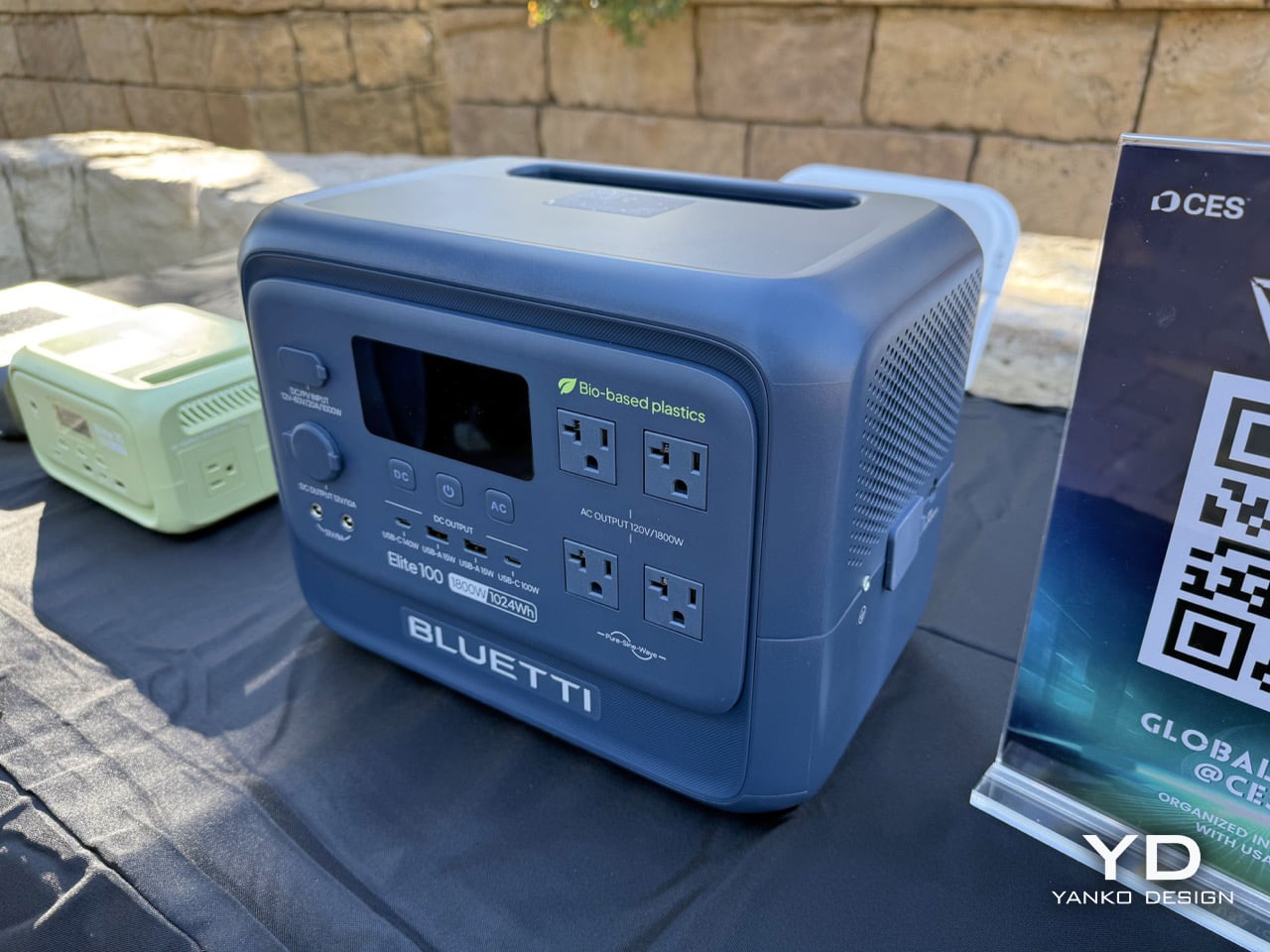
Bluetti claims a sustainability first with the Elite 100 V2 Bio-Based Edition, the first portable power station built from bio-circular-attributed plastics developed in partnership with materials giant Covestro. The chassis uses a PC/ABS blend derived from renewable waste like recycled vegetable oils and agricultural residues, cutting carbon emissions by 25% compared to conventional plastics while maintaining ISCC PLUS certification. The company insists the green materials compromise nothing: the bio-based edition retains the same ruggedness, flame retardancy, and 10-year lifespan as the standard model. Finished in an exclusive “Earth Deep Blue” with a signature green leaf accent, the unit makes its environmental credentials visible rather than hiding them inside generic black enclosures that dominate the portable power category.

The Charger 2 tackles a different problem entirely, acting as a unified vehicle energy hub that combines alternator and solar inputs to deliver 1,200W output for RVers and vanlifers. It charges portable power stations 13 times faster than standard cigarette lighter ports by simultaneously harvesting energy from the vehicle’s alternator and solar panels mounted on the roof. The plug-and-play design integrates starter batteries, solar input, and DC loads into a single intelligent ecosystem, with bi-directional technology that can maintain vehicle batteries or provide emergency recharges when needed. While the Charger 2 doesn’t incorporate bio-based materials like the Elite 100 V2, it addresses energy efficiency through smarter power management rather than material substitution, reflecting Bluetti’s multi-pronged approach to reducing environmental impact across different product categories.

Gravity Universe Time Sci‑Fi Clock

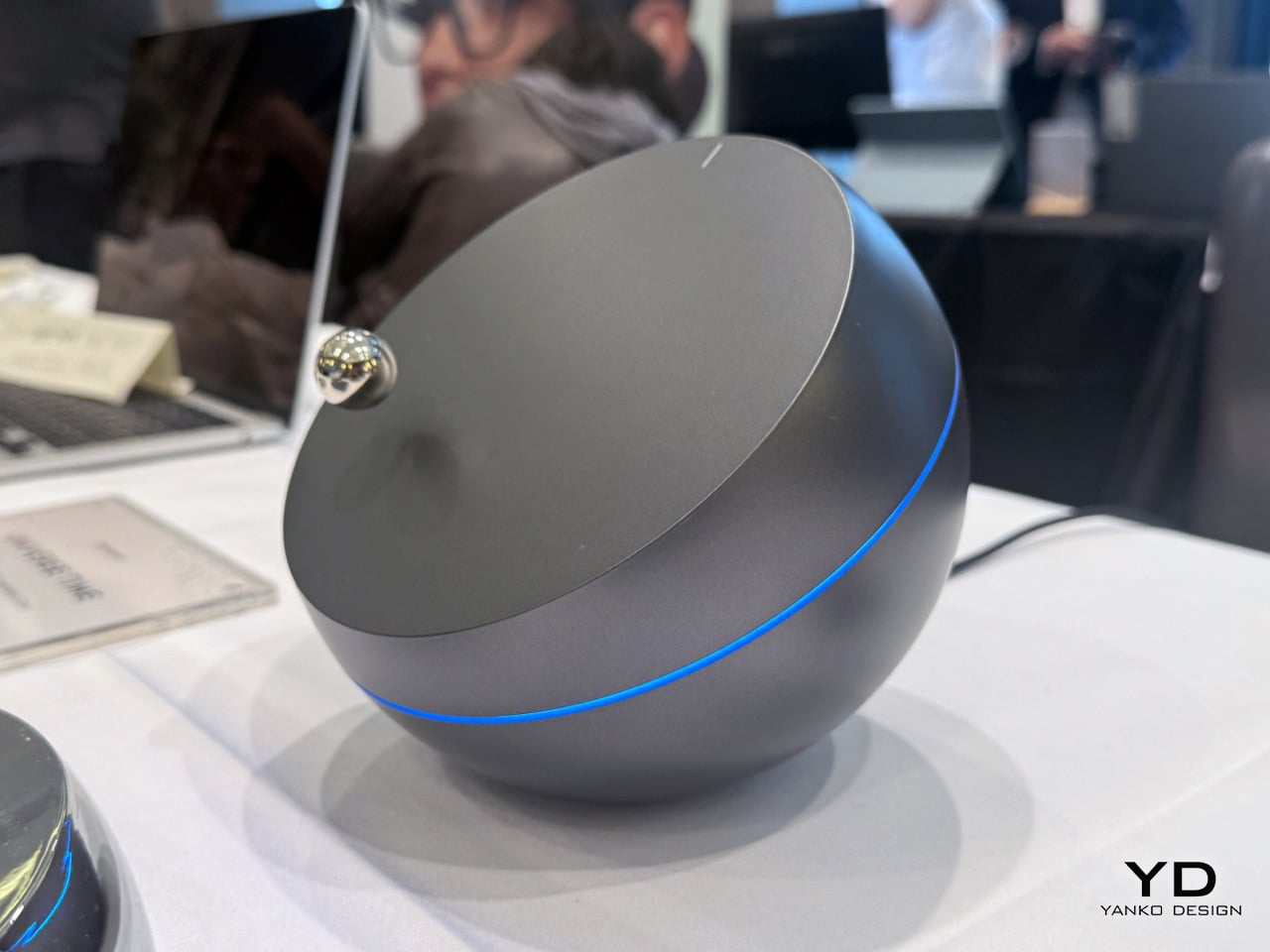
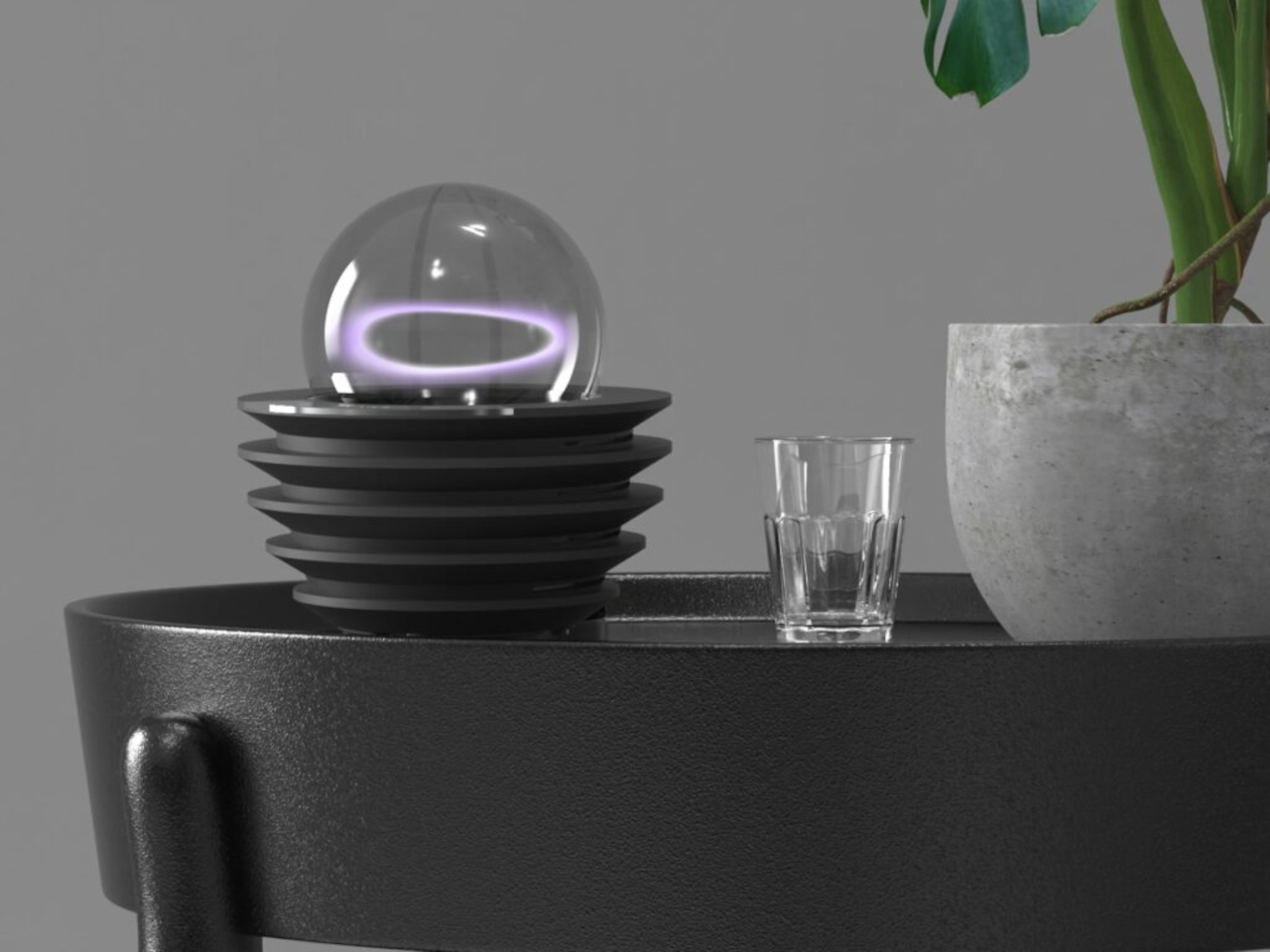
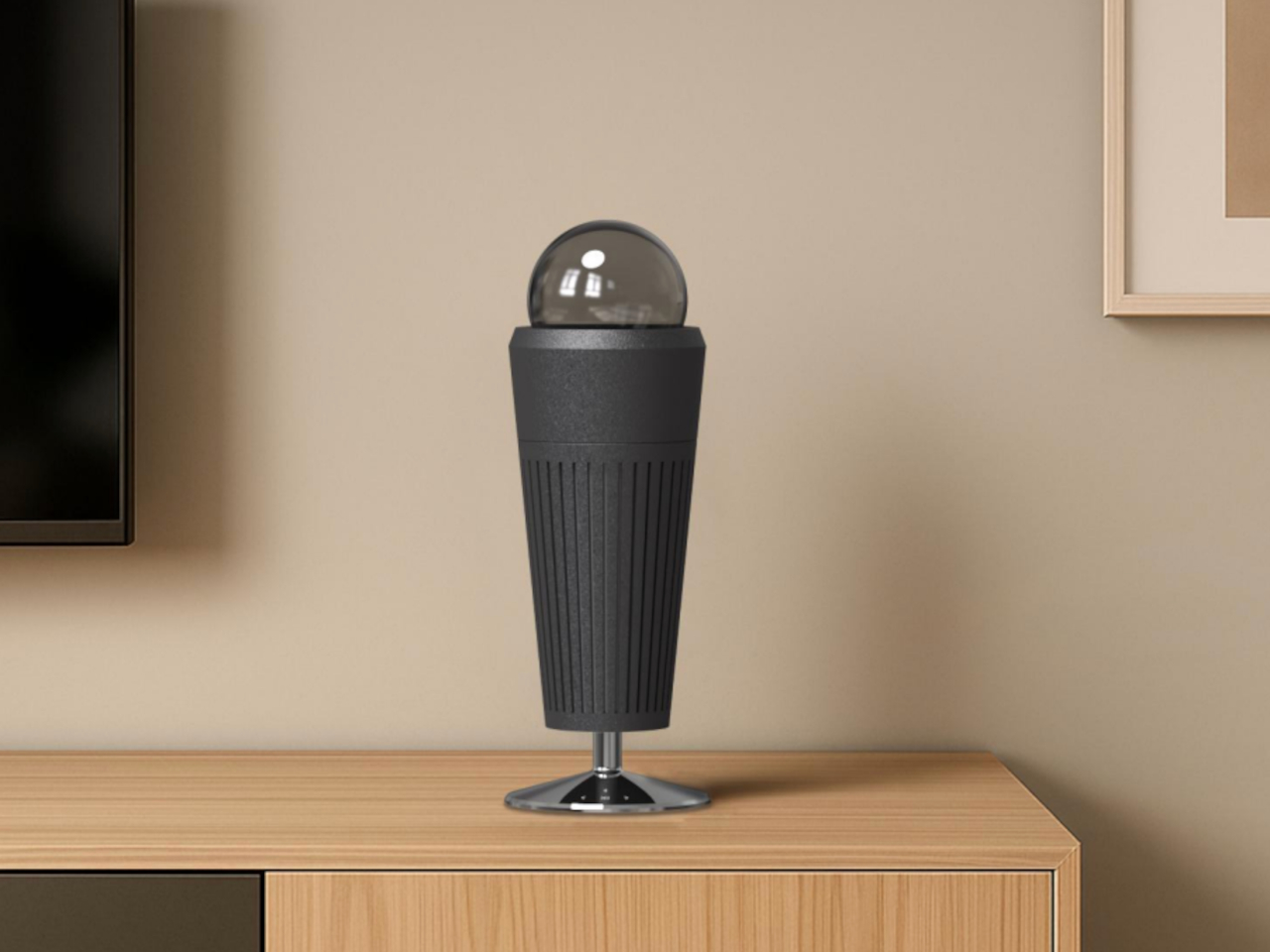
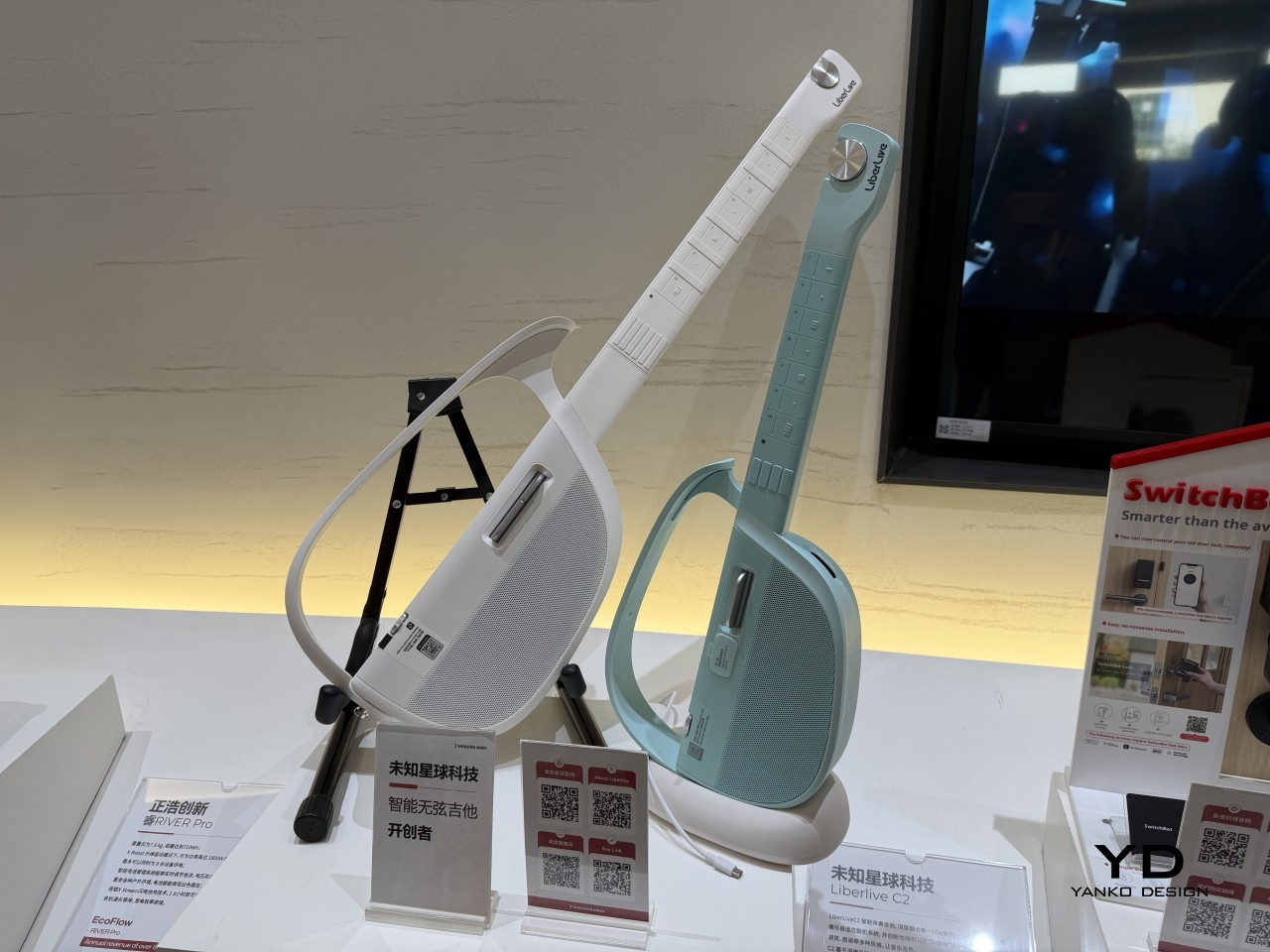
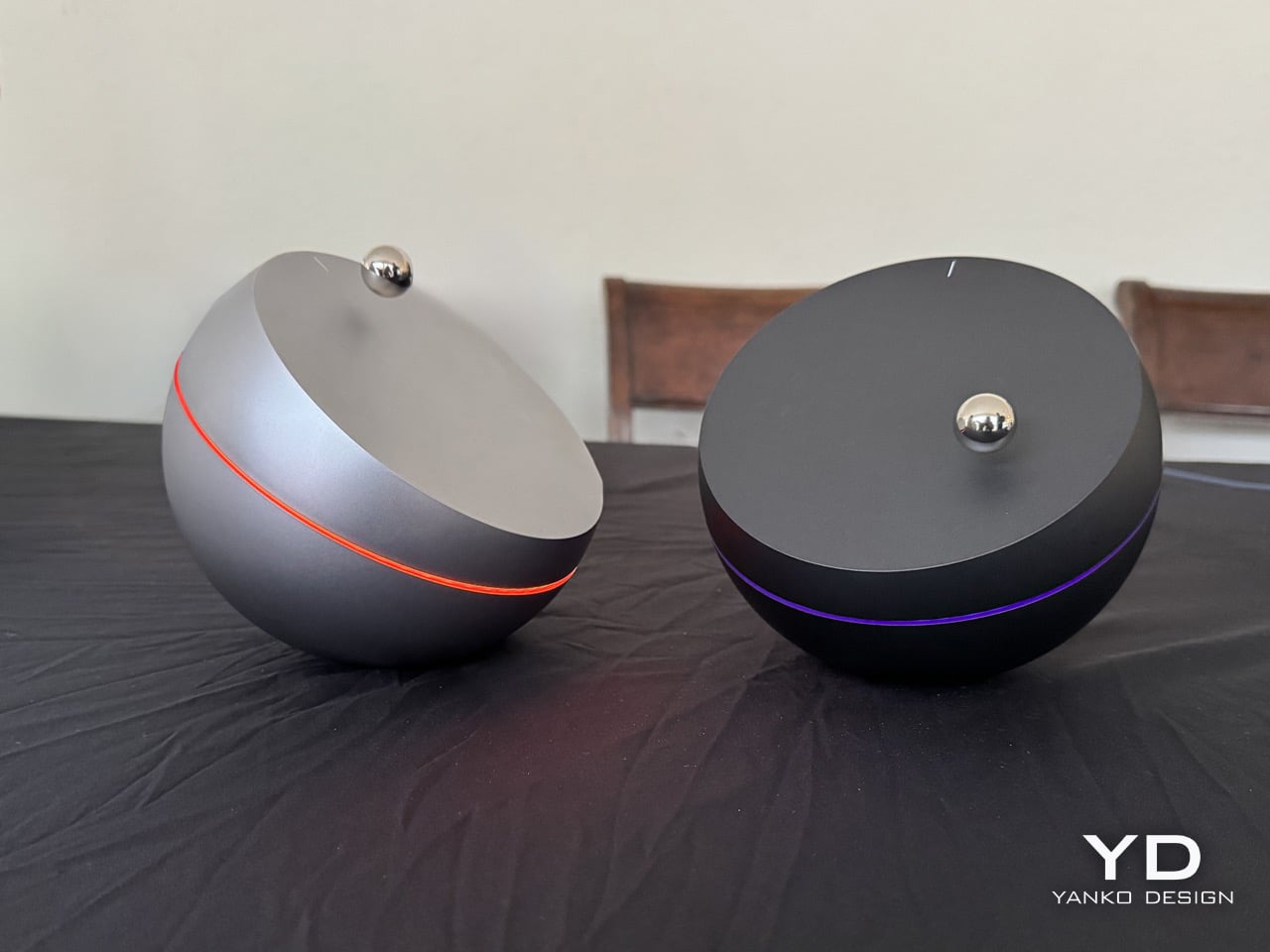
Universe Time is Gravity’s attempt to turn a desk clock into a piece of science fiction that happens to tell time. Instead of hands sweeping across a dial, you get a levitating pointer that orbits around a tilted, planet-like base, using the company’s 720 degree Free-Floating Technology to move without the usual visible support columns or rails. The effect is closer to watching a miniature celestial system than glancing at a clock, with the floating element able to simulate both rotation and revolution in three-dimensional space. It is battery powered, with a 5000 mAh cell inside a 904 gram body, so it can sit cleanly on a desk or shelf without cables messing up the illusion.

A companion app lets you treat Universe Time as more than a gimmick. You can adjust motion modes, pick time zones, and tune the ambient light ring that runs around the base so it matches a workspace or living room. That light turns the clock into a subtle mood piece at night, while the levitating pointer continues its orbital path. Gravity is framing this as “fiction to function,” and in this case that pitch lands: the object behaves like a practical desktop clock, but the way it occupies space, moves, and glows feels closer to a prop from a sci‑fi film brought into everyday life.

The post Portable Power, Smart Doors, AI Baby Eyes: The Most Underrated Tech From CES 2026 Global Connect first appeared on Yanko Design.
Google Gemini AR Glasses and other cool wearables at the Global Connect Show at CES 2026

Las Vegas in January means two things: CES crowds and overpriced hotel rooms. Global Connect sidesteps both problems on January 5th by hosting wearable tech companies at Mike Tyson’s private villa (no, seriously), giving journalists space to test devices designed to sit on your face, in your ears, or against your skin for hours at a time. Wearables demand different scrutiny than robots or appliances because discomfort kills adoption faster than missing features. AR glasses that overlay useful information but give you a headache after 20 minutes won’t survive. Translator earbuds that work perfectly in quiet rooms but fail in restaurants are useless for actual travel. A stress-regulating wearable that’s supposed to calm you down but feels like a medical device defeats its own purpose.

The lineup spans sensory augmentation, communication, health monitoring, and pet tracking. TCL RayNeo and INMO bring AR glasses with AI embedding. Timekettle has translator earbuds handling real-time cross-language conversations. Vocci’s AI Ring puts an AI notetaker on your fingertips (well, not literally but you know what I mean). Cearvol’s smart hearing solutions adapt to different acoustic environments. ZenoWell’s vagus nerve stimulator uses electrical pulses to regulate stress response. GlocalMe built a wearable tracker and phone for pets. DaÏve created a heads-up display for divers who need data underwater without surfacing. iMpact PR and USA Today are co-hosting with brands that have manufacturing scale and market strategies, not concept sketches. Four hours provides enough runway to discover whether AR glasses cause eye strain, if translator earbuds struggle with accents, or if a vagus nerve stimulator actually makes you calmer or just vibrates annoyingly on your chest.

TCL RayNeo X3 Pro: AR Glasses with Gemini AI

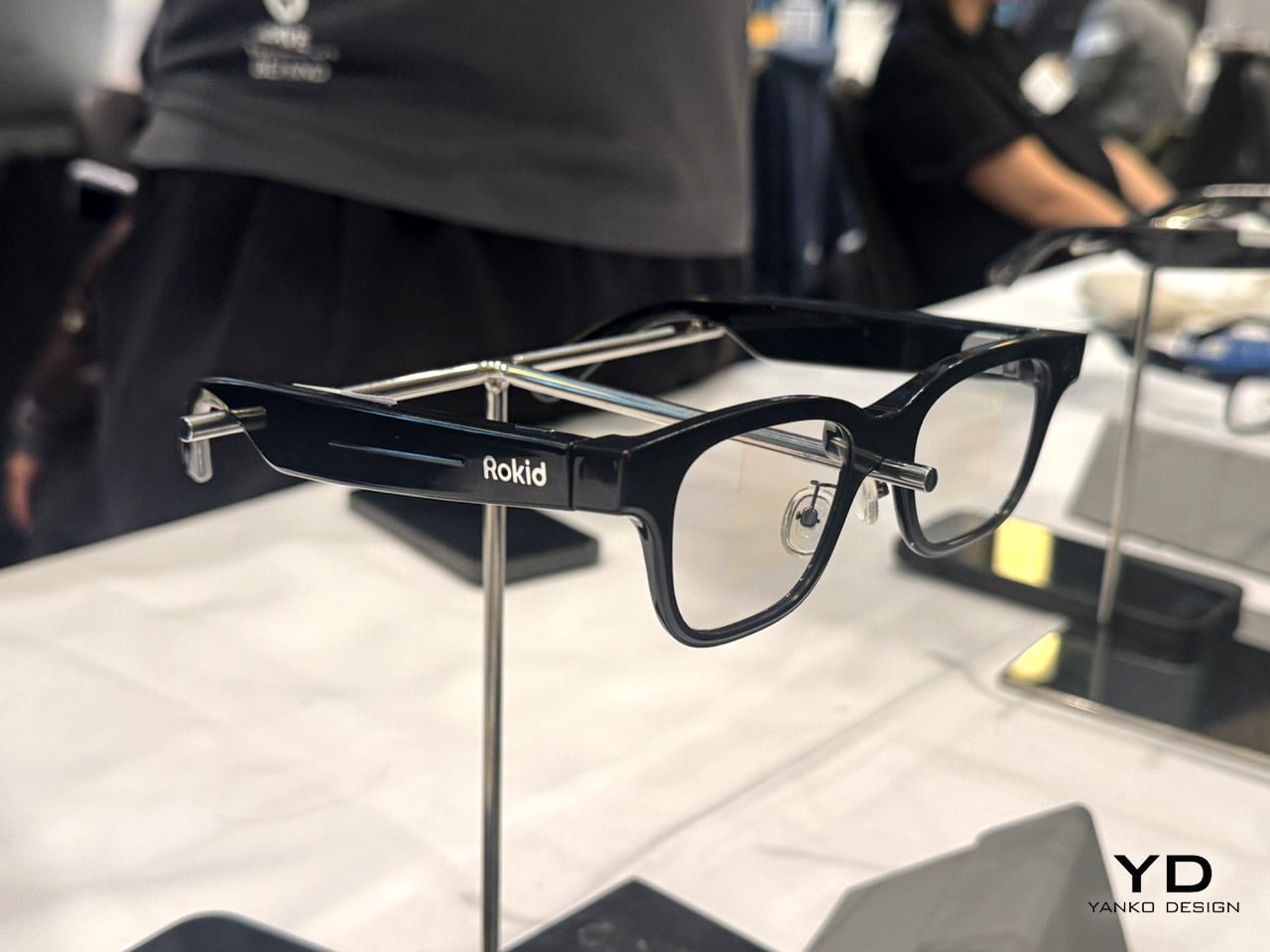
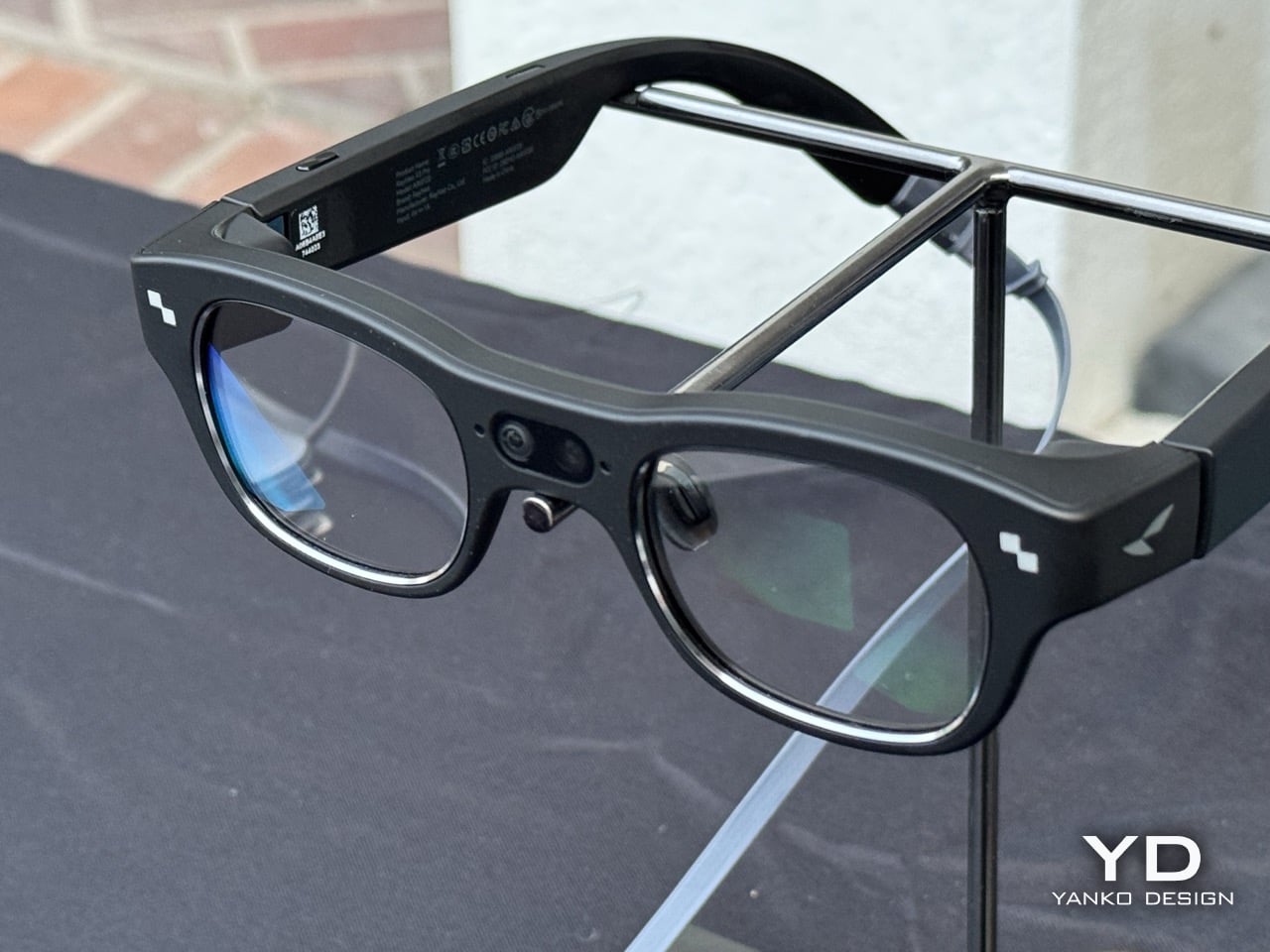
AR glasses have promised to replace smartphones for years, but most prototypes are too heavy, too dim, or too awkward to wear beyond a demo. TCL’s RayNeo X3 Pro addresses those problems by shrinking the optical engine to what the company claims is the world’s smallest MicroLED system, cutting weight by 36% to just 76 grams while maintaining 2,500 nits of brightness that stays visible in any lighting condition. The display projects a 43-inch floating aerial screen into your field of view without blocking your sight, running Google Gemini 2.5 AI for context-aware assistance that understands both voice commands and visual recognition. You can ask it to identify objects, translate conversations across 14 languages in real time using Microsoft’s translation engine, or record meetings and let the AI summarize the content afterward. The glasses run on a Qualcomm Snapdragon AR1 Gen 1 platform with a 245mah battery providing four hours of use and a 38-minute fast charge. Control happens through an intuitive five-dimensional temple interface or voice activation, keeping your hands free while the system processes requests.

TIME named the X3 Pro one of the Best Inventions of 2025, and it’s been available since December 17 at $1,299. RayNeo was initially incubated within TCL before spinning out to focus exclusively on AR technology, and the X3 Pro reflects years of iteration aimed at making augmented reality wearable for actual daily use instead of just trade show demonstrations. The developer-friendly app ecosystem connects the digital world with physical spaces, letting third-party apps build experiences that overlay information, navigation, or entertainment onto your environment. Whether AR glasses become mainstream or remain niche depends largely on whether people will tolerate wearing technology on their faces all day, and the X3 Pro’s 76-gram weight combined with ergonomic design addresses the comfort problem that killed previous attempts. Four hours of battery life won’t get you through a full workday, but it covers meetings, commutes, or travel scenarios where real-time translation and hands-free information access provide genuine utility beyond novelty.

Vocci AI Note-Taking Ring: Recording on Your Finger

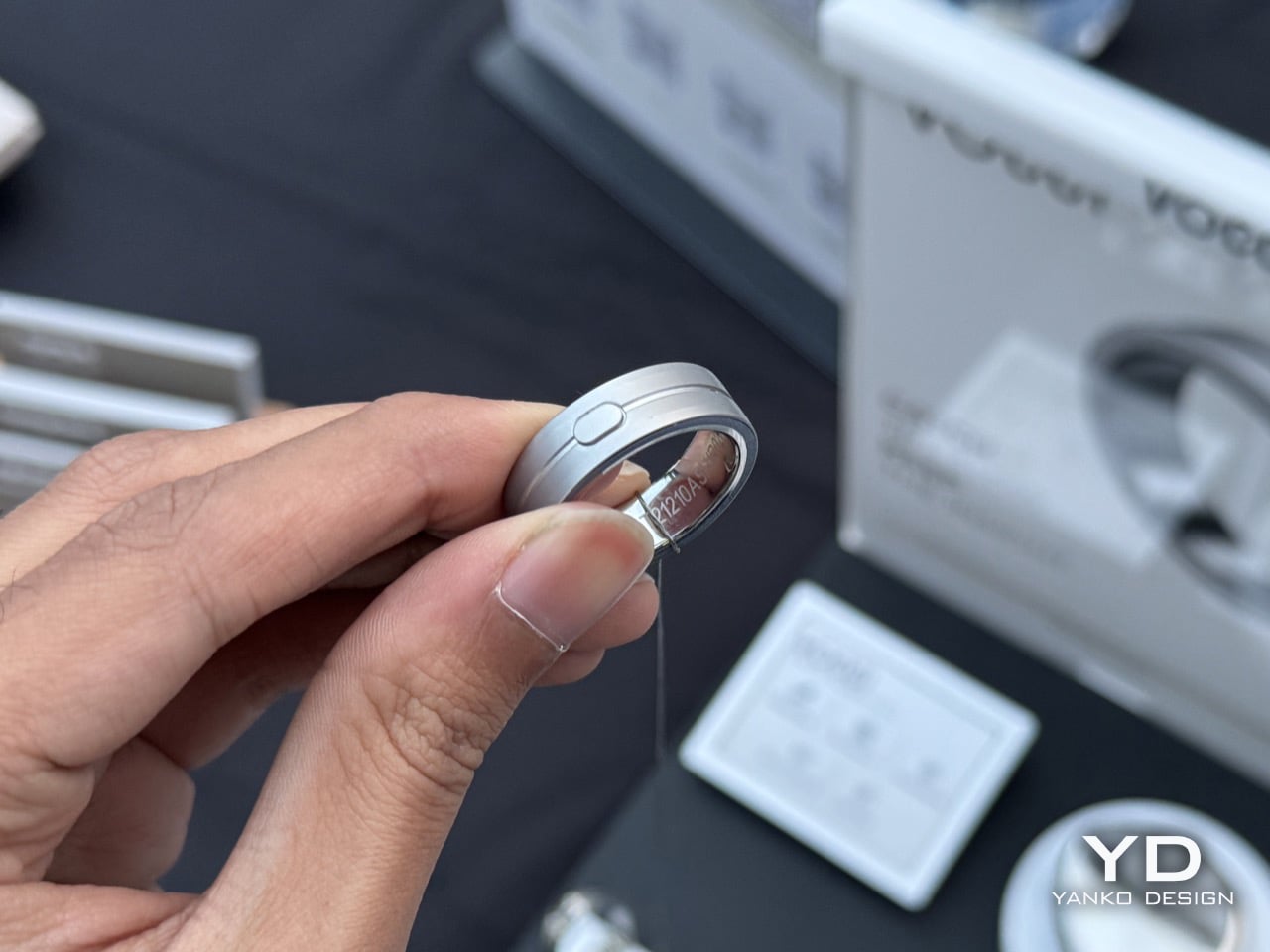
Smart rings usually track heart rate or count steps, but Vocci decided your finger should handle something different: recording and transcribing conversations without pulling out your phone. The AI note-taking ring weighs 3.5 grams, measures 2.8mm thick and 6.8mm wide, and captures audio from a 5-meter effective pickup range with enough battery life for eight hours of continuous recording. You tap once to highlight key moments during a conversation, and the ring records, summarizes, and organizes those insights automatically. Double-tap starts full recording mode, with AI cleaning the audio, understanding context, and structuring your ideas without requiring manual note-taking. The system supports 112-plus languages with multilingual speaker recognition, handling transcription accuracy across different accents and languages while encrypting everything locally before syncing to private cloud storage.

The ring comes with a portable charging case and fast charges in 30 minutes, addressing one of the persistent complaints about wearables that die halfway through the day. IPX4 water resistance means it survives hand washing or light rain without failing. The AI-powered summaries and highlights turn raw audio into organized notes accessible through the companion app, which displays weekly summaries, key insights, and searchable transcripts. This positions Vocci somewhere between productivity tool and memory aid, letting you participate in conversations without simultaneously trying to write everything down or remember to review voice memos later. Whether wearing a recording device on your finger feels natural or creepy probably depends on your comfort level with ambient recording technology, but for people who spend their days in meetings, interviews, or brainstorming sessions, the ability to tap a ring instead of fumbling with a phone or notebook offers genuine workflow improvement. The question is whether you’ll remember it’s there after a week or if it becomes another forgotten wearable gathering dust in a drawer.

Timekettle W4: Bone-Conduction Translation in Your Ears

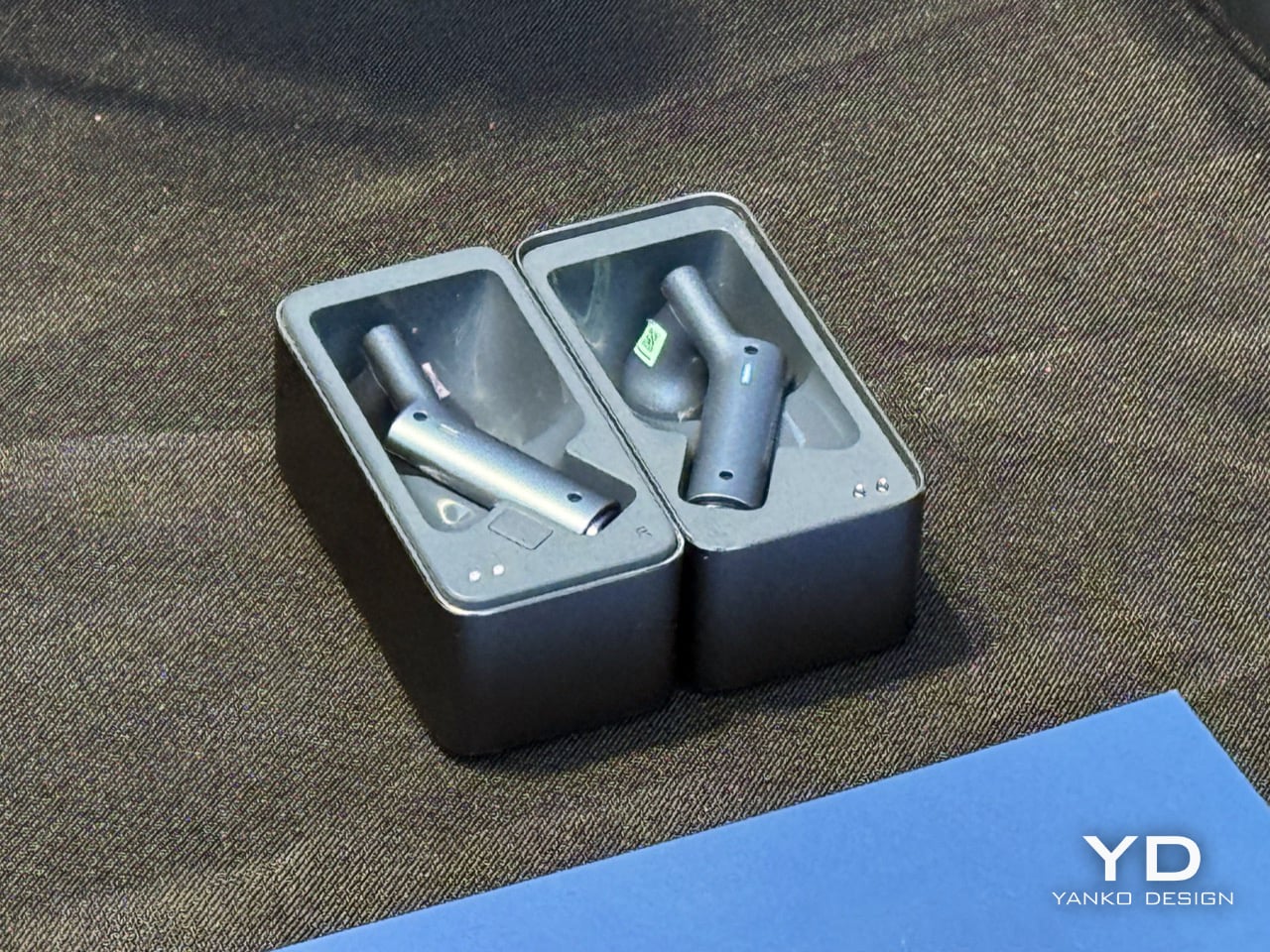
Timekettle has been iterating on AI translator earbuds for years, so the W4 arrives with some history behind it rather than pretending to be a first draft. These are bone‑conduction interpreter earbuds built for sustained, in‑depth conversations rather than quick tourist phrases. A bone‑voiceprint sensor sits in the stem and picks up vibrations from your jaw while directional mics handle the rest, which lets the W4 keep recognizing your speech with claimed 98 percent accuracy even in environments up to 100 dB, like subways, airports, or trade show floors. The hardware runs Babel OS 2.0, Timekettle’s in‑house translation platform, and handles 43 languages and 96 accents with around 0.2‑second latency, so replies feel conversational instead of like waiting on a phone app to catch up. A 30‑degree tilted stem is shaped to hug the face, and the charging case comes in matte Midnight Blue or Sandy Gold, pitched as something you can keep on a conference table without it looking like a gadget museum piece.

The software side is where the W4 differentiates itself from generic translation buds. Large language models do context analysis and self‑correction, so when you say “complement” and it hears “compliment,” the system uses surrounding context to fix the mistake before it reaches the other person. Modes are tuned to specific scenarios: one‑on‑one mode for direct conversations, listen‑and‑play for conferences where you’re mostly listening but occasionally speaking, and a record‑and‑summarize flow that logs meetings, preserves audio, and generates AI summaries of key points afterward. Battery life lands at about four hours of continuous translation or eight hours of music on a charge, stretching to roughly ten hours of translation with the case. They also double as regular Bluetooth earbuds, so you are not carrying a single‑purpose device; you can stream music between meetings and still have an on‑demand interpreter when someone switches languages mid‑sentence.

INMO Air3 and GO3: Two Takes on AR Glasses

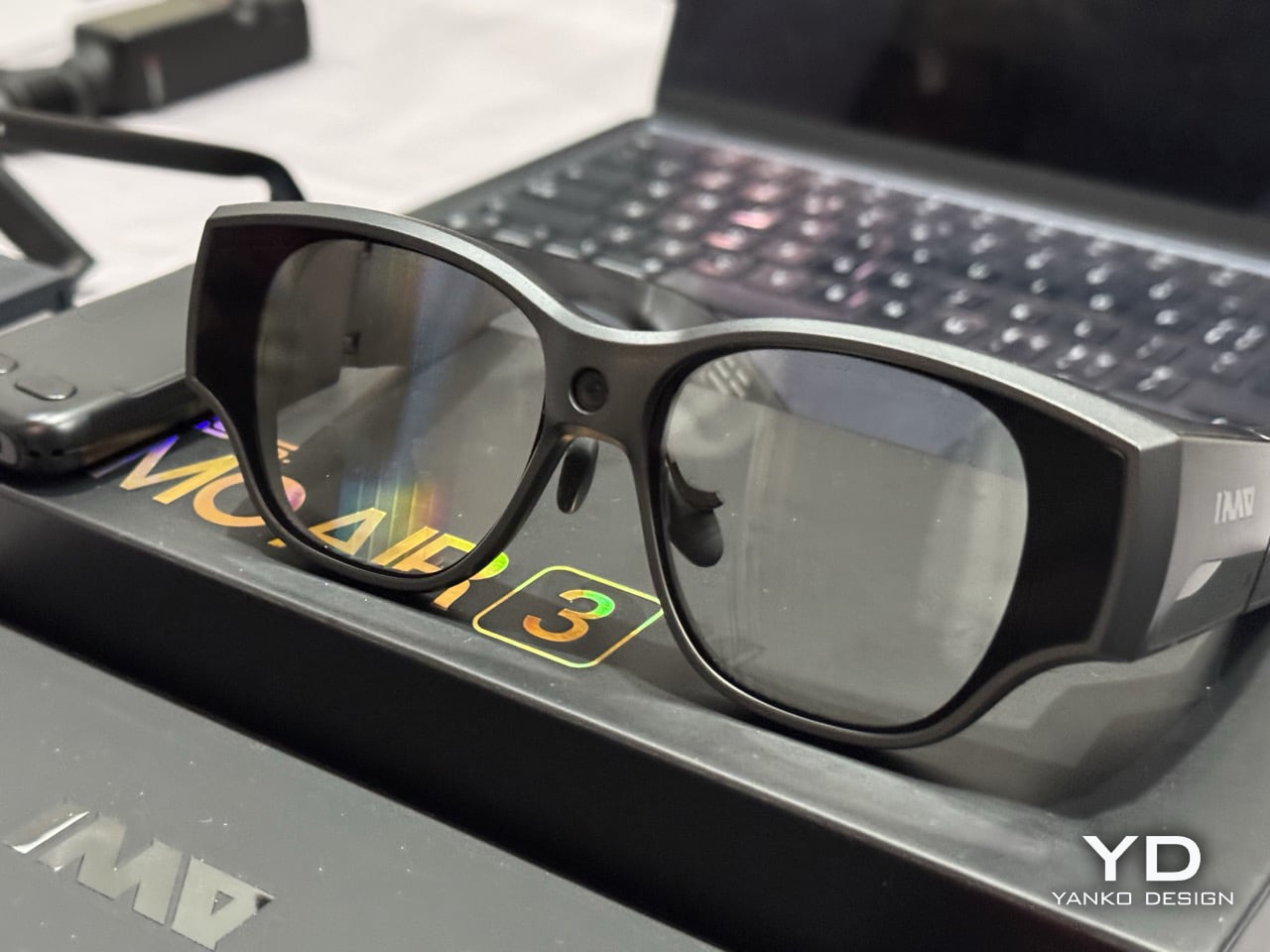
RayNeo built its X3 Pro around Gemini AI and a massive 43-inch virtual display, but INMO is showing up with two models that split the difference between immersive entertainment and discreet everyday utility. The Air3 is the world’s first all-in-one AR glasses equipped with a full-color 1080P waveguide display, using a Sony Micro-OLED panel that hits 600 nits peak brightness and stays visible even in bright outdoor environments. It runs on a Snapdragon XR processor with 8GB RAM, 128GB storage, and comes preloaded with Google Mobile Services, giving you access to the full Android app ecosystem. The 36-degree field of view projects a 150-inch virtual screen for streaming Netflix, browsing YouTube Shorts, or playing AAA games through cloud gaming platforms. Control happens through INMO’s Spatial Ring system, offering button-plus-touchpad controls or iPad-like gesture navigation, with a 16-megapixel ultra-wide camera (120-degree field of view) built in for capturing photos or video. The Air3 is pitched as portable entertainment for camping, fishing, vacations, or anywhere you want a private theater without carrying a monitor.

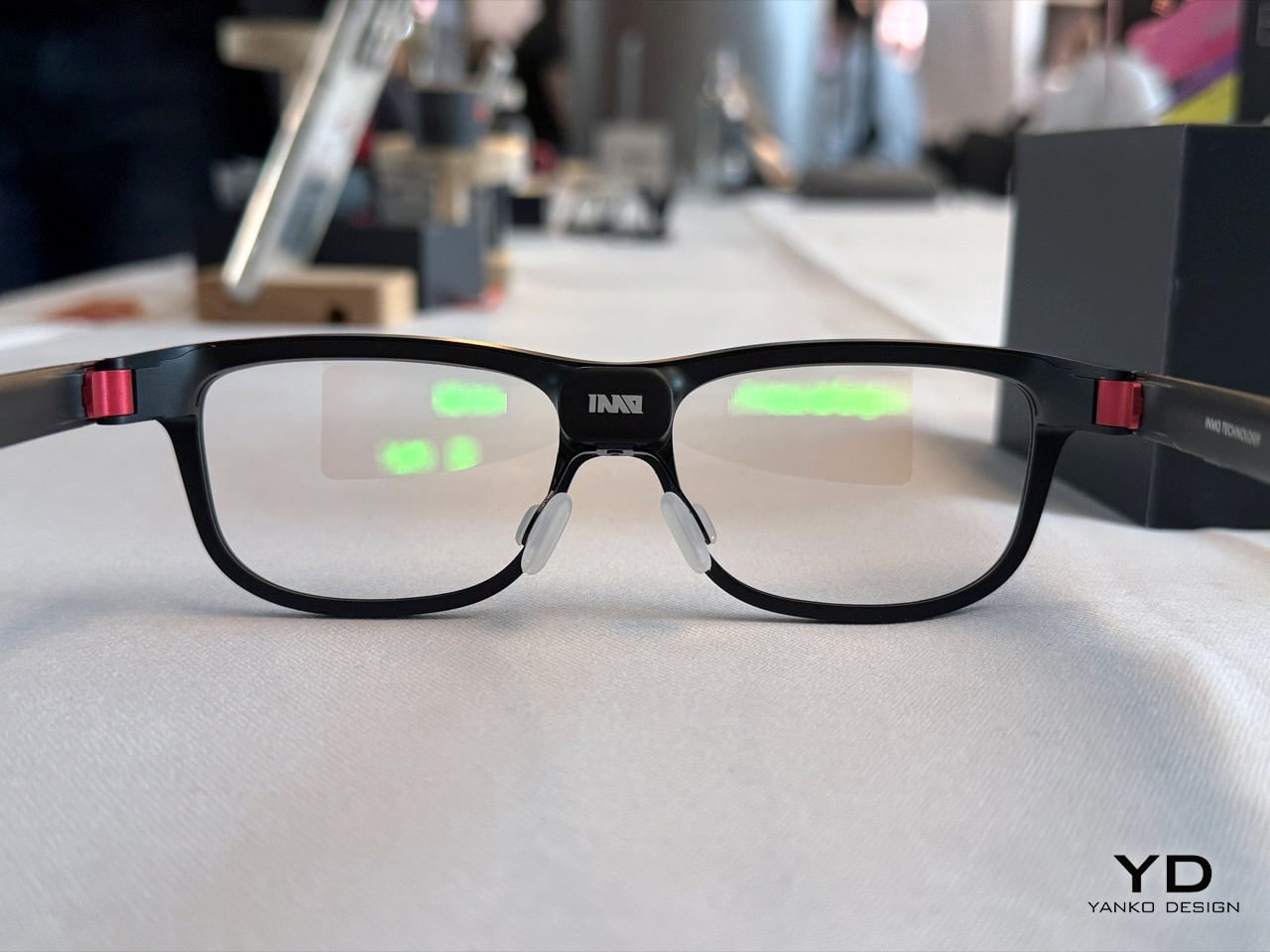
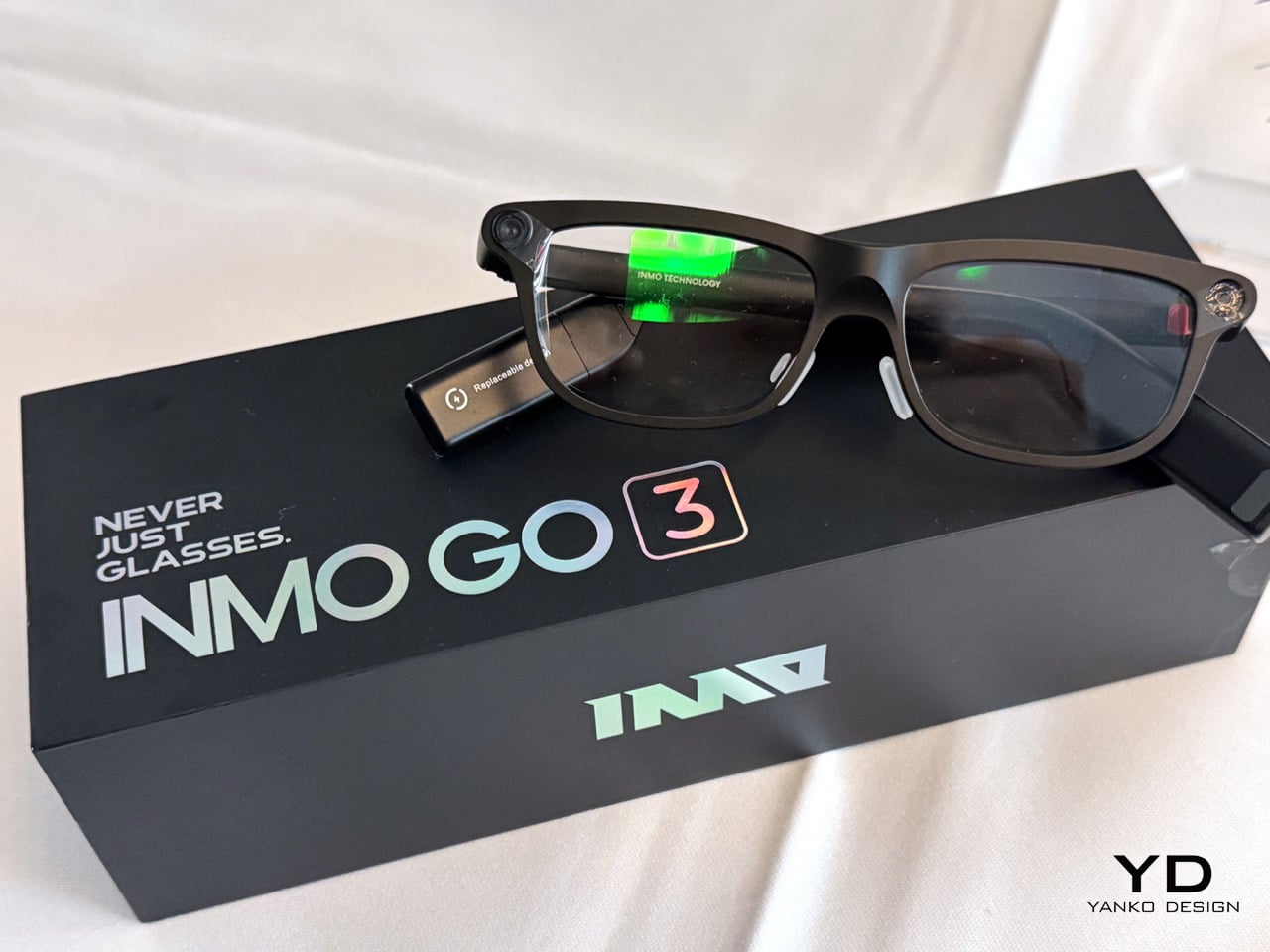
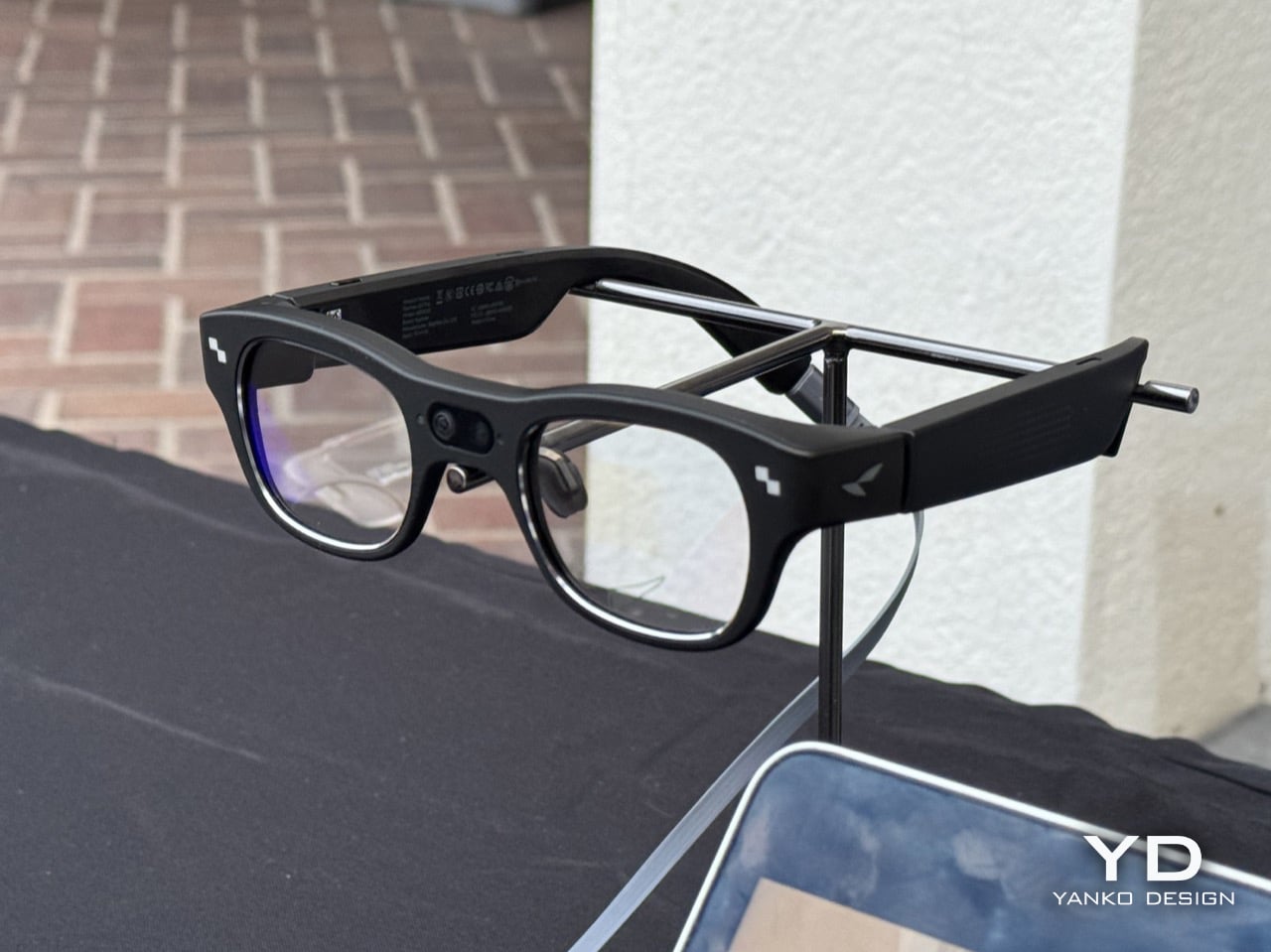
The GO3 takes the opposite approach by prioritizing subtlety over specs. It uses a dual-eye green monochrome Micro-LED display with 1,500 nits brightness and a 30-degree field of view, looking more like regular glasses than visible tech. At approximately 53 grams, it’s even lighter than the RayNeo X3 Pro, with ultra-slim 8mm temples that integrate the mainboard and battery while maintaining a discreet appearance. The GO3 comes with four interchangeable frame styles designed for professional, academic, casual, and social environments, all with a five-axis CNC-machined matte finish that resists fingerprints. The swappable battery system includes two 270mAh batteries and a charging case, with magnetic battery replacement taking about five seconds so you can stay powered all day. AI capabilities include translation supporting 77 source languages and 200-plus target languages, an AI teleprompter with automatic scrolling based on speaking pace, meeting summaries with speaker identification and transcription, and HERE Maps navigation displayed hands-free. A built-in camera privacy cover physically shields the lens in public or social settings, addressing the creepiness factor that killed Google Glass years ago. INMO’s positioning these as everyday wear that happens to have AI functionality, rather than AR entertainment devices that occasionally get used for productivity.

ZenoWell: Vagus Nerve Stimulation for Stress and Sleep

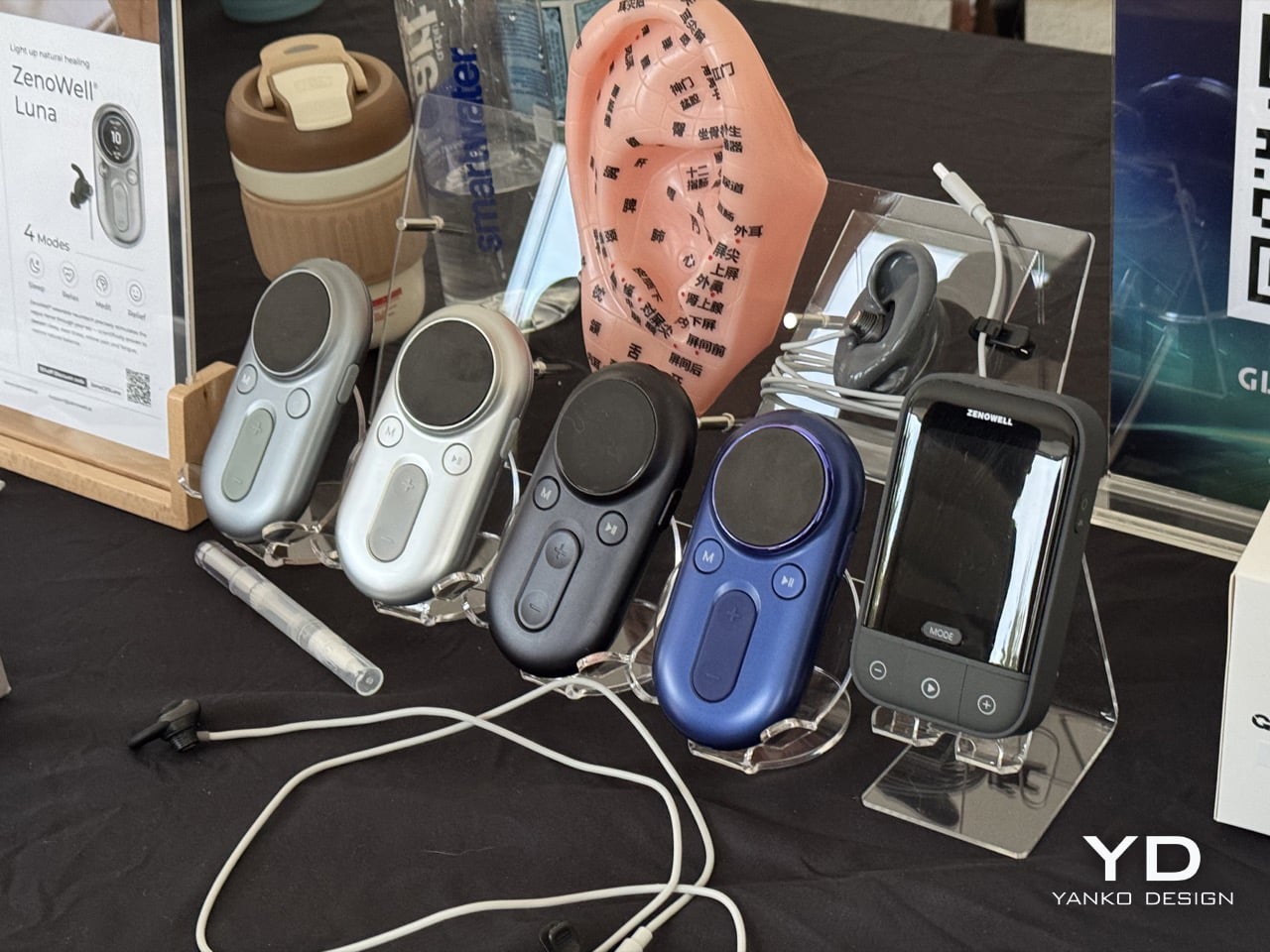
Most wearables track what your body is doing; ZenoWell claims to actively change it by stimulating the vagus nerve through your ear. The company uses transcutaneous auricular vagus nerve stimulation (taVNS) technology, targeting the only branch of the vagus nerve located on the body’s surface with electrical pulses designed to enhance parasympathetic activity, restore balance to the autonomic nervous system, and modulate brain activity and neurotransmitters. Founded in Heidelberg, Germany with engineering in Shenzhen, China, ZenoWell positions itself as wearable neurotech that activates the body’s natural healing power rather than relying on medication or quick fixes. The science backs some of this; a 2024 JAMA Network Open study showed eight weeks of taVNS use resulted in significant clinical improvement for chronic insomnia, outperforming control groups in reducing anxiety, depression, and fatigue, with effects lasting up to 20 weeks and demonstrating good safety and high patient compliance.

ZenoWell has two main devices: Luna and Vita, both offering 100% vagus nerve coverage through ergonomically designed earpieces. Luna includes an enhanced Relief Mode targeting headaches for both acute episodes and long-term prevention, along with modes for relaxation, sleep improvement, fatigue reduction, inflammation management, and body pain relief. Vita focuses on faster sleep onset with 20-minute sessions, deep relaxation, and body-mind balance restoration, claiming better sleep, less fatigue, and reduced body pain within seven days. Both devices offer multiple modes: Sleep Mode for insomnia and sleep disturbance, Relax Mode for stress and anxiety, Medit Mode for body pain and inflammation, and Relief Mode for headaches including migraines and cluster headaches. The system requires consistent use; most benefits appear after two to four weeks, with full effects observable after 24 weeks depending on the condition being addressed. Whether strapping a nerve stimulator to your ear feels like self-care or medical intervention probably depends on your tolerance for wellness technology that requires daily commitment, but for people exhausted by sleep medications or chronic stress who want alternatives beyond meditation apps, ZenoWell offers a science-backed approach with published clinical results instead of just marketing promises.

GlocalMe PetPhone: Connectivity for Everyone, Including Your Dog

GlocalMe built its entire brand around a patented Cloud SIM technology that virtualizes SIM cards, letting devices automatically connect to the best available network across 200-plus countries without needing a physical card. This obsession with seamless connectivity has produced a surprisingly diverse product lineup, from the Numen Air 5G mobile hotspot and GuardFlex Pro backup router to the UniCord, a charging cable with a built-in emergency hotspot and GPS. The company, a brand under uCloudlink, even offers the RoamPlug, a travel adapter that doubles as a 4G LTE hotspot for up to 10 devices. While these gadgets solve connectivity problems for remote workers and international travelers, GlocalMe’s most ambitious product applies that same technology to a user who can’t complain about dropped calls: your pet.

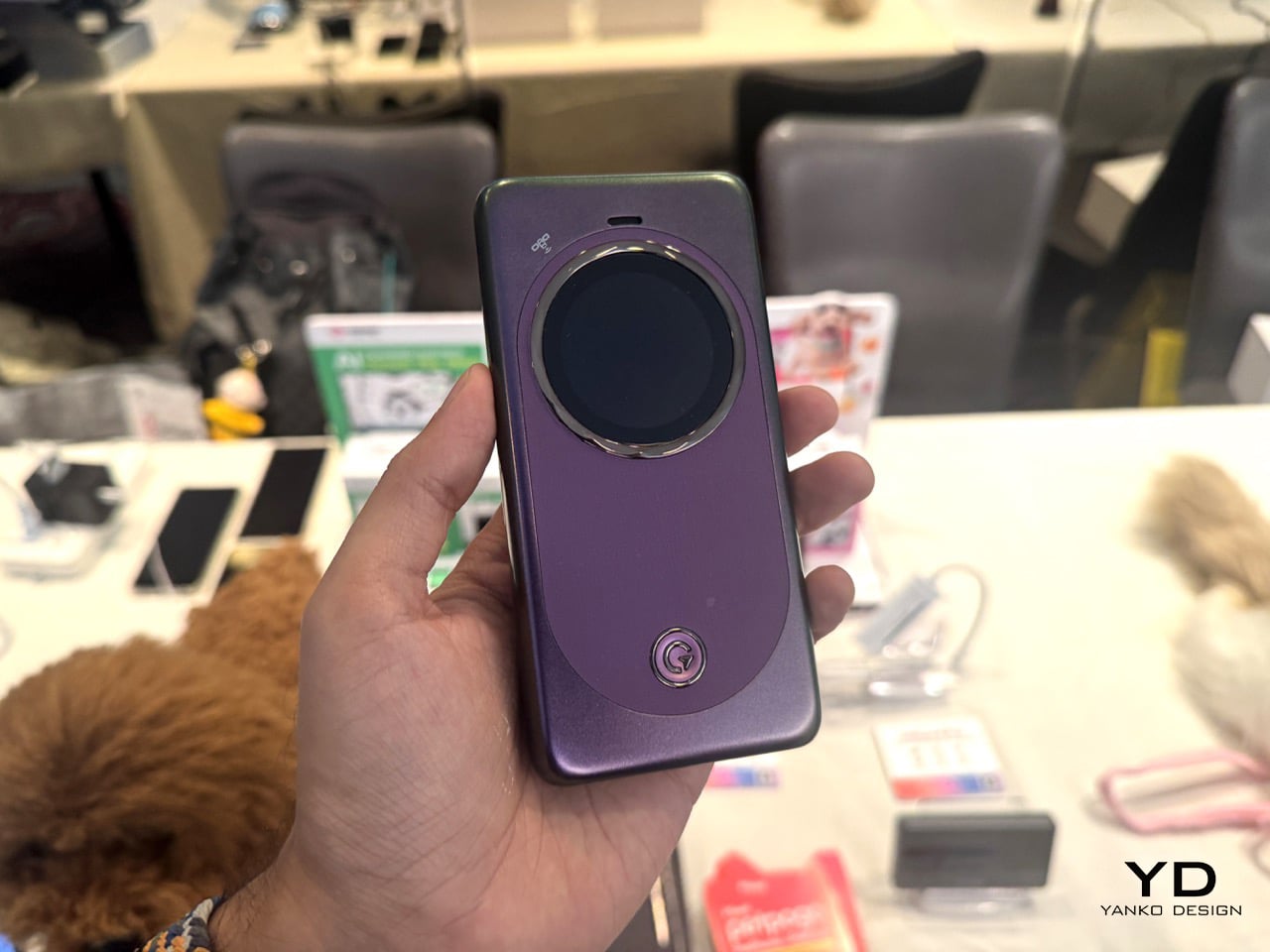
The PetPhone bills itself as the first smartphone for pets, and it makes a surprisingly strong case for the title. While most pet trackers are just GPS tags that tell you where your dog is, the PetPhone adds two-way audio, letting you call your pet and talk to them in real time to ease their loneliness when you’re away. You can also play soothing music, send recorded voice messages, or set alarms for feeding times and potty breaks. The tracking itself is more robust than standard GPS, using a six-fold positioning system (GPS, AGPS, LBS, Wi-Fi, Bluetooth, and Active Radar) that provides precise location data even in dense forests or indoor areas where other trackers fail. It runs on GlocalMe’s SIM-free Cloud SIM network, connecting to over 390 carriers worldwide to eliminate dead zones. The AI health features monitor activity over six weeks to establish a baseline for your pet’s normal routine, sending alerts if they move significantly less than usual. With an IP67 waterproof rating and a five-day battery life, it’s designed for actual pet life, not just a walk around the block.

Cearvol: Hearing Aids That Don’t Look Like Hearing Aids

Hearing aids have a persistent image problem, often looking more like medical devices than modern technology. Cearvol, a company with a 20-year history in acoustics developing products for brands like JBL and Sennheiser, is tackling that stigma head-on by designing hearing solutions that look and feel like consumer electronics. Their entire product line, from the Diamond X1 and Liberte earbuds to the discreet Nano in-the-canal device and the more traditional Aurora, is powered by NeuroFlow AI 2.0. This DNN-based system learns complex acoustic patterns from real-world data to compensate for hearing loss, balancing sound across frequencies for clear listening without the over-amplification that makes traditional hearing aids sound harsh. The goal isn’t just to restore hearing but to create companions that people actually want to use, integrating Bluetooth streaming and stylish designs that blend in rather than stand out.

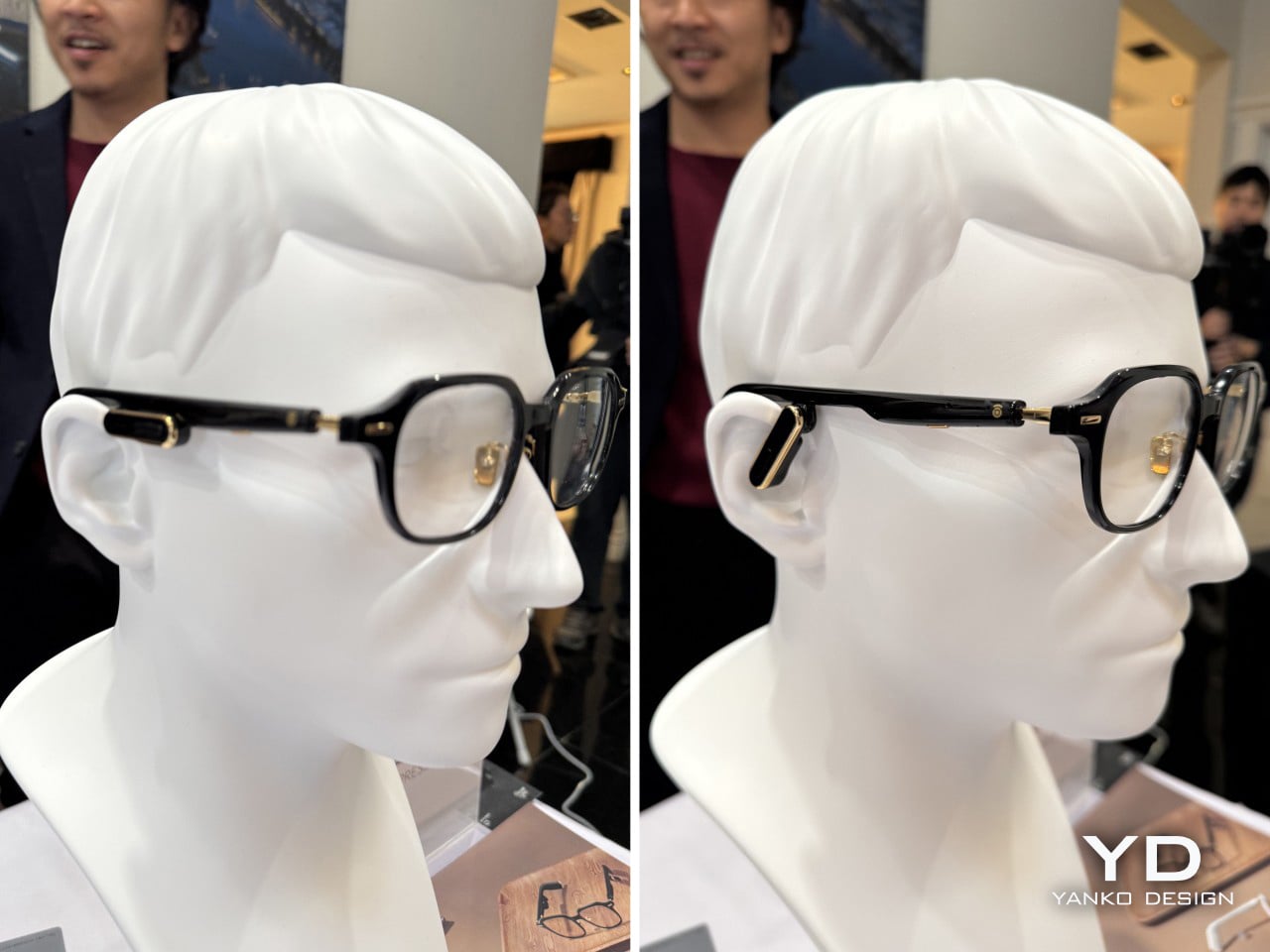
Two products at Global Connect showcase this philosophy perfectly. The Lyra integrates a 24-channel hearing aid directly into a pair of stylish glasses, combining optical vision with seamless hearing assistance in a single device. With a 14-hour replaceable battery, Bluetooth 5.3 for audio streaming, and an AI noise reduction system powered by three omnidirectional microphones, it’s a clever solution for people who already wear glasses and want an all-in-one device. The Wave takes a different approach, packing a 24-channel hearing aid into a pair of earbuds that come with a unique remote microphone. This small, touchscreen-equipped remote can be placed up to 10 meters away to precisely pick up voices in a large meeting room or noisy restaurant, streaming the audio directly to the earbuds. It even has an AUX-IN for connecting to TVs or airplane entertainment systems. Both Lyra and Wave represent a thoughtful re-imagining of what a hearing aid can be, one integrating the technology into an everyday object and the other extending its functionality far beyond what a simple earbud could accomplish.

Momcozy W1 Wellness: Warm-Massage Meets Wearable Pumping

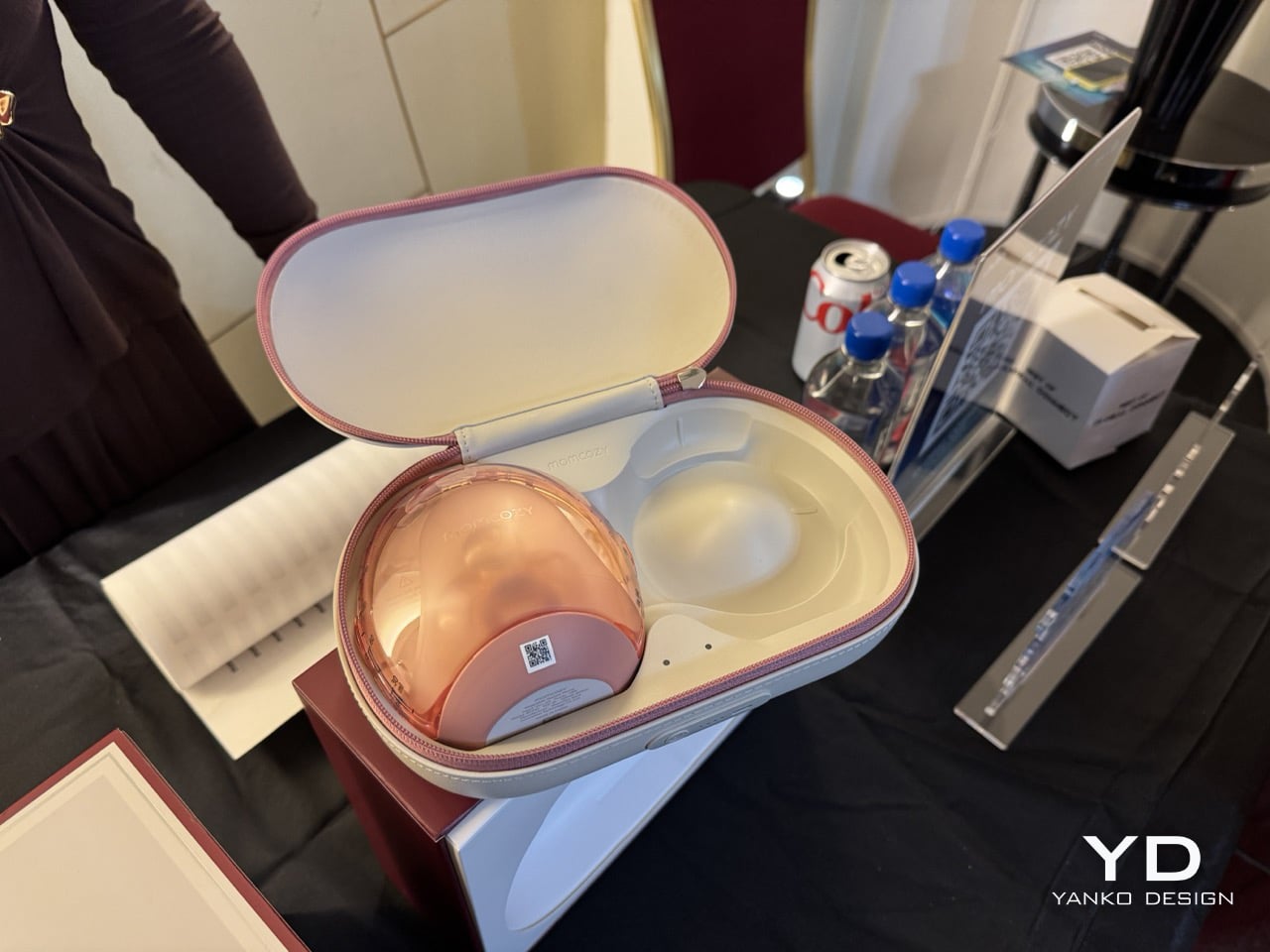
Shown Above – Momcozy Air 1

Wearables usually mean smartwatches, AR glasses, or fitness rings, but Momcozy is demonstrating that “wearable” can also mean medical devices designed to free up your hands while solving real health problems. The W1 Wellness is what the company calls the world’s first warm-massage wearable breast pump, combining technology typically found in wellness devices with the practical needs of nursing mothers. The system integrates adjustable heat (between 99°F and 106°F) with rhythmic vibration massage, both designed to improve milk flow and efficiency. The warming zone envelopes the breast for even heat distribution, addressing one of the limitations of traditional warming options like hot pads that only hit certain areas. Research shows massage improves milk output and helps with complete emptying, and Momcozy is packaging both features into a hands-free system controlled through app-based automated programming.

This positions Momcozy with two different solutions for the same problem. The Air 1 prioritizes discretion and portability for working moms who need to pump during meetings or while traveling, maintaining 62 core patents and awards including a 2025 TIME Special Mention. The W1 prioritizes comfort and efficiency through warmth and massage, targeting mothers who struggle with clogged ducts, slow flow, or discomfort during pumping sessions. Both feature transparent tops for precise alignment, wireless charging for 15-plus pumping sessions, and suction up to 280mmHg, but they’re solving slightly different pain points within the same user base. Whether heat and massage become standard features or remain premium options depends on whether the efficiency gains justify the cost difference, but for mothers dealing with engorgement or flow issues, the W1 offers features that traditional pumps and even other wearables don’t currently provide. Momcozy’s strategy reveals how wearables are fragmenting into specialized variants, each addressing specific user needs rather than trying to be one universal solution.

Daïve HUD: An Underwater Augmented Reality Dive Computer

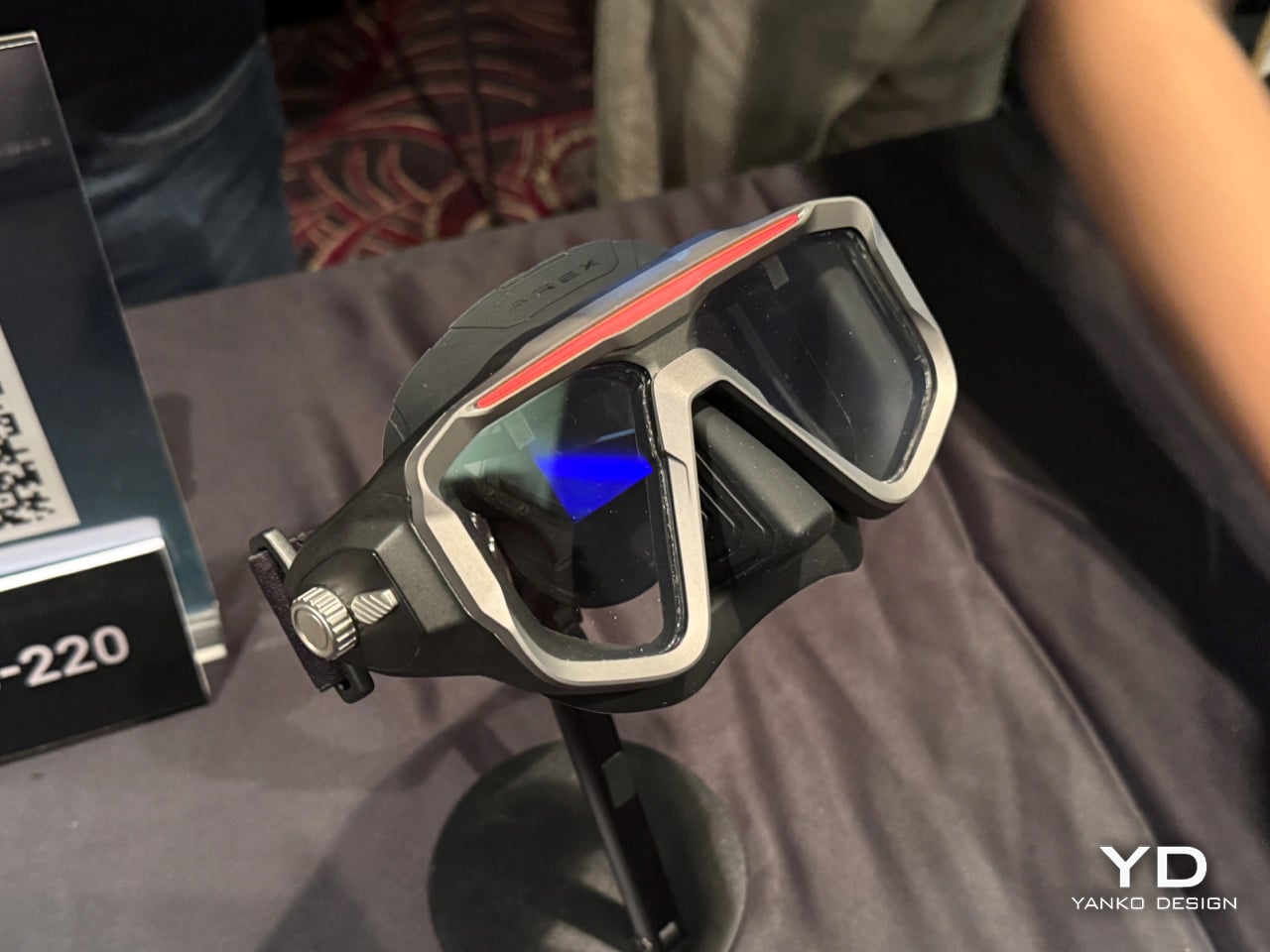
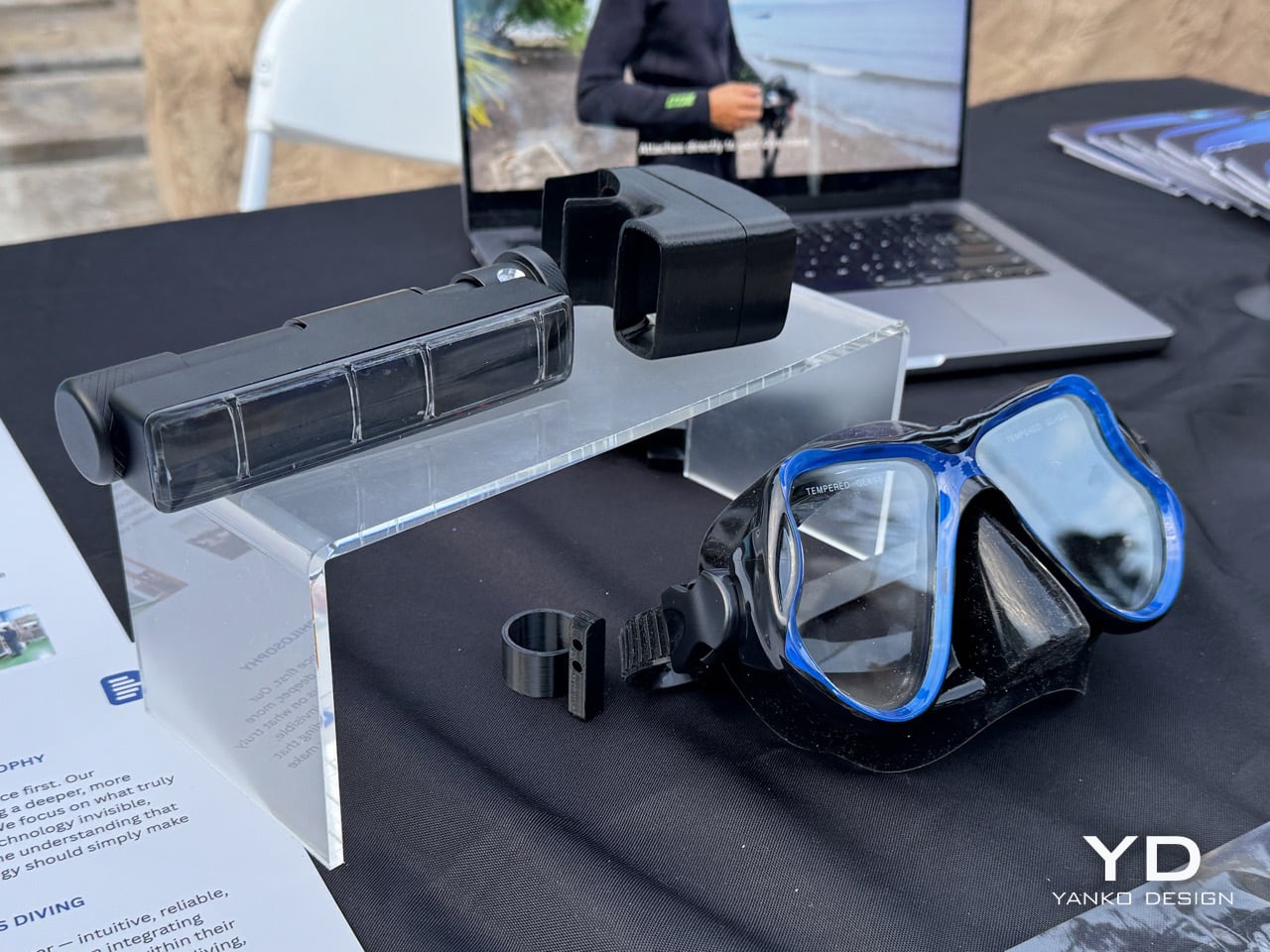
The most persistent interruption in scuba diving isn’t a curious fish; it’s the constant, focus-breaking glance down at a wrist-mounted computer to check depth, time, or remaining air. Daïve’s HUD clips directly onto your existing dive mask to solve that problem, projecting a full-color display into your sightline so critical data feels like a natural part of your underwater view. The system has three modes tailored for recreational, technical, and freediving, with layouts designed for how decisions are actually made in each discipline. It’s controlled with a glove-friendly rotary selector that provides tactile mechanical feedback, a crucial detail for anyone who’s tried to operate a small button with thick neoprene gloves. The display flips up instantly when you don’t need it, and a dual-battery, non-sealed power design supports over 20 hours of use for long days of repeated dives.

What makes the Daïve HUD more than just a convenient display is its connectivity. It pairs with a wireless smart gauge for real-time air monitoring and uses a multi-mode communication system combining optical, near-field RF, and acoustic links for real-time team awareness and coordination with other divers. This isn’t just about convenience; it’s a fundamental shift in situational awareness. For instructors monitoring students, photographers managing cameras, or technical divers navigating caves, reducing the cognitive load of constantly checking a wrist computer is a massive safety and performance upgrade. The entire system is modular, with swappable components and an open software path designed to evolve over time, positioning the Daïve HUD less as a single gadget and more as a long-term platform for underwater augmented reality.

The post Google Gemini AR Glasses and other cool wearables at the Global Connect Show at CES 2026 first appeared on Yanko Design.
AI Bartenders, Pool Cleaners, And Chess Arms: The Sleekest (And Smartest) Robots At CES 2026

CES is a lot of things, but intimate isn’t one of them. Global Connect solved that problem by concentrating innovation into a four-hour window at a private Las Vegas villa on January 5th (which I only later found out was Mike Tyson’s house). iMpact PR built this event for media professionals who’ve seen enough “revolutionary” prototypes fail to deliver and want extended time with robotics that might actually make it to market. The format matters because robots only prove themselves when you can test, question, and watch them handle unexpected scenarios beyond their ideal conditions.

What’s showing up covers bizarre range. AI bartenders sit alongside exoskeletons designed to reduce knee pressure by 50%. Lawn robots with four-wheel steering share space with chess-playing arms and vacuum cleaners that climb stairs. Some of these machines solve concrete problems like outdoor maintenance or mobility assistance. Others exist for entertainment, companionship, or just because someone thought teaching a robot to play chess would be interesting. iMpact PR and USA Today are co-hosting, running from 1:30pm to 5:30pm with brands that have manufacturing scale, distribution plans, and enough backing to suggest they’re serious about commercial deployment. This is where you find out whether robotics companies can deliver on their promises or just deliver good marketing.

Ascentiz BodyOS: Hip and Knee Modules

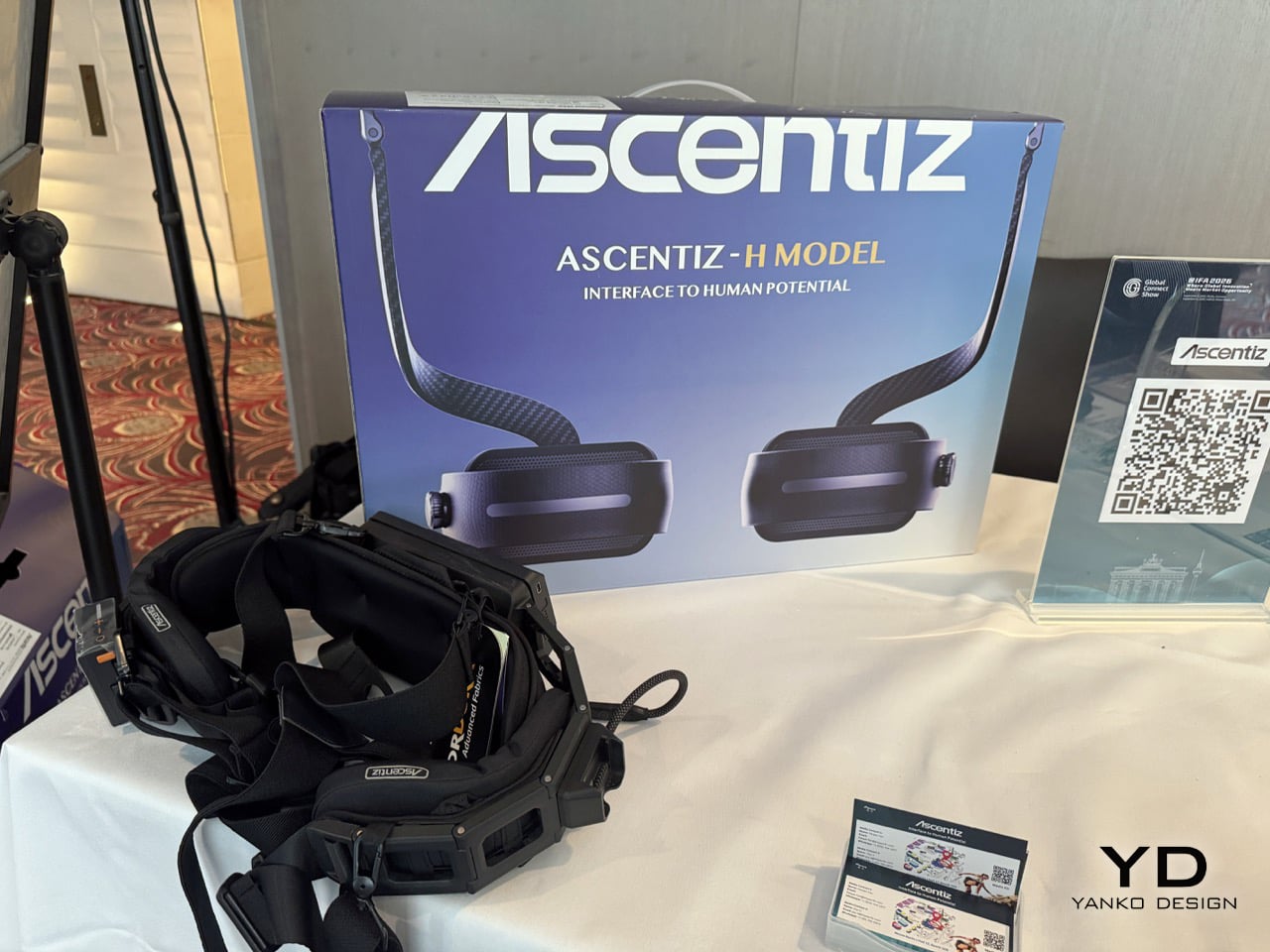
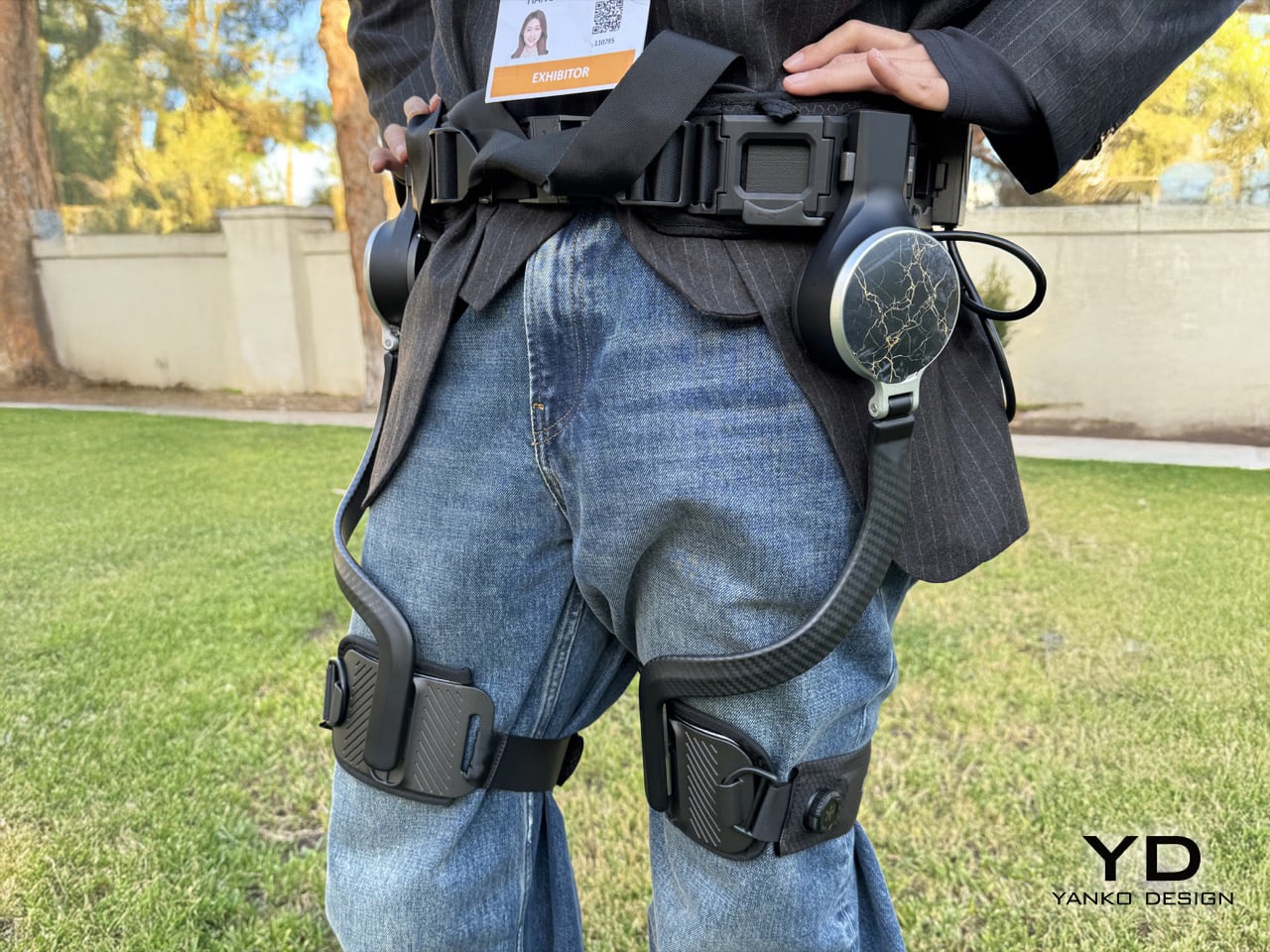
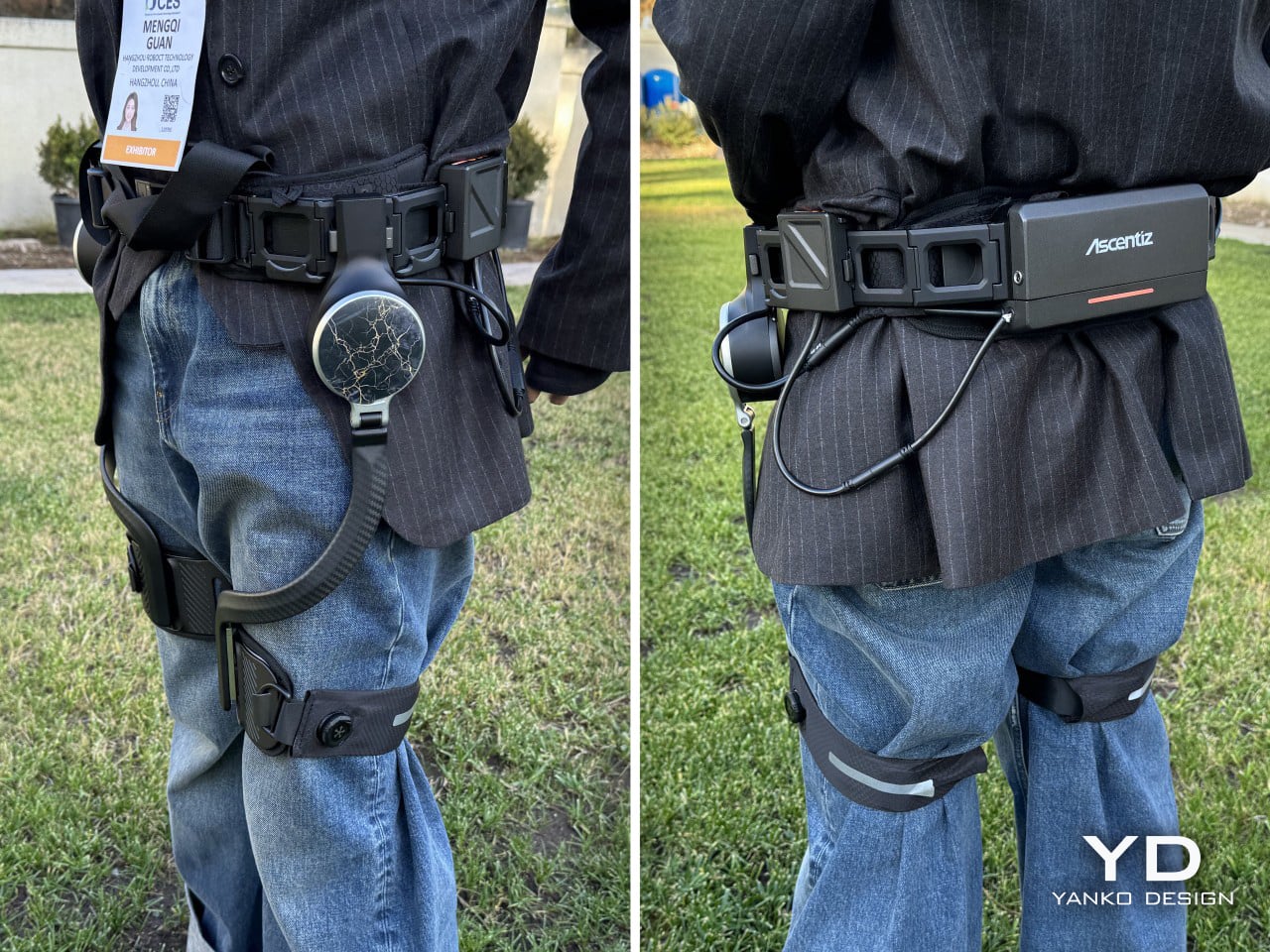
Ascentiz’s BodyOS platform takes a modular approach to human augmentation, letting users swap joint actuators depending on whether they’re climbing mountains, working construction sites, or just need help with mobility. At Global Connect, the company is demonstrating two core modules: a hip actuator that delivers 36 Nm of torque through a quasi-direct-drive system, and a knee actuator using cable-drive transmission to hit 48 Nm while keeping heavy motors away from the moving limb. The hip module can assist at speeds up to 28 km/h and reduces leg effort by 35% on inclines, while the knee module claims to cut knee joint pressure by 50% and reduce energy waste by 30%. Both modules attach to a T700 aerospace carbon fiber frame that can handle temperatures from -20°C to 60°C, making this a system designed for actual outdoor conditions rather than controlled laboratory demonstrations.

The intelligence behind these modules comes from what Ascentiz calls its “Motion Cortex,” an AI trained on over 690,000 musculoskeletal gait cycles that processes data from more than 10 sensors to recognize seven different motion scenarios with 99.5% accuracy. The system responds in under 500 milliseconds when it detects a change in movement pattern, with actuator transitions happening in under 200 milliseconds. Users can strap the entire system on in less than 10 seconds using a proprietary ETIE dial mechanism, which addresses one of the persistent complaints about exoskeletons: that they take too long to put on and adjust. The control loop runs at 20 microseconds, fast enough to respond to the unpredictable shifts in terrain and body position that define real-world hiking, climbing, or industrial work. This isn’t augmentation for the sake of looking futuristic; it’s engineering focused on whether someone’s knees will hold up after a 10-mile trek with a heavy pack.

BreakReal R1: Conversational AI Bartender

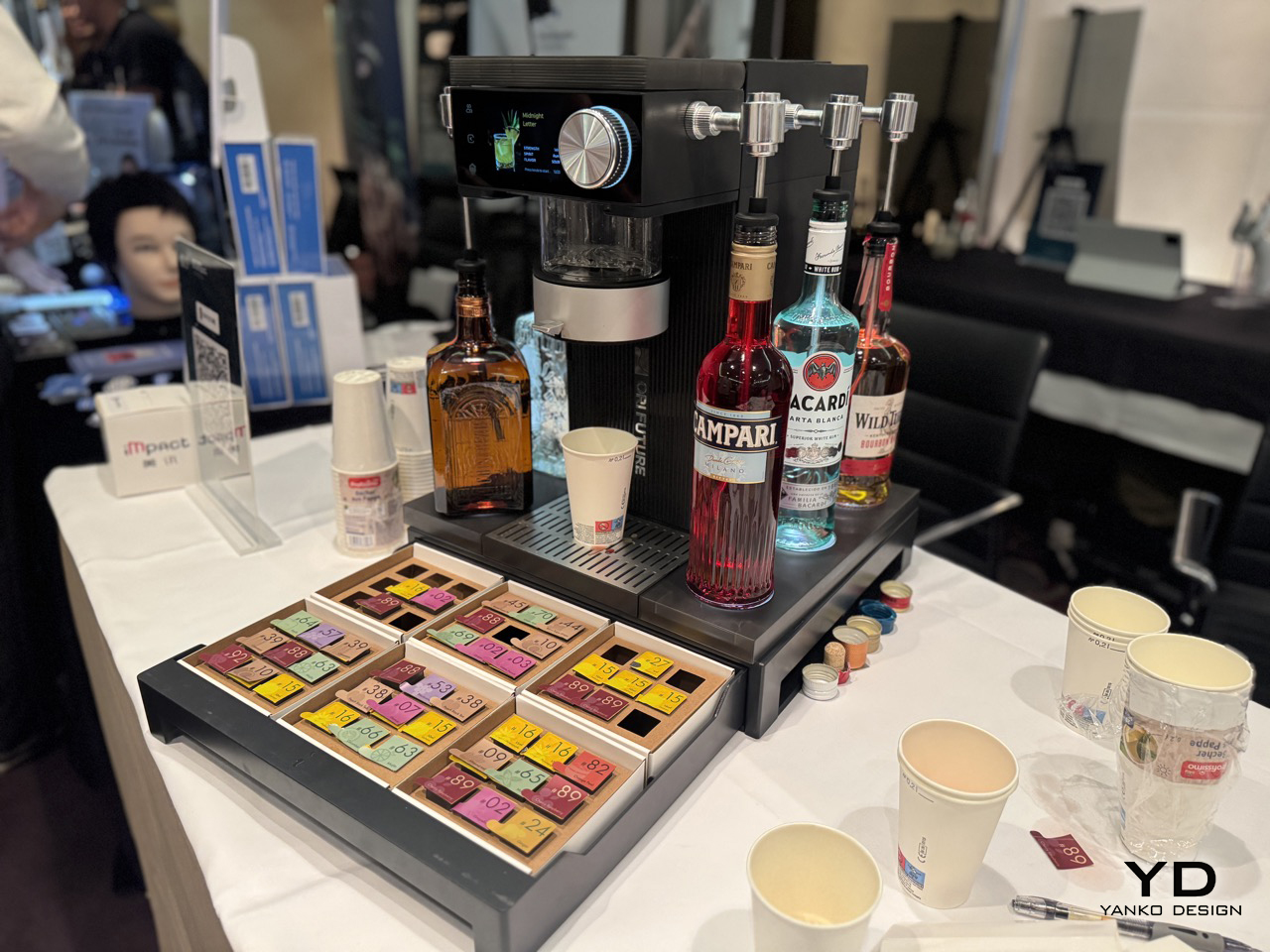
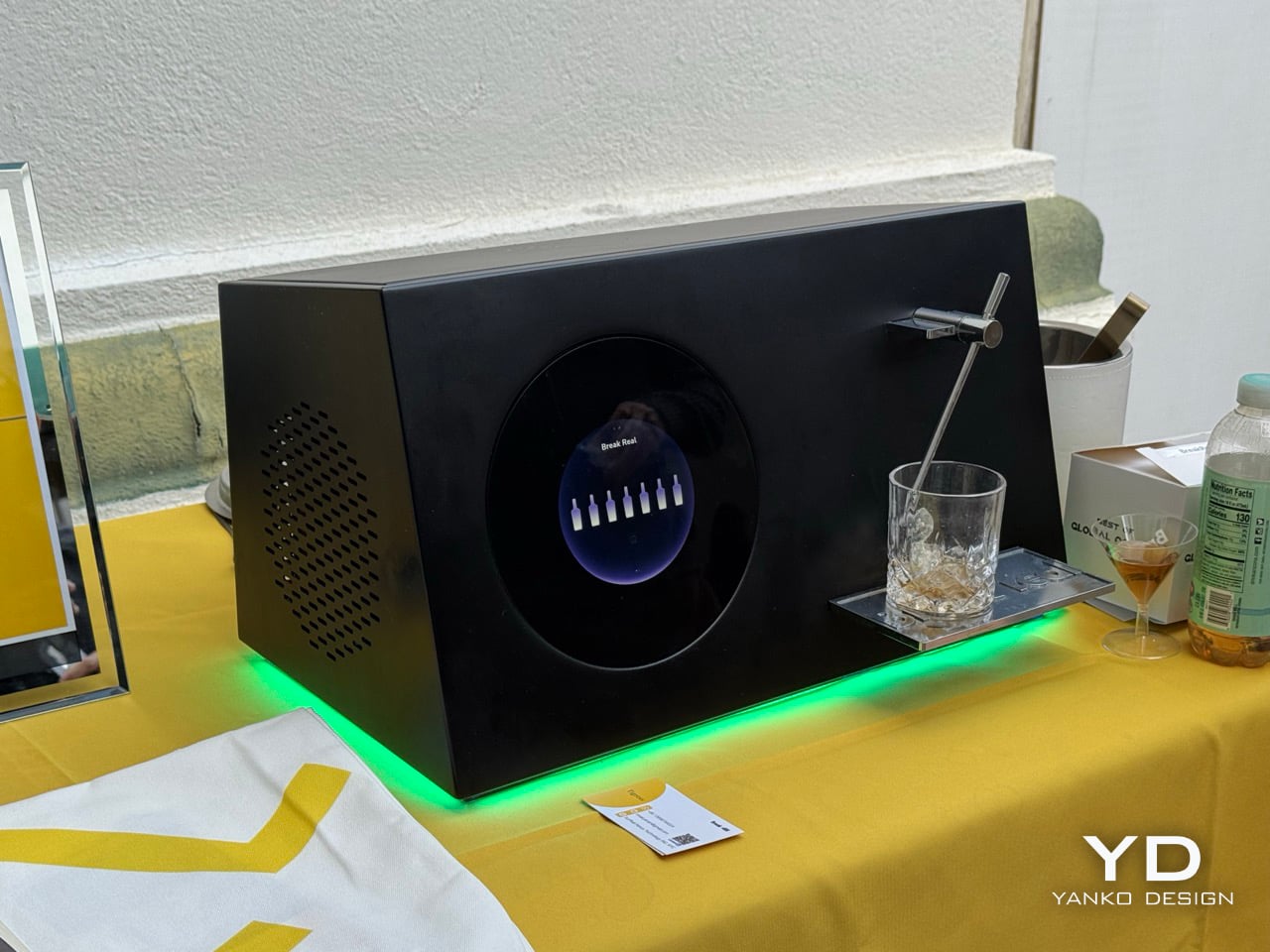
Of all the things artificial intelligence could tackle, someone finally asked the right question: what if a robot understood you were having a rough day and mixed you exactly the drink you needed? BreakReal’s R1 is billing itself as the world’s first conversational AI bartender, and yes, that means you can tell it you’re stressed about work or celebrating a promotion, and it will generate a cocktail recipe based on your emotional state and taste preferences. The system uses large language models to process natural language, so you can be as vague or specific as you want. Tell it you want “something tropical but not too sweet” or just “surprise me with something spicy,” and it will craft one of its generative recipes in about 30 seconds with ±1 ml precision. It has access to over 500 classic cocktail recipes that it can customize, and it uses optical character recognition to identify whatever spirits you have sitting on your counter, so you’re not locked into proprietary bottles or special cartridges.
The genuinely clever part is how BreakReal treats drinks as shareable data. Each cocktail the R1 creates carries emotional and taste information that can be saved to the app, shared with the global BreakReal community, and downloaded by users anywhere in the world. Someone in Tokyo could create a drink reflecting their mood on a rainy afternoon, and you could try that exact recipe in New York the next day. The system handles automatic layering for visual appeal and includes automated cleaning, which addresses the reason most people avoid elaborate cocktails at home: the cleanup is annoying. This isn’t just a novelty machine pouring pre-programmed drinks; it’s attempting to turn mixology into a social network where recipes travel across time zones and language barriers. Whether that sounds delightful or slightly dystopian probably depends on how you feel about your kitchen appliances understanding your emotional state, but it’s hard to deny the ambition of turning feelings into formulas and sharing them globally.

Artly.AI Mini Barista Bot and Bartender Bot: Precision Over Personality

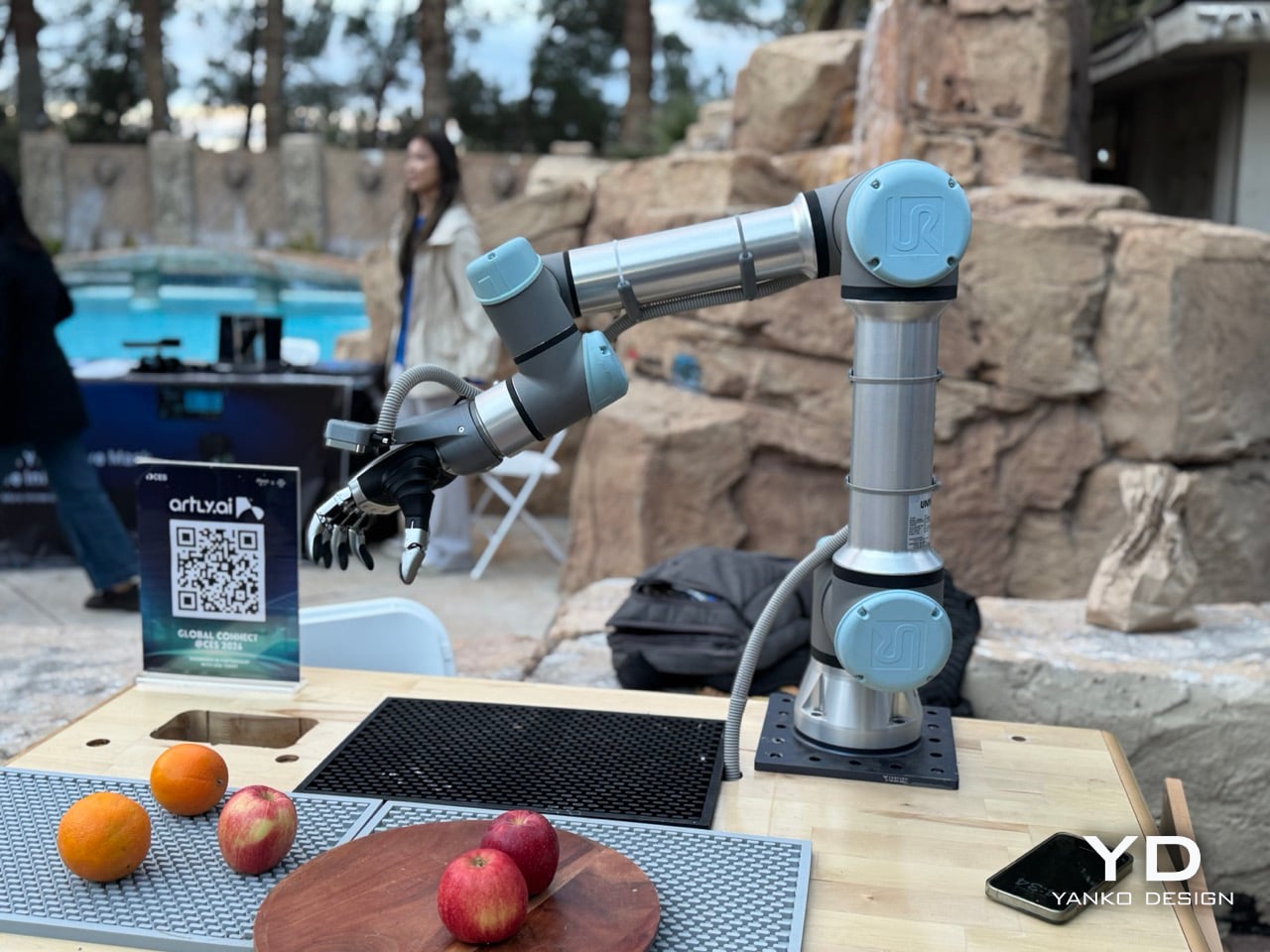
BreakReal wants your robot to understand your feelings, but Artly.AI built theirs to replicate a U.S. Barista Champion’s technique with mechanical precision. The company has two products at Global Connect: the Mini Barista Bot, which has already served over 1.1 million cups since 2021, and the newer Bartender Bot, which applies the same robotics foundation to cocktails instead of coffee. The Mini Barista Bot fits into a 4×4-foot footprint and handles the complete workflow with a single robotic arm, grinding, tamping, brewing, steaming, and pouring latte art without human intervention. It’s constructed with food-grade stainless steel and modular commercial-grade components, deployed in high-traffic environments like airports, T-Mobile stores, Salesforce offices, and MUJI retail spaces where labor costs and consistency matter more than personality. Customers order via a digital kiosk and watch through transparent windows as the bot executes recipes trained by Joe Yang, ensuring cafe-quality output every time. The updated version includes a larger refrigerator, improved learning capabilities, and countertop options in Maple, White Oak, and Walnut finishes that let it blend into different decors.
At NVIDIA GTC 2025, Artly unveiled an advanced robotic hand upgrade featuring up to 20 degrees of freedom, tactile sensors, and force feedback designed to replicate human barista movements. That upgrade becomes critical for the Bartender Bot, which tackles the more intricate manipulation cocktails demand: grabbing bottles, measuring pours, shaking drinks, and adding garnishes with precision. Both bots run the same proprietary AI system combining real-time motion planning, computer vision, sensor fusion, and anomaly detection, but the Bartender Bot’s algorithms are refined for mixology’s complex performance requirements. While BreakReal’s R1 focuses on emotional intelligence and generating recipes based on your mood, Artly’s approach emphasizes craft preservation and mechanical consistency. BreakReal targets home users who want conversational AI; Artly targets commercial venues that need standardized quality without depending on bartender availability or skill variation. The technology is converging from opposite directions, and Global Connect puts both companies in the same room for the first time, offering a direct comparison between robots designed to feel what you need versus robots engineered to execute what you ordered with repeatable accuracy.

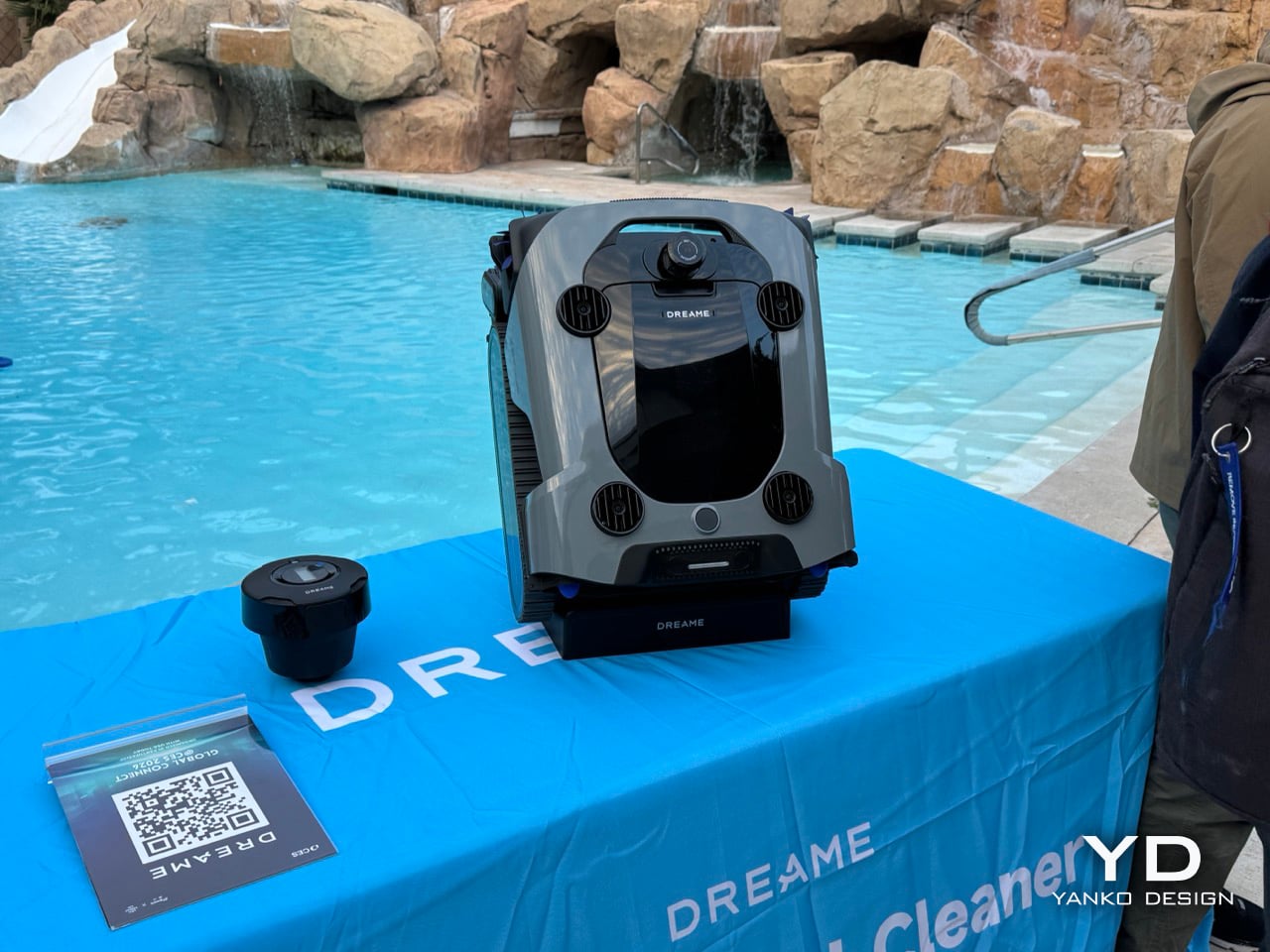
Dreame Zircon 2 Ultra and Zircon 2 Pro: Pool Cleaners with Laser Mapping and Auto-Docking

Pool robots typically bounce around randomly until they’ve covered most surfaces or the battery dies, whichever comes first. Dreame’s Zircon 2 Ultra skips the wandering entirely by using PulseMap technology, which combines LDS laser radar with multi-sensor fusion to build a detailed 3D map of the pool, capturing every curve and slope for real-time adaptive navigation. The QuadLift Four-Pump System with dual propulsion jets handles 7-in-1 cleaning across floors, steps, walls, waterlines, sun shelves, pool edges, and even the water surface, addressing the vertical complexity that separates pools from flat floors. At 10,000 GPH suction power (among the highest currently available), it tackles wet leaves, sand, insects, and floating debris in one pass. When cleaning finishes, users can set a preferred docking spot in the app, and the Zircon 2 Ultra surfaces there automatically for retrieval without requiring anyone to reach into the water or dive for a submerged robot.

The Zircon 2 Pro takes automation further with an optional Auto-Dock Base Station, one of the few available systems that eliminates the final manual step entirely. Once cleaning completes, the robot returns to the dock, exits the water, and begins charging without any user intervention, solving the problem of having to physically retrieve and plug in a wet, heavy device. The companion app tracks battery status in real-time, ensuring the robot stays charged between cleaning cycles. Beyond the docking automation, the Zircon 2 Pro uses PoolSense 2.0 technology with 12 precision sensors to map pools in 2D and plan efficient cleaning paths (S-shaped, N-shaped, Star, or Cross patterns) instead of random wandering. Its 8,000 GPH suction handles leaves, sand, and twigs while auto-adjusting power to extend runtime up to 4 hours per charge. DepthLink ultrasonic connection maintains real-time app connectivity even when fully submerged, allowing users to initiate spot cleaning or adjust settings without getting hands wet or waiting for the robot to surface.

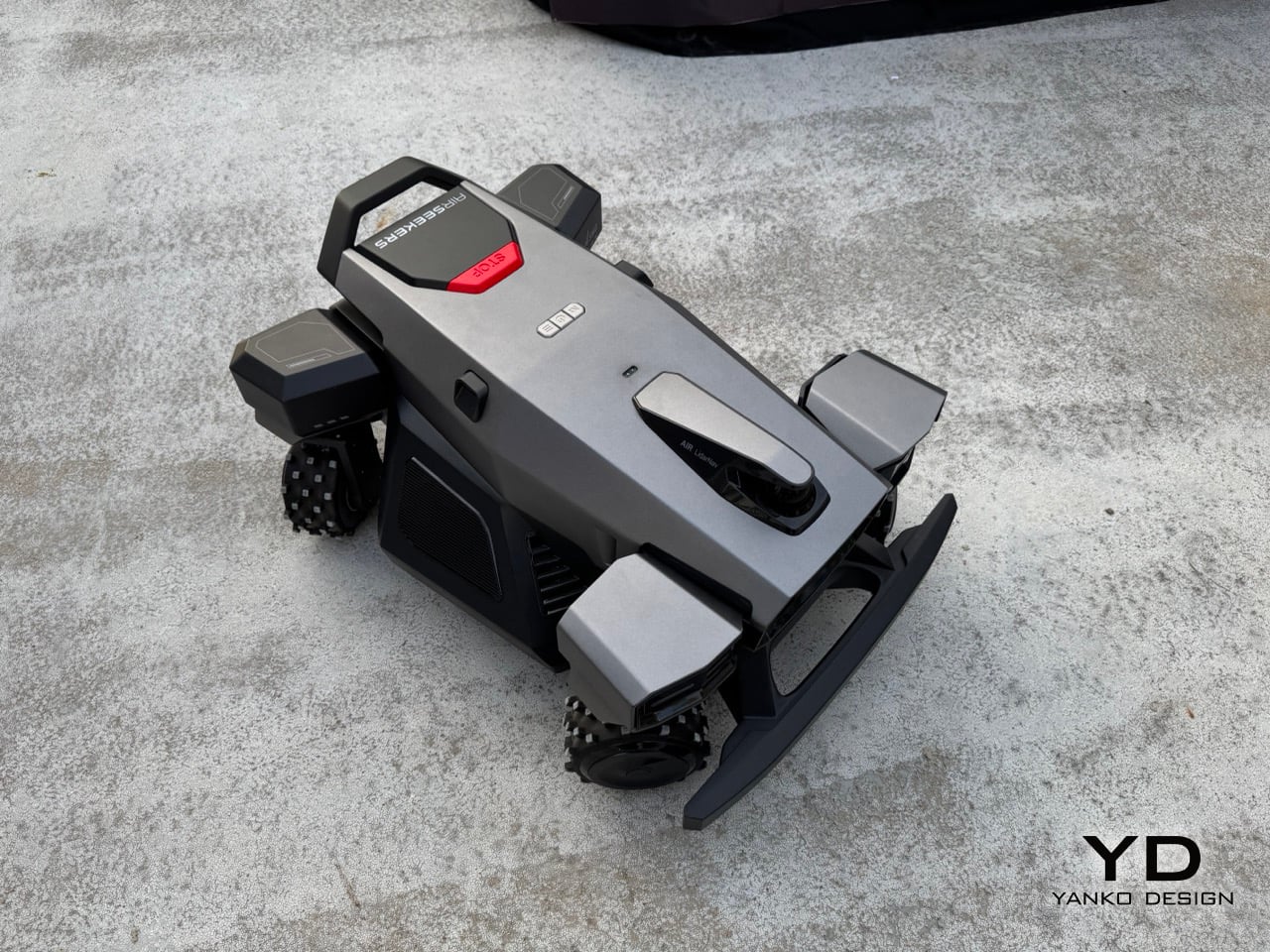
Airseekers Tron Ultra: Four-Wheel Drive Heads Outdoors

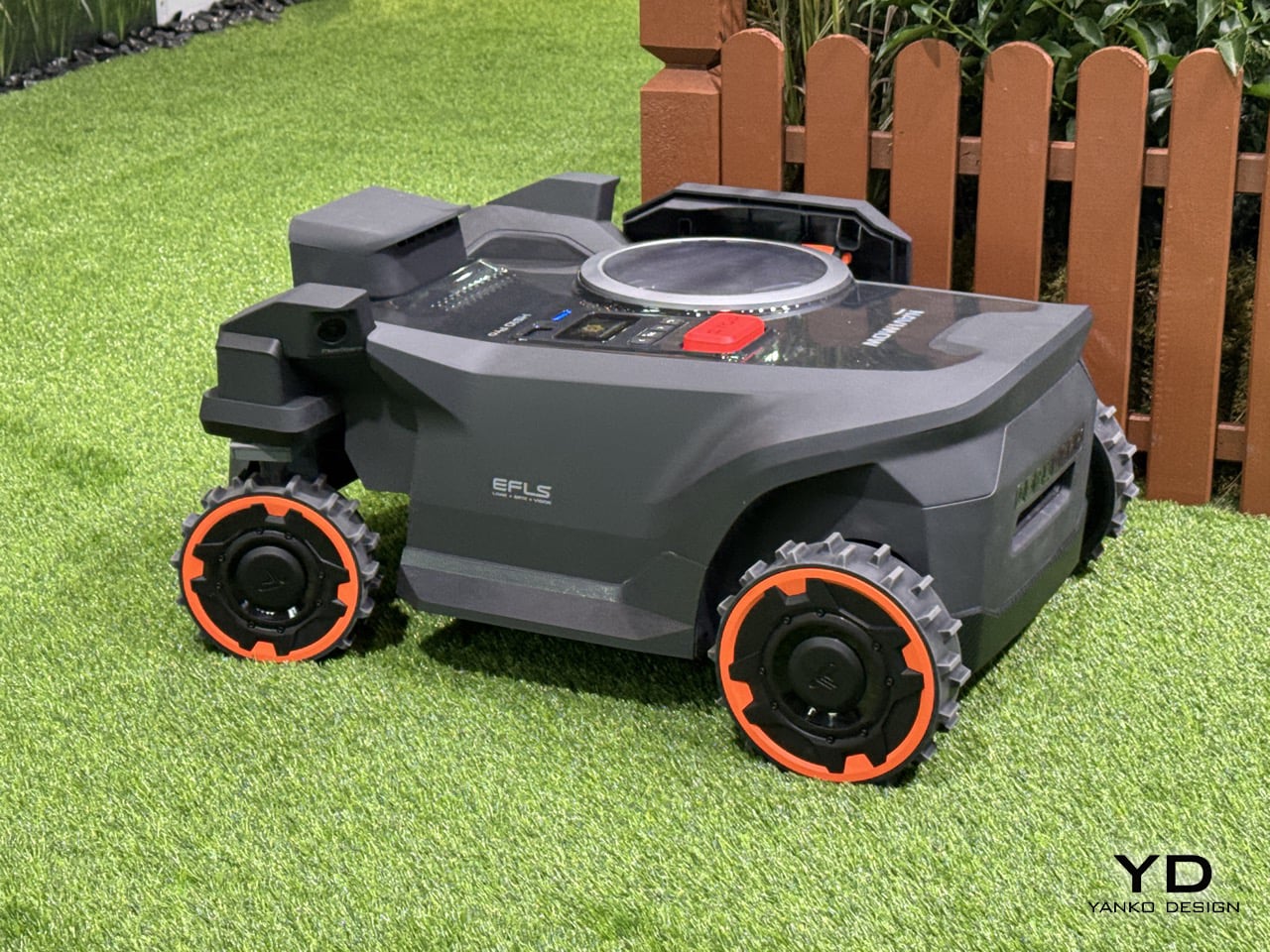
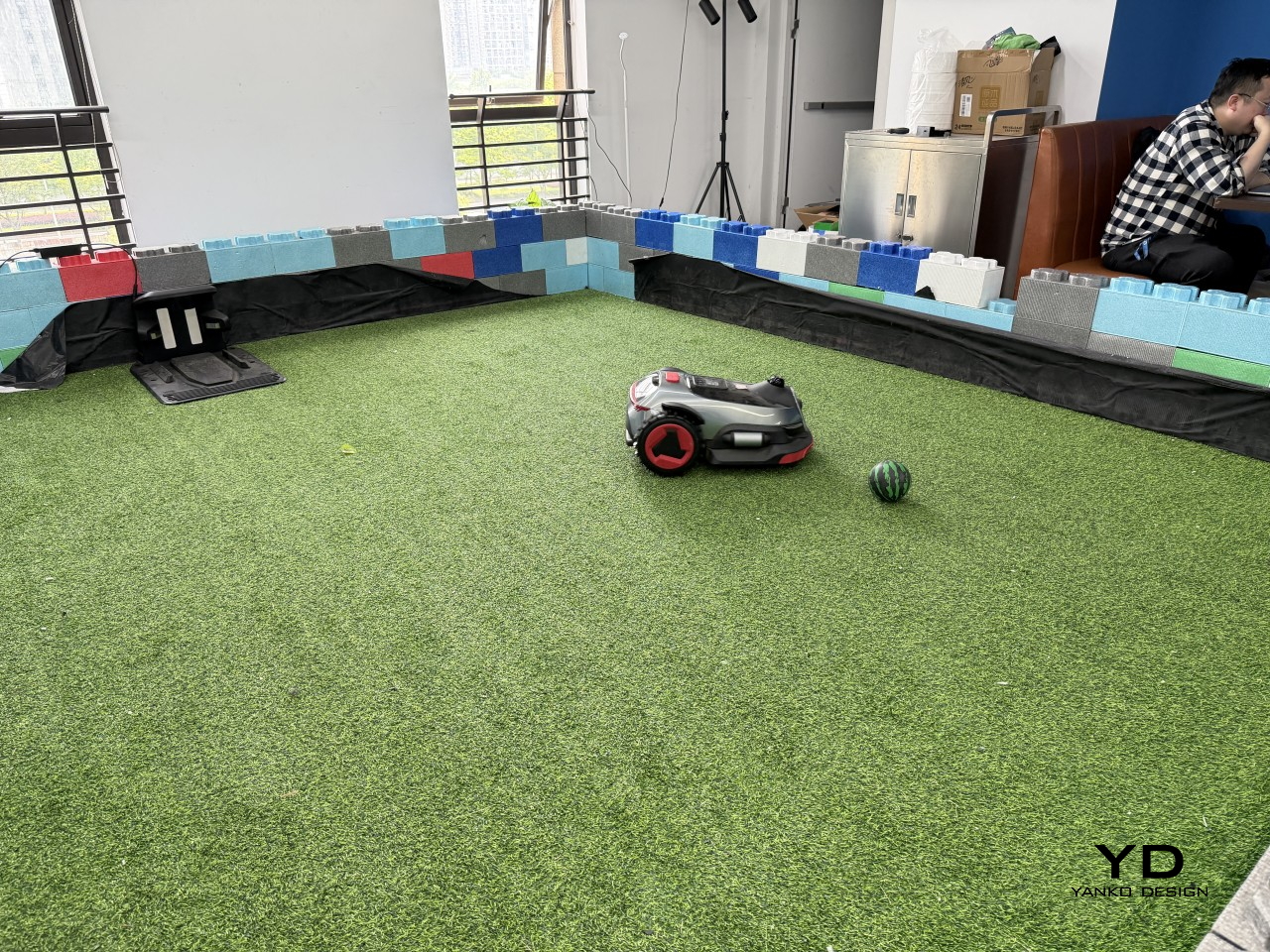
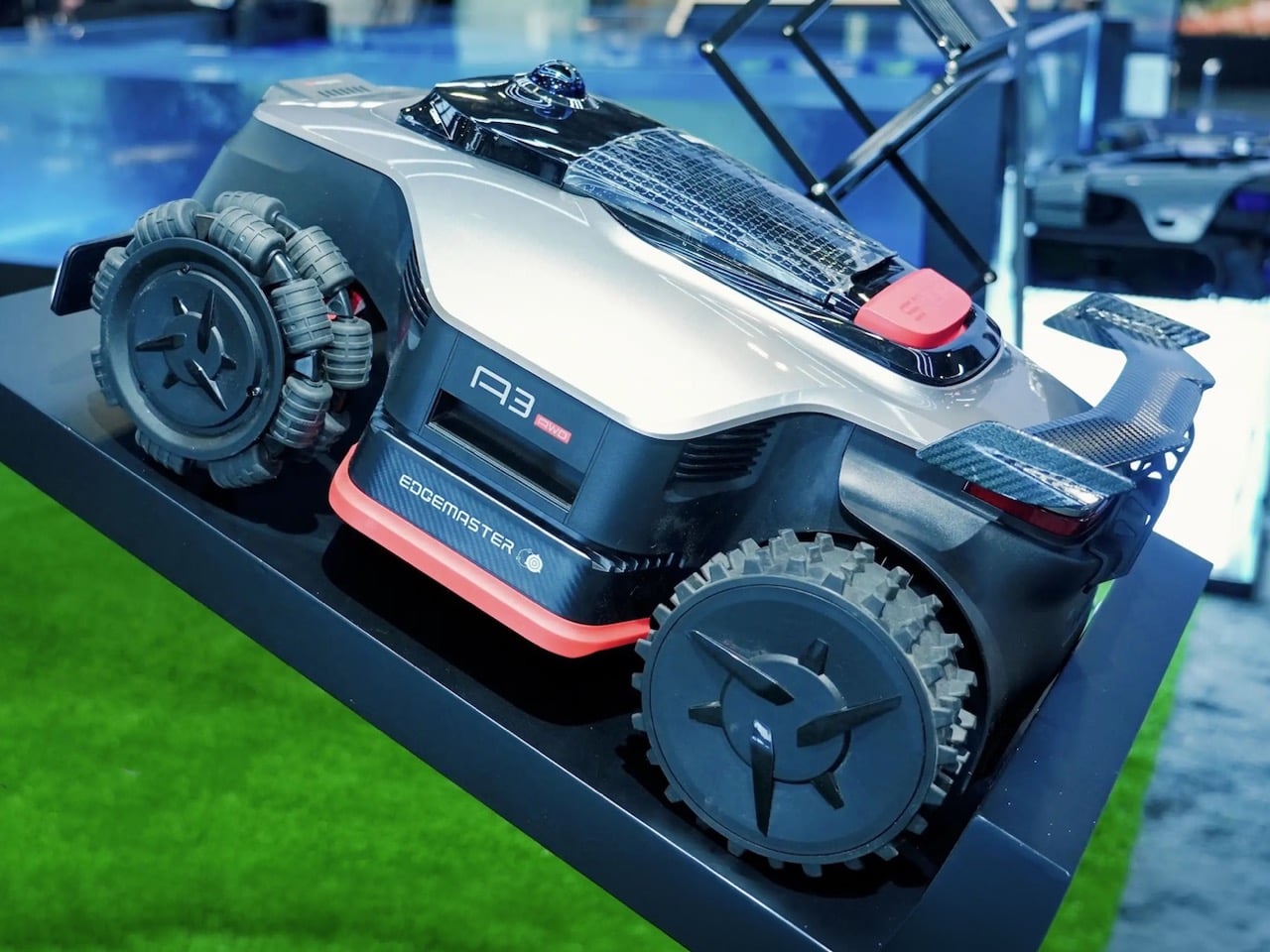
Robots that climb stairs and mix drinks are impressive until you remember most people still push a mower around their yard every weekend. Airseekers already tackled lawn automation with the original Tron, and the Tron Ultra pushes that concept into more complex terrain with four-wheel drive, four-wheel steering, and the ability to handle slopes up to 85% (40 degrees). The FlowCut 2.0 system uses a dual-disc setup that covers 60% more grass per pass, cutting mowing time by 58% while mulching clippings into ultra-fine pieces that decompose quickly and reduce the need for external fertilizer. It can clear obstacles up to 2.36 inches high and moves laterally or diagonally thanks to that four-wheel steering, which also gives it a small turning radius that minimizes lawn compaction. The AirVision 2 navigation combines vision sensors and LiDAR for a 300-degree field of view, with radar ensuring it keeps working in rain, low light, or conditions where cameras alone would fail.

The practical improvements show up in the details: swappable batteries with three hours of runtime and a 2.5-hour charge, automatic returns to the charging dock, and multi-map memory that supports multiple lawns if you’re maintaining more than one property. A new beacon system eliminates signal dead zones under trees, bushes, or around structures, which addresses one of the persistent frustrations with robotic mowers that lose connection and stop mid-job. No RTK stations or boundary wires to install means setup happens faster and with less infrastructure cluttering the yard. Visual mapping and real-time path correction keep the Tron Ultra on track with higher accuracy than previous generations. Airseekers is launching this on Kickstarter in April 2026 at around $3,000, positioning it as a premium option for people with challenging landscapes who are tired of spending weekends on lawn maintenance. The technology has moved past flat suburban yards into hills, obstacles, and the kind of complex terrain that used to require human judgment.

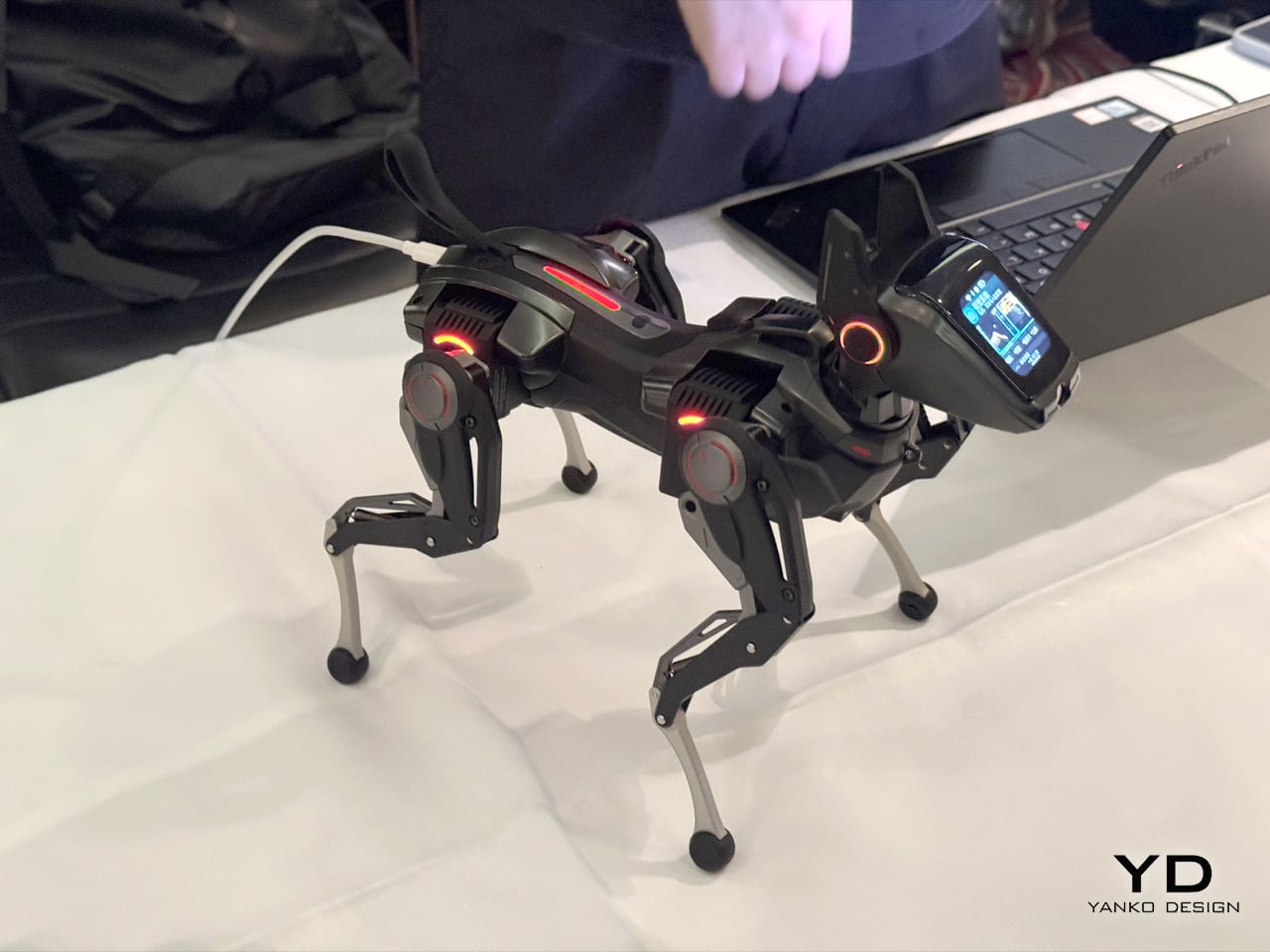
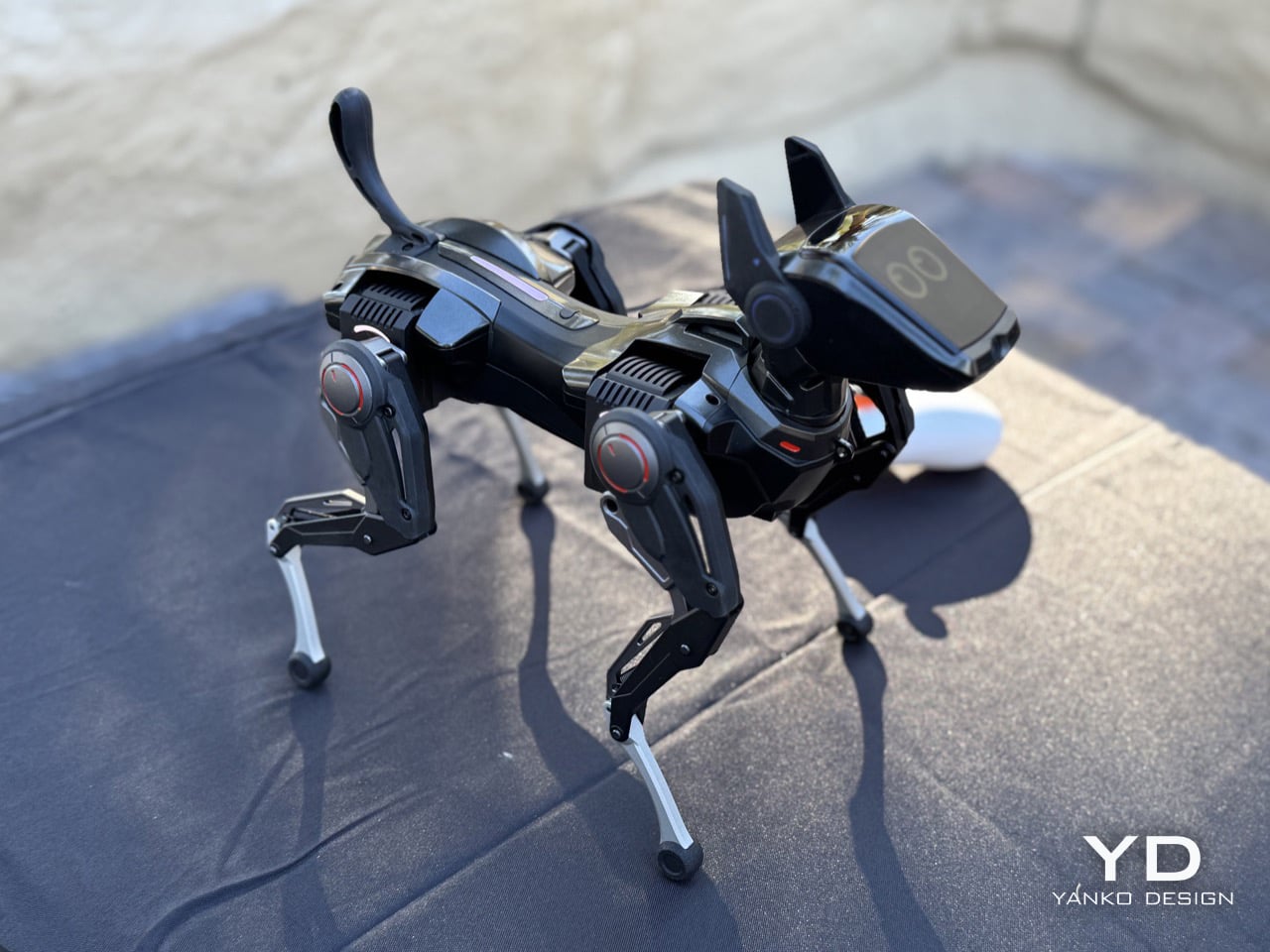
Hengbot Sirius: Your Personal Robot

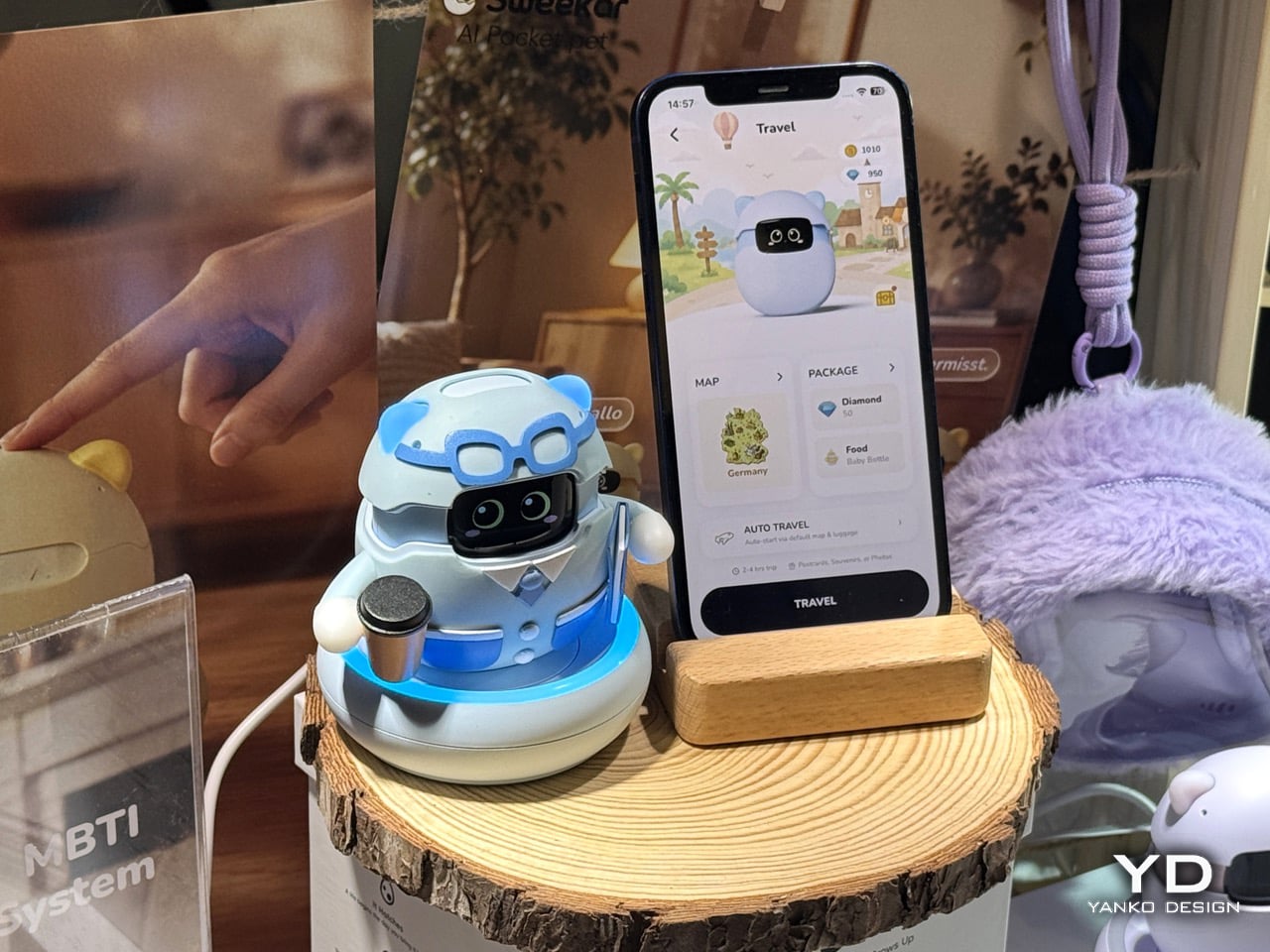
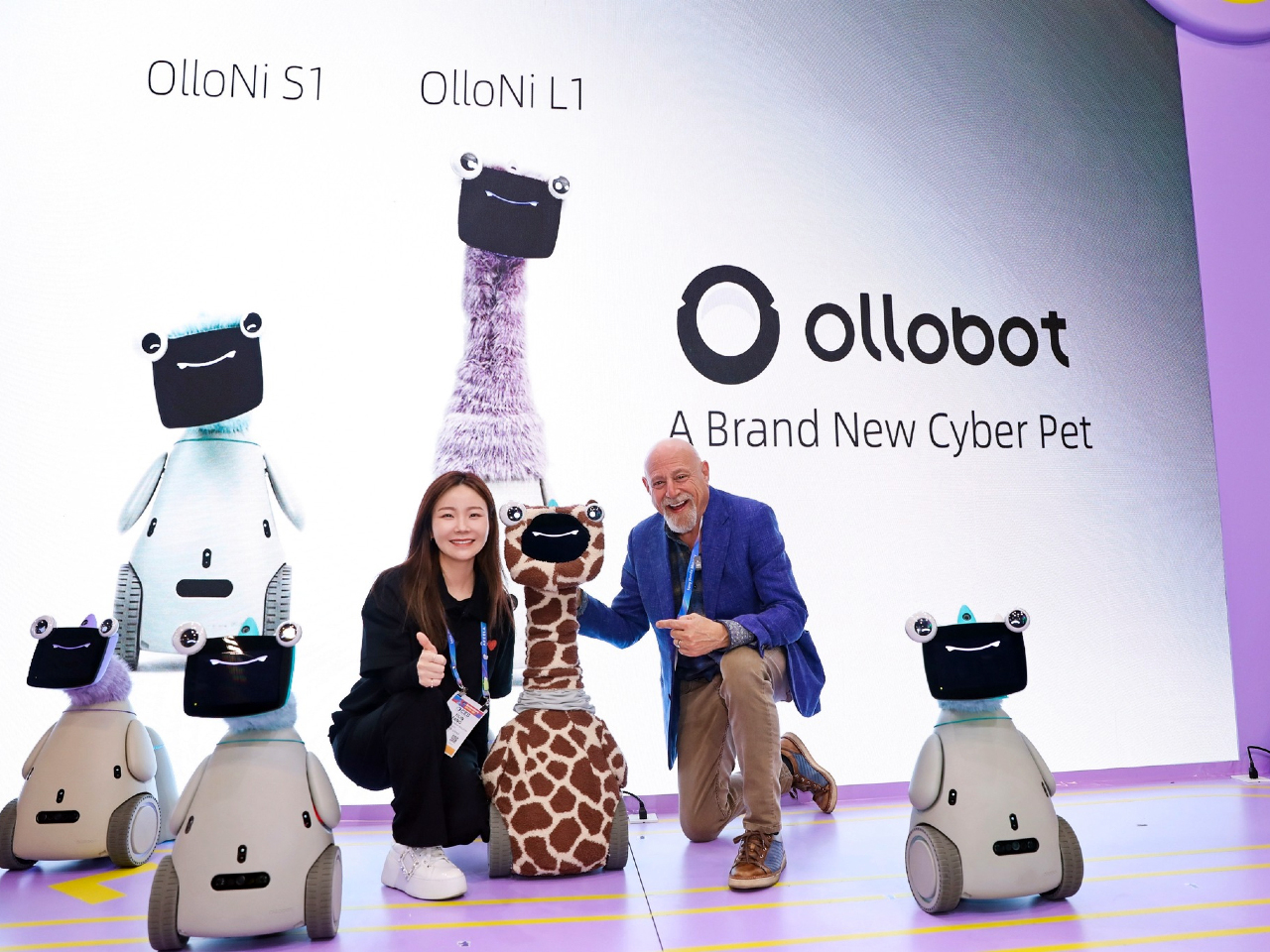
After a parade of robots that clean pools, climb stairs, and carry heavy loads, Hengbot Sirius takes a different approach by asking what happens when a robot’s main job is just being there. This AI-powered companion is marketed as a silent presence for people living alone, a playmate that can mimic your pet’s expressions and sounds after you upload them, or a first-person perspective camera that lets you interact with your dog remotely through the robot’s “eyes.” The pitch shifts depending on who’s buying: for couples it’s a romantic surprise delivery system, for parents it’s an educational Christmas gift and “encyclopedia of robots,” and for animators it becomes a creative platform that serves as your first robotic carrier for bringing characters to life. The flexibility is the point; Sirius positions itself as whatever you need it to be in that moment.

The customization goes deeper with DIY skins that can be 3D printed, turning the robot into a unique object that belongs exclusively to you rather than looking like every other unit off the assembly line. For engineers, an EDU version provides algorithm access, API interfaces, and one-on-one technical guidance for implementing and deploying new ideas, which transforms Sirius from a consumer product into an open development platform. This isn’t solving a concrete problem like lawn maintenance or knee pain; it’s addressing the mushier territory of companionship, creativity, and experimentation. Whether that resonates depends entirely on whether you see value in a robot that exists more for emotional presence and customizable interaction than task completion. In a showcase dominated by machines designed to do specific jobs, Sirius stands out by being deliberately vague about what it’s supposed to accomplish, leaving that definition up to whoever owns it.

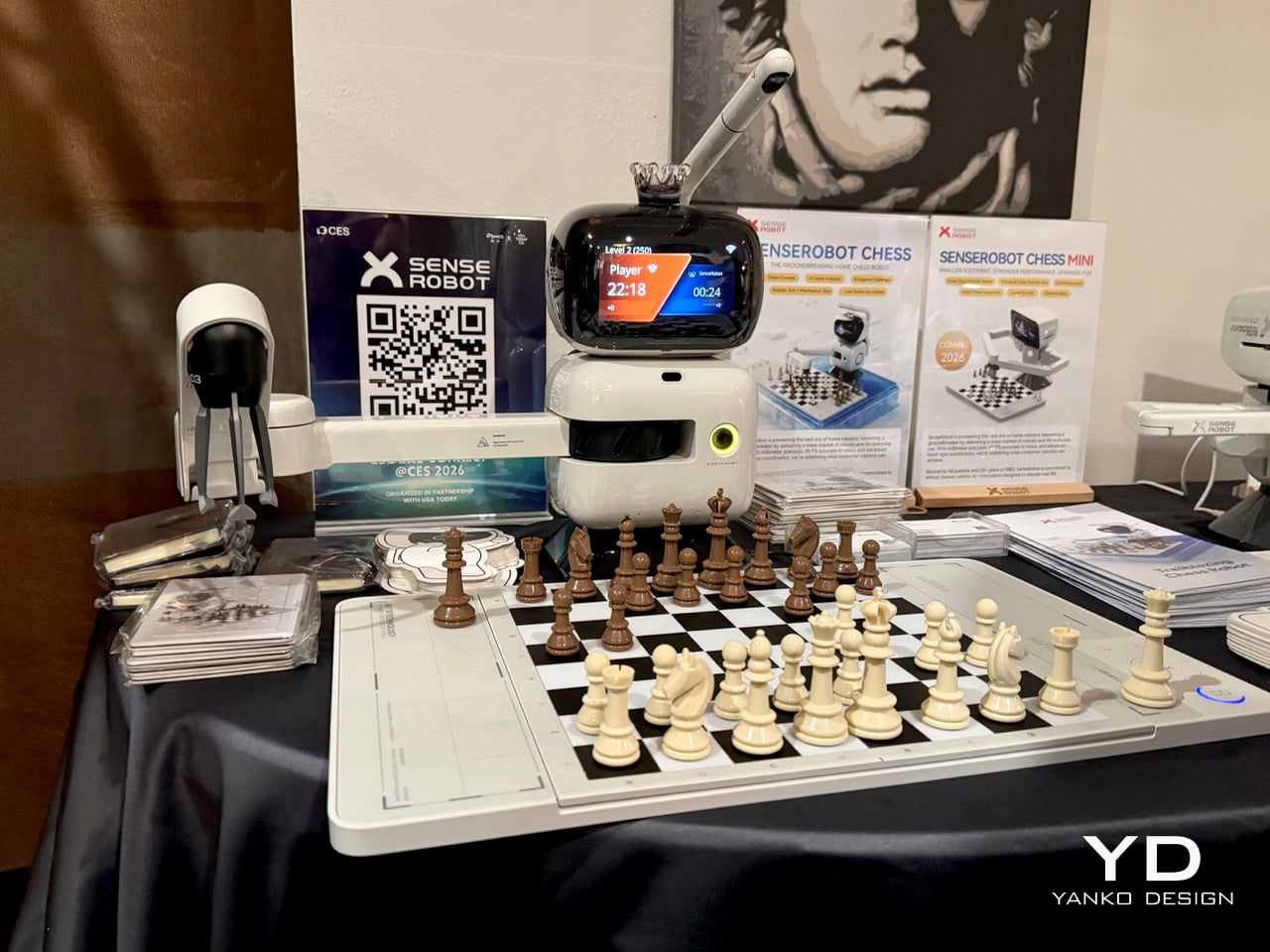
SenseRobot Chess: When Robots Master the Board

Chess has been testing artificial intelligence since Deep Blue beat Kasparov in 1997, but nobody put a physical robotic arm across the board from you until recently. SenseRobot claims to be the world’s first company mass-producing AI-powered robotic arms for home use, and their lineup includes multiple chess-playing models designed for different skill levels and budgets. The Chess MINI offers an entry point for casual players, while the Lite version expands to handle both chess and draughts (checkers), broadening the appeal to families who want more than one game option. Each model integrates AI vision, robotic arm precision, and intelligent decision-making systems that have been optimized to keep production costs consumer-friendly while maintaining home-level safety standards.

What makes these systems compelling isn’t just that a robot can play chess (software has beaten grandmasters for decades), but that it physically picks up pieces, moves them, and responds to your moves in real time using AI vision to track the board state. The company offers AI game review features and multiple difficulty levels, letting beginners learn strategy against a forgiving opponent or advanced players face genuinely challenging competition. SenseRobot also supports Gomoku (a strategic board game also known as Five in a Row), giving these robotic arms versatility beyond just chess. The physical interaction matters; watching a robotic arm deliberate, reach across the board, and execute its move creates an engagement that screen-based chess can’t replicate. This positions SenseRobot’s products somewhere between educational tools for teaching children strategic thinking and entertainment for adults who want their technology to exist in three-dimensional space rather than behind glass.


The post AI Bartenders, Pool Cleaners, And Chess Arms: The Sleekest (And Smartest) Robots At CES 2026 first appeared on Yanko Design.