
Square Enix restarted development on Dragon Quest 12 and gave it a new name
Square Enix has rebooted its next mainline entry in the Dragon Quest series, which is now called Dragon Quest XII: Beyond Dreams.
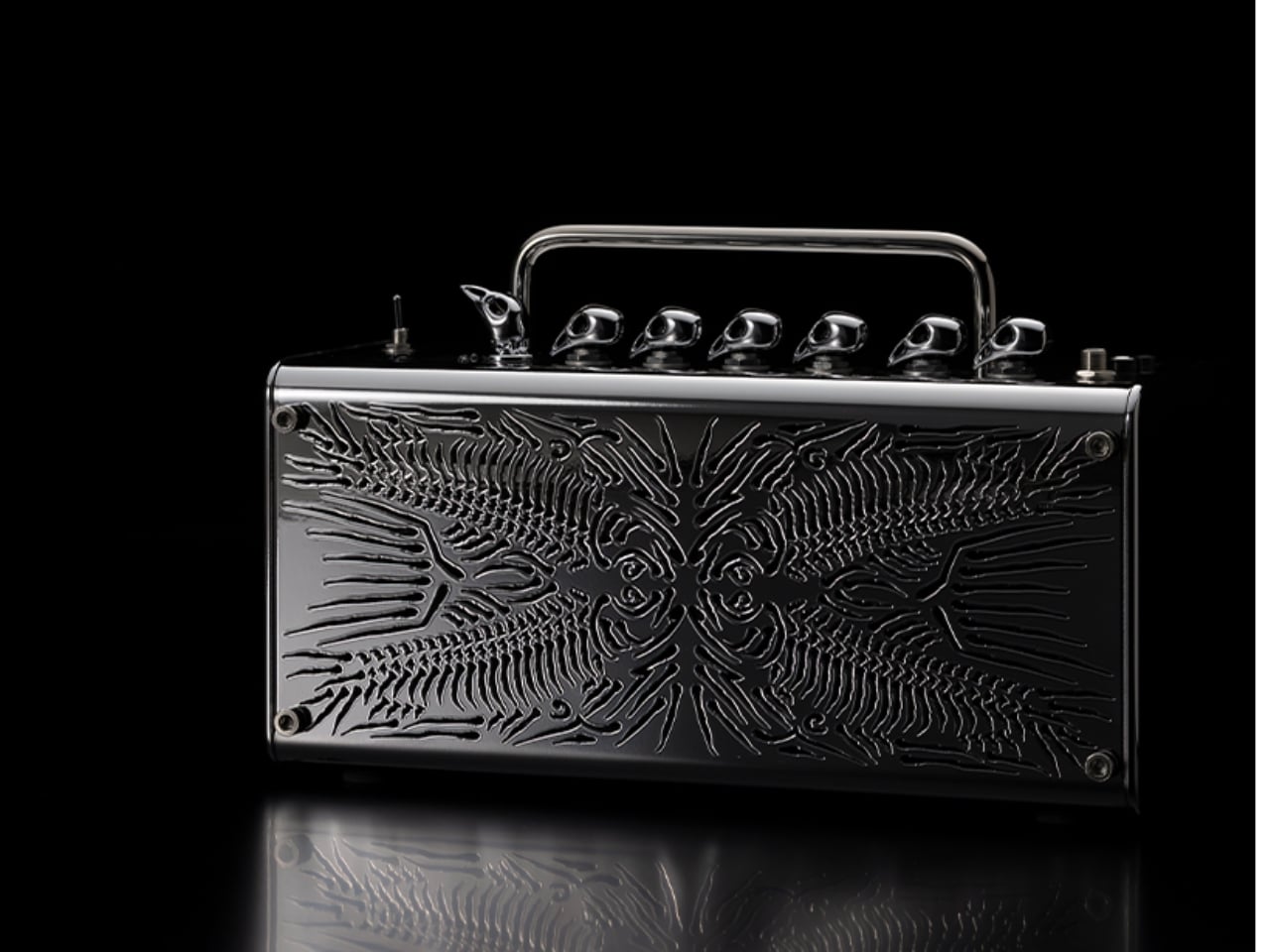
Somewhere between a fish market and Milan Design Week, a guitar amplifier became an animal. Yamaha’s HERRING, a concept piece by designer Koji Notomi, is based on the brand’s THR5 guitar amplifier, and it is one of those rare design projects where the idea is so clean, so quietly witty, that you almost feel like you missed something obvious the first time you looked at it. The joke, once you see it, is impossible to unsee.
The starting point was a question that most people never think to ask: where do design terms actually come from? The herringbone pattern is everywhere. You have seen it on jackets, hardwood floors, speaker grilles, and kitchen tiles. It is one of those visual shorthand patterns that has been repeated so many times it has practically lost its name. Notomi looked at it and wondered what would happen if you took that name literally. If a herringbone pattern is supposed to look like a fish’s skeleton, then why not make it actually look like one?
Designer: Koji Notomi
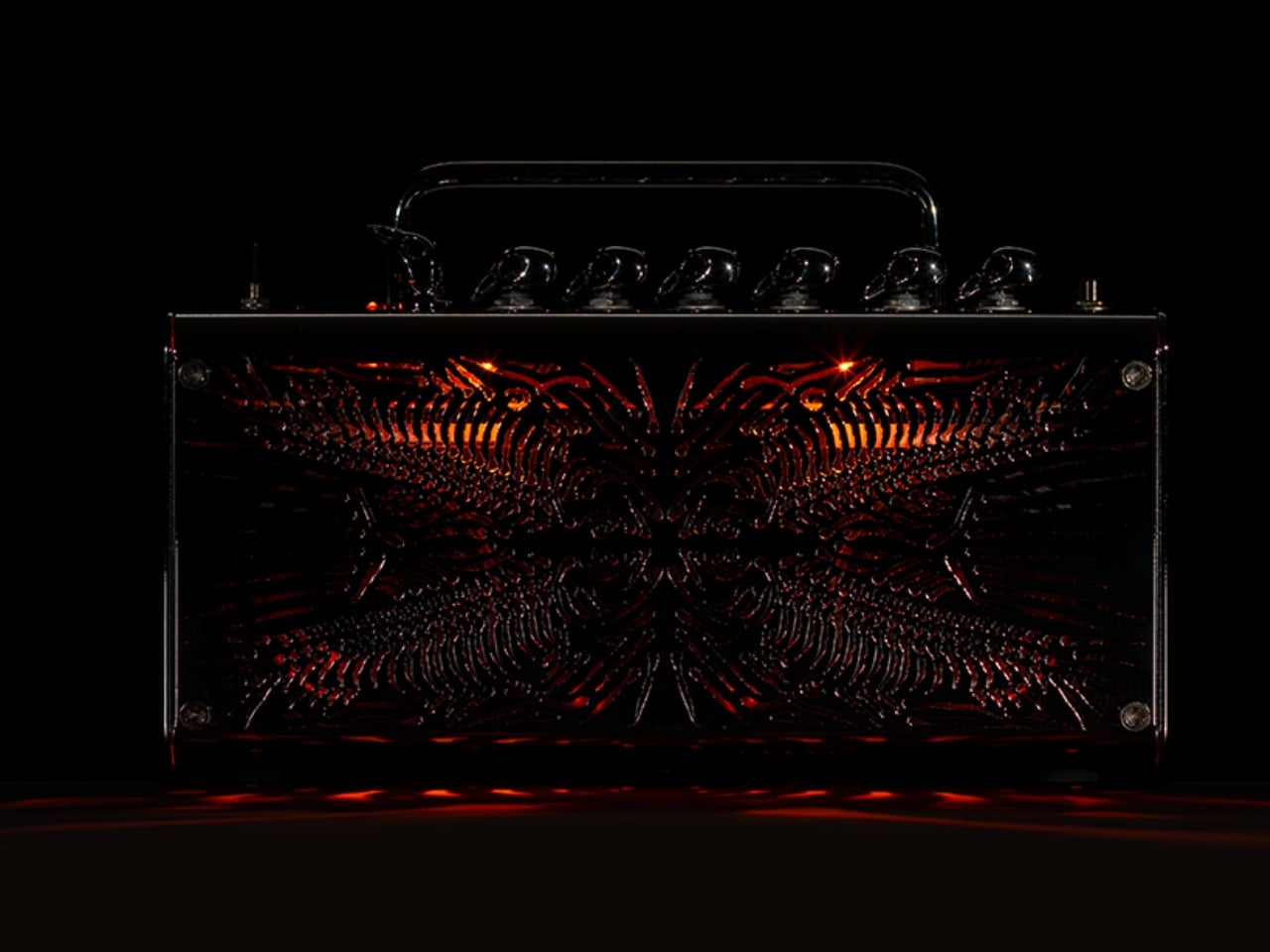
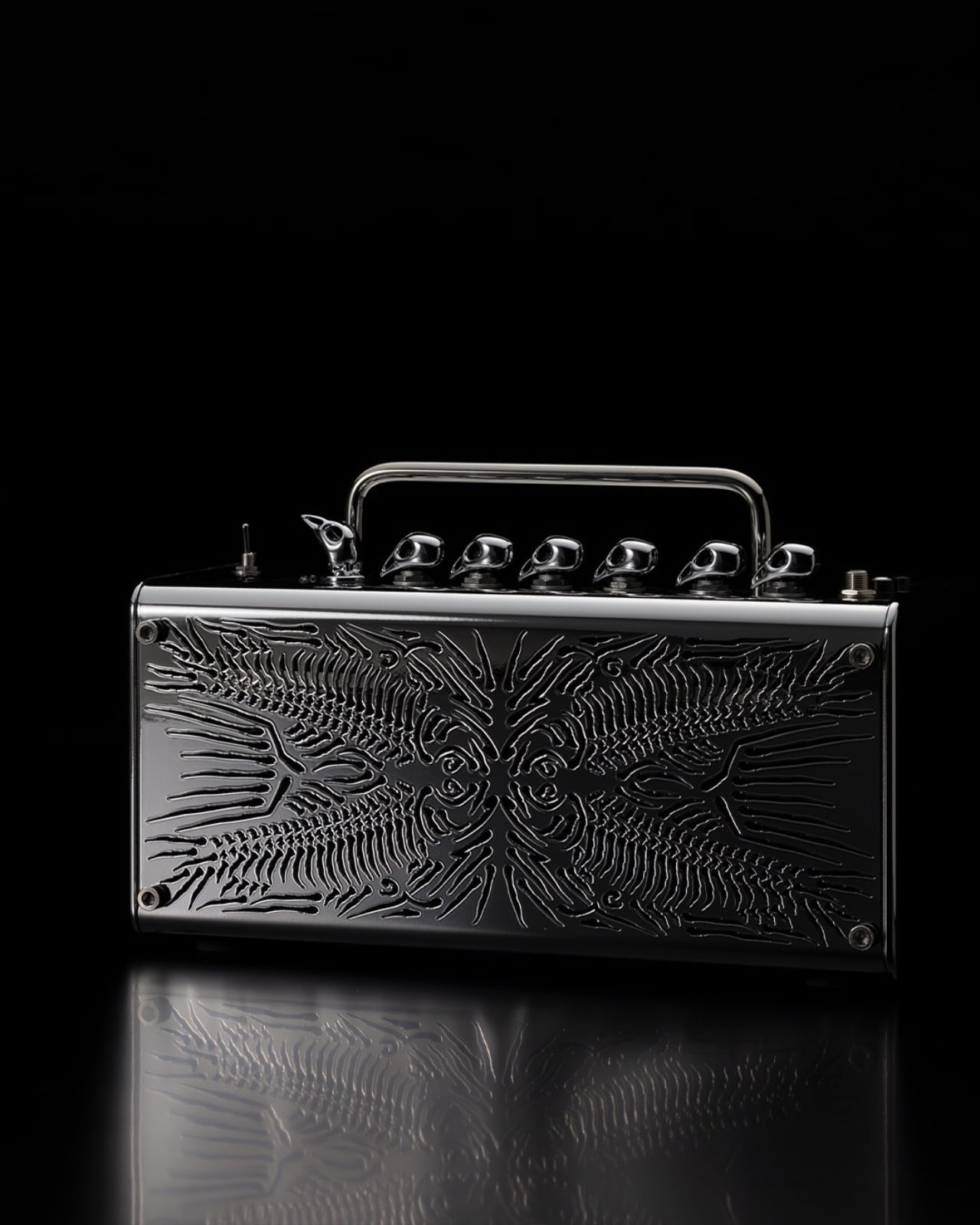
The answer became the front face of this amplifier. Notomi reportedly went to a fish market, bought a herring, dissected it, and drew its skeletal structure by hand before translating it into the final design. That part matters more than it might seem. It would have been easy to scan a reference image and apply it digitally, but the act of going to a market, handling the actual thing, and sketching it out by hand gives HERRING a different quality. You can feel the specificity in the final piece. The skeleton on the grille is not a decorative motif borrowed loosely from nature. It is anatomically observed, then mirrored and composed into something that functions simultaneously as a speaker cover, a relief sculpture, and a quiet act of homage to the fish it literally came from.

The knobs take the concept even further. In guitar culture, amplifier knobs with a pointed tip are commonly called “chicken-head” knobs. Notomi ran with that too. On HERRING, those knobs are exaggerated into sculptural bird-head forms that perch along the top of the amp like a row of tiny, knowing sentinels. Seen individually, they read as quirky hardware. Seen as a group, they complete the comedy of the whole piece without overpowering it.
That restraint is what makes HERRING work. It is a concept built on wordplay and zoological etymology, and it could have very easily tipped into novelty. It did not. The piece holds together because Notomi treated the humour as the entry point, not the destination. Visitors at Milan reportedly laughed when they noticed it, but quietly, the way you do when you feel like you have been let in on something rather than shown something.

There is also a broader observation baked into this project that I find genuinely interesting. Design language is full of terms borrowed from the natural world. Herringbone, chicken-head, dovetail, honeycomb, butterfly joint. We use these words constantly, and most of us stopped noticing the images inside them a long time ago. These names stuck because they once captured a visual truth, but over time the metaphor fades and the term becomes pure vocabulary. HERRING reverses that process, pulling the name back through its own etymology until the thing named and the thing itself become the same object. It is a rare kind of conceptual clarity, and it takes genuine intellectual curiosity to arrive there.
Whether HERRING ever becomes a production piece is a separate conversation. As a concept model, it functions perfectly well as a provocation: a reminder that the objects around us carry linguistic history that almost nobody stops to read. Koji Notomi stopped, dissected it quite literally, and built something that rewards the kind of slow attention that most designed objects never invite. It is playful, yes. But it is also a genuinely thoughtful piece of design thinking, and those two things are not in conflict here. If anything, the playfulness is exactly what makes the thinking land.
The post Yamaha Just Bought a Fish and Made It Into an Amplifier first appeared on Yanko Design.




Ayaneo has steadily built a name for itself in the premium handheld arena with devices that can play anything from an indie title or an emulated game to a demanding AAA PC ported title. More recently, the brand has branched into the more budget section of the gaming industry with the sub-brand KONKR. Targeting gamers who want to enjoy casual gaming on the go, the Windows-powered KONKR Pocket Fit and the KONKR Fit Elite hit the sweet spot of affordable price and the meat you get for it as far as performance is concerned.
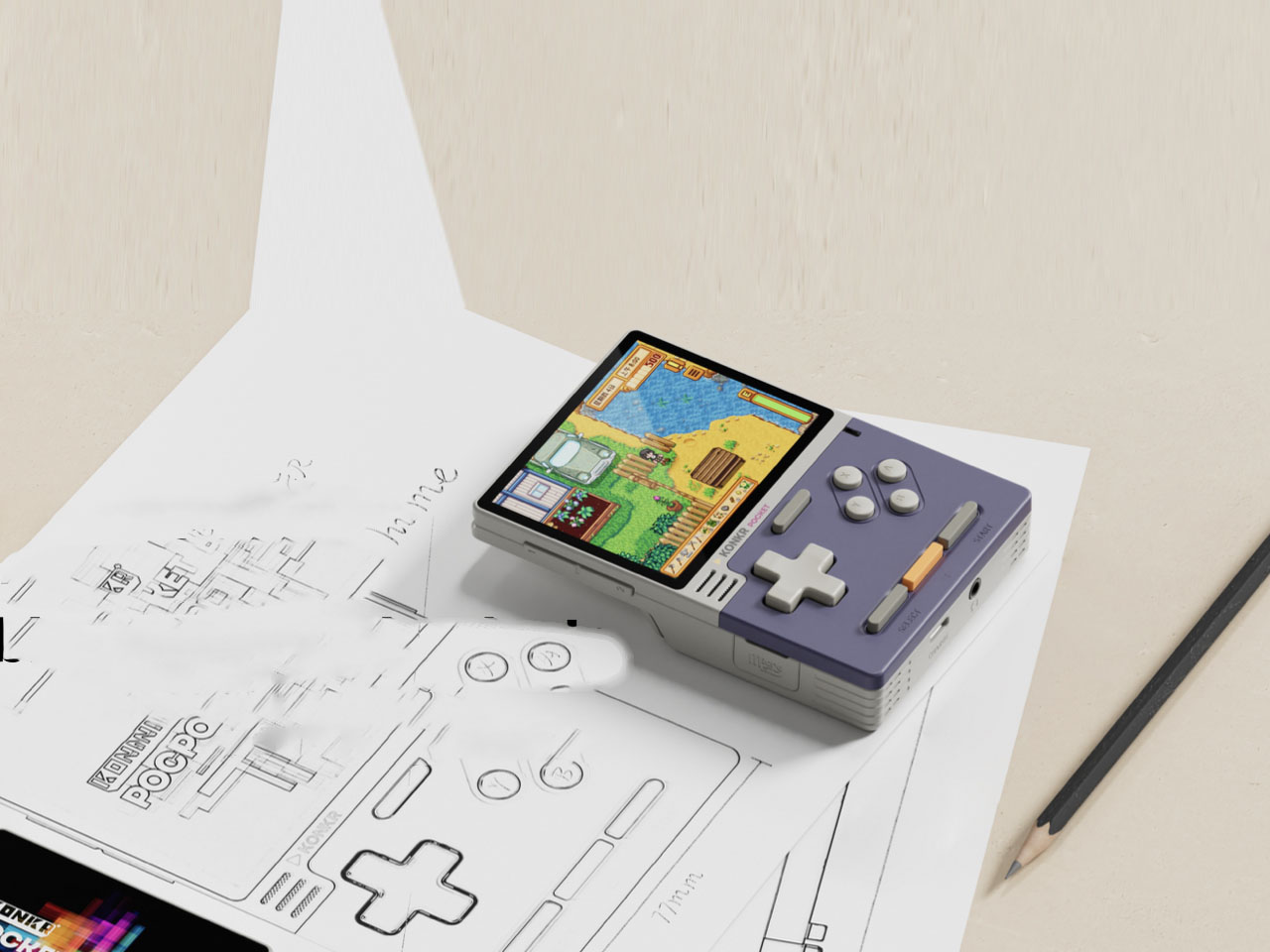
The portable gaming expert has now come up with the KONKR Pocket Block AI handheld, which has been lurking in the cloud for quite some time through leaks and rumors. The vertical configuration handheld touted to be the world’s first AI-powered portable gaming device has the telltale Game Boy vibes with its cyber-inspired design and retro aesthetics.
Designer: Ayaneo
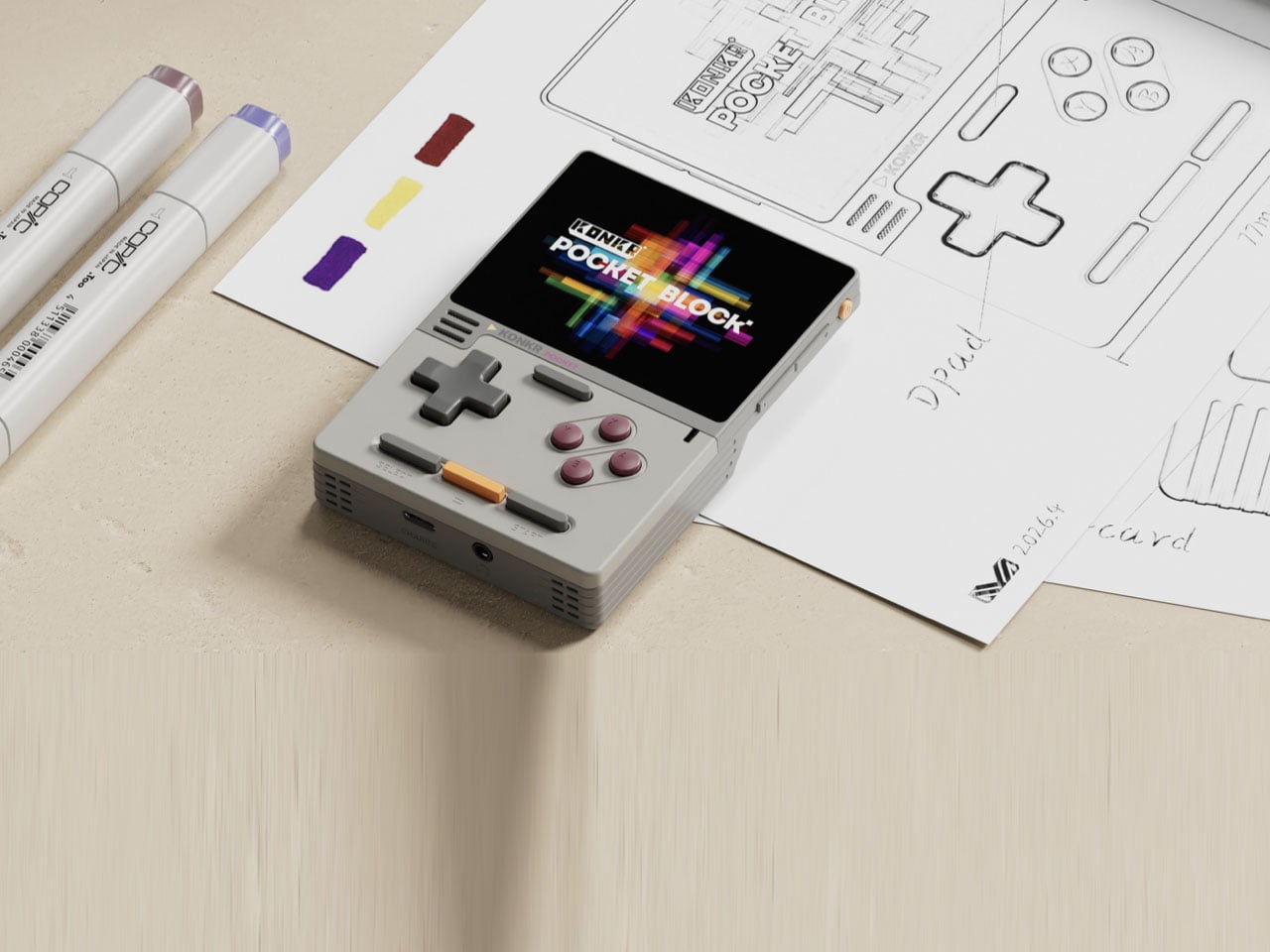
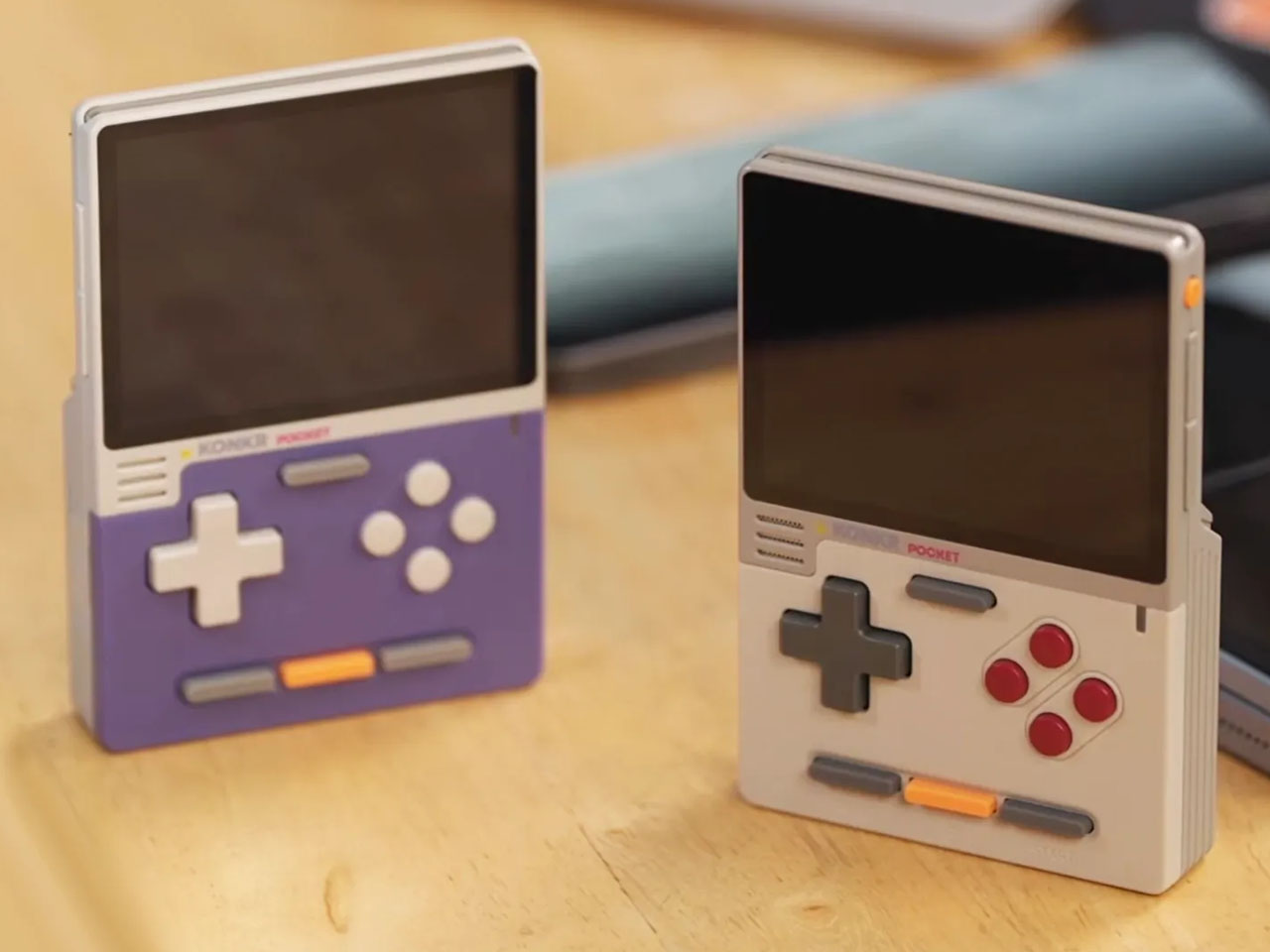
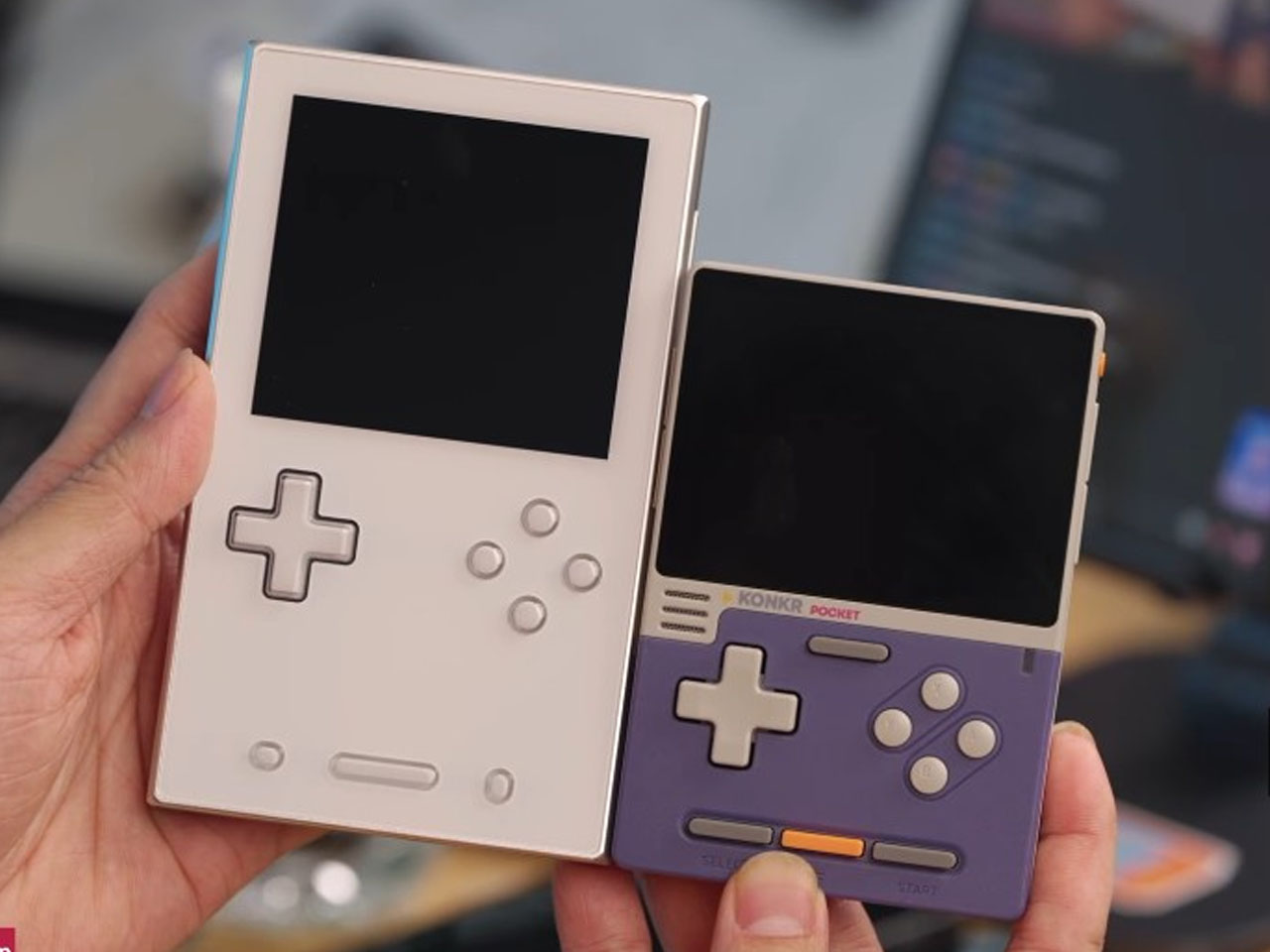
It all started with the leaked manuals of the handheld under the main brand, but eventually the device got leaked under the KONKR sub-brand. The handheld is slated to be released in two color options – one of which will have the Game Boy DMB-inspired hues, while the other has a pastel purple body panel contrasted with the off-white to replicate the late 90s and early 2000s electronic influences. The buttons on both are also color-matched as the former has a combo of grey, red, and orange, while the latter sports grey, white, and orange combos.
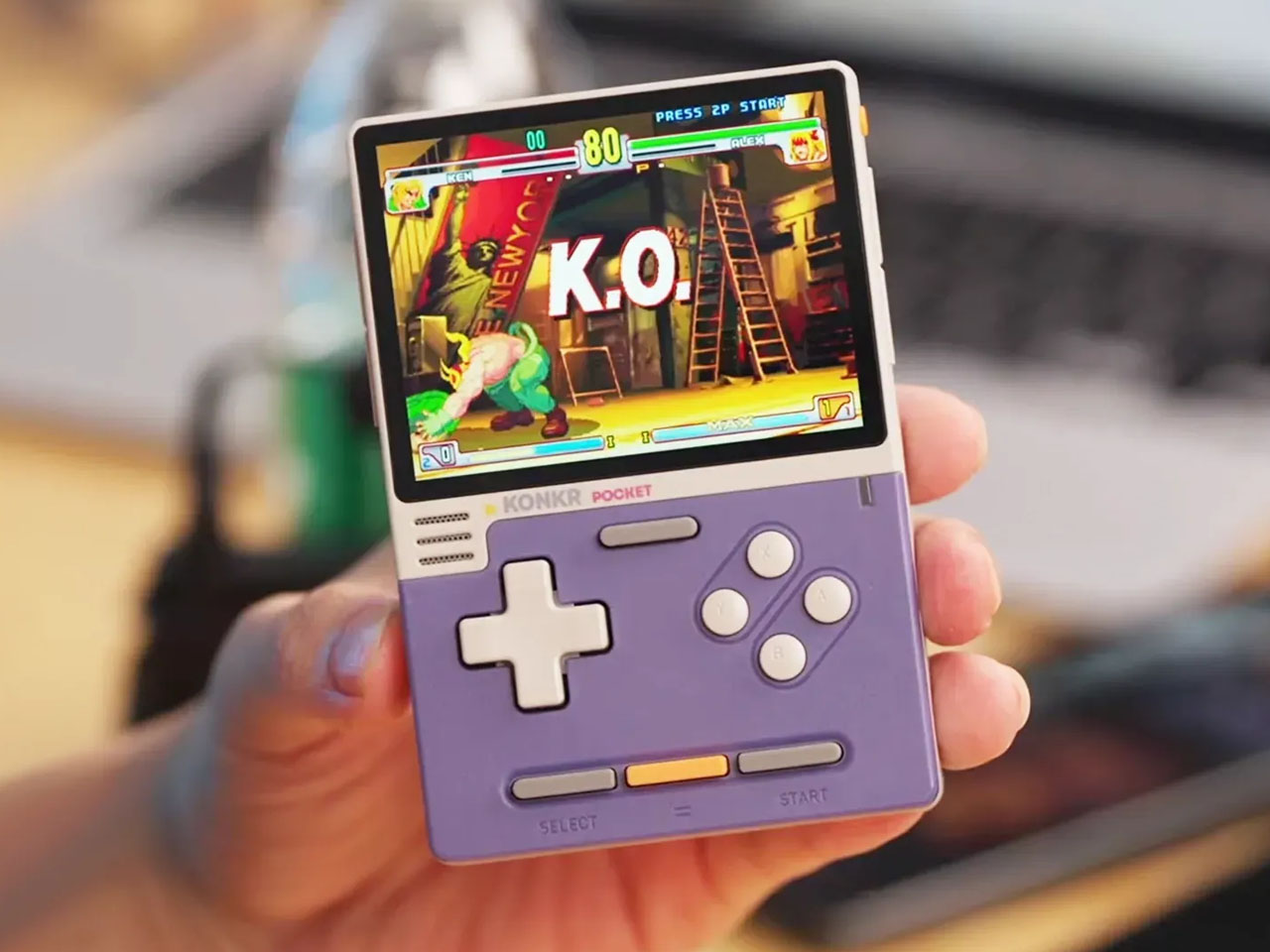
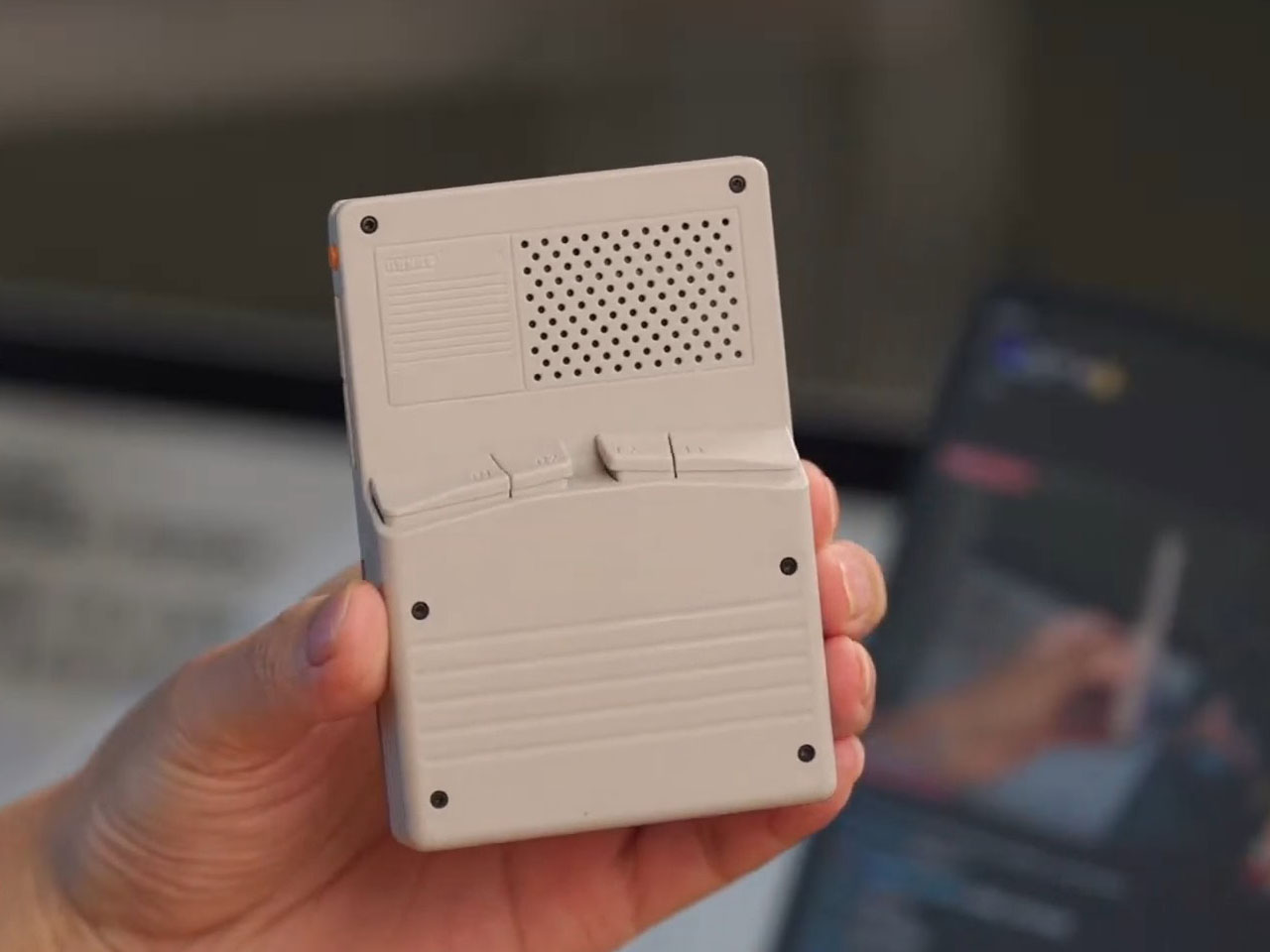
Although Ayaneo hasn’t revealed much about the specifications, the pocket-friendly handheld seems to have a 3 to 3.5-inch display. That puts it flush in competition with the Anbernic RG series and the Retroid Pocket Classic. The handheld was teased during the livestream event, alongside the Pocket AIR Mini handheld that comes with licensed IGS arcade games. Going by what’s seen in the earlier leaked images and the official livestream, the handheld comes without any analog sticks, has a 3.5mm port at the bottom, a front-facing speaker, ventilation on top to keep things cool, and a microSD card slot on the left. A closer look also reveals the presence of a plastic body, which is obvious given that the Pocket Block AI comes under the KONKR moniker.
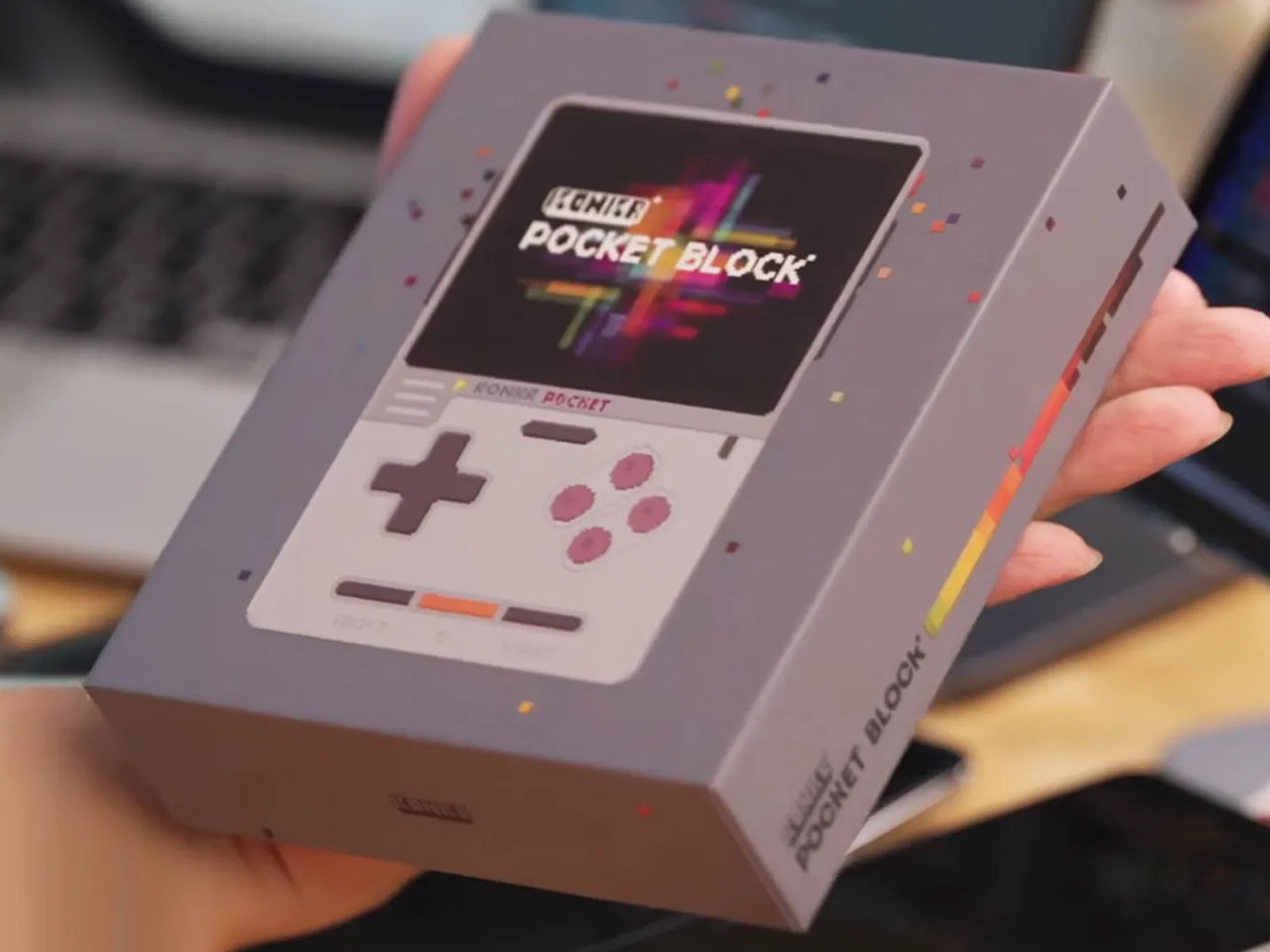
Previous leaks hint at a 3,500mAh battery powering the handheld with the 10W wired charging ability. If that’s true, given the compact size of the device, it is quite impressive. There’s no word on the pricing or the release date, but going by the leaked packaging images that look almost finished, the handheld should be official anytime in the coming weeks. The expected price tag for the KONKR Pocket is going to be around $150.
The post Ayaneo KONKR Pocket Block handheld is a Game Boy remake with AI guts first appeared on Yanko Design.


Samsung continues to push the boundaries of foldable smartphone technology with the launch of the Galaxy Z Fold 8 series, which includes two distinct models: the Galaxy Z Fold 8 and the Galaxy Z Fold 8 Ultra. While the standard Z Fold 8 adopts a broader and more refined design, the Z Fold 8 Ultra […]
The post Galaxy Z Fold 8 Ultra: Samsung’s Bold Naming Strategy for 2026 Leaks appeared first on Geeky Gadgets.

Apple has introduced a significant update to Voice Control on iPhone and iPad, marking a notable advancement in artificial intelligence (AI). This new feature enables you to interact with on-screen elements using natural language, eliminating the need for rigid, predefined commands. While initially presented as an accessibility enhancement, this update signals a broader evolution of […]
The post Apple Just Gave Us Our First Look at iOS 27—and It Changes Siri Forever appeared first on Geeky Gadgets.