Anker SOLIX E10 Brings Hybrid Whole-Home Backup to the Modern House

Modern homes depend on electricity for everything, from fridges and routers to medical devices and central A/C. Storms, rolling blackouts, and grid hiccups trigger a familiar scramble for flashlights and ice bags. Food spoils, devices die, and working from home becomes impossible. Most backup options either feel like camping gear with a couple of outlets or like a renovation project with permits and opaque pricing.

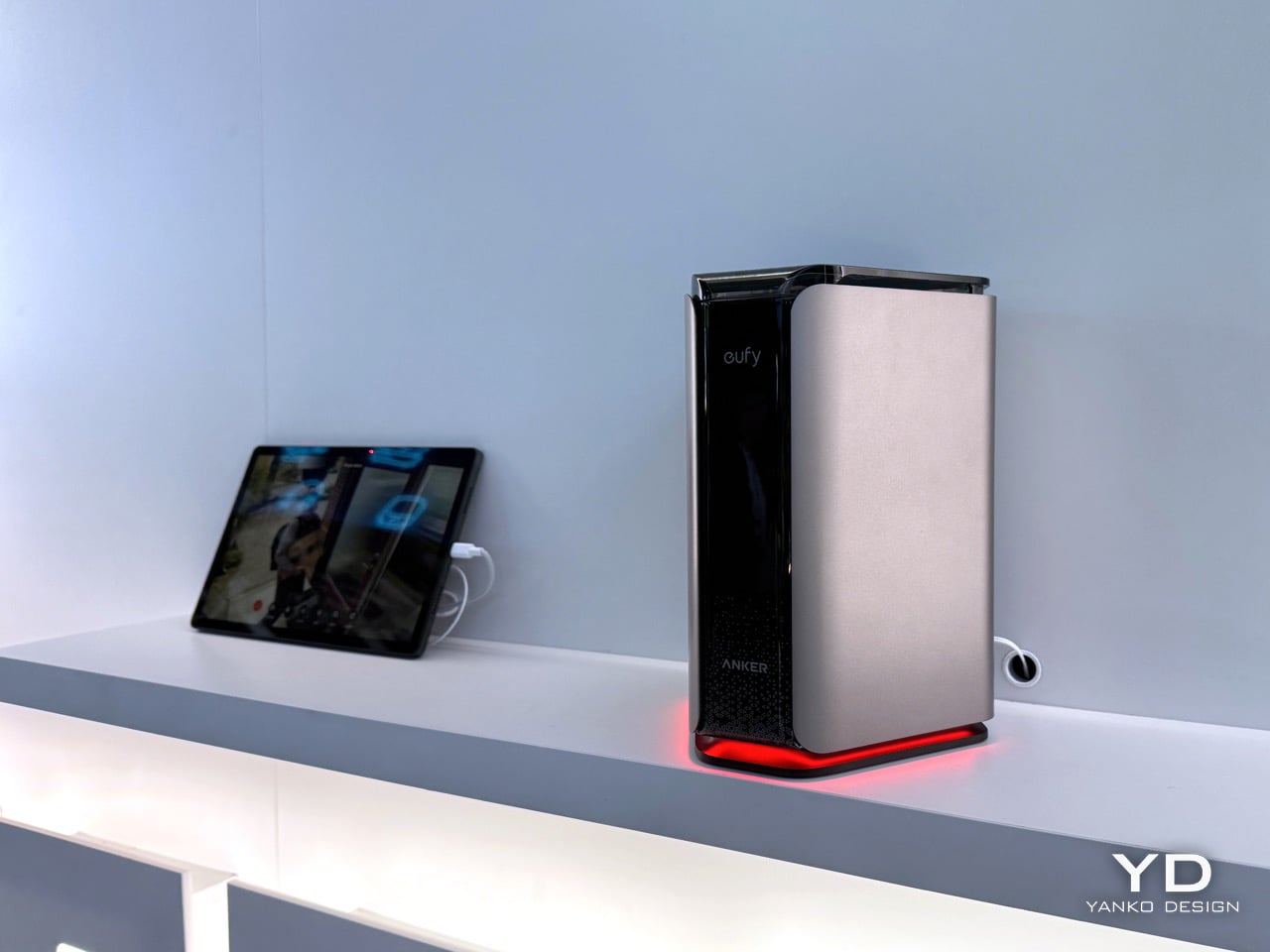
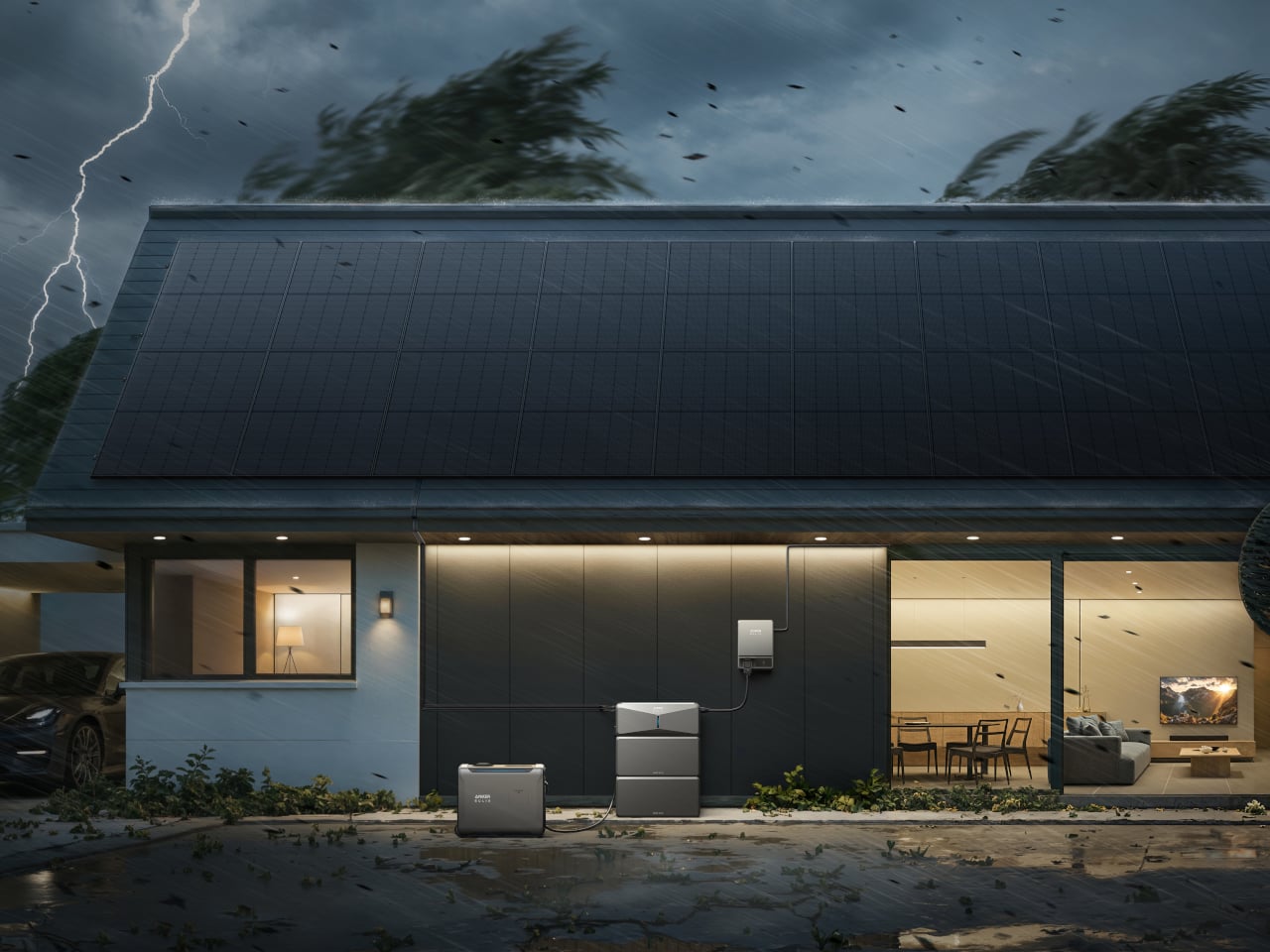
Anker SOLIX E10 is a smart hybrid whole-home backup system that blends batteries, green solar power, and a smart generator into one coordinated setup. It is designed to keep an entire house running, not just a few circuits, and is rated for whole-home backup with a 200-amp connection when paired with its Power Dock, matching a typical US main panel.

Designer: Anker

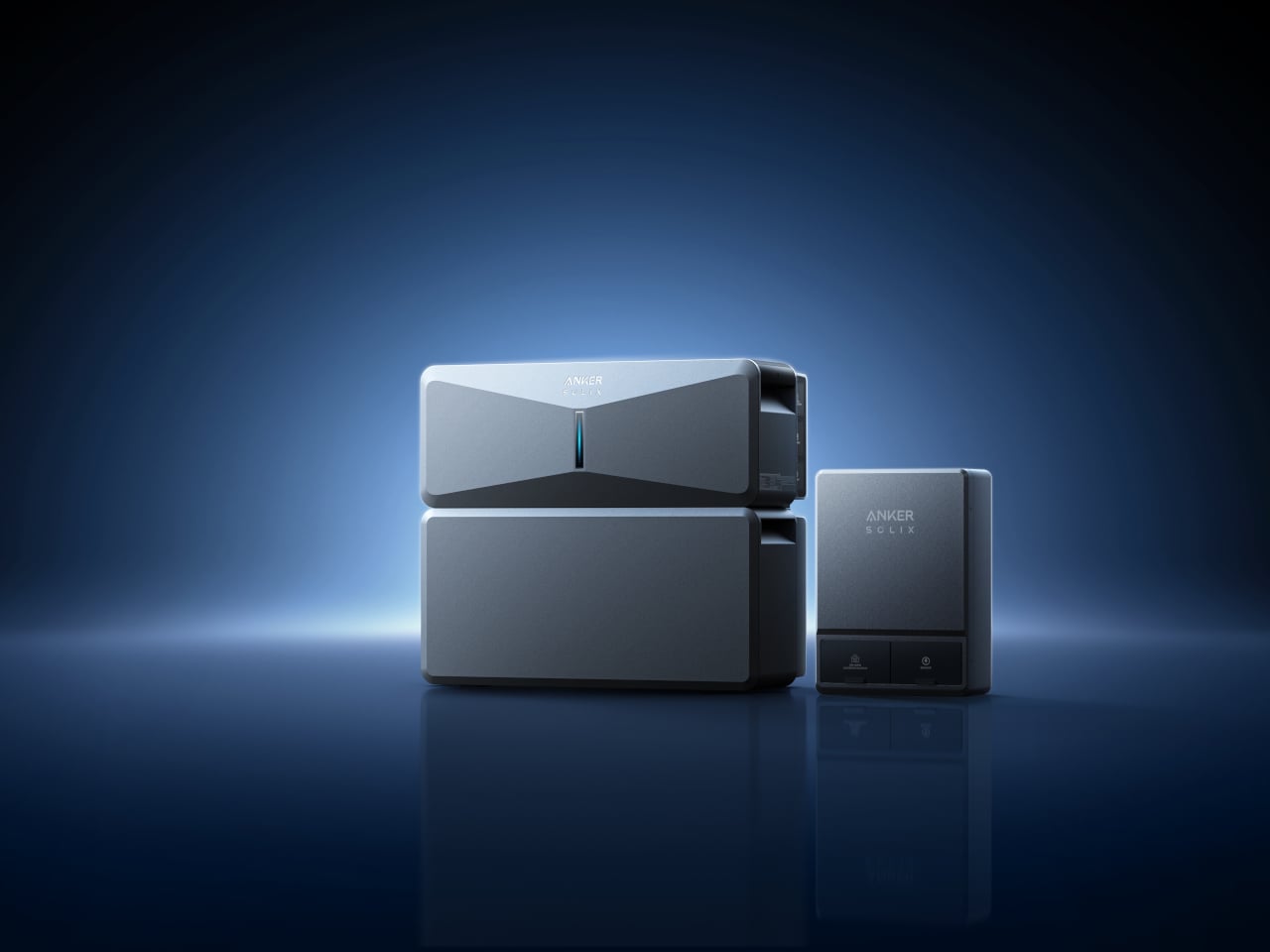
On a normal day, the SOLIX E10 quietly charges from solar and the grid, storing energy in modular 6 kWh battery packs that can scale to around 90 kWh with multiple stacks. When the power drops, the system steps in, deciding when to draw from batteries, when to add fuel through a DC link to its tri-fuel smart generator, and when to resume solar charging once the storm clears.

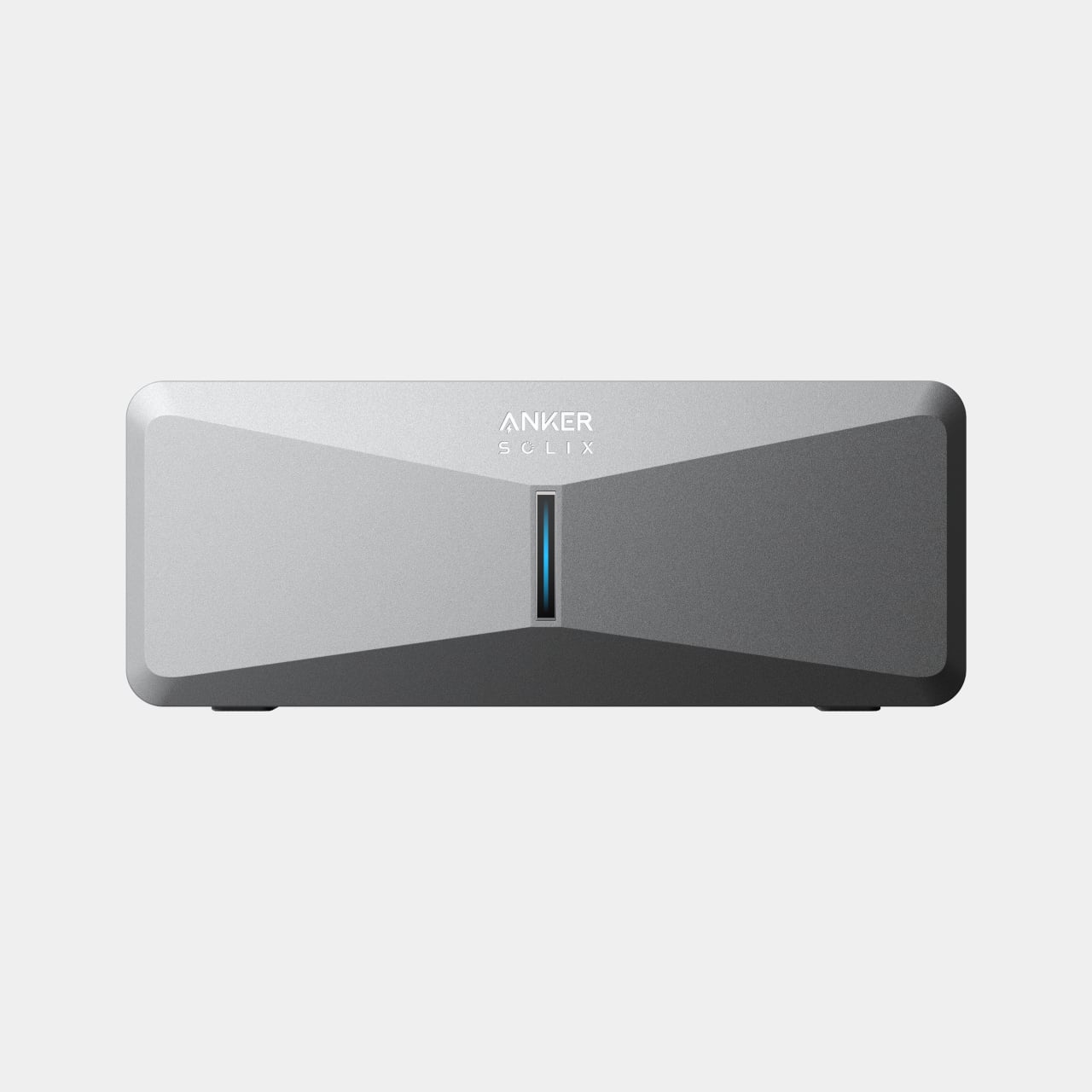
SOLIX E10 Power Module Inverter

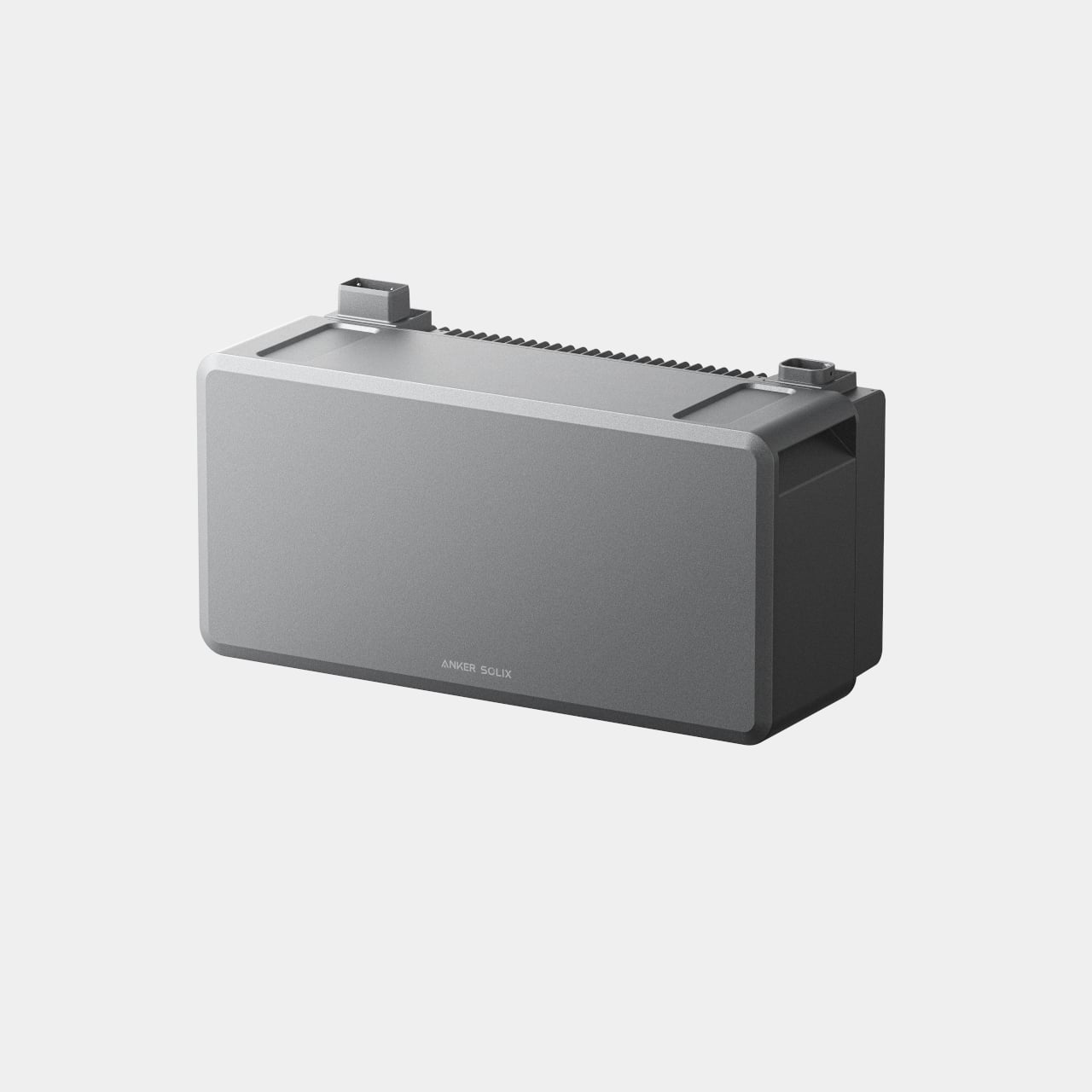
Anker SOLIX B6000 Battery Module

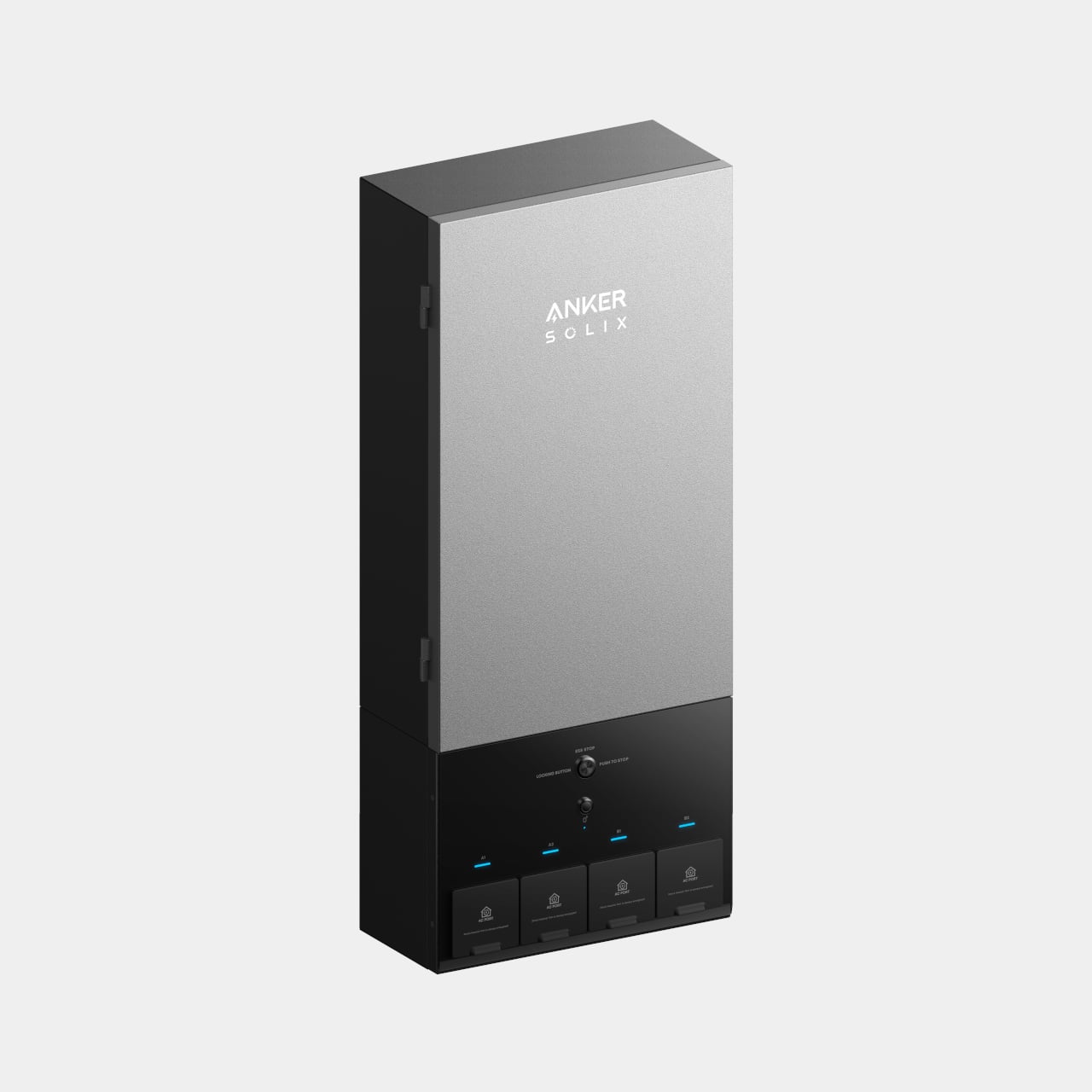
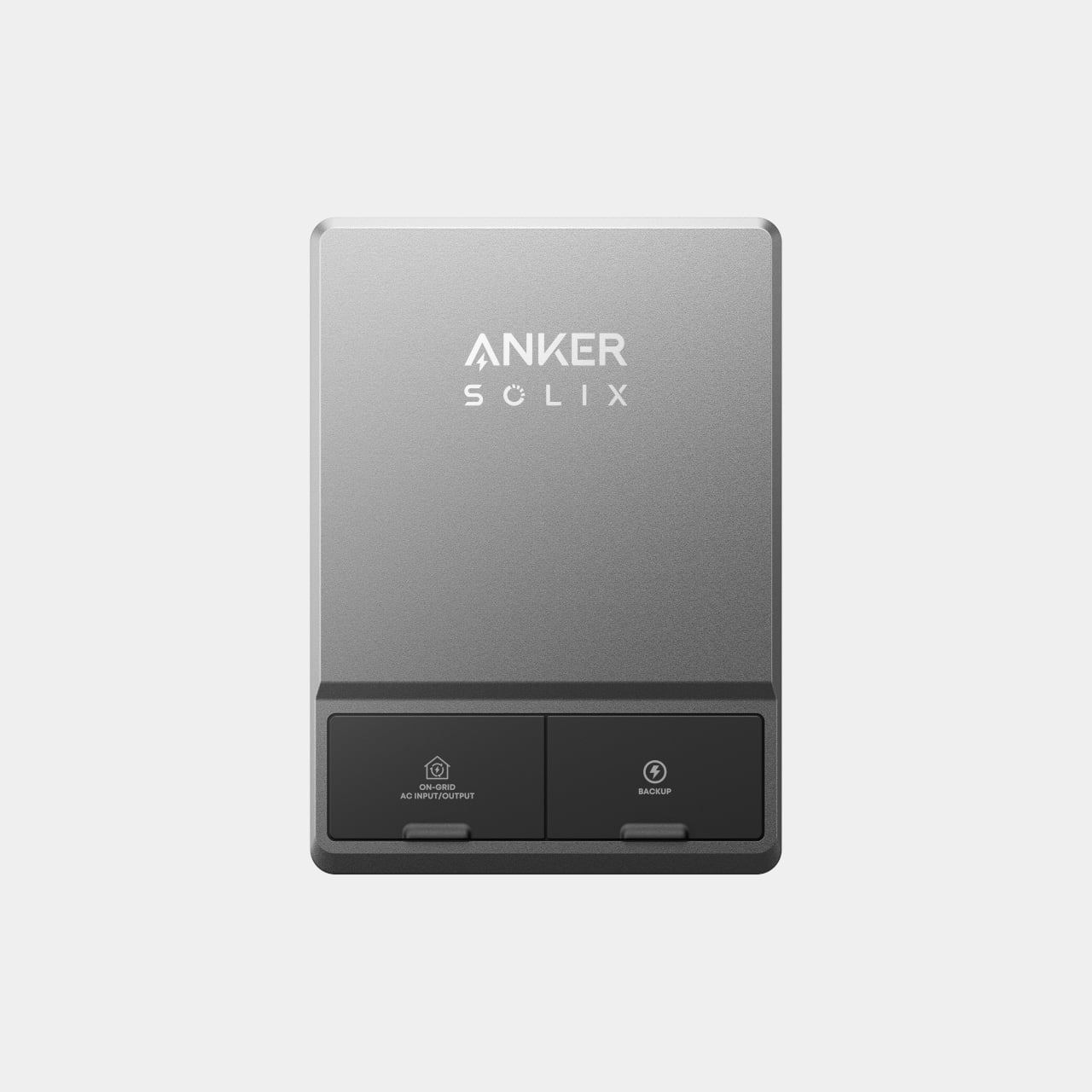
With the Power Dock or Smart Inlet Box, the SOLIX E10 can back up every circuit in a typical house, so you are not choosing between the fridge and the router. It is engineered to start and run a full-size 5-ton central A/C by handling the high inrush current that usually trips smaller systems, which matters when a summer outage hits during a heatwave.

Anker SOLIX Power Dock

Anker SOLIX Smart Inlet

When the grid fails, the lights stay on without flickering, the Wi-Fi does not reboot, and the A/C keeps humming. The system switches over in under 20 milliseconds, fast enough that most electronics never even notice. The feeling is less about the exact speed and more about the house simply not going dark anymore, even when the neighborhood does and trees are still down.

The SOLIX E10 can watch the weather and charge itself ahead of a predicted storm through its Storm Guard feature, so you are not caught with half-full batteries when the first tree hits a line. The modular packs give enough headroom for multi-day outages, while the forecasting takes backup power from a reactive scramble to a quiet ritual where the system prepares itself before you think to check.

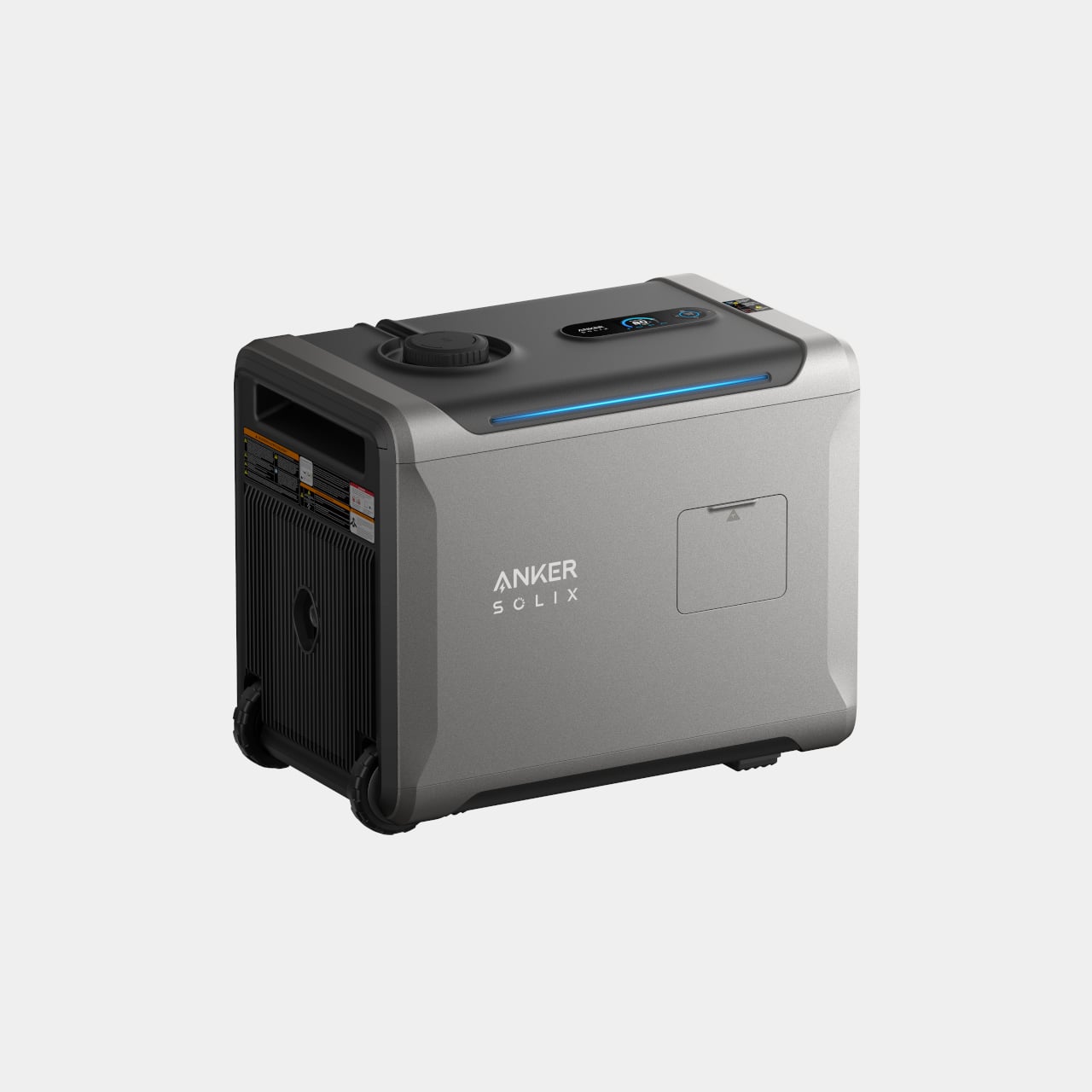
Anker SOLIX Smart Generator 5500

The optional smart generator stretches backup power through long outages without running nonstop. Instead of charging through AC conversion, it feeds the batteries directly over DC, which Anker claims is up to five times more fuel-efficient than a traditional setup. It runs when needed, rests at night, and feels more like part of a system than a last-resort accessory.

The SOLIX E10 is not only for rare blackouts. On normal days, it can store cheap off-peak energy or excess solar and run the house when rates spike, trimming bills. Each unit accepts up to about 9 kW of solar input, so a rooftop array keeps the batteries topped up, and the system prioritizes important circuits to keep essentials alive longer during outages.

The hardware is a family of clean, stackable modules, with batteries that can be wall-mounted or floor-standing as the setup grows. The core units use an all-metal NEMA 4 enclosure and are certified to UL 9540 and UL 9540A, signaling they are built to live outdoors, handle bad weather, and meet the toughest residential safety standards.

Power anxiety is real, the feeling that one bad storm could wipe out food, work, and comfort for days. An outage where the house stays lit, the air stays cool, and the fridge keeps humming while the street outside goes dark is the payoff Anker SOLIX E10 is built around, making blackouts feel like minor blips instead of household emergencies.

The post Anker SOLIX E10 Brings Hybrid Whole-Home Backup to the Modern House first appeared on Yanko Design.

Soundcore at CES 2026 Turns Everyday Spaces into Portable Sound and Cinema

Personal entertainment has drifted out of fixed rooms and into commutes, bedrooms, trails, and backyards. People bounce between earbuds, smart speakers, and projectors, often juggling separate ecosystems that do not feel designed with each other in mind. The friction is no longer just sound quality, but how easily gear fits into those shifting contexts, from the desk where you need awareness, to the pillow where you need silence, to the field where you want a movie under the stars.

Soundcore’s CES 2026 lineup follows that drift. The AeroFit 2 Pro, Sleep A30 Special, Boom Go 3i, Nebula P1i, and Nebula X1 Pro aim to move with you rather than live in one place. The common thread is collapsing trade‑offs, open‑ear comfort and ANC in one pair of buds, tiny speakers with long battery life, and projectors that pack a theater into a handle‑equipped box, each tuned to a different moment when sound or vision matters.

Designer: Soundcore (Anker)

Soundcore AeroFit 2 Pro

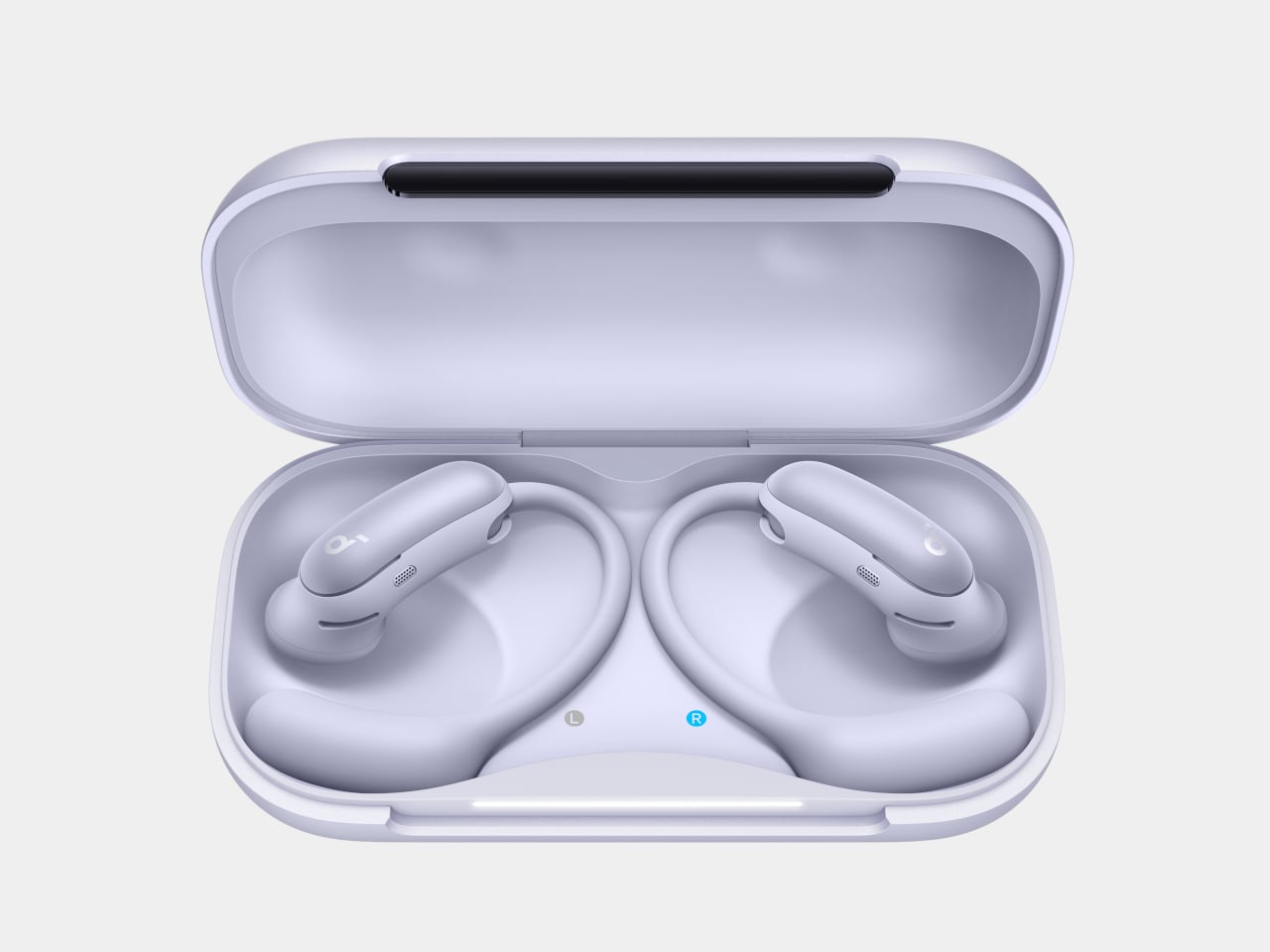
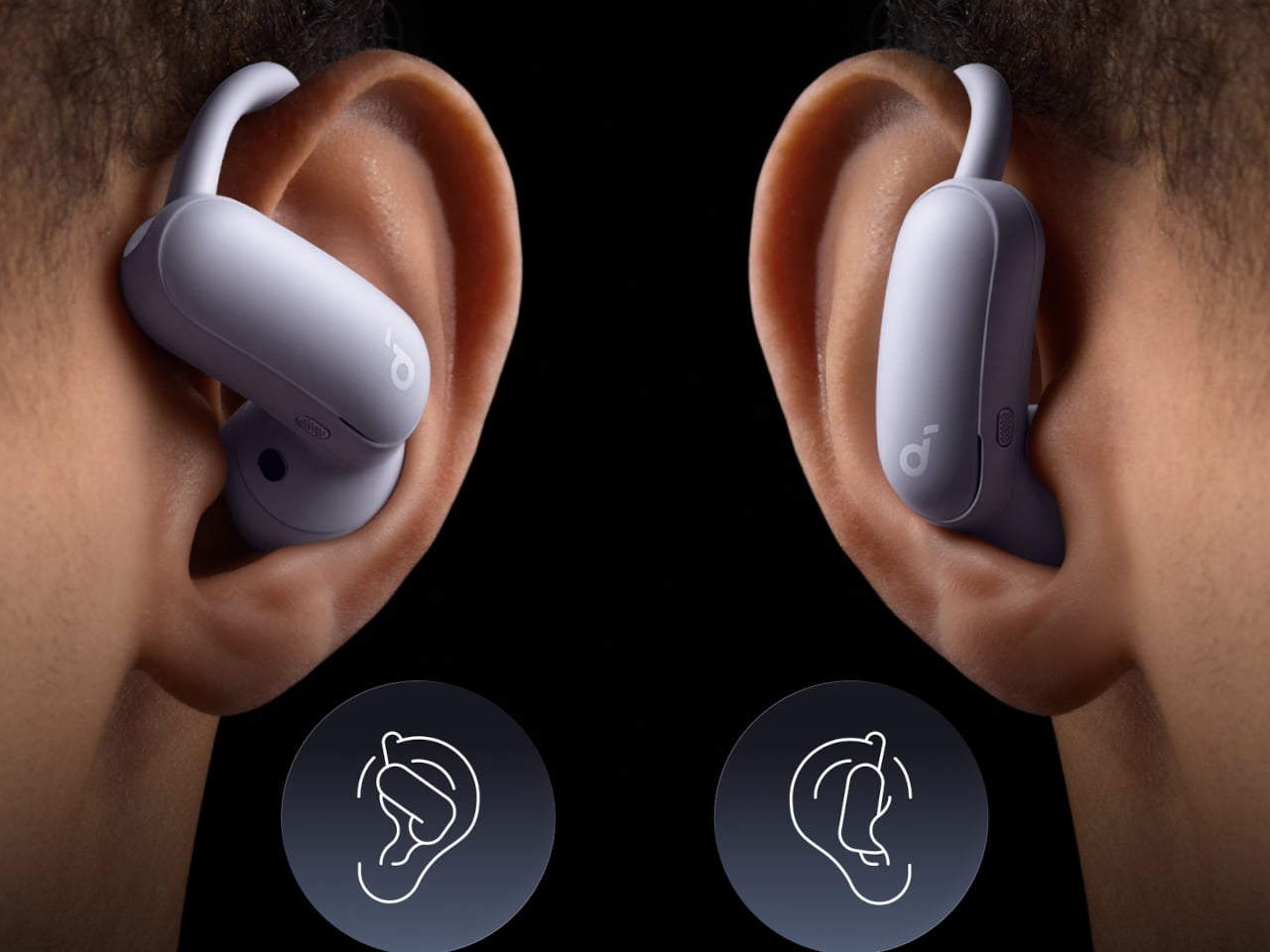
AeroFit 2 Pro is built for people whose days swing between needing to hear the world and wanting to block it out. The five‑level ear‑hook can reposition the nozzle so the buds behave as open‑ear hooks during runs or desk work, then slide into a semi‑in‑ear ANC form when focus or isolation is needed, without swapping hardware or carrying two pairs.

The liquid‑silicone hooks and 56 degrees of articulation keep pressure off the canal for all‑day wear in open‑ear mode, while Adaptive ANC 3.0 checks noise up to 380,000 times per second and makes 180 adjustments per minute in ANC mode. The buds include 11.8 mm drivers, spatial audio with head tracking, LDAC support, IP55 rating, and differing battery lives, up to 7 hours and 34 with case in open‑ear, up to 5 hours and 24 with case in ANC.

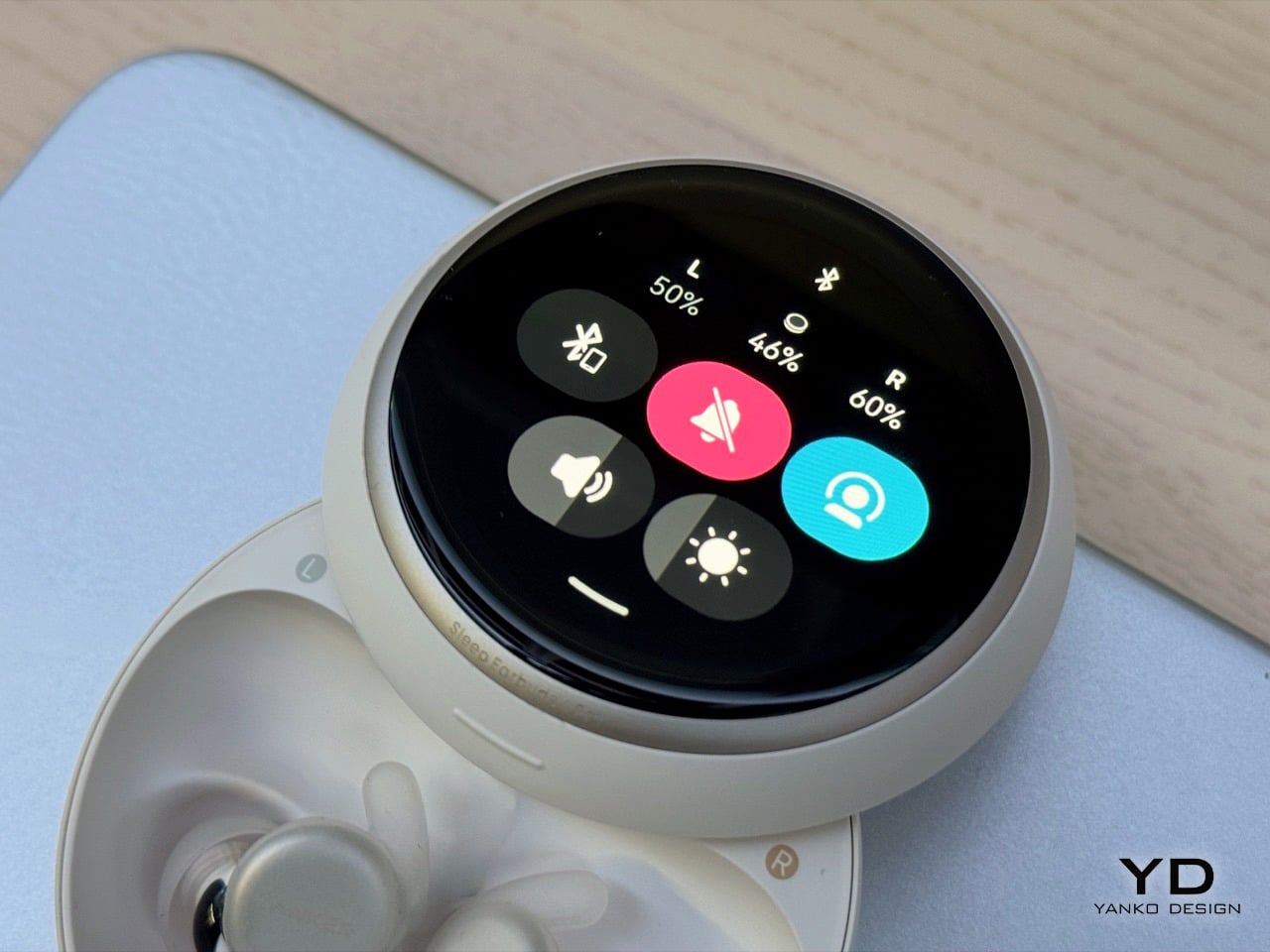
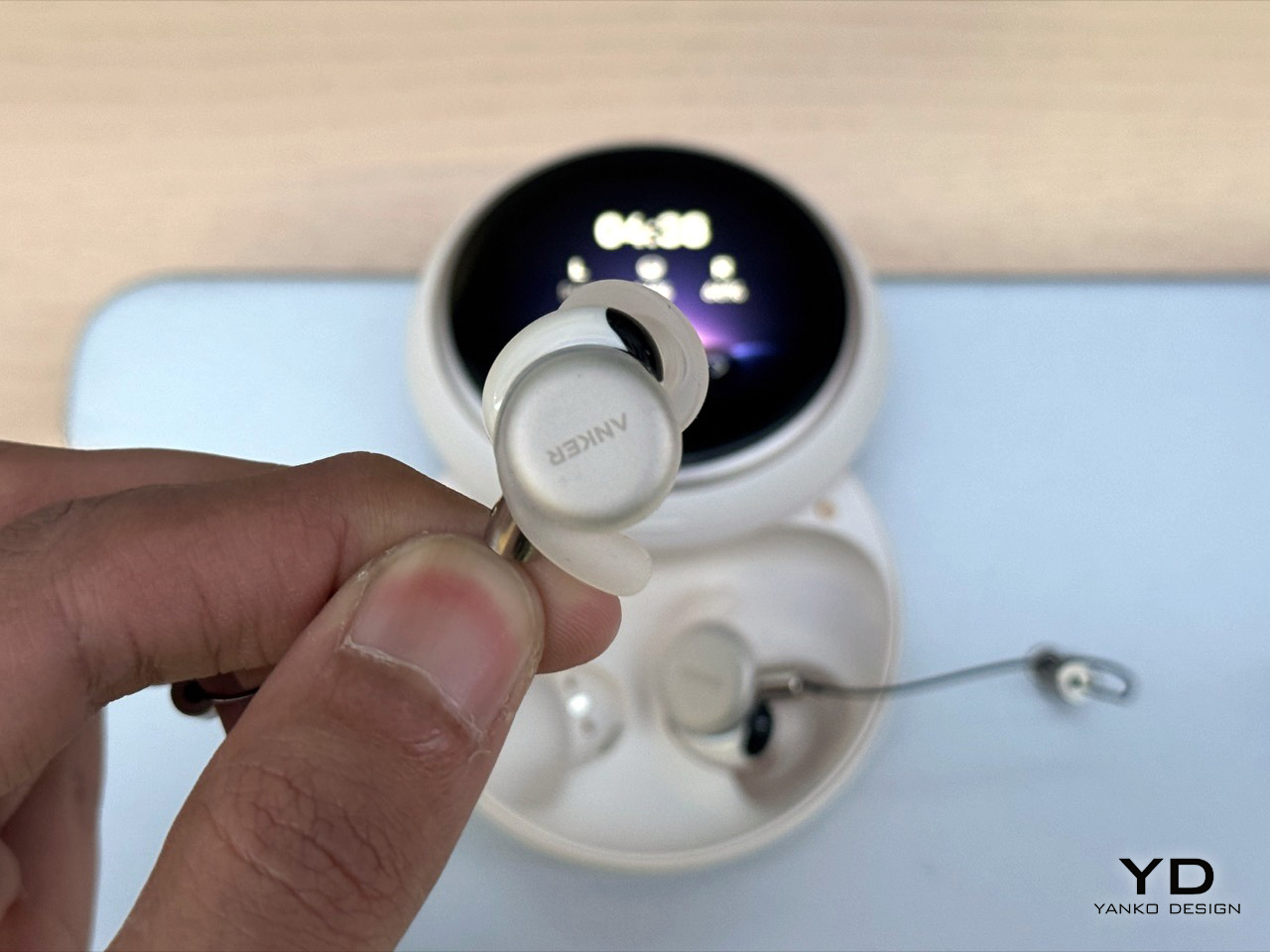
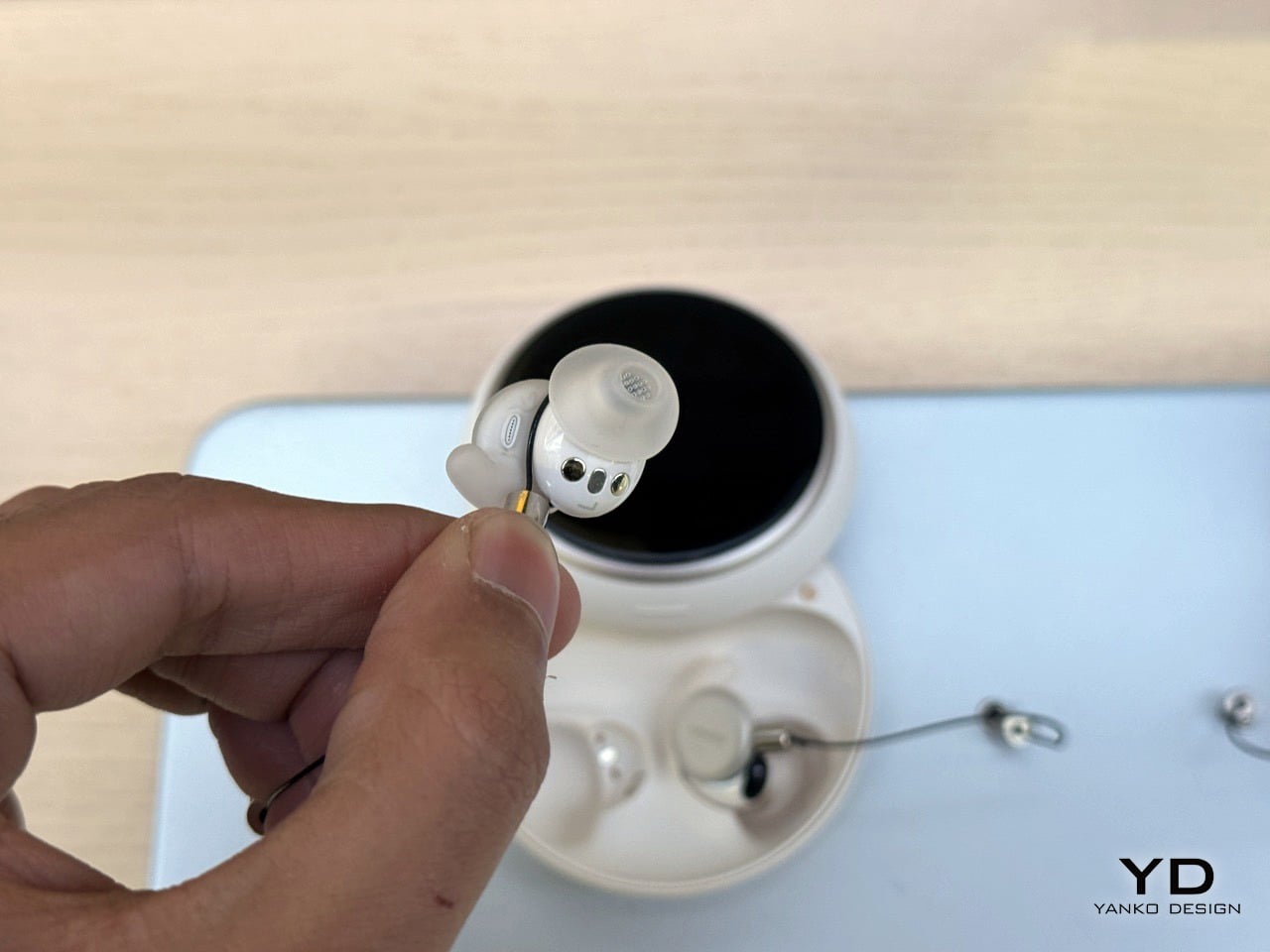
Soundcore Sleep A30 Special

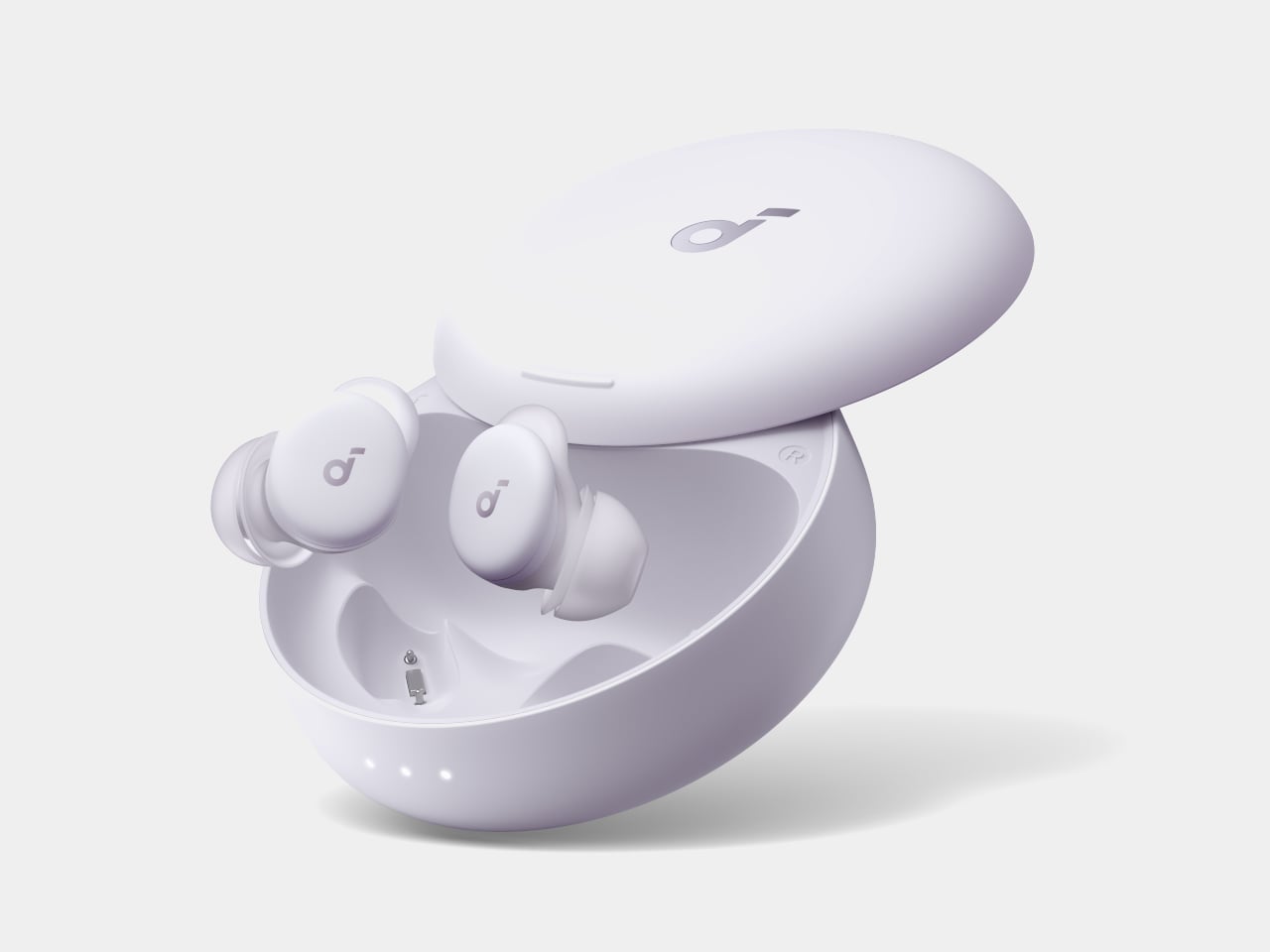
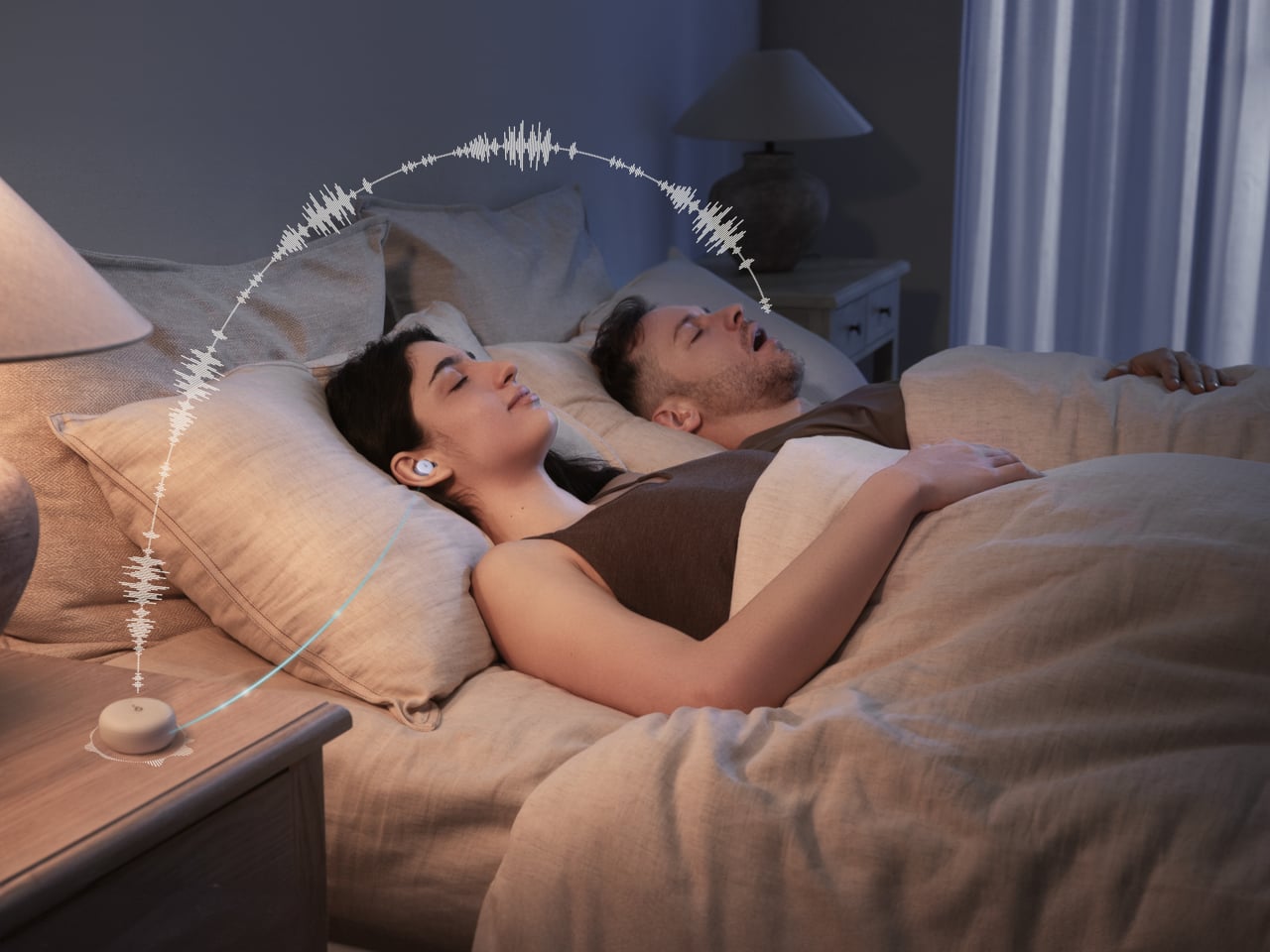
Sleep A30 Special takes over when the day ends and the noise does not. The triple noise reduction system combines active noise cancellation, passive blocking from the low‑profile fit, and adaptive snore masking that targets disruptive frequencies without making the room feel unnaturally silent. The ultra‑compact shape is tuned for side sleepers who usually cannot tolerate bulky earbuds pressing against a pillow overnight.

The earbuds tie into the Soundcore app to deliver Calm Sleep Stories directly, alongside AI brainwave tracks and white noise. The hardware is only half the story; the curated content and extended battery life let people build a consistent wind‑down routine, from reading in bed with subtle noise reduction to drifting off to a story without worrying about wires, over‑ear pressure, or keeping a phone nearby.

Soundcore Boom Go 3i

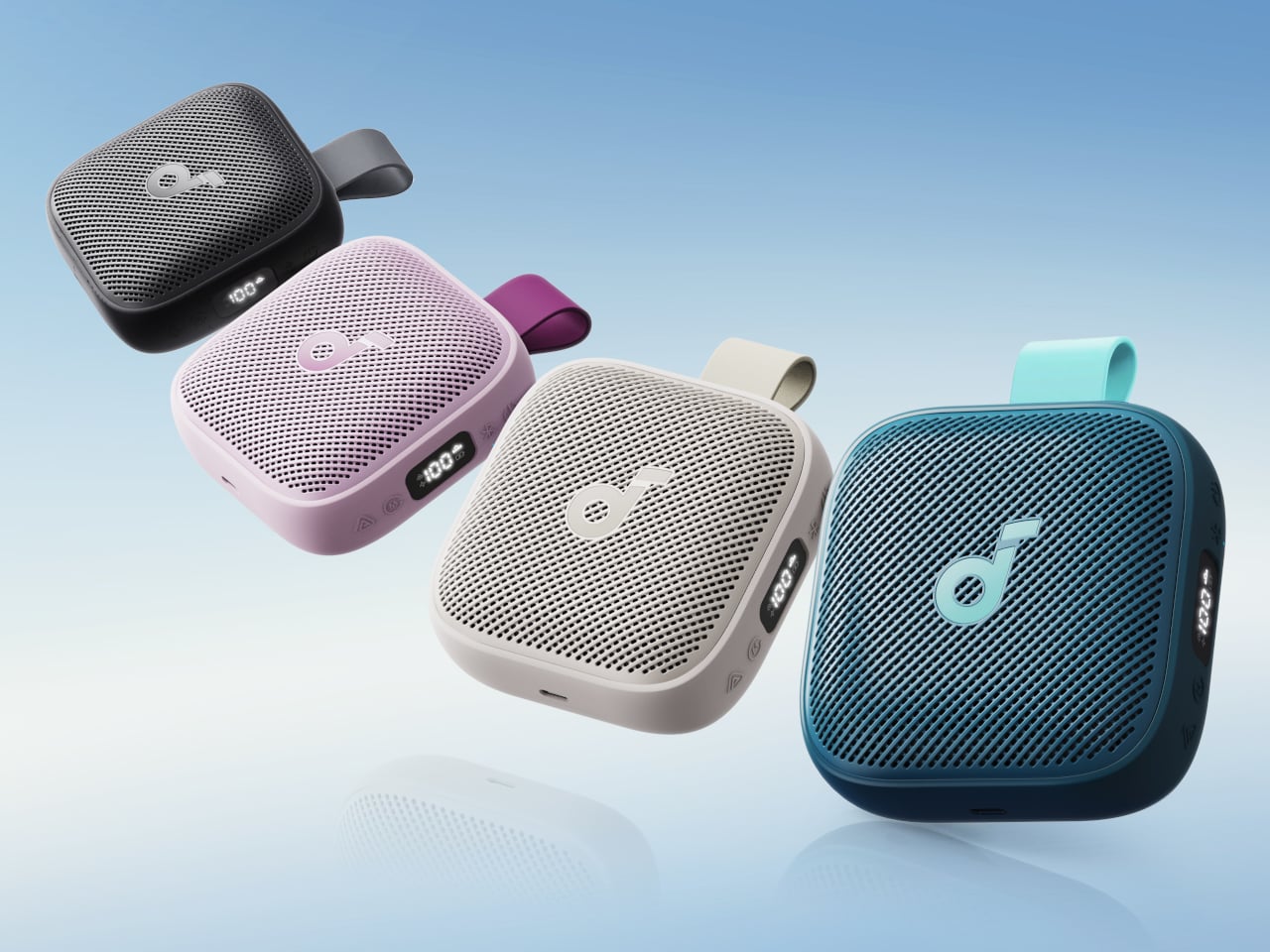
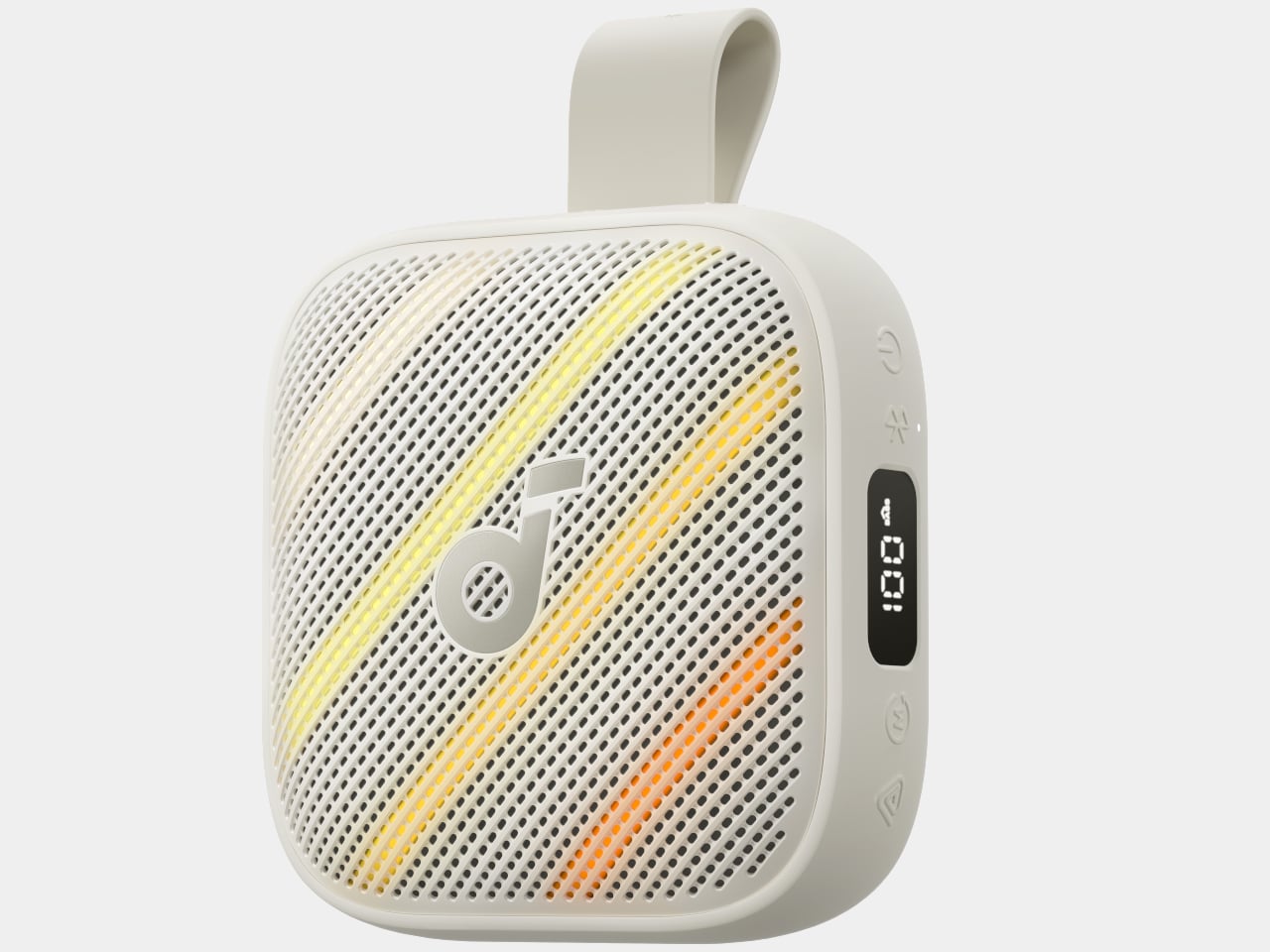
Boom Go 3i is the speaker that lives on a backpack strap rather than a shelf. The palm-sized form and 15 W output make a picnic or campsite feel less quiet without needing a huge cylinder. The 4,800 mAh battery offers up to 22 hours in Eco mode, so it can handle a weekend of light use without visiting a wall outlet, and it can lend some of its charge for emergency phone top‑ups.

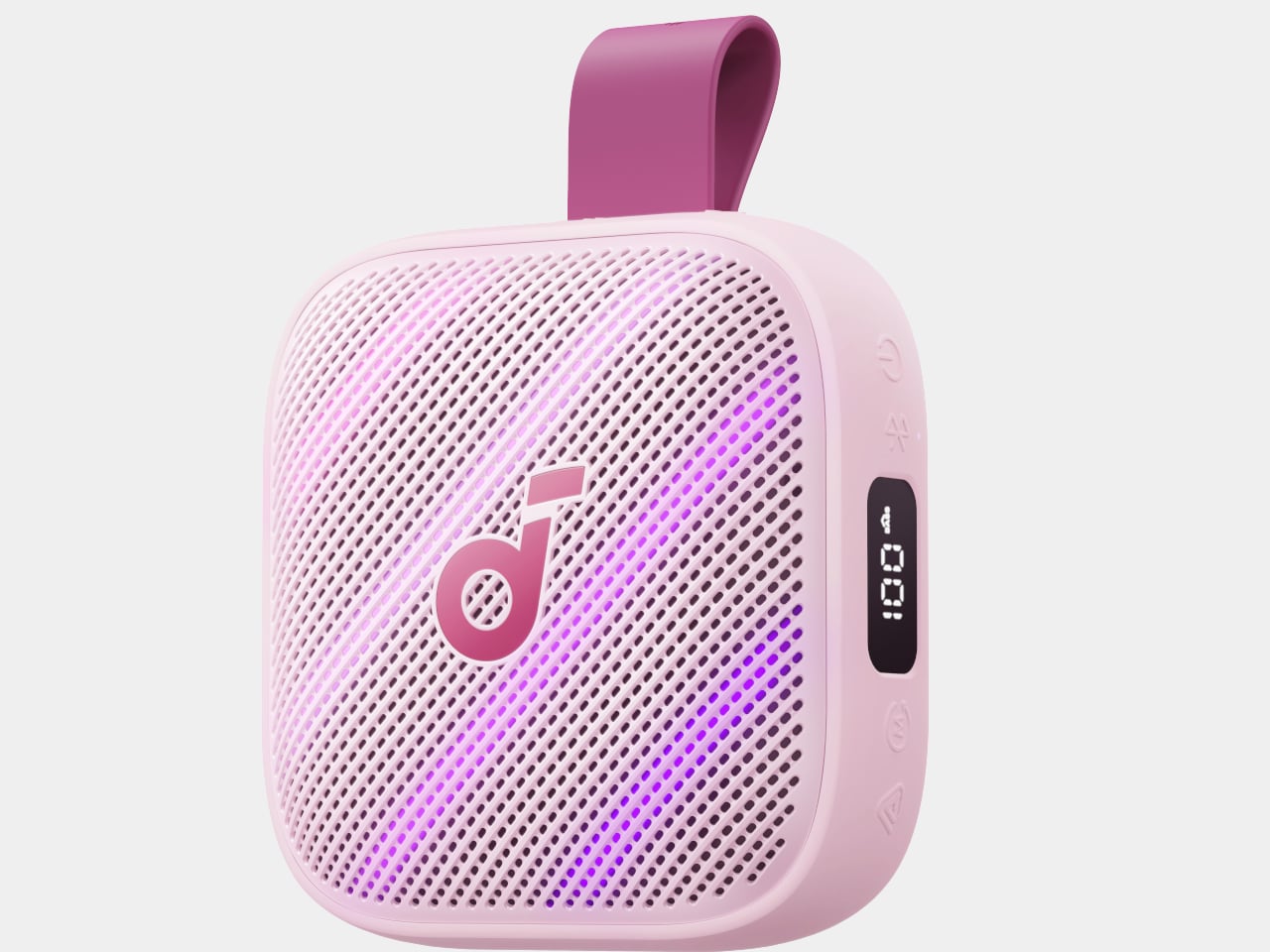
The IP68 rating means it can handle dust, sand, and submersion, which is useful when it gets dropped in a stream or buried in a beach bag. The dual‑mode strap mounting system lets it hang or cinch tightly to a pack, bike, or tent pole, and the LED grille with diagonal light patterns makes it easy to spot in a dark campsite or stowed in the bottom of a gear pile.

Soundcore Nebula P1i

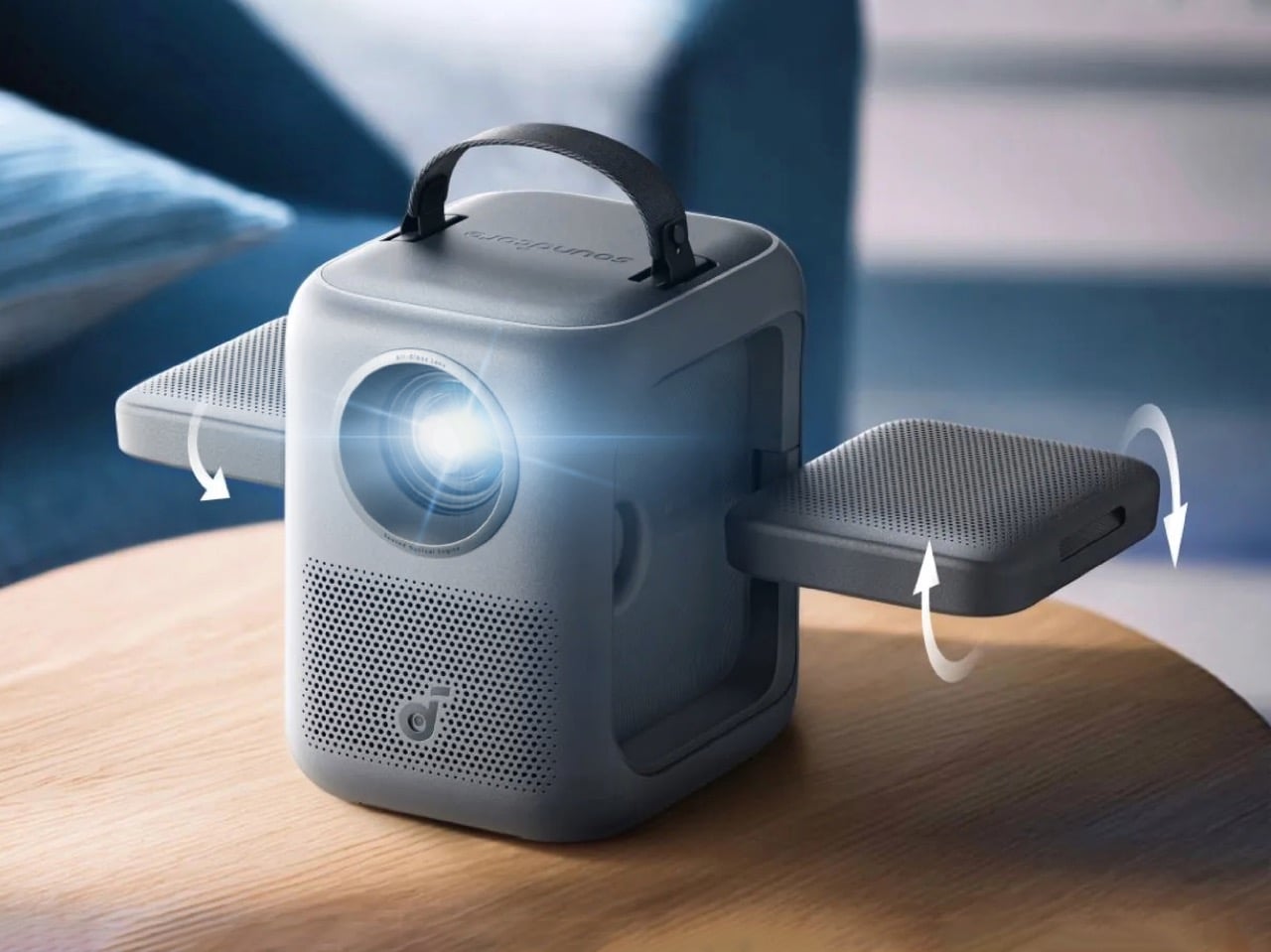
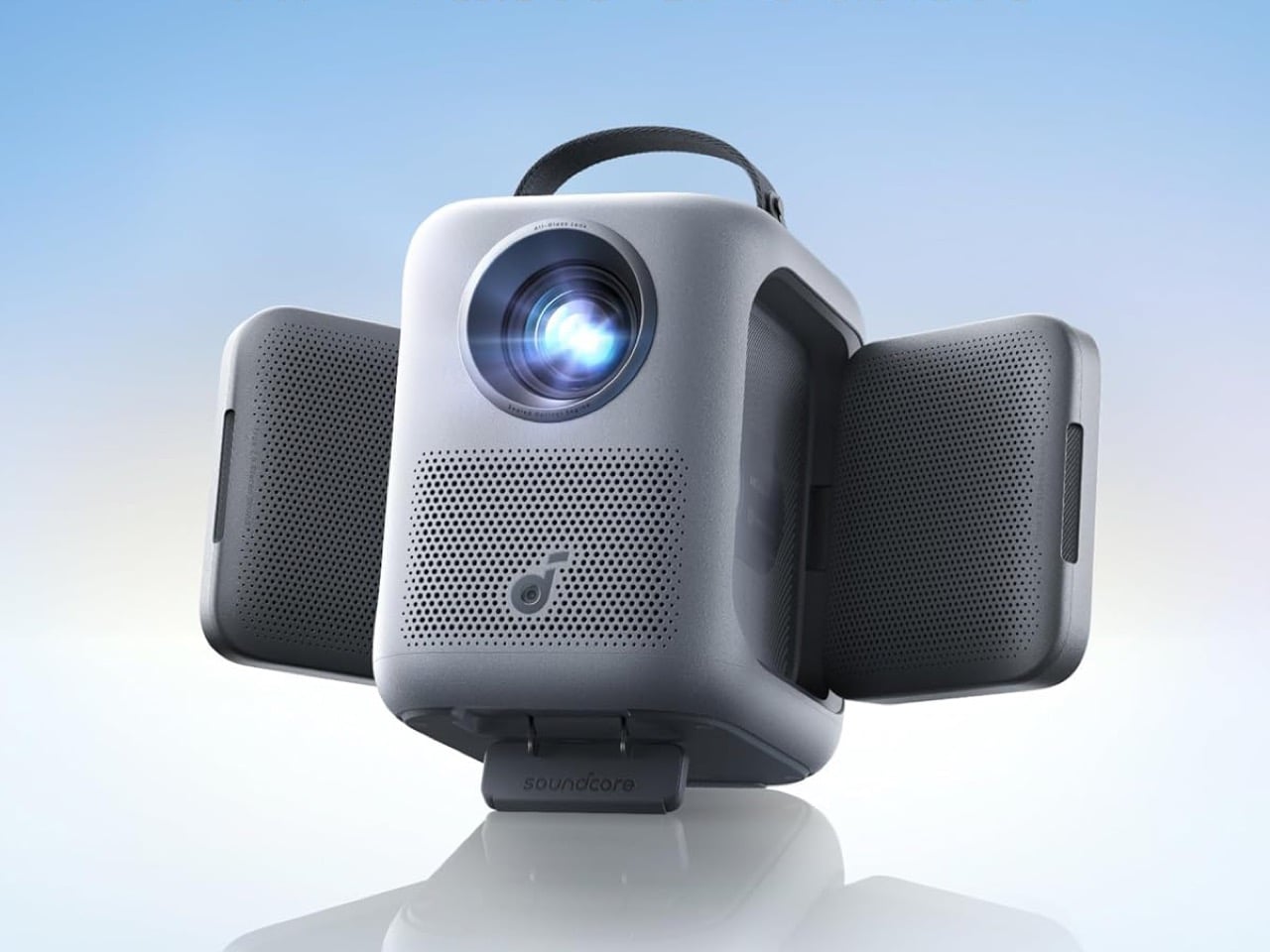
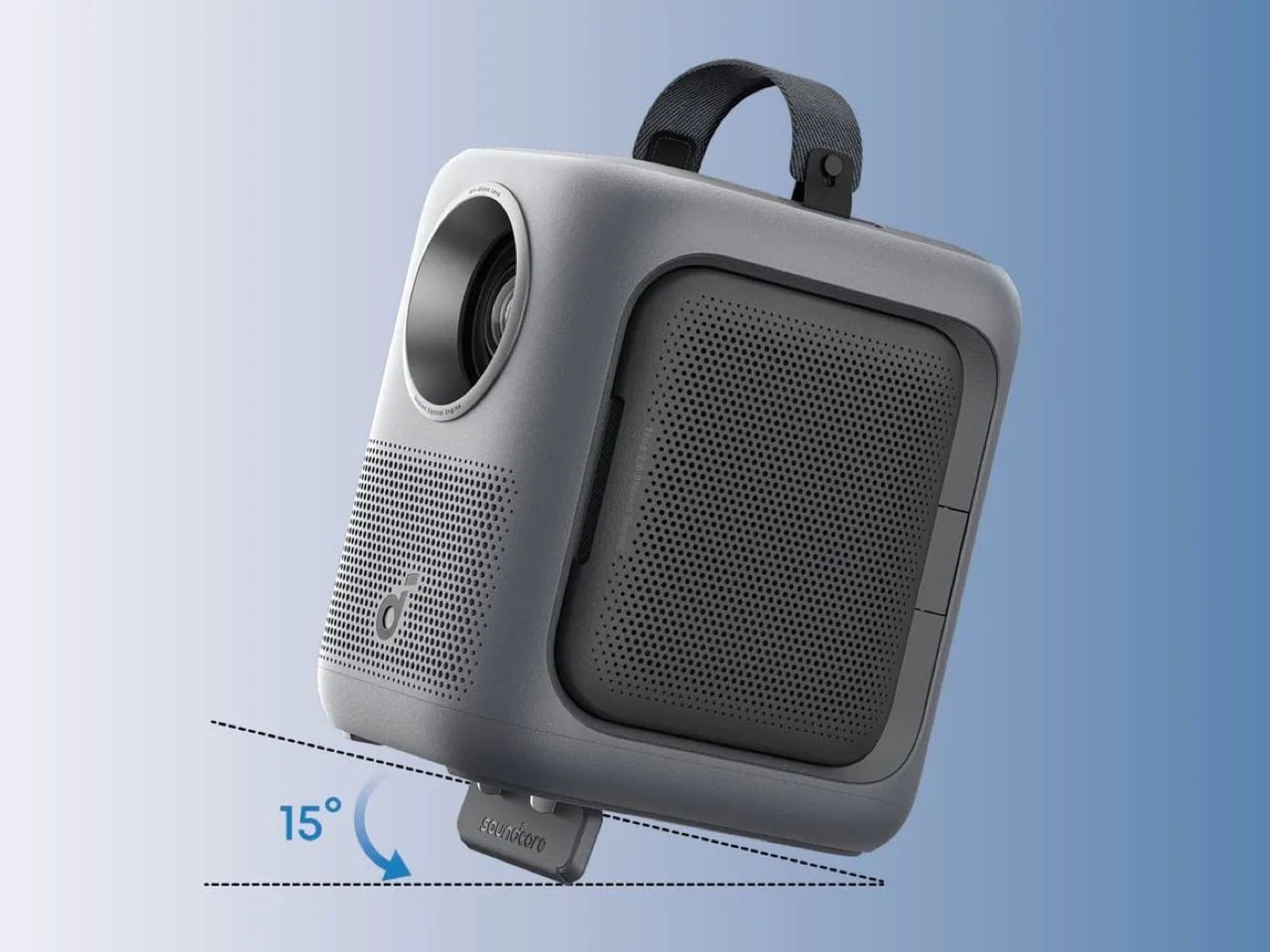
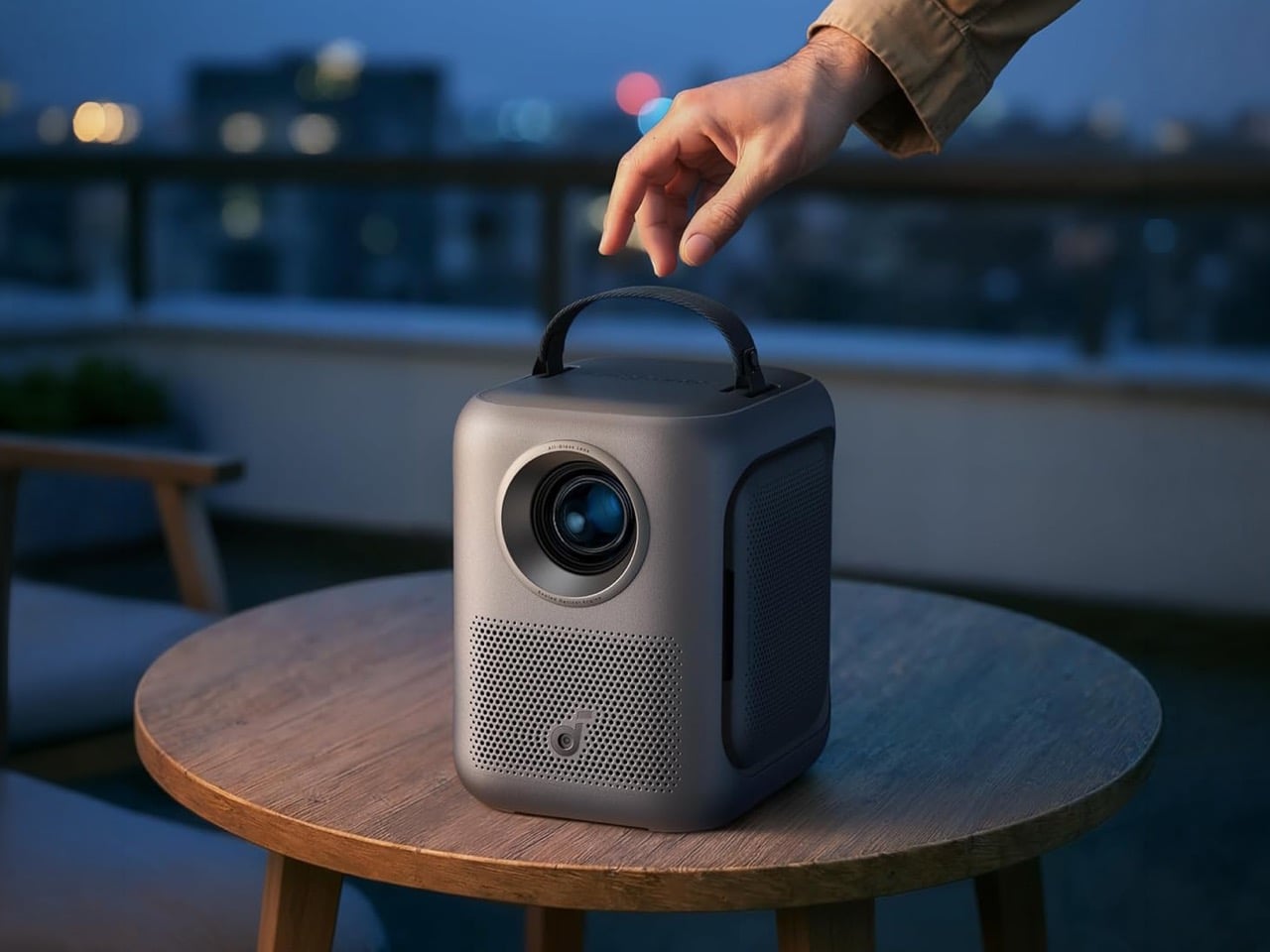
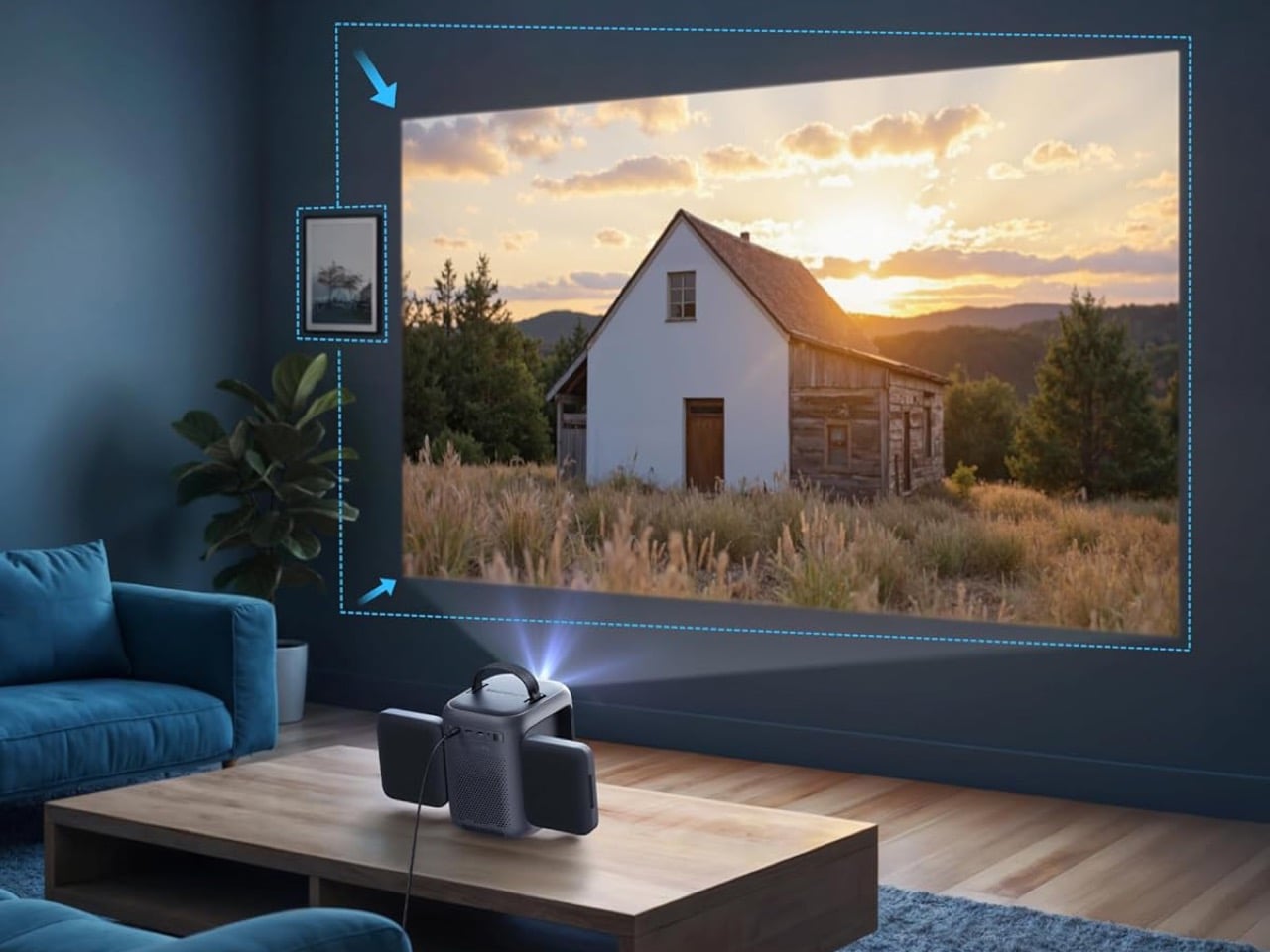
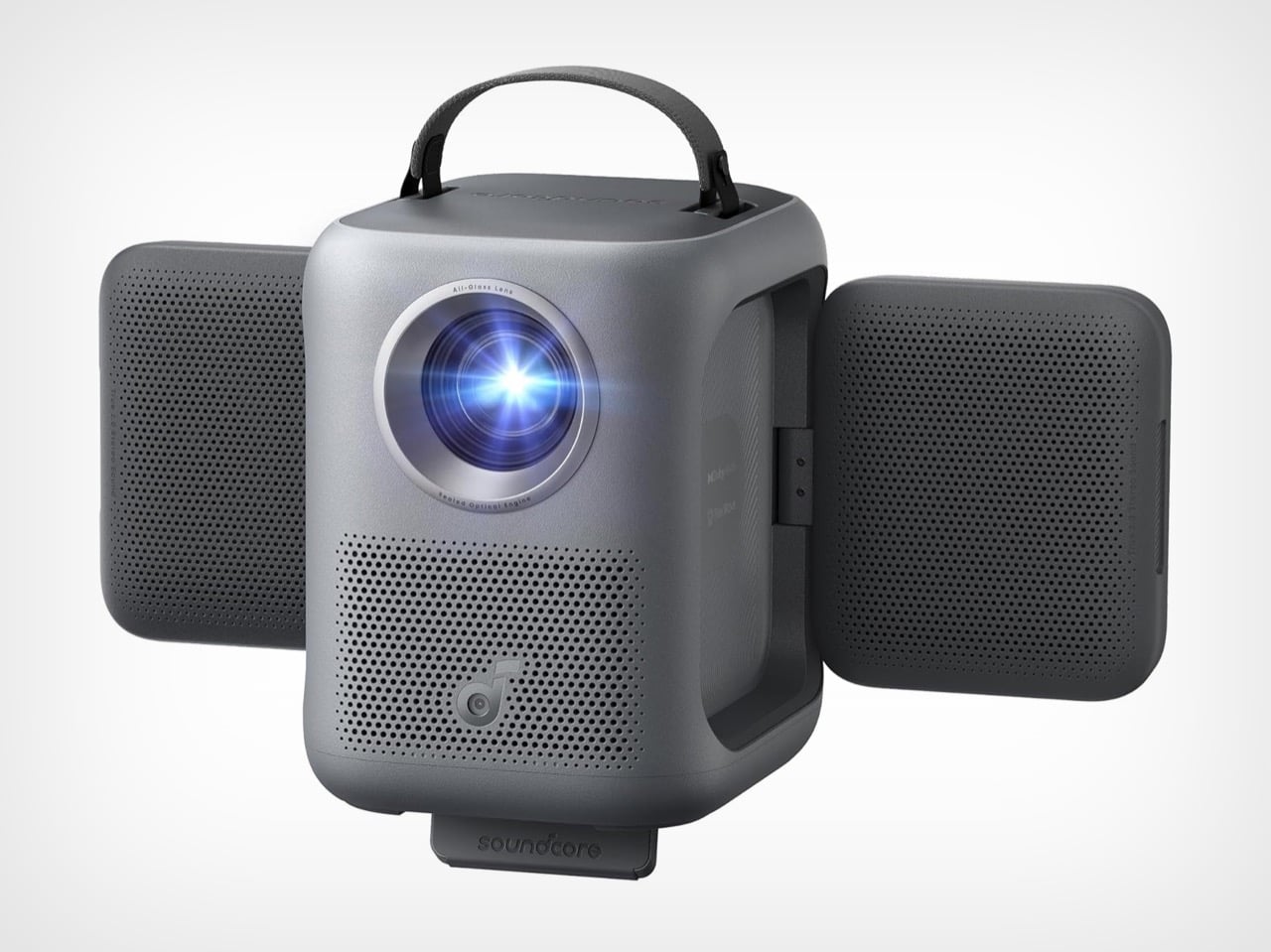
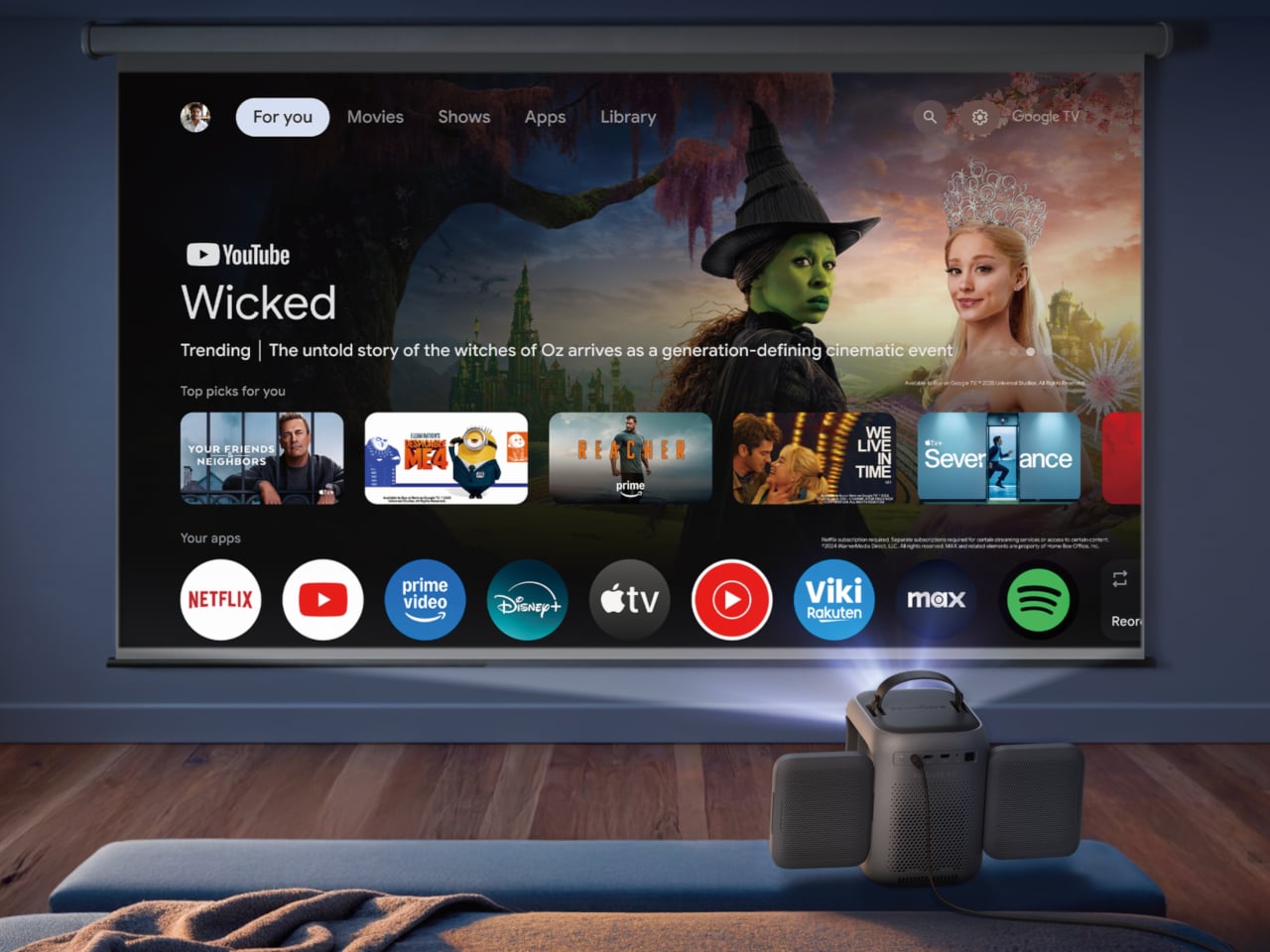
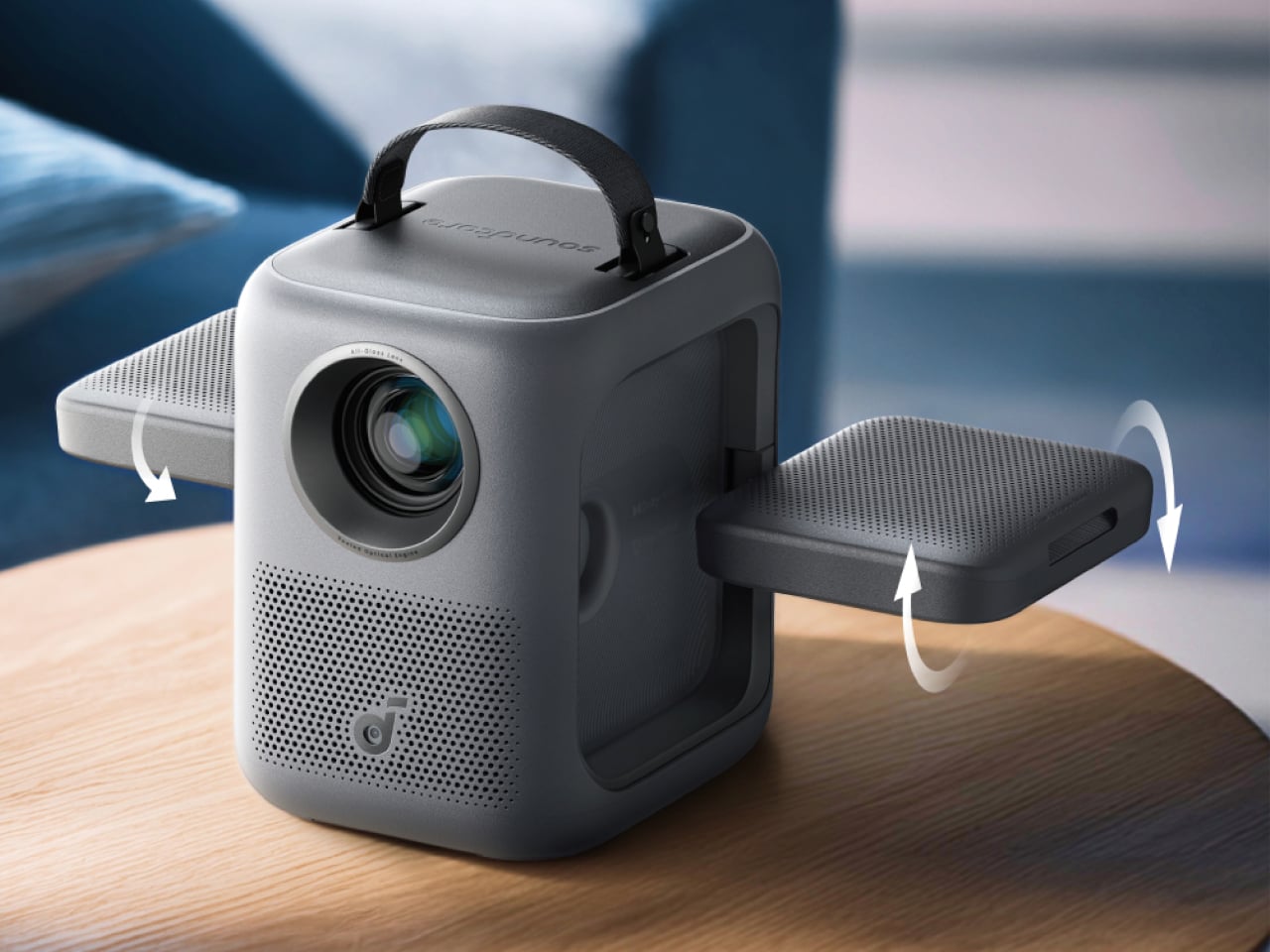
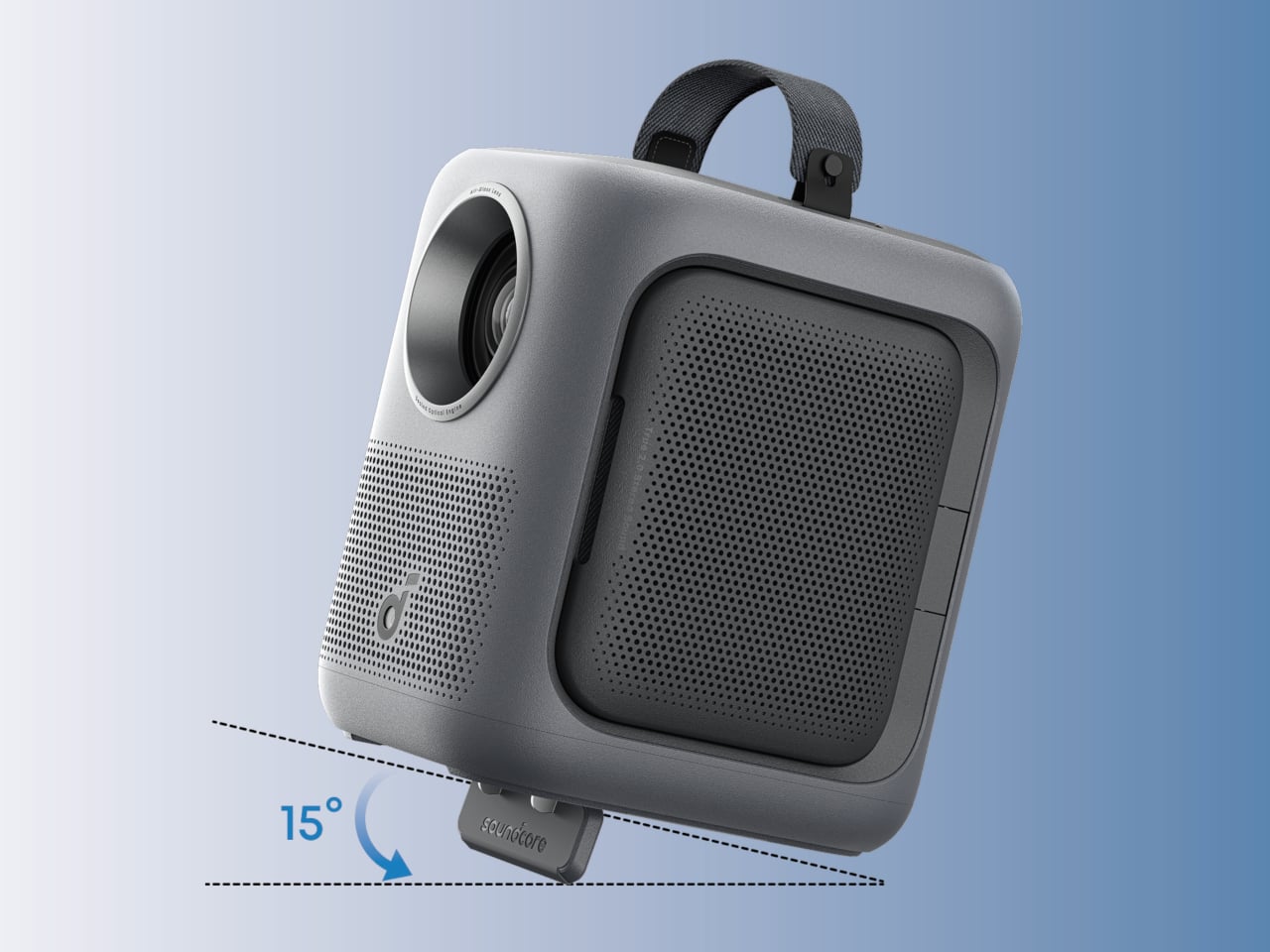
Nebula P1i is the projector for people who want movie‑night flexibility without a permanent ceiling mount. It offers 1080p resolution and 400 ANSI lumens, enough for dim‑room viewing, with a built‑in 0-12 degree tilt stand to aim at walls or screens without stacks of books. Official Netflix and Google TV support mean it behaves like a familiar streaming box, not a bare projector that needs extra hardware.

The flip‑open side speakers swing out for better stereo separation, turning a compact cube into a mini theater without extra cables. Intelligent Environment Adaptation 3.0 handles autofocus, keystone, and screen fit, so the projector can quickly lock onto whatever surface is available. It is the kind of device that can live in a closet until a rainy afternoon or impromptu game night makes a big picture suddenly appealing.

Soundcore Nebula X1 Pro

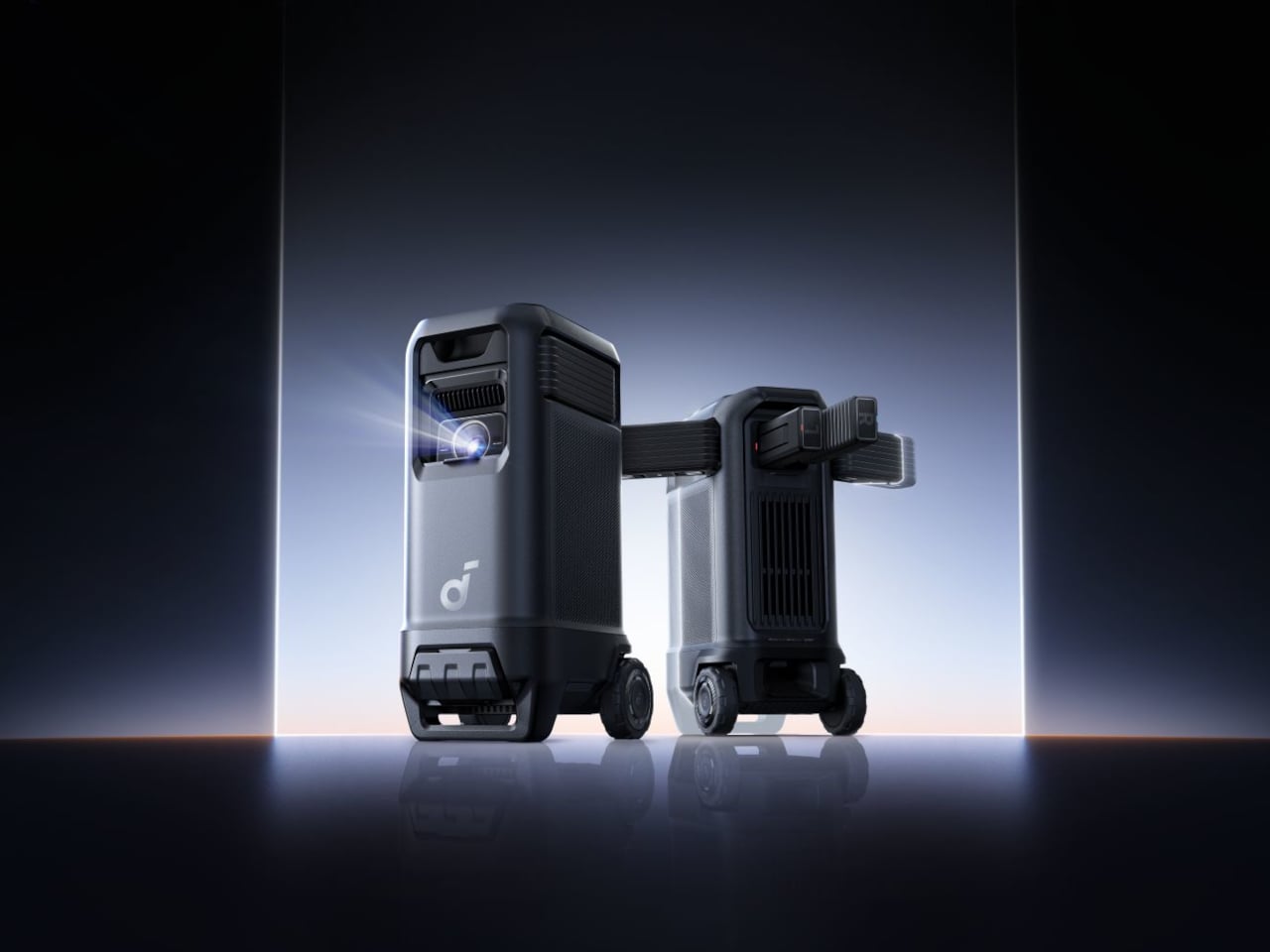
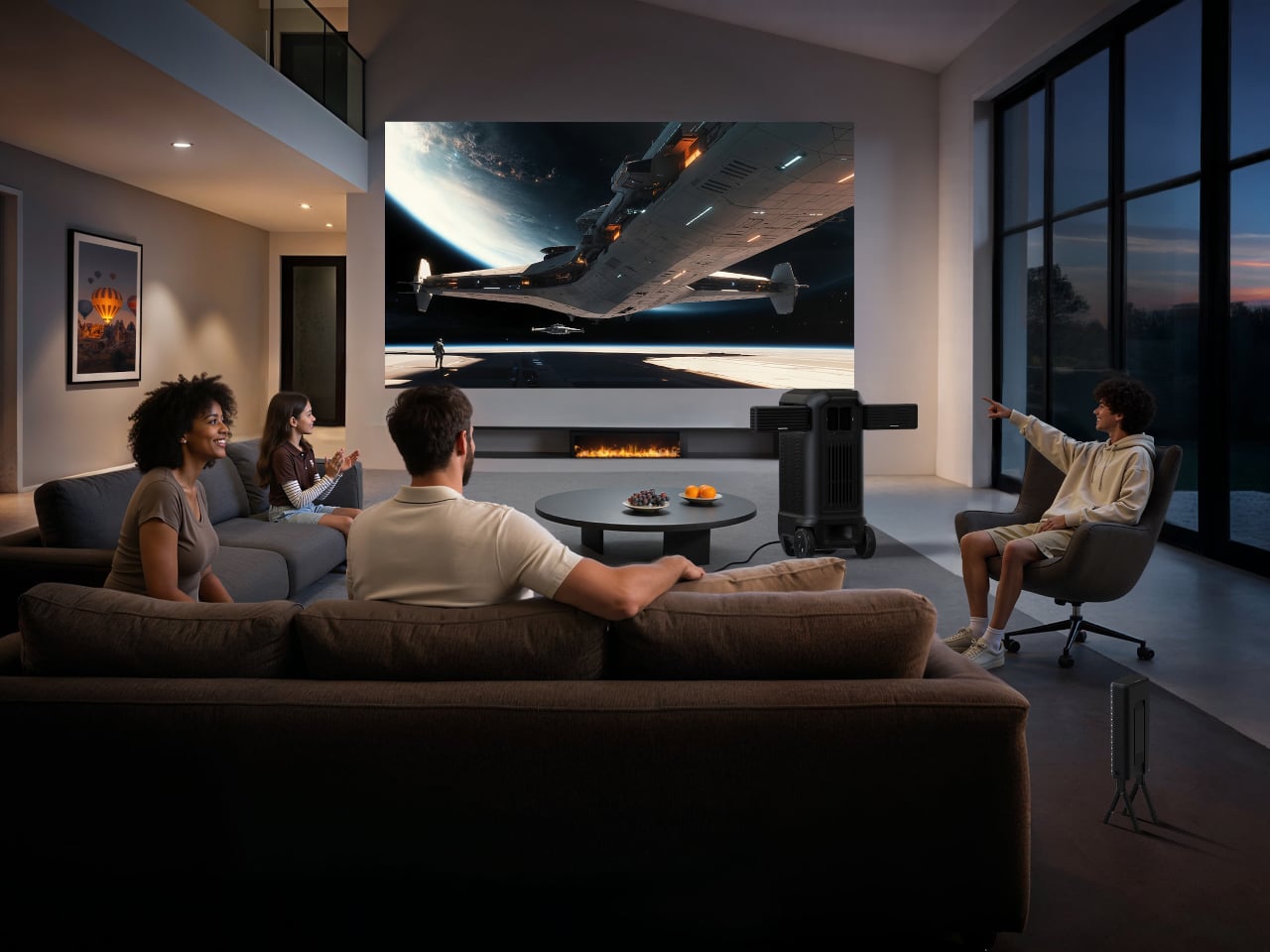
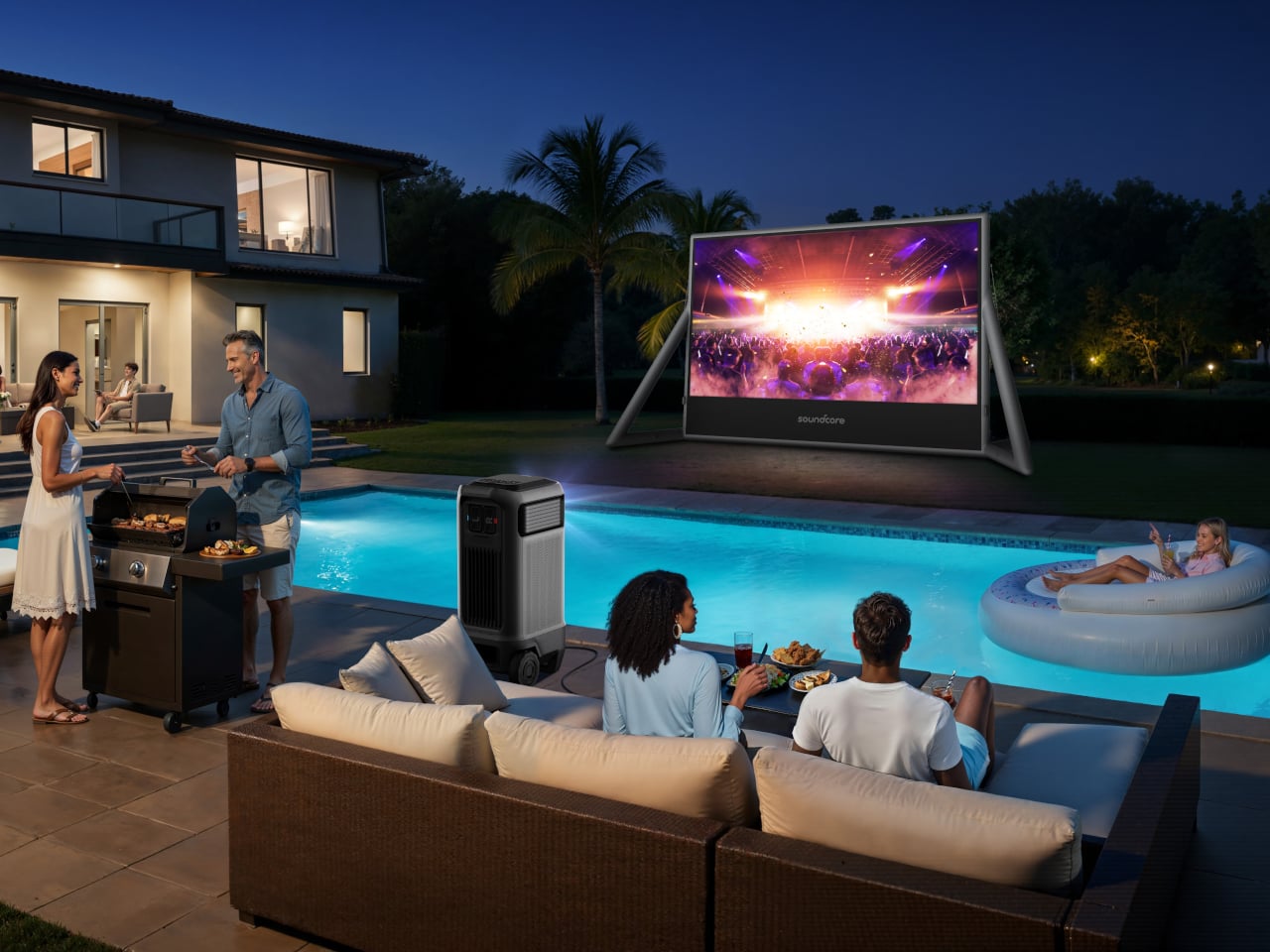
Nebula X1 Pro is the extreme end of the same idea, a mobile theater station on wheels. It uses a 3,500 ANSI‑lumen 4K triple‑laser engine with 110% Rec.2020 color, 5,000:1 native contrast, and 56,000:1 dynamic contrast, bright enough to throw a 200‑inch image outdoors at night. The integrated wireless 7.1.4 sound system, certified for Dolby Atmos, means the audio is as much a part of the experience as the picture.

The planned bundle adds a 200‑inch inflatable screen and a wireless pump that inflates in about five minutes and holds air without a constant blower, keeping the system quiet during viewing. Dual wireless microphones and AI spatial adaptation handle setup, tuning sound and image to the space. Together, the projector and screen turn any patch of ground into a temporary cinema without generators, scaffolding, or separate speakers cluttering the site.

Soundcore at CES 2026: Entertainment That Travels With You

These five products sketch a day‑long arc: AeroFit 2 Pro for the commute and office, Sleep A30 Special for the hours when noise is unwelcome, Boom Go 3i for the trails and parks in between, and Nebula P1i and X1 Pro for turning small rooms and big fields into makeshift theaters. The common thread is not just wattage or resolution, but designs that respect where people actually listen and watch now, moving with them rather than asking them to stay put.

The post Soundcore at CES 2026 Turns Everyday Spaces into Portable Sound and Cinema first appeared on Yanko Design.

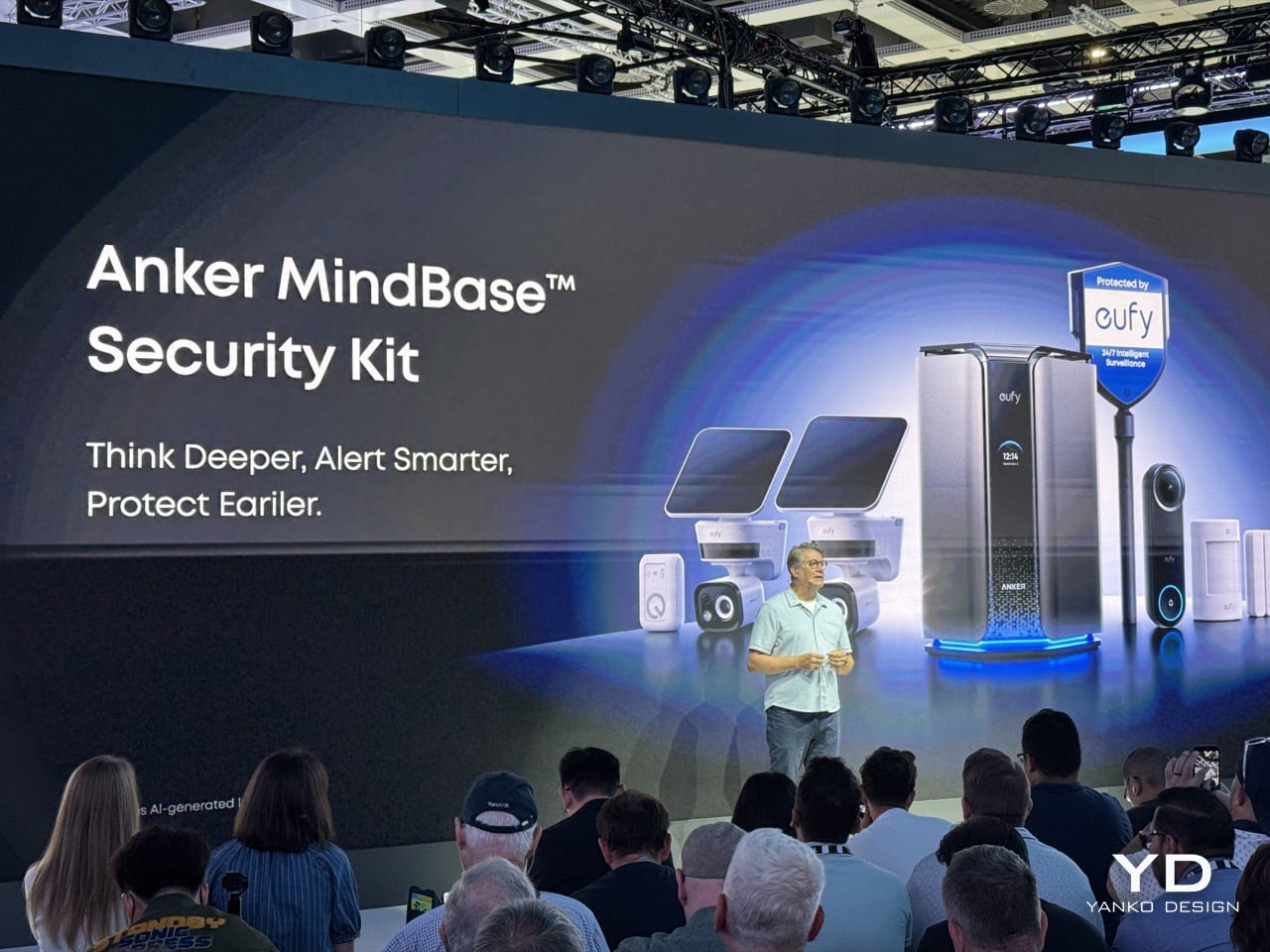
eufy Wraps the Front Door in Smarter Vision and Power at CES 2026

The modern front door has a lot to juggle. Couriers drop parcels, friends arrive unannounced, kids race in and out, and somewhere in the background, there is a quiet worry about missing something important or not catching something suspicious. Many homes already have a patchwork of doorbells, lights, and locks that only half cooperate, or lean heavily on cloud subscriptions and frequent battery swaps that never quite stop being a chore.

eufy’s CES 2026 security lineup treats that threshold as a single design problem. The Video Doorbell S4, Solar Wall Light Cam S4, and Smart Lock E40 share a few big ideas: higher‑resolution cameras, AI and radar‑assisted detection, and power systems built to run for months or indefinitely, while keeping most of the intelligence and storage local instead of streaming everything to a server somewhere far away.

Designer: eufy (Anker)

eufy Video Doorbell S4

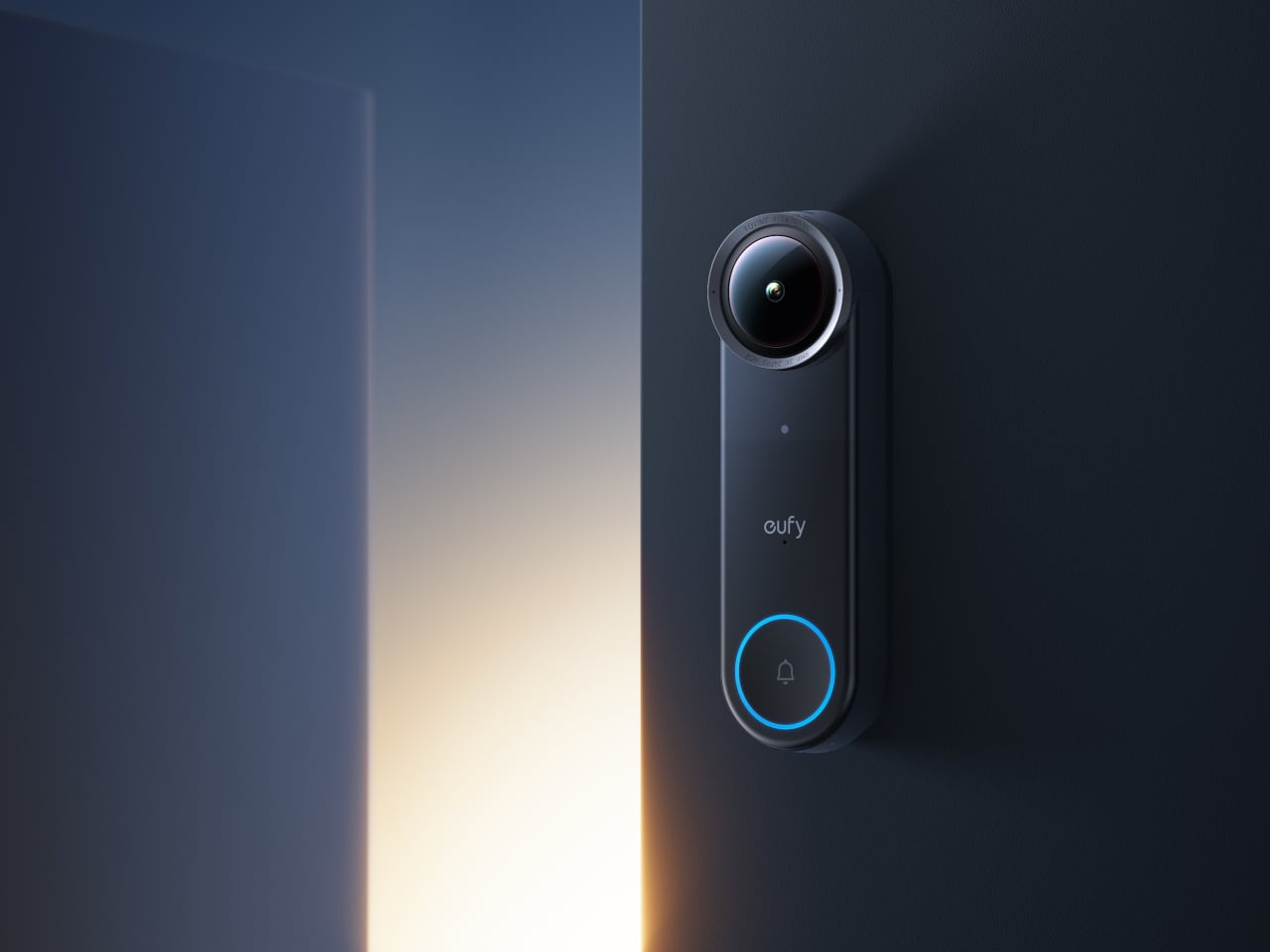
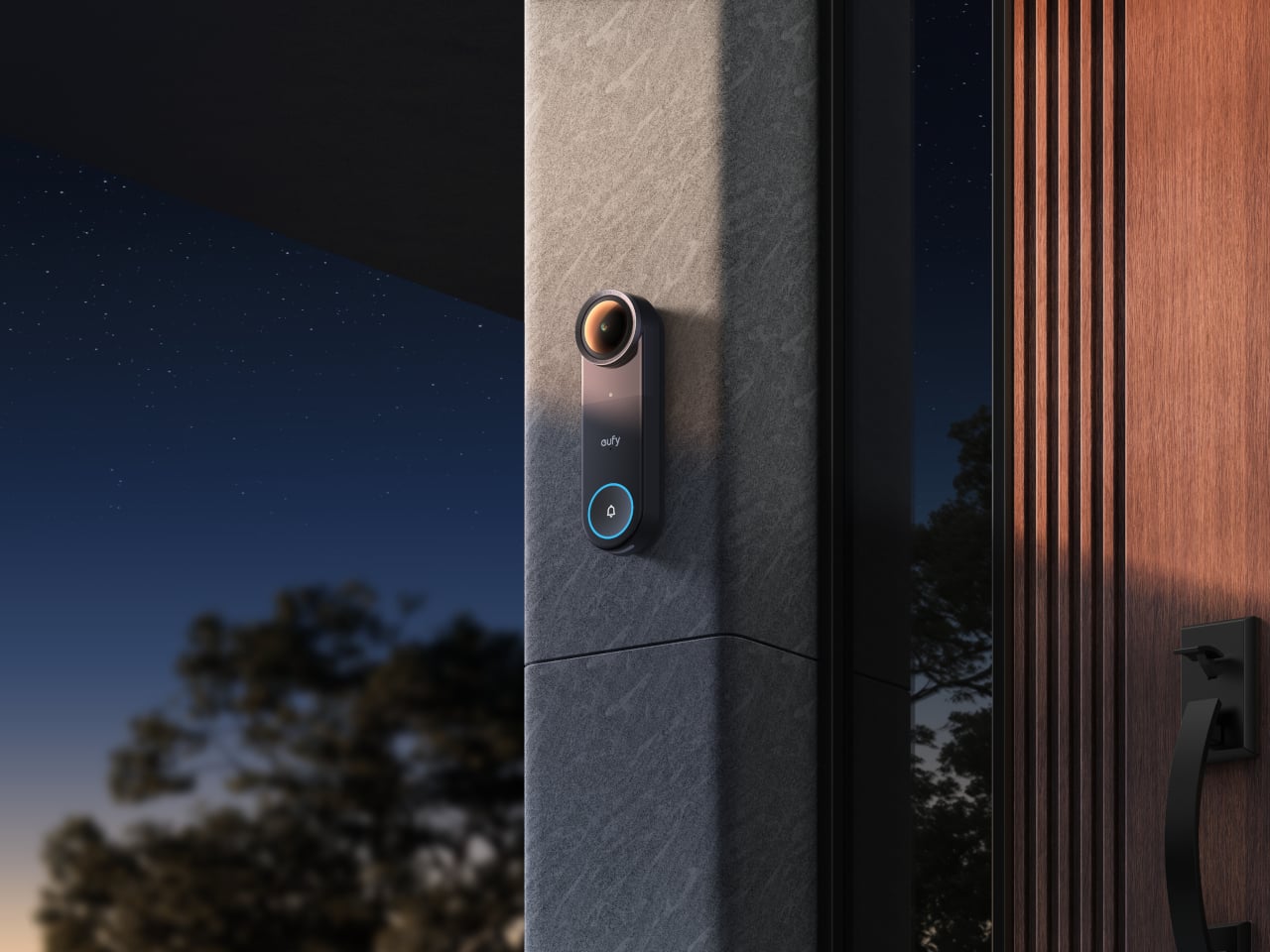
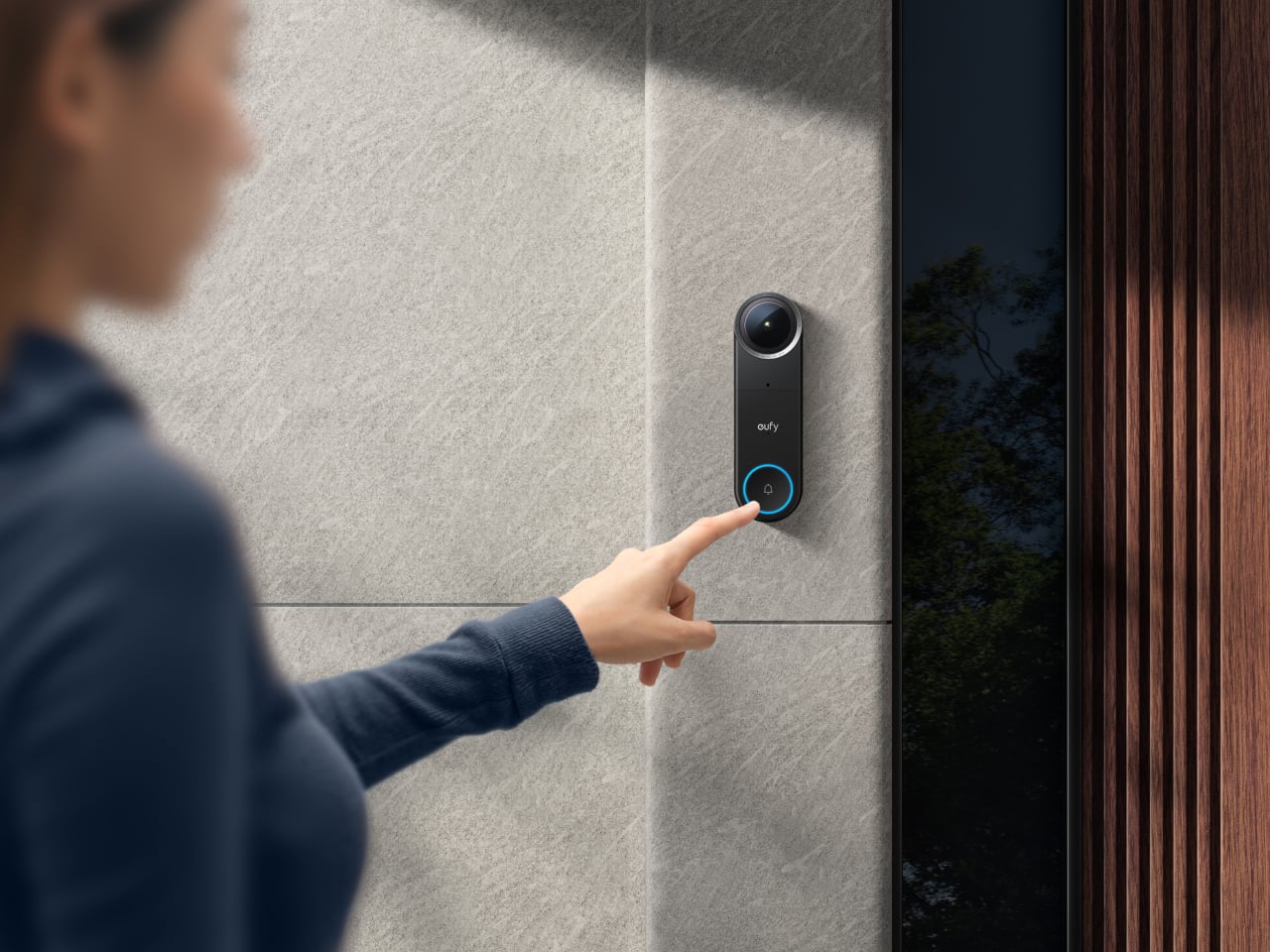
The Video Doorbell S4 is the greeter. It wraps a 3K sensor into a 180‑degree horizontal and vertical field of view, which means it can see from the ceiling down to the doormat and across the entire porch in one shot. That panoramic view captures faces, packages, and anyone standing off to the side, so you are not left guessing whether a delivery was left just out of frame.

eufy’s OmniTrack technology and built‑in radar focus on people rather than every passing car or branch. As someone approaches, radar detects motion and distance, then AI locks on and adjusts the zoom so the visitor stays centered, whether it is a courier bending to drop a parcel or a neighbor walking up the path. The 3K clarity holds up to around 26 feet, with 16 GB of local storage keeping recordings on the device.

eufy Solar Wall Light Cam S4

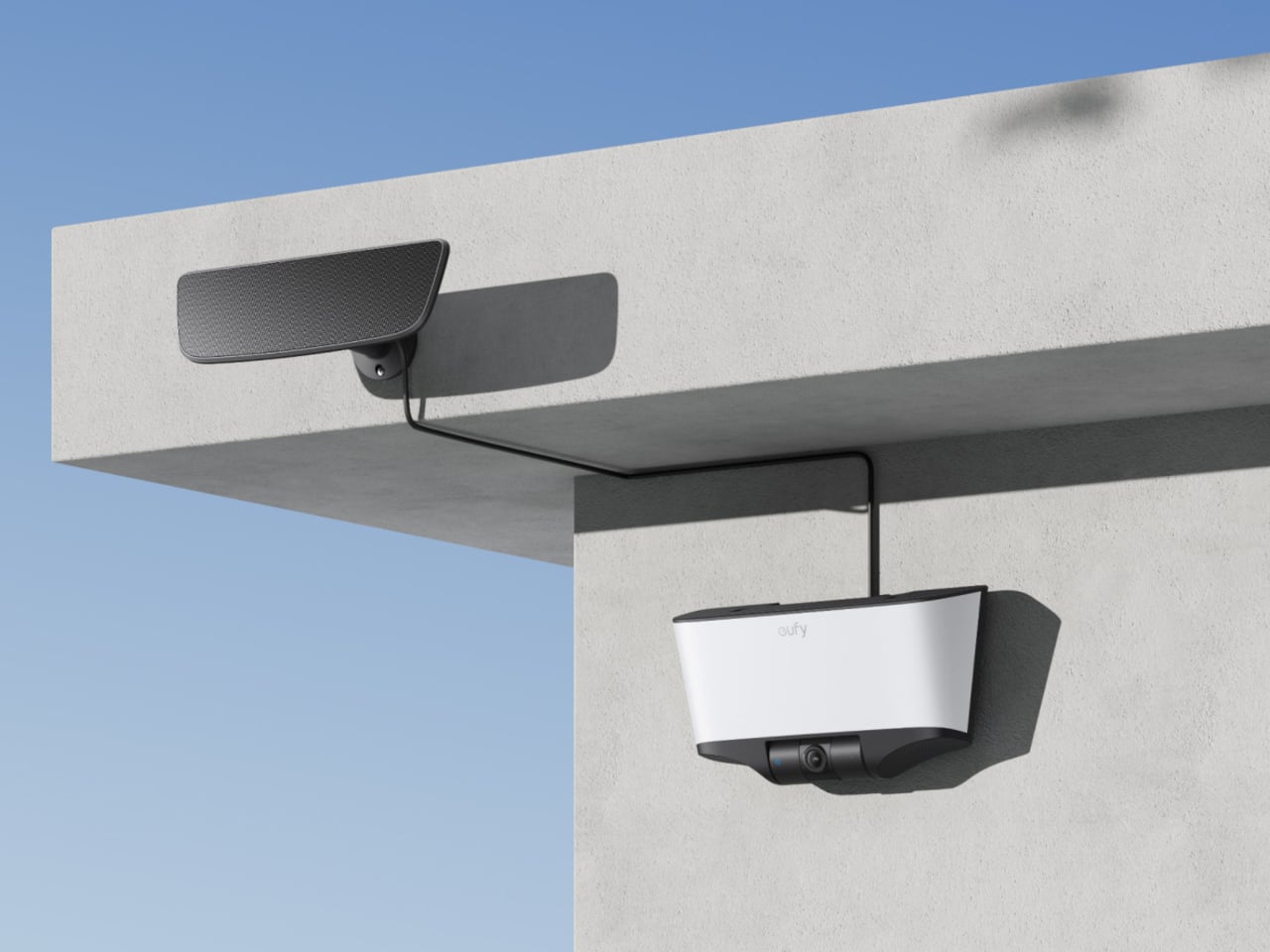
The Solar Wall Light Cam S4 is the guardian that wraps light and vision around the entryway or side yard. It combines a 4K camera with an f/1.6 lens and a vertically adjustable mount, up to 45 degrees, so it can look down into blind spots near the wall while still watching the approach. The 4K resolution and color night vision make faces and details legible even when the only illumination is the light itself.

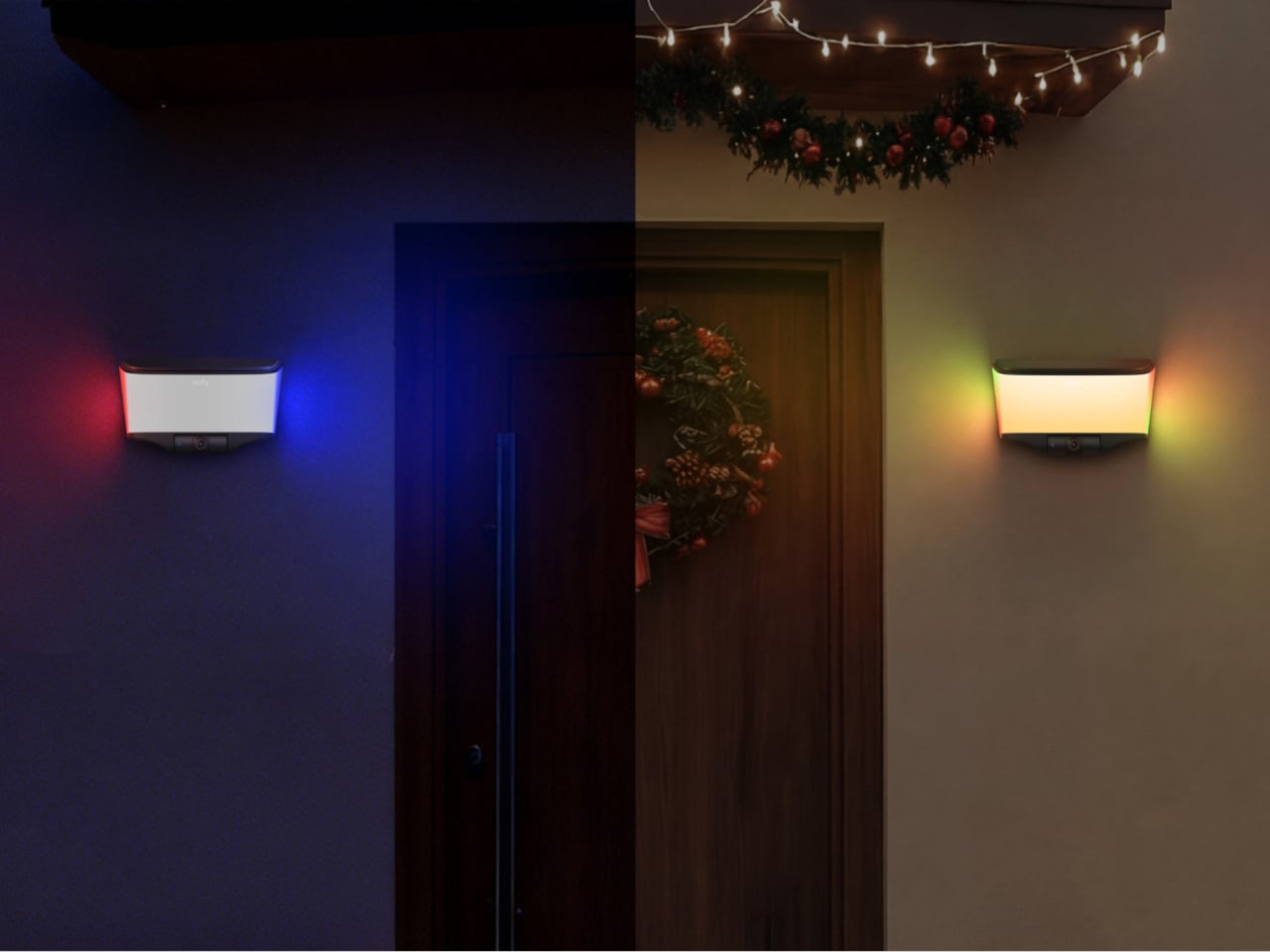
Power is handled by a detachable 2 W solar panel feeding a 10,000 mAh battery, which gives freedom in where you mount it. The panel can sit where the sun actually hits, while the light and camera stay where they are most useful. Multiple lighting modes let the fixture shift roles, daily illumination for paths, brighter security lighting when motion is detected, and festive RGB scenes that turn the same hardware into holiday decor.

eufy Smart Lock E40

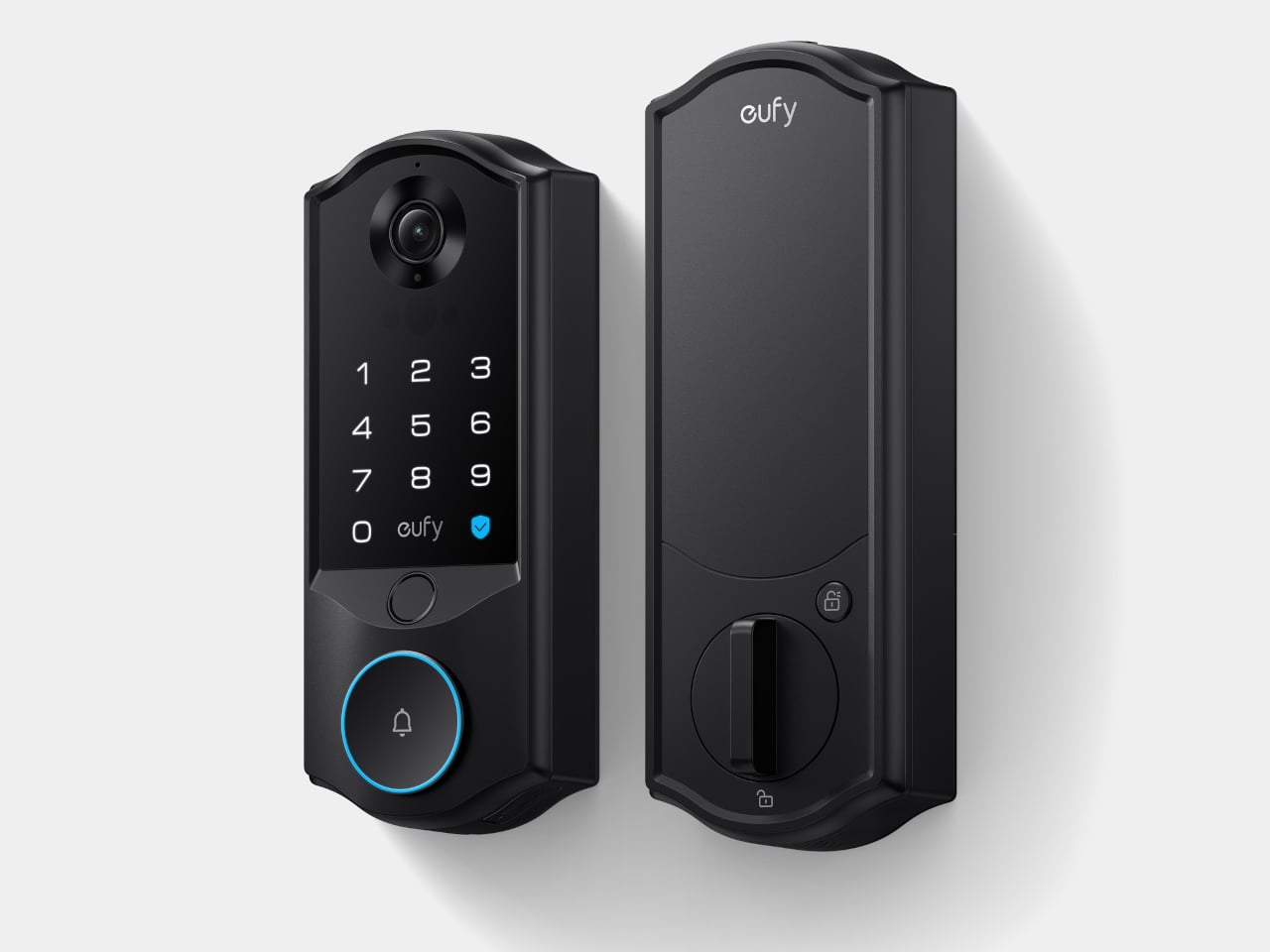
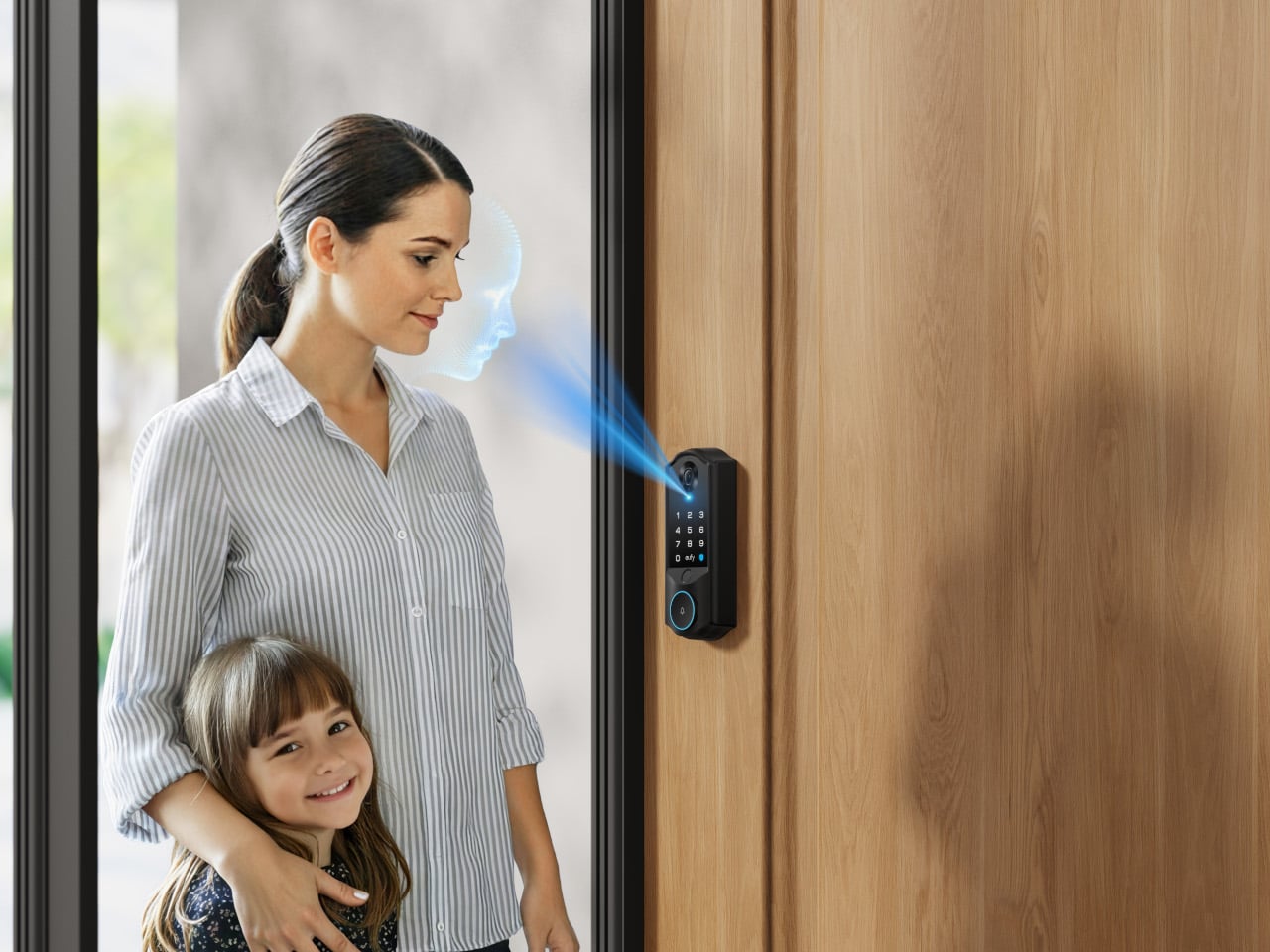
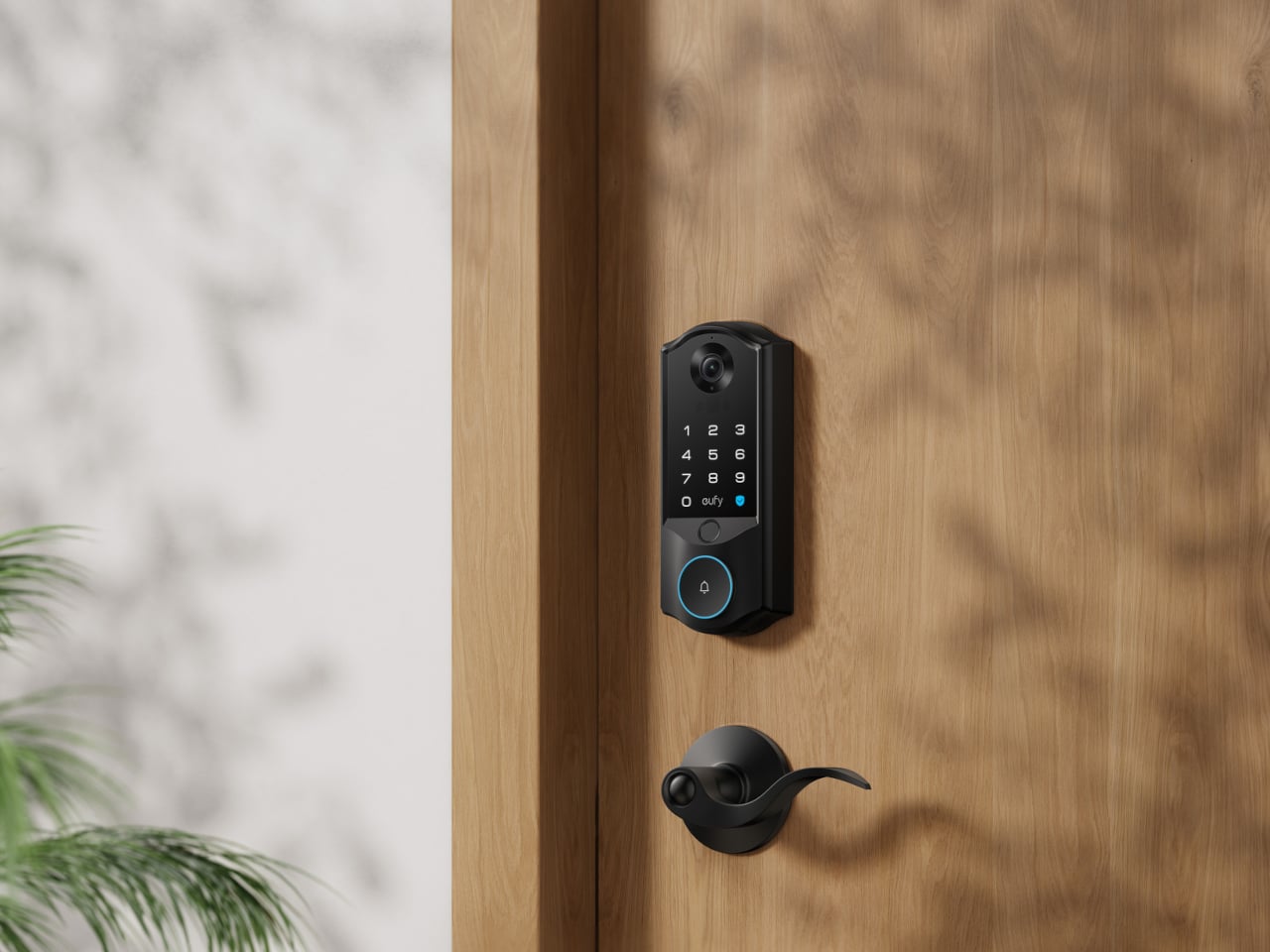
The Smart Lock E40 is the final layer at the door, replacing keys and fingerprints with 3D face recognition. A quick glance is enough to unlock for pre‑registered users, which matters most when your hands are full of groceries or luggage, and you would rather not dig for keys or touch a screen. A built‑in 2K camera with a head‑to‑toe view records who is at the door, aligning the lock with the rest of eufy’s camera‑centric security story.

The E40 runs on a PowerDuo system, a 15,000 mAh main battery backed by an 800 mAh reserve that keeps the lock alive during swaps or unexpected drain. It is rated IP65 for weather resistance and carries ANSI/BHMA Grade 2 certification for mechanical security. On the software side, it speaks Matter, Apple Home, Amazon Alexa, Google Home, and Samsung SmartThings, sitting comfortably inside a broader smart‑home setup while doing most recognition and storage locally.

eufy at CES 2026: A Front Door That Thinks for Itself

These three products sketch out eufy’s view of the front door in 2026, not as a collection of unrelated gadgets, but as a layered system where the doorbell tracks arrivals in 3K, the wall light extends 4K color vision and ambient lighting without new wiring, and the smart lock recognizes faces and controls access while adding its own 2K camera. The common threads, higher‑resolution optics, AI and radar, generous batteries and solar, and local‑first design, make the entryway feel less like a tangle of hardware and more like a single, thoughtful interface between home and street.

The post eufy Wraps the Front Door in Smarter Vision and Power at CES 2026 first appeared on Yanko Design.

Anker’s CES 2026 Charging Lineup Treats Power as a Coordinated System

Charging has become a daily background task with a mix of wall bricks, wireless pads, power strips, and docks that rarely feel coordinated. As devices become faster and more power-hungry, the friction shifts from “do I have enough power?” to “how many adapters do I need without cluttering the desk?” The answer usually involves a drawer full of chargers that don’t talk to each other and rarely work where needed.

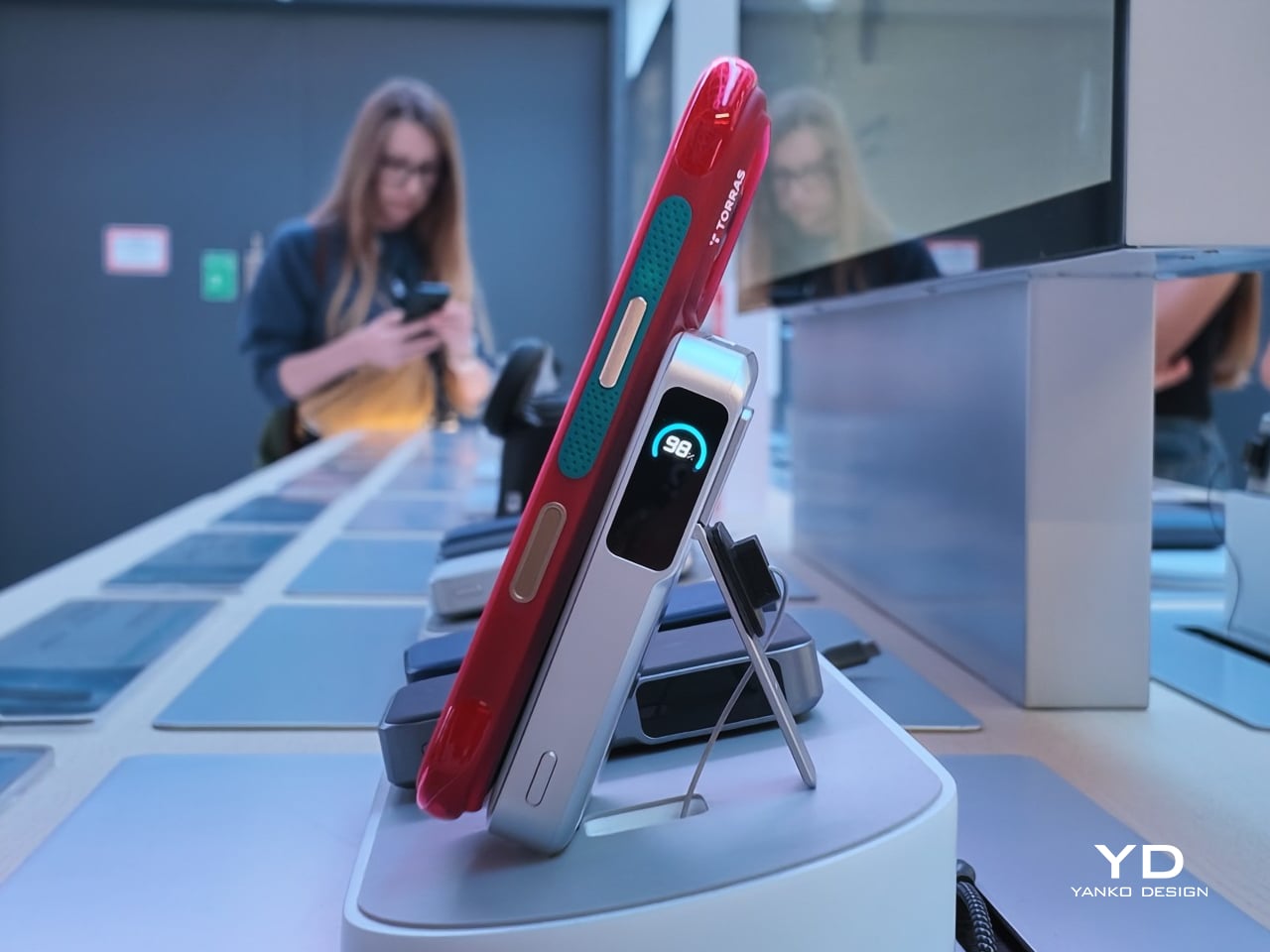
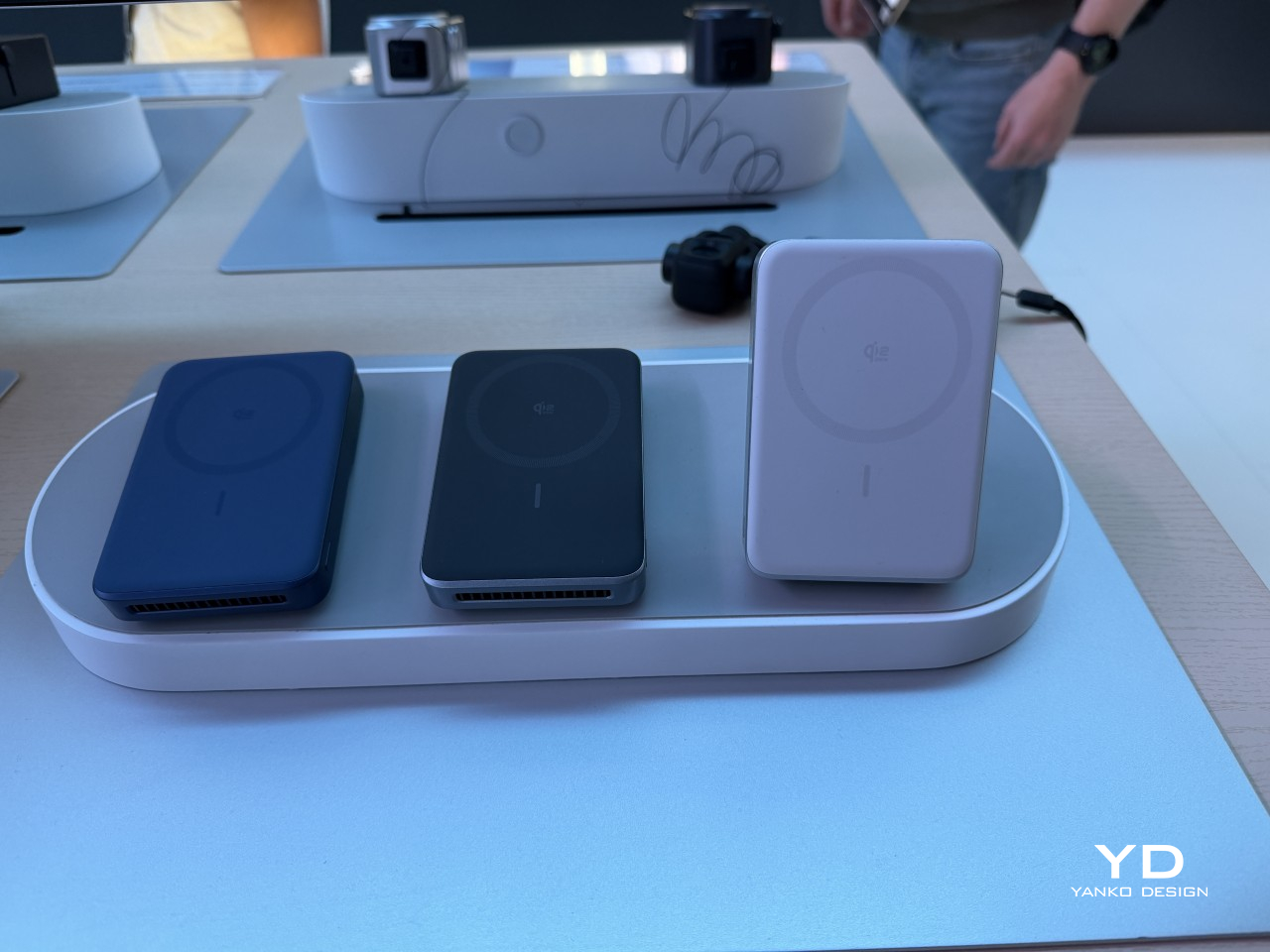
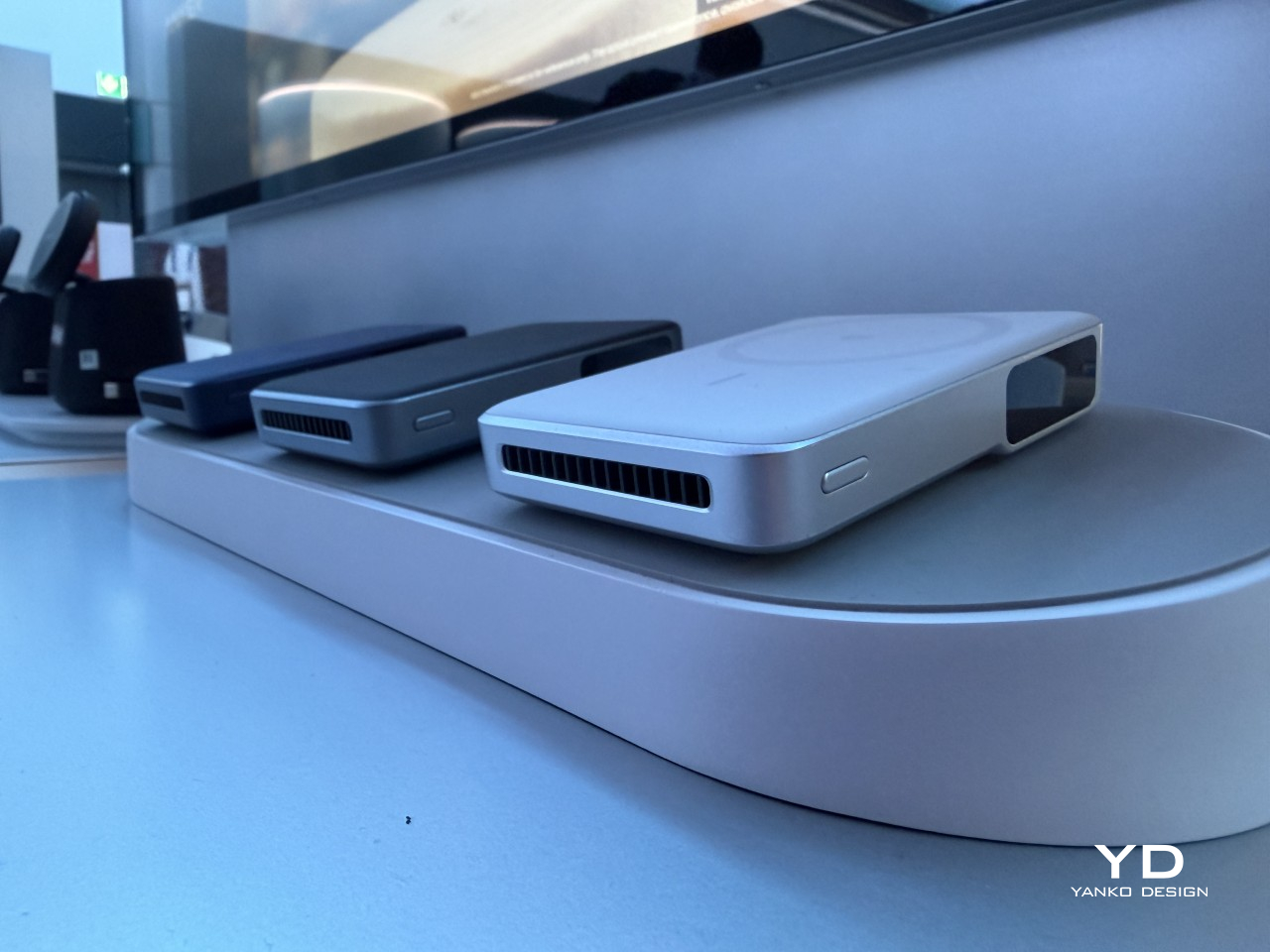
Anker’s CES 2026 portfolio treats this as a system. The Anker Charging lineup introduces four products, the Nano Charger, Prime Wireless Charging Station, Nano Power Strip, and Nano Docking Station, sharing ideas like smarter device recognition, Qi2 25 W wireless, AnkerSense View, and ActiveShield 5.0, but slotting into different moments where power is needed, wanted, or quietly essential to keeping momentum going without searching for another cable.

Designer: Anker

Anker Nano Charger (45W, Smart Display, 180° Foldable)

The Nano Charger recognizes recent iPhone and iPad Pro models in seconds, then uses a three-stage power profile to deliver up to 45 W tailored to the device. That auto-matching unlocks faster charging when the battery is low while easing off as it fills, avoiding overstressing batteries for people who charge overnight or keep devices plugged in during long work sessions without thinking about optimal timing.

TÜV-certified Care Mode keeps the phone’s battery about 9 °F cooler than other 45 W chargers, a quiet win for long-term health. The small smart display shows real-time power and temperature with friendly icons, and the 180-degree foldable prongs let the charger sit in tight outlets while keeping the screen visible, fitting desk plugs, kitchen outlets, and behind-cabinets spaces where flat bricks fail.

Anker Prime Wireless Charging Station (3-in-1, MagGo, AirCool, Foldable)

The Prime Wireless Charging Station handles an iPhone, earbuds, and a watch without three separate cables. It uses Qi2 25 W wireless charging to bring iPhone speeds close to wired, quoting 80% in about 55 minutes for an iPhone 17. The stand folds into a palm-sized block lighter than an iPhone 17 Pro Max, so it can live in a bag full-time, turning one USB-C input into a small charging island.

The AirCool airflow system keeps the charger and devices at stable temperatures when everything is stacked overnight or during work sessions, important when running 25 W to a phone while also topping up a watch and earbuds. That thermal management keeps the 3-in-1 from becoming uncomfortably hot on a nightstand or desk, and the foldable form clears cable clutter from hotel rooms and home offices, making it the kind of charger that actually gets packed for every trip.

Anker Nano Power Strip (10-in-1, 70W, Clamp)

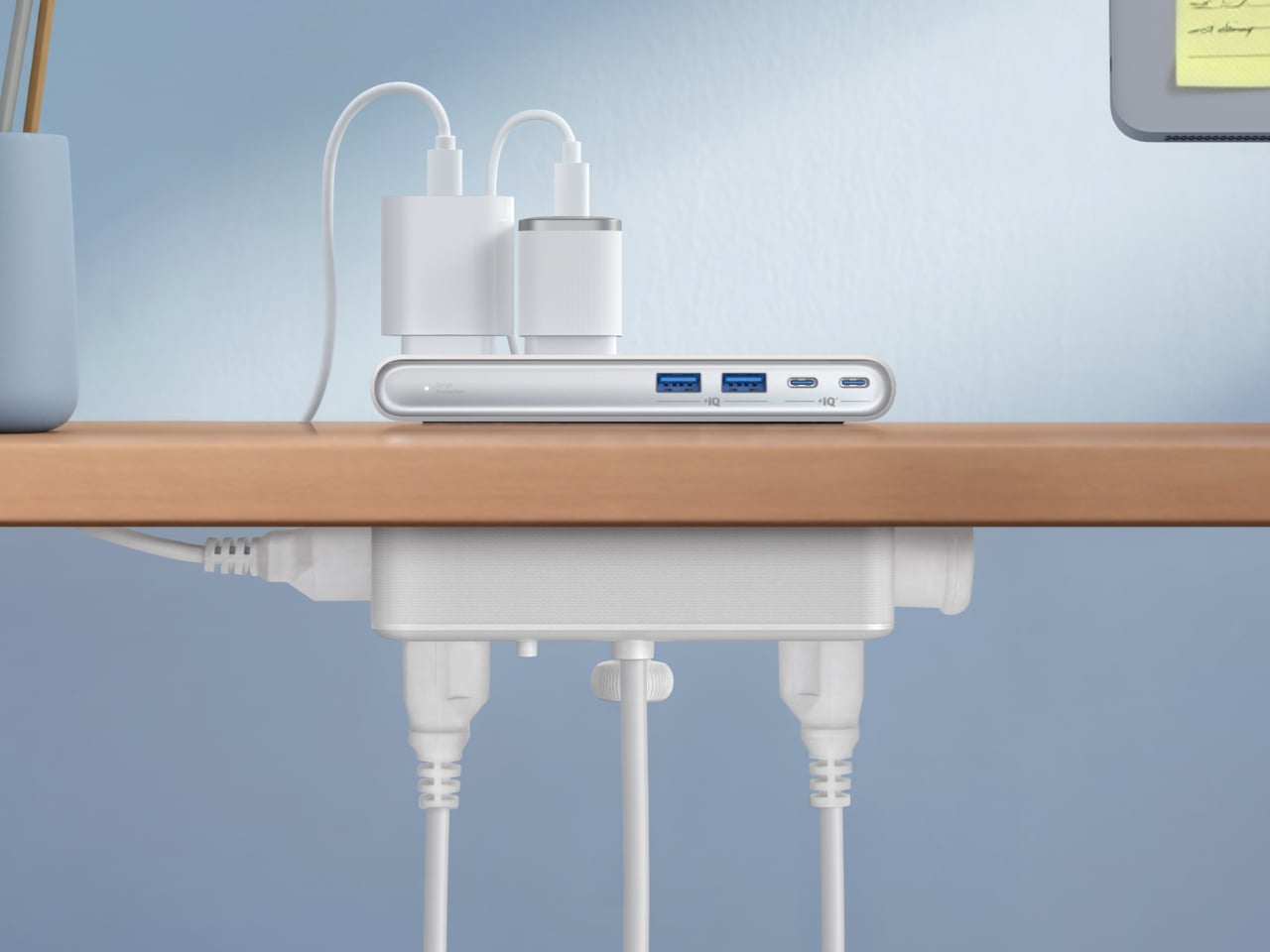
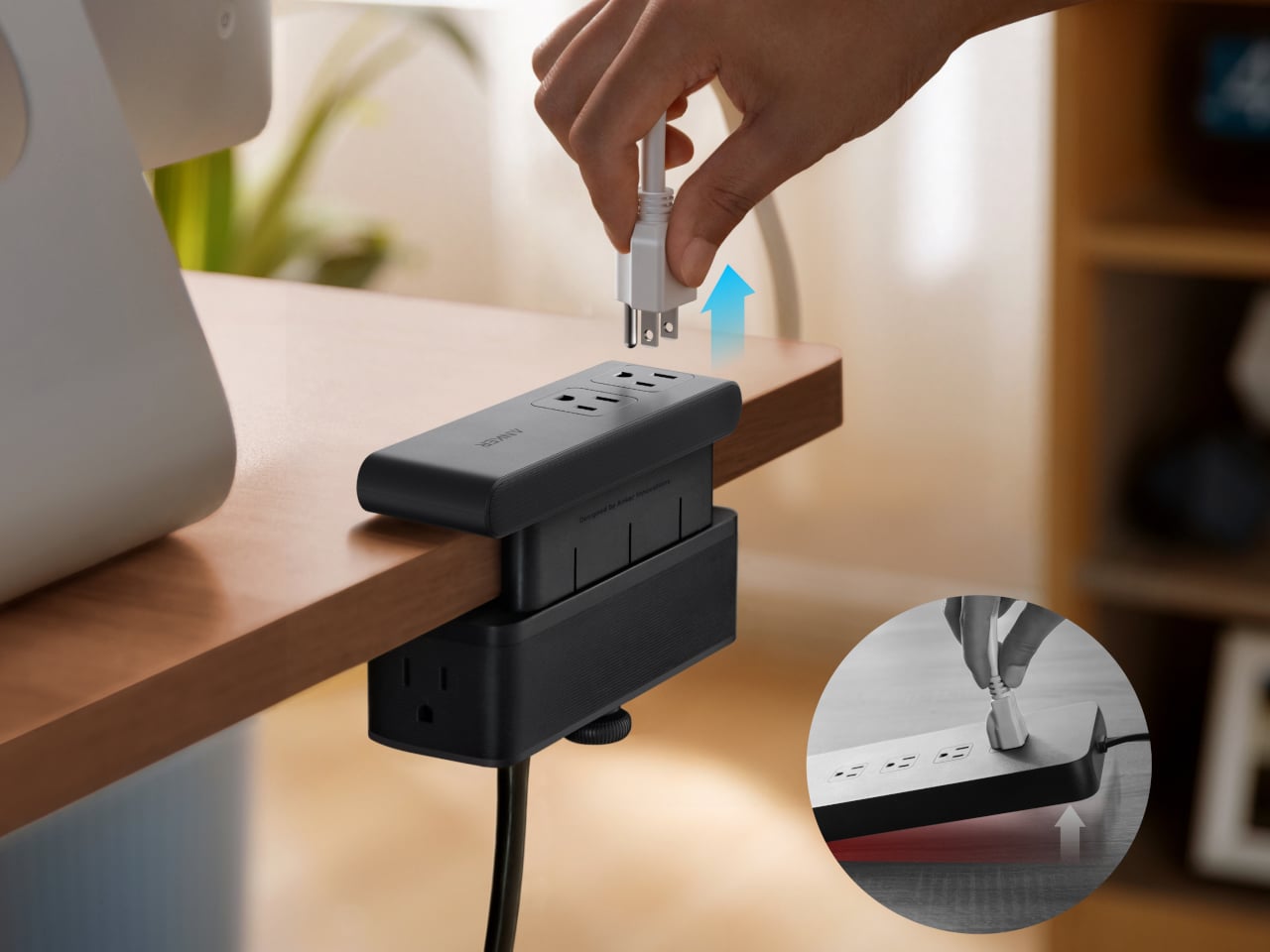
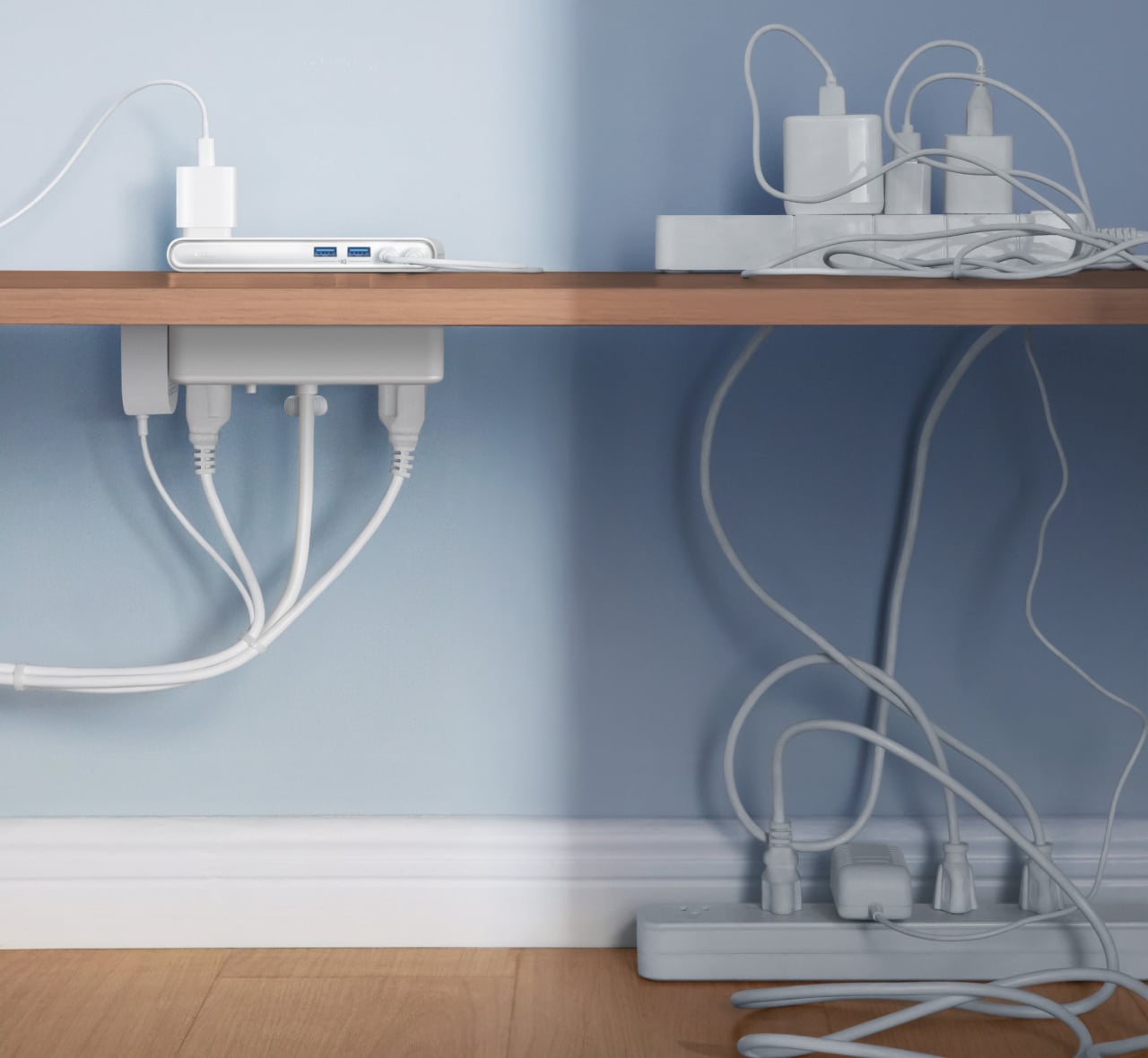
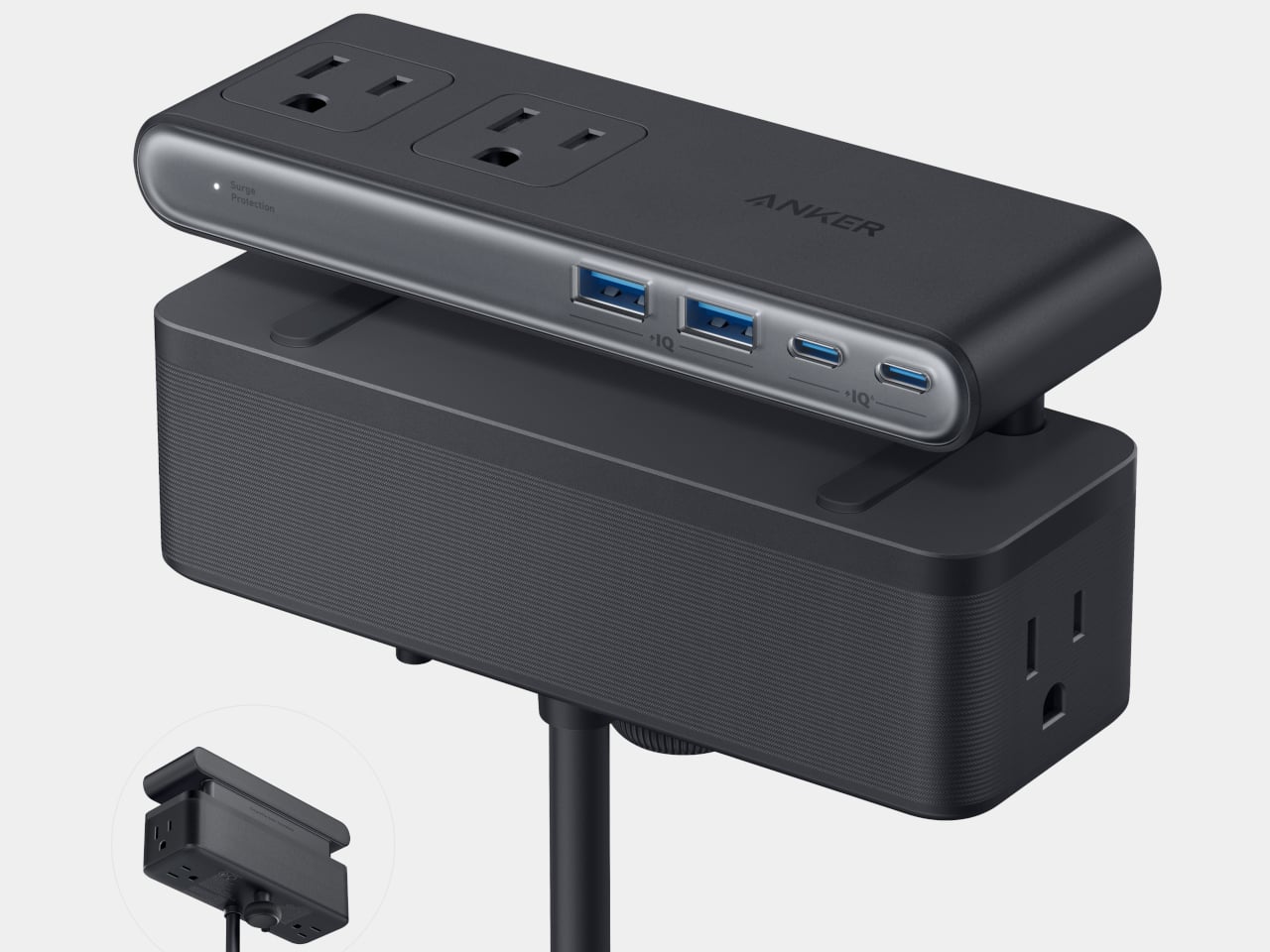
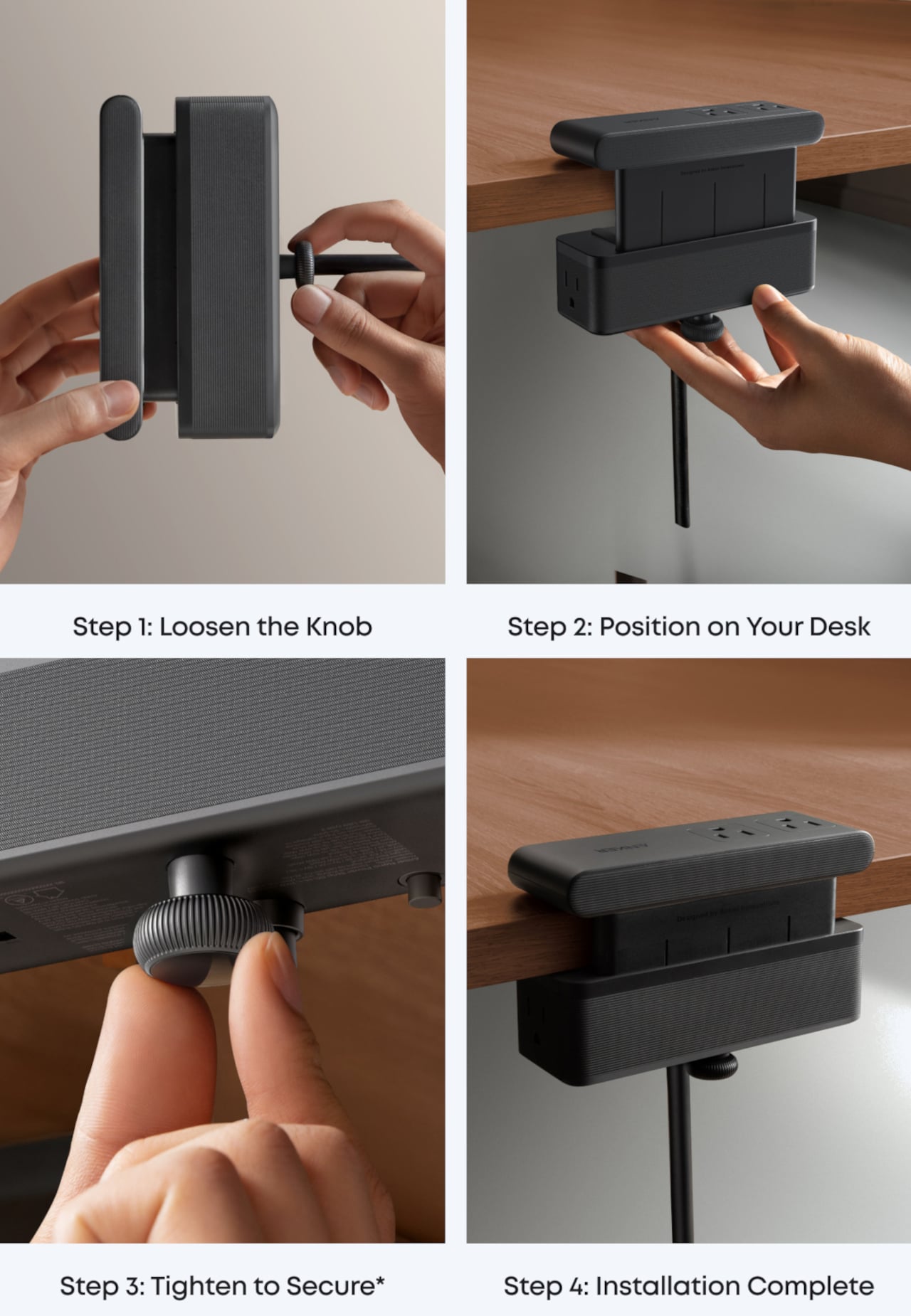
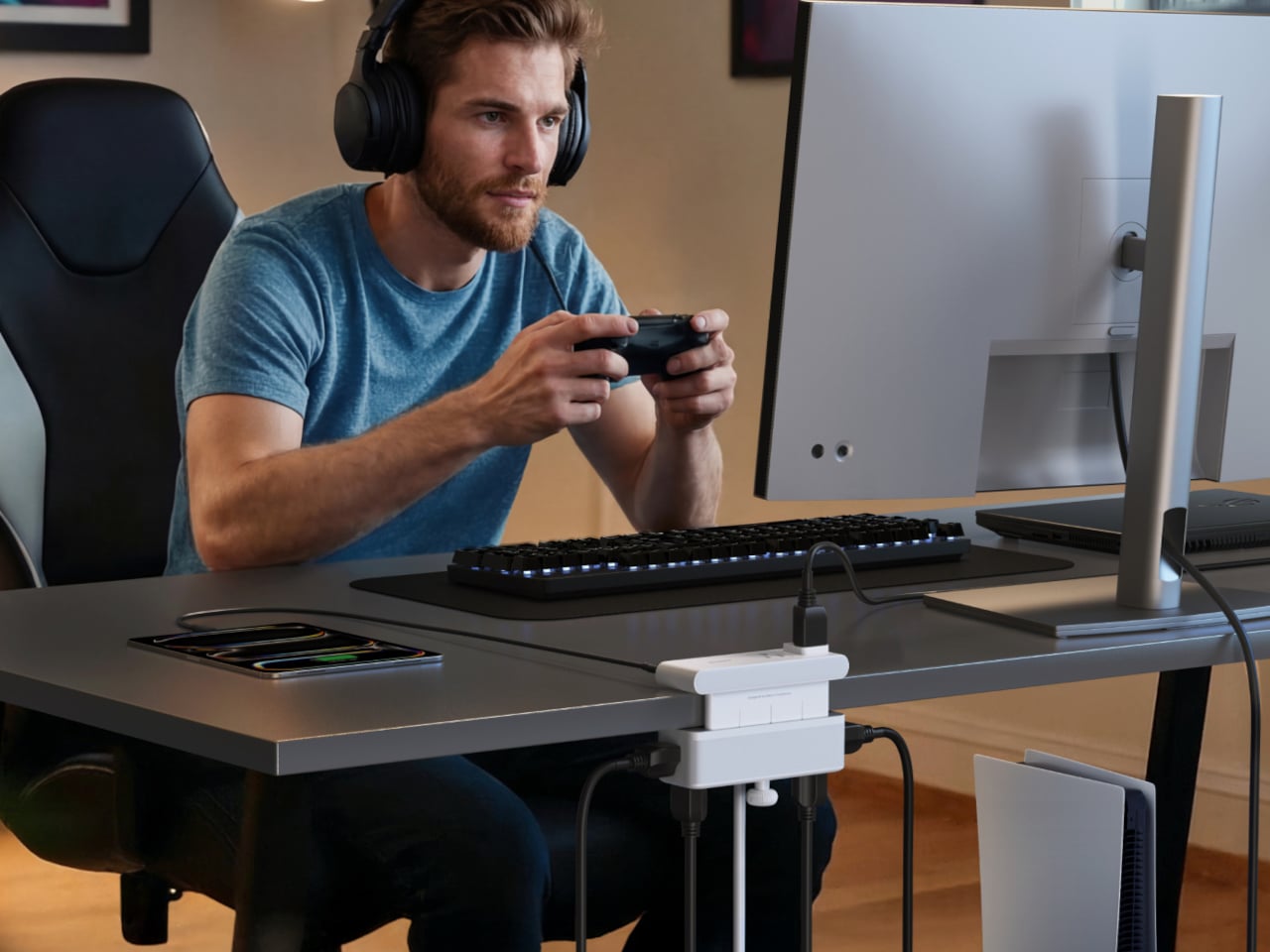
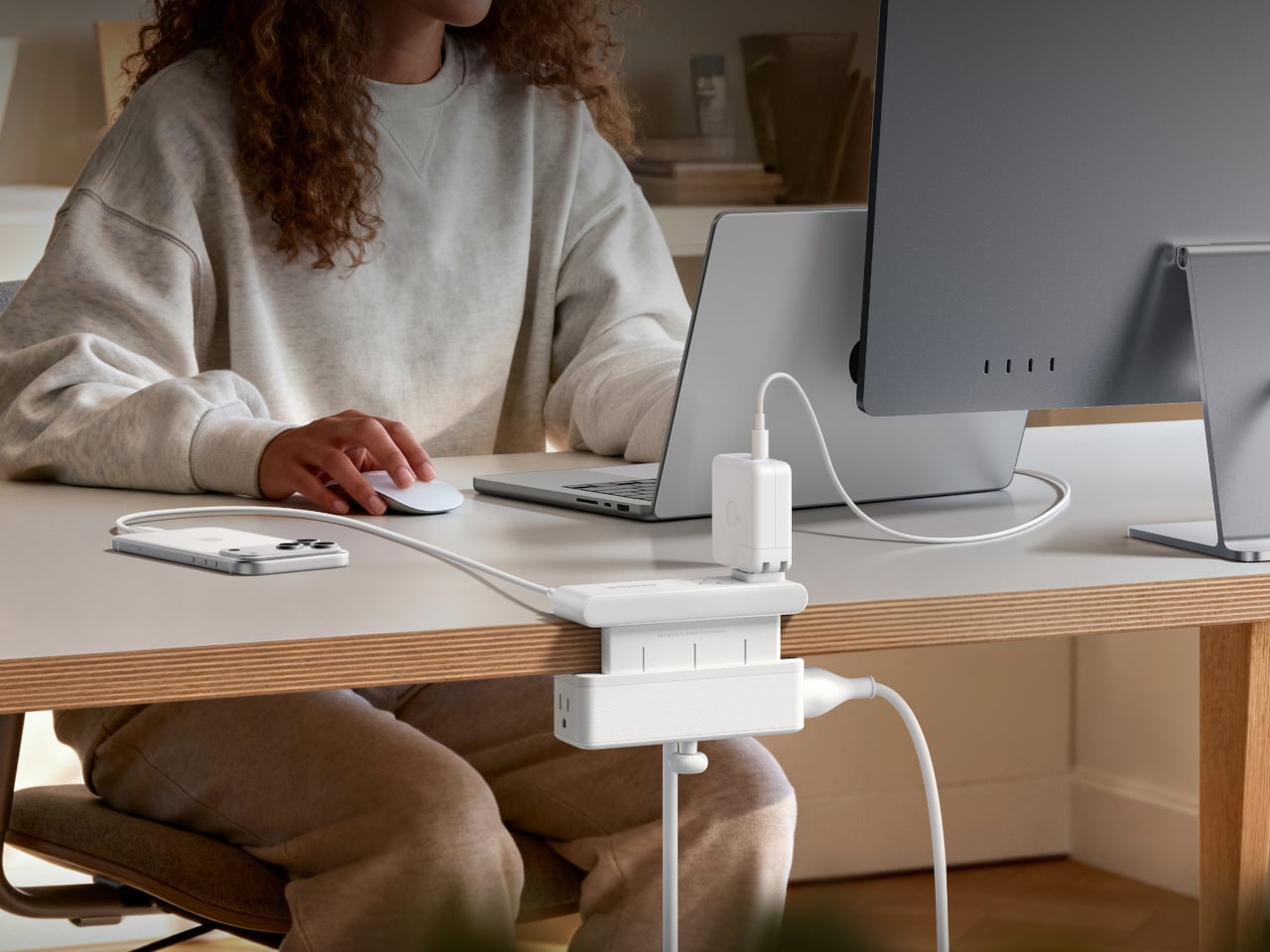
The Nano Power Strip is a dual-zone power bar that lives at the desk edge instead of under it. It combines six AC outlets with two USB-C and two USB-A ports, with a single USB-C delivering up to 70 W, enough to run a laptop or gaming handheld directly. The clamp-on design keeps the strip fixed in place while making ports easy to reach, so you stop crawling under desks to plug in temporary devices.

The built-in 1,500 J surge protection shields connected gear from spikes, which matters when monitors, desktop PCs, and audio equipment all share one outlet. Having the USB ports face forward and the AC outlets below the desk creates a cleaner visual line and makes it easier to manage cable runs, turning the strip into permanent desk infrastructure that handles both power and data charging without sprawling across the surface or tangling behind a monitor stand.

Anker Nano Docking Station (13-in-1, Triple Display, Built-In Removable Hub)

The Nano Docking Station is a 13-in-1 dock for people who treat a laptop as their main machine but want a desktop-class workspace. It supports triple-display output with up to 4K resolution on a single monitor, up to 100 W upstream charging, and USB-C, USB-A, HDMI, DisplayPort, Ethernet, and SD / TF 3.0 card slots, all running at up to 10 Gbps, where it counts for fast file transfers and external storage.

The built-in 6-in-1 removable hub slides out, letting someone leave the desktop cable tree intact while taking key ports and card readers on the road with a single, slim module. That bridging between permanent and mobile workflows makes the dock feel less like a fixed base station and more like a system that adapts to whether you are spending the day at a desk or heading to a meeting with just a laptop and the small hub in a bag.

Anker at CES 2026: Charging as a Coherent System

These four products sketch out Anker’s view of charging in 2026, not as isolated bricks and pads, but as coordinated tools that follow people from pocket to bedside to desk. Instead of chasing ever-higher wattage alone, the lineup leans into smarter interfaces, cooler operation, and forms that respect the spaces they live in, the kind of thinking Yanko Design readers expect from everyday hardware that earns its place by working better and quieter.

The post Anker’s CES 2026 Charging Lineup Treats Power as a Coordinated System first appeared on Yanko Design.

The best iPhone accessories for 2026

The right accessories can make your iPhone feel more capable and more personal. Whether you want to protect your phone, improve your photos or stay powered during a long day out, there are plenty of accessories that can make a real difference. MagSafe gear has opened the door for new chargers, stands and mounts, while portable batteries and compact lenses can upgrade your everyday routine.

We tested a range of products to find the best iPhone accessories that offer practical benefits for both new and older models.

This article originally appeared on Engadget at https://www.engadget.com/computing/accessories/best-iphone-accessories-140022449.html?src=rss

The best wireless earbuds for 2026

Wireless earbuds are now the default option for everyday listening, whether you’re heading out for a commute, fitting in a workout or just watching videos at home. The best wireless earbuds combine reliable connectivity, comfortable fits and sound quality that holds up across music, calls and podcasts, all without the hassle of cables. Most are small enough to disappear into a pocket and pair quickly with phones, tablets and laptops.

What sets one pair apart from another often comes down to priorities. Some earbuds lean heavily on active noise cancellation, while others focus on long battery life, compact charging cases or lower prices. Features like water resistance, customizable controls and app support can also make a real difference day to day. This guide breaks down the best wireless earbuds available now to help you find the right match for how you listen.

When it comes to shopping for earphones, the first thing to consider is design or wear style. Do you prefer a semi-open fit like AirPods or do you want something that completely closes off your ears? If you’re shopping for earbuds with active noise cancellation, you'll want the latter, but a case can be made for the former if you want to wear them all day or frequent places where you need to be tuned in to the ambient sounds. The overall shape of earbuds can determine whether you get a comfortable fit, so can the size and weight, so you’ll want to consider all that before deciding. And remember: audio companies aren’t perfect, so despite lots of research, the earbud shape they decided on may not fit you well. Don’t be afraid to return ill-fitting earbuds for something that’s more comfortable.

As wireless earbuds have become the norm, they’re now more reliable for basic things like consistent Bluetooth connectivity. Companies are still in a race to pack as much as they can into increasingly smaller designs. This typically means a longer list of features on the more premium sets of earbuds with basic functionality on the cheapest models. Carefully consider what you can’t live without when selecting your next earbuds, and make sure key items like automatic pausing and multipoint connectivity are on the spec sheet. You’ll also want to investigate the volume and touch controls as you’ll often have to sacrifice access to something else to make that adjustment via on-board taps or swipes. Some earbuds even offer app settings to tweak the audio profiles or firmware updates to improve performance over time.

For those in the Apple ecosystem, features like auto-pairing with devices, especially with AirPods Pro 3, can be an added advantage, while Android users may want to look for models that offer similar cross-device functionality.

When it comes to battery life, the average set of earbuds lasts about five hours on a single charge. You can find sets that last longer, but this is likely enough to get you through a work day if you’re docking the buds during lunch or the occasional meeting. You’ll want to check on how many extra charges are available via the case and if it supports wireless charging.

Companies will also make lofty claims about call quality on wireless earbuds. Despite lots of promises, the reality is most earbuds still leave you sounding like you’re on speakerphone. There are some sets that deliver, but don’t get your hopes up unless reviews confirm the claims.

Sound can be subjective, so we recommend trying before you buy if at all possible. This is especially true if you're an audiophile. We understand this isn’t easy when most of us do a lot of shopping online, but trying on a set of earbuds and listening to them for a few minutes can save you from an expensive case of buyer's remorse. If a store doesn’t allow a quick demo, most retailers have return policies that will let you take earbuds back you don’t like. Of course, you have to be willing to temporarily part with funds in order to do this.

We also recommend paying attention to things like Spatial Audio, Dolby Atmos, 360 Reality Audio and other immersive formats. Not all earbuds support them, so you’ll want to make sure a perspective pair does if that sort of thing excites you, especially if you plan to use them for playback of high-quality audio.

The primary way we test earbuds is to wear them as much as possible. We prefer to do this over a one- to two-week period, but sometimes embargoes don’t allow it. During this time, we listen to a mix of music and podcasts, while also using the earbuds to take both voice and video calls. Since battery life for earbuds is typically less than a full day, we drain the battery with looping music and the volume set at a comfortable level (usually around 75 percent).

To judge audio quality, we listen to a range of genres, noting any differences in the sound profile across the styles. We also test at both low and high volumes to check for consistency in the tuning. To assess call quality, we’ll record audio samples with the earbuds’ microphones as well as have third parties call us.

When it comes to features, we do a thorough review of companion apps, testing each feature as we work through the software. Any holdovers from previous models are double checked for improvements or regression. If the earbuds we’re testing are an updated version of a previous model, we’ll spend time getting reacquainted with the older buds. Ditto for the closest competition for each new set of earbuds that we review.

The WF-C710N is a set of compact and comfy earbuds that offer several of Sony’s best features. While the ANC performance is above average for this price ($120), sound quality isn’t as good as the company’s slightly more expensive options. Battery life fell below stated figures and call performance isn’t good enough to use these buds for work.

The newest version of the Powerbeats Pro have an improved, comfortable design, balanced bass and new H2 chips and a heart rate sensor inside. But heart rate support is currently limited on iOS.

The Galaxy Buds 3 combine ANC with an open-type design, which renders the noise-blocking abilities of the earbuds mostly useless. Still, there’s great low-end tone with ample bass when a track demands it. There are also lots of handy features, most of which require a Samsung phone. But at this price, there are better options from Google, Beats and Sony

I really like the overall shape of the Momentum Sport earbuds. They’re more comfortable than the Momentum True Wireless 4 and fit in my ears better. What’s more, the body temperature and heart rate sensors work well, sending those stats to a variety of apps. However, that sport-tracking feature works best with Polar’s app and devices, so there’s that consideration. Also, the audio quality and ANC performance isn’t as good as the MTW4, and these earbuds are pricey.

There’s a lot to like about the Solo Buds for $80. For me, the primary perk is they’re very comfortable to wear for long periods of time thanks to some thoughtful design considerations. You only get the basics here in terms of features and, as expected, the overall sound quality isn’t as good as the pricier models in the Beats lineup. You will get 18 hours of battery life though, since the company nixed the battery in the case and beefed up the listening time in the buds themselves.

Bose created something very unique for this set of earbuds that allows you to stay in-tune with the world while listening to audio content. The clip-on design is very comfortable, but sound quality suffers due to the open-type fit, especially when it comes to bass and spatial audio.

These stick buds have a compact design that’s comfortable to wear and the warm sound profile is great at times. However, overall audio performance is inconsistent and there’s no automatic pausing.

Retooled audio, better ambient sound mode and reliable multipoint Bluetooth are the best things the MW09 has to offer. They’re expensive though, and you can find better ANC performance elsewhere.

Most wireless earbuds will last five hours on a single charge, at the least. You can find some pairs that have even better battery life, lasting between six and eight hours before they need more juice. All of the best wireless earbuds come with a charging case, which will provide additional hours of battery life — but you'll have to return each bud to the case in order to charge them up.

Comparing sound quality on earbuds and headphones is a bit like comparing apples and oranges. There are a lot of variables to consider and the differences in components make a direct comparison difficult. Personally, I prefer the audio quality from over-ear headphones, but I can tell you the sound from earbuds like Sennheiser’s Momentum True Wireless 3 is also outstanding.

With new models coming out all the time, tracking the hours of battery life for each this can be difficult to keep tabs on. The longest-lasting earbuds we’ve reviewed are Audio-Technica’s ATH-CKS5TW. The company states they last 15 hours, but the app was still showing 40 percent at that mark during our tests. The only downside is these earbuds debuted in 2019 and both technology and features have improved since. In terms of current models, Master & Dynamic’s MW08 offers 12 hours of use on a charge with ANC off (10 with ANC on) and JBL has multiple options with 10-hour batteries.

There are plenty of options these days when it comes to increased water resistance. To determine the level of protection, you’ll want to look for an IP (ingress protection) rating. The first number indicates intrusion protection from things like dust. The second number is the level of moisture protection and you’ll want to make sure that figure is 7 or higher. At this water-resistance rating, earbuds can withstand full immersion for up to 30 minutes in depths up to one meter (3.28 feet). If either of the IP numbers is an X, that means it doesn’t have any special protection. For example, a pair of wireless earbuds that are IPX7 wouldn’t be built to avoid dust intrusion, but they would be ok if you dropped them in shallow water.

A secure fit can vary wildly from person to person. All of our ears are different, so audio companies are designing their products to fit the most people they can with a single shape. This is why AirPods will easily fall out for some but stay put for others. Design touches like wing tips or fins typically come on fitness models and those elements can help keep things in place. You’ll likely just have to try earbuds on, and if they don’t fit well return them.

PlayStation 5 doesn’t support Bluetooth audio without an adapter or dongle. Even Sony’s own gaming headsets come with a transmitter that connects to the console. There are universal options that allow you to use any headphones, headset or earbuds with a PS5. Once you have one, plug it into a USB port on the console and pair your earbuds with it.

January 2026: Updated to ensure our top picks have remained the same.

September 2025: Updated to add AirPods Pro 3 to our top picks.

May 2025: Updated to ensure top picks and buying advice remain accurate.

March 2025: Updated the top pick for the best sounding wireless earbuds - runner up.

January 2025: Updated the top pick for best sounding wireless earbuds.

This article originally appeared on Engadget at https://www.engadget.com/audio/headphones/best-wireless-earbuds-120058222.html?src=rss

The best iPad accessories for 2026

The best iPad accessories can make an aging tablet feel like new again, or give you additional ways to use that new slab you just bought. Whether it's a slim folio case, an Apple Pencil, a docking station or a paper-like screen protector, there are so many iPad accessories out there that can transform how you use your tablet on a regular basis — and make your iPad last longer, too. We've tested a plethora of accessories over the years, and these are the best iPad accessories you can get right now.

Before you splurge on a bunch of accessories, you should double check which iPad generation you own. There are a couple of ways to do this: first, you can check the back of your tablet for its model number, which will start with an “A” and end with a series of numbers. You can also go into Settings on your iPad, then General and look up the model number in the top section. If you see a series of letters and numbers with a slash (“/“) in it, just tap that to reveal the iPad’s true model number.

The most important iPad details to consider before buying accessories are the charging port, screen size and Apple Pencil compatibility. Most iPads now have USB-C charging, save for the now discontinued 9th-gen iPad that still requires a Lightning cable. Make sure to double check your iPad’s screen size before buying a folio for iPad or a screen protector — especially if you have the new iPad Air 11-inch. As for the Apple Pencil, check out this guide to how to choose the right Apple Pencil (and even replacement pencil tips) to make sure you're getting the right one for the tablet you have.

If you’re a heavy user of the Apple Pencil or some other stylus, you should consider getting a screen protector for your new iPad. They pull double-duty: Not only do they act as a first line of defense if your iPad goes careening onto concrete, but they can also enhance the digital drawing and writing experience. Using a stylus on an iPad is strange at first because gliding the stylus nib over a glass surface feels nothing like “normal” writing. Matte screen protectors can get closer to replicating the pen-on-paper experience, and they also prevent the stylus nib from wearing down as quickly.

This article originally appeared on Engadget at https://www.engadget.com/computing/accessories/best-ipad-accessories-130018595.html?src=rss
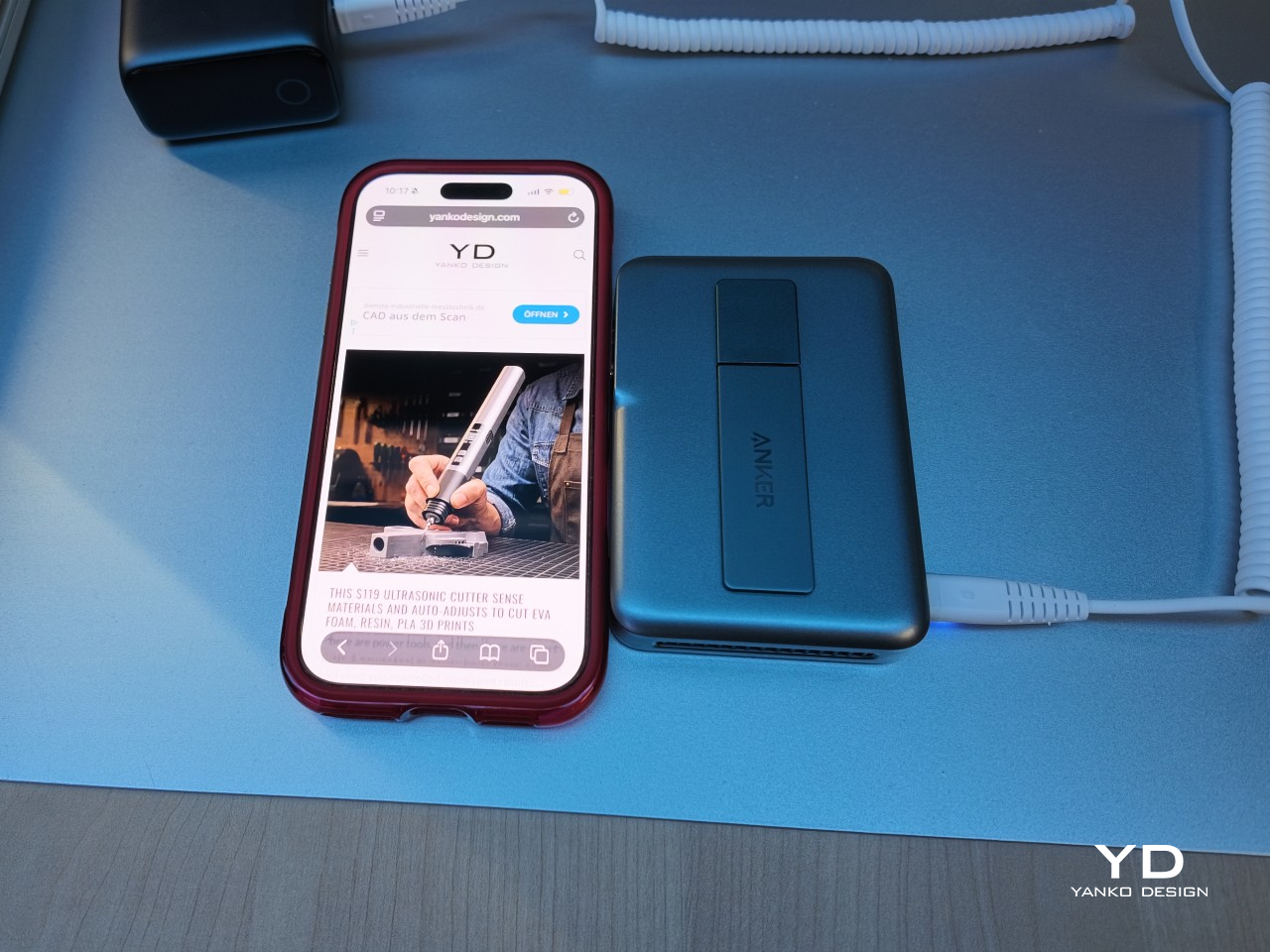
Anker MagGo 3-in-1 Foldable Wireless Charging Station is a pocketable accessory for juicing-up Apple devices
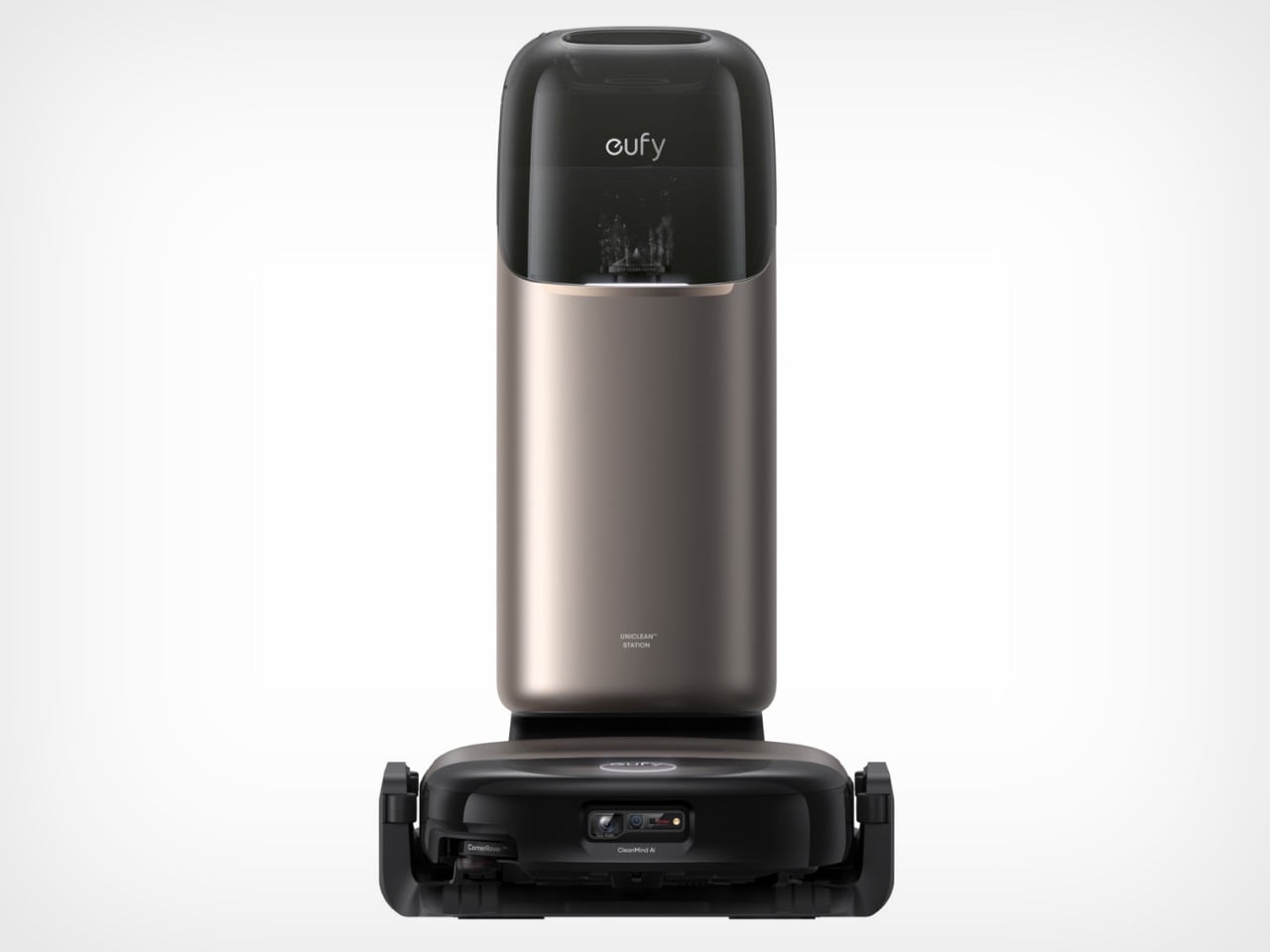
Anker has brought its new line of chargers to IFA 2024 that enhance your wireless charging experience and hone portability. The one making headlines is the MagSafe-compatible 3-in-1 travel charger that folds like a puck, something similar to the Twelve South Butterfly.

The fold-out charger does draw inspiration from the Butterfly but improves on the design and functionality with an added third charging pad. The trifecta charging pads should be more than enough for travelers who love to carry their share of Apple gadgets!

Designer: Anker

The Qi2-certified 15W MagGo Wireless Charging Station folds into an easily carriable form which lends it ultra-portable aesthetics. The three equidistant charging ports include a Qi2-certified 15W charger, a 5W Apple-certified Apple Watch charger, and a 5W Qi puck in the middle. The latter houses the USB-C power input port to charge up the battery. Targeted for the Apple ecosystem of devices it can simultaneously charge your Apple iPhone 15, Apple Watch, and Airpods Pro while traveling.

The pocket-friendly accessory comes with Apple’s Magnetic Power Profile technology for stable and efficient charging on the go. It has a dedicated StandBy and landscape mode for optimal viewing while binge-watching on the iPhone. There’s a quick snap mode that turns this usable accessory into a puck-sized dimensions of 2.36 x 2.36 x 1.4 inches that can be put inside a pocket – it’s that compact. Anker specifically mentions the charger can also charge Apple Watches with undetachable metal straps which is a bonus.

Anker’s 3-in-1 MagGo Wireless Charging Station comes with a 40W adapter and a 5-foot USB-C to USB-C cable for quick charging of the 3-in-1 pad. It is currently up for grabs on Anker’s website and Amazon for $90. You can choose the accessory from a cool selection of color options including black, white, pink and green. The colorful variants (pink and green) are slated to arrive later this year.

The post Anker MagGo 3-in-1 Foldable Wireless Charging Station is a pocketable accessory for juicing-up Apple devices first appeared on Yanko Design.

Leaked Images show Anker’s MagSafe SD Card Reader that lets you Locally Back Up your iPhone Gallery

iCloud who??

With this one single device, Anker aims to upend cloud storage by allowing you to access and even back up your files on SD cards. Imagine not needing a laptop while shooting on a DSLR, or not needing to worry about all your iPhone photos clogging up your system. The MagGo Nano (whose alleged images were leaked on Reddit not too long ago) is Anker’s way of allowing your iPhone to interface with memory cards. A part of the MagGo series, the adapter looks sort of like the old Chromecast devices, and snaps to the back of your iPhone using MagSafe tech. A fold-out cable lets you connect the MagGo Nano to your phone (or you can even connect it to a tablet, laptop, etc.), and a flip-top presents the Nano’s card slot. Insert an SD card in and you’ve instantly got extra storage + file access.

Designer: Anker

Images of the MagGo Nano (we aren’t even sure if that’s the official name) were shared on Reddit by credible leaker ‘Joshuadwx’. The images show a pretty compact device that looks and feels just like (if not smaller than) a Chromecast device. Under the lid of the accessory, there appear to be both SD and TF card slots, offering data transfer speeds up to 312 Mbps… reportedly. The device seems to be powered by USB-C, which means it’ll be compatible with more than just iPhones (you can attach a MagSafe sticker to your Android device and use it with that too), and rumors suggest it’ll be available in three colors: white, gray and green, with a tentative price range of $30-$40.

The MagGo Nano is a boon for photographers who like the idea of being able to quickly transfer photos from cameras/drones to their phones for editing and uploading on social media. However, for the rest of us, it’s a great way to extend your phone’s storage by uploading things to an SD card. Sure, USB-C thumb drives do exist too, but there’s something much more elegant about using an SD card to take photo backups – be it from a smartphone, a professional camera, an action camera, or a drone.

Images via u/joshuadwx

The post Leaked Images show Anker’s MagSafe SD Card Reader that lets you Locally Back Up your iPhone Gallery first appeared on Yanko Design.

Anker’s new Soundcore Bluetooth sleep earbuds guarantee unmatched noise blocking… Yes, Snore Please!

A good night’s sleep is the best way to wake up energized and fresh the next morning. But if barking dogs in the neighborhood or a snoring partner alongside is giving you sleepless nights; noise-blocking sleep earbuds could be the go-to option to save yourself from any more nights spent tossing and turning.

If you are aware of noise-cancelling sleep earbuds, you may have already landed on the Anker Soundcore Sleep A10. An average option against a Bose or an Apple, the Soundcore A10 is now getting a refreshing uplift with the upcoming pair of Soundcore Sleep A20 earbuds that are designed to block out as much outside noise as possible; deliver extra comfort while sleeping; and offer battery life that competitors don’t match.

Designer: Anker

Sleeping while wearing earbuds has not been a comfortable experience for me. I’m predominantly a side sleeper and the earbuds tend to hurt the ear when pressure is exerted. Anker believes it has worked its way around this problem with the new Twin-Seal ear tips that fit snuggly within the ear canal to ensure they are comfortable to wear in bed.

Even though the Soundcore Sleep A2 wireless earbuds are meant specially to block the outside noise while sleeping, the earbuds do not support active noise cancellation feature. Instead, it features a four-point noise-masking solution to ward off common disturbances such as snoring. This is made possible by the buds’ two-layer silicon construction with ear wings that offer “three times stronger passive noise blocking“ and “blend perfectly with the shape of your ear” spreading the “pressure evenly” for night-long comfort.

The new Anker earbuds can pair with Bluetooth device to play music, though information is scanty about the specs the Soundcore A20 would support. Things will become clearer in mid-April when Anker would start a Kickstarter crowdfunding campaign for its wireless sleep earbuds. Anker informs, the device will be offered at 40 percent discount through Kickstarter, and will go on sale for $150 after the crowdfunding campaign is over.

Until then, what we know from the company’s product page is that the device will feature a library of sleep noises that you can play to cancel out any seeping ambient sounds or perhaps to sleep to a piece of soothing music playing directly into your ear. Soundcore Sleep A2 touts a whopping 80-hour backup with a charging case in support. A companion for peaceful, disturbance-free sleep, it offers 14 hours of playback in Sleep mode and 10 hours of playback with Bluetooth.


The post Anker’s new Soundcore Bluetooth sleep earbuds guarantee unmatched noise blocking… Yes, Snore Please! first appeared on Yanko Design.