Soundcore Space 2 vs Space 2 Pro: Longer Trips or More Calls?
Anker soundcore Space 2 offers longer battery life, while Space 2 Pro adds Thus call processing. Compare ANC, charging, drivers, and everyday trade-offs.
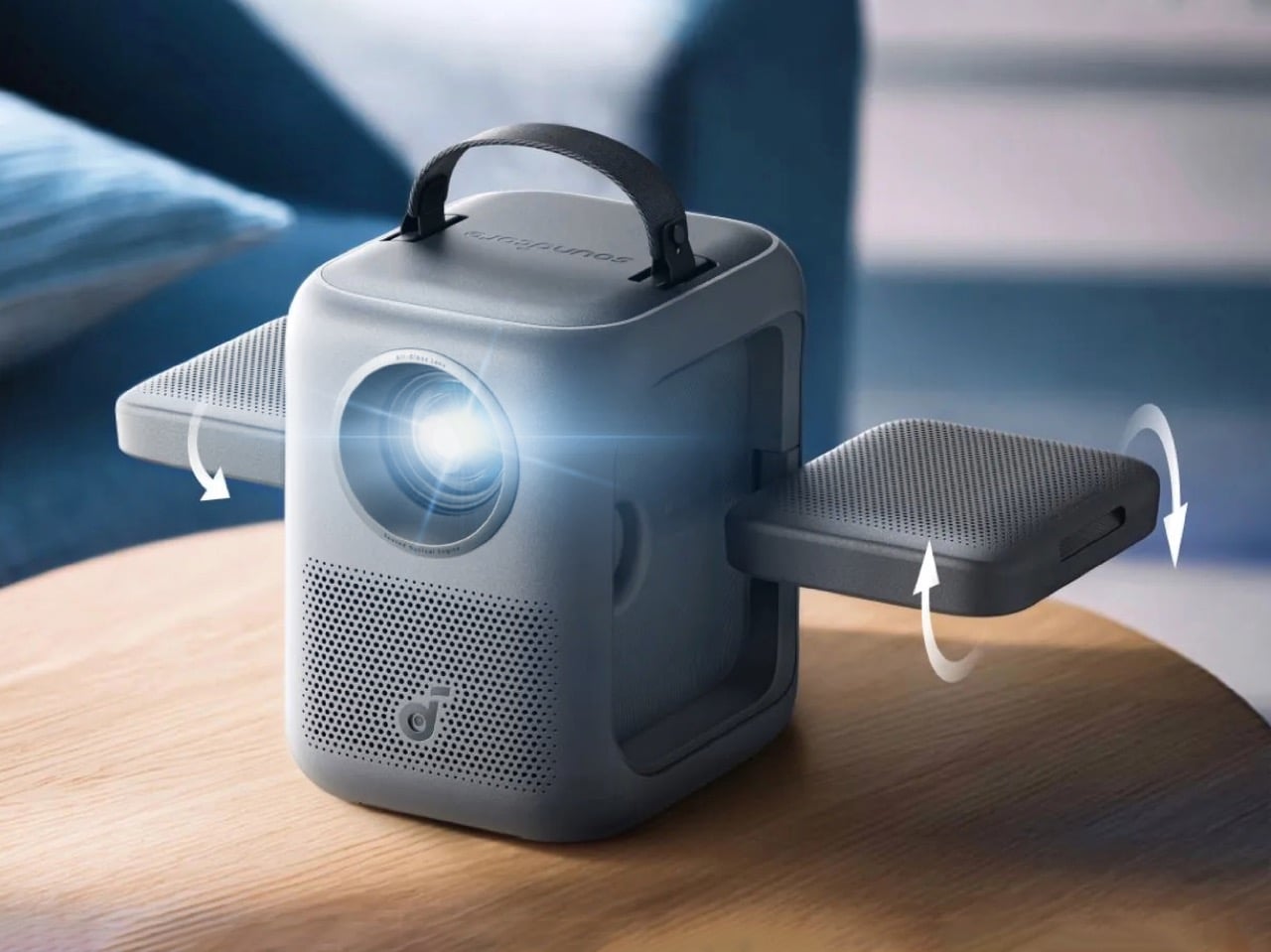
Most projector makers treat audio as an afterthought. Slap a single speaker somewhere on the chassis, call it Dolby-something, and move on. Soundcore, being a company that lives and breathes audio hardware, looked at that approach and decided to do something architecturally different with its first proper budget projector, the Nebula P1i.
What came out of that thinking debuted at CES 2026 for $369, and it carries a feature Soundcore is billing as a world first: flippable speakers. Two 10W drivers are physically hinged into the projector body, fold outward, and swivel in two axes so the sound follows your seating position rather than pointing at whatever wall happens to be closest. It sounds like a gimmick until you realize how consistently every other projector in this price range gets the audio completely wrong.
Designer: Soundcore (Anker)
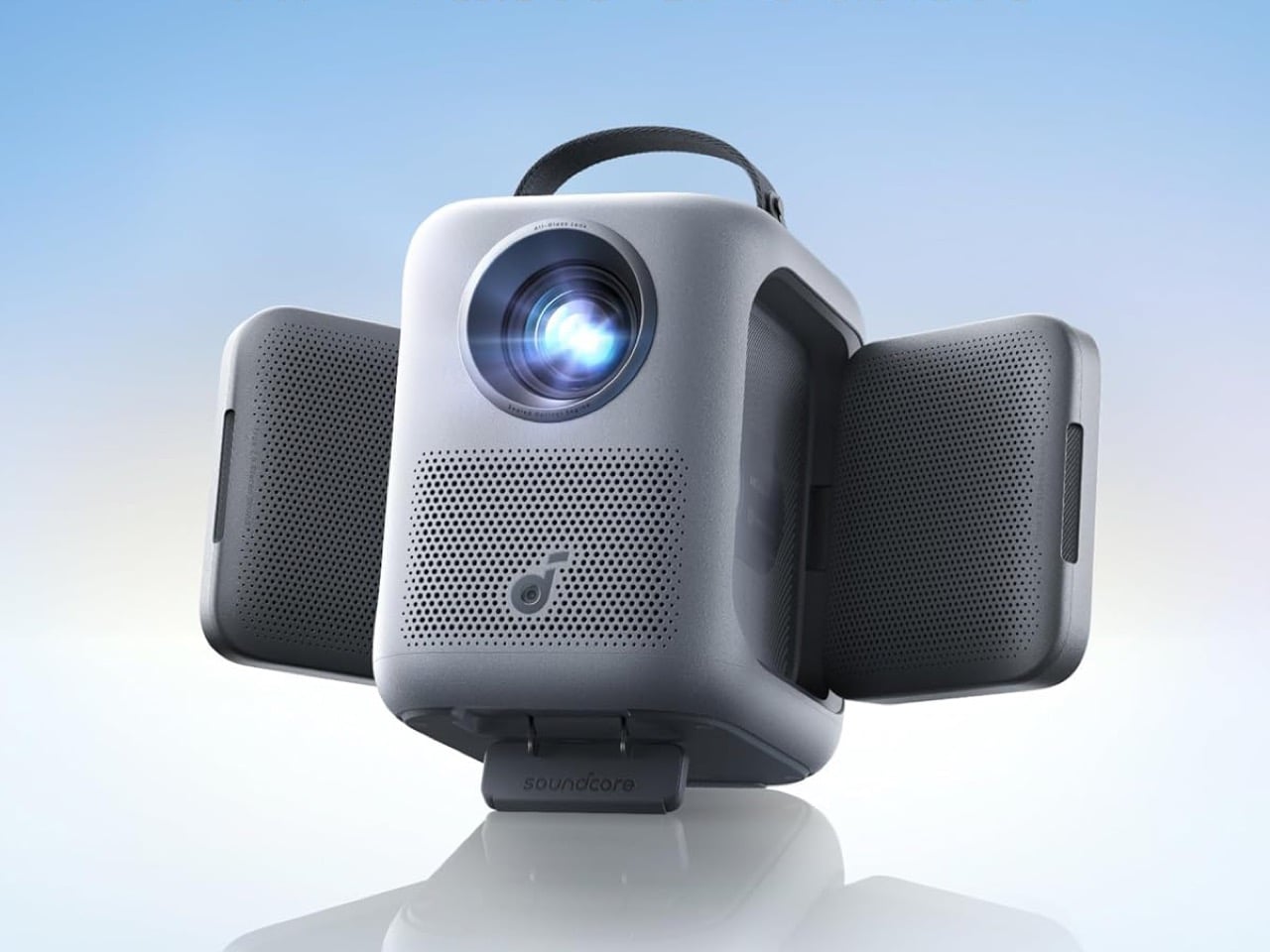
The device’s standout feature is its two hinged speakers that unfold from each side, and the result gives the projector a silhouette that feels more like a small satellite than a conventional home theater device. Each driver rotates 90 degrees side to side and 200 degrees up and down, so the sound follows your vibe regardless of where the projector is physically sitting. Fold them flush and the P1i looks like any other compact projector. Deploy them and the thing suddenly has ears, which, for a Soundcore product, feels exactly right. At 8.9 x 7.2 x 8.0 inches and just five pounds, it perches on almost any surface and travels easily by the soft handle on top. That handle is a small detail that matters more than it sounds when you’re moving the unit between a bedroom, a living room, and a backyard in the same evening.
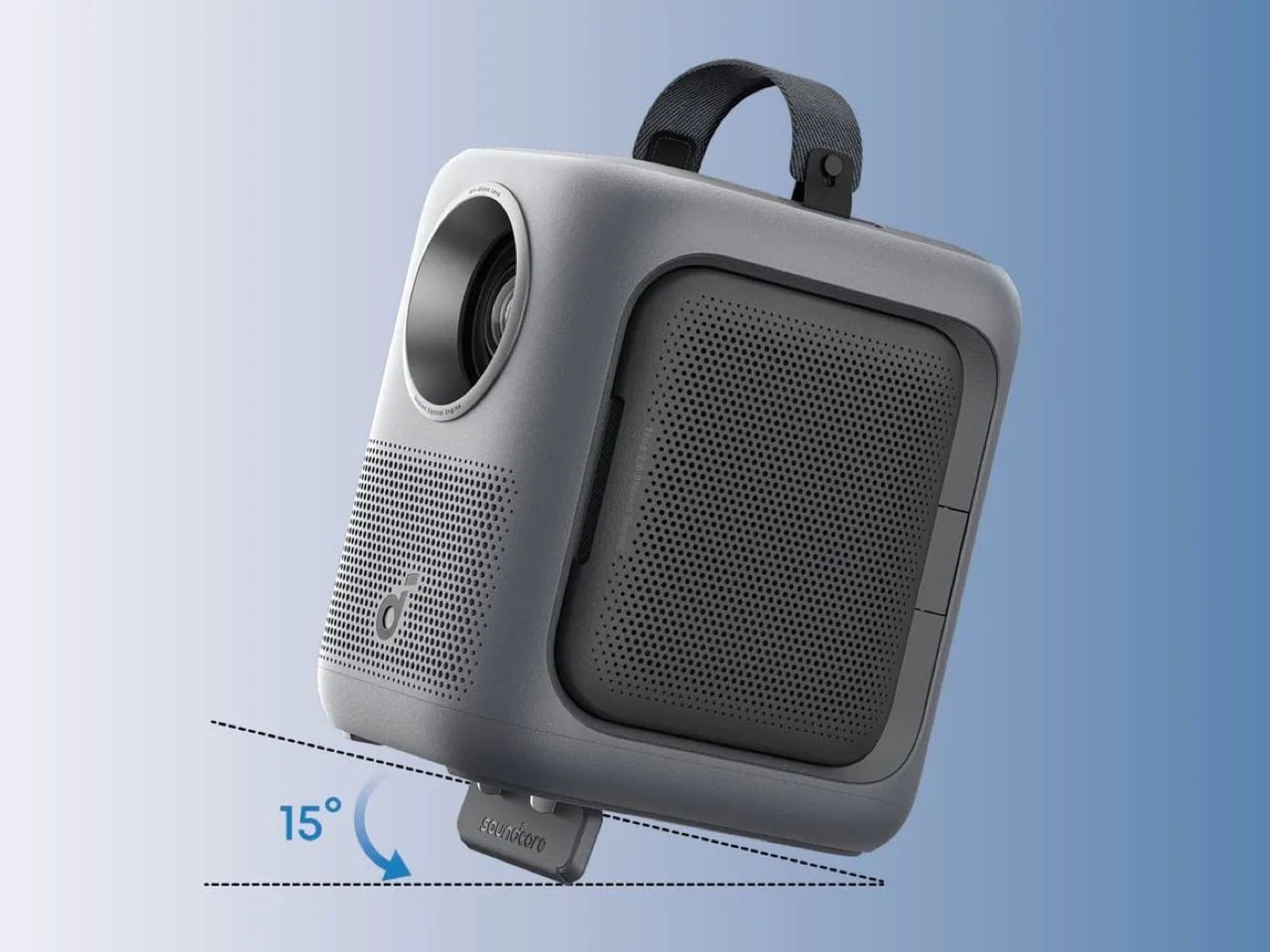
For its $369 price tag, you get a native 1080p panel outputting TÜV-certified 380 ANSI lumens, and an all-glass lens combined with a fully sealed optical engine that resists dust and the focus drift that plastic lenses develop as they heat up over time. In a dark bedroom, colors come out surprisingly accurate for an LED projector, and the sealed optics keep the image consistent across long sessions. The brightness ceiling is real, though. Step outside before sunset or flip on a lamp and the picture washes out quickly, which puts the P1i firmly in the category of a dark-room machine. That’s not a unique limitation at this price, it’s basically the cost of admission for any projector south of $500.
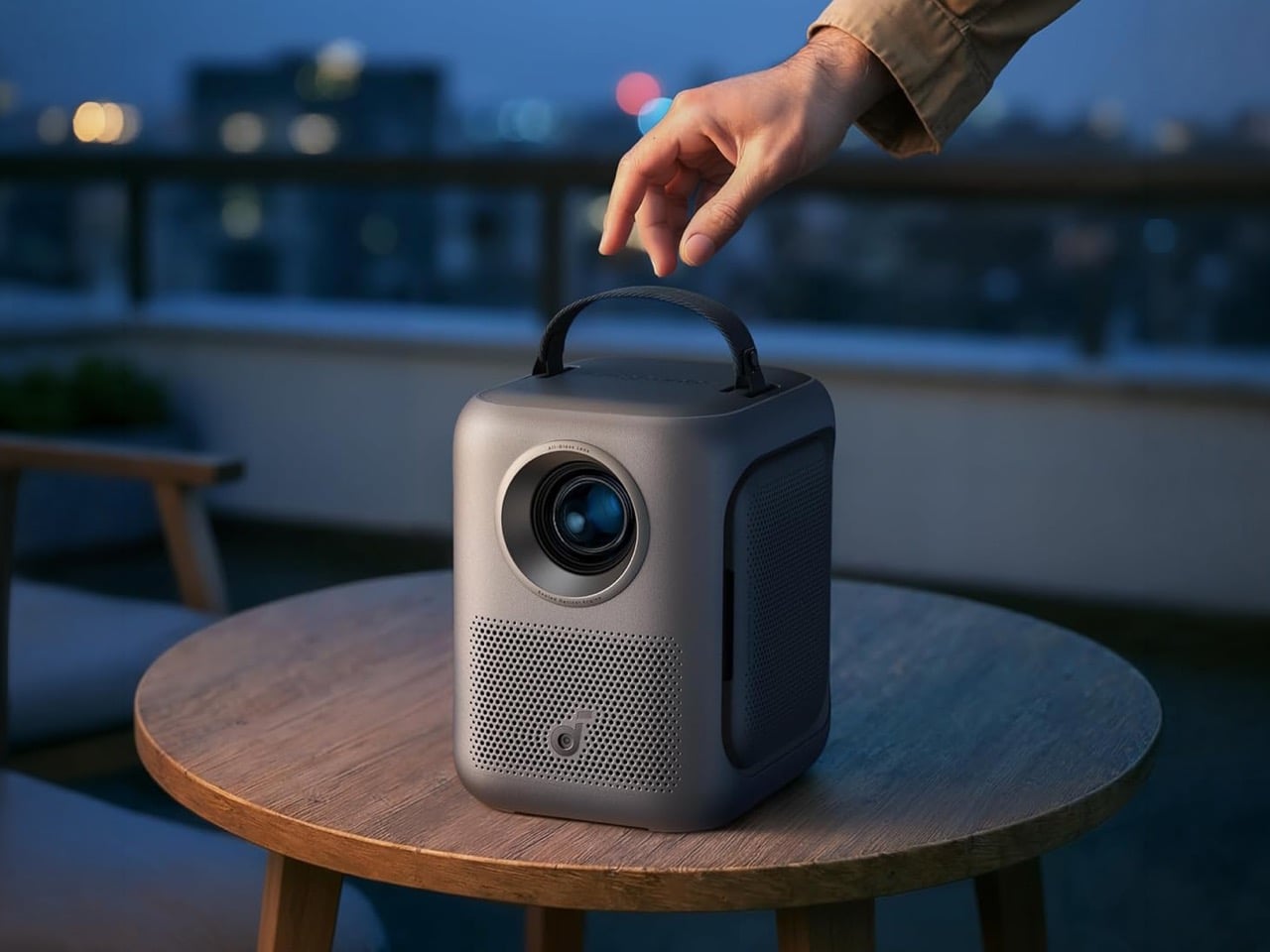
Anker’s Smart Instant Setup handles the initial configuration, featuring IEA 3.0, which handles autofocus, keystone correction, obstacle avoidance, and screen fit the moment you point the unit at a wall. Google TV runs the software side, bringing native Netflix certification, YouTube, Prime Video, and the rest of the streaming stack without a dongle in sight. The one gap that stings a little is the absence of a built-in battery. For outdoor use, Anker recommends pairing the P1i with its own SOLIX C300 power station, which extends runtime to roughly 3.5 hours. That’s a workable solution, but it does add cost and bulk to what is otherwise a lean, grab-and-go setup.
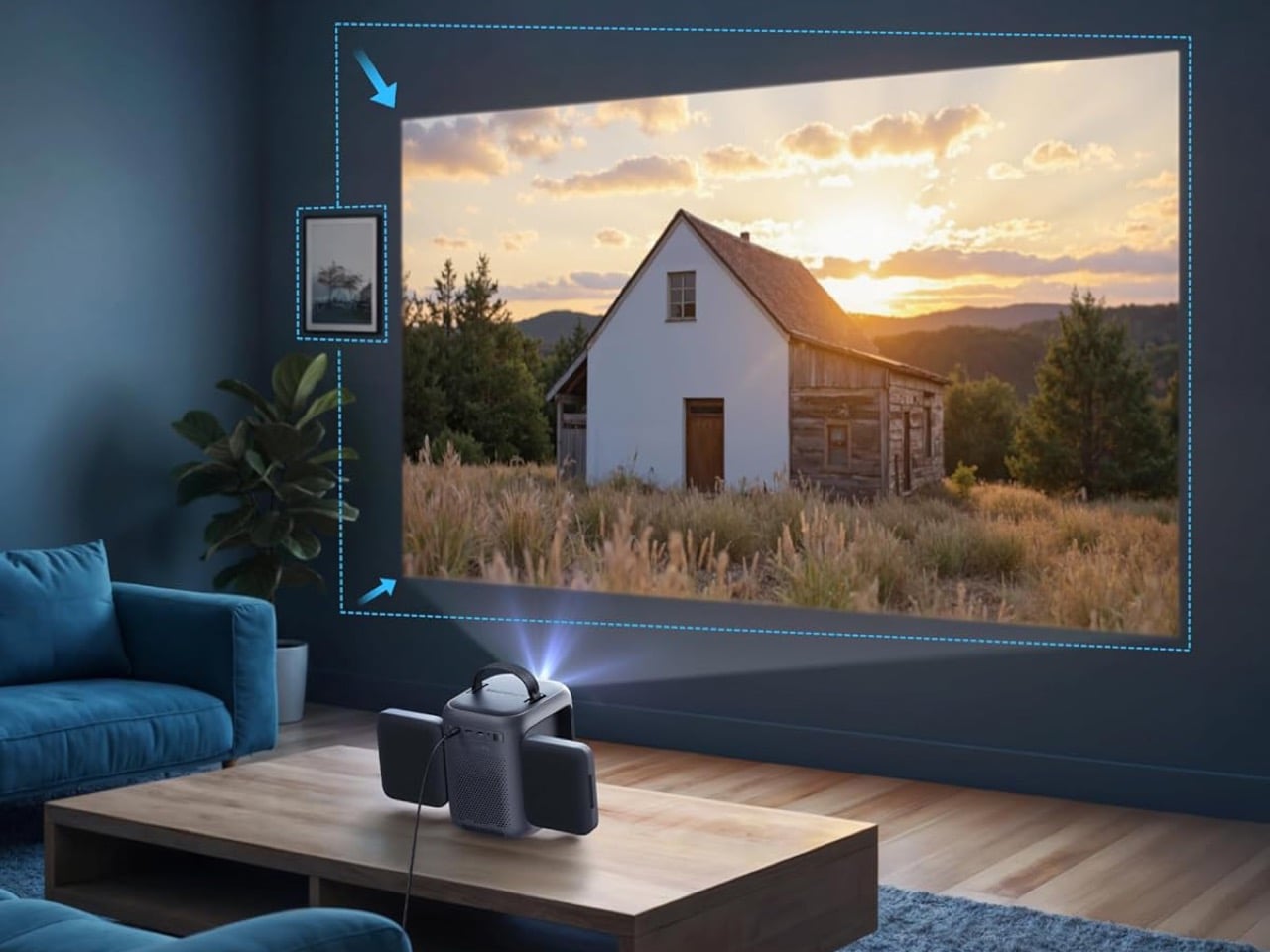
The P1i retails at $369, but it has already dropped to $294.99 during promotional periods. At that sale price, you’re spending the same as a pair of AirPods Pro on a 1080p smart projector with Google TV, flippable Dolby Audio speakers, and a lens assembly that will outlast most of the competition. The budget projector market is crowded with hardware that costs half as much and delivers a quarter of the experience. Soundcore priced the P1i at the exact point where the excuse to skip it runs out.
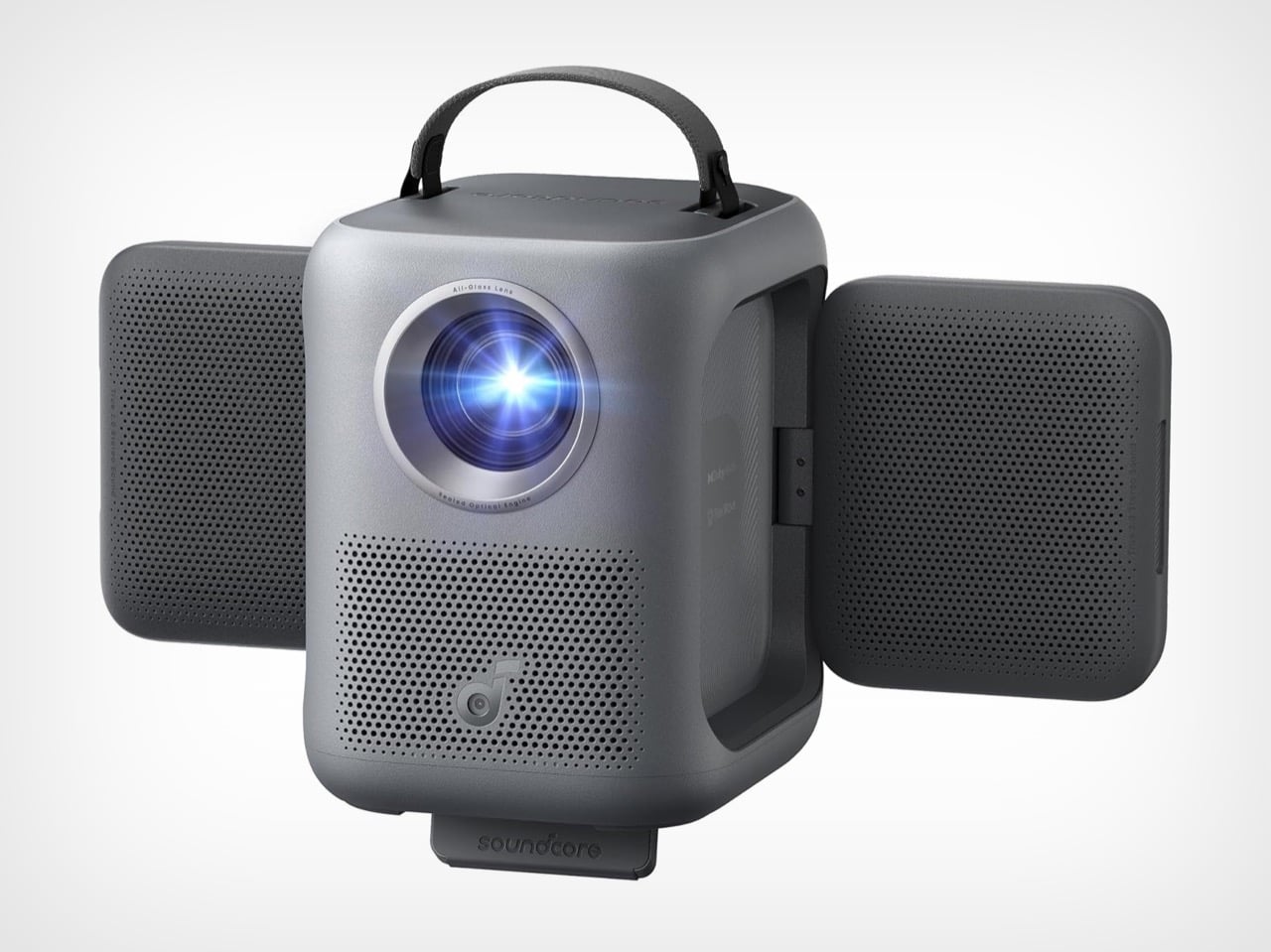
The Nebula P1i won’t unseat a dedicated home theater setup, and it won’t pretend to work in a sunlit living room. What it does is identify the one thing budget projectors have chronically failed at, build a genuinely novel audio hardware solution around it, and deliver the whole package at a price that’s hard to argue with. For a brand making its first real statement in the projector category, that’s a strong opening move.
The post Anker Built a sub-$300 1080p Projector with Flippable Speakers for the Price of AirPods Pro first appeared on Yanko Design.
Whether you’re lifting, running or squeezing in a quick session between errands, the last thing you want is a cable getting in the way or earbuds that won’t stay put. The best wireless headphones make it easier to focus on your workout, but not every pair is built to handle sweat, motion and long sessions.
Fitness-focused headphones put different demands on design and performance. Secure fit, water resistance and dependable battery life matter just as much as sound quality, especially if you plan to use them outside the gym as well. Some are tuned for awareness during outdoor runs, while others aim to block distractions during intense training.
We’ve tested a wide range of wireless headphones and wireless earbuds that are suited for exercise, narrowing the list down to options that hold up during workouts and still work well for everyday listening. Below, you’ll find our top picks, along with guidance to help you choose the right pair for how you train.
When it comes to running and working out, the edge that the AirPods Pro 3 have over the Pro 2, or even the top picks on our list, is built-in heart rate monitoring. That means you could go out with just your Pro 3 earbuds and your iPhone and still get heart rate information for your entire training session. But otherwise, the Pro 3 buds are just as capable as the Pro 2 when it comes to exercise. Some may prefer the soft-touch finish on our top picks to the AirPods' slick texture.
The Powerbeats Pro 2 are a good alternative to the Beats Fit Pro if you’re a stickler for a hook design. However, they cost $50 more than the Powerbeats Fit, and the main added advantage here is built-in heart rate sensors.
The Soundcore AeroFit Pro is Anker’s version of the Shokz OpenFit, but I found the fit to be less secure and not as comfortable. The actual earbuds on the AeroFit Pro are noticeably bulkier than those on the OpenFit and that caused them to shift and move much more during exercise. They never fell off of my ears completely, but I spent more time adjusting them than I did enjoying them.
The most noteworthy thing about the Endurance Peak 3 is that they have the same IP68 rating as the Jabra Elite 8 Active, except they only cost $100. But, while you get the same protection here, you’ll have to sacrifice in other areas. The Endurance Peak 3 didn’t blow me away when it came to sound quality or comfort (its hook is more rigid than those on my favorite similarly designed buds) and their charging case is massive compared to most competitors.
Before diving in, it’s worth mentioning that this guide focuses on wireless earbuds. While you could wear over-ear or on-ear headphones during a workout, most of the best headphones available now do not have the same level of durability. Water and dust resistance, particularly the former, is important for any audio gear you plan on sweating with or taking outdoors, and that’s more prevalent in the wireless earbuds world.
Most earbuds have one of three designs: in-ear, in-ear with hook or open-ear. The first two are the most popular. In-ears are arguably the most common, while those with hooks promise better security and fit since they have an appendage that curls around the top of your ear. Open-ear designs don’t stick into your ear canal, but rather sit just outside of it. This makes it easier to hear the world around you while also listening to audio, and could be more comfortable for those who don’t like the intrusiveness of in-ear buds.
Even if a pair of headphones for working out aren’t marketed specifically as exercise headphones, a sturdy, water-resistant design will, by default, make them suitable for exercise. To avoid repetition, here’s a quick primer on durability, or ingression protection (IP) ratings. The first digit you’ll see after the “IP” refers to protection from dust and other potential intrusions, measured on a scale from 1 to 6. The second refers to water resistance or even waterproofing, in the best cases. The ratings for water resistance are ranked on a scale of 1 to 9; higher numbers mean more protection, while the letter “X” means the device is not rated for protection in that regard.
All of the earbuds we tested for this guide have at least an IPX4 rating, which means there’s no dust protection, but the buds can withstand splashes from any direction and are sweat resistant, but probably shouldn't be submerged. For a detailed breakdown of all the possible permutations, check out this guide published by a supplier called The Enclosure Company.
Active noise cancellation (ANC) is becoming standard on wireless earbuds, at least those above a certain price point. If you’re looking for a pair of buds that can be your workout companion and serve you outside of the gym, too, noise cancelation is a good feature to have. It makes the buds more versatile, allowing you to block out the dull roar of your home or office so you can focus, or give you some solitude during a busy commute.
But an earbud’s ability to block out the world goes hand-in-hand with its ability to open things back up should you need it. Many ANC earbuds also support some sort of “transparency mode,” or various levels of noise reduction. This is important for running headphones because exercising outdoors, alongside busy streets, can be dangerous. You probably don’t want to be totally oblivious to what’s going on around you when you’re running outside; adjusting noise cancelation levels to increase your awareness will help with that. Stronger noise cancelation might be more appealing to those doing more indoor training if they want to block out the dull roar of a gym or the guy exaggeratingly lifting weights next to you.
All of the Bluetooth earbuds we tested have a battery life of six to eight hours. In general, that’s what you can expect from this space, with a few outliers that can get up to 15 hours of life on a charge. Even the low end of the spectrum should be good enough for most athletes and gym junkies, but it’ll be handy to keep the buds’ charging case on you if you think you’ll get close to using up all their juice during a single session.
You’ll get an average of 20 to 28 extra hours of battery out of most charging cases and all of the earbuds we tested had holders that provided at least an extra 15 hours. This will dictate how often you actually have to charge the device — as in physically connect the case with earbuds inside to a charging cable, or set it on a wireless charger to power up.
In testing wireless workout headphones, I wear them during every bit of exercise I do — be it a casual walk around the block, a brisk morning run or a challenging weight-lifting session. I’m looking for comfort arguably most of all, because you should never be fussing with your earbuds when you should be focusing on working out. In the same vein, I’m cognizant of if they get loose during fast movements or slippery when I’m sweating. I also use the earbuds when not exercising to take calls and listen to music throughout the day. Many people will want just one pair of earbuds that they can use while exercising and just doing everyday things, so I evaluate each pair on their ability to be comfortable and provide a good listening experience in multiple different activities.
While I am also evaluating sound quality, I’m admittedly not an audio expert. My colleague Billy Steele holds that title at Engadget, and you’ll find much more detailed information about audio quality for some of our top picks in his reviews and buying guides. With these headphones for working out, however, I will make note of related issues if they stood out (i.e. if a pair of earbuds had noticeably strong bass out of the box, weak highs, etc). Most of the wireless workout headphones we tested work with companion apps that have adjustable EQ settings, so you’ll be able to tweak sound profiles to your liking in most cases.
This article originally appeared on Engadget at https://www.engadget.com/audio/headphones/best-wireless-workout-headphones-191517835.html?src=rss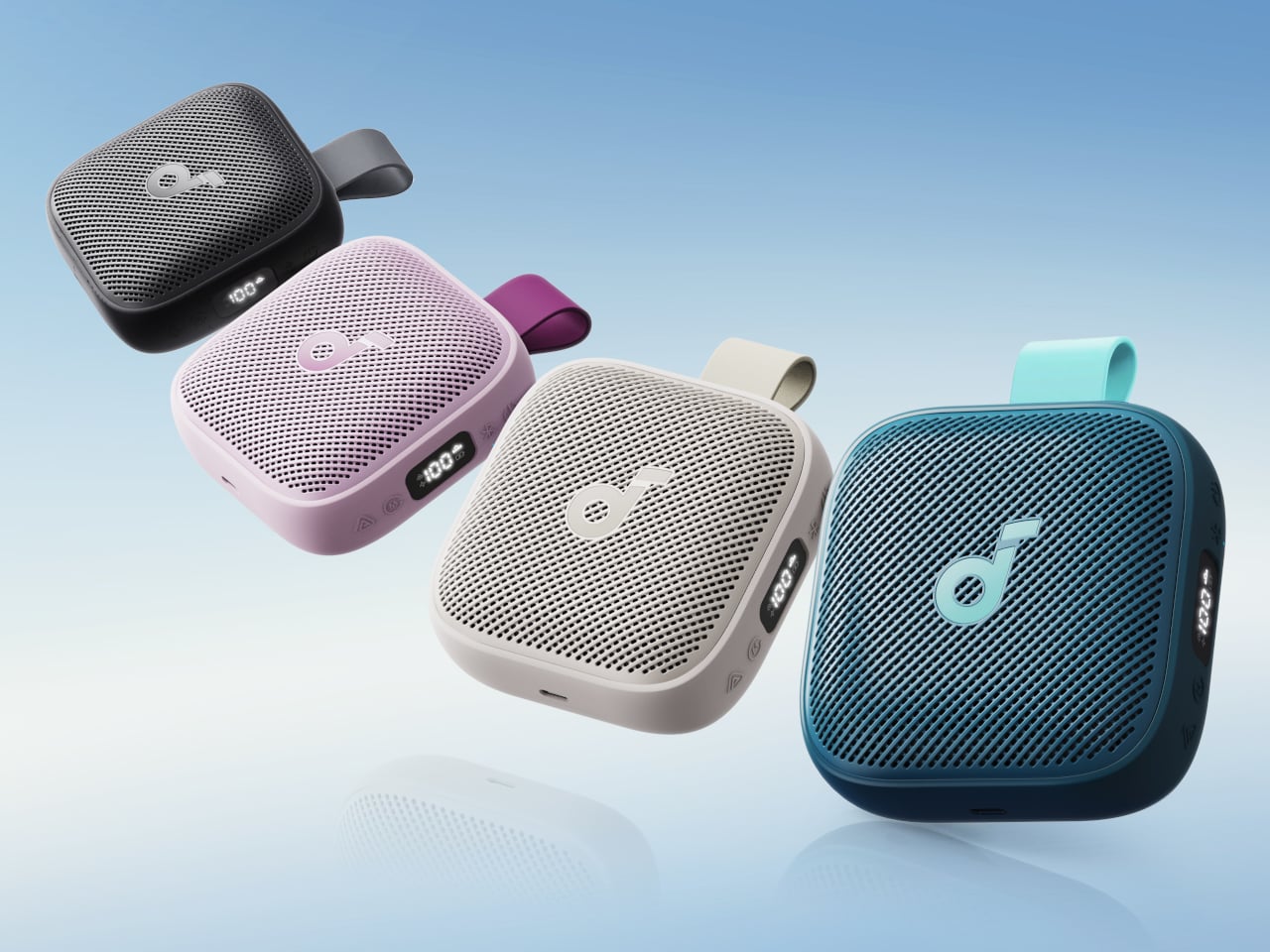
Personal entertainment has drifted out of fixed rooms and into commutes, bedrooms, trails, and backyards. People bounce between earbuds, smart speakers, and projectors, often juggling separate ecosystems that do not feel designed with each other in mind. The friction is no longer just sound quality, but how easily gear fits into those shifting contexts, from the desk where you need awareness, to the pillow where you need silence, to the field where you want a movie under the stars.
Soundcore’s CES 2026 lineup follows that drift. The AeroFit 2 Pro, Sleep A30 Special, Boom Go 3i, Nebula P1i, and Nebula X1 Pro aim to move with you rather than live in one place. The common thread is collapsing trade‑offs, open‑ear comfort and ANC in one pair of buds, tiny speakers with long battery life, and projectors that pack a theater into a handle‑equipped box, each tuned to a different moment when sound or vision matters.
Designer: Soundcore (Anker)
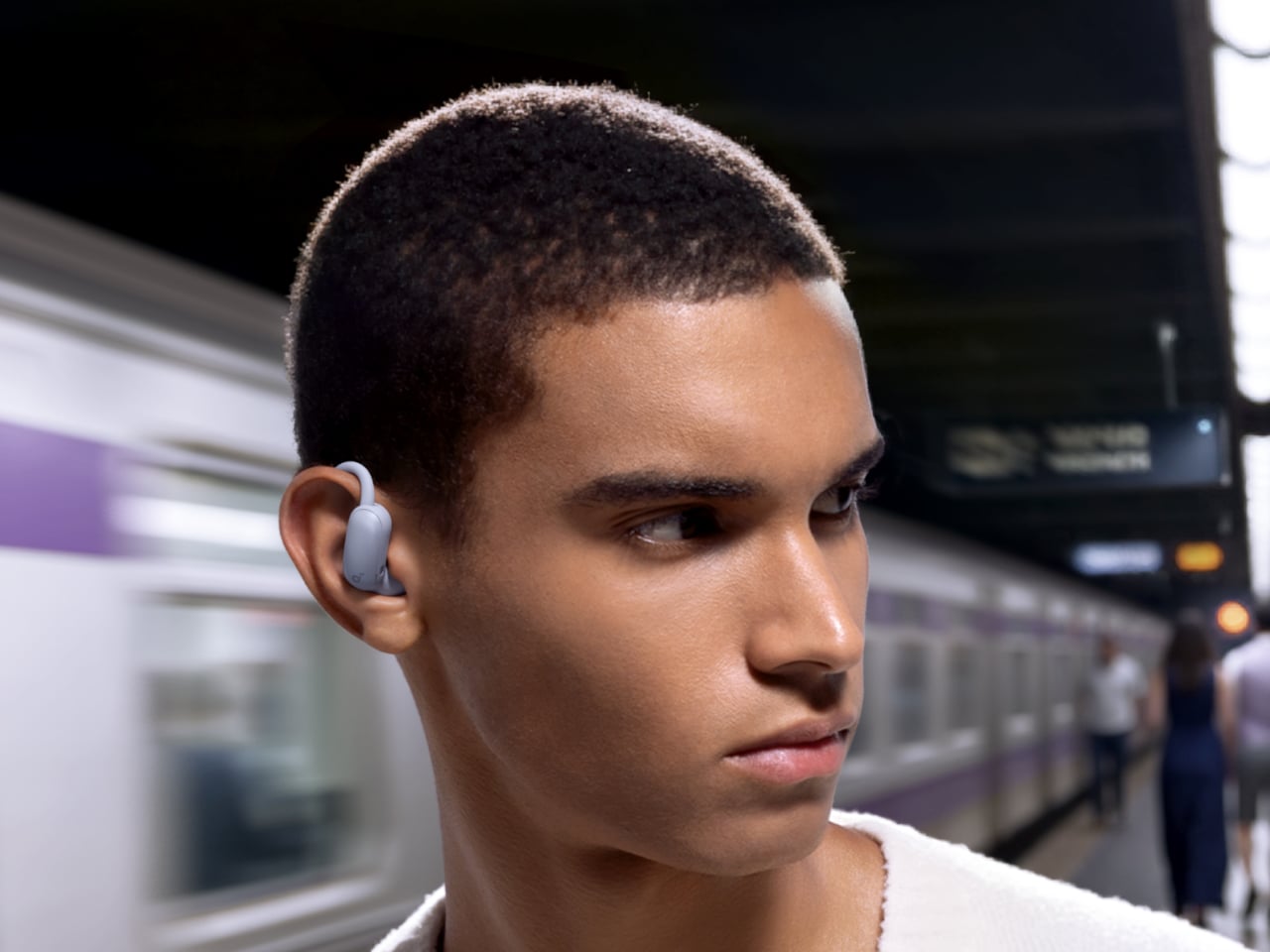
AeroFit 2 Pro is built for people whose days swing between needing to hear the world and wanting to block it out. The five‑level ear‑hook can reposition the nozzle so the buds behave as open‑ear hooks during runs or desk work, then slide into a semi‑in‑ear ANC form when focus or isolation is needed, without swapping hardware or carrying two pairs.
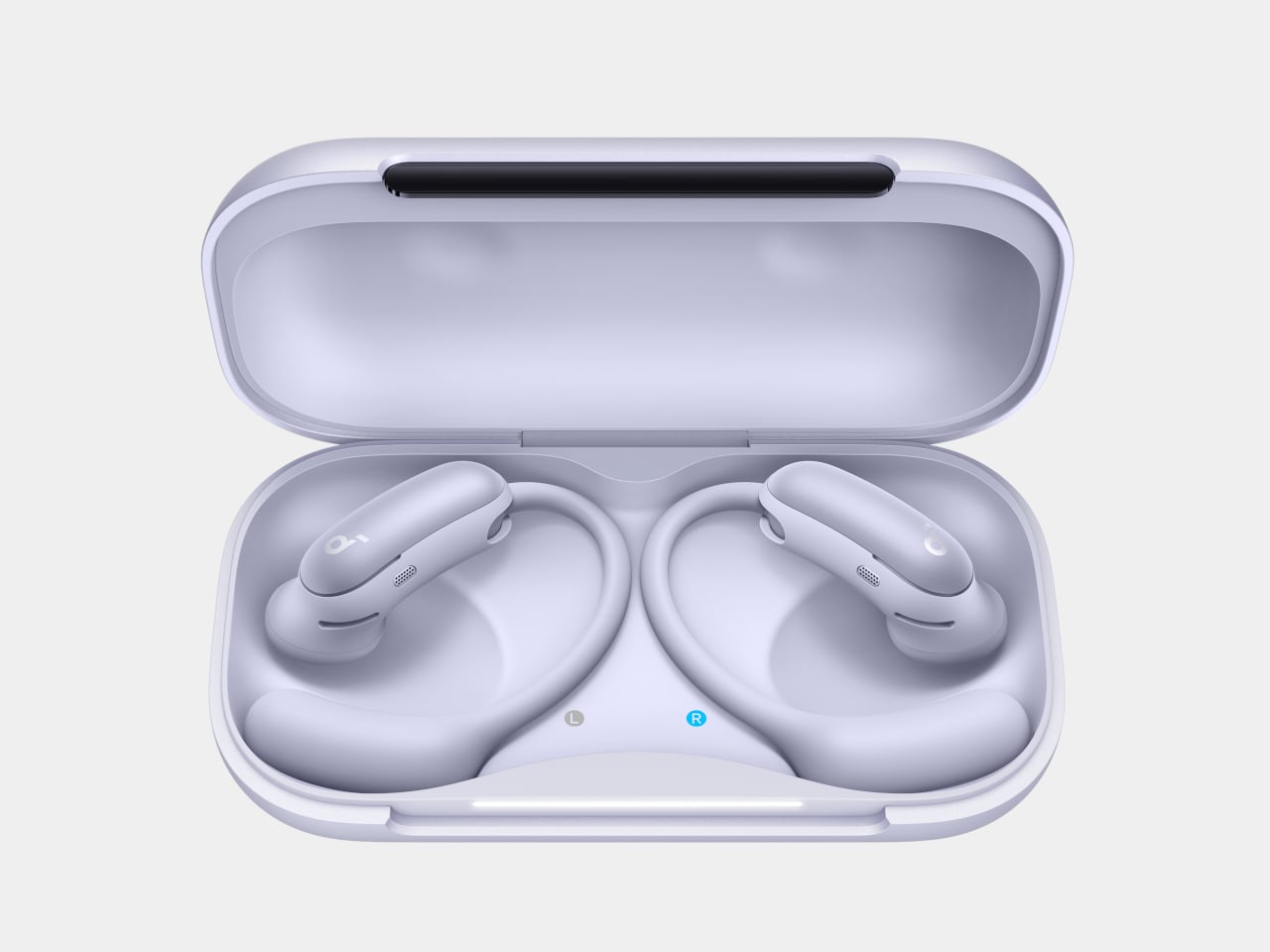
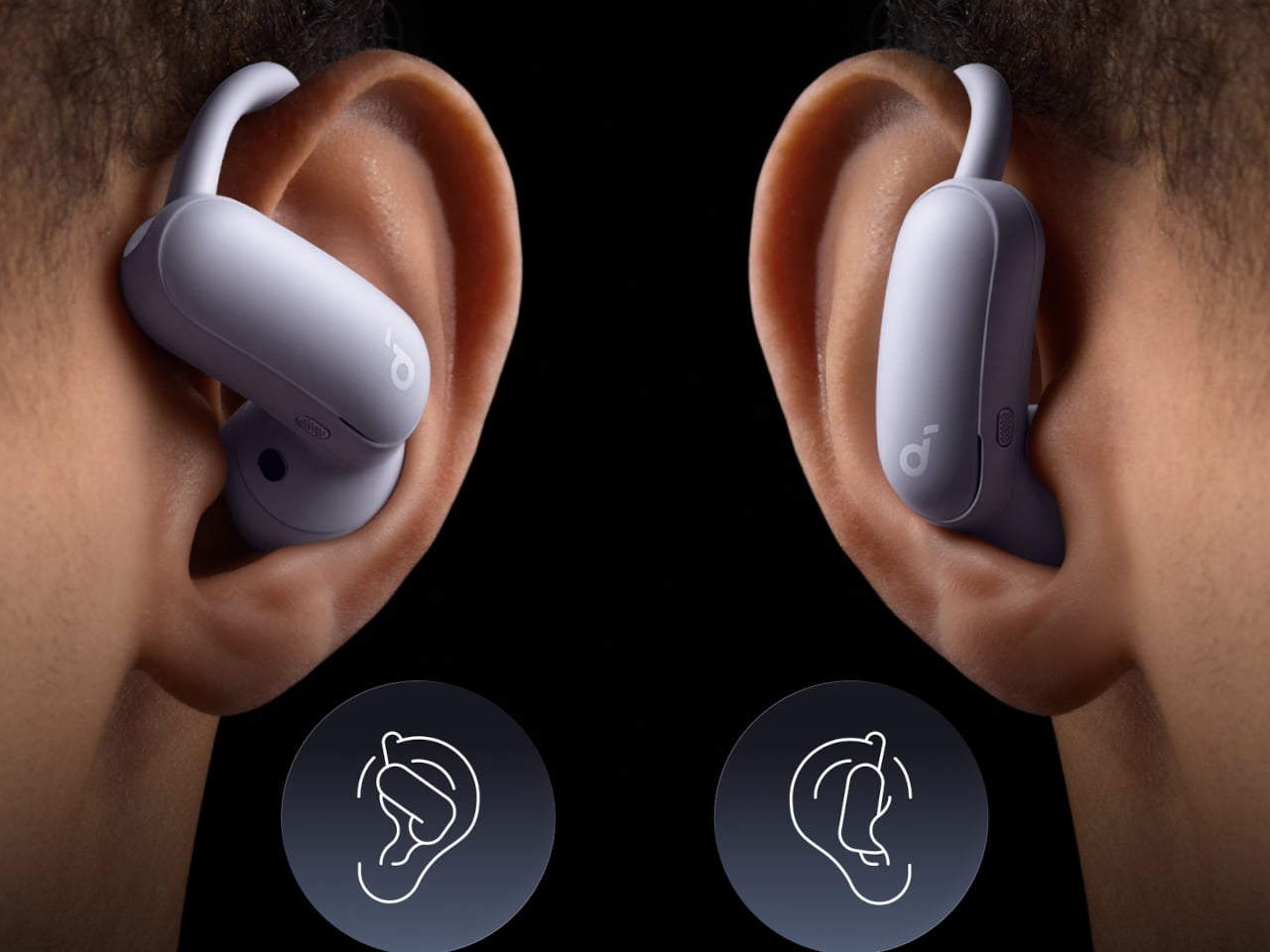
The liquid‑silicone hooks and 56 degrees of articulation keep pressure off the canal for all‑day wear in open‑ear mode, while Adaptive ANC 3.0 checks noise up to 380,000 times per second and makes 180 adjustments per minute in ANC mode. The buds include 11.8 mm drivers, spatial audio with head tracking, LDAC support, IP55 rating, and differing battery lives, up to 7 hours and 34 with case in open‑ear, up to 5 hours and 24 with case in ANC.
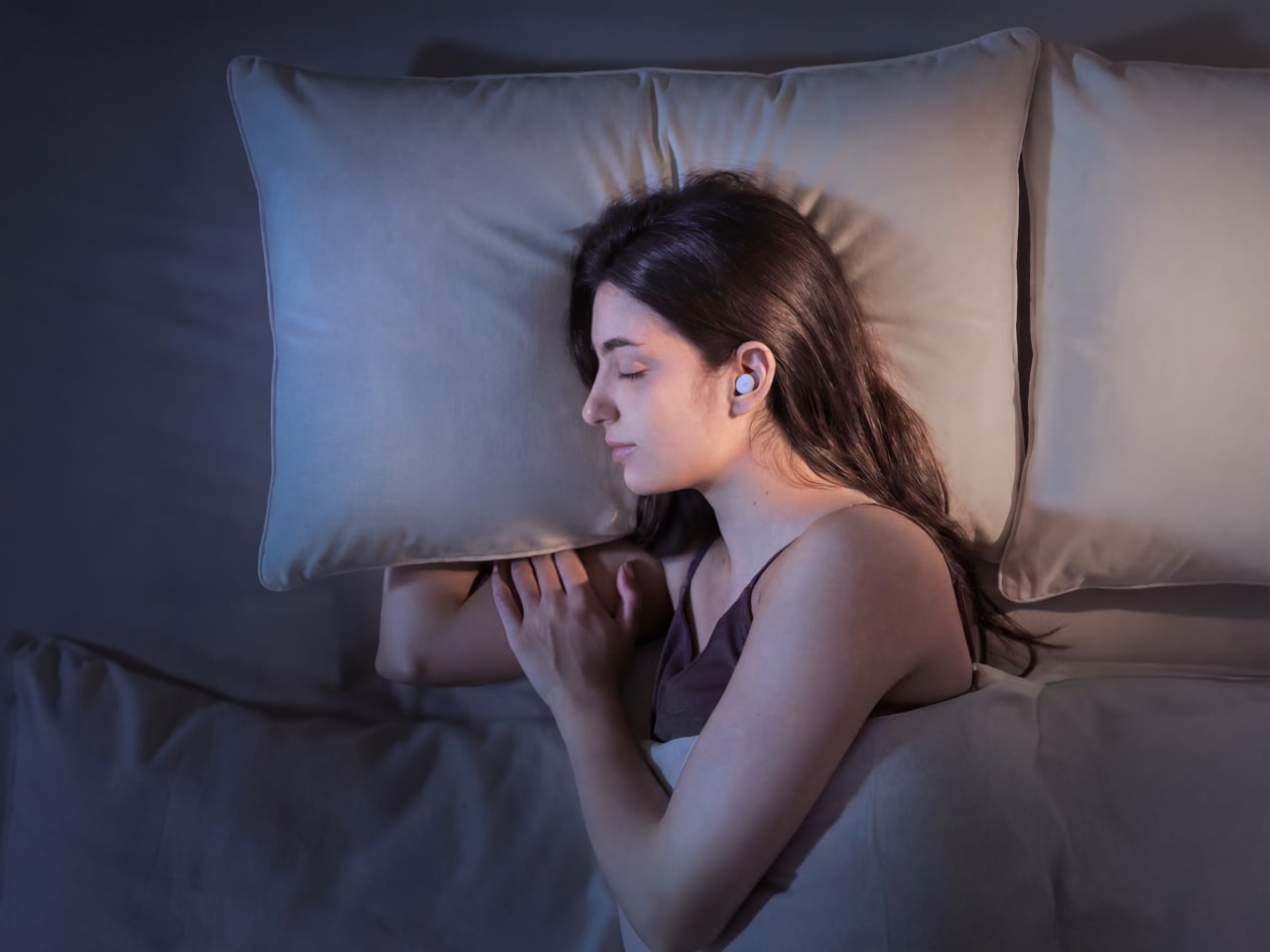
Sleep A30 Special takes over when the day ends and the noise does not. The triple noise reduction system combines active noise cancellation, passive blocking from the low‑profile fit, and adaptive snore masking that targets disruptive frequencies without making the room feel unnaturally silent. The ultra‑compact shape is tuned for side sleepers who usually cannot tolerate bulky earbuds pressing against a pillow overnight.
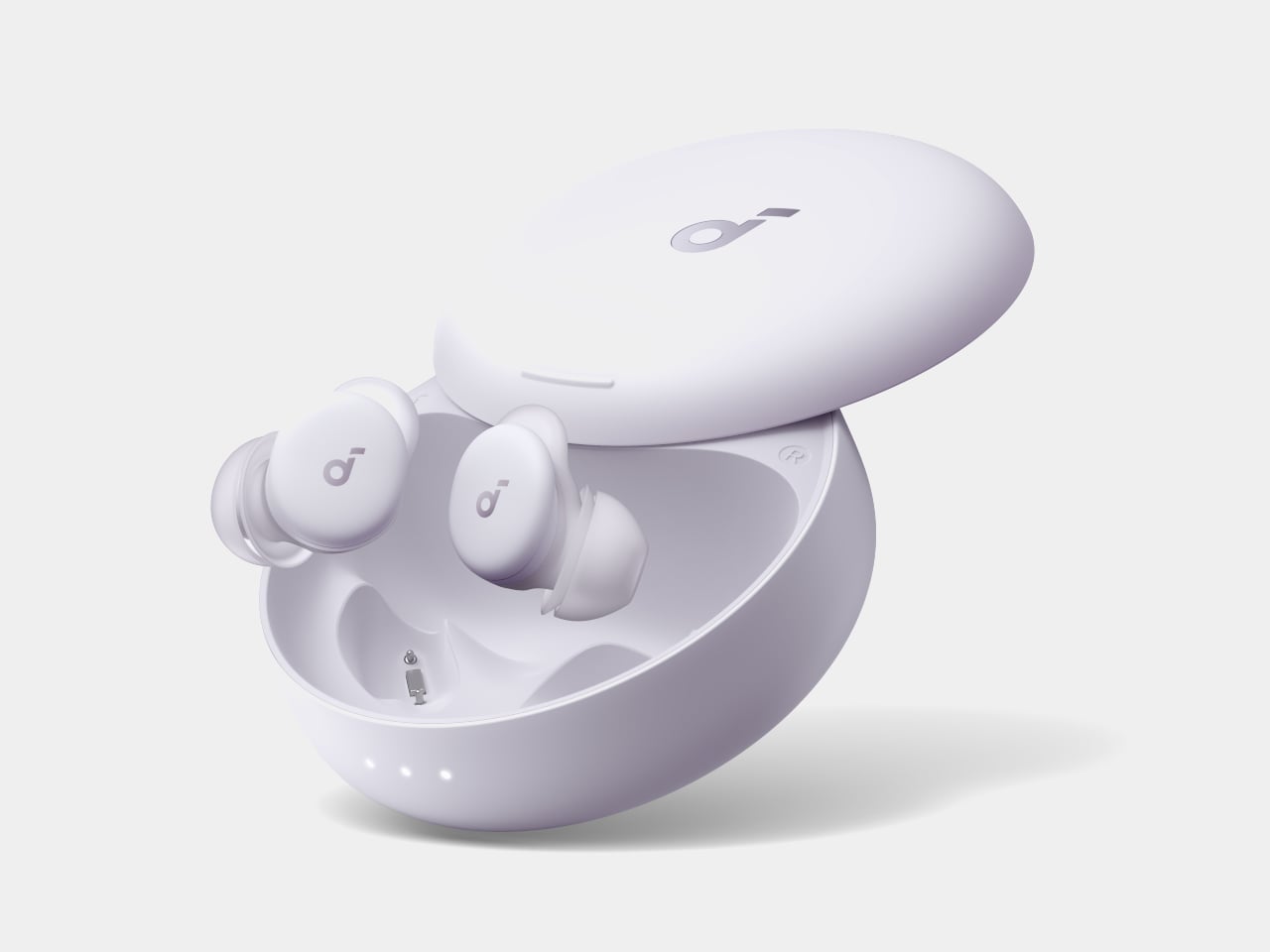
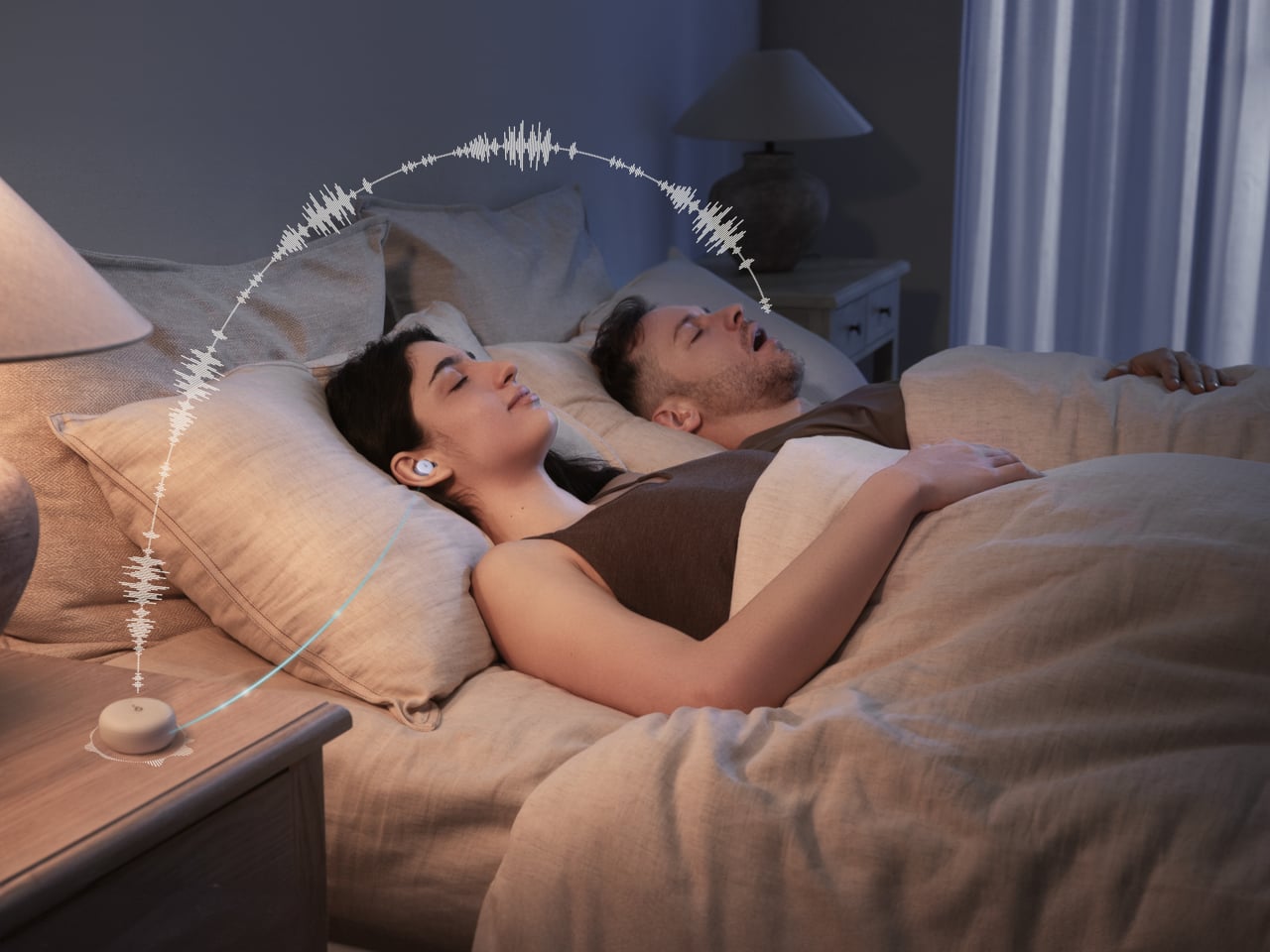
The earbuds tie into the Soundcore app to deliver Calm Sleep Stories directly, alongside AI brainwave tracks and white noise. The hardware is only half the story; the curated content and extended battery life let people build a consistent wind‑down routine, from reading in bed with subtle noise reduction to drifting off to a story without worrying about wires, over‑ear pressure, or keeping a phone nearby.

Boom Go 3i is the speaker that lives on a backpack strap rather than a shelf. The palm-sized form and 15 W output make a picnic or campsite feel less quiet without needing a huge cylinder. The 4,800 mAh battery offers up to 22 hours in Eco mode, so it can handle a weekend of light use without visiting a wall outlet, and it can lend some of its charge for emergency phone top‑ups.
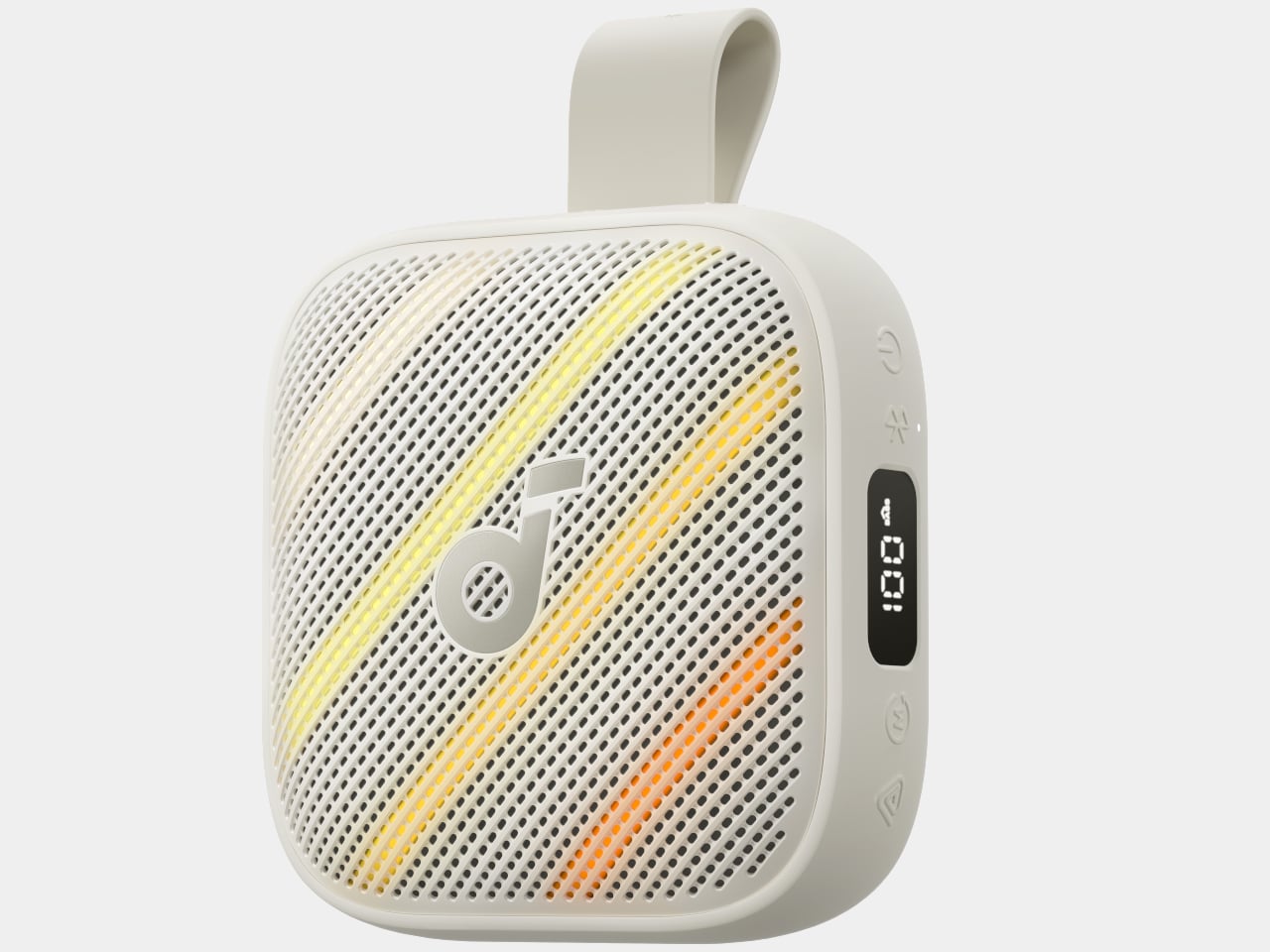
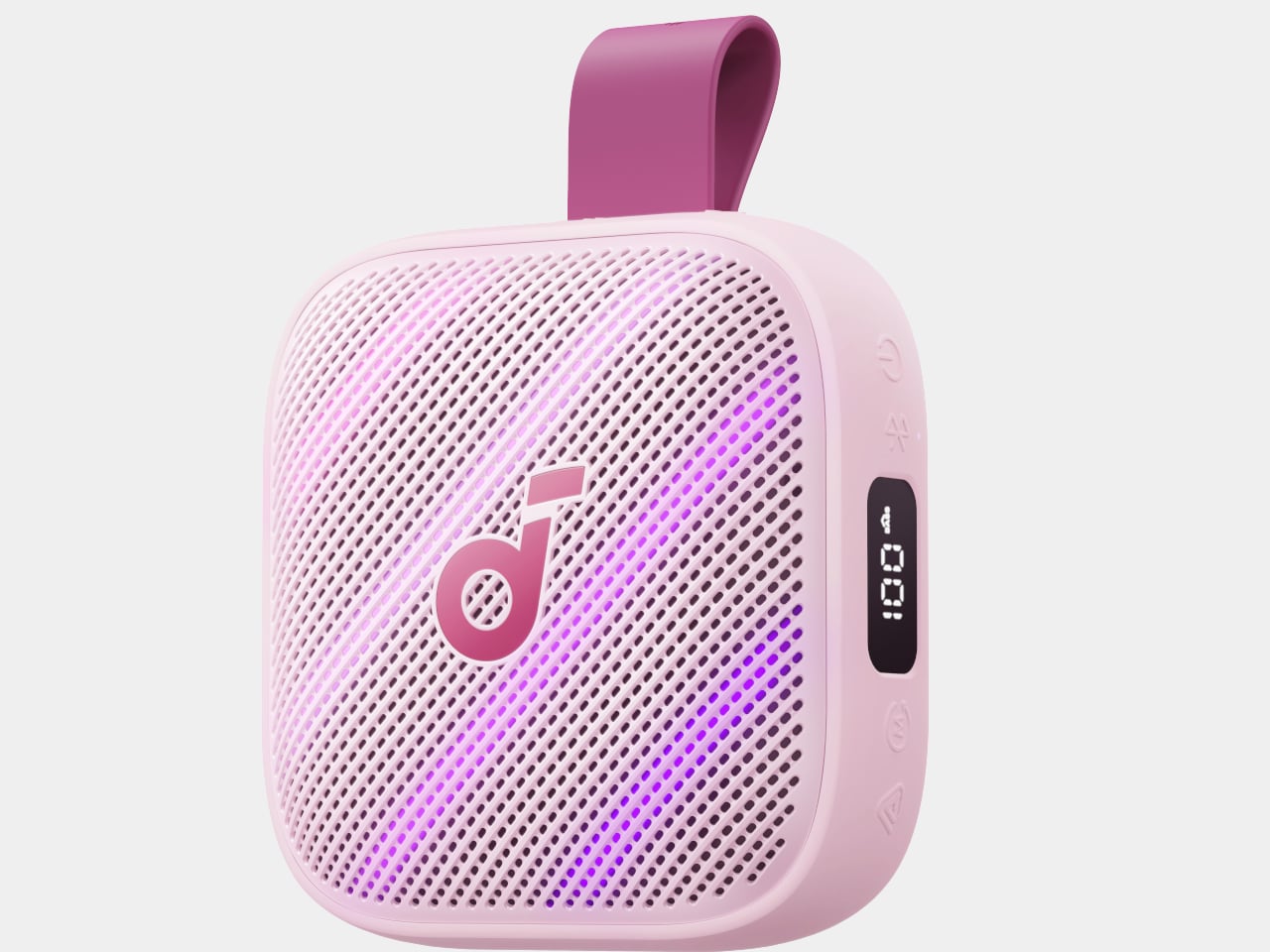
The IP68 rating means it can handle dust, sand, and submersion, which is useful when it gets dropped in a stream or buried in a beach bag. The dual‑mode strap mounting system lets it hang or cinch tightly to a pack, bike, or tent pole, and the LED grille with diagonal light patterns makes it easy to spot in a dark campsite or stowed in the bottom of a gear pile.
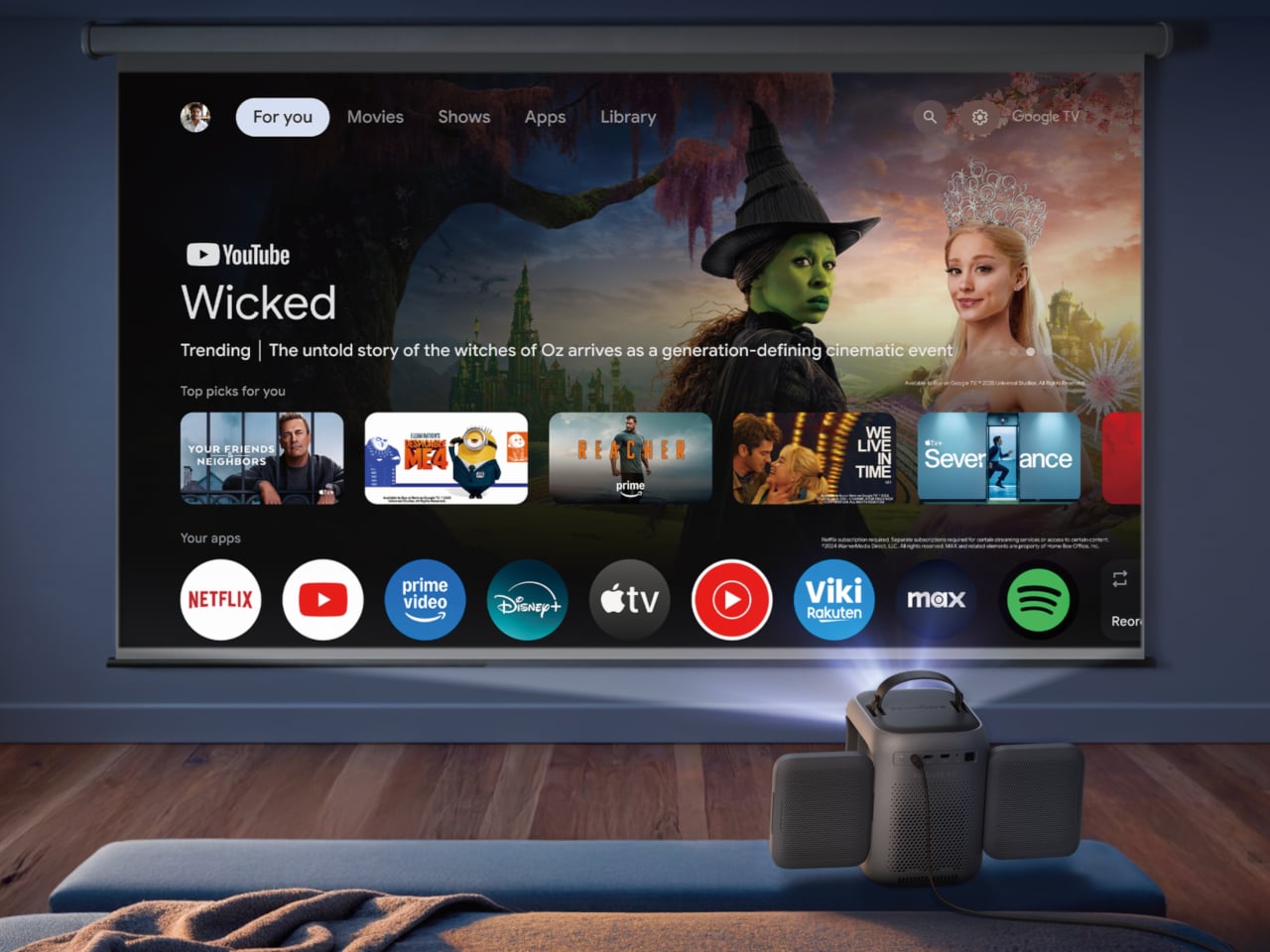
Nebula P1i is the projector for people who want movie‑night flexibility without a permanent ceiling mount. It offers 1080p resolution and 400 ANSI lumens, enough for dim‑room viewing, with a built‑in 0-12 degree tilt stand to aim at walls or screens without stacks of books. Official Netflix and Google TV support mean it behaves like a familiar streaming box, not a bare projector that needs extra hardware.
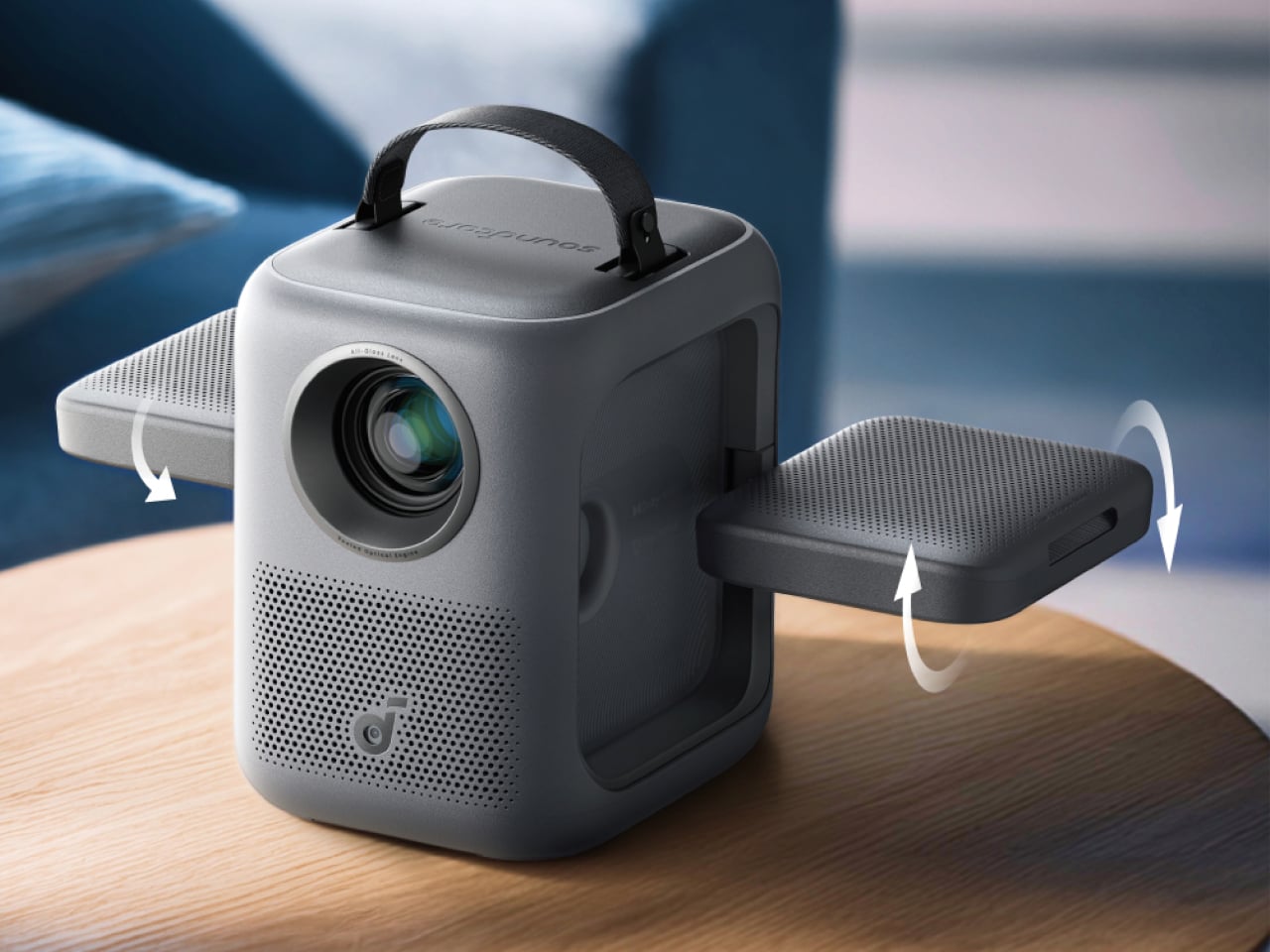
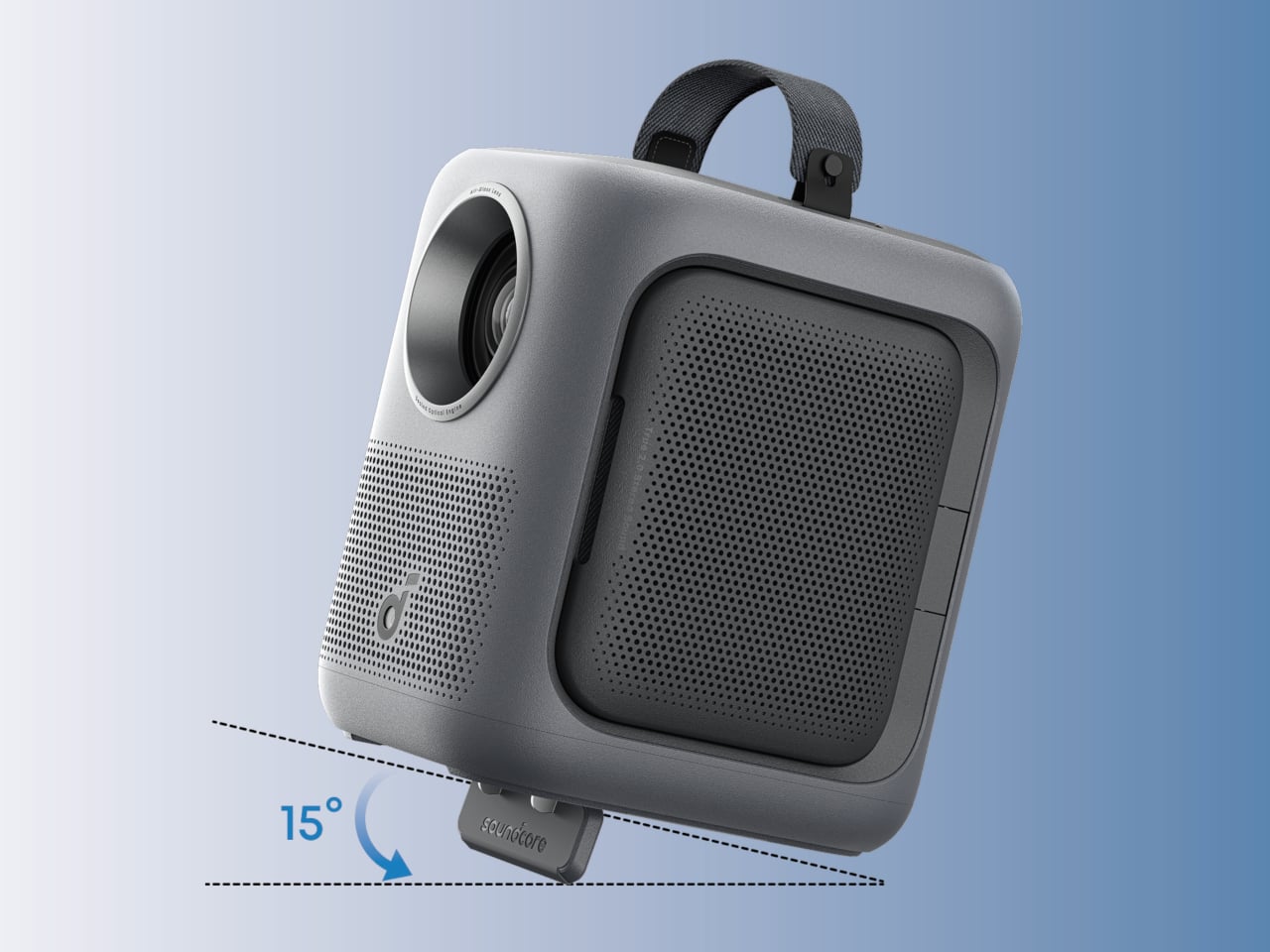
The flip‑open side speakers swing out for better stereo separation, turning a compact cube into a mini theater without extra cables. Intelligent Environment Adaptation 3.0 handles autofocus, keystone, and screen fit, so the projector can quickly lock onto whatever surface is available. It is the kind of device that can live in a closet until a rainy afternoon or impromptu game night makes a big picture suddenly appealing.
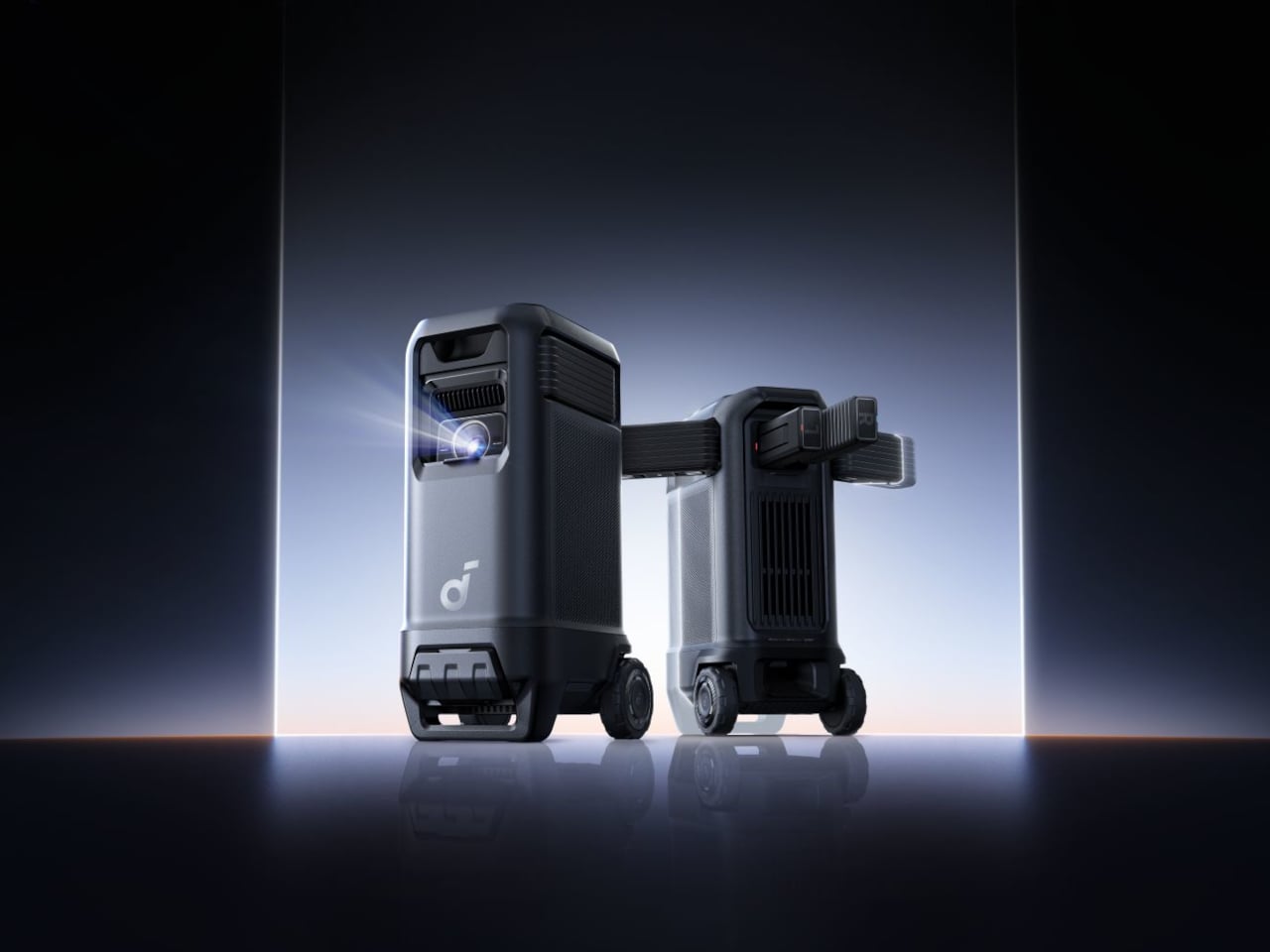
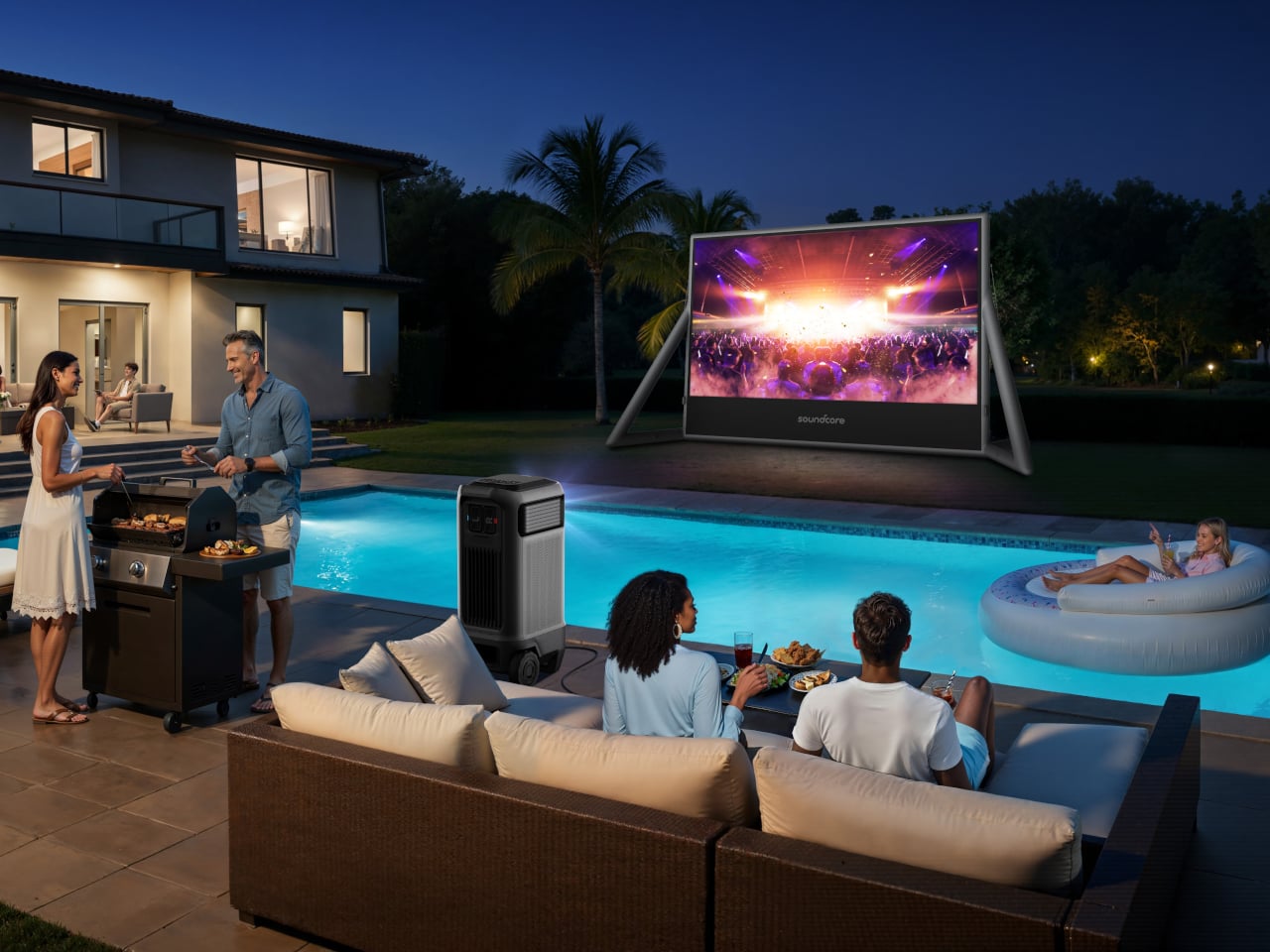
Nebula X1 Pro is the extreme end of the same idea, a mobile theater station on wheels. It uses a 3,500 ANSI‑lumen 4K triple‑laser engine with 110% Rec.2020 color, 5,000:1 native contrast, and 56,000:1 dynamic contrast, bright enough to throw a 200‑inch image outdoors at night. The integrated wireless 7.1.4 sound system, certified for Dolby Atmos, means the audio is as much a part of the experience as the picture.
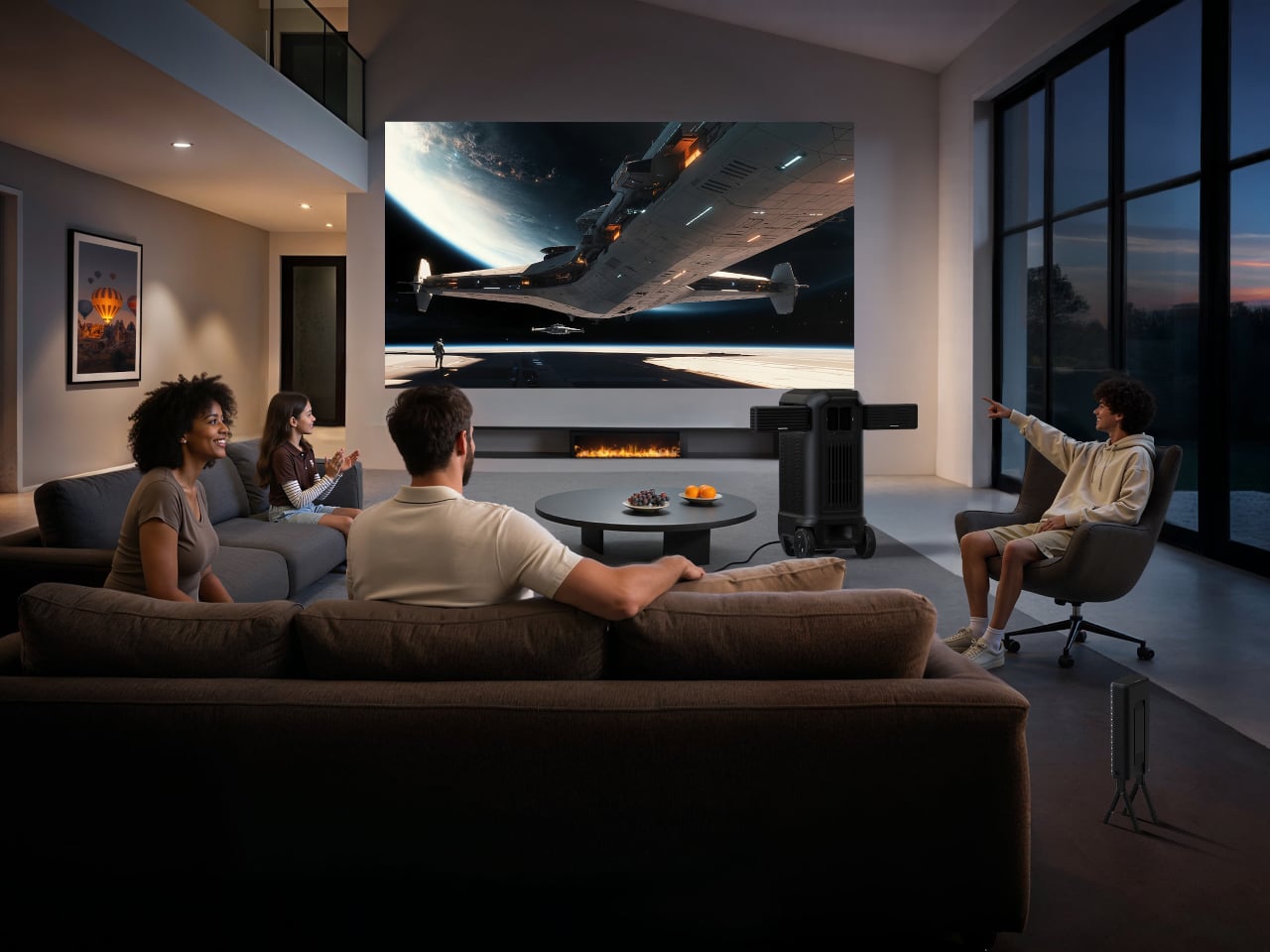
The planned bundle adds a 200‑inch inflatable screen and a wireless pump that inflates in about five minutes and holds air without a constant blower, keeping the system quiet during viewing. Dual wireless microphones and AI spatial adaptation handle setup, tuning sound and image to the space. Together, the projector and screen turn any patch of ground into a temporary cinema without generators, scaffolding, or separate speakers cluttering the site.
These five products sketch a day‑long arc: AeroFit 2 Pro for the commute and office, Sleep A30 Special for the hours when noise is unwelcome, Boom Go 3i for the trails and parks in between, and Nebula P1i and X1 Pro for turning small rooms and big fields into makeshift theaters. The common thread is not just wattage or resolution, but designs that respect where people actually listen and watch now, moving with them rather than asking them to stay put.
The post Soundcore at CES 2026 Turns Everyday Spaces into Portable Sound and Cinema first appeared on Yanko Design.
Wireless earbuds are now the default option for everyday listening, whether you’re heading out for a commute, fitting in a workout or just watching videos at home. The best wireless earbuds combine reliable connectivity, comfortable fits and sound quality that holds up across music, calls and podcasts, all without the hassle of cables. Most are small enough to disappear into a pocket and pair quickly with phones, tablets and laptops.
What sets one pair apart from another often comes down to priorities. Some earbuds lean heavily on active noise cancellation, while others focus on long battery life, compact charging cases or lower prices. Features like water resistance, customizable controls and app support can also make a real difference day to day. This guide breaks down the best wireless earbuds available now to help you find the right match for how you listen.
When it comes to shopping for earphones, the first thing to consider is design or wear style. Do you prefer a semi-open fit like AirPods or do you want something that completely closes off your ears? If you’re shopping for earbuds with active noise cancellation, you'll want the latter, but a case can be made for the former if you want to wear them all day or frequent places where you need to be tuned in to the ambient sounds. The overall shape of earbuds can determine whether you get a comfortable fit, so can the size and weight, so you’ll want to consider all that before deciding. And remember: audio companies aren’t perfect, so despite lots of research, the earbud shape they decided on may not fit you well. Don’t be afraid to return ill-fitting earbuds for something that’s more comfortable.
As wireless earbuds have become the norm, they’re now more reliable for basic things like consistent Bluetooth connectivity. Companies are still in a race to pack as much as they can into increasingly smaller designs. This typically means a longer list of features on the more premium sets of earbuds with basic functionality on the cheapest models. Carefully consider what you can’t live without when selecting your next earbuds, and make sure key items like automatic pausing and multipoint connectivity are on the spec sheet. You’ll also want to investigate the volume and touch controls as you’ll often have to sacrifice access to something else to make that adjustment via on-board taps or swipes. Some earbuds even offer app settings to tweak the audio profiles or firmware updates to improve performance over time.
For those in the Apple ecosystem, features like auto-pairing with devices, especially with AirPods Pro 3, can be an added advantage, while Android users may want to look for models that offer similar cross-device functionality.
When it comes to battery life, the average set of earbuds lasts about five hours on a single charge. You can find sets that last longer, but this is likely enough to get you through a work day if you’re docking the buds during lunch or the occasional meeting. You’ll want to check on how many extra charges are available via the case and if it supports wireless charging.
Companies will also make lofty claims about call quality on wireless earbuds. Despite lots of promises, the reality is most earbuds still leave you sounding like you’re on speakerphone. There are some sets that deliver, but don’t get your hopes up unless reviews confirm the claims.
Sound can be subjective, so we recommend trying before you buy if at all possible. This is especially true if you're an audiophile. We understand this isn’t easy when most of us do a lot of shopping online, but trying on a set of earbuds and listening to them for a few minutes can save you from an expensive case of buyer's remorse. If a store doesn’t allow a quick demo, most retailers have return policies that will let you take earbuds back you don’t like. Of course, you have to be willing to temporarily part with funds in order to do this.
We also recommend paying attention to things like Spatial Audio, Dolby Atmos, 360 Reality Audio and other immersive formats. Not all earbuds support them, so you’ll want to make sure a perspective pair does if that sort of thing excites you, especially if you plan to use them for playback of high-quality audio.
The primary way we test earbuds is to wear them as much as possible. We prefer to do this over a one- to two-week period, but sometimes embargoes don’t allow it. During this time, we listen to a mix of music and podcasts, while also using the earbuds to take both voice and video calls. Since battery life for earbuds is typically less than a full day, we drain the battery with looping music and the volume set at a comfortable level (usually around 75 percent).
To judge audio quality, we listen to a range of genres, noting any differences in the sound profile across the styles. We also test at both low and high volumes to check for consistency in the tuning. To assess call quality, we’ll record audio samples with the earbuds’ microphones as well as have third parties call us.
When it comes to features, we do a thorough review of companion apps, testing each feature as we work through the software. Any holdovers from previous models are double checked for improvements or regression. If the earbuds we’re testing are an updated version of a previous model, we’ll spend time getting reacquainted with the older buds. Ditto for the closest competition for each new set of earbuds that we review.
Since we established this best wireless earbuds guide, Sony’s current 1000X model has consistently been the top pick. However, with the WF-1000XM6, there are two key areas where the company’s latest flagship set doesn’t measure up well versus the competition. Overall ANC performance lags behind Bose, and even Sony’s own WF-1000XM5. Speaking of the M5, the company did well there to address the issues I had with fit when it switched to foam ear tips on the WF-1000XM4, but it regressed in that area on the M6. There’s still plenty to like in terms of features and sound quality, but there are also caveats to consider now that could be dealbreakers.
The WF-C710N is a set of compact and comfy earbuds that offer several of Sony’s best features. While the ANC performance is above average for this price ($120), sound quality isn’t as good as the company’s slightly more expensive options. Battery life fell below stated figures and call performance isn’t good enough to use these buds for work.
The newest version of the Powerbeats Pro have an improved, comfortable design, balanced bass and new H2 chips and a heart rate sensor inside. But heart rate support is currently limited on iOS.
The Galaxy Buds 3 combine ANC with an open-type design, which renders the noise-blocking abilities of the earbuds mostly useless. Still, there’s great low-end tone with ample bass when a track demands it. There are also lots of handy features, most of which require a Samsung phone. But at this price, there are better options from Google, Beats and Sony
I really like the overall shape of the Momentum Sport earbuds. They’re more comfortable than the Momentum True Wireless 4 and fit in my ears better. What’s more, the body temperature and heart rate sensors work well, sending those stats to a variety of apps. However, that sport-tracking feature works best with Polar’s app and devices, so there’s that consideration. Also, the audio quality and ANC performance isn’t as good as the MTW4, and these earbuds are pricey.
There’s a lot to like about the Solo Buds for $80. For me, the primary perk is they’re very comfortable to wear for long periods of time thanks to some thoughtful design considerations. You only get the basics here in terms of features and, as expected, the overall sound quality isn’t as good as the pricier models in the Beats lineup. You will get 18 hours of battery life though, since the company nixed the battery in the case and beefed up the listening time in the buds themselves.
Bose created something very unique for this set of earbuds that allows you to stay in-tune with the world while listening to audio content. The clip-on design is very comfortable, but sound quality suffers due to the open-type fit, especially when it comes to bass and spatial audio.
These stick buds have a compact design that’s comfortable to wear and the warm sound profile is great at times. However, overall audio performance is inconsistent and there’s no automatic pausing.
Retooled audio, better ambient sound mode and reliable multipoint Bluetooth are the best things the MW09 has to offer. They’re expensive though, and you can find better ANC performance elsewhere.
Most wireless earbuds will last five hours on a single charge, at the least. You can find some pairs that have even better battery life, lasting between six and eight hours before they need more juice. All of the best wireless earbuds come with a charging case, which will provide additional hours of battery life — but you'll have to return each bud to the case in order to charge them up.
Comparing sound quality on earbuds and headphones is a bit like comparing apples and oranges. There are a lot of variables to consider and the differences in components make a direct comparison difficult. Personally, I prefer the audio quality from over-ear headphones, but I can tell you the sound from earbuds like Sennheiser’s Momentum True Wireless 3 is also outstanding.
With new models coming out all the time, tracking the hours of battery life for each this can be difficult to keep tabs on. The longest-lasting earbuds we’ve reviewed are Audio-Technica’s ATH-CKS5TW. The company states they last 15 hours, but the app was still showing 40 percent at that mark during our tests. The only downside is these earbuds debuted in 2019 and both technology and features have improved since. In terms of current models, Master & Dynamic’s MW08 offers 12 hours of use on a charge with ANC off (10 with ANC on) and JBL has multiple options with 10-hour batteries.
There are plenty of options these days when it comes to increased water resistance. To determine the level of protection, you’ll want to look for an IP (ingress protection) rating. The first number indicates intrusion protection from things like dust. The second number is the level of moisture protection and you’ll want to make sure that figure is 7 or higher. At this water-resistance rating, earbuds can withstand full immersion for up to 30 minutes in depths up to one meter (3.28 feet). If either of the IP numbers is an X, that means it doesn’t have any special protection. For example, a pair of wireless earbuds that are IPX7 wouldn’t be built to avoid dust intrusion, but they would be ok if you dropped them in shallow water.
A secure fit can vary wildly from person to person. All of our ears are different, so audio companies are designing their products to fit the most people they can with a single shape. This is why AirPods will easily fall out for some but stay put for others. Design touches like wing tips or fins typically come on fitness models and those elements can help keep things in place. You’ll likely just have to try earbuds on, and if they don’t fit well return them.
PlayStation 5 doesn’t support Bluetooth audio without an adapter or dongle. Even Sony’s own gaming headsets come with a transmitter that connects to the console. There are universal options that allow you to use any headphones, headset or earbuds with a PS5. Once you have one, plug it into a USB port on the console and pair your earbuds with it.
February 2026: Updated to include new top picks.
January 2026: Updated to ensure our top picks have remained the same.
September 2025: Updated to add AirPods Pro 3 to our top picks.
May 2025: Updated to ensure top picks and buying advice remain accurate.
March 2025: Updated the top pick for the best sounding wireless earbuds - runner up.
January 2025: Updated the top pick for best sounding wireless earbuds.
This article originally appeared on Engadget at https://www.engadget.com/audio/headphones/best-wireless-earbuds-120058222.html?src=rss