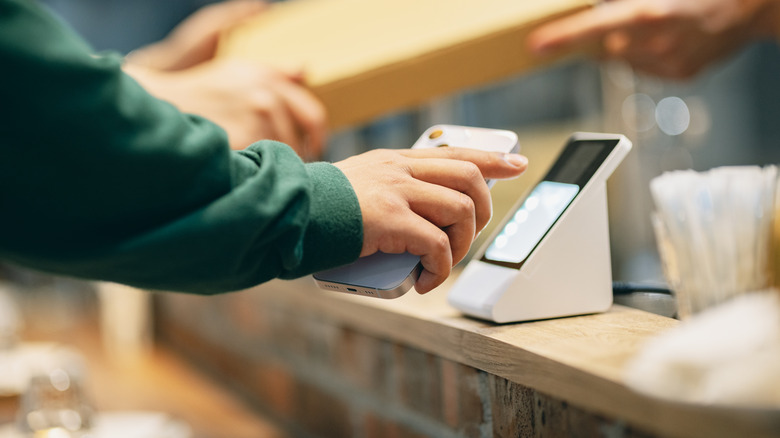
The pros and cons of using a digital wallet
If you're not yet using the digital wallet -- Apple Wallet or Google Wallet -- on your phone, there are some good reasons to start.

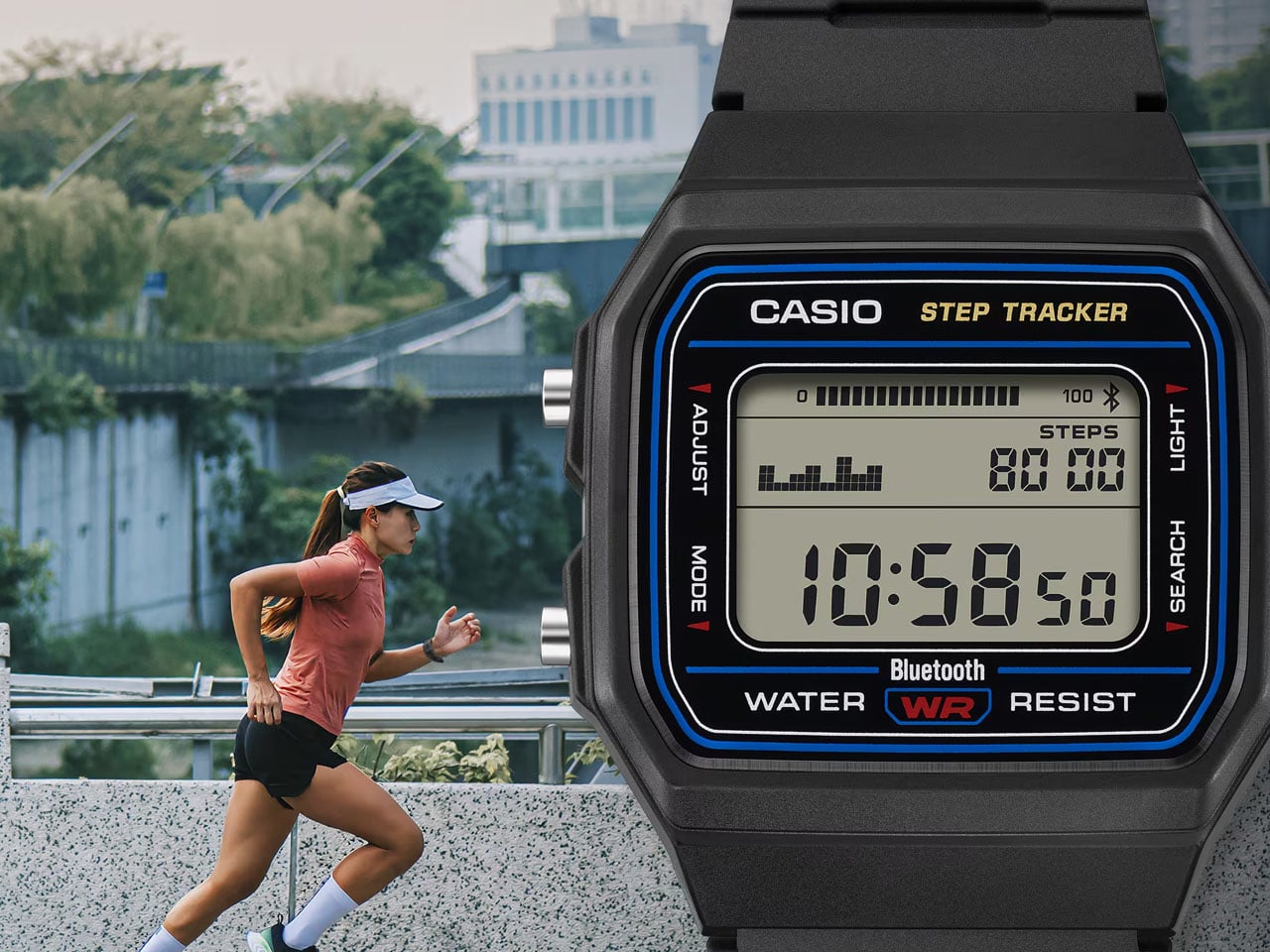
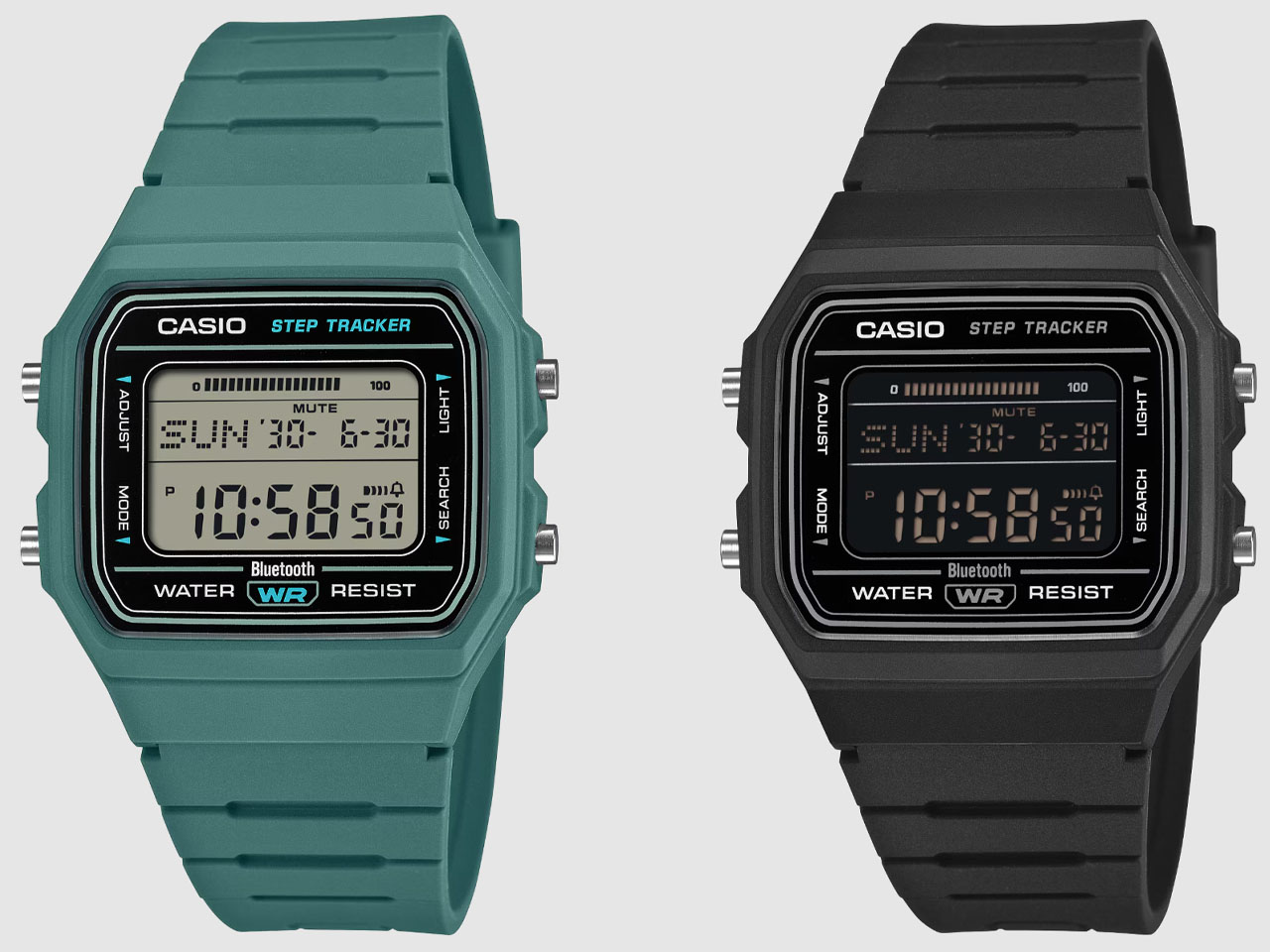
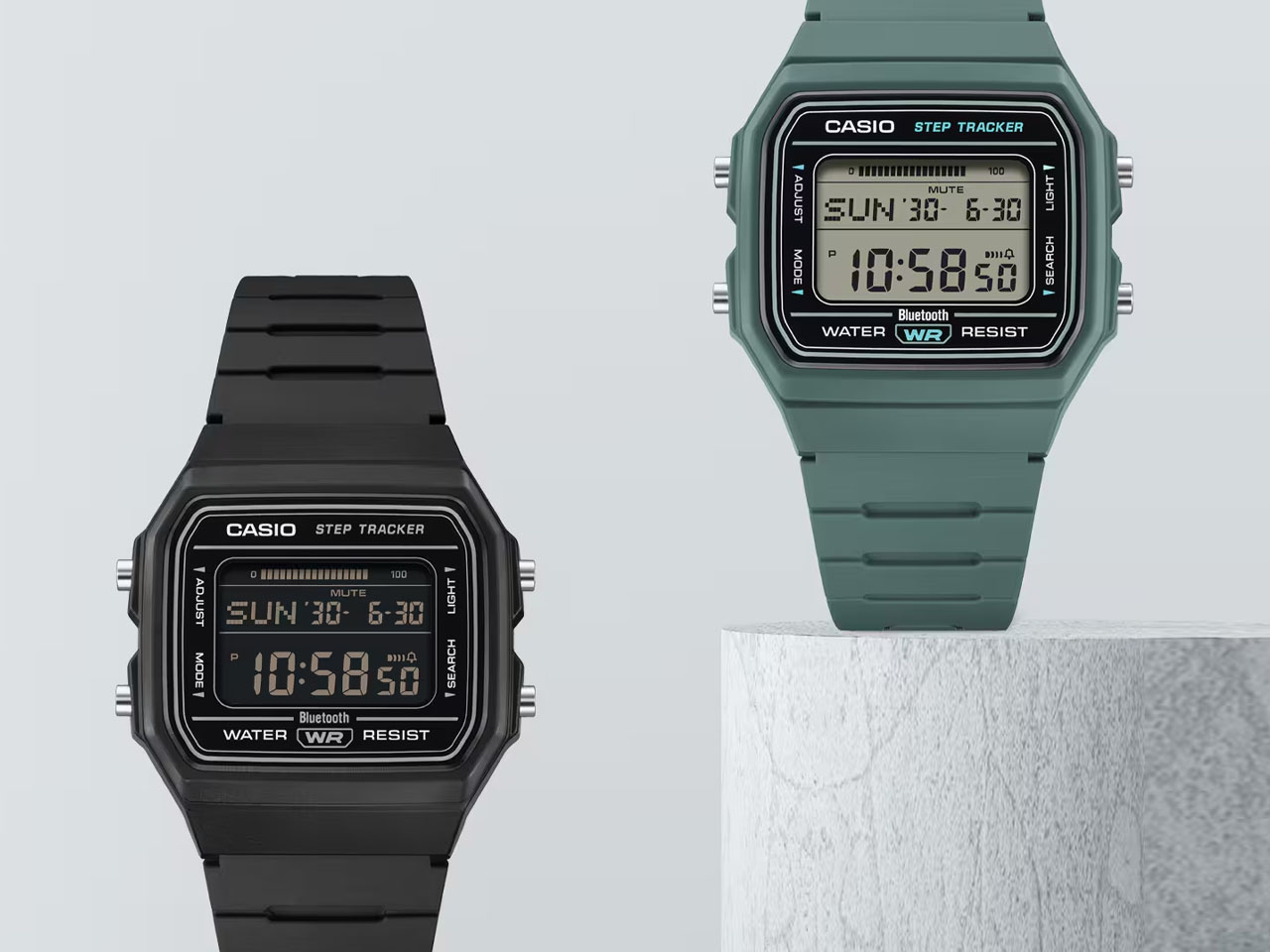
Without a doubt, the Casio F-91W is a legendary timepiece that is still available to buy for $20. While the digital watch has retained its nostalgic charm all these years, it is indeed a little left behind when it comes to smart functionality. Casio is set to change that now with the F-B100W timepiece, which adapts the modern functions expected in a smart timekeeper. The classic 1980s digital watch in the rectangular silhouette, upgraded with the goodness of step counting – I’ll take that any day!
On the outside, this Casio timepiece looks like the trusted F-91W, but inside it has more to offer, making it a sweet deal. For now, the watch is available in Japan for ¥8,800 (around $55), and it’s not surprising it has already been sold out, at least for now. That’s almost double the price tag of the original, which is still up for $22, but you’ll also have to factor in the generational leap in smart features this new model touts.
Designer: Casio
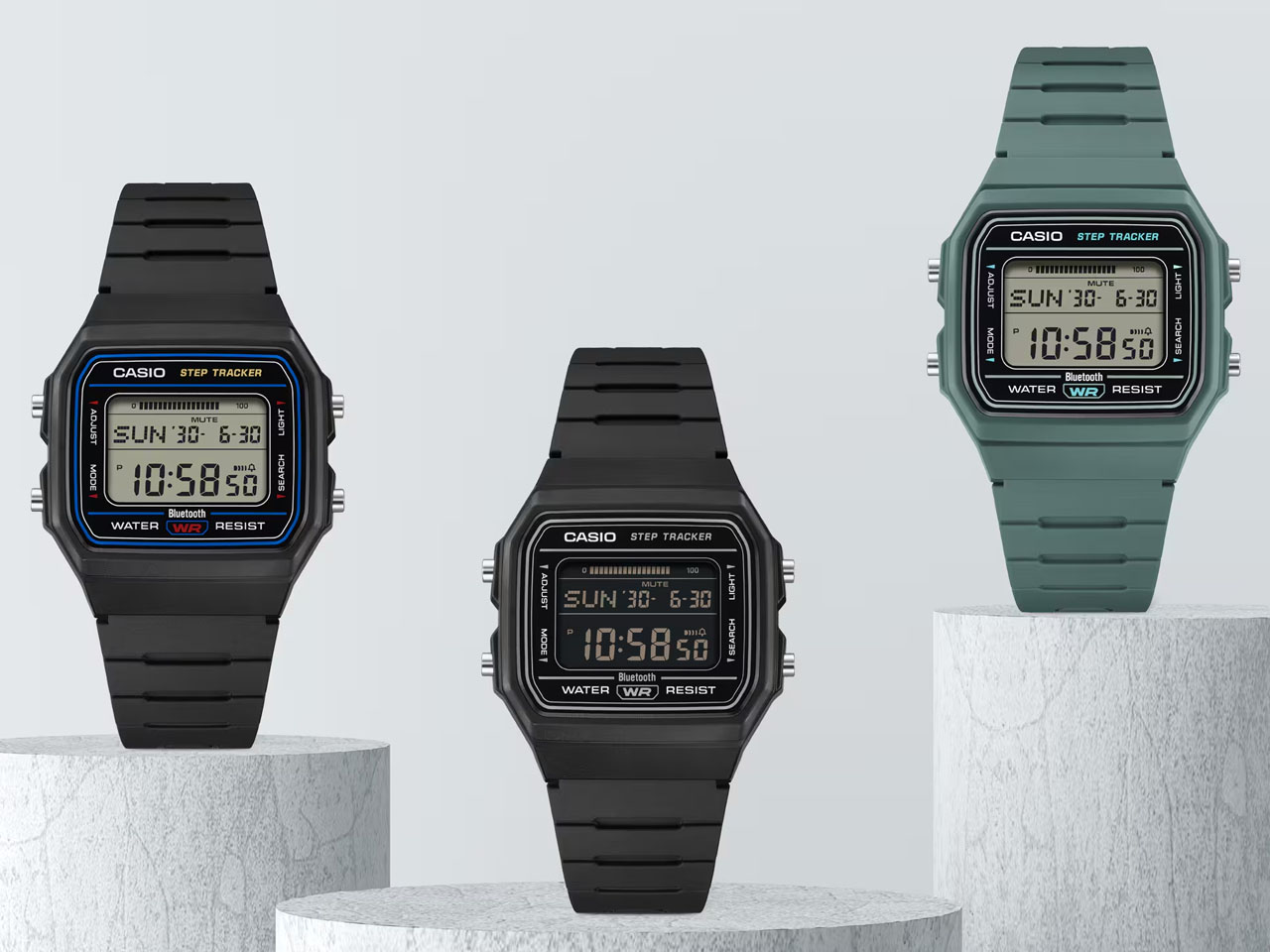
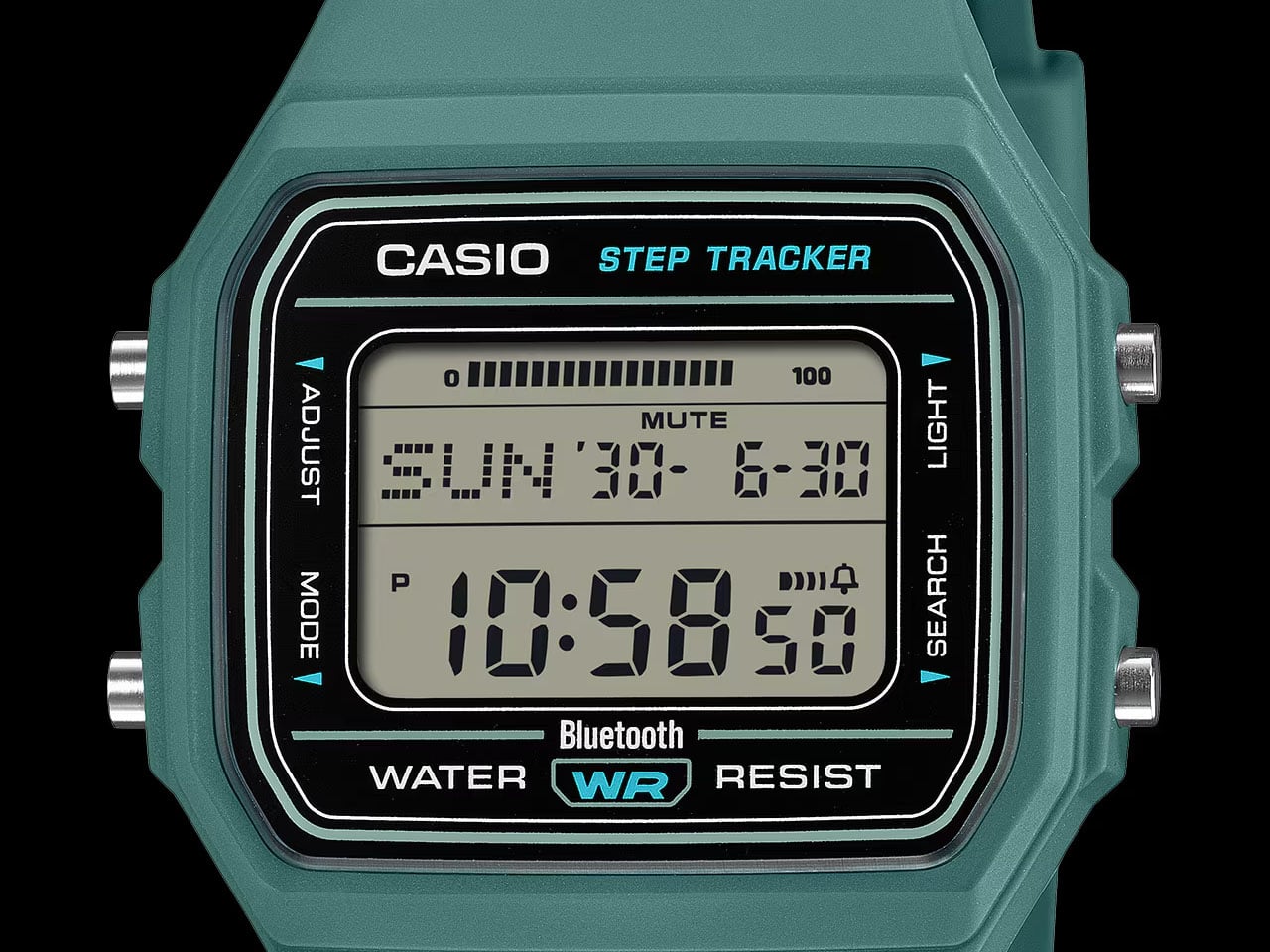
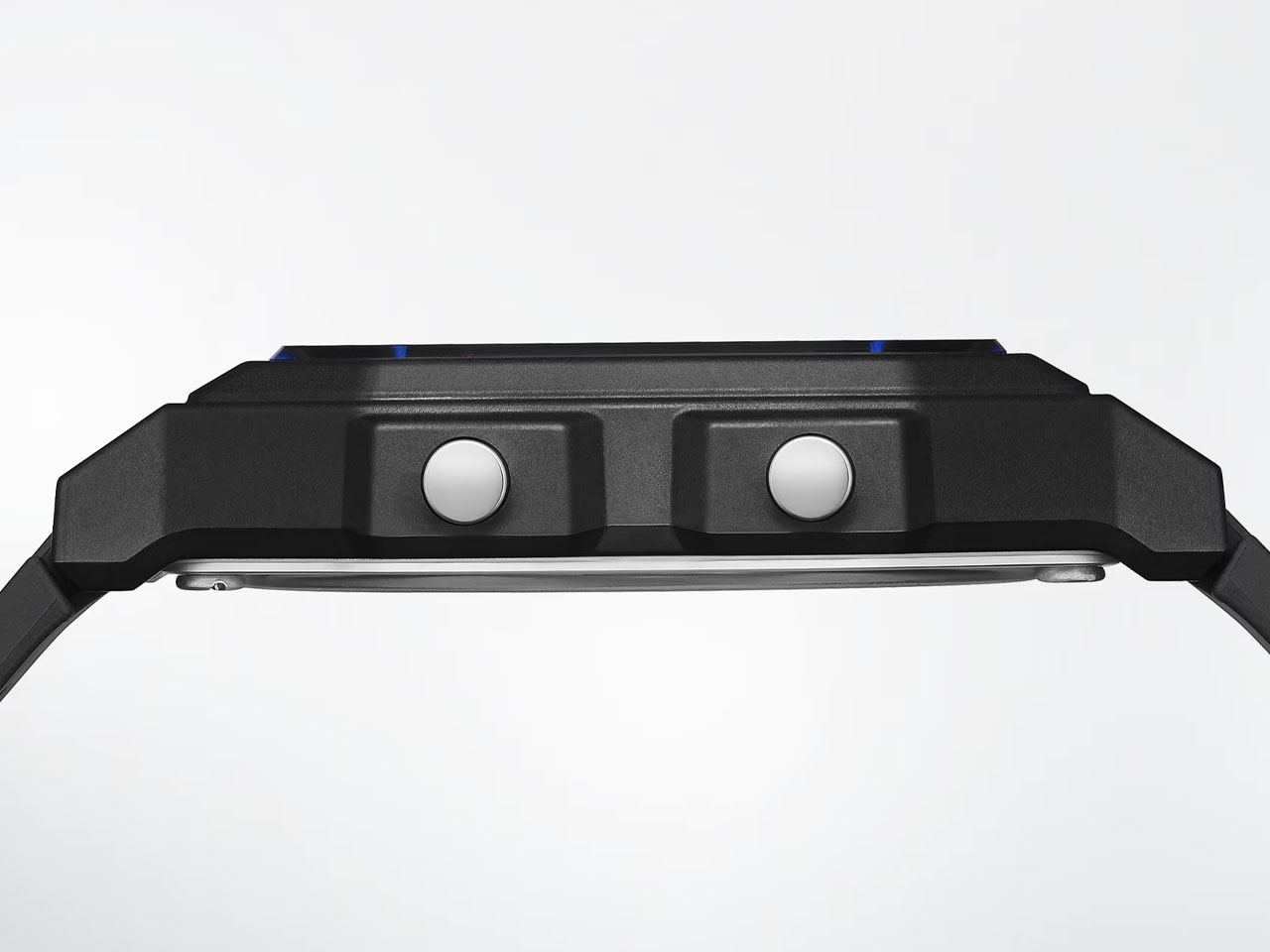
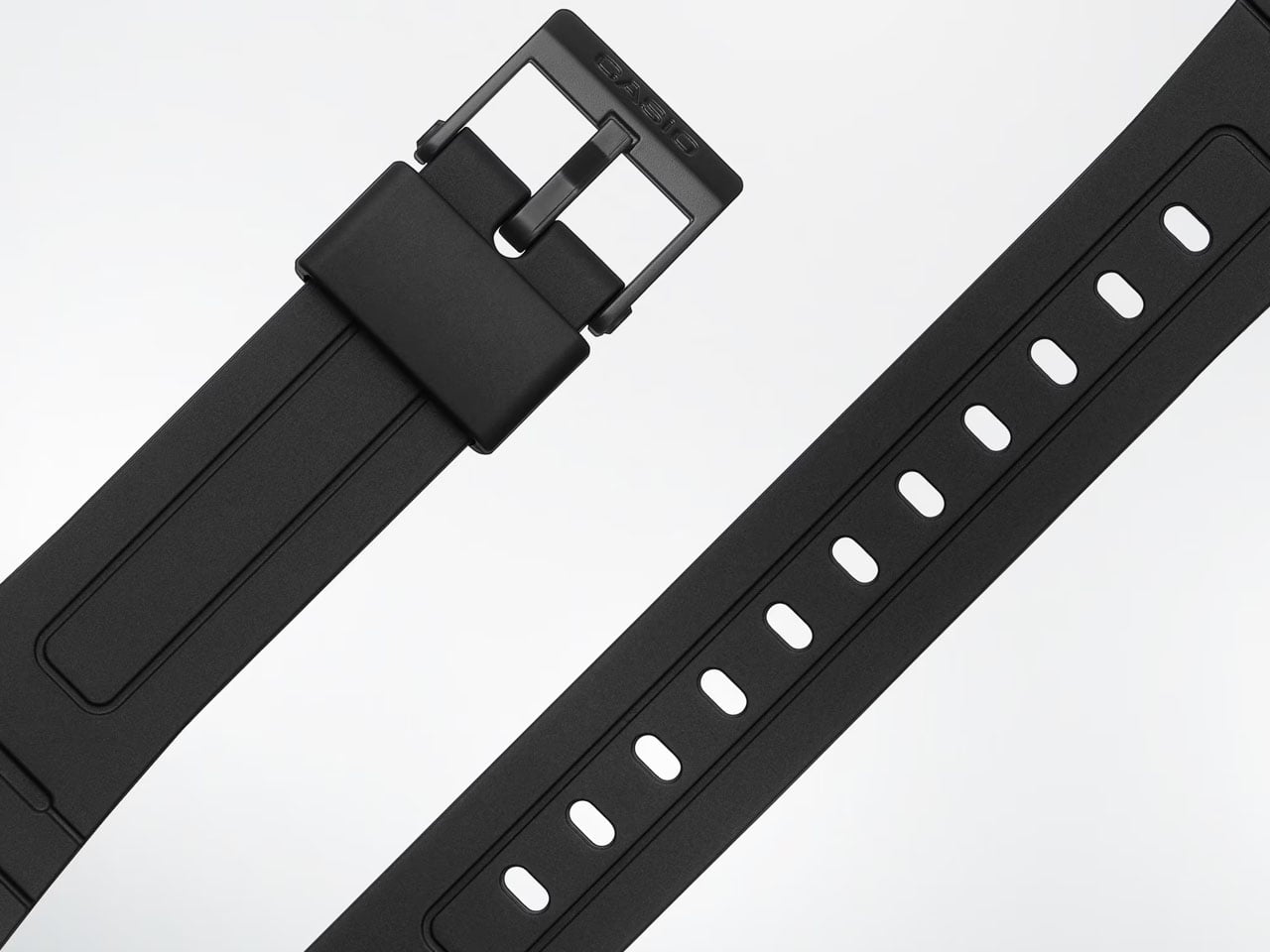
Most of the F-B100W’s functions are fairly straightforward, and the specifications are also very close to the original, measuring 41.9 × 38.1 × 8.8 mm and weighing 26 grams. The timepiece retains features including an amber LED backlight with adjustable glow, water resistance, an hourly time signal, and five daily alarm options. For improved comfort during long hours, the bio-based plastic strap now has improved ventilation slits. Major changes come in the form of a watch battery (as opposed to a rechargeable cell), which lasts for almost two years.
What’s making this Casio timepiece a big buzz already is the inclusion of Bluetooth, which automatically syncs time or toggles the alarms or dual time display. In the mix is the phone finder feature, which can be a really useful addition without all the unwanted nuances. What I’m most excited about is the addition of the step counter and lap split time function, which can be directly synced to your phone with the companion app. You can set goals, record up to 200 laps, and monitor the progress on the watch screen as well. For times when you get too engrossed in work, the F-B100W also sends an inactivity alert via a beep and on-screen prompt. Of course, that is an optional feature that can be turned off as well.
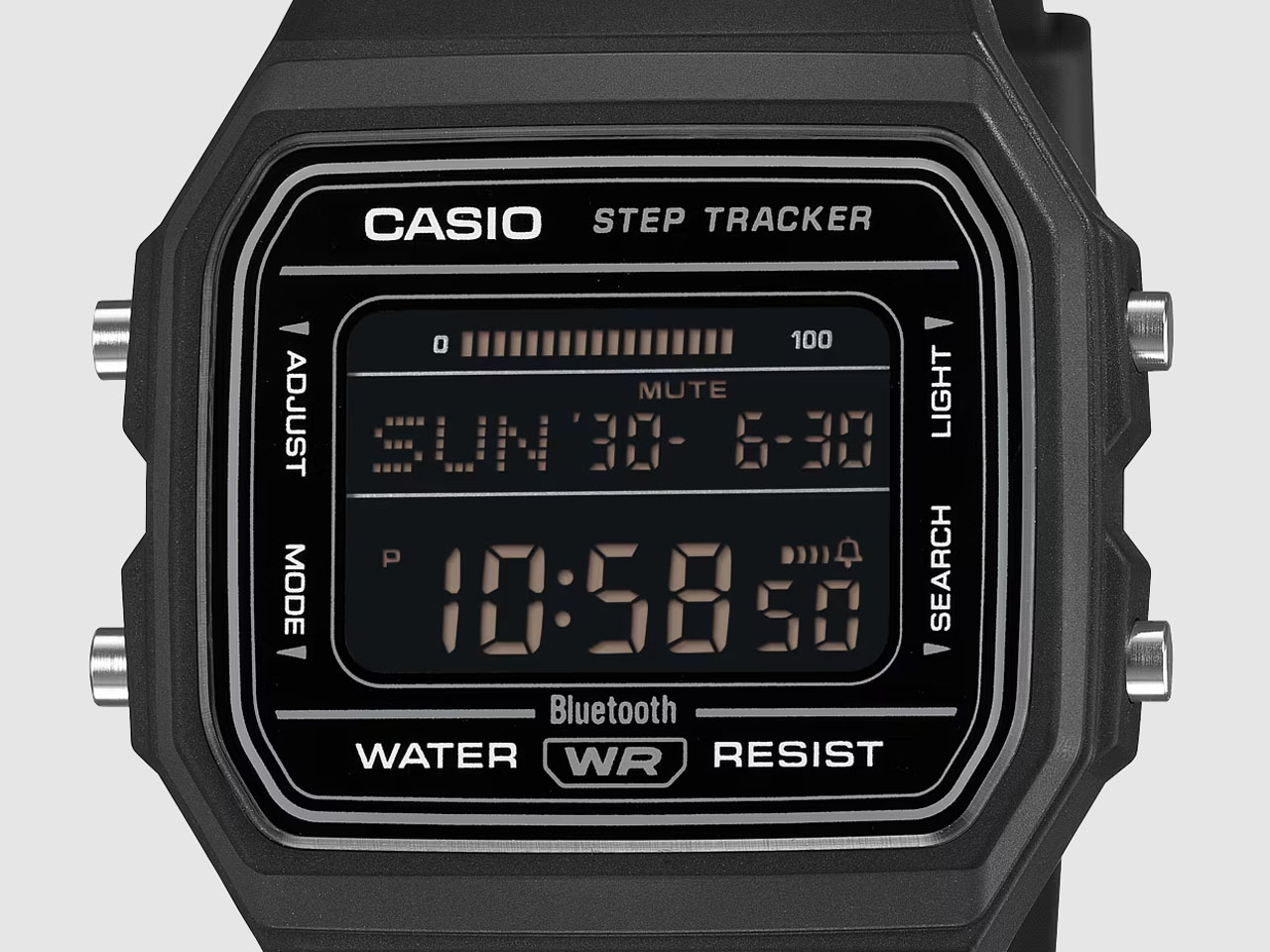
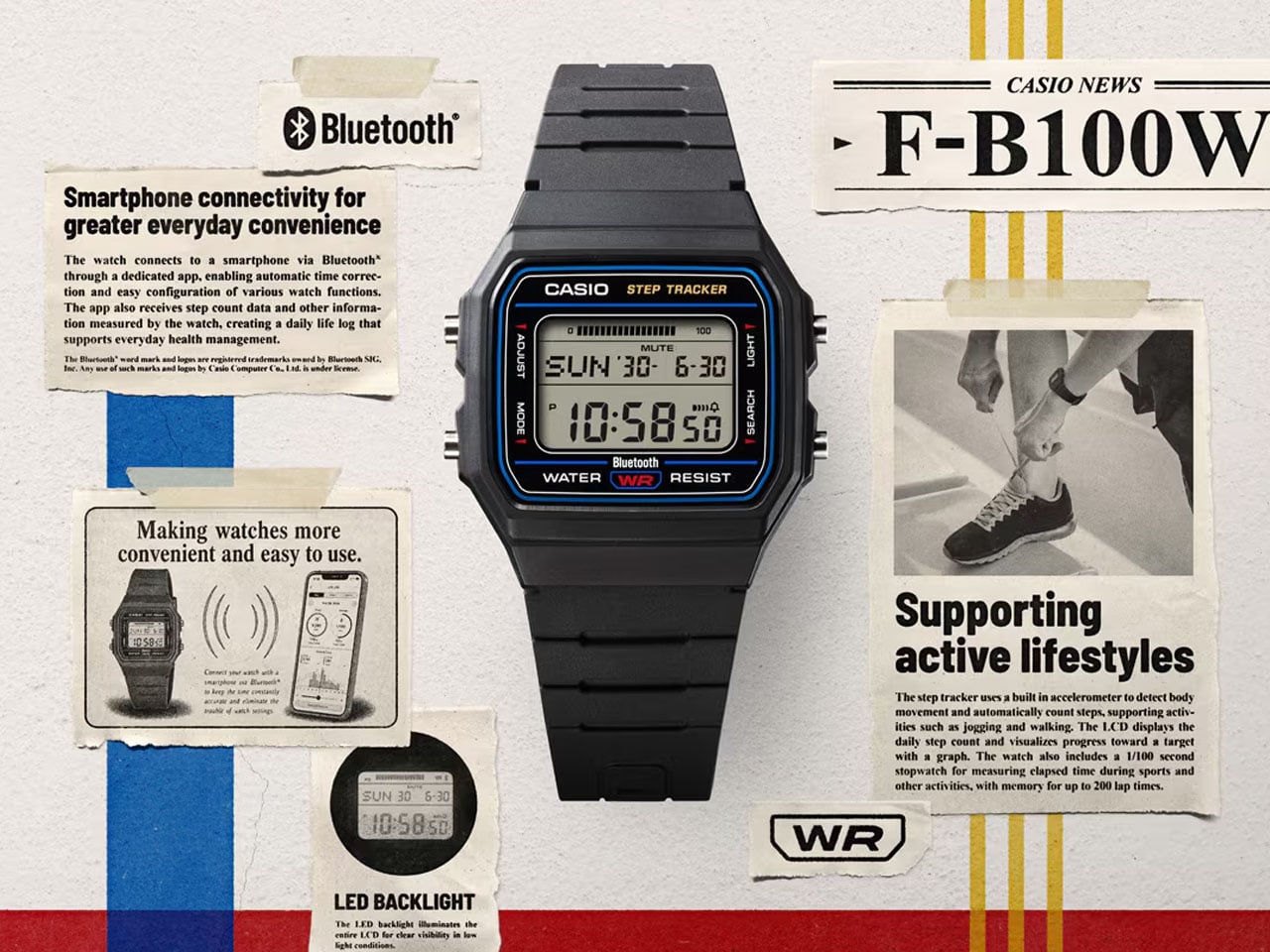
It doesn’t have any other smartwatch features like a heart rate monitor, sleep diagnosis, or even BP monitoring, but that’s the point. The retro-modern Casio watch has all the timekeeping functions, and the most essential smart features without making the wearer too finicky about the vitals. F-B100W comes in three color variants: 1AJF, 1BJF, and 3AJF, which have a black case with a positive LCD and retro blue, red, and yellow dial accents, and all black with a negative display and gray text, respectively.
The post Casio upgrades the classic F-91W watch with smart functions, and it’s already sold out in Japan first appeared on Yanko Design.
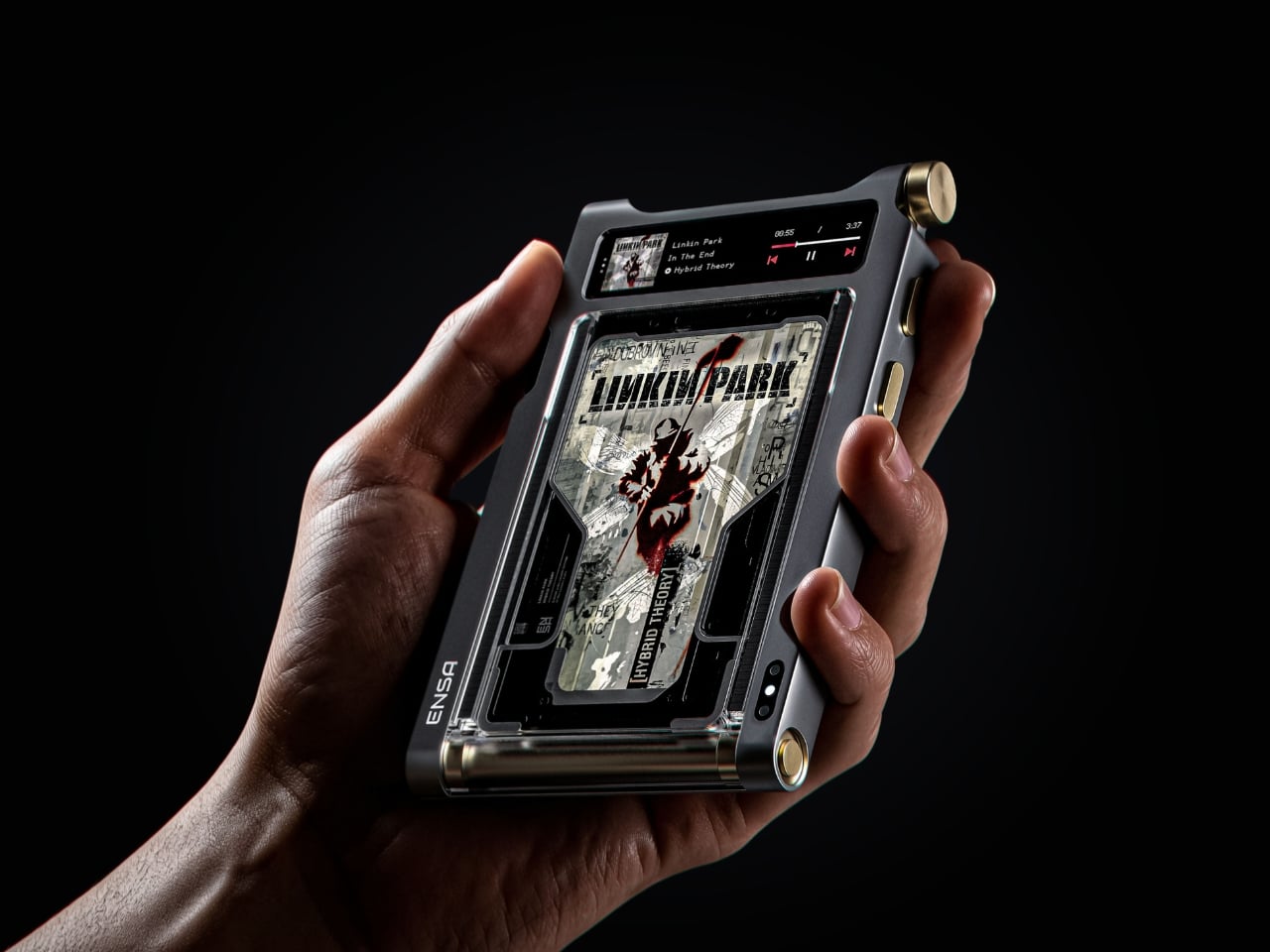
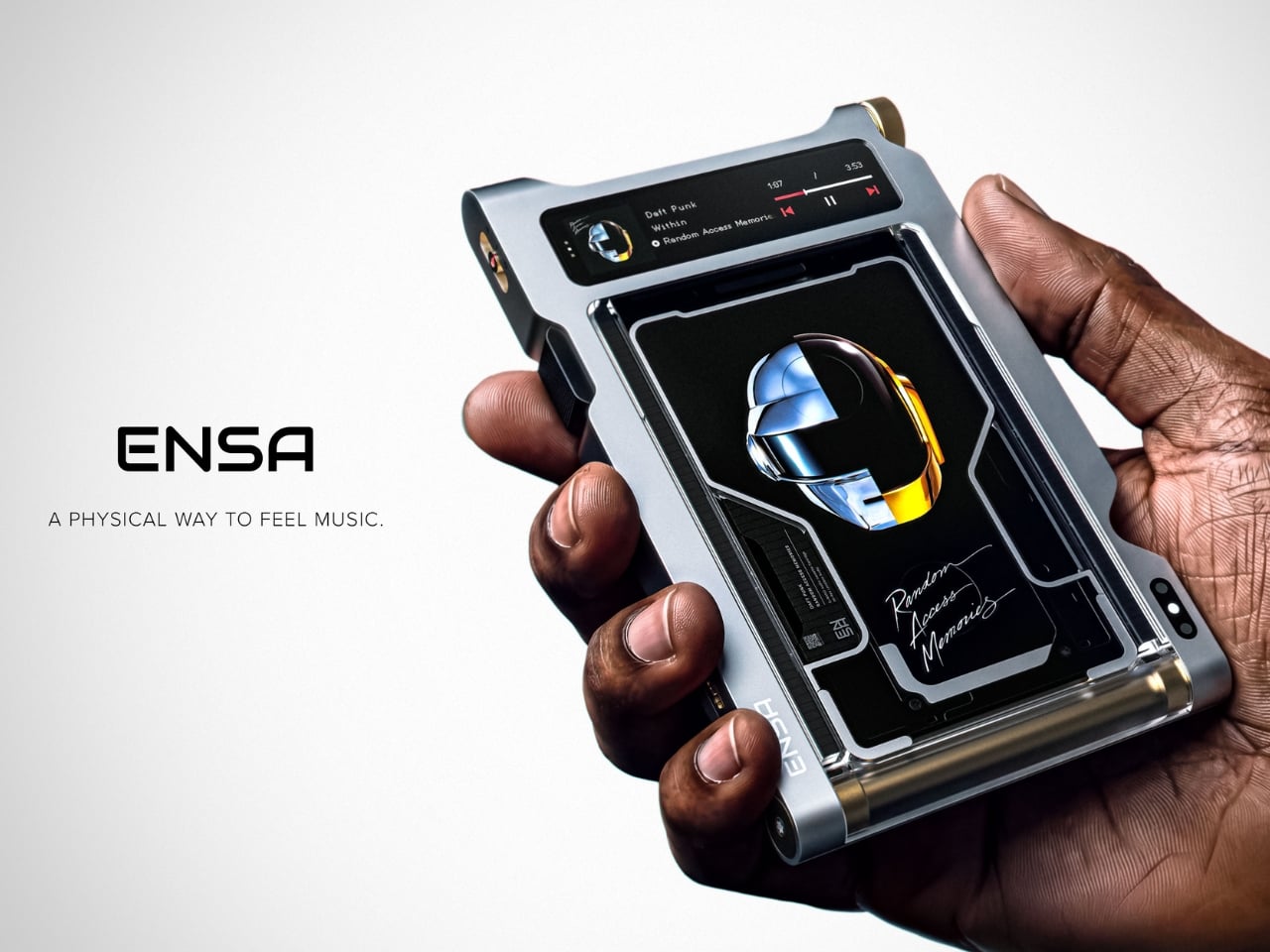
Do you remember the last time music actually demanded something of you? Not just your attention while you scrolled, but your hands. The deliberate pull of a record from its sleeve. The small, mechanical click of a CD case. The unhurried ritual that came before every song, every mood shift, every late-night session on the floor with the volume just loud enough. Vladimir Dubrovin remembers. The California-based multidisciplinary designer has been quietly building a case for returning physicality to the act of listening, and with the ENSA T1, his latest concept design, the argument gets considerably harder to dismiss.
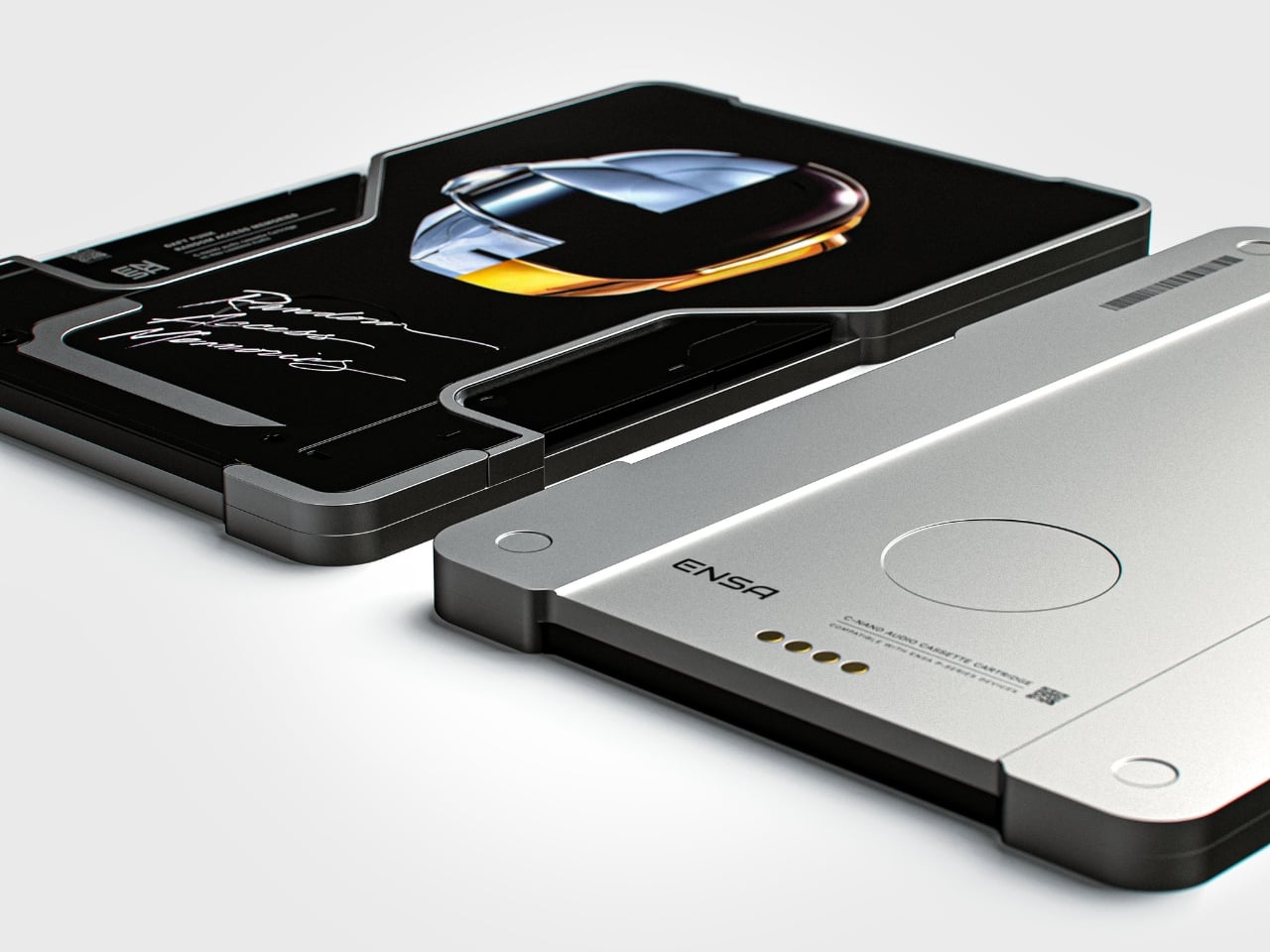
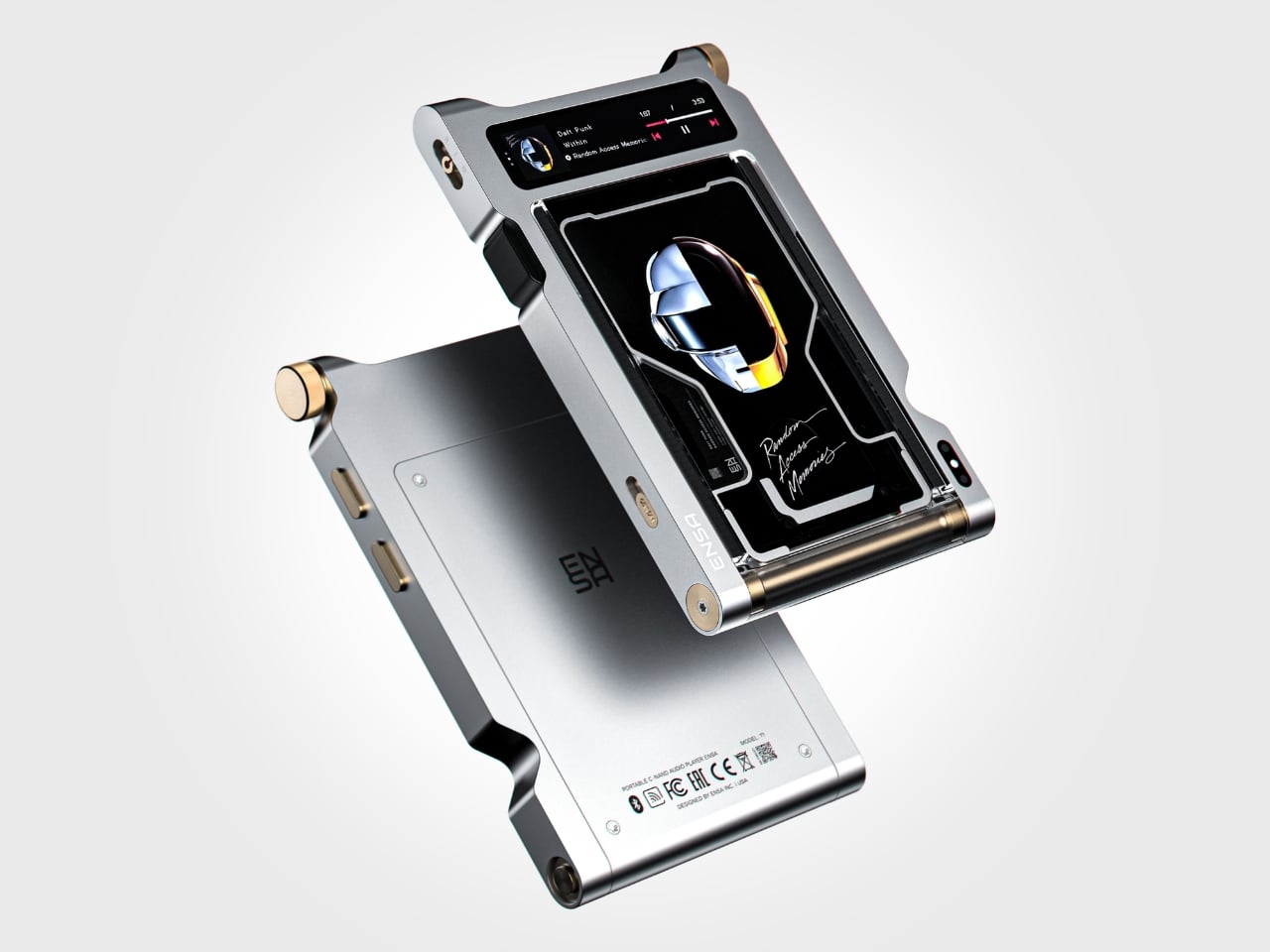
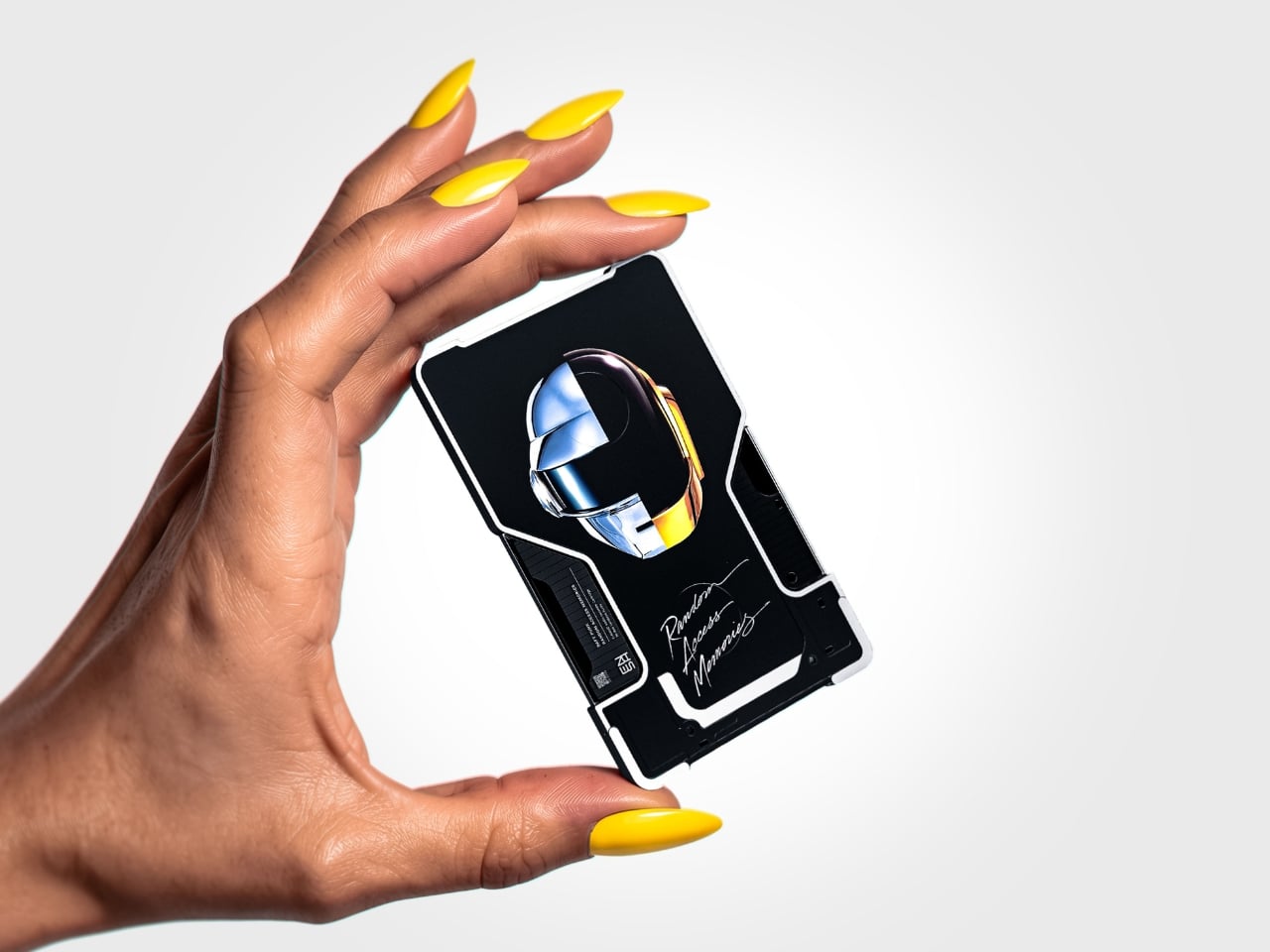
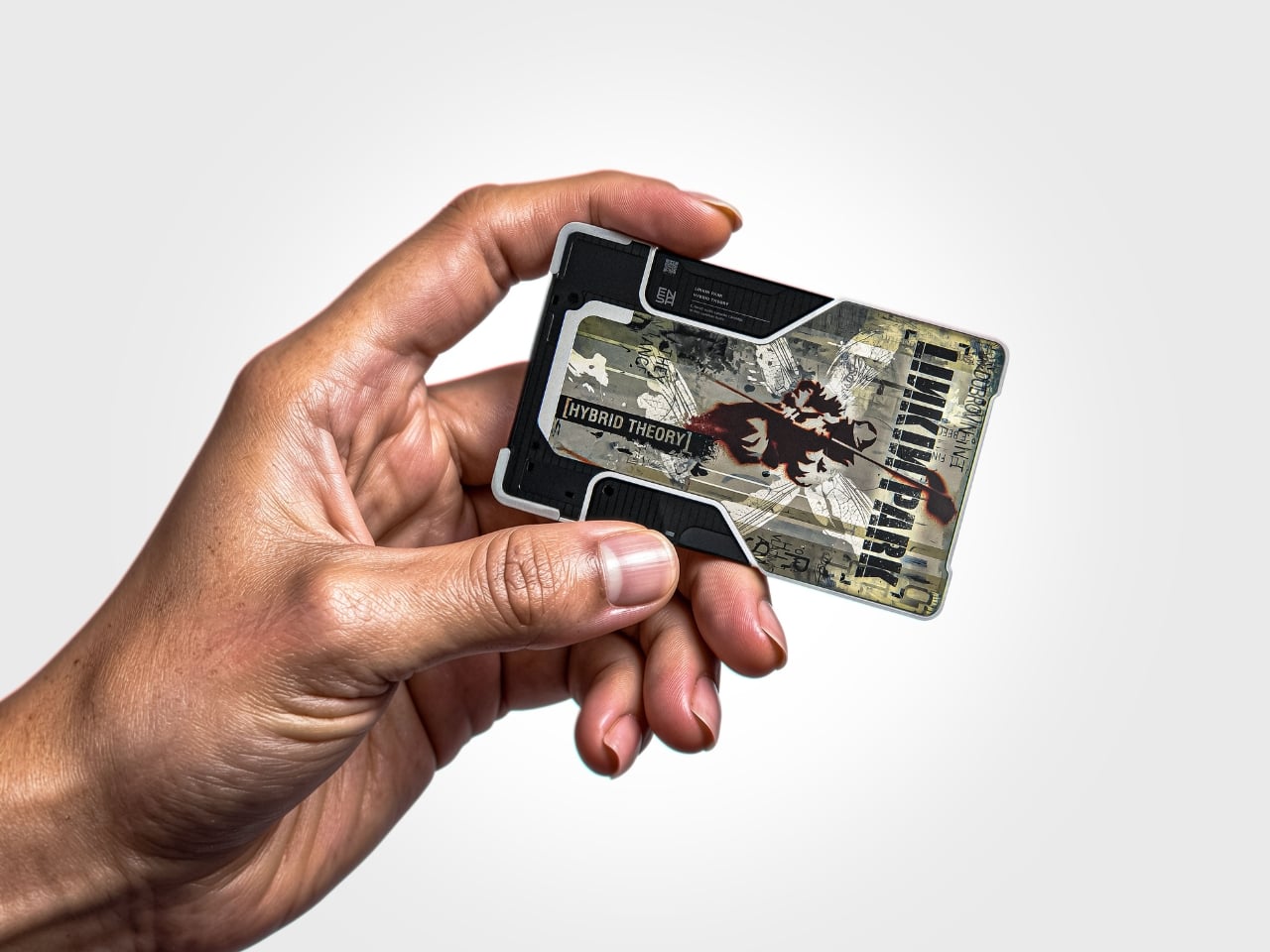
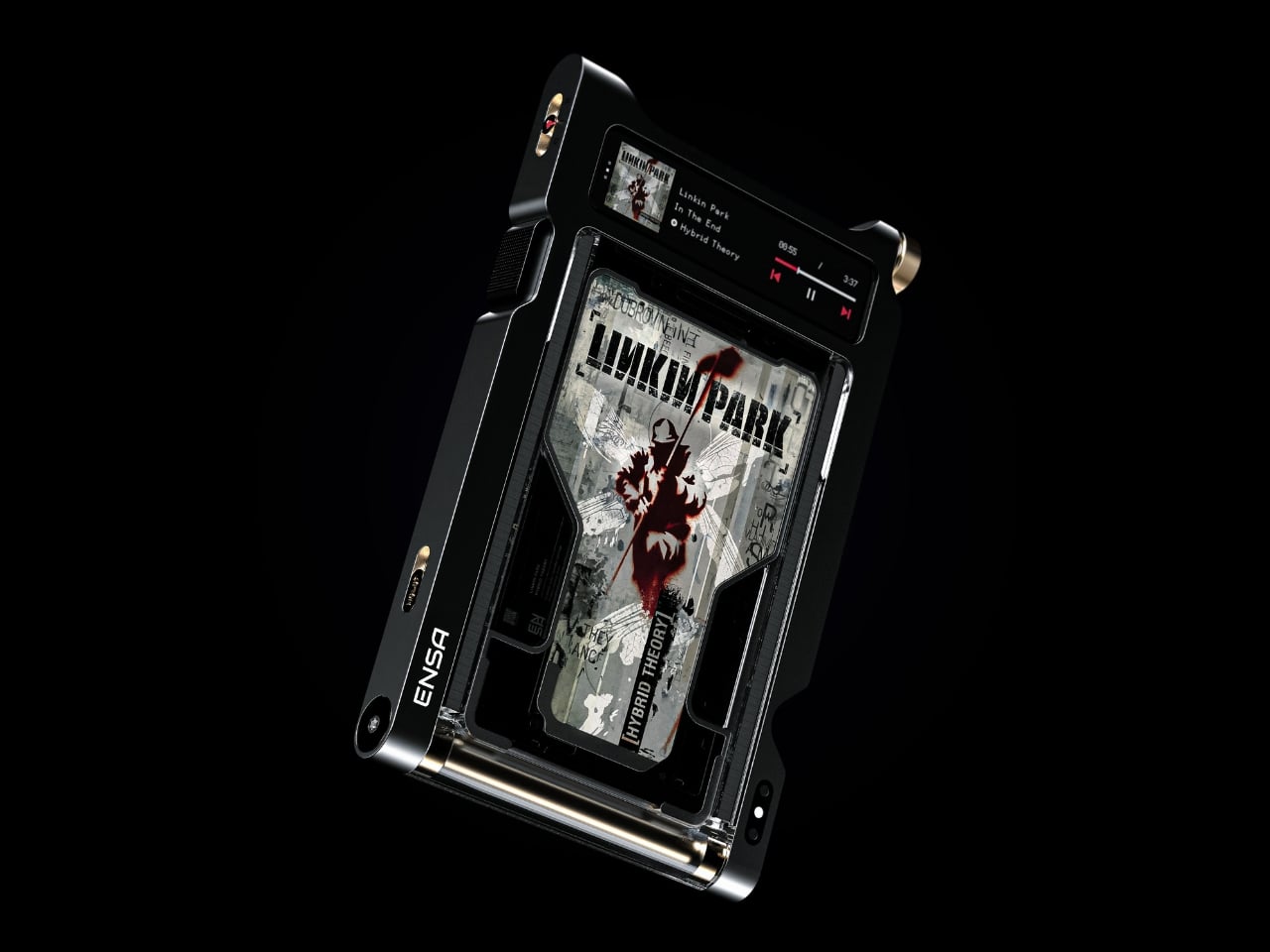
The T1 is the newest addition to Dubrovin’s ENSA line, an evolving design series that began with the ENSA P1, a portable audio player concept that reimagined what a music device could look and feel like in the post-streaming era. The P1 introduced Dubrovin’s concept of C-NAND cartridges: small, disc-shaped, solid-state storage units where each cartridge holds one complete album. There are no moving parts, no spinning mechanisms. They’re fully digital in how they handle audio, but they exist in the physical world the way vinyl does. You pick one up, turn it over, look at it, choose it. The act of choosing your music becomes deliberate again, and that matters more than it sounds.
Designer: Vladimir Dubrovin
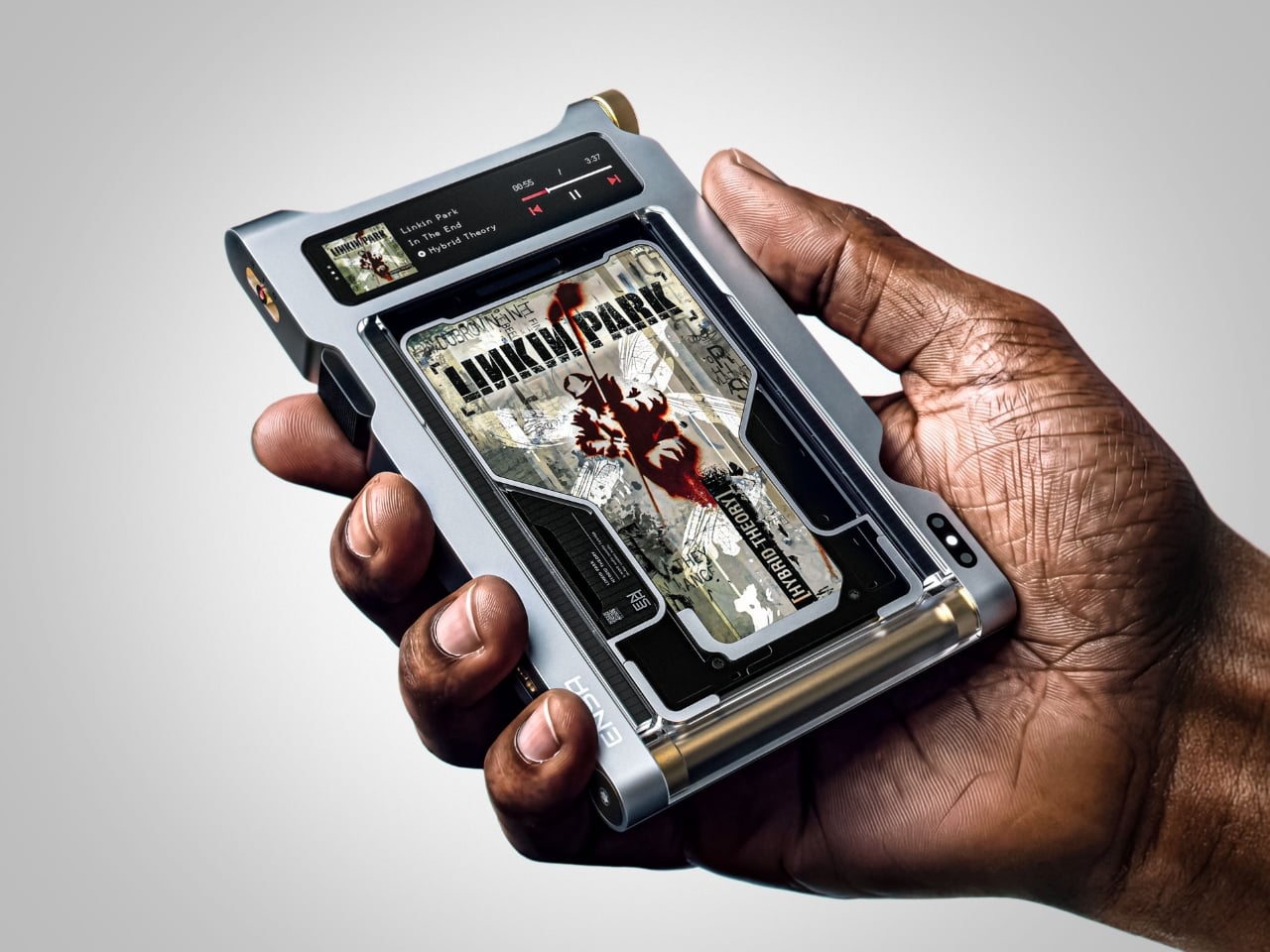
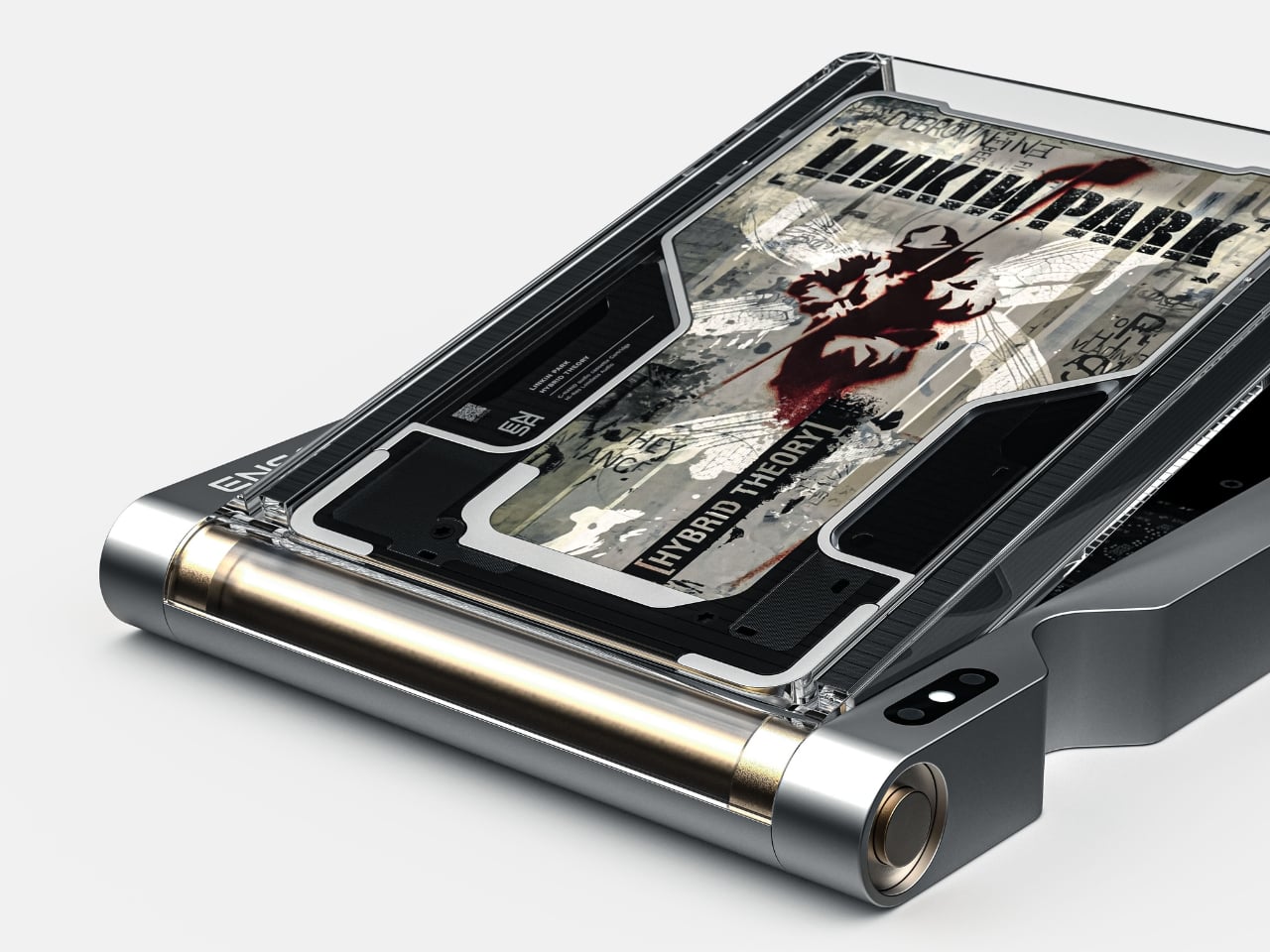
Where the P1 was built for portability and kept its design trim and pocketable, the T1 feels like the next chapter. Visually and conceptually, it carries the same DNA: clean, considered industrial design with an aluminum body and restrained detailing. But the T1 reads as something more anchored, a device you set somewhere permanent and return to, rather than slip into a bag. It’s a design that seems to understand the difference between music you consume and music you actually sit down for.
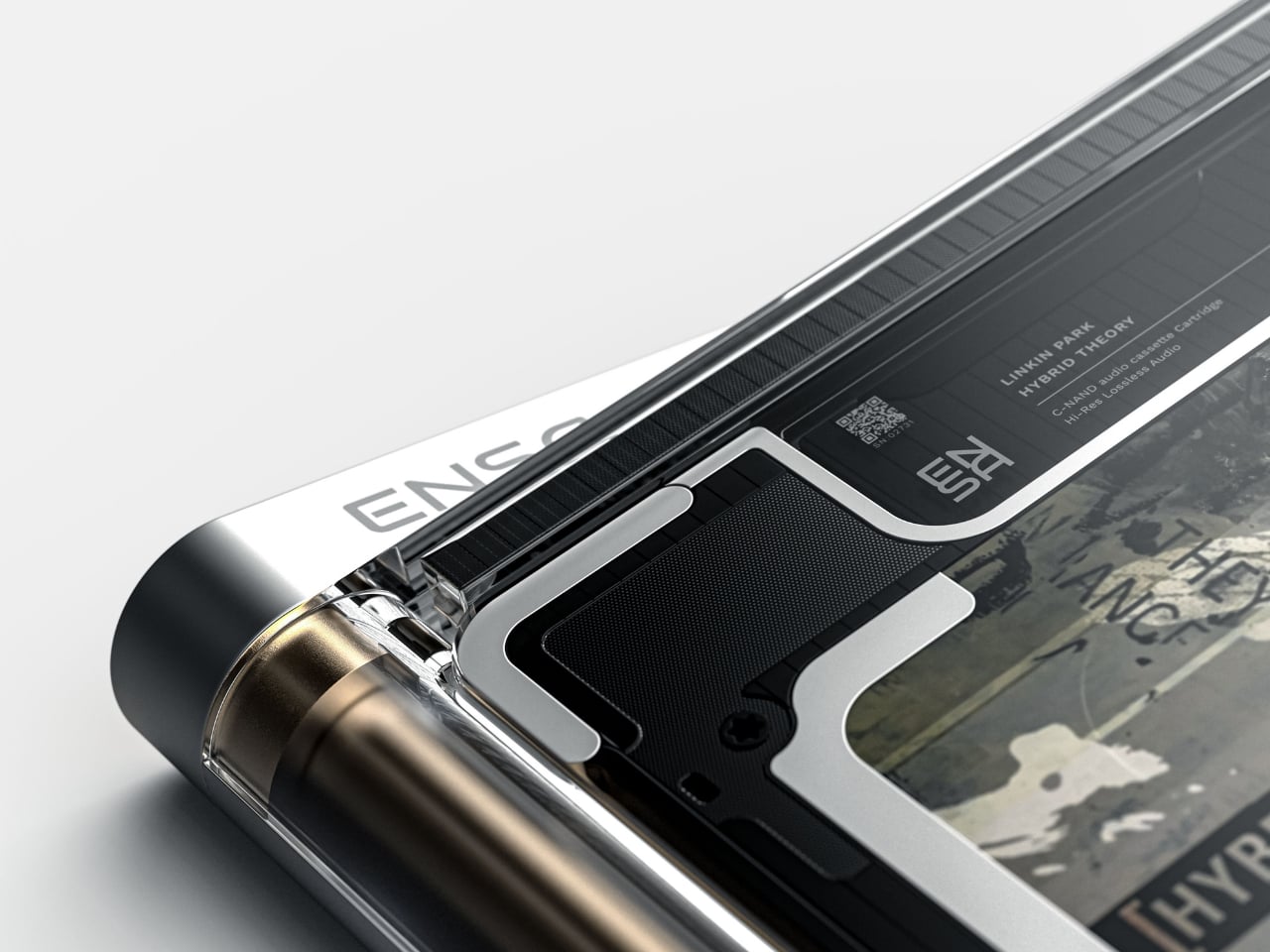
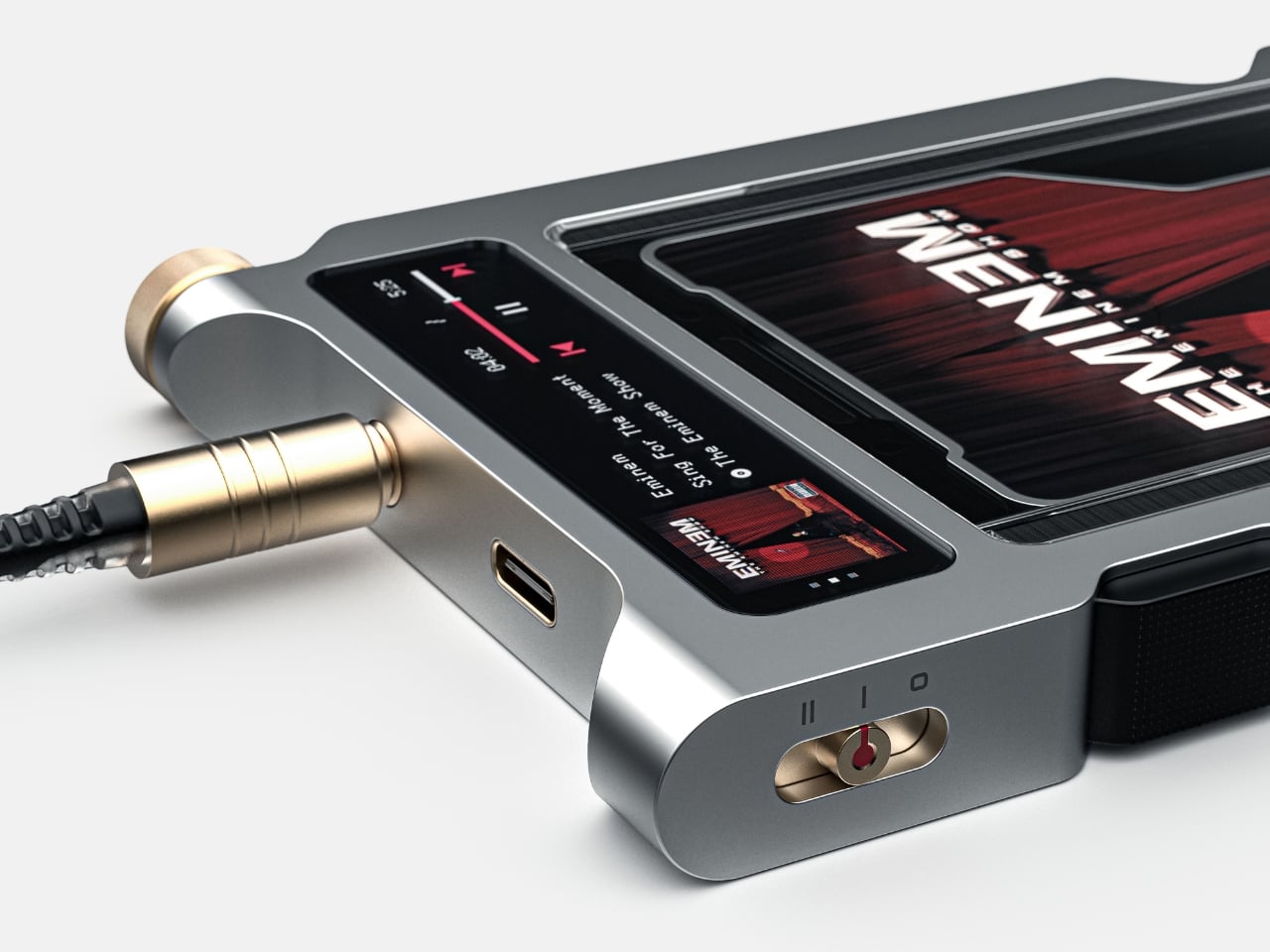
Aesthetically, Dubrovin’s approach has always felt less like tech product design and more like furniture-level thinking. The ENSA devices belong to the same visual conversation as early Braun electronics or a Dieter Rams concept sketch, where every detail either earns its place or gets removed entirely. The T1 continues that restraint. Its form doesn’t shout, which is precisely why it catches your eye. In a market saturated with speakers shaped like pebbles and smart displays with glowing rings, an audio device that looks like it was designed by someone who genuinely thought about what it means to own a piece of music is genuinely refreshing.
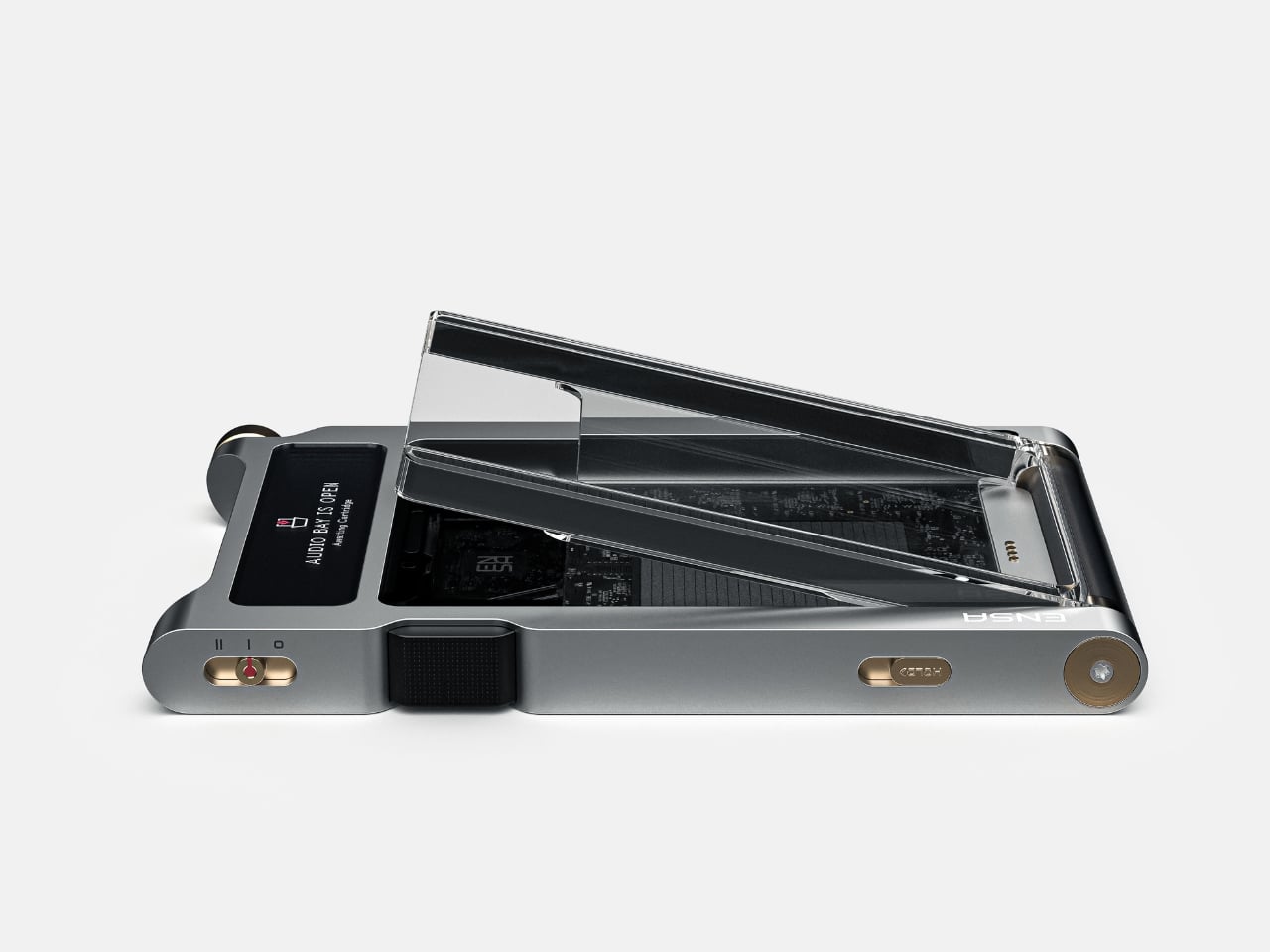
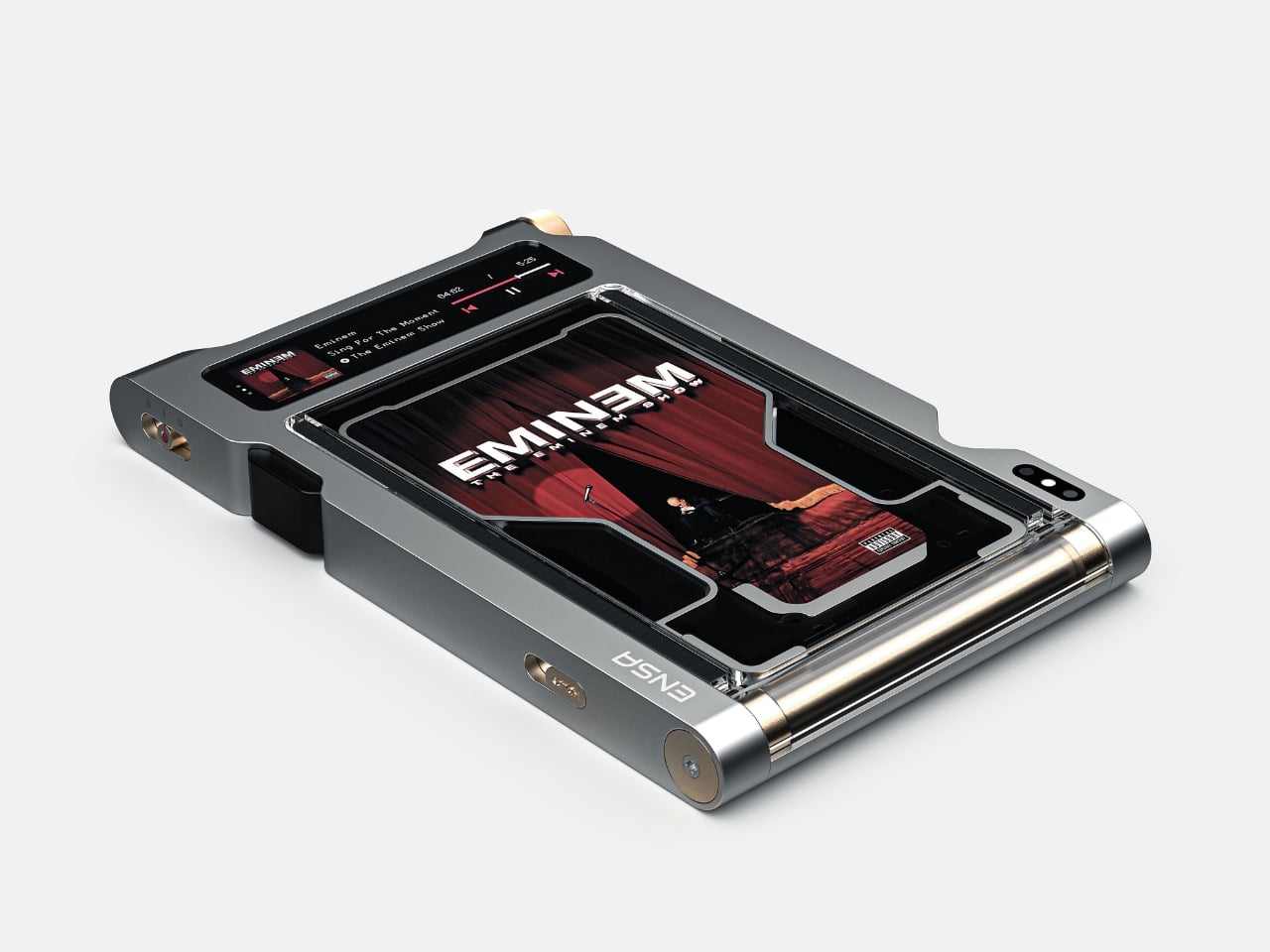
The broader question Dubrovin keeps posing with the ENSA project is one worth sitting with: what did we actually lose when music went weightless? Streaming solved convenience so completely that most of us never stopped to notice what the tradeoff cost. We gained access to everything and lost the kind of focus that comes from committing to a single album, from having music you could see, hold, or lend to a friend. The ENSA T1 is not trying to compete with Spotify. It’s asking whether the experience of music could mean something again, even if you have to build an entirely new format to get there.
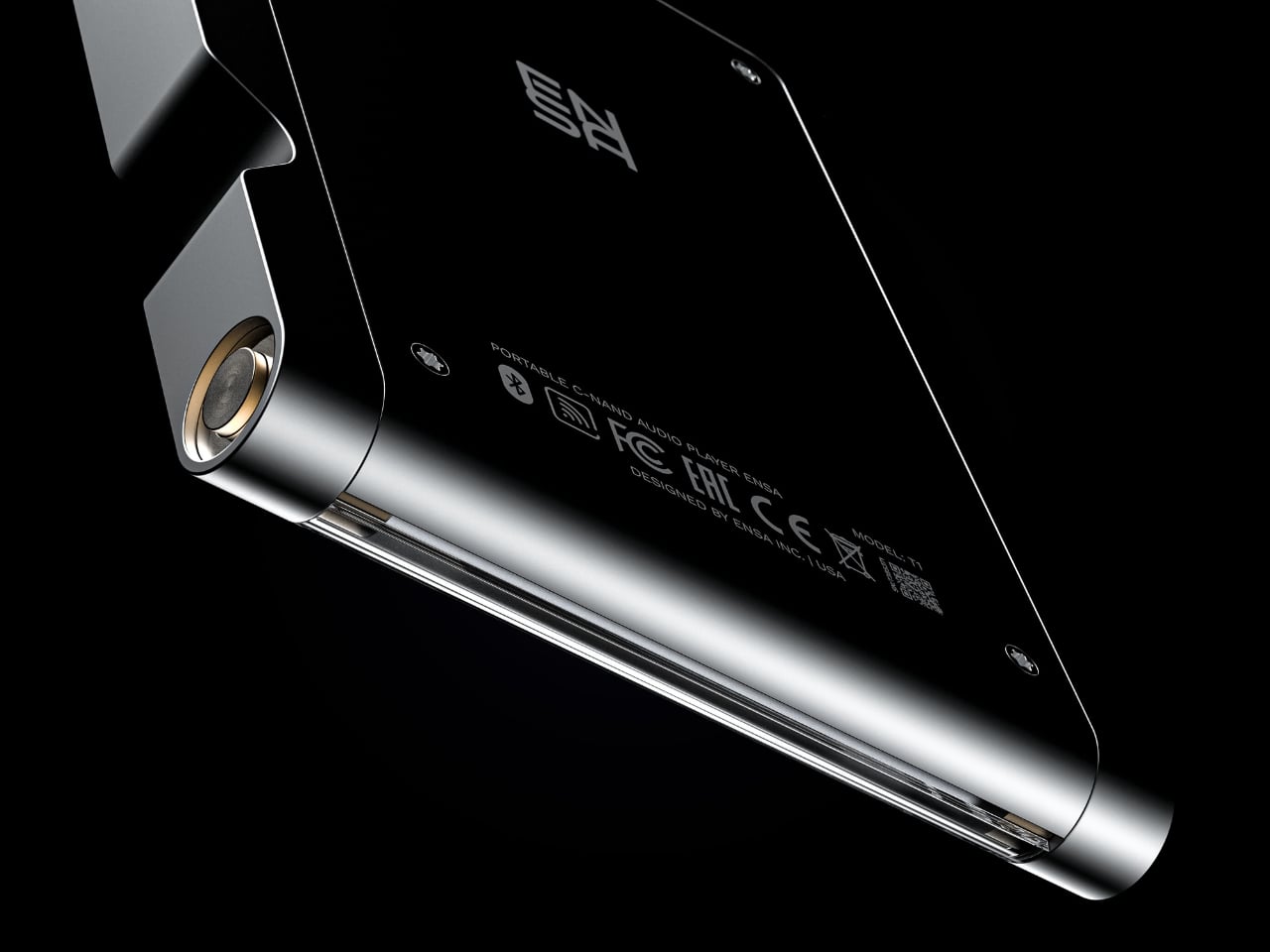
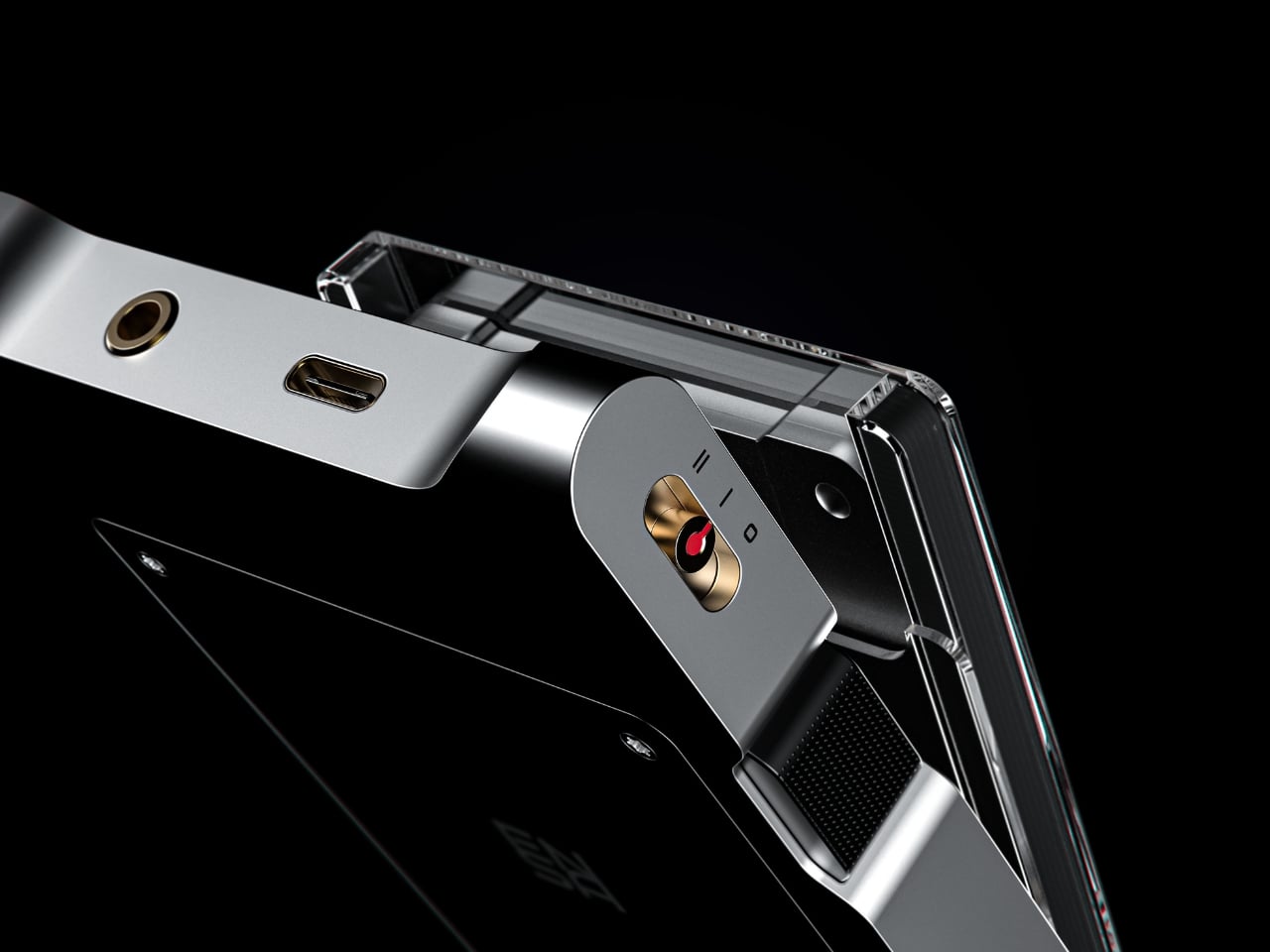
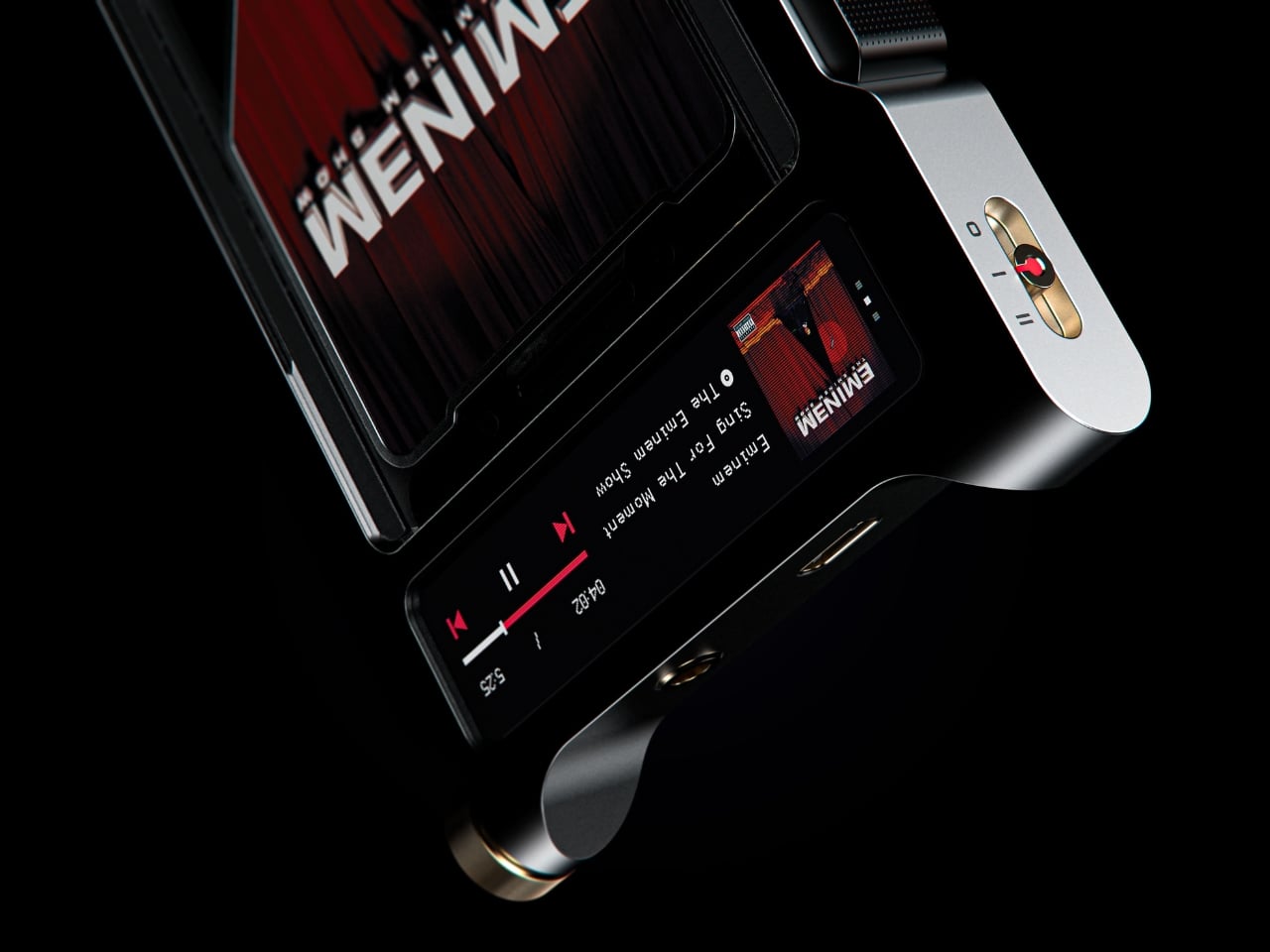
It’s a concept project, not a product you can buy, and the realist in me knows that’s a significant caveat. Building out a new physical media format in 2026 is an uphill proposition at best. The infrastructure alone, manufacturing cartridges, convincing labels, and getting devices into homes, would require a level of industry commitment that’s difficult to imagine right now. But design concepts don’t have to ship to matter. The best ones articulate a desire most people feel but haven’t named yet, and the ENSA T1 does exactly that. The desire for music that has weight, that takes up space, that gives you something to do with your hands before the first note plays.
That’s why Dubrovin’s work keeps getting attention. The ENSA line isn’t nostalgic in the way that feels defensive or retrograde. It’s just honest about the fact that we traded something real for something convenient, and it’s asking, politely but persistently, if we’d like it back.
The post Streaming Took Something From Us. The ENSA T1 Wants It Back first appeared on Yanko Design.
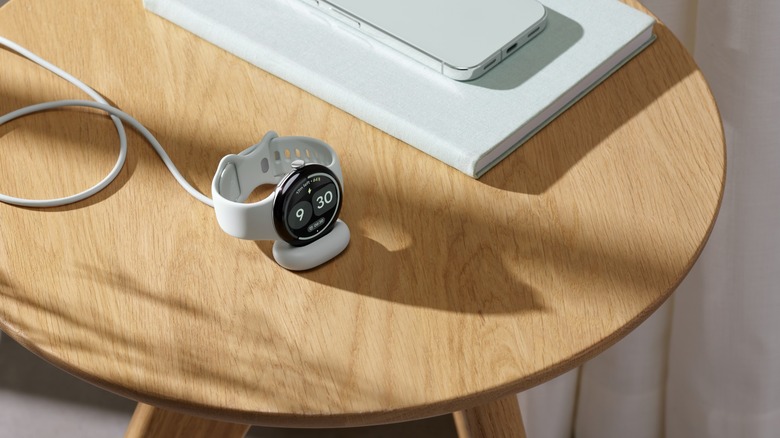
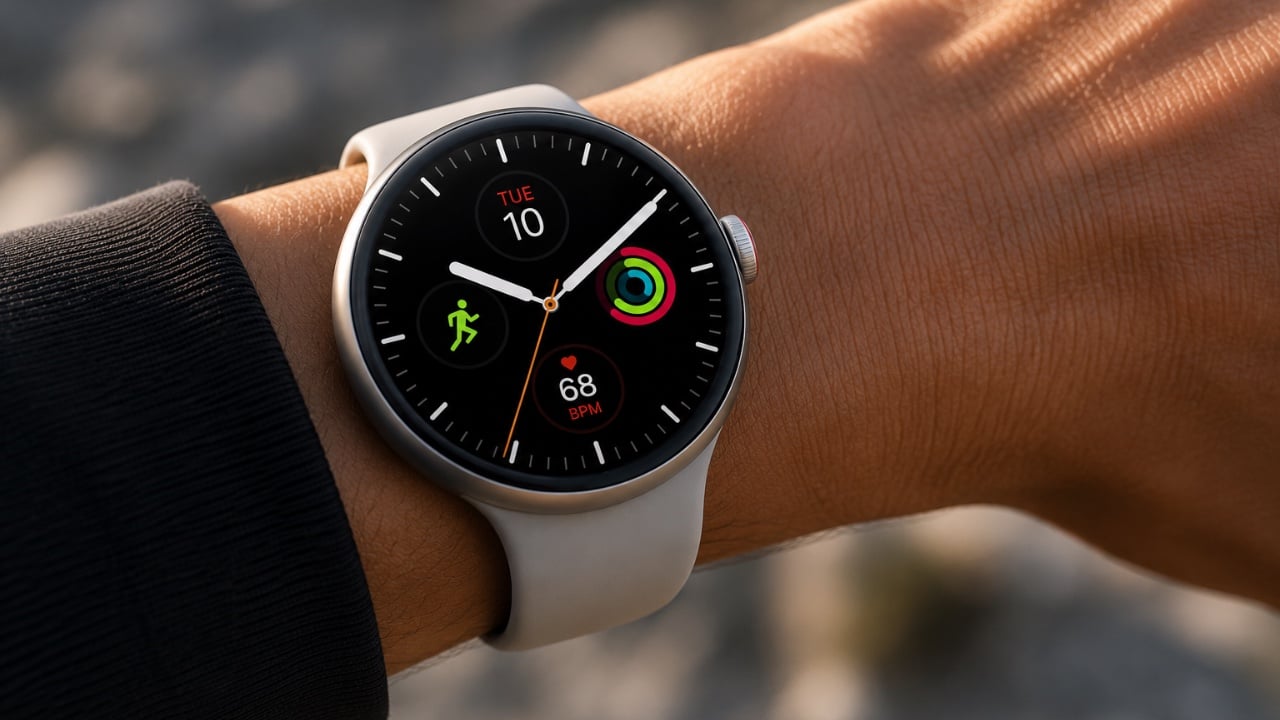
Apple is preparing for a significant overhaul of its Apple Watch lineup, signaling a strategic effort to reinvigorate its wearables segment. With the anticipated release of the Series 12 and Ultra 4 models, alongside long-term plans for bold redesigns, Apple is positioning itself to address increasing competition and slowing growth in the smartwatch market. Here’s […]
The post Massive Apple Watch Redesign Could Finally Be on the Way appeared first on Geeky Gadgets.