The Cheapest Personal AI Device You Can Own: $50 Raspberry Pi Whisplay Runs Gemini, Claude, and ChatGPT

Smartphones were never really meant to be your AI sidekick. They juggle notifications, social feeds, and a dozen background services before they ever get around to being “smart.” Meanwhile, the first wave of dedicated AI gadgets from companies like Humane and Rabbit showed up with big promises, closed ecosystems, and short lifespans. When the money dried up, so did the hardware. A little Raspberry Pi Zero 2 W with a Whisplay HAT quietly sidesteps all of that. It is a DIY AI chat device that you own outright, that you can fix, reflash, or repurpose, and that can talk to Gemini, Claude, or ChatGPT without caring which startup is still solvent this quarter.

Instead of betting on a single company’s cloud, Whisplay treats AI as a replaceable part. The hardware gives you a screen, mic, speaker, and buttons, and leaves the “brain” up to you. If Gemini changes pricing, Claude adds features, or ChatGPT pulls ahead again, you can swap backends with a config file or a bit of code, not a new gadget. In a landscape where AI hardware keeps arriving as disposable, subscription-tethered experiments, this little open, modular box feels like the first honest attempt at a personal AI terminal that will not vanish the moment a runway spreadsheet turns red.

Designer: Jdaie

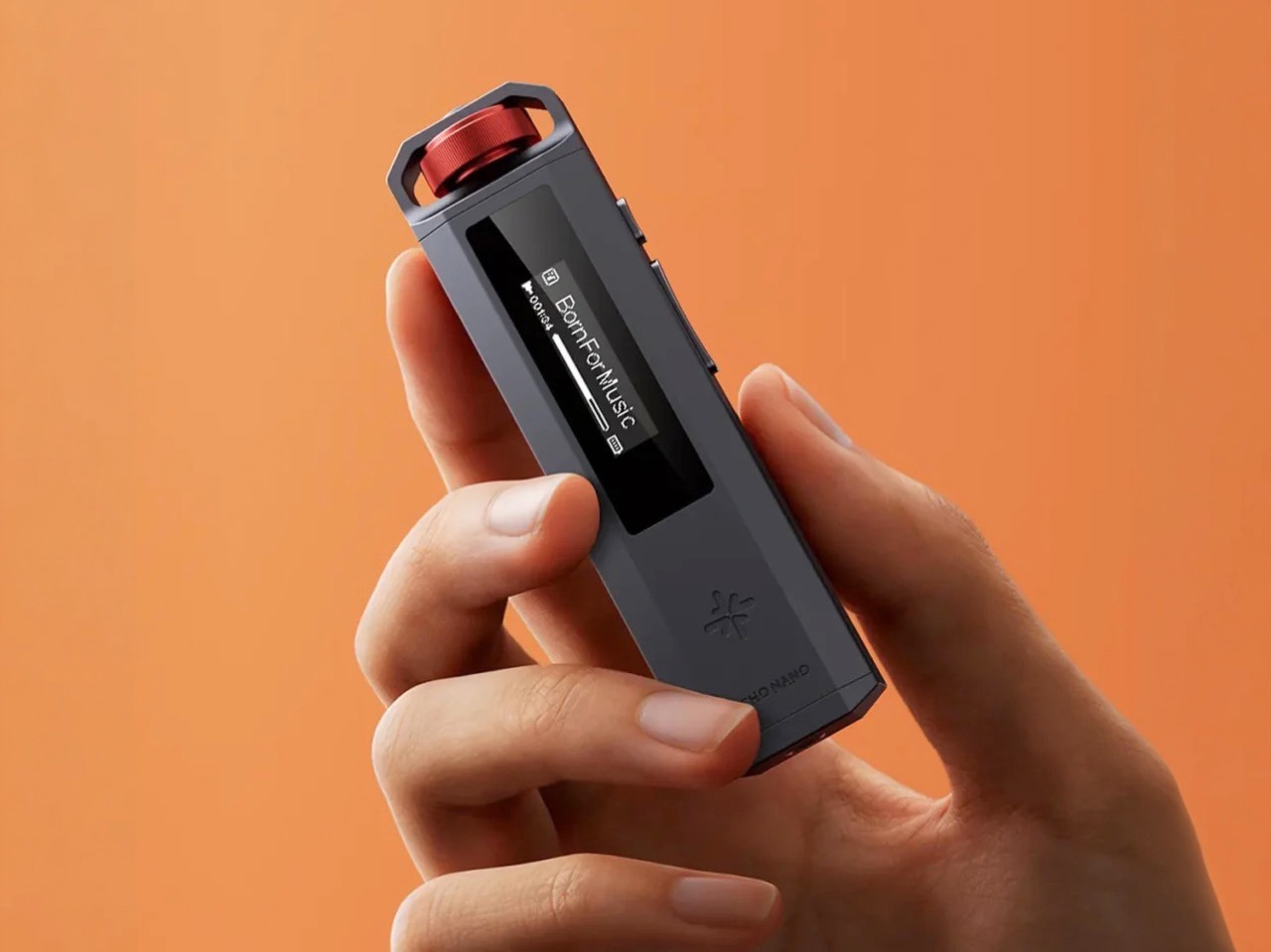
At its very core, the Whisplay HAT is a clever little I/O board designed to give a Pi a face and a voice… simply put. It bolts directly onto the 40-pin GPIO header and provides everything needed for a conversational interface. You get a surprisingly crisp 1.96-inch color LCD for displaying text or animations, a WM8960 audio codec driving an onboard microphone and speaker, an RGB status LED, and a few programmable buttons for user input. It is not a standalone computer, but a purpose-built terminal that turns the Pi Zero into something you can actually talk to. The entire package matches the Pi Zero’s footprint, making for a compact and tidy build that feels intentional, not like a messy science fair project.

The choice of the Raspberry Pi Zero 2 W as the platform is telling. With its quad-core 1 GHz ARM Cortex-A53 CPU and just 512MB of RAM, it is nobody’s idea of a powerhouse. That is precisely the point. The Pi is not running the large language model; it is just a client. Its job is to capture audio, send a request over Wi-Fi, and then play back the response. This thin-client architecture is incredibly efficient, requiring minimal power and processing, which is perfect for an always-on desk companion. The heavy lifting is outsourced to the cloud API of your choice, leaving the Pi to handle the simple, tangible task of being the physical interface between you and the AI.

The actual magic is a simple, elegant pipeline that you control completely. Your code on the Pi captures audio from the Whisplay’s microphone, uses a speech-to-text engine to transcribe it, and then packages that text into an API call to Gemini or another LLM. When the response comes back, a text-to-speech engine converts it back into audio and plays it through the onboard speaker, while the LCD can show the text or a thinking animation. You can point it at Google’s Gemini API today and switch to a local Ollama server running on a spare Raspberry Pi 5 tomorrow if you feel like it. What’s so perfect about the Whisplay HAT is that it assumes companies and models will come and go, so it treats the LLM as a pluggable component. Today, that might be Gemini, Claude, or ChatGPT. Tomorrow, it might be some open model running on your own server. Either way, the little chatting device on your desk stays the same, happily piping audio in and out while you swap brains on the backend.

That brings us to the real kicker. The Whisplay HAT costs about thirty-five dollars. Paired with a fifteen-dollar Pi Zero 2 W, you have the core of a highly capable, endlessly customizable AI device for fifty bucks. Compare that to the seven-hundred-dollar Humane Ai Pin or the two-hundred-dollar Rabbit R1, both of which are functionally just API clients tied to a single, proprietary service. This DIY approach is not just cheaper; it represents a fundamentally different, more sustainable philosophy. It is a platform for tinkering and ownership, not a sealed product designed to be consumed and eventually discarded. It is a starting point, and in a field moving this fast, a good starting point is infinitely more valuable than a dead end.

The post The Cheapest Personal AI Device You Can Own: $50 Raspberry Pi Whisplay Runs Gemini, Claude, and ChatGPT first appeared on Yanko Design.

LEGO Just Dropped a $300 Stranger Things Set That Transforms When You Pull the Corners

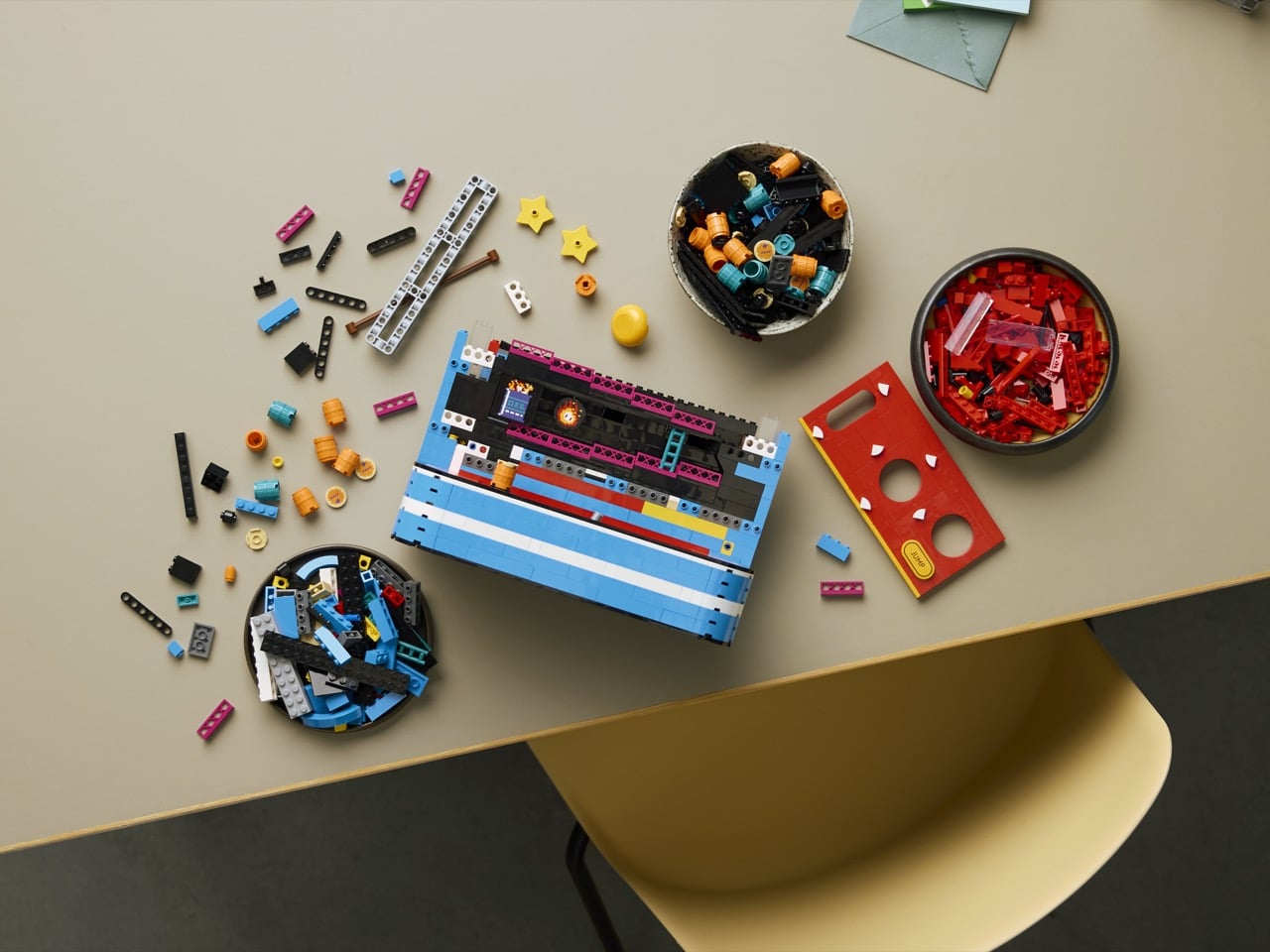
In Stranger Things, victims trapped in Vecna’s curse describe the Creel House as a place where reality fractures and splinters around them, rooms shifting into impossible geometries. LEGO has somehow captured that exact horror in brick form. Their new 2,593-piece Creel House literally transforms with a lever pull, walls splitting apart to reveal Vecna’s cursed mind lair within. It’s launching January 1st at $299.99, and after six years without a proper Stranger Things LEGO set, fans won’t want to escape this one.

Stranger Things Season 5 wraps up on New Year’s Eve at 5 p.m. PST. LEGO Insiders get early access to the set that same day before general release on January 4th. You’ll have processed the finale’s emotional damage and immediately have 2,593 pieces of therapeutic building to work through your feelings. I can’t decide if this is brilliant marketing or deliberately sadistic.

Designer: LEGO

LEGO calls it their first ever transforming house. Pull the corners and the entire structure reconfigures itself: some rooms split in two, others rotate 45 degrees, one wall drops into place, and the central spire rises up to reveal that infamous grandfather clock. Most LEGO sets with transformation gimmicks feel like compromises, sacrificing detail in one mode to accommodate the other. You get a decent robot or a passable vehicle, never both. This thing maintains a 20-inch-wide, nearly 12-inch-tall facade in both states, which means someone on the engineering team actually gave a shit about making both configurations work properly instead of treating one as an afterthought.

Open up the back and you’ve got seven distinct rooms: hallway, dining room, sitting room, Alice’s and Henry’s bedrooms, an upstairs landing, and two attic spaces. You can build it boarded-up or with the boards removed, which matters because the boarded version captures that abandoned murder house aesthetic from earlier seasons while the clean version works better as Vecna’s active lair. That’s not just aesthetic choice for its own sake. Anyone who’s watched the show knows the house exists in multiple states across different timelines, and giving builders the option to represent that shows someone actually paid attention to the source material instead of skimming a wiki for reference images.

Thirteen minifigures come with the set: Will, Mike, Lucas, Dustin, Vecna, Mr. Whatsit (Henry in his Season 5 human disguise), Holly, Steve, Nancy, Robin, Jonathan, Max, and Eleven. For $300, that’s a solid roster. The Mr. Whatsit to Vecna transformation happens through a hideaway feature built into the set, letting you physically swap between Henry’s boring normal kid persona and his full monster form. It works better in LEGO than it would in most other collectible formats because the medium already asks you to suspend disbelief about scale and realism. A transforming minifigure compartment feels natural here in a way it wouldn’t in, say, a high-end statue.

Buy during the first week and you’ll get the 40891 WSQK Radio Station gift, a 234-piece bonus set with Joyce Byers and a magnificently bearded Sheriff Hopper. Given their absence from the main set’s roster, this feels mandatory rather than optional. That rubber chicken printed tile though? Absolute deep cut for fans who’ve been paying attention to Season 5’s marketing. Stock runs out fast on these gift-with-purchase promotions, so waiting for a sale means missing Joyce and Hopper entirely unless you want to pay scalper prices on BrickLink later.

Steve’s car and the WSQK radio van both use six-wide construction with complicated techniques for tight angles and small offsets. Will’s bicycle rounds out the vehicle collection. None of these are throwaway builds to pad the piece count. LEGO City vehicles typically phone it in with basic stud-and-plate construction, but these use the kind of techniques you’d expect from Creator Expert or Speed Champions sets. Small details like that separate a licensed cash grab from a set that actually respects the builder’s time and money.

LEGO’s pricing sits at $299.99 US, £249.99 UK, €279.99 EU, and AU$449.99 Australia. That works out to roughly 11.5 cents per piece, above standard LEGO pricing but expected for licensed sets. Add in the transformation mechanism’s manufacturing complexity and you can justify the premium. Whether 2,593 pieces and 13 minifigures actually justify three hundred dollars depends on how much you care about Stranger Things specifically. If you’re ambivalent about the show, this is an expensive shelf decoration. If you’ve been waiting since 2019 for another proper set, it’s basically a bargain.

The post LEGO Just Dropped a $300 Stranger Things Set That Transforms When You Pull the Corners first appeared on Yanko Design.

Say Goodbye To Bottled Water: Kara Pure 2 Turns Air Into 99.99% Pure Water (Without The Microplastics)

We’re in the great age of unbundling. We’ve unbundled our power grids with solar panels, our entertainment with streaming, and our communication with the internet. We’re systematically severing the cords that tie us to centralized, aging systems. But what about the most essential utility of all – the water pipe? For decades, that’s been the one connection we couldn’t cut. You could go off-grid with power, but you were still tethered to the municipal water main. Until now. What if your home could perform a little bit of everyday alchemy? What if it could breathe in the invisible humidity hanging in the air and exhale pure, rich drinking water? This isn’t a far-future concept; it’s the game-changing revolution happening inside the all-new Kara Pure 2. This sleek, stainless steel tower isn’t just a water dispenser; it’s your home’s personal atmospheric hotspot. The award-winning technology doesn’t filter water from the grid; it creates the water instead, offering a glimpse into a future where the most precious resource on earth is no longer piped in, but simply harvested on demand.

At first glance, the Kara Pure 2 is a study in minimal-yet-effective industrial design. Standing at a confident 44 inches tall, its brushed stainless steel body feels both substantial and elegant, designed to complement a modern kitchen rather than dominate it. Its upgraded internal copper piping and five-stage water filtration signal a commitment to quality, suggesting this is a permanent fixture, not a temporary solution. The front is punctuated by a clean, 40% larger touchscreen and a gracefully curved dispensing area. There are no awkward plastic jugs, no complex pipework, no visible signs of the powerful process happening within. This deliberate minimalism is central to its appeal; it domesticates an industrial-grade technology, making the extraordinary feel approachable. The magic trick is only impressive if the magician makes it look easy, and the Kara Pure 2 looks effortless. Its only demand is a standard power outlet, and in return, it offers a bottomless well of 9.2 pH-balanced Alkaline water.

Designer: Cody Soodeen

Click Here to Buy Now: $3899 $5999 ($2100 off). Hurry, only 6/20 left! Raised over $371,000.

Kara Pure 2’s Patented AirDrive™ technology uses a clever desiccant material that acts like a super-sponge, aggressively grabbing water molecules from the air. Once saturated, the machine gently heats the desiccant, forcing it to release the captured moisture as perfectly pure water vapor, leaving dust and other airborne gunk behind. It’s an elegant and efficient method of harvesting, allowing the machine to perform even when the air feels less than tropical. This isn’t merely condensation; it’s a targeted extraction.

Once the water is harvested, it begins a journey through a multi-stage purification gauntlet. The process starts before the air even enters the machine, with a commercial-grade EPA air filter that scrubs the intake air, providing the side benefit of purifying about 200 cubic feet of room air per minute. After the water is condensed, it passes through a system that includes an advanced ultrafiltration (UF) membrane. With a pore size of just 0.01 microns, this stage is designed to physically block contaminants like bacteria, viruses, and microplastics. Finally, the water is exposed to a medical-grade UV-C sterilizer, which neutralizes any remaining microorganisms to ensure the final product is 99.99% pure.

But anyone who has tasted distilled water knows that “pure” can be boring. The filtration process strips out everything, good and bad, leaving a flat, lifeless liquid. Kara brings the water back to life in the final step by enhancing it with a carefully balanced cocktail of essential minerals like calcium and magnesium. This not only gives the water its clean, crisp taste but also nudges the pH up to an alkaline 9.2+, a nod to the modern wellness enthusiast. It even gets an antioxidant boost, completing its journey from humble humidity to what you might call high-performance hydration.

That whole process nets you up to 10 liters (or about 2.6 gallons) of water a day, storing it in an 11.5-liter reservoir so it’s always ready. Standing 44 inches tall and weighing a hefty 70 pounds, the Kara Pure 2 is a stainless steel monolith that feels more like a piece of modern sculpture than a kitchen appliance. The premium feel extends to the internals, with upgrades like 99% pure copper piping that signal this is a forever-appliance, not a disposable gizmo. The user experience gets the same love, with a spout moved forward for easy access and a pouring area now 20% larger, big enough to fit that ridiculously oversized 64-ounce water bottle you carry around.

The day-to-day command center is a 40% larger touchscreen that lets you dial in everything, including instant hot and cold water. But the most impressive feature might be what you don’t notice. At just 32 decibels, the Kara Pure 2 is quieter than your fridge’s late-night humming. This is the critical detail that makes it a viable housemate, allowing it to quietly perform its magic in the background of your life without driving you insane. It’s a testament to the engineering that went into making this complex process feel effortless and unobtrusive.

Naturally, a device this forward-thinking is making its debut on Kickstarter, the go-to platform for launching category-defining hardware. This is where early adopters can secure the Kara Pure 2 before it hits the broader market. The super early bird pricing is set at $3,899, which feels like a pretty good investment considering the average family spends upwards of $1,350 a year on bottled water (even more for 9.2pH+ alkaline water)… And after all, it’s an investment in a new kind of infrastructure for your home. I mean, you’re literally turning air into alkaline drinking water. Rumor has it that Kara’s next appliance will turn that water into wine!

Click Here to Buy Now: $3899 $5999 ($2100 off). Hurry, only 6/20 left! Raised over $371,000.

The post Say Goodbye To Bottled Water: Kara Pure 2 Turns Air Into 99.99% Pure Water (Without The Microplastics) first appeared on Yanko Design.

Say Goodbye To Bottled Water: Kara Pure 2 Turns Air Into 99.99% Pure Water (Without The Microplastics)

We’re in the great age of unbundling. We’ve unbundled our power grids with solar panels, our entertainment with streaming, and our communication with the internet. We’re systematically severing the cords that tie us to centralized, aging systems. But what about the most essential utility of all – the water pipe? For decades, that’s been the one connection we couldn’t cut. You could go off-grid with power, but you were still tethered to the municipal water main. Until now. What if your home could perform a little bit of everyday alchemy? What if it could breathe in the invisible humidity hanging in the air and exhale pure, rich drinking water? This isn’t a far-future concept; it’s the game-changing revolution happening inside the all-new Kara Pure 2. This sleek, stainless steel tower isn’t just a water dispenser; it’s your home’s personal atmospheric hotspot. The award-winning technology doesn’t filter water from the grid; it creates the water instead, offering a glimpse into a future where the most precious resource on earth is no longer piped in, but simply harvested on demand.

At first glance, the Kara Pure 2 is a study in minimal-yet-effective industrial design. Standing at a confident 44 inches tall, its brushed stainless steel body feels both substantial and elegant, designed to complement a modern kitchen rather than dominate it. Its upgraded internal copper piping and five-stage water filtration signal a commitment to quality, suggesting this is a permanent fixture, not a temporary solution. The front is punctuated by a clean, 40% larger touchscreen and a gracefully curved dispensing area. There are no awkward plastic jugs, no complex pipework, no visible signs of the powerful process happening within. This deliberate minimalism is central to its appeal; it domesticates an industrial-grade technology, making the extraordinary feel approachable. The magic trick is only impressive if the magician makes it look easy, and the Kara Pure 2 looks effortless. Its only demand is a standard power outlet, and in return, it offers a bottomless well of 9.2 pH-balanced Alkaline water.

Designer: Cody Soodeen

Click Here to Buy Now: $3899 $5999 ($2100 off). Hurry, only 6/20 left! Raised over $371,000.

Kara Pure 2’s Patented AirDrive™ technology uses a clever desiccant material that acts like a super-sponge, aggressively grabbing water molecules from the air. Once saturated, the machine gently heats the desiccant, forcing it to release the captured moisture as perfectly pure water vapor, leaving dust and other airborne gunk behind. It’s an elegant and efficient method of harvesting, allowing the machine to perform even when the air feels less than tropical. This isn’t merely condensation; it’s a targeted extraction.

Once the water is harvested, it begins a journey through a multi-stage purification gauntlet. The process starts before the air even enters the machine, with a commercial-grade EPA air filter that scrubs the intake air, providing the side benefit of purifying about 200 cubic feet of room air per minute. After the water is condensed, it passes through a system that includes an advanced ultrafiltration (UF) membrane. With a pore size of just 0.01 microns, this stage is designed to physically block contaminants like bacteria, viruses, and microplastics. Finally, the water is exposed to a medical-grade UV-C sterilizer, which neutralizes any remaining microorganisms to ensure the final product is 99.99% pure.

But anyone who has tasted distilled water knows that “pure” can be boring. The filtration process strips out everything, good and bad, leaving a flat, lifeless liquid. Kara brings the water back to life in the final step by enhancing it with a carefully balanced cocktail of essential minerals like calcium and magnesium. This not only gives the water its clean, crisp taste but also nudges the pH up to an alkaline 9.2+, a nod to the modern wellness enthusiast. It even gets an antioxidant boost, completing its journey from humble humidity to what you might call high-performance hydration.

That whole process nets you up to 10 liters (or about 2.6 gallons) of water a day, storing it in an 11.5-liter reservoir so it’s always ready. Standing 44 inches tall and weighing a hefty 70 pounds, the Kara Pure 2 is a stainless steel monolith that feels more like a piece of modern sculpture than a kitchen appliance. The premium feel extends to the internals, with upgrades like 99% pure copper piping that signal this is a forever-appliance, not a disposable gizmo. The user experience gets the same love, with a spout moved forward for easy access and a pouring area now 20% larger, big enough to fit that ridiculously oversized 64-ounce water bottle you carry around.

The day-to-day command center is a 40% larger touchscreen that lets you dial in everything, including instant hot and cold water. But the most impressive feature might be what you don’t notice. At just 32 decibels, the Kara Pure 2 is quieter than your fridge’s late-night humming. This is the critical detail that makes it a viable housemate, allowing it to quietly perform its magic in the background of your life without driving you insane. It’s a testament to the engineering that went into making this complex process feel effortless and unobtrusive.

Naturally, a device this forward-thinking is making its debut on Kickstarter, the go-to platform for launching category-defining hardware. This is where early adopters can secure the Kara Pure 2 before it hits the broader market. The super early bird pricing is set at $3,899, which feels like a pretty good investment considering the average family spends upwards of $1,350 a year on bottled water (even more for 9.2pH+ alkaline water)… And after all, it’s an investment in a new kind of infrastructure for your home. I mean, you’re literally turning air into alkaline drinking water. Rumor has it that Kara’s next appliance will turn that water into wine!

Click Here to Buy Now: $3899 $5999 ($2100 off). Hurry, only 6/20 left! Raised over $371,000.

The post Say Goodbye To Bottled Water: Kara Pure 2 Turns Air Into 99.99% Pure Water (Without The Microplastics) first appeared on Yanko Design.
I Stopped Paying for Cloud Storage After Trying This Tiny 256GB iPhone SSD

I remember a time when smartphones had expandable storage. In fact, I remember feeling this internal rage when I saw the iPhone Air and that Apple even decided that a physical SIM slot wasn’t necessary anymore, because apparently a SIM tray blocks so much space that you need to shave down on a phone’s battery capacity. It’s wild that we’ve gotten to this point in our lives, and what’s more wild is that we now have to ‘rent’ storage out by paying for iCloud or Google Drive subscriptions to store our photos and videos. I remember when you could pop in a MicroSD card and those low-storage problems would go away… and ADAM Elements is trying to bring back that convenience with its ultra-tiny SSDs.

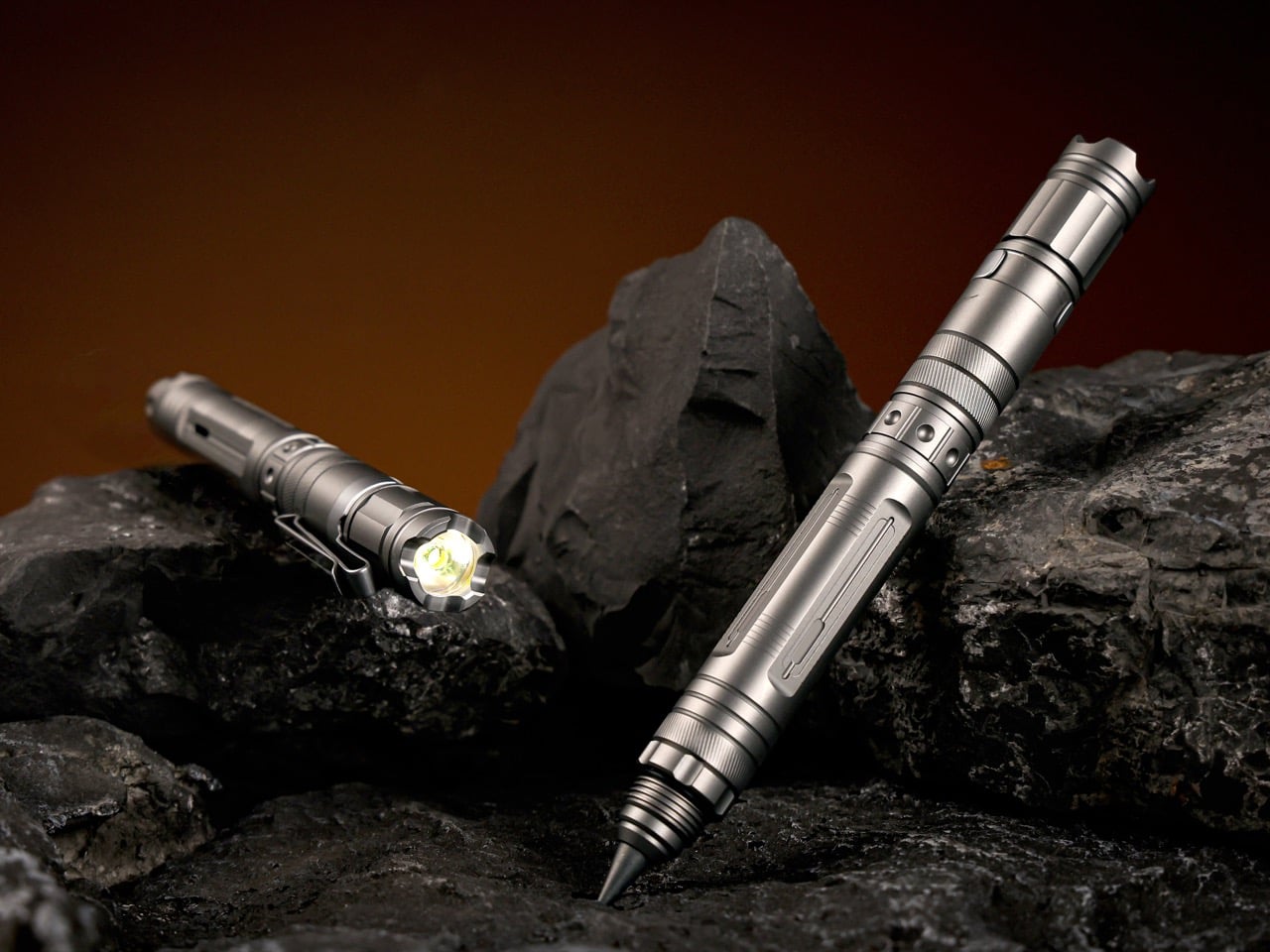
The iKlips S isn’t as small as a MicroSD, but it’s sufficiently more advanced than one. Barely the size of a 4-stud LEGO brick, this SSD plugs right into your smartphone, giving it an instant 256GB memory boost. It docks in your phone’s USB-C port, transferring data at incredible speeds, and here’s the best part – the tiny device packs biometric scanning too, which means you can pretty much secure your backups with a fingerprint the way you secure your phone with FaceID. The best part? No pesky subscription fees. You pay once and own the storage forever, and everything’s local and offline… so you never need to worry about remembering passwords, or about having companies and LLMs spy on your personal data to train themselves.

Designer: ADAM Elements

Click Here to Buy Now: $62.3 $89 (30% off, use coupon code “30YANKOIKPS”). Hurry, deal ends in 48-hours!

Think a thumb drive, but insanely tinier. That’s the beauty of SSDs, and ADAM Elements touts that the iKlips S currently holds the record for the world’s smallest SSD. Plug it into your phone, tablet, laptop, or any device and it instantly gets a 258GB bump. Data transfers at speeds of up to 400Mb/s with read speeds of 450Mb/s, that’s fast enough to move RAW files in milliseconds and entire 4K videos in seconds, or even directly preview/edit ProRes content on your phone, tablet, or laptop without having to transfer data to local storage. After all, that’s the dream, right?

The tiny device comes with a machined aluminum body and a lanyard hole so that you can string something through to prevent it from getting lost. Plug it into your phone to back up media, then into your laptop or iPad to edit said media. You can transfer data between multiple devices fairly quickly, across platforms too, thanks to cross-compatibility with iOS, Android, MacOS, Windows, ChromeOS, and even Linux. The tiny design sits practically flush against your phone, tablet, or laptop, occupying about the same amount of space as a USB receiver for a wireless keyboard or wireless mouse. Its most important design detail, however, hides in plain sight.

On the underside of the iKlips S is a fingerprint scanner, allowing you to add authentication to your SSD the way you add a password to your iCloud. The device can hold as many as 20 fingerprints, making it perfect for redundancies (just in case you cut a finger while chopping veggies) or even for a team of multiple people sharing data. Place your finger on the iKlips S and it unlocks the SSD, allowing you to read/write data in no time. You’re never faced with forgetting your iCloud password as your password literally lives on your fingertips.

The price of it all? A mere $62.3, which costs about as much as an annual subscription to these cloud storage services. For that, you get something you truly own, and can use without needing an app or an internet connection. Just plug it in and you’ve suddenly got extra storage. Secure the storage with a fingerprint, and move data around at speeds your internet service provider could only dream of. Neat, huh?

Click Here to Buy Now: $62.3 $89 (30% off, use coupon code “30YANKOIKPS”). Hurry, deal ends in 48-hours!

The post I Stopped Paying for Cloud Storage After Trying This Tiny 256GB iPhone SSD first appeared on Yanko Design.

Top 5 EDC Pocket Knives Running Major Last-Minute Discounts

The annual flood of Black Friday deals can feel overwhelming, a constant barrage of alerts and ads all claiming to offer the deal of a lifetime. For those of us who appreciate well-designed gear, the challenge isn’t just finding something cheap; it’s finding something great at a price that makes it impossible to ignore. A good everyday carry knife, in particular, is an investment in utility and reliability. This is the time of year when that investment pays off before you even make the purchase, with respected brands and proven designs becoming more accessible than ever.

Consider this your curated shortlist, a direct path to the best value in the EDC knife world right now. We’ve cut through the noise to bring you five standout blades that are currently seeing major price drops, from compact workhorses to unique tactical designs. Each one was chosen based on its reputation, build quality, and a discount that truly matters. This is your chance to acquire a fantastic tool that punches well above its weight class for a fraction of its usual cost.

Tekto A5 Spry (20% Off)

Out-the-front automatics occupy a special place in the knife world, somewhere between practical tool and mechanical indulgence. The Tekto A5 Spry lands firmly in both camps. This is an OTF with a 3.5-inch S35VN blade, titanium-coated and available in three distinct profiles: drop point for general use, dagger for piercing and double-edged utility, and tanto for maximum tip strength. That blade choice matters because each geometry fundamentally changes how the knife performs. The drop point excels at everyday slicing, the dagger offers symmetrical cutting edges and a needle-sharp tip, while the tanto brings reinforced strength for tougher tasks. All three options run 60-62 HRC hardness, putting this steel in premium territory where edge retention meets reasonable sharpening requirements. The 6061-T6 aluminum handle is contoured and textured aggressively, offering what Tekto calls an “iron grip,” and they’re not exaggerating. At 8.6 inches open and 3.49 ounces, this knife has presence without crossing into heavy.

The double-action mechanism fires with the kind of authority that makes cheap OTFs feel like toys. The button sits perfectly positioned for thumb deployment, and the blade launches with zero hesitation. Retraction is equally satisfying, a smooth return that locks back into the handle without play or wiggle. Tekto offers the A5 Spry in black or OD green aluminum, giving you color options to match either stealth or tactical aesthetics. The glass breaker on the pommel isn’t decorative, it’s a legitimate emergency tool that adds function beyond cutting. The ambidextrous pocket clip works for tip-down carry, and the lanyard hole gives you attachment options if you prefer alternate carry methods. This is an American-made OTF priced to compete with imports, which is rare enough to be notable. The build quality reflects domestic manufacturing standards, with tight tolerances and finish work that justifies the premium over budget alternatives.

Why We Recommend It

At 20% off (bringing it to $200 from $249.99), the A5 Spry becomes one of the best values in American-made OTF knives. S35VN steel at this price point is already competitive, but pairing it with three blade options and two color choices means you’re buying exactly the knife you want rather than settling for what’s available. The customization factor alone makes this compelling: drop point for EDC versatility, dagger for collectors who appreciate double-edged designs, or tanto for anyone who prioritizes tip strength. OTF automatics typically command premiums, and finding one with premium steel, solid construction, and genuine versatility under two hundred dollars is legitimately rare. This is the knife for anyone who’s wanted a quality OTF but balked at the typical $300-plus entry point.

Click Here to Buy Now: $200 $249 (20% off, use coupon code “YANKO” at checkout for $49.99 off, plus 2-day FedEx shipping. Hurry, deal ends in 48-hours!

SOG Keytron (26% Off)

Most people never think about knife accessibility until they’re standing in a parking lot with a package that needs opening and their EDC folder is sitting on their dresser at home. The SOG Keytron exists specifically for that moment. This is a 1.8-inch clip point blade made from stainless steel with a hardness of 54-58 RC, mounted on a slim aluminum handle that stretches to 5.3 inches closed. At 1.3 ounces, it weighs less than most sets of car keys and takes up about as much space. The lockback mechanism keeps the blade secure during use, releasing with a simple press of the spine lock. SOG added a thumb groove for opening, which works well enough once you get the hang of it, though this isn’t a flipper or assisted opener. Deployment is deliberate, not fast, which makes sense for something designed to live on your keychain. The satin finish on the blade is functional rather than flashy, and the flat grind gives you enough cutting edge for everyday tasks.

The built-in bottle opener is the kind of feature that sounds gimmicky until you actually need it, then it becomes the reason you keep this knife around. The keyring attachment uses a simple latch mechanism, making it easy to add or remove from your key collection without disassembling anything. The aluminum handle keeps weight down while providing enough rigidity to handle light cutting without flexing. This isn’t the knife you reach for when serious work needs doing, but it’s the knife that’s always there when you need to open a package, cut some cord, or pop the top off a bottle. The clip point blade shape gives you a fine tip for detail work while maintaining enough belly for slicing. SOG designed this for people who want a knife available at all times without the bulk or weight of traditional EDC folders. It’s the backup to your backup, the blade you forget you’re carrying until you suddenly need it.

Why We Recommend It

At $19.96 (down 26% from $27), the Keytron costs less than most people spend on a single lunch and solves a problem most knife people don’t think about: what do you carry when carrying a real knife isn’t practical? The built-in bottle opener and keyring attachment turn this from a simple blade into a multi-function tool that actually fits on a keychain without destroying your pockets. The aluminum construction and sub-2-inch blade mean it’s legal almost everywhere and inconspicuous enough to carry in settings where larger knives would draw attention. This is the knife for gym bags, travel kits, office drawers, or anywhere you want cutting capability without commitment. At under twenty bucks, it’s cheap enough to buy multiples and stash them everywhere you might need one.

Click Here to Buy Now

Gerber Gear Quadrant (47% Off)

Gentleman’s folders exist in a strange intersection between knife and accessory, where aesthetics matter as much as edge geometry. The Gerber Quadrant understands this assignment perfectly. The 2.7-inch sheepsfoot blade is made from 7Cr17MoV stainless steel, a budget-friendly Chinese steel that sharpens easily and holds an edge well enough for daily cutting without requiring constant maintenance. That sheepsfoot profile is the defining characteristic here, a straight cutting edge with a curved spine that eliminates the pointy tip most knives sport. This makes it less aggressive, more workplace-friendly, and surprisingly effective for precise slicing tasks where you’d normally reach for a box cutter. The frame lock is textured stainless steel, providing structural rigidity while the flipper deployment snaps open with satisfying authority. At around 3 ounces, this knife has enough heft to feel substantial without weighing down your pocket.

The handle is where things get interesting. Gerber offers three scale options: white G-10 composite, natural bamboo, and black bamboo. The bamboo variants turn this knife into a genuine conversation starter, bringing organic warmth to a category typically dominated by synthetic materials and anodized metals. The bamboo isn’t just for looks, it provides natural texture and grip while keeping weight minimal. The white G-10 option appeals to anyone who wants a cleaner, more modern aesthetic without sacrificing durability. The deep-carry pocket clip keeps the knife discreet, sitting low enough that most people won’t notice you’re carrying unless they’re specifically looking. The overall package feels refined in a way that makes it appropriate for office environments, social settings, or anywhere a tactical folder would seem out of place. This is the knife you carry to meetings, dinners, or events where pulling out something aggressively tactical would raise eyebrows.

Why We Recommend It

At $25.10 (slashed 47% from $47), the Quadrant becomes one of the best gentleman’s folder deals you’ll find anywhere. That bamboo handle option at this price is borderline absurd, it’s a material upgrade that typically adds significant cost but here comes in under twenty-six dollars. The sheepsfoot blade makes this genuinely useful in situations where pointed tips feel unnecessary or inappropriate, and the flipper action provides quick deployment without screaming “tactical knife.” Gerber designed this for people who want something classy that still performs, and the discount turns an already reasonable $47 into an impulse buy that makes sense for anyone needing a sophisticated EDC option. This is style meeting substance at a price that removes any reason to hesitate.

Click Here to Buy Now

CRKT Daktyl (23% Off)

Some knives whisper. The Daktyl screams from across the room. Tom Hitchcock designed this thing to look like it escaped from a sci-fi prop department, and he succeeded completely. The entire knife is cut from stainless steel, both blade and handle, creating a skeletal framework that’s equal parts functional tool and conversation starter. That massive finger ring isn’t just for show, it’s the core of the “Hole In One” deployment system that lets you rotate the 3.05-inch modified Wharncliffe blade open with a flick of your finger. The 420J2 stainless steel blade is skeletonized with oval cutouts that reduce weight and add visual drama, while the slide lock mechanism keeps everything secure once deployed. At 6.813 inches open and weighing just 2.4 ounces, this is lightness taken to its logical extreme.

The handle is where things get interesting, and by interesting, we mean polarizing. Those flowing curves and cutouts look fantastic in photos, but they’re designed around that finger ring more than traditional grip ergonomics. The bead-blasted finish is grippy enough, and there’s a carabiner built into the pivot end that doubles as a bottle opener, because why not add party tricks to your EDC? The deep-carry pocket clip works for left or right-hand carry, and the whole package feels more like jewelry than a tool, which is either the point or the problem depending on your perspective. This isn’t the knife you grab for heavy cutting tasks or extended use. It’s the knife you carry when you want something that looks like nothing else in anyone’s pocket, a blade that values aesthetics and novelty as much as it does utility. The Wharncliffe profile is excellent for precision work and slicing, but that handle design means your grip options are limited by the architecture of the frame itself.

Why We Recommend It

The Daktyl at $45.99 (down from $60) is twenty-three percent off a knife that you either instantly love or completely don’t get, and that’s precisely why it belongs on this list. This is design as statement, a knife that refuses to blend into the background of standard folders and liner locks. That stainless steel skeleton construction and finger ring deployment make it instantly recognizable, and the built-in bottle opener means it’s actually useful at parties where knives normally aren’t. At under fifty bucks, you’re buying into something genuinely different without the usual premium that “unique” commands. It’s not the most ergonomic knife you’ll ever hold, but it might be the most interesting, and sometimes that counts for more than another perfectly competent but forgettable folder.

Click Here to Buy Now

Smith & Wesson Extreme Ops (31% Off)

Budget knives have a certain reputation, and the Extreme Ops leans into it completely. This is a knife designed to hit a price point first and ask questions later. The 3.1-inch clip point blade is made from 7Cr17MoV stainless steel, a perfectly serviceable Chinese steel that holds an edge well enough for everyday tasks without requiring expert sharpening skills. The partially serrated configuration gives you options: plain edge for clean cuts, serrations for rope and tougher materials. The black aluminum handle is lightweight and functional, adorned with jimping on both the spine and handle for grip. At 7.1 inches overall and weighing 3.5 ounces, this is a knife that announces its tactical aspirations loudly, with ambidextrous thumb studs, an index flipper, and aggressive styling that screams “I’m ready for anything” even if that anything is usually opening Amazon boxes.

The liner lock is straightforward and reliable, exactly what you’d expect from a workhorse folder at this price tier. The pocket clip allows for ambidextrous carry, and the whole package feels solid enough for regular use without the anxiety that comes with carrying something expensive. Smith & Wesson’s knife division isn’t trying to compete with high-end custom makers; they’re building tools for people who need something functional, affordable, and backed by a recognizable name. The Extreme Ops delivers on that promise without pretense. It won’t impress knife snobs, but it also won’t leave you stranded when you need to cut something. The partially serrated edge is genuinely useful for anyone who regularly deals with zip ties, packaging straps, or fibrous materials, and the aggressive jimping means your grip stays secure even when things get slippery.

Why We Recommend It

At $17.33 (down 31% from $24.99), the Extreme Ops costs less than most people spend on lunch and delivers a fully functional EDC knife with a lifetime warranty. This is the knife you throw in a tackle box, glove compartment, or work bag without worrying about it. The 7Cr17MoV steel won’t win awards, but it’s tough enough and sharpens easily when it dulls. The partially serrated blade makes it more versatile than single-edge alternatives, and the aluminum handle keeps weight down while providing decent durability. This is maximum utility for minimum investment, a knife that understands its place in the world and excels at being exactly that. At under eighteen bucks, it’s an impulse buy that actually makes sense.

Click Here to Buy Now

The post Top 5 EDC Pocket Knives Running Major Last-Minute Discounts first appeared on Yanko Design.

Custom Modded iMac G3 Has An M4 Chip And Runs Cyberpunk 2077 At 30 FPS

Remember the Apple iMac G3? Those translucent, candy-colored bubble machines were everywhere in the late 90s and early 2000s. Steve Jobs and Jony Ive turned computing into something you’d actually want on your desk, and suddenly schools, offices, and homes were full of these things. For a lot of people, this was their first real computer.

But try using one today and you’ll understand why they’re mostly decorative now. The CRT screen hurts to look at, the processor moves like molasses, and those integrated speakers that seemed so premium back then sound absolutely terrible. That’s what makes Zac Builds’ recent project worth paying attention to. He took an iMac G3 shell and rebuilt it with current hardware, keeping everything that made the original iconic while fixing everything that makes it painful to actually use.

Designer: Zac Builds

The teardown shows just how strange these computers were. Apple used pressed-form RF shielding that looked genuinely sculptural, completely functional but designed to look cool even though nobody would ever see it. Then there’s the CRT, which can store lethal amounts of energy months after you unplug it. After carefully discharging the tube and pulling out all the original components, Zac had that famous shell and a whole lot of empty space to work with.

Removing everything created a structural problem. The case was basically held together with clips, so Zac 3D-scanned all the remaining parts to create precise digital models. He designed custom posts to properly connect the top and bottom halves, plus replacement clips where the old plastic had crumbled. He even tracked down the right 3D printing filament to match Apple’s original translucent plastic, testing physical color swatches until he found Bambu’s transparent PETG.

The core of the build is an M4 Mac Mini. Apple’s M-series chips have turned out to be legitimately good. They’re efficient, compact, and powerful enough for serious work without turning into space heaters. The base $599 model delivers solid performance, though Apple still charges obscene amounts for storage upgrades.

Zac addressed storage with three different solutions. First, he upgraded the internal NVMe drive. The Mac Mini’s storage isn’t soldered, which is unusual for Apple, though it uses a proprietary format and requires another Mac to restore the system via DFU mode. Apple’s documentation even gets it wrong, saying not to use a Thunderbolt cable when that’s actually what makes it work. Second, he added a UGREEN hub that plugs into the Mac Mini and has its own NVMe slot underneath, adding 2TB in about 15 seconds. Third, he connected a UGREEN NAS for bulk storage, supporting up to 60TB without subscription fees.

The display replacement required some creative problem-solving. Finding a modern screen that fits the G3’s curved opening while maintaining that retro 4:3 aspect ratio is basically impossible. Zac went with a 14-inch 4K OLED at 16:10, then designed a custom interposer frame to bridge the gap between the flat screen and the curved case. Getting that transparent frame to look right meant using CA glue without accelerator spray, which takes 8+ hours to cure but avoids the foamy expansion you’d see through clear plastic.

The audio system got a proper upgrade too. Zac installed Dayton Audio 1.5-inch full-range drivers in custom 3D-printed enclosures designed for optimal acoustic volume. A 200-watt digital amp boosts the signal from the Mac Mini’s headphone jack, and after some tweaking, the whole setup works like it’s factory-integrated and responds to software volume controls.

The power system is genuinely clever. Zac rewired the original power cord to feed automotive-grade junction terminals that distribute 120V AC to everything inside: the Mac Mini, the screen’s power supply, the amp’s transformer, and anything else that needs power. It’s live electricity, so there’s real risk if you’re careless, but the modular approach means one cord powers everything.

The IO panel mirrors the original’s placement while offering Thunderbolt, USB-C, dual USB-A, and Ethernet, all connected back to the Mac Mini through short cable extensions. Even the original power button works, thanks to some microscope-assisted soldering that extended the Mac Mini’s switch contacts to reach the front of the case.

The rebuilt machine runs Cyberpunk 2077 and handles 6K video editing smoothly. The upgraded internal drive shows 50% speed improvements, while the external NVMe delivers nearly 1GB/s transfers. Both options cost significantly less than Apple’s storage pricing.

Could you just buy a MacBook instead? Sure, and you’d get more portability. But you’d also pay nearly three times as much for comparable storage, and you’d miss the entire point. This project isn’t about building the most practical computer – it’s about preserving a design icon while making it genuinely usable. Like restoring a classic car, you’re trading pure practicality for the joy of bringing something meaningful back to life. Zac’s rebuilt iMac G3 delivers that early-2000s nostalgia without the painful slowness, eye-straining display, or terrible speakers, proving that sometimes the best way forward is to bring the past along with you.

The post Custom Modded iMac G3 Has An M4 Chip And Runs Cyberpunk 2077 At 30 FPS first appeared on Yanko Design.

This $368 Gadget Turns Any Bike Into an E-Bike in 30 Seconds (And It’s 28% Off This Weekend)

The whole appeal of LIVALL’s PikaBoost line is that it doesn’t look like a DIY experiment. The PikaBoost 2 Lite is a self-contained module that clamps to your seatpost and drives your rear tire with a roller, and it manages to do that while looking more like a piece of refined bike kit than a bolt-on science project. LIVALL released the Lite alongside the full PikaBoost 2 as the simpler, lower-power version: same core idea, same clean industrial design, but tuned for casual city rides rather than long-range commuting. It’s on sale for 21% off through December 1st, which puts it squarely in the Black Friday impulse-buy zone if you’ve been curious about trying electric assist without committing to a full e-bike.

What “Lite” means in practice is a set of sensible compromises that align perfectly with urban riding. The motor delivers up to 500W of peak power, enough to flatten hills without feeling like a rocket, and assists you up to a city-friendly 15 mph (25 km/h). The brains behind it is LIVALL’s patented AAR 2.0 adaptive algorithm, which intelligently matches the power output to your pedaling for a smooth, natural feel. LIVALL claims a maximum range of up to 31 miles (50 km), and an IPX5 waterproof rating means it’s built to handle road spray and unexpected showers. This isn’t a kit for extreme touring; it’s the convenient, quick-fit solution for riders who want a simple boost for their daily commute and the ability to turn any bike into an occasional e-bike.

Designer: LIVALL

Click Here to Buy Now: $368 $508 (PikaBoost 2 Lite Bundle with additional 220Wh battery) Use Code RKMASDSTJYYT for extra $20 off. Hurry, deal ends in 48-hours!

Click Here to Buy Now: $269 $339 (PikaBoost 2 Lite) Use Code ANBM9MC9Y5X8 for extra $10 off. Hurry, deal ends in 48-hours!

Amazon Here.

Streamlined eBike Conversion, Featuring Only the Essentials

What makes the Lite Edition interesting at this price point is that it preserves the “install in under a minute, move it between bikes, take it off when you don’t need it” convenience, but strips out the features most people won’t miss on short rides. It totally simplifies the e-bike experience: no remote controller, no app connection, just pure riding. Retaining only the essential Assist Mode, the powerful assist activates automatically when you pedal – zero setup, zero learning curve, just focus on the joy of powered cycling without any distractions. Lite Edition also retains the core safety features of the Powerful Edition, including slip detection, anti-slip V-shape tire, smart sensor, and LED rear light. It provides the confidence and peace of mind that make it an excellent choice even for novice riders or seniors.

Intelligent Engineering: Lightweight Design and Effortless Flexibility

Clamping a motor and battery to your seatpost sounds like it should make a bike feel clumsy and top-heavy, but the reality is often less dramatic than you’d think. By keeping the mass centered and relatively close to the rider’s own center of gravity, it avoids the weird, disconnected steering feel you can get from a heavy front hub motor. The entire experience is meant to be transient. You aren’t permanently marrying your frame to a motor; you’re just giving it a temporary partner for a specific journey. This is a fundamental departure from the mindset of hub or mid-drive conversions, which demand a commitment of both time and mechanical alteration to your bike. The PikaBoost 2 Lite asks for neither.

Perfect for Anyone Seeking Seamless Electric Assist

You can almost picture the ideal user. Maybe it’s someone with a Brompton and a third-floor walk-up, who needs an assist for the last mile but can’t add permanent weight to a bike they carry daily. Or it’s a couple who share a single assist unit between two different bikes for weekend errands. It even makes sense for the dedicated road cyclist who loves their lightweight frame but secretly wishes for a little help on the last 20 kilometers of a hilly century ride. These aren’t people looking to replace a car with a 50-kilometer-per-hour e-bike beast. They’re cyclists who just want to smooth out the rough edges of their existing rides, to arrive a little less sweaty, to make that final hill feel a little less daunting.

Honest Evaluation: Convenience Over Perfection

Of course, the friction-drive concept itself isn’t an outward replacement for dedicated e-bikes. It’s a modular solution that does the job well, but has some really minor trade-offs. The direct roller-on-tire interface is brilliantly simple, but it’s also inherently sensitive to conditions. Heavy rain can reduce its grip, and a worn or under-inflated tire can impact performance. There’s also a low but audible hum as the roller spins against the tread. These aren’t deal-breakers so much as they are the known physics of the design. You trade the silent, all-weather consistency of a hub motor for the unparalleled convenience of a system you can install or remove in the time it takes to fill a water bottle.

Unlock the Best Value in eBike Experience This Black Friday

That 28% discount on the Lite Edition Bundle for Black Friday really reframes the entire proposition. At full price, the PikaBoost 2 – Lite Edition is a considered purchase, an investment in convenience that you have to weigh against more powerful but more complex kits. With a significant price cut, it becomes something else: a low-risk experiment. It’s an opportunity to answer the question, “Would I actually use an e-bike?” without first spending a couple of thousand dollars on a dedicated machine. If you discover you love the assist and use it constantly, you’ve learned something valuable for your next big bike purchase. But if you find you only reach for it once or twice a month, then the Lite Edition, bought on sale, was probably the smartest, most cost-effective way to get that occasional electric tailwind all along.

Click Here to Buy Now: $368 $508 (PikaBoost 2 Lite Bundle with additional 220Wh battery) Use Code RKMASDSTJYYT for extra $20 off. Hurry, deal ends in 48-hours!

Click Here to Buy Now: $269 $339 (PikaBoost 2 Lite) Use Code ANBM9MC9Y5X8 for extra $10 off. Hurry, deal ends in 48-hours!

Amazon Here.

The post This $368 Gadget Turns Any Bike Into an E-Bike in 30 Seconds (And It’s 28% Off This Weekend) first appeared on Yanko Design.
The World’s Smallest Self-Emptying Robot Vacuum Just Hit $191 for Black Friday

Most people think of smart home technology in terms of basics like plugs and lightbulbs, but the real innovation is often found in devices that solve unique, tangible problems. SwitchBot has built its entire brand on this idea, developing a reputation for creating gadgets you might not have known you needed. From a small robot that can push any button to a motor that automates any curtain track, the company’s portfolio is filled with clever engineering designed to add convenience to the analog parts of a home.

Now, for its Black Friday 2025 sale, SwitchBot is making a strong push to get this unique hardware into more homes with discounts reaching up to 58%. The promotion covers a wide range of its product ecosystem, including the highly practical Curtain 3, the impressively compact K11+ robot vacuum (which hits a sub-$200 price), and the brand’s new, eye-catching AI Art Frame. It’s an aggressive sale that highlights the company’s confidence in a product lineup that continues to be one of the most creative in the smart home market.

SwitchBot AI Art Frame (20-38% off)

SwitchBot is making its first serious play in the digital art display space, and they’re doing it with a product that feels genuinely different from what’s already out there. The AI Art Frame represents a departure from the company’s usual smart home automation gadgets, bringing together E Ink Spectra 6 technology with Google’s Gemini 2.5 Flash Image model (internally codenamed NanoBanana) to create something that sits somewhere between a traditional digital photo frame and an AI art generator. The display itself uses the same color e-paper technology you’d find in high-end electronic shelf labels and specialty e-readers, which means it produces images with a matte, paper-like finish that doesn’t emit light or cause eye strain. With six primary colors (black, white, red, yellow, blue, green) rendered through microcup ink particles, the Spectra 6 panel delivers surprisingly vivid color at up to 200 PPI, though it won’t match the brightness or contrast of an LCD display. The frame comes in three sizes: a compact 7.3-inch version at 800×480 resolution, a mid-sized 13.3-inch model, and a statement-making 31.5-inch option that approaches the scale of traditional wall art.

What makes this more interesting than just another e-paper display is the integration with generative AI. Through the SwitchBot app, you can feed the frame text prompts or upload your own photos and have the Gemini model transform them into stylized artwork, apply different artistic treatments, or generate entirely new images from scratch. The conversational nature of Google’s image model means you can refine results iteratively, asking it to adjust colors, change compositions, or blend multiple images together without needing any design software. The frame is housed in a premium aluminum body and supports both portrait and landscape orientation, with compatibility for standard IKEA frame sizes if you want to swap out the exterior. Perhaps the most practical feature is the battery life, which SwitchBot claims can reach up to two years on a single charge thanks to E Ink’s ultra-low power consumption. The display only draws power when it refreshes to show a new image, and can maintain the current picture indefinitely without electricity. That eliminates the cord clutter that typically comes with wall-mounted digital displays and gives you far more flexibility in placement.

Why We Recommend It

At $119.99 for the 7.3-inch model during Black Friday, SwitchBot is undercutting the digital art frame market by a significant margin. Netgear’s Meural Canvas, which has long been considered the benchmark for premium digital art displays, starts at around $600 for a 21.5-inch screen and doesn’t include AI generation capabilities. Even the 31.5-inch SwitchBot at $799.99 (down from nearly $1,300) is positioned well below what you’d typically pay for a large-format digital display in this category. The real value proposition is the combination of genuinely useful AI features, exceptional battery life that makes it practical for any room without worrying about outlets or cable management, and E Ink technology that looks more like actual printed art than a glowing screen. For anyone who has been curious about AI art generation but didn’t want to deal with desktop software or subscription services, or for those who simply want a smart photo frame that doesn’t need constant charging, this represents a surprisingly accessible entry point into a product category that has traditionally been either expensive or gimmicky.

Click Here to Buy Now $120 $149.99 ($29.99 off). Hurry, deal ends in 48-hours!

SwitchBot Curtain 3 (2-Pack) & SwitchBot Remote (24% off)

The Curtain 3 represents SwitchBot’s third iteration of its flagship curtain automation system, and the upgrades this time around address nearly every complaint users had about previous generations. The most significant improvement is the motor, which now delivers double the thrust force of the Curtain 2, handling curtains up to 15 kg on rod-type tracks and 16 kg on U-rail systems. That’s a substantial leap in capability, opening the door to heavier blackout curtains and layered window treatments that would have overwhelmed earlier models. The second major upgrade is QuietDrift mode, a dual closed-loop motor control system that operates below 25 dB while moving curtains at a deliberately slow 5mm per second. This was engineered specifically to solve one of the most common frustrations with automated curtains: the jarring mechanical noise that defeats the purpose of gentle, sunrise-simulating wake-ups. The addition of Matter 1.4 support also brings native Apple HomeKit compatibility when paired with a SwitchBot Hub 2, which puts it on equal footing with more expensive systems from Lutron or Somfy in terms of ecosystem flexibility.

Installation remains tool-free and works with most standard curtain rails and rods, which continues to be one of SwitchBot’s strongest selling points against competitors like Aqara or IKEA’s Fyrtur system. The built-in light sensor allows for intelligent automation based on ambient brightness, closing curtains as daylight fades or opening them when morning light reaches a certain threshold, all without requiring scheduled timers or manual intervention. Battery life on a single charge typically lasts several months depending on usage frequency, but the real game-changer is the optional Solar Panel 3, which SwitchBot claims has doubled the charging efficiency of the previous generation. With just three hours of direct sunlight daily, the system can theoretically run indefinitely without ever needing to be removed for charging. The bundle being offered includes two Curtain 3 units plus a dedicated Bluetooth remote, which is particularly useful for anyone who doesn’t want to rely solely on voice commands or smartphone apps for basic open/close operations.

Why We Recommend It

The two-pack pricing at $137.69 makes this one of the most cost-effective ways to automate a bedroom or living room with paired curtains, especially when you consider that competing solutions like Aqara average over $860 for similar coverage and require perfectly smooth curtain rods to function properly. SwitchBot’s design works with telescoping rods and less-than-perfect tracks, which matters in real homes where curtain hardware isn’t always pristine. The quiet operation is the feature that really sells the practicality here, because nobody wants to be jolted awake by a grinding motor at 7 AM, and the light sensor automation means you can genuinely set it once and let it handle morning routines without constant schedule adjustments as the seasons change. When you add in the solar panel option (sold separately but worth it), you get a truly hands-off curtain system that doesn’t need charging, doesn’t need manual operation, and doesn’t announce itself every time it moves. For the Black Friday price, you’re getting a mature product from a company that’s been iterating on this exact use case for years, and it shows in the thoughtful details.

Click Here to Buy Now: $137.69 $179.99 (24% off). Hurry, deal ends in 48-hours!

SwitchBot Air Purifier Series (41-56% off)

The air purifier market has become fiercely competitive in recent years, with established players like Levoit, Coway, and Winix dominating recommendations lists with their $150-300 offerings. SwitchBot is entering this space with a targeted pitch focused squarely on pet owners, and the engineering choices reflect that priority. The filtration system uses a three-stage approach with a washable pre-filter for larger hair particles, an H13 HEPA filter rated at 99.97% efficiency for particles down to 0.3 microns, and an activated carbon layer specifically designed to tackle pet odors. The company claims 93.45% removal of floating pet hair and 98.18% reduction of pet odors within 30 minutes, which puts it in the conversation with dedicated pet-focused units like the Levoit Core P350. With a Clean Air Delivery Rate (CADR) of 400 m³/h (236 CFM), it’s positioned for small to medium rooms, roughly on par with the Coway AP-1512HH Mighty in terms of throughput. The standout feature is the claimed 20 dB operation on its lowest setting, which would make it one of the quietest units in its class if that measurement holds up in real-world use. The inclusion of ambient lighting with 10 RGB color options and an optional fragrance diffuser suggests SwitchBot is thinking about this as a visible piece of living room furniture rather than a utilitarian appliance you hide in a corner. At $94.99 during Black Friday (down from over $200), the standard Air Purifier undercuts most comparable HEPA-rated units by a significant margin.

The Air Purifier Table takes the same core filtration system and wraps it in a functional side table with a tempered glass top, adding 15W wireless charging for phones and other Qi-compatible devices. This is where SwitchBot’s approach diverges most sharply from traditional air purifier manufacturers. Instead of making a device you need to find space for, they’ve created furniture that happens to clean the air, which solves one of the most common complaints about air purifiers in smaller apartments: they take up valuable floor space without contributing anything aesthetically or functionally beyond air cleaning. The table stands at a height that works as a bedside table or end table next to a couch, and the wireless charging pad means you’re effectively getting two useful functions bundled into the air purification. At $159.99 with the Black Friday discount (down from $270), it occupies a price point where it’s competing less with other air purifiers and more with the question of whether you’d rather buy a standalone air purifier plus a separate side table, or consolidate both needs into one device. The Matter 1.4 support means it integrates with Apple Home, Google Home, and other major platforms for scheduling and automation, which matters more in a bedroom context where you might want it to ramp up before you go to sleep and dial down to whisper-quiet levels overnight.

Why We Recommend It

The standard Air Purifier at $94.99 represents one of the sharpest discounts in the entire Black Friday sale at 56% off, positioning it as an impulse purchase for anyone who has been curious about air purification but balked at spending $200-300 on a Levoit or Coway. At that price, it’s cheaper than many budget units that lack smart home integration or true HEPA filtration, making it an easy recommendation for pet owners dealing with shedding season or anyone living in areas with seasonal air quality issues. The Air Purifier Table at $159.99 is the more compelling value proposition from a feature-per-dollar perspective, bundling furniture, wireless charging, and air purification into a single footprint at a price that’s still well below what you’d pay for Dyson’s premium units or even mid-range options from Blueair. The pet-specific focus also addresses a genuine pain point in the market, where most air purifiers treat pet hair and dander as just another particle type rather than optimizing the entire filter stack around that specific use case. For anyone with cats or dogs who are tired of constantly vacuuming or dealing with lingering pet odors, either of these represents a practical entry point into automated air quality management without requiring a major financial commitment or sacrificing valuable living space.

Click Here to Buy SwitchBot Air Purifier: $94.99 $119.99 (21% off). Hurry, deal ends in 48-hours!

Click Here to Buy SwitchBot 4 in 1 Air Purifiers Table with Matter: $159.99 $193.74 (17% off). Hurry, deal ends in 48-hours!

SwitchBot Floor Cleaning Robot S20 (58% off)

The robot vacuum and mop category has become increasingly crowded at the premium end, with flagships from Roborock, Dreame, and Ecovacs routinely pushing past $1,500 with their most advanced docking stations and AI-powered navigation systems. The S20 enters this market with a feature set that closely mirrors what you’d find on those top-tier models, but at a price point that traditionally belonged to basic vacuum-only robots without mopping capabilities. The signature feature is RinseSync, SwitchBot’s implementation of continuous mop roller cleaning during operation rather than only at the dock. This means the roller mop is being scrubbed and rinsed with fresh water as it moves across your floors, addressing one of the fundamental problems with single-pass mopping systems where the mop pad gets progressively dirtier. The 10,000Pa suction puts it on par with last year’s Roborock S8 MaxV Ultra and current mid-range flagships from Dreame, which is substantial power for dealing with embedded dirt in carpet or debris along baseboards. The dual anti-tangle rubber brushes are designed specifically to handle hair without the constant maintenance that plagued earlier robot vacuum generations, and the AI-powered obstacle avoidance uses visual recognition to navigate around cables, pet waste, and other common floor hazards without getting stuck or requiring rescue missions.

The MultiClean Base Station is where SwitchBot has clearly studied the competition and incorporated the features that matter most. Automatic dust collection with 90-day capacity means you’re only dealing with bag changes roughly four times a year, and the heated mop drying system prevents the musty odor problem that’s common with damp mop pads sitting in enclosed docks. The station comes in two versions: a standard tank model with separate 2.7L clean water and 2.5L wastewater tanks, and an auto-fill and drain edition that connects directly to household plumbing for genuinely hands-off water management. That plumbing-connected option puts it in rare company, as most manufacturers still rely on manual water tank filling even on their most expensive models. The Matter 1.4 integration is particularly well-implemented here, with direct section cleaning control in Apple Home, which means you can tell Siri to clean specific rooms without needing to open the SwitchBot app or rely on less-reliable voice assistant workarounds. The system can also automatically refill SwitchBot’s Evaporative Humidifier, showing how the company is thinking about cross-device automation within their ecosystem rather than treating each product as an island.

Why We Recommend It

The 58% discount brings the S20 down to $339.99, which fundamentally changes the calculation for anyone who has been watching the robot vacuum market and waiting for premium features to become affordable. To put that in context, the Roborock S8 MaxV Ultra with comparable 10,000Pa suction and self-cleaning dock currently sells for around $1,000 on sale (down from $1,800 at launch), the Dreame L50 Ultra hovers around $900-1,100, and the Eufy Omni S1 Pro sits at $1,000 during promotional periods. All of those are excellent machines that score well in independent testing, but the S20 is offering the same core feature set, continuous mop cleaning during operation (which most don’t have), and optional plumbing connectivity at literally one-third the price of the competition. This isn’t a budget robot pretending to be premium; this is a legitimately capable machine with flagship specifications being sold at a price that makes it accessible to people who would normally be shopping for basic Roomba alternatives or entry-level Roborock models without mopping capabilities. For anyone with hard floors who wants genuinely effective mopping rather than just a damp pad being dragged around, or for pet owners dealing with constant hair and dander, the combination of strong suction, anti-tangle brushes, and continuous mop maintenance addresses the specific pain points that cause people to abandon their robot vacuums after a few months of use.

Click Here to Buy Now: $339.99 $559.99 (39% off). Hurry, deal ends in 48-hours!

SwitchBot Robot Vacuum K11+ (50% off)

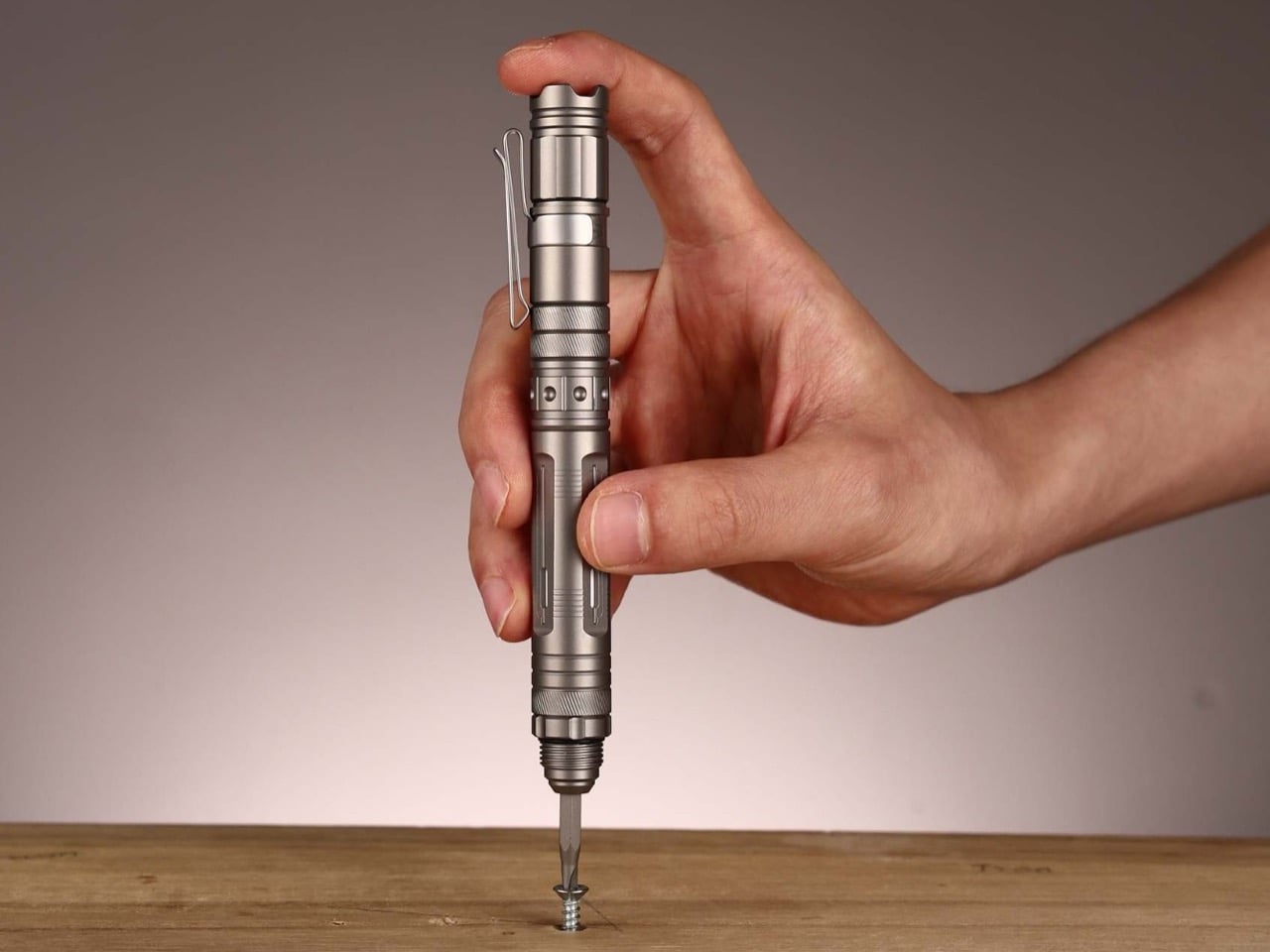
Where the S20 is built for comprehensive floor care with its mopping system and hefty base station, the K11+ takes the opposite approach by prioritizing compactness and affordability while maintaining the features that matter most for vacuum-only cleaning. At 24.8 cm in diameter, SwitchBot is billing this as the world’s smallest self-emptying robot vacuum, and that measurement puts it noticeably below the industry standard of around 35 cm for most competitors. The 9.2 cm height is equally significant, allowing it to slip under furniture and into spaces where standard-sized robots simply can’t reach. This isn’t just marketing spin; apartments with low-clearance sofas, bed frames with minimal ground clearance, or densely furnished rooms with narrow pathways between furniture legs represent genuine use cases where a smaller robot can clean areas that would otherwise require manual vacuuming. The 6,000Pa suction is roughly 60% of what the S20 offers, but it’s still competitive with popular models like the Eufy RoboVac series and significantly more powerful than older Roomba models that many people are still using. The dual anti-tangle brushes carry over from the S20, addressing the hair-wrapping problem that plagues cheaper vacuum-only models, and the 360-degree LiDAR navigation ensures it’s mapping rooms and planning efficient paths rather than bouncing randomly like budget robots.

The self-emptying base with a 4L dust bag capacity maintains the 90-day hands-free operation that makes robot vacuums genuinely practical rather than just novelties that need constant attention. Quiet Mode at 45dB is particularly relevant for this size category, as smaller robots in studio apartments or compact homes are operating in closer proximity to living and sleeping areas where noise becomes more intrusive. The Matter 1.4 support matches the S20’s smart home integration capabilities, which is notable given how many budget-tier robot vacuums still rely on proprietary apps or clunky voice assistant workarounds. The K11+ can be controlled natively through Apple Home, Google Home, or Amazon Alexa without requiring SwitchBot’s Hub as an intermediary, putting it on equal footing with premium models in terms of ecosystem flexibility. For anyone living in a space where a full-sized robot vacuum feels like overkill or physically won’t fit, or for those who already have a mopping solution and just need competent vacuuming, this represents the core robot vacuum experience stripped down to essentials without sacrificing the automation features that make these devices worthwhile in the first place.

Why We Recommend It

The $199.99 Black Friday price for a self-emptying robot vacuum with LiDAR navigation and Matter support would have seemed impossible even two years ago, when that combination of features was firmly in the $400-600 range. Most robot vacuums under $250 are either basic bump-and-run models without smart navigation, or vacuum-only designs without self-emptying capability that require manual dustbin emptying after every cleaning session. The K11+ delivers both advanced navigation and automatic dust collection at half the price of comparable options from established brands like Shark or even Roborock’s budget line. The compact size also solves a specific problem that doesn’t get enough attention in robot vacuum reviews: many people who live in smaller spaces or have furniture arrangements that create tight corridors simply can’t use standard-sized robots effectively, leading to frequent manual interventions or large sections of floor that never get cleaned. For $140 less than the S20, you’re giving up mopping capability and 40% of the suction power, but if you’re primarily dealing with hardwood or low-pile carpet and don’t need wet cleaning, those trade-offs buy you a smaller footprint that can actually reach everywhere in a compact living space. This is the robot vacuum for studio apartments, small condos, or anyone who wants automated floor cleaning without dedicating significant floor space to a large docking station or dealing with a robot that’s constantly getting wedged under furniture.

Click Here to Buy Now: $191.99 $399.99 (52% off). Hurry, deal ends in 48-hours!

The post The World’s Smallest Self-Emptying Robot Vacuum Just Hit $191 for Black Friday first appeared on Yanko Design.

This $200 Nintendo 64 Can Play Your Old Cartridges in 4K With Zero Lag

Palmer Luckey’s gaming company just dropped the M64, and honestly, I’m torn about the whole thing. The guy’s built actual VR headsets that changed gaming, sure, but he’s also neck-deep in military contracting through Anduril, which makes autonomous drones and surveillance tech for the Department of Defense. So when he teases a translucent purple Nintendo 64 clone on X with a note saying “no peeking until Christmas,” I’m simultaneously hyped about the hardware and deeply uncomfortable about where my $200 might end up. The M64 hits that exact nostalgia sweet spot with three transparent colorways (purple, green, and white) that scream late 90s Funtastic edition, complete with matching wireless trident controllers that preserve the original’s questionable three-pronged ergonomics.

The timing feels deliberate in the best possible way for ModRetro. Analogue 3D shipped to pre-order customers last month after being sold out for over six months, and here comes the M64 exactly when early adopters are posting unboxing videos and first impressions. You can sign up for the waitlist now and get priority when it goes on sale, though if the Chromatic’s instant sellout taught us anything, that waitlist notification better ping your phone fast. The price point matters because $200 puts this squarely in impulse-buy territory for people who’ve been sitting on a stack of N64 cartridges since 1998, waiting for something better than janky software emulators or hunting down original hardware with failing capacitors.

Designer: ModRetro

The console uses AMD-powered FPGA technology and features four controller ports, a power button, a menu dial, and an eject button, with both hardware and software confirmed as open-source. That menu dial is the interesting bit because it suggests actual system-level features beyond basic cartridge reading. Could be scanline filters for that authentic CRT feel, aspect ratio toggles, or even overclock options like what Analogue builds into their consoles. We don’t have concrete specs on the actual FPGA chip yet, but the AMD chip is likely much larger and faster than the one in ModRetro’s Game Boy-like Chromatic, which makes sense given the N64’s significantly more complex architecture. The Reality Coprocessor, the texture filtering system, the expansion pak doubling RAM mid-generation – all of that needs accurate recreation at the hardware level if you want GoldenEye and Rogue Squadron running without the timing glitches that still plague software emulation in 2025.

The system promises 4K graphics with classic N64 visuals, which translates to clean upscaling rather than texture packs or visual overhauls that some emulators push. FPGA consoles shine here because they maintain pixel-perfect accuracy and minimal latency while outputting through modern HDMI connections. Anyone who’s tried running Perfect Dark through RetroArch knows the N64’s quirky architecture makes software emulation perpetually finicky. Audio sync issues, texture warping that doesn’t match original hardware, input lag that throws off muscle memory from childhood speedruns – FPGA sidesteps all of that by literally rebuilding the original silicon pathways in programmable logic gates. The open-source firmware commitment matters too because it means community developers can add features, fix edge cases, and potentially expand compatibility beyond Nintendo’s official library if ModRetro’s implementation allows it.

The elephant in the room is Anduril. Luckey co-founded the military tech company that makes autonomous drones, surveillance systems, and weapons platforms with billions in government contracts. Every M64 purchase potentially funds defense projects that some buyers might find uncomfortable, and Luckey’s various companies are built to promote his excessively militaristic worldview according to critics. This isn’t tangential either – Anduril is Luckey’s primary focus, not a side investment. Whether that matters to you personally is a calculation only you can make. The Analogue 3D costs more and restocks are brutal, but your money goes to a company focused exclusively on gaming hardware preservation. Practically every tech purchase has military connections somewhere in the supply chain, but there’s a difference between incidental contracts and building autonomous weapons as your core business model. Some people won’t care. Others will wait months for Analogue restocks rather than compromise on this particular issue.
The hardware itself looks genuinely sharp though. Those transparent shells channel the atomic grape and jungle green N64 variants that defined late 90s bedroom gaming setups, and the wireless controllers solve the biggest practical problem with original hardware – constantly tripping over cables stretched across living rooms. Luckey promises the M64 will remain at $200 through Black Friday and beyond despite inflation and component shortages, which suggests they’ve locked in manufacturing costs and aren’t playing the artificial scarcity game that plagued PS5 launches. If ModRetro actually ships before Christmas and the FPGA implementation handles compatibility cleanly across the N64’s library, this becomes the accessible entry point for cartridge-based retro gaming that doesn’t require scouring eBay for working consoles or dealing with composite video on modern displays.

The post This $200 Nintendo 64 Can Play Your Old Cartridges in 4K With Zero Lag first appeared on Yanko Design.