A Portable And Versatile Coffee Machine To Accompany You Through Your Routine

For most of us, coffee is not just a beverage but a daily companion, the Drip Pod Youbi emerges as a game-changer. This portable coffee drip machine redefines the coffee-making experience. Breaking free from the confines of the kitchen, the Drip Pod Youbi brings the joy of brewing to any space, whether it’s your living room, home office, or outdoor sanctuary.

Designer: Koichi Futatsumata, UCC UESHIMA COFFEE, WELCOME

Inspired by the idea of merging portability with elegance, this Drip Pod Youbi is a capsule-type coffee machine featuring subtle curves within a square shape. Futatsumata’s design philosophy is evident in the sleek and practical form of the machine. To enhance portability, the internal configurations have been ingeniously redesigned, with the heater relocated to the bottom for optimal weight balance. Weighing a mere 3.4kg (7.5 lbs), this coffee machine is a lightweight companion that can effortlessly travel with you. The inclusion of a large handle adds to its ease of use, making it a breeze to carry the machine to your preferred brewing location.

The coffee machine doesn’t just prioritize functionality; it also boasts a modern style. The slender handle, positioned above the LCD panel, not only facilitates easy carrying but also allows ample light to illuminate the controls. Horizontal piping contributes not only to the minimalist design but also enhances the tactile feel of the lid and removable parts, creating a seamless user experience.

While designed for capsules, it is a versatile coffee maker that accommodates ground coffee as well. Thanks to a specially designed filter that fits inside the capsule holder, users can enjoy the flexibility of using their preferred coffee grounds. Whether you grind your coffee at home or opt for store-bought grounds, this coffee machine ensures a hassle-free brewing process. The addition of a custom app further elevates the user experience, allowing for remote coffee brewing through a smartphone. The machine’s touchscreen provides easy access to settings, including extraction method and coffee amount.

The Drip Pod Youbi packs a punch with a 700ml (23.6 fl oz) tank capacity, ensuring you have enough coffee to share with friends or savor throughout the day. Operating at a quiet 34.7dB, it won’t disrupt the tranquility of your surroundings. Perfect for those treks!

The machine comes in a range of colors, from classic Midnight Black and Steam White to the more muted tones of Soil Brown, Lacquer Red, and Botanical Green, making it not only a functional appliance but also a stylish addition to any space.

For coffee enthusiasts who crave the perfect cup anytime, anywhere, the Drip Pod Youbi is a testament to innovation and thoughtful design. With its portability, versatility, and aesthetic appeal, this coffee machine is not just a kitchen appliance; it’s a lifestyle companion that brings the art of coffee-making to every corner of your life. Whether you’re in the mood for a quiet morning in your garden or a productive afternoon in your home office, the Drip Pod Youbi ensures that your perfect cup of coffee is always within reach.

The post A Portable And Versatile Coffee Machine To Accompany You Through Your Routine first appeared on Yanko Design.

The Bat Trang Pottery Museum’s Architectural Ode to Tradition Is A Canyon In The City Of Vietnam

In the heart of Vietnam’s Bat Trang village, where the artistry of ceramic and pottery has thrived since the 11th century, a striking testament to this enduring legacy has emerged. The Bat Trang Pottery Museum stands not only as a repository of artisanal creations but also as a living embodiment of the village’s rich history and cultural identity.

Designer: 1+1>2 Architects

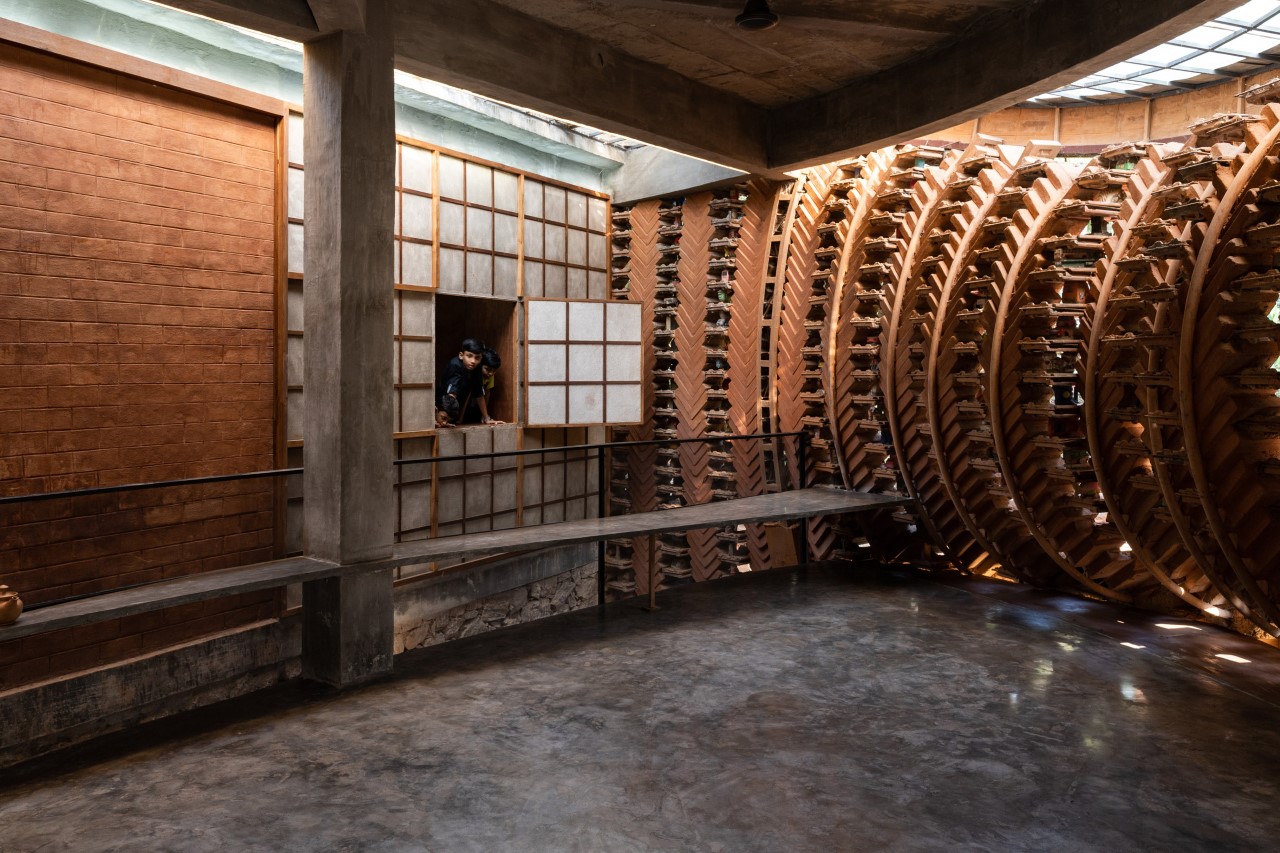
The design of the Bat Trang Pottery Museum is more than just a structure; it is a poetic translation of local tales and traditions. The architects embarked on a collaborative journey with pottery experts, local artisans, and villagers, ensuring that the museum’s essence resonates with the very soul of Bat Trang. The tiered, canyon-like architecture pays homage to the potters’ wheels, capturing the spirit of traditional kilns crafted from brick. This deliberate nod to the village’s heritage reflects a commitment to preserving and celebrating the art form that has been passed down through generations.

Walking through the Bat Trang Pottery Museum is not merely a visual experience; it is a journey through architectural drama. The seven inverted domes create a mesmerizing interplay of light and shadow, forming expansive open-air spaces on the ground level. These spaces become dynamic venues for events, exhibitions, and traditional festivals, fostering a sense of community engagement. Skylights strategically positioned atop the structure usher in daylight, infusing the interiors with ambient coolness and creating a harmonious connection with the surrounding environment, also marked as a sustainable element.

The choice of materials in the museum’s construction is a delicate dance between tradition and modernity. Fiber-reinforced concrete cladding, chosen as the primary construction element, speaks to the contemporary while remaining grounded in practicality. Its lightness allows for upward expansion and easy implementation by local builders. Intertwined with this modern material are earthen bricks, mosaic ceramic, and pottery tiles—each telling a story of the Bat Trang craft village. This thoughtful integration not only pays homage to the local craftsmanship but also ensures a seamless blend of the museum with its cultural context.

Beyond its role as a repository of ceramics and pottery, the Museum serves as a multifunctional haven for the community. The four-story tower accommodates commercial enterprises and homestays, ensuring economic support for the locals. The Bat Trang culinary space on the fourth floor celebrates the village’s gastronomic heritage, complemented by an adjacent auditorium for performing arts. At the summit, a rooftop garden crowns the museum—a collaborative workshop and playground, inviting visitors to engage in the artistic process.

In capturing the essence of Bat Trang’s local ceramic and porcelain crafts, the Bat Trang Pottery Museum stands as a beacon of cultural continuity. It is a testament to the delicate balance between architectural innovation and the preservation of tradition, offering visitors an immersive experience that transcends time and tells the story of a village deeply rooted in the art of pottery. Architectural photographer Trieu Chien’s lens captures the sculptural beauty, inviting the world to witness the harmonious marriage of past and present in this unique architectural masterpiece.

The post The Bat Trang Pottery Museum’s Architectural Ode to Tradition Is A Canyon In The City Of Vietnam first appeared on Yanko Design.

The Obongdo Painting Inspired Set of Jars Brings The Korean Culture Into Your Kitchens

In a world where traditions serve as the foundation for contemporary innovations, the Obongdo-inspired seasoning jars stand out as a captivating example of how ancient artistry can influence modern functionality. Drawing inspiration from the illustrious Korean painting ‘Ilwol-Obongdo,’ these jars seamlessly weave together tradition, art, and practicality to create a unique and visually stunning kitchen accessory.

Designer: YoonJeong Lee

Ilwol-Obongdo, a landscape masterpiece from ancient Korea, portrays five majestic mountain peaks, the sun, the moon, and pine trees. Originally crafted as a decorative piece behind the king’s seat during the Joseon Dynasty, the painting symbolizes the ruler’s centrality in the universe and signifies the enduring legacy of the dynasty. The Obongdo seasoning jars pay homage to this rich heritage by incorporating the essence of the ancient painting into contemporary kitchenware.

The Obongdo seasoning jars consist of a set of containers designed to hold various cooking spices and a pair of cooking timers, inspired by the ‘sun’ and ‘moon’ elements in the painting. The jars, resembling mountain peaks, come in three different sizes, catering to the varied requirements of different ingredients. This not only adds a touch of artistry to the kitchen but also ensures practicality by accommodating the diverse needs of culinary enthusiasts.

The ‘sun’ and ‘moon’ cooking timers, adorned in two distinct colors, serve both a functional and symbolic purpose. Beyond their time-keeping utility, they bring forth the significance of the celestial elements in the original painting, connecting the user to the cultural roots of the inspiration. These timers facilitate precision in cooking, allowing users to keep track of their recipes effortlessly.

One of the standout features of these seasoning jars is the magnetic board incorporated into the design. The entire back of the set serves as a magnetic surface, providing a convenient platform to attach the timers. This not only enhances the usability of the timers but also introduces a multi-purpose aspect to the product.

The magnetic board opens up new possibilities for kitchen organization. Users can attach sticky notes or use magnets to display their everyday to-do lists or grocery lists, transforming the seasoning jars’ set into a versatile and space-efficient tool. This thoughtful addition reflects a commitment to maximizing functionality in the modern kitchen.

The Obongdo-inspired seasoning jars successfully bridge the gap between tradition and contemporary living, bringing a piece of Korean heritage into the heart of the kitchen. With a design inspired by the timeless Ilwol-Obongdo painting and practical features like varied jar sizes, cooking timers, and a magnetic board, these jars not only celebrate the beauty of the past but also elevate the user’s culinary experience. As we continue to navigate the intricate balance between tradition and innovation, these seasoning jars stand as a testament to the enduring appeal of art and culture in our everyday lives.

The post The Obongdo Painting Inspired Set of Jars Brings The Korean Culture Into Your Kitchens first appeared on Yanko Design.

The Volvo Circle Pavilion uses perforated Tyvek to mimic the feeling of sitting under a tree

Located in South Korea, the Volvo Circle Pavilion presents a unique approach to outdoor spaces. Built on the principles of komorebi, or the phenomenon where light passes through the gaps in leaves, this pavilion allows people to gather in its shade, while using Tyvek facades with leaf-shaped holes that allow the sun to weave through, mimicking the feeling of basking under a tree!

Designer: Studio Heech

The Volvo Circle Pavilion’s most striking feature lies in its innovative use of materials. The pavilion is enveloped in a paper-thin and light Tyvek covering, a waterproof material with physical properties akin to paper. This Tyvek covering, far from being a mere aesthetic choice, serves as a canvas for intricate patterns. Crafted by cutting the material with precision, these patterns cast three-dimensional shadows reminiscent of dappled sunlight filtering through leaves in a forest—a captivating metaphor for the play of light, or “Komorebi.” (Japanese word for sunlight, which is filtered through the leaves of the trees.)

What sets this Pavilion apart is its commitment to a circular and sustainable material lifecycle. The Tyvek covering, after serving its purpose, is dismantled and repurposed into recycled plastic boards for public furniture. This innovative approach to recycling not only minimizes waste but also breathes new life into materials that would otherwise end up in landfills.

The creation of the Pavilion was a collaborative effort that brought together craftsmen, engineers, and makers from various fields, united by a shared ambition for sustainability. Front INC, renowned for its expertise in crafting minimal and lightweight structures, collaborated with DSLSM, known for its eco-friendly works using Tyvek material. Together, they orchestrated a symphony of sustainable design and material innovation.

A key strategy employed in the construction of the pavilion was prefabrication, where almost all elements were fabricated off-site and then assembled on location. This approach not only streamlined the construction process but also significantly reduced the environmental impact and carbon emissions associated with traditional on-site construction methods. This is an upcoming method of construction as the contemporary methods are the most significant contributors to GHG emissions, accounting for one-third of global carbon emissions, one-third of global resource consumption, and 40% of global energy consumption.

The commitment to sustainability doesn’t end with the pavilion’s construction. The minimal steel structure that supports the pavilion is disassembled and reused, ensuring that every element finds a new purpose. Puzzle benches, crafted from forged and neglected structural wood, are fully recycled and generously donated to elementary schools, daycare centers, and children’s libraries in the Seoul area. This goes beyond mere recycling; it’s a commitment to meaningful reuse that benefits the community. The modular design of these benches facilitates efficient stacking and transportation of larger pieces, contributing to a reduction in carbon emissions. Additionally, their water-resistant features and chamfered edges make them ideal for children.

The Volvo Circle Pavilion in South Korea stands as a beacon of sustainable architecture, showcasing that beauty and environmental responsibility can coexist harmoniously. From its lightweight Tyvek covering to the recycled plastic boards and donated puzzle benches, every element of this pavilion is a testament to a circular and eco-conscious approach to design and construction. As we celebrate the Volvo Circle Pavilion, we are reminded that the future of architecture lies not just in grand designs but in the thoughtful and sustainable use of materials that shape our built environment.

The post The Volvo Circle Pavilion uses perforated Tyvek to mimic the feeling of sitting under a tree first appeared on Yanko Design.

Combining Nature And Technology For Sustainable Plant Care

In the realm of biomimicry, the Fog Smart Hydroponic Planter stands out as a futuristic marvel inspired by the incredible abilities of the fog-basking beetle. It is a masterpiece that seamlessly blends the brilliance of biomimicry, advanced materials, and smart technology. Inspired by the fog-basking beetle native to the Namibian deserts, this hydroponic planter is not merely a vessel for plants but a pioneering solution that promises a greener, more sustainable future.

Designer: Rishikesh Sonawane

Biomimicry is a practice that learns from and mimics the strategies found in nature to solve human design challenges. The fog-basking beetle, a tiny inhabitant of the Namibian deserts, can thrive in arid conditions by extracting moisture from the surrounding fog. Its microstructural adaptations, enhancing surface area by up to 60%, allow it to condense and redirect moisture, providing a source of sustenance in environments where water sources are scarce. This ingenious adaptation has become the inspiration behind the Fog Smart Hydroponic Planter.

This planter represents a harmonious convergence of biomimicry and modern design principles. Unlike traditional planters, it transcends mere functionality, aspiring to become a statement piece that marries aesthetics with technological innovation. The modular design, a hallmark of this project, not only facilitates ease of use but also underscores the commitment to adaptability and sustainable plant care.

The use of advanced materials fortifies the structural integrity of the Fog Smart Hydroponic Planter. The air intake module is meticulously crafted from Plexiglas, a polymer renowned for its resistance to sunlight (also used in aquariums and airplane windows), preventing yellowing over time. The main body incorporates Lightweight Expanded Clay Aggregate (LECA), a versatile clay composite with superior water retention properties, strength, and porosity. The aluminum 6063 base complements this ensemble, providing a stable foundation resistant to corrosion.

To achieve simplicity and practicality, the planter is ingeniously disassembled into four primary components. The drip tray, perforated ring, metal ring, and polymer cap collectively ensure easy maintenance and cleaning. The LECA planter’s internal structure, designed to mimic the fog-basking beetle’s shell, employs hydrophilic and hydrophobic elements strategically, optimizing moisture retention and distribution.

The planter introduces a groundbreaking approach to airflow dynamics by incorporating the Coanda Effect. As humid air courses through the planter, moisture is absorbed, contributing to increased turbine efficiency. This design concept draws inspiration from well-established technologies, such as Dyson fans and jet turbines, showcasing a commitment to energy efficiency.

Elevating plant care to new heights, the planter integrates intelligent features denoted as Smart+. A temperature and humidity sensor, intricately linked with the electronic components, dynamically adjusts the turbine speed, allowing users precise control over the plant’s microenvironment. The accompanying app, a technological companion, provides real-time data on humidity and temperature levels, offering insightful recommendations for optimal watering cycles based on the geographic location of the planter.

User interaction with the Fog Smart Hydroponic Planter is facilitated through an intuitive and user-friendly app interface. The app acts as a conduit between the user and the planter’s internal environment, allowing the monitoring of moisture concentrations, receiving water cycle recommendations, and tracking humidity and temperature levels throughout the day. This digital integration transforms the planter from a mere vessel into a sophisticated and futuristic table accessory.

The Fog Smart Hydroponic Planter is not merely a horticultural innovation; it is a testament to the symbiosis of nature and technology in the pursuit of sustainable living. As we navigate the complexities of modern existence, this planter stands as a beacon of hope, offering a glimpse into a future where our interaction with nature is characterized by thoughtful design, cutting-edge technology, and a commitment to environmental harmony. With each leaf it nurtures, it heralds a greener, more sustainable tomorrow, where biomimicry and technological ingenuity converge to create a better world—one plant at a time.

The post Combining Nature And Technology For Sustainable Plant Care first appeared on Yanko Design.

A Furniture Subscription Model That Leads To A Path Toward Convenience And Sustainability

In a world where the environmental impact of consumer choices is becoming increasingly critical, innovative solutions are emerging to address the challenges of over-consumption and waste. One such solution is the Koru WFH Furniture Subscription, a pioneering concept in the realm of home-office furniture that not only meets the needs of modern remote work but also champions the principles of a circular economy.

Designer: Studio Elk

As of 2020, the Environmental Protection Agency reported a staggering increase in the amount of furniture and furnishings being discarded, reaching a whopping 12 million tons. This alarming statistic underscores the urgent need for sustainable alternatives in the furniture industry. Koru is a visionary response to the environmental challenges posed by the disposal of office furniture.

The onset of the COVID-19 pandemic catalyzed a monumental shift in work culture, giving rise to the widespread adoption of remote work. In this context, Studio Elk seized the opportunity to introduce a circular economy concept for home-office furniture through its subscription service. By leasing modular furniture to businesses instead of selling it outright, the studio has developed a sustainable approach to furnishing home offices.

Koru furniture isn’t just functional; it’s a harmonious blend of professional utility and aesthetic sensitivity to the home environment. Employees subscribing to the services gain the flexibility to configure their home office setups according to their unique needs, spatial constraints, and personal style. This design characteristic ensures that the furniture seamlessly integrates into the home while meeting the demands of a professional workspace.

https://www.behance.net/gallery/184030027/Koru-WFH-Furniture-Subscription/modules/1042109815This subscription model empowers businesses to choose from a variety of flexible monthly plans that can adapt to the evolving size and requirements of their teams. The service encompasses installation, repair, upgrades, and efficient collection when the furniture is no longer needed. This holistic approach eliminates the time and cost burdens typically associated with managing, moving, and storing furniture assets.

The durability of the Koru furniture is a key factor in its sustainability. Crafted from hard-wearing materials and finishes, the furniture is designed for longevity. Moreover, its easy disassembly and reassembly enable a closed-loop system, promoting reuse and enhancing repairability.

Koru’s innovative subscription concept facilitates a continuous revenue stream throughout the entire lifespan of its products. Operating on a Product-as-a-Service model, the company aligns profitability with product longevity. The longer the furniture remains in use, the more sustainable and profitable the model becomes.

Koru’s subscription concept and circular supply chain model provide a blueprint for furniture brands seeking to diversify and future-proof their business. By integrating environmental responsibility with business goals, Koru offers a pathway for brands to thrive while minimizing their environmental footprint. In essence, the Koru WFH Furniture Subscription is not just a service; it’s a sustainable business model that envisions a greener and more responsible future for the furniture industry.

The post A Furniture Subscription Model That Leads To A Path Toward Convenience And Sustainability first appeared on Yanko Design.
Save Your Kitchen Space With The All-In-One Kitchen Aid That Replaces Other Kitchen Appliances

In the ever-evolving world of kitchen appliances, the demand for efficiency, versatility, and compactness has led to the creation of innovative solutions. The Hybrid Kitchen Aid emerges as a groundbreaking product that not only boasts multiutility but excels in adaptability, storage efficiency, and economical use.

Designer: Rishikesh Sonawane

This kitchen aid redefines the concept of kitchen appliances by seamlessly integrating the functions of multiple devices into one compact and adaptable machine. Inspired by the classic French press, its design allows it to execute tasks equivalent to blending, grinding, and kneading, making it an all-in-one solution for various kitchen needs.

One of its distinguishing features is the inversion of the motor placement, a deviation from traditional food processors. This unique design contributes to the adaptability of the appliance. The sliding switch empowers the user to cut direct power, enhancing safety and control during use.

The telescopic arm, a key design element, controls the lid level and ensures the attachment reaches the bottom of any vessel placed. A lock mechanism secures the telescoping arm and lid at the desired level, providing stability and ease of use. The user-friendly design allows for easy adjustment by lifting the arm head to unlock its position.

Lack of storage is a very common concern, the Hybrid Kitchen Aid addresses this by presenting a minimal and robust design where every element serves multiple functions. The ability to disassemble and adjust the appliance not only aids in storage but also contributes to its economic viability.

The product’s unique design allows it to adapt to a variety of kitchenware, reducing the need for multiple appliances. This adaptability not only enhances productivity but also minimizes the cleaning time between tasks. The suction cups secure the product onto the kitchen counter, adding to its stability during operation.

Cleanability is a critical aspect of any kitchen appliance, I always have my mom complaining about certain products that are difficult to clean and how she despises them, the Hybrid Kitchen Aid excels in this regard. The dismantleable attachments are specifically designed for thorough cleaning, addressing concerns about food particles accumulating in hard-to-reach spaces. The yellow ring and blade module, with a ceramic bearing, ensure easy disassembly and efficient cleaning.

The user interface of the Hybrid Kitchen Aid is both intuitive and aesthetically pleasing. A user flow diagram guides the user through a start-to-finish process, employing color and brightness levels to highlight errors or selections. The regulator dial, also serving as an On/Off button, allows for easy control of RPM.

In addition to its functionality, the Hybrid Kitchen Aid stands out as a statement piece in the kitchen. Its elegant design and adaptability make it not only a powerful tool but also a visually appealing addition to any culinary space.

The Hybrid Kitchen Aid transcends the boundaries of conventional kitchen appliances. With its multiutility, adaptability, storage efficiency, and cleanability, it emerges as a revolutionary solution for individuals seeking a versatile and economical kitchen aid that performs optimally in day-to-day cooking tasks.

The post Save Your Kitchen Space With The All-In-One Kitchen Aid That Replaces Other Kitchen Appliances first appeared on Yanko Design.
Discover Your Poetic Journey Through Time With Calen-bar

In a world characterized by the ceaseless march of technology, the Calen-Bar emerges as a distinctive and poetic tribute to time, seamlessly blending aesthetics, mindfulness, and sustainability. This perpetual calendar transcends the conventional, inviting users into a realm where the manual meets the meaningful, where every little act becomes a marker of eternal days.

Designer: Yukimasa Hirota

Crafted with precision and an eye for detail, the Calen-Bar is more than a tool; it is an experience. The inclusion of a metal weight introduces a tactile elegance, grounding the calendar in substance and texture. As fingers delicately adjust the rubber band to align with the current date, a connection is forged with the tangible passage of time. This manual engagement elevates the daily routine of checking dates into a ritual of reflection, ensuring that each day is not just observed but remembered, retrospectively embraced, and seized.

Positioned thoughtfully at the right end of the material rotation, the day of the week becomes a subtle but integral part of Calen-Bar’s design. As the material gracefully turns, it serves as a visual reminder that time, like the calendar itself, is in perpetual motion. This dynamic element adds a layer of continuity, urging users to appreciate the cyclical nature of days and the interconnected dance of weeks and months.

In a society racing against the clock, the Calen-Bar offers a respite from the relentless pace of technology. It is not a mere tool for making remarks or planning; rather, it is a sanctuary of poetic and aesthetic value. By embracing the manual nature of this calendar, users are prompted to engage in the deliberate act of adjusting dates, fostering a connection with time that transcends the digital coldness of screens and alarms.

Beyond its aesthetic charm, the Calen-Bar boasts a commendable sustainable aspect in its design. In a world inundated with disposable calendars, this perpetual masterpiece breaks the cycle. By omitting the mention of the year, it becomes a timeless companion, allowing users to reuse it year after year. The absence of a predefined year, while potentially leaving room for miscalculations, is a deliberate compromise in the pursuit of sustainability. In an age where ecological considerations are paramount, the Calen-Bar offers a meaningful alternative, prompting users to embrace the beauty of imperfection and intentional living.

While the manual adjustment may invite occasional errors, the Calen-Bar gracefully acknowledges the digital age, leaving room for users to cross-verify dates with their devices. This harmonious integration of analog charm and digital precision ensures that the Calen-Bar is not just a relic of the past but a versatile companion for the present and future.

In essence, the Calen-Bar is a testament to the enduring allure of simplicity, mindfulness, and sustainability. As we navigate the fast-paced currents of modern life, this perpetual calendar stands as a reminder to savor the little moments, to mark the eternal days not just in our lives but in the products that accompany us on this journey. It is a celebration of time, a fusion of elegance and purpose that invites us to comprehend the lost moments, appreciate the present, and embrace the time that is yet to come.

The post Discover Your Poetic Journey Through Time With Calen-bar first appeared on Yanko Design.
LIN Architecture Upscales A Pumping Station Into A Panoramic Observatory In The Countryside Of China

In the heart of Yunnan’s picturesque countryside, just outside Eryuan Botou Village, LIN Architecture has transformed a once-humble pumping station into a breathtaking observatory. The Concrete Pavilion, completed in November 2023, pays homage to its historical roots while embracing a contemporary design that seamlessly integrates with the surrounding natural beauty.

Designers: LIN Architecture and RAC studio

Originally serving as a vital pump house for water and electricity, the structure now stands as a symbol of transformation and resilience. The architects carefully examined the multifaceted roles of the pump house, extracting cultural elements from its surroundings and skillfully weaving them into the architectural fabric. The result is a harmonious dialogue between the pavilion and its natural setting, where sloping roofs, shadow walls, and diverse windows embody vernacular elements that resonate with the region’s heritage.

With a modest building area of 50 square meters on a 100 square meter site, the Concrete Pavilion offers a variety of observation experiences. The external facade serves as a static guide for villagers, evolving in different states as one travels through the landscape. Internally, the space is intentionally divided and centered around a large staircase. Suspended platforms, sloping sidewalls, half-arched ceilings, and low side windows provide distinct perspectives of the landscape, inviting visitors to immerse themselves in the ever-changing surroundings.

The design acknowledges the unpredictable weather of Yunnan, allowing natural elements to play a significant role in the building’s appearance. The choice of materials, including concrete, steel, and wooden planks, was deliberate, considering both functionality and the structure’s interaction with the environment. Thick clouds reflecting on the walls, radiant sunlight illuminating the material, and rain turning the skin of the structure into a canvas for the sky all contribute to the ever-evolving aesthetic of the Concrete Pavilion.

Symbolism played a key role in the synthesis of this architectural masterpiece. The angular design invites visitors to enjoy the surrounding landscapes, while suspended platforms bring them closer to nature. The carefully chosen materials ensure the structure’s resilience, allowing it to evolve with the weather conditions. The narrow skylights and geometrical openings provide captivating views of the sky and the surrounding countryside, making the Concrete Pavilion not only a physical structure but also a window to the region’s rich heritage.

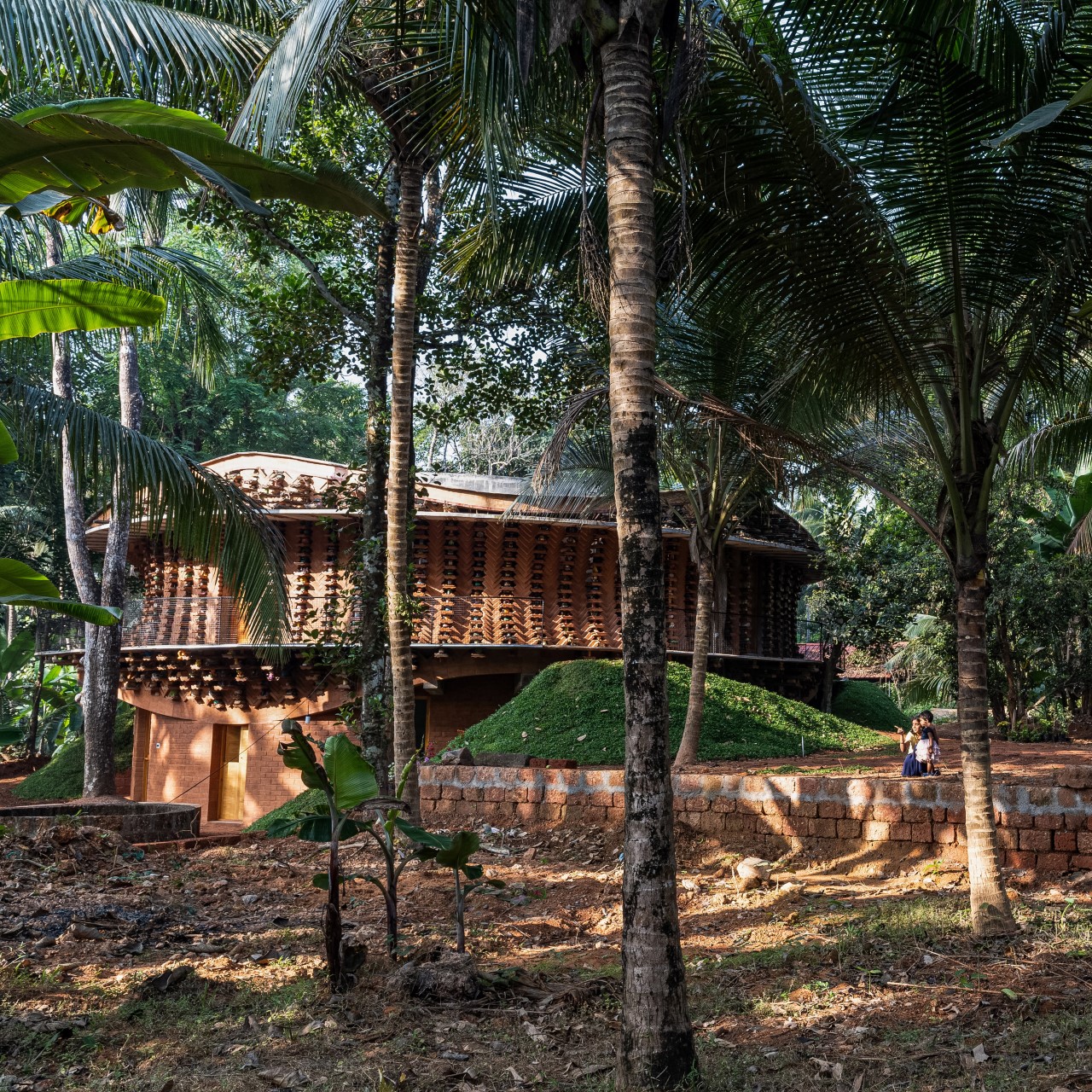
LIN Architecture’s Concrete Pavilion in Yunnan’s countryside is a testament to the transformative power of architecture. By honoring the past while embracing modern design principles, the pumping station turned observatory stands as a symbol of harmony between human ingenuity and the beauty of the natural world. As visitors traverse its spaces, they are not only treated to breathtaking views but also to a profound connection with the heritage and landscape of this enchanting region.

The post LIN Architecture Upscales A Pumping Station Into A Panoramic Observatory In The Countryside Of China first appeared on Yanko Design.
A Unique Pet Toy Inspired By Nature To Keep Your Pets Engaged

Pet toys come in various shapes and sizes, but The Triangle Toy stands out as a unique creation that not only entertains your furry friends but also doubles as a work of art. This innovative pet toy is not just about play; it’s a visual experience inspired by the beauty of nature.

Designers: Second White, Ethan J Choi, Jihun Yoo, DK (Dukkeun An), Junha Kam, Ikhyeon Kim<, Maini Kwon yanko design images to size – Triangle_pet_toy_02

1

Triangle’s design is a testament to the creativity that can be infused into pet products. The triangular shape serves as a canvas for the motifs of clouds, mountains, and the sun. The towering mountains are represented by the overall triangular structure, while the rolling ball symbolizes the gentle flow of clouds. The transparent ball, a central element of the toy, represents the shining sun. Together, these elements create a harmonious scene reminiscent of a sunrise or sunset over a cloud-covered mountain.
The design language of Triangle is a careful blend of curved and angular lines. This combination imparts a sense of softness and brilliance to the toy, making it visually appealing. Crafted from high-quality materials and featuring a seamless harmony between its components, Triangle transcends the typical notion of a pet toy, resembling more of an objet d’art that seamlessly integrates into any space.

What sets Triangle apart is its interactive nature. The toy is designed to maintain your pet’s continuous interest through an ingenious treat-dispensing mechanism. By placing treats inside the transparent ball, your pet is enticed to engage with the toy. When the cloud-shaped plate is touched, the ball rolls along rails, dispensing treats as it moves. This not only provides mental stimulation but also turns playtime into a rewarding experience for your furry companion.

1

1

Adding to its innovative features, Triangle allows for difficulty adjustment. The three holes in the transparent ball can be resized by turning its top part. This feature enables pet owners to customize the level of challenge, ensuring that the toy remains engaging for pets of varying activity levels. It’s a thoughtful addition that caters to the diverse needs of pets, keeping them entertained and mentally stimulated.

1

1

1

Practicality meets design in Triangle, as it is not only an engaging toy but also easy to maintain. All parts, including the transparent ball, are detachable, allowing for convenient cleaning. This feature ensures that Triangle remains a hygienic and safe plaything for your pet. The ease of disassembly and reassembly makes the cleaning process a breeze, enhancing the overall user experience.

At its core, Triangle is a simple yet ingenious mechanism toy that harnesses the beauty of nature. The ball within the toy moves by tilting around a central axis based on the principles of gravity. This design, inspired by the natural world, incorporates inclined surfaces and curved shapes. By subtly tilting the toy, users can manipulate the ball, creating an interactive and enjoyable experience for both pets and their owners.

In conclusion, Triangle is more than just a pet toy; it’s a thoughtful creation that brings together design, functionality, and the essence of nature. Its ability to engage pets, adjustable difficulty levels, and easy maintenance make it a standout product in the world of pet accessories. Triangle not only adds joy to your pet’s playtime but also elevates your living space with its aesthetic appeal—a true testament to the potential for creativity in the world of pet products.

The post A Unique Pet Toy Inspired By Nature To Keep Your Pets Engaged first appeared on Yanko Design.