What’s new in iOS 17.2 beta 2 (Video)

iOS 17.2 beta 2

Apple has released a number of new betas this week, these have included iOS 17.2 beta 2 for the iPhone and iPadOS 17.2 beta 2 for the iPad, these new betas bring a range of new features, bug fixes, and performance improvements for these devices. Now we have a video from Brandon Buitch that gives […]

The post What’s new in iOS 17.2 beta 2 (Video) appeared first on Geeky Gadgets.

Microsoft briefly blocked employees from using ChatGPT over security concerns

Microsoft temporarily prohibited its employees from using ChatGPT "due to security and data concerns," according to CNBC. The company announced the rule in an internal website and even blocked corporate devices from being able to access the AI chatbot. While several tech companies had prohibited — or had at least discouraged — the internal use of ChatGPT in the past, Microsoft doing the same thing was certainly curious, seeing as it's OpenAI's biggest and most prominent investor. 

In January, Microsoft pledged to invest $10 billion in ChatGPT's developer over the next few years after pouring $3 billion into the company in the past. The AI-powered tools it rolled out for its products, such as Bing's chatbot, also use OpenAI's large language model. But Microsoft reportedly said in its note that "[w]hile it is true that [the company] has invested in OpenAI, and that ChatGPT has built-in safeguards to prevent improper use, the website is nevertheless a third-party external service." It advised its employees to "exercise caution," adding that it goes for other external services, including AI image generator Midjourney.

ChatGPT's Microsoft ban was unexpected, but it was also swift. CNBC says that after it published its story, Microsoft quickly restored access to the chatbot. It also reportedly removed the language in its advisory, saying that it was blocking the chat app and and design software Canva. A company spokesperson told the news organization that the ban was a mistake despite the advisory explicitly mentioning ChatGPT and that Microsoft restored access to it as soon as it realized its error. "We were testing endpoint control systems for LLMs and inadvertently turned them on for all employees," a spokesperson said. They added: "As we have said previously, we encourage employees and customers to use services like Bing Chat Enterprise and ChatGPT Enterprise that come with greater levels of privacy and security protections."

This article originally appeared on Engadget at https://www.engadget.com/microsoft-briefly-blocked-employees-from-using-chatgpt-over-security-concerns-080403177.html?src=rss

Microsoft briefly blocked employees from using ChatGPT over security concerns

Microsoft temporarily prohibited its employees from using ChatGPT "due to security and data concerns," according to CNBC. The company announced the rule in an internal website and even blocked corporate devices from being able to access the AI chatbot. While several tech companies had prohibited — or had at least discouraged — the internal use of ChatGPT in the past, Microsoft doing the same thing was certainly curious, seeing as it's OpenAI's biggest and most prominent investor. 

In January, Microsoft pledged to invest $10 billion in ChatGPT's developer over the next few years after pouring $3 billion into the company in the past. The AI-powered tools it rolled out for its products, such as Bing's chatbot, also use OpenAI's large language model. But Microsoft reportedly said in its note that "[w]hile it is true that [the company] has invested in OpenAI, and that ChatGPT has built-in safeguards to prevent improper use, the website is nevertheless a third-party external service." It advised its employees to "exercise caution," adding that it goes for other external services, including AI image generator Midjourney.

ChatGPT's Microsoft ban was unexpected, but it was also swift. CNBC says that after it published its story, Microsoft quickly restored access to the chatbot. It also reportedly removed the language in its advisory, saying that it was blocking the chat app and and design software Canva. A company spokesperson told the news organization that the ban was a mistake despite the advisory explicitly mentioning ChatGPT and that Microsoft restored access to it as soon as it realized its error. "We were testing endpoint control systems for LLMs and inadvertently turned them on for all employees," a spokesperson said. They added: "As we have said previously, we encourage employees and customers to use services like Bing Chat Enterprise and ChatGPT Enterprise that come with greater levels of privacy and security protections."

This article originally appeared on Engadget at https://www.engadget.com/microsoft-briefly-blocked-employees-from-using-chatgpt-over-security-concerns-080403177.html?src=rss

How to optimize iOS 17 privacy settings

IOS 17 privacy

This guide is designed to show you how to optimize your iOS 17 privacy settings. We live in an era where the protection of our personal information is paramount. In an environment awash with data breaches and privacy concerns, it’s essential to be vigilant and proactive in securing our digital footprint. For those who navigate […]

The post How to optimize iOS 17 privacy settings appeared first on Geeky Gadgets.

Apple releases iOS 17.2 beta 2 and iPadOS 17.2 beta 2

iOS 17.2

Apple has released some new betas for developers, these include iPadOS 17.2 beta 2 for the iPad and iOS 17.2 beta 2 for the iPhone, these new betas have been released to developers and they come two weeks after the previous beta. Apple is also expected to release some new public betas of the software […]

The post Apple releases iOS 17.2 beta 2 and iPadOS 17.2 beta 2 appeared first on Geeky Gadgets.

Basically all of Maine had data stolen by a ransomware gang

The state agencies of Maine had fallen victim to cybercriminals who exploited a vulnerability in the MOVEit file transfer tool, making them the latest addition to the growing list of entities affected by the massive hack involving the software. In a notice the government has published about the cybersecurity incident, it said the event impacted approximately 1.3 million individuals, which basically make up the state's whole population. The state first caught wind of the software vulnerability in MOVEit on May 31 this year and found that cybercriminals were able to access and download files from its various agencies on May 28 and 29. 

While the nature of stolen data varies per person based on their interaction with a particular agency, the notice says that the bad actors had stolen names, Social Security numbers, birthdates, driver's license and state identification numbers, as well as taxpayer identification numbers. In some cases, they were also able to get away with people's medical and health insurance information. Over 50 percent of the stolen data came from the Maine Department of Health and Human Services, followed by the Maine Department of Education.

The state government had blocked internet access to and from the MOVEit server as soon as it became aware of the incident. However, since the cybercriminals were already able to steal residents' information, it's also offering two years of complimentary credit monitoring and identity theft protection services to people whose SSNs and taxpayer numbers were compromised. As TechCrunch notes, the Clop ransomware gang that's believed to be behind previously reported incidents, has yet to release data stolen from Maine's agencies.

Clop took credit for an earlier New York City Department of Education hack, wherein the information of approximately 45,000 students was stolen. Cybercriminals exploiting the vulnerability haven't only been targeting the government, though, but also companies around the world. Sony is one of them. There's also Maximus Health Services, Inc, a US government contractor, whose breach has been the biggest MOVEit-related incident, so far. 

The Securities and Exchange Commission is already investigating MOVEit creator Progress Software, though it only just sent the company a subpoena in October and is still in the "fact-finding inquiry" phase of its probe. 

This article originally appeared on Engadget at https://www.engadget.com/basically-all-of-maine-had-data-stolen-by-a-ransomware-gang-061407794.html?src=rss

Basically all of Maine had data stolen by a ransomware gang

The state agencies of Maine had fallen victim to cybercriminals who exploited a vulnerability in the MOVEit file transfer tool, making them the latest addition to the growing list of entities affected by the massive hack involving the software. In a notice the government has published about the cybersecurity incident, it said the event impacted approximately 1.3 million individuals, which basically make up the state's whole population. The state first caught wind of the software vulnerability in MOVEit on May 31 this year and found that cybercriminals were able to access and download files from its various agencies on May 28 and 29. 

While the nature of stolen data varies per person based on their interaction with a particular agency, the notice says that the bad actors had stolen names, Social Security numbers, birthdates, driver's license and state identification numbers, as well as taxpayer identification numbers. In some cases, they were also able to get away with people's medical and health insurance information. Over 50 percent of the stolen data came from the Maine Department of Health and Human Services, followed by the Maine Department of Education.

The state government had blocked internet access to and from the MOVEit server as soon as it became aware of the incident. However, since the cybercriminals were already able to steal residents' information, it's also offering two years of complimentary credit monitoring and identity theft protection services to people whose SSNs and taxpayer numbers were compromised. As TechCrunch notes, the Clop ransomware gang that's believed to be behind previously reported incidents, has yet to release data stolen from Maine's agencies.

Clop took credit for an earlier New York City Department of Education hack, wherein the information of approximately 45,000 students was stolen. Cybercriminals exploiting the vulnerability haven't only been targeting the government, though, but also companies around the world. Sony is one of them. There's also Maximus Health Services, Inc, a US government contractor, whose breach has been the biggest MOVEit-related incident, so far. 

The Securities and Exchange Commission is already investigating MOVEit creator Progress Software, though it only just sent the company a subpoena in October and is still in the "fact-finding inquiry" phase of its probe. 

This article originally appeared on Engadget at https://www.engadget.com/basically-all-of-maine-had-data-stolen-by-a-ransomware-gang-061407794.html?src=rss

This Rolling Titanium Ruler is a Great EDC Fidget Tool for the Creatively Inclined!

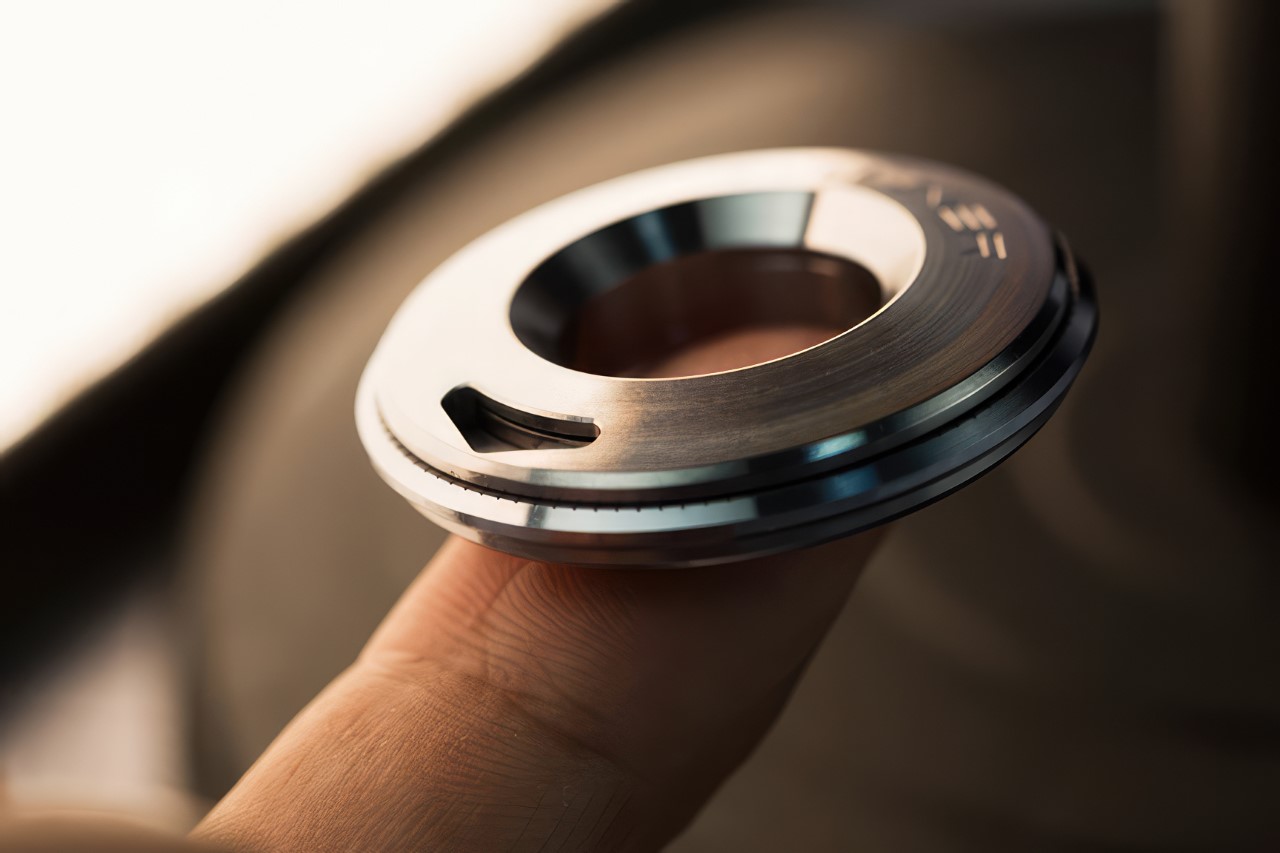
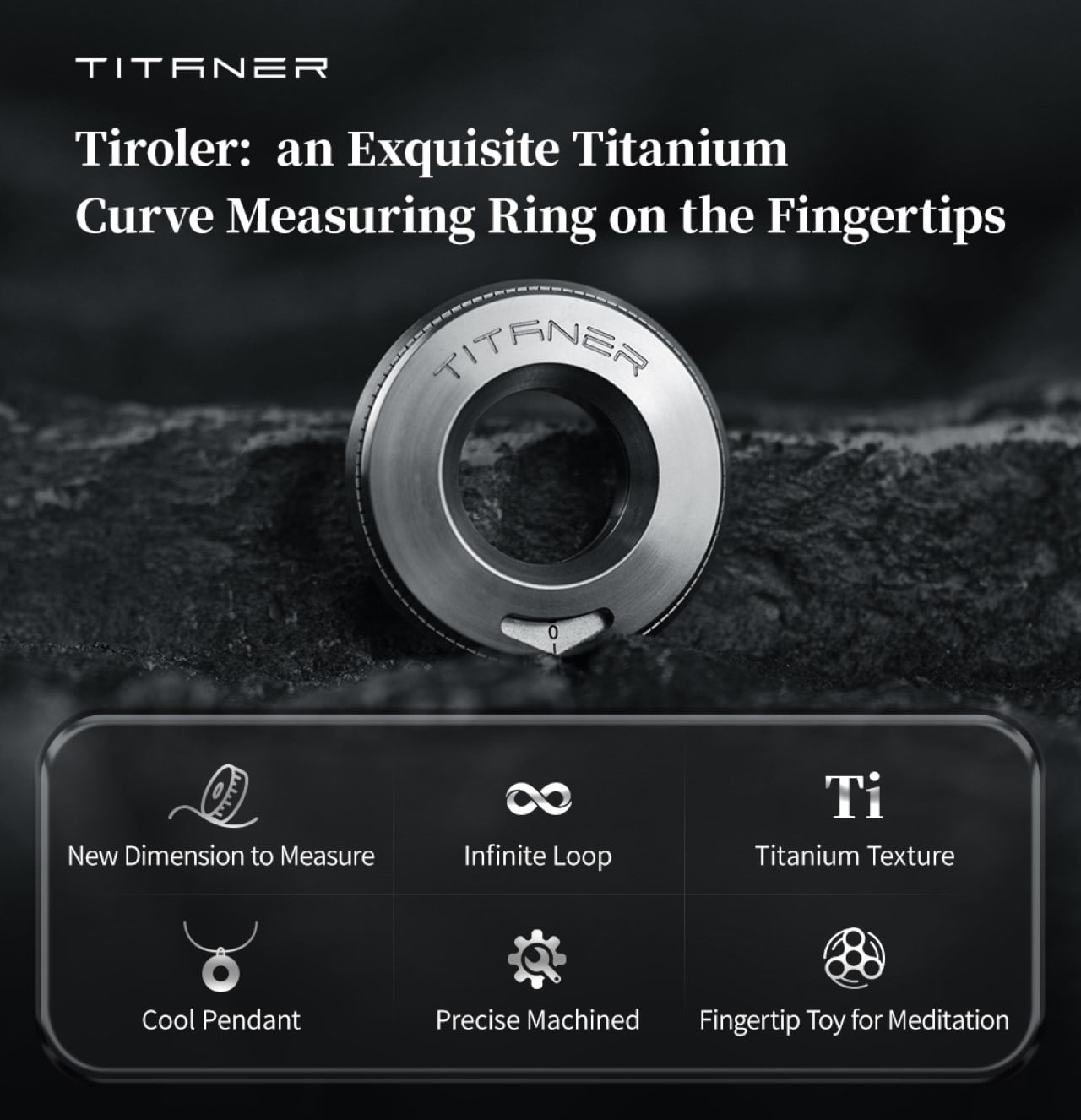
Back in 2017 when the fidget spinner was all the craze, it was a pretty great reminder of one fact – digital experiences, social media, addictive apps be damned… There was still something incredibly engaging about a tactile spinner. The fidget spinner craze may have died down soon after, but the joy of fidgeting didn’t. As digital as the world grew since then, tactile experiences still reign supreme, whether it’s the clack of a keyboard, the pop of bubble-wrap, the snap of MagSafe accessories, or the sheer ASMR of playing with a fidget toy. The Tiroler builds on that experience by re-imagining the humble scale/ruler as a new kind of EDC-worthy gizmo. Unlike the average scale, the measuring tape, or those ultra-advanced laser measures, the Tiroler prides itself in being incredibly hands-on and having a user-experience centered around fun. The device assumes the shape of a rolling hubless wheel that has a series of markings on it. Roll it along a surface and you can effectively measure its distance by calculating the distance your roller has traveled. The Tiroler emits a series of satisfying clicks every time it completes a rotation, so all you do is count the clicks and read the number on the Tiroler’s window to know the exact measurement you’re looking for. Aside from that undeniably fun experience, the Tiroler is crafted in the image of a gorgeous piece of EDC (Everyday Carry) too. It comes crafted from titanium, with a hubless design that your fingers will love alongside your eyes. When you’re not measuring objects, surfaces, and distances, the Tiroler is a gorgeous toy that you’ll immediately want to fidget with. That’s more than I can say about any other measuring device or app…

Designer: Suzuki Sho (Titaner)

Click Here to Buy Now: $58 $89 (35% Off) Hurry! Only 7 Days Left!

“Tiroler is a revolutionary measuring tool designed to break free from the constraints of traditional rulers,” says designer Suzuki Sho. “With its continuous loop design, Tiroler offers limitless measurement possibilities for irregular shapes, curved routes, and extended surfaces.”

The radial design of the scale breaks away from the monotony of linear scales. Not only does this design approach make it more portable than a regular steel or plastic scale, it also makes the process of measuring more fun, and easier to execute on your own, unlike measuring tapes that can sometimes require two people holding each end of the tape.

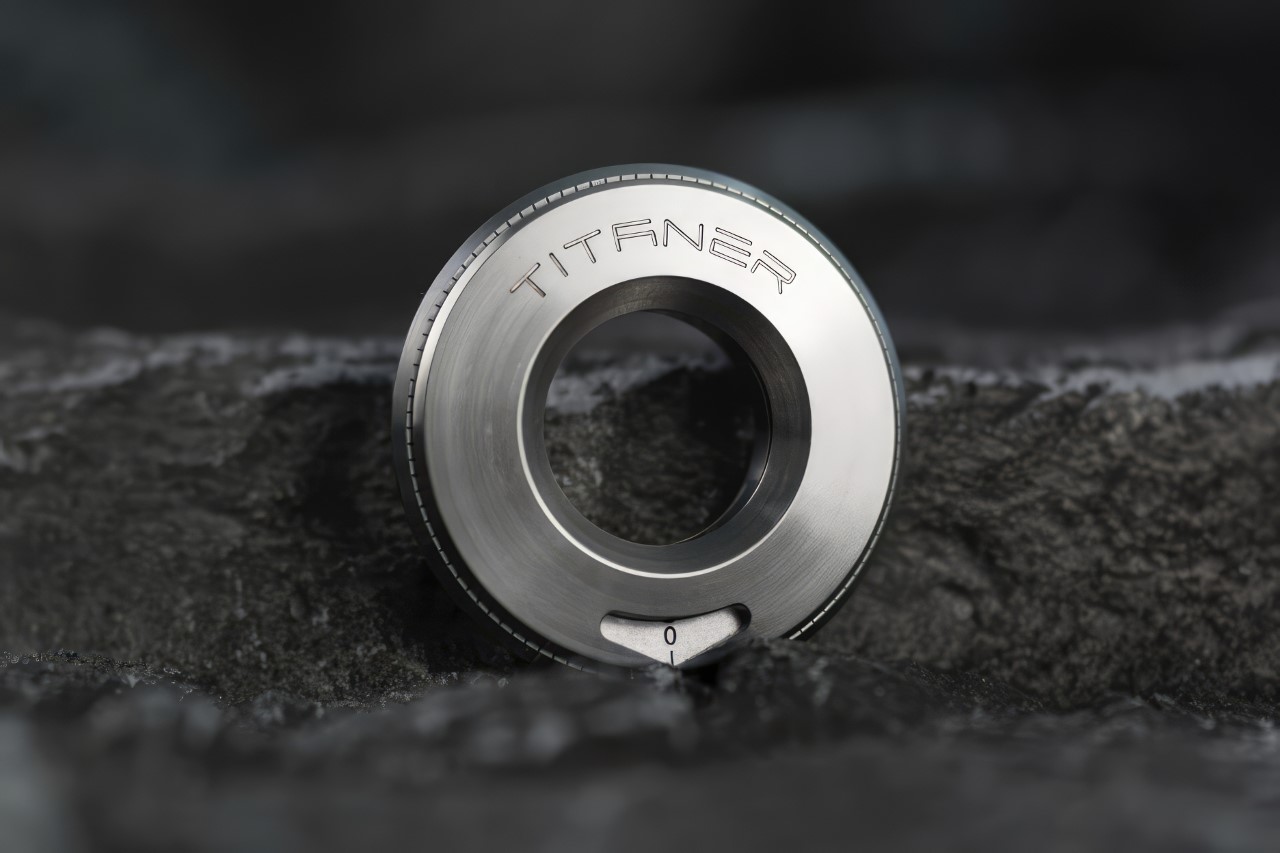
The Tiroler comes with a gorgeous all-metal design featuring a rolling ring suspended within a hubless outer body. This makes the roller easy to carry around given that its central cavity acts as a big lanyard hole, but also makes it easy to grip by having your thumb and finger nestled within the negative space. Using the roller is easy, fun, and mildly challenging – a window on the rim lets you see the markings on the roller inside. Set it to zero before you begin rolling along the surface you want to measure. Every time the roller completes a revolution, it emits a click that you’ll hear and feel. Count the clicks and multiply it by 10, then add the number you see on the window to get your final measurement. For example, measuring a distance of 24 centimeters would lead to two clicks (20) and a window reading of 4.

The unique format of the Tiroler makes it perfect for organic non-linear measurements. Whether you’re a fashion designer measuring the cut of a garment, an architect or engineer calculating the length of a curved wall, or even a transport/furniture/industrial designer gauging the distance of a curved surface, the Tiroler’s unique format coupled with its pocket-friendly size makes it a perfect tool to have on you at all times. Its gorgeous full-titanium design sets it apart as functional jewelry – you could string it around your neck as a haute pendant, popping it off whenever you need. Conversely, place it in your pocket, stationery kit, or backpack for use later.

The visual beauty of the Tiroler extends to its tactile joy too. The cold metal feels great in the hand, and the polished surfaces on the Tiroler make for a great interplay between light and shadow. This instantly makes your hand want to fidget with the roller, twirling it in your palms, passing your finger through its oculus, and rolling the measuring ‘bezel’ to create that satisfying click sound.

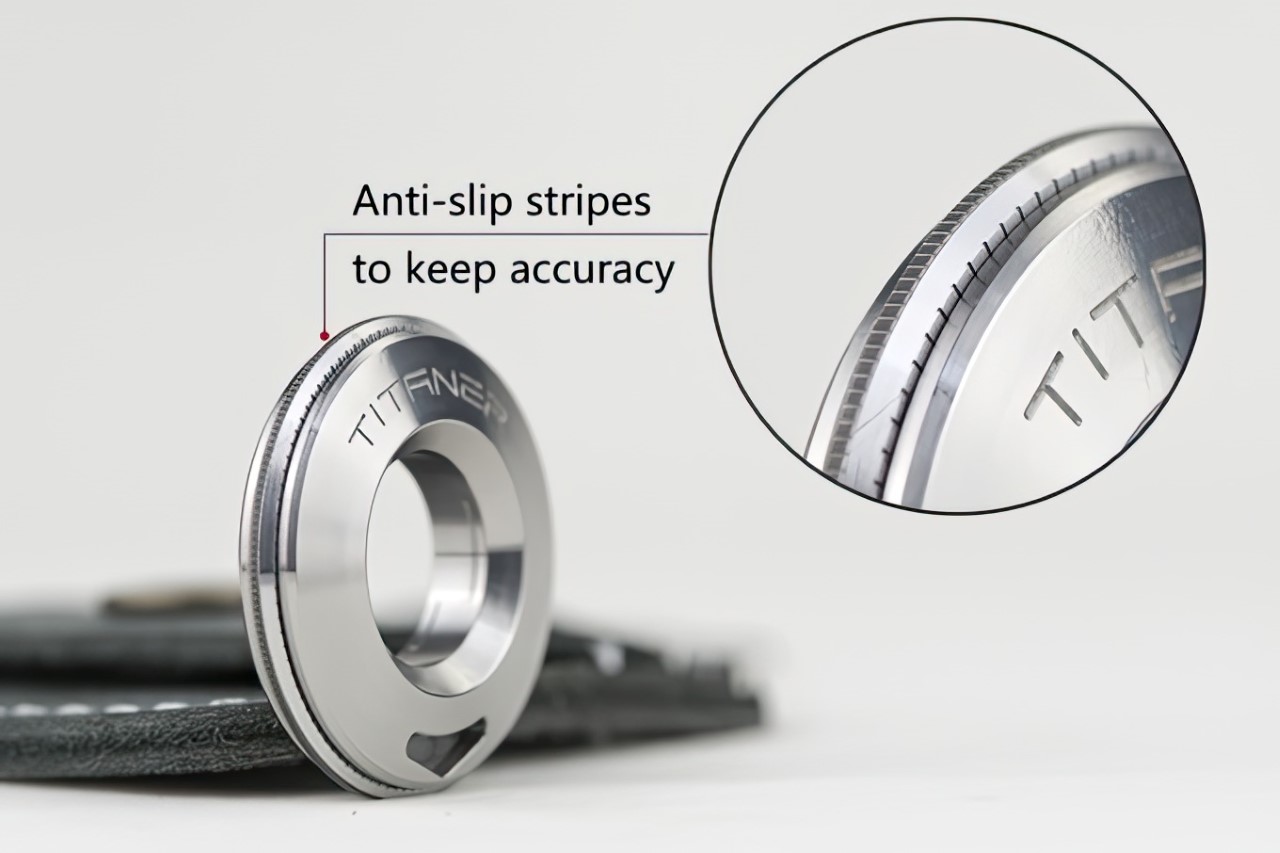
The Tiroler’s grooved rim prevent it from slipping and sliding during use, ensuring an accurate measurement every time.

Given that the world is divided between Imperial and Metric folk, the Tiroler comes in two different sizes. The Metric Tiroler is much more compact, measuring just 31.8mm (1.25 inches) in diameter, while the Imperial Tiroler is significantly larger at 40.4mm (1.59 inches). Strangely enough, the Imperial Tiroler doesn’t count up to 12 inches or a foot. The clicks occur every 5 inches instead (creating a 12-inch Tiroler would make it massive), which does tend to *slightly* complicate things, especially when you have to calculate feet.

The Tiroler ships globally with free shipping to select countries, and a long-lasting guarantee thanks to its durable, non-corrosive titanium construction that should serve you for years if not decades. The Metric Tiroler starts at a discounted $58, while the Imperial Tiroler has a $69 price tag. You can buy both together for $108, and each Tiroler comes with its own bespoke leather carrying case, allowing you to carry and showcase your beautiful jewel-esque measuring instrument with pride!

Click Here to Buy Now: $58 $89 (35% Off) Hurry! Only 7 Days Left!

The post This Rolling Titanium Ruler is a Great EDC Fidget Tool for the Creatively Inclined! first appeared on Yanko Design.

These earth-friendly sustainable cups add joy to every drink without harming the planet

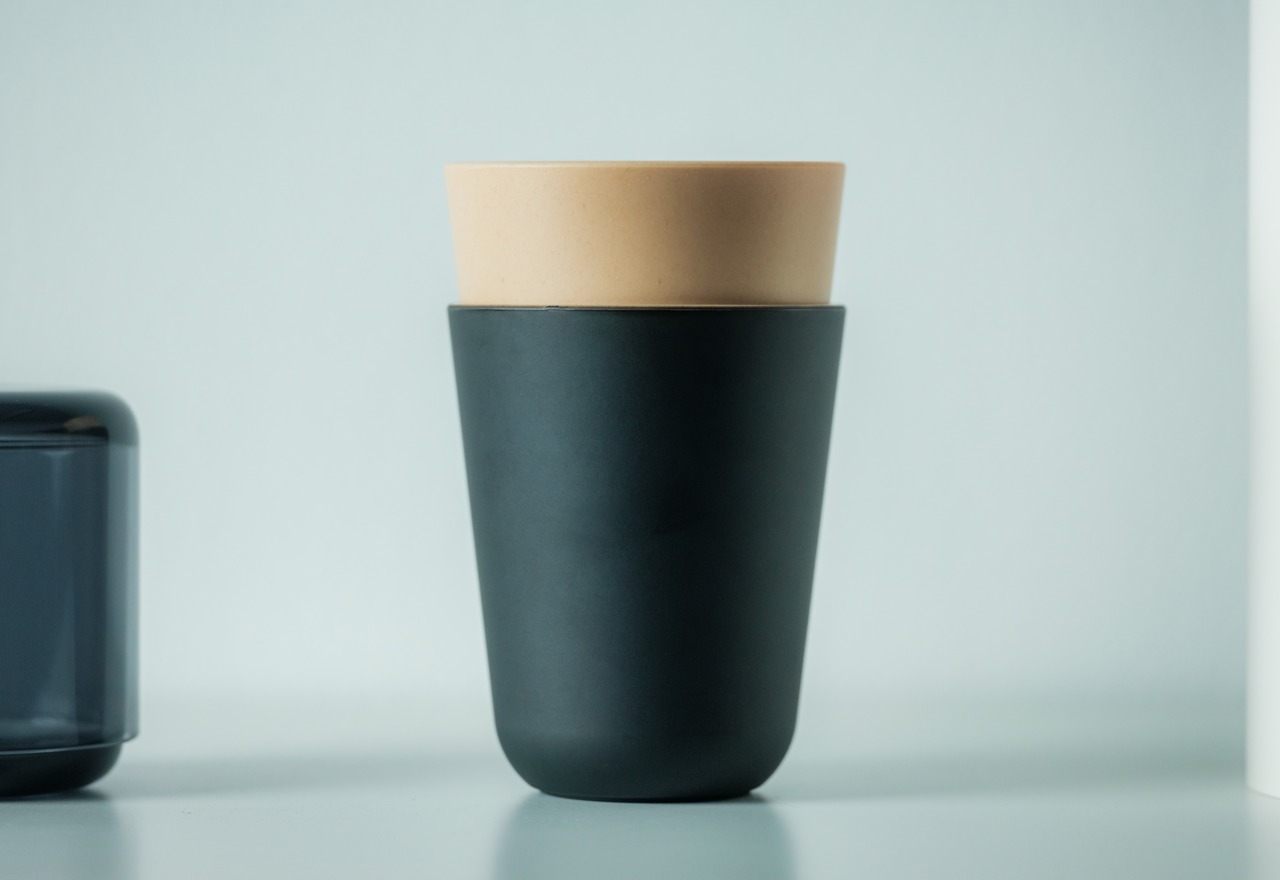
Even with all the advice to drink plenty of water each day, few people actually pay attention to what they drink. Even fewer, unfortunately, pay attention to what they’re drinking from. Glassware is common in some homes and fine dining, but you’re more likely to see plastic vessels everywhere else. This synthetic material does have its advantages, especially when it comes to durability, but its harmful effects on the environment have already piled up. Fortunately, you can have your personal cup and drink from it, too, thanks to the fusion of innovative, earth-friendly materials and simple yet elegant design, giving birth to this sustainable tumbler that brings a profound experience to every sip.

Designer: PAPLUS

Click Here to Buy Now: $22.50 $25 (10% off at checkout).

There are many plant-derived synthetic resins available today, but the most popular among them is PLA or polylactic acid, a thermoplastic derived from the lactic acid of fermented corn starch and sugar cane juice, among other natural sources. PAPLUS is a new type of thermoplastic resin that mixes biodegradable paper to add the heat resistance, durability, and moldability that normal PLA lacks. And from this innovative material, this earth-friendly tumbler is born.

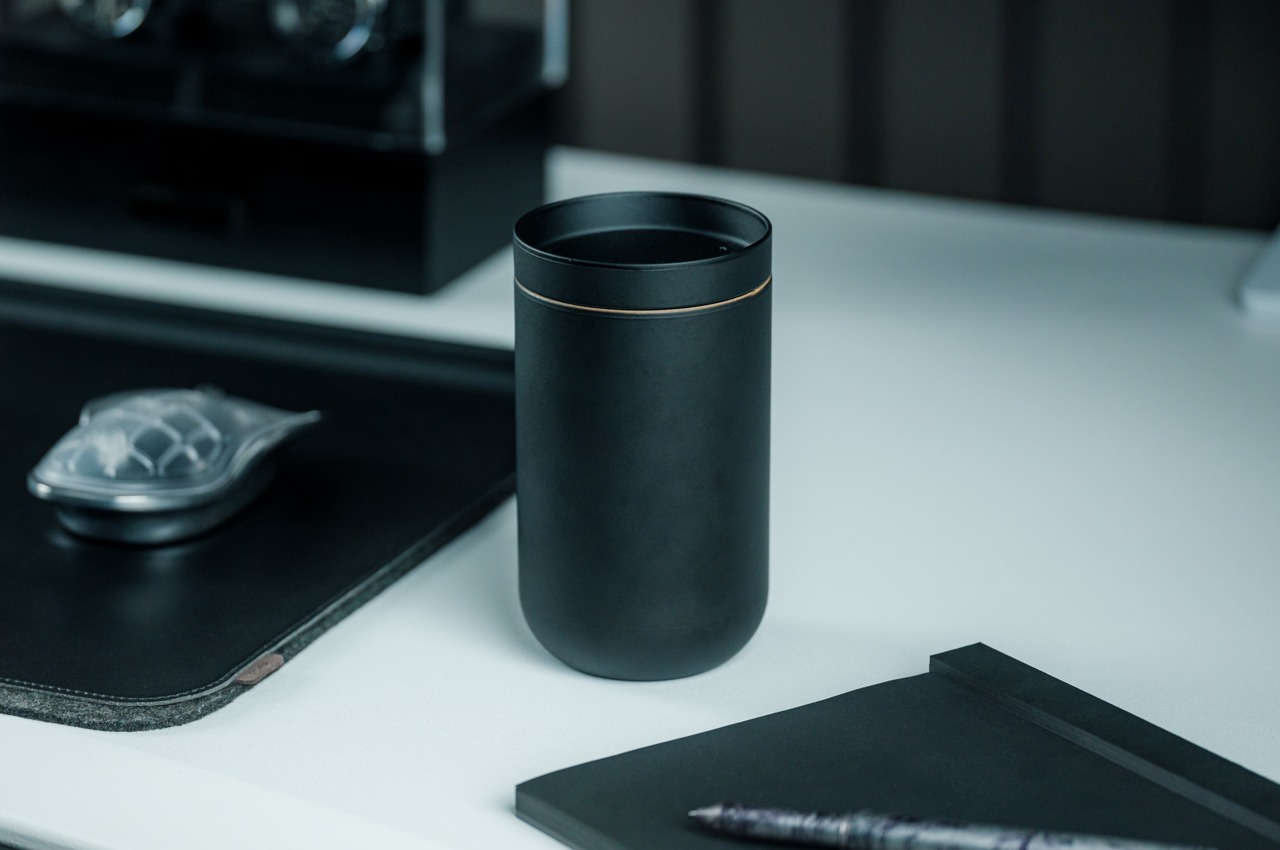
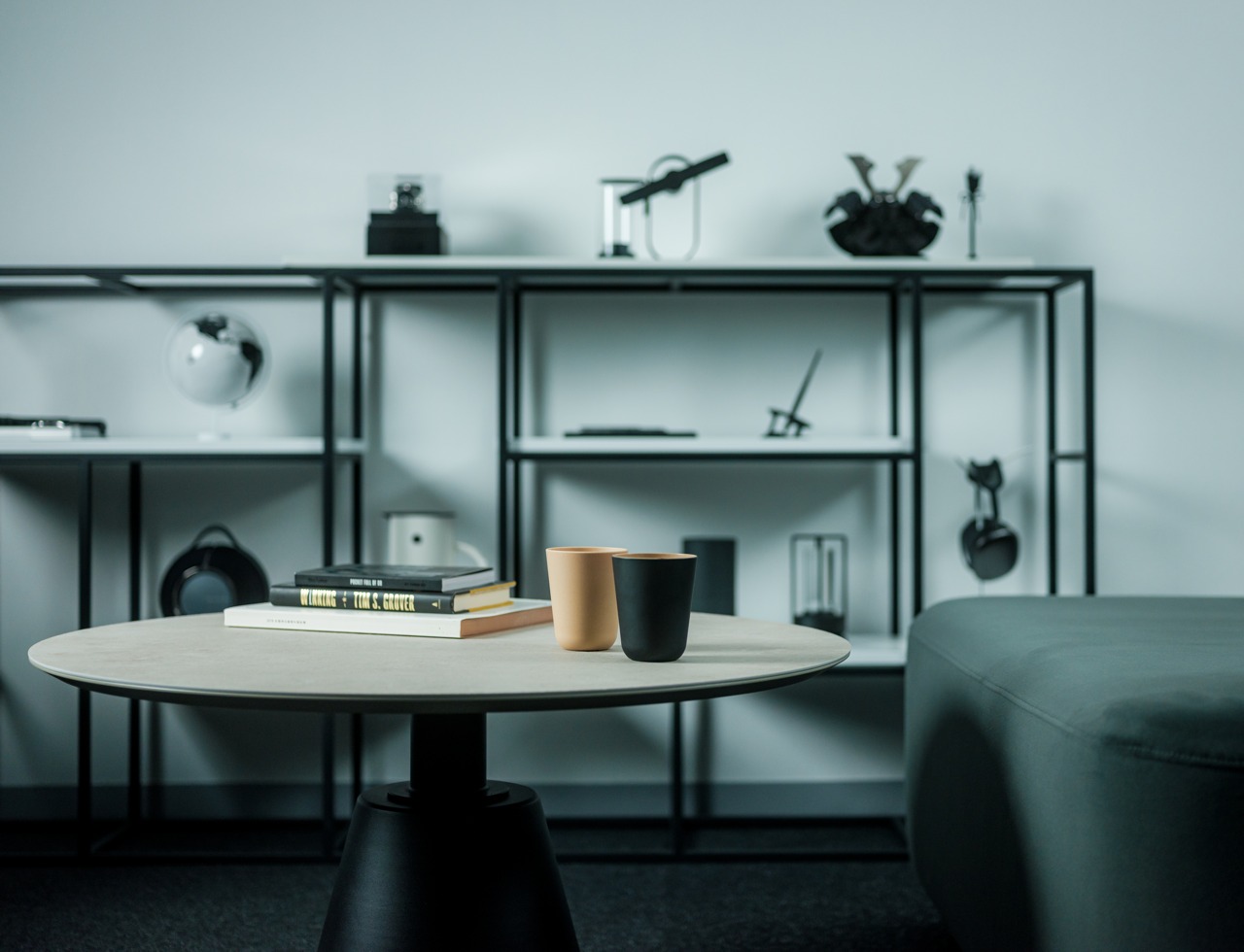
Unlike the artificial smoothness of plastic, the PAPLUS Tumbler’s use of this environment-friendly material creates a unique texture that can be compared to ceramic or wooden cups. Each sip brings not only a wonderful flavor to your tongue but also an engaging sensation to your lips, elevating the act of drinking to a new level of sensory experience. Thanks to the heat resistance of 120°C, you can enjoy that moment whether your favorite drink is piping-hot cocoa or ice-cold barley tea.

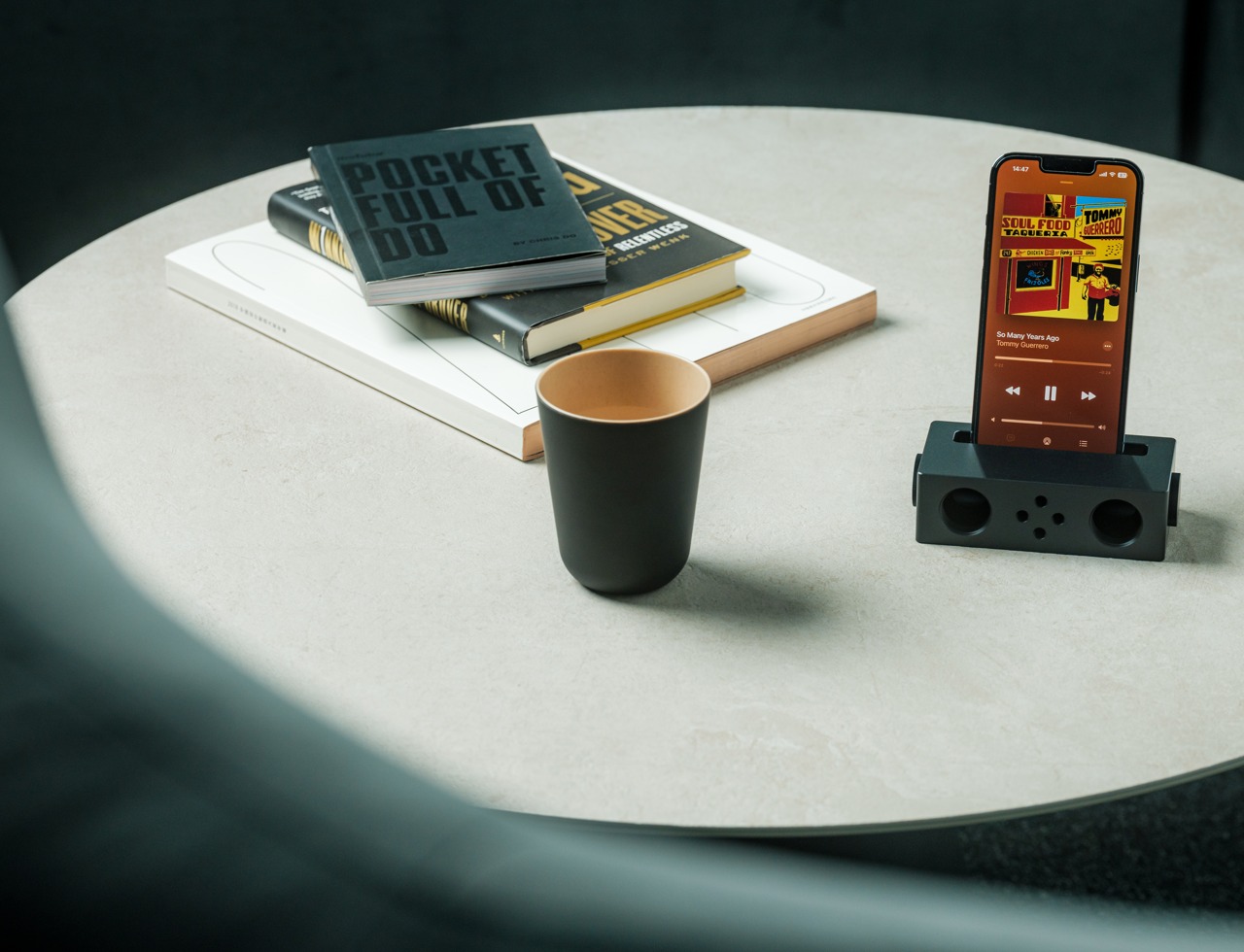
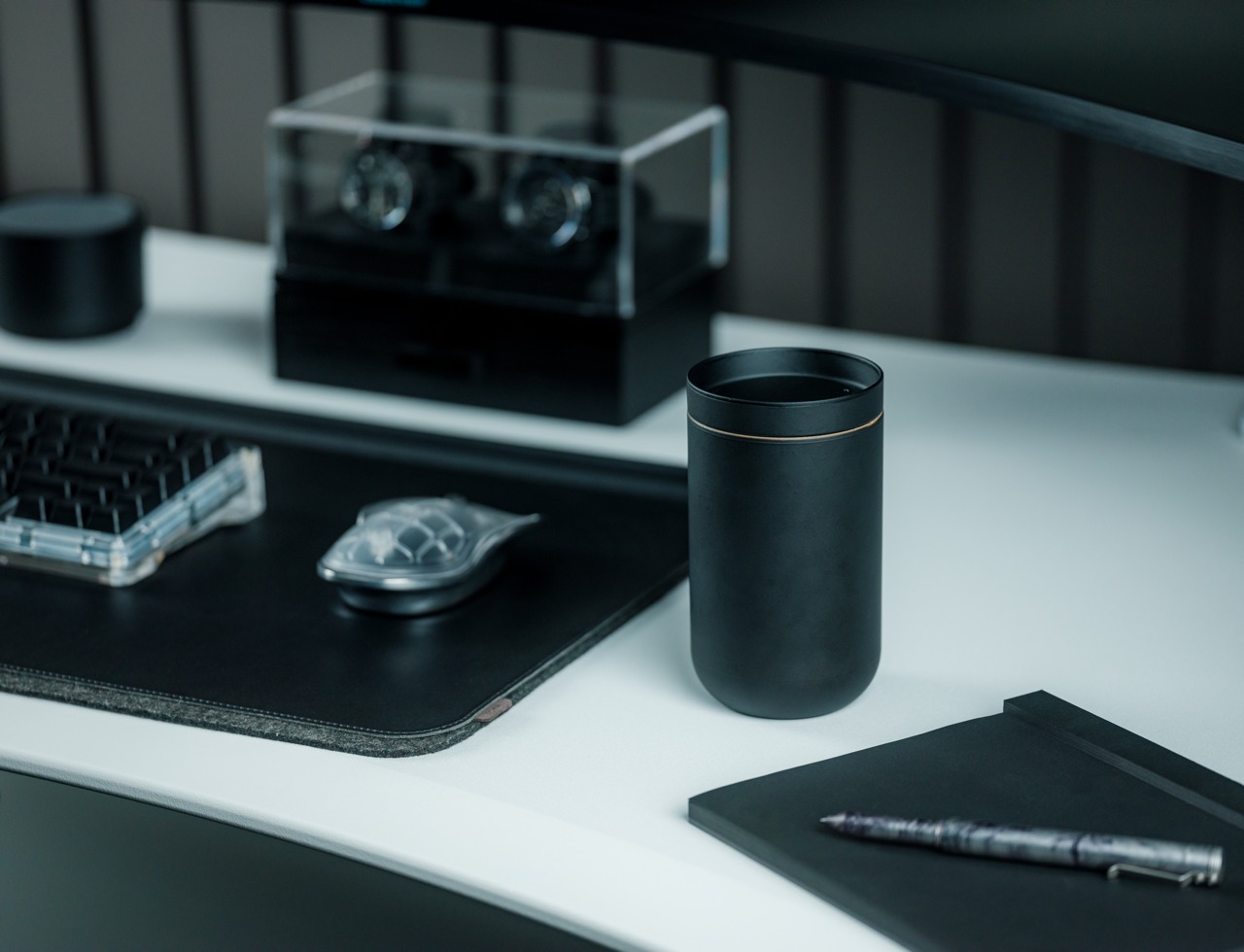
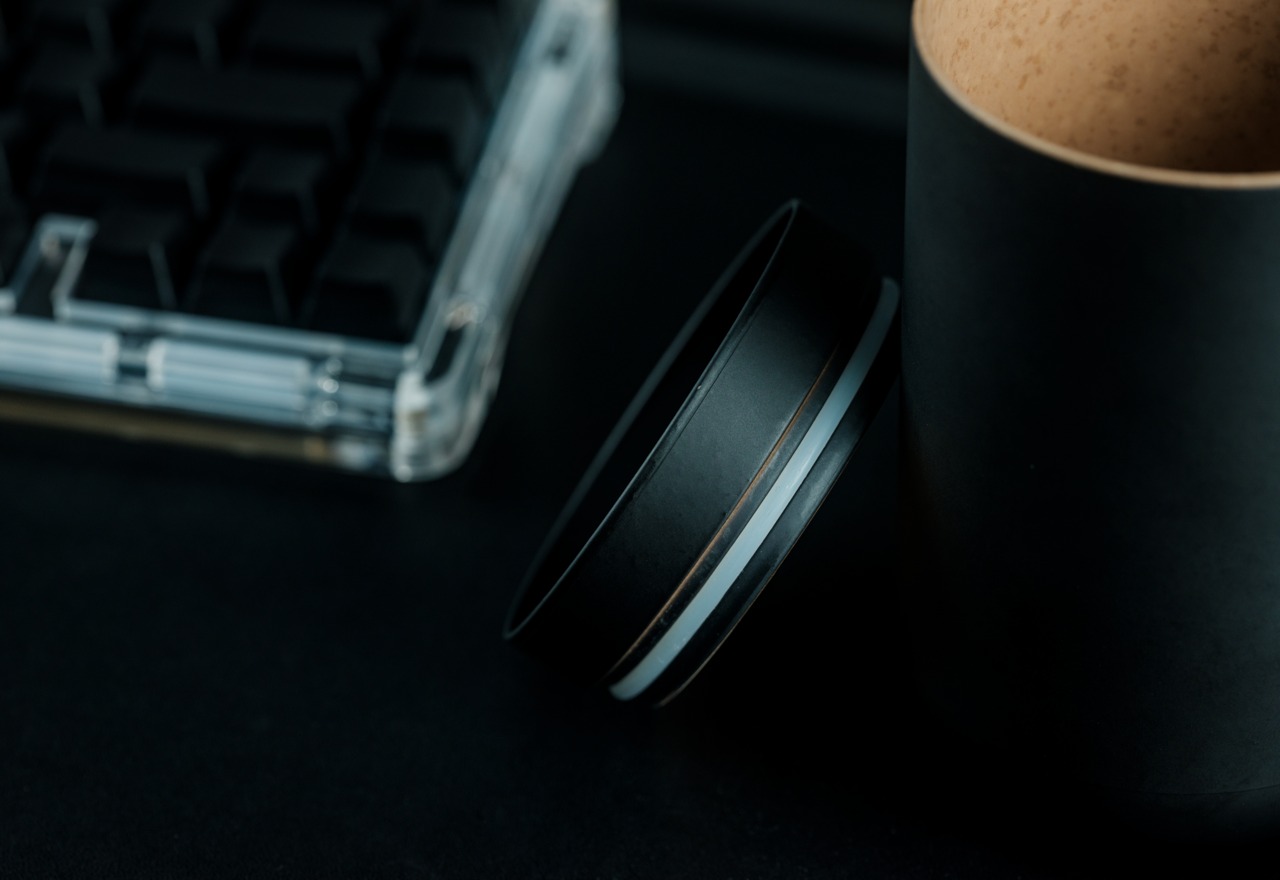
This plastic-free drinking device doesn’t just mimic the sensation of elegant cups, it even looks the part as well. Using black pigments dissolved in harmless urethane, the tumbler achieves a matte black coating on the outside that looks naturally glossy without using blasting methods. The inside retains the PAPLUS’ natural brownish color and texture to yield a distinctive two-tone design. Over time, the color does become uneven and fade from use, revealing the individuality of the owner through the unique wear patterns that set it apart from each and every tumbler.

This tumbler’s commitment to protecting the environment extends to its packaging, made from 100% recycled paper from old newspapers and magazines. And, when it finally reaches the end of its service, the biodegradable tumbler can be treated as burnable waste or, better yet, recycled for a different purpose. With this elegant earth-friendly tumbler, each drink becomes not only a toast to memories but also a toast to the planet’s longer life.

Click Here to Buy Now: $22.50 $25 (10% off at checkout).

The post These earth-friendly sustainable cups add joy to every drink without harming the planet first appeared on Yanko Design.

Top 10 Chairs Designed To Function As The Ideal Seating Options For Your Home

We often underestimate the importance of a great chair. When in reality, we really shouldn’t. We spend the majority of our day sitting on chairs, whether we’re working in our home office, enjoying a meal, or simply sitting and reading a book for leisure! Hence, this piece of furniture needs to be not only comfortable but ergonomic and aesthetic as well. And we’ve curated a collection of chair designs that meet all these criteria! From a chair with scissor-like legs to a traditional outdoor chair with a makeover – these innovative chair designs are not only a boon to your back and help you maintain a healthy posture, but are also super comfy to sink into and will perfectly match the interiors of your modern homes.

1. The Peach Easy Chair
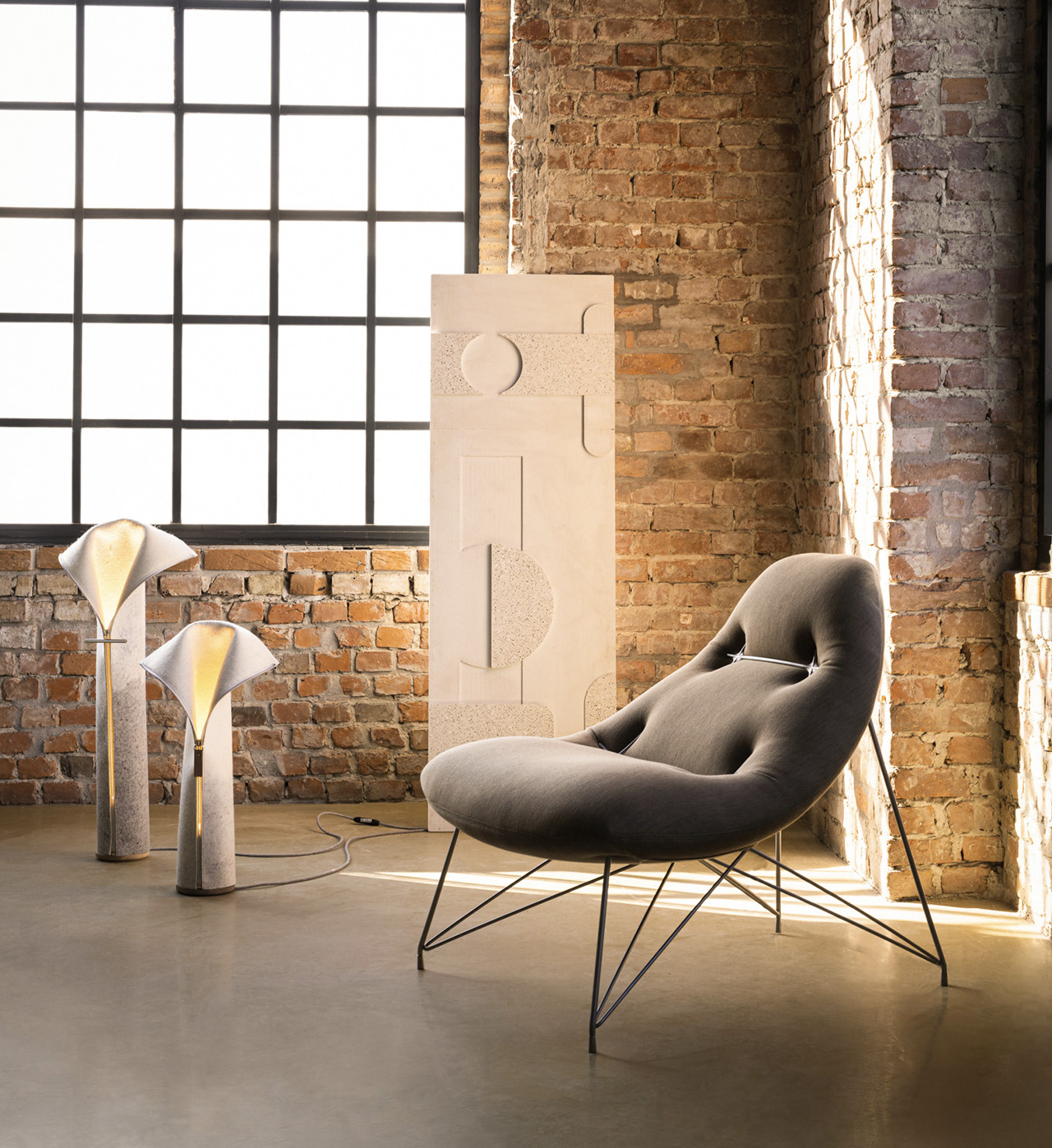
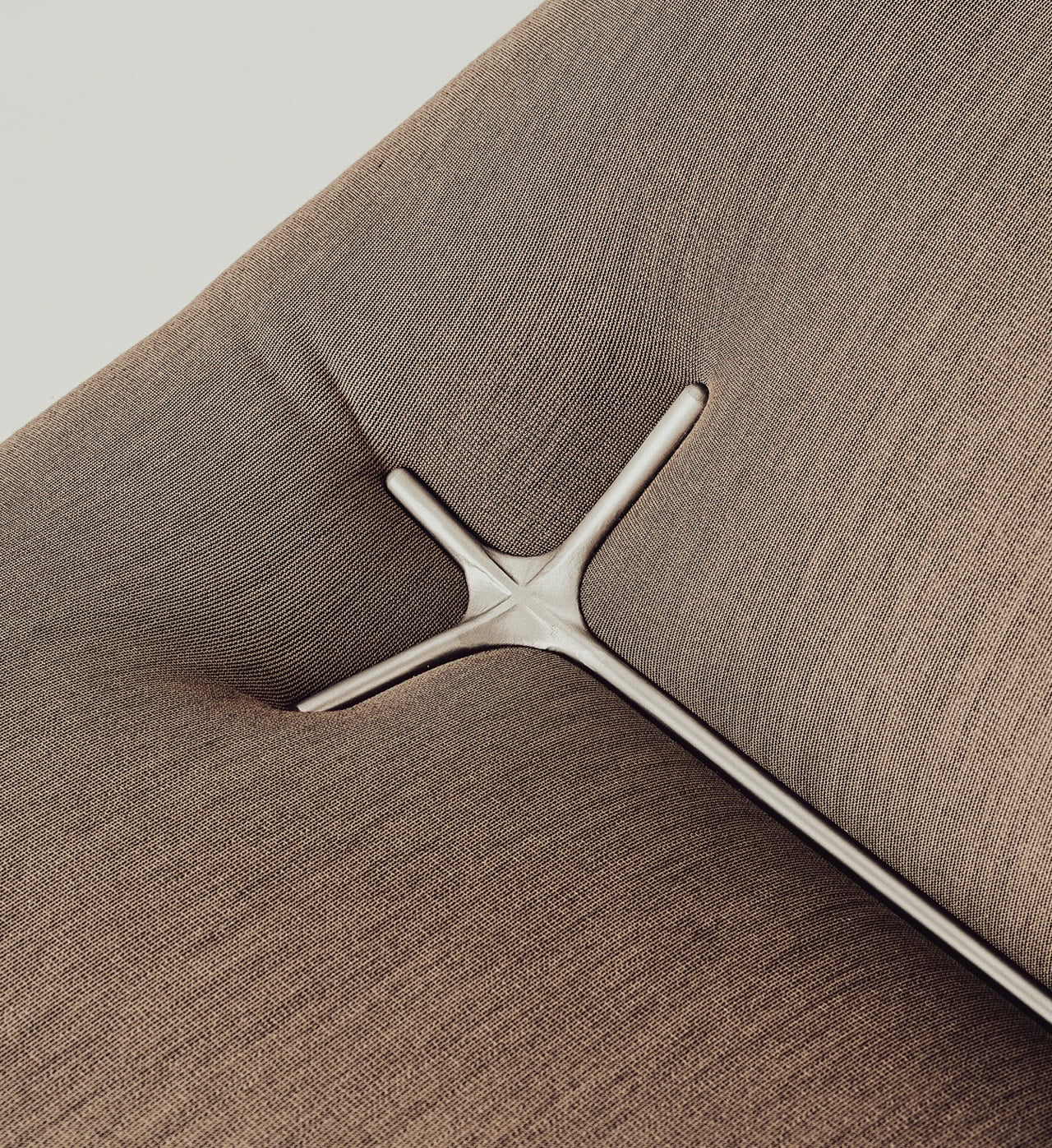
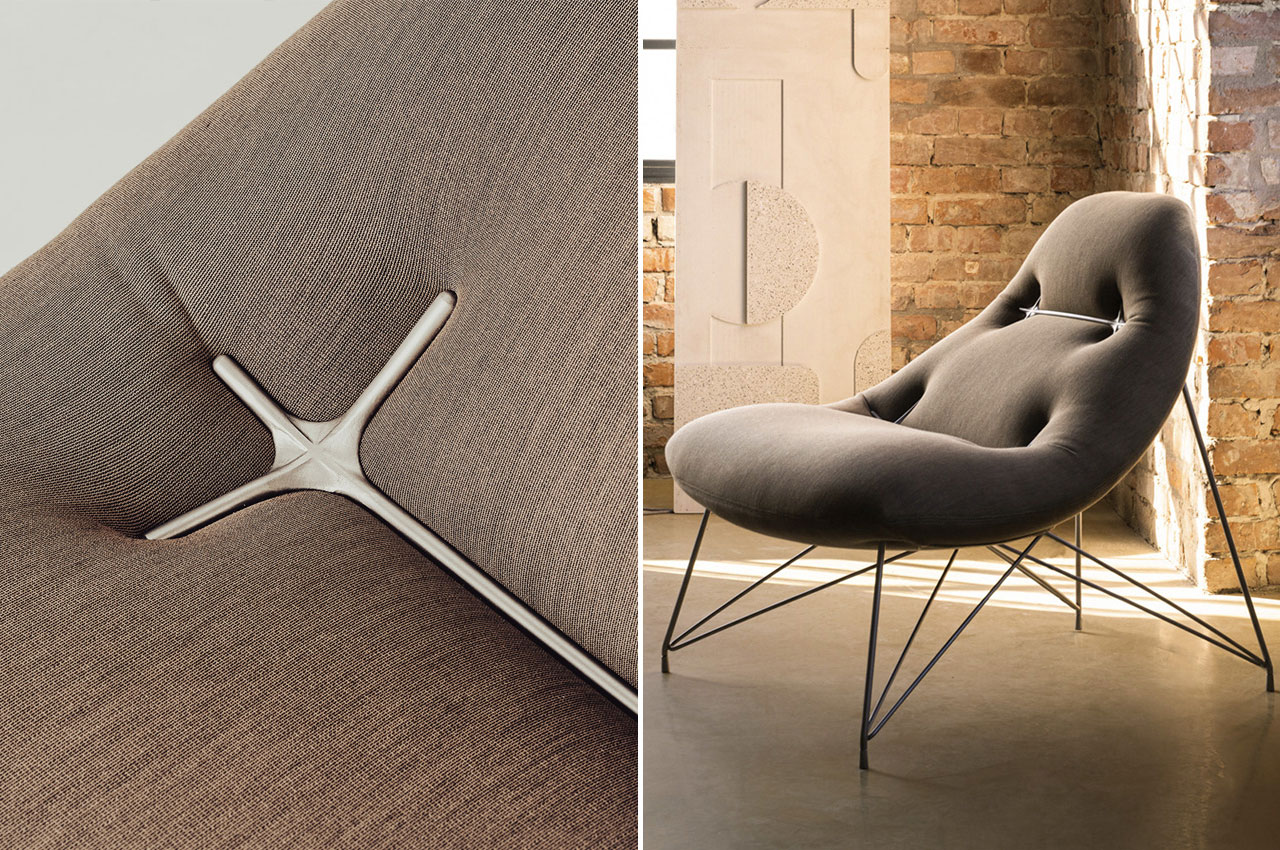
Created by Annabella Hevesi, the Peach Easy Chair is a visually interesting chair that features an innovative mechanical joint solution that allows the foam to be shaped in a totally new and refreshing manner!

Why is it noteworthy?

The joint enables the foam to be shaped without cutting or casting – the first method creates a lot of waste, and the second method is quite expensive. Instead, a new ‘tufting’ technique was employed to distort the foam and create the shell out of the chair.

What we like

  • Provides a mechanical connection between components, eliminating the need for glue

What we dislike

  • The chair offers a slouched posture, which may not be ergonomic for the user, especially for longer durations

2. The Net Lounge Chair

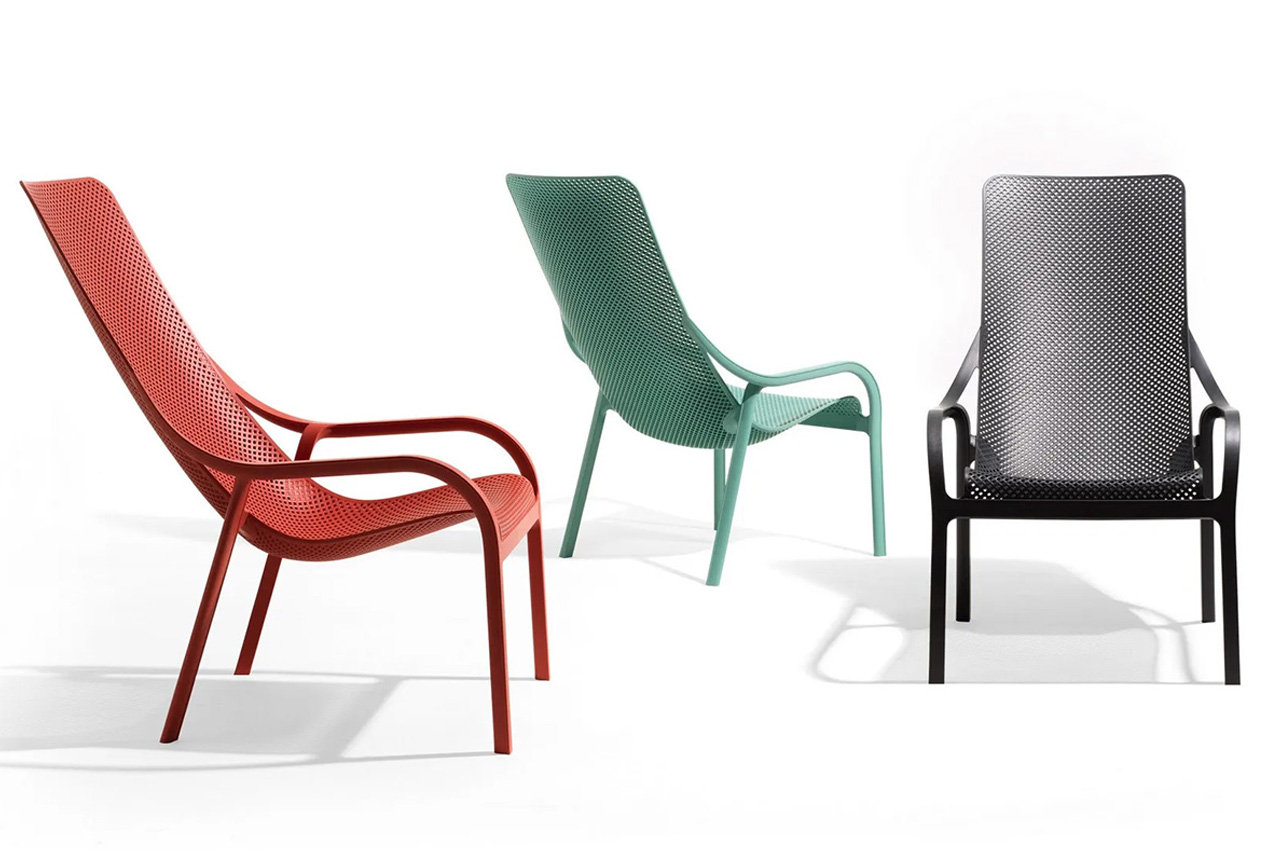
Designed by Raffaello Galiotto for Nardi, the Net Lounge Chair is designed to be a modern alternative to the traditional outdoor armchair. The chair is made using monochrome recyclable fiberglass polypropylene resins with UV additives.

Why is it noteworthy?

The Net Lounge features a deep round seat, with an interesting wave-like form that encloses your body and forms a comfortable envelope while you read, nap, or watch a pretty sunset.

What we like

  • Holds towel clips that allow you to keep your towel in place

What we dislike

  • The aesthetics of the chair are a bit boring and unassuming

3. Noho Move
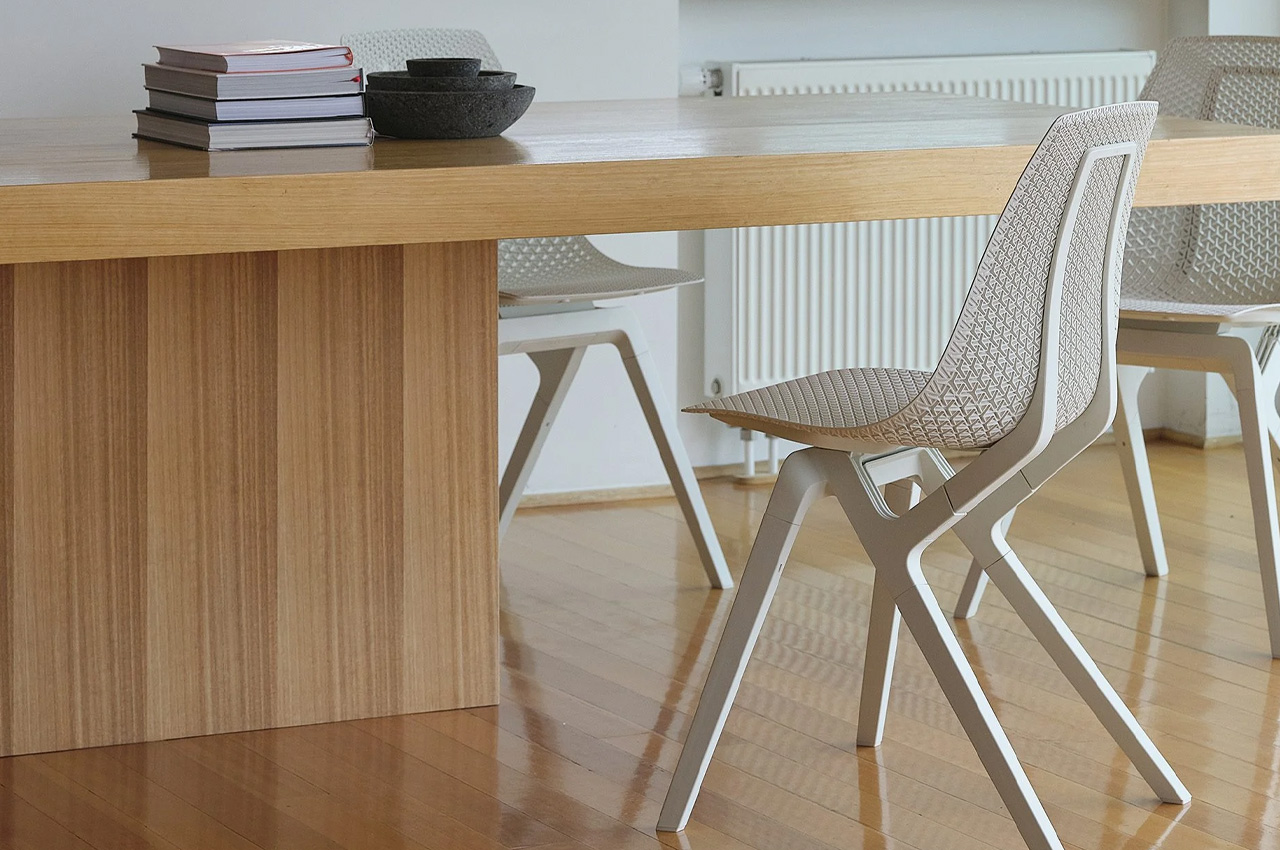
Design studio Formway teamed up with the brand Noho to create the ergonomically sound dining chair called the Noho Move.

Why is it noteworthy?

Both the brands collaborated to create a chair that can support and facilitate hours of sitting. “Our brief was to bring ergonomic performance to the dining room — that isn’t really something anyone has done before,” said Formway design lead Paul Stevenson.

What we like

  • Designed to support a wide range of movements such as stretching, fidgeting, and shifting

What we dislike

  • There is no option for customization

4. UMI Armchair
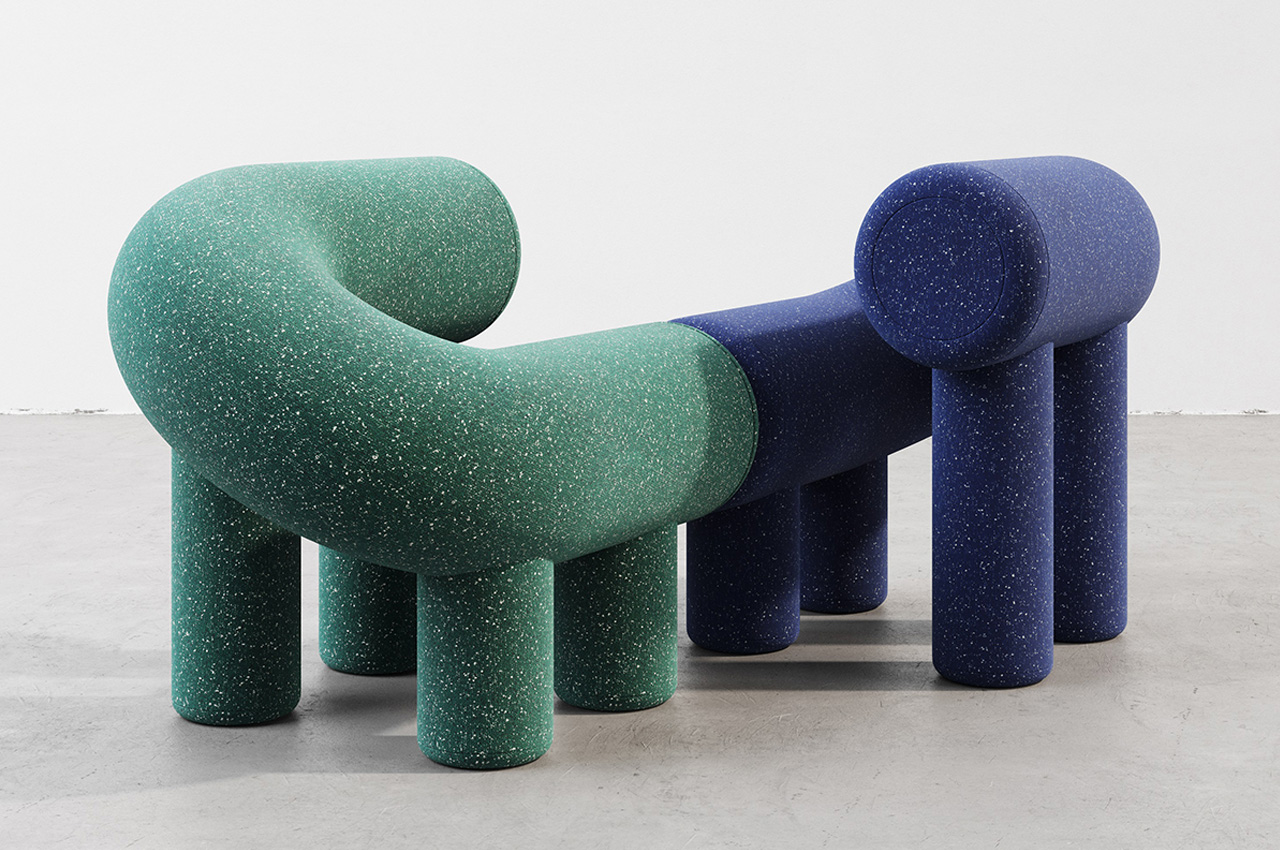
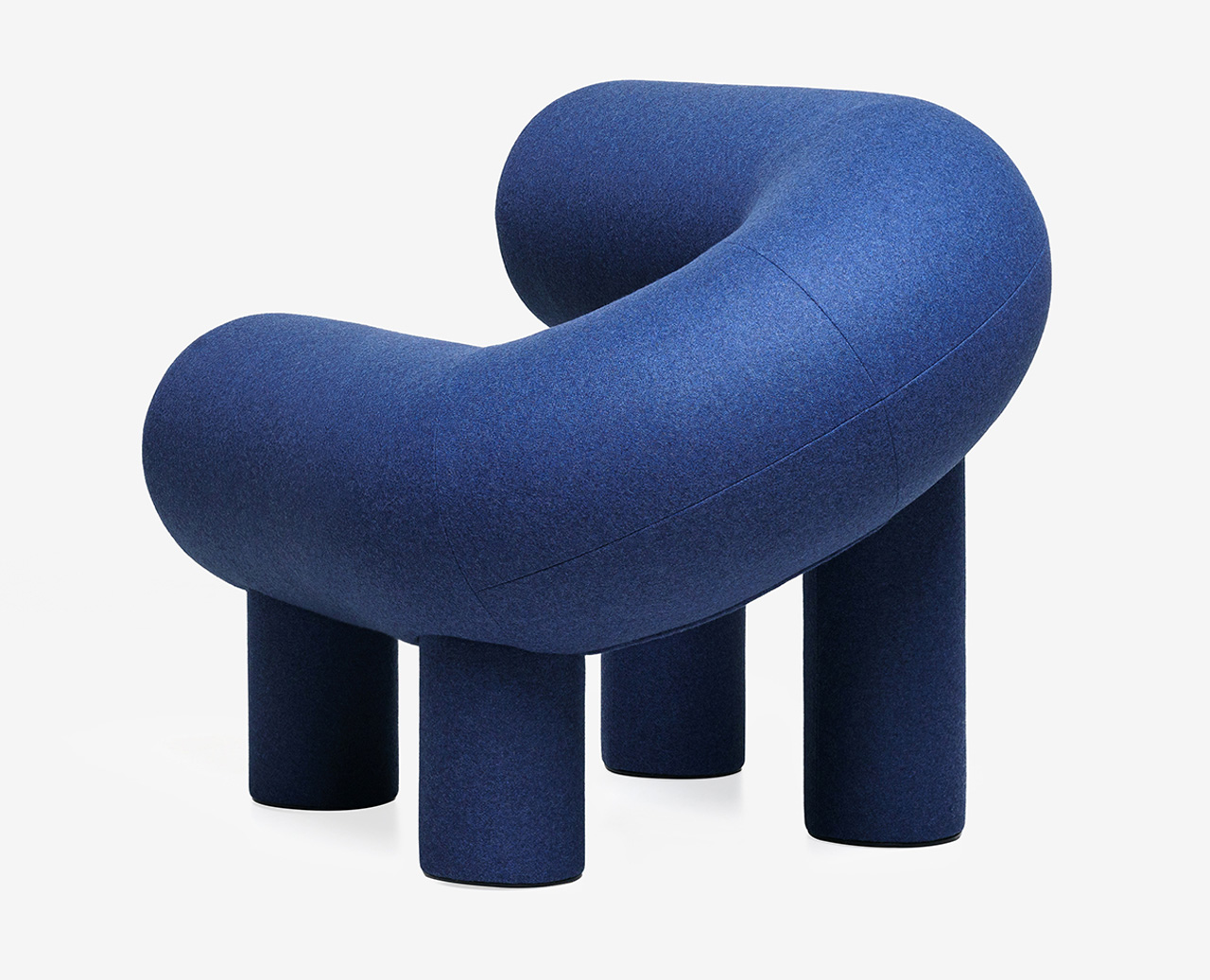
The UMI Armchair is designed by Rotislav Sorokovoy for the Ukraine-based furniture design company WOO, and it could be easily mistaken for a sculpture.

Why is it noteworthy?

The large and chonky furniture piece has a soft sculptural aesthetic to it and is designed to allow the user to interact with it, much like children do. The shape and texture of the armchair have been designed to welcome and invite people in and encourage them to engage with it.

What we like

  • Desiged to help you relax, read, and meditate, allowing you to peacefully unwind after a long day at work

What we dislike

  • Space-consuming and bulky design

5. Grid Chair
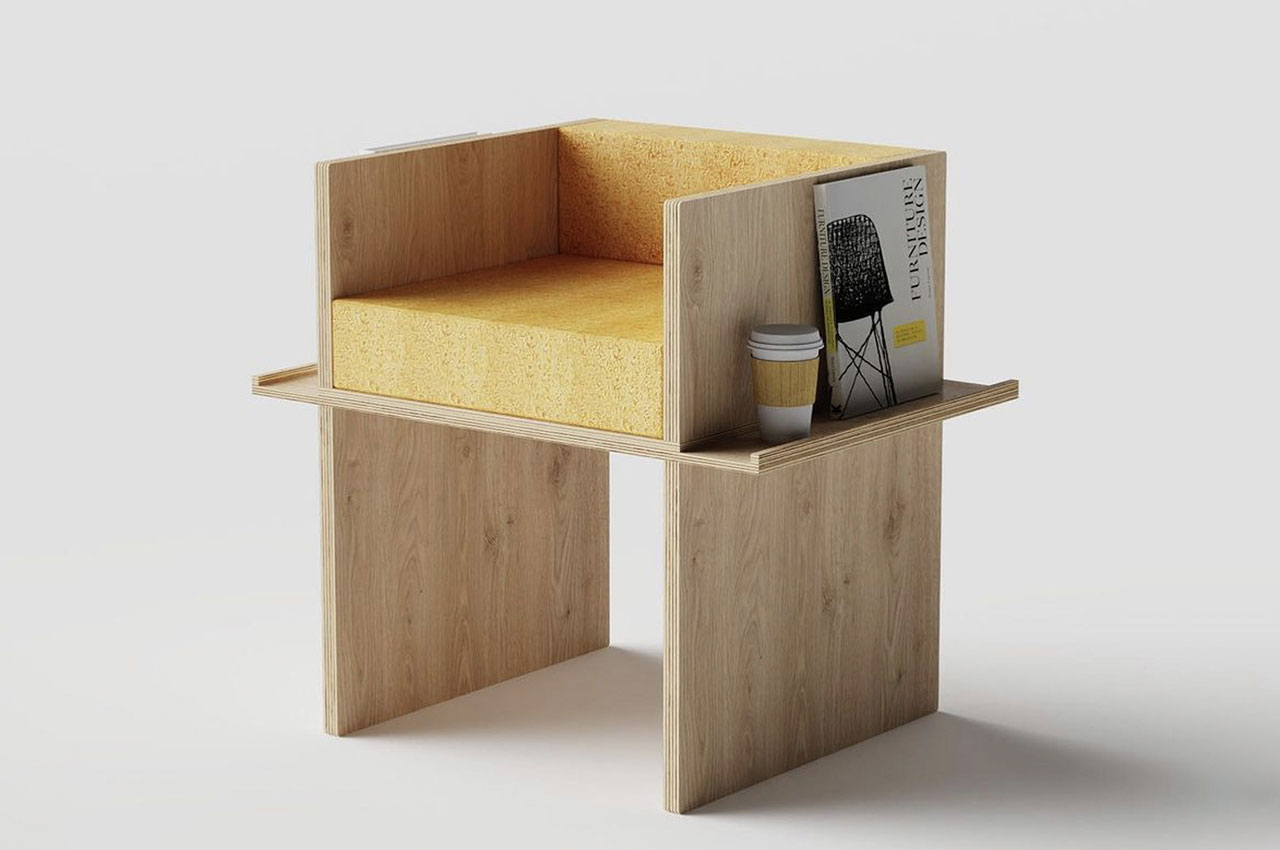
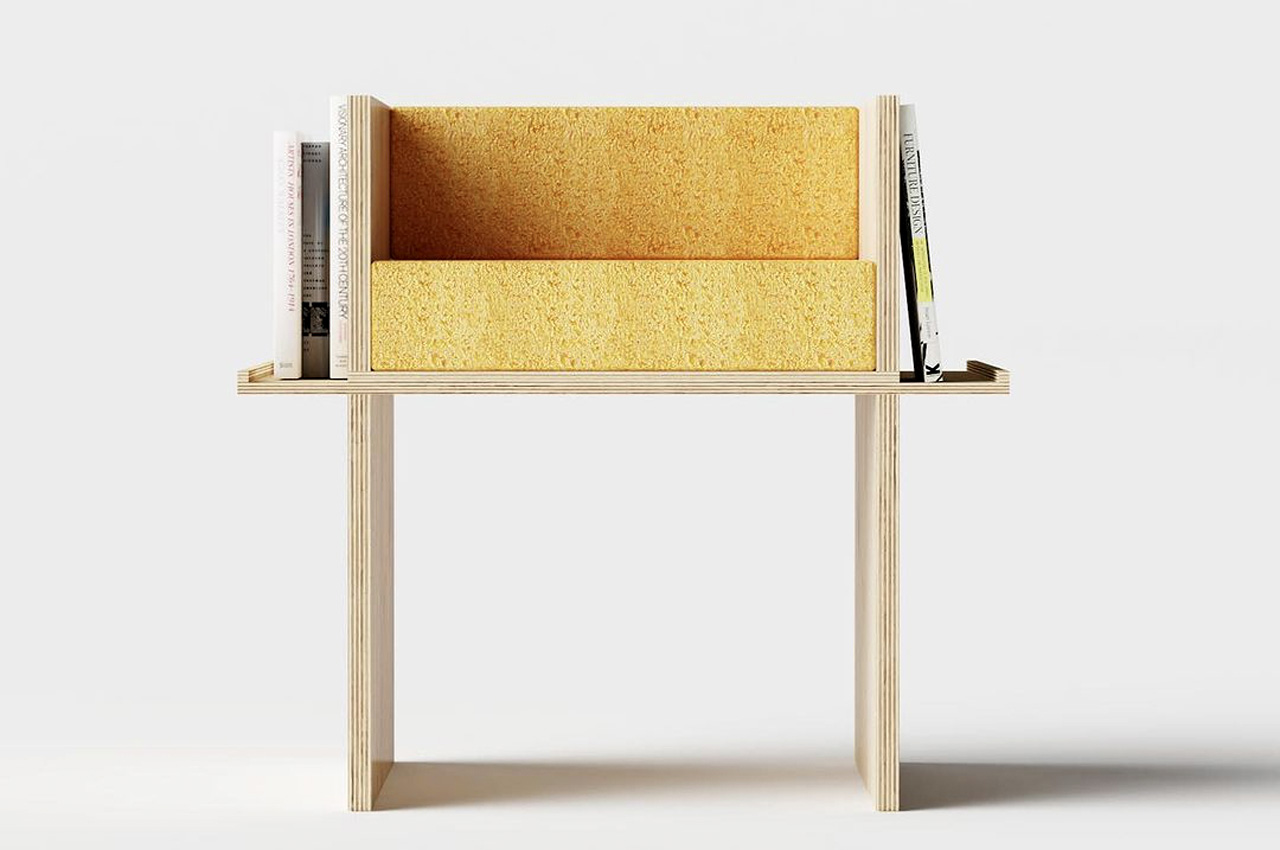
This simple well-designed chair is called the Grid Chair by SUNRIU Design, and it incorporates a few thoughtful details that truly set it apart. It incorporates flat elements to create storage spaces.

Why is it noteworthy?

The aim behind the chair is to tackle the issue of accidentally knocking over your coffee, or a glass of water while sitting on a chair or couch. The Grid Chair is made up of four planks of wood arranged in an interesting grid-like manner. The various lines of the chair harmoniously work together to create a neat grid that creates extended flat surfaces on either side of the chair.

What we like

  • The extended surfaces serve as storage spaces to hold your coffee, books, and other knick-knacks

What we dislike

  • Space-consuming and bulky design
  • The wooden edges of the extended surfaces could hurt young children and babies

6. Havana Lounge Chair
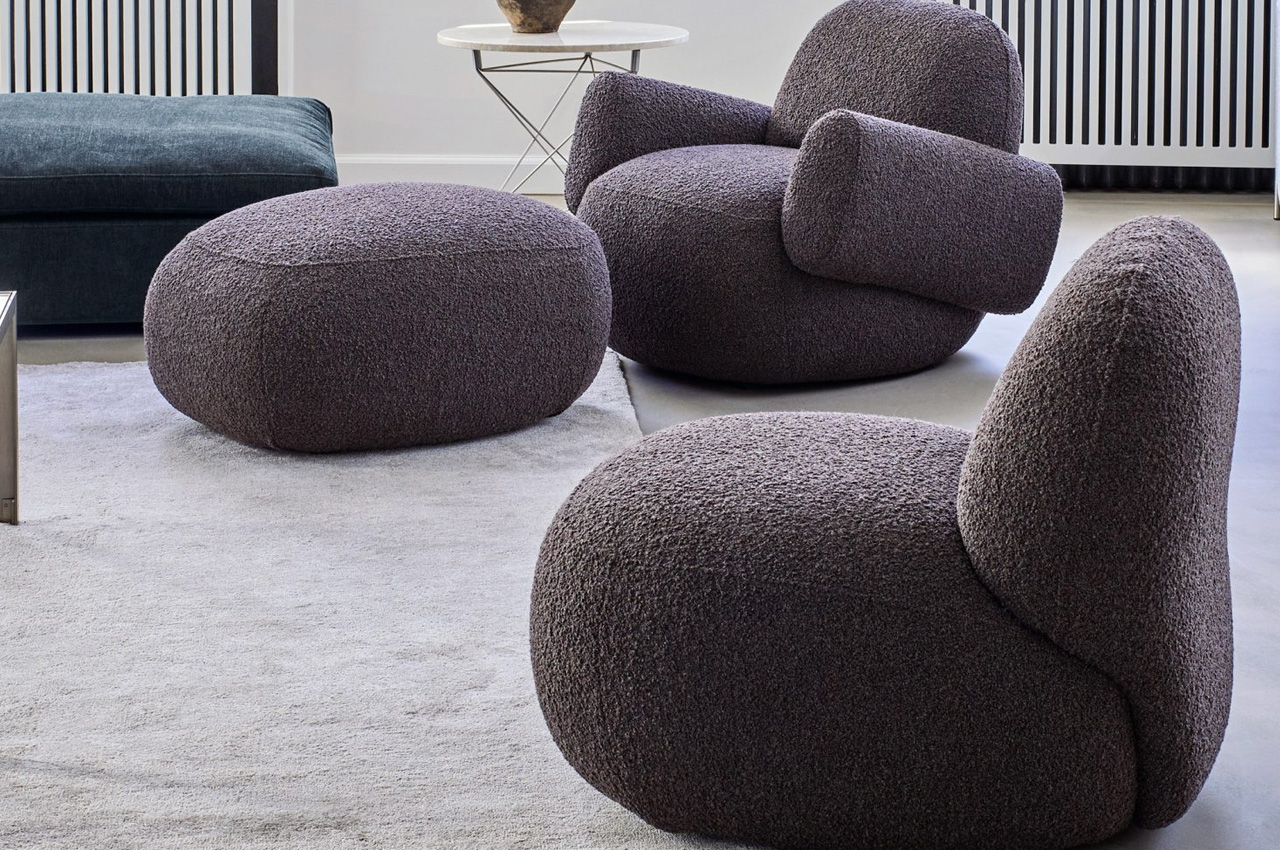
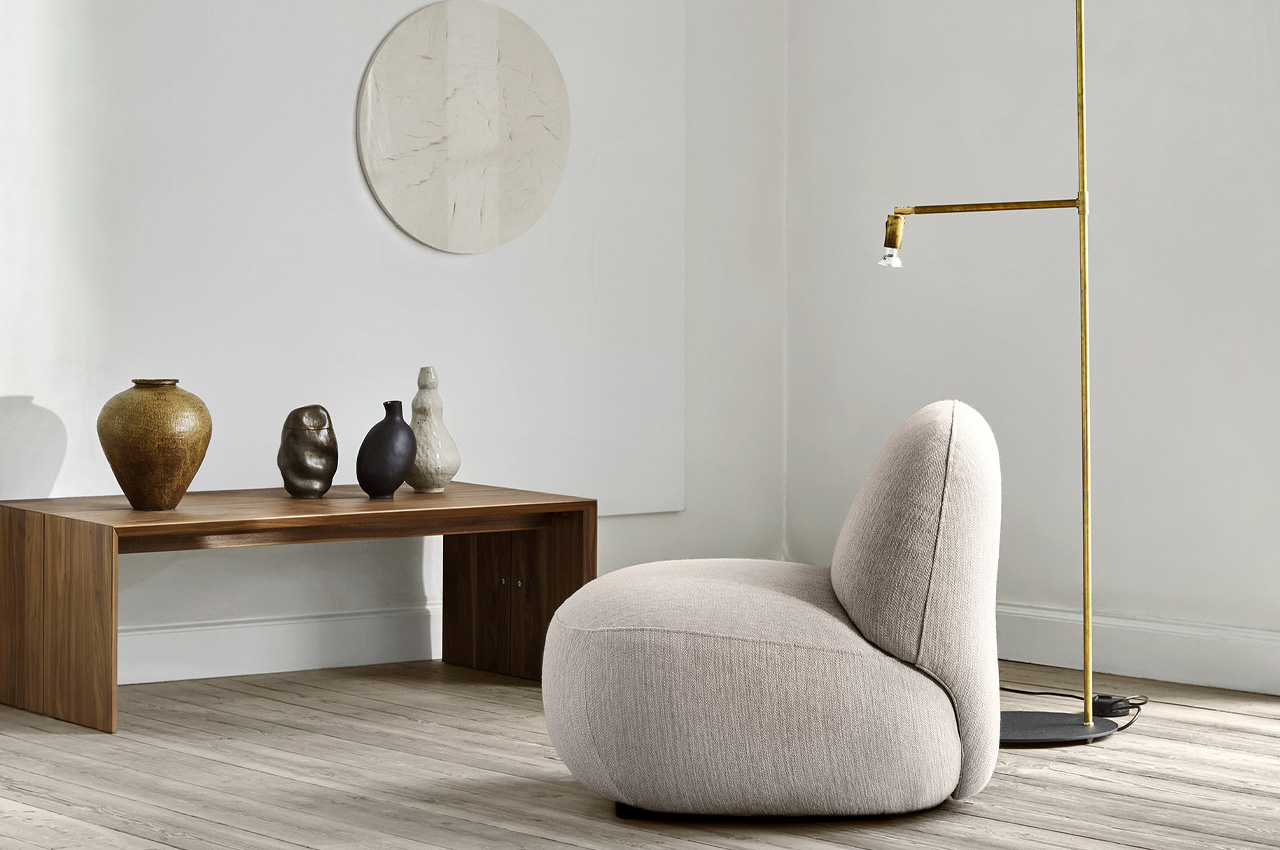
Designed by LAB15 for the Danish brand Eilersen, this Havana lounge chair is a cozy and chonky seat inspired by the Cuban chairs of the Art Deco period.

Why is it noteworthy?

The comfy and super-rounded seat features a pebble-like pouffe in its center which forms the main body of the chair. The bulbous pouffe can be accentuated with single or double arms and an optional backrest. The Havana chair is built of organic shapes, giving it a rather cozy and cushy feel.

What we like

  • Upholstered in a large range of solid-colored, textured, or patterned fabrics or in leather

What we dislike

  • Space-consuming and bulky design, not suited for homes with space constraints

7. Nebula Lounge Wood Chair
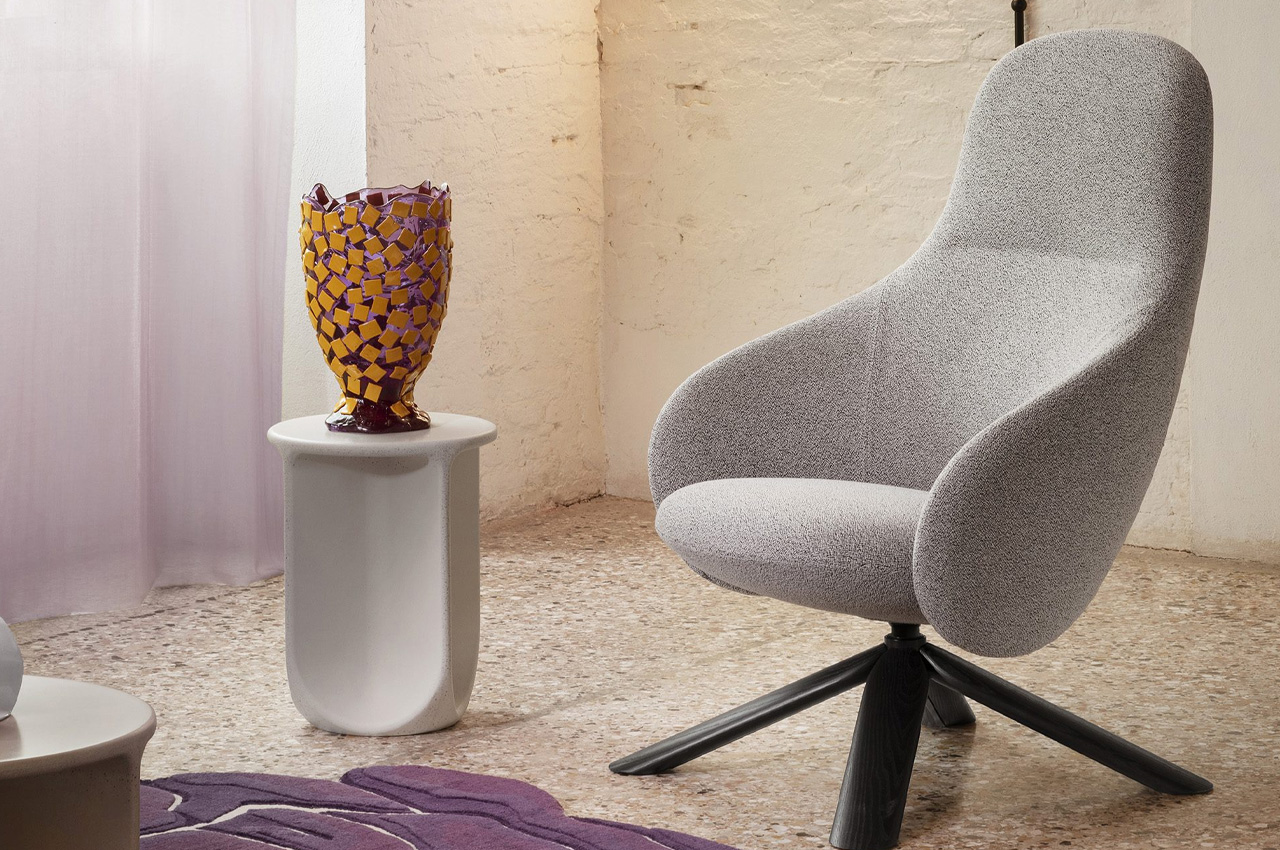
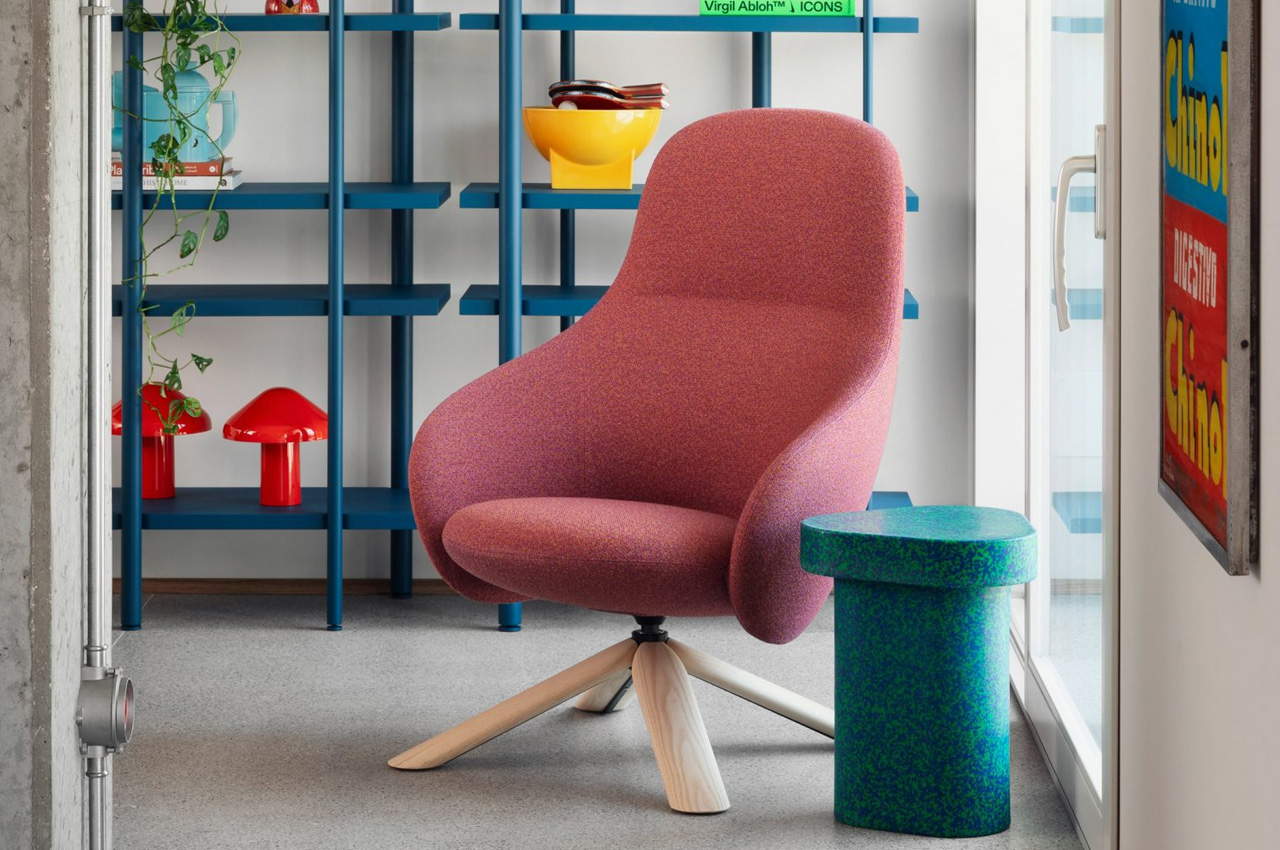
Designed by Italian design studio E-ggs for furniture brand Miniforms, the Nebula lounge wood chair is a versatile and unique chair that is available in a choice of three different bases.

Why is it noteworthy?

Much like the aluminum base, the wooden base features a tilt-and-return mechanism that allows the chair to dynamically respond to shifting sittings positions, while also providing the warmth and subtleness of wood to the chair.

What we like

  • Optimum option for homes with a generous amount of space

What we dislike

  • Not recommended for homes with smaller real estate, as it may promote cramping issues

8. Kainchee
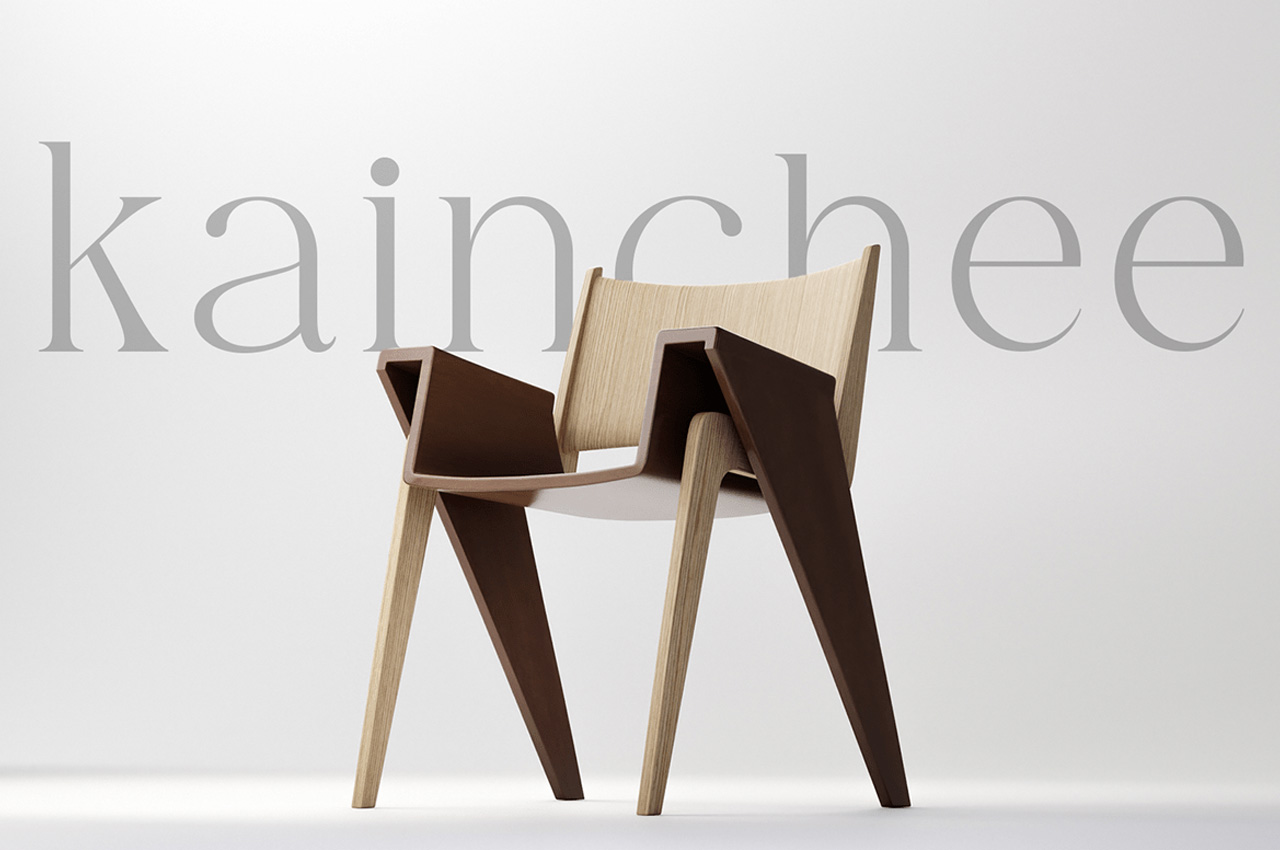
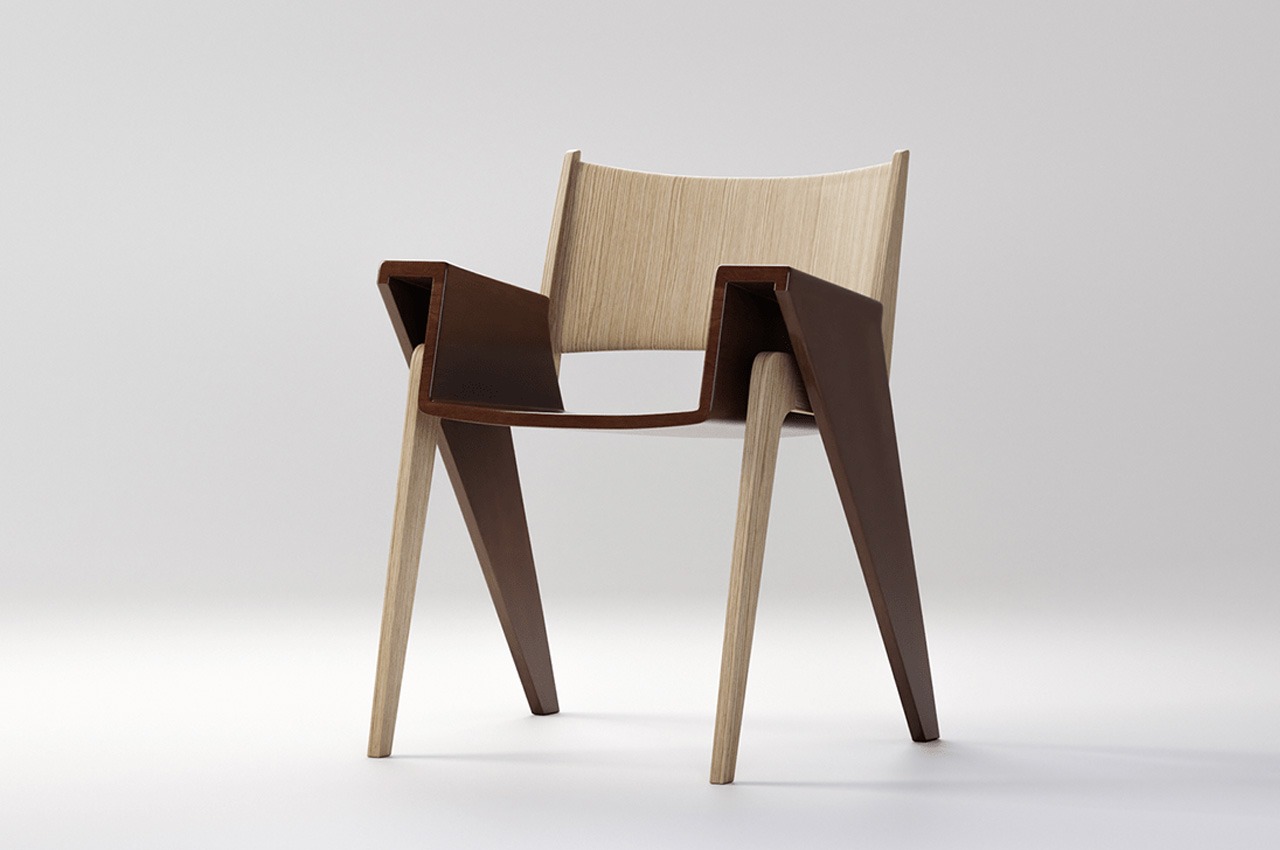
The name Kainchee is a unique one for a chair. Kainchee quite literally means scissors in the Hindi language. And if you look closely, you can understand why the designer dubbed his design Kainchee.

Why is it noteworthy?

The chair does look like two pairs of scissors, from the bottom half at least. The star feature of the chair is its intertwining and geometrically intriguing form. A band of walnut wood forms the seat of the chair, while subtly interlocking with the ash wood to form the legs of the chair. The interlocking walnut and ash wood legs bring to mind the image of two scissors!

What we like

  • Unique design with utility + functionality
  • Invites users to have seats, and engage with others in a social setting, in turn enriching their social life

What we dislike

  • It’s a concept!

9. Sand Chair

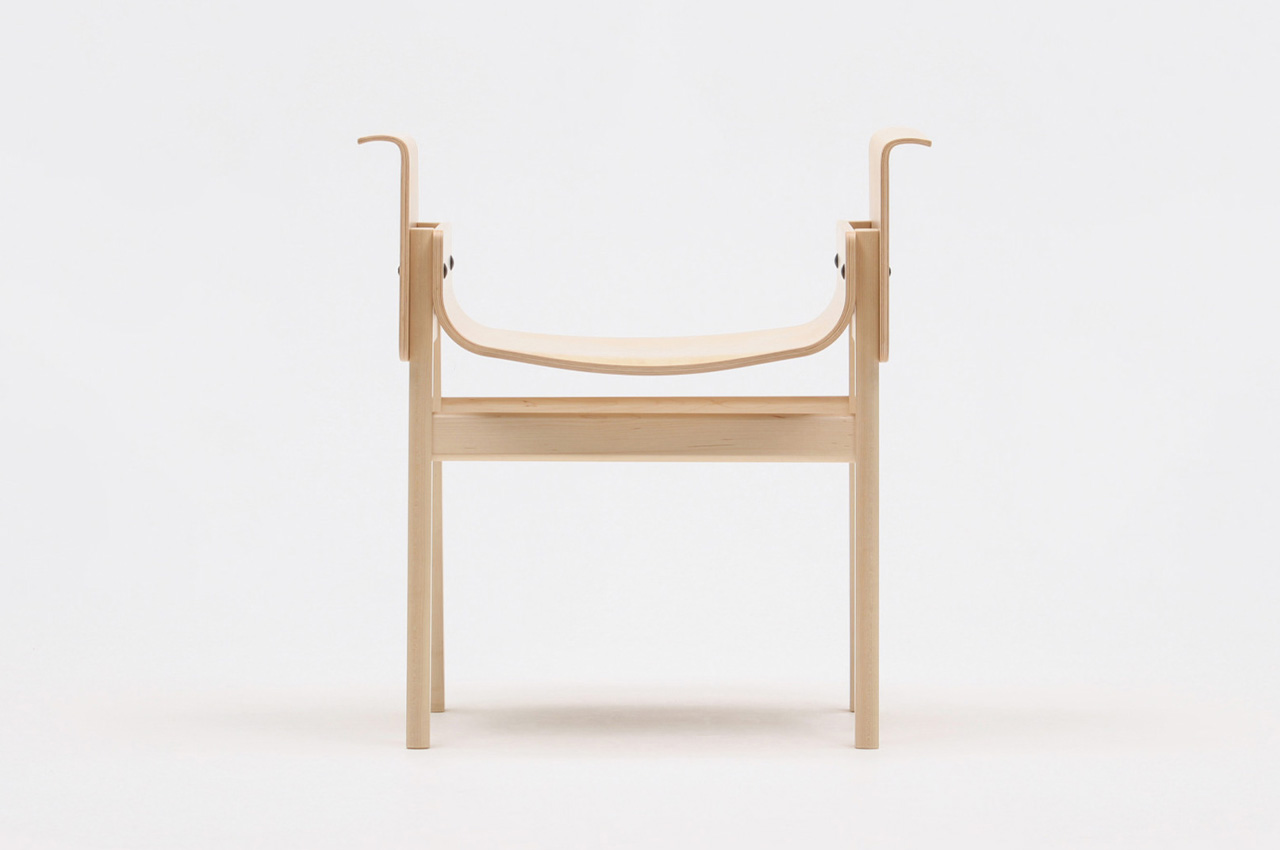
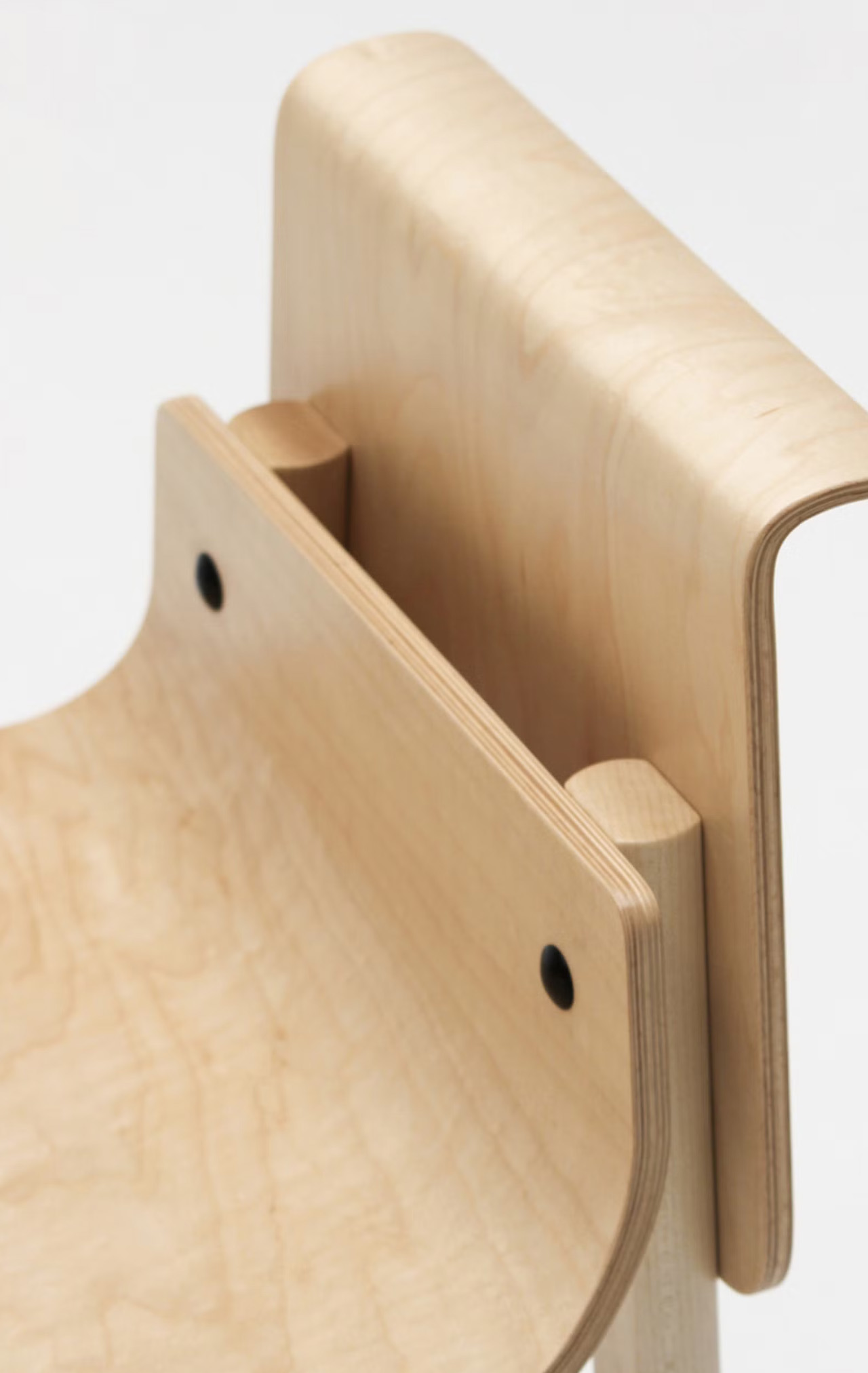
The Sand Chair was designed by product designer and architect Koichi Futatsumata, and it was launched as a part of Tendo Makko’s Japanese Modern/80 Project celebrating the 80th anniversary of the furniture brand.

Why is it noteworthy?

The Sand Chair is the epitome of contemporary Japanese design, and it has a unique flexible build, that allows it to be converted into multiple seating options. It isn’t actually named after the sand found on beaches, it is named after the ‘sandwiched’ components that come together to create this harmonious chair.

What we like

  • Available in a variety of configurations – without backrests, armrests, or even bench versions

What we dislike

  • At first glance, it seems like a simple + basic chair

10. Big Chair

The Big Chair is designed to be a playful and amusing furniture design, that functions as a whimsical element in your home.

Why is it noteworthy?

It has an expansive and inviting seat that is intended for one person but can seat two people. The Big Chair was created by BNF founder Ben Newman, and he says that the over-the-top, and exaggerated elements of the chair are inspired by the ’80s maximalism and the Memphis design movement.

What we like

  • Quirky over-the-top elements that set it apart from traditional & mundane chairs

What we dislike

  • As its name signifies, it is a bulky + space-consuming design

The post Top 10 Chairs Designed To Function As The Ideal Seating Options For Your Home first appeared on Yanko Design.