Apple backtracks on plans to get rid of web apps on iPhones in the EU

Apple has walked back its decision to remove home screen web apps in the European Union (EU). After initially blaming its decision to ditch them on the Digital Markets Act’s (DMA) requirement to support non-WebKit browsers, Apple now says European users will return to enjoying the same web app experience from before when iOS 17.4 arrives early this month.

“We have received requests to continue to offer support for Home Screen web apps in iOS, therefore we will continue to offer the existing Home Screen web apps capability in the EU,” Apple wrote Friday in an updated developer support document. “This support means Home Screen web apps continue to be built directly on WebKit and its security architecture, and align with the security and privacy model for native apps on iOS.”

Progressive web apps (PWAs) act much like native apps with features like dedicated windows, notifications and local storage. Apple removed them for European customers in the second iOS 17.4 beta, instead asking if users want to open the website in Safari.

At the time, the company claimed web app support could compromise security, given the DMA’s requirement to support non-WebKit browser engines. “Addressing the complex security and privacy concerns associated with web apps using alternative browser engines would require building an entirely new integration architecture that does not currently exist in iOS and was not practical to undertake given the other demands of the DMA and the very low user adoption of Home Screen web apps,” the company wrote in February.

The Open Web Advocacy organization chimed in quickly to criticize Apple’s now-reversed move. “Apple has had 15 years to facilitate true browser competition worldwide, and nearly two years since the DMA’s final text,” the organization wrote in February. “It could have used that time to share functionality it historically self-preferenced to Safari with other browsers. Inaction and silence speaks volumes.”

The EU didn’t sound much happier about the web app removal. European Commission officials said in late February they were probing Apple’s decision in what sounded like the build-up to a formal investigation. The Financial Times reported that regulators sent developers questions about the impact of Apple’s PWA removal.

Whatever may have happened between then and now to change Apple’s mind, it’s remaining tight-lipped. Instead, the company is framing its reversal as a simple response to “requests” it received to continue offering home screen web apps. Perhaps EU officials assured the iPhone maker the company wouldn’t need to support PWAs from other browser engines, or maybe the company merely wanted to head off a formal probe (and the bad PR it could generate). Regardless, only European iOS 17.4 beta users are without web apps, and they’ll have them back once the software’s final version arrives.

This article originally appeared on Engadget at https://www.engadget.com/apple-backtracks-on-plans-to-get-rid-of-web-apps-on-iphones-in-the-eu-195232177.html?src=rss
Dune 2 kicks butt (literally)

I knew what I was getting into when I sat down for a press screening of Dune Part 2: A towering sci-fi epic best viewed on an enormous theater screen, just like Denis Villeneuve's first Dune film. What I didn't realize was that it would also give me a serious back massage — it really does kick butt. That was my experience at an Atlanta-area AMC, where the film whipped the Dolby Cinema seats into such a frenzy that, for one thrilling sequence, I felt like I was actually riding a sandworm plowing through the spice-filled desert of Arrakis.

Now, I can't guarantee you'll have the same ride at a normal theater (unless the subwoofer is cranked up obscenely high). What makes AMC's Dolby Cinema locations unique is that they feature rumbling transducers in every recliner seat, in addition to powerful dual-laser Dolby Vision projectors and enveloping Atmos sound. I've seen tons of films in AMC Dolby Cinemas since those screens began rolling out in 2017, but Dune Part 2 is the first time the haptic seats actually felt like they enhanced my moviegoing experience. When I rushed out to the bathroom in the middle of the film, I noticed that my body was still vibrating, the way you sort of feel after a deep massage by expert fingers.

Technically, you're still better off watching Dune Part 2 in IMAX theaters — it was actually filmed for that enormous format, and true IMAX theaters also deliver enough walloping low-end sound to shake your core without the need for rumbling seats. But it's hard to find full-sized IMAX screens, and for most US viewers it'll likely be easier to find a nearby AMC Dolby Cinema.

Let's be clear: I'm no fan of theater gimmicks, like the moving seats and various weather effects in 4DX cinemas. So I'm genuinely surprised how much I appreciated a heavy dose of recliner rumbling in Dune Part 2. Perhaps it's because the film is also fanbtastic — not that I expected any less from Villeneuve, a director who turned the first Dune into a cinematic feast and was also miraculously able to deliver a Blade Runner sequel that surpassed the original.

Dune 2
Photo by NIKO TAVERNISE for Warner Bros.

Dune Part 2 picks up where the first film abruptly ended, with Paul Atreides and his mother making their way through the desert with its native inhabitants, the Fremen. It's immediately clear that this isn't actually a sequel to the first film, it's genuinely a second half, with all of the action and more spectacle that many felt were lacking before.

Personally, though, I just loved being back in Villeneuve's vision of Frank Herbert's universe. As much as I appreciate the bombastic costumes and environments from David Lynch's Dune adaptation, I find this iteration far more immersive: Every room seems genuinely lived in, every custom feels like an organic outgrowth of a society that's existed for thousands of years. It's the sort of attention to detail we don't often see in films and TV today, when it's easier to shoot faux desert scenes on ILM's StageCraft set (aka "The Volume," the technology that was so thoughtlessly implemented in Quantumania).

Dune 2
Warner Bros.

Even if you don’t end up seeing Dune Part 2 in a Dolby Cinema (I swear, this isn’t an ad), it’s a film worth seeing on the big screen. Its vast scale and ambition can’t be contained on a TV, and its elaborate soundscape (including Hans Zimmer going extra hard for the score) deserves more than tinny flatscreen speakers or a mere soundbar.

Dune has always seemed like an unadaptable work, something so massive that it could only truly exist in Frank Herbert’s shroom-filled dreams. But once again, Villeneuve and his creative team have seemingly done the impossible: They’ve turned the fantasy of Dune into a cinematic reality. You owe it to yourself to pay tribute.

This article originally appeared on Engadget at https://www.engadget.com/dune-2-review-dolby-cinema-194415814.html?src=rss

Dune 2 kicks butt (literally)

I knew what I was getting into when I sat down for a press screening of Dune Part 2: A towering sci-fi epic best viewed on an enormous theater screen, just like Denis Villeneuve's first Dune film. What I didn't realize was that it would also give me a serious back massage — it really does kick butt. That was my experience at an Atlanta-area AMC, where the film whipped the Dolby Cinema seats into such a frenzy that, for one thrilling sequence, I felt like I was actually riding a sandworm plowing through the spice-filled desert of Arrakis.

Now, I can't guarantee you'll have the same ride at a normal theater (unless the subwoofer is cranked up obscenely high). What makes AMC's Dolby Cinema locations unique is that they feature rumbling transducers in every recliner seat, in addition to powerful dual-laser Dolby Vision projectors and enveloping Atmos sound. I've seen tons of films in AMC Dolby Cinemas since those screens began rolling out in 2017, but Dune Part 2 is the first time the haptic seats actually felt like they enhanced my moviegoing experience. When I rushed out to the bathroom in the middle of the film, I noticed that my body was still vibrating, the way you sort of feel after a deep massage by expert fingers.

Technically, you're still better off watching Dune Part 2 in IMAX theaters — it was actually filmed for that enormous format, and true IMAX theaters also deliver enough walloping low-end sound to shake your core without the need for rumbling seats. But it's hard to find full-sized IMAX screens, and for most US viewers it'll likely be easier to find a nearby AMC Dolby Cinema.

Let's be clear: I'm no fan of theater gimmicks, like the moving seats and various weather effects in 4DX cinemas. So I'm genuinely surprised how much I appreciated a heavy dose of recliner rumbling in Dune Part 2. Perhaps it's because the film is also fanbtastic — not that I expected any less from Villeneuve, a director who turned the first Dune into a cinematic feast and was also miraculously able to deliver a Blade Runner sequel that surpassed the original.

Dune 2
Photo by NIKO TAVERNISE for Warner Bros.

Dune Part 2 picks up where the first film abruptly ended, with Paul Atreides and his mother making their way through the desert with its native inhabitants, the Fremen. It's immediately clear that this isn't actually a sequel to the first film, it's genuinely a second half, with all of the action and more spectacle that many felt were lacking before.

Personally, though, I just loved being back in Villeneuve's vision of Frank Herbert's universe. As much as I appreciate the bombastic costumes and environments from David Lynch's Dune adaptation, I find this iteration far more immersive: Every room seems genuinely lived in, every custom feels like an organic outgrowth of a society that's existed for thousands of years. It's the sort of attention to detail we don't often see in films and TV today, when it's easier to shoot faux desert scenes on ILM's StageCraft set (aka "The Volume," the technology that was so thoughtlessly implemented in Quantumania).

Dune 2
Warner Bros.

Even if you don’t end up seeing Dune Part 2 in a Dolby Cinema (I swear, this isn’t an ad), it’s a film worth seeing on the big screen. Its vast scale and ambition can’t be contained on a TV, and its elaborate soundscape (including Hans Zimmer going extra hard for the score) deserves more than tinny flatscreen speakers or a mere soundbar.

Dune has always seemed like an unadaptable work, something so massive that it could only truly exist in Frank Herbert’s shroom-filled dreams. But once again, Villeneuve and his creative team have seemingly done the impossible: They’ve turned the fantasy of Dune into a cinematic reality. You owe it to yourself to pay tribute.

This article originally appeared on Engadget at https://www.engadget.com/dune-2-review-dolby-cinema-194415814.html?src=rss

Adobe’s latest AI experiment generates music from text

This week, Adobe revealed an experimental audio AI tool to join its image-based ones in Photoshop. Described by the company as “an early-stage generative AI music generation and editing tool,” Adobe’s Project Music GenAI Control can create music (and other audio) from text prompts, which it can then fine-tune in the same interface.

Adobe frames the Firefly-based technology as a creative ally that — unlike generative audio experiments like Google’s MusicLM — goes a step further and skips the hassle of moving the output to external apps like Pro Tools, Logic Pro or GarageBand for editing. “Instead of manually cutting existing music to make intros, outros, and background audio, Project Music GenAI Control could help users to create exactly the pieces they need—solving workflow pain points end-to-end,” Adobe wrote in an announcement blog post.

The company suggests starting with text inputs like “powerful rock,” “happy dance” or “sad jazz” as a foundation. From there, you can enter more prompts to adjust its tempo, structure and repetition, increase its intensity, extend its length, remix entire sections or create loops. The company says it can even transform audio based on a reference melody.

Adobe says the resulting music is safe for commercial use. It’s also integrating its Content Credentials (“nutrition labels” for generated content), an attempt to be transparent about your masterpiece’s AI-assisted nature.

“One of the exciting things about these new tools is that they aren’t just about generating audio—they’re taking it to the level of Photoshop by giving creatives the same kind of deep control to shape, tweak, and edit their audio. It’s a kind of pixel-level control for music,” Adobe Research scientist Nicholas Bryan wrote.

The project is a collaboration with the University of California, San Diego and the School of Computer Science, Carnegie Mellon University. Adobe’s announcement emphasized Project Music GenAI Control’s experimental nature. (It didn’t reveal much of its interface in the video above, suggesting it may not have a consumer-facing UI yet.) So you may have to wait a while before the feature (presumably) makes its way into Adobe’s Creative Cloud suite.

This article originally appeared on Engadget at https://www.engadget.com/adobes-latest-ai-experiment-generates-music-from-text-184019169.html?src=rss

Adobe’s latest AI experiment generates music from text

This week, Adobe revealed an experimental audio AI tool to join its image-based ones in Photoshop. Described by the company as “an early-stage generative AI music generation and editing tool,” Adobe’s Project Music GenAI Control can create music (and other audio) from text prompts, which it can then fine-tune in the same interface.

Adobe frames the Firefly-based technology as a creative ally that — unlike generative audio experiments like Google’s MusicLM — goes a step further and skips the hassle of moving the output to external apps like Pro Tools, Logic Pro or GarageBand for editing. “Instead of manually cutting existing music to make intros, outros, and background audio, Project Music GenAI Control could help users to create exactly the pieces they need—solving workflow pain points end-to-end,” Adobe wrote in an announcement blog post.

The company suggests starting with text inputs like “powerful rock,” “happy dance” or “sad jazz” as a foundation. From there, you can enter more prompts to adjust its tempo, structure and repetition, increase its intensity, extend its length, remix entire sections or create loops. The company says it can even transform audio based on a reference melody.

Adobe says the resulting music is safe for commercial use. It’s also integrating its Content Credentials (“nutrition labels” for generated content), an attempt to be transparent about your masterpiece’s AI-assisted nature.

“One of the exciting things about these new tools is that they aren’t just about generating audio—they’re taking it to the level of Photoshop by giving creatives the same kind of deep control to shape, tweak, and edit their audio. It’s a kind of pixel-level control for music,” Adobe Research scientist Nicholas Bryan wrote.

The project is a collaboration with the University of California, San Diego and the School of Computer Science, Carnegie Mellon University. Adobe’s announcement emphasized Project Music GenAI Control’s experimental nature. (It didn’t reveal much of its interface in the video above, suggesting it may not have a consumer-facing UI yet.) So you may have to wait a while before the feature (presumably) makes its way into Adobe’s Creative Cloud suite.

This article originally appeared on Engadget at https://www.engadget.com/adobes-latest-ai-experiment-generates-music-from-text-184019169.html?src=rss

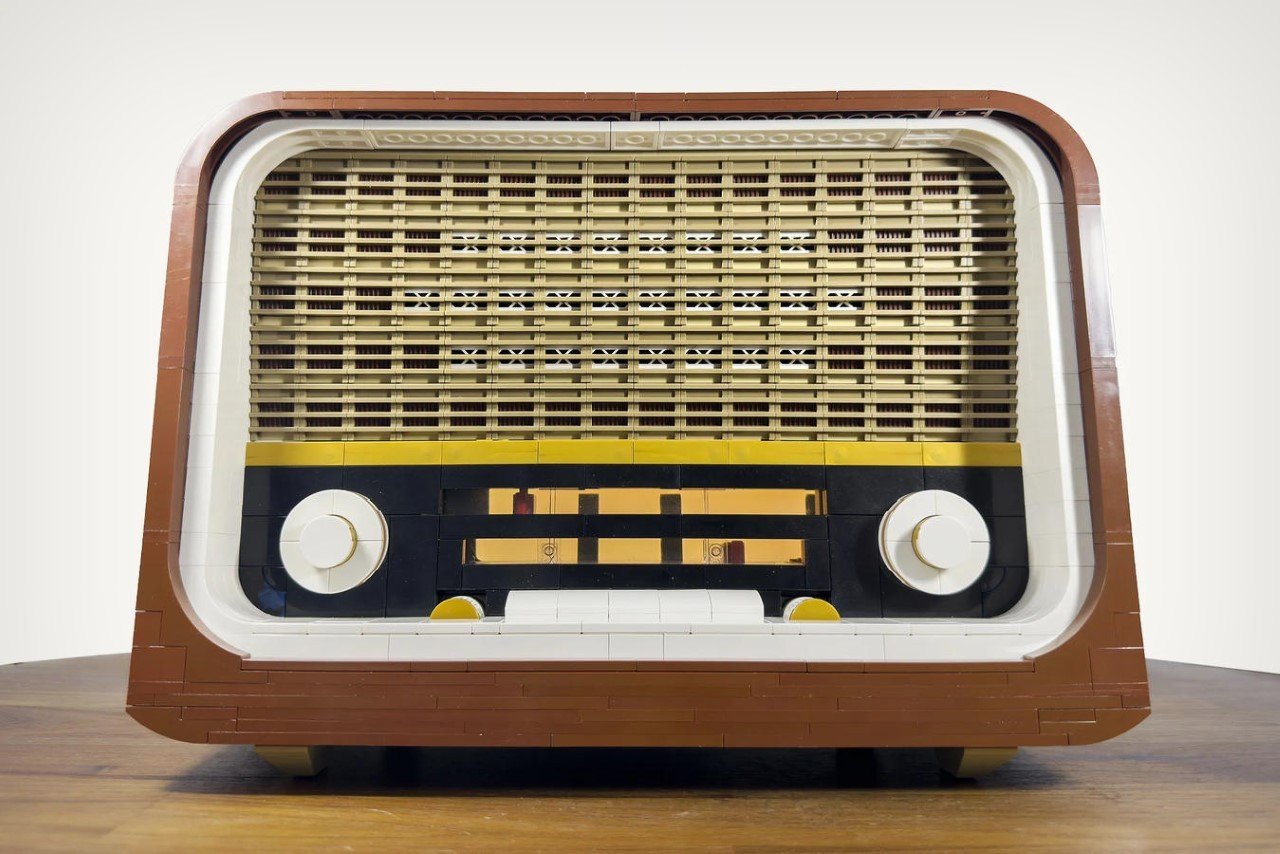
This LEGO Vintage Radio lets you actually play music through your smartphone…

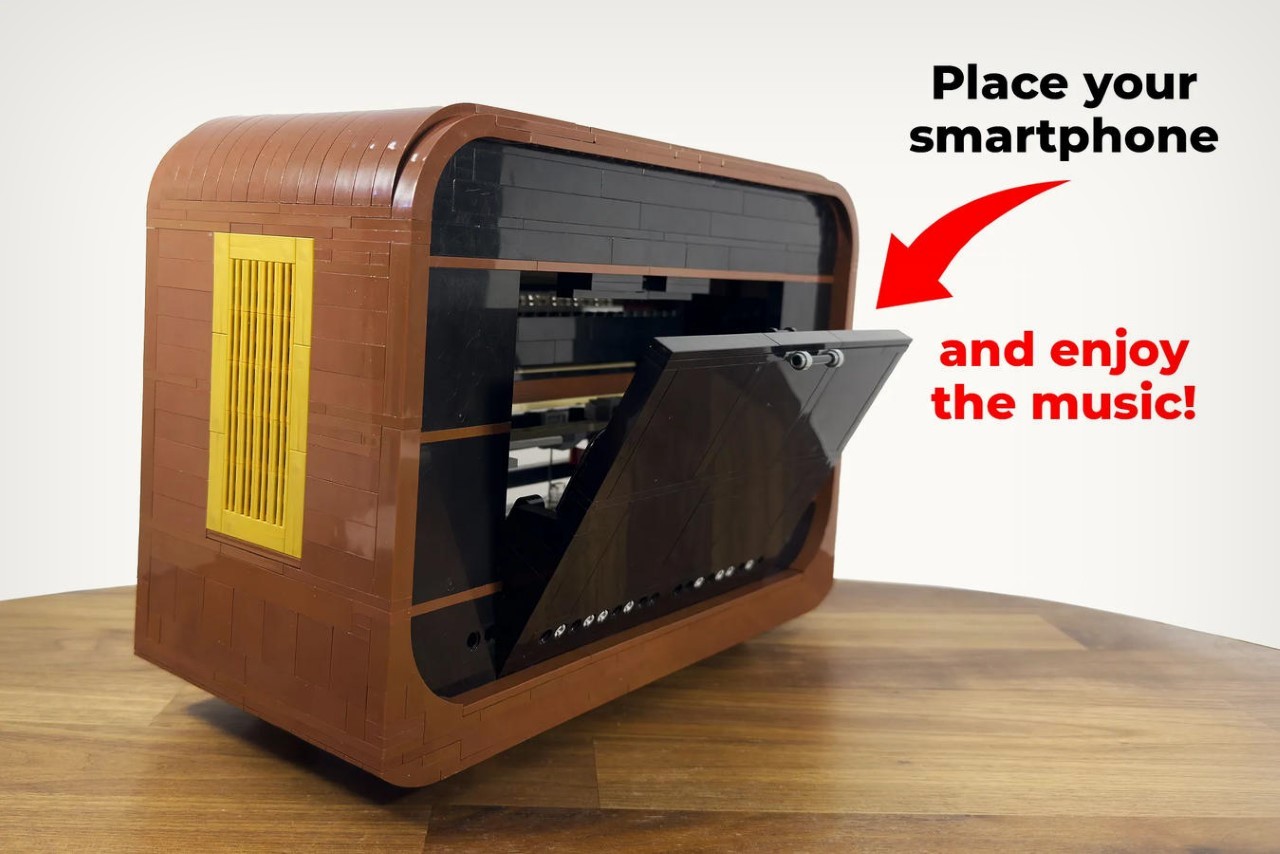
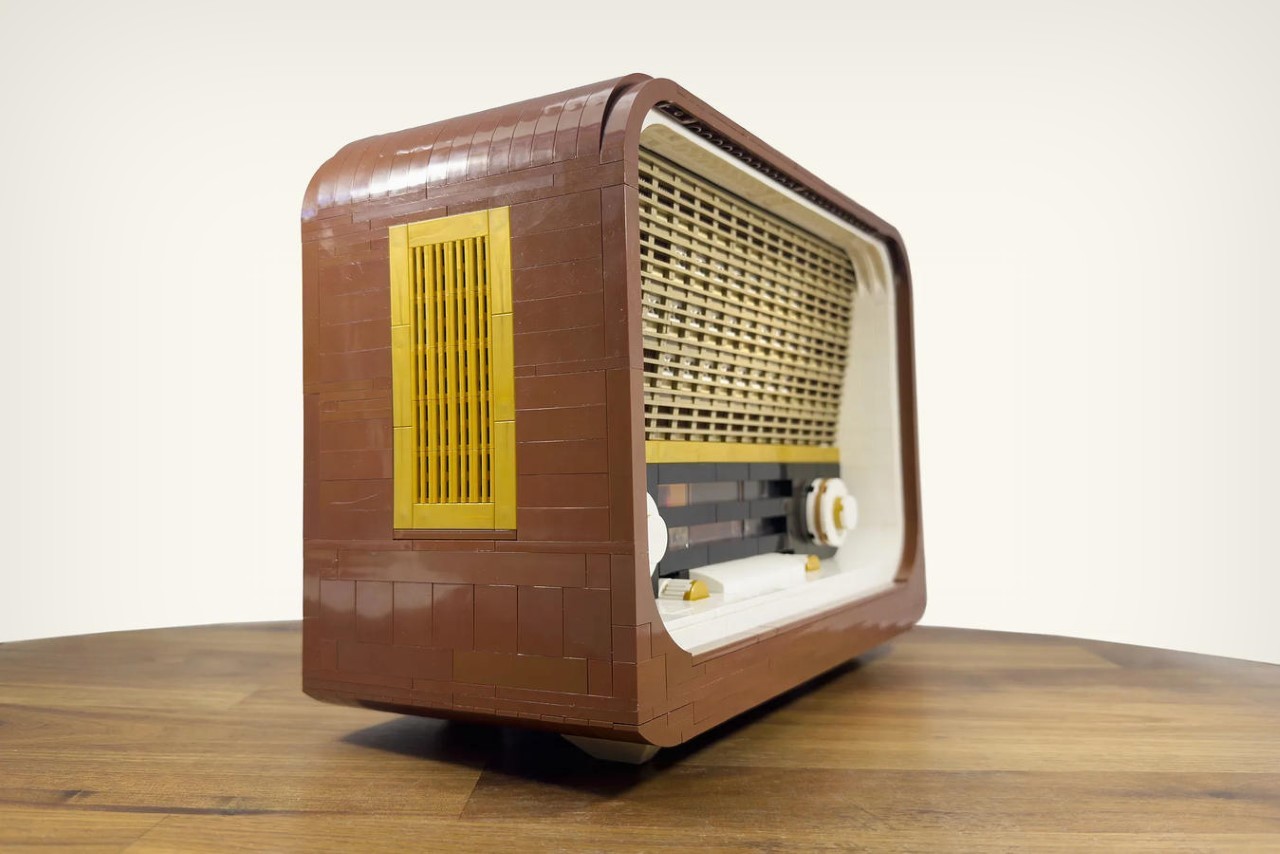
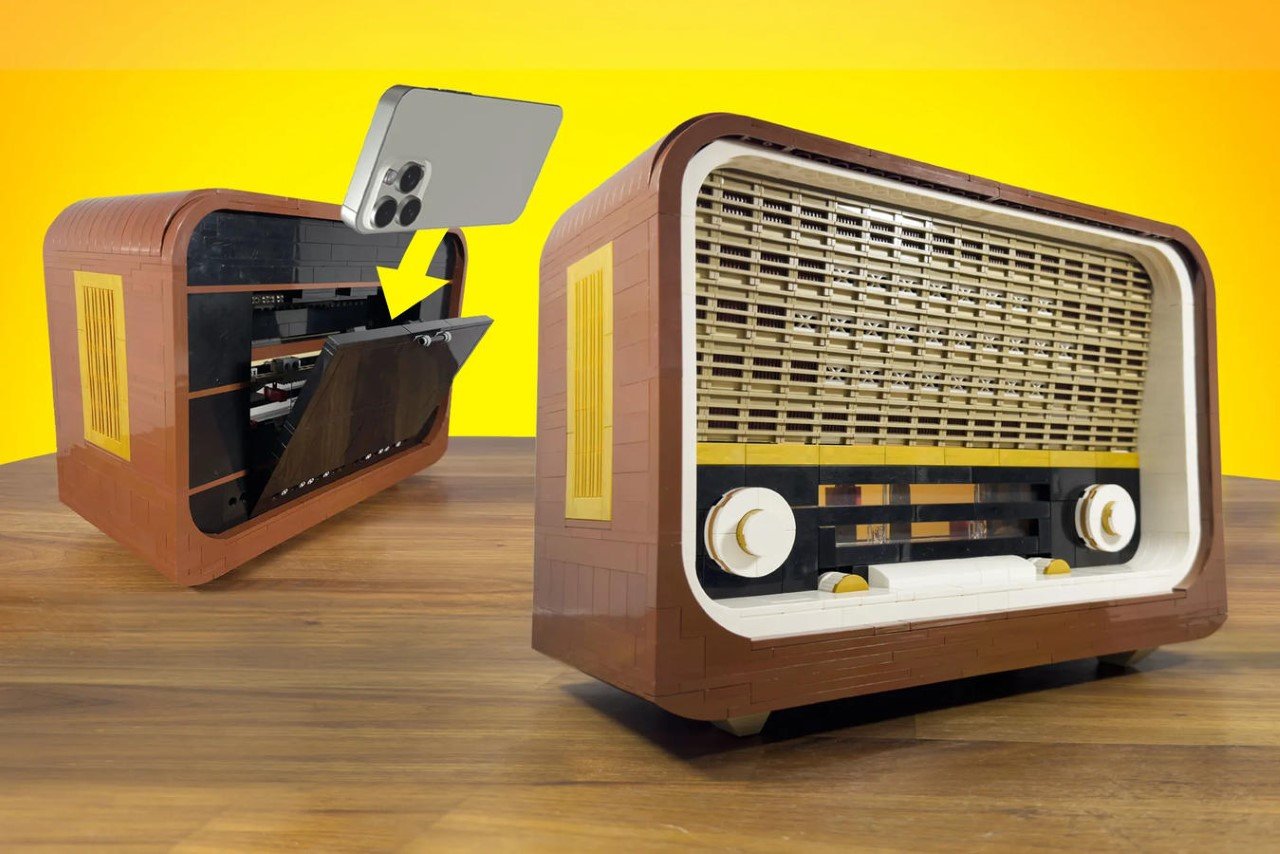
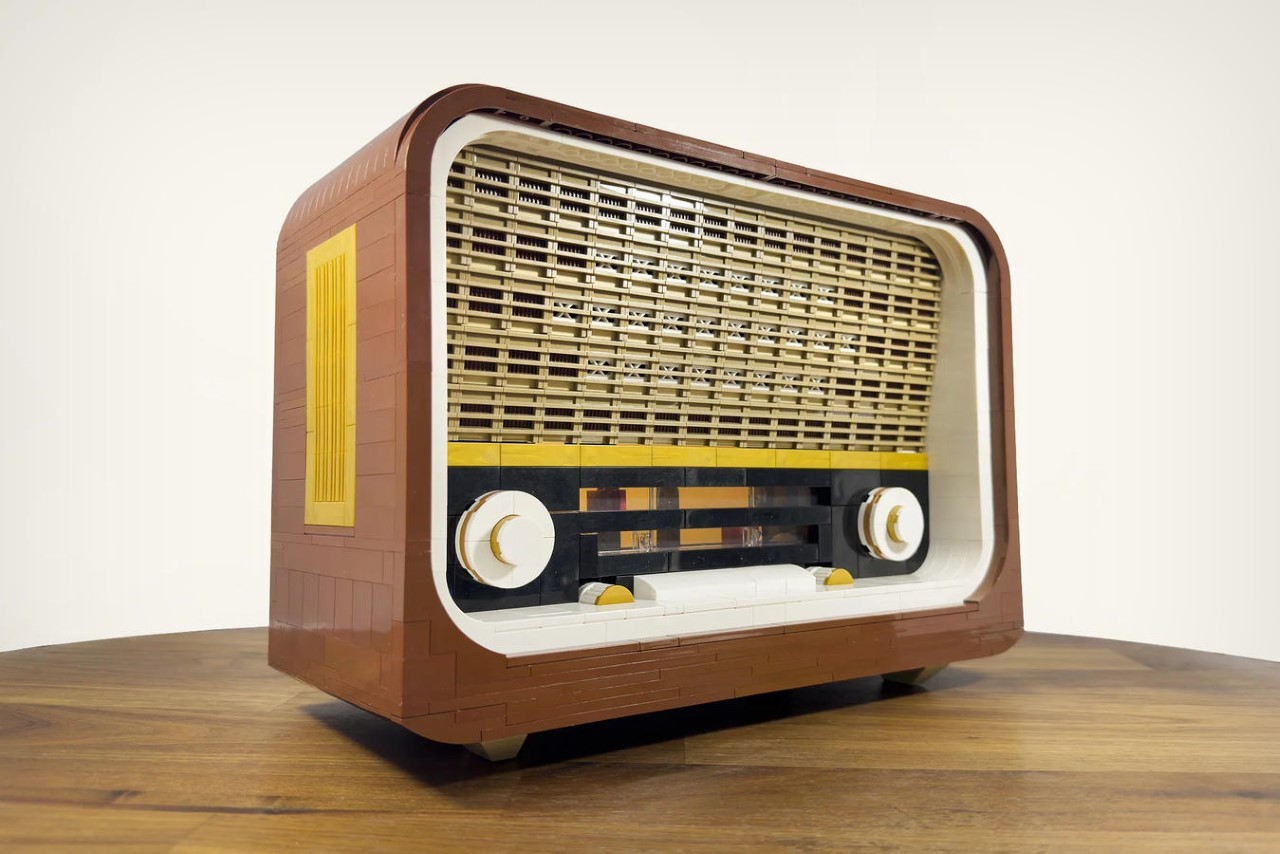
With 25 submissions to the LEGO Ideas forum (5 of which crossed the 10,000 vote mark), LEGO builder Dimexart is somewhat of a veteran when it comes to putting plastic bricks together. The brick aficionado’s latest creation combines LEGOs with the real-world in the form of a vintage radio that actually plays music. Made from over a thousand LEGO bricks, this vintage radio has a secret flap on the back that lets you slide your smartphone in. Switch on Spotify or YouTube, select your favorite track, and hit play as you pop your phone into the LEGO Vintage Radio and it recreates the feeling of having an antique radio playing your favorite tracks! The best part, Dimexart’s build comes with functional knobs and buttons that you can twist and press, moving sliders inside the gizmo just like you would with an authentic AM/FM radio.

Designer: Dimexart

Strangely enough, Dimexart made a radio back in 2021 out of LEGO bricks, and it did cross the 10,000 vote mark too, but was rejected by LEGO’s internal team. Unfazed by this, Dimexart went back to the drawing board and decided to tweak the radio to make it even better. The new MOC (My Own Creation, as it’s called in LEGO parlance) now features a flap on the back that let’s you slide any smartphone in, using the phone’s speakers and the acoustic chamber of the empty LEGO radio to create that warm, slightly twangy audio associated with radios of the past.

In Dimexart’s demo, he even uses the phone screen to mimic the warm backlight seen in most radio control panels. Given that they were sometimes used at night too, radios came with lights in their gauges so you could see which station you were on. Dimexart’s build uses light from your smartphone’s screen to create a similar experience.

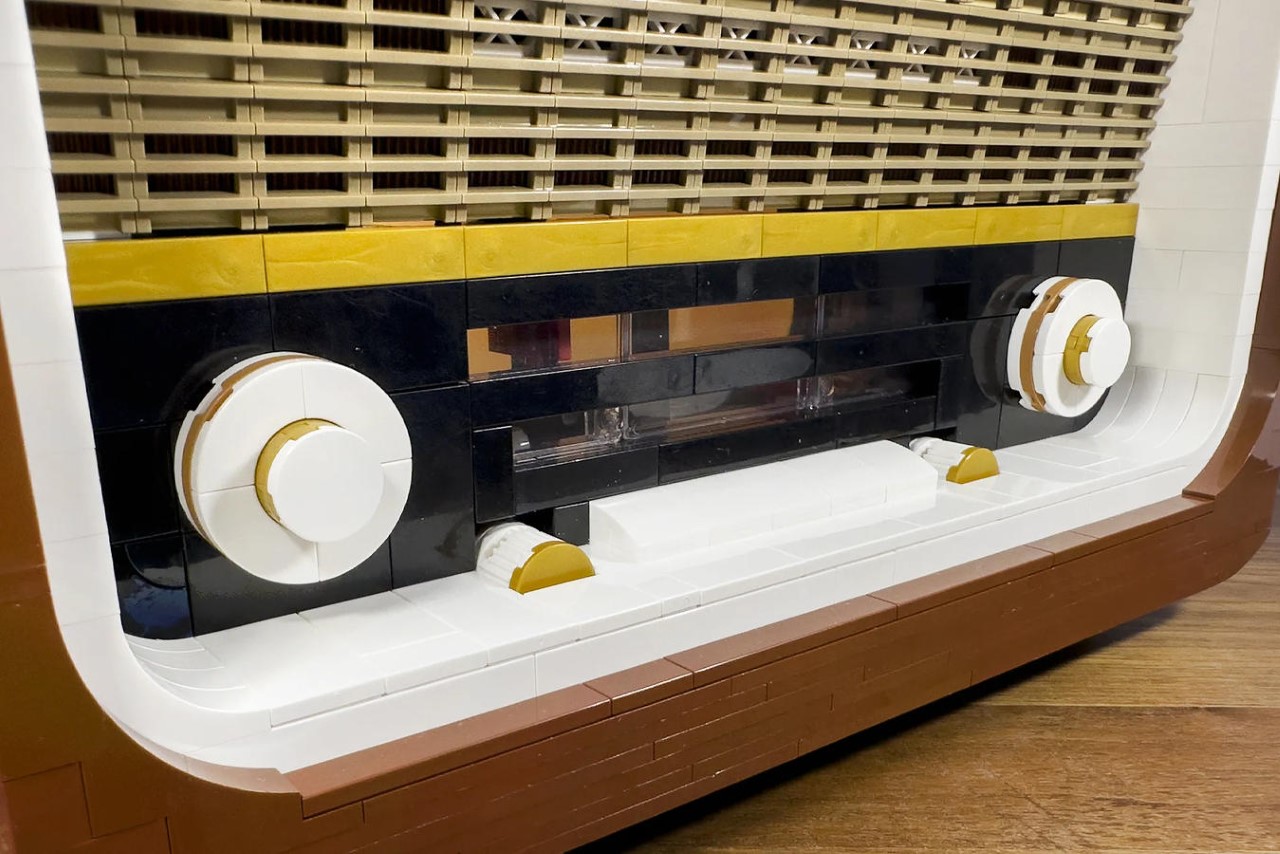
The dials on the left and right are both functional and cause sliders inside to move left or right to indicate the station/frequency or the volume. There are dials/knobs and buttons on the bottom too, which are functional in that they can be interacted with – but that’s about all they do. It’s a fun interaction, however, and recreates the real tactile joy of the radio, which firmly belonged in a much more hands-on era long before touchscreens dominated our lives. The radio comes with a wood-inspired aesthetic, a rather realistic set of grills, and that gorgeous control panel on the bottom that I’m sure you won’t be able to get enough of.

Dimexart’s entry currently has 3,228 supporters as of writing this article. If you want to vote for the entry (and hopefully see it turn into a retail box set), vote for it on the LEGO Ideas website here.

The post This LEGO Vintage Radio lets you actually play music through your smartphone… first appeared on Yanko Design.

Spotify rolls out an audiobook-only subscription

Spotify has added another subscription option. This time around, it's offering a plan that has little to do with music. The Audiobooks Access Tier (which is US-only for now) offers 15 hours of audiobook listening each month for $10. You'll have access to Spotify's library of more than 200,000 titles You can, of course, still listen to ad-supported music via Spotfy's free tier.

At first glance, it might seem odd for Spotify to offer an audiobook-only tier at this price. Spotify Premium, which costs $11 per month, has the same 15 hours of audiobook listening time as well as other perks. However, audiobooks often take somewhere in the realm of between seven and 11 hours to listen to.

As such, Spotify is undercutting Audible to a degree. That platform offers one audiobook credit per month for $15. So, for $5 less with Spotify, you might be able to listen to roughly two books per month (unless you prefer to enjoy epic novels that are around 1,000-plus pages long in print). It's worth bearing in mind, though, that unused listening time does not carry over into the next month.

Spotify noted that, since it started offering 15 hours of audiobook listening to Premium subscribers at no extra cost in November, there's been a 45 percent increase in those on the free tier searching for and interacting with audiobook material every day (the company also sells audiobooks on its web player). That uptick in interest is a decent enough reason for Spotify to try an audiobook-only subscription tier.

This article originally appeared on Engadget at https://www.engadget.com/spotify-rolls-out-an-audiobook-only-subscription-180829039.html?src=rss

Spotify rolls out an audiobook-only subscription

Spotify has added another subscription option. This time around, it's offering a plan that has little to do with music. The Audiobooks Access Tier (which is US-only for now) offers 15 hours of audiobook listening each month for $10. You'll have access to Spotify's library of more than 200,000 titles You can, of course, still listen to ad-supported music via Spotfy's free tier.

At first glance, it might seem odd for Spotify to offer an audiobook-only tier at this price. Spotify Premium, which costs $11 per month, has the same 15 hours of audiobook listening time as well as other perks. However, audiobooks often take somewhere in the realm of between seven and 11 hours to listen to.

As such, Spotify is undercutting Audible to a degree. That platform offers one audiobook credit per month for $15. So, for $5 less with Spotify, you might be able to listen to roughly two books per month (unless you prefer to enjoy epic novels that are around 1,000-plus pages long in print). It's worth bearing in mind, though, that unused listening time does not carry over into the next month.

Spotify noted that, since it started offering 15 hours of audiobook listening to Premium subscribers at no extra cost in November, there's been a 45 percent increase in those on the free tier searching for and interacting with audiobook material every day (the company also sells audiobooks on its web player). That uptick in interest is a decent enough reason for Spotify to try an audiobook-only subscription tier.

This article originally appeared on Engadget at https://www.engadget.com/spotify-rolls-out-an-audiobook-only-subscription-180829039.html?src=rss

No, Mark Zuckerberg isn’t having a ‘PR moment’

Axios, a site known for political analysis and extensive use of bullet points, has joined the ranks of pundits fawning over Mark Zuckerberg’s PR strategy. The Meta CEO, they claim, is (as originally headlined) "having a PR moment" which is "casting a halo effect on the company itself." That's obviously untrue, but let's say it in a format more likely to reach Axios's audience.

The big picture: Zuckerberg’s recent PR blitz is neither out of character nor a sign of a freshly rehabbed image. In fact, Meta and Zuckerberg are staring down one of the biggest crises they’ve ever faced.

Why it matters: Praising the PR strategy of a gigantic company which is credibly accused of enabling a variety of mass-scale harms is, at best, irresponsible, even if that PR strategy was working — which it isn't.

  • Describing competitor products as inferior is exactly what executives are supposed to do. Zero points awarded.

  • The CEO of Meta responding to some of his social media comments isn’t a sign of radical authenticity, it's a ploy for engagement.

  • Saying you've "never seen Zuckerberg," who to the best of our knowledge is a living, breathing human man "act so ... real" is an astonishingly low bar to clear!

To recap here, Meta is embroiled in a massive lawsuit from nearly every state over the myriad ways it has allegedly harmed its youngest users. And Zuckerberg’s actions, or lack thereof, are at the heart of many of these claims. Court documents have revealed that the CEO personally intervened to block a proposed ban on plastic surgery filters on Instagram despite advice from experts that these effects could exacerbate body dysmorphia and eating disorders. Under his leadership, Meta turned a blind eye to children using its platform, against its own policies, and did little to stop adults from sexually harassing children. Under his leadership, Instagram’s recommendation algorithm promoted child sexual exploitation content and connected a "vast pedophile network." At the same time, Zuckerberg repeatedly denied or ignored requests from his top lieutenants to invest more in safety. Just last week, his lawyers were in federal court arguing that he should not be held personally responsible in dozens of lawsuits over the harms his platforms have allegedly caused.

The most viral moments from Zuck's Congressional testimony, which Axios bizarrely suggests was good for his image, was a moment when he stammered an apology to the families of children who have been victims of online exploitation on the platforms he controls. One parent in the room described it as “forced.” The second-most viral moment was Senator Ted Cruz pointing to a posterboard of an in-app Instagram warning screen which indicated search results might "contain images of child sexual abuse" and which also provided the option to "see results anyway."

U.S. Senator Ted Cruz (R-TX) points as he speaks, during the Senate Judiciary Committee hearing on online child sexual exploitation at the U.S. Capitol in Washington, U.S., January 31, 2024. REUTERS/Nathan Howard
REUTERS / Reuters

Needless to say, Zuckerberg and his handlers are savvy enough to know that none of that is good for the public image of the fourth-richest person in the world. That Zuckerberg has been particularly eager to share his quirky hobbies and newfound love of Japanese McDonald’s is not at all surprising. Distraction is a time-worn PR move, but no amount of light-hearted Instagram posts can blunt a headline like, "Meta Staff Found Instagram Tool Enabled Child Exploitation. The Company Pressed Ahead Anyway."

This also isn’t a new strategy for Zuckerberg. While it’s true he was once a painfully awkward and very sweaty public speaker, he has long since shed that image. And he’s gone through several different versions of himself. He spent much of 2017 on a listening tour of the US visiting farms and factories and random families’ dinner tables (many of whom happened to reside in swing states, fueling speculation that he was eyeing a move into politics.) And well, a political tour is sort of what he was doing: Zuckerberg reportedly has had a pollster whose full-time job is to track public perception of his often alien behavior. One such pollster reportedly quit after just six months, coming to believe the company was bad for society. Mark's favorability in a variety of public polls has ranged from very bad to extremely, laughably, irreparably bad.

This is far from the first time Mark has tried to distract the public with a personal hobby, only for his inability to relate to the average human experience to lead to a swift and spectacular faceplant. Take, for example, his infamous backyard grilling Facebook Live from 2017, wherein he managed to utter the word "meats" 13 times over the course of 30-odd achingly long minutes. It was awkward, but not quite as strange as the time Mark allegedly challenged himself to only eat meat from animals he himself killed, resulting in a moment where he allegedly turned an alive goat into a dead one with "a laser gun and then the knife," according to former Twitter CEO Jack Dorsey. (And like a true rich weirdo, he opted to learn how to end an animal's life, but, according to the same recollection by Dorsey, outsourced the butchering to someone else.) Perhaps more successfully, in 2019 he appeared to discover his love of foiling — which is like wakeboarding, but dorkier and much more expensive.

In short, Zuckerberg isn’t reinventing himself as much as simply remixing the same PR formula he’s been using for years, particularly when his company is in some sort of distress, which seems to be always. His people are trying very hard to make him seem like a normal guy through a mix of carefully curated social media posts, photo opps and talks with media personalities. It's a strategy that will continue to work on a handful of gullible people. At least as long as some of those media personalities — like Axios CEO Mike Allen — are willing to call men like Mark Zuckerberg "real, daring and unguarded."

This article originally appeared on Engadget at https://www.engadget.com/no-mark-zuckerberg-isnt-having-a-pr-moment-171524818.html?src=rss

No, Mark Zuckerberg isn’t having a ‘PR moment’

Axios, a site known for political analysis and extensive use of bullet points, has joined the ranks of pundits fawning over Mark Zuckerberg’s PR strategy. The Meta CEO, they claim, is (as originally headlined) "having a PR moment" which is "casting a halo effect on the company itself." That's obviously untrue, but let's say it in a format more likely to reach Axios's audience.

The big picture: Zuckerberg’s recent PR blitz is neither out of character nor a sign of a freshly rehabbed image. In fact, Meta and Zuckerberg are staring down one of the biggest crises they’ve ever faced.

Why it matters: Praising the PR strategy of a gigantic company which is credibly accused of enabling a variety of mass-scale harms is, at best, irresponsible, even if that PR strategy was working — which it isn't.

  • Describing competitor products as inferior is exactly what executives are supposed to do. Zero points awarded.

  • The CEO of Meta responding to some of his social media comments isn’t a sign of radical authenticity, it's a ploy for engagement.

  • Saying you've "never seen Zuckerberg," who to the best of our knowledge is a living, breathing human man "act so ... real" is an astonishingly low bar to clear!

To recap here, Meta is embroiled in a massive lawsuit from nearly every state over the myriad ways it has allegedly harmed its youngest users. And Zuckerberg’s actions, or lack thereof, are at the heart of many of these claims. Court documents have revealed that the CEO personally intervened to block a proposed ban on plastic surgery filters on Instagram despite advice from experts that these effects could exacerbate body dysmorphia and eating disorders. Under his leadership, Meta turned a blind eye to children using its platform, against its own policies, and did little to stop adults from sexually harassing children. Under his leadership, Instagram’s recommendation algorithm promoted child sexual exploitation content and connected a "vast pedophile network." At the same time, Zuckerberg repeatedly denied or ignored requests from his top lieutenants to invest more in safety. Just last week, his lawyers were in federal court arguing that he should not be held personally responsible in dozens of lawsuits over the harms his platforms have allegedly caused.

The most viral moments from Zuck's Congressional testimony, which Axios bizarrely suggests was good for his image, was a moment when he stammered an apology to the families of children who have been victims of online exploitation on the platforms he controls. One parent in the room described it as “forced.” The second-most viral moment was Senator Ted Cruz pointing to a posterboard of an in-app Instagram warning screen which indicated search results might "contain images of child sexual abuse" and which also provided the option to "see results anyway."

U.S. Senator Ted Cruz (R-TX) points as he speaks, during the Senate Judiciary Committee hearing on online child sexual exploitation at the U.S. Capitol in Washington, U.S., January 31, 2024. REUTERS/Nathan Howard
REUTERS / Reuters

Needless to say, Zuckerberg and his handlers are savvy enough to know that none of that is good for the public image of the fourth-richest person in the world. That Zuckerberg has been particularly eager to share his quirky hobbies and newfound love of Japanese McDonald’s is not at all surprising. Distraction is a time-worn PR move, but no amount of light-hearted Instagram posts can blunt a headline like, "Meta Staff Found Instagram Tool Enabled Child Exploitation. The Company Pressed Ahead Anyway."

This also isn’t a new strategy for Zuckerberg. While it’s true he was once a painfully awkward and very sweaty public speaker, he has long since shed that image. And he’s gone through several different versions of himself. He spent much of 2017 on a listening tour of the US visiting farms and factories and random families’ dinner tables (many of whom happened to reside in swing states, fueling speculation that he was eyeing a move into politics.) And well, a political tour is sort of what he was doing: Zuckerberg reportedly has had a pollster whose full-time job is to track public perception of his often alien behavior. One such pollster reportedly quit after just six months, coming to believe the company was bad for society. Mark's favorability in a variety of public polls has ranged from very bad to extremely, laughably, irreparably bad.

This is far from the first time Mark has tried to distract the public with a personal hobby, only for his inability to relate to the average human experience to lead to a swift and spectacular faceplant. Take, for example, his infamous backyard grilling Facebook Live from 2017, wherein he managed to utter the word "meats" 13 times over the course of 30-odd achingly long minutes. It was awkward, but not quite as strange as the time Mark allegedly challenged himself to only eat meat from animals he himself killed, resulting in a moment where he allegedly turned an alive goat into a dead one with "a laser gun and then the knife," according to former Twitter CEO Jack Dorsey. (And like a true rich weirdo, he opted to learn how to end an animal's life, but, according to the same recollection by Dorsey, outsourced the butchering to someone else.) Perhaps more successfully, in 2019 he appeared to discover his love of foiling — which is like wakeboarding, but dorkier and much more expensive.

In short, Zuckerberg isn’t reinventing himself as much as simply remixing the same PR formula he’s been using for years, particularly when his company is in some sort of distress, which seems to be always. His people are trying very hard to make him seem like a normal guy through a mix of carefully curated social media posts, photo opps and talks with media personalities. It's a strategy that will continue to work on a handful of gullible people. At least as long as some of those media personalities — like Axios CEO Mike Allen — are willing to call men like Mark Zuckerberg "real, daring and unguarded."

This article originally appeared on Engadget at https://www.engadget.com/no-mark-zuckerberg-isnt-having-a-pr-moment-171524818.html?src=rss