Apple’s second-generation AirPods Pro are back down to their lowest price ever

The latest generation of Apple's eternally popular AirPods Pro are back down to their all-time low price of $180 at Amazon. The deal takes $10 off the typical sale price of $190 and a solid $69 off the $249 MSRP. The last time we saw this price tag was during Amazon's spring sale in March. Apple updated the charging case when the iPhone 15 came out last year to give both devices a more universal USB-C port (both can also charge wirelessly). If you have an iPhone, we think these are one of the better bits of audio gear you can stick in your ears. 

The second-generation AirPods Pro (with the Lightning case) came out towards the end of 2022 — the case refresh didn't alter the buds themselves too much, other than adding some improved dust resistance. That makes these a little older at this point, but new AirPods are not one of the things we're expecting to see announced at Apple's upcoming "Let Loose" event in May (we're mostly anticipating iPad news). A more likely time for a new AirPods reveal is during the company's annual iPhone event in September. But if you don't want to wait around to see if such a debut materializes, this deal is a decent time to get your first pair. Or replace the pair you left on the train.  

We gave the AirPods Pro a score of 88 when they came out. Engadget's Billy Steele praised the effective active noise cancellation (ANC) and called the ambient sound mode one of the best on the market. Plus they work fairly seamlessly with all your Apple devices, offering quick pairing, fast device switching and hands-free Siri support. The audio itself is richer with more depth and clarity than with previous Pro generations. 

All of that lead us to name them the best wireless earbuds for iPhones in our buying guide. Of course, they don't work with non-Apple devices. Our current top pick from our guide for Android phones are the Google Pixel Buds Pro, which are currently down to $140 at Amazon after a 30 percent discount. 

Follow @EngadgetDeals on Twitter and subscribe to the Engadget Deals newsletter for the latest tech deals and buying advice.

This article originally appeared on Engadget at https://www.engadget.com/apples-second-generation-airpods-pro-are-back-down-to-their-lowest-price-ever-231655823.html?src=rss
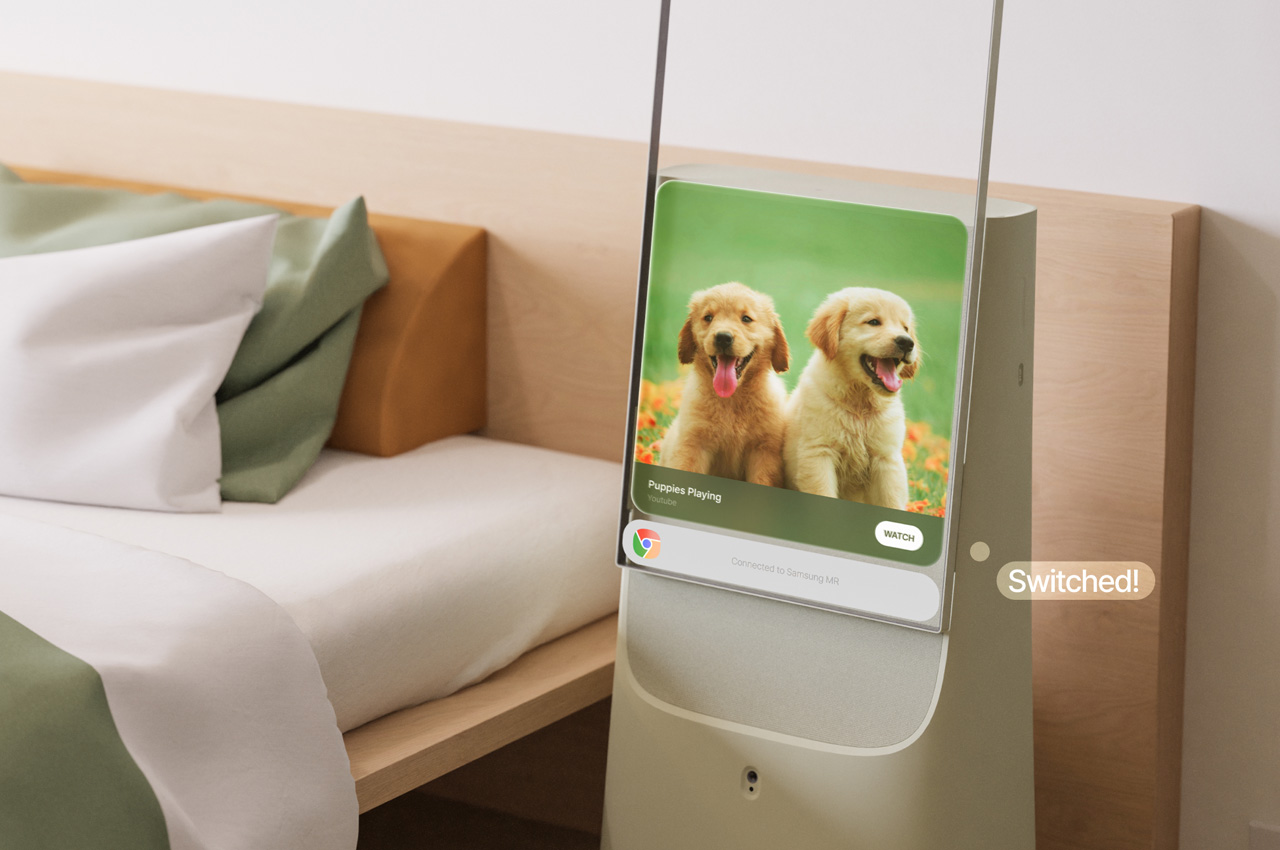
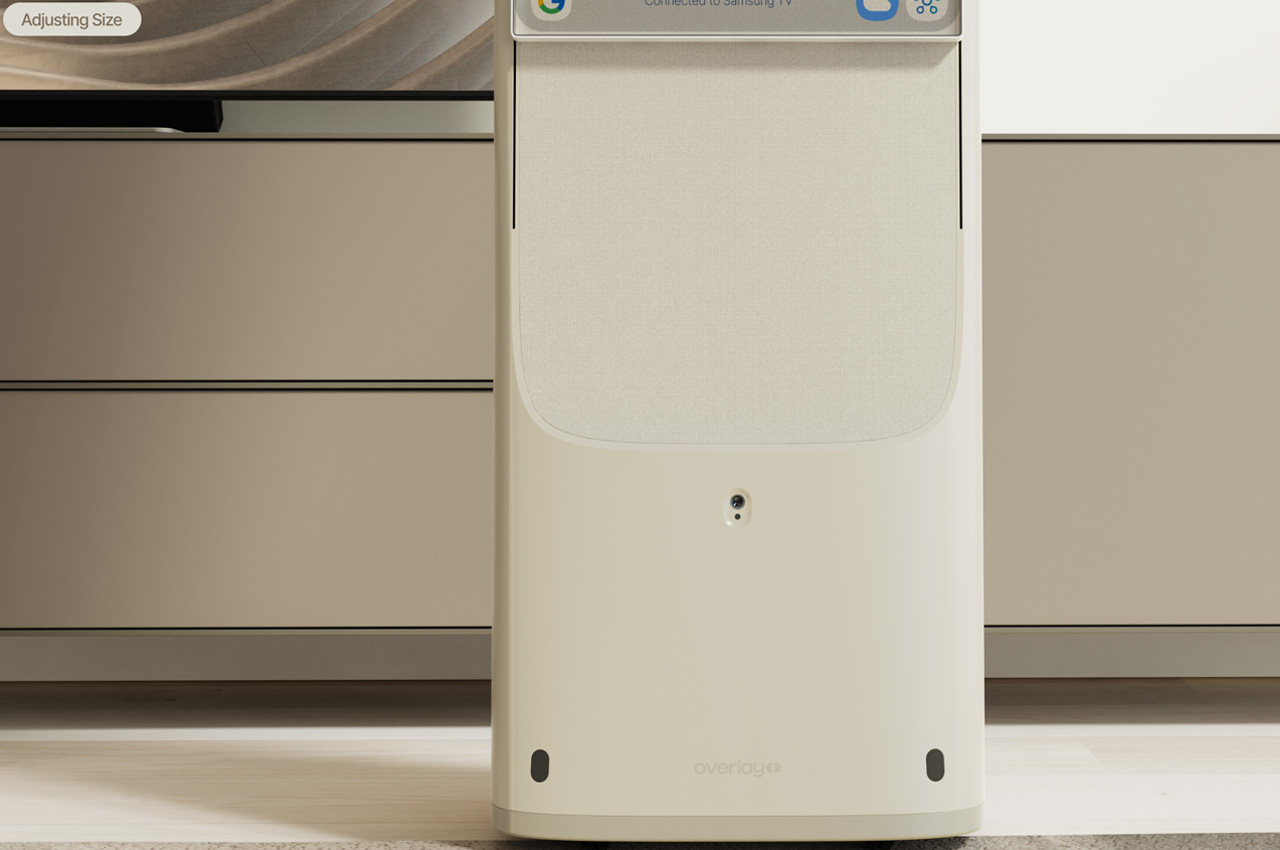
Overlay next-gen home display wants to skim down multiple display demands with one AR Screen

Thanks to smart home technology integration, we have become dependent on digital displays for communication, infotainment, and even for preparing culinary bites in the kitchen. This means we need multiple displays: one in the family room for entertainment, another in the bathroom to read news and weather updates, one in the study for working from home, and if you’re not a Michelin chef yourself, a display in the kitchen to run the recipe guide for help!

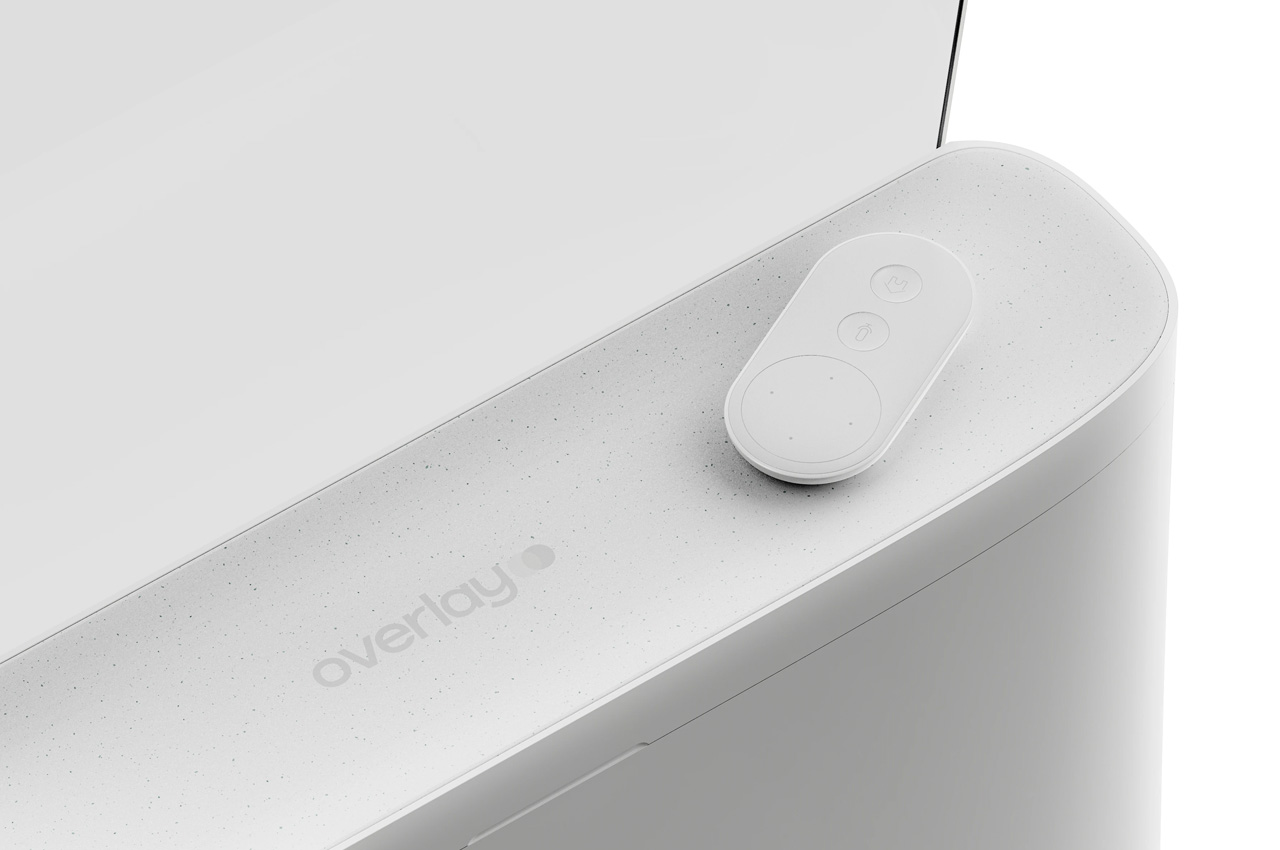
Investing in all such displays, and still having them suffice for only one purpose at one place doesn’t really add up in 2024. If you’re in the same league of thought, Overlay – designed for Samsung – is the “Next Home Display” that wants to skim down the multiple display demand and fill it with one wholesome unit that has mobile roots.

Designers: Susanna Kim

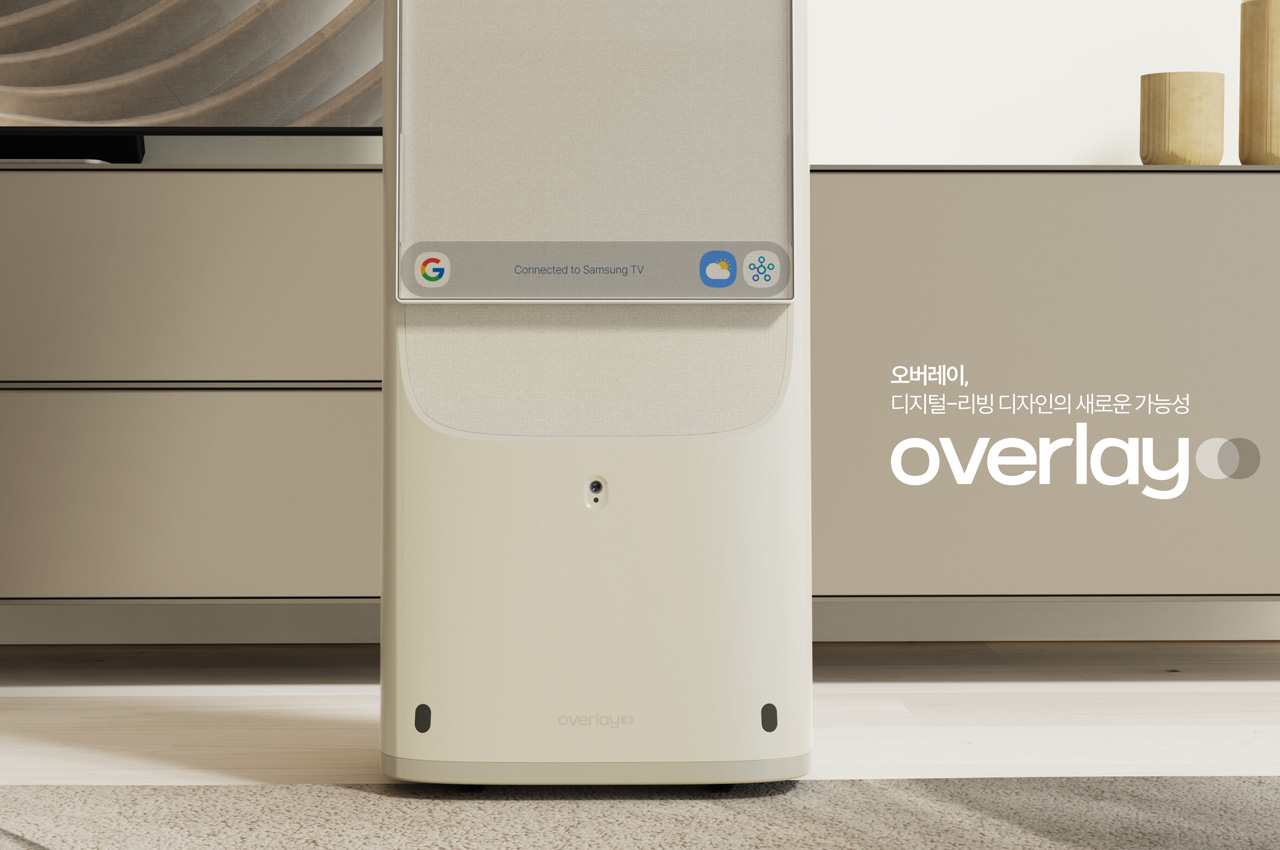
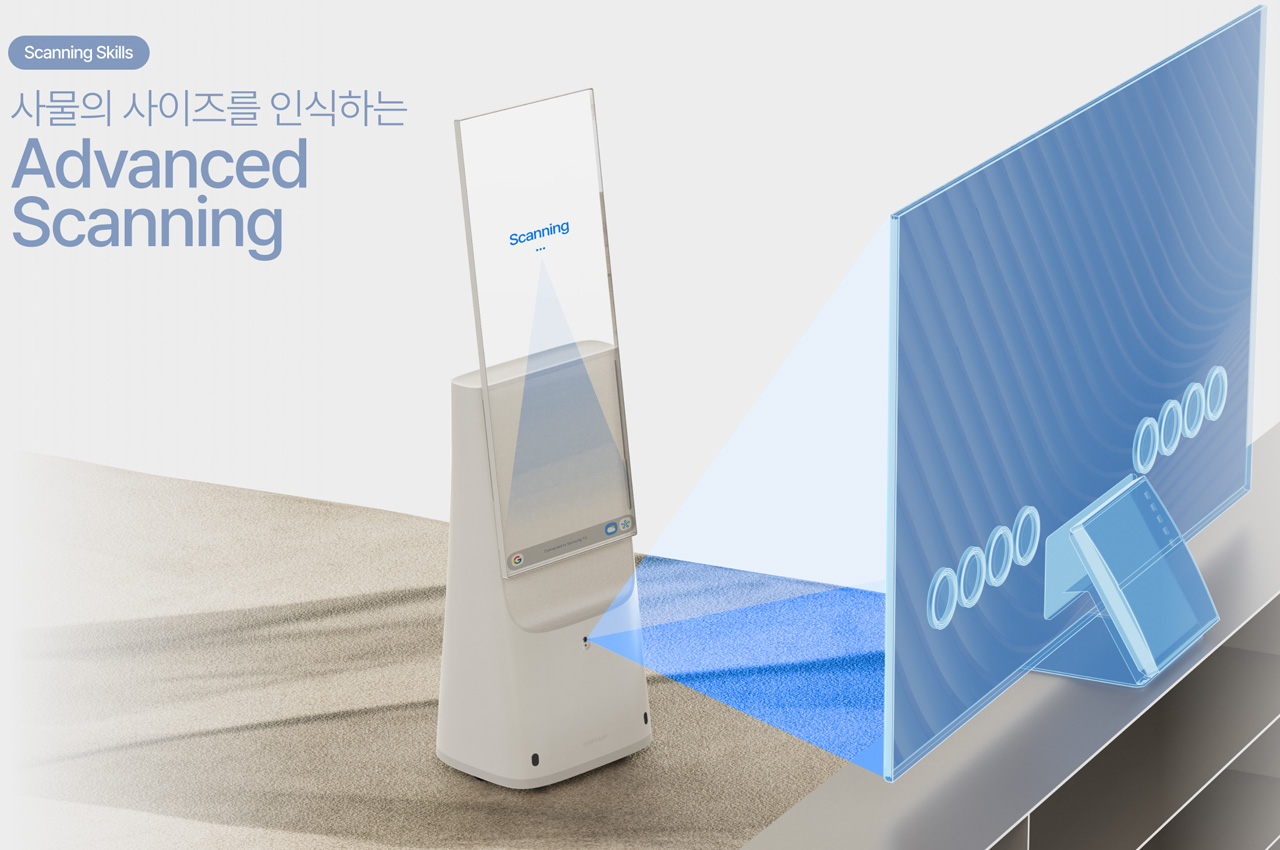
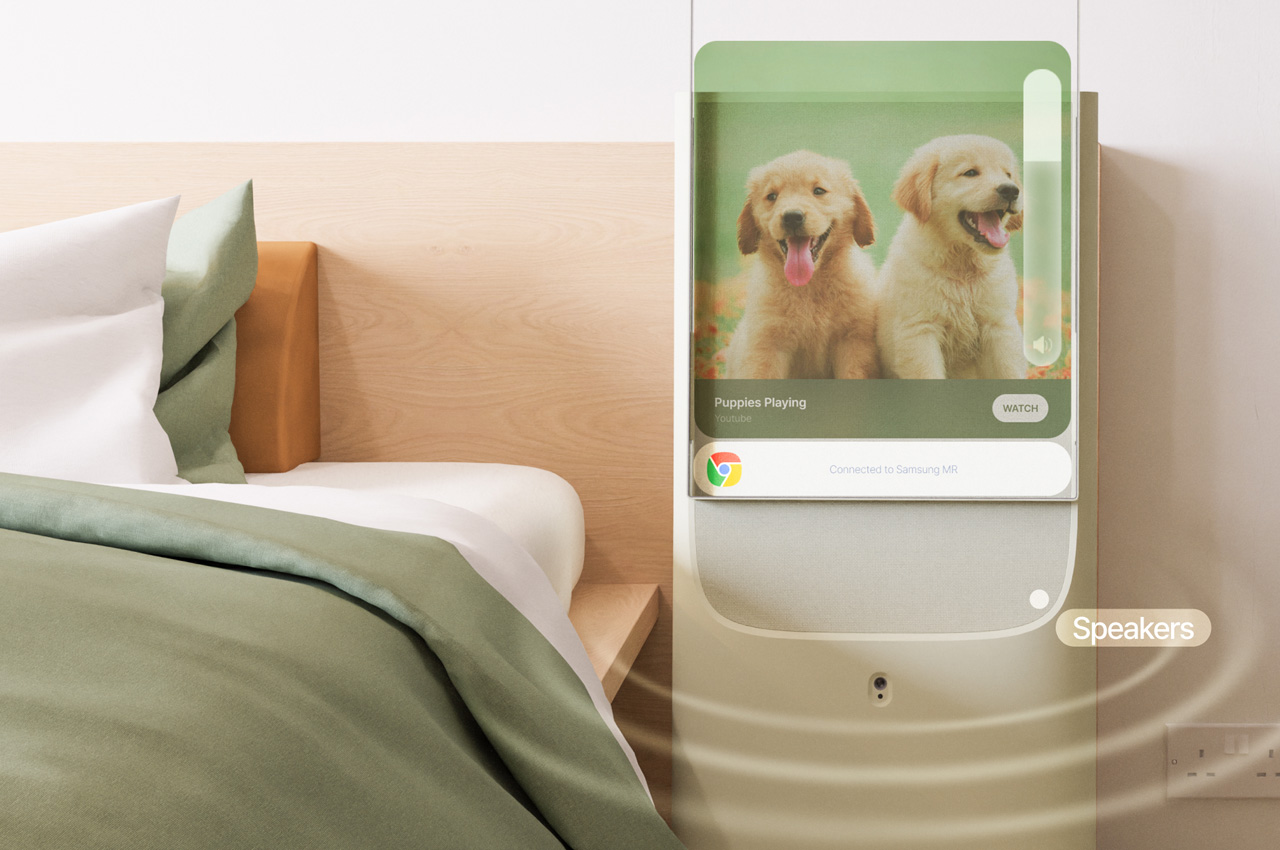
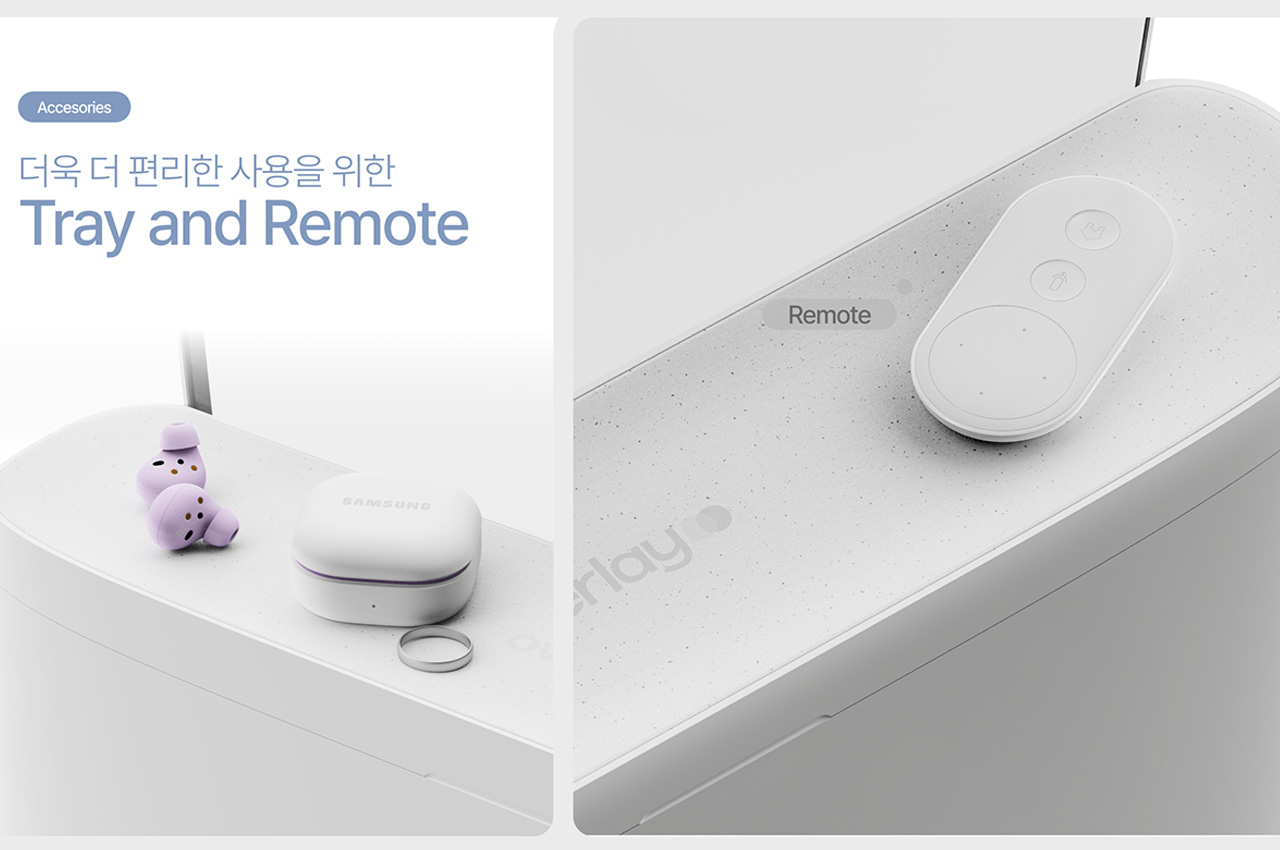
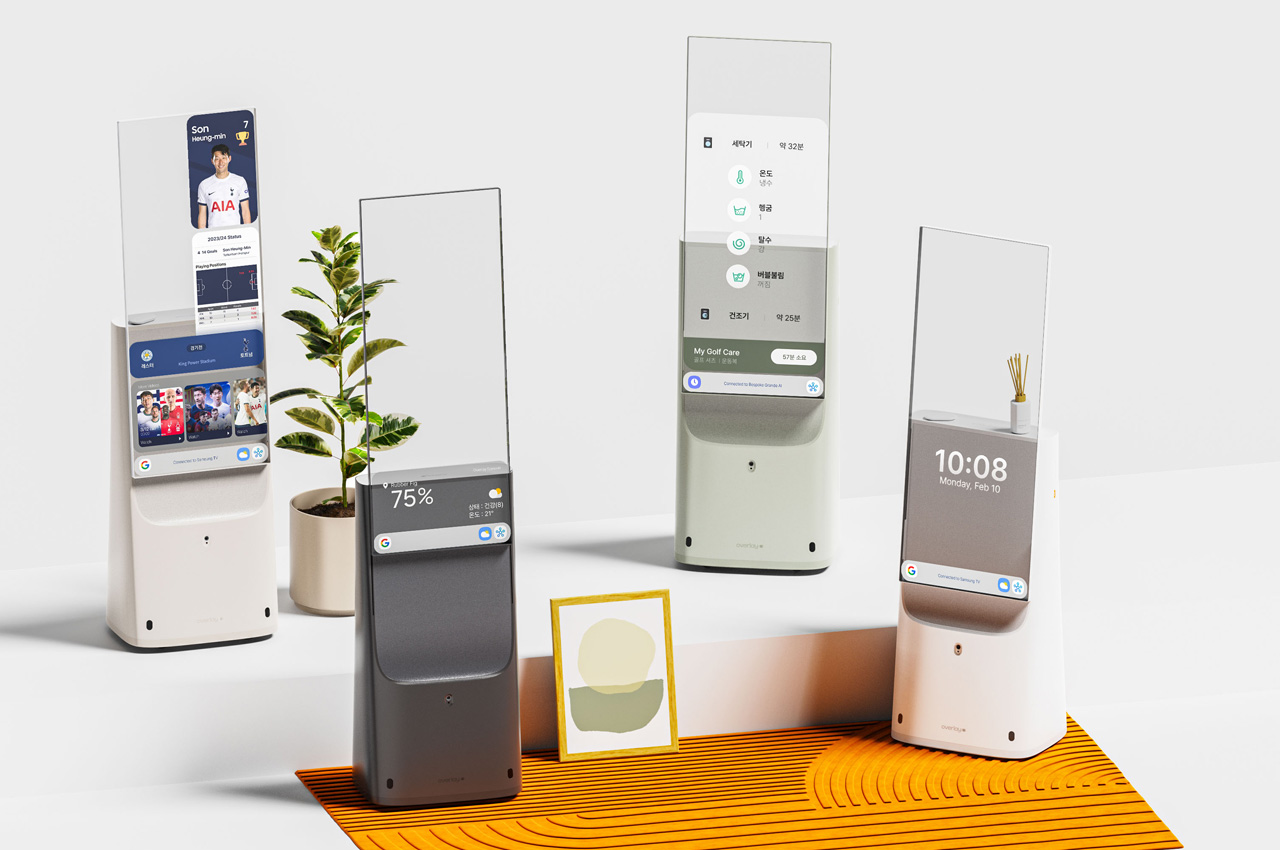
More than an adjustable, mobile display, the Overlay is a sensor-enabled contraption that can move about the house – on preset commands or on call – to suffice a multitude of infotainment objectives and more. The onboard mapping sensors allow the mobile display to map the space and divide it into understandable zones. Users can pin the desired location on the map and set content (entertainment, information, etc) for each pin with a time. For instance, “the user” can pin the dining “table area to watch Netflix” while dining.

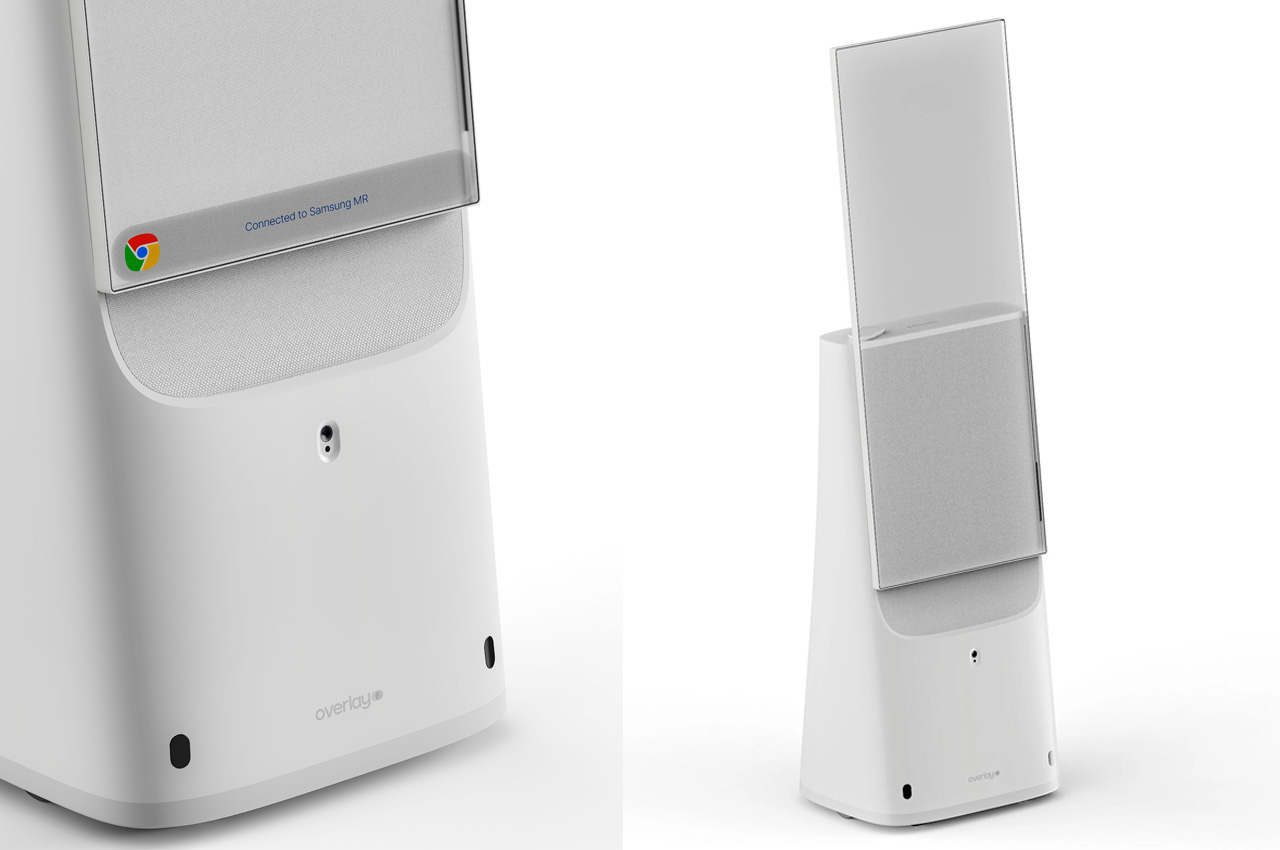
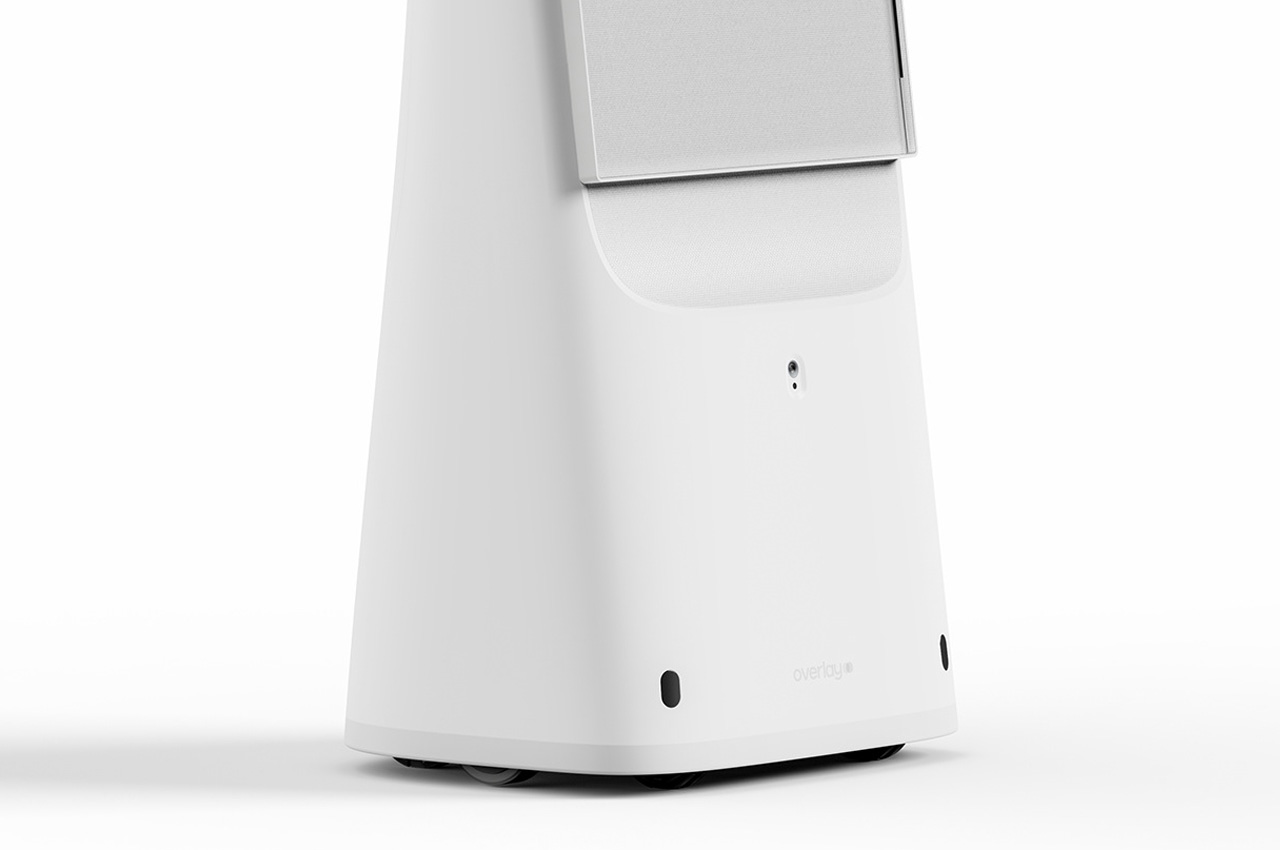
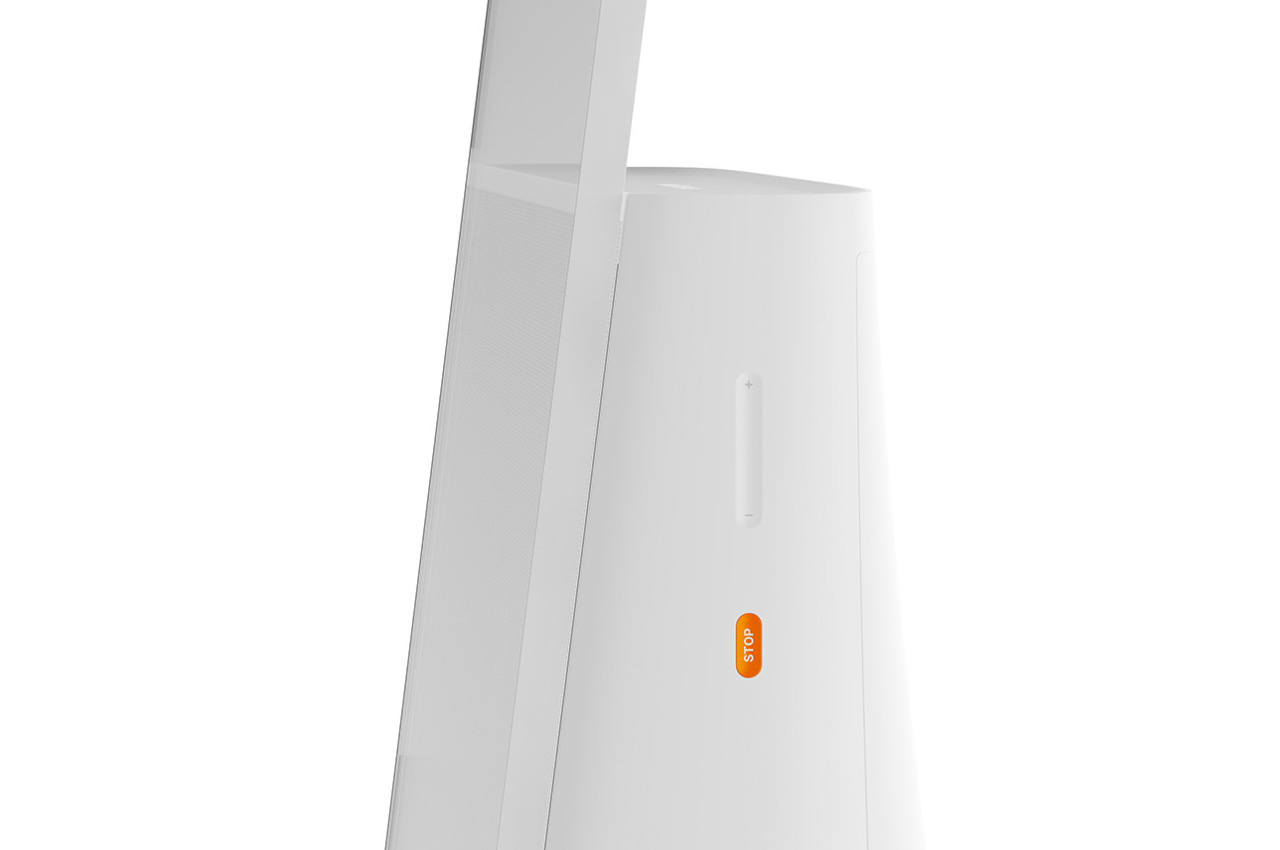
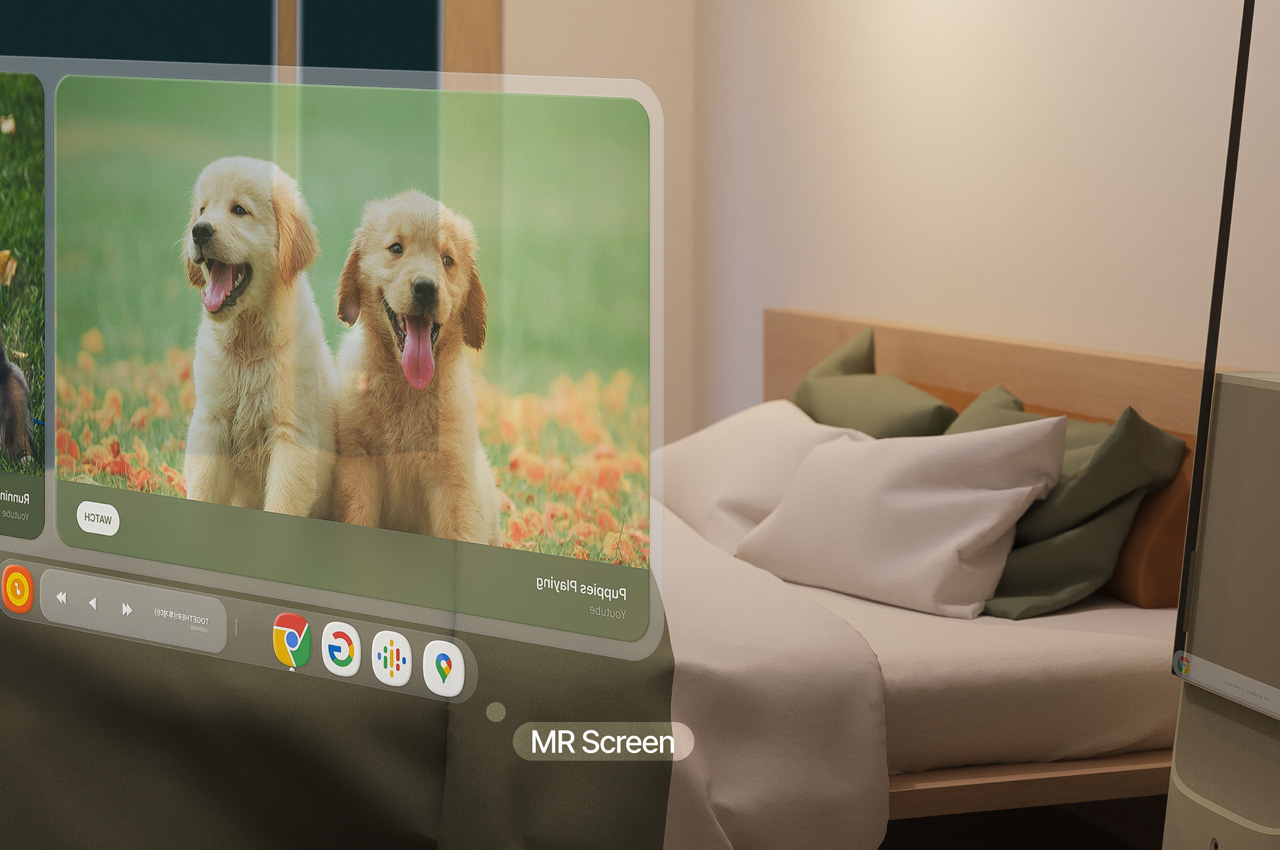
When it is time for dinner, the Overlay will automatically arrive at the table and turn on Netflix, as advised. The user can adjust the height of the display to their liking and watch the movie on Netflix without additional setup requirements (it has an integrated speaker system). In case you are too lazy to adjust the height, Overlay is designed to do that automatically for you. Auto height adjusting display rests on a solid base which is equipped with small radius omni-wheels for smooth maneuvering within the mapped space.

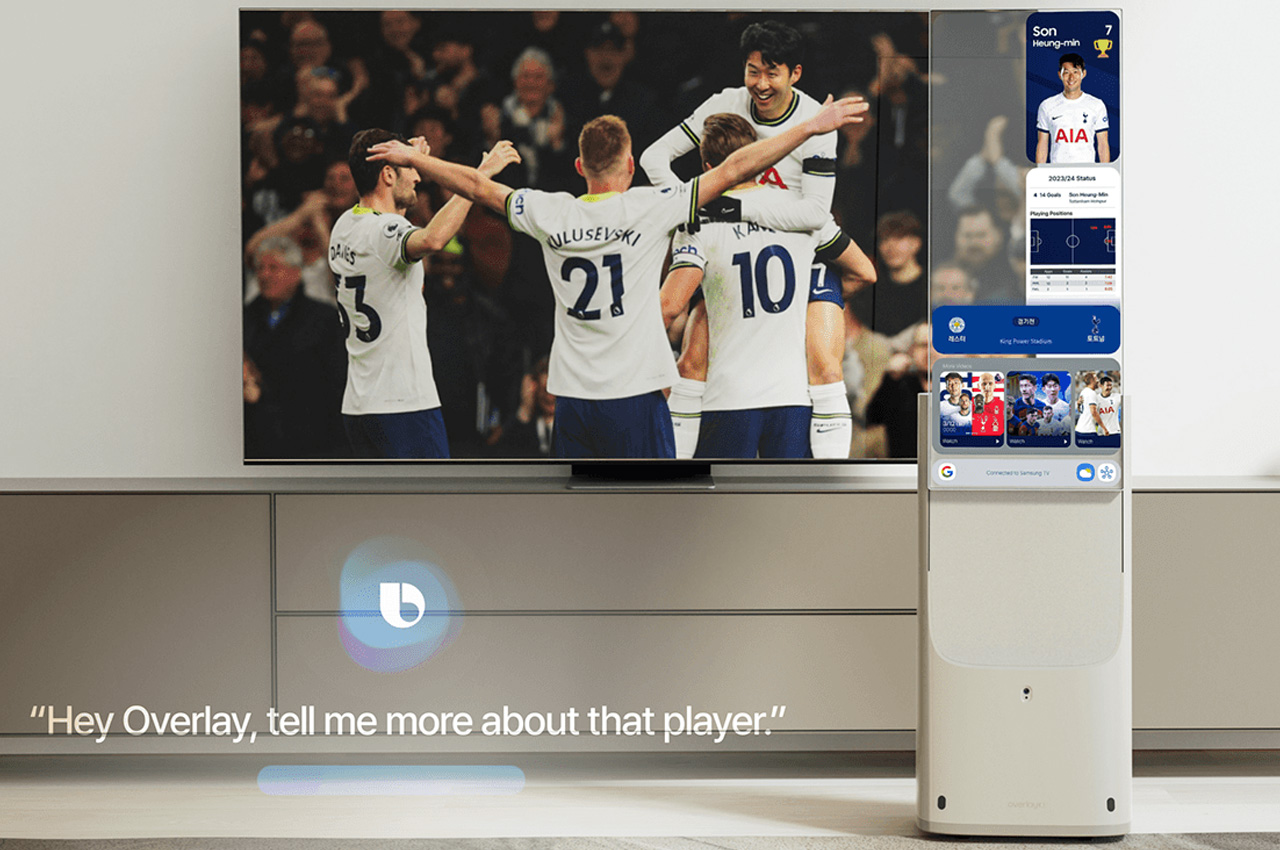
It can be teamed up with the TV or other devices in the house as an enlarged display for them. The unit can overlay more information about what you’re watching on TV or stand by the washing machine and give you a heads-up about when it’s time to take them to the dryers. It comes with an AI assistant to take voice commands and has a transparent screen to display match or player statistics when you’re watching a game of football on TV for instance.

Alongside being an omnipresent mobile display, the Overlay comes with motion sensors and LiDAR camera that provide it the ability to identify objects and perhaps provide plant and pet care tips to the user. Over and above monitoring the condition of plants in its mapped space, it can even regulate watering for personalized, automated care. All this functionality demands great power, for which the Overlay is pretty self-sufficient as well. It is powered by a rechargeable battery that it juices up by heading straight to the charging dock when the power is running low (no human intervention required here either). Capable of bringing MR experience to the home, the Overlay is designed in four distinct colors that should complement any home effortlessly.

The post Overlay next-gen home display wants to skim down multiple display demands with one AR Screen first appeared on Yanko Design.

NFS-inspired DAB 1 Alpha electric bike touts a recyclable battery and wireless charger

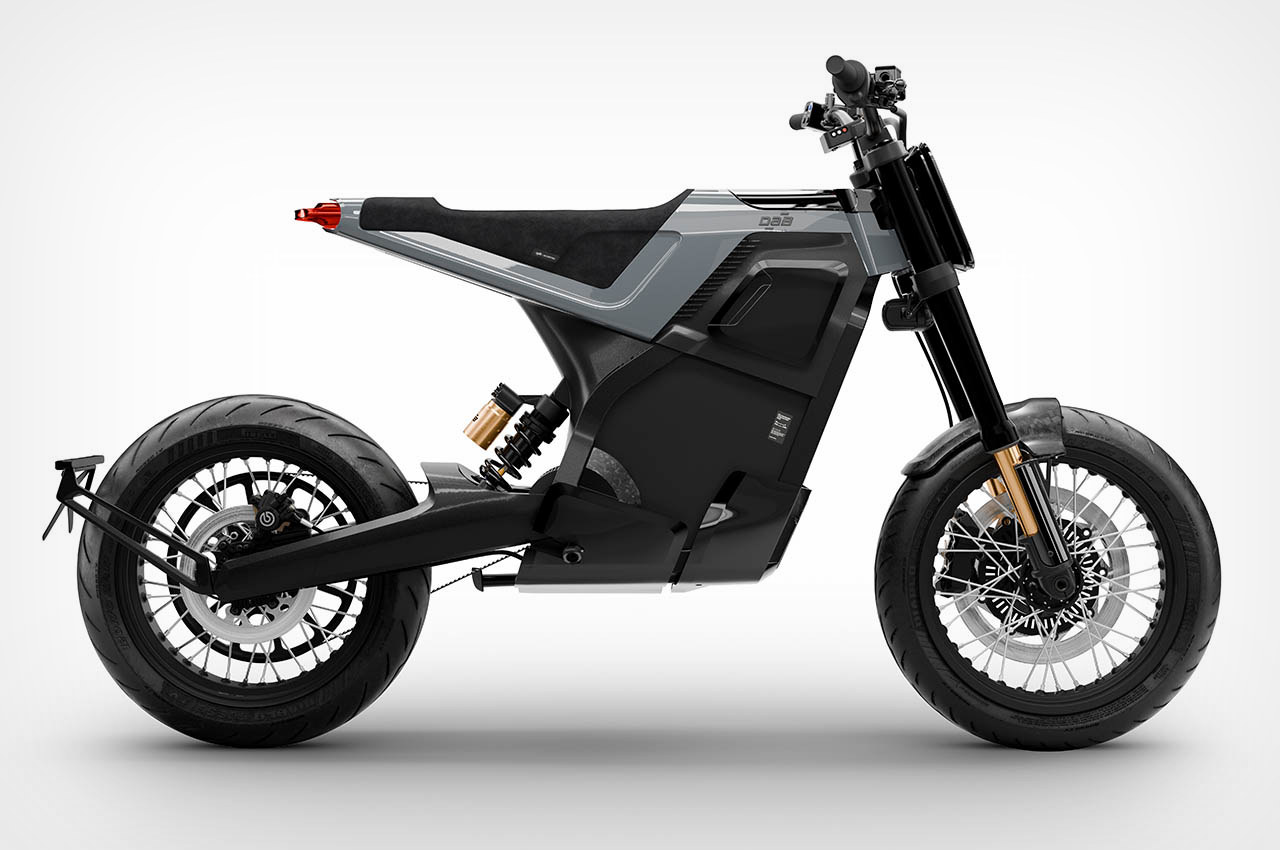
DAB Motors has slowly emerged into the industry from its French roots, and now challenges the arena with a new electric two-wheeler. The Concept-E we saw a couple of years ago as a prototype, has finally graduated into a production-ready version, the DAB 1α motorbike. This final version matches (or even betters) the initial design and the technical specs proposed initially for the electric bike.

The brand was bought by Peugeot Motorcycles in 2023, and the developmental path has resulted in this model being inspired by the BMX culture, video games, Sci-Fi world and trail bikes. It took almost five years to bring the electric bike from the concept stage to production. For early adopters, the first batch of 400 limited edition units will come with unique design elements.

Designer: DAB Motors

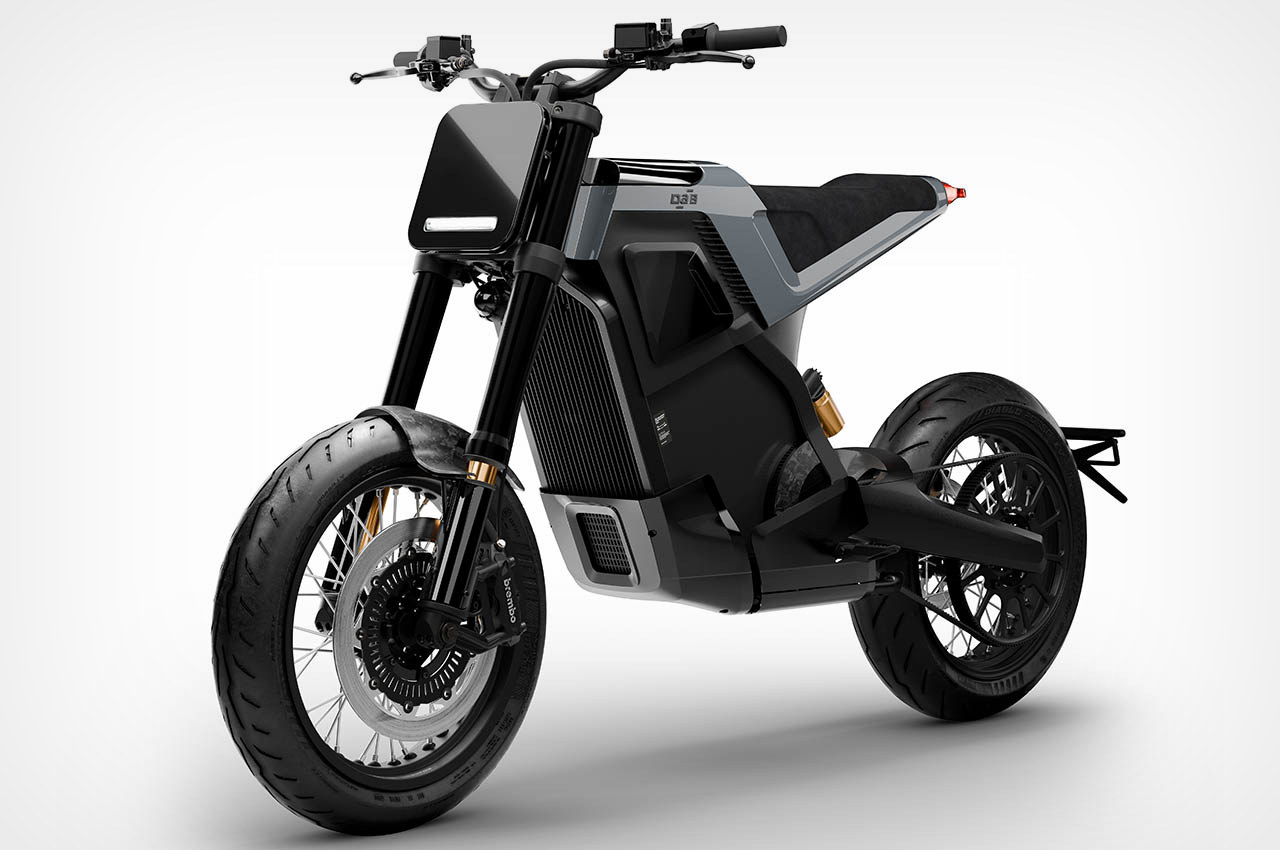
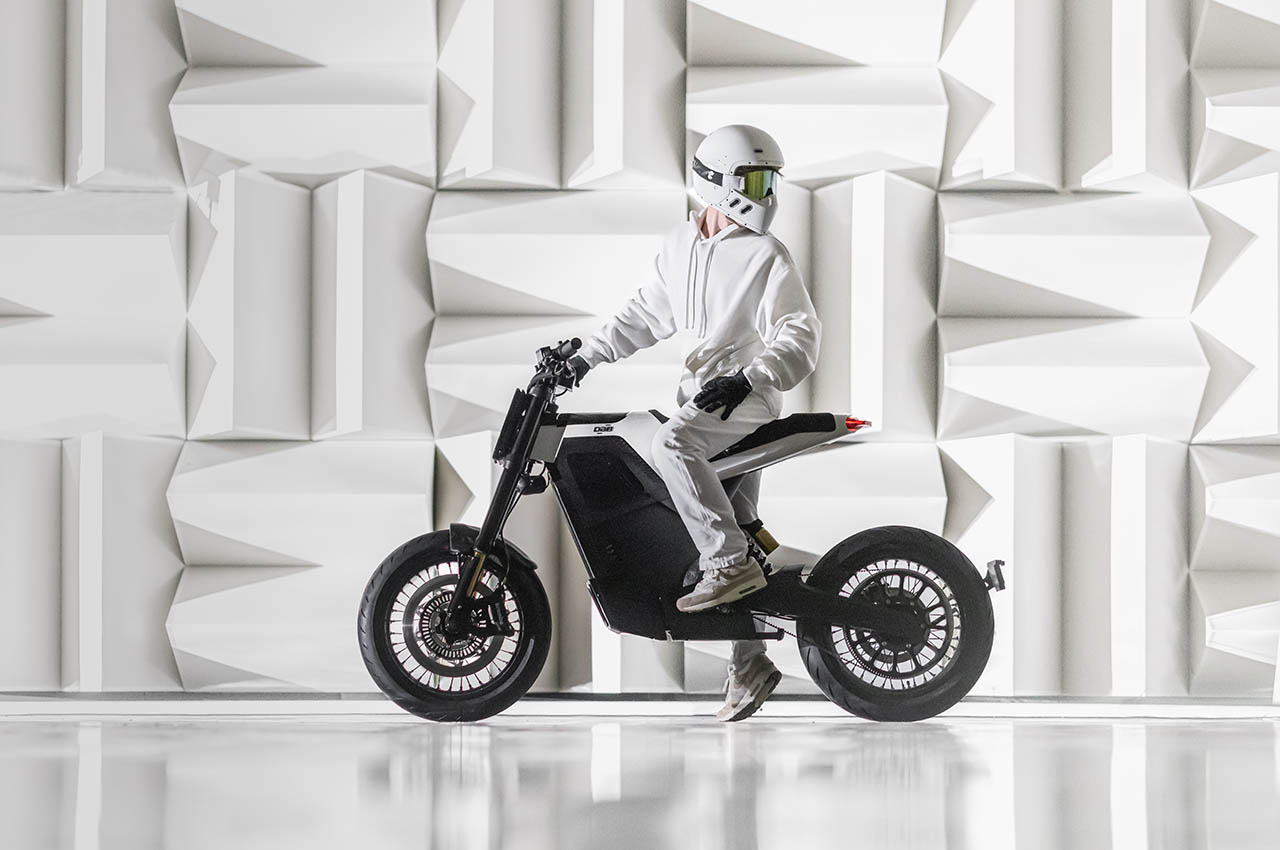
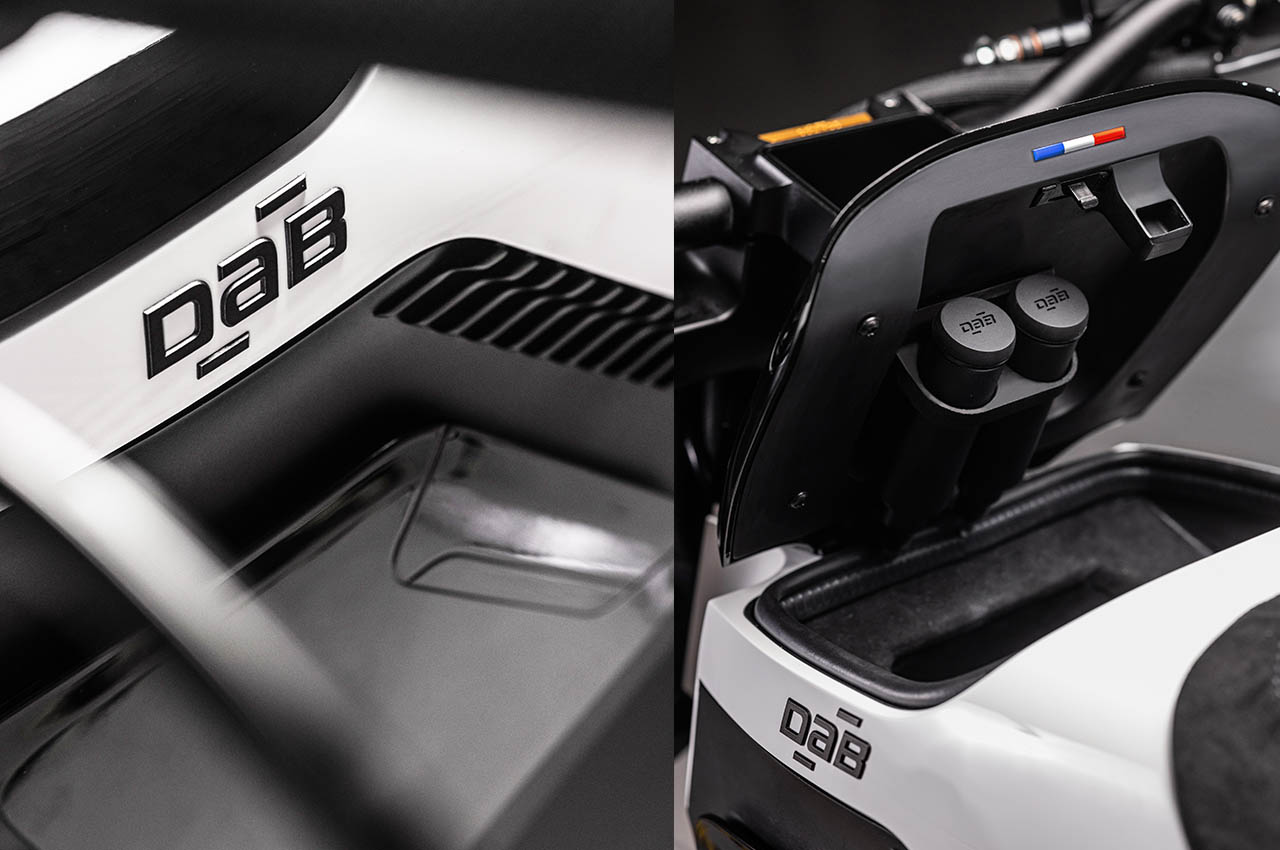
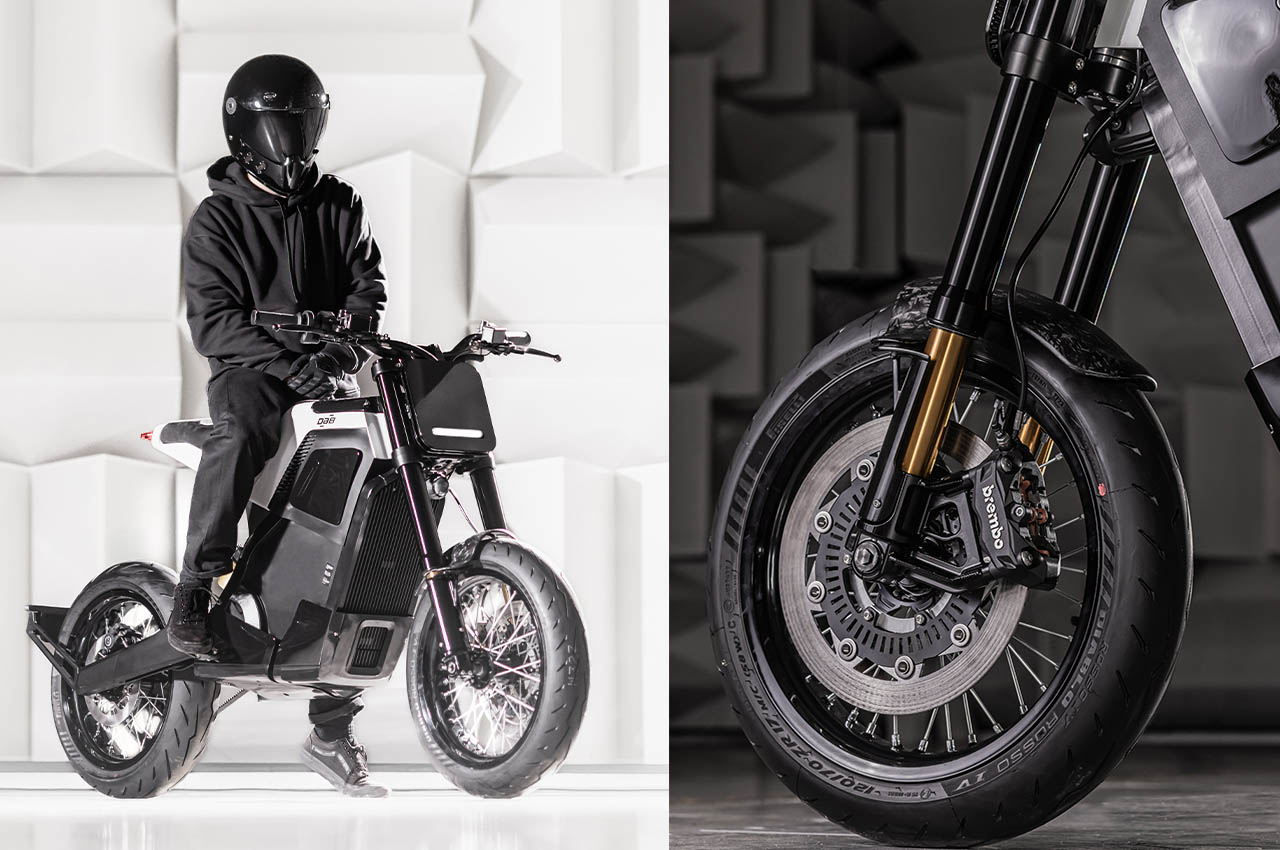
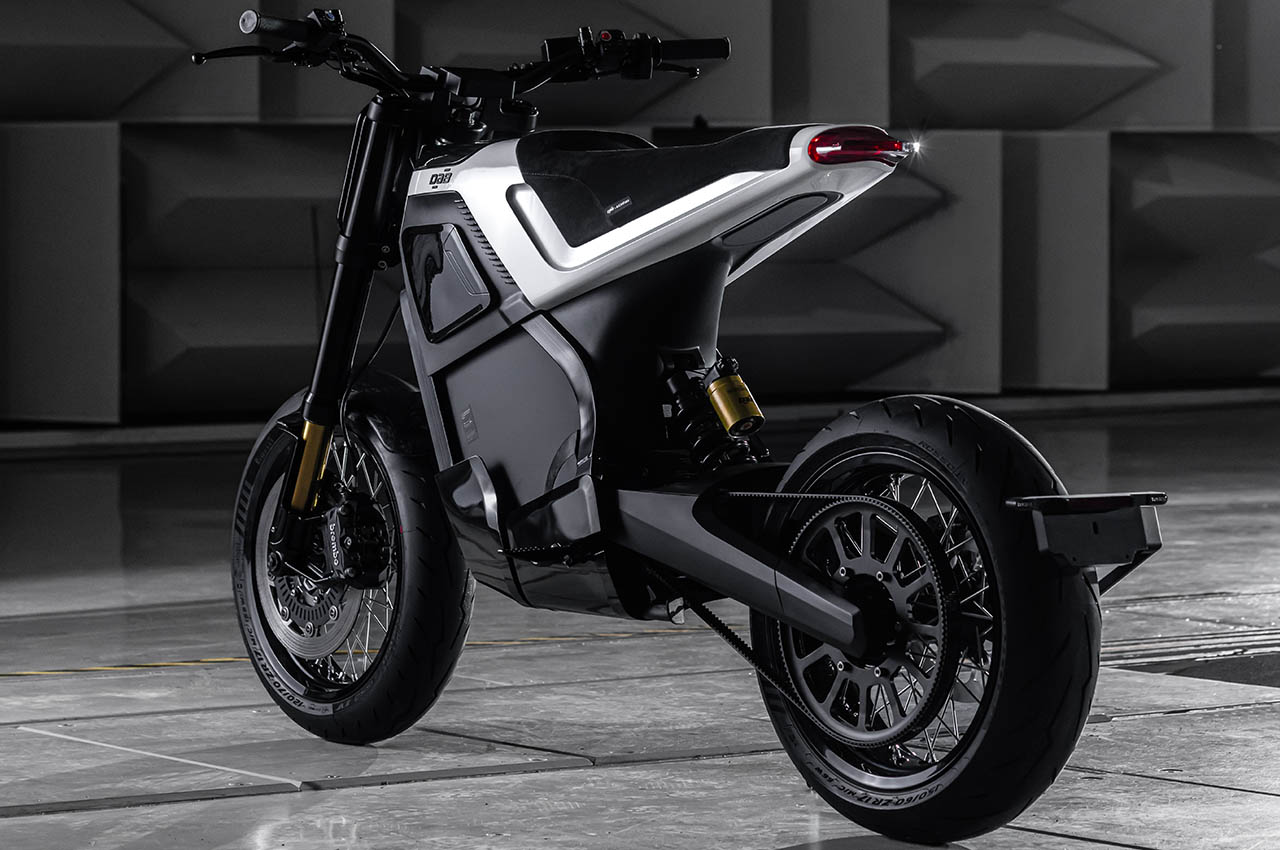
DAB 1α is completely built at the Bayonne design studio and manufactured in the Beaulieu-Mandeure. The inclusion of retro gaming elements like the blue Nitro button inspired by the NFS franchise, adds spice to this future-forward ride. The company is touting a top speed of 130 km/h, most of which is attributed to its lightweight 125 kg body. Of course, all the gears and clutch are gone, so that you just press the throttle and focus ahead on the road. The bike is practical for use as it can be charged via a normal socket or a Type 2 charging port.

For the rider’s user experience, the 2.8-inch LCD screen displays important riding information. There’s respectable storage space in the  3.4-liter glove compartment, and buyers can choose to install a wireless charger designed in collaboration with Quadlock. To make sure the bike is futureproof, the company has fitted it with a powertrain mated to a fully recyclable and dismountable recyclable battery.

The inclusion of back pegs shows DAB Motors’ considerate attention to detail for the pillion. Coming on to the unique design elements, the numbered gold plate on the handlebar, handcrafted Alcantara seat, and subtle graphics make sure your DAB 1α stands out in the crowd. It’s worth mentioning the golden suspensions are designed in collaboration with Paioli and the forged carbon parts upcycled from Airbus carbon fiber. As seen form the visuals, the brake calipers are designed by Brembo, and the mated ABS braking system comes from the inhouse Peugeot Motocycles and DAB Motors’s brake disks.

DAB 1α which looks perfect for millennials, Gen-Z and everyone in between is available right now for reservations. The gearless electric bike is available in W-White or MGT-Grey color variants, and if you want to buy one, now is the right time.


The post NFS-inspired DAB 1 Alpha electric bike touts a recyclable battery and wireless charger first appeared on Yanko Design.

Meta is offering some creators thousands of dollars in bonuses for Threads posts

Meta is offering some creators thousands of dollars if they go viral on Threads. The payouts are part of a new invitation-only bonus program that rewards creators who use Meta’s newest app.

An Instagram support page offers some details about the bonus program, which Meta hasn’t formally announced. It states that creators can earn money “based on the performance of your Threads posts” or “the number of posts you create.” It appears that specific terms of the bonuses are individualized to each creator. “Details of the bonus program may vary by participant,” the company notes.

The program seems to be a small-scale effort for now — the company refers to it as being in “testing” — but it offers a preview of how Meta may look to ramp up its efforts to use creators to boost engagement on the service. Meta has previously offered bonuses for posting Reels on Facebook and Instagram, but it’s the first time the company has paid for posts on Threads. The Threads bonus program was first reported by Business Insider earlier this month.

Some creators are already being offered thousands of dollars for high-performing posts. According to one screenshot making the rounds on Threads, at least one creator was offered “up to $5,000” for Threads posts or replies with 10,000 views or more. That’s not nearly as high as the $10,000 bonuses Reels creators could once earn on Instagram, but is still quite generous considering posting on Threads requires far less effort than shooting and editing a compelling video.

Meta isn’t the only platform trying to lure creators with promises of potential payouts. X also offers creators direct payments based on their engagement, but that program is a revenue sharing arrangement for users who pay for premium subscriptions.

Threads has been growing steadily since its launch last year, and has more than 150 million monthly users, Mark Zuckerberg revealed last week. The Facebook founder has speculated that the app could one day be the company’s next billion-user platform, though it would likely take several years to reach that milestone. Either way, onboarding popular creators from Instagram would be an important step to boost engagement on Threads. The company also recently partnered with Taylor Swift’s team to get the pop star on the app to promote her latest album. Meta hasn’t shared what, if any, terms were associated with that arrangement, but the effort involved custom animations and other “Easter eggs” for Swift fans.

Have a tip about Meta's bonus program for Threads? Contact the author at karissa.bell@engadget.com or message securely on Signal at +1 628.231.0063.

This article originally appeared on Engadget at https://www.engadget.com/meta-is-offering-some-creators-thousands-of-dollars-in-bonuses-for-threads-posts-193950157.html?src=rss
Meta is offering some creators thousands of dollars in bonuses for Threads posts

Meta is offering some creators thousands of dollars if they go viral on Threads. The payouts are part of a new invitation-only bonus program that rewards creators who use Meta’s newest app.

An Instagram support page offers some details about the bonus program, which Meta hasn’t formally announced. It states that creators can earn money “based on the performance of your Threads posts” or “the number of posts you create.” It appears that specific terms of the bonuses are individualized to each creator. “Details of the bonus program may vary by participant,” the company notes.

The program seems to be a small-scale effort for now — the company refers to it as being in “testing” — but it offers a preview of how Meta may look to ramp up its efforts to use creators to boost engagement on the service. Meta has previously offered bonuses for posting Reels on Facebook and Instagram, but it’s the first time the company has paid for posts on Threads. The Threads bonus program was first reported by Business Insider earlier this month.

Some creators are already being offered thousands of dollars for high-performing posts. According to one screenshot making the rounds on Threads, at least one creator was offered “up to $5,000” for Threads posts or replies with 10,000 views or more. That’s not nearly as high as the $10,000 bonuses Reels creators could once earn on Instagram, but is still quite generous considering posting on Threads requires far less effort than shooting and editing a compelling video.

Meta isn’t the only platform trying to lure creators with promises of potential payouts. X also offers creators direct payments based on their engagement, but that program is a revenue sharing arrangement for users who pay for premium subscriptions.

Threads has been growing steadily since its launch last year, and has more than 150 million monthly users, Mark Zuckerberg revealed last week. The Facebook founder has speculated that the app could one day be the company’s next billion-user platform, though it would likely take several years to reach that milestone. Either way, onboarding popular creators from Instagram would be an important step to boost engagement on Threads. The company also recently partnered with Taylor Swift’s team to get the pop star on the app to promote her latest album. Meta hasn’t shared what, if any, terms were associated with that arrangement, but the effort involved custom animations and other “Easter eggs” for Swift fans.

Have a tip about Meta's bonus program for Threads? Contact the author at karissa.bell@engadget.com or message securely on Signal at +1 628.231.0063.

This article originally appeared on Engadget at https://www.engadget.com/meta-is-offering-some-creators-thousands-of-dollars-in-bonuses-for-threads-posts-193950157.html?src=rss
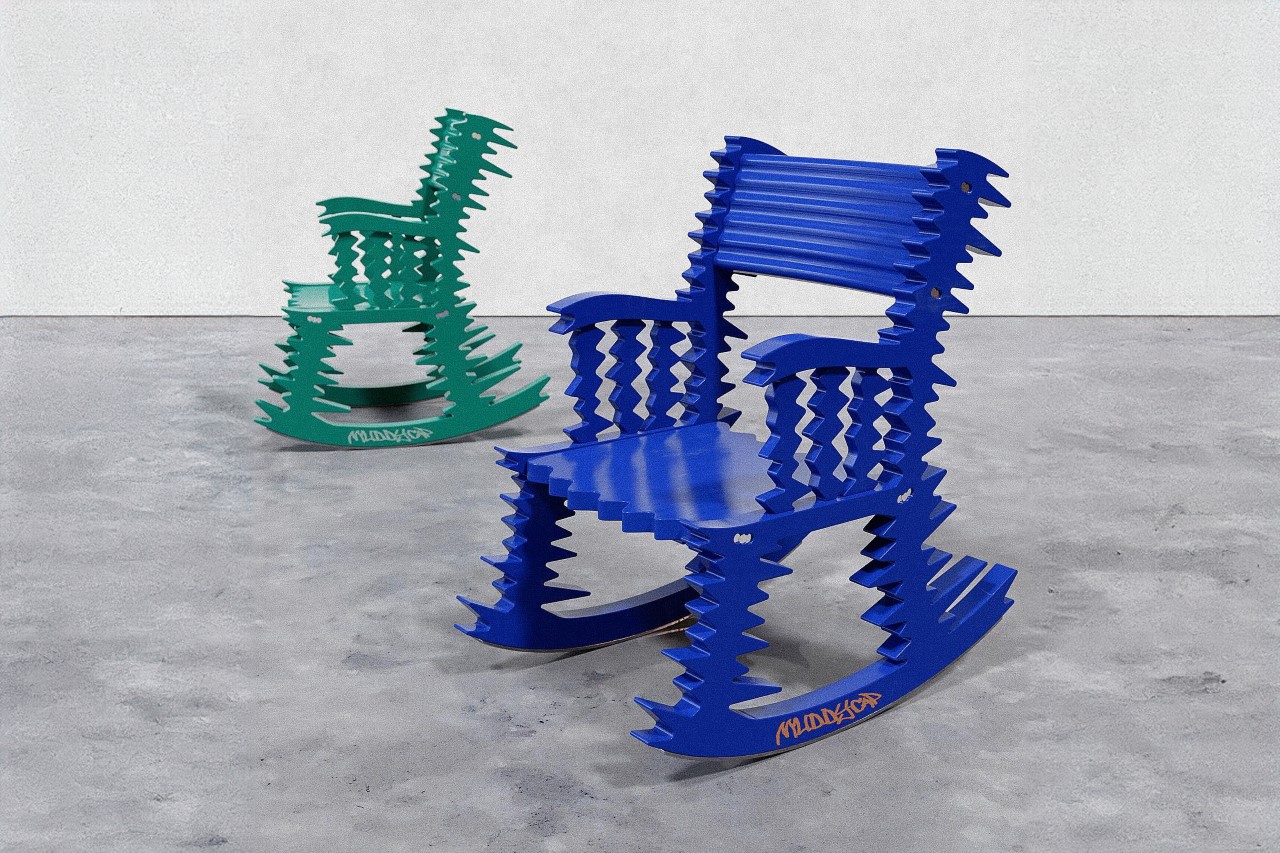
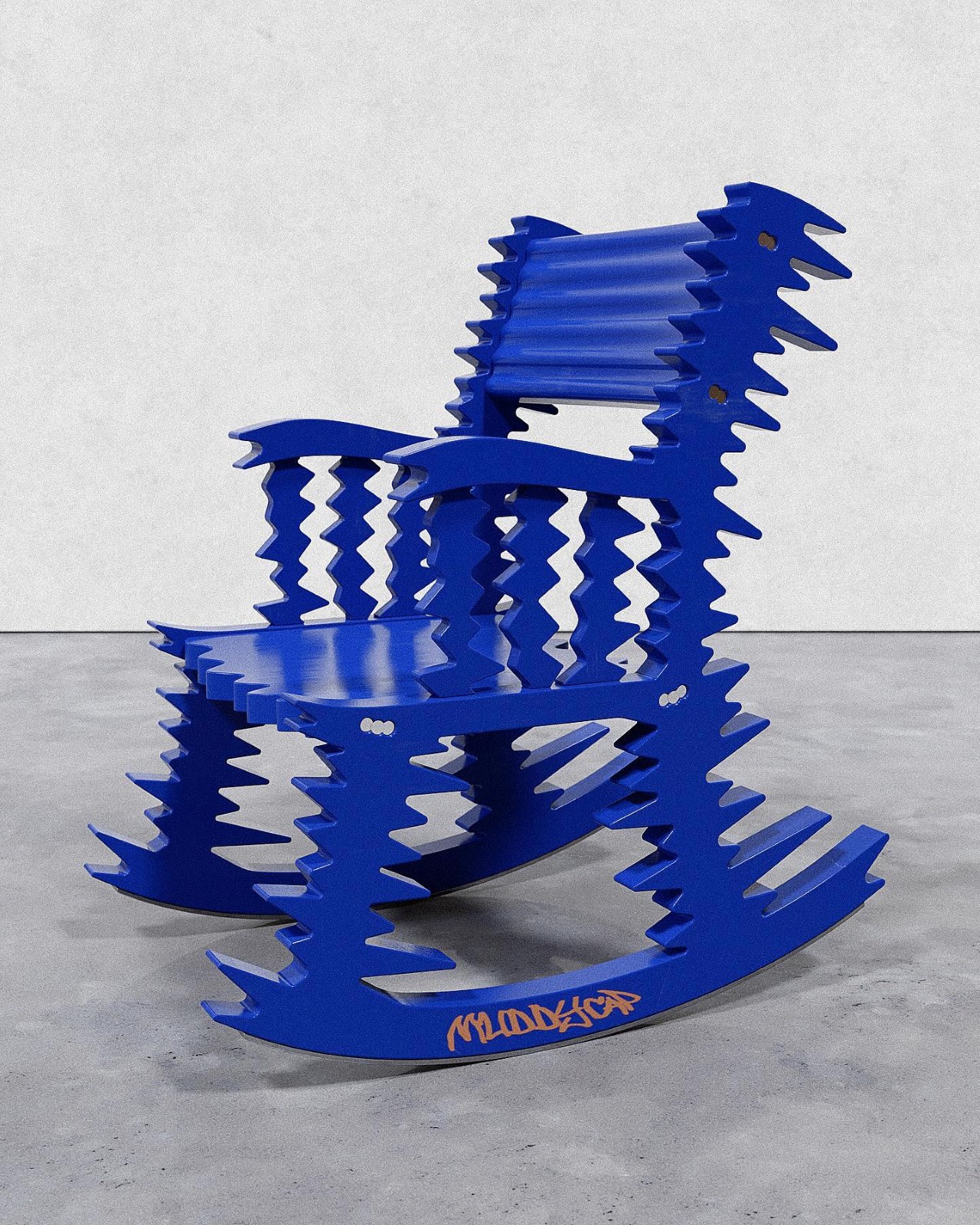
Quirky rocking chair’s jagged design creates an illusion of a ‘motion blur’

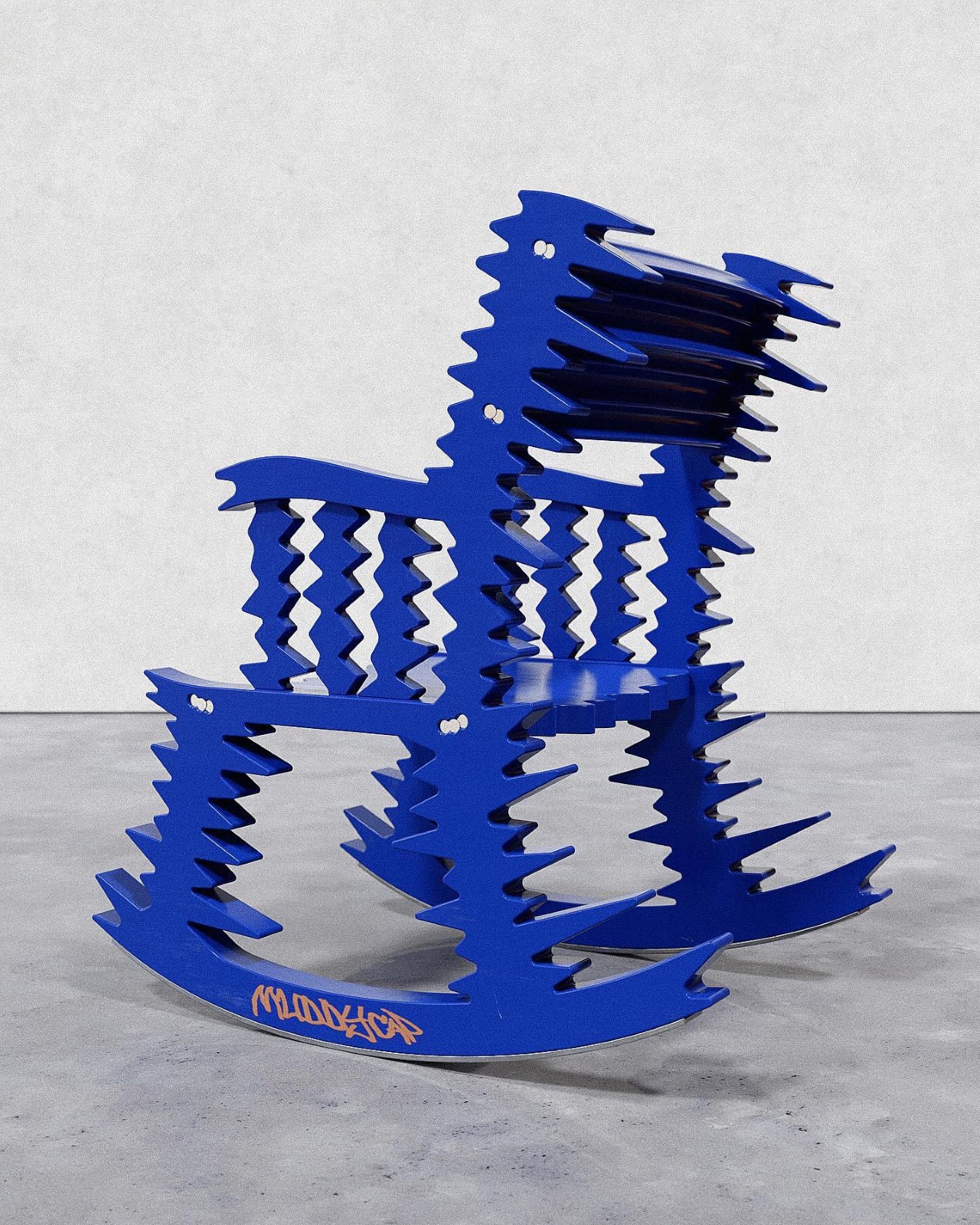
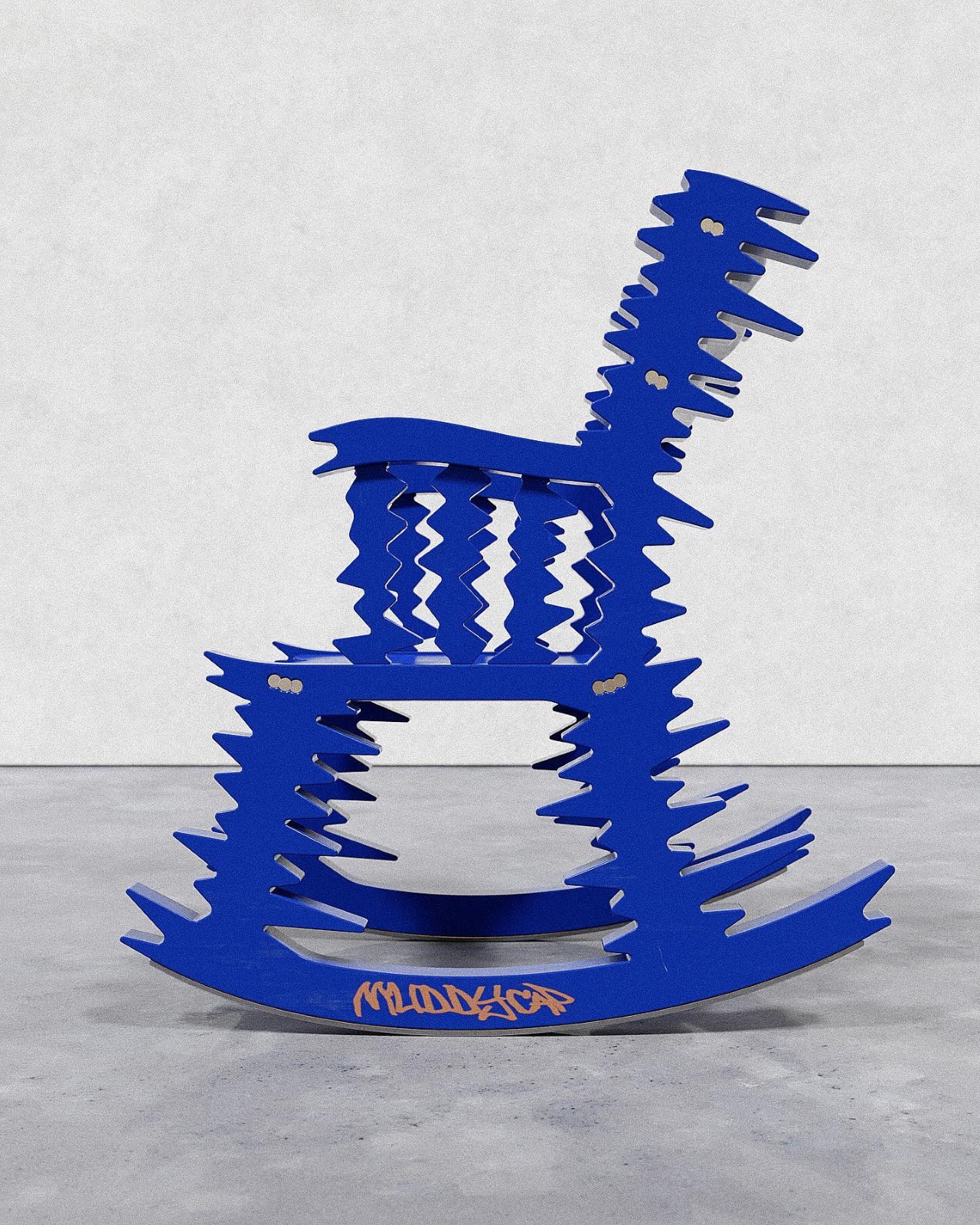
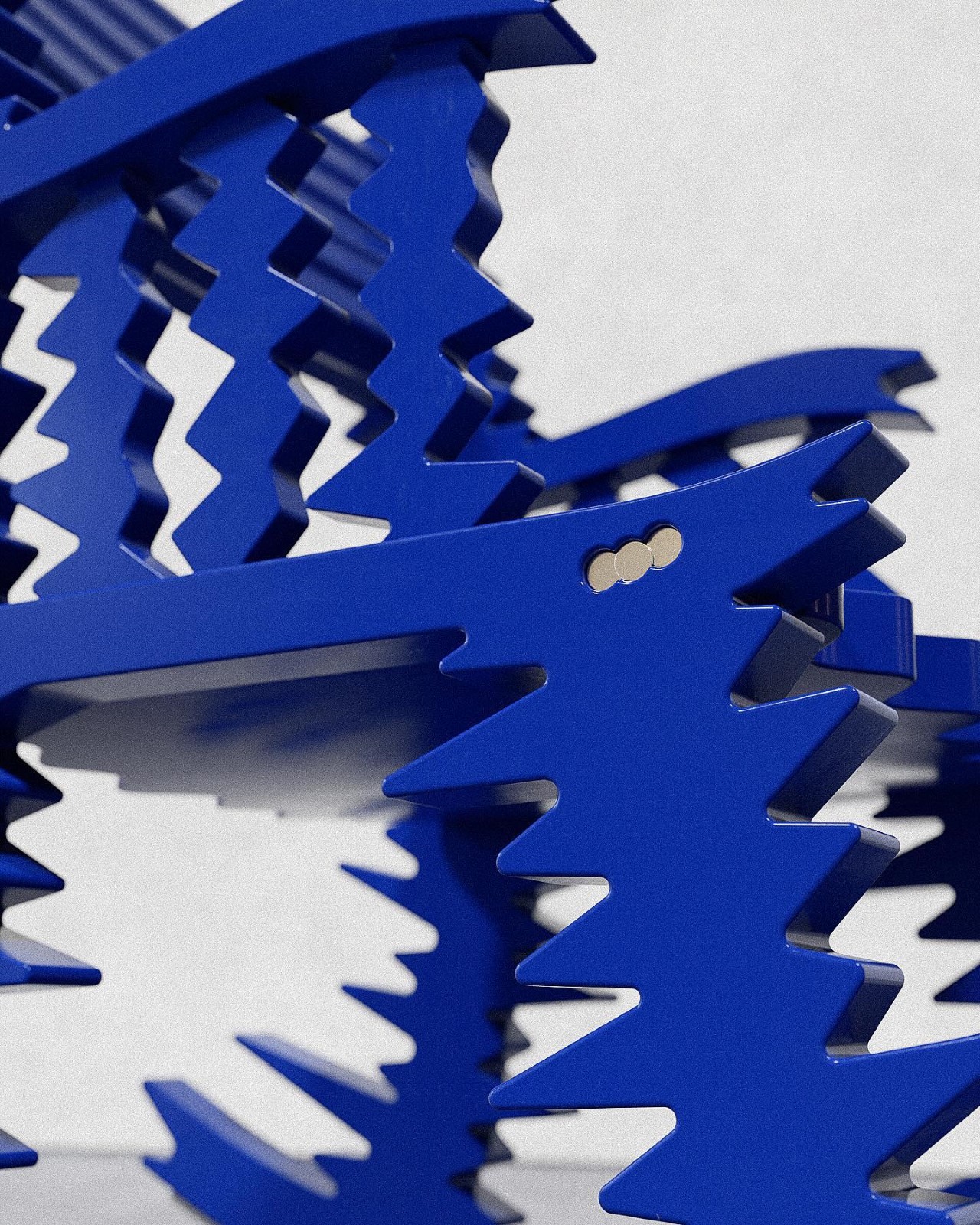
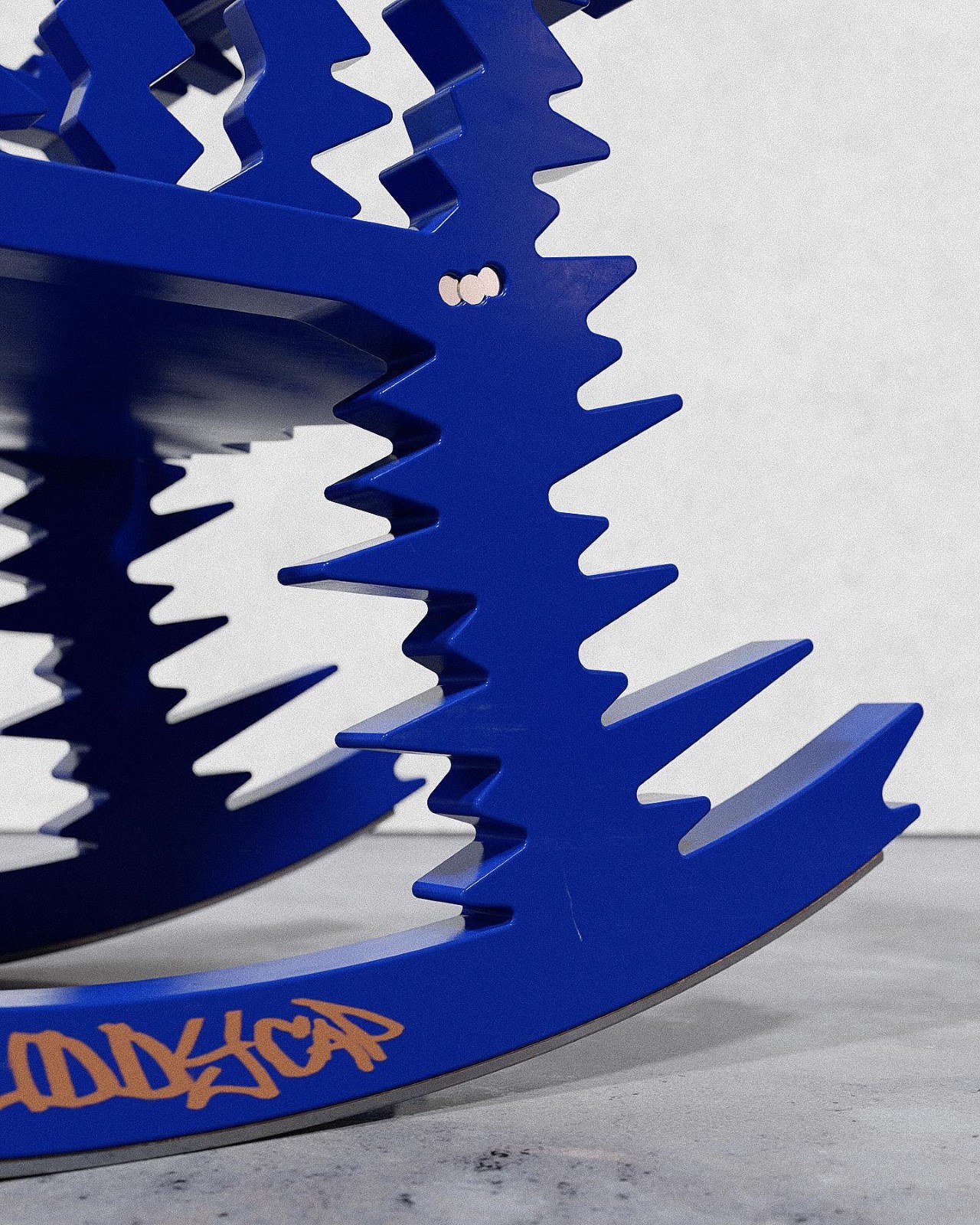
Bordering on visually uncomfortable, this rocking chair from Instagram user Muddycap has us captivated for all the right reasons! The chair has a highly unusual design, with severely jagged edges that simulate the feeling of movement. Building on the concept of visual permanence and the motion blur, this chair creates the illusion of being in constant motion, even when it’s standing still.

Designer: Muddycap

The Fast Rocking Chair, as it’s aptly called, comes crafted from Maple wood and secured with a coat of paint to hide the wood-grain which would give the illusion away. Each chair features different pieces of wood, cut using a mechanical saw to match the unique shapes, and joined together using traditional joineries. The result is a chair that looks cartoonishly fast, prompting you to spend more time looking at it. Sure, you could sit on it too – it might look jagged but it isn’t uncomfortable.

The jagged design exists only on the side profiles, so there’s really no danger of you hurting yourself while sitting on the rocking chair. The seat and armrest are flat, and the backrest has a mild corrugated design. That being said, the chair is definitely a health hazard for kids and pets who may often run around the house. While most furniture have a few sharp edges, the Fast Rocking Chair is essentially an invitation to the ER for children or pets with zoomies, or adults with ADHD.

However, the rocking chair makes for a really fun visual experiment. Muddycap’s entire Instagram profile is filled with such explorations, aiming at turning furniture into conversation pieces rather than have them stuck in the realm of hardcore functionality. The rocking chairs obviously aren’t for sale, although there’s no denying that they certainly do look rather mesmerizing.

The post Quirky rocking chair’s jagged design creates an illusion of a ‘motion blur’ first appeared on Yanko Design.

Peacock is raising prices again, just in time for the Olympics

Streamflation is real y'all. Peacock just announced its raising prices again, less than a year after it last upped subscription costs. The new price will be $8 per month for Peacock with ads and $14 per month for an ad-free experience, starting on July 18 for new subscribers and August 17 for pre-existing users. An ad-free subscription will be the same price as Disney+ and nearly as much as Netflix. Mrs. Davis was good, but was it that good?

To put this into perspective, just one year ago a subscription to Peacock set you back just $5 to $10 per month, depending on if you went with ads or not. Then there was a $1 increase last summer, and now a $2 increase this summer. If this rate of increase keeps up, Peacock will cost $260,000 per month by 2040, and that’s with ads. But can you really put a price tag on finding out if Jim and Pam ever kiss?

There is a method to Peacock’s price-gouging madness. The 2024 Summer Olympics is right around the corner and the streamer will be showing “every sport and event, including all 329 medal events.” The platform will also host full-event replays, curated video clips and original commentary. The Olympics kick off on July 26, just eight days after the price increase starts for new subscribers. Get that Olympics audience cheddar, Peacock, though good luck keeping subscriberers once the games end.

Peacock is just following the market here, as rival streaming services have been raising prices left and right. Just about every major streaming platform has become more expensive in the past year, including Disney+, Apple TV+ and Netflix. Other types of streaming services aren’t immune. Spotify is planning on raising subscription prices for US customers later this year, despite recently reporting record profits for the first quarter of 2024.

This article originally appeared on Engadget at https://www.engadget.com/peacock-is-raising-prices-again-just-in-time-for-the-olympics-185457098.html?src=rss
Peacock is raising prices again, just in time for the Olympics

Streamflation is real y'all. Peacock just announced its raising prices again, less than a year after it last upped subscription costs. The new price will be $8 per month for Peacock with ads and $14 per month for an ad-free experience, starting on July 18 for new subscribers and August 17 for pre-existing users. An ad-free subscription will be the same price as Disney+ and nearly as much as Netflix. Mrs. Davis was good, but was it that good?

To put this into perspective, just one year ago a subscription to Peacock set you back just $5 to $10 per month, depending on if you went with ads or not. Then there was a $1 increase last summer, and now a $2 increase this summer. If this rate of increase keeps up, Peacock will cost $260,000 per month by 2040, and that’s with ads. But can you really put a price tag on finding out if Jim and Pam ever kiss?

There is a method to Peacock’s price-gouging madness. The 2024 Summer Olympics is right around the corner and the streamer will be showing “every sport and event, including all 329 medal events.” The platform will also host full-event replays, curated video clips and original commentary. The Olympics kick off on July 26, just eight days after the price increase starts for new subscribers. Get that Olympics audience cheddar, Peacock, though good luck keeping subscriberers once the games end.

Peacock is just following the market here, as rival streaming services have been raising prices left and right. Just about every major streaming platform has become more expensive in the past year, including Disney+, Apple TV+ and Netflix. Other types of streaming services aren’t immune. Spotify is planning on raising subscription prices for US customers later this year, despite recently reporting record profits for the first quarter of 2024.

This article originally appeared on Engadget at https://www.engadget.com/peacock-is-raising-prices-again-just-in-time-for-the-olympics-185457098.html?src=rss

The US Supreme Court rejects Elon Musk’s appeal in ‘funding secured’ tweet ruling

On Monday, the US Supreme Court dismissed Elon Musk’s appeal about a 2018 SEC settlement regarding his infamous “funding secured” tweet. Ars Technica reports that the conservative-majority court took a break from weighing whether US Presidents should be above the law to pass on Musk’s attempt to throw out the agreement, which required him to pay fines, step down from Tesla’s board and have his tweets pre-screened by a lawyer.

The justices denied Musk’s petition without commenting. Their unwillingness to take up the billionaire’s appeal leaves intact an appeals court ruling from a year ago that smacked down the Tesla founder’s claims of victimhood.

The saga began in 2018 when Musk tweeted, “Am considering taking Tesla private at $420. Funding secured.” He also posted, “Investor support is confirmed. Only reason why this is not certain is that it’s contingent on a shareholder vote.” Tesla’s stock rose by more than six percent.

There was only one tiny problem: The funding wasn’t secured, and the SEC takes false statements that affect investors very seriously. The SEC said, “Musk had not even discussed, much less confirmed, key deal terms, including price, with any potential funding source” and that he “knew that he had not satisfied numerous additional contingencies.” The government agency claimed the post caused “significant confusion and disruption in the market for Tesla’s stock.”

The SEC settlement hit his wallet hard, requiring Musk and Tesla to each pay $20 million in penalties. He also had to step down from his board chairman role at the automaker and have a Tesla attorney screen any investor-related tweets before posting. Of course, Musk later bought Twitter and changed its name to X. But at least that’s going splendidly!

His appeal said the settlement forced him to “waive his First Amendment rights to speak on matters ranging far beyond the charged violations.” Musk, who currently has an estimated net worth of $185 billion, claimed he was a victim of “economic duress” when agreeing to the settlement, which he described as a tactic to “muzzle and harass” him and his company.

The 2nd Circuit appeals court, whose ruling will now be the final word on the matter, shot down Musk’s arguments. “Parties entering into consent decrees may voluntarily waive their First Amendment and other rights,” they said. The appeals court saw “no evidence to support Musk’s contention that the SEC has used the consent decree to conduct bad-faith, harassing investigations of his protected speech.”

This article originally appeared on Engadget at https://www.engadget.com/the-us-supreme-court-rejects-elon-musks-appeal-in-funding-secured-tweet-ruling-183554065.html?src=rss

The US Supreme Court rejects Elon Musk’s appeal in ‘funding secured’ tweet ruling

On Monday, the US Supreme Court dismissed Elon Musk’s appeal about a 2018 SEC settlement regarding his infamous “funding secured” tweet. Ars Technica reports that the conservative-majority court took a break from weighing whether US Presidents should be above the law to pass on Musk’s attempt to throw out the agreement, which required him to pay fines, step down from Tesla’s board and have his tweets pre-screened by a lawyer.

The justices denied Musk’s petition without commenting. Their unwillingness to take up the billionaire’s appeal leaves intact an appeals court ruling from a year ago that smacked down the Tesla founder’s claims of victimhood.

The saga began in 2018 when Musk tweeted, “Am considering taking Tesla private at $420. Funding secured.” He also posted, “Investor support is confirmed. Only reason why this is not certain is that it’s contingent on a shareholder vote.” Tesla’s stock rose by more than six percent.

There was only one tiny problem: The funding wasn’t secured, and the SEC takes false statements that affect investors very seriously. The SEC said, “Musk had not even discussed, much less confirmed, key deal terms, including price, with any potential funding source” and that he “knew that he had not satisfied numerous additional contingencies.” The government agency claimed the post caused “significant confusion and disruption in the market for Tesla’s stock.”

The SEC settlement hit his wallet hard, requiring Musk and Tesla to each pay $20 million in penalties. He also had to step down from his board chairman role at the automaker and have a Tesla attorney screen any investor-related tweets before posting. Of course, Musk later bought Twitter and changed its name to X. But at least that’s going splendidly!

His appeal said the settlement forced him to “waive his First Amendment rights to speak on matters ranging far beyond the charged violations.” Musk, who currently has an estimated net worth of $185 billion, claimed he was a victim of “economic duress” when agreeing to the settlement, which he described as a tactic to “muzzle and harass” him and his company.

The 2nd Circuit appeals court, whose ruling will now be the final word on the matter, shot down Musk’s arguments. “Parties entering into consent decrees may voluntarily waive their First Amendment and other rights,” they said. The appeals court saw “no evidence to support Musk’s contention that the SEC has used the consent decree to conduct bad-faith, harassing investigations of his protected speech.”

This article originally appeared on Engadget at https://www.engadget.com/the-us-supreme-court-rejects-elon-musks-appeal-in-funding-secured-tweet-ruling-183554065.html?src=rss